Article

Coastal Landscape Vulnerability Analysis in Eastern China—Based on Land-Use Change in Jiangsu Province

1
School of Geography and Ocean Science, Nanjing University, Nanjing 210023, China
2
Key Laboratory of Coastal Zone Exploitation and Protection, Ministry of Natural Resources, Nanjing 210023, China
*
Author to whom correspondence should be addressed.
Int. J. Environ. Res. Public Health 2020, 17(5), 1702; https://doi.org/10.3390/ijerph17051702

Submission received: 10 January 2020 / Revised: 19 February 2020 / Accepted: 23 February 2020 / Published: 5 March 2020
(This article belongs to the Section Environmental Science and Engineering)

Abstract

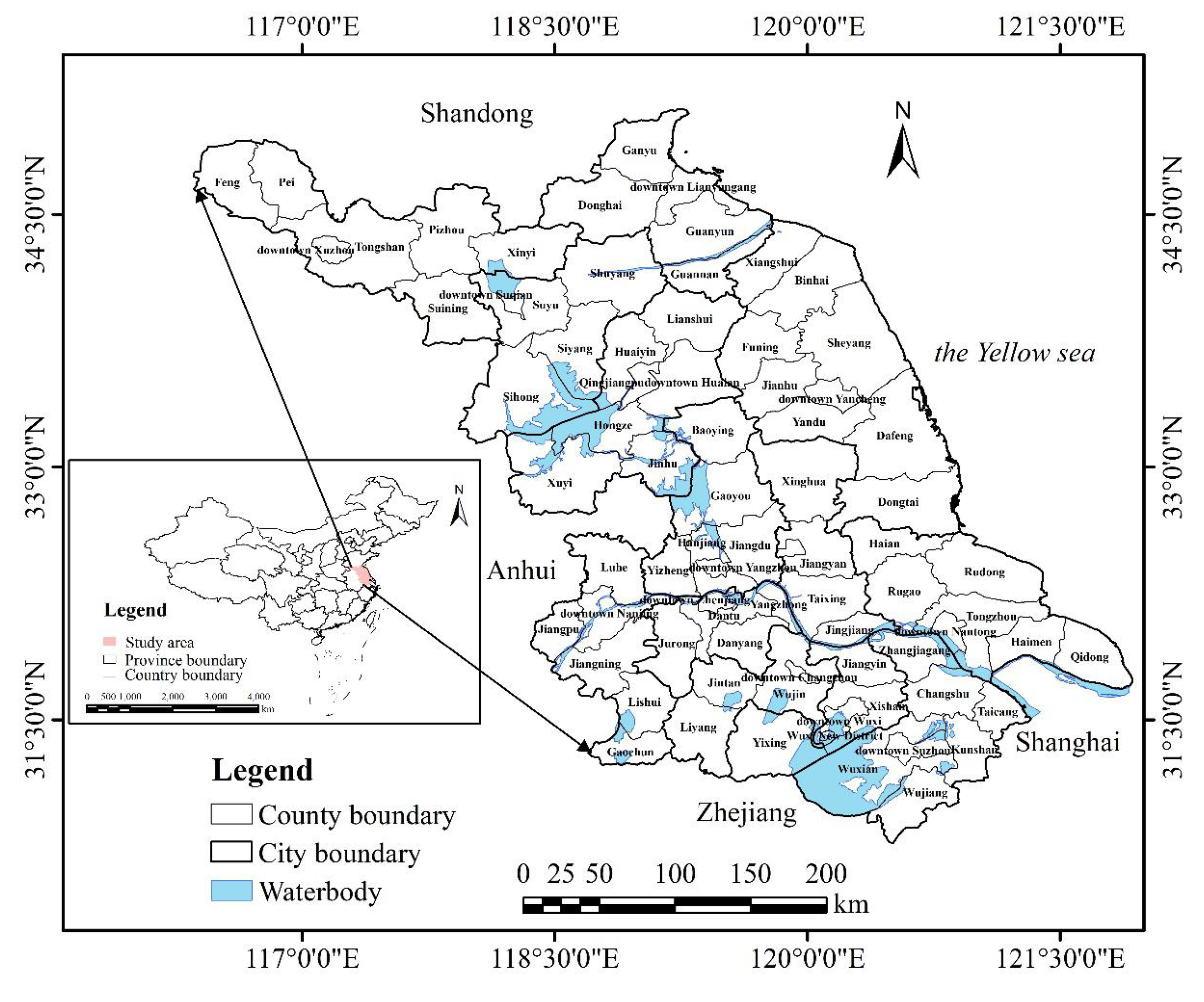
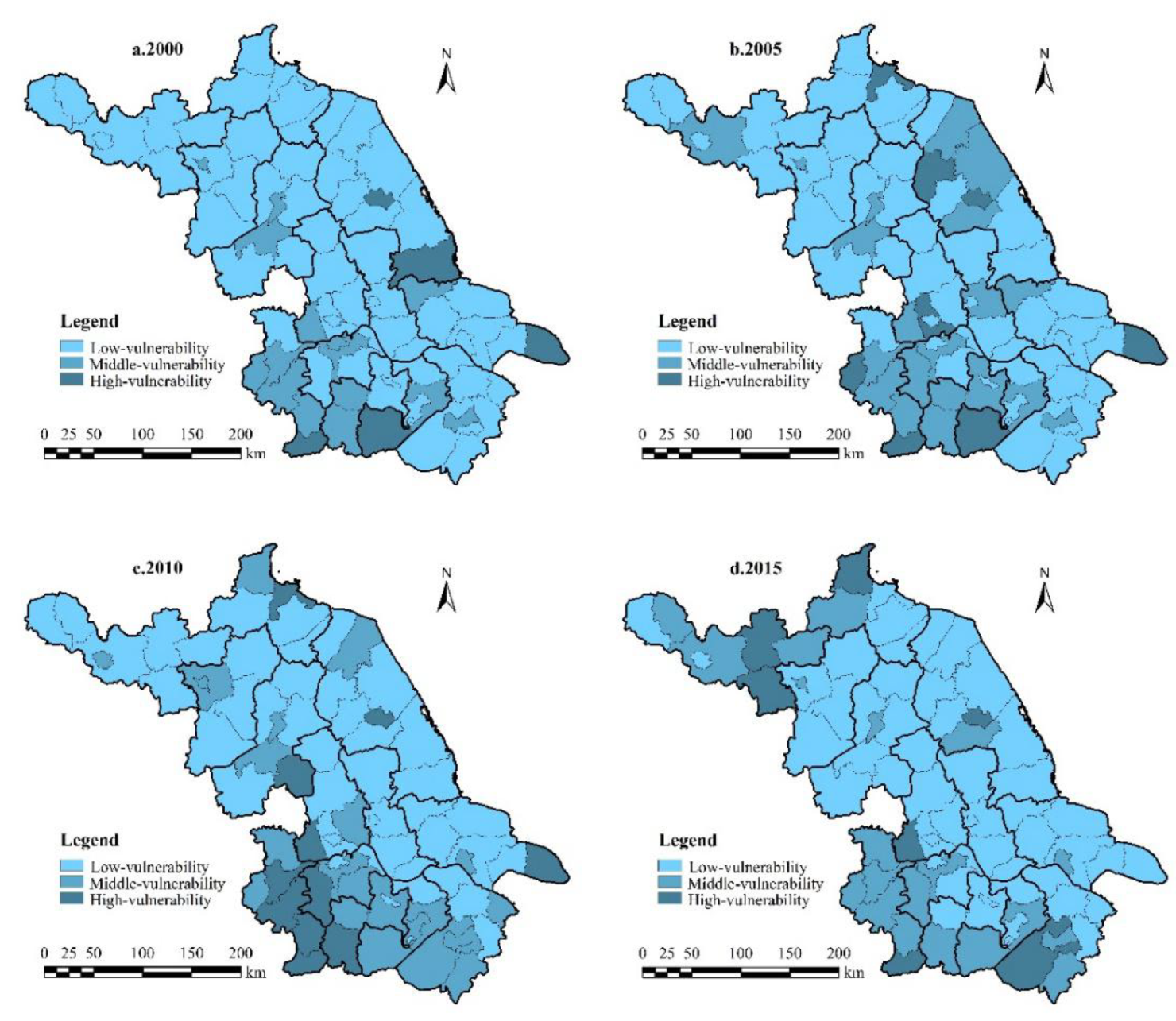
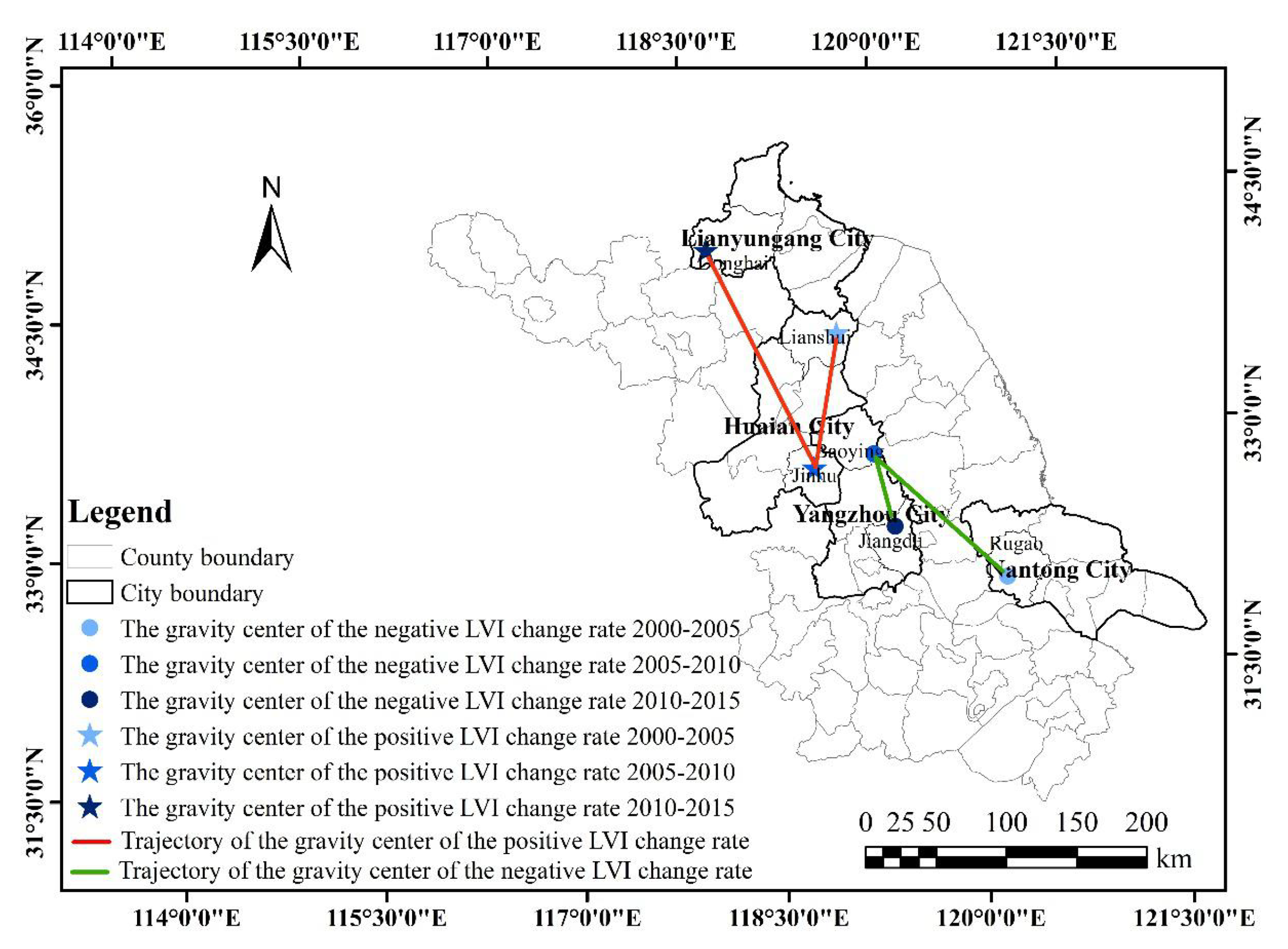
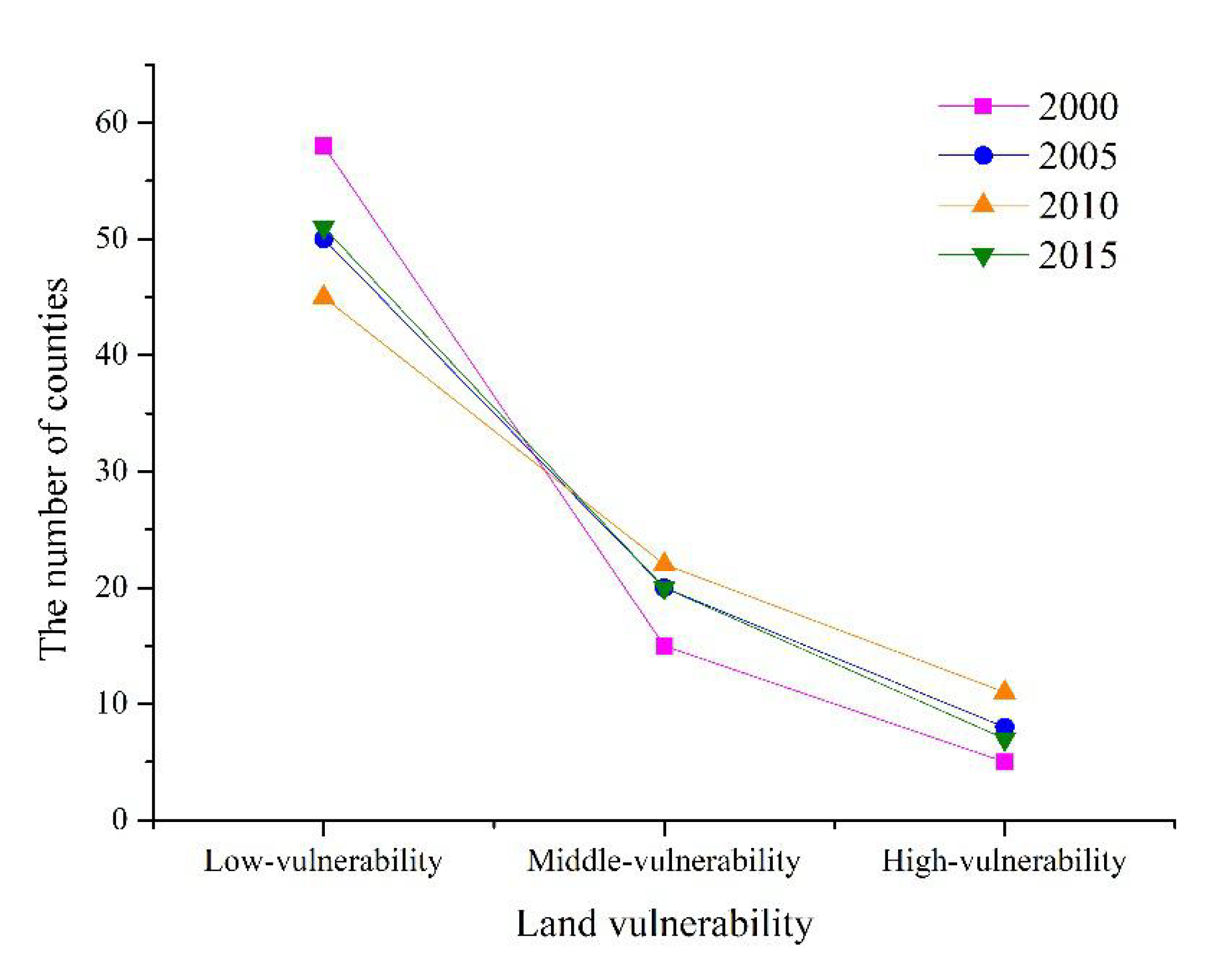
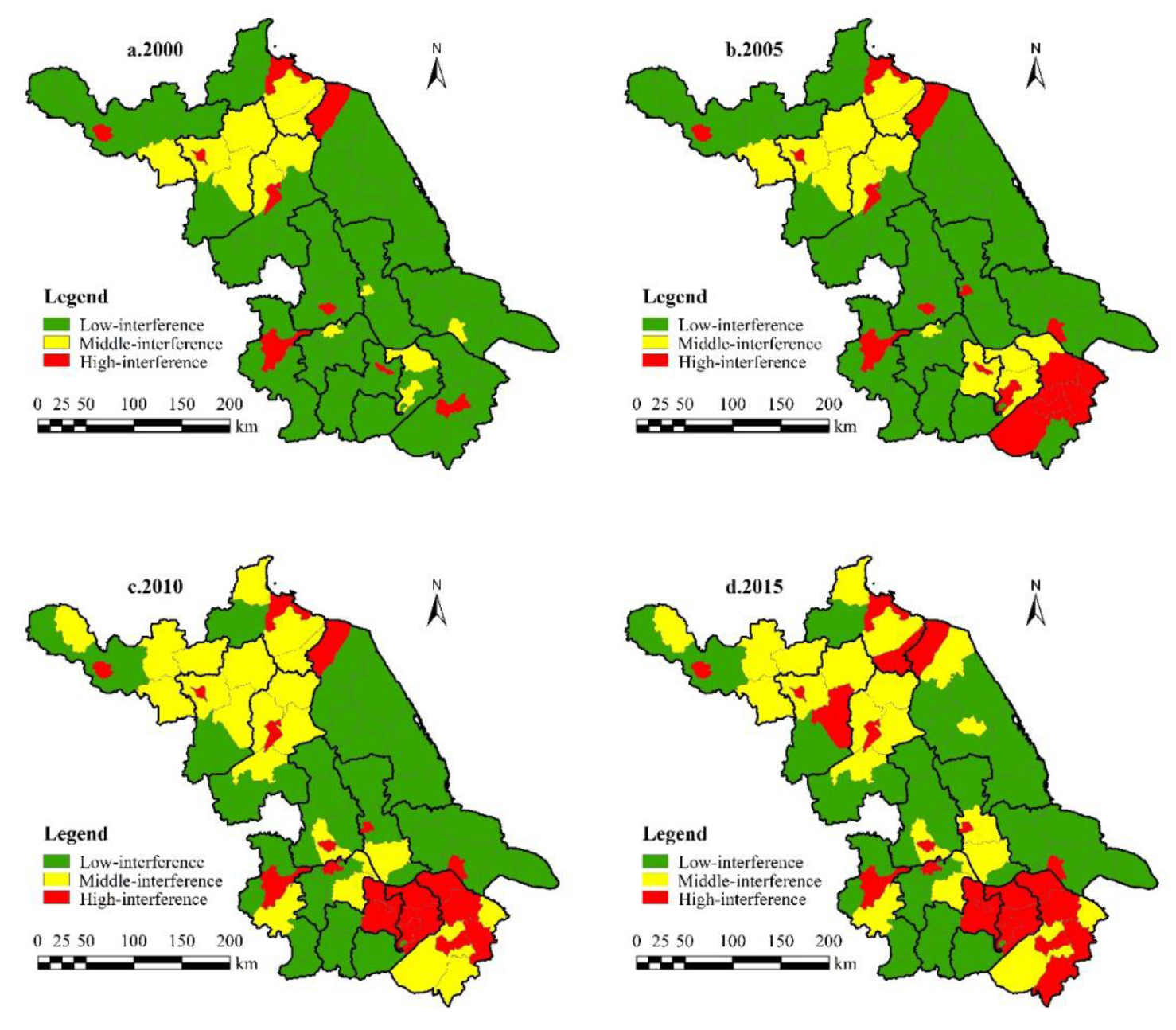
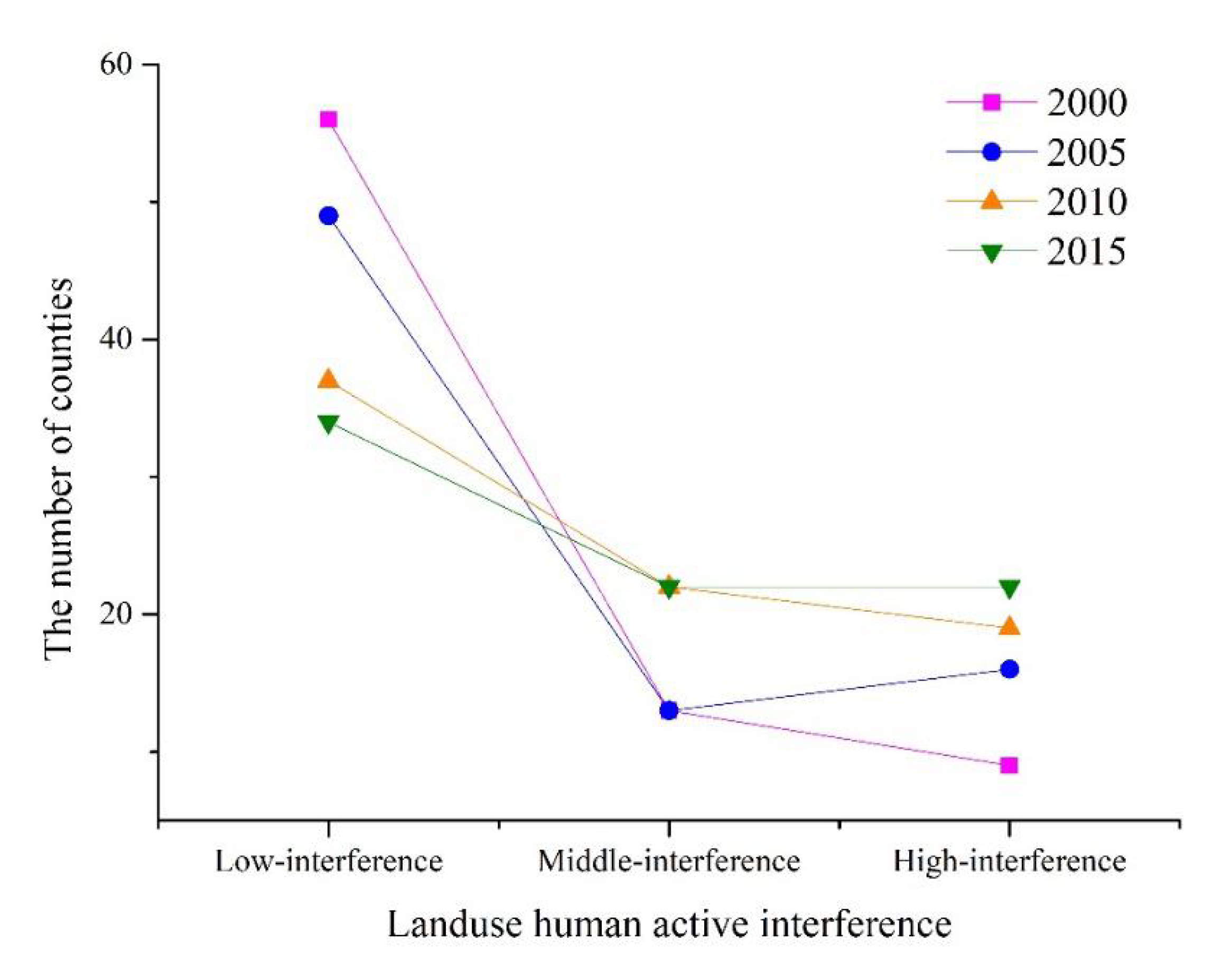
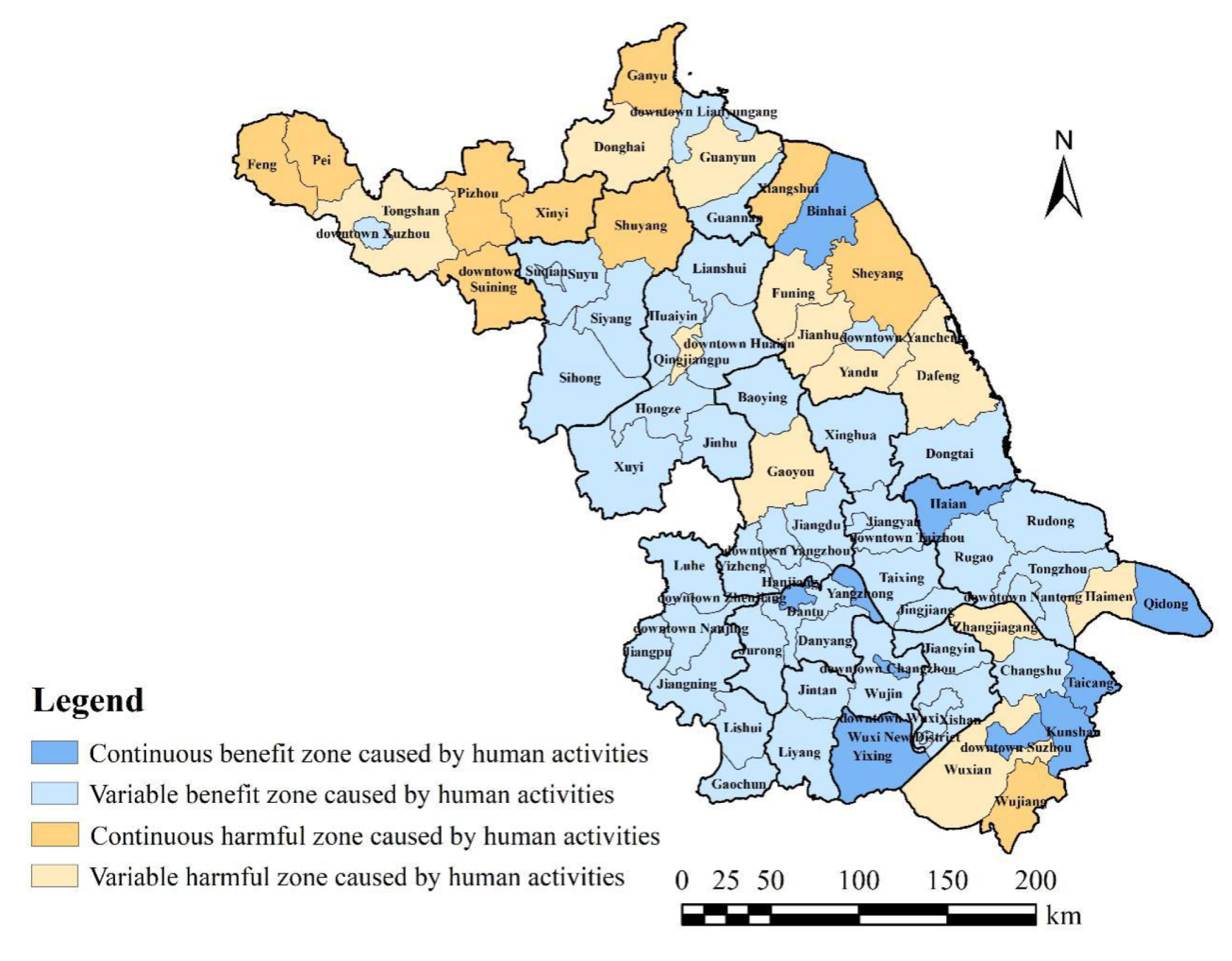
The unreasonable land use in rapid urbanization areas induced by large-scale urban construction activities have caused massive ecological issues. In this study, landscape vulnerability index (LVI) and landscape human interference index (LHAI) were originally addressed and calculated using multi-temporal land-use data from 2000 to 2015. Then, the spatial-temporal relationship assessment model of landscape fragility caused by human activities were constructed for each county of Jiangsu Province, China, so as to analyze the spatial distribution of landscape vulnerability and determine the impacts of artificial disturbance on landscape vulnerability. The results showed: (1) The number of counties with middle and high landscape vulnerability increased from 20 in 2000 to 27 in 2015 with a peak value (33) in 2010. (2) Counties with high-intensity human activities showed an upward trend. (3) Land use generally has a significant and diverse impact on landscape vulnerability. At the county level, the LVI was positively correlated with the LHAI before 2010 and was followed by a negative correlation of them. As concluded from this study, a total of four sub-regions (continuous benefit zones, variable benefit zones, continuous harmful zones, and variable harmful zones) have been identified for sustainable landscape management in the future. (4) The LVI suggests that the landscape vulnerability in Jiangsu did not continue to deteriorate in the study period. Further, accelerated land exploitation has produced a positive impact on regional economic development and ecological protection. This study provided an effective method set for analyzing the environmental impacts caused by human activities and promoting future ecosystem management in coastal areas.
Keywords: human activities; land-use change; landscape vulnerability assessment; rapid urbanization areas human activities; land-use change; landscape vulnerability assessment; rapid urbanization areas