Article

Detection of Enteric Viruses and Bacterial Indicators in a Sewage Treatment Center and Shallow Water Bay


1
Department of Biology, College of Science, University of Bahrain, Sakhir 32038, Bahrain
2
The National Center for Disease Prevention and Control, Jazan 82722-2476, Saudi Arabia
*
Author to whom correspondence should be addressed.
These authors contributed equally to this work.
Int. J. Environ. Res. Public Health 2020, 17(18), 6483; https://doi.org/10.3390/ijerph17186483

Submission received: 25 July 2020 / Revised: 24 August 2020 / Accepted: 31 August 2020 / Published: 6 September 2020
(This article belongs to the Section Environmental Microbiology)

Abstract

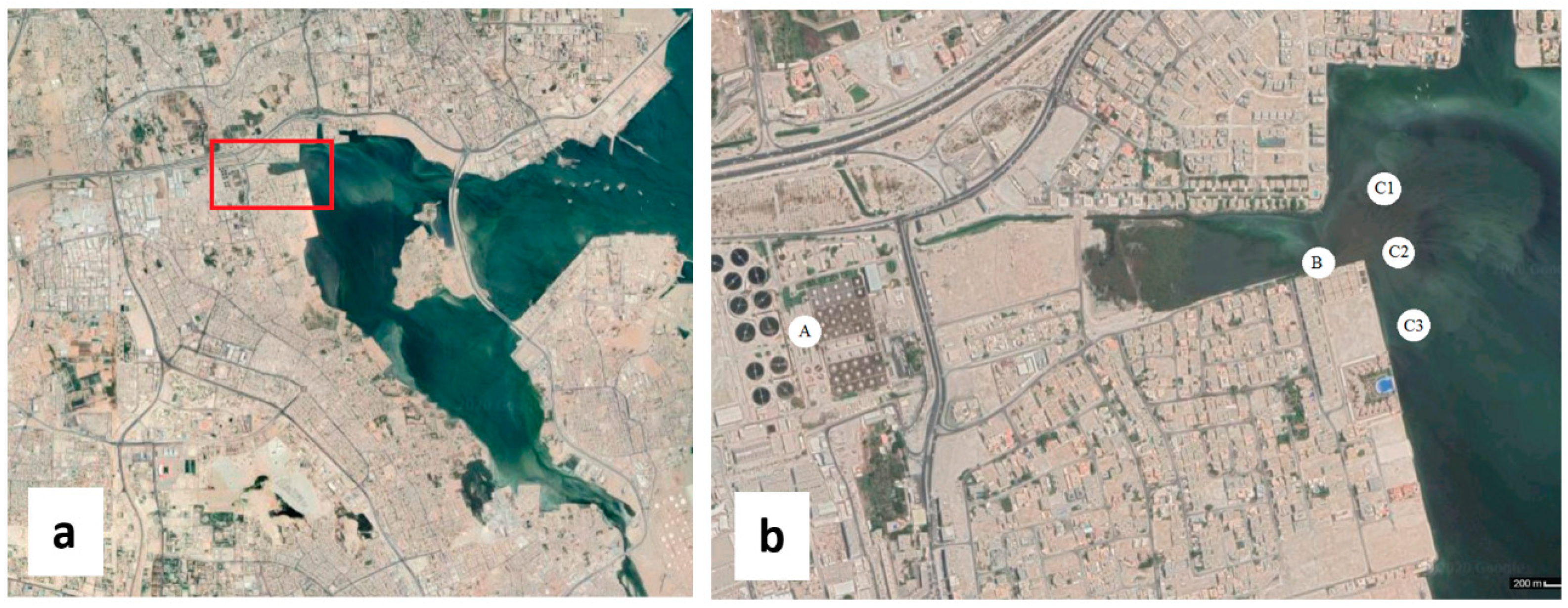
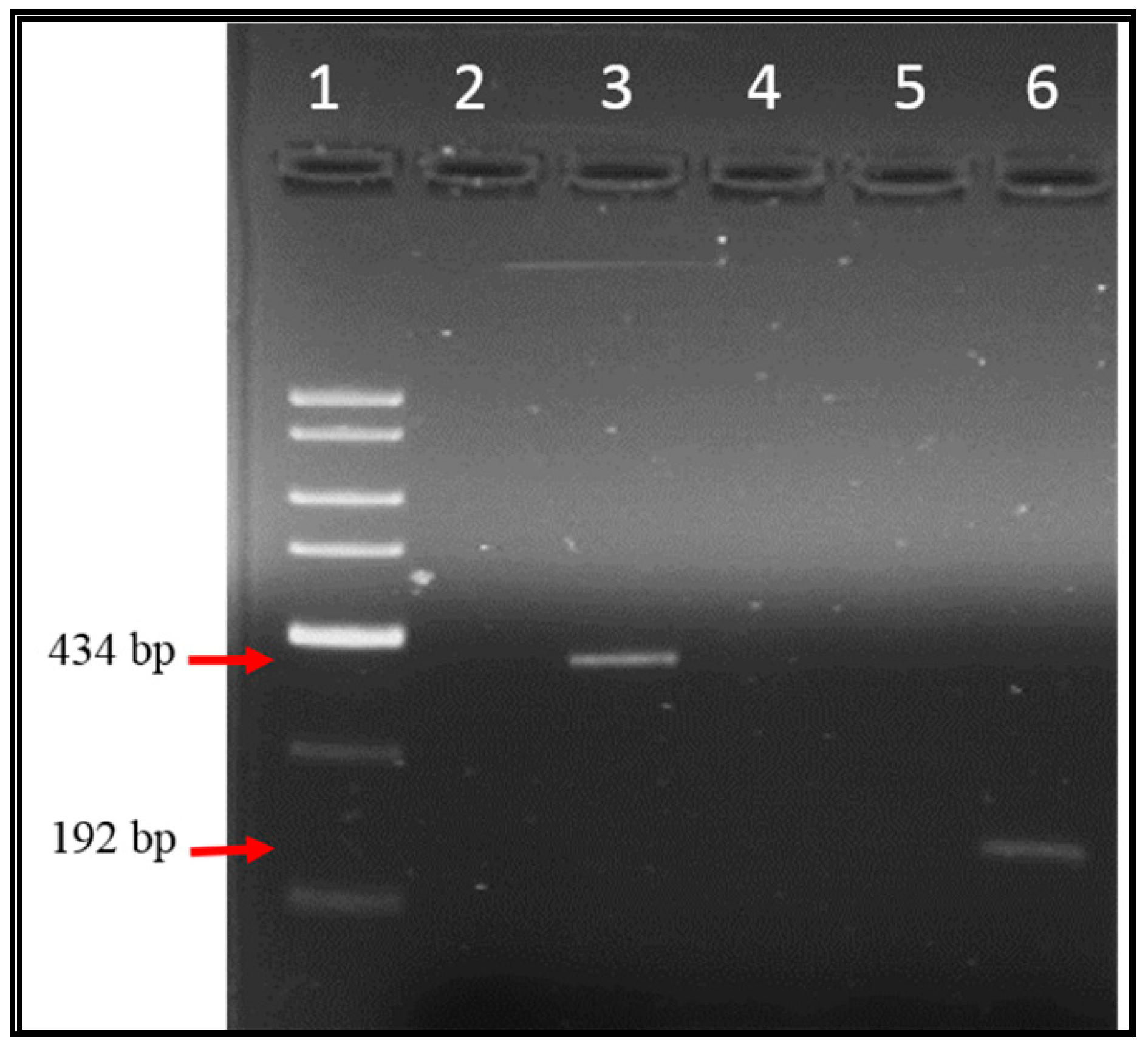
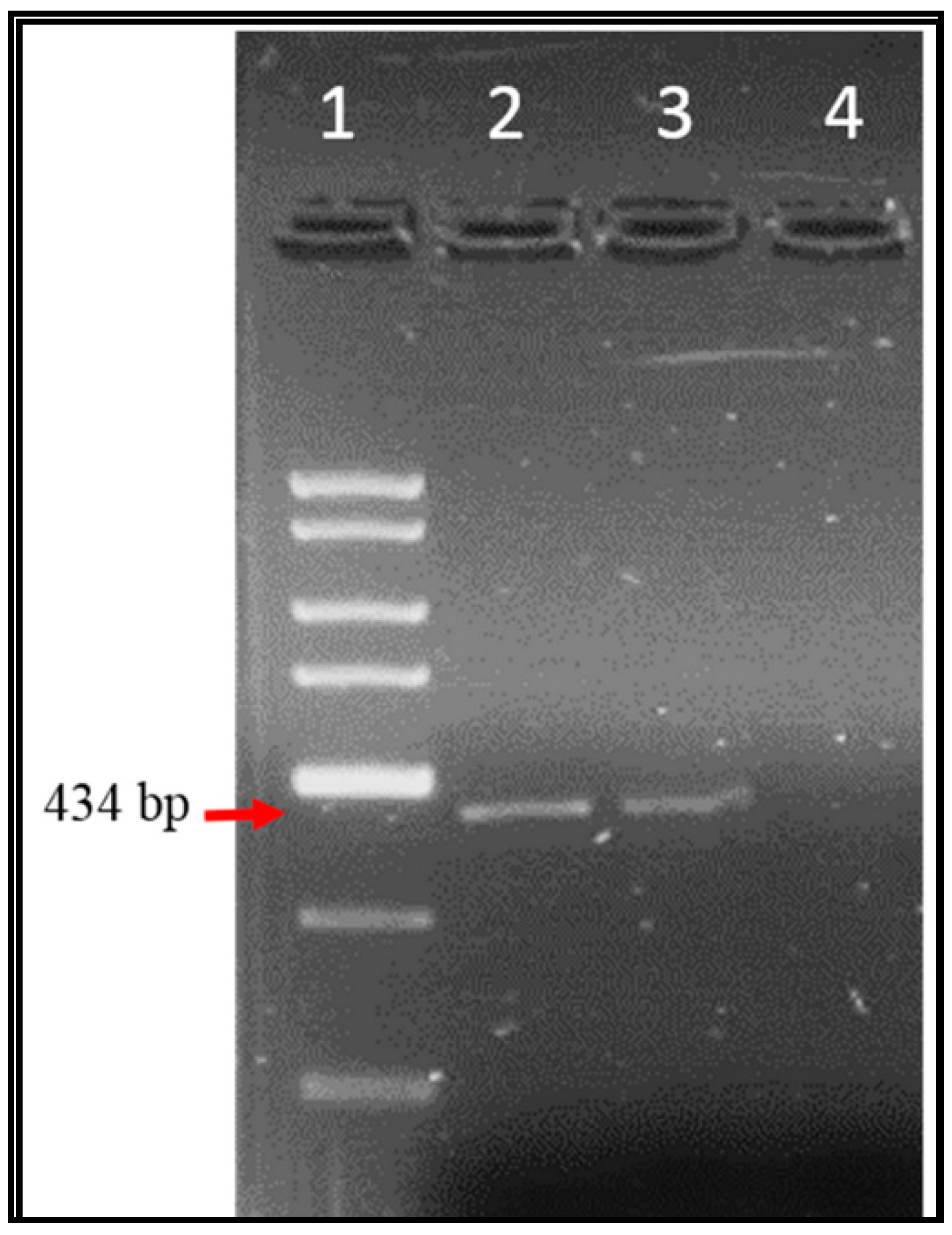
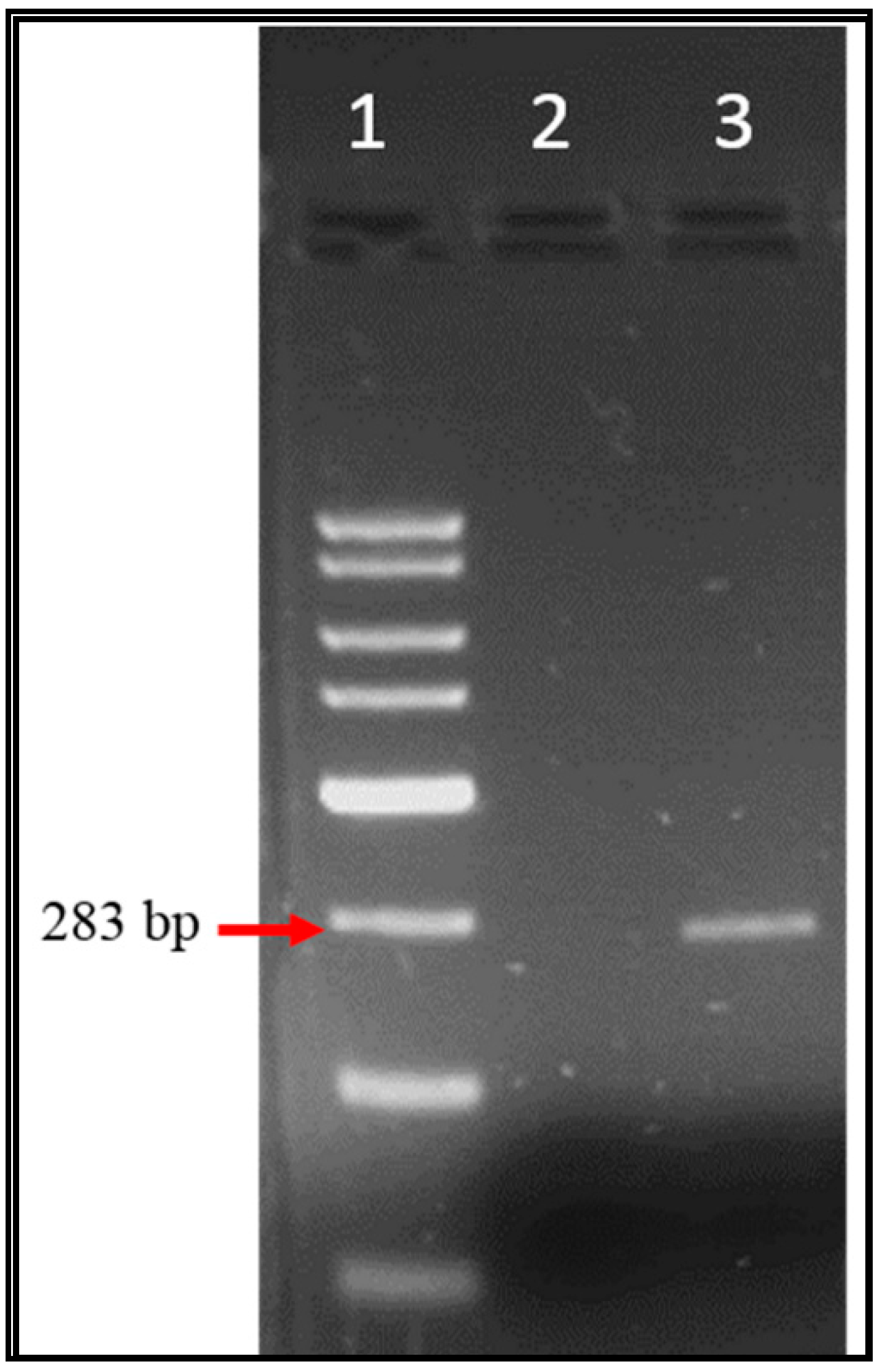
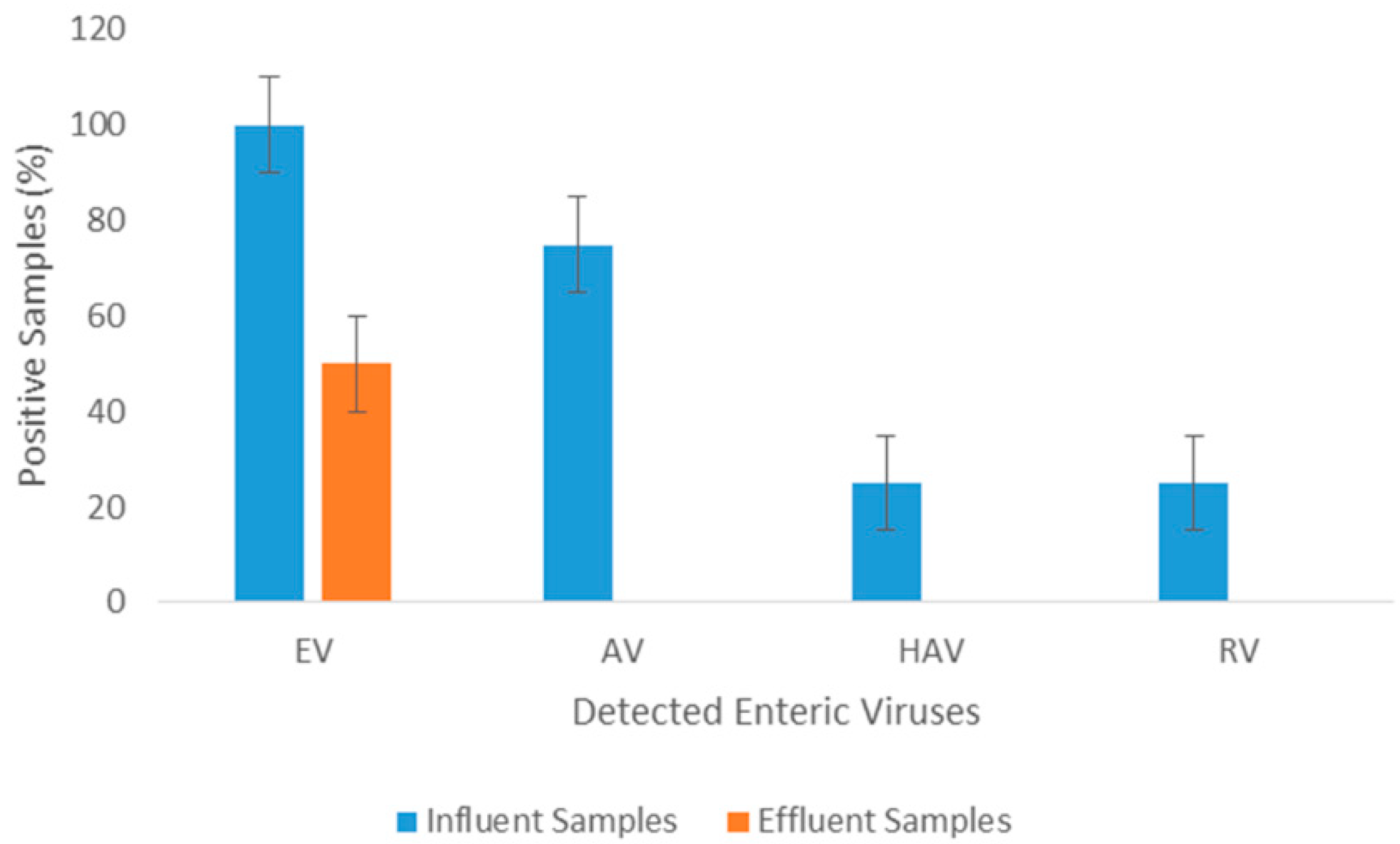
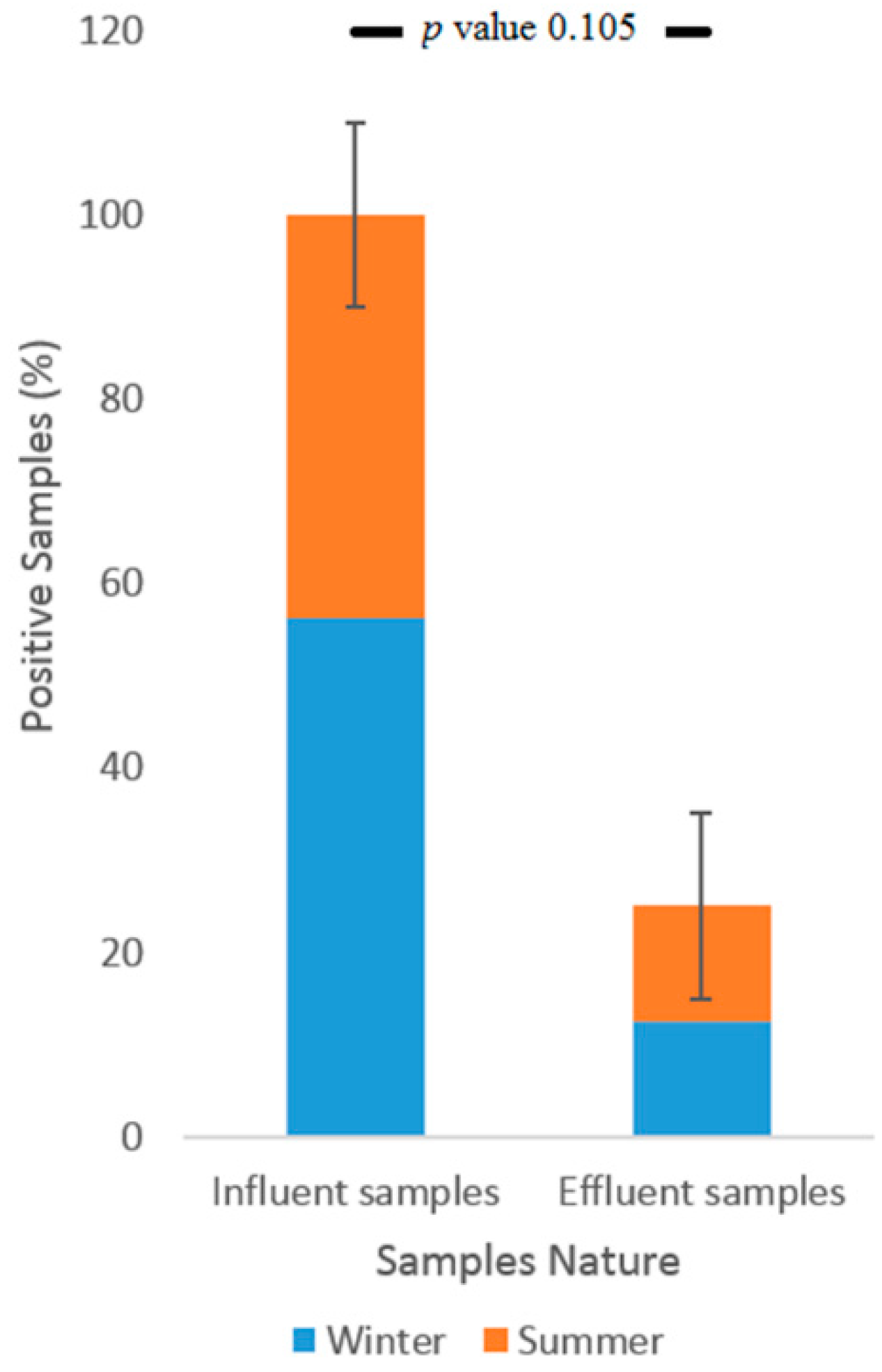
The incidence of enteric viruses in treated wastewater and their potential release into the environment or use for agriculture are very critical matters in public health. In our study, PCR (polymerase chain reaction) analysis of enteric viruses was performed on 59 samples of influents and effluents collected from Tubli wastewater treatment plant (Water Pollution Control Center (WPCC)) and Tubli Bay, where the effluents were discharged, in Kingdom of Bahrain during two sampling periods. Four clinically essential waterborne enteric viruses were examined: enterovirus (EV), hepatitis A virus (HAV), astroviruses (AV), and rotaviruses (RV) and compared to standard bacterial and bacteriophages indicators of fecal pollution. Detection rates of EV, AV, HAV, and RV in the influent samples were 100%, 75%, 12.5%, and 12.5%, respectively, while 50% of the effluent samples from Tubli WPCC contained only EV RNA. None of the tested enteric viruses could be detected in any of the samples collected directly from Tubli Bay. Effluent samples from Tubli plant did not show significant seasonal differences. Since detection of enteric viruses genome does not necessarily indicate infectivity, the infectivity of these viruses was evaluated through isolation and growth of indictor bacteria and bacteriophages. High concentration of fecal bacteriological indicators was detected in all effluents samples (100%): 3.20 × 10³ cfu/mL for E. coli, 1.32 × 10³ cfu/mL for Salmonella spp., and 1.92 × 10³ cfu/mL for Shigella spp. E. coli and Salmonella specific bacteriophages were also detected in the effluent samples in high titers. The combined results of PCR and bacterial enumeration point to a probable public health risk via the use of these wastewaters in agriculture or their discharge into the sea. Continuous surveillance of viral and bacterial prevalence and their resistance to sewage disinfection procedures could contribute to a better control of risks associated with the recycling of effluent wastewater and its release into the environment.
Keywords: enteric viruses; wastewater; PCR; sewage pollution; bacterial indicators enteric viruses; wastewater; PCR; sewage pollution; bacterial indicators