Article

Contamination of Tea and Tea Infusion with Polycyclic Aromatic Hydrocarbons

by
Alicja Zachara
1,2,
Dorota Gałkowska
1 and
Lesław Juszczak
1,*
1
Department of Food Analysis and Evaluation of Food Quality, Faculty of Food Technology, University of Agriculture in Krakow, Balicka 122, 30-149 Krakow, Poland
2
Laboratory of Food Hygiene and Nutrition, Voivodeship Sanitary-Epidemiological Station in Rzeszow, Wierzbowa 16, 35-959 Rzeszow, Poland
*
Author to whom correspondence should be addressed.
Int. J. Environ. Res. Public Health 2018, 15(1), 45; https://doi.org/10.3390/ijerph15010045

Submission received: 18 October 2017 / Revised: 23 December 2017 / Accepted: 25 December 2017 / Published: 28 December 2017

Abstract

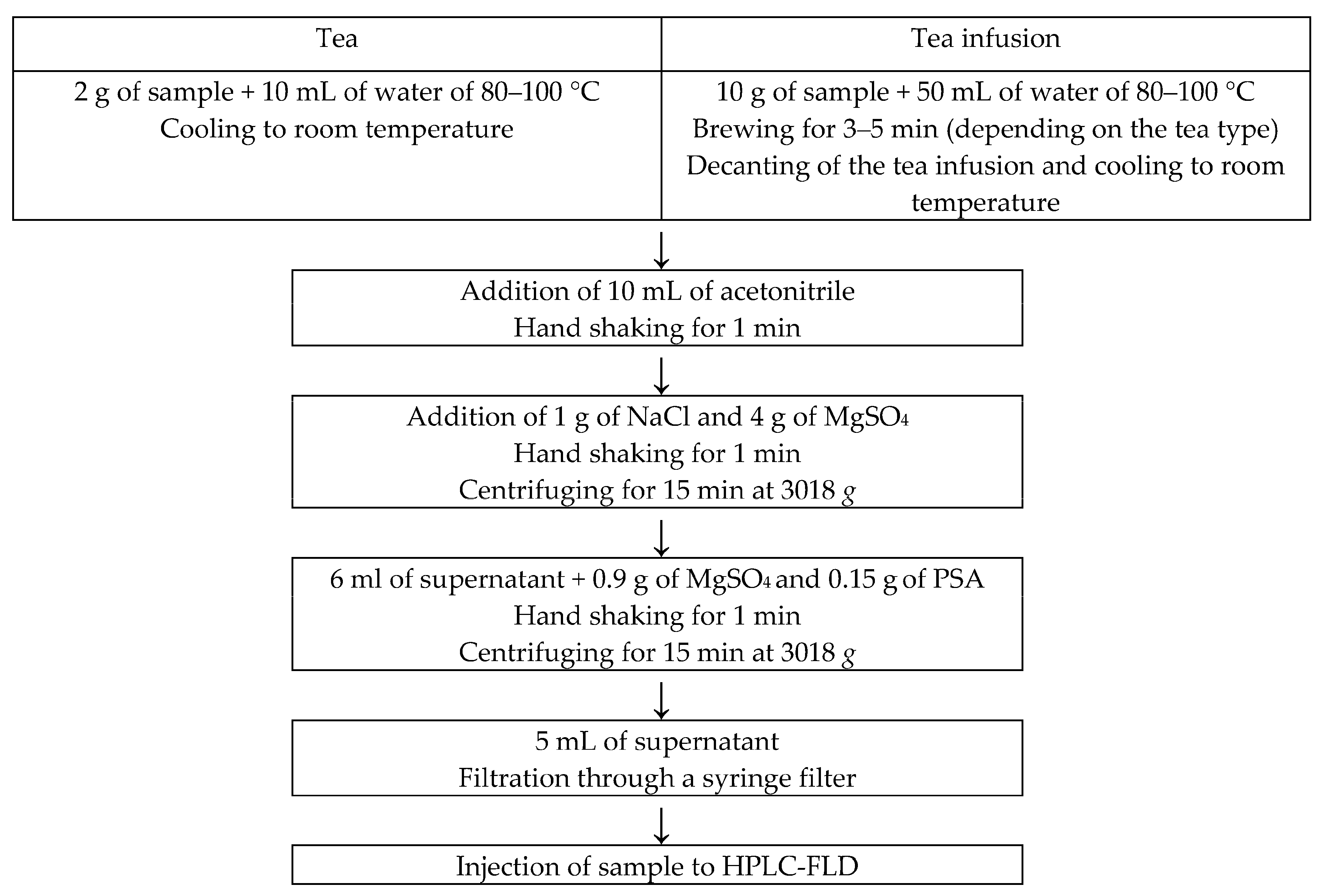
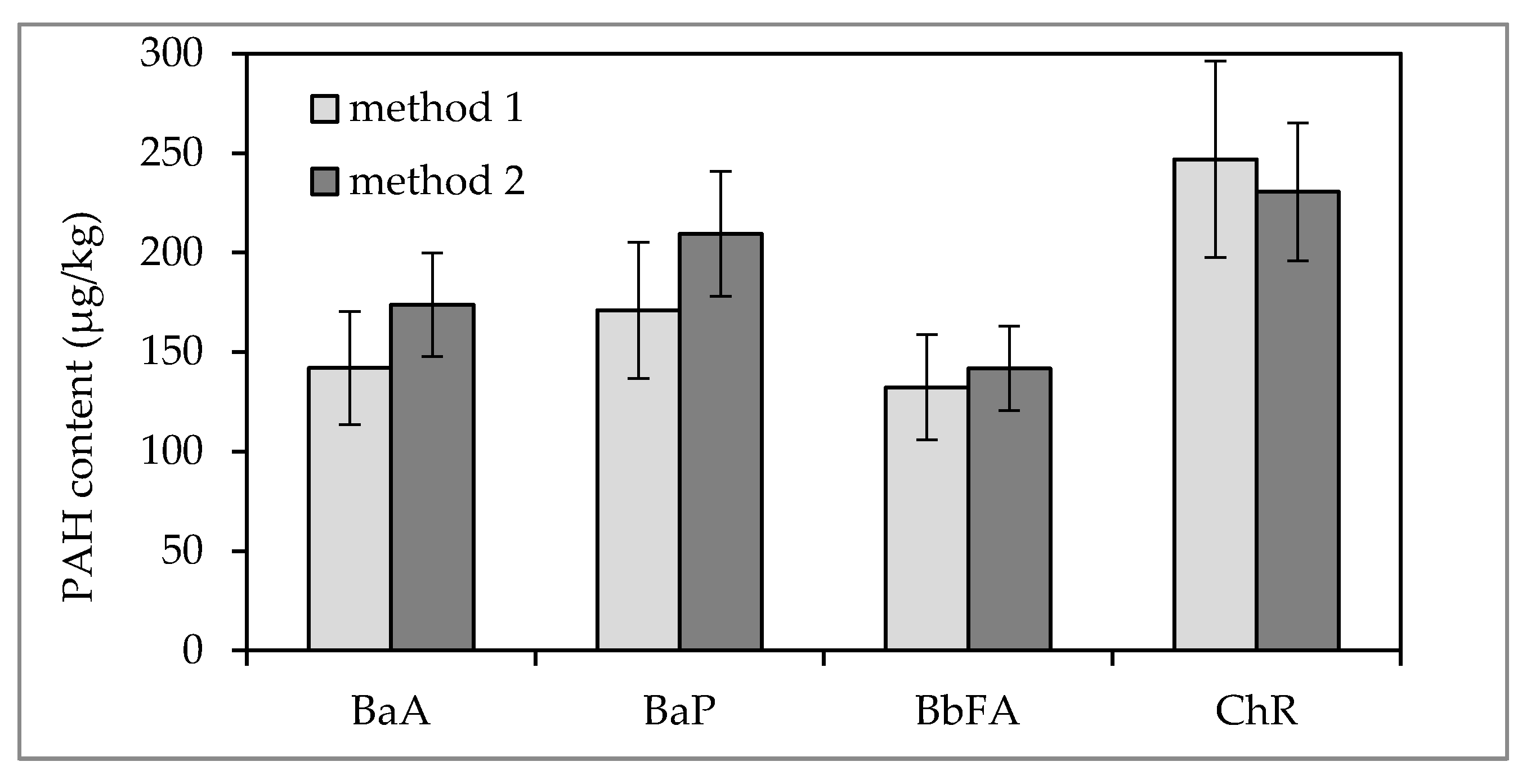
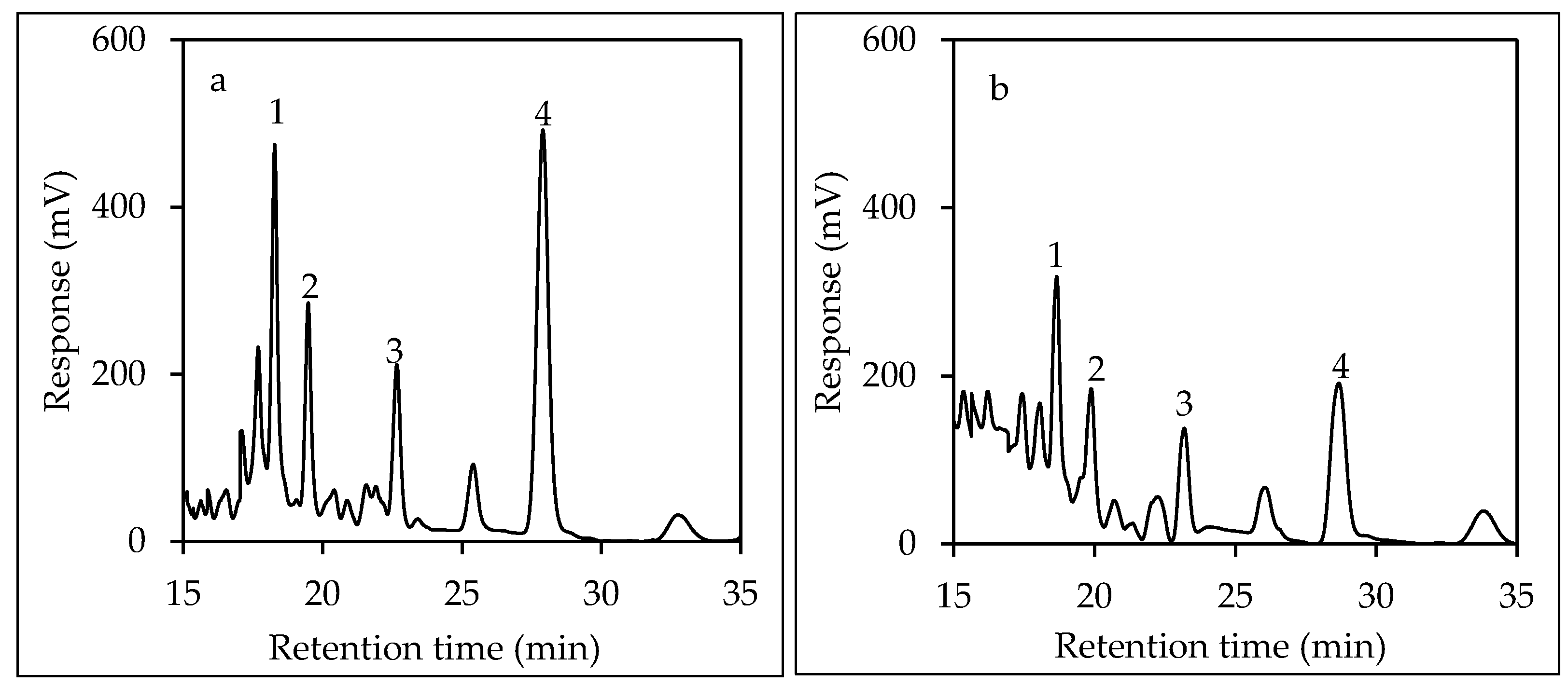
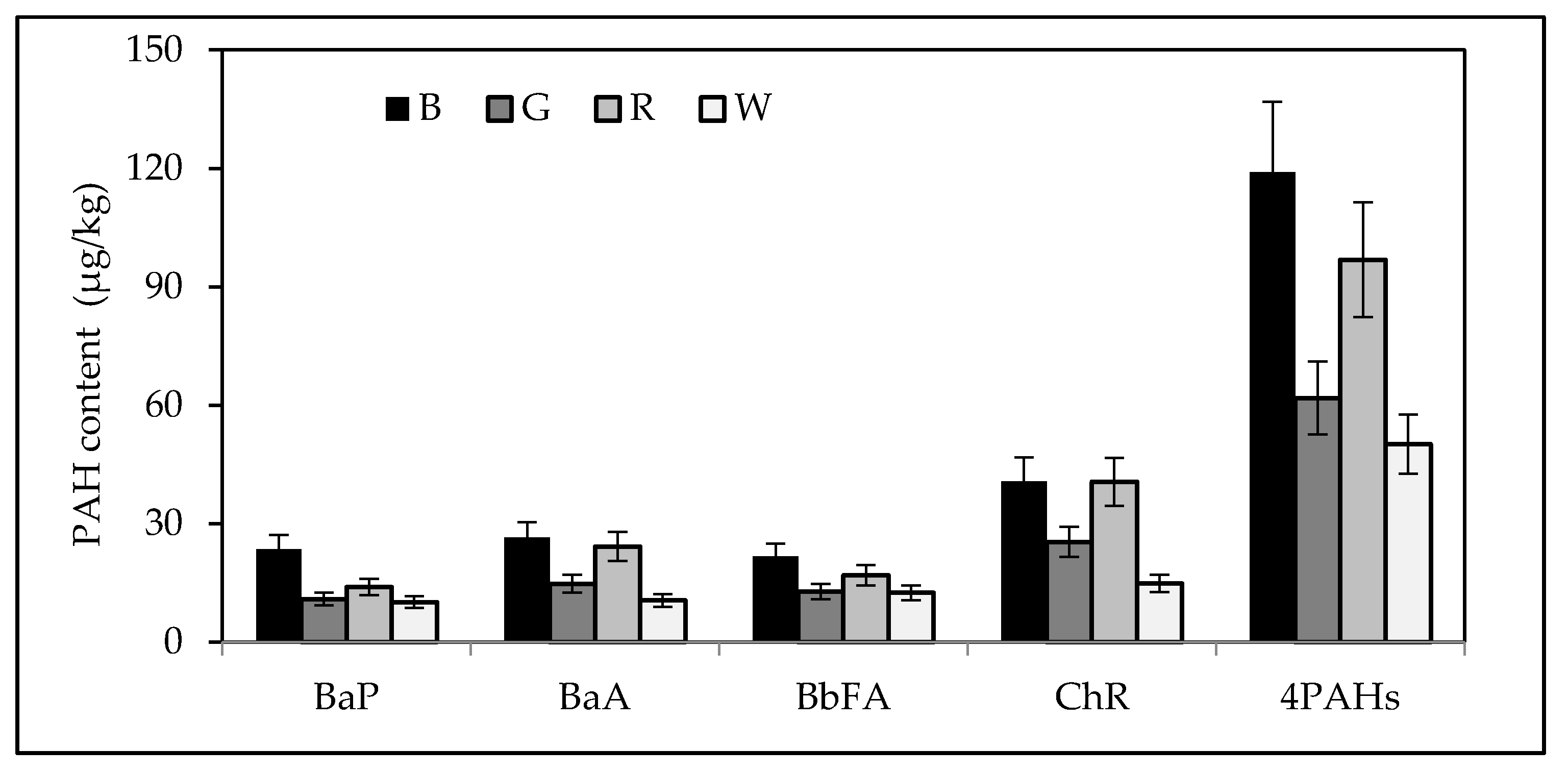
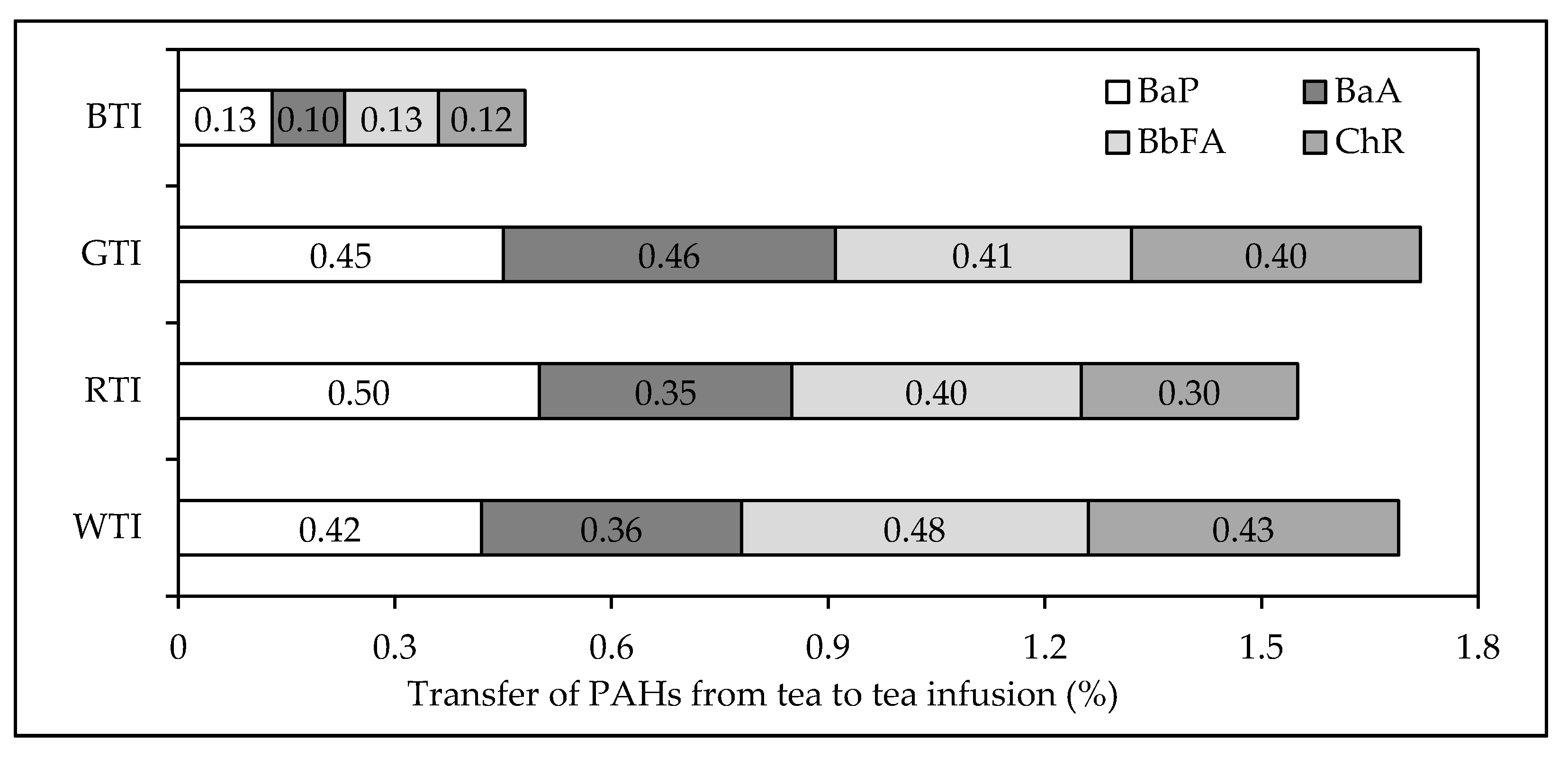
The aim of this work was to validate the method of determination of polycyclic aromatic hydrocarbons (PAHs), i.e., benzo(a)pyrene and sum of benzo(a)pyrene, benz(a)anthracene, benzo(b)fluoranthene and chrysene in different types of tea, as well as to assess the transfer of these contaminants from tea to tea infusion. The research materials were popular types of black, green, red and white tea. Quantitative and qualitative determination of PAHs was performed by High Performance Liquid Chromatography with fluorimetric detection (HPLC-FLD). The samples were prepared by QuEChERS (Quick, Easy, Cheap, Effective, Rugged and Safe) technique followed by cleaning-up by dispersion solid-phase extraction (d-SPE). Values of limit of detection and limit of quantification obtained in the validation of the method were lower than the respective maximum values given in Commission Regulation (EU) No. 836/2011. The level of contamination of popular teas commercially available on the Polish market with PAHs is similar to that of teas available in other countries, with a very large variation in the concentration of each of the compounds. The highest benzo(a)pyrene and Σ4PAHs contents (209 ± 42 μg/kg and 756 ± 151 μg/kg, respectively) were found for black tea leaves. The transfer of Σ4PAHs from black tea to tea infusions was 0.48%, while it was 1.55–1.72% for red, white and green teas.
Keywords: tea; tea infusion; PAHs; HPLC-FLD; QuEChERS tea; tea infusion; PAHs; HPLC-FLD; QuEChERS