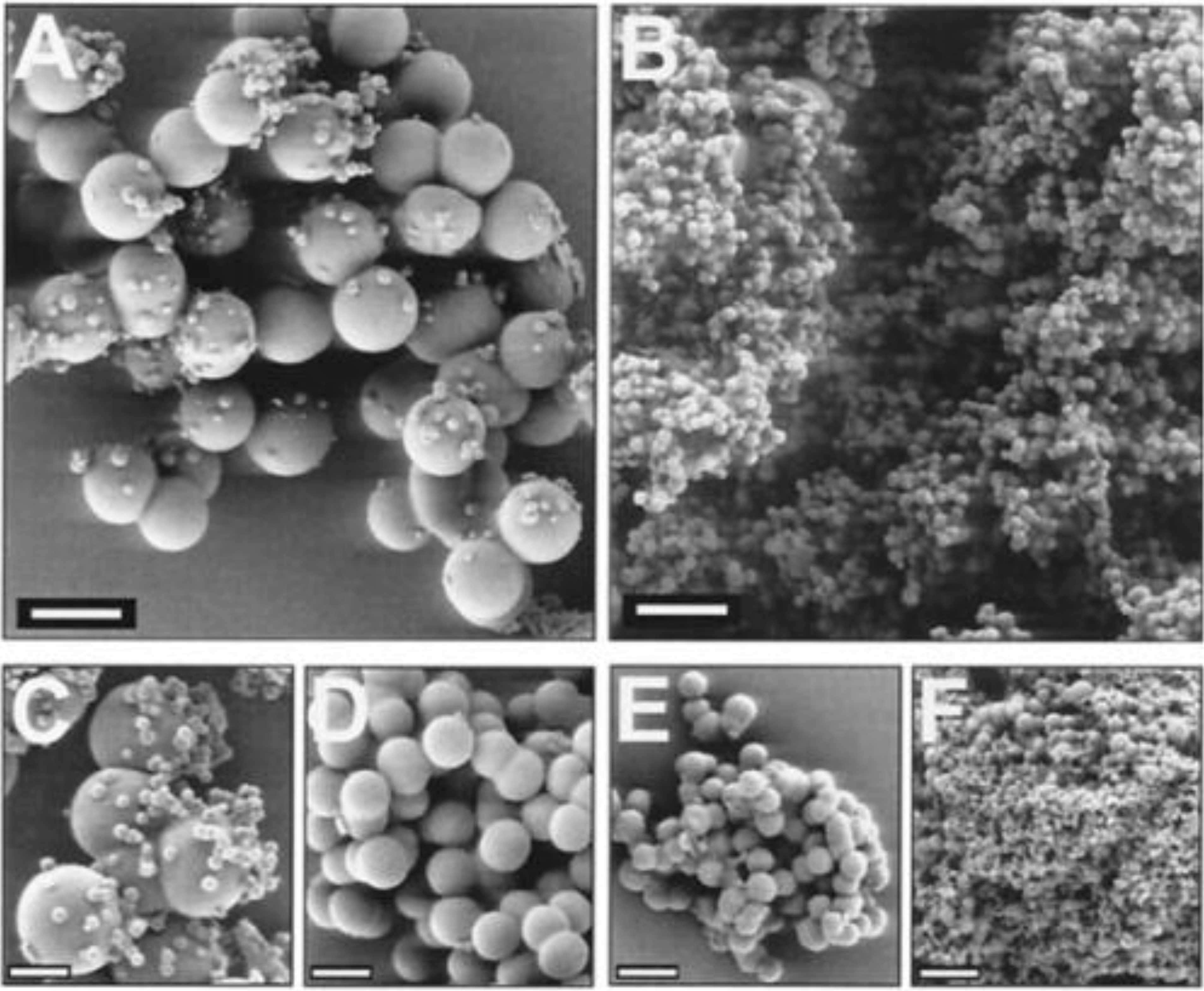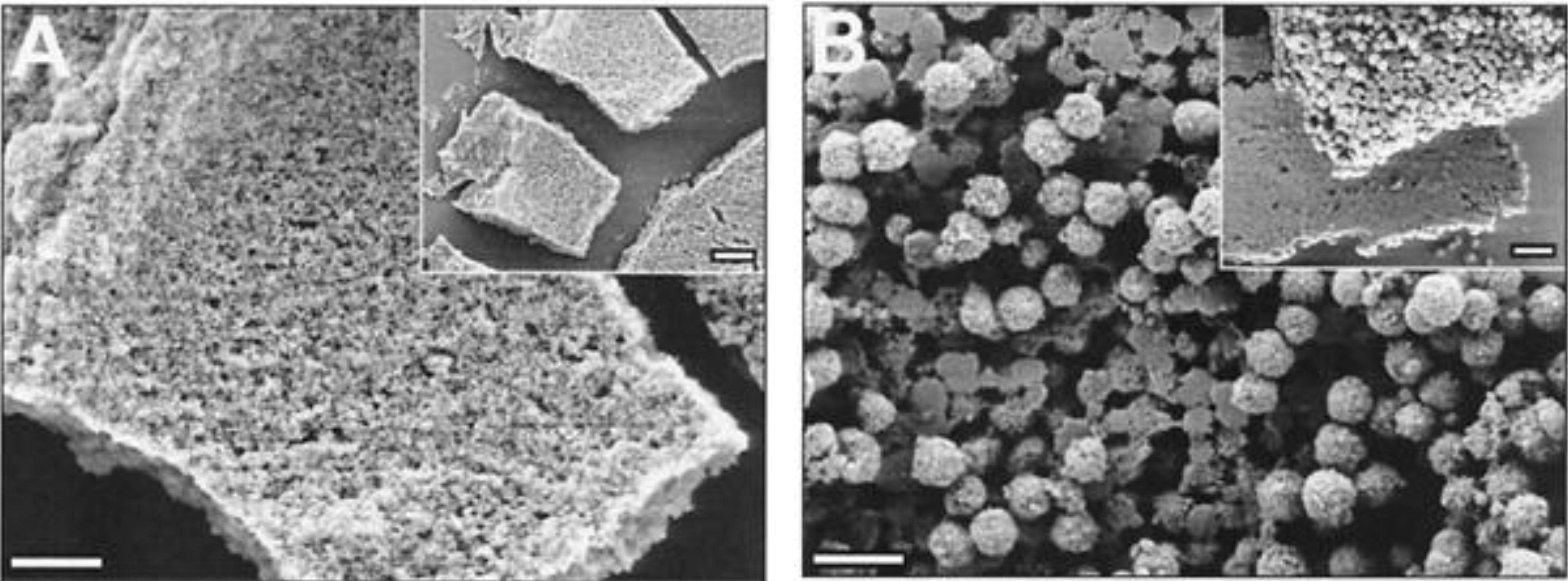
Silaffins of Diatoms: From Applied Biotechnology to Biomedicine


Abstract
1. Introduction
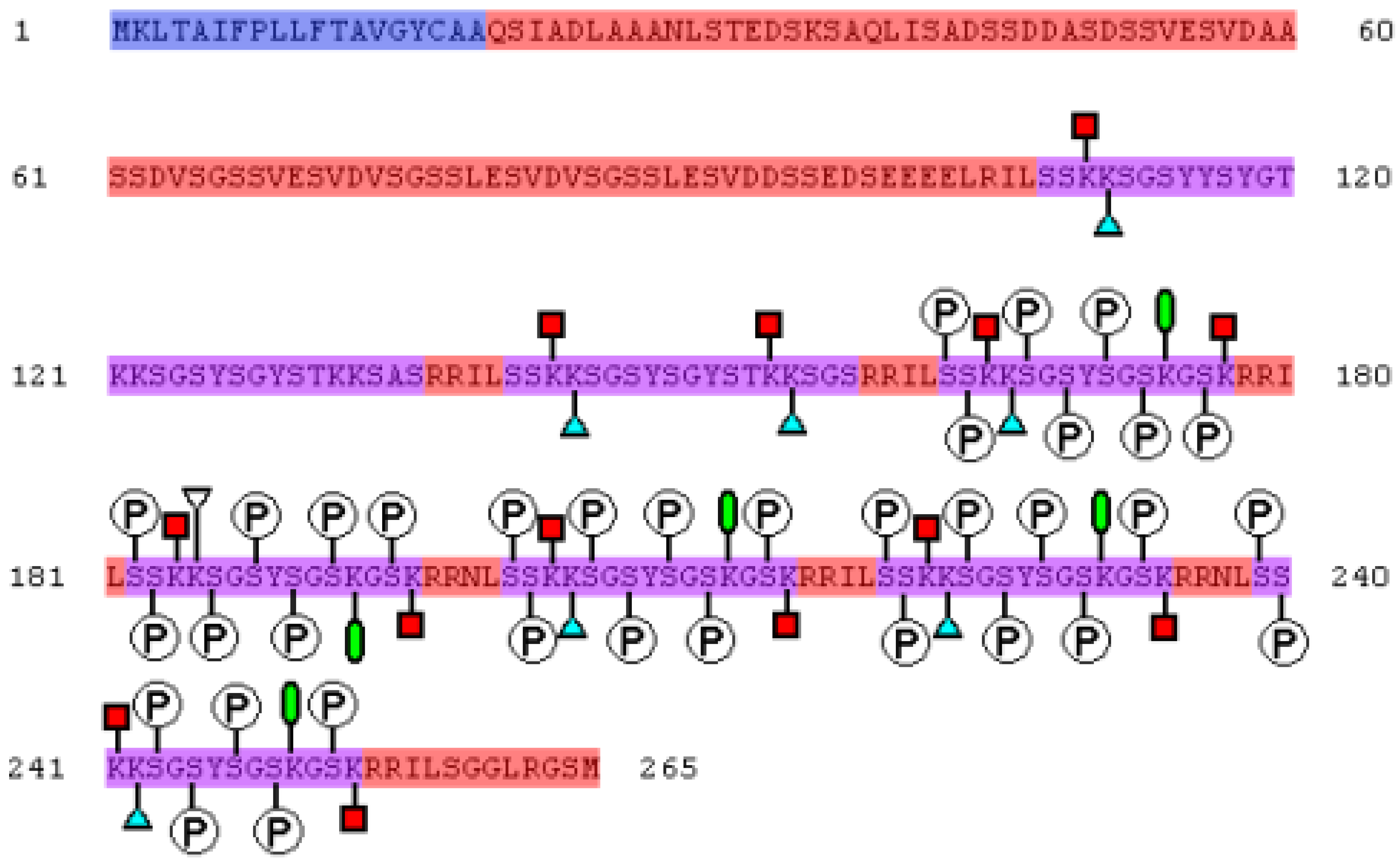
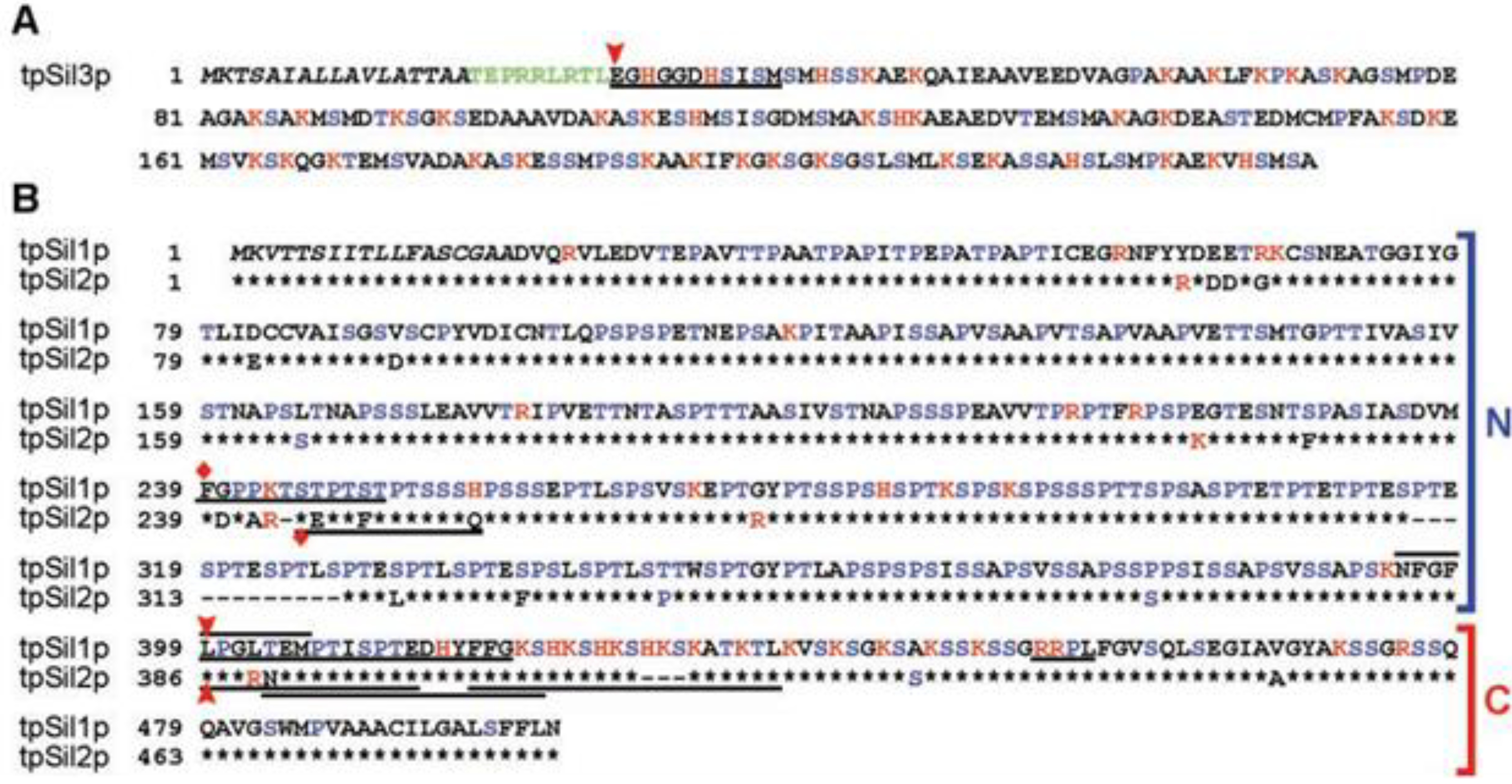
2. Mechanism of Biomineral Formation
2.1. Short Silaffins
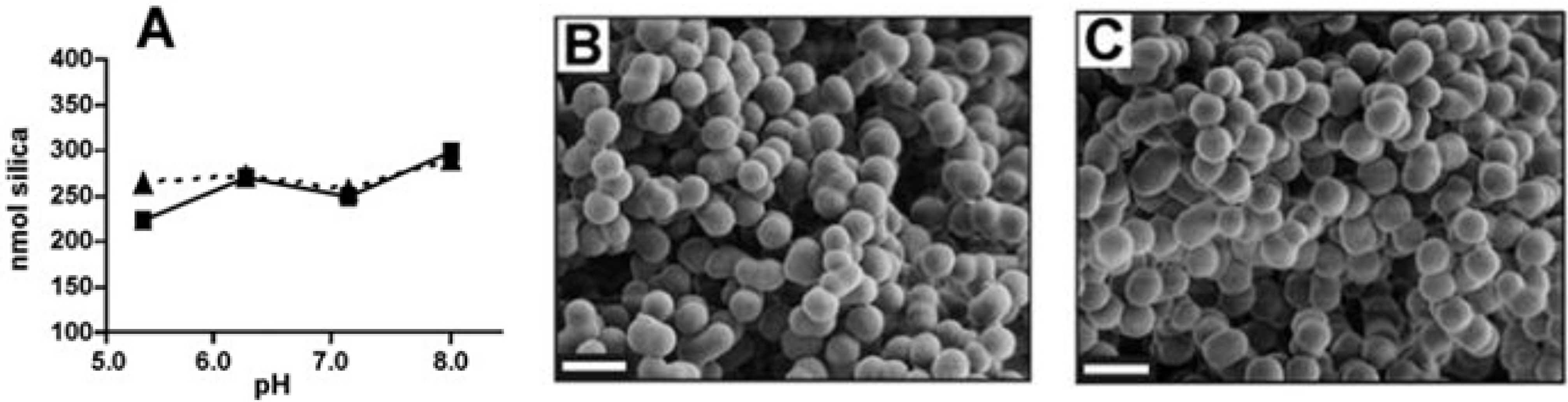


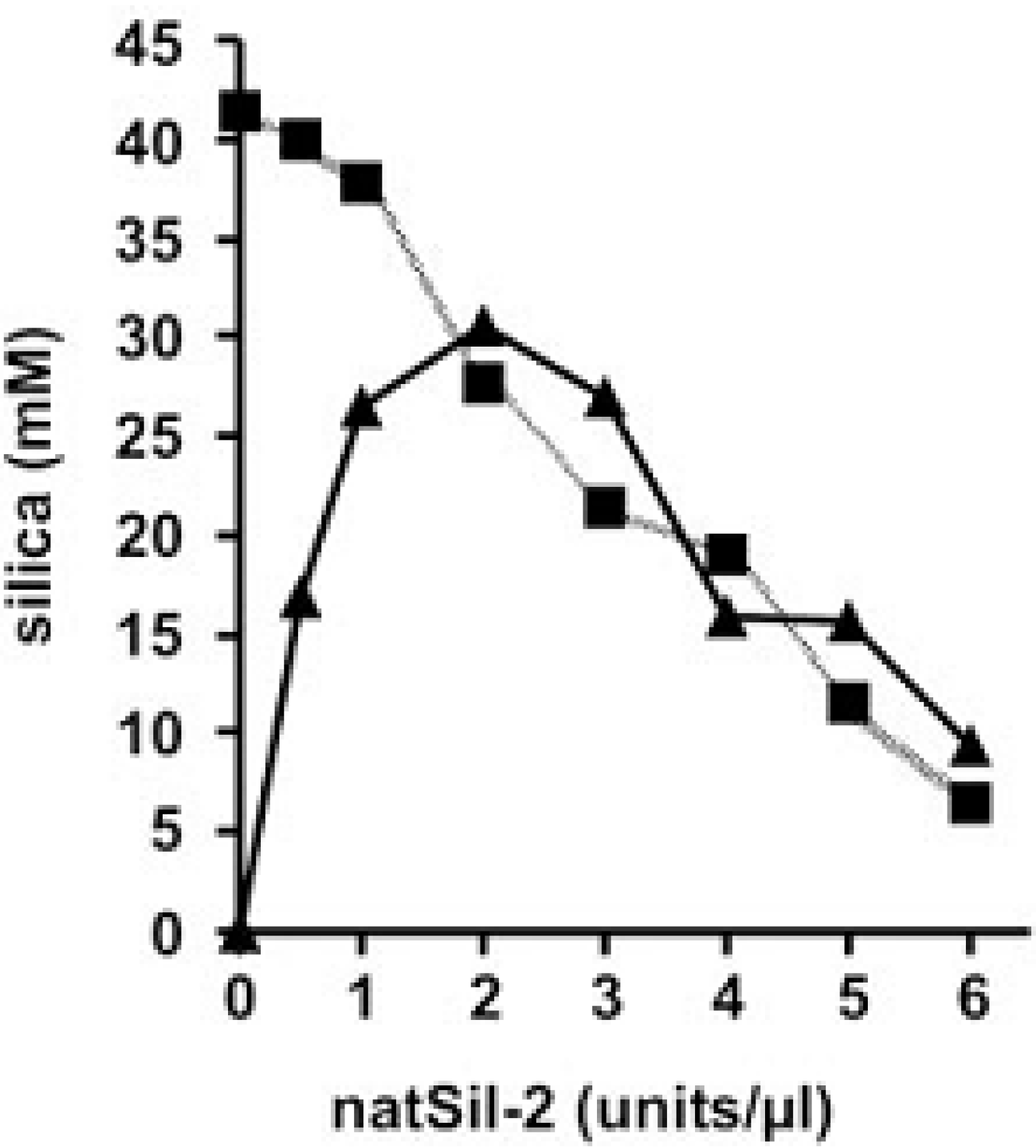
2.2. Long Silaffins
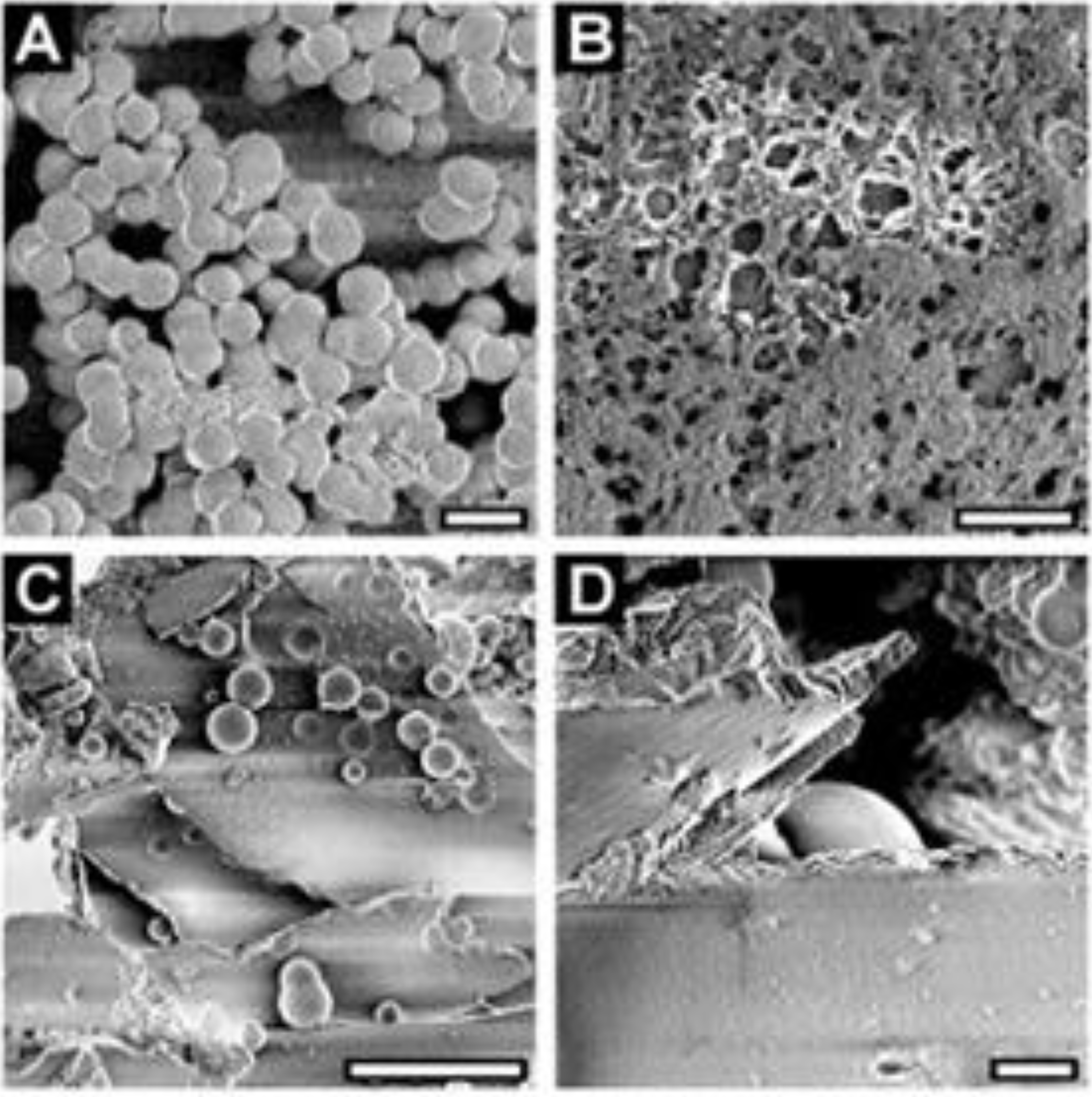
3. Practical Application of Silaffins
4. Conclusions
Acknowledgment
Conflicts of Interest
References
- Scala, S.; Bowler, C. Molecular insights into the novel aspects of diatom biology. Cell. Mol. Life Sci. 2001, 58, 1666–1673. [Google Scholar] [CrossRef]
- Kröger, N. Prescribing diatom morphology: Toward genetic engineering of biological nanomaterials. Curr. Op. Chem. Biol. 2007, 11, 662–669. [Google Scholar] [CrossRef]
- Poulsen, N.; Sumper, M.; Kröger, N. Biosilica formation in diatoms: Characterization of native silaffin-2 and its role in silica morphogenesis. Proc. Natl. Acad. Sci. USA 2003, 100, 12075–12080. [Google Scholar] [CrossRef]
- Sumper, M. A phase separation model for the nanopatterning of diatom biosilica. Science 2002, 295, 2430–2433. [Google Scholar] [CrossRef]
- Kröger, N.; Deutzmann, R.; Sumper, M. Polycationic peptides from diatom biosilica that direct silica nanosphere formation. Science 1999, 286, 1129–1132. [Google Scholar] [CrossRef]
- Kröger, N.; Poulsen, N. Diatoms—From cell wall biogenesis to nanotechnology. Annu. Rev. Genet. 2008, 42, 83–107. [Google Scholar] [CrossRef]
- Pamirsky, I.E.; Golokhvast, K.S. Search for homologues of proteins of primitive organisms biomineralization. Achiev. Life Sci. Russ. 2012, 4, 64–72. [Google Scholar]
- Golokhvast, K.S. Interaction of Organisms with Minerals; Far Eastern National Technical University: Vladivostok, Russia, 2010; pp. 1–115. [Google Scholar]
- Sumper, M.; Kröger, N. Silica formation in diatoms: The function of long-chain polyamines and silaffins. J. Mater. Chem. 2004, 14, 2059–2065. [Google Scholar] [CrossRef]
- Poulsen, N.; Kröger, N. Silica morphogenesis by alternative processing of silaffins in the diatom Thalassiosira pseudonana. J. Biol. Chem. 2004, 279, 42993–42999. [Google Scholar] [CrossRef]
- Sumper, M.; Hett, R.; Lehmann, G.; Wenzl, S. A code for lysine modifications of a silica biomineralizing silaffin protein. Angew. Chem. Int. Ed. 2007, 46, 8405–8408. [Google Scholar] [CrossRef]
- Wieneke, R.; Bernecker, A.; Riedel, R.; Sumper, M.; Steinem, C.; Geyer, A. Silica precipitation with synthetic silaffin peptides. Org. Biomol. Chem. 2011, 9, 5482–5486. [Google Scholar] [CrossRef]
- Gröger, C.; Lutz, K.; Brunner, E. Biomolecular self-assembly and its relevance in silica biomineralization. Cell. Biochem. Biophys. 2008, 50, 23–39. [Google Scholar] [CrossRef]
- Kröger, N.; Deutzmann, R.; Sumper, M. Silica-Precipitating peptides from diatoms. The chemical structure of silaffin-1a from Cylindrotheca fusiformis. J. Biol. Chem. 2001, 276, 26066–26070. [Google Scholar] [CrossRef]
- Kröger, N.; Lorenz, S.; Brunner, E.; Sumper, M. Self-Assembly of highly phosphorylated silaffins and their function in biosilica morphogenesis. Science 2002, 298, 584–586. [Google Scholar] [CrossRef]
- Patwardhan, S.V.; Shiba, K.; Schroder, H.C.; Muller, W.E.G.; Clarson, S.J.; Perry, C.C. The interaction of silicon with proteins: Part 2. The role of bioinspired peptide and recombinant proteins in silica polymerization. Sci. Technol. Silicones Silicone-Modif. Mat. 2007, 964, 328–347. [Google Scholar] [CrossRef]
- Whitlock, P.W.; Patwardhan, S.V.; Stone, M.O.; Clarson, S.J. Polymer Biocatalysis and Biomaterials II; Cheng, H.N., Gross, R.A., Eds.; Oxford University Press: Cary, NC, USA, 2008; pp. 412–433. [Google Scholar]
- Wong Po Foo, C.; Huang, J.; Kaplan, D.L. Lessons from Seashells: Silica mineralization via protein templating. Trends Biotechnol. 2004, 22, 577–585. [Google Scholar] [CrossRef]
- Patwardhan, S.V.; Clarson, S.J. Silicification and biosilicification. Part 4. Effect of template size on the formation of silica. J. Inorg. Organomet. Polym. 2002, 12, 109–116. [Google Scholar] [CrossRef]
- Kröger, N.; Deutzmann, R.; Bergsdorf, C.; Sumper, M. Species-Specific polyamines from diatoms control silica morphology. Proc. Natl. Acad. Sci. USA 2000, 97, 14133–14138. [Google Scholar] [CrossRef]
- Kröger, N.; Poulsen, N. Handbook of Biomineralization; Bäuerlein, E., Ed.; Weinheim Wiley-VCH: Weinheim, Baden-Württemberg, Germany, 2007; pp. 43–58. [Google Scholar]
- Sumper, M.; Brunner, E. Learning from diatoms: Nature’s tools for the production of nanostructured silica. Adv. Funct. Mater. 2006, 16, 17–26. [Google Scholar] [CrossRef]
- Pickett-Heaps, J.; Schmid, A.M.M.; Edgar, L.A. Progress in Phycological Research; Round, F.E., Chapman, D.J., Eds.; Bristol Biopress: Bristol, UK, 1990; pp. 1–169. [Google Scholar]
- Van De Meene, A.M.L.; Pickett-Heaps, J.D. Valve morphogenesis in the centric diatom Proboscia alata Sundstrom. J. Phycol. 2002, 38, 351–363. [Google Scholar] [CrossRef]
- Tesson, B.; Hildebrand, M. Dynamics of silica cell wall morphogenesis in the diatom Cyclotella cryptica: Substructure formation and the role of microfilaments. J. Struct. Biol. 2010, 169, 62–74. [Google Scholar] [CrossRef]
- Robinson, D.H.; Sullivan, C.W. How do diatoms make silicon biominerals? Trends Biochem. Sci. 1987, 12, 151–154. [Google Scholar] [CrossRef]
- Wong Po Foo, C.; Patwardhan, S.V.; Belton, D.J.; Kitchel, B.; Anastasiades, D.; Huang, J.; Naik, R.R.; Perry, C.C.; Kaplan, D.L. Novel nanocomposites from spider silk-silica fusion (chimeric) proteins. Proc. Natl. Acad. Sci. USA 2006, 103, 259428–259433. [Google Scholar]
- Marner, W.D.; Shaikh, A.S.; Muller, S.J.; Keasling, J.D. Morphology of artificial silica matrices formed via autosilification of a silaffin/protein polymer chimera. Biomacromolecules 2008, 9, 1–5. [Google Scholar] [CrossRef]
- Mieszawska, A.J.; Nadkarni, L.D.; Perry, C.C.; Kaplan, D.L. Nanoscale control of silica particle formation via silk-silica fusion proteins for bone regeneration. Chem. Mater. 2010, 22, 5780–5785. [Google Scholar] [CrossRef]
- Okkyoung, C.; Byung-Chun, K.; Ji-Hye, A.; Kyoungseon, M.; Yong, H.K.; Youngsoon, U.; Min-Kyu, O.; Byoung-In, S. A biosensor based on the self-entrapment of glucose oxidase within biomimetic silica nanoparticles induced by a fusion enzyme. Enzym. Microb. Technol. 2011, 49, 441–445. [Google Scholar] [CrossRef]
- Brott, L.L.; Naik, R.R.; Pikas, D.J.; Kirkpatrick, S.M.; Tomlin, D.W.; Whitlock, P.W.; Clarson, S.J.; Stone, M.O. Ultrafast holographic nanopatterning of biocatalytically formed silica. Nature 2001, 413, 291–293. [Google Scholar] [CrossRef]
- Luckarift, H.R.; Spain, J.C.; Naik, R.R.; Stone, M.O. Enzyme immobilization in a biomimetic silica support. Nat. Biotechnol. 2004, 22, 211–213. [Google Scholar] [CrossRef]
- Luckarift, H.R.; Johnson, G.R.; Spain, J.C. Silica-Immobilized enzyme reactors; Application to cholinesterase-inhibition studies. J. Chromatogr. 2006, B843, 310–316. [Google Scholar]
- Nam, D.H.; Won, K.; Kim, Y.H.; Sang, B.I. A novel route for immobilization of proteins to silica particles incorporating silaffin domains. Biotechnol. Prog. 2009, 25, 1643–1649. [Google Scholar]
- Poulsen, N.; Berne, C.; Spain, J.; Kroger, N. Silica immobilization of an enzyme through genetic engineering of the diatom Thalassiosira pseudonana. Angew. Chem. Int. Ed. 2007, 46, 1843–1846. [Google Scholar] [CrossRef]
- Marner, W.D.; Shaikh, A.S.; Muller, S.J.; Keasling, J.D. Enzyme immobilization via silaffin-mediated autoencapsulation in a biosilica support. Biotechnol. Prog. 2009, 25, 417–423. [Google Scholar] [CrossRef]
- Kharlampieva, E.; Jung, C.M.; Kozlovskaya, V.; Tsukruk, V.V. Secondary structure of silaffin at interfaces and titania formation. J. Mat. Chem. 2010, 20, 5242–5250. [Google Scholar] [CrossRef]
- Kharlampieva, E.; Slocik, J.M.; Singamaneni, S.; Poulsen, N.; Kroger, N.; Naik, R.R.; Tsukruk, V.V. Protein-Enabled synthesis of monodisperse titania nanoparticles on and within polyelectrolyte matrices. Adv. Funct. Mat. 2009, 19, 2303–2311. [Google Scholar] [CrossRef]
- Sewell, S.L.; Wright, D.W. Biomimetic synthesis of titanium dioxide utilizing the R5 peptide derived from Cylindrotheca fusiformis. Chem. Mat. 2006, 18, 3108–3113. [Google Scholar] [CrossRef]
- Carvalho, R.N.; Burchardt, A.D.; Sena, F.; Mariani, G.; Mueller, A.; Bopp, S.K.; Umlauf, G.; Lettieri, T. Gene biomarkers in diatom Thalassiosira pseudonana exposed to polycyclic aromatic hydrocarbons from contaminated marine surface sediments. Aquat. Toxicol. 2011, 101, 244–253. [Google Scholar] [CrossRef]
- Nam, D.H.; Lee, J.-O.; Sang, B.-I.; Won, K.; Kim, Y.H. Silaffin peptides as a novel signal enhancer for gravimetric biosensors. Appl. Biochem. Biotechnol. 2013, 170, 25–31. [Google Scholar] [CrossRef]
- Annenkov, V.V.; Patwardhan, S.V.; Belton, D.; Danilovtseva, E.N.; Perry, C.C. A new stepwise synthesis of a family of propylamines derived from diatom silaffins and their activity in silicification. Chem. Commun. 2006, 14, 1521–1523. [Google Scholar]
© 2013 by the authors; licensee MDPI, Basel, Switzerland. This article is an open access article distributed under the terms and conditions of the Creative Commons Attribution license (http://creativecommons.org/licenses/by/3.0/).
Share and Cite
Pamirsky, I.E.; Golokhvast, K.S. Silaffins of Diatoms: From Applied Biotechnology to Biomedicine. Mar. Drugs 2013, 11, 3155-3167. https://doi.org/10.3390/md11093155
Pamirsky IE, Golokhvast KS. Silaffins of Diatoms: From Applied Biotechnology to Biomedicine. Marine Drugs. 2013; 11(9):3155-3167. https://doi.org/10.3390/md11093155
Chicago/Turabian StylePamirsky, Igor E., and Kirill S. Golokhvast. 2013. "Silaffins of Diatoms: From Applied Biotechnology to Biomedicine" Marine Drugs 11, no. 9: 3155-3167. https://doi.org/10.3390/md11093155
APA StylePamirsky, I. E., & Golokhvast, K. S. (2013). Silaffins of Diatoms: From Applied Biotechnology to Biomedicine. Marine Drugs, 11(9), 3155-3167. https://doi.org/10.3390/md11093155