Assessment of Homologous Recombination System Gene Expression in Chemologically Induced Carcinogenesis In Vivo Models

 , , ,
, , ,
Abstract
1. Introduction
2. Materials and Methods
2.1. Animals
2.2. Experimental Design
2.3. Dose Selection
2.4. Euthanasia
2.5. Morphological Study
2.6. RNA Isolation
2.7. Quantitative Real-Time qPCR
2.8. Microarray Analysis
2.9. DNA Isolation
2.10. Digital PCR
2.11. Statistical Analysis
3. Results
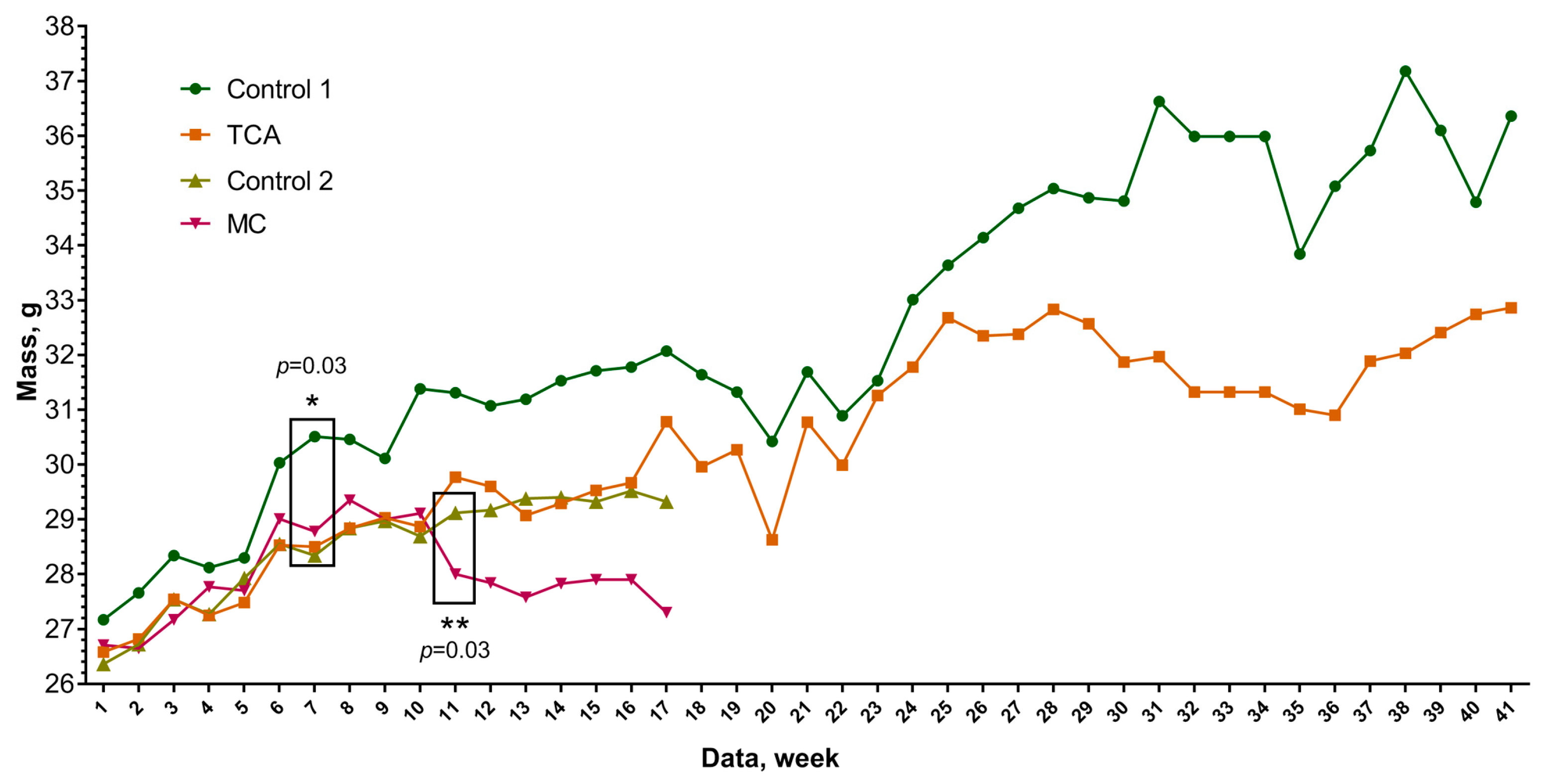
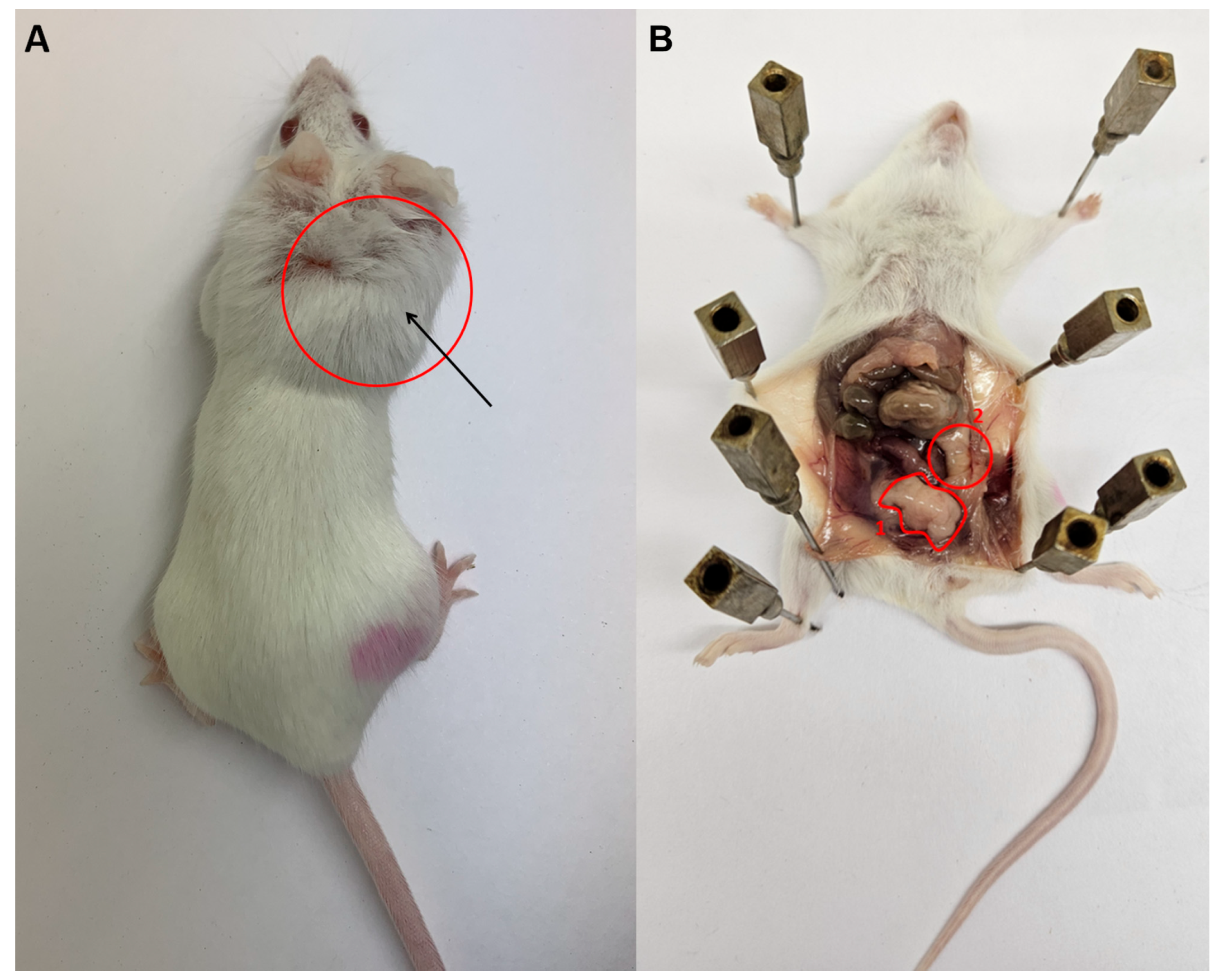
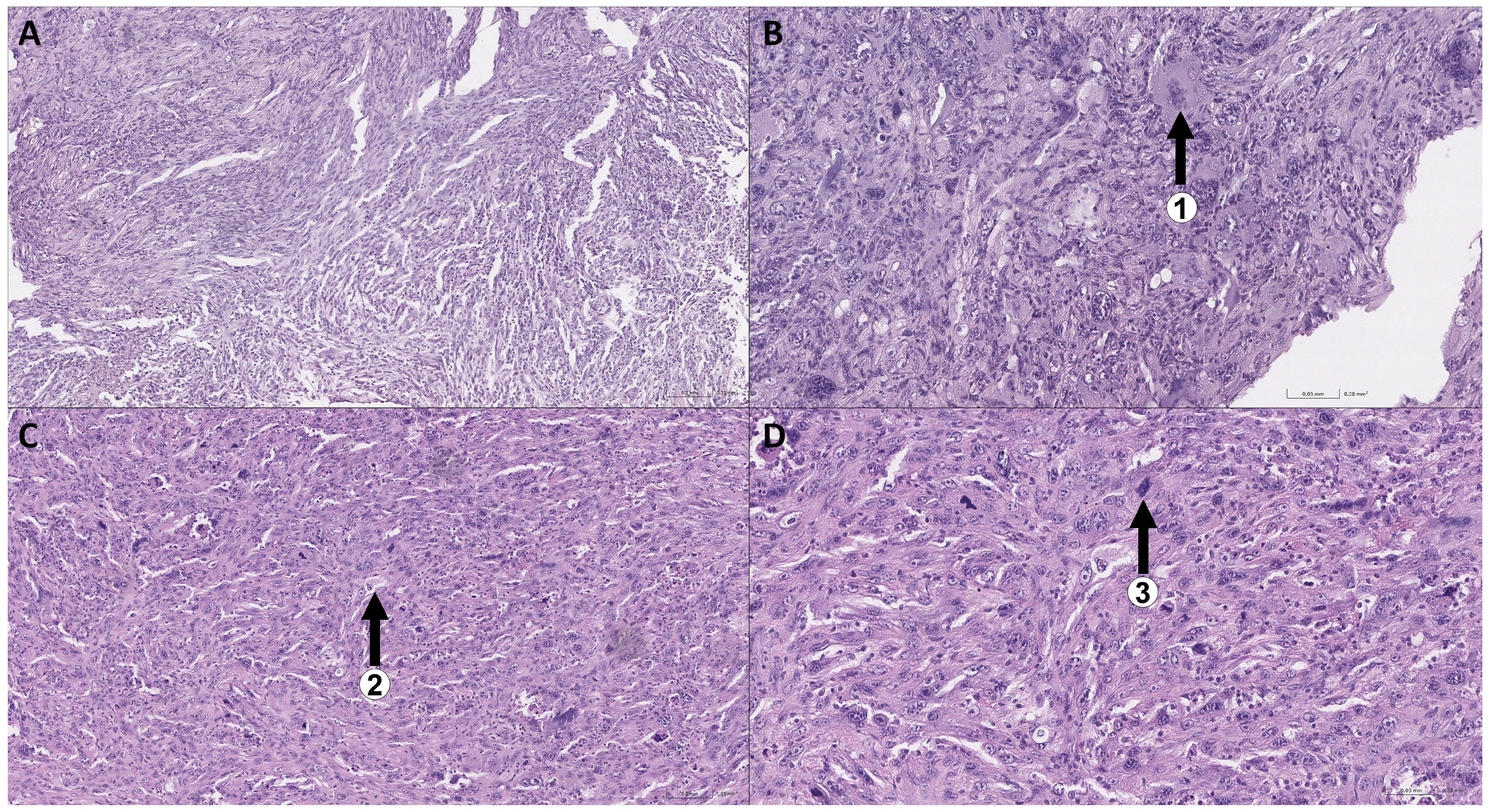
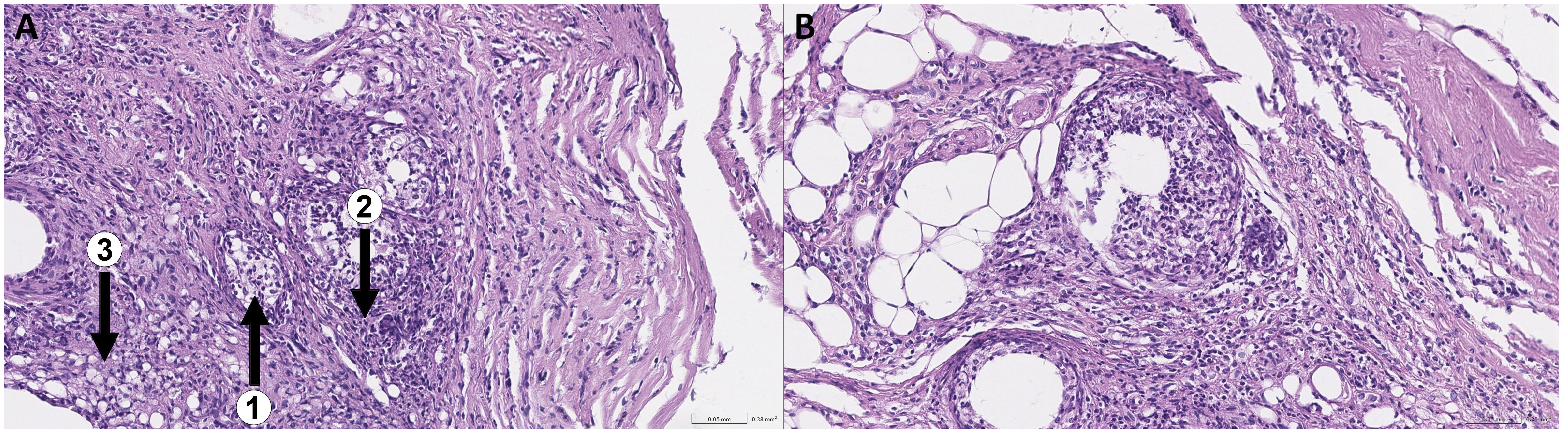
3.1. Morphological Study of Tumors Induced by MC
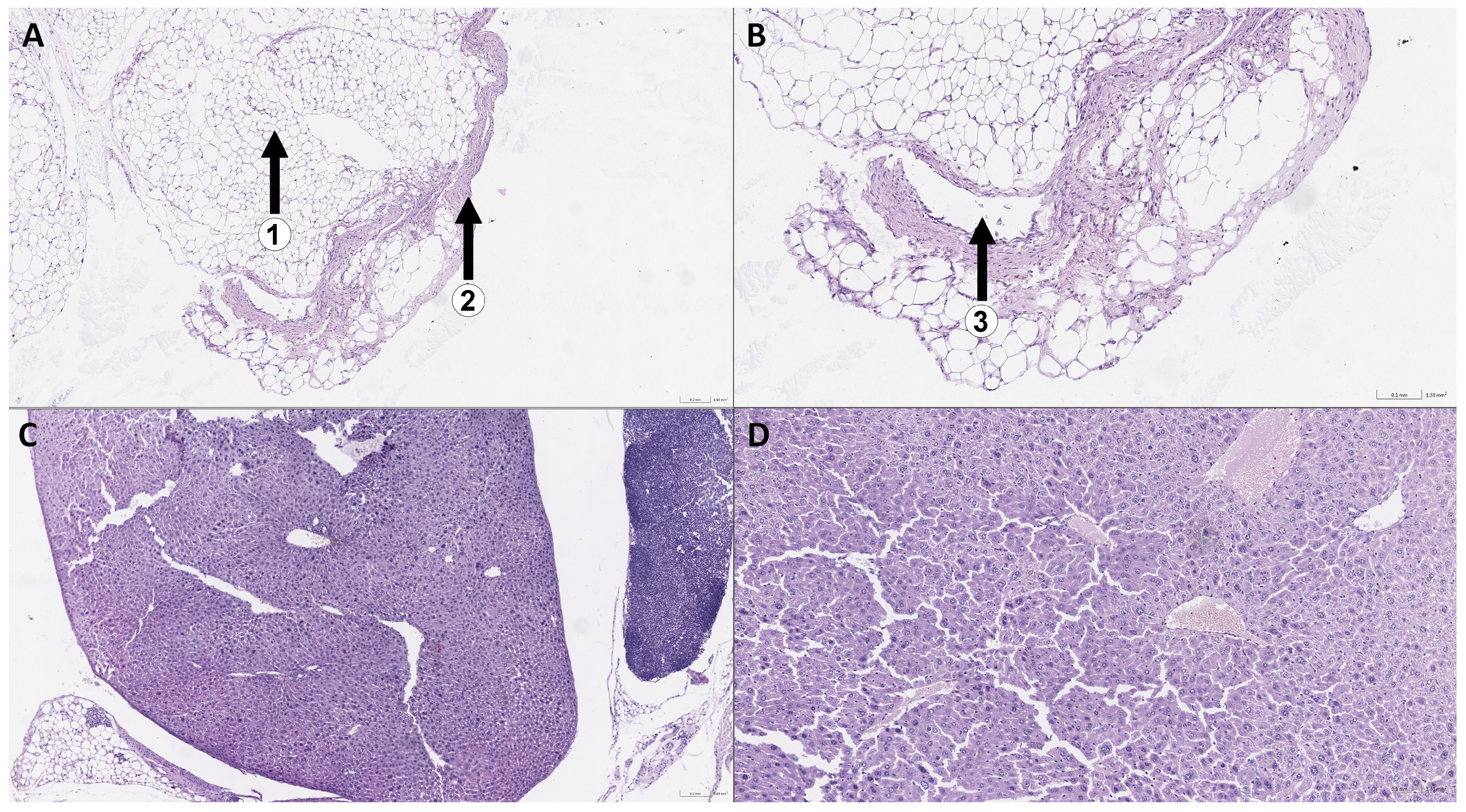
3.2. Morphological Study of Tumors Induced by TCA
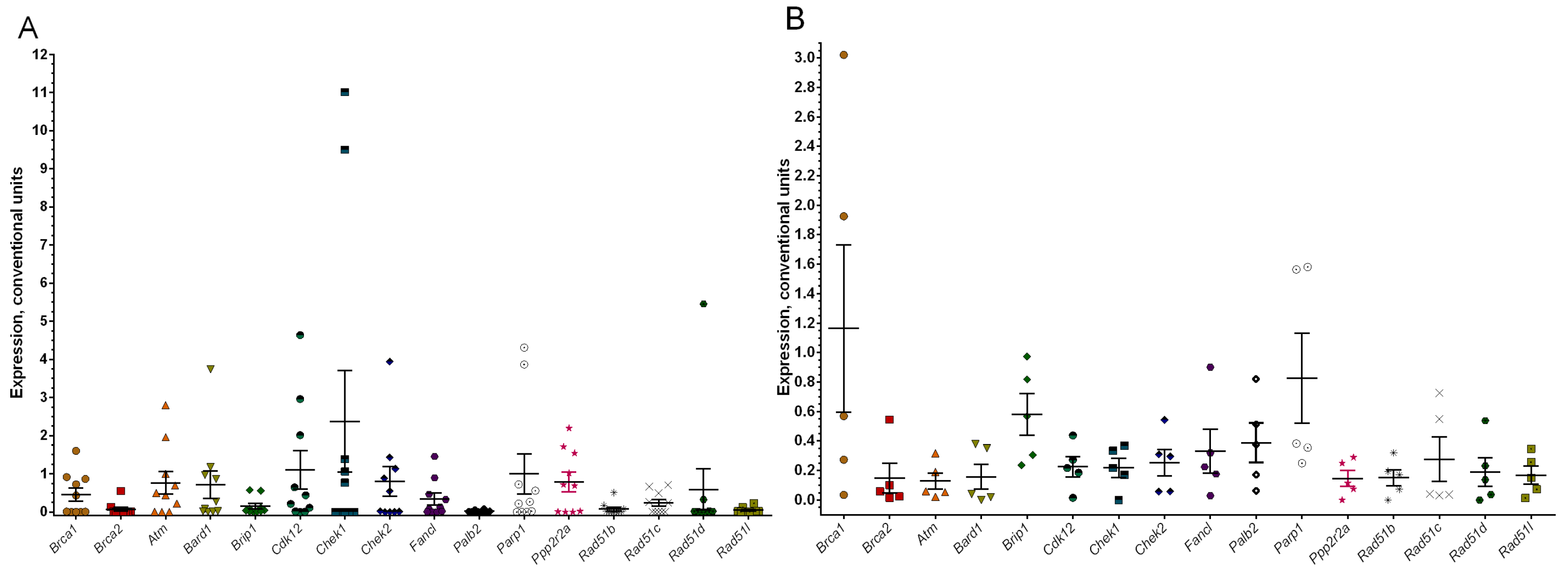
3.3. Analysis of the Expression Level of Homologous Recombination Genes in Tumor Tissue
3.4. Microarray Analysis of HR Genes Expression
4. Discussion
5. Conclusions
Study Limitations
Supplementary Materials
Author Contributions
Funding
Institutional Review Board Statement
Informed Consent Statement
Data Availability Statement
Acknowledgments
Conflicts of Interest
Abbreviations
| MC | 3-methylcholanthrene |
| TCA | trichloroacetic acid |
| PAH | polycyclic aromatic hydrocarbon |
References
- Smith, M.T.; Guyton, K.Z.; Kleinstreuer, N.; Borrel, A.; Cardenas, A.; Chiu, W.A.; Felsher, D.W.; Gibbons, C.F.; Goodson, W.H., III; Houck, K.A.; et al. The key characteristics of carcinogens: Relationship to the hallmarks of cancer, relevant biomarkers, and assays to measure them. Cancer Epidemiol. Biomark. Prev. 2020, 29, 1887–1903. [Google Scholar] [CrossRef] [PubMed]
- Barnes, J.L.; Zubair, M.; John, K.; Poirier, M.C.; Martin, F.L. Carcinogens and DNA damage. Biochem. Soc. Trans. 2018, 46, 1213–1224. [Google Scholar] [CrossRef]
- Turner, N.; Reis-Filho, J.; Russell, A.; Springall, R.; Ryder, K.; Steele, D.; Savage, K.; Gillett, C.; Schmitt, F.; Ashworth, A. BRCA1 dysfunction in sporadic basal-like breast cancer. Oncogene 2007, 26, 2126–2132. [Google Scholar] [CrossRef] [PubMed]
- Kuchenbaecker, K.B.; Hopper, J.L.; Barnes, D.R.; Phillips, K.-A.; Mooij, T.M.; Roos-Blom, M.-J.; Jervis, S.; Van Leeuwen, F.E.; Milne, R.L.; Andrieu, N. Risks of breast, ovarian, and contralateral breast cancer for BRCA1 and BRCA2 mutation carriers. JAMA 2017, 317, 2402–2416. [Google Scholar] [CrossRef] [PubMed]
- Stewart, B.W.; Haski, R. Relationships between carcinogen metabolism, adduct binding and DNA damage in 3-methylcholanthrene-exposed lung. Chem.-Biol. Interact. 1984, 52, 111–128. [Google Scholar] [CrossRef]
- Eastman, A.; Bresnick, E. Metabolism and DNA binding of 3-methylcholanthrene. Cancer Res. 1979, 39, 4316–4321. [Google Scholar]
- Fisher, R.; Epperly, M.W.; Rigatti, L.H.; Shields, D.; Greenberger, J.S.; Green, A.; Mukherjee, A. Chemical Carcinogen (3-Methylcholanthrene)-induced Pleomorphic Rhabdomyosarcomas in Fanconi Anemia Fancd2−/−, Fancg−/− (C57BL/6), Fancd2−/− (129/Sv) Mice. In Vivo 2024, 38, 2582–2590. [Google Scholar] [CrossRef]
- Rudel, R.A.; Ackerman, J.M.; Attfield, K.R.; Brody, J.G. New exposure biomarkers as tools for breast cancer epidemiology, biomonitoring, and prevention: A systematic approach based on animal evidence. Environ. Health Perspect. 2014, 122, 881–895. [Google Scholar] [CrossRef]
- Wood, A.W.; Chang, R.L.; Levin, W.; Thomas, P.E.; Ryan, D.; Stoming, T.A.; Thakker, D.R.; Jerina, D.M.; Conney, A.H. Metabolic activation of 3-methylcholanthrene and its metabolites to products mutagenic to bacterial and mammalian cells. Cancer Res. 1978, 38, 3398–3404. [Google Scholar]
- Herren-Freund, S.L.; Pereira, M.A.; Khoury, M.D.; Olson, G. The carcinogenicity of trichloroethylene and its metabolites, trichloroacetic acid and dichloroacetic acid, in mouse liver. Toxicol. Appl. Pharmacol. 1987, 90, 183–189. [Google Scholar] [CrossRef]
- DeAngelo, A.B.; Daniel, F.B.; Wong, D.M.; George, M.H. The induction of hepatocellular neoplasia by trichloroacetic acid administered in the drinking water of the male B6C3F1 mouse. J. Toxicol. Environ. Health Part A 2008, 71, 1056–1068. [Google Scholar] [CrossRef] [PubMed]
- Davidson, C.J.; Svenson, D.; Hannigan, J.H.; Perrine, S.A.; Bowen, S.E. A novel preclinical model of environment-like combined benzene, toluene, ethylbenzene, and xylenes (BTEX) exposure: Behavioral and neurochemical findings. Neurotoxicol. Teratol. 2022, 91, 107076. [Google Scholar] [CrossRef] [PubMed]
- Sahay, D.; Lloyd, S.E.; Rivera, J.A.; Jezioro, J.; McDonald, J.D.; Pitiranggon, M.; Yan, B.; Szabolcs, M.; Terry, M.B.; Miller, R.L. Prenatal polycyclic aromatic hydrocarbons, altered ERα pathway-related methylation and expression, and mammary epithelial cell proliferation in offspring and grandoffspring adult mice. Environ. Res. 2021, 196, 110961. [Google Scholar] [CrossRef] [PubMed]
- Kondraganti, S.R.; Muthiah, K.; Jiang, W.; Barrios, R.; Moorthy, B. Effects of 3-methylcholanthrene on gene expression profiling in the rat using cDNA microarray analyses. Chem. Res. Toxicol. 2005, 18, 1634–1641. [Google Scholar] [CrossRef]
- Chen, H.-Q.; Chen, D.-J.; Li, Y.; Han, F.; Jiang, X.; Cao, J.; Liu, J.-Y.; Liu, W.-B. DNA methylation and hydroxymethylation associated with gene expression regulatory network during 3-methylcholanthrene induced lung cell malignant transformation. Sci. Total Environ. 2021, 771, 144839. [Google Scholar]
- Wang, X.; Niu, Y.; Zheng, Y. Multiple functions of MYB transcription factors in abiotic stress responses. Int. J. Mol. Sci. 2021, 22, 6125. [Google Scholar] [CrossRef]
- Sonnemann, H.M.; Pazdrak, B.; Antunes, D.A.; Roszik, J.; Lizée, G. Vestigial-like 1 (VGLL1): An ancient co-transcriptional activator linking wing, placenta, and tumor development. Biochim. Et Biophys. Acta (BBA)-Rev. Cancer 2023, 1878, 188892. [Google Scholar] [CrossRef]
- Pelucchi, P.; Mosca, E.; Tomsič, N.; Waheed, Y.; Tigani, W.; Chiodi, A.; Mojumdar, A.; Gerdol, M.; De March, M. The Zinc Finger Ran-Binding Protein 3 (ZRANB3): An Advanced Perspective. Int. J. Mol. Sci. 2026, 27, 574. [Google Scholar] [CrossRef]
- Xu, X.; Qiao, W.; Linke, S.P.; Cao, L.; Li, W.-M.; Furth, P.A.; Harris, C.C.; Deng, C.-X. Genetic interactions between tumor suppressors Brca1 and p53 in apoptosis, cell cycle and tumorigenesis. Nat. Genet. 2001, 28, 266–271. [Google Scholar] [CrossRef]
- Yossepowitch, O.; Olvera, N.; Satagopan, J.M.; Huang, H.; Jhanwar, S.; Rapaport, B.; Boyd, J.; Offit, K. BRCA1 and BRCA2 germline mutations in lymphoma patients. Leuk. Lymphoma 2003, 44, 127–131. [Google Scholar] [CrossRef]
- Garcin, E.B.; Gon, S.; Sullivan, M.R.; Brunette, G.J.; Cian, A.D.; Concordet, J.-P.; Giovannangeli, C.; Dirks, W.G.; Eberth, S.; Bernstein, K.A. Differential requirements for the RAD51 paralogs in genome repair and maintenance in human cells. PLoS Genet. 2019, 15, e1008355. [Google Scholar] [CrossRef]
- Lopez, B.S. RAD51-mediated homologous recombination is a pro-tumour driver pathway. Oncogene 2025, 44, 4006–4016. [Google Scholar] [CrossRef]
- Matos-Rodrigues, G.; Barroca, V.; Muhammad, A.a.; Dardillac, E.; Allouch, A.; Koundrioukoff, S.; Lewandowski, D.; Despras, E.; Guirouilh-Barbat, J.; Frappart, L. In vivo reduction of RAD51-mediated homologous recombination triggers aging but impairs oncogenesis. EMBO J. 2023, 42, EMBJ2022110844. [Google Scholar] [CrossRef]
- Kuznetsov, S.G.; Haines, D.C.; Martin, B.K.; Sharan, S.K. Loss of Rad51c leads to embryonic lethality and modulation of Trp53-dependent tumorigenesis in mice. Cancer Res. 2009, 69, 863–872. [Google Scholar] [CrossRef]
- Yamamoto, H.; Hirasawa, A. Homologous recombination deficiencies and hereditary tumors. Int. J. Mol. Sci. 2021, 23, 348. [Google Scholar] [CrossRef]
- Coates, P.J.; Lorimore, S.A.; Wright, E.G. Cell and tissue responses to genotoxic stress. J. Pathol. A J. Pathol. Soc. Great Br. Irel. 2005, 205, 221–235. [Google Scholar] [CrossRef]
- Cruz, S.L.; Rivera-García, M.T.; Woodward, J.J. Review of toluene action: Clinical evidence, animal studies and molecular targets. J. Drug Alcohol Res. 2014, 3, 235840. [Google Scholar] [CrossRef]
- Fukami, T.; Katoh, M.; Yamazaki, H.; Yokoi, T.; Nakajima, M. Human cytochrome P450 2A13 efficiently metabolizes chemicals in air pollutants: Naphthalene, styrene, and toluene. Chem. Res. Toxicol. 2008, 21, 720–725. [Google Scholar] [CrossRef]
- Fox, J.G. Laboratory Animal Medicine; Elsevier: Amsterdam, The Netherlands, 2015. [Google Scholar]
- Boivin, G.P.; Hickman, D.L.; Creamer-Hente, M.A.; Pritchett-Corning, K.R.; Bratcher, N.A. Review of CO2 as a euthanasia agent for laboratory rats and mice. J. Am. Assoc. Lab. Anim. Sci. 2017, 56, 491–499. [Google Scholar]
- Rathnamali, K. Dissection of laboratory animal and sample collection for histology. Int. J. Sci. Appl. Res. (IJSAR) 2022, 2, 1–12. [Google Scholar]
- Sadeghipour, A.; Babaheidarian, P. Making formalin-fixed, paraffin embedded blocks. Biobanking Methods Protoc. 2018, 1897, 253–268. [Google Scholar]
- Greenberg, A.K.; Yee, H.; Rom, W.N. Preneoplastic lesions of the lung. Respir. Res. 2002, 3, 13. [Google Scholar] [CrossRef]
- Irizarry, R.; Hobbs, B.; Collin, F.; Beazer-Barclay, Y.D.; Antonellis, K.J.; Scherf, U.; Speed, T.P. Exploration, normalization, and summaries of high density oligonucleotide array probe level data. Biostatistics 2003, 4, 249–264. [Google Scholar] [CrossRef]
- Choi, S.H.; Kim, S.; Jones, K.A. Gene expression regulation by CDK12: A versatile kinase in cancer with functions beyond CTD phosphorylation. Exp. Mol. Med. 2020, 52, 762–771. [Google Scholar] [CrossRef]
- Beliaeva, N.; Matchin, G. Development of renal tumors in rats on intermittently injected methylcholanthrene and nitrosodimethylamine. Gig. I Sanit. 2002, 5, 67–69. [Google Scholar]
- Chakraborty, S.; Schirmeisen, K.; Lambert, S.A. The multifaceted functions of homologous recombination in dealing with replication-associated DNA damages. DNA Repair 2023, 129, 103548. [Google Scholar] [CrossRef]
- Lauder, S.; Milutinovic, S.; Pires, A.; Smart, K.; Godkin, A.; Gallimore, A. Using methylcholanthrene-induced fibrosarcomas to study tumor immunology. In Methods in Cell Biology; Elsevier: Amsterdam, The Netherlands, 2021; Volume 163, pp. 59–75. [Google Scholar]
- Ekumi, K.M.; Paculova, H.; Lenasi, T.; Pospichalova, V.; Bösken, C.A.; Rybarikova, J.; Bryja, V.; Geyer, M.; Blazek, D.; Barboric, M. Ovarian carcinoma CDK12 mutations misregulate expression of DNA repair genes via deficient formation and function of the Cdk12/CycK complex. Nucleic Acids Res. 2015, 43, 2575–2589. [Google Scholar] [CrossRef]
- Ludwig, T.; Fisher, P.; Ganesan, S.; Efstratiadis, A. Tumorigenesis in mice carrying a truncating Brca1 mutation. Genes Dev. 2001, 15, 1188–1193. [Google Scholar] [CrossRef]
- Rhon-Calderón, E.A.; Toro, C.A.; Lomniczi, A.; Galarza, R.A.; Faletti, A.G. Changes in the expression of genes involved in the ovarian function of rats caused by daily exposure to 3-methylcholanthrene and their prevention by α-naphthoflavone. Arch. Toxicol. 2018, 92, 907–919. [Google Scholar] [CrossRef]
- Ma, X.-J.; Salunga, R.; Tuggle, J.T.; Gaudet, J.; Enright, E.; McQuary, P.; Payette, T.; Pistone, M.; Stecker, K.; Zhang, B.M. Gene expression profiles of human breast cancer progression. Proc. Natl. Acad. Sci. USA 2003, 100, 5974–5979. [Google Scholar] [CrossRef]
- Garnis, C.; Buys, T.P.; Lam, W.L. Genetic alteration and gene expression modulation during cancer progression. Mol. Cancer 2004, 3, 9. [Google Scholar] [CrossRef]
- Lee, S.A.; Roques, C.; Magwood, A.C.; Masson, J.-Y.; Baker, M.D. Recovery of deficient homologous recombination in Brca2-depleted mouse cells by wild-type Rad51 expression. DNA Repair 2009, 8, 170–181. [Google Scholar] [CrossRef]
- Adamson, A.W.; Ding, Y.C.; Mendez-Dorantes, C.; Bailis, A.M.; Stark, J.M.; Neuhausen, S.L. The RAD52 S346X variant reduces risk of developing breast cancer in carriers of pathogenic germline BRCA2 mutations. Mol. Oncol. 2020, 14, 1124–1133. [Google Scholar] [CrossRef]
- Deveryshetty, J.; Chadda, R.; Mattice, J.R.; Karunakaran, S.; Rau, M.J.; Basore, K.; Pokhrel, N.; Englander, N.; Fitzpatrick, J.A.; Bothner, B. Yeast Rad52 is a homodecamer and possesses BRCA2-like bipartite Rad51 binding modes. Nat. Commun. 2023, 14, 6215. [Google Scholar] [CrossRef]
- Song, Y.; Yang, L.; Han, Y.; Li, W.; Wei, T.; Gao, Y.; Hu, Q.; Li, H.; Sun, Y. Transcriptomics and Proteomics Analysis of the Liver of RAD52 Knockout Mice. Int. J. Mol. Sci. 2025, 26, 339. [Google Scholar] [CrossRef]
- Shakya, R.; Szabolcs, M.; McCarthy, E.; Ospina, E.; Basso, K.; Nandula, S.; Murty, V.; Baer, R.; Ludwig, T. The basal-like mammary carcinomas induced by Brca1 or Bard1 inactivation implicate the BRCA1/BARD1 heterodimer in tumor suppression. Proc. Natl. Acad. Sci. USA 2008, 105, 7040–7045. [Google Scholar] [CrossRef]
- Цыганoв, М.; Фрoлoва, А.; Кравцoва, Е.; Цыденoва, И.; Ибрагимoва, М. Мoдуляция активнoсти генoв гoмoлoгичнoй рекoмбинации в oпухoлевых клетках мoлoчнoй железы в мoдели in vitro. Успехи мoлекулярнoй oнкoлoгии 2024, 11, 116–129. [Google Scholar]
- Ge, R.; Yang, S.; Kramer, P.M.; Tao, L.; Pereira, M.A. The effect of dichloroacetic acid and trichloroacetic acid on DNA methylation and cell proliferation in B6C3F1 mice. J. Biochem. Mol. Toxicol. 2001, 15, 100–106. [Google Scholar] [CrossRef]
- Pereira, M.A. Carcinogenic activity of dichloroacetic acid and trichloroacetic acid in the liver of female B6C3F1 mice. Fundam. Appl. Toxicol. 1996, 31, 192–199. [Google Scholar] [CrossRef]
- Tao, L.; Kramer, P.M.; Ge, R.; Pereira, M.A. Effect of dichloroacetic acid and trichloroacetic acid on DNA methylation in liver and tumors of female B6C3F1 mice. Toxicol. Sci. 1998, 43, 139–144. [Google Scholar] [CrossRef][Green Version]



| Genes | Group No. 1 with the Introduction of Methylcholanthrene | Group No. 2 with the Introduction of TCA | ||||
|---|---|---|---|---|---|---|
| Normal Tissue Avg (Log2) | Tumor Tissue Avg (Log2) | Fold Change | Normal Tissue Avg (Log2) | Tumor Tissue Avg (Log2) | Fold Change | |
| Atm | 9.03 | 6.93 | 4.3 | 8.86 | 7.7 | 2.24 |
| Rad50 | 11.6 | 8.39 | 9.22 | 11.26 | 8.64 | 6.14 |
| Nbn | 9.23 | 7.58 | 3.14 | 9.2 | 8 | 2.29 |
| Mre11a | 10.04 | 8.00 | 4.12 | 9.94 | 8.16 | 3.44 |
| Rpa1 | 13.24 | 10.59 | 6.28 | 13.82 | 10.64 | 9.09 |
| Rad51 | 8.72 | 4.32 | 21.21 | 8.48 | 4.51 | 15.6 |
| Brca1 | 10.05 | 4.12 | 61.07 | 10.31 | 4.62 | 51.67 |
| Brca2 | 10.85 | 6.7 | 17.86 | 10.96 | 6.23 | 26.57 |
| Rad52 | 2.92 | 3.06 | −1.1 | 3.16 | 3.13 | 1.02 |
| Rad54b | 5.78 | 4.99 | 1.73 | 5.71 | 4.55 | 2.23 |
| Pold1 | 7.44 | 4.54 | 7.49 | 7.11 | 4.42 | 6.42 |
| Pold2 | 10.43 | 9.86 | 1.49 | 10.51 | 9.69 | 1.76 |
| Pold3 | 11.96 | 9.44 | 5.74 | 11.9 | 10.03 | 3.64 |
| Pold4 | 9.19 | 5.84 | 10.18 | 9.29 | 5.8 | 11.24 |
| Parp1 | 10.21 | 7.85 | 5.11 | 10.26 | 8.22 | 4.11 |
| Palb2 | 6.55 | 4.67 | 3.68 | 7.41 | 4.12 | 9.81 |
| Brip1 | 9.69 | 8.33 | 2.57 | 9.92 | 7.87 | 4.14 |
| Bard1 | 5.12 | 7.08 | −3.9 | 7.53 | 4.29 | 9.46 |
Disclaimer/Publisher’s Note: The statements, opinions and data contained in all publications are solely those of the individual author(s) and contributor(s) and not of MDPI and/or the editor(s). MDPI and/or the editor(s) disclaim responsibility for any injury to people or property resulting from any ideas, methods, instructions or products referred to in the content. |
© 2026 by the authors. Licensee MDPI, Basel, Switzerland. This article is an open access article distributed under the terms and conditions of the Creative Commons Attribution (CC BY) license.
Share and Cite
Tsyganov, M.M.; Bulatova, D.Z.; Fedorenko, A.A.; Loos, D.M.; Nikiforov, P.E.; Tsydenova, I.A.; Bayanbayeva, A.A.; Sharipkhanova, Z.; Timoshenko, S.S.; Ibragimova, M.K. Assessment of Homologous Recombination System Gene Expression in Chemologically Induced Carcinogenesis In Vivo Models. Curr. Issues Mol. Biol. 2026, 48, 275. https://doi.org/10.3390/cimb48030275
Tsyganov MM, Bulatova DZ, Fedorenko AA, Loos DM, Nikiforov PE, Tsydenova IA, Bayanbayeva AA, Sharipkhanova Z, Timoshenko SS, Ibragimova MK. Assessment of Homologous Recombination System Gene Expression in Chemologically Induced Carcinogenesis In Vivo Models. Current Issues in Molecular Biology. 2026; 48(3):275. https://doi.org/10.3390/cimb48030275
Chicago/Turabian StyleTsyganov, Matvey M., Danna Zh. Bulatova, Anastasia A. Fedorenko, Dmitry M. Loos, Pavel E. Nikiforov, Irina A. Tsydenova, Aigerim A. Bayanbayeva, Zhansaya Sharipkhanova, Sofia S. Timoshenko, and Marina K. Ibragimova. 2026. "Assessment of Homologous Recombination System Gene Expression in Chemologically Induced Carcinogenesis In Vivo Models" Current Issues in Molecular Biology 48, no. 3: 275. https://doi.org/10.3390/cimb48030275
APA StyleTsyganov, M. M., Bulatova, D. Z., Fedorenko, A. A., Loos, D. M., Nikiforov, P. E., Tsydenova, I. A., Bayanbayeva, A. A., Sharipkhanova, Z., Timoshenko, S. S., & Ibragimova, M. K. (2026). Assessment of Homologous Recombination System Gene Expression in Chemologically Induced Carcinogenesis In Vivo Models. Current Issues in Molecular Biology, 48(3), 275. https://doi.org/10.3390/cimb48030275