


Abstract
Sexual dysfunctions are common side effects reported by patients during antidepressant treatment. When they occur, patients often discontinue psychopharmacological therapy, with a negative impact on the underlying psychiatric disease. Recently, great attention has been paid to the use of nutraceuticals in the management of psychiatric disorders, although a systematic review on their effects as a treatment option for antidepressant-induced sexual dysfunctions (AISD) is lacking. Here, we conducted a systematic search in the following databases: MEDLINE (through PubMed), EMBASE, PsycINFO, Cochrane Central Register of Controlled Trials, and Web of Science. We searched eligible studies among parallel or crossover randomized controlled trials (RCTs) in adult populations. After this process, a total of 10 articles that evaluated the effect of six different nutraceuticals versus placebo were included: Maca Root, S-adenosyl-L-methionine (SAMe), Rosa Damascena, Ginkgo Biloba, Saffron, and Yohimbine. Overall, a high dose of Maca Root and the use of SAMe or Saffron may improve AISD. Additionally, the administration of Rosa Damascena seemed to be more effective in men than in women, whereas no evidence of effects emerged for Gingko Biloba and Yohimbine. Given the mixed results still available, future RCTs should consider larger samples and confounding factors, such as depressive status and individual vulnerability.
1. Introduction
Sexual dysfunctions (SDs) are one of the most frequent and distressing side effects experienced by patients taking antidepressants (ADs), including tricyclic antidepressants (TCAs), monoamine oxidase inhibitors (iMAO), selective serotonin reuptake inhibitors (SSRI), and dual noradrenergic/serotonergic reuptake inhibitors (SNRI) [1,2]. According to previous studies, SDs are reported by 25% up to 75% of patients taking SSRIs and by 30% up to 93% of those taking TCAs [1,3]. SDs may engage the phase of the sex drive (loss of libido), the arousal (lubrication in women, erectile function in men), the ejaculation, and orgasm [4]. Data collected in recent decades confirm that there are significant differences in antidepressant-induced SD (AISD) between men and women. Accordingly, the side effects most reported by women are reduced sexual desire and sexual arousal, as well as difficulties in achieving orgasm [5]. Conversely, men taking serotonergic drugs often complained of ejaculatory delay, whereas those taking TCAs and iMAO mainly reported impaired orgasm achievement [6].
It has been hypothesized that one of the mechanisms underlying AISD might be related to an overactivation of the post-synaptic 5-hydroxytryptamine (5-HT)2A receptors in the raphe nuclei of the midbrain. Indeed, neurons in that area inhibit dopamine release in the hypothalamus, in the mesolimbic system, and in cortical areas which are responsible for processing the motivational, autonomous, and emotional components of the sexual act [7]. Moreover, those neurons inhibit peripheral nerves which regulate the function of genitalia, thus altering the mechanistic aspects of sexual functioning [8]. Not surprisingly, SSRIs and SNRIs are the ADs most associated with sexual adverse effects; in particular, escitalopram and paroxetine have a higher risk of SD than other antidepressants [1].
Varieties of interventions have been suggested for the management of AISD. First of all, to verify whether these side effects are reversible, clinicians might consider waiting for few weeks for spontaneous symptom remission. Alternatively, clinicians can opt for specific pharmacological interventions, such as the use of phosphodiesterase-5 inhibitors, which are usually effective in the treatment of AD-induced erectile dysfunction and anorgasmia in men [9]. Other suggestions include the prescription of the lowest effective dose of AD, the switch to another class of AD, and the so-called “weekend holiday”, in which patients do not intake ADs 24–48 h before the sexual intercourse [6,10]. However, despite the aforementioned clinical strategies and the interventions proposed, clear guidelines for the management of these side effects are still lacking [9]. Moreover, the large number of people taking ADs worldwide, the use of ADs for several psychiatric disorders [11,12,13,14,15], and the potential adverse impact on treatment compliance and long-term outcome calls for broadening the range of approaches to AISD treatment.
In this scenario, the Complementary and Alternative Medicine (CAM) [16], a broad and heterogeneous group of therapeutic approaches including natural supplements, plant-based phytoceuticals [17,18,19], and nutrient-based nutraceuticals [16], seems to enhance human health and may have a positive impact on a variety of diseases [20,21,22,23]. Recently, attention has been given to nutraceuticals, defined as a “natural substance such as food or a part of them, a vitamin, a mineral, or a herb with beneficial effects for human health”, administered alone or in add-on therapy to standard care [24]. Nutraceuticals have also been given significant attention as an alternative therapeutic approach because they are considered more affordable and widely available [16]. As such, over the last two decades, interest and demand for nutraceuticals have grown worldwide, and the increased interest in finding novel therapeutic options to treat SDs has led to a consistent increase in the use of nutraceuticals [9,25]. Namely, Maca Root [26,27,28], Saffron [29], S-adenosyl-L-methionine (SAMe), Ginkgo Biloba [30,31], and Rosa Damascema [32,33] have been used for several illnesses, including SDs.
However, a systematic review on the effects of these nutraceuticals on AISD is currently lacking. Given the growing clinical and scientific interest to this field of research, we systematically reviewed the existing literature on the effects of nutraceuticals for the treatment of AISD in adult populations.
2. Materials and Methods
2.1. Literature Search
This systematic review was planned and conducted in accordance with the PRISMA guidelines [34]. On 20 November 2021, we performed a systematic search in the following databases: MEDLINE (through PubMed), EMBASE, PsycINFO, Cochrane Central Register of Controlled Trials, and Web of Science. The following search string were used: ((“Dyspareunia” OR “Penile erection” OR “orgasm” OR “priap*” OR “lubricat*” OR “sexual dysfunct*” OR “sexual problem*” OR “sexual arousal” OR “sexual satisf*”) AND ((agomelatine OR amisulpride OR amitriptyline OR amoxapine OR atomoxetine OR bupropion OR buspirone OR citalopram OR clomipramine OR desipramine OR desvenlafaxine OR dothiepin OR doxepin OR duloxetine OR escitalopram OR fluoxetine OR fluvoxamine OR imipramine OR isocarboxazid OR ketamine OR lofepramine OR maprotiline OR mianserin OR milnacipran OR mirtazapine OR moclobemide OR nefazodone OR nortriptyline OR paroxetine OR phenelzine OR protriptyline OR reboxetine OR selegiline OR sertraline OR sulpride OR tianeptine OR tranylcypromine OR trazodone OR trimipramine OR venlafaxine OR vilazodone OR vortioxetine) OR (ssri* OR snri* OR ndri* OR NRI* OR sari* OR maoi* OR tricyclic* OR antidepress*)) AND ((“randomized controlled trial” OR “controlled clinical trial” OR RCT OR randomized OR placebo OR “drug therapy” OR randomly OR trial OR groups) NOT (animals NOT humans))). We extended the abovementioned search until 31 May 2022.
2.2. Eligibility Criteria
Eligibility criteria were: (1) parallel or crossover randomized controlled trials (RCTs); (2) studies comparing CAM compounds to each other, or versus placebo, or versus pharmacological compounds on sexual side effects concomitant to treatment with ADs; (3) studies in adult populations, over the age of 18; (4) English-written studies. The exclusion criteria were: (1) quasi-randomized studies (e.g., alternation or methods based on admission dates); (2) non-peer reviewed data (e.g., abstracts or trial registries repositories); (3) preclinical studies on in vitro experiments; (4) any other publication different from research studies (e.g., review, case report, commentary, editorial).
2.3. Data Extraction
Two independent reviewers (V.M. and A.R.) initially screened each title and abstract of the articles retrieved, and then selected the studies to be included, after checking the full text. In case of disagreement, the final decision was made with the help of a third reviewer (C.C.). Subsequently, relevant data were extracted in a predefined form. The following variables were collected: first, author and year of publication, country where the study was conducted, study design, recruitment time, follow-up duration, study population characteristics, study aim, intervention description and main results (both in terms of efficacy and tolerability). After double-checking the extracted data, the resulting forms were merged in a comprehensive table. Meta-analysis was not planned due to the paucity of trials available and the heterogeneity of available compounds. Quality assessment was performed by using the version 2.0 of the Cochrane Risk of Bias tool. Thereafter, we selected the SDs as the outcome of choice. The review protocol can be found on INPLASY Platform (https://inplasy.com/inplasy-2021-11-0051, accessed on 6 July 2022).
3. Results
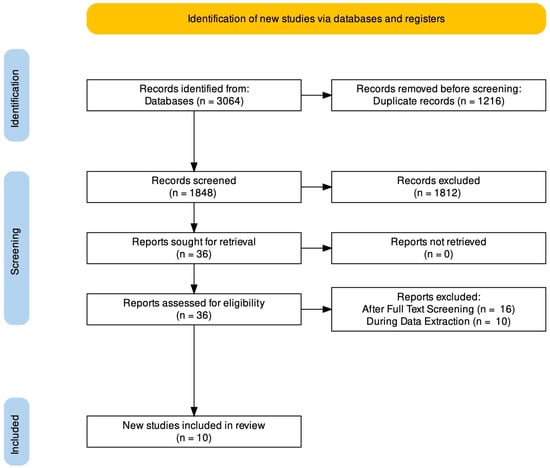
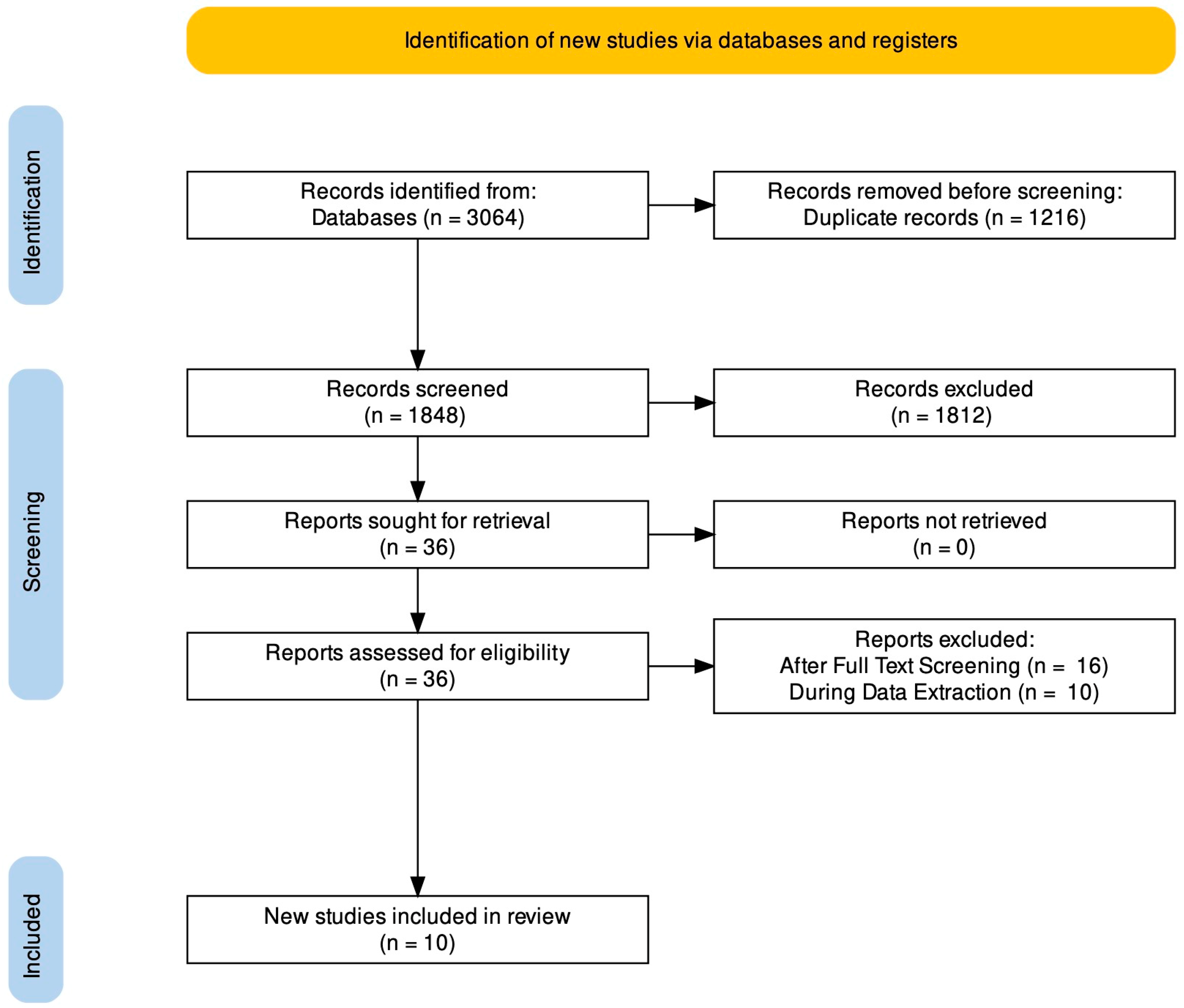
The PRISMA flow chart is shown in Figure 1. A total of 3064 potentially relevant studies were identified. After the deduplication procedure, 1848 records remained. After screening titles and abstracts, 1812 records were excluded. Among the remaining 36 records, only 10 full text articles evaluating the effect of six different nutraceuticals (Maca Root, SAMe, Rosa Damascena, Ginkgo Biloba, Saffron, and Yohimbine) versus placebo were considered eligible according to the inclusion/exclusion criteria, and therefore included. These studies were published between 2002 and 2019 and carried out in the USA (n = 4), Iran (n = 4), South Korea (n = 1), and UK (n = 1). All the studies were RCTs, 9 double-blinded [35,36,37,38,39,40,41,42,43] and 1 triple-blinded [44], and they assessed a population of depressed patients treated with ADs and suffering from AISD. One study compared different doses of Maca Root [35], one study Maca Root and placebo [37], one SAMe and placebo [36], two Rosa Damascena and placebo in males and females, respectively [38,39], two Gingko Bilboa and placebo [40,44], two Saffron and placebo [41], and one Yohimbine (along with Olanzapine and Mirtazapine) and placebo [42]. Table 1 shows a detailed summary of the core characteristics of the studies included.
Figure 1.
PRISMA 2020 flow diagram showing the search strategy, the number of records identified, and the number of included/excluded studies.
Table 1.
Detailed description of the studies included.
3.1. Maca Root
Dording et al. [35] conducted a double blind, randomized parallel group study to investigate the effect of high (1.5 g/day) and low (3.0 g/day) dose of Maca Root intake on AISD. Subjects were 20 remitted depressed patients on a stable dose of ADs for at least 4 weeks. SDs were measured with the Arizona Sexual Experience Scale (ASEX) and the Massachusetts General Hospital Sexual Function Questionnaire (MGH-SFQ). Patients mostly complained of delayed orgasm, difficulty with arousal, and lack of libido. Ten subjects completed the study and 16 subjects were eligible for an intention to treat (ITT) analysis. ITT subjects on the high dose showed a significant improvement in ASEX and MGH-SFQ scales, meanwhile libido improved for all subjects. The degree of improvement appeared to be dose related. A significant improvement in the 17-item Hamilton Depression Rating Scale scores for the ITT recipients of the high-dose was also reported.
In another RCT by Dording et al. [37], treatment with Maca Root (150 mg bid, 12 weeks) was explored in 42 remitted depressed women taking a stable dose of ADs and with AISD. Interestingly, the authors conducted a subgroup analysis based upon menopausal status. There was not a significant difference between the Maca group and the placebo group in total ASEX and MGH-SFQ scores, either overall or within premenopausal or postmenopausal subgroups. Furthermore, the authors explored the correlation between scale score and testosterone level: patients in the Maca group who showed improvement in the ASEX score demonstrated a greater change in testosterone concentrations.
3.2. SAMe
Adjunctive SAMe treatment for SDs has been evaluated by Dording et al. [36]. The authors explored the effect of SAMe supplementation on SDs by using the MGH-SFQ in a group of non-responder patients to SSRI/SNRI medications. A total of 55 patients completed the 6-week study. The results showed that adjunctive SAMe (800 mg, 6 weeks) was beneficial to sexual functioning in men, especially arousal and erection.
3.3. Rosa Damascena
Farnia et al. conducted two RCTs [38,39] investigating the use of Rosa Damascema oil on SSRI-induced SD. The first RCT investigated its effect on SD assessed with the Brief Sexual Function Inventory (BSFI) in a group of male patients suffering from acute depressive state and AISD. Sexual function significantly improved over time, and a significant correlation between depressive symptoms and SD was observed in the placebo group. The second RCT involved 50 depressed women with SSRI-induced SDs explored with the Female Sexual Function Index (FSFI). The authors evaluated the effect of Rosa Damascena oil augmentation versus placebo for 8 weeks. The results showed a modest effect on female SDs. Sexual desire, orgasms, and satisfaction significantly increased in both treatment groups, although without statistical significance between groups.
3.4. Ginkgo Biloba
Two RCTs explored the effect of Ginkgo biloba on AISD. In the study by Kang et al. [40], 24 patients were randomized to adjunctive Ginkgo Biloba or placebo for 12 weeks. At weeks 2, 4, and 8 after treatment, there was no statistically significant difference between the two groups. In comparison to baseline, both the Ginkgo Biloba group and the placebo group showed improvement in some phases of the sexual response cycle, although evaluated with an unvalidated questionnaire. Similarly, the triple-blind RCT by Wheatley et al. [44] reported no significant difference between treated and placebo.
3.5. Saffron
Modabbernia et al. [43] explored the efficacy of Saffron on fluoxetine-induced SD. Namely, 36 depressed male patients were randomized to either Saffron or placebo for 4 weeks. The International Index of Erectile Function scale (IIEF) was used to assess sexual function at baseline and at weeks 2 and 4. By week 4, Saffron resulted in a significantly greater improvement in sexual functions (erectile function and intercourse satisfaction domains) compared to placebo. There was also a trend toward improvement in orgasmic function, overall satisfaction, and sexual desire in Saffron-treated patients.
These findings were similar to those obtained by Kashani et al. [41], who investigated the safety and efficacy of Saffron on fluoxetine-induced SD in 34 women. Remitted depressed women were randomized to adjunctive Saffron or placebo for 4 weeks. At the end of the study, patients in the Saffron group showed significantly greater improvement in total FSFI, as well as arousal, lubrication, and pain domains compared to placebo, but not in desire, satisfaction, and orgasm domains. Desire, satisfaction, and orgasms subscales trended higher in the Saffron group, but not significantly different from placebo.
3.6. Yohimbine
The study by Michelson et al. [42] compared the effects of yohimbine with those of two non-nutraceuticals compounds (mirtazapine and olanzapine), all versus placebo, for 6 weeks in 148 premenopausal women with fluoxetine-induced SD. The results did not reveal statistically significant differences among interventions.
3.7. Quality of the Studies Included
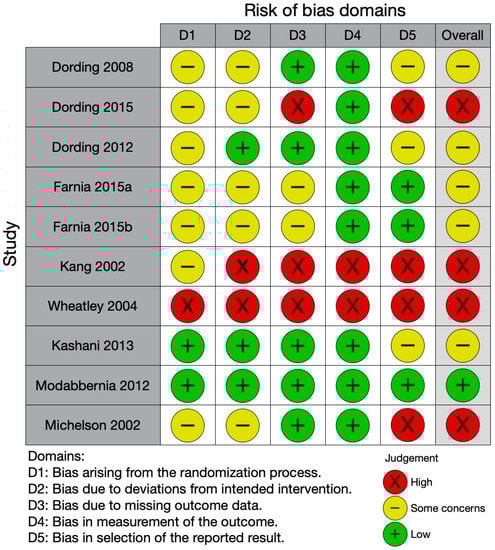
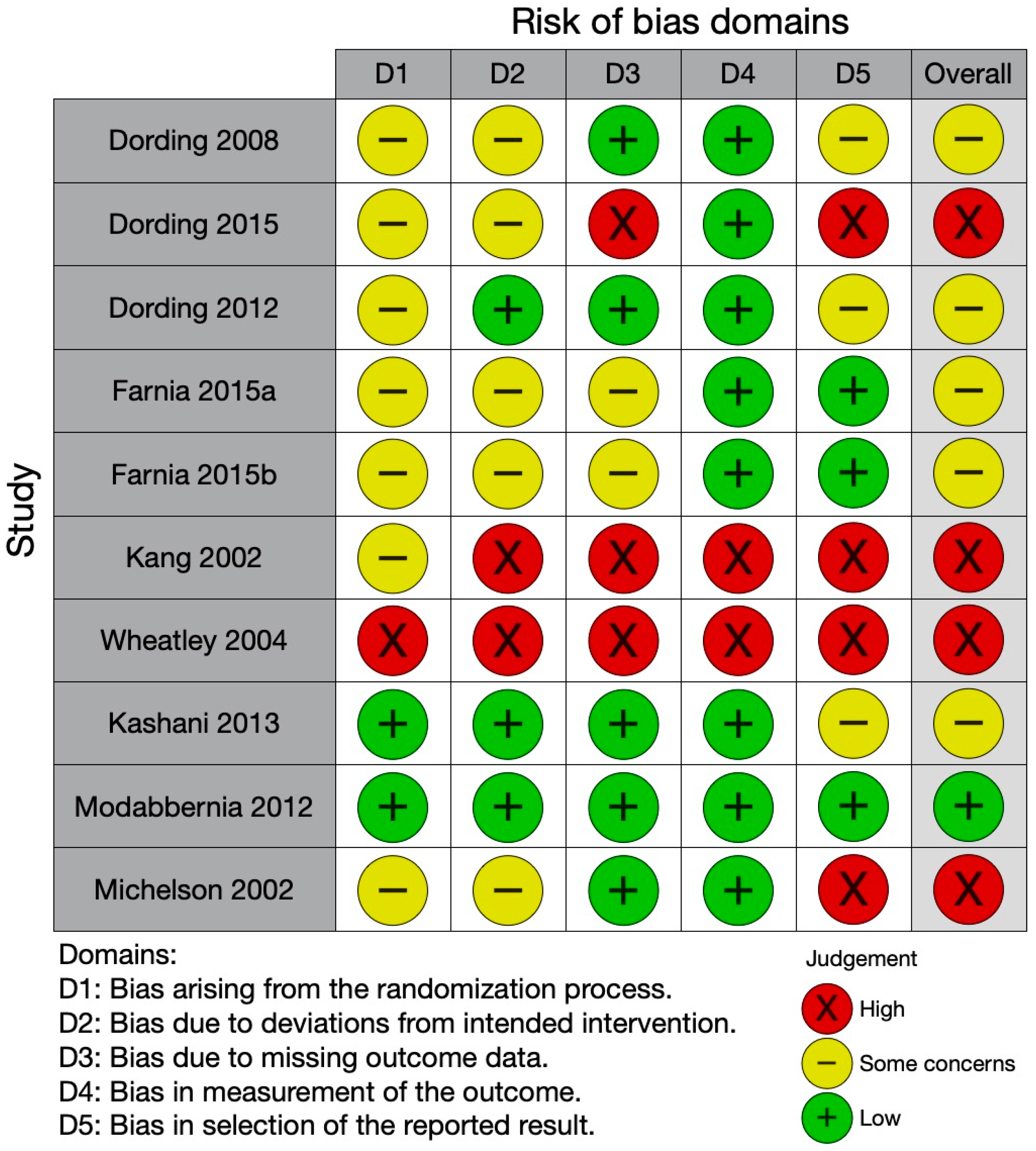
As shown in Figure 2, the quality assessment of the included studies resulted in an overall moderate or poor quality, except for the study by Modabbernia et al. [43], comparing Saffron and placebo in males, that was at low risk of bias. The randomization process also arose some concerns for seven studies: it was at high risk for one study and at low risk for two studies. The risk of bias due to deviations from intended intervention was low for three studies only, which accounted for missing data. We defined at risk of bias for missing data those studies with 5% missing data for SD, as suggested by the Cochrane RoB 2.0, unless any corrective statistical procedure was applied, or the dropout rate was equally distributed between groups. Half of the studies were at low risk of bias for missing data, while the remaining were at high risk or aroused some concerns. Most of the studies used validated clinical scales for measuring sexual side effects, except for those by Kang et al. [40] and by Wheatly et al. [44] Finally, only part of the trials had a trial registration allowing us to check for selection bias. Three studies only complied with their trial registration, and we considered them at low risk of bias; for the other studies, the trial registration was missing, or the study deviated from it, if present.
Figure 2.
Quality assessment of the included studies [35,36,37,38,39,40,41,42,43,44].
4. Discussion
4.1. Summary of the Evidence and Proposed Mechanisms
To the best of our knowledge, the present article is the first systematic review of RCTs examining the effect of nutraceuticals on AISD in an adult population. Overall, the results allow us to conclude that Maca Root, SAMe, Rosa Damascena, and Saffron may be effective in a variety of sexual function domains.
In further detail, the RCTs evaluating the effect of Maca showed positive results. As known, Maca preparations are obtained from the Andine plant Lepidium meyenii and are traditionally used for libido and fertility enhancement [45]. In the study by Dording et al. [35], all subjects showed improvement in sexual function and most of the patients were women. It has been hypothesized that Maca Root might improve libido and enhance spermatogenesis, as these effects were ascribed to some new discovered metabolites, such as “macamides” [46,47]. The significant improvement in libido supports previous findings in animal studies, although they have not been confirmed due to the inconclusive results produced by the in vivo replication [45]. Conversely, the positive effect of Maca Root on AISD was confirmed by another study by Dording et al. [37] on women patients. The authors reported a significant correlation between change in testosterone level and sexual functions improvement, steered by the postmenopausal women subgroup. A positive effect might be hypothesized regarding Maca on menopausal symptoms and hormone levels in women. Accordingly, a previous study on postmenopausal women treated with Maca showed a significant decrease in FSH level [48]. Therefore, in women, it might be hypothesized that Maca may have an indirect androgenic response through a negative feedback pathway involving the LH/FSH, whereas the increased production of androgens might explain the improvement in sexual functioning. Taken together, these findings may shed light on the mechanisms of Maca, although previous findings in men failed to prove a direct androgenic effect [49,50]. Probably, the belief that Maca can restore hormonal balance in menopause is undermined by the relatively small sample size and the significant positive placebo effect reported in all studies [45]. Nevertheless, there is no evidence for an androgen-mediated action of Maca, and its site of action (central or peripheral) has not yet been identified.
The other nutraceutical reported to exert an effect on AISD is SAMe, which is the principal biological methyl donor found in all living organisms [51]. SAMe improved both arousal and erectile dysfunction in men compared to placebo, regardless of the severity of depressive symptoms [36]. It has been suggested that SAMe may cause vasodilation and relaxation of the corporal smooth muscle, thus facilitating erectile function, likely through the nitric oxide signaling [52], although systematic studies are needed.
Rosa Damascena intake showed an overall positive affect on AISD in men [39]. Known as Damask rose, it is a plant used for centuries for a variety of diseases [33], albeit the underlying mechanism of action is not fully understood yet. It is possible that Rosa Damascena oil plays an antagonistic effect on the stimulation of the postsynaptic 5-HT2 and 5-HT3 receptors and an antagonistic effect on cortico-limbic 5-HT receptors, eventually increasing sexual desire and orgasm [33,52,53]. These findings might explain the clinical improvement, although the mechanism of action is still debated.
The two RCTs evaluating the effect of Saffron on AISD revealed its superiority compared to placebo. Saffron (Crocus sativus L.) and its extract are used as a medicinal plant in the traditional medicine [53]. Saffron was effective in treating the arousal and lubrication dysfunctions but was ineffective for other SDs, including desire, satisfaction, and orgasm [41]. In the study by Modabbernia et al. [43], Saffron showed an effect on erectile function and intercourse satisfaction but did not affect other subscales of SDs. Sexual improvement by Saffron might be explained by the effects of crocin and its active components [54]. Recently, some animal and human studies have shown the favorable effects of Saffron, particularly its crocin component, on SD [54,55]. It is known, indeed, that Saffron may interact with nitric oxide and the opioid system, both playing a key role in erectile function [52,56]. Yet, Saffron was not effective in all domains of SD, hence advocating that it might selectively improve sexual behavior.
To summarize, Maca Root, SAMe, Rosa Damascena, and Saffron proved their ability in ameliorating AISD. Regarding the mechanism of action, these nutraceuticals may display a single or a combined mechanism, eventually resulting in enhanced sexual functioning. Different sex-related effects were also noted; these findings were probably related to the non-comparable psychophysiological sexuality pathways of males and females. In addition, some individual vulnerabilities and physiologic variables should be taken into account when considering the response to nutraceuticals. Indeed, it cannot be excluded that these factors, alone or in combination, might have contributed to the lack of evidence for the beneficial effects for the use of Gingko Biloba and Yohimbine.
The availability of an augmentation strategy that improves SD has the potential to largely improve compliance and the quality of life of depressed patients. However, we should consider that patients might complain of SD not only as a side effect of the AD treatment, but also because of their untreated or partially treated depressive illness. Indeed, the importance of evaluating sexual functioning both before and after AD treatment is well known, in order to obtain information about either AISD or improvement due to the amelioration of depressive symptoms.
4.2. Conclusions
We systematically reviewed the role of nutraceuticals in AISD. Although some evidence emerged for the beneficial effect of Maca Root, SAMe, Rosa Damascena, and Saffron, the results are still mixed. Future RCTs should include larger samples and consider any possible confounding factor, such as depressive status and individual vulnerability.
5. Study Limitations and Research Agenda
This systematic review has some limitations. In general, our results should be viewed in light of the overall low quality of the studies included. Moreover, the heterogeneity of the interventions and instruments included did not allow us to perform any statistical analyses, thus presenting the data in a narrative form. We found few eligible studies. We decided to exclude “grey literature” and to only include rigorous studies, although we are aware that this may have quantitatively reduced the amount of evidence. Finally, it should be noted that most of the included studies have been conducted in Iran and the USA, thus reducing the generalizability of the results.
Future studies on nutraceuticals should report more detailed information about the blindness of investigators, raters, and participants. It is also necessary to predefine clear trial registrations (e.g., a predefined numerosity of patients to be included) by appropriate sample size calculation. Finally, studies should be multicentered and geographically distributed to ensure the adequate generalizability of the results, also accounting for patient dropouts. This research agenda will also allow a meta-analysis of the studies in the future, thus acknowledging a reliable comparison of nutraceutical interventions for AISD.
Author Contributions
Conceptualization, C.C. and A.R.; methodology, A.R., D.C., M.B., G.S., S.S. and V.M.; writing—original draft preparation, C.C., A.R., V.M. and G.L.; writing—review and editing, L.M., M.S.S., A.P. and E.A.; All authors have read and agreed to the published version of the manuscript.
Funding
This research received no external funding.
Institutional Review Board Statement
Not applicable.
Informed Consent Statement
Not applicable.
Data Availability Statement
No new data were created or analyzed in this study. Data sharing is not applicable to this article.
Conflicts of Interest
The authors declare no conflict of interest.
References
- Rothmore, J. Antidepressant-induced sexual dysfunction. Med. J. Aust. 2020, 212, 329–334. [Google Scholar] [CrossRef] [Scilit]
- Read, J. Adverse Effects of Antidepressants Reported by a Large International Cohort: Emotional Blunting, Suicidality, and Withdrawal Effects. Curr. Drug Saf. 2018, 13, 176–186. [Google Scholar] [CrossRef] [Scilit]
- Atmaca, M. Selective Serotonin Reuptake Inhibitor-Induced Sexual Dysfunction: Current Management Perspectives. Neuropsychiatr. Dis. Treat. 2020, 16, 1043–1050. [Google Scholar] [CrossRef] [Scilit]
- AlBreiki, M.; AlMaqbali, M.; AlRisi, K.; AlSinawi, H.; Al Balushi, M.; Al Zakwani, W. Prevalence of antidepressant-induced sexual dysfunction among psychiatric outpatients attending a tertiary care hospital. Neurosciences 2020, 25, 55–60. [Google Scholar] [CrossRef] [Scilit]
- Lorenz, T.; Rullo, J.; Faubion, S. Antidepressant-Induced Female Sexual Dysfunction. Mayo Clin. Proc. 2016, 91, 1280–1286. [Google Scholar] [CrossRef] [Scilit] [PubMed]
- Segraves, R.T.; Balon, R. Antidepressant-induced sexual dysfunction in men. Pharmacol. Biochem. Behav. 2014, 121, 132–137. [Google Scholar] [CrossRef] [Scilit]
- Keltner, N.L.; McAfee, K.M.; Taylor, C.L. Mechanisms and treatments of SSRI-induced sexual dysfunction. Perspect. Psychiatr. Care 2002, 38, 111–116. [Google Scholar] [CrossRef] [Scilit] [PubMed]
- Montejo, A.L.; Montejo, L.; Navarro-Cremades, F. Sexual side-effects of antidepressant and antipsychotic drugs. Curr. Opin. Psychiatry 2015, 28, 418–423. [Google Scholar] [CrossRef] [Scilit] [PubMed]
- Luft, M.J.; Dobson, E.T.; Levine, A.; Croarkin, P.E.; Strawn, J.R. Pharmacologic interventions for antidepressant-induced sexual dysfunction: A systematic review and network meta-analysis of trials using the Arizona sexual experience scale. CNS Spectrums 2021, 1–10. [Google Scholar] [CrossRef] [Scilit] [PubMed]
- Montejo, A.L.; Prieto, N.; de Alarcón, R.; Casado-Espada, N.; de la Iglesia, J.; Montejo, L. Management Strategies for Antidepressant-Related Sexual Dysfunction: A Clinical Approach. J. Clin. Med. 2019, 8, 1640. [Google Scholar] [CrossRef] [Scilit]
- Goodwin, G.M. Revisiting Treatment Options for Depressed Patients with Generalised Anxiety Disorder. Adv. Ther. 2021, 38 (Suppl. 2), 61–68. [Google Scholar] [CrossRef] [Scilit] [PubMed]
- Ljubic, N.; Ueberberg, B.; Grunze, H.; Assion, H.-J. Treatment of bipolar disorders in older adults: A review. Ann. Gen. Psychiatry 2021, 20, 1–11. [Google Scholar] [CrossRef] [Scilit] [PubMed]
- Signorelli, M.S.; Costanzo, M.C.; Cinconze, M.; Concerto, C. What kind of diagnosis in a case of mobbing: Post-traumatic stress disorder or adjustment disorder? BMJ Case Rep. 2013, 2013. [Google Scholar] [CrossRef] [Scilit]
- Williams, T.; Phillips, N.J.; Stein, D.J.; Ipser, J.C. Pharmacotherapy for post traumatic stress disorder (PTSD). Cochrane Database Syst. Rev. 2022, 3, Cd002795. [Google Scholar] [CrossRef] [Scilit] [PubMed]
- Signorelli, M.S.; Concerto, C.; Battaglia, E.; Costanzo, M.C.; Battaglia, F.; Aguglia, E. Venlafaxine augmentation with agomelatine in a patient with obsessive-compulsive disorder and suicidal behaviors. SAGE Open Med. Case Rep. 2014, 2. [Google Scholar] [CrossRef] [Scilit]
- Sarris, J.; Ravindran, A.; Yatham, L.N.; Marx, W.; Rucklidge, J.J.; McIntyre, R.S.; Akhondzadeh, S.; Benedetti, F.; Caneo, C.; Cramer, H.; et al. Clinician guidelines for the treatment of psychiatric disorders with nutraceuticals and phytoceuticals: The World Federation of Societies of Biological Psychiatry (WFSBP) and Canadian Network for Mood and Anxiety Treatments (CANMAT) Taskforce. World J. Biol. Psychiatry 2022, 1–32. [Google Scholar] [CrossRef] [Scilit] [PubMed]
- Concerto, C.; Boo, H.; Hu, C.; Sandilya, P.; Krish, A.; Chusid, E.; Coira, D.; Aguglia, E.; Battaglia, F. Hypericum perforatum extract modulates cortical plasticity in humans. Psychopharmacology 2018, 235, 145–153. [Google Scholar] [CrossRef] [Scilit] [PubMed]
- Mineo, L.; Concerto, C.; Patel, D.; Mayorga, T.; Paula, M.; Chusid, E.; Aguglia, E.; Battaglia, F. Valeriana officinalis Root Extract Modulates Cortical Excitatory Circuits in Humans. Neuropsychobiology 2017, 75, 46–51. [Google Scholar] [CrossRef] [Scilit]
- Concerto, C.; Infortuna, C.; Muscatello, M.R.A.; Bruno, A.; Zoccali, R.; Chusid, E.; Aguglia, E.; Battaglia, F. Exploring the effect of adaptogenic Rhodiola Rosea extract on neuroplasticity in humans. Complement. Ther. Med. 2018, 41, 141–146. [Google Scholar] [CrossRef] [Scilit]
- Pennisi, M.; Lanza, G.; Cantone, M.; D’Amico, E.; Fisicaro, F.; Puglisi, V.; Vinciguerra, L.; Bella, R.; Vicari, E.; Malaguarnera, G. Acetyl-L-Carnitine in Dementia and Other Cognitive Disorders: A Critical Update. Nutrients 2020, 12, 1389. [Google Scholar] [CrossRef] [Scilit]
- Fisicaro, F.; Lanza, G.; Pennisi, M.; Vagli, C.; Cantone, M.; Pennisi, G.; Ferri, R.; Bella, R. Moderate Mocha Coffee Consumption Is Associated with Higher Cognitive and Mood Status in a Non-Demented Elderly Population with Subcortical Ischemic Vascular Disease. Nutrients 2021, 13, 536. [Google Scholar] [CrossRef] [Scilit] [PubMed]
- Fisicaro, F.; Lanza, G.; Pennisi, M.; Vagli, C.; Cantone, M.; Falzone, L.; Pennisi, G.; Ferri, R.; Bella, R. Daily mocha coffee intake and psycho-cognitive status in non-demented non-smokers subjects with subcortical ischaemic vascular disease. Int. J. Food Sci. Nutr. 2022, 1–8. [Google Scholar] [CrossRef] [Scilit] [PubMed]
- Caruso, G.; Godos, J.; Privitera, A.; Lanza, G.; Castellano, S.; Chillemi, A.; Bruni, O.; Ferri, R.; Caraci, F.; Grosso, G. Phenolic Acids and Prevention of Cognitive Decline: Polyphenols with a Neuroprotective Role in Cognitive Disorders and Alzheimer’s Disease. Nutrients 2022, 14, 819. [Google Scholar] [CrossRef] [Scilit] [PubMed]
- Kalra, E.K. Nutraceutical—Definition and introduction. AAPS Pharm. Sci. 2003, 5, E25. [Google Scholar] [CrossRef] [Scilit]
- Vitale, S.G.; La Rosa, V.L.; Petrosino, B.; Rodolico, A.; Mineo, L.; Laganà, A.S. The Impact of Lifestyle, Diet, and Psychological Stress on Female Fertility. Oman Med. J. 2017, 32, 443–444. [Google Scholar] [CrossRef] [Scilit]
- Stone, M.; Ibarra, A.; Roller, M.; Zangara, A.; Stevenson, E. A pilot investigation into the effect of maca supplementation on physical activity and sexual desire in sportsmen. J. Ethnopharmacol. 2009, 126, 574–576. [Google Scholar] [CrossRef] [Scilit]
- Zenico, T.; Cicero, A.F.G.; Valmorri, L.; Mercuriali, M.; Bercovich, E. Subjective effects of Lepidium meyenii(Maca) extract on well-being and sexual performances in patients with mild erectile dysfunction: A randomised, double-blind clinical trial. Andrologia 2009, 41, 95–99. [Google Scholar] [CrossRef] [Scilit]
- da Silva Peres, N.D.; Cabrera, L.P.B.; Medeiros, L.L.M.; Formigoni, M.; Fuchs, R.H.B.; Droval, A.A.; Reitz, F.A.C. Medicinal effects of Peruvian maca (Lepidium meyenii): A review. Food Funct. 2020, 11, 83–92. [Google Scholar] [CrossRef] [Scilit]
- Maleki-Saghooni, N.; Mirzaii, K.; Hosseinzadeh, H.; Sadeghi, R.; Irani, M. A systematic review and meta-analysis of clinical trials on saffron (Crocus sativus) effectiveness and safety on erectile dysfunction and semen parameters. Avicenna J. Phytomed. 2018, 8, 198–209. [Google Scholar] [CrossRef]
- Ganapathy, A.A.; Priya, V.H.; Kumaran, A. Medicinal plants as a potential source of Phosphodiesterase-5 inhibitors: A review. J. Ethnopharmacol. 2021, 267, 113536. [Google Scholar] [CrossRef] [Scilit]
- Meston, C.M.; Rellini, A.H.; Telch, M.J. Short- and Long-term Effects of Ginkgo Biloba Extract on Sexual Dysfunction in Women. Arch. Sex. Behav. 2008, 37, 530–547. [Google Scholar] [CrossRef] [Scilit] [PubMed]
- Silva, T.; Jesus, M.; Cagigal, C.; Silva, C. Food with Influence in the Sexual and Reproductive Health. Curr. Pharm. Biotechnol. 2019, 20, 114–122. [Google Scholar] [CrossRef] [Scilit] [PubMed]
- Nayebi, N.; Khalili, N.; Kamalinejad, M.; Emtiazy, M. A systematic review of the efficacy and safety of Rosa damascena Mill. with an overview on its phytopharmacological properties. Complement. Ther. Med. 2017, 34, 129–140. [Google Scholar] [CrossRef] [Scilit] [PubMed]
- Page, M.J.; McKenzie, J.E.; Bossuyt, P.M.; Boutron, I.; Hoffmann, T.C.; Mulrow, C.D.; Shamseer, L.; Tetzlaff, J.M.; Akl, E.A.; Brennan, S.E.; et al. The PRISMA 2020 statement: An updated guideline for reporting systematic reviews. BMJ 2021, 372, n71. [Google Scholar] [CrossRef] [Scilit]
- Dording, C.M.; Fisher, L.; Papakostas, G.; Farabaugh, A.; Sonawalla, S.; Fava, M.; Mischoulon, D. A Double-Blind, Randomized, Pilot Dose-Finding Study of Maca Root (L. Meyenii) for the Management of SSRI-Induced Sexual Dysfunction. CNS Neurosci. Ther. 2008, 14, 182–191. [Google Scholar] [CrossRef] [Scilit]
- Dording, C.; Mischoulon, D.; Shyu, I.; Alpert, J.; Papakostas, G. SAMe and sexual functioning. Eur. Psychiatry 2012, 27, 451–454. [Google Scholar] [CrossRef] [Scilit]
- Dording, C.M.; Schettler, P.J.; Dalton, E.D.; Parkin, S.R.; Walker, R.S.W.; Fehling, K.B.; Fava, M.; Mischoulon, D. A Double-Blind Placebo-Controlled Trial of Maca Root as Treatment for Antidepressant-Induced Sexual Dysfunction in Women. Evid.-Based Complement. Altern. Med. 2015, 2015, 949036. [Google Scholar] [CrossRef] [Scilit]
- Farnia, V.; Hojatitabar, S.; Shakeri, J.; Rezaei, M.; Yazdchi, K.; Bajoghli, H.; Holsboer-Trachsler, E.; Brand, S. Adjuvant Rosa Damascena has a Small Effect on SSRI-induced Sexual Dysfunction in Female Patients Suffering from MDD. Pharmacopsychiatry 2015, 48, 156–163. [Google Scholar] [CrossRef] [Scilit]
- Farnia, V.; Shirzadifar, M.; Shakeri, J.; Rezaei, M.; Bajoghli, H.; Holsboer-Trachsler, E.; Brand, S. Rosa damascena oil improves SSRI-induced sexual dysfunction in male patients suffering from major depressive disorders: Results from a double-blind, randomized, and placebo-controlled clinical trial. Neuropsychiatr. Dis. Treat. 2015, 11, 625–635. [Google Scholar] [CrossRef] [Scilit]
- Kang, B.-J.; Lee, S.-J.; Kim, M.-D.; Cho, M.-J. A placebo-controlled, double-blind trial of Ginkgo biloba for antidepressant-induced sexual dysfunction. Hum. Psychopharmacol. Clin. Exp. 2002, 17, 279–284. [Google Scholar] [CrossRef] [Scilit]
- Kashani, L.; Raisi, F.; Saroukhani, S.; Sohrabi, H.; Modabbernia, A.; Nasehi, A.-A.; Jamshidi, A.; Ashrafi, M.; Mansouri, P.; Ghaeli, P.; et al. Saffron for treatment of fluoxetine-induced sexual dysfunction in women: Randomized double-blind placebo-controlled study. Hum. Psychopharmacol. 2013, 28, 54–60. [Google Scholar] [CrossRef] [Scilit] [PubMed]
- Michelson, D.; Kociban, K.; Tamura, R.; Morrison, M.F. Mirtazapine, yohimbine or olanzapine augmentation therapy for serotonin reuptake-associated female sexual dysfunction: A randomized, placebo controlled trial. J. Psychiatr. Res. 2002, 36, 147–152. [Google Scholar] [CrossRef] [Scilit]
- Modabbernia, A.; Sohrabi, H.; Nasehi, A.-A.; Raisi, F.; Saroukhani, S.; Jamshidi, A.; Tabrizi, M.; Ashrafi, M.; Akhondzadeh, S. Effect of saffron on fluoxetine-induced sexual impairment in men: Randomized double-blind placebo-controlled trial. Psychopharmacology 2012, 223, 381–388. [Google Scholar] [CrossRef] [Scilit]
- Wheatley, D. Triple-blind, placebo-controlled trial of Ginkgo biloba in sexual dysfunction due to antidepressant drugs. Hum. Psychopharmacol. Clin. Exp. 2004, 19, 545–548. [Google Scholar] [CrossRef] [Scilit]
- Beharry, S.; Heinrich, M. Is the hype around the reproductive health claims of maca (Lepidium meyenii Walp.) justified? J. Ethnopharmacol. 2018, 211, 126–170. [Google Scholar] [CrossRef] [Scilit] [PubMed]
- Chain, F.E.; Grau, A.; Martins, J.C.; Catalán, C.A. Macamides from wild ‘Maca’, Lepidium meyenii Walpers (Brassicaceae). Phytochem. Lett. 2014, 8, 145–148. [Google Scholar] [CrossRef] [Scilit]
- McCollom, M.M.; Villinski, J.R.; McPhail, K.L.; Craker, L.E.; Gafner, S. Analysis of macamides in samples of Maca (Lepidium meyenii) by HPLC-UV-MS/MS. Phytochem. Anal. 2005, 16, 463–469. [Google Scholar] [CrossRef] [Scilit] [PubMed]
- Meissner, H.O.; Kapczynski, W.; Mscisz, A.; Lutomski, J. Use of Gelatinized Maca (Lepidium Peruvianum) in Early Postmenopausal Women. Int. J. Biomed. Sci. IJBS 2005, 1, 33–45. [Google Scholar]
- Gonzales, G.; Cordova, A.; Gonzales, C.; Chung, A.; Vega, K.; Villena, A. Lepidium meyenii (Maca) improved semen parameters in adult men. Asian J. Androl. 2001, 3. [Google Scholar]
- Gonzales, G.F.; Cordova, A.; Vega, K.; Chung, A.; Villena, A.; Gonez, C.; Castillo, S. Effect of Lepidium meyenii (MACA) on sexual desire and its absent relationship with serum testosterone levels in adult healthy men. Andrologia 2002, 34, 367–372. [Google Scholar] [CrossRef] [Scilit]
- Lu, S.C. S-adenosylmethionine. Int. J. Biochem. Cell Biol. 2000, 32, 391–395. [Google Scholar] [CrossRef] [Scilit]
- Andersson, K.-E. Mechanisms of Penile Erection and Basis for Pharmacological Treatment of Erectile Dysfunction. Pharmacol. Rev. 2011, 63, 811–859. [Google Scholar] [CrossRef] [Scilit] [PubMed]
- Ranjbar, H.; Ashrafizaveh, A. Effects of saffron (Crocus sativus) on sexual dysfunction among men and women: A systematic review and meta-analysis. Avicenna J. Phytomed. 2019, 9, 419–427. [Google Scholar] [PubMed]
- Hosseinzadeh, H.; Ziaee, T.; Sadeghi, A. The effect of saffron, Crocus sativus stigma, extract and its constituents, safranal and crocin on sexual behaviors in normal male rats. Phytomedicine 2008, 15, 491–495. [Google Scholar] [CrossRef] [Scilit] [PubMed]
- Shamsa, A.; Hosseinzadeh, H.; Molaei, M.; Shakeri, M.T.; Rajabi, O. Evaluation of Crocus sativus L. (saffron) on male erectile dysfunction: A pilot study. Phytomedicine 2009, 16, 690–693. [Google Scholar] [CrossRef] [Scilit] [PubMed]
- Hosseinzadeh, H.; Jahanian, Z. Effect of Crocus sativus L.(saffron) stigma and its constituents, crocin and safranal, on morphine withdrawal syndrome in mice. Phytother. Res. Int. J. Devoted Pharmacol. Toxicol. Eval. Nat. Prod. Deriv. 2010, 24, 726–730. [Google Scholar] [CrossRef] [Scilit] [PubMed]

Publisher’s Note: MDPI stays neutral with regard to jurisdictional claims in published maps and institutional affiliations. |
© 2022 by the authors. Licensee MDPI, Basel, Switzerland. This article is an open access article distributed under the terms and conditions of the Creative Commons Attribution (CC BY) license (https://creativecommons.org/licenses/by/4.0/).