Article

Humidity-Sensing Performance of TiO2/RGO and α-Fe2O3/RGO Composites

School of Physical and Electronic Sciences, Changsha University of Science and Technology, Changsha 410114, China
*
Author to whom correspondence should be addressed.
Sensors 2025, 25(3), 691; https://doi.org/10.3390/s25030691
Submission received: 28 December 2024 / Revised: 18 January 2025 / Accepted: 22 January 2025 / Published: 24 January 2025
(This article belongs to the Special Issue Materials Engineering and Electronic Sensing)

Abstract

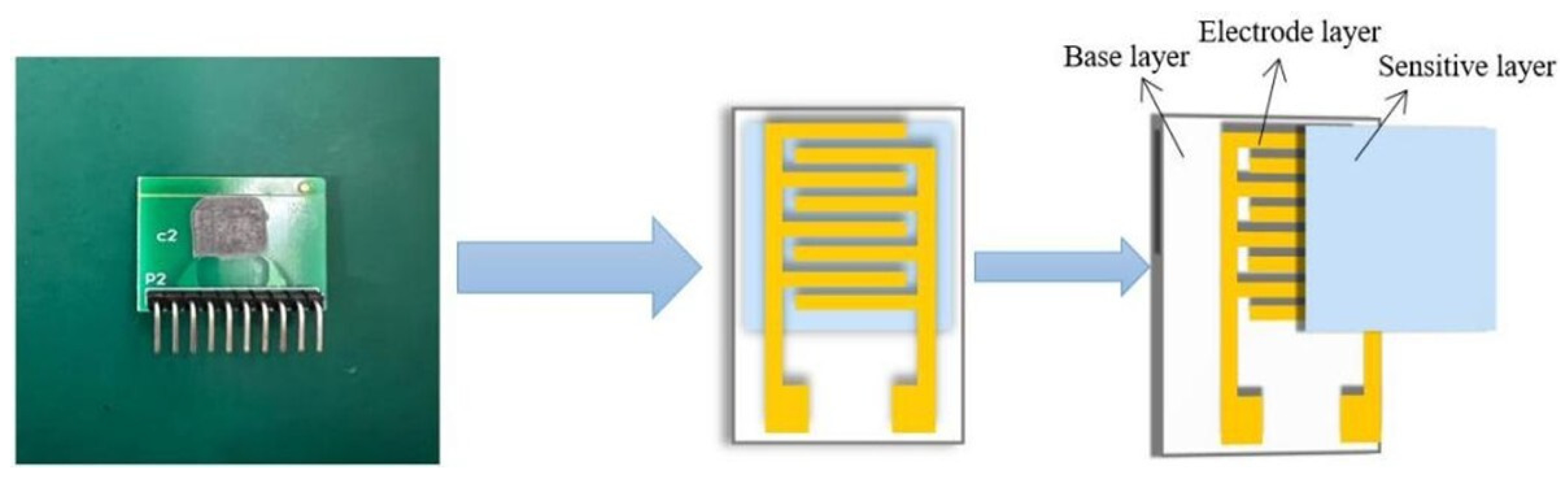
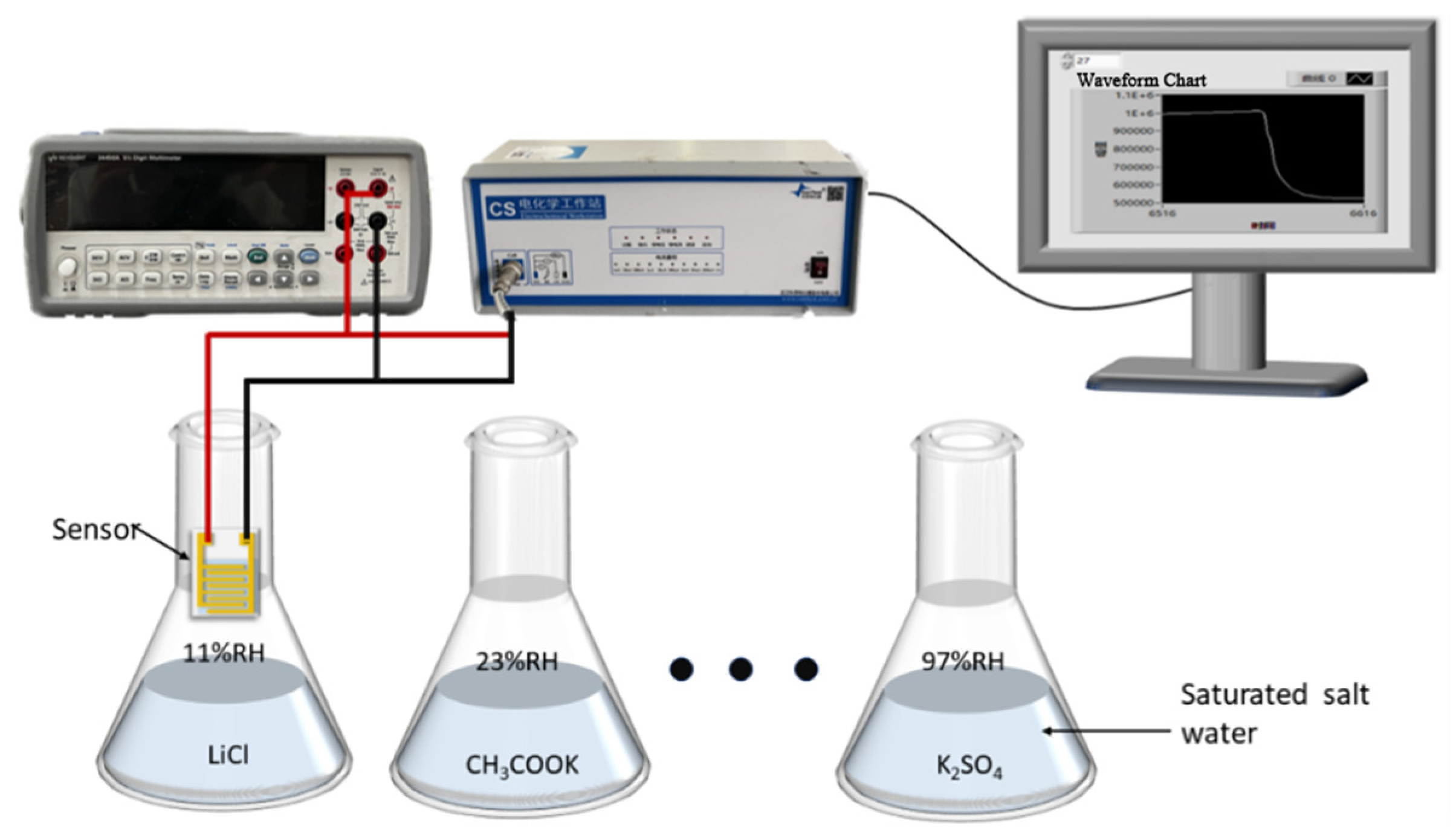
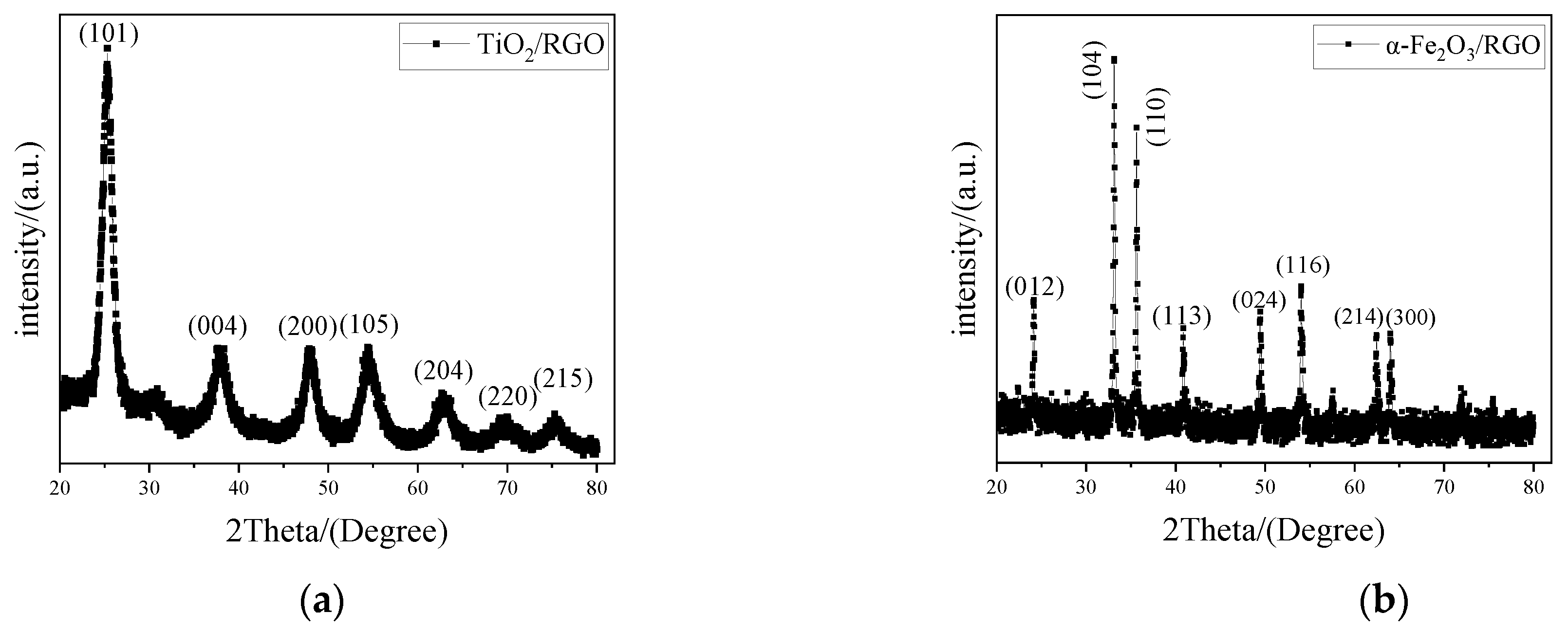
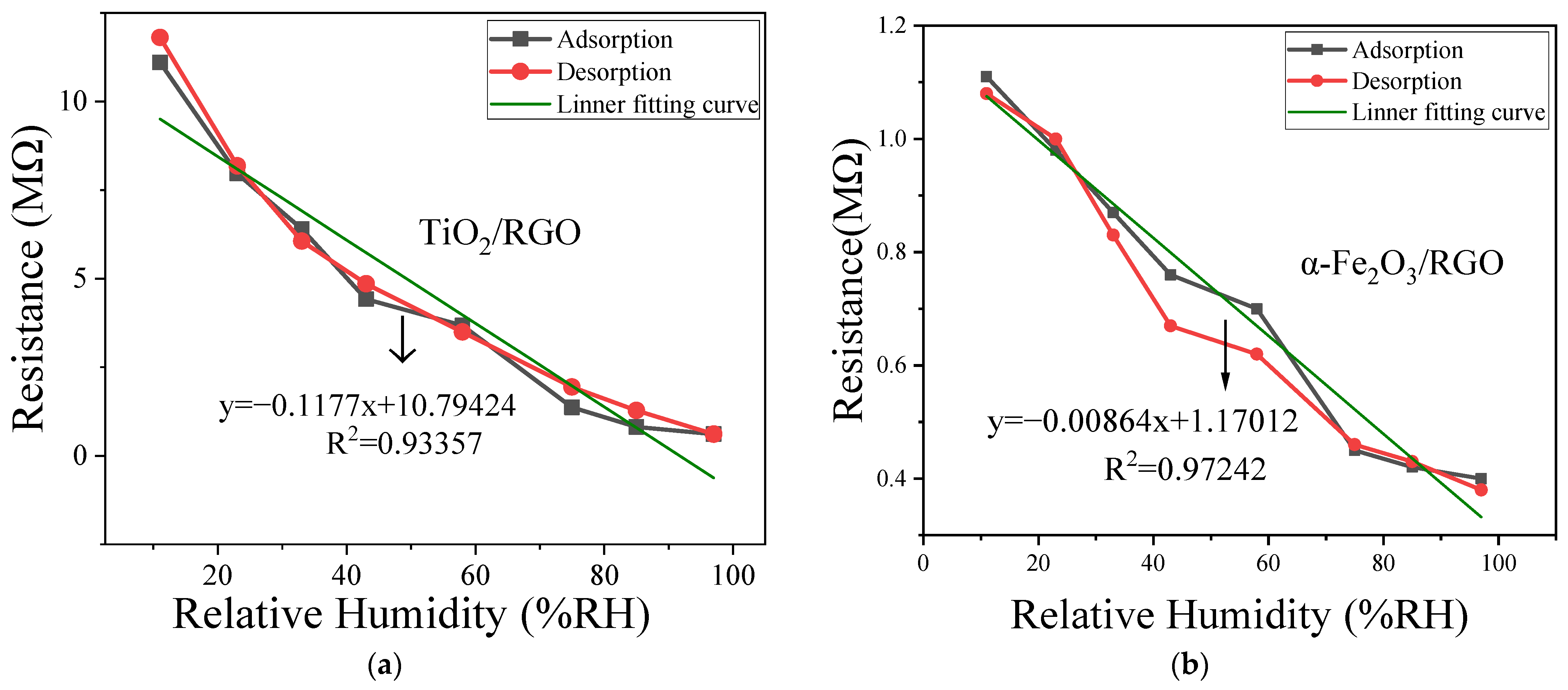
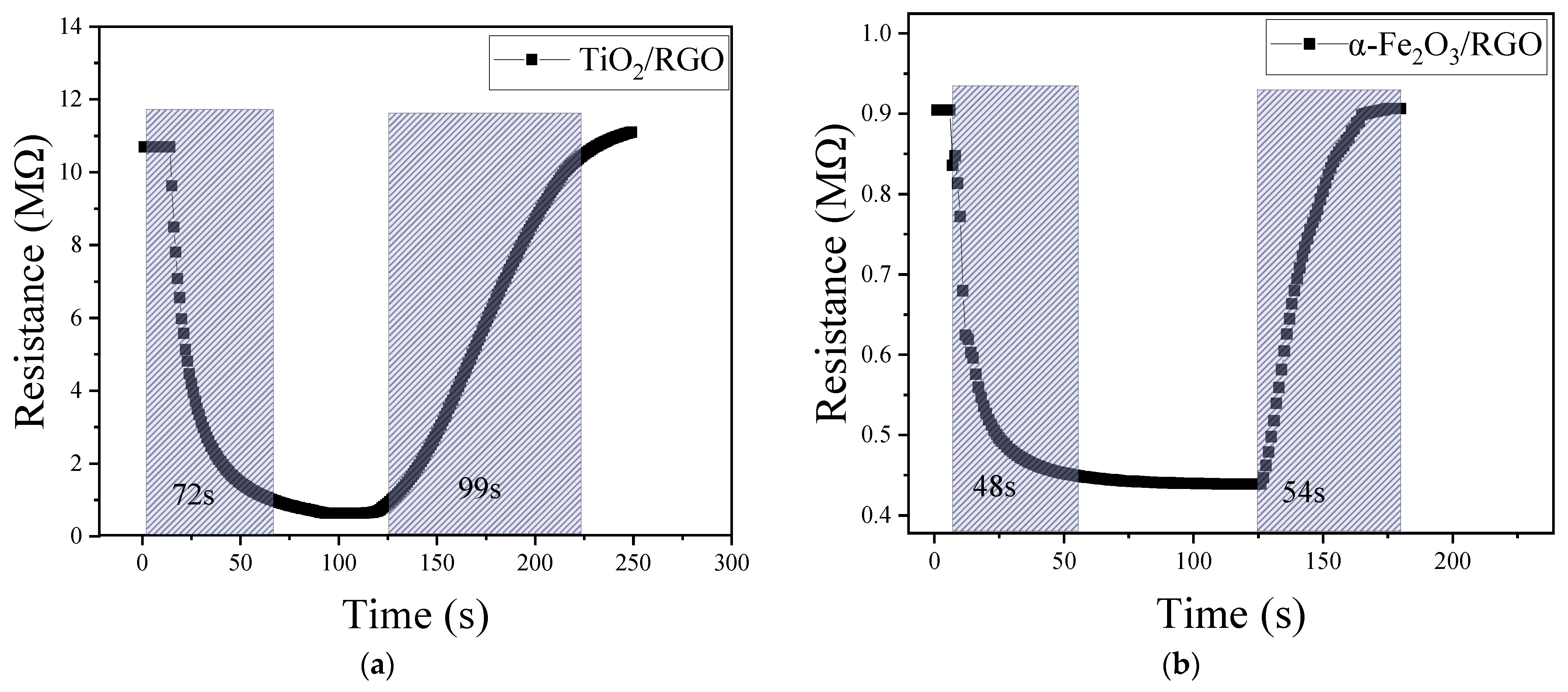
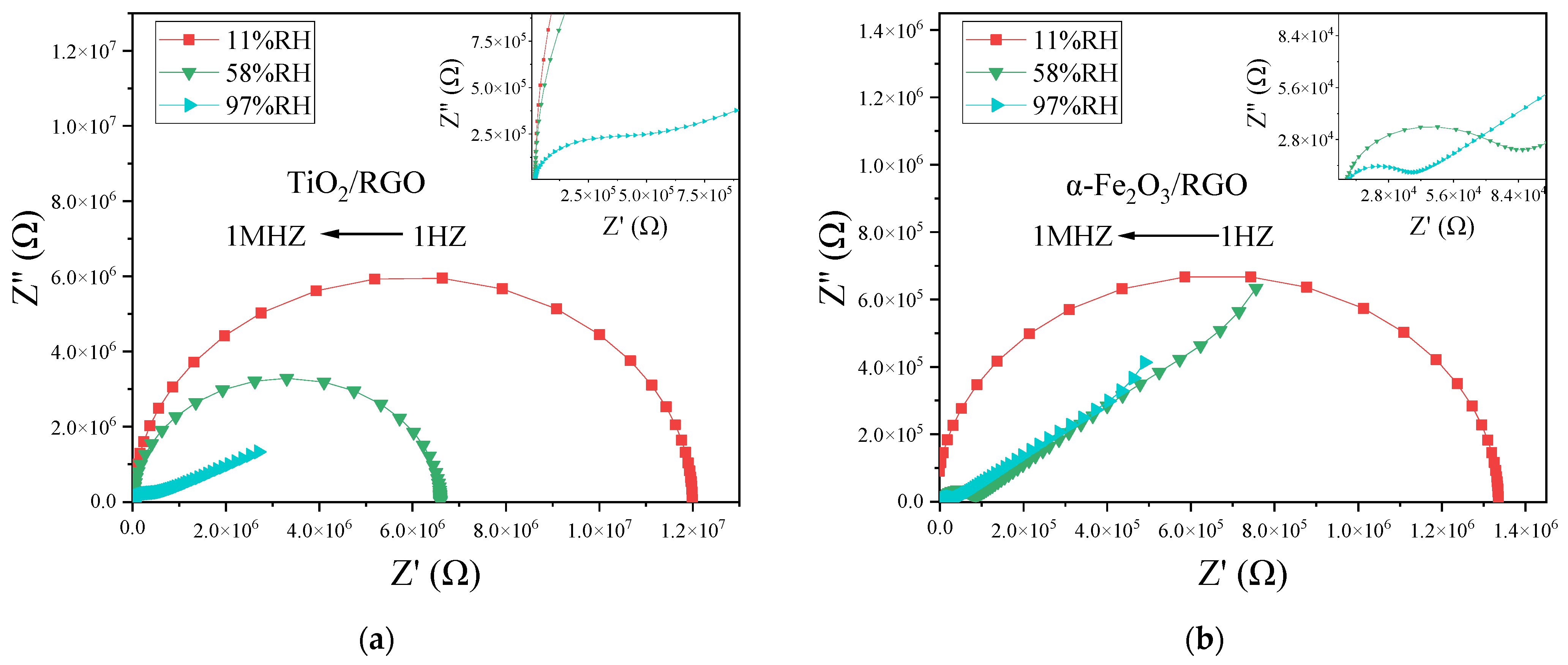
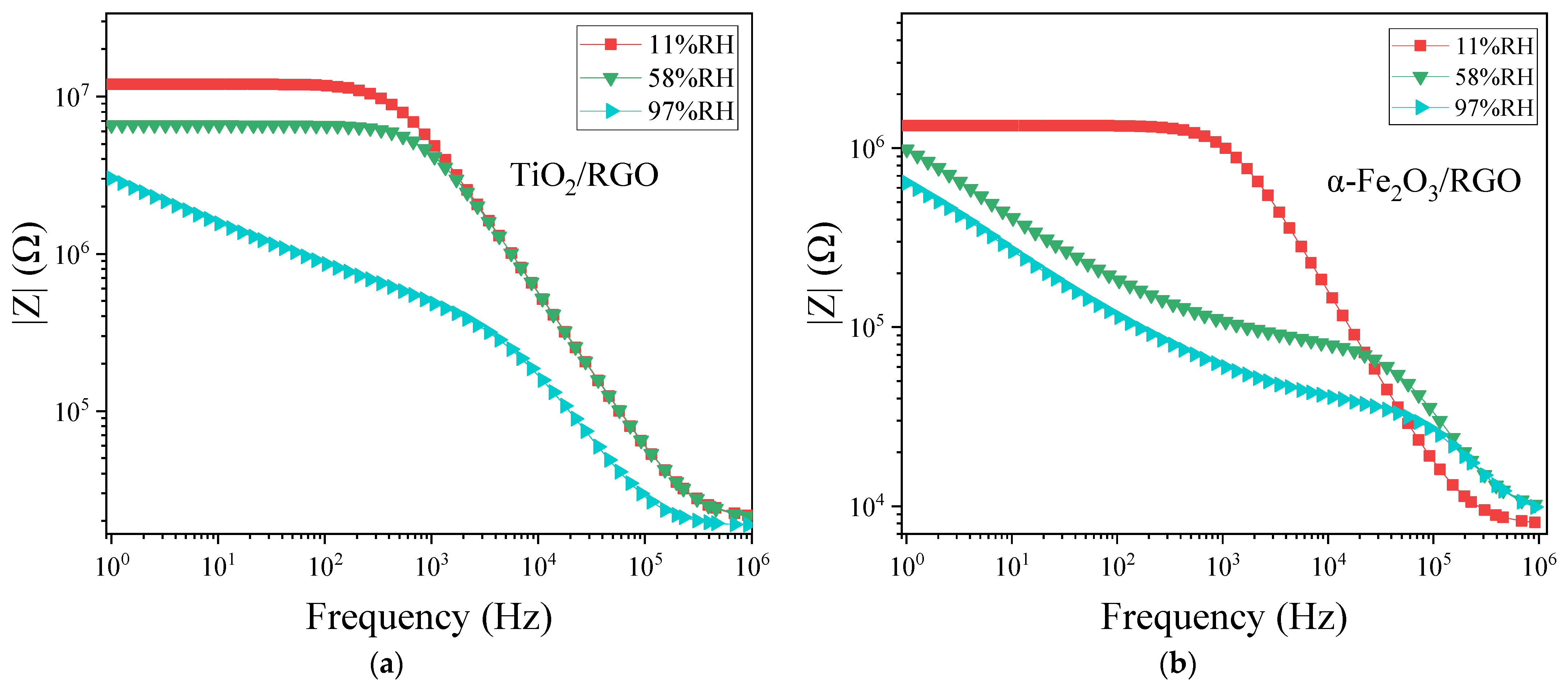
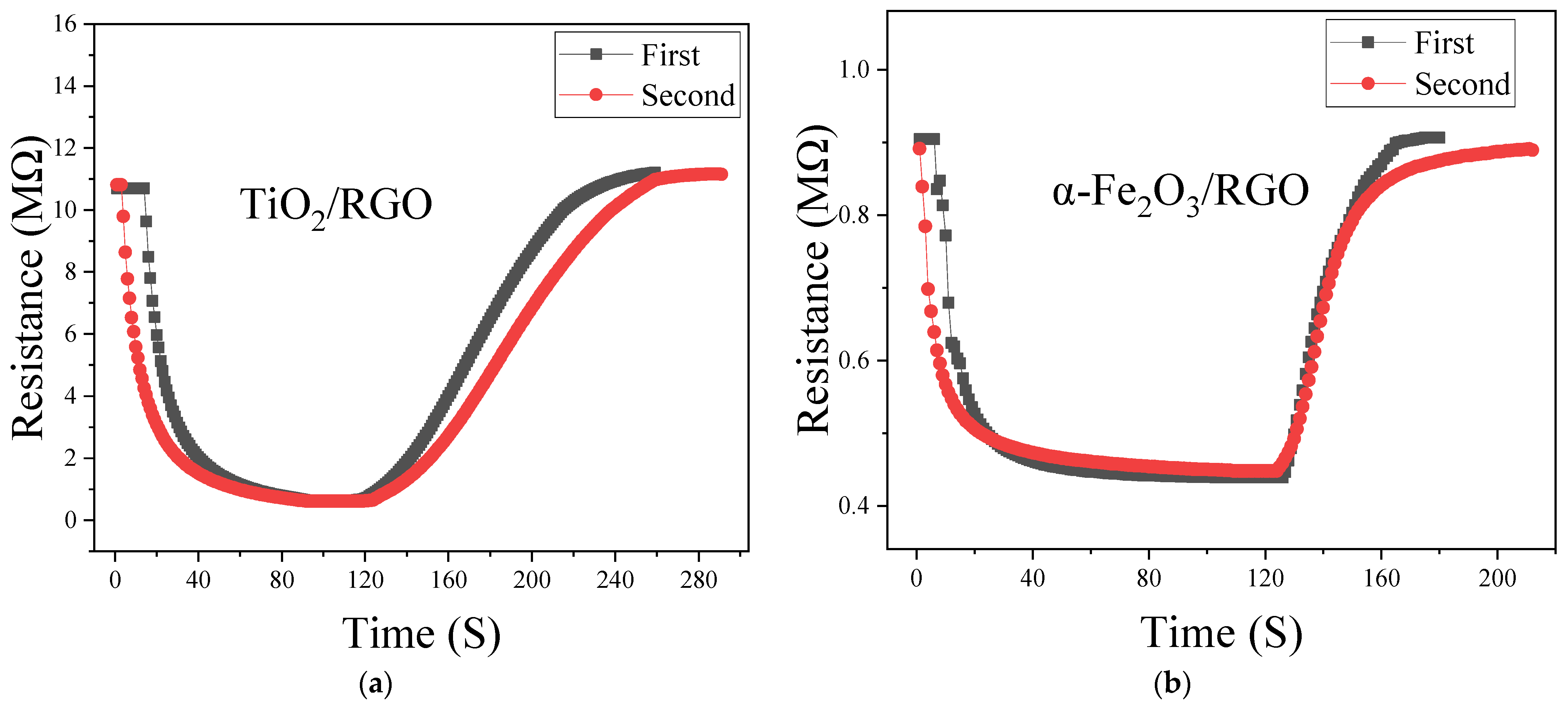
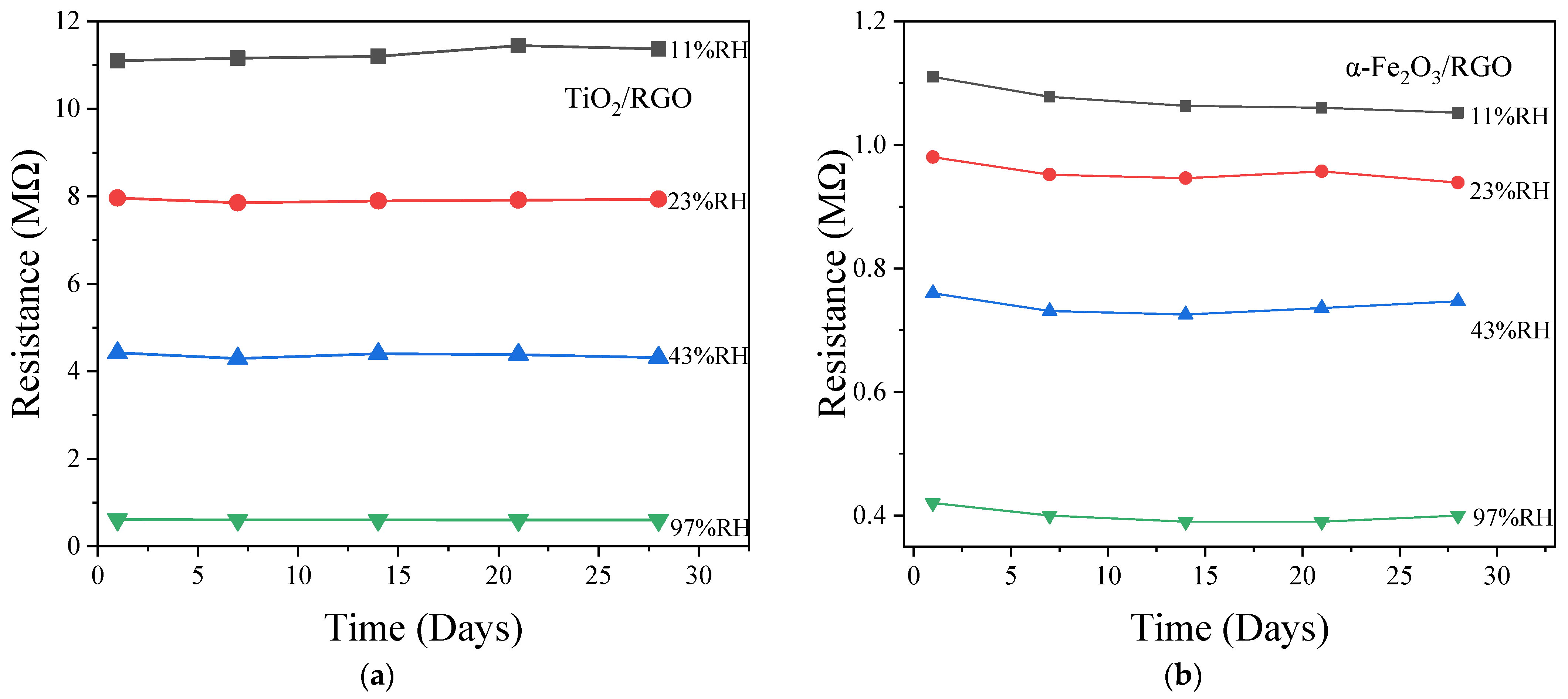
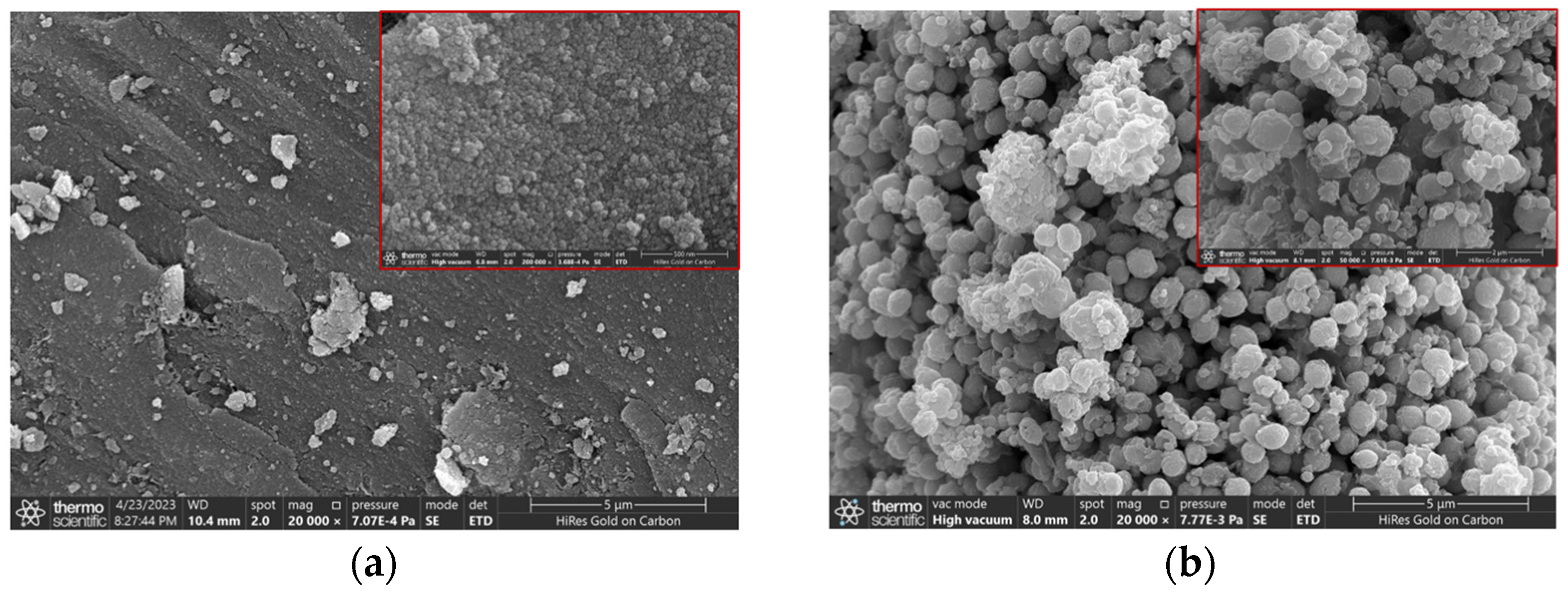
This study investigates the humidity-sensing properties of two semiconductor metal oxide (SMO)-reduced graphene oxide (RGO) nanocomposites: TiO2/RGO and α-Fe2O3/RGO, at room temperature. Both nanocomposites are synthesized via hydrothermal methods and coated onto printed circuit board (PCB) interdigital electrodes to construct humidity sensors. The surface morphology and crystallographic structure of the materials are characterized using field emission scanning electron microscopy (FESEM) and X-ray diffraction (XRD). The sensors are tested across a humidity range of 11%RH to 97%RH, and the impedance is measured over a frequency range of 1 Hz to 1 MHz. The results show that both TiO2/RGO and α-Fe2O3/RGO exhibit favorable humidity-sensing performance at room temperature. The sensitivity and humidity hysteresis of TiO2/RGO are 12.2 MΩ/%RH and 3.811%RH, respectively, while those of α-Fe2O3/RGO are 0.826 MΩ/%RH and 8.229%RH. The response and recovery times of TiO2/RGO are 72 s and 99 s, respectively, while those of α-Fe2O3/RGO are 48 s and 54 s. Both sensors demonstrate good repeatability and stability. These findings suggest that SMO/RGO nanocomposites are promising materials for the development of low-cost, high-sensitivity, and stable humidity sensors.
Keywords: humidity sensor; nanocomposite material; room temperature; TiO2/RGO; α-Fe2O3/RGO humidity sensor; nanocomposite material; room temperature; TiO2/RGO; α-Fe2O3/RGO