
Article

Dental Implant Navigation System Based on Trinocular Stereo Vision

1
Department of Precision Machinery and Precision Instrumentation, University of Science and Technology of China, Hefei 230027, China
2
Experiment Center of Engineering and Material Science, University of Science and Technology of China, Hefei 230027, China
*
Author to whom correspondence should be addressed.
These authors contributed equally to the work.
Sensors 2022, 22(7), 2571; https://doi.org/10.3390/s22072571
Submission received: 27 January 2022 / Revised: 23 February 2022 / Accepted: 1 March 2022 / Published: 27 March 2022

Abstract

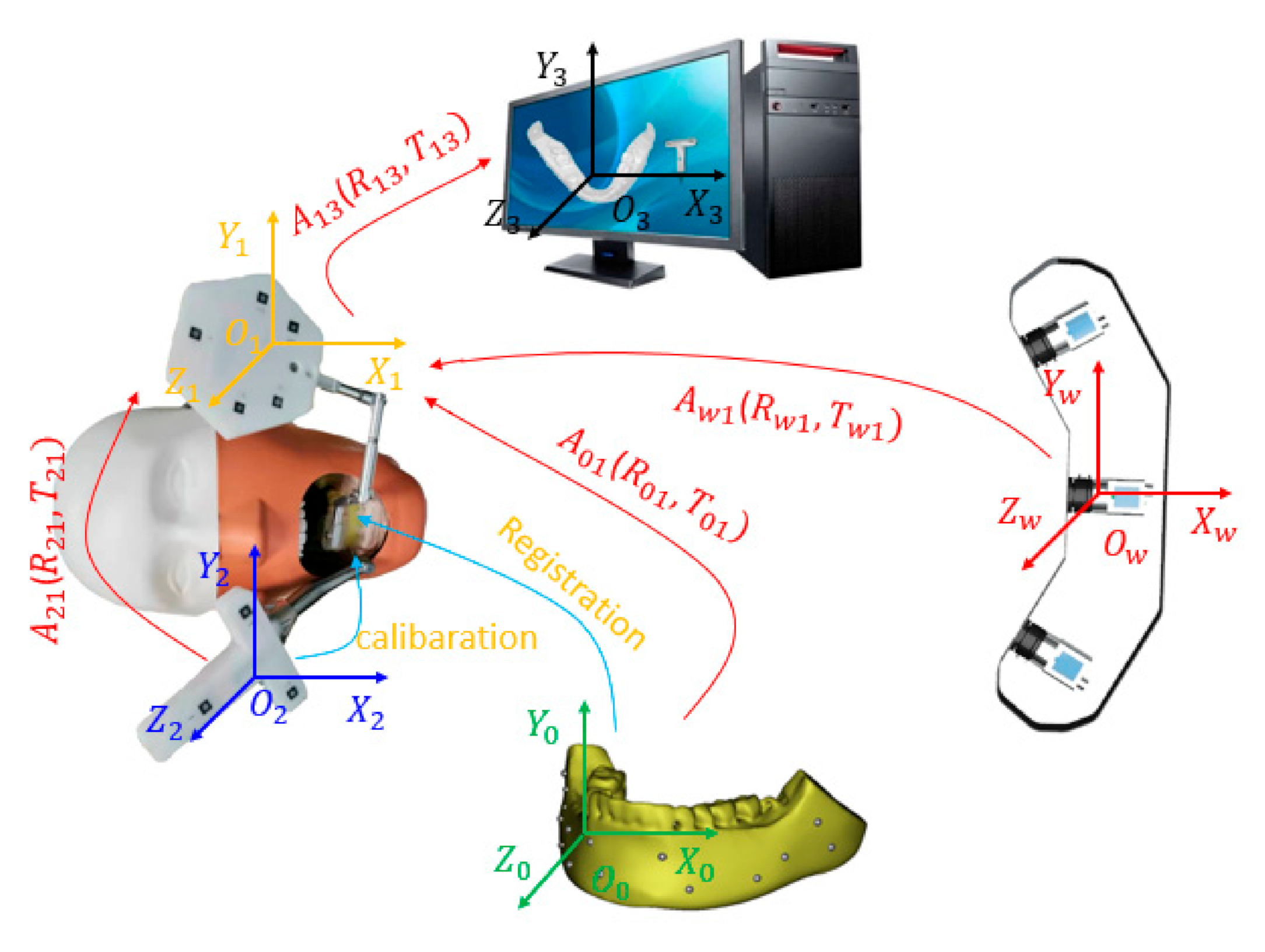
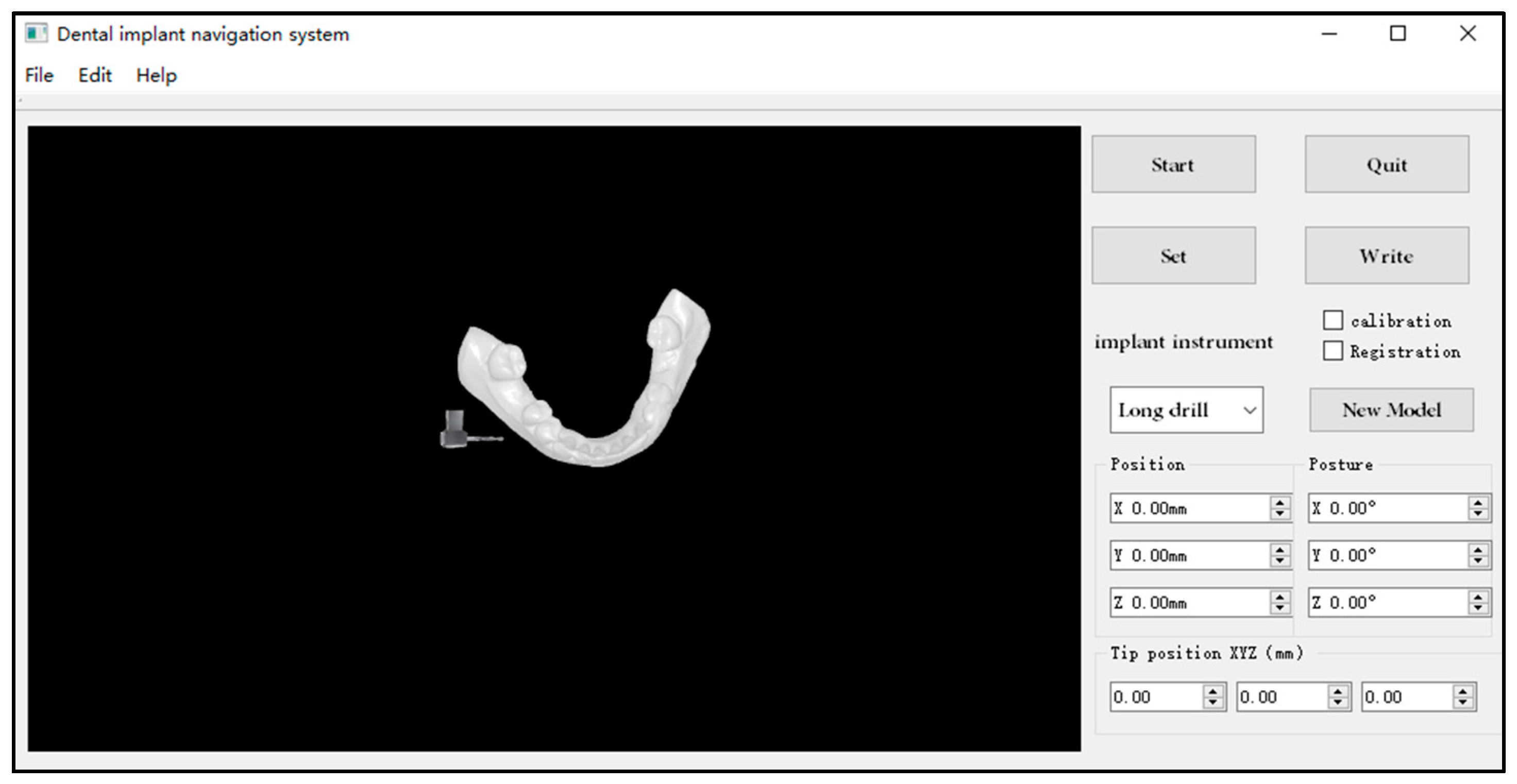
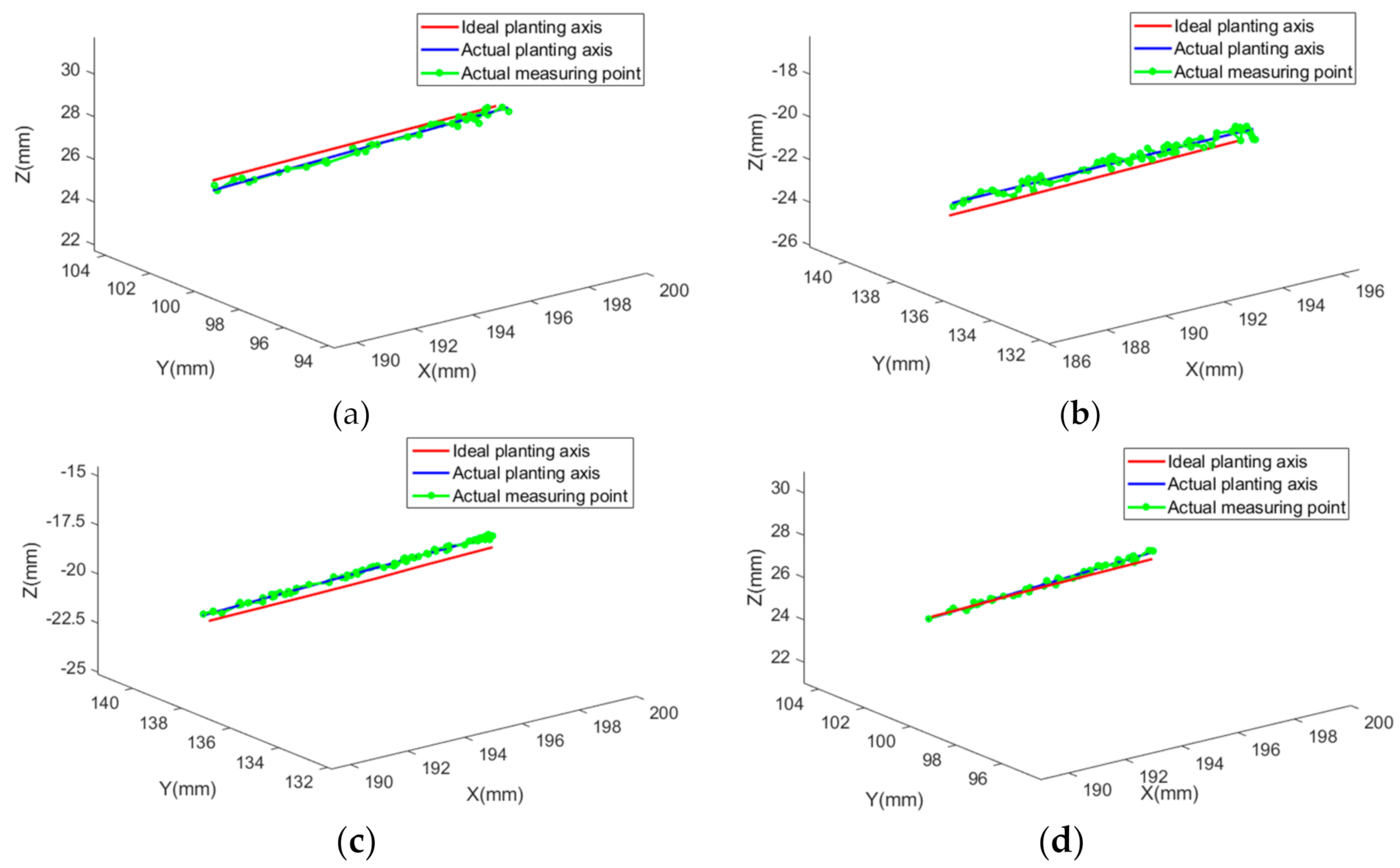
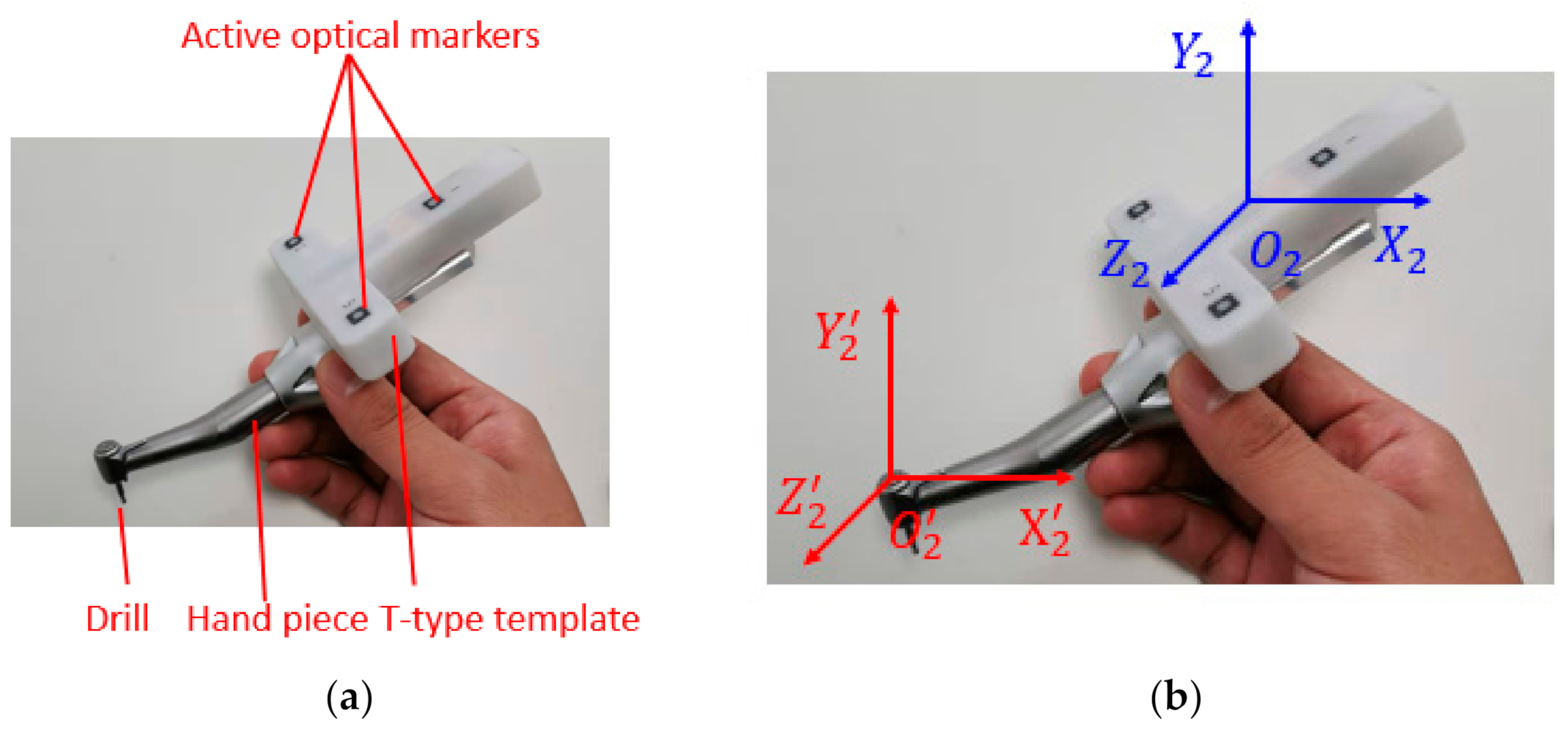
Traditional dental implant navigation systems (DINS) based on binocular stereo vision (BSV) have limitations, for example, weak anti-occlusion abilities, as well as problems with feature point mismatching. These shortcomings limit the operators’ operation scope, and the instruments may even cause damage to the adjacent important blood vessels, nerves, and other anatomical structures. Trinocular stereo vision (TSV) is introduced to DINS to improve the accuracy and safety of dental implants in this study. High positioning accuracy is provided by adding cameras. When one of the cameras is blocked, spatial positioning can still be achieved, and doctors can adjust to system tips; thus, the continuity and safety of the surgery is significantly improved. Some key technologies of DINS have also been updated. A bipolar line constraint algorithm based on TSV is proposed to eliminate the feature point mismatching problem. A reference template with active optical markers attached to the jaw measures head movement. A T-type template with active optical markers is used to obtain the position and direction of surgery instruments. The calibration algorithms of endpoint, axis, and drill are proposed for 3D display of the surgical instrument in real time. With the preoperative path planning of implant navigation software, implant surgery can be carried out. Phantom experiments are carried out based on the system to assess the feasibility and accuracy. The results show that the mean entry deviation, exit deviation, and angle deviation are 0.55 mm, 0.88 mm, and 2.23 degrees, respectively.
Keywords: dental implant; trinocular stereo vision; dynamic tracking dental implant; trinocular stereo vision; dynamic tracking