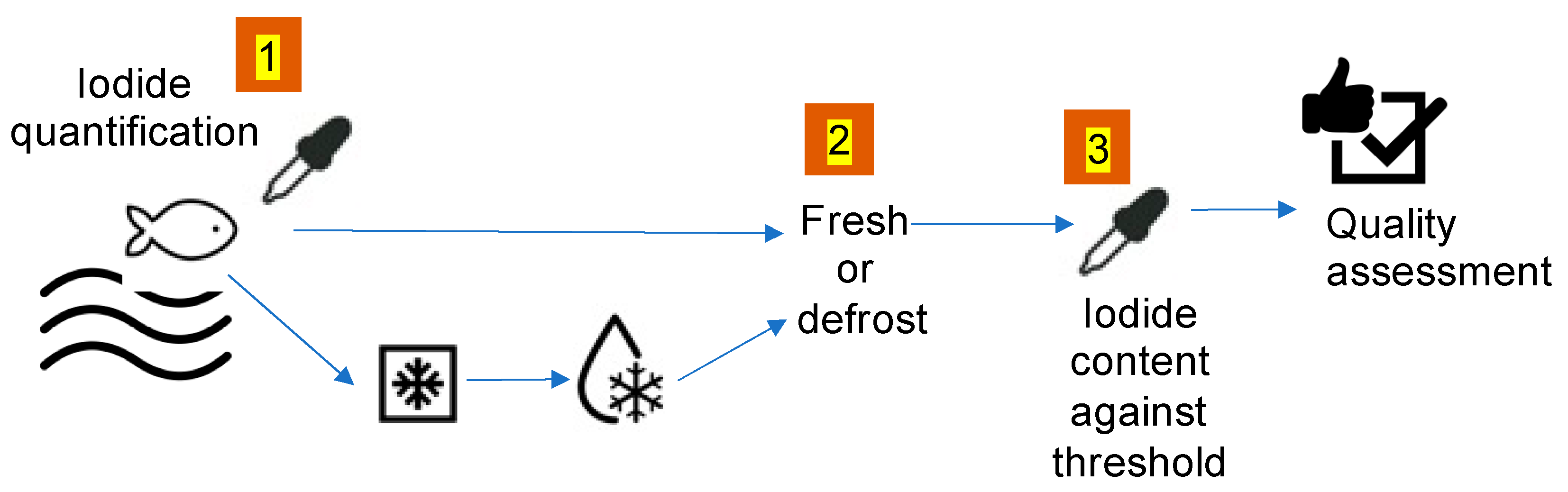
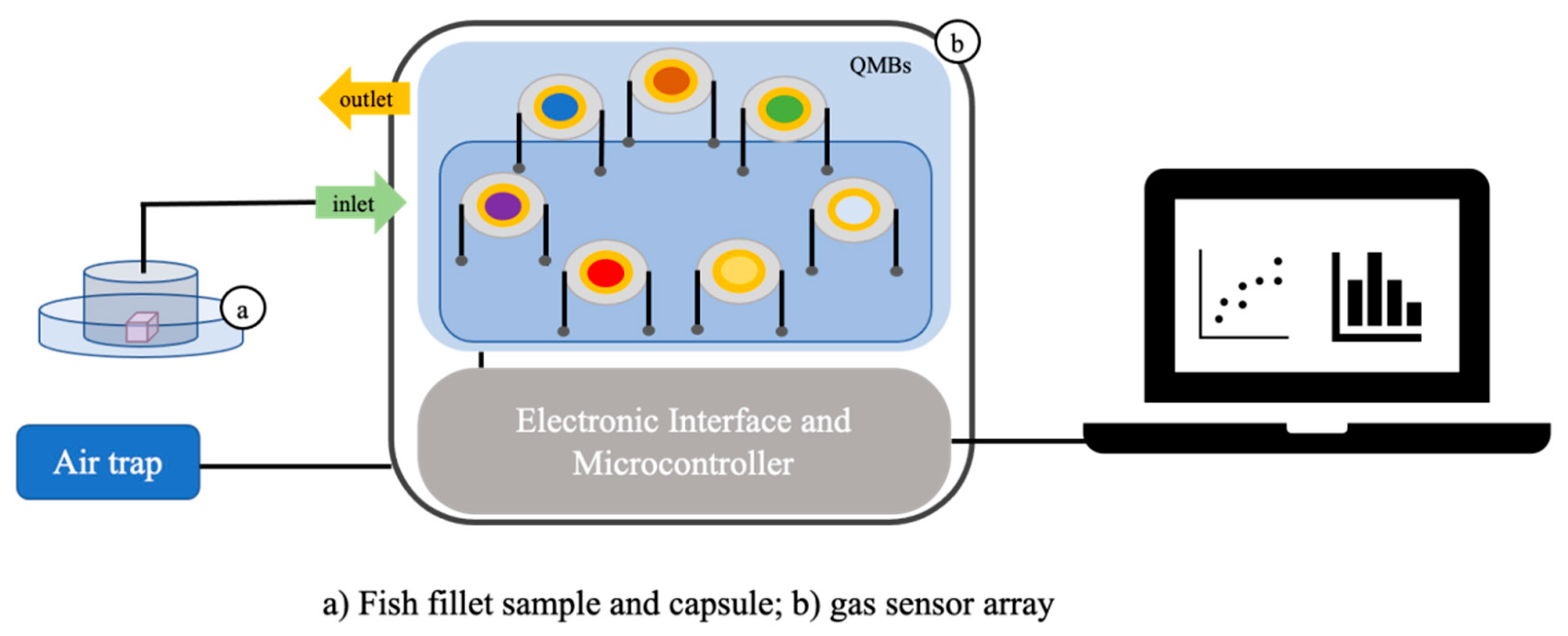
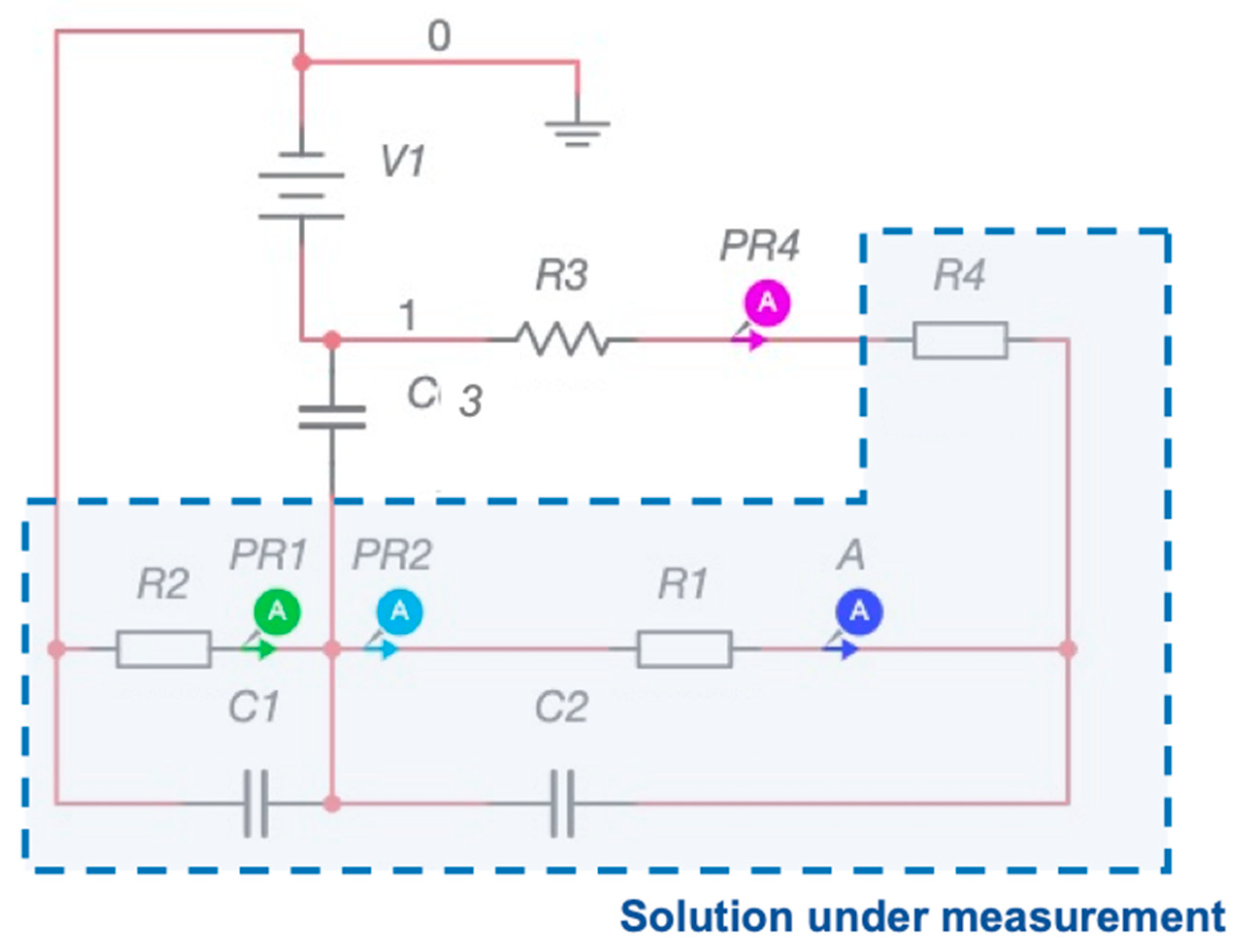
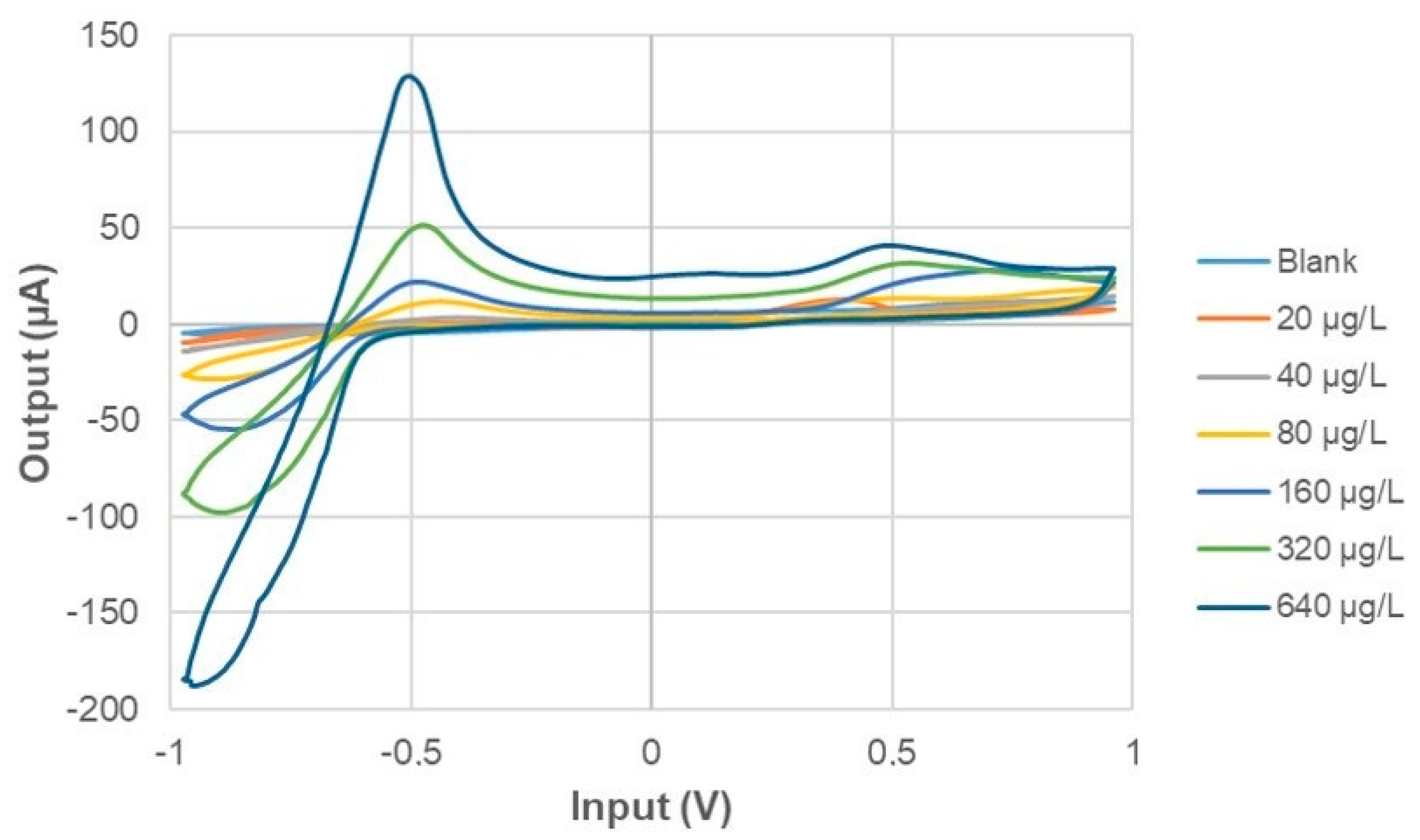
A Multi-Sensor System for Sea Water Iodide Monitoring and Seafood Quality Assurance: Proof-of-Concept Study

 ,
,  , ,
, ,  ,
,  and
and 
Abstract
Share and Cite
Zompanti, A.; Grasso, S.; Sabatini, A.; Vollero, L.; Pennazza, G.; Santonico, M. A Multi-Sensor System for Sea Water Iodide Monitoring and Seafood Quality Assurance: Proof-of-Concept Study. Sensors 2021, 21, 4464. https://doi.org/10.3390/s21134464
Zompanti A, Grasso S, Sabatini A, Vollero L, Pennazza G, Santonico M. A Multi-Sensor System for Sea Water Iodide Monitoring and Seafood Quality Assurance: Proof-of-Concept Study. Sensors. 2021; 21(13):4464. https://doi.org/10.3390/s21134464
Chicago/Turabian StyleZompanti, Alessandro, Simone Grasso, Anna Sabatini, Luca Vollero, Giorgio Pennazza, and Marco Santonico. 2021. "A Multi-Sensor System for Sea Water Iodide Monitoring and Seafood Quality Assurance: Proof-of-Concept Study" Sensors 21, no. 13: 4464. https://doi.org/10.3390/s21134464
APA StyleZompanti, A., Grasso, S., Sabatini, A., Vollero, L., Pennazza, G., & Santonico, M. (2021). A Multi-Sensor System for Sea Water Iodide Monitoring and Seafood Quality Assurance: Proof-of-Concept Study. Sensors, 21(13), 4464. https://doi.org/10.3390/s21134464