Spatiotemporal Remodeling of Presynaptic Terminals in Human Neuromuscular Junctions


 ,
,  and
and
Abstract
1. Introduction
2. Results
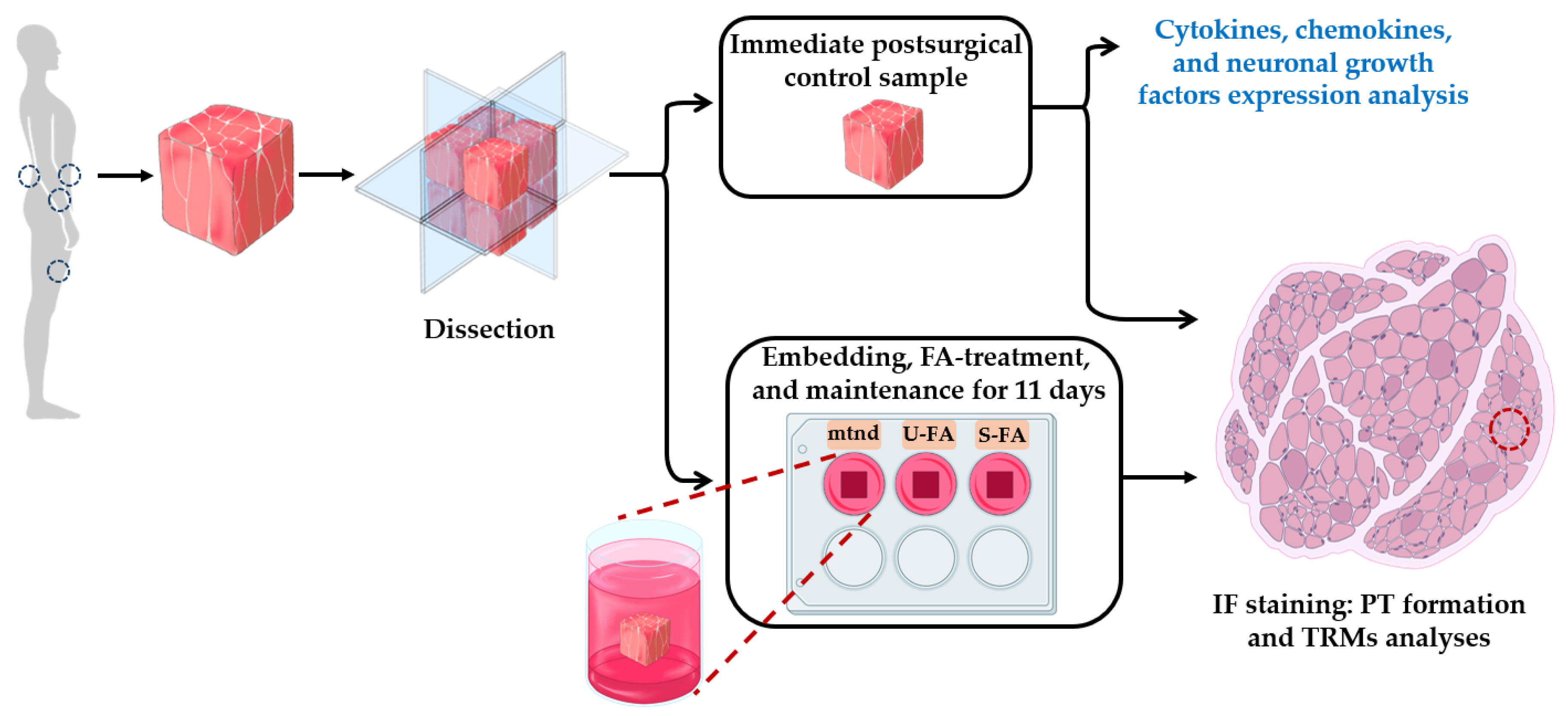
2.1. Analysis of PT in a Human Skeletal Muscle Ex Vivo Model
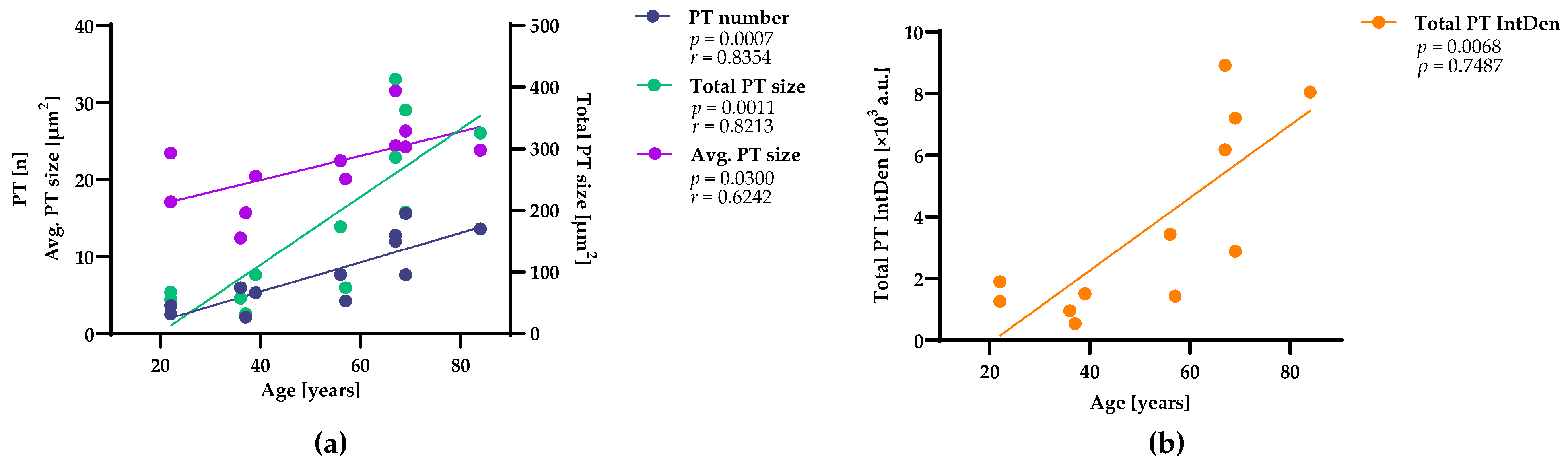
2.2. Primary and Secondary PT Variables Exhibit Significant Correlations with Participant Age
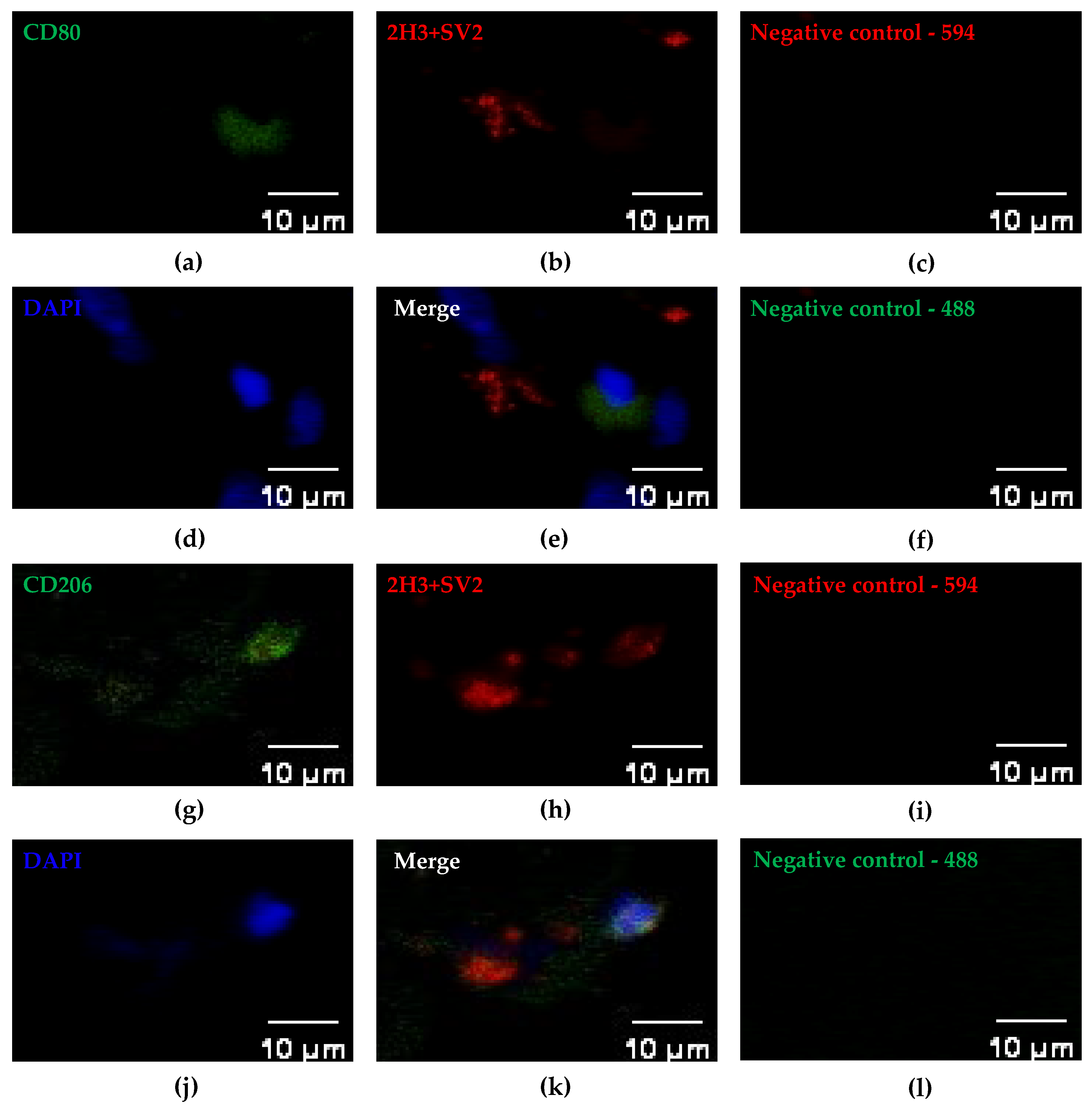
2.3. Tissue-Resident Macrophages (TRMs) Are Positioned Close to Human PTs
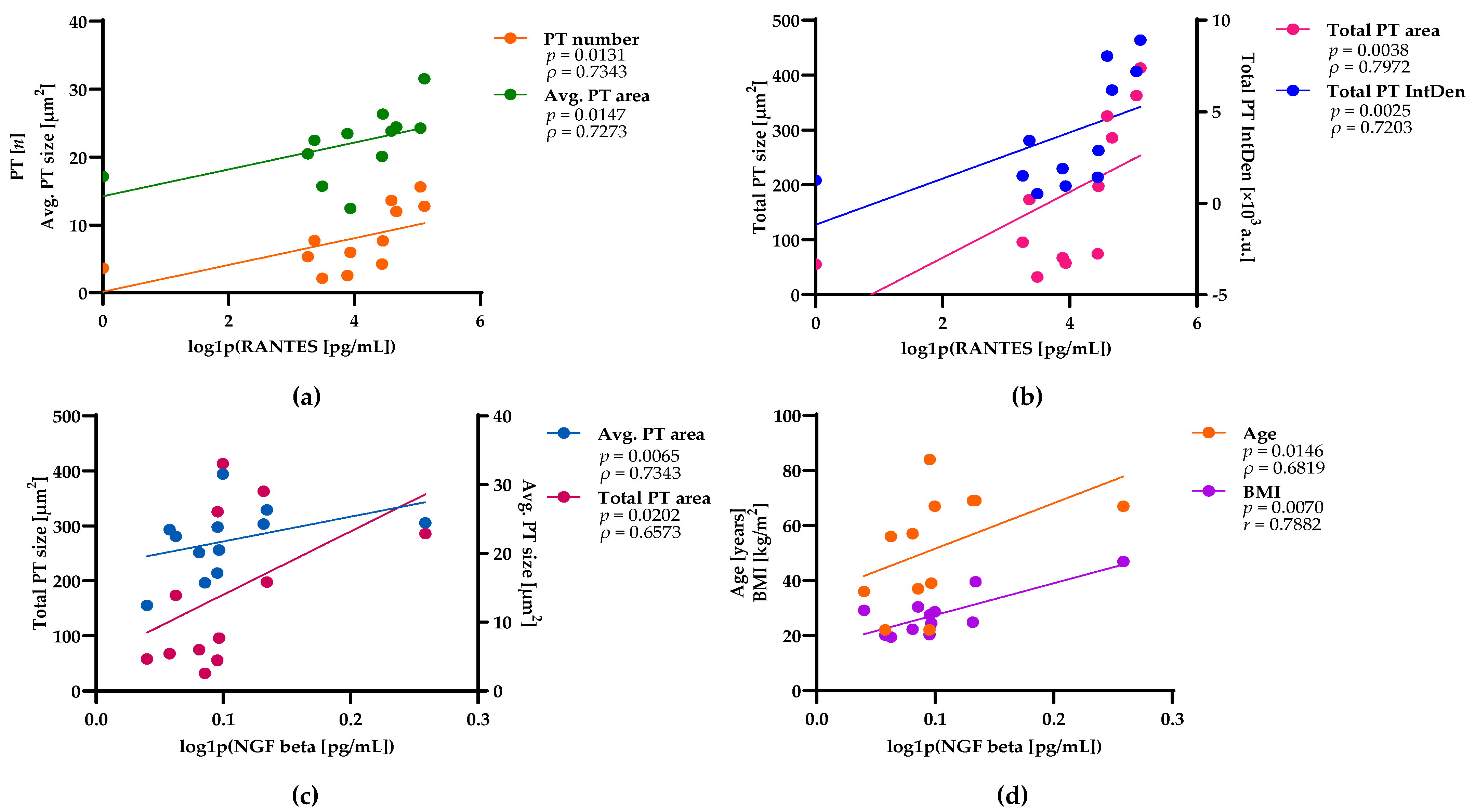
2.4. PT Variables Are Correlated with the Expression of Neurotrophic and Inflammatory Proteins in Human Skeletal Muscle Tissue
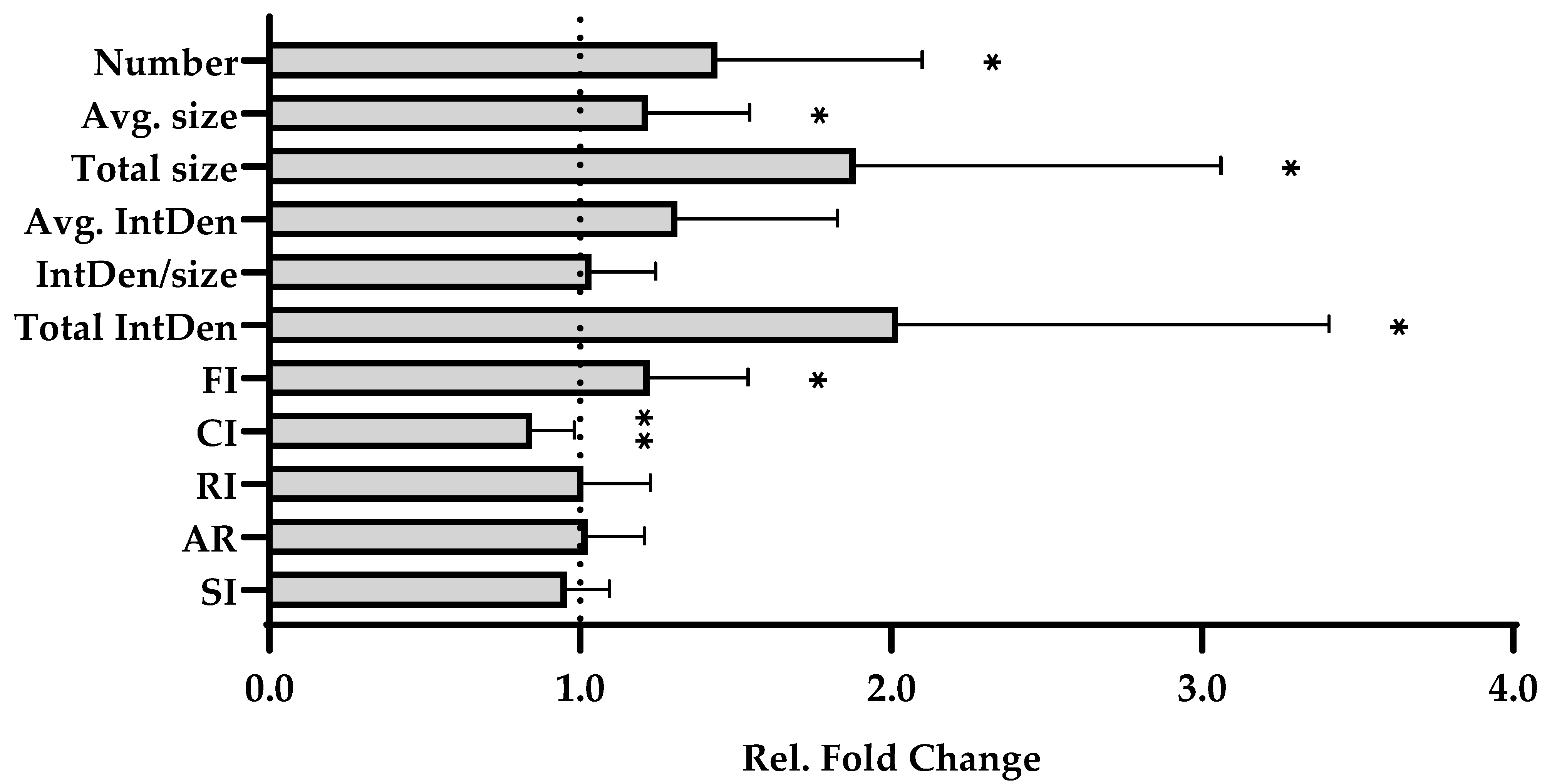
2.5. Increased PT Expansion in Human Skeletal Muscle Tissue Model
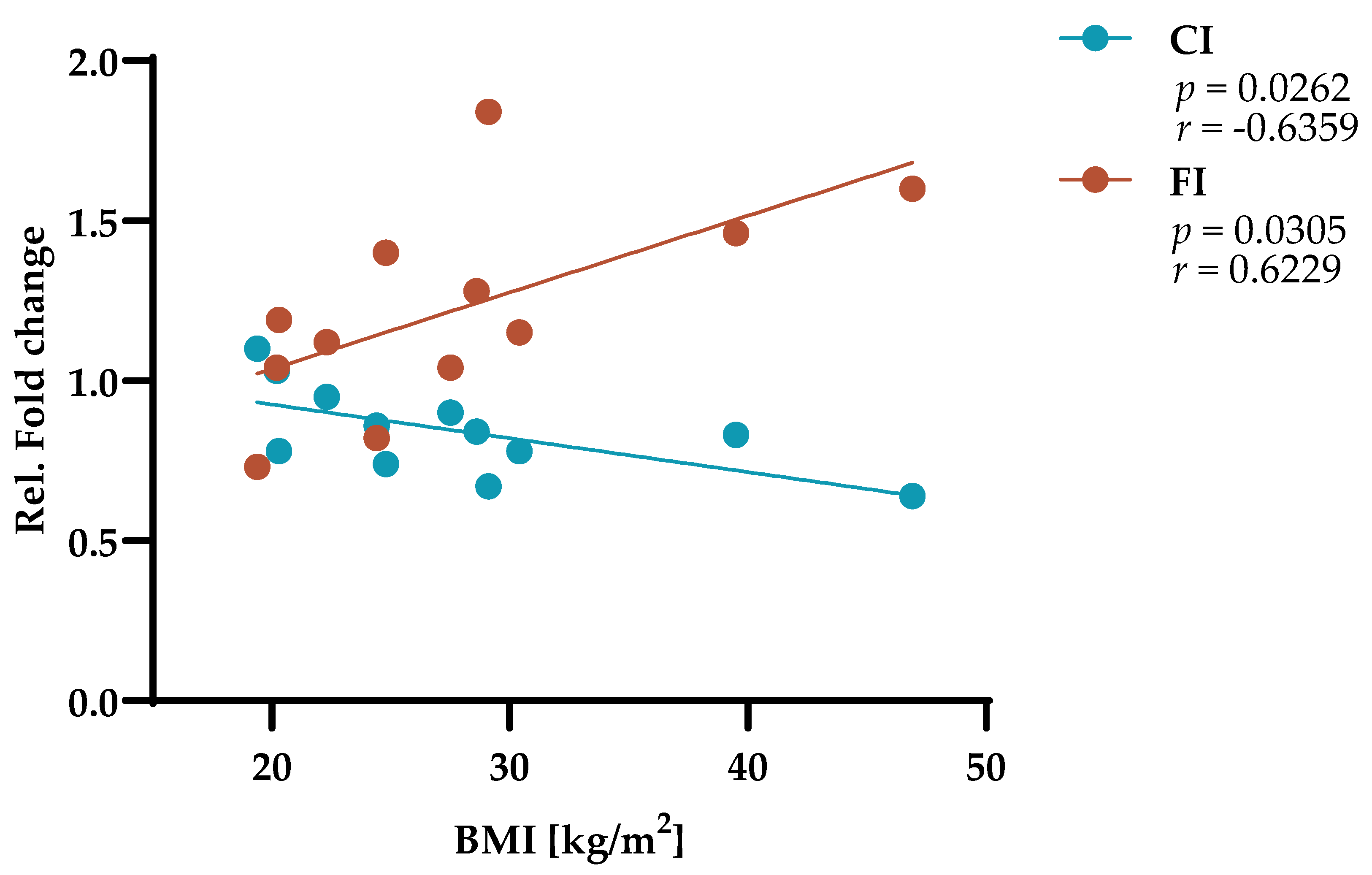
2.6. PT Circularity and Fragmentation Dynamics Conversely Correlate with Increasing BMI
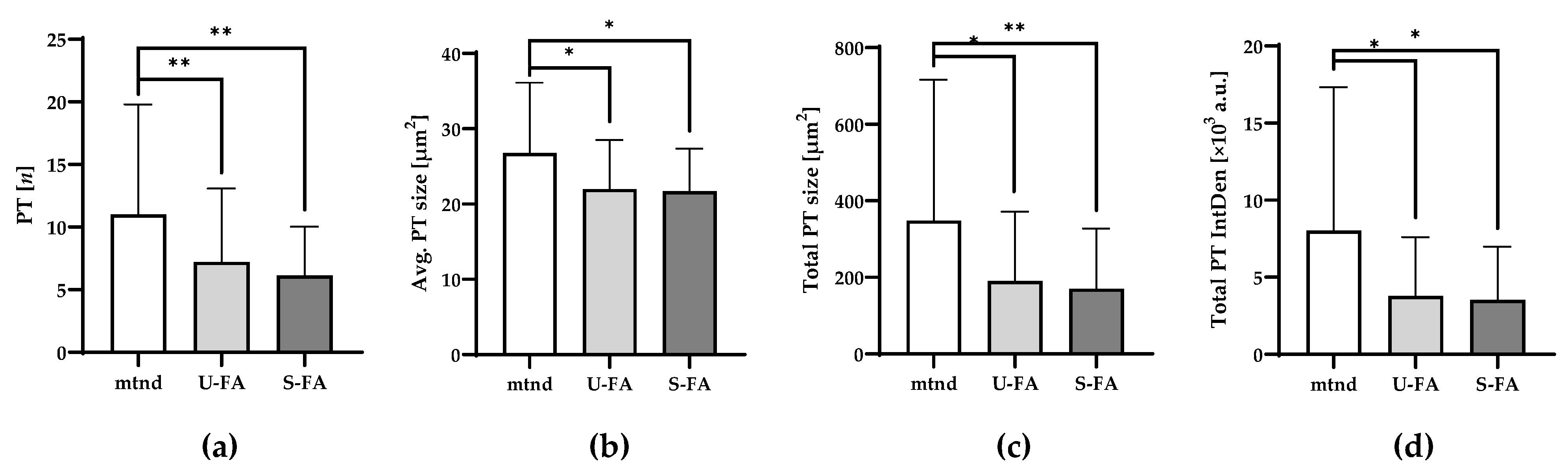
2.7. Long-Chain Fatty Acids (FAs) Lead to a Significant Decline in Primary PT Variables
3. Discussion
4. Materials and Methods
4.1. Tissue Specimens
4.2. Quantification of Neurotrophic Factors in Tissue Extracts
4.3. Maintaining and Treatment of Human Tissue Specimens
4.4. Staining with Hematoxylin and Eosin (HE Staining)
4.5. Immunofluorescence (IF) Staining of Human Macrophage Markers
4.6. Imaging and Image Analysis
4.7. Statistical Data Analysis
Supplementary Materials
Author Contributions
Funding
Institutional Review Board Statement
Informed Consent Statement
Data Availability Statement
Acknowledgments
Conflicts of Interest
Abbreviations
| NMJ | Neuromuscular junction |
| PT | Presynaptic terminal |
| SV2 | Synaptic vesicle protein |
| 2H3 | Neurofilament |
| AChR | Acetylcholine receptor |
| ECM | Extracellular matrix |
| ALS | Amyotrophic lateral sclerosis |
| TRM | Tissue-resident macrophage |
| T2D | Type 2 diabetes |
| BMI | Body mass index |
| ctrl | Control |
| mtnd | Maintained |
| Avg. | Average |
| FI | Fragmentation index |
| CI | Circularity index |
| SI | Solidity index |
References
- Rudolf, R.; Khan, M.M.; Labeit, S.; Deschenes, M.R. Degeneration of neuromuscular junction in age and dystrophy. Front. Aging Neurosci. 2014, 6, 99. [Google Scholar] [CrossRef] [PubMed]
- Hirano, K.; Tsuchiya, M.; Shiomi, A.; Takabayashi, S.; Suzuki, M.; Ishikawa, Y.; Kawano, Y.; Takabayashi, Y.; Nishikawa, K.; Nagao, K.; et al. The mechanosensitive ion channel PIEZO1 promotes satellite cell function in muscle regeneration. Life Sci. Alliance 2022, 6, e202201783. [Google Scholar] [CrossRef] [PubMed]
- Pathak, M.M.; Nourse, J.L.; Tran, T.; Hwe, J.; Arulmoli, J.; Le, D.T.T.; Bernardis, E.; Flanagan, L.A.; Tombola, F. Stretch-activated ion channel Piezo1 directs lineage choice in human neural stem cells. Proc. Natl. Acad. Sci. USA 2014, 111, 16148–16153. [Google Scholar] [CrossRef]
- Bosutti, A.; Giniatullin, A.; Odnoshivkina, Y.; Giudice, L.; Malm, T.; Sciancalepore, M.; Giniatullin, R.; D’Andrea, P.; Lorenzon, P.; Bernareggi, A. “Time window” effect of Yoda1-evoked Piezo1 channel activity during mouse skeletal muscle differentiation. Acta Physiol. 2021, 233, e13702. [Google Scholar] [CrossRef]
- Boppart, M.D.; Burkin, D.J.; Kaufman, S.J. Alpha7beta1-integrin regulates mechanotransduction and prevents skeletal muscle injury. Am. J. Physiol. Cell Physiol. 2006, 290, C1660–C1665. [Google Scholar] [CrossRef]
- Quach, N.L.; Rando, T.A. Focal adhesion kinase is essential for costamerogenesis in cultured skeletal muscle cells. Dev. Biol. 2006, 293, 38–52. [Google Scholar] [CrossRef]
- Balcioglu, H.E.; van Hoorn, H.; Donato, D.M.; Schmidt, T.; Danen, E.H. The integrin expression profile modulates orientation and dynamics of force transmission at cell-matrix adhesions. J. Cell Sci. 2015, 128, 1316–1326. [Google Scholar] [CrossRef]
- Just-Borras, L.; Cilleros-Mane, V.; Polishchuk, A.; Balanya-Segura, M.; Tomas, M.; Garcia, N.; Tomas, J.; Lanuza, M.A. TrkB signaling is correlated with muscular fatigue resistance and less vulnerability to neurodegeneration. Front. Mol. Neurosci. 2022, 15, 1069940. [Google Scholar] [CrossRef] [PubMed]
- Barik, A.; Li, L.; Sathyamurthy, A.; Xiong, W.C.; Mei, L. Schwann Cells in Neuromuscular Junction Formation and Maintenance. J. Neurosci. 2016, 36, 9770–9781. [Google Scholar] [CrossRef]
- Gould, T.W.; Ko, C.P.; Willison, H.; Robitaille, R. Perisynaptic Schwann Cells: Guardians of Neuromuscular Junction Integrity and Function in Health and Disease. Cold Spring Harb. Perspect. Biol. 2025, 17, a041362. [Google Scholar] [CrossRef]
- Jones, R.A.; Reich, C.D.; Dissanayake, K.N.; Kristmundsdottir, F.; Findlater, G.S.; Ribchester, R.R.; Simmen, M.W.; Gillingwater, T.H. NMJ-morph reveals principal components of synaptic morphology influencing structure-function relationships at the neuromuscular junction. Open Biol. 2016, 6, 160240, Erratum in: Open Biol. 2017, 7, 160335. [Google Scholar] [CrossRef] [PubMed]
- Slater, C.R. The Structure of Human Neuromuscular Junctions: Some Unanswered Molecular Questions. Int. J. Mol. Sci. 2017, 18, 2183. [Google Scholar] [CrossRef]
- Boehm, I.; Alhindi, A.; Leite, A.S.; Logie, C.; Gibbs, A.; Murray, O.; Farrukh, R.; Pirie, R.; Proudfoot, C.; Clutton, R.; et al. Comparative anatomy of the mammalian neuromuscular junction. J. Anat. 2020, 237, 827–836. [Google Scholar] [CrossRef] [PubMed]
- Slater, C.R. Neuromuscular Transmission in a Biological Context. Compr. Physiol. 2024, 14, 5641–5702. [Google Scholar] [CrossRef] [PubMed]
- Slater, C.R. The functional organization of motor nerve terminals. Prog. Neurobiol. 2015, 134, 55–103. [Google Scholar] [CrossRef]
- Valdez, G.; Tapia, J.C.; Kang, H.; Clemenson, G.D., Jr.; Gage, F.H.; Lichtman, J.W.; Sanes, J.R. Attenuation of age-related changes in mouse neuromuscular synapses by caloric restriction and exercise. Proc. Natl. Acad. Sci. USA 2010, 107, 14863–14868. [Google Scholar] [CrossRef]
- Klemmensen, M.M.; Borrowman, S.H.; Pearce, C.; Pyles, B.; Chandra, B. Mitochondrial dysfunction in neurodegenerative disorders. Neurotherapeutics 2024, 21, e00292. [Google Scholar] [CrossRef]
- Gautier, E.L.; Shay, T.; Miller, J.; Greter, M.; Jakubzick, C.; Ivanov, S.; Helft, J.; Chow, A.; Elpek, K.G.; Gordonov, S.; et al. Gene-expression profiles and transcriptional regulatory pathways that underlie the identity and diversity of mouse tissue macrophages. Nat. Immunol. 2012, 13, 1118–1128. [Google Scholar] [CrossRef]
- Wynn, T.A.; Chawla, A.; Pollard, J.W. Macrophage biology in development, homeostasis and disease. Nature 2013, 496, 445–455. [Google Scholar] [CrossRef]
- Irrcher, I.; Adhihetty, P.J.; Joseph, A.M.; Ljubicic, V.; Hood, D.A. Regulation of mitochondrial biogenesis in muscle by endurance exercise. Sports Med. 2003, 33, 783–793. [Google Scholar] [CrossRef]
- Nobs, S.P.; Kopf, M. Tissue-resident macrophages: Guardians of organ homeostasis. Trends Immunol. 2021, 42, 495–507. [Google Scholar] [CrossRef]
- Serbulea, V.; Upchurch, C.M.; Schappe, M.S.; Voigt, P.; DeWeese, D.E.; Desai, B.N.; Meher, A.K.; Leitinger, N. Macrophage phenotype and bioenergetics are controlled by oxidized phospholipids identified in lean and obese adipose tissue. Proc. Natl. Acad. Sci. USA 2018, 115, E6254–E6263. [Google Scholar] [CrossRef] [PubMed]
- Klein, D.; Ercan, N.; Yuan, X.; Shackleford, G.G.; Claessens, A.; Feltri, M.L.; Wrabetz, L.; D’Antonio, M.; Martini, R. Macrophage Targeting Protects Nerve Structure and Improves Muscle Innervation in a Mouse Model of Charcot-Marie-Tooth 2J. Glia 2025, 73, 2369–2385. [Google Scholar] [CrossRef]
- Tiburcio, F.C.; Muller, K.S.; Leite, A.P.S.; de Oliveira, I.R.A.; Barraviera, B.; Ferreira, R.S., Jr.; Padovani, C.R.; Pinto, C.G.; Matheus, S.M.M. Neuroregeneration and immune response after neurorrhaphy are improved with the use of heterologous fibrin biopolymer in addition to suture repair alone. Muscle Nerve 2023, 67, 522–536. [Google Scholar] [CrossRef]
- Yuan, X.; Klein, D.; Kerscher, S.; West, B.L.; Weis, J.; Katona, I.; Martini, R. Macrophage Depletion Ameliorates Peripheral Neuropathy in Aging Mice. J. Neurosci. 2018, 38, 4610–4620. [Google Scholar] [CrossRef] [PubMed]
- Piasecki, J.; Inns, T.B.; Bass, J.J.; Scott, R.; Stashuk, D.W.; Phillips, B.E.; Atherton, P.J.; Piasecki, M. Influence of sex on the age-related adaptations of neuromuscular function and motor unit properties in elite masters athletes. J. Physiol. 2021, 599, 193–205. [Google Scholar] [CrossRef]
- Monti, E.; Tagliaferri, S.; Zampieri, S.; Sarto, F.; Sirago, G.; Franchi, M.V.; Ticinesi, A.; Longobucco, Y.; Adorni, E.; Lauretani, F.; et al. Effects of a 2-year exercise training on neuromuscular system health in older individuals with low muscle function. J. Cachexia Sarcopenia Muscle 2023, 14, 794–804. [Google Scholar] [CrossRef]
- Finlayson, S.; Palace, J.; Belaya, K.; Walls, T.J.; Norwood, F.; Burke, G.; Holton, J.L.; Pascual-Pascual, S.I.; Cossins, J.; Beeson, D. Clinical features of congenital myasthenic syndrome due to mutations in. J. Neurol. Neurosurg. Psychiatry 2013, 84, 1119–1125. [Google Scholar] [CrossRef]
- Gessler, L.; Huraskin, D.; Jian, Y.Z.; Eiber, N.; Hu, Z.Y.; Prószynski, T.J.; Hashemolhosseini, S. The YAP1/TAZ-TEAD transcriptional network regulates gene expression at neuromuscular junctions in skeletal muscle fibers. Nucleic Acids Res. 2024, 52, 600–624. [Google Scholar] [CrossRef]
- Aubertin-Leheudre, M.; Pion, C.H.; Vallee, J.; Marchand, S.; Morais, J.A.; Belanger, M.; Robitaille, R. Improved Human Muscle Biopsy Method to Study Neuromuscular Junction Structure and Functions with Aging. J. Gerontol. A Biol. Sci. Med. Sci. 2020, 75, 2098–2102. [Google Scholar] [CrossRef] [PubMed]
- Kaefer, S.L.; Shay, E.O.; Morrison, R.A.; Zhang, L.J.; Voytik-Harbin, S.; Halum, S. Neuromuscular junction visualization in paraffin-embedded thyroarytenoid muscle sections: Expanding options beyond frozen section analysis. Laryngoscope Investig. Otolaryngol. 2025, 10, e70020. [Google Scholar] [CrossRef]
- Hao, D.; Becker, N.; Mückter, E.; Müller, A.; Pishnamaz, M.; Bollheimer, L.C.; Hildebrand, F.; Nourbakhsh, M. In Vitro Model of Human Skeletal Muscle Tissue for the Study of Resident Macrophages and Stem Cells. Biology 2022, 11, 936. [Google Scholar] [CrossRef]
- Chen, X.; Hao, D.; Becker, N.; Müller, A.; Pishnamaz, M.; Bollheimer, L.C.; Hildebrand, F.; Nourbakhsh, M. Unsaturated Long-Chain Fatty Acids Activate Resident Macrophages and Stem Cells in a Human Skeletal Muscle Tissue Model. Biology 2023, 12, 1111. [Google Scholar] [CrossRef] [PubMed]
- Chen, X.; Schubert, S.L.; Müller, A.; Pishnamaz, M.; Hildebrand, F.; Nourbakhsh, M. Metabolic Activity in Human Intermuscular Adipose Tissue Directs the Response of Resident PPARγ(+) Macrophages to Fatty Acids. Biomedicines 2024, 13, 10. [Google Scholar] [CrossRef] [PubMed]
- Ohkawara, B.; Kobayakawa, A.; Kanbara, S.; Hattori, T.; Kubota, S.; Ito, M.; Masuda, A.; Takigawa, M.; Lyons, K.M.; Ishiguro, N.; et al. CTGF/CCN2 facilitates LRP4-mediated formation of the embryonic neuromuscular junction. Embo Rep. 2020, 21, e48462. [Google Scholar] [CrossRef] [PubMed]
- Ramachandran, S.; Rodgriguez, S.; Potcoava, M.; Alford, S. Single Calcium Channel Nanodomains Drive Presynaptic Calcium Entry at Lamprey Reticulospinal Presynaptic Terminals. J. Neurosci. 2022, 42, 2385–2403. [Google Scholar] [CrossRef]
- Deschenes, M.R.; Rackley, M.; Fernandez, S.; Heidebrecht, M.; Hamilton, K.; Paez, H.G.; Paez, C.R.; Alway, S.E. Efficacy of Mitochondrial Transfer in Healing Toxin-Induced Damage to Neuromuscular Junction, an Empirical Study. Synapse 2025, 79, e70022. [Google Scholar] [CrossRef]
- Perandini, L.A.; Chimin, P.; Lutkemeyer, D.D.; Câmara, N.O.S. Chronic inflammation in skeletal muscle impairs satellite cells function during regeneration: Can physical exercise restore the satellite cell niche? FEBS J. 2018, 285, 1973–1984. [Google Scholar] [CrossRef]
- Oda, K. Age-Changes of Motor Innervation and Acetylcholine-Receptor Distribution on Human Skeletal-Muscle Fibers. J. Neurol. Sci. 1984, 66, 327–338. [Google Scholar] [CrossRef]
- Mosole, S.; Carraro, U.; Kern, H.; Loefler, S.; Fruhmann, H.; Vogelauer, M.; Burggraf, S.; Mayr, W.; Krenn, M.; Paternostro-Sluga, T.; et al. Long-Term High-Level Exercise Promotes Muscle Reinnervation with Age. J. Neuropathol. Exp. Neurol. 2014, 73, 284–294. [Google Scholar] [CrossRef]
- Rauen, M.; Hao, D.; Müller, A.; Mückter, E.; Bollheimer, L.C.; Nourbakhsh, M. Free Fatty Acid Species Differentially Modulate the Inflammatory Gene Response in Primary Human Skeletal Myoblasts. Biology 2021, 10, 1318. [Google Scholar] [CrossRef]
- Jiang, Y.F.; Qi, X.N.; Cui, H.J.; Huang, Y.T.; Lv, Y.B.; Yang, Y.; Yao, X.S.; Yang, D.X. The Inflammation-Energy Metabolism Axis: A Central Driver of Sarcopenia-Osteoporosis: A Narrative Review. Calcif. Tissue Int. 2026, 117, 9. [Google Scholar] [CrossRef]
- Lessard, L.E.R.; Girard, E.; Streichenberger, N.; Petiot, P.; Acquaviva, C.; Pagan, C.; Mulligan, P.; Bouhour, F.; Schaeffer, L.; Jacquier, A. Mitochondrial disorders are associated with morphological neuromuscular junction defects. Neuromuscul. Disord. 2024, 45, 105235. [Google Scholar] [CrossRef]
- Van Dyke, J.M.; Smit-Oistad, I.M.; Macrander, C.; Krakora, D.; Meyer, M.G.; Suzuki, M. Macrophage-mediated inflammation and glial response in the skeletal muscle of a rat model of familial amyotrophic lateral sclerosis (ALS). Exp. Neurol. 2016, 277, 275–282. [Google Scholar] [CrossRef]
- Chiu, I.M.; Phatnani, H.; Kuligowski, M.; Tapia, J.C.; Carrasco, M.A.; Zhang, M.; Maniatis, T.; Carroll, M.C. Activation of innate and humoral immunity in the peripheral nervous system of ALS transgenic mice. Proc. Natl. Acad. Sci. USA 2009, 106, 20960–20965. [Google Scholar] [CrossRef]
- Mokarram, N.; Merchant, A.; Mukhatyar, V.; Patel, G.; Bellamkonda, R.V. Effect of modulating macrophage phenotype on peripheral nerve repair. Biomaterials 2012, 33, 8793–8801. [Google Scholar] [CrossRef]
- Thomas, A.; Guo, J.; Reyes-Dumeyer, D.; Sanchez, D.; Scarmeas, N.; Manly, J.J.; Brickman, A.M.; Lantigua, R.A.; Mayeux, R.; Gu, Y. Inflammatory biomarkers profiles and cognition among older adults. Sci. Rep. 2025, 15, 2265. [Google Scholar] [CrossRef] [PubMed]
- Barker, P.A.; Mantyh, P.; Arendt-Nielsen, L.; Viktrup, L.; Tive, L. Nerve Growth Factor Signaling and Its Contribution to Pain. J. Pain. Res. 2020, 13, 1223–1241. [Google Scholar] [CrossRef] [PubMed]
- Bermedo-García, F.; Zelada, D.; Martínez, E.; Tabares, L.; Henríquez, J.P. Functional regeneration of the murine neuromuscular synapse relies on long-lasting morphological adaptations. BMC Biol. 2022, 20, 158. [Google Scholar] [CrossRef] [PubMed]
- Sarto, F.; Franchi, M.V.; Mcphee, J.S.; Stashuk, D.W.; Paganini, M.; Monti, E.; Rossi, M.; Sirago, G.; Zampieri, S.; Motanova, E.S.; et al. Neuromuscular impairment at different stages of human sarcopenia. J. Cachexia Sarcopenia Muscle 2024, 15, 1797–1810. [Google Scholar] [CrossRef]



| Participants | Sex | Age (Years) | BMI (kg/m2) | Type 2 Diabetes (T2D) | Locations |
|---|---|---|---|---|---|
| P1 | F | 67 | 46.90 | Yes | 1 |
| P2 | F | 69 | 24.8 | No | 2 |
| P3 | F | 57 | 22.3 | No | 4 |
| P4 | M | 67 | 28.6 | No | 3 |
| P5 | F | 22 | 20.3 | No | 3 |
| P6 | M | 22 | 20.20 | No | 3 |
| P7 | M | 69 | 39.5 | No | 3 |
| P8 | F | 56 | 19.4 | No | 4 |
| P9 | M | 39 | 24.4 | No | 2 |
| P10 | M | 37 | 30.4 | No | 4 |
| P11 | F | 84 | 27.5 | No | 2 |
| P12 | M | 36 | 29.1 | No | 2 |
| Index | Formula | Definition |
|---|---|---|
| PT number | PT number/0.252 mm2 | |
| Avg. PT size | Average PT area size | |
| Total PT size | Total PT area size/0.252 mm2 | |
| IntDen/PT | Integrated Density/PT | |
| IntDen/PT size | Integrated Density normalized to PT size | |
| Total IntDen | Total Integrated Density/0.252 mm2 | |
| Fragmentation index | , | N: Number of clusters; FI range: 0.0–1.0 |
| Circularity index | CI range: 0.0–1.0 | |
| Roundness index | RI range: 0.0–1.0 | |
| Aspect ratio | AR range: 0.0–1.0 | |
| Solidity index | SI range: 0.0–1.0 |
| TRM | Examined PTs | Proximate to TRM * | |
|---|---|---|---|
| [n] | [n] | [%] | |
| CD80 | 320.7 | 16.76 | 5.23 |
| CD206 | 185.65 | 16.45 | 8.86 |
| CD80 or CD206 | 506.36 | 33.21 | 6.56 |
Disclaimer/Publisher’s Note: The statements, opinions and data contained in all publications are solely those of the individual author(s) and contributor(s) and not of MDPI and/or the editor(s). MDPI and/or the editor(s) disclaim responsibility for any injury to people or property resulting from any ideas, methods, instructions or products referred to in the content. |
© 2026 by the authors. Licensee MDPI, Basel, Switzerland. This article is an open access article distributed under the terms and conditions of the Creative Commons Attribution (CC BY) license.
Share and Cite
Liang, Z.; Schubert, S.L.; Müller, A.; Pishnamaz, M.; Hildebrand, F.; Nourbakhsh, M.; Chen, X. Spatiotemporal Remodeling of Presynaptic Terminals in Human Neuromuscular Junctions. Int. J. Mol. Sci. 2026, 27, 1928. https://doi.org/10.3390/ijms27041928
Liang Z, Schubert SL, Müller A, Pishnamaz M, Hildebrand F, Nourbakhsh M, Chen X. Spatiotemporal Remodeling of Presynaptic Terminals in Human Neuromuscular Junctions. International Journal of Molecular Sciences. 2026; 27(4):1928. https://doi.org/10.3390/ijms27041928
Chicago/Turabian StyleLiang, Zhanyang, Sebastian L. Schubert, Aline Müller, Miguel Pishnamaz, Frank Hildebrand, Mahtab Nourbakhsh, and Xiaoying Chen. 2026. "Spatiotemporal Remodeling of Presynaptic Terminals in Human Neuromuscular Junctions" International Journal of Molecular Sciences 27, no. 4: 1928. https://doi.org/10.3390/ijms27041928
APA StyleLiang, Z., Schubert, S. L., Müller, A., Pishnamaz, M., Hildebrand, F., Nourbakhsh, M., & Chen, X. (2026). Spatiotemporal Remodeling of Presynaptic Terminals in Human Neuromuscular Junctions. International Journal of Molecular Sciences, 27(4), 1928. https://doi.org/10.3390/ijms27041928