Assessing the Roles of Aging, Estrogen, Nutrition, and Neuroinflammation in Women and Their Involvement in Alzheimer’s Disease—A Narrative Overview


Abstract
1. Introduction
2. Aging: Cognitive Decline and Alzheimer’s Disease
2.1. Background
2.2. Aging, Cognitive Decline and Factors Associated with AD
3. The Importance of and Changes in Estrogen with Aging
3.1. Estrogen Is Vital for Women’s Health
3.2. Changes in Hormone Levels with Aging in Women
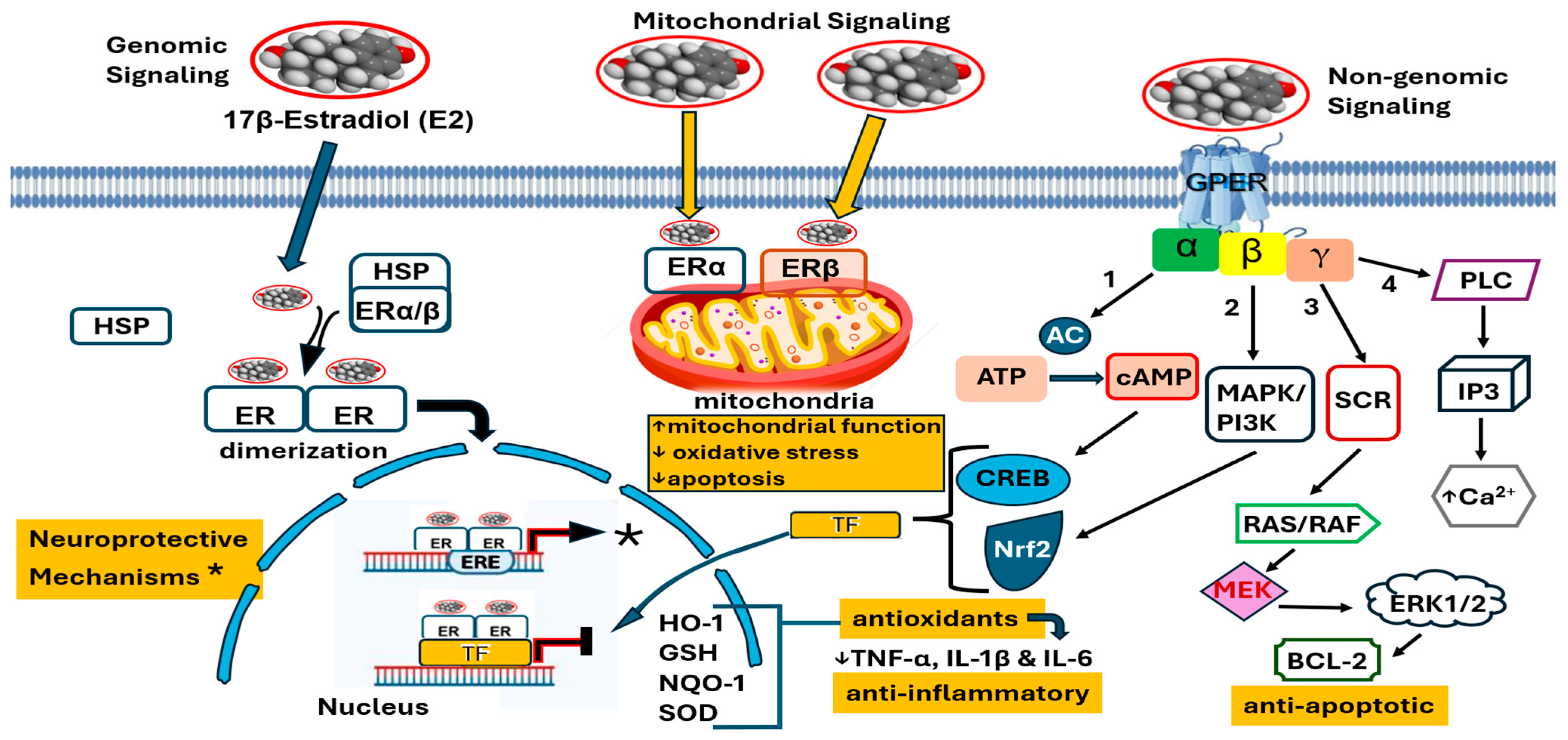
3.3. The Important Role of Estrogen on Health and Homeostasis via Estrogen Receptors
3.4. Roles of Estrogen Receptors in Neurodegeneration
4. Nutritional Factors in Supporting Overall Well-Being and Brain Health
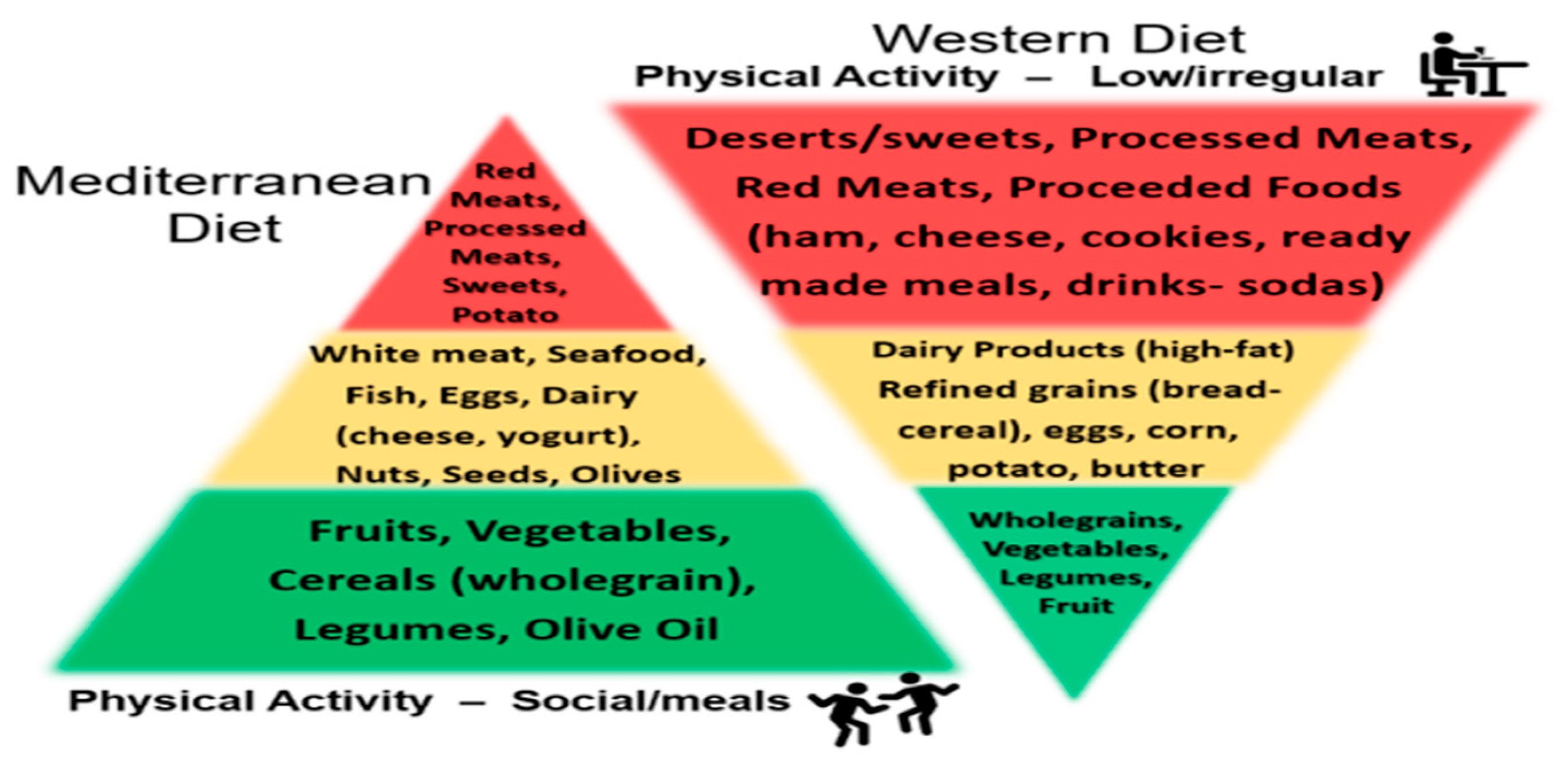
4.1. The Mediterranean Diet Versus the Western Diet
4.2. The Mediterranean Diet and Alzheimer’s Disease
How the Mediterranean Diet Helps Brain Health
- (a)
- Many studies have shown that adherence to the MEDiet is linked to fewer signs of AD pathology, including reduced amyloid and tau protein buildup [83,84,85,86,87,88,89]. For example, Ballarini et al. in 2021 found that the MEDiet was protective against memory decline and mediotemporal atrophy, with an associated decrease in amyloidosis and tau pathology [87], confirming and extending the findings of previous reports [84,85,86,87,88,89].
- (b)
- The MEDiet may potentially offset genetic AD risk—where the diet’s protective effects are pronounced in individuals with a high genetic risk for AD, such as those carrying two copies of the apolipoprotein E4 (APOE4) allele, a variant that is associated with increased risk of developing dementia [90]. This study by Liu et al., indicated that “these findings suggest that dietary strategies, specifically the MEDiet, could help reduce the risk of cognitive decline and stave off dementia by broadly influencing key metabolic pathways” [90]. However, a limitation of this study was that the cohort investigated consisted of well-educated individuals of European ancestry, and more research is needed in diverse populations. In addition, the study by Liu (2025) [90] extended a previous study in 2023 by Shannon et al., which showed that adherence to the MEDiet was associated with lower dementia risk, but this study did not demonstrate clear evidence of interaction with genetic risk [91].
- (c)
- Brain imaging biomarkers such as (larger brain areas/volume and increased cortical thickness measured via MRI, and biochemical markers via PET scans) have shown that critical brain areas for memory and function are associated with better cognitive performance in subjects on a MEDiet [80,81,83,86,92,93,94,95]. Some studies that utilized MRI-based biomarkers for AD showed that adherence to the MEDiet not only increases cortical thickness but also improves insulin sensitivity [93,94]. In a meta-analysis of MRI results examining the MEDiet and dementia showed reduced white matter hyperintensities (or bright spots on brain MRI that indicate damage) in older adults on the MEDiet [94]. In a study that utilized PET scans in middle-aged adults (30–60 years of age) over a three-year interval, the effects of high or low adherence to a MEDiet on AD biomarkers (brain β-amyloid load and neurodegeneration via glucose metabolism) were monitored. Low adherence resulted in reduced glucose metabolism and higher β-amyloid deposition, whereas high MEDiet adherence was estimated to provide 1.5–3.5 years of protection against AD [88]. Finally, in 2018, Sindi et al. reported that healthy dietary changes in midlife may be associated with reduced dementia risk later in life. The study followed a cohort of 2000 individuals (mean baseline age = 56 years), with follow-ups at two later life examinations at mean ages of 70 and 78 years [95]. The authors highlighted the importance of dietary components (fats, vegetables, sugar, and salt), which may have synergistic effects in reducing dementia risk [95,96].
- (d)
- The potential mechanisms of high MEDiet adherence include the antioxidant and anti-inflammatory effects of dietary compounds by activating cell signaling and molecular pathways. The abundance of antioxidants in the MEDiet and its potential to reduce oxidative stress have been clearly established [96,97]. Furthermore, other benefits of the MEDiet have been reported, as summarized below.
5. Neuroinflammation with Aging: Estrogen Decline/Loss and Nutritional Influences
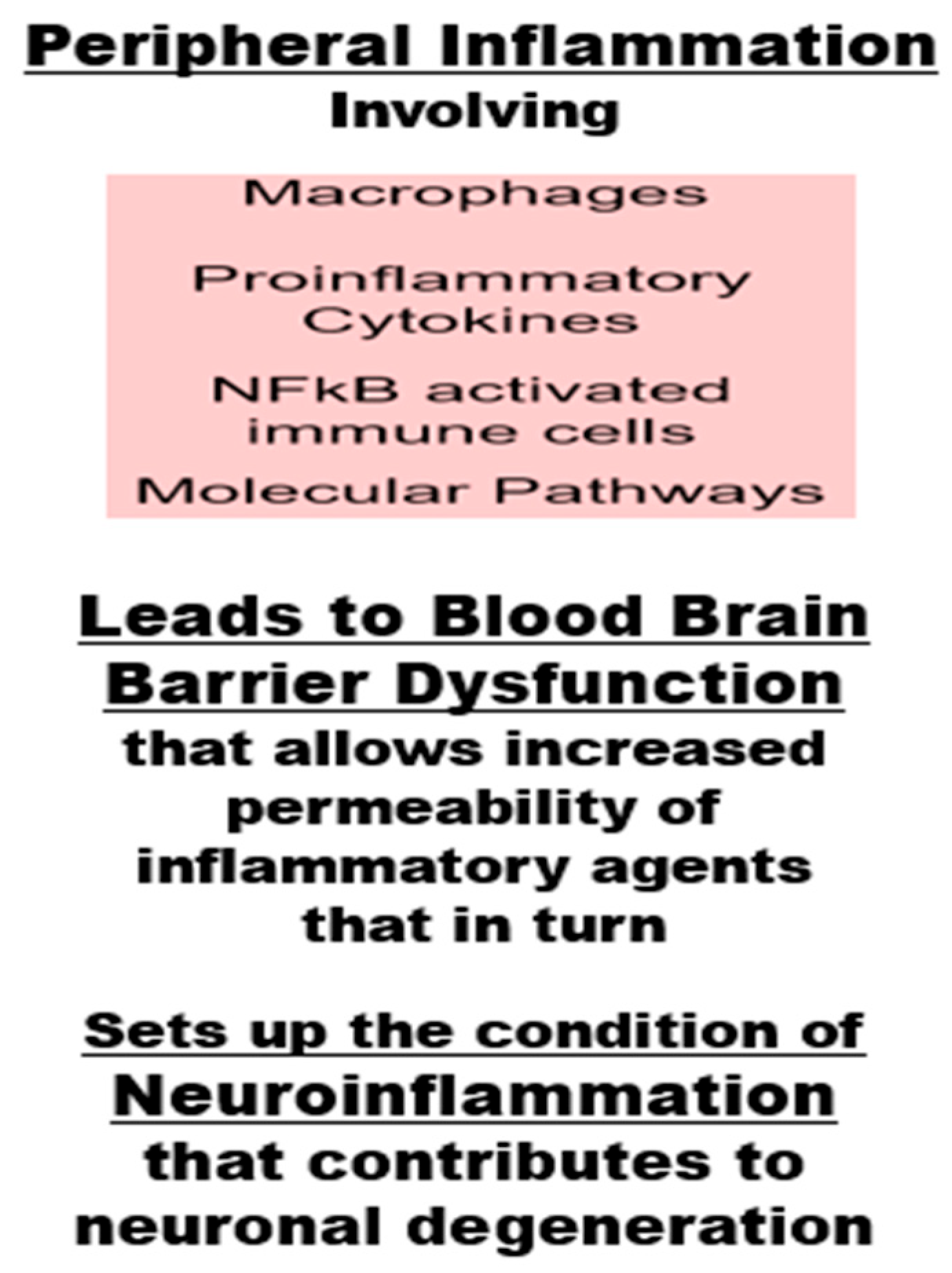
5.1. Peripheral Inflammation Is Associated with Neuroinflammation
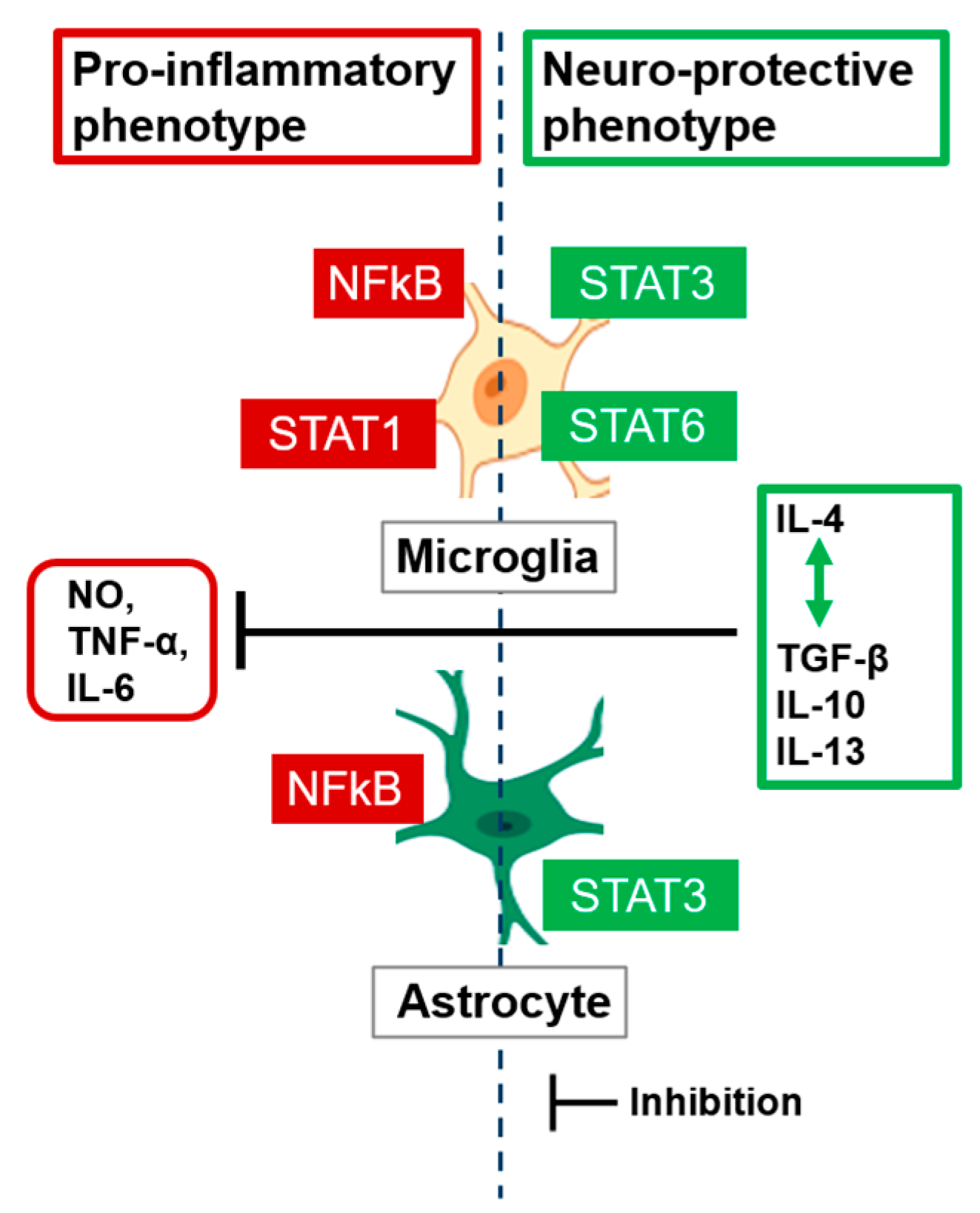
5.2. Neuroinflammation and Neurodegeneration
5.3. Neuroinflammation and Estrogen Decline and Loss
5.4. Neuroinflammation and Nutrition (Lifestyle Factors)
6. Discussion
6.1. Cognitive Decline with Aging and the Loss of Estrogen
6.2. Hypothesis: Should Women During Perimenopause Be Administered Estrogen?
6.3. Nutrition and Neuroinflammation in Cognitive Decline
7. Current and Future Directions
8. Strengths and Limitations
Author Contributions
Funding
Institutional Review Board Statement
Informed Consent Statement
Data Availability Statement
Acknowledgments
Conflicts of Interest
Abbreviations
| α | alpha |
| β | beta |
| γ | gamma |
| µg | microgram |
| A | androstenedione |
| AD | Alzheimer’s disease |
| DHEA | dehydroepiandrosterone |
| DHEAS | dehydroepiandrosterone sulfate |
| dL | deciliter |
| AC | adenylyl cyclase |
| AFT-4 | activating transcription factor 4 |
| Akt | a group of enzymes involved in important cell signaling pathways; often referred to as protein kinase B (PKB); a family of three serine/threonine proteins |
| AQP4 | aquaporin 4 |
| APE1 | apurinic/apyrimidinic endonuclease 1 |
| APOE4 | apolipoprotein E4 |
| Arg-1 | arginase-1 |
| AMPK | AMP-activated protein kinase |
| ARE | activation response element |
| ATP | adenosine triphosphate |
| BAX | pro-apoptotic protein |
| BDNF | brain-derived neurotrophic factor |
| BBB | blood–brain barrier |
| BCL-2 | anti-apoptosis regulator |
| BCL-X | inhibits programmed cell death (xL), (xS) promotes programmed cell death |
| BPH | benign prostatic hyperplasia |
| cAMP | cyclic adenosine monophosphate |
| cGMP | cyclic guanosine monophosphate |
| C1q | immune response protein (complement) |
| CCLs | chemokines |
| CD206 | mannose receptor C type 1, immune regulator |
| Chi313 | chitinase 3-like 3 |
| COX-3 | cyclooxygenase 3 |
| CREB | cAMP response element-binding protein |
| CRP | C-reactive protein |
| CtyC | cytochrome C |
| CSF | cerebral spinal fluid |
| CYP 19 A1 | cytochrome P450 19 gene A1 (human aromatase) |
| CXCLs | chemokine (C-X-C motif), immune/inflammation signals |
| Da | Dalton (unit of molecular with in proteins) |
| DNA | deoxyribonucleic acid |
| eNOS | endothelial nitric oxide synthase |
| ER | estrogen receptor |
| ERE | estrogen-responsive element |
| ERK1/2 | extracellular signal-regulated kinase 1/2 |
| FIZZ1 | inflammatory zone 1 |
| FSH | follicle-stimulating hormone |
| FTD | frontal/temporal dementia |
| GFAP | glial fibrillary acidic protein |
| GLAST | glutamate aspartate transporter |
| GLT-1 | glutamate transporter 1 |
| GM-CSF | granulocyte–macrophage colony-stimulating factor |
| GPER | G-protein-coupled estrogen receptor |
| G proteins | (α, β, γ) subunits |
| GPx | glutathione peroxidase |
| GSH | glutathione |
| GSM | genitourinary syndrome of menopause |
| HMGB1 | high-mobility group protein |
| HO-1 | refers to the Keap1-Nrf2 pathway where HO-1 (heme oxygenase-1) is a key downstream target |
| HRT | hormone replacement therapy |
| HSP | heat shock protein |
| IFN-β | cytokine produced by microglial |
| IFN-γ | interferon gamma |
| IGF-1 | insulin-like growth factor 1 |
| L | liter |
| IL-1β | interleukin 1 beta |
| IL-4 | interleukin 4 |
| IL-6 | interleukin 6 |
| IL-8 | interleukin 8 |
| IL-10 | interleukin 10 |
| IL-12 | interleukin 12 |
| IL-13 | interleukin 13 |
| IL-23 | interleukin 23 |
| IP3 | inositol triphosphate |
| UL | international units |
| LBD | Lewy body dementia |
| LPS | lipopolysaccharide |
| LUTS | lower urinary tract symptoms |
| MEDiet | Mediterranean diet |
| mg | milligram |
| MHC-I | major histocompatibility complex I |
| MHC-II | major histocompatibility complex II |
| MHT | menopause hormone therapy |
| ml | milliliter |
| MAPK | mitogen-activated protein kinase |
| MEK | mitogen-activated protein kinase |
| Mn-SOD | mitochondrial manganese superoxide dismutase (known as SOD 2) |
| MRI | magnetic resonance imaging |
| mTOR | mammalian target of rapamycin |
| NAMS | North American Menopause Society |
| NFk-B | nuclear factor kappa-light-chain-enhancer of activated B cells; pro-inflammatory signaling pathway |
| ng | nanogram |
| NLRP3 | NLR family pyrin domain-containing 3 |
| NO | nitric oxide |
| NQO-1 | NAD(P)H quinone dehydrogenase 1 |
| NRF-1 | nuclear respiratory factor 1 |
| Nrf2 | nuclear factor erythroid 2-related factor 2 |
| OH-1 | heme oxygenase-1 |
| PGC-1α | peroxisome proliferator-activated receptor gamma coactivator 1-alpha |
| PI3K | phosphatidylinositol 3-kinase |
| PKB | protein kinase B |
| PLC | phospholipase C |
| RAS/RAF | cell signal transduction pathway |
| ROS | reactive oxygen species |
| SCR | Scr family kinases |
| SERM | selective estrogen receptor modulator |
| SIRT1 | NAD-dependent deacetylase surtuin-1 |
| SOC3 | suppressor of cytokine signaling 3 |
| SOD | superoxide dismutase |
| STAT1 | signal transducer and activator of transcription 1, immune response |
| STAT3 | signal transducer and activator of transcription 3, immune response |
| STAT6 | signal transducer and activator of transcription 6, immune response |
| T | testosterone |
| TDP-43 | transactive response DNA-binding protein 43 kDa |
| TF | transcription factors |
| TFAM | mitochondrial transcription factor A |
| TLR4 | Toll-like receptor 4, immune response |
| TNF-α | tumor necrosis factor alpha |
| USA. | United States of America |
| US FDA | United States Food and Drug Administration |
| USD | United States Dollar |
| Ym1 | secreted by activated macrophages during inflammation |
References
- Alzheimer’s Disease International. Facts and Figures. Available online: https://www.alzint.org/about/dementia-facts-figures/dementia-statistics/ (accessed on 2 October 2025).
- Alzheimer’s Association. 2023 Alzheimer’s disease facts and figures. Alzheimer’s Dement. 2023, 19, 1598–1695. [Google Scholar] [CrossRef]
- Alzheimer’s Association. Available online: https://www.alz.org/alzheimers-dementia/what-is-alzheimers/women-and-alzheimer-s (accessed on 1 October 2025).
- Budson, A.E. Why Are Women More Likely to Develop Alzheimer’s Disease? Harvard Health Publishing, 20 January 2022, pages 1–6. Available online: https://www.health.harvard.edu/why-are-women-more-likely-to-develop-alzheimers-disease-202201202672 (accessed on 21 November 2025).
- Lin, K.A.; Choudhury, K.R.; Rathakrishnan, B.G.; Marks, D.M.; Petrella, J.R.; Doraiswamy, P.M. Marked gender differences in progression of mild cognitive impairment over 8 years. Alzheimer’s Dement. Transl. Res. Clin. Interv. 2015, 1, 103–110. [Google Scholar] [CrossRef]
- Mervosh, N.; Devi, G. Estrogen, menopause, and Alzheimer’s disease: Understanding the link to cognitive decline in women. Font. Mol. Biosci. 2025, 12, 1634302. [Google Scholar] [CrossRef]
- Livingston, G.; Huntley, J.; Liu, K.Y.; Costafreda, S.G.; Selbaek, G.; Alladi, S.; Ames, D.; Banerjee, S.; Burns, A.; Brayne, C.; et al. Dementia prevention, intervention, and care: 2024 report of the Lancet standing commission. Lancet 2024, 404, P572–P628. [Google Scholar] [CrossRef] [PubMed]
- Alzheimer’s Association. 2025 Alzheimer’s disease facts and figures. Alzheimer’s Dement. 2025, 21, e70235. [Google Scholar]
- Liu, Y.; Tan, Y.; Zhang, Z.; Yi, M.; Zhu, L.; Peng, W. The interaction between ageing and Alzheimer’s disease: Insights from the hallmarks of ageing. Transl. Neurodegener. 2024, 13, 7. [Google Scholar] [CrossRef] [PubMed]
- Gonzales, M.M.; Garbion, V.R.; Pollet, E.; Palavicini, J.P.; Kellogg, D.L., Jr.; Kraig, E.; Orr, M.E. Biological aging processes underlying cognitive decline and neurodegenerative disease. J. Clin. Investig. 2022, 132, e158453. [Google Scholar] [CrossRef]
- Salthouse, T.A. When does age-related cognitive decline begin? Neurobiol. Aging 2009, 30, 507–514. [Google Scholar] [CrossRef]
- Harada, C.N.; Love, M.C.N.; Triebel, K. Normal cognitive aging. Clin. Geriatr. Med. 2013, 29, 737–752. [Google Scholar] [CrossRef]
- Beam, C.R.; Kaneshiro, C.; Jang, J.Y.; Reynolds, C.A.; Pedersen, N.L.; Gatz, M. Differences between women and men in incidence rates of dementia and Alzheimer’s disease. J. Alzheimer’s Dis. 2019, 64, 1077–1083. [Google Scholar] [CrossRef] [PubMed]
- Casgrande, M.; Forte, G.; Favieri, F.; Corbo, I. Sleep quality and aging: A systematic review on healthy older people, mild cognitive impairment and Alzheimer’s disease. Int. J. Environ. Res. Public Health 2022, 19, 8457. [Google Scholar] [CrossRef] [PubMed]
- Xia, X.; Jiang, Q.; McDermott, J.; Han, J.-D.J. Aging and Alzheimer’s disease: Comparison and associations from molecular to system level. Aging Cell 2018, 17, e12802. [Google Scholar] [CrossRef] [PubMed]
- Ionescu-Tucker, A.; Cotman, C.W. Emerging roles of oxidative stress in brain aging and Alzheimer’s disease. Neurobiol. Aging 2021, 107, 86–95. [Google Scholar] [CrossRef]
- Fu, J.; Ferreira, D.; Smedby, O.; Moreno, R. Decomposing the effect of normal aging and Alzheimer’s disease in brain morphological changes via learned aging templates. Sci. Rep. 2025, 15, 11813. [Google Scholar] [CrossRef] [PubMed]
- Arenaza-Urquijo, E.M.; Boyle, R.; Casaletto, K.; Anstey, K.J.; Vila-Castelar, C.; Colverson, A.; Palpatzis, E.; Eissman, J.M.; Ng, T.K.S.; Raghavan, S.; et al. Sex and gender differences in cognitive resilience to aging and Alzheimer’s disease. Alzheimer’s Dement. 2024, 20, 5695–5719. [Google Scholar] [CrossRef]
- Yang, J.L.; Hodara, E.; Sriprasert, I.; Shoupe, D.; Stanczyk, F.S. Estrogen deficiency in the menopause and the role of hormone therapy: Integrating the findings of basic science research with clinical trials. Menopause 2024, 31, 926–939. [Google Scholar] [CrossRef]
- Wend, K.; Wend, P.; Krum, S.A. Tissue-specific effects of loss of estrogen during menopause and aging. Front. Endocrinol. 2012, 3, 19. [Google Scholar] [CrossRef]
- Haver, M.C. Chapter 5, The three end stages of reproductive change: Perimenopause, menopause and postmenopause. In The New Menopause; Rodale Books/Penguin Random House: New York, NY, USA, 2024; pp. 36–46. [Google Scholar]
- Lephart, E.D.; Naftolin, F. Factors influencing skin aging and the importance of estrogens and selective estrogen receptor modulators (SERMs). Clin. Cosmet. Investig. Dermatol. 2022, 15, 1695–1709. [Google Scholar] [CrossRef]
- Lephart, E.D.; Naftolin, F. Menopause and the skin: Old favorites and new innovations in cosmeceuticals for estrogen-deficient skin. Dermatol. Ther (Heidelb.) 2021, 11, 53–69. [Google Scholar] [CrossRef]
- Santen, R.J.; Simpson, E.R. History of estrogen: Its purification, structure, synthesis, biological actions, and clinical implications. Endocrinology 2019, 160, 605–625. [Google Scholar] [CrossRef]
- Stanczyk, F.Z. Production, clearance, and measurement of steroid hormones. Glob. Libr. Women’s Med. 2009, 10, 1–19. [Google Scholar] [CrossRef]
- Thorton, M.J. Estrogens and skin aging. Dermatoendocrinology 2013, 5, 264–270. [Google Scholar] [CrossRef]
- Wilkinson, H.N.; Hardman, M.J. A role of estrogen in skin aging and dermal biomechanics. Mech. Ageing Dev. 2021, 197, 111513. [Google Scholar] [CrossRef] [PubMed]
- Brincat, M.P.; Pollacco, J. Menopause and the effects of hormone replacement therapy on skin aging: A Short review. Gynecol. Reprod. Endocrinol. Metab. 2024, 5, 34–37. [Google Scholar]
- Thompson, A.; Maibach, H.I. Biological effects of estrogen on skin. In Textbook of Aging Skin; Farage, M.A., Miller, K.W., Maibach, H.I., Eds.; Springer: Berlin/Heidelberg, Germany, 2010; Chapter 35; pp. 361–367. [Google Scholar]
- Farage, M.A.; Miller, K.W.; Elsner, P.; Maibach, H.I. Characteristics of the aging skin. Adv. Wound Care. 2013, 2, 5–19. [Google Scholar] [CrossRef]
- Fore, J.A. Review of skin and the effects of aging on skin structure and function. Ostomy Wound Manag. 2006, 52, 24–35. [Google Scholar]
- Bonte, F.; Girard, D.; Archambault, J.-C. Chapter 10, Skin changes during aging. In Biochemistry & Cell Biology of Aging: Part II Clinical Sciences; Harris, J.R., Korolchuk, V.I., Eds.; Springer Nature: Singapore, 2019; pp. 249–280. [Google Scholar]
- Zouboulis, C.C.; Blume-Peytavi, U.; Kosmadaki, M.; Roo, E.; Vexiau-Robert, D.; Kerbob, D.; Goldstein, R. Skin, hair and beyond. The impact of menopause. Climacteric 2022, 25, 434–442. [Google Scholar] [CrossRef] [PubMed]
- Morley, J.E.; Perry, H.M., III. Androgens and women at menopause and beyond. J. Gerontol. 2003, 58, 409–416. [Google Scholar] [CrossRef] [PubMed]
- Davis, S.R.; Bell, R.J.; Robinson, P.J.; Handelsman, D.J.; Gilbert, T.; Phung, J.; Desai, R.; Lockery, J.E.; Woods, R.L.; Wolfe, R.S.; et al. ASPREE Investigator Group. Testosterone and estrogen increase from the age of 70 years: Findings from the sex hormones in older women. J. Clin. Endocrinol. Metab. 2019, 104, 6291–6300. [Google Scholar] [CrossRef]
- Lephart, E.D. A review of the role of estrogen in dermal aging and facial attractiveness in women. J. Cosmet. Dermatol. 2018, 17, 282–288. [Google Scholar] [CrossRef]
- Lephart, E.D. Bioactives for estrogen-deficient skin: Topical and oral supplement clinical studies: A narrative review. Dermatol. Ther. (Heidelb). 2025, 15, 1681–1703. [Google Scholar] [CrossRef] [PubMed]
- Harvard Health Publishing, Harvard Medical School, Perimenopause: Rocky Road to Menopause. 2022. Available online: https://www.health.harvard.edu/womens-health/perimenopause-rocky-road-to-menopause (accessed on 26 September 2025).
- Erceg, N.; Micic, M.; Forouzan, E.; Knezevic, N.N. The role of cortisol and dehydroepiandrosterone in obesity, pain and aging. Diseases 2025, 13, 42. [Google Scholar] [CrossRef]
- Samaras, N.; Samaras, D.; Frangos, E.; Forster, A.; Philippe, J. A review of age-related dehydroepiandrosterone decline and its association with well-known geriatric syndromes: Is treatment beneficial? Rejuvenation Res. 2013, 16, 285–294. [Google Scholar] [CrossRef]
- Davis, S.R. Menopause—Biology, consequences, supportive care, and therapeutic options. Cell 2023, 186, 4038–4058. [Google Scholar] [CrossRef]
- Wierman, M.E.; Kiseljak-Vassiliades, K. Should dehydroepiandrosterone be administered to women? J. Clin. Metab. 2022, 107, 1679–1685. [Google Scholar] [CrossRef]
- Blakemore, J.; Naftolin, F. Aromatase: Contributions to physiology and disease in women men. Physiology 2016, 31, 258–269. [Google Scholar] [CrossRef] [PubMed]
- Ceccarelli, I.; Bioletti, L.; Paparini, S. Estrogens and phystoestrogens in body functions. Neurosci. Biobehav. Rev. 2022, 132, 648–663. [Google Scholar] [CrossRef]
- Kennedy, B.K.; Berger, S.L.; Brunet, A.; Campisi, J.; Cuervo, A.M.; Epel, E.S. Geroscience: Linking aging to chronic disease. Cell 2014, 159, 709–713. [Google Scholar] [CrossRef]
- Schauck-Medina, T.; Moliere, A.; Lautrup, S.; Zhang, J.; Chlopicki, S.; Madsen, H.B. New hallmarks of ageing: A 2022 Copenhagen ageing meeting summary. Aging 2022, 14, 6829–6839. [Google Scholar] [CrossRef]
- Oyelowo, T. Chapter 2, Estrogen Concepts. In Mosby’s Guide to Women’s Health, 2nd ed.; Elsevier: London, UK, 2018; pp. 13–30. [Google Scholar]
- Foster, T.C. Role of estrogen receptor alpha and beta expression and signaling on cognitive function during aging. Hippocampus 2011, 22, 656–669. [Google Scholar] [CrossRef] [PubMed]
- Sato, K.; Takayama, K.-I.; Inoue, S. Expression and function of estrogen receptors and estrogen-related receptors in the brain and their association with Alzheimer’s disease. Front. Endocrinol. 2023, 14, 1220150. [Google Scholar] [CrossRef] [PubMed]
- Fuentes, N.; Silveyra, P. Estrogen signaling mechanisms. Adv. Protein Chem. Struct. Biol. 2019, 116, 135–170. [Google Scholar]
- Morissette, M.; Le Saux, M.; D’Astous, M.; Jourdain, S.; Al Sweidi, S.; Morin, N.; Estrada-Camarena, E.; Mendez, P.; Garcia-Segura, L.M.; Di Paolo, T. Contribution of estrogen receptors alpha and beta to the effects of estradiol in the brain. J. Steroid Biochem. Mole Biol. 2008, 108, 327–338. [Google Scholar] [CrossRef]
- Russell, J.K.; Jones, C.K.; Newhouse, P.A. The role of estrogen in brain and cognitive aging. Neurotherpeutics 2019, 16, 649–665. [Google Scholar] [CrossRef]
- Villa, A.; Vegeto, E.; Poletti, A.; Maggi, A. Estrogens, neuroinflammation, and neurodegeneration. Endocr. Rev. 2016, 37, 372–402. [Google Scholar] [CrossRef]
- Masconi, L.; Nerattini, M.; Matthews, D.C.; Jett, S.; Andy, C.; Williams, S.; Yepez, C.B.; Zarate, C.; Carlton, C.; Fauci, F.; et al. In vivo brain estrogen receptor density by neuroendocrine aging and relationships with cognition and symptomatology. Sci. Rep. 2024, 4, 12680. [Google Scholar] [CrossRef] [PubMed]
- Wnuk, A.; Przepiorska, K.; Pietrzak, A.; Kajta, M. Emerging evidence on membrane estrogen receptors as novel therapeutic targets for central nervous system pathologies. Int. J. Mol. Sci. 2023, 24, 4043. [Google Scholar] [CrossRef]
- Upadhayay, S.; Gupta, R.; Singh, S.; Mundkar, M.; Singh, G.; Kumar, P. Involvement of the G-protein-coupled estrogen receptor-1 (GPER) signaling pathway in neurodegenerative disorders: A review. Cell Mol. Neurobiol. 2023, 43, 1833–1847. [Google Scholar] [CrossRef]
- Koszegi, Z.; Cheong, R.Y. Targeting the non-classical estrogen pathway in neurodegenerative diseases and brain injury disorders. Front. Endocrinol. 2022, 13, 999236. [Google Scholar] [CrossRef]
- Mirkin, S.; Pickar, J.H. Selective estrogen receptor modulators (SERMs): A review of clinical data. Maturitas 2015, 80, 52–57. [Google Scholar] [CrossRef] [PubMed]
- Farrar, M.C.; Jacobs, T.F. Tamoxifen. NCBI Bookshelf. National Library of Medicine, National Institutes of Health, StatPearls. Available online: https://www.ncbi.nlm.nih.gov/books/NBK532905 (accessed on 27 August 2025).
- Cancer Research United Kingdom. Tamoxifen. 2025. Available online: https://www.cancerresearchuk.org/about-cancer/treatment/drugs/tamoxifen# (accessed on 24 August 2025).
- Gorzkiewicz, J.; Bartosz, G.; Sadowska-Bartosz, I. The potential effects of phytoestrogens: The role in neuroprotection. Molecules 2021, 26, 2954. [Google Scholar] [CrossRef] [PubMed]
- Singh, P.; Paramanik, V. Neuromodulating roles of estrogen and phytoestrogens in cognitive therapeutics through epigenetic modifications during aging. Front. Aging Neurosci. 2022, 14, 945076. [Google Scholar] [CrossRef] [PubMed]
- Chen, Z.; Zhao, D.; Cheng, M.; Yang, F.; Liu, Y.; Chang, J.; Dou, Y. Female-sensitive multifunctional phytoestrogen nanotherapeutics for tailored management of postmenopausal Alzheimer’s disease. Nano Today 2024, 54, 102119. [Google Scholar] [CrossRef]
- Li, Y.; Huang, F.; Qian, X.; Liu, C.; Yao, Y.; Wang, Z.; Zhu, X.; Guo, Q. Exploring the anti-aging potential of phytoestrogens: Focus on molecular mechanisms and menopausal modulation. Front. Nutr. 2025, 12, 1651367. [Google Scholar] [CrossRef] [PubMed]
- Yao, J.; Zhao, L.; Mao, Z.; Chen, C.; Wong, K.C.; To, J.; Brinton, R.D. Potentiation of brain mitochondrial function by S-equol and R/S equol estrogen receptor β-selective phytoSERM treatments. Brain Res. 2013, 1514, 128–141. [Google Scholar] [CrossRef]
- Utian, W.H.; Jones, M.; Setchell, K.D.R. S-equol: A potential nonhormonal agent for menopausal-related symptoms. J. Women’s Health 2015, 24, 200–2008. [Google Scholar] [CrossRef]
- Khapre, S.; Deshmukh, U.; Jain, S. The impact of soy isoflavone supplementation on the menopausal symptoms in perimenopausal and postmenopausal women. J. Midlife Health 2022, 13, 175–184. [Google Scholar] [CrossRef]
- Brinton, R.D. Transition states and reprogramming neural systems: Lessons from the midlife female brain to understand the intersection of endocrinological aging, brain health, and depression. J. Clin. Psychiatry 2024, 85, 13–16. [Google Scholar]
- Tiwari-Woodruff, S.; Morales, L.B.J.; Lee, R.; Voskul, R.R. Differential neuroprotection and anti-inflammatory effects of estrogen receptor (ER)α and ERβ ligand treatment. Proc. Natl. Acad. Sci. USA 2007, 104, 14813–14818. [Google Scholar] [CrossRef]
- Klinge, C.M. Estrogenic control of mitochondrial function. Redox Biol. 2020, 31, 101435. [Google Scholar] [CrossRef]
- Velarde, M.C. Pleiotropic actions of estrogens: A mitochondrial matter. Physiol. Genom. 2013, 45, 106–109. [Google Scholar] [CrossRef] [PubMed]
- Huang, X.; Pan, C.H.; Yin, F.; Peng, J.; Yang, L. The role of estrogen in mitochondrial disease. Cell. Mol. Neurobiol. 2025, 45, 68. [Google Scholar] [CrossRef]
- Shaw, G.A. Mitochondria as the target for disease related hormonal dysfunction. Brain Behav. Immun. Health 2021, 18, 100350. [Google Scholar] [CrossRef]
- Schwingshackl, L.; Morze, J.; Hoffmann, G. Mediterranean diet and health status: Active ingredients and pharmacological mechanisms. Br. J. Pharmacol. 2020, 177, 1241–1247. [Google Scholar] [CrossRef]
- Guasch-Ferre, M.; Willett, W.C. The Mediterranean diet and health: A comprehensive overview. J. Intern. Med. 2021, 290, 549–566. [Google Scholar] [CrossRef]
- Romagnolo, D.F.; Selmin, O.I. Mediterranean diet and prevention of chronic diseases. Nutr. Today 2017, 52, 208–222. [Google Scholar] [CrossRef]
- Schmidt, T. Mediterranean Diet 101: Core Principles and Proven Health Gains. Mayo Clinic, 26 August 2025. Available online: https://diet.mayoclinic.org/us/blog/2025/mediterranean-diet-101-core-principles-and-proven-health-gains/ (accessed on 20 September 2025).
- Stewart, K.L.; Lephart, E.D. Overview of BPH: Symptom relief with dietary polyphenols, vitamins and phytochemicals by nutraceutical supplements with implications to the prostate microbiome. Int. J. Mol. Sci. 2023, 24, 5486. [Google Scholar] [CrossRef]
- Scarmeas, N.; Stern, Y.; Tang, M.-X.; Mayeux, R.; Luchsinger, J.A. Mediterranean diet and risk of Alzheimer’s disease. Ann. Neurol. 2006, 59, 912–921. [Google Scholar] [CrossRef] [PubMed]
- Bhuiyan, N.Z.; Hasan, K.; Madmud, Z.; Hossain, S.; Rahman, A. Prevention of Alzheimer’s disease through diet: An exploratory review. Metab. Open 2023, 20, 100257. [Google Scholar] [CrossRef] [PubMed]
- Vaziri, Y. The Mediterranean diet: A powerful defense against Alzhemier’s disease-A comprehensive review. Clin. Nutr. ESPEN 2024, 64, 160–167. [Google Scholar] [CrossRef]
- Christodoulou, C.C.; Pitsillides, M.; Hadjisvvas, A.; Zamba-Papanicolaou, E.Z. Dietary intake, Mediterranean and Nordic diet adherence in Alzheimer’s disease and dementia: A systematic review. Nutrients 2025, 17, 336. [Google Scholar] [CrossRef]
- Fekete, M.; Varga, P.; Ungvari, Z.; Fekete, J.T.; Buda, A.; Szappanos, A.; Lehoczki, A.; Mozes, N.; Grosso, G.; Godos, J.; et al. The role of the Mediterranean diet in reducing the risk of cognitive impairment, dementia, and Alzheimer’s disease: A meta-analysis. GeroScience 2025, 47, 3111–3130. [Google Scholar] [CrossRef]
- Solfrizzi, V.; Frisardi, V.; Capurso, C.; D’Introno, A.; Colacicco, A.M.; Vendemiale, G.; Capurso, A.; Panza, F. Mediterranean dietary pattern, mild cognitive impairment, and progression to dementia. Arch. Neurol. 2009, 66, 912–913. [Google Scholar] [CrossRef]
- Martinez-Lpaiscina, E.H.; Clavero, P.; Toledo, E. Virgin olive oil supplementation and long-term cognition: The PREDIMED-NAVRRA randomized trial. J. Nutr. 2013, 17, 544–552. [Google Scholar] [CrossRef] [PubMed]
- McEvoy, C.T.; Hoang, T.; Sidney, S. Dietary patterns during adulthood and cognitive performance in midlife: The CARDIA study. Neurology 2019, 92, e1589–e1599. [Google Scholar] [CrossRef]
- Ballarini, T.; van Lent, M.; Brunner, J. Mediterranean diet, Alzheimer’s disease biomarkers and brain atrophy in old age. Neurology 2021, 96, e2920–e2932. [Google Scholar] [CrossRef] [PubMed]
- Berti, V.; Walters, M.; Sterling, J.; Quinn, C.G.; Logue, R.A.; Matthews, D.C.; Osorio, R.S.; Pupi, A.; Vallabhajosula, S.; Isaacson, R.S.; et al. Mediterranean diet and 3-year Alzheimer’s brain biomarker changes in middle-aged adults. Neurology 2018, 90, e1789–e1798. [Google Scholar] [CrossRef] [PubMed]
- Matthews, D.C.; Davies, M.; Murray, J. Physical activity, Mediterranean diet and biomarkers-assessed risk of Alzheimer’s: A multi-modality brain imaging study. Adv. Mol. Med. 2014, 4, 43–57. [Google Scholar] [CrossRef]
- Liu, Y.; Gu, X.; Wang, F.; Vyas, C.M.; Peng, C.; Dong, D.; Li, Y.; Zhang, Y.; Zhang, Y.; Zelenznik, O.A.; et al. Interplay of genetic predisposition, plasma metabolome and Mediterranean diet in dementia risk and cognitive function. Nat. Med. 2025, 31, 3790–3800, Erratum in Nat. Med. 2025, 31, 3930. https://doi.org/10.1038/s41591-025-04025-7. [Google Scholar] [CrossRef]
- Shannon, O.M.; Ranson, J.M.; Gregory, S.; Macpherson, H.; Milte, C.; Lentges, M.; Mulligan, A.; McEvoy, C.; Griffiths, A.; Matu, J.; et al. Mediterranean diet adherence is associated with lower dementia risk, independent of genetic predisposition: Findings from the UK biobank prospective cohort study. BMC Med. 2023, 21, 81. [Google Scholar] [CrossRef]
- Staubo, S.C.; Aakre, J.A.; Vemuri, P.; Syrjanen, J.A.; Mielke, M.M.; Geda, Y.E.; Kremers, W.K.; Machulda, M.M.; Knopman, D.S.; Peterson, R.C.; et al. Mediterranean diet, micro- and marconutrients, and MRI measures of cortical thickness. Alzheimer’s Dement. 2017, 13, 168–177. [Google Scholar] [CrossRef]
- Mosconi, L.; Walters, M.; Sterling, J.; Quinn, C.; McHugh, P.; Andrews, R.E.; Matthews, D.C.; Ganzer, C.; Osorio, R.S.; Isaacson, R.S.; et al. Lifestyle and vascular risk effects on MRI-based biomarkers of Alzheimer’s disease: A cross-sectional study of middle-aged adults from the broader New York area. BMJ Open 2018, 8, e019362. [Google Scholar] [CrossRef]
- Wang, X.; Xin, Z.; Li, X.; Wu, K.; Wang, W.; Guo, L.; Wang, L.; Mo, X.; Liu, X.; Guo, Z.; et al. Mediterranean diet and dementia: MRI marker evidence from meta-analysis. Eur. J. Med. Res. 2025, 30, 32. [Google Scholar] [CrossRef]
- Sindi, S.; Kareholt, I.; Eskelinen, M.; Hooshmand, B.; Lehtisalo, J.; Soininen, H.; Ngandu, T.; Kivipelto, M. Health dietary changes in midlife are associated with reduced dementia risk later in life. Nutrients 2018, 10, 1649. [Google Scholar] [CrossRef]
- Barbouti, A.; Goulas, V. Dietary antioxidants in the Mediterranean diet. Antioxidants 2021, 10, 1213. [Google Scholar] [CrossRef]
- Gantenbein, K.V.; Kanaka-Gantenbein, C. Mediterranean diet as an antioxidant: The impact on metabolic health and overall wellbeing. Nutrients 2021, 13, 1951. [Google Scholar] [CrossRef] [PubMed]
- Saha, S.; Buttari, B.; Panieri, E.; Profumo, E.; Saso, L. An overview of Nrf2 signaling pathway and its role in inflammation. Molecules 2020, 23, 5475. [Google Scholar] [CrossRef] [PubMed]
- Liu, T.; Zhang, L.; Joo, D.; Sun, S.-C. NR-kB signaling in inflammation. Signal Transduct. Target. Ther. 2019, 7, 154. [Google Scholar]
- Albensi, B. What is Nuclear Factor Kappa B (NF-kB) doing in and to the mitochondrion? Front. Cell Dev. Biol. 2019, 7, 154. [Google Scholar] [CrossRef] [PubMed]
- Goel, P.; Chakrabarti, S.; Goel, K.; Bhutani, K.; Chopra, T.; Bali, S. Neuronal cell death mechanisms in Alzheimer’s disease: An insight. Front. Mol. Neurosci. 2022, 15, 937133. [Google Scholar] [CrossRef]
- Tosti, V.; Bertozzi, B.; Fontana, L. Health Benefits of the Mediterranean diet: Metabolic and molecular mechanisms. J. Gerontol. A Biol. Sci. Med. Sci. 2018, 73, 318–326. [Google Scholar] [CrossRef] [PubMed]
- Martinez-Gonzalez, M.A.; Gea, A.; Ruiz-Canela, M. The Mediterranean diet and cardiovascular health a critical review. Circ. Res. 2019, 124, 779–798. [Google Scholar] [CrossRef] [PubMed]
- Agarwal, P.; Leurgans, S.E.; Agrawal, S.; Affarwal, N.T.; Cherian, L.J.; James, B.D.; Dhana, K.; Barnes, L.L.; Bennett, D.A.; Schneider, J.A. Association of Mediterranean-DASH intervention for neurodegenerative delay and Mediterranean diets with Alzheimer’s disease pathology. Neurology 2023, 100, e2259–e2268. [Google Scholar] [CrossRef]
- Nagpal, D.; Nema, S.; Nagpal, S.; Pandey, M.M.; Kaushik, D.; Kathuria, H. Management and prevention of neurodegenerative disorders: Can antioxidant-rich dietary interventions help? Antioxidants 2025, 14, 1078. [Google Scholar] [CrossRef]
- Kudo, J.; Watanabe, K.; Sasaki, M.; Ushida, Y.; Matsuzaka, M.; Kadeda, S. Serum carotenoids concentrations are associated with enlarged choroid plexus, lateral ventricular volume, and perivascular spaces on magnetic resonance imaging: A large cohort study. Acad. Radiol. 2025, 32, 4797–4806. [Google Scholar] [CrossRef]
- Gao, Y.; Liu, K.; Zhu, J. Glymphatic system: An emerging therapeutic approach for neurological disorders. Front. Mol. Neurosci. 2023, 16, 1138769. [Google Scholar] [CrossRef]
- Beltran-Velasco, A.I.; Clemente-Suarez, V.J. Impact of peripheral inflammation on blood-brain barrier dysfunction and its role in neurodegenerative diseases. Int. J. Mol. Sci. 2025, 26, 2440. [Google Scholar] [CrossRef]
- Garica-Deominguez, M. Neuroinflammation: Mechanism, dual roles, and therapeutic strategies in neurological disorders. Curr. Issue Mol. Biol. 2025, 47, 417. [Google Scholar] [CrossRef]
- Kerns, R. Gut-brain axis and neuroinflammation: The role of gut pereability and the Kynurenine pathway in neurological disorders. Cell. Mol. Neurobiol. 2024, 44, 64. [Google Scholar] [CrossRef]
- Loh, J.S.; Mak, W.Q.; Tan, L.L.S.; Ng, C.X.; Chan, H.H.; Yeow, S.H.; Foo, J.B.; Ong, Y.S.; How, C.W.; Khaw, K.Y. Microbiota-gut-brain axis and its therapeutic applications in neurodegenerative diseases. Signal Trans. Target. Ther. 2024, 9, 37. [Google Scholar] [CrossRef] [PubMed]
- Peggion, C.; Cali, T.; Brini, M. Mitochondria dysfunction and neuroinflammation in neurodegeneration: Who comes first? Antioxidants 2024, 13, 240. [Google Scholar] [CrossRef]
- Zhang, W.; Xiao, D.; Mao, Q.; Xia, H.; Zhang, W.; Xiao, D.; Mao, Q.; Xia, H. Role of neuroinflammation in neurodegeneration development. Signal Trans. Target. Ther. 2023, 8, 267. [Google Scholar] [CrossRef]
- Medzitov, R. Origin and physiological roles of inflammation. Nature 2008, 454, 428–435. [Google Scholar] [CrossRef]
- DiSabato, D.; Quan, N.; Godbout, J.P. Neuroinflammation: The devil is in the details. J. Neurochem. 2016, 139, 136–153. [Google Scholar] [CrossRef]
- Shi, F.-D.; Yong, V.W. Neuroinflammation across neurological diseases. Science 2025, 388, 1–8. [Google Scholar] [CrossRef] [PubMed]
- Kwon, H.S.; Kon, S.-H. Neuroinflammation in neurodegenerative disorders: The roles of microglia and astrocytes. Translat. Neurodegener. 2020, 9, 42. [Google Scholar] [CrossRef] [PubMed]
- Pasquini, J.M.; Correale, J.D. The immunological role of oligodendrocytes: Beyond myelin maintenance. Discov. Immunol. 2025, 4, kyaf005. [Google Scholar] [CrossRef]
- Ortega, A.; Martinez-Nuncio, L.A.; Taddei, E.; Castaneda, E.; Rubio, C.; Rubio-Osornio, M. Astroglia: Molecular mechanisms, functional roles, and neurophysiological implications in the central nervous system. Life 2025, 15, 1505. [Google Scholar] [CrossRef]
- Giovannoni, F.; Qintana, F.J. The role of astrocytes in CNS inflammation. Trends Immunol. 2020, 41, 805–819. [Google Scholar] [CrossRef]
- Colonna, M.; Butovsky, O. Microglial function in the central nervous system during health and neurodegeneration. Annu. Rev. Immunol. 2017, 35, 441–468. [Google Scholar] [CrossRef] [PubMed]
- Qin, J.; Ma, Z.; Chen, X.; Shu, S. Microglia activation in central nervous system disorders: A review of recent mechanistic investigations and development efforts. Front. Neurol. 2023, 14, 1103416. [Google Scholar] [CrossRef]
- Han, T.; Xu, Y.; Sun, L.; Hashimoto, M.; Wei, J. Microglial response to aging and neuroinflammation in the development of neurodegenerative diseases. Neural Regen. Res. 2024, 19, 1241–1248. [Google Scholar] [CrossRef]
- Di Benedetto, S.; Muller, L. Aging, immunity, and neuroinflammation: The modulatory potential of nutrition. In Nutrition and Immunity; Mahmoudi, M., Rwzaei, N., Eds.; Springer: Cham, Switzerland, 2019; pp. 201–322. [Google Scholar]
- Zeis, T.; Enz, L.; Schaeren-Wiemers, N. The immunomodulatory oligodendrocyte. Brain Res. 2016, 1641, 139–148. [Google Scholar] [CrossRef] [PubMed]
- Bocazzi, M.; Raffaelle, S.; Funagalli, M. Not only myelination: The immune-inflammatory functions of oligodendrocytes. Neural Regen. Res. 2022, 17, 2661–2663. [Google Scholar] [CrossRef] [PubMed]
- Pefeeroen, L.; Kipp, M.; van der Valk, P.; van Noort, J.M.; Amet, S. Oligodendrocytes-microglia crosstalk in the central nervous system. Immunology 2014, 141, 302–313. [Google Scholar] [CrossRef] [PubMed]
- Ma, Q.; Tian, J.L.; Lou, Y.; Guo, R.; Ma, X.-R.; Wu, J.-B.; Yang, J.; Tang, B.-J.; Li, S.; Qiu, M.; et al. Oligodendrocytes drive neuroinflammation and neurodegeneration in Parkinson’s disease via the prosaposin-GPR27-IL-6 axis. Cell Rep. 2025, 44, 115266. [Google Scholar] [CrossRef]
- Zhang, S.; Yan, M.; Jiang, X.; Liu, Y.; Ma, W.; Ding, L.; Lu, Z.; Luo, Y.; Tian, X.; Wang, Q. Oligodendrocytes-astrocyte crosstalk in Parkinson’s disease mediates neuronal ferroptosis via FGF signaling pathway. Park. Dis. 2025, 11, 136. [Google Scholar] [CrossRef]
- Green, R.R.F.; Pingen, M.; Edgar, J.M. Inflammation’s impact on the interaction between oligodendrocytes and axons. Discov. Immunol. 2025, 4, kyaf008. [Google Scholar] [CrossRef]
- Admu, A.; Li, S.; Gao, F.; Xue, G. The role of neuroinflammation in neurodegenerative diseases: Current understanding and future therapeutic targets. Front. Aging Neurosci. 2024, 16, 1347987. [Google Scholar] [CrossRef]
- American Brain Foundation. Neuroinflammation: What Many Brain Diseases Have in Common. Available online: https://www.americanbrainfoundation.org/what-is-neuroinflammation/ (accessed on 3 October 2025).
- Chakrabarti, M.; Haque, A.; Banik, N.L.; Nagarkatti, P.; Nagarketti, M.; Ray, S.K. Estrogen receptor agonists for attenuation of neuroinflammation and neurodegeneration. Brain Res. Bull. 2014, 109, 22–31. [Google Scholar] [CrossRef]
- Zarate, S.; Stevnsner, T.; Gredilla, R. Role of estrogen and other sex hormones in brain aging. Neuroprot. DNA repair. Front. Aging Neurosci. 2017, 9, 430. [Google Scholar]
- Hara, Y.; Waters, E.M.; McEwen, B.S.; Morrison, J.H. Effects on cognitive and synaptic health over the lifecourse. Physiol. Rev. 2015, 95, 685–707. [Google Scholar] [CrossRef] [PubMed]
- Zhang, Y.; Tan, X.; Tang, C. Estrogen-immno-neuromodulation disorders in menopausal depression. J. Neuroinflamm. 2024, 21, 159. [Google Scholar] [CrossRef]
- Priyanka, H.P.; Nair, R.S. Neuroimmunodulation by estrogen in health and disease. AIMS Neurosci. 2020, 7, 401–417. [Google Scholar] [CrossRef]
- Lu, J.; Xian, T.-J.; Li, C.-J.; Wang, Y. The estrogen-brain interface in neuroinflammation: A multidimensional mechanistic insight. Front. Aging Neurosci. 2025, 17, 1671552. [Google Scholar] [CrossRef]
- Shih, R.-H.; Wang, C.-Y.; Yang, C.-M. NK-kappaB signaling pathways in neuroinflammation: A mini review. Front. Mol. Neurosci. 2015, 8, 77. [Google Scholar] [CrossRef]
- Anilkumar, S.; Wright-Jin, E. NF-kB as an inducible regulator of inflammation in the central nervous system. Cells 2024, 13, 485. [Google Scholar] [CrossRef] [PubMed]
- Xu, Y.; Sheng, H.; Bao, Q.; Wang, Y.; Lu, J.; Ni, X. NLRP3 inflammasome activation mediates estrogen deficiency-induced depression and anxiety-like behavior and hippocampal inflammation in mice. Brain Behav. Immunol. 2016, 56, 175–186. [Google Scholar] [CrossRef]
- Zhang, Z.; He, Z.; Pan, J.; Yuan, M.; Lang, Y.; Wei, X.; Zhang, C. The interaction of BDNF with estrogen in the development of hypertensions and obesity, particularly during menopause. Front. Endocrinol. 2024, 15, 1384159. [Google Scholar] [CrossRef]
- Cho, J.M.; Lee, J.; Ahn, E.-M.; Bae, J. Beyond hot flashes: The role of estrogen receptors in menopausal mental health and cognitive decline. Brain Sci. 2025, 15, 1003. [Google Scholar] [CrossRef] [PubMed]
- Harding, A.T.; Heaton, N.S. The impact of estrogens and their receptors on immunity and inflammation during infection. Cancers 2021, 14, 909. [Google Scholar] [CrossRef] [PubMed]
- McCarthy, M.; Raval, A.P. The peri-menopause in a woman’s life: A systematic inflammatory phase that enables later neurodegenerative disease. J. Neuroinflamm. 2020, 17, 317. [Google Scholar] [CrossRef]
- Block, M.L.; Carderon-Garciduenas, L. Air pollution: Mechanisms of neuroinflammation & CNS disease. Trends Neurosci. 2009, 32, 506–516. [Google Scholar]
- Roy, R.; D’Angiulli, A. Air pollution and neurological diseases, current state highlights. Front. Neurosci. 2024, 18, 1351721. [Google Scholar] [CrossRef]
- Kip, E.; Parr-Brownile, L.C. Healthy lifestyles and wellbeing reduce neuroinflammation and prevent neurodegenerative and psychiatric disorders. Front. Neurosci. 2023, 17, 1092537. [Google Scholar] [CrossRef]
- Bernier, V.; Chatelan, A.; Point, C.; Strauss, M. Nutrition and Neuroinflammation: Are middle-aged women in the red zone? Nutrients 2025, 17, 1607. [Google Scholar] [CrossRef]
- Kurowska, A.; Ziemichod, W.; Herbet, M.; Piatkowska-Chmiel, I. The role of diet as a modulator of the inflammatory proves in the neurological diseases. Nutrients 2023, 15, 1436. [Google Scholar] [CrossRef]
- McGrattan, A.M.; McGuinness, B.; McKinley, M.C.; Kee, F.; Passmore, P.; Woodside, J.V.; McEvoy, C.T. Diet and inflammation in cognitive ageing and Alzheimer’s disease. Curr. Nutr. Rep. 2019, 8, 53–65. [Google Scholar] [CrossRef]
- Singhaarachchi, P.H.; Antal, P.; Calon, F.; Culmsee, C.; Delpech, J.-C.; Feldotto, M.; Geertsema, J.; Hoeksema, E.E.; Korosi, A.; Laye, S.; et al. Aging, sex, metabolic and life experience factors: Contributions to neuro-inflammaging in Alzheimer’s disease research. Neurosci. Biobehav. Rev. 2024, 162, 105724. [Google Scholar] [CrossRef] [PubMed]
- Warren, A. The relationship between gender differences in dietary habits, neuroinflammation, and Alzheimer’s disease. Front. Aging Neurosci. 2024, 16, 1395825. [Google Scholar] [CrossRef] [PubMed]
- Zheng, Q.; Wang, X. Alzheimer’s disease: Insights into pathology, molecular mechanisms, and therapy. Protein Cell. 2025, 16, 83–120. [Google Scholar] [CrossRef]
- Guo, T.; Zhang, D.; Zeng, Y.; Huang, T.Y.; Xu, H.; Zhao, Y. Molecular and cellular mechanisms underlying the pathogenesis of Alzheimer’s disease. Mol. Neurodegener. 2020, 15, 40. [Google Scholar] [CrossRef]
- Tenchov, R.; Sasso, J.M.; Wang, X.; Zhou, Q.A. Aging hallmarks and progression and age-related diseases: A landscape view of research advancement. ACS Chem. Neurosci. 2024, 15, 1–30. [Google Scholar] [CrossRef] [PubMed]
- Rahman, A.; Jackson, H.; Hristov, H.; Isaacson, R.S.; Saif, N.; Shetty, T.; Etingin, O.; Henchcliffe, C.; Brinton, R.D.; Mosconi, L. Sex and gender driven modifiers of Alzhemier’s” The role for estrogenic control across age, race, medical, and lifestyle risks. Front. Aging Neurosci. 2019, 11, 315. [Google Scholar] [CrossRef]
- Jett, S.; Malviya, N.; Schelbaum, E.; Jang, G.; Jahan, E.; Clancy, K.; Hristov, H.; Pahajani, S.; Niotis, K.; Loeb-Zeitlin, S.; et al. Endogenous and exogenous estrogen exposures: How women’s reproductive health can drive brain aging and inform Alzheimer’s prevention. Front. Aging Neurosci. 2022, 14, 831807. [Google Scholar] [CrossRef]
- Ekanayake, A.; Peiris, S.; Ahmed, B.; Kanekar, S.; Grove, C.; Kalra, D.; Eslinger, P.; Yang, Q.; Karunanayaka, P. A review of the role of estrogens in olfaction, sleep and glymphatic functionally in relation to sex disparity in Alzheimer’s disease. Am. J. Alzheimer’s Dis. Other Dement. 2024, 39, 1–15. [Google Scholar]
- Sahin, M.Z.; Yildirim, A. Gonadal hormones and aquaporin-4: Preclinical insights into glymphatic regulation and amyloid clearance. J. Alzheimer’s Dis. 2025, 108, 461–469. [Google Scholar] [CrossRef] [PubMed]
- Lobo, R.A. Where are we 10 years after the women’s health initiative? J. Clin. Endocrinol. Metab. 2013, 98, 1771–1780. [Google Scholar] [CrossRef]
- Ostrzenskin, A.; Ostrzenska, K.M. WHI clinical trial revisit: Imprecise scientific methodology disqualifies the study’s outcome. Am. J. Obstet. Gynec. 2005, 193, P1599–P1604. [Google Scholar] [CrossRef]
- Bush, T.M.; Bonomi, A.E.; Nekhlyudov, L.; Ludman, E.J.; Reed, S.D.; Connelly, M.T.; Grothaus, L.C.; LaCroix, A.Z.; Newton, K.M. How the women’s health initiative (WHI) influenced physicians’ practice and attitudes. J. Gen. Intern. Med. 2007, 22, 1311–1316. [Google Scholar] [CrossRef][Green Version]
- Lobo, R.A. Hormone-replacement therapy: Current thinking. Nature Rev. Endocrinol. 2017, 13, 220–231. [Google Scholar] [CrossRef]
- Zaw, J.J.T.; Howe, P.R.C.; Wong, R.H.X. Postmenopausal health interventions: Time to move on from the women’s health initiative? Ageing Res. Rev. 2018, 48, 79–86. [Google Scholar] [CrossRef] [PubMed]
- Cho, L.; Kauntiz, A.M.; Faubion, S.S.; Hayes, S.N.; Lau, E.S.; Pristera, N.; Scott, N.; Shifren, J.L.; Shufelt, C.L.; Stuenkel, C.A.; et al. Rethinking menopausal hormone therapy: For whom, what, when and how long? Circulation 2023, 147, 597–610. [Google Scholar] [CrossRef] [PubMed]
- Hodis, H.N.; Mack, W.J. Menopausal hormone replacement therapy and reduction of all-cause mortality and cardiovascular disease: It is about time and timing. Cancer J. 2022, 28, 208–223. [Google Scholar] [CrossRef]
- Ali, N.; Sohail, R.; Jaffer, S.R.; Siddique, S.; Kaya, B.; Atowoju, I.; Imarn, A.; Wright, W.; Pamulapati, S.; Choudry, R.; et al. The role of estrogen therapy as a protective factor for Alzheimer’s disease and dementia in postmenopausal women: A comprehensive review of the literature. Cureus 2023, 15, e43053. [Google Scholar] [CrossRef] [PubMed]
- Mukherjee, A.; Davis, S.R. Update on menopause hormone therapy; current indications and unanswered questions. Clin. Endocrinol. 2025, 1–14. [Google Scholar] [CrossRef]
- LeBlanc, E.S.; Janowaky, J.; Chan, B.K.S.; Nelson, H.D. Hormone replacement therapy and cognition: Systematic review and meta-analysis. JAMA 2001, 285, 1489–1499. [Google Scholar] [CrossRef]
- Brinton, R.D. The healthy cell bias of estrogen action: Mitochondrial bioenergetics and neurological implications. Trends Neurosci. 2008, 31, 529–537. [Google Scholar] [CrossRef]
- Zhou, T. Estimation of placebo effect in randomized placebo-controlled trials for moderate or severe vasomotor symptoms: A meta-analysis. Menopause 2023, 30, 5–10. [Google Scholar] [CrossRef]
- Jett, S.; Schelbaum, E.; Jang, G.; Yepez, C.B.; Dyke, J.P.; Pahlajani, S.; Brinton, R.D.; Mosconi, L. Ovarian steroid hormones: A long overlooked but critical contributor to brain aging and Alzheimer’s disease. Front. Aging Neurosci. 2022, 14, 948219. [Google Scholar] [CrossRef]
- Nerattini, M.; Jett, S.; Andy, C.; Carlton, C.; Zarate, C.; Boneu, C.; Battista, M.; Pahlajani, S.; Loeb-Zeitlin, S.; Havryulik, Y.; et al. Systematic review and meta-analysis of the effects of menopause hormone therapy on risk of Alzheimer’s disease and dementia. Front. Aging Neurosci. 2023, 15, 1260427. [Google Scholar] [CrossRef]
- Masconi, L.; Nerattini, M.; Williams, S.; Fink, M. New horizons in menopause, menopausal hormone therapy, and Alzheimer’s disease: Current insights and future directions. J. Clin. Endocrinol. Metab. 2025, 110, 911–921. [Google Scholar] [CrossRef] [PubMed]
- Health Human Services (HHS) Advances Women’s Health, Removes Misleading FDA Warnings on Hormone Replacement Therapy, 10 November 2025. Available online: https://www.fda.gov/news-events/press-announcements/hhs-advances-womens-health-removes-misleading-fda-warnings-hormone-replacement-therapy (accessed on 17 January 2026).
- Kim, Y.; Cho, M.K.; Chung, Y.J.; Hong, S.H.; Hwang, K.R.; Jeon, G.H.; Joo, J.K.; Kim, S.K.; Lee, D.O.; Lee, D.Y.; et al. The 2025 hormone therapy position statement of The North American Menopause Society. Menopause 2025, 31, 53–84. [Google Scholar]
- Schweitzer, K. New analysis of women’s health initiative data aims to “Clear the Air” over menopause hormone therapy. JAMA 2025, 334, 1318–1320. [Google Scholar] [CrossRef]
- Fishman, J.R.; Flatt, M.A.; Settesten, R.A., Jr. Bioidentical hormones, menopausal women, and the lure of “natural” in the U.S. anti-aging medicine. Soc. Sci. Med. 2015, 132, 79–87. [Google Scholar] [CrossRef]
- Franco, O.H.; Chowdhury, R.; Troup, J. Use of plant-based therapies and menopausal symptoms. A Syst. Rev. Meta-analysis. JAMA 2016, 315, 2554–2563. [Google Scholar] [CrossRef]
- Rowe, I.J.; Baber, R.J. The effects of phytoestrogens on postmenopausal health. Climacteric 2021, 24, 57–63. [Google Scholar] [CrossRef]
- Chen, G.; Su, Y.; Chen, S.; Lin, T.; Lin, X. Polyphenols and Alzheimer’s disease: A review on molecular and therapeutic insights with in silico support. Food Sci. Nutr. 2025, 13, e70496. [Google Scholar] [CrossRef] [PubMed]
- Bukhari, S.N.A. Dietary polyphenols as therapeutic intervention for Alzheimer’s disease: A mechanistic insight. Antioxidants 2022, 11, 554. [Google Scholar] [CrossRef]
- Lephart, E.D. Phytoestrogen (Resveratrol and Equol) for estrogen-deficient skin- controversies/misinformation versus anti-aging in vitro and clinical evidence via nutraceutical-cosmetics. Int. J. Mol. Sci. 2021, 22, 11218. [Google Scholar] [CrossRef] [PubMed]
- Puri, S.; Shaheen, M.; Grover, B. Nutrition and cognitive health: A life course approach. Front. Public Health 2023, 11, 1023907. [Google Scholar] [CrossRef]
- Hsu, C.C.; Wang, S.I.; Yu, S.; Lin, E.S.; Wei, J.C.C. Adherence to an anti-inflammatory diet is associated with lower Alzheimer’s disease mortality: A modifiable risk factor in a national cohort. J. Prev. Alzheimer’s Dis. 2025, 12, 100221. [Google Scholar] [CrossRef]
- Toups, K.; Hathaway, A.; Gordon, D.; Chung, H.; Raji, C.; Boyd, A.; Hill, B.D.; Hausman-Cohen, S.; Attarha, M.; Chwa, W.J. Precision medicine approach to Alzheimer’s disease: Successful pilot project. J. Alzheimer’s Disease. 2022, 88, 1411–1421. [Google Scholar] [CrossRef]
- Yu, Y.; Yu, T.; Liu, K.; Li, Y.; Luan, Y.; Yang, T.; Li, W.; Cong, H.; Wu, H. Perimenopause depression: Target inflammation and oxidative stress—Review. Mol. Med. Rep. 2025, 31, 161. [Google Scholar] [CrossRef]
- Lejri, I.; Grimm, A.; Eckert, A. Mitochondria, estrogen and female brain aging. Front. Aging Neurosci. 2018, 10, 124. [Google Scholar] [CrossRef]
- Jin, H.; Li, M.; Jeong, E.; Castro-Martinez, F.; Zuker, C.S. A body-brain circuit that regulates body inflammatory responses. Nature 2024, 630, 695–697. [Google Scholar] [CrossRef] [PubMed]
- Oh, J.; Hwang, Y.-H.; Lee, J.; Seok, C.; Oh, S.-H.; Kim, H.Y.; Kim, D.; Kim, Y.J.; Lee, S. AIM2 drive inflammatory cell death and monkeypox pathogenesis. Cell. Mol. Immunol. 2025, 22, 1615–1628. [Google Scholar] [CrossRef]
- Jarrot, P.A.; Kim, J.; Chan, W.; Heger, L.; Schommer, N.; Cunin, P.; Silva, C.M.S.; Robert, S.; Nigrovic, P.A.; Ewenstein, B.; et al. Sex-specific NLRP3 activation in neutrophils promote recruitment of NETosis in murine model of diffuse alveolar hemorrhage. Front. Immunol. 2024, 15, 1466234. [Google Scholar] [CrossRef] [PubMed]
- Park, H.; Ni, M.; Le, Y. Neuroinflammation and nutrition in Alzheimer’s disease. Front. Neurol. 2025, 16, 1622571. [Google Scholar] [CrossRef]
- Ok, S.C. Insights into the anti-aging prevention and diagnostic medicine and healthcare. Diagnostic 2022, 12, 819. [Google Scholar] [CrossRef] [PubMed]
- Attia, P. The long game. In Outlive, the Science and Art of Longevity; Harmony (Random House): New York, NY, USA, 2023; p. 10. [Google Scholar]
- Mousley, A.; Bethlehem, R.A.I.; Yeh, F.C.; Astle, D.E. Topological turning points across the human lifespan. Nat. Commun. 2025, 16, 10055. [Google Scholar] [CrossRef]
- Masconi, L. The Menopause Brain; Avery (Random House): New York, NY, USA, 2024; pp. 111–132. [Google Scholar]
- Knaggs, H.; Barrett, J.; Fisk, N.; Ferguson, S.; Riggs, M.; Lephart, E.D. Assessing global lifetime skin carotenoids scores (2003to 2025) implications to wellness, lifestyle factors potentially enhance or dimmish health—A narrative review. Adv. Prevent. Health Care 2025, 8, 1084. [Google Scholar]
- Riggs, M.; Knaggs, H.; Lephart, E.D.; Gibb, T.; Draelos, Z.D. Validation of a new non-invasive personalized RS-skin carotenoid scanner (Prysm iO) versus the BioPhotonic scanner S3 RRS device for estimating carotenoid levels in humans. Food Nutr. J. 2026, 11, 334. [Google Scholar] [CrossRef]
- World Health Organization 2025 Report on Dementia. Global Action Plan on the Public Health Response to Dementia 2017–2025. Available online: https://www.who.int/publications/i/item/global-action-plan-on-the-public-health-response-to-dementia-2017---2025 (accessed on 4 January 2026).
- Sukhera, J. Narrative reviews: Flexible, rigorous and practical. J. Grad. Med. Educ. 2022, 14, 414–417. [Google Scholar] [CrossRef] [PubMed]
- Agarwal, S.; Charlesworth, M.; Elrakhawy, M. Narrative Reviews. Anesthesia 2023, 78, 1162–1166. [Google Scholar] [CrossRef] [PubMed]



| Feature | Alzheimer’s Disease | Other Dementias (Vascular, Lewy Body, and Frontal/ Temporal) |
|---|---|---|
| First symptoms | Memory loss | Varies (behavior, attention, and motor) |
| Progression | Gradual and steady | Stepwise or fluctuating |
| Age of onset | Usually > 65 years old (yo) | Earlier in frontal/temporal dementia (FTD) (45–65 yo) |
| Hallucination | Late | Early in Lewy body dementia (LBD) |
| Motor symptoms | Late | Early in (LBD)/Parkinson’s dementia |
| Pathology | Amyloid β and tau proteins | Vascular *, alpha-synuclein, and TDP-43 protein |
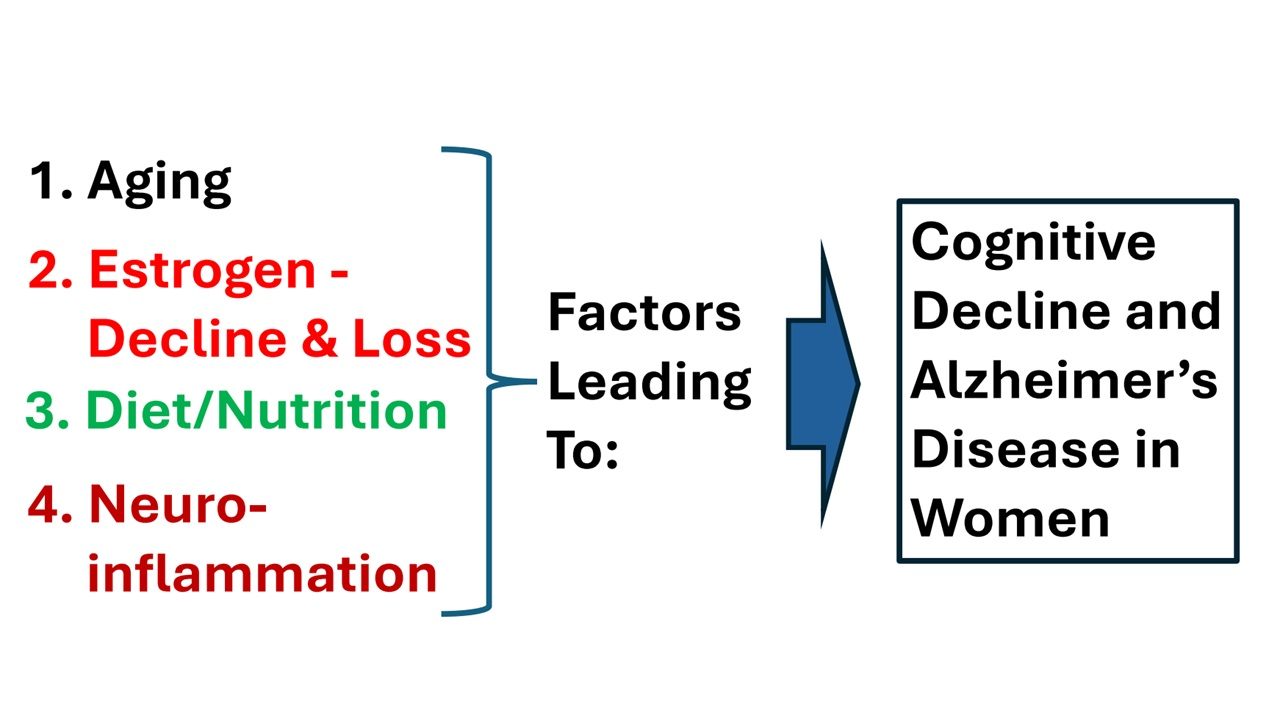
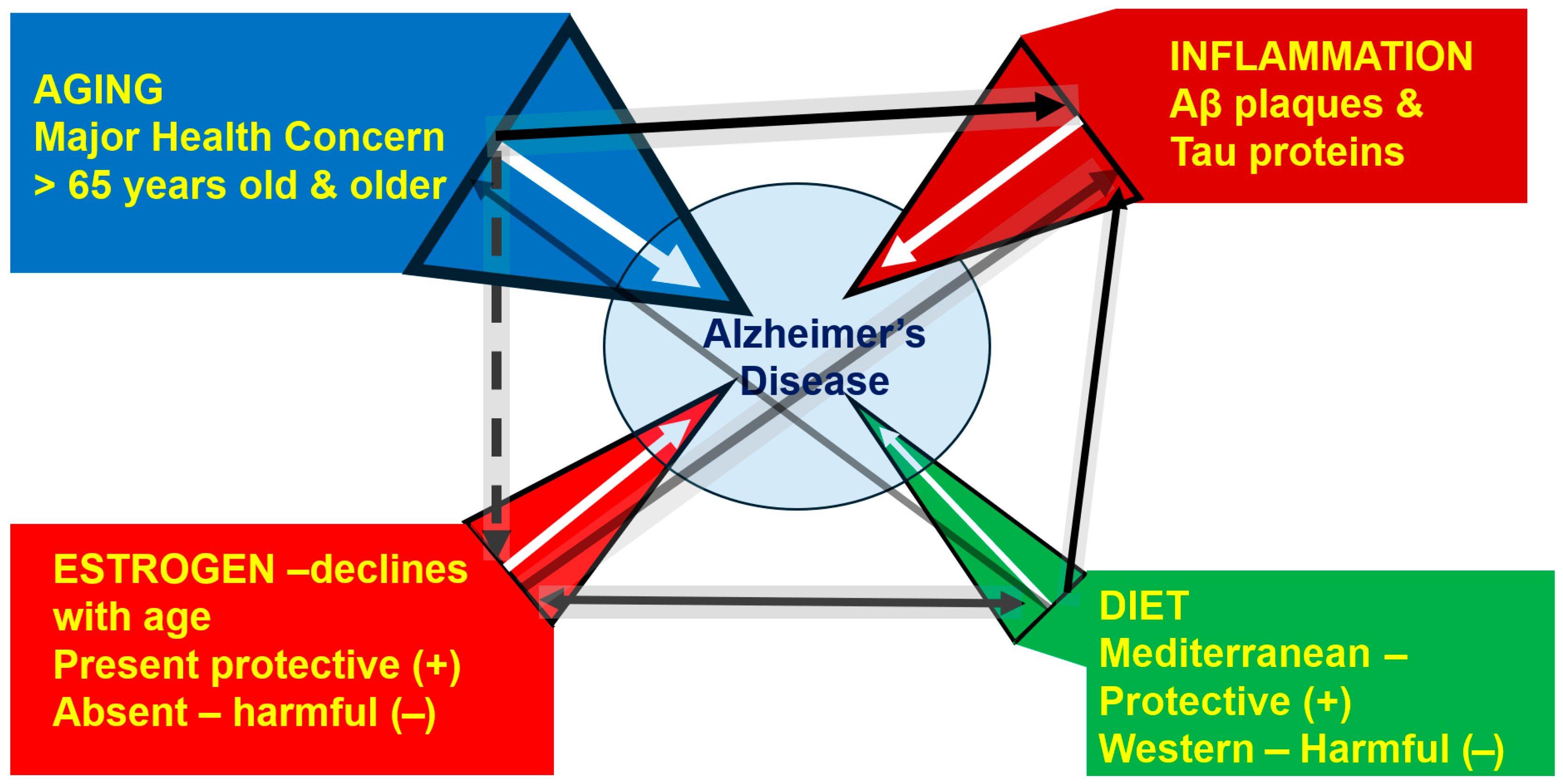
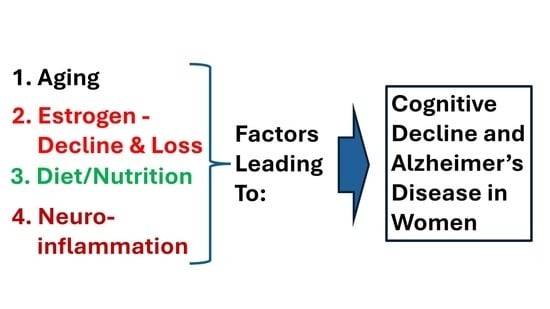
| AGING: | Alzheimer’s disease in women is closely linked to aging and reflects a combination of biological, hormonal, and social factors that influence risk and progression. As women age, they experience a higher lifetime risk of developing Alzheimer’s disease than men, partly because they tend to live longer, but also due to sex-specific changes in the brain and body. In the United States, a woman’s lifetime risk of developing Alzheimer’s disease at age 65 is one in six, compared to one in eleven for a man. |
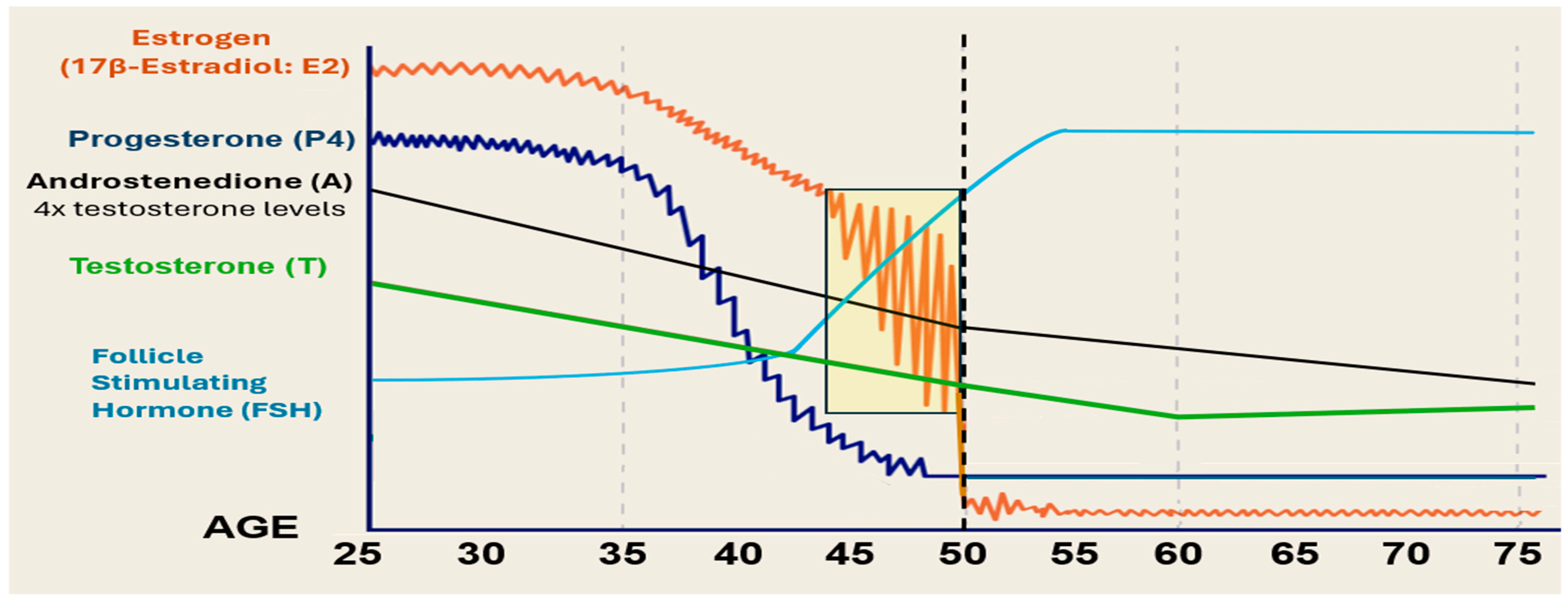
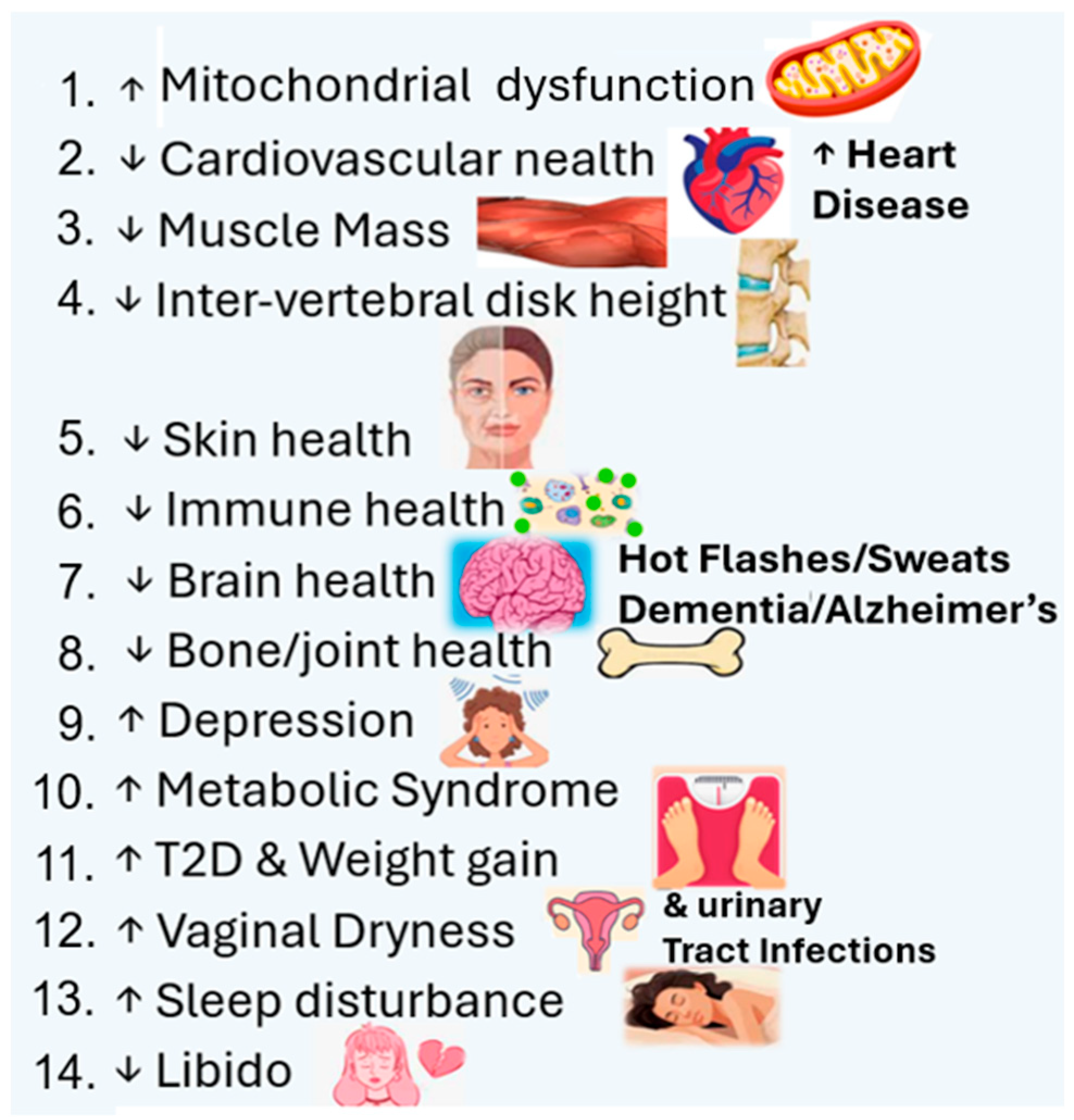
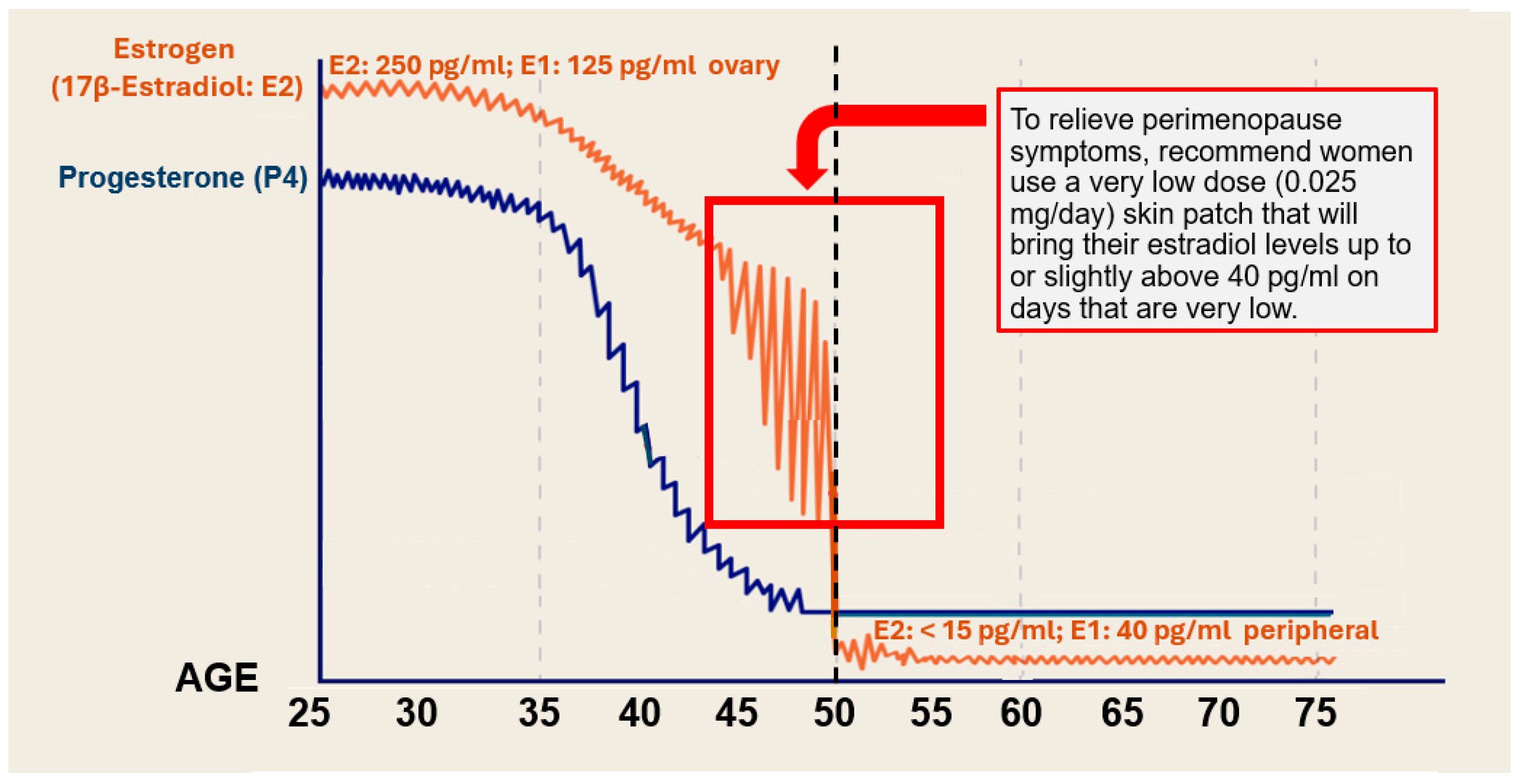
| CHANGES IN ESTROGEN: | One important factor is the decline in estrogen during perimenopause, starting around ages 35–45, and menopause, which occurs between 46 and 55 years of age (with the average age at menopause around 51–52 years of age). Estrogen supports brain glucose metabolism, synaptic plasticity, mitochondrial function, and regulation of neuroinflammation, along with many other protective brain effects. Estrogen loss can increase vulnerability to neuroinflammation, a process that becomes more pronounced with age and is linked to cognitive decline and neurodegenerative risk. |
| DIET/NUTRITION: | Diet further modulates these processes, either exacerbating or mitigating inflammation. Nutrient-poor, highly processed diets can promote systemic and central inflammation, while diets rich in antioxidants, healthy fats, and anti-inflammatory compounds help counteract inflammatory pathways and support neural resilience. |
| NEUROINFLAMMATION: | Neuroinflammation arises from immune dysregulation, oxidative stress, impaired brain repair mechanisms, and the presence/increase in amyloid-beta plaques and hyperphosphorylated tau proteins that create neurofibrillary tangles. Aging primes the brain for chronic inflammation, while estrogen loss removes critical anti-inflammatory protection and weakens the blood–brain barrier. Diet can either worsen or mitigate inflammatory signaling, like polyphenolic compounds, omega-3 fatty acids, and fiber to support the gut–brain axis and gut microbiome. |
Disclaimer/Publisher’s Note: The statements, opinions and data contained in all publications are solely those of the individual author(s) and contributor(s) and not of MDPI and/or the editor(s). MDPI and/or the editor(s) disclaim responsibility for any injury to people or property resulting from any ideas, methods, instructions or products referred to in the content. |
© 2026 by the authors. Licensee MDPI, Basel, Switzerland. This article is an open access article distributed under the terms and conditions of the Creative Commons Attribution (CC BY) license.
Share and Cite
Lephart, E.D.; Weber, K.S.; Hedges, D.W. Assessing the Roles of Aging, Estrogen, Nutrition, and Neuroinflammation in Women and Their Involvement in Alzheimer’s Disease—A Narrative Overview. Int. J. Mol. Sci. 2026, 27, 1239. https://doi.org/10.3390/ijms27031239
Lephart ED, Weber KS, Hedges DW. Assessing the Roles of Aging, Estrogen, Nutrition, and Neuroinflammation in Women and Their Involvement in Alzheimer’s Disease—A Narrative Overview. International Journal of Molecular Sciences. 2026; 27(3):1239. https://doi.org/10.3390/ijms27031239
Chicago/Turabian StyleLephart, Edwin D., K. Scott Weber, and Dawson W. Hedges. 2026. "Assessing the Roles of Aging, Estrogen, Nutrition, and Neuroinflammation in Women and Their Involvement in Alzheimer’s Disease—A Narrative Overview" International Journal of Molecular Sciences 27, no. 3: 1239. https://doi.org/10.3390/ijms27031239
APA StyleLephart, E. D., Weber, K. S., & Hedges, D. W. (2026). Assessing the Roles of Aging, Estrogen, Nutrition, and Neuroinflammation in Women and Their Involvement in Alzheimer’s Disease—A Narrative Overview. International Journal of Molecular Sciences, 27(3), 1239. https://doi.org/10.3390/ijms27031239