


Abstract
Acute lung injury (ALI) is in part precipitated by hyperbaric oxygen or other mechanical insults. It constitutes the fundamental pathological process underlying acute respiratory distress syndrome (ARDS). The manifestation of the condition is characterized by an uncontrolled inflammatory response and alveolar edema, consequent to the disruption of the alveolar–capillary barrier. This phenomenon is associated with elevated morbidity and mortality rates. The current therapeutic interventions for ALI are not well researched or articulated. However, recent studies have indicated that stem cells may possess therapeutic potential in the context of ALI. The present study demonstrates that these exosome preparations have the capacity to significantly ameliorate radiographic findings, histological parameters, and vascular permeability in murine models of ALI. Concurrently, they attenuate the inflammatory response to a certain extent. The present review commences with an examination of the pathogenic mechanisms and manifestations of pulmonary injury induced by hyperbaric oxygen or other external factors. The subsequent sections of the text provide detailed accounts of the latest advances in exosome-based therapies for mitigating such injury, including their mechanisms of action and future translational prospects. While exosome-based treatments have demonstrated considerable advancement in preclinical research, numerous challenges must be surmounted before their widespread implementation in clinical settings can be realized, underscoring the necessity for sustained research in this domain.
1. Introduction
As demonstrated in the extant literature, oxygen is an element indispensable to human life [1,2,3]. In the contemporary era, oxygen has a ubiquitous presence in everyday life and is also extensively utilized in the medical and technological sectors. This extensive utilization has enabled its application in the development of cures and medical experimentation [4,5]. Although oxygen is essential for sustaining life, and thus must be inhaled in sufficient quantities on a daily basis, there are circumstances, such as diving or residing in high-altitude environments, in which oxygen levels can change drastically in a short time. In such cases, oxygen may exert pathophysiological toxicity on the human body [6,7]. The manifestation of central nervous system (CNS) toxicity occurs within a time frame ranging from minutes to hours in instances where oxygen partial pressure (pO2) surpasses the threshold of 150–160 kPa [8,9]. Conversely, pulmonary toxicity may manifest after prolonged exposure to pO2 levels exceeding 50 kPa, with an acceleration in the onset of symptoms observed when pO2 surpasses 100 kPa.
The concept of individual variability refers to the variations in the manifestation of central nervous system toxicity observed among diverse populations [10]. The Lanpier team pioneered the field of studying individual variability in carbon dioxide retention, publishing seminal research that revealed significant disparities in retention levels between divers and non-divers, with the former exhibiting notably higher concentrations [11]. It is therefore evident that individual variability is a determining factor in the assessment of the risks associated with hyperbaric oxygen exposure [12,13,14,15]. HBOT treatment has also been demonstrated to exert a measurable impact on aerobic training capacity; however, it has been demonstrated that long-term combined training is required for sustained physiological adaptation [12]. Furthermore, HBOT has been demonstrated to impact the production capacity of reactive oxygen species and the depletion of phagocytosis involving reactive oxygen species [13].
Hyperoxic ventilation commonly occurs in the field of pulmonary medicine, hyperbaric oxygen therapy (HBOT), and specific occupations—particularly among divers and pilots [1,9,16,17,18]. For example, underwater, pulmonary injuries caused by excessive hydrostatic pressure primarily manifest as decompression sickness (DCS), barotrauma, and Immersion Pulmonary Edema (IPE) [19]. As shown in Figure 1, following this type of high-pressure, high-oxygen lung injury, normal alveoli undergo alveolar hyalinization. With further damage, such as interstitial pulmonary edema (IPE), hemorrhage, and worsening edema, the alveoli develop additional inflammatory hemorrhagic infiltrates, and the capillaries are also damaged.
Figure 1.
Schematic illustration of alveolar structure and alveolar–capillary barrier injury.
2. Conditions Related to Lung Injury and Oxygen Poisoning
2.1. Conditions and Classification of Pulmonary Oxygen Toxicity
The precise mechanism of pulmonary oxygen toxicity remains only partially elucidated, but its probable pathophysiological basis involves reactive oxygen species (ROS)-mediated alveolar damage induced by hyperoxia. Owing to their high instability, ROS disturb the lipid bilayer architecture of cell membranes and set off a cascade reaction, which in turn causes the bilayer to disintegrate and leads to alveolar epithelial cell injury and apoptosis. VOCs (volatile organic compounds) such as decane and decene may also be released during diving in oxygen-rich conditions [17,20,21]. Widespread occurrence of such damage may provoke inflammatory responses resembling ARDS. While these injuries are generally reversible after short-term hyperbaric hyperoxic exposure, prolonged exposure can progress to irreversible pathological changes characterized by pulmonary interstitial remodeling, ultimately resulting in pulmonary fibrosis and functional loss (proliferative phase), which becomes a critical risk factor for pulmonary barotrauma. Wang Yaxuan et al. indicated that recovery from a series of pulmonary injuries induced by excessive damage consistently requires preservation of alveolar epithelial barrier integrity and restoration of gas exchange function. This suggests that inadequately treated ROS-mediated lung injury may lead to irreversible impairment of pulmonary function [22,23].
In order to mitigate the risk of Potomac River (POT) pollution, a number of preventive guidelines have been established in recent decades. It has been demonstrated that there is a correlative connection between the decline in vital capacity and hyperoxic exposure through respiratory parameters. This has set the safety threshold for routine dives at 615 Unit Pulmonary Toxicity Dose per dive (corresponding to a 2% vital capacity reduction) [21,24]. In 2002, Arieli introduced the POT index and K-index, which significantly enhanced the accuracy of toxicity prediction and enabled recovery time quantification [21]. The K-index model (K = t2 × pO24.57) is derived from vital capacity data obtained from pulmonary function tests. In this model, *t* denotes exposure duration (in hours) and pO2 represents inhaled oxygen partial pressure (in atm). However, the K-index has been shown to have limitations in repetitive diving scenarios. As stated in studies on undersea and hyperbaric medicine, it is recommended that a daily threshold of K = 120 be observed for ≤2 consecutive dive days, followed by 2 rest days. Over 5 consecutive dive days, however, this threshold should be reduced to K = 70, with subsequent 2-day rest periods. Furthermore, it is advised that daily K-values be restricted to 40–50 during serial diving without rest days [10].
2.2. Symptoms Associated with Decompression Sickness Lung Injury
Decompression sickness depends on dive profile (dive depth, ascent rate), dive duration, and gas type. Its core feature is the appearance of gas bubbles in the blood and organs because of quickly induced gas pressure [25]. Decompression sickness was first documented in 1841 among caisson workers. At that time, those workers showed symptoms of muscle cramps and pain [26]. However, due to the limited research conditions at the time, it was not possible to control for variables to conduct a study, so it was not certain whether such symptoms were caused by oxygen levels or other environmental factors. With the development of science, many researchers have conducted studies on this topic. To keep diving practice safe, it is suggested that recreational divers do not dive over 130 feet. They ought to ascend at a slow pace, as this lowers the risk of decompression sickness (DCI)—it stops nitrogen bubbles from expanding quickly and helps the body metabolize these bubbles more effectively [27]. DCS symptoms typically appear a few hours after a dive, accompanied by tissue damage like skin rashes, joint pain, and neurological issues [27,28,29]. In a study by DE Putra, a case report of a 25-year-old male was presented. The patient developed type 2 decompression sickness, presenting with neurological and pulmonary symptoms following a dive, including dyspnea and joint pain. After receiving positive-pressure oxygen therapy and adjunctive medication, his symptoms resolved [25]. Clinically, based on past cases and studies, DCI commonly manifests as joint pain, neurological symptoms, and rashes, often accompanied by AGE symptoms. Patients frequently exhibit stroke-like symptoms and end-organ damage following diving; surface swimmers generally do not face DCI risks. Rat experiments have confirmed that decompression sickness can also be observed and detected through muscle damage [26].
Figure 2 shows pathological cells in ALI/ARD states on the left and right sides, with the right panel displaying magnified alveolar tissue. The tissue is filled with protein-rich fluid, accompanied by interstitial fluid accumulation, scar tissue formation, neutrophil infiltration, and protein debris accumulation. The arrow pointing to the right alveolar cell indicates the regulatory role of exosomal paracrine soluble factors on the pathological alveolar cells.
Figure 2.
Mesenchymal stem cells (Mscs) combat ALI/ARDS lung damage via paracrine factors. The arrow above the right alveolar cells indicates the regulatory effect of soluble factors on alveolar cells.
2.3. Pulmonary Air Pressure Injuries and Presenting Symptoms
Barotrauma is a distinct form of lung injury that arises from a rapid alteration in pressure surrounding the body. Clinically significant pulmonary barotrauma (including pneumomediastinum, pneumothorax, and life-threatening arterial gas embolism) requires only minimal pressure changes but may occur during both descent and ascent [30]. During this process, as water pressure increases, the volume of air in the lungs decreases, resulting in a reduction in lung capacity to below its smallest natural size. Initially, blood accumulates within the lung vessels. Should the compaction persist and the pressure within the lungs decrease below the external water pressure, this profound inward force has the capacity to compress the lungs, resulting in hemorrhaging [31]. Each of these diagnoses, such as subcutaneous emphysema, mediastinal emphysema, pneumothorax, pneumomediastinum, or AGE, has a different clinical presentation and can lead to diver death within minutes [32,33].
Immersion Pulmonary Edema (IPE) is another kind of lung injury disease due to recreational or military diving activities, with its first mention dating back to the 1970s [34,35]. IPE occurs when the plasma colloid osmotic pressure in the capillaries is exceeded, and it can potentially occur during diving. IPE, short for Immersion Pulmonary Edema, is an acute cardiogenic pulmonary edema syndrome that arises while individuals are swimming or diving [27,34,35,36]. Key contributors include cold water immersion combined with intense or increased ambient pressure. The pathophysiological cascade involves the following steps: (1) When the body is immersed, the generated hydrostatic pressure redirects blood toward the central part of the circulatory system. This not only boosts preload but also causes stress to pulmonary capillaries and elevates negative inspiratory pressure during the breathing process. (2) Cold immersion intensifies the constriction of peripheral blood vessels, which in turn causes a rise in both cardiac preload and afterload. (3) Exertion boosts cardiac output and systemic/pulmonary pressures, heightening capillary wall stress. (4) Potential direct capillary injury increases permeability [37,38].
2.4. Lung Damage Caused by Hyperbaric Oxygen Therapy
HBOT constitutes a clinical intervention conducted within a pressurized chamber containing approximately 100% oxygen. The internal pressure of the chamber exceeds atmospheric pressure at sea level, specifically exceeding 1 atmosphere absolute (ATA) [39,40,41,42]. In the context of clinical applications, it is imperative that the pressure within the chamber is maintained at a minimum of 1.4 ATA while the patient is breathing a gas mixture consisting of approximately 100% oxygen.
It is important to note that patients treated with hyperbaric oxygen may experience symptoms of central nervous system oxygen toxicity. These symptoms may include, but are not limited to, tinnitus, spasms, and even seizures. Furthermore, the therapeutic intervention may result in retrosternal discomfort, coughing, and pulmonary dysfunction. Prolonged exposure to the aforementioned therapy has the potential to culminate in the development of pulmonary fibrosis. The Unit Pulmonary Toxicity Dose (UPTD) is widely accepted as the standard metric for quantifying pulmonary oxygen exposure during HBOT and predicting the associated lung injury. It is also used to guide therapeutic protocols [43].
A study focused on exhaled volatile organic compounds (VOCs) from four divers post-heliox dives to depths > 81 m of seawater (msw) identified statistically significant changes (p = 0.004) in the levels of methylcyclohexane, butyl acetate, tetradecane, octane, and dodecane [21,44]. Although no abnormal respiratory symptoms or subjective discomfort was observed, the researchers hypothesized that chronic exposure to such conditions might contribute to pulmonary fibrosis. Furthermore, continuous exposure for several hours could potentially induce pulmonary oxygen toxicity (POT), with its clinical manifestations accelerating as PO2 increases [44].
Mediastinal emphysema, and even arterial gas embolism obstructing the coronary arteries, can result from pathological damage in severe instances of the condition [45,46]. According to clinical progression and variations in oxygenation parameters—specifically the PaO2/FiO2 ratio, with PaO2 representing arterial partial pressure of oxygen and FiO2 standing for fraction of inspired oxygen—such damage can be categorized into two types, one of which is acute lung injury (ALI). Clinically, ALI is defined by an acute onset of hypoxemia with a PaO2/FiO2 ratio between 200 and 300 mmHg, accompanied by bilateral pulmonary infiltrates, increased pulmonary permeability, and impaired gas exchange in the absence of left atrial hypertension [27,46]. Importantly, ALI and acute respiratory distress syndrome (ARDS) are considered part of the same pathological spectrum, with ARDS representing a more severe form characterized by a PaO2/FiO2 ratio persistently below 200 mmHg and more pronounced inflammatory lung injury. Consequently, a PaO2/FiO2 ratio persistently below 200 mmHg poses a significant danger to the human body. Therefore, conducting rigorous research into the process of oxygen-induced lung injury (OILI) and developing effective therapeutic interventions is of paramount importance.
3. Applications of Exosomes in the Treatment of ALI/ARDS
3.1. Introduction to Exosomes and Mesenchymal Stem Cells
Exosomes, which belong to the category of membrane vesicles and have a diameter of 30–100 nm, are formed when cytokinesis occurs [47]. Exosomes can be secreted by various types of cells, such as dendritic cells, B lymphocytes, platelets, and diverse subtypes of tumor cells [17,48,49,50,51]. These extracellular vesicles generally have a diameter ranging from 40 to 100 nm and a density of 1.13–1.19 g/mL when detected in a sucrose solution; notably, centrifugation at 100,000× g acts as an effective method to sediment them [52,53,54]. Yu observed that mesenchymal stem cell-derived, miRNA-encapsulating microparticles with a radius ranging from 55 to 65 nm took the form of precursors, and these were classified as exosomes [52,55,56].
Mesenchymal stem cells (MSCs) are multipotent stromal cells isolated from tissues such as bone marrow, adipose tissue, umbilical cord, and placenta. Beyond their limited differentiation capacity, MSCs exert their therapeutic effects predominantly through paracrine signaling, with exosomes constituting a major effector component of this process.
3.2. Exosomal Intercellular Communication Mediation
Biogenesis is initiated through endocytosis. For example, information exchange between maternal cells occurs via this process [57]. Similarly, endocytosis is the pathway through which information is exchanged among tooth germ cells [58]. The plasma membrane internalizes membrane proteins and extracellular materials to form early endosomes, establishing the structural foundation for intraluminal vesicle (ILV) assembly [59,60].
During this process, ILVs selectively encapsulate cytoplasmic lipids, protein, and nucleic acids [59,60,61,62,63]. Intraluminal vesicles (ILVs) exhibit two main functional tendencies: they may either fuse with lysosomes to degrade internal contents or translocate to the plasma membrane to initiate exosome secretion. Exosomes are formed when these vesicles take the latter pathway, as they are subsequently secreted into the extracellular matrix through exocytosis [17,64,65,66]. This sophisticated regulatory mechanism ensures the incorporation of diverse bioactive cargo—including various nucleic acids, tetraspanins, and heat shock proteins—within secreted exosomes [67].
As shown in Figure 3, the cytoplasm of the source cell contains miRNAs, mRNAs, and proteins that are selectively packaged into intraluminal vesicles. These form downstream of the multivesicular body (MVB). MVBs then either fuse with lysosomes to degrade their contents or fuse directly with the plasma membrane to release extracellular vesicles. These extracellularly released exosomes and vesicles can then be internalized by target cells via endocytosis or fusion with the plasma membrane, thereby participating in biological processes such as cellular signaling and antigen presentation.
Figure 3.
This illustration depicts exosome biogenesis, which begins with their origin from the inward budding of the multivesicular body (MVB) membrane via the endocytic pathway, and highlights their subsequent interaction with target cells. In antigen presentation, the yellow color on the right represents the ligand, while pink represents the receptor. The red color in cellular signaling denotes the ligand molecule, and blue denotes the receptor molecule (reproduced from Xie et al., Front. Bioeng. Biotechnol., 2020, under CC license) [67].
Currently, exosomes are emerging as a promising therapeutic delivery pathway. Their unique vesicular structure facilitates the targeted delivery of molecular cargo—including proteins and nucleic acids—to specific cells [64]. This mechanism creates opportunities for modulating redox homeostasis and counteracting reactive oxygen species (ROS)-mediated damage, thereby offering a novel therapeutic strategy against various challenging pulmonary diseases [68,69]. Exosomes, as a cell-free therapeutic strategy, exhibit higher clinical safety and lower immunogenicity compared with cell-based therapies and are more amenable to storage, transportation, and standardization in quality control.
Despite the growing momentum in exosome research, several conceptual and experimental limitations require careful consideration. First, most current exosome-based therapies for lung diseases are derived from preclinical models, which may not fully recapitulate the complexity and heterogeneity of human acute lung injury (ALI). Second, factors such as immune responses, lung architecture, and injury repair mechanisms may constrain the therapeutic efficacy of exosomes. Finally, the inherent heterogeneity of exosomes and the lack of clinical standardization present significant challenges for commercialization. Furthermore, the regulatory mechanisms governing exosome uptake and intracellular trafficking in recipient cells remain poorly understood. Therefore, rigorous safety and contextual evaluations remain imperative before clinical translation.
Moreover, the mechanisms mediated by exosomes are highly context-dependent, exhibiting significant variations across different acute lung injury (ALI) models. In hyperoxia-induced lung injury, exosomes primarily exert protective effects by regulating oxidative stress responses, mitochondrial function, and redox balance. This protection relies heavily on the delivery of antioxidant-related small RNAs and proteins to mitigate reactive oxygen species (ROS) accumulation and epithelial cell apoptosis. In lipopolysaccharide (LPS)-induced ALI, exosome-mediated effects are primarily associated with regulating innate immune signaling and inflammatory cascades, including suppressing macrophage overactivation, inhibiting pro-inflammatory cytokine release, and modulating NF-κB and MAPK-driven inflammatory pathways. These differences indicate that the mechanisms of exosome action in ALI are not uniform but diverse.
However, the widespread clinical and commercial application of exosomes faces several challenges. First, strategies for effectively engineering or modifying exosomes to specifically target distinct cancer cell populations remain insufficiently defined. Second, exosomes may exhibit prolonged persistence in vivo, raising concerns regarding their clearance and potential off-target effects. Third, the storage conditions and long-term stability of exosomes have not yet been fully established. In addition, the abundance of exosomes may vary substantially across different cancer types [50,51]. Furthermore, the use of mesenchymal stem cells (MSCs) is widely used in medical applications because of their promising therapeutic potential and immune-modulatory characteristics [70]. The repair function of MSCs does not only rely on their intrinsic biological properties but is also influenced by paracrine signaling, which is mediated through secreted extracellular vesicles. Recent studies have indicated that MSCs, regardless of whether they are in situ or cultured in vitro, actively sense alterations in histopatho-physiological signals and integrate adaptive responses that modulate multiple components of the local immune microenvironment. This orchestrated regulation ultimately promotes tissue homeostasis, repair, and regeneration [71,72,73,74]. Over the past few years, the application of in vitro-expanded mesenchymal stem cells (MSCs) has emerged as a promising therapeutic strategy for a broad spectrum of inflammatory disorders and tissue damage [74,75,76].
Based on recent findings, exosomes derived from mesenchymal stem cells (MSCs) provide a novel and promising therapeutic approach for a range of lung disorders [24]. This observation underscores the value of MSC-Exos as a novel therapeutic option for a spectrum of lung disorders, in addition to confirming its role as a potent candidate for managing conditions from ARDS to pulmonary fibrosis. MSCs isolated from diverse sources like adipose tissue exert potent therapeutic effects by significantly improving survival, reducing inflammation, and enhancing bacterial clearance [77,78,79,80,81]. As a promising cell-free alternative to stem cell therapy, MSC-derived exosomes offer critical benefits for treating inflammatory diseases, thanks to their superior clinical safety, low immunogenicity, absence of tumorigenicity, and minimal ethical constraints [82,83,84].
MSCs exhibit considerable therapeutic efficacy in animal models of ARDS induced by endotoxins [85]. COVID-19 spread rapidly worldwide at the end of 2019, prompting an urgent search for effective therapeutic strategies for coronavirus disease. Severe acute respiratory distress syndrome (ARDS) is a major cause of mortality in patients with COVID-19 [41]. To reduce mortality, numerous pharmaceutical companies and research institutions initiated studies investigating mesenchymal stem cells (MSCs) as a potential therapeutic approach. In 2022, Xia et al. investigated exosomes derived from adipose-derived MSCs (AdMSCs) [84]. Their data demonstrated that exosomes from human AdMSCs may be effective in the treatment of inflammatory lung diseases, including COVID-19 [86]. In addition, Mesoblast reported improved clinical outcomes in patients with COVID-19 using the MSC-based product remestemcel-L [41]. MSCs’ capacity to promote tissue repair—by means of reducing alveolar leakage, suppressing inflammation, and enhancing survival rates—plays a critical role in facilitating tissue recovery. Coupled with advantageous traits like immunomodulation, low immunogenicity, and expandability, it makes them prime candidates for cellular therapeutics [87,88,89,90,91,92]. MSC-derived extracellular vesicles—characterized by a diameter ranging between 40 and 160 nm (and a mean of 100 nm)—arise from endosomal compartments and contain high levels of DNA, RNA, and proteins [93]. These vesicles primarily mediate tissue regeneration through the secretion of exosomes, bioactive molecules, and microvesicles. Released into the extracellular matrix, these vesicles participate in physiological and pathological processes. Compared to exosome therapy, MSC therapy relies on the in vivo administration of living cells. Its therapeutic effects stem not only from paracrine signaling but also from dynamic sensing of the local microenvironment and adaptive immune regulation. This characteristic endows MSCs with broader and more flexible biological functions, yet it also presents challenges such as cell viability, in vivo homing and engraftment, potential embolization risks, and complexities in production and quality control.
To date, no exosome-based therapy has demonstrated definitive efficacy in large-scale clinical trials for ALI/ARDS, and current translational outcomes remain limited or inconclusive.
3.3. Msc Mechanisms: Paracrine EVs and Occasional Cell Fusion
Current research indicates that the precise mechanisms of action underlying MSC therapy are not yet fully elucidated. However, several therapeutic modalities have been identified. Primarily, MSCs possess the capacity to differentiate and replace damaged cells [94]. Research indicates MSCs likely modulate vascular remodeling in other cells primarily through paracrine mechanisms [74]. For instance, absolute proof indicates that the anti-inflammatory effect of mesenchymal stem cells (MSCs) can be modulated by the secretion of extracellular vesicles (EVs) [95]. EVs are lipid bilayer-encased nanoscale particles with a cargo of a variety of RNA species, cytosolic proteins, and mitochondrial content [95,96]. Extracellular vesicles (EVs) exhibit a high degree of heterogeneity, and their composition is significantly influenced by the source of mesenchymal stem cells (MSCs), culture conditions, and the disease-specific microenvironment. This variability may account for the discrepancies observed among different studies. Extracellular vesicles (EVs) are heterogeneous populations of cells and have been recognized as vital mediators of intercellular communication [18]. Accordingly, MSC-derived EVs (MSC-EVs) possess broad-range immunomodulatory properties, which include the modulation of macrophages. Research has shown that MSC-EVs promote macrophage activation polarization from the classical pro-inflammatory (M1) to the alternative anti-inflammatory (M2) state, thus reducing the production of inflammatory cytokines [95,97,98]. However, the extent of macrophage reprogramming varies substantially across different experimental models, and the lack of standardized protocols for EV isolation methods and dosing regimens partially limits the comparability of results among studies. Such a repair process based on cellular replacement has been seen to work in renal tubular epithelial cells, epidermal keratinocytes, and endothelial cells [98,99]. With the microcirculatory rat cremaster muscle model, experiments have shown that when administered intra-arterially, MSCs are incorporated into the endothelial vascular wall [98].
Apart from this, there is direct engraftment of pulmonary MSCs into the alveolar epithelium upon their direct administration [99]. Nevertheless, this strategy is highly dependent on experimental models, and in the human in vivo environment—where inflammatory responses and oxidative stress are pronounced—the long-term survival and functional maintenance of MSCs may be substantially compromised. Though cell fusion may occur, its occurrence under disease states is considered rare. Therefore, the underlying mechanism is instead assumed to be a result of the structural aspect of lipid bilayers. Polymerase chain reaction (PCR) of organ tissues from MSC-treated patients shows that cell fusion is involved in the mediation of the curative action of MSCs [100].
A body of experimental research has been conducted in the field of mesenchymal stem cell (MSC) therapy, with scientists investigating the mechanisms underpinning the therapeutic effects of these cells. In a rat model of pulmonary hypertension, MSC suspensions or physiological saline were injected as interventions. The findings indicated that, in comparison with pre-induction levels and control groups treated with saline, rats treated with MSCs exhibited significant normalization of right ventricular pressure, attenuation of ventricular hypertrophy, and decrease in muscularization of peripheral pulmonary vessels [17,49,101]. The present study indicates that mesenchymal stem cells (MSCs) could effectively inhibit the progression of pulmonary hypertension and reverse its pathological alterations. This suggests a new therapeutic approach for hyperoxia-induced pulmonary hypertension [95].
3.4. Exosome-Based Therapeutics for ALI/ARDS: Mechanisms and Potential
It has been substantiated by research that MSCs hold the greatest therapeutic potential to control ALI and ARDS [87,102,103]. Paracrine signaling is mechanistically recognized as the predominant pathway through which MSCs take effect [104]. The paracrine signaling decreases alveolar epithelial permeability, suppresses cytokine response to damage, upregulates cytokine expression with anti-inflammatory properties, and reduces inflammatory cell infiltrations [105,106,107].
Importantly, MSC secretion of keratinocyte growth factor (KGF) provides a key mechanism since direct promotion of type II alveolar epithelial cell alveolar fluid clearance is afforded by this secretion [85]. Especially in E. coli endotoxin models of ALI, protection by KGF is accompanied by diminished pulmonary edema and attenuated lung inflammation, cementing its approach to pretreatment and prevention of ALI pathogenesis. In addition to this and through other pathways, MSCs maintain endothelial barrier integrity and epithelial homeostasis. It is also noteworthy that although such protective effects have been validated in infectious ALI animal models, their applicability to non-infectious ALI requires further investigation.
In an environment induced by lipopolysaccharide (LPS) to cause pulmonary microvascular endothelial barrier failure, hepatocyte growth factor (HGF) secreted by MSCs serves as a paracrine mediator to achieve restorative outcomes [85]. Due to paracrine secretion of HGF, pulmonary injury is reduced by MSCs through induction of mature dendritic cells (DCs) conversion to a tolerogenic type [105,107].
Research by Cheng et al. indicates that inhalation delivery of Lung Spheroid Cell Secretome (LSC-Sec) and Lung Spheroid Cell-derived Exosomes (LSC-Exo) is an effective therapy for pulmonary fibrosis and lung injury [98]. The therapeutic effect corresponding to this therapy is normal alveolar architecture re-establishment, collagen deposition reduction, and myofibroblast proliferation inhibition [64,108]. These research studies demonstrate that LSC-Sec and LSC-Exo can effectively reverse bleomycin and silica-induced pulmonary fibrosis. However, the therapeutic effect corresponding to exosomes with hyperbaric oxygen-induced pulmonary fibrosis is yet to be investigated [70,108,109].
Experimental evidence supports therapeutic exploitation of exosomes for idiopathic pulmonary fibrosis (IPF). Research suggests that excessive epithelial cell activation and apoptosis facilitate fibroblastic focus formation and excessive extracellular matrix deposition. Exosome secretion by injured or activated epithelial cells can induce fibrogenesis by activating and driving differentiation to myofibroblasts and stimulating collagen expression by fibroblasts. These exosomes carry profibrotic mediators—such as transforming growth factor-β (TGF-β), platelet-derived growth factor (PDGF), and certain microRNAs—and these mediators cause direct proliferation and collagen deposition by fibroblasts [65,110,111]. Exosomes can function both as disease-promoting factors and as potential therapeutic agents. To realize therapeutic exploitation of exosomes, research at present is directed towards achieving selective targeting of oxidative stress pathways involved with fibrotic lung injury. By selectively neutralizing reactive oxygen species (ROS), this approach abolishes the oxidative stress cascade, a driving force behind idiopathic pulmonary fibrosis (IPF) advancement. Further research should aim to elucidate the precise constitution of exosomes with a view to ensuring that their contents are those not only with potent efficacy to reduce oxidative stress but those precisely tailored to suit the individual patient’s requirements [64,112,113].
3.5. Structural Advantages of Exosomes in Medicine
The development of a new generation of biotherapeutic delivery systems is possible through the efficient encapsulation of therapeutic bioactive molecules with specific regenerative potential (e.g., growth factors, microRNAs, mRNAs) within exosomes or onto their membrane structures. In comparison to free active ingredients or traditional synthetic carriers, this exosome-based delivery strategy has been shown to significantly enhance drug biostability, targeting efficiency, and intracellular bioavailability [114,115,116]. Adipose mesenchymal stem cell-derived exosomes (AdMSC-Exos), which are characterized by a diameter ranging from 40 to 150 nm, are rich in components derived from donor stem cells, including proteins, nucleic acids, and lipids [82,117].
3.6. Mechanisms Governing the Action of Abundant Stem Cell Exosomes in Lung Injury Treatment
Accordingly, numerous studies have shown that exosomes derived from human adipose-derived mesenchymal stem cells (AdMSCs) exhibit the ability to enhance macrophage metabolism and immune homeostasis and can mitigate ALI to a certain extent [84,98,118]. The development of exosome-based therapies is imperative for treating acute lung injury, addressing the critical unmet need for effective treatments in conditions like coronavirus disease [82].
Some studies suggested that this mechanism may involve miRNAs targeting pyroptosis and immunomodulatory proteins conveyed by MSCs-Exo [64]. Researchers assessed mesenchymal stem cell-derived exosomes (MSCs-Exo) using a lipopolysaccharide (LPS)-induced ALI mouse model. The pathological features observed in this model included diffuse alveolar damage, disrupted architecture, thickened septa, inflammation, minimal fibrosis, and elevated serum/BALF IL-1β, IL-18, BALF LDH, and total protein (p < 0.05).
Peipei Liu et al. conducted research which revealed that the core mechanism underlying mesenchymal stem cell-derived exosome (MSCs-Exo) treatment for acute lung injury (ALI) involves the mitigation of inflammatory responses through the targeted inhibition of alveolar macrophage pyroptosis. The key therapeutic mechanisms encompass the following [92]:
- Inhibition of Alveolar Macrophage Pyroptosis: In the LPS-induced ALI model, lipopolysaccharide (LPS) activates the NLRP3 inflammasome in alveolar macrophages (AMs). This results in the activation of caspase-1 and the subsequent occurrence of pyroptosis (marked by plasma membrane rupture and secretion of pro-inflammatory cytokines) [49,119,120]. MSCs-Exo have been shown to specifically suppress the caspase-1-mediated pyroptosis pathway by delivering miRNAs and immunomodulatory proteins.
- Modulation of Pyroptosis-Associated Signaling Pathways: miRNA Targeting: High-throughput sequencing analysis identified MSCs-Exo as enriched with 30 significantly upregulated miRNAs that target and inhibit the expression of key pyroptosis-related genes.
- Action of Immunomodulatory Proteins: Proteomic studies identified that MSCs-Exo contained abundant levels of immunomodulatory proteins and these proteins acted by being engaged with “immune response” and “stimulus response” signal pathways.
Mitigating Lung Tissue Damage and Inflammation: These activities eventually resulted in a significant decrease in acute lung injury (ALI) pathology as indicated by reduced structural damage to alveoli, diminished inflammatory cell infiltration, reduced permeation of the alveolar–capillary membrane, and a significant decrease in pro-inflammatory cytokine IL-1β and IL-18 levels, all of which were present and measurable in serum and bronchoalveolar lavage fluid (BALF) [121,122]. The administration with MSCs-Exo attenuated damage by reducing these markers and lung wet/dry ratio (p < 0.05), while MRC-5-Exo showed no therapeutic effect [92].
Collectively, mesenchymal stem cell-derived exosomes (MSCs-Exo) have been shown to attenuate the severity of acute lung injury (ALI), with this protective effect being mediated primarily through three core mechanisms: first, promoting macrophage metabolism; second, restoring immune homeostasis; third, activating signaling pathways associated with tissue repair [123,124]. A significant body of research has been conducted to verify the mechanisms through which these substances exert their effects. It has been demonstrated that they function by inhibiting the pyroptosis of alveolar macrophages and regulating the associated signaling pathways. Furthermore, their beneficial effects on lung tissue damage and inflammation have been elucidated. In the future, further investigation is required into the functional targets of these substances’ specific bioactive components, as well as their synergistic regulatory mechanisms. Optimization of extraction and delivery methods is also necessary in order to provide a more solid theoretical and practical basis for clinical transformation.
3.7. Exosomal Anti-Inflammatory Tissue Repair
Compared with whole-cell therapies, exosome-based interventions provide numerous benefits: their nanoscale size, significantly smaller than cells, which could deliver various bioactive proteins and signaling molecules, substantially reduces the risk of vascular occlusion [125,126,127]; they efficiently traverse biological barriers; they are amenable to engineering modifications in vitro; and they exhibit superior storage stability and clinical applicability [128]. As a result, exosome therapy emerges as a promising new method in the management of a spectrum of diseases [95]. Ligand binding to receptors, membrane fusion, and subsequent internalization are inherent processes to permit these nanovesicles to carry therapeutic payloads to selective target cells [129]. Alveolar epithelial damage is a critical pathological element commonly causing acute lung injury (ALI) [130]. Experiments have substantiated bone marrow mesenchymal stem cells (BMSCs) with therapeutic potential to repair damaged alveolar epithelial cells [130,131]. BMSC-derived exosomes (BMSCs-Exos), which function as key mediators of intercellular crosstalk, demonstrate functional responsiveness to hypoxic environmental conditions [132,133]. Furthermore, BMSCs-Exos can ameliorate smoke inhalation-induced lung injury [134]. The underlying mechanism is linked to the ability of microRNAs contained in BMSCs-Exos to regulate hypertensive injury in lung tissue [135]. MicroRNAs (miRNAs), a class of small non-coding RNAs, modulate gene expression by binding to specific target mRNAs; additionally, these molecules are involved in a wide range of human diseases [98,121,136]. Studies demonstrate the diagnostic value of miR-425 in hyperbaric oxygen-induced lung injury and ARDS [137]. By suppressing target gene expression, miR-425 inhibits colony-forming ability and cellular proliferation in lung adenocarcinoma [138].
The therapeutic efficacy of exosome therapy in ALI is primarily attributed to their favorable biocompatibility as nanoparticles and their enrichment with diverse proteins. Further mechanistic investigations have revealed that exosomal nanoparticles can markedly ameliorate pulmonary histopathological alterations, suppress inflammatory cytokine production, modulate macrophage polarization, enhance mitochondrial function, and facilitate intercellular communication.
Jingmin Fu and colleagues conducted research exploring the therapeutic application of Platycodon grandiflorus-derived exosome-like nanoparticles (PGLNs) for the treatment of acute lung injury (ALI) [139]. Utilizing an LPS-induced murine disease model, the researchers compared and contrasted the anti-inflammatory activity of fresh and dried Platycodon grandiflorus in the lung, employing fresh and dried PG preparations as experimental models. The results demonstrated a significant reduction in LPS-induced pulmonary inflammatory injury with both fresh and dried PG preparations, with fresh PG exhibiting superior therapeutic efficacy. This provides evidence for a clear therapeutic application for exosomal nanoparticles in the management of ALI. Immunofluorescence assays and in vitro studies further revealed that murine acute lung injury (ALI) defense by PGLNs is mechanistically obtained through modulating macrophage polarization.
Stem cell-derived exosomes (SC-Exos) also alleviate ALI symptoms by transferring mitochondrial components to improve alveolar macrophage homeostasis. Research by P. Liu et al. delineated the pathways underlying SC-Exo treatment of ALI: (1) transfer of mitochondria to macrophages enhances mitochondrial fitness via human mitochondrial DNA (mtDNA); (2) mitochondrial component transfer via exosomes improves macrophage mitochondrial function; (3) exosome-mediated mitochondrial transfer promotes the functional reprogramming in macrophages into an anti-inflammatory phenotypic phenotype. Collectively, these mechanisms significantly attenuate pneumonia and tissue damage in murine models [92].
3.8. Anti-Apoptotic Effects of Exosomes
Exosomes could modulate apoptosis across numerous diseases. Zhou et al. performed a targeted study focused on the kidney, and their findings demonstrated that mesenchymal stem cell-derived exosomes (MSCs-Exos) mitigate acute kidney injury (AKI) by suppressing the expression of Caspase-3 and promoting cell proliferation, which in turn attenuates oxidative stress and cellular apoptosis [121,140,141,142]. And the repair effect against lung injury is as mentioned in the previous subsection (exosomal anti-inflammatory tissue repair): MSC-derived exosomes inhibit alveolar epithelial and endothelial cell apoptosis, thereby protecting against lung injury [62]. Intratracheal injection of MSC-Exo or the MiR-21-5p antagonist agomir can ameliorate lung injury by significantly reducing pulmonary edema and dysfunction and inhibiting alveolar macrophage M1 polarization [143]. Let-7 microRNA (Let-7 miRNA) derived from menstrual blood stem cell-derived exosomes (MenSCs-Exos) mitigates pulmonary fibrosis by modulating three key biological processes: the levels of reactive oxygen species (ROS), damage to mitochondrial DNA (mtDNA), and the activation of the NLRP3 inflammasome. This mechanism thus offers a novel therapeutic strategy for the management of pulmonary fibrosis [18,144]. LncRNA-p21 might downregulate miR-181, and this, in turn, upregulates SIRT1—ultimately inhibiting epithelial cell apoptosis and alleviating lung tissue damage. This regulatory axis underscores the potential therapeutic function of lncRNA-p21 in ALI [145].
3.9. Exosomes for Cell Regeneration
The modulatory role of exosomes in promoting cellular regeneration has been well-established across a range of disease models in the extant literature [18,145]. It has been demonstrated that interstitial stem cells exhibit considerable therapeutic potential in the context of brain injury. These cells have been shown to mediate functional recovery and pathological improvement by fostering endogenous angiogenesis and neurogenesis, which in turn attenuates neuroinflammation [146]. Furthermore, the involvement of exosome in bone regeneration has been demonstrated. Liang et al. revealed that exosome derived from mesenchymal stem cells (MSCs) are capable of facilitating vascular and bone regeneration via activation of the AKT/mTOR pathway [18,147]. Furthermore, the therapeutic angiogenic effects of these particles have been demonstrated in fracture models. Specifically, human umbilical cord MSC-derived exosome therapy has been demonstrated to promote healing by upregulating CD9, CD63, and CD81 via a HIF-1α-mediated mechanism [148,149].
3.10. Inconsistencies in Exosome-Based Therapy for ALI/ARDS
Although a substantial body of evidence indicates that exosomes possess therapeutic potential in acute lung injury (ALI) and acute respiratory distress syndrome (ARDS), contradictory findings remain under different experimental conditions.
First, variations in lung injury induction methods represent a major source of inconsistency. In inflammation-dominant ALI models induced by lipopolysaccharide (LPS) or infection, mesenchymal stem cell-derived exosomes (MSC-Exos) consistently exhibit anti-inflammatory effects, restoration of alveolar barrier integrity, and promotion of tissue repair [85,92]. In contrast, in hyperoxia-induced lung injury models, where pathology is primarily driven by excessive reactive oxygen species (ROS) production, iron-dependent oxidative reactions, and mitochondrial dysfunction [2,45], the protective effects of exosomes are less consistent. Some studies report only transient antioxidant or anti-apoptotic effects, which are insufficient to prevent progressive structural damage [1,8,20].
Second, heterogeneity in exosome origin significantly influences therapeutic outcomes. MSC-Exos are typically enriched in anti-inflammatory, antioxidant, and pro-reparative microRNAs and proteins, enabling modulation of key signaling pathways such as PI3K/Akt, MAPK, and NF-κB, thereby attenuating inflammatory cascades in ALI [49,62]. Conversely, exosomes derived from injured epithelial cells, activated fibroblasts, or inflammatory cells may, under specific microenvironmental conditions, exacerbate inflammatory propagation or promote fibrotic processes [64,65,82].
Third, the lack of standardized administration strategies contributes to divergent results. Exosome delivery during the early injury phase or at the peak of inflammation tends to be more effective, whereas delayed intervention often fails to reverse disruption of the alveolar–capillary barrier [80,92]. In addition, methodological variability in exosome isolation, characterization, and dosing represents a critical technical factor underlying experimental inconsistency [68,96].
Finally, the bidirectional roles of exosomes across different disease stages and microenvironmental contexts warrant particular attention. While MSC-Exos facilitate resolution of inflammation and repair of alveolar epithelium in most ALI models [22,79,84], under conditions of sustained oxidative stress or abnormal mechanical stress, their long-term effects may be associated with pulmonary fibrosis or maladaptive repair [64,65,108].
In summary, these inconsistent findings indicate that exosome-based therapy for ALI/ARDS is not a universally applicable strategy, but rather a highly context-dependent intervention influenced by injury type, oxygen exposure levels, disease stage, and exosome source. Future studies should further elucidate the underlying mechanisms in hyperoxia-induced lung injury models, clarify ROS-driven pathological contexts, tailor experimental designs according to exosome adaptability, and promote standardization of exosome preparation and administration protocols to enable reliable clinical translation.
4. Exosomes Exert Lung Protection Through Multiple Signaling Pathways
4.1. Regulatory Mechanisms and Functions of the MAPK Pathway
The mitogen-activated protein kinase (MAPK) pathway serves as a core regulator in governing diverse cellular functions, including cell proliferation, differentiation, migration, and apoptosis, as well as a range of other cellular processes [150,151,152]. Four MAPK subpopulations in mammals, activated by phosphorylation cascades, trigger cellular responses via phosphorylated transcription factors and are involved in the pathogenesis of human diseases, including acute lung injury [153].
As demonstrated by Wang et al., the combination of exosome and microRNA-150 has been shown to have the capacity to suppress lung inflammation and permeability [154]. The exposure of lipopolysaccharide (LPS) to lung tissue resulted in elevated levels of total cells, neutrophils, and macrophages. Concurrently, increased concentrations of pro-inflammatory cytokines (TNF-α, IL-6, IL-1β) and total protein were observed. Furthermore, a higher dry/wet lung weight ratio was recorded. It is noteworthy that these LPS-mediated elevations were reduced following treatment with exosome and miR-150. This finding, in turn, indicates that exosome and microRNA-150 can significantly mitigate lung inflammation and the impairment of vascular permeability [64,155].
4.2. NF-κB Signaling Pathway Involved in Lung Protection
The nuclear factor kappa B (NF-κB) signaling pathway comprises core transcription factors that mediate immune and inflammatory responses, and it plays an indispensable role in maintaining the host’s normal physiological functions [64,98,156]. Diverse stimuli—including infection and exposure to pro-inflammatory cytokines—are capable of activating nuclear factor kappa B (NF-κB), thereby enhancing the expression of multiple inflammatory factors [18,157]. Mesenchymal stem cell-isolated exosomes (MSCs-Exos) suppress the activation of nuclear factor kappa B (NF-κB) and reduce the expression of pro-inflammatory cytokines; this dual regulatory effect, in turn, restrains inflammatory responses and cellular apoptosis [158,159,160].
4.3. PI3K-AKT Signaling Pathway Contributes to Lung Protection
The phosphatidylinositol 3-kinase (PI3K)-protein kinase B (AKT) signaling pathway is a core cellular signaling system that governs critical cellular processes, including cell survival, growth, proliferation, metastasis and metabolic activity. There is a strong association between this pathway and a broad spectrum of human cancers [64,151,161,162,163]. Chronic obstructive pulmonary disease (COPD) is a chronic respiratory disorder primarily characterized by persistent airflow limitation, and it arises predominantly from the inhalation of hazardous particles—specifically those derived from cigarette smoke, ambient air pollution, and biomass fuels [49,151,164]. Bronchiectasis, defined as chronic inflammation of the small airways, has been identified as a pivotal factor in the progression of chronic obstructive pulmonary disease (COPD). Specifically, Lee and his research team demonstrated that enhanced PI3K signaling exhibits a correlation with sustained inflammation in patients diagnosed with COPD [165,166]. Zhang et al. also observed that alveolar macrophages from murine models of COPD exhibited increased PI3K signaling, which resulted in a significant increase in pro-inflammatory cytokines, including TNF-α, IL-1β, and IL-6. This, in turn, led to the progression of the inflammatory reaction [18]. It can thus be posited that PTEN activation may represent a potential therapeutic strategy for the prevention of the progression of chronic obstructive pulmonary disease (COPD) [18,167].
4.4. Hippo-YAP Signaling Contributes to Lung Protection
Normal alveolar development and repair processes are highly dependent on the Hippo/YAP signaling pathway, which plays a pivotal regulatory role in these processes [65]. Core Hippo components—mammalian Ste20-like 1 and 2 kinases (MST1/MST2), alternatively designated as Serine-Threonine kinases 4 and 3 (STK4/STK3)—are integral to the Hippo/YAP pathway; these components interact with Salvador (SAV1) to phosphorylate large tumor suppressor kinases (LATS) [64,65,168]. Subsequently, the large tumor suppressor kinases LATS1/2 mediate the phosphorylation of YAP (an effector protein) and its cognate TAZ, which in turn inhibits their translocation into the nucleus [64,168]. During lung epithelial development, all these pathways are activated, whereas in fibrosis, they undergo dysregulation. Given that these pathways hardly act independently, understanding their intricate interactions could be crucial for determining therapeutic options for this disease. Findings from Nantie et al. further indicate that YAP signaling may be a key regulator of AT1 cell fate determination in the developing lung [169]. It has been demonstrated that in idiopathic pulmonary fibrosis (IPF), alveolar epithelial cells and activated fibroblasts exhibit aberrant YAP/TAZ activation, which is linked to increased fibrotic remodeling—this pathway thus receives mounting attention as a target for antifibrotic interventions [65].
In conclusion, the regulatory network centered on lipopolysaccharide (LPS) is shown in Figure 4:
Figure 4.
LPS-mediated signaling pathways: from trigger factors to cellular repair and pathogen suppression.
- LPS acts as a high trigger factor (alongside other factors) to initiate responses;
- Under high oxygen and treatment conditions, LPS activates key signaling pathways (NF-κB, MAPK, PI3K-AKT, Hippo-YAP), inducing the production of proteins, miRNAs, and mNHS;
- These molecules further regulate cell repair factors and nutrient repair factors, which ultimately contribute to suppressing pathogens, alleviating damage, and modulating inflammation.
NF-κB, MAPK, PI3K-AKT, and Hippo/YAP interactions constitute a complex mechanism, only partially depicted in the diagram. A more comprehensive elucidation of the complete mechanism remains to be fully elucidated.
5. Conclusions
MSC-derived exosomes (MSC-Exos) represent an emerging experimental strategy that shows therapeutic potential in preclinical models of oxygen-related lung injury. These nanovesicles mitigate injury through multimodal mechanisms: (1) suppression of NLRP3 inflammasome-driven pyroptosis in alveolar macrophages via miRNA/protein cargo; (2) reprogramming of macrophage polarization toward anti-inflammatory M2 phenotypes; (3) restoration of cellular homeostasis through mitochondrial component transfer; and (4) paracrine delivery of regenerative factors (e.g., KGF, HGF) to enhance epithelial/endothelial repair. Crucially, MSC-Exos demonstrate superior biocompatibility, targeted biodistribution, and reduced immunogenic risk compared to whole-cell therapies.
Despite promising preclinical findings in ALI, ARDS, and fibrosis models, clinical translation of exosomes continues to face key challenges: the standardization of exosome isolation, the precise engineering of cargo, and the establishment of scalable manufacturing systems. Future research must prioritize elucidating cargo pathway specificity (e.g., ROS-neutralizing miRNAs), validating efficacy in hyperoxia-induced fibrosis models, and advancing targeted delivery systems for human applications. By addressing these obstacles, exosome-based therapies will be able to realize their role as frontline interventions for oxygen-related pulmonary injuries, as their broader application prospects are opened up.
Author Contributions
Conceptualization, J.S. and Y.W.; writing—original draft preparation, J.S. and H.Z.; writing—review and editing, Y.W. and Y.F.; visualization, C.Y., Q.Z., Y.Z. and P.Z.; supervision, Y.W., W.D., L.W. and Y.F. All authors have read and agreed to the published version of the manuscript.
Funding
This research was funded by the Defense Technology Application Advancement Project (21AH0103).
Informed Consent Statement
No applicable.
Data Availability Statement
No new data were created or analyzed in this study. Data sharing is not applicable to this article.
Acknowledgments
During the preparation of this manuscript, the authors used DeepL Write to improve the fluency of the sentences in the article. The software is available online at https://www.deepl.com/write (accessed on 22 December 2025). The authors have reviewed and edited the output and take full responsibility for the content of this publication.
Conflicts of Interest
The authors declare no conflicts of interest.
References
- Wang, S.; Chen, H.; Li, Z.; Xu, G.; Bao, X. Hyperbaric oxygen-induced acute lung injury: A mouse model study on pathogenic characteristics and recovery dynamics. Front. Physiol. 2024, 15, 1474933. [Google Scholar] [CrossRef] [Scilit]
- Gutteridge, J.M.; Halliwell, B. Iron and Oxygen: A Dangerous Mixture. In Iron Transport and Storage; CRC Press: Boca Raton, FL, USA, 2024; Volume 4, pp. 55–65. [Google Scholar]
- Dumanović, J.; Nepovimova, E.; Natić, M.; Kuča, K.; Jaćević, V. The significance of reactive oxygen species and antioxidant defense system in plants: A concise overview. Front. Plant Sci. 2021, 11, 552969. [Google Scholar] [CrossRef] [Scilit]
- Prasad, R.D.; Prasad, R.S.; Shaikh, Y.; Prasad, S.; Padvi, M.; Sarvalkar, P. A critical review on uses of gases in veterinary medicine and gas sensing materials. ES Mater. Manuf. 2024, 23, 1084. [Google Scholar] [CrossRef] [Scilit]
- Graham, H.R.; King, C.; Rahman, A.E.; Kitutu, F.E.; Greenslade, L.; Aqeel, M. Reducing global inequities in medical oxygen access: The Lancet Global Health Commission on medical oxygen security. Lancet Glob. Health 2025, 13, e528–e584, Erratum in Lancet Glob. Health 2025, 13, e625. [Google Scholar] [CrossRef] [Scilit]
- Taabazuing, C.Y.; Hangasky, J.A.; Knapp, M.J. Oxygen sensing strategies in mammals and bacteria. J. Inorg. Biochem. 2014, 133, 63–72. [Google Scholar] [CrossRef] [Scilit]
- Wang, J.; Qiu, Y.; Yang, C.; Long, C.; Chen, G.; Bi, H. Conservative versus liberal oxygen therapy for critically ill patients: A meta analysis with trial sequential analysis and clinical recommendations. J. Transl. Crit. Care Med. 2025, 7, 5–25. [Google Scholar] [CrossRef] [Scilit]
- Harch, P.G.; Rhodes, S. Acute and chronic central nervous system oxidative stress/toxicity during hyperbaric oxygen treatment of subacute and chronic neurological conditions. Front. Neurol. 2024, 15, 1341562. [Google Scholar] [CrossRef] [Scilit] [PubMed]
- Manning, E.P. Central nervous system oxygen toxicity and hyperbaric oxygen seizures. Aerosp. Med. Hum. Perform. 2016, 87, 86–477. [Google Scholar] [CrossRef] [Scilit]
- Risberg, J.; Van Ooij, P.J. Hyperoxic exposure monitoring in diving: A farewell to the UPTD. Undersea Hyperb. Med. 2022, 49, 395–413. [Google Scholar] [CrossRef] [Scilit]
- Lundgren, C.E.; Farhi, L.E. Pulmonary circulation in diving and hyperbaric environment. In Pulmonary Vascular Physiology and Pathophysiology; CRC Press: Boca Raton, FL, USA, 2024; Volume 7, p. 42. [Google Scholar]
- Hu, Z.; Guo, W.; Wu, H. A study on the effect of acute hyperbaric oxygen intervention on aerobic endurance. J. Physiol. Anthropol. 2025, 44, 22. [Google Scholar] [CrossRef] [Scilit] [PubMed]
- de Wolde, S.D.; Hulskes, R.H.; de Jonge, S.W. The effect of hyperbaric oxygen therapy on markers of oxidative stress and the immune response in healthy volunteers. Front. Physiol. 2022, 13, 826163. [Google Scholar] [CrossRef] [Scilit] [PubMed]
- Earing, C.M.N.; McKeon, D.J.; Kubis, H.P. Divers revisited: The ventilatory response to carbon dioxide in experienced scuba divers. Respir. Med. 2014, 108, 65–758. [Google Scholar] [CrossRef] [Scilit] [PubMed]
- Rosén, A. Diving and the brain. Inst. Clin. Sci. 2022, 51, 22. [Google Scholar]
- Clarke, D. Hyperbaric Therapy. Physiol. Med. Hyperb. Oxyg. Ther. 2008, 1, 3–19. [Google Scholar]
- Liu, C.; Xiao, K.; Xie, L. Advances in the use of exosomes for the treatment of ALI/ARDS. Front. Immunol. 2022, 13, 971189. [Google Scholar] [CrossRef] [Scilit]
- Huang, Y.; Xiong, Z.; Liao, S.; Li, F.; Wu, L. Novel Targets for Chronic Inflammatory Diseases: Focus on Therapeutic Drugs and Natural Compounds, Volume II; Frontiers Media SA: Lausanne, Switzerland, 2024; Volume 1, p. 1. [Google Scholar]
- Vann, R.D.; Butler, F.K.; Mitchell, S.J.; Moon, R.E. Decompression illness. Lancet 2011, 377, 64–153. [Google Scholar] [CrossRef] [Scilit]
- Wingelaar, T.T.; Van Ooij, P.J.A.; Brinkman, P.; Van Hulst, R.A. Pulmonary oxygen toxicity in navy divers: A crossover study using exhaled breath analysis after a one-hour air or oxygen dive at nine meters of sea water. Front. Physiol. 2019, 10, 10. [Google Scholar] [CrossRef] [Scilit]
- de Jong, F.J.M. The Search for Volatile Organic Compounds in Breath as Biomarkers for Pulmonary Oxygen Toxicity in Divers. Ph.D. Thesis, UvA-DARE (Digital Academic Repository), Amsterdam, The Netherlands, 2024. [Google Scholar]
- Wang, Y.; Wang, L.; Ma, S.; Cheng, L.; Yu, G. Repair and regeneration of the alveolar epithelium in lung injury. FASEB J. 2024, 38, 23612. [Google Scholar] [CrossRef] [Scilit]
- Liem, N.T.; Forsyth, N.R.; Heke, M. Cell Therapy: Stem Cells and Regenerative Medicine; Springer Nature: Berlin/Heidelberg, Germany, 2025; Volume 1, pp. 3–445. [Google Scholar]
- Wang, S.; Zhuang, D.; Xu, Q.; Hou, D.; Feng, T.; Guo, J. Biomaterial-enhanced delivery of stem cell-derived exosomes for skin inflammatory diseases: Mechanisms and therapeutic advances. Int. J. Biol. Macromol. 2025, 318, 145213. [Google Scholar] [CrossRef] [Scilit] [PubMed]
- Putra, D.E.; Zulfikar, E.; Usamah, U. Complete Resolution of Severe Decompression Sickness in a Diver Following Oxygen Therapy: A Case Report. Arch. Anesthesiol. Crit. Care 2025, 1, 425–428. [Google Scholar]
- Chen, G.; Huang, Y.; Huang, C.; Li, L.; Pang, J.; Li, H. Decompression sickness-induced skeletal muscle injury: An animal model and pathological analysis. Front. Vet. Sci. 2024, 11, 1431110. [Google Scholar] [CrossRef] [Scilit]
- Shapiro, K.A.; Phillips, T.C.; Dineen, E.H.; Taylor, B.J.; Tayon, K.G.; Carlisle, A.E. The Heart Underwater: Mechanisms and Treatments of Immersion Pulmonary Edema. Curr. Treat. Options Cardiovasc. Med. 2025, 27, 19. [Google Scholar] [CrossRef] [Scilit]
- Bove, A.A. Diving medicine. Am. J. Respir. Crit. Care Med. 2014, 189, 86–1479. [Google Scholar] [CrossRef] [Scilit] [PubMed]
- Mitchell, S.J. Decompression illness: A comprehensive overview. Diving Hyperb. Med. 2024, 54, 1. [Google Scholar] [CrossRef] [Scilit] [PubMed]
- Adir, Y.; Bove, A.A. Lung injury related to extreme environments. Eur. Respir. Soc. 2014, 23, 134. [Google Scholar] [CrossRef] [Scilit]
- Tetzlaff, K.; Thorsen, E. Breathing at depth: Physiologic and clinical aspects of diving while breathing compressed gas. Clin. Chest Med. 2005, 26, 80–355. [Google Scholar] [CrossRef] [Scilit]
- Caruso, J.L. The forensic pathology of drowning and pulmonary overexpansion injury. Acad. Forensic Pathol. 2013, 3, 45–435. [Google Scholar] [CrossRef] [Scilit]
- Bunni, J.; Bryson, P.; Higgs, S. Abdominal compartment syndrome caused by tension pneumoperitoneum in a scuba diver. Ann. R. Coll. Surg. Engl. 2012, 94, 6–8. [Google Scholar] [CrossRef] [Scilit]
- Moon, R.E.; Martina, S.D.; Peacher, D.F.; Potter, J.F.; Wester, T.E.; Cherry, A.D. Swimming-induced pulmonary edema: Pathophysiology and risk reduction with sildenafil. Circulation 2016, 133, 96–988. [Google Scholar] [CrossRef] [Scilit]
- Wilmshurst, P.; Crowther, A.; Nuri, M.; Webb-Peploe, M. Cold-induced pulmonary oedema in scuba divers and swimmers and subsequent development of hypertension. Lancet 1989, 333, 5–62. [Google Scholar] [CrossRef] [Scilit]
- Louge, P.; Coulange, M.; Beneton, F.; Gempp, E.; Le Pennetier, O.; Algoud, M. Pathophysiological and diagnostic implications of cardiac biomarkers and antidiuretic hormone release in distinguishing immersion pulmonary edema from decompression sickness. Medicine 2016, 95, 4060. [Google Scholar] [CrossRef] [Scilit]
- Wolff, D.; Castagna, O.; Morin, J.; Lehot, H.; Roffi, R.; Druelle, A. Characterizing immersion pulmonary edema (IPE): A comparative study of military and recreational divers. Sports Med.-Open 2023, 9, 108. [Google Scholar] [CrossRef] [Scilit]
- Wilmshurst, P.T. Immersion pulmonary oedema: A cardiological perspective. Diving Hyperb. Med. 2019, 49, 30. [Google Scholar] [CrossRef] [Scilit]
- Sen, S. Therapeutic effects of hyperbaric oxygen: Integrated review. Med. Gas Res. 2021, 11, 3–30. [Google Scholar] [CrossRef] [Scilit]
- López, D.; Alismail, A.; Tan, L.D. Hyperbaric oxygen therapy of an adolescent stem cell transplantation recipient with hemorrhagic cystitis and BK virus. Case Rep. Pulmonol. 2020, 2020, 3465412. [Google Scholar] [CrossRef] [Scilit]
- Ubysz, D.; Giermaziak, W.; Ostrowska, A. Hyperbaric Oxygen Therapy in Covid-19 Treatment: Efficacy and Safety. Pol. Hyperb. Res. 2021, 75, 25–40. [Google Scholar] [CrossRef] [Scilit]
- Wibowo, E.M.; Anugraha, G.; Wardhana, A.S. Efficacy of Hyperbaric Oxygen Therapy in Systemic Lupus Erythematosus Patients Undergoing Maxillofacial Surgery. Maj. Biomorfologi 2025, 35, 69–80. [Google Scholar] [CrossRef] [Scilit]
- Moon, R.E.; Mitchell, S. Hyperbaric treatment for decompression sickness: Current recommendations. Undersea Hyperb. Med. 2019, 46, 93–685. [Google Scholar] [CrossRef] [Scilit]
- de Jong, F.J.; Brinkman, P.; Wingelaar, T.T.; van Ooij, P.J.A.; van Hulst, R.A. Pulmonary oxygen toxicity breath markers after heliox diving to 81 metres. Diving Hyperb. Med. 2023, 53, 340. [Google Scholar] [CrossRef] [Scilit]
- Alva, R.; Mirza, M.; Baiton, A.; Lazuran, L.; Samokysh, L.; Bobinski, A. Oxygen toxicity: Cellular mechanisms in normobaric hyperoxia. Cell Biol. Toxicol. 2023, 39, 43–111. [Google Scholar] [CrossRef] [Scilit]
- Shi, J.; Li, Y.; Zhao, H.; Yan, C.; Cui, R.; Wen, Y. Single-Cell Transcriptomics Reveals Stem Cell-Derived Exosomes Attenuate Inflammatory Gene Expression in Pulmonary Oxygen Toxicity. Int. J. Mol. Sci. 2025, 26, 4462. [Google Scholar] [CrossRef] [Scilit] [PubMed]
- Dorronsoro, A.; Robbins, P.D. Regenerating the injured kidney with human umbilical cord mesenchymal stem cell-derived exosomes. Stem Cell Res. Ther. 2013, 4, 39. [Google Scholar] [CrossRef] [Scilit] [PubMed]
- Miksa, M.; Wu, R.; Dong, W.; Komura, H.; Amin, D.; Ji, Y. Immature dendritic cell-derived exosomes rescue septic animals via milk fat globule epidermal growth factor VIII. J. Immunol. 2009, 183, 90–5983. [Google Scholar] [CrossRef] [Scilit]
- Liu, Y.; Kong, H.; Cai, H.; Chen, G.; Chen, H.; Ruan, W. Progression of the PI3K/Akt signaling pathway in chronic obstructive pulmonary disease. Front. Pharmacol. 2023, 14, 1238782. [Google Scholar] [CrossRef] [Scilit]
- Von Schulze, A.; Deng, F. A review on exosome-based cancer therapy. J. Cancer Metastasis Treat. 2020, 6, 42. [Google Scholar] [CrossRef] [Scilit]
- Sil, S.; Dagur, R.S.; Liao, K.; Peeples, E.S.; Hu, G.; Periyasamy, P. Strategies for the use of extracellular vesicles for the delivery of therapeutics. J. Neuroimmune Pharmacol. 2020, 15, 42–422. [Google Scholar] [CrossRef] [Scilit] [PubMed]
- Yu, B.; Zhang, X.; Li, X. Exosomes derived from mesenchymal stem cells. Int. J. Mol. Sci. 2014, 15, 57–4142. [Google Scholar] [CrossRef] [Scilit]
- Chen, J.; Li, Y.; Quan, X.; Chen, J.; Han, Y.; Yang, L. Utilizing engineered extracellular vesicles as delivery vectors in the management of ischemic stroke: A special outlook on mitochondrial delivery. Neural Regen. Res. 2025, 20, 98–2181. [Google Scholar] [CrossRef] [Scilit]
- Keshtkar, S.; Azarpira, N.; Ghahremani, M.H. Mesenchymal stem cell-derived extracellular vesicles: Novel frontiers in regenerative medicine. Stem Cell Res. Ther. 2018, 9, 63. [Google Scholar] [CrossRef] [Scilit]
- Reis, L.A.; Borges, F.T.; Simoes, M.J.; Borges, A.A.; Sinigaglia-Coimbra, R.; Schor, N. Bone marrow-derived mesenchymal stem cells repaired but did not prevent gentamicin-induced acute kidney injury through paracrine effects in rats. PLoS ONE 2012, 7, e44092. [Google Scholar] [CrossRef] [Scilit]
- Entwistle, S.J. Investigating the Role of Rab GTPases in Medulloblastoma Pathogenesis; University of Nottingham: Nottingham, UK, 2024; p. 32089826. [Google Scholar]
- Wang, L.; Li, J.; Yang, X.; Xiong, Y.; Wang, Z.; Li, L. The effects of intravenous remifentanil on umbilical artery serum-derived exosomes in parturients undergoing epidural anesthesia: A randomized trial. BMC Pregnancy Childbirth 2023, 23, 29, Erratum in BMC Pregnancy Childbirth 2023, 23, 87. [Google Scholar] [CrossRef] [Scilit]
- Shi, W.; Guo, S.; Liu, L.; Liu, Q.; Huo, F.; Ding, Y. Small extracellular vesicles from lipopolysaccharide-preconditioned dental follicle cells promote periodontal regeneration in an inflammatory microenvironment. ACS Biomater. Sci. Eng. 2020, 6, 810–5797. [Google Scholar] [CrossRef] [Scilit]
- Wandrey, M.; Jablonska, J.; Stauber, R.H.; Gül, D. Exosomes in cancer progression and therapy resistance: Molecular insights and therapeutic opportunities. Life 2023, 13, 2033. [Google Scholar] [CrossRef] [Scilit]
- Lopera-Vasquez, R.; Hamdi, M.; Maillo, V.; Gutierrez-Adan, A.; Bermejo-Alvarez, P.; Ramírez, M.A. Effect of bovine oviductal extracellular vesicles on embryo development and quality in vitro. Reproduction 2017, 153, 70–461. [Google Scholar] [CrossRef] [Scilit]
- Gurung, S.; Perocheau, D.; Touramanidou, L.; Baruteau, J. The exosome journey: From biogenesis to uptake and intracellular signalling. Cell Commun. Signal. 2021, 19, 47. [Google Scholar] [CrossRef] [Scilit] [PubMed]
- Li, G.; Jin, B.; Zhou, J.; Sun, T.; Wang, S.; Fan, Z. Mechanisms and Nanomedicine Interventions of Acute Lung Injury Induced by Intestinal Ischemia-Reperfusion: A Mini Review. Int. J. Nanomed. 2025, 20, 9347–9367. [Google Scholar] [CrossRef] [Scilit] [PubMed]
- Daghrery, A.; de Souza Araújo, I.J.; Marques, J.F.; Alipour, M.; Uensal, B.K.; Chathoth, B.M. Role of exosomes in dental and craniofacial regeneration—A review. Tissue Cell 2025, 93, 102684. [Google Scholar] [CrossRef] [Scilit]
- Wang, Z.; Zhang, Y.; Li, X. Mitigation of oxidative stress in idiopathic pulmonary fibrosis through exosome-mediated therapies. Int. J. Nanomed. 2024, 19, 6161–6176. [Google Scholar] [CrossRef] [Scilit] [PubMed]
- Gokey, J.J.; Patel, S.D.; Kropski, J.A. The role of Hippo/YAP signaling in alveolar repair and pulmonary fibrosis. Front. Med. 2021, 8, 752316. [Google Scholar] [CrossRef] [Scilit]
- Zhou, X.; Liu, S.; Lu, Y.; Wan, M.; Cheng, J.; Liu, J. MitoEVs: A new player in multiple disease pathology and treatment. J. Extracell. Vesicles 2023, 12, 12320. [Google Scholar] [CrossRef] [Scilit]
- Xie, X.; Xiong, Y.; Panayi, A.C.; Hu, L.; Zhou, W.; Xue, H. Exosomes as a novel approach to reverse osteoporosis: A review of the literature. Front. Bioeng. Biotechnol. 2020, 8, 594247. [Google Scholar] [CrossRef] [Scilit]
- Kordasht, H.K.; Hasanzadeh, M. Biomedical analysis of exosomes using biosensing methods: Recent progress. Anal. Methods 2020, 12, 811–2795. [Google Scholar] [CrossRef] [Scilit]
- Luan, X.; Sansanaphongpricha, K.; Myers, I.; Chen, H.; Yuan, H.; Sun, D. Engineering exosomes as refined biological nanoplatforms for drug delivery. Acta Pharmacol. Sin. 2017, 38, 754–763. [Google Scholar] [CrossRef] [Scilit]
- Dinh, U.C.; Paudel, D.; Brochu, H.; Popowski, K.D.; Gracieux, M.C.; Cores, J. Inhalation of lung spheroid cell secretome and exosomes promotes lung repair in pulmonary fibrosis. Nat. Commun. 2020, 11, 1064. [Google Scholar] [CrossRef] [Scilit]
- Gao, L.; Yu, Q.; Zhang, H.; Wang, Z.; Zhang, T.; Xiang, J. A resident stromal cell population actively restrains innate immune response in the propagation phase of colitis pathogenesis in mice. Sci. Transl. Med. 2021, 13, eabb5071. [Google Scholar] [CrossRef] [Scilit]
- Soliman, H.; Theret, M.; Scott, W.; Hill, L.; Underhill, T.M.; Hinz, B. Multipotent stromal cells: One name, multiple identities. Cell Stem Cell 2021, 28, 1690–1707. [Google Scholar] [CrossRef] [Scilit]
- Wang, Z.; Chai, C.; Wang, R.; Feng, Y.; Huang, L.; Zhang, Y. Single-cell transcriptome atlas of human mesenchymal stem cells exploring cellular heterogeneity. Clin. Transl. Med. 2021, 11, e650. [Google Scholar] [CrossRef] [Scilit] [PubMed]
- Wang, Y.; Fang, J.; Liu, B.; Shao, C.; Shi, Y. Reciprocal regulation of mesenchymal stem cells and immune responses. Cell Stem Cell 2022, 29, 1515–1530. [Google Scholar] [CrossRef] [Scilit] [PubMed]
- Galipeau, J.; Sensébé, L. Mesenchymal stromal cells: Clinical challenges and therapeutic opportunities. Cell Stem Cell 2018, 22, 824–833. [Google Scholar] [CrossRef] [Scilit]
- Levy, O.; Kuai, R.; Siren, E.M.; Bhere, D.; Milton, Y.; Nissar, N. Shattering barriers toward clinically meaningful MSC therapies. Sci. Adv. 2020, 6, eaba6884. [Google Scholar] [CrossRef] [Scilit] [PubMed]
- Cho, K.S.; Roh, H.J. Immunomodulatory effects of adipose-derived stem cells in airway allergic diseases. Curr. Stem Cell Res. Ther. 2010, 5, 111–115. [Google Scholar] [CrossRef] [Scilit]
- Sun, Y.Q.; Deng, M.X.; He, J.; Zeng, Q.X.; Wen, W.; Wong, D.S. Human pluripotent stem cell-derived mesenchymal stem cells prevent allergic airway inflammation in mice. Stem Cells 2012, 30, 2692–2699. [Google Scholar] [CrossRef] [Scilit] [PubMed]
- Islam, M.N.; Das, S.R.; Emin, M.T.; Wei, M.; Sun, L.; Westphalen, K. Mitochondrial transfer from bone-marrow–derived stromal cells to pulmonary alveoli protects against acute lung injury. Nat. Med. 2012, 18, 759–765. [Google Scholar] [CrossRef] [Scilit] [PubMed]
- Curley, G.F.; Ansari, B.; Hayes, M.; Devaney, J.; Masterson, C.; Ryan, A. Effects of intratracheal mesenchymal stromal cell therapy during recovery and resolution after ventilator-induced lung injury. Anesthesiology 2013, 118, 924–932. [Google Scholar] [CrossRef] [Scilit]
- Chan, M.C.; Kuok, D.I.; Leung, C.Y.; Hui, K.P.; Valkenburg, S.A.; Lau, E.H. Human mesenchymal stromal cells reduce influenza A H5N1-associated acute lung injury in vitro and in vivo. Proc. Natl. Acad. Sci. USA 2016, 113, 3621–3626. [Google Scholar] [CrossRef] [Scilit]
- Console, L.; Scalise, M.; Indiveri, C. Exosomes in inflammation and role as biomarkers. Clin. Chim. Acta 2019, 488, 165–171. [Google Scholar] [CrossRef] [Scilit] [PubMed]
- Kolhe, R.; Hunter, M.; Liu, S.; Jadeja, R.N.; Pundkar, C.; Mondal, A.K. Gender-specific differential expression of exosomal miRNA in synovial fluid of patients with osteoarthritis. Sci. Rep. 2017, 7, 2029. [Google Scholar] [CrossRef] [Scilit]
- Xia, L.; Zhang, C.; Lv, N.; Liang, Z.; Ma, T.; Cheng, H. AdMSC-derived exosomes alleviate acute lung injury via transferring mitochondrial component to improve homeostasis of alveolar macrophages. Theranostics 2022, 12, 2928. [Google Scholar] [CrossRef] [Scilit]
- Liang, D.; Liu, C.; Yang, M. Mesenchymal stem cells and their derived exosomes for ALI/ARDS: A promising therapy. Heliyon 2023, 9, e20387. [Google Scholar] [CrossRef] [Scilit]
- Lou, S.; Duan, Y.; Nie, H.; Cui, X.; Du, J.; Yao, Y. Mesenchymal stem cells: Biological characteristics and application in disease therapy. Biochimie 2021, 185, 9–21. [Google Scholar] [CrossRef] [Scilit]
- Brown, C.; McKee, C.; Bakshi, S.; Walker, K.; Hakman, E.; Halassy, S. Mesenchymal stem cells: Cell therapy and regeneration potential. J. Tissue Eng. Regen. Med. 2019, 13, 1738–1755. [Google Scholar] [CrossRef] [Scilit]
- Hawthorne, I.J. MIF Licensing Enhances Mesenchymal Stromal Cell Efficacy in Allergic Asthma; National University of Ireland Maynooth: Maynooth, Ireland, 2023; p. 19304. [Google Scholar]
- Han, X.; Zhang, Y.; Zhang, F.; Li, X.; Meng, Y.; Huo, J. Network pharmacology and phytochemical composition combined with validation in vivo and in vitro reveal the mechanism of platycodonis radix ameliorating PM2.5-induced acute lung injury. J. Ethnopharmacol. 2025, 337, 118829. [Google Scholar] [CrossRef] [Scilit] [PubMed]
- Rodríguez-Fuentes, D.E.; Fernández-Garza, L.E.; Samia-Meza, J.A.; Barrera-Barrera, S.A.; Caplan, A.I.; Barrera-Saldaña, H.A. Mesenchymal stem cells current clinical applications: A systematic review. Arch. Med. Res. 2021, 52, 93–101. [Google Scholar] [CrossRef] [Scilit] [PubMed]
- Choudhery, M.S.; Harris, D.T. Stem cell therapy for COVID-19: Possibilities and challenges. Cell Biol. Int. 2020, 44, 2182–2191. [Google Scholar] [CrossRef] [Scilit] [PubMed]
- Liu, P.; Yang, S.; Shao, X.; Li, C.; Wang, Z.; Dai, H. Mesenchymal stem cells-derived exosomes alleviate acute lung injury by inhibiting alveolar macrophage pyroptosis. Stem Cells Transl. Med. 2024, 13, 371–386. [Google Scholar] [CrossRef] [Scilit]
- Fan, Y.; Li, Z.; He, Y. Exosomes in the pathogenesis, progression, and treatment of osteoarthritis. Bioengineering 2022, 9, 99. [Google Scholar] [CrossRef] [Scilit]
- Semedo, P.; Burgos-Silva, M.; Donizetti-Oliveira, C.; Camara, N.O.S. How do mesenchymal stem cells repair? In Stem Cells in Clinic and Research; InTech: Houston, TX, USA, 2011. [Google Scholar]
- Klinger, J.R.; Pereira, M.; Del Tatto, M.; Brodsky, A.S.; Wu, K.Q.; Dooner, M.S. Mesenchymal stem cell extracellular vesicles reverse sugen/hypoxia pulmonary hypertension in rats. Am. J. Respir. Cell Mol. Biol. 2020, 62, 577–587. [Google Scholar] [CrossRef] [Scilit]
- Théry, C.; Ostrowski, M.; Segura, E. Membrane vesicles as conveyors of immune responses. Nat. Rev. Immunol. 2009, 9, 581–593. [Google Scholar] [CrossRef] [Scilit]
- Oggero, S.; de Gaetano, M.; Marcone, S.; Fitzsimons, S.; Pinto, A.L.; Ikramova, D. Extracellular vesicles from monocyte/platelet aggregates modulate human atherosclerotic plaque reactivity. J. Extracell. Vesicles 2021, 10, 12084. [Google Scholar] [CrossRef] [Scilit]
- Zhang, W.; Li, Z.; Dai, Z.; Chen, S.; Guo, W.; Wang, Z. GelMA hydrogel as a promising delivery system for osthole in the treatment of rheumatoid arthritis: Targeting the miR-1224-3p/AGO1 axis. Int. J. Mol. Sci. 2023, 24, 13210. [Google Scholar] [CrossRef] [Scilit]
- Toma, C.; Wagner, W.R.; Bowry, S.; Schwartz, A.; Villanueva, F. Fate of culture-expanded mesenchymal stem cells in the microvasculature: In vivo observations of cell kinetics. Circ. Res. 2009, 104, 398–402. [Google Scholar] [CrossRef] [Scilit]
- Von Bahr, L.; Batsis, I.; Moll, G.; Hägg, M.; Szakos, A.; Sundberg, B. Analysis of tissues following mesenchymal stromal cell therapy in humans indicates limited long-term engraftment and no ectopic tissue formation. Stem Cells 2012, 30, 1575–1578. [Google Scholar] [CrossRef] [Scilit] [PubMed]
- Klinger, J.R.; Pereira, M.; Tatto, M.D.; Dooner, M.S.; Wen, S.; Quesenberry, P.J. Effect of dose, dosing intervals, and hypoxic stress on the reversal of pulmonary hypertension by mesenchymal stem cell extracellular vesicles. Pulm. Circ. 2021, 11, 20458940211046137. [Google Scholar] [CrossRef] [Scilit]
- Zhang, X.; Cheng, Z.; Zeng, M.; He, Z. The efficacy of extracellular vesicles for acute lung injury in preclinical animal models: A meta-analysis. BMC Pulm. Med. 2024, 24, 128. [Google Scholar] [CrossRef] [Scilit] [PubMed]
- Park, W.S.; Ahn, S.Y.; Sung, S.I.; Ahn, J.Y.; Chang, Y.S. Strategies to enhance paracrine potency of transplanted mesenchymal stem cells in intractable neonatal disorders. Pediatr. Res. 2018, 83, 214–222. [Google Scholar] [CrossRef] [Scilit]
- Dominici, M.; Le Blanc, K.; Mueller, I.; Slaper-Cortenbach, I.; Marini, F.; Krause, D. Minimal criteria for defining multipotent mesenchymal stromal cells. The International Society for Cellular Therapy position statement. Cytotherapy 2006, 8, 315–317. [Google Scholar] [CrossRef] [Scilit]
- Shi, L.; Huang, H.; Lu, X.; Yan, X.; Jiang, X.; Xu, R. Effect of human umbilical cord-derived mesenchymal stem cells on lung damage in severe COVID-19 patients: A randomized, double-blind, placebo-controlled phase 2 trial. Signal Transduct. Target. Ther. 2021, 6, 58. [Google Scholar] [CrossRef] [Scilit] [PubMed]
- Yan, X.; Yan, F.; Mohammed, H.A.G.; Liu, O. Maxillofacial-Derived Mesenchymal Stem Cells: Characteristics and Progress in Tissue Regeneration. Stem Cells Int. 2021, 2021, 5516521. [Google Scholar] [CrossRef] [Scilit]
- Abbaspanah, B.; Reyhani, S.; Mousavi, S.H. Applications of umbilical cord derived mesenchymal stem cells in autoimmune and immunological disorders: From literature to clinical practice. Curr. Stem Cell Res. Ther. 2021, 16, 454–464. [Google Scholar] [CrossRef] [Scilit]
- Samarelli, A.V.; Tonelli, R.; Heijink, I.; Martin Medina, A.; Marchioni, A.; Bruzzi, G. Dissecting the role of mesenchymal stem cells in idiopathic pulmonary fibrosis: Cause or solution. Front. Pharmacol. 2021, 12, 692551. [Google Scholar] [CrossRef] [Scilit]
- Pekáčová, A.; Baloun, J.; Švec, X.; Šenolt, L. Non-coding RNAs in diseases with a focus on osteoarthritis. Wiley Interdiscip. Rev. RNA 2023, 14, e1756. [Google Scholar] [CrossRef] [Scilit]
- Royce, S.G.; Patel, K.P.; Mao, W.; Zhu, D.; Lim, R.; Samuel, C.S. Serelaxin enhances the therapeutic effects of human amnion epithelial cell-derived exosomes in experimental models of lung disease. Br. J. Pharmacol. 2019, 176, 2195–2208. [Google Scholar] [CrossRef] [Scilit]
- Tan, J.L.; Lau, S.N.; Leaw, B.; Nguyen, H.P.; Salamonsen, L.A.; Saad, M.I. Amnion epithelial cell-derived exosomes restrict lung injury and enhance endogenous lung repair. Stem Cells Transl. Med. 2018, 7, 180–196. [Google Scholar] [CrossRef] [Scilit] [PubMed]
- Kumar, S.; Mukherjee, A.; Bhat, R. Natural Additives in Food and Sustainable Packaging: Innovations and Applications; CRC Press: Boca Raton, FL, USA, 2025; Volume 1, p. 1. [Google Scholar]
- Zhang, M.; Zang, X.; Wang, M.; Li, Z.; Qiao, M.; Hu, H. Exosome-based nanocarriers as bio-inspired and versatile vehicles for drug delivery: Recent advances and challenges. J. Mater. Chem. B 2019, 7, 2421–2433. [Google Scholar] [CrossRef] [Scilit]
- Peng, B.; Chen, Y.; Leong, K.W. MicroRNA delivery for regenerative medicine. Adv. Drug Deliv. Rev. 2015, 88, 108–122. [Google Scholar] [CrossRef] [Scilit]
- Sanadgol, N.; Abedi, M.; Hashemzaei, M.; Kamran, Z.; Khalseh, R.; Beyer, C. Exosomes as nanocarriers for brain-targeted delivery of therapeutic nucleic acids: Advances and challenges. J. Nanobiotechnology 2025, 23, 453. [Google Scholar] [CrossRef] [Scilit]
- Lu, X.; Fan, S.; Cao, M.; Liu, D.; Xuan, K.; Liu, A. Extracellular vesicles as drug delivery systems in therapeutics: Current strategies and future challenges. J. Pharm. Investig. 2024, 54, 785–802. [Google Scholar] [CrossRef] [Scilit]
- Ahmadieh-Yazdi, A.; Karimi, M.; Afkhami, E.; Hajizadeh-Tafti, F.; Kuchakzadeh, F.; Yang, P. Unveiling therapeutic potential: Adipose tissue-derived mesenchymal stem cells and their exosomes in the management of diabetes mellitus, wound healing, and chronic ulcers. Biochem. Pharmacol. 2024, 226, 116399. [Google Scholar] [CrossRef] [Scilit] [PubMed]
- Chen, Y.; Wang, L.; Liu, M.; Zhao, J.; Xu, X.; Wei, D. Mechanism of exosomes from adipose-derived mesenchymal stem cells on sepsis-induced acute lung injury by promoting TGF-β secretion in macrophages. Surgery 2023, 174, 1208–1219. [Google Scholar] [CrossRef] [Scilit]
- Lan, B.; Dong, X.; Yang, Q.; Luo, Y.; Wen, H.; Chen, Z. Exosomal microRNAs: An emerging important regulator in acute lung injury. ACS Omega 2023, 8, 35523–35537. [Google Scholar] [CrossRef] [Scilit] [PubMed]
- Wu, D.D.; Pan, P.H.; Liu, B.; Su, X.L.; Zhang, L.M.; Tan, H.Y. Inhibition of alveolar macrophage pyroptosis reduces lipopolysaccharide-induced acute lung injury in mice. Chin. Med. J. 2015, 128, 2638–2645. [Google Scholar] [CrossRef] [Scilit]
- Cantone, A.F.; Burgaletto, C.; Di Benedetto, G.; Pannaccione, A.; Secondo, A.; Bellanca, C.M. Taming microglia in Alzheimer’s disease: Exploring potential implications of choline alphoscerate via α7 nAChR modulation. Cells 2024, 13, 309. [Google Scholar] [CrossRef] [Scilit] [PubMed]
- Hou, L.; Yang, Z.; Wang, Z.; Zhang, X.; Zhao, Y.; Yang, H. NLRP3/ASC-mediated alveolar macrophage pyroptosis enhances HMGB1 secretion in acute lung injury induced by cardiopulmonary bypass. Lab. Investig. 2018, 98, 1052–1064. [Google Scholar] [CrossRef] [Scilit] [PubMed]
- Kong, J.; Sun, R.; Du, C.; Tang, Y.; Xie, C.; Li, Q. Mitochondrial Extracellular Vesicles: A Novel Approach to Mitochondrial Quality Control. Biomolecules 2025, 15, 1145. [Google Scholar] [CrossRef] [Scilit] [PubMed]
- Moosazadeh Moghaddam, M.; Fazel, P.; Fallah, A.; Sedighian, H.; Kachuei, R.; Behzadi, E. Host and pathogen-directed therapies against microbial infections using exosome-and antimicrobial peptide-derived stem cells with a special look at pulmonary infections and sepsis. Stem Cell Rev. Rep. 2023, 19, 2166–2191. [Google Scholar] [CrossRef] [Scilit]
- Tienda-Vázquez, M.A.; Hanel, J.M.; Márquez-Arteaga, E.M.; Salgado-Álvarez, A.P.; Scheckhuber, C.Q.; Alanis-Gómez, J.R. Exosomes: A promising strategy for repair, regeneration and treatment of skin disorders. Cells 2023, 12, 1625. [Google Scholar] [CrossRef] [Scilit]
- Porwal, S.; Malviya, R.; Warsi, M.H.; Zafar, A.; Khalid, M.; Alsaidan, O.A. Exosomal peptides and proteins in wound healing and skin regeneration. Naunyn-Schmiedeberg Arch. Pharmacol. 2025, 398, 16599–16626. [Google Scholar] [CrossRef] [Scilit]
- Saadh, M.J.; Hussein, A.; Bayani, A.; Dastafkan, S.; Amiri, M.; Akbari, A. Mesenchymal stem cell-derived exosomes: A novel therapeutic frontier in hematological disorders. Med. Oncol. 2025, 42, 199. [Google Scholar] [CrossRef] [Scilit]
- Deshmukh, R.; Sethi, P.; Singh, B.; Shiekmydeen, J.; Salave, S.; Patel, R.J. Recent review on biological barriers and host–material interfaces in precision drug delivery: Advancement in biomaterial engineering for better treatment therapies. Pharmaceutics 2024, 16, 1076. [Google Scholar] [CrossRef] [Scilit]
- Tiwari, P.; Yadav, K.; Shukla, R.P.; Gautam, S.; Marwaha, D.; Sharma, M. Surface modification strategies in translocating nano-vesicles across different barriers and the role of bio-vesicles in improving anticancer therapy. J. Control. Release 2023, 363, 290–348. [Google Scholar] [CrossRef] [Scilit]
- Yu, H.; Feng, H.; Zeng, H.; Wu, Y.; Zhang, Q.; Yu, J. Exosomes: The emerging mechanisms and potential clinical applications in dermatology. Int. J. Biol. Sci. 2024, 20, 1778. [Google Scholar] [CrossRef] [Scilit]
- Nemeth, K.; Mezey, E. Bone marrow stromal cells as immunomodulators. A primer for dermatologists. J. Dermatol. Sci. 2015, 77, 11–20. [Google Scholar] [CrossRef] [Scilit]
- Dong, L.; Li, L. Lats2-Underexpressing Bone Marrow-Derived Mesenchymal Stem Cells Ameliorate LPS-Induced Acute Lung Injury in Mice. Mediat. Inflamm. 2019, 2019, 4851431. [Google Scholar] [CrossRef] [Scilit]
- Zhang, X.; Sai, B.; Wang, F.; Wang, L.; Wang, Y.; Zheng, L. Hypoxic BMSC-derived exosomal miRNAs promote metastasis of lung cancer cells via STAT3-induced EMT. Mol. Cancer 2019, 18, 40. [Google Scholar] [CrossRef] [Scilit]
- Xu, B.; Gan, C.X.; Chen, S.S.; Li, J.q.; Liu, M.Z.; Guo, G.H. BMSC-derived exosomes alleviate smoke inhalation lung injury through blockade of the HMGB1/NF-κB pathway. Life Sci. 2020, 257, 118042. [Google Scholar] [CrossRef] [Scilit] [PubMed]
- Aliotta, J.M.; Pereira, M.; Wen, S.; Dooner, M.S.; Del Tatto, M.; Papa, E. Exosomes induce and reverse monocrotaline-induced pulmonary hypertension in mice. Cardiovasc. Res. 2016, 110, 319–330. [Google Scholar] [CrossRef] [Scilit]
- Vishnoi, A.; Rani, S. MiRNA biogenesis and regulation of diseases: An overview. MicroRNA Profiling Methods Protoc. 2016, 1, 10. [Google Scholar]
- Wang, L.; Liu, J.; Xie, W.; Li, G.; Yao, L.; Zhang, R. miR-425 reduction causes aberrant proliferation and collagen synthesis through modulating TGF-β/Smad signaling in acute respiratory distress syndrome. Int. J. Clin. Exp. Pathol. 2019, 12, 2604. [Google Scholar] [PubMed]
- Liu, R.; Wang, F.; Guo, Y.; Yang, J.; Chen, S.; Gao, X. MicroRNA-425 promotes the development of lung adenocarcinoma via targeting A disintegrin and metalloproteinases 9 (ADAM9). OncoTargets Ther. 2018, 11, 4065–4073. [Google Scholar] [CrossRef] [Scilit] [PubMed]
- Fu, J.; Liu, Z.; Feng, Z.; Huang, J.; Shi, J.; Wang, K. Platycodon grandiflorum exosome-like nanoparticles: The material basis of fresh platycodon grandiflorum optimality and its mechanism in regulating acute lung injury. J. Nanobiotechnol. 2025, 23, 270. [Google Scholar] [CrossRef] [Scilit]
- Zhou, Y.; Xu, H.; Xu, W.; Wang, B.; Wu, H.; Tao, Y.; Zhang, B.; Wang, M.; Mao, F.; Yan, Y.; et al. Exosomes released by human umbilical cord mesenchymal stem cells protect against cisplatin-induced renal oxidative stress and apoptosis in vivo and in vitro. Stem Cell Res. Ther. 2013, 4, 34. [Google Scholar] [CrossRef] [Scilit]
- Abbaszadeh, H.; Ghorbani, F.; Derakhshani, M.; Movassaghpour, A.; Yousefi, M. Human umbilical cord mesenchymal stem cell-derived extracellular vesicles: A novel therapeutic paradigm. J. Cell. Physiol. 2020, 235, 706–717. [Google Scholar] [CrossRef] [Scilit]
- Stanciugelu, S.I.; Homorogan, C.; Selaru, C.; Patrascu, J.M.; Patrascu, J.R.; Stoica, R. Osteoarthritis and microRNAs: Do they provide novel insights into the pathophysiology of this degenerative disorder? Life 2022, 12, 1914. [Google Scholar] [CrossRef] [Scilit] [PubMed]
- Wei, L.J.; Wei, L.; Han, Z.; Chen, Z. Mesenchymal stromal cells-derived exosomes alleviate ischemia/reperfusion injury in mouse lung by transporting anti-apoptotic miR-21-5p. Eur. J. Pharmacol. 2019, 852, 76. [Google Scholar]
- Sun, L.; Zhu, M.; Feng, W.; Lin, Y.; Yin, J.; Jin, J. Exosomal miRNA Let-7 from menstrual blood-derived endometrial stem cells alleviates pulmonary fibrosis through regulating mitochondrial DNA damage. Oxid. Med. Cell. Longev. 2019, 2019, 4506303. [Google Scholar] [CrossRef] [Scilit] [PubMed]
- Sui, X.; Liu, W.; Liu, Z. Exosomal lncRNA-p21 derived from mesenchymal stem cells protects epithelial cells during LPS-induced acute lung injury by sponging miR-181. Acta Biochim. Biophys. Sin. 2021, 53, 748–757. [Google Scholar] [CrossRef] [Scilit]
- Zhang, Y.; Chopp, M.; Zhang, Z.G.; Katakowski, M.; Xin, H.; Qu, C. Systemic administration of cell-free exosomes generated by human bone marrow derived mesenchymal stem cells cultured under 2D and 3D conditions improves functional recovery in rats after traumatic brain injury. Neurochem. Int. 2017, 111, 69–81. [Google Scholar] [CrossRef] [Scilit] [PubMed]
- Liang, B.; Liang, J.M.; Ding, J.N.; Xu, J.; Xu, J.G.; Chai, Y.M. Dimethyloxaloylglycine-stimulated human bone marrow mesenchymal stem cell-derived exosomes enhance bone regeneration through angiogenesis by targeting the AKT/mTOR pathway. Stem Cell Res. Ther. 2019, 10, 335. [Google Scholar] [CrossRef] [Scilit]
- Zhang, Y.; Hao, Z.; Wang, P.; Xia, Y.; Wu, J.; Xia, D. Exosomes from human umbilical cord mesenchymal stem cells enhance fracture healing through HIF-1α-mediated promotion of angiogenesis in a rat model of stabilized fracture. Cell Prolif. 2019, 52, e12570. [Google Scholar] [CrossRef] [Scilit]
- Deng, H.; Wang, J.; An, R. Hyaluronic acid-based hydrogels: As an exosome delivery system in bone regeneration. Front. Pharmacol. 2023, 14, 1131001. [Google Scholar] [CrossRef] [Scilit]
- Zhang, K.; Li, M.; Yin, L.; Fu, G.; Liu, Z. Role of thrombospondin-1 and thrombospondin-2 in cardiovascular diseases. Int. J. Mol. Med. 2020, 45, 1275–1293. [Google Scholar] [CrossRef] [Scilit]
- Wang, J.; Gan, Q.; Zhang, H.; Xing, Q.; Wu, Y.; Su, X. Long-Term Doxycycline Therapy for Stable Chronic Obstructive Pulmonary Disease: Do the Benefits Outweigh the Drawbacks? Am. J. Respir. Crit. Care Med. 2023, 208, 1143–1144. [Google Scholar] [CrossRef] [Scilit]
- Tian, C.; Wang, K.; Zhao, M.; Cong, S.; Di, X.; Li, R. Extracellular vesicles participate in the pathogenesis of sepsis. Front. Cell. Infect. Microbiol. 2022, 12, 1018692. [Google Scholar] [CrossRef] [Scilit]
- Saleem, S. Targeting MAPK signaling: A promising approach for treating inflammatory lung disease. Pathol.-Res. Pract. 2024, 254, 155122. [Google Scholar] [CrossRef] [Scilit]
- Xu, J.; Xu, D.; Yu, Z.; Fu, Z.; Lv, Z.; Meng, L. Exosomal miR-150 partially attenuated acute lung injury by mediating microvascular endothelial cells and MAPK pathway. Biosci. Rep. 2022, 42, BSR20203363. [Google Scholar] [CrossRef] [Scilit] [PubMed]
- Wang, H.; Song, S.; Mu, X. Long non-coding RNA HOTAIR knockdown alleviates lipopolysaccharide-induced acute respiratory distress syndrome and the associated inflammatory response by modulating the microRNA-30a-5p/PDE7A axis. Exp. Ther. Med. 2021, 22, 1160. [Google Scholar] [CrossRef] [Scilit] [PubMed]
- Wang, K.K.; Zhang, Z.; Kobeissy, F.H. Biomarkers of Brain Injury and Neurological Disorders; CRC Press: Boca Raton, FL, USA, 2014; Volume 1, p. 1. [Google Scholar]
- An, J.; Chen, B.; Zhang, R.; Tian, D.; Shi, K.; Zhang, L. Therapeutic potential of mesenchymal stem cell-derived exosomes in spinal cord injury. Mol. Neurobiol. 2025, 62, 1291–1315. [Google Scholar] [CrossRef] [Scilit] [PubMed]
- Tang, J.; Xu, L.; Zeng, Y.; Gong, F. Effect of gut microbiota on LPS-induced acute lung injury by regulating the TLR4/NF-kB signaling pathway. Int. Immunopharmacol. 2021, 91, 107272. [Google Scholar] [CrossRef] [Scilit]
- Pan, W.Z.; Du, J.; Zhang, L.Y.; Ma, J.H. The roles of NF-kB in the development of lung injury after one-lung ventilation. Eur. Rev. Med. Pharmacol. Sci. 2018, 22, 21. [Google Scholar]
- Stevens, S.A. The Role of Redd1 in the Pathophysiology of Diabetes-Induced Cardiac Dysfunction; The Pennsylvania State University: State College, PA, USA, 2024. [Google Scholar]
- Abeyrathna, P.; Su, Y. The critical role of Akt in cardiovascular function. Vasc. Pharmacol. 2015, 74, 38–48. [Google Scholar] [CrossRef] [Scilit]
- Noorolyai, S.; Shajari, N.; Baghbani, E.; Sadreddini, S.; Baradaran, B. The relation between PI3K/AKT signalling pathway and cancer. Gene 2019, 698, 120–128. [Google Scholar] [CrossRef] [Scilit]
- Nan, F.; Liu, B.; Yao, C. Discovering the role of microRNAs and exosomal microRNAs in chest and pulmonary diseases: A spotlight on chronic obstructive pulmonary disease. Mol. Genet. Genom. 2024, 299, 107. [Google Scholar] [CrossRef] [Scilit] [PubMed]
- Moradi, S.; Jarrahi, E.; Ahmadi, A.; Salimian, J.; Karimi, M.; Zarei, A.; Jamalkandi, S.A.; Ghanei, M. PI3K signalling in chronic obstructive pulmonary disease and opportunities for therapy. J. Pathol. 2021, 254, 505–518. [Google Scholar] [CrossRef] [Scilit] [PubMed]
- Lee, K.H.; Lee, C.H.; Woo, J.; Jeong, J.; Jang, A.H.; Yoo, C.G. Cigarette smoke extract enhances IL-17A-induced IL-8 production via up-regulation of IL-17R in human bronchial epithelial cells. Mol. Cells 2018, 41, 282–289. [Google Scholar]
- Asadi, M.; Zolfi-Gol, A.; Mosarrezaii, A.; Mehran, S.; Gholinejad, Z. Omnipresence MicroRNA-483: A comprehensive organ by organ literature review. Hum. Gene 2023, 37, 201195. [Google Scholar] [CrossRef] [Scilit]
- Zhang, P.; Xin, X.; Fang, L.; Jiang, H.; Xu, X.; Su, X. HMGB1 mediates Aspergillus fumigatus-induced inflammatory response in alveolar macrophages of COPD mice via activating MyD88/NF-κB and syk/PI3K signalings. Int. Immunopharmacol. 2017, 53, 125–132. [Google Scholar] [CrossRef] [Scilit]
- Nagashima, S.; Maruyama, J.; Kawano, S.; Iwasa, H.; Nakagawa, K.; Ishigami-Yuasa, M. Validation of chemical compound library screening for transcriptional co-activator with PDZ-binding motif inhibitors using GFP-fused transcriptional co-activator with PDZ-binding motif. Cancer Sci. 2016, 107, 791–802. [Google Scholar] [CrossRef] [Scilit] [PubMed]
- Nantie, L.B.; Young, R.E.; Paltzer, W.G.; Zhang, Y.; Johnson, R.L.; Verheyden, J.M. Lats1/2 inactivation reveals Hippo function in alveolar type I cell differentiation during lung transition to air breathing. Development 2018, 145, dev163105. [Google Scholar] [CrossRef] [Scilit]
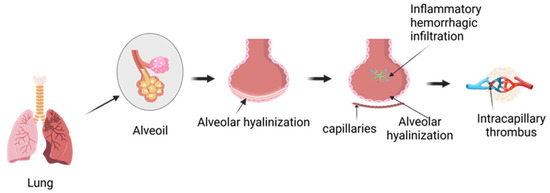
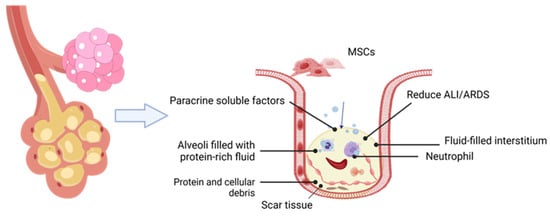
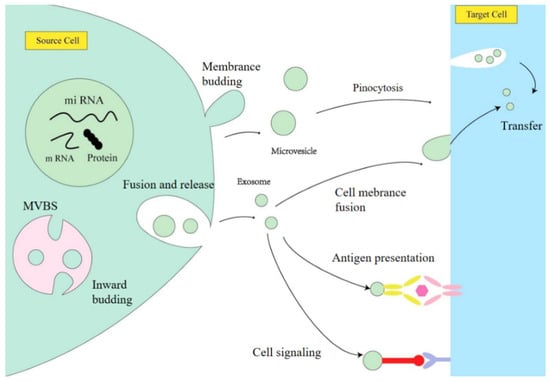
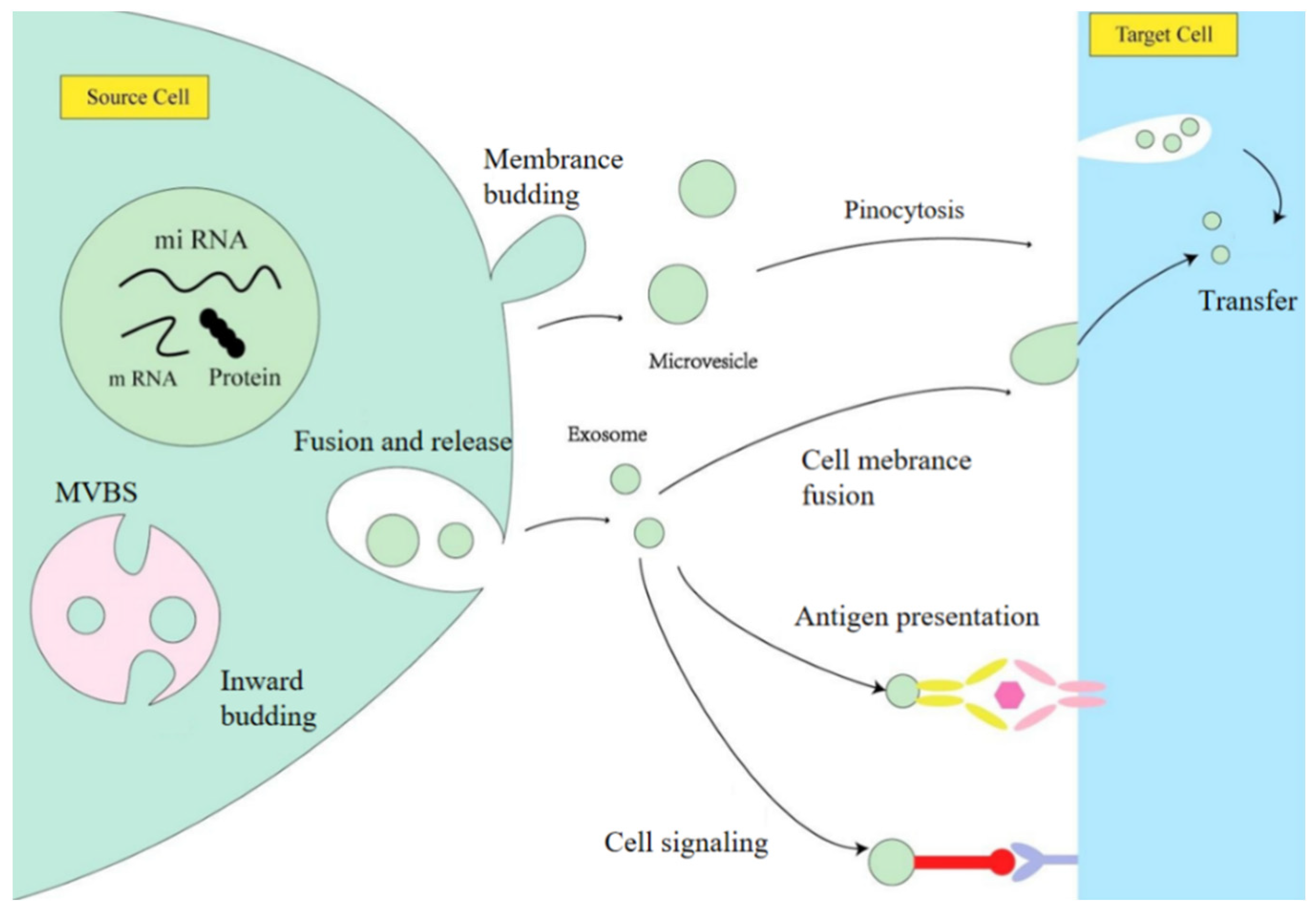
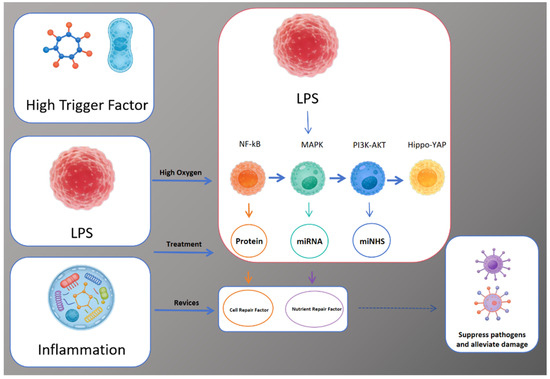
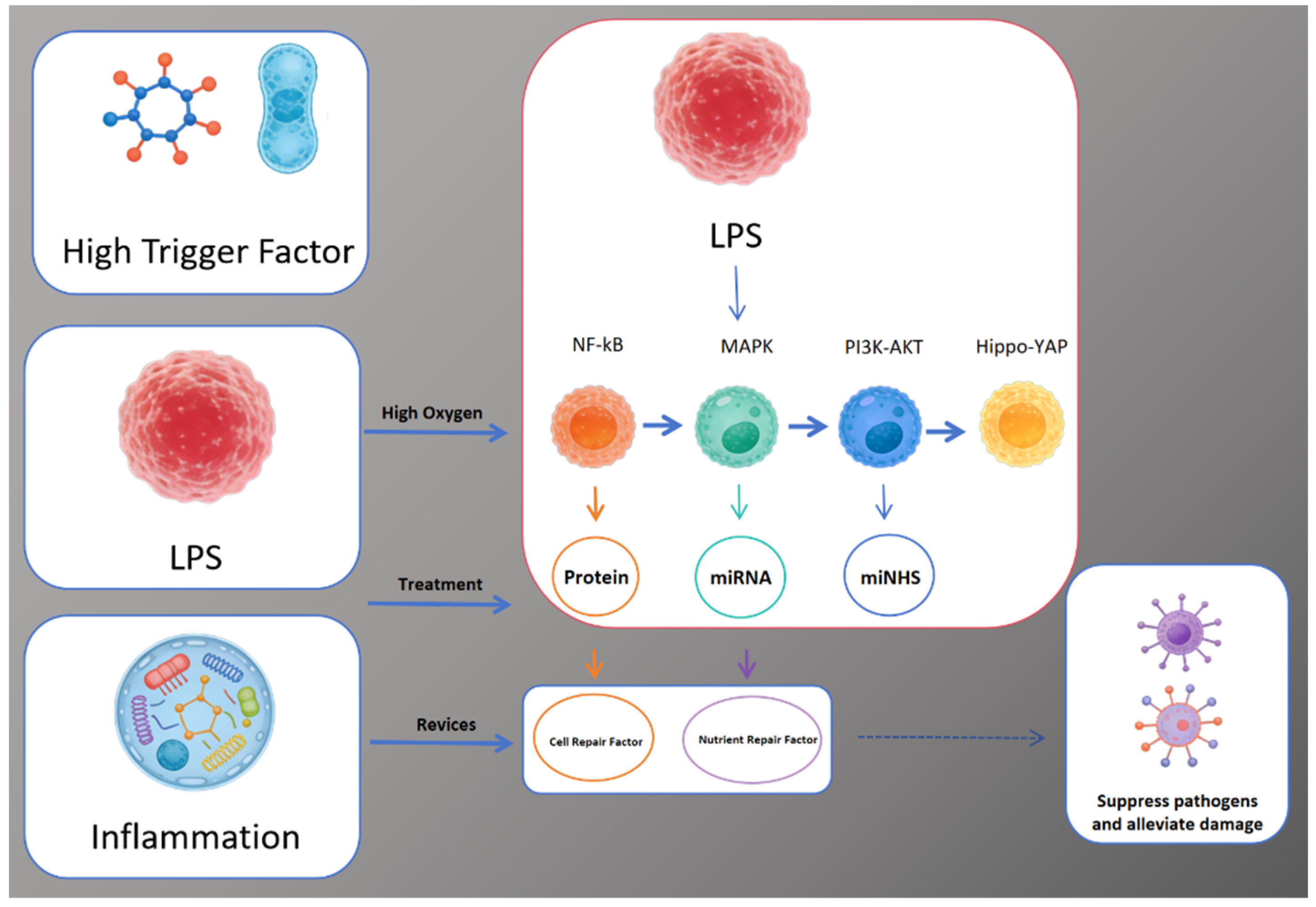
Disclaimer/Publisher’s Note: The statements, opinions and data contained in all publications are solely those of the individual author(s) and contributor(s) and not of MDPI and/or the editor(s). MDPI and/or the editor(s) disclaim responsibility for any injury to people or property resulting from any ideas, methods, instructions or products referred to in the content. |
© 2026 by the authors. Licensee MDPI, Basel, Switzerland. This article is an open access article distributed under the terms and conditions of the Creative Commons Attribution (CC BY) license.