Natural Compounds in Gastric Cancer Therapy: Molecular Mechanisms and Potential Treatment Options
Abstract
1. Introduction
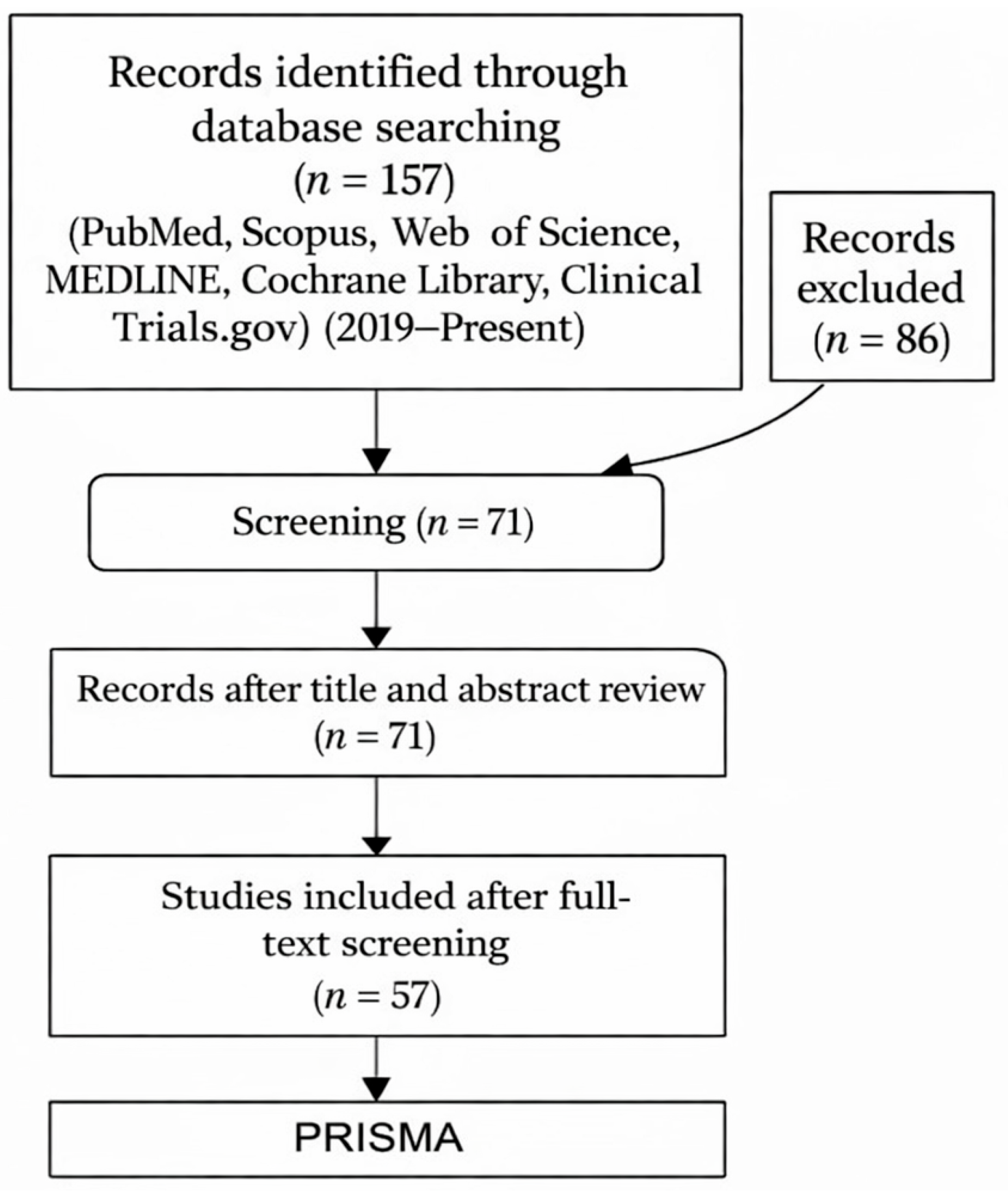
2. Materials and Methods
- (i)
- Original articles, systematic reviews, or meta-analyses focused on the use of curcumin and/or resveratrol in in vitro, in vivo, or clinical models of gastric cancer;
- (ii)
- Studies elucidating molecular mechanisms, such as regulation of apoptosis, oxidative stress, or cell signaling pathways.
- (iii)
- Reports investigating synergistic effects with conventional chemotherapeutic agents or novel delivery formulations.
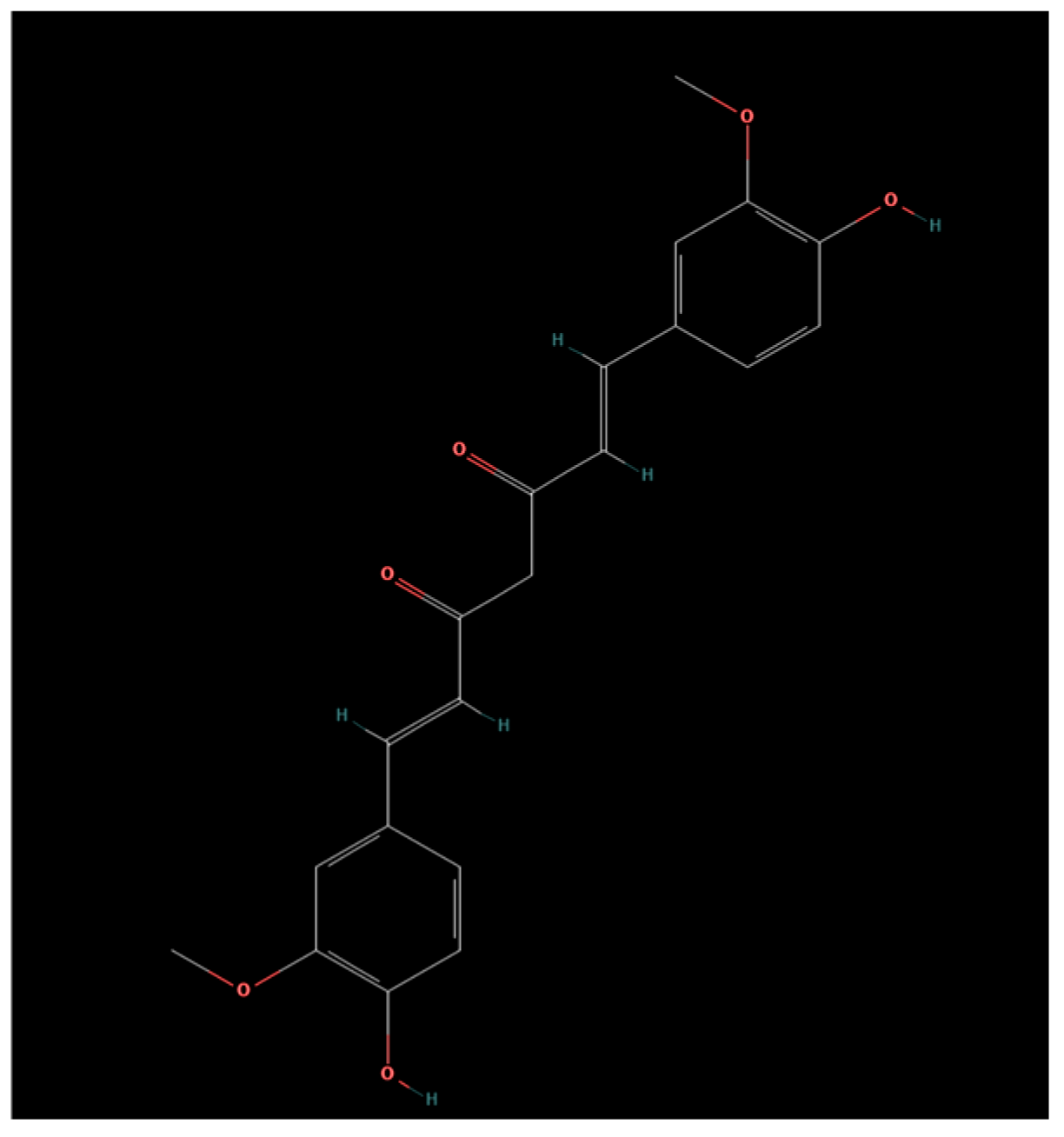
2.1. Molecular Mechanisms of Curcumin
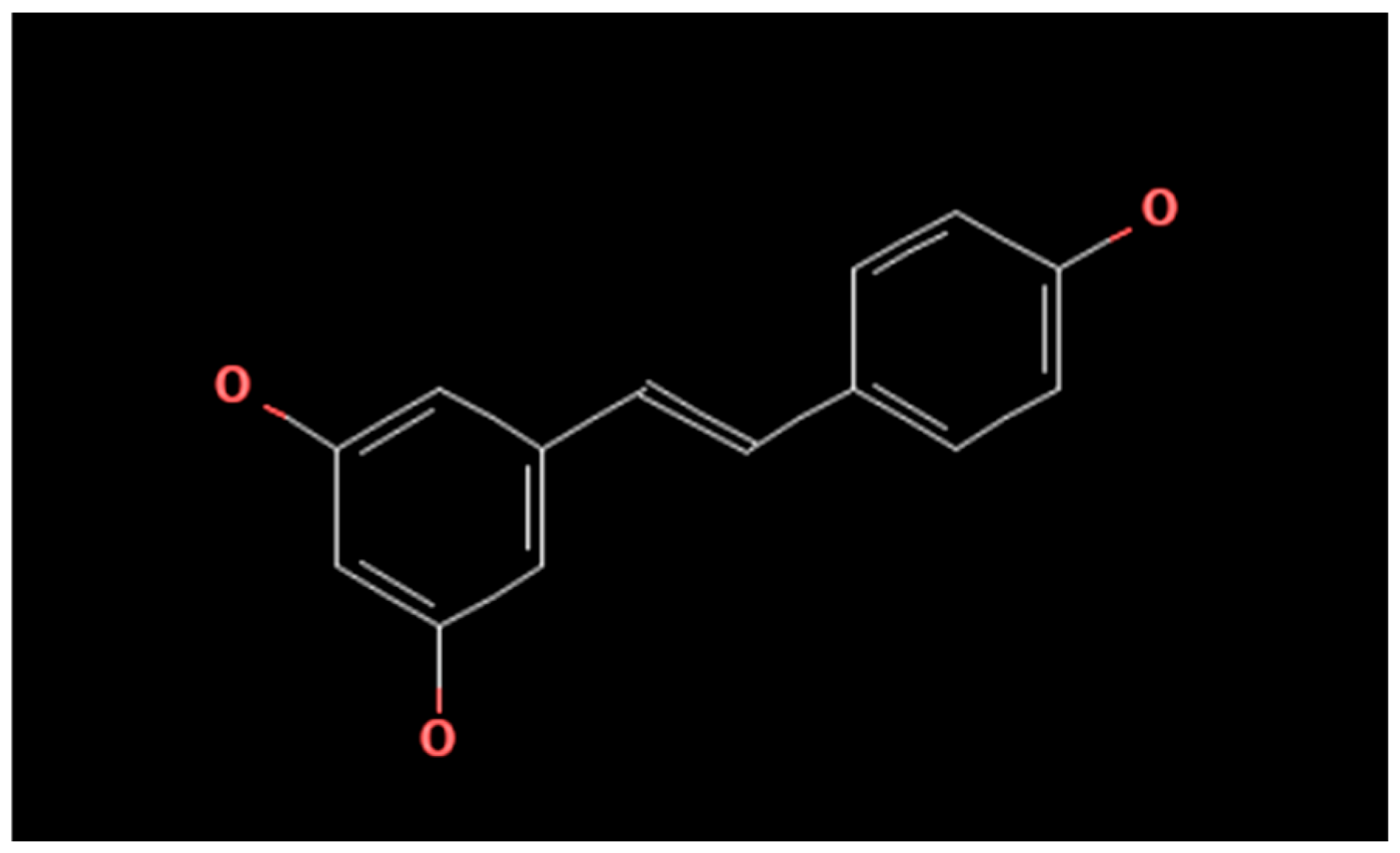
2.2. Molecular Mechanisms of Resveratrol
3. Polyphenols and Therapy
4. Discussion
5. Conclusions
Author Contributions
Funding
Institutional Review Board Statement
Informed Consent Statement
Data Availability Statement
Conflicts of Interest
Abbreviations
| 5-FU | 5-Fluorouracil |
| AGS | Human gastric adenocarcinoma cell line |
| Bax | Bcl-2-associated X protein |
| Bcl-xl | B-cell lymphoma-extra large |
| CAT | Catalase |
| CagA | Cytotoxin-associated gene A (H. pylori virulence factor) |
| CUR | Curcumin |
| DDP | Cisplatin |
| Des1/Des2 | Dihydroceramide desaturases 1 and 2 |
| DOX | Doxorubicin |
| EMT | Epithelial–mesenchymal transition |
| ER | Endoplasmic reticulum |
| GC | Gastric cancer |
| GPX | Glutathione peroxidase |
| LVD | Lymphatic vessel density |
| MDA | Malondialdehyde |
| MDR | Multi-drug resistance |
| NF-κB | Nuclear factor kappa B |
| NRf2 | Nuclear factor erythroid 2-related factor 2 |
| PKC | Protein kinase C |
| PS | Photosensitive photosensitizer |
| ROS | Reactive oxygen species |
| RSV | Resveratrol |
| SOD | Superoxide dismutase |
| SPHs | Sphingolipids (context-specific abbreviation; e.g., sphingosine species) |
| TCF | Transcription factor |
| VCR | Vincristine |
References
- Abuderman, A.A. Gastric cancer & prospects of cancer in Saudi Arabia peninsula. Saudi J. Biol. Sci. 2019, 26, 1095–1100. [Google Scholar] [CrossRef] [Scilit]
- Smyth, E.C.; Nilsson, M.; Grabsch, H.I.; van Grieken, N.C.; Lordick, F. Gastric cancer. Lancet 2020, 396, 635–648. [Google Scholar] [CrossRef] [Scilit]
- Machlowska, J.; Baj, J.; Sitarz, M.; Maciejewski, R.; Sitarz, R. Gastric Cancer: Epidemiology, Risk Factors, Classification, Genomic Characteristics and Treatment Strategies. Int. J. Mol. Sci. 2020, 21, 4012. [Google Scholar] [CrossRef] [Scilit]
- Bray, F.; Laversanne, M.; Sung, H.; Ferlay, J.; Siegel, R.L.; Soerjomataram, I.; Jemal, A. Global cancer statistics 2022: GLOBOCAN estimates of incidence and mortality worldwide for 36 cancers in 185 countries. CA Cancer J. Clin. 2024, 74, 229–263. [Google Scholar] [CrossRef] [Scilit]
- Mott, T.; Gray, C. Gastric Cancer: Rapid Evidence Review. Am. Fam. Physician 2025, 111, 140–145. [Google Scholar]
- Da, W.; Zhang, J.; Zhang, R.; Zhu, J. Curcumin inhibits the lymphangiogenesis of gastric cancer cells by inhibition of HMGB1/VEGF-D signaling. Int. J. Immunopathol. Pharmacol. 2019, 33, 2058738419861600. [Google Scholar] [CrossRef] [Scilit]
- Chia, N.Y.; Tan, P. Molecular classification of gastric cancer. Ann. Oncol. 2016, 27, 763–769. [Google Scholar] [CrossRef] [Scilit] [PubMed]
- Bahrami, A.; Ferns, G.A. Effect of Curcumin and Its Derivates on Gastric Cancer: Molecular Mechanisms. Nutr. Cancer 2021, 73, 1553–1569. [Google Scholar] [CrossRef] [Scilit]
- Warias, P.; Plewa, P.; Poniewierska-Baran, A. Resveratrol, Piceatannol, Curcumin, and Quercetin as Therapeutic Targets in Gastric Cancer—Mechanisms and Clinical Implications for Natural Products. Molecules 2025, 30, 3. [Google Scholar] [CrossRef] [Scilit] [PubMed]
- National Center for Biotechnology Information (NCBI). PubChem Compound Summary for Curcumin (CID 969516). Available online: https://pubchem.ncbi.nlm.nih.gov/compound/Curcumin (accessed on 28 December 2025).
- Yang, P.H.; Wei, Y.N.; Xiao, B.J.; Li, S.Y.; Li, X.L.; Yang, L.J.; Pan, H.F.; Chen, G.X. Curcumin for gastric cancer: Mechanism prediction via network pharmacology, docking, and in vitro experiments. World J. Gastrointest. Oncol. 2024, 16, 3635–3650. [Google Scholar] [CrossRef] [Scilit] [PubMed]
- Jabbari, N.; Ghoran, S.H.; Semsari, H.; Hussen, B.M.; Babaei, E. Gemini Curcumin Suppresses Gastric Cancer AGS Cell Proliferation Through Modulation of lncRNA CCAT2 and c-Myc Genes. Turk. J. Pharm. Sci. 2022, 19, 239–245. [Google Scholar] [CrossRef] [Scilit]
- Qiang, Z.; Meng, L.; Yi, C.; Yu, L.; Chen, W.; Sha, W. Curcumin regulates the miR-21/PTEN/Akt pathway and acts in synergy with PD98059 to induce apoptosis of human gastric cancer MGC-803 cells. J. Int. Med. Res. 2019, 47, 1288–1297. [Google Scholar] [CrossRef] [Scilit] [PubMed]
- Akbari, A.; Sedaghat, M.; Heshmati, J.; Tabaeian, S.P.; Dehghani, S.; Pizarro, A.B.; Rostami, Z.; Agah, S. Molecular mechanisms underlying curcumin-mediated microRNA regulation in carcinogenesis; Focused on gastrointestinal cancers. Biomed. Pharmacother. 2021, 141, 111849. [Google Scholar] [CrossRef] [Scilit] [PubMed]
- National Center for Biotechnology Information (NCBI). PubChem Compound Summary for Resveratrol (CID 445154). Available online: https://pubchem.ncbi.nlm.nih.gov/compound/Resveratrol (accessed on 28 December 2025).
- Ashrafizadeh, M.; Rafiei, H.; Mohammadinejad, R.; Farkhondeh, T.; Samarghandian, S. Anti-tumor activity of resveratrol against gastric cancer: A review of recent advances with an emphasis on molecular pathways. Cancer Cell Int. 2021, 21, 66. [Google Scholar] [CrossRef] [Scilit] [PubMed]
- Ma, Y.Q.; Zhang, M.; Sun, Z.H.; Tang, H.Y.; Wang, Y.; Liu, J.X.; Zhang, Z.X.; Wang, C. Identification of anti-gastric cancer effects and molecular mechanisms of resveratrol: From network pharmacology and bioinformatics to experimental validation. World J. Gastrointest. Oncol. 2024, 16, 493–513. [Google Scholar] [CrossRef] [Scilit]
- Salla, M.; Karaki, N.; El Kaderi, B.; Ayoub, A.J.; Younes, S.; Chahla, M.N.A.; Baksh, S.; El Khatib, S. Enhancing the Bioavailability of Resveratrol: Combine It, Derivatize It, or Encapsulate It? Pharmaceutics 2024, 16, 569. [Google Scholar] [CrossRef] [Scilit]
- Shetty, N.P.; Prabhakaran, M.; Srivastava, A.K. Pleiotropic nature of curcumin in targeting multiple apoptotic-mediated factors and related strategies to treat gastric cancer: A review. Phytother. Res. 2021, 35, 5397–5416. [Google Scholar] [CrossRef] [Scilit]
- Issarachot, O.; Bunlung, S.; Kaewkroek, K.; Wiwattanapatapee, R. Superporous hydrogels based on blends of chitosan and polyvinyl alcohol as a carrier for enhanced gastric delivery of resveratrol. Saudi Pharm. J. 2023, 31, 335–347. [Google Scholar] [CrossRef] [Scilit]
- Fan, Y.; Zhang, X.; Tong, Y.; Chen, S.; Liang, J. Curcumin against gastrointestinal cancer: A review of the pharmacological mechanisms underlying its antitumor activity. Front. Pharmacol. 2022, 13, 990475. [Google Scholar] [CrossRef] [Scilit]
- Hassanalilou, T.; Ghavamzadeh, S.; Khalili, L. Curcumin and Gastric Cancer: A Review on Mechanisms of Action. J. Gastrointest. Cancer 2019, 50, 185–192. [Google Scholar] [CrossRef] [Scilit]
- Wang, B.S.; Zhang, C.L.; Cui, X.; Li, Q.; Yang, L.; He, Z.-Y.; Yang, Z.; Zeng, M.-M.; Cao, N. Curcumin inhibits the growth and invasion of gastric cancer by regulating long noncoding RNA AC022424.2. World J. Gastrointest. Oncol. 2024, 16, 1437–1452. [Google Scholar] [CrossRef] [Scilit]
- Wang, Y.; Wang, S.; Ma, C.; Qi, W.; Lv, J.; Zhang, M.; Wang, S.; Wang, R.; Lu, Y.; Qiu, W. Nrf2 depletion enhanced curcumin therapy effect in gastric cancer by inducing the excessive accumulation of ROS. Sci. Rep. 2024, 14, 30165. [Google Scholar] [CrossRef] [Scilit]
- Barati, N.; Momtazi-Borojeni, A.A.; Majeed, M.; Sahebkar, A. Potential therapeutic effects of curcumin in gastric cancer. J. Cell. Physiol. 2019, 234, 2317–2328. [Google Scholar] [CrossRef] [Scilit]
- Chiu, H.F.; Venkatakrishnan, K.; Golovinskaia, O.; Wang, C.K. Gastroprotective Effects of Polyphenols against Various Gastro-Intestinal Disorders: A Mini-Review with Special Focus on Clinical Evidence. Molecules 2021, 26, 2090. [Google Scholar] [CrossRef] [Scilit]
- Hao, M.; Zhang, C. Pre-clinical study of curcumin in the treatment of gastric Cancer. J. Funct. Foods 2025, 125, 106677. [Google Scholar] [CrossRef] [Scilit]
- Huang, F.; Yao, Y.; Wu, J.; Liu, Q.; Zhang, J.; Pu, X.; Zhang, Q.; Xia, L. Curcumin inhibits gastric cancer-derived mesenchymal stem cells mediated angiogenesis by regulating NF-κB/VEGF signaling. Am. J. Transl. Res. 2017, 9, 5538–5547. [Google Scholar] [PubMed]
- Pavan, A.R.; da Silva, G.D.B.; Jornada, D.H.; Chiba, D.E.; Fernandes, G.F.D.S.; Chin, C.M.; Dos Santos, J.L. Unraveling the Anticancer Effect of Curcumin and Resveratrol. Nutrients 2016, 8, 628. [Google Scholar] [CrossRef] [Scilit]
- Davoodvandi, A.; Farshadi, M.; Zare, N.; Akhlagh, S.A.; Nosrani, E.A.; Mahjoubin-Tehran, M.; Kangari, P.; Sharafi, S.M.; Khan, H.; Aschner, M.; et al. Antimetastatic Effects of Curcumin in Oral and Gastrointestinal Cancers. Front. Pharmacol. 2021, 12, 668567. [Google Scholar] [CrossRef] [Scilit]
- Vadukoot, A.K.; Mottemmal, S.; Vekaria, P.H. Curcumin as a Potential Therapeutic Agent in Certain Cancer Types. Cureus 2022, 14, e22825. [Google Scholar] [CrossRef] [Scilit]
- Roshani, M.; Jafari, A.; Loghman, A.; Sheida, A.H.; Taghavi, T.; Zadeh, S.S.T.; Hamblin, M.R.; Homayounfal, M.; Mirzaei, H. Applications of resveratrol in the treatment of gastrointestinal cancer. Biomed. Pharmacother. 2022, 153, 113274. [Google Scholar] [CrossRef] [Scilit]
- Morshedi, K.; Borran, S.; Ebrahimi, M.S.; Khooy, M.J.M.; Seyedi, Z.S.; Amiri, A.; Abbasi-Kolli, M.; Fallah, M.; Khan, H.; Sahebkar, A.; et al. Therapeutic effect of curcumin in gastrointestinal cancers: A comprehensive review. Phytother. Res. 2021, 35, 4834–4897. [Google Scholar] [CrossRef] [Scilit]
- Zheng, X.; Liu, J.; Hu, W.; Jiang, B.; Zhou, X.; Zhang, M.; Song, M. Curcumin Induces Autophagy-mediated Ferroptosis by Targeting the PI3K/AKT/mTOR Signaling Pathway in Gastric Cancer. Turk. J. Gastroenterol. 2024, 35, 625–633. [Google Scholar] [CrossRef] [Scilit]
- Zhang, W.; Cui, N.; Ye, J.; Yang, B.; Sun, Y.; Kuang, H. Curcumin’s prevention of inflammation-driven early gastric cancer and its molecular mechanism. Chin. Herb. Med. 2022, 14, 244–253. [Google Scholar] [CrossRef] [Scilit] [PubMed]
- Ogiwara, H.; Ui, A.; Shiotani, B.; Zou, L.; Yasui, A.; Kohno, T. Curcumin suppresses multiple DNA damage response pathways and has potency as a sensitizer to PARP inhibitor. Carcinogenesis 2013, 34, 2486–2497. [Google Scholar] [CrossRef] [Scilit]
- Tong, R.; Wu, X.; Liu, Y.; Liu, Y.; Zhou, J.; Jiang, X.; Zhang, L.; He, X.; Ma, L. Curcumin-Induced DNA Demethylation in Human Gastric Cancer Cells Is Mediated by the DNA-Damage Response Pathway. Oxid. Med. Cell. Longev. 2020, 2020, 2543504. [Google Scholar] [CrossRef] [Scilit]
- Cháirez-Ramírez, M.H.; de la Cruz-López, K.G.; García-Carrancá, A. Polyphenols as Antitumor Agents Targeting Key Players in Cancer-Driving Signaling Pathways. Front. Pharmacol. 2021, 12, 710304. [Google Scholar] [CrossRef] [Scilit]
- Chaturvedi, M.; Mishra, M.; Pandey, A.; Gupta, J.; Pandey, J.; Gupta, S.; Malik, Z.; Somvanshi, P.; Chaturvedi, R. Oxidative Products of Curcumin Rather Than Curcumin Bind to Helicobacter Pylori Virulence Factor VacA and Are Required to Inhibit Its Vacuolation Activity. Molecules 2022, 27, 6727. [Google Scholar] [CrossRef] [Scilit]
- Kim, K.S.; Kim, N.Y.; Son, J.Y.; Park, J.H.; Lee, S.H.; Kim, H.R.; Kim, B.; Kim, Y.G.; Jeong, H.G.; Lee, B.M.; et al. Curcumin Ameliorates Benzo[a]pyrene-Induced DNA Damages in Stomach Tissues of Sprague-Dawley Rats. Int. J. Mol. Sci. 2019, 20, 5533. [Google Scholar] [CrossRef] [Scilit] [PubMed]
- Wang, L.Y.; Zhao, S.; Lv, G.J.; Ma, X.J.; Zhang, J.B. Mechanisms of resveratrol in the prevention and treatment of gastrointestinal cancer. World J. Clin. Cases 2020, 8, 2425–2437. [Google Scholar] [CrossRef] [Scilit]
- Lei, Z.N.; Teng, Q.X.; Tian, Q.; Chen, W.; Xie, Y.; Wu, K.; Zeng, Q.; Zeng, L.; Pan, Y.; Chen, Z.-S.; et al. Signaling pathways and therapeutic interventions in gastric cancer. Signal Transduct. Target. Ther. 2022, 7, 358. [Google Scholar] [CrossRef] [Scilit] [PubMed]
- McCubrey, J.A.; Lertpiriyapong, K.; Steelman, L.S.; Abrams, S.L.; Yang, L.V.; Murata, R.M.; Rosalen, P.L.; Scalisi, A.; Neri, L.M.; Cocco, L.; et al. Effects of resveratrol, curcumin, berberine and other nutraceuticals on aging, cancer development, cancer stem cells and microRNAs. Aging (Albany NY) 2017, 9, 1477–1536. [Google Scholar] [CrossRef] [Scilit]
- Guo, K.; Feng, Y.; Zheng, X.; Sun, L.; Wasan, H.S.; Ruan, S.; Shen, M. Resveratrol and Its Analogs: Potent Agents to Reverse Epithelial-to-Mesenchymal Transition in Tumors. Front. Oncol. 2021, 11, 644134. [Google Scholar] [CrossRef] [Scilit] [PubMed]
- Li, P.; Huang, D.; Gu, X. Exploring the dual role of circRNA and PI3K/AKT pathway in tumors of the digestive system. Biomed. Pharmacother. 2023, 168, 115694. [Google Scholar] [CrossRef] [Scilit] [PubMed]
- Wang, Y.Y.; Zhou, Y.Q.; Xie, J.X.; Zhang, X.; Wang, S.C.; Li, Q.; Hu, L.P.; Jiang, S.H.; Yi, S.Q.; Xu, J.; et al. MAOA suppresses the growth of gastric cancer by interacting with NDRG1 and regulating the Warburg effect through the PI3K/AKT/mTOR pathway. Cell. Oncol. 2023, 46, 1429–1444. [Google Scholar] [CrossRef] [Scilit]
- Liu, H.; Zhang, X.; Fang, C.; Li, S. Resveratrol induces the growth inhibition of CDX-deficient gastric cancer cells using CDX2 and RUNX3 via the β-catenin/TCF4 signaling pathway. Transl. Oncol. 2023, 35, 101727. [Google Scholar] [CrossRef] [Scilit]
- Deng, L.; Zou, J.; Su, Y.; Wang, M.; Zhao, L. Resveratrol inhibits TGF-β1-induced EMT in gastric cancer cells through Hippo-YAP signaling pathway. Clin. Transl. Oncol. 2022, 24, 2210–2221. [Google Scholar] [CrossRef] [Scilit]
- Yang, Z.; Xie, Q.; Chen, Z.; Ni, H.; Xia, L.; Zhao, Q.; Chen, Z.; Chen, P. Resveratrol suppresses the invasion and migration of human gastric cancer cells via inhibition of MALAT1-mediated epithelial-to-mesenchymal transition. Exp. Ther. Med. 2019, 17, 1569–1578. [Google Scholar] [CrossRef] [Scilit]
- Yang, Z.; Xia, L. Resveratrol inhibits the proliferation, invasion, and migration, and induces the apoptosis of human gastric cancer cells through the MALAT1/miR-383-5p/DDIT4 signaling pathway. J. Gastrointest. Oncol. 2022, 13, 985–996. [Google Scholar] [CrossRef] [Scilit]
- Rojo, D.; Madrid, A.; Martín, S.S.; Párraga, M.; Pinhal, M.A.S.; Villena, J.; Valenzuela-Valderrama, M. Resveratrol Decreases the Invasion Potential of Gastric Cancer Cells. Molecules 2022, 27, 3047. [Google Scholar] [CrossRef] [Scilit] [PubMed]
- Lee, J.H.; Wendorff, T.J.; Berger, J.M. Resveratrol: A novel type of topoisomerase II inhibitor. J. Biol. Chem. 2017, 292, 21011–21022. [Google Scholar] [CrossRef] [Scilit]
- Wu, Y.; Hsieh, T.C.; Wu, J.M.; Wang, X.; Christopher, J.S.; Pham, A.H.; Swaby, J.D.L.; Lou, L.; Xie, Z.R. Elucidating the Inhibitory Effect of Resveratrol and Its Structural Analogs on Selected Nucleotide-Related Enzymes. Biomolecules 2020, 10, 1223. [Google Scholar] [CrossRef] [Scilit]
- Jakobušić Brala, C.; Karković Marković, A.; Kugić, A.; Torić, J.; Barbarić, M. Combination Chemotherapy with Selected Polyphenols in Preclinical and Clinical Studies—An Update Overview. Molecules 2023, 28, 3746. [Google Scholar] [CrossRef] [Scilit]
- Rahimifard, M.; Baeeri, M.; Mousavi, T.; Azarnezhad, A.; Haghi-Aminjan, H.; Abdollahi, M. Combination therapy of cisplatin and resveratrol to induce cellular aging in gastric cancer cells: Focusing on oxidative stress, and cell cycle arrest. Front. Pharmacol. 2023, 13, 1068863. [Google Scholar] [CrossRef] [Scilit] [PubMed]
- Zhang, X.; Zhang, C.; Ren, Z.; Zhang, F.; Xu, J.; Zhang, X.; Zheng, H. Curcumin Affects Gastric Cancer Cell Migration, Invasion and Cytoskeletal Remodeling Through Gli1-β-Catenin. CMAR 2020, 12, 3795–3806. [Google Scholar] [CrossRef] [Scilit] [PubMed]
- Asemi, R.; Rajabpoor Nikoo, N.; Asemi, Z.; Shafabakhsh, R.; Hajijafari, M.; Sharifi, M.; Homayoonfal, M.; Davoodvandi, A.; Hakamifard, A. Modulation of long non-coding RNAs by resveratrol as a potential therapeutic approach in cancer: A comprehensive review. Pathol. Res. Pract. 2023, 246, 154507. [Google Scholar] [CrossRef] [Scilit] [PubMed]



| Category | Curcumin (CUR) | Resveratrol (RSV) |
|---|---|---|
| Apoptosis | Activation of caspases-3, -8, -9 | Activation of p53, p21, p16 |
| PARP cleavage | Increased ROS | |
| Bax increase/Bcl-2 decrease | Inhibition of EMT | |
| ER stress (CHOP, JNK) | Cellular senescence via β-Gal | |
| Oxidative stress/OR | ROS increase | Increased ROS in combination with DDP |
| Dual role (Nrf2/HO-1 activation & ferroptosis) | Antioxidant properties via SOD, CAT, GPX | |
| Cell Cycle | Arrest in G0/G1 & G2/M | Arrest in G0/G1 & G2/M |
| Cyclin D1, CDK4/6 suppression | Increased p21, p53 | |
| Antiproliferative effects | Wnt3a, LRP6, β-catenin inhibition | Suppression of MALAT1 |
| c-Myc, survivin reduction | Inhibition of cell migration and invasion | |
| Pathway PI3K/Akt/mTOR | Akt and mTOR inhibition | Activation of PTEN |
| PTEN enhancement via miR-21 inhibition | Suppression of EMT | |
| Inhibition of Akt | ||
| Modulation of miRNA/lncRNA | ↑ miR-34a → ↓ CDK4, Cyclin D1, Bcl-2 | ↓ MALAT1 |
| ↓ miR-21 → ↑ PTEN | Combination with si-MALAT1 increases apoptosis | |
| LINC01021, AC022424 regulation | ||
| Anti-metastatic effects | EMT inhibition | Inhibition of EMT |
| ↑ E-cadherin | ↓ MMP-2 | |
| ↓ Snail, Vimentin | Inhibition of cell migration | |
| ↓ MMP-9/↑ MMP-2 | ||
| Anti-angiogenesis | ↓ VEGF, LYVE-1, VEGFR-3 | Reduction in inflammatory cytokines (IL-6, TNF-α) via NF-κB suppression |
| Anti-inflammatory effects | Through NF-κB inhibition | NF-κB inhibition |
| ↓ IL-1β, IL-6, TNF-α | ||
| Interaction with Chemotherapy | Combination with 5-FU, DOX, VCR, Cisplatin increases efficacy | Combination with DDP, DOX |
| ↓ MDR1, MRP1 | Reduction in resistance via PTEN | |
| ↓ Cu toxicity | ||
| New forms of administration | Photodynamic therapy (PDT) | RES@ZIF-90 nanoparticles with enhanced anticancer effect |
| Combinations with FOLFOX | ||
| Anti-Helicobacter pylori | Inhibition of urease, neutralization of VacA, ↑ antioxidant capacity | - |
| Ferroptosis | ↑ ACSL4, ↓ SLC7A11, GPX4 → induction of iron-dependent apoptosis | - |
Disclaimer/Publisher’s Note: The statements, opinions and data contained in all publications are solely those of the individual author(s) and contributor(s) and not of MDPI and/or the editor(s). MDPI and/or the editor(s) disclaim responsibility for any injury to people or property resulting from any ideas, methods, instructions or products referred to in the content. |
© 2026 by the authors. Licensee MDPI, Basel, Switzerland. This article is an open access article distributed under the terms and conditions of the Creative Commons Attribution (CC BY) license.
Share and Cite
Dimaki, A.; Lazaridou, L.; Vakalou, K.; Zervas, V.; Bartzi, D.; Tsagkidou, K.; Papadopoulos, P.D.; Koumarelas, K.E.; Christodoulidis, G. Natural Compounds in Gastric Cancer Therapy: Molecular Mechanisms and Potential Treatment Options. Int. J. Mol. Sci. 2026, 27, 753. https://doi.org/10.3390/ijms27020753
Dimaki A, Lazaridou L, Vakalou K, Zervas V, Bartzi D, Tsagkidou K, Papadopoulos PD, Koumarelas KE, Christodoulidis G. Natural Compounds in Gastric Cancer Therapy: Molecular Mechanisms and Potential Treatment Options. International Journal of Molecular Sciences. 2026; 27(2):753. https://doi.org/10.3390/ijms27020753
Chicago/Turabian StyleDimaki, Alexandra, Lydia Lazaridou, Kalliopi Vakalou, Vasilios Zervas, Dimitra Bartzi, Kyriaki Tsagkidou, Panagiotis Dimitrios Papadopoulos, Konstantinos Eleftherios Koumarelas, and Grigorios Christodoulidis. 2026. "Natural Compounds in Gastric Cancer Therapy: Molecular Mechanisms and Potential Treatment Options" International Journal of Molecular Sciences 27, no. 2: 753. https://doi.org/10.3390/ijms27020753
APA StyleDimaki, A., Lazaridou, L., Vakalou, K., Zervas, V., Bartzi, D., Tsagkidou, K., Papadopoulos, P. D., Koumarelas, K. E., & Christodoulidis, G. (2026). Natural Compounds in Gastric Cancer Therapy: Molecular Mechanisms and Potential Treatment Options. International Journal of Molecular Sciences, 27(2), 753. https://doi.org/10.3390/ijms27020753