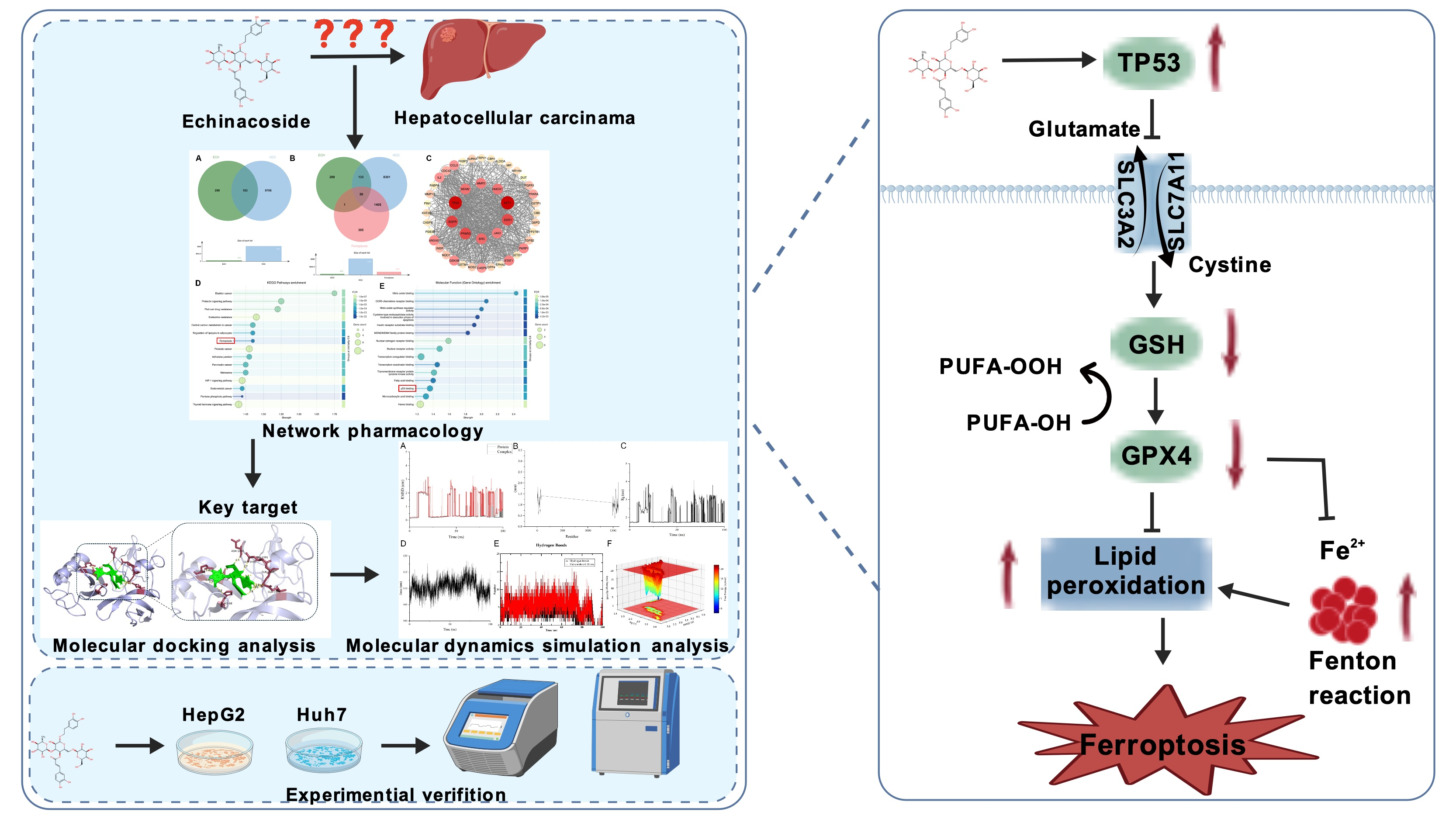
Echinacoside as a Novel Ferroptosis Inducer in Hepatocellular Carcinoma: Mechanistic Insights from TP53/SLC7A11/GPX4 Pathway Modulation


Abstract
1. Introduction
2. Results
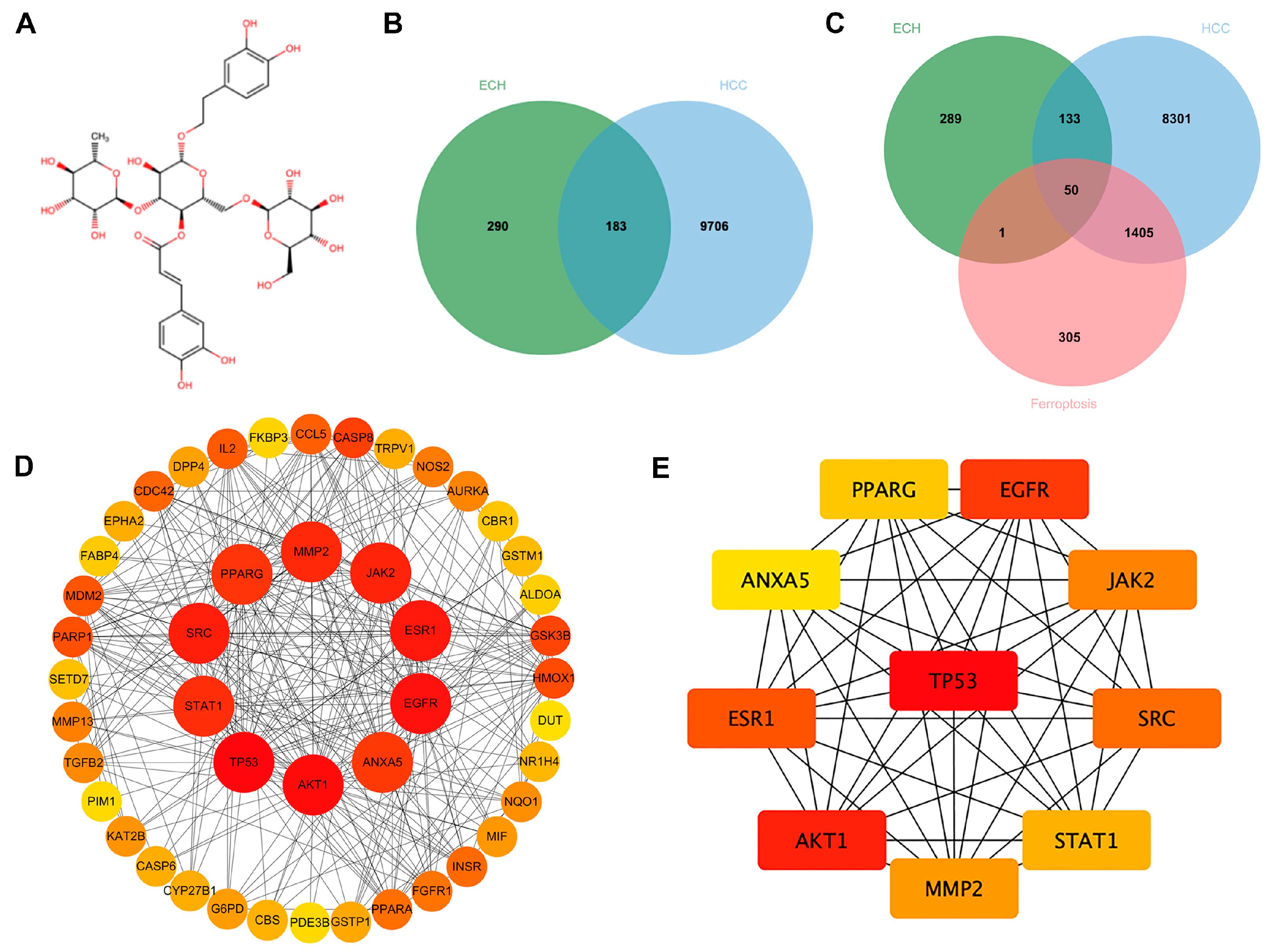
2.1. Target Collection
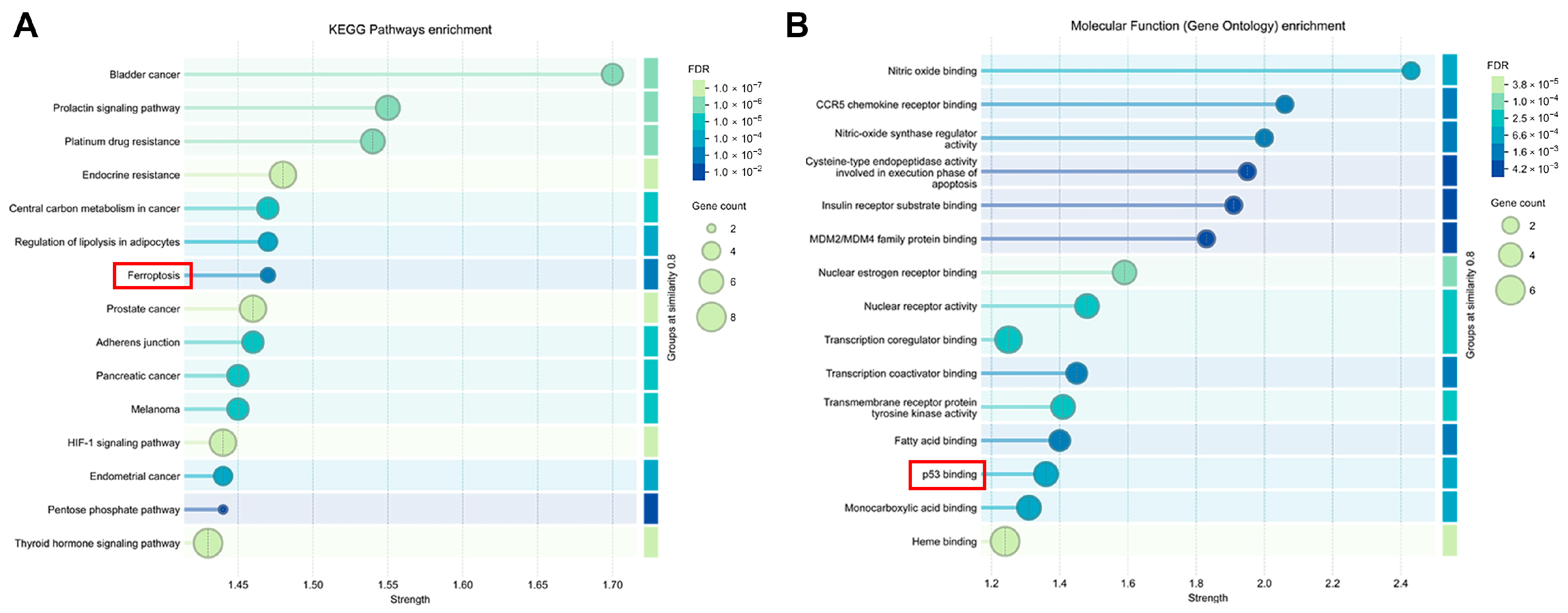
2.2. PPI Network Analysis and KEGG, GO Analysis
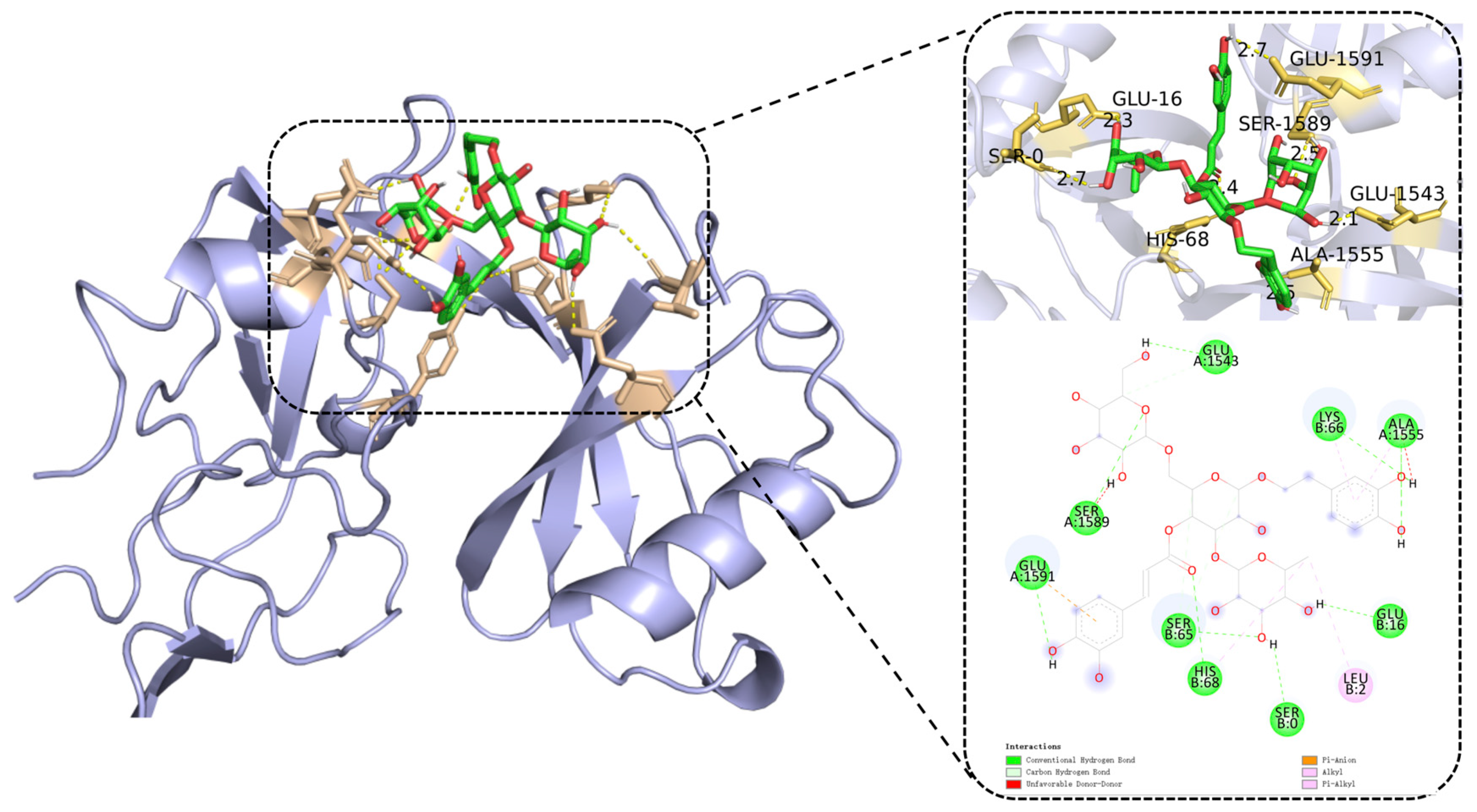
2.3. Molecular Docking Result
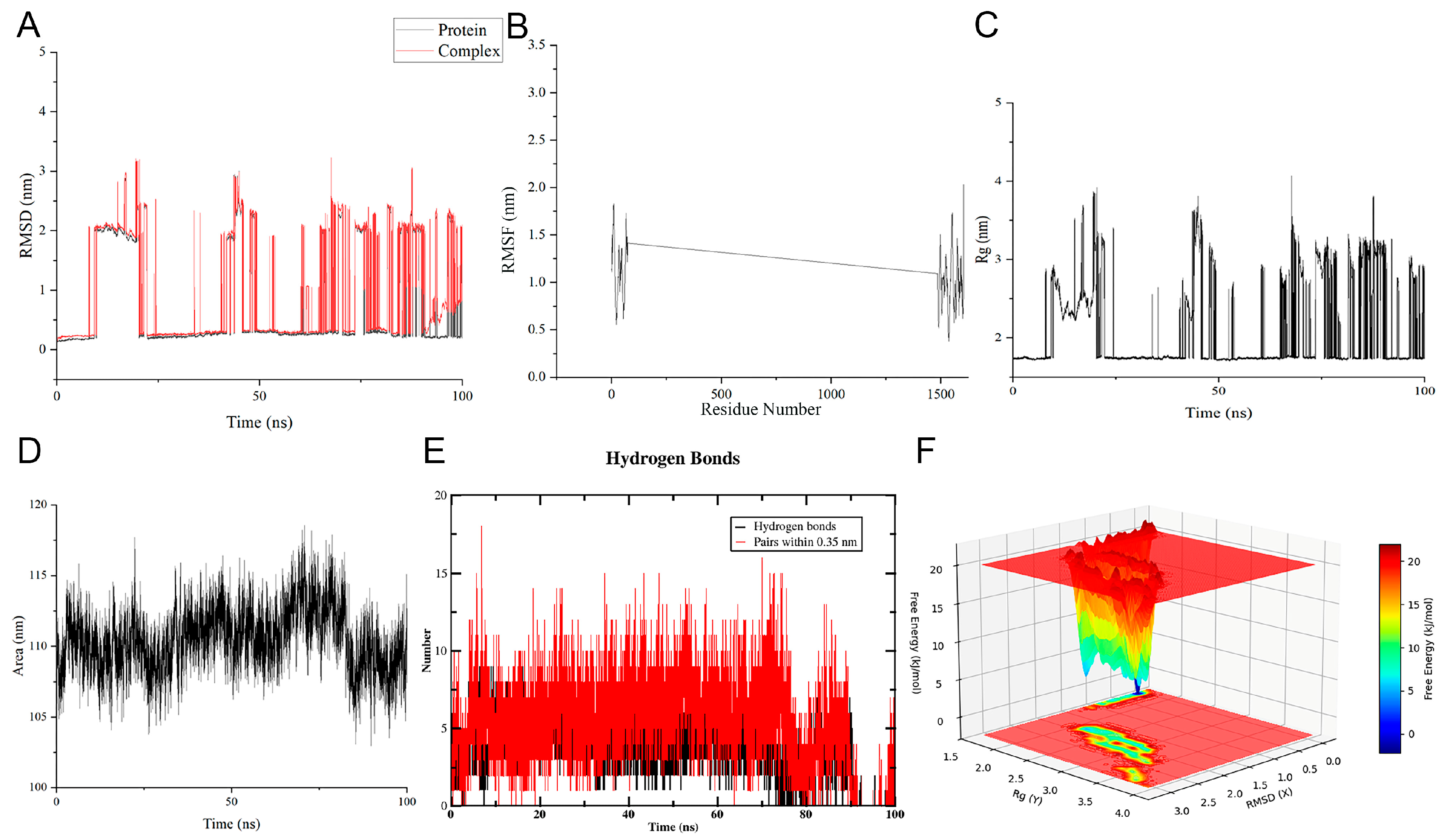
2.4. Molecular Dynamics Simulation Result
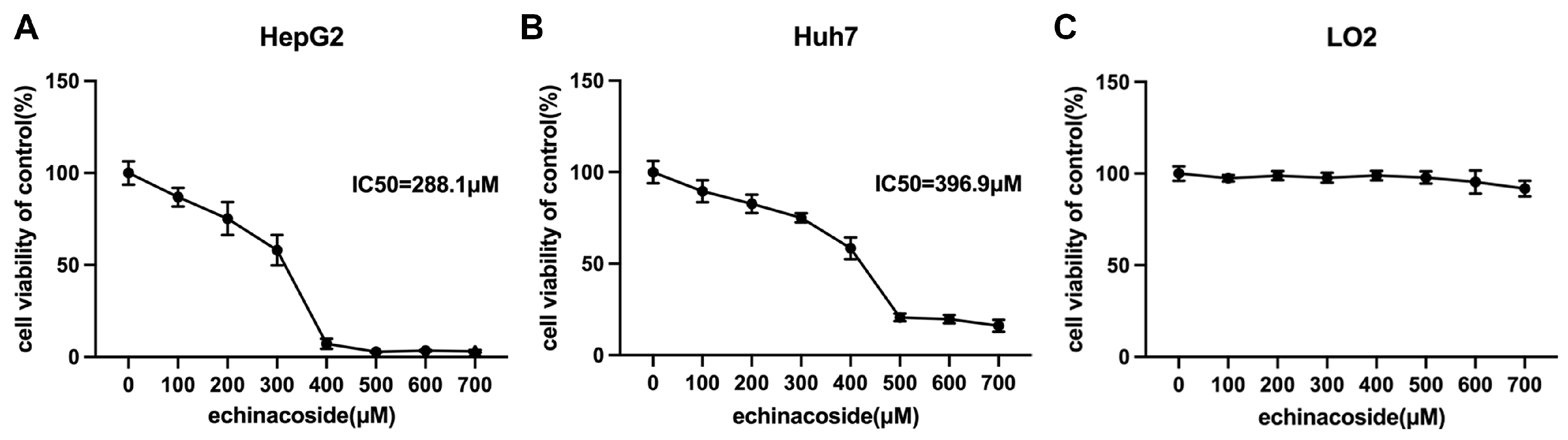
2.5. ECH Inhibits HCC Cell Growth
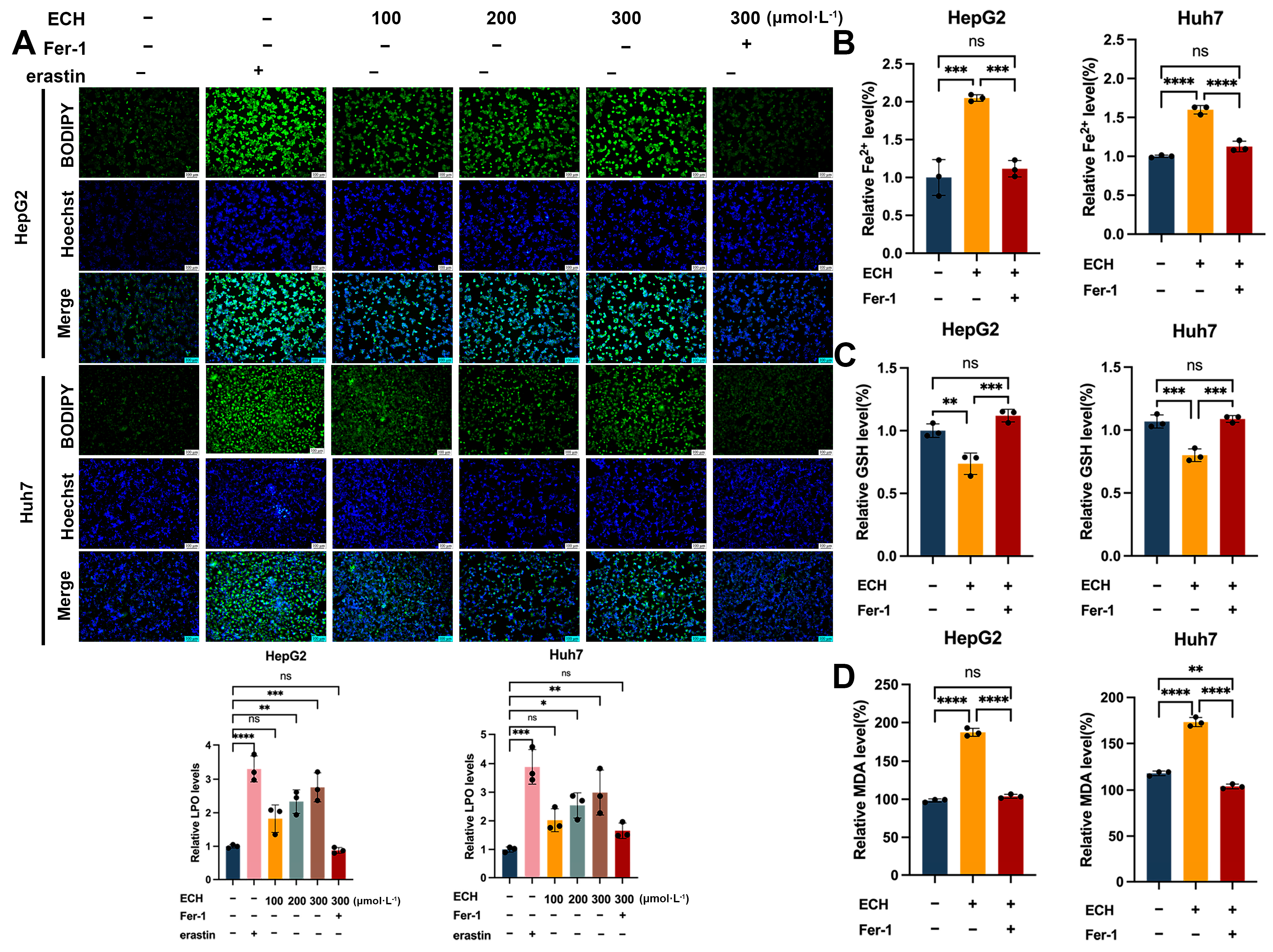
2.6. ECH Induces Ferroptosis in HCC Cells
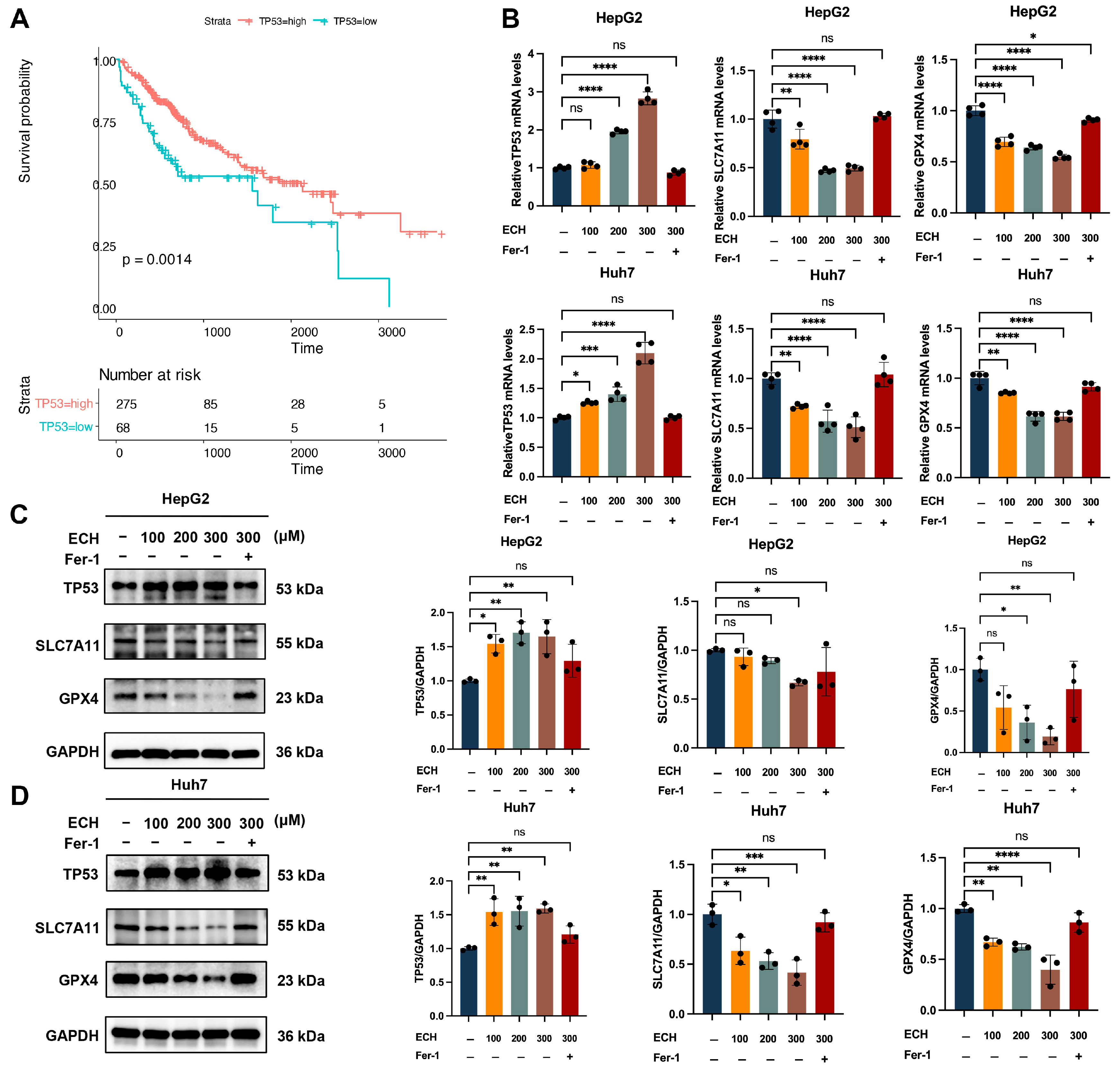
2.7. ECH Induces Ferroptosis in HCC Cells via the TP53/SLC7A11/GPX4 Signaling Pathway
3. Discussion
4. Materials and Methods
4.1. In Silico Screening of Potential Therapeutic Targets for ECH
4.2. In Silico Screening of Potential Disease Targets
4.3. Sources of Ferroptosis Targets
4.4. PPI Network Analysis
4.5. GO and KEGG Enrichment Analysis
4.6. Molecular Docking
4.7. Molecular Dynamics Simulation
4.8. Reagents and Antibodies
4.9. In Vitro Experimental Validation
4.9.1. Cell Culture
4.9.2. CCK-8 Assay
4.9.3. Ferroptosis-Related Indicator Detection
4.9.4. Quantitative Real-Time Polymerase Chain Reaction (qRT-PCR)
4.9.5. Western Blotting (WB)
4.10. Statistical Analysis
5. Conclusions
Supplementary Materials
Author Contributions
Funding
Institutional Review Board Statement
Informed Consent Statement
Data Availability Statement
Acknowledgments
Conflicts of Interest
Abbreviations
| HCC | Hepatocellular carcinoma |
| ECH | Echinacoside |
| PPI | Protein–protein interaction |
| MCC | Maximal clique centrality |
| KEGG | Kyoto Encyclopedia of Genes and Genomes |
| GO | Gene Ontology |
| TP53 | Tumor protein 53 |
| GLU | Glutamic acid |
| ASN | Asparagine |
| HIS | Histidine |
| RMSD | Root mean square deviation |
| RMSF | Root mean square fluctuation |
| Rg | Radius of gyration |
| SASA | Solvent-accessible surface area |
| CCK-8 | Counting kit-8 |
| IC50 | Half-maximal inhibitory concentration |
| Fer-1 | Ferrostatin-1 |
| LPO | Lipid peroxidation |
| GSH | Glutathione |
| MDA | Malondialdehyde |
| SLC7A11 | Solute carrier family 7 member 11 |
| GPX4 | Glutathione peroxidase 4 |
| qRT-PCR | Quantitative real-time polymerase chain reaction |
| WB | Western blotting |
| RIPA | Radio immunoprecipitation assay |
| PMSF | Phenylmethanesulfonyl fluoride |
| EDTA | Ethylene diamine tetraacetie acid |
| BCA | Bicinchoninic acid |
| SDS-PAGE | Sulfate polyacrylamide gel electrophoresis |
| PVDF | Polyvinylidene fluoride |
| TBST | Tris-buffered saline with Tween-20 |
References
- Rumgay, H.; Ferlay, J.; de Martel, C.; Georges, D.; Ibrahim, A.S.; Zheng, R.S.; Wei, W.Q.; Lemmens, V.; Soerjomataram, I. Global, regional and national burden of primary liver cancer by subtype. Eur. J. Cancer 2022, 161, 108–118. [Google Scholar] [CrossRef]
- Zheng, R.; Qu, C.; Zhang, S.; Zeng, H.; Sun, K.; Gu, X.; Xia, C.; Yang, Z.; Li, H.; Wei, W.; et al. Liver cancer incidence and mortality in China: Temporal trends and projections to 2030. Chin. J. Cancer Res. 2018, 30, 571–579. [Google Scholar] [CrossRef]
- Petrick, J.L.; McGlynn, K.A. The changing epidemiology of primary liver cancer. Curr. Epidemiol. Rep. 2019, 6, 104–111. [Google Scholar] [CrossRef] [PubMed]
- Zhou, J.; Sun, H.; Wang, Z.; Cong, W.; Wang, J.; Zeng, M.; Zhou, W.; Bie, P.; Liu, L.; Wen, T.; et al. Guidelines for the Diagnosis and Treatment of Hepatocellular Carcinoma (2019 Edition). Liver Cancer 2020, 9, 682–720. [Google Scholar] [CrossRef] [PubMed]
- Anwanwan, D.; Singh, S.K.; Singh, S.; Saikam, V.; Singh, R. Challenges in liver cancer and possible treatment approaches. Biochim. Biophys. Acta Rev. Cancer 2020, 1873, 188314. [Google Scholar] [CrossRef] [PubMed]
- Llovet, J.M.; Castet, F.; Heikenwalder, M.; Maini, M.K.; Mazzaferro, V.; Pinato, D.J.; Pikarsky, E.; Zhu, A.X.; Finn, R.S. Immunotherapies for hepatocellular carcinoma. Nat. Rev. Clin. Oncol. 2022, 19, 151–172. [Google Scholar] [CrossRef]
- Rimola, J.; Diaz-Gonzalez, A.; Darnell, A.; Varela, M.; Pons, F.; Hernandez-Guerra, M.; Delgado, M.; Castroagudin, J.; Matilla, A.; Sangro, B.; et al. Complete response under sorafenib in patients with hepatocellular carcinoma: Relationship with dermatologic adverse events. Hepatology 2018, 67, 612–622. [Google Scholar] [CrossRef]
- Dixon, S.J.; Lemberg, K.M.; Lamprecht, M.R.; Skouta, R.; Zaitsev, E.M.; Gleason, C.E.; Patel, D.N.; Bauer, A.J.; Cantley, A.M.; Yang, W.S.; et al. Ferroptosis: An Iron-Dependent Form of Nonapoptotic Cell Death. Cell 2012, 149, 1060–1072. [Google Scholar] [CrossRef]
- Jiang, X.; Stockwell, B.R.; Conrad, M. Ferroptosis: Mechanisms, biology and role in disease. Nat. Rev. Mol. Cell Biol. 2021, 22, 266–282. [Google Scholar] [CrossRef]
- Dixon, S.J.; Olzmann, J.A. The cell biology of ferroptosis. Nat. Rev. Mol. Cell Biol. 2024, 25, 424–442. [Google Scholar] [CrossRef]
- Nie, J.H.; Lin, B.L.; Zhou, M.; Wu, L.; Zheng, T.S. Role of ferroptosis in hepatocellular carcinoma. J. Cancer Res. Clin. Oncol. 2018, 144, 2329–2337. [Google Scholar] [CrossRef]
- Brown, A.R.; Hirschhorn, T.; Stockwell, B.R. Ferroptosis-disease perils and therapeutic promise. Science 2024, 386, 848–849. [Google Scholar] [CrossRef]
- Louandre, C.; Ezzoukhry, Z.; Godin, C.; Barbare, J.C.; Maziere, J.C.; Chauffert, B.; Galmiche, A. Iron-dependent cell death of hepatocellular carcinoma cells exposed to sorafenib. Int. J. Cancer 2013, 133, 1732–1742. [Google Scholar] [CrossRef]
- Fan, Y.; Hou, X.; Guo, P.; Lv, X.; Zhao, L.; Wang, H.; Zhou, L.; Feng, Y. Extraction of Amana edulis Induces Liver Cancer Apoptosis. Evid. Based Complement. Altern. Med. 2018, 2018, 3927075. [Google Scholar] [CrossRef]
- Wang, C.; Yang, L.; Xu, S.; Guo, H.; Guan, H.; Wang, Q.; Jiang, X.; Fei, M.; Zhang, J. Systematic analysis of the role and significance of target genes of active ingredients of traditional Chinese medicine injections in the progression and immune microenvironment of hepatocellular carcinoma. Front. Pharmacol. 2022, 13, 1095965. [Google Scholar] [CrossRef]
- Wei, W.; Lan, X.B.; Liu, N.; Yang, J.M.; Du, J.; Ma, L.; Zhang, W.J.; Niu, J.G.; Sun, T.; Yu, J.Q. Echinacoside Alleviates Hypoxic-Ischemic Brain Injury in Neonatal Rat by Enhancing Antioxidant Capacity and Inhibiting Apoptosis. Neurochem. Res. 2019, 44, 1582–1592. [Google Scholar] [CrossRef]
- Ding, L.; Ye, H.; Gu, L.D.; Du, A.Q.; Yuan, X.L. Echinacoside Alleviates Cognitive Impairment in Cerebral Ischemia Rats through α 7nAChR-Induced Autophagy. Chin. J. Integr. Med. 2022, 28, 809–816. [Google Scholar] [CrossRef] [PubMed]
- Yang, H.; Zhao, L.; Li, Q. Echinacoside alleviates sevoflurane-induced cognitive dysfunction by activating FOXO1-mediated autophagy. Int. J. Dev. Neurosci. 2022, 82, 339–348. [Google Scholar] [CrossRef]
- Tang, C.; Gong, L.; Lvzi, X.; Qiu, K.; Zhang, Z.; Wan, L. Echinacoside inhibits breast cancer cells by suppressing the Wnt/β-catenin signaling pathway. Biochem. Biophys. Res. Commun. 2020, 526, 170–175. [Google Scholar] [CrossRef] [PubMed]
- Liu, J.; Tang, N.; Liu, N.; Lei, P.; Wang, F. Echinacoside inhibits the proliferation, migration, invasion and angiogenesis of ovarian cancer cells through PI3K/AKT pathway. J. Mol. Histol. 2022, 53, 493–502. [Google Scholar] [CrossRef] [PubMed]
- Shu, W.; Wang, Z.; Zhao, R.; Shi, R.; Zhang, J.; Zhang, W.; Wang, H. Exploration of the Effect and Potential Mechanism of Echinacoside Against Endometrial Cancer Based on Network Pharmacology and in vitro Experimental Verification. Drug Des. Devel Ther. 2022, 16, 1847–1863. [Google Scholar] [CrossRef]
- Wang, X.; Tan, B.; Liu, J.; Wang, J.; Chen, M.; Yang, Q.; Zhang, X.; Li, F.; Wei, Y.; Wu, K.; et al. Echinacoside inhibits tumor immune evasion by downregulating inducible PD-L1 and reshaping tumor immune landscape in breast and colorectal cancer. Phytomedicine 2024, 135, 156188. [Google Scholar] [CrossRef] [PubMed]
- Wei, J.; Zheng, Z.; Hou, X.; Jia, F.; Yuan, Y.; Yuan, F.; He, F.; Hu, L.; Zhao, L. Echinacoside inhibits colorectal cancer metastasis via modulating the gut microbiota and suppressing the PI3K/AKT signaling pathway. J. Ethnopharmacol. 2024, 318, 116866. [Google Scholar] [CrossRef] [PubMed]
- Yan, Y.; Yang, N.; Qin, F.; Hao, Y. Echinacoside Alleviates Metabolic Dysfunction-Associated Steatotic Liver Disease by Inhibiting Ferroptosis via Nrf2/HMOX1 Pathway. Biomedicines 2024, 12, 2728. [Google Scholar] [CrossRef]
- Chen, Y.; Li, Y.Q.; Fang, J.Y.; Li, P.; Li, F. Establishment of the concurrent experimental model of osteoporosis combined with Alzheimer’s disease in rat and the dual-effects of echinacoside and acteoside from Cistanche tubulosa. J. Ethnopharmacol. 2020, 257, 112834. [Google Scholar] [CrossRef]
- Chen, C.; Xia, B.; Tang, L.; Wu, W.; Tang, J.; Liang, Y.; Yang, H.; Zhang, Z.; Lu, Y.; Chen, G.; et al. Echinacoside protects against MPTP/MPP(+)-induced neurotoxicity via regulating autophagy pathway mediated by Sirt1. Metab. Brain Dis. 2019, 34, 203–212. [Google Scholar] [CrossRef]
- Chuang, H.W.; Wang, T.Y.; Huang, C.C.; Wei, I.H. Echinacoside exhibits antidepressant-like effects through AMPAR-Akt/ERK-mTOR pathway stimulation and BDNF expression in mice. Chin. Med. 2022, 17, 9. [Google Scholar] [CrossRef] [PubMed]
- Li, J.; Yu, H.; Yang, C.; Ma, T.; Dai, Y. Therapeutic Potential and Molecular Mechanisms of Echinacoside in Neurodegenerative Diseases. Front. Pharmacol. 2022, 13, 841110. [Google Scholar] [CrossRef]
- Ye, Y.; Song, Y.A.; Zhuang, J.H.; Wang, G.Y.; Ni, J.; Xia, W. Anticancer effects of echinacoside in hepatocellular carcinoma mouse model and HepG2 cells. J. Cell. Physiol. 2019, 234, 1880–1888. [Google Scholar] [CrossRef]
- Gómez, S.; Gómez, S.; David, J.; Guerra, D.; Cappelli, C.; Restrepo, A. Dissecting Bonding Interactions in Cysteine Dimers. Molecules 2022, 27, 8665. [Google Scholar] [CrossRef]
- Jiang, L.; Hickman, J.H.; Wang, S.J.; Gu, W. Dynamic roles of p53-mediated metabolic activities in ROS-induced stress responses. Cell Cycle 2015, 14, 2881–2885. [Google Scholar] [CrossRef]
- Liu, D.S.; Duong, C.P.; Haupt, S.; Montgomery, K.G.; House, C.M.; Azar, W.J.; Pearson, H.B.; Fisher, O.M.; Read, M.; Guerra, G.R.; et al. Inhibiting the system xC−/glutathione axis selectively targets cancers with mutant-p53 accumulation. Nat. Commun. 2017, 8, 14844. [Google Scholar] [CrossRef] [PubMed]
- Wang, W.; Jiang, S.; Zhao, Y.; Zhu, G. Echinacoside: A promising active natural products and pharmacological agents. Pharmacol. Res. 2023, 197, 106951. [Google Scholar] [CrossRef]
- Shi, Y.; Cao, H.; Liu, Z.; Xi, L.; Dong, C. Echinacoside Induces Mitochondria-Mediated Pyroptosis through Raf/MEK/ERK Signaling in Non-Small Cell Lung Cancer Cells. J. Immunol. Res. 2022, 2022, 3351268. [Google Scholar] [CrossRef]
- Espinosa-Paredes, D.A.; Cornejo-Garrido, J.; Moreno-Eutimio, M.A.; Martínez-Rodríguez, O.P.; Jaramillo-Flores, M.E.; Ordaz-Pichardo, C. Echinacea Angustifolia DC Extract Induces Apoptosis and Cell Cycle Arrest and Synergizes with Paclitaxel in the MDA-MB-231 and MCF-7 Human Breast Cancer Cell Lines. Nutr. Cancer 2021, 73, 2287–2305. [Google Scholar] [CrossRef] [PubMed]
- Han, Y.; Fan, J.; Xia, W.; Dong, X.; Ye, Y. Folic acid-functionalized PLGA nanomedicines encapsulating echinacoside for liver cancer therapy. Biochem. Biophys. Res. Commun. 2025, 774, 152049. [Google Scholar] [CrossRef]
- Dai, M.; Cai, Z.; Chen, N.; Li, J.; Wen, J.; Tan, L.; Guo, D. Matrine suppresses stemness of hepatocellular carcinoma cells by regulating β-catenin signaling pathway. J. South. Med. Univ. 2019, 39, 1239–1245. [Google Scholar] [CrossRef]
- Chen, J.; Wang, Z.; Fu, J.; Cai, Y.; Cheng, H.; Cui, X.; Sun, M.; Liu, M.; Zhang, X. Ginsenoside compound K induces ferroptosis via the FOXO pathway in liver cancer cells. BMC Complement. Med. Ther. 2024, 24, 174. [Google Scholar] [CrossRef] [PubMed]
- Jiong, L. Concern about: Echinacoside exerts anti-tumor activity via the miR-503-3p/TGF-β1/Smad aixs in liver cancer. Cancer Cell Int. 2021, 21, 617. [Google Scholar]
- Cañeque, T.; Baron, L.; Müller, S.; Carmona, A.; Colombeau, L.; Versini, A.; Solier, S.; Gaillet, C.; Sindikubwabo, F.; Sampaio, J.L.; et al. Activation of lysosomal iron triggers ferroptosis in cancer. Nature 2025, 642, 492–500. [Google Scholar] [CrossRef]
- Bai, T.; Liang, R.P.; Zhu, R.T.; Wang, W.J.; Zhou, L.; Sun, Y.L. MicroRNA-214-3p enhances erastin-induced ferroptosis by targeting ATF4 in hepatoma cells. J. Cell. Physiol. 2020, 235, 5637–5648. [Google Scholar] [CrossRef]
- Wang, Y.F.; Feng, J.Y.; Zhao, L.N.; Zhao, M.; Wei, X.F.; Geng, Y.; Yuan, H.F.; Hou, C.Y.; Zhang, H.H.; Wang, G.W.; et al. Aspirin triggers ferroptosis in hepatocellular carcinoma cells through restricting NF-κB p65-activated SLC7A11 transcription. Acta Pharmacol. Sin. 2023, 44, 1712–1724. [Google Scholar] [CrossRef]
- Liang, J.; Chen, M.; Yan, G.; Hoa, P.T.T.; Wei, S.; Huang, H.; Xie, Q.; Luo, X.; Mo, S.; Han, C. Donafenib activates the p53 signaling pathway in hepatocellular carcinoma, induces ferroptosis, and enhances cell apoptosis. Clin. Exp. Med. 2025, 25, 29. [Google Scholar] [CrossRef] [PubMed]
- Balasundaram, A.; Doss, C.G.P. Unraveling the Structural Changes in the DNA-Binding Region of Tumor Protein p53 (TP53) upon Hotspot Mutation p53 Arg248 by Comparative Computational Approach. Int. J. Mol. Sci. 2022, 23, 15499. [Google Scholar] [CrossRef]
- Jin, C.; Yuan, F.L.; Gu, Y.L.; Li, X.; Liu, M.F.; Shen, X.M.; Liu, B.; Zhu, M.Q. Over-expression of ASIC1a promotes proliferation via activation of the β-catenin/LEF-TCF axis and is associated with disease outcome in liver cancer. Oncotarget 2017, 8, 25977–25988. [Google Scholar] [CrossRef] [PubMed]
- Kim, J.; Yu, L.L.; Chen, W.C.; Xu, Y.X.; Wu, M.; Todorova, D.; Tang, Q.S.; Feng, B.B.; Jiang, L.; He, J.J.; et al. Wild-Type p53 Promotes Cancer Metabolic Switch by Inducing PUMA-Dependent Suppression of Oxidative Phosphorylation. Cancer Cell 2019, 35, 191–203. [Google Scholar] [CrossRef]
- Jennis, M.; Kung, C.P.; Basu, S.; Budina-Kolomets, A.; Leu, J.I.; Khaku, S.; Scott, J.P.; Cai, K.Q.; Campbell, M.R.; Porter, D.K.; et al. An African-specific polymorphism in the TP53 gene impairs p53 tumor suppressor function in a mouse model. Genes. Dev. 2016, 30, 918–930. [Google Scholar] [CrossRef]
- Yang, W.S.; SriRamaratnam, R.; Welsch, M.E.; Shimada, K.; Skouta, R.; Viswanathan, V.S.; Cheah, J.H.; Clemons, P.A.; Shamji, A.F.; Clish, C.B.; et al. Regulation of Ferroptotic Cancer Cell Death by GPX4. Cell 2014, 156, 317–331. [Google Scholar] [CrossRef] [PubMed]
- Li, Y.; Zhou, G.; Xing, S.; Tu, P.; Li, X. Identification of Echinacoside Metabolites Produced by Human Intestinal Bacteria Using Ultraperformance Liquid Chromatography-Quadrupole Time-of-Flight Mass Spectrometry. J. Agric. Food Chem. 2015, 63, 6764–6771. [Google Scholar] [CrossRef]
- Hurst, S.; Loi, C.M.; Brodfuehrer, J.; El-Kattan, A. Impact of physiological, physicochemical and biopharmaceutical factors in absorption and metabolism mechanisms on the drug oral bioavailability of rats and humans. Expert. Opin. Drug Metab. Toxicol. 2007, 3, 469–489. [Google Scholar] [CrossRef]
- Stelzer, G.; Rosen, N.; Plaschkes, I.; Zimmerman, S.; Twik, M.; Fishilevich, S.; Stein, T.I.; Nudel, R.; Lieder, I.; Mazor, Y.; et al. The GeneCards Suite: From Gene Data Mining to Disease Genome Sequence Analyses. Curr Protoc Bioinform. 2016, 54, 1.30.1–1.30.33. [Google Scholar] [CrossRef]
- Hamosh, A.; Scott, A.F.; Amberger, J.S.; Bocchini, C.A.; McKusick, V.A. Online Mendelian Inheritance in Man (OMIM), a knowledgebase of human genes and genetic disorders. Nucleic Acids Res. 2005, 33, D514–D517. [Google Scholar] [CrossRef] [PubMed]
- Bajpai, A.K.; Davuluri, S.; Tiwary, K.; Narayanan, S.; Oguru, S.; Basavaraju, K.; Dayalan, D.; Thirumurugan, K.; Acharya, K.K. Systematic comparison of the protein-protein interaction databases from a user’s perspective. J. Biomed. Inform. 2020, 103, 103380. [Google Scholar] [CrossRef] [PubMed]
- Berman, H.M.; Westbrook, J.; Feng, Z.; Gilliland, G.; Bhat, T.N.; Weissig, H.; Shindyalov, I.N.; Bourne, P.E. The Protein Data Bank. Nucleic Acids Res. 2000, 28, 235–242. [Google Scholar] [CrossRef] [PubMed]
- Morris, G.M.; Huey, R.; Lindstrom, W.; Sanner, M.F.; Belew, R.K.; Goodsell, D.S.; Olson, A.J. AutoDock4 and AutoDockTools4: Automated docking with selective receptor flexibility. J. Comput. Chem. 2009, 30, 2785–2791. [Google Scholar] [CrossRef]
- Mooers, B.H.M.; Brown, M.E. Templates for writing PyMOL scripts. Protein Sci. 2021, 30, 262–269. [Google Scholar] [CrossRef]


Disclaimer/Publisher’s Note: The statements, opinions and data contained in all publications are solely those of the individual author(s) and contributor(s) and not of MDPI and/or the editor(s). MDPI and/or the editor(s) disclaim responsibility for any injury to people or property resulting from any ideas, methods, instructions or products referred to in the content. |
© 2025 by the authors. Licensee MDPI, Basel, Switzerland. This article is an open access article distributed under the terms and conditions of the Creative Commons Attribution (CC BY) license.
Share and Cite
Wang, P.; Lin, J.; Su, D. Echinacoside as a Novel Ferroptosis Inducer in Hepatocellular Carcinoma: Mechanistic Insights from TP53/SLC7A11/GPX4 Pathway Modulation. Int. J. Mol. Sci. 2026, 27, 411. https://doi.org/10.3390/ijms27010411
Wang P, Lin J, Su D. Echinacoside as a Novel Ferroptosis Inducer in Hepatocellular Carcinoma: Mechanistic Insights from TP53/SLC7A11/GPX4 Pathway Modulation. International Journal of Molecular Sciences. 2026; 27(1):411. https://doi.org/10.3390/ijms27010411
Chicago/Turabian StyleWang, Pei, Jianhao Lin, and Deqi Su. 2026. "Echinacoside as a Novel Ferroptosis Inducer in Hepatocellular Carcinoma: Mechanistic Insights from TP53/SLC7A11/GPX4 Pathway Modulation" International Journal of Molecular Sciences 27, no. 1: 411. https://doi.org/10.3390/ijms27010411
APA StyleWang, P., Lin, J., & Su, D. (2026). Echinacoside as a Novel Ferroptosis Inducer in Hepatocellular Carcinoma: Mechanistic Insights from TP53/SLC7A11/GPX4 Pathway Modulation. International Journal of Molecular Sciences, 27(1), 411. https://doi.org/10.3390/ijms27010411