Article

NMR-Guided Repositioning of Non-Steroidal Anti-Inflammatory Drugs into Tight Junction Modulators
1
Laboratory of Structural and Molecular Pharmacology, Graduate School of Pharmaceutical Sciences, Nagoya University, Nagoya 464-8601, Aichi, Japan
2
BeCellBar, LLC, Nagoya 464-8601, Aichi, Japan
3
Department of Biological Sciences, Faculty of Science, Nagoya University, Nagoya 464-8602, Aichi, Japan
*
Author to whom correspondence should be addressed.
Int. J. Mol. Sci. 2021, 22(5), 2583; https://doi.org/10.3390/ijms22052583
Submission received: 12 February 2021 / Revised: 26 February 2021 / Accepted: 27 February 2021 / Published: 4 March 2021

Abstract

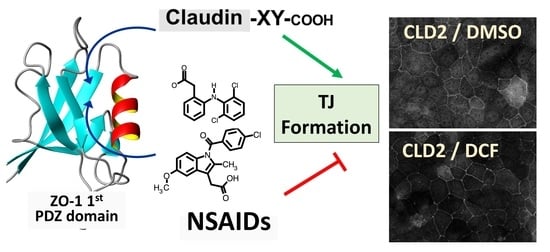
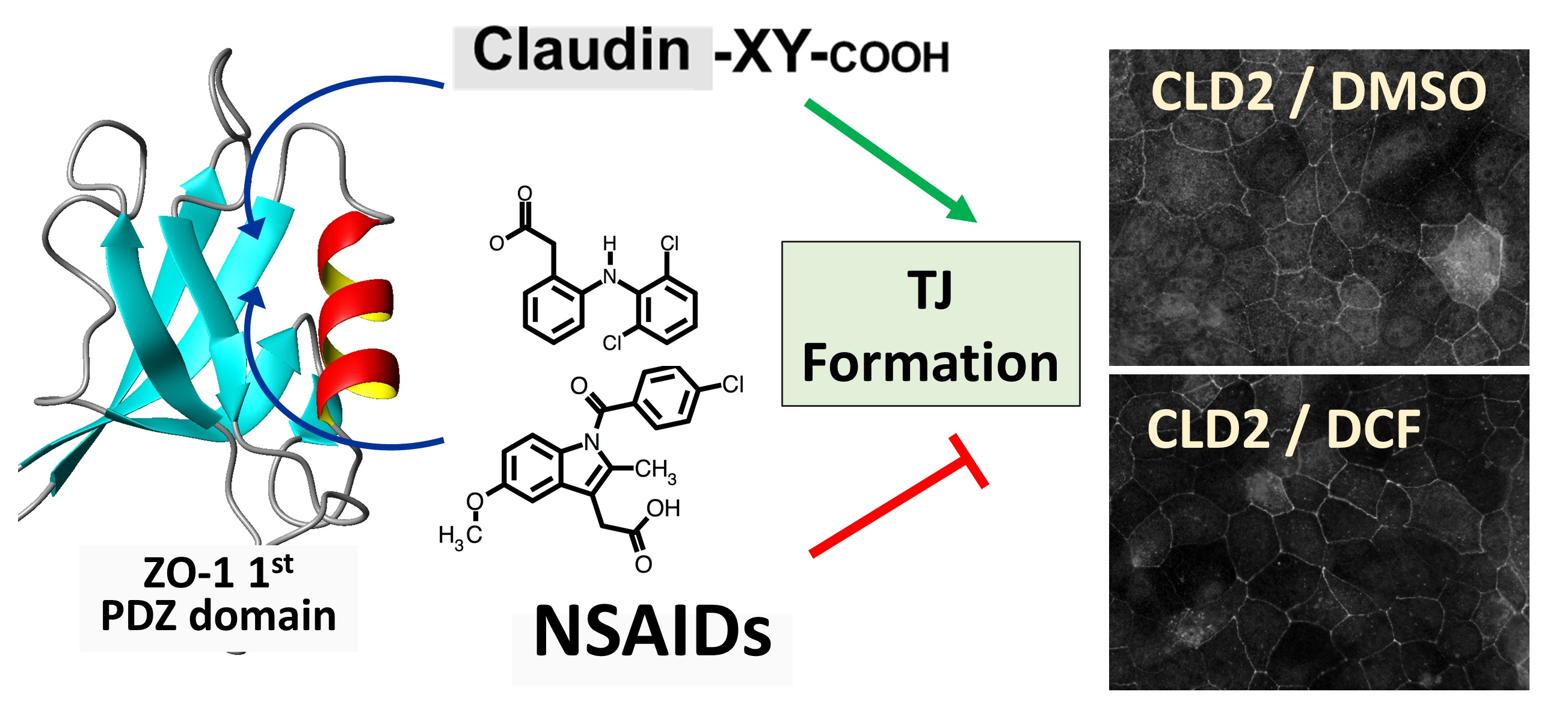
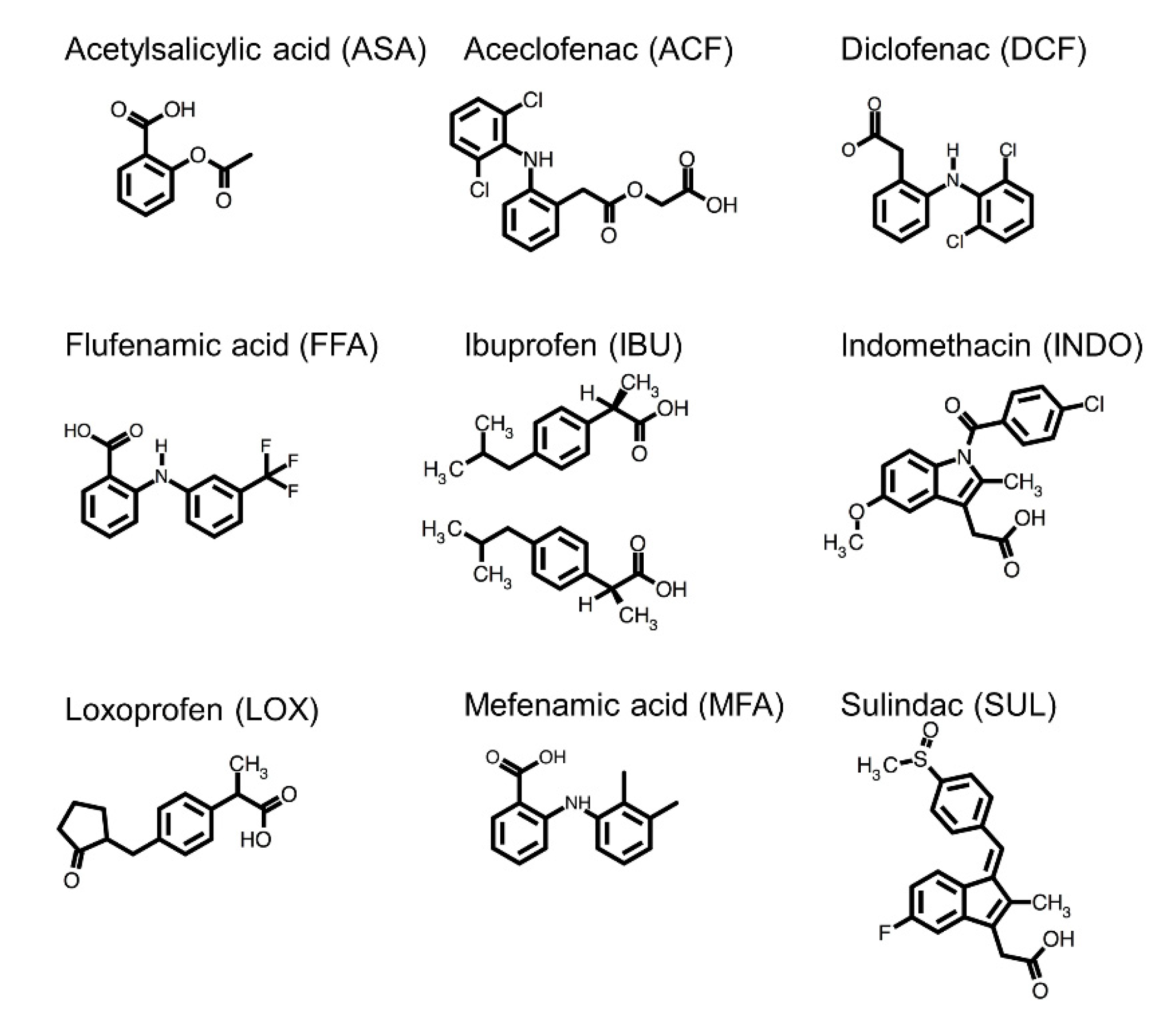
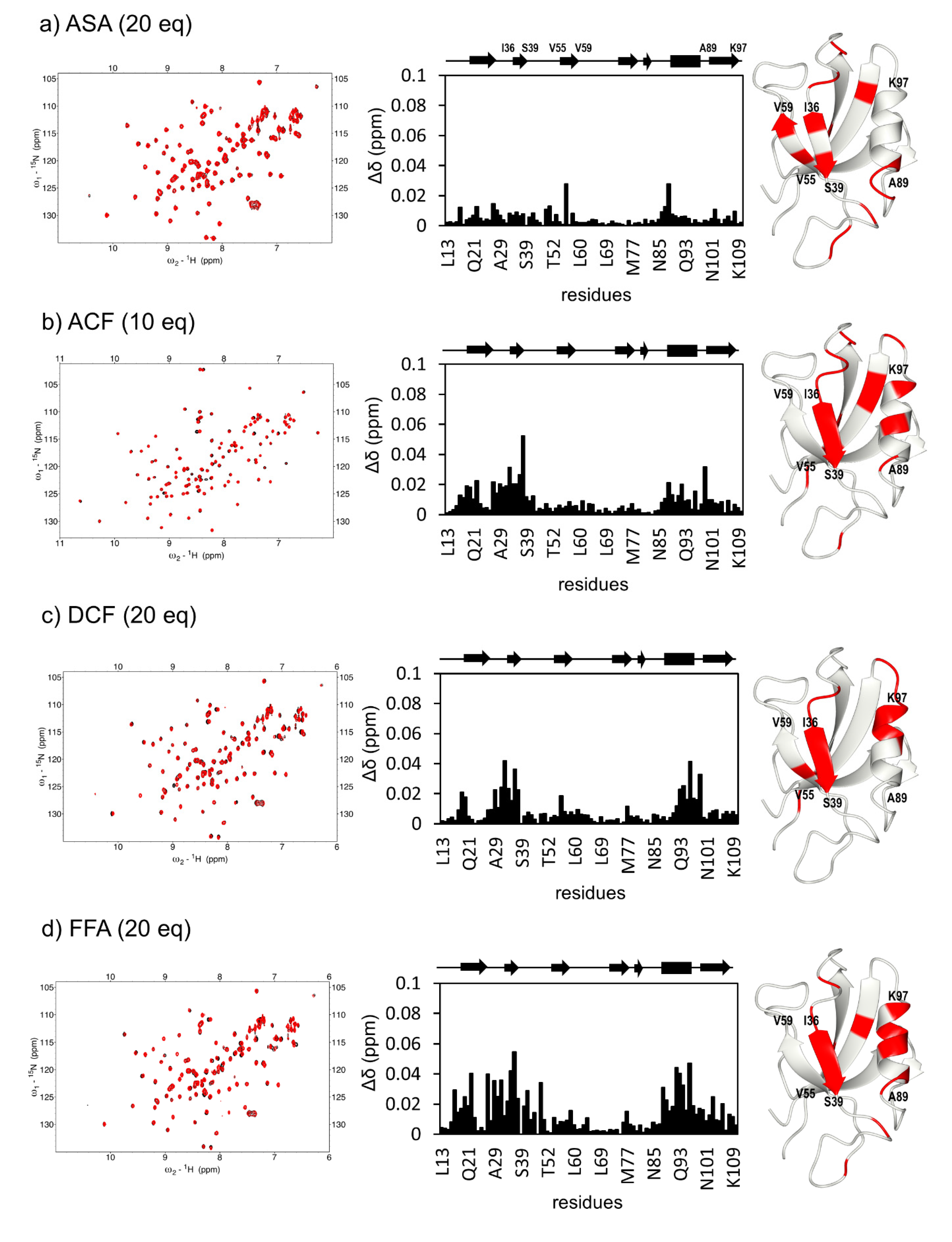
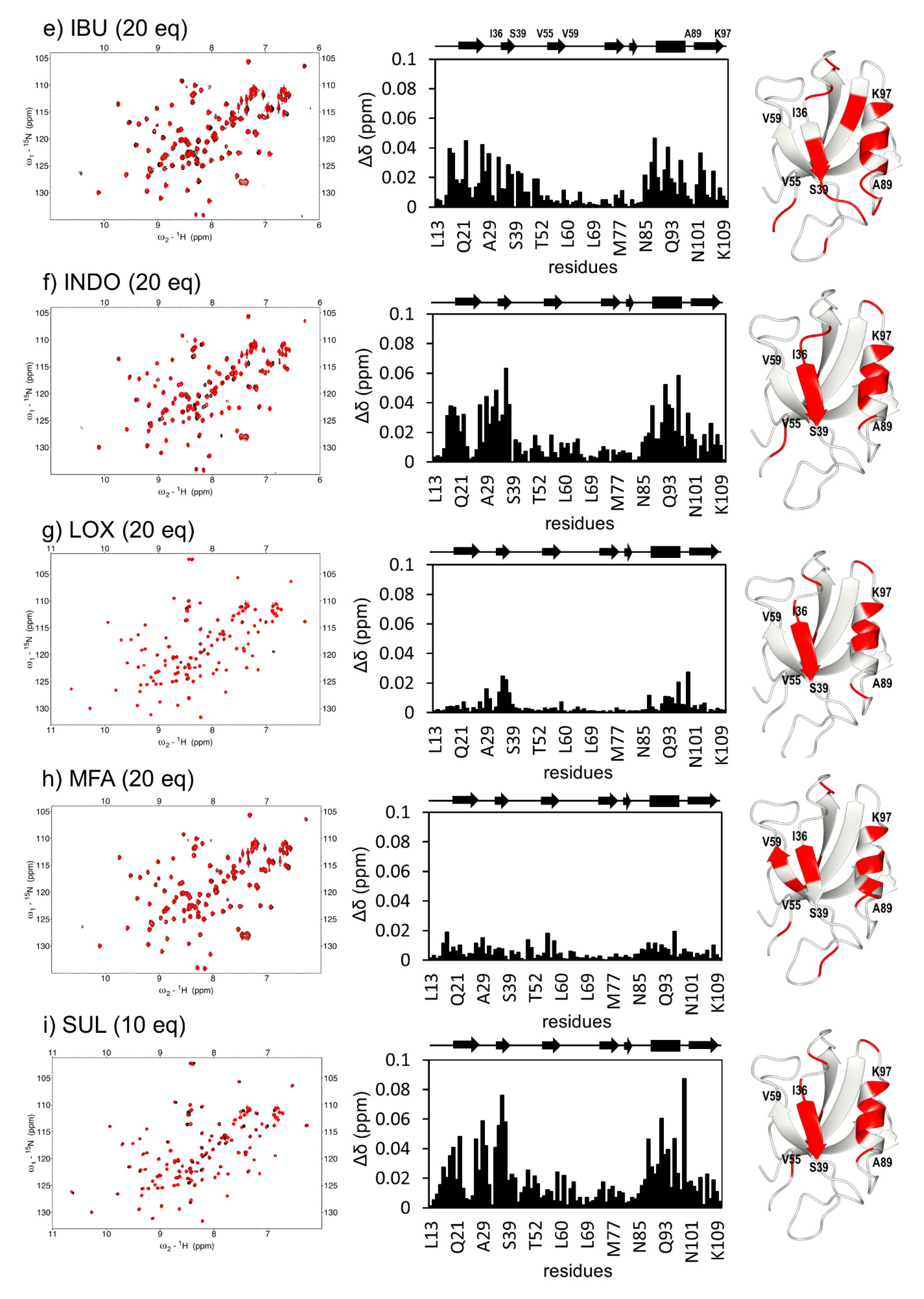
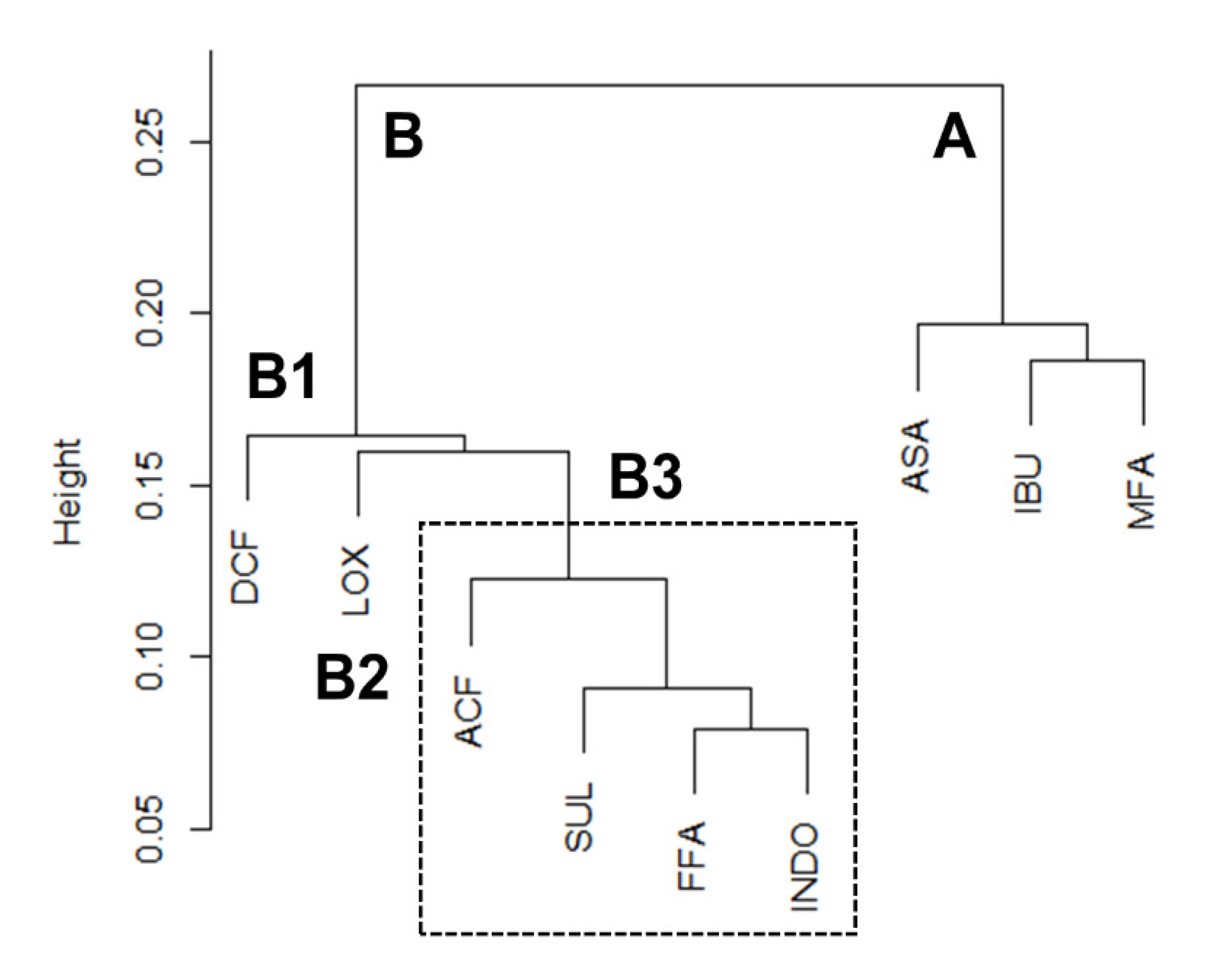
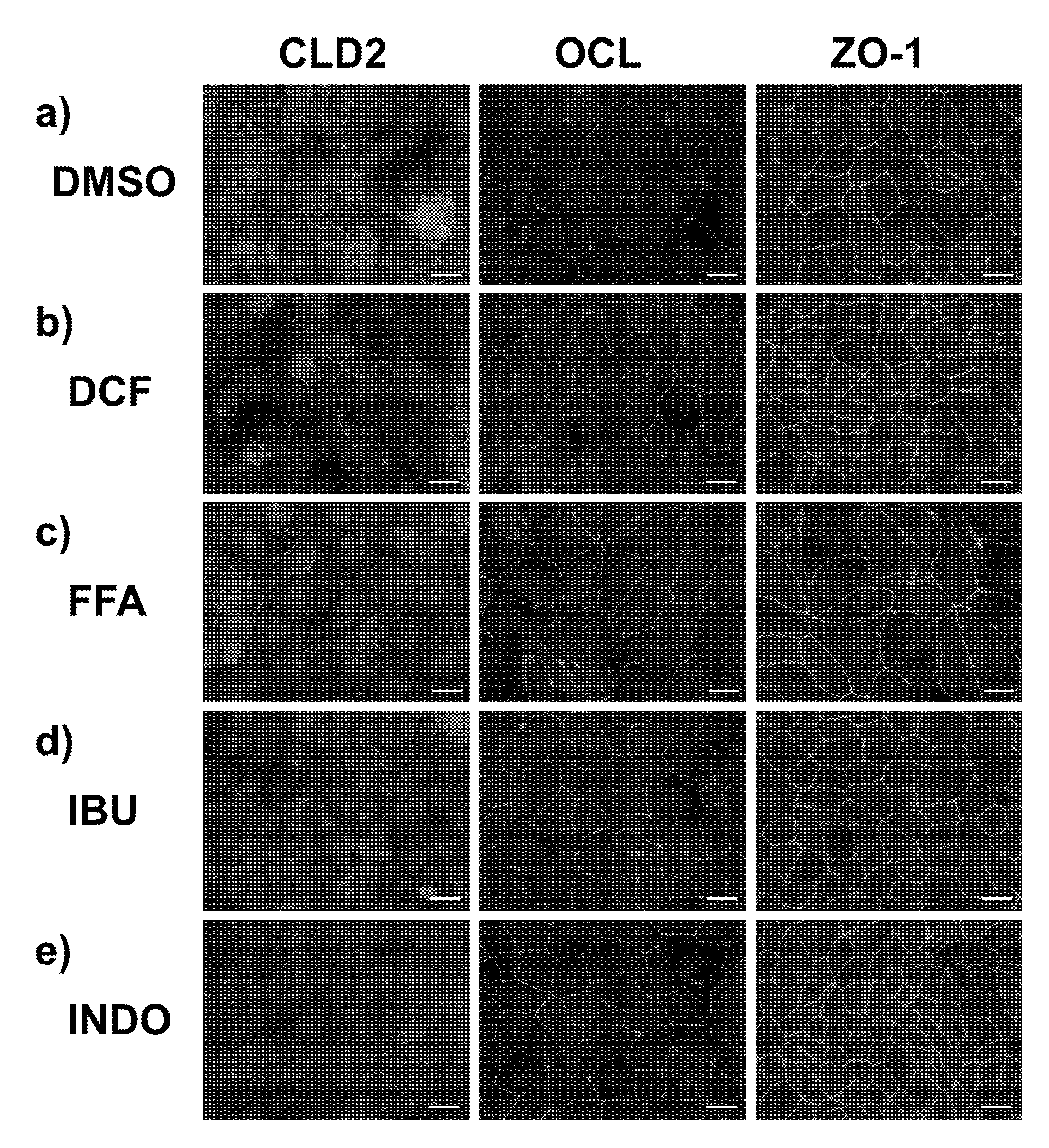
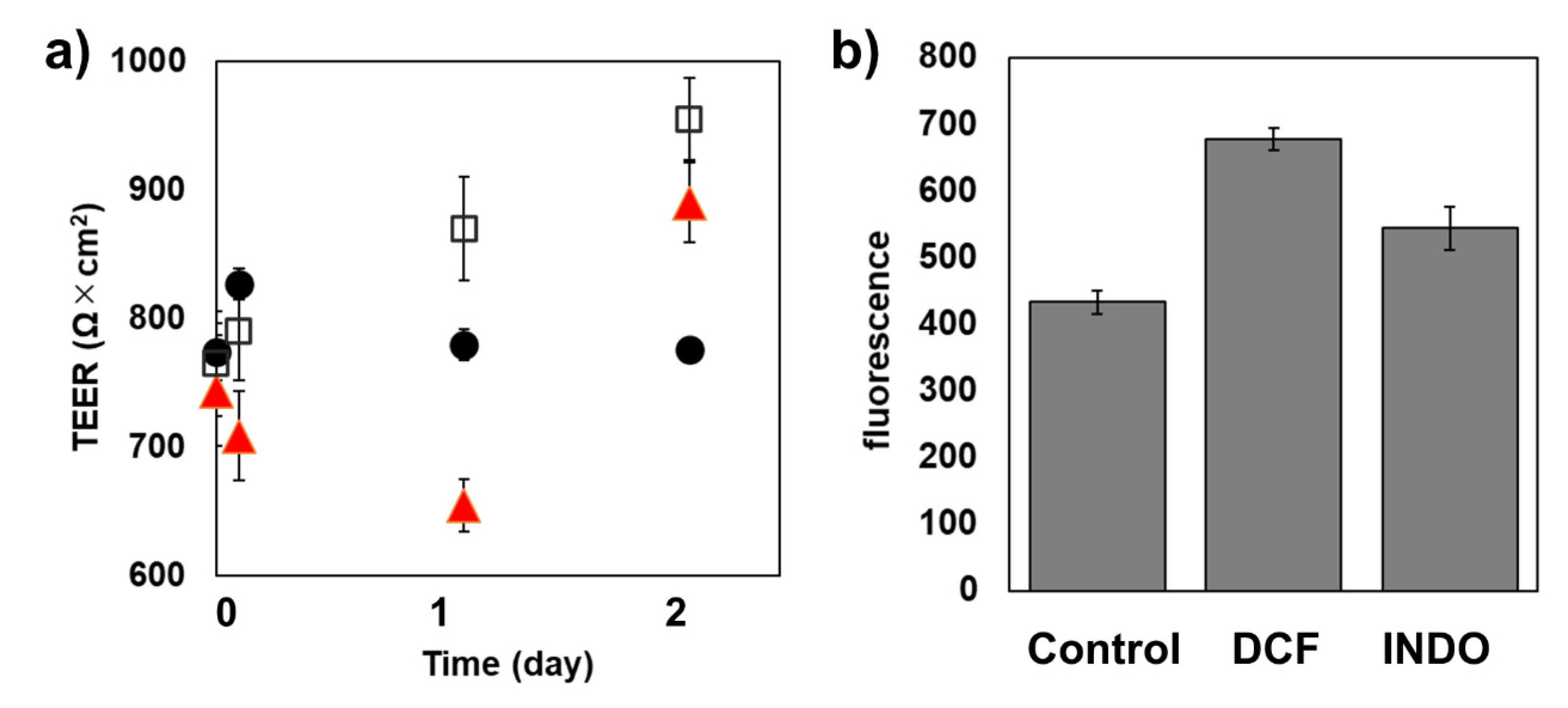
Bioavailability is a major bottleneck in the clinical application of medium molecular weight therapeutics, including protein and peptide drugs. Paracellular transport of these molecules is hampered by intercellular tight junction (TJ) complexes. Therefore, safe chemical regulators for TJ loosening are desired. Here, we showed a potential application of select non-steroidal anti-inflammatory drugs (NSAIDs) as TJ modulators. Based on our previous observation that diclofenac and flufenamic acid directly bound various PDZ domains with a broad specificity, we applied solution nuclear magnetic resonance techniques to examine the interaction of other NSAIDs and the first PDZ domain (PDZ1) of zonula occludens (ZO)-1, ZO-1(PDZ1). Inhibition of ZO-1(PDZ1) is expected to provide loosening of the epithelial barrier function because the domain plays a crucial role in maintaining TJ integrity. Accordingly, diclofenac and indomethacin were found to decrease the subcellular localization of claudin (CLD)-2 but not occludin and ZO-1 at the apicolateral intercellular compartment of Madin–Darby canine kidney (MDCK) II cells. These NSAIDs exhibited 125–155% improved paracellular efflux of fluorescein isothiocyanate insulin for the Caco-2 cell monolayer. We propose that these NSAIDs can be repurposed as drug absorption enhancers for peptide drugs.
Keywords: dynamic equilibrium of tight junction; drug absorption enhancer; drug repositioning; hierarchical clustering; NMR screening; non-steroidal anti-inflammatory drugs; tight junction integrity dynamic equilibrium of tight junction; drug absorption enhancer; drug repositioning; hierarchical clustering; NMR screening; non-steroidal anti-inflammatory drugs; tight junction integrity
Graphical Abstract