Article

Biosynthesis of Phenylamide Phytoalexins in Pathogen-Infected Barley


1
United Graduate School of Agriculture, Tottori University, Tottori 680-8553, Japan
2
Faculty of Agriculture, Tottori University, Tottori 680-8553, Japan
3
National Agriculture and Food Research Organization, Tsukuba 305-8518, Japan
4
Institute of Plant Science and Resources, Okayama University, Kurashiki 710-0046, Japan
*
Author to whom correspondence should be addressed.
Int. J. Mol. Sci. 2019, 20(22), 5541; https://doi.org/10.3390/ijms20225541
Submission received: 19 October 2019 / Revised: 4 November 2019 / Accepted: 4 November 2019 / Published: 6 November 2019
(This article belongs to the Special Issue Wheat and Barley: Acclimatization to Abiotic and Biotic Stress)

Abstract

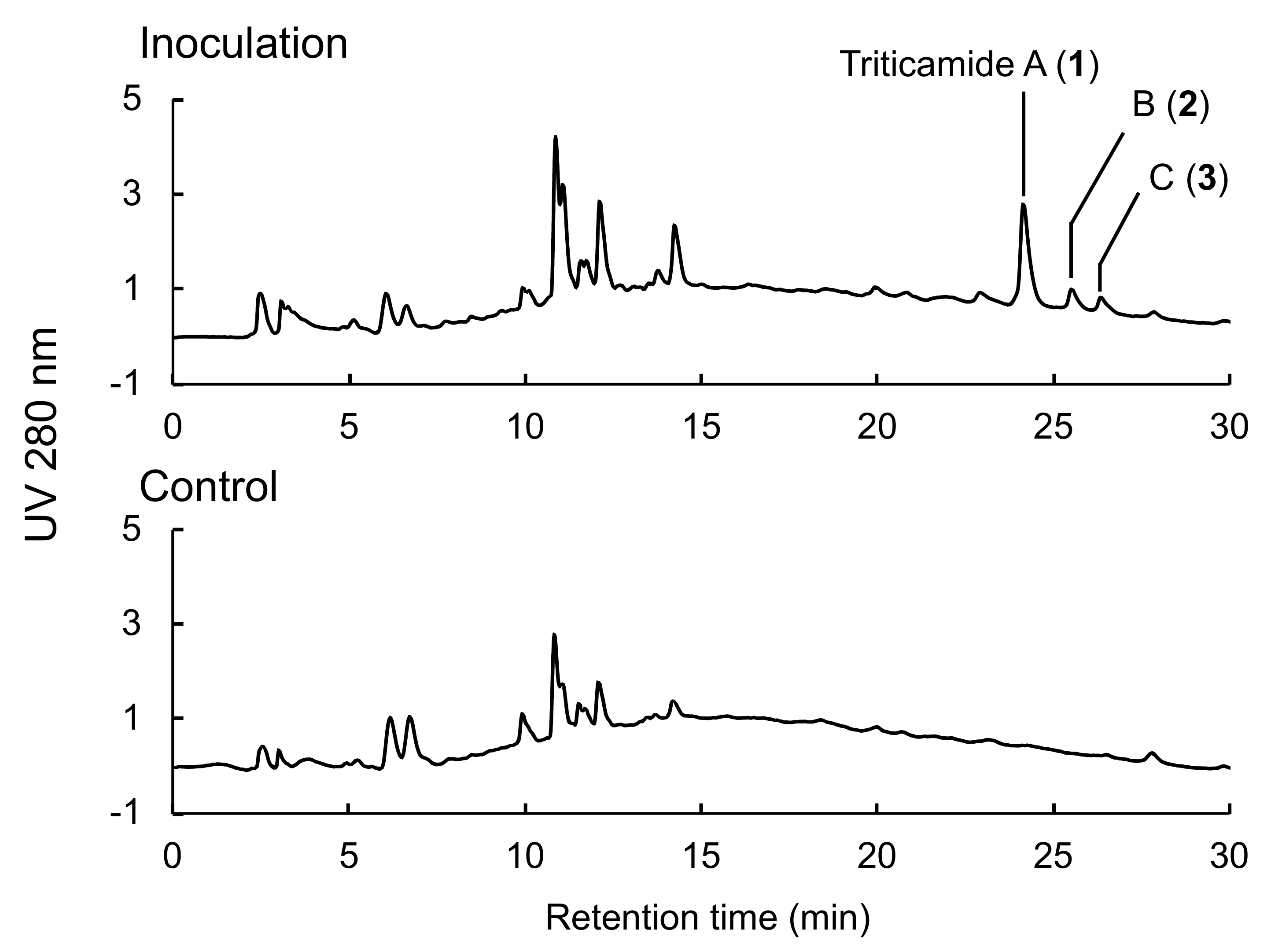
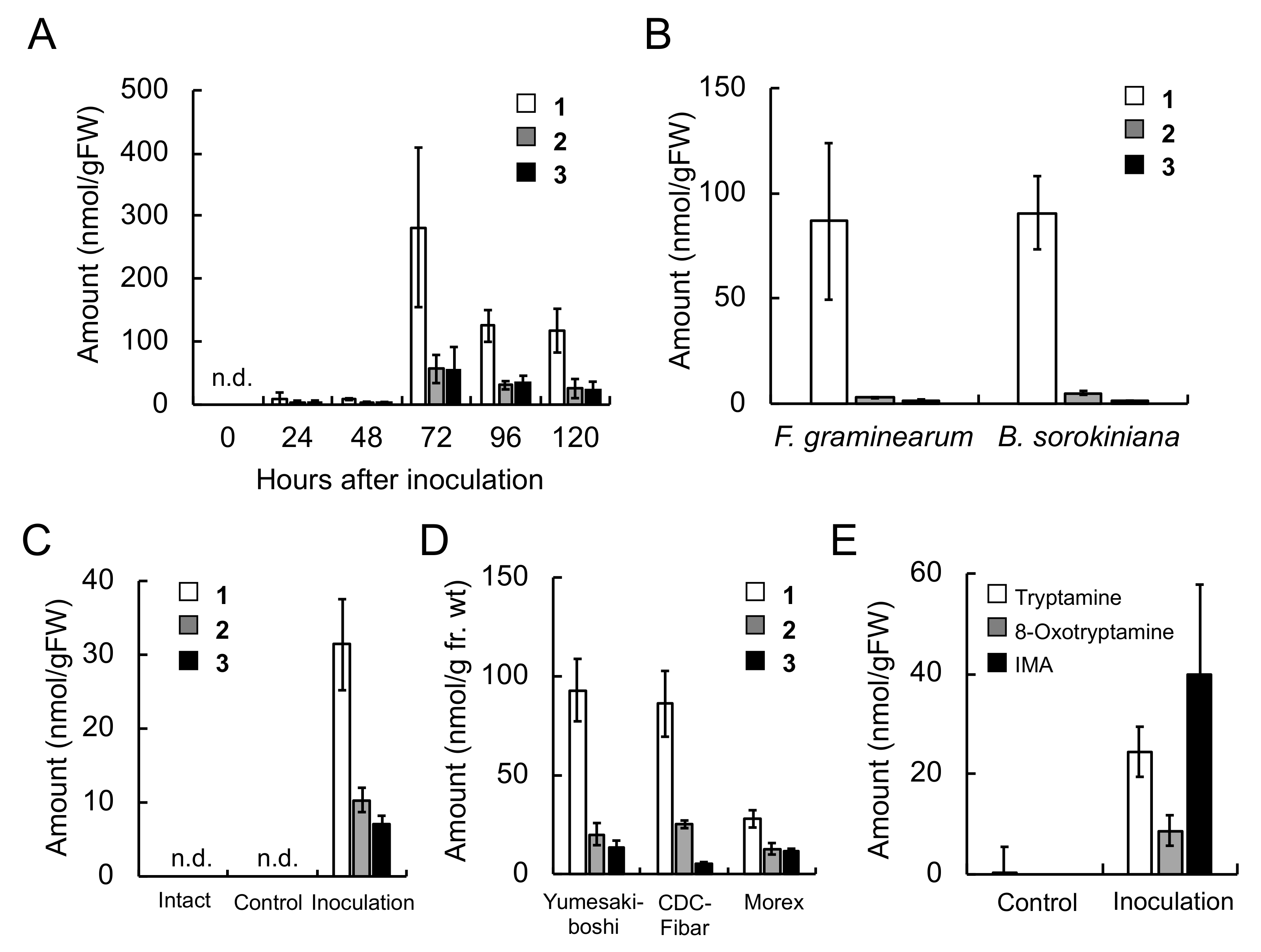
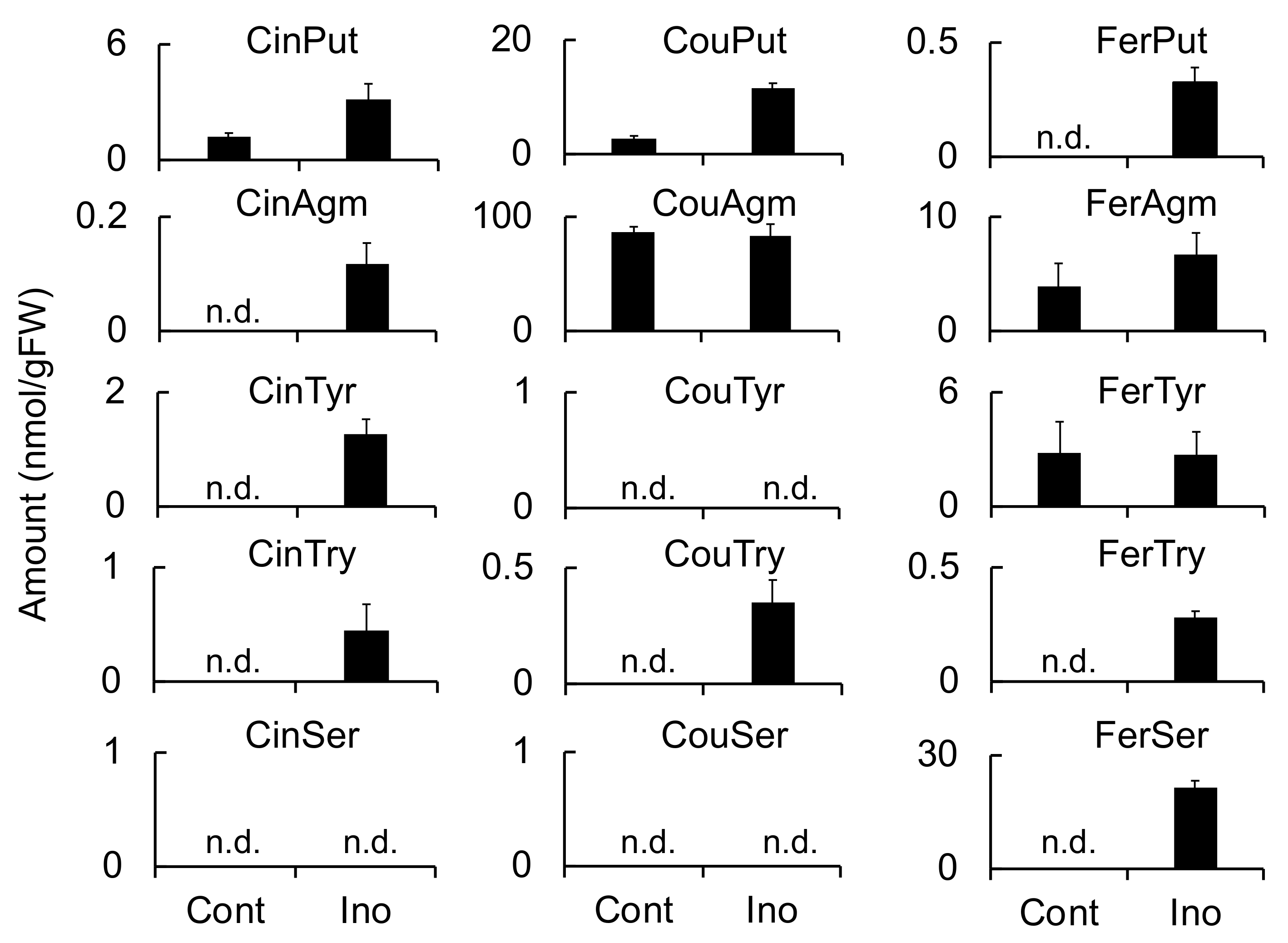
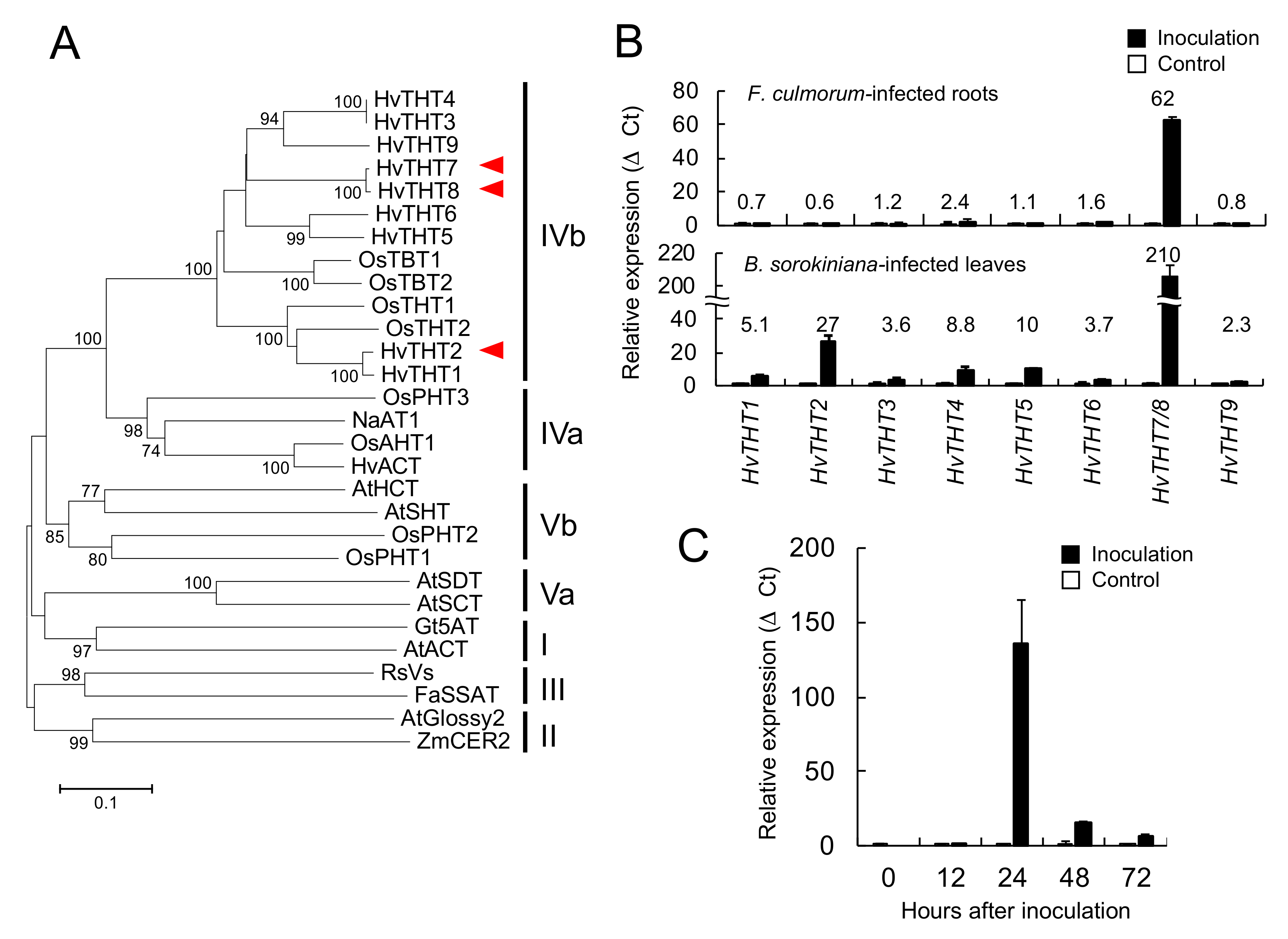
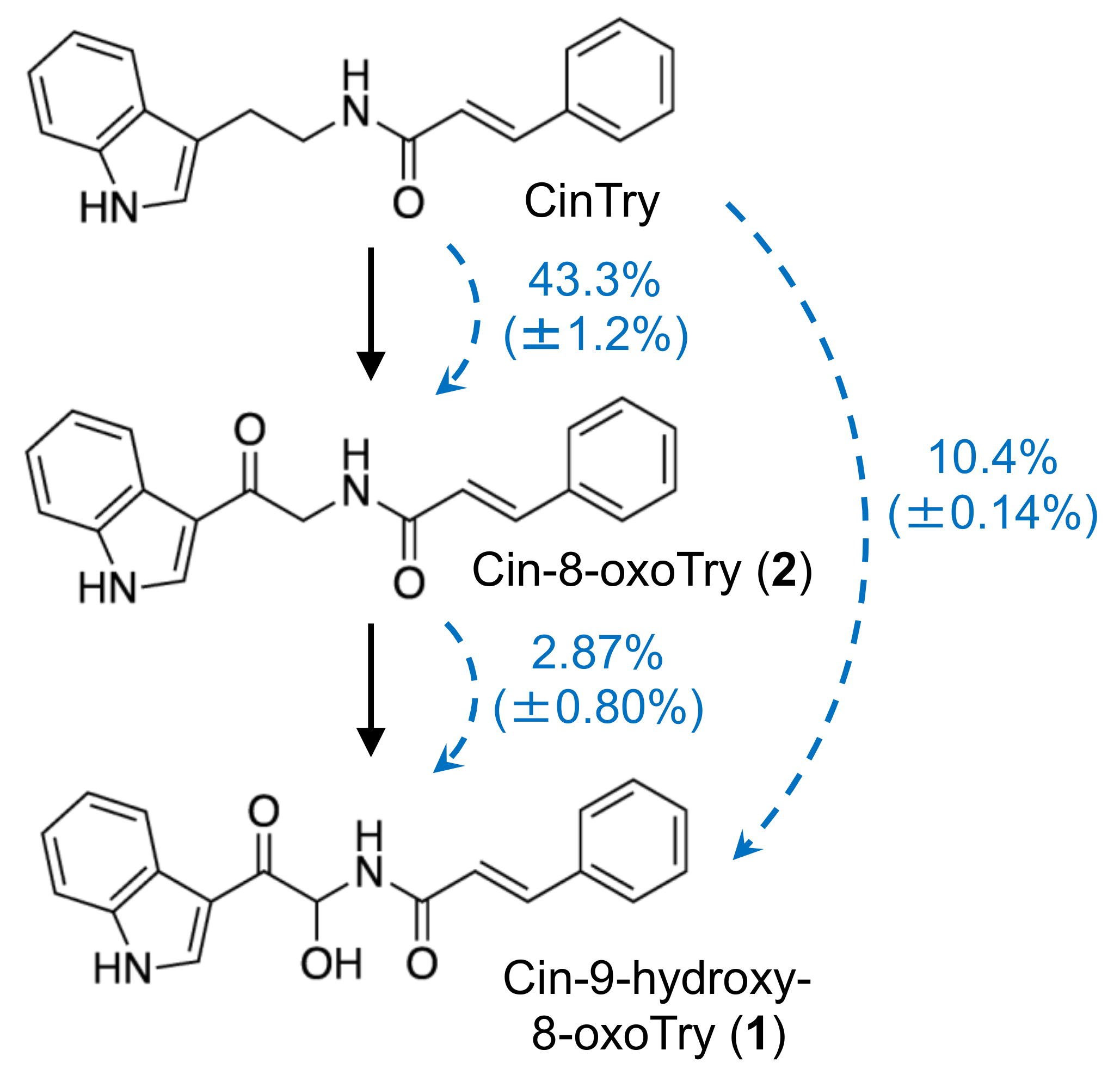
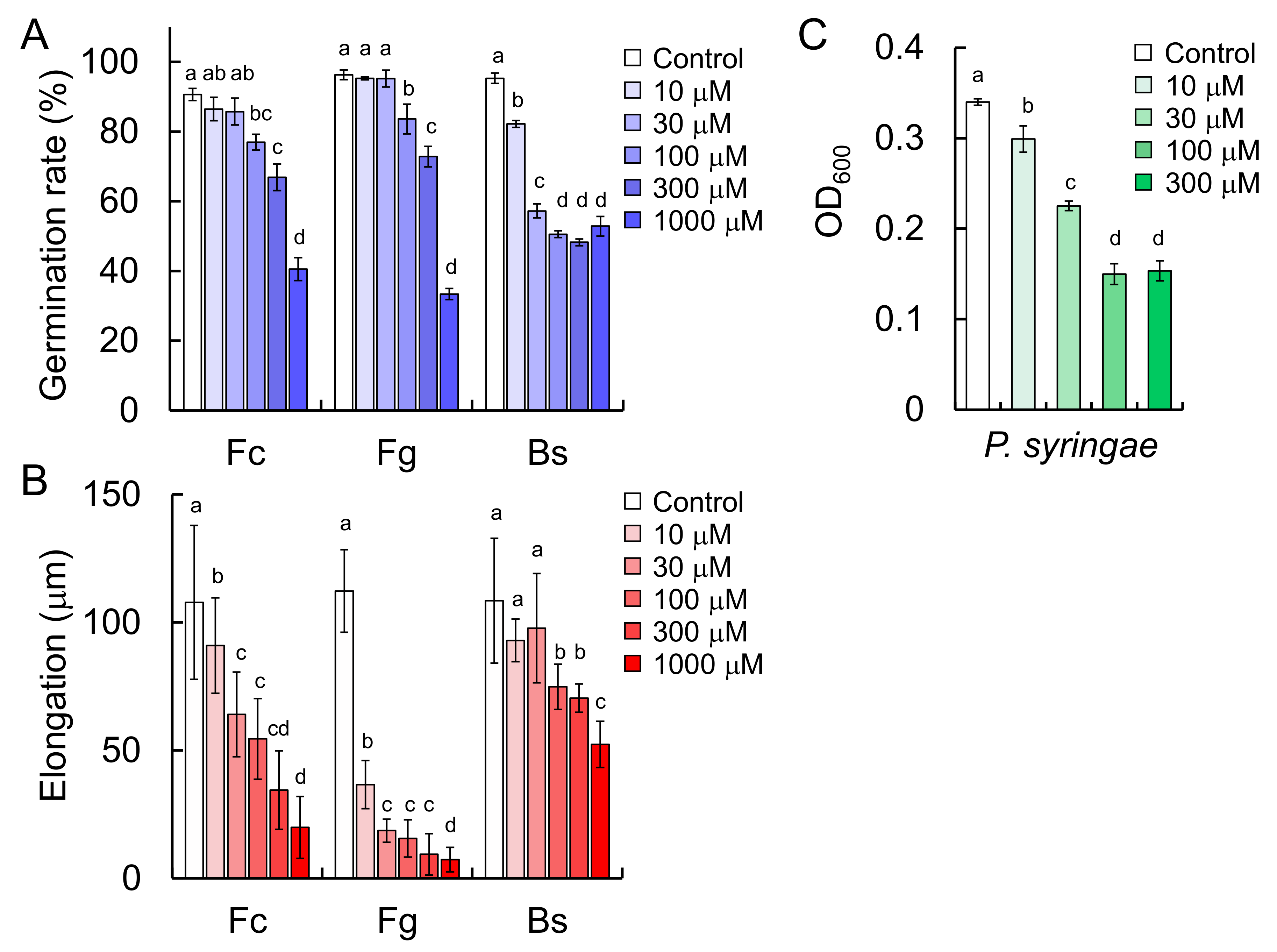
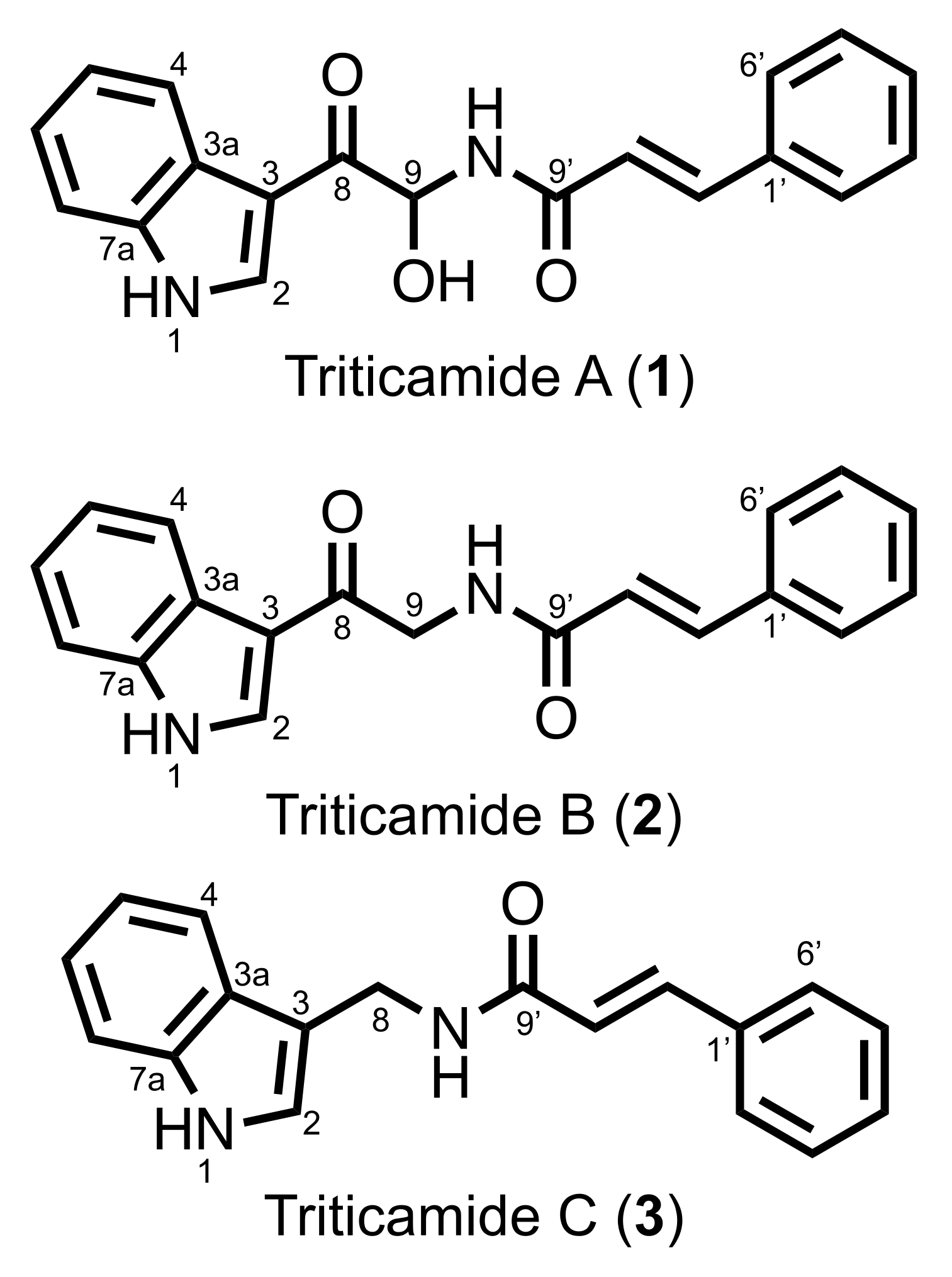
Phytoalexins are inducible antimicrobial metabolites in plants, and have been indicated to be important for the rejection of microbial infection. HPLC analysis detected the induced accumulation of three compounds 13 in barley (Hordeum vulgare) roots infected by Fusarium culmorum, the causal agent of Fusarium root rot. Compounds 13 were identified as cinnamic acid amides of 9-hydroxy-8-oxotryptamine, 8-oxotryptamine, and (1H-indol-3-yl)methylamine, respectively, by spectroscopic analysis. Compounds 1 and 2 had been previously reported from wheat, whereas 3 was an undescribed compound. We named 13 as triticamides A–C, respectively, because they were isolated from barley and wheat, which belong to the Triticeae tribe. These compounds showed antimicrobial activities, indicating that triticamides function as phytoalexins in barley. The administration of deuterium-labeled N-cinnamoyl tryptamine (CinTry) to barley roots resulted in the effective incorporation of CinTry into 1 and 2, which suggested that they were synthesized through the oxidation of CinTry. Nine putative tryptamine hydroxycinnamoyl transferase (THT)-encoding genes (HvTHT1HvTHT9) were identified by database search on the basis of homology to known THT gene sequences from rice. Since HvTHT7 and HvTHT8 had the same sequences except one base, we measured their expression levels in total by RT-qPCR. HvTHT7/8 were markedly upregulated in response to infection by F. culmorum. The HvTHT7 and HvTHT8 enzymes preferred cinnamoyl- and feruloyl-CoAs as acyl donors and tryptamine as an acyl acceptor, and (1H-indol-3-yl)methylamine was also accepted as an acyl acceptor. These findings suggested that HvTHT7/8 are responsible for the induced accumulation of triticamides in barley.
Keywords: Hordeum vulgare; phytoalexin; phenylamide; triticamide; tryptamine N-hydroxycinnamoyl transferase; Bipolaris sorokiniana; Fusarium culmorum; Fusarium graminearum Hordeum vulgare; phytoalexin; phenylamide; triticamide; tryptamine N-hydroxycinnamoyl transferase; Bipolaris sorokiniana; Fusarium culmorum; Fusarium graminearum