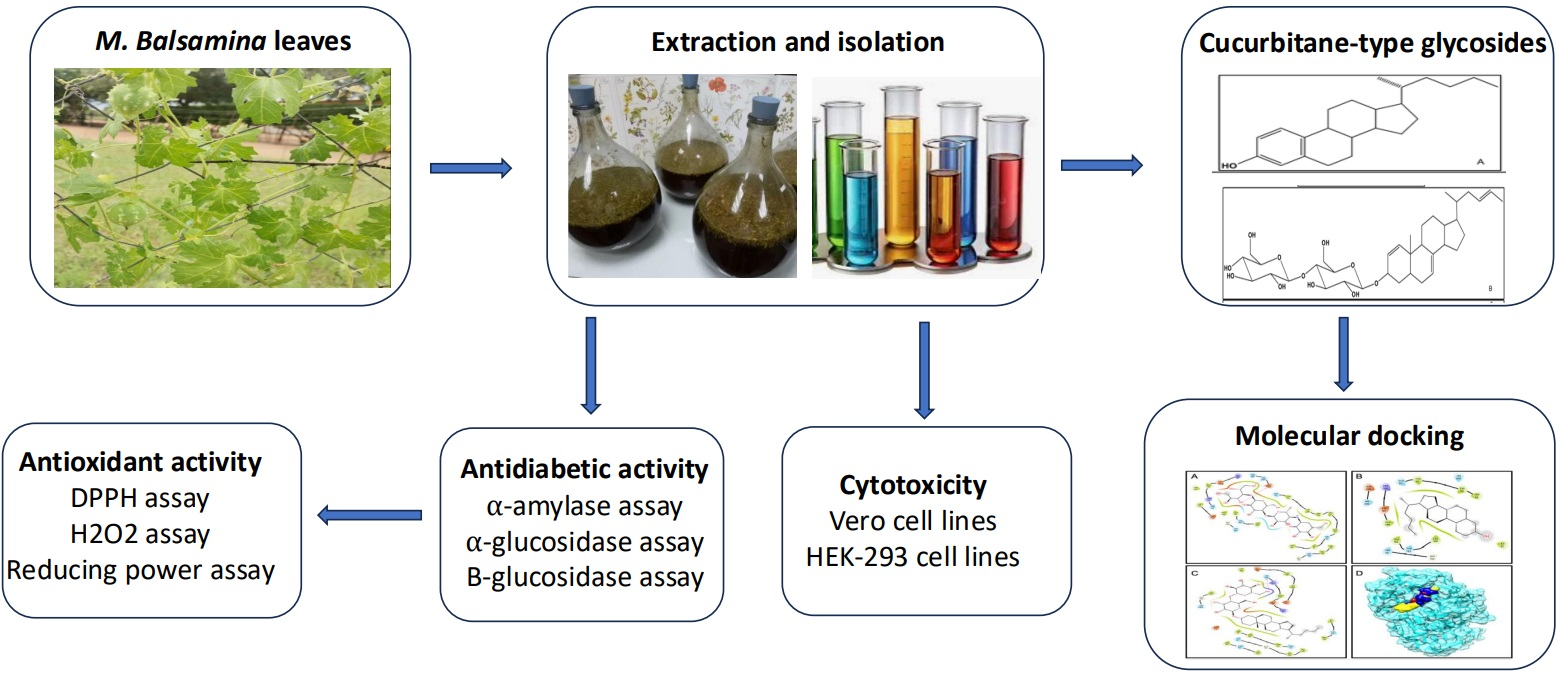
Cucurbitane-Type Glycosides and Sterol from Momordica balsamina Linn. As Target Potential Leads for Diabetes Management
 , , , ,
  and
and
Abstract
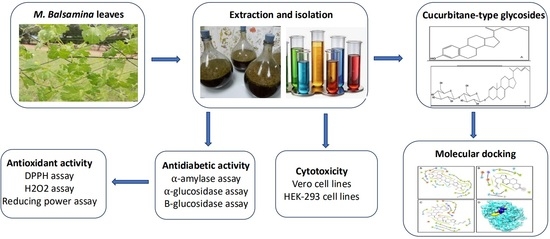
1. Introduction
2. Results
2.1. Fractioning, Isolation and Structural Characterization of Compounds DD26.27 and EAEA1.2
2.1.1. Fractionation and Isolation of Compound DD26.27
Fourier Transform Infrared Spectroscopy
High-Pressure Liquid-Chromatography of Compound DD26.27
Ultra-Performance Liquid Chromatography–Mass Spectrometry (UPLC-MS)
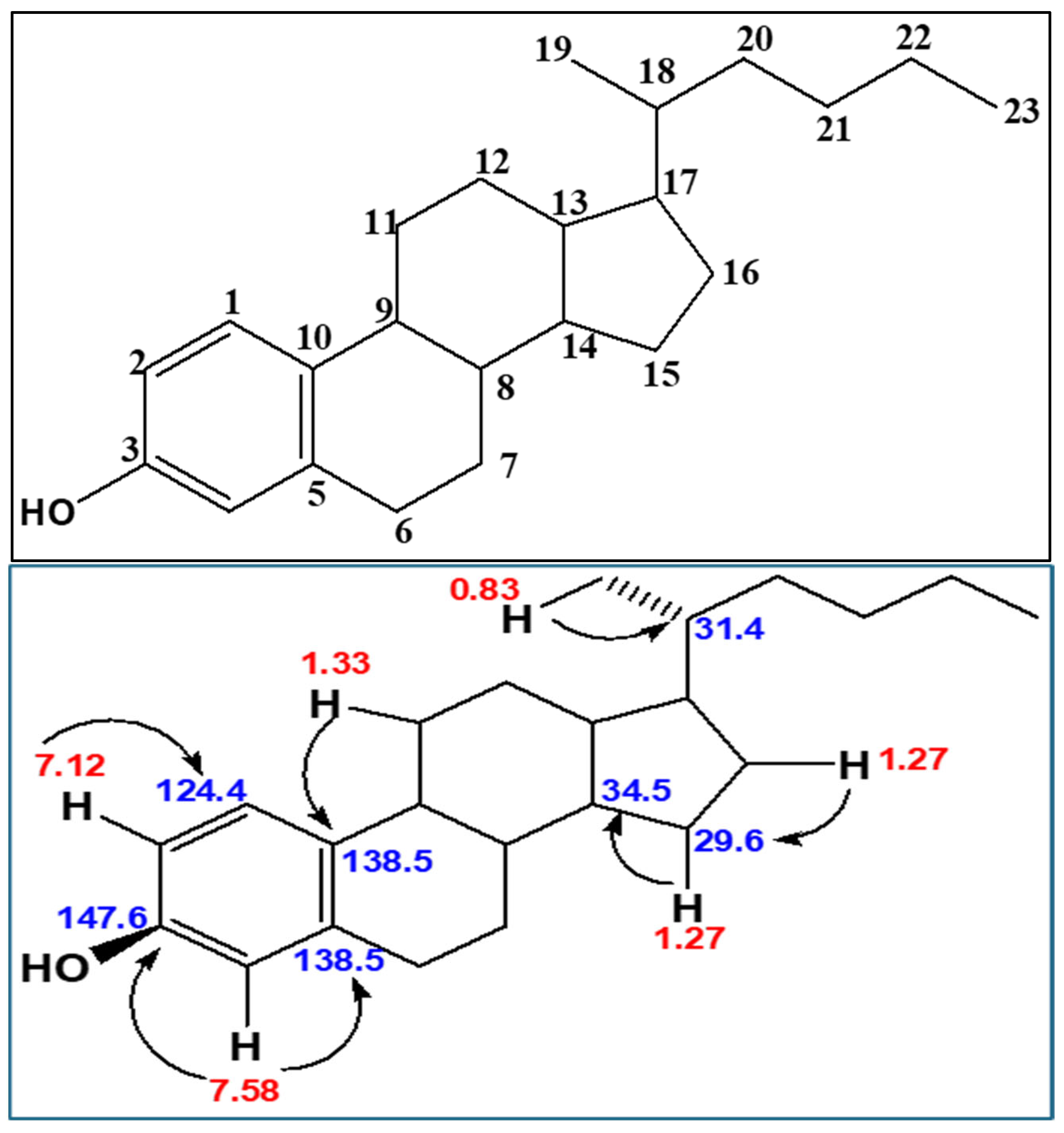
2.1.2. Structural Elucidation of DD.26.27
Proton NMR of DD26.27
Carbon-13 NMR of DD26.27
Distortedness Enhancement by Polarization Transfer (DEPT)
HSQC NMR of DD26.27
HMBC NMR of DD26.27
2.1.3. Fractionation and Isolation of Compound EAEA1.2
Fourier Transform Infrared Spectroscopy (FTIR)
High-Pressure Liquid Chromatography (HPLC)
Ultra-Performance Liquid Chromatography–Mass Spectrometry (UPLC-MS)
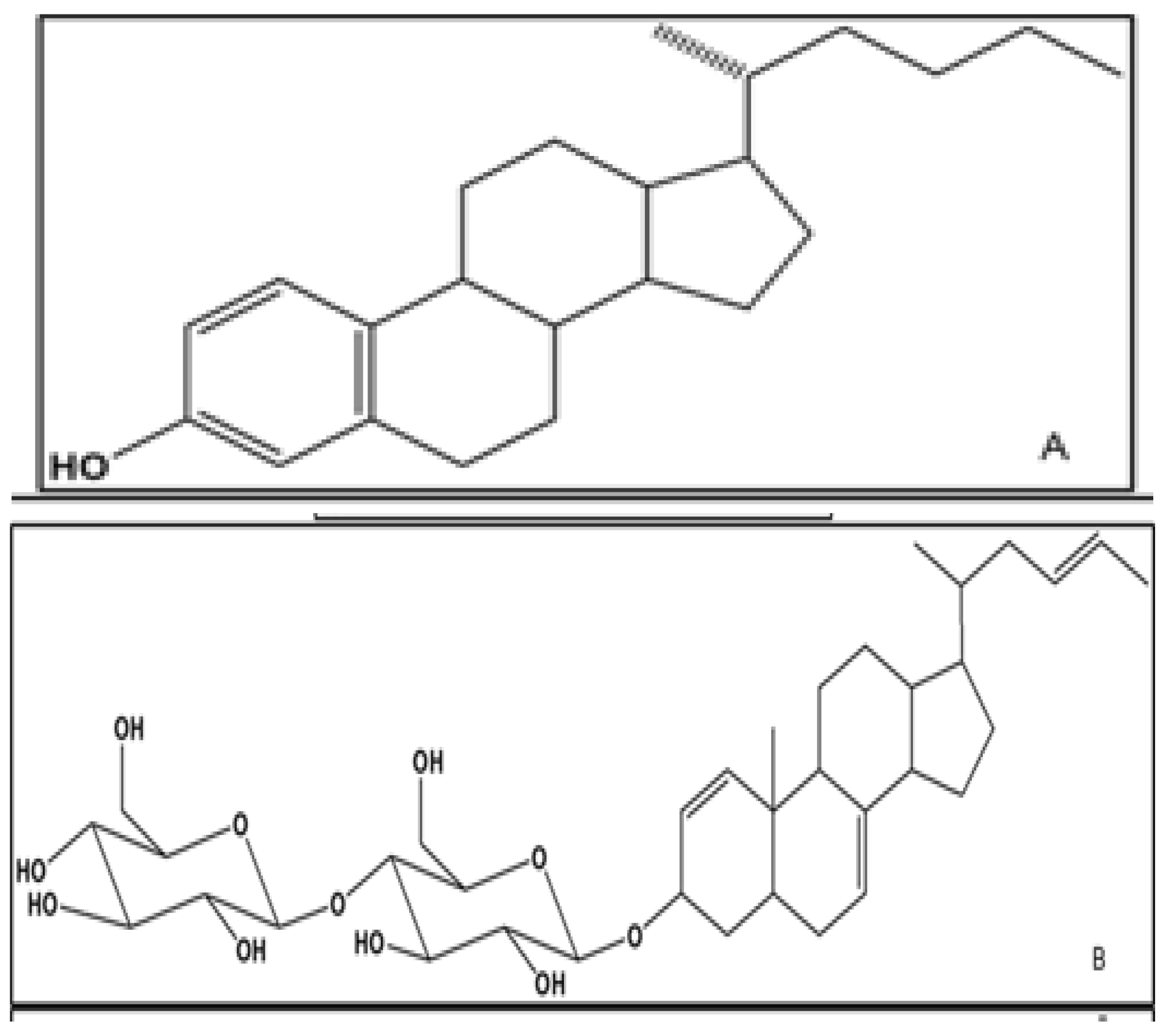
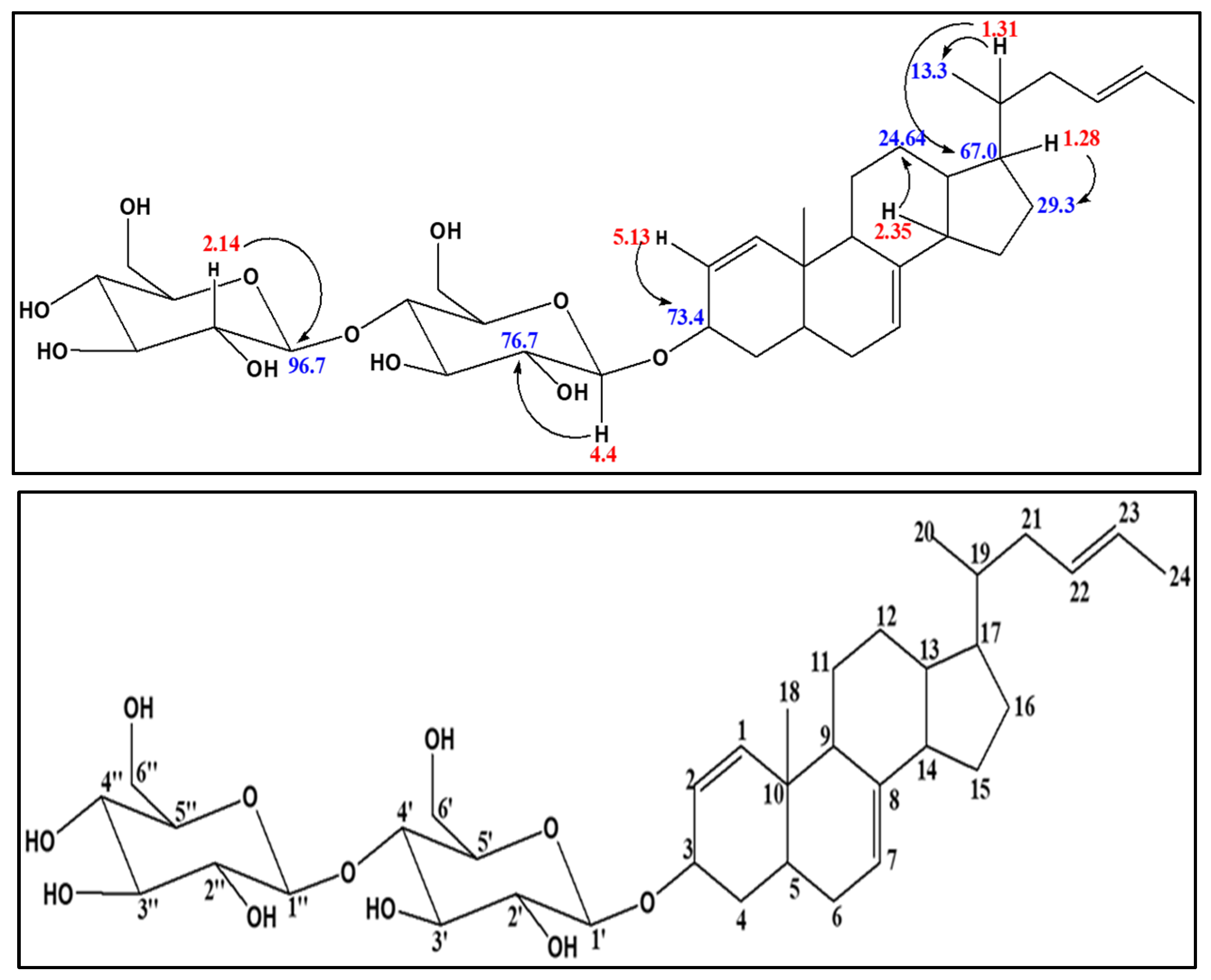
2.1.4. Structural Elucidation of EAEA1.2
Proton NMR of EAEA1.2
Carbon-13 NMR of EAEA1.2
Distortedness Enhancement by Polarization Transfer (DEPT) of EAEA1.2
HSQC NMR of EAEA1.2
HMBC NMR of EAEA1.2
2.2. Enzyme Inhibition Activity of Compound DD26.27
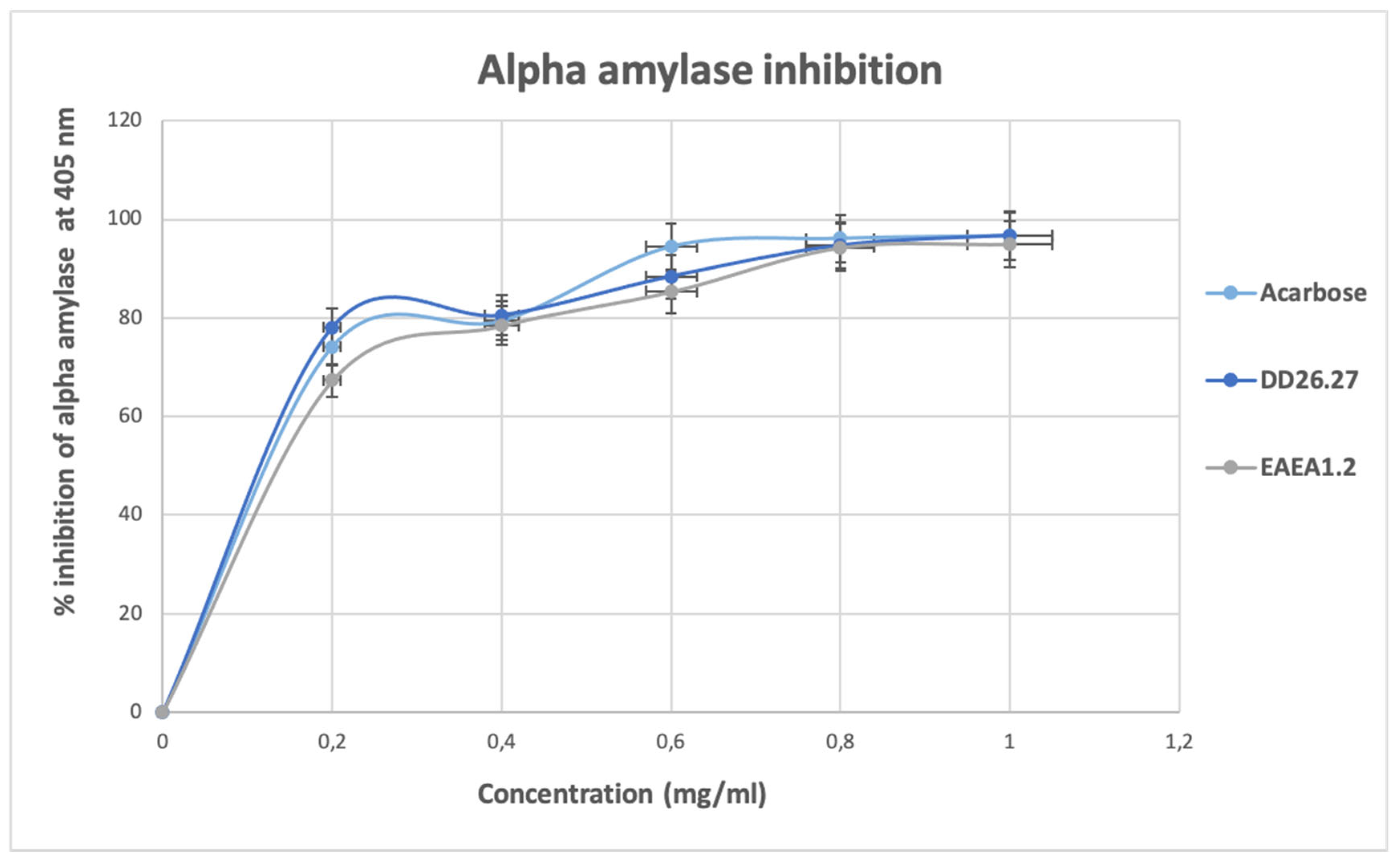
2.2.1. Alpha-Amylase Inhibition Activity
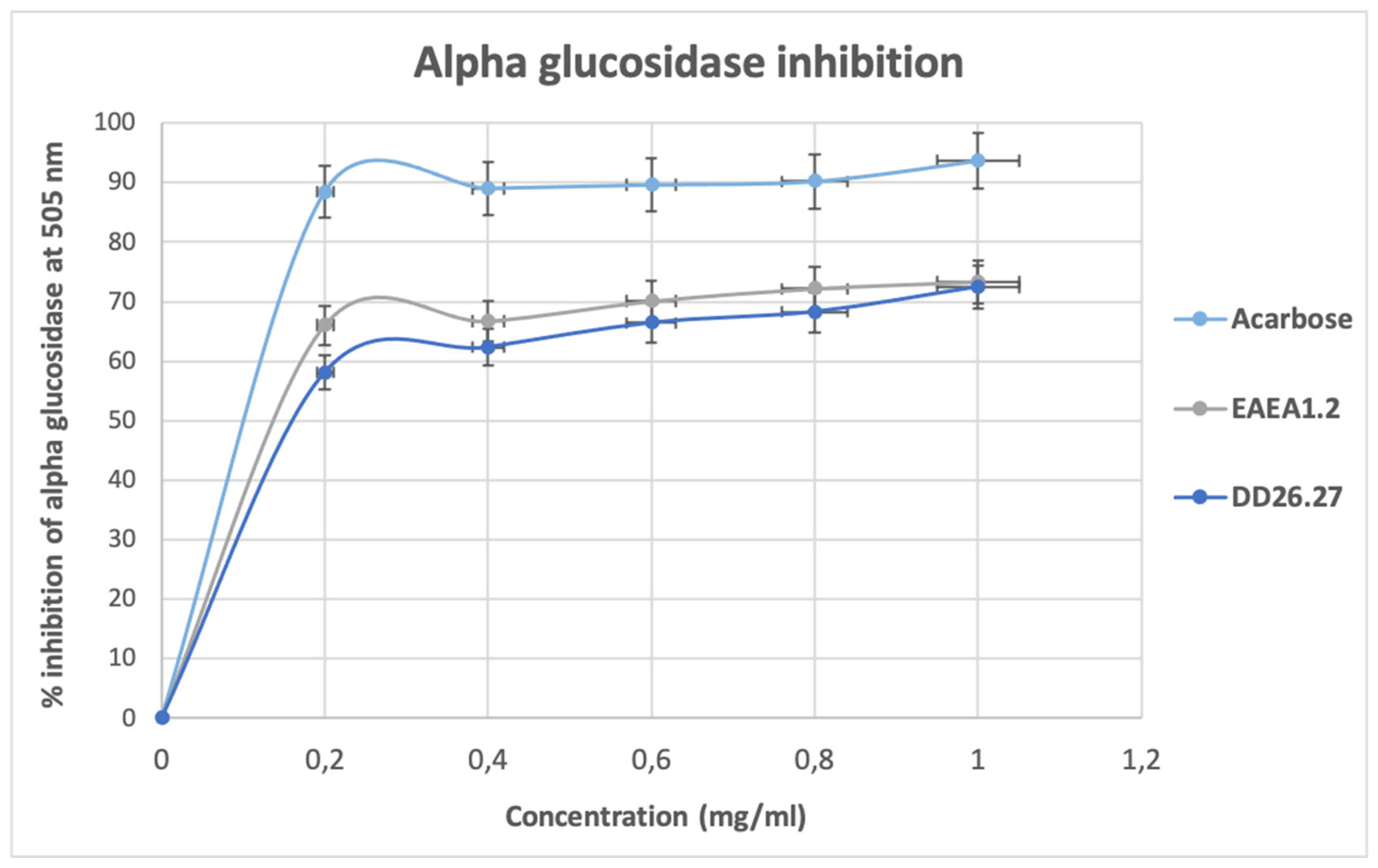
2.2.2. Alpha-Glucosidase Inhibition Activity
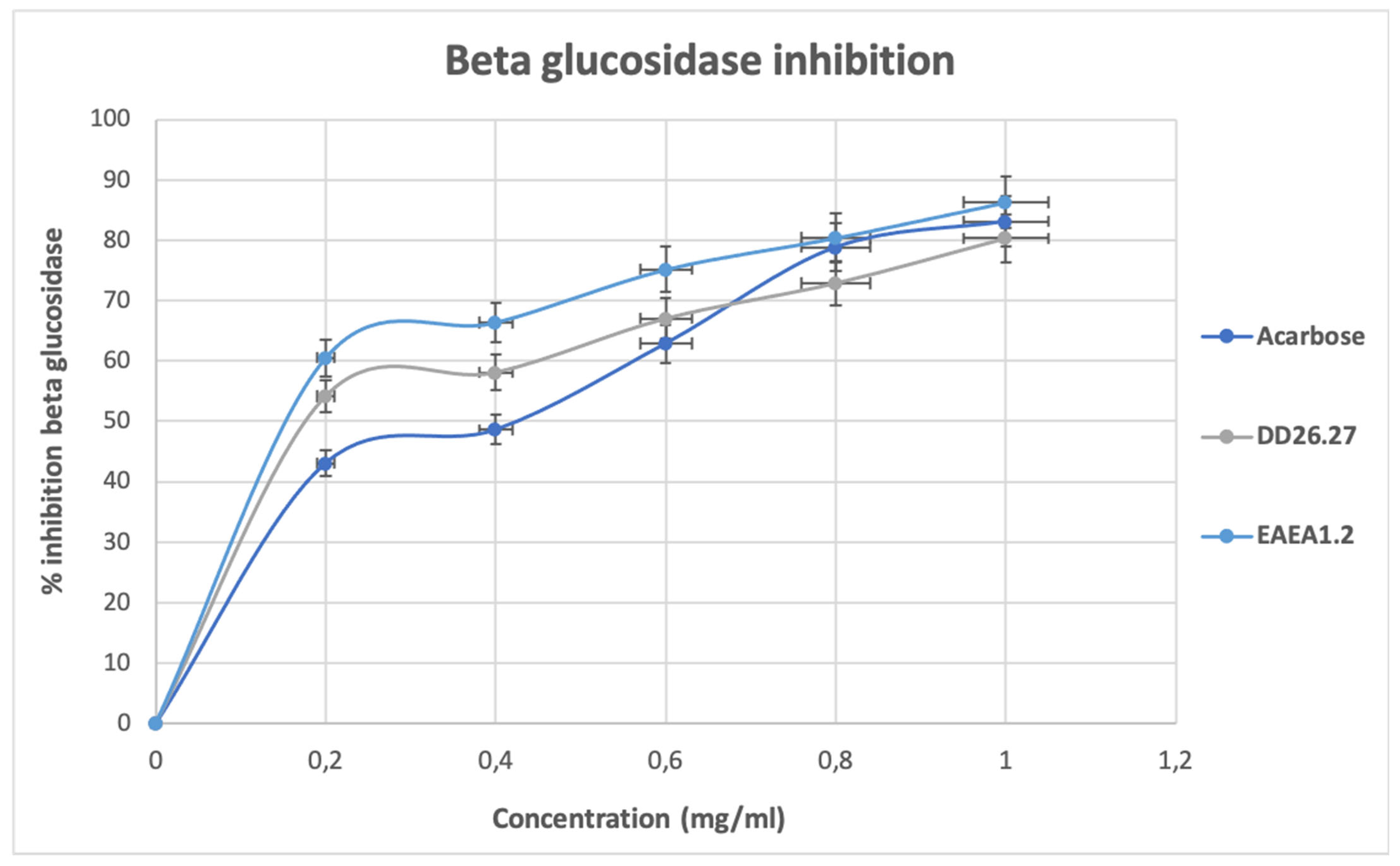
2.2.3. Beta-Glucosidase Inhibition Assay
2.3. Molecular Docking
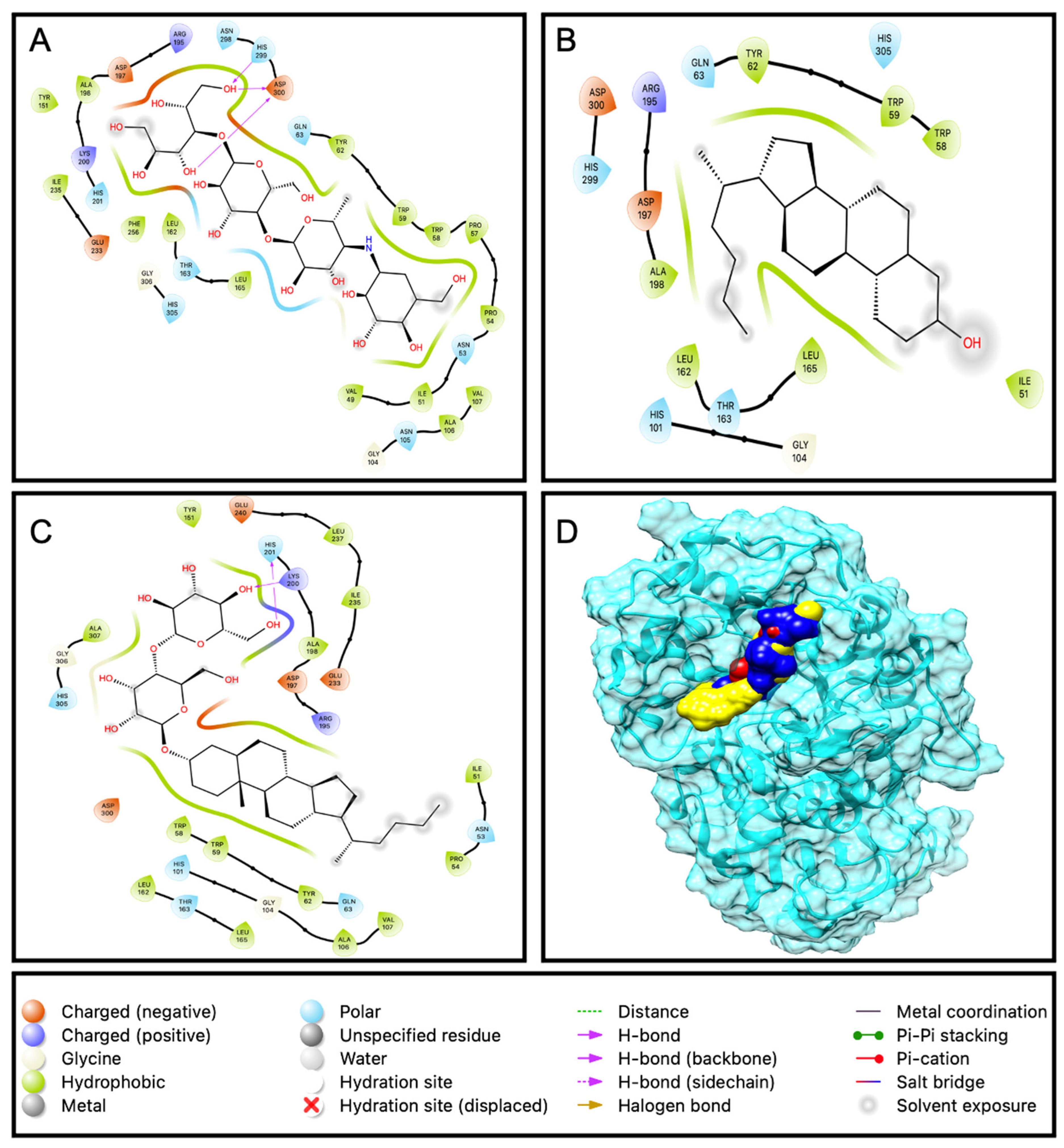
2.3.1. Docking of Compounds with α-Amylase
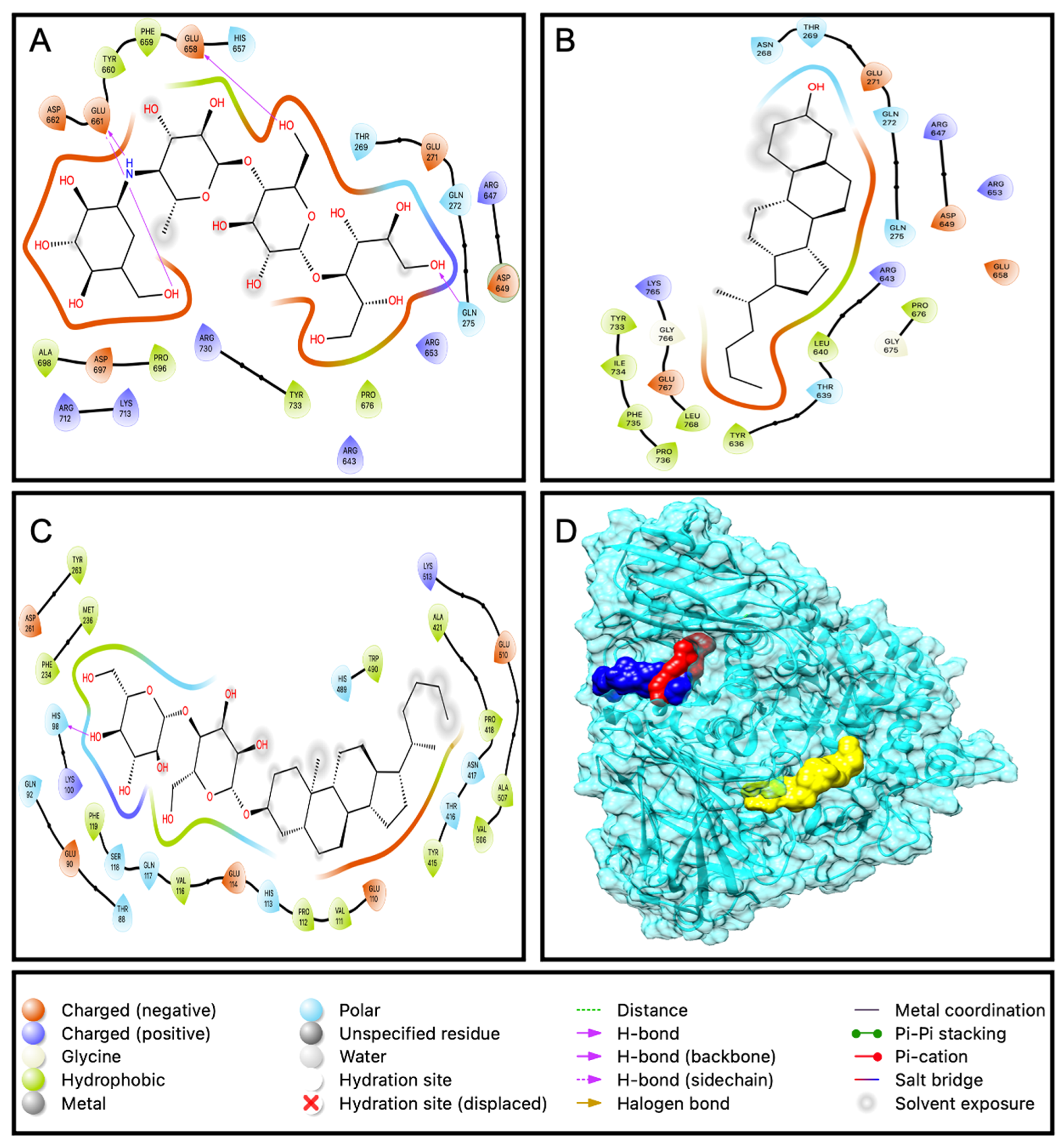
2.3.2. Docking of Compounds with α-Glucosidase
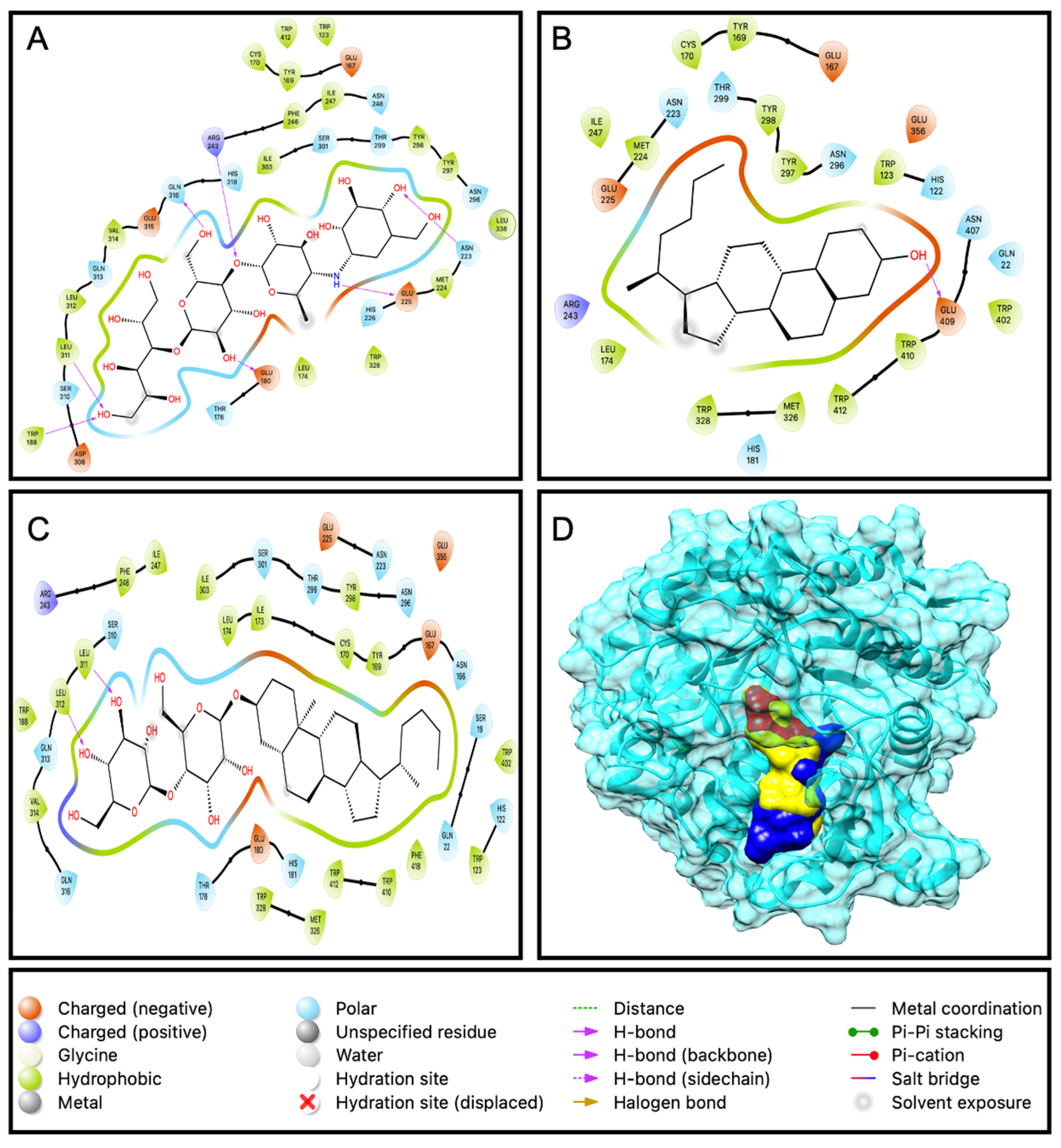
2.3.3. Docking of Compounds with β-Glucosidase
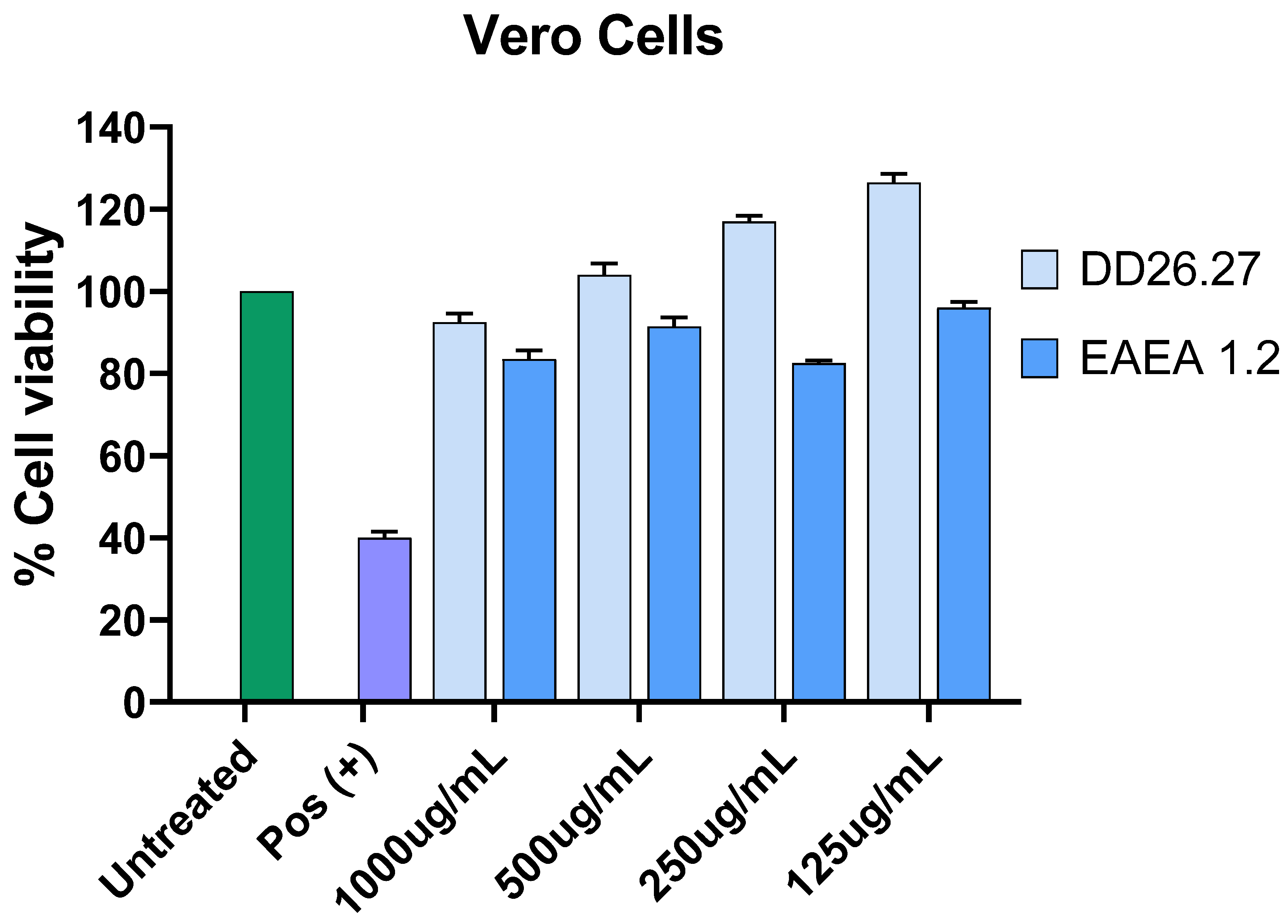
2.4. Cytotoxicity of DD26.27 and EAEA1.2 Against Vero and HEK-293 Cell Lines
2.4.1. Cytotoxicity Against Vero Cell Lines
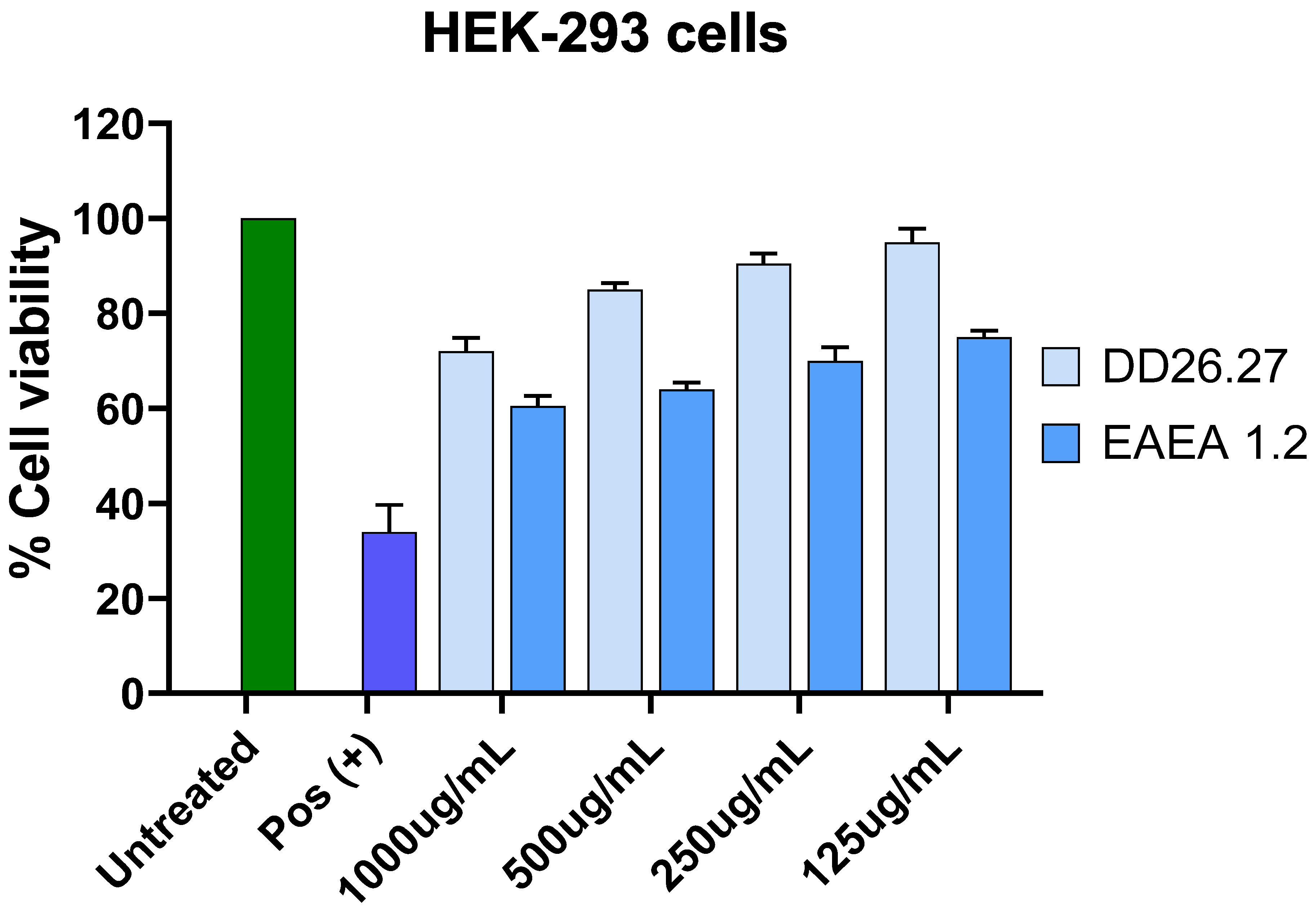
2.4.2. Cytotoxicity Against HEK-293 Cell Lines
3. Materials and Methods
3.1. Chemicals and Reagents
3.2. Collection of Plant and Extraction
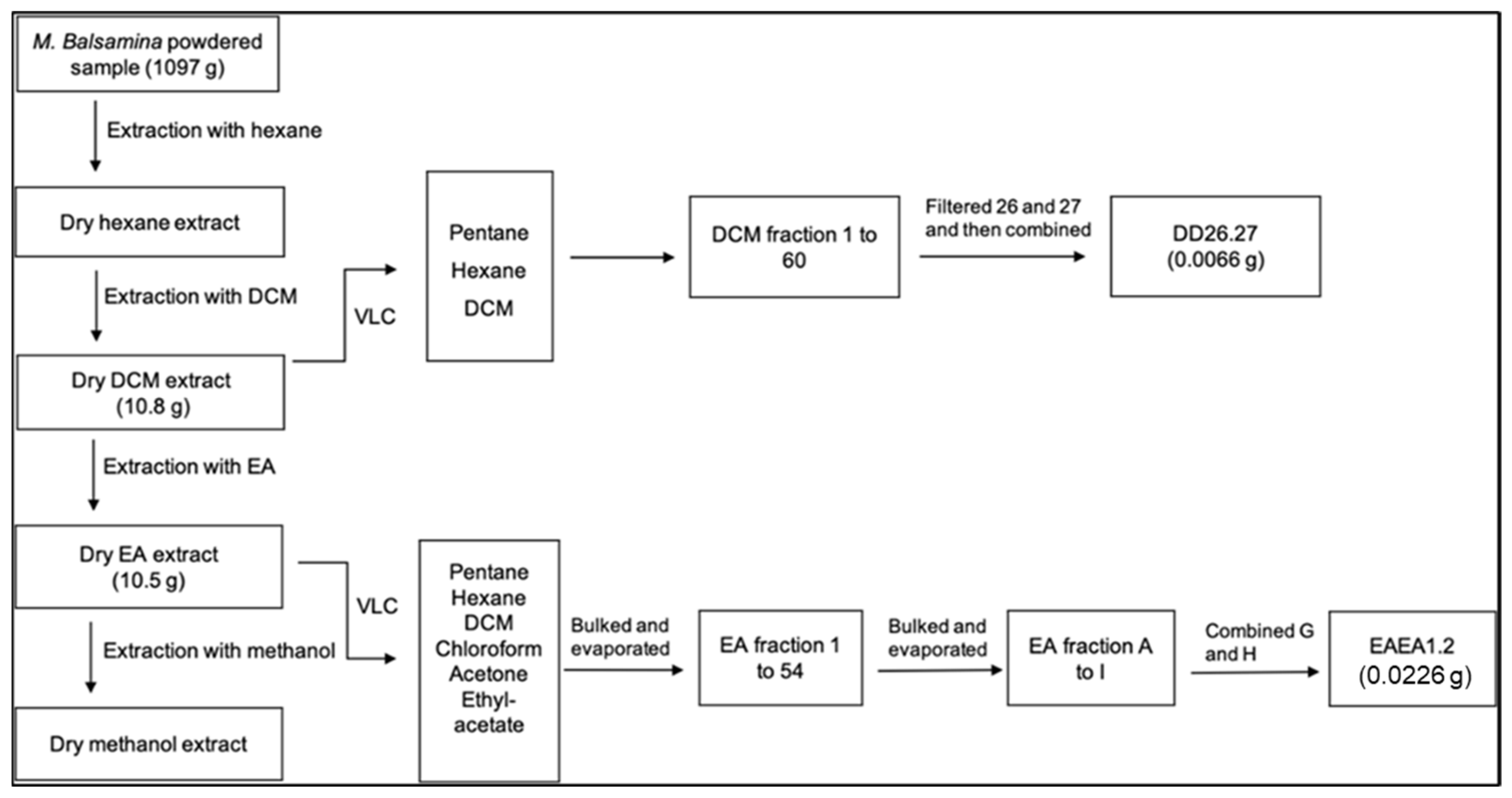
3.3. Fractionation and Isolation from DCM and EA Leaf Extracts
3.3.1. Fractionation and Isolation of Compound DD26.27 from DCM Leaf Extract
3.3.2. Fractionation and Isolation of Compound EAEA1.2 from EA Extract
3.4. High-Pressure Liquid Chromatography (HPLC)
3.5. Ultra-Performance Liquid Chromatography–Mass Spectrometry (UPLC-MS)
3.5.1. Preparation of the Sample
3.5.2. Ultra-Performance Liquid Chromatography–Mass Spectrometry (UPLC-MS)
3.5.3. Fourier Transform Infrared Spectroscopy (FTIR)
3.5.4. Nuclear Magnetic Resonance (NMR)
3.6. In Vitro Antidiabetic Activity
3.6.1. α-Amylase Inhibition Activity
3.6.2. α-Glucosidase Inhibition Activity
3.6.3. β-Glucosidase Inhibition Assay
3.7. Molecular Docking
3.7.1. Retrieval and Preparation of the Ligands
3.7.2. Retrieval and Preparation of the Protein
3.7.3. Docking with Auto-Dock Vina
3.8. Cytotoxicity
3.8.1. Preparation of the Cell Lines
3.8.2. 3-(4,5-Dimethylthiazol-2-yl)-2,5-diphenyltetrazolium Bromide (MTT) Cytotoxicity Assay
4. Conclusions
Author Contributions
Funding
Institutional Review Board Statement
Informed Consent Statement
Data Availability Statement
Conflicts of Interest
References
- Li, S.; Tao, J.; Tang, J.; Chu, Y.; Wu, H. Digital therapeutics as an emerging new therapy for diabetes mellitus: Potentials and concerns. Endocr. Connect. 2024, 13, e240219. [Google Scholar] [CrossRef] [PubMed]
- Gieroba, B.; Kryska, A.; Sroka-Bartnicka, A. Type 2 diabetes mellitus–conventional therapies and future perspectives in innovative treatment. Biochem. Biophys. Rep. 2025, 42, 102037. [Google Scholar] [CrossRef]
- Li, Y.; Huang, T.H.-W.; Yamahara, J. Salacia root, a unique Ayurvedic medicine, meets multiple targets in diabetes and obesity. Life Sci. 2008, 82, 1045–1049. [Google Scholar] [CrossRef]
- Yaprak, B.; Keskin, L. Evaluation of microvascular complications in patients with new diagnosis type 2 diabetes. Eur. Rev. Med. Pharmacol. Sci. 2023, 27, 1601–1608. [Google Scholar]
- Shibib, L.; Al-Qaisi, M.; Guess, N.; Miras, A.D.; Greenwald, S.E.; Pelling, M.; Ahmed, A. Manipulation of post-prandial hyperglycaemia in type 2 diabetes: An update for practitioners. Diabetes Metab. Syndr. Obes. 2024, 17, 3111–3130. [Google Scholar] [CrossRef]
- Sharma, P.; Sharma, V.; Mathpal, S.; Tewari, D.; Chandra, S.; Tamta, S. Identification of alpha-glucosidase enzyme inhibitors from phytochemicals via integrated deep learning, molecular docking, molecular dynamics simulation, and MMPBSA analysis. S. Afr. J. Bot. 2024, 167, 48–61. [Google Scholar] [CrossRef]
- Ramalhete, C.; Gonçalves, B.M.; Barbosa, F.; Duarte, N.; Ferreira, M.J.U. Momordica balsamina: Phytochemistry and pharmacological potential of a gifted species. Phytochem. Rev. 2022, 21, 617–646. [Google Scholar] [CrossRef]
- Thiaw, M.; Samb, I.; Genva, M.; Gaye, M.L.; Fauconnier, M.L. Momordica balsamina L.: A plant with multiple therapeutic and nutritional potential—A review. Nutraceuticals 2023, 3, 556–573. [Google Scholar] [CrossRef]
- Kgosana, M.R.; Mayimele, N.N. The use and benefits of Momordica balsamina L. (Nkaka) amongst Bantu people in southern Africa: From traditional food source to modern medicine. J. Appl. Pharm. Sci. 2025, 15, 1–7. [Google Scholar] [CrossRef]
- Kabir, N.; Umar, I.A.; James, D.B.; Inuwa, H.M.; Atiku, M.K. Antidiabetic potentials of aqueous leaf extracts of Momordica balsamina linn and Leptadenia hastata (pers) decne alone and in combination in streptozotocin-induced diabetic rats. Trop. J. Nat. Prod. Res. 2019, 3, 10–16. [Google Scholar] [CrossRef]
- Jonathan, K.O.; Ignatius, O.S.; Ikoni, O.J. Safety and health benefits profile studies of leaf extracts of Momordica balsamina Linn (Cucurbitaceae) found in North Central Nigeria. GSC Biol. Pharm. Sci. 2020, 11, 278–286. [Google Scholar] [CrossRef]
- Khan, M.; Diop, A.; Gbodossou, E.; Xiao, P.; Coleman, M.; De Barros, K.; Duong, H.; Bond, V.C.; Floyd, V.; Kondwani, K.; et al. Anti-human immunodeficiency virus-1 activity of MoMo30 protein isolated from the traditional African medicinal plant Momordica balsamina. Virol. J. 2023, 20, 50. [Google Scholar] [CrossRef]
- Fan, J.; Fu, A.; Zhang, L. Progress in molecular docking. Quant. Biol. 2019, 7, 83–89. [Google Scholar] [CrossRef]
- Agu, P.C.; Afiukwa, C.A.; Orji, O.U.; Ezeh, E.M.; Ofoke, I.H.; Ogbu, C.O.; Ugwuja, E.I.; Aja, P.M. Molecular docking as a tool for the discovery of molecular targets of nutraceuticals in diseases management. Sci. Rep. 2023, 13, 13398. [Google Scholar] [CrossRef]
- Ajaj, R.; Rauf, A.; Akram, Z.; Khan, M.U.; Rehman, R.; Ahmad, Z.; Anwar, Y.; Iriti, M. Aldose reductase inhibitory activity, molecular docking, ADMET, and density functional theory investigation of flavonoids isolated from Euphorbia pulcherrima Willd Ex Koltz. J. Mol. Struct. 2025, 1344, 142963. [Google Scholar] [CrossRef]
- Nivatya, H.K.; Singh, A.; Kumar, N.; Sonam Sharma, L.; Singh, V.; Mishra, R.; Gaur, N.; Mishra, A.K. Assessing molecular docking tools: Understanding drug discovery and design. Future J. Pharm. Sci. 2025, 11, 111. [Google Scholar] [CrossRef]
- Sadeghian, S.; Zarei, A.M.; Khabnadideh, S.; Emami, L.; Poustforoosh, A.; Mousavi, M.; Mohazzabie, M.M.Z.; Emami, M.; Rezaei, Z. Synthesis, cytotoxic evaluation, molecular docking studies and molecular dynamic simulations of a new series of thio-6-bromoquinazoline-4 (3H)-one derivatives. Results Chem. 2025, 17, 102528. [Google Scholar] [CrossRef]
- Tantawy, M.A.; Sroor, F.M.; Mohamed, M.F.; El-Naggar, M.E.; Saleh, F.M.; Hassaneen, H.M.; Abdelhamid, I.A. Molecular docking study, cytotoxicity, cell cycle arrest and apoptotic induction of novel chalcones incorporating thiadiazolyl isoquinoline in cervical cancer. Anti-Cancer Agents Med. Chem. 2020, 20, 70–83. [Google Scholar] [CrossRef] [PubMed]
- Kaushik, U.; Aeri, V.; Showkat, R.M.; Ali, M. Cucurbitane-Type Triterpenoids from the Blood Glucose-Lowering Extracts of Coccinia indica and Momordica balsamina Fruits. Pharmacogn. Mag. 2017, 13, S115–S121. [Google Scholar] [CrossRef]
- Ghasemi, M.; Turnbull, T.; Sebastian, S.; Kempson, I. The MTT assay: Utility, limitations, pitfalls, and interpretation in bulk and single-cell analysis. Int. J. Mol. Sci. 2021, 22, 12827. [Google Scholar] [CrossRef] [PubMed]
- Sletten, G.B.; Dahl, J.E. Cytotoxic effects of extracts of compomers. Acta Odontol. Scand. 1999, 57, 316–322. [Google Scholar] [CrossRef] [PubMed]
- López-García, J.; Lehocký, M.; Humpolíček, P.; Sáha, P. HaCaT keratinocytes response on antimicrobial atelocollagen substrates: Extent of cytotoxicity, cell viability and proliferation. J. Funct. Biomater. 2014, 5, 43–57. [Google Scholar] [CrossRef] [PubMed]
- Modimola, M.S.; Green, E.; Njobeh, P.; Senabe, J.; Fouche, G.; McGaw, L.; Nkadimeng, S.M.; Mathiba, K.; Mthombeni, J. Investigating the toxicity of compounds yielded by staphylococci on Vero cells. Toxins 2022, 14, 712. [Google Scholar] [CrossRef] [PubMed]
- Nagarani, G.; Abirami, A.; Siddhuraju, P. A comparative study on antioxidant potentials, inhibitory activities against key enzymes related to metabolic syndrome, and anti-inflammatory activity of leaf extract from different Momordica species. Food Sci. Hum. Wellness 2014, 3, 36–46. [Google Scholar] [CrossRef]
- Sikhakhane, N.; Mokhele, S.; Pillay, M.; Takaidza, S. Chemical Profiling, Antioxidant, and Anti-Diabetic Properties of Methanol and Water Leaf Extracts of Eriobotrya japonica (Thunb.) Lindl; Elsevier: Amsterdam, The Netherlands, 2025. [Google Scholar]
- Kumar, V.; Tripathi, M.K.; Chauhan, P.K.; Singh, P.K. Different non-pharmacological approaches for management of type 2 diabetes. J. Diabetol. 2013, 4, 1. [Google Scholar] [CrossRef]
- Pettersen, E.F.; Goddard, T.D.; Huang, C.C.; Couch, G.S.; Greenblatt, D.M.; Meng, E.C.; Ferrin, T.E. UCSF Chimera—A visualization system for exploratory research and analysis. J. Comput. Chem. 2004, 25, 1605–1612. [Google Scholar] [CrossRef]
- Trott, O.; Olson, A.J. AutoDock Vina: Improving the speed and accuracy of docking with a new scoring function, efficient optimization, and multithreading. J. Comput. Chem. 2010, 31, 455–461. [Google Scholar] [CrossRef]
- Detschländer, M.S.; Van de Venter, M.; Roux, S.; Louw, L.; Lall, N. Hypoglycaemic activity of four plant extracts traditionally used in South Africa for diabetes. J. Ethnopharmacol. 2009, 124, 619–624. [Google Scholar] [CrossRef]






| Carbon Skeleton | Carbon-13 NMR of DD26.27 | H-1 (Multiplicity) |
|---|---|---|
| 1 | 124.4 | 7.40 (H, d, J = 6 Hz) |
| 2 | 123.9 | 7.12 (H, d, J = 12 Hz, 6 Hz) |
| 3 | 147.6 | Cq |
| 4 | 119.18 | 7.58 (H, s) |
| 5 | 138.5 | Cq |
| 6 | 30.0 | 2.3, 2.3 (2 H, t, J = 12 Hz) |
| 7 | 26.7 | 1.36 (2 H, m) |
| 8 | 31.4 | 1.33 (H, m) |
| 9 | 33.54 | 2.89 (H, m) |
| 10 | 138.5 | Cq |
| 11 | 30.38 | 1.33 (2 H, m) |
| 12 | 27.0 | 1.31 (2 H, s) |
| 13 | 33.88 | 3.21 (H, m) |
| 14 | 34.4 | 2.28 (H, dt, J = 12 Hz, 12 Hz) |
| 15 | 29.6 | 1.27 (2 H, m) |
| 16 | 29.5 | 1.27 (2 H, dt, J = 18 Hz) |
| 17 | 32.9 | 1.33 (H, m) |
| 18 | 31.24 | 1.07 (H, m) |
| 19 | 19.7 | 0.83 (3 H, m) |
| 20 | 22.57 | 1.2 (2 H, m) |
| 21 | 22.6 | 1.35 (2 H, m) |
| 22 | 14.04 | 0.89 (2 H, m) |
| 23 | 14.06 | 0.87 (3 H, m) |
| Carbon Skeleton | Carbon-13 NMR OF EA.EA | H-1 (Multiplicity) |
|---|---|---|
| 1 | 117.2 | 5.29 (H, d, J = 12 Hz) |
| 2 | 129.4 | 5.13 (H, dd, J = 12 Hz, 11.8 Hz) |
| 3 | 73.4 | 3.31 (H, m) |
| 4 | 30.6 | 1.87; 1.62 (2H, m) |
| 5 | 47.9 | 1.66 (H, m) |
| 6 | 29.3 | 2.04; 1.79 (2H, m) |
| 7 | 114.6 | 6.67 (H, t, J = 12 Hz, 6 Hz) |
| 8 | 118.0 | - |
| 9 | 48.1 | 1.97 (H, t, J = 8 Hz) |
| 10 | 49.4 | - |
| 11 | 29.0 | 1.41; 1.16 (2H, m) |
| 12 | 24.6 | 1.38, 1.13 (2H, m) |
| 13 | 48.4 | 1.52 (H, m) |
| 14 | 48.3 | 2.35 (2, dt, J = 4 Hz, J = 10 Hz) |
| 15 | 29.6 | 1.63; 1.38 (2H, dt, J = 4 Hz, J = 8 Hz) |
| 16 | 29.3 | 1.60; 1.35 (2H, m) |
| 17 | 67.0 | 1.28 (H, m) |
| 18 | 25.7 | 1.48 (3H, s) |
| 19 | 30.6 | 1.31 (H, m) |
| 20 | 13.3 | 1.33 (3H, d, J = 8 Hz) |
| 21 | 31.6 | 2.04; 1.79 (2H, m) |
| 22 | 129.4 | 6.39 (H, m) |
| 23 | 121.5 | 5.36 (H, m) |
| 24 | 22.3 | 1.71 (3H, m) |
| 1′ | 92.5 | 4.42 (H, d, J = 12 Hz) |
| 2′ | 76.7 | 3.73 (H, dd, J = 10 Hz, J = 4 Hz) |
| 3′ | 72.4 | 3.73 (H, dd, J = 8 Hz, J = 4 Hz) |
| 4′ | 74.8 | 3.02 (H, t, J = 7 Hz, J = 7.2 Hz) |
| 5′ | 71.5 | 4.04 (H, m) |
| 6′ | 61.5 | 3.79, 3.54 (2H, J = 12 Hz) |
| 1″ | 96.7 | 5.15 (H, d, J = 14 Hz) |
| 2″ | 73.5 | 2.14 (H, dd, J = 10 Hz, J = 4 Hz) |
| 3″ | 70.5 | 3.49 (H, dd, J = 8 Hz, J = 4 Hz) |
| 4″ | 70.3 | 3.40 (H, t, J = 7 Hz, J = 7.2 Hz) |
| 5″ | 76.5 | 3.76 (H, m) |
| 6″ 61.5 3.79; 3.54 (2H, J = 12 Hz) | 61.5 | 3.79; 3.54 (2H, J = 12 Hz) |
| MS Conditions | ||
|---|---|---|
| Detector | Waters Synapt® G2QTOF | |
| Calibration mass range | 50–1200 m/z | |
| Capillary voltage | ESI+ 2.8 KV; ESI- 2.4 KV | |
| Ionization mode | ESI+ and ESI- | |
| Source temperature | 120 °C | |
| Sampling cone | 25 V | |
| Extraction cone | 4.0 V | |
| Desolvation temperature | 350 °C | |
| Cone gas flow | 10.0 L/h | |
| Desolvation gas flow | 600.0 L/h | |
| Data management | MassLynx™ Version 4.1 UNIFI | |
| UPLC Conditions | ||
| System | Waters Acquity UPLC® | |
| Column | A Kinetex® 1.7 µm EVO C18 100 Å (2.1 mm ID × 100 mm length) | |
| Injection volume | 5 µL | |
| Column temperature | 50 °C | |
| Sample temperature | 8 °C | |
| Flow rate | 0.3 mL/min | |
| Mobile phase A | Water + 0.1% formic acid | |
| Mobile phase B | Acetonitrile + 0.1% formic acid | |
| Gradient | ||
| Time | %A | %B |
| 97.0 | 3.0 | |
| 97.0 | 3.0 | |
| 0 | 100.0 | |
| 0 | 100.0 | |
| 97.0 | 3.0 | |
| 97.0 | 3.0 | |
Disclaimer/Publisher’s Note: The statements, opinions and data contained in all publications are solely those of the individual author(s) and contributor(s) and not of MDPI and/or the editor(s). MDPI and/or the editor(s) disclaim responsibility for any injury to people or property resulting from any ideas, methods, instructions or products referred to in the content. |
© 2026 by the authors. Licensee MDPI, Basel, Switzerland. This article is an open access article distributed under the terms and conditions of the Creative Commons Attribution (CC BY) license.
Share and Cite
Matseke, B.; Tswaledi, D.; Makola, R.T.; Siwe-Noundou, X.; Rabbad, A.H.; Cosa, S.; Bassey, K. Cucurbitane-Type Glycosides and Sterol from Momordica balsamina Linn. As Target Potential Leads for Diabetes Management. Molecules 2026, 31, 1231. https://doi.org/10.3390/molecules31081231
Matseke B, Tswaledi D, Makola RT, Siwe-Noundou X, Rabbad AH, Cosa S, Bassey K. Cucurbitane-Type Glycosides and Sterol from Momordica balsamina Linn. As Target Potential Leads for Diabetes Management. Molecules. 2026; 31(8):1231. https://doi.org/10.3390/molecules31081231
Chicago/Turabian StyleMatseke, Buang, Daniel Tswaledi, Raymond T. Makola, Xavier Siwe-Noundou, Ali H. Rabbad, Sekelwa Cosa, and Kokoette Bassey. 2026. "Cucurbitane-Type Glycosides and Sterol from Momordica balsamina Linn. As Target Potential Leads for Diabetes Management" Molecules 31, no. 8: 1231. https://doi.org/10.3390/molecules31081231
APA StyleMatseke, B., Tswaledi, D., Makola, R. T., Siwe-Noundou, X., Rabbad, A. H., Cosa, S., & Bassey, K. (2026). Cucurbitane-Type Glycosides and Sterol from Momordica balsamina Linn. As Target Potential Leads for Diabetes Management. Molecules, 31(8), 1231. https://doi.org/10.3390/molecules31081231