


Abstract
New hetaryl- and alkylidenerhodanine derivatives 3a–d, 3e, and 4a–d were prepared from heterocyclic aldehydes 1a–d or acetaldehyde 1e. The treatment of several rhodanine derivatives 3a–d and 3e with piperidine or morpholine in THF under reflux, afforded (Z)-5-(hetarylmethylidene)-2-(piperidin-1-yl)thiazol-4(5H)-ones and 2-morpholinothiazol-4(5H)-ones 5a–d, 6a–d, and (Z)-5-ethylidene-2-morpholinothiazol-4(5H)-one (5e), respectively, in good yields. Structures of all compounds were determined by IR, 1D and 2D NMR and mass spectrometry. Several of these compounds were screened by the U.S. National Cancer Institute (NCI) to assess their antitumor activity against 60 different human tumor cell lines. Compound 3c showed high activity against HOP-92 (Non-Small Cell Lung Cancer), which was the most sensitive cell line, with GI50 = 0.62 μM and LC50 > 100 μM from the in vitro assays. In vitro antifungal activity of these compounds was also determined against 10 fungal strains. Compound 3e showed activity against all fungal strains tested, but showed high activity against Saccharomyces cerevisiae (MIC 3.9 μg/mL).
1. Introduction
In recent years, the synthesis and pharmacological properties of several rhodanine derivatives have been reported [1,2]. Among them, the literature highlights the antibacterial activity of 5-arylidene rhodanine derivatives [3], antimicrobial activity of 5-hetarylidene rhodanine derivatives [4], and antifungal activity of 5-arylidene rhodanine-3-acetic acid [5] and 5-arylidene rhodanines [6]. The substitution of rhodanine derivatives at C-2 (C=S) of the ring has produced compounds with important biological activity [7]. This type of compounds has been used as precursors for the synthesis of new fused heterocyclic systems [8]. Recently, new hetarylmethylidene derivatives were synthesized by Xu and co-workers [9] from the reaction of 1,3-diarylpyrazole-4-carbaldehyde with rhodanine-3-acetic acid. These compounds showed important antimicrobial activity. Herein, we report the synthesis of some new hetarylmethylidene rhodanine derivatives and their antitumor and antifungal activities.
2. Results and Discussion
2.1. Chemistry
New rhodanine derivatives were prepared from heterocyclic aldehydes 1a–d by different pathways, leading to the hetarylmethylidenerhodanine 3a–d and the rhodanine-3-acetic acid derivatives 4a–d. To obtain the expected compounds 3a–d, a mixture of rhodanine 2a with the respective heterocyclic aldehyde 1a–d and catalytic amounts of piperdine was heated for 4 h at reflux in absolute ethanol. In the case of 3a, a yellow solid was obtained which after spectroscopic characterization (IR, 1H and 13C-NMR and mass spectrometry) was confirmed to be the proposed compound. It was obtained in 86% yield (Scheme 1).
Scheme 1.
General methodology for the synthesis of rhodanine and rhodanine-3-acetic acid derivatives and their structures.
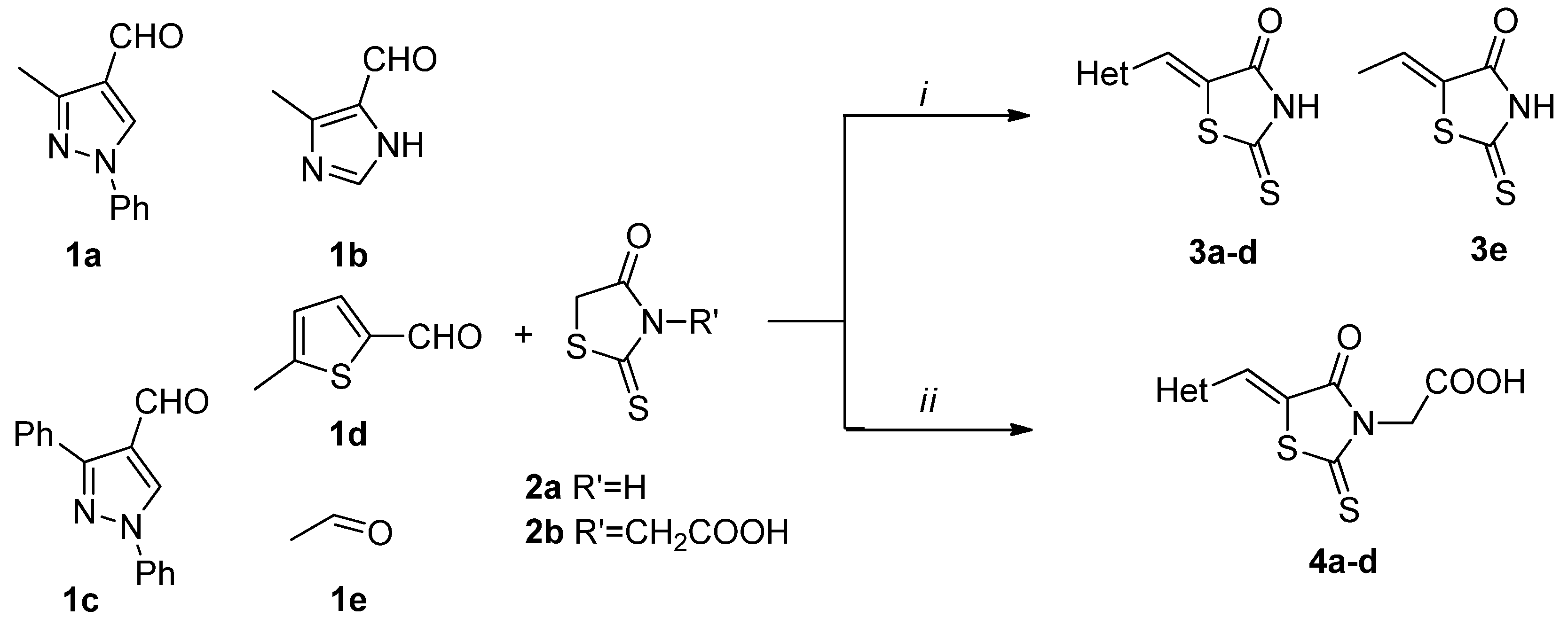
Compound 3a exhibited characteristic signals of its functional groups. The IR spectrum showed absorption bands at 3,134, 1,684 and 1,213 cm−1 associated with the –NH, C=O and C=S functionalities, respectively. In the 1H-NMR spectrum, a broad singlet at δ = 13.71 ppm was assigned to the –NH group and singlets at 7.39 and 2.40 ppm were assigned to the vinylidenic proton and to the methyl group of the pyrazole ring, respectively. The 13C-NMR spectrum showed signals at δ = 169.4 and 195.5 ppm assigned to the (C=O) and (C=S) functionalities, respectively. All signals agree with the proposed structure 3a. Finally, the mass spectrum, showed a peak (m/z 301) corresponding to the molecular ion. Similar results were observed for compounds 3b–d, obtained in good yields, as shown in Table 1.
Table 1.
Melting points and yields for the hetarylmethylidene rhodanine derivatives 3a–d, 3e and rhodanin-3-acetic acid derivatives 4a–d.
Chen and co-workers have previously reported the synthesis of rhodanine-3-acetic acid derivatives in acetic acid under reflux and using sodium acetate as catalyst [10]. Here we propose the use of microwave irradiation for the synthesis of these compounds with shorter reaction times and easier works-up.
In this sense, a mixture of heterocyclic aldehyde 1a and rhodanine-3-acetic acid was subjected to microwave irradiation (CEM-focused microwave reactor) using DMF as solvent at 100 °C and 100 W of power for 5 min, leading to the formation of a yellow solid which was characterized by IR, 1H and 13C-NMR and mass spectrometry to correspond to the desired compound 4a. It was obtained in 92% yield.
In the 1H-NMR spectrum, we observed a broad singlet at 13.45 ppm assigned to the acid proton (–COOH) and a signal at 4.73 ppm assigned to methylene protons between the acid group and thiazole ring, while the remaining signals corresponded to rest of compound 4a. In the 13C-NMR spectrum, a signal at 167.2 ppm corresponding to a carbonyl carbon (–COOH) was observed. With the help of DEPT-135 at 45.0 ppm the signal assigned to the methylene carbon between the –COOH group and the rhodanine ring was discerned.
The same procedure was followed to obtain compounds 4b–d in good yields (Scheme 1, Table 1), which highlights the efficiency of the microwave radiation for the synthesis of these compounds. The Z- configuration of compounds 3a–d and 4a–d was deduced based on the previously reported crystal structure of compounds of the (Z)-5-arylidenerhodanine type [11,12].
Subsequently, compound 3a upon reflux during 18 h with an excess of piperidine (2 equiv.) in THF afforded a white solid accompanied by the loss of H2S, as detected by its characteristic smell (Scheme 2). This solid corresponded to (Z)-5-(hetarylmethylidene)-2-(piperidin-1-yl)thiazol-4(5H)-one (5a, 85% yield), as confirmed by its IR, 1H, 13C-NMR and mass spectra. In the 1H-NMR spectrum of compound 5a, a singlet at 8.1 ppm corresponding to the proton of the pyrazole ring, a singlet at 7.66 ppm corresponding to the vinylidenic proton, and two broad singlets (2H each one) at 4.03 and 3.60 ppm, assignable to the adjacent methylenes to nitrogen of the piperidine ring, were observed.
Scheme 2.
General methodology for the synthesis of (Z)-5-(hetarylmethylidene)-2-(piperidin-1-yl)thiazol-4(5H)-ones and (Z)-5-(hetarylmethylidene)-2-morpholinothiazol-4(5H)-ones and their structures.
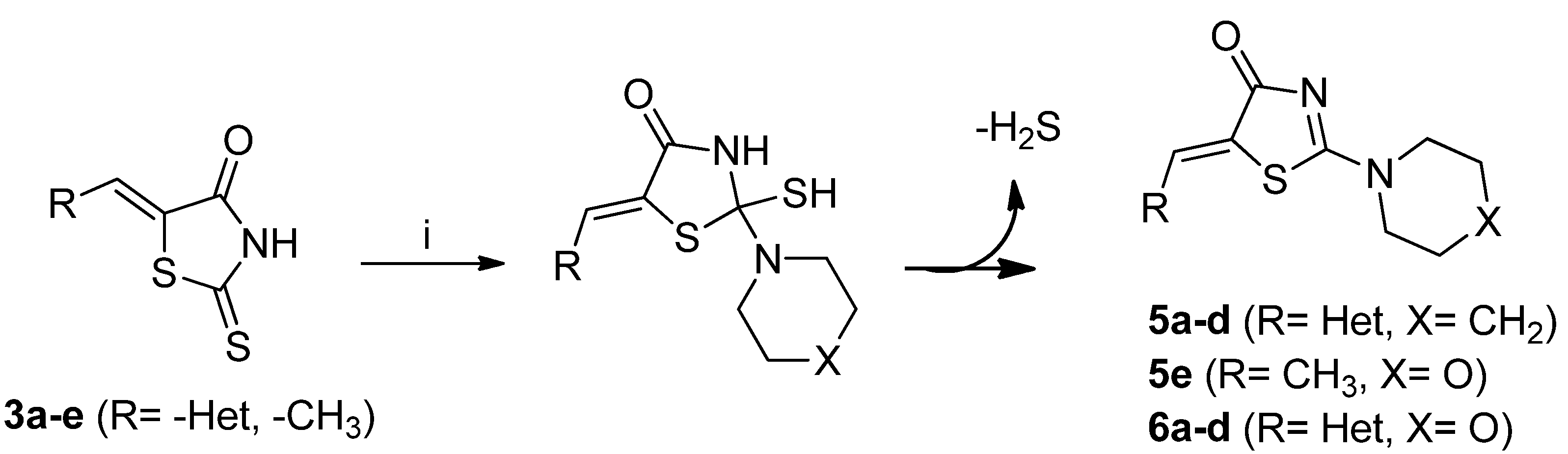
In the 13C-NMR spectrum, the disappearance of the characteristic signal of the (C=S) carbon atom, along with the appearance of aliphatic signals at 50.3, 49.6, 26.1, 25.4 and 24.0 ppm (corresponding to the piperidine moiety), confirmed the structure proposed for compound 5a. The mass spectrum showed a peak with (m/z 352) which is in accordance with the expected molecular ion for a structure like 5a. The same procedure was followed for hetarylmethylidenic derivatives 3b–d, with similar results, affording compounds 5b–d, as shown in Table 2. Based on these results; we decided to extend the same methodology to the hetarylmethylidenic derivatives 3a–d but using morpholine instead of piperidine. This approach led to the synthesis of the (Z)-5-(hetarylmethylidene)-2-morpholinothiazol 4(5H)-ones 6a–d, Table 2.
Table 2.
Melting points and yields for the piperidine and morpholine derivatives 5a–d, 5e and 6a–d.
In a further experiment, the synthesis of the (Z)-5-ethylidene-2-thioxothiazolidin-4-one (3e) was achieved by refluxing during 7 h an ethanolic solution of rhodanine, paraldehyde and catalytic amounts of piperidine. A yellow solid was obtained in 64% yield. This compound was subjected to reaction with morpholine as described above for compounds 6a–d, thereby obtaining a brown solid in 45% yield, which, by IR, 1H and 13C-NMR and MS methods was characterized as the compound 5e (Table 2).
2.2. In Vitro Antifungal Activity
Minimum Inhibitory Concentration (MIC) of compounds 3a–e, 4a–d, 5a–e and 6a–d were determined with the microbroth dilution methods M27-A3 and M38-A2 of CLSI [13,14] against a panel of 10 fungal species comprising four yeasts (Candida albicans, C. tropicalis, Cryptococcus neoformans and Saccharomyces cerevisiae), three Aspergillus spp. (A. niger, A. fumigatus and A. flavus) and three dermatophytes (Trichophyton rubrum, T. mentagrophytes and Microsporum gypseum]. Compounds with MICs > 250 μg/mL were considered inactive. MICs between 250–125 μg/mL were indicative of low activity; between 62.5–31.25 μg/mL, moderate activity; MICs ≤ 15.6 μg/mL, high activity. Among the last ones, compounds displaying MICs ≤ 10 μg/mL were considered of great interest for further development. In addition to MIC, active compounds (MICs ≤ 250 μg/mL) were tested for its capacity of killing fungi rather than inhibiting them through the determination of the Minimum Fungicidal Concentration (MFC). It was determined by plating an aliquote from each clear well of MIC determinations, onto a plate containing clear culture medium. After incubation, MFCs were determined as the lowest concentration of each compound showing no growth, which clearly indicated that fungi were dead rather than inhibited (the detailed methodology is explained in the Experimental section).
Compounds 3a, 3b, 3d, 4b–d, 5a–e and 6a–d, were inactive (Table 3). In contrast, compounds 3c, 3e and 4a showed varied activities, being 3e the one with the broadest and highest activity. An analysis of correlation between structure and activity showed that the most potent compound 3e possessed the simplest structure among the all tested compounds, possessing a thiazolidine ring and methyl substituent as the R moiety. The other structure with R = methyl (compound 5e) with a more complex structure containing a thiazole ring and morpholino substituent, did not possess activity up to 250 µg/mL.
Table 3.
In vitro antifungal activities (MIC and MFC values in μg/mL, showed as MIC/MFC) of hetarylidenerhodanine derivatives.
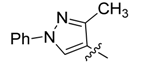

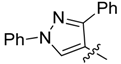
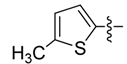
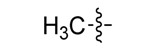
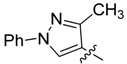
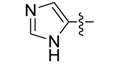
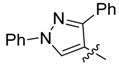
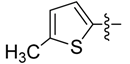
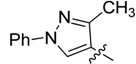
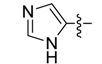
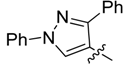
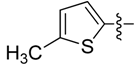
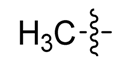
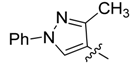

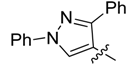
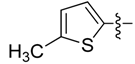
An analysis of the effect of the substituents other than the methyl group showed that those with 4-methyl-1H-imidazol-5-yl [compounds named “b” (3, 4, 5 and 6)] or with 5-methylthiophen-2-yl [named “d” (3, 4, 5 and 6)] were inactive. On the other hand, among compounds with R = 1,3-diphenyl-1H-pyrazol-4-yl (named “c”), or R = 1-methyl-3-phenyl-1H-pyrazol-4-yl (named “a”), 3c showed low broad spectrum of activity and 4a displayed moderate activity (MICs between 62.5–125 μg/mL) respectively. Interestingly, the three active structures (3c, 3e and 4a) possess fungicidal rather than fungistatic activities, with MFC values between 7.8 and 250 µg/mL. Compound 3e showed the lowest MFC values against S. cerevisiae and the dermatophytes M. gypseum, T. rubrum and T. mentagrophytes.
2.3. In Vitro Antitumor Activity
All compounds synthesized were sent to the U.S. National Cancer Institute (NCI) to evaluate antitumor activity. The results showed that only compound 3c had an interesting antitumor activity and therefore was evaluated against 60 different cell lines (melanoma, leukemia, lung cancer, colon, brain, breast, ovary, kidney and prostate). In order to determine its cytostatic activity compound 3c was evaluated at five concentrations (100, 10, 1.0, 0.1 and 0.001 μM). Compound 3c shows an interesting activity against CCRF-CEM and RPMI-8226 (leukemia) (GI50: 2.50, 2.52 μM and LC50 >100 μM) respectively.
It also exhibited activity against EKVX and NCI-H522 (Non-Small Cell Lung Cancer) (GI50: 3.03, 2.96 μM and LC50 >100 μM), the most sensitive cell line was HOP-92 (Non-Small Cell Lung Cancer) (GI50: 0.62 μM and LC50 >100 μM). These results although moderate, open the research on these compounds with the aim of finding new potential antitumor agents. The LC50 found indicates a low toxicity of such compounds for normal human cell lines, as required for potential anti-tumor agents (see Table 4).
Table 4.
In vitro testing expressed as growth inhibition of cancer cell lines for compound 3c a.
3. Experimental
3.1. General
Reagents and solvents used below were obtained from commercial sources. Melting points were measured using a Stuart SMP3 melting point device. IR spectra were obtained with a Shimadzu IRAffinity-1. The 1H and 13C-NMR spectra were run on a Bruker DPX 400 spectrometer operating at 400 and 100 MHz respectively, using DMSO-d6 and CDCl3 as solvents and TMS as internal standard. The mass spectrum was obtained on a Shimadzu-GCMS-QP2010 spectrometer operating at 70 eV. Microwave experiments were carried out on a focused microwave reactor (300W CEM Discover) Thin layer chromatography (TLC) was performed on a 0.2-mm pre-coated plates of silica gel 60GF254 (Merck, Darmstadt, Germany).
3.2. Synthesis
3.2.1. General Procedure for the Synthesis of (Z)-5-Hetarylmethylidene-2-thioxothiazolidin-4-ones 3a–d
Two drops of piperidine (0.01 equiv.) were added to an ethanolic solution of heterocyclic aldehyde (1a–d, 1.1 mmol) and rhodanine (2a, 1 mmol). The mixture was refluxed for 4–6 h and the solid formed was isolated by vacuum filtration and washed with cold ethanol.
(Z)-5-((3-Methyl-1-phenyl-1H-pyrazol-4-yl)methylidene)-2-thioxothiazolidin-4-one (3a). Yellow solid (86%), m.p. 294–295 °C; FT-IR (KBr), υ: (NH) 3134, (C=O) 1684 and (C=S) 1213 cm−1; 1H-NMR (DMSO-d6), δ: 2.40 (s, 3H, CH3), 7.36 (t, J = 7.44 Hz, 1H, Ar-Hp), 7.39 (s, 1H, H-6), 7.51 (dd, J = 7.44 and 8.52 Hz, 2H, Ar-Hm), 7.93 (d, J = 8.52 Hz, 2H, Ar-Ho), 8.50 (s, 1H, H-5’), 13.71 (s, 1H, -NH-) ppm; 13C-NMR (DMSO-d6), δ: 12.0 (-CH3), 117.0 (C-4'), 119.4 (Co), 122.3 (C-6), 123.4 (C-5), 127.5 (Cp), 128.0 (C-5'), 130.0 (Cm), 139.1 (Ci), 152.4 (C-3'), 169.4 (C=O), 195.5 (C=S) ppm. MS (EI, 70 eV) m/z (%): 301 (M+, 50), 214 (100), 213 (55), 129 (22), 109 (18), 107 (13), 104 (10), 102 (16), 96 (12), 77 (71), 70 (19), 69 (12). Anal. Calcd. for C14H11N3OS2 (301.03): C, 55.79%; H, 3.68%; N, 13.94%; found: C, 56.02%; H, 3.71%; N, 13.56%.
(Z)-5-((4-Methyl-1H-imidazol-5-yl)methylidene)-2-thioxothiazolidin-4-one (3b). Orange crystalline solid (91%), m.p. 307–309 °C; FT-IR (KBr), υ: (NH) 3558, (NH) 3225, (C=O) 1690 and (C=S) 1217 cm−1; 1H-NMR (DMSO-d6), δ: 2.39 (s, 3H, CH3), 7.49 (s, 1H, H-6), 7.83 (s, 1H, H-2'), 12.61 (s, 1H, NH-1'), 13.31 (s, 1H, NH-3) ppm; 13C-NMR (DMSO-d6), δ: 9.7 (-CH3), 120.2 (C-5), 123.5 (C-6), 132.7 (C-5' or C-4'), 135.4 (C-5' or C-4'), 137.6 (C-2'), 169.7 (C=O), 200.2 (C=S) ppm. MS (IE, 70 eV) m/z (%): 225 (M+, 38), 139 (10), 138 (70), 137 (100), 69 (25), 42 (13). Anal. Calcd. for C8H7N3OS2 (225.00): C, 46.25%; H, 3.13%; N, 18.65%; found: C, 46.09%; H, 3.10%; N, 18.98%.
(Z)-5-((1,3-Diphenyl-1H-pyrazol-4-yl)methylidene)-2-thioxothiazolidin-4-one (3c). Yellow solid (86%), m.p. 315–317 °C; FT-IR (KBr), υ: (NH) 3134, (C=O) 1695 and (C=S) 1223 cm−1; 1H-NMR (DMSO-d6), δ: 7.42 (t, J = 7.40 Hz, 1H, Ar-Hp), 7.46 (s, 1H, H-6), 7.51–7.59 (m, 5H, Ar-Hm, m',p'), 7.66 (d, J = 8.08 Hz, 2H, Ar-Ho'), 7.99 (d, J = 8.24 Hz, 2H, Ar-Ho), 8.63 (s, 1H, H-5') ppm; 13C-NMR (DMSO-d6), δ: 116.3 (C-4'), 120.0 (Co), 122.3 (C-6), 125.3 (C-5), 128.0 (Cp) 129.0 (C-5'), 129.1 (Co'), 129.3 (Cm'), 129.4 (Cp'), 130.0 (Cm), 139.1 (Ci'), 139.4 (Ci), 154.3 (C-3'), 169.3 (C=O), 195.4 (C=S) ppm. MS (IE, 70 eV) m/z (%): 363 (M+, 76), 277 (21), 276 (100), 275 (39), 243 (10), 242 (10), 215 (17), 172 (13), 77 (65), 28 (10). Anal. Calcd. for C19H13N3OS2 (363.05): C, 62.79%; H, 3.61%; N, 11.56%; found: C, 62.57%; H, 3.89%; N, 11.32%.
(Z)-5-((5-Methylthiophen-2-yl)methylidene)-2-thioxo-thiazolidin-4-one (3d). Orange solid (85%), m.p. 230–231 °C; FT-IR (KBr), υ: (NH) 3143, (C=O) 1689 and (C=S) 1199 cm−1; 1H-NMR (DMSO-d6), δ: 2.56 (s, 3H, CH3), 7.02 (d, J = 3.71 Hz, 1H, H-4') 7.54 (d, J = 3.71 Hz, 1H, H-3'), 7.82 (s, 1H, H-6), 13.71 (s, 1H, NH) ppm; 13C-NMR (DMSO-d6), δ: 16.1 (-CH3), 121.9 (C-5), 125.6 (C-6), 128.6 (C-3'), 135.9 (C-5'), 136.6 (C-4'), 149.9 (C-2'), 169.5 (C=O), 195.1 (C=S) ppm. MS (IE, 70 eV) m/z (%): 241 (M+, 34), 155 (14), 154 (100), 153 (52), 121 (21), 97 (16), 77 (18), 69 (12), 59 (13). Anal. Calcd. for C9H7NOS3 (240.97): C, 44.79%; H, 2.92%; N, 5.80%; found: C, 45.08%; H, 3.11%; N, 5.85%.
(Z)-5-Ethylidene-2-thioxothiazolidin-4-one (3e). Two drops of piperidine (0.01 equiv.) were added to an ethanolic solution of rhodanine (2a, 1 mmol) and paraldehyde (1.1 mmol). The mixture was refluxed for 7 h, the solution was cooled and crushed ice was added and the solid formed was isolated by vacuum filtration and washed with hexane and water. Purification was carried out by column chromatography silica gel using a mixture of CHCl3–EtOAc (30:1) as eluent. The solvent was removed under reduced pressure. This compound was obtained as a yellow solid (64%), m.p. 145–147 °C; FT-IR (KBr), υ: (NH) 3161, (C=O) 1703 and (C=S) 1219 cm−1; 1H-NMR (CDCl3), δ: 1.98 (d, J = 7.32 Hz, 3H, CH3), 6.99 (q, J = 7.32 Hz, 1H, H-6) 9.75 (s, 1H, NH) ppm; 13C-NMR (CDCl3), δ: 17.4 (–CH3), 130.4 (C-5), 134.1 (C-6), 167.2 (C=O), 193.6 (C=S) ppm. MS (IE, 70 eV) m/z (%): 159 (M+, 100), 100 (25), 72 (66), 71 (36), 45 (7). Anal. Calcd. for C5H5NOS2 (158.98): C, 37.72%; H, 3.17%; N, 8.80%; found: C, 37.65%; H, 3.22%; N, 8.43%.
3.2.2. General Procedure for the Synthesis of 2-(5Z)-(Hetarylmethylidene)-4-oxo-2-thioxothiazolidin-3-yl) Acetic Acids 4a–d
A mixture of heterocyclic aldehyde (1a–d, 0.4 mmol) and rhodanine-3-acetic acid (2b, 0.4 mmol) in DMF, was subjected to irradiation with microwaves for 5 min at 100 °C and 100 W. Then, a mixture of ethanol:water (1:1) was added and the solid formed was isolated by vacuum filtration and washed with ethanol.
(Z)-5-((3-Methyl-1-phenyl-1H-pyrazol-4-yl)methylidene)-4-oxo-2-thioxothiazolidin-3-yl acetic acid (4a). Yellow solid (81%), m.p. 279–281 °C; FT-IR (KBr), υ: (–COOH) 3315, (C=O) 1715 and (C=S) 1323 cm−1; 1H-NMR (DMSO-d6), δ: 2.43 (s, 3H, CH3), 4.73 (s, 2H, –N–CH2–COOH), 7.38 (t, J = 7.45 Hz, 1H, Ar-Hp), 7.52 (dd, J = 7.45 and 7.95 Hz, 2H, Ar-Hm), 7.61 (s, 1H, H-6), 7.95 (d, J = 7.95 Hz, 2H, Ar-Ho), 8.61 (s, 1H, H-5'), 13.45 (br. s., 1H, –COOH) ppm; 13C-NMR (DMSO-d6), δ: 11.51 (–CH3), 45.0 (–N–CH2–COOH), 116.5 (C-4'), 119.0 (Co), 124.1 (Cp), 127.1 (C-5), 128.1 (C-6), 129.4 (C-5'), 132.1 (Cm), 138.6 (Ci), 152.2 (C-3'),165.9 (–COOH), 167.2 (C=O), 192.6 (C=S) ppm. MS (IE, 70 eV) m/z (%): 359 (M+, 26), 214 (91), 129 (34), 117 (80), 72 (100). Anal. Calcd. for C16H13N3O3S2 (359.04): C, 53.47%; H, 3.65%; N, 11.69%; found: C, 53.77%; H, 3.89%; N, 11.77%.
(Z)-5-((4-Methyl-1H-imidazol-5-yl)methylidene)-4-oxo-2-thioxothiazolidin-3-yl acetic acid (4b). Yellow solid (53%), m.p. 254–256 °C; FT-IR (KBr), υ: (COOH) 3368, (C=O) 1718 and (C=S) 1319 cm−1; 1H-NMR (DMSO-d6), δ: 2.42 (s, 3H, CH3), 4.68 (s, 2H, –N–CH2–COOH), 7.69 (s, 1H, H-6), 7.86 (s, 1H, H-2'), 12.70 (s, 1H, NH), 13.71 (br. s., 1H, –COOH) ppm; 13C-NMR (DMSO-d6), δ: 9.3 (–CH3), 44.8 (–N–CH2–COOH), 116.1 (C-5), 124.7 (C-6), 132.4 (C-5'), 135.8 (C-4'), 137.3 (C-2'), 166.3 (–COOH), 167.6 (C=O), 197.4 (C=S) ppm. MS (IE, 70 eV) m/z (%): 283 (M+, 51), 166 (9), 139 (13), 138 (100), 72 (13). Anal. Calcd. for C10H9N3O3S2 (283.01): C, 42.39%; H, 3.20%; N, 14.83%; found: C, 42.55%; H, 4.10%; N, 14.44%.
(Z)-5-((1,3-Diphenyl-1H-pyrazol-4-yl)methylidene)-4-oxo-2-thioxothiazolidin-3-yl acetic acid (4c). Yellow solid (92%), m.p. 263–265 °C; FT-IR (KBr), υ: (COOH) 3320, (C=O) 1715 and (C=S) 1320 cm−1; 1H-NMR (DMSO-d6), δ: 4.67 (s, 2H, –N–CH2–COOH), 7.42 (t, J = 8.00 Hz, 1H, Ar-Hp), 7.54–7.58 (m, 5H, Ar-Hm, m',p'), 7.64 (d, J = 7.90 Hz, 2H, Ar-Ho'), 7.66 (s, 1H, H-6), 8.04 (d, J = 8.03 Hz, 2H, Ar-Ho), 8.80 (s, 1H, H-5') 13.23 (br. s., 1H, –COOH) ppm; 13C-NMR (DMSO-d6), δ: 44.79 (–N–CH2–COOH), 115.4 (C-4'), 119.4 (Co), 120.7 (C-6), 123.8 (C-5), 127.6 (Co’), 128.7 (C-5'), 128.9 (Cp), 129.1 (Cm'), 129.5.0 (Cp'), 131.0 (Cm), 138.6 (Ci'), 139.6 (Ci), 154.0 (C-3'), 166.0 (–COOH), 167.2 (C=O), 192.6 (C=S) ppm. MS (IE, 70 eV) m/z (%): 421 (M+, 30), 276 (100), 72 (54). Anal. Calcd. for C21H15N3O3S2 (421.06): C, 59.84%; H, 3.59%; N, 9.97%; found: C, 60.14%; H, 3.67%; N, 10.12%.
(5Z)-((5-Methylthiophen-2-yl)methylidene)-4-oxo-2-thioxothiazolidin-3-yl acetic acid (4d). Orange solid (63%), m.p. 232–234 °C; FT-IR (KBr), υ: (COOH) 3320, (C=O) 1712 and (C=S) 1321 cm−1; 1H-NMR (DMSO-d6), δ: 2.53 (s, 3H, CH3), 4.63 (s, 2H, –N–CH2–COOH), 7.05 (d, J = 3.70 Hz, 1H, H-4') 7.61 (d, J = 3.70 Hz, 1H, H-3'), 8.04 (s, 1H, H-6), 13.42 (br. s., 1H, –COOH) ppm; 13C-NMR (DMSO-d6), δ: 16.0 (–CH3), 45.82 (–N–CH2–COOH), 122.1 (C-5), 126.8 (C-6), 128.3 (C-3'), 136.9 (C-5'), 138.2 (C-4'), 147.1 (C-2'), 165.5 (–COOH), 167.9 (C=O), 191.8 (C=S) ppm. MS (IE, 70 eV) m/z (%): 299 (M+, 31), 154 (100), 121 (15), 7 (8), 45 (10). Anal. Calcd. for C11H9NO3S3 (421.06): C, 44.13%; H, 3.03%; N, 4.68%; found: C, 44.19%; H, 3.15%; N, 4.72%.
3.2.3. General Procedure for the Synthesis of 5-Hetarylmethylidene-2-(piperidin-1-yl)thiazol-4-ones, 5-hetarylmethylidene-2-morpholinothiazol-4-ones and (Z)-5-Ethylidene-2-morpholinothiazol-4(5H)-ones 5a–d, 5e and 6a–d
A mixture of piperidine or morpholine (2 mmol) and hetarylidene rhodanine derivatives 3a–b (1 mmol) or ethylene derivative 3e was refluxed in THF for 7–24 h. Crushed ice was added and the solid formed was isolated by vacuum filtration and washed with water and hexane.
(Z)-5-((3-Methyl-1-phenyl-1H-pyrazol-4-yl)methylidene)-2-(piperidin-1-yl)thiazol-4(5H)-one (5a). White solid (85%), m.p. 141–143 °C; FT-IR (KBr), υ: (C=O) 1680 and (C=N, C=C) 1615, 1575, 1547 cm−1; 1H-NMR (CDCl3), δ: 1.79 (br. s, 6H, –CH2–CH2–CH2–), 2.47 (s, 3H, CH3), 3.60 (br. s, 2H, N-CH2), 4.03 (br. s, 2H, N-CH2), 7.33 (t, J = 7.48 Hz, 1H, Ar-Hp), 7.49 (dd, J = 7.48 and 8.51 Hz, 2H, Ar-Hm), 7.66 (s, 1H, H-6), 7.69 (d, J = 8.51 Hz, 2H, Ar-Ho), 8.01 (s, 1H, H-5') ppm; 13C-NMR (CDCl3), δ: 12.0 (–CH3), 24.1 (–CH2–CH2–CH2–), 49.6 (N-CH2), 50.3 (N-CH2), 118.0 (C-4'), 119.2 (Co), 120.8 (C-6), 126.1 (C-5), 126.5 (C-5'), 126.9 (Cp), 129.5 (Cm), 139.5 (Ci), 152.0 (C-3'), 173.0 (C-2) 180.8 (C=O) ppm. MS (IE, 70 eV) m/z (%): 352 (M+, 20), 242 (7), 215 (15), 214 (100), 213 (29), 129 (6), 77 (8). Anal. Calcd. for C19H20N4OS (352.14): C, 64.75%; H, 5.72%; N, 15.90%; found: C, 64.42%; H, 5.88%; N, 15.63%.
(Z)-5-((4-Methyl-1H-imidazol-5-yl)methylidene)-2-(piperidin-1-yl)thiazol-4(5H)-one (5b). Yellow solid (70%), m.p. 261–262 °C; FT-IR (KBr), υ: (NH) 3294, (C=O) 1663 and (C=N, C=C) 1609, 1557, 1539 cm−1; 1H-NMR (CDCl3), δ: 1.74 (br. s, 6H, –CH2–CH2–CH2–), 2.42 (s, 3H, CH3), 3.62 (br. s, 2H, N-CH2), 3.98 (br. s, 2H, N-CH2), 7.66 (s, 1H, H-6), 7.72 (s, 1H, H-2'), 10.81 (s, 1H, NH) ppm; 13C-NMR (CDCl3), δ: 9.7 (–CH3), 26.1 (–CH2–CH2–CH2–), 49.2 (N-CH2), 50.1 (N-CH2), 121.5 (C-6), 124.3 (C-5), 131.4 (C-5' o C-4'), 133.0 (C-5' o C-4'), 135.5 (C-2'), 177.1 (C-2), 182.3 (C=O) ppm. MS (IE, 70 eV) m/z (%): 276 (M+, 48), 166 (10), 139 (12), 138 (100), 137 (25). Anal. Calcd. for C13H16N4OS (276.10): C, 56.50%; H, 5.84%; N, 20.27%; found: C, 56.32%; H, 5.51%; N, 20.32%.
(Z)-5-((1,3-Diphenyl-1H-pyrazol-4-yl)methylidene)-2-(piperidin-1-yl)thiazol-4(5H)-one (5c). Yellow solid (95%), m.p. 262–264 °C; FT-IR (KBr), υ: (C=O) 1695 and (C=N, C=C) 1606, 1572, 1535 cm−1; 1H-NMR (CDCl3), δ: 1.84 (br. s, 6H, –CH2–CH2–CH2–), 3.61 (br. s, 2H, N-CH2), 4.03 (br. s, 2H, N-CH2), δ 7.38 (t, J = 7.38 Hz, 1H, Ar-Hp), 7.43–7.55 (m, 5H, Ar-Hm, m',p'), 7.70 (d, J = 8.20 Hz, 2H, Ar-Ho'), 7.82 (s, 1H, H-6), 7.83 (d, J = 8.64 Hz, 2H, Ar-Ho), 8.20 (s, 1H, H-5') ppm; 13C-NMR (CDCl3), δ: 24.0 (–CH2–CH2–CH2–), 25.4 (–CH2–CH2–CH2–), 26.2 (–CH2–CH2–CH2–), 49.6 (N-CH2), 50.3 (N-CH2), 117.5 (C-4'), 119.5 (Co), 121.6 (C-6), 126.8 (C-5'), 127.3 (Cp) 127.8 (C-5), 128.7 (Cp'), 128.8 (Cm'), 128.9 (Co'), 129.6 (Cm), 131.8 (Ci'), 139.5 (Ci), 154.5 (C-3'), 173.0 (C-2), 180.5 (C=O) ppm. MS (IE, 70 eV) m/z (%): 414 (M+, 6), 276 (17), 109 (15), 38 (37), 36 (100), 18 (10), 17 (22), 16 (15). Anal. Calcd. for C24H22N4OS (414.15): C, 69.54%; H, 5.35%; N, 13.52%; found: C, 69.79%; H, 5.39%; N, 14.02%.
(Z)-5-((5-Methylthiophen-2-yl)methylidene)-2-(piperidin-1-yl)thiazol-4(5H)-one (5d). Orange solid (93%), m.p. 194–196 °C; FT-IR (KBr), υ: (C=O) 1662 and (C=N, C=C) 1600, 1574 cm−1; 1H-NMR (CDCl3), δ: 1.72 (br. s, 6H, –CH2–CH2–CH2–), 2.56 (s, 3H, CH3), 3.59 (br. s, 2H, N-CH2), 4.01 (br. s, 2H, N-CH2), 6.82 (d, J = 3.40 Hz, 1H, H-4') 7.15 (d, J = 3.40 Hz, 1H, H-3'), 7.87 (s, 1H, H-6) ppm; 13C-NMR (CDCl3), δ: 15.8 (–CH3), 24.1 (–CH2–CH2–CH2–), 25.4 (–CH2–CH2–CH2–), 26.2 (–CH2–CH2–CH2–), 49.6 (N-CH2), 50.3 (N-CH2), 124.3 (C-6), 125.5 (C-5), 127.0 (C-4'), 132.5 (C-3'), 137.3 (C-2'), 145.6 (C-5'), 173.8 (C-2), 180.9 (C=O) ppm. MS (IE, 70 eV) m/z (%): 292 (M+, 24), 155 (12), 154 (100), 153 (23). Anal. Calcd. for C14H16N2OS2 (292.07): C, 57.50%; H, 5.52%; N, 9.58%; found: C, 57.62%; H, 5.68%; N, 9.71%.
(Z)-5-Ethylidene-2-morpholinothiazol-4(5H)-one (5e). Brown solid (45%), m.p. 193–195 °C; FT-IR (KBr), υ: (C=O) 1699 and (C=N, C=C) 1639, 1554 cm−1; 1H-NMR (CDCl3), δ: 2.00 (d, J = 7.12 Hz, 3H, CH3), 3.56 (br. s, 2H, N-CH2), 3.81 (br. s, 4H, –CH2–O–CH2–), 4.05 (br. s, 2H, N-CH2), 6.99 (q, J = 7.12 Hz, 1H, H-6) ppm; 13C-NMR (CDCl3), δ: 18.3 (–CH3), 48.3 (N-CH2), 48.7 (N-CH2), 66.2 (–OCH2–), 66.3 (–OCH2–), 130.8 (C-6), 133.1 (C-5), 173.0 (C-2) 175.0 (C=O). ppm. MS (IE, 70 eV) m/z (%): 212 (M+, 100), 184 (9), 113 (27), 72 (86), 71 (23), 69 (12), 42 (11). Anal. Calcd. for C9H12N2O2S (212.06): C, 50.92%; H, 5.70%; N, 13.20%; found: C, 50.15%; H, 5.87%; N, 13.02%.
(Z)-5-((3-Methyl-1-phenyl-1H-pyrazol-4-yl)methylidene)-2-morpholinothiazol-4(5H)-one (6a). White solid (71%), m.p. 264–265 °C; FT-IR (KBr), υ: (C=O) 1683 and (C=N, C=C) 1616, 1559, 1502 cm−1; 1H-NMR (CDCl3), δ: 2.47 (s, 3H, CH3), 3.66 (br. s, 2H, N-CH2), 3.85 (br. s, 4H, –CH2–O–CH2–), 4.10 (br. s, 2H, N-CH2), 7.32 (t, J = 7.46 Hz, 1H, Ar-Hp), 7.47 (dd, J = 7.46 and 8.07 Hz, 2H, Ar-Hm), 7.68 (s, 1H, H-6), 7.69 (d, J = 8.07 Hz, 2H, Ar-Ho), 8.01 (s, 1H, H-5') ppm; 13C-NMR (CDCl3), δ: 11.9 (–CH3), 48.6 (N-CH2), 48.8 (N-CH2), 66.2 (–OCH2–), 66.3 (–OCH2–), 117.8 (C-4'), 119.2 (Co), 121.8 (C-6), 125.6 (C-5), 126.1 (C-5'), 127.1 (Cp), 129.5 (Cm), 139.4 (Ci), 152.1 (C-3'), 174.0 (C-2) 180.3 (C=O) ppm. MS (IE, 70 eV) m/z (%): 354 (M+, 34), 215 (16), 214 (100), 213 (37), 129 (12), 109 (13), 77 (29), 18 (16). Anal. Calcd. for C18H18N4O2S (354.12): C, 61.00%; H, 5.12%; N, 15.81%; found: C, 60.73%; H, 5.32%; N, 15.42%.
(Z)-5-((4-Methyl-1H-imidazol-5-yl)methylidene)-2-morpholinothiazol-4(5H)-one (6b). Yellow solid (62%), m.p. 270–272 °C; FT-IR (KBr), υ: (NH) 3389, (C=O) 1664 and (C=N, C=C) 1605, 1540 cm−1; 1H-NMR (CDCl3), δ: 2.44 (s, 3H, CH3), 3.68 (br. s, 2H, N-CH2), 3.81 (br. s, 4H, –CH2–O–CH2–), 4.06 (br. s, 2H, N-CH2), 7.70 (s, 1H, H-2'), 7.71 (s, 1H, H-6), 10.23 (s, 1H, NH) ppm; 13C-NMR (CDCl3), δ: 9.6 (–CH3), 48.2 (N-CH2), 48.5 (N-CH2), 66.3 (–OCH2–), 121.9 (C-6), 124.5 (C-5), 130.9 (C-5' o C-4'), 133.1 (C-5' o C-4'), 135.1 (C-2'), 178.3 (C-2), 181.6 (C=O) ppm. MS (IE, 70 eV) m/z (%): 278 (M+, 18), 138 (26), 85 (28), 73 (33), 69 (37), 60 (52), 57 (42), 55 (36), 44 (100), 43 (99). Anal. Calcd. for C12H14N4O2S (278.08): C, 51.78%; H, 5.07%; N, 20.13%; found: C, 52.03%; H, 5.15%; N, 20.28%.
(Z)-5-((1,3-Diphenyl-1H-pyrazol-4-yl)methylidene)-2-morpholinothiazol-4(5H)-one (6c). White solid (86%), m.p. 266–268 °C; FT-IR (KBr), υ: (C=O) 1681 and (C=N, C=C) 1602, 1567, 1502 cm−1; 1H-NMR (CDCl3), δ: 3.66 (br. s, 2H, N-CH2), 3.86 (br. s, 4H, –CH2–O–CH2–), 4.10 (br. s, 2H, N-CH2), 7.39 (t, J = 7.44 Hz, 1H, Ar-Hp), 7.43–7.55 (m, 5H, Ar-Hm, m',p'), 7.70 (d, J = 8.17 Hz, 2H, Ar-Ho'), 7.82 (d, J = 8.62 Hz, 2H, Ar-Ho), 7.85 (s, 1H, H-6), 8.19 (s, 1H, H-5') ppm; 13C-NMR (CDCl3), δ: 48.6 (N-CH2), 48.8 (N-CH2), 66.2 (–OCH2–), 66.3 (–OCH2), 117.3 (C-4'), 119.5 (Co), 122.6 (C-6), 126.8 (C-5'), 126.9 (C-5), 127.4 (Cp), 128.8 (Cp'), 128.9 (Cm'), 129.0 (Co'), 129.6 (Cm), 131.7 (Ci'), 139.4 (Ci), 154.6 (C-3'), 174.0 (C-2), 180.1 (C=O) ppm. MS (IE, 70 eV) m/z (%): 416 (M+, 44), 277 (22), 276 (100), 275 (27), 215 (10), 77 (3). Anal. Calcd. for C23H20N4O2S (416.13): C, 66.33%; H, 4.84%; N, 13.45%; found: C, 66.12%; H, 5.03%; N, 13.62%.
(Z)-5-((5-Methylthiophen-2-yl)methylidene)-2-morpholinothiazol-4(5H)-one (6d). Orange solid (85%), m.p. 206–208 °C; FT-IR (KBr), υ: (C=O) 1673 and (C=N, C=C) 1599, 1574 cm−1; 1H-NMR (CDCl3), δ: 2.57 (s, 3H, CH3), 3.65 (br. s, 2H, N-CH2), 3.84 (br. s, 4H, –CH2–O–CH2–), 4.08 (br. s, 2H, N-CH2), 6.83 (d, J = 3.60 Hz, 1H, H-4') 7.18 (d, J = 3.60 Hz, 1H, H-3'), 7.91 (s, 1H, H-6) ppm; 13C-NMR (CDCl3), δ: 15.9 (–CH3), 48.6 (N-CH2), 48.8 (N-CH2), 66.2 (–OCH2–), 66.4 (–OCH2–), 124.6 (C-5), 125.2 (C-6), 127.1 (C-4'), 133.0 (C-3'), 137.0 (C-2'), 146.1 (C-5'), 174.8 (C-2), 180.5 (C=O) ppm. MS (IE, 70 eV) m/z (%): 294 (M+, 22), 156 (9), 155 (12), 154 (100), 153 (27), 121 (10), 97 (8). Anal. Calcd. for C13H14N2O2S2 (294.05): C, 53.04%; H, 4.79%; N, 9.52%; found: C, 53.21%; H, 4.93%; N, 9.46%.
3.3. Antifungal Activity
Microorganisms and media: For the antifungal evaluation, reference strains from the American Type Culture Collection (ATCC, Rockville, MD, USA), and Culture Collection of Centro de Referencia en Micología-CEREMIC (CCC, Facultad de Ciencias Bioquímicas y Farmacéuticas, Suipacha 531-(2000)-Rosario, Argentina), were used: C. albicans ATCC 10231, C. tropicalis CCC 191, S. cerevisiae ATCC 9763, C. neoformans ATCC 32264, A. flavus ATCC 9170, A. fumigatus ATTC 26934, A. niger ATCC 9029, M. gypseum CCC 115, T. rubrum CCC 110, T. mentagrophytes ATCC 9972. Strains were grown on Sabouraud-chloramphenicol agar slants at 30 °C, maintained on slopes of Sabouraud-dextrose agar (SDA, Oxoid, Hampshire, UK), and subcultured every 15 days to prevent pleomorphic transformations. Inocula were obtained according to reported procedures and adjusted to 1–5 ×10³ colony forming units (CFU)/mL [13,14].
3.4. Antifungal Susceptibility Testing
Minimum Inhibitory Concentration (MIC) of each compound was determined by using broth microdilution techniques following the guidelines of the CLSI for yeasts [13] and for filamentous fungi [14]. MIC values were determined in RPMI-1640 (Sigma, St. Louis, MO, USA) buffered to pH 7.0 with MOPS (Sigma). Microliter trays were incubated at 35 °C for yeasts and hyalohyphomycetes and at 28 °C for dermatophyte strains in a moist, dark chamber; MICs were recorded at 48 h for yeasts, and at a time according to the control fungus growth, for the rest of fungi. The susceptibilities of the standard drugs ketoconazole, terbinafine, and amphotericin B (obtained from Sigma-Aldrich, St. Louis, MO, USA) were defined as the lowest concentration of drug which resulted in total inhibition of fungal growth. For the assay, compound stock solutions were two-fold diluted with RPMI-1640 from 250 to 0.24 μg/mL (final volume = 100 μL) and a final DMSO (Sigma) concentration <1%. A volume of 100 μL of inoculum suspension was added to each well with the exception of the sterility control where sterile water was added to the well instead. MIC was defined as the minimum inhibitory concentration of the compound, which resulted in total inhibition of the fungal growth. Minimum Fungicide Concentration (MFC), the concentration of compound that kills fungi rather than inhibits the fungal growth, was determined by plating by duplicate 5 µL from each clear well of MIC determinations, onto a 150 mm SDA plate. After 48 h at 37 °C, MFCs were determined as the lowest concentration of each compound showing no growth3.5.
3.5. Antitumor Activity
All synthesized compounds were sent to the National Cancer Institute (NCI, Bethesda, MD, USA) to evaluate the cytotoxic activity. The process was performed in two stages. The first, consisted in evaluate the compounds at a single concentration of 1.0 μM. The second stage consisted of evaluating the compounds against 60 different cell lines (melanoma, leukemia, lung cancer, colon, brain, breast, ovary, kidney and prostate). The test consisted in a protocol of 48 h of continuous drug exposure using sulforhodamide B (SRB) protein assay to estimate cell growth [15].
4. Conclusions
New hetaryl- and alkylidenerhodanine derivatives 3a–e, and 4a–d, 5a–d and 6a–d were prepared from heterocyclic aldehydes 1a–d or acetaldehyde 1e. The compounds were screened by the US National Cancer Institute (NCI) to assess their antitumor activity against 60 different human cancer cell lines. Compound 3c showed high activity against HOP-92 (Non-Small Cell Lung Cancer), which was the most sensitive cell line, with GI50 = 0.62 μM and LC50 > 100 μM from the in vitro assays. In vitro antifungal activity of these compounds was also determined against 10 fungal strains. Compound 3e showed high activity against yeasts and dermatophyte strains, displaying the lowest MIC against Saccharomyces cerevisiae (MIC = 3.9 μg/mL). It is worth to take into account that we have found two interesting compounds: 3e, that appears to be an antifungal candidate for future research, and compound 3c, that could be an interesting molecule for the design of new hetaryl-methylidenerhodanine antitumor derivatives. Due to these significant results, we have carried out chemical studies seeking structures that enhance the antifungal and antitumor activities.
Acknowledgments
The authors wish to credit The Developmental Therapeutics Program (DTP) of the National Cancer Institute of the United States (US) and Faculty of Biochemical and Pharmaceutical Sciences, Universidad Nacional de Rosario for performing the screening of compounds. This work was supported by Colciencias, Universidad del Valle, Consejería de Economía, Innovación y Ciencia (Junta de Andalucía, Spain), the Universidad de Jaen and ANPCyT (Argentina) to SZ (PICT 0608). The authors thank “Centro de Instrumentación Científico-Técnica de la Universidad de Jaén” and its staff for data collection.
Conflicts of Interest
The authors declare no conflict of interest.
References
- Ramirez, M.A.; Borja, N.L. Epalrestat: An aldose reductase inhibitor for the treatment of diabetic neuropathy. Pharmacotherapy 2008, 28, 646–655. [Google Scholar] [CrossRef]
- Ravi, S.; Chiruvella, K.K.; Rajesh, K.; Prabhu, V.; Raghavan, S.C. 5-Isopropylidene-3-ethyl rhodanine induce growth inhibition followed by apoptosis in leukemia cells. Eur. J. Med. Chem. 2010, 45, 2748–2752. [Google Scholar] [CrossRef]
- Heerding, D.A.; Christmann, L.T.; Clark, T.J.; Holmes, D.J.; Rittenhouse, S.F.; Takata, D.T.; Venslavsky, J.W. New Benzylidenethiazolidinediones as Antibacterial Agents. Bioorg. Med. Chem. Lett. 2003, 13, 3771–3773. [Google Scholar] [CrossRef]
- Dolezel, J.; Hirsova, P.; Opletalova, V.; Dohnal, J.; Marcela, V.; Kunes, J.; Jampilek, J. Rhodanineacetic acid derivatives as potential drugs: Preparation, hydrophobic properties and antifungal activity of (5-arylalkylidene-4-oxo-2-thioxo-1,3-thiazolidin-3-yl)acetic acids. Molecules 2009, 14, 4197–4212. [Google Scholar] [CrossRef]
- Orchard, M.G.; Neuss, J.C.; Galley, C.M.S.; Carr, A.; Porter, D.W.; Smith, P.; Scopes, D.I.C.; Haydon, D.; Vousden, K.; Stubberfield, C.R.; et al. Rhodanine-3-acetic acid derivatives as inhibitors of fungal protein mannosyl transferase 1 (PMT1). Bioorg. Med. Chem. Lett. 2004, 14, 3975–3978. [Google Scholar] [CrossRef]
- Sortino, M.; Delgado, P.; Juárez, S.; Quiroga, J.; Abonía, R.; Insuasty, B.; Nogueras, M.; Rodero, L.; Garibotto, F.M.; Enriz, R.D.; et al. Synthesis and antifungal activity of (Z)-5-arylidenerhodanines. Bioorg. Med. Chem. 2007, 15, 484–494. [Google Scholar]
- Insuasty, B.; Gutiérrez, A.; Quiroga, J.; Abonia, R.; Nogueras, M.; Cobo, J.; Svetaz, L.; Raimondi, M.; Zacchino, S. Fungicide activity of 5-(4-chlorobenzylidene)-(Z)-2-dimethylamino-1,3-thiazol-4-one against cryptococcus neoformans. Arch. Pharm. 2010, 343, 48–53. [Google Scholar]
- Insuasty, B.; Tigreros, A.; Martínez, H.; Quiroga, J.; Abonia, R.; Gutierrez, A.; Nogueras, M.; Cobo, J. An efficient two-step synthesis of novel thiazolo[2,3-b]pyrazolo[3,4-f][1,3,5]triazepines. J. Heterocycl. Chem. 2009, 46, 756–761. [Google Scholar] [CrossRef]
- Xu, L.-L.; Zheng, C.-J.; Sun, L.-P.; Miao, J.; Piao, H.-R. Synthesis of novel 1,3-diaryl pyrazole derivatives bearing rhodanine-3-fatty acid moieties as potential antibacterial agents. Eur. J. Med. Chem. 2012, 48, 174–178. [Google Scholar] [CrossRef]
- Chen, Z.-H.; Zheng, C.-J.; Sun, L.-P.; Piao, H.-R. Synthesis of new chalcone derivatives containing a rhodanine-3-acetic acid moiety with potential anti-bacterial activity. Eur. J. Med. Chem. 2010, 45, 5739–5743. [Google Scholar] [CrossRef]
- Delgado, P.; Quiroga, J.; Cobo, J.; Low, J.N.; Glidewell, C. Supramolecular structures of four (Z)-5-arylmethylene-2-thioxothiazolidin-4-ones: Hydrogen-bonded dimers, chains of rings and sheets. Acta Crystallogr. C 2005, 61, o477–o482. [Google Scholar] [CrossRef]
- Delgado, P.; Quiroga, J.; de la Torre, J.M.; Cobo, J.; Low, J.N.; Glidewell, C. Three substituted (Z)-5-benzylidene-2-thioxothiazolidin-4-ones: Hydrogen-bonded dimers that can be effectively isolated or linked into chains either by aromatic [pi]-[pi] stacking interactions or by dipolar carbonyl-carbonyl interactions. Acta Crystallogr. C 2006, 62, o382–o385. [Google Scholar] [CrossRef]
- Clinical and Laboratory Standards Institute. Reference Method for Broth Dilution Antifungal Susceptibility Testing of Yeasts, approved standard-3rd ed.; CLSI Document M27-A3; CLSI: Wayne, PA, USA, 2008; Volume 28, Nº 14, pp. 1–25. [Google Scholar]
- Clinical and Laboratory Standards Institute. Reference Method for Broth Dilution Antifungal Susceptibility Testing of Filamentous Fungi, approved standard-2nd ed.; CLSI Document M38-A2; CLSI: Wayne, PA, USA, 2008; Volume 28, Nº 16, pp. 1–3. [Google Scholar]
- Hubbard, W.C.; Alley, M.C.; Gray, G.N.; Green, K.C.; McLemore, T.L.; Boyd, M.R. Evidence for prostanoid biosynthesis as a biochemical feature of certain subclasses of non-small cell carcinomas of the lung as determined in established cell lines derived from human lung tumors. Cancer Res. 1989, 49, 826–832. [Google Scholar]
- Sample Availability: Samples of the compounds are available from the authors.
© 2013 by the authors; licensee MDPI, Basel, Switzerland. This article is an open access article distributed under the terms and conditions of the Creative Commons Attribution license (http://creativecommons.org/licenses/by/3.0/).