Article

Nonparametric Problem-Space Clustering: Learning Efficient Codes for Cognitive Control Tasks
by
Domenico Maisto
1,
Francesco Donnarumma
2 and
Giovanni Pezzulo
2,*
1
Institute for High Performance Computing and Networking, National Research Council, Via Pietro Castellino 111, 80131 Naples, Italy
2
Institute of Cognitive Sciences and Technologies, National Research Council, Via S. Martino della Battaglia 44, 00185 Rome, Italy
*
Author to whom correspondence should be addressed.
Entropy 2016, 18(2), 61; https://doi.org/10.3390/e18020061
Submission received: 16 July 2015 / Revised: 29 January 2016 / Accepted: 14 February 2016 / Published: 19 February 2016
(This article belongs to the Special Issue Information Theoretic Incentives for Cognitive Systems)

Abstract

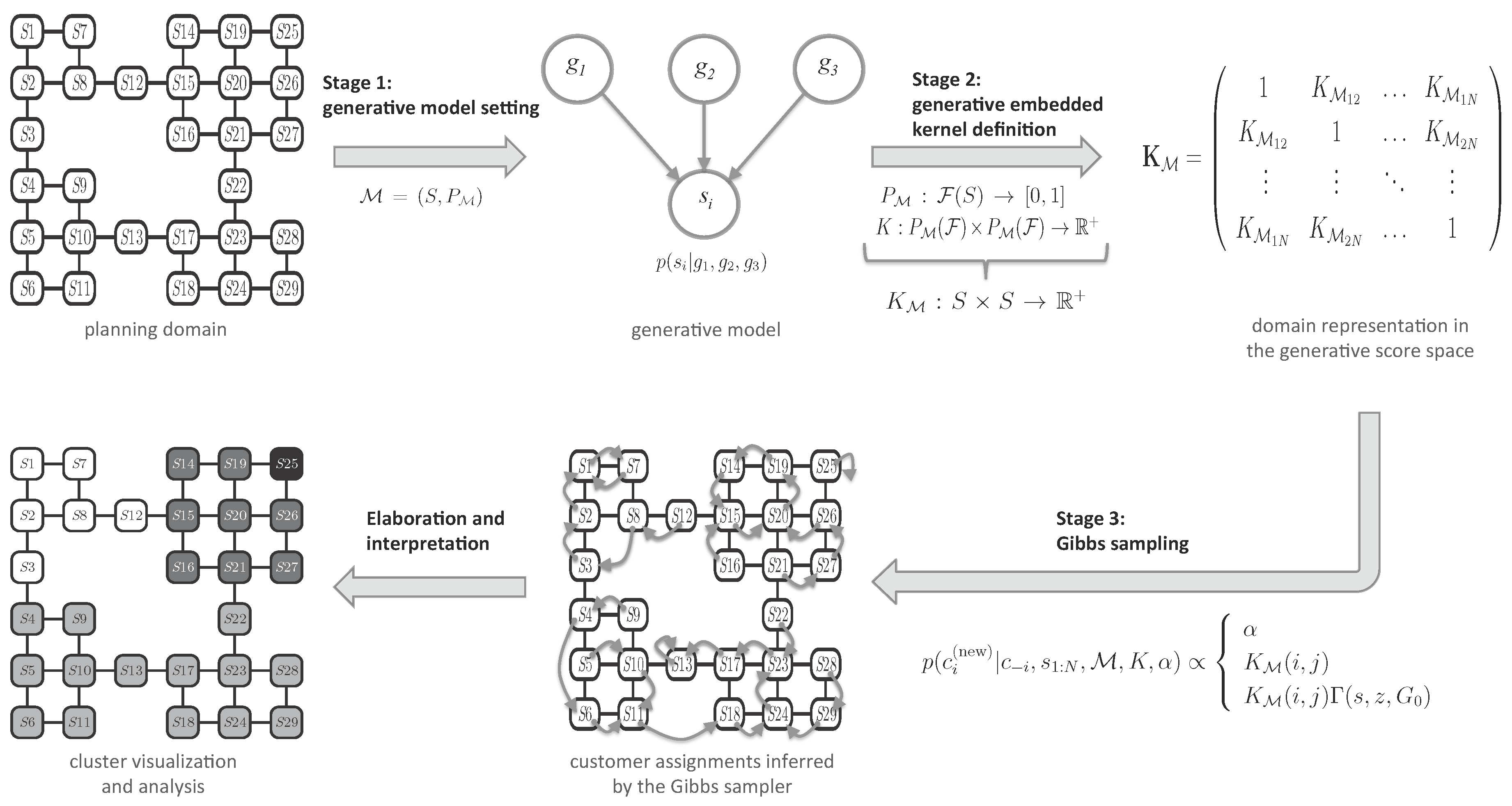
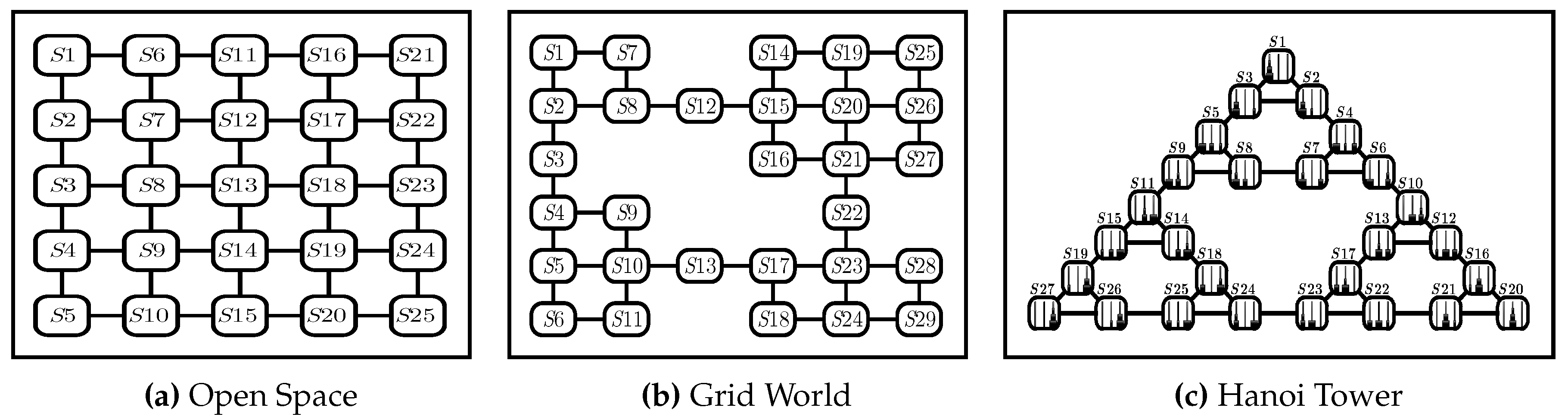
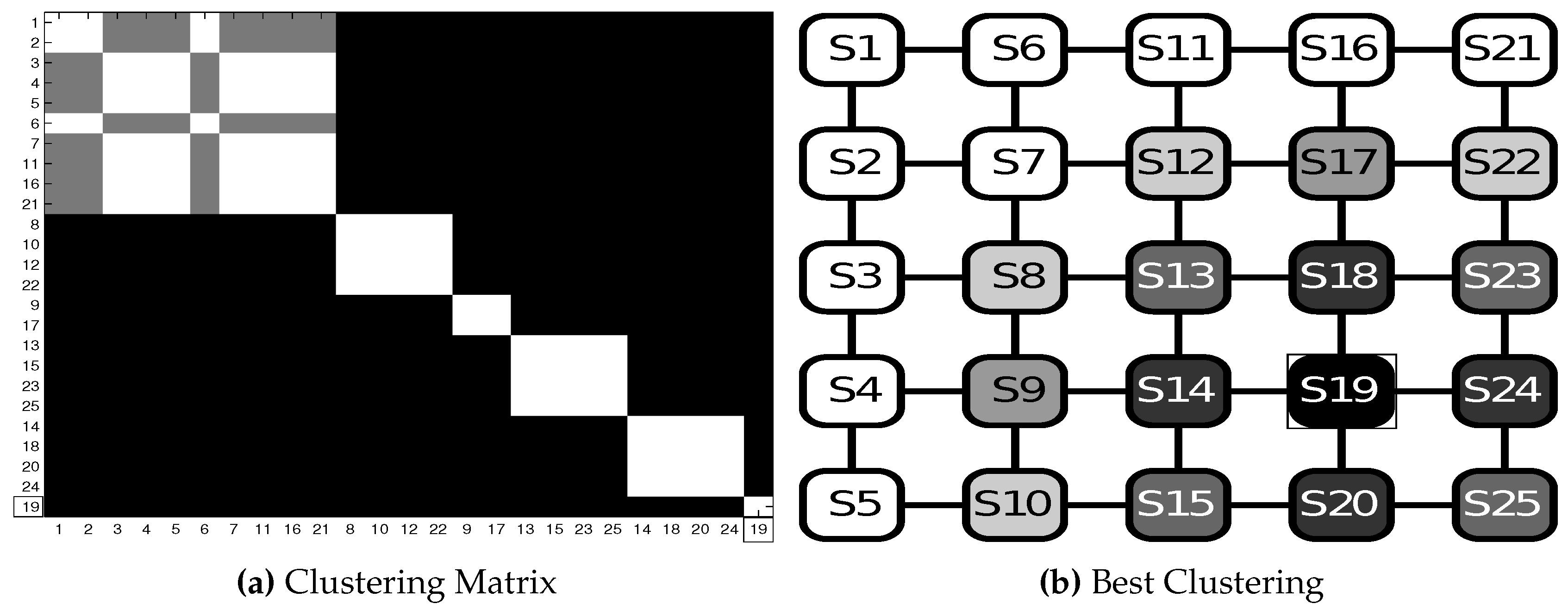
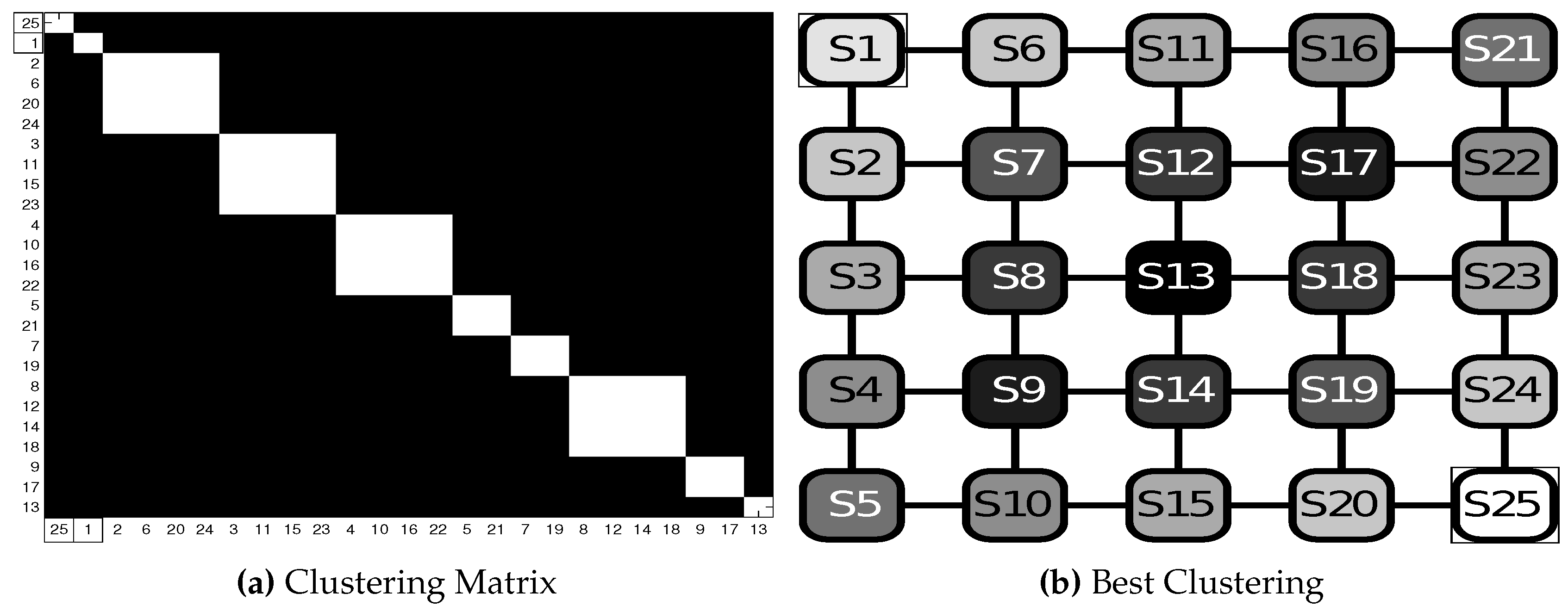
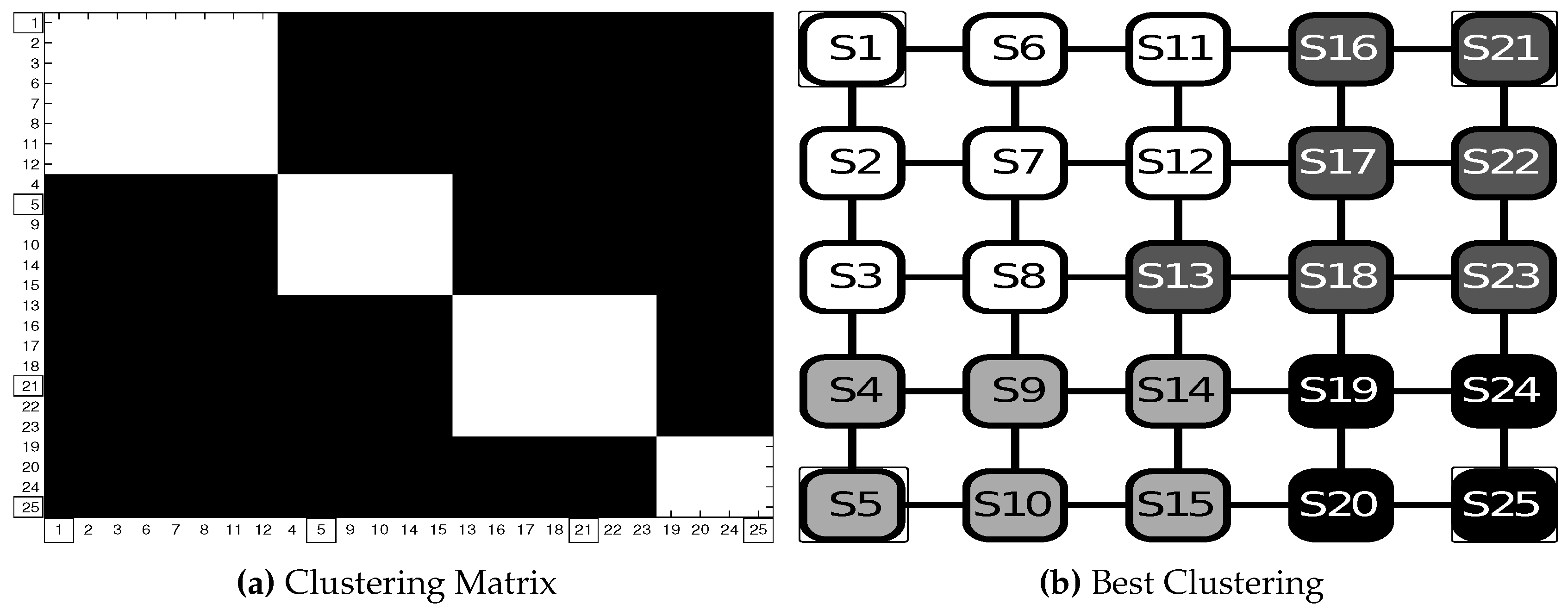
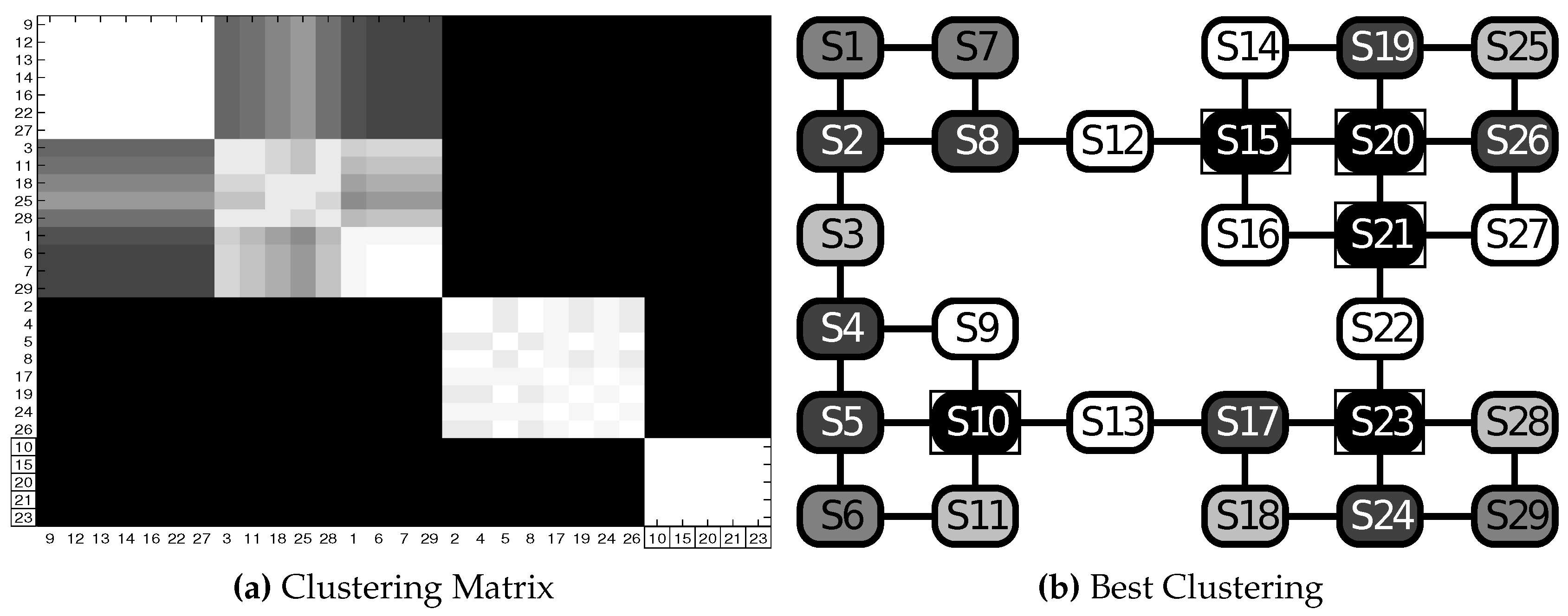
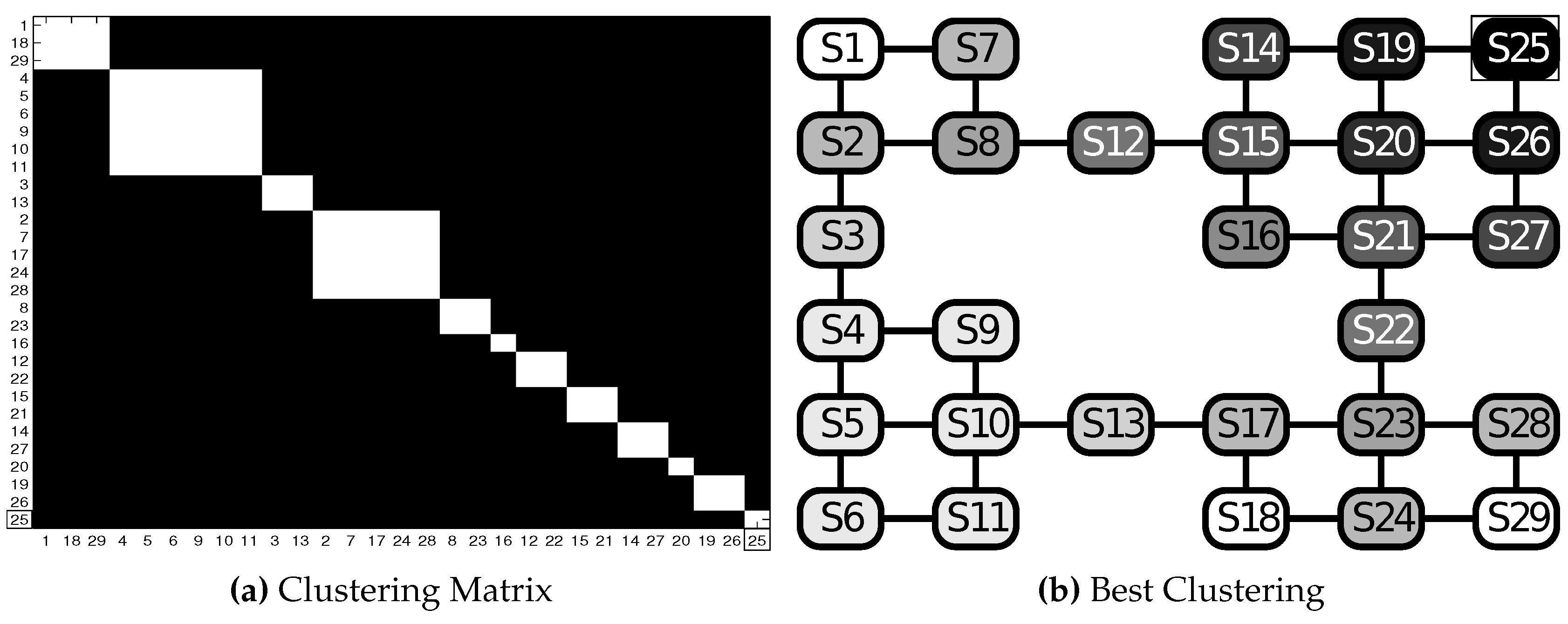
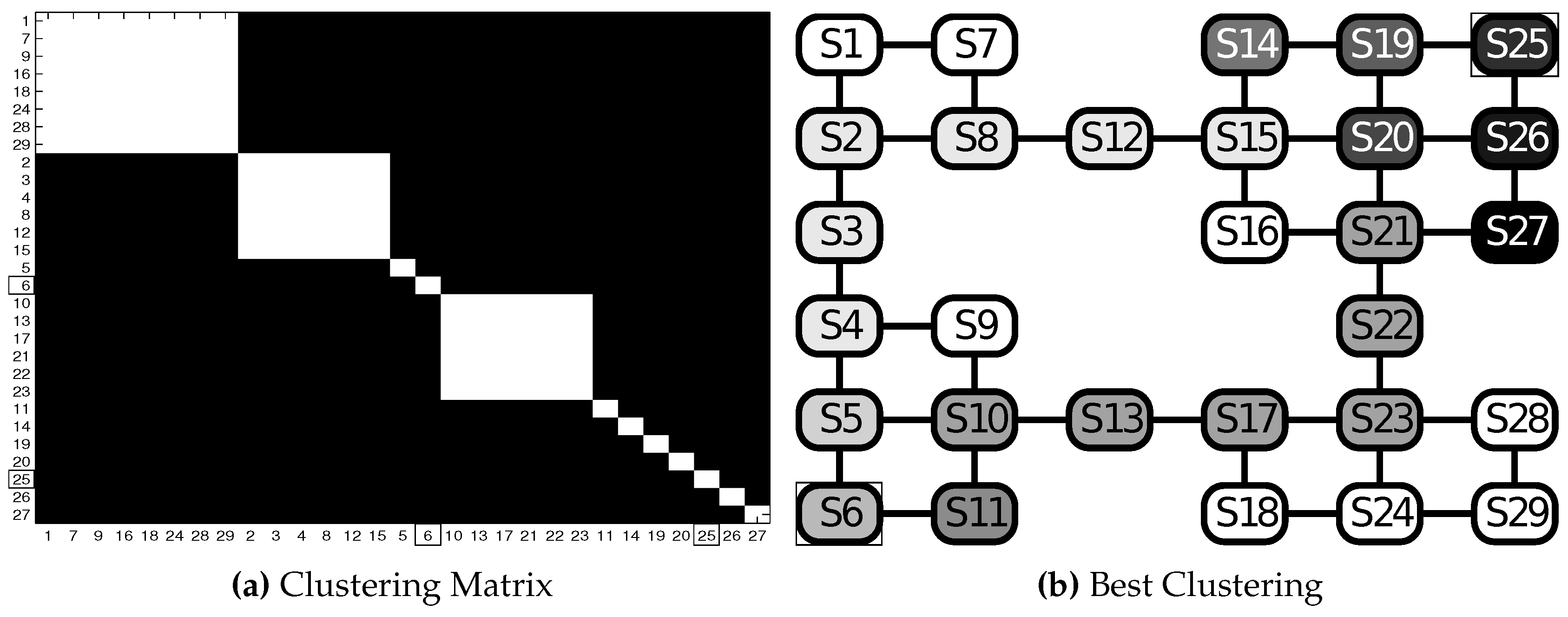
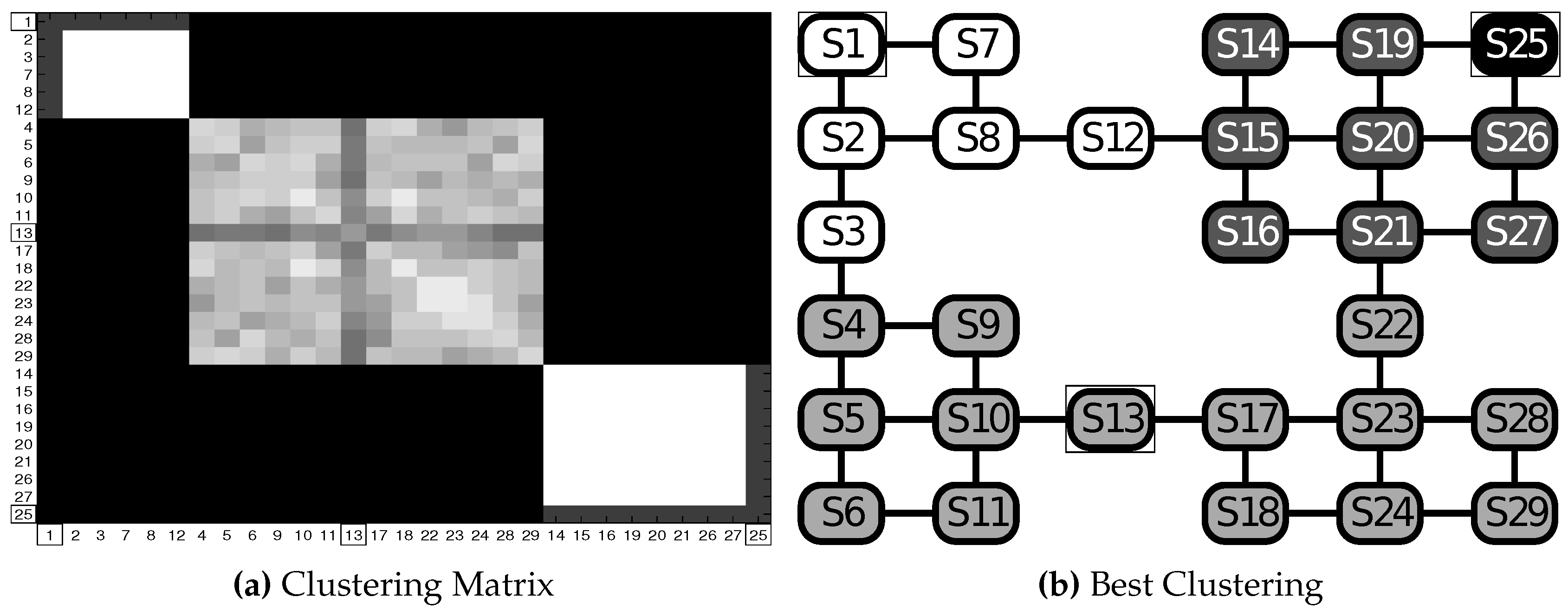
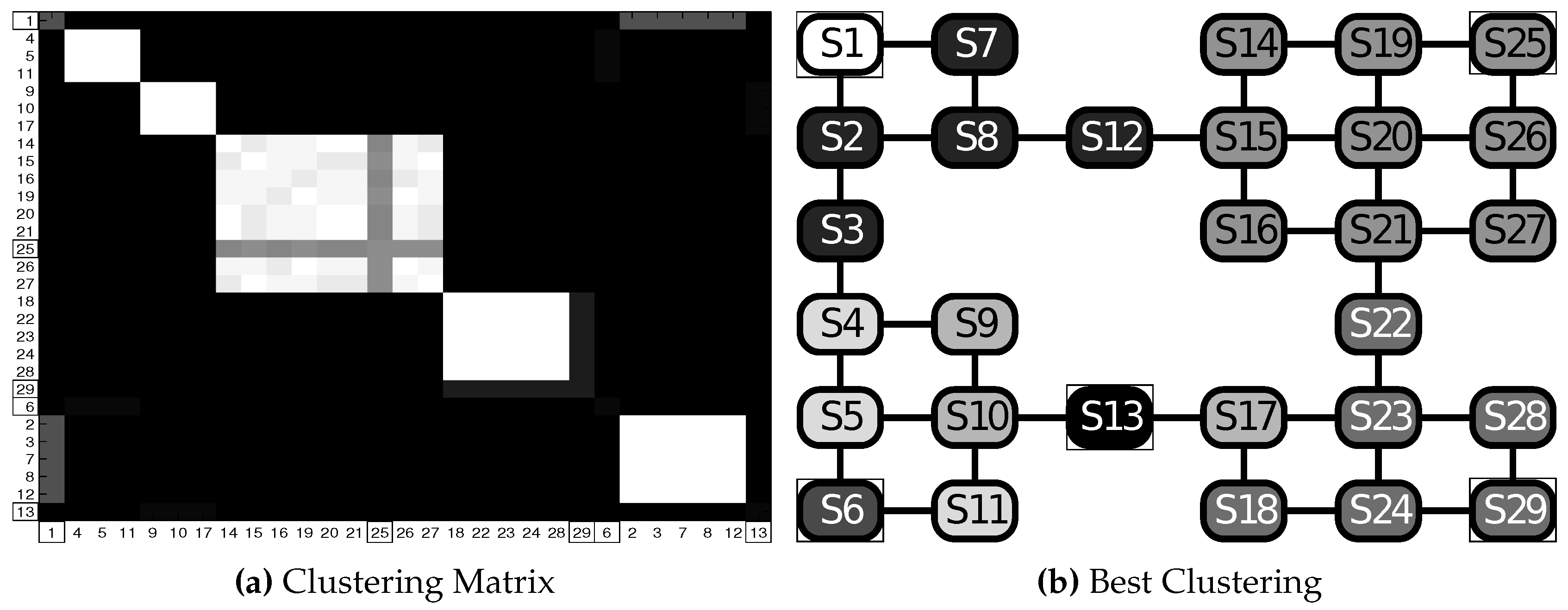
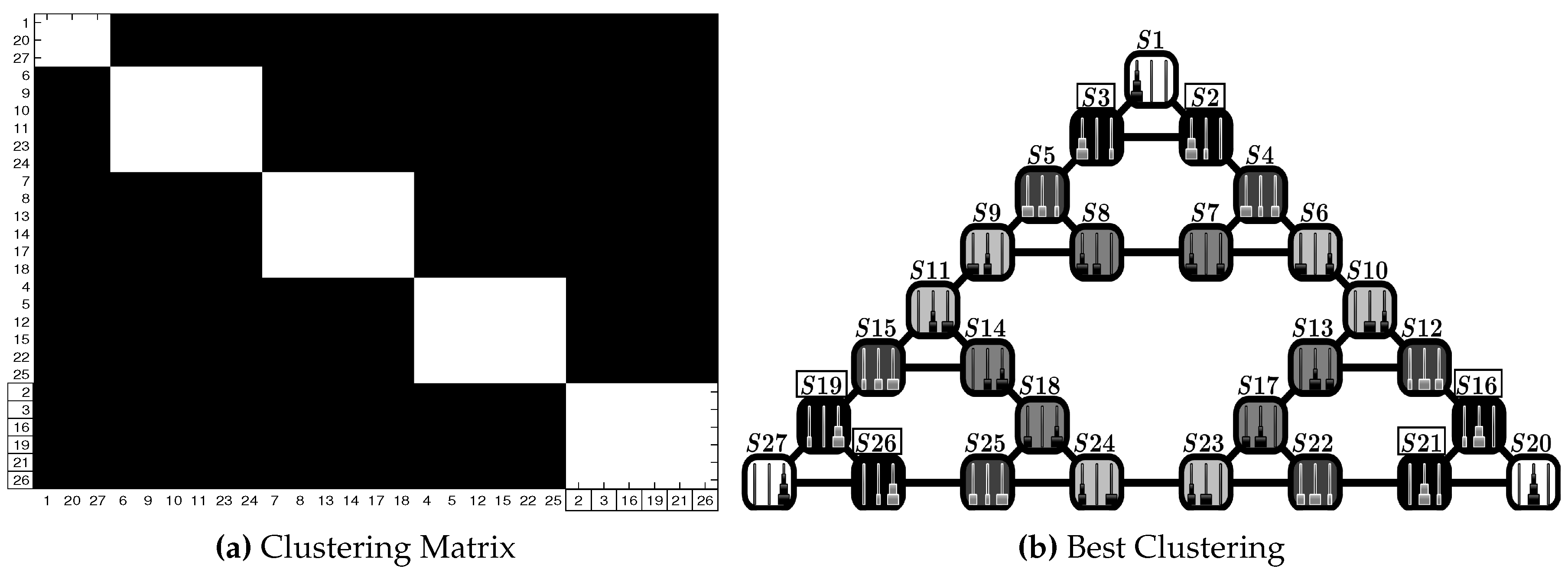
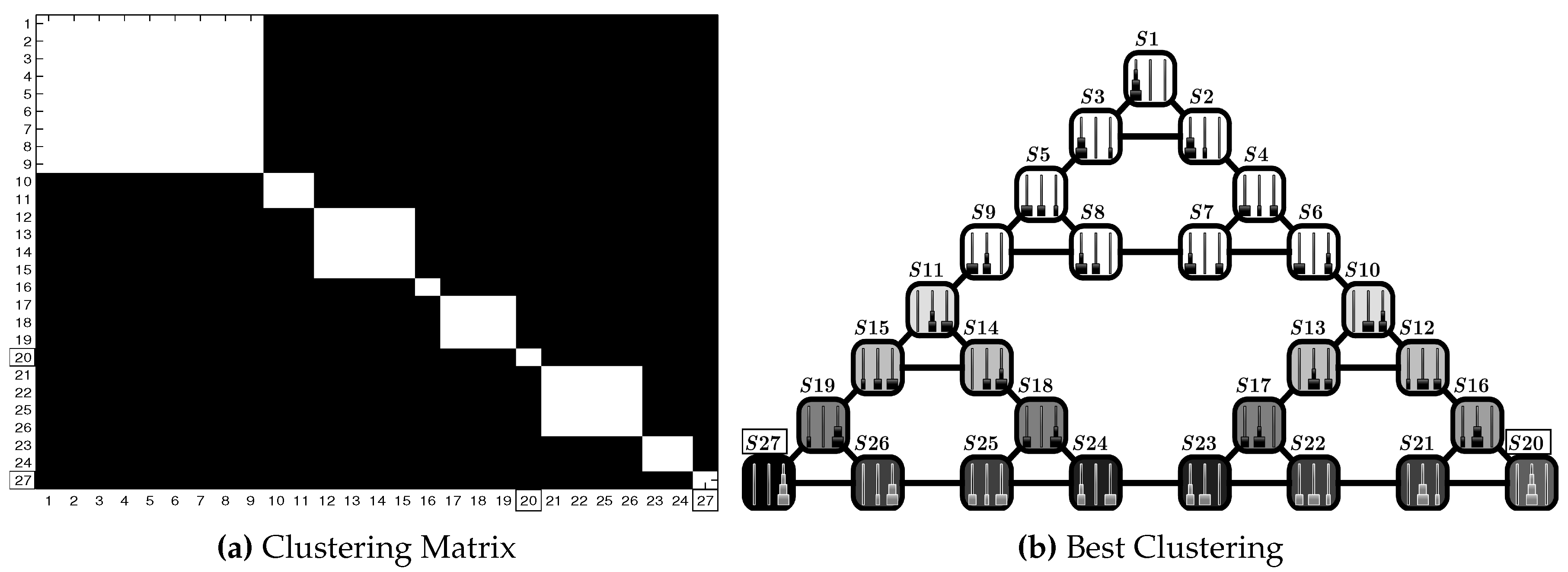
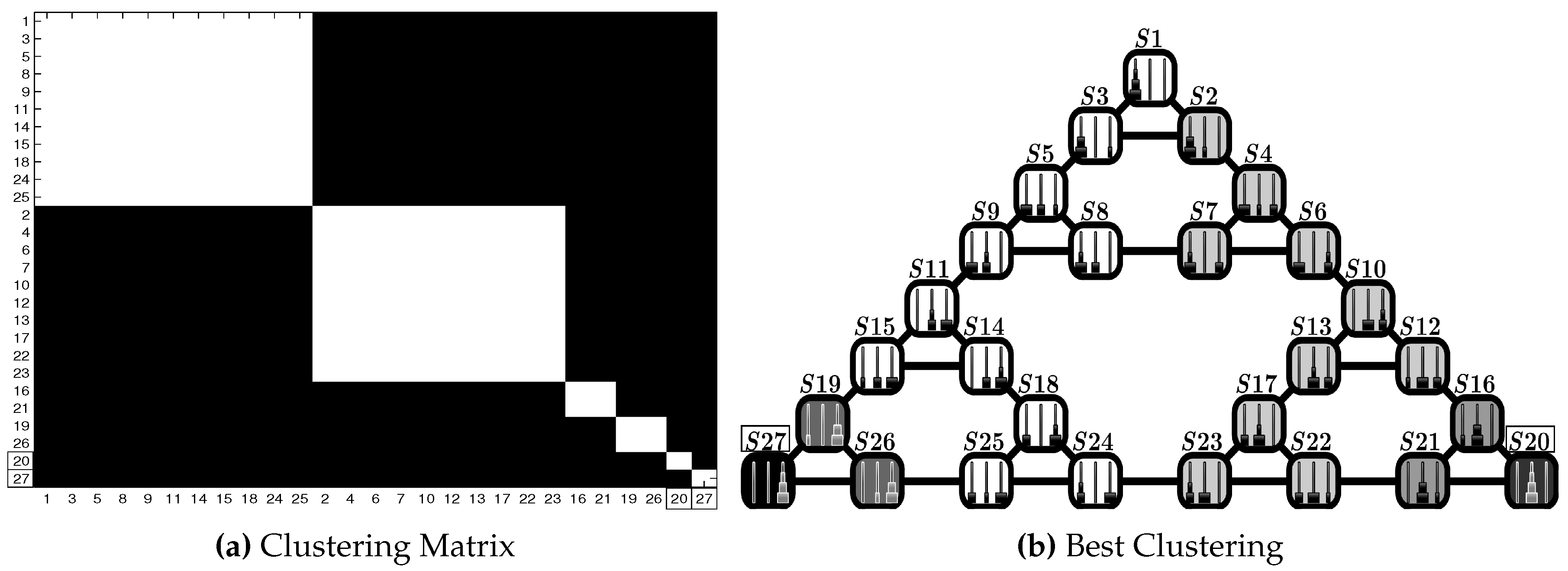
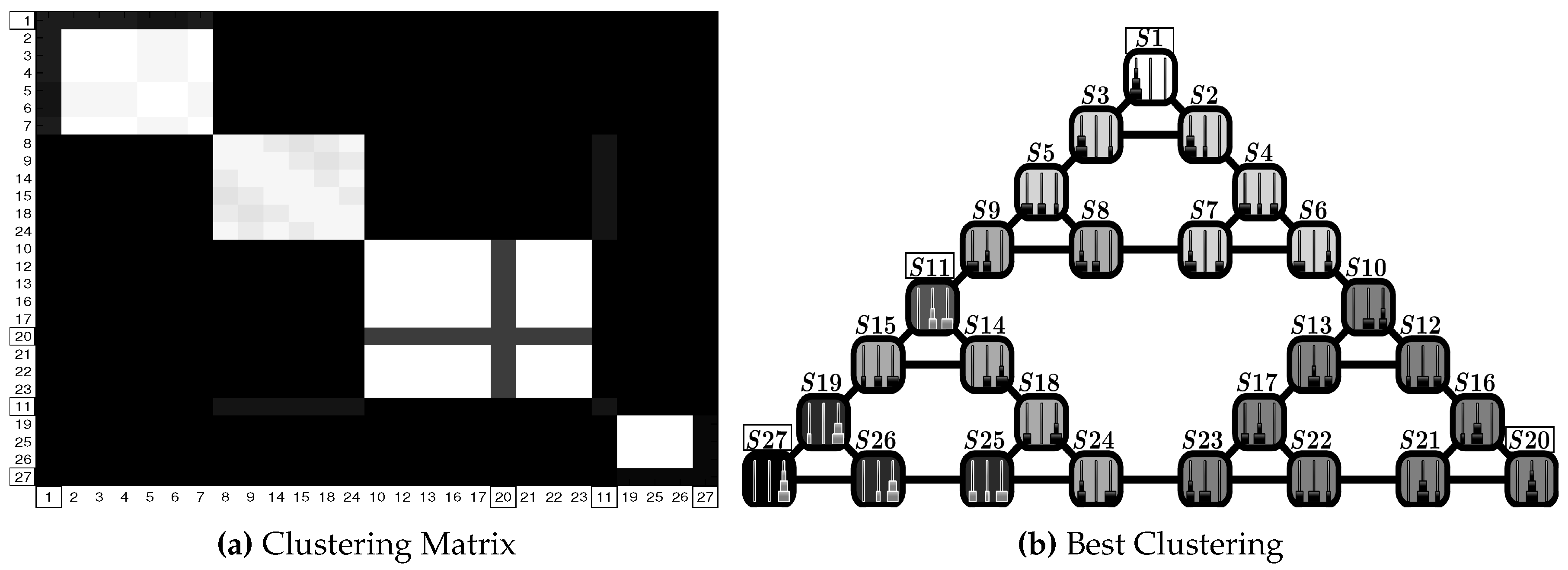
We present an information-theoretic method permitting one to find structure in a problem space (here, in a spatial navigation domain) and cluster it in ways that are convenient to solve different classes of control problems, which include planning a path to a goal from a known or an unknown location, achieving multiple goals and exploring a novel environment. Our generative nonparametric approach, called the generative embedded Chinese restaurant process (geCRP), extends the family of Chinese restaurant process (CRP) models by introducing a parameterizable notion of distance (or kernel) between the states to be clustered together. By using different kernels, such as the the conditional probability or joint probability of two states, the same geCRP method clusters the environment in ways that are more sensitive to different control-related information, such as goal, sub-goal and path information. We perform a series of simulations in three scenarios—an open space, a grid world with four rooms and a maze having the same structure as the Hanoi Tower—in order to illustrate the characteristics of the different clusters (obtained using different kernels) and their relative benefits for solving planning and control problems.
Keywords: clustering; information theory; generative model; structure learning; goal; sub-goal; planning clustering; information theory; generative model; structure learning; goal; sub-goal; planning