1. Introduction
Digital marketing is entering a new phase in which consumer conversations, data analytics, and personalized advertising are becoming increasingly intertwined. In earlier forms of digital personalization, marketers mainly relied on observable behavioral traces, such as browsing history, clicks, searches, purchases, and social media interactions. Generative artificial intelligence changes this logic by introducing conversational data as a potentially rich source of advertising personalization. Through interactions with AI assistants, consumers may reveal preferences, intentions, doubts, financial constraints, emotional concerns, and purchase-related goals. However, consumers may not always recognize that such conversational inputs can become signals for personalized advertising.
This shift creates a different kind of personalization problem. Consumers are no longer profiled only through passive digital traces; they may also be profiled through active dialogue with AI systems. A person who asks an AI assistant for advice about a product may later see an advertisement that appears to reflect that conversation. In some cases, this may feel helpful because the advertisement is relevant and timely. In other cases, it may feel intrusive because the consumer realizes that a private or semi-private interaction may have been used for commercial purposes.
Research in marketing has shown that artificial intelligence is reshaping customer experience, advertising, personalization, content creation, and consumer engagement. AI can support prediction, automation, customer understanding, and personalized interaction [
1,
2]. Generative AI extends these capabilities because it can create adaptive content, support conversational interaction, generate marketing messages, and personalize communication using richer consumer inputs [
3,
4,
5,
6]. Unlike earlier predictive systems, GenAI can respond to consumers’ expressed needs in real time and produce individualized messages that appear closely aligned with their goals or decision context. This can increase the perceived usefulness of advertising, but it also raises concerns about privacy, surveillance, consumer vulnerability, data control, and the commercial use of conversational information [
7].
The issue is especially relevant in social commerce. Social commerce platforms combine social interaction, recommendations, user-generated content, influencer communication, advertising, and purchasing in one environment. Consumers often rely on platform cues, peer opinions, seller credibility, social proof, and algorithmically curated recommendations when forming purchase intentions [
8]. As GenAI becomes part of these platforms, AI systems may operate as assistants, recommenders, content generators, and advertising tools at the same time [
9,
10]. This makes consumer evaluation more complex. A personalized advertisement may be judged not only by its relevance but also by the way the platform appears to use AI-generated or AI-mediated data.
Prior research has examined AI-powered personalization, privacy concerns, algorithmic trust, and purchase intention in digital and social commerce. However, most existing studies focus on personalization based on behavioral, transactional, demographic, or platform-generated data. Research on the personalization–privacy paradox shows that consumers may appreciate relevant personalization while resisting the data collection practices behind it [
11,
12,
13]. Yet relatively little is known about how consumers respond when they believe that their conversations with generative AI assistants are used as advertising data. This distinction matters because conversational data can feel more personal and intentional than ordinary behavioral traces. A click or search query may reveal interest, but a conversation with an AI assistant may reveal reasons, doubts, limitations, and plans.
Despite growing research on AI-based personalization, privacy concerns, algorithmic trust, and social commerce, limited attention has been paid to advertising personalization that is perceived to originate from consumers’ conversations with generative AI assistants. This distinction is theoretically important because conversational data may contain not only behavioral signals but also context-rich and intention-revealing information, including consumers’ goals, doubts, constraints, emotions, and plans. As a result, GenAI-conversation-derived advertising personalization may intensify both the perceived value and the perceived intrusiveness of personalization. Understanding this dual response is therefore essential for explaining how consumers evaluate personalized advertising when AI conversations appear to become advertising data.
This study attempts to bridge this gap by developing and empirically testing a conceptual model of GenAI-driven advertising personalization in social commerce. Specifically, drawing on the Privacy Calculus Theory, Trust Theory, and the Stimulus–Organism–Response theory, the model suggests that GenAI-personalized advertisements will trigger two simultaneous evaluative responses. Firstly, personalization value will emerge as the degree of relevance and usefulness of the advertisement rises. Secondly, privacy concerns will be raised due to the implication that users’ data obtained in AI conversations have been gathered, analyzed, and monetized. Such evaluations will then determine algorithmic trust, which will in turn affect purchase intention in social commerce.
Furthermore, this study examines the effect of perceived transparency disclosures as a potential boundary condition. While transparency has often been suggested as a possible solution to address privacy concerns about AI algorithms and data uses, there might be some non-trivial consequences. For instance, transparency could help consumers better understand how personalization was conducted using artificial intelligence and why this specific advertisement is served to them. On the other hand, disclosure would make it more apparent how the data collected in AI conversations were commercialized. Thus, the study intends to test whether perceived transparency disclosure weakens the association between GenAI-personalized advertisements and privacy concerns and whether it strengthens the association between personalization value and algorithmic trust.
Jordan emerges as an appropriate context for the investigation. It represents a relatively new Arab digital market, where people are actively engaged in social media, and digital commerce activities are rapidly expanding. Moreover, at present, GenAI marketing, privacy calculus, algorithmic trust, and AI-driven social commerce receive little attention in Arab emerging economies. Analyzing Jordan as an appropriate environment would thus contribute to the literature that predominantly focuses on Western countries and large Asian economies, providing insight into the conditions under which expectations of consumers towards AI technologies, privacy, transparency, and digital trust could vary.
Four key contributions arise from this study. Firstly, the extension of the Privacy Calculus Theory to conversational AI data, which links personalization to the interactive human–AI dialogue and not only behavioral data tracking. Secondly, algorithmic trust research could benefit from a demonstration of the way in which personalization and privacy influence algorithmic trust. Thirdly, the social commerce literature would gain insights into the influence of GenAI advertising personalization on purchase intention in emerging Arab markets. Finally, perceived transparency disclosure would become better understood due to the exploration of how such transparency affects privacy concerns and personalization.
2. Literature Review and Theoretical Background
2.1. Conceptual Definitions and GenAI-Enabled Hyper-Personalization
This study is positioned at the intersection of generative AI, personalized advertising, privacy calculus, algorithmic trust, and social commerce. Generative AI refers to AI systems capable of producing context-sensitive content, recommendations, and conversational responses through natural language interaction. In marketing, AI has been discussed as a technology that can reshape customer understanding, segmentation, targeting, personalization, automation, and consumer interaction [
1,
2]. In the present study, GenAI is examined not only as a content-generation technology but also as a conversational interface through which consumers may disclose preferences, constraints, intentions, concerns, budgets, and purchase-related goals.
Algorithmic trust refers to consumers’ confidence in the competence, reliability, usefulness, and appropriateness of algorithmic systems that personalize advertisements, recommend products, and shape social commerce experiences. This view is consistent with consumer–AI research, which shows that consumers evaluate AI not only by its technical accuracy or efficiency but also by how it affects their experiences, autonomy, vulnerability, and perceived value [
14]. Privacy calculus refers to consumers’ evaluation of the expected benefits of personalization against the perceived risks associated with data collection, inference, and commercial use. This logic builds on information privacy and personalization–paradox research, where consumers may value personalized services while simultaneously becoming concerned about data collection, control, awareness, and secondary use [
11,
12,
15]. GenAI-personalized social commerce refers to a social commerce environment in which advertisements appear to be personalized based on prior interactions with a generative AI assistant.
This conceptual positioning is closely related to the evolving idea of GenAI-enabled hyper-personalization. Unlike conventional personalization, which often relies on browsing history, clicks, demographic characteristics, or previous purchases, GenAI-enabled hyper-personalization may incorporate conversational, contextual, and intention-revealing inputs. Such personalization can increase perceived usefulness because advertisements may appear more relevant, timely, and decision-supportive. However, the same intensity of personalization may also generate threat perceptions when consumers feel that the platform has inferred too much from their conversations or has transformed a seemingly private interaction into advertising data. This is consistent with recent evidence that personalization in AI-generated advertising may not always improve consumer attitudes linearly; rather, excessive personalization can shift consumer responses from utility toward a perceived threat [
16].
Accordingly, GenAI-enabled hyper-personalization should be understood as a double-edged sword. It can improve relevance and decision convenience, but it can also intensify privacy concerns, perceived surveillance, and skepticism toward algorithmic systems. This study therefore examines GenAI-personalized advertising through a privacy calculus perspective, where personalization value represents the benefit pathway and privacy concerns represent the risk pathway. Future research should further examine whether the effect of GenAI-enabled hyper-personalization is linear or whether excessive personalization produces diminishing or negative returns by shifting consumers’ evaluations from utility to threat. Future studies could also use AI-enabled advertising data and longitudinal mediation designs to examine how personalization value, privacy concerns, and trust change over repeated advertising exposures rather than relying only on single-exposure scenarios [
17].
2.2. GenAI-Based Advertising Personalization
AI has always supported digital marketing through prediction, segmentation, targeting, recommendation, and optimization. Behavioral data were initially used for AI-enabled personalization, which included clicks, browsing behavior, ratings, purchase behavior, and social media interactions. AI has been identified as an important strategic marketing technology tool that improves customer insights, automation, data-driven decisions, and personalized interactions [
1,
2]. In advertising, AI supports targeting, tailoring messages, media planning, and personalized content throughout the customer journey [
18,
19].
GenAI extends this perspective by using natural language interactions, contextual cues, and conversations to produce individualized responses and marketing content [
3,
5,
6]. Unlike traditional personalization, GenAI-driven advertising may be based on consumers’ explicit conversations with AI assistants about their requirements, preferences, budget, and purchase problems. Thus, advertisements could become more relevant, timely, and valuable, thus reducing searching efforts and making purchasing decisions more convenient [
19,
20]. However, it is also associated with privacy concerns since the conversational data that increase the effectiveness of personalized advertising could show consumers that AI assistants record and infer from their conversations or use them commercially. Since these conversations could include intentions, limitations, uncertainties, emotions, and consumer preferences, GenAI-based personalized advertising may therefore be perceived as a more privacy-relevant form of advertising than conventional behavioral personalization, although this study does not directly compare the two.
2.3. Privacy Calculus and the Personalization–Privacy Tension
The Privacy Calculus Theory explains the behavior of consumers with regard to personalized digital interactions based on balancing anticipated benefits against privacy threats. As consumers, people may be motivated by personalized and convenient interactions on one side but be wary about information gathering, profiling, and ambiguous targeting practices, for instance. As a result, a personalization vs. privacy trade-off is observed, in which relevance is appreciated despite being associated with privacy issues [
11,
12,
13,
21,
22].
Privacy threats in personalized advertising are associated with the impression that the platform is a service gathering too much information about users, making inferences about the sensitivity of information gathered, and using it for some purposes without a user’s permission, etc. Typically, information privacy concerns are associated with personal information gathering and control, as well as the knowledge of how information is utilized [
15]. Research studies in marketing also show that privacy has an impact on the consumer-trust relationship with organizations [
12,
13]. When it comes to digital media and advertising, such aspects as information intrusiveness, consumer-control perceptions, relations between the consumer and the brand, and appropriateness of information use also contribute to privacy evaluations [
23,
24].
When it comes to personalization based on GenAI conversation, privacy issues are amplified since more information can be disclosed in the process. People’s interests, uncertainties, financial difficulties, personal issues, and plans can be revealed during conversations. Therefore, the current study will view perceived personalization value and privacy concerns as separate consumer responses to GenAI advertising personalization. The former refers to the consumer benefits of personalization, while the latter implies consumers’ discomfort with privacy intrusion and perceived lack of control.
2.4. Algorithmic Trust in GenAI-Personalized Social Commerce
Trust plays an important part in social commerce, since consumers decide whether to buy or not under conditions of uncertainty. Such conditions include, but are not limited to, the behavior of sellers and the platforms themselves, as well as the operation of algorithms responsible for the curation of content, product recommendations, advertisement placement, seller ranking, and the consumer purchase journey. The significance of trust in social commerce purchase intention is confirmed in a literature review [
8]. In an era of AI, algorithmic trust becomes increasingly important.
Algorithmic trust refers to consumers’ willingness to engage with algorithmic systems through perceptions of their competence, reliability, usefulness, fairness, and trustworthiness. Consumer acceptance of algorithmic judgment is determined by its usefulness, appropriateness, legitimacy, and capability to enhance consumers’ decision quality [
14,
25,
26]. People will accept an algorithm if it can be seen as helpful, while resistance to it emerges if the use of algorithmic systems is seen as potentially harmful to their interests [
14,
27].
GenAI’s ability to personalize advertising implies that algorithmic trust is influenced by consumers’ perceptions of personalization as being helpful or intrusive. While helpful personalization is likely to increase trust by signaling the platform’s understanding of consumer needs, privacy concerns may undermine algorithmic trust because of the impression that the consumer is being used for the purposes of the platform. In other words, the current study sees algorithmic trust as the key mediator of the relationship between personalization value/privacy concerns and purchase intention.
2.5. Perceived Transparency Disclosure as a Boundary Condition
Transparency disclosures have been suggested as a way of improving consumers’ knowledge about the role of AI and the use of data in the process, as well as in advertising personalization. Transparency and explainability could help alleviate the uncertainty by shedding light on the functioning of the algorithm, its decisions, and the ways in which consumers’ data are utilized [
28,
29]. In terms of advertising, disclosure could aid consumers in comprehending the reason behind a particular message and the algorithmic processes involved in the creation of the advertising experience [
30,
31].
However, transparency does not necessarily lead to positive outcomes. Transparency associated with the use of AI could exacerbate the level of skepticism, undermine its authenticity, and decrease trust when algorithmic involvement becomes more noticeable [
31,
32,
33]. The problem arises because disclosing information about the use of AI in the process of creating ads would mean that consumers will be reminded that their conversation is being used for commercial purposes. In regard to protecting consumers, there could be several risks related to GenAI marketing, including personalization, persuasion, vulnerability, and the use of conversational data [
7].
Thus, transparency is conceived of as a boundary condition in the current research. On the one hand, transparency could disrupt the link between GenAI-based personalization and privacy concerns because of increased control by and awareness of consumers. On the other hand, it could intensify the connection between the value of personalization and algorithmic trust.
2.6. Theoretical Integration and Study Positioning
The suggested model integrates the Privacy Calculus Theory, Trust Theory, and the Stimulus–Organism–Response (SOR) approach. GenAI-based perceived advertising personalization serves as a stimulus. Value and privacy are considered the organism’s perceptions, thus accounting for the positive and negative sides of the privacy calculus. The psychological concept of algorithmic trust bridges evaluations of personalization and privacy and represents a response. Perceived transparency disclosure is considered a potential moderating factor that can affect privacy and trust constructs.
The significance of this research includes explaining the psychological mechanism behind the impact of GenAI-based personalized advertising on purchase intention, taking into account its dual value–privacy nature. The paper also explains how algorithmic trust arises from personalization value and privacy concerns. Even though the prior literature explores the topics of AI-based personalization, privacy, trust, transparency disclosure, and social commerce individually, the relationship between these aspects when AI-generated communication serves as advertising data has not been studied sufficiently.
3. Conceptual Framework and Hypothesis Development
A conceptual framework is proposed in this research for understanding the impact of GenAI-based personalized advertising on purchase intentions in social commerce. Based on the Privacy Calculus Theory, Trust Theory, and the Stimulus–Organism–Response model, the proposed conceptual framework proposes GenAI-based personalized advertising as a stimulus, which results in two types of evaluations: perceived value from personalization and privacy concerns. The former refers to the benefits, while the latter refers to risks in the privacy calculus. Algorithmic trust is suggested to be the mediating variable between both evaluations and social commerce purchase intention.
3.1. GenAI-Based Advertising Personalization and Perceived Personalization Value
Personalized advertising is considered valuable when consumers feel it is relevant, useful, timely, and consistent with their needs. Personalized advertising in digital marketing might help reduce information overload, facilitate decision convenience, and enhance advertising relevance. Based on the current literature on the positive impact of personalized advertisements generated using AI tools on consumer satisfaction [
20], it is possible that GenAI advertising might have even greater value.
This idea is supported by the fact that such advertising is based on the analysis of richer input data, namely, conversations, rather than just clicks, browsing behavior, and purchasing habits. Consumers who communicate with AI assistants about their needs, preferences, budget, concerns, and decision intentions might get a feeling of increased personal relevance and usefulness of advertisements appearing after such a conversation. As a result:
H1. Perceived GenAI-based advertising personalization positively influences perceived personalization value.
3.2. GenAI-Based Advertising Personalization and Privacy Concerns
Personalized services created through generative AI could create value, but they might also pose privacy threats. Personalized advertising is an area where people usually feel fear when they believe that personalization means that platforms know everything about them or use data in a way that exceeds their expectations and control [
21,
23,
24]. This threat seems even more likely to occur when personalization is done based on AI-mediated communication, not regular behavioral data. Communication with AI assistants can expose people’s tastes, requirements, emotions, economic limitations, personal issues, and future intentions. Although such advertisements may be useful, consumers may feel uneasy when they realize that their AI-assisted conversations have been transformed into advertising data. Hence, GenAI-based personalized advertisements could be both beneficial and invasive. Thus:
H2. Perceived GenAI-based advertising personalization positively influences privacy concerns.
3.3. Perceived Personalization Value and Algorithmic Trust
Algorithmic trust refers to consumers’ trust in the capability, reliability, usefulness, and appropriateness of an algorithmic system. In the case of AI-based social commerce, consumers depend on the algorithmic system for product recommendations, advertisement personalization, ranking, and buying assistance. Since consumers are unable to see how the system operates, trustworthiness becomes crucial.
Perceived personalization value may increase the level of algorithmic trust since it demonstrates that the AI system embedded in the platform recognizes consumers’ needs and assists them meaningfully by offering relevant personalization. Based on earlier findings on consumer experiences in AI-based social commerce, consumers are likely to develop more trust towards AI systems if they find them useful, reliable, and competent in improving their decision-making process [
34,
35]. Therefore:
H3. Perceived personalization value positively influences algorithmic trust.
3.4. Privacy Concerns and Algorithmic Trust
Privacy-related issues are expected to weaken trust because they suggest vulnerability in the consumer–platform transaction relationship. Trust becomes hard to maintain when consumers feel that the platform gathers or uses personal information in an invasive, unclear, or inappropriate manner. Regarding personalized social commerce based on GenAI technology, consumers will consider the motives behind the use of AI interactions for advertising purposes when there is insufficient information available and no consumer control. Moreover, the use of sensitive conversational data in the personalization process can render the algorithm unfair, less transparent, and less consumer-focused. In accordance with Trust Theory, risk perceptions and vulnerabilities can lead to decreased trust when consumers do not see the exchange partner as reliable, benevolent, or credible.
H4. Privacy concerns negatively influence algorithmic trust.
3.5. Algorithmic Trust and Social Commerce Purchase Intention
Trust is a key driver of purchase intention in social commerce because consumers make decisions in an environment shaped by seller interactions, user-generated content, social proof, influencer communication, platform recommendations, and algorithmically curated advertisements. Prior social commerce research shows that trust is central to purchase intention, especially when consumers rely on platform-based cues and recommendation mechanisms [
8].
Algorithmic trust can increase purchase intention by reducing uncertainty and increasing consumers’ willingness to rely on AI-personalized advertisements and recommendations. When consumers trust the platform’s algorithmic system, they are more likely to view personalized advertisements as credible, relevant, and useful, which can encourage product consideration and purchase. Therefore:
H5. Algorithmic trust positively influences social commerce purchase intention.
3.6. The Mediating Role of Perceived Personalization Value
The influence of GenAI-driven personalized advertising in terms of algorithmic trust is not expected to emerge spontaneously. Consumers are expected to judge whether the personalized ad adds any value before building trust. In situations where GenAI-driven personalized ads are considered valuable and helpful to consumers, people could attribute more competence and support intention to the algorithmic system behind them. This is in line with the value-based route of the privacy calculus approach, which suggests that personalization improves trust through value. Therefore:
H6. Perceived personalization value mediates the relationship between perceived GenAI-based advertising personalization and algorithmic trust.
3.7. The Mediating Role of Privacy Concerns
AI-powered advertising personalization might impact algorithmic trust through issues related to privacy. If consumers feel like their ads are personalized through information collected during AI conversation sessions, they might wonder how the information was being used, understood, and sold. As a result, they might lose trust in the algorithmic mechanism used by the platform. In other words, such an instance might represent a privacy calculus risk path, since personalization might undermine the trust consumers have in the algorithmic platform due to issues surrounding privacy. Therefore:
H7. Privacy concerns mediate the relationship between perceived GenAI-based advertising personalization and algorithmic trust, such that the indirect effect is negative.
3.8. The Mediating Role of Algorithmic Trust
Algorithmic trust is theorized to be the mediator that affects both the effects of perceived personalization value and privacy concerns on social commerce purchase intention. If individuals find GenAI-personalized advertisements valuable, they might have more trust in the algorithm used by the platform and, thus, increase their intention to make purchases through the social commerce platform. On the other hand, if individuals have high levels of privacy concerns, their purchase intention will likely be decreased because of their reduced trust in the algorithms of the platform. Based on the S-O-R framework, the following hypotheses are proposed:
H8a. Algorithmic trust mediates the relationship between perceived personalization value and social commerce purchase intention.
H8b. Algorithmic trust mediates the relationship between privacy concerns and social commerce purchase intention, such that the indirect effect is negative.
3.9. The Moderating Role of Perceived Transparency Disclosure
Perceived transparency disclosure is often suggested to help increase consumers’ awareness regarding AI utilization, data processing, and advertising personalization. Transparency could reduce uncertainty by providing consumers with clarity about the way AI systems function and how consumer data can be used. The explainable AI literature suggests that consumers’ trust and acceptance would grow due to algorithmic processes becoming comprehensible and justified [
28]. Similarly, disclosure would assist consumers in understanding the reasons for the presentation of a certain message and the role of algorithmic systems in advertisement delivery [
30,
31].
However, transparency does not necessarily bring about a positive effect. AI transparency could lead to greater suspicion, decrease perceptions of genuineness, or make the presence of an algorithm more prominent [
31,
32,
33]. In the context of the discussion on the use of conversation data generated by artificial intelligence in advertising personalization, the above statement acquires a particular meaning. Although perceived transparency disclosure could provide clarification in regard to data usage, it may also serve as a reminder that conversations are being commodified. Similarly, the consumer protection literature stresses that issues of GenAI-based marketing include, inter alia, the need for proper disclosure, addressing consumers’ vulnerabilities, persuasive strategies, and empowerment [
7].
Despite this complexity, improved perceived transparency disclosure could reduce privacy concerns in GenAI-based advertising personalization because it could decrease uncertainty and promote control perceptions. Therefore:
H9. Perceived transparency disclosure moderates the relationship between perceived GenAI-based advertising personalization and privacy concerns, such that the positive relationship is weaker when perceived transparency disclosure is high.
Perceived transparency disclosure may also strengthen the relationship between perceived personalization value and algorithmic trust. When consumers perceive GenAI-personalized advertising as valuable, transparency may help them interpret this value as the result of a reliable and understandable algorithmic system rather than hidden surveillance or manipulation. Trust in algorithmic systems is shaped not only by usefulness but also by whether the system’s role is perceived as appropriate, explainable, and legitimate [
14,
26,
28]. Therefore:
H10. Perceived transparency disclosure moderates the relationship between perceived personalization value and algorithmic trust, such that the positive relationship is stronger when perceived transparency disclosure is high.
3.10. Conceptual Framework
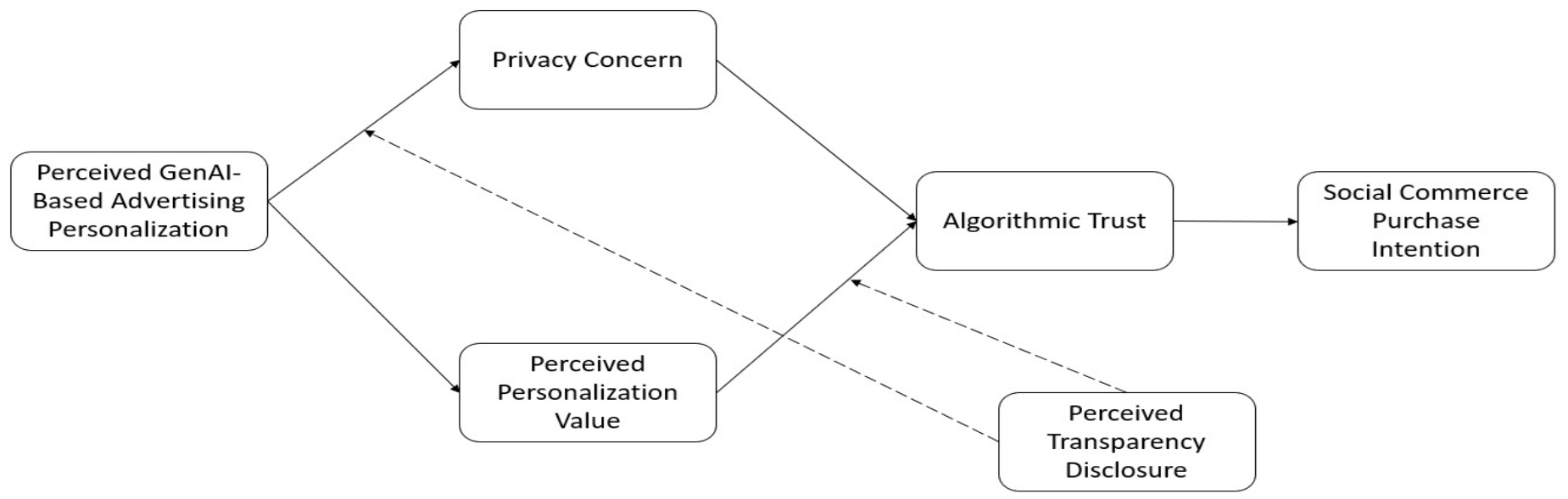
The proposed model explains social commerce purchase intention through a dual-path privacy calculus mechanism. Perceived GenAI-based advertising personalization is expected to increase both perceived personalization value and privacy concerns. Personalization value represents the benefit side and is expected to strengthen algorithmic trust, while privacy concerns represent the risk side and are expected to weaken it. Algorithmic trust then serves as the key mechanism through which these evaluations shape social commerce purchase intention.
Perceived transparency disclosure is positioned as a boundary condition. It is expected to weaken the effect of GenAI-based advertising personalization on privacy concerns and strengthen the effect of perceived personalization value on algorithmic trust. Together, these relationships explain how GenAI-personalized advertising value creation can be simultaneously privacy-threatening, trust-shaping, and purchase-relevant in social commerce. The proposed conceptual model is presented in
Figure 1.
4. Methodology
4.1. Research Design
This research utilized a quantitative design using the scenario method to explore consumer behavior regarding GenAI-generated advertisement personalization in social commerce. Quantitative analysis was suitable for testing relationships among latent variables such as GenAI-based advertising personalization, perceived personalization value, privacy concerns, algorithmic trust, perceived transparency disclosure, and social commerce purchase intention. Since the proposed model includes direct, indirect, and interaction effects among the variables, the use of a survey would allow standard data to be collected for model testing via structural equation modeling.
The scenario approach was appropriate because GenAI-based advertising personalization is still an emerging concept that all consumers may not equally experience. The scenario helped provide a basis for measurement after the respondents were asked about their perceptions and behavioral intentions related to GenAI-conversation-based advertising personalization. Perceived transparency disclosure was considered a moderating variable in terms of perception rather than an experimental one because this study examined how informative and understandable disclosures were perceived by consumers.
In this study, transparency disclosure was operationalized as a perceived transparency disclosure construct rather than as an experimentally manipulated disclosure condition. The scenario established a context in which a personalized advertisement appeared to reflect a prior conversation with a generative AI assistant. After reading the scenario, respondents evaluated the extent to which the platform’s use of AI and conversation-related data was perceived as clear, understandable, and informative. Therefore, the construct captures consumers’ perceptions of transparency regarding GenAI-based advertising personalization, not exposure to a separate disclosure treatment. This distinction is important because the study examines whether perceived transparency disclosure conditions the relationships between GenAI-based advertising personalization, privacy concerns, personalization value, and algorithmic trust.
4.2. Scenario Development and Procedure
The scenario represents a practical example of social commerce, which involves the use of a generative AI assistant and a personalized advertisement. The participants were asked to imagine themselves using an AI assistant on a social media website to get help with making decisions about the products they want to purchase. In turn, they explained to the AI assistant what their preferences, budget, and requirements were. Afterward, when browsing the same website, they were faced with an advertisement that reflected the previous dialogue with the AI assistant.
The scenario was framed as follows:
Imagine that you are using a social media website that contains a generative AI assistant. You ask the assistant for help in making decisions about the products that you would like to purchase. You tell the assistant your preferences, budget, and requirements. Later, while browsing the same social media website, you come across an advertisement for a product that resembles the topics you have discussed with the AI assistant.
Afterward, the participants were asked to evaluate several constructs, such as the degree of perceived personalization of the advertisement, its value, issues related to privacy, trust in the algorithm, perception of transparency, and purchase intention. It was also important to check whether the respondents fully understood the scenario and the connection between the advertisement and the AI assistant.
4.3. Population and Sampling
The target population of this study consisted of Jordanian social commerce users who regularly use social media platforms and have prior experience with online or social commerce purchasing or an intention to purchase through social platforms. Jordan was selected because the study aimed to examine GenAI-personalized social commerce in an emerging Arab digital market. This context is relevant because social media use and digital commerce are increasingly embedded in consumer behavior. However, research on GenAI advertising, privacy calculus, algorithmic trust, and AI-driven social commerce remains limited in Arab emerging economies.
A purposive sampling technique was used because the study required respondents who could meaningfully evaluate a scenario involving social commerce, generative AI assistants, and personalized advertising. The inclusion criteria required respondents to be residents of Jordan, active users of social media platforms, familiar with online or social commerce purchasing, and sufficiently aware of publicly available generative AI assistants or similar applications. This approach was appropriate for theory testing in an emerging research context where not all consumers have sufficient exposure to AI-assisted digital platforms. However, as a non-probability sampling technique, purposive sampling limits statistical generalizability. Therefore, the findings should be interpreted as theory-oriented evidence from a relevant Jordanian social commerce user group rather than as population-level estimates for all consumers.
The data were collected through an online questionnaire administered using Google Forms. The survey link was distributed through social media channels and online community networks in Jordan. Screening questions were included at the beginning of the questionnaire to ensure that respondents met the study criteria. Respondents who did not meet the screening criteria, failed attention or comprehension checks, provided incomplete responses, or showed careless response patterns were excluded. After data screening and cleaning, 435 valid responses were retained for analysis.
4.4. Sample Size and Respondent Profile
Following the screening process and data cleaning, a total of 435 valid answers remained. Ineligible responses included those that were incomplete, did not pass the screening process, did not meet attention control tests, contained straight-lining patterns, exhibited careless filling, and had unreasonably short answer times. The sample size was considered sufficient for the planned PLS-SEM model based on the inclusion of several latent constructs, mediating effects, and moderation processes.
Sample adequacy was assessed based on modern recommendations in PLS-SEM practice, which stress that researchers should consider model complexity, estimated effect sizes, power analysis, and the most complex structural relations, instead of relying on simple guidelines like the 10-times rule [
36,
37,
38]. Variables measured at the demographic level included gender, age, educational attainment, use of social media, frequency of online purchases, social commerce experience, and AI awareness.
4.5. Questionnaire Development and Measures
Questionnaire development started with adapting previously used and validated scales according to the current topic of personalizing GenAI-based advertising in social commerce. Following the process of translation and back-translation of the original version into Arabic, academic experts in digital marketing, online consumer behavior, and measurement development reviewed the Arabic version of the questionnaire to assess content validity, clarity, linguistic appropriateness, and contextual relevance. Phrasing revisions were made based on their feedback before launching the study survey.
In terms of questionnaire structure, the developed instrument consisted of a series of screener questions, the scenario, measurement questions, a marker variable, and demographic questions. Every construct was reflective and was operationalized by means of multi-item scales on a 7-point Likert scale (1 = strongly disagree, 7 = strongly agree). For the present study, six concepts were measured: GenAI-based perceived advertising personalization, personalization value, privacy concerns, algorithmic trust, perceived transparency disclosure, and social commerce purchase intention (
Appendix A).
The privacy concern scale was based on previous research regarding digital advertising privacy and information privacy concerns, focusing on collection, control, and awareness issues [
12,
15,
21,
24]. The algorithmic trust scale measured respondents’ confidence in GenAI-based advertising, taking into account usefulness, competence, reliability, and appropriateness of algorithmic decision-making [
14,
26,
34,
35]. The perceived transparency disclosure scale was related to the clarity, understandability, and informativeness of AI-based data use [
28,
30,
31,
33].
A marker variable measuring preference for interface appearance was added as a way to detect potential problems with common method variance. It did not relate to any of the constructs studied and had only instrumental meaning.
4.6. Pilot Study
A pilot study that included 50 individuals representing the target population was carried out ahead of the primary data collection. Issues that were assessed during the pilot were the clarity of the scenario, the wording used, the time required to complete it, its relation to social commerce, and context appropriateness. The pilot also served to evaluate the realism and understanding of the situation by asking individuals whether they understood the scenario and found it realistic within the context of today’s social media, AI assistants, and personalized advertisements. Pilot results revealed that the respondents understood the scenario and found it relevant.
4.7. Data Collection Procedure and Ethical Considerations
The data were obtained using an online survey conducted among Jordanian users of social commerce who use social media and social commerce platforms. It was suitable to collect data using the web because the research focused on digital consumer behavior and aimed to gather data from those who actively use social media and online commerce platforms. Participation in the survey was voluntary, confidential, and anonymous. Before participants started completing the questionnaire, they were informed about the research objectives, the approximate duration of the survey, the fictional situation provided in the survey, and the right to drop out. The questionnaire did not ask participants for their personal information, such as name, telephone number, or email address. Due to the use of AI and issues related to privacy and advertising, participants were informed that no real AI conversation data were collected, and their answers would be used for academic purposes only.
4.8. Common Method Variance Control Procedures
Since the study relied on self-reported survey data, common method variance was addressed through procedural and statistical remedies. Procedurally, respondents were assured of anonymity and confidentiality, clear instructions were provided, the scenario was separated from the measurement items, and respondents were reminded that there were no right or wrong answers. Attention and comprehension checks were also included to reduce careless responding.
Statistically, common method variance was assessed using a marker-variable technique. A theoretically unrelated marker variable measuring preference for interface appearance was included for diagnostic purposes. The marker variable was added to the model to examine whether it meaningfully changed the explained variance of the endogenous constructs or altered the substantive path coefficients. Minimal changes in R2 values and stable structural coefficients were interpreted as evidence that common method variance was unlikely to bias the findings substantially.
4.9. Data Analysis Technique
The data analysis process involved the use of partial least squares structural equation modeling (PLS-SEM), implemented in SmartPLS 4 [
39]. This choice of analysis method was justifiable considering that the prediction-focused model involved several latent constructs and explored direct, mediated, and moderated relationships in an emerging research context.
Here are the steps in the analytical process. Firstly, the data set was screened for any missing values, careless responses, straight-lining, outliers, and unusual response patterns. Secondly, the descriptive statistics and respondent demographics were reported. Thirdly, the reflective measurement model was validated with regard to indicator loadings, reliability, convergent validity, and discriminant validity. It was expected that the loading factor would be greater than 0.708, the composite reliability would exceed 0.70, and the average variance extracted (AVE) would exceed 0.50. Discriminant validity was tested using the heterotrait–monotrait (HTMT) ratio.
Finally, the structural model was validated by checking for collinearity, path coefficient values, R
2, f
2, Q
2, and predictive performance. Both direct and indirect relationships were established through bootstrapping analysis using 10,000 subsamples. Mediation was tested by analyzing bootstrapped confidence intervals for indirect effects, while moderation was examined using interaction terms in SmartPLS. Predictive performance was validated using PLSpredict [
40].
5. Results
5.1. Data Screening and Descriptive Statistics
Partial least squares structural equation modeling (PLS-SEM) was adopted via the use of SmartPLS 4 to analyze the research model being developed. It is reasonable to adopt PLS-SEM considering the fact that it involves a number of reflective constructs, direct relationships, mediation processes, and moderation effects. At the same time, the study aims to explain and predict purchase intentions in the emerging social commerce setting, where ads can be personalized based on GenAI conversations. A two-step process of analysis, according to which (1) the measurement model is evaluated for reliability and validity and (2) the structural model is analyzed to test direct, indirect, and moderation relationships, has been followed [
36,
37,
38].
Pre-analysis procedures included a missing-values check, incomplete-case detection, failed screening, failed attention check, straight-lining, careless responding, and unrealistically fast response time check. After pre-processing, 435 valid responses were obtained and retained for subsequent data analysis. This sample size can adequately estimate a fairly complex PLS-SEM model involving a number of predictors and mediators as well as interaction terms.
After data screening and cleaning, 435 valid responses were retained for analysis.
Table 1 presents the demographic profile of the final sample. Female respondents represented 53.6% of the sample, while male respondents represented 46.4%. Most respondents were between 18 and 34 years old, which is consistent with the digital and social-media-oriented context of the study. In terms of education, the majority of respondents held a bachelor’s degree. The sample also showed high relevance to the study context: 84.1% reported daily social media use, 45.5% reported frequent online shopping, and 71.7% were familiar with or had used generative AI tools. Overall, the respondent profile was appropriate for evaluating a scenario involving GenAI-personalized advertising in social commerce.
Table 2 reports the results of the descriptive analysis, suggesting that respondents assessed the constructs involved in the research model quite moderately. The mean values varied between 3.997 and 4.133, meaning that respondents were neither very positive nor very negative about the use of AI conversations for personalized ad purposes. Such an attitude is reasonable in a scenario-type investigation of a potentially controversial topic like the one in this study. Privacy concerns received the highest mean rating, indicating high importance of this aspect. Standard deviation values varied between 0.934 and 1.058. They indicate good variability among responses for estimation. Both skewness and excess kurtosis of the variables were relatively low.
5.2. Common Method Bias Assessment
Since data were obtained through a single self-reported survey instrument, procedural and statistical solutions were used to mitigate common method variance. As part of the procedural solution, anonymity and confidentiality assurances were made to minimize concerns about evaluation apprehension and socially desirable responses. The survey instrument used straightforward wording, included attention checks and comprehension checks, and separated the scenario from the measures. The constructs were also ordered such that the respondents would not be able to infer the proposed relationships among them.
The marker-variable procedure was used as a statistical solution to common method variance [
41,
42,
43]. The marker variable, which is not theoretically related to the research constructs, was used only for diagnostic purposes and was correlated with privacy concerns, perceived personalization value, algorithmic trust, and social commerce purchase intention. The analysis showed that adding the marker variable did not substantially increase the explained variances in the endogenous constructs. Privacy concerns, for example, showed an increase in R
2 of only 0.004 (0.053 to 0.057), while perceived personalization value and algorithmic trust remained constant at 0.234 and 0.293, respectively. Social commerce purchase intention showed a slight increase of 0.002 (0.328 to 0.330). Such small changes in variance (below a ΔR
2 of 0.10) indicate that the method variance did not appreciably increase the variance in the model.
The structural paths also remained stable after the marker variable was included. The effect of perceived GenAI-based advertising personalization on perceived personalization value remained at β = 0.484,
p < 0.001. The negative effect of privacy concerns on algorithmic trust remained at β = −0.330,
p < 0.001. The effect of algorithmic trust on social commerce purchase intention changed only marginally from β = 0.573 to β = 0.572. The indirect and moderating effects also remained extremely stable. Therefore, common method bias was unlikely to represent a serious threat to the validity of the findings. The R
2 values of the baseline and marker-adjusted models are presented in
Table 3.
The corresponding path coefficients and significance levels are reported in
Table 4.
5.3. Measurement Model Assessment
The measurement model was assessed before testing the structural model. Since all main constructs were modeled reflectively, reliability and convergent validity were examined using indicator loadings, composite reliability, and average variance extracted. As shown in
Table 5, all item loadings exceeded the recommended threshold of 0.708, with loadings ranging from 0.719 to 0.869. This indicated that all indicators contributed adequately to their respective latent constructs and that no item needed to be removed.
Composite reliability values ranged from 0.864 to 0.895, exceeding the recommended minimum threshold of 0.70. These results confirmed satisfactory internal consistency reliability. In addition, average variance extracted values ranged from 0.581 to 0.716, exceeding the recommended threshold of 0.50. Therefore, convergent validity was established for all reflective constructs.
Specifically, algorithmic trust demonstrated strong reliability and convergent validity, with loadings ranging from 0.817 to 0.844, AVE = 0.681, and CR = 0.895. Perceived GenAI-based advertising personalization also showed acceptable measurement quality, with loadings ranging from 0.756 to 0.813, AVE = 0.615, and CR = 0.864. Privacy concerns achieved loadings between 0.719 and 0.795, AVE = 0.581, and CR = 0.874. Perceived personalization value achieved loadings between 0.782 and 0.839, AVE = 0.671, and CR = 0.891. Social commerce purchase intention achieved loadings between 0.750 and 0.833, AVE = 0.633, and CR = 0.873. Finally, perceived transparency disclosure showed strong measurement properties, with loadings ranging from 0.821 to 0.869, AVE = 0.716, and CR = 0.883.
Discriminant validity was assessed using the heterotrait–monotrait ratio [
44]. As shown in
Table 6, all HTMT values were below the conservative threshold of 0.85. The highest HTMT value was between algorithmic trust and social commerce purchase intention, with HTMT = 0.692, which remained below the recommended threshold. Therefore, discriminant validity was established. Overall, the measurement model demonstrated satisfactory reliability, convergent validity, and discriminant validity.
5.4. Structural Model Assessment
After confirming the adequacy of the measurement model, the structural model was assessed to test the proposed hypotheses. The results are presented in
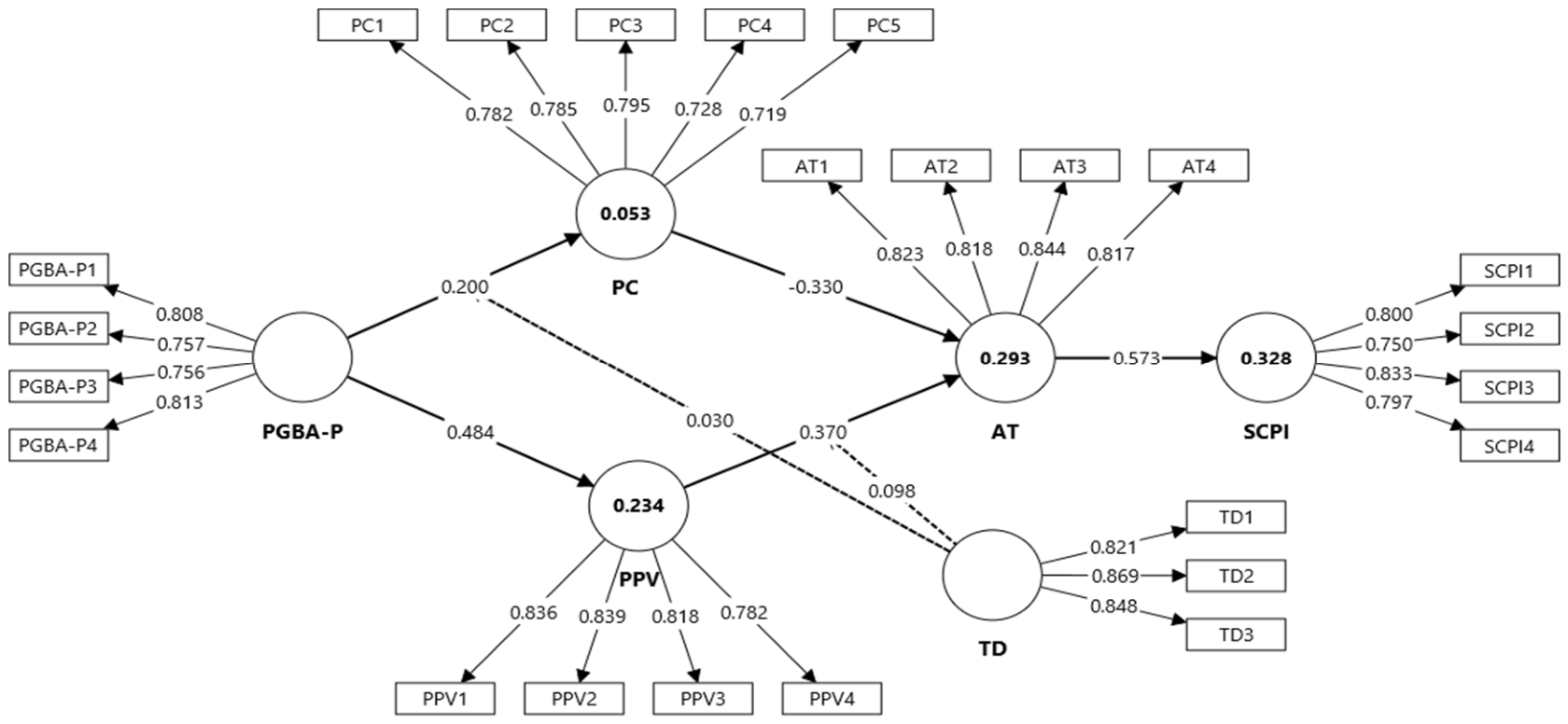
Table 7. Perceived GenAI-based advertising personalization had a positive and significant effect on perceived personalization value (β = 0.484, t = 12.620,
p < 0.001), supporting H1. This result indicates that when consumers perceived that an advertisement was personalized based on their AI conversation data, they were more likely to view the advertisement as relevant, useful, and valuable. The effect size was medium to large (f
2 = 0.306), suggesting that perceived GenAI-based advertising personalization was an important predictor of perceived personalization value.
Perceived GenAI-based advertising personalization also had a positive and significant effect on privacy concerns (β = 0.200, t = 4.396, p < 0.001), supporting H2. Although the effect size was small (f2 = 0.042), the finding is theoretically meaningful because it confirms the dual nature of GenAI-personalized advertising. The same personalization mechanism that increased perceived value also increased concerns about the commercial use of AI conversation data.
Perceived personalization value had a positive and significant effect on algorithmic trust (β = 0.370, t = 9.203, p < 0.001), supporting H3. This finding suggests that consumers were more likely to trust the platform’s algorithmic system when GenAI-personalized advertising was perceived as relevant, useful, and helpful. The effect size was moderate (f2 = 0.183), indicating that personalization value was an important trust-building mechanism.
Privacy concerns had a negative and significant effect on algorithmic trust (β = −0.330, t = 8.352, p < 0.001), supporting H4. This result indicates that concerns about the use of AI conversation data weakened consumers’ trust in the platform’s algorithmic advertising and recommendation system. The effect size was also moderate (f2 = 0.147), suggesting that privacy concerns represented a meaningful risk-based mechanism in the model.
Algorithmic trust had a positive and significant effect on social commerce purchase intention (β = 0.573, t = 17.668,
p < 0.001), supporting H5. This was the strongest direct effect in the model, with a large effect size (f
2 = 0.489). This result confirms that algorithmic trust played a central role in explaining consumers’ willingness to purchase through social commerce platforms after exposure to GenAI-personalized advertising. The structural model results are presented in
Figure 2.
5.5. Mediation Analysis
The mediation analysis supported the proposed dual-path privacy calculus framework. First, perceived personalization value significantly mediated the effect of perceived GenAI-based advertising personalization on algorithmic trust (β = 0.179, t = 7.216, p < 0.001), supporting H6. This result indicates that GenAI-based advertising personalization contributes to algorithmic trust through the perceived value created by the personalized advertisement. In other words, consumers are more likely to trust the algorithmic system when they perceive the GenAI-personalized advertisement as relevant, useful, and valuable.
Second, privacy concerns significantly transmitted the effect of perceived GenAI-based advertising personalization to algorithmic trust (β = −0.066, t = 3.803, p < 0.001), supporting H7. The negative indirect effect reflects the risk pathway of the privacy calculus mechanism. Specifically, perceived GenAI-based advertising personalization increased privacy concerns, which in turn reduced algorithmic trust. This finding shows that the same personalization mechanism that creates value may also undermine trust when consumers become concerned about the commercial use of AI-conversation-related data.
Third, algorithmic trust significantly transmitted the effect of perceived personalization value to social commerce purchase intention (β = 0.212, t = 7.738, p < 0.001), supporting H8a. This result indicates that personalization value contributes to purchase intention through increased trust in the algorithmic system. When consumers perceive GenAI-personalized advertising as useful and relevant, they are more likely to trust the algorithmic system behind the advertisement, which subsequently increases their intention to purchase through social commerce.
Finally, algorithmic trust significantly transmitted the effect of privacy concerns to social commerce purchase intention (β = −0.189, t = 7.296, p < 0.001), supporting H8b. This negative indirect effect indicates that privacy concerns weaken purchase intention through reduced algorithmic trust. When consumers are concerned about the use of AI-conversation-related data for advertising personalization, their trust in the algorithmic system declines, which subsequently reduces their willingness to purchase.
Overall, the mediation results show that algorithmic trust plays a central psychological role in explaining how GenAI-based advertising personalization influences social commerce purchase intention. The findings support a dual-path privacy calculus mechanism: GenAI-based advertising personalization strengthens algorithmic trust through perceived personalization value but weakens algorithmic trust through privacy concerns. Therefore, consumers appear to evaluate GenAI-personalized advertising through both benefit-based and risk-based pathways. The results are interpreted as evidence of significant indirect effects rather than as evidence of partial mediation, because the direct effects required to formally classify the mediation type were not reported.
5.6. Moderation Analysis
Regarding the moderation analyses, there was partial support for the proposed moderating role of transparency disclosure. Perceived transparency disclosure did not moderate the positive relationship between the perception of GenAI-based advertising personalization and privacy concerns, with the interaction effect being statistically insignificant (β = 0.030, t = 0.631, p = 0.264). Hence, H9 could not be accepted. This finding implies that transparency disclosure cannot reduce privacy concerns resulting from the use of consumer data by businesses in the process of GenAI-based advertising personalization.
H9 was rejected. However, the above results have theoretical importance. First, the absence of a significant moderation effect implies that transparency disclosure alone may not be enough to address privacy concerns related to the use of AI conversation data for personalized advertising. In other words, the use of such data is viewed by consumers as a more privacy-breaching activity than standard use of behavioral data, and, therefore, despite receiving relevant information via transparency disclosures, people still tend to be concerned about the commercialization of their conversations.
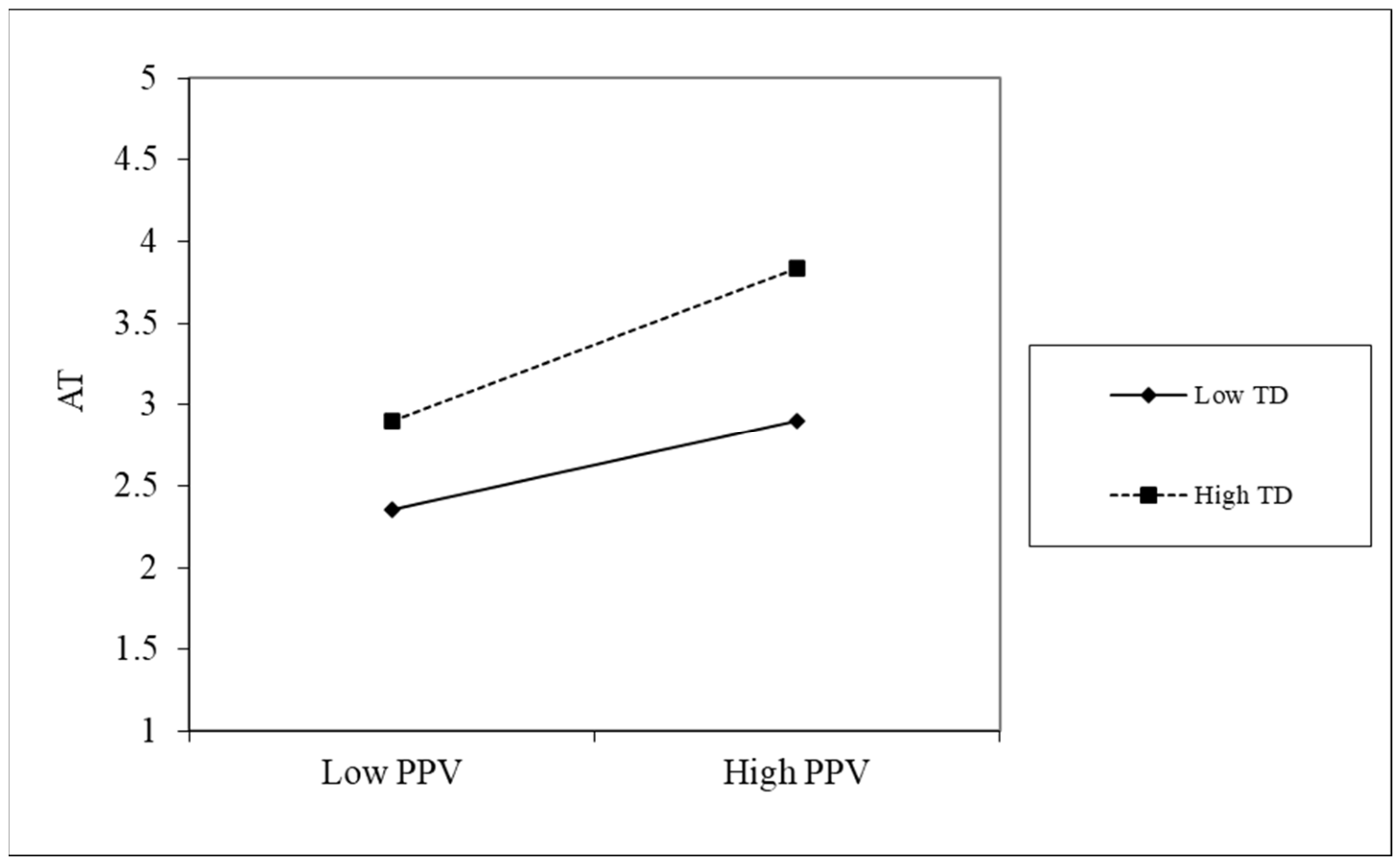
Second, unlike H9, the interaction between transparency disclosure and the perception of personalization value was positive and statistically significant (β = 0.098, t = 2.346, p = 0.010), and, therefore, H10 was accepted. This means that the positive relationship between perceived personalization value and trust in the algorithm was enhanced when transparency disclosure took place. In other words, increased transparency regarding GenAI-based personalization strengthened the trust consumers felt toward it.
In turn,
Figure 3 illustrates the obtained findings, showing the stronger positive relationship between personalization value and algorithmic trust among those consumers who were exposed to greater levels of transparency disclosure. Thus, in this case, transparency disclosure did not remove the privacy concerns associated with conversation data; however, it helped people to evaluate the personalization process more positively as valuable and trustworthy.
5.7. Predictive Assessment
PLSpredict was used to evaluate the model’s predictive performance for the indicators of social commerce purchase intention. As shown in
Table 8, all Q
2-predict values were positive, indicating that the model had predictive relevance for the SCPI indicators. The Q
2-predict values ranged from 0.012 to 0.029 across the four indicators, suggesting weak-to-modest but meaningful predictive relevance.
In addition, the PLS-SEM RMSE values were lower than the corresponding linear model benchmark RMSE values for all four SCPI indicators. The PLS-LM differences were negative across all indicators, ranging from −0.008 to −0.014. These results indicate that the PLS-SEM model produced slightly lower prediction errors than the benchmark linear model for each SCPI indicator. Therefore, the model demonstrated acceptable predictive performance for social commerce purchase intention.
This predictive evidence complements the explanatory results of the structural model. While the path coefficients and R2 values showed that algorithmic trust explained a meaningful share of social commerce purchase intention, the PLSpredict results further indicated that the proposed model generated lower prediction errors than the benchmark linear model. Accordingly, the findings support both the explanatory and predictive relevance of the proposed model.
5.8. Overall Structural Model Findings Results
Table 9 summarizes the final hypothesis-testing decisions. Overall, the findings provided support for most of the proposed hypotheses. H1, H2, H3, H4, and H5 were supported, confirming the direct relationships in the model. The mediation hypotheses H6, H7, H8a, and H8b were also supported, confirming the dual-path privacy calculus mechanism and the central mediating role of algorithmic trust. Regarding moderation, H10 was supported, indicating that perceived transparency disclosure strengthened the relationship between perceived personalization value and algorithmic trust. However, H9 was not supported, indicating that transparency disclosure did not significantly weaken the relationship between perceived GenAI-based advertising personalization and privacy concerns.
Substantively, the results show that GenAI-based advertising personalization operates through two simultaneous psychological pathways. On the positive side, it increases perceived personalization value, which strengthens algorithmic trust and indirectly enhances social commerce purchase intention. On the negative side, it increases privacy concerns, which weakens algorithmic trust and indirectly reduces purchase intention. These findings confirm that conversational-AI-derived advertising personalization should not be treated as purely beneficial or purely threatening. Rather, consumers appear to evaluate it through a privacy calculus process in which value and risk coexist.
The results also clarify the role of transparency disclosure. Transparency disclosure did not significantly reduce the privacy concerns associated with GenAI-based advertising personalization. However, it strengthened the extent to which perceived personalization value translated into algorithmic trust. This suggests that transparency may be more effective as a trust-building mechanism than as a privacy-concern-reducing mechanism in contexts where advertising personalization is perceived to rely on AI conversation data.
6. Discussion
This study examined how perceived GenAI-based advertising personalization influences social commerce purchase intention through perceived personalization value, privacy concerns, and algorithmic trust. It also tested whether perceived transparency disclosure moderates the effects of GenAI-based advertising personalization on privacy concerns and of personalization value on algorithmic trust. Overall, the findings support the proposed dual-path model. GenAI-based advertising personalization increased both perceived personalization value and privacy concerns, confirming that it can function as a value-creating and privacy-threatening mechanism at the same time.
The positive effect of GenAI-based advertising personalization on perceived personalization value shows that consumers may evaluate advertisements more favorably when they appear to reflect prior AI-assisted conversations. In this context, value comes not only from general algorithmic targeting but from the perception that the advertisement is connected to consumers’ stated needs, preferences, budgets, and purchase concerns. This suggests that conversational-AI-derived personalization can enhance marketing value when consumers interpret it as useful and decision-supportive.
These findings should not be interpreted as direct evidence that AI conversation data are objectively more privacy-sensitive than ordinary behavioral traces, because the study did not include a comparison condition based on browsing history, clicks, searches, or purchase records. Rather, the findings suggest that, within the examined GenAI-personalized advertising scenario, consumers may perceive conversation-derived advertising cues as privacy-relevant because AI conversations can contain contextual, intentional, and personally revealing information such as preferences, constraints, doubts, budgets, and future purchase plans.
The results also show that perceived personalization value strengthened algorithmic trust, whereas privacy concerns weakened it. This supports the integration of the Privacy Calculus Theory and Trust Theory. Consumers are more likely to trust the platform’s algorithmic advertising and recommendation system when personalization appears valuable, relevant, and useful. However, concerns about the use of AI conversation data reduce that trust. Algorithmic trust, therefore, does not arise simply from personalization accuracy or technological sophistication; it depends on whether consumers view algorithmic personalization as beneficial, acceptable, and respectful of privacy boundaries.
Algorithmic trust had the strongest direct effect on social commerce purchase intention. This highlights the central role of trust in AI-mediated social commerce. Consumers may encounter personalized advertisements, seller content, peer recommendations, influencer communication, and algorithmically curated product suggestions. Still, their willingness to purchase depends strongly on whether they trust the platform’s algorithmic system. Platforms therefore cannot rely only on personalization relevance or AI capability; they must also build confidence in how algorithmic systems operate, recommend products, and use consumer data.
The mediation results further support the dual-path logic. Perceived personalization value positively mediated the relationship between GenAI-based advertising personalization and algorithmic trust, while privacy concerns negatively mediated it. Thus, GenAI-personalized advertising works through two competing routes: a value-enhancing route that increases perceived usefulness and strengthens trust, and a privacy-risk route that increases concerns and weakens trust. Algorithmic trust also mediated the effects of personalization value and privacy concerns on purchase intention. This confirms the S-O-R logic of the model, where GenAI-based advertising personalization acts as the stimulus, personalization value and privacy concerns represent internal evaluations, algorithmic trust functions as a more immediate psychological state, and purchase intention represents the behavioral response.
The moderation results provide an important contribution. Contrary to expectation, transparency disclosure did not significantly weaken the relationship between GenAI-based advertising personalization and privacy concerns. This suggests that transparency may not be sufficient to reduce privacy concerns when the data source is perceived as sensitive. In the case of AI conversation data, disclosure may clarify the practice without making it feel less intrusive. Consumers may understand how data are used yet still feel uncomfortable because the data come from conversational exchanges that seem personal, contextual, and revealing.
However, transparency disclosure strengthened the relationship between perceived personalization value and algorithmic trust. This indicates that transparency is more effective as a trust-enhancing mechanism than as a privacy-reducing mechanism in GenAI-personalized advertising. When consumers perceive personalization as valuable, transparency helps them interpret that value as the outcome of a more understandable and legitimate algorithmic process. In other words, transparency may not remove privacy concerns, but it can help useful personalization become more trustworthy.
Overall, the findings show that a dual evaluation process shapes consumer responses to GenAI-personalized advertising. Consumers may appreciate AI-personalized advertisements when they are relevant and helpful, while still feeling concerned when personalization appears to rely on AI conversation data. Algorithmic trust determines whether these evaluations translate into purchase intention. Transparency contributes to this process mainly by strengthening the trust-building effect of personalization value, rather than by directly reducing privacy concerns.
7. Implications
7.1. Theoretical Implications
The current study enriches the literature on digital marketing, social commerce, privacy calculus, algorithmic trust, and transparency disclosure. Firstly, the current study extends the Privacy Calculus Theory by analyzing advertising personalization based on data from conversational AI. Previous studies about privacy calculus focused mainly on personalization based on behavioral, transactional, demographic, or social media data. The current results suggest that personalization based on conversational AI data could lead to greater sensitivity, as this kind of data reveals customers’ needs, concerns, and intentions. Hence, it has been found that GenAI-based advertising personalization enhances both personalization value perception and privacy concerns, which indicates that the privacy calculus becomes more complicated because personalization is associated with human–AI conversations.
Secondly, the current study makes a valuable contribution to the literature on AI-driven personalization. It distinguishes GenAI-based advertising personalization from traditional algorithmic personalization. The latter usually relies on browsing history, purchase history, demographic profiling, and platform use. Previous research has established that AI improves engagement, personalization, recommendation, and decision-making processes [
1,
2,
19]. At the same time, GenAI-based personalization is based on conversation, contextual factors, and concerns. Thus, GenAI-personalized advertising should not be perceived as an expansion of algorithmic personalization but as a new type of customer–technology communication.
Thirdly, this study contributes to algorithmic trust research by introducing algorithmic trust as the mediating factor between privacy calculus evaluations and the intention to make purchases through social commerce. Algorithmic trust is no longer considered an independent variable. Instead, competing evaluations determine it. For instance, personalization value fosters algorithmic trust, whereas privacy concerns undermine it. This is why AI-driven personalization may lead to both acceptance and rejection. In turn, algorithmic trust depends not only on performance and effectiveness but also on usefulness, legitimacy, and respect for privacy.
Fourthly, this study enriches the theoretical framework of the S-O-R model. In particular, the current paper introduces a new stimulus (GenAI-based personalization) and internal consumer states (personalization value perception, privacy concerns, and algorithmic trust). Thus, the present research applies the Privacy Calculus Theory and Trust Theory within the conceptual S-O-R framework to better understand GenAI-based personalized advertising influence on purchase intentions.
Fifthly, this study makes an important contribution to transparency disclosure research. Transparency disclosure has not decreased privacy concerns. However, it has made a significant contribution by increasing the effect of personalization value on algorithmic trust. As a result, this study rejects the popular notion that transparency reduces privacy concerns per se. In the case of GenAI-based personalized advertising, transparency disclosure helps reveal how AI uses conversational data without changing the nature of personalization as a highly sensitive process at the same time. In addition, the disclosure process increases personalization value, legitimacy, and understandability.
Finally, this study makes contextual contributions to GenAI marketing research by using data collected in Jordan, an emerging Arab digital market. Most of the studies in the field analyze Western or large Asian markets. The current research enriches GenAI marketing research geographically and culturally by examining social commerce users in Jordan.
7.2. Practical Implications
First, social commerce platforms should recognize that GenAI-personalized advertising is likely both beneficial and worrisome. It is possible that consumers may enjoy seeing relevant and useful advertisements while at the same time worrying that their GenAI conversations could be used to target them. Hence, social commerce platforms should not assume that more personalization will always lead to greater acceptance. GenAI-personalized advertisements need to balance relevancy with privacy sensitivity.
Second, marketers should emphasize the value of GenAI-personalized advertisements. According to the findings, the value of personalization can foster algorithmic trust and, subsequently, improve purchase intention. Therefore, advertisements need to be timely, relevant, useful, and targeted according to consumers’ real needs and not just technically personalized.
Third, social commerce platforms should not solely rely on privacy disclosures for mitigating privacy issues. It is suggested by the findings that even disclosing that AI algorithms are using data can be insufficient when the data itself is deemed sensitive. Thus, social commerce platforms should implement more privacy controls and measures along with transparency, such as obtaining opt-ins from users before using their data and providing detailed explanations, customization settings, data deletion tools, and limits on the use of conversation data for advertisements.
Fourth, transparency can still be used, however, to foster trust. If consumers find personalization valuable, then transparent disclosures will enable them to understand, legitimize, and trust the process. As such, social commerce platforms should provide clear explanations as to why a certain advertisement has been shown, what type of AI conversation data has been collected, and how consumers can control personalization.
Fifth, AI system designers should incorporate explainability and control of the process into GenAI-personalized advertising systems. Privacy concerns may undermine algorithmic trust that can, in turn, decrease purchase intention. Hence, the ability to view, control, or limit the usage of conversation data is crucial.
From the managerial perspective, AI conversation data should be considered highly sensitive. Compared to general browsing and purchasing activity, conversation data can include information related to the goals, constraints, emotions, and intentions of consumers. Social commerce platforms should go above and beyond with privacy notices and offer layered explanations, opt-ins, personalization preferences, and options to limit usage of conversation data for advertisements. These steps should also be implemented because of potential privacy, persuasion, and autonomy issues in GenAI marketing [
7].
Lastly, privacy policymakers and regulators should treat conversational AI data as a special type of consumer data. Ethical GenAI advertising involves not only disclosure but also consent and consumers’ rights to choose.
7.3. Ethical, Regulatory, and Policy Implications
The findings also have ethical implications for the use of GenAI in personalized advertising. GenAI-personalized advertising may create value when it helps consumers receive relevant and useful recommendations. However, it also raises ethical concerns when conversational data are used in ways that consumers may not fully understand or expect. Because AI conversations can include preferences, constraints, doubts, budgets, and future purchase intentions, marketers should avoid treating conversational data as ordinary targeting inputs without considering consent, transparency, consumer autonomy, and vulnerability. These concerns are consistent with broader debates on consumers’ experiences with AI, where algorithmic systems may create value but also affect autonomy, perceived vulnerability, and trust [
14], as well as with privacy-calculus research showing that consumers evaluate personalization benefits against privacy risks [
11,
12].
From an ethical perspective, GenAI-based advertising personalization should be guided by several principles. First, consumers should be clearly informed when AI-conversation-related data are used to personalize advertisements. Second, platforms should provide meaningful consent and opt-out options rather than relying only on general privacy notices. Third, advertisers should avoid manipulative forms of hyper-personalization, especially when conversational data reveal financial constraints, emotional concerns, or vulnerable decision contexts. Fourth, platforms should minimize the use of conversational data to what is necessary for the stated personalization purpose and avoid secondary uses that consumers would not reasonably expect. These recommendations are consistent with information privacy research emphasizing collection, control, awareness, and secondary use as central dimensions of privacy concerns [
15] and with emerging work showing that excessive personalization in AI-generated advertising can shift consumer responses from perceived utility to a perceived threat [
16].
The findings also suggest important regulatory implications. Regulatory environments for AI, digital advertising, and personal data protection differ across countries and regions, which means that the acceptability of GenAI-personalized advertising may depend on local rules concerning consent, transparency, explainability, consumer protection, and automated decision-making. For example, the EU AI Act establishes a comprehensive risk-based framework for AI governance. At the same time, the GDPR applies to personal data processing regardless of the technology used, including automated and manual processing [
45,
46]. Broader policy guidance also emphasizes that AI should be trustworthy, human-centered, and respectful of human rights and democratic values [
47]. Accordingly, in jurisdictions with stronger data protection and AI governance requirements, platforms may need to provide clearer notices and stronger user control mechanisms. In less mature regulatory environments, policymakers may need to develop more specific guidance for the commercial use of conversational AI data in advertising.
Several recommendations follow for policymakers and regulators. First, regulators should require clear and understandable disclosures when AI-conversation-related data are used for advertising personalization. Second, consumers should be given simple mechanisms to consent, refuse, or withdraw permission for the use of conversational data in advertising. Third, platforms should be encouraged to provide explainable personalization notices that clarify why an advertisement was shown and what type of data informed it. Fourth, special attention should be given to vulnerable consumers and sensitive contexts where hyper-personalization may become manipulative. Finally, regulators should encourage accountability mechanisms, such as documentation, auditing, and complaint channels, to ensure that GenAI-personalized advertising remains transparent, fair, and consumer-oriented.
8. Limitations and Future Research Directions
Several limitations should be acknowledged. First, the study relied on self-reported survey data. Although procedural and statistical remedies were used to reduce common method bias, future research could use behavioral data, field experiments, or platform-based observations to examine actual click-through behavior, purchases, opt-out decisions, or data-sharing choices.
Second, the study used a scenario-based design. This was appropriate because GenAI-based advertising personalization based on AI conversation data is still emerging. Still, future studies could use experiments or field studies involving actual disclosure formats and real personalized advertisements.
Third, the study was conducted in Jordan. Although this provides evidence from an underrepresented Arab market, the findings may not fully generalize to other cultural, regulatory, or technological contexts. Future research could compare Jordan with other Arab markets, such as Saudi Arabia, the United Arab Emirates, Egypt, Qatar, or Morocco, as well as Western and Asian markets.
Fourth, the study focused on perceived GenAI-based advertising personalization rather than verified platform-level use of AI conversation data. Future research could examine actual AI-personalized advertising systems in controlled or field settings to determine whether consumers respond differently when they know with certainty that AI conversation data were used.
Fifth, transparency disclosure was examined as a measured moderator. Future research could experimentally manipulate disclosure type, timing, detail, and format, such as simple disclosure, detailed data-use explanations, consent-based disclosure, visual labels, or interactive “why am I seeing this ad?” explanations.
Sixth, the study did not examine boundary conditions such as AI literacy, perceived control, privacy sensitivity, trust propensity, regulatory knowledge, perceived intrusiveness, or persuasion knowledge. Future research could test whether these factors change how consumers respond to GenAI-based advertising personalization.
Finally, the study examined social commerce purchase intention as the main outcome. Future research could extend the model by examining advertising avoidance, platform trust, brand trust, willingness to share data, opt-in intention, customer engagement, complaint intention, or long-term loyalty.
Future studies should compare GenAI-conversation-based personalization with ordinary behavioral personalization based on browsing history, clicks, search behavior, or purchase records to determine whether consumers evaluate conversational data as more sensitive than conventional digital traces and perceive its use for advertising as more intrusive or trust-reducing.
Because the data were collected from Jordanian social commerce users through purposive online sampling, the findings should not be generalized directly to all consumers or to all international markets. The results may be analytically relevant to similar emerging digital markets, especially those where social commerce and AI-assisted platforms are expanding. Still, cross-country and cross-cultural studies are needed to test whether the same privacy calculus and algorithmic trust mechanisms operate in different regulatory, cultural, and technological environments.
9. Conclusions
This study examines consumer reactions to the use of GenAI in personalized advertisements in social commerce. Based on the Privacy Calculus Theory, Trust Theory, and the S-O-R theory, this study examines the validity of a research model in which GenAI-generated advertising personalization perception impacts purchase intention via personalization value, privacy risk, and algorithmic trust. This study finds that GenAI-generated advertising personalization perception creates both positive and negative effects. Specifically, it increases personalization value while heightening privacy risk at the same time. Personalization value boosts algorithmic trust, while privacy risk decreases it. In turn, algorithmic trust positively impacts purchase intention in social commerce. Transparency disclosure does not effectively lower privacy risk; however, it strengthens the positive relationship between personalization value and algorithmic trust. Using data from conversational-AI-based advertisements, this study contributes to the literature by applying the privacy calculus perspective and algorithmic trust theory to a new personalized context. Moreover, this study provides empirical evidence to inform how to design GenAI personalization-based advertisements that deliver high personalization value, are transparent, and are privacy-focused.