






Topical Advisory Panel applications are now closed. Please contact the Editorial Office with any queries.
-
Central Venous Pressure Revisited: Physiology, Pitfalls, Misconceptions, and Modern Clinical Interpretation in Critical Care -
Current Trends and Future Challenges in Transcatheter Aortic Valve Implantation (TAVI): A Narrative Review -
Novel Combination Scalp Therapy for Androgenetic Alopecia: A Preliminary Retrospective Case Series with an Illustrative Four-Year Case -
A Sensorimotor Framework for the Neurorehabilitation of Oculomotor Dysfunction in Parkinson’s Disease -
The History of the Precordial Early Repolarization and Sudden Death Syndrome, Lately Named Brugada Syndrome
Journal Description
Journal of Clinical Medicine
is an international, peer-reviewed, open access journal of clinical medicine, published semimonthly online by MDPI. The International Bone Research Association (IBRA), Spanish Society of Hematology and Hemotherapy (SEHH), Japan Association for Clinical Engineers (JACE), European Independent Foundation in Angiology/ Vascular Medicine (VAS) and others are all affiliated with JCM, and their members receive a discount on article processing charges.
- Open Access— free for readers, with article processing charges (APC) paid by authors or their institutions.
- High Visibility: indexed within Scopus, SCIE (Web of Science), PubMed, PMC, Embase, CAPlus / SciFinder, and other databases.
- Journal Rank: JCR - Q1 (Medicine, General and Internal) / CiteScore - Q1 (General Medicine)
- Rapid Publication: manuscripts are peer-reviewed and a first decision is provided to authors approximately 16.6 days after submission; acceptance to publication is undertaken in 2.8 days (median values for papers published in this journal in the first half of 2026).
- Recognition of Reviewers: reviewers who provide timely, thorough peer-review reports receive vouchers entitling them to a discount on the APC of their next publication in any MDPI journal, in appreciation of the work done.
- Companion journals for JCM include: Epidemiologia, Transplantology, Uro, Sinusitis, Rheumato, Journal of Clinical & Translational Ophthalmology, Osteology, Complications, Therapeutics, Sclerosis, Journal of CardioRenal Medicine, Rare Diseases and Therapeutics, Journal of Respiration, Cardiovascular Medicine and Journal of Aesthetic Medicine.
- Journal Clusters of Hematology: Hemato, Hematology Reports, Thalassemia Reports and Journal of Clinical Medicine.
Journal Clusters of Surgery: Journal of Clinical Medicine, Surgical Techniques Development, Reports — Clinical Practice and Surgical Cases, Surgeries, Clinics and Practice, European Burn Journal, Complications, Osteology, Transplantology, Anesthesia Research, Emergency Care and Medicine and Journal of Aesthetic Medicine.
Impact Factor:
3.3 (2025);
5-Year Impact Factor:
3.5 (2025)
Latest Articles
LAG-3 in Diffuse Large B-Cell Lymphoma: Immunohistochemical Expression Patterns and Clinicopathological Correlations
J. Clin. Med. 2026, 15(17), 6888; https://doi.org/10.3390/jcm15176888 (registering DOI) - 5 Sep 2026
Abstract
Background/Objectives: Lymphocyte activation gene-3 (LAG-3) is an inhibitory immune checkpoint molecule that may contribute to immune escape in diffuse large B-cell lymphoma (DLBCL). This study aimed to characterize LAG-3 expression in neoplastic cells and tumor-infiltrating lymphocytes (TILs) and to investigate its associations with
[...] Read more.
Background/Objectives: Lymphocyte activation gene-3 (LAG-3) is an inhibitory immune checkpoint molecule that may contribute to immune escape in diffuse large B-cell lymphoma (DLBCL). This study aimed to characterize LAG-3 expression in neoplastic cells and tumor-infiltrating lymphocytes (TILs) and to investigate its associations with clinicopathological features and clinical outcome. Methods: This retrospective, single-center study included 210 patients with DLBCL diagnosed between 2007 and 2019. LAG-3 expression was evaluated immunohistochemically in whole-tissue sections. Tumor-cell expression was assessed according to the percentage and intensity of positive cells, while LAG-3-positive TILs were quantified as the mean number of positive lymphocytes per high-power field (HPF). Associations with clinicopathological parameters, treatment response, overall survival, and progression-free survival (PFS) were analyzed. Results: LAG-3 staining of varying intensity was observed in neoplastic cells in 177 cases (84.3%), and 82 cases (39.0%) were classified as LAG-3 positive using a 10% tumor-cell cut-off. The median number of LAG-3-positive TILs was 5/HPF. Male patients showed a higher percentage of LAG-3-positive tumor cells than female patients (p = 0.039). Moderate-to-strong tumor-cell staining was significantly more frequent in cases with >5 LAG-3-positive TILs/HPF than in those with ≤5 TILs/HPF (p = 0.018). LAG-3 expression parameters were not significantly associated with treatment response or overall survival. Univariate Cox regression analysis also showed no significant association between overall survival and LAG-3-positive TIL count, tumor-cell LAG-3 percentage, or staining intensity. Exploratory PFS analysis in 66 evaluable patients also showed no significant association with LAG-3 expression parameters. Conclusions: LAG-3 expression in DLBCL occurs in both neoplastic cells and TILs. The association between increased LAG-3-positive TILs and stronger tumor-cell expression supports further investigation of LAG-3 across both cellular compartments. No significant association with overall survival was observed in this cohort; however, the limited number of survival events precludes definitive conclusions regarding its prognostic significance. Further studies using standardized assessment methods and larger, clinically well-characterized cohorts are warranted.
Full article
(This article belongs to the Section Hematology)
Open AccessArticle
Prolonged Length of Stay After Lung Resection: A Prediction Model That Loses Accuracy Across Hospitals, with No Added Benefit from Blood Pressure Data
by
Yuyao Zhu, Sunmian Xu, Cheng Li, Hai Chen and Jingxiang Wu
J. Clin. Med. 2026, 15(17), 6887; https://doi.org/10.3390/jcm15176887 (registering DOI) - 5 Sep 2026
Abstract
Background/Objectives: It is uncertain whether intraoperative blood pressure (BP) summaries improve transportable prediction of prolonged postoperative length of stay (PLOS) after lung resection. We developed and temporally validated baseline and BP-enhanced models and evaluated their unchanged performance in the Korean VitalDB cohort. Methods:
[...] Read more.
Background/Objectives: It is uncertain whether intraoperative blood pressure (BP) summaries improve transportable prediction of prolonged postoperative length of stay (PLOS) after lung resection. We developed and temporally validated baseline and BP-enhanced models and evaluated their unchanged performance in the Korean VitalDB cohort. Methods: This retrospective prediction-model study used 536 local patients (249 PLOS events) for development and 184 later patients (74 events) for temporal validation. External validation included 626 procedure-restricted VitalDB patients; paired model comparisons used 624 patients with all four BP features. PLOS was a prespecified operational outcome defined as postoperative stay >4 days. L2-penalized logistic models were assessed using nested cross-validation, discrimination, calibration, Brier score, and decision-curve analysis. Results: Baseline-model AUROCs were 0.714 (95% confidence interval [CI], 0.667–0.756) internally, 0.719 (0.640–0.788) temporally, and 0.623 (0.579–0.666) externally. Corresponding BP-enhanced AUROCs were 0.721, 0.725, and 0.615. BP features changed temporal AUROC by +0.006 (95% CI, −0.009 to +0.021) and external AUROC by −0.007 (−0.022 to +0.008). Temporal calibration slopes were 1.113 and 1.112, whereas external slopes were 0.570 and 0.534. Sensitivity analyses showed no consistent BP increment. Conclusions: The baseline model retained similar discrimination locally but had limited unchanged external transportability. Four intraoperative BP summaries provided no reproducible incremental predictive value. Neither model is ready for direct cross-center implementation without harmonization, updating, and further validation.
Full article
(This article belongs to the Section Anesthesiology)
Open AccessReview
Operational Ethics in the Cardiovascular Intensive Care Unit: A Practical Framework for Ethical Decision-Making
by
Lourdes Vicent, Rafael Salguero-Bodes, Pablo R. Alonso, Elena Puerto, Carlos Diaz-Arocutipa, Fernando Arribas Ynsaurriaga and Roberto Martín-Asenjo
J. Clin. Med. 2026, 15(17), 6885; https://doi.org/10.3390/jcm15176885 (registering DOI) - 5 Sep 2026
Abstract
Background/Objectives: Contemporary cardiovascular critical care is increasingly shaped by advanced technologies, prognostic uncertainty, and time-sensitive decisions regarding mechanical circulatory support, treatment limitation, device management, family communication, and end-of-life care. Although established ethical principles provide essential normative guidance, their integration into routine bedside workflows
[...] Read more.
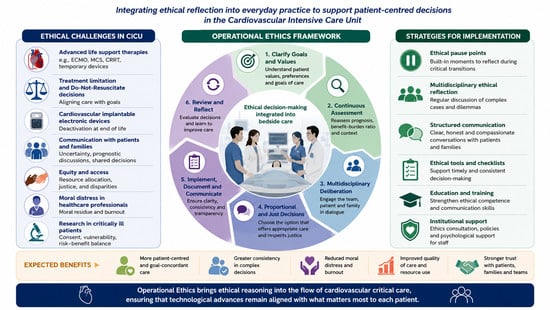
Background/Objectives: Contemporary cardiovascular critical care is increasingly shaped by advanced technologies, prognostic uncertainty, and time-sensitive decisions regarding mechanical circulatory support, treatment limitation, device management, family communication, and end-of-life care. Although established ethical principles provide essential normative guidance, their integration into routine bedside workflows remains challenging. This review examines the principal ethical tensions arising in the Cardiovascular Intensive Care Unit (CICU) and proposes a practical framework for real-time ethical decision-making. Methods: A narrative review of the contemporary literature was performed using major biomedical databases together with international guidelines, scientific statements, consensus documents, and relevant ethics literature to identify the principal ethical challenges encountered in contemporary cardiovascular intensive care and to develop an implementation-oriented framework for integrating ethical reasoning into routine clinical workflows. Results: Ethical challenges in the CICU frequently arise during transitions between therapeutic escalation, reassessment, limitation, withdrawal, and comfort-focused care. These decisions are influenced not only by clinical prognosis but also by organisational culture, multidisciplinary dynamics, patient preferences, communication, and structural inequities. We propose Operational Ethics as an implementation framework that embeds ethical reflection into routine clinical workflows through continuous reassessment of therapeutic goals, proportionality, prognosis, patient values, and multidisciplinary deliberation. Practical strategies include ethical pause points, time-limited trials, structured communication pathways, anticipatory device discussions, regular goals-of-care reassessment, and institutional support for clinicians experiencing moral distress. Conclusions: Operational Ethics complements established bioethical principles by translating them into practical bedside processes adapted to the temporal and organisational realities of cardiovascular critical care. Its integration into routine CICU practice may support more consistent, equitable, and patient-centred decisions while ensuring that technological possibilities remain aligned with meaningful clinical goals.
Full article
(This article belongs to the Section Cardiovascular Medicine)
►▼
Show Figures

Graphical abstract
Open AccessArticle
Relationships of Body Composition with Refractive Error and Axial Length in 8-Year-Old Japanese Children
by
Mingxue Bao, Ryo Harada, Natsuki Okabe, Yuka Kasai, Airi Takahashi, Chio Kuleshov, Yumi Shigemoto, Ryoji Shinohara, Hideki Yui, Anna Kobayashi, Megumi Kushima, Sanae Otawa, Zentaro Yamagata and Kenji Kashiwagi
J. Clin. Med. 2026, 15(17), 6883; https://doi.org/10.3390/jcm15176883 (registering DOI) - 5 Sep 2026
Abstract
Objectives: This study aimed to examine the relationships between refractive error and axial length (AL) and body composition parameters, including obesity-related indices, in 8-year-old children enrolled in the Japan Environment and Children’s Study (JECS). Methods: From 2019 to 2022, data from the right
[...] Read more.
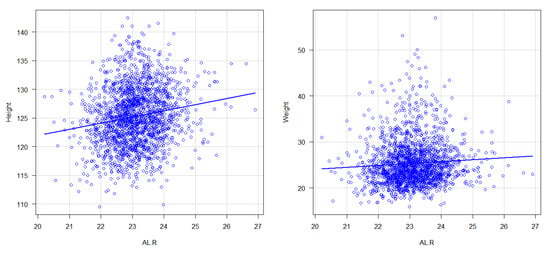
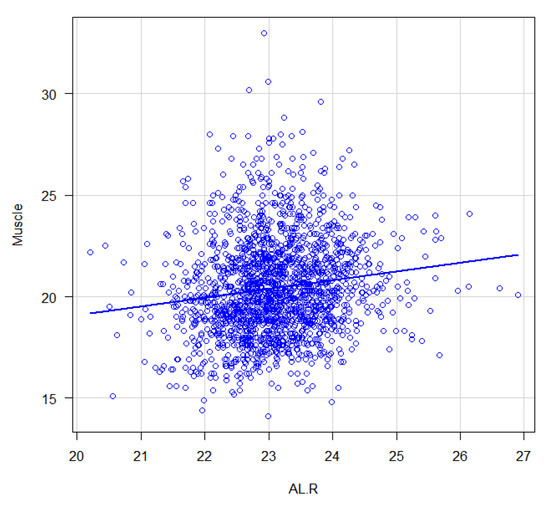
Objectives: This study aimed to examine the relationships between refractive error and axial length (AL) and body composition parameters, including obesity-related indices, in 8-year-old children enrolled in the Japan Environment and Children’s Study (JECS). Methods: From 2019 to 2022, data from the right eyes of 1866 children aged 8 years enrolled in the JECS adjunct study were analyzed. AL, noncycloplegic spherical equivalent (SE), and uncorrected visual acuity were measured. Relationships of these ocular parameters with height, weight, muscle mass, body fat percentage, the Rohrer index, and sex were evaluated. Results: The mean AL was 23.09 mm, and the mean SE was −0.52 D in the right eye. Despite the correlations of the Rohrer index with SE (r = 0.05, p = 0.02), uncorrected visual acuity expressed as logMAR (r = −0.07, p = 0.005) and AL (r = −0.06, p = 0.02) reached nominal statistical significance, and all correlation coefficients were close to zero, indicating no meaningful linear correlations. SE and logMAR showed no meaningful correlations with height, weight, muscle mass, or body fat percentage. AL showed small positive correlations with height (r = 0.17, p < 0.001) and muscle mass (r = 0.14, p < 0.001); its correlation with weight was negligible (r = 0.07, p = 0.004), and no meaningful correlation was observed with body fat percentage. Conclusions: Among 8-year-old children, the Rohrer index showed no meaningful linear correlation with refractive error, uncorrected visual acuity, or AL despite having nominally significant p-values. AL showed small positive correlations with height and muscle mass, suggesting a limited cross-sectional relationship with overall somatic size; however, the small effect sizes preclude strong conclusions. Because refraction was measured without cycloplegia, the SE findings should be interpreted cautiously, as accommodation may have shifted measurements in the myopic direction.
Full article
(This article belongs to the Special Issue Pediatric Ophthalmology: Current Progress and Future Options)
►▼
Show Figures

Figure 1
Open AccessArticle
Differences in Left–Right Vestibulo-Ocular Reflex Gain in the Video Head Impulse Test
by
Jihye Rhee and Ja-Won Koo
J. Clin. Med. 2026, 15(17), 6882; https://doi.org/10.3390/jcm15176882 (registering DOI) - 5 Sep 2026
Abstract
Objectives: The objective of this study was to evaluate left–right symmetry of vestibulo-ocular reflex (VOR) gain on the video head impulse test (vHIT) and its diagnostic implications relative to caloric test results. Methods: Patients presenting with dizziness who underwent a bithermal caloric
[...] Read more.
Objectives: The objective of this study was to evaluate left–right symmetry of vestibulo-ocular reflex (VOR) gain on the video head impulse test (vHIT) and its diagnostic implications relative to caloric test results. Methods: Patients presenting with dizziness who underwent a bithermal caloric test and vHIT were retrospectively analyzed. Of 764 patients identified, nine with bilateral vestibular hypofunction were excluded, leaving 755 patients for analysis (451 showing symmetric caloric responses; 304 with unilateral vestibular hypofunction (UVH)). Horizontal VOR gain was compared between directions in subjects with normal caloric responses and according to the affected side in patients with UVH. Subgroup analyses were performed according to caloric weakness severity. Caloric findings were analyzed according to horizontal VOR gain patterns, and the diagnostic performance of isolated unilateral low VOR gain (<0.8) for ipsilateral UVH was evaluated. Results: In subjects with normal caloric results, rightward VOR gain was significantly higher than leftward (1.03 [0.95–1.11] vs. 0.93 [0.87–0.99]; p < 0.001). In patients with UVH, ipsilateral VOR gain was significantly greater in right-sided than in left-sided UVH at comparable levels of caloric weakness. Subgroup analysis showed that this difference was significant in patients with mild-to-moderate caloric weakness. Isolated right low VOR gain was associated with right UVH in 90.5% of cases, whereas isolated left low VOR gain was associated with left UVH in 54.5%; the positive predictive value (PPV) differed significantly between sides (90.5% vs. 54.5%; p = 0.004). Conclusions: Horizontal VOR gain on vHIT showed a left–right asymmetry associated with side-dependent diagnostic performance. When the same VOR gain cutoff was applied to both sides, isolated right low VOR gain had a substantially higher PPV for ipsilateral UVH than isolated left low VOR gain. These findings indicate that the direction of head impulse should be considered when interpreting VOR gain.
Full article
(This article belongs to the Special Issue Clinical Diagnosis and Management of Vestibular Disorders)
Open AccessArticle
Intracranial Arterial Dolichoectasia in Spontaneous Intracerebral Hemorrhage: A Retrospective Cross-Sectional Study of Morphometric Features and Cerebral Small Vessel Disease
by
Nazakat Nurmamat, Yunfang Luo, Weijia Xie, Xianjing Feng, Fang Yu, Yinghuan Pan, Hesham A. Alyamani, Yang Du and Jian Xia
J. Clin. Med. 2026, 15(17), 6881; https://doi.org/10.3390/jcm15176881 (registering DOI) - 5 Sep 2026
Abstract
Objectives: The aim of this study was to determine the prevalence and distribution of intracranial arterial dolichoectasia (IADE) across the anterior and posterior circulations and assess its association with cerebral small vessel disease (CSVD) imaging markers in patients with spontaneous intracerebral hemorrhage (ICH).
[...] Read more.
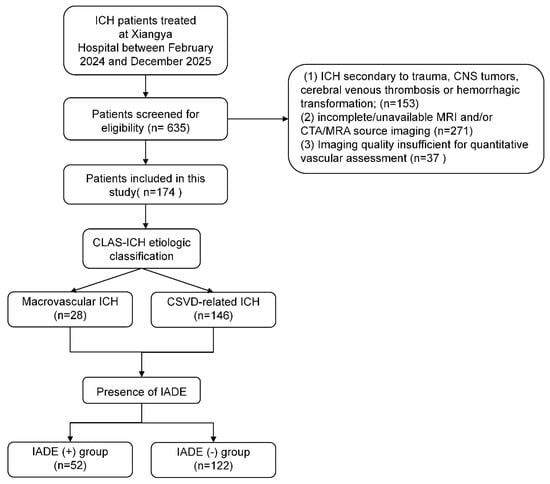
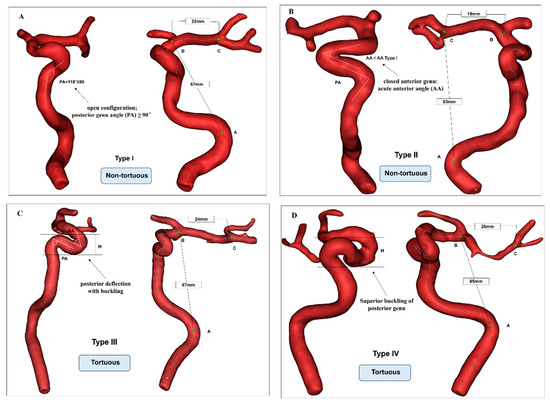
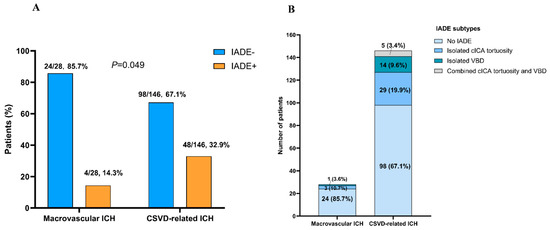
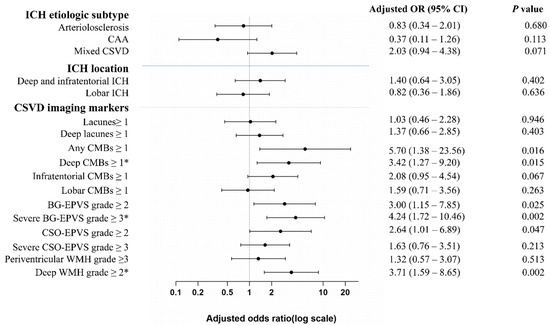
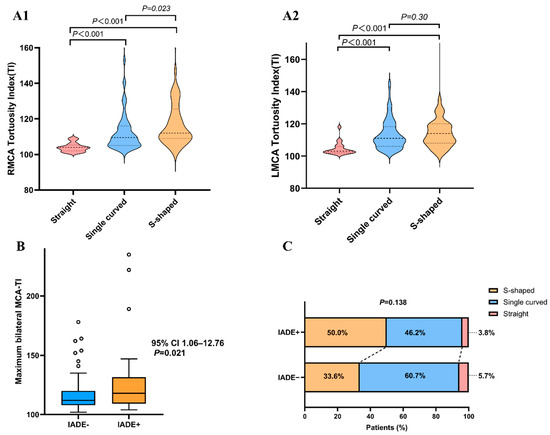
Objectives: The aim of this study was to determine the prevalence and distribution of intracranial arterial dolichoectasia (IADE) across the anterior and posterior circulations and assess its association with cerebral small vessel disease (CSVD) imaging markers in patients with spontaneous intracerebral hemorrhage (ICH). Methods: This retrospective cross-sectional study included 174 ICH patients. Three-dimensional vascular reconstruction was used to assess cavernous internal carotid artery morphology, vertebrobasilar dolichoectasia, and exploratory middle cerebral artery (MCA) tortuosity. IADE was defined by Type III–IV cavernous internal carotid artery morphology and/or vertebrobasilar dolichoectasia. Multivariable logistic regression was adjusted for age, sex, hypertension, diabetes mellitus, and previous stroke. Results: IADE was present in 52 patients (29.9%) and was observed more frequently in CSVD-related ICH than in macrovascular ICH (32.9% versus 14.3%; p = 0.049). Among patients with CSVD-related ICH, IADE was associated with deep cerebral microbleeds (adjusted odds ratio [OR], 3.42; 95% CI, 1.27–9.20), severe basal ganglia enlarged perivascular spaces (adjusted OR, 4.24; 95% CI, 1.72–10.46), and deep white matter hyperintensity grade ≥ 2 (adjusted OR, 3.71; 95% CI, 1.59–8.65). These associations were still significant after false discovery rate correction. No significant association was observed with lobar cerebral microbleeds. Exploratory analyses showed higher maximum and mean bilateral MCA tortuosity indices in patients with IADE. Conclusions: IADE was present in approximately one third of patients with ICH and was observed more frequently in CSVD-related than in macrovascular ICH in this cohort. Its association with deep CSVD imaging markers suggests a possible link between IADE and deep small-vessel disease, while the MCA findings remain exploratory.
Full article
(This article belongs to the Special Issue Intracranial Hemorrhage: Advances in Diagnosis, Management and Treatment)
►▼
Show Figures

Figure 1
Open AccessFeature PaperArticle
Recorded Contingent Caregiver Voice Independently Improves Neural Speech Processing in Hospitalized Preterm Infants:
A Multisite Randomized Controlled Trial
by
Caitlin P. Kjeldsen, Megan Moran, Arnaud Jeanvoine, Joshua Lukemire, Gordon Ramsay, A. Joselyn Barahona and Nathalie L. Maitre
J. Clin. Med. 2026, 15(17), 6880; https://doi.org/10.3390/jcm15176880 (registering DOI) - 5 Sep 2026
Abstract
Background/Objectives: The atypical NICU auditory environment can disrupt neural plasticity critical for language development in preterm infants. Recorded caregiver’s voice offers input when bedside presence is infeasible, and evidence suggests contingency, delivering the recording in response to infant behavior, is key to its
[...] Read more.
Background/Objectives: The atypical NICU auditory environment can disrupt neural plasticity critical for language development in preterm infants. Recorded caregiver’s voice offers input when bedside presence is infeasible, and evidence suggests contingency, delivering the recording in response to infant behavior, is key to its benefit. This study tested whether caregiver’s recorded voice contingent on non-nutritive sucking (NNS) enhances neural speech processing beyond passive exposure. Methods: This randomized controlled trial enrolled preterm infants born before 35 weeks gestational age (GA), and between 32 0/7–35 6/7 weeks corrected GA at start. Infants were randomized to an intervention group receiving caregiver’s voice contingent on NNS, or a control group receiving passive voice exposure. Primary outcomes were post-intervention auditory ERP responses at left (T5) and right (T6) temporal locations, adjusted for pre-intervention EEG. Sensitivity analyses controlled for GA and maternal education; secondary analyses examined bed type, room type, and sound levels. Results: Of 214 infants enrolled, 97 intervention and 94 control infants completed the protocol (median GA 31.9 weeks, median corrected GA at start 33.9 weeks). The intervention group showed significantly greater speech-sound processing at T5 (β = 0.023, 95% CI [0.002, 0.044], p = 0.036, d = 0.31), with a borderline effect at T6 (β = 0.022, 95% CI [0.000, 0.045], p = 0.054, d = 0.28), both strengthened in sensitivity analyses. No significant interactions emerged with bed type, room type, or sound level. Conclusions: Contingent, infant-activated caregiver-voice exposure improves auditory ERP responses in preterm infants, independent of environmental factors, suggesting active engagement, not voice alone, as the driver of change. Further studies are warranted.
Full article
(This article belongs to the Section Clinical Pediatrics)
Open AccessArticle
Benefits of Four-Tiered Classification of Exercise-Induced Left Ventricular Hypertrophy in Adolescent Athletes
by
Dora Szabo, Dora Babocsay, Kata Eklics, Istvan Szokodi, Miklos Toth, Pongrac Acs, Attila Cziraki and Zsolt Sarszegi
J. Clin. Med. 2026, 15(17), 6879; https://doi.org/10.3390/jcm15176879 (registering DOI) - 5 Sep 2026
Abstract
Background: Exercise-induced left ventricular hypertrophy (LVH) has been extensively investigated in adolescent athletes using the conventional two-tiered classification (2TC). However, the four-tiered classification (4TC) allows further differentiation of LVH patterns by incorporating three-dimensional information on left ventricular (LV) geometry. This study aimed to
[...] Read more.
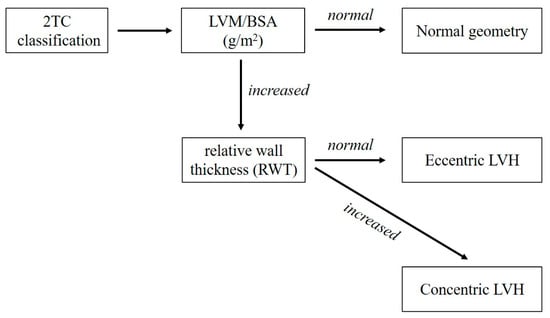
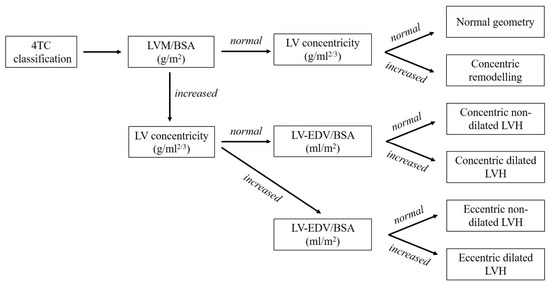
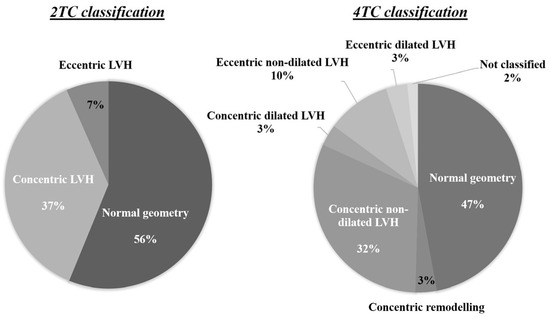
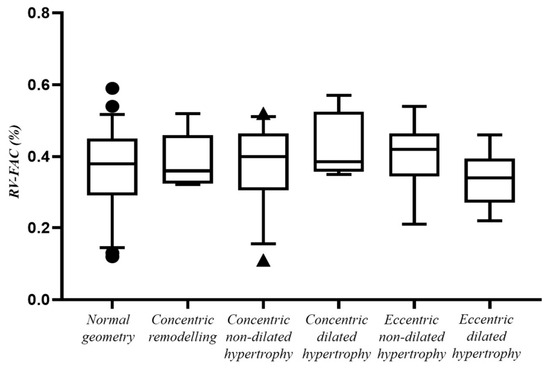
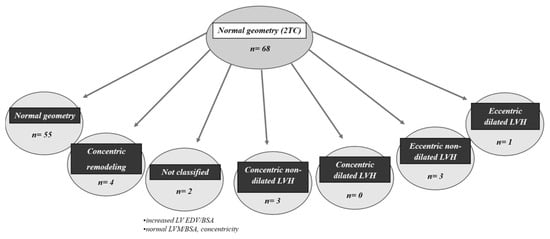
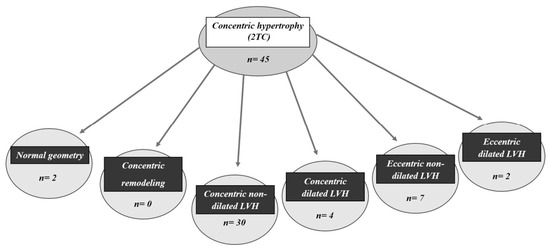
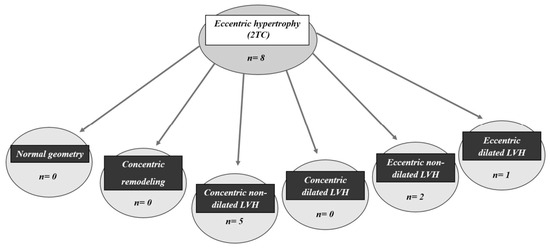
Background: Exercise-induced left ventricular hypertrophy (LVH) has been extensively investigated in adolescent athletes using the conventional two-tiered classification (2TC). However, the four-tiered classification (4TC) allows further differentiation of LVH patterns by incorporating three-dimensional information on left ventricular (LV) geometry. This study aimed to compare LVH assessment using the two classification systems and characterize the reclassification patterns. Methods: A total of 121 adolescent athletes (mean age: 15.1 ± 1.6 years) and 114 adult athletes (mean age: 22.9 ± 3.7 years), all competing at the national level, underwent comprehensive echocardiographic and anthropometric evaluations. Results: The application of 4TC resulted in redistribution across LV geometric categories compared with conventional 2TC. Twenty-three (19.0%) adolescent and 25 (22%) adult athletes were reclassified, including seven (5.8%) and 17 (15%), respectively, who shifted from normal geometry under the 2TC to different LVH categories under the 4TC. Reclassification was observed across sex and sporting discipline subgroups, although the patterns varied. In runners and triathletes, the combined prevalence of eccentric non-dilated and eccentric dilated LVH was 22.7% using the 4TC versus 4.5% eccentric LVH under the 2TC classification. LVM was strongly associated with the combined contribution of cumulative training duration, lean body mass, and body surface area (r = 0.785, p < 0.001), whereas training duration alone was not significantly associated with the LVH parameters. Conclusions: The 2TC and 4TC approaches result in different assessments of LV geometry in highly trained athletes, with the 4TC providing additional characterization of LVH patterns by considering the presence or absence of LV dilatation. Reclassification patterns varied according to sex and sporting discipline, highlighting the importance of sport-related characteristics when interpreting exercise-induced LV remodeling in athletes.
Full article
(This article belongs to the Special Issue Sports Cardiology: Current Status and Future Challenges)
►▼
Show Figures

Figure 1
Open AccessArticle
Differences in Chronic Pulmonary Embolism Burden in Chronic Thromboembolic Disease with and Without Pulmonary Hypertension
by
Colin McQuade, Dayana Davoudi, Katherine Lajkosz, Laura Donahoe, John Granton, Marc de Perrot and Micheal McInnis
J. Clin. Med. 2026, 15(17), 6878; https://doi.org/10.3390/jcm15176878 (registering DOI) - 5 Sep 2026
Abstract
Background: Chronic thromboembolic disease is a recognised sequela of acute pulmonary embolism and may occur with or without pulmonary hypertension. The purpose of this study was to evaluate differences in chronic thromboembolic burden, lesion type, and distribution between chronic thromboembolic pulmonary disease
[...] Read more.
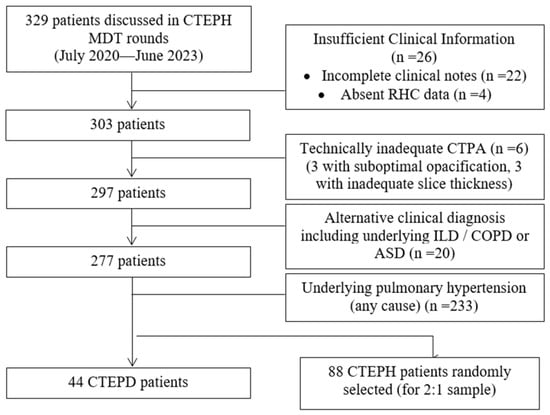
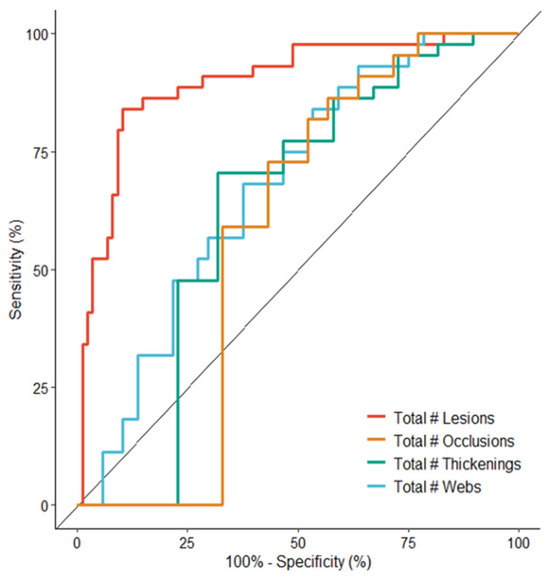
Background: Chronic thromboembolic disease is a recognised sequela of acute pulmonary embolism and may occur with or without pulmonary hypertension. The purpose of this study was to evaluate differences in chronic thromboembolic burden, lesion type, and distribution between chronic thromboembolic pulmonary disease without pulmonary hypertension (CTEPD) and chronic thromboembolic pulmonary hypertension (CTEPH). Methods: This retrospective single-centre study included patients with CTEPD or CTEPH by right heart catheterisation using 2022 ESC/ERS criteria between 2021 and 2022. Two CTEPH patients were randomly selected per CTEPD patient. CTPA studies were reviewed by a blinded thoracic radiologist, assessing 32 pulmonary vessels from the main to segmental arteries for chronic thromboembolic lesions. Groups were compared by disease distribution, most proximal lesion level, Qanadli obstruction index, lesion type, and location. Exploratory receiver operating characteristic (ROC) analysis assessed discriminatory performance. Results: The 44 CTEPD and 88 CTEPH patients included had no differences in age, BMI, or sex. CTEPH patients had shorter six-minute walk distance (p = 0.001), greater right ventricular dilation/dysfunction (p < 0.001), and lower prevalence of deep vein thrombosis (p = 0.03). CTPA identified more lesions in CTEPH (21.2 vs. 10.0 lesions/case, p < 0.001) across more lobes (4.8 vs. 3.4, p < 0.001), with more proximal main/lobar disease (p < 0.001). CT obstruction index was 51% in CTEPH and 26% in CTEPD (p < 0.001). Total lesion number best discriminated CTEPH from CTEPD (AUC 0.91; optimal cutoff, 16 lesions). Conclusions: CTEPH demonstrates a greater, more diffuse, and more proximal chronic thromboembolic lesion burden on CTPA than CTEPD.
Full article
(This article belongs to the Section Respiratory Medicine)
►▼
Show Figures

Figure 1
Open AccessArticle
Phenotype-Specific Pharmacogenetic Patterns of Methotrexate Neurotoxicity in Pediatric Acute Lymphoblastic Leukemia
by
Javier Gómez-Román, Juan C. Restrepo, Luz M. González, Laura González-Rodríguez, Ángela Lacombe-Antoneli, Yolanda Gutiérrez-Martín, María Dolores de la Maya, Montserrat Mesegué, José Luis Dapena, Ana Carbone, Berta González Martínez, Francisco Lendínez Molinos, Antonio Molinés Honrubia, Miriam Abós García, Marina García Morín, Samuel Navarro Noguera, María Sagaseta de Ilurdoz, Itziar Astigarraga, Maria Baro Fernández, Jaime Verdú Amorós, Alexandra Regueiro, Manuel Ramírez Orellana, José Luis Fuster Soler, Soledad González Muñiz, Adela Cañete Nieto, Montserrat Torrent Español, Héctor González Méndez, Jose M. Vagace and Guillermo Gervasiniadd
Show full author list
remove
Hide full author list
J. Clin. Med. 2026, 15(17), 6877; https://doi.org/10.3390/jcm15176877 (registering DOI) - 5 Sep 2026
Abstract
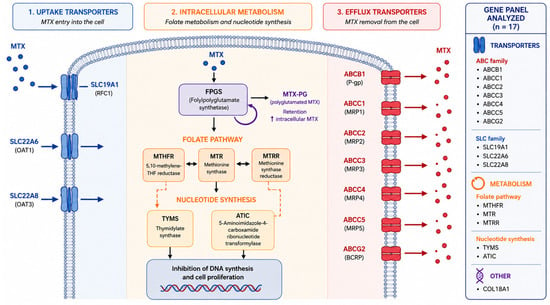
Background: Methotrexate-induced neurotoxicity (MTX-NTX) is a severe complication during childhood acute lymphoblastic leukemia (ALL) treatment, yet its underlying pharmacogenetic determinants remain incompletely understood. Methods: A multicenter retrospective nationwide case–control study was performed including 71 pediatric ALL patients (34 MTX-NTX cases and 37 controls).
[...] Read more.
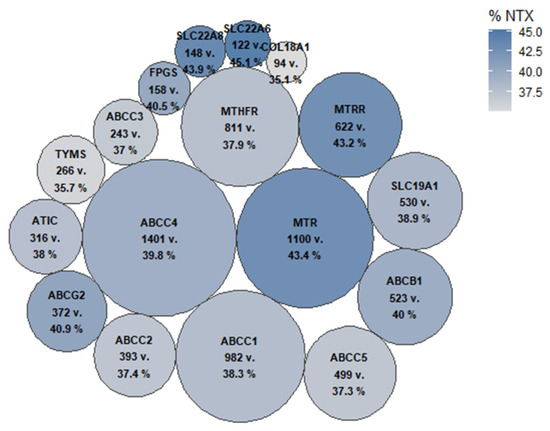
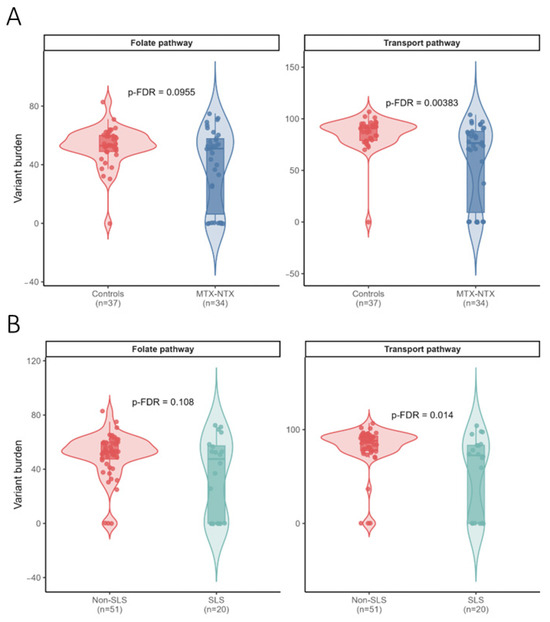
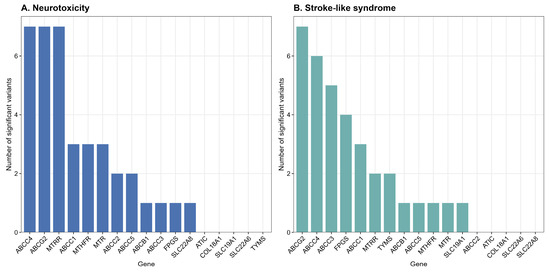
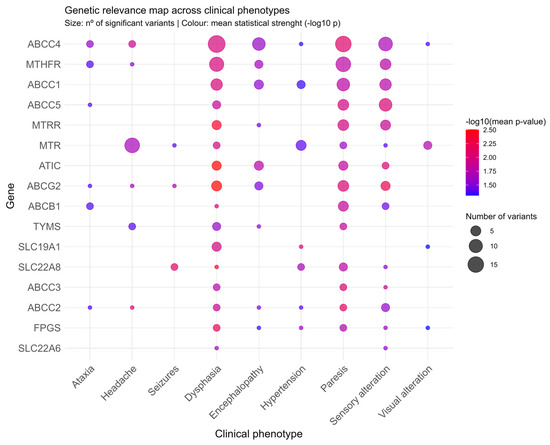
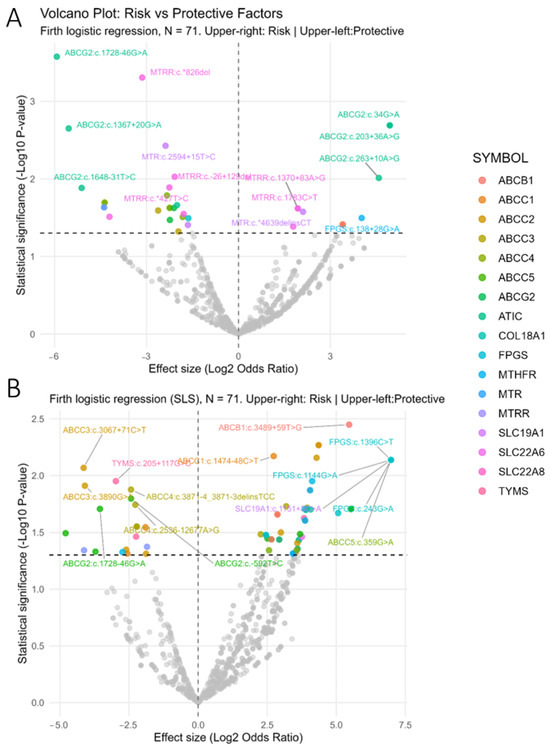
Background: Methotrexate-induced neurotoxicity (MTX-NTX) is a severe complication during childhood acute lymphoblastic leukemia (ALL) treatment, yet its underlying pharmacogenetic determinants remain incompletely understood. Methods: A multicenter retrospective nationwide case–control study was performed including 71 pediatric ALL patients (34 MTX-NTX cases and 37 controls). Targeted next-generation sequencing of 17 genes involved in MTX transport, intracellular metabolism and folate pathways was performed. Results: Transport-related genes accounted for 61.4% of all detected variants and showed the highest number of nominally significant variants. Pathway-level burden analysis demonstrated a significant enrichment of transporter-related variants in patients with MTX-NTX compared with controls (FDR-adjusted p = 0.004), whereas the analysis for folate/metabolism-related genes did not remain significant after multiple-testing (FDR-adjusted p = 0.096). Similar findings were observed in the stroke-like syndrome (SLS) subgroup (FDR-adjusted p = 0.014 and 0.108, respectively). Gene-level burden analysis identified ABCG2 and ABCC4 as the predominant contributors, harboring both 18.4% of significant variants in the overall MTX-NTX analysis and 20.6% and 17.6%, respectively in the SLS phenotype. Moreover, the distribution of significant variants was strongly correlated between the overall MTX-NTX and SLS analyses (Spearman’s ρ = 0.549, p = 0.022). Volcano plot analysis revealed ABCG2 as the gene showing the most prominent pattern of nominal associations, containing both the variants associated with a protective direction (e.g., c.1728-46G>A, p = 2.6 × 10⁻⁴) and variants associated with increased risk, including c.34G>A and c.203+36A>G (p = 0.002) and c.263+10A>G (p = 0.0097). Phenotype-specific analyses revealed distinct genetic signatures across neurological manifestations, with transporter genes predominating in focal neurological deficits. Conclusions: Our findings suggest that genetic variability in ABC transporter genes may contribute to susceptibility to MTX-NTX, whereas folate metabolism genes may represent complementary phenotype-modifying factors. These findings are exploratory and require validation in larger, independent cohorts and functional studies.
Full article
(This article belongs to the Special Issue Personalised and Precision Pharmacotherapy: Data-Driven Therapeutic Optimisation in Real-World Clinical Practice)
►▼
Show Figures

Figure 1
Open AccessArticle
Prevalence and Distribution of Taurodontism and Pyramidal Molar Morphology in the Primary and Permanent Dentitions: A Retrospective Study in a Turkish Pediatric Population from Southeastern Anatolia
by
Hasan Said Şener and Emin Caner Tümen
J. Clin. Med. 2026, 15(17), 6876; https://doi.org/10.3390/jcm15176876 (registering DOI) - 5 Sep 2026
Abstract
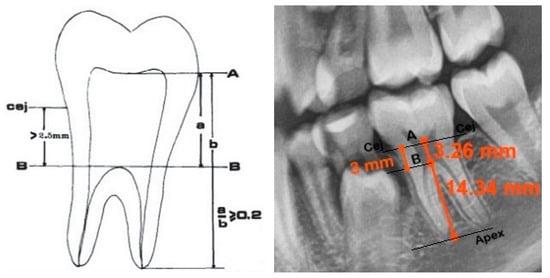
Background/Objectives: To evaluate the prevalence and distribution of taurodontism and pyramidal molar morphology in primary and permanent dentitions of children aged 6–16 years in Diyarbakır, Türkiye. Methods: A retrospective analysis of 1167 digital panoramic radiographs was conducted. Taurodontism was diagnosed according
[...] Read more.
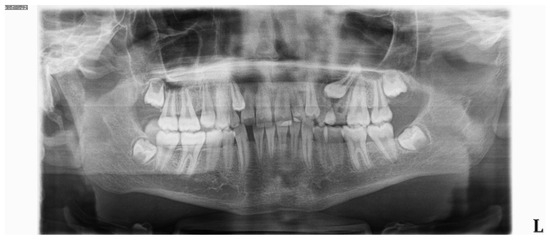
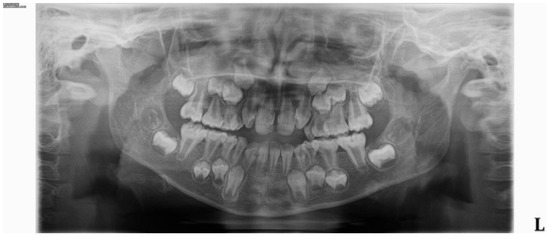
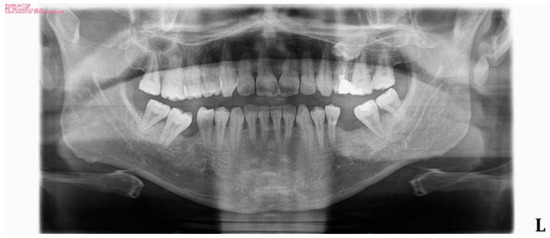
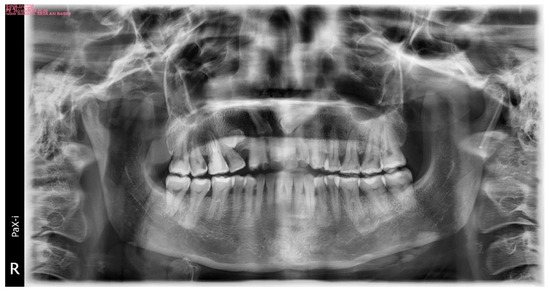
Background/Objectives: To evaluate the prevalence and distribution of taurodontism and pyramidal molar morphology in primary and permanent dentitions of children aged 6–16 years in Diyarbakır, Türkiye. Methods: A retrospective analysis of 1167 digital panoramic radiographs was conducted. Taurodontism was diagnosed according to the Shifman and Chananel criteria, while pyramidal molar morphology was evaluated as an independent anomaly. Prevalence, distribution, and symmetry were analyzed using Pearson’s chi-square test, Mann–Whitney U test, and Kappa test. Results: The individual and tooth prevalence of taurodontism was 6.60% and 2.44%, respectively, with significantly higher frequencies in the permanent dentition, maxilla, and permanent second molars (p < 0.001). Hypotaurodontism was the predominant subtype (81.5%). Pyramidal molar morphology was identified in 1.54% of individuals and 0.83% of teeth, with a significant female predominance (p = 0.022). Both anomalies exhibited high rates of bilateral involvement (85.7% for taurodontism and 72.2% for pyramidal molars). Pyramidal morphology was identified in 24 primary molars (0.58%). Among cases with available parental panoramic radiographs, the identification of the same morphology in at least one parent suggests potential familial aggregation, although further large-scale prospective genetic studies are required to confirm hereditary inheritance models. Conclusions: Taurodontism and pyramidal molar morphology are clinically significant developmental root variations in children. The quantitative documentation of pyramidal morphology in primary dentition addresses an important gap in the literature. Early radiographic recognition is essential for treatment planning and may serve as a helpful clinical indicator that prompts further genetic or systemic evaluation in suspected syndromic cases.
Full article
(This article belongs to the Section Dentistry, Oral Surgery and Oral Medicine)
►▼
Show Figures

Figure 1
Open AccessArticle
Clinical Predictors of Relapse-Free Survival in Early Pulmonary Sarcoidosis
by
Fatma Işıl Uzel, Burak Uzel, Esin Yentürk and Yüksel Peker
J. Clin. Med. 2026, 15(17), 6875; https://doi.org/10.3390/jcm15176875 (registering DOI) - 5 Sep 2026
Abstract
Background: Relapse remains a major challenge in the long-term management of pulmonary sarcoidosis, yet predictors of relapse-free survival in patients with early-stage disease are incompletely understood. We investigated the clinical determinants of time to relapse in a biopsy-confirmed cohort of patients with pulmonary
[...] Read more.
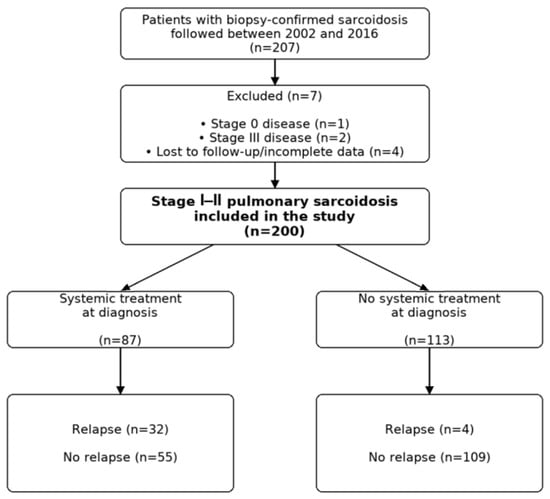
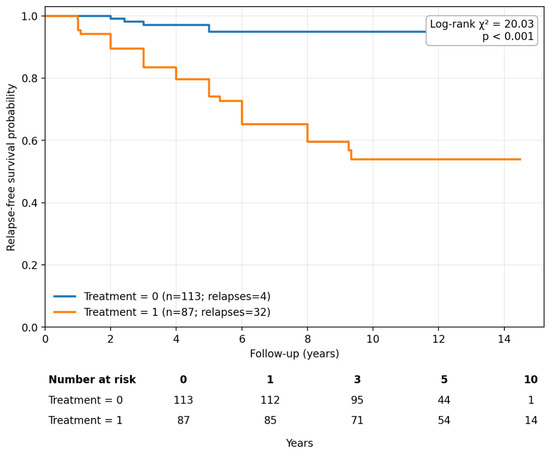
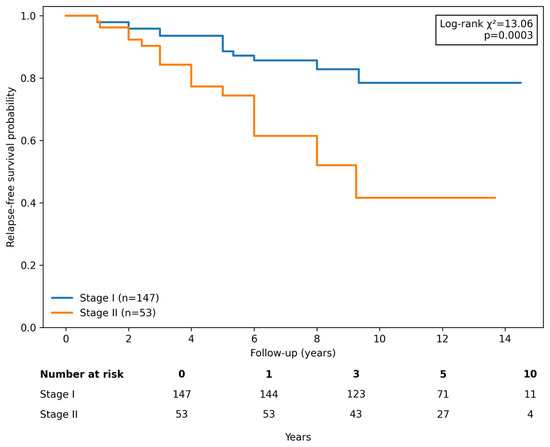
Background: Relapse remains a major challenge in the long-term management of pulmonary sarcoidosis, yet predictors of relapse-free survival in patients with early-stage disease are incompletely understood. We investigated the clinical determinants of time to relapse in a biopsy-confirmed cohort of patients with pulmonary sarcoidosis followed for up to 15 years. Methods: This retrospective cohort study included 200 adults (mean age 42.0 ± 11.2 years, 72.0% women) with biopsy-confirmed Stage I–II pulmonary sarcoidosis. The primary outcome was relapse requiring re-initiation or escalation of systemic therapy after remission. Relapse-free survival was evaluated using Kaplan–Meier analysis and compared by the log-rank test. Cox proportional hazards models were used to identify independent predictors of relapse. Results: During long-term follow-up, 36 patients (18.0%) experienced disease relapse. Relapse-free survival was significantly lower among patients who received systemic treatment at baseline than among untreated patients (log-rank p < 0.001). In multivariable Cox analysis, baseline systemic treatment (adjusted hazard ratio [HR] 4.27, 95% confidence interval [CI] 1.39–13.09; p = 0.011) and Scadding Stage II disease (HR 2.58, 95% CI 1.26–5.29; p = 0.010) independently predicted relapse. Increasing age was associated with a lower relapse risk (HR 0.70 per 10-year increase, 95% CI 0.50–1.00; p = 0.047). Baseline FVC and sex were not independently associated with relapse, while extrapulmonary involvement showed a borderline association (HR 2.16, 95% CI 0.97–4.80; p = 0.059). Conclusions: Long-term relapse-free survival in early pulmonary sarcoidosis is primarily determined by baseline disease phenotype. Stage II disease identifies patients at increased relapse risk, whereas the association between systemic treatment and relapse most likely reflects confounding by indication rather than a detrimental treatment effect. Time-to-event analysis provides a clinically relevant framework for long-term risk stratification in early-stage sarcoidosis.
Full article
(This article belongs to the Special Issue Advanced Diagnostic and Therapeutic Strategies for Sarcoidosis)
►▼
Show Figures

Figure 1
Open AccessArticle
Extended-Release Trazodone in Comorbid Major Depressive and Sedative–Hypnotic/Anxiolytic Use Disorders: A Real-World Preliminary Evaluation of Multidimensional Outcomes
by
Marco Di Nicola, Maria Pepe, Francesca Tarantino, Ilaria Marcelli, Erica Bella, Lorenzo Bonomo, Raffaella Franza and Gabriele Sani
J. Clin. Med. 2026, 15(17), 6874; https://doi.org/10.3390/jcm15176874 - 4 Sep 2026
Abstract
Objectives: Major depressive disorder (MDD) frequently co-occurs with substance use disorders, resulting in greater clinical severity and poorer outcomes. Sedative–hypnotic/anxiolytic agents (SHA) are commonly used to manage anxiety and insomnia, also in MDD. However, their long-term intake might lead to misuse and
[...] Read more.
Objectives: Major depressive disorder (MDD) frequently co-occurs with substance use disorders, resulting in greater clinical severity and poorer outcomes. Sedative–hypnotic/anxiolytic agents (SHA) are commonly used to manage anxiety and insomnia, also in MDD. However, their long-term intake might lead to misuse and physical and cognitive complications. Trazodone, an antidepressant with sedative and anxiolytic properties, has been proposed as an option in SHA detoxification, but data on patients with comorbid MDD and SHA use disorders (MDD+SHA-UD) are limited. This study retrospectively evaluated the effects of a three-month treatment with extended-release trazodone in this population. Methods: Seventy-four outpatients with MDD+SHA-UD treated with extended-release trazodone were evaluated at baseline and after one and three months. Depressive symptoms were assessed using the Hamilton Depression Rating Scale. Secondary outcomes included anxiety (Hamilton Anxiety Rating Scale), sleep disturbances (Pittsburgh Sleep Quality Index), physical symptoms (Hamilton Depression–Anxiety subscales, 36-Item Short-Form Health Survey), cognitive functioning (Perceived Deficits Questionnaire–Depression, 5-item), and quality of life (World Health Organization-Five Well-Being Index). Results: Trazodone was associated with a significant reduction in depressive symptoms (p < 0.001), with 47.3% of the initial sample achieving remission at endpoint. Improvements were also observed in measures of anxiety, physical symptoms, subjective sleep quality, perceived cognitive functioning, and quality of life (all p < 0.001). Side effects were mild (25.7% at one month) and declined over time. Conclusions: In this uncontrolled preliminary study, extended-release trazodone was associated with significant improvements across multiple symptom domains in MDD+SHA-UD, warranting controlled investigation.
Full article
(This article belongs to the Section Mental Health)
Open AccessArticle
Prognostic Factors of Mortality and Clinical Characteristics of Patients Surgically Treated for Blunt Liver Injury—A Single-Center Experience
by
Bartłomiej Białas, Maciej Rybicki, Piotr Tomasz Arkuszewski and Michał Kusiński
J. Clin. Med. 2026, 15(17), 6873; https://doi.org/10.3390/jcm15176873 - 4 Sep 2026
Abstract
Background: Blunt liver traumatic injuries are associated with high mortality and remain a significant challenge for modern healthcare systems. The aim of this study was to identify early clinical predictors of mortality in patients undergoing surgery for blunt liver injury. Material and Methods:
[...] Read more.
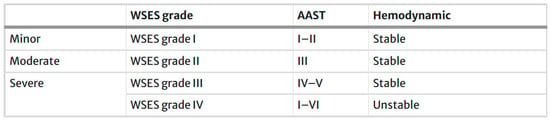
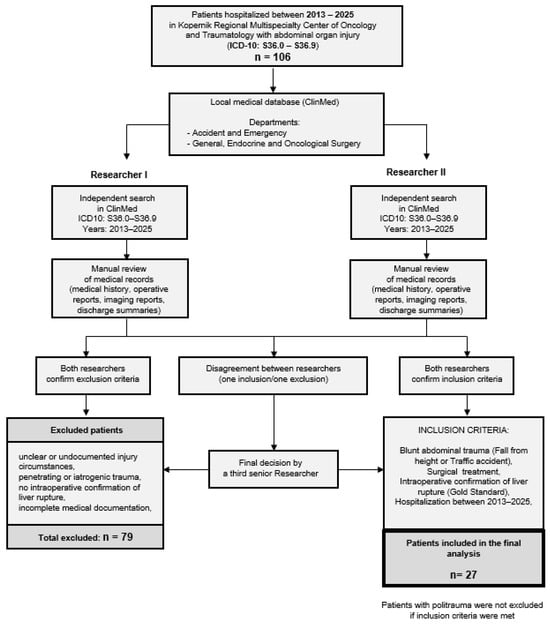
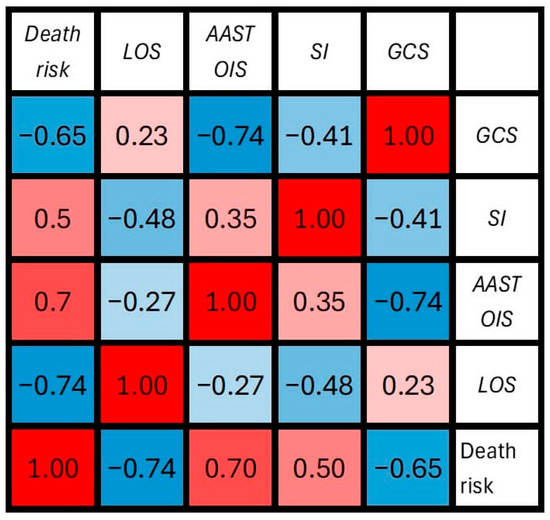
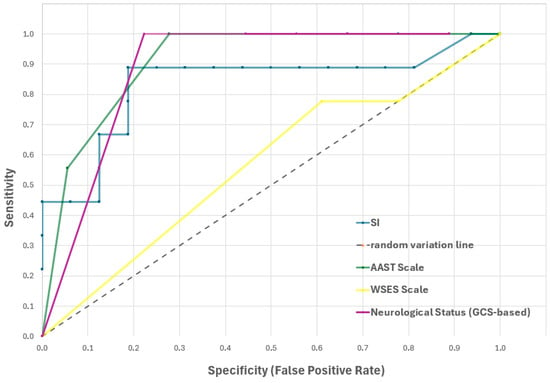
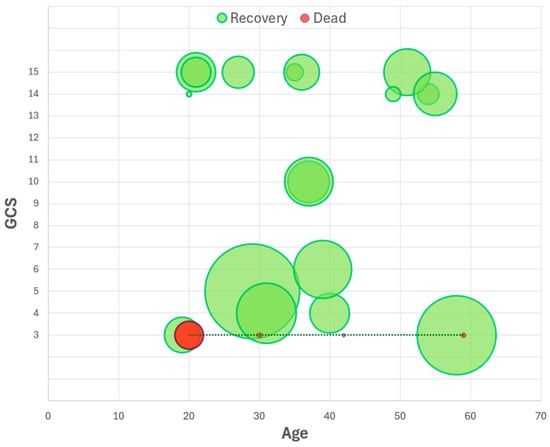
Background: Blunt liver traumatic injuries are associated with high mortality and remain a significant challenge for modern healthcare systems. The aim of this study was to identify early clinical predictors of mortality in patients undergoing surgery for blunt liver injury. Material and Methods: A single-centre, retrospective observational study was conducted involving 27 adult patients who underwent surgery between 2013 and 2025 due to blunt liver injury (traffic accidents, falls from height). Clinical parameters such as GCS and shock index (SI) were correlated with the degree of injury according to the AAST OIS and WSES classifications and with the length of hospitalisation (LOS) using Spearman’s rank correlation coefficient. The study was approved by the Bioethics Committee (resolution number: RNN/86/25/KE). Results: Traffic accident victims predominated in the analysed group (81.5%). Deep consciousness disorders (GCS; ρ = −0.65) were shown to be the strongest negative predictor of survival—all deaths occurred in patients with a baseline GCS = 3. A strong positive correlation was also observed between the risk of death and the anatomical level of injury according to the AAST OIS (ρ = 0.70) and shock assessed using the SI (ρ = 0.50). Half of the patients who underwent surgery received packing (tamponade), while 51.8% underwent splenectomy. Conclusions: The GCS is the strongest independent clinical predictor of death in this group. Simple neurological and haemodynamic assessment is more useful in practice for quickly identifying critically ill patients than complex anatomical classifications such as AAST or WSES.
Full article
(This article belongs to the Special Issue Advanced Diagnostics, Management, and Rare Unusual Clinical Consequences of Blunt or Penetrating Abdominal, Pelvic, Thoracic, and Vascular Injuries)
►▼
Show Figures

Figure 1
Open AccessFeature PaperArticle
Comparative Prognostic Performance of Platelet-Containing and Platelet-Free Inflammatory Indices After Percutaneous Coronary Intervention
by
Donghyeon Joo, Sungho Jo, Jeong Tae Byoun, Jae Young Cho and Kyeong Ho Yun
J. Clin. Med. 2026, 15(17), 6872; https://doi.org/10.3390/jcm15176872 - 4 Sep 2026
Abstract
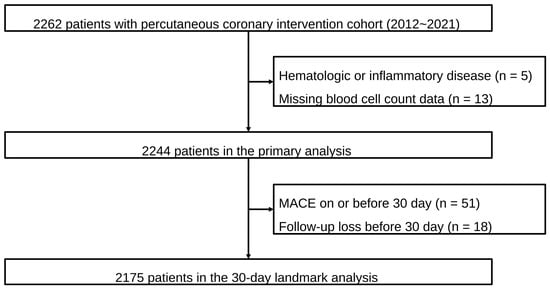
Background/Objectives: Systemic inflammatory indices derived from the complete blood count differ in whether they incorporate platelet count. Whether platelet-containing indices outperform platelet-free indices and whether platelet count adds independent prognostic information remain insufficiently tested. Methods: We retrospectively analyzed 2244 consecutive patients undergoing percutaneous
[...] Read more.
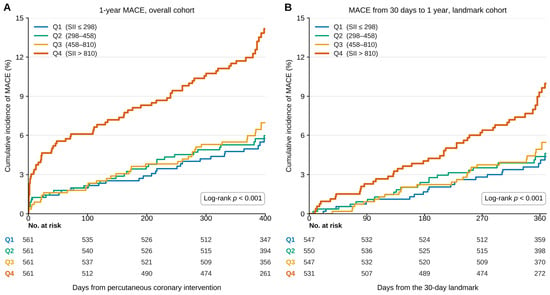
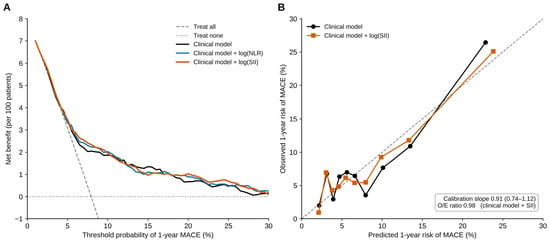
Background/Objectives: Systemic inflammatory indices derived from the complete blood count differ in whether they incorporate platelet count. Whether platelet-containing indices outperform platelet-free indices and whether platelet count adds independent prognostic information remain insufficiently tested. Methods: We retrospectively analyzed 2244 consecutive patients undergoing percutaneous coronary intervention (PCI) at a single center. The neutrophil-to-lymphocyte ratio (NLR), systemic inflammatory response index (SIRI), systemic immune–inflammation index (SII) and pan-immune–inflammation value (PIV) were derived from the baseline blood count. The outcome was 1-year (400-day) major adverse cardiovascular events (MACEs). Because SII and PIV equal NLR and SIRI multiplied by platelet count, the platelet contribution was tested with nested likelihood ratio tests. Calibration, decision-curve, 30-day landmark, time-varying coefficient and subgroup analyses were also performed. Results: MACEs occurred in 170 patients (7.6%). After adjustment, NLR, SII and PIV remained associated with MACEs. SII showed the highest C-index and lowest AIC, but no index significantly improved discrimination over the clinical model (ΔC-index +0.009, p = 0.060 for SII), no head-to-head difference was detected, and the added net benefit was negligible (0.38 per 100 patients). Adding platelet count did not improve model fit over the whole follow-up (p = 0.104 and 0.146) but did beyond the 30-day landmark (p = 0.025 and 0.033); the platelet-by-period interaction was not significant (p = 0.197). Exploratory analyses suggested larger associations in ST-segment elevation MI based on few events. Only the adjusted SII association survived within-family Holm correction; no result met the global 5% false-discovery-rate threshold. Conclusions: The four indices showed similar, modest discrimination without evidence of superiority or meaningful incremental utility; the post-30-day platelet signal was not confirmed by interaction testing and remains hypothesis-generating.
Full article
(This article belongs to the Section Cardiovascular Medicine)
►▼
Show Figures

Figure 1
Open AccessArticle
Intraoperative Arterial Waveform Morphology Trajectories and Prediction of Postoperative Acute Kidney Injury: A Latent-Class Analysis of the VitalDB Registry
by
Mesher Ensarioğlu and Alperen Kutay Yıldırım
J. Clin. Med. 2026, 15(17), 6871; https://doi.org/10.3390/jcm15176871 - 4 Sep 2026
Abstract
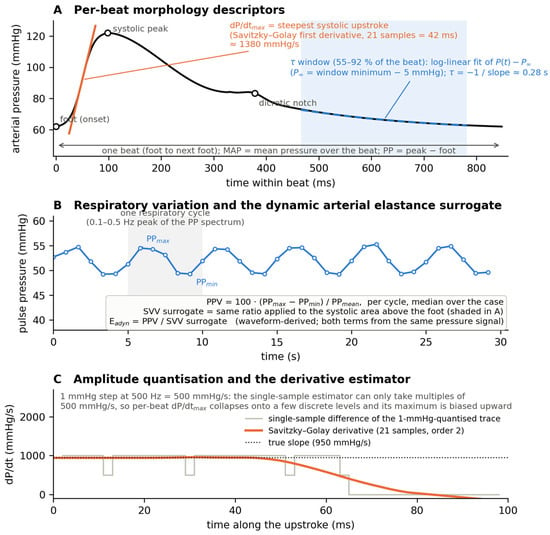
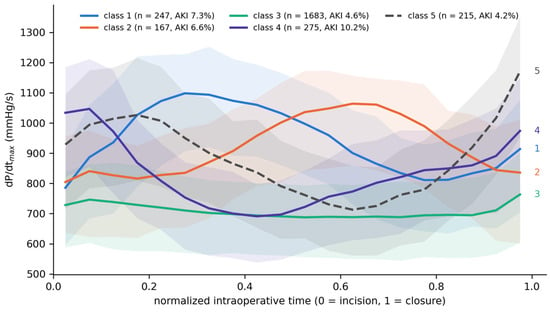
Background: Intraoperative hypotension is an established risk factor for postoperative acute kidney injury (AKI), but whether arterial waveform morphology adds prognostic information beyond the hypotension burden is unknown. Methods: In this study, 2587 adult surgical cases from the Vital Signs Database (VitalDB) with
[...] Read more.
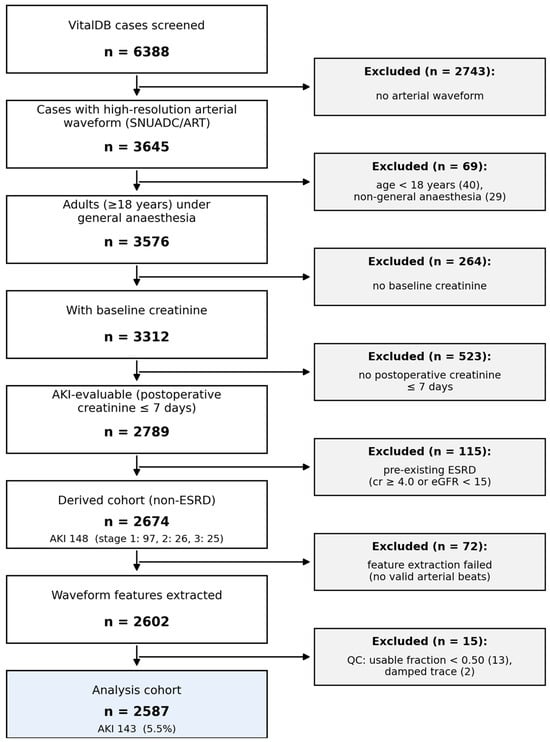
Background: Intraoperative hypotension is an established risk factor for postoperative acute kidney injury (AKI), but whether arterial waveform morphology adds prognostic information beyond the hypotension burden is unknown. Methods: In this study, 2587 adult surgical cases from the Vital Signs Database (VitalDB) with continuous invasive arterial waveforms and creatinine-based (KDIGO) AKI ascertainment were analyzed retrospectively. Maximal systolic upstroke (dP/dtmax), a late-diastolic pressure-decay descriptor (τ), and a waveform-derived dynamic arterial elastance (Eadyn), modeled as latent-class trajectories and as case-level features, were added to a base logistic model of log-transformed hypotension burden (time-weighted MAP < 65 mmHg), age, sex, and baseline eGFR. Results: AKI occurred in 143 cases (5.5%); the base model had an AUC of 0.725 (95% CI 0.680–0.770). A five-class dP/dtmax solution yielded distinct phenotypes whose membership was nominally associated with AKI (likelihood-ratio p = 0.02) but did not improve discrimination (change in AUC (ΔAUC), 0.008, 95% CI −0.005 to 0.021; optimism-corrected 0.002), and the association was attenuated after clinical adjustment (p = 0.13); τ showed no stable trajectory structure. No feature improved discrimination: the optimism-corrected ΔAUC was ≤0.007, upper confidence limits did not exceed 0.03 on any adequately fitting reference model, and the signal disappeared after adjustment for procedure type and comorbidity. The likelihood-ratio test had 80% power for a ΔAUC of 0.009. Conclusions: Arterial waveform morphology did not improve prediction of postoperative AKI beyond the hypotension burden; overall, these data exclude an incremental gain larger than approximately 0.02–0.03 AUC units.
Full article
(This article belongs to the Section General Surgery)
►▼
Show Figures

Figure 1
Open AccessArticle
Feasibility, Technical Safety, and Early Clinical Experience with an Automated Annular Suturing Device in Minimally Invasive Valve Replacement
by
Robert Balan, Parwis Massoudy, Marius Mihai Harpa, Klara Brînzaniuc and Jonah Schwarz
J. Clin. Med. 2026, 15(17), 6870; https://doi.org/10.3390/jcm15176870 - 4 Sep 2026
Abstract
Background: Minimally invasive cardiac valve surgery (MIVS) provides distinct clinical advantages, yet annular suturing remains a technically demanding step. Automated annular suturing devices (RAM®) have been developed to standardize suture placement during valve replacement. This study evaluates the initial clinical feasibility,
[...] Read more.
Background: Minimally invasive cardiac valve surgery (MIVS) provides distinct clinical advantages, yet annular suturing remains a technically demanding step. Automated annular suturing devices (RAM®) have been developed to standardize suture placement during valve replacement. This study evaluates the initial clinical feasibility, technical safety, and operational integration of automated suturing during its institutional adoption phase. Methods: We retrospectively evaluated 43 consecutive patients undergoing MIVS supported by the RAM® system (2021–2025), stratified into mitral valve replacements (RAM-MVR, n = 26) and aortic valve replacements (RAM-AVR, n = 17). Technical parameters, procedural safety metrics, and perioperative outcomes were descriptively analyzed and contextualized against our broader institutional MIVS platform using percutaneous femoral cannulation (n = 182). Results: Automated annular suturing achieved a 100% technical feasibility rate (43/43, 95% CI: 91.8–100.0%) with zero mechanical device failures or intraoperative suture-line disruptions (0%, 95% CI: 0.0–8.2%). In the RAM-MVR cohort, median cross-clamp and cardiopulmonary bypass (CPB) times were 73.0 min (IQR 64.0–91.0) and 114.5 min (IQR 94.8–129.5), respectively. In RAM-AVR, median cross-clamp time was 75.0 min (IQR 71.0–83.0). Thirty-day mortality was 4.7% (2/43, 95% CI: 0.6–15.8%), secondary to non-device-related medical complications in high-risk baseline patients. Postoperative echocardiography demonstrated no paravalvular regurgitation (0%, 95% CI: 0.0–8.2%). Conclusions: Initial institutional experience demonstrates that automated annular suturing is technically feasible and safe in minimally invasive mitral and aortic valve replacement. The system enables consistent procedural execution across valve positions. These observational data support automated suturing as a feasible alternative to manual suturing in MIVS workflows.
Full article
(This article belongs to the Special Issue Advances in Cardiac Surgery: Techniques, Outcomes, and Innovations)
Open AccessArticle
Prognostic Value of the Lung Immune Prognostic Index and an ECOG–Albumin–LIPI Nomogram in Metastatic NSCLC Patients Treated with Second- or Third-Line Nivolumab
by
Didem Divriklioğlu, İsmail Bayrakçı, Gizem Bakır Kahveci, İvo Gökmen, Dicle Yurdatap Koç, Ece Demirdelen, Ahmet Küçükarda, Muhammet Bekir Hacıoğlu, Bülent Erdoğan and Sernaz Topaloğlu
J. Clin. Med. 2026, 15(17), 6869; https://doi.org/10.3390/jcm15176869 - 4 Sep 2026
Abstract
Background/Objectives: Clinical outcomes with immune checkpoint inhibitors (ICIs), such as nivolumab, vary among patients with metastatic non-small cell lung cancer (NSCLC). The Lung Immune Prognostic Index (LIPI) may help stratify prognosis. This study evaluated the prognostic significance of LIPI in patients receiving second-
[...] Read more.
Background/Objectives: Clinical outcomes with immune checkpoint inhibitors (ICIs), such as nivolumab, vary among patients with metastatic non-small cell lung cancer (NSCLC). The Lung Immune Prognostic Index (LIPI) may help stratify prognosis. This study evaluated the prognostic significance of LIPI in patients receiving second- or third-line nivolumab and developed a nomogram for individualized survival estimation. Methods: This single-center retrospective study included 142 patients with metastatic NSCLC who received second- or third-line nivolumab between February 2022 and December 2024, after progression on platinum-based chemotherapy. LIPI was calculated from baseline values obtained within 14 days before nivolumab initiation, based on a derived neutrophil-to-lymphocyte ratio (dNLR) > 3 and lactate dehydrogenase (LDH) > 225 U/L (institutional upper limit of normal), classifying patients as good-, intermediate-, or poor-risk (0, 1, or 2 factors, respectively). Overall survival (OS) and progression-free survival (PFS) were estimated by the Kaplan–Meier method; independent prognostic factors were assessed by multivariable Cox regression, and a prognostic nomogram combining ECOG performance status, serum albumin, and LIPI was developed and internally validated. Results: By LIPI, 34.5%, 45.1%, and 20.4% of patients were at good, intermediate, and poor risk, respectively. Objective response and disease control rates were 29.6% and 55.6%. Median OS and PFS were 19.3/8.0/3.1 and 8.6/3.1/2.5 months across good, intermediate, and poor LIPI groups (log-rank p < 0.001). In multivariable analysis, ECOG 2 (hazard ratio [HR], 4.94), albumin per 1 g/dL (HR 0.27), and poor versus good LIPI (HR 3.74) were independently associated with OS. A nomogram combining these three factors showed acceptable discrimination (optimism-corrected Harrell C-statistic 0.742). Conclusions: LIPI was independently associated with prognosis in this cohort. Combining LIPI with ECOG and albumin may aid individualized risk assessment, pending external validation.
Full article
(This article belongs to the Section Oncology)
Open AccessSystematic Review
Albumin-Based Biomarkers and Adverse Outcomes in Coronary Artery Disease: A Systematic Review and Meta-Analysis
by
Yanwu Yang, Tianyi Qu, Yan Zhang, Zhi Wan and Meiling Ge
J. Clin. Med. 2026, 15(17), 6868; https://doi.org/10.3390/jcm15176868 - 4 Sep 2026
Abstract
Background: Albumin-based biomarkers have emerged as practical tools for prognostic assessment in coronary artery disease (CAD), but their comparative prognostic patterns and potential clinical utility have not been systematically evaluated. Methods: We performed a systematic review and meta-analysis of albumin-based biomarkers,
[...] Read more.
Background: Albumin-based biomarkers have emerged as practical tools for prognostic assessment in coronary artery disease (CAD), but their comparative prognostic patterns and potential clinical utility have not been systematically evaluated. Methods: We performed a systematic review and meta-analysis of albumin-based biomarkers, including the C-reactive protein-to-albumin ratio (CAR/hsCAR), neutrophil percentage-to-albumin ratio (NPAR), lactate-to-albumin ratio (LAR), and C-reactive protein–albumin–lymphocyte (CALLY) index, in patients with CAD. Pooled associations with mortality and MACE were assessed, together with discriminative performance and clinical utility. Results: Thirty-four studies involving 47,763 patients were included. Higher CALLY values were associated with lower all-cause mortality (HR 0.46, 95% CI 0.24–0.87) and a directionally protective but non-significant association with MACE (HR 0.44, 95% CI 0.18–1.08). Elevated CAR/hsCAR was associated with increased mortality (OR 1.61, 95% CI 1.09–2.38) and MACE (HR 1.37, 95% CI 1.21–1.56) in acute coronary syndrome (ACS)-related cohorts. NPAR showed the most consistent association with mortality (HR 1.88, 95% CI 1.71–2.08; I2 = 4.8%), whereas its association with MACE was less stable (HR 1.86, 95% CI 0.56–6.13). LAR showed the largest pooled effect estimate for mortality (HR 2.50, 95% CI 1.78–3.51). In discriminative analyses, CAR showed the most balanced performance for long-term MACE, NPAR showed the strongest rule-in profile for long-term MACE, and CAR and CALLY showed the best discrimination for mortality. Conclusions: Albumin-based biomarkers are linked to adverse CAD outcomes, especially in ACS, with distinct prognostic patterns by biomarker and endpoint. They provide complementary risk stratification information, and further prospective studies are needed to confirm their incremental clinical utility.
Full article
(This article belongs to the Topic Biomarkers of Disease: Discovery and Clinical Applications)
Open AccessArticle
Static Plantar-Load Distribution and Stabilometry in Children and Adolescents with Idiopathic Scoliosis Under Different Testing Conditions: A Pilot Study
by
Oana-Cristina Rădulescu, Alina-Daniela Totorean, Andreea-Adriana Neamțu, Laura Maghiar, Oana Suciu, Andreea Niță, Liliana Cațan and Elena Amăricăi
J. Clin. Med. 2026, 15(17), 6867; https://doi.org/10.3390/jcm15176867 - 4 Sep 2026
Abstract
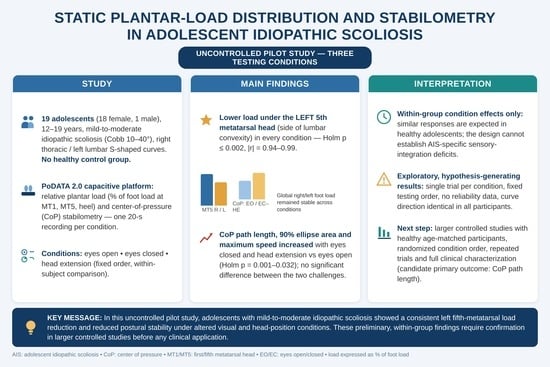
Background/Objectives: Adolescent idiopathic scoliosis (AIS) is associated not only with structural spinal deformities but also with alterations in postural control and sensorimotor integration. Objective assessment of balance and plantar-load distribution may provide additional insight into functional impairments, particularly in patients with mild and
[...] Read more.
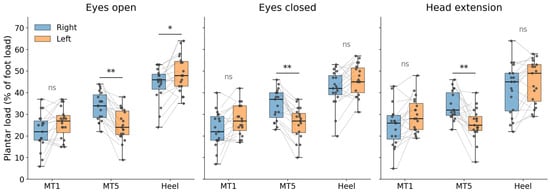
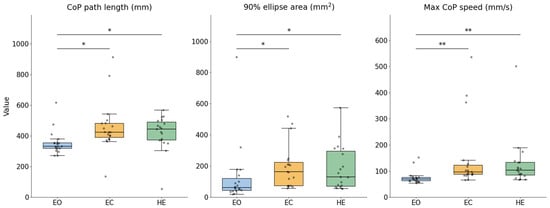
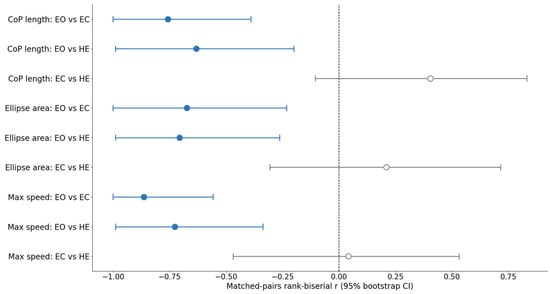
Background/Objectives: Adolescent idiopathic scoliosis (AIS) is associated not only with structural spinal deformities but also with alterations in postural control and sensorimotor integration. Objective assessment of balance and plantar-load distribution may provide additional insight into functional impairments, particularly in patients with mild and moderate curves. The aim of this study was to compare static plantar-load distribution and stabilometry parameters in children and adolescents with idiopathic scoliosis under different sensory and postural conditions. Methods: This pilot study included 19 children and adolescents (18 female, 1 male) diagnosed with mild and moderate AIS. Load distribution and stabilometric parameters were assessed using a capacitive platform under three testing conditions: eyes open, eyes closed, and head extension. Parameters evaluated included load distribution across plantar regions and center-of-pressure-related stability measures. Comparisons were performed between conditions to evaluate the influence of visual and vestibular modulation on postural control. Results: Total plantar load did not differ between the right and left foot, and global relative plantar-load distribution remained stable across the three testing conditions. A consistent side-to-side asymmetry was present at the fifth metatarsal head, where load on the left side was significantly lower than on the right in every condition and remained significant after Holm correction for multiple comparisons (p = 0.001–0.002; |r| = 0.94–0.99). Higher left-sided load was also observed at the first metatarsal head and heel; the heel asymmetry remained significant after correction only in the eyes-open condition (Holm p = 0.044), whereas the remaining differences did not survive correction and are reported as exploratory. The left side corresponded to the side of lumbar convexity. Postural stability differed markedly between conditions: center-of-pressure path length, 90% confidence-ellipse area and maximum center-of-pressure speed were greater under the eyes-closed and head-extension conditions than with eyes open, indicating reduced postural stability when visual input was removed or head position was altered. The two challenge conditions did not differ significantly from each other. Conclusions: In this uncontrolled pilot study, children and adolescents with mild-to-moderate idiopathic scoliosis showed a consistent reduction in load under the left fifth metatarsal head, whereas, apart from a higher left heel load that was significant only with eyes open, other regional asymmetries were exploratory. Stabilometric parameters deteriorated under both visual deprivation and head extension, with no statistically significant difference between the two challenge conditions. Because postural changes became apparent mainly when visual or head-position conditions were altered, assessment under such conditions may reveal condition-related changes in postural control within this AIS cohort. However, because no healthy control group was included, these findings should not be interpreted as evidence of AIS-specific sensory-integration deficits. These preliminary findings require confirmation in larger controlled studies including healthy age-matched participants.
Full article
(This article belongs to the Section Orthopedics)
►▼
Show Figures

Graphical abstract
Journal Menu
► ▼ Journal Menu-
- JCM Home
- Aims & Scope
- Editorial Board
- Reviewer Board
- Topical Advisory Panel
- Early Career Editorial Board
- Instructions for Authors
- Special Issues
- Topics
- Sections & Collections
- Article Processing Charge
- Indexing & Archiving
- Editor’s Choice Articles
- Most Cited & Viewed
- Journal Statistics
- Journal History
- Journal Awards
- Society Collaborations
- Conferences
- Editorial Office
Journal Browser
► ▼ Journal BrowserHighly Accessed Articles
Latest Books
E-Mail Alert
News
14 July 2025
Meet Us Virtually at the 1st International Online Conference on Hematology, 28–30 October 2026
5 September 2026
MDPI Open Science Insights: Academic Publishing Workshop at the University of Toronto–Faculty of Dentistry, 23 September 2026
Topics
Topic in
JCM, Pharmaceuticals, Pharmaceutics, Pharmacy, Healthcare
Optimization of Drug Utilization and Medication Adherence
Topic Editors: Enrica Menditto, Sara Mucherino, Ignacio Aznar-LouDeadline: 30 October 2026
Topic in
JCM, Medicina, Prosthesis, IJMS, Clinics and Practice
Innovations in Plastic Surgery and Regenerative Medicine—2nd Edition
Topic Editors: Francesco D’Andrea, Jean Paul Meningaud, Barbara Hersant, Simone La PadulaDeadline: 30 November 2026
Topic in
JCM, JPM, Medicina, Healthcare
New Advances in Physical Therapy and Occupational Therapy, 2nd Edition
Topic Editors: Hye-Rim Suh, Suk-Chan Hahm, Hwi-Young Cho, Ki-Hun ChoDeadline: 15 December 2026
Topic in
Biomedicines, Diseases, JCM, JPM, Uro, Reports
Clinical, Translational, and Basic Research and Novel Therapy on Functional Bladder Diseases and Lower Urinary Tract Dysfunctions
Topic Editors: Hann-Chorng Kuo, Yao-Chi Chuang, Chun-Hou LiaoDeadline: 31 December 2026
Conferences
Special Issues
Special Issue in
JCM
Clinical Advances of Retinal and Vitreous Diseases: Current Status and Prospect
Guest Editors: Lorenzo De Angelis, Francesco Barca, Stanislao RizzoDeadline: 5 September 2026
Special Issue in
JCM
New Technologies and Translational Approach for an Early Diagnosis of Bipolar Spectrum and Hyperactive and Novelty Seeking Profiles
Guest Editors: Massimo Tusconi, Serdar Dursun, Germano OrruDeadline: 10 September 2026
Special Issue in
JCM
Clinical Management and Rehabilitation of Sports Injuries and Musculoskeletal Disorders
Guest Editors: Francesco Oliva, Alessio Giai Via, Francesco CuozzoDeadline: 10 September 2026
Special Issue in
JCM
Clinical Diagnosis and Management of Corneal Diseases
Guest Editors: Eirini-Kanella Panagiotopoulou, Georgios Labiris, Panagiota NtontiDeadline: 10 September 2026
Topical Collections
Topical Collection in
JCM
Pediatric and Adolescent Gynecology
Collection Editor: Panagiotis Christopoulos