

Feature Paper Collection on Solidification, Deformation, and Mechanical Properties of Alloys

Editors


E-Mail Website
Lead Collection Editor
Future Industries Institute, University of South Australia, Building MM, Mawson Lakes Campus, Mawson Lakes, SA 5095, Australia
Interests: magnesium alloy design; green processing technologies; strip casting; fatigue and fracture; metallurgy of advanced high strength steels; advanced characterization of microstructures using small angle
Special Issues, Collections and Topics in MDPI journals

E-Mail Website
Collection Editor
Department of Materials Science and Engineering, Faculty of Engineering, Sir Robert Hadfield Building, The University of Sheffield, Mappin Street, Sheffield S1 3JD, UK
Interests: alloy development; refractory metal intermetallic composites (RMICs); refractory complex concentrated alloys (RCCAs); refractory high entropy alloys (RHEAs); Nb-silicide in situ composites; intermetallics
Special Issues, Collections and Topics in MDPI journals

E-Mail Website
Collection Editor
Institute for Functional Matter and Quantum Technologies, Stuttgart University, Pfaffenwaldring 57, 70569 Stuttgart, Germany
Interests: metals; alloys; semiconductors; ceramics; nanostructures

E-Mail Website
Collection Editor
School of Materials Science and Engineering, University of Science and Technology Beijing, Beijing 100083, China
Interests: biodegradable zinc alloy; surface modification; degradation behavior control; biocompatibility; bone implant

Topical Collection Information

Dear Colleagues,

We are witnessing significant progress in the study of alloys, both “conventional” and “advanced”, namely ferrous and light metal alloys, superalloys, high entropy alloys, complex concentrated alloys, alloys for ultra-high temperatures, refractory metal alloys, and metallic glasses, for a wide range of structural applications. Alloys with simple or complex compositions and microstructures are processed using liquid route or solid-state processing methods, for example casting, directional solidification, clean melting, floating zone melting, additive manufacturing, rapid solidification, forging, rolling, extrusion, and isostatic pressing.

The design and development of alloys to meet property targets requires an understanding of processing and how the latter influences the resultant microstructure and mechanical properties. This naturally leads to researching the fundamentals of processes with experiments and modelling.

This collection will present the latest research into various classes of alloys, processed using liquid route and solid-state metallurgical operations, and will include research focusing on the complex chemistry of some modern alloys. Research about alloy mechanical properties will be presented as well as research on process-microstructure–property relationships.

The collection could publish research articles along with short communications, and review articles. Papers that are closely aligned to metallurgy, material science, and mechanical engineering that consider processing, microstructures, mechanical properties, and structure–property relationships are welcome, for example, research about the crystal growth of intermetallics. The research papers submitted to our collection should contain novel experimental, modelling, or theoretical results that can influence and motivate the metallurgical research community.

Topics of interest include, but are not limited to:

  • Theoretical, modelling, and experimental research on alloy solidification;
  • Research on alloy deformation;
  • Research that addresses process-microstructure-property relationships;
  • Theoretical, modelling, and experimental research about mechanical properties of alloys, for example compressive, tensile, impact, hardness, fatigue, toughness, creep properties;
  • Research linking the design and development of new alloys with processing and mechanical properties.

Prof. Dr. Nikki Stanford
Prof. Dr. Panos Tsakiropoulos
Prof. Dr. Hans-Eckhardt Schaefer
Prof. Dr. Yingzhi Chen
Collection Editors

Manuscript Submission Information

Manuscripts should be submitted online at www.mdpi.com by registering and logging in to this website. Once you are registered, click here to go to the submission form. All submissions that pass pre-check are peer-reviewed. Accepted papers will be published continuously in the journal (as soon as accepted) and will be listed together on the collection website. Research articles, review articles as well as short communications are invited. For planned papers, a title and short abstract (about 250 words) can be sent to the Editorial Office for assessment.

Submitted manuscripts should not have been published previously, nor be under consideration for publication elsewhere (except conference proceedings papers). All manuscripts are thoroughly refereed through a single-blind peer-review process. A guide for authors and other relevant information for submission of manuscripts is available on the Instructions for Authors page. Alloys is an international peer-reviewed open access quarterly journal published by MDPI.

Please visit the Instructions for Authors page before submitting a manuscript. The Article Processing Charge (APC) for publication in this open access journal is 1000 CHF (Swiss Francs). Submitted papers should be well formatted and use good English. Authors may use MDPI's English editing service prior to publication or during author revisions.

Keywords

  • alloy deformation
  • directional solidification
  • casting
  • clean melting
  • floating zone melting
  • additive manufacturing
  • rapid solidification
  • forging, rolling, extrusion and isostatic pressing
  • microstructure
  • nanostructure
  • mechanical properties

Published Papers (3 papers)

2026

Jump to: 2025

18 pages, 13451 KB  
Article
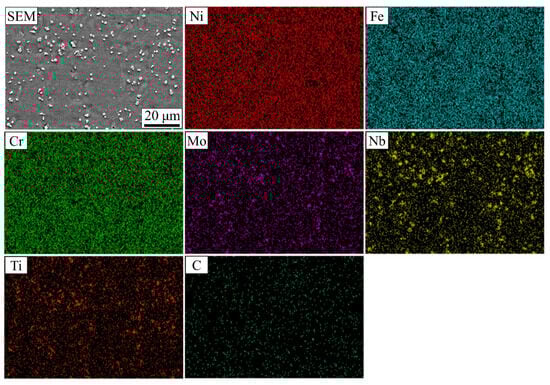
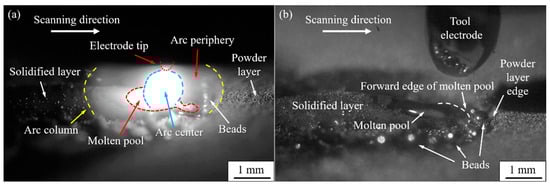
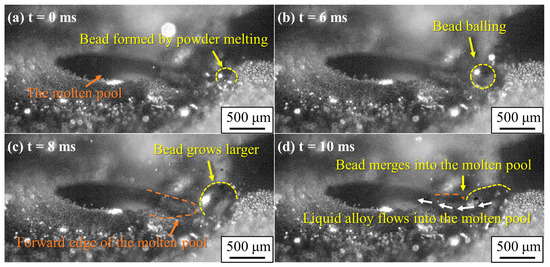
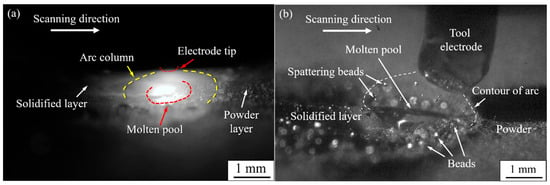
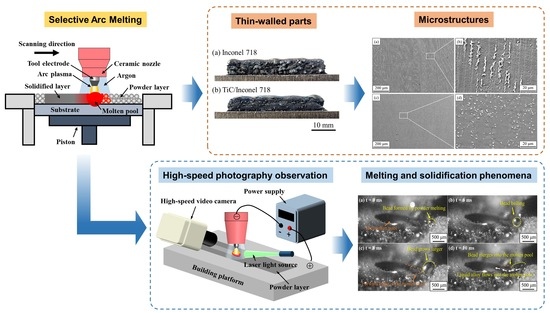
A Study on the Bead Formation and Molten Pool Dynamics in Selective Arc Melting Additive Manufacturing of Inconel 718 and TiC/Inconel 718 Composite via High-Speed Photography
by Weiran Xie, Xiaoming Duan and Xiaodong Yang
Alloys 2026, 5(1), 5; https://doi.org/10.3390/alloys5010005 - 27 Feb 2026
Viewed by 497
Abstract
In metal additive manufacturing, the molten pool directly influences the performance of the fabricated components. Therefore, a comprehensive understanding of the molten pool behavior is essential for improving the quality of the parts and mitigating the formation of defects. Selective arc melting (SAM) [...] Read more.
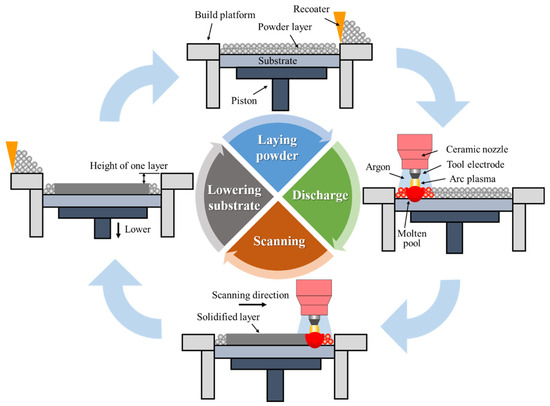
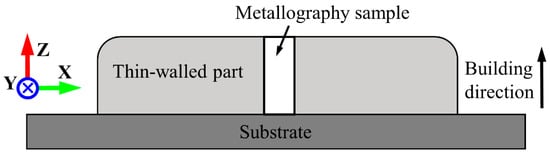
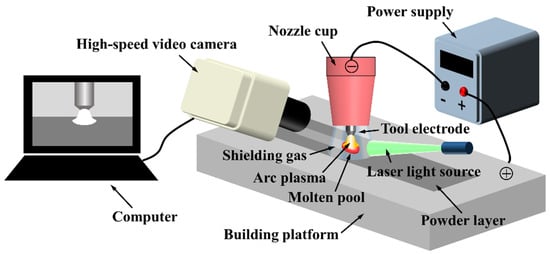
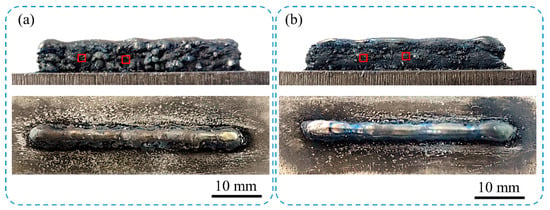
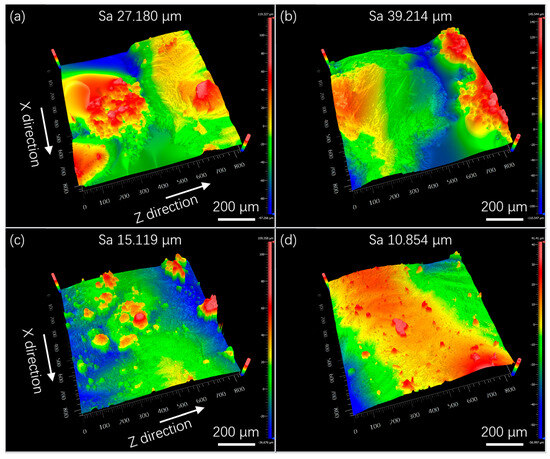
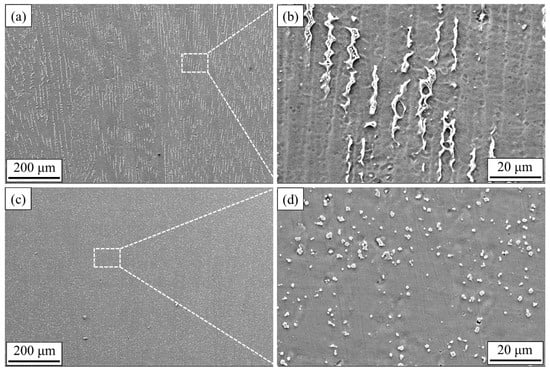
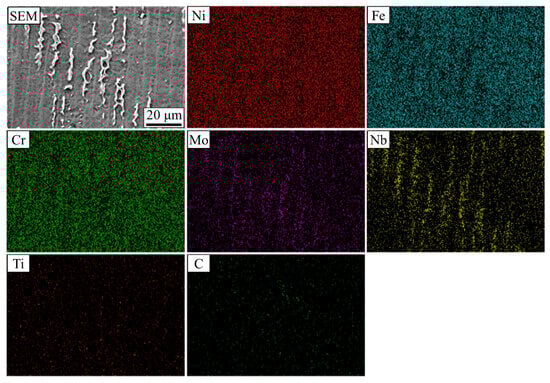
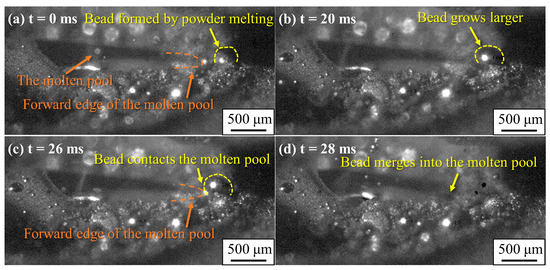
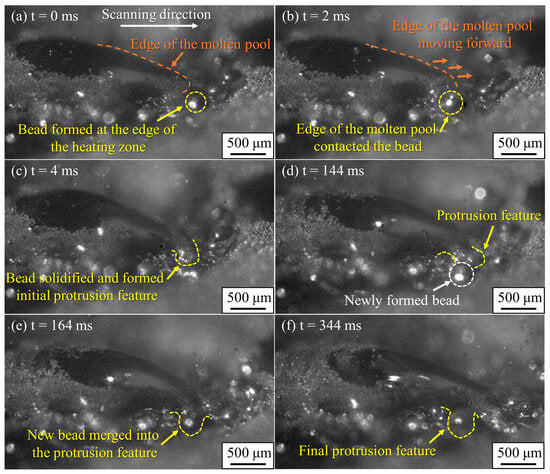
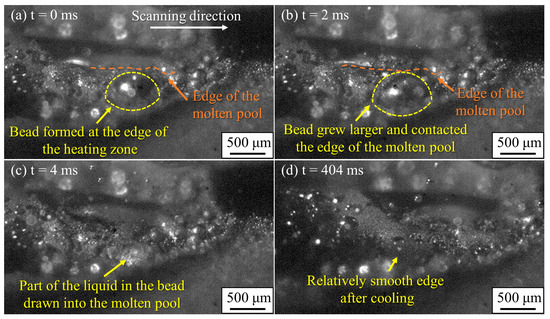
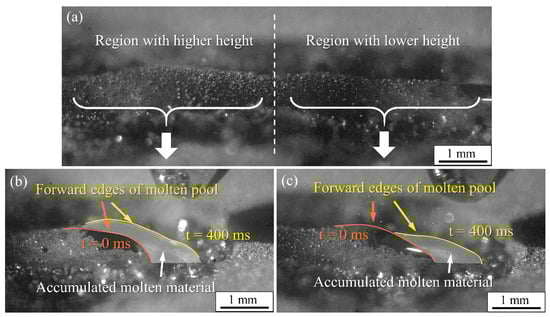
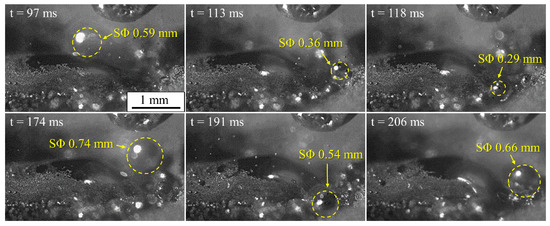
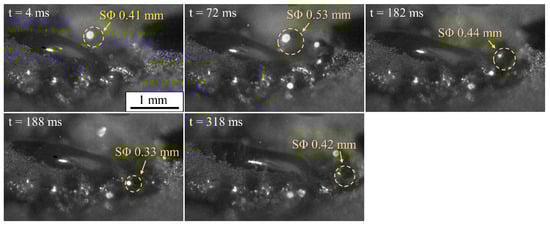
In metal additive manufacturing, the molten pool directly influences the performance of the fabricated components. Therefore, a comprehensive understanding of the molten pool behavior is essential for improving the quality of the parts and mitigating the formation of defects. Selective arc melting (SAM) is a promising additive manufacturing method for fabricating metal matrix composites. However, the melting and solidification process of the powder layer under the arc heat source remains unrevealed. This study aims to elucidate the formation mechanisms of surface morphology during SAM processing and the influence of carbide addition on the melting and solidification behavior of Inconel 718 powder. In this study, thin-walled parts of Inconel 718 and TiC/Inconel 718 composite were fabricated and their microstructures were studied. The melting and solidification behavior of Inconel 718 and TiC/Inconel 718 composite during single-track single-layer deposition was investigated using high-speed photography. Focusing on the differences in the sidewall surface morphology of the Inconel 718 and TiC/Inconel 718 composite parts, the edge feature formation of the deposition track of both materials was studied. Furthermore, the formation mechanism of the differences in forming height at different positions of the deposition track was explored. The results indicate that the melted material in the molten pool of Inconel 718 mainly comes from the mass transport of the beads generated around the molten pool, while the liquid material in the molten pool of TiC/Inconel 718 composite mainly comes from the in situ powder melted under the arc center. During the melting process of Inconel 718 powder, beads at the edge of the heating area come into contact with the boundary of the molten pool and solidify in situ, forming protrusion features. The randomness in the bead size leads to different volumes of molten material at different positions within the same time, thereby causing variations in building height. Full article
Show Figures

Graphical abstract
2025

Jump to: 2026

65 pages, 30714 KB  
Article
Directional Solidification of a Refractory Complex Concentrated Alloy (RCCA) Using Optical Floating Zone (OFZ) Solidification Processing: Implications for Alloy Design and Development
by Nik Tankov, Claire Utton and Panos Tsakiropoulos
Alloys 2025, 4(4), 29; https://doi.org/10.3390/alloys4040029 - 18 Dec 2025
Viewed by 879
Abstract
Some cast metallic alloys for ultra-high-temperature structural applications can have better mechanical properties compared with Ni-based superalloys. Research on the directional solidification (DS) of such alloys is limited. The production of DS components of these alloys with “tailor-made” microstructures in different parts of [...] Read more.
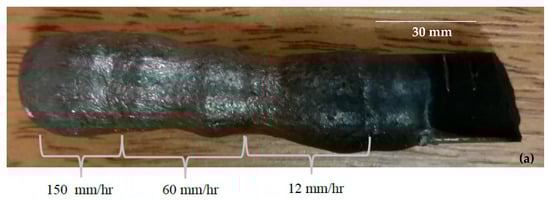
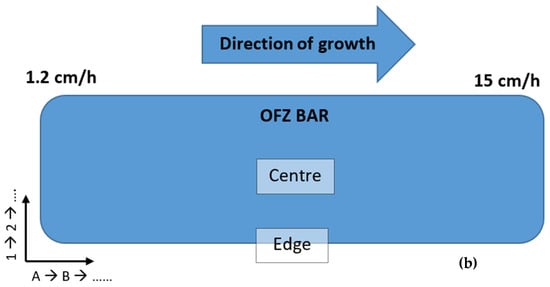
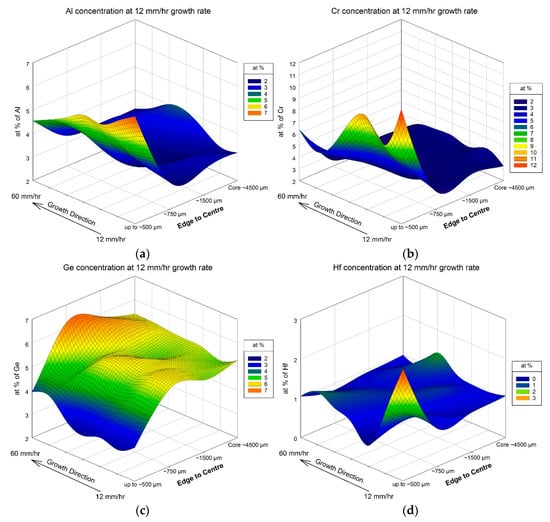
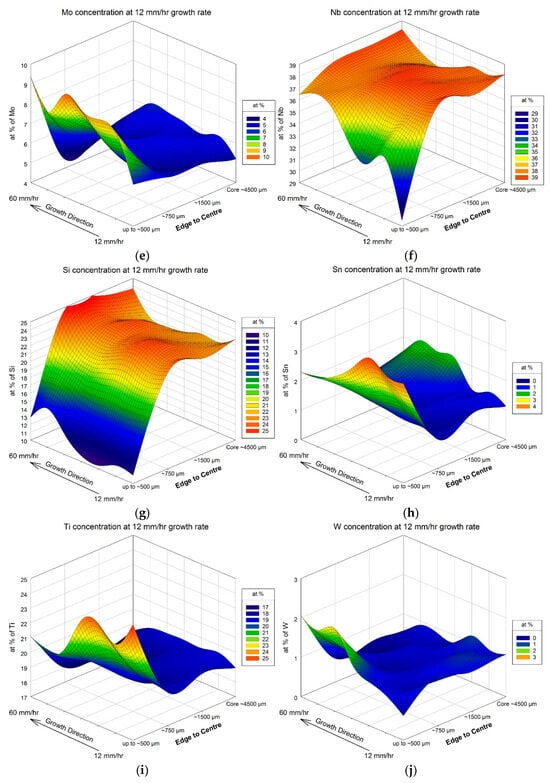
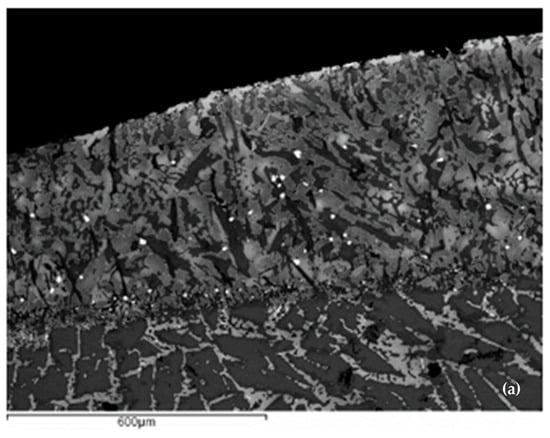
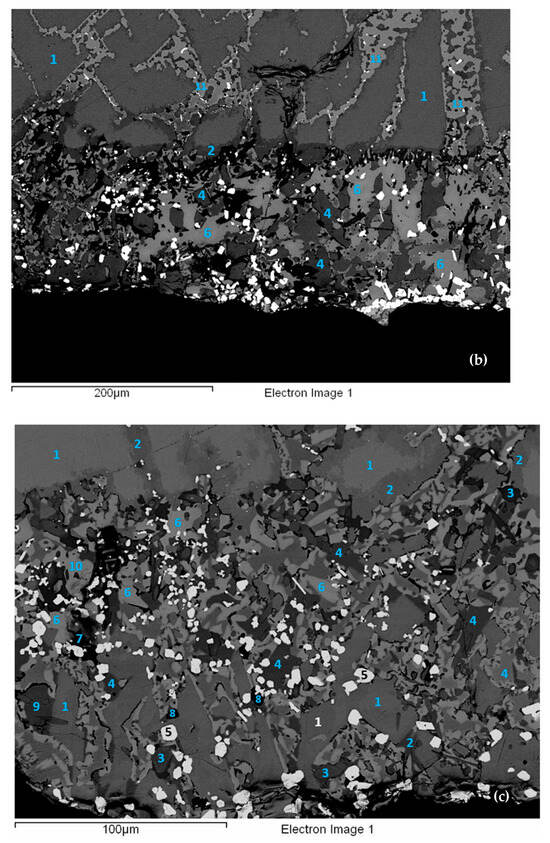
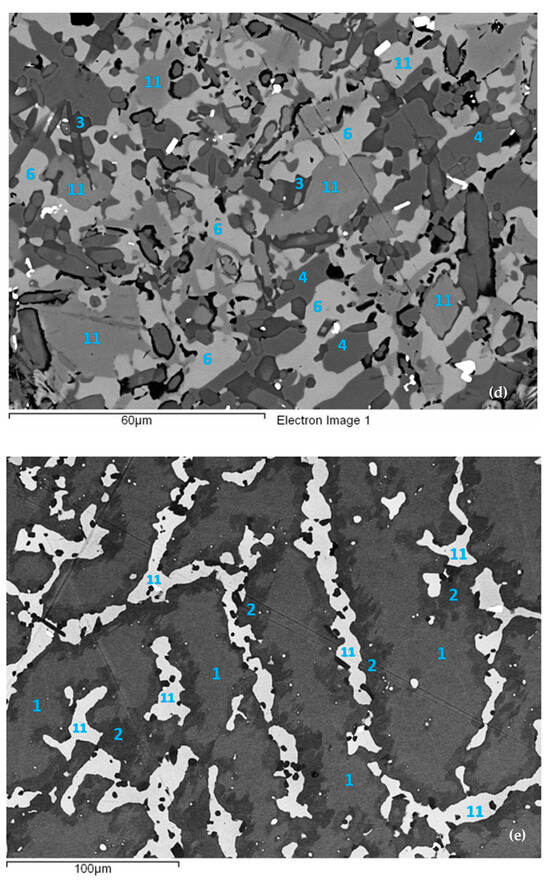
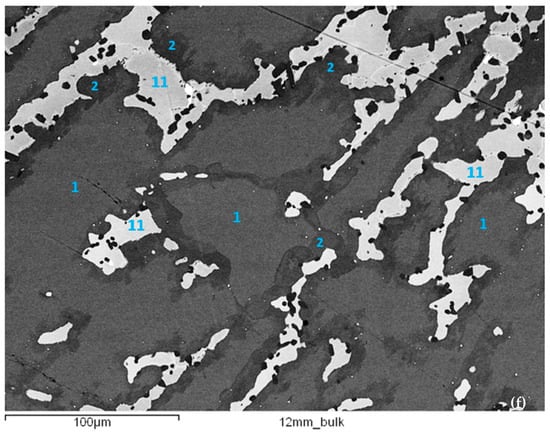
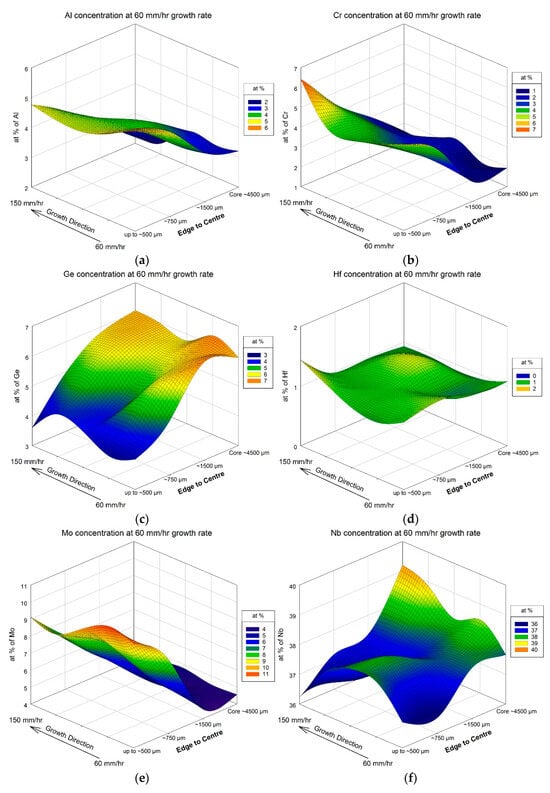
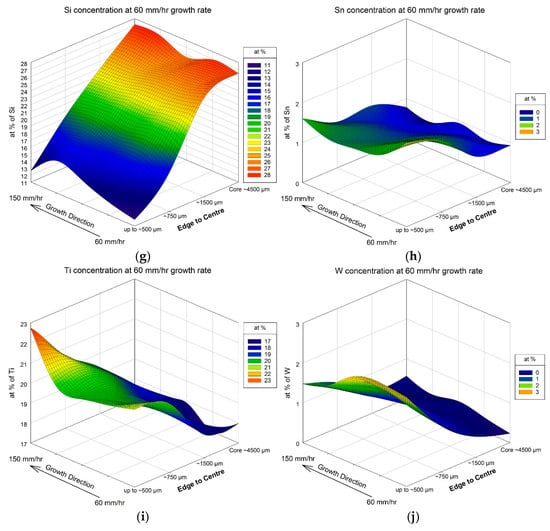
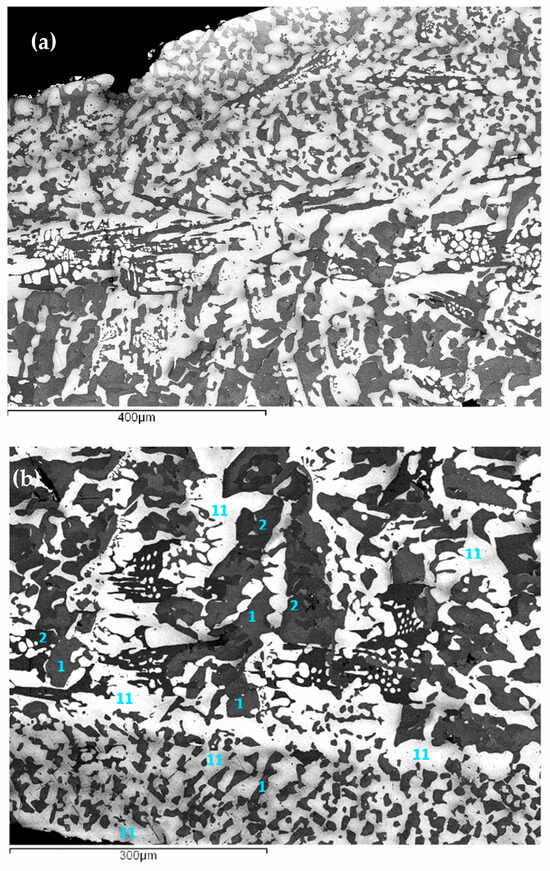
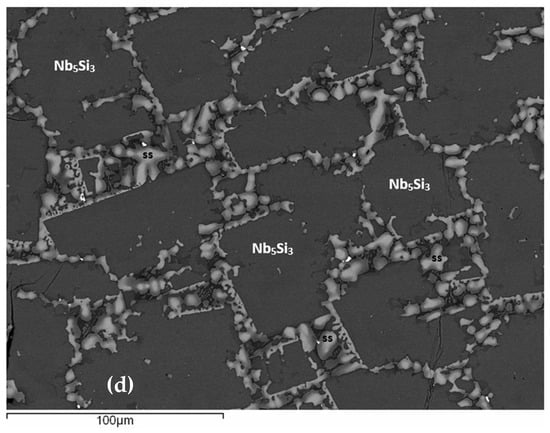
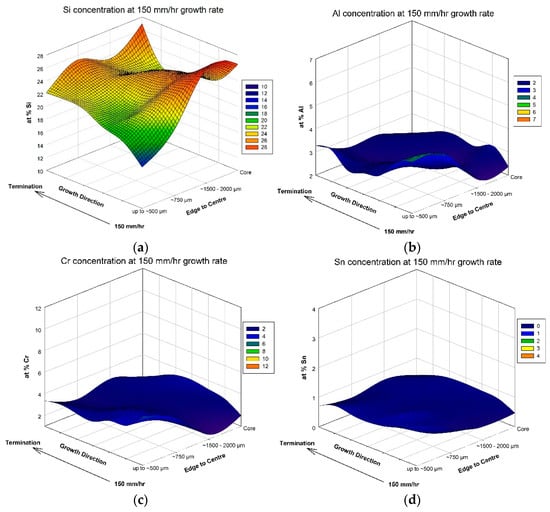
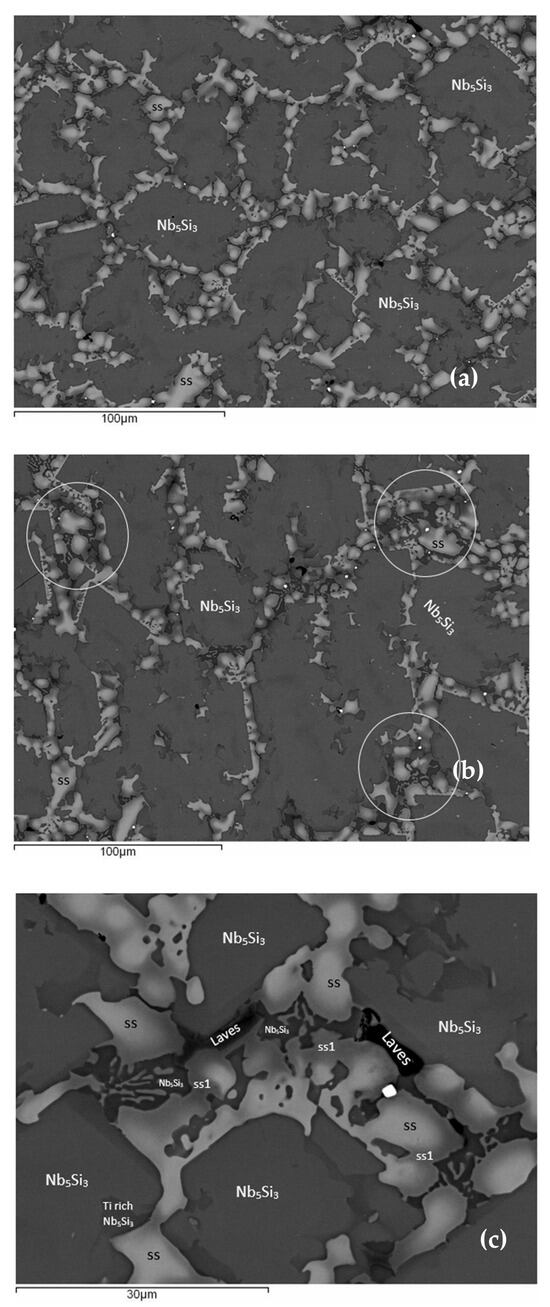
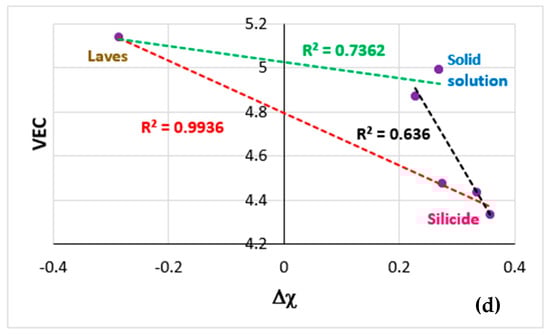
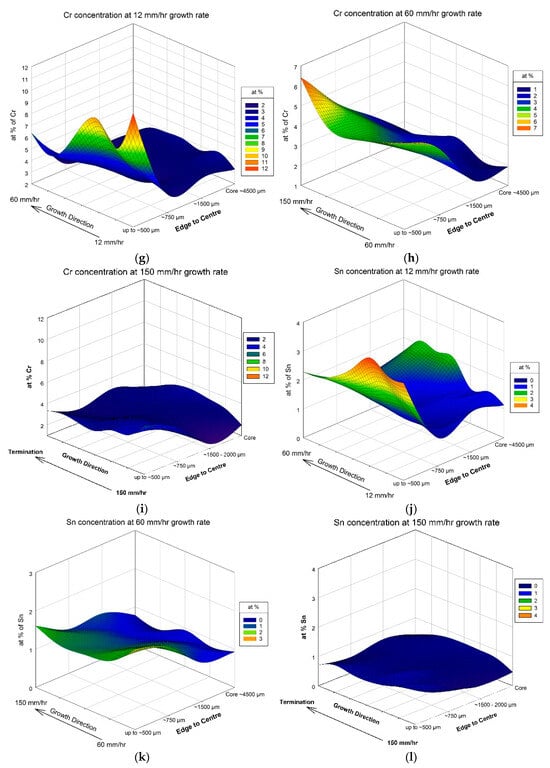
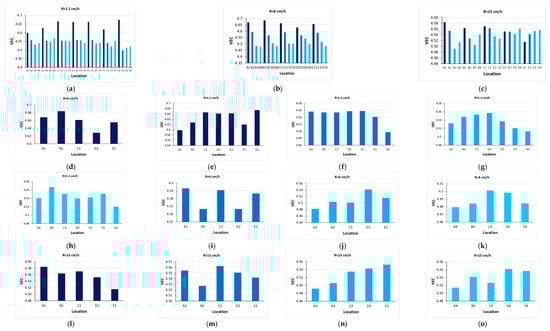
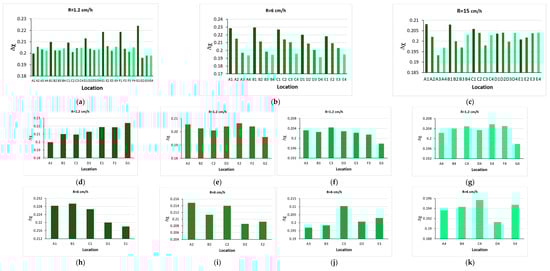
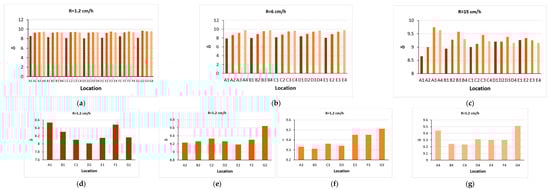
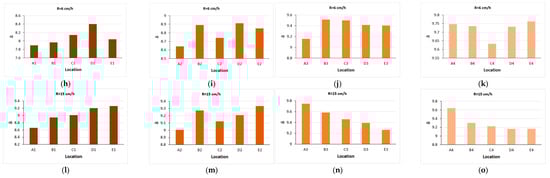
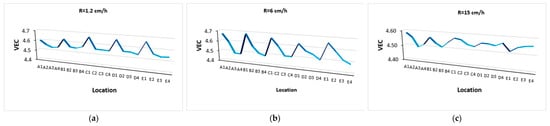
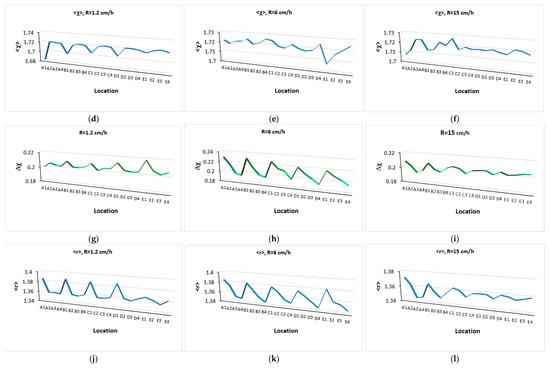
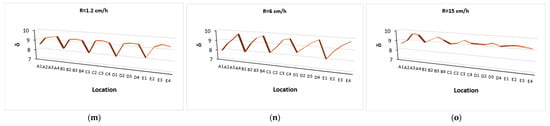
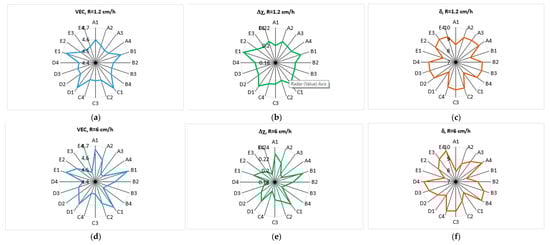
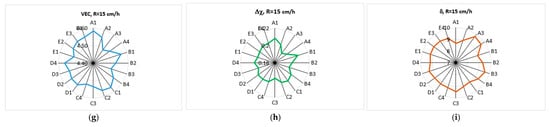
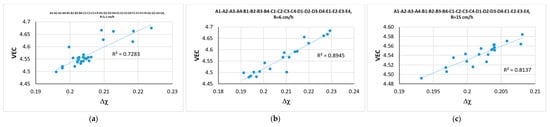
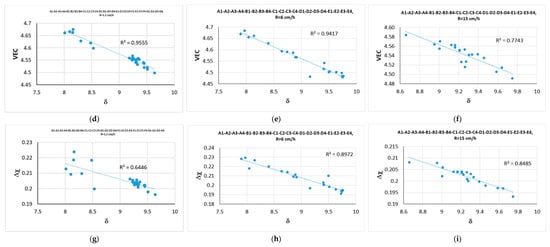
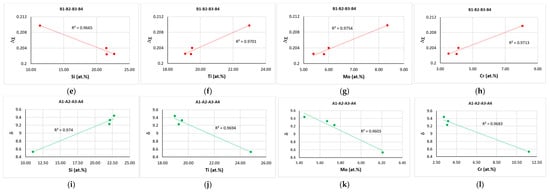
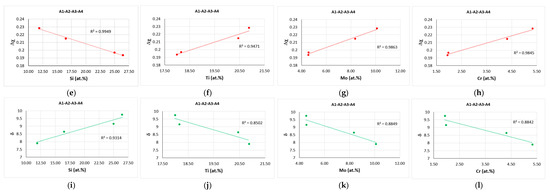
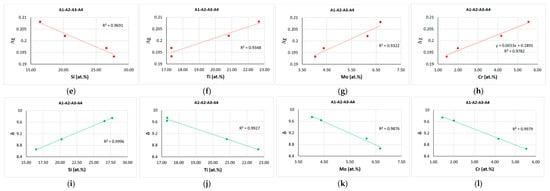
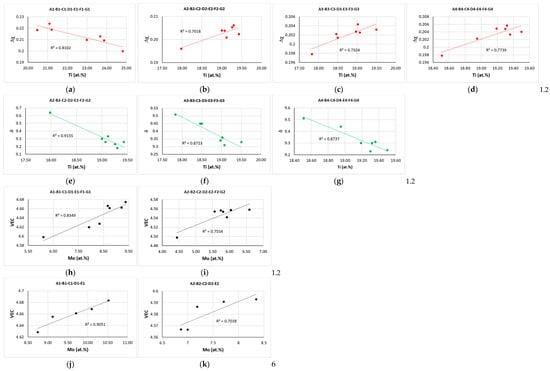
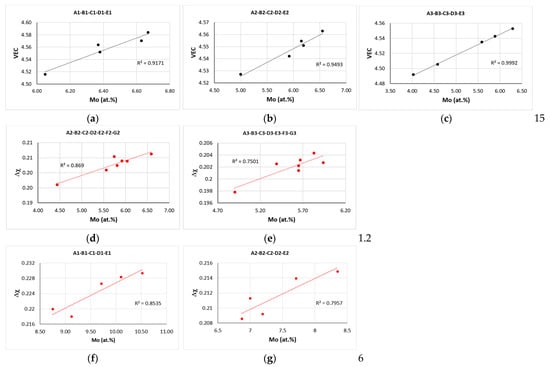
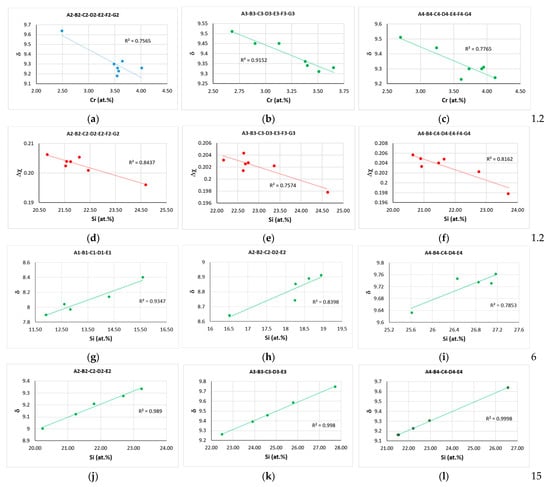
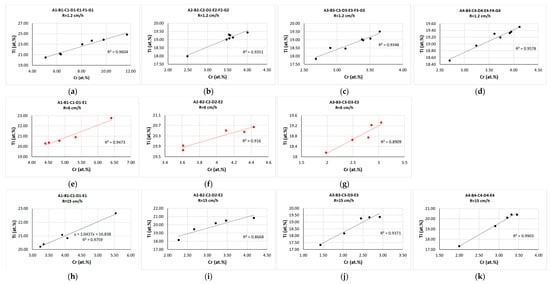
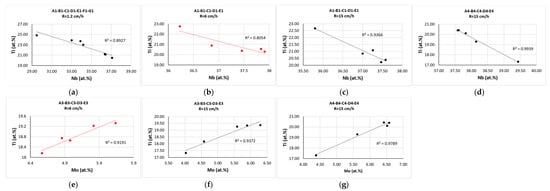
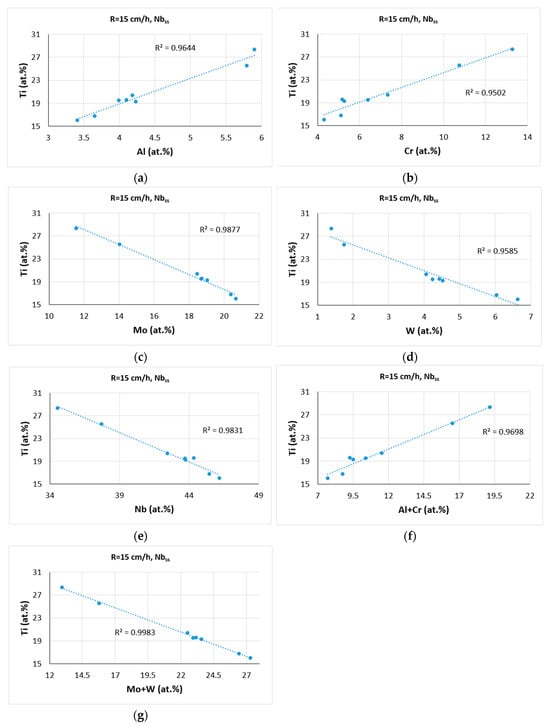
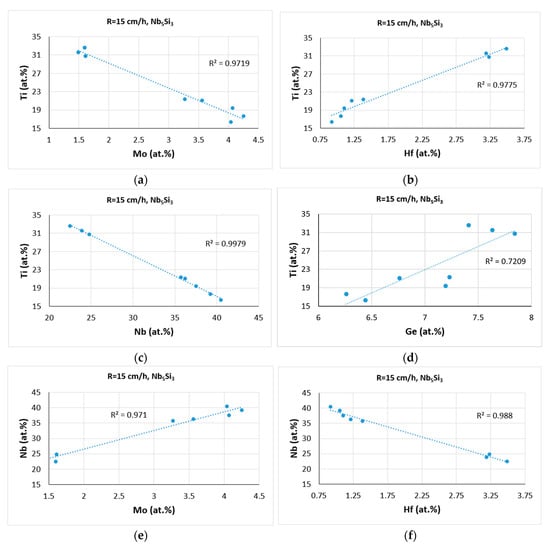
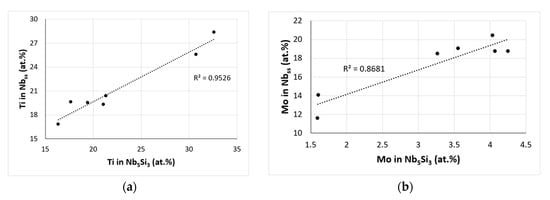
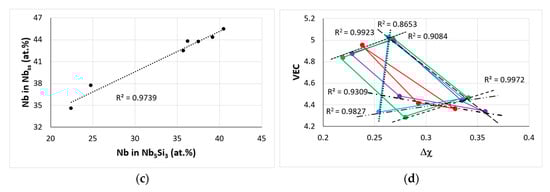
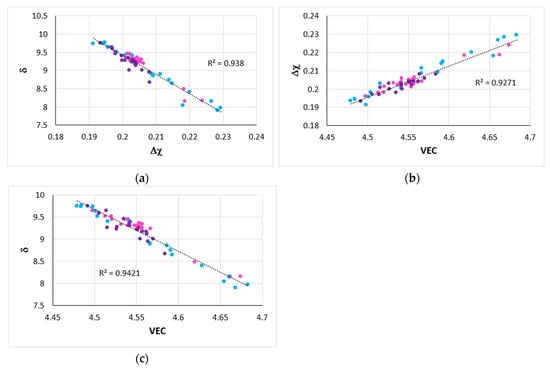
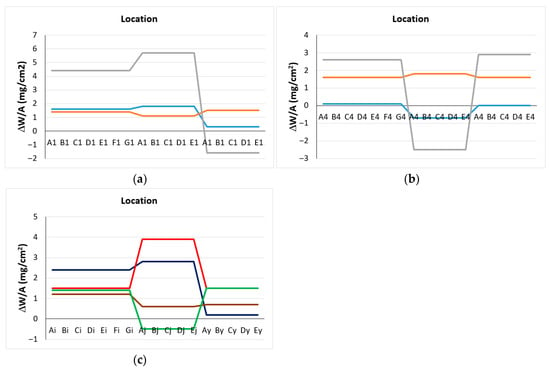
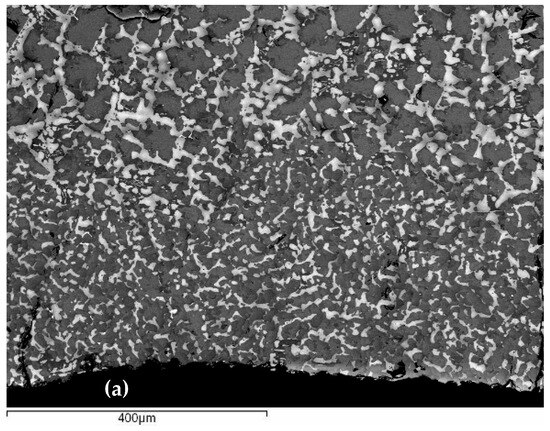
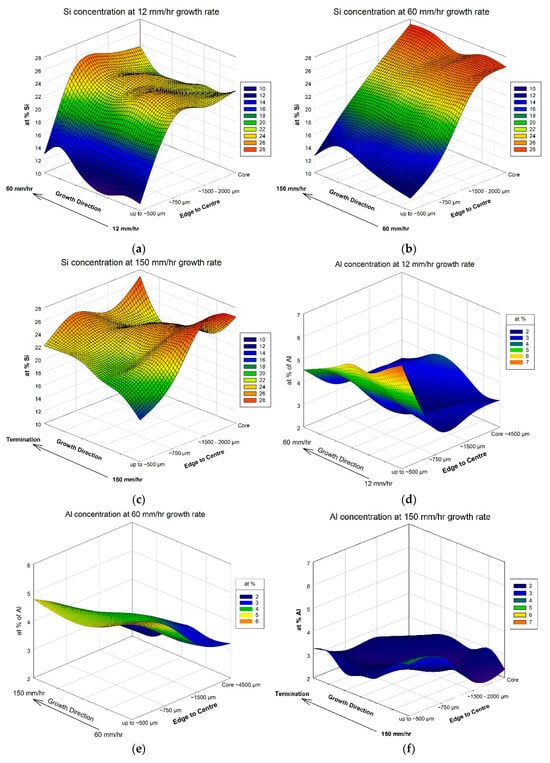
Some cast metallic alloys for ultra-high-temperature structural applications can have better mechanical properties compared with Ni-based superalloys. Research on the directional solidification (DS) of such alloys is limited. The production of DS components of these alloys with “tailor-made” microstructures in different parts of the component has not been considered. This paper attempts to address these issues. A bar of the RCCA/RM(Nb)IC with nominal composition 3.5Al–4Crc6Ge–1Hf–5Mo–36Nb–22Si–1.5Sn–20Ti–1W (at.%) was directionally grown using OFZ processing, where the growth rate R increased from 1.2 to 6 and then to 15 cm/h. The paper studies how the macrosegregation of the elements affected the microstructure in different parts of the bar. It was shown that the synergy of macrosegregation and growth rate produced microstructures from the edge to the centre of the OFZ bar and along the length of the OFZ bar that differed in type and chemical composition as R increased. Contamination with oxygen was confined to the “root” of the part of the bar that was grown with R = 1.2 cm/h. The concentrations of elements in the bar were related (a) to each of the parameters VEC, Δχ, and δ for different sections, (i) across the thickness and (ii) along the length of the bar, or to each other for different sections of the bar, and demonstrated the synergy and entanglement of processing, parameters, and elements. In the centre of the bar, the phases were the Nbss and Nb5Si3 for all R values. In the bar, the silicide formed with Nb/(Ti + Hf) less or greater than one. There was synergy of solutes in the solid solution and the silicide for all R values, and synergy and entanglement of the two phases. Owing to the synergy and entanglement of processing, parameters, elements, and phases, properties would “emerge” in each part of the bar. The creep and oxidation properties of the bar were calculated as guided by the alloy design methodology NICE. It was suggested that, in principle, a component based on a metallic UHTM with “functionally graded” composition, microstructure and properties could be directionally grown. Full article
Show Figures

Figure 1

18 pages, 3280 KB  
Article
Dry Sliding Wear Behavior and Microstructural Characterization of Chromium-Coated Al10Cu Alloy
by Mihail Kolev, Vladimir Petkov, Rumyana Lazarova, Veselin Petkov, Krasimir Kolev and Shaban Uzun
Alloys 2025, 4(4), 27; https://doi.org/10.3390/alloys4040027 - 3 Dec 2025
Viewed by 491
Abstract
Aluminum–copper alloys have garnered significant attention in modern engineering applications due to their exceptional strength-to-weight ratio, corrosion resistance, and thermal conductivity properties. This study investigates the tribological performance optimization of Al10Cu alloys through chromium coating deposition, focusing on coefficient of friction and mass [...] Read more.
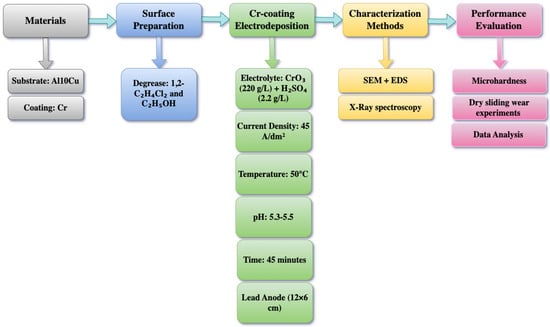
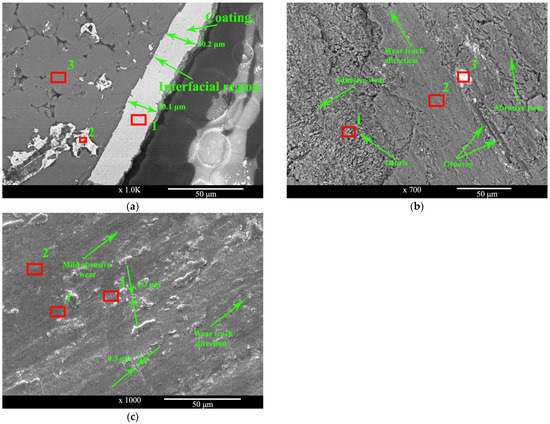
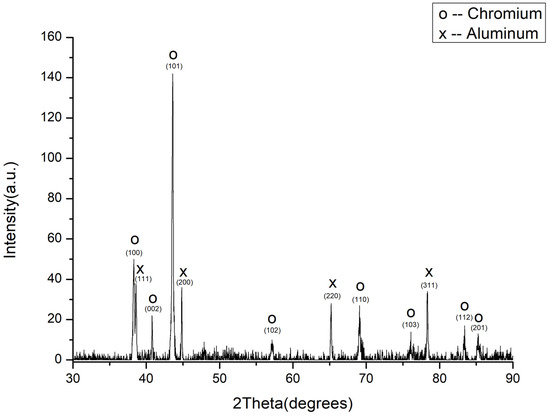
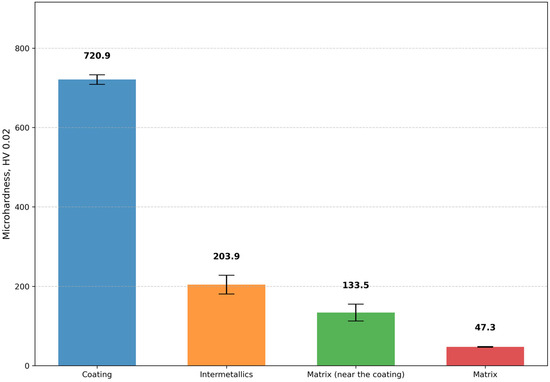
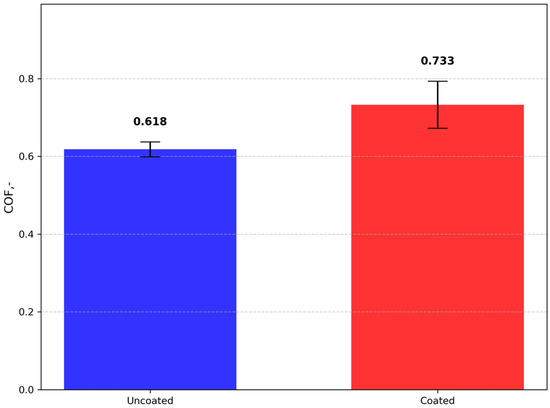
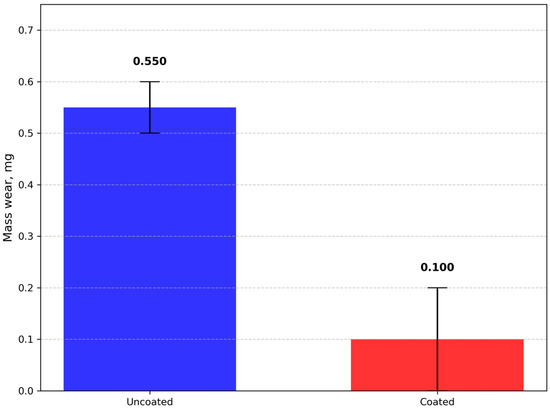
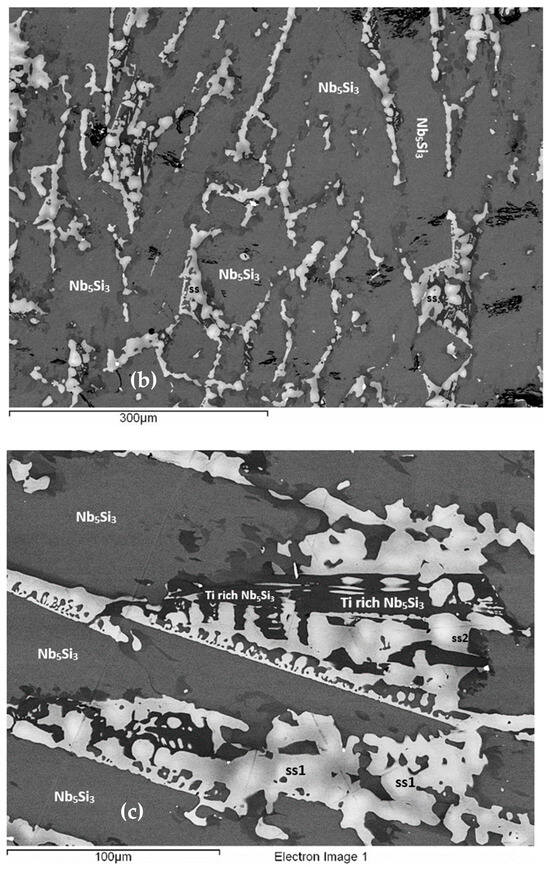
Aluminum–copper alloys have garnered significant attention in modern engineering applications due to their exceptional strength-to-weight ratio, corrosion resistance, and thermal conductivity properties. This study investigates the tribological performance optimization of Al10Cu alloys through chromium coating deposition, focusing on coefficient of friction and mass wear analysis in dry sliding conditions. Cr-coated Al10Cu alloys were fabricated through powder metallurgy and electrodeposition techniques, with comprehensive tribological characterization performed using scanning electron microscopy combined with energy-dispersive X-ray spectroscopy, X-ray diffraction analysis, microhardness measurements, and dry sliding wear testing. The chromium coating exhibited exceptional surface hardness of 720.9 HV, representing a remarkable 15-fold improvement over the uncoated Al10Cu matrix hardness. Tribological evaluation demonstrated outstanding wear resistance with the Cr-coated Al10Cu system achieving only 0.10 mg mass loss compared to 0.55 mg for the uncoated alloy, representing an exceptional 81.8% reduction in material removal. Despite a nominal increase in the coefficient of friction from 0.618 to 0.733, the chromium coating effectively transformed the wear mechanism from severe material removal to a controlled mild wear regime. The results establish the Cr-coated Al10Cu system as a highly effective solution for applications requiring extended operational lifespans under dry sliding conditions. Full article
Show Figures

Figure 1

Back to TopTop