
Lethal Efficacy and Mode of Action of Indian Medicinal Plant Extracts Against Dengue Mosquito Vectors with an Overview of the Disease Burden in India


Abstract
1. Introduction
1.1. Dengue Epidemic
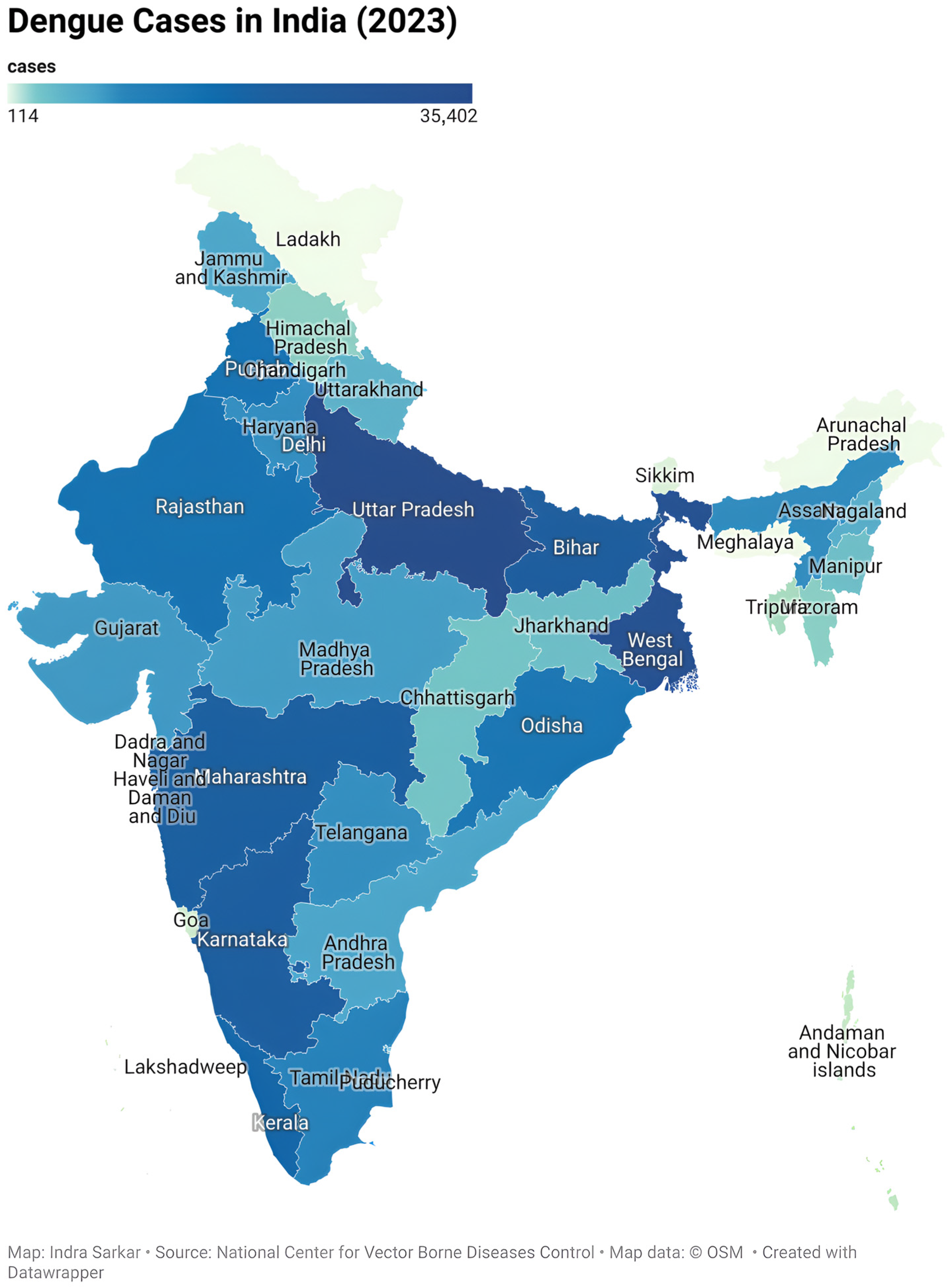
1.2. India’s Dengue Burden
1.3. Dengue Vectors
1.4. Virus Transmission and Mosquito Developmental Cycle
1.4.1. Virus Transmission
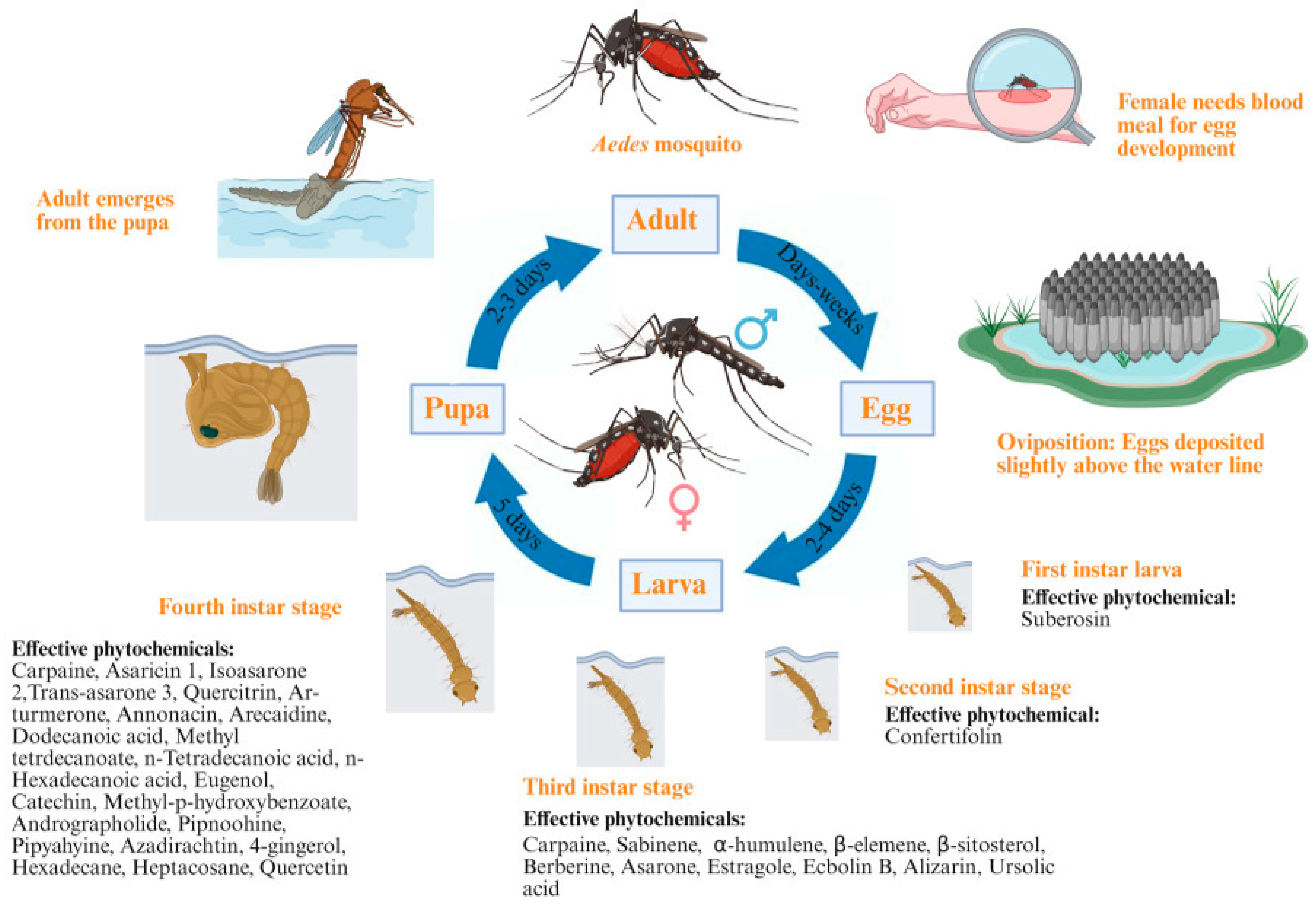
1.4.2. Mosquito Developmental Cycle (Figure 2)
- Egg: Adult female mosquitoes deposit approximately 100 black-coloured eggs on a wet or moist surface in proximity to a water source, particularly in environments such as marshes, plant axils, tree holes, and even within water containers. Artificial objects like clay pots, bowls, cups, fountains, barrels, vases, and tyres serve as excellent sites for egg deposition [33]. When submerged in water, the eggs normally hatch within a period of 2 to 4 days. However, without water, their significant resistance to desiccation permits the eggs to remain viable for weeks, months, or even up to one year [39]. Their capacity to withstand prolonged periods of desiccation enables them to survive extreme cold and various other challenging climatic conditions.
- Larva: The egg hatches and gives rise to the first instar larva. This is followed by three successive ecdyses, leading to the corresponding stages of the second, third, and fourth larval instars [23]. The hatching of larvae occurs only when completely immersed in water. This process takes several days to a week. However, some eggs may need multiple soakings before they hatch [33]. The larva positions itself upside down at an angle relative to the water surface. The larval diet consists of microorganisms present in the water. The larva possesses a short respiratory structure known as a siphon located on the eighth abdominal segment to absorb oxygen from the air above the water [23]. After three moults, the larva transforms into a pupa.
- Pupa: A larva requires five days to transform into a pupa [40]. The pupa stays constantly on the water surface to breathe. At a temperature of around 27 °C, the pupal stage typically lasts for about two days. The mortality rate in pupae is remarkably low, indicating that the quantity of pupae present in the reservoir is directly proportional to the number of adults that have emerged [23]. The pupa undergoes further development until the adult mosquito’s body breaks through the pupal skin and leaves the water [40].
- Adult: The adult mosquito emerges approximately two to three days after pupation [33]. Within two days of its emergence, mating occurs among adult mosquitoes. Male mosquitoes primarily feed on nectar sourced from flowers, while female mosquitoes exhibit hematophagy, as they aim to extract from the blood meal the essential nutrients required for the maturation of their ovaries and subsequent egg production. Although they are active during the day, their peak activity occurs at dawn and dusk. Following a feeding session, mosquitoes seek out water surfaces to deposit their eggs. They tend to thrive in close proximity to humans, particularly within homes and buildings where windows and doors remain open [41].

1.5. Synthetic Insecticides Used in Aedes Mosquito Control and Their Drawbacks
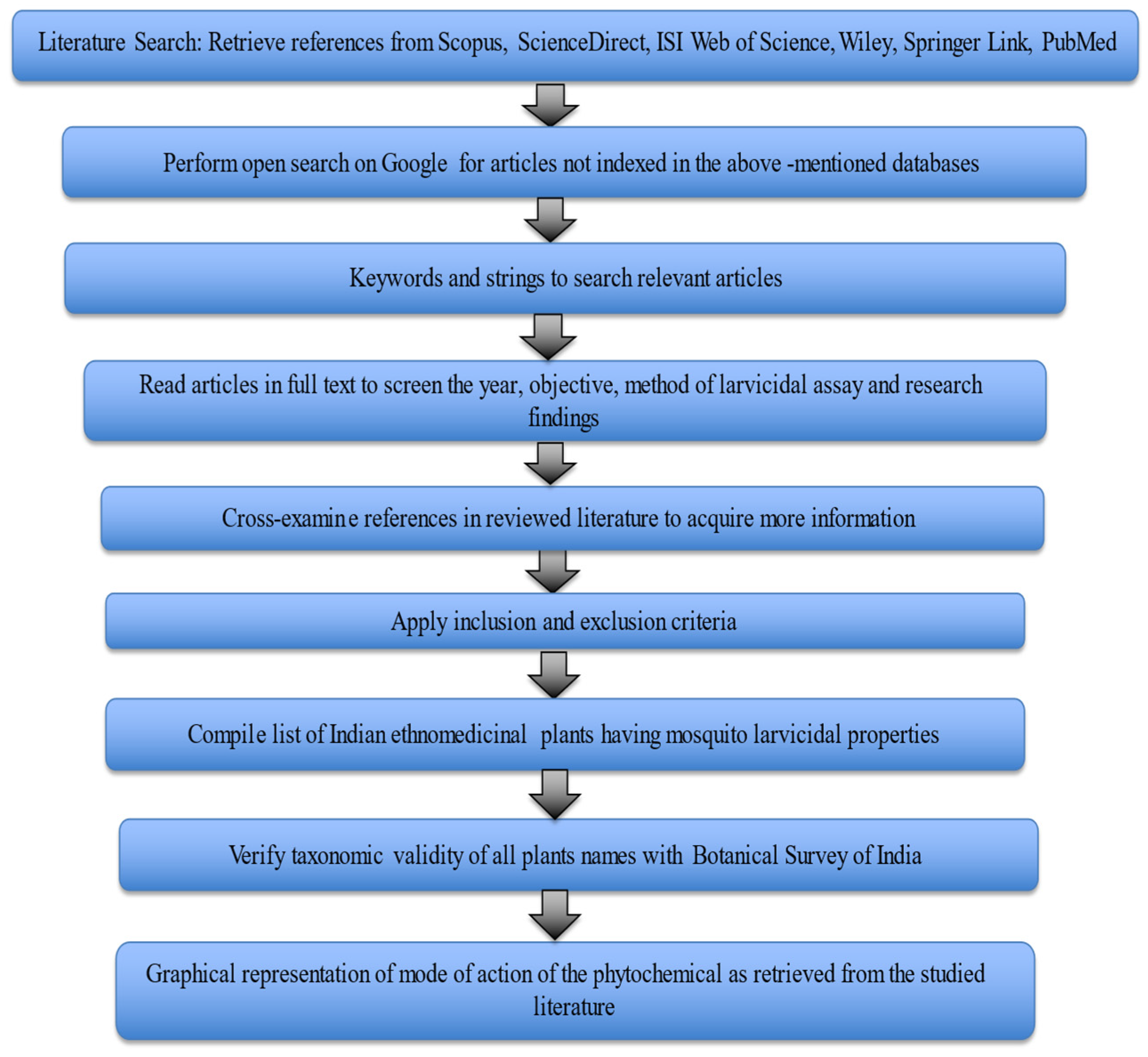
2. Methodology
3. Indian Ethnomedicinal Plants as Sustainable Larvicides Against Aedes Mosquitoes

| Plant Species (Family) Common Name | Plant Parts Used | Type of Extract (Solvent) | Active Compound/s (Chemical Formula) | Test Larval Stage | Mode of Action | Lethal Concentrations | Reference |
|---|---|---|---|---|---|---|---|
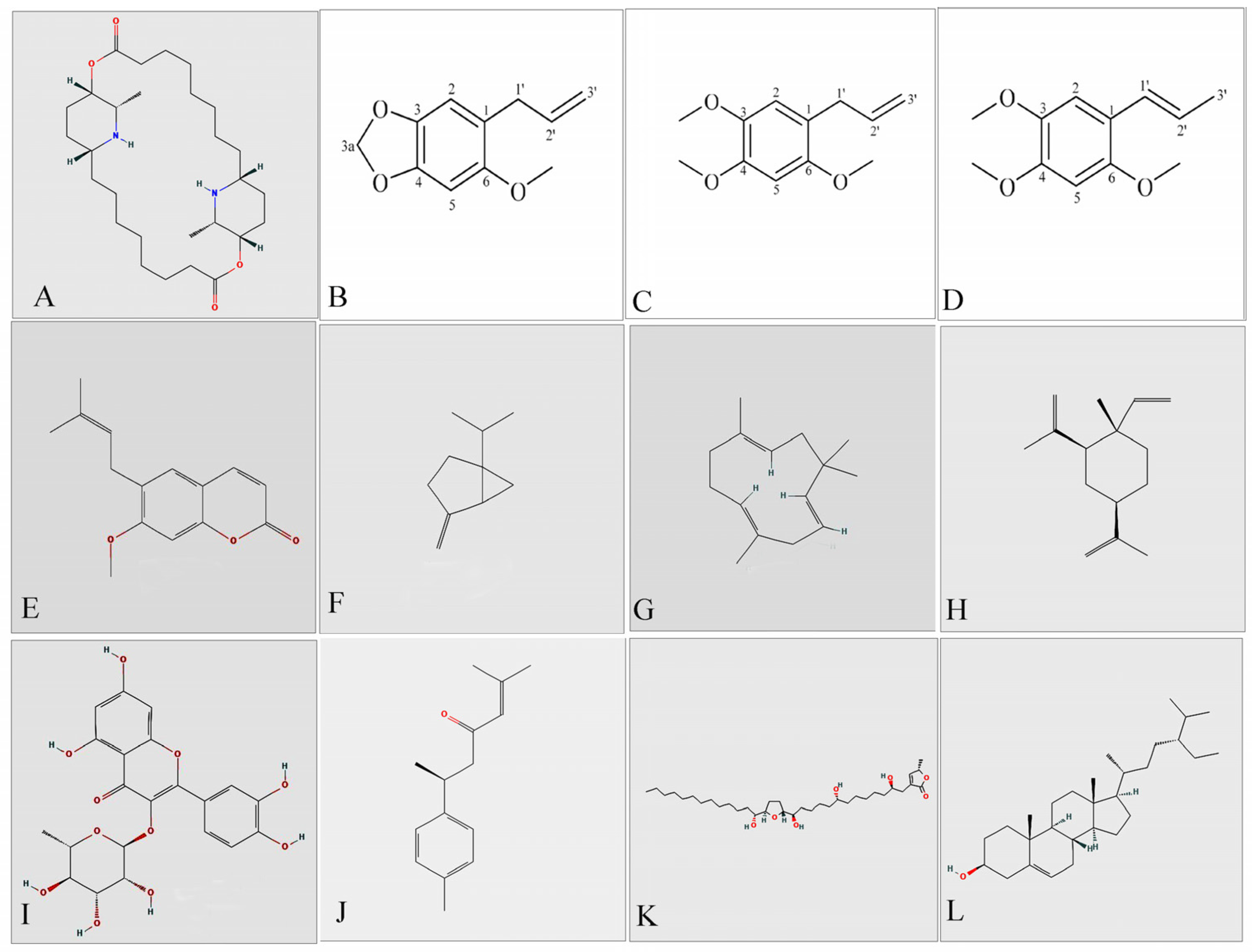
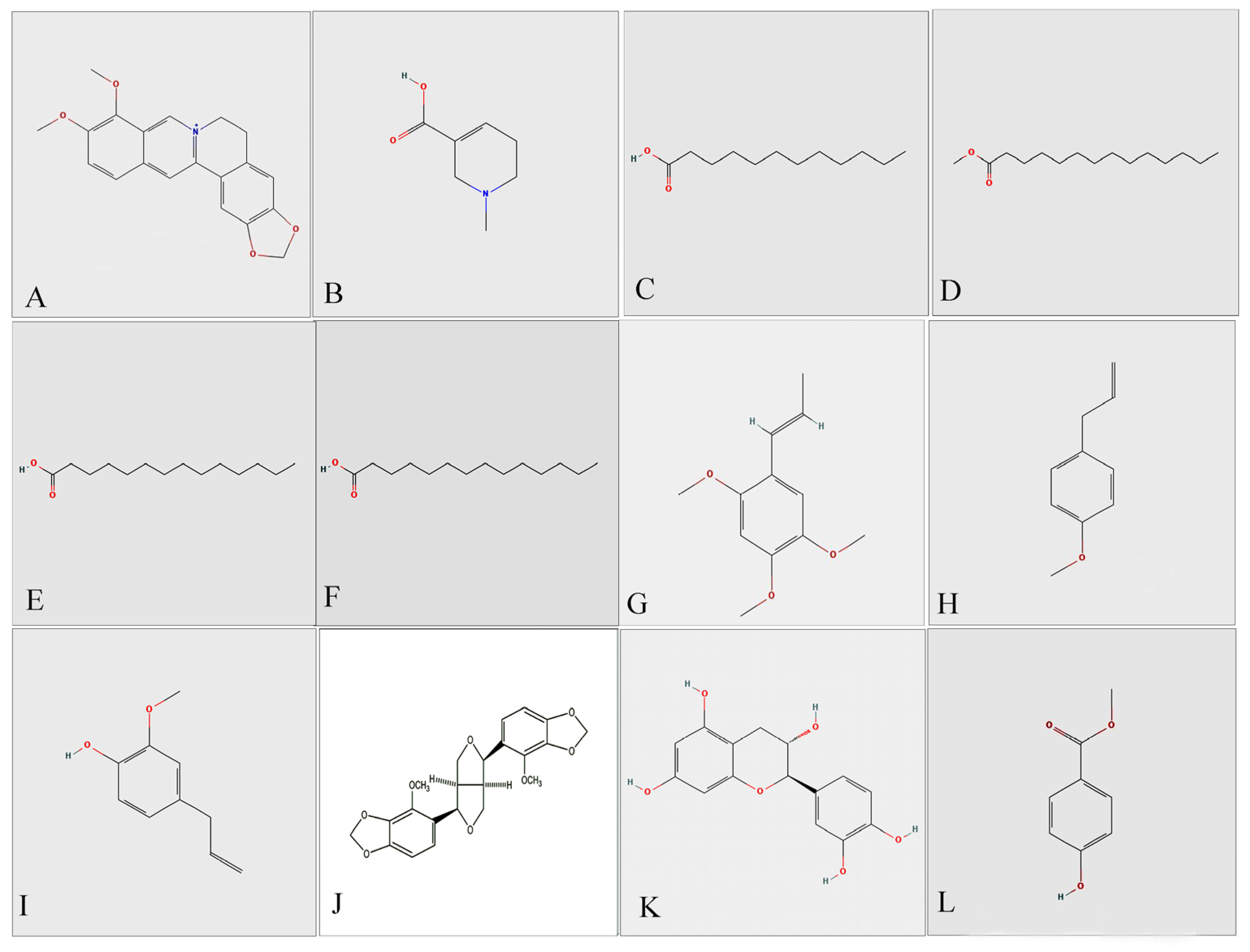
| Carica papaya Linnaeus (Caricaceae) Papeeta, Papaya | Leaf | Leaf extract (Ethanol) | Carpaine (C28H50N2O4) (Figure 4A) | 3rd and 4th instar larvae of Ae. aegypti | AChE inhibition | LC50-215.96 ppm | [53] |
| Piper sarmentosum Roxb. (Piperaceae) Tippili, Pipul | Roots | Root extract (Hexane) | Asaricin 1 (C11H12O3) (Figure 4B), Isoasarone 2 (C12H16O3) (Figure 4C), Trans-asarone 3 (C12H16O3) (Figure 4D) | Late 3rd or early 4th larvae of Ae. aegypti, Ae. albopictus | Acetylcholinesterase (AChE) inhibition | IC50- 0.73–2.24 μg/mL | [54] |
| Prangos pabularia Lindl. (Apiaceae) Komal | Fruits | Fruit oil extract (Hydrodistillation) | Suberosin (Figure 4E) | 1-day-old Ae. aegypti larvae | Similar to Coumarin, i.e., AChE inhibition. | LC50-8.1 ppm | [55] |
| Myristica fragrans Houtt. (Myristicaceae) Jaiphal, Jayapatri | Seeds | Seed essential oil (Acetone) | Sabinene (C10H16) (Figure 4F) | 3rd instar larvae of Ae. aegypti | Inhibition of AChE and butyrylcholinesterase (BChE) | LC50- 28.2 μg/mL | [56] |
| Syzygium zeylanicum (Linnaeus) DC. (Myrtaceae) Bhedas (Mar.) | Leaves | Essential oil (DMSO) | α-humulene (C15H24) (Figure 4G) and β-elemene (C15H24) (Figure 4H) | Early 3rd instar larvae of Ae. albopictus | Disrupts the function of cell membranes and enzymes, Neurotoxic | LC50- 6.86 μg/mL (α-humulene) and 11.15 μg/mL (β-elemene) | [57,58] |
| Euphorbia hirta Linnaeus (Euphorbiaceae) Dudhia | Leaf and stem bark | Petroleum ether | Quercitrin (C21H20O11) (Figure 4I) | Early 4th instar larvae of Ae. aegypti | Disrupt physiological processes and metabolic functions of larvae, neurotoxic, | LC50-272.36 ppm | [59,60] |
| Curcuma longa Linnaeus (Zingiberaceae) Haldi, Halada | Rhizomes | Essential oil (Ethanol) | Ar-turmerone (C15H20O) (Figure 4J) | 4th instar larvae of Ae. aegypti | Influences olfactory system mechanism, either in the periphery or in the central nervous system. | LC50-2.5 ppm | [61,62] |
| Annona muricata Linnaeus (Annonaceae) Mamphal | Seed | Seed extract (Ethanol) | Annonacin (C35H64O7) (Figure 4K) | 4th instar larvae of Ae. aegypti and Ae. albopictus | Inhibition of Complex I (NADH dehydrogenase) in the mitochondrial electron transport chain. | LC50-2.65 μg/mL (Ae. aegypti), 8.34 μg/mL (Ae. albopictus). LC 90-4.83 μg/mL (Ae. aegypti), 16.30 μg/mL (Ae. albopictus). | [63] |
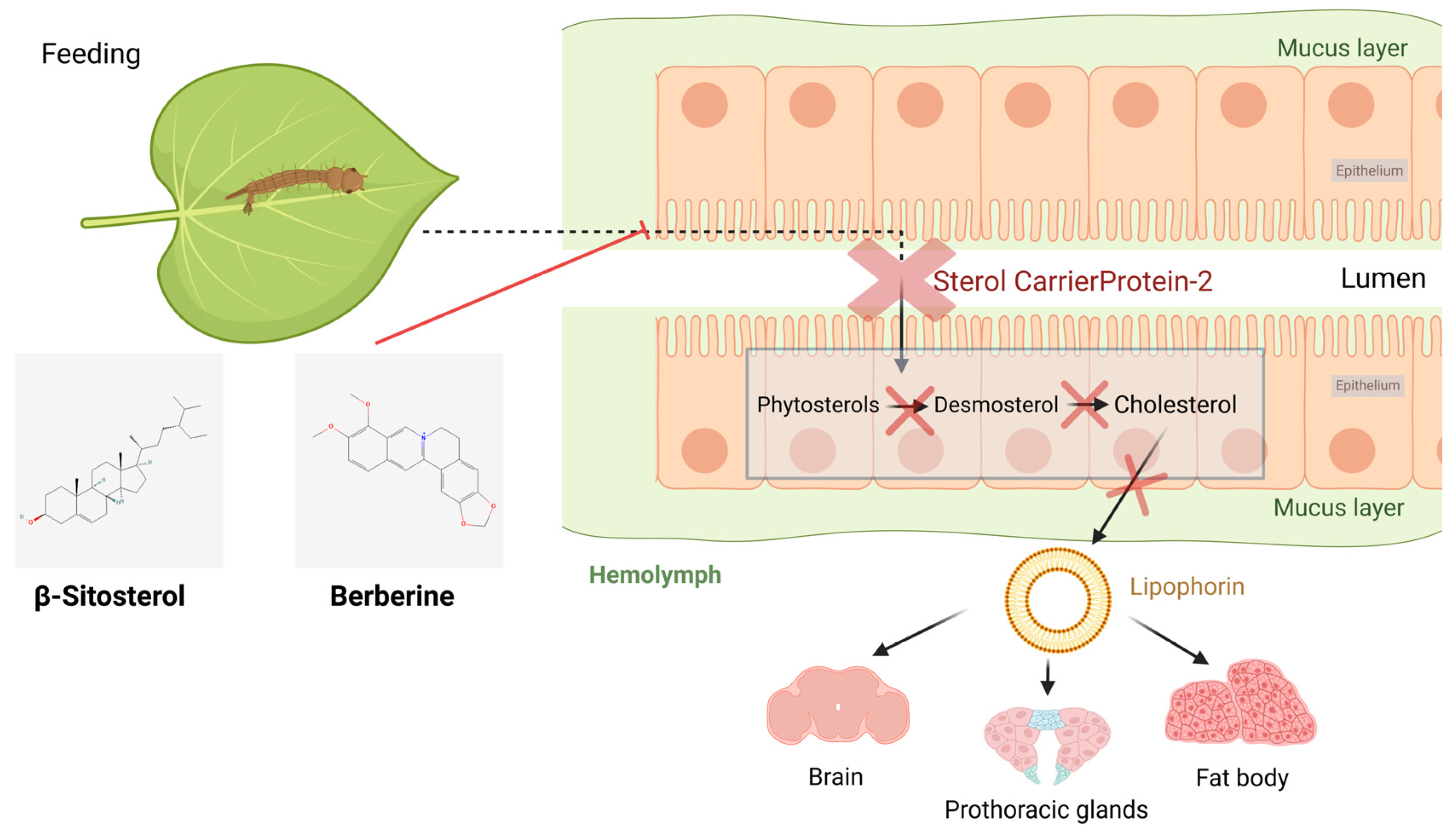
| Aegle marmelos (Linnaeus) Corrêa (Rutaceae) Bel | Leaf | Leaf extract (Petroleum ether: Ethyl acetate) | β-sitosterol (C29H50O) (Figure 4L) | Early 3rd instar larvae of Ae. aegypti | Inhibition of the sterol carrier protein-2 (SCP-2) | LC50-480.19 ppm | [64] |
| Tinospora cordifolia (Willd.) Hook.f. & Thomson (Menispermaceae) Amrita, Giloe | Stem and leaves | Stem and leaf extract (Ethanol) | Berberine (C20H18NO4+) (Figure 5A) | 3rd instar larvae of Ae. aegypti | Inhibition of Sterol Carrying Protein (SCP)-2 | LC50-100.64 ppm, LC90- 386.37 ppm | [65] |
| Areca catechu Linnaeus (Arecaceae) Supari, Chaali | Nut | Nut extract (Methanol) | Arecaidine (C7H11NO2) (Figure 5B), Dodecanoic acid (C12H24O2) (Figure 5C), Methyl tetradecanoate (C15H30O2) (Figure 5D), n-Tetradecanoic acid (C14H28O2) (Figure 5E), and n-Hexadecanoic acid (C16H32O2) (Figure 5F) | Early 4th instar larvae of Ae. aegypti and Ae. albopicts | Midgut damage | LC50-621 mg/L (Ae. aegypti), 636 mg/L (Ae. albopictus) | [66] |
| Acorus calamus Linnaeus (Araceae) Bach, Gora-bach | Leaves | Leaf extract (Hexane) | Asarone (C12H16O3) (Figure 5G) | 3rd instar larvae of Ae. aegypti | Massive damage to midgut epithelial columnar cells and rupture of the peritrophic membrane. | LC50-151.86 ppm LC90-536.36 ppm | [67] |
| Limonia acidissima Linnaeus (Rutaceae) Kavat, Kadbel | Leaves | Formulated essential oil (Steam distillation) | Estragole (C10H12O) (Figure 5H) | 3rd instar larvae of Ae. Aegypti | Alters the level of major detoxifying enzymes, Glutathione S-transferases and CYP450, which is strongly deleterious to the survival of larvae. | LC50-65.24 ppm LC90-179.3 ppm | [68] |
| Ocimum sanctum Linnaeus (Lamiaceae) Tulsi | Leaf | Leaf extract (Methanol) | Eugenol (C10H12O2) (Figure 5I) | 4th instar larvae of Ae. aegypti | Damage to midgut epithelial cells | LC50-0.66%; LC90-1.38%). | [69] |
| Ecbolium viride (Forssk.) Alston (Acanthaceae) Udajati | Roots | Root extract (Ethyl acetate) | Ecbolin B (C22H22O8) (Figure 5J) | 3rd instar larvae of Ae. aegypti | Severe damage to midgut epithelial columnar cells and rupture of the peritrophic membrane. | LC50-0.70 ppm LC90-1.42 ppm | [70] |
| Leucas aspera (Willd.) Link (Lamiaceae) Safed Halkusa, Thumbai | Whole plant | Whole plant (Methanol) | Catechin (C15H14O6) (Figure 5K) | 4th instar larvae of Ae. aegypti | Disruption of ion transport by inducing damage to the anal papillae and outer cuticular layer, mainly affecting the epithelial layer of the midgut | LC50-3.05 ppm LC90-8.25 ppm | [71] |
| Vitex trifolia Linnaeus (Verbenaceae) Pani-ki-sanbhalu, Sufed-sanbhalu | Leaves | Leaf extract (Methanol) | Methyl-p-hydroxybenzoate (C8H8O3) (Figure 5L) | Early 4th instar larvae of Ae. aegypti | Disruption of midget epithelial cells | LC50-4.74 ppm | [72] |
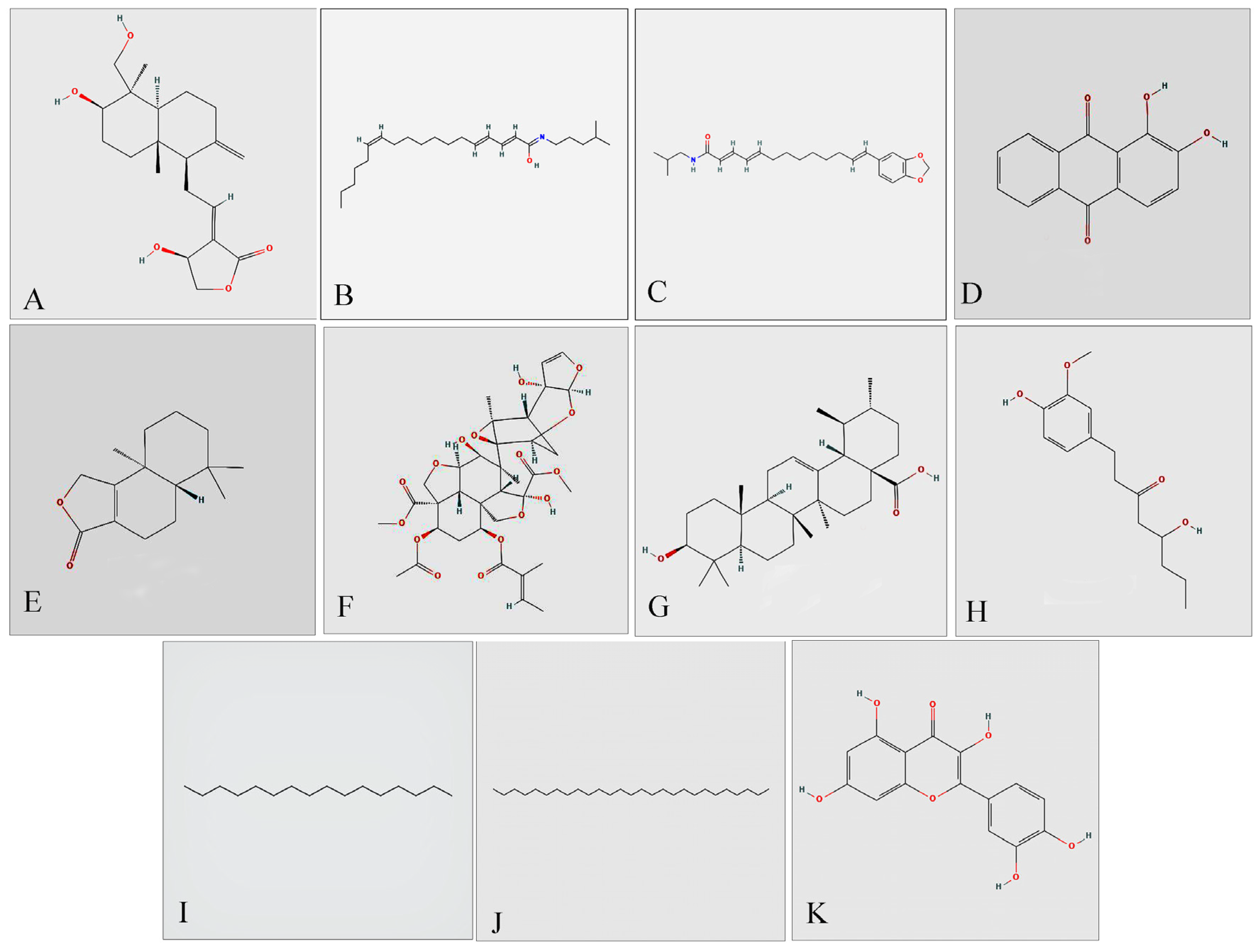
| Andrographis paniculata (Burm. fil.) Nees (Acanthaceae) Kirayat | Leaf | Leaf extract (Ethanol) | Andrographolide (C20H30O5) (Figure 6A) | 4th instar larvae of Ae. aegypti | Reduction in the regulation of detoxification enzymes α and β carboxylesterases | LC50-12 ppm | [66] |
| Piper nigrum Linnaeus (Piperaceae) Kala maricha | Fruits | Fruit extract (Petroleum ether) | Pipnoohine (C24H43NO) (Figure 6B) And pipyahyine (C24H33NO3) (Figure 6C) | 4th instar larvae of Ae. aegypti | Inhibition of the activity of α- and β-carboxylesterase. | LC50-35.0 ppm for Pipnoohine and LC50-30.0 ppm for pipyahyine | [73,74] |
| Rubia cordifolia Linnaeus (Rubiaceae) Manjit, Manjitha | Roots | Root extract (Methanol) | Alizarin (C14H8O4) (Figure 6D) | 3rd instar larvae of Ae. aegypti | Stomach poison | LC50-1.31 ppm LC90-6.04 ppm | [75] |
| Polygonum hydropiper Linnaeus (Polygonaceae) Pani-mari | Leaves | Essential Oil (Hexane) | Confertifolin (C15H22O2) (Figure 6E) | 2nd and 4th instar larvae of Ae. aegypti and Ae. albopictus | Discolouration, unnatural positions, incoordination, or rigour of the larvae | For Ae. aegypti, 2.90 ppm (2nd instar) and 2.96 ppm (4th instar). For Ae. albopictus, 2.02 ppm (2nd instar) and 3.16 ppm (4th instar) | [76,77] |
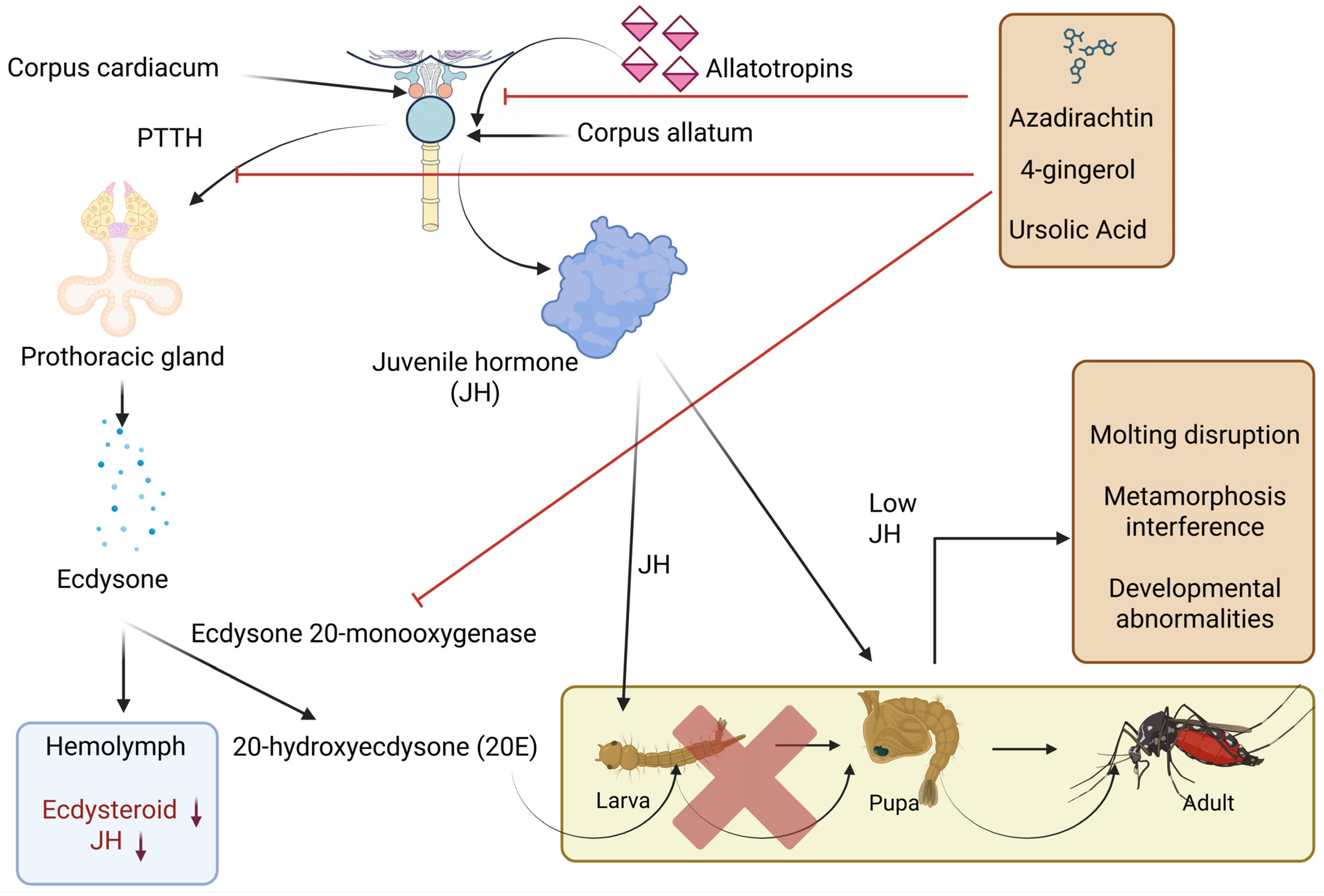
| Azadirachta indica A. Juss. (Meliaceae) Nim | Neem oil | Neem oil formulation (with a mixture of polyoxyethylene ether, sorbitan dioleate and epichlorohydrin) | Azadirachtin (C35H44O16) (Figure 6F) | Late 3rd and 4th instar larvae of Ae. aegypti | Growth inhibition by impacting the neuroendocrine regulatory pathways (blocking of prothoracicotropic hormone production and release, ecdysone production, oxidation of ecdysone to 20-hydroxyecdysone, and Juvenile hormone production and release). | LC 50-1.7 ppm | [78,79] |
| Catharanthus roseus (Linnaeus) G. Don (Apocynaceae) Nayantara | Leaf | Leaf extract (Chloroform) | Ursolic acid (C30H48O3) (Figure 6G) | 3rd instar larvae of Ae. aegypti | As a strong antifeedant and insect growth regulator | LC50- 40.09 ppm, LC90- 189.15 ppm | [80] |
| Zingiber officinale Roscoe (Zingiberaceae) Adrak | Rhizome | Rhizome extract (Petroleum ether) | 4-gingerol (C15H22O4) (Figure 6H) | 4th instar larvae of Ae. aegypti | As an insect growth regulator (IGR) and insect antifeedant | LC50-4.25 ppm | [81] |
| Acacia nilotica (Linnaeus) Willd. ex Delile (Mimosaceae) Kirkar, Babula | Seed | Seed hydrodistilled essential Oil (distilled water) | Hexadecane (C16H34) (Figure 6I), Heptacosane (C27H56) (Figure 6J) | 4th instar larvae of Ae. aegypti | Disruption of the respiratory system by blocking the respiratory spiracles of larvae | LC50-3.174 mg/L LC90-11.739 mg/L | [82,83,84] |
| Psidium guajava Linnaeus (Myrtaceae) Amrud, Safed safari | Leaf | Leaf extract (Ethanol) | Quercetin (C15H10O7) (Figure 6K) | 4th instar larvae of Ae. aegypti | Inhibit reverse transcriptase enzyme activity | LD50-11.384%. | [85] |

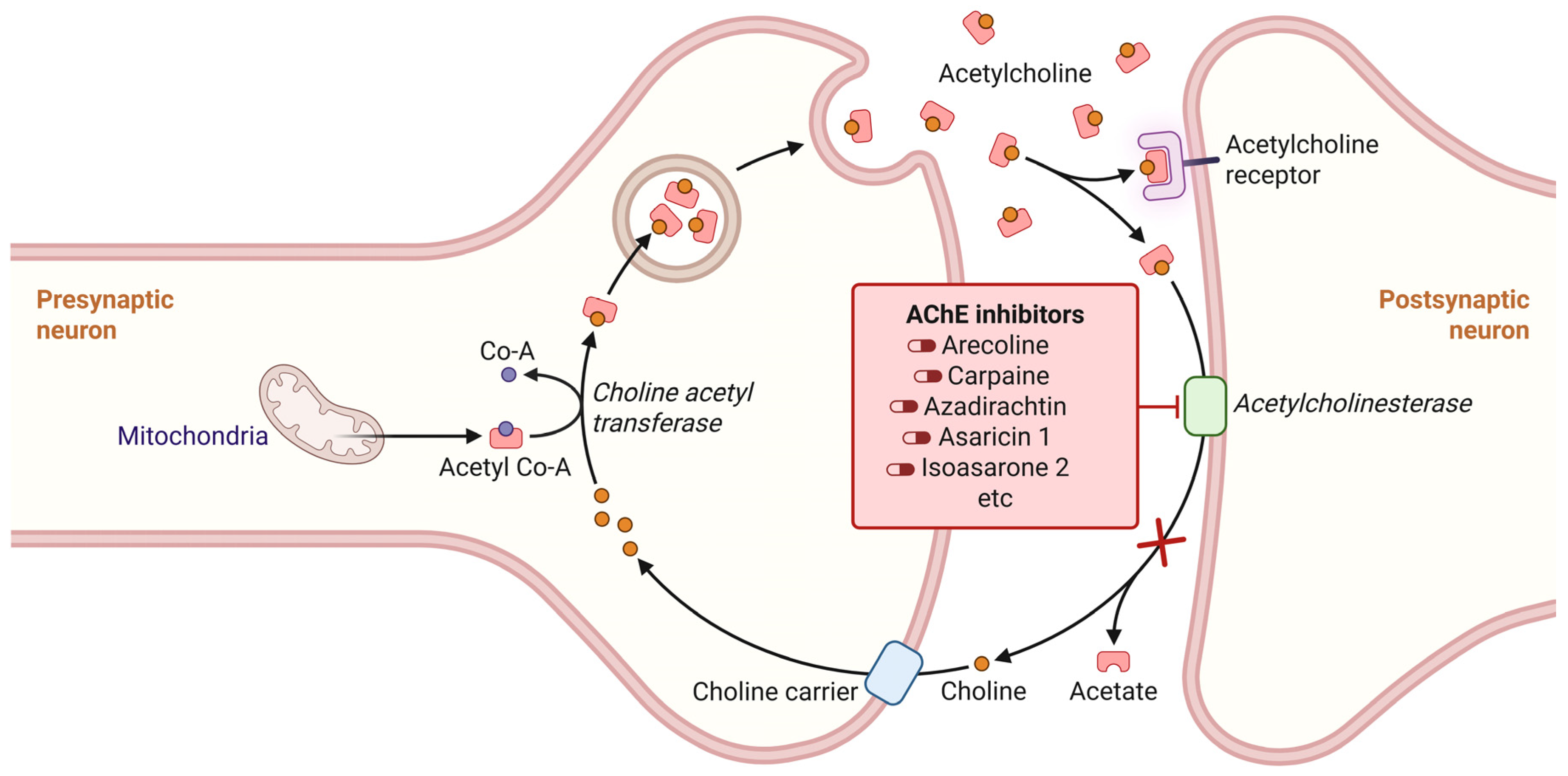
3.1. Neurotoxicity: Acetylcholinesterase (AChE) Inhibition (Figure 7)

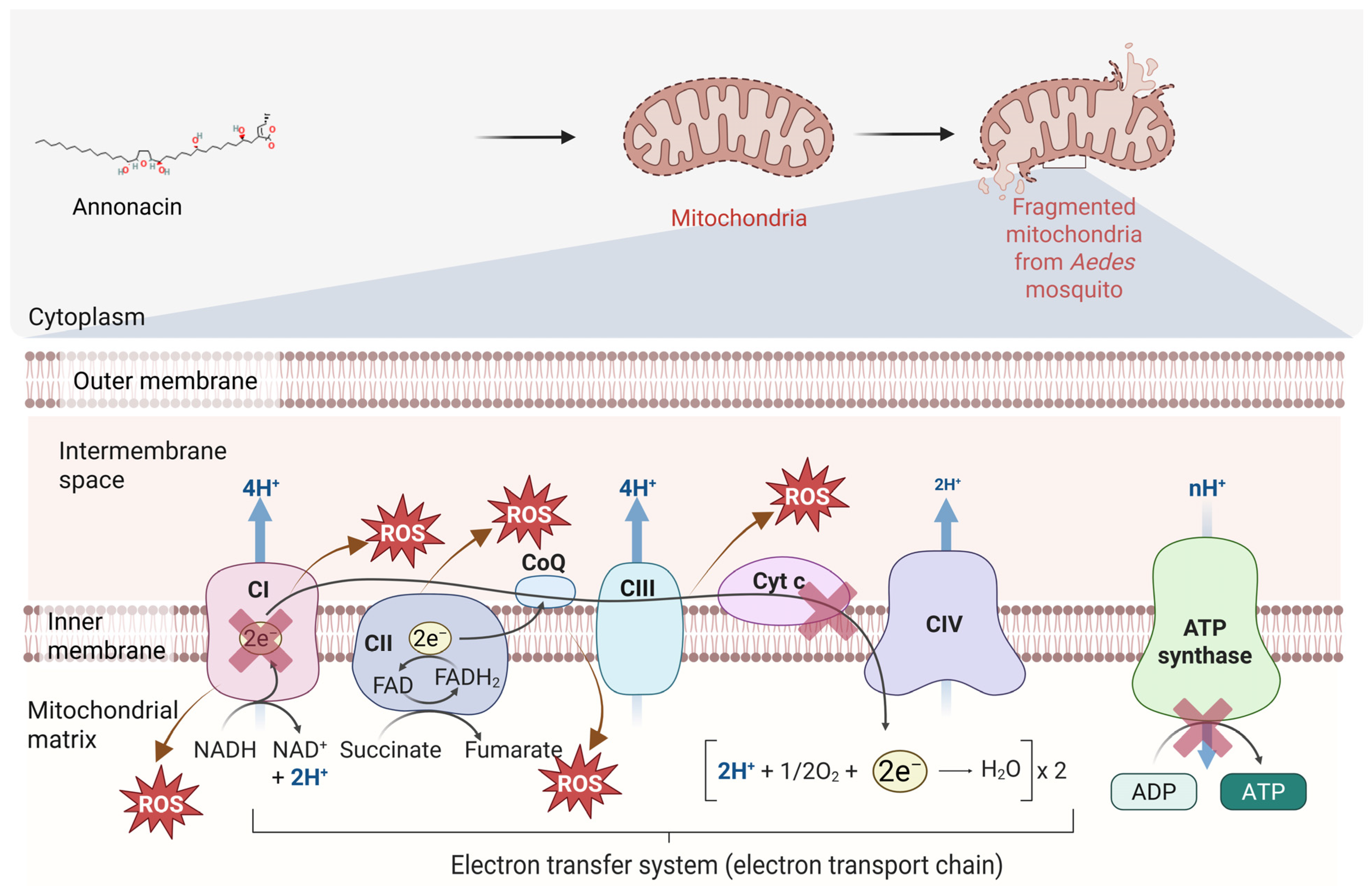
3.2. Mitochondrial Dysfunction (Figure 8)

3.3. Sterol Carrier Protein-2 (SCP-2) Trafficking Inhibition (Figure 9)

3.4. Epithelial Targets: Midgut Cytotoxicity and Peritrophic Membrane Failure
3.5. Insect Growth Regulation (IGR) Disruption (Figure 10)

3.6. Antifeedant Activity
4. Discussion
Author Contributions
Funding
Institutional Review Board Statement
Informed Consent Statement
Data Availability Statement
Acknowledgments
Conflicts of Interest
References
- Yang, Z.-S.; Baua, A.D.; Hemdan, M.S.; Assavalapsakul, W.; Wang, W.-H.; Lin, C.-Y.; Chao, D.-Y.; Chen, Y.-H.; Wang, S.-F. Dengue Virus Infection: A Systematic Review of Pathogenesis, Diagnosis and Management. J. Infect. Public Health 2025, 18, 102982. [Google Scholar] [CrossRef]
- Mustafa, M.S.; Rasotgi, V.; Jain, S.; Gupta, V. Discovery of Fifth Serotype of Dengue Virus (DENV-5): A New Public Health Dilemma in Dengue Control. Med. J. Armed Forces India 2015, 71, 67–70. [Google Scholar] [CrossRef] [PubMed]
- Shu, P.-Y.; Chen, L.-K.; Chang, S.-F.; Su, C.-L.; Chien, L.-J.; Chin, C.; Lin, T.-H.; Huang, J.-H. Dengue Virus Serotyping Based on Envelope and Membrane and Nonstructural Protein NS1 Serotype-Specific Capture Immunoglobulin M Enzyme-Linked Immunosorbent Assays. J. Clin. Microbiol. 2004, 42, 2489–2494. [Google Scholar] [CrossRef]
- Yamanaka, A.; Imad, H.A.; Phumratanaprapin, W.; Phadungsombat, J.; Konishi, E.; Shioda, T. Antibody-Dependent Enhancement Representing in Vitro Infective Progeny Virus Titer Correlates with the Viremia Level in Dengue Patients. Sci. Rep. 2021, 11, 12354. [Google Scholar] [CrossRef]
- Pang, J.; Hsu, J.P.; Yeo, T.W.; Leo, Y.S.; Lye, D.C. Diabetes, Cardiac Disorders and Asthma as Risk Factors for Severe Organ Involvement among Adult Dengue Patients: A Matched Case-Control Study. Sci. Rep. 2017, 7, 39872. [Google Scholar] [CrossRef]
- Fonseca-Portilla, R.; Martínez-Gil, M.; Morgenstern-Kaplan, D. Risk Factors for Hospitalisation and Mortality Due to Dengue Fever in a Mexican Population: A Retrospective Cohort Study. Int. J. Infect. Dis. 2021, 110, 332–336. [Google Scholar] [CrossRef]
- Huang, Y.-J.S.; Higgs, S.; Horne, K.M.; Vanlandingham, D.L. Flavivirus-Mosquito Interactions. Viruses 2014, 6, 4703–4730. [Google Scholar] [CrossRef] [PubMed]
- Deng, J.; Zhang, H.; Wang, Y.; Liu, Q.; Du, M.; Yan, W.; Qin, C.; Zhang, S.; Chen, W.; Zhou, L.; et al. Global, Regional, and National Burden of Dengue Infection in Children and Adolescents: An Analysis of the Global Burden of Disease Study 2021. EClinicalMedicine 2024, 78, 102943. [Google Scholar] [CrossRef] [PubMed]
- Gubler, D.J. Dengue Viruses: Their Evolution, History and Emergence as a Global Public Health Problem. In Dengue and Dengue Hemorrhagic Fever; Gubler, D.J., Ooi, E.E., Vasudevan, S., Farrar, J., Eds.; CABI: Wallingford, UK, 2014; pp. 1–29. ISBN 978-1-84593-964-9. [Google Scholar]
- Vasilakis, N.; Cardosa, J.; Hanley, K.A.; Holmes, E.C.; Weaver, S.C. Fever from the Forest: Prospects for the Continued Emergence of Sylvatic Dengue Virus and Its Impact on Public Health. Nat. Rev. Microbiol. 2011, 9, 532–541. [Google Scholar] [CrossRef] [PubMed] [PubMed Central]
- Pourzangiabadi, M.; Najafi, H.; Fallah, A.; Goudarzi, A.; Pouladi, I. Dengue Virus: Etiology, Epidemiology, Pathobiology, and Developments in Diagnosis and Control—A Comprehensive Review. Infect. Genet. Evol. 2025, 127, 105710. [Google Scholar] [CrossRef]
- Murray, N.E.A.; Quam, M.B.; Wilder-Smith, A. Epidemiology of Dengue: Past, Present and Future Prospects. Clin. Epidemiol. 2013, 5, 299–309. [Google Scholar] [CrossRef]
- Lambrechts, L.; Scott, T.W.; Gubler, D.J. Consequences of the Expanding Global Distribution of Aedes albopictus for Dengue Virus Transmission. PLoS Negl. Trop. Dis. 2010, 4, e646. [Google Scholar] [CrossRef]
- Gubler, D.J. Dengue and Dengue Hemorrhagic Fever. Clin. Microbiol. Rev. 1998, 11, 480–496. [Google Scholar] [CrossRef]
- Dengue-Global Situation. Available online: https://www.who.int/emergencies/disease-outbreak-news/item/2024-DON518 (accessed on 3 March 2025).
- Ly, H. Dengue Fever in the Americas. Virulence 2024, 15, 2375551. [Google Scholar] [CrossRef] [PubMed]
- Prajapati, A.K.; Singh, N.P.; Jain, P.K.; Srivastava, D.K.; Prajapati, R. Dengue in India: An Overview. Natl. J. Community Med. 2022, 13, 49–57. [Google Scholar] [CrossRef]
- Murhekar, M.; Joshua, V.; Kanagasabai, K.; Shete, V.; Ravi, M.; Ramachandran, R.; Sabarinathan, R.; Kirubakaran, B.; Gupta, N.; Mehendale, S. Epidemiology of Dengue Fever in India, Based on Laboratory Surveillance Data, 2014–2017. Int. J. Infect. Dis. 2019, 84, S10–S14. [Google Scholar] [CrossRef]
- Ganeshkumar, P.; Murhekar, M.V.; Poornima, V.; Saravanakumar, V.; Sukumaran, K.; Anandaselvasankar, A.; John, D.; Mehendale, S.M. Dengue Infection in India: A Systematic Review and Meta-Analysis. PLoS Negl. Trop. Dis. 2018, 12, e0006618. [Google Scholar] [CrossRef] [PubMed]
- Desk, N. India Among Countries with Most Reported Dengue Deaths in 2023: Report. Available online: https://english.telugustop.com/india-among-countries-with-most-reported-dengue-deaths-in-2023-report-latest-eng-news-11831943 (accessed on 7 November 2025).
- Bashar, M.; Begam, N. Dengue Outbreak of 2023 in the State of Uttar Pradesh, North India: Lesson Learnt and Way Forwards. Int. J. Community Med. Public Health 2025, 12, 1128–1130. [Google Scholar] [CrossRef]
- Futami, K.; Iwashita, H.; Higa, Y.; Lutiali, P.A.; Sonye, G.O.; Mwatele, C.; Njenga, S.M.; Minakawa, N. Geographical Distribution of Aedes aegypti aegypti and Aedes aegypti formosus (Diptera: Culicidae) in Kenya and Environmental Factors Related to Their Relative Abundance. J. Med. Entomol. 2020, 57, 772–779. [Google Scholar] [CrossRef]
- Rodrigues dos Santos, D.; Lopes Chaves, L.; Couto Pires, V.; Soares Rodrigues, J.; Alves Siqueira de Assunção, M.; Bezerra Faierstein, G.; Gomes Barbosa Neto, A.; de Souza Rebouças, J.; Christine de Magalhães Cabral Albuquerque, E.; Alexandre Beisl Vieira de Melo, S.; et al. New Weapons against the Disease Vector Aedes aegypti: From Natural Products to Nanoparticles. Int. J. Pharm. 2023, 643, 123221. [Google Scholar] [CrossRef]
- Facchinelli, L.; Badolo, A.; McCall, P.J. Biology and Behaviour of Aedes aegypti in the Human Environment: Opportunities for Vector Control of Arbovirus Transmission. Viruses 2023, 15, 636. [Google Scholar] [CrossRef]
- Hillary, V.E.; Ceasar, S.A.; Ignacimuthu, S. Efficacy of Plant Products in Controlling Disease Vector Mosquitoes, a Review. Entomol. Exp. Appl. 2024, 172, 195–214. [Google Scholar] [CrossRef]
- Bonizzoni, M.; Gasperi, G.; Chen, X.; James, A.A. The Invasive Mosquito Species Aedes albopictus: Current Knowledge and Future Perspectives. Trends Parasitol. 2013, 29, 460–468. [Google Scholar] [CrossRef] [PubMed]
- Holder, P.; George, S.; Disbury, M.; Singe, M.; Kean, J.M.; McFadden, A. A Biosecurity Response to Aedes albopictus (Diptera: Culicidae) in Auckland, New Zealand. J. Med. Entomol. 2010, 47, 600–609. [Google Scholar] [CrossRef]
- Tatem, A.J.; Hay, S.I.; Rogers, D.J. Global Traffic and Disease Vector Dispersal. Proc. Natl. Acad. Sci. USA 2006, 103, 6242–6247. [Google Scholar] [CrossRef] [PubMed]
- Aedes albopictus—Factsheet for Experts. Available online: https://www.ecdc.europa.eu/en/disease-vectors/facts/mosquito-factsheets/aedes-albopictus (accessed on 6 November 2025).
- Medlock, J.M.; Hansford, K.M.; Schaffner, F.; Versteirt, V.; Hendrickx, G.; Zeller, H.; Van Bortel, W. A Review of the Invasive Mosquitoes in Europe: Ecology, Public Health Risks, and Control Options. Vector Borne Zoonotic Dis. 2012, 12, 435–447. [Google Scholar] [CrossRef]
- Paupy, C.; Delatte, H.; Bagny, L.; Corbel, V.; Fontenille, D. Aedes albopictus, an Arbovirus Vector: From the Darkness to the Light. Microbes Infect. 2009, 11, 1177–1185. [Google Scholar] [CrossRef]
- Self, L.S. Vectors of Dengue Fever/Dengue Haemorrhagic Fever with Advances in Their Control. Asian J. Infect. Dis. 1979, 3, 77–79. [Google Scholar] [PubMed]
- Aedes|Mosquito, Description, Life Cycle, & Disease Transmission|Britannica. Available online: https://www.britannica.com/animal/Aedes (accessed on 27 December 2025).
- Nanaware, N.; Banerjee, A.; Mullick Bagchi, S.; Bagchi, P.; Mukherjee, A. Dengue Virus Infection: A Tale of Viral Exploitations and Host Responses. Viruses 2021, 13, 1967. [Google Scholar] [CrossRef]
- Lin, D.C.-D.; Weng, S.-C.; Tsao, P.-N.; Chu, J.J.H.; Shiao, S.-H. Co-Infection of Dengue and Zika Viruses Mutually Enhances Viral Replication in the Mosquito Aedes aegypti. Parasit. Vectors 2023, 16, 160. [Google Scholar] [CrossRef]
- Rodenhuis-Zybert, I.A.; Wilschut, J.; Smit, J.M. Dengue Virus Life Cycle: Viral and Host Factors Modulating Infectivity. Cell Mol. Life Sci. 2010, 67, 2773–2786. [Google Scholar] [CrossRef]
- Bhatt, P.; Sabeena, S.P.; Varma, M.; Arunkumar, G. Current Understanding of the Pathogenesis of Dengue Virus Infection. Curr. Microbiol. 2021, 78, 17–32. [Google Scholar] [CrossRef] [PubMed]
- Silvério, M.R.S.; Espindola, L.S.; Lopes, N.P.; Vieira, P.C. Plant Natural Products for the Control of Aedes aegypti: The Main Vector of Important Arboviruses. Molecules 2020, 25, 3484. [Google Scholar] [CrossRef] [PubMed]
- Faull, K.; Williams, C.R. Intraspecific Variation in Desiccation Survival Time of Aedes aegypti (L.) Mosquito Eggs of Australian Origin. J. Vector Ecol. 2015, 40, 292–300. [Google Scholar] [CrossRef]
- Priya, S.S.; Vasantha-Srinivasan, P.; Altemimi, A.B.; Keerthana, R.; Radhakrishnan, N.; Senthil-Nathan, S.; Kalaivani, K.; Chandrasekar, N.; Karthi, S.; Ganesan, R.; et al. Bioactive Molecules Derived from Plants in Managing Dengue Vector Aedes aegypti (Linn.). Molecules 2023, 28, 2386. [Google Scholar] [CrossRef]
- Clemens, A.N. The Biology of Mosquitoes, Volume 1: Development, Nutrition and Reproduction; CABI: Wallingford, UK, 1992; Available online: https://www.cabidigitallibrary.org/doi/book/10.1079/9780851993744.0000 (accessed on 28 December 2025).
- Rodriguez, S.D.; Drake, L.L.; Price, D.P.; Hammond, J.I.; Hansen, I.A. The Efficacy of Some Commercially Available Insect Repellents for Aedes aegypti (Diptera: Culicidae) and Aedes albopictus (Diptera: Culicidae). J. Insect Sci. 2015, 15, 140. [Google Scholar] [CrossRef]
- IR3535 Repellent FAQ|Safety, Effectiveness, Side Effects. Available online: https://www.picaridin.info/ir3535.htm (accessed on 7 November 2025).
- Reichert, W.; Ejercito, J.; Guda, T.; Dong, X.; Wu, Q.; Ray, A.; Simon, J.E. Repellency Assessment of Nepeta cataria Essential Oils and Isolated Nepetalactones on Aedes aegypti. Sci. Rep. 2019, 9, 1524. [Google Scholar] [CrossRef] [PubMed]
- Corbel, V.; Stankiewicz, M.; Pennetier, C.; Fournier, D.; Stojan, J.; Girard, E.; Dimitrov, M.; Molgó, J.; Hougard, J.-M.; Lapied, B. Evidence for Inhibition of Cholinesterases in Insect and Mammalian Nervous Systems by the Insect Repellent Deet. BMC Biol. 2009, 7, 47. [Google Scholar] [CrossRef]
- Chen-Hussey, V.; Behrens, R.; Logan, J.G. Assessment of Methods Used to Determine the Safety of the Topical Insect Repellent N,N-Diethyl-m-Toluamide (DEET). Parasit. Vectors 2014, 7, 173. [Google Scholar] [CrossRef]
- Fang, Y.; Shi, W.-Q.; Wu, J.-T.; Li, Y.-Y.; Xue, J.-B.; Zhang, Y. Resistance to Pyrethroid and Organophosphate Insecticides, and the Geographical Distribution and Polymorphisms of Target-Site Mutations in Voltage-Gated Sodium Channel and Acetylcholinesterase 1 Genes in Anopheles sinensis Populations in Shanghai, China. Parasites Vectors 2019, 12, 396. [Google Scholar] [CrossRef]
- Susanty, E.; Yolazenia; Afandi, D.; Lesmana, S.D.; Mislindawati; Akhyar, M.F.; Kurniadi, M.R.; Hutomo, M.T. Susceptibility to Malathion of Aedes aegypti Mosquito Population from Tangkerang Barat, Marpoyan Damai District. Nusant. Sci. Technol. Proc. 2022, 17–22. [Google Scholar] [CrossRef]
- Triana, D.; Umniyati, S.R.; Mulyaningsih, B. Resistance Status of Aedes albopictus (Skuse) on Malathion in Bengkulu City. Unnes J. Public Health 2018, 7, 113–119. [Google Scholar] [CrossRef]
- Mulyatno, K.C.; Yamanaka, A.; Ngadino; Konishi, E. Resistance of Aedes aegypti (L.) Larvae to Temephos in Surabaya, Indonesia. Southeast. Asian J. Trop. Med. Public Health 2012, 43, 29–33. [Google Scholar] [PubMed]
- Silva de Souza, S.; Machado, R.N.; Custódio da Costa, J.; Campos, D.F.; Sebrenski da Silva, G.; Fonseca de Almeida-Val, V.M. Severe Damages Caused by Malathion Exposure in Colossoma macropomum. Ecotoxicol. Environ. Saf. 2020, 205, 111340. [Google Scholar] [CrossRef]
- Rico, A.; Waichman, A.V.; Geber-Corrêa, R.; van den Brink, P.J. Effects of Malathion and Carbendazim on Amazonian Freshwater Organisms: Comparison of Tropical and Temperate Species Sensitivity Distributions. Ecotoxicology 2011, 20, 625–634. [Google Scholar] [CrossRef] [PubMed]
- Cahyati, W.H.; Asmara, W.; Umniyati, S.R.; Mulyaningsih, B. The Phytochemical Analysis of Hay Infusions and Papaya Leaf Juice as an Attractant Containing Insecticide for Aedes aegypti. J. Kesehat. Masy. 2017, 12, 218–224. [Google Scholar] [CrossRef]
- Hematpoor, A.; Liew, S.Y.; Chong, W.L.; Azirun, M.S.; Lee, V.S.; Awang, K. Inhibition and Larvicidal Activity of Phenylpropanoids from Piper sarmentosum on Acetylcholinesterase against Mosquito Vectors and Their Binding Mode of Interaction. PLoS ONE 2016, 11, e0155265. [Google Scholar] [CrossRef]
- Tabanca, N.; Tsikolia, M.; Ozek, G.; Ozek, T.; Ali, A.; Bernier, U.; Duran, A.; Baser, K.H.C.; Khan, I. The Identification of Suberosin from Prangos pabularia Essential Oil and Its Mosquito Activity against Aedes aegypti. Rec. Nat. Prod. 2016, 10, 311–325. [Google Scholar]
- Gomes da Rocha Voris, D.; Dos Santos Dias, L.; Alencar Lima, J.; Dos Santos Cople Lima, K.; Pereira Lima, J.B.; Dos Santos Lima, A.L. Evaluation of Larvicidal, Adulticidal, and Anticholinesterase Activities of Essential Oils of Illicium verum Hook. f., Pimenta dioica (L.) Merr., and Myristica fragrans Houtt. against Zika Virus Vectors. Environ. Sci. Pollut. Res. Int. 2018, 25, 22541–22551. [Google Scholar] [CrossRef]
- Govindarajan, M.; Benelli, G. α-Humulene and β-Elemene from Syzygium zeylanicum (Myrtaceae) Essential Oil: Highly Effective and Eco-Friendly Larvicides against Anopheles subpictus, Aedes albopictus, and Culex tritaeniorhynchus (Diptera: Culicidae). Parasitol. Res. 2016, 115, 2771–2778. [Google Scholar] [CrossRef]
- Agus, H.H. Terpene Toxicity and Oxidative Stress. In Toxicology; Academic Press: Cambridge, MA, USA, 2021; pp. 33–42. [Google Scholar]
- Rahuman, A.A.; Gopalakrishnan, G.; Venkatesan, P.; Geetha, K. Larvicidal Activity of Some Euphorbiaceae Plant Extracts against Aedes aegypti and Culex quinquefasciatus (Diptera: Culicidae). Parasitol. Res. 2008, 102, 867–873. [Google Scholar] [CrossRef]
- Gao, Y.-L.; Pan, Z.-Y.; Meng, X.; Yuan, Y.-F.; Li, H.-Y.; Chen, M. The Effect of Quercetin on the Growth, Development, Nutrition Utilisation, and Detoxification Enzymes in Hyphantria cunea Drury (Lepidoptera: Arctiidae). Forests 2022, 13, 1945. [Google Scholar] [CrossRef]
- Auysawasdi, N.; Chuntranuluck, S.; Phasomkusolsil, S.; Keeratinijakal, V. Improving the Effectiveness of Three Essential Oils against Aedes aegypti (Linn.) and Anopheles dirus (Peyton and Harrison). Parasitol. Res. 2016, 115, 99–106. [Google Scholar] [CrossRef]
- Ali, A.; Wang, Y.-H.; Khan, I.A. Larvicidal and Biting Deterrent Activity of Essential Oils of Curcuma longa, Ar-Turmerone, and Curcuminoids Against Aedes aegypti and Anopheles quadrimaculatus (Culicidae: Diptera). J. Med. Entomol. 2015, 52, 979–986. [Google Scholar] [CrossRef]
- Rodrigues, A.M.; Silva, A.A.S.; Pinto, C.C.C.; dos Santos, D.L.; de Freitas, J.C.C.; Martins, V.E.P.; de Morais, S.M. Larvicidal and Enzymatic Inhibition Effects of Annona muricata Seed Extract and Main Constituent Annonacin against Aedes aegypti and Aedes albopictus (Diptera: Culicidae). Pharmaceuticals 2019, 12, 112. [Google Scholar] [CrossRef] [PubMed]
- Angajala, G.; Subashini, R. Evaluation of Larvicidal Potential of β-Sitosterol Isolated from Indigenous Aegle marmelos Correa Crude Leaf Extracts against Blood Feeding Parasites and Its Binding Affinity Studies towards Sterol Carrier Protein. Biocatal. Agric. Biotechnol. 2018, 16, 586–593. [Google Scholar] [CrossRef]
- Annammal, A.A.; Preethi, P.; Geetha, B. Exploring Its Repellent and Histopathological Efficacy of Tinospora cordifolia against Vector Borne Mosquitoes. Asian J. Biol. Life Sci. 2024, 13, 360–367. [Google Scholar] [CrossRef]
- Bharathithasan, M.; Ravindran, D.R.; Rajendran, D.; Chun, S.K.; Abbas, S.A.; Sugathan, S.; Yahaya, Z.S.; Said, A.R.; Oh, W.-D.; Kotra, V.; et al. Analysis of Chemical Compositions and Larvicidal Activity of Nut Extracts from Areca catechu Linn against Aedes (Diptera: Culicidae). PLoS ONE 2021, 16, e0260281. [Google Scholar] [CrossRef] [PubMed]
- Nithya, K.; Bhuvaragavan, S.; Sruthi, K.; Meenakumari, M.; Shanthi, S.; Janarthanan, S. Purification, Characterization and Larvicidal Activity of a Potent Bioactive Compound Asarone from Leaves of Acorus calamus against the Culician Larval Mosquitoes. Parasitol. Int. 2022, 90, 102620. [Google Scholar] [CrossRef]
- Chellappandian, M.; Senthil-Nathan, S.; Vasantha-Srinivasan, P.; Karthi, S.; Kalaivani, K.; Hunter, W.B.; Ali, H.M.; Salem, M.Z.M.; Abdel-Megeed, A. Volatile Toxin of Limonia acidissima (L.) Produced Larvicidal, Developmental, Repellent, and Adulticidal Toxicity Effects on Aedes aegypti (L.). Toxin Rev. 2022, 41, 119–128. [Google Scholar] [CrossRef]
- Firmansyah, N.; Aulung, A.; Wibowo, H.; Subahar, R. Activity of Ocimum Sanctum Leaf Extract against Aedes aegypti Larvae: Midgut Histopathological Alteration. ASPIRATOR J. Vector Borne Dis. Stud. 2019, 11, 13–18. [Google Scholar] [CrossRef]
- Reegan, A.D.; Gandhi, M.R.; Sivaraman, G.; Cecilia, K.F.; Ravindhran, R.; Balakrishna, K.; Paulraj, M.G.; Ignacimuthu, S. Bioefficacy of Ecbolin A and Ecbolin B Isolated from Ecbolium viride (Forsk.) Alston on Dengue Vector Aedes aegypti L. (Diptera: Culicidae). Parasite Epidemiol. Control 2016, 1, 78–84. [Google Scholar] [CrossRef]
- Elumalai, D.; Hemavathi, M.; Hemalatha, P.; Deepaa, C.V.; Kaleena, P.K. Larvicidal Activity of Catechin Isolated from Leucas aspera against Aedes aegypti, Anopheles stephensi, and Culex quinquefasciatus (Diptera: Culicidae). Parasitol. Res. 2016, 115, 1203–1212. [Google Scholar] [CrossRef]
- Kannathasan, K.; Senthilkumar, A.; Venkatesalu, V. Mosquito Larvicidal Activity of Methyl-p-Hydroxybenzoate Isolated from the Leaves of Vitex trifolia Linn. Acta Trop. 2011, 120, 115–118. [Google Scholar] [CrossRef] [PubMed]
- Edwin, E.-S.; Vasantha-Srinivasan, P.; Senthil-Nathan, S.; Thanigaivel, A.; Ponsankar, A.; Pradeepa, V.; Selin-Rani, S.; Kalaivani, K.; Hunter, W.B.; Abdel-Megeed, A.; et al. Anti-Dengue Efficacy of Bioactive Andrographolide from Andrographis paniculata (Lamiales: Acanthaceae) against the Primary Dengue Vector Aedes aegypti (Diptera: Culicidae). Acta Trop. 2016, 163, 167–178. [Google Scholar] [CrossRef]
- Siddiqui, B.S.; Gulzar, T.; Mahmood, A.; Begum, S.; Khan, B.; Afshan, F. New Insecticidal Amides from Petroleum Ether Extract of Dried Piper nigrum L. Whole Fruits. Chem. Pharm. Bull. 2004, 52, 1349–1352. [Google Scholar] [CrossRef]
- Gandhi, M.R.; Reegan, A.D.; Ganesan, P.; Sivasankaran, K.; Paulraj, M.G.; Balakrishna, K.; Ignacimuthu, S.; Al-Dhabi, N.A. Larvicidal and Pupicidal Activities of Alizarin Isolated from Roots of Rubia cordifolia Against Culex quinquefasciatus Say and Aedes aegypti (L.) (Diptera: Culicidae). Neotrop. Entomol. 2016, 45, 441–448. [Google Scholar] [CrossRef] [PubMed]
- Maheswaran, R.; Ignacimuthu, S. Effect of Confertifolin from Polygonum hydropiper L. against Dengue Vector Mosquitoes Aedes aegypti L. Environ. Sci. Pollut. Res. Int. 2015, 22, 8280–8287. [Google Scholar] [CrossRef]
- Maheswaran, R.; Ignacimuthu, S. Effect of Polygonum hydropiper L. against Dengue Vector Mosquito Aedes albopictus L. Parasitol. Res. 2014, 113, 3143–3150. [Google Scholar] [CrossRef]
- Bezzar-Bendjazia, R.; Kilani-Morakchi, S.; Maroua, F.; Aribi, N. Azadirachtin Induced Larval Avoidance and Antifeeding by Disruption of Food Intake and Digestive Enzymes in Drosophila melanogaster (Diptera: Drosophilidae). Pestic. Biochem. Physiol. 2017, 143, 135–140. [Google Scholar] [CrossRef] [PubMed]
- Chatterjee, S.; Bag, S.; Biswal, D.; Sarkar Paria, D.; Bandyopadhyay, R.; Sarkar, B.; Mandal, A.; Dangar, T.K. Neem-Based Products as Potential Eco-Friendly Mosquito Control Agents over Conventional Eco-Toxic Chemical Pesticides—A Review. Acta Trop. 2023, 240, 106858. [Google Scholar] [CrossRef] [PubMed]
- Kamatchi, P.A.C.; Maheswaran, R.; Sivanandhan, S.; Ignacimuthu, S.; Balakrishna, K.; Reegan, A.D.; Arivoli, S. Bioefficacy of Ursolic Acid and Its Derivatives Isolated from Catharanthus roseus (L) G. Don Leaf against Aedes aegypti, Culex quinquefasciatus, and Anopheles stephensi Larvae. Environ. Sci. Pollut. Res. Int. 2023, 30, 69321–69329. [Google Scholar] [CrossRef]
- Rahuman, A.A.; Gopalakrishnan, G.; Venkatesan, P.; Geetha, K.; Bagavan, A. Mosquito Larvicidal Activity of Isolated Compounds from the Rhizome of Zingiber officinale. Phytother. Res. 2008, 22, 1035–1039. [Google Scholar] [CrossRef]
- Najar-Rodríguez, A.J.; Lavidis, N.A.; Mensah, R.K.; Choy, P.T.; Walter, G.H. The Toxicological Effects of Petroleum Spray Oils on Insects—Evidence for an Alternative Mode of Action and Possible New Control Options. Food Chem. Toxicol. 2008, 46, 3003–3014. [Google Scholar] [CrossRef]
- Vivekanandhan, P.; Venkatesan, R.; Ramkumar, G.; Karthi, S.; Senthil-Nathan, S.; Shivakumar, M.S. Comparative Analysis of Major Mosquito Vectors Response to Seed-Derived Essential Oil and Seed Pod-Derived Extract from Acacia nilotica. Int. J. Environ. Res. Public Health 2018, 15, 388. [Google Scholar] [CrossRef] [PubMed]
- Lee, S.J.; Kim, J.H.; Lee, S.C. Effects of Oil-Film Layer and Surfactant on the Siphonal Respiration and Survivorship in the Fourth Instar Larvae of Aedes togoi Mosquito in Laboratory Conditions. Sci. Rep. 2018, 8, 5694. [Google Scholar] [CrossRef]
- Kartini, K.; Sofia, S. Effects of Guva Leaf Extract (Psidium guajava) Against the Killness of Aedes Larvae aegypti. Sci. Midwifery 2022, 10, 980–986. [Google Scholar]
- Pang, C.; Xu, Y.; Ma, X.; Li, S.; Zhou, S.; Tian, H.; Wang, M.; Han, B. Design, Synthesis, and Evaluation of Novel Arecoline-Linked Amino Acid Derivatives for Insecticidal and Antifungal Activities. Sci. Rep. 2024, 14, 9392. [Google Scholar] [CrossRef] [PubMed]
- Reegan, A.D.; Stalin, A.; Paulraj, M.G.; Balakrishna, K.; Ignacimuthu, S.; Al-Dhabi, N.A. In Silico Molecular Docking of Niloticin with Acetylcholinesterase 1 (AChE1) of Aedes aegypti L. (Diptera: Culicidae): A Promising Molecular Target. Med. Chem. Res. 2016, 25, 1411–1419. [Google Scholar] [CrossRef]
- Lu, W.; Liu, Z.; Fan, X.; Zhang, X.; Qiao, X.; Huang, J. Nicotinic Acetylcholine Receptor Modulator Insecticides Act on Diverse Receptor Subtypes with Distinct Subunit Compositions. PLoS Genet. 2022, 18, e1009920. [Google Scholar] [CrossRef]
- Colović, M.B.; Krstić, D.Z.; Lazarević-Pašti, T.D.; Bondžić, A.M.; Vasić, V.M. Acetylcholinesterase Inhibitors: Pharmacology and Toxicology. Curr. Neuropharmacol. 2013, 11, 315–335. [Google Scholar] [CrossRef]
- Araújo, M.F.; Castanheira, E.M.S.; Sousa, S.F. The Buzz on Insecticides: A Review of Uses, Molecular Structures, Targets, Adverse Effects, and Alternatives. Molecules 2023, 28, 3641. [Google Scholar] [CrossRef]
- Durán-Ruiz, C.A.; González-Esquinca, A.R.; de-la-Cruz-Chacón, I. Annonaceous Acetogenins: A Comparative Analysis of Insecticidal Activity. Rev. Bras. Frutic. 2024, 46, e-508. [Google Scholar] [CrossRef]
- Borrero Landazabal, M.A.; Carreño Otero, A.L.; Kouznetsov, V.V.; Duque Luna, J.E.; Mendez-Sanchez, S.C. Alterations of Mitochondrial Electron Transport Chain and Oxidative Stress Induced by Alkaloid-like α-Aminonitriles on Aedes aegypti Larvae. Pestic. Biochem. Physiol. 2018, 144, 64–70. [Google Scholar] [CrossRef] [PubMed]
- Kilani-Morakchi, S.; Morakchi-Goudjil, H.; Sifi, K. Azadirachtin-Based Insecticide: Overview, Risk Assessments, and Future Directions. Front. Agron. 2021, 3, 676208. [Google Scholar] [CrossRef]
- Lee, S.-H.; Oh, H.-W.; Fang, Y.; An, S.-B.; Park, D.-S.; Song, H.-H.; Oh, S.-R.; Kim, S.-Y.; Kim, S.; Kim, N.; et al. Identification of Plant Compounds That Disrupt the Insect Juvenile Hormone Receptor Complex. Proc. Natl. Acad. Sci. USA 2015, 112, 1733–1738. [Google Scholar] [CrossRef]
- Smith, S.L.; Mitchell, M.J. Effects of Azadirachtin on Insect Cytochrome P-450 Dependent Ecdysone 20-Monooxygenase Activity. Biochem. Biophys. Res. Commun. 1988, 154, 559–563. [Google Scholar] [CrossRef]
- Lee, Y.; Kim, S.H.; Montell, C. Avoiding DEET through Insect Gustatory Receptors. Neuron 2010, 67, 555–561. [Google Scholar] [CrossRef]


Disclaimer/Publisher’s Note: The statements, opinions and data contained in all publications are solely those of the individual author(s) and contributor(s) and not of MDPI and/or the editor(s). MDPI and/or the editor(s) disclaim responsibility for any injury to people or property resulting from any ideas, methods, instructions or products referred to in the content. |
© 2026 by the authors. Licensee MDPI, Basel, Switzerland. This article is an open access article distributed under the terms and conditions of the Creative Commons Attribution (CC BY) license.
Share and Cite
Sarkar, I.; Sarkar, S.K. Lethal Efficacy and Mode of Action of Indian Medicinal Plant Extracts Against Dengue Mosquito Vectors with an Overview of the Disease Burden in India. Green Health 2026, 2, 3. https://doi.org/10.3390/greenhealth2010003
Sarkar I, Sarkar SK. Lethal Efficacy and Mode of Action of Indian Medicinal Plant Extracts Against Dengue Mosquito Vectors with an Overview of the Disease Burden in India. Green Health. 2026; 2(1):3. https://doi.org/10.3390/greenhealth2010003
Chicago/Turabian StyleSarkar, Indra, and Subhankar Kumar Sarkar. 2026. "Lethal Efficacy and Mode of Action of Indian Medicinal Plant Extracts Against Dengue Mosquito Vectors with an Overview of the Disease Burden in India" Green Health 2, no. 1: 3. https://doi.org/10.3390/greenhealth2010003
APA StyleSarkar, I., & Sarkar, S. K. (2026). Lethal Efficacy and Mode of Action of Indian Medicinal Plant Extracts Against Dengue Mosquito Vectors with an Overview of the Disease Burden in India. Green Health, 2(1), 3. https://doi.org/10.3390/greenhealth2010003