Review

The Future of Precision Medicine: Targeted Therapies, Personalized Medicine and Formulation Strategies


by
Gopinath Rongala
1,†,
Druva Sarika Rongala
2,*,† and
Appalaswamy Naidu Rongala
3,†
1
Department of Pharmaceutics, Philadelphia College of Pharmacy, St Joseph’s University, Philadelphia, PA 19104, USA
2
College of Pharmacy and Health Sciences, St. John’s University, Queens, NY 11439, USA
3
Independent Researcher, Telangana 500072, India
*
Author to whom correspondence should be addressed.
These authors contributed equally to this work.
J. Pharm. BioTech Ind. 2025, 2(4), 19; https://doi.org/10.3390/jpbi2040019
Submission received: 8 September 2025 / Revised: 22 November 2025 / Accepted: 4 December 2025 / Published: 8 December 2025

Abstract

Medicine is accelerating rapidly, offering the advantages of site-specific delivery, minimized side effects, and improved treatment outcomes. A diverse array of chronic diseases, such as cancer, diabetes, asthma, myocardial infarction, and Alzheimer’s disease, are often accompanied by severe adverse effects and limited specificity, necessitating concentrated attention on targeted therapies. Recent advancements in molecular profiling and understanding of target pathways have enabled the identification of specific biomarkers and gene targets. These advancements have led to the development of targeted therapies that focus on the specific molecular alterations responsible for disease progression. Such therapies offer a more personalized and effective approach to treatment. This review focuses on the benefits of targeted therapies compared to traditional therapeutics and provides an overview of currently available targeted therapies for chronic diseases. By highlighting these advancements, the review aims to illustrate the progress in disease treatment towards more personalized approaches. The goal is to underscore how targeted therapies have evolved and how they represent a significant shift towards personalized therapy.

1. Introduction

Global Health burden reports that non-communicable diseases like cancer, diabetes, asthma, myocardial infarction, COPD, Alzheimer’s, and others have been attributed to 64.49% of global deaths in 2021 [1]. Conventional therapeutic approaches for these major disease conditions have employed a one-size-fits-all strategy; however, these fell short in addressing the heterogeneous nature of disease conditions [2]. Current in-depth understanding of disease mechanisms has highlighted the need for tailored therapies for the treatment of these complex diseases. Personalized medicine (PM), also referred to as individualized or precision medicine, integrates knowledge of genetic profile, disease status, and other individual factors of each patient to tailor therapies that are most effective and safe [3,4]. This approach identifies the use of therapies to alter the molecular mechanisms of disease conditions [5]. For example, in the treatment of NSCLC, the presence of a specific biomarker indicates whether a patient is likely to benefit from specific drug treatment [6,7]. PM helps to avoid treatments that may increase the risk of adverse effects, making it more cost-effective and precise. According to the Personalized Medicine Coalition (PMC), in 2023, over a third of new drug approvals by the U.S. Food and Drug Administration (FDA) were categorized as personalized medicine, representing a significant advancement in the field of personalized healthcare [5].
Targeted therapies (TTs) are characterized by their ability to specifically disrupt crucial molecules involved in disease progression, such as kinases, cytokines, enzymes, receptors, ion channels, and proteasomes [8,9,10,11,12,13]. By targeting these precise molecular components, these therapies often achieve enhanced efficacy and reduced side effects [14,15]. The global landscape of drug development is increasingly dominated by targeted therapies. In 2023, the FDA approved approximately 86% of novel drugs as targeted therapies, underscoring their growing prominence [16]. Furthermore, there has been a noticeable increase in targeted therapies for rare diseases, such as Pompe disease and paroxysmal nocturnal hemoglobinuria [17]. This expanding repertoire of novel drug approvals across diverse medical conditions offers promising prospects for the future, suggesting that ongoing advancements will yield even more effective and personalized treatment options.
In this review, we explore targeted and personalized therapies for several prevalent chronic diseases: cancer, diabetes, asthma, myocardial infarction, and Alzheimer’s disease. These conditions significantly contribute to global health concerns and mortality rates, underscoring the critical need for more effective and individualized treatment strategies. By examining advancements in targeted therapies across these diverse diseases, we aim to highlight innovative approaches that address the unique molecular and pathophysiological features of each condition and discuss the potential for these therapies to improve patient outcomes and advance precision medicine.

Benefits of Targeted Therapies and Personalized Medicine

Targeted therapies present multiple benefits by directing drug delivery specifically to diseased cells, thereby sparing healthy cells from unnecessary exposure. This approach reduces dose-dependent toxicity and minimizes adverse reactions. Additionally, it helps mitigate the development of drug-resistant cancer cells [18]. Targeted therapies enhance drug specificity and cellular uptake, facilitating the delivery of potent therapeutic agents to the intended site at adequate concentrations while reducing off-target accumulation in other organs. However, it has become increasingly clear that developing a drug molecule for a specific disease is not sufficient to ensure therapeutic efficacy. Proper formulation design and optimization are crucial to achieving the desired therapeutic outcome. Table 1 describes the targeted therapies approved by the FDA.
Personalized medicine offers numerous advantages by tailoring treatments to an individual’s genetic and physiological profile, leading to more effective therapies with fewer side effects. It enhances diagnostic precision, enabling doctors to identify the exact disease early and choose the best treatment and dosage based on a patient’s unique characteristics. This approach also reduces the cost and time of drug development by integrating pharmacogenomics into clinical trials, improving safety and efficacy. By aligning diagnosis and therapy, personalized medicine improves patient outcomes and is expected to become a key part of modern medical practice. Table 2 describes the FDA-approved personalized therapies.
Table 1. FDA approved targeted therapies: Comprehensive overview by disease conditions [19,20,21,22,23,24,25,26,27,28,29,30,31,32].
DrugDosage FormMolecule TypeIndicationTargetYear
TrastuzumabIVLarge Molecule (mAbs)Breast cancerHER21998
PertuzumabIVLarge Molecule (mAbs)Breast cancerHER22012
MargetuximabIVLarge Molecule (mAbs)Breast cancerHER22020
TucatinibTabletSmall Molecule (kinase inhibitor)Breast cancerHER22020
LapatinibTabletSmall Molecule (kinase inhibitor)Breast cancerHER22007
EverolimusTabletSmall MoleculeBreast cancermTOR2014
PalbociclibTabletSmall MoleculeBreast cancerCDK4/62015
NeratinibTabletSmall Molecule (kinase inhibitor)Breast cancerHER22017
AlpelisibTabletSmall MoleculeBreast cancerPI3K2022
CapivasertibTabletSmall MoleculeBreast cancerAKT2023
ElacestrantTabletSmall MoleculeBreast cancerESR12023
RucaparibTabletSmall MoleculeProstate cancerPARP2020
OlaparibTabletSmall MoleculeProstate cancerPARP2020
BevacizumabIVLarge Molecule (mAbs)NSCLCVEGFR2018
SotorasibTabletSmall MoleculeNSCLCKRAS2021
GefitinibTabletSmall Molecule (tyrosine Kinase Inhibitor)NSCLCEGFR2015
ErlotinibTabletSmall Molecule (tyrosine Kinase Inhibitor)NSCLCEGFR2013
AfatinibTabletSmall Molecule (tyrosine Kinase Inhibitor)NSCLCEGFR2013
DacomitinibTabletSmall Molecule (tyrosine Kinase Inhibitor)NSCLCEGFR2018
OsimertinibTabletSmall Molecule (tyrosine Kinase Inhibitor)NSCLCEGFR2015
MobocertinibCapsuleSmall Molecule (tyrosine Kinase Inhibitor)NSCLCEGFR2021
LazertinibTabletSmall Molecule (Kinase Inhibitor)NSCLCEGFR2024
AmivantamabIVLarge Molecule (mAbs)NSCLCEGFR2024
TepotinibTabletSmall MoleculeNSCLCMET2024
CrizotinibTabletSmall MoleculeNSCLCALK2011
CeritinibTabletSmall MoleculeNSCLCALK2014
LorlatinibTabletSmall MoleculeNSCLCROS2018
SotorasibTabletSmall Molecule (tyrosine Kinase Inhibitor)NSCLCKRAS2021
AdagrasibTabletSmall Molecule (tyrosine Kinase Inhibitor)NSCLCKRAS2022
AlectinibTabletSmall MoleculeNSCLCALK2024
EsartinibTabletSmall MoleculeNSCLCALK2024
TepotinibTabletSmall MoleculeNSCLCc-Met2021
CapmatinibTabletSmall MoleculeNSCLCc-Met2022
LarotrectinibTabletSmall MoleculeNSCLCTRKA/B/C2018
RepotrectinibCapsuleSmall MoleculeNSCLCTRKA/B/C2023
CetuximabIVLarge Molecule (mAbs)CRCEGFR2004
PanitumumabIVLarge Molecule (mAbs)CRCEGFR2006
RegorafenibTabletSmall Molecule (Multi-Kinase Inhibitor)CRCVEGFR-1/2/32012
Tislelizumab-JSGRIVLarge MoleculeEsophageal squamous cell carcinomaPD-L12024
TovorafenibTabletSmall MoleculePediatric low-grade gliomaBRAF fusion/rearrangement/V6002024
ZanidatamabIVLarge Molecule (mAbs)Biliary tract cancersHER2High priority review
FruquintinibCapsuleSmall MoleculeCRCVEGFR1/2/32023
OlutasidenibCapsuleSmall moleculeAcute myeloid leukemiaisocitrate dehydrogenase-1 (IDH1)2022
PirtobrutinibTabletSmall MoleculeChronic lymphocytic leukemiaBTK2023
QuizartinibTabletSmall MoleculeAcute myeloid leukemiaFLT32023
Epcoritamab-BYSPSCLarge Molecule Bispecific antibodyDiffuse large B-cell lymphomaCD20, CD32023
RitlecitinibTabletLarge Molecule Bispecific antibodyDiffuse large B-cell lymphomaCD20, CD32023
AsciminibTabletSmall Molecule (tyrosine Kinase Inhibitor)Philadelphia chromosome-positive chronic myeloid leukemia (Ph+ CML)BCR-ABL12021
Talquetamab-TGVSSCLarge Molecule Bispecific antibodyMyelomaCD3 receptor and G proteincoupled receptor class C group 5 member D (GPRC5D)2023
Elranatamab-BCMMIVLarge Molecule Bispecific antibodyMyelomaB-cell maturation antigen (BCMA) and CD32023
Mosunetuzumab-AXGBIVLarge Molecule Bispecific antibodyRefractory follicular lymphomaBispecific CD20 and CD32022
DapagliflozinTabletSmall MoleculeDiabetesSGLT22012
CanagliflozinTabletSmall MoleculeDiabetesSGLT22013
BexagliflozinTabletSmall MoleculeDiabetesSGLT22023
SotagliflozinTabletSmall MoleculeDiabetesSGLT22023
LixisenatideIVLarge Molecule (Poly peptide)DiabetesGLP-12016
ExenatideSCLarge Molecule (Poly peptide)DiabetesGLP-12005
SemaglutideIMLarge Molecule (Poly peptide)DiabetesGLP-12017
AlbiglutideIMLarge Molecule (Poly peptide)DiabetesGLP-12014
DulaglutideIMLarge Molecule (Poly peptide)DiabetesGLP-12014
TirzepatideSCLarge Molecule (Poly peptide)DiabetesGLP-12022
SitagliptinTabletSmall MoleculeDiabetesDPP-42006
SaxagliptinTabletSmall MoleculeDiabetesDPP-42009
LinagliptinTabletSmall MoleculeDiabetesDPP-42012
AlogliptinTabletSmall MoleculeDiabetesDPP-42013
Teplizumab-MZWVIVLarge molecule (mAbs)To delay the onset of stage 3 type 1 diabetesCD32022
OmalizumabSCLarge Molecule (mAbs)AsthmaIgE2003
MepolizumabSCLarge Molecule (mAbs)AsthmaIL-52015
ReslizumabIVLarge Molecule (mAbs)AsthmaIL-52016
BenralizumabSCLarge Molecule (mAbs)AsthmaIL-5Rα2017
DupilumabSCLarge Molecule (mAbs)AsthmaIL-4Rα2017
TezepelumabSCLarge Molecule (mAbs)AsthmaThymic stromal lymphopoietin (TSLP)2022
MontelukastOral (Tablet)Small MoleculeAsthmaLTRAs1998
Aducanumab-AVWAIVLarge Molecule (mAbs)Alzheimer’s diseaseAmyloid β2021
Lecanemab-IRMBIVLarge Molecule (mAbs)Alzheimer’s diseaseAmyloid β (Aβ)2023
Donanemab-AZBTIVLarge Molecule (mAbs)Alzheimer’s diseaseAmyloid β2024
IV: intravenous; SC:Subcutaneous; IM: Intramuscular; HER2: Human Epidermal Growth Factor Receptor 2; mTOR: Mammalian Target of Rapamycin; CDK4/6: The cyclin-dependent kinase 4 and 6; PI3K: Phosphatidylinositol 3-kinase; AKT (PKB): Protein kinase B; PARP: Poly (ADP-ribose) polymerase; VEGFR: The vascular endothelial growth factor receptor; KRAS: Kirsten rat sarcoma 2 viral oncogene homolog; ALK: Anaplastic lymphoma kinase; ROS: Reactive oxygen species; c-Met: c-Mesenchymal-epithelial transition factor; TRKA: Tropomyosin receptor kinase A; IDH1: Isocitrate dehydrogenase 1; BTK: Bruton’s tyrosine kinase; FLT3: FMS-like tyrosine kinase 3; CD20 × CD3 bispecific antibodies (bsAbs); BCR-ABL1: Breakpoint cluster region gene-ABL1 (Abelson) gene; CML: chronic myeloid leukemia; GLP-1: The glucagon-like peptide-1; DPP-4: Dipeptidyl peptidase 4; IgE: Targeting immunoglobulin E; IL-5: Interleukin 5; IL-4Rα: Interleukin-4 receptor alpha; LTRAs: Leukotriene Receptor Antagonists.
Table 2. FDA approved personalized therapies: Comprehensive overview by disease conditions [5,33,34,35,36].
DrugDosage FormMolecule TypeIndicationReceptor/TargetYear
Datopotamab Deruxtecan-DLNKIVLarge Molecule (ADC)Unresectable/metastatic HR+, HER2- breast cancerTROP22025
TreosulfanIVSmall MoleculeConditioning for stem cell transplant (AML, MDS)Alkylating agent2025
MirdametinibOral tabletSmall MoleculeNeurofibromatosis type 1 (plexiform neurofibromas)MEK1/2 inhibitor2025
VimseltinibOral tabletSmall MoleculeTenosynovial giant cell tumorCSF1R2025
DurvalumabIVLarge Molecule (mAbs)Muscle-invasive bladder cancerPD-L12025
Denosumab-BMWO, BiosimilarSC Large Molecule (mAbs)Osteoporosis, cancer-related skeletal eventsRANKL2025
Denosumab BiosimilarSCLarge Molecule (mAbs)Osteoporosis, cancer-related skeletal eventsRANKL2025
InebilizumabIVLarge Molecule (mAbs)Immunoglobulin G4-related diseaseCD192025
NitisinoneOral capsuleSmall MoleculeAlkaptonuriaHGA dioxygenase inhibitor2025
AtrasentanOral tabletSmall MoleculeIgA nephropathyEndothelin A receptor2025
Beremagene GeperpavecTopical gelLarge Molecule (gene therapy)Recessive dystrophic epidermolysis bullosaCOL7A1 gene2025
MepolizumabSCLarge Molecule (mAbs)Eosinophilic COPD phenotypeIL-52025
Roflumilast FoamTopical foamSmall MoleculeScalp/body psoriasisPDE4 inhibitor2025
ClesrovimabIMLarge Molecule (mAbs)RSV prevention in infantsRSV F protein2025
LenacapavirSCSmallHIV prevention (PrEP)HIV capsid protein2025
Donanemab-AZBTIVLarge Molecule (mAbs)Alzheimer’s diseaseAmyloid beta (Aβ); ApoE ε4 status2024
DeuruxolitinibTabletSmall MoleculeAlopecia areataJAK1/2; CYP2C9 status2024
Lisocabtagene MaraleucelIVLarge MoleculeMantle cell lymphomaCD192024
Gene Therapy For Metachromatic LeukodystrophyIVLarge MoleculeMetachromatic leukodystrophyARSA gene2024
Gene Therapy For Aadc DeficiencyIVLarge MoleculeAromatic L-amino acid decarboxylase deficiencyDDC gene2024
Gene Therapy For Hemophilia BIVLarge MoleculeHemophilia B (congenital factor IX deficiency)Factor IX gene2024
RepotrectinibCapsuleSmall MoleculeNSCLCROS12023
Pegunigalsidase Alfa-IWXInjectionLarge Molecule (Enzyme)Fabry disease.Alpha-galactosidase A, globotriaosylceramide (Gb3)2023
IptacopanCapsuleSmall MoleculeParoxysmal nocturnal hemoglobinuria.Factor B, alternative complement pathway2023
SparsentanTabletSmall MoleculeProteinuria associated with primary immunoglobulin A nephropathy.UPCR2023
LeniolisibTabletsSmall MoleculeActivated phosphoinositide 3-kinase delta (PI3Kδ) syndrome.PI3Kδ2023
Velmanase Alfa-TYCVInjectionLarge Molecule (Enzyme)Non-central nervous system of alpha-mannosidosis.Alpha-mannosidase, mannosidase alpha class 2B member 12023
Lecanemab-IRMBInjectionLarge Molecule (mAbs)Alzheimer’s disease.ApoE ϵ42023
Toripalimab-TPZIInjectionLarge Molecule (PD-1PD-L1 Inhibitors)Nasopharyngeal carcinoma.Programmed death receptor-1 (PD-1)2023
ElacestrantTabletsSmall MoleculeBreast cancer.ESR1, HER2, ER2023
Cipaglucosidase Alfa-ATGALyophilized powder for injectionLarge Molecule (Enzyme)Pompe diseaseLysosomal acid alpha-glucosidase (GAA)2023
TofersenInjectionLarge Molecule (Neurologics, Antisense Oligonucleotides)Amyotrophic lateral sclerosis (ALS).SOD12023
NedosiranInjectionLarge Molecule (RNAi Agents)hyperoxaluria type 1.Hepatic lactate dehydrogenase2023
Rozanolixizumab-NOLIInjectionLarge Molecule (Fc Receptor Antagonists)Generalized myasthenia gravis.AChR or MuSK Ab2023
PalovaroteneCapsulesSmall MoleculeReduction in volume of new
heterotopic ossification in
fibrodysplasia ossificans
progressiva.
BMP/ALK22023
CapivasertibTabletsSmall MoleculeBreast cancer, in combination with fulvestrant.HR, HER2 biomarkers, PIK3CA/AKT1/PTEN2023
QuizartinibTabletsSmall Moleculeacute myeloid leukemia,FLT3 internal tandem duplication2023
Pozelimab-BBFGInjectionLarge Molecule (Complement Inhibitors)CHAPLE disease.Terminal complement protein C52023
EplontersenInjectionLarge Molecule (Neurologics, Antisense Oligonucleotides)Polyneuropathy of hereditary transthyretin-mediated amyloidosis.Transthyretin2023
ZilucoplanInjectionLarge MoleculeMyasthenia gravis.AChR Ab2023
Retifanlimab-DLWRInjectionLarge Molecule (PD-1PD-L1 Inhibitors)Metastatic Merkel cell carcinoma.Programmed death receptor-1 (PD-1)2023
OmidubicelSuspension
IV
Large Molecule (Hematopoietic Progenitor Cells, Cord Blood)Hematologic malignancies 2023
Beremagene Geperpavec-SVDTTopical gelLarge Molecule (Dermatologics)Dystrophic epidermolysis bullosa with mutation(s) in the collagen type VII alpha 1 chain gene.collagen type VII alpha 1 chain gene.2023
Delandistrogene Moxeparvovec-ROKLSuspension
IV
Large MoleculeDuchenne muscular dystrophy (DMD)DMD gene2023
Valoctocogene Roxaparvovec-RVOXSuspension
IV
Large Molecule (Clotting Factors, Gene Therapy)Hemophilia A 2023
Exgamglogene AutotemcelSuspension
IV
Large Molecule (autologous cellular immunotherapy)Sickle cell disease.Sickle cell disease, BCL11A gene2023
Lovotibeglogene AutotemcelSuspension
IV
Large Molecule (Hematologics, Kinase Inhibitor)sickle cell diseaseSickle cell disease, β-globin gene2023
AbrocitinibTabletsSmall MoleculeAtopic dermatitis.Janus kinase 1 (JAK1)2022
Tebentafusp-TEBNIVLarge Molecule (Monoclonal Antibodies)Uveal melanoma.Human leukocyte antigen (HLA)-A02:012022
MitapivatTabletsLarge Molecule (Pyruvate Kinase Activators)Pyruvate kinase deficiency.Pyruvate kinase (PK)2022
Nivolumab And Relatlimab-RMBWInjectionLarge Molecule (PD-1PD-L1 Inhibitors, Monoclonal Antibodies)Metastatic melanoma.PD-1, LAG-32022
Lutetium (177lu) Vipivotide TetraxetanInjectionLarge Molecule (Radiopharmaceuticals)Prostate cancer.Prostate-specific membrane antigen (PSMA)2022
VutrisiranInjectionLarge Molecule (RNAi Agents)Hereditary transthyretin-mediated amyloidosis.Transthyretin (TTR)2022
Olipudase AlfaInjectionLarge Molecule (Enzymes, Metabolic)Acid sphingomyelinase deficiency (ASMD).Acid sphingomyelinase2022
FutibatinibTabletsSmall MoleculeCholangiocarcinoma.FGFR22022
Mirvetuximab Soravtansine-GYNXIVLarge Molecule (mAbs)Ovarian cancerFolate receptor alpha (FRα)2022
OlutasidenibCapsulesSmall MoleculeAcute myeloid leukemia.Isocitrate dehydrogenase 1 (IDH1)2022
AdagrasibTabletsSmall MoleculeNSCLCKRAS G12C2022
LenacapavirTablets and InjectionLarge MoleculeHuman immunodeficiency virus (HIV) infection.HIV-12022
Ciltacabtagene AutoleucelInjectionLarge Molecule (CAR-T Cell Therapies)Refractory multiple myelomaB-cell maturation antigen (BCMA)2022
Betibeglogene AutotemcelSuspension
IV
Large Molecule (Clotting Factors, Gene Therapy)beta thalassemiaBeta-globin2022
Elivaldogene AutotemcelSuspension
IV
Large Molecule (Regenerative Therapy)active cerebral adrenoleukodystrophy.Adrenoleukodystrophy protein (ALDP)2022
Etranacogene Dezaparvovec-DRLBSuspension
IV
Large Molecule (Clotting Factors, Gene Therapy)Hemophilia BFunctional variant (R338L) of human factor IX2022
Nadofaragene Firadenovec-VNCGSuspensionLarge Molecule (Biological Response Modifiers)Bacillus Calmette-Guérin-unresponsive bladder cancerHuman interferon alfa-2b (IFNα2b)2022
Cabotegravir And RilpivirineInjectionLarge Molecule
(HIV, NNRTIs, HIV, Integrase Inhibitors)
HIV infectionHIV-1 integration (cabotegravir); HIV-1 replication (rilpivirine)2021
TepotinibTabletsSmall MoleculeNSCLCMET exon 14 biomarker2021
Evinacumab-DGNBInjectionLarge Molecule (Lipid-Lowering Agents)hypercholesterolemiaHomozygous FH (hoFH) status2021
CasimersenInjectionLarge Molecule (Neurologics, Antisense Oligonucleotides)Duchenne muscular dystrophyDMD gene exon 452021
FosdenopterinInjectionSmall MoleculeMolybdenum cofactor deficiency (MoCD)MoCD Type A status2021
Dostarlimab-GXLYInjectionLarge Molecule (PD-1PD-L1 Inhibitors, Antineoplastics Monoclonal Antibody, Monoclonal Antibodies)Endometrial cancerdMMR; PD-L12021
Amivantamab-VMJWInjectionLarge Molecule (Antineoplastics EGFR Inhibitors, MET Tyrosine Kinase Inhibitors)NSCLCEGFR exon 202021
SotorasibTabletSmall MoleculeNSCLCKRAS G12C2021
InfigratinibCapsulesSmall MoleculeCholangiocarcinomaFGFR22021
OdevixibatCapsulesSmall Moleculepruritus in PFICABCB11 biomarker in PFIC Type 2 patients2021
Avalglucosidase alfa-NGPTInjectionLarge Molecule (Enzymes, Metabolic)Pompe diseaseLysosomal acid alpha-glucosidase (GAA) deficiency biomarker2021
BelzutifanTabletsSmall MoleculeVon Hippel-Lindau (VHL) diseaseUGT2B17 and CYP2C192021
MobocertinibCapsulesSmall MoleculeNSCLCEGFR exon 202021
AvacopanCapsulesSmall MoleculeAdjunct therapy for active severe vasculitis (GPA and MPA)ANCA2021
AsciminibTabletsSmall MoleculeChronic myeloid leukemia (CML)Philadelphia chromosome (Ph+) and T315I mutation biomarkers2021
Efgartigimod alfa-FCABInjectionLarge Molecule (Fc Receptor Antagonists)Generalized myasthenia gravis (gmg)Anti-acetylcholine receptor (AChR) antibody2021
InclisiranInjectionLarge Molecule (PCSK9 Inhibitors)Heterozygous familial hypercholesterolemia (hefh) or clinical ASCVDPCSK9 mRNA2021
Lisocabtagene Mar AleucelCell suspension for infusion.Large Molecule (CAR-T Cell Therapies)Refractory large B-cell lymphoma (DLBCL, high-grade B-cell lymphoma, primary mediastinal large B-cell lymphoma, and follicular lymphoma grade 3B)CD192021
Idecabtagene VicleucelCell suspension for intravenous infusion.Large Molecule (CAR-T Cell Therapies)Refractory multiple myelomaBCMA2021
AvapritinibTabletsSmall MoleculeMetastatic gastrointestinal stromal tumor (GIST)PDGFRA exon 182020
Bempedoic AcidTabletsSmall MoleculeFamilial hypercholesterolemia who require additional lowering of LDL-CFH biomarker (LOLR, APOB, PCSK9)2020
TucatinibTabletsSmall MoleculeMetastatic breast cancerHER22020
PemigatinibTabletsSmall MoleculeCholangiocarcinomaFGFR22020
Sacituzumab Govitecan-HZIYInjectionLarge Molecule (Antineoplastic Topoisomerase Inhibitors)Metastatic triple-negative breast cancerER, PR, HER22020
CapmatinibTabletsSmall MoleculeNon-small cell lung cancer (NSCLC)MET exon 142020
SelpercatinibCapsulesSmall MoleculeLung and thyroid cancersRET fusion2020
Inebilizumab-CDONInjectionLarge Molecule (Monoclonal Antibodies)Neuromyelitis optica spectrum disorderAQP42020
FostemsavirTabletsSmall MoleculeHIV infectionHIV-1 expression levels2020
RisdiplamOral solutionSmall MoleculeSpinal muscular atrophySMN22020
OliceridineInjectionSmall MoleculeAcute painCYP2D62020
ViltolarsenInjectionLarge Molecule (Neurologics, Antisense Oligonucleotides)Duchenne muscular dystrophyDMD gene exon 532020
Satralizumab-MWGEInjectionLarge Molecule (Monoclonal Antibodies)Neuromyelitis optica spectrum disorderAQP4 biomarker2020
PralsetinibCapsulesSmall MoleculeTreatment of non-small cell lung cancer (NSCLC)RET fusion biomarker2020
LonafarnibCapsulesSmall MoleculeTreatment of progeroid laminopathiesLMNA and/or ZMPSTE24 biomarkers2020
LumasiranInjectionLarge Molecule (RNAi Agents)Treatment of hyperoxaluria type 1HAO1 biomarker2020
SetmelanotideInjectionLarge Molecule (Melanocortin Agonists)Treatment of obesity due to pro-opiomelanocortin (POMC) deficiencyPOMC, PCSK1, or LEPR biomarkers2020
BerotralstatCapsulesSmall MoleculeTreatment of hereditary angioedema types I and IIC1-INH biomarker2020
Margetuximab-CMKBInjectionLarge Molecule (Antineoplastics, Anti-HER2)Treatment of breast cancerHER2 biomarker2020
IV: intravenous; SC:Subcutaneous; IM: Intramuscular; UPCR-: Urine protein-to-creatinine ratio; PI3Ks: Phosphoinositide 3-kinases; APOE ε4: Apolipoprotein E epsilon 4; AD: Alzheimer’s disease; ESR1:Estrogen receptor 1; SOD1: Superoxide dismutase 1; ALS: Amyotrophic lateral sclerosis; AChR-MG: Acetylcholine receptor Abs positive myasthenia gravis; MuSK-MG: Muscle-specific tyrosine kinase Abs positive myasthenia gravis; ALK2: Activin receptor-like kinase 2; BMPs: Bone morphogenetic proteins; HER2: Human epidermal growth factor receptor 2; HR: Hormone receptor; PIK3CA/AKT1/PTEN: PIK3CA: Phosphatidylinositol 3-kinase catalytic subunit alpha; AKT1: Protein kinase B; PTEN: Phosphatase and tensin; DMD: Duchenne muscular dystrophy; BCL11A: B-cell lymphoma/leukemia 11A; JAK1: Janus kinase 1; PD-1:Programmed death protein 1; LAG-3: Lymphocyte activation gene 3; KRAS G12C: Kirsten rat sarcoma viral oncogene homolog glycine-to-cysteine mutation at codon 12; MET: Mesenchymal-epithelial transition; NSCLC: Non-small cell lung cancer; HoFH: Homozygous familial hypercholesterolemia; LDL: low-density lipoprotein cholesterol; PD-L1: Programmed death-ligand 1; CRC: Colorectal cancer; dMMR: deficiency in mismatch repair; UGT 2B17: UDP-glucuronosyltransferase; ANCA: Antineutrophil cytoplasmic antibodies; PCSK9 mRNA: Protein (Proprotein convertase subtilisin/kexin type 9 A messenger RNA; CD19: Cluster of Differentiation 19; BCMA: B-cell maturation antigen; PDGFRA exon 18: Platelet-derived growth factor receptor alpha exon 18; GISTs: Gastrointestinal stromal tumors; LOLR: Loss of Liver Reserve; apoB: Apolipoprotein B; CVD: Cardiovascular disease risk; RET: Rearranged during Transfection fusion; AQP4 antibody: Aquaporin-4 antibody; SMA: Spinal Muscular Atrophy; CYP2D6: Cytochrome P450 family 2 subfamily D member 6; LMNA: Lamin A/C; ZMPSTE24: Zinc Metallopeptidase STE24; HAO1: Hydroxyacid Oxidase; POMC: Pro-opiomelanocortin; PCSK1: Proprotein convertase subtilisin/kexin type 1; LEPR: Leptin receptor; C1-INH: C1 esterase inhibitor.

2. Cancer

2.1. Targeted Therapy and Precision Medicine in Cancer

Cancer remains one of the leading causes of death globally, with a significant impact on public health [14,37]. In 2022, approximately 20 million new cancer cases and 10 million cancer-related deaths were reported worldwide [38]. Projections for 2024 estimate that 2,001,140 new cancer cases will be diagnosed in the United States, with 611,720 fatalities expected [39]. By 2040, the global incidence of cancer is anticipated to reach 28.4 million cases, underscoring the urgent need for the development of effective therapies to treat cancer patients [40].
Traditional cancer treatments are often tailored based on factors such as tumor location, size, biology, the extent of spread, and the patient’s overall condition [41]. These treatments typically include localized options like surgery and radiation therapy, as well as systemic treatments such as chemotherapy, which can be used individually or in combination [42,43,44,45]. These therapies can be further classified based on their pharmacological actions into categories such as conventional chemotherapy, radiopharmaceuticals, immunotherapies, and targeted therapies, which include hormone therapies and inhibitors of oncogenic mechanisms, angiogenesis, or immunomodulation. Conventional chemotherapeutic agents act by inhibiting actively proliferating cells by disrupting their DNA synthesis, blocking mitosis (anti-mitotic agents) and covalent binding with proteins [46]. Chemotherapy is associated with non-selective action against actively proliferating normal cells, resulting in severe systemic side effects and toxicity [47,48]. Radiation therapy involves the use of high-dose radiation to targeted disease sites, delivered externally using a machine (external beam radiation therapy) or internally via radioactive substances placed directly into or near the tumor [49]. However, a major challenge includes the deposition of radiation doses into healthy tissues [31]. Hence, these traditional cancer treatments (chemotherapy and radiation) often have broad and non-specific effects, leading to significant side effects [50].
Tumor cells are characterized by specific genetic biomarkers that distinguish them from healthy cells, facilitating rapid proliferation and differentiation [51]. Targeted anti-cancer therapies aim to inhibit the growth and spread of tumor cells by selectively targeting these biomarkers [10] (Figure 1). This approach, known as “precision medicine,” focuses on the mechanisms of oncogenesis with higher specificity towards cancer cells or their microenvironment [52]. The use of targeted treatments is guided by the molecular characteristics of each patient’s tumor, such as tumor differentiation, genetic alterations such as mutations/overexpression of oncogenes, loss of function of tumor suppressor genes, and proteomes [7,53]. Currently, most targeted therapies are used as monotherapy. Advances in molecular profiling have enabled the identification of specific gene expression patterns in different tumor types, aiding in the selection of targeted therapies [54]. Recent developments in genomic profiling and next-generation sequencing (NGS) have greatly improved targeted cancer therapies, leading to better outcomes for patients. Emerging technologies such as CRISPR and artificial intelligence (AI) are advancing personalized medicine by enabling the detection of actionable mutations and improving the design of treatment strategies [55].
The first targeted therapy approved by the U.S. Food and Drug Administration (FDA) was trastuzumab, marketed under the brand name Herceptin. It received FDA approval on 25 September 1998 [56]. Trastuzumab is a monoclonal antibody that targets the HER2/neu receptor and is used in the treatment of HER2-overexpressing breast cancer and metastatic gastric or gastroesophageal junction adenocarcinoma [57]. Numerous FDA-approved targeted agents have been developed, targeting pathways such as epidermal growth factor receptor (EGFR), anaplastic lymphoma kinase (ALK), rearranged during transfection (RET), mesenchymal-epithelial transition (MET), V-RAF murine sarcoma viral oncogene homolog B1 (BRAF), C-Ros oncogene 1 (ROS1), as well as molecules targeting programmed death receptor 1 (PD1) and cytotoxic T-lymphocyte-associated antigen-4 (CTLA4), which are now standard care for selected patients [58,59,60,61,62].
Between 2020 and 2025, the FDA approved several personalized cancer therapies, showcasing major progress in biomarker-guided precision oncology. Targeted small molecule inhibitors were approved for tumors driven by specific mutations, including sotorasib and adagrasib for KRAS G12C, pemigatinib and futibatinib for FGFR2-altered cholangiocarcinoma, selpercatinib and pralsetinib for RET fusions, capmatinib and tepotinib for MET exon 14 skipping NSCLC, quizartinib for FLT3-ITD AML, and repotrectinib for ROS1-positive NSCLC. Antibody-based agents also expanded, including durvalumab (PD-L1), toripalimab (PD-1), retifanlimab (PD-1), and ADCs such as datopotamab deruxtecan-DLNK (TROP2) and mirvetuximab soravtansine (FRα). Immunotherapies broadened across tumor types, and CAR-T cell therapies such as lisocabtagene maraleucel and idecabtagene vicleucel gained approval for refractory lymphomas and multiple myeloma. Collectively, these therapies underscore the rapid shift toward molecularly defined personalized cancer treatment approaches designed to improve precision and patient outcomes.

2.2. Types of Targeted Therapies in Cancer

There are several targeted therapeutic agents used clinically as cancer therapeutics. The two major classes of cancer molecular targeted therapy include small molecule kinase inhibitors (SMKIs) and monoclonal antibodies (mAbs).

2.2.1. Small Molecule Kinase Inhibitors (SMKIs)

Protein kinases have a crucial role in cell growth, proliferation and differentiation [63]. Protein kinases undergo dysregulation, which commonly includes autonomous activation of the receptor, chromosomal amplification, activation by gain-of-function genetic mutation, and gene amplification leading to cancer progression [64]. These are categorized into receptor tyrosine kinases, non-receptor (cytoplasmic) tyrosine kinases, serine/threonine kinases, and lipid kinases based on their subcellular localization, substrate type, and hallmark roles in cancer [65].
Protein kinases are therefore extensively explored as tumor therapeutic targets. These are classified based on their mechanism of action into six categories. Type 1 Inhibitors act by binding to the ATP-binding pocket of the active conformation of the kinase [48]. The best example of this inhibitor is Gefitinib, which is an EGFR tyrosine kinase inhibitor that binds to the intracellular tyrosine kinase domain to inhibit tumor progression [66]. Type II inhibitors commonly include drugs like imatinib, dasatinib, and sorafenib that bind to inactive kinase conformation [67,68,69]. Type III and type IV inhibitors, being allosteric in nature, bind either to a site next to the ATP-binding pocket or one remote from the ATP-binding pocket located in the kinase substrate-binding site, thereby causing suppression of kinase activity [70]. Type V inhibitors like Lenvatinib act as bivalent inhibitors bound to two different portions of the kinase [71]. Lastly, Type VI inhibitors, also called irreversible inhibitors that covalently bind to an enzyme to inhibit kinase activity [8]. Dacomitinib and afatinib are clinically approved EGFR-TKIs for the treatment of NSCLC [72].
Typically, small-molecule inhibitors are taken orally, unlike monoclonal antibodies, which are administered through the parenteral route. The production of small-molecule inhibitors involves chemical synthesis, which is generally more cost-effective compared to the complex bioengineering required for monoclonal antibodies [73]. Additionally, small molecule inhibitors often have short half-lives, necessitating daily dosing [74]. Imatinib, one of the pioneering and most successful small-molecule inhibitors, was approved in 2002 for treating chronic myeloid leukemia [75]. It works by inhibiting an always-active tyrosine kinase caused by the translocation of chromosomes 9 and 22 [76]. This genetic anomaly is present in nearly all chronic myeloid leukemia patients, leading to a complete hematologic response in 98% of cases [76]. More recently, small molecule inhibitors targeting the EGFR pathway have been employed to treat solid tumors, such as non-small cell lung cancer [58]. Small-molecule drugs predominantly target proteins, particularly enzymes and receptors, which may result in limited activity against membrane-associated and secretory proteins. Additionally, the variability in metabolic processes complicates the precise adjustment of the dose of SMKI, making it difficult to attain optimal therapeutic efficacy [77].

2.2.2. Monoclonal Antibodies (mAbs)

Monoclonal antibodies are immunotherapy-based therapeutics that directly target the tumor cells while simultaneously promoting long-lasting anti-tumor immune responses [78]. Monoclonal antibodies (mAbs) are proteins produced by B cells that specifically recognize and bind to target antigens. There are five major isotypes of mAbs: IgG, IgA, IgM, IgD, and IgE. Among these, IgG, particularly the IgG1 and IgG4 subclasses, is commonly utilized in the development of therapeutic monoclonal antibodies due to its extended half-life and high affinity for target antigens. These antibodies are designed to exert a range of effects, including the targeted elimination of cancer cells [77]. The monoclonal antibodies possess an antigen-binding (Fab) region that recognizes and binds to the antigen, resulting in highly specific targeting of cancer. These have half-lives ranging from days to weeks (thereby reducing the dosing frequency) [73].
Monoclonal antibodies exert their anticancer effects through multiple mechanisms: They could act by recruiting host immune functions (including natural killer cells and the complement cascade) to attack the cancer cell; these are referred to as cytotoxic mAbs. For example, the first mAb approved in 1997 for B-cell lymphoma was rituximab. It induces B cells to become cytotoxic and initiates blocking of the CD20 antigen on B lymphocytes [79]. They can also bind to receptors, thereby inhibiting the auto-activation of essential cancer progression pathways [78]. For example, Cetuximab is an mAb that acts by blocking ligand binding and receptor dimerization of EGFR [80,81]. They can also act by carrying a lethal payload, such as a drug, radioisotope, or toxin, to the target cell (i.e., conjugated monoclonal antibodies).
One of the primary challenges associated with monoclonal antibodies (mAbs) is their high production cost [82]. As multimeric proteins, mAbs require complex eukaryotic expression systems for large-scale production with high purity, which contributes to their expense [83]. Another significant limitation is the potential for antibody-related side effects, including long-term immune system activation, suppression of other cellular functions, and inherent immunogenicity [77]. These adverse effects can complicate the therapeutic use of mAbs. Additionally, the low penetration efficiency of mAbs into target tissues and their long serum half-life present ongoing challenges [59]. Prolonged serum half-life, while beneficial for sustained exposure, can also increase the risk of immune-related adverse events. Monoclonal antibodies are composed of protein structure, which undergoes degradation in the gastrointestinal tract; hence, monoclonal antibodies are commonly administered intravenously. They do not undergo hepatic metabolism, so they are not subject to significant drug interactions. mAbs are metabolized to peptides and amino acids in several tissues, by circulating phagocytic cells or by their target antigen-containing cells or by their target antigen-containing cells. The metabolism and pharmacokinetics of mAbs can differ significantly depending on the type of cancer being treated, influenced by various factors such as tumor characteristics, patient-specific variables, and the tumor microenvironment. One key factor is target expression, where tumors with high levels of the targeted antigen may experience faster clearance of the drug due to increased binding and more rapid uptake. The tumor microenvironment, often characterized by a lower pH and elevated enzyme activity, can also affect mAb stability and degradation, impacting their half-life and therapeutic effectiveness. Additionally, cancer type-specific factors such as the expression of certain receptors may lead to accelerated receptor-mediated endocytosis and degradation of mAbs, altering their bioavailability and response. Patient variability, including genetic polymorphisms affecting Fc receptor function or other immune-related pathways, can further influence the distribution and metabolism of mAbs. Finally, when used in combination therapies, mAbs may undergo altered pharmacokinetics, as cytotoxic agents can modify immune system function, potentially affecting the antibody’s clearance or therapeutic activity [84]. A comprehensive understanding of these factors is essential for optimizing mAb-based therapies, allowing for more personalized treatment strategies that enhance efficacy and minimize side effects.
In recent times emergence of a novel concept called antibody–drug conjugate (ADC) has been developed to bridge the gap between mAbs and cytotoxic drugs with the aim of improving the therapeutic window [85]. Antibody–drug conjugates (ADCs) are a class of targeted therapeutics that consist of monoclonal antibodies (mAbs) specifically engineered to bind to tumor-associated antigens, covalently linked to cytotoxic payloads through a carefully designed chemical linker [86]. These ADCs consist of a three-component structure: an antibody that selectively binds to a target antigen, a highly potent drug (payload) that induces targeted cell death, and a linker that connects the antibody to the drug [87]. This configuration facilitates the selective delivery of potent cytotoxic agents to malignant cells while minimizing off-target toxicity to healthy tissues. ADCs are often referred to as “biological missiles” due to their precise targeting mechanism, where the antibody acts as the “guidance system” and the cytotoxic payload serves as the “warhead.” Upon administration, the ADC circulates in the bloodstream, where the antibody specifically binds to its corresponding antigen on the surface of target cells. Following binding, the ADC-antigen complex is internalized by the target cell via endocytosis. Once inside the cell, the payload is released through lysosomal degradation, leading to the activation of cytotoxic effects and ultimately triggering apoptosis in the target cell [59]. Thus, enhancing the therapeutic index and widening the therapeutic window with reduced systemic toxicity. The approval of MylotargTM (gemtuzumab ozogamicin) for treatment of adults with acute myeloid leukemia (AML) marked a significant milestone in targeted therapies of cancer [20].

2.3. Nanotechnology in Cancer Treatment

Nanotechnology is emerging as a critical tool in targeted therapy and personalized medicine, particularly for treating rare and chronic diseases. Nanomedicines enable the implementation of the concept of “vectorization,” also referred to as drug targeting [18]. Doxil® (Doxorubicin HCl Liposome Injection) allows the drug to accumulate in tumor tissues due to enhanced permeability and retention (EPR). This EPR effect is not classified as a targeted therapy in the strict sense because it is passive targeting. It is passive because it does not involve any specific interaction between the drug delivery system and tumor cells. Even though many nanotechnology-based drug delivery systems primarily rely on the EPR effect for passive targeting (like Abraxane® and Doxil), products like MM-302 provide both passive (EPR) and active targeting (targeted therapy). The strategy to achieve this combined effect is due to the attachment of ligands (like antibodies, peptides, or small molecules) that target specific receptors on cancer cells. The modification of Doxil with anti-HER2 monoclonal antibody fragments resulted in a targeted formulation that demonstrated anticancer efficiency against tumor lines overexpressing HER2, far superior to that of control non-targeted liposomes both in cell culture and in in vivo models [88]. HER2-targeted PEGylated antibody–liposomal doxorubicin conjugate (MM-302) targets HER2-overexpressing tumor cells, delivers doxorubicin to tumor cells, and limits exposure to healthy cells such as cardiomyocytes. MM-302 demonstrated superior antitumor activity compared to both doxorubicin and PEGylated liposomal doxorubicin [89]. Similarly, the US-FDA recently approved Margetuximab in the year 2020 as a combination chemotherapeutic for use in adult patients suffering from metastatic HER-2 positive breast cancer. The Margetuximab is a chimeric antibody that binds to the extracellular domain of the human epidermal growth factor receptor 2 protein (HER2), inhibits tumor cell proliferation, reduces shedding of the HER2 extracellular domain, and mediates antibody–dependent cellular cytotoxicity (ADCC) [21].

3. Diabetes

3.1. Targeted Therapy and Personalized Medicine in Diabetes

Diabetes is a chronic metabolic disorder characterized by high levels of glucose in the blood. It affects approximately 422 million individuals globally, with a disproportionate burden falling on low- and middle-income countries. The disease has a significant impact on mortality rates, directly causing about 2 million deaths annually [90]. Diabetes is classified into three main types. Firstly, Type 1 diabetes is characterized by little or no insulin production due to autoimmune destruction of beta cells, leading to insulin deficiency. Type 1 diabetes is commonly seen in children and young adults [23]. Secondly, Type 2 Diabetes (T2DM) is the most common diabetes, characterized by insulin resistance, usually occurring in adults. Thirdly, gestational diabetes develops due to the combination of insulin resistance, which is naturally heightened by the hormonal changes of pregnancy, and the inability of the pancreas to produce enough insulin to overcome this resistance [91]. T2DM is due to mutations in either a single gene (monogenic diabetes) or multiple genes (polygenic mutations). As mono-target therapy fails in managing blood glucose levels and the other comorbidities, personalized medicine could exploit new clinically available multi-target drugs [22]. The concentration of cases in less economically developed nations highlights the need for targeted interventions and improved healthcare access in these regions to address diabetes.

3.1.1. Glucagon-like Peptide-1 Receptor Agonists (GLP-1 RAs)

GLP-1, a peptide hormone, is naturally produced by specialized cells in the intestine (enteroendocrine L-cells), certain neurons in the brainstem’s solitary tract, and some pancreatic α-cells. Released in response to eating, GLP-1 activates a specific receptor known as GLP-1R, a class B, G protein-coupled receptor. This activation plays a key role in stimulating insulin release, reducing glucagon secretion, slowing gastric emptying, and promoting feelings of fullness, helping to curb food intake. GLP-1 effectively reduces appetite and increases satiety in both healthy individuals and those managing obesity or diabetes.
A major hurdle in developing GLP-1 receptor agonists was GLP-1’s extremely short half-life in the bloodstream, only about 2 min, due to rapid breakdown by the enzyme dipeptidyl peptidase-4 (DPP-4), which inactivates GLP-1 by removing two amino acids from its N-terminus, essential for receptor binding. To overcome this, scientists developed DPP-4-resistant formulations that could activate the GLP-1 receptor more effectively.
Clinical trials comparing various GLP-1 receptor agonists have demonstrated semaglutide’s effectiveness over other options. The SELECT cardiovascular outcomes study showed that semaglutide, at a dose of 2.4 mg weekly, reduced the relative risk of major cardiovascular events by 20% compared to a placebo. Overall, GLP-1 agonists are considered safe, with most users experiencing only mild to moderate side effects such as nausea, vomiting, diarrhea, and constipation.
These agents have demonstrated particular efficacy in Type 2 Diabetes Mellitus (T2DM), not only for glycemic management but also for promoting weight loss. GLP-1 and glucose-dependent insulinotropic polypeptide (GIP), are both susceptible to inactivation by dipeptidyl peptidase-4 (DPP-4), stimulate insulin secretion post-prandially via the incretin effect [78]. The “incretin effect” describes the body’s heightened insulin response after consuming glucose orally compared to an equivalent amount administered directly into the bloodstream. This effect is driven by incretin hormones, mainly GLP-1 and GIP, which are released by the intestines in response to food. These hormones boost insulin secretion and suppress glucagon release, helping to regulate blood sugar levels after eating. In type 2 diabetes, however, this response is often reduced, making incretin hormones a focus of diabetes treatment. In 2005, exenatide was first approved GLP-1 RAs for the treatment of T2DM.
Tirzepatide (Mounjaro®) is a dual-acting GIP and GLP-1 receptor agonist, used alongside diet and exercise to improve blood sugar control in adults with type 2 diabetes. By activating both GIP and GLP-1 receptors, which are linked to appetite regulation, tirzepatide helps reduce food intake and enhance fat metabolism. A study showed that tirzepatide led to significantly greater weight loss compared to semaglutide, with an average reduction of 15.3% in body weight at 12 months, versus 8.3% with semaglutide. These findings highlight tirzepatide’s potential advantage for weight management in people with overweight or obesity [92].

3.1.2. Sodium-Glucose Cotransporter-2 (SGLT2) Inhibitors

SGLT2 inhibitors, also known as gliflozins, target the sodium-glucose cotransporter 2 in the renal proximal tubules, effectively reducing blood glucose levels by promoting urinary glucose excretion. These agents inhibit renal glucose reabsorption, inducing glucosuria and consequently reducing glycemia. Studies have shown that SGLT2 inhibitors can lower HbA1c by approximately 1.0%. Moreover, the concomitant sodium excretion modulates tubuloglomerular feedback, reducing intraglomerular pressure, a mechanism central to the nephroprotective effects observed with SGLT2 inhibitors [24]. Additionally, SGLT2 has been shown to reduce blood pressure and promote average weight loss of 2–3 kg over a period of 6 months [25]. Side effects associated with SGLT-2i are very minor, making gliflozins extremely well-tolerated drugs. The most frequently reported adverse effects are urogenital infections, particularly fungal infections, which tend to occur more frequently in women and older adults. These side effects are usually manageable and do not significantly impact the overall safety profile of the drug.

3.1.3. Dipeptidyl Peptidase-4 (DPP-4) Inhibitors

DPP-4 inhibitors, commonly referred to as gliptins, function by inhibiting the enzyme dipeptidyl peptidase-4, which is responsible for the degradation of incretin hormones such as GLP-1. This inhibition leads to increased insulin secretion in response to meal ingestion, facilitating improved glycemic control. The physiological role of DPP-4 in regulating incretin hormones, particularly GLP-1 and GIP, is well-established in the literature [93]. FDA-approved DPP-4 inhibitors include sitagliptin, saxagliptin, linagliptin, and alogliptin, while vildagliptin is approved by the European Medicines Agency (EMA). These medications exert their effects through incretin hormones, which are key regulators of glucose homeostasis after oral food consumption.
DPP-4 inhibitors are typically well-tolerated and do not usually cause hypoglycemia, unless used in combination with other medications that lower blood sugar. Common side effects observed with drugs like sitagliptin and saxagliptin include upper respiratory tract infections, nasopharyngitis, headache, urinary tract infections, and arthralgia. One of the significant advantages of DPP-4 inhibitors is their lack of associated weight gain and minimal risk of hypoglycemia, making them suitable for combination therapy with insulin. These drugs prevent blood sugar spikes, do not cause weight gain, and are associated with a low risk of hypoglycemia. Other benefits include their convenient oral administration, compatibility with other drugs, cardiovascular safety, and the absence of a requirement for blood sugar monitoring. Additionally, DPP-4 inhibitors may offer protective effects on pancreatic beta cells and have fewer gastrointestinal side effects, making them a favorable option, particularly for older patients.

3.2. Personalized Therapies for Diabetes

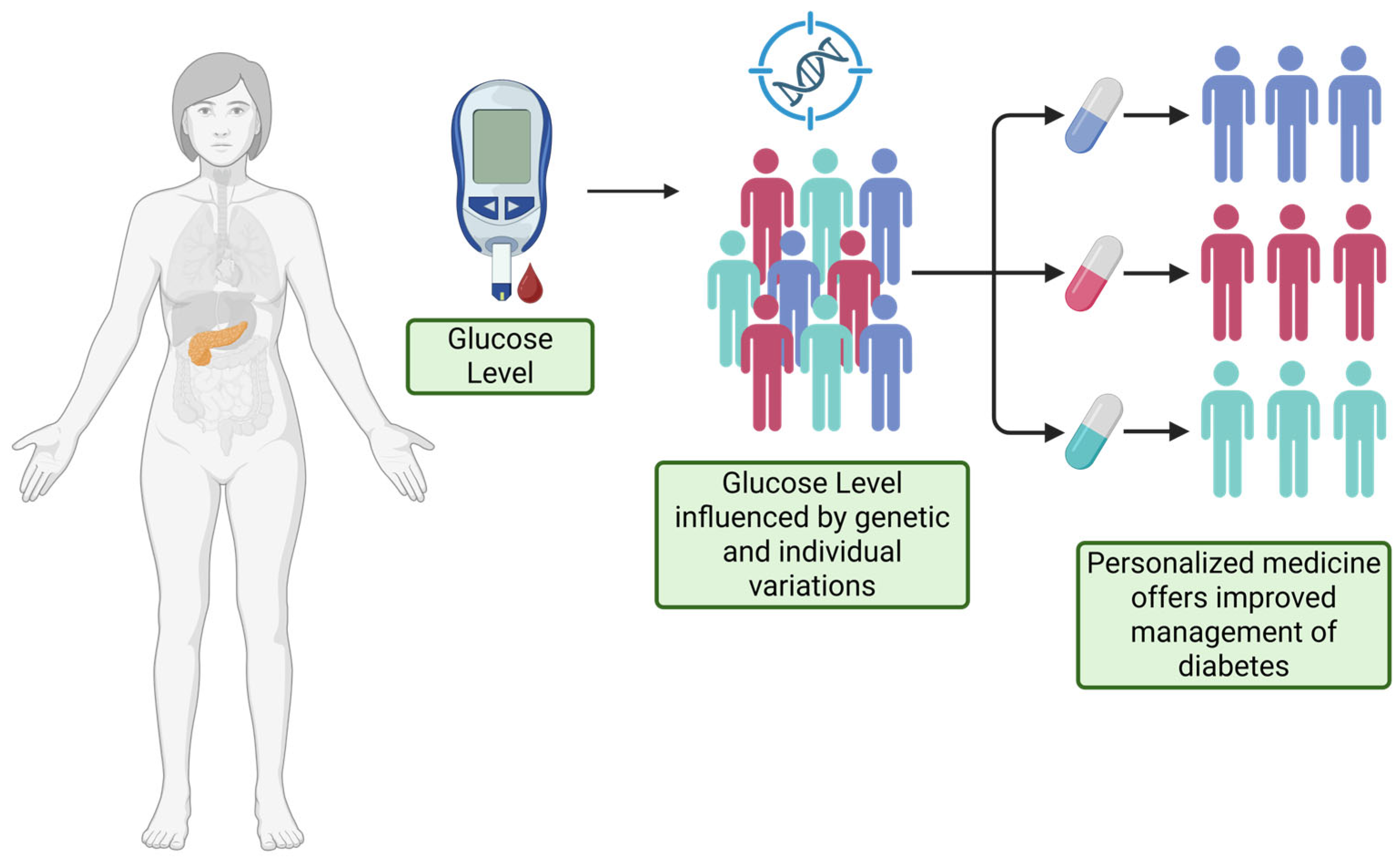
Although many antidiabetic medicines such as GLP-1 receptor agonists and SGLT-2 inhibitors have been successfully developed in recent years, single-target drugs are gradually failing to meet the therapeutic requirements owing to the individual variability, diversity of pathogenesis, and organismal resistance [94]. Figure 2 shows the schematic representation of personalized medicine in diabetes. Personalized medicine treatment for T2DM considers medical, social, personal, as well as phenotypic, biochemical and genetic factors. Key medical factors include the diabetes phenotype, available biomarkers (e.g., autoantibodies, urinary C-peptide and genetic tests) and the presence of medical comorbidities such as cardiovascular or renal disease. Treatment decisions should also account for the presence of other complications such as peripheral vascular disease, retinopathy and neuropathy [95]. In personalized medicine, treatment interventions must be based on individual patient genetic makeup, lifestyle factors, environmental influences, and specific health data. This field also incorporates cutting-edge technologies, such as continuous glucose monitoring and wearable devices, which enable patients to actively engage in the management of their diabetes [96]. Personalized medicine involves defining disease subtypes and defining biomarkers that can identify which patients are most likely to benefit from a specific treatment and which patients are most unlikely to respond or likely to experience side effects [97].

4. Asthma

4.1. Targeted Therapy and Personalized Medicine in Asthma

Asthma is a chronic respiratory disorder characterized by persistent airway inflammation, excessive airway sensitivity, and variable airflow obstruction [98]. The underlying inflammation causes the airways to become swollen and overly reactive to environmental triggers, leading to bronchoconstriction and difficulty in breathing [99]. This hyperresponsiveness, coupled with the ongoing inflammatory process, underpins the variability in airflow obstruction and the episodic nature of asthma symptoms, making it a highly individualized disease [99]. In recent years, targeted therapies have become essential in the treatment of severe asthma by focusing on distinct biological subtypes, or endotypes, and clinical characteristics, or phenotypes, of the disease. These treatments are specifically designed to interfere with the immune pathways and inflammatory mediators responsible for asthma, allowing for a more tailored approach to managing the condition. By identifying specific molecular targets such as cytokines and immune cells, these therapies offer more personalized and effective options for patients who do not respond well to traditional treatments. A personalized medicine approach in asthma recognizes the significant heterogeneity in disease presentation and treatment response, driven by genetic, environmental, and immunological factors [100]. Precision medicine in asthma now utilizes clinical biomarkers such as blood and sputum eosinophils, serum IgE, and FeNO to identify disease endotypes and guide targeted therapies [30]. Recent developments also include the use of artificial intelligence (AI) and machine learning to analyze patient data, predict exacerbations, and recommend personalized interventions, further enhancing individualized asthma management.

4.1.1. Asthma Endotypes and Phenotypes

Asthma is a heterogeneous disease that presents in various forms depending on the underlying biological mechanisms. Based on specific pathophysiological processes, asthma is divided into different subtypes, known as endotypes. Two major endotypes have been identified: Type 2 (T2)-high asthma and T2-low asthma, each driven by different immune responses [101,102].
T2-high asthma is the more prevalent subtype, driven by T2 inflammation, which involves cytokines like interleukin (IL)-4, IL-5, and IL-13 [103]. These cytokines are produced not only by T-helper 2 (Th2) cells but also by type 2 innate lymphoid cells (ILC2s). Patients with T2-high asthma often present with elevated eosinophil counts and higher levels of immunoglobulin E (IgE) [104]. This subtype typically responds well to corticosteroid treatments due to the role of eosinophils in its inflammatory process.
T2-low asthma, less common, is characterized by non-eosinophilic inflammation, which mainly involves neutrophils. Unlike T2-high asthma, it is less responsive to corticosteroids and does not show elevated levels of IgE or eosinophils. Managing T2-low asthma often requires different therapeutic approaches, such as macrolide antibiotics or new biologic treatments that target alternative inflammatory pathways.

4.1.2. Targeted Therapies for T2-High Asthma

Several biologic therapies have been developed to target specific pathways involved in T2-high asthma. These therapies aim to reduce the inflammatory response driven by Th2 cells and other associated immune mechanisms.
Anti-IgE Therapy (Omalizumab): Omalizumab was the first biologic approved for asthma treatment and is specifically designed for allergic asthma [26]. It works by binding to IgE, a key antibody involved in allergic reactions, thereby preventing it from interacting with its receptors on immune cells [105]. This reduces the release of inflammatory mediators and has been shown to significantly decrease asthma exacerbations and improve lung function in patients with moderate to severe allergic asthma.
Anti-IL-5 Therapies (Mepolizumab, Reslizumab, Benralizumab): IL-5 is a crucial cytokine responsible for the growth, activation, and survival of eosinophils, a type of white blood cell involved in T2 inflammation. Targeting IL-5 has proven effective in reducing eosinophil counts and improving asthma control in patients with severe eosinophilic asthma. Mepolizumab and reslizumab directly inhibit IL-5, while benralizumab depletes eosinophils by targeting the IL-5 receptor on these cells [27,28,29,106].
Anti-IL-4 and Anti-IL-13 Therapy (Dupilumab): IL-4 and IL-13 are key cytokines that contribute to the development of airway hyperresponsiveness and mucus production. Dupilumab, an anti-IL-4 receptor alpha monoclonal antibody, blocks the signaling of both IL-4 and IL-13. This dual inhibition has shown greater efficacy compared to therapies that target IL-13 alone, making dupilumab a promising treatment for patients with severe T2-high asthma.

4.1.3. Targeted Therapies for T2-Low Asthma

T2-low asthma, characterized by neutrophilic inflammation, represents a more challenging subtype due to its poor response to corticosteroids and the lack of eosinophilic biomarkers. However, several targeted therapies are being explored.
IL-33 and TSLP Blockers: IL-33 and thymic stromal lymphopoietin (TSLP) are cytokines involved in the activation of innate immune responses in the airways. Both are currently being investigated as therapeutic targets in T2-low asthma. TSLP, for instance, plays a key role in activating dendritic cells and promoting Th2 responses, and its inhibition could be beneficial for patients with non-eosinophilic asthma [106].

5. Myocardial Infarction

5.1. Targeted Therapies and Personalized Medicine in Myocardial Infarction

Ischemic heart disease, particularly myocardial infarction (MI), is the leading cause of death globally, surpassing all cancer-related fatalities. A total of 146 deaths per 100,000 population are recorded in 2021, surpassing the deaths due to COVID in 2021 [107]. MI poses a significant challenge to healthcare systems worldwide due to its high mortality rates among both older adults and those under 65. It is primarily caused by atherosclerosis, where plaques accumulate in the coronary arteries, restricting or blocking blood flow to the heart muscle [108]. This blockage results in irreversible damage to the myocardium within hours. While timely reperfusion through methods like percutaneous coronary intervention, coronary artery bypass grafting, or thrombolysis is crucial to restoring blood flow and rescuing heart cells, it can also lead to ischemia–reperfusion injury due to oxidative stress, exacerbating cell death in the short term [108,109]. The limited regenerative capacity of heart cells complicates recovery, as damaged cells are replaced by scar tissue, maintaining structural integrity but impairing heart function. This process can ultimately lead to heart failure. Following MI, the inflammatory response initiated by injured cells triggers the release of cytokines and the infiltration of immune cells like macrophages, which aid in clearing debris and promoting angiogenesis [110]. However, this inflammation can also expand the infarct until macrophages transition to a reparative role, characterized by fibroblast activation and collagen deposition, leading to scar formation. Despite compensatory mechanisms like ventricular dilation, chronic remodeling can result in impaired heart function and heart failure. Current treatments focus on rapidly restoring blood flow and managing inflammation, but no therapies directly enhance cardiac regeneration.
Ischemic heart disease is a major threat to human health, making new treatment strategies for myocardial infarction (MI) crucial. Recent therapeutic approaches have focused on cellular and molecular processes in MI. Current therapies like pharmacotherapy, gene therapy, protein therapy, cell therapy, and exosome therapy show promising clinical potential. Targeting molecular signaling pathways, such as PI3K/Akt, Notch, TGF-β/SMADs, and others, has shown positive results in both preclinical and clinical studies. These pathways, involved in inflammation, oxidative stress, fibrosis, and regeneration, form a complex regulatory network. Therapies targeting multiple pathways may offer more effective cardiac repair and MI prevention [109]. No nanodrugs are currently approved for treating myocardial infarction (MI), and about 20% of US FDA-approved nanodrugs are designed for cancer therapy [111,112]. Additionally, a clinical trial investigating liposomal methotrexate for MI (NCT03516903) was halted due to the COVID-19 pandemic [113,114]. Table 3 provides an overview of therapeutic strategies for myocardial infarction, including drugs, gene therapies, and cell therapies, highlighting their associated molecular markers and signaling pathways. These strategies aim to target key pathways such as PI3K/Akt, mTOR, MAPK, NLRP3/IL-1β, and TGF-β/SMADs to enhance cardiac function and promote tissue repair.

5.2. Nanoparticles in Myocardial Infarction

5.2.1. Supramolecular Self-Assembled Nanoparticles

Yang Jiao et al. developed a biodegradable nanoparticle-based delivery system with strong macrophage evasion and cardiac targeting capabilities for treating myocardial infarction. They synthesized a p(DMA–MPC–CD) copolymer that combines self-adhesion, hydration lubrication, and a targeting peptide binding site through free radical copolymerization. This copolymer was then assembled onto melatonin-loaded dendritic mesoporous silica nanoparticles (bMSNs), with adamantane-modified cardiac homing peptide (CHP) incorporated via supramolecular host-guest interactions. The zwitterionic phosphorylcholine groups on the nanoparticles formed a hydration layer, enhancing lubrication and reducing friction, which prevented macrophage phagocytosis. In vivo bioluminescence imaging confirmed efficient cardiac targeting, while studies in mice showed that intravenously administered drug-loaded nanoparticles (bMSNs–Mel@PDMC–CHP) reduced cardiomyocyte apoptosis, mitigated myocardial fibrosis, and improved heart function [115].

5.2.2. Magnetic Nanoparticles

Various metal compounds have been used to treat myocardial infarction (MI), with recent studies focusing on iron oxide-based magnetic nanoparticles (MNPs) due to their high responsiveness to manipulation by external magnetic fields. Cheng et al. modified superparamagnetic iron oxide nanoparticles (SPIONs), labeled therapeutic cells, and injected them into specific areas of the pre-infarcted region to deliver the cells to the damaged myocardium without the need for open-chest surgery. They conjugated an FDA-approved SPION (ferumoxytol, used for treating anemia) with two antibodies: one targeting myosin light chain from injured cardiomyocytes and the other, anti-CD45, specific to bone marrow-derived stem cells. This dual-antibody conjugation enabled high-affinity binding of therapeutic cells to damaged cardiomyocytes both in vitro and in vivo.
To assess the distribution and effectiveness of stem cells in cardiac therapy, tracking the fate of injected cells using various imaging techniques is crucial. Cell labeling is achieved by introducing probes into the cells or incorporating reporter genes into the genome. This labeling approach utilizes a range of modern imaging modalities, such as magnetic resonance imaging (MRI), single photon emission computed tomography (SPECT), fluorescence imaging, bioluminescence imaging (BLI), and positron emission tomography (PET), to detect the signal [116,117]. To visualize stem cells using MRI, it is crucial to label them with an appropriate contrast agent. These agents enhance the signal from specific cells in vivo. Iron-containing particles are commonly used for this purpose. For instance, Hill et al. labeled mesenchymal stem cells (MSCs) from pigs with an iron fluorophore particle (IFP) to enable MRI detection after transplantation [118]. Superparamagnetic iron oxide nanoparticles (SPIONs), a smaller variant of IFP, are among the most widely used contrast agents for stem cell labeling. A major limitation of SPIONs is their inability to differentiate between viable and nonviable cells. Recent research by Huang et al. demonstrated that the persistent MRI signals were primarily due to extracellular, rather than intracellular, iron particles.

5.2.3. Nanotheranostics

The advent of nanotechnology in biomedicine and healthcare has led to a major advancement in disease prognosis and the development of effective treatments for chronic conditions. Nano-based platforms have become versatile tools for early and precise disease diagnosis. Additionally, they enable targeted drug delivery and allow for monitoring therapeutic responses at the cellular level. These platforms incorporate various therapeutic approaches, such as gene therapy, chemotherapy, photodynamic therapy (PDT), and photothermal therapy, each providing distinct benefits in enhancing treatment effectiveness [113,119,120].
Nanotechnology offers a promising solution by enabling nanotheranostics, which combines diagnostics and therapy for more effective and safer treatments [121,122]. This approach also lowers costs and improves the efficiency of existing medications, diagnostic tools, and healthcare devices. Nanotheranostics allows for personalized treatments, especially for complex diseases like cancer and cardiovascular conditions, where conventional therapies often work only for select patient groups. By linking diagnosis and treatment, nanotheranostics offers more tailored therapies, improving patient outcomes [122]. The rapid advancement of nanotheranostics has greatly expanded the possibilities for molecular imaging and targeted therapy, introducing a diverse range of innovative agents. These include polymer conjugates, dendrimers, micelles, liposomes, nanoemulsions, self-nanoemulsifying drug delivery systems (DDSs), metal and inorganic nanoparticles (NPs), and carbon nanotubes, among others [123].
Preclinical studies have demonstrated that particulate systems like nanoparticles (NPs) and microparticles (MPs) are effective in delivering both cells and bioactive compounds for cardiovascular diseases (CVDs). Notably, NPs and MPs can transport therapeutic agents directly to the target site, minimizing side effects and toxicity in non-target organs. Their controlled release capability maintains the bioactive concentration of therapeutic molecules, reducing the need for repeated treatments. Additionally, these particles can be administered non-invasively, either systemically or directly into the myocardium via catheter technology, enhancing patient compliance. As delivery systems, they offer a promising approach to repairing damaged heart tissue following myocardial infarction (MI) [124].

5.2.4. PLGA-Based Polymeric Nanoparticles

Palma-Chavez et al. (2021) developed a multistage delivery system by coating poly lactic-co-glycolic acid (PLGA) nanoparticles with larger PLGA outer shells [125]. This system enhances the retention of insulin-like growth factor 1 (IGF-1), which is vital for regulating heart function, promoting cardiomyocyte growth, and supporting cell survival. Administering IGF-1 in PLGA-complexed nanoparticles boosts cardioprotection, reduces cardiomyocyte apoptosis, decreases infarct size, and improves left ventricular ejection fraction (LVEF) [126].

5.2.5. Dendrimers

Dendrimers are seen as a promising non-viral system for siRNA delivery due to their tunable structures and properties. Their cationic surfaces allow strong charge interactions with anionic siRNA, forming stable particles resistant to nuclease degradation. Additionally, dendrimers contain buffering amines that trigger a “proton sponge” effect, promoting endosomal escape and the release of siRNA into the cytoplasm. When siRNA targeting the angiotensin II type 1 receptor (AT1R) was delivered using an oligo-arginine-conjugated dendrimer, AT1R expression was significantly reduced in cardiomyocytes, leading to notable improvements in cardiac function compared to saline or empty dendrimer treatments [127].
Margulis et al. (2015) used a supercritical fluid system to load Celecoxib, a lipophilic nonsteroidal anti-inflammatory drug, into nanoparticles [128]. These Celecoxib-loaded nanoparticles helped reduce ventricular dilation and impairment of ejection function, while significantly enhancing neovascularization [128].

5.2.6. Apolipoprotein AI (Apo AI) Nanoparticles

A prior study showed that transgenic overexpression of apo AI or the injection of n-apo AI (CSL111) reduced myelopoiesis in animal models of atherosclerosis. These results support the well-known anti-inflammatory effects of n-apo AI, which influence leukocyte activity and are expected to reduce leukocyte migration into cardiac tissue [129].

5.2.7. Lipid-Based Nanoparticles

Liposomes are considered promising for targeted drug delivery in myocardial infarction (MI) due to their similar morphology to cellular membranes and their ability to carry both lipophilic and hydrophilic drugs. These biodegradable, non-immunogenic, and non-toxic amphipathic nanocarriers can be engineered to enhance circulation time, reduce uptake by reticuloendothelial cells, and achieve precise targeting [130]. Liposome-based nanotheranostics provide attractive benefits for therapeutic applications, including extended blood circulation by avoiding renal clearance and minimizing high systemic levels of free drug in the extravascular, extracellular space. This helps to reduce the undesirable side effects commonly associated with many traditional drug formulations [131].
Effective treatment of coronary artery diseases (CADs), including myocardial infarction (MI), is hindered by the adult mammalian heart’s poor regenerative ability, the complex pathology of these diseases, and challenges in drug delivery and retention. New therapies for MI are urgently needed due to the heart’s limited regeneration post-injury. While various agents like cytokines, growth factors, and small molecules have shown promise in reducing cardiomyocyte death and supporting cardiac remodeling, their effectiveness is limited by inadequate delivery, absorption, and retention at the target site, and the myocardial EPR (enhanced permeability and retention) effect is only modest and short-lived. Nanoparticles (NPs) offer a promising solution, particularly if they can target the injured area using active targeting and EPR-independent methods. NPs could help prevent adventitial blood vessel activation in patients with low-grade plaques and enhance drug delivery to target sites, potentially preventing the development of neointimal vascular plaques. Research is ongoing into using exosomes as naturally targeted delivery systems and employing ligand-based targeting techniques [113].
Chase Board et al., in their review article, highlight the potential for personalized therapy for myocardial infarction (MI) through the use of PCSK9 inhibitors [132]. Excess cholesterol in the body is primarily cleared by receptors on liver cells, but a protein called PCSK9 (proprotein convertase subtilisin/kexin type 9) inhibits this process, leading to increased cholesterol levels. PCSK9 inhibitors, either monoclonal antibodies or RNA-based therapies, bind to this protein and block its action, thereby lowering low-density lipoprotein (LDL) cholesterol in the blood. In 2015, the U.S. Food and Drug Administration (FDA) approved two fully human therapeutic monoclonal antibodies, alirocumab and evolocumab, for use in combination with statin therapy to lower LDL-C levels. These drugs inhibit PCSK9, a protein primarily expressed in hepatocytes but also found in endothelial and smooth muscle cells, kidney mesenchymal cells, the intestinal ileum, embryonic brain telencephalon neurons, and colon epithelia. Regarding SGLT2 inhibitors, on 5 May 2020, the FDA approved AstraZeneca’s FARXIGA (dapagliflozin), an SGLT2 inhibitor, to reduce the risk of cardiovascular death and hospitalization for heart failure in adults with reduced ejection fraction. The EMPA-REG OUTCOME trial demonstrated that empagliflozin (Jardiance) significantly reduced cardiovascular events, including myocardial infarction and heart failure-related hospitalizations [133].

6. Alzheimer’s Disease

6.1. Targeted Therapies and Personalized Medicine in Alzheimer’s Disease

In 2022, the World Health Organization released a framework for dementia research, estimating that around 55.2 million people worldwide are currently affected by dementia. By 2030, this number is expected to rise dramatically to 78 million. The financial toll is also staggering, with the combined costs of medical care, social services, and informal caregiving anticipated to surpass $2.8 trillion globally. This growing challenge has profound implications for individuals, families, and entire societies [134,135]. Alzheimer’s disease (AD), the most common form of dementia, mirrors these alarming trends and is a rapidly escalating global concern. In the United States alone, approximately one in nine people aged 65 or older, about 10.8% of this age group, are living with AD, with 1275 new cases diagnosed per 100,000 people each year [136,137]. AD is marked by the buildup of amyloid-β (Aβ) plaques and neurofibrillary tangles (NFTs) in the brain, leading to a cascade of damaging processes, including neuroinflammation, synaptic disruption, energy deficits in brain cells, and vascular issues. Together, these disruptions can ultimately lead to the death of neurons [135,138,139]. Personalized medicine (PM) will necessitate the seamless integration of neurology, neuroscience, and psychiatry into a unified health-care model, moving beyond isolated approaches. It represents biomarker-guided treatment at a systems level, incorporating in-depth understanding of the pathophysiology of neurodegenerative diseases alongside ongoing methodological advancements [140].
Our current understanding of AD’s causes draws on several theories, such as the roles of amyloid and tau proteins, inflammation, oxidative stress, metal ions, excitotoxicity, the gut-brain axis, and disrupted autophagy. Despite decades of research, most drug trials have been halted due to limited efficacy or adverse side effects. However, the FDA’s recent approval of aducanumab [31,141] and lecanemab [32,142] offers hope, as these drugs may modify disease progression. Treating AD in its early stages is crucial to slowing or potentially reversing neurodegeneration, though early diagnosis remains challenging [135,143]. Genetics plays a key role in brain disorders, with around 80% of these conditions having a genetic basis. The development of neurodegenerative diseases often involves complex genetic mutations, epigenetic changes (such as DNA methylation, histone/chromatin remodeling, and miRNA irregularities), and environmental influences. New sequencing technologies and tools for studying the epigenome are helping identify biomarkers that could enable earlier diagnosis, paving the way for preventive treatments. Advances in pharmacogenetics and pharmacoepigenomics are now making it possible to tailor treatments to each individual’s genetic and epigenetic profile, offering a more personalized approach to managing AD [144].
In recent years, Alzheimer’s disease (AD) treatment has shifted toward personalized therapeutic strategies, particularly those targeting amyloid pathology and genetic risk factors. FDA approvals such as aducanumab and lecanemab monoclonal antibodies directed against aggregated amyloid-β, represent a major transition toward disease-modifying therapy in patients with confirmed amyloid positivity by PET or CSF biomarkers.

6.1.1. Antisense Oligonucleotides

Antisense therapy leverages antisense oligonucleotides (ASOs) to adjust mRNA and help control abnormal protein production, effectively modulating gene expression [145]. Recent advancements in ASO design now allow these molecules to specifically target brain mRNA, marking a promising new therapeutic approach for Alzheimer’s disease. By using short ASOs that pair precisely with mRNA through Watson–Crick base pairing, scientists can achieve the level of specificity needed to deliver these therapies directly to intended areas in the brain. Grabowska-Pyrzewicz and colleagues have outlined several approaches for regulating mRNA with ASOs [146]. In a recent phase 1 clinical trial involving 102 patients with mild Alzheimer’s, a particular ASO compound, B11B080, was tested. The trial showed that this experimental drug reduced tau biomarkers, such as CSF t-tau, CSF p-tau181, and tau PET. Additionally, patients treated with this compound either maintained or saw improvements in cognitive function, suggesting promising potential for ASOs in Alzheimer’s treatment [147].

6.1.2. Small Molecules

Small molecules show promise in crossing the blood–brain barrier to reach and influence harmful enzymes in the brain. BACE1, a critical enzyme in the production of neurotoxic proteins associated with Alzheimer’s disease, has been identified as a target for precision treatments [148]. Researchers like Ghosh and Oswal have synthesized various small molecules aimed at this enzyme [149,150]. Although Yao and colleagues reviewed several potential BACE1 inhibitors, preclinical studies indicated that, despite reductions in Aβ levels in the brain, cerebrospinal fluid (CSF), and plasma, none have successfully reached phase III trials due to serious side effects or limited therapeutic benefits [151]. The decline in cognitive function in Alzheimer’s patients has been closely linked to the degradation of a key molecule by acetylcholinesterase (AChE), breaking it down into choline and acetate and thereby contributing to the loss of cholinergic neurons. Current medications, such as donepezil, rivastigmine, and tacrine, inhibit AChE to increase its availability in the synaptic cleft, which aids in symptom relief but does not stop the progression of Alzheimer’s disease. New research into tacrine derivatives, however, is showing promise, with early studies suggesting that these compounds may simultaneously influence both AChE and tau-related enzymes like glycogen synthase kinase-3β. These effects may help inhibit enzyme-related breakdown and reduce the formation of toxic protein aggregates. Additionally, favorable predictions regarding these drugs’ absorption and blood–brain barrier permeability open up exciting new therapeutic possibilities [152,153]. Valiltramiprosate, currently in phase 3 clinical trials till the end of 2024, and Blarcamesine are in clinical phase 2b or 3 (clinical trial number: NCT03790709) [154,155].

6.1.3. Antibodies

Recent clinical trials have explored monoclonal antibodies to target amyloid-beta (Aβ) in Alzheimer’s disease (AD) [156]. While early studies showed some cognitive improvement with bapineuzumab in mild to moderate AD, later, phase 3 trials found no significant effect over placebo, despite evidence of Aβ clearance from the brain [157]. Meanwhile, two other antibodies, lecanemab (Leqembi®) and aducanumab (Aduhelm®), received FDA approval, though with modest statistical support [158]. The FDA’s recent 2024 approval of lecanemab-irmb highlights ongoing interest, as patients showed improvements over placebo in cognition and function [159]. Interestingly, aducanumab’s efficacy may be enhanced with low-dose ultrasound to better deliver the drug across the blood–brain barrier. While promising, side effects remain a challenge for broader use [160].

6.1.4. CRISPR/CAS9 Genome Editing

The CRISPR/Cas9 system has revolutionized biomedical science by enabling precise gene editing at targeted DNA sites, offering new avenues for personalized medicine. Using a guide DNA and the Cas9 protein, this tool can create double-strand breaks in DNA. If a sister chromatid is present, precise changes can be introduced via homology-directed repair, while non-homologous repair leads to gene knock-down. Recent advancements, highlighted by Nojadeh et al., showcase the potential applications of CRISPR/Cas9 in both lab and clinical settings [161]. For effective delivery into mammalian cells, adeno-associated viruses are commonly used, as they can infect various tissue types and remain active for extended periods [162].
This breakthrough has paved the way for additional gene-editing techniques, including methods allowing targeted delivery via guide RNA. In Alzheimer’s research, CRISPR/Cas9 has shown promise for early-onset cases. Studies by Konstantinidis et al. and Thompson reveal that disrupting the PSEN1M146L allele can reverse harmful amyloid-beta ratios, potentially offering a therapeutic path [163]. Similarly, research by Guyon et al. suggests that introducing the APP A673T mutation, which reduces amyloid plaque formation, could offer neuroprotective effects [164]. These advancements underscore the need for ongoing bioethical reflection to consider the broader impacts of such transformative technologies.

7. Conclusions

In conclusion, targeted therapies and personalized medicine represent a significant advancement in the treatment of chronic diseases, offering more precise and effective therapeutic options compared to traditional approaches. These innovative treatments focus on specific molecular targets, enabling personalized interventions tailored to the unique genetic and phenotypic profiles of patients. By improving treatment outcomes, minimizing side effects, and addressing the complexities of diseases like cancer, diabetes, asthma, and myocardial infarction, targeted therapies are reshaping the landscape of modern medicine. Continued research and development in this field holds the promise of further refining treatment strategies, advancing the goals of precision medicine, and improving patient care on a global scale.

Author Contributions

Conceptualization, G.R., D.S.R. and A.N.R., writing—original draft preparation, G.R., D.S.R. and A.N.R.; writing—review and editing, G.R., D.S.R. and A.N.R.; supervision, D.S.R. All authors have read and agreed to the published version of the manuscript.

Funding

This review received no external funding.

Conflicts of Interest

The authors declare no conflicts of interest.

References

  1. Murray, C.J.L. Global Burden of Disease Study 2021 (GBD 2021) Results; Institute for Health Metrics and Evaluation (IHME): Seattle, WA, USA, 2022. [Google Scholar]
  2. Shin, D. One Size No Longer Fits All: The Personalized Medicine Trial Landscape. Available online: https://invivo.citeline.com/IV005051/One-Size-No-Longer-Fits-All-The-Personalized-Medicine-Trial-Landscape (accessed on 11 September 2024).
  3. Yamamoto, Y.; Kanayama, N.; Nakayama, Y.; Matsushima, N. Current Status, Issues and Future Prospects of Personalized Medicine for Each Disease. J. Pers. Med. 2022, 12, 444. [Google Scholar] [CrossRef]
  4. Chen, C.-Y.; Wu, K.-H.; Guo, B.-C.; Lin, W.-Y.; Chang, Y.-J.; Wei, C.-W.; Lin, M.-J.; Wu, H.-P. Personalized Medicine in Severe Asthma: From Biomarkers to Biologics. Int. J. Mol. Sci. 2024, 25, 182. [Google Scholar] [CrossRef]
  5. The Personalized Medicine Coalition. PERSONALIZED MEDICINE AT FDA: The Scope & Significance of Progress in 2022; The Personalized Medicine Coalition: Washington, DC, USA, 2022. [Google Scholar]
  6. Restrepo, J.C.; Martínez Guevara, D.; Pareja López, A.; Montenegro Palacios, J.F.; Liscano, Y. Identification and Application of Emerging Biomarkers in Treatment of Non-Small-Cell Lung Cancer: Systematic Review. Cancers 2024, 16, 2338. [Google Scholar] [CrossRef]
  7. Courtney Flaherty Biomarker Identification Drives Research and Drug Development in NSCLC and SCLC. Available online: https://www.onclive.com/view/biomarker-identification-drives-research-and-drug-development-in-nsclc-and-sclc (accessed on 11 September 2024).
  8. Bhullar, K.S.; Lagarón, N.O.; McGowan, E.M.; Parmar, I.; Jha, A.; Hubbard, B.P.; Rupasinghe, H.P.V. Kinase-Targeted Cancer Therapies: Progress, Challenges and Future Directions. Mol. Cancer 2018, 17, 48. [Google Scholar] [CrossRef]
  9. Takeuchi, T. Cytokines and Cytokine Receptors as Targets of Immune-Mediated Inflammatory Diseases—RA as a Role Model. Inflamm. Regen. 2022, 42, 35. [Google Scholar] [CrossRef]
  10. Baldo, B.A.; Pham, N.H. Targeted Drugs for Cancer Therapy: Small Molecules and Monoclonal Antibodies. In Drug Allergy: Clinical Aspects, Diagnosis, Mechanisms, Structure-Activity Relationships; Springer International Publishing: Cham, Switzerland, 2021; pp. 595–644. ISBN 978-3-030-51740-3. [Google Scholar]
  11. Yi, M.; Li, T.; Niu, M.; Zhang, H.; Wu, Y.; Wu, K.; Dai, Z. Targeting Cytokine and Chemokine Signaling Pathways for Cancer Therapy. Signal Transduct. Target. Ther. 2024, 9, 176. [Google Scholar] [CrossRef] [PubMed]
  12. Capatina, A.L.; Lagos, D.; Brackenbury, W.J. Targeting Ion Channels for Cancer Treatment: Current Progress and Future Challenges. In Targets of Cancer Diagnosis and Treatment; Reviews of Physiology, Biochemistry and Pharmacology; Springer: Cham, Switzerland, 2022; Volume 183, pp. 1–43. [Google Scholar] [CrossRef]
  13. Crawford, L.J.; Walker, B.; Irvine, A.E. Proteasome Inhibitors in Cancer Therapy. J. Cell Commun. Signal. 2011, 5, 101–110. [Google Scholar] [CrossRef] [PubMed]
  14. Choi, H.Y.; Chang, J.-E. Targeted Therapy for Cancers: From Ongoing Clinical Trials to FDA-Approved Drugs. Int. J. Mol. Sci. 2023, 24, 13618. [Google Scholar] [CrossRef] [PubMed]
  15. Al Khatib, A.O.; El-Tanani, M.; Al-Obaidi, H. Inhaled Medicines for Targeting Non-Small Cell Lung Cancer. Pharmaceutics 2023, 15, 2777. [Google Scholar] [CrossRef]
  16. Zheng, L.; Wang, W.; Sun, Q. Targeted Drug Approvals in 2023: Breakthroughs by the FDA and NMPA. Signal Transduct. Target. Ther. 2024, 9, 46. [Google Scholar] [CrossRef]
  17. Mullard, A. 2023 FDA Approvals. Nat. Rev. Drug Discov. 2024, 23, 88–95. [Google Scholar] [CrossRef]
  18. Attia, M.F.; Anton, N.; Wallyn, J.; Omran, Z.; Vandamme, T.F. An Overview of Active and Passive Targeting Strategies to Improve the Nanocarriers Efficiency to Tumour Sites. J. Pharm. Pharmacol. 2019, 71, 1185–1198. [Google Scholar] [CrossRef]
  19. Min, H.-Y.; Lee, H.-Y. Molecular Targeted Therapy for Anticancer Treatment. Exp. Mol. Med. 2022, 54, 1670–1694. [Google Scholar] [CrossRef]
  20. Norsworthy, K.J.; Ko, C.-W.; Lee, J.E.; Liu, J.; John, C.S.; Przepiorka, D.; Farrell, A.T.; Pazdur, R. FDA Approval Summary: Mylotarg for Treatment of Patients with Relapsed or Refractory CD33-Positive Acute Myeloid Leukemia. Oncologist 2018, 23, 1103–1108. [Google Scholar] [CrossRef] [PubMed]
  21. FDA Approves Margetuximab for Metastatic HER2-Positive Breast Cancer. Available online: https://www.fda.gov/drugs/resources-information-approved-drugs/fda-approves-margetuximab-metastatic-her2-positive-breast-cancer (accessed on 17 September 2024).
  22. Artasensi, A.; Pedretti, A.; Vistoli, G.; Fumagalli, L. Type 2 Diabetes Mellitus: A Review of Multi-Target Drugs. Molecules 2020, 25, 1987. [Google Scholar] [CrossRef]
  23. Warshauer, J.T.; Bluestone, J.A.; Anderson, M.S. New Frontiers in the Treatment of Type 1 Diabetes. Cell Metab. 2020, 31, 46–61. [Google Scholar] [CrossRef]
  24. Fonseca-Correa, J.I.; Correa-Rotter, R. Sodium-Glucose Cotransporter 2 Inhibitors Mechanisms of Action: A Review. Front. Med. 2021, 8, 777861. [Google Scholar] [CrossRef]
  25. Chong, K.; Chang, J.K.-J.; Chuang, L.-M. Recent Advances in the Treatment of Type 2 Diabetes Mellitus Using New Drug Therapies. Kaohsiung J. Med. Sci. 2024, 40, 212–220. [Google Scholar] [CrossRef] [PubMed]
  26. FDA. Xolair® (Omalizumab). Highlights of Prescribing Information. 2018. Available online: https://www.gene.com/download/pdf/xolair_prescribing.pdf (accessed on 15 September 2024).
  27. FDA. Nucala® (Mepolizumab). Highlights of Prescribing Information. 2017. Available online: https://www.accessdata.fda.gov/drugsatfda_docs/label/2017/125526s004lbl.pdf (accessed on 15 September 2024).
  28. FDA. Cinqair® (Reslizumab). Highlights of Prescribing Information. 2016. Available online: https://www.accessdata.fda.gov/drugsatfda_docs/label/2016/761033lbl.pdf (accessed on 15 September 2024).
  29. FDA. FasenraTM (Benralizumab). Highlights of Prescribing Information. 2017. Available online: https://www.azpicentral.com/fasenra/fasenra_pi.pdf (accessed on 15 September 2024).
  30. García-Rivero, J.L.; García-Moguel, I. Personalized Medicine in Severe Asthma: Bridging the Gaps. Open Respir. Arch. 2024, 6, 100368. [Google Scholar] [CrossRef] [PubMed]
  31. Cummings, J.; Salloway, S. Aducanumab: Appropriate Use Recommendations. Alzheimers Dement. 2022, 18, 531–533. [Google Scholar] [CrossRef]
  32. Larkin, H.D. Lecanemab Gains FDA Approval for Early Alzheimer Disease. JAMA 2023, 329, 363. [Google Scholar] [CrossRef]
  33. The Personalized Medicine Coalition. Personalized Medicine at FDA: The Scope & Significance of Progress in 2020; The Personalized Medicine Coalition: Washington, DC, USA, 2020. [Google Scholar]
  34. The Personalized Medicine Coalition. Personalized Medicine at FDA: The Scope & Significance of Progress in 2021; The Personalized Medicine Coalition: Washington, DC, USA, 2021. [Google Scholar]
  35. The Personalized Medicine Coalition. PERSONALIZED MEDICINE AT FDA, The Scope & Significance of Progress in 2023; The Personalized Medicine Coalition: Washington, DC, USA, 2022. [Google Scholar]
  36. The Personalized Medicine Coalition. PERSONALIZED MEDICINE AT FDA, The Scope & Significance of Progress in 2024; The Personalized Medicine Coalition: Washington, DC, USA, 2023. [Google Scholar]
  37. WHO Cancer. Available online: https://www.who.int/health-topics/cancer#tab=tab_1 (accessed on 15 September 2025).
  38. International Agency for Research on Cancer; WHO. New Report on Global Cancer Burden in 2022 by World Region and Human Development Level. Available online: https://www.iarc.who.int/news-events/new-report-on-global-cancer-burden-in-2022-by-world-region-and-human-development-level/ (accessed on 14 September 2024).
  39. Siegel, R.L.; Giaquinto, A.N.; Jemal, A. Cancer Statistics, 2024. CA Cancer J. Clin. 2024, 74, 12–49. [Google Scholar] [CrossRef]
  40. Sung, H.; Ferlay, J.; Siegel, R.L.; Laversanne, M.; Soerjomataram, I.; Jemal, A.; Bray, F. Global Cancer Statistics 2020: GLOBOCAN Estimates of Incidence and Mortality Worldwide for 36 Cancers in 185 Countries. CA Cancer J. Clin. 2021, 71, 209–249. [Google Scholar] [CrossRef]
  41. Krzyszczyk, P.; Acevedo, A.; Davidoff, E.J.; Timmins, L.M.; Marrero-Berrios, I.; Patel, M.; White, C.; Lowe, C.; Sherba, J.J.; Hartmanshenn, C.; et al. The Growing Role of Precision and Personalized Medicine for Cancer Treatment. Technology 2018, 6, 79–100. [Google Scholar] [CrossRef] [PubMed]
  42. Saini, K.S.; Twelves, C. Determining Lines of Therapy in Patients with Solid Cancers: A Proposed New Systematic and Comprehensive Framework. Br. J. Cancer 2021, 125, 155–163. [Google Scholar] [CrossRef]
  43. Jemal, A.; Thun, M.J.; Ries, L.A.G.; Howe, H.L.; Weir, H.K.; Center, M.M.; Ward, E.; Wu, X.-C.; Eheman, C.; Anderson, R.; et al. Annual Report to the Nation on the Status of Cancer, 1975-2005, Featuring Trends in Lung Cancer, Tobacco Use, and Tobacco Control. J. Natl. Cancer Inst. 2008, 100, 1672–1694. [Google Scholar] [CrossRef] [PubMed]
  44. Usborne, C.M.; Mullard, A.P. A Review of Systemic Anticancer Therapy in Disease Palliation. Br. Med. Bull. 2017, 125, 43–53. [Google Scholar] [CrossRef]
  45. Lind, M.J. Principles of Systemic Anticancer Therapy. Medicine 2016, 44, 20–24. [Google Scholar] [CrossRef]
  46. Jones, R. Cytotoxic Chemotherapy: Clinical Aspects. Medicine 2016, 44, 25–29. [Google Scholar] [CrossRef]
  47. Ke, X.; Shen, L. Molecular Targeted Therapy of Cancer: The Progress and Future Prospect. Front. Lab. Med. 2017, 1, 69–75. [Google Scholar] [CrossRef]
  48. Zhong, L.; Li, Y.; Xiong, L.; Wang, W.; Wu, M.; Yuan, T.; Yang, W.; Tian, C.; Miao, Z.; Wang, T.; et al. Small Molecules in Targeted Cancer Therapy: Advances, Challenges, and Future Perspectives. Signal Transduct. Target. Ther. 2021, 6, 201. [Google Scholar] [CrossRef]
  49. Majeed, H.; Gupta, V. Adverse Effects of Radiation Therapy; StatPearls Publishing: Treasure Island, FL, USA, 2024. [Google Scholar]
  50. Chemotherapy Side Effects. American Cancer Society. Available online: https://www.cancer.org/cancer/managing-cancer/treatment-types/chemotherapy/chemotherapy-side-effects.html (accessed on 14 September 2024).
  51. Jain, K.K. Cancer Biomarkers: Current Issues and Future Directions. Curr. Opin. Mol. Ther. 2007, 9, 563–571. [Google Scholar]
  52. Mateo, J.; Steuten, L.; Aftimos, P.; André, F.; Davies, M.; Garralda, E.; Geissler, J.; Husereau, D.; Martinez-Lopez, I.; Normanno, N.; et al. Delivering Precision Oncology to Patients with Cancer. Nat. Med. 2022, 28, 658–665. [Google Scholar] [CrossRef] [PubMed]
  53. Greulich, H.; Chen, T.-H.; Feng, W.; Jänne, P.A.; Alvarez, J.V.; Zappaterra, M.; Bulmer, S.E.; Frank, D.A.; Hahn, W.C.; Sellers, W.R.; et al. Oncogenic Transformation by Inhibitor-Sensitive and -Resistant EGFR Mutants. PLoS Med. 2005, 2, e313. [Google Scholar] [CrossRef] [PubMed]
  54. Halliday, P.R.; Blakely, C.M.; Bivona, T.G. Emerging Targeted Therapies for the Treatment of Non-Small Cell Lung Cancer. Curr. Oncol. Rep. 2019, 21, 21. [Google Scholar] [CrossRef]
  55. Jamalinia, M.; Weiskirchen, R. Advances in Personalized Medicine: Translating Genomic Insights into Targeted Therapies for Cancer Treatment. Ann. Transl. Med. 2025, 13, 18. [Google Scholar] [CrossRef]
  56. US Food and Drug Administration. Prescribing Information; US Food and Drug administration: Silver Spring, MD, USA, 2011. [Google Scholar]
  57. Blackwell, K.; Gligorov, J.; Jacobs, I.; Twelves, C. The Global Need for a Trastuzumab Biosimilar for Patients with HER2-Positive Breast Cancer. Clin. Breast Cancer 2018, 18, 95–113. [Google Scholar] [CrossRef]
  58. Bethune, G.; Bethune, D.; Ridgway, N.; Xu, Z. Epidermal Growth Factor Receptor (EGFR) in Lung Cancer: An Overview and Update. J. Thorac. Dis. 2010, 2, 48–51. [Google Scholar] [PubMed]
  59. Recondo, G.; Facchinetti, F.; Olaussen, K.A.; Besse, B.; Friboulet, L. Making the First Move in EGFR-Driven or ALK-Driven NSCLC: First-Generation or next-Generation TKI? Nat. Rev. Clin. Oncol. 2018, 15, 694–708. [Google Scholar] [CrossRef]
  60. Proietti, I.; Skroza, N.; Michelini, S.; Mambrin, A.; Balduzzi, V.; Bernardini, N.; Marchesiello, A.; Tolino, E.; Volpe, S.; Maddalena, P.; et al. BRAF Inhibitors: Molecular Targeting and Immunomodulatory Actions. Cancers 2020, 12, 1823. [Google Scholar] [CrossRef]
  61. Babamohamadi, M.; Mohammadi, N.; Faryadi, E.; Haddadi, M.; Merati, A.; Ghobadinezhad, F.; Amirian, R.; Izadi, Z.; Hadjati, J. Anti-CTLA-4 Nanobody as a Promising Approach in Cancer Immunotherapy. Cell Death Dis. 2024, 15, 17. [Google Scholar] [CrossRef] [PubMed]
  62. Han, Y.; Liu, D.; Li, L. PD-1/PD-L1 Pathway: Current Researches in Cancer. Am. J. Cancer Res. 2020, 10, 727–742. [Google Scholar]
  63. Manning, G.; Whyte, D.B.; Martinez, R.; Hunter, T.; Sudarsanam, S. The Protein Kinase Complement of the Human Genome. Science 2002, 298, 1912–1934. [Google Scholar] [CrossRef]
  64. Sarkar, N.; Singh, A.; Kumar, P.; Kaushik, M. Protein Kinases: Role of Their Dysregulation in Carcinogenesis, Identification and Inhibition. Drug Res. 2023, 73, 189–199. [Google Scholar] [CrossRef]
  65. Roskoski, R. Classification of Small Molecule Protein Kinase Inhibitors Based upon the Structures of Their Drug-Enzyme Complexes. Pharmacol. Res. 2016, 103, 26–48. [Google Scholar] [CrossRef]
  66. Dhillon, S. Gefitinib: A Review of Its Use in Adults with Advanced Non-Small Cell Lung Cancer. Target. Oncol. 2015, 10, 153–170. [Google Scholar] [CrossRef]
  67. Liu, Y.; Gray, N.S. Rational Design of Inhibitors That Bind to Inactive Kinase Conformations. Nat. Chem. Biol. 2006, 2, 358–364. [Google Scholar] [CrossRef]
  68. Kufareva, I.; Abagyan, R. Type-II Kinase Inhibitor Docking, Screening, and Profiling Using Modified Structures of Active Kinase States. J. Med. Chem. 2008, 51, 7921–7932. [Google Scholar] [CrossRef]
  69. Will, Y.; Dykens, J.A.; Nadanaciva, S.; Hirakawa, B.; Jamieson, J.; Marroquin, L.D.; Hynes, J.; Patyna, S.; Jessen, B.A. Effect of the Multitargeted Tyrosine Kinase Inhibitors Imatinib, Dasatinib, Sunitinib, and Sorafenib on Mitochondrial Function in Isolated Rat Heart Mitochondria and H9c2 Cells. Toxicol. Sci. 2008, 106, 153–161. [Google Scholar] [CrossRef] [PubMed]
  70. Lamba, V.; Ghosh, I. New Directions in Targeting Protein Kinases: Focusing Upon True Allosteric and Bivalent Inhibitors. Curr. Pharm. Des. 2012, 18, 2936–2945. [Google Scholar] [CrossRef] [PubMed]
  71. Okamoto, K.; Ikemori-Kawada, M.; Jestel, A.; von König, K.; Funahashi, Y.; Matsushima, T.; Tsuruoka, A.; Inoue, A.; Matsui, J. Distinct Binding Mode of Multikinase Inhibitor Lenvatinib Revealed by Biochemical Characterization. ACS Med. Chem. Lett. 2015, 6, 89–94. [Google Scholar] [CrossRef]
  72. Li, H.-S.; Yang, G.-J.; Cai, Y.; Li, J.-L.; Xu, H.-Y.; Zhang, T.; Zhou, L.-Q.; Wang, Y.-Y.; Wang, J.-L.; Hu, X.-S.; et al. Dacomitinib for Advanced Non-Small Cell Lung Cancer Patients Harboring Major Uncommon EGFR Alterations: A Dual-Center, Single-Arm, Ambispective Cohort Study in China. Front. Pharmacol. 2022, 13, 919652. [Google Scholar] [CrossRef]
  73. Imai, K.; Takaoka, A. Comparing Antibody and Small-Molecule Therapies for Cancer. Nat. Rev. Cancer 2006, 6, 714–727. [Google Scholar] [CrossRef]
  74. Dancey, J.; Sausville, E.A. Issues and Progress with Protein Kinase Inhibitors for Cancer Treatment. Nat. Rev. Drug Discov. 2003, 2, 296–313. [Google Scholar] [CrossRef]
  75. Druker, B.J. STI571 (Gleevec) as a Paradigm for Cancer Therapy. Trends Mol. Med. 2002, 8, S14–S18. [Google Scholar] [CrossRef]
  76. Druker, B.J. Imatinib as a Paradigm of Targeted Therapies. Adv. Cancer Res. 2004, 91, 1–30. [Google Scholar] [CrossRef] [PubMed]
  77. Liu, B.; Zhou, H.; Tan, L.; Siu, K.T.H.; Guan, X.-Y. Exploring Treatment Options in Cancer: Tumor Treatment Strategies. Signal. Transduct. Target. Ther. 2024, 9, 175. [Google Scholar] [CrossRef] [PubMed]
  78. Zahavi, D.; Weiner, L. Monoclonal Antibodies in Cancer Therapy. Antibodies 2020, 9, 34. [Google Scholar] [CrossRef] [PubMed]
  79. Keating, G.M. Rituximab: A Review of Its Use in Chronic Lymphocytic Leukaemia, Low-Grade or Follicular Lymphoma and Diffuse Large B-Cell Lymphoma. Drugs 2010, 70, 1445–1476. [Google Scholar] [CrossRef]
  80. Li, S.; Schmitz, K.R.; Jeffrey, P.D.; Wiltzius, J.J.W.; Kussie, P.; Ferguson, K.M. Structural Basis for Inhibition of the Epidermal Growth Factor Receptor by Cetuximab. Cancer Cell 2005, 7, 301–311. [Google Scholar] [CrossRef]
  81. Patel, D.; Bassi, R.; Hooper, A.; Prewett, M.; Hicklin, D.J.; Kang, X. Anti-Epidermal Growth Factor Receptor Monoclonal Antibody Cetuximab Inhibits EGFR/HER-2 Heterodimerization and Activation. Int. J. Oncol. 2009, 34, 25–32. [Google Scholar] [CrossRef]
  82. Chames, P.; Van Regenmortel, M.; Weiss, E.; Baty, D. Therapeutic Antibodies: Successes, Limitations and Hopes for the Future. Br. J. Pharmacol. 2009, 157, 220–233. [Google Scholar] [CrossRef]
  83. Rodríguez-Nava, C.; Ortuño-Pineda, C.; Illades-Aguiar, B.; Flores-Alfaro, E.; Leyva-Vázquez, M.A.; Parra-Rojas, I.; Del Moral-Hernández, O.; Vences-Velázquez, A.; Cortés-Sarabia, K.; Alarcón-Romero, L.D.C. Mechanisms of Action and Limitations of Monoclonal Antibodies and Single Chain Fragment Variable (scFv) in the Treatment of Cancer. Biomedicines 2023, 11, 1610. [Google Scholar] [CrossRef]
  84. Ovacik, M.; Lin, K. Tutorial on Monoclonal Antibody Pharmacokinetics and Its Considerations in Early Development. Clin. Transl. Sci. 2018, 11, 540–552. [Google Scholar] [CrossRef]
  85. Sievers, E.L.; Senter, P.D. Antibody-Drug Conjugates in Cancer Therapy. Annu. Rev. Med. 2013, 64, 15–29. [Google Scholar] [CrossRef]
  86. Fu, Z.; Li, S.; Han, S.; Shi, C.; Zhang, Y. Antibody Drug Conjugate: The “Biological Missile” for Targeted Cancer Therapy. Signal. Transduct. Target. Ther. 2022, 7, 93. [Google Scholar] [CrossRef]
  87. Song, C.H.; Jeong, M.; In, H.; Kim, J.H.; Lin, C.-W.; Han, K.H. Trends in the Development of Antibody-Drug Conjugates for Cancer Therapy. Antibodies 2023, 12, 72. [Google Scholar] [CrossRef] [PubMed]
  88. Lukyanov, A.N.; Elbayoumi, T.A.; Chakilam, A.R.; Torchilin, V.P. Tumor-Targeted Liposomes: Doxorubicin-Loaded Long-Circulating Liposomes Modified with Anti-Cancer Antibody. J. Control. Release 2004, 100, 135–144. [Google Scholar] [CrossRef] [PubMed]
  89. Munster, P.; Krop, I.E.; LoRusso, P.; Ma, C.; Siegel, B.A.; Shields, A.F.; Molnár, I.; Wickham, T.J.; Reynolds, J.; Campbell, K.; et al. Safety and Pharmacokinetics of MM-302, a HER2-Targeted Antibody-Liposomal Doxorubicin Conjugate, in Patients with Advanced HER2-Positive Breast Cancer: A Phase 1 Dose-Escalation Study. Br. J. Cancer 2018, 119, 1086–1093. [Google Scholar] [CrossRef] [PubMed]
  90. Diabetes. World Health Organization. Available online: https://www.who.int/news-room/fact-sheets/detail/diabetes (accessed on 14 September 2024).
  91. Demir, S.; Nawroth, P.P.; Herzig, S.; Ekim Üstünel, B. Emerging Targets in Type 2 Diabetes and Diabetic Complications. Adv. Sci. 2021, 8, e2100275. [Google Scholar] [CrossRef]
  92. Rodriguez, P.J.; Goodwin Cartwright, B.M.; Gratzl, S.; Brar, R.; Baker, C.; Gluckman, T.J.; Stucky, N.L. Semaglutide vs Tirzepatide for Weight Loss in Adults with Overweight or Obesity. JAMA Intern. Med. 2024, 184, 1056–1064. [Google Scholar] [CrossRef]
  93. Mulvihill, E.E.; Drucker, D.J. Pharmacology, Physiology, and Mechanisms of Action of Dipeptidyl Peptidase-4 Inhibitors. Endocr. Rev. 2014, 35, 992–1019. [Google Scholar] [CrossRef]
  94. Su, J.; Luo, Y.; Hu, S.; Tang, L.; Ouyang, S. Advances in Research on Type 2 Diabetes Mellitus Targets and Therapeutic Agents. Int. J. Mol. Sci. 2023, 24, 13381. [Google Scholar] [CrossRef]
  95. Williams, D.M.; Jones, H.; Stephens, J.W. Personalized Type 2 Diabetes Management: An Update on Recent Advances and Recommendations. Diabetes Metab. Syndr. Obes. 2022, 15, 281–295. [Google Scholar] [CrossRef] [PubMed]
  96. Sugandh, F.; Chandio, M.; Raveena, F.; Kumar, L.; Karishma, F.; Khuwaja, S.; Memon, U.A.; Bai, K.; Kashif, M.; Varrassi, G.; et al. Advances in the Management of Diabetes Mellitus: A Focus on Personalized Medicine. Cureus 2023, 15, e43697. [Google Scholar] [CrossRef]
  97. Klonoff, D.C. Precision Medicine for Managing Diabetes. J. Diabetes Sci. Technol. 2015, 9, 3–7. [Google Scholar] [CrossRef] [PubMed]
  98. Fireman, P. Understanding Asthma Pathophysiology. Allergy Asthma Proc. 2003, 24, 79–83. [Google Scholar]
  99. Holgate, S.T.; Wenzel, S.; Postma, D.S.; Weiss, S.T.; Renz, H.; Sly, P.D. Asthma. Nat. Rev. Dis. Primers 2015, 1, 15025. [Google Scholar] [CrossRef] [PubMed]
  100. Agache, I.; Adcock, I.M.; Baraldi, F.; Chung, K.F.; Eguiluz-Gracia, I.; Johnston, S.L.; Jutel, M.; Nair, P.; Papi, A.; Porsbjerg, C.; et al. Personalized Therapeutic Approaches for Asthma. J. Allergy Clin. Immunol. 2025, 156, 503–522. [Google Scholar] [CrossRef]
  101. Kuruvilla, M.E.; Lee, F.E.-H.; Lee, G.B. Understanding Asthma Phenotypes, Endotypes, and Mechanisms of Disease. Clin. Rev. Allergy Immunol. 2019, 56, 219–233. [Google Scholar] [CrossRef]
  102. Ray, A.; Kolls, J.K. Neutrophilic Inflammation in Asthma and Association with Disease Severity. Trends Immunol. 2017, 38, 942–954. [Google Scholar] [CrossRef]
  103. Lambrecht, B.N.; Hammad, H. The Immunology of Asthma. Nat. Immunol. 2015, 16, 45–56. [Google Scholar] [CrossRef]
  104. Froidure, A.; Mouthuy, J.; Durham, S.R.; Chanez, P.; Sibille, Y.; Pilette, C. Asthma Phenotypes and IgE Responses. Eur. Respir. J. 2016, 47, 304–319. [Google Scholar] [CrossRef] [PubMed]
  105. Pelaia, G.; Vatrella, A.; Busceti, M.T.; Gallelli, L.; Terracciano, R.; Maselli, R. Anti-IgE Therapy with Omalizumab for Severe Asthma: Current Concepts and Potential Developments. Curr. Drug Targets 2015, 16, 171–178. [Google Scholar] [CrossRef]
  106. Calhoun, W.J.; Chupp, G.L. The New Era of Add-on Asthma Treatments: Where Do We Stand? Allergy Asthma Clin. Immunol. 2022, 18, 42. [Google Scholar] [CrossRef] [PubMed]
  107. Top 10 Causes of Death in United States of America for Total Aged Total Years. 2021. Available online: https://www.who.int/data/gho/data/themes/mortality-and-global-health-estimates/ghe-leading-causes-of-death (accessed on 15 September 2024).
  108. Song, L.; Jia, K.; Yang, F.; Wang, J. Advanced Nanomedicine Approaches for Myocardial Infarction Treatment. Int. J. Nanomed. 2024, 19, 6399–6425. [Google Scholar] [CrossRef] [PubMed]
  109. Zhang, Q.; Wang, L.; Wang, S.; Cheng, H.; Xu, L.; Pei, G.; Wang, Y.; Fu, C.; Jiang, Y.; He, C.; et al. Signaling Pathways and Targeted Therapy for Myocardial Infarction. Signal. Transduct. Target. Ther. 2022, 7, 78. [Google Scholar] [CrossRef]
  110. Awada, H.K.; Hwang, M.P.; Wang, Y. Towards Comprehensive Cardiac Repair and Regeneration after Myocardial Infarction: Aspects to Consider and Proteins to Deliver. Biomaterials 2016, 82, 94–112. [Google Scholar] [CrossRef]
  111. Bobo, D.; Robinson, K.J.; Islam, J.; Thurecht, K.J.; Corrie, S.R. Nanoparticle-Based Medicines: A Review of FDA-Approved Materials and Clinical Trials to Date. Pharm. Res. 2016, 33, 2373–2387. [Google Scholar] [CrossRef]
  112. Cicha, I.; Chauvierre, C.; Texier, I.; Cabella, C.; Metselaar, J.M.; Szebeni, J.; Dézsi, L.; Alexiou, C.; Rouzet, F.; Storm, G.; et al. From Design to the Clinic: Practical Guidelines for Translating Cardiovascular Nanomedicine. Cardiovasc. Res. 2018, 114, 1714–1727. [Google Scholar] [CrossRef]
  113. Pang, A.S.-R.; Dinesh, V.; Pang, N.Y.-L.; Dinesh, T.; Pang, K.Y.-L.; Yip, G.W.; Bay, B.H.; Srinivasan, D.K. Precision Medicine in Myocardial Infarction: Nanotheranostic Strategies. Nano Select 2024, 5, 2300127. [Google Scholar] [CrossRef]
  114. George, T.A.; Hsu, C.-C.; Meeson, A.; Lundy, D.J. Nanocarrier-Based Targeted Therapies for Myocardial Infarction. Pharmaceutics 2022, 14, 930. [Google Scholar] [CrossRef]
  115. Jiao, Y.; Wang, H.; Weng, X.; Wang, J.; Li, Y.; Shen, J.; Zhao, W.; Xi, Q.; Zhang, H.; Fu, Z. Supramolecular Self-Assembled Nanoparticles for Targeted Therapy of Myocardial Infarction by Enhancing Cardiomyocyte Mitophagy. Aggregate 2024, 5, e563. [Google Scholar] [CrossRef]
  116. Santoso, M.R.; Yang, P.C. Magnetic Nanoparticles for Targeting and Imaging of Stem Cells in Myocardial Infarction. Stem Cells Int. 2016, 2016, 4198790. [Google Scholar] [CrossRef] [PubMed]
  117. Nguyen, P.K.; Lan, F.; Wang, Y.; Wu, J.C. Imaging: Guiding the Clinical Translation of Cardiac Stem Cell Therapy. Circ. Res. 2011, 109, 962–979. [Google Scholar] [CrossRef] [PubMed]
  118. Hill, J.M.; Dick, A.J.; Raman, V.K.; Thompson, R.B.; Yu, Z.-X.; Hinds, K.A.; Pessanha, B.S.S.; Guttman, M.A.; Varney, T.R.; Martin, B.J.; et al. Serial Cardiac Magnetic Resonance Imaging of Injected Mesenchymal Stem Cells. Circulation 2003, 108, 1009–1014. [Google Scholar] [CrossRef] [PubMed]
  119. Najahi-Missaoui, W.; Arnold, R.D.; Cummings, B.S. Safe Nanoparticles: Are We There Yet? Int. J. Mol. Sci. 2020, 22, 385. [Google Scholar] [CrossRef]
  120. Farokhzad, O.C.; Langer, R. Nanomedicine: Developing Smarter Therapeutic and Diagnostic Modalities. Adv. Drug Deliv. Rev. 2006, 58, 1456–1459. [Google Scholar] [CrossRef]
  121. Wong, X.Y.; Sena-Torralba, A.; Álvarez-Diduk, R.; Muthoosamy, K.; Merkoçi, A. Nanomaterials for Nanotheranostics: Tuning Their Properties According to Disease Needs. ACS Nano 2020, 14, 2585–2627. [Google Scholar] [CrossRef]
  122. Mitragotri, S.; Anderson, D.G.; Chen, X.; Chow, E.K.; Ho, D.; Kabanov, A.V.; Karp, J.M.; Kataoka, K.; Mirkin, C.A.; Petrosko, S.H.; et al. Accelerating the Translation of Nanomaterials in Biomedicine. ACS Nano 2015, 9, 6644–6654. [Google Scholar] [CrossRef]
  123. Madamsetty, V.S.; Mukherjee, A.; Mukherjee, S. Recent Trends of the Bio-Inspired Nanoparticles in Cancer Theranostics. Front. Pharmacol. 2019, 10, 1264. [Google Scholar] [CrossRef]
  124. Saludas, L.; Oliveira, C.C.; Roncal, C.; Ruiz-Villalba, A.; Prósper, F.; Garbayo, E.; Blanco-Prieto, M.J. Extracellular Vesicle-Based Therapeutics for Heart Repair. Nanomaterials 2021, 11, 570. [Google Scholar] [CrossRef]
  125. Palma-Chavez, J.A.; Fuentes, K.; Applegate, B.E.; Jo, J.A.; Charoenphol, P. Development and Characterization of PLGA-Based Multistage Delivery System for Enhanced Payload Delivery to Targeted Vascular Endothelium. Macromol. Biosci. 2021, 21, e2000377. [Google Scholar] [CrossRef] [PubMed]
  126. Sun, B.; Liu, S.; Hao, R.; Dong, X.; Fu, L.; Han, B. RGD-PEG-PLA Delivers MiR-133 to Infarct Lesions of Acute Myocardial Infarction Model Rats for Cardiac Protection. Pharmaceutics 2020, 12, 575. [Google Scholar] [CrossRef]
  127. Liu, J.; Gu, C.; Cabigas, E.B.; Pendergrass, K.D.; Brown, M.E.; Luo, Y.; Davis, M.E. Functionalized Dendrimer-Based Delivery of Angiotensin Type 1 Receptor siRNA for Preserving Cardiac Function Following Infarction. Biomaterials 2013, 34, 3729–3736. [Google Scholar] [CrossRef]
  128. Margulis, K.; Neofytou, E.A.; Beygui, R.E.; Zare, R.N. Celecoxib Nanoparticles for Therapeutic Angiogenesis. ACS Nano 2015, 9, 9416–9426. [Google Scholar] [CrossRef]
  129. Yvan-Charvet, L.; Pagler, T.; Gautier, E.L.; Avagyan, S.; Siry, R.L.; Han, S.; Welch, C.L.; Wang, N.; Randolph, G.J.; Snoeck, H.W.; et al. ATP-Binding Cassette Transporters and HDL Suppress Hematopoietic Stem Cell Proliferation. Science 2010, 328, 1689–1693. [Google Scholar] [CrossRef]
  130. Singh, B.; Garg, T.; Goyal, A.K.; Rath, G. Recent Advancements in the Cardiovascular Drug Carriers. Artif. Cells Nanomed. Biotechnol. 2016, 44, 216–225. [Google Scholar] [CrossRef]
  131. Cheng, Z.; Al Zaki, A.; Hui, J.Z.; Muzykantov, V.R.; Tsourkas, A. Multifunctional Nanoparticles: Cost versus Benefit of Adding Targeting and Imaging Capabilities. Science 2012, 338, 903–910. [Google Scholar] [CrossRef] [PubMed]
  132. Board, C.; Kelly, M.S.; Shapiro, M.D.; Dixon, D.L. PCSK9 Inhibitors in Secondary Prevention-An Opportunity for Personalized Therapy. J. Cardiovasc. Pharmacol. 2020, 75, 410–420. [Google Scholar] [CrossRef] [PubMed]
  133. FDA Approves New Treatment for a Type of Heart Failure. Available online: https://web.archive.org/web/20200507031954/http://www.fda.gov/news-events/press-announcements/fda-approves-new-treatment-type-heart-failure (accessed on 15 September 2024).
  134. Cataldi, R.; Sachdev, P.S.; Chowdhary, N.; Seeher, K.; Bentvelzen, A.; Moorthy, V.; Dua, T. A WHO Blueprint for Action to Reshape Dementia Research. Nat. Aging 2023, 3, 469–471. [Google Scholar] [CrossRef]
  135. Zhang, J.; Zhang, Y.; Wang, J.; Xia, Y.; Zhang, J.; Chen, L. Recent Advances in Alzheimer’s Disease: Mechanisms, Clinical Trials and New Drug Development Strategies. Signal Transduct. Target. Ther. 2024, 9, 211. [Google Scholar] [CrossRef] [PubMed]
  136. 2023 Alzheimer’s Disease Facts and Figures. Alzheimers Dement. 2023, 19, 1598–1695. [CrossRef] [PubMed]
  137. Querfurth, H.W.; LaFerla, F.M. Alzheimer’s Disease. N. Engl. J. Med. 2010, 362, 329–344. [Google Scholar] [CrossRef]
  138. Abdelnour, C.; Agosta, F.; Bozzali, M.; Fougère, B.; Iwata, A.; Nilforooshan, R.; Takada, L.T.; Viñuela, F.; Traber, M. Perspectives and Challenges in Patient Stratification in Alzheimer’s Disease. Alzheimers Res. Ther. 2022, 14, 112. [Google Scholar] [CrossRef] [PubMed]
  139. Cummings, J. New Approaches to Symptomatic Treatments for Alzheimer’s Disease. Mol. Neurodegener. 2021, 16, 2. [Google Scholar] [CrossRef]
  140. Arafah, A.; Khatoon, S.; Rasool, I.; Khan, A.; Rather, M.A.; Abujabal, K.A.; Faqih, Y.A.H.; Rashid, H.; Rashid, S.M.; Bilal Ahmad, S.; et al. The Future of Precision Medicine in the Cure of Alzheimer’s Disease. Biomedicines 2023, 11, 335. [Google Scholar] [CrossRef]
  141. Dhillon, S. Aducanumab: First Approval. Drugs 2021, 81, 1437–1443. [Google Scholar] [CrossRef]
  142. van Dyck, C.H.; Swanson, C.J.; Aisen, P.; Bateman, R.J.; Chen, C.; Gee, M.; Kanekiyo, M.; Li, D.; Reyderman, L.; Cohen, S.; et al. Lecanemab in Early Alzheimer’s Disease. N. Engl. J. Med. 2023, 388, 9–21. [Google Scholar] [CrossRef]
  143. Panghal, A.; Flora, S.J.S. Nanotechnology in the Diagnostic and Therapy for Alzheimer’s Disease. Biochim. Et Biophys. Acta (BBA) Gen. Subj. 2024, 1868, 130559. [Google Scholar] [CrossRef]
  144. Griñán-Ferré, C.; Bellver-Sanchis, A.; Guerrero, A.; Pallàs, M. Advancing Personalized Medicine in Neurodegenerative Diseases: The Role of Epigenetics and Pharmacoepigenomics in Pharmacotherapy. Pharmacol. Res. 2024, 205, 107247. [Google Scholar] [CrossRef] [PubMed]
  145. Zhang, L.; Xia, Y.; Gui, Y. Neuronal ApoE4 in Alzheimer’s Disease and Potential Therapeutic Targets. Front. Aging Neurosci. 2023, 15, 1199434. [Google Scholar] [CrossRef]
  146. Dhuri, K.; Bechtold, C.; Quijano, E.; Pham, H.; Gupta, A.; Vikram, A.; Bahal, R. Antisense Oligonucleotides: An Emerging Area in Drug Discovery and Development. J. Clin. Med. 2020, 9, 2004. [Google Scholar] [CrossRef]
  147. Lu, T.-T.; Wan, C.; Yang, W.; Cai, Z. Role of Cdk5 in Amyloid-Beta Pathology of Alzheimer’s Disease. Curr. Alzheimer Res. 2019, 16, 1206–1215. [Google Scholar] [CrossRef]
  148. Xiao, L.; Fang, L.; Kool, E.T. RNA Infrastructure Profiling Illuminates Transcriptome Structure in Crowded Spaces. Cell Chem. Biol. 2024, 31, 2156–2167.e5. [Google Scholar] [CrossRef]
  149. Hampel, H.; Vassar, R.; De Strooper, B.; Hardy, J.; Willem, M.; Singh, N.; Zhou, J.; Yan, R.; Vanmechelen, E.; De Vos, A.; et al. The β-Secretase BACE1 in Alzheimer’s Disease. Biol. Psychiatry 2021, 89, 745–756. [Google Scholar] [CrossRef]
  150. Ghosh, A.K.; Osswald, H.L. BACE1 (β-Secretase) Inhibitors for the Treatment of Alzheimer’s Disease. Chem. Soc. Rev. 2014, 43, 6765–6813. [Google Scholar] [CrossRef]
  151. Yao, W.; Yang, H.; Yang, J. Small-Molecule Drugs Development for Alzheimer’s Disease. Front. Aging Neurosci. 2022, 14, 1019412. [Google Scholar] [CrossRef] [PubMed]
  152. Ferreira-Vieira, T.H.; Guimaraes, I.M.; Silva, F.R.; Ribeiro, F.M. Alzheimer’s Disease: Targeting the Cholinergic System. Curr. Neuropharmacol. 2016, 14, 101–115. [Google Scholar] [CrossRef] [PubMed]
  153. Yao, H.; Uras, G.; Zhang, P.; Xu, S.; Yin, Y.; Liu, J.; Qin, S.; Li, X.; Allen, S.; Bai, R.; et al. Discovery of Novel Tacrine–Pyrimidone Hybrids as Potent Dual AChE/GSK-3 Inhibitors for the Treatment of Alzheimer’s Disease. J. Med. Chem. 2021, 64, 7483–7506. [Google Scholar] [CrossRef]
  154. Abushakra, S.; Porsteinsson, A.P.; Sabbagh, M.; Watson, D.; Power, A.; Liang, E.; MacSweeney, E.; Boada, M.; Flint, S.; McLaine, R.; et al. APOLLOE4 Phase 3 Study of Oral ALZ-801/Valiltramiprosate in APOE Ε4/Ε4 Homozygotes with Early Alzheimer’s Disease: Trial Design and Baseline Characteristics. Alzheimer’s Dement. Transl. Res. Clin. Interv. 2024, 10, e12498. [Google Scholar] [CrossRef]
  155. Sabbagh, M.N.; Chezem, W.R.; Jin, K.; Missling, C.U. Anavex Life Sciences Research Group Blarcamesine in Early Alzheimer Disease Phase 2b/3 Randomized Clinical Trial. Alzheimer’s Dement. 2024, 20, e090729. [Google Scholar] [CrossRef]
  156. Hao, Y.; Dong, M.; Sun, Y.; Duan, X.; Niu, W. Effectiveness and Safety of Monoclonal Antibodies against Amyloid-Beta Vis-à-Vis Placebo in Mild or Moderate Alzheimer’s Disease. Front. Neurol. 2023, 14, 1147757. [Google Scholar] [CrossRef]
  157. Salloway, S.; Sperling, R.; Fox, N.C.; Blennow, K.; Klunk, W.; Raskind, M.; Sabbagh, M.; Honig, L.S.; Porsteinsson, A.P.; Ferris, S.; et al. Two Phase 3 Trials of Bapineuzumab in Mild-to-Moderate Alzheimer’s Disease. N. Engl. J. Med. 2014, 370, 322–333. [Google Scholar] [CrossRef] [PubMed]
  158. Shi, M.; Chu, F.; Zhu, F.; Zhu, J. Impact of Anti-Amyloid-β Monoclonal Antibodies on the Pathology and Clinical Profile of Alzheimer’s Disease: A Focus on Aducanumab and Lecanemab. Front. Aging Neurosci. 2022, 14, 870517. [Google Scholar] [CrossRef] [PubMed]
  159. Cohen, S.; Van Dyck, C.H.; Gee, M.; Doherty, T.; Kanekiyo, M.; Dhadda, S.; Li, D.; Hersch, S.; Irizarry, M.; Kramer, L.D. Lecanemab Clarity AD: Quality-of-Life Results from a Randomized, Double-Blind Phase 3 Trial in Early Alzheimer’s Disease. J. Prev. Alzheimer’s Dis. 2023, 10, 771–777. [Google Scholar] [CrossRef]
  160. Jeong, J.; Han, M.; Jeon, S.; Kim, Y.; Choi, H.J.; Choi, W.; Kwon, K.; Choi, J.; Lee, E.-H. Aducanumab Delivery via Focused Ultrasound-Induced Transient Blood–Brain Barrier Opening in Vivo. Sci. Rep. 2025, 15, 17742. [Google Scholar] [CrossRef]
  161. Rezai, A.R.; D’Haese, P.-F.; Finomore, V.; Carpenter, J.; Ranjan, M.; Wilhelmsen, K.; Mehta, R.I.; Wang, P.; Najib, U.; Vieira Ligo Teixeira, C.; et al. Ultrasound Blood–Brain Barrier Opening and Aducanumab in Alzheimer’s Disease. N. Engl. J. Med. 2024, 390, 55–62. [Google Scholar] [CrossRef]
  162. Pauwels, E.K.J.; Boer, G.J. Alzheimer’s Disease: A Suitable Case for Treatment with Precision Medicine? Med. Princ. Pract. 2024, 33, 301–309. [Google Scholar] [CrossRef]
  163. Konstantinidis, E.; Molisak, A.; Perrin, F.; Streubel-Gallasch, L.; Fayad, S.; Kim, D.Y.; Petri, K.; Aryee, M.J.; Aguilar, X.; György, B.; et al. CRISPR-Cas9 Treatment Partially Restores Amyloid-β 42/40 in Human Fibroblasts with the Alzheimer’s Disease PSEN1 M146L Mutation. Mol. Ther. Nucleic Acids 2022, 28, 450–461. [Google Scholar] [CrossRef] [PubMed]
  164. Guyon, A.; Rousseau, J.; Bégin, F.-G.; Bertin, T.; Lamothe, G.; Tremblay, J.P. Base Editing Strategy for Insertion of the A673T Mutation in the APP Gene to Prevent the Development of AD in Vitro. Mol. Ther. Nucleic Acids 2021, 24, 253–263. [Google Scholar] [CrossRef] [PubMed]
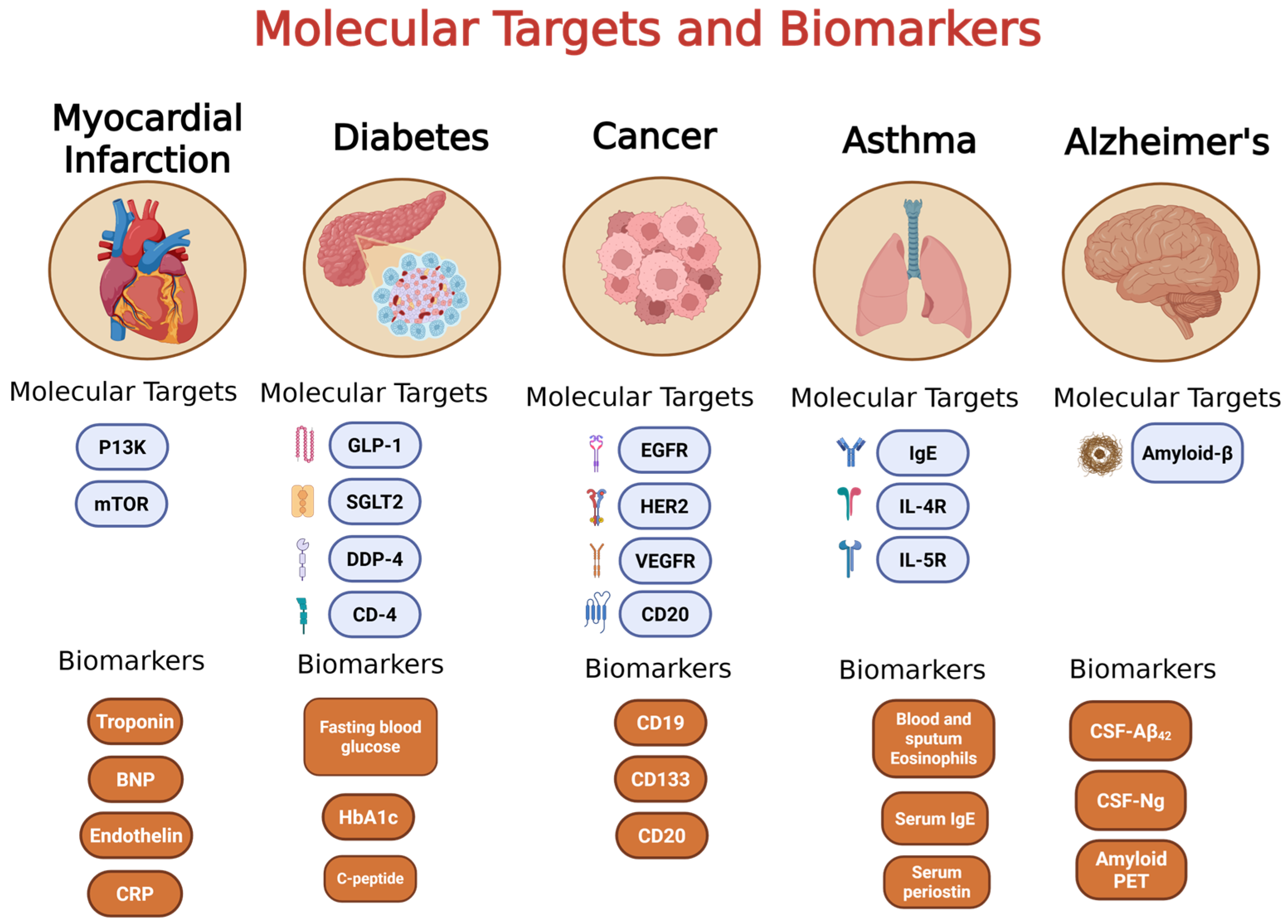
Figure 1. Overview of Key Molecular Targets and their Biomarker for various disease conditions.
Jpbi 02 00019 g001
Figure 2. Schematic representation of personalized medicine in diabetes.
Jpbi 02 00019 g002
Table 3. Overview of therapeutic strategies for myocardial infarction [109].
InterventionTherapeutic StrategyClinical Trial ID Molecular Markers/Signal Pathways
IvabradineDrug (I(f) Current Inhibitors)NCT05279651 (Phase III)PI3K/Akt/mTOR
Rapamycin/SirolimusDrug (Immunosuppressants)NCT00288210 (Phase IV)mTOR
LosmapimodDrug (p38 MAPK)NCT02145468 (Phase III)MAPK
CanakinumabDrug (Monoclonal Antibodies-Anti-inflammatory)NCT01327846 (Phase III)NLRP3/IL-1β
ColchicineDrug (Anti-inflammatory)NCT04420624 (Phase II, III)NLRP3/IL-1β
ErythropoietinDrug (Cardioprotective)NCT00367991MAPK, TGF-β, Wnt, Sonic Hedgehog
EstradiolDrug (vasodilation, improved Endothelial function and Anti-atherosclerotic)NCT00377988 (observational)RhoA/ROCK
EstrogenDrug (vasodilation, improved Endothelial function and Anti-atherosclerotic)NCT00005185 (Observational)RhoA/ROCK
NicorandilDrug (anti-free radical and neutrophil modulating, vasodilatation)NCT02449070 (Phase III)RhoA/ROCK
DexmedetomidineDrug (anti-inflammatory)NCT04912518 (NA)RhoA/ROCK
ValsartanDrug (Angiotensin II receptor blockers-ARBs)NCT01340326 (Phase IV)TGF-β/SMADs
SildenafilDrug (Vasodialtor)NCT01046838 (Phase IV)JAK2/STAT3, RhoA/ROCK
G-CsfDrug (Cardioprotective)NCT00756756 (NA)JAK2/STAT3, NF-κB
MethotrexateDrug (beneficial effects on vascular homeostasis and blood pressure control)NCT01741558 (Phase II)NF-κB
MetforminDrug (Reduces LDL C)NCT05182970 (Phase III)TLR4
MelatoninDrug (reduces mitochondrial dysfunction)NCT03230630 (observational)Notch, Hippo/YAP
FasudilDrug (reduced myocardial infarct size-preclinical)NCT03753269 (Phase IV)TGFβ1/TAK1, TGF-β2, TGF-β3, RhoA/ROCK
StatinDrug (anti-inflammatory and antithrombotic, and antioxidant effects)NCT01205347 (Phase IV)PI3K/Akt/FOXO3a, TGF-β/SMADs, Sonic Hedgehog, RhoA/ROCK/ERK, PI3K/Akt/Nrf2/HO-1
HirudinDrug (antithrombotic)NCT05847205 (Phase IV)KEAP1/Nrf2/HO-1
Vegf-A165 PlasmidGene TherapyNCT00620217 (Phase II)VEGF/PI3K/Akt
Adgvvegf121 CdnaGene TherapyNCT01174095 (observational)VEGF/PI3K/Akt
Endocardial Adenovirus Vegf-D Gene TransferGene TherapyNCT01002430 (Phase I)VEGF/PI3K/Akt
Bicistronic Vegf-A165/Bfgf PlasmidGene TherapyNCT00620217 (Phase II)VEGF(bFGF)/PI3K/Akt
Cd34+ CellCell TherapyNCT00313339 (Phase I)PI3K/Akt, Sonic Hedgehog
Cd133+ CellCell TherapyNCT00529932PI3K/Akt, Wnt
EpcsCell TherapyNCT00936819 (Phase II)VEGF/PI3K/Akt/eNOS, Dll4/Notch/Hey2, Sonic Hedgehog, Akt/HO-1
MscsCell TherapyNCT05043610 (Phase III)PI3K/Akt/mTOR, Wnt/β-catenin, TGF-β/SMADs, Notch, Sonic Hedgehog
MAPKs: Mitogen-activated protein kinases (MAPKs); TGF-β: Targeting transforming growth factor-β; RhoA: Ras homolog gene family member A; ROCK: Rho-associated coiled-coil containing kinase; TGF-β: Transforming growth factor-β, Suppressor of mother against; JAK2/STAT3: Janus Kinase 2/signal transducer and activator of transcription 3; NF-κB: Nuclear Factor Kappa B; TLR4: Toll-like receptor 4; YAP: Yes-associated protein; PI3K/Akt/FOXO3a:PI3K: Phosphat dylinositol 3-kinase/Akt: Protein kinase/Forkhead box protein O3; ERK: Extracellular signal-regulated kinase; PI3K/Akt/Nrf2/HO-1: Phosphatidylinositol 3-kinase/Protein kinase B/Nuclear factor erythroid-2 related factor 2/Heme oxygenase; KEAP1/Nrf2/HO-1: Kelch-like ECH-associated protein 1/Nuclear factor erythroid 2-related factor 2/Heme oxygenase-1; VEGF, PI3K, and Akt: Vascular endothelial growth factor/Phosphatidylinositol 3-kinase/Protein kinase B PI3K/Akt/mTOR: Phosphatidylinositol 3-kinase (PI3K)/protein kinase B (Akt)/mammalian target of rapamycin (mTOR); Wnt/β-catenin is Wingless–Int (Wnt) signaling pathway.
Disclaimer/Publisher’s Note: The statements, opinions and data contained in all publications are solely those of the individual author(s) and contributor(s) and not of MDPI and/or the editor(s). MDPI and/or the editor(s) disclaim responsibility for any injury to people or property resulting from any ideas, methods, instructions or products referred to in the content.