
Microplastic-Mediated Dissemination of Antibiotic Resistance Genes in Marine Environments: Mechanisms, Environmental Modulators, and Emerging Risks


 ,
, 
Abstract
1. Introduction
2. Narrative Literature of Review
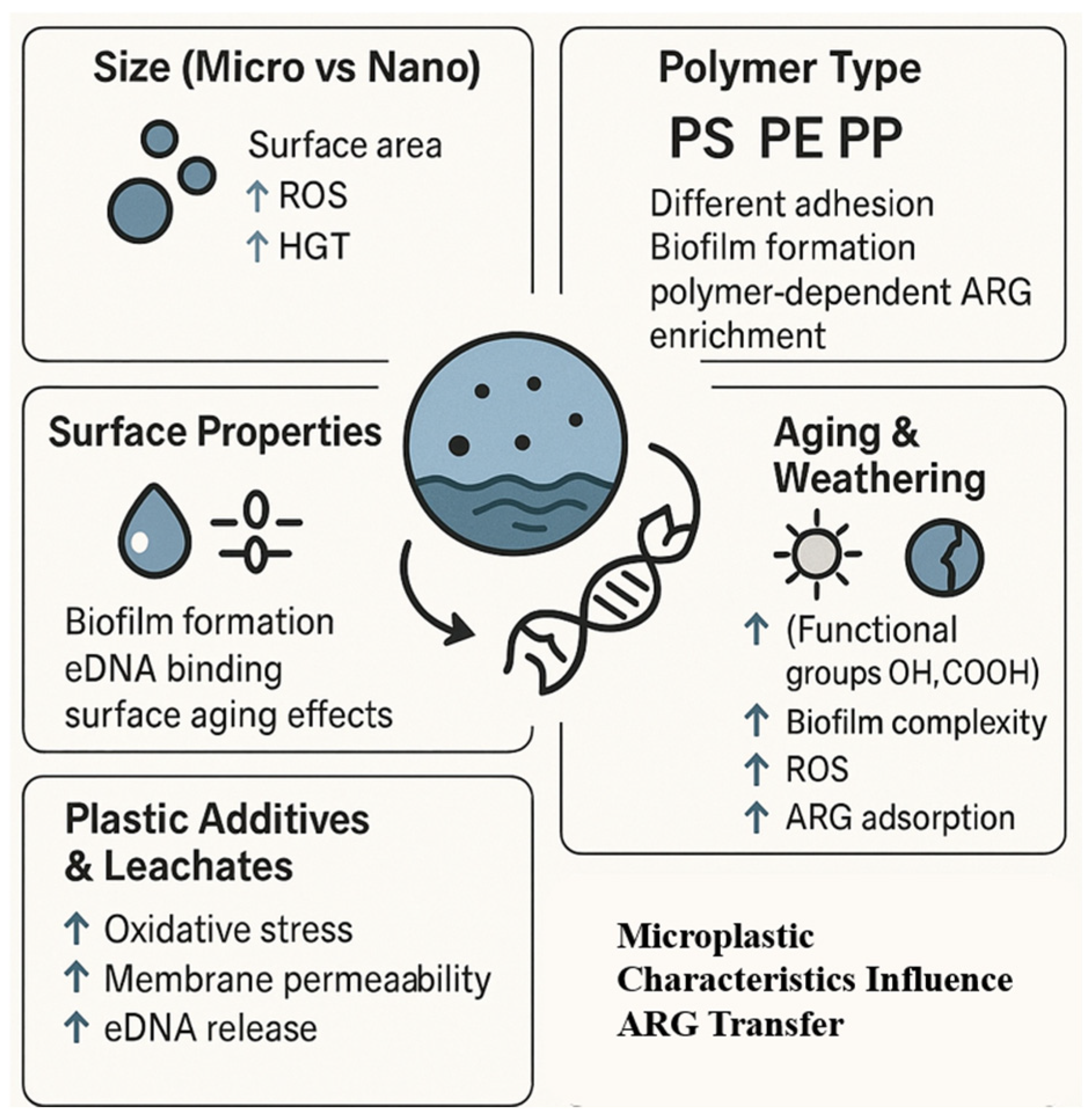
2.1. Microplastic Characteristics Affecting ARG Transfer
2.1.1. Size (Micro- vs. Nano-; Surface-Area-to-Volume Ratio)
2.1.2. Polymer Type
2.1.3. Surface Properties (Hydrophobicity, Charge)
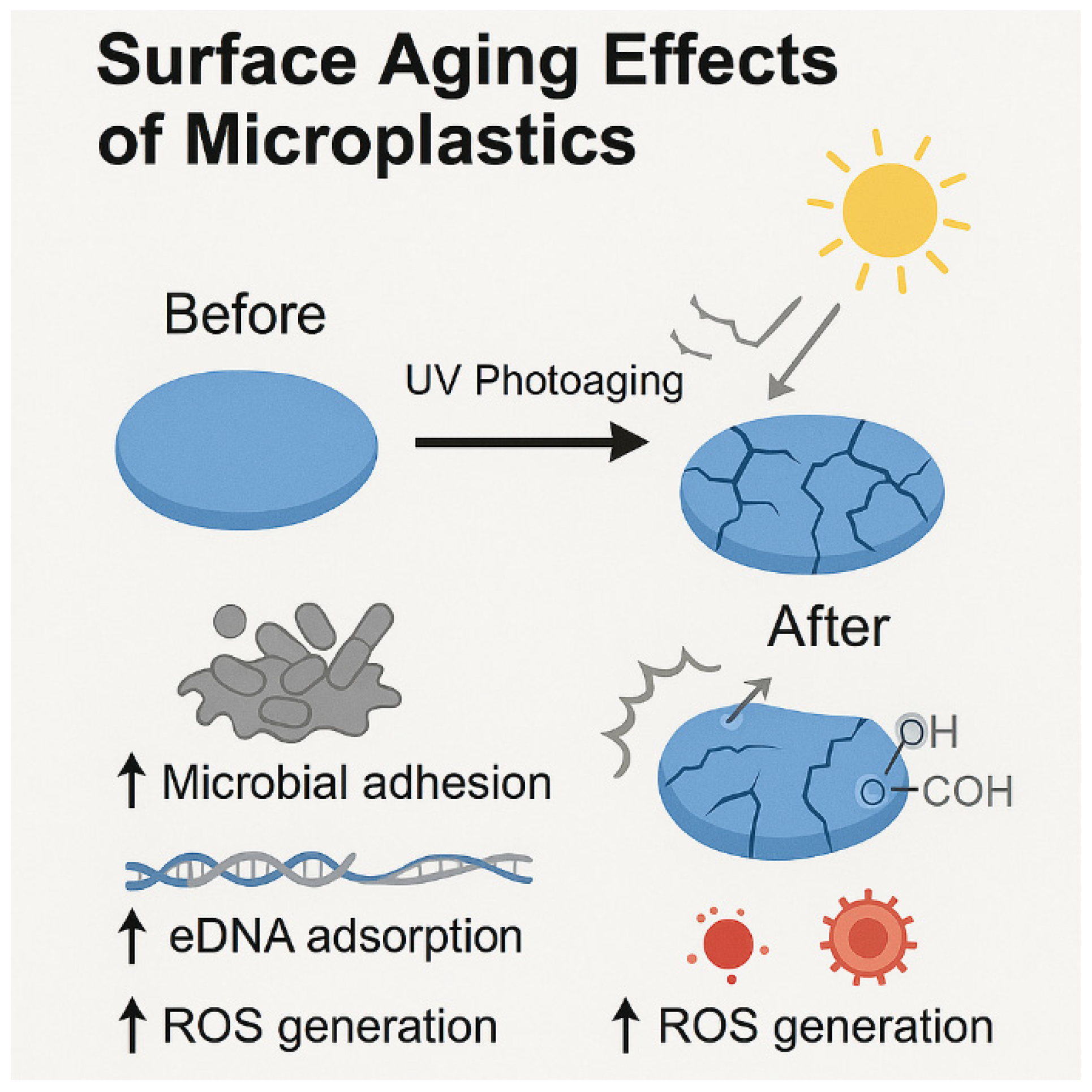
2.1.4. Aging and Weathering Effects
2.1.5. Plastic Additives and Leachates
2.2. Biofilm Formation on Microplastics
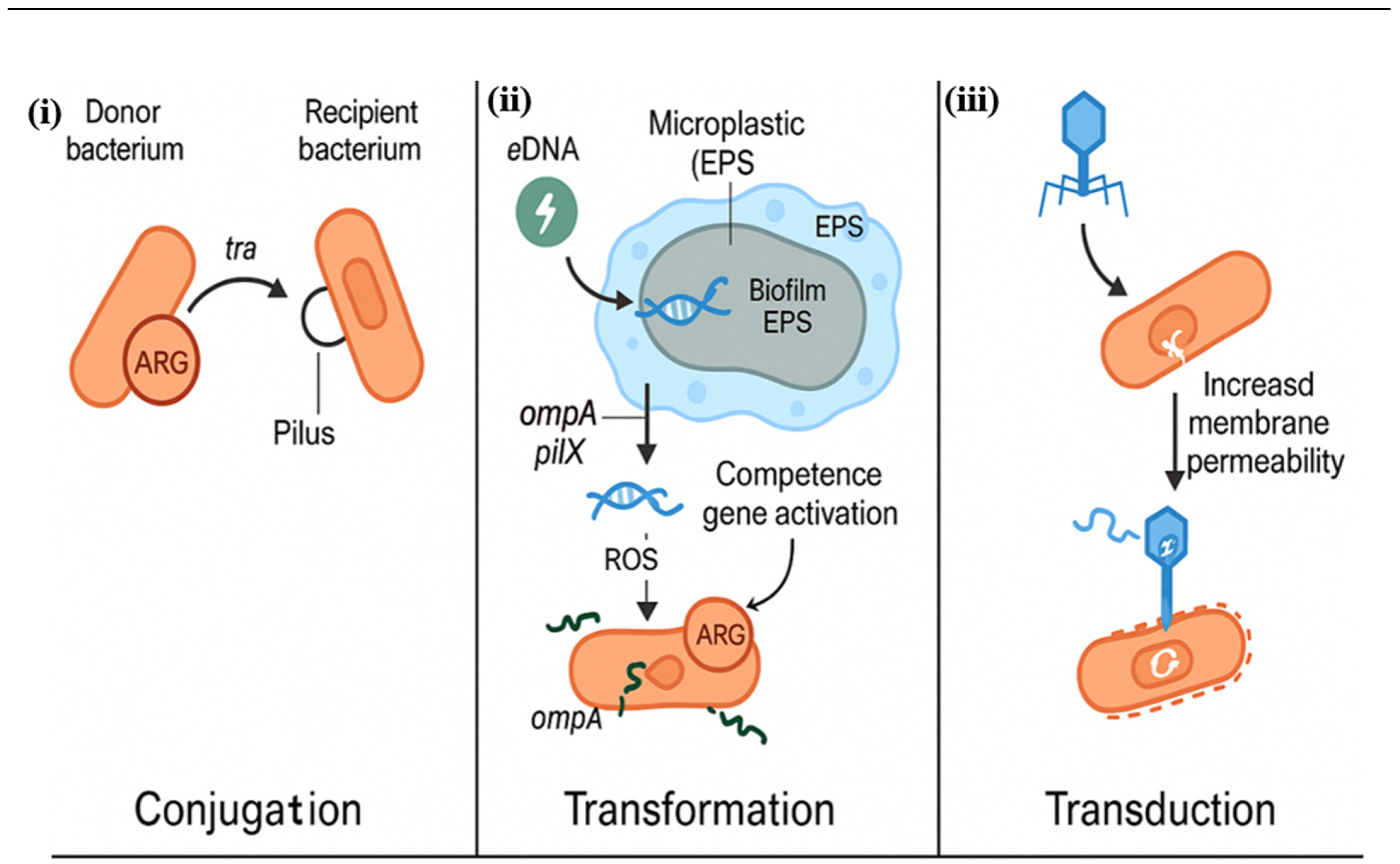
2.3. Mechanisms of ARG Acquisition and Transfer on Microplastics
2.3.1. Conjugation
2.3.2. Transformation
2.3.3. Transduction
2.3.4. Mobile Genetic Elements (Plasmids, Integrons, Transposons)
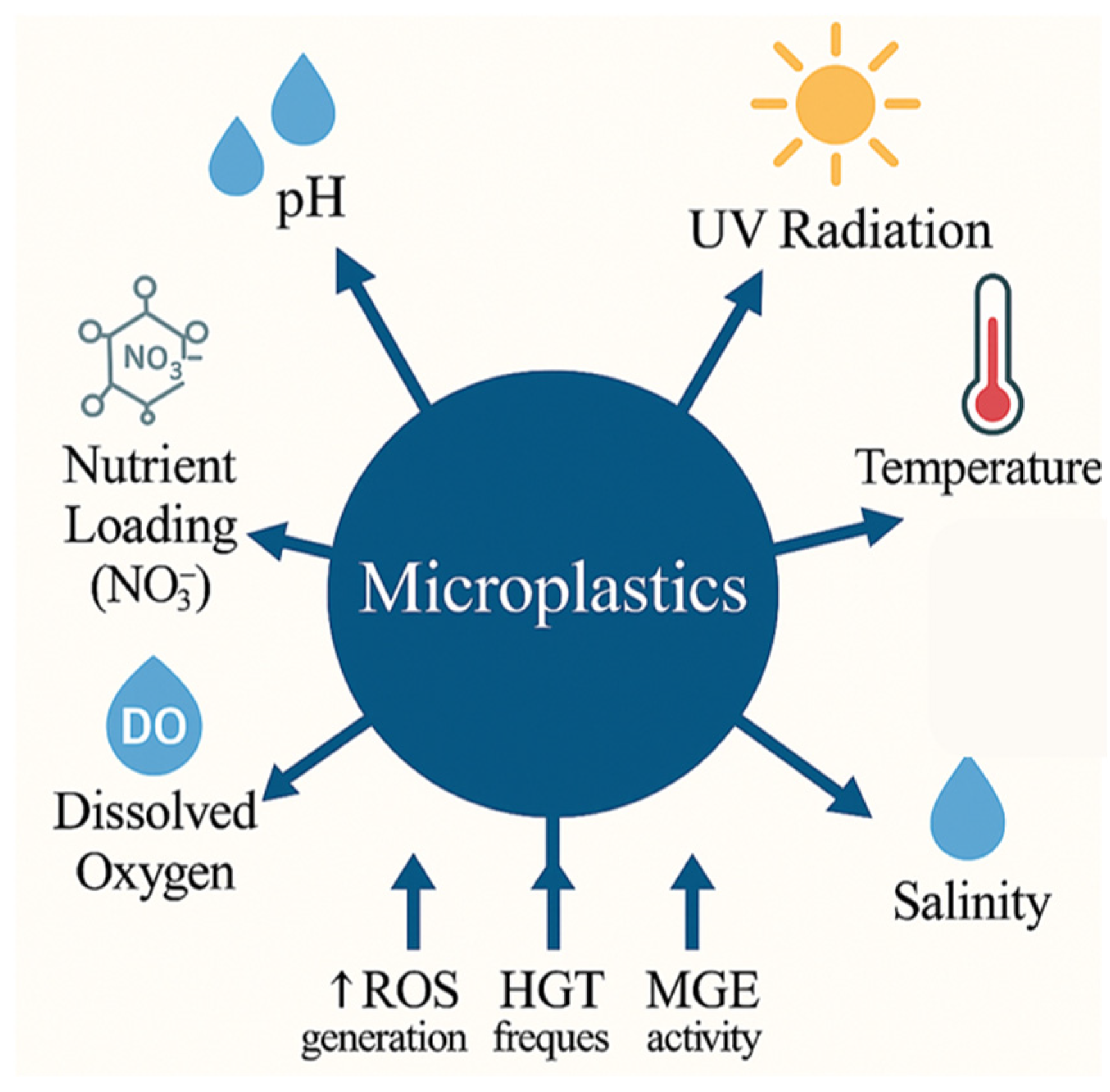
2.4. Environmental Factors Modulating ARG Spread on Microplastics
2.4.1. Physicochemical Parameters (Salinity, Temperature, Nutrients, pH, Dissolved Oxygen)
2.4.2. UV Radiation
2.4.3. Co-Selection Pressure from Heavy Metals and Antibiotics
2.5. Current Knowledge Gaps and Challenges
2.6. Future Research Directions
2.7. Policy and Management Implications
3. Bibliometric Analysis Methodology
4. Bibliometric Analysis
4.1. Publication Trend Analysis
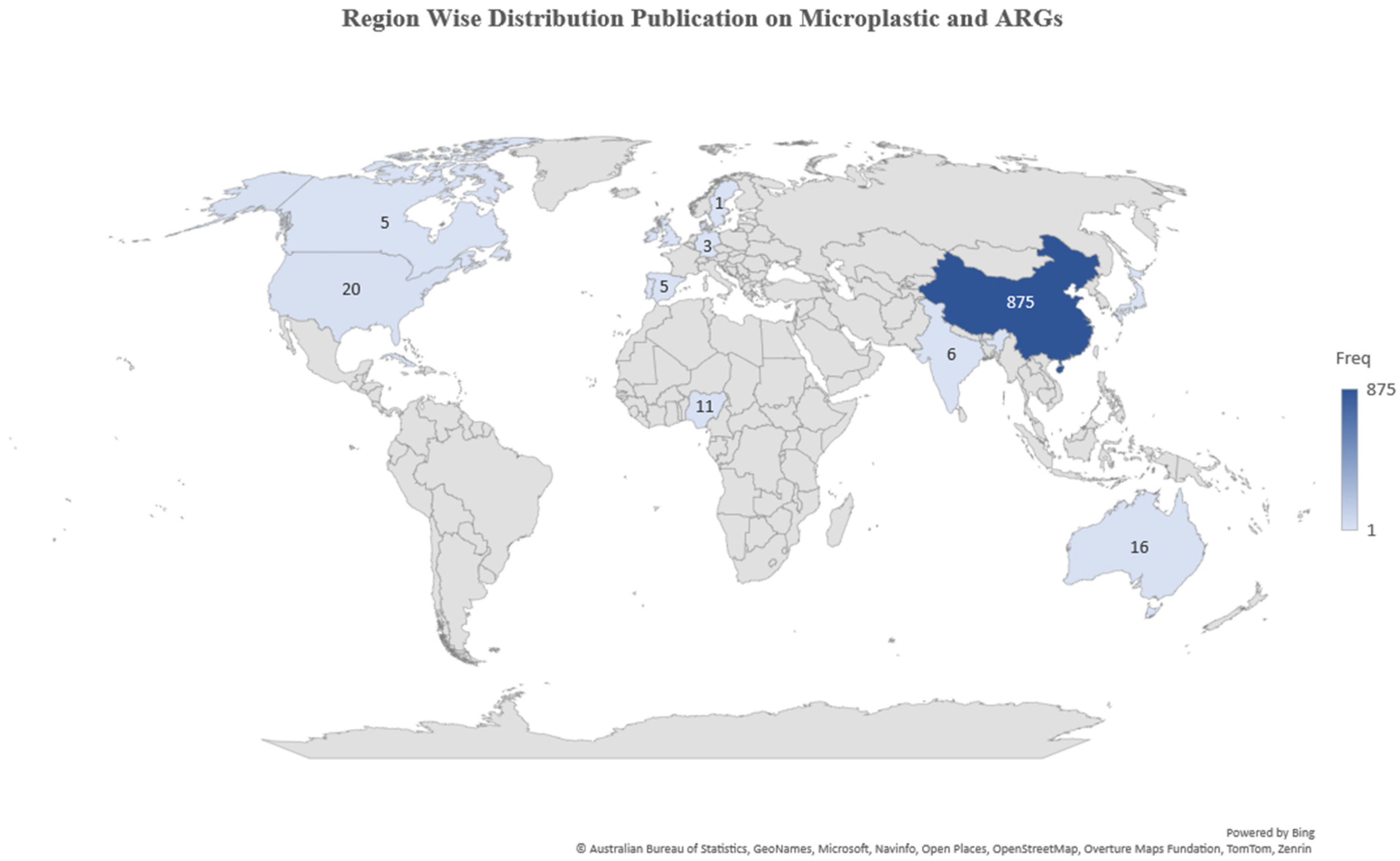
4.2. Country-Level Scientific Output
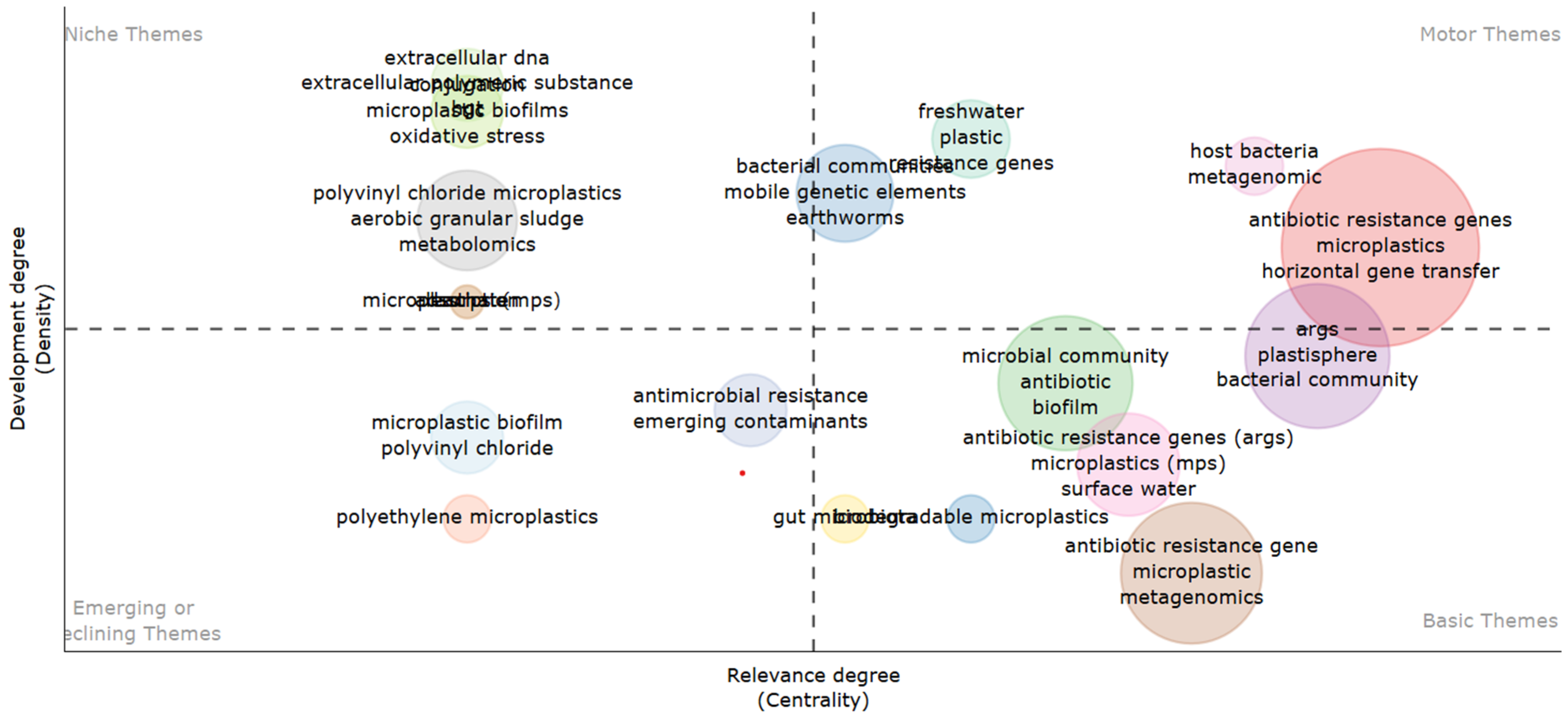
4.3. Thematic Structure and Strategic Mapping
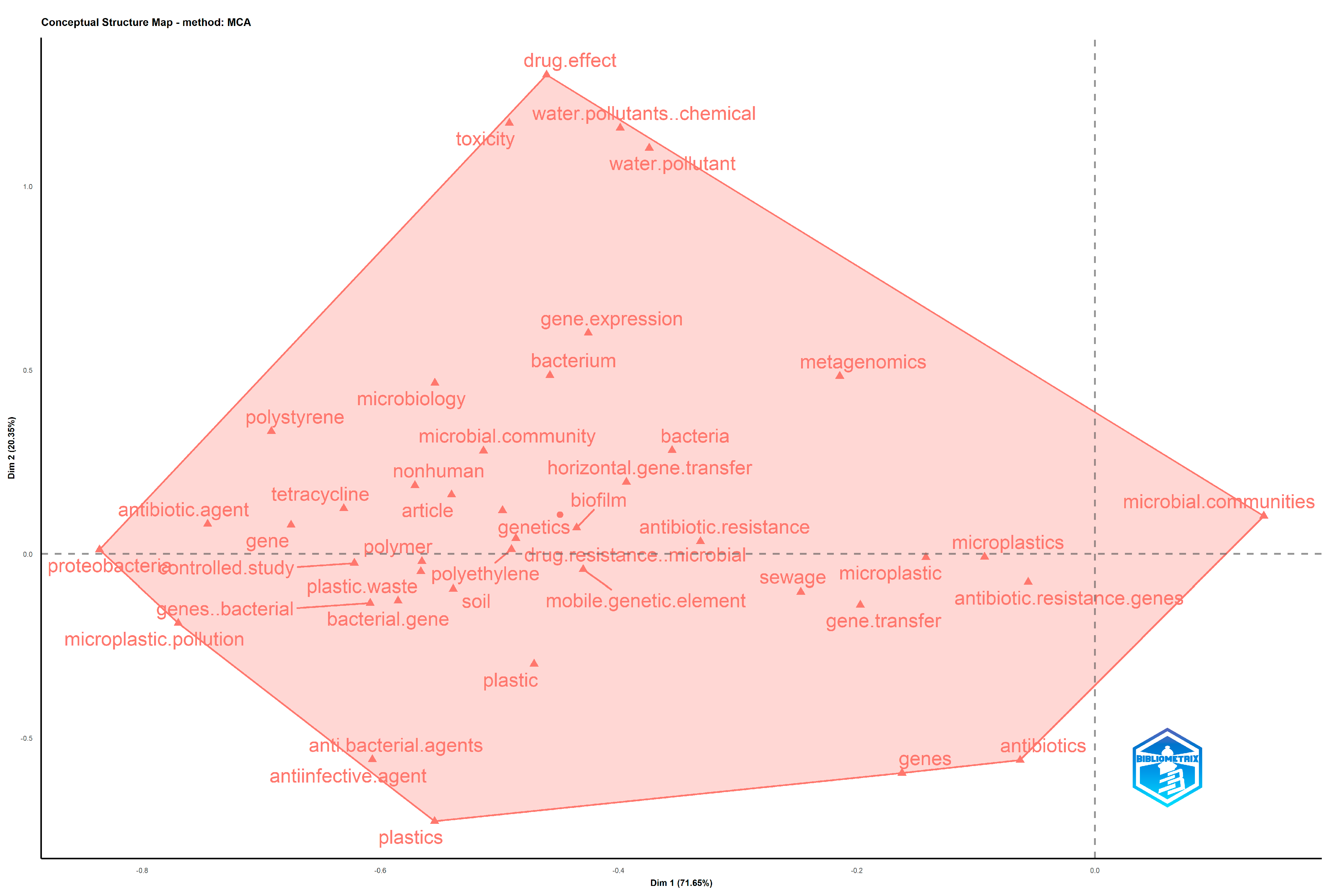
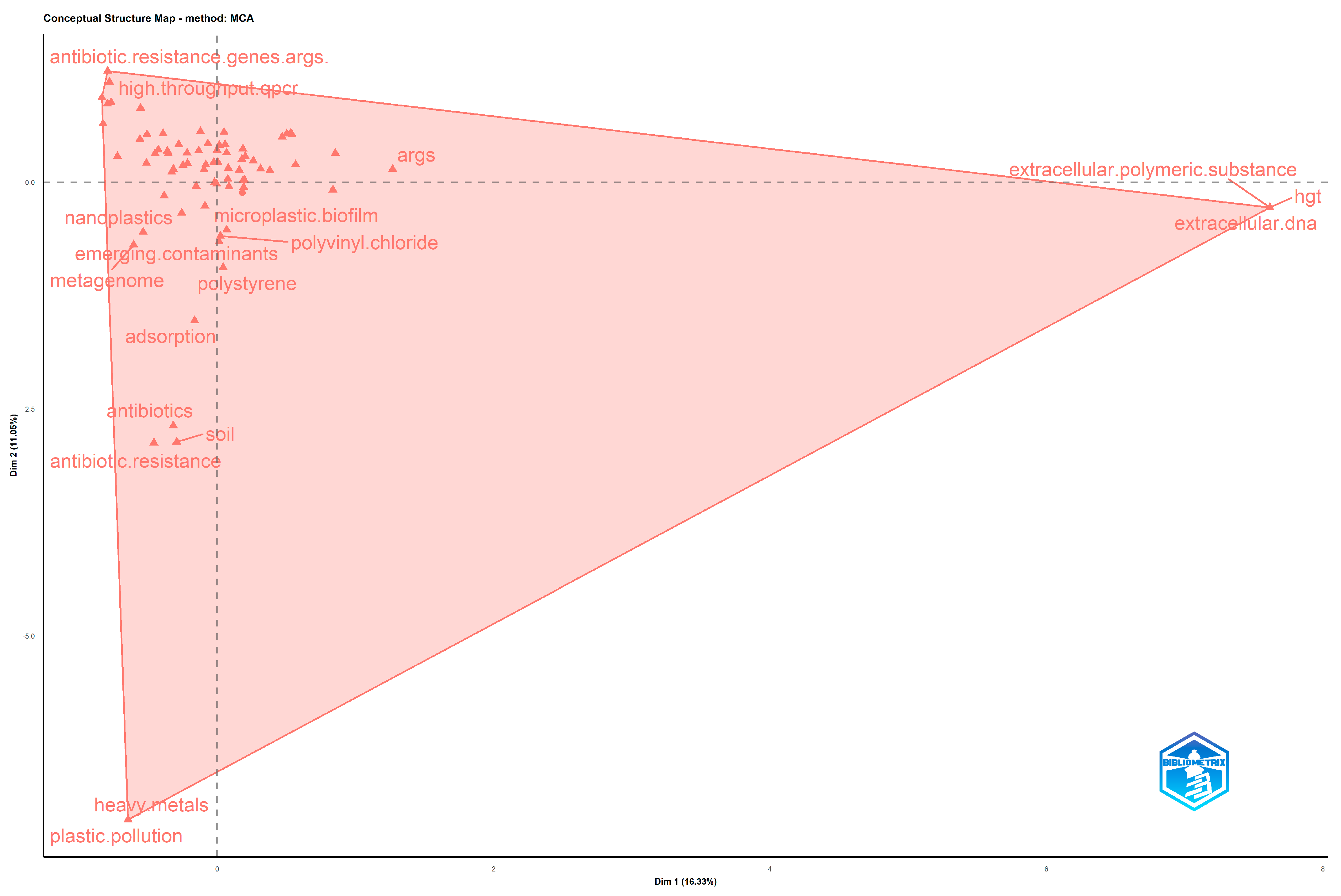
4.4. Conceptual Structure via Factorial Analysis
5. Conclusions
Author Contributions
Funding
Data Availability Statement
Acknowledgments
Conflicts of Interest
References
- Marathe, N.P.; Bank, M.S. The Microplastic-Antibiotic Resistance Connection. In Microplastic in the Environment: Pattern and Process; Bank, M.S., Ed.; Environmental Contamination Remediation and Management; Springer International Publishing: Cham, Switzerland, 2022; pp. 311–322. [Google Scholar]
- Peng, R.; Xu, Y.; Li, R.; Wang, W.; Wang, H.; Zhang, X.; Yuan, Q. Marine microplastics enrich antibiotic resistance genes (ARGs), especially extracellular ARGs: An investigation in the East China Sea. Mar. Pollut. Bull. 2024, 209, 117260. [Google Scholar] [CrossRef]
- Liu, Y.; Liu, W.; Yang, X.; Wang, J.; Lin, H.; Yang, Y. Microplastics are a hotspot for antibiotic resistance genes: Progress and perspective. Sci. Total Environ. 2021, 773, 145643. [Google Scholar] [CrossRef]
- Huang, F.Y.; Yang, K.; Zhang, Z.X.; Su, J.Q.; Zhu, Y.G.; Zhang, X. Effects of microplastics on antibiotic resistance genes in estuarine sediments. Huan Jing Ke Xue = Huanjing Kexue 2019, 40, 2234–2239. [Google Scholar]
- Milani, G.; Cortimiglia, C.; Belloso Daza, M.V.; Greco, E.; Bassi, D.; Cocconcelli, P.S. Microplastic-mediated transfer of tetracycline resistance: Unveiling the role of mussels in marine ecosystems. Antibiotics 2024, 13, 727. [Google Scholar] [CrossRef]
- Luo, T.; Dai, X.; Chen, Z.; Wu, L.; Wei, W.; Xu, Q.; Ni, B.-J. Different microplastics distinctively enriched the antibiotic resistance genes in anaerobic sludge digestion through shifting specific hosts and promoting horizontal gene flow. Water Res. 2023, 228, 119356. [Google Scholar] [CrossRef] [PubMed]
- Sun, Y.; Cao, N.; Duan, C.; Wang, Q.; Ding, C.; Wang, J. Selection of antibiotic resistance genes on biodegradable and non-biodegradable microplastics. J. Hazard. Mater. 2021, 409, 124979. [Google Scholar] [CrossRef]
- Rajput, M.; Mathur, N.; Singh, A.; Bhatnagar, P. Microplastics aided augmentation of antibiotic resistance in WWTPs: A global concern. Water Air Soil Pollut. 2024, 235, 502. [Google Scholar] [CrossRef]
- Sivalingam, P.; Basha, S.F.; Easwaran, M.; Ganapathy, D.; Poté, J. Microplastics, nanoplastics and nanoparticles: Emerging dynamic carriers of extracellular dna antibiotic resistance genes in the environment. BioNanoScience 2025, 15, 198. [Google Scholar] [CrossRef]
- Zha, Y.; Li, Z.; Zhong, Z.; Ruan, Y.; Sun, L.; Zuo, F.; Li, L.; Hou, S. Size-Dependent Enhancement on Conjugative Transfer of Antibiotic Resistance Genes by Micro/Nanoplastics. J. Hazard. Mater. 2022, 431, 128561. [Google Scholar] [CrossRef] [PubMed]
- Wang, X.; Li, H.; Chen, Y.; Meng, X.; Dieketseng, M.Y.; Wang, X.; Yan, S.; Wang, B.; Zhou, L.; Zheng, G. A neglected risk of nanoplastics as revealed by the promoted transformation of plasmid-borne ampicillin resistance gene by Escherichia coli. Environ. Microbiol. 2022, 24, 4946–4959. [Google Scholar] [CrossRef]
- Chen, M.M.; Zhang, Y.Q.; Cheng, L.C.; Zhao, F.J.; Wang, P. Photoaged nanoplastics with multienzyme-like activities significantly shape the horizontal transfer of antibiotic resistance genes. J. Hazard. Mater. 2024, 475, 134884. [Google Scholar] [CrossRef]
- Luo, T.; Dai, X.; Wei, W.; Xu, Q.; Ni, B.J. Microplastics enhance the prevalence of antibiotic resistance genes in anaerobic sludge digestion by enriching antibiotic-resistant bacteria in surface biofilm and facilitating the vertical and horizontal gene transfer. Environ. Sci. Technol. 2023, 57, 14611–14621. [Google Scholar] [CrossRef] [PubMed]
- Sun, R.; He, L.; Li, T.; Dai, Z.; Sun, S.; Ren, L.; Liang, Y.Q.; Zhang, Y.; Li, C. Impact of the surrounding environment on antibiotic resistance genes carried by microplastics in mangroves. Sci. Total Environ. 2022, 837, 155771. [Google Scholar] [CrossRef]
- Zhang, W.; Geng, J.; Sun, M.; Jiang, C.; Lin, H.; Chen, H.; Yang, Y. Distinct species turnover patterns shaped the richness of antibiotic resistance genes on eight different microplastic polymers. Environ. Res. 2024, 259, 119562. [Google Scholar] [CrossRef] [PubMed]
- Zhou, S.Y.; Zhu, Y.G.; Huang, F.Y. Microplastic-induced alterations to antibiotic resistance genes in seawater. Huan Jing Ke Xue = Huanjing Kexue 2021, 42, 3785–3790. [Google Scholar] [PubMed]
- Su, Y.; Zhang, Z.; Zhu, J.; Shi, J.; Wei, H.; Xie, B.; Shi, H. Microplastics act as vectors for antibiotic resistance genes in landfill leachate: The enhanced roles of the long-term aging process. Environ. Pollut. 2021, 270, 116278. [Google Scholar] [CrossRef]
- Wang, J.; Wu, D.; Meng, L.; Men, R.; Li, Y.; Zhang, L.; Yang, P.; Li, X.; Ma, K. Microplastics in anoxic/aerobic membrane bioreactor (A/O-MBR): Characteristics, biofilms, degradation and carrier for antibiotic resistance genes. J. Water Process Eng. 2024, 62, 105395. [Google Scholar] [CrossRef]
- Orevi, T.; Sørensen, S.J.; Kashtan, N. Droplet size and surface hydrophobicity enhance bacterial plasmid transfer rates in microscopic surface wetness. ISME Commun. 2022, 2, 72. [Google Scholar] [CrossRef]
- Lim, J.H.; Kang, J.W. Assessing biofilm formation and resistance of vibrio parahaemolyticus on UV-aged microplastics in aquatic environments. Water Res. 2024, 254, 121379. [Google Scholar] [CrossRef]
- Shan, E.; Zhang, X.; Li, J.; Sun, C.; Teng, J.; Hou, C.; Zhao, J.; Sun, S.; Wang, Q. Alteration of microbial mediated carbon cycle and antibiotic resistance genes during plastisphere formation in coastal area. Chemosphere 2023, 344, 140420. [Google Scholar] [CrossRef]
- Tang, K.H.D.; Li, R. Aged microplastics and antibiotic resistance genes: A review of aging effects on their interactions. Antibiotics 2024, 13, 941. [Google Scholar] [CrossRef]
- Yuan, Q.; Sun, R.; Yu, P.; Cheng, Y.; Wu, W.; Bao, J.; Alvarez, P.J. UV-aging of microplastics increases proximal ARG donor-recipient adsorption and leaching of chemicals that synergistically enhance antibiotic resistance propagation. J. Hazard. Mater. 2022, 427, 127895. [Google Scholar] [CrossRef]
- Guo, Q.; Wang, M.; Jin, S.; Ni, H.; Wang, S.; Chen, J.; Zhao, W.; Fang, Z.; Li, Z.; Liu, H. Photoaged microplastics enhanced the antibiotic resistance dissemination in WWTPs by altering the adsorption behavior of antibiotic resistance plasmids. Sci. Total Environ. 2024, 919, 170824. [Google Scholar] [CrossRef]
- Huang, W.; Jiang, G.; Xie, L.; Chen, X.; Zhang, R.; Fan, X. Effect of oxygen-containing functional groups on the micromechanical behavior of biodegradable plastics and their formation of microplastics during aging. J. Hazard. Mater. 2024, 463, 132911. [Google Scholar] [CrossRef]
- Xu, Y.; Ou, Q.; van der Hoek, J.P.; Liu, G.; Lompe, K.M. Photo-oxidation of micro- and nanoplastics: Physical, chemical, and biological effects in environments. Environ. Sci. Technol. 2024, 58, 991–1009. [Google Scholar] [CrossRef]
- Fauser, P.; Vorkamp, K.; Strand, J. Residual additives in marine microplastics and their risk assessment—A critical review. Mar. Pollut. Bull. 2022, 177, 113467. [Google Scholar] [CrossRef] [PubMed]
- Li, Y.; Liu, X.; Guo, S.; Wang, L.; Tang, J. The combination of polystyrene microplastics and di (2-ethylhexyl) phthalate promotes the conjugative transfer of antibiotic resistance genes between bacteria. Ecotoxicol. Environ. Saf. 2025, 289, 117681. [Google Scholar] [CrossRef]
- Vlaanderen, E.J.; Ghaly, T.M.; Moore, L.R.; Focardi, A.; Paulsen, I.T.; Tetu, S.G. Plastic leachate exposure drives antibiotic resistance and virulence in marine bacterial communities. Environ. Pollut. 2023, 327, 121558. [Google Scholar] [CrossRef]
- Jaafarzadeh, N.; Talepour, N. Microplastics as carriers of antibiotic resistance genes and pathogens in municipal solid waste (MSW) landfill leachate and soil: A review. J. Environ. Health Sci. Eng. 2023, 22, 1–12. [Google Scholar] [CrossRef] [PubMed]
- Wang, X.; Li, J.; Pan, X. How micro-/nano-plastics influence the horizontal transfer of antibiotic resistance genes-A review. Sci. Total Environ. 2024, 944, 173881. [Google Scholar] [CrossRef] [PubMed]
- Zhao, S.; Liu, L.; Li, C.; Zheng, H.; Luo, Y.; Pang, L.; Lin, Q.; Zhang, H.; Sun, C.; Chen, L.; et al. Photodegradation of biobased polymer blends in seawater: A major source of microplastics in the marine environment. Front. Mar. Sci. 2022, 9, 1046179. [Google Scholar] [CrossRef]
- Shan, E.; Zhang, X.; Li, J.; Sun, C.; Teng, J.; Yang, X.; Chen, L.; Liu, Y.; Sun, X.; Zhao, J.; et al. Incubation habitats and aging treatments affect the formation of biofilms on polypropylene microplastics. Sci. Total Environ. 2022, 831, 154769. [Google Scholar] [CrossRef]
- Rozman, U.; Filker, S.; Kalčíková, G. Monitoring of biofilm development and physico-chemical changes of floating microplastics at the air-water interface. Environ. Pollut. 2023, 322, 121157. [Google Scholar] [CrossRef] [PubMed]
- Lionetto, F.; Esposito Corcione, C.; Messa, F.; Perrone, S.; Salomone, A.; Maffezzoli, A. The sorption of amoxicillin on engineered polyethylene terephthalate microplastics. J. Polym. Environ. 2023, 31, 1383–1397. [Google Scholar] [CrossRef]
- Gulizia, A.M.; Bell, S.C.; Kuek, F.; Santana, M.M.F.; Edmunds, R.C.; Yeoh, Y.K.; Sato, Y.; Haikola, P.; van Herwerden, L.; Motti, C.A.; et al. Biofilm development as a factor driving the degradation of plasticised marine microplastics. J. Hazard. Mater. 2025, 487, 136975. [Google Scholar] [CrossRef] [PubMed]
- Verma, C.R.; Pise, M.; Hýsek, Š.; Źółtowska, S.; Kumkar, P.; Kalous, L.; Gosavi, S.M. Occurrence and distribution of plastispheres in coastal sediments and waters along the Maharashtra Coast, India. Thalassas 2024, 40, 1245–1255. [Google Scholar] [CrossRef]
- Zhou, Y.; Zhang, G.; Zhang, D.; Zhu, N.; Bo, J.; Meng, X.; Chen, Y.; Qin, Y.; Liu, H.; Li, W. Microplastic biofilms promote the horizontal transfer of antibiotic resistance genes in estuarine environments. Mar. Environ. Res. 2024, 202, 106777. [Google Scholar] [CrossRef]
- Wang, H.; Xu, K.; Wang, J.; Feng, C.; Chen, Y.; Shi, J.; Ding, Y.; Deng, C.; Liu, X. Microplastic biofilm: An important microniche that may accelerate the spread of antibiotic resistance genes via natural transformation. J. Hazard. Mater. 2023, 459, 132085. [Google Scholar] [CrossRef]
- Jia, J.; Liu, Q.; Zhao, E.; Li, X.; Xiong, X.; Wu, C. Biofilm formation on microplastics and interactions with antibiotics, antibiotic resistance genes and pathogens in aquatic environment. Eco-Environ. Health 2024, 3, 516–528. [Google Scholar] [CrossRef]
- Zhou, Z.; Tang, J.; Tang, K.; An, M.; Liu, Z.; Wu, Z.; Cao, X.; He, C. Selective enrichment of bacteria and antibiotic resistance genes in microplastic biofilms and their potential hazards in coral reef ecosystems. Chemosphere 2024, 352, 141309. [Google Scholar] [CrossRef]
- Zhou, Y.; Zhang, G.; Zhang, D.; Li, W.; Zhu, N.; Bo, J.; Meng, X.; Chen, Y.; Qin, Y.; Liu, H. Effects of nano-titanium dioxide on the horizontal transfer of antibiotic resistance genes in microplastic biofilms. Water 2024, 16, 2155. [Google Scholar] [CrossRef]
- Michaelis, C.; Grohmann, E. Horizontal gene transfer of antibiotic resistance genes in biofilms. Antibiotics 2023, 12, 328. [Google Scholar] [CrossRef]
- Patkowski, J.B.; Dahlberg, T.; Amin, H.; Gahlot, D.K.; Vijayrajratnam, S.; Vogel, J.P.; Francis, M.S.; Baker, J.L.; Andersson, M.; Costa, T.R. The F-pilus biomechanical adaptability accelerates conjugative dissemination of antimicrobial resistance and biofilm formation. Nat. Commun. 2023, 14, 1879. [Google Scholar] [CrossRef]
- Dadeh Amirfard, K.; Moriyama, M.; Suzuki, S.; Sano, D. Effect of environmental factors on conjugative transfer of antibiotic resistance genes in aquatic settings. J. Appl. Microbiol. 2024, 135, lxae129. [Google Scholar] [CrossRef] [PubMed]
- Ding, P.; Lu, J.; Wang, Y.; Schembri, M.A.; Guo, J. Antidepressants promote the spread of antibiotic resistance via horizontally conjugative gene transfer. Environ. Microbiol. 2022, 24, 5261–5276. [Google Scholar] [CrossRef]
- Zhang, G.; Chen, J.; Li, W. Conjugative antibiotic-resistant plasmids promote bacterial colonization of microplastics in water environments. J. Hazard. Mater. 2022, 430, 128443. [Google Scholar] [CrossRef] [PubMed]
- Zhang, S.; Liu, X.; Qiu, P.; Chen, B.; Xu, C.; Dong, W.; Liu, T. Microplastics can selectively enrich intracellular and extracellular antibiotic resistant genes and shape different microbial communities in aquatic systems. Sci. Total Environ. 2022, 822, 153488. [Google Scholar] [CrossRef]
- Gao, Y.; Zhou, S.; Yang, Z.; Tang, Z.; Su, Y.; Duan, Y.; Song, J.; Huang, Z.; Wang, Y. Unveiling the role of uranium in enhancing the transformation of antibiotic resistance genes. J. Hazard. Mater. 2024, 479, 135624. [Google Scholar] [CrossRef]
- Wang, Y.; Lu, J.; Engelstädter, J.; Zhang, S.; Ding, P.; Mao, L.; Yuan, Z.; Bond, P.L.; Guo, J. Non-antibiotic pharmaceuticals enhance the transmission of exogenous antibiotic resistance genes through bacterial transformation. ISME J. 2020, 14, 2179–2196. [Google Scholar] [CrossRef] [PubMed]
- Zhang, J.; Zhu, S.; Sun, J.; Liu, Y. Bisphenol S. Promotes the transfer of antibiotic resistance genes via transformation. Int. J. Mol. Sci. 2024, 25, 9819. [Google Scholar] [CrossRef]
- Dalia, A.B.; Dalia, T.N. Horizontal gene transfer by natural transformation promotes both genetic and epigenetic inheritance of traits. bioRxiv 2019. [Google Scholar] [CrossRef]
- Muniesa, M.; Colomer-Lluch, M.; Jofre, J. Potential impact of environmental bacteriophages in spreading antibiotic resistance genes. Future Microbiol. 2013, 8, 739–751. [Google Scholar] [CrossRef] [PubMed]
- Jiang, S.C.; Paul, J.H. Gene transfer by transduction in the marine environment. Appl. Environ. Microbiol. 1998, 64, 2780–2787. [Google Scholar] [CrossRef]
- Zhang, Q.; Zhou, H.; Jiang, P.; Wu, L.; Xiao, X. Silver nanoparticles facilitate phage-borne resistance gene transfer in planktonic and microplastic-attached bacteria. J. Hazard. Mater. 2024, 469, 133942. [Google Scholar] [CrossRef]
- Lu, H.; Wang, Y.; Liu, H.; Wang, N.; Zhang, Y.; Li, X. Review of the presence and phage-mediated transfer of ARGs in biofilms. Microorganisms 2025, 13, 997. [Google Scholar] [CrossRef] [PubMed]
- Imran, M.; Das, K.R.; Naik, M.M. Co-selection of multi-antibiotic resistance in bacterial pathogens in metal and microplastic contaminated environments: An emerging health threat. Chemosphere 2019, 215, 846–857. [Google Scholar] [CrossRef]
- Partridge, S.R.; Kwong, S.M.; Firth, N.; Jensen, S.O. Mobile Genetic Elements Associated with Antimicrobial Resistance. Clin. Microbiol. Rev. 2018, 31, e00088-17. [Google Scholar] [CrossRef]
- Lin, Y.; Dong, X.; Wu, J.; Rao, D.; Zhang, L.; Faraj, Y.; Yang, K. Metadata Analysis of mcr-1-Bearing Plasmids Inspired by the Sequencing Evidence for Horizontal Transfer of Antibiotic Resistance Genes Between Polluted River and Wild Birds. Front. Microbiol. 2020, 11, 352. [Google Scholar] [CrossRef]
- Sabbagh, P.; Rajabnia, M.; Maali, A.; Ferdosi-Shahandashti, E. Integron and its role in antimicrobial resistance: A literature review on some bacterial pathogens. Iran. J. Basic Med. Sci. 2021, 24, 136. [Google Scholar] [CrossRef] [PubMed]
- Stalder, T.; Barraud, O.; Casellas, M.; Dagot, C.; Ploy, M.C. Integron involvement in environmental spread of antibiotic resistance. Front. Microbiol. 2012, 3, 119. [Google Scholar] [CrossRef]
- Kamali-Moghaddam, M. Co-Operative Recombination Mechanisms Promoting Gene Clustering and Lateral Transfer of Antibacterial Drug Resistance. Doctoral Dissertation, Acta Universitatis Upsaliensis, Uppsala, Sweden, 2001. [Google Scholar]
- Khedkar, S.; Smyshlyaev, G.; Letunic, I.; Maistrenko, O.M.; Coelho, L.P.; Orakov, A.; Forslund, S.K.; Hildebrand, F.; Luetge, M.; Schmidt, T.S. Landscape of mobile genetic elements and their antibiotic resistance cargo in prokaryotic genomes. Nucleic Acids Res. 2022, 50, 3155–3168. [Google Scholar] [CrossRef]
- Yu, X.; Zhou, Z.C.; Shuai, X.Y.; Lin, Z.J.; Liu, Z.; Zhou, J.Y.; Lin, Y.H.; Zeng, G.S.; Ge, Z.Y.; Chen, H. Microplastics exacerbate co-occurrence and horizontal transfer of antibiotic resistance genes. J. Hazard. Mater. 2023, 451, 131130. [Google Scholar] [CrossRef] [PubMed]
- Mazhar, S.H.; Li, X.; Rashid, A.; Su, J.; Xu, J.; Brejnrod, A.D.; Su, J.Q.; Wu, Y.; Zhu, Y.G.; Zhou, S.G.; et al. Co-selection of antibiotic resistance genes, and mobile genetic elements in the presence of heavy metals in poultry farm environments. Sci. Total Environ. 2021, 755, 142702. [Google Scholar] [CrossRef] [PubMed]
- Feng, R.; Duan, L.; Shen, S.; Cheng, Y.; Wang, Y.; Wang, W.; Yang, S. Temporal dynamic of antibiotic resistance genes in the Zaohe-Weihe hyporheic zone: Driven by oxygen and bacterial community. Ecotoxicology 2023, 32, 57–72. [Google Scholar] [CrossRef] [PubMed]
- Zarean, M.; Dave, S.H.; Brar, S.K.; Kwong, R.W.M. Environmental drivers of antibiotic resistance: Synergistic effects of climate change, co-pollutants, and microplastics. J. Hazard. Mater. Adv. 2025, 19, 100768. [Google Scholar] [CrossRef]
- Zhang, X.; Zhang, Y.; Zhang, Q.; Liu, P.; Guo, R.; Jin, S.; Liu, J.; Chen, L.; Ma, Z.; Liu, Y. Evaluation and analysis of water quality of marine aquaculture area. Int. J. Environ. Res. Public Health 2020, 17, 1446. [Google Scholar] [CrossRef]
- Deng, Y.; Mao, C.; Lin, Z.; Su, W.; Cheng, C.; Li, Y.; Gu, Q.; Gao, R.; Su, Y.; Feng, J. Nutrients, temperature, and oxygen mediate microbial antibiotic resistance in sea bass (Lateolabrax maculatus) ponds. Sci. Total Environ. 2022, 819, 153120. [Google Scholar] [CrossRef]
- Lai, H.Y.; Lau, C.P.Y.; Cheung, K.T. Exploring urban coastal areas: Investigating the urban coastal areas as a reservoirs of antibiotic resistance Genes★. Mar. Environ. Res. 2025, 204, 106874. [Google Scholar] [CrossRef]
- Ohore, O.E.; Ifon, B.E.; Wang, Y.; Kazmi, S.S.U.H.; Zhang, J.; Sanganyado, E.; Jiao, X.; Liu, W.; Wang, Z. Vertical changes in water depth and environmental variables drove the antibiotics and antibiotic resistomes distribution, and microbial food web structures in the estuary and marine ecosystems. Environ. Int. 2023, 178, 108118. [Google Scholar] [CrossRef]
- Li, Z.; Wang, M.; Fang, H.; Yao, Z.; Liu, H.; Zhao, W.; Chen, J. Solid-liquid interface adsorption of antibiotic resistance plasmids induced by nanoplastics aggravates gene pollution in aquatic ecosystems. Environ. Pollut. 2023, 316, 120456. [Google Scholar] [CrossRef]
- Zhang, X.; Wang, J.; Yang, Z.; Zhang, Z.; Wang, M.; Zhang, T.; Chen, Y.; Wu, X.; Liu, P.; Jia, H. Microplastics exacerbated conjugative transfer of antibiotic resistance genes during ultraviolet disinfection: Highlighting difference between conventional and biodegradable ones. Environ. Sci. Technol. 2025, 59, 834–845. [Google Scholar] [CrossRef] [PubMed]
- Huang, J.; Zhu, J.; Liu, S.; Luo, Y.; Zhao, R.; Guo, F.; Li, B. Estuarine salinity gradient governs sedimentary bacterial community but not antibiotic resistance gene profile. Sci. Total Environ. 2022, 806, 151390. [Google Scholar] [CrossRef]
- Piscon, B.; Pia Esposito, E.; Fichtman, B.; Samburski, G.; Efremushkin, L.; Amselem, S.; Harel, A.; Rahav, G.; Zarrilli, R.; Gal-Mor, O. The effect of outer space and other environmental cues on bacterial conjugation. Microbiol. Spectr. 2023, 11, e03688-22. [Google Scholar] [CrossRef]
- Jaffer, Y.D.; Abdolahpur Monikh, F.; Uli, K.; Grossart, H.P. Tire wear particles enhance horizontal gene transfer of antibiotic resistance genes in aquatic ecosystems. Environ. Res. 2024, 263, 120187. [Google Scholar] [CrossRef]
- Bombaywala, S.; Bajaj, A.; Dafale, N.A. Oxygen mediated mobilization and co-occurrence of antibiotic resistance in lab-scale bioreactor using metagenomic binning. World J. Microbiol. Biotechnol. 2024, 40, 142. [Google Scholar] [CrossRef]
- You, Z.; Wang, C.; Yang, X.; Liu, Z.; Guan, Y.; Mu, J.; Shi, H.; Zhao, Z. Effects of eutrophication on the horizontal transfer of antibiotic resistance genes in microalgal-bacterial symbiotic systems. Environ. Res. 2024, 251, 118692. [Google Scholar] [CrossRef]
- Zeng, Q.; Xiang, J.; Yang, C.; Wu, J.; Li, Y.; Sun, Y.; Liu, Q.; Shi, S.; Gong, Z. Microplastics affect nitrogen cycling and antibiotic resistance genes transfer of sediment. Chem. Eng. J. 2023, 454, 140193. [Google Scholar] [CrossRef]
- Liu, Y.; Gao, J.; Zhao, M.; Fu, X.; Zhang, Y.; Zhang, H. Removal of antibiotic resistant bacteria, genes and inhibition of plasmid-mediated horizontal transfer by peroxymonosulfate: Efficiency and mechanisms. Chem. Eng. J. 2023, 453, 139728. [Google Scholar] [CrossRef]
- Yang, P.; Hao, S.; Han, M.; Xu, J.; Yu, S.; Chen, C.; Zhang, H.; Ning, K. Analysis of antibiotic resistance genes reveals their important roles in influencing the community structure of ocean microbiome. Sci. Total Environ. 2022, 823, 153731. [Google Scholar] [CrossRef]
- Chen, X.; Yin, H.; Li, G.; Wang, W.; Wong, P.K.; Zhao, H.; An, T. Antibiotic-resistance gene transfer in antibiotic-resistance bacteria under different light irradiation: Implications from oxidative stress and gene expression. Water Res. 2019, 149, 282–291. [Google Scholar] [CrossRef]
- Wang, H.; Wang, J.; Li, S.; Ding, G.; Wang, K.; Zhuang, T.; Huang, X.; Wang, X. Synergistic effect of UV/chlorine in bacterial inactivation, resistance gene removal, and gene conjugative transfer blocking. Water Res. 2020, 185, 116290. [Google Scholar] [CrossRef]
- Guo, M.T.; Kong, C. Antibiotic resistant bacteria survived from UV disinfection: Safety concerns on genes dissemination. Chemosphere 2019, 224, 827–832. [Google Scholar] [CrossRef]
- Yu, M.F.; Chen, L.; Liu, G.; Liu, W.; Yang, Y.; Ma, L. Metagenomic deciphers the mobility and bacterial hosts of antibiotic resistance genes under antibiotics and heavy metals co-selection pressures in constructed wetlands. Environ. Res. 2025, 269, 120921. [Google Scholar] [CrossRef] [PubMed]
- Balta, I.; Lemon, J.; Gadaj, A.; Cretescu, I.; Stef, D.; Pet, I.; Stef, L.; McCleery, D.; Douglas, A.; Corcionivoschi, N. The interplay between antimicrobial resistance, heavy metal pollution, and the role of microplastics. Front. Microbiol. 2025, 16, 1550587. [Google Scholar] [CrossRef]
- Gillieatt, B.F.; Coleman, N.V. Unravelling the mechanisms of antibiotic and heavy metal resistance co-selection in environmental bacteria. FEMS Microbiol. Rev. 2024, 48, fuae017. [Google Scholar] [CrossRef] [PubMed]
- Chenia, H.; Jacobs, A. Antimicrobial resistance, heavy metal resistance and integron content in bacteria isolated from a South African tilapia aquaculture system. Dis. Aquat. Org. 2017, 126, 199–209. [Google Scholar] [CrossRef]
- Sabry, S.A.; Ghozlan, H.A.; Abou-Zeid, D.M. Metal tolerance and antibiotic resistance patterns of a bacterial population isolated from sea water. J. Appl. Microbiol. 1997, 82, 245–252. [Google Scholar] [CrossRef] [PubMed]
- Gupta, S.; Graham, D.W.; Sreekrishnan, T.R.; Ahammad, S.Z. Effects of heavy metals pollution on the co-selection of metal and antibiotic resistance in urban rivers in UK and India. Environ. Pollut. 2022, 306, 119326. [Google Scholar] [CrossRef]
- Pasquaroli, S.; Di Cesare, A.; Vignaroli, C.; Conti, G.; Citterio, B.; Biavasco, F. Erythromycin- and copper-resistant Enterococcus hirae from marine sediment and co-transfer of erm(B) and tcrB to human Enterococcus faecalis. Diagn. Microbiol. Infect. Dis. 2014, 80, 26–28. [Google Scholar] [CrossRef]
- Tseng, A.S.; Roberts, M.C.; Weissman, S.J.; Rabinowitz, P.M. Study of heavy metal resistance genes in Escherichia coli isolates from a marine ecosystem with a history of environmental pollution (arsenic, cadmium, copper, and mercury). PLoS ONE 2023, 18, e0294565. [Google Scholar] [CrossRef]
- Zhang, Y.; Gu, A.Z.; Cen, T.; Li, X.; He, M.; Li, D.; Chen, J. Sub-inhibitory concentrations of heavy metals facilitate the horizontal transfer of plasmid-mediated antibiotic resistance genes in water environment. Environ. Pollut. 2018, 237, 74–82. [Google Scholar] [CrossRef]
- Zhao, Y.; Gao, J.; Wang, Z.; Dai, H.; Wang, Y. Responses of bacterial communities and resistance genes on microplastics to antibiotics and heavy metals in sewage environment. J. Hazard. Mater. 2021, 402, 123550. [Google Scholar] [CrossRef]
- Lin, W.; Cao, S.; Wu, Q.; Xu, F.; Li, R.; Cui, L. Size effects of microplastics on antibiotic resistome and core microbiome in an urban river. Sci. Total Environ. 2024, 919, 170716. [Google Scholar] [CrossRef]
- Li, L.G.; Zhang, T. Plasmid-mediated antibiotic resistance gene transfer under environmental stresses: Insights from laboratory-based studies. Sci. Total Environ. 2023, 887, 163870. [Google Scholar] [PubMed]
- Niegowska, M.; Sanseverino, I.; Navarro, A.; Lettieri, T. Knowledge gaps in the assessment of antimicrobial resistance in surface waters. FEMS Microbiol. Ecol. 2021, 97, fiab140. [Google Scholar] [CrossRef]
- Zhao, X.; Niu, Z.; Ma, Y.; Zhang, Y.; Li, Y.; Zhang, R. Exploring the dynamics of antibiotic resistome on plastic debris traveling from the river to the sea along a representative estuary based on field sequential transfer incubations. Sci. Total Environ. 2024, 923, 171464. [Google Scholar] [CrossRef]
- Sarasamma, S.; Audira, G.; Siregar, P.; Malhotra, N.; Lai, Y.H.; Liang, S.T.; Chen, J.R.; Chen, K.H.; Hsiao, C.D. Nanoplastics cause neurobehavioral impairments, reproductive and oxidative damages, and biomarker responses in zebrafish: Throwing up alarms of wide spread health risk of exposure. Int. J. Mol. Sci. 2020, 21, 1410. [Google Scholar] [CrossRef] [PubMed]
- Zhang, S.; Lu, J.; Wang, Y.; Verstraete, W.; Yuan, Z.; Guo, J. Insights of metallic nanoparticles and ions in accelerating the bacterial uptake of antibiotic resistance genes. J. Hazard. Mater. 2022, 421, 126728. [Google Scholar] [CrossRef] [PubMed]
- Smalla, K.; Cook, K.; Djordjevic, S.P.; Klümper, U.; Gillings, M. Environmental dimensions of antibiotic resistance: Assessment of basic science gaps. FEMS Microbiol. Ecol. 2018, 94, fiy195. [Google Scholar] [CrossRef]
- Niu, L.; Liu, W.; Juhasz, A.; Chen, J.; Ma, L. Emerging contaminants antibiotic resistance genes and microplastics in the environment: Introduction to 21 review articles published in CREST during 2018–2022. Crit. Rev. Environ. Sci. Technol. 2022, 52, 4135–4146. [Google Scholar] [CrossRef]
- Wang, Q.; Qiu, J.H.; Sun, Y.; Ni, N.; Sun, S.J.; Li, X.L.; Yang, S.J.; Liu, Y.R.; Cui, Y.Y. Research progress on the effect of estuary microplastics on antibiotic resistance genes. Chin. J. Appl. Ecol. 2024, 35, 2916–2924. [Google Scholar]
- Zhou, R.; Huang, X.; Xie, Z.; Ding, Z.; Wei, H.; Jin, Q. A review focusing on mechanisms and ecological risks of enrichment and propagation of antibiotic resistance genes and mobile genetic elements by microplastic biofilms. Environ. Res. 2024, 251, 118737. [Google Scholar] [CrossRef]
- Zheng, Z.; Huang, Y.; Liu, L.; Wang, L.; Tang, J. Interaction between microplastic biofilm formation and antibiotics: Effect of microplastic biofilm and its driving mechanisms on antibiotic resistance gene. J. Hazard. Mater. 2023, 459, 132099. [Google Scholar] [CrossRef] [PubMed]
- Li, Z.; Junaid, M.; Chen, G.; Wang, J. Interactions and associated resistance development mechanisms between microplastics, antibiotics and heavy metals in the aquaculture environment. Rev. Aquac. 2022, 14, 1028–1045. [Google Scholar] [CrossRef]
- Liu, Y.; Liu, L.; Wang, X.; Shao, M.; Wei, Z.; Wang, L.; Li, B.; Li, C.; Luo, X.; Li, F.; et al. Microplastics enhance the prevalence of antibiotic resistance genes in mariculture sediments by enriching host bacteria and promoting horizontal gene transfer. Eco Environ. Health 2025, 4, 100136. [Google Scholar] [CrossRef]
- Ahmad, O.; Ahmed, S.; Khan, F.; Upmanyu, K.; Saif, M.; Haq, Q.M.R. Antibiotic resistant bacteria colonising microplastics in the aquatic environment: An emerging challenge. Discov. Sustain. 2024, 5, 465. [Google Scholar] [CrossRef]





| MP Type | Polymer | Size (µm/nm) | Surface Properties (Aging Effects) | Aging Method | Key Effect on ARG Transfer | Reference |
|---|---|---|---|---|---|---|
| Polystyrene (PS) | PS | <200 µm | ↑ Oxygen-containing groups, surface cracking | UV photoaging 20 days | ↑ Plasmid transfer 4.7-fold (blaTEM-1) | [24] |
| Biodegradable PLA Blend | PLA/PBAT/TPS | 200–500 µm | Loss of starch fractions, ↓ OH groups | Photodegradation in seawater | ↑ Small-sized MPs formation, ↑ surface cracks | [32] |
| Polypropylene | PP | 300–5000 µm | ↑ Oxygen groups, higher biofilm biomass | Aging and estuarine exposure | ↑ ARG enrichment in aged MPs | [33] |
| Polyethylene | PE | Floating MPs | ↑ EPS formation, biofilm mass ↑ 30% | Biofilm-mediated aging | ↑ Pb(II) adsorption +52% | [34] |
| PET | PET | <150 µm | ↑ Surface area, ↑ amoxicillin binding | Environmental weathering | ↑ Antibiotic sorption capacity | [35] |
| PVC + Additives | PVC-DEHP/BPA | <200 µm | Additive release, altered biofilm | Mesocosm aging 21 days | ↑ Biodegradative biofilm activity | [36] |
| Mixed Fragments | PP/PE/PS | 300–5000 µm | ↑ Surface roughness, cracks | Field aging (India coast) | ↑ Biofilm colonization ~66% MPs | [37] |
| Mechanism | Key Genes/Pathways | Functional Role | MP Context | Reference |
|---|---|---|---|---|
| Conjugation (Pilus Formation) | traF, traJ, trfAp, trbBp | Initiates mating pair and plasmid transfer | PE MPs biofilms | [38,64] |
| Outer Membrane Protein Regulation | ompA, ompC, ompF | Enhances membrane permeability and conjugative contact | PE MPs biofilms | [38,64] |
| ROS-Mediated Stress Pathway | ↑ ROS, ↑ membrane permeability | Oxidative stress boosts SOS response and DNA uptake | Nano-TiO2-exposed MPs | [42] |
| Mobile Genetic Elements (MGEs) | intI1, tnpA, ISCR1 | Integration/mobilization of ARG cassettes | PE, LDPE MPs | [58,63] |
| Vertical Gene Amplification | MGEs + Cell Proliferation | Intracellular ARG replication via host proliferation | LDPE MPs (anaerobic sludge) | [13] |
| Nanomaterial Co-stressor | Nano-TiO2, ↑ conjugation genes | Promotes membrane stress and conjugation gene expression | MPs + nanomaterials | [42] |
| Increased Cell Collision | ↑ Biofilm density | Increases donor–recipient contacts, aiding conjugation | PE MPs biofilms | [19] |
| Gene Regulatory Modulation | rpoS, trbBp, traF, korA (↓) | Enhanced conjugative gene expression, suppression of repressor genes | PE MPs | [47] |
| Environmental Co-selectors (Metals, Antibiotics) | ARGs + metal resistance genes | Co-selection via shared MGEs in contaminated habitats | Marine MPs + heavy metals | [65] |
| Factor | Tested Range | Mechanistic Effect | ARG/MGE Impact | Supporting Studies |
|---|---|---|---|---|
| Dissolved Oxygen (DO) | Anaerobic vs. 6 mg/L | Anaerobic conditions promote shifts to Firmicutes/Proteobacteria; boost MGEs activity | ↑ sul1, intI1, tetA, sul2 | [67,68,69] |
| Salinity | 0–35 ppt | Alters host community (Proteobacteria, Bacteroidetes); modifies ARG profiles | Indirect ARG redistribution, ↑ ARG richness | [70,71] |
| Temperature | 20–30 °C | ↑ Bacterial activity, ROS stress, ↑ HGT | ↑ sul1, ereA, intI1, ARG-host taxa shift | [67,69] |
| Nutrients (NO3−) | 0.5–10 mg/L | ↑ Nutrient input stimulates microbial growth and eDNA turnover | ↑ intI1, sul1, ereA | [69] |
| pH | 7–8 | Optimal pH promotes conjugation efficiency | ↑ conjugative plasmid transfer | [72,73] |
| UV Radiation | UV 254 nm, ≤15 mJ/cm2 | Induces ROS, increases membrane permeability, triggers DNA release | Up to 100× ↑ plasmid transfer (e.g., mcr-1), ↑ ARG exchange | [26] |
| Photoaged Nanoplastics | 0.1–10 µg/mL | ↑ ROS and leachates from surface oxidation; surface charge shift | Biphasic: enhances ARGs at low doses, inhibits at high doses | [24] |
| Heavy Metals | Concentration | Co-Selection Mechanism | Co-Localized Genes | Host Bacteria/MP Type | Reference |
|---|---|---|---|---|---|
| Cd + Doxycycline | Cd 0.4–0.8 mg/L; DC 50–100 µg/L | ↑ Stable inheritance via plasmids and ICEs | ARGs on chromosomes: 50.4–70.6% | Wetland biofilms | [85] |
| Zn, Ni, Co, Cd, Pb | Zn 5.3 mg/L, Ni 3.1 mg/L, Co 2.3 mg/L, Pb 4.2 mg/L | ↑ Integron recruitment; ↑ ARG-MRG co-localization | intI1, ermB, tetA | Urban rivers (UK and India) | [90] |
| Cu shock load | 10–100 mg/L | Rapid plasmid mobilization (6 h exposure) | tnpA, blaCTX | Activated sludge | [93] |
| Cu, Zn, TC, AMP | 0.1–1 mg/L metals | ↑ Pathogenic gene transfer (ARG + MGE linkage) | tnpA (avg 1.0 × 10⁷ copies/mL) | PVC MPs biofilms | [94] |
| Cu, Cd | Marine sediment | Conjugative co-transfer of ARG+MRG | erm(B) + tcrB | Enterococcus hirae | [91] |
| Cu, Zn, Ag, Cr | Sub-inhibitory levels (ppb range) | ↑ HGT via ROS, SOS response | tetL, merE, oprD | E. coli conjugation model | [93] |
Disclaimer/Publisher’s Note: The statements, opinions and data contained in all publications are solely those of the individual author(s) and contributor(s) and not of MDPI and/or the editor(s). MDPI and/or the editor(s) disclaim responsibility for any injury to people or property resulting from any ideas, methods, instructions or products referred to in the content. |
© 2026 by the authors. Licensee MDPI, Basel, Switzerland. This article is an open access article distributed under the terms and conditions of the Creative Commons Attribution (CC BY) license.
Share and Cite
Jangid, H.; Karnwal, A.; Aseri, G.K.; Singh, R.; Kumar, G. Microplastic-Mediated Dissemination of Antibiotic Resistance Genes in Marine Environments: Mechanisms, Environmental Modulators, and Emerging Risks. Microplastics 2026, 5, 27. https://doi.org/10.3390/microplastics5010027
Jangid H, Karnwal A, Aseri GK, Singh R, Kumar G. Microplastic-Mediated Dissemination of Antibiotic Resistance Genes in Marine Environments: Mechanisms, Environmental Modulators, and Emerging Risks. Microplastics. 2026; 5(1):27. https://doi.org/10.3390/microplastics5010027
Chicago/Turabian StyleJangid, Himanshu, Arun Karnwal, Gajender Kumar Aseri, Rattandeep Singh, and Gaurav Kumar. 2026. "Microplastic-Mediated Dissemination of Antibiotic Resistance Genes in Marine Environments: Mechanisms, Environmental Modulators, and Emerging Risks" Microplastics 5, no. 1: 27. https://doi.org/10.3390/microplastics5010027
APA StyleJangid, H., Karnwal, A., Aseri, G. K., Singh, R., & Kumar, G. (2026). Microplastic-Mediated Dissemination of Antibiotic Resistance Genes in Marine Environments: Mechanisms, Environmental Modulators, and Emerging Risks. Microplastics, 5(1), 27. https://doi.org/10.3390/microplastics5010027