

Review

Spider Silk in Fiber-Optic Sensors: Properties, Applications and Challenges

The Hebei Key Laboratory of Advanced Laser Technology and Equipment, Center for Advanced Laser Technology, Hebei University of Technology, Tianjin 300401, China
*
Author to whom correspondence should be addressed.
Textiles 2026, 6(1), 5; https://doi.org/10.3390/textiles6010005
Submission received: 5 November 2025 / Revised: 17 December 2025 / Accepted: 18 December 2025 / Published: 5 January 2026
(This article belongs to the Collection Feature Reviews for Advanced Textiles)

Abstract

Spider silk, as a natural polymer fiber, possesses high tensile strength, good toughness, as well as unique thermal, optical, and biocompatibility properties. It has attracted much attention in various fields. The field of optical fiber sensors has a promising future. Given the excellent performance of spider silk, introducing spider silk into the field of optical fiber sensors can broaden its application scope. This paper comprehensively reviews the outstanding characteristics of spider silk and spider silk sensors based on these characteristics, such as pH sensors, breath humidity sensors, cell temperature sensors, and blood glucose sensors applied in living organisms, as well as magnetic field sensors and refractive index sensors applied in industrial fields. It also analyzes in detail the problems faced during the collection and synthesis of spider silk, aiming to provide a reference for research on the application of spider silk in the field of optical fiber sensors.

1. Introduction

In recent years, fiber optic sensors have garnered significant research interest due to their outstanding properties, including high sensitivity, strong resistance to electromagnetic interference, and real-time monitoring capabilities. Sensors based on various physical and chemical parameters, such as refractive index (RI), humidity, temperature, strain, and others, have been successfully developed [1]. Among these, fiber optic biosensors have attracted particular attention [2,3,4]. Thanks to their advantages, such as remote operation, minimal invasiveness, rapid response, excellent biocompatibility, and low sample consumption, fiber optic biosensors have been widely employed in biochemical sensing applications, including environmental monitoring, disease diagnosis, and drug analysis [5,6,7,8]. With the rapid development of advanced optical measurement methods, micro-nano processing techniques, and new materials, fiber optic sensors not only demonstrate broad application prospects and great potential but also face higher requirements [9].
To enhance the biocompatibility of optical fiber sensors, natural spider silk has attracted considerable scientific interest due to its superior mechanical characteristics, including high tensile strength, exceptional toughness, and excellent elasticity. Spiders represent a highly diverse group of organisms that produce silk fibers with distinct mechanical properties through specialized silk glands. These variations arise from differences in the molecular architecture of spider silk proteins. As summarized in Table 1, spider silk includes several types, such as major ampullate spidroin (MaSp) and minor ampullate spidroin (MiSp), both known for their high strength, whereas flagelliform spidroin is distinguished by its outstanding extensibility. Aggregate spidroin imparts adhesive properties to the silk, while tubuliform spidroin is utilized in constructing egg cases to protect offspring. Aciniform spidroin serves to immobilize prey and reinforce egg sacs, and piriform spidroin enables the formation of attachment discs that anchor spider webs securely to various substrates [10]. These silk fibers work together to assist spiders in constructing complex orb-webs for efficient prey capture. The mechanical properties of spider silk are comparable to those of the best synthetic fibers fabricated using state-of-the-art technologies. Its low toxicity [11], low immunogenicity [12], slow biodegradability [13], pronounced cell adhesion [14], and growth-promoting properties make it an attractive choice for biomedical applications. Additionally, spider silk exhibits interesting characteristics, such as torsional memory, supercontraction and self-healing [12,15].
Spider silk-based optical fibers exhibit exceptional properties that make them promising for various biological applications, such as light guidance, imaging and sensing. This review explores how the unique characteristics of spider silk influence its potential use in optical fiber sensors, as well as the underlying mechanisms involved. Current challenges and limitations in the practical application of these sensors are also addressed, along with existing solutions and possible future research directions.

2. Analysis of Spider Silk Properties

2.1. Physical Properties

2.1.1. Supercontraction

Spider dragline silk (SDS) has attracted significant attention from researchers due to its unique supercontraction ability, a characteristic not exhibited by other spider silk types, such as spider egg-case silk (SECS). The axial length of SDS can decrease by as much as 50% when the environmental relative humidity (RH) exceeds 58% [18]. With increasing humidity, SDS undergoes axial contraction. As shown in Table 2, although some synthetic fibers (e.g., PBO) outperform SDS in tensile strength, SDS exhibits significantly higher breaking strain, indicating superior toughness. This property makes SDS suitable for applications in sensors that require large deformations, such as humidity or strain sensors.
The supercontraction behavior of SDS can be explained by its microstructure. SDS is a semi-crystalline biopolymer composed mainly of hydrophilic amino acids arranged in alpha-helices and hydrophobic regions forming beta-sheets [19]. These structures constitute the amorphous and crystalline domains, respectively, connected through an organized network of hydrogen bonds [20]. With increasing humidity, water absorption disrupts these hydrogen bonds, leading to a more disordered structural state [21]. As a result, SDS contracts axially as humidity rises.
Table 2. Average values of mechanical properties of silk fibers and high-performance synthetic fibers.
Fiber CategorySpecific Type/NameTensile Stress
(MPa)
Breaking Strain
(%)
Reference
Silk fibersArgiope trifasciata99081[22]
Nephila inaurata1480270[23]
Synthetic fibersPBO58002.5[23]
Kevlar 4930002.7[23]

2.1.2. Resilience

Spider silk is renowned for its outstanding mechanical properties, with its strength-to-weight ratio and elasticity that surpass those of high-performance synthetic materials, such as Kevlar and carbon fiber [24,25]. Although Kevlar has a higher tensile strength of 3.0 GPa compared to spider silk’s 1.3 GPa, the latter exhibits superior strain recovery of up to 30% [26,27]. This combination of strength and elasticity makes spider silk outperform most synthetic fibers. These characteristics stem from its hierarchical molecular structure: MaSp1 proteins form rigid β-sheet nanocrystals that provide strength, while MaSp2 proteins constitute the flexible amorphous regions that contribute to high fracture resistance [17,28,29,30]. The synergy between these structural components allows spider silk to effectively dissipate energy during deformation, a key factor in ensuring durability in sensor applications [23]. The interaction between crystalline and amorphous domains not only enhances mechanical performance but also illustrates nature’s sophisticated material design strategies.

2.1.3. Optical Properties

The optical properties of spider silk, such as its RI, extinction coefficient, and dielectric function, are crucial for evaluating its potential as a new material for optical sensing applications [31]. Unlike quartz fibers with fixed composition and uniform performance, the optical response of spider silk is closely related to its micro-protein structure and amino acid sequence. The RI of spider silk is generally between 1.5 and 2.0 [32], which is higher than that of quartz fibers (~1.46) [33], indicating that spider silk has a stronger ability to confine light fields (Table 3). The RI of spider silk exhibits a complex dispersion relationship with photon energy-a behavior inherent to the material near its electronic resonance frequency, consistent with the Kramers-Kronig relation. This dispersion behavior mainly results from the electronic transitions of aromatic amino acids (such as tyrosine) in its protein composition [34].
Compared with traditional optical fiber materials, spider silk is a material with relatively weak light absorption in the shallow ultraviolet band. In the 46 eV shallow ultraviolet band, the extinction coefficient of spider silk is extremely low and only shows a slight increase with the increase of photon energy [32]. In contrast, SiO2 used to manufacture traditional quartz optical fibers has a significantly higher extinction coefficient in the same band, indicating stronger absorption [33].
The variation of the dielectric constant of spider silk also reflects its weak absorption characteristics. The imaginary part of the dielectric constant remains stable in the low-energy region and increases slightly above 4 eV. The real part of the dielectric constant reaches a peak at approximately 5.9 eV, which is attributed to the normal dispersion caused by π-π* electron transitions in the aromatic amino acids of silk proteins, and then decreases with increasing energy, presenting a complete dispersion feature [32].

2.2. Chemical Properties

The SDS protein exhibits high sensitivity to the chemical environment. This is evidenced by its specific interactions with various ligands: polar molecules such as acetic acid, ammonia, and water vapor can bind to distinct structural motifs. Binding to α-helical regions primarily affects the fiber’s macroscopic elongation, whereas interaction with β-sheet nanocrystals changes their crystallinity or orientation. These conformational responses to chemical stimuli consequently modulate the optical properties of light transmitted through the silk waveguide [36].
A particularly well-defined response is observed with pH changes. Spider silk protein exhibits similar sensitivity to pH. In acidic or alkaline solutions, the protein denatures as the N-terminal and C-terminal of the peptide chains react with hydrogen ions and hydroxide ions, respectively, while acids or bases alter reversible hydrogen bonds within the protein [37]. These conditions reorganize the hydrogen-bonding network, leading to reversible denaturation and a corresponding shift in the refractive index, manifesting as a redshift at higher pH and a blue shift at lower pH [38]. This inherent physicochemical mechanism enables natural spider silk to serve as a core sensing element, integrable with optical fibers for constructing highly sensitive pH optical sensors [10].

2.3. Biocompatibility

2.3.1. Cell and Tissue Compatibility

The growing demand for biocompatible materials in optical fiber sensing technology has spurred interest in spider silk, which demonstrates exceptional biocompatibility after appropriate processing and preparation [39]. Research by Almelling et al. and Roloff et al. demonstrated that natural spider silk fibers effectively guide the growth of human neuronal cells [40,41]. The cells rapidly adhered to and covered the fibers, forming ganglion-like structures that support neural repair. In another study, wet-spun fibers made from recombinant spider silk proteins were evaluated in vivo [42]. Proteolytic cleavage released the miniature spider silk protein 4RepCT, which then self-assembled into macroscopic fibers at an air-liquid interface. When 4RepCT and MersilkTM control fibers were subcutaneously implanted in rats for seven days, the 4RepCT fibers supported fibroblast growth, promoted the formation of new capillaries, and exhibited good biocompatibility [43].

2.3.2. Immunogenicity

Multiple in vitro and in vivo studies have confirmed that spider silk exhibits very low immunogenicity [44]. Upon implantation, spider silk materials initially trigger the recruitment of phagocytic cells within the first week, which constitutes a natural foreign body response to any implanted material [45]. Importantly, spider silk has been shown to stimulate angiogenesis without amplifying inflammation, thereby effectively promoting wound healing [10]. For example, coating silicone implants with spider silk significantly reduced expression of pro-inflammatory cytokines such as IL-6 and TNF-α, as well as inflammatory cells like CD68+ macrophages, compared to uncoated controls [46]. This favorable safety profile makes spider silk a highly reliable biomaterial.

2.3.3. Biodegradability

Spider silk has good biodegradability in living organisms [47,48]. As shown in Figure 1, the spider silk coating forms a biocompatible interface on the optical fiber surface, which helps reduce inflammatory responses after in vivo implantation and promotes tissue integration. The thermometer was fabricated using spider silk harvested directly from spiders. In experiments simulating an in vivo biological environment, significant degradation of the spider silk was observed within several weeks, with the degradation products showing no noticeable adverse effects on the surrounding tissues. Upon completion of the temperature-measurement task, the spider silk can be naturally degraded by the organism [49].

2.4. The Modified Properties of Spider Silk

Natural spider silk, when combined with inorganic nanostructures such as metal nanoparticles, undergoes modification that not only significantly enhances its mechanical properties (Table 4) but also endows it with new functions, thereby greatly expanding its application scope [50].
Among the methods for modifying spider silk, the most direct approach is the simple impregnation method. For example, immersing spider silk in suspensions of ZrO2 and HfO2 upconversion nanoparticles (UCNPs) can produce hybrid materials with upconversion luminescent properties. These hybrid materials show potential for non-invasive, real-time biosensing and bioimaging applications [51]. Similarly, magnetite (Fe3O4) nanoparticles can be stably coated onto spider silk fiber surfaces via impregnation, possibly due to hydrogen bonding interactions at the oxide-silk interface [52].
Another recently reported method for fabricating hybrid materials is the layer-by-layer assembly method. For instance, a core-shell structure that emits bright fluorescence, without compromising mechanical performance, can be constructed by alternately adsorbing negatively charged CdTe quantum dots and positively charged polyelectrolytes onto spider silk. The spider silk-CdTe hybrids exhibited core-shell structure characteristics and emitted extremely bright fluorescence, while the mechanical properties of spider silk were unaffected. This fluorescent spider silk may find applications in microelectronics and biomedicine [53].
Furthermore, a water-based and shear-assisted coating method can be used to fabricate tough, versatile, flexible, and multi-functional spider silk-carbon nanotube hybrid fibers. Studies indicate that the strong affinity between amine-functionalized multi-walled carbon nanotubes and spider silk results from structural changes in the silk’s carboxylic acid groups. Charge carrier transport in these hybrids was primarily driven by inter-tube charge hopping. The conductivity of hybrid fibers was reversibly sensitive to strain and humidity, leading to custom-shaped sensing and actuating devices [54].
The same team deposited a thin metallic film of gold nanoparticles onto spider silk via physical deposition techniques to obtain sufficiently flexible natural spider silk-gold hybrid fibers for use as electrodes in microelectronics [55].
Table 4. Fracture strain and fracture stress of natural spider silk, CNT-coated spider silk, and bioengineered spider silk (rc5p1).
Material Type (Naturally Spun)Fracture StrainFracture Stress (MPa)Reference
Natural spider silk0.161400[54]
CNT-coated Spider Silk0.73600[54]
rc5p1 (Bioengineered)0.30350[23]

3. Advances in the Applications of Spider Silk in Fiber-Optic Sensors over Recent Years

3.1. Application in Living Organisms

3.1.1. pH Sensors

The application of spider silk in pH sensing primarily relies on the inherent sensitivity of its protein structure to pH variations. This characteristic makes spider silk an ideal optical sensing material. In the biomedical field, pH monitoring is particularly crucial because pH imbalance in the microenvironment is a characteristic feature of certain diseases, such as cancer. The pH of normal human tissues and body fluids is maintained at a near-neutral level of approximately 7.4 [56,57], and deviation from this range increases the risk of cellular carcinogenesis [58].
While traditional pH electrodes are suitable for routine chemical analysis, they are rarely used for in vivo monitoring due to their bulkiness and poor biocompatibility. In contrast, optical fiber-based in vivo pH sensors have become a research hotspot due to their miniaturization, high sensitivity, low cost, and the bio-inertness of silica glass [59]. To further enhance their biocompatibility, a pH-sensitive film made of biomaterials is typically coated onto the fiber surface, such as hydrogels [60], polymers [61], or sol-gels [62]. However, these materials are artificially synthesized and often involve complex fabrication processes.
In stark contrast, natural spider silk, as a sustainably sourced protein material, can be used directly without complex synthesis. Using this approach, Zhang et al. [63] developed a pH sensor by winding N. pilipes dragline silk periodically onto a tapered single-mode optical fiber. The sensor exhibits a measurement range spanning from 6.5–7.9, fully covering the physiological pH interval. It demonstrates an optical response characteristic to pH variations: the wavelength of the sensor undergoes a red shift as the pH value increases, while a blue shift occurs when the pH value decreases. Beyond its high sensitivity, simple fabrication process, and excellent reusability, this sensor also demonstrates significant application potential in the field of cancer cell detection.

3.1.2. Sugar Sensors

Diabetes management urgently demands continuous and accurate blood glucose monitoring technologies [64]. Although conventional glucose sensors are widely used, they are limited by invasiveness and the cost constraints associated with single-use applications [65]. As a result, non-invasive optical sensing technologies, particularly optical fiber-based glucose sensors, have emerged as a promising research direction. The rigidity and limited biocompatibility of traditional quartz optical fibers have driven the development of improved alternatives. For instance, the SPR-based optical fiber sensor developed by Sarika Singh et al. relies on immobilizing glucose oxidase onto the fiber [66]. However, the enzymatic reaction mechanism results in a 60-s response time, and the inevitable degradation of enzyme activity affects long-term stability. Similarly, Khan et al. [67] proposed a Fabry-Perot (F-P) interferometric sensor coated with pH-sensitive and solvatochromic dyes. While the incorporation of a gold nanoparticle-coated tip enhanced its sensitivity to 3.25 nm/mM, potential dye leaching remains a concern.
In contrast, a research team [68] designed a spider silk-based optical fiber glucose sensor using a novel oblique angle deposition technique, leveraging the natural biocompatibility and optical properties of spider silk. This sensor demonstrates high sensitivity to variations in fructose, sucrose, and glucose concentrations, with an ultra-fast response time of only 0.1 milliseconds. Experimentally calculated sensitivities for the different sugar solutions reached 136,123, 98,957, and 51,013 counts/RIU. The sensor fully covers the glucose concentration range found in human blood, exhibits outstanding performance, and shows excellent discrimination among different sugar solutions. This sensor serves as a non-invasive, reusable, and highly sensitive optical fiber glucose sensor for clinical detection and diagnosis. With further development, it holds great potential for real-time continuous glucose monitoring, offering a convenient and efficient management tool for diabetic patients.

3.1.3. Breath Humidity Sensors

In the field of health monitoring, exhaled breath contains a variety of detectable physiological signals, making wearable sensing electronics a promising platform for convenient, effective, and real-time respiration monitoring. Humidity, a key indicator for distinguishing breathing patterns, plays a vital role in health assessment and disease prediction [69,70].
However, achieving high-performance respiratory humidity monitoring remains a challenge. Conventional flexible humidity sensors are typically constructed by integrating non-stretchable sensing materials, such as graphene oxide (GO), single-walled carbon nanotube (SWCNT), metal oxides, and conductive polymers-onto flexible substrates [71,72]. For example, Cai et al. developed an rGO/GO/rGO sensor on a polyethylene terephthalate (PET) substrate using laser direct writing, which exhibited a significant response across a broad RH range (6.3–100% RH) along with long-term stability [73]. Similarly, Ma et al. demonstrated a flexible substrate-free yarn-like humidity sensor with excellent sensing performance for wireless respiration monitoring [74]. Nevertheless, such sensors often suffer from poor mechanical robustness, being prone to permanent failure under stretching. In contrast, Zhou et al. reported a wearable textile humidity sensor based on wet-spun SWCNT/polyvinyl alcohol (PVA) filaments. While this sensor achieved high stretchability, it operated over a limited humidity range (60–100% RH) with unsatisfactory response performance [75]. These examples underscore the persistent challenge in developing sensors that simultaneously offer high responsiveness, a broad monitoring range, and high stretchability [69].
In response to these limitations, researchers have turned to novel natural materials to enable disruptive sensing mechanisms. A notable example is the humidity sensor developed by Zhang‘s team based on the spider silk of N. pilipes [76]. By utilizing the unique “supercontraction” of spider silk, the sensor forms a humidity-driven artificial muscle that modulates the cavity length of a F-P interferometer to detect humidity. It achieves high sensitivity (averaging 11.89 nm/% RH) across a wide range of 32–95% RH, effectively circumventing the limitations of narrow working range and poor response seen in earlier devices.
Furthermore, the sensor’s successful non-contact monitoring capability over a distance of 30 cm highlights its practical advantage by avoiding mechanical wear associated with direct skin contact. Experimental results confirm that the sensor exhibits stable and reversible response characteristics, allowing accurate detection of respiratory frequency variations. As a result, it represents a highly promising solution for the next generation of wearable medical devices and environmentally adaptive sensing systems.

3.1.4. Biological Temperature Sensors

Spider silk, as a natural biological optical waveguide [77], offers a solution for precise temperature monitoring from the body surface down to the cellular level.
At the body surface level, researchers have utilized spider silk as the fiber core to construct a flexible integrated multimode interferometer (MMI) temperature sensor [78]. After encapsulating it in a flexible polydimethylsiloxane (PDMS) substrate, whose RI is temperature-sensitive, changes in ambient temperature cause alterations in the RI of PDMS, ultimately leading to a shift in the MMI spectrum. This sensor exhibits a sensitivity of 1.15 nm/°C. These spider silk-based sensors conform well to the human skin, avoiding the fragility and potential injury risks of traditional quartz optical fibers. This provides a high-performance solution for wearable, non-invasive temperature monitoring.
Further reducing the detection scale to the cellular level, spider silk also demonstrates significant potential. By decorating the surface of natural spider silk with UCNPs via electrophoresis, a biocompatible thermometer can be developed [79]. Measuring the fluorescence spectrum of the UCNPs on the spider silk allows for obtaining the membrane temperature of individual breast cancer cells and enables real-time monitoring of temperature changes during cancer cell apoptosis. This provides a basis for analyzing the fluctuations in the surface temperature of cancer cells, thereby helping to understand the intracellular activities related to cancer development [80].

3.2. Application in the Industrial Field

3.2.1. Humidity Sensor

Humidity is of vital importance in various fields such as agriculture, biology, manufacturing, automated industry, and warehousing [81]. Traditionally, weak signals have challenged the accuracy and stability of measurements in low-humidity environments [82]. Spider silk, leveraging its unique physicochemical properties, offers diverse solutions for highly sensitive monitoring across the full range from low to high humidity or within specific intervals [81].
Sensors based on the supercontraction of spider silk demonstrate exceptional performance in the medium to high humidity range. For instance, a research team used SDS of Nephila clavipes as the dynamic cavity in an F-P interferometer [83]. Spider silk’s substantial humidity-driven contraction can reduce the cavity length by up to 99.9% of its initial value, a change three orders of magnitude greater than existing technologies. This sensor can detect an RH range of 78–95%, achieving an ultra-high sensitivity of 266.825 nm/% RH particularly at 94–95% RH, making it a high-performance humidity alarm. Zhang et al. proposed a long-period fiber grating (LPFG) sensor based on the collaborative work of SDS and SECS [84]. The synergistic action of SDS and SECS enables reversible changes to the grating curvature, achieving stable sensing within a 50–80% RH range with a sensitivity of −0.2039 nm/% RH. Another ingenious design is based on a single-mode-multimode-single-mode (SMS) interferometric structure, where spider silk is fixed at both ends of the structure to form a bow-shaped sensing unit [18]. Its axial contraction is directly converted into a pulling force on the SMS structure, modulating the light transmission path by altering the bending curvature. This mechanism enables the sensor to achieve a high average sensitivity of 6.213 nm/% RH across a broad range of 58–100% RH.
However, to overcome the bottleneck of low-humidity monitoring, researchers have turned to utilizing the property of spider silk’s RI changing with humidity. These sensors employ spider silk as a waveguide or cladding material, where subtle changes in its RI directly modulate the optical signal, thus enabling detectable responses even in low-humidity environments. Liu et al. constructed a MMI structure by wrapping spider silk around a tapered single-mode fiber (TSMF) [85]. This sensor successfully extended the effective detection range to 30–89% RH, achieving an average sensitivity of 0.532 nm/% RH. Zhang et al. further improved the sensor by helically wrapping spider silk around a no-core fiber to enhance light-matter interaction [86]. This configuration achieved an average sensitivity of 1.15 nm/% RH across an extremely wide range of 33–98% RH, with a maximum sensitivity of 2.02 nm/% RH exhibited in the high-humidity region of 83–98% RH.

3.2.2. Magnetic Field Sensor

Magnetic field monitoring technology has been widely applied in various fields such as industry and science, covering important areas like controlled nuclear fusion, biomedical detection, and space and geophysical research [87]. Streptavidin magnetic nanoparticles (SMN), with their core component being Fe3O4 and their resistance to agglomeration, are regarded as an ideal magnetic-sensitive material that can enhance sensor stability [88]. To effectively couple them with the optical fiber field, a protein fiber capable of specific binding with them is required as a carrier. The SMN can be specifically bound by silk protein or spider silk protein [89], which lays the foundation for the development of two different types of sensors.
Based on this, Zhang et al. [90] pioneered magnetic field sensing by winding spider silk around a tapered single-mode fiber and combining streptavidin-biotin with the spider silk. Experimental results indicate that the maximum sensitivity can reach 1126.3 pm/Oe, which is higher than that of most all-fiber magnetic field sensors. In the range of 0–120 Oe, the average sensitivity is 400 pm/Oe, with a response time of 146.9 ms.
Another study constructed an SMS fiber structure based on silk fibroin and performed magnetic field sensing by coating the SMS structure with a mixture of SMN and silk fibroin hydrogel [91]. Within a magnetic field strength range of 115 Oe, the sensor exhibited a maximum sensitivity of 673.53 pm/Oe and an average sensitivity of 263 pm/Oe, both lower than those of the spider silk-based sensor. This may be due to the presence of sericin protein as an impurity in silk fibers, which requires degumming treatment. The degummed silk waveguide, due to structural defects such as fiber surface fragments and helical distortions, leads to a decline in its mechanical properties and light propagation performance, resulting in increased transmission loss [92].

3.2.3. Refractive Index Sensor

RI sensors are widely used in fields such as gas, biomolecular, and temperature detection [93]. Spider silk, as a natural protein-based biopolymer, offers unique advantages for the development of next-generation RI sensors due to its exceptional waveguiding properties. As early as 2013, Bechert et al. discovered and confirmed that natural spider silk could serve as an optical transmission medium [94]. Subsequent research has further expanded this field. The study by Lu’s team demonstrated that artificial spider silk produced by wet spinning can also achieve stable light conduction and exhibit typical optical fiber behavior [77].
Building upon these excellent waveguiding properties, Wang et al. [95] conducted a pioneering study by integrating spider silk waveguides with LSPR technology. They successfully fabricated spider silk decorated with metal nanostructures for direct RI sensing. A key innovation of their work was leveraging the unique surface viscosity of spider silk, enabling the firm attachment of various metal nanoparticles-such as gold nanorods (GNRs), gold nanobipyramids (GNBPs), and Ag@GNRs-via a simple immersion method. Table 5 shows that the resonance wavelengths of spider silk modified by GNR, GNBP, and Ag@GNR all increase as the RI of the environment increases. This strategy bypasses the complex and harsh surface functionalization steps typically required for traditional optical fibers. In this hybrid configuration, spider silk fulfills a dual role: first, it acts as a low-loss optical transmission channel; second, it serves as an efficient platform for exciting LSPR-the evanescent field generated during light propagation within the silk effectively excites the LSPR of the surface-decorated metal nanoparticles.
Experimental results demonstrated that the sensor achieved very high RI sensitivity, with the GNBPs-decorated spider silk exhibiting a sensitivity of up to 1746 nm/RIU. This work provides a robust and promising solution for high-sensitivity RI detection, highlighting the potential of functionalized spider silk as a high-performance, biocompatible sensing platform.

4. Challenges

4.1. The Challenges of Collecting Natural Spider Silk

Natural spider silk proteins can be obtained through harvesting spider webs and egg sacs or by extracting silk directly from spiders. However, collecting natural spider silk poses significant challenges that limit its use in large-scale production of optical fiber sensors. The primary challenge lies in the difficulty of farming spiders [96], owing to their territorial behavior and propensity for cannibalism, which render intensive farming impractical.
Different spider species have distinct environmental requirements, including specific temperature, humidity, lighting, and dietary conditions. Additionally, the type and frequency of food influence spider growth and silk-spinning efficiency. These complex environmental demands make large-scale spider farming costly and operationally difficult.
The yield of spider silk is notably low, as a single spider produces only a limited amount of silk at a time. This necessitates considerable time and labor to accumulate enough silk for the production of optical fiber sensors. Additionally, collected silk often contains impurities like prey remnants, eggs, pollen, or dust. Statistics reveal that obtaining just 1 g of spider silk necessitates harvesting from thousands of spiders, making it impractical for commercial production [97].
Spider webs are composed of multiple types of silks [98], each contributing unique properties to the web. Consequently, collected web samples may contain a mixture of different silk types. To obtain individual silk fibers, direct extraction from the spider’s spinning duct is more efficient. Alternatively, isolating the desired silk type from the corresponding silk gland can yield high-purity spider silk proteins. However, this process necessitates sacrificing the spider.
Furthermore, the lengthy silk-spinning cycle, which can take several days to weeks to yield sufficient silk, reduces collection efficiency. The quality of natural spider silk is also inconsistent, influenced by factors such as spider species, growth stage, and environmental conditions. Silk strength, toughness, and optical properties vary significantly between species. Silk quality varies even within the same species across different growth stages, with juvenile spiders producing silk that is thinner and less durable compared to adults. Environmental factors, including humidity and food availability, also influence silk properties. Elevated humidity increases the water content of the silk, potentially compromising its mechanical strength, while food scarcity can similarly detract from silk quality [99].

4.2. Technical Bottlenecks in Synthetic Spider Silk

In the field of materials science today, although certain achievements have been made in the research of synthetic spider silk, there are still numerous thorny technical problems on the way to practical application. Especially in the application of optical fiber sensors, these issues seriously restrict the wide use of synthetic spider silk.

4.2.1. The Predicament of Low Production Yield and Method-Specific Hurdles

At present, researchers have proposed various methods for synthesizing spider silk. Among these methods, chemical synthesis and genetic engineering methods are the key research directions. However, each of them faces its own challenges and problems.
  • Disadvantages of chemical synthesis;
The chemical synthesis method can precisely control the amino acid sequence of spider silk proteins, which is a significant advantage [100,101]. For instance, Sogah reported a bio-inspired synthetic material composed of polyethylene glycol and specific fragments. This material is capable of self-assembling into nanostructures, thereby emulating the solid-state properties of B. mori silk. However, this approach also presents notable limitations, including a complex and laborious synthesis process, high cost, and limited yield [102]. The mechanical properties of spider silk proteins are largely determined by their alternating polyalanine and glycine-rich motifs. However, synthesizing multiblock peptides with such sequences via one-pot reactions (e.g., N-carboxy anhydride ring-opening polymerization) remains challenging. Common methods for linking peptide fragments, including natural chemical ligation and disulfide bond coupling, necessitate the presence of suitable reactive units at the peptide termini, which limits their applicability [16]. Furthermore, peptide fragments often exhibit poor solubility in conventional solvents, and the use of traditional carbodiimide condensation agents for polycondensation reactions typically results in low-molecular-weight products. When polyphosphoric acid is used and reactions are conducted at high temperatures, the polyalanine content in the product is lower than the stoichiometric ratio. This discrepancy leads to material wastage and compositional deviations, which impair the material’s performance. Consequently, the product may fail to meet the practical requirements for spider silk-mimetic materials.
  • Challenges of the genetic engineering method;
The genetic engineering method involves introducing spider silk protein genes into microbial or animal and plant cells to express spider silk proteins. Currently, the research focus of recombinant spider silk production is on using bacteria and other prokaryotes as potential host systems. These microorganisms have advantages in genetic manipulation and metabolic engineering, and fermentation production has certain cost- effectiveness. For instance, the use of Escherichia coli for spider silk production has received much attention in recent years [103], and investigations into the cost-effectiveness and environmental impact of synthetic spider silk production have also been initiated, with the hope of establishing a commercially viable production platform [104]. However, the expression of spider silk proteins in Escherichia coli is fraught with challenges. These include gene instability and low production efficiency, which hinder protein yield. Additionally, the resulting proteins cannot form fibers matching the tensile strength of natural spider silk. The suboptimal mechanical properties of recombinant spider silk proteins (rSSps) [105] can be attributed to their smaller molecular size (approximately 25–65 kDa, compared to 250–500 kDa in natural silk) [106], which results in ribosome dissociation and the generation of truncated protein isoforms.
Although recombinant rSSps have been produced through fermentation in E. coli, the yield obtained is insufficient to meet commercial or research needs. When expressing spider silk proteins using E. coli, the yield per liter of culture medium is only a few milligrams to several tens of milligrams, which is far from meeting the needs of industrial production. On the other hand, the obtained proteins may have affinity domains, which may not only change the properties of the proteins, and disrupt their functions, but may even lead to protein cytotoxicity [107]. Additionally, recombinant spider silk fibers containing specific affinity domains (such as His-tags) are brittle and challenging to handle [108]. Furthermore, recombinant spider silk proteins are typically insoluble in aqueous solutions, whereas natural spider silk proteins remain soluble even at high concentrations (approximately 50% w/v) in the silk gland’s inorganic salt solution [109]. To dissolve recombinant proteins, the use of numerous organic solvents and additives, which are detrimental to both human health and the environment, is required. Residual traces of these substances inevitably contribute to increased cytotoxicity in living organisms. Despite extensive research on methods to achieve aqueous solutions of recombinant spider silk proteins for biomaterial applications, the production of high-molecular-weight, water-soluble silk proteins remains a significant challenge.
In addition to prokaryotes, the use of eukaryotic hosts is also an approach for spider silk production, which can produce recombinant proteins that are very similar to their natural counterparts. Yeast, with its robust research foundation and excellent capacity for expressing heterologous proteins, is extensively employed in the production of spider silk proteins. Among various yeast species, Pichia pastoris is particularly advantageous, as it closely mimics the amino acid sequence and structure of natural spider silk proteins, making it a promising host for recombinant silk protein expression [110]. Many plants, such as tobacco, potato and Arabidopsis thaliana, are also used as expression hosts for spider silk protein genes [111]. However, the recombinant silk proteins produced in potato and tobacco have not been purified or tested for mechanical properties, and they consist only of small monomers with a molecular weight of approximately 35 kDa. Furthermore, when expressing spider silk proteins in animal hosts, although the protein size is unrestricted, the gene recombination efficiency is low, challenges emerge in effective purification due to issues such as protein aggregation [112]. Moreover, time consumption and high-cost are inherent problems of the eukaryotic expression system.

4.2.2. The Prohibitive Cost Barrier in Synthetic Spider Silk Production

Both the chemical synthesis and genetic engineering approaches to producing synthetic spider silk face significant cost-related challenges that hinder their industrial scalability. The chemical synthesis method involves the use of expensive amino acid monomers, and the process requires substantial amounts of organic solvents and catalysts, which further elevate production costs [113]. On the other hand, the genetic engineering method, which relies on the cultivation of microorganisms or animal/plant cells, necessitates specialized growth media and precise cultivation conditions. The associated costs of equipment and operations are also substantial. Additionally, the extraction and purification of spider silk proteins is a complex and resource-intensive process [105]. These factors combined make it exceedingly difficult to reduce the overall cost of synthetic spider silk production.

5. Conclusions

Spider silk, owing to its distinctive physical and chemical properties as well as its exceptional biocompatibility, has demonstrated significant potential in the field of optical fiber sensors. Its application spans various domains, including biomedicine and industry, offering innovative solutions to address the limitations of existing sensing technologies.
In biomedical applications, optical fiber sensors based on spider silk have demonstrated potential in detecting physiological parameters such as pH, glucose level, respiratory humidity and cell temperature. For example, pH sensors can monitor the acidic microenvironment of cancer cells, while glucose sensors may enable non-invasive blood glucose monitoring. Respiratory humidity sensors can be used in wearable medical devices, and cell temperature sensors can contribute to the diagnosis of cancer at the single-cell level. In industry, spider silk has been successfully integrated into sensors for humidity, magnetic fields, and RI, offering highly sensitive, environmentally friendly, and biocompatible alternatives.
However, the application of spider silk in optical fiber sensors faces several challenges. The territorial and cannibalistic nature of spiders makes harvesting natural silk challenging, as it requires specific environmental conditions. Additionally, the process is characterized by low yields and inconsistent quality. Although research on synthetic spider silk has made certain progress, it still faces gaps in terms of yield, cost, mechanical, optical, and biocompatibility performance.
Despite these challenges, the potential of spider silk in optical fiber sensors remains significant. Future research should focus on developing more efficient methods for collecting and synthesizing spider silk. This includes improving spider breeding techniques or optimizing synthesis methods to increase yield, reduce costs, and enhance the performance of synthetic spider silk. Additionally, further exploration of the unique characteristics of spider silk and its integration with optical fiber sensor technology will facilitate the development of more advanced and reliable sensing devices.

Author Contributions

Writing—original draft preparation, D.Z.; writing—review and editing, S.L. All authors have read and agreed to the published version of the manuscript.

Funding

This work was supported by National Science Foundation of China (No. 62475067), Natural Science Foundation of Hebei Province, China (Beijing Tianjin Hebei Basic Research Cooperation Special Project) (No. F2024202116), Science Research Project of Hebei Education Department (No. CXY2024032), and Science and Technology Cooperation Special Project of Shijiazhuang (No. SJZZXC25002).

Institutional Review Board Statement

Not applicable.

Data Availability Statement

No new data were created or analyzed in this study. Data sharing is not applicable to this article.

Conflicts of Interest

The authors declare no conflicts of interest.

Abbreviations

The following abbreviations are used in this manuscript:
F-PFabry-Perot
GOGraphene Oxide
SWCNTSingle-Walled Carbon Nanotube
LPFGLong-Period Fiber Grating
LSPRLocalized Surface Plasmon Resonance
MaSpMajor Ampullate Silk
MiSpMinor Ampullate Silk
MMIMultimode Interferometer
PDMSPolydimethylsiloxane
RHRelative Humidity
RIRefractive Index
RIURefractive Index Unit
rSSpsRecombinant Spider Silk Proteins
SDSSpider Dragline Silk
SECSSpider Egg-Case Silk
SMSSingle-Mode-Multimode-Single-Mode
SMNStreptavidin magnetic nanoparticles
TSMFTapered Single-Mode Fiber
UCNPsUpconversion Nanoparticles

References

  1. Guo, Y.; Shen, Y.; Sun, X.; Song, S.; Wu, H.; Sun, X. Multiplexed Optical Fiber Cell Temperature Sensing System with High Sensitivity and Accuracy. J. Biomed. Opt. 2023, 28, 047001. [Google Scholar] [CrossRef]
  2. Zhong, Y.; Wang, Y.; Wang, Z.; Xing, Z.; Xiao, Y.; Yu, J.; Guan, H.; Luo, Y.; Lu, H.; Zhu, W.; et al. Ultrafast Freestanding Microfiber Humidity Sensor Based on Three-Dimensional Graphene Network Cladding. Opt. Express 2020, 28, 4362. [Google Scholar] [CrossRef]
  3. Chen, Y.; Lin, Q.; Cheng, H.; Huang, H.; Shao, J.; Ye, Y.; Liu, G.-S.; Chen, L.; Luo, Y.; Chen, Z. Nanodiamond-Based Optical-Fiber Quantum Probe for Magnetic Field and Biological Sensing. ACS Sens. 2022, 7, 3660–3670. [Google Scholar] [CrossRef] [PubMed]
  4. Huang, F.; Hu, J.; Yan, X. Review of Fiber- or Yarn-Based Wearable Resistive Strain Sensors: Structural Design, Fabrication Technologies and Applications. Textiles 2022, 2, 81–111. [Google Scholar] [CrossRef]
  5. Xiao, P.; Sun, Z.; Huang, Y.; Lin, W.; Ge, Y.; Xiao, R.; Li, K.; Li, Z.; Lu, H.; Yang, M.; et al. Development of an Optical Microfiber Immunosensor for Prostate Specific Antigen Analysis Using a High-Order-Diffraction Long Period Grating. Opt. Express 2020, 28, 15783. [Google Scholar] [CrossRef] [PubMed]
  6. Wang, Y.; Tan, B.; Liu, S.; Tian, T.; Xu, G.; Cai, B. An Optical Fiber-Waveguide-Fiber Platform for Ppt Level Evanescent Field-Based Sensing. Sens. Actuators B Chem. 2020, 306, 127548. [Google Scholar] [CrossRef]
  7. Cennamo, N.; Pesavento, M.; Zeni, L. A Review on Simple and Highly Sensitive Plastic Optical Fiber Probes for Bio-Chemical Sensing. Sens. Actuators B Chem. 2021, 331, 129393. [Google Scholar] [CrossRef]
  8. Nazempour, R.; Zhang, B.; Ye, Z.; Yin, L.; Lv, X.; Sheng, X. Emerging Applications of Optical Fiber-Based Devices for Brain Research. Adv. Fiber Mater. 2022, 4, 24–42. [Google Scholar] [CrossRef]
  9. Fernandez-Cuesta, I.; Llobera, A.; Ramos-Payán, M. Optofluidic Systems Enabling Detection in Real Samples: A Review. Anal. Chim. Acta 2022, 1192, 339307. [Google Scholar] [CrossRef]
  10. Peng, X.; Liu, Z.; Gao, J.; Zhang, Y.; Wang, H.; Li, C.; Lv, X.; Gao, Y.; Deng, H.; Zhao, B.; et al. Influence of Spider Silk Protein Structure on Mechanical and Biological Properties for Energetic Material Detection. Molecules 2024, 29, 1025. [Google Scholar] [CrossRef]
  11. Modrák, M.; Trebuňová, M.; Balogová, A.F.; Hudák, R.; Živčák, J. Biodegradable Materials for Tissue Engineering: Development, Classification and Current Applications. J. Funct. Biomater. 2023, 14, 159. [Google Scholar] [CrossRef]
  12. Yuan, Z.; Fang, B.; He, Q.; Wei, H.; Jian, H.; Zhang, L. Molecular Dynamics Study of the Structure and Mechanical Properties of Spider Silk Proteins. Biomacromolecules 2025, 26, 601–608. [Google Scholar] [CrossRef]
  13. Reimer, M.; Mayer, K.; Van Opdenbosch, D.; Scheibel, T.; Zollfrank, C. Biocompatible Optical Fibers Made of Regenerated Cellulose and Recombinant Cellulose-Binding Spider Silk. Biomimetics 2023, 8, 37. [Google Scholar] [CrossRef] [PubMed]
  14. Sommer, C.; Bargel, H.; Raßmann, N.; Scheibel, T. Microbial Repellence Properties of Engineered Spider Silk Coatings Prevent Biofilm Formation of Opportunistic Bacterial Strains. MRS Commun. 2021, 11, 356–362. [Google Scholar] [CrossRef]
  15. Campoccia, D.; Montanaro, L.; Arciola, C.R. A Review of the Clinical Implications of Anti-Infective Biomaterials and Infection-Resistant Surfaces. Biomaterials 2013, 34, 8018–8029. [Google Scholar] [CrossRef]
  16. Guessous, G.; Blake, L.; Bui, A.; Woo, Y.; Manzanarez, G. Disentangling the Web: An Interdisciplinary Review on the Potential and Feasibility of Spider Silk Bioproduction. ACS Biomater. Sci. Eng. 2024, 10, 5412–5438. [Google Scholar] [CrossRef] [PubMed]
  17. Kono, N.; Nakamura, H.; Mori, M.; Yoshida, Y.; Ohtoshi, R.; Malay, A.D.; Pedrazzoli Moran, D.A.; Tomita, M.; Numata, K.; Arakawa, K. Multicomponent Nature Underlies the Extraordinary Mechanical Properties of Spider Dragline Silk. Proc. Natl. Acad. Sci. USA 2021, 118, e2107065118. [Google Scholar] [CrossRef] [PubMed]
  18. Liu, Z.; Ji, X.; Zhang, Y.; Zhang, M.; Song, H.; Zhang, Y.; Yang, X.; Zhang, J.; Yang, J.; Yuan, L. Supercontraction of Spider Dragline Silk for Humidity Sensing. Opt. Express 2021, 29, 28864–28871. [Google Scholar] [CrossRef] [PubMed]
  19. Florio, G.; Puglisi, G. Unveiling the Influence of Device Stiffness in Single Macromolecule Unfolding. Sci. Rep. 2019, 9, 4997. [Google Scholar] [CrossRef]
  20. Jenkins, J.E.; Sampath, S.; Butler, E.; Kim, J.; Henning, R.W.; Holland, G.P.; Yarger, J.L. Characterizing the Secondary Protein Structure of Black Widow Dragline Silk Using Solid-State NMR and X-Ray Diffraction. Biomacromolecules 2013, 14, 3472–3483. [Google Scholar] [CrossRef]
  21. Holland, G.P.; Jenkins, J.E.; Creager, M.S.; Lewis, R.V.; Yarger, J.L. Solid-State NMR Investigation of Major and Minor Ampullate Spider Silk in the Native and Hydrated States. Biomacromolecules 2008, 9, 651–657. [Google Scholar] [CrossRef] [PubMed]
  22. Elices, M.; Plaza, G.R.; Arnedo, M.A.; Pérez-Rigueiro, J.; Torres, F.G.; Guinea, G.V. Mechanical Behavior of Silk During the Evolution of Orb-Web Spinning Spiders. Biomacromolecules 2009, 10, 1904–1910. [Google Scholar] [CrossRef]
  23. Elices, M.; Plaza, G.R.; Pérez-Rigueiro, J.; Guinea, G.V. The Hidden Link between Supercontraction and Mechanical Behavior of Spider Silks. J. Mech. Behav. Biomed. Mater. 2011, 4, 658–669. [Google Scholar] [CrossRef]
  24. Müller-Herrmann, S.; Scheibel, T. Enzymatic Degradation of Films, Particles, and Nonwoven Meshes Made of a Recombinant Spider Silk Protein. ACS Biomater. Sci. Eng. 2015, 1, 247–259. [Google Scholar] [CrossRef]
  25. Millesi, F.; Weiss, T.; Radtke, C. Silk Biomaterials in Peripheral Nerve Tissue Engineering. In Peripheral Nerve Tissue Engineering and Regeneration; Springer: Cham, Switzerland, 2020; pp. 1–29. ISBN 978-3-030-06217-0. [Google Scholar]
  26. Zarkoob, S.; Eby, R.; Reneker, D.; Hudson, S.; Ertley, D.; Adams, W. Structure and Morphology of Electrospun Silk Nanofibers. Polymer 2004, 45, 3973–3977. [Google Scholar] [CrossRef]
  27. Yarger, J.L.; Cherry, B.R.; van der Vaart, A. Uncovering the Structure–Function Relationship in Spider Silk. Nat. Rev. Mater. 2018, 3, 18008. [Google Scholar] [CrossRef]
  28. Bergmann, F.; Stadlmayr, S.; Millesi, F.; Zeitlinger, M.; Naghilou, A.; Radtke, C. The Properties of Native Trichonephila Dragline Silk and Its Biomedical Applications. Biomater. Adv. 2022, 140, 213089. [Google Scholar] [CrossRef]
  29. Watanabe, Y.; Arakawa, K. Molecular Mechanisms of the High Performance of Spider Silks Revealed through Multi-Omics Analysis. Biophys. Physicobiol. 2023, 20, e200014. [Google Scholar] [CrossRef]
  30. Elices, M.; Guinea, G.V.; Pérez-Rigueiro, J.; Plaza, G.R. Finding Inspiration in Argiope Trifasciata Spider Silk Fibers. JOM 2005, 57, 60–66. [Google Scholar] [CrossRef]
  31. Little, D.J.; Kane, D.M. Investigating the Transverse Optical Structure of Spider Silk Micro-Fibers Using Quantitative Optical Microscopy. Nanophotonics 2017, 6, 341–348. [Google Scholar] [CrossRef]
  32. Karthikeyani, R.; Divya, A.; Mathavan, T.; Mohamed Asath, R.; Benial, A.M.F.; Muthuchelian, K. Structural and Optical Studies on Selected Web Spinning Spider Silks. Spectrochim. Acta. A Mol. Biomol. Spectrosc. 2017, 170, 111–116. [Google Scholar] [CrossRef]
  33. Franta, D.; Nečas, D.; Ohlídal, I.; Giglia, A. Optical Characterization of SiO2 Thin Films Using Universal Dispersion Model over Wide Spectral Range. In Proceedings of the Optical Micro- and Nanometrology VI, Brussels, Belgium, 5–7 April 2016; SPIE: Bellingham, WA, USA, 2016; Volume 9890, pp. 253–267. [Google Scholar]
  34. Blamires, S.J.; Little, D.J.; White, T.E.; Kane, D.M. Photoreflectance/Scattering Measurements of Spider Silks Informed by Standard Optics. R. Soc. Open Sci. 2020, 7, 192174. [Google Scholar] [CrossRef]
  35. Marcos, L.V.R.; Larruquert, J.I.; Méndez, J.A.; Aznárez, J.A. Self-Consistent Optical Constants of SiO2 and Ta2O5 Films. Opt. Mater. Express 2016, 6, 3622–3637. [Google Scholar] [CrossRef]
  36. Hey Tow, K.; Chow, D.M.; Vollrath, F.; Dicaire, I.; Gheysens, T.; Thévenaz, L. Exploring the Use of Native Spider Silk as an Optical Fiber for Chemical Sensing. J. Light. Technol. 2018, 36, 1138–1144. [Google Scholar] [CrossRef]
  37. Zhang, G.; Xu, T.; Du, H.; Qiao, Y.; Guo, X.; Shi, L.; Zhang, Y.; Shuang, S.; Dong, C.; Ma, H. A Reversible Fluorescent pH-Sensing System Based on the One-Pot Synthesis of Natural Silk Fibroin-Capped Copper Nanoclusters. J. Mater. Chem. C 2016, 4, 3540–3545. [Google Scholar] [CrossRef]
  38. Hofmaier, M.; Heger, J.E.; Lentz, S.; Schwarz, S.; Müller-Buschbaum, P.; Scheibel, T.; Fery, A.; Müller, M. Influence of the Sequence Motive Repeating Number on Protein Folding in Spider Silk Protein Films. Biomacromolecules 2023, 24, 5707–5721. [Google Scholar] [CrossRef]
  39. Salehi, S.; Koeck, K.; Scheibel, T. Spider Silk for Tissue Engineering Applications. Molecules 2020, 25, 737. [Google Scholar] [CrossRef] [PubMed]
  40. Roloff, F.; Strauß, S.; Vogt, P.M.; Bicker, G.; Radtke, C. Spider Silk as Guiding Biomaterial for Human Model Neurons. BioMed Res. Int. 2014, 2014, 906819. [Google Scholar] [CrossRef]
  41. Allmeling, C.; Jokuszies, A.; Reimers, K.; Kall, S.; Vogt, P.M. Use of Spider Silk Fibres as an Innovative Material in a Biocompatible Artificial Nerve Conduit. J. Cell. Mol. Med. 2006, 10, 770–777. [Google Scholar] [CrossRef]
  42. Fredriksson, C.; Hedhammar, M.; Feinstein, R.; Nordling, K.; Kratz, G.; Johansson, J.; Huss, F.; Rising, A. Tissue Response to Subcutaneously Implanted Recombinant Spider Silk: An in Vivo Study. Materials 2009, 2, 1908–1922. [Google Scholar] [CrossRef]
  43. Steiner, D.; Lang, G.; Fischer, L.; Winkler, S.; Fey, T.; Greil, P.; Scheibel, T.; Horch, R.E.; Arkudas, A. Intrinsic Vascularization of Recombinant eADF4(C16) Spider Silk Matrices in the Arteriovenous Loop Model. Tissue Eng. Part A 2019, 25, 1504–1513. [Google Scholar] [CrossRef]
  44. Huang, Y.; Zhou, B.; Chen, Z.; Su, Y.; Cheng, C.; He, B. Scale up of Fermentation of Recombinant Escherichia coli for Efficient Production of Spider Drag Silk Protein MaSp1s and Its Dimers. Microb. Cell Factories 2025, 24, 108. [Google Scholar] [CrossRef]
  45. Holland, C.; Numata, K.; Rnjak-Kovacina, J.; Seib, F.P. The Biomedical Use of Silk: Past, Present, Future. Adv. Healthc. Mater. 2019, 8, 1800465. [Google Scholar] [CrossRef]
  46. Zeplin, P.H.; Maksimovikj, N.C.; Jordan, M.C.; Nickel, J.; Lang, G.; Leimer, A.H.; Römer, L.; Scheibel, T. Spider Silk Coatings as a Bioshield to Reduce Periprosthetic Fibrous Capsule Formation. Adv. Funct. Mater. 2014, 24, 2658–2666. [Google Scholar] [CrossRef]
  47. Millesi, F.; Weiss, T.; Mann, A.; Haertinger, M.; Semmler, L.; Supper, P.; Pils, D.; Naghilou, A.; Radtke, C. Defining the Regenerative Effects of Native Spider Silk Fibers on Primary Schwann Cells, Sensory Neurons, and Nerve-associated Fibroblasts. FASEB J. 2021, 35, e21196. [Google Scholar] [CrossRef]
  48. Trossmann, V.T.; Lentz, S.; Scheibel, T. Factors Influencing Properties of Spider Silk Coatings and Their Interactions within a Biological Environment. J. Funct. Biomater. 2023, 14, 434. [Google Scholar] [CrossRef]
  49. Kornfeld, T.; Nessler, J.; Helmer, C.; Hannemann, R.; Waldmann, K.H.; Peck, C.T.; Hoffmann, P.; Brandes, G.; Vogt, P.M.; Radtke, C. Spider Silk Nerve Graft Promotes Axonal Regeneration on Long Distance Nerve Defect in a Sheep Model. Biomaterials 2021, 271, 120692. [Google Scholar] [CrossRef]
  50. Schmuck, B.; Greco, G.; Pessatti, T.B.; Sonavane, S.; Langwallner, V.; Arndt, T.; Rising, A. Strategies for Making High-Performance Artificial Spider Silk Fibers. Adv. Funct. Mater. 2024, 34, 2305040. [Google Scholar] [CrossRef] [PubMed]
  51. Keten, S.; Xu, Z.; Ihle, B.; Buehler, M.J. Nanoconfinement Controls Stiffness, Strength and Mechanical Toughness of β-Sheet Crystals in Silk. Nat. Mater. 2010, 9, 359–367. [Google Scholar] [CrossRef] [PubMed]
  52. Singh, N.; Mondal, D.; Sharma, M.; Devkar, R.V.; Dubey, S.; Prasad, K. Sustainable Processing and Synthesis of Nontoxic and Antibacterial Magnetic Nanocomposite from Spider Silk in Neoteric Solvents. ACS Sustain. Chem. Eng. 2015, 3, 2575–2581. [Google Scholar] [CrossRef]
  53. Chu, M.; Sun, Y. Self-Assembly Method for the Preparation of near-Infrared Fluorescent Spider Silk Coated with CdTe Nanocrystals. Smart Mater. Struct. 2007, 16, 2453. [Google Scholar] [CrossRef]
  54. Steven, E.; Saleh, W.R.; Lebedev, V.; Acquah, S.F.A.; Laukhin, V.; Alamo, R.G.; Brooks, J.S. Carbon Nanotubes on a Spider Silk Scaffold. Nat. Commun. 2013, 4, 2435. [Google Scholar] [CrossRef]
  55. Steven, E.; Park, J.G.; Paravastu, A.; Lopes, E.B.; Brooks, J.S.; Englander, O.; Siegrist, T.; Kaner, P.; Alamo, R.G. Physical Characterization of Functionalized Spider Silk: Electronic and Sensing Properties. Sci. Technol. Adv. Mater. 2011, 12, 055002. [Google Scholar] [CrossRef]
  56. Sauter, D.R.P.; Sørensen, C.E.; Rapedius, M.; Brüggemann, A.; Novak, I. pH-Sensitive K+ Channel TREK-1 Is a Novel Target in Pancreatic Cancer. Biochim. Biophys. Acta BBA—Mol. Basis Dis. 2016, 1862, 1994–2003. [Google Scholar] [CrossRef]
  57. Lu, L.; Liu, C.; Li, G.; Liu, L.-J.; Leung, C.-H.; Ma, D.-L. Low Toxic Fluorescent Nanoprobe Applicable for Sensing pH Changes in Biological Environment. Sens. Actuators B Chem. 2018, 257, 860–865. [Google Scholar] [CrossRef]
  58. Torti, F.M.; Altieri, D.; Broach, J.; Fan, H.; Lotze, M.; Manfredi, J.; Matrisian, L.; Yu, D.; Giaccia, A. The Cancer Biology Training Consortium. Ph.D. Training in Cancer Biology. Cancer Res. 2008, 68, 9122–9124. [Google Scholar] [CrossRef]
  59. Bhardwaj, V.; Pathak, A.K.; Singh, V.K. No-Core Fiber-Based Highly Sensitive Optical Fiber pH Sensor. J. Biomed. Opt. 2017, 22, 057001. [Google Scholar] [CrossRef] [PubMed]
  60. Zhao, Y.; Lei, M.; Liu, S.-X.; Zhao, Q. Smart Hydrogel-Based Optical Fiber SPR Sensor for pH Measurements. Sens. Actuators B Chem. 2018, 261, 226–232. [Google Scholar] [CrossRef]
  61. Cheng, X.; Bonefacino, J.; Guan, B.O.; Tam, H.Y. All-Polymer Fiber-Optic pH Sensor. Opt. Express 2018, 26, 14610–14616. [Google Scholar] [CrossRef]
  62. Kamarozaman, N.S.; Zainal, N.; Rosli, A.B.; Zulkefle, M.A.; Nik Him, N.R.; Abdullah, W.F.H.; Herman, S.H.; Zulkifli, Z. Highly Sensitive and Selective Sol-Gel Spin-Coated Composite TiO2–PANI Thin Films for EGFET-pH Sensor. Gels 2022, 8, 690. [Google Scholar] [CrossRef]
  63. Zhang, Y.; Guo, H.; Zhang, M.; Ning, Y.; Liu, Z.; Zhang, Y.; Ji, X.; Zhang, J.; Yuan, L. Spider Dragline Silk for PH Sensing. Opt. Commun. 2022, 506, 127561. [Google Scholar] [CrossRef]
  64. Azkune, M.; Frosch, T.; Arrospide, E.; Aldabaldetreku, G.; Bikandi, I.; Zubia, J.; Popp, J.; Frosch, T. Liquid-Core Microstructured Polymer Optical Fiber as Fiber-Enhanced Raman Spectroscopy Probe for Glucose Sensing. J. Light. Technol. 2019, 37, 2981–2988. [Google Scholar] [CrossRef]
  65. Chen, K.-C.; Li, Y.-L.; Wu, C.-W.; Chiang, C.-C. Glucose Sensor Using U-Shaped Optical Fiber Probe with Gold Nanoparticles and Glucose Oxidase. Sensors 2018, 18, 1217. [Google Scholar] [CrossRef]
  66. Singh, S.; Gupta, B.D. Fabrication and Characterization of a Surface Plasmon Resonance Based Fiber Optic Sensor Using Gel Entrapment Technique for the Detection of Low Glucose Concentration. Sens. Actuators B Chem. 2013, 177, 589–595. [Google Scholar] [CrossRef]
  67. Lee, S.; Song, H.; Ahn, H.; Kim, S.; Choi, J.; Kim, K. Fiber-Optic Localized Surface Plasmon Resonance Sensors Based on Nanomaterials. Sensors 2021, 21, 819. [Google Scholar] [CrossRef] [PubMed]
  68. Hsuan-Pei, E.; Kong, J.A.N.; Chen, W.-C.; Chen, C.-C.; Cheng, C.-H.; Liu, C.-Y. Biocompatible Spider Silk-Based Metal-Dielectric Fiber Optic Sugar Sensor. Biomed. Opt. Express 2022, 13, 4483–4493. [Google Scholar]
  69. Liang, Y.; Ding, Q.; Wang, H.; Wu, Z.; Li, J.; Li, Z.; Tao, K.; Gui, X.; Wu, J. Humidity Sensing of Stretchable and Transparent Hydrogel Films for Wireless Respiration Monitoring. Nano-Micro Lett. 2022, 14, 183. [Google Scholar] [CrossRef] [PubMed]
  70. Liu, K.; Lin, M.; Zhao, Z.; Zhang, K.; Yang, S. Rational Design and Application of Breath Sensors for Healthcare Monitoring. ACS Sens. 2025, 10, 15–32. [Google Scholar] [CrossRef]
  71. Tsai, M.-S.; Su, P.-G.; Lu, C.-J. Fabrication of a Highly Sensitive Flexible Humidity Sensor Based on Pt/Polythiophene/Reduced Graphene Oxide Ternary Nanocomposite Films Using a Simple One-Pot Method. Sens. Actuators B Chem. 2020, 324, 128728. [Google Scholar] [CrossRef]
  72. Lu, Y.; Xu, K.; Yang, M.-Q.; Tang, S.-Y.; Yang, T.-Y.; Fujita, Y.; Honda, S.; Arie, T.; Akita, S.; Chueh, Y.-L.; et al. Highly Stable Pd/HNb3O8-Based Flexible Humidity Sensor for Perdurable Wireless Wearable Applications. Nanoscale Horiz. 2021, 6, 260–270. [Google Scholar] [CrossRef]
  73. Cai, J.; Lv, C.; Aoyagi, E.; Ogawa, S.; Watanabe, A. Laser Direct Writing of a High-Performance All-Graphene Humidity Sensor Working in a Novel Sensing Mode for Portable Electronics. ACS Appl. Mater. Interfaces 2018, 10, 23987–23996. [Google Scholar] [CrossRef]
  74. Ma, L.; Wu, R.; Patil, A.; Zhu, S.; Meng, Z.; Meng, H.; Hou, C.; Zhang, Y.; Liu, Q.; Yu, R.; et al. Full-Textile Wireless Flexible Humidity Sensor for Human Physiological Monitoring. Adv. Funct. Mater. 2019, 29, 1904549. [Google Scholar] [CrossRef]
  75. Zhou, G.; Byun, J.-H.; Oh, Y.; Jung, B.-M.; Cha, H.-J.; Seong, D.-G.; Um, M.-K.; Hyun, S.; Chou, T.-W. Highly Sensitive Wearable Textile-Based Humidity Sensor Made of High-Strength, Single-Walled Carbon Nanotube/Poly(Vinyl Alcohol) Filaments. ACS Appl. Mater. Interfaces 2017, 9, 4788–4797. [Google Scholar] [CrossRef] [PubMed]
  76. Zhang, M.; Liu, Z.; Zhang, Y.; Zhang, Y.; Yang, X.; Zhang, J.; Yang, J.; Yuan, L. Spider Dragline Silk-Based FP Humidity Sensor with Ultra-High Sensitivity. Sens. Actuators B Chem. 2022, 350, 130895. [Google Scholar] [CrossRef]
  77. Lu, L.; Fan, S.; Geng, L.; Yao, X.; Zhang, Y. Low-Loss Light-Guiding, Strong Silk Generated by a Bioinspired Microfluidic Chip. Chem. Eng. J. 2021, 405, 126793. [Google Scholar] [CrossRef]
  78. Zhang, M.; Liu, Z.; Zhang, Y.; Zhang, Y.; Zhang, J.; Yang, X.; Yuan, L. Spider Silk as a Flexible Light Waveguide for Temperature Sensing. J. Light. Technol. 2023, 41, 1884–1889. [Google Scholar] [CrossRef]
  79. Gong, Z.; Wu, T.; Chen, X.; Guo, J.; Zhang, Y.; Li, Y. Upconversion Nanoparticle Decorated Spider Silks as Single-Cell Thermometers. Nano Lett. 2021, 21, 1469–1476. [Google Scholar] [CrossRef]
  80. Bai, T.; Gu, N. Micro/Nanoscale Thermometry for Cellular Thermal Sensing. Small 2016, 12, 4590–4610. [Google Scholar] [CrossRef]
  81. Wang, Y.; Li, J.; Guo, L.-N.; Tian, M.; Meng, F. Development of Fabrication Technique and Sensing Performance of Optical Fiber Humidity Sensors in the Most Recent Decade. Measurement 2023, 215, 112888. [Google Scholar] [CrossRef]
  82. Zhang, D.; Wang, M.; Tang, M.; Song, X.; Zhang, X.; Kang, Z.; Liu, X.; Zhang, J.; Xue, Q. Recent Progress of Diversiform Humidity Sensors Based on Versatile Nanomaterials and Their Prospective Applications. Nano Res. 2023, 16, 11938–11958. [Google Scholar] [CrossRef]
  83. Zhang, M.; Liu, Z.; Zhang, Y.; Zhang, Y.; Yang, X.; Zhang, J.; Yang, J.; Yuan, L. Spider Dragline Silk-Based Humidity Alarm Sensor with Ultra-High Sensitivity. Opt. Commun. 2022, 519, 128415. [Google Scholar] [CrossRef]
  84. Zhang, Y.; Yang, J.; Zhang, M.; Li, S.; Liu, Z.; Zhang, Y.; Zhang, J.; Yuan, L. Long-Period Fiber Grating Humidity Sensor Based on Spider Silks. Sens. Actuators Phys. 2022, 342, 113660. [Google Scholar] [CrossRef]
  85. Liu, Z.; Zhang, M.; Zhang, Y.; Xu, Y.; Zhang, Y.; Yang, X.; Zhang, J.; Yang, J.; Yuan, L. Spider Silk-Based Tapered Optical Fiber for Humidity Sensing Based on Multimode Interference. Sens. Actuators Phys. 2020, 313, 112179. [Google Scholar] [CrossRef]
  86. Zhang, Y.; Zhang, M.; Li, J.; Zhang, Y.; Liu, Z.; Yang, X.; Zhang, J.; Yang, J.; Yuan, L. Spider Silk-Based Improved Multimode Interference Structure for Humidity Sensing. IEEE Sens. J. 2020, 20, 7069–7073. [Google Scholar] [CrossRef]
  87. Nemec, F.; Morgan, D.D.; Gurnett, D.A.; Andrews, D.J. Empirical Model of the Martian Dayside Ionosphere: Effects of Crustal Magnetic Fields and Solar Ionizing Flux at Higher Altitudes. J. Geophys. Res.-Space Phys. 2016, 121, 1760–1771. [Google Scholar] [CrossRef]
  88. Skottrup, P.D.; Hansen, M.F.; Lange, J.M.; Deryabina, M.; Svendsen, W.E.; Jakobsen, M.H.; Dufva, M. Superparamagnetic Bead Interactions with Functionalized Surfaces Characterized by an Immunomicroarray. Acta Biomater. 2010, 6, 3936–3946. [Google Scholar] [CrossRef]
  89. Pei, R.; Cheng, Z.; Wang, E.; Yang, X. Amplification of Antigen–Antibody Interactions Based on Biotin Labeled Protein–Streptavidin Network Complex Using Impedance Spectroscopy. Biosens. Bioelectron. 2001, 16, 355–361. [Google Scholar] [CrossRef]
  90. Zhang, Y.; Ning, Y.; Zhang, M.; Guo, H.; Zhang, Y.; Liu, Z.; Ji, X.; Zhang, J.; Yang, X.; Yuan, L. Spider Silk-Based Fiber Magnetic Field Sensor. J. Light. Technol. 2021, 39, 6631–6636. [Google Scholar] [CrossRef]
  91. Ning, Y.; Zhang, Y.; Guo, H.; Zhang, M.; Zhang, Y.; Li, S.; Liu, Z.; Zhang, J.; Yang, X.; Yuan, L. Optical Fiber Magnetic Field Sensor Based on Silk Fibroin Hydrogel. IEEE Sens. J. 2022, 22, 14878–14882. [Google Scholar] [CrossRef]
  92. Zhang, Y.; Lu, H.; Zhang, M.; Hou, Z.; Li, S.; Wang, H.; Wu, X.-E.; Zhang, Y. In Situ Mineralizing Spinning of Strong and Tough Silk Fibers for Optical Waveguides. ACS Nano 2023, 17, 5905–5912. [Google Scholar] [CrossRef]
  93. Chauhan, D.; Dwivedi, R.P.; Sbeah, Z.; Sorathiya, V.; Chang, S.H. Ultra-Sensitive MDM Plasmonic Sensor for Refractive Index, CO2 Concentration, Biomolecule, and Temperature Detection. Micro Nanostruct. 2025, 205, 208211. [Google Scholar] [CrossRef]
  94. Huby, N.; Vié, V.; Renault, A.; Beaufils, S.; Lefèvre, T.; Paquet-Mercier, F.; Pézolet, M.; Bêche, B. Native Spider Silk as a Biological Optical Fiber. Appl. Phys. Lett. 2013, 102, 123702. [Google Scholar] [CrossRef]
  95. Wang, J.; Zhang, H.; Tang, Y.; Wen, M.; Yao, B.; Yuan, S.; Zhang, W.; Lei, H. Metal-Nanostructure-Decorated Spider Silk for Highly Sensitive Refractive Index Sensing. ACS Biomater. Sci. Eng. 2022, 8, 1060–1066. [Google Scholar] [CrossRef]
  96. Yonesi, M.; Garcia-Nieto, M.; Guinea, G.V.; Panetsos, F.; Pérez-Rigueiro, J.; González-Nieto, D. Silk Fibroin: An Ancient Material for Repairing the Injured Nervous System. Pharmaceutics 2021, 13, 429. [Google Scholar] [CrossRef] [PubMed]
  97. Koeppel, A.; Holland, C. Progress and Trends in Artificial Silk Spinning: A Systematic Review. ACS Biomater. Sci. Eng. 2017, 3, 226–237. [Google Scholar] [CrossRef] [PubMed]
  98. Simmons, J.R.; Gasmi-Seabrook, G.; Rainey, J.K. Structural Features, Intrinsic Disorder, and Modularity of a Pyriform Spidroin 1 Core Repetitive Domain. Biochem. Cell Biol. Biochim. Biol. Cell. 2023, 101, 271–283. [Google Scholar] [CrossRef] [PubMed]
  99. Chen, X.; Shao, Z.; Vollrath, F. The Spinning Processes for Spider Silk. Soft Matter 2006, 2, 448–451. [Google Scholar] [CrossRef]
  100. Aigner, T.B.; DeSimone, E.; Scheibel, T. Biomedical Applications of Recombinant Silk-Based Materials. Adv. Mater. 2018, 30, 1704636. [Google Scholar] [CrossRef]
  101. Zhao, H.; Heusler, E.; Jones, G.; Li, L.; Werner, V.; Germershaus, O.; Ritzer, J.; Luehmann, T.; Meinel, L. Decoration of Silk Fibroin by Click Chemistry for Biomedical Application. J. Struct. Biol. 2014, 186, 420–430. [Google Scholar] [CrossRef]
  102. Katashima, T.; Malay, A.D.; Numata, K. Chemical Modification and Biosynthesis of Silk-like Polymers. Curr. Opin. Chem. Eng. 2019, 24, 61–68. [Google Scholar] [CrossRef]
  103. Bhattacharyya, G.; Oliveira, P.; Krishnaji, S.T.; Chen, D.; Hinman, M.; Bell, B.; Harris, T.I.; Ghazitabatabaei, A.; Lewis, R.V.; Jones, J.A. Large Scale Production of Synthetic Spider Silk Proteins in Escherichia coli. Protein Expr. Purif. 2021, 183, 105839. [Google Scholar] [CrossRef]
  104. Edlund, A.M.; Jones, J.; Lewis, R.; Quinn, J.C. Economic Feasibility and Environmental Impact of Synthetic Spider Silk Production from Escherichia coli. New Biotechnol. 2018, 42, 12–18. [Google Scholar] [CrossRef]
  105. Bakhshandeh, B.; Nateghi, S.S.; Gazani, M.M.; Dehghani, Z.; Mohammadzadeh, F. A Review on Advances in the Applications of Spider Silk in Biomedical Issues. Int. J. Biol. Macromol. 2021, 192, 258–271. [Google Scholar] [CrossRef]
  106. Tsuchiya, K.; Numata, K. Chemical Synthesis of Multiblock Copolypeptides Inspired by Spider Dragline Silk Proteins. ACS Macro Lett. 2017, 6, 103–106. [Google Scholar] [CrossRef]
  107. Jastrzebska, K.; Felcyn, E.; Kozak, M.; Szybowicz, M.; Buchwald, T.; Pietralik, Z.; Jesionowski, T.; Mackiewicz, A.; Dams-Kozlowska, H. The Method of Purifying Bioengineered Spider Silk Determines the Silk Sphere Properties. Sci. Rep. 2016, 6, 28106. [Google Scholar] [CrossRef]
  108. Dams-Kozlowska, H.; Majer, A.; Tomasiewicz, P.; Lozinska, J.; Kaplan, D.L.; Mackiewicz, A. Purification and Cytotoxicity of Tag-free Bioengineered Spider Silk Proteins. J. Biomed. Mater. Res. A 2013, 101, 456–464. [Google Scholar] [CrossRef]
  109. Peng, X.; Cui, Y.; Chen, J.; Gao, C.; Yang, Y.; Yu, W.; Rai, K.; Zhang, M.; Nian, R.; Bao, Z.; et al. High-Strength Collagen-Based Composite Films Regulated by Water-Soluble Recombinant Spider Silk Proteins and Water Annealing. ACS Biomater. Sci. Eng. 2022, 8, 3341–3353. [Google Scholar] [CrossRef]
  110. Fahnestock, S.R.; Bedzyk, L.A. Production of Synthetic Spider Dragline Silk Protein in Pichia Pastoris. Appl. Microbiol. Biotechnol. 1997, 47, 33–39. [Google Scholar] [CrossRef]
  111. Barr, L.A.; Fahnestock, S.R.; Yang, J. Production and Purification of Recombinant DP1B Silk-like Protein in Plants. Mol. Breed. 2004, 13, 345–356. [Google Scholar] [CrossRef]
  112. Wang, M.-Y.; Zhang, J.-P.; Chen, S.-L.; Qi, B.; Yao, X.-Y.; Zhang, X.-H.; Li, Y.-T.; Yang, Z.-H. Dry-Spinning of Artificial Spider Silk Ribbons From Regenerated Natural Spidroin in an Organic Medium. Macromol. Rapid Commun. 2023, 44, 2300024. [Google Scholar] [CrossRef]
  113. Ramezaniaghdam, M.; Nahdi, N.D.; Reski, R. Recombinant Spider Silk: Promises and Bottlenecks. Front. Bioeng. Biotechnol. 2022, 10, 835637. [Google Scholar] [CrossRef]
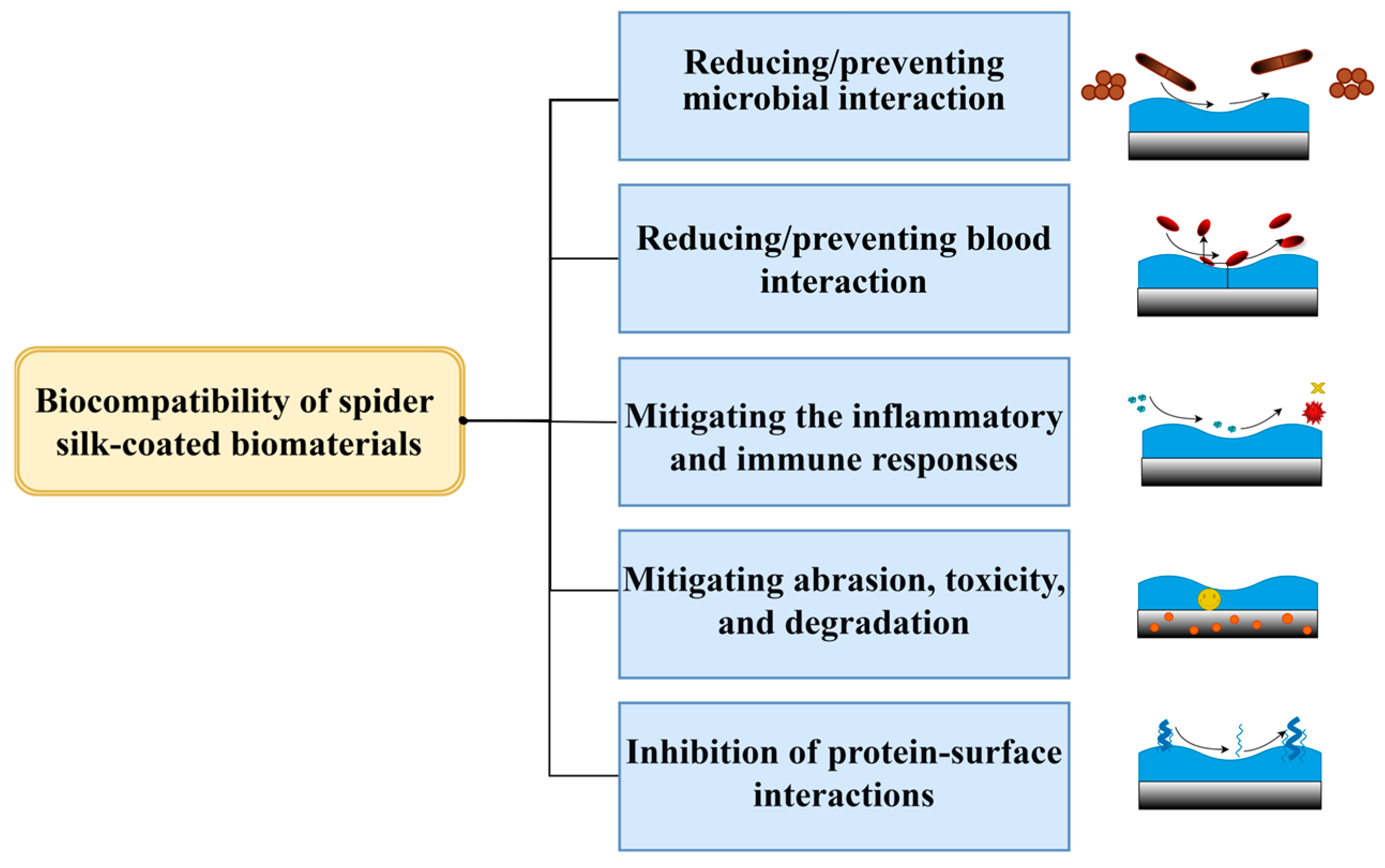
Figure 1. Spider silk coating enhances the biocompatibility of optical fibers. Adapted with permission from Ref. [48].
Textiles 06 00005 g001
Table 1. Types and functions of spider silk.
Silk TypeSpidroin NameAbbreviationFunctionReference
Tubuliform SilkTubuliform SpidroinTuSptough egg case[10]
Major Ampullate SilkMajor Ampullate SpidroinMaSpdragline, frame, radii[10]
Aciniform SilkAciniform SpidroinAcSpwrapping prey and soft egg case[16]
Flagelliform SilkFlagelliform SpidroinFlagcatching spiral[16]
Pyriform SilkPyriform SpidroinPySpattachment cement[16]
Minor Ampullate SilkMinor Ampullate SpidroinMiSpauxiliary spiral[17]
Aggregate SilkAggregate SpidroinAgSpsilk glue[17]
Table 3. Refractive index (n) and extinction coefficient (k) data for Nephila pilipes spider silk and silicon dioxide at selected photon energies.
Photon Energy (eV)Refractive Index (n)Extinction Coefficient (k)
Silicon Dioxide [35]N. pilipes Silk [32]Silicon Dioxide [35]N. pilipes Silk [32]
4.521.491.704.175 × 10−33.22 × 10⁻⁸
4.661.501.824.262 × 10−33.12 × 10⁻⁸
5.051.501.784.454 × 10−32.72 × 10⁻⁸
5.151.511.764.848 × 10−32.51 × 10⁻⁸
5.401.521.955.161 × 10−37.27 × 10⁻⁸
Table 5. Resonance wavelength of spider silk as a function of refractive index after different nanostructure treatments. Abbreviations: GNRs, gold nanorods; GNBPs, gold nanobipyramids; Ag@GNRs, silver-coated gold nanorods.
Refractive IndexResonance Wavelength (mm)Reference
GNRGNBPAg@GNR
1.350840835762[95]
1.355850840756
1.360858845751
Disclaimer/Publisher’s Note: The statements, opinions and data contained in all publications are solely those of the individual author(s) and contributor(s) and not of MDPI and/or the editor(s). MDPI and/or the editor(s) disclaim responsibility for any injury to people or property resulting from any ideas, methods, instructions or products referred to in the content.


