1. Introduction and Clinical Significance
Humans have long realized that dogs can be helpful, in a number of ways, for achieving important goals. This is evident from our earliest interactions involving the shared goal of avoiding predators and acquiring food, to our more recent inclusion of dogs in a variety of contexts, including therapeutic and educational settings [
1]. Dogs were the first domesticated animals, cooperating with humans by hunting and guarding [
2]. Dog bites are a serious worldwide problem. The consequences for human health include physical injuries, transmission of zoonosis, and psychological trauma [
3]. As can be seen from the data in the scientific literature on dog bites from the end of the previous century, and according to recent reviews, dog bites are a major medical problem affecting millions of people each year [
4,
5,
6]. Retrospective studies on animal bites indicate that there are higher incidence rates over the past five years than in the years before. This finding may be related to increased attention on animal bites and, in this case, on dog bites, where the possibility of private and public compensation leads to the increased reporting of injuries. It must be added that the number of dogs in households has increased by about 40 percent; in addition, the breeds that have come to be preferred are those with tendencies for greater intraspecies aggression and aggression towards unfamiliar humans. In fact, defense and fighting dogs have been preferred in high percentages; the phenomena of aggression from territoriality and protection of the family pack have greatly increased.
Dog attacks most frequently occur in public places when owners allow their dogs to roam off their leash, although incidents involving stray dogs are also common. Lately, we have been seeing more records of dog aggression within homes. Emotions play a pivotal role in the development and expression of dog behavior, including aggression and predatory attacks towards humans or conspecifics [
3]. Data from the scientific literature indicate that victims of aggression from domestic dogs are mostly elderly people, children, and individuals living with families where psychiatric disorders or physical or mental disabilities are present.
Victim of these attacks usually have injuries to their extremities, neck, and face. Dogs immobilize their victims by striking their limbs and attack the upper half of the victim’s body after they have been brought down [
7]. The typical injury pattern caused by dog bites, named “hold and tear”, is the consequence of a combination of biting, clawing, and crushing, with a round “hole” made by the canine tooth penetrating the skin; the other teeth cut into the flesh and cause stretch lacerations due to the shaking of the head (the “tear”). Death caused by tissue consumption is uncommon; the majority of dog attacks result in non-fatal tissue injuries that nonetheless cause permanent and aesthetically significant scarring.
This paper reports a case in which the victim sustained injuries attributable to a canine attack, strictly localized to the ventral cervical region and the anterior craniofacial surface, extending from the upper to the lower third, with no bite-related lesions identified on the extremities or other anatomical districts.
2. Case Presentation
An 82-year-old man was found dead on the living room carpet by his daughter at 6 p.m. The daughter reported that she lived with her father and left him, as she did every day, at home in the company of her four-year-old German Shepherd, with whom her father had always had a special affinity. The father did not suffer from any particular physical ailments; he was autonomous and, in the winter (the attach occurred in February), he preferred not to leave the house, in the hopes of preventing possible cold illnesses and any complications that might result.
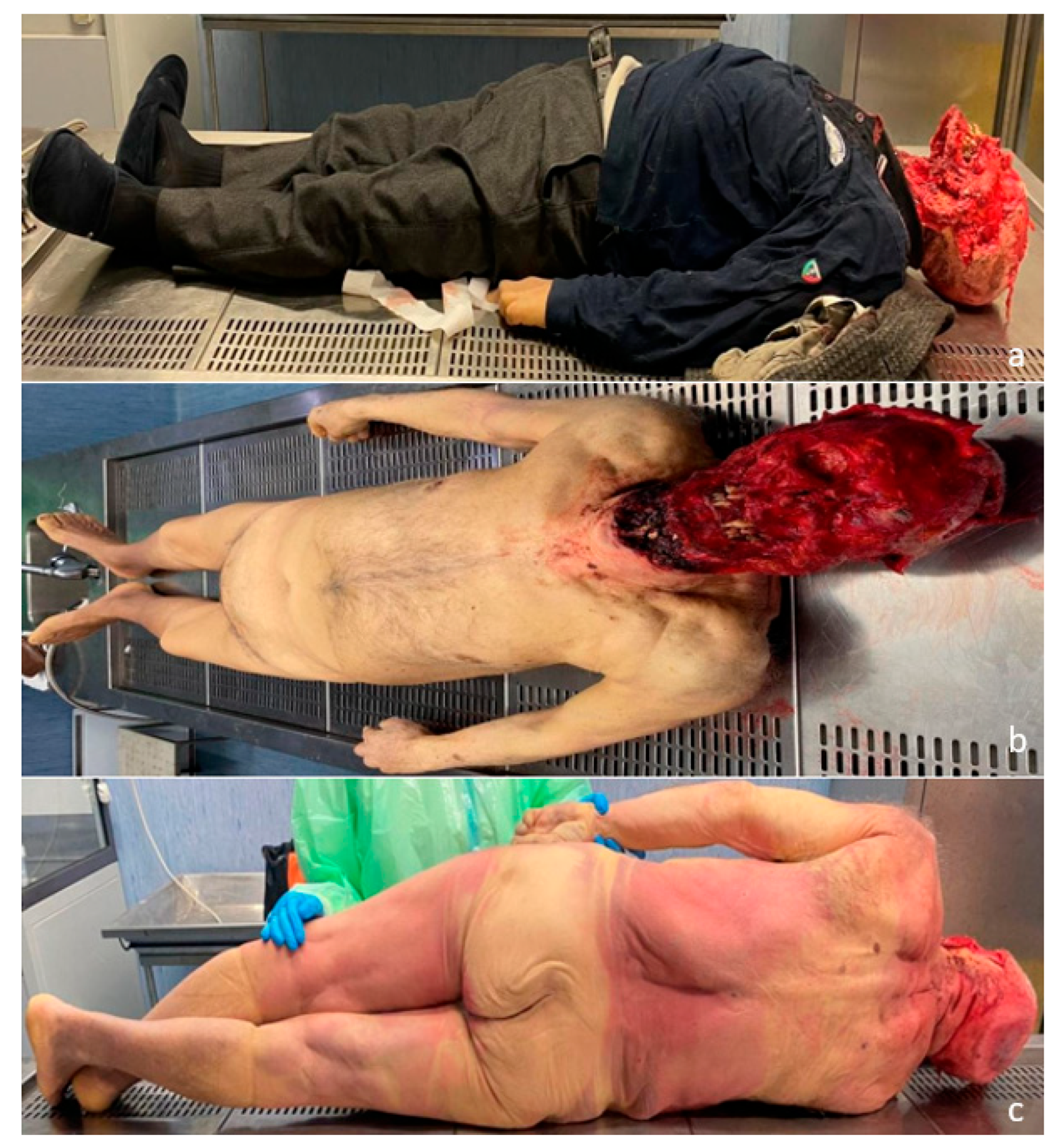
The man was dressed in the clothing he usually wore home. Following the attack, he was completely disfigured from the base of his neck to the upper third of his head (
Figure 1a–c).
Reconstructions by law enforcement agencies established that the man had been assaulted immediately after lunch, as lunch appeared to have just been eaten, with the dishes still soiled and placed in the kitchen sink. The table also appeared to be set for only one person, so the man was alone at lunchtime.
The investigation of the scene revealed that food and water were accessible for the dog.
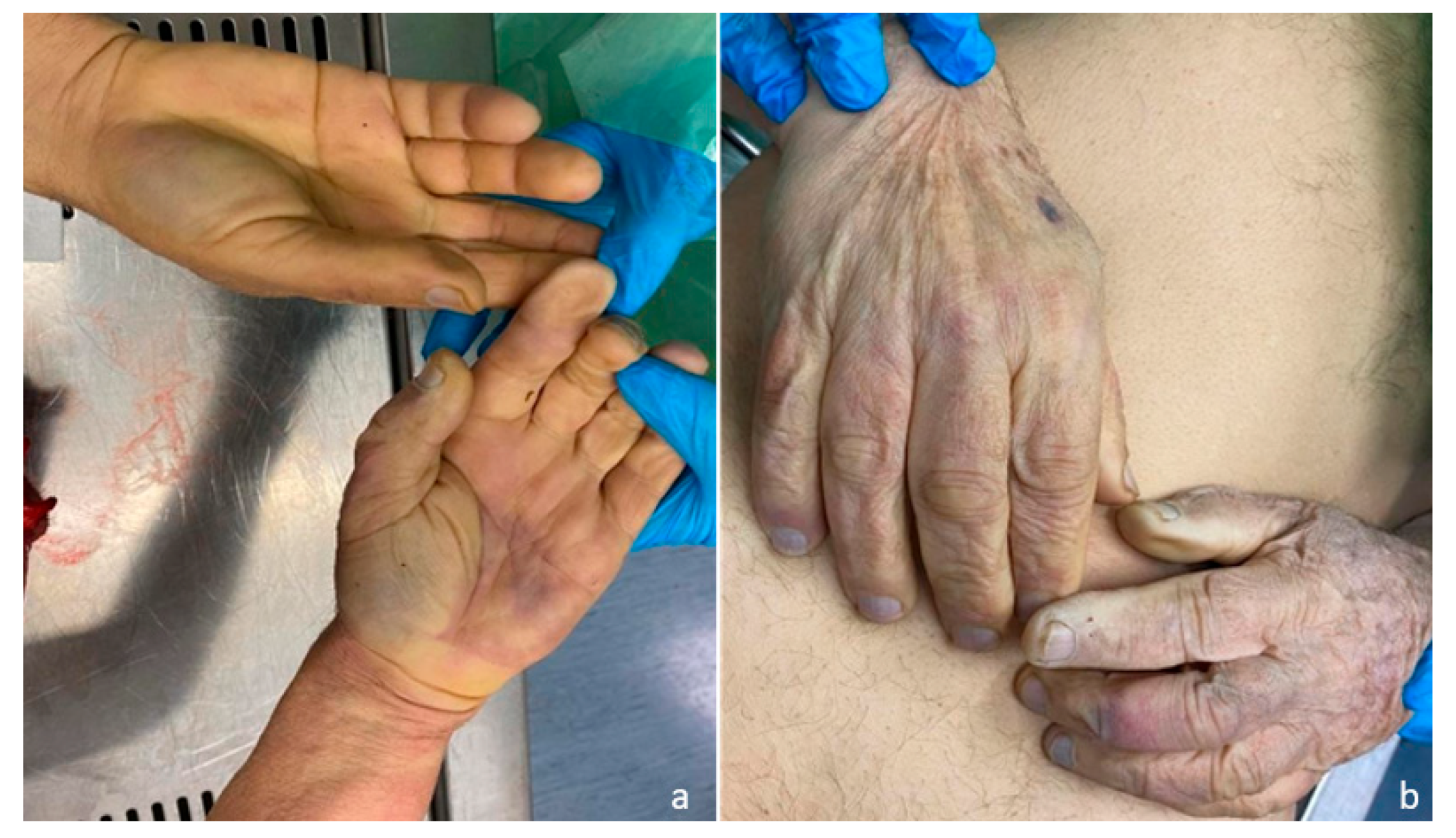
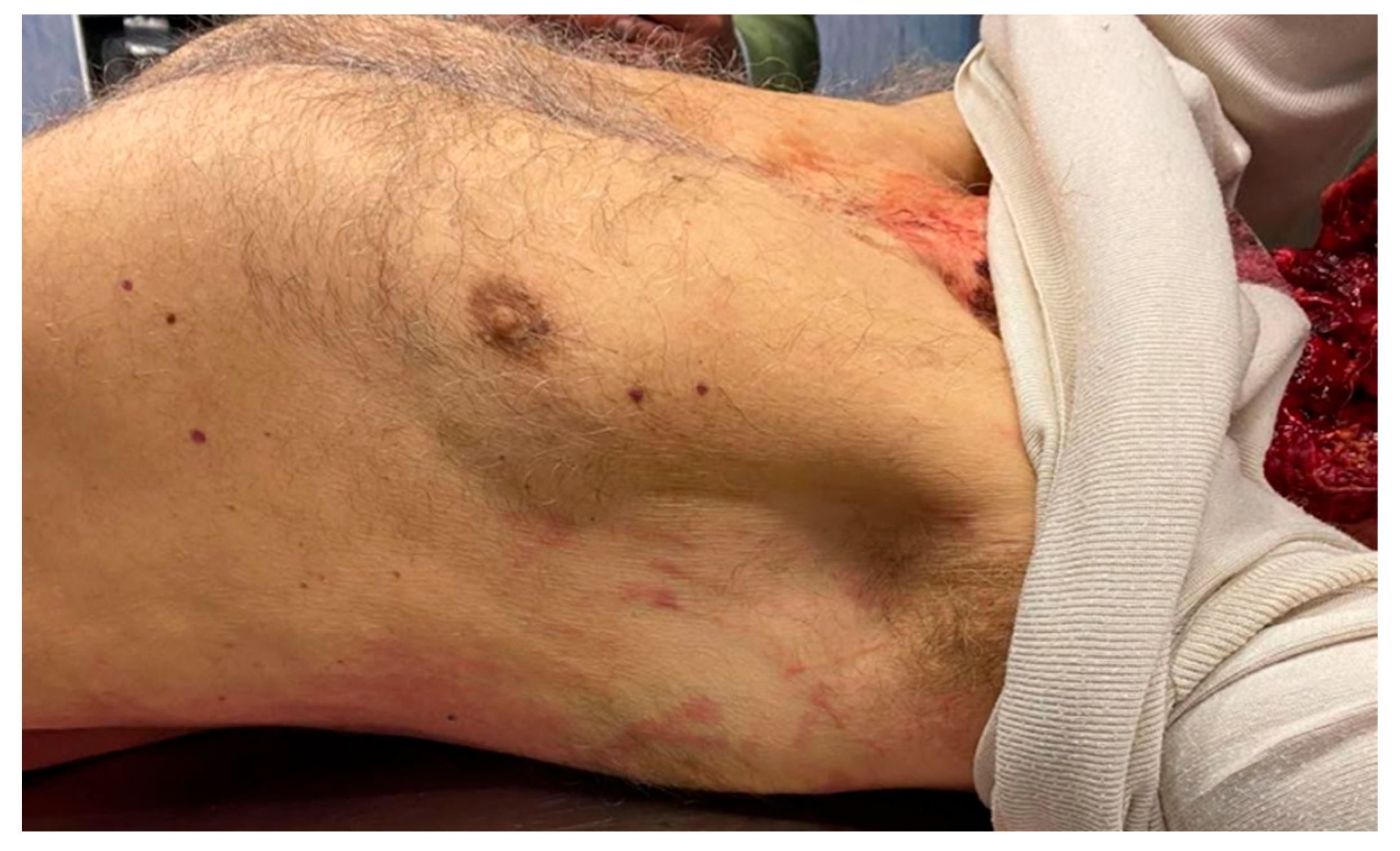
There were no bite marks on the man’s hands, forearms, or upper and lower limbs (
Figure 2a,b and
Figure 3).
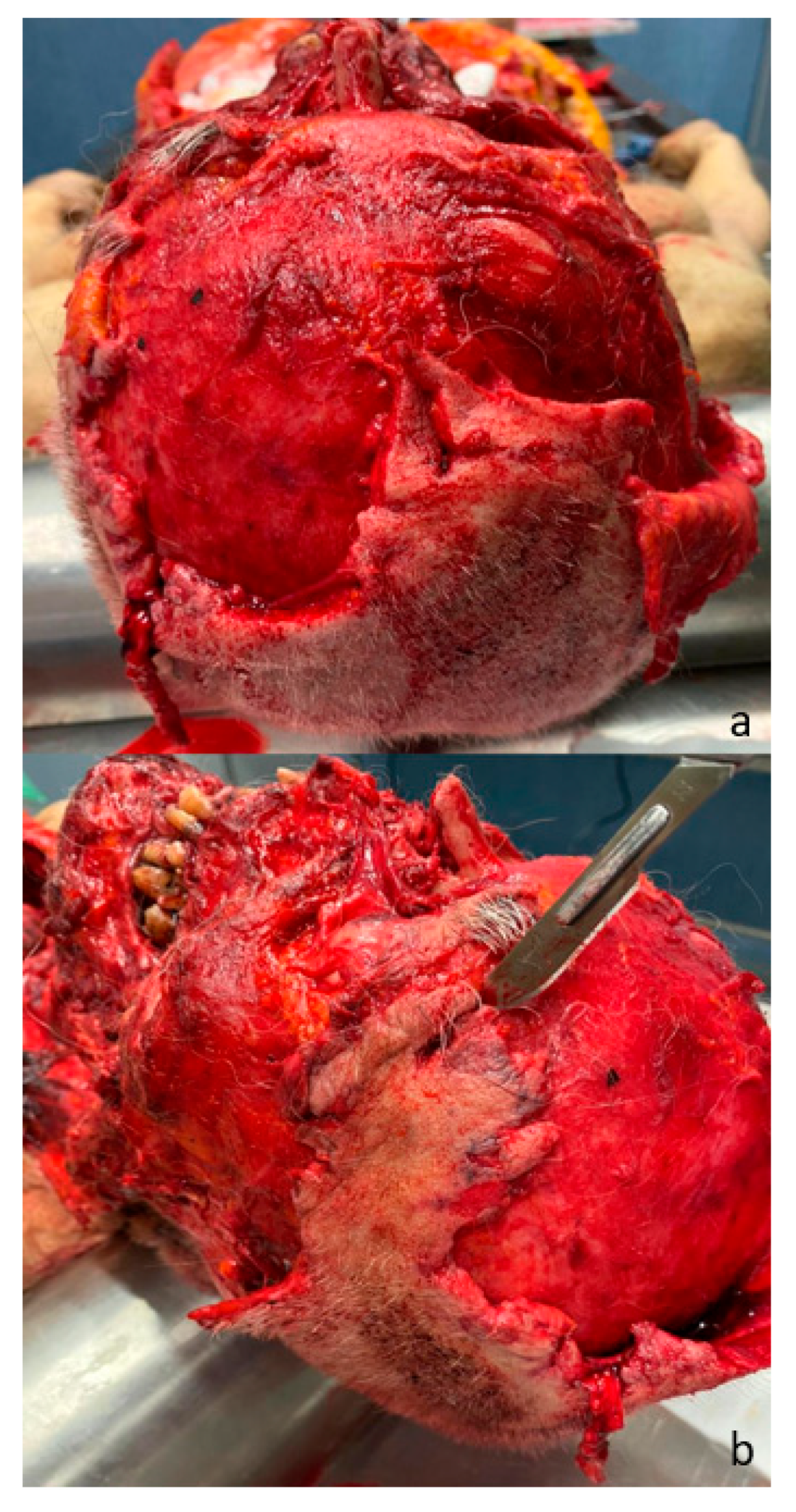
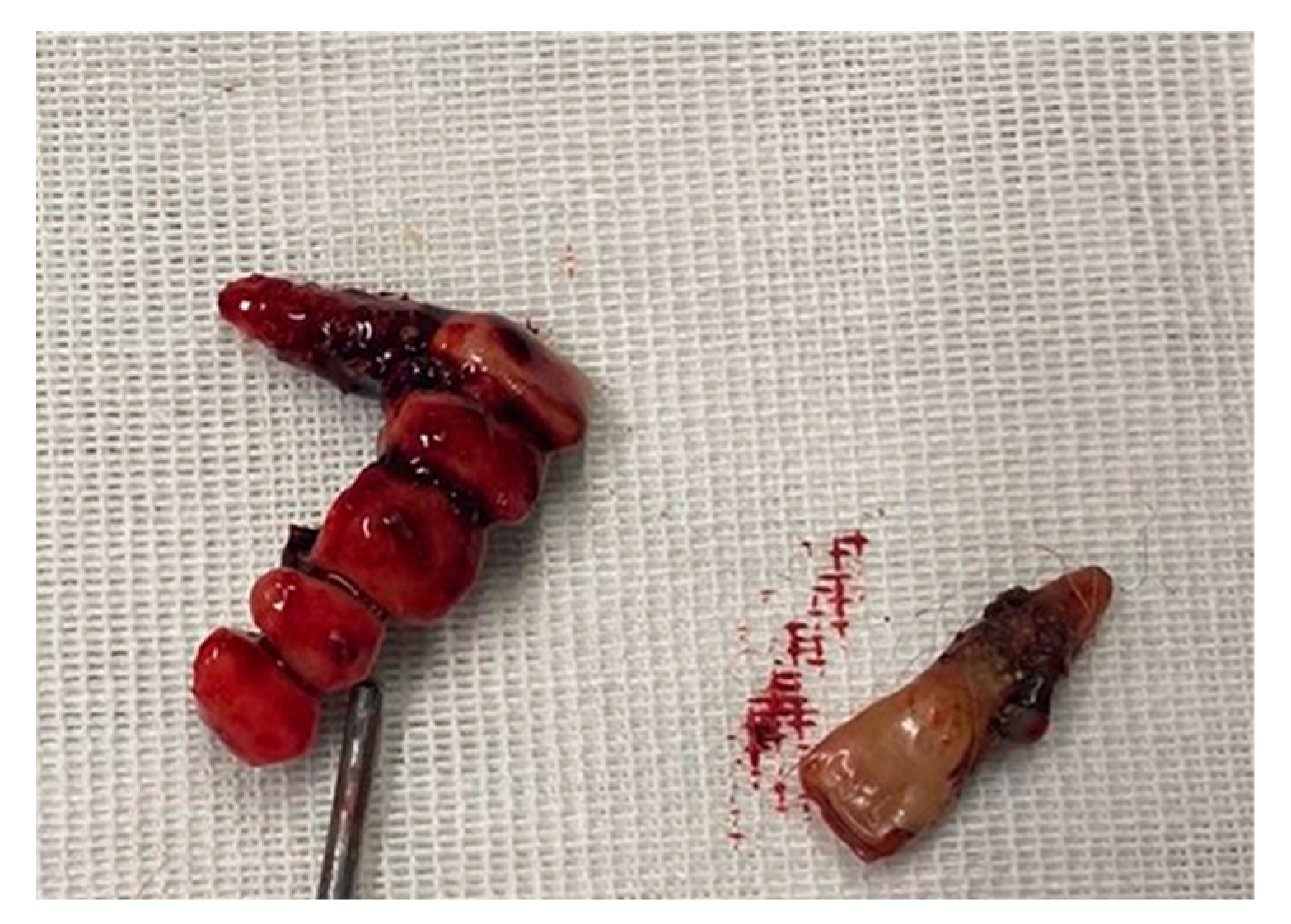
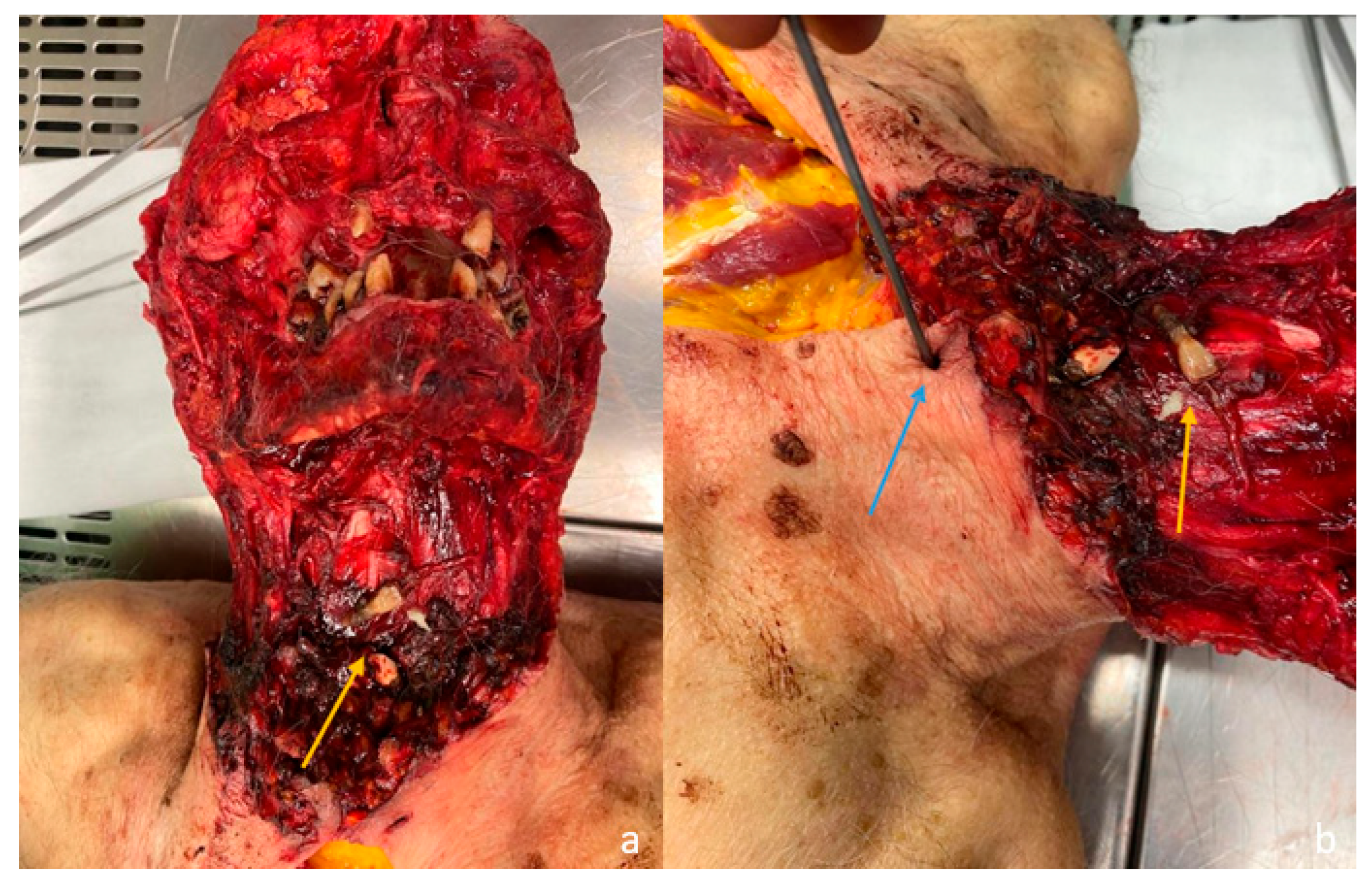
His neck, face, and skull were visible, with no remaining soft tissues; his face was severely wounded, with the facial muscles visible. His nose and orbits were fractured, and his teeth and fixed prostheses had been detached, with some periodontal teeth scattered in what remained of the musculocutaneous tissues of his neck (
Figure 4a,b and
Figure 5).
Collectively, the evidence showed that there had been no moves for defense on the part of the elderly man. Skin and muscle tissue vomited by the dog were found at various points around the house, where the dog had also left traces of urine.
Macroscopic analysis of the neck and the skull on the face revealed tissue consumption; at the base of the neck particularly, there is an indentation made by a German Shepherd’s canine tooth, indicating that the dog attacked the man directly at the neck, suffocating him and causing deep and rapid bleeding in the large vessels of the neck (
Figure 6a,b).
The autopsy did not reveal any significant pathologies in the elderly man, other than those normally found in an elderly person. No internal hemorrhage was found.
Cutaneous and subcutaneous samples histologically confirmed the vitality of the wound edges, which led to the conclusion that the wounds were inflicted pre- or peri-mortem. During autopsy exam, the bite marks were not precisely described or measured for further comparison with the jaw of the dog, because the dental arches were indistinguishable and there were only unique indentations that did not describe arch designs.
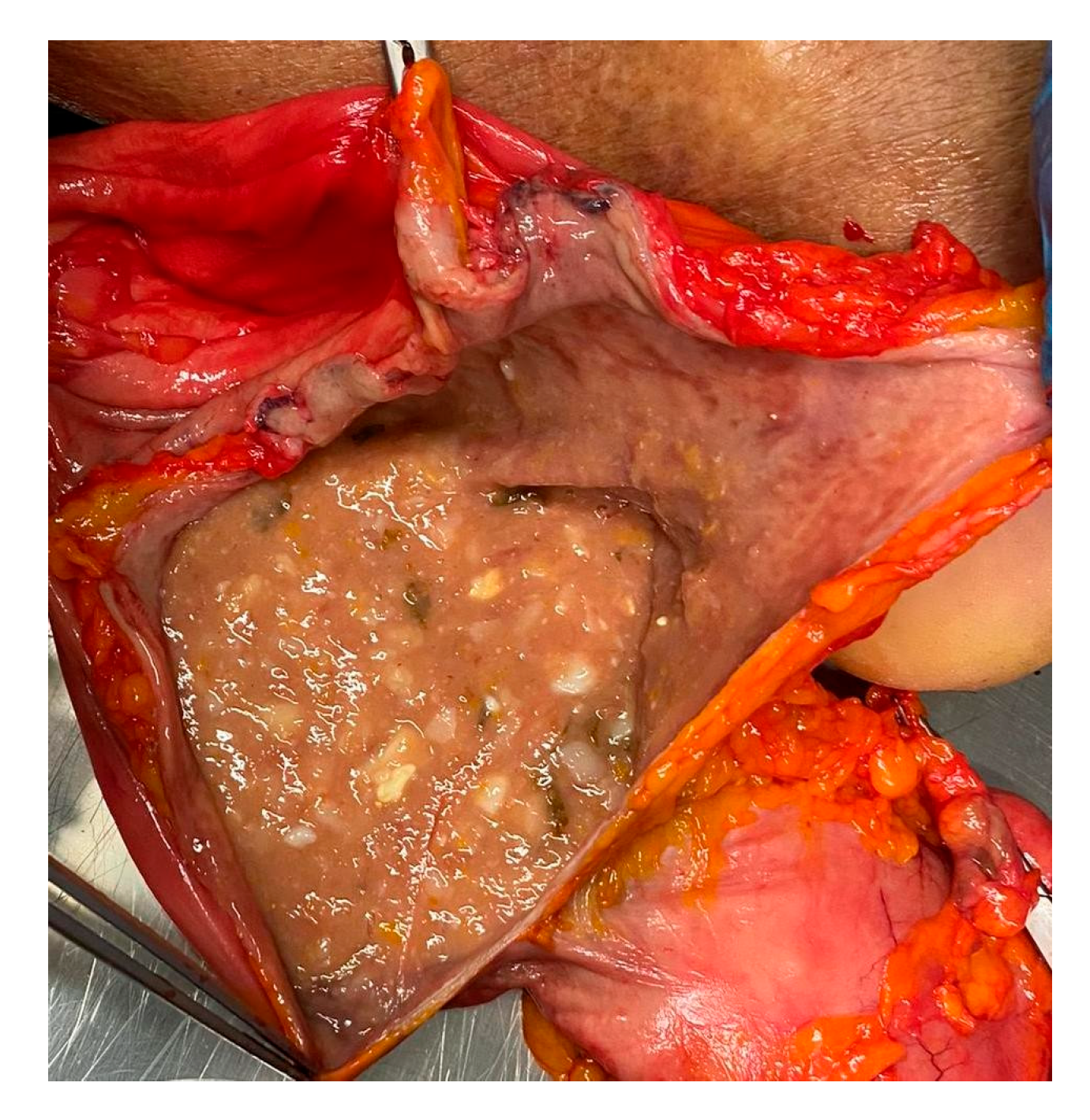
The man’s stomach contents made it clear that the attack incident happened after lunch (
Figure 7): the food was still in the stomach of the victim, and there were no signs of it being emptied. The toxicological analysis was negative for alcohol, cannabis, benzodiazepines. The cause of the death was attributed to suffocation at neck level and hemorrhagic shock due to deep injuries to the large vessels of the neck due to multiple, rapid and consecutive animal bites to the neck and the face.
3. Discussion
Fatal attacks by domestic dogs remain rare but represent a complex intersection between behavioral science, forensic pathology, and public health. In the present case, the dynamics of the aggression, the absence of defensive injuries, and the localization of the wounds on the victim’s face and neck all indicate a deliberate, predatory pattern rather than accidental or defensive biting behavior. This interpretation aligns with previous forensic studies which have shown that true predatory attacks are characterized by rapid, targeted assaults to vital areas, particularly the cervical region, often resulting in fatal hemorrhage within minutes [
8,
9].
Dog aggression is typically classified into several behavioral categories—defensive, territorial, fear-induced, redirected, and predatory. Among these, predatory aggression is unique because it is not motivated by fear or anger but rather by the instinctual sequence of hunting behavior: fixation, stalking, chasing, biting, and consuming [
3,
10]. In most domestic settings, this instinct is suppressed or redirected through socialization and training. However, under specific environmental or physiological stressors such as frustration, isolation, or the presence of vulnerable individuals, these latent behaviors can re-emerge, even in otherwise well-socialized animals.
In this case, the elderly victim represented a high-risk target from both physical and behavioral perspectives. The literature consistently identifies older adults and young children as the most frequent victims of fatal dog attacks due to their limited mobility, reduced defensive capacity, and smaller body size [
4,
11]. The absence of defense wounds on the upper limbs or torso supports the hypothesis of a possible scenario where the dog jumped onto the victim and used its claws (potentially in a non-aggressive manner, unless trained to avoid jumping on people), causing the victim to fall and sustain injuries to the face or head, potentially accompanied by bleeding. The dog may then have licked the bleeding areas, which could subsequently have escalated to biting. Forensic reconstruction suggests that the victim was rapidly subdued, and the deep penetration of the canine teeth into his vascular neck structures caused immediate hemorrhagic shock and suffocation.
Histopathological examination confirming vital reaction at the wound margins is crucial to establish the timing of the attack. The observed hemorrhagic infiltration and tissue vitality exclude post-mortem scavenging, a common confounding factor in domestic dog cases where the animal manipulates or feeds on the body after death [
12]. The discovery of vomited human tissue fragments within the house represents an exceptional forensic finding and provides additional evidence of active predation. Similar findings have been documented only in a handful of reports, emphasizing the diagnostic significance of such evidence for differentiating peri-mortem attacks from post-mortem consumption [
8].
Behaviorally, German Shepherds are considered intelligent, loyal, and protective dogs; however, their high energy levels and strong territorial instincts can predispose them to aggressive outbursts if environmental management or socialization is inadequate. Although breed alone is not a determinant of aggression [
13], several studies highlight that working and guarding breeds are disproportionately represented in fatal attack statistics, particularly when owners fail to implement appropriate behavioral control [
14]. It is therefore critical to contextualize the aggression not as a breed-specific pathology but as the consequence of multifactorial interactions involving individual temperament, environmental stressors, and human factors such as neglect or misinterpretation of behavioral cues [
15].
From a forensic–medical perspective, this case underscores the diagnostic value of a comprehensive interdisciplinary approach. Detailed scene investigation, photographic documentation, and correlation between the dog’s dental morphology and wound patterns are essential to exclude third-party involvement and to establish the sequence of events [
4]. Furthermore, toxicological screening and gastric content analysis in both the victim and the animal can yield critical information about the timing of death and the onset of predatory behavior [
9].
The pattern of injuries in this case—massive soft tissue avulsion confined to the face, scalp, and cervical area—is particularly indicative of active predation. In contrast, post-mortem scavenging typically begins at the natural orifices (mouth, nose, anus) and progresses in a non-selective manner. The selective targeting of vital anatomical regions in a living victim suggests an instinctual hunting response, possibly triggered by subtle physiological or environmental cues.
In addition to the forensic implications, this case raises important public health and ethical considerations. Dog ownership among elderly individuals has well-documented psychological and physical benefits, including reduced loneliness and increased activity [
1]. However, cohabitation with large, powerful breeds also presents latent risks, especially in individuals with reduced reaction capacity or health vulnerabilities. This calls for public education campaigns on responsible dog management, including behavioral assessments, proper supervision, and early intervention for signs of dominance or possessive aggression [
16].
Moreover, veterinarians and primary care physicians could play a preventive role by identifying risk conditions in households where elderly or disabled individuals live with large dogs. Early detection of behavioral instability or health issues in the animal, such as pain, neurological disorders, or sensory deficits, may reduce the likelihood of unpredictable aggression [
17].
Finally, from a medical–legal standpoint, the establishment of standardized investigative protocols for domestic animal fatalities is imperative. These should integrate forensic pathology, veterinary behavioral analysis, and molecular techniques such as DNA profiling of saliva traces to confirm the animal’s involvement [
12]. Such interdisciplinary coordination not only enhances the accuracy of cause-of-death determinations but also contributes to the creation of a national or international database for animal aggression cases—essential for improving preventive strategies and informing legal frameworks [
5,
7].
In summary, this case demonstrates that domestic dogs, even those usually considered docile or well-trained, can under certain circumstances engage in behaviors that may result in serious injury. The forensic distinction between predatory attack and post-mortem scavenging requires meticulous histological and contextual evaluation. A better understanding of the ethological and environmental triggers underlying such events will be critical in developing evidence-based prevention policies, promoting responsible ownership, and advancing forensic veterinary science [
18,
19,
20].
4. Conclusions
In conclusion, the circumstantial evidence, the indentations left by the dog’s canine teeth, and the extensive lacerations, as well as the vomit found in various parts of the house containing fragments of human tissue belonging to the victim, clearly indicate that the domestic German Shepherd was responsible for the lethal injuries on the elderly man who was alone in the house. This case demonstrates how, under certain behavioral or environmental triggers, even well-socialized dogs can display predatory aggression toward familiar humans. The complete absence of defensive injuries and the specific localization of the wounds to the cervical and facial regions may indicate a sudden attack aimed at killing (possibly rage syndrome/idiopathic aggression), or that a social behavior shifted into predation after the victim fell and was injured during the fall.
From a forensic standpoint, this case highlights the importance of differentiating between post-mortem scavenging and true predatory behavior. The presence of vital reaction at the wound edges, massive hemorrhage, and characteristic patterns of muscle avulsion are decisive indicators of peri-mortem vitality. Moreover, the detection of vomited human tissues in the domestic environment represents an uncommon but crucial diagnostic finding, reinforcing the conclusion of active predation rather than secondary consumption.
These observations contribute to the growing body of forensic evidence on domestic animal aggression and underline the need for interdisciplinary collaboration among forensic pathologists, veterinarians, and behavioral specialists to interpret such complex events. From a preventive perspective, this case underscores the potential risks of cohabitation between large, powerful breeds and frail or elderly individuals, even in contexts of apparent mutual familiarity and affection. Careful behavioral monitoring, early recognition of stress-related or potentially aggressive cues in dogs, and public education on responsible pet care are essential strategies to mitigate the risk of dog-related injuries. A documented history of biting or aggressive incidents represents a significant predictor of future biting events and should be thoroughly considered during risk assessments. Integrating an understanding of individual behavioral patterns with appropriate supervision and timely intervention can help prevent escalation and reduce the likelihood of serious injury.
Finally, the medical–legal implications are significant: fatal canine attacks within private dwellings require standardized investigative protocols combining scene reconstruction, autopsy analysis, and ethological assessment to establish both the dynamics and the forensic timing of injuries. Further research on the behavioral and physiological factors predisposing domestic dogs to episodes of predation could contribute to the development of more effective preventive and diagnostic strategies in forensic and veterinary practice.




 ,
,