Case Report

A Rare Case of Paternal Filicide Involving Combined Lethal Methods: Forensic Psychiatric Evaluation and Literature Review


1
Department of Clinical and Experimental Medicine, University of Foggia, 71122 Foggia, Italy
2
Italian National Insurance Agency, 00144 Rome, Italy
*
Author to whom correspondence should be addressed.
Forensic Sci. 2025, 5(4), 80; https://doi.org/10.3390/forensicsci5040080
Submission received: 30 October 2025 / Revised: 26 November 2025 / Accepted: 10 December 2025 / Published: 15 December 2025

Abstract

Introduction: Paternal filicide is a rare and complex form of intrafamilial homicide, frequently associated with underlying psychopathology, interpersonal conflict, and psychosocial stressors. While maternal filicide has been more extensively studied, cases involving fathers—especially those employing multiple homicidal methods—remain significantly underrepresented in the forensic literature. This paper presents an unusual case of paternal filicide involving combined lethal methods, contextualized through a narrative review of comparable cases. Methods: A comprehensive forensic-pathological and psychiatric investigation was conducted following the homicide of an 8-year-old boy, killed by his father through a combination of asphyxiation and stabbing. A narrative literature review was performed using PubMed, Scopus, and Google Scholar, focusing on case reports and case series concerning paternal filicide. Particular attention was paid to homicidal methods, motivational dynamics, psychiatric comorbidities, and post-crime behavior. Results: The child’s body was found concealed in a building, in a bed storage drawer, with packing tape tightly wrapped around the mouth and nose and a kitchen knife embedded in the neck. No defensive wounds were observed, suggesting a sudden and unopposed assault, likely facilitated by the victim’s trust in the perpetrator. Autopsy findings revealed signs of asphyxiation and three stab wounds to the chin, neck, and thorax, involving vital structures such as the thyroid cartilage and heart. The father was found in a state of acute alcohol intoxication and subsequently convicted of intentional homicide. The motive appeared to be revenge-related, stemming from a highly conflictual marital separation. The literature review confirmed the predominance of retaliatory motives, frequent substance use, and post-crime suicidal behavior. However, the use of combined homicidal methods and the concealment of the body were found to be exceedingly rare. Conclusions: This case, combined with the literature review, highlights the need for deeper scientific exploration of paternal filicide. Comprehensive forensic and psychiatric assessments are essential to identify recurring situational patterns, motivational profiles, sociocultural contexts, and psychiatric vulnerabilities. These findings are critical not only for post-crime evaluations but also for the development of interdisciplinary prevention strategies targeting early warning signs and high-risk family dynamics.

1. Introduction

Paternal filicide represents one of the most extreme and complex forms of intrafamilial violence, characterized by considerable heterogeneity in psychopathological profiles, relational dynamics, and modes of execution. Although scholarly attention has historically focused more on maternal infanticide, the past few decades have increasingly recognized the need to conceptualize paternal filicide as a distinct entity, associated with specific clinical, motivational, and criminological patterns [1]. This gender-sensitive lens is now recognized as essential for both forensic evaluations and preventive strategies [2,3,4].
Bourget and Bradford [2] were among the first to introduce the term “paternal filicide” as a distinct category, emphasizing the importance of gender in understanding these cases. Later, Bourget and Gagné [5] proposed a more nuanced classification system, based on the presence or absence of homicidal intent, the presence or absence of psychiatric disorders in the perpetrator, the underlying motive (e.g., psychopathological, retaliatory, abusive), and the association with suicide or substance abuse.
In an attempt to systematize the underlying motivations for filicide, Resnick (1969) proposed one of the most widely cited classifications in forensic psychiatry, distinguishing five primary categories based on the presumed motivation for the act: altruistic associated with suicide to relieve suffering, acutely psychotic, unwanted child, accidental, and spouse revenge [6]. In Resnick’s framework, “altruistic” filicide refers to cases in which the parent kills the child with the stated aim of relieving the child’s presumed suffering or protecting the child from anticipated harm; “acutely psychotic” filicide denotes homicides committed under the direct influence of hallucinations, delusions, or severe thought disorder; “unwanted child” filicide describes the killing of a child who was never desired or who has subsequently become rejected, often in association with psychosocial stressors and lack of social support; “accidental” filicide refers to deaths that occur unintentionally in the context of abuse or neglect, where the parent does not explicitly intend to kill; and “spouse revenge” filicide describes cases in which the child is killed primarily as a means of retaliating against the partner or ex-partner, typically in a setting of severe marital or post-separation conflict.
Numerous studies have highlighted substantial gender differences in the etiopathogenetic pathways, diagnostic profiles, levels of violence used, and the symbolic significance attributed to the homicidal act. Compared with mothers, fathers who commit filicide tend to be older, more frequently under the influence of or misusing substances at the time of the offense, and more likely to employ violent methods such as stabbing or firearms [4,7,8,9,10,11,12,13]. Gender differences also extend to post-crime behavior: paternal perpetrators are more often reported to attempt suicide after the act [4,10,11,12]. Moreover, fathers are more frequently living apart from the child at the time of the killing, with motives frequently rooted in partner conflict, separation or custody disputes, whereas mothers more commonly present a diagnosable mental disorder at the time of the offense [4,7,8,9,10,11,12,13].
From an epidemiological standpoint, paternal filicide appears to be a relatively rare event, though likely underreported due to classification challenges, heterogeneity in data collection systems, and cross-jurisdictional differences. The scientific literature on this topic also suffers from several limitations, including a paucity of systematic studies, limited inclusion of psychiatric evaluations, and frequent reliance on small or descriptive case series [6]. Even scarcer is the documentation concerning paternal filicides involving the use of combined killing methods—an especially rare and understudied modality that may nonetheless provide critical insights into motivational and psychological underpinnings.
From a forensic perspective, the evaluation of filicide requires an integrated, multidimensional approach that includes not only detailed forensic analysis of the crime scene and the victim’s body but also a reconstruction of the offender’s psychopathological functioning, family and social dynamics, and post-crime behavior (e.g., body concealment, suicide attempt, confession). These elements are also central to assessing the offender’s criminal responsibility (mens rea), with direct procedural implications.
Beyond its clinical and legal relevance, the study of such cases holds important preventive value. Early identification of warning signs—such as substance abuse, social isolation, untreated mental illness, or a deteriorating marital relationship—may allow for timely intervention by health and social services [14]. Within this framework, rather than aiming at fully predictive actuarial instruments, there is a need to strengthen structured, clinically based approaches to risk formulation in the familial context, in order to better inform child protection policies. The present study contributes to this theoretical and empirical landscape by presenting a forensic psychiatric investigation of a paternal filicide case involving the combined use of asphyxiation and stabbing, followed by a suicide attempt and body concealment. Alongside the interdisciplinary case analysis, this contribution includes a narrative literature review of paternal filicide cases, aiming to outline key explanatory models, risk factors, and behavioral patterns documented over the past two decades.
Compared with the existing literature, this contribution stands out for its focus on a profile of paternal filicide that has rarely been examined in depth, in which the combined use of different homicidal methods is intertwined with a complex sequence of post-crime behaviors (body concealment, suicidal staging) and a high level of criminodynamic complexity. The available case material on paternal filicide consists largely of brief reports and anecdotal descriptions that tend to prioritize diagnostic or motivational aspects while only marginally addressing the executional structure of the offense and the forensic–psychiatric meaning of post-offense actions. The integrated analysis proposed in this paper—which systematically relates the perpetrator’s psychopathological profile, the chosen methods, post-crime conduct and findings from the literature—is intended to fill this gap by offering a more articulated interpretative framework for complex paternal filicides, as well as a practical point of reference for forensic psychiatrists tasked with evaluating cases with similar characteristics.

2. Detailed Case Description

2.1. Case-Based Forensic and Psychiatric Evaluation

The present case concerns the homicide of a child by his biological father, occurring in the context of a deteriorating and conflictual marital relationship. The legal proceedings concluded with a life sentence for intentional homicide.
The case analysis followed a multidisciplinary and multi-level protocol, including the following procedures:
  • Forensic medical inspection of the crime scene;
  • Full autopsy, performed at the competent forensic pathology service, aimed at determining the cause of death and identifying the injury patterns. The autopsy was accompanied by toxicological analyses of biological samples (blood and urine) from the victim;
  • Clinical and forensic psychiatric evaluation of the perpetrator, structured as follows:
1.
medical history collection through consultation with the treating physician;
2.
direct psychiatric examination through structured clinical interviews and behavioral observation;
3.
document review, including prior medical records, forensic reports, and judicial files;
4.
administration of selected psychodiagnostic instruments, including
SCID-5 (Structured Clinical Interview for DSM-5) for the assessment of major psychiatric disorders;
MMPI-2 (Minnesota Multiphasic Personality Inventory-2) for personality structure and potential dissimulation or distortion;
PCL-R (Psychopathy Checklist–Revised) for the evaluation of antisocial and psychopathic traits;
WAIS-IV (Wechsler Adult Intelligence Scale, Fourth Edition) to assess global cognitive functioning and rule out significant intellectual deficits.
These instruments were selected in accordance with major forensic psychiatry guidelines, which recommend combining structured diagnostic interviews, broadband personality inventories, specialized measures of psychopathy and formal assessment of intellectual functioning in criminal responsibility evaluations [15,16]. The SCID-5 was employed to obtain a systematic DSM-5 diagnostic profile, in line with recommendations to use structured diagnostic interviews in comprehensive forensic evaluations of mental state [17]. The MMPI-2 was administered as a broadband measure of personality and psychopathology and to assess response style (e.g., defensiveness, symptom minimization), consistent with its longstanding role as one of the most frequently used instruments in criminal responsibility evaluations [18]. The PCL-R was chosen as the most widely accepted clinical–forensic instrument for assessing psychopathy, a construct consistently associated with patterns of severe violence and homicide, and therefore directly relevant for understanding the motivational and criminodynamic aspects of the offense and for contextualizing the personality profile of the perpetrator [19]. Finally, the WAIS-IV was employed to obtain a standardized estimate of global intellectual functioning and to exclude significant intellectual disability or cognitive deterioration that could have affected the defendant’s capacity to understand and control his conduct at the time of the offense, in accordance with international recommendations emphasizing the importance of formal cognitive assessment in selected forensic cases [20].
The primary objective of the evaluation was to determine whether any psychiatric conditions were present that could compromise the subject’s criminal responsibility, according to Italian legal standards (Articles 88 and 89 of the Penal Code) [21]. The results of the tests were integrated with clinical and behavioral evidence observed before and after the offense.
From an ethical and legal standpoint, all procedures described in this article (autopsy, medico-legal investigations and forensic psychiatric evaluation of the defendant) were carried out within the framework of ordinary criminal proceedings, on formal mandate of the competent judicial authority. In Italy, such activities fall within the institutional functions regulated by the Code of Criminal Procedure (Articles 359–360, 116, 224 et seq.) [22] and are performed for evidentiary purposes, not as part of a clinical research protocol.
The forensic psychiatric evaluation was conducted in accordance with applicable procedural rules and with major national and international guidelines for assessments of criminal responsibility, safeguarding the defendant’s procedural rights (information, right to counsel, right to refrain) and using only diagnostic instruments with established clinical and forensic validity.
For the purposes of this publication, all data were processed in strictly anonymized form: all potentially identifying information concerning the subject, relatives and contextual details was removed or aggregated, and the case is presented in a way that prevents direct or indirect identification of the individuals involved, in line with confidentiality principles and current data protection regulations.

2.2. Circumstantial Data and Event Reconstruction

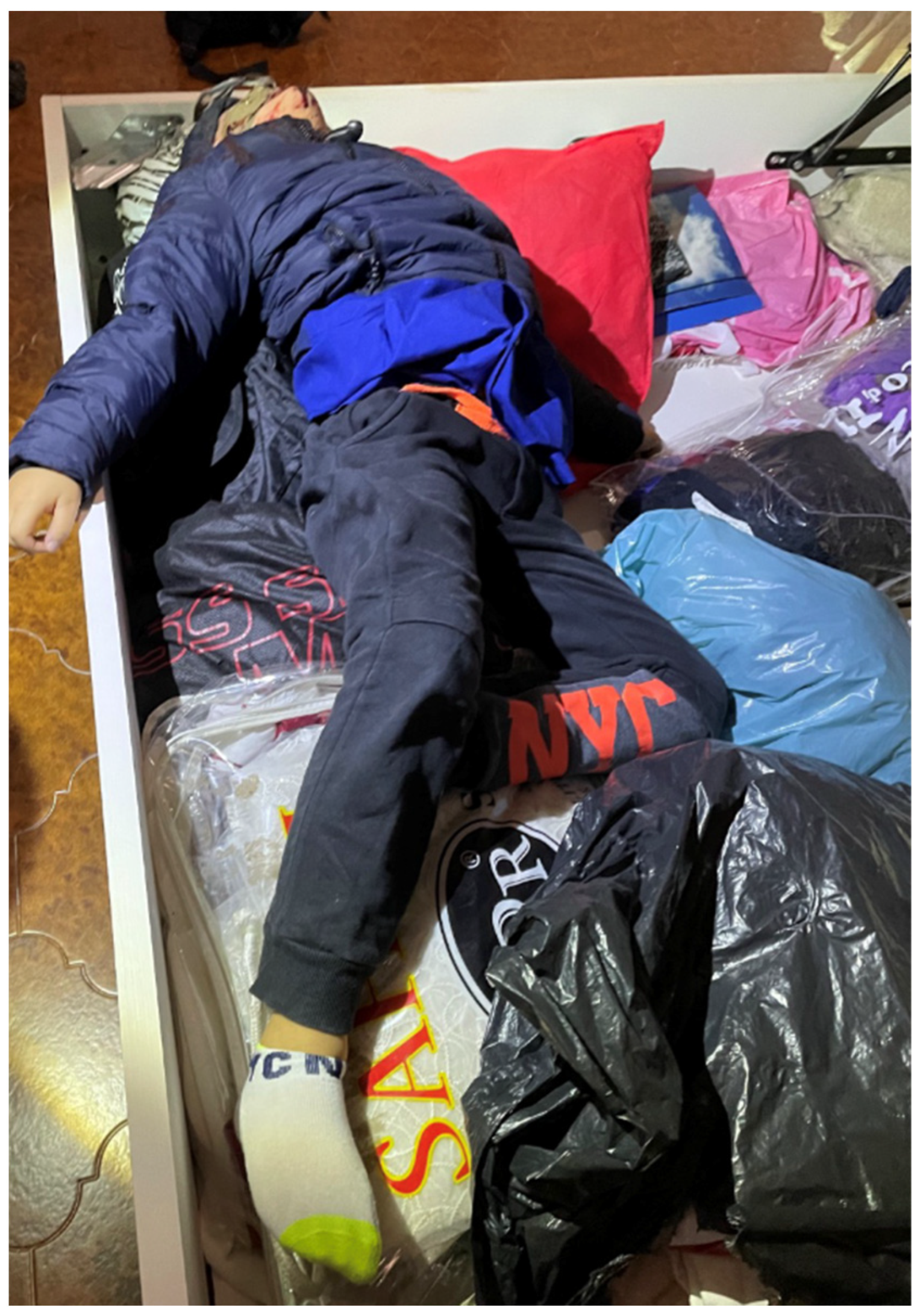
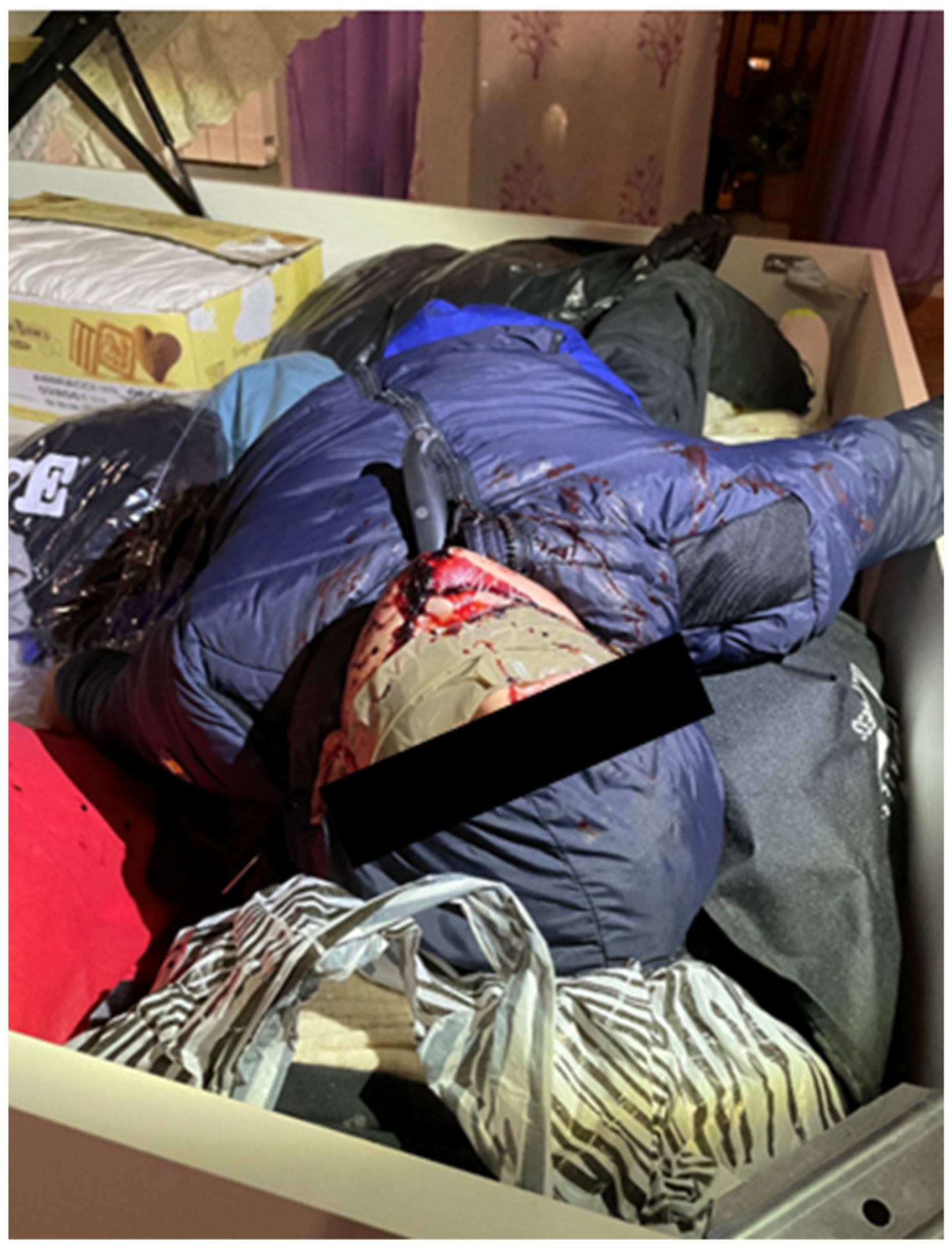
An 8-year-old boy was found dead inside the family home, where he had been alone after returning from school. At the time of discovery, he was still wearing his school uniform and jacket, suggesting the assault occurred shortly after his arrival home. His body was concealed in the under-bed storage drawer and doused with gasoline.
The child’s mother and uncle, concerned by his failure to respond to phone calls, went to the residence. Upon entering, they were overwhelmed by a strong smell of gas and gasoline. Law enforcement conducted a forensic inspection of the premises, which led to the discovery of the child’s body and the father, unconscious, lying on the attic floor.
The father, aged 46, had previously been subjected to a restraining order due to prior physical and psychological abuse toward his former partner. Despite this, he had retained an unauthorized copy of the house keys and unlawfully entered the residence. There were no documented prior instances of violence against the child.

2.3. Crime Scene Findings and Inspection

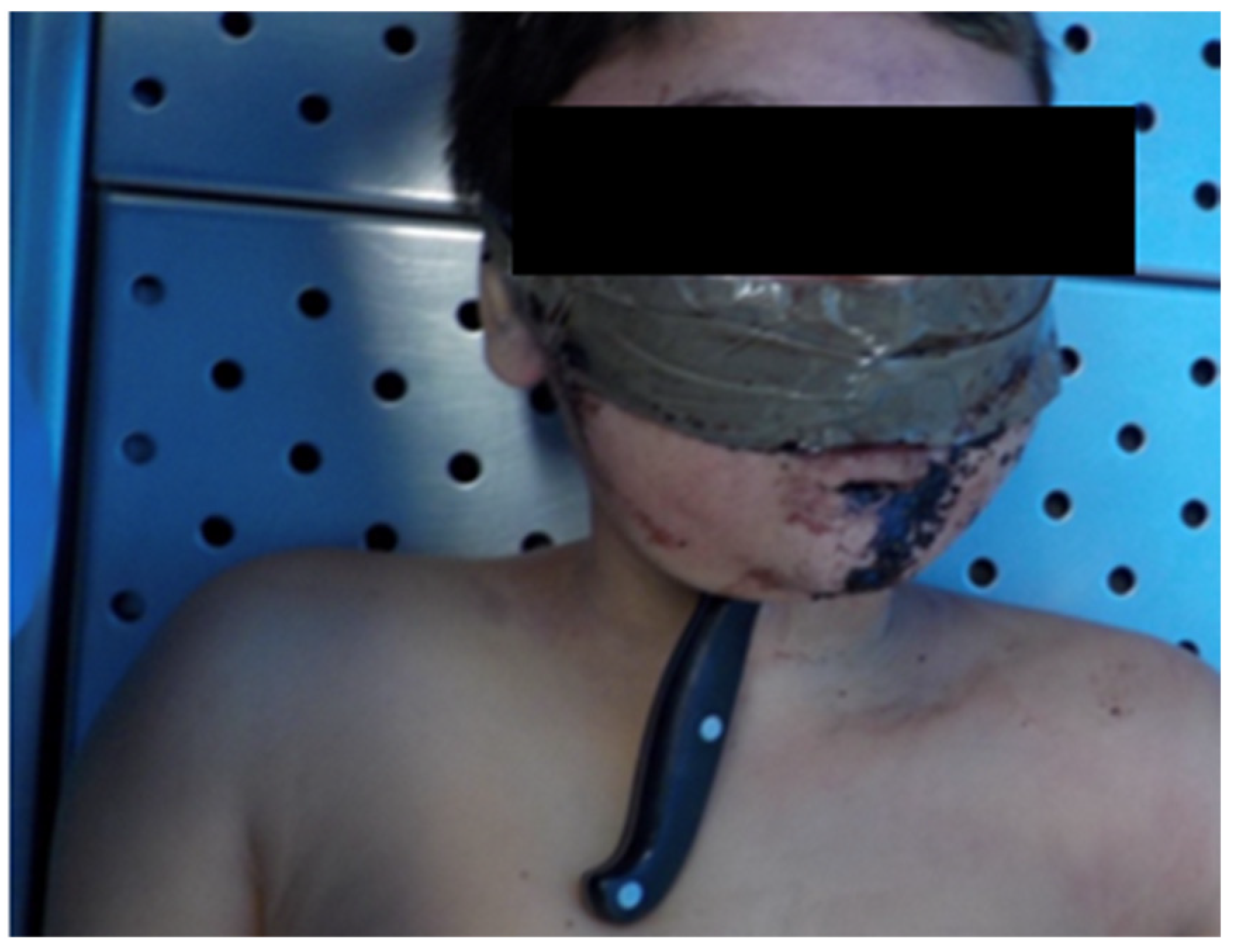
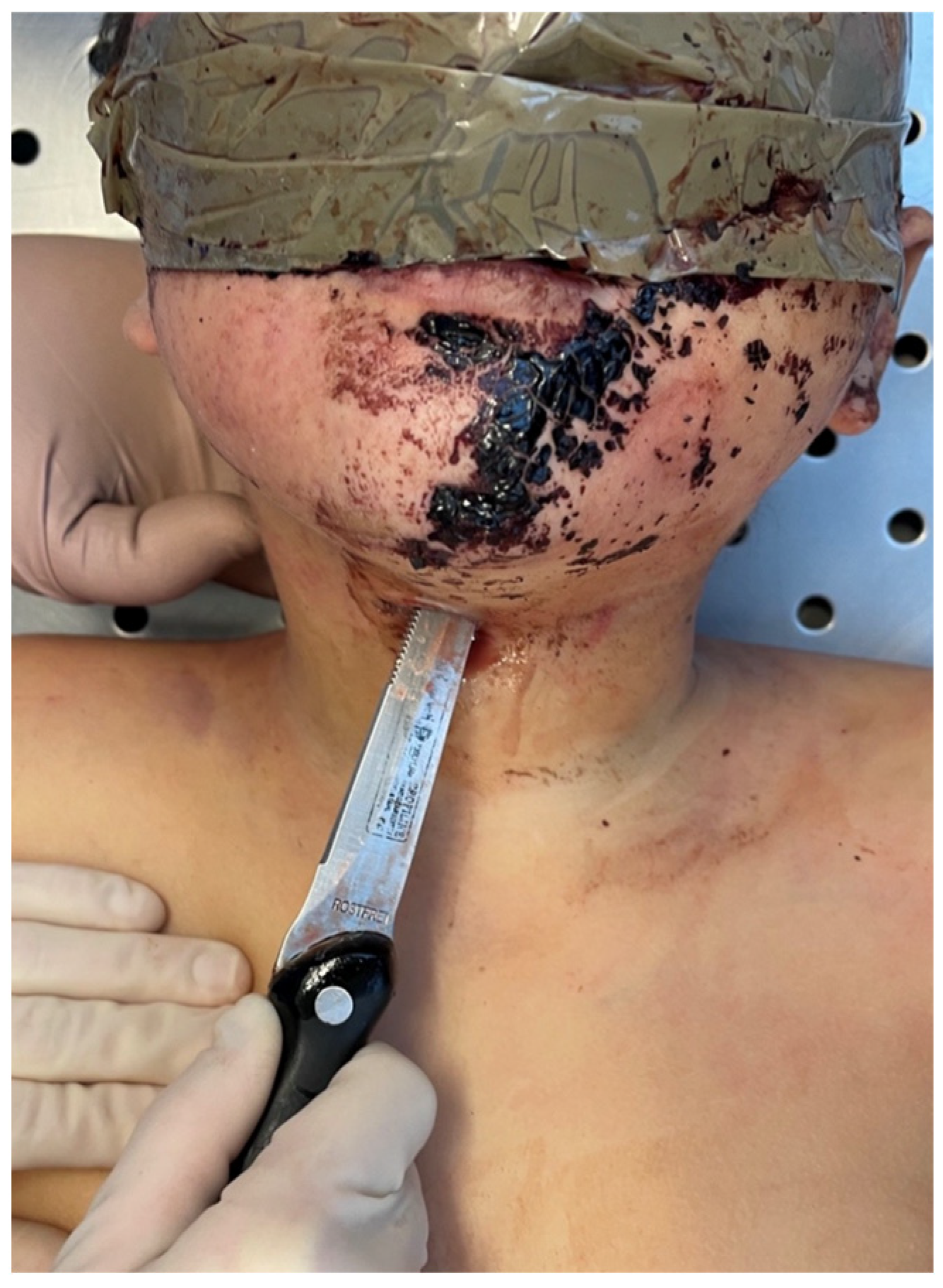
A strong odor of gas and gasoline was present throughout the apartment. In the bedroom, the victim’s body was found inside the under-bed storage drawer. Brown packing tape tightly sealed the mouth and nose, and a kitchen knife with the blade fully embedded was lodged in the right submental region (Figure 1 and Figure 2). The mattress and bedding showed traces of gasoline.
In the bathroom, investigators recovered a damaged mobile phone belonging to the victim. In the attic, near the unconscious perpetrator, several empty or partially empty vodka bottles, a gasoline canister and a lighter were found, consistent with massive alcohol intake and preparation of a potential ignition source.

2.4. Post-Mortem Findings

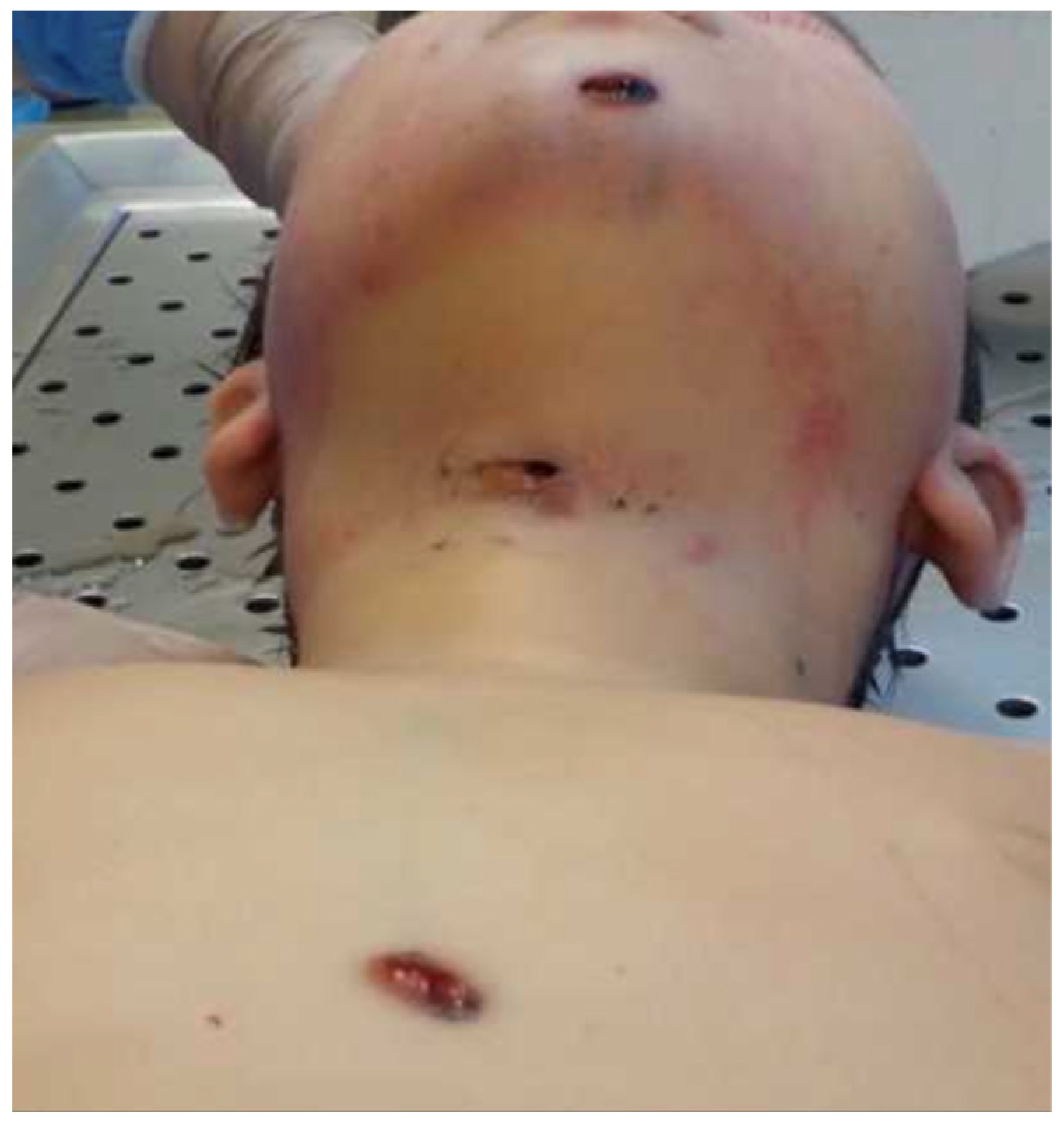
External examination revealed no defensive wounds on the victim’s body. The nose and mouth were occluded with brown packing tape (Figure 1, Figure 2, Figure 3 and Figure 4). Three stab wounds were identified: one in the chin, one in the anterior neck and one in the upper thoracic region (Figure 5). Multiple petechial hemorrhages were present on the face and conjunctivae.
Autopsy findings were consistent with combined mechanical asphyxia and sharp-force injury. Signs of asphyxia included generalized visceral congestion, pulmonary edema, fluid blood and diffuse facial and conjunctival petechiae. The stab wounds showed progressive anatomical penetration: the chin wound extended to the thyroid cartilage and C3 vertebra; the neck wound traversed the thyroid cartilage, palate and skull base; and the chest wound perforated the sternum, pericardium and heart.
The cause of death was deemed compatible with combined mechanical asphyxia (smothering by occlusion of the airways) and sharp-force trauma to vital structures.

2.5. Psychiatric–Forensic Profile of the Perpetrator and Judicial Outcome

The perpetrator, a 46-year-old man with a low-to-medium socio-cultural background, had a recent history of conflict with his former partner, culminating in a criminal complaint for domestic abuse and the subsequent imposition of a restraining order protecting both the woman and their son. A few days after the restraining order, the man exhibited explicit suicidal ideation, including sending self-harming images to his ex-partner’s brother. He was hospitalized in a psychiatric unit for approximately 20 days.
During the hospitalization, he was diagnosed with adjustment disorder with depressed mood and disturbed conduct, comorbid with Alcohol Use Disorder. No major psychiatric disorders were identified, and no acute suicidal risk was detected. Nevertheless, both pre- and post-hospitalization behavior suggested the presence of dysfunctional personality traits, possibly within the borderline or narcissistic spectrum, characterized by emotional dysregulation, low frustration tolerance, impulsiveness, externalization of blame, and manipulative or coercive interpersonal patterns.
On the day of the offense, after being discharged from hospital and retaining an unauthorized copy of the house keys, the perpetrator gathered the materials he deemed necessary and unlawfully entered the family home shortly before the child’s expected return from school. Case records indicate that, prior to accessing the apartment, he had obtained a gasoline canister and several bottles of vodka. The knife used in the assault and the additional knife found at the scene were identified as kitchen utensils belonging to the household, whereas as for the brown packing tape, there is insufficient documentation to determine whether it was brought from outside or retrieved within the home at the time of the offense.
At the time of discovery, the perpetrator was found unconscious, likely due to acute alcohol intoxication (Blood Alcohol Concentration − BAC = 3 g/L), and was hospitalized. The following day, a forensic examination revealed no significant physical injuries.
During the post-offense psychiatric evaluation, he claimed amnesia for the event, including entering the family residence. A subsequent hospital stay confirmed the absence of major psychiatric disorders, although a high level of psychological distress and personality dysfunction were observed.
Overall, the forensic psychiatric evaluation was conducted using a multi-source, multi-method approach, integrating repeated clinical interviews, longitudinal behavioral observation, clinical and historical reconstruction based on information from family members, treating clinicians and judicial records, and the use of standardized psychodiagnostic instruments. This approach is consistent with major national and international recommendations for assessments of criminal responsibility in serious violent offenses, which emphasize the need to reconstruct in a structured manner the mental state at the time of the offense and the degree of planning and control over the conduct [15,16].
To assess criminal responsibility, the following standardized psychiatric and neuropsychological tests were administered:
  • SCID-5 confirmed the diagnosis of adjustment disorder with mixed disturbance of emotions and conduct, DSMV-309.4 (F43.25) [12], with no evidence of psychosis or mood disorders with psychotic features.
  • MMPI-2 revealed a valid and consistent profile marked by elevations on scales 4 (Psychopathic Deviate), 6 (Paranoia), and 9 (Hypomania), reflecting emotional dysregulation, impulsivity, interpersonal conflict, and a tendency to externalize blame. No significant elevation was observed on scales 2 (Depression) or 8 (Schizophrenia).
  • PCL-R indicated a moderate score (21–23/40), below the clinical cutoff, with greater expression of Factor 1 traits (superficial affect, lack of empathy, manipulativeness) and less pronounced Factor 2 traits (impulsivity, antisocial behavior).
  • WAIS-IV showed an overall IQ within normal limits (90–109), with no evidence of cognitive deterioration or intellectual disability.
Taken together, the clinical findings indicated no presence of total or partial mental defect at the time of the offense, in accordance with Italian Penal Code articles 88 and 89. The subject was deemed fully criminally responsible and was sentenced to life imprisonment for voluntary homicide.
The motive was interpreted as vindictive, primarily directed toward the child’s mother, with whom the subject had maintained a highly conflictual and violent relationship. The post-crime conduct—including body concealment, alcohol intoxication, and preparation of a suicidal gesture that ultimately did not materialize—was considered consistent with both the destructive and demonstrative nature of the filicide, as well as with the perpetrator’s psychological profile.

3. Discussion

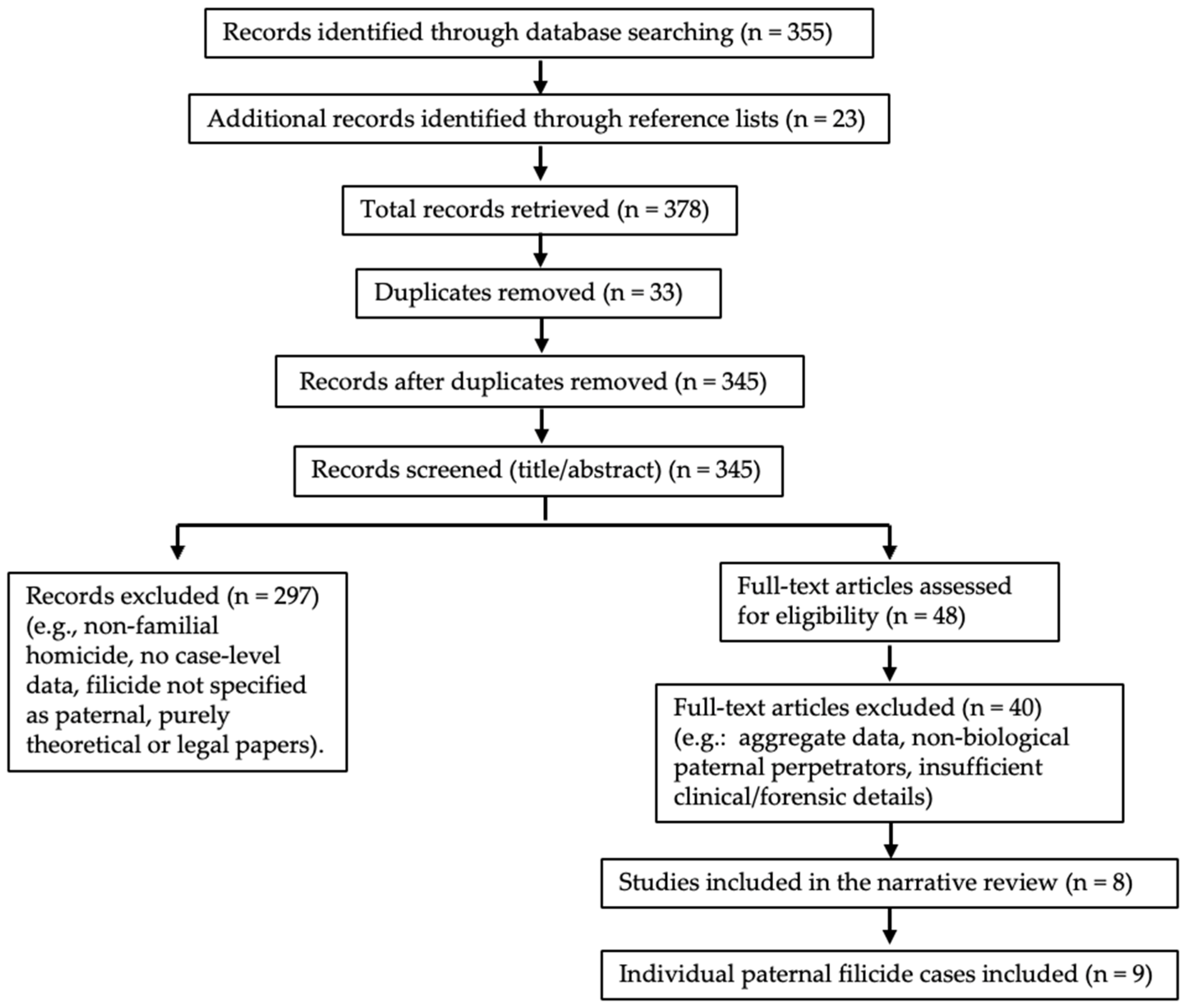
A narrative review of international literature published between January 2000 and June 2025 was conducted by searching three major scientific databases: PubMed, Google Scholar, and Web of Science. The objective was to identify case reports and case series describing paternal filicide. Search strings combined free-text and, where applicable, MeSH terms, including variations of the following keywords: “paternal filicide” OR “paternal child homicide” OR “father” AND “filicide” OR “father” AND “child homicide” OR “paternal”. Searches were limited to human studies published between 2000 and 2025, with no restriction on country of origin; articles in English and in other languages accessible to the authors (Italian, French, Spanish) were considered. The selection process followed a two-step screening procedure. In the first step, titles and abstracts retrieved from the databases were screened to exclude clearly irrelevant records (e.g., studies on non-familial homicide, generic discussions of filicide without case-level data, animal studies, purely theoretical or legal commentaries without empirical material). In the second step, the full texts of potentially relevant articles were assessed against predefined inclusion and exclusion criteria.
We opted for a narrative rather than a formal systematic review or meta-analytic approach because the available evidence is extremely limited in size and highly heterogeneous in design, definitions and reporting standards [23]. Most publications consist of single case reports or very small descriptive series, often without control groups, with marked variability in how “paternal filicide” is operationalized, in the level of detail provided on psychiatric assessment and forensic evaluation, and in the legal and cultural context in which the cases occurred. In addition, key variables (such as motive, diagnostic formulation or post-crime behavior) are frequently underreported or described in non-standardized ways, which prevents any meaningful quantitative synthesis or robust estimation of prevalence or effect sizes.
In light of these methodological constraints, a narrative review was deemed the most appropriate strategy to address the aims of the present study, as it allows for the integration of heterogeneous qualitative and quantitative information, the reconstruction of clinical and criminodynamic trajectories across cases, and the identification of recurring patterns that are directly relevant for forensic–psychiatric interpretation.
Inclusion criteria required the presence of sufficiently detailed individual case descriptions, including clinical, forensic, and motivational information, and explicit indication that the perpetrator was the biological father of the victim. Studies that discussed filicide generically without specifying the perpetrator’s gender, that reported only aggregate data without case-level information, or that did not provide sufficient detail on psychiatric status, motive or crime dynamics were excluded. Cases involving non-biological paternal perpetrators (e.g., stepfathers, mother’s partners) were also excluded, to avoid conflation of potentially distinct relational and criminodynamic patterns.
For each case included, data were extracted according to a predefined set of variables across three main domains:
  • Perpetrator: age, available sociodemographic information, psychiatric history, post-homicide behavior;
  • Victim: age, sex, presence of medical or psychiatric conditions;
  • Event: presumed motive, method of killing, reported cause of death, toxicological findings.
Screening and data extraction were performed independently by two reviewers with expertise in forensic psychiatry. Any discrepancies regarding study eligibility or data coding were discussed and resolved through consensus; inter-rater agreement was not formally quantified with statistical indices, which we acknowledge as a methodological limitation of the review.
For transparency, the main steps of the literature selection process are summarized in Figure 6.
The results of the literature review have been summarized in the key points shown in Table 1.

3.1. Diagnostic Framing and Typology of Filicide

As outlined, Resnick (1969) proposed one of the most widely cited classifications of filicide motives in forensic psychiatry, distinguishing five primary categories—altruistic, acutely psychotic, unwanted child, accidental, and spouse revenge [6]. The latter category, frequently observed in paternal filicides [12], can be conceptualized as an indirect form of aggression toward the ex-partner, in which the killing of the common child serves as retribution. This dynamic often unfolds in highly conflictual post-separation contexts, in the presence of custody disputes, prior reports of abuse, and legal restrictions, all of which contribute to intensifying the perception of loss of control over the ex-partner and over the child, experienced as an extension of the marital bond. In such cases, the victim is not chosen for their own characteristics, but as a symbolic means to strike the other parent, frequently in a logic of affective annihilation and narcissistic retaliation. It should be noted, however, that in some cases motivational categories of filicide may coexist or overlap, making a univocal classification challenging.
In the forensic case described, the convergence of anamnesis, contextual circumstances, homicidal dynamics, and post-offense behavior allowed for an unambiguous classification under recent spouse revenge filicide. More precisely,
  • the recent and conflictual separation of the parents, with a judicial order of paternal removal from the family home due to physical and psychological violence toward the mother;
  • the total absence of prior violent behavior toward the child, who was instead attacked at the first opportunity of contact post-separation;
  • the symbolic and temporal choice of assault, coinciding with the first exclusively shared time with the child at the family home;
  • the use of combined lethal means, with a high destructive charge and demonstrative potential (asphyxiation, penetrating wounds, use of adhesive tape, body concealment);
  • the subsequent low-lethality suicidal staging, which in fact was never carried out and bears no real self-harm intent, more plausibly demonstrative and aimed at eliciting a reaction in the ex-partner.
All these elements align with the operational criteria of revenge filicide as delineated in the recent literature [4,5] and match a motivational profile well documented in paternal cases.
The results of the literature review reinforce this interpretative framework. In 4 out of 9 cases, the motive was identified as spousal revenge, sometimes associated with paternal jealousy [24], custody conflicts [25,30], or mixed motives combining revenge and altruism [30].
Only in one case, although the perpetrator had recently separated, was the killing of his two children attributed to an altruistic act, although further data supporting this classification were absent [26]. In cases of presumed altruistic motive, the review showed that the categorization appears primarily where the victims suffered from severe or disabling conditions, such as autism [28] (Case 3), genetic syndromes [27] or poliomyelitis [29].
Finally, in no case analyzed was the filicide classified as acutely psychotic or as unwanted child, and only in one out of ten was there an accidental filicide, with the child’s death due to commotio cordis following an impulsive and reactive act by the father, unable to cope with inconsolable crying of the infant [31].
Indeed, this finding aligns with evidence from the literature on gender and presumed motives of filicide. Forms of filicide classified as “accidental”, “acutely psychotic” and “unwanted child” are more frequently attributed to mothers than to fathers [32]. Maternal filicides are more often neonaticides or infanticides set in the context of acute postpartum psychosis—a clinical condition that, if not intercepted early, may evolve toward homicidal conduct motivated by a distorted sense of the child’s best interest [33]. Conversely, paternal motivational frames more often involve relational and reactive aspects, such as the desire for revenge against the partner, impulsivity, anger and dominance [34].
In such contexts, the parent–child relationship may become profoundly distorted: the child is no longer represented primarily as an autonomous subject to be protected, but rather as an extension of the parental self or as a resource to be mobilized within the couple’s conflict [35,36]. In revenge filicide, the parental function is severely compromised: the child is targeted not because of his or her own characteristics, but as a particularly effective means of harming the other parent and producing maximal emotional impact [34]. In the present case, the absence of previous violent behavior toward the child, the choice of timing (the first opportunity for unsupervised contact in the family home), and the extremely redundant homicidal modality are all consistent with this pattern of relational pathology, in which the willingness to sacrifice the child signals a collapse of the paternal function and the instrumentalization of the child as the principal vehicle of punishment directed at the mother.
This clinical and motivational differentiation is also reflected in judicial outcomes: paternal filicides, more often framed within non-psychotic and relational contexts, tend to result in long custodial sentences, whereas verdicts of non-responsibility or partial diminished responsibility are more frequently reported in maternal cases involving severe psychotic or major mood disorders [8,12].
While recognizing individual variability and the complexity of contributing factors, this gender distinction may help to orient clinical and forensic appraisals of risk, even within the acknowledged limits of prediction in this field: whereas in maternal filicides early detection of perinatal psychiatric vulnerability is essential, in paternal filicides it is vital for health and legal institutions to detect relational and document warning signs, even in the absence of formal psychiatric diagnosis [37].

3.2. Crime Dynamics and Medico-Legal Aspects

Although several studies report no statistically significant differences in homicide methods by perpetrator or victim gender [3,12], some data nevertheless suggest distinctive executional patterns in maternal versus paternal filicides. Maternal cases more often involve asphyxial methods (such as suffocation, drowning or strangulation), frequently in association with dissociative states or postpartum psychiatric disorders, whereas paternal filicides, in addition to asphyxial forms, more frequently employ high-intensity methods such as sharp force or firearms, in line with a greater component of expressive violence and planning [38]. The modality of filicide is also influenced by the nature of the parental bond. The literature has highlighted systematic differences in execution phenomenology between biological and stepparents. Stepparents, besides being overrepresented among filicide perpetrators, often adopt more violent and cruel methods—frequently involving repeated beatings and injuries to non-vital body regions—suggesting a punitive intent and a relational dynamic that is strongly disinhibited [39,40].
Biological parents, while representing a significant proportion of perpetrators, are more frequently associated with impersonal, rapid, and “efficient” killing methods—such as asphyxia or firearms usage. These methods often align with greater planning, lower impulsivity, and, in some cases, a pseudo rationalization of the act within a structured psychopathological or relational framework [41].
Our literature review included exclusively cases in which the perpetrator was the biological father of the victim, thereby excluding the confounding variable of stepparent status. The data we obtained are consistent with the cited evidence: in eight of nine cases, high injury efficient methods with low interactivity were adopted, with a clear predominance of asphyxial modalities (6 cases out of 9) [26,27]; [28]—Case 3; [30,31]. Only one case [24] demonstrated a particularly brutal and disorganized modality, with beatings and biting of the child’s body, indicative of an impulsive, disinhibited, and emotionally high arousal aggression.
The forensic clinical case we examined exhibits atypical characteristics that diverge markedly from existing case series, showing a high degree of criminodynamic complexity. The homicidal method is combined, employing multiple injurious mechanisms: the autopsy revealed sharp force wounds in vital regions (neck and thorax) associated with macroscopic and microscopic signs of asphyxia. This combination may be interpreted as an expression of a redundant destructive will, aimed not only at physical elimination but also at producing a symbolic, punitive, or demonstrative effect.
Another distinctive element is the attempt to conceal the corpse, understood as temporary hiding of the body within a domestic space with high probability of discovery. The minor was found inside an underbed storage drawer, doused in flammable liquid (gasoline), presumably in preparation for post-mortem destruction of the remains. Such conduct, absent in the other reviewed cases, has clear investigative and criminological relevance, as it indicates a sequence of organized post-offense actions extending beyond the immediate homicidal act. From an interpretative standpoint, one possible psychodynamic hypothesis is that this pattern reflects an intrapsychic conflict between a destructive intention and an urge toward negation, or a regressive attempt at symbolic erasure of the parental bond. From the forensic psychiatric perspective, in the absence of severe mental disorganization, behavior of this kind may also be viewed as compatible with partial preservation of cognitive lucidity oriented toward managing legal consequences or shaping a symbolic defensive narrative of the act.
A further relevant feature is that the murder weapon was left in situ (a kitchen knife embedded in the right submental region). While not univocally interpretable, one possible criminological interpretation is that it suggests the absence of mature evasion strategy, or a partially repressed desire to leave trace of the act—almost accentuating its punitive or demonstrative power. On a more symbolic level, the retention of the weapon in situ—especially when combined with body concealment—could also reflect an unresolved internal conflict between the need to hide the offense and that to make it recognizably visible, aligning with an ambivalent dynamic of exposure versus symbolic retraction of the deed. In other instances, this might reflect mere executional disorganization; however, given the overall complexity and articulated post offense behavior in this case, a symbolic and relational valence appears more probable.
From a medico legal standpoint, the absence of defensive wounds on the victim—and on the perpetrator’s body—aligns with what is commonly reported in intrafamilial homicides. The relational context, combined with heterogeneity in physical strength between aggressor and victim, makes a defensive response less likely [42]. Specifically, it is plausible that the child, never having experienced violence from the father, did not perceive an imminent threat, facilitating an element of surprise and precluding oppositional response. Although this aspect is not systematically documented in the cases reviewed, it has forensic clinical significance, suggesting a rapid, unidirectional aggression not preceded by physical conflict.

3.3. Post-Crime Behavior and Suicide Assessment

The perpetrator’s behavior following the offense represents a crucial medico-legal and forensic–psychiatric element, as it may provide significant insights into the motivational structure of the act, the mental state at the time of the offense, and its post-offense evolution. On the basis of converging circumstantial and medico-legal findings, it was possible to reconstruct a clear temporal sequence: the child was killed first, shortly after returning home, and the behaviors suggestive of a suicidal scenario occurred exclusively in the post-homicidal phase. Following the killing, the offender moved to the attic, progressively ingested large quantities of vodka, and doused himself, the victim’s body and the surrounding environment with gasoline, before lying down on the attic floor near a lighter. At the time of discovery, he was found in a state of alcohol-induced unconsciousness, without any objective signs consistent with a genuine suicidal intent. Although his blood alcohol concentration (BAC = 3 g/L) confirmed massive alcohol consumption over several hours, the overall configuration of the scene—absence of self-inflicted injuries, lack of ignition of the gasoline despite the lighter being within reach, and the clearly post-homicidal sequencing of these actions—indicated a scenario characterized by low lethality and limited planning in terms of actual self-destructive purpose.
Accordingly, the post-crime behavior and absence of self-inflicted injuries suggest a motivation more plausibly aimed at generating emotional impact on the relational target of the act (i.e., the ex-partner), rather than constituting an authentic act of self-destruction.
It is therefore reasonable to hypothesize that this conduct corresponds to a suicide gesture—defined as a demonstrative act not aimed at causing death but rather imbued with strong communicative or manipulative intent. This hypothesis is further supported by the fact that the subject, who was deemed free of suicide risk and major suicide-related psychiatric disorders during hospitalization, had previously engaged in a similar demonstrative gesture by sending a photo of himself with a rope around his neck to the ex-partner’s brother-in-law.
Scientific evidence shows that men commit filicide–suicide nearly twice as often as women [43,44]. In one-third of these cases, the event constituted a familicide—where both the child and (ex-)spouse were victims. Our own literature review also identified one such case, in which the perpetrator, suffering from bipolar disorder, killed both his child and ex-partner [25].
Literature data confirm that post-filicide suicide is not a systematic occurrence and is, in fact, frequently absent in filicides motivated by revenge. According to the comprehensive review by Hatters Friedman et al. (2005) [43], filicides followed by suicide are more frequently observed in cases driven by altruistic motivations or acute psychotic states and are considerably less common in cases of unwanted-child filicide, accidental filicide, or spousal revenge. In these latter scenarios, emotional identification with the victim is often absent or limited, and suicide is typically not contemplated for different reasons: in negligent or abusive filicide, the child’s death is often unintended; in cases of unwanted children, the emotional bond is weak or absent; in revenge-motivated filicide, a conscious desire to survive may prevail, allowing the perpetrator to maintain relational control over the designated victim (i.e., the ex-partner).
Findings from our review offer valuable insight into the relationship between filicide and suicide. Among the nine paternal filicide cases examined, five resulted in the offender’s completed suicide [27,28]—Case 2 and Case 3; [30,31]. In four of these, the dominant homicidal motivation was altruistic—i.e., the presumed intent to spare the child future suffering [27,28]—Case 3; [30]. In only one case [26], a failed suicide attempt occurred in the context of a complex motive integrating elements of spousal revenge and altruism.
Significantly, only one case involved completed suicide within a clearly revenge-based motivational context [30]. This aligns with prior literature: post-filicide suicides are far more frequent in cases motivated by altruism or psychosis and considerably less common in revenge-driven filicides, where the perpetrator’s survival may serve a narcissistic need for control or a desire to observe the destructive consequences inflicted upon the ex-partner.

3.4. Psychopathological Profile and Criminal Responsibility Assessment

Filicide represents a specific subset of intrafamilial homicides, characterized by distinctive clinical and criminodynamic features. However, the existing literature does not indicate a higher prevalence of psychiatric disorders among filicide perpetrators compared to other homicide offenders, who are also less frequently intoxicated by alcohol at the time of the offense [44]. A psychiatric diagnosis is reported in approximately half of filicide cases, more frequently among mothers than fathers [44,45]. This asymmetry is also reflected in legal outcomes: male perpetrators are more often sentenced to life imprisonment, whereas female perpetrators are more frequently found not criminally responsible and subjected to security measures [8,12].
As previously discussed, the presence and nature of psychiatric disorders may influence the presumed motivation underlying the filicide. In paternal cases of filicide driven by spousal revenge, perpetrators typically do not exhibit psychosis or severe mental disorders but more frequently present pathological personality traits, usually within Cluster B (borderline, narcissistic, antisocial). In these cases, homicidal behavior appears intentional, relational, and reactive, and is rarely compatible with a condition of mental insanity.
The present case aligns with this profile. The subject, discharged only hours earlier from psychiatric hospitalization, had been diagnosed with adjustment disorder with depressed mood and disturbed conduct, in the absence of active psychotic symptoms or major psychiatric illness. The psychological assessment—based on clinical–forensic interviews and corroborated by psychodiagnostic testing—revealed dysfunctional personality traits within the borderline and narcissistic spectrum, including impulsivity, poor frustration tolerance, and manipulative interpersonal strategies. While constituting a form of psychological vulnerability, these traits did not meet the criteria for mental insanity under Italian criminal law. Specifically, the legal requirements set forth in Articles 88 and 89 of the Italian Penal Code—pertaining to total or partial mental defect—were not fulfilled.
Conversely, the behavior was intentional, goal-directed, and consistent with a vindictive motive against the ex-partner. At the time of the offense, the subject exhibited absence of active psychotic symptoms (e.g., hallucinations, delusions, disorganized thought processes), instrumental planning of the act (e.g., retaining the house keys, selecting the child’s school return time, purchasing necessary materials), clear and structured destructive intent, ruling out an impulsive or disorganized execution typical of psychotic states.
Unlike homicides committed under acute psychotic conditions—often characterized by delusional ideation, hallucinations, and disorganized or dissociative behaviors—the subject acted with full awareness, planning, and punitive intentionality toward the ex-partner.
A critical issue emerged from the literature review: in 4 out of the 9 analyzed cases, information on the perpetrator’s psychiatric status was unavailable [25]; [28]—Case 2; [31], possibly due to methodological limitations, lack of formal diagnosis, or absence of forensic psychiatric evaluation. Such omissions hinder the analysis of the relationship between psychopathology, motive, and homicidal dynamics.
In 2 of the 9 cases, the psychiatric history was negative—one involving a spousal revenge filicide [24] and one an altruistic filicide [26]. In 2 additional cases [25,27], a formal psychiatric diagnosis was reported, both featuring a retaliatory motive against the ex-partner, one of whom was also killed.
The present case falls within a subgroup of paternal filicides in which the offense occurs in the context of couple conflict and retaliatory motives, rather than under the influence of a major psychotic disorder. The perpetrator’s profile overlaps with the patterns described in the literature, which are frequently associated with domestic violence, high-conflict separations and vindictive motivations towards the partner, rather than with severe psychosis. In such cases, the child is often conceptualized as a “substitute victim” or a symbolic means of striking the other parent, rather than the direct target of hostility [1,46,47].
Another relevant factor is alcohol abuse, reported in several literature cases and in the present one. Forensic toxicological analyses confirmed a high blood alcohol concentration in the subject at the time of the offense, compatible with acute intoxication. In our narrative review, 2 out of 9 [28]-Case 2, [27] paternal filicide cases showed a documented positive blood alcohol level at the time of the act, supporting the hypothesis that acute alcohol use may act as an additional or precipitating risk factor in psychologically vulnerable but non-psychotic individuals; however, in none of the reviewed cases was a lethal alcohol intoxication reported as the primary cause of death for the perpetrator.
From a forensic psychiatric perspective, the assessment of alcohol’s role in homicidal behavior requires a nuanced distinction between chronic alcohol use and dependence—conditions that may lead to enduring cognitive impairment with potential implications for criminal responsibility—acute involuntary intoxication, which can transiently compromise cognitive and volitional capacities, and acute voluntary intoxication, which, under Italian jurisprudence, does not exclude criminal responsibility.
In the present case, the subject’s intoxication was voluntary and not associated with chronic alcohol dependence or any major psychiatric disorder. The available evidence indicated that his cognitive and volitional faculties remained substantially intact at the time of the offense. Moreover, the presence of coherent and organized behaviors following the crime further supported the conclusion that the act was carried out lucidly and intentionally.
In summary, when considered in the light of the nine paternal filicide cases identified in our narrative review, the present case reproduces several core features of the most frequently observed profile, while at the same time occupying the more complex end of the criminodynamic spectrum. It is broadly consistent with the pattern of non-psychotic fathers with alcohol misuse, acting in a context of high-conflict separation and spousal-revenge motives, and employing highly injury-efficient methods. At the same time, the redundant combination of asphyxial and sharp-force mechanisms, the temporary concealment of the body in a gasoline-doused under-bed compartment, and the staging of a low-lethality suicidal scenario—without lethal alcohol intoxication or self-inflicted injuries—mark this case as criminodynamically atypical.
When interpreted through the lens of criminal responsibility, the degree of planning, goal-directedness and post-offense behavior observed in our case is more consistent with preserved reality testing and intact decision-making capacities than with a state of severe mental disorganization. In light of this and considering the absence of any condition qualifying as mental insanity under Italian criminal law, the consistency between the motive and the conduct, and the subject’s demonstrable lucidity during both the commission and the aftermath of the offense, the individual was deemed fully criminally responsible. Accordingly, he was sentenced to life imprisonment. Taken together, the retention of an unauthorized key, the procurement of gasoline and alcohol prior to entering the home, and the selection of a time frame corresponding to the child’s return from school were evaluated as indicators of planning and instrumental intent, which were among the elements underpinning the judicial recognition of premeditation as an aggravating circumstance.
From a comparative perspective, this conclusion is consistent with available data on forensic practice and judicial outcomes in major Western jurisdictions, both in relation to filicide and, more broadly, to homicide cases subjected to psychiatric evaluation of criminal responsibility. In common law systems (such as the United States, the United Kingdom and Australia), verdicts of insanity or diminished responsibility are predominantly reserved for defendants affected by schizophrenia or severe mood disorders with psychotic features, whereas offenders with personality disorders and substance misuse, in the absence of major psychosis, are in most cases found fully responsible and receive long custodial sentences [48,49]. In European civil law systems (including Italy), although the legal construct is framed in terms of total or partial mental defect (“vizio totale o parziale di mente”), findings similarly indicate that non-responsibility is rare in homicides committed in the absence of major psychotic disorders, and that offenders with personality disorders and substance misuse more typically receive custodial sentences, sometimes with placement in forensic psychiatric settings rather than in ordinary prisons [16,50]. Within this context, the present case represents a paradigmatic example of revenge-motivated paternal filicide in which psychological vulnerability and dysfunctional personality traits do not reach the threshold of legal insanity but are mainly relevant for the criminological understanding of the offense and for planning preventive and risk-management interventions [51].
Beyond its explanatory value, the present case suggests a number of operational implications for prevention and risk assessment, which must nonetheless be contextualized within the structural limits of predicting rare and highly complex events such as filicide. In clinical settings, the emergence of suicidal ideation in a context of intimate partner violence and high-conflict separation should at least trigger a structured assessment not only of self-directed risk, but also of potential other-directed risk towards the partner and children, including indirect forms of aggression such as revenge filicide. From this perspective, seemingly demonstrative or low-lethality suicidal gestures, especially when embedded in a pattern of threats, control or manipulation of the partner, may constitute indicators of a possible escalation of relational violence, even though they do not in themselves allow for precise prediction of the outcome. Mental health professionals, although operating under constraints of time, resources and institutional mandate, can reduce the likelihood of underestimating dangerousness by integrating, where possible, collateral information from family members, community services and judicial records; by explicitly documenting in the clinical file the presence of specific risk factors (domestic violence, access to the family home, substance misuse, patterns of coercive control); and by considering, whenever a credible risk to children emerges, the timely activation of consultation with child protection services and the judicial authorities.
From the standpoint of child protection services and judicial actors, this case illustrates that removal orders and protection orders, while indispensable tools, are not in themselves sufficient to neutralize the risk of serious retaliatory acts. Configurations characterized by recent separation, contentious custody proceedings, breaches or circumvention of restraining measures, alcohol misuse and a history of coercive control delineate scenarios of higher potential risk, which call for dynamic and individualized assessment rather than standardized responses. In such situations, it may be appropriate to employ structured violence risk assessment tools, to strengthen monitoring and the effective enforcement of protective measures and, where proportionate, to consider limiting or supervising contact between the violent parent and the child. More broadly, the case underscores the need for stable channels of communication and coordinated responses between mental health services, child protection agencies and the criminal and civil justice systems, in full awareness that the management of such situations remains inherently complex, marked by unavoidable margins of uncertainty and by the need to balance, on a case-by-case basis, child protection, parental rights and the epistemic limits of current risk assessment instruments.

4. Conclusions

The analysis of the case, considering the psychiatric and criminological literature on filicide, highlights the need for further reflection on how risk assessment and prevention are approached in paternal filicide, particularly when driven by vindictive or pseudo-altruistic motives.
Unlike maternal filicides, which often involve a significant psychopathological component—typically depressive or psychotic in nature—accompanied by pre-offense indicators that are accessible to traditional psychiatric diagnosis, paternal filicides, especially those classified under the spousal revenge and altruistic subtypes, present more complex evaluation challenges. In such cases, the criminogenic factor often lies in the relational domain rather than in overt psychiatric pathology, emerging from dysfunctional family dynamics, chronic partner conflict, and stressors related to severe illness or disability in the children.
Given this complexity, what seems realistically achievable is not a predictive model of filicide risk, but rather a multifactorial conceptual framework that can guide clinical and forensic reflection. Within such a framework, clinical evaluation is complemented by the systematic consideration of specific behavioral, relational and contextual indicators, while remaining fully aware of the inherent limits of individual-level prediction. High-resolution retrospective forensic–psychiatric assessments, as in the present case, cannot “predict” rare events ex ante, but they can reconstruct in depth the convergence of vulnerabilities and situational factors, thereby refining our understanding of filicide pathways and informing more vigilant, context-sensitive risk formulations in future cases.
Such evaluations are fundamental not only for determining criminal responsibility but also to ensure a proportionate legal response, grounded in the principle of individualized sentencing.
From a preventive perspective, what appears realistically attainable is not the development of actuarial instruments capable of predicting an extremely rare outcome such as filicide, but rather the promotion of structured, multifactorial clinical formulations of risk. Such formulations should encourage clinicians and services to systematically integrate psychological vulnerabilities (e.g., suicidal ideation, personality dysfunction, substance misuse) with relational and contextual indicators (e.g., domestic violence, coercive control, recent separation, custody disputes and access to the family home), particularly within psycho-legal contexts involving high-conflict separations, child custody disputes and child protection proceedings, where much of this information is often documented in forensic evaluations and legal records, thereby underscoring the potential contribution of forensic psychiatry to more informed risk formulations.
In this regard, the prevention of filicide cannot rely solely on the identification of mental illness but must be rooted in a systemic and transdisciplinary understanding of risk, supported by structured collaboration among forensic psychiatry, criminal and civil justice systems, community mental health services, and child protection agencies.

Author Contributions

Conceptualization, A.C. and C.C.; methodology, A.C.; validation, A.B. and B.B.; formal analysis, C.C.; investigation, A.C. and E.G.; data curation, C.C. and L.C.; writing—original draft preparation, C.C.; writing—review and editing, A.C. and C.C.; supervision, A.C. All authors have read and agreed to the published version of the manuscript.

Funding

This research received no external funding.

Institutional Review Board Statement

Not applicable. In Italy, forensic autopsies and related post-mortem investigations that are performed within the framework of a judicial proceeding (either upon prosecutorial order or under the authority of the judiciary) do not require approval by an Institutional Review Board (IRB) or Ethics Committee. Such procedures are conducted under the provisions of the Italian Code of Criminal Procedure (Articles 359–360, 116, 224 et seq.), which govern medico-legal examinations performed for judicial purposes. The case concerns a deceased subject within a legal/forensic context. Prosecutors opened an investigation, and a judicial autopsy was ordered to clarify the cause of death. Therefore, ethics committee approval was not required.

Informed Consent Statement

Not applicable. The data processing is covered by the general authorization to process personal data for scientific research purposes issued by the Italian Data Protection Authority (Garante per la Protezione dei Dati Personali), 1 March 2012, published in Italy’s Official Journal no. 72, 26 March 2012. All case details have been fully anonymized and do not entail any significant personalized impact on the individual.

Data Availability Statement

The original contributions presented in this study are included in the article. Further inquiries can be directed at the corresponding author.

Conflicts of Interest

The authors declare no conflicts of interest.

References

  1. Flynn, S.M.; Shaw, J.J.; Abel, K.M. Filicide: Mental illness in those who kill their children. PLoS ONE 2013, 8, e58981. [Google Scholar] [CrossRef]
  2. Bourget, D.; Bradford, J.M.W. Homicidal parents. Can. J. Psychiatry 1990, 35, 233–238. [Google Scholar] [CrossRef]
  3. Kauppi, A.; Kumpulainen, K.; Karkola, K.; Vanamo, T.; Merikanto, J. Maternal and paternal filicides: A retrospective review of filicides in Finland. J. Am. Acad. Psychiatry Law 2010, 38, 229–238. [Google Scholar] [PubMed]
  4. Putkonen, H.; Amon, S.; Eronen, M.; Klier, C.M.; Almiron, M.P.; Cederwall, J.Y.; Weizmann-Henelius, G. Gender differences in filicide offense characteristics: A comprehensive register-based study of child murder in two European countries. Child Abus. Negl. 2011, 35, 319–328. [Google Scholar] [CrossRef] [PubMed]
  5. Bourget, D.; Gagné, P. Maternal filicide in Québec. J. Am. Acad. Psychiatry Law 2002, 30, 345–351. [Google Scholar] [PubMed]
  6. Resnick, P.J. Child murder by parents: A psychiatric review of filicide. Am. J. Psychiatry 1969, 126, 325–334. [Google Scholar] [CrossRef]
  7. Catanesi, R.; Rocca, G.; Candelli, C.; Solarino, B.; Carabellese, F. Death by starvation: Seeking a forensic psychiatric understanding of a case of fatal child maltreatment by the parent. Forensic Sci. Int. 2012, 223, e13–e17. [Google Scholar] [CrossRef]
  8. Johnson, A.; Dawson, M. Filicide and criminal justice outcomes: Are maternal and paternal perpetrators treated differently? Child Abus. Negl. 2024, 157, 107019. [Google Scholar] [CrossRef]
  9. Cavanagh, K.; Dobash, R.E.; Dobash, R.P. The murder of children by fathers in the context of child abuse. Child Abus. Negl. 2007, 31, 731–746. [Google Scholar] [CrossRef]
  10. Dawson, M. Canadian trends in filicide by gender of the accused, 1961–2011. Child Abus. Negl. 2015, 47, 162–174. [Google Scholar] [CrossRef]
  11. Temrin, H. Paternal Filicide in Sweden: Background, Risk Factors and the Cinderella Effect. Evol. Psychol. 2024, 22, 14747049241265623. [Google Scholar] [CrossRef] [PubMed]
  12. Özcanlı, T.; Okur, İ.; Aksoy Poyraz, C.; Kocabaşoğlu, N.; Aslıyüksek, H. Patterns in paternal and maternal filicide: A comparative analysis of filicide cases in Turkey. J. Forensic Sci. 2024, 69, 2110–2119. [Google Scholar] [CrossRef]
  13. Cuadros, M.; Lorente, M. Killing of sons and daughters: A systematic review for analysing the elements to distinguish the different features and circumstances related to these filicides. Int. J. Leg. Med. 2025. Online ahead of print. [Google Scholar] [CrossRef]
  14. Flynn, S.; Shaw, J.; Abel, K.M. Homicide of infants: A cross-sectional study. J. Clin. Psychiatry 2007, 68, 1501–1509. [Google Scholar] [CrossRef]
  15. Giorgi-Guarnieri, D.; Janofsky, J.; Keram, E.; Lawsky, S.; Merideth, P.; Mossman, D.; Schwart-Watts, D.; Scott, C.; Thompson, J., Jr.; Zonana, H. AAPL practice guideline for forensic psychiatric evaluation of defendants raising the insanity defense. American Academy of Psychiatry and the Law. J. Am. Acad. Psychiatry Law 2002, 30, S3–S40. [Google Scholar] [PubMed]
  16. Völlm, B.A.; Clarke, M.; Herrando, V.T.; Seppänen, A.O.; Gosek, P.; Heitzman, J.; Bulten, E. European Psychiatric Association (EPA) guidance on forensic psychiatry: Evidence based assessment and treatment of mentally disordered offenders. Eur. Psychiatry 2018, 51, 58–73. [Google Scholar] [CrossRef]
  17. American Psychiatric Association. Diagnostic and Statistical Manual of Mental Disorders, 5th ed.; APA: Washington, DC, USA, 2013. [Google Scholar]
  18. Heilbrun, K.; Collins, S. Evaluations of trial competency and mental state at time of offense: Report characteristics. Prof. Psychol. Res. Pract. 1995, 26, 61–67. [Google Scholar] [CrossRef]
  19. DeMatteo, D.; Olver, M.E. Use of the Psychopathy Checklist-Revised in Legal Contexts: Validity, Reliability, Admissibility, and Evidentiary Issues. J. Personal. Assess. 2021, 104, 234–251. [Google Scholar] [CrossRef]
  20. Bjørgen, T.G.; Bang, N.; Nonstad, K.; Søndenaa, E. Adaptive and cognitive functioning in forensic examinations. J. Forensic Psychiatry Psychol. 2025, 1–13. [Google Scholar] [CrossRef]
  21. Codice Penale: Con Costituzione e Leggi Complementari, 49th ed.; Edizioni Giuridiche Simone: Naples, Italy, 2026.
  22. Codice di Procedura Penale: Con Costituzione e Leggi Complementari, 48th ed.; Edizioni Giuridiche Simone: Naples, Italy, 2026.
  23. Greenhalgh, T.; Thorne, S.; Malterud, K. Time to challenge the spurious hierarchy of systematic over narrative reviews? Eur. J. Clin. Investig. 2018, 48, e12931. [Google Scholar] [CrossRef] [PubMed]
  24. Samir, N.Y.A.; Abouzahir, H.; Belhouss, A.; Benyaich, H. A case report of paternal filicide covered up as a fall. Int. J. Forensic Med. 2021, 3, 4–6. [Google Scholar] [CrossRef]
  25. Najari, F.; Soleimani, L.; Najari, D. Filicide by electrocution. Int. J. Med. Toxicol. Forensic Med. 2019, 9, 39–44. [Google Scholar]
  26. Parajuli, S.R. Filicide-suicide: A case report on triple hanging. J. Chitwan Med. Coll. 2021, 11, 122–123. [Google Scholar] [CrossRef]
  27. Declercq, F.; Meganck, R.; Audenaert, K. A case study of paternal filicide-suicide: Personality disorder, motives, and victim choice. J. Psychol. 2016, 151, 36–48. [Google Scholar] [CrossRef]
  28. Shields, L.B.; Rolf, C.M.; Goolsby, M.E.; Hunsaker, J.C., 3rd. Filicide-suicide: Case series and review of the literature. Am. J. Forensic Med. Pathol. 2015, 36, 210–215. [Google Scholar] [CrossRef]
  29. Sikary, A.K.; Behera, C. Homicidal methanol poisoning in filicide-suicide. Med.-Leg. J. 2017, 85, 219–220. [Google Scholar] [CrossRef] [PubMed]
  30. Melez, İ.E.; Avşar, A.; Başpınar, B.; Melez, D.O.; Şahin, F.; Özdeş, T. Simultaneous homicide-suicide: A case report of double drowning. J. Forensic Sci. 2014, 59, 1432–1435. [Google Scholar] [CrossRef] [PubMed]
  31. Nazer, D.; Kannikeswaran, N.; Schmidt, C. Commotio cordis: A case report of a fatal blow. J. Forensic Sci. 2022, 67, 384–386. [Google Scholar] [CrossRef]
  32. Bourget, D.; Grace, J.; Whitehurst, L. A review of maternal and paternal filicide. J. Am. Acad. Psychiatry Law 2007, 35, 74–82. [Google Scholar]
  33. Hatters Friedman, S.; Resnick, P.J. Child murder by mothers: Patterns and prevention. World Psychiatry 2007, 6, 137–141. [Google Scholar]
  34. Liem, M.; Koenraadt, F. Filicide: A comparative study of maternal versus paternal child homicide. Crim. Behav. Ment. Health 2008, 18, 166–176. [Google Scholar] [CrossRef]
  35. Özdemir, D.F.; Evinç, Ş.G. Killing One’s Own Baby: A Psychodynamic Overview with Clinical Approach to Filicide Cases. Turk Psikiyatr. Derg. 2021, 32, 201–210. [Google Scholar]
  36. Barone, L.; Bramante, A.; Lionetti, F.; Pastore, M. Mothers who murdered their child: An attachment-based study on filicide. Child Abus. Negl. 2014, 38, 1468–1477. [Google Scholar] [CrossRef]
  37. Jaffe, P.G.; Campbell, M.; Olszowy, L.; Hamilton, L.H.A. Paternal filicide in the context of domestic violence: Challenges in risk assessment and risk management for community and justice professionals. Child Abus. Rev. 2014, 23, 142–153. [Google Scholar] [CrossRef]
  38. Benítez Borrego, S.; Guàrdia Olmos, J.; Aliaga Moore, Á. Child homicide by parents in Chile: A gender-based study and analysis of post-filicide attempted suicide. Int. J. Law Psychiatry 2013, 36, 55–64. [Google Scholar] [CrossRef]
  39. Daly, M.; Wilson, M.I. Some differential attributes of lethal assaults on small children by stepfathers versus genetic fathers. Ethol. Sociobiol. 1994, 15, 207–217. [Google Scholar] [CrossRef]
  40. Weekes-Shackelford, V.A.; Shackelford, T.K. Methods of filicide: Stepparents and genetic parents kill differently. Violence Vict. 2004, 19, 75–81. [Google Scholar] [CrossRef]
  41. West, S.G. An overview of filicide. Psychiatry 2007, 4, 48–57. [Google Scholar] [PubMed]
  42. Inoue, H.; Ikeda, N.; Ito, T.; Tsuji, A.; Kudo, K. Homicidal sharp force injuries inflicted by family members or relatives. Med. Sci. Law 2006, 46, 135–140. [Google Scholar] [CrossRef]
  43. Friedman, S.H.; Hrouda, D.R.; Holden, C.E.; Noffsinger, S.G.; Resnick, P.J. Filicide-suicide: Common factors in parents who kill their children and themselves. J. Am. Acad. Psychiatry Law 2005, 33, 496–504. [Google Scholar]
  44. Putkonen, H.; Weizmann-Henelius, G.; Lindberg, N.; Eronen, M.; Häkkänen, H. Differences between homicide and filicide offenders: Results of a nationwide register-based case-control study. BMC Psychiatry 2009, 9, 27. [Google Scholar] [CrossRef]
  45. Giacco, S.; Tarter, I.; Lucchini, G.; Cicolini, A. Filicide by mentally ill maternal perpetrators: A longitudinal, retrospective study over 30 years in a single Northern Italy psychiatric-forensic facility. Arch. Women’s Ment. Health 2023, 26, 153–165. [Google Scholar] [CrossRef] [PubMed]
  46. Myers, W.C.; Lee, E.; Montplaisir, R.; Lazarou, E.; Safarik, M.; Chan, H.C.O.; Beauregard, E. Revenge filicide: An international perspective through 62 cases. Behav. Sci. Law 2021, 39, 205–215. [Google Scholar] [CrossRef] [PubMed]
  47. West, S.G.; Friedman, S.H.; Resnick, P.J. Fathers who kill their children: An analysis of the literature. J. Forensic Sci. 2009, 54, 463–468. [Google Scholar] [CrossRef]
  48. Laporte, L.; Poulin, B.; Marleau, J.; Roy, R.; Webanck, T. Filicidal women: Jail or psychiatric ward? Can. J. Psychiatry 2003, 48, 94–98. [Google Scholar] [CrossRef] [PubMed]
  49. Friedman, S.H.; Hrouda, D.R.; Holden, C.E.; Noffsinger, S.G.; Resnick, P.J. Child murder committed by severely mentally ill mothers: An examination of mothers found not guilty by reason of insanity. J. Forensic Sci. 2005, 50, 1466–1471. [Google Scholar] [CrossRef]
  50. Kennedy, H.G.; Carabellese, F. Evaluation and management of violence risk for forensic patients: Is it a necessary practice in Italy? J. Psychopathol. 2021, 27, 11–18. [Google Scholar]
  51. Brown, T.; Tyson, D.; Arias, P.F.; Razali, S. The challenge of understanding and preventing filicide. Front. Psychol. 2023, 14, 1159443. [Google Scholar] [CrossRef]
Figure 1. Decedent as initially found at the scene—surrounding environment documented prior to any manipulation.
Forensicsci 05 00080 g001
Figure 2. Close-up view of the decedent’s face at the scene, prior to any manipulation or cleaning.
Forensicsci 05 00080 g002
Figure 3. Close-up view of the decedent’s face in the morgue, following transport from the scene.
Forensicsci 05 00080 g003
Figure 4. Removal of the penetrating knife from the anterior cervical region.
Forensicsci 05 00080 g004
Figure 5. Overview of the three penetrating stab wounds involving the chin, anterior cervical region, and upper chest.
Forensicsci 05 00080 g005
Figure 6. Flow diagram of the literature search and selection process for the narrative review on paternal filicide (January 2000–June 2025).
Forensicsci 05 00080 g006
Table 1. Overview of the paternal filicide cases (January 2000–June 2025) included in the narrative review [24,25,26,27,28,29,30,31], with selected clinical, forensic and motivational features.
First Author, YearPerpetrator DemographicsPsychiatric HistoryVictim DemographicsVictim Medical HistoryMotiveMethod of FilicideCOD 1Post-Homicide BehaviorToxicology (Victim)Toxicology (Perpetrator)
Samir NYA, 2021 [24]NR 2NegativeM, 1 yrsNRSpouse revenge and paternal jealousy.Repeated blunt impact (against wall) and bitingMultiple blunt force injuriesFalse claim of accident (fall from sofa) → full confessionNRNR
Najari F, 2019 [25]NRBipolar disorder, intermittent treatmentM, 8 yrsNRMarital conflict and custody disputeElectrocution during sleeping 3Cardiac complications due to electrocutionAlso killed ex-wife by strangulationNegativeNR
Parajuli, SR, 2021 [26]35 yrs, farmer; recently separated.NegativeM, 5 yrs; F, 3 yrsNegativeProbable altruistic motive to prevent sufferingIncomplete hanging with single ligature AsphyxiaSuicide by hangingNRNR
Declercq, F, 2016 [27]Father of 3; self-employed; high education; elevated socio-economic statusSchizoid Personality Disorder. Major depression post-separation; prior suicide attempt by overdoseM, 9 yrsAutism and rare genetic disease (same as deceased sibling)Dual motive: spousal revenge and altruismSedatives followed by manual strangulationAsphyxiaUnsuccessful suicide attempts by drug overdose, auto-strangulation, and attempted drowningPositivePositive
Shields LB, 2015—Case 2 [28]46 yrsHistory of alcohol-fueled rampages and threatsM, 9 monthsNRNRFirearmGunshot woundsCompleted suicide by gunshot wound (intraoral)NRBlood ethanol 0.176 g/100 mL
Shields LB, 2015—Case 3 [28]NRNRF, 13 yrsAngelman syndromeAltruismCO intoxicationAsphyxia due to CO intoxication; contributory cause: positional asphyxia (prone position on mattress)Completed suicide by CO poisoningCO-Hb post-mortem 66%CO-Hb post-mortem 75%
Sikary AK, 2017 [29]Male, father; business owner in financial distressNRM, 18 yrsPoliomyelitis; mental and physical disabilityAltruism (Financial loss and hopelessness)Methanol poisoningMethanol toxicity (39.5 mg/100 mL)Suicide by jumping in front of train with wifeMethanol 39.5 mg/100 mL; ethanol 1.8 mg/100 mLNR
Melez İE, 2023 [30]M, 30 yrs, shipyard workerNRF, 5 yrsNRSpousal revenge and child custody disputeDrowning (Victim bound to perpetrator)Asphyxia due to drowningDrowning—suicideNRNR
Nazer D, 2021 [31]NRNRM, 6 monthsNegativeAccidental Blunt trauma to chestCardiac arrest secondary to commotio cordisCalled EMS 4; confessed to assaultNRNR
1 Cause of Death. 2 None reported. 3 During the victim’s sleep, the perpetrator applied an uninsulated copper wire around the toes and connected it directly to an electrical outlet, causing fatal electrocution. 4 Emergency Medical Services.
Disclaimer/Publisher’s Note: The statements, opinions and data contained in all publications are solely those of the individual author(s) and contributor(s) and not of MDPI and/or the editor(s). MDPI and/or the editor(s) disclaim responsibility for any injury to people or property resulting from any ideas, methods, instructions or products referred to in the content.