Article

Understanding of Microbial Causes, Clinicopathological Evaluation, Molecular Analysis, and Associated Risk Factors of Ear Infections in Dogs

by
Gopakrishna Mohanty
1,
Prasana Kumar Rath
1,*,
Bidyut Prava Mishra
1,
Annushree Mishra
1,
Shanta Swarupa Mishra
1,
Aditya Prasad Acharya
1,
Susen Kumar Panda
1,
Rajeev Ranjan
2 and
Manoj Kumar Jena
3
1
College of Veterinary Science and Animal Husbandry, Odisha University of Agriculture and Technology (OUAT), Bhubaneswar 751003, Odisha, India
2
ICAR-National Institute on Foot and Mouth Disease, International Centre of Foot and Mouth Disease, Arugul, Bhubaneswar 752050, Odisha, India
3
Department of Biotechnology, School of Bioengineering and Biosciences, Lovely Professional University, Phagwara 144411, Punjab, India
*
Author to whom correspondence should be addressed.
J. Mol. Pathol. 2026, 7(2), 20; https://doi.org/10.3390/jmp7020020
Submission received: 28 August 2025 / Revised: 27 November 2025 / Accepted: 28 April 2026 / Published: 19 May 2026

Abstract

Objective: Dog ear infections can have a variety of multifactorial causes, some of which are regarded as zoonotic. Thus, the present study was aimed at understanding the microbial causes, clinical evaluation, molecular analysis and associated risk factors of ear infections in dogs for their management. Methods: A total of 167 dogs were screened for ear infections based on history and clinical signs. An auricular swab was collected and processed with standard methods. Head tilting to the afflicted side, ear pain when palpated, pawing at the ear and purulent discharges from the ear canal were typical clinical symptoms. Results: A total of 13.77% of dogs were positive for ear infection, and among these, 13.17% showed unilateral right-sided ear infections. Dogs with pendulous ears (56.52%), Labrador breeds (34.78%), males (56.52%), dogs older than 4 years (52.17%), and during the monsoon season (65.21%) had higher rates of ear infections among the total dogs screened (n = 167) for aural infections. Anaemia, leukocytosis, neutrophilia, and elevated levels of total protein, cholesterol, BUN, and AST were observed in dogs with ear infections. Cytological analyses showed the presence of yeast cells and bacteria, along with hyperkeratosis and degenerated neutrophils. Mammaliicoccus sciuri, Bacillus cereus, Klebsiella aerogenes, Pseudomonas aeruginosa, and Malassezia spp. were the organisms isolated. Bacterial isolates showed high sensitivity to gentamicin for the otitis treatment. Clinical Significance: This study highlights the need for preventive measures to curb the spread of potentially zoonotic pathogens such as Bacillus cereus and Klebsiella aerogenes, which can pose significant threats to both human and animal health.

1. Introduction

The close relationship between canines and mankind has been recognized since time immemorial. Ear infections in dogs constitute a significant portion of cases in modern small animal clinics but are seldom regarded as a primary disease. Inflammatory conditions of the ear (otitis) are categorized into external (otitis externa), middle (otitis media), and internal (otitis interna). Otitis externa is seen in 8.7% of all animals presented at veterinary clinics and may affect 10–20% of the dog population and may increase up to 30–40% in tropical and subtropical climates [1]. Otitis media commonly arises as a secondary complication of otitis externa, occurring in 50% to 80% of dog cases. Otitis interna represents a more severe form of inflammation of the internal structures of the ear, including the vestibular apparatus, often presenting with neurological signs and sometimes with Horner syndrome [2].
Ear infections can have a multifactorial aetiology, such as the presence of foreign bodies, parasites, bacteria, and fungi like yeast, as well as traumatic conditions involving the ear and allergies; hypersensitivity conditions also lead to otitis. Predisposing factors like anatomical auditory canal stenosis, droopy ears, hair on the concave side of the ears, moisture retention, increased humidity, frequent washing, injuries from handling, foreign bodies, prolonged antibiotic treatment, and tumours change the ear canal’s micro-environment and make it more susceptible to secondary infections [3]. Influence of age, sex, breed, ear conformation, and season on epidemiological risk factor assessment revealed more occurrences of ear infections among 1–4-year-old groups of dogs, in males, in the rainy season, and in breeds with pendulous ears, like Cocker spaniels and Labradors [4].
Infections caused by bacteria (such as Staphylococcus spp., Streptococcus spp. and Proteus spp.) and yeast (notably Malassezia and Candida spp.) are major factors in causing otitis externa. There have also been reports suggesting the presence of Pseudomonas aeruginosa in immunocompromised canines with otitis [5]. Dogs’ ear infection screenings mostly rely on clinical signs like head shaking, foul odour from ears, scratching of ears, discharges, lichenification, crust formation, hyperpigmentation, swelling, and redness, and it can be diagnosed by otoscopy, cytology, and microbiological evaluation of ear discharges. In addition, radiography examination and computed tomography (CT) scans of the ear add value in the diagnosis of otitis in canines. A combination of cytology, culture, molecular diagnosis and antibiotic resistance test (ABST) is often well-thought-out as the most effective method for identifying bacterial infection, followed by management of ear infections [6].
Multifactorial aetiology associated with ear infections in canines is the prime cause of various systemic infections if they are not diagnosed and treated early [7]. These systemic affections can easily be evaluated through hematobiochemical examinations giving a clue related to degree of severity of infections and systematic organ involvement, if any, and which will be very much helpful in designing a suitable therapeutic regimen. The primary goal of treating Otitis externa is to eliminate the underlying cause, clean the auditory canals and middle ear, use topical treatments, and administer systemic medication. Cerumenolytic agents are used for ears with cerumen buildup but no visible exudation. In contrast, ears with otic discharge are treated by irrigation or flushing with agents such as warm normal saline, povidone-iodine, or chlorhexidine, to promote early resolution of the infection. Despite proper diagnosis and advanced treatment methods, the clinical incidence of otitis still exists, and many cases fail to resolve, likely due to the development of drug resistance. Ear infections of microbial etiology must be evaluated with proper ABST before applying a suitable therapeutic regimen for better prognosis and to avoid drug resistance [8].
Even though ear infections in dog are not life-threatening, they can be very frustrating for both the owner and patient with chronic of disease and unwanted veterinary expenses. Recently, some pathogens were also recorded in both pet dogs and their owner and as having potential zoonotic [9] importance like (Staphylococcus intermedius, Bacillus cereus, Klebsiella aerogenes). In view of this, insufficient attention has been given to the detailed clinicopathological and microbiological evaluation of ear infections in dogs in Odisha, India despite the high caseload of such cases at veterinary clinical complex and the region’s unique tropical, high-humidity climate. Therefore, the present study aimed to investigate the microbial causes, clinical evaluation, molecular analysis and associated risk factors of ear infections in dog in Odisha, India. This study also highlights the need for preventive measures to curb the spread of potentially zoonotic pathogens, which may pose significant threats to both human and animal health.

2. Materials and Methods

2.1. History and Screening of Dogs

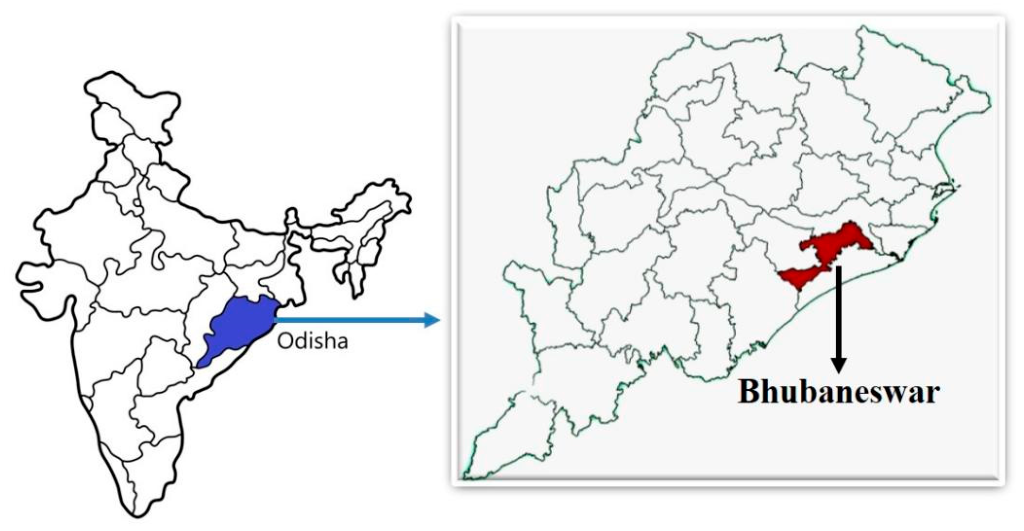
A total of (n = 167) dogs (comprising different breeds, ages and sexes) presented to the Veterinary College Clinical Complex between August to November 2024, (Figure 1) were screened for ear infection (otitis) based on history and clinical signs. Dogs exhibiting prominent aural signs like pruritus, hyperaemia of ear canal, lichenification, head shaking, pain on palpation of ear, swelling, and the presence of any discharge were identified and subjected for further examination to assure the severity of the infection. Otoscopic examination and cytological evaluation of ear secretions were performed for further assessment. Radiographic examinations were conducted in dogs suspected of having ear stenosis to evaluate the patency between middle and inner ear. Clinical samples were collected from the presented dogs for their routine clinical diagnosis and treatment with due consent from the dog owners. The use of data generated at the Veterinary Clinical Complex does not require Institutional Animal Ethics Committee (IAEC) approval.

2.2. Associated Risk Factors

A questionnaire was prepared regarding age, breeds, ear type and sex which were sought from the pet owners while presenting their pets for treatment.

2.3. Haemato-Biochemical Examination

Blood samples were collected aseptically from the saphenous/cephalic veins into vials containing EDTA and clot activators for hematological and biochemical analyses, respectively. Samples were obtained from both apparently healthy dogs with no clinical signs of otitis, but presented to clinic for other minor ailments [control, n = 10] as well as from dogs diagnosed with otitis [ear infected dogs, n = 23] for haemato-biochemical evaluation. All 33 blood samples were subjected for hematological analysis, including haemoglobin concentration (Hb%), red blood cell count, white blood cell count, packed cell volume (PCV), differential leucocyte count and platelet count, using an automated hematology analyzer (Medonic, Spånga, Sweden). Similarly, serum samples (n = 33) were subjected for biochemical t parameters such as glucose, total protein, cholesterol, alanine aminotransferase (ALT), aspartate aminotransferase (AST), blood urea nitrogen (BUN) using an automated serum biochemical analyzer (CPC, i-track, Chennai, India).

2.4. Otoscopic Examination

Otoscopic examinations were performed in both ears of the infected dogs (n = 23) for comprehensive assessment. An otoscope (Dr. Care LED Fiber Optic Mini Otoscope, New Delhi, India) was used to evaluate the ear canal diameter, presence of ulcers, space occupying lesions or foreign bodies, parasites, erythema of ear canal and the integrity of tympanic membrane.

2.5. Radiography

Dorso-ventral skull radiographs were obtained in chronic and recurrent cases to assess ear canal narrowing, ossification, and possible middle ear involvement. In some instances, lateral views were also taken to aid in the accurate diagnosis of otitis in dogs.

2.6. Cytological Examination

For ear cytology, a sterile cotton swab was gently inserted into the ear canal, typically at the junction of the vertical and horizontal canals, to collect the sample. The swab was then rolled onto a clean grease-free glass slide to prepare a smear, followed by heat fixation and staining using standard methods, namely Diff-Quick or modified Wright’s stain [10]. Microorganisms were further confirmed by Gram staining [11]. The stained slides were examined under a microscope (Magnus MLX Plus, New Delhi, India) at 100× magnification.

2.7. Microbiological Evaluation and Antibiotic Sensitivity Test of Bacterial Isolates from Ear Infections of Dogs

Out of the total cases presented (n = 167) during the study period from August to November 2024, 23 dogs were screened positive for ear infections. A single-site ear swab was aseptically collected from the infected ear using a sterile swab and stored at 4–8 °C in refrigerator for subsequent microbial culture analysis. All microbial culture procedures were performed aseptically in a Class II biosafety cabinet. Primary isolation of microorganisms from swab samples was carried out in nutrient broth, followed by streaking onto nutrient agar and selective/differential media such as Mannitol Salt Agar (MSA), MacConkey Agar (MCA) and Eosin Methylene Blue (EMB) agar for further cultural examination (as per manufacturer instructions). Morphological characterization of isolates was performed using Gram staining [11]. The stained slides were examined under oil immersion using a microscope (Magnus MLX Plus, New Delhi, India) at 100× magnification.
Furthermore, all bacterial isolates were subjected for antibiotic sensitivity test (AST) on Muller Hinton Agar (MHA) using disc diffusion technique [12] by applying commercially available standard antibiotic discs (Hi-media) as per the manufacturer instruction. Based on Clinical & Laboratory Standards Institute (CLSI) guidelines, antibiotics including Ampicillin (10 μg), Amoxyclav (20/10 μg), Gentamycin (10 μg), Enrofloxacin (5 μg), and Doxycyclin (30 μg) were selected, as these are common antimicrobials used in veterinary practice. After incubation, the zones of inhibition were interpreted as resistant (R), intermediate (I), or sensitive (S).

2.8. Molecular Characterization and Phylogenetic Analysis of Bacterial Isolates

Molecular characterization of bacterial isolates was carried out from the pure cultures. The isolates were sent to Biotechnology Research and Innovation Council-Institute of Life Sciences (BRIC-ILS), Bhubaneswar, for species-level identification using colony PCR. Amplification was performed using 16S rRNA gene primers: forward (5′TGGGAGAGTTTGATCATGGCTC3′) and reverse (3′ACGGCTACCTTGTTACGACTT5′). Genomic DNA was extracted using a Qiagen kit (QIAmp DNA Kit, Hilden, Germany) according to the manufacturer’s instructions, followed by PCR amplification of 16S rRNA gene. PCR was carried out in a Thermocycler (BIO RAD, T100, Hercules, CA, USA) with an initial denaturation at 94 °C for 4 mins, followed by 35 cycles of denaturation 94 °C for 1 min, annealing 58 °C for 45 secs and extension 72 °C for 42 secs. A final extension was performed at 72 °C for 7 mins, followed by a final hold at 4 °C. The amplified PCR products were analyzed by 1% agarose gel electrophoresis.
The 16s rRNA gene sequences of the isolates were obtained using the Sanger sequencing method at the ILS Genomics Facility at BRIC-ILS, Bhubaneswar. The sequences were then compared with those available in the GenBank database using the NCBI BLAST tool (v. 2.17). Phylogenetic analysis was performed based on the obtained sequences. Sequence alignment was carried out using using MEGA-7 (Molecular Evolutionary Genetic Analysis) software with 1000 bootstraps replicates to identify related sequences from India and other countries available in the NCBI database. The best-fit DNA substitution model was selected based on the lowest Bayesian Information Criterion (BIC) score.

2.9. Statistical Analysis

The Pearson Chi-square test was performed using SAS software (Version 9.4, SAS Institute Inc., Cary, NC, USA) to assess the significant association between various associated risk factors in prevalence of ear infections in dogs. The values of hematobiochemical parameters as recorded in this study were further subjected to statistical analysis through Student’s t-test to see the level of significant (p ≤ 0.05) association with the ear infection in dogs.

3. Results

A total of 167 dogs of various breeds, sexes, and age groups presented to Veterinary Clinical Complex, College of Veterinary Science and Animal Husbandry, Bhubaneswar, Odisha, were screened for ear infections based on history and clinical signs. Out of these, 23 dogs were diagnosed with ear infections, giving an overall prevalence rate of 13.77%, with no mortality recorded.

3.1. Clinical Signs

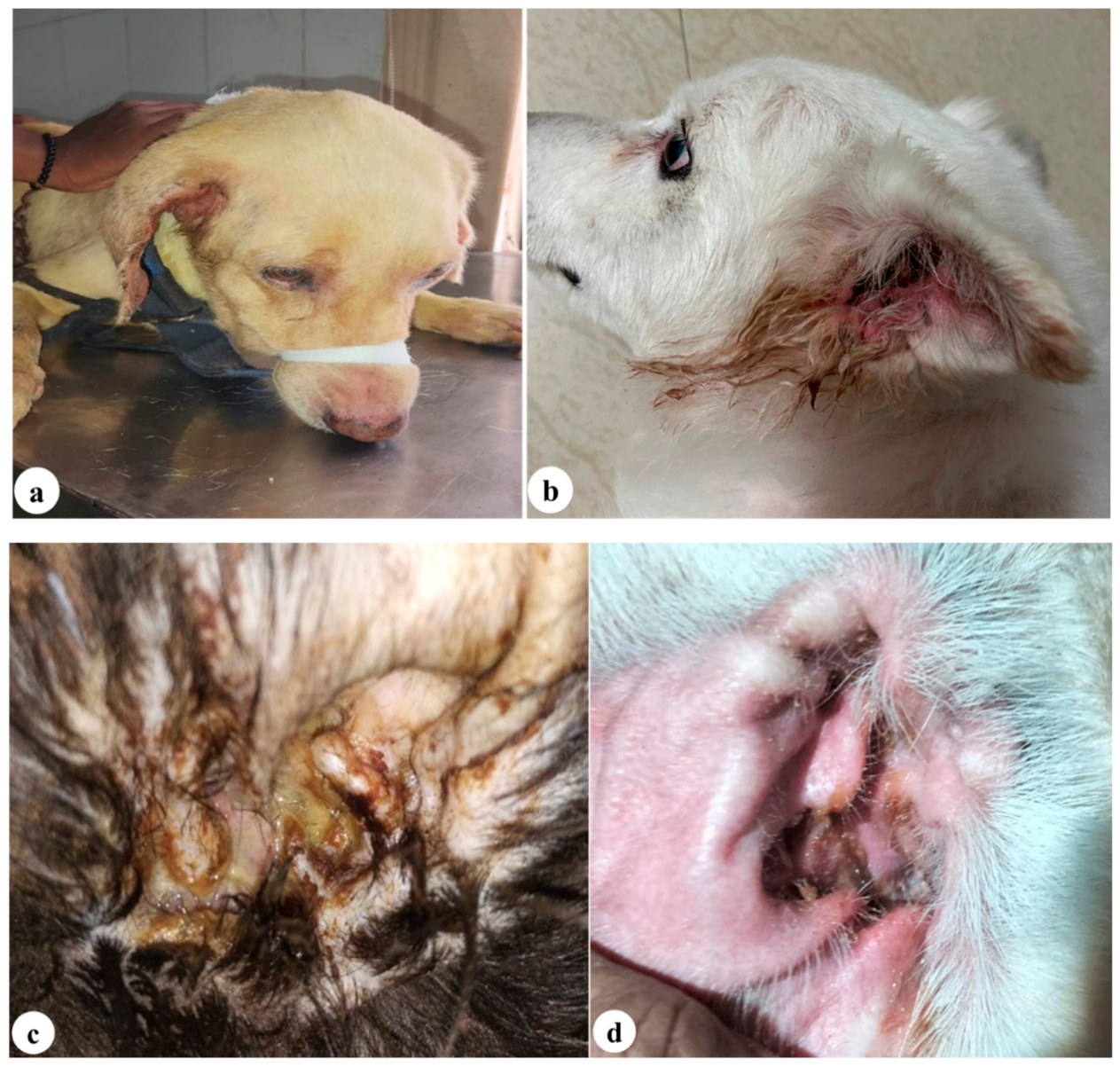
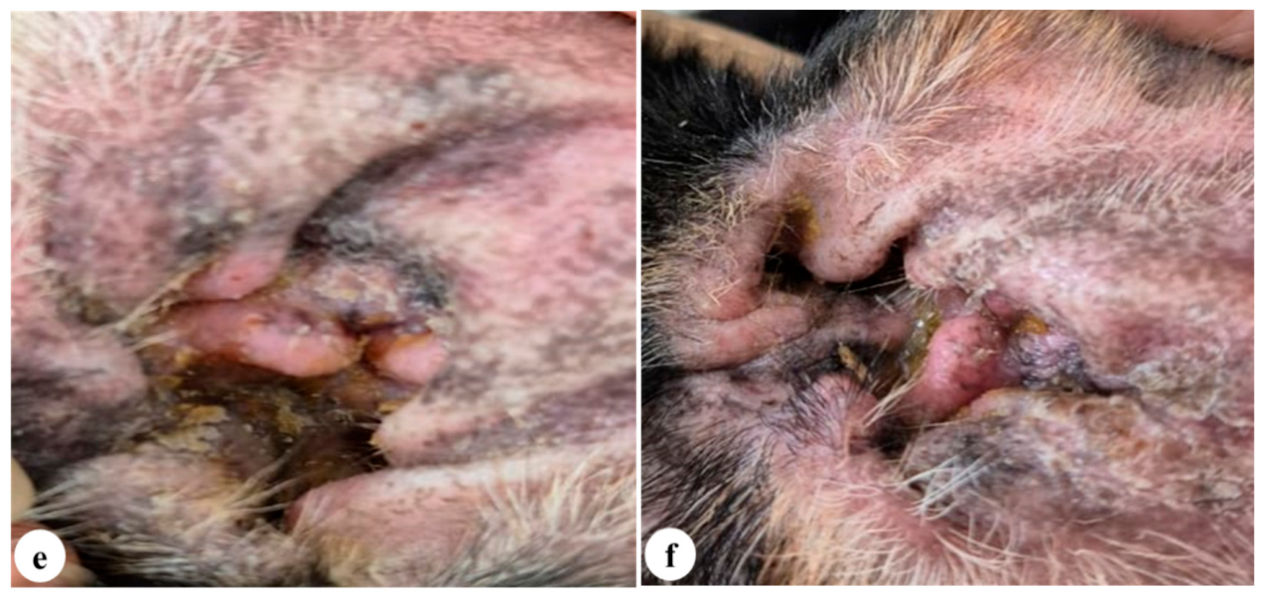
During physical examination, dogs with ear infections exhibited clinical signs such as pawing at the ears, head shaking and/or tilting, pruritus, fever, alopecia, purulent discharge, pain on palpation of the ear base, swelling and lichenification (Table 1). The most common clinical signs observed in affected dogs included head tilting toward the affected side (95.65%), pain on palpation of ear (100%), hyperaemia of the ear canal (100%), scratching of the ear (56.52%), purulent discharge from the ear canal (78.26%), and head shaking (86.95%). Swollen and oedematous ear pinnae were also frequently noted. Most of the dogs exhibited unilateral (n = 22, 95.65%%) ear infections while one dog was suffering bilateral ear infections (4.35%). However certain non-specific clinical signs were also observed, including profound depressions, anorexia (86.95%), fever (46.82%), alopecia (26.08%), lichenifications, increased ceruminous discharges, matted hairs in and around affected ears and crust formations (Figure 2).

3.2. Associated Risk Factors

Data collected regarding age, breeds, ear type and sex which was sought from the pet owners while presenting their pets for treatment was analyzed through Pearson Chi-square test (Table 2). Pearson chi-square test showed a non-significant correlation for all the associated risk factor parameters in the present study as presented in Table 2.

3.2.1. Age

Dogs were categorized into three age groups: <2 years (n = 28), 2 to 4 years of age (n = 51) and >4 years of age (n = 88) (Table 2). The overall prevalence of otitis was highest in dogs aged >4 years of age (n = 12, 52.17%), followed by those 2–4 years (n = 7, 30.43%), and lowest in dogs <2 years of age (n = 4, 17.39%).

3.2.2. Sex

A total of 167 dogs, comprising 94 males and 73 females, were included in the present study (Table 2). Pearson Chi-square test revealed a non-significant (p ≥ 0.05) association between sex and the occurrence of ear infections. However, a higher prevalence was observed in males (n = 13, 56.52%) compared to female dogs (n = 10, 43.47%).

3.2.3. Ear Type

Of the 167 dogs examined, 95 had pendulous ears and 72 had erect ears. A higher number of cases was observed in dogs with pendulous ears (n = 13, 56.52%) compared to those with erect ears (n = 10, 43.47%); however, the association was not statistically significant (p ≥ 0.05) (Table 2).

3.2.4. Season

The study was conducted over four months (spanning August to November 2024) which were categorized into two seasons: monsoon (August–September) and post-monsoon (October–November). A higher occurrence of ear infections was recorded during the monsoon season (n = 15, 65.21%) compared to the post-monsoon period (n = 8, 34.78%) (Table 2).

3.2.5. Breed

In the present study, breeds including Labrador Retriever, Pugs, Spitz, Pomeranian, German Shepherd, and non-descript dogs were evaluated for aural infections (Table 2). The highest incidence was observed in Labrador Retrievers (n = 8, 34.78%) followed by Pugs (n = 5, 21.73%), Spitz (n = 4, 17.39%), Pomeranians (n = 3, 13.04%), and German Shepherds (n = 2, 8.69%). The lowest prevalence was recorded in non-descript breeds (n = 1, 4.34%).

3.3. Hematobiochemical Alterations

A comparative analysis of haematological and serum biochemical parameters was performed between the control group (i.e., apparently healthy dogs without ear infections, n = 10) and dogs infected with ear infections (n = 23) as presented in Table 3. Statistical analysis of hematological parameters through Student’s t-test revealed a significant (p ≤ 0.05) decrease in Hb, TEC and lymphocyte count in infected dogs compared to controls. In contrast, total leucocyte count showed a significant (p ≤ 0.05) increase in infected dogs. Packed cell volume (PCV) and platelet count (PLT) exhibited a non-significant (p ≥ 0.05) decreasing trend, whereas neutrophil counts showed a non-significant increasing trend in infected dogs. Similarly, analysis of serum biochemical parameters indicated a significant (p ≤ 0.05) increase in alanine aminotransferase (ALT) levels in affected dogs compared to controls. However, non-significant (p ≥ 0.05) increasing trends were observed for total protein, cholesterol, blood urea nitrogen (BUN) and aspartate aminotransferase (AST), while glucose levels showed a non-significant decrease in infected dogs.

3.4. Otoscopy

Otoscopic examination (n = 23) revealed crusted exudates, purulent cerumen, thickening of the ear canal, hyperpigmentation of the ear canal lining, and hyperaemia.

3.5. Radiography

Radiographic examination of affected dogs did not reveal ear canal stenosis, compromised patency, or any obvious masses or obstructions within the ear canal.

3.6. Cytological Examination

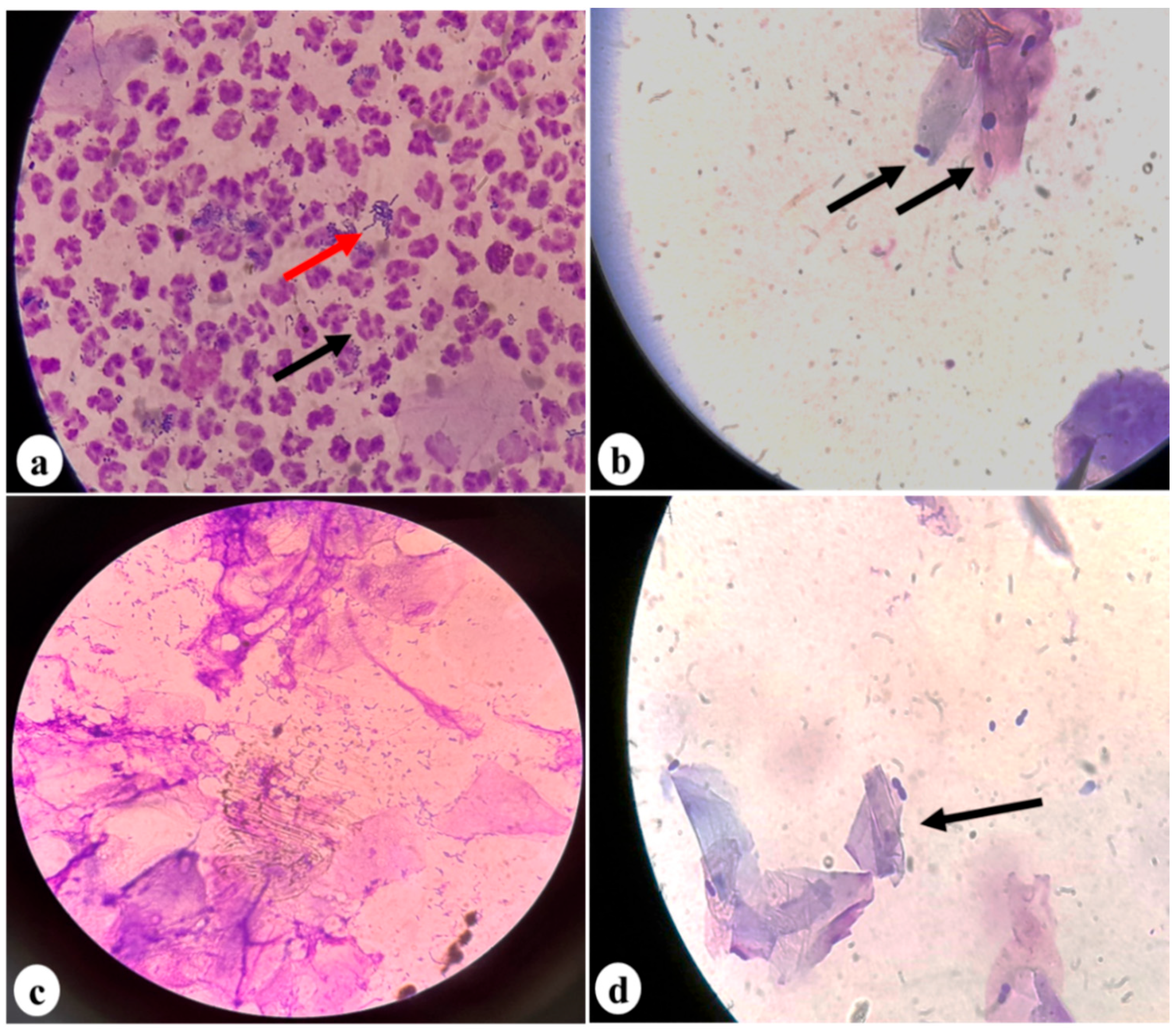
Cytological examination (n = 23) of ear swabs, stained using Diff-Quick/Modified Wright’s and Gram staining, revealed the presence of bacteria (Gram-positive cocci- and bacilli, Gram-negative rods) Malassezia spp., yeast cells, as well as different types of leukocytes and keratin debris (Figure 3).

3.7. Microbiological Evaluation and Antibiotic Sensitivity Test of Bacterial Isolates from Ear Infections of Dogs

A total of 23 ear swab samples collected from dogs suspected of having ear infections were processed for microbiological evaluation. Of these, 18 samples (78.26%) were positive for bacterial etiology, while 5 samples (21.74%) were positive for Malassezia spp. infection. Based on colony morphology and Gram staining characteristics, the bacterial isolates were categorized into four groups (Table 4). Among the 18 bacterial isolates, 10 (55.56%) isolates produced large, round, yellow colour colonies on nutrient agar and appeared as Gram-positive cocci in grape-like clusters. These isolates were provisionally identified as Staphylococcus spp. (designated as Ear Pathogen-1). Their identity was further supported by growth on Mannitol Salt Agar (MSA), where yellow discoloration of the medium was observed. Only one bacterial isolate (5.56%) formed large, round, smooth, white colonies on nutrient agar and was identified as Gram-positive bacilli, designated as Ear Pathogen-2. Six isolates (33.33%), designated as Ear Pathogen-3, produced small, smooth, mucoid colonies and appeared as Gram-negative rods; on MacConkey agar, these isolates formed flat, pink, smooth and moist colonies. One isolate (5.56%, Ear Pathogen-4) produced large, flat, greenish, opaque colonies with irregular margins and appeared as Gram-negative rods. Based on further characterization, the isolates corresponding to Ear Pathogens-1, -2, -3, and -4 were identified as Mammaliicoccus sciuri, Bacillus cereus, Klebsiella aerogenes and Pseudomonas aeruginosa, respectively.
The antibiotic susceptibility patterns of all four purified bacterial isolates ranged from resistance (R) to intermediate (I) sensitive and sensitive (S), as determined by the disc diffusion method (Table 5). The highest susceptibility among Mammaliicoccus sciuri, Bacillus cereus, Klebsiella aerogenes and Pseudomonas aeruginosa was observed for gentamycin followed by enrofloxacin and doxycycline.

3.8. Molecular Characterization and Phylogenetic Analysis of Bacterial Isolates

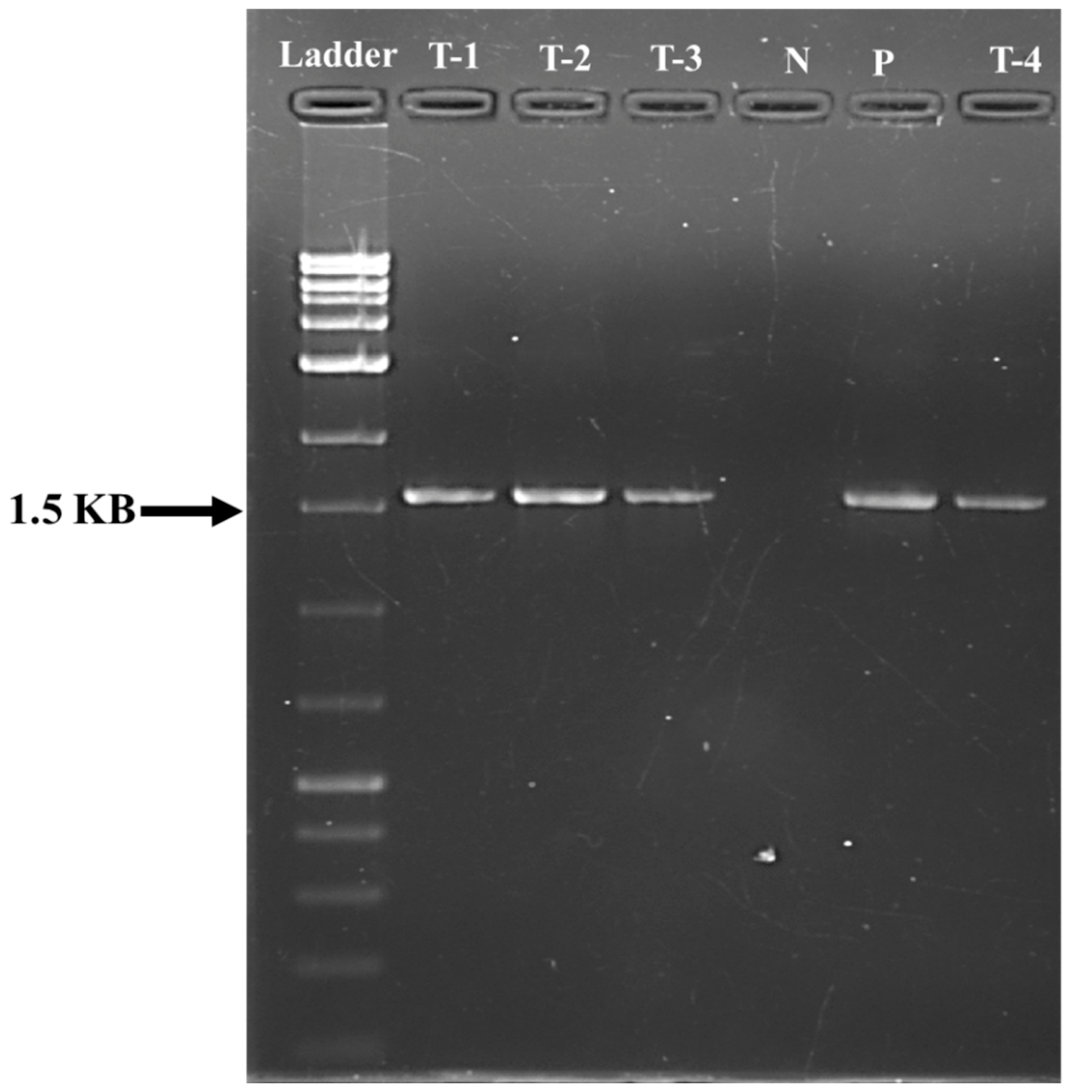
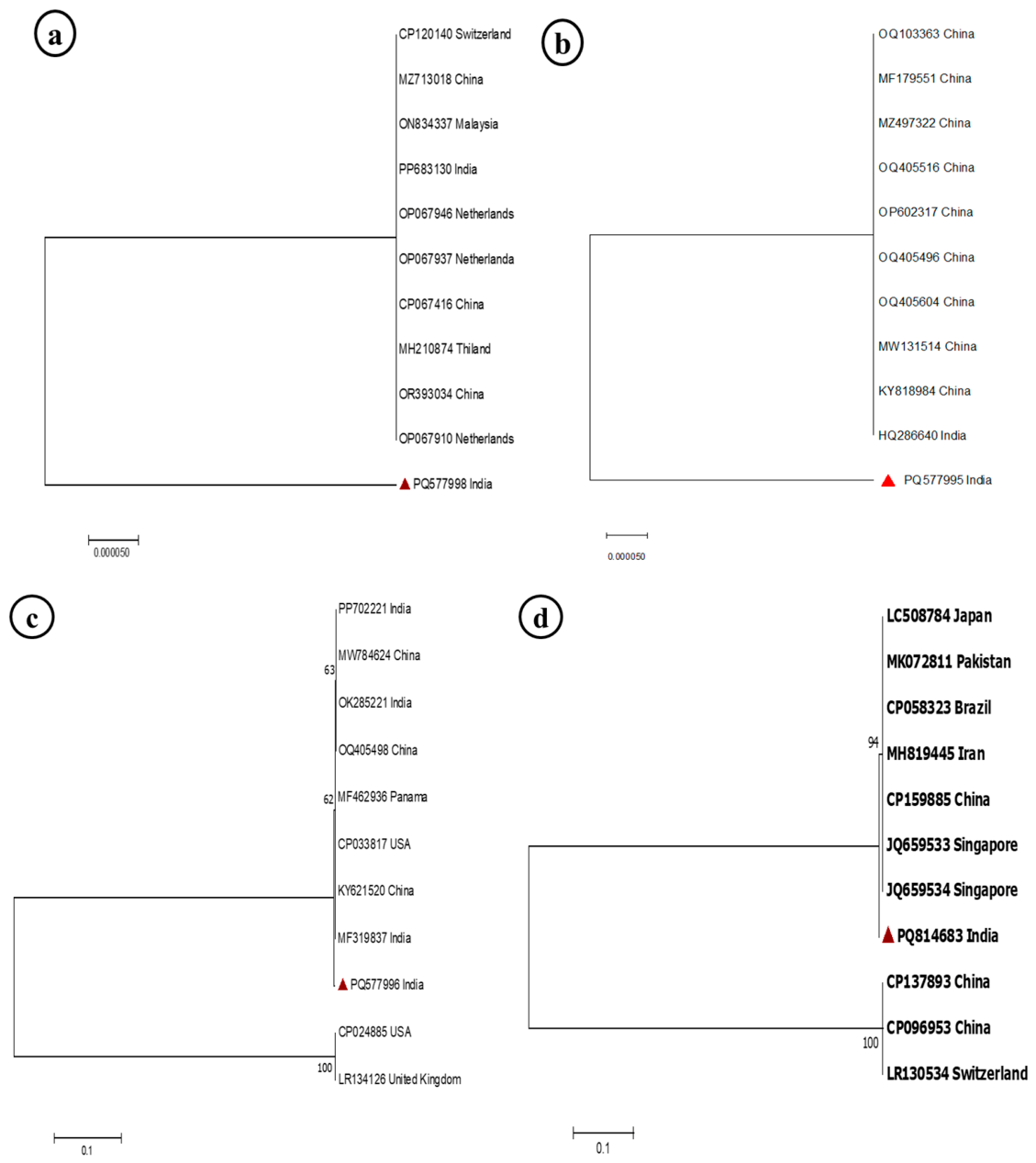
All four purified bacterial isolates were further subjected to colony PCR (Figure 4), followed by 16S rRNA gene sequencing at BRIC-ILS, Bhubaneswar. The results confirmed Mammaliicoccus sciuri, Bacillus cereus, Klebsiella aerogenes and Pseudomonas aeruginosa as the probable microbial aetiological agents in the present study. The sequences of all four bacterial isolates were deposited in the NCBI-Gene Bank database under accession numbers PQ577998, PQ577995, PQ577996 and PQ814683 for Mammaliicoccus sciuri, Bacillus cereus, Klebsiella aerogenes and Pseudomonas aeruginosa, respectively.
The phylogenetic relationship of the microbial isolates Mammaliicoccus sciuri (PQ577998), Bacillus cereus (PQ577995), Klebsiella aerogenes (PQ577996) and Pseudomonas aeruginosa (PQ814683) inferred based on alignment of the 16S rRNA gene sequences (Figure 5). Phylogenetic analysis revealed that Mammaliicoccus sciuri shared close similarity with isolates reported from China, the Netherlands, Switzerland, Thailand and Malaysia, whereas Bacillus cereus showed similarity with isolates from China and India. The bacteria “Klebsiella aerogenes” exhibited close phylogenetic relatedness to isolates from USA, China, United Kingdom, and previously reported isolates from India. Similarly, Pseudomonas aeruginosa showed similarity with isolates form Japan, Pakistan, Brazil, Iran, Singapore and China.

4. Discussion

The present study was undertaken to investigate the microbial etiology, clinical manifestations, molecular characteristics, and associated risk factors of ear infections in dogs in Odisha. Otitis is a condition that may remain unnoticed until significant pathological changes occur in the auditory canal or middle/ inner ear [13], and it manifests with a wide range of clinical signs. The relatively low prevalence (13.77%) of aural infections observed in this study may be attributed to short study duration and the limited sample size. A variety of clinical signs were recorded, including ear scratching, intense pain, swelling of the ear canal, erythema/redness, foul odour, restlessness, pawing at the affected ear, ceruminous or purulent discharge, aural hematoma, self-inflicted trauma, acute moist dermatitis near the ear base, head shaking, tilting to one side and circling movements and these findings are in-line with previous reports [14,15,16,17,18]. Apart from these, excessive trauma to the ear canal, often caused by exuberant ear cleaning or injuries from instruments used in the canal, can facilitate bacterial colonization [19], thereby predisposing dogs to ear infections. Pinnal alopecia, excoriations, and crust formation were also observed. Structural changes such as stenosis, fibrosis and papular to nodular hyperplasia of the ear canal walls may further promote microbial growth and persistence of infection [15]. Bacterial proliferation within the ear canal leads to the release of toxins, which can initiate inflammatory responses through pro-inflammatory mediators like prostaglandins and serotonin. This process contributes to clinical manifestations including erythema, purulent discharge, excessive ceruminous secretion, and hyperpigmentation [17,20]. Hyperpigmentation, lichenification and subsequent alopecia observed in the present study may be attributed to chronic irritation and frequent rubbing of the affected ear owing to pruritus [21].
The overall prevalence of ear infections in dogs in and around Bhubaneswar was 13.77% (n = 23) which is comparable to prevalence rates reported by previous studies conducted in other parts of the country [18,22]. The occurrence of ear infections in this region may be attributed to the hot and humid climate, which favours excessive cerumen production and moisture retention within the ear canal, thereby promoting microbial growth [16,17].
In the present study, a higher prevalence of ear infections was observed in dogs aged >4 years, followed by those 2–4 years, with the lowest prevalence in dogs ≤2 years. A similar pattern has also been reported by previous studies [17]. The increased prevalence in older dogs may be associated with greater cerumen production (esters of fatty acids) secreted in the ear canal [18], along with prolonged exposure to environmental and etiological factors [23]. In contrast, some studies have reported a higher incidence of ear infections in younger dogs (1–3 years), which may be attributed to relatively lower immune competence, waning maternal immunity, and increased erratic behaviour during early life [24].
The incidence of ear infections was higher in male dogs compared to females, consistent with previous reports [17,22,25]. Higher incidences of ear infections in male dogs may be attributed to the large sample size of male dogs, which are preferred by most of the pet owners, as well as the male hormone androgen linked to more sebum production, thus flaring up latent infections, if any [17,26].
However, contrary findings have also been reported, with a higher incidence Otitis externa in female dogs, possibly due to reduced immune status associated with physiological and production stress [27]. Additionally, some studies have indicated no significant sex predisposition in canine ear infections [28].
Dogs with pendulous ear (56.52%) were more prone to ear infections compared to those with erect ears (43.48%), which is consistent with previous reports [4,17,28,29]. However, these findings are contrary to those of Devaya [30], who reported a higher occurrence in dogs with erect ears. The higher prevalence of ear infections in dogs with pendulous ears may be attributed to their anatomic conformation, which restricts air circulation, heat dissipation and convection within the ear canal. This creates a warm and moist microenvironment that favours microbial growth [17]. In addition, inadequate ventilation, along with reduced evaporation and absorption of moisture, may lead to maceration of the ear canal epithelium. This condition further predisposes dogs with pendulous or drooping ears to the development of otitis [31].
A higher incidences of ear infections was recorded during the monsoon season (65.21%) compared to the post-monsoon period (34.78%) in the present study, which is consistent with previous reports [17,23,26,32]. This may be attributed to increased humidity due to rainfall and elevated ambient temperatures, which significantly boost the growth of pathogenic bacteria and fungi [33]. In contrast to present findings, some studies have reported a higher incidence of ear infections during the summer season, possibly due to increased humidity, frequent bathing, and greater accumulation of cerumen [22,34].
The occurrence of ear infections varied among breeds. In the present study, the highest incidence was observed in Labrador Retrievers (34.78%), followed by Pugs (21.73%), Spitz (17.39%), Pomeranians (13.04%), and German Shepherds (8.69%), whereas the lowest incidence was recorded in non-descript (4.34%) dogs. These findings corroborate with earlier published reports [17,22,23,25]. The increased incidence of otitis in Labrador Retrievers may be attributed to multiple factors, including age, environmental humidity, season, pendulous ear conformation,, and concurrent diseases [35]. Additionally, Labradors possess more apocrine tubular glands compared to other breeds [23]. Their long, floppy pendulous ear structure hinders proper ventilation of the ear canal, leading to increased moisture retention [36], which predisposes them to otitis. The relatively lower incidence observed in other breeds and non-descript dogs in our study may be attributed to the smaller sample size and breed preferences among pet owners in the region [16].
In the present study, a decreasing trend was observed in haematological parameters such as Hb, TEC and PCV in ear-infected dogs compared to apparently healthy controls. These findings are in close agreement with the earlier reports [37,38] and may indicate anaemia in affected dogs, possibly resulting from protein loss due to intense scratching and stress associated with the diseases [39,40,41]. In contrast, a significantly increase in TLC was observed in the infected group, consistent with previous reports [42,43]. This increase in TLC may be attributed to bacterial infection, as such infections commonly induce leucocytosis [43]. The elevated TLC was associated with neutrophilia and relative lymphopenia, reflecting an immune response to bacterial pathogens [38,40,44,45]. A significant elevation in eosinophil count was also observed in affected dogs compared to healthy groups, which may be attributed to irritation of infected skin tissues leading to mast cells activation and histamine release. As histamine acts as a chemotactic factor for eosinophils, this may result in eosinophilia [46].
Regarding serum biochemical parameters, a significant increase in alanine aminotransferase (ALT) levels was observed in affected dogs, while a non-significant decrease in blood glucose levels was noted. These findings are in agreement with previous reports [38,40,44]. The elevation in ALT may be associated with drug-induced hepatic stress due to prolonged treatment or increased systemic inflammatory responses [47]. Additionally, an increase in serum cholesterol and a decrease in glucose levels (hypoglycemia) observed in infected dogs are consistent with previous reports [44,48]. A non-significant increase in total protein levels in dogs with otitis was also observed, which aligns with previous reports [41]. This increase may be attributed to enhanced inflammatory responses triggered by various pathogens involved in skin disorders [38,49].
Otoscopic examination of healthy animals revealed that the ear canal was lined with a smooth, glistening rose-red epithelial layer, with hair present in some dogs. In contrast, otoscopic evaluation of infected ears revealed crusted exudates, purulent ear sebum, thickening of the ear canal, hyperpigmentation of the canal lining, and hyperaemia. These findings are incongruent with those reported by previous researchers [50,51,52,53,54]. Therefore, otoscopy can be considered as a primary diagnostic tool for the detection of Otitis externa and for guiding appropriate therapeutic interventions [51,53,55].
In the present study, radiographic examination did not reveal any abnormalities in the ear canal, suggesting the absence of calcification or mineralization. However, radiography in cases of ear infection is useful for assessing the type and severity of otitis, detecting mineralisation of the external ear canal, and aiding in treatment planning for quick recovery [56].
Cytological examination revealed a polymicrobial flora consisting of cocci, bacilli, Malassezia yeasts along with inflammatory cells, particularly neutrophils engaged in phagocytosis. Keratinocytes and keratin debris, often containing pigments or granules, were also observed, appearing as oval or round yellow to brown structures. These findings are in agreement with previously published reports [57,58,59]. In the present study, Malassezia spp. were identified and characterized through cytological examination, which is considered a reliable method for detecting Malassezia pachydermatitis [27] and for assessing the type and quantity of microorganisms present in otic exudates [56]. The presence of degenerated neutrophil observed in cytology may indicate an positive immune response against microbial etiology responsible for ear infections [60].
In the present study, bacterial infections were predominant (78.26%) compared to other infections such as Malassezia spp. (21.74%), and these findings are in concordance with previous reports [60,61,62,63,64,65]. The higher prevalence of bacterial infections may be attributed to increased moisture within the ear canal, as well as the extension of infections from adjacent cutaneous sites [66]. Malassezia spp. are considered normal commensals of the skin and are recognized as opportunistic pathogens in many animal species. However, in recent years, they have emerged as important otic pathogens [60]. Colony PCR was followed by 16s rRNA gene sequencing at BRIC-ILS, and Bhubaneswar confirmed Mammaliicoccus sciuri, Bacillus cereus, Klebsiella aerogenes, and Pseudomonas aeruginosa as the major bacterial etiological agents in the present study, which is in agreement with earlier reports [25,67,68,69]. Phylogenetic relationships were established based on sequencing data using BLAST analysis against the NCBI database. The highest prevalence was observed for Mammaliicoccus sciuri, (belonging to the family Staphylococcaceae and previously classified as Staphylococcus sciuri) which are in accordance with earlier reports [70,71] reporting a high prevalence of Staphylococcus spp. as ear pathogens in canine otitis. Bacillus cereus is commonly regarded as a contaminant in pet food and is known to cause foodborne illness through toxin production. It may act as an opportunistic zoonotic pathogen, infecting both animals and humans via contaminated food or environmental exposure [72]. Similar finding have been reported in cases of otitis in dogs in Italy [27] and, to the best of our knowledge, this represents one of the first ever reports from India. The detection of Klebsiella aerogenes in the present study may indicate environmental contamination, as this organism is commonly associated with human infections [73]. Its presence is of particular concern due to its zoonotic potential and its role in the emergence and dissemination of antimicrobial-resistant (AMR) strains that can circulate between animals and humans. Therefore, due to their potential zoonotic significance, both Bacillus cereus and Klebsiella aerogenes should be considered important from a public health perspective.
In the present study, all four bacterial isolates exhibited susceptibility to Gentamicin, with intermediate susceptibility to enrofloxacin and doxycycline. These findings are in agreement with previous reports [60,74,75]. However, other studies have reported contrasting antibiotic susceptibility patterns, with higher sensitivity to amoxicillin-clavunilic acid and vancomycin, which are often considered first-line broad-spectrum antibiotics for the management of complicated otitis in dogs [76,77]. The observed susceptibility to gentamycin, enrofloxacin and doxycycline in the present study provides a favourable therapeutic outlook for clinicians and pet owners, considering their widespread availability and relatively lower cost [77]. Notably, Klebsiella aerogenes emerged as a potential concern for both animal and human health, as it exhibited resistance or intermediate susceptibility to several antimicrobial agents, highlighting its potential role in antimicrobial resistance (AMR).

5. Conclusions

Dogs are important companion animals that share a close bond with humans. Ear infections in dogs are multifactorial in origin and may result from both infectious and non-infectious causes, some of which have zoonotic potential. Therefore, the current study was conducted to identify the etiological agents of canine ear infections, facilitating early diagnosis, effective treatment, and mitigation of potential transmission risks, including to humans. In the present investigation, Mammaliicoccus sciuri, Bacillus cereus, Klebsiella aerogenes, Pseudomonas aeruginosa, and Malassezia spp. were isolated. Among these, certain organisms like Bacillus cereus and Klebsiella aerogenes may possess zoonotic potential. Although direct transmission from animals to humans is relatively uncommon, the shared environment and the presence of antimicrobial resistance genes underscore their epidemiological significance. This study highlights the need for appropriate preventive measures to limit the spread of potentially zoonotic pathogens, particularly Bacillus cereus and Klebsiella aerogenes, which may pose significant threats to both human and animal health.

Author Contributions

Conceptualization, P.K.R.; Methodology, S.S.M.; Formal analysis, P.K.R., B.P.M. and M.K.J.; Investigation, A.M. and S.S.M.; Data curation, G.M. and A.M.; Writing—original draft, G.M.; Writing—review and editing, B.P.M., A.P.A., S.K.P., R.R. and M.K.J.; Supervision, P.K.R. All authors have read and agreed to the published version of the manuscript.

Funding

This research received no external funding.

Institutional Review Board Statement

Samples were collected during clinical examination for management of ear infections from dogs presented to Veterinary Clinical Complex (VCC) under the supervision of the registered veterinarian to investigate the disease for suggesting suitable therapy. Ethical review and approval were waived for this study as it involves the dogs presented to clinical complex for their routine treatment and diagnosis with informed consent from animal owners.

Informed Consent Statement

Informed consent was obtained from all subjects’ owners involved in the study.

Data Availability Statement

The original contributions presented in this study are included in the article. Further inquiries can be directed to the corresponding author.

Conflicts of Interest

The authors have no conflict of interests.

References

  1. Anthony, F. Canine Otitis externa. In Veterinary Dermatology; CABI: Wallingford, UK, 2013; pp. 1–10. [Google Scholar]
  2. de Lahunta, A.; Glass, E. Vestibular system: Special proprioception. In Veterinary Neuroanatomy and Clinical Neurology, 3rd ed.; Saunders Elsevier: St. Louis, MO, USA, 2009; pp. 319–347. [Google Scholar]
  3. Petrov, V.; Mihaylov, G.; Tsachev, I.; Zhelev, G.; Marutsov, P.; Koev, K. Otitis externa in dogs: Microbiology and antimicrobial susceptibility. Revue Méd. Vét. 2013, 164, 18–22. [Google Scholar]
  4. Terziev, G.; Borissov, I. Prevalence of ear diseases in dogs—A Retrospective 5-year clinical study. Bulg. J. Vet. Med. 2018, 21, 76–85. [Google Scholar] [CrossRef]
  5. Degi, J.; Cristina, R.T.; Stancu, A. Otitis externa caused by bacteria of the genus Pseudomonas in dogs. Lucr. Stiint. Med. Vet. 2010, 43, 143–147. [Google Scholar]
  6. Léonard, C.; Thiry, D.; Taminiau, B.; Daube, G.; Fontaine, J. External Ear Canal Evaluation in Dogs with Chronic Suppurative Otitis Externa: Comparison of Direct Cytology, Bacterial Culture and 16S Amplicon Profiling. Vet. Sci. 2022, 9, 366. [Google Scholar] [CrossRef]
  7. Bajwa, J. Canine otitis externa—Treatment and complications. Can. Vet. J. 2019, 60, 97–99. [Google Scholar]
  8. Hassan, M.; Kekec, A.I.; Halac, B.; Kahraman, B.B. Otitis Externa in Dogs: Distribution and antimicrobial susceptiblity patterns of Staphylococcus spp. Isolates. Mac. Vet. Rev. 2023, 46, 43–50. [Google Scholar] [CrossRef]
  9. Ghasemzadeh, I.; Namazi, S.H. Review of bacterial and viral zoonotic infections transmitted by dogs. J. Med. Life. 2015, 8, 1–5. [Google Scholar]
  10. Hensel, P. Ear swabs: Techniques and interpretation. NAVC Clin. Brief 2009, 7, 29–31. [Google Scholar]
  11. Paray, A.A.; Singh, M.; Mir, M.A.; Kaur, A. Gram Staining: A Brief Review. Int. J. Res. Rev. 2023, 10, 336–341. [Google Scholar] [CrossRef]
  12. Bauer, A.W.; Kirby, W.M.; Sherri, J.C.; Turck, M. Antibiotic susceptibility testing by a standardized single disk method. Am. J. Clin. Pathol. 1966, 45, 493–496. [Google Scholar] [CrossRef]
  13. Kale, S.D.; Aher, V.D. Studies on symptomatology and diagnosis of otitis in clinical cases of canine. Intas Polivet 2004, 5, 103–107. [Google Scholar]
  14. Rosser, E.J. Causes of Otitis externa. Vet. Clin. N. Am. Small Anim. Pract. 2004, 34, 459–468. [Google Scholar] [CrossRef]
  15. Huang, H.P.; Little, C.J.; Mc Neil, P.E. Histological changes in the external ear canal of dogs with Otitis externa. Vet. Dermatol. 2009, 20, 422–428. [Google Scholar] [CrossRef] [PubMed]
  16. Roy, M.; Kashyap, R.; Roy, S. Prevalence of canine Otitis externa, etiology and clinical practice in and around Durg District of Chhattisgarh state, India. Int. J. Curr. Microbiol. Appl. Sci. 2018, 7, 269–274. [Google Scholar]
  17. Barua, A.; Boruah, D.; Phukan, A.; Chandra, B.; Baishya, J.B.D.; Barman, D. A study on prevalence of otitis in dog in Guwahati, Assam. J. Entomol. Zool. Stud. 2021, 9, 214–218. [Google Scholar]
  18. Singh, S.; Tiwari, A.; Das, G.; Gupta, D.K.; Mishra, A.; Dawar, P. Epidemiological studies on Otitis externa in dogs. Int. J. Adv. Biochem. Res. 2024, 8, 48–52. [Google Scholar] [CrossRef]
  19. Balappanavar, B.R.; Vasanth, M.S. Clinico-diagnostic and therapeutic management of canine malasseziosis. Intas Polivet 2013, 14, 353–358. [Google Scholar]
  20. Marak, S.S. Canine Pyoderma: Diagnosis and Therapeutic Management. Master’s Thesis, Assam Agricultural University, Guwahati, India, 2019. [Google Scholar]
  21. Penna, B.; Varges, R.; Medeiros, L.; Martins, G.M.; Martins, R.R.; Lilenbaum, W. Species distribution and antimicrobial susceptibility of Staphylococci isolated from canine Otitis externa. Vet. Dermatol. 2009, 21, 292–296. [Google Scholar] [CrossRef]
  22. Babji, B.R.; Ayodhya, S.; Kumar, K.S.; Kumar, B.A. Studies on canine Otitis externa and therapeutic management of bacterial Otitis externa with special reference to oregano oil. Pharm. Innov. 2021, 10, 2929–2931. [Google Scholar]
  23. Kumar, S.; Hussain, K.; Sharma, R.; Chhibber, S.; Sharma, N. Prevalence of canine Otitis externa in Jammu. Indian J. Anim. Res. 2014, 4, 121–129. [Google Scholar] [CrossRef]
  24. Kim, K.H.; Choi, W.P. Microflora of the ear canal in healthy dogs and dogs with Otitis externa. Korean J. Vet. Res. 1999, 39, 566–574. [Google Scholar]
  25. Parmar, J.J.; Rao, N.; Shah, A.I.; Sadhu, D.B.; Bhanderi, B.B.; Patel, D.M. Clinical studies on ear infections, microbiological evaluation and therapeutic management in canines. Int. J. Curr. Microbiol. Appl. Sci. 2020, 9, 496–501. [Google Scholar] [CrossRef]
  26. Kamaljyoti; Sharma, K.A.; Filia, G.; Sharma, S. Studies on Malassezia infection in Otitis externa of dogs. Indian J. Anim. Res. 2017, 7, 197–200. [Google Scholar] [CrossRef]
  27. Fernández, G.; Barboza, G.; Villalobos, A.; Parra, O.; Finnol, G.; Ramírez, R.A. Isolation and identification of microorganisms present in 53 dogs suffering Otitis externa. Reviata Ciiantifica 2006, 16, 23–30. [Google Scholar]
  28. Topala, R.; Burtan, I.; Fantanaru, M.; Ciobanu, S.; Butran, L.C. Epidemiological studies of Otitis externa at carnivores. Lucr. Ştiinţifice Med. Vet. Timişoara. 2007, 4, 647–651. [Google Scholar]
  29. Bernardo, M.F.; Martins, M.H.; Martins, L.M. A survey of mycotic Otitis externa of dogs in Lisbon. Rev. Iberoam. De. Micol. 1998, 15, 163–165. [Google Scholar]
  30. Devaya, K.A. Clinico-Epidemiology Bacteriological and Therapeutic Studies on the Ear Infection in Dogs. Master’s Thesis, University of Agriculture Sciences, Hebbal, Bangalore, India, 1993. [Google Scholar]
  31. Ehinger, T. Experiences in the therapy of the skin diseases in small animal practice with preparation of sofanpfizer. Kleintierpraxis 1976, 21, 285–287. [Google Scholar]
  32. Baxter, M. The incidence and microbiology of Otitis externa of dogs and cats in New Zealand. N. Z. Veter. J. 2011, 20, 29–32. [Google Scholar] [CrossRef]
  33. Chaudhary, M.; Mirakhur, K.K. Studies on occurrence of canine otitis. Indian Vet. J. 2002, 79, 748–749. [Google Scholar]
  34. Kumar, K.S.; Selvaraj, P.; Vairamuthu, S.; Nagarajan, B.; Nambi, A.P.; Prathaban, S. Survey of fungal isolates from canine mycotic dermatitis in Chennai. Tamilnadu J. Vet. Anim. Sci. 2011, 7, 48–50. [Google Scholar]
  35. Kumar, A.; Singh, K.; Sharma, A. Treatment of Otitis externa in dogs associated with Malassezia pachydermatitis. Indian Vet. J. 2003, 79, 727–729. [Google Scholar]
  36. Kiss, G.; Radvanyi, S.Z.; Szigetti, G. New combination for the therapy of canine Otitis externa I–Microbiology of Otitis externa. J. Small Anim. Pract. 1997, 38, 51–56. [Google Scholar] [CrossRef]
  37. Lodh, C.; Das, S. Diagnostic significance of haematobiochemical changes in canine dermatitis. Indian J. Canine Pract. 2014, 6, 99–102. [Google Scholar]
  38. Thapa, G.; Sarkar, S. Occurrence of canine skin disorder and its haematobiochemical alterations. Int. J. Curr. Microbiol. Appl. Sci. 2018, 7, 184–195. [Google Scholar] [CrossRef]
  39. Deb, A.R.; Jha, M.K.; Prasad, K.D. Clinical and haematological changes in dogs infected with Demodex canis. J. Res. Birsa. Agric. Univ. 2000, 12, 281–283. [Google Scholar]
  40. Devi, T.; Vijayakumar, K. Prevalence of canine dermatomycosis: Haemato-biochemical changes in infected dogs. Shanlax Int. J. Vet. Sci. 2013, 1, 41–45. [Google Scholar]
  41. Sharma, S.K.; Soodan, J.S.; Hussain, K.; Tikoo, A. Clinical management of canine bacterial dermatitis. Intas Polivet 2013, 14, 381–384. [Google Scholar]
  42. Larson, C.E.; Godoy, C.L.; Ledon, A.L.B.P.; Valente, N.S.; Mamisuka, E. Clinical aspects of the folliculitis, furunculosis and cellulitis syndrome (FFCS) of the German Shepherd dog. Ars Vet. 1996, 12, 1–21. [Google Scholar]
  43. Aujla, R.S.; Singh, N.; Sood, N.; Gupta, P.P.; Sodhi, S. Bacterial dermatitis in dogs in Punjab prevalence and clinicopathological studies. Indian Vet. J. 1997, 74, 837–840. [Google Scholar]
  44. Shyma, V.H.; Vijayakumar, K. Haematobiochemical studies in dogs affected with bacterial dermatitis. J. Vet. Anim. Sci. 2011, 42, 20–22. [Google Scholar]
  45. Beigh, S.A.; Sudan, J.S.; Singh, R.; Khan, A.M. Trace mineral status and antioxidative enzyme activity in dogs with generalized demodecosis. Vet. Parasitol. 2013, 198, 180–186. [Google Scholar] [CrossRef]
  46. Aujla, R.S.; Singla, L.D.; Juyal, P.D.; Gupta, P.P. Prevalence and pathology of mange-mite infestations in dogs. J. Vet. Parasitol. 2000, 14, 45–49. [Google Scholar]
  47. Tvarijonaviciute, A.; Cerón, J.J.; Holden, S.L.; Cuthbertson, D.J.; Biourge, V.; Morris, P.J.; German, A.J. Oxidative stress biomarkers in dogs with otitis externa. Vet. Dermatol. 2012, 3, 523–528. [Google Scholar]
  48. Gowda, B.K.K.; Rao, M.; Ganesh, T. Biochemical and haematological studies in nonspecific dermatitis. Indian J. Vet. Med. 1982, 2, 29–33. [Google Scholar]
  49. Gudding, R.; Lund, A. Immunoprophylaxis of bovine dermatophytosis. Can. Vet. J. 1995, 36, 302. [Google Scholar]
  50. Cole, L.K.; Kwochka, K.W.; Podell, M.; Hillier, A.; Smeak, D.D. Evaluation of radiography, otoscopy, pneumotoscopy, impedance audiometry and endoscopy for the diagnosis of Otitis media in the dog. Adv. Vet. Dermatol. 2002, 4, 49–55. [Google Scholar]
  51. Cole, L.K. Otoscopic evaluation of the ear canal. Vet. Clin. N. Am. Small Anim. Pract. 2004, 34, 397–410. [Google Scholar] [CrossRef]
  52. de Oliveira, L.C.; Leite, C.A.; Brilhante, R.S.; Carvalho, C.B. Etiology of canine Otitis media and antimicrobial susceptibility of coagulase-positive Staphylococci in Fortaleza city, Brazil. Braz. J. Microbiol. 2006, 37, 144–147. [Google Scholar] [CrossRef][Green Version]
  53. Classen, J.; Brühschwein, A.; Meyer-Lindenberg, A.; Mueller, R.S. Comparison of ultrasound imaging and video otoscopy with cross-sectional imaging for the diagnosis of canine Otitis media. Vet. J. 2016, 217, 68–71. [Google Scholar] [CrossRef]
  54. Gaur, M.; Jain, R.; Shukla, B.P.; Shrivastava, N.; Singh, P.A.; Kaushik, V. Otoscopic and Radiographic Examination of Dogs Suffering from External Ear Affections. Indian J. Vet. Sci. Biotech. 2023, 19, 30–33. [Google Scholar]
  55. Ali, M. Otoscopy is a good technique for diagnosis of ear diseases in small animals. Assiut Vet. Med. J. 2007, 53, 1–10. [Google Scholar]
  56. Murphy, K.M. A review of techniques for the investigation of Otitis externa and Otitis media. Clin. Tech. Small Anim. Pract. 2001, 16, 236–241. [Google Scholar] [CrossRef] [PubMed]
  57. Chickering, W.R. Cytological evaluation of otic exudates. Vet. Clin. N. Am. Small Anim. Pract. 1988, 18, 773–781. [Google Scholar] [CrossRef] [PubMed]
  58. Hendricks, A.; Schuberth, H.J.; Schueler, K.; Lloyd, D.H. Frequency of superantigen-producing Staphylococcus intermedius isolates from canine pyoderma and proliferation-inducing potential of superantigens in dogs. Res. Vet. Sci. 2002, 73, 273–277. [Google Scholar] [CrossRef] [PubMed]
  59. Mircean, V.; Mircean, M.; Gavrea, R.; Cozma, V. Epidemiological aspects of Otitis externa in dogs. Lucr. Ştiinţifice Ser. Med. Vet. 2008, XLI, 427–436. [Google Scholar]
  60. De Martino, L.; Nocera, F.P.; Mallardo, K.; Nizza, S.; Masturzo, E.; Fiorito, F.; Catalanotti, P. An update on microbiological causes of canine Otitis externa in Campania Region, Italy. Asian Pac. J. Trop. Biomed. 2016, 6, 384–389. [Google Scholar] [CrossRef]
  61. Greene, C.E. Otitis externa. In Infectious Diseases of the Dog and Cat, 3rd ed.; Saunders Elsevier: St. Louis, MO, USA, 2007; pp. 815–823. [Google Scholar]
  62. Nandi, S.; Ganguly, N.K.; Kumar, R.; Bakshi, D.K.; Vivek, S.V.S.; Chakraborti, A. Genotyping of group A Streptococcus by various molecular methods. Indian J. Med. Res. 2008, 127, 71–77. [Google Scholar]
  63. Zamankhan, M.H.; Jamshidi, S.; Zahraei, S.T. Identification and antimicrobial susceptibility patterns of bacteria causing Otitis externa in dogs. Vet. Res. Commun. 2010, 34, 435–444. [Google Scholar] [CrossRef]
  64. Nuttall, T. Otitis Externa: An Essential Guide to Diagnosis and Treatment; CRC Press: London, UK, 2014; pp. 162–168. [Google Scholar]
  65. Hassan, W.S.; Abdulrazzaq, K.M. Detection of Common Bacterial Causes of otitis in Dogs in Mosul City, Iraq. Egypt. J. Vet. Sci. 2024, 55, 1483–1491. [Google Scholar] [CrossRef]
  66. Johnson, E.J.; Zemanick, E.T.; Accurso, F.J.; Wagner, B.D.; Robertson, C.E.; Harris, J.K. Molecular identification of Staphylococcus aureus in airway samples from children with cystic fibrosis. PLoS ONE 2016, 11, 147–153. [Google Scholar] [CrossRef]
  67. De Martino, L.; Lucido, M.; Mallardo, K.; Facello, B.; Mallardo, M.; Iovane, G.; Pagnini, U.; Tufano, M.A.; Catalanotti, P. Methicillin-resistant Staphylococci isolated from healthy horses and horse personnel in Italy. J. Vet. Diagn. Investig. 2010, 22, 77–82. [Google Scholar] [CrossRef]
  68. Cain, C.L.; Morris, D.O.; Rankin, S.C. Clinical characterization of Staphylococcus schleiferi infections and identification of risk factors for acquisition of oxacillin-resistant strains in dogs: 225 cases (2003–2009). J. Am. Vet. Med. A 2011, 239, 1566–1573. [Google Scholar] [CrossRef] [PubMed]
  69. Mallardo, K.; Nizza, S.; Fiorito, F.; Pagnini, U.; De Martino, L. A comparative evaluation of methicillin-resistant Staphylococci isolated from harness racing-horses, breeding mares and riding-horses in Italy. Asian Pac. J. Trop. Biomed. 2013, 3, 169–173. [Google Scholar] [CrossRef] [PubMed]
  70. Murugan, M.S.; Parthiban, S.; Malmarugan, S.; Rajeshwar, J.J. Antibiogram and therapeutic management of bacterial Otitis externa—A clinical study of 81 dogs. Intas Polivet 2016, 17, 292–294. [Google Scholar]
  71. Lakshmi, K.; Tirumala Rao, D.S. 2 Clinicomicrobiological and therapeutic studies on canine Otitis externa. Int. J. Pharm. Bio. Sci. 2013, 4, 1209–1210. [Google Scholar]
  72. Stenfors Arnesen, L.P.; Fagerlund, A.; Granum, P.E. From soil to gut: Bacillus cereus and its food poisoning toxins. FEMS Microbiol. Rev. 2008, 32, 579–606. [Google Scholar]
  73. Martin, R.M.; Bachman, M.A. Colonization, infection, and the accessory genome of Klebsiella pneumoniae. Front. Cell Infect. Microbiol. 2018, 8, 4. [Google Scholar] [CrossRef]
  74. Haenni, M.; Galofaro, L.; Ythier, M.; Giddey, M.; Majcherczyk, P.; Moreillon, P.; Madec, J.Y. Penicillin-binding protein gene alterations in Streptococcus uberis isolates presenting decreased susceptibility to penicillin. Antimicrob. Agents Chemother. 2010, 54, 1140–1145. [Google Scholar] [CrossRef]
  75. Kadhim, H.B.; Abdullah, A.H. Molecular detection of Staphylococcus pseudointermedius isolated from otitis in dogs. Ann. Res. 2022, 65, 10884–10900. [Google Scholar]
  76. Vanvlaenderen, I.; Nautrup, B.P.; Gasper, S.M. Estimation of the clinical and economic consequences of non-compliance with antimicrobial treatment of canine skin infections. Prev. Vet. Med. 2011, 99, 201–210. [Google Scholar] [CrossRef]
  77. Gold, R.M.; Cohen, N.D.; Lawhon, S.D. Amikacin resistance in Staphylococcus pseudintermedius isolated from dogs. J. Clin. Microbiol. 2013, 52, 3641–3646. [Google Scholar] [CrossRef]
Figure 1. Map showing sample collection areas in and around Bhubaneswar, Odisha, India.
Jmp 07 00020 g001
Figure 2. Clinical examination dog infected with ear infection showing (a) oedematous ear pinnae, (b) matted hairs in and around infected ear, (c) purulent ear discharge, (d) increased ceruminous discharge, (e) lichenification in infected ear, and (f) crust formation.
Jmp 07 00020 g002aJmp 07 00020 g002b
Figure 3. Cytological examination of ear swab collected from aural infected dogs showing (a) degenerated neutrophils (black arrow) and bacterial colony (red arrow), (b) Malassezia spp. (black arrow), (c) mixed infection showing Gram-positive and Gram-negative bacteria, and (d) keratin debris (black arrow). [Diff-Quick/modified Wright’s stain].
Jmp 07 00020 g003
Figure 4. Agarose gel showing positive bands after colony PCR.
Jmp 07 00020 g004
Figure 5. Phylogenetic relationship of microbial isolates (a) Mammaliicoccus sciuri (Accession number-PQ577998), (b) Bacillus cereus (Accession number PQ577995), (c) Klebsiella aerogenes (Accession number-PQ577996) and (d) Pseudomonas aeruginosa (Accession Number—PQ814683) inferred from an alignment of the 16S rRNA gene. The GenBank accession number, species, host, and country of origin are included for Mammaliicoccus sciuri sequence. The phylogenetic tree was built based on sequencing data, with analysis conducted through the BLAST tool on the website www.ncbi.nlm.nih.gov/BLAST (accessed on 27 April 2026). Sequence alignment was completed using MEGA-7 (Molecular Evolutionary Genetic Analysis) software with 1000 bootstraps to find similar sequences from India and other countries, sourced from the NCBI database. The DNA sequencing model was chosen according to the lowest BIC score. The nucleotide sequences generated in this study is marked with a triangle.
Jmp 07 00020 g005
Table 1. Clinical signs in ear infected dogs (n = 23).
Clinical SignsNumber of Dogs Exhibiting the Clinical Signs (n)Percentage (%)
Hyperaemia23100%
Pain on palpation23100%
Head tilting2295.65%
Pruritus2191.30%
Head Shaking2086.95%
Anorexia2086.95%
Foul smelling odour1878.26%
Purulent discharge1878.26%
Scratching at ear1356.52%
Fever1146.82%
Alopecia of ear626.08%
Table 2. Associated risk factor assessment in dogs affected with ear infections (n = 23).
ParametersVariablesHealthyAffecteddfp-Value *
Age<2 years24420.996
2–4 years447
>4 years7612
SexMale811310.981
Female6310
Ear typePendulous821310.970
Erect6210
SeasonMonsoon961510.891
Post-Monsoon488
BreedLabrador50851
Pug325
Spitz244
Pomeranian193
German Shepherd122
Non-descript71
* p-value ≤ 0.05 found significant.
Table 3. Hematobiochemical parameters’ alterations (Mean ± SE) in ear-infected dogs.
ParametersControl (n = 10)Affected (n = 23)Dfp-Value *
Hematological alterations
Hb (g/dL)12.81 ± 0.24 a10.92 ± 0.33 b310.029
PCV (%)40.94 ± 0.82 a39.72 ± 0.65 a310.501
TLC (103/μL)12.73 ± 0.25 a19.12 ± 0.34 b310.024
TEC (106/μL)6.90 ± 0.20 a6.29 ± 0.23 b310.023
PLT (105/μL)4.10 ± 0.15 a3.88 ± 0.12 a310.359
N (%)72.60 ± 0.54 a78.48 ± 0.73 a310.061
L (%)22.00 ± 0.45 a17.52 ± 0.66 b310.03
E (%)2.30 ± 0.15 a2.61 ± 0.19 b310.047
M (%)3.10 ± 0.38 a1.04 ± 0.13 b310.022
B (%)0.00 ± 0.00 a0.35 ± 0.10 b310.00
Biochemical alterations
Total protein (g/dL)6.44 ± 0.11 a7.40 ± 0.06 a310.549
Total glucose (mg/dL)79.10 ± 1.90 a74.73 ± 3.24 a310.597
Cholesterol (mg/dL)116.60 ± 3.05 a124.27 ± 5.79 a310.298
BUN (mg/dL)15.57 ± 0.34 a16.74 ± 0.43 a310.076
ALT (U/L)35.05 ± 0.79 a40.25 ± 1.35 b310.00
AST (U/L)46.60 ± 2.09 a49.70 ± 5.29 a310.472
* p-value ≤ 0.05 significantly differs, Df: Degree of freedom. Different superscripts row wise (alphabet) differ significantly (p ≤ 0.05).
Table 4. Based on Gram staining and colony morphology, bacterial isolates were divided into four categories.
Bacterial IsolatesNumber of IsolatesGram StainingColony Morphology
Ear Pathogen-110Gram + Ve Coccus (bunch of grape-like clusters)Large, round, yellow colour colonies
Ear Pathogen-21Gram + Ve BacilliLarge, round smooth, white colonies
Ear Pathogen-36Gram-Ve BacilliSmall, smooth mucoid colonies
Ear Pathogen-41Gram-Ve red rodsGreenish colour, large, flat, opaque with irregular edge colonies
Table 5. Antibiotic sensitivity test (ABST) pattern of the isolated ear pathogens indicated by inhibition zone as per the CSLI guideline, resistant (R), intermediate (I) and susceptible (S).
Antibiotics UsedMammaliicoccus sciuriBacillus cereusKlebsiella aerogenesPseudomonas aeruginosa
AmpicillinSRRR
Amoxicillin-Clavulanic acidSRRR
GentamycinSSSS
EnrofloxacinISSI
DoxycyclineSSII
Disclaimer/Publisher’s Note: The statements, opinions and data contained in all publications are solely those of the individual author(s) and contributor(s) and not of MDPI and/or the editor(s). MDPI and/or the editor(s) disclaim responsibility for any injury to people or property resulting from any ideas, methods, instructions or products referred to in the content.