Article

Indigenous Peoples and Local Communities’ Perception and Lifestyle Compatible with Peatlands Conservation in the Lake Tumba Periphery, Équateur Province, Democratic Republic of Congo


by
Pyrus Flavien Ebouel Essouman
1,2,*,
Timothée Besisa Nguba
1,3,
Franck Robéan Wamba
1,
Charles Mumbere Musavandalo
1,3,
Louis Pasteur Bopoko Bamenga
1,
Isaac Diansambu Makanua
1,4,
Jean-Pierre Mate Mweru
1,5 and
Baudouin Michel
1
1
Ecole Régionale Postuniversitaire d’Aménagement et de Gestion Intégrés des Forêts et Territoires Tropicaux (ERAIFT), Université de Kinshasa, Kinshasa P.O. Box 15.373, Democratic Republic of the Congo
2
Département de Foresterie, Faculté D’agronomie et des Sciences Agricoles, Université de Dschang, Dschang P.O. Box 96, Cameroon
3
Unité Biodiversité, Ecosystème et Paysage (BEP), Teaching and Research Center (TERRA), Gembloux Agro-Bio Tech, Université de Liège, P.O. Box 5030 Gembloux, Belgium
4
Faculté des Sciences Agronomiques et Environnement, Université Président Joseph Kasa Vubu, Boma P.O. Box 314, Democratic Republic of the Congo
5
Faculté des Sciences, Université de Kinshasa, Kinshasa P.O. Box 127, Democratic Republic of the Congo
*
Author to whom correspondence should be addressed.
Ecologies 2026, 7(1), 4; https://doi.org/10.3390/ecologies7010004 (registering DOI)
Submission received: 12 September 2025 / Revised: 10 October 2025 / Accepted: 11 November 2025 / Published: 1 January 2026

Abstract

The Congo Basin peatlands, the world’s largest tropical peatland complex, are critical for global carbon storage yet remain poorly understood from a human dimension’s perspective. This study explores the perceptions, lifestyles, and knowledge systems of Indigenous Peoples and local communities around Lake Tumba, Democratic Republic of Congo, to identify practices supporting peatland conservation. Using a mixed-methods approach—household surveys (n = 320), focus groups, and statistical analyses including chi-square tests and Multiple Correspondence Analysis (MCA)—the study reveals a predominantly Indigenous agrarian society with limited formal education and strong reliance on peatlands for food (93.7%), construction materials (79.0%), and medicines (75.9%). While regulating services such as carbon storage were seldom recognized, traditional ecological knowledge was evident in sacred species protection, ritual plant and animal uses, and intergenerational knowledge transfer, mainly father-to-son. However, 95.3% of respondents cited religion as the main barrier to this transmission. MCA confirmed that livelihoods, village status, and ritual practices form an integrated socio-cultural system aligned with conservation. These findings stress the role of endogenous governance in sustaining peatland-compatible lifestyles. Conservation efforts should move beyond carbon-centered or top-down approaches to reinforce land tenure, traditional governance, and knowledge transmission, thereby protecting both peatlands and the cultural identities sustaining them.

1. Introduction

Peatlands are rare but cover around 3–4% of the planet’s land surface and contain up to one third of the world’s soil carbon. This is twice the amount of carbon found in the entirety of Earth’s forest biomass [1]. Beyond the vast quantities of carbon that they slowly sequester and store, they provide a range of valuable additional benefits and services to humanity. Peatlands are globally also important for biodiversity, hydrological regulation, water quality, and livelihood and cultural values [2]. They provide livelihood opportunities to local communities and national economies. They are a source of food, medicines, timber, amenity, and domestic energy in some countries [3]. African tropical peatlands—especially the vast Cuvette Centrale in the central Congo Basin—are globally important for the above-mentioned ecosystem services (ES). They act as natural water buffers: They retain and slowly release water, reduce flood peaks, maintain dry season flows, and stabilize regional hydrology. This hydrological buffering supports downstream agriculture, fisheries, and human settlements [4].
The central Congo peatlands in Africa, spanning the Democratic Republic of the Congo (DRC) and the Republic of the Congo (ROC), are the world’s largest tropical peatland complex [2]. The recent mapping of 167,600 km2 of peat by [5] showed that they cover 16.8 million ha, storing approximately 30 billion metric tons of carbon, equivalent to 28% of Earth’s tropical peat carbon stock [2,5]. Their immense areas of untouched rainforest, swamp forests, grasslands, floating prairies, seasonal lakes, ponds, and rivers account for the most biologically diverse wetland landscape in Africa [6]. But they also appear to be vulnerable to climate change [7] and are under threat from changes in land use [8], including logging, industrial agriculture, and oil exploration and exploitation [9]. The DRC’s government recently auctioned oil exploitation titles in the Cuvette Centrale peatlands, showing that this region remain likely to face growing pressure soon [10].
Since the DRC submitted its Nationally Determined Contributions, committing to reducing its emissions by 17% by 2030 for the Paris Agreement in 2015, the country has come a long way in peatland action. Thus, peatland protection, restoration, and sustainable management are nowhere to be found in the country’s commitments and it is now developing a National Peatland Strategy [6], including the consideration of Indigenous peoples and local communities (IPLCs).
Peatlands are well known to support the livelihoods of rural and Indigenous communities in the Congo Basin [11]. They hold social, economic, cultural, and spiritual value for many people who live in the Cuvette Centrale region [10], especially those communities that are heavily reliant on peatland ecosystem services. It is estimated that around 5.5 million people reside within a 10 km distance of the central Congo Basin peatland complex, of which 4.6 million reside in the DRC [12]. Peatlands are materially valuable to these people because they provide food, drinking water, wood, and fiber for constructing houses and tools for harvesting peatland resources (e.g., fishing baskets), fuel wood, and traditional medicine [11].
Human-focused research in peatlands is scarce in the DRC, mainly concerning the local practices favorable to their conservation. Research focuses mainly on the link between peatlands and carbon storage-climate change, but according to [9], the current impact of local communities (LCs) on the peatland ecosystems is likely to be minor and relatively sustainable in its current form. People of Bantu origin make up the largest ethnic group in the Cuvette Centrale region and often lead a subsistence livelihood focused on fishing and small-scale farming of crops such as cassava (Manihot esculenta) and banana (Musa spp.), and limited numbers of livestock including goats and chickens [9]. This Bantu population likely arrived in the region within the last 2000 years [13]; IPs hunter-gatherer groups have been present for much longer (possibly since as far back as 40,000 years [14]). These Indigenous Peoples (IPs), recognized as the original inhabitants of the DRC [15], number an estimated two million within forested areas [16]. Their cultures, belief systems, and subsistence strategies are deeply intertwined with forest ecosystems [17].
It is, thus, necessary to investigate the following fundamental questions:
Q1: What are the ecosystem services that IPs and LCs obtain from Lake Tumba peatlands landscape?
Q2: What are the traditional practices and Indigenous knowledge related to peatland conservation?
Q3: What are the transmission pathways and the constraints that hinder both the application and the intergenerational transmission of such practices and knowledge?
This study aimed to investigate IPLCs’ lifestyles, practices, and perception that are conducive to the Lake Tumba peatlands conservation. It specifically intended to achieve the following:
(1)
Identify the ecosystem services that IPLCs obtain from Lake Tumba peatlands landscape;
(2)
Document the traditional practices and Indigenous knowledge related to peatland conservation;
(3)
Identify the transmission pathways and the constraints that hinder both the application and the intergenerational transmission of such practices and knowledge.
This study proposes a global framework to better understand the relationship between IPLCs and natural resources in the Lake Tumba landscape, through the exploration of their perceptions, lifestyles, and knowledge systems. Firstly, it uses a mixed-methods approach, but a mostly qualitative one, to assess ethnobotanical and ethnozoological aspects. Secondly it uses Multiple Correspondence Analysis (MCA) to establish the association of all the concerned variables, with an emphasis on socio-demographic, livelihoods, biocultural practices, constraints to knowledge transfer, and biodiversity presence.

2. Materials and Methods

2.1. Overview of the Study Area

Lake Tumba’s periphery encompasses the peatland areas of Equateur Province, specifically within the Bikoro, Ingende, and Lukolela Territories (Figure 1). Lake Tumba is a residual lake of 500 m2 located in the Eastern part of the province that has as its capital the city of Mbandaka and comprises seven administrative territories: Basankusu, Bolomba, Bomongo, Bikoro, Ingende, Lukolela, and Mankanza (loi organique n° 15-006 du 25 mars 2015 portant fixation des limites des provinces et celle de la ville de Kinshasa). In the Équateur Province, annual precipitation ranges between 1800 and 2000 mm. Rainfall peaks occur in April and October, while the minimum precipitation is recorded in January and July [18].
The scope of the research was restricted to Bikoro and Ingende Territories. The Bikoro Territory covers 13,842 km2 area. It is bounded to the north by Mbandaka’s urban region; to the east by the Ingende and Kiri territories in the Mai-Ndombe District; to the west by the Lukolela Territory; and to the south by the Inongo Territory, also in the Mai-Ndombe District. The Ingende Territory covers 17,328 km2. It is bounded to the north by the Bolomba Territory; to the east by the Boende and Monkoto Territories in the Tshuapa District; to the south by the Kiri Territory in the Mai-Ndombe District; and to the west by the Bikoro Territory [19]. The various vegetation, soil types, and hydrography are presented, respectively, in Table 1 and Table 2.

2.2. Methodological Strategy

2.2.1. Choice of Sites, Territories, Villages, and Sample Size

The Equateur Province was chosen because it is located entirely within the Congolese Cuvette (central Congo peatlands), and a substantial portion of the territory consists of swampy areas and remains extensively inundated throughout the year, as mentioned by [19]. The choice of the Bikoro and Ingende Territories and not the Lukolela Territory was due to logistical constraints, particularly those related to the access difficulties in the Lukolela Territory. In addition, Bikoro occupies the most depressed part of the Congolese Central Cuvette where extensive swampy areas are found. This is unlike the Ingende Territory, which contains fewer swampy areas. Three key criteria guided the selection of villages for the survey: first, the presence of a peatland area (‘Entoku’) surrounding the village and its utilization (fishing, hunting, gathering, agriculture, etc.); second, the existence of an IPs community (known as mainly spiritually linked to the forest) among LCs within the villages; and third, ease of access to the villages, including the IPs’ camps.

2.2.2. Data Collection Technique

Both qualitative and quantitative data were collected directly on the field and through questionnaires administrated to households and focus groups. The unit used in this study is the household. The interviews were conducted in the morning and in the evening when the people had finished going about their daily tasks. The surveys were conducted in five sectors, including three in Bikoro (Elanga, Ekonda, and Lake Tomba) and two in Ingende (Bokatola and Duali). In total, 31 villages were concerned in the study. The number of questionnaires administered per village depends on the highest population distribution rate of the villages. The sample size was determined at around a 5% level of precision. In total, there were 320 households (Table 3). The Following [20] formula was used to calculate the sample.
n = Z 2 X p ( 1     p ) e 2 1 + Z 2 X p ( 1     p ) e 2 N
where n = size of the sample to be interviewed, Z = 1.96 (confidence level according to the reduced centered normal distribution), p = estimated proportion of the population which presents the desired characteristics (when unknown, we use p = 0.5), N = size of the population, and e = 0.05 (range expressing the margin of error).
  • Sociodemographic data
Sociodemographic data were obtained through comprehensive surveys using a single semi-structured questionnaire. For the closed-ended questions, the KoboCollect application v.2023.2.4 was employed. Following rigorous verification, all data were systematically uploaded to the central server on Kobotoolbox v.2.023.21, which was managed efficiently.
For the questionnaire surveys, the Kobo Collect application was configured with in-built validation constraints (e.g., range limits, required fields, logical skips) to minimize data entry errors. Each completed form was systematically reviewed by the field supervisor before synchronization to the central server. The data were then cross-checked daily to identify and correct missing or inconsistent values through direct verification with enumerators or respondents when necessary.
  • Data on the integration of Indigenous knowledge
Ten focus group discussions were conducted, with an average of seven (07) participants per village. Participants were selected to ensure diversity in terms of age (elders, adults, and youth), gender (men and women), membership in hunting groups or farmers’ organizations, ethnic background, and the representation of both Indigenous and non-Indigenous peoples. Each focus group among Indigenous Peoples (IPs) brought together a mix of socio-demographic profiles, considering age, gender, and hunting or gathering experience. For local communities (LCs), each focus group included a diversity of participants based on age, gender, farming affiliation, hunting affiliation, and ethnic background. The themes addressed included the ecosystem services that IPLCs obtain from Lake Tumba peatlands landscape; the traditional practices and Indigenous knowledge related to peatland conservation (traditional belief link to plants and animal species conservation); and intergenerational transmission of traditional knowledge and practices (transmission pathways and constraints).
Detailed guidance notes and semi-structured discussion guides were used to standardize facilitation across villages. Each focus group discussion was moderated by a trained facilitator and assisted by a note-taker, and all sessions were audio-recorded (with participants’ consent) to ensure completeness and accuracy of information. Transcripts were subsequently verified and triangulated with field notes to enhance data validity and consistency.
However, due to the complexity of certain statements or responses, some qualitative variables were transformed in order to obtain proportions and facilitate graphical representation. For instance, the responses concerning sacred species encountered—originally expressed in local languages and often difficult to transcribe into scientific nomenclature—were recoded into a binary form: “presence” or “absence” of species considered sacred, i.e., “YES” or “NO.” This transformation made it possible to calculate the proportions of “YES” and “NO” responses.

2.2.3. Data Analysis

Data were processed using Microsoft Excel 2016, for the establishment of a raw field database and the production of graphs resulting from the descriptive analysis of data. R-Studio version 2025.05.01 and SPSS version 26 were used for data analysis.
The chi-square test was employed to assess the dependence between the qualitative variables (with the assumption that variables are independent, at the threshold of 5%). The Multiple Correspondence Analysis (MCA) was used to establish the correlation between variables from household surveys and to graphically represent the relationships between all of them and between individuals.

2.2.4. Ethics and Results Validation

To ensure scientific ethics and validate the findings of this research, the following measures were implemented:
-
Free, prior, and informed consent was obtained from each participant.
-
Results were returned to the communities for validation through participatory feedback.
-
No protected species were destroyed or collected.

3. Results

3.1. Sociodemographic Characteristics of the Respondents

The surveyed population (Table 4) was predominantly male (88.12%), with women representing only 11.88%. This disparity confirms the patriarchal structure of the households, as women were rarely permitted to interact with foreigners, including the interviewers (men). Also, it confirms the necessity of including more women as interviewers in future studies. IPs constituted the majority (85%), while non-Indigenous (Bantu) accounted for 15%. Educational attainment remained low: 41.25% were illiterate, 15% had completed primary school, 37.5% reached secondary education, and only 6.25% attained university level.
Age distribution indicated a relatively mature population, with 48.12% aged over 40 years, 46.25% between 26 and 40 years, and only 5.63% between 18 and 25 years. Most respondents were married (86.56%), confirming the importance of household and family structures.
Despite engaging in multiple activities concurrently, the respondents’ livelihoods were predominantly agrarian, with agriculture accounting for employment for over half of the population (54.69%). Teaching (17.5%) and health services (6.56%) represented secondary activities, while trade (5.94%), fishing (4.69%), and administrative work (4.38%) were less common. Only marginal proportions reported involvement in civil service, logging, oil mill labor, or other specialized professions.
Overall, the data depict a predominantly Indigenous and agriculturally oriented society.

Seniority in the Practiced Activities

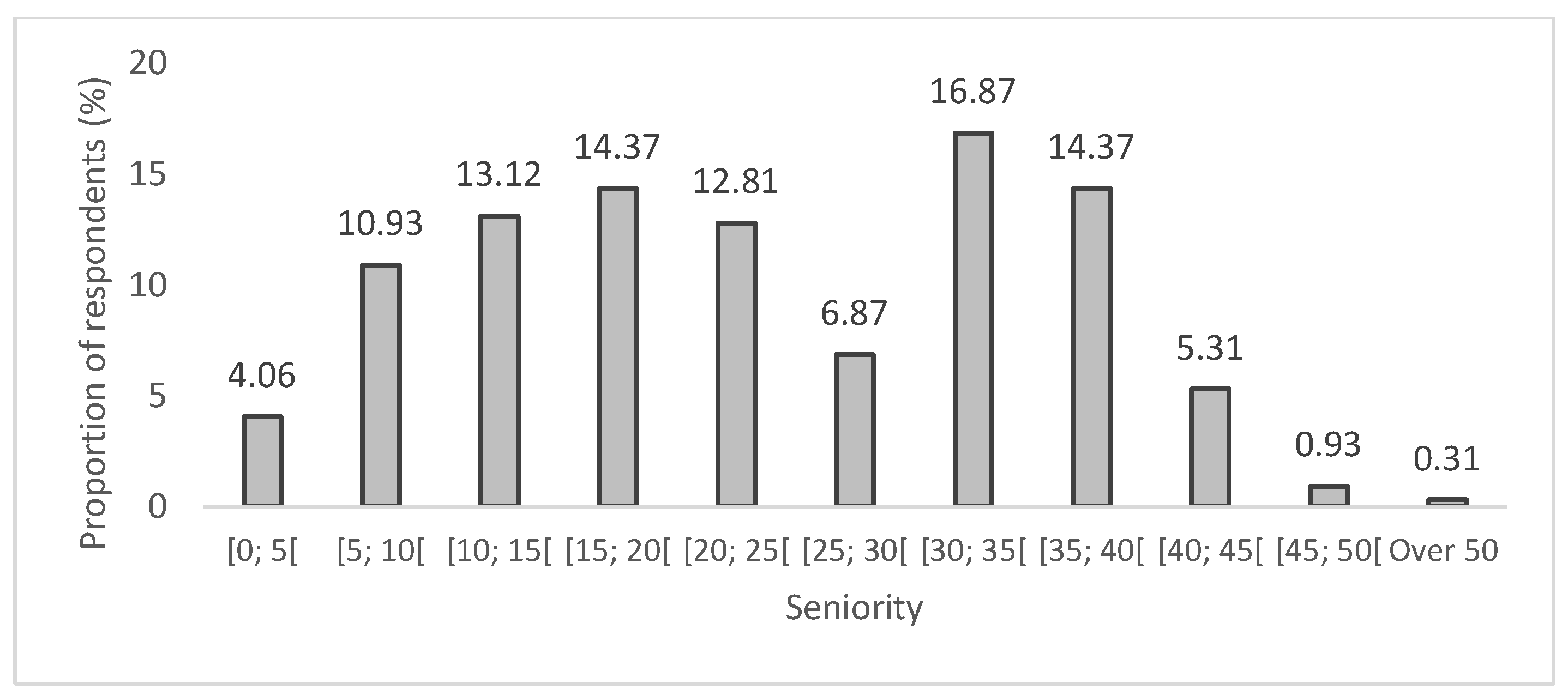
The distribution of respondents according to their seniority in the activity in Figure 2 reveals a marked heterogeneity across the sample. According to this figure, the largest subgroup reported 30 to 34 years of experience (16.87%), followed by 15 to 19 and 35 to 39 years (both 14.37%). A considerable proportion of respondents also indicated shorter durations of involvement, such as over 50 years (0.31%) and 45 to 49 years (0.93%) This suggests the presence of both newcomers and long-term practitioners within the activity.

3.2. Peatlands’ Ecosystem Services (ES) Mentioned by LCs and IPs

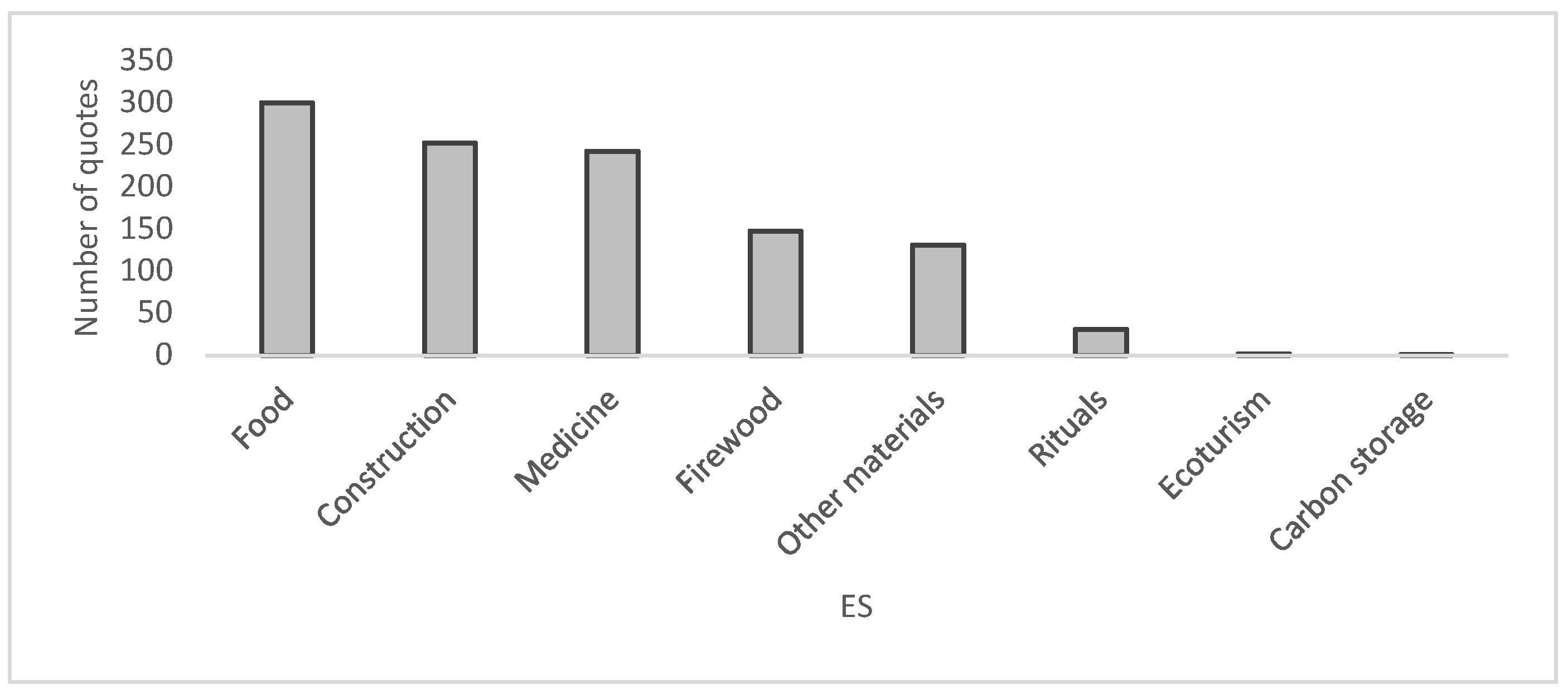
The results in Figure 3 indicate that peatlands are perceived by LCs and IPs as providing a wide array of ecosystem services, although their relative importance varies substantially. Among the provisioning services, food emerges as the most frequently cited benefit, reported by 93.7% of respondents. This is closely followed by construction materials (79.0%) and medicinal resources (75.9%), underscoring the centrality of peatland-derived products in sustaining daily subsistence and health needs. Firewood (46.2%) and other materials (40.9%) were mentioned less frequently but remain significant contributors to household livelihoods. Cultural traditional services were mentioned by 09.68% of respondents who were mostly IPs, demonstrating their attachment to the forest.
In contrast, regulating (carbon storage) and cultural services link to ecotourism were rarely acknowledged. Only two respondents (0.6%) identified ecotourism potential, while carbon storage, arguably the most critical global service provided by peatlands, was mentioned by a single respondent (0.3%). This striking discrepancy reveals that local perceptions are overwhelmingly oriented towards tangible, immediate benefits, whereas globally recognized regulating services remain largely underappreciated within the surveyed communities.
Overall, the data highlight a strong dependence on peatlands for material subsistence, coupled with a limited awareness of their broader ecological functions.

3.3. Traditional Practices and Indigenous Knowledge Related to Peatland Conservation

Traditional Perception/Belief Link to Plants and Animal Species Conservation
  • Existence of plants and three species conserved for their special usage in yield increase.
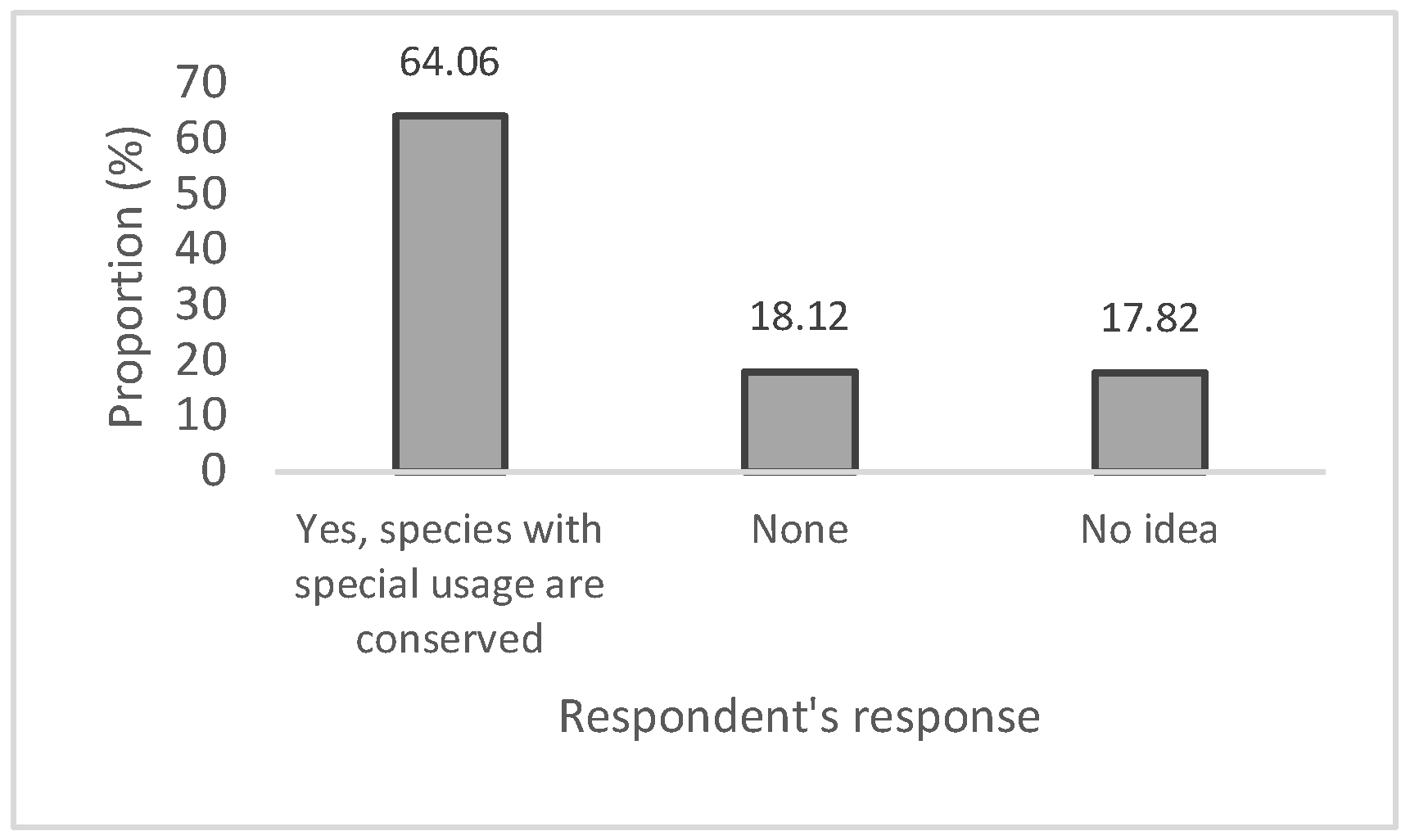
According to local belief systems, certain plant species (e.g., Bolondo = Milicia excelsa (Welw.; Bosenga = Pycnanthus angolensis (Welw.) Warb.) C.C. Berg) are regarded as spiritual entities. Indigenous people routinely perform incantations or rituals at the base of these trees before engaging in their daily activities, with the intention of invoking ancestral benevolence and ensuring greater success in agricultural, hunting, or fishing activities. The responses regarding the conservation of plant and tree species for enhancing yields in their activities indicate a strong indigenous belief in their functional importance. Figure 4 shows that most respondents (64.1%) reported that specific plant and tree species are deliberately conserved to enhance yields in hunting, fishing, and agricultural activities, reflecting the persistence of local ecological knowledge and practices that sustain subsistence systems. In contrast, 18.1% indicated that no such conservation practices occur, while 17.8% expressed uncertainty.
  • Existence of sacred plants and trees prohibited from exploitation or consumption.
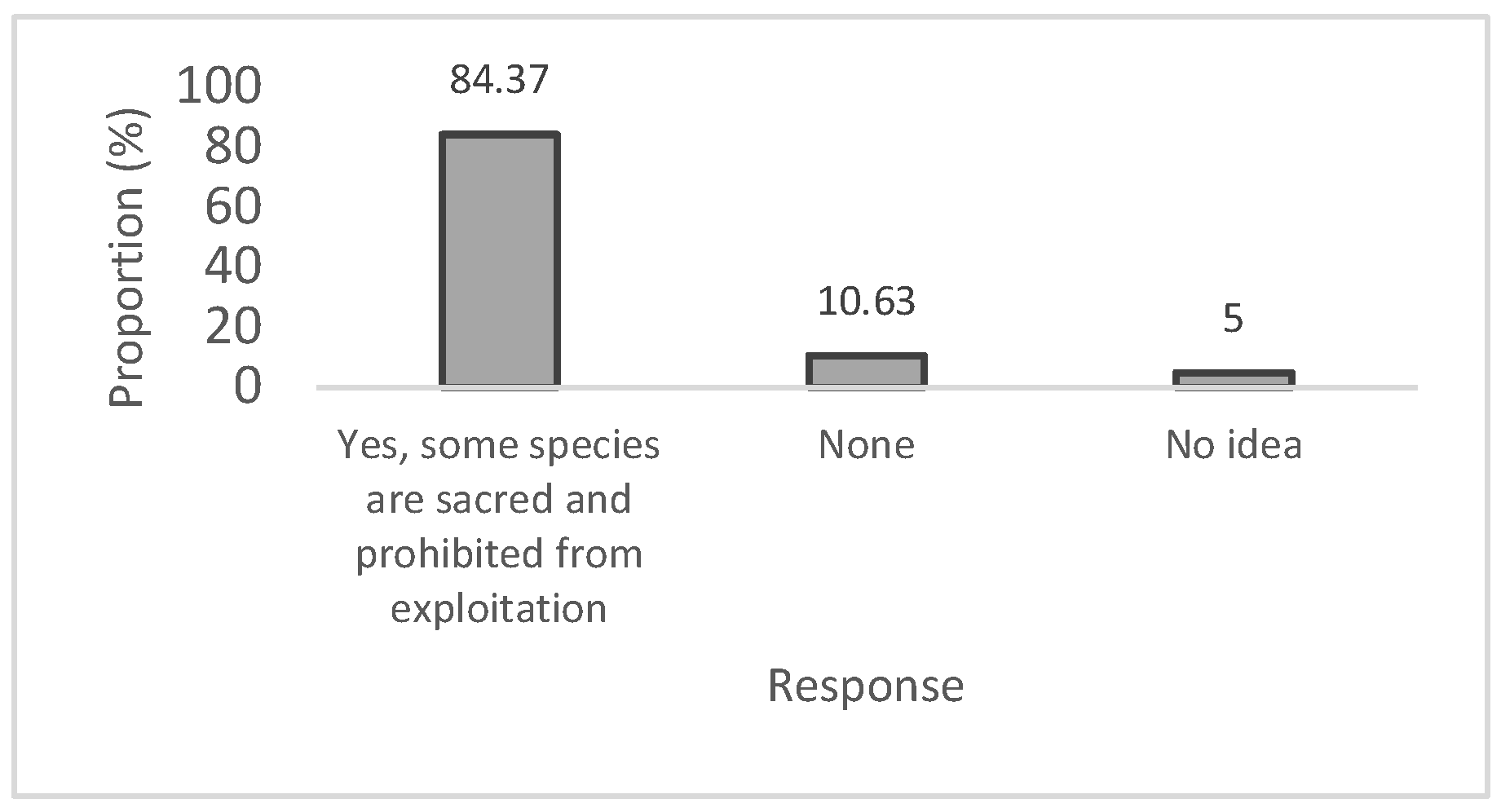
According to Figure 5, a significant majority (84.37%) affirmed the existence of sacred species within their cultural or religious context such as Bokungo (Piptadeniastrum africanum (Hook.f.) Brenan, Bonjoolo (Irvingia grandifolia (Engl.) Engl., regarded as spiritual dwellings of ancestral spirits.). In contrast, a small minority of respondents (10.63%) reported that no such sacred or prohibited species exist. Finally, a negligible portion of the sample, 5.00%, expressed uncertainty (“No idea”) on the matter.
  • Existence of animals used in traditional rites and beliefs to increase yields in hunting, fishing, and agricultural activities.
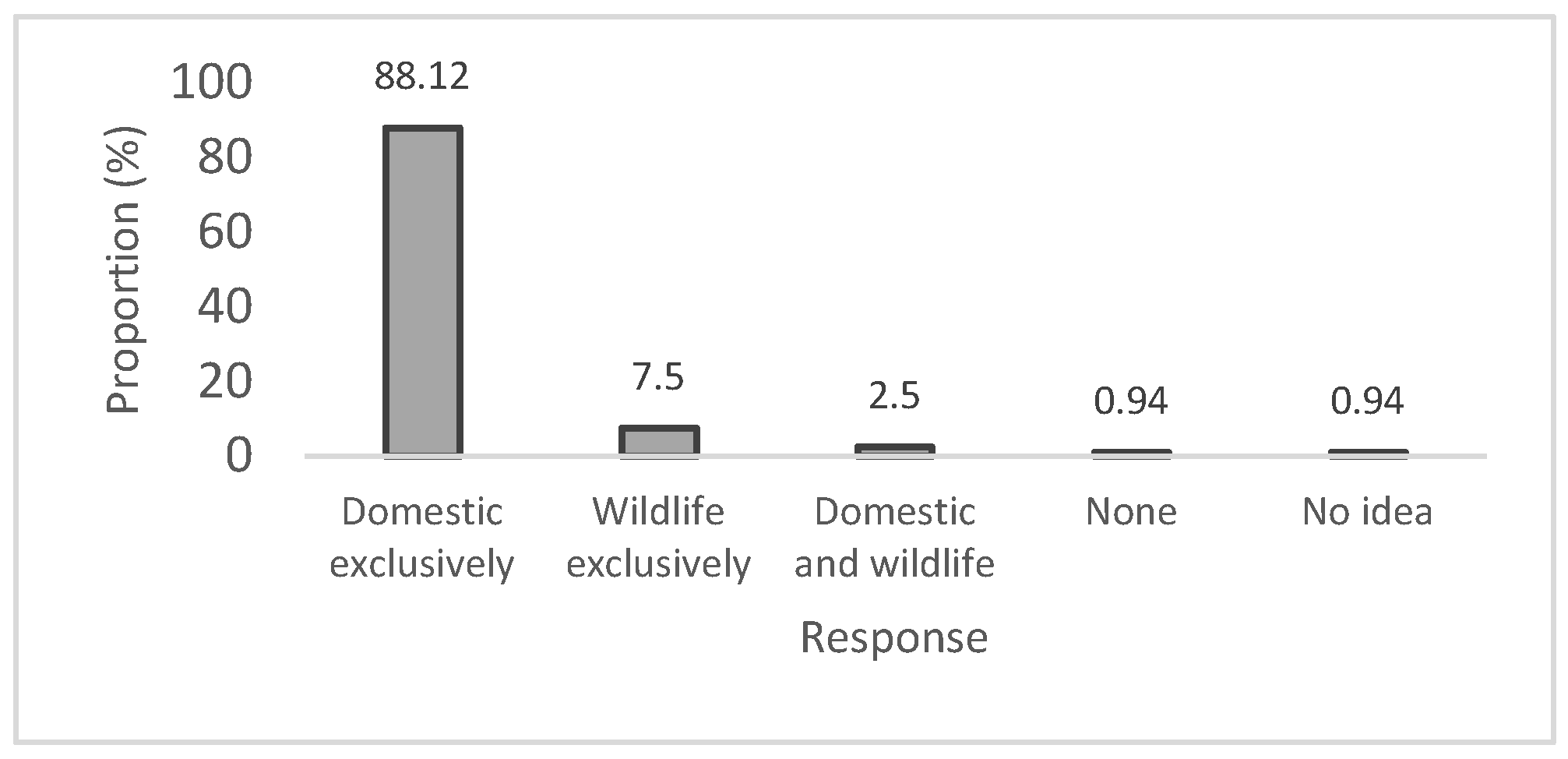
Figure 6 reveals an overwhelming reliance on domestic animals (e.g., goat, sheep, pig, rooster), with a commanding 88.12% of respondents indicating their exclusive use in such rituals. The use of wildlife exclusively, such as eagles, snakes, leopards, turtles. etc., is reported by a much smaller segment (7.5%), indicating that while present, rituals solely dependent on wild species are less common. A minimal proportion of respondents (2.5%) reported the use of both domestic and wildlife species, suggesting the existence of complex, hybrid rituals that potentially bridge the conceptual domains of the domestic/tamed and the wild/untamed to achieve comprehensive efficacy. Both these domestic and wildlife animals are slain during ritual ceremonies, and their blood and various body parts are employed as talismans to bring good fortune in fishing, hunting, or agricultural labor. The perspectives that no animals are used for this purpose or expressions of uncertainty (“No idea”) are statistically marginal, each constituting a mere 0.94% of the responses. The near absence of these categories indicates that the practice of using animals in yield-augmenting rites is universally acknowledged within the respondent pool, pointing to its status as a deeply ingrained and non-esoteric cultural norm.

3.4. Intergenerational Transmission Pathways of Traditional Knowledge and Practices

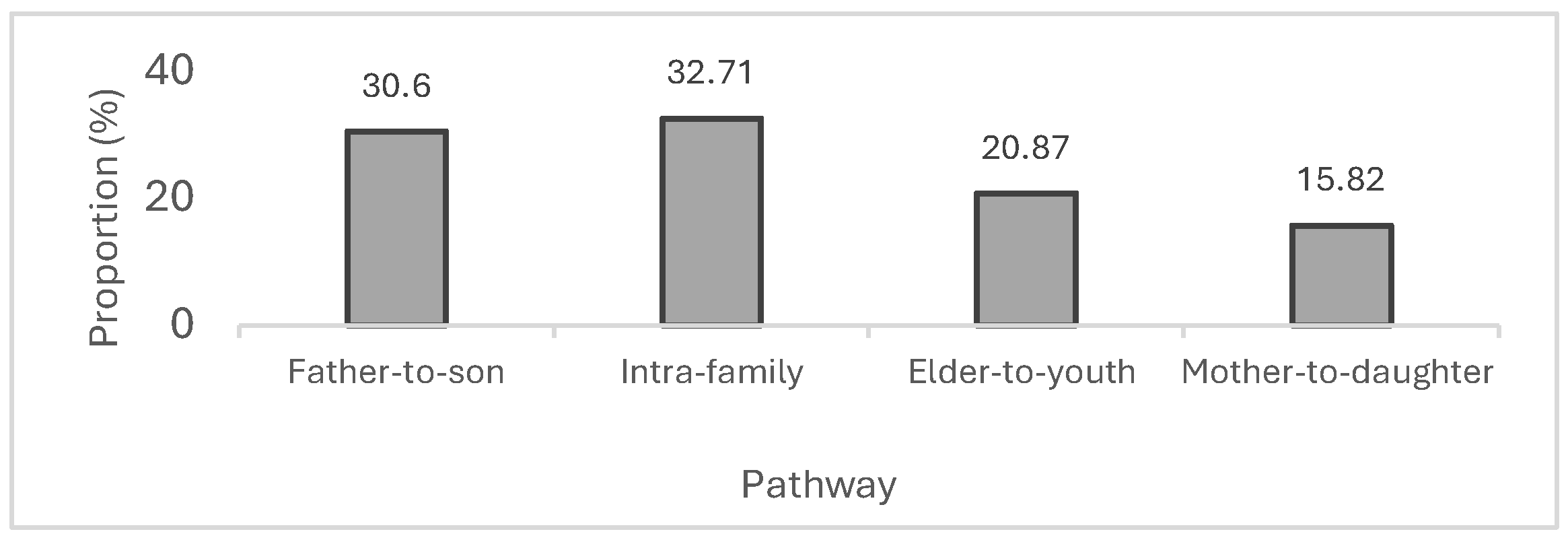
Four principal pathways for the transmission of endogenous knowledge and practical skills were identified among LCs and IPs across the study area. These include father-to-son, mother-to-daughter, elder-to-youth, and intra-family transmission involving extended kin such as uncles, aunts, cousins, and grandparents. As illustrated in Figure 7, the dominant channel is father-to-son transmission (30.6%), followed closely by intra-family mechanisms (32.71%) that encompass intergenerational exchanges among younger relatives and close kin. Elder-to-youth transmission accounts for 20.87%, while mother-to-daughter pathways represent the smallest share (15.8%).
The timing of knowledge transmission is shaped by both the recipient’s age and the nature of the knowledge itself. Spiritual or magico-religious knowledge is generally restricted to young adults—regarded as adolescents within the local cultural context—who are considered trustworthy and are initiated through esoteric rituals, with the expectation that such knowledge remains strictly confidential. In contrast, knowledge essential for subsistence and collective well-being—such as foraging techniques, craftsmanship, agricultural practices, and the use of medicinal plants—is transmitted from early childhood onward, primarily through observation, imitation, and active engagement in everyday activities.

3.5. Constraints to the Intergenerational Transmission of Traditional Knowledge and Practices

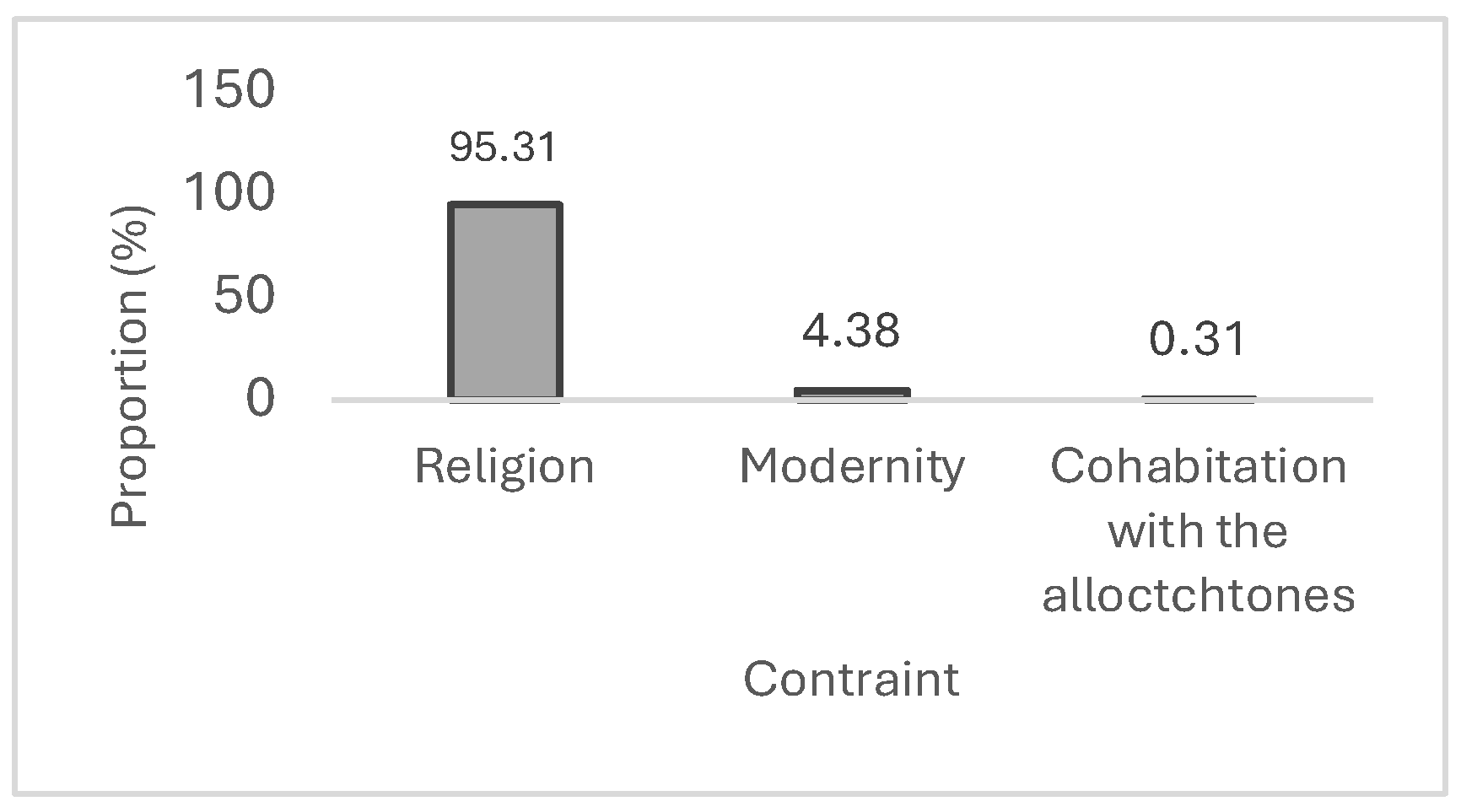
The results in Figure 8 reveal a striking and overwhelming consensus on the primary impediment. An overwhelming majority of respondents, 95.31%, identified Christian religion as the main constraint. This near-unanimous perception indicates that the introduction or dominance of external religious systems, notably the new revivalist or awakening churches, which differ from the older denominations such as the Catholic and Protestant churches, is not merely a contributing factor but is viewed as the principal agent disrupting the continuity of Indigenous knowledge systems. In stark contrast, modernity, a broad category encompassing factors such as formal education, urbanization, technological adoption, and shifting economic priorities, was perceived as a significant constraint by only 4.38% of respondents. The factor of cohabitation with non-Indigenous people (allochthones) is statistically marginal, cited by a mere 0.31% of respondents.
Associations Between the Variables and Among the Respondents (see also Table A1)
Overall, the matrix of Pearson chi-square tests indicates a patterned, non-random coupling between socio-demographic attributes, livelihood structure, and culturally embedded conservation practices in communities fringing the study area (Table 5). Several associations are consistently strong, especially those linking main activity (PA), village status (VS), and education level (LS) to indicators of sacred/ritual use of biota and to reported constraint, while others (e.g., with the composite ecosystem services (ES) variable) are largely null.
  • Socio-demographics and livelihoods (see also Table A2)
Village status shows strong positive correlations with the main activity and with sacred plant restrictions. This suggests that community organization and settlement type exert a significant influence on both economic orientation and cultural taboos.
Gender shows significant positive associations with village status, marital status, main activity, perception in the presence of sacred plants, and plants used in rituals (e.g., χ2 with PA: 128.85, p < 0.01), suggesting gendered access to or roles in livelihood and biocultural domains; links with education, ecosystem services, and animals used in rituals, are non-significant. However, the link with constraints in knowledge transmission and presence of endemic plants is negative. This pattern points to gendered specialization in plant-based cultural practices rather than uniform gender effects across all conservation-relevant dimensions. Village status is positively associated with marital status, education, main activity, and all three ritual/sacred indicators (SP, PUR, and AUR), as well as with constraints. The strength of these links (e.g., VS–PA: χ2 = 145.43, p < 0.01; VS–SP: χ2 = 85.75, p < 0.01) implies spatially structured social organization and biocultural practice that could mediate conservation outcomes at the village scale.
Education level is positively linked to main activity and to the three cultural-use indicators (SP, PUR, and AUR), but not to ecosystem services (negative) or constraints. The signal (e.g., LS–PA: χ2 = 385.14, p < 0.01) is consistent with education sorting individuals into distinct livelihood niches, which, in turn, align with specific cultural engagements with flora and fauna. Marital status relates strongly to main activity (χ2 = 175.35, p < 0.01) but not to most other domains, indicating household formation affects livelihood positioning more than it does culturally protected or ritual uses per se.
  • Livelihoods, biocultural practice, and biodiversity presence
Main activity (PA) exhibits the broadest, most robust association profile, due to the centrality of agriculture/agroforestry systems, whose actors are in constant contact with biodiversity. It is significantly and positively related to presence of endemic wildlife and endemic plants, to sacred plants, plants used in rituals, and animals used in rituals, and to constraints, mentioned by these actors (e.g., PA–AUR: χ2 = 403.39, p < 0.05; PA–PEP: χ2 = 200.89, p < 0.01). This points to livelihood choice as a central pathway coupling human behavior to both biodiversity encounters and biocultural practice, an important lever for conservation planning. Signals for biodiversity presence of endemic wildlife (PEW) are positively associated with sacred plants and constraints, but not with ecosystem services; it has a negative correlation with AUR. Presence of endemic plants (PEP) associated negatively with ecosystem services and animals used in rituals, but not with sacred plants or plants used in rituals. These contrasts suggest different perceptual and cultural pathways by which plant versus animal endemism is integrated into local institutions and use regimes.
  • Cultural safeguards and constraints to the intergenerational transmission of Indigenous knowledge
The three cultural indicators are themselves strongly inter-correlated: Sacred plants (SP) co-vary with plants used in rituals (PUR) and animals used in rituals (AUR); PUR is also positively associated with AUR. The magnitude of these links (e.g., SP–PUR: χ2 = 66.83, p < 0.01; PUR–AUR: χ2 = 22.95, p < 0.01) is consistent with an integrated biocultural complex wherein sacred designation, ritual use, and animal symbolism cohere as a mutually reinforcing system. Knowledge transmission constraints are positively linked to animals used in rituals, mostly domestic (AUR) (χ2 = 640, p < 0.01), and to ecosystem services (ES) (χ2 = 55.01, p < 0.01), with additional connections to village status and main activity. For example, people performing these rituals, inherited from ancestors (parents), are now considered by the Chistian communities as serving the evils. This pattern implies that in the Lac Tumba landscape, although ritual animal use is salient, and communities report higher cultural ES, people face strong constraints in the intergenerational transmission of Indigenous knowledge, due to the presence of external religious systems.
  • Non-associations (informative nulls)
The near absence of significant links with the composite ecosystem services (ES), except for its association with constraints and with presence of endemic plants (PEP), suggests either (i) coarse measurement/aggregation of ES masking finer gradients, or (ii) ES perceptions are weakly structured by the socio-demographic and ritual variables considered. Such nulls sharpen the conclusion that biocultural practice and livelihood position, rather than generalized ES perceptions, are the primary axes aligning with conservation-relevant behaviors here.
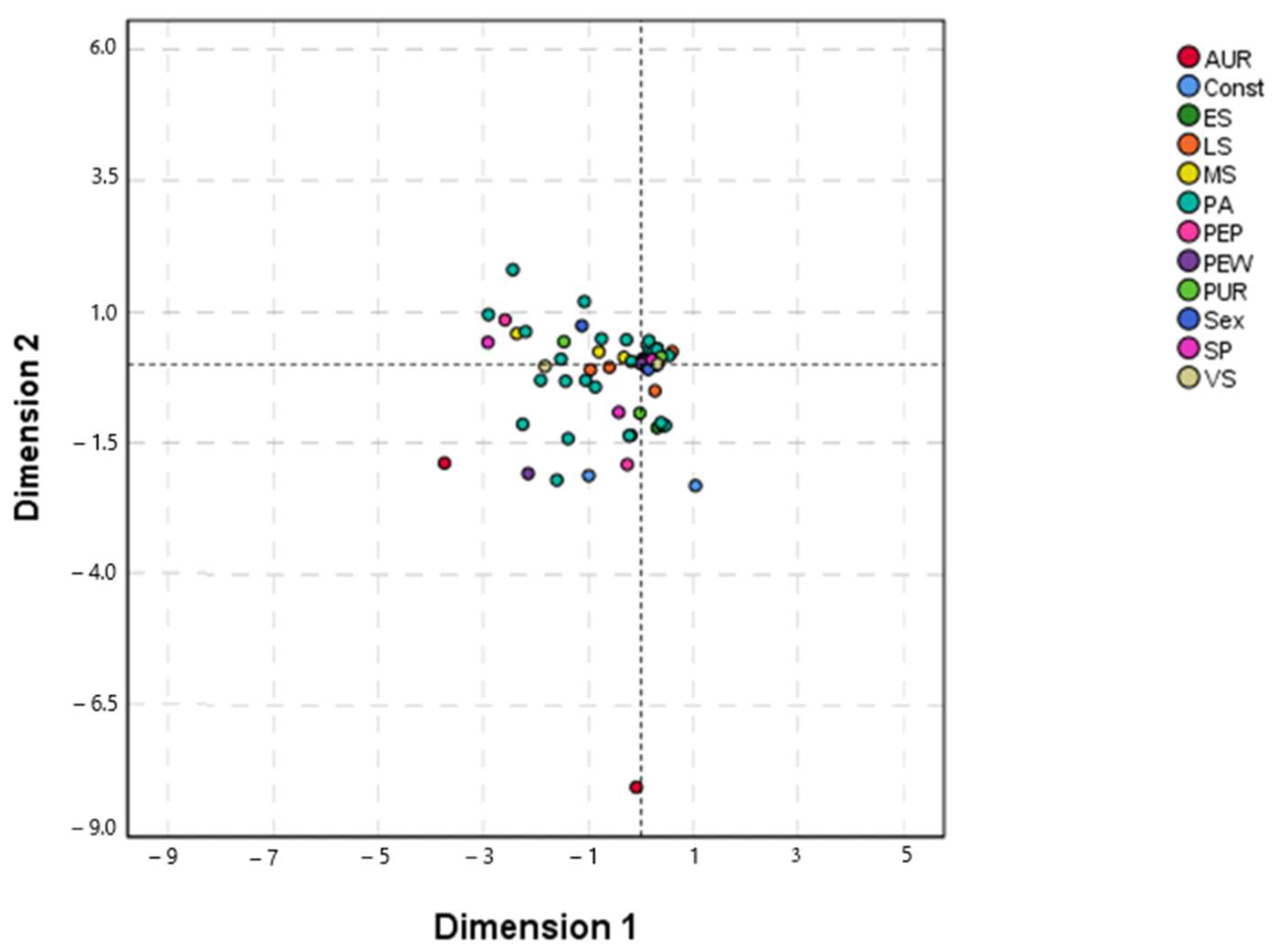
The Multiple Correspondence Analysis (MCA) yielded a coherent factorial structure with acceptable internal consistency (Table 6). The first two dimensions together explained 44.9% of the total variance (25.9% and 19.0%, respectively), indicating that they capture the major patterns of association among the categorical variables under study. Cronbach’s alpha values for Dimension 1 (0.740) and Dimension 2 (0.614) further suggest satisfactory reliability of the constructs.
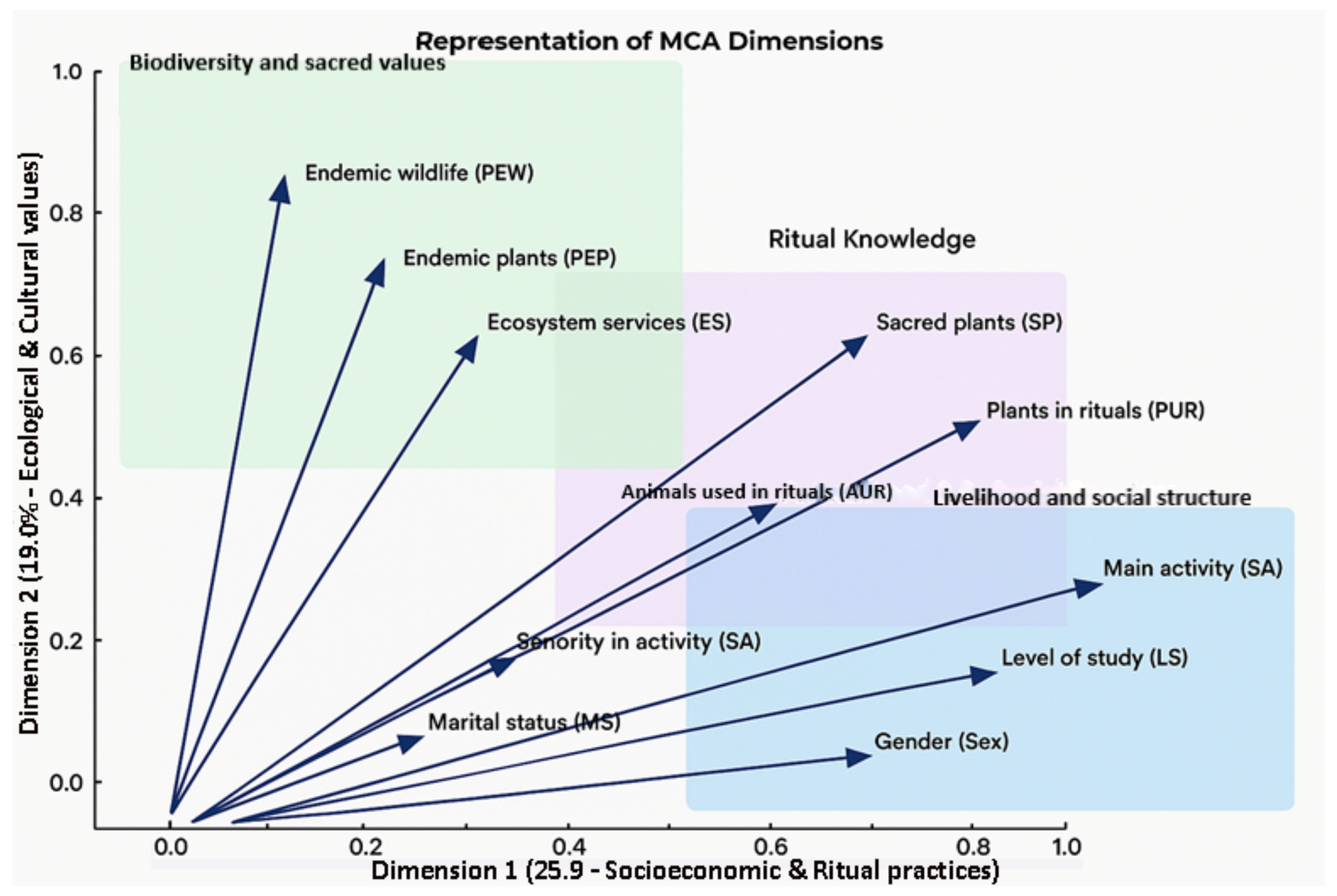
Figure 9 depicts the distribution of the variables in relation to the two principal dimensions. Dimension 1 is primarily structured around sociodemographic and livelihood-related variables, notably main activity (PA), village status (VS), level of education (LS), and gender (Sex). These variables show strong positive associations with the presence of plants used in rituals (PUR), sacred plants (SP), and animals used in rituals (AUR). This suggests that livelihood orientation and sociocultural embeddedness are closely tied to traditional ecological knowledge and ritual practices.
Dimension 2, in contrast, is shaped by the intersection of cultural-ecological values and biodiversity-related indicators, such as the presence of endemic plants (PEP), presence of endemic wildlife (PEW), and recognition of ecosystem services (ES). Although the correlations are weaker than for Dimension 1, this axis highlights how community perceptions of endemic species and spiritual prohibitions interact with broader socioecological practices.
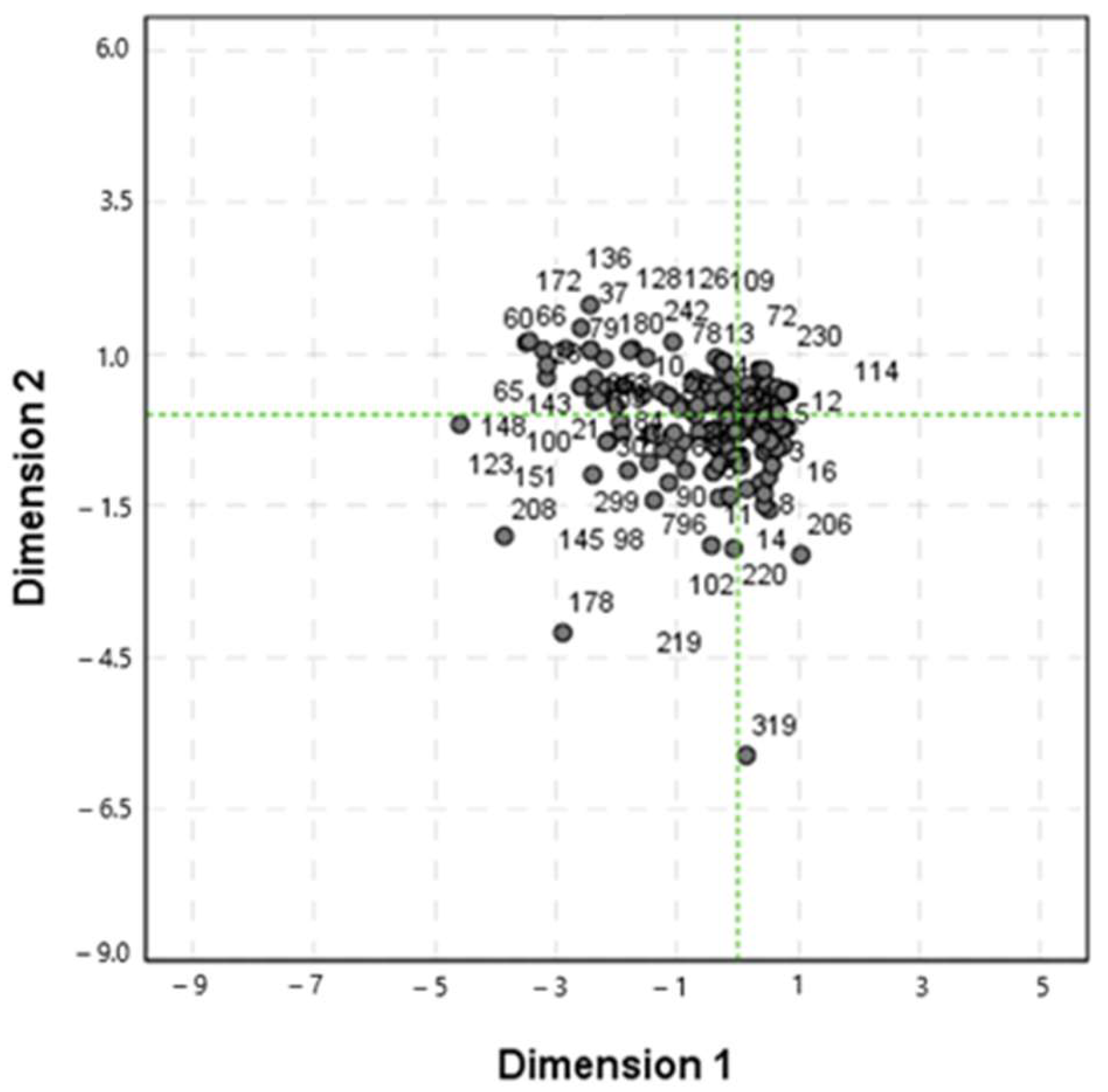
Figure 10, illustrating the distribution of individuals according to their perceptions, exhibits a pattern consistent with that observed for the variables. Notably, certain individuals (27, 178, 318, and 319) exhibit response tendencies that substantially diverge from the means.
Figure 11 illustrates how variables cluster and contribute to the two main axes. Dimension 1 (horizontal axis) represents socioeconomic factors and ritual practices (main activity, village status, education, gender, ritual plants, and animals). The horizontal axis (Dimension 1; 25.9% of variance) reflects socioeconomic and ritual practices, while the vertical axis (Dimension 2; 19.0% of variance) captures ecological and cultural values. Three thematic clusters emerge: (i) Livelihood and Social Structure (light blue), grouping variables related to main activity, village status, education, and gender; (ii) Ritual Knowledge (lavender), including the use of ritual plants, sacred plants, and ritual animals; and (iii) Biodiversity and Sacred Values (green), encompassing perceptions of endemic plants, endemic wildlife, and ecosystem services. Clustering underscores the strong interconnections between traditional ecological knowledge, social organization, and biodiversity conservation in peatland-dependent communities.
Overall, the MCA results reveal that traditional knowledge systems, livelihood practices, and biodiversity perceptions are deeply interwoven. Communities whose main activities are subsistence-based and embedded in strong village structures are more likely to retain ritual uses of plants and animals, and to uphold taboos on sacred species. Conversely, formal education and marital status show weaker contributions, indicating that cultural identity and ecological embedding outweigh purely individual attributes in shaping peatland-compatible lifestyles.
From a conservation perspective, these findings underscore the importance of integrating ritual-ecological practices and community social organization into peatland management strategies. The preservation of sacred plants and ritual knowledge functions as a form of endogenous regulation of resource use, thereby aligning cultural continuity with biodiversity conservation goals.

4. Discussion

The findings of this study show that by centering the perceptions, knowledge systems, and practices of IPs and LCs in the Lake Tumba periphery, the research moves beyond the predominant biophysical and carbon-centric narratives [2,5] to illuminate the socio-cultural fabric that underpins human–peatland coexistence. The findings reveal a complex dynamic where deeply embedded traditional knowledge systems support a lifestyle largely compatible with conservation, yet these very systems face profound threats from external socio-cultural pressures.

4.1. Material Subsistence and the Perception Gap in Ecosystem Services

The overwhelming community focus on provisioning services as food, construction materials, and medicine aligns with global studies on how rural and Indigenous communities perceive and value ecosystems primarily through direct utilitarian benefits [21]. This underscores the fundamental role of peatlands in ensuring food security, health, and shelter for these populations [10,11]. The near-total absence of recognition for regulating services, particularly carbon storage, is a critical finding. It highlights a significant perceptual disconnect between local and global values. While the international community rightly prioritizes the Congo peatlands as a carbon vault of global importance [1], local priorities are understandably oriented towards immediate daily survival. This dissonance presents a major challenge for designing conservation initiatives. Policies that focus solely on carbon credits without addressing local subsistence needs are likely to fail or even exacerbate poverty [22]. Effective strategies must, therefore, integrate climate objectives with programs that secure and enhance the provision of these vital local ecosystem services.
A promising finding of the study is the existence of endogenous conservation practices among IPs and LCs. Rituals, taboos, the protection of sacred species, and traditional knowledge function de facto as regulatory tools for resource use. These mechanisms are deeply embedded within the socio-cultural matrix, linked to identity, livelihoods, and spiritual beliefs. They offer culturally legitimate avenues for conservation without overtly relying on external regulatory frameworks, as observed across Melanesia by [23]. Indigenous peoples frequently embed landscapes with spiritual relationships that affect how places are used and protected. But currently, the Lac Tumba peatlands are ambiguous spaces, as it is in some parts of the Peruvian Amazon [24].

4.2. Endogenous Conservation Mechanisms: Ritual, Taboo, and Traditional Knowledge

The study powerfully documents the existence of sophisticated indigenous conservation mechanisms. The widespread practice of conserving specific plant and tree species to enhance yields and the prevalence of sacred species prohibited from exploitation are not merely cultural artifacts; they function as de facto conservation protocols. This finding resonates with a growing body of literature on how traditional ecological knowledge and belief systems can effectively regulate resource use and maintain biodiversity [25,26]. It is also in accordance with [27,28,29], whose findings show that most cultures have developed ethical principles that govern how humans should appropriately relate with the natural environment. The ritual use of animals, predominantly domestic, further suggests a cultural model that minimizes pressure on wild species while integrating livelihood practices into a spiritual framework. These practices align with the concept of “conservation by customary use,” where cultural norms ensure sustainability [30].
The Multiple Correspondence Analysis (MCA) robustly confirms that these practices are not isolated but are structurally embedded within the socio-economic and cultural organization of the communities. The strong clustering of main activity (subsistence agriculture), village status (indigenous identity), and the use of ritual and sacred plants indicates that a traditional, land-based livelihood is the primary vehicle for maintaining this conservation-relevant knowledge. This suggests that any shift away from such livelihoods could erode these protective cultural practices.

4.3. Intergenerational Transmission Pathways of Traditional Knowledge and Practices

The findings on the intergenerational transmission of traditional knowledge and practices reveal a sophisticated, yet vulnerable, socio-cultural system that is fundamental to the perpetuation of a peatland-compatible lifestyle. The identified pathways, primarily father-to-son, intra-family, elder-to-youth, and mother-to-daughter, are not merely channels of information transfer; they represent the very scaffolding upon which cultural identity and ecological wisdom are built and sustained across generations [31]. This structure ensures that knowledge is not acquired in a vacuum but is deeply embedded within social relationships, responsibilities, and worldviews.
The observed gendered and age-specific dimensions of knowledge transmission are of particular significance. The dominance of father-to-son and intra-family transmission for knowledge related to hunting, fishing, and ritual practices reflects a common pattern in many Indigenous societies where specific domains of knowledge are gendered [32]. But the father-to-son dominance pathway can also be explained by the patriarchal nature of household notice in this area. Similarly, the mother-to-daughter pathway, though less represented in this survey, is crucial for the transmission of knowledge related to plant gathering, small-scale agriculture, and, likely, domestic medicine and childcare, which are essential for household subsistence [33]. The critical role of elders underscores their status as living libraries of biocultural knowledge. Their involvement ensures the transfer of not only practical skills but also the historical context, ethical frameworks, and spiritual understandings that give meaning to those practices [25].
Furthermore, the distinction in the timing of transmission based on the nature of the knowledge is a sophisticated cultural adaptation. The early childhood initiation into subsistence knowledge through observation and imitation aligns with theories of situated learning, where knowledge is co-constructed through active participation in a “community of practice” [34]. This method ensures the seamless integration of practical skills into daily life. In stark contrast, the restriction of esoteric or spiritual knowledge to trusted young adults, bound by confidentiality, serves as a protective mechanism. It safeguards culturally sensitive and powerful knowledge from misuse, ensuring its integrity and preserving its potency within the appropriate ritual context [35]. This careful curation of knowledge demonstrates a deep understanding of its varying values and risks.

4.4. Disruption of Intergenerational Transmission

The most striking and alarming finding is the identification of external religion as the primary constraint to the intergenerational transmission of knowledge. This suggests that introduced religious doctrines may actively discourage or devalue traditional beliefs and practices, severing the cultural thread that connects generations. This is a more acute threat than broader forces of “modernity”, such as formal education or recent technologies. This finding is consistent with studies elsewhere that show how missionary activities and religious conversion can lead to the erosion of Indigenous languages, knowledge, and cultural identities [36]. The marginal role attributed to cohabitation with non-Indigenous people (Bantu) implies that the threat is not simply one of cultural contact, but rather of cultural substitution driven by specific ideological systems.
This erosion of transmission pathways threatens the long-term resilience of both the cultural systems and the peatland ecosystem they help protect. Knowledge that is not transmitted is knowledge lost. The loss of taboos on sacred species, for instance, could lead to their overexploitation, while the loss of ritual practices could disrupt the cultural frameworks that promote sustainable harvesting.

4.5. Overall Pattern of Associations Between the Variables

The overall pattern of results indicates that socio-demographic variables, livelihood structures, and biocultural practices are non-randomly and systematically intertwined in the Lake Tumba peatland periphery [25,37]. Significant associations between main activity (PA), village status (VS), and education level (LS) with ritualized uses of plants and animals, as well as with reported constraints, suggest that local conservation logics are deeply embedded in both livelihood practices and cultural institutions, as mentioned by [30,38]. These findings are consistent with evidence that Indigenous and local communities maintain complex socio-ecological systems in which livelihood strategies, ritual traditions, and customary institutions jointly shape resource governance and biodiversity outcomes [25,37].
The strength of associations involving main activity underscores the centrality of livelihood specialization as a structuring force [39,40]. Hunters, fishers, and plant gatherers interact with peatland ecosystems in distinct ways, producing differentiated cultural prohibitions and uses [25]. Similar patterns have been documented across tropical forest frontiers by [40,41], where livelihood niches correspond to contrasting ecological knowledge systems and management practices. This highlights the need for livelihood-specific conservation strategies rather than generalized approaches to IPs and LCs engagement [41].
The role of village status indicates that conservation practices and constraints are not solely individual but also institutionally mediated at the collective level [42,43]. Village-level authorities and customary institutions structure the recognition and enforcement of sacred species, ritual taboos, and access rules [30]. Comparable findings have been reported in Amazonian and Melanesian contexts, where community identity and spatial organization shape both sacred geographies and conservation outcomes [42,43]. This underscores the importance of governance approaches that explicitly incorporate village-scale co-management mechanisms recognizing the legitimacy of local institutions [44].
The significant, though comparatively moderate, role of education level suggests that formal schooling differentiates livelihood positioning and ritual participation but exerts a weaker influence on broader ecosystem perceptions [41,45]. This aligns with studies showing that education can alter occupational pathways and cultural roles without necessarily eroding biocultural traditions [41,45]. Therefore, conservation education initiatives should be designed to reinforce, rather than replace, traditional knowledge transmission [37].
The absence of strong associations with the composite ecosystem services variable is equally noteworthy [46,47]. It suggests that generalized ES perceptions may be less salient locally than biocultural practices and livelihood imperatives [25]. This observation echoes critiques of the ecosystem services framework when applied to IPs and LCs contexts, where local categories of value are often expressed through ritual, kinship, and customary institutions rather than abstract service typologies [46,47]. Consequently, conservation programs in peatland landscapes should prioritize biocultural framing over generic ES narratives to resonate with community logics [44,48].
Finally, the consistent positive associations between ritual uses of plants and animals and reported constraints highlight the dual role of culture as both a conservation asset and a site of contestation [30,38]. Ritual taboos and prohibitions often safeguard biodiversity [30,38], but they may also intersect with scarcity signals and external restrictions, generating tensions that undermine compliance [25,37]. This underscores the importance of co-designed management regimes that legitimize local ritual practices while establishing ecologically sustainable harvest limits [44,48].
Collectively, these findings suggest that in the Lake Tumba peatlands, conservation outcomes are most likely to be optimized not by imposing external frameworks but by aligning with existing livelihood niches, village institutions, and biocultural traditions, as mentioned by [25,44,48]. Such approaches resonate with the concept of biocultural conservation, which emphasizes the interdependence of cultural and biological diversity and the crucial role of IPs and LCs governance systems in sustaining both [44,48].

5. Conclusions

This study shows that the lifestyles, perceptions, and knowledge systems of Indigenous Peoples and local communities (IPLCs) around Lake Tumba are historically aligned with peatland conservation. Their reliance on provisioning services—food, medicine, fuelwood, and construction materials—demonstrates a deep dependence on peatlands for subsistence, while rituals, taboos, and intergenerational knowledge transfer act as culturally embedded governance systems regulating resource use. These endogenous mechanisms function as de facto conservation practices, even without formal frameworks. However, this system is increasingly vulnerable. The primary threat is not economic exploitation alone, but the erosion of cultural continuity and knowledge transfer under external religious influences and broader socio-cultural change. Such disruptions risk dismantling practices that have safeguarded peatlands for generations.
From a policy standpoint, effective conservation requires integrating traditional ecological knowledge and cultural institutions into national peatland strategies. Carbon-centered or exclusionary approaches risk undermining local systems, while community-based, culturally sensitive strategies that secure land tenure, legitimize Indigenous governance, and support intergenerational transmission are indispensable.
Ultimately, the long-term protection of Congo Basin peatlands cannot be separated from the survival of the cultures that inhabit them. Sustainable management depends on reinforcing this interdependence and positioning biocultural diversity at the core of conservation and climate action.

6. Recommendations

The findings carry profound implications for the DRC’s developing National Peatland Strategy. The study argues convincingly that a top-down, exclusionary conservation model would be both ethically problematic and ineffective in this context. Instead, a community-based, culturally sensitive approach is essential. The following steps are necessary:
-
Integrate traditional and Indigenous knowledge into Management Plans: Conservation strategies must actively document (stablishing a traditional knowledge database), respect, and integrate the existing traditional knowledge and practices that are compatible with peatland health. This includes recognizing and legally supporting community-based governance systems that enforce taboos and sustainable practices, and also promoting community participatory planning.
-
Bridge the perception gap: Conservation education and outreach programs must be designed to explain the global importance of carbon storage and other regulating services in the context of local benefits. Demonstrating how intact peatlands ensure clean water, stable fish stocks, and flood prevention can align local and global interests [47]. Also, some economic incentives should be considered to encourage community residents to accept a more comprehensive concept of ecosystem services.
-
Safeguard cultural transmission: Addressing the threat to knowledge transmission is perhaps the most complex challenge. Engaging with religious leaders to foster dialogue and find synergies between faith and environmental stewardship could be a potential pathway. Furthermore, supporting informal, community-led education where elders teach the young within their cultural framework is crucial.
-
Secure land tenure: The strong link between Indigenous village status and conservation-oriented practices underscores the importance of securing land and resource rights for IPs and LCs. Secure tenure provides the stability needed for communities to continue their traditional stewardship practices [49].

Author Contributions

Conceptualization, P.F.E.E., T.B.N., I.D.M., C.M.M. and L.P.B.B.; methodology, P.F.E.E., T.B.N. and F.R.W.; software, P.F.E.E.; validation, P.F.E.E., T.B.N. and F.R.W.; formal analysis, P.F.E.E. and F.R.W.; investigation, T.B.N.; data curation, P.F.E.E. and T.B.N.; writing—original draft preparation, P.F.E.E.; writing—review and editing, P.F.E.E., T.B.N. and F.R.W.; visualization, P.F.E.E. and T.B.N.; supervision, J.-P.M.M. and B.M.; project administration, P.F.E.E.; funding acquisition, B.M. All authors have read and agreed to the published version of the manuscript.

Funding

This research was supported by the within the framework of the Project for the Deployment of Environmental Technologies and Innovations for Sustainable Development and Poverty Reduction in Cameroon and the DRC (PDTIE), of the Organisation Internationale de la Francophonie (OIF)—the ACP–EU Programme to Strengthen Research and Innovation Capacity in African—the Caribbean, and Pacific (ACP) countries consortium, funded by the European Union (EU), grant number (FED/220/421-370). The Payment of a part of the APC is also supported by the ERAIFT-AGRINATURA consortium as part of the project ‘Capacity Building for Biodiversity Practitioners, scientists, and Policymakers for the Sustainable Management of Protected Areas and Forest Ecosystems in Africa’ funded by the European Union’s Development Cooperation Instrument (DCI) No. 41928. The authors thank the European Union and the ERAIFT-AGRINATURA consortium for their financial support.

Informed Consent Statement

Oral informed consent was obtained from all subjects involved in the study.

Data Availability Statement

Acknowledgments

The authors express their sincere gratitude to the IPs and LCs for their participation and valuable contributions to this study.

Conflicts of Interest

The authors declare no conflicts of interest. The funders had no role in the design of the study; in the collection, analyses, or interpretation of data; in the writing of the manuscript; or in the decision to publish the results.

Appendix A

Table A1. Chi-square test of some variables.
VSMSLSPAPEWPEPESSPPURAURConst
SEXχ2 = 4.1265, df = 1,
p-value = 0.04222
χ2 = 10.22,
df = 4,
p-value = 0.03688
χ2 = 3.0654,
df = 3,
p-value = 0.3817
χ2 = 128.85,
df = 38,
p-value = 8.245 × 10⁻¹²
χ2 = 1.8909 × 10⁻³⁰,
df = 1,
p-value = 1
χ2 = 7.538, df = 2,
p-value = 0.02307
χ2 = 0.90717, df = 2,
p-value = 0.6353
χ2 = 7.7557, df = 2,
p-value = 0.02069
χ2 = 52.774, df = 2, p-value = 3.469 × 10⁻¹²χ2 = 3.3942, df = 2,
p-value = 0.1832
χ2 = 0.37881, df = 2,
p-value = 0.8275
VS χ2 = 9.6102, df = 4,
p-value = 0.04753
χ2 = 41.988, df = 3,
p-value = 4.037 × 10⁻⁹
χ2 = 145.43, df = 38,
p-value = 1.758 × 10⁻¹⁴
χ2 = 0.15785, df = 1,
p-value = 0.6911
χ2 = 7.340, df = 2,
p-value = 0.02546
χ2 = 0.18961, df = 2,
p-value = 0.9096
χ2 = 85.751, df = 2,
p-value < 2.2 × 10⁻¹⁶
χ2 = 62.764, df = 2,
p-value = 2.349 × 10⁻¹⁴
χ2 = 11.902, df = 2,
p-value = 0.002604
χ2 = 9.0591, df = 2,
p-value = 0.01079
MS χ2 = 14.074, df = 12,
p-value = 0.296
χ2 = 175.35, df = 152, p-value = 0.09439χ2 = 0.31242, df = 4,
p-value = 0.989
χ2 = 2.614, df = 8, p-value = 0.9562χ2 = 3.4747,
df = 8,
p-value = 0.9011
χ2 = 10.314, df = 8,
p-value = 0.2437
χ2 = 13.053, df = 8,
p-value = 0.11
χ2 = 7.4972, df = 8,
p-value = 0.4841
χ2 = 3.1537, df = 8,
p-value = 0.9243
LS χ2 = 385.14, df = 114, p-value < 2.2 × 10⁻¹⁶χ2 = 3.3543, df = 3,
p-value = 0.3402
χ2 = 11.66, df = 6,
p-value = 0.06977
χ2 = 3.5414,
df = 6,
p-value = 0.7385
χ2 = 22.218, df = 6,
p-value = 0.001106
χ2 = 21.023, df = 6, p = 0.001817χ2 = 14.201, df = 6,
p-value = 0.02747
χ2 = 4.7081, df = 6,
p-value = 0.5818
PA χ2 = 96.38, df = 38,
p-value = 5.67 × 10⁻⁷
χ2 = 200.8, df = 76, p-value = 3.21 × 10⁻¹³χ2 = 47.019,
df = 76,
p-value = 0.9964
χ2 = 200.15, df = 76,
p-value = 4.054 × 10⁻¹³
χ2 = 157.05, df = 76,
p-value 1.386 × 10⁻⁷
χ2 = 403.39, df = 76,
p-value < 2.2 × 10⁻¹⁶
χ2 = 126.54, df = 76,
p-value = 0.0002454
PEW χ2 = 11.93, df = 2,
p-value = 0.002562
χ2 = 0.04501, df = 2,
p-value = 0.9777
χ2 = 9.3153, df = 2,
p-value = 0.009489
χ2 = 1.7431, df = 2,
p-value = 0.4183
χ2 = 0.031946, df = 2, p-value = 0.9842χ2 = 10.016, df = 2,
p-value = 0.006685
PEP χ2 = 28.765,
df = 4,
p-value = 8.724 × 10⁻⁶
χ2 = 4.7013, df = 4,
p-value = 0.3193
χ2 = 11.187, df = 4,
p-value = 0.02454
χ2 = 7.4564, df = 4,
p-value = 0.1136
χ2 = 4.694, df = 4,
p-value = 0.3202
ES χ2 = 0.6788, df = 4,
p-value = 0.9539
χ2 = 4.8929, df = 4,
p-value = 0.2985
χ2 = 0.1136, df = 4,
p-value = 0.9984
χ2 = 55.012, df = 4,
p-value = 3.229 × 10⁻¹¹
SP χ2 = 66.834, df = 4,
p-value = 1.057 × 10⁻¹³
χ2 = 15.207, df = 4,
p-value = 0.00429
χ2 = 0.61246, df = 4,
p-value = 0.9617
PUR χ2 = 22.945, df = 4,
p-value = 0.0001299
χ2 = 7.7582, df = 4,
p-value = 0.1008
AUR χ2 = 640,
df = 4,
p-value < 2.2 × 10⁻¹⁶
Table A2. Transformed correlation variables.
SexVSMSLSPAPEWPEPESSPPURAURConst
Sex1.0000.1270.0390.0250.315−0.0280.1220.0530.1430.4060.095−0.023
VS 1.0000.1480.3570.6000.0780.1290.0070.5170.4360.1860.167
MS 1.0000.1310.189−0.021−0.0390.0090.0510.1420.1130.038
LS 1.0000.5840.0800.091−0.0120.2420.2280.1050.056
PA 1.0000.0800.2560.0720.4930.4750.3010.152
PEW 1.0000.0300.0120.1570.062−0.0070.173
PEP 1.000−0.0290.0820.173−0.0110.118
ES 1.0000.028−0.0080.0130.014
SP 1.0000.3700.1970.035
PUR 1.0000.0070.080
AUR 1.0000.189
Const 1.000

References

  1. UNEP. Global Peatlands Assessment—The State of the World’s Peatlands: Evidence for Action Toward the Conservation, Restoration, and Sustainable Management of Peatlands; United Nations Environment Programme (UNEP): Nairobi, Kenya, 2022. [Google Scholar]
  2. Dargie, G.C.; Lewis, S.L.; Lawson, I.T.; Mitchard, E.T.A.; Page, S.E.; Bocko, Y.E.; Ifo, S.A. Age, extent, and carbon storage of the central Congo Basin peatland complex. Nature 2017, 542, 86–90. [Google Scholar] [CrossRef]
  3. Clarke, D.; Rieley, J.O. Strategy for Responsible Peatland Management, 6th ed.; International Peatland Society: Jyväskylä, Finland, 2019. [Google Scholar]
  4. CIFOR-ICRAF. Fielding Peatland Data in Remote Central Congo. 2023. Available online: https://forestsnews.cifor.org/82897/central-congo-peatlands-remoteness-minimises-degradation-frustrates-data-collection (accessed on 6 October 2025).
  5. Crezee, B.; Dargie, G.C.; Ewango, C.E.N.; Mitchard, E.T.A.; Emba B, O.; Kanyama T, J.; Bola, P.; Ndjango, J.-B.N.; Girkin, N.T.; Bocko, Y.E.; et al. Mapping peat thickness and carbon stocks of the Central Congo Basin using field data. Nat. Geosci. 2022, 15, 639–644. [Google Scholar] [CrossRef]
  6. Global Peatlands Initiative. Available online: https://globalpeatlands.org/ (accessed on 16 August 2025).
  7. Garcin, Y.; Schefuß, E.; Dargie, G.C.; Hawthorne, D.; Lawson, I.T.; Sebag, D.; Biddulph, G.E.; Crezee, B.; Bocko, Y.E.; Ifo, S.A.; et al. Hydroclimatic vulnerability of peat carbon in the central Congo Basin. Nature 2022, 612, 277–282. [Google Scholar] [CrossRef] [PubMed]
  8. Lawson, I.T.; Coronado, E.N.H.; Andueza, L.; Cole, L.; Dargie, G.C.; Davies, A.L.; Laurie, N.; Okafor-Yarwood, I.; Roucoux, K.H.; Simpson, M. The vulnerability of tropical peatlands to oil and gas exploration and extraction. Prog. Environ. Geogr. 2022, 1, 84–114. [Google Scholar] [CrossRef]
  9. Dargie, G.C.; Lawson, I.T.; Rayden, T.J.; Page, S.E.; Mitchard, E.T.A.; Bocko, Y.E.; Ifo, S.A. Congo Basin peatlands: Threats and conservation priorities. Mitig. Adapt. Strateg. Glob. Change 2018, 24, 669–686. [Google Scholar] [CrossRef]
  10. Sonwa, D.; Bambuta, J.J.; Siewe, R.; Pongui, B. Framing the Peatlands Governance in the Congo Basin; CIFOR-ICRAF: Bogor, Indonesia, 2022. [Google Scholar]
  11. Congo Peat Consortium. Value and Vulnerability of the Central Congo Basin Peatlands; UNEP-WCMC: Cambridge, UK, 2023. [Google Scholar]
  12. CIESIN. Gridded Population of the World, Version 4 (GPWv4): Population Density (Revision 11); CIESIN: Palisades, NY, USA, 2018. [Google Scholar] [CrossRef]
  13. Brncic, T.M.; Willis, K.J.; Harris, D.J.; Washington, R. Culture, or climate? The relative influences of past processes on the composition of the lowland Congo rainforest. Philos. Trans. R. Soc. B Biol. Sci. 2007, 362, 229–242. [Google Scholar] [CrossRef] [PubMed]
  14. Oslisly, R.; Doutrelepont, H.; Fontugne, M.; Forestier, H.; Giresse, P.; Hatte, C.; White, L. Premiers résultats pluridisciplinaires d’une stratigraphie vieille de plus de 40.000 ans du site de Maboué 5 dans la réserve de la Lopé au Gabon. In Proceedings of the Actes du XIVe Congrès de l’UISPP, Liège, Belgique, 2–8 September 2001; Préhistoire en Afrique, BAR International Series 2006. pp. 189–198. [Google Scholar]
  15. World Bank. République Démocratique du Congo: Cadre Stratégique Pour la Préparation d’un Programme de Développement des Pygmées (Rapport n° 51108-ZR); World Bank: Washington, DC, USA, 2009. [Google Scholar]
  16. Kipalu, P.; Kiyulu, J.; Uwimana, A. Les Peuples Autochtones et les Forêts: Vers une Reconnaissance Légale en RDC; RFUK/For. Peoples Programme: Kinshasa, Democratic Republic of the Congo, 2016. [Google Scholar]
  17. Initiative Interreligieuse pour les Forêts Tropicales. Peuples Autochtones et Forêts: Alliés Dans la Conservation Mondiale; UNEP: Nairobi, Kenya, 2019. [Google Scholar]
  18. Kama, F. Géographie 3e Secondaire; Hatier: Paris, France, 1971. [Google Scholar]
  19. Tshonda, J.O.; Ambwa, J.-C.; Stroobant, E.; Mumbanza mwa Bawele, J.; Krawczyk, J.; et Laghmouch, M. Mongala: Jonction des territoires et bastion d’une identité supra-ethnique. 2015. Musée Royal de l’Afrique Centrale. Available online: https://www.africabib.org/rec.php?RID=405339666 (accessed on 23 September 2025).
  20. Cochran, W.G. Sampling Techniques, 3rd ed.; John Wiley & Sons: Hoboken, NJ, USA, 1977. [Google Scholar]
  21. Millennium Ecosystem Assessment. Ecosystems and Human Well-Being: Synthesis; Island Press: Washington, DC, USA, 2005. [Google Scholar]
  22. Sunderlin, W.D.; Angelesen, A.; Belcher, B.; Burgers, P.; Nasi, R.; Santoso, L.; Wunder, S. Livelihoods, forests, and conservation in developing countries: An overview. World Dev. 2005, 33, 1383–1402. [Google Scholar] [CrossRef]
  23. United Nations Development Programme. Conservation Melanesia, Papua New Guinea; Equator Initiative Case Study Series; United Nations Development Programme: New York, NY, USA, 2012; Available online: https://www.equatorinitiative.org/wp-content/uploads/2017/05/case_1348152039.pdf (accessed on 10 November 2025).
  24. Schulz, C.; Martín Brañas, M.; Núñez Pérez, C.; Del Aguila Villacorta, M.; Laurie, N.; Lawson, I.T.; Roucoux, K.H. Uses, cultural significance, and management of peatlands in the Peruvian Amazon: Implications for conservation. Biol. Conserv. 2019, 235, 189–198. [Google Scholar] [CrossRef]
  25. Berkes, F. Sacred Ecology; Routledge: Oxfordshire, UK, 2012. [Google Scholar]
  26. Gómez-Baggethun, E.; Corbera, E.; Reyes-García, V. Traditional ecological knowledge and global environmental change: Research findings and policy implications. Ecol. Soc. 2013, 18, 72. [Google Scholar] [CrossRef]
  27. Berghöfer, U.; Rozzi, R.; Jax, K. Local versus global knowledge: Diverse perspectives on nature in the Cape Horn biosphere reserve. Environ. Ethics 2008, 30, 273–294. [Google Scholar] [CrossRef]
  28. Bieling, C.; Eser, U.; Plieninger, T. Towards a better understanding of values in sustainability transformations: Ethical perspectives on landscape stewardship. Ecosyst. People 2020, 16, 188–196. [Google Scholar] [CrossRef]
  29. Chan, K.M.A.; Balvanera, P.; Benessaiah, K.; Chapman, M.; Díaz, S.; G’omez-Baggethun, E.; Gould, R.; Hannahs, N.; Jax, K.; Klain, S.; et al. Why protect nature? Rethinking values and the environment. Proc. Natl. Acad. Sci. USA 2016, 113, 1462–1465. [Google Scholar] [CrossRef]
  30. Colding, J.; Folke, C. Social taboos: “Invisible” systems of local resource management and biological conservation. Ecol. Appl. 2001, 11, 584–600. [Google Scholar] [CrossRef]
  31. Gallois, S.; Lubbers, M.J.; Hewlett, B.; Reyes-Garcia, V. Social Networks and Knowledge Transmission Strategies among Baka Children, Southeastern Cameroon. Hum. Nat. 2018, 29, 442–463. [Google Scholar] [CrossRef] [PubMed]
  32. Ellen, R.; Harris, H. Introduction. In Indigenous Environmental Knowledge, and Its Transformations; Ellen, R., Parkes, P., Bicker, A., Eds.; Harwood Academic Publishers: New York, NY, USA, 2000; pp. 1–33. [Google Scholar]
  33. Howard, P. Women and Plants: Gender Relations in Biodiversity Management and Conservation; Zed Books: London, UK, 2003. [Google Scholar]
  34. Lave, J.; Wenger, E. Situated Learning: Legitimate Peripheral Participation; Cambridge University Press: Cambridge, UK, 1991. [Google Scholar]
  35. Langton, M. The ‘wild’, the market and the native: Indigenous people face new forms of global colonization. In The Future of Indigenous Peoples: Strategies for Survival and Development; UCLA American Indian Studies Center: Los Angeles, CA, USA, 2002; pp. 1–30. [Google Scholar]
  36. Verschuuren, B.; Wild, R.; McNeely, J.A.; Oviedo, G. (Eds.) Sacred Natural Sites: Conserving Nature and Culture; Earthscan: Barcelona, Spain, 2010. [Google Scholar]
  37. Dawson, N.M.; Coolsaet, B.; Bhardwaj, A.; Booker, F.; Brown, D.; Lliso, B.; Loos, J.; Martin, A.; Oliva, M.; Pascual, U.; et al. Is it just conservation? A Typology of Indigenous peoples’ and local communities’ roles in conserving biodiversity. One Earth 2024, 7, 1007–1021. [Google Scholar] [CrossRef]
  38. Golden, J.; Comaroff, J. The role of taboos in conserving wildlife. Nat. Sustain. 2015, 1, 151–157. [Google Scholar]
  39. Crona, B.; Nyström, M.; Folke, C.; Jiddawi, N. Middlemen, a critical social–ecological link in coastal communities of Kenya and Zanzibar. Mar. Policy 2010, 34, 761–771. [Google Scholar] [CrossRef]
  40. Cormier-Salem, M.-C.; Roussel, B. From livelihoods to collective action: Tidal ecosystems and the politics of mangrove conservation in West Africa. Afr. J. Mar. Sci. 2012, 34, 389–398. [Google Scholar] [CrossRef]
  41. McCarter, J.; Gavin, M.C. Perceptions of the value of traditional ecological knowledge to formal school curricula: Opportunities and challenges from Malekula Island, Vanuatu. J. Ethnobiol. Ethnomedicine 2011, 7, 38. [Google Scholar] [CrossRef]
  42. Sheil, D.; Lawrence, A. Tropical biologists, local people and conservation: New opportunities for collaboration. Trends Ecol. Evol. 2004, 19, 634–638. [Google Scholar] [CrossRef]
  43. Folke, C.; Biggs, R.; Norström, A.V.; Reyers, B.; Rockström, J. Social-ecological resilience and biosphere-based sustainability science. Ecol. Soc. 2016, 21, 41. [Google Scholar] [CrossRef]
  44. Maffi, L.; Woodley, E. Biocultural Diversity Conservation: A Global Sourcebook; Routledge: Oxfordshire, UK, 2010. [Google Scholar]
  45. Zanotti, L.; Chernela, J. Conflicting cultures of nature: Ecotourism, education and the Kayapó of the Brazilian Amazon. Tour. Geogr. 2008, 10, 495–521. [Google Scholar] [CrossRef]
  46. Díaz, S.; Pascual, U.; Stenseke, M.; Martín-López, B.; Watson, R.T.; Molnár, Z.; Hill, R.; Chan, K.M.A.; Baste, I.A.; Brauman, K.A.; et al. Assessing nature’s contributions to people. Science 2018, 359, 270–272. [Google Scholar] [CrossRef]
  47. Brondízio, E.S.; Aumeeruddy-Thomas, Y.; Bates, P.; Carino, J.; Fernández-Llamazares, Á.; Ferrari, M.F.; Galvin, K.; Reyes-García, V.; McElwee, P.; Molnár, Z.; et al. Locally based, regionally manifested, and globally relevant: Indigenous and local knowledge, values, and practices for nature. Annu. Rev. Environ. Resour. 2021, 46, 481–509. [Google Scholar] [CrossRef]
  48. Gavin, M.C.; McCarter, J.; Mead, A.T.P.; Berkes, F.; Stepp, J.R.; Peterson, D.; Tang, R. Defining biocultural approaches to conservation. Trends Ecol. Evol. 2015, 30, 140–145. [Google Scholar] [CrossRef]
  49. Rights and Resources Initiative. Who Owns the World’s Land? A Global Baseline of Formally Recognized Indigenous and Community Land Rights; RRI: Bengaluru, India, 2015. [Google Scholar]
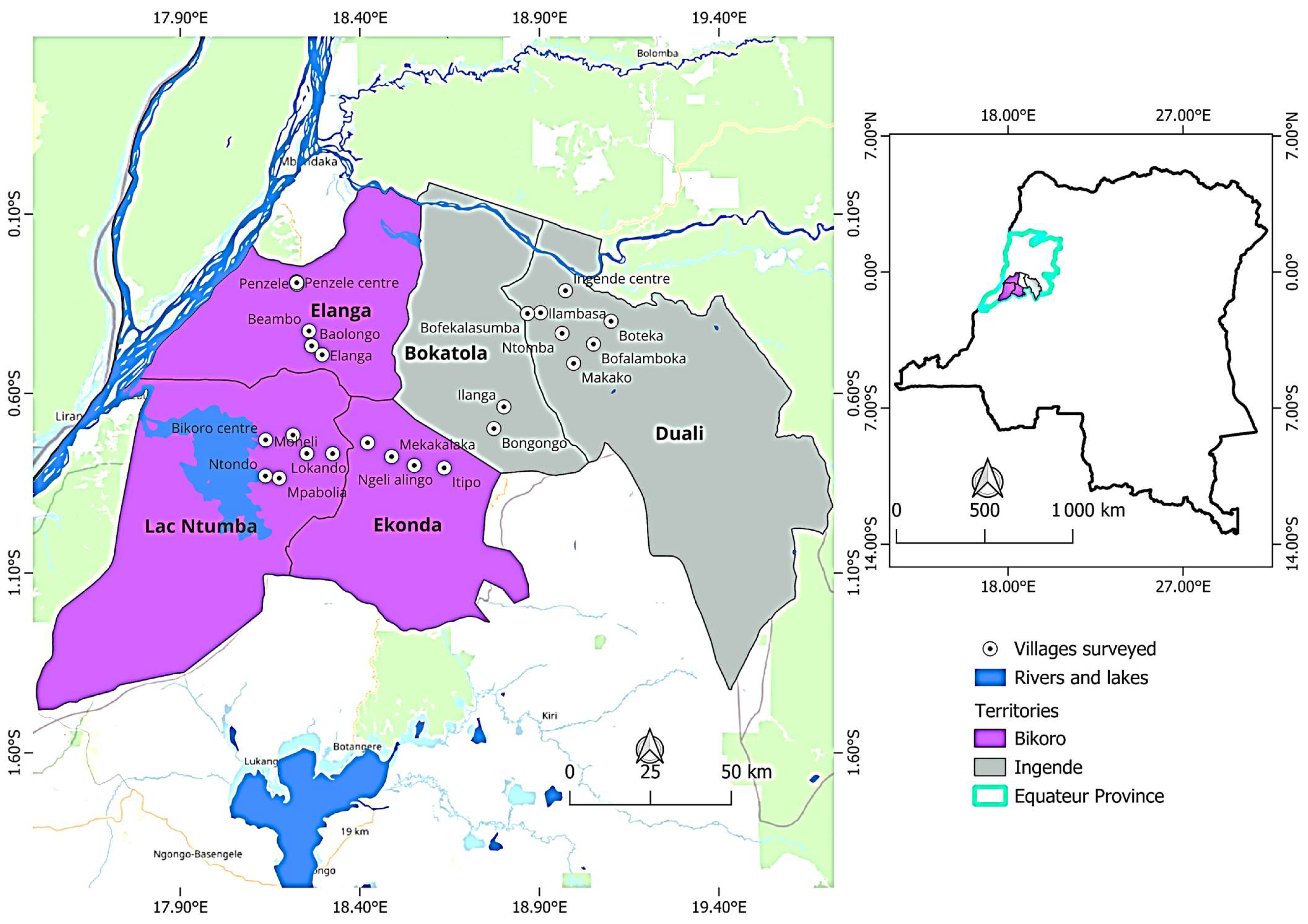
Figure 1. Location map of the study area.
Ecologies 07 00004 g001
Figure 2. Distribution of respondents by seniority in the main activities.
Ecologies 07 00004 g002
Figure 3. Ecosystem services provided by peatlands to LCs and IPs.
Ecologies 07 00004 g003
Figure 4. Existence of plant and tree species conserved for their special usage in yield increase.
Ecologies 07 00004 g004
Figure 5. Existence of sacred plants and trees prohibited from exploitation or consumption.
Ecologies 07 00004 g005
Figure 6. Animals used in traditional rite to increase yields.
Ecologies 07 00004 g006
Figure 7. Intergenerational transmission pathways.
Ecologies 07 00004 g007
Figure 8. Constraints to the intergenerational transmission.
Ecologies 07 00004 g008
Figure 9. Plot of category points. With Sex = gender; VS = village status; MS = marital status; LS = level of study; PA = main activity; PEW = presence of endemic wildlife; PEP = presence of endemic plants; ES = ecosystem services; SP = sacred plants prohibited from harvest or consumption; PUR = plants used in traditional rituals; AUR = animals used in traditional rituals; Const = constraints to intergenerational transmission of Indigenous knowledge.
Ecologies 07 00004 g009
Figure 10. Object points, corresponding to the 320 observations.
Ecologies 07 00004 g010
Figure 11. Thematic representation of the first two dimensions of the Multiple Correspondence Analysis (MCA).
Ecologies 07 00004 g011
Table 1. Distribution of the main vegetation types in the Equateur District compared to the national level [19].
Vegetation TypeEquateurEquateur/DRCDRC
Surface Area (ha)Surface Area (%)Surface Area (%)Surface Area (ha)
Dense rain forest4,537,68744.884.8593,517,825
Forest on hydromorphic soil4,768,07047.1531.4015,183,214
Swampy (peatland) vegetation85,5510.8515.97535,714
Shrub savannah24770.020.0215,335,810
grassy savanna57,0840.560.3814,881,257
Total natural vegetation9,450,87093.465.44173,855,384
Permanent agriculture14210.010.091,555,849
Agricultural complex659,4496.521.2353,576,845
Total anthropized area660,8706.540.3855,132,694
Table 2. Hydrography and soil of Ingende and Bikoro territories [19].
TerritoryHydrographySoil
IngendeIngende Territory is characterized by a hydrological network dominated by the Ruki River, which receives its main tributaries, the Momboyo and the Busira, before discharging into the Congo river; the Ingende town, the territorial administrative center, is situated at their confluence.The soil in the region is moist and sandy-clayey. This soil’s type is conducive to the fruiting of the oil palm (Elaeis guineensis Jacq.). This explains the presence of a large oil palm plantation in Boteka.
BikoroThe Bikoro region’s hydrography is dominated by Lake Ntomba (surface area: 765 km2) in its western sector. Downstream of the lake, toward the Lukolela Territory (Irebu), significant watercourses are present, which frequently transform the area into vast wetlands (Lolo, Lolambo, Bituka, and Boloko), along with (the smaller) Lake Mpaku, connected to the Ruki River.The soil in the Bikoro region is characterized by a sandy-clay composition. This edaphic type is particularly suitable for slash-and-burn agricultural practices in the Ekonda and Elanga sectors. In the Lac sector, the soil frequently exhibits hydromorphic properties with wetland characteristics.
Table 3. Number of respondents by village, sector, and territory.
TerritoriesSectorsVillagesNumber of HouseholdsTotal Number
IngendeDwaliIngende center30150
Boteka20
Makako20
Bofalamboka20
Ntomba20
Bofekalasumba20
Ilambasa20
BokatolaBongongo1020
Ilanga10
Total Ingende170
BikoroLac NtombaBikoro centre2080
Ntondo20
Moheli10
Iyembe moke10
Lokando10
Mpabolia10
EkondaIkoko impenge1230
Mekakalaka8
Itipo8
Maringo1
Ngeli alingo1
ElangaElanga1040
Baolongo10
Beambo8
Lokolama7
Penzele3
Nkalamba2
Total150
General total320
Table 4. Sociodemographic characteristics of the respondents.
VariableClassificationNumberProportion (%)
SexWomen3811.88
Men28288.12
Status in the villageIndigenous27285
Non-Indigenous (Bantu)4815
Level of studyIlliterate13241.25
Primary4815
High school12037.5
University206.25
Age18–25 years185.63
26–40 years14846.25
>40 years15448.12
Marital statusMarried27786.56
Single195.94
Divorced134.06
Widow113.44
Main activityAgriculture17554.69
Teacher5617.50
Trade195.94
Health personnel216.56
Fishing154.69
Administration144.38
Civil service41.25
Pastor 10.31
Hunting20.63
Livestock10.31
Study51.56
Work in the oil mill of Boteka 30.94
Lawyer 10.31
Logging 30.94
Table 5. Association between variables.
VSMSLSPAPEWPEPESSPPURAURConst
Sex4.1265 *10.22 *3.0654 Ns128.85 **1.89 × 10⁻³⁰ **7.5381 *0.90717 Ns7.7557 *52.774 **3.3942 Ns0.37881 Ns
VS-9.6102 *41.988 **145.43 **0.15785 Ns7.3409 *0.18961 Ns85.751 **62.764 **11.902 **9.0591 *
MS--14.074 Ns175.35 **0.31242 Ns2.6145 Ns3.4747 Ns10.314 Ns13.053 Ns7.4972 Ns3.1537 Ns
LS- -385.14 **3.3543 Ns11.669 Ns3.5414 Ns22.218 **21.023 **14.201 **4.7081 Ns
PA----96.38 **200.89 **47.019 Ns200.15 **157.05 **403.39 *126.54 **
PEW-----11.934 **0.04501 Ns9.3153 **1.7431 Ns0.031946 Ns10.016 **
PEP------28.765 **4.7013 Ns11.187 *7.4564 Ns4.694 Ns
ES-------0.67882 Ns4.8929 Ns0.1136 Ns55.012 **
SP--------66.834 **15.207 **0.61246 Ns
PUR---------22.945 **7.7582 Ns
AUR----------64.00 **
Legend: * = significant p-value < 0.05; ** = significant p-value < 0.01; Ns = non-significant p-value > 0.05; Sex = gender; VS = village status; MS = marital status; LS = level of study; PA = main activity; PEW = presence of endemic wildlife; PEP = presence of endemic plants; ES = ecosystem services; SP = sacred plants prohibited from harvest or consumption; PUR = plants used in traditional rituals; AUR = animals used in traditional rituals; Const = constraints to intergenerational transmission of Indigenous knowledge.
Table 6. Summary of models.
DimensionCronbach’s
Alpha
Represented Variance
Total (Eigenvalue)Inertia% of the Variance
10.7403.1080.25925.897
20.6142.2850.19019.044
Total 5.3930.449
Mean0.686 a2.6960.22522.470
a: The Cronbach alpha means is based on the mean eigenvalue.
Disclaimer/Publisher’s Note: The statements, opinions and data contained in all publications are solely those of the individual author(s) and contributor(s) and not of MDPI and/or the editor(s). MDPI and/or the editor(s) disclaim responsibility for any injury to people or property resulting from any ideas, methods, instructions or products referred to in the content.