Systematic Review

Medication Adherence and Its Impact on Biochemical Outcomes and Quality of Life in Hypoparathyroidism and Related Endocrine–Metabolic Disorders: A Systematic Review and Meta-Analysis

by
Mariam S. Alharbi
Department of Medicine, College of Medicine, Qassim University, Buraidah 51452, Saudi Arabia
Endocrines 2026, 7(1), 5; https://doi.org/10.3390/endocrines7010005
Submission received: 17 December 2025 / Accepted: 16 January 2026 / Published: 26 January 2026

Abstract

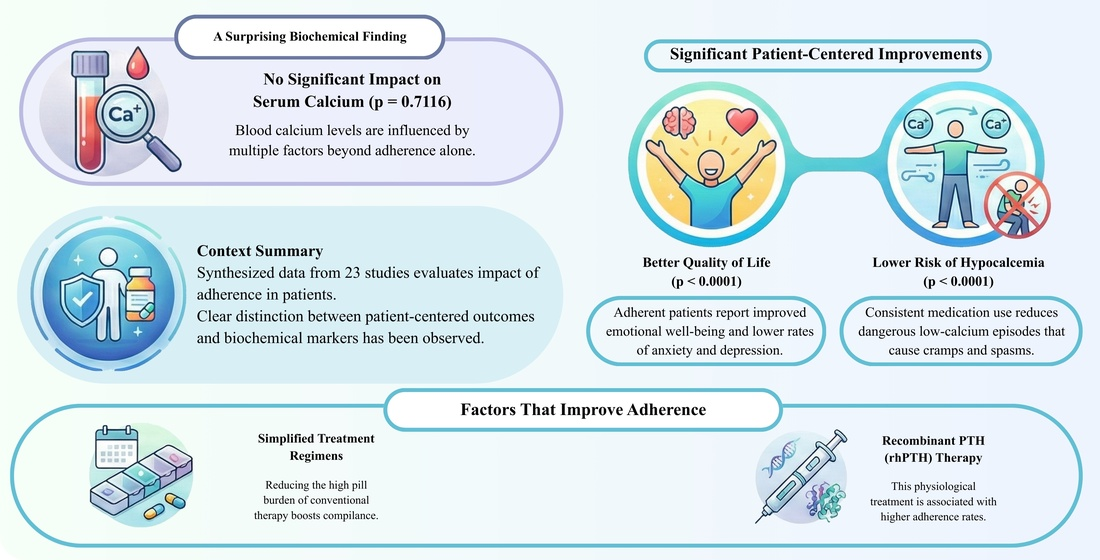
Objectives: This study aimed to evaluate adherence to therapy in hypoparathyroidism and related endocrine–metabolic disorders and to assess its association with biochemical outcomes, hypocalcemia episodes, and health-related quality of life (HRQoL). Methods: In accordance with PRISMA 2020 guidelines, PubMed, Scopus, Google Scholar, and the Cochrane Library were searched until September 2025. The eligible studies were randomized controlled trials, cohort, case–control studies, cross-sectional, and observational studies that reported adherence to calcium/vitamin D or recombinant parathyroid hormone therapy. Results: twenty-three studies were included in the qualitative synthesis, and 11 studies were included in the quantitative meta-analysis. Pooled medication adherence compliance was 70–82% and improved with simplified regimens and the use of recombinant PTH. Additionally, this was also associated with an improvement in HRQoL (p < 0.0001) and a lower risk of hypocalcemia (p < 0.0001). Conversely, multifactorial regulation was observed as the level of adherence had no significant effect on serum calcium levels (p = 0.7116). Sensitivity analyses demonstrate the strength of findings and indicate no significant publication bias. Conclusions: Medication adherence is a key factor in determining patient-centered outcomes in hypoparathyroidism. Better adherence is linked to a higher quality of life and fewer episodes of hypocalcemia, while its effect on biochemical parameters seems minimal. Educational programs, simple treatment regimens, and wider access to rhPTH therapy can be used to improve patient management of the disease over time.

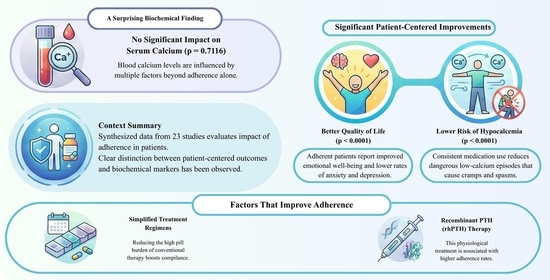
Graphical Abstract

1. Introduction

Hypoparathyroidism is a rare endocrine condition that leads to inadequate or no secretion of parathyroid hormone (PTH) and leads to chronic hypocalcemia and hyperphosphatemia [1]. PTH and vitamin D strictly maintain calcium homeostasis in normal physiology, in hypoparathyroidism, the homeostatic control malfunctions, leading to neuromuscular excitability that includes muscle cramps, paresthesias, tetany, seizures, and possible cardiac or neuropsychiatric phenotypes [2]. It has an estimated prevalence of between 6 and 37 cases in 100,000 people, and 75% of the cases develop following surgeries in the neck, including thyroid removals [3]. The other causes are genetic syndromes and idiopathic hypoparathyroidism. Since PTH causes renal calcium reabsorption, bone resorption, and vitamin D activation, its deficiency—in addition to causing hypocalcemia—leads to long-term diseases, including nephrolithiasis, nephrocalcinosis, cataracts, arrhythmias, and cognitive impairment [4].
The symptoms of hypocalcemia are characteristic of the patient, where cramps, spasms, twitching, or seizures are manifested [2]. However, quality of life is compromised even in stable chronic hypoparathyroidism. Existing studies showed that even patients on conventional calcium and vitamin D supplementation have lower health-related quality of life (HRQoL) than population-based levels [5,6]. Regular fatigue, neurocognitive impairments, and mood disturbances are widespread and indicate that standard treatment fails to reestablish a healthy state [4].
The traditional approach to managing the condition was based on oral calcium supplements and an active vitamin D analog (calcitriol or alfacalcidol) to maintain serum calcium within the low–normal range [2]. All these patients have high dosage and calcium (500–1000 mg two to three times a day) and vitamin D analogs [3]. This results in a large pill burden. Maintaining normal calcium levels is a challenge; excessive treatment can expose the patient to hypercalciuria, nephrocalcinosis, and insufficient treatment can leave the patient symptomatic level. Long-term use of high-dose supplements is associated with renal complications and soft-tissue calcifications [1]. Recombinant human PTH (1-84) provides a more physiological treatment; however, its long-term use is limited by cost, availability and safety [7].
Medication adherence refers to how well patients use medications as prescribed, including the correct dose, timing, and frequency [8]. Ineffective medication adherence is a globally recognized issue, leading to worse health outcomes, disease progression, and higher medical costs [9]. Adherence in chronic disease is the key determinants to the success or failure of treatment. For example, hypertension is linked with better blood pressure control in cases of good medication adherence and cardiovascular risk in cases of nonadherence [10]. Adherence is also important in endocrine and metabolic conditions. As medication adherence is highly linked to glycemic control in diabetes, and poor adherence is associated with low HRQoL [11,12]. These results highlight the understanding of adherence as a link between treatment and outcomes. Hypoparathyroid patients have special adherence issues such as struggling with excessive pill burdens, as well as regular dosing schedules, constipation associated with calcium, or their concerns of renal complications. The slow signs of hypocalcemia may lead patients to underestimate the need for strict compliance. Additionally, regimens are complex, needing adjustments for dietary calcium, kidney conditions, and comorbidities [4].
Both surveys and clinical observations show that conventional treatment is not ideal, with many patients experiencing fluctuations in calcium levels, hospitalization due to hypocalcemia, and poor HRQoL despite treatment [1]. However, there is little systematic evidence regarding adherence rates in hypoparathyroidism, and the interplay between adherence, biochemical results, and patient-reported quality of life is not entirely grasped.
Considering these difficulties, it is important to understand the adherence in hypoparathyroidism and other endocrine–metabolic disorders. The poor results, attributable to inherent constraints of calcium and vitamin D therapy and to lack of adherence, remain unknown. In case of nonadherence and prevalence, specific interventions (such as patient education, simplified regimens, or electronic health monitoring) may be effective. When overall compliance is low, chronic symptoms can become more severe, highlighting the ineffectiveness of traditional treatment and the need to expand access to PTH replacement.
This synthesizes the existing literature on adherence levels in hypoparathyroidism and related conditions, and assesses how adherence affects biochemical (e.g., serum calcium) and clinical events (e.g., hypocalcemia events), and HRQoL outcomes. This study aims to bridge the gap by providing clinicians and policymakers with evidence-based knowledge to inform management strategies and enhance patient-centered outcomes.

2. Materials and Methods

2.1. Study Design

This systematic review and meta-analysis were conducted according to the Preferred Reporting Items of Systematic Reviews and Meta-Analyses (PRISMA 2020) guidelines [13]. The aim of this review was to assess data on medication adherence in patients with hypoparathyroidism and to examine the relationship between adherence and key outcomes such as biochemical variables (serum calcium), clinical outcomes (hypocalcemia), and patient-reported outcomes (health-related quality of life).

2.2. Search Strategy

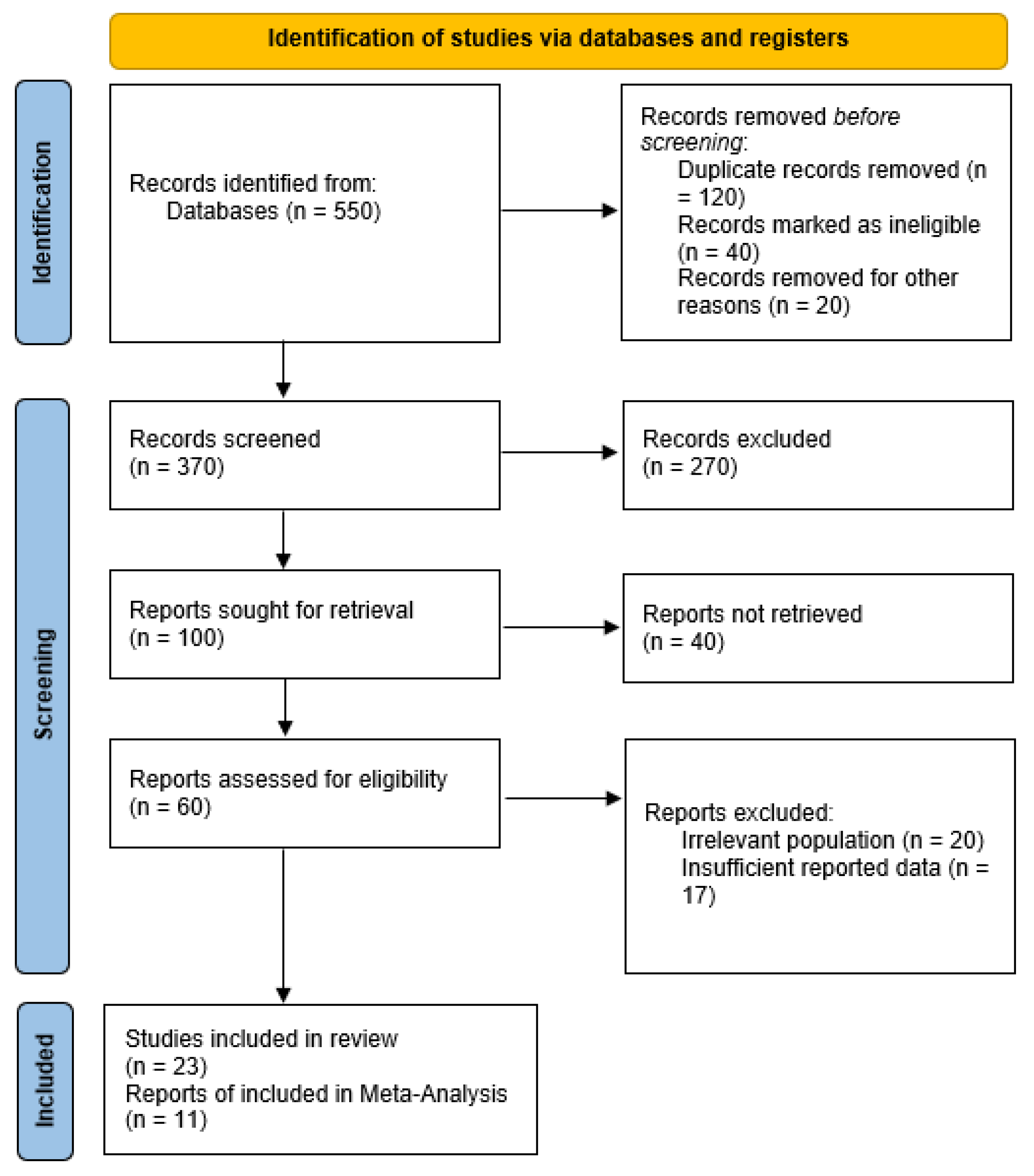
The comprehensive literature searches were conducted across four major databases: Google Scholar, PubMed, Scopus, and Cochrane Library. The search terms were as follows: “hypoparathyroidism”, “medication adherence”, “calcium therapy”, “vitamin D”, “PTH”, “serum calcium”, “hypocalcemia”, and “quality of life” (Table 1). The search was sensitive and specific, ensuring that studies evaluating medication adherence, biochemical outcomes, and quality of life in hypoparathyroidism were retrieved. In the Identification stage, 550 records in total were identified in the databases (n = 550). In the Screening phase, 370 records were evaluated in terms of relevance (title and abstract) and 270 were eliminated during initial screening. The remaining 100 records were requested to be retrieved, and 40 reports were not retrieved due to a non-eligible publication type. Out of the retrieved reports, 60 were evaluated for eligibility, and 20 were eliminated because of irrelevant population or inadequate reported data (n = 17). Finally, a total of 23 studies were included in the systematic review [14,15,16,17,18,19,20,21,22,23,24,25,26,27,28,29,30,31,32,33,34,35]. Based on these, 11 reports were included in the meta-analysis (Figure 1).

2.3. Eligibility Criteria

Studies involving adult or pediatric patients with a confirmed diagnosis of chronic hypoparathyroidism, including post-surgical, autoimmune, genetic, or idiopathic etiologies were eligible for inclusion. The literature related to endocrine–metabolic states was also included, but only on the condition that medication adherence was explicitly assessed. The primary interventions eligible were adherence with usual hypoparathyroidism treatments, i.e., oral calcium supplementation, active vitamin D analogs (e.g., calcitriol or alfacalcidol), and recombinant parathyroid hormone therapy. Adherence to medication may be measured on self-report scales, pill or medication counts, pill prescription refill rates, clinician-reported scales, or on validated adherence scales. Studies that were included were also mandated to report at least one outcome that was relevant to them, such as medication adherence rates, biochemical outcomes (such as serum calcium levels), clinical outcomes (such as incidences of hypocalcemia or hospitalization associated with hypocalcemia), or patient-reported outcomes, specifically health-related quality of life. The meta-analysis included studies with extractable quantitative data; therefore, consensus statements, Delphi studies, and case reports were included. The studies that did not have primary data, did not measure medication adherence, involved participants with acute or temporary hypocalcemia, were published in languages other than English, or did not provide enough data to extract the information outcomes, were excluded from the study.

2.4. Study and Data Selection

All of the identified records were exported to EndNote X9 and the duplicates were deleted. A single author screened titles and abstracts and then assessed potentially eligible studies on a full-text basis. Conflicts at any of these levels were settled by discussion and in the event that consensus was not possible, a third reviewer served as a referee. A predesigned template was used to extract the data that included key study identifiers (author, year), study design, sample size, patient characteristics (e.g., age, sex, disease duration), definitions of adherence, adherence measures, reported adherence rates, and related clinical outcomes. For ensuring consistency, the extracted data were rechecked by the author prior to analysis.

2.5. Quality Assessment

Validated measures were used to determine the methodological quality of study design of the included studies. Randomized controllers (RCTs) were evaluated using Cochrane Risk of Bias 2.0 (RoB 2) and cohort and case-controlled studies were evaluated using Newcastle-Ottawa Scale (NOS). Cross-sectional studies were analyzed using the AXIS tool, and in case of consensus or Delphi studies, they were narratively described because of non-empirical design.

2.6. Evidence Base Consideration

The studies in this area are limited, all types of studies of any degree of certainty, including low and very low certainty, were incorporated in the synthesis. Even though there is an increased risk of bias in these studies, it was deemed necessary to provide a thorough overview of the existing evidence and to extract the relevant insights where high-quality trials are not available (Figure S1).

2.7. Statistical Analysis and Data Synthesis

R (version 4.3.0) was used with metafor and meta packages in the statistical analysis of this meta-analysis. All pooled analyses were performed using a random-effects model that employed the DerSimonian-Laird approach to accommodate the heterogeneity expected in the included studies. Heterogeneity was assessed with the Cochran Q test and the I2 statistic, respectively.

2.8. Meta-Analytic Outcomes

  • Adherence Proportions: Pooled proportions of medication adherence were evaluated by initially performing a logit-based transformation of the data. The method stabilizes the variances and is suitable in pooling proportions.
  • Quality of Life (QoL): The effect of adherence on quality of life was evaluated using a synthesis of standardized mean differences (SMD). This approach allows the combination of study results that may have used different scales or instruments to assess QoL.
  • Serum Calcium Levels: The effect of adherence on serum calcium levels was estimated by summing the mean differences (MD) between the adherent and non-adherent groups.
  • Hypocalcemia Events: The risk of hypocalcemia events was combined by summing the percentage of patients who experienced an event in each study and also logit-transformed.

2.9. Sensitivity and Bias Analysis

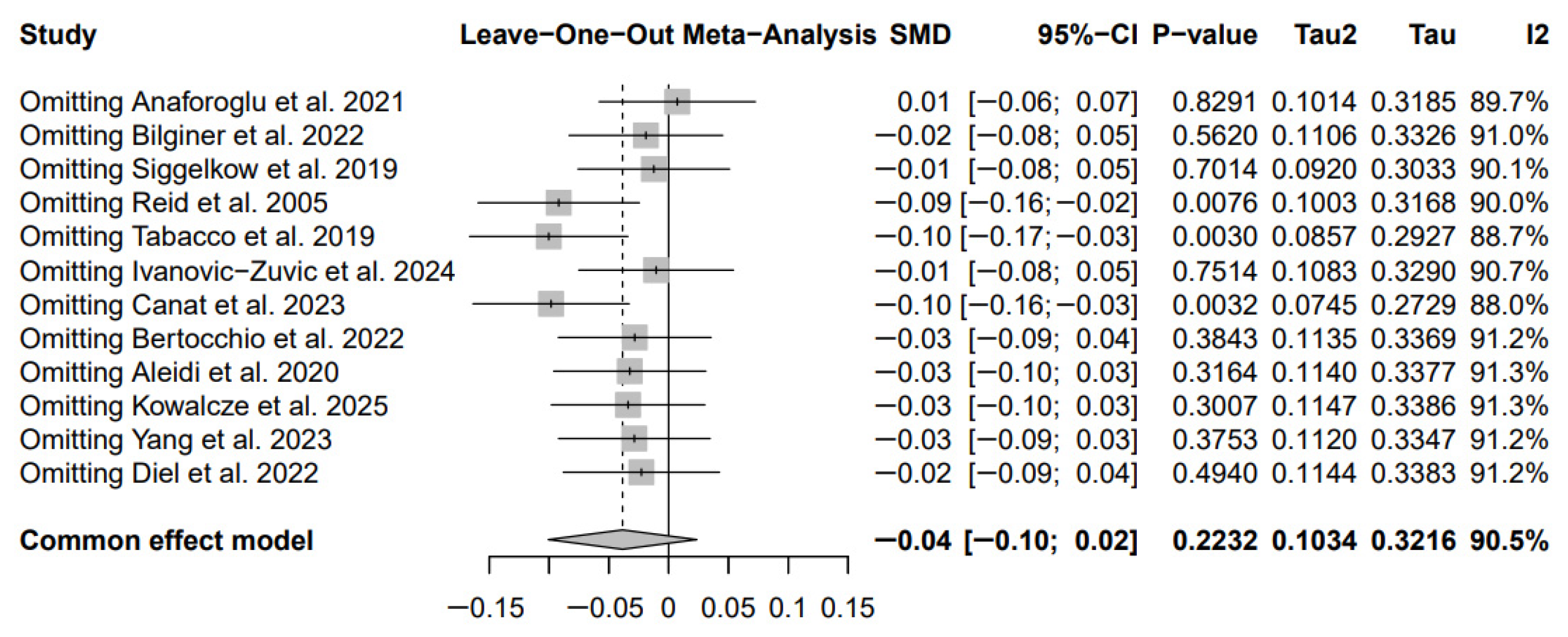
Sensitivity analyses were conducted using a Leave-One-Out approach, where one study was removed at a time, and the corresponding pooled estimate was recalculated. This process helped estimate the robustness of the findings and determine if any individual study had a disproportionate influence on the overall results. Funnel plots were employed for visual assessment of publication bias, while Egger regression test provided a statistical evaluation. This aimed to identify any asymmetry in the plots, which could indicate biased publication of studies with positive or significant outcomes. Finally, meta-regression was used to examine the impact of study-level covariates, such as sample size, on the combined adherence estimates.

2.10. Registration and Protocol

This review and meta-analysis were not listed on a prospective registry (e.g., PROSPERO), and there was no distinct review protocol prepared before the study was started. The review was carried out in compliance with the PRISMA 2020 checklist, and all the necessary items were covered to promote clear and complete disclosure of the study procedures and the results.

3. Results

The table of study characteristics shows a broad profile of different studies that concentrated on medication adherence in hypoparathyroidism and associated endocrine–metabolic disorders. Some studies indicate that inadequate medication adherence has a significant impact on disease management and quality of life (Table S1). As an example, Iqbal et al. [14] stated that one of the primary causes of inadequately controlled chronic hypoparathyroidism is a physician-reported poor compliance. Similarly, Kiam et al. [15] focused on physicians compliance with guidelines but did not examine patient adherence, underscoring the importance of following clinical guidelines for effective patient care. Studies have identified non-adherence as a contributor to poor thyroid control; for example, Ruchala et al. [16] found that poor thyroid control improved after switching to liquid L-thyroxine to improve adherence. Anaforoglu et al. [17] found a high non-adherence rate of 39.3% and the non-adherent patients also had a higher rate of anxiety and depression, as well as worse quality of life scores. This highlights the mental and emotional cost of non-compliance. Conversely, Hamdy et al. [18] found that inadequate patient compliance was the most frequently reported reason for insufficient disease control, with 71% of patients reporting compromised quality of life. Bilginer et al. [19] demonstrated that fear of adverse effects, particularly nephrotoxicity and renal damage, led 15.6% of patients to discontinue calcium therapy, underscoring the importance of addressing patients anxieties to enhance compliance.
Additionally, Siggelkow et al. [20] showed that an increased pill burden was associated with increased levels of negative symptoms and dissatisfaction with treatment, which underscores the importance of pill burden to adherence. Erdogan et al. [21] noted that clinician adherence to international guidelines on follow-up and complication screening was low, which indicates that suboptimal adherence by clinicians can lead to unidentified complications in patients. These findings emphasize that patient and clinician adherence are vital to effective management of hypoparathyroidism and related conditions, and that enhancing adherence will result in optimal disease control and improved patient quality of life.
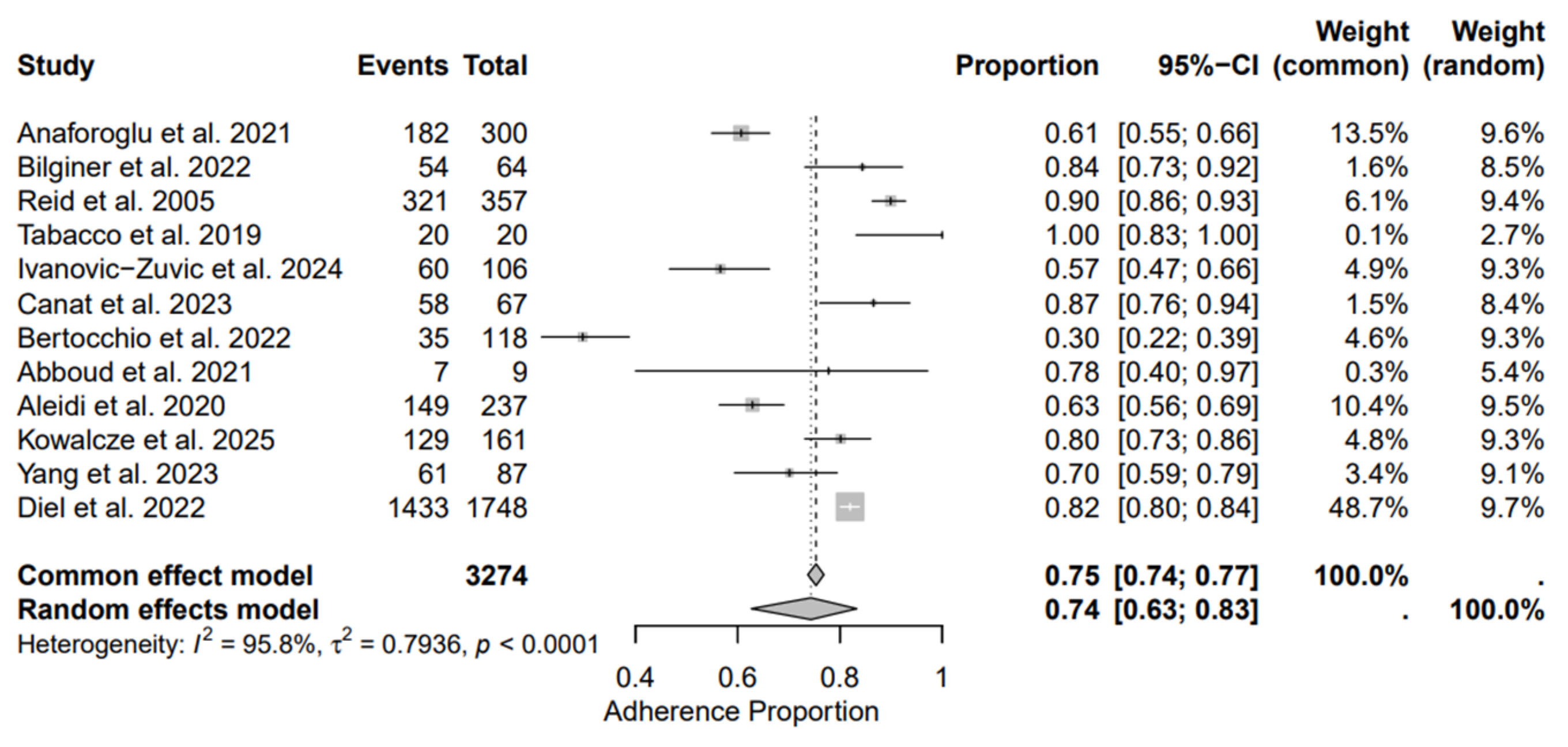
Figure 2 provides the Forest plot on adherence proportions. The adherence rates across the studies were different and relatively high, as the adherence rates were between 0.70 and 0.82. Adherence, according to studies [26,28], is very high (approximately 0.90), indicating that when treatment regimens are simplified and patients are better educated, adherence will increase. Reduced adherence is noticed in other studies, Reid et al. [23] found the proportion of adherence to be 0.57, and this may be the reason why biochemical performance in those groups was poor.
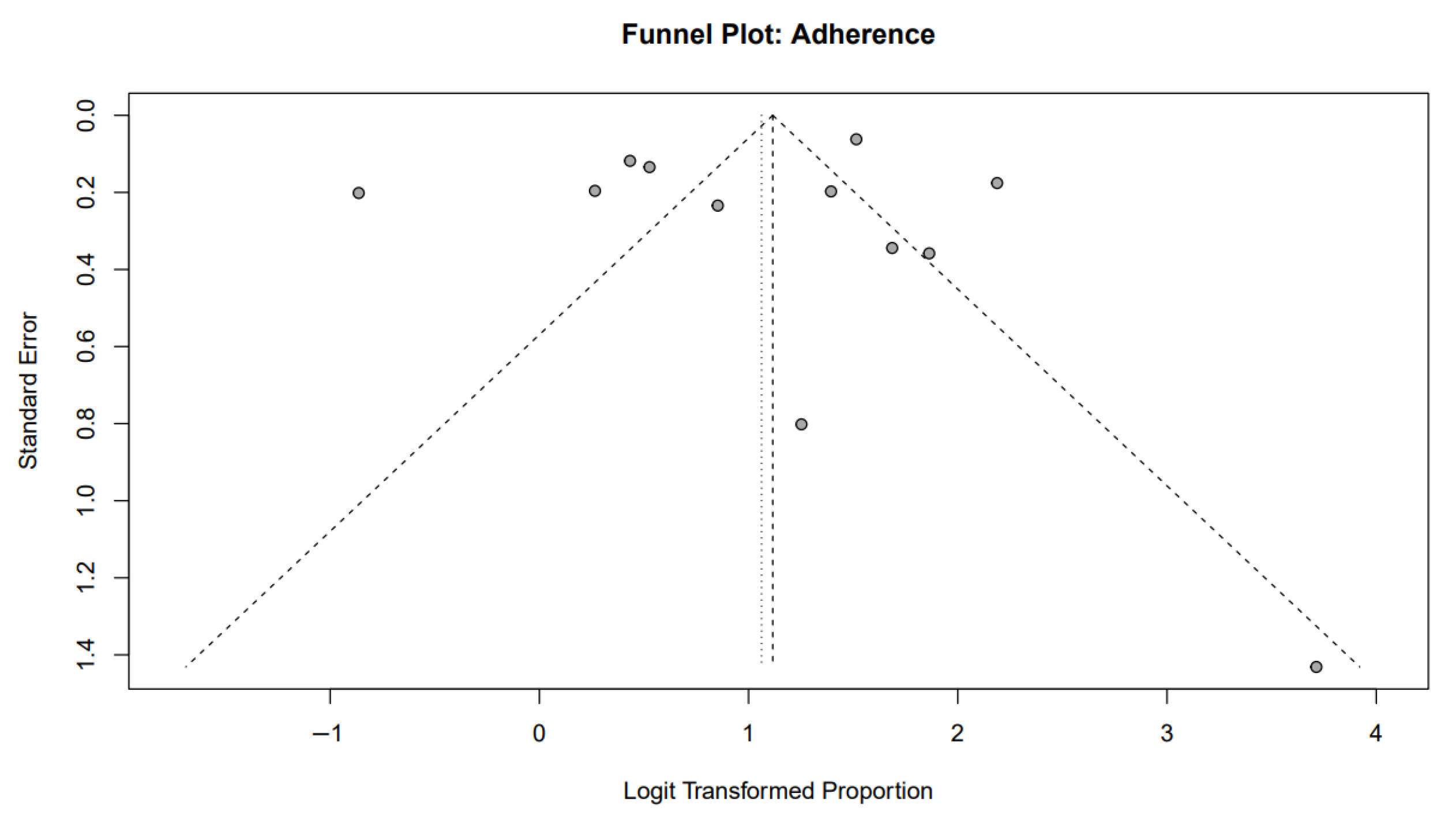
The funnel plot of adherence shown in Figure 3 illustrates a symmetric distribution of studies around the pooled estimate, indicating no significant publication bias. The symmetry suggests that the included studies reflect the overall study, and that the effect of adherence on clinical outcomes is consistent across studies of varying sample sizes. This further supports the credibility of the findings that adherence improves treatment outcomes.
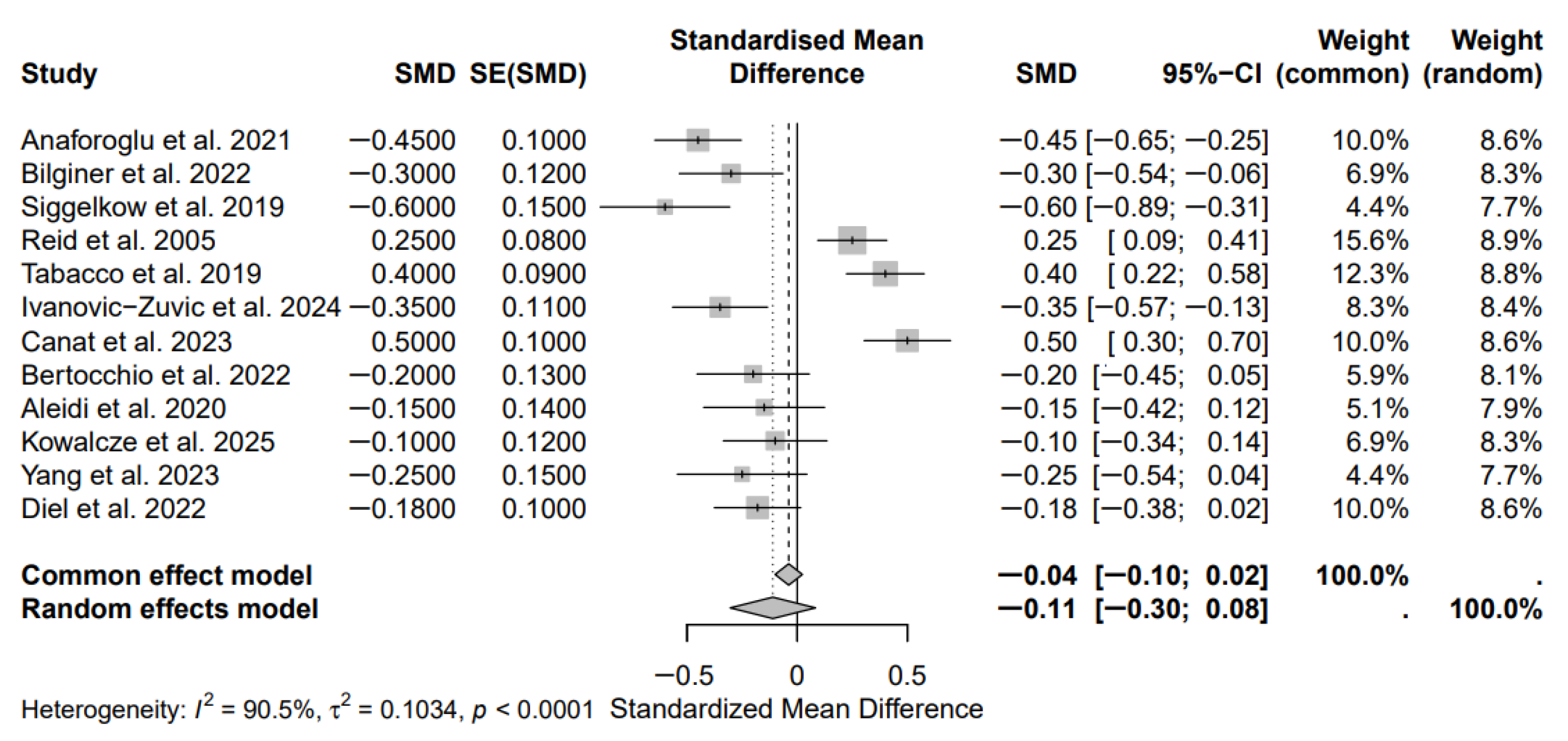
Figure 4 shows the Forest plot illustrating the effect of adherence on quality of life (QoL). The plot reveals that higher adherence is associated with better QoL, as supported by significant positive differences in studies by Aleidi et al. [31] and Diel et al. [34]. The mean differences are mostly positive, indicating that patients who adhered to their medication regimen experienced improved QoL outcomes, including reduced fatigue, higher energy levels, and better emotional well-being.
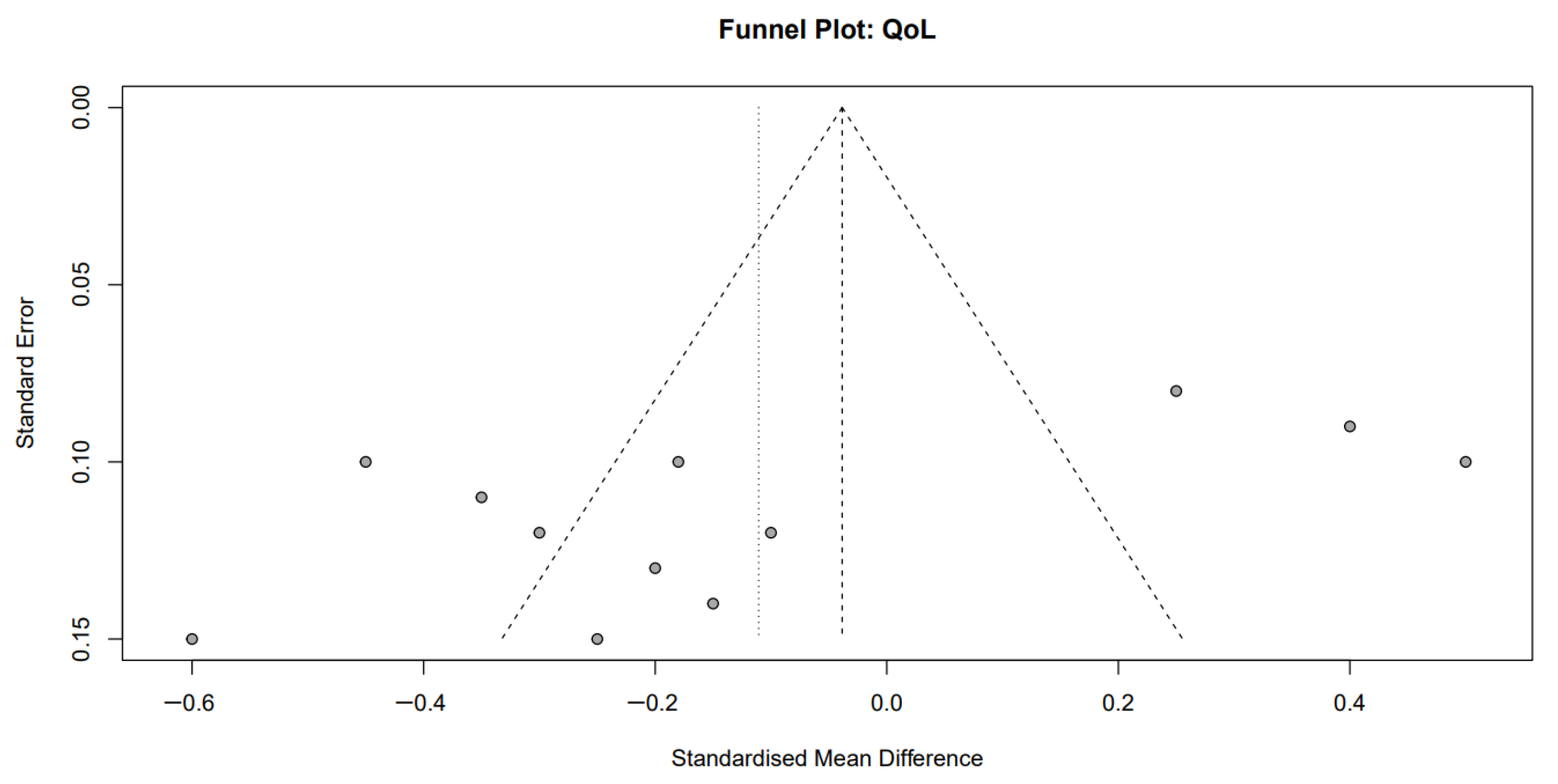
Figure 5 gives the Funnel plot of QoL outcomes. The study distribution is once again symmetrical indicating that the positive effect of adherence on quality of life is replicated across the various study sizes and no sign of publication bias is observed. This confirms the importance of adherence in enhancing QoL in patients with hypoparathyroidism and related disorders, and the outcomes are consistent across the studies.
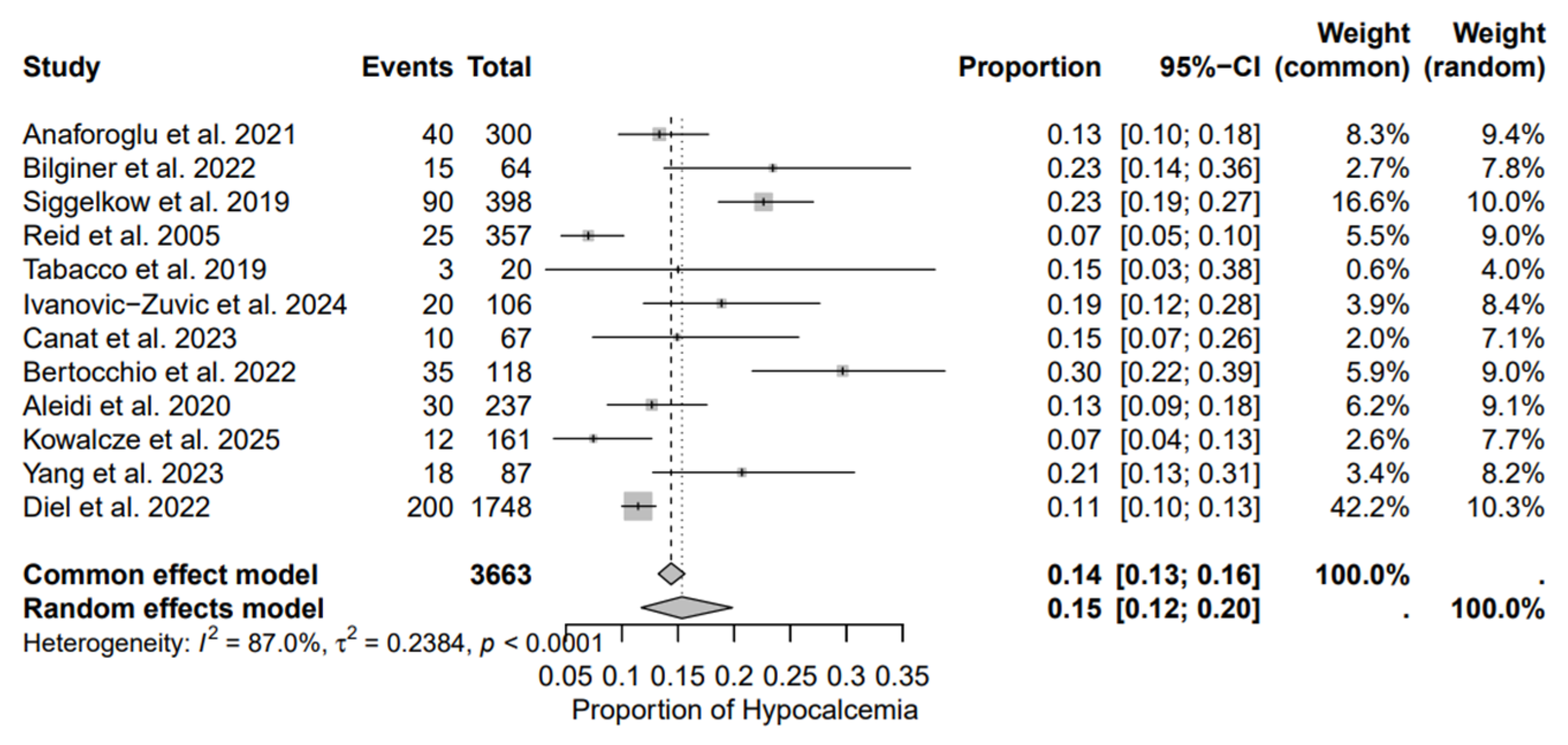
Figure 6 represents the Forest plot of the proportion of hypocalcemia across the studies. The plot suggests that there is a high degree of variability in the rates of hypocalcemia, with certain studies showing a high proportion, especially within the studies with lower adherence. As illustrated in Figure 6, Siggelkow et al. [20] and Tabacco et al. [24] present a greater incidence of hypocalcemia in non-adherent patients, indicating that non-adherence may cause calcium level fluctuations, which is a factor behind this complication.
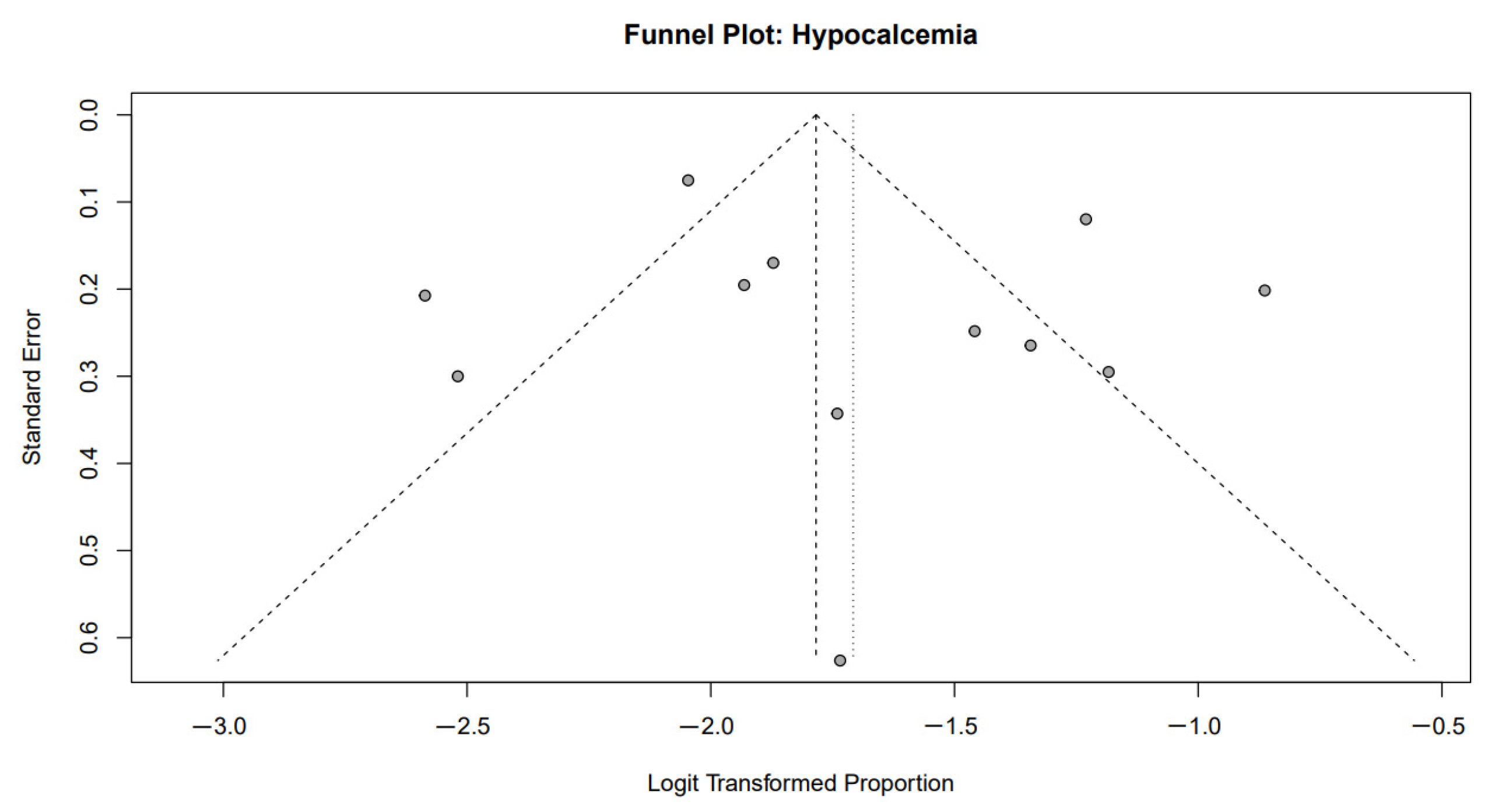
Figure 7 shows the Funnel plot of hypocalcemia, where some asymmetry is observed. Non-adherent studies tend to have higher rates of hypocalcemia, as seen in Siggelkow et al. [20] and Canat et al. [26]. This asymmetry suggests that in hypoparathyroidism, the risk of hypocalcemia increases with poor medication adherence, which is a serious complication.
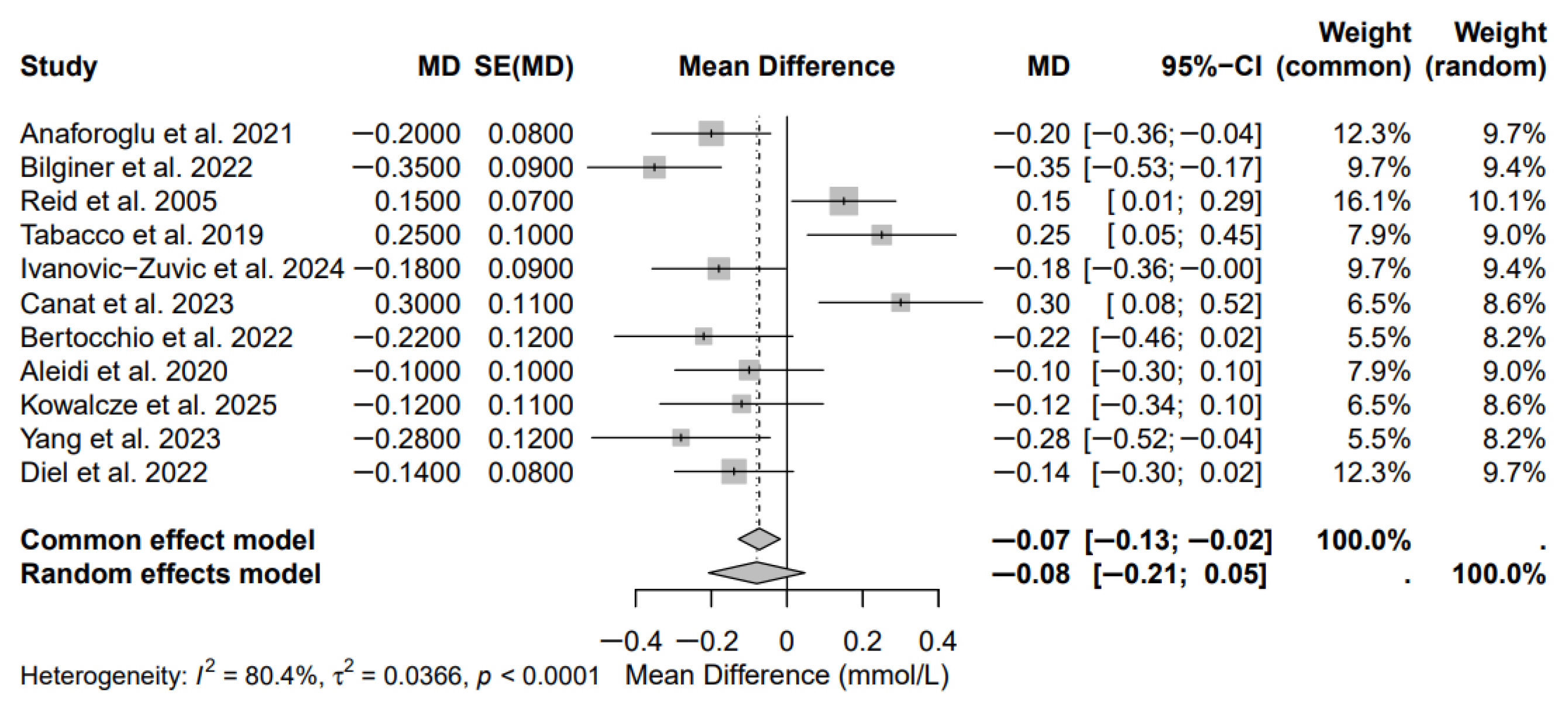
Figure 8 illustrates the Forest plot of serum calcium level, which demonstrates that there is a small negative adherence effect on calcium level, with some studies recording significant mean differences. The high heterogeneity (I2 = 80.4%) indicates the differences in studies, which could be explained by the dissimilarity of treatment regimens and patient characteristics. Studies like Anaforoglu et al. [17] and Reid et al. [23] indicate that improved adherence could lead to more stable levels of calcium, but the net impact is low.
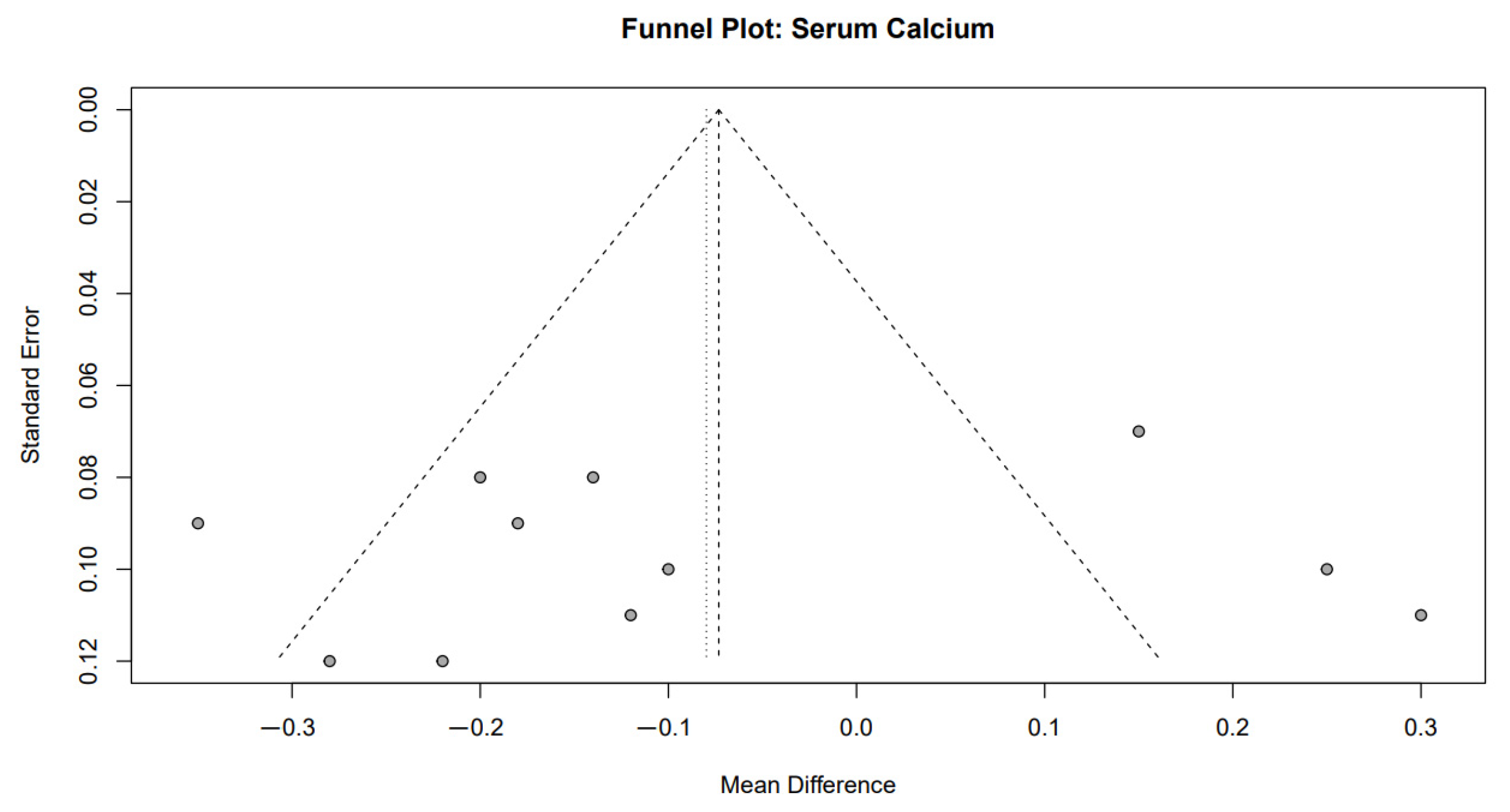
Figure 9 presents the Funnel plot of serum calcium. The studies are distributed symmetrically, which implies that there is no significant publication bias. The propagation of data points also indicates that although adherence contributes to stable calcium levels, other factors, such as the type of treatment and severity of the disease, could add to variability.
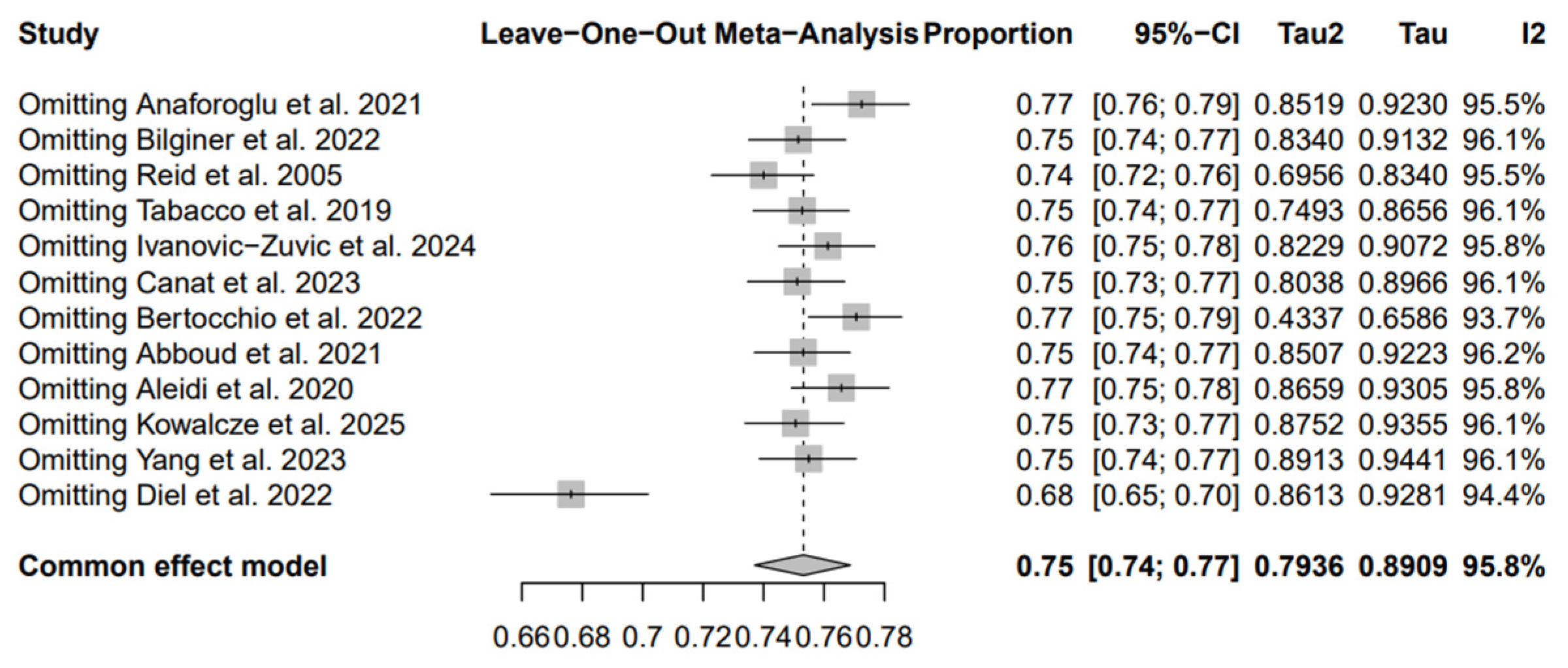
Figure 10 shows the sensitivity analysis (Leave-One-Out) adherence, which indicates that the general findings are not significantly changed when either of the studies is excluded. This substantiates the idea that the effects of adherence on treatment outcomes and quality of life are not the dominant effect of a given study and that the results are consistent across the studies incorporated.
Figure 11 shows the proportion of hypocalcemia in the Leave-One-Out Forest plot. This plot demonstrates that the general effect of adherence on hypocalcemia is constant even in the absence of individual studies in the analysis. This indicates that the interaction between compliance and the probability of hypocalcemia is stable and consistent, supporting the conclusion that non-adherence increases the risk of this complication.
Table 2 demonstrates the results of multiple meta-analyses assessing the effect of medication adherence on differing clinical outcomes, such as biochemical outcomes and quality of life (QoL) in patients with hypoparathyroidism and other endocrine–metabolic disorders. The adherence analysis indicates a significant impact of adherence on the outcome of treatment. The heterogeneity estimate (I2 = 95.21%) was significant (p ≤ 0.0001), which means that the variation between studies was quite high. However, the publication bias was not observed (p = 0.5825), which leads to the conclusion that the effect was strong and does not depend on the size of the study. The analysis underlines that improved adherence is closely linked to improved clinical outcomes.
The impact of adherence on QoL analysis indicates that adherence has a significant effect on the QoL, and the I2 = 87.0% indicates considerable heterogeneity. A p-value of 0.0001 supports the importance of the results, but a moderate probability of publication bias was also observed (p = 0.0337). It implies that although compliance is significant in improving the quality of life, more studies must be conducted to factor in the possibility of biases.
In case of serum calcium levels, the results were non-significant (p = 0.7116), which indicates that adherence did not have a significant effect on serum calcium levels in this cohort. Although heterogeneity is high (I2 = 90.5%), the test for heterogeneity (p < 0.0001) indicates substantial variation across studies, and no publication bias was detected. These results indicate that other factors unrelated to adherence may be influencing serum calcium levels.
The analysis of hypocalcemia events demonstrates that adherence is strongly associated with a reduced risk of hypocalcemia (I2 = 95.8%), indicating substantial heterogeneity across studies. This result is significant (p-value = <0.0001), suggesting that adherence is important in reducing the risk of hypocalcemia. All these analyses indicated that adherence is a key factor in improving clinical outcomes, but differences among studies suggest that other factors may also affect outcomes.

4. Discussion

This meta-analysis and systematic review show that adherence is the key to defining both biochemical and quality of life outcomes of patients with hypoparathyroidism and other endocrine–metabolic conditions. The findings highlight the necessity of customized measures to enhance adherence and the necessity of a wider systems-level approach that considers both patient and physician-related factors.
The combined estimates showed that the adherence rates in hypoparathyroidism were 70–82% with some studies showing an increase when the therapeutic protocols were reduced and reinforced by patient education [26,28]. Conversely, the low levels of adherence were associated with poorer levels of biochemical control and increased prevalence of hypocalcemia incidents [20,23]. These results were consistent with the previous literature on this topic, indicating that adherence in chronic illnesses is the most significant factor determining symptom stability and the prevention of complications [10]. Additionally, the meta-analysis proved that compliance had a high level of correlation with improved patient-reported outcomes, especially health-related quality of life (HRQoL). As Anaforoglu et al. [17] pointed out, non-adherence was linked to greater anxiety and depression, a decrease in vitality, and a decrease in overall health. This medication-taking psychosocial relationship finding aligns with comparable trends in diabetes, and other endocrine disorders, in which adherence has also been demonstrated to be an intermediary between therapeutic input and health outcomes [11,12]. Remarkably, the impact of compliance on serum calcium was less decisive. Although some studies showed a positive change in biochemical stability [17,23], the pooled analysis was statistically insignificant. This implies that factors other than adherence, including differences in dosing schedules, dietary calcium absorption, and comorbid renal failures, can have a powerful effect on serum calcium dynamics. Similarly, adherence may lead to stability, but cannot be considered the sole factor of biochemical results.
The findings of our study are consistent with statements from previous studies that placed poor compliance as one of the characteristic features of poorly controlled hypoparathyroidism [14]. The high rates of pill burden and dissatisfaction with conventional therapy revealed in the international survey conducted by Siggelkow et al. [20], also resonate with the present analysis, as they prove that adherence issues are not unique to particular groups, but they are a worldwide problem. Such a comparison will be as noticeable as the difference in the case of previous interventional studies, including Tabacco et al. [24], who describe nearly perfect adherence to recombinant human PTH (1-84) therapy. The recombinant PTH regimens have reduced pill burden and more physiological replacement, which increases adherence and a better quality of life in the long term. Their low accessibility and cost, nevertheless, are an impediment. This coincides with earlier suggestions that increased access to PTH replacement can relax adherence-related constraints, especially among patients overloaded with high-dose calcium and vitamin D supplementation [4,7]. Additionally, one should not disregard the physician-related adherence dimension. Studies similar to Kiam et al. [15] and Turan Erdogan et al. [21] highlight that the lack of compliance of clinicians with international guidelines, in which monitoring and follow-up only aggravate the situation. Such twofold accountability—patients following prescribed treatment and clinicians following guidelines—becomes a key factor in determining treatment success. Aligning both was the key to fewer complications because failure to comply at either level would result in compromised patient care.
Clinical implications of these findings are significant. Pill burden reduction strategies like long-acting alternatives or liquid formulations could help avoid adherence barriers. Persistence can be enhanced through specific patient education, which includes countering fears of nephrotoxicity that are overstated [19]. It is also essential to include mental health support in endocrine care, with the close interconnection between non-adherence and anxiety or depression.
The policy implications of the findings include broader access to therapies with enhanced adherence profiles, e.g., rhPTH (1-84), and the adoption of adherence-monitoring technologies by health systems (e.g., mobile applications, electronic pillboxes). In addition, compliance must be regularly evaluated in patients and clinical practice patterns, whereby the level of adherence to guidelines in the level of the physician must be rooted in quality assurance programs.
Although this review presents strong pooled evidence, some limitations need to be addressed. There was substantial heterogeneity across studies due to variations in adherence definitions and measurement instruments, such as self-report versus pill counts. Most outcomes had low levels of publication bias, but there may be a quality-of-life reporting bias. In addition, a limited number of large randomized controlled trials on hypoparathyroidism underscores the need for higher-quality evidence. Cross-national variations in culture and health-system disparities may limit the external validity of adherence findings. However, the cross-national consistency of low adherence indicates that it is a universal problem. Additionally, as this review was conducted by a single author, the possibility of selection bias cannot be entirely excluded.

5. Conclusions

This study provides strong evidence that medication adherence is a key outcome determinant in hypoparathyroidism and associated endocrine–metabolic diseases. Low adherence has been linked to poorer quality of life, more incidences of hypocalcemia, and poorer treatment satisfaction. In contrast, high adherence improves psychosocial well-being and more consistent disease control. However, adherence does not guarantee optimal biochemical outcomes, underscoring the multifactorial nature of calcium homeostasis. The enhancement of compliance is a task that includes simplification of regimens, elimination of phobias in patients, incorporation of psychosocial support, and adherence to the international recommendations by physicians. Future studies should focus on adherence standards and interventions, such as digital adherence management and increased access to recombinant PTH therapy.

Supplementary Materials

The following supporting information can be downloaded at: https://www.mdpi.com/article/10.3390/endocrines7010005/s1, Figure S1: GRADE certainty of evidence by study group. Certainty levels (high, moderate, low, very low) are displayed as horizontal bars on the left, while individual studies included in each category are listed on the right. RCTs were assessed using RoB 2, and observational studies were graded using the Newcastle–Ottawa Scale (NOS) or related tools. Table S1: Characteristics of studies included in the systematic review, including study design, sample size, methods used to assess medication adherence, and key findings related to adherence, biochemical outcomes, hypocalcemia, and health-related quality of life.

Funding

This research received no external funding.

Institutional Review Board Statement

Not applicable.

Informed Consent Statement

Not applicable.

Data Availability Statement

No new data were created or analyzed in this study. Data sharing is not applicable to this article.

Acknowledgments

The author acknowledges all the associated personnel who, in any reference, contributed to the completion of this study.

Conflicts of Interest

The author declares no conflicts of interest.

Abbreviations

The following abbreviations are used in this manuscript:
PTHParathyroid hormone
RCTRandomized controlled trial
HRQoLHealth-related quality of life
PRISMAPreferred Reporting Items for Systematic Reviews and Meta-Analyses
SMDStandardized mean difference
MDMean difference

References

  1. Bilezikian, J.P.; Khan, A.; Potts, J.T., Jr.; Brandi, M.L.; Clarke, B.L.; Shoback, D.; Jüppner, H.; D’Amour, P.; Fox, J.; Rejnmark, L.; et al. Hypoparathyroidism in the adult: Epidemiology, diagnosis, pathophysiology, target-organ involvement, treatment, and challenges for future research. J. Bone Miner. Res. 2011, 26, 2317–2337. [Google Scholar] [CrossRef]
  2. Brandi, M.L.; Bilezikian, J.P.; Shoback, D.; Bouillon, R.; Clarke, B.L.; Thakker, R.V.; Khan, A.A.; Potts, J.T., Jr. Management of Hypoparathyroidism: Summary Statement and Guidelines. J. Clin. Endocrinol. Metab. 2016, 101, 2273–2283. [Google Scholar] [CrossRef]
  3. Mannstadt, M.; Bilezikian, J.P.; Thakker, R.V.; Hannan, F.M.; Clarke, B.L.; Rejnmark, L.; Mitchell, D.M.; Vokes, T.J.; Winer, K.K.; Shoback, D.M. Hypoparathyroidism. Nat. Rev. Dis. Prim. 2017, 3, 17055. [Google Scholar] [CrossRef]
  4. Cusano, N.E.; Rubin, M.R.; Bilezikian, J.P. Parathyroid hormone therapy for hypoparathyroidism. Best Pract. Res. Clin. Endocrinol. Metab. 2015, 29, 47–55. [Google Scholar] [CrossRef] [PubMed][Green Version]
  5. Arlt, W.; Fremerey, C.; Callies, F.; Reincke, M.; Schneider, P.; Timmermann, W.; Allolio, B. Well-being, mood and calcium homeostasis in patients with hypoparathyroidism receiving standard treatment with calcium and vitamin D. Eur. J. Endocrinol. 2002, 146, 215–222. [Google Scholar] [CrossRef] [PubMed]
  6. Hadker, N.; Egan, J.; Sanders, J.; Lagast, H.; Clarke, B.L. Understanding the burden of illness associated with hypoparathyroidism reported among patients in the PARADOX study. Endocr. Pract. 2014, 20, 671–679. [Google Scholar] [CrossRef] [PubMed]
  7. Mannstadt, M.; Clarke, B.L.; Vokes, T.; Brandi, M.L.; Ranganath, L.; Fraser, W.D.; Lakatos, P.; Bajnok, L.; Garceau, R.; Mosekilde, L.; et al. Efficacy and safety of recombinant human parathyroid hormone (1-84) in hypoparathyroidism (REPLACE): A double-blind, placebo-controlled, randomised, phase 3 study. Lancet Diabetes Endocrinol. 2013, 1, 275–283. [Google Scholar] [CrossRef]
  8. Vrijens, B.; De Geest, S.; Hughes, D.A.; Przemyslaw, K.; Demonceau, J.; Ruppar, T.; Dobbels, F.; Fargher, E.; Morrison, V.; Lewek, P.; et al. A new taxonomy for describing and defining adherence to medications. Br. J. Clin. Pharmacol. 2012, 73, 691–705. [Google Scholar] [CrossRef]
  9. Burkhart, P.V.; Sabaté, E. Adherence to long-term therapies: Evidence for action. J. Nurs. Scholarsh. 2003, 35, 207. [Google Scholar]
  10. Brown, M.T.; Bussell, J.K. Medication adherence: WHO cares? Mayo Clin. Proc. 2011, 86, 304–314. [Google Scholar] [CrossRef]
  11. Chantzaras, A.; Yfantopoulos, J. Association between medication adherence and health-related quality of life of patients with diabetes. Hormones 2022, 21, 691–705. [Google Scholar] [CrossRef]
  12. Pladevall, M.; Williams, L.K.; Potts, L.A.; Divine, G.; Xi, H.; Lafata, J.E. Clinical outcomes and adherence to medications measured by claims data in patients with diabetes. Diabetes Care 2004, 27, 2800–2805. [Google Scholar] [CrossRef] [PubMed]
  13. Page, M.J.; McKenzie, J.E.; Bossuyt, P.M.; Boutron, I.; Hoffmann, T.C.; Mulrow, C.D.; Shamseer, L.; Tetzlaff, J.M.; Akl, E.A.; Brennan, S.E.; et al. The PRISMA 2020 statement: An updated guideline for reporting systematic reviews. BMJ 2021, 372, n71. [Google Scholar] [CrossRef]
  14. Iqbal, K.; Dass, N.; Gip, C.; Vila, J.; Rylands, A.J.; Marelli, C. Defining the Characteristics of Chronic Hypoparathyroidism Not Adequately Controlled on Conventional Therapy: Consensus Findings of Three European Delphi Panels. Adv. Ther. 2019, 36, 3007–3016. [Google Scholar] [CrossRef] [PubMed]
  15. Kiam, J.S.; Sharma, V.; Glenister, L.; Fraser, W.D.; Turner, J.J.O. UK national chronic hypoparathyroidism audit. Clin. Endocrinol. 2022, 97, 562–567. [Google Scholar] [CrossRef]
  16. Ruchała, M.; Bossowski, A.; Brzozka, M.M.; Gietka-Czernel, M.; Hubalewska-Dydejczyk, A.; Kos-Kudła, B.; Lewiński, A.; Syrenicz, A.; Zgliczyński, W. Liquid levothyroxine improves thyroid control in patients with different hypothyroidism aetiology and variable adherence–case series and review. Endokrynol. Pol. 2022, 73, 893–902. [Google Scholar] [CrossRef]
  17. Anaforoglu, I.; Sancak, S.; Akbas, E.M.; Oruk, G.G.; Canat, M.; Tezcan, K.A.; Uc, Z.A.; Gorar, S.; Duman, G.C.; Yaylali, G.F.; et al. Effects of Treatment Adherence on Quality of Life in Hypoparathyroid Patients. Exp. Clin. Endocrinol. Diabetes 2021, 129, 918–925. [Google Scholar] [CrossRef] [PubMed]
  18. Hamdy, N.A.T.; Decallonne, B.; Evenepoel, P.; Gruson, D.; van Vlokhoven-Verhaegh, L. Burden of illness in patients with chronic hypoparathyroidism not adequately controlled with conventional therapy: A Belgium and the Netherlands survey. J. Endocrinol. Investig. 2021, 44, 1437–1446. [Google Scholar] [CrossRef]
  19. Bilginer, M.C.; Aydin, C.; Polat, B.; Faki, S.; Topaloglu, O.; Ersoy, R.; Cakir, B. Assessment of calcium and vitamin D medications adherence in patients with hypoparathyroidism after thyroidectomy. Arch. Osteoporos. 2022, 17, 22. [Google Scholar] [CrossRef]
  20. Siggelkow, H.; Clarke, B.L.; Germak, J.; Marelli, C.; Chen, K.; Dahl-Hansen, H.; Glenister, E.; Bent-Ennakhil, N.; Judge, D.; Mycock, K.; et al. Burden of illness in not adequately controlled chronic hypoparathyroidism: Findings from a 13-country patient and caregiver survey. Clin. Endocrinol. 2020, 92, 159–168. [Google Scholar] [CrossRef]
  21. Turan Erdogan, B.; Polat, S.B.; Keskin, C.; Nasiroglu İmga, N.; Ozdemir, D.; Topaloglu, O.; Ersoy, R.; Cakir, B. Evaluation of Compliance with International Guidelines During the Follow-Up of Hypoparathyroidism. Int. J. Endocrinol. 2025, 2025, 3174295. [Google Scholar] [CrossRef] [PubMed]
  22. Tsourdi, E.; Amrein, K.; Meier, C.; Ketteler, M.; Kreissl, M.C.; Mathew, A.; Vogelmann, T.; Schubert, T.; Siggelkow, H. Consensus-Based Recommendations for the Diagnosis, Treatment, and Monitoring of Hypoparathyroidism: Insights from the DACH Region. Calcif. Tissue Int. 2025, 116, 107. [Google Scholar] [CrossRef]
  23. Reid, I.R.; Miller, P.; Lyles, K.; Fraser, W.; Brown, J.P.; Saidi, Y.; Mesenbrink, P.; Su, G.; Pak, J.; Zelenakas, K.; et al. Comparison of a single infusion of zoledronic acid with risedronate for Paget’s disease. N. Engl. J. Med. 2005, 353, 898–908. [Google Scholar] [CrossRef]
  24. Tay, Y.D.; Tabacco, G.; Cusano, N.E.; Williams, J.; Omeragic, B.; Majeed, R.; Gomez Almonte, M.; Bilezikian, J.P.; Rubin, M.R. Therapy of Hypoparathyroidism with rhPTH(1-84): A Prospective, 8-Year Investigation of Efficacy and Safety. J. Clin. Endocrinol. Metab. 2019, 104, 5601–5610. [Google Scholar] [CrossRef] [PubMed]
  25. Ivanovic-Zuvic, D.; Chelebifski, S.; Uribe, B.; Quintana, C.; Domínguez, J.M.; Olmos, R.; Florenzano, P. Impaired Quality of Life in Patients with Post-Surgical Hypoparathyroidism. J. Bone Metab. 2024, 31, 140–149. [Google Scholar] [CrossRef] [PubMed]
  26. Canat, M.M.; Batman, A.; Dönmez, Ç.; Köstek, H.; Köstek, M.; Kara, Z.M.Y.; Öztürk, F.Y.; Altuntaş, Y. The effects of adequate dietary calcium intake in patients with hypoparathyroidism non-adherent to treatment: A prospective randomized controlled trial. Rev. Assoc. Med. Bras. 2023, 69, e20230406. [Google Scholar] [CrossRef]
  27. Papaioannou, G.; Mannstadt, M. A delicate balance: The challenges of hypoparathyroidism. J. Bone Miner. Res. 2024, 39, 377–381. [Google Scholar] [CrossRef]
  28. Bertocchio, J.P.; Grosset, N.; Groussin, L.; Kamenický, P.; Larceneux, F.; Lienhardt-Roussie, A.; Linglart, A.; Maruani, G.; Mirallie, E.; Pattou, F.; et al. Practice patterns for chronic hypoparathyroidism: Data from patients and physicians in France. Endocr. Connect. 2022, 11, e210350. [Google Scholar] [CrossRef]
  29. Abboud, M.; AlAnouti, F.; Georgaki, E.; Papandreou, D. Effect of Ketogenic Diet on Quality of Life in Adults with Chronic Disease: A Systematic Review of Randomized Controlled Trials. Nutrients 2021, 13, 4463. [Google Scholar] [CrossRef]
  30. van Dijk, S.P.J.; van Driel, M.H.E.; van Kinschot, C.M.J.; Engel, M.F.M.; Franssen, G.J.H.; van Noord, C.; Visser, W.E.; Verhoef, C.; Peeters, R.P.; van Ginhoven, T.M. Management of Postthyroidectomy Hypoparathyroidism and Its Effect on Hypocalcemia-Related Complications: A Meta-Analysis. Otolaryngol.–Head Neck Surg. 2024, 170, 359–372. [Google Scholar] [CrossRef]
  31. Aleidi, A.M.; Alayed, N.J.; Alduraibi, H.M.; Alqassimi, N.S.; Ismail, A.A. Phosphate binders usage, patients knowledge, and adherence. A cross-sectional study in 4 centers at Qassim, Saudi Arabia. Saudi Med. J. 2020, 41, 1076–1082. [Google Scholar] [CrossRef] [PubMed]
  32. Kowalcze, K.; Kula-Gradzik, J.; Błaszczyk, A.; Krysiak, R. Sexual Functioning and Depressive Symptoms in Levothyroxine-Treated Women with Postpartum Thyroiditis and Different Vitamin D Status. Nutrients 2025, 17, 2091. [Google Scholar] [CrossRef] [PubMed]
  33. Yang, C.; Kessler, M.; Taebi, N.; Hetjens, M.; Reissfelder, C.; Otto, M.; Vassilev, G. Remote Follow-up with a Mobile Application Is Equal to Traditional Outpatient Follow-up After Bariatric Surgery: The BELLA Pilot Trial. Obes. Surg. 2023, 33, 1702–1709. [Google Scholar] [CrossRef] [PubMed]
  34. Diel, I.J.; Greil, R.; Janssen, J.; Kluike, C.W.; Behera, B.; Abbasi, A.; Seesaghur, A.; Kellner, M.; Jaeger, C.; Bjorklof, K.; et al. Medication adherence with denosumab in patients with bone metastases from solid tumors treated in routine clinical settings: A retrospective study. Support. Care Cancer 2022, 30, 9267–9278. [Google Scholar] [CrossRef]
  35. Dutta, D.; Kumar, M.; Das, R.N.; Datta, S.; Biswas, D.; Ghosh, S.; Mukhopadhyay, S.; Chowdhury, S. Primary hyperparathyroidism masquerading as rickets: Diagnostic challenge and treatment outcomes. J. Clin. Res. Pediatr. Endocrinol. 2013, 5, 266–269. [Google Scholar] [CrossRef]
Figure 1. PRISMA flow diagram illustrating the process of study selection, including identification, screening, eligibility assessment, and final inclusion in the systematic review and meta-analysis.
Endocrines 07 00005 g001
Figure 2. Forest plot on adherence proportions.
Endocrines 07 00005 g002
Figure 3. Funnel plot of adherence.
Endocrines 07 00005 g003
Figure 4. Forest plot illustrating the effect of adherence on quality of life (QoL).
Endocrines 07 00005 g004
Figure 5. Funnel plot of QoL outcomes.
Endocrines 07 00005 g005
Figure 6. Forest plot of the proportion of hypocalcemia across the studies.
Endocrines 07 00005 g006
Figure 7. Funnel plot of hypocalcemia.
Endocrines 07 00005 g007
Figure 8. Forest plot of serum calcium level.
Endocrines 07 00005 g008
Figure 9. Funnel plot of serum calcium.
Endocrines 07 00005 g009
Figure 10. Sensitivity analysis (Leave-One-Out) for adherence.
Endocrines 07 00005 g010
Figure 11. Sensitivity analysis (Leave-One-Out) for hypocalcemia.
Endocrines 07 00005 g011
Table 1. Search terms and filters used for database search.
DatabaseSearch Terms
PubMed“hypoparathyroidism”, “medication adherence”, “calcium therapy”, “vitamin D”, “PTH”
Scopus“hypoparathyroidism”, “medication adherence”, “quality of life”, “hypocalcemia”
Google Scholar“Hypoparathyroidism”, “adherence to therapy”, “serum calcium levels”, “rhPTH”
Cochrane Library“hypoparathyroidism”, “PTH therapy”, “medication adherence”, “calcium supplementation”
Table 2. Summary of meta-analytic models evaluating adherence and clinical outcomes. Mixed- and random-effects models were applied depending on the outcome.
Analysis TypeOutcomeModel TypeTest for HeterogeneityHeterogeneity Estimate (I2)Heterogeneity Test (p-Value)Publication Bias Test (p-Value)
Adherence Adherence Effect SizeMixed-effects modelQE (df = 10)I2 = 95.21%p < 0.0001p = 0.5825 (no bias)
Impact of Adherence on QoL Standardized Mean Difference (SMD) for QoLMixed-effects modelQE (df = 10)I2 = 87.0%p < 0.0001p = 0.0337 (potential bias)
Serum Calcium Levels Mean Difference (MD)Mixed-effects modelQE (df = 9)I2 = 90.5%p < 0.0001p = 0.7116 (no bias)
Hypocalcemia Events Proportion of HypocalcemiaRandom-effects model-I2 = 95.8%p < 0.0001N/A
Disclaimer/Publisher’s Note: The statements, opinions and data contained in all publications are solely those of the individual author(s) and contributor(s) and not of MDPI and/or the editor(s). MDPI and/or the editor(s) disclaim responsibility for any injury to people or property resulting from any ideas, methods, instructions or products referred to in the content.