1. Introduction
In recent years, the share of fossil fuels in the global energy mix has gradually reduced. According to World Energy Outlook (2024), more than 150 countries have policies to expand the utilization of renewable energy, and the supply of renewable energy has increased by 5% year-on-year [
1]. According to World Energy Transitions Outlook (2023), the transformation of the global energy sector from fossil-based to zero-carbon sources is expected to be achieved by 2050 [
2]. As one of the most profitable renewable energy resources, solar energy is clean and widely available [
3]. Over the last decade, the solar photovoltaic (PV) capacity has increased from 220 GW to 1858 GW, according to Renewable Energy Statistics (2025) reported by International Renewable Energy Agency [
4]. With the rapid development of the PV industry, the efficiency, stability, and safety of PV systems have attracted widespread attention of researchers [
5]. In fact, the need to mitigate potential adverse grid impacts of PV integration motivates the use of condition monitoring and fault diagnosis, which in turn relies on accurate parameterization of PV modules [
6,
7].
In order to simulate the I–V curves of PV modules [
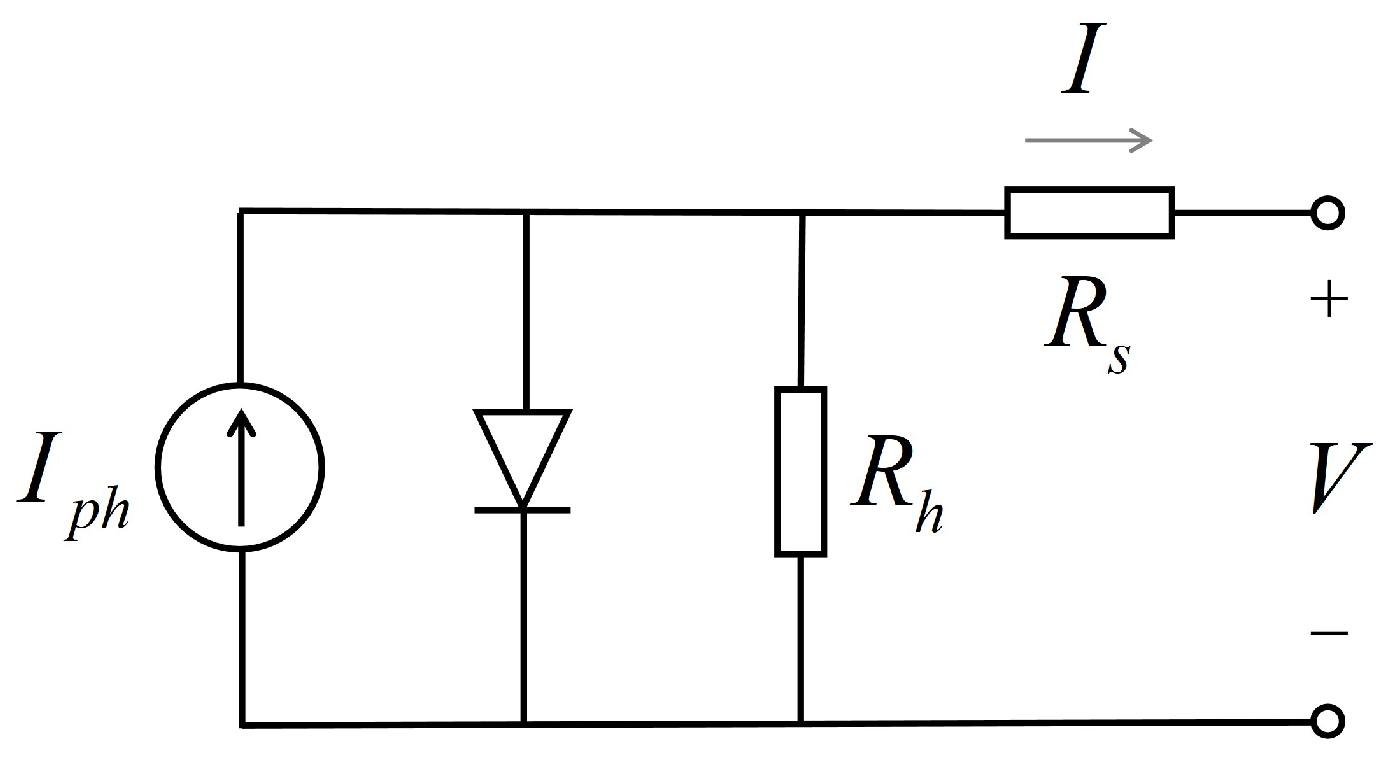
8], different equivalent circuits have been studied. The ideal single-diode model (SDM) is the simplest equivalent circuit [
9]. The double-diode model (DDM) [
10] and the triple-diode model (TDM) [
11] achieve better precision at the cost of increasing computational burden. Among the existing equivalent circuits, the improved SDM with five parameters is widely used, due to its good compromise between accuracy and complexity [
12].
Parametrization of PV modules make an important foundation for monitoring and fault diagnosis [
13,
14]. Analytical and numerical methods have been developed to identify the unknown parameters of equivalent circuits [
15]. Analytical approaches [
16] simplify nonlinear equations of equivalent circuits via remarkable points, including the short-circuit point, the open-circuit point, and the maximum power point. Using the current, the voltage, and the slope of remarkable points, explicit expressions for estimating the parameters have been provided [
17,
18]. Analytical methods are simple and fast, but the corresponding assumptions and approximations may generate significant errors of some parameters [
19].
Numerical approaches minimize the overall error between the simulated and measured I–V curves. In the literature, numerical optimization methods are classified into deterministic and meta-heuristic branches [
20]. The representative of deterministic approaches is the iterative algorithm, which sets the initial guess values of parameters, and then updates these values gradually to solve nonlinear and multivariable functions [
21]. Conventional iterative methods, such as Newton–Raphson [
22] and Levenberg–Marquardt [
23], are sensitive to the initial guess values. Sometimes, these techniques encounter the challenge of slow convergence [
24].
Meta-heuristic methods search the solution of the optimization problem, inspired by natural phenomena [
25]. The genetic algorithm [
26] and the differential evolution [
27] are population-based methods. Combined with social group [
28], multimutation [
29], dynamic diversity capture [
30], and self-adaptive [
31,
32] algorithms, the performance of differential evolution has been improved. Bio-inspired methods [
33,
34] and physics-based methods [
35] have also been investigated. These meta-heuristic methods rely on the reasonable range of each parameter. The objective function may become stuck at local optimal values with stochastic initialization, resulting in uncertainty of the extracted parameters [
36].
Considering the advantages and limitations of the above methods, hybrid approaches have been developed. The study [
37] finds the ideality factor and the series resistance using the dual-iteration algorithm, while analytically calculating other parameters. Some researchers construct two lower-dimensional spaces using parameter separation techniques [
38,
39]. In one sub-space, the ideality factor and the series resistance are extracted using optimization algorithms; in another sub-space, other parameters are calculated analytically [
40,
41]. However, the same parameter can be calculated using different analytical expressions. These methods do not specify which analytical expression achieves better performance.
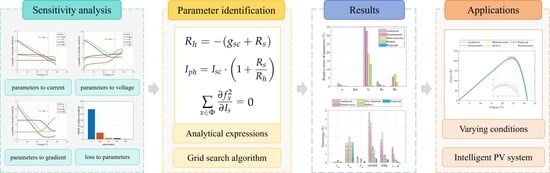
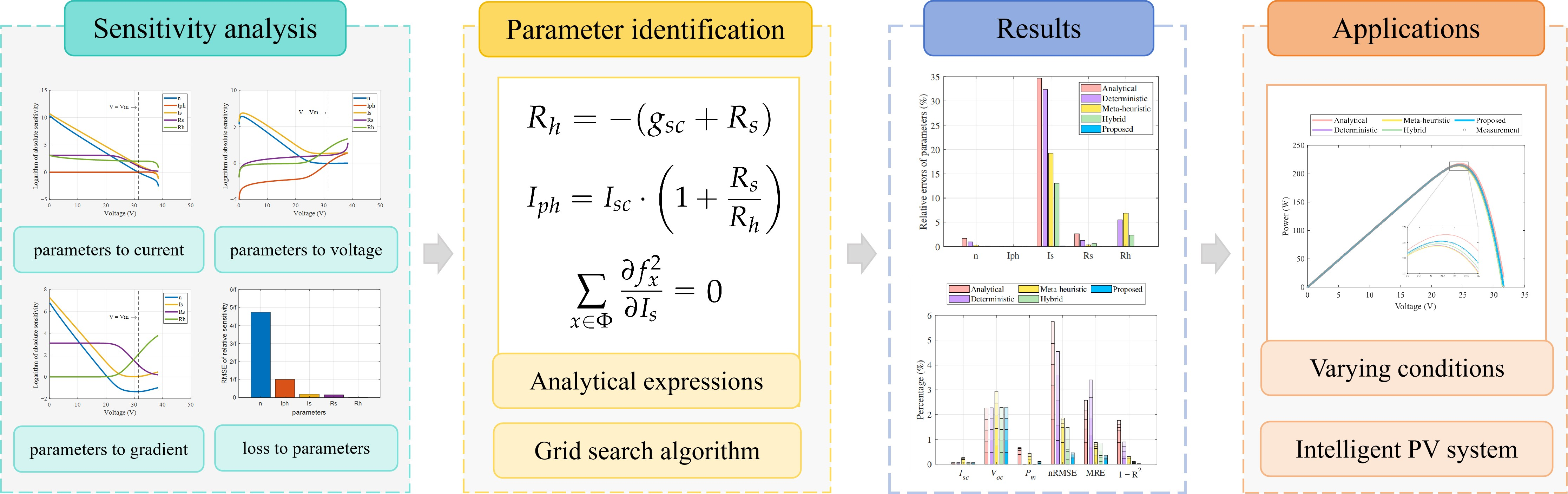
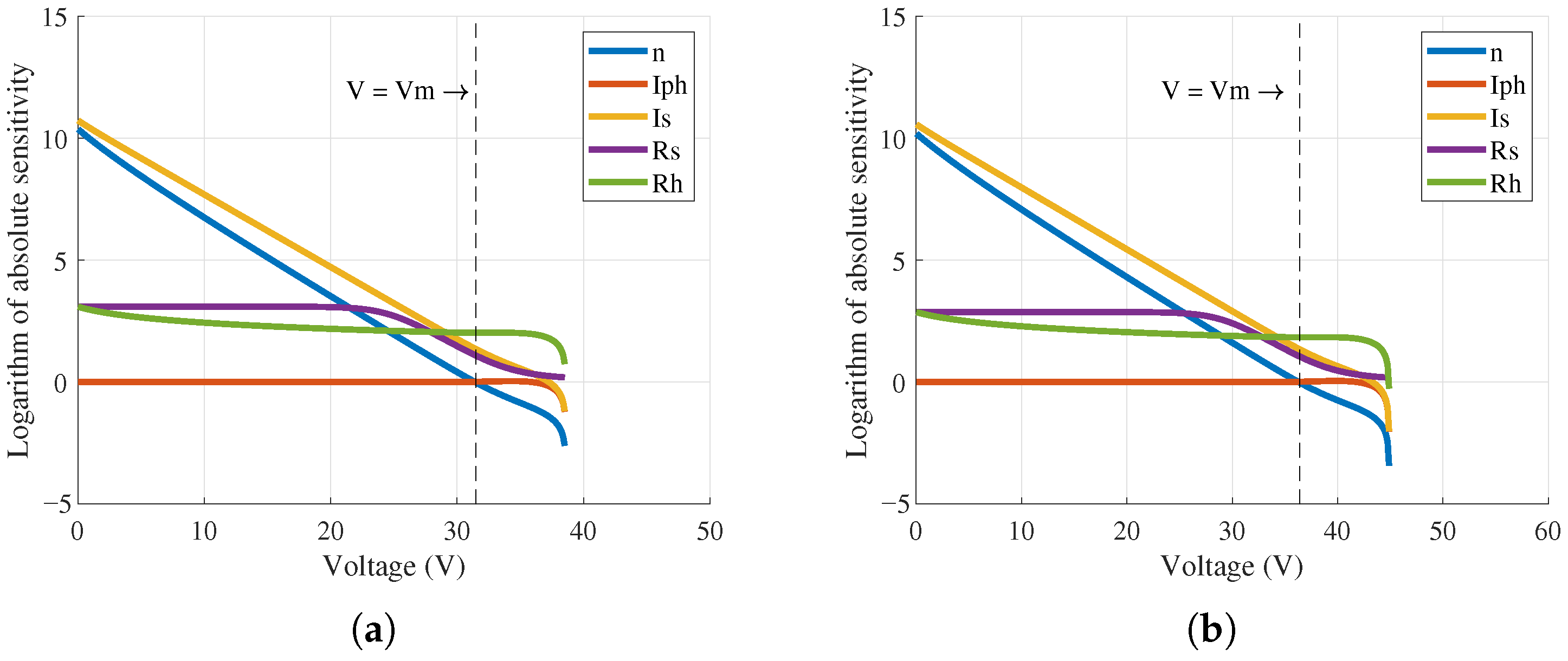
Existing approaches have not taken into account the sensitivity of parameters for the SDM, which lead to errors of parameters, remarkable points, and the overall I–V curve. The early studies on parameter identification of photovoltaic modules have primarily focused on verifying the effectiveness of the equivalent circuit models and their corresponding mathematical models, with the aim of simulating the I–V curves. However, as the research progresses and develops, extracting accurate parameters has become as important as validating the models and simulating the I–V curves. Therefore, one of the motivations of this study is to promote the rigor of the methodology, transforming the sensitivity analysis into the prior knowledge for the parameter identification method. Sensitivity analysis provides a fundamentally new perspective on understanding parameter robustness beyond traditional methods. Sensitivity analysis can explain which parameter is suitable for calculation using the analytical expression and which analytical expression achieves better performance.
The errors of the extracted parameters are derived from measurement error and optimization error. On the one hand, the minor errors of the measured I–V curve are prone to be magnified, as the mathematical model of the equivalent circuit contains the exponential term. On the other hand, the optimization problem yields sub-optimal solutions, which implies that the extracted parameters do not exactly match the true values. Therefore, the parametrization procedure should avoid the magnification of measurement errors, and make the loss function as low as possible.
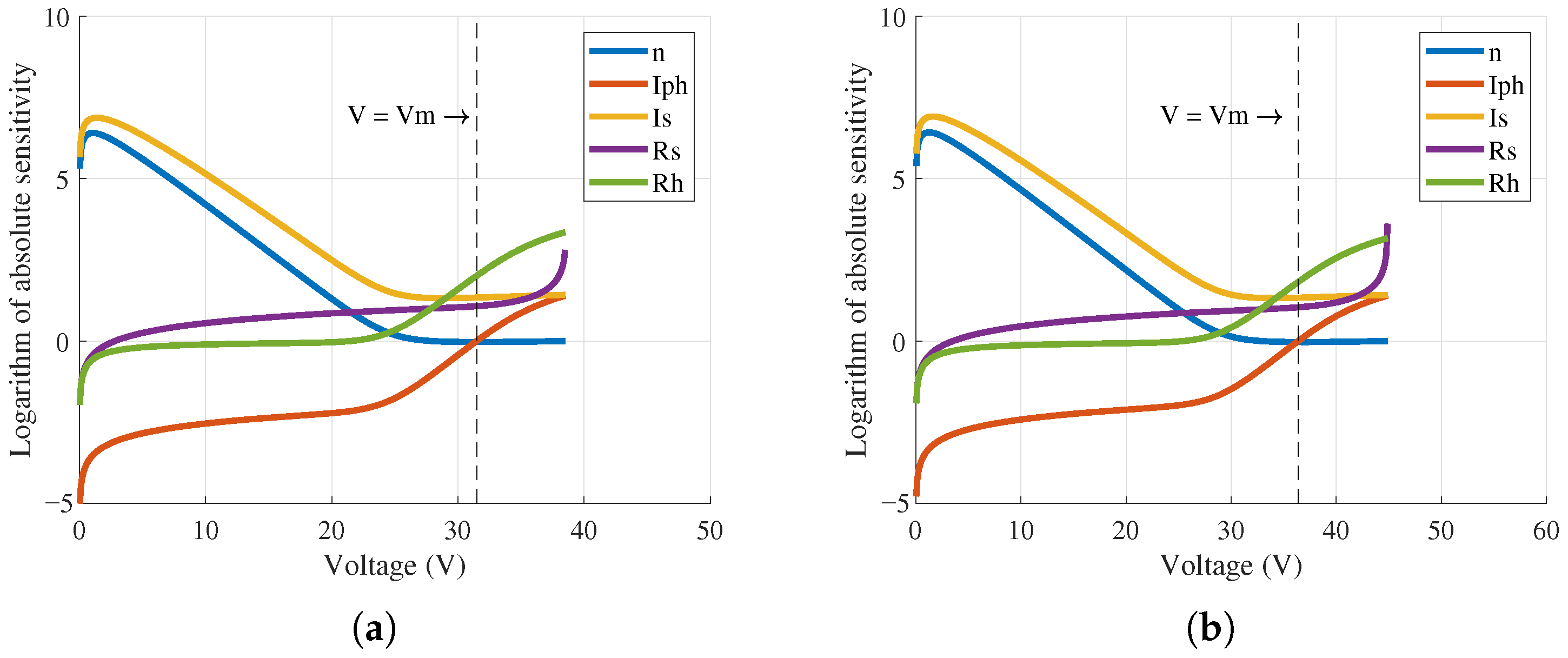
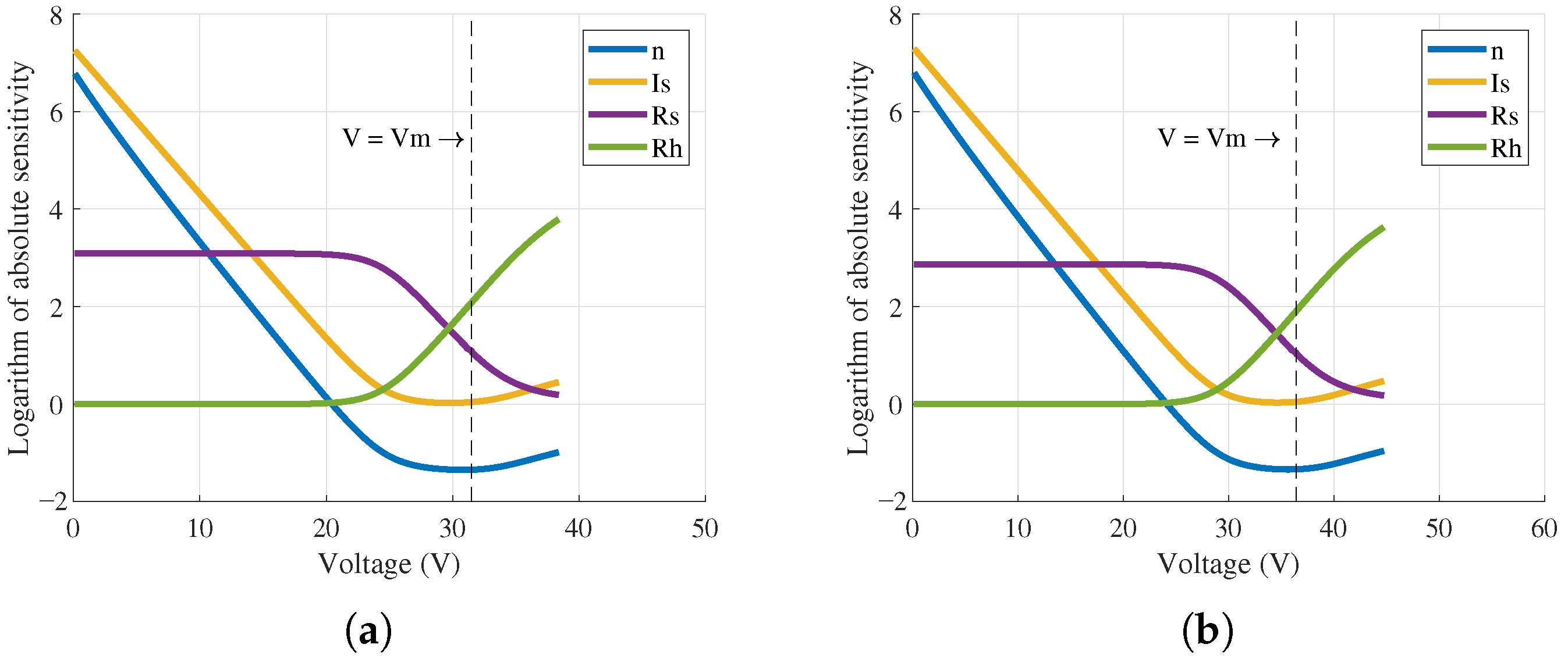
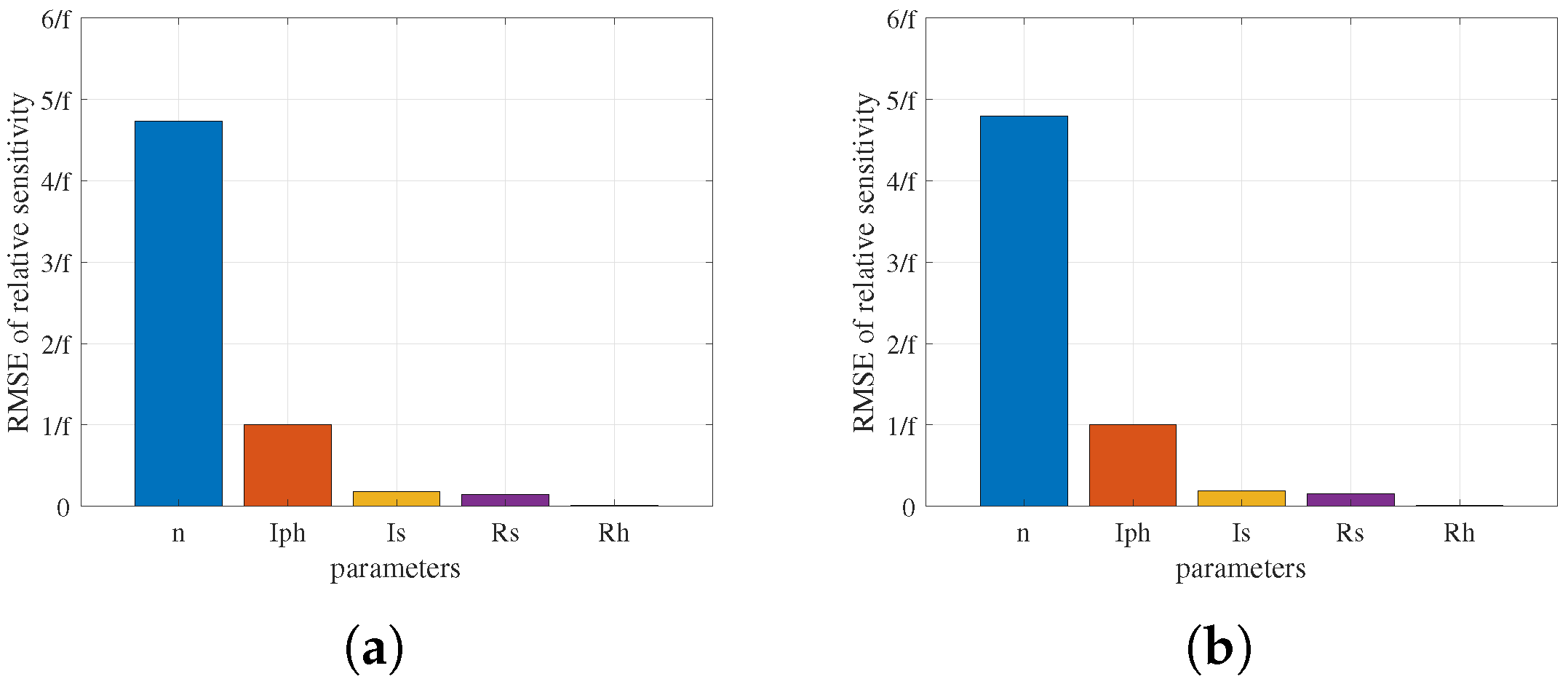
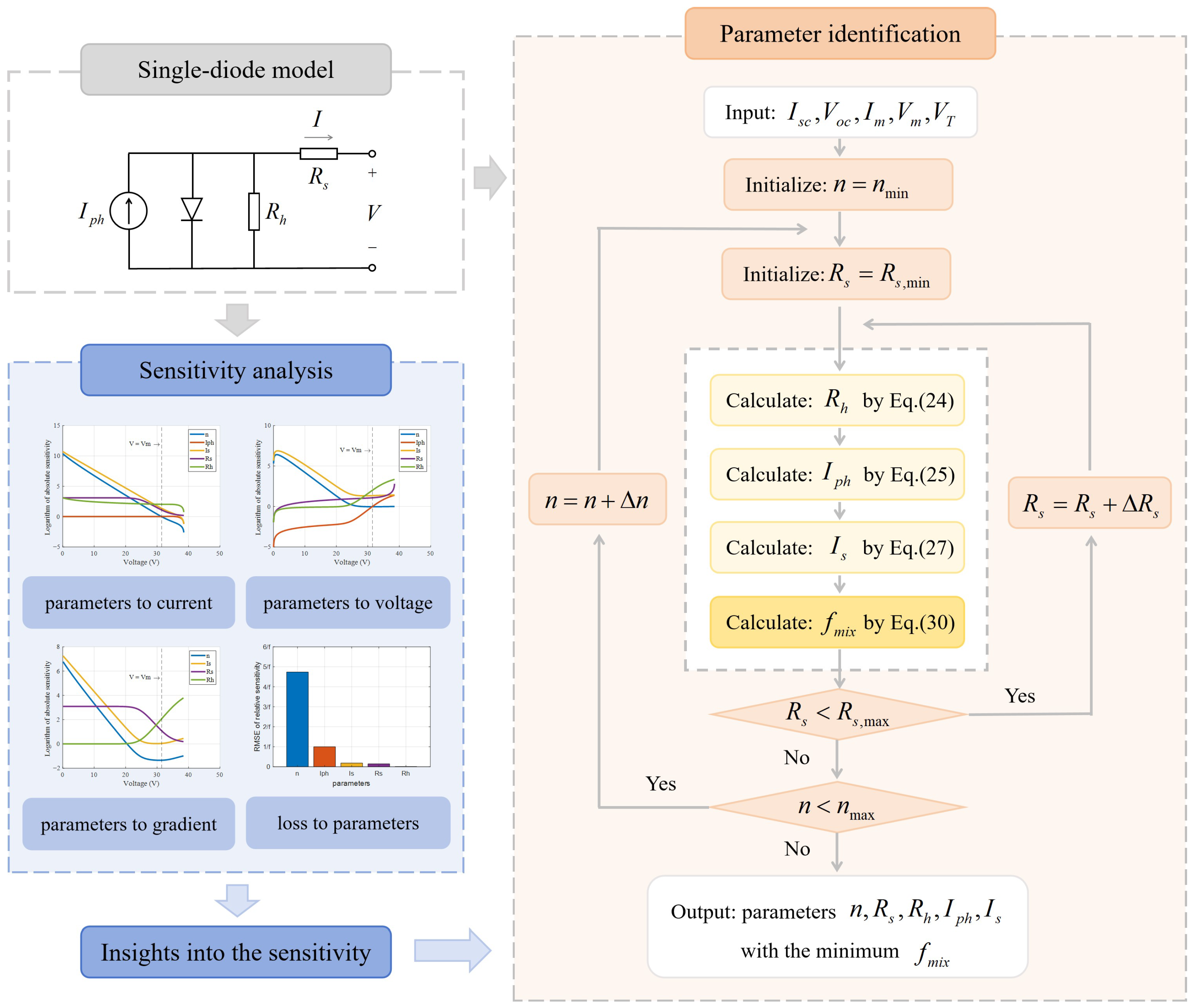
In light of the above, the sensitivity of parameters to the current, the voltage, and the I–V gradient are analyzed, which reveals that the analytical calculation of the photoinduced current using the short-circuit current does not magnify the measurement error. The sensitivity of the loss function to parameters is analyzed, which demonstrates that the diode ideality factor has the most significant impact on the loss function. Based on insights into the sensitivity, a novel parameter identification method for the SDM is proposed. The contributions of this article are summarized as follows:
To the best of our knowledge, this is the first work that focuses on the sensitivity of parameters for the SDM. The sensitivity analysis in this work explains which parameter is suitable for calculation using the analytical expression and which analytical expression achieves better performance, providing a fundamentally new perspective on understanding parameter robustness as well as the prior knowledge for the parameter identification method.
Based on insights into the sensitivity, a novel parameter identification method for the SDM is proposed, which combines analytical expressions with the grid search algorithm. The proposed method reduces the relative error of the extracted parameters in the simulated dataset, and the quantitative improvement of the reverse saturation current is significant (12.6% average reduction). This method achieves the state-of-the-art overall performance in the measured dataset, and the Friedman test confirms that this improvement is statistically significant (p < 0.05).
When the parameters are transferred to varying operating conditions, the proposed method can simulated the I–V curve and the P–V curve accurately. The excellent transition capability of this method implies that it has the potential to be applied to the intelligent operation and maintenance of photovoltaic systems. Furthermore, this work provides an important foundation for monitoring and fault diagnosis.
The rest of this article is organized as follows. The sensitivity analysis and the proposed parameter identification method are described in
Section 2. Subsequently, experimental results are presented in
Section 3. Next, parameters are interpreted and applications of the proposed method are discussed in
Section 4. Finally, conclusions are drawn in
Section 5.
4. Discussion
In order to explain how the sensitivity-inspired parameter identification method works, monocrystalline (LR6-60-285M) is taken as an example in this section. The effect of parameters is analyzed, and the correlation between parameters is discussed in
Section 4.1. Subsequently, applications of the proposed method are shown in
Section 4.2. Next, the comparison of different methods is summarized in
Section 4.3.
4.1. Interpretation of Parameters
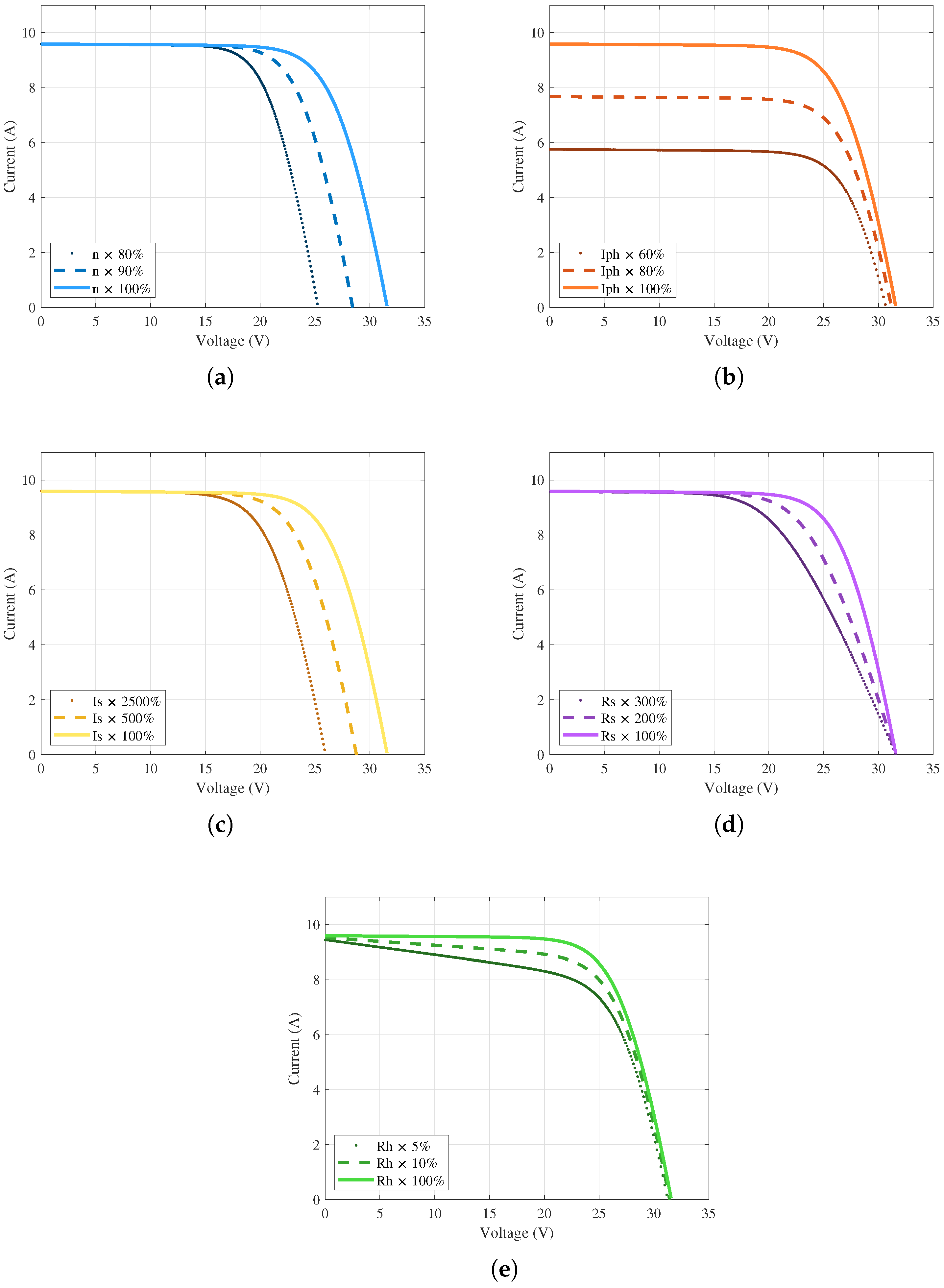
The individual effect of parameters on the I–V curve due to variation of
n,
,
,
, and
is shown in
Figure 11. The photoinduced current
determines the short-circuit current, while the shunt resistance
determines the slope around the short-circuit point. The influence of these two parameters on the I–V curve appears to be relatively independent. The saturation current
and the ideality factor
n have a highly correlated influence on the the open-circuit voltage. The series resistance
affects the slope around the open-circuit point.
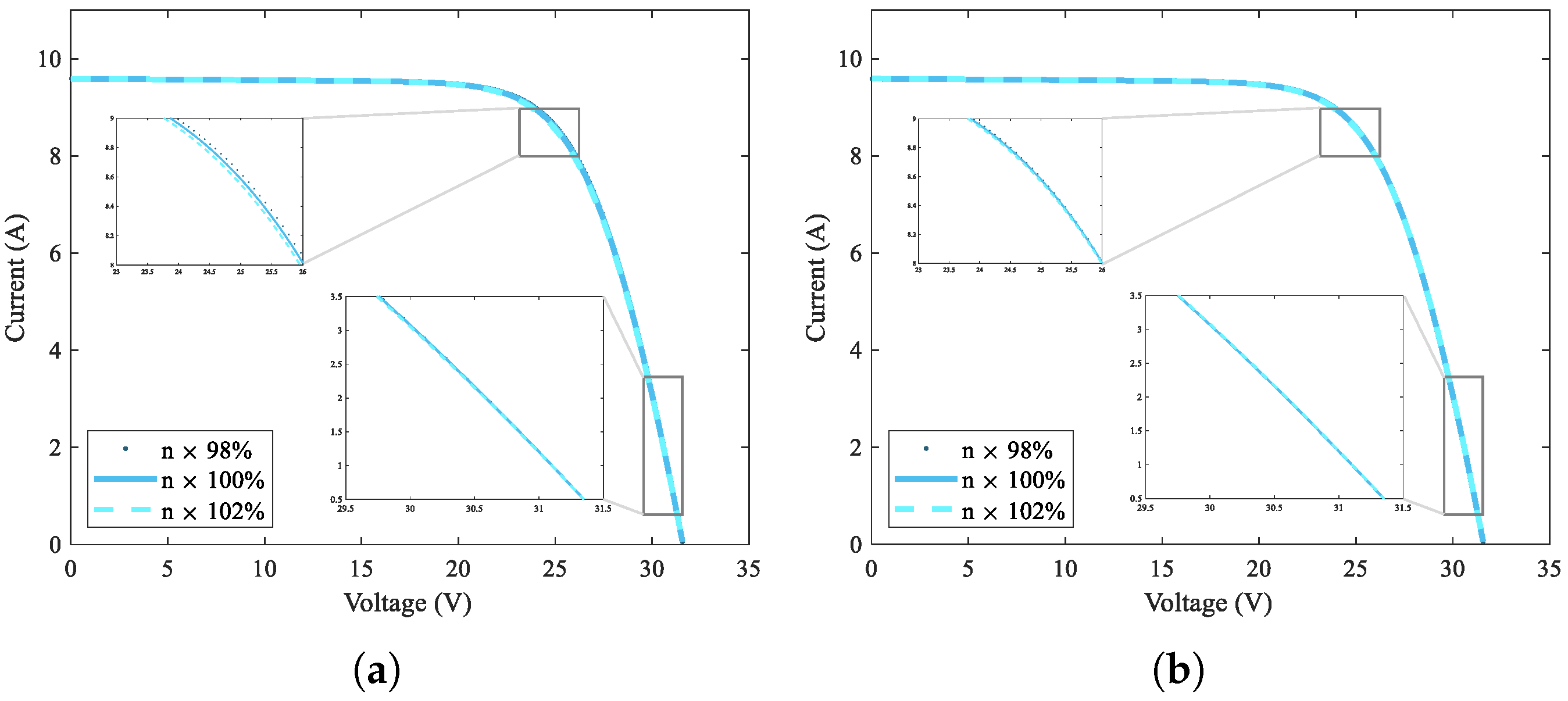
If
changes along with
n to keep the open-circuit voltage constant, while other parameters remain unchanged, the collaborative effect of
n and
on the I–V curve is shown in
Figure 12a. It can be observed that the slope around the open-circuit point changes slightly, and the maximum power point changes obviously. In order to adjust the slope around the open-circuit point,
can be found using the minimum overall loss of the I–V curve, as shown in Equation (
28). The collaborative effect of
n,
, and
on the I–V curve is shown in
Figure 12b. It indicates that when
and
change along with
n, the I–V curve may remain approximately consistent.
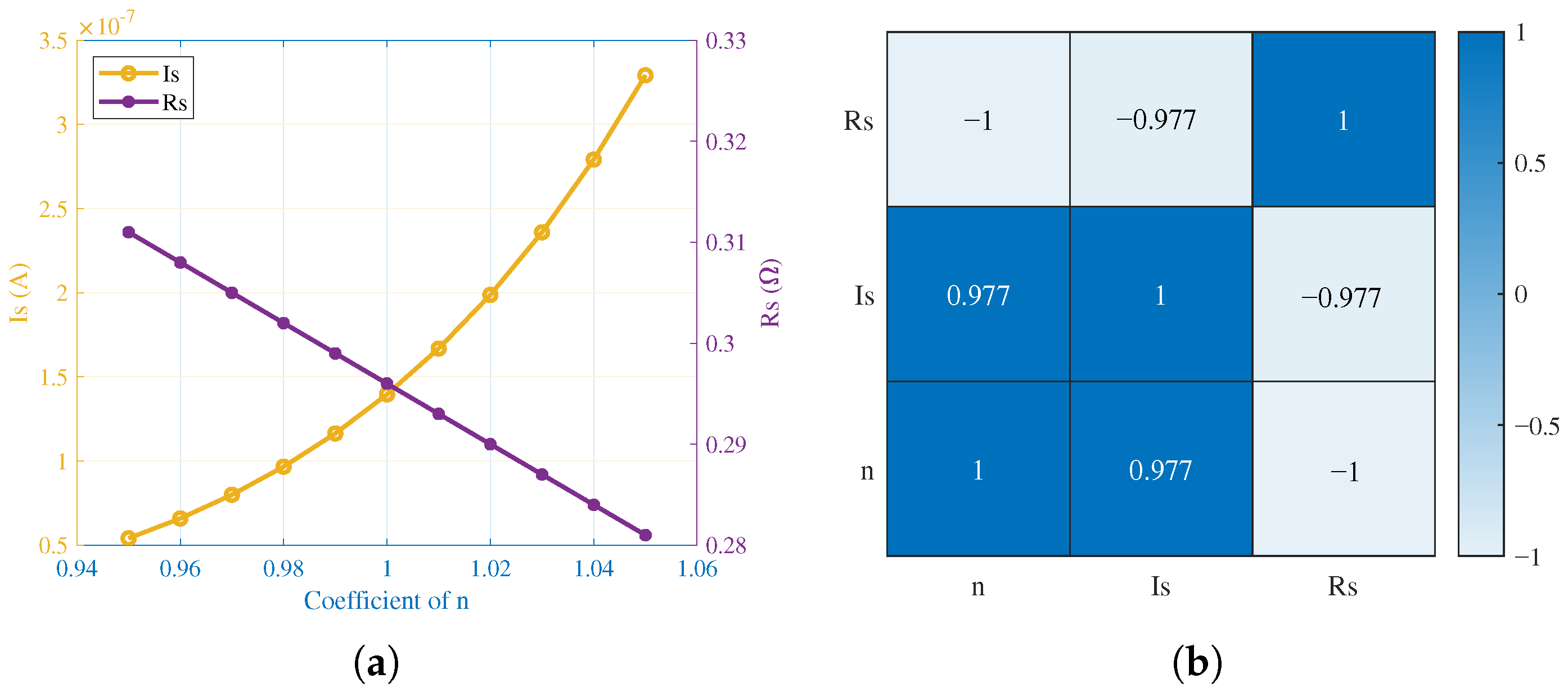
Based on the above analysis, it can be inferred that the parameters that can roughly simulate the I–V curve are not unique. Within a certain margin of error, the correlation between
n,
, and
is shown in
Figure 13. It can be observed that
is positively correlated with
n, and
is negatively correlated with
n. It is particularly worth noting that a slight change in
n will cause a significant change in
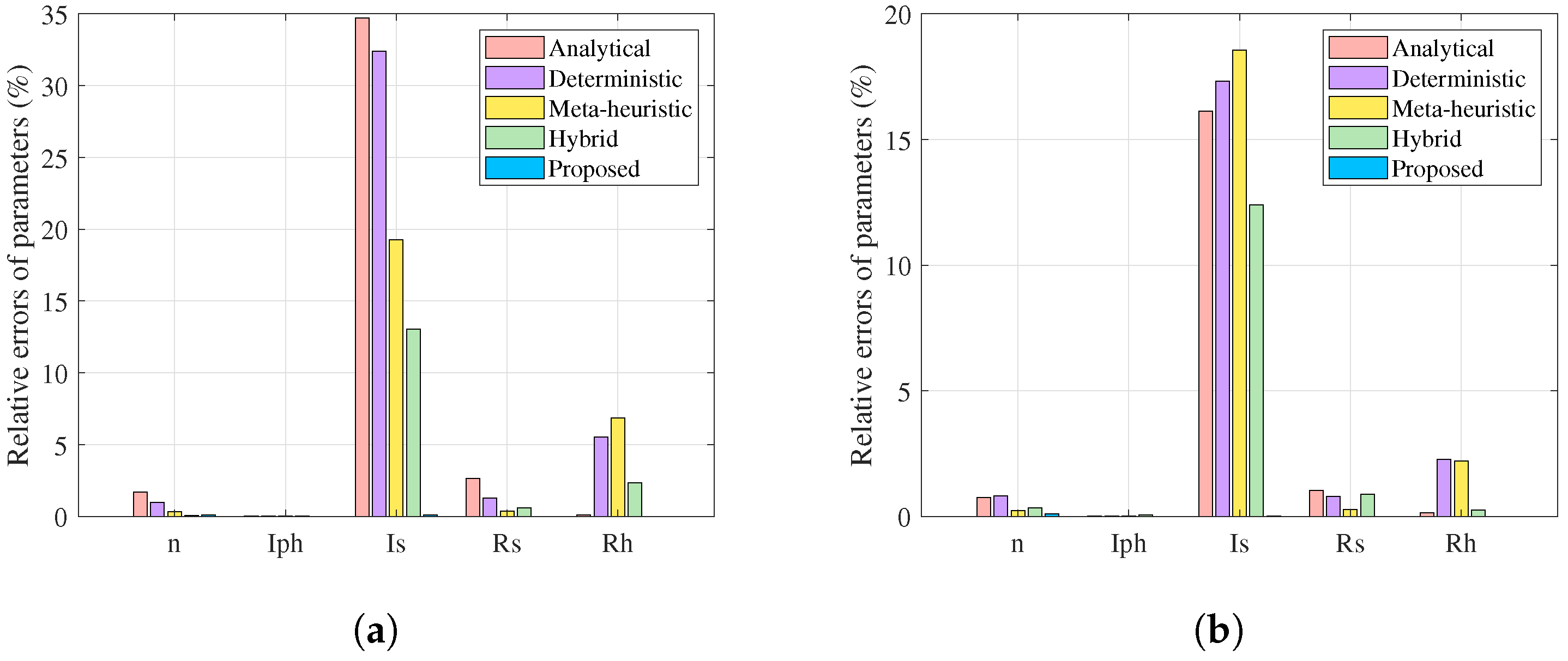
, which explains why the relative error of
is the largest among all the parameters in
Figure 7.
4.2. Applications
The parameters at STC can be transferred to any environmental condition using Equations (
37)–(
41),
where
G represents the irradiance; the subscript “0” represents STC;
represents the temperature coefficient of
, and
for LR6-60-285M;
represents the energy bandgap, calculated in Equation (
42). The energy bandgap at STC is shown in
Table 9.
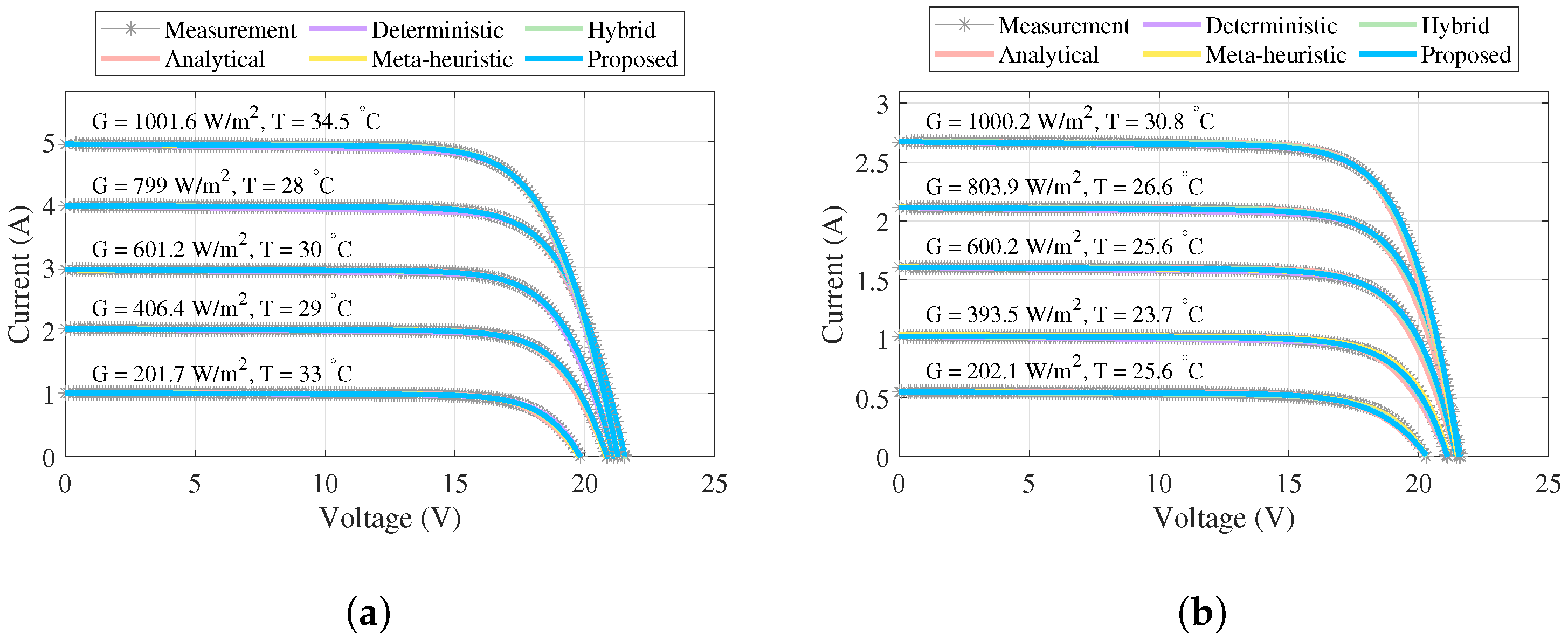
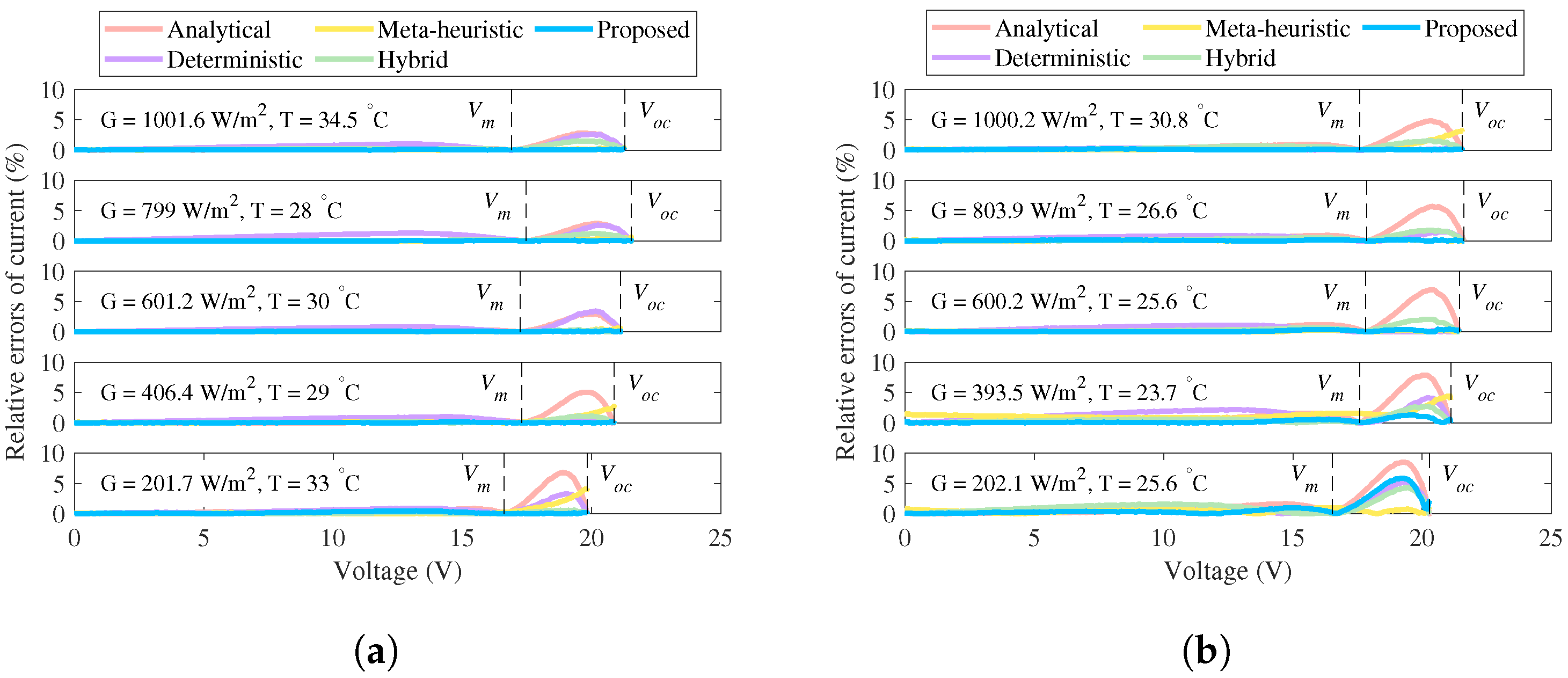
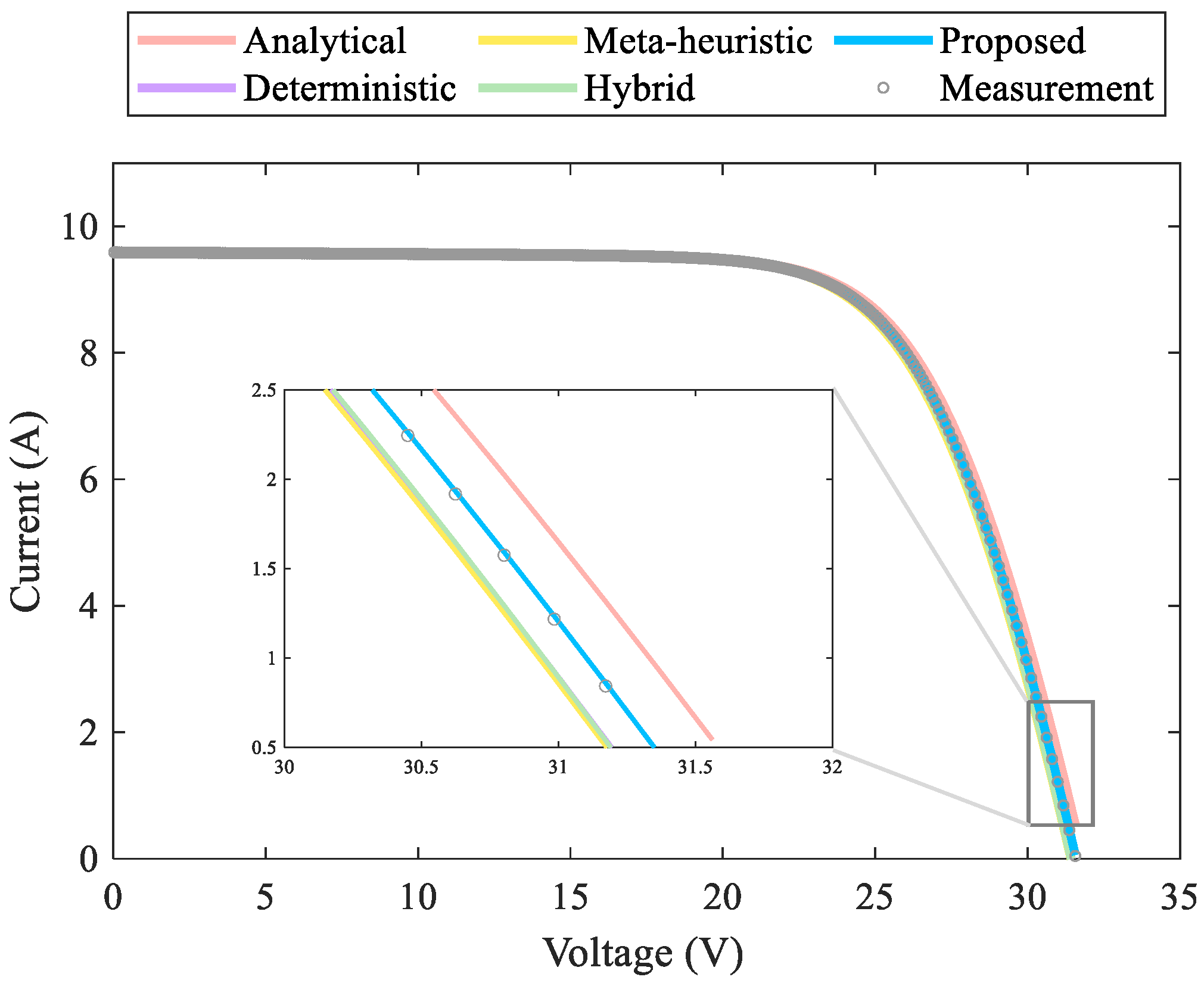
The parameters at STC are transferred to
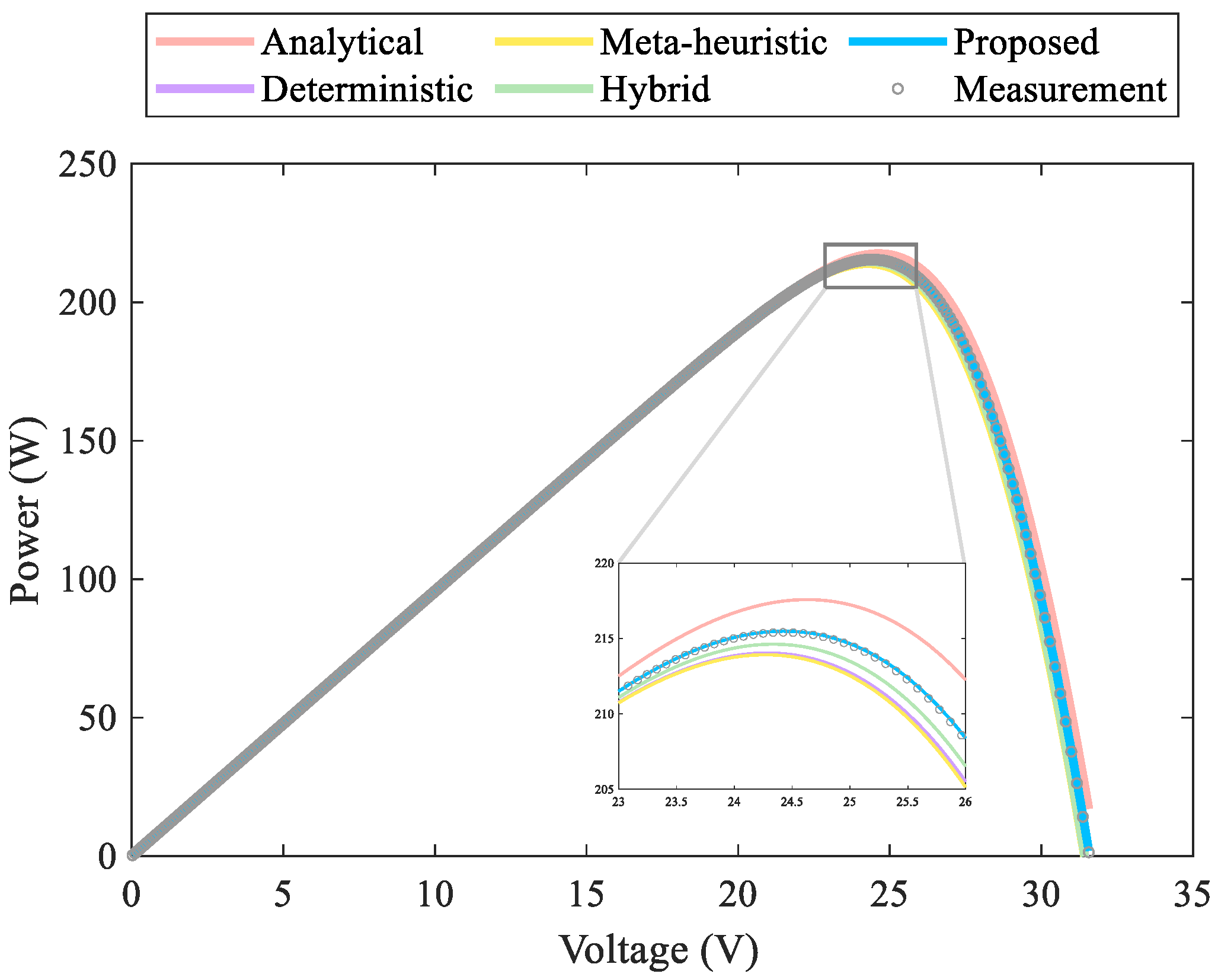
and the irradiance remains unchanged. The measured and predicted I–V curves, as well as P–V curves, are shown in
Figure 14 and
Figure 15, respectively.
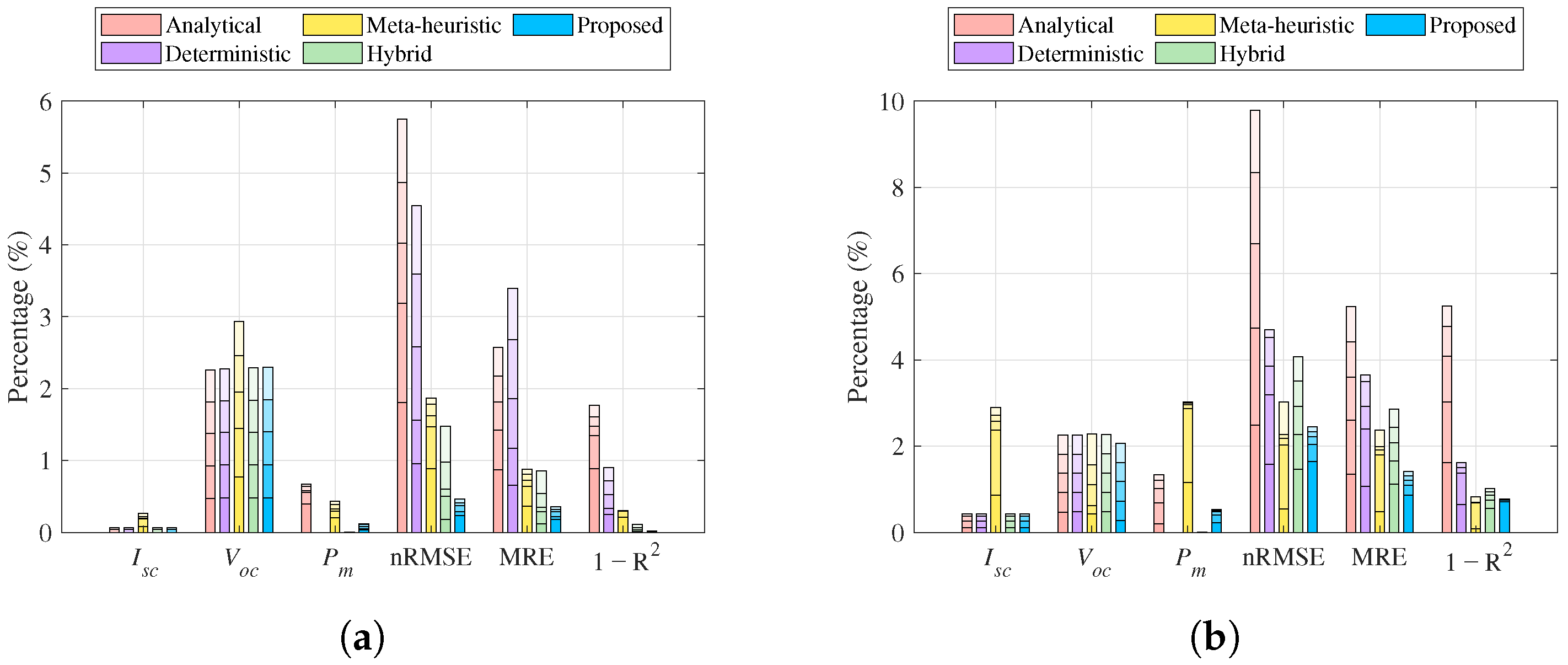
When the parameters at STC are transferred to and the irradiance remains unchanged, the simulated open-circuit voltage and maximum power using existing methods show significant deviations, while the simulated I–V curve and P–V curve using the proposed method are both consistent with the measured curves. It implies that the proposed method can be applied to varying operating conditions, which provides an important foundation for the monitoring of PV systems. In addition, the variation of parameters is related to degradation and aging of the PV module. The accurate parameter identification method is beneficial for fault diagnosis, which exhibits the potential to be applied to the intelligent operation and maintenance of photovoltaic systems.
4.3. Comparison of Different Methods
The analytical method does not involve complex optimization problems; thus, it has the advantage of high computational efficiency. On the contrary, the numerical method, specifically the meta-heuristic method, requires more computational time because each parameter needs to be optimized.
The hybrid method combines the advantages of the analytical method and the numerical method. A hybrid method combining analytical expressions and the Flow Direction Algorithm is adopted for comparison. The objective function of this method is to minimize the error of remarkable points. As a result, the hybrid method exhibits the best accuracy at the maximum point. Due to the integration of the meta-heuristic method, namely, the Flow Direction Algorithm, the result of this hybrid method is stochastic.
A simple hybrid method, namely, the deterministic method, finds the ideality factor and the series resistance using the dual-iteration algorithm. The proposed method adopts a similar framework, and explores insights into the sensitivity of parameters. The proposed sensitivity-inspired method achieves the best accuracy of parameters in the simulated dataset and the best overall performance (including nRMSE, MRE, and in the measured dataset. When applied to varying operating conditions, the transition capability of the proposed method is better than existing methods.
However, there is no single method that can outperform others in all evaluation metrics. Furthermore, the SDM is totally applicable to monocrystalline (xSi12922), and is partly suitable for multicrystalline (mSi0188) at high irradiance levels. The performance could be improved if the proposed method is extended to the DDM.