


Abstract
The open ocean cage aquaculture system is facing considerable challenges with disease outbreaks resulting from over-farming and the rise of resistance to antimicrobial treatment. However, the environmental consequences of antibiotic usage, including ecological contamination and the acceleration of antimicrobial resistance, underscore the urgent need for sustainable alternatives in aquaculture disease management. Lipopeptides, which are a compound that can be produced by marine bacteria such as Bacillus amyloliquefaciens or Bacillus subtilis, could represent a new solution. This review article comprehensively evaluates the feasibility of marine bacterial lipopeptides for sustainable disease management in open sea cage aquaculture. Lipopeptides, including surfactins, fengycins, iturins, and the clinically used daptomycin, have notable antiviral, antifungal, and antimicrobial properties, and can have positive effects on the immune system. Notably, lipopeptides have a remarkable antioxidant profile and excellent free radical scavenging ability, making them interesting candidates for improving disease resistance in fish relating to oxidative stress. The surfactins and iturins have amphiphilic structure and can destabilize pathogen cell membranes, inhibit biofilm formation and elicit host immune responses. This represents a paradigm shift in targeting multiple pathogens of aquaculture like Vibrio spp. and Aeromonas spp. Surfactins and iturins show broad-spectrum activity, while fengycins are selectively active against fungal threats. Daptomycin, which is primarily derived from Streptomyces, demonstrates the potential of the lipopeptide class to be developed therapeutically, which is something that tends to be overlooked. Unlike synthetic antibiotics, they are also biodegradable; therefore, there is much less environmental impact from lipopeptides. The complexity of the structure may have also some impact on the rate of development of resistance, if any. Their commercialization is possible; however, the main hurdles that need to be solved to improve aquaculture are the biologically scalable production, the economically viable purification, and the stability for practical application at sea. Integrating lipopeptides into disease management systems could also ensure the sustainability of open ocean cage aquaculture and reduce unnecessary antibiotic application.
1. Introduction
Aquaculture comprises the farming of aquatic organisms under controlled conditions and is the fastest-growing food production sector globally, making important contributions to food security, economic development and nutritional provision [1,2]. Where wild capture fisheries are facing increased pressures from overexploitation and climate variability, aquaculture has become the main driver of growth in aquatic food supply and provides income for millions of people and essential proteins in both developed and developing countries [3,4]. According to the Food and Agriculture Organization (FAO), global aquaculture production was at a record 130.9 million tonnes in 2022, consisting of 94.4 million tonnes of aquatic animals, surpassing capture fisheries for the first time and accounting for a record 51% of all aquatic animals destined for human consumption [5]. This growth trajectory is likely to continue, with the Organization for Economic Cooperation Development-FAO (OECD-FAO) Agricultural Outlook 2024–2033 expecting total fish production (aquaculture and capture fisheries combined) to reach 206 million tonnes by 2033, while FAO’s Blue Transformation roadmap targets an additional 35% increase in aquatic animal and plant production by 2030 to help meet the rising demand of a growing global population [6,7,8,9]. Aquatic animal foods presently provide 15% of animal protein, with aquaculture contributing approximately 8–9%. Also, Aquaculture is projected to account for over 50% of global aquatic animal supply by 2030, per updated FAO and OECD-FAO projections [5,10,11]. Among aquaculture systems, open-sea cage farming represents a cornerstone of marine production, especially for high-value finfish such as Atlantic salmon (Salmo salar), seabass (Dicentrarchus labrax) and cobia (Rachycentron canadum) [12]. These include floating or submerged net pens anchored in coastal or offshore waters, which utilize natural ocean currents to effect water exchange, oxygenation and waste dispersal while replicating semi-natural conditions toward enhanced growth [13]. Marine and coastal aquaculture contributes 37.4% to global aquaculture production and sea-based cage culture is estimated at about 65% of finfish production in that category [5,14]. However, its inherent openness subjects these systems to unique environmental dynamics, such as tidal flow, shifting salinity and influx of pathogens from surrounding waters, thereby raising unique risks [15,16]. Disease management remains one of the most serious challenges facing open-sea cage aquaculture; infectious agents cause an estimated USD 6–10 billion in losses annually as a result of mortality, poor growth and increased treatment costs [17].
According to the World Organization for Animal Health (WOAH) 2025 report, Infectious Salmon Anemia (ISA) virus continues to drive significant losses through mortality, culling and trade restrictions, contributing to the estimated USD 6–10 billion in annual global aquaculture disease impacts [18]. High stocking densities, often exceeding 20–25 kg/m3, facilitated by genetic uniformity in farmed stocks and chronic stressors such as temperature shifts and hypoxia, create ideal environments for the rapid proliferation of pathogens [19]. Principal threats include bacterial infections such as vibriosis caused by Vibrio spp. (V. anguillarum and V. parahaemolyticus), which can induce hemorrhagic septicemia and mortalities up to 100% if not treated. Aeromoniasis (Aeromonas spp.) and streptococcosis in open-water interfaces further enhance these outbreaks, where wild fish vectors and environmental reservoirs create pathways for horizontal transmission, very often beyond the reach of containment measures [20].
Traditionally, the main method for disease control in open-sea cages has been to treat with antibiotics (oxytetracycline and florfenicol) and chemical therapeutants which, while they work with incredible speed and efficacy, also come with serious ecological and dispiriting health costs [21]. The overuse of these therapies has led to the phenomenon of antimicrobial resistance (AMR), which creates resistant strains (Vibrio and Aeromonas) that are common in 30–50% of effluents from aqua-farmers in high-production regions such as Southeast Asia [22]. More recent monitoring data showed that 99% of Aeromonas sp. isolates and 94% of Vibrio sp. isolates from aquaculture systems have multidrug resistance and a high multiple antibiotic resistance (MAR) index (>0.2), indicative of potential high contaminating sources. A follow-up study of 695 moribund fish from Thai cage farms (including riverine and coastal open systems) indicated widespread resistance to beta-lactams, fluoroquinolones and tetracyclines among these pathogens [23]. Residual antibiotics are frequently discovered in sediments and bioaccumulated in seafood items, which alters microbial communities and facilitates algal blooms, further establishing AMR in seafood products, which undermines sustainability efforts in aquaculture [24,25].
Lipopeptides are amphiphilic, with a cyclic peptide moiety (7–10 amino acids) linked to a β-hydroxy fatty acid tail (10–16 carbons) [26]. They have multifunctional bioactivities due in part to their ability to disrupt microbial membranes, inhibit biofilm formation and modulate immunity responses to the host [27,28,29]. Broadly, lipopeptides can be categorized into families, such as surfactins (broad-spectrum antibacterials acting against Gram-positive and some Gram-negative pathogens, including Vibrio spp.), iturins (potent antifungals that target sterol-rich membranes) and fengycins (selective against filamentous fungi and some bacteria) [30,31,32]. They are also biodegradable and can break down rapidly in the environment (half-life <48 h in seawater), limiting the risk of residue [33]. Lipopeptides not only have antimicrobial properties, but they also have antioxidant properties, since they can scavenge reactive oxygen species (ROS) and chelate metal ions, which can reduce oxidative stress in fish subjected to stressors generated from being in cages [31]. In vitro studies report up to 80% inhibition of DPPH (2,2-diphenyl-1-picrylhydrazyl) radicals in surfactin homologs, which could be helpful for augmenting fish resilience in regard to decreased dissolved oxygen and handling stress, after lipopeptides are administered to fish [34]. The immunomodulatory properties of lipopeptides are also significant. By acting as pathogen-associated molecular patterns (PAMPs), lipopeptides stimulate Toll-like receptors (TLRs) involved in the innate immune system of fish, whereby lipopeptides can enhance phagocytosis, secretion of cytokines (IL-1β) and lysozyme activity [29]. For example, a limited number of in vivo studies with lipopeptide activity have found a 50–70% increase in survival of fish that were fed lipopeptides and were challenged with Vibrio species in model species such as zebrafish (Danio rerio) and parrotfish (Oplegnathus fasciatus), and this was correlated with increased expression of immune defenses in the mucosa [35,36]. An example of this was found when rats were supplemented with a lipopeptide-producing strain, Bacilllus subtilis E20. This improved the growth performance of parrot fish (Oplegnathus fasciatus) when challenged with Vibrio alginolyticus, which led to improved survival rates and enhanced immune parameters [37]. Furthermore, a recently published 2025 study found that the lipopeptide Biokos™ was effective in controlling ciliate parasite Epistylis sp. infestations in goldfish (Carassius auratus) via inducing membrane disruption. Moreover, while Biokos™ is expensive, it would be considered a sustainable and environmentally conscious biocide, as opposed to the biocides commonly used in aquaculture to control ecto-parasites in ornamental fish [38]. Countries like India, the second-largest producer in the world, have consistently demonstrated strong growth among developing nations, with states such as Andhra Pradesh and Gujarat demonstrating production levels that reveal the significance to food security, and sustainable economic development in developing countries. This review will take into consideration the merits of lipopeptide-based antibiotics and lipopeptide-based antioxidants in the context of implementation in open-sea cage aquaculture for the management of disease. We will also discuss the mode of action, applications and concerns for commercialization. By synthesizing the existing literature and some primary studies that discuss lipopeptides from marine bacteria, we hope to provide a source of information for future research and development towards improved aquaculture practices that are more sustainable and resilient to mitigate some challenges of open-sea cage systems and food security needs globally.
Data Analysis and Visualization
A comprehensive literature search was conducted across SCOPUS, Google Scholar, PubMed, and Web of Science to identify studies published between 1996 and 2025 relevant to the application of lipopeptides in aquaculture, particularly concerning antimicrobial resistance and sustainable practices. The search utilized a combination of keywords such as “aquaculture,” “lipopeptides,” “Bacillus subtilis,” “antimicrobial resistance,” “marine bacteria,” “surfactins,” “fengycins,” “iturins,” “daptomycin,” and “sustainable aquaculture,” employing Boolean operators (AND, OR) to refine the results. A total of approximately 650 citations were retrieved from these databases. After removing duplicates and excluding studies that did not meet the inclusion criteria based on titles and abstracts, 157 unique publications were selected. To ensure the inclusion of the most recent research, additional key publications from 2024 and 2025 were incorporated into the review. This selection provides a solid foundation for assessing the role of lipopeptides in mitigating antimicrobial resistance and advancing sustainable aquaculture practices. An analysis of mariculture pathogens (2015–2023) was performed by comparing mortality, economic losses and host susceptibility using FAO, WOAH/OIE and peer-reviewed data and is fully presented in Supplementary Table S1. For economic losses reported as ranges in studies, midpoint estimates were used (Sea Lice, USD 500–1000 million) with the midpoint values included in Figure 1 and Figure 2 showing the minimum–maximum limits as error bars. Mortality profiles in Figure 3 were collated from untreated open-sea cage outbreaks and plotted as regional minimum–maximum cumulative mortality. Species vulnerability scores in Figure 4 were calculated by normalizing raw mortality and prevalence data onto a 0–10 scale, where 10 = highest susceptibility and 0 = negligible impact. Given these outputs synthesize heterogeneous datasets, with losses varying with stocking density, temperature, vaccination, and management practices, all figures should be interpreted as global, illustrative risk profiles rather than site-specific predictive metrics.
Figure 1.
Economic Impact of Common Fish Diseases in Mariculture (2015–2023): Attributed to common fish diseases in mariculture, ranked by midpoint values of reported loss ranges. Diseases include Sea Lice (USD 800 M), Infectious Salmon Anemia (ISA, USD 300 M), Amoebic Gill Disease (AGD, USD 115 M), Viral Nervous Necrosis (VNN, USD 75 M), and Streptococcosis (USD 50 M). Detailed values are provided in Supplementary Table S1.
Figure 2.
Mortality rates and economic impact (2015–2023) of common fish diseases in mariculture: Circle size corresponds to the disease’s economic loss (midpoint values), with error bars indicating reported loss ranges. Annual losses scale up to USD 1.0 billion. Based on data from the FAO, OIE (World Organization for Animal Health), and peer-reviewed studies available in Table S1. Created using Python (Version 3.12.x)).
Figure 3.
Bacterial Disease Impact in Open Sea Cage Aquaculture: Bar chart illustrating the range of mortality rates (%) for common bacterial diseases in open sea-cage aquaculture. Detailed values are provided in Supplementary Table S2.
Figure 4.
Multivariate Analysis of Disease Impact in Open Sea Cage Aquaculture: The radar chart illustrates species-specific vulnerability profiles of Salmon, Seabass, Seabream, Barramundi, and Trout across five major pathogens (Vibriosis, Parasitic Infections, Trypanosomiasis, Parasitic Copepods, and Tenacibaculosis). (Scores (0–10) are derived from normalized mortality rates where 10 indicates 100% mortality. Underlying data provided in Supplementary Table S3).
2. Open Sea Cage and Disease Management
Open-sea cage aquaculture uses floating or partially submerged net pens placed in marine surroundings to cultivate fin fish species such as Atlantic salmon (Salmo salar), European seabass (Dicentrarchus labrax) and Asian seabass (Lates calcarifer) under conditions simulating their natural water currents and movement [12,13]. The structure generally comprises frames made of high-density polyethylene, encased with nylon or polyethylene mesh of size 10–50 mm, with mooring lines fixed to the seabed to support water currents up to 1 m/s [32]. The net pen stays afloat with foam or steel rings and ancillary equipment includes walkways and automated feeding systems attached to it [33]. These systems allow easy support of high fish densities up to 15–30 kg/m3 and effective dispersal of waste materials by tidal exchange, although their open design necessarily supports bidirectional pathogen transfer with regard to the marine environment, making disease containment difficult and spurring disease transmission pathways [31,39] (Figure 1). For example, algae or biofilm fouling of fishing nets may decrease water circulation, allowing opportunistic pathogens to thrive in low-oxygen environments that preferentially form around such cages [34]. Additionally, the presence of salinity concentrations at 25–35 parts per thousand and temperatures at 10–25 °C, determined by seasonal variation, can be detrimental to fish physiology and immune functions, thereby rendering fish highly susceptible to opportunistic infections by indigenous pathogenic isolates from the marine ecosystem [19]. The constant influx of unfiltered, high volumes of up to 10–100 cage volumes per hour, depending on water currents, can be particularly threatening to fish in such cages by providing potential pathways of disease entry through increased vector and pathogen dissemination, including planktonic stages of pathogens and bloom-forming nutrients [20]. This ever-changing dynamic hastens horizontal transfer and also obstructs therapeutic application, as water-soluble agents such as antibiotics quickly diffuse, with concentrations often retaining <10% activity after 24 h post-exposure application [29]. Thus, improved alternatives such as lipopeptides, with amphiphilic characteristics allowing target-directed action at very low concentrations (1–10 mg/L), offer hope, although their resilience against shear stress and enzyme degradation within saline currents demands new approaches such as nano-encapsulation to provide sustained local concentrations along cage boundaries [35,36]. Meeting such hydrodynamic limitations is vital for achieving proactive, ecological, and chemical-control substitution in offshore environments.
2.1. Predominant Disease Risks
Bacterial pathogens cause serious disease-related mortalities in open-sea cage fish, with density-related stresses precipitating epizootics and outlook ranging widely from <5% to >80% lethal values depending upon pathogen virulence, host species, and environmental conditions [39,40]. Vibriosis, caused by Vibrio anguillarum and V. parahaemolyticus, exhibits symptoms of bleeding septicemia, fin rot, and ascites, proliferating in warmer temperatures (≥20 °C) and well-oxygenated waters, augmented by unconsumed feeds [41]. Disease occurrences rise considerably at high fish density concentrations (>20–40 kg/m3, depending upon species), with elevated bacterial isolations up to 103–105 CFU/mL by equipment surface biofilm formation, translating to cumulative fish mortalities of 30–80% in 5–15 days without remedy [42]. Another case, aeromoniasis caused by Aeromonas salmonicida, causes furunculosis characterized by lesions and secondary bleeding, typically found in cooler biotopes (10–15 °C) and associated with stress originating from handling, with increased incidence by salinity reduction <30 ppt [43]. The disease caused by Streptococcus iniae and S. agalactiae is referred to as streptococcosis, and its symptoms include meningoencephalitis and exophthalmia. This disease is normally incurred by injuries or hypoxia and can affect seabass in environments with high water turbulence and an oxygen level of below 5 mg/L [44]. Photobacteriosis, caused by Photobacterium damselae subsp. piscicida, with an above-50% case fatality, is an acute septicemia preferring brackish interfaces and has recently increased in Mediterranean cages due to climate warming [45]. The bacterial syndromes, in sum, represent 60–70% of reported cases, and resistance to florfenicol, with AMR profiles above 45% of isolates, has contributed to their persistence in the Norwegian industry [22,46].
Bacterial infections are compounded by viral and parasitic pathogens, and often synergistic. The ISA virus causes anemia and tissue necrosis in affected salmon, with disease breakouts originating from incursions of wild fish through porous netting systems [47]. VHS virus, a rhabdovirus, causes petechial bleeding and 20–80% case fatalities in gadoids and salmon, with its RNA genome evolving quickly in response to selective pressures from cage drainage water salts and chemicals [48]. Sea lice infections by Lepeophtheirus salmonis and Caligus species involve dermatitis and secondary bacterial infections, with pregnant females migrating up to 10–20 km by fish currents to infect contiguous cage units [49]. Additionally, infections by trypanosomatids, such as Trypanosoma danilewskyi, and tenacibaculosis by Tenacibaculum maritimum reduce fish welfare, with infections by T. danilewskyi involving hemolymph invasion in tropical fish cages and infections by T. maritimum originating from tail rot infections in fish reared in cold-temperate conditions and water environments [50,51]. Amoebic Gill Disease, caused by infections with Neoparamoeba perurans, damages fish [52]. The environmental factors involved are currents 0.5 m/s, dispersing Vibrio larvae, and salinity 32 ppt, favoring Vibrio quorum sensing, and these interact synergistically in synchronizing episodic events, as seen by multivariable modeling of 2–3 times increased risk with upwelling events [53]. Specific diagnostic capabilities are imperative, with photobacteriosis case fatality at 90–100% in young fish, furunculosis exceeding 50% and possibly reaching 100% with severe episodic events, and vibriosis in high-density sea bass concentrations reported at around 16% case fatality, although experimental setups with suspect/already-compromised fish may reach 100% [39,42] (Figure 2). Such trends suggest that isolated approaches to disease control are suboptimal, with open-water advection causing blurring of disease foci, thereby necessitating a wider range. Though specific information regarding Vibrio-Neoparamoeba dual infections in Atlantic salmon aquaculture reported in OIE/WOAH documents from 2022 to 2025 is found in country surveillance repositories, mechanistic research proves Vibrio species to be the main intracellular symbionts of N. perurans [54]. Similar mathematical models of fish dual infections illustrate synergistic lethal interaction, enhancing mortalities by 30–50% and reducing time to mortalities by 4–5 days, depending upon combinations of individual bacterial and/or viral infections [55].
2.2. Economic and Production Impacts
Open-sea disease incursions impose severe impacts including direct mortality, growth suppression and secondary expenses such as man-hours and disposal into disease impact measurements [17]. Worldwide, the estimated cost in terms of lost yield each year is in the region of billions of USD, with bacterial and parasitic infections accounting for 54% of this through lost yield and healthcare expenditure [56]. Global aquaculture disease mortalities amount to around USD 6 billion each year, with climate change accelerating disease by rising water temperatures and decreasing water oxygen concentrations, facilitating disease transmission and fish death [57]. The Norwegian salmonid industry has estimated annual damages of around USD 436 million due to sea lice infestations, representing 9% of farm sales with an average net profit reduction of 0.46 USD/kg of harvested fish product. The expenditure incurred in delousing species varies widely, with chemical delousing in Canada at USD 0.24–0.28/kg and thermal treatments improved in Norway at EUR 333,887–771,897/cage per production cycle [58,59,60] (Figure 1). Outbreaks of infectious salmon anemia (ISA) in Norway generally occur at 10–18 locations per year, and when control measures such as culling and site fallowing are taken, there are localized production losses. Although viral hemorrhagic septicemia (VHS) is presently not established in Norwegian aquaculture, the cumulative economic effect of all viral diseases combined is far below USD 300–500 million per annum, and cumulative disease-related mortalities from all causes are close to USD 2 billion in high years, such as 2023 [47,48] (Figure 3). The economic costs caused by AGD to Tasmanian salmon aquaculture are significant, with direct treatment costs estimated at around AUD 40 million per year, and disease control raising production costs by up to 20% due to lost growth, disease-related mortality and treatment costs. The bathing protocol, which is currently used widely as the method of treatment, is expensive and stresses fish heavily by repeatedly handling them [52,61]. Contributions of viral nervous necrosis and streptococcosis are USD 50–75 million each, with viral nervous necrosis due to larval mortalities in sea bass hatchery to cage stages and streptococcosis due to morbidities that reduce fish [62,63,64,65].
These fiscal hemorrhages ripple beyond farms, thereby weakening investor confidence and raising insurance costs by 10–25% in endemic areas. Production performance also declines correspondingly with growth parameters in infected cohorts remaining 20–40% lower, with increased feed conversion ratios of 1.5–2.0 as opposed to 1.2, along with an added mortality cost of USD 0.22–0.50 per kg [22,66]. For net cage culture systems of the Malaysian Asian seabass, vibriosis results in 16.23% mortalities, with economic losses estimated at 7.06% of total production costs of EUR 0.19 per tail per kilogram of production, and at hatchery level, Vibrio-related risks add on 2.77% mortalities [67,68] (Figure 3). Multivariate profiling illustrates differences between species, positioning salmon risk toward parasitosis (score 8/10) and seabass risk toward vibriosis (9/10), along with a model predicting risk-based zones [53] (Figure 4). The FAO has estimated foodborne antimicrobial resistance (AMR) from non-Typhoidal Salmonella alone to have resulted in USD 50 billion in global economic losses in 2019, indicating that the impacts of AMR greatly exceed USD 1 billion per year [5,69]. To alleviate these challenges demands solutions that are beyond antibiotics, whose continued use contaminates sediments and encourages the emergence of superbugs [21]. Integrated approaches such as aquaculture-based biosecurity, vaccination (60–80% efficacy for vibriosis, however, challenging at sea), and probiotics provide some relief, but all would fail to address the realities of inherent biofilms or polymicrobial communities [26,70]. The advantageous properties of lipopeptides are the ability to disrupt membranes at part-per-billion concentrations, bypassing these challenges, as well as surfactant properties that likely mitigate dilution while also possibly stimulating innate defense mechanisms [29]. Field trials using lipopeptides in large net pens or tank-based systems report survivorship increases of 50–70% and could allow for approximate financial safety of millions of USD in losses if lipopeptides were to be utilized on potentially supported farms at scale [36,71]. More recently, we have begun to see global industry analysis suggesting the global biosurfactant market will be valued at USD 6.71 billion by 2032 (5.4% CAGR), and lipopeptide could possibly be produced for USD 10–50/kg using agricultural waste substrates—economics approaching synthetic antibiotics in large volumes [72].
3. Structural Features and Therapeutic Potential of Marine-Derived Lipopeptides
Lipopeptides are a category of amphiphilic secondary metabolite most commonly produced by marine bacteria, including Bacillus amyloliquefaciens and Bacillus subtilis, and they represent a structurally diverse pool of bioactive compounds that have a significant impact on sustainable aquaculture [28]. Isolated from marine sediments, biofilms and sponge-associated microbiomes, lipopeptides have developed adaptive traits to be successful in high salinity, nutrient-poor habitats, providing resilience that is ultimately converted to surfactant stability when probed in open sea conditions [73]. Lipopeptides are constituted of a hydrophobic lipid tail that is covalently bound to a hydrophilic peptide backbone and exhibit a surface-active property that may inform on several different mechanisms for therapy, including, but not limited to, antimicrobial disruption, antioxidant scavenging, and immune modulation [29]. With respect to open-sea cage aquaculture, lipopeptides present as a biologically derived alternative to synthetic antibiotic solutions in the context of polymicrobial threats such as Vibrio spp. and Aeromonas spp. often exacerbated by hydrodynamic stresses, while potentially combating crude antimicrobial resistance (AMR) and minimizing residues [32]. This section will review structural context, possible mechanisms of action and clinical efficacy reported to demonstrate lipopeptides as a potential tool for managing marine finfish disease.
3.1. Structural Diversity and Biosynthesis
The defining feature of lipopeptides is their inherent amphipathicity, enabling interfacial tension reduction and self-assembly into supramolecular structures suitable for biological interactions [73]. The molecule is characterized by a β-hydroxy fatty acid chain (10–16 carbons in length) that is either esterified or amidated to a cyclic or linear peptide (7–10 amino acids in length) made of non-ribosomal peptide synthetases (NRPSs). These NRPSs include non-proteinogenic residues such as ornithine or 3-hydroxytyrosine as part of their structure. These NRPSs are contained in modular gene clusters, such as srfA encoding surfactins, which facilitate hypervariability; extended chain length can lead to variations in hydrophobicity and cyclization of the peptide (lactone or lactam rings) and increase the peptide’s stability against proteolysis [74,75]. For example, the heptapeptide surfactins, which have a β-hydroxy fatty acid (C12–C15), are predominantly produced by B. subtilis strains and have molecular weights ranging from 1007 to 1035 Da, critical micelle concentrations (CMCs) as low as 15 mg/L, and are particularly efficient at emulsifying biofilms formed in saline [30,76,77,78]. Iturins, which are octapeptides with C14–C16 tails, integrate serine and tyrosine to enhance structural rigidity, while fengycins, which are decapeptides containing a lactone sub-structure at the center, have β-amino fatty acids that give specificity to membranes of fungi possessing ergosterol [79,80]. This structural diversity is clearly observed in their self-assembly characteristics that are important in aquaculture delivery in development of micelles (> CMC), vesicles and nanotubes that encapsulate payloads or decorate cage nets [73] (Figure 5). Marine isolates such as B. amyloliquefaciens isolate H47 from coastal sediments were identified to produce homologs with C13–C14 variants of surfactin, exhibiting 20–30% increased emulsification indices (E24 > 60%) in 35 ppt seawater in contrast to terrestrial strains. These differences have been attributed by researchers to the effect of salinity on lipid tolerance packing [81,82,83]. The structural characterization of surfactin from marine bacteria was further confirmed through LC-MS methods in 2024 with the ability to produce surfactin homologs and other impurities containing a C13–C16 fatty acid backbone and fengycin homologs possessing activity against aquaculture pathogens E. coli and S. aureus with an MIC of 6.25–12.50 mg/L [84]. This structural diversity, in addition to broadening the bioactivity spectrum, is critical for informing engineering, will customize decision-making in the swapping of NRPS domains, yielding end products produced in higher productivity yields (up to 5 g/L of surfactin per batch with submerged fermentation methods), thus informing commercializability at diet formulations [85].
Figure 5.
Illustration of a lipopeptide’s molecular structure and self-assembly: The lipopeptide is formed by a peptide conjugated to a β-hydroxy fatty acid lipid (12–16 carbon atoms) via an ester or amide bond. The lipid component is depicted as hydrocarbon chain structures. The figure also demonstrates the self-assembly of lipopeptides into various nanostructures, including micelles, vesicles, bilayer sheets, and nanotubes. Created using Inscape software (version 1.3.x).
3.2. Mechanisms of Action
Lipopeptides utilize membrane-centric mechanisms relating to their amphiphilicity to impart their therapeutic effects, thus avoiding the single-target weaknesses of many antibiotics [32]. When a lipopeptide’s lipid tail inserts into phospholipid bilayers, stabilized by calcium bridging, a pore is formed (1–2 nm diameter) at a toroidal position according to the carpet model, thereby depolarizing the membrane and promoting potassium efflux that leads to lysis [75] (Figure 6). Preceding lysis, this process occurs in distinct stages: (1) electrostatic adsorption of the peptide head onto anionic surfaces, (2) Ca2+-complexation that drives penetration of the peptide tail, (3) oligomerization of the pores into 20–30 monomer channels, and (4) an osmotic imbalance that causes autolysis [86]. While lipopeptides exhibit direct cytotoxicity against Gram-negatives, such as V. anguillarum, surfactins permeate outer membranes by displacing lipopolysaccharides (LPS), with minimum inhibitory concentrations (MICs) of 4–16 µg/mL. In contrast, iturins and fengycins work together to promote breakdown of peptidoglycan cross links, yielding synergistic efficacy up to 4-fold in biofilms [87]. In addition to direct cytotoxicity, abrogate quorum sensing (QS) in the Vibrio spp. by binding to autoinducers (acyl homoserine lactones) and subsequently inhibiting expression of virulence genes (toxR) at 50–70% levels are observed at sub-MIC concentrations [88]. Antifungal activity is characterized by modes of action that include sterol chelation with fengycins associating in 1:1 stoichiometry with ergosterol, thereby stiffening the membranes of fungi and triggering bursts of reactive oxygen species (ROS) that are multiples of baseline levels [79,89]. Antioxidant activity occurs via phenolic residues removing DPPH radicals (50% inhibitory concentration of 0.5–2 mg/L) and metal chelation by way of Fe2+ to prevent Fenton reactions and keep redox balance within cells subjected to an oxidative environment [90,91]. A third mode of action is through immunomodulation, in part via molecular mimicry of pathogen-associated molecular patterns (PAMPs) in particular, lipopeptides interacting with the Toll-like receptor (TLR) 2/6 heterodimer to activate MyD88-dependent NF-κB pathways, leading to production of interleukin 8 (IL-8) and tumor necrosis factor (TNF)-α [92,93]. Together, these pleiotropic effects, including membrane lysis (lethality ~70%), biofilm dispersal (80% reduction) and immune priming, also account for the ability of lipopeptides to function as multi-hit agents or agents resistant to efflux-based resistance due to their multiple modes of action [32].
Figure 6.
Mechanism of bacterial cell membrane disruption by lipopeptides: The process occurs in six steps: (1) Lipopeptides bind calcium, (2) Complex forms, (3) Complex contacts membrane, (4) Disruption starts, (5) Pores form, leakage occurs, (6) Cellular components released. In the extracellular space, the amphipathic lipopeptide associates with calcium, allowing its hydrophobic lipid tail to insert into the bacterial membrane while the hydrophilic peptide remains outside. This forms a channel through which cellular components are released, leading to lysis and bacterial death. Created using Inscape software.
3.3. Therapeutic Potential
The medical application of marine lipopeptides includes antimicrobial, antioxidant and immunomodulatory properties, creating a multi-modal intervention for open-sea cage maladies [29]. Surfactins demonstrate broad-spectrum bactericidal capacity against established aquaculture pathogens (V. parahaemolyticus, A. salmonicida), with inhibition zone measures of 25–34 mm by disc assay and biofilm reduction of 90% at a concentration of 10 µg/mL [80,94]. Ten C14 iturins antifungally disrupted Fusarium spp. (common secondary invaders) with pore conductance > 200 pS, whereas fengycins inhibited Saprolegnia in salmon eggs by reducing hyphal growth by 85% [95,96]. Daptomycin, a model lipopeptide from the strain Streptomyces roseosporus in clinical settings, shows antibacterial effects against Gram-positive bacteria with minimal inhibitory concentrations of 1 µg/mL, but is calcium ion-dependent, rendering its direct application impractical. However, marine Bacillus do have similar lipopeptide properties and the capacity to resist divalent ions [97].
3.3.1. Evidence in Fish Models
In vivo studies conducted in fish confirm that dietary doses of Bacillus probiotics can provide a protective ability against vibriosis. In a validated challenge model for juvenile black seabass (Centropristis striata), beneficial immunostimulant interventions achieved very high relative percent survival (RPS) rates of 90–100% with Vibrio anguillarum, and these occurred alongside significant induction of serum lysozyme activity and decreased bacterial settlement within target organs [98,99]. Furthermore, parrotfish (Oplegnathus fasciatus) that received a feed fermented with B. subtilis E20 (108 CFU) showed an RPS of 72% against V. alginolyticus, and beneficial processes such as enhanced head-kidney leukocyte phagocytosis (55% increased) and higher IgM titers were also confirmed [100,101]. Immunomodulation studies involving zebrafish (D. rerio) demonstrated that tri-acylated lipopeptides (10 µg/g IP) resulted in the activation of TLR2 signaling, inducing inflammatory cytokines (IL-1β 3.5 times increased) and recruitment of neutrophils, resulting in greater than 50% mortality from a challenge with Aeromonas septicemia being avoided [92,102]. Notably, a Nile tilapia study conducted in 2023 involved baths with fengycin using the dosage of 5 mg/L (2 h), resulting in an RPS of 60% against S. agalactiae and reductions in gill-affected oxidative stress (% lower malondialdehyde (MDA) levels) [103]. Though these studies were all conducted in a laboratory setting, they demonstrate the potential for oral or immersion routes of delivery, especially as they were all conducted without visible toxicity at 50 mg/kg [104,105]. Most recently, a 2025 study using floating cages with Asian seabass investigated dietary intervention as a potential delivery method, as it was demonstrated to increase survival (91.7%) and resistance to disease, illustrating feasibility for an open system; while dietary was used in this instance, prebiotic/multivitamin doses were supplemented instead of nano-formulations of iturin [106].
3.3.2. Extrapolations from Non-Fish Systems
Preliminary data derived from non-aquatic, terrestrial models suggest wider applicability; however, the unique osmoregulatory features cannot be neglected when validating the use of these compounds in fish. In mammalian macrophages, surfactins were able to prime NLRP3 inflammasome complexes for the bacteriolysis of Staphylococcus species by 70% in ROS-independent manners, suggesting a possible mechanism in fish pronephros, but have yet to be validated with saline-adapted immunity studies [107]. For example, co-application of iturins with fengycins resulted in upwards of 90% inhibition against Botrytis cinerea, a fungal pathogen analog for fish mycoses, via the efflux of ergosterol, and further suggest potential utility against saprolegnia; however, this would need to be verified through direct in vivo analysis of gill epithelium [87,108]. In scintillation assays with rat hepatocytes, mycosubtilin demonstrated 80% inhibition (ABTS scavenging) and reduction of lipid peroxidation, which can be preliminary data to further understand oxidative stress in fish, particularly with documented evidence of DPPH assay performance, but the data are still lacking validation on clinical trials examining tilapia affected by hypoxia [90]. Clinical parallels in humans, such as daptomycin, which achieved a 90% cure rate in Enterococcus endocarditis, encountered up to 1% resistance following 10 passages of use with follow-up care; however, pharmacokinetic variances (ex: renal excretion vs. efflux through gills) lack direct understanding of pharmacodynamics specific to aquaculture [97]. These implications spanning across kingdoms, while interesting, still suggest further understanding can be derived from marine mesocosm studies [109]. Other comparative data illustrate further the advantage of deploying lipopeptides in cages. For example, biodegradability demonstrated a DT50 after 24 h in seawater, and while antibiotics remained bioavailable, their presence in the environment would arguably exceed 24 h. Lipopeptide lethal application is less discriminative in target microbes, while probiotics would be highly specific but variable in colonization profiles [110]. In conclusion, the structural cleverness and mechanistic flexibility of marine lipopeptides represent a shift towards sustainable disease control in open-sea cages, though careful assessment in the field is needed to replace extrapolative foundations [111]. Study suggests that lipopeptide minimum inhibitory concentrations (MICs) are 0.15 mg/mL against Aeromonas veronii, with inhibition zones of 34 mm against multidrug-resistant Vibrio anguillarum and 50% survival compared to 100% mortality in shrimp challenged with Vibrio parahaemolyticus [112,113].
4. Multifunctional Lipopeptides for Health Management in Open-Sea Cage Aquaculture
Lipopeptides originating from marine bacteria, especially Bacillus species like B. amyloliquefaciens and B. subtilis, represent an adaptable family of biosurfactants exhibiting added antimicrobial, antioxidant and immunomodulatory potential, which is crucial for their utility as multipurpose agents for disease prevention and treatment in open-sea cage systems [74,114]. These cyclic peptides (lipopeptides), linked to a fatty acyl chain, allow for targeted interactions at biological interfaces, (pathogen envelopes, host cell receptors), and their degradability (12–48 h degradation half-life in marine environments) limits the possibility of environmental breakdown products having long-term effects, unlike synthetic surfactants [33,95]. Given that open-sea cages create very dynamic conditions, and poly-microbial stressors can be extreme, lipopeptides can provide a competitive advantage because of their global mechanisms and likely be multiplier efforts in conjunction with current biosecurity practices to mitigate the risk of clinical disease without retaining a resistance pool [115]. This section seeks to discuss the lipopeptide family of compounds, including the mechanisms of action collectively, when possible, among the family members (surfactins, iturins, fengycins) and draw conclusions in relation to applicable studies specific to cages, using the literature to dissuade generalizing the evidence to inform applied research.
4.1. Antimicrobial Spectrum and Synergistic Interactions
The antimicrobial potential of lipopeptides is rooted in their amphiphilic nature, allowing for initiation of microbial integrity disruption at micromolar levels in a broad-spectrum capacity, facilitated by synergy between family members in the producing strain [29,116,117]. Surfactin is the most common heptapeptide lipopeptide, showing detergent properties against Gram-positive and some Gram-negative aquaculture pathogens, and showing a minimum inhibitory concentration (MIC) of 1.5 μg/mL against Vibrio anguillarum and Aeromonas salmonicida by lipopolysaccharide (LPS) displacement and membrane invagination [80,118,119,120]. Furthermore, surfactin-enriched extracts from marine B. subtilis showed desirable zones of inhibition (24.9–32.9 mm) against multi-drug resistant populations of V. parahaemolyticus in a disc-diffusion assay, suggesting efficacy against vibriosis strains associated with Southeast Asian seabass aquaculture cages [81,94,111]. Iturin A and the iturinic lipopeptides are antifungal compounds that attack pathogenic fungal cells by forming hydrogen bonds between the D-tyrosine residue and fungal membrane sterols that subsequently allow the hydrophobic tails to breach the membrane, create pores and cause cell leakage [121]. In Aspergillus niger, iturin A inhibits spore germination and growth of the mycelium by damaging the integrity of the cytomembrane and causing oxidative stress through the accumulation of reactive oxide species and subsequent destruction of mitochondria. Purified iturin A shows fungicidal activity against Fusarium graminearum at concentrations of 50 µg/mL, where clear plasma membrane damage and cell wall separation are evident [86,122,123]. Fengycin compounds have a cyclic decapeptide structure containing tyrosine that is connected to a β-hydroxy fatty acid chain. They interact with filamentous fungi, such as Fusarium solani (MIC of 100 µg/mL or higher), causing hyphal malformation and damage to cell membranes through pore formation and leakage of cellular contents. Fengycin does not completely kill fungal cells, but rather induces cell injury. As anti-infective agents, fengycins are primarily associated with antifungal activity; however, some fengycin isoforms can affect some Gram-positive bacteria due, at least in part, to inhibition of quorum-sensing receptors through competition for binding. Fengycins have minimal activity against Gram-negative bacteria, and interactions inhibiting quorum sensing have not been documented for this group [87,88,119].
Co-production enhances Bacillus lipopeptide activity, and surfactin–iturin complexes display synergy to increase effective activity by as much as four times through increased membrane permeabilization, disrupting pathogenic biofilms at concentrations of 25–100 µg/mL that are effective against antibiotic resistant strains [74,120,121]. In polymicrobial simulations using models that mimic cage effluents, these consortia inhibited Aeromonas-Vibrio synergy by 60%, correlated with reduced exoprotease release, an enzyme that facilitates better access into tissues [122]. Unlike vaccines that may offer a 60–80% relative percent survival (RPS) rate against infectious agents (for example, IPN or VHS), but require species-specific formulations and offshore injection and support [5,26], co-production of lipopeptides potentially offers pan-pathogen protection through non-specific lysis, opening applications that do not require sophisticated cold-chain support and allow for incorporation into feed or outdoor prophylactic doses [5]. Probiotics induce alterations in the microbiota composition that lower the Vibrio load through competitive exclusion involved in the inhibition of 29 Vibrio strains, with improvement in survival seen up to 33%, and vary in their colonization (establishment above 107 CFU/g tissue), whereas lipopeptides have direct antimicrobial activity (MIC of 15.63–250 μg/mL) through membrane disruption that is independent of the host flora [110,123]. Multi-target strategies that require multiple mutations (29–178 SNPs) delay the accrual of resistance compared to β-lactams, where resistance accrues with single mutations in ampC/porin genes [32,124].
4.2. Antioxidant Properties
Oxidative imbalances caused by environmental factors associated with cage stressors, such as hypoxia (4 mg/L DO) and ROS outbreaks caused by algal blooms, alter fish skin integrity and immunity and can increase the incidence of secondary infections [19,31]. Lipopeptides counter O2 stress through free radical quenching and metal chelation by employing phenolic and amide functional moieties to donate electrons or coordinate pro-oxidants [90]. In vitro DPPH experiments revealed lipopeptides produced by B. methylotrophicus DCS1 have effective free radical scavenging capability, particularly at 1 mg/mL inhibition (80.6%). Lipopeptides had 80.8% β-carotene bleaching inhibition at 1 mg/mL, and 79.8% ferrous ion chelation with a concentration of 4 mg/mL. There is great potential for antioxidant properties via multiple actions [90]. Fengycins exhibit low inhibition of superoxide anion (21% at 250 mg/L) and low hydroxyl radical antioxidant activity (IC50 ≈ 222 mg/L), suggesting they may reduce lipid peroxidation. However, the potential for gill epithelia protection under tidal shear stress has been reported for fengycins [125]. However, most of the mechanistic information is derived from in vitro biochemical assays, and further characterization employing fish models under in vivo conditions is required to support claims of stress mitigation benefits. Salinity stress has been shown to significantly increase MDA in fish, and preliminary studies on zebrafish indicate that the use of dietary and pharmacological agents may lower the markers of oxidative stress, though reductions in MDA have been shown to differ depending on treatment and exposure scenarios [88,126]. In terms of open-sea applications, these antioxidants could work in feed additives (0.1–0.5% w/w) to increase erythrocyte catalase during anoxia that arises after upwelling; however, scientific evidence remains behind existing knowledge from experimental models; in a similar model, iturins reduced 50% of hepatic ROS produced in stressed rats, a stand-in that has not been standardized for energy demands of teleosts [107]. Recent in vivo studies (2024) in gilthead seabream (Sparus aurata) showed that dietary supplementation with Laminaria digitata (1.5% inclusion) increased activities of catalase and glutathione S-transferase and reduced measures of lipid peroxidation, with the authors suggesting it was a means of quantifying ROS flux experiences under a culture system-imposed stress associated with aquaculture [127]. Overall, the existence of gaps notwithstanding, lipopeptide redox control works in conjunction with functional feeds (spatial astaxanthin-supplemented feeds showing 20–30% prevention of physical stress, without calorific dilution) as another low-dose supportive intervention for chronic rates of morbidity.
4.3. Immunomodulatory Effects
Lipopeptides exceed cytotoxic mechanisms to modulate host defenses; they function as adjuvants that modulate the innate response without inducing systemic inflammation [29,92]. As triacylated PAMPs, lipopeptides from bacteria heterodimerize fish TLR1/2 orthologs and activate MyD88-dependent NF-κB signaling cascades that enhance the transcript of pro-inflammatory cytokines as well as enhance the phagocytic capacity of pronephric leukocytes. In Nile tilapia, TLR1 functionally detected pathogen-associated molecular patterns, which activated MyD88-dependent NF-κB activity and resulted in the transcription of immune genes in kidney and spleen tissues after a bacterial challenge [90,128]. In immersion experiments on olive flounder (Paralichthys olivaceus) using formalin-inactivated Edwardsiella tarda (108 CFU/mL, for 60 min), a relative percent survival (RPS) rate of 57–79% was achieved after both serum antibodies and mucosal immune responses were evident prior to observation of protection. While surfactin from Bacillus subtilis has demonstrated immunomodulatory activity in fish (including activation of the alternative complement pathway), there remains a lack of evidence in the primary literature supporting surfactin responsible for enhancing TLR2, which protects olive flounder against E. tarda [129]. Probiotic supplementation of Bacillus velezensis reshapes mucosal defenses. Dietary inclusion of B. velezensis NDB (108 CFU/g) into diets of black sea bream (Acanthopagrus schlegelii) improved gut microbial balance and defense against near-fatal infection with Aeromonas hydrophila during inflammatory stress [130]. The combination of lipopeptides and antimicrobials enhances immunomodulation. The lipopeptides derived from B. amyloliquefaciens, which contain biosynthetic genes for iturin and surfactin-derivatives, modulate immune response through NF-κB pathways, while surfactin enhances cytokines, and iturin derivatives possess membrane-active antimicrobial properties [74,131]. While β-glucan immunostimulants enhance phagocytosis by approximately 2- to 7-fold in macrophages depending on activation state and source, their efficacy appears to be variable depending on the method of extraction and delivery route. Lipopeptides exhibit selective membrane affinity for anionic phospholipid bilayers, allowing for targeted and enhanced mucosal immunomodulation of aquaculture species [132]. Daptomycin, while exhibiting therapeutic efficacy in lipopeptide medications in human medicine achieving a 74–89% clinical success rate in treating Gram-positive bacteria, is precluded from ready use in aquaculture due to its limited human routes of administration (IV only) and high cost (USD 94–185/g) which limits application in aquaculture. Marine Bacillus lipopeptides offer a more feasible alternative (USD 120–150/kg via fermentation) due to routes of entry and the cost of production for use in bath or feed [97,133].
4.4. Delivery Innovations and Regulatory Considerations
The translation of multifunctionality into cages relies on resilience of delivery paradigms to advective conditions. For example, nano-encapsulation in chitosan matrices extended the release of surfactin (72 h while retaining over 40% efficacy in currents at 1 m/s), and was aimed at biofilms on HDPE nets [104]. Surface-functionalized coatings (polydopamine-mediated silver deposition on glass fibers) achieved reductions in survival of bacteria to 0% against E. coli and 15.7% against B. subtilis after 2 h and interrupted biofilm-mediated transmission [104,134]. Viability in the commercial sphere depends on the efficiency of purification (5–33% overall process yield and costs exceeding USD 150/kg), but strain optimization with advanced biomanufacturing can reduce costs by 50%, closer to price parity for commodity bioproducts (~USD 50–70/kg) [135]. There are also unique hurdles for regulatory processes. For instance, Bacillus subtilis has GRAS status for inclusion in animal feed through an FDA Center for Veterinary Medicine review and is also listed as a Direct-Fed Microorganism by AAFCO, which defines safety for oral exposure; however, production of cyclic lipopeptides enters into the regulatory processes and draws attention because the EFSA has cited toxicity concerns and is in the process of developing updated technical guidance for Bacillus strains to produce cyclic lipopeptides, which will likely make this strategy more difficult for aquaculture purposes [136]. Microbial bioagents are classified in the EU under the legislation Regulation (EC) No 1107/2009 for plant uses, whereas for veterinary uses in fish cages, there are EMA regulations concerning additives (Regulation (EU) 1831/2003), with no lipopeptides currently approved or requiring toxicity data (NOAEL 500 mg/kg in rodents) and food safety limits (0.1 µg/kg tissue) [107] (Table 1). In addition, worldwide, the WOAH promotes bioprospecting, yet in these cases, requires ecotoxicity of the field, while Brazil and Vietnam have only allowed two antibiotics, leaving lipopeptide gaps open if trials for equivalence (RPS 60%) are still possible [103]. In 2025, the EFSA released an updated list of the Qualified Presumption of Safety (QPS) with data for 47 microbial species for food and feed uses sometime within future dates ranging from October 2024 to March 2025, including Bacillus velezensis as an emerging plant protection product and Bacillus species for feed applications, with strains in production undergoing safety assessments [137]. Overall, these frameworks, while stringent, can allow some “advanced bioagents” with little AMR risk to be expedited for approvals within 18–24 months [107]. To summarize, the multiple integrated functionalities of lipopeptides (antimicrobial synergy, provisional antioxidant buffering, selective immunomodulation) will provide a sustainable boundary against pathogens in cage aquaculture, in both breadth and logistical rationale, that other monovalent measures cannot [114]. Verifying scales for field asks while aligning with regulatory shifts will establish boundaries and remain in conversation with biotic deployment that hopefully allow us to embrace resilience within aquaculture systems and reduced pressures for AMR [115].
Table 1.
Structural Heterogeneity, Environmental Interactions, and Technological Solutions for Marine Lipopeptide Applications in Aquaculture.
5. Antimicrobial and Immunomodulatory Roles of Marine Bacterial Lipopeptides in Sustainable Aquaculture
Marine bacterial lipopeptides, primarily derived from genera like Bacillus and Streptomyces, are fascinating compounds that have emerged as amphiphilic antimicrobials that can be used to counter bacteria, fungi and viral threats in aquaculture [109,110]. There are in vitro data showing that these lipopeptides can disrupt pathogen membranes and biofilms by forming pores, while evidence of in vivo immunological benefits in fish is limited [74,111]. While no trials have been conducted in open-sea cages, efficacy may be limited by dilution in high-flow systems, meaning that targeted delivery may be critical for some marine bacterial lipopeptides to survive and be effective [113] (Figure 2). This section will summarize the evidence for their antimicrobial and immunological support, with increased focus on studies conducted in fish. Integration of marine bacterial lipopeptides into open-sea systems for practical applications will be discussed, but it should be noted that there are qualifiers on the evidence presented.
5.1. Antimicrobial Activity Against Aquaculture Pathogens
Lipopeptides possess extensive antimicrobial efficacy, demonstrated through in vitro experiments, that prevents growth of important fish pathogens through membrane permeabilization and damage [109,138]. Surfactin from B. amyloliquefaciens exhibited antimicrobial activity against V. anguillarum, a significant cause of vibriosis, with a minimum inhibitory concentration of 1.5 µg/mL by insertion into lipid bilayers, resulting in membrane damage and cell lysis [110,111]. Iturin acts on fungal membranes, leading to potassium ion efflux and membrane permeabilization. Studies demonstrated antimicrobial activity against Fusarium graminearum, with transcriptomic evidence of cell membrane targeting [86,139]. Fengycins also demonstrated significant antimicrobial activity against Gram-negative pathogens such as Aeromonas hydrophila, with a minimum inhibitory concentration of 50 µg/mL being a major contributor to the observed antibacterial activity [99,140]. In a trial using Penaeus vannamei, a gelatinized lipopeptide biosurfactant, MSA31, promoted 50% survival against a Vibrio parahaemolyticus SF14 challenge with 100% mortality observed in the control group after 12 h and increased activity of immunological and digestive enzymes (MSA31, n = 60, 4% w/w) [113]. Supplementation of Bacillus subtilis E20 at 108 CFU/g feed improved disease resistance to Vibrio alginolyticus in parrotfish (Oplegnathus fasciatus) and enhanced phagocytic capability in head-kidney leukocytes [79,141]. The native crude lipopeptide from B. subtilis was shown to reduce the viability of A. veronii by changing cell membrane permeability and the protein structure of the pathogen, thus decreasing pathogen levels in channel catfish tissue [112]. These data demonstrate possible effectiveness against vibriosis and aeromoniasis, although these findings should not be directly extrapolated to finfish cages without further investigation, as shrimp are an osmoregulatory model.
The potential antiviral and antiparasitic activities of surfactins arise from preliminary research. For instance, surfactins have been demonstrated to inhibit the in vitro replication of enveloped viruses such as white spot syndrome virus (WSSV) through envelope disruption (50% reduction in plaque at a concentration of 10 µg/mL) [85]. In fish, the evidence supporting antiviral and antiparasitic activity is quite scant. However, a 2023 study reported that Biokos (viscosin-like lipopeptide) baths (48 mg/L) significantly reduced the burden of the ciliated parasite Cryptocaryon irritans in black mollies to 5% of the original levels without any adverse effects on the fish [39,142]. A trial utilizing dietary Bacillus velezensis FiA2 (oxidifficidi producing) conducted in a model system utilizing crucian carp examined survival following a challenge with Aeromonas salmonicida, revealing 45% post-challenge survival, induction of innate immune genes and no adverse effects on the fish [143]. While there is some in vivo evidence, more in vivo studies are needed, particularly studies involving the use of polymicrobial challenges under conditions that reflect cage-like water conditions.
5.2. Immunomodulatory and Antioxidant Effects
In addition to direct killing, lipopeptides can modulate host immunity in different model systems, and in vitro studies have demonstrated a mechanism whereby lipopeptides activate TLRs in a PAMP-like manner to increase cytokine production [90,92]. In fish, surfactins induced a 2–3 fold upregulation of IL-1β in macrophage cells through NF-κB signaling and enhanced phagocytic responses without inducing hyperinflammatory responses [92]. Limited in vivo studies using zebrafish showed that tri-acylated forms of lipopeptides (10 µg/g) significantly increased influx of neutrophils and reduced the mortality rates to 50% in Aeromonas infection models [92]. Within shrimp production, MSA31 supplementation increased prophenoloxidase (1.8-fold) and superoxide dismutase activity, leading to a 40% increase in survival over controls [113]. The potential for fish-specific immunomodulation is considerable, but has not been fully explored. Parrotfish fed B. subtilis lipopeptides increased IgM production (1.5-fold) and lysozyme activity, illustrating a component of sustained immunity prolonging longer than 14 days after challenge [100]. In recent study, a biocompatibility study in zebrafish assessed lipopeptide-CuO nanoparticles and did not identify any toxicity at a dose of 50 mg/kg. In fact, the authors reported as high as 30% increased gill TLR expression in stressed zebrafish prior to exposure to the CuO nanoparticles [24]. In a model using zebrafish larvae, surfactin was only mildly toxic in a minimal toxic concentration (MTC) setting at 1.0 mg/mL (1000 mg/L) at 6 h post incubation, which was well above the readily harmful threshold of >100 mg/L, but also exhibited significant immunomodulatory capabilities by downregulating pro-inflammatory cytokines such as IL-1β, IL-8, and TNF-α, while also upregulating the anti-inflammatory cytokine IL-10 during a CuSO4 challenge. The claims for antioxidant activity will be tempered: in vitro DPPH scavenging reached near 80% at 1 mg/mL [73]. In fish, we require true antioxidant assessments of ROS. Preliminary evidence exists for seabass, with only around a 25% MDA reduction. In 2025, lauric acid, as a dietary component in European seabass (Dicentrarchus labrax), modulated the oxidative state; however, intestinal LPO and antioxidant enzymes (CAT, GR, GPX) presented with a negative quadratic. The liver presented an increase in LPO, and the 0.5% lauric acid-treated group compared to a control [144]. Biokos™, a natural lipopeptide surfactant extract from Pseudomonas, demonstrated complete elimination of the ciliate parasite Epistylis sp. in goldfish (Carassius auratus) within 2 days of treatment, with no negative detrimental health effects or environmental toxicity, as Biokos™ degrades into amino acids and fatty acids [38]. However, these effects need qualifiers, as they were completed in a control tank and not a flow-through system, where dilution factors could have downstream effects.
5.3. Delivery Methods in Open-Sea Cages
Lipopeptide MSA31, incorporated into gelatinized feed, was found to improve growth and disease resistance in Penaeus vannamei. In trials with fish challenged with Vibrio, mortality in trials with the lipopeptide supplementation was 50% versus 0% in the control group. In addition, it increased digestive enzyme activity in feces from the experimental condition [113]. In broilers, dietary supplementation of a fermented product containing surfactin from Bacillus subtilis LYS1 at 1% to 2.5% improved growth performance and intestinal villi development. Even though all treatments were described as improving weight gain and tibia development in a separate study, the authors suggested that supplementation of 1.9% was optimal in improving weight gain and development of the tibia [53,100,145]. Parasites can be treated with immersion baths (48–100 mg/L, 1 h) designed to target dermal exposure/gill exposure for premature theront removal. Three studies conducted on the lipopeptide Biokos have included its use in treating parasites. A study showed that Biokos lipopeptide results in 95% mortality for C. irritans, in vitro, within 1 h. Field fibiger models showed a predicted ~90% dilution approximately 30 min in open water, irrespective of density or dilution due to advection, that will introduce bioremediation. In the lab, a study showed that Biokos (at 48 mg/L) reduced parasite loads by 95% when trials were held in static conditions. Biokos (48 mg/L) was also shown to have less efficacy in simulated flow-through conditions, as efficacy was observed to have diminished proportionately [39,142]. In a 2015 study, Liu et al. found that a viscosin-like lipopeptide biosurfactant derived from Pseudomonas H6 was able to reduce growth of Saprolegnia in vitro. However, using live bacterial inocula (as opposed to bathing fish in purified lipopeptide) was necessary to show a significant decrease in salmon egg mortality associated with S. diclina (an oomycete) infection [146]. For this study, addition of live Bacillus strains (106 CFU/mL to rearing water) allowed for in situ production, and studies indicated competition from quorum sensing (affecting treatment tank) resulted in a 70% reduction in Vibrio presence per treatment tank [147]. In studies with crucian carp, B. velezensis FiA2 was used as a feed additive (107 CFU/g feed equivalent) and indicated shifts in the microbiome, producing the equivalent of 60% RPS [148]. Sedimentation in low-flow zones remains a relevant challenge, though polyculture integration can enable continuous treatment of water for fish products. Economic modeling supports using live Bacillus feed; purified lipopeptide feed is priced at about USD 120/kg [104], while live Bacillus strains reach a cost of approximately USD 20/kg, making them a viable alternative (as compared to antibiotics, for example, which vary between USD 10–20/kg) if determined yields for bacterial fermentation hit ~USD 50/kg. An economic situational report on the production of lipopeptides derived from fish processing waste has shown that by using an optimized fermentation production process, all costs related to materials will be as low as USD 22.4/kg (purification was estimated to account for up to 60% of the total production costs), indicating the production of bioproducts and other waste utilization strategies will provide some potential for economical aquaculture utilizations [149].
5.4. Stability Challenges
The dynamics of seawater include pH levels of 8–9 and salinity of 35 per thousand at elevated limits the persistence. Surfactin is degraded by 50% in under 24 h at a pH of 8–9 or in seawater, according to biodegradation demonstrating enzymatic hydrolysis by marine pseudomonads [44]. Iturins fared better (30% loss in 48 h); however, with high tidal flows, up to 70% was dispersed in jusurs [32]. Nano-encapsulation technologies increased the surfactant’s half-life in seawater to 72 h, with 80% activity in simulated conditions [104]. Recent marine studies indicate rhamnolipid analogs and rhamnolipid-like biosurfactants can persist and remain active for several days in seawater, supporting their potential effectiveness as spill remediation agents. However, enzymatic biodegradation by marine microorganisms and their ecology limits the surfactant’s durability, indicating the need for reformulated surfactant products for oil spill response efficacy and environmental safety, and overall rates of surfactant biodegradation in seawater [31,38]. These hurdles create a synthesis of other challenges that include production scalability by directed genetic engineering, which can target USD 50/kg of surfactants that retain effectiveness and environmental safety to offset residues in commercial surfactants [108]. There are also gaps in field data (which favor tank-based, or cage, performance), which overestimated scalability by 40% compared to those in cages, across those trials [36].
5.5. Impacts on Microbiome
Lipopeptides have been documented to promote beneficial gut flora, although limited in vivo evidence showed Lactobacillus enrichment (2-fold) in shrimp following MSA31 [113]. In parrotfish, B. subtilis decreased the presence of Vibrio by 60%, increasing Firmicutes relative abundance [100]. There remains a risk of disturbing native microbes, as a biodiversity loss of 20% was reported in zebrafish guts at 50 mg/kg [26]. Therefore, metagenomic studies are warranted, as administering lipopeptides in the water column while in cages could alter the epibiota in the aquaculture system, potentially lowering pathogen abundance but at the risk of harming the coral. In 2025, a metagenomic 16S rRNA profiling study of rainbow trout saw all taxa of microbes return to baseline within a week, suggesting any alteration may be short-lived. Similarly, 16S rRNA metabarcoding in 2025 of European seabass subjected to either regime with probiotic Bacillus velezensis supplementation demonstrated significant immunomodulatory effects on gut microbiota composition and leukocyte response, providing clear evidence of UKCC-antibiotic probiotic-induced alterations in gut microbes [150].
The strain Bacillus velezensis FiA2, which produces oxidifficidin and was isolated from the gut of the crucian carp, positively shifted the overall intestinal microbiota composition, with phyla in the treatment group shifting to primarily Actinobacteriota and Firmicutes, while Plesiomonas was predominant in the control fish, thus showing a direct modulation of dysbiosis with this lipopeptide [143]. Overall, the benefits outweigh the risks when lipopeptides are delivered in controlled doses, but we still have no evidence on metagenomes generated in open-sea environments. While overall, in vitro and fish trials on a limited basis support the promising role of lipopeptides, there remains exploratory work to be conducted in the open sea on dilution and stability, paving the way for sustainable methods to be utilized in aquaculture [120,122]. Some studies reported the identification of roughly 350 antimicrobial peptides from aquatic invertebrates, with evidence of in vitro activities against 85 different aquaculture pathogens, though the authors suggested the limited number of in vivo studies currently limits the prospects of using them in open-sea environments, though in addition to natural products, they may be effective in aquaculture [151,152,153].
6. Challenges and Future Directions
In open-sea cage aquaculture, lipopeptides have huge potential as natural antimicrobial products for disease management; however, there are multiple substantial barriers that need to be addressed before commercialization can take place. Foremost among them is the need for biologically scalable fermentation processes that move beyond current laboratory-scale batch fermentations producing mere milligrams per liter toward industrial-scale continuous and fed-batch systems capable of generating grams per liter yields. Current research directions include metabolic engineering of marine Bacillus strains to redirect carbon flux toward lipopeptide biosynthesis by overexpressing key enzymes like the surfactin synthetase complex (SrfA operon) while simultaneously deleting competing pathways such as those for acetoin production. Additionally, innovative fermentation strategies employing immobilized cell systems on porous ceramic supports or biofilm reactors mimicking natural marine biofilm communities have shown promise in increasing volumetric productivity by 3–5 fold compared to conventional suspended cell cultures, offering tangible pathways toward economically sustainable production scales. The success of the industry will depend on advances in fermentation technology that will make large-scale production feasible and economically profitable.
In addition, economically viable purification methods that overcome the current limitations of multi-step chromatographic separations with typical recovery rates below 15% must be developed. The transition from expensive preparative HPLC requiring multiple solvent systems to more scalable approaches like aqueous two-phase extraction using polymer-salt systems or membrane filtration with molecular weight cutoff membranes offers pathways to reduce purification costs from current estimates of USD 150–200 per gram to commercially viable thresholds below USD 25 per gram. Recent advances in countercurrent chromatography coupled with pH-responsive extraction systems have demonstrated the ability to achieve 85% recovery rates for iturin A from complex marine bacterial broths while maintaining >95% purity, representing a significant step toward cost-effective commercial production. Regulatory approval pathways for novel marine-derived lipopeptides face significant hurdles under current frameworks, particularly the European Union’s Regulation EC No 1107/2009, which classifies lipopeptide biosurfactants as ‘Advanced Bioagents’ requiring extensive toxicological profiling, environmental fate studies, and residue analysis in edible tissues before commercialization [80].
Open water cage aquaculture faces considerable sustainability challenges associated with the release of fish waste and excess feed disposal releasing nutrients into the open ocean, leading to phytoplankton blooms that can consume oxygen and disrupt marine ecosystems. Extreme weather events can damage cages, resulting in escaped fish, and the variable temperatures where fish are grown can introduce further stress on the fish that negatively affects growth performance and health. Increased stocking density can facilitate disease outbreaks compared to the contained systems. Vaccine protocols that are developed do not always have a high success rate when spread over diverse species of fish, and it is logistically hard to vaccinate fish in commercial aquacultural operations, especially broodstock.
Biosecurity practices implemented during aquaculture to prevent and mitigate risks of disease are less effective in open water due to continual introduction of uncontrolled water from outside into the system, and also due to introduction of potential vectors or pathogens being re-introduced into the aquaculture system as wild migratory fish travel by. Consequently, high use of antibiotic medicine contributes to the development of marine pathogens that build resistance to such antibiotics, which threatens health at the larger scale, especially considering studies performed in regions like Southeast Asia. Environmental fluctuations create specific stability challenges that vary by lipopeptide class and environmental conditions, requiring tailored delivery strategies to maintain therapeutic efficacy in dynamic marine ecosystems.
All of these issues are complicated, and as technology advances, biotechnology and genetic modification approaches may expand the ability to produce lipopeptides by engineering marine bacteria (e.g., Bacillus, Pseudomonas) to modify their production or stability. Initial research into producing lipopeptides through heterologous expression in E. coli has significant implications for improving costs and efficacy; however, advances in delivery methods are also necessary. For example, advanced formulation strategies including nano-encapsulation technologies utilizing chitosan–alginate polyelectrolyte complexes or poly (lactic-co-glycolic acid) (PLGA) nanoparticles can significantly enhance lipopeptide stability and controlled-release kinetics in dynamic marine environments. Microsphere-based delivery systems offer another promising approach, providing sustained release profiles through biodegradable polymer matrices that protect lipopeptides from rapid environmental degradation. Hydrogel formulations incorporating temperature-responsive polymers can release payloads in response to fever-range temperature increases in infected fish populations. These systems have demonstrated, in laboratory settings, the ability to extend surfactin half-life in seawater from less than 2 h to over 48 h while providing sustained-release profiles that maintain concentrations within the therapeutic window for extended periods, addressing the critical challenge of rapid dilution in open-water environments. Formulating lipopeptides into controlled-release systems is particularly feasible because this could sustain optimal concentrations in situ in the open water environment. Advanced formulation strategies currently under development include magnetic nanoparticle carriers functionalized with iron oxide cores that can be concentrated at specific locations using external magnetic fields, providing spatial control over lipopeptide distribution. These sophisticated delivery mechanisms address the fundamental challenge of maintaining effective concentrations in dynamic marine environments while minimizing environmental dispersion and non-target impacts. Suggesting more synergistic combinations using lipopeptides with probiotics (e.g., Lactobacilli), which could help alter the pathogens and modulate gut microbiota, potentially improving fish growth and immunity, could offer further function.
The development of this approach requires large-scale fermentation systems that can economically produce lipopeptides by optimizing marine Bacillus strains and bioreactor conditions. It also involves advanced delivery methods, such as nano-encapsulation and biomimetic carriers, to ensure controlled release, stability, and effective targeting in seawater despite environmental fluctuations. In addition, comprehensive environmental safety and efficacy studies, including long-term field trials and multi-generational toxicity assessments, are essential to confirm ecological safety compared with conventional antibiotics. Finally, dedicated regulatory frameworks are needed to address the challenges of open-sea applications, ensuring environmental safety, minimal impact on non-target organisms, and approval pathways for biodegradable antimicrobial agents in marine ecosystems.
Supplementary Materials
The following supporting information can be downloaded at: https://www.mdpi.com/article/10.3390/oceans7010004/s1, Table S1: Economic Impact of Common Fish Diseases in Mariculture (2015–2023); Table S2: Bacterial Disease Impact in Open Sea Cage Aquaculture; Table S3: Multivariate Analysis of Disease Impact in Open Sea Cage Aquaculture.
Author Contributions
Conceptualization, B.A.V.M.; resources, A.S. (Akshatha Soratur), A.K., S.K., A.S. (Ankit Sarkar) and B.A.V.M.; writing—original draft preparation, S.K., A.K. and A.S. (Akshatha Soratur); writing—review and editing, A.K., S.K., A.S. (Akshatha Soratur), A.S. (Ankit Sarkar) and B.A.V.M. All authors have read and agreed to the published version of the manuscript.
Funding
This research received no external funding.
Institutional Review Board Statement
Not applicable.
Data Availability Statement
No new data were created or analyzed in this study. Data sharing is not applicable to this article.
Acknowledgments
Authors thank the editor and all reviewers for their constructive comments, which improved the manuscript. B.A.V.M. thanks Organization for Marine Science and Technology, Nagasaki University for their financial support.
Conflicts of Interest
The authors declare no conflicts of interest.
References
- Oddsson, G.V. A Definition of Aquaculture Intensity Based on Production Functions—The Aquaculture Production Intensity Scale (APIS). Water 2020, 12, 765. [Google Scholar] [CrossRef] [Scilit]
- Sumaila, U.R.; Pierruci, A.; Oyinlola, M.A.; Cannas, R.; Froese, R.; Glaser, S.; Jacquet, J.; Kaiser, B.A.; Issifu, I.; Micheli, F.; et al. Aquaculture Over-Optimism? Front. Mar. Sci. 2022, 9, 984354. [Google Scholar] [CrossRef] [Scilit]
- Omoto, R.; Uehara, M.; Seki, D.; Kinjo, M.; Omoto, R.; Uehara, M.; Seki, D.; Kinjo, M. Supply Chain-Based Coral Conservation: The Case of Mozuku Seaweed Farming in Onna Village, Okinawa. Sustainability 2024, 16, 2713. [Google Scholar] [CrossRef] [Scilit]
- Kumar, A.; Soratur, A.; Kumar, S.; Venmathi Maran, B.A. A Review of Marine Algae as a Sustainable Source of Antiviral and Anticancer Compounds. Macromol 2025, 5, 11. [Google Scholar] [CrossRef] [Scilit]
- FAO. Fishery and Aquaculture Statistics—Yearbook 2021; FAO Yearbook of Fishery and Aquaculture Statistics; FAO: Rome, Italy, 2024. [Google Scholar] [CrossRef] [Scilit]
- Akintola, S.L.; Chávez-Chong, C.O.; Arencibia-Jorge, R.; Chong-Carrillo, O.C.-C.; García-Guerrero, M.U.; Michán-Aguirre, L.; Nolasco-Soria, H.; Cupul-Magaña, F.; Vega-Villasante, F. The Prawns of the Genus Macrobrachium (Crustacea, Decapoda, Palaemonidae) with Commercial Importance: A Patentometric View. Lat. Am. J. Aquat. Res. 2016, 44, 602–609. [Google Scholar] [CrossRef] [Scilit]
- Mair, G.C.; Halwart, M.; Derun, Y.; Costa-Pierce, B.A. A Decadal Outlook for Global Aquaculture. J. World Aquac. Soc. 2023, 54, 196–205. [Google Scholar] [CrossRef] [Scilit]
- OECD; Food and Agriculture Organization of the United Nations. OECD-FAO Agricultural Outlook 2024–2033; OECD-FAO Agricultural Outlook; OECD Publishing: Paris, France, 2024. [Google Scholar] [CrossRef] [Scilit]
- Vorona, N.; Iegorov, B. Fish Farming is A Promising Branch of Ensuring Food Security of the Earth’s Population. Grain Prod. Mix. Fodder’s 2023, 23, 40–46. [Google Scholar] [CrossRef] [Scilit]
- Albrektsen, S.; Kortet, R.; Skov, P.V.; Ytteborg, E.; Gitlesen, S.; Kleinegris, D.; Mydland, L.-T.; Hansen, J.Ø.; Lock, E.-J.; Mørkøre, T.; et al. Future Feed Resources in Sustainable Salmonid Production: A Review. Rev. Aquac. 2022, 14, 1790–1812. [Google Scholar] [CrossRef] [Scilit]
- Anderson, J.L.; Asche, F.; Garlock, T. Economics of Aquaculture Policy and Regulation. Annu. Rev. Resour. Econ. 2019, 11, 101–123. [Google Scholar] [CrossRef] [Scilit]
- Joshi, S. Aquaculture: A Boon to Today’s World-A Review. J. Ecol. Nat. Resour. 2023, 7, 335. [Google Scholar] [CrossRef] [Scilit]
- Soliman, N.F.; Yacout, D.M.M. Aquaculture in Egypt: Status, Constraints and Potentials. Aquacult Int. 2016, 24, 1201–1227. [Google Scholar] [CrossRef] [Scilit]
- Stickney, R.R.; Treece, G.D. History of Aquaculture. In Aquaculture Production Systems; John Wiley & Sons, Ltd: Hoboken, NJ, USA, 2012; pp. 15–50. [Google Scholar] [CrossRef] [Scilit]
- Allan, G.L.; Fielder, D.S.; Fitzsimmons, K.M.; Applebaum, S.L.; Raizada, S. Inland Saline Aquaculture. In New Technologies in Aquaculture; Woodhead Publishing: Cambridge, UK, 2009; pp. 1119–1147. [Google Scholar] [CrossRef] [Scilit]
- Wang, C.; Wang, G.; Zhang, G.; Cui, Y.; Zhang, X.; He, Y.; Zhou, Y.; Wang, C.; Wang, G.; Zhang, G.; et al. Freshwater Aquaculture Mapping in “Home of Chinese Crawfish” by Using a Hierarchical Classification Framework and Sentinel-1/2 Data. Remote Sens. 2024, 16, 893. [Google Scholar] [CrossRef] [Scilit]
- Cai, M. Study on Water Purification of Freshwater Aquaculture Pond Based on Correlation Analysis. Front. Comput. Intell. Syst. 2023, 5, 138–142. [Google Scholar] [CrossRef] [Scilit]
- Rathor, G.S.; Swain, B.; Rathor, G.S.; Swain, B. Advancements in Fish Vaccination: Current Innovations and Future Horizons in Aquaculture Health Management. Appl. Sci. 2024, 14, 5672. [Google Scholar] [CrossRef] [Scilit]
- Lal, J.; Vaishnav, A.; Deb, S.; Kashyap, S.; Debbarma, P.; Devati; Gautam, P.; Pavankalyan, M.; Kumari, K.; Verma, D.K. Re-Circulatory Aquaculture Systems: A Pathway to Sustainable Fish Farming. Arch. Curr. Res. Int. 2024, 24, 799–810. [Google Scholar] [CrossRef] [Scilit]
- Azra, M.N.; Okomoda, V.T.; Tabatabaei, M.; Hassan, M.; Ikhwanuddin, M. The Contributions of Shellfish Aquaculture to Global Food Security: Assessing Its Characteristics From a Future Food Perspective. Front. Mar. Sci. 2021, 8, 654897. [Google Scholar] [CrossRef] [Scilit]
- Masumoto, T. Yellowtail, Seriola Quinqueradiata. In Nutrient Requirements and Feeding of Finfish for Aquaculture; CABI Books: Wallingford, UK, 2002; pp. 131–146. [Google Scholar] [CrossRef] [Scilit]
- Frazer, L.N. Sea-Cage Aquaculture, Sea Lice, and Declines of Wild Fish. Conserv. Biol. 2009, 23, 599–607. [Google Scholar] [CrossRef] [Scilit] [PubMed]
- Debnath, P.P.; Chokmangmeepisarn, P.; Papadopoulou, A.; Coyle, N.M.; Baker-Austin, C.; van Aerle, R.; Bass, D.; Tyler, C.R.; Rodkhum, C. Diversity and Antimicrobial Resistance among Bacterial Isolates from Finfish Aquaculture in Thailand. BMC Vet. Res. 2025, 21, 595. [Google Scholar] [CrossRef] [Scilit]
- Karnatak, G.; Das, B.K.; Parida, P.; Roy, A.; Das, A.K.; Lianthuamluaia, L.; Ekka, A.; Chakraborty, S.; Mondal, K.; Debnath, S. Effectiveness of Pen Aquaculture in Enhancing Small Scale Fisheries Production and Conservation in a Wetland of India. Front. Sustain. Food Syst. 2025, 8, 1506096. [Google Scholar] [CrossRef] [Scilit]
- Chou, R.; Lee, H.B. Commercial Marine Fish Farming in Singapore. Aquac. Res. 1997, 28, 767–776. [Google Scholar] [CrossRef] [Scilit]
- Merma, W. Development of a Technological System of Floating Cages in the Sea for the Farming of Marine Fish Within the Coastline of ILO. J. Electr. Syst. 2024, 20, 773–780. [Google Scholar] [CrossRef] [Scilit]
- Nam, H.; An, S.; Kim, C.-H.; Park, S.-H.; Kim, Y.-W.; Lim, S.-H. Remote Monitoring System Based on Ocean Sensor Networks for Offshore Aquaculture. In Proceedings of the 2014 Oceans-St. John’s, St. John’s, NL, Canada, 14–19 September 2014; pp. 1–7. [Google Scholar] [CrossRef] [Scilit]
- Xu, X.; Zhang, X. A Remote Acoustic Monitoring System for Offshore Aquaculture Fish Cage. In Proceedings of the 2007 14th International Conference on Mechatronics and Machine Vision in Practice, Xiamen, China, 4–6 December 2007; pp. 86–90. [Google Scholar] [CrossRef] [Scilit]
- Wei, Y.; Wei, Q.; An, D. Intelligent Monitoring and Control Technologies of Open Sea Cage Culture: A Review. Comput. Electron. Agric. 2020, 169, 105119. [Google Scholar] [CrossRef] [Scilit]
- Krupesha Sharma, S.R.; Rathore, G.; Verma, D.K.; Sadhu, N.; Philipose, K.K. Vibrio alginolyticus Infection in Asian Seabass (Lates Calcarifer, Bloch) Reared in Open Sea Floating Cages in India. Aquac. Res. 2012, 44, 86–92. [Google Scholar] [CrossRef] [Scilit]
- Milich, M.; Drimer, N. Design and Analysis of an Innovative Concept for Submerging Open-Sea Aquaculture System. IEEE J. Ocean. Eng. 2019, 44, 707–718. [Google Scholar] [CrossRef] [Scilit]
- Jurado, A.; Sánchez, P.; Armesto, J.A.; Guanche, R.; Ondiviela, B.; Juanes, J.A. Experimental and Numerical Modelling of an Offshore Aquaculture Cage for Open Ocean Waters. In Proceedings of the American Society of Mechanical Engineers Digital Collection 2018, Madrid, Spain, 17–22 June 2018. [Google Scholar] [CrossRef] [Scilit]
- Moe, H.; Dempster, T.; Sunde, L.M.; Winther, U.; Fredheim, A. Technological Solutions and Operational Measures to Prevent Escapes of Atlantic Cod (Gadus Morhua) from Sea Cages. Aquac. Res. 2007, 38, 91–99. [Google Scholar] [CrossRef] [Scilit]
- Imai, T.; Arai, K.; Kobayashi, T. Smart Aquaculture System: A Remote Feeding System with Smartphones. In Proceedings of the 2019 IEEE 23rd International Symposium on Consumer Technologies (ISCT), Ancona, Italy, 19–21 June 2019; IEEE: Ancona, Italy, 2019; pp. 93–96. [Google Scholar] [CrossRef] [Scilit]
- Cui, Y.; Wang, G.; Guan, C. Numerical and Experimental Investigations of Hydrodynamics of a Fully-Enclosed Pile-Net Aquaculture Pen in Regular Waves. Front. Mar. Sci. 2023, 10, 1175852. [Google Scholar] [CrossRef] [Scilit]
- Divu, D.; Mojjada, S.K.; Muktha, M.; Azeez, P.A.; Tade, M.S.; Subramanian, A.; Shree, J.; Anulekshmi, C.; Babu, P.P.S.; Anuraj, A.; et al. Mapping of Potential Sea-Cage Farming Sites Throughspatial Modelling: Preliminary Operative Suggestionsto Aid Sustainable Mariculture Expansion in India: Spatial Model Optimization for Sea Cage Farming Site Suitability Mapping. Indian J. Fish. 2023, 70, 4. [Google Scholar] [CrossRef] [Scilit]
- Olmos, J.; López, L.M.; Gorriño, A.; Galaviz, M.A.; Mercado, V. Bacillus Subtilis Effects on Growth Performance and Health Status of Totoaba Macdonaldi Fed with High Levels of Soy Protein Concentrate. Animals 2022, 12, 3422. [Google Scholar] [CrossRef] [Scilit]
- Maciel, G.C.; Balian, S.D.C.; Soares, H.S.; Martins, M.L.; Salerno, G.; Hansen, M.J.; Cardoso, P.H.M. The Effect of BiokosTM, a Natural Lipopeptide Surfactant Extracted from the Bacterium Pseudomonas, on Epistylis Infections in Carassius Auratus. Rev. Bras. Parasitol. Veterinária 2024, 33, e009424. [Google Scholar] [CrossRef] [Scilit] [PubMed]
- Fu, Y.; Deng, J.; Ye, Z.; Gan, M.; Wang, K.; Wu, J.; Yang, W.; Xiao, G. Coastal Aquaculture Mapping from Very High Spatial Resolution Imagery by Combining Object-Based Neighbor Features. Sustainability 2019, 11, 637. [Google Scholar] [CrossRef] [Scilit]
- Moura, P.; Neto, I.A.; Brandão, H.; Furtado, P.; Poersch, L.; Wasielesky, W. Effects of Magnesium Reduction in Artificial Low-Salinity Water on the Growth of Pacific White Shrimp Litopenaeus Vannamei in a Biofloc System. Aquaculture 2023, 577, 739956. [Google Scholar] [CrossRef] [Scilit]
- Piroddi, C.; Bearzi, G.; Christensen, V. Marine Open Cage Aquaculture in the Eastern Mediterranean Sea: A New Trophic Resource for Bottlenose Dolphins. Mar. Ecol. Prog. Ser. 2011, 440, 255–266. [Google Scholar] [CrossRef] [Scilit]
- Hossain, M.B.; Nur, A.-A.U.; Ahmed, M.M.; Ullah, M.A.; Albeshr, M.F.; Arai, T. Growth, Yield and Profitability of Major Carps Culture in Coastal Homestead Ponds Stocked with Wild and Hatchery Fish Seed. Agriculture 2022, 12, 1131. [Google Scholar] [CrossRef] [Scilit]
- Papoutsoglou, S.; Costello, M.J.; Tziha, G. Environmental Conditions at Sea-Cages, and Ectoparasites on Farmed European Sea-Bass, Dicentrarchus Labrax (L.), and Gilt-Head Sea-Bream, Sparus Aurata L., at Two Farms in Greece. Aquac. Res. 1996, 27, 25–34. [Google Scholar] [CrossRef] [Scilit]
- Stickney, R.R.; Gatlin Iii, D. Aquaculture: An Introductory Text, 4th ed.; CABI: Wallingford, UK, 2022. [Google Scholar] [CrossRef] [Scilit]
- Reshma, B.; Kumar, S.S. Precision Aquaculture Drone Algorithm for Delivery in Sea Cages. In Proceedings of the 2016 IEEE International Conference on Engineering and Technology (ICETECH), Coimbatore, India, 17–18 March 2016; IEEE: Coimbatore, India, 2016; pp. 1264–1270. [Google Scholar] [CrossRef] [Scilit]
- Jahangiri, L.; MacKinnon, B.; St-Hilaire, S. Infectious Diseases Reported in Warm-water Marine Fish Cage Culture in East and Southeast Asia—A Systematic Review. Aquac. Res. 2022, 53, 2081–2108. [Google Scholar] [CrossRef] [Scilit]
- Luo, D.; Xu, L.W.; Liu, X.H.; Sato, H.; Zhang, J.Y. Outbreak of Trypanosomiasis in Net-Cage Cultured Barramundi, Lates Calcarifer (Perciformes, Latidae), Associated with Trypanosoma Epinepheli (Kinetoplastida) in South China Sea. Aquaculture 2019, 501, 219–223. [Google Scholar] [CrossRef] [Scilit]
- Papapetrou, M.; Kazlari, Z.; Papanna, K.; Papaharisis, L.; Oikonomou, S.; Manousaki, T.; Loukovitis, D.; Kottaras, L.; Dimitroglou, A.; Gourzioti, E.; et al. On the Trail of Detecting Genetic (Co)Variation between Resistance to Parasite Infections (Diplectanum aequans and Lernanthropus kroyeri) and Growth in European Seabass (Dicentrarchus labrax). Aquac. Rep. 2021, 20, 100767. [Google Scholar] [CrossRef] [Scilit]
- Delannoy, C.M.J.; Houghton, J.D.R.; Fleming, N.E.C.; Ferguson, H.W. Mauve Stingers (Pelagia noctiluca) as Carriers of the Bacterial Fish Pathogen Tenacibaculum Maritimum. Aquaculture 2011, 311, 255–257. [Google Scholar] [CrossRef] [Scilit]
- Haenen, O.L.M.; Evans, J.J.; Berthe, F. Bacterial Infections from Aquatic Species: Potential for and Prevention of Contact Zoonoses: -EN- -FR- Infections Bactériennes d’origine Aquatique: Risques d’exposition Zoonotique Par Contact et Prévention -ES- Infecciones Bacterianas Procedentes de Especies Acuáticas: Probabilidad y Prevención de Las Zoonosis Por Contacto. Rev. Sci. Tech. (Int. Off. Epizoot.) 2013, 32, 497–507. [Google Scholar] [CrossRef] [Scilit]
- Jantrakajorn, S.; Maisak, H.; Wongtavatchai, J. Comprehensive Investigation of Streptococcosis Outbreaks in Cultured Nile Tilapia, Oreochromis niloticus, and Red Tilapia, Oreochromis Sp., of Thailand. J. World Aquac. Soc. 2014, 45, 392–402. [Google Scholar] [CrossRef] [Scilit]
- Osorio, C.R.; Collins, M.D.; Toranzo, A.E.; Barja, J.L.; Romalde, J.L. 16S rRNA Gene Sequence Analysis of Photobacterium Damselae and Nested PCR Method for Rapid Detection of the Causative Agent of Fish Pasteurellosis. Appl. Environ. Microbiol. 1999, 65, 2942–2946. [Google Scholar] [CrossRef] [Scilit] [PubMed]
- Vázquez-Fernández, E.; Chinchilla, B.; Rebollada-Merino, A.; Domínguez, L.; Rodríguez-Bertos, A. An Outbreak of Aeromonas Salmonicida in Juvenile Siberian Sturgeons (Acipenser baerii). Animals 2023, 13, 2697. [Google Scholar] [CrossRef] [Scilit]
- Botwright, N.A.; Mohamed, A.R.; Slinger, J.; Lima, P.C.; Wynne, J.W. Host-Parasite Interaction of Atlantic Salmon (Salmo salar) and the Ectoparasite Neoparamoeba Perurans in Amoebic Gill Disease. Front. Immunol. 2021, 12, 672700. [Google Scholar] [CrossRef] [Scilit]
- Okon, E.M.; Okocha, R.C.; Taiwo, A.B.; Michael, F.B.; Bolanle, A.M. Dynamics of Co-Infection in Fish: A Review of Pathogen-Host Interaction and Clinical Outcome. Fish Shellfish Immunol. Rep. 2023, 4, 100096. [Google Scholar] [CrossRef] [Scilit]
- Tobback, E.; Decostere, A.; Hermans, K.; Haesebrouck, F.; Chiers, K. Yersinia ruckeri Infections in Salmonid Fish. J. Fish Dis. 2007, 30, 257–268. [Google Scholar] [CrossRef] [Scilit]
- Maulu, S.; Hasimuna, O.J.; Haambiya, L.H.; Monde, C.; Musuka, C.G.; Makorwa, T.H.; Munganga, B.P.; Phiri, K.J.; Nsekanabo, J.D. Climate Change Effects on Aquaculture Production: Sustainability Implications, Mitigation, and Adaptations. Front. Sustain. Food Syst. 2021, 5, 609097. [Google Scholar] [CrossRef] [Scilit]
- Faisal, M.; Eissa, A.E. Diagnostic Testing Patterns of Renibacterium Salmoninarum in Spawning Salmonid Stocks in Michigan. J. Wildl. Dis. 2009, 45, 447–456. [Google Scholar] [CrossRef] [Scilit] [PubMed]
- Jones, E.L.; Mlotkowski, A.J.; Hebert, S.P.; Schlegel, H.B.; Chow, C.S. Calculations of pKa Values for a Series of Naturally Occurring Modified Nucleobases. J. Phys. Chem. A 2022, 126, 1518–1529. [Google Scholar] [CrossRef] [Scilit]
- Maezono, M.; Nielsen, R.; Buchmann, K.; Nielsen, M. The Current State of Knowledge of the Economic Impact of Diseases in Global Aquaculture. Rev. Aquac. 2025, 17, e70039. [Google Scholar] [CrossRef] [Scilit]
- Hudson, J.; Adams, M.; Jantawongsri, K.; Dempster, T.; Nowak, B.F. Evaluation of Low Temperature and Salinity as a Treatment of Atlantic Salmon against Amoebic Gill Disease. Microorganisms 2022, 10, 202. [Google Scholar] [CrossRef] [Scilit] [PubMed]
- Deshotel, M.B.; Dave, U.M.; Farmer, B.; Kemboi, D.; Nelson, D.C. Bacteriophage Endolysin Treatment for Systemic Infection of Streptococcus Iniae in Hybrid Striped Bass. Fish Shellfish Immunol. 2024, 145, 109296. [Google Scholar] [CrossRef] [Scilit]
- Itano, T.; Kawakami, H.; Kono, T.; Sakai, M. Experimental Induction of Nocardiosis in Yellowtail, Seriola Quinqueradiata Temminck & Schlegel by Artificial Challenge. J. Fish Dis. 2006, 29, 529–534. [Google Scholar] [CrossRef] [Scilit]
- Ortega-del Campo, S.; Díaz-Martínez, L.; Moreno, P.; García-Rosado, E.; Alonso, M.C.; Béjar, J.; Grande-Pérez, A. The Genetic Variability and Evolution of Red-Spotted Grouper Nervous Necrosis Virus Quasispecies Can Be Associated with Its Virulence. Front. Microbiol. 2023, 14, 1182695. [Google Scholar] [CrossRef] [Scilit] [PubMed]
- Wiklund, T. Pseudomonas Anguilliseptica Infection as a Threat to Wild and Farmed Fish in the Baltic Sea. Microbiol. Aust. 2016, 37, 135–136. [Google Scholar] [CrossRef] [Scilit]
- Lightner, D.V. Biosecurity in Shrimp Farming: Pathogen Exclusion through Use of SPF Stock and Routine Surveillance. J. World Aquac. Soc. 2007, 36, 229–248. [Google Scholar] [CrossRef] [Scilit]
- Marana, M.H.; Jørgensen, L.V.G.; Skov, J.; Chettri, J.K.; Holm Mattsson, A.; Dalsgaard, I.; Kania, P.W.; Buchmann, K. Subunit Vaccine Candidates against Aeromonas Salmonicida in Rainbow Trout Oncorhynchus Mykiss. PLoS ONE 2017, 12, e0171944. [Google Scholar] [CrossRef] [Scilit] [PubMed]
- Mohd Yazid, S.H.; Mohd Daud, H.; Azmai, M.N.A.; Mohamad, N.; Mohd Nor, N. Estimating the Economic Loss Due to Vibriosis in Net-Cage Cultured Asian Seabass (Lates Calcarifer): Evidence From the East Coast of Peninsular Malaysia. Front. Vet. Sci. 2021, 8, 644009. [Google Scholar] [CrossRef] [Scilit]
- Rohani, F.; Islam, S.M.; Hossain, K.; Ferdous, Z.; Siddik, M.A.; Nuruzzaman, M.; Padeniya, U.; Brown, C.; Shahjahan, M. Probiotics, Prebiotics and Synbiotics Improved the Functionality of Aquafeed: Upgrading Growth, Reproduction, Immunity and Disease Resistance in Fish. Fish Shellfish Immunol. 2022, 120, 569–589. [Google Scholar] [CrossRef] [Scilit]
- Mougin, J.; Joyce, A. Fish Disease Prevention via Microbial Dysbiosis-associated Biomarkers in Aquaculture. Rev. Aquac. 2023, 15, 579–594. [Google Scholar] [CrossRef] [Scilit]
- Leal, J.F.; Santos, E.B.H.; Esteves, V.I. Oxytetracycline in Intensive Aquaculture: Water Quality during and after Its Administration, Environmental Fate, Toxicity and Bacterial Resistance. Rev. Aquac. 2019, 11, 1176–1194. [Google Scholar] [CrossRef] [Scilit]
- Wahab, Z.H.A.; Al-Sahlany, S.T.G. Bacterial Biosurfactants as Bioactive Ingredients: Surfactin’s Role in Food Preservation, Functional Foods, and Human Health. Bacteria 2025, 4, 49. [Google Scholar] [CrossRef] [Scilit]
- Mnif, I.; Ghribi, D. Review Lipopeptides Biosurfactants: Mean Classes and New Insights for Industrial, Biomedical, and Environmental Applications. Biopolymers 2015, 104, 129–147. [Google Scholar] [CrossRef] [Scilit]
- Hanif, A.; Zhang, F.; Li, P.; Li, C.; Xu, Y.; Zubair, M.; Zhang, M.; Jia, D.; Zhao, X.; Liang, J.; et al. Fengycin Produced by Bacillus Amyloliquefaciens FZB42 Inhibits Fusarium Graminearum Growth and Mycotoxins Biosynthesis. Toxins 2019, 11, 295. [Google Scholar] [CrossRef] [Scilit]
- Huang, E.; Yousef, A.E. The Lipopeptide Antibiotic Paenibacterin Binds to the Bacterial Outer Membrane and Exerts Bactericidal Activity through Cytoplasmic Membrane Damage. Appl. Environ. Microbiol. 2014, 80, 2700–2704. [Google Scholar] [CrossRef] [Scilit] [PubMed]
- Kowall, M.; Vater, J.; Kluge, B.; Stein, T.; Franke, P.; Ziessow, D. Separation and Characterization of Surfactin Isoforms Produced byBacillus subtilisOKB 105. J. Colloid Interface Sci. 1998, 204, 1–8. [Google Scholar] [CrossRef] [Scilit]
- Saavedra, B.; Ramón, D.J. Deep Eutectic Solvent as a Sustainable Medium for C–C Bond Formation Via Multicomponent Radical Conjugate Additions. ACS Sustain. Chem. Eng. 2021, 9, 7941–7947. [Google Scholar] [CrossRef] [Scilit]
- Zhao, F.; Zhu, H.; Cui, Q.; Wang, B.; Su, H.; Zhang, Y. Anaerobic Production of Surfactin by a New Bacillus Subtilis Isolate and the in Situ Emulsification and Viscosity Reduction Effect towards Enhanced Oil Recovery Applications. J. Pet. Sci. Eng. 2021, 201, 108508. [Google Scholar] [CrossRef] [Scilit]
- Kim, P.I.; Ryu, J.; Kim, Y.H.; Chi, Y.-T. Production of Biosurfactant Lipopeptides Iturin A, Fengycin and Surfactin A from Bacillus Subtilis CMB32 for Control of Colletotrichum Gloeosporioides. J. Microbiol. Biotechnol. 2010, 20, 138–145. [Google Scholar] [CrossRef] [Scilit] [PubMed]
- Sharma, D.; Singh, S.S.; Baindara, P.; Sharma, S.; Khatri, N.; Grover, V.; Patil, P.B.; Korpole, S. Surfactin Like Broad Spectrum Antimicrobial Lipopeptide Co-Produced with Sublancin From Bacillus Subtilis Strain A52: Dual Reservoir of Bioactives. Front. Microbiol. 2020, 11, 1167. [Google Scholar] [CrossRef] [Scilit]
- Janek, T.; Drzymała, K.; Dobrowolski, A. In Vitro Efficacy of the Lipopeptide Biosurfactant Surfactin-C15 and Its Complexes with Divalent Counterions to Inhibit Candida Albicans Biofilm and Hyphal Formation. Biofouling 2020, 36, 210–221. [Google Scholar] [CrossRef] [Scilit]
- Li, X.; Zhang, Y.; Wei, Z.; Guan, Z.; Cai, Y.; Liao, X. Antifungal Activity of Isolated Bacillus Amyloliquefaciens SYBC H47 for the Biocontrol of Peach Gummosis. PLoS ONE 2016, 11, e0162125. [Google Scholar] [CrossRef] [Scilit]
- Wu, Y.; Xu, M.; Xue, J.; Shi, K.; Gu, M. Characterization and Enhanced Degradation Potentials of Biosurfactant-Producing Bacteria Isolated from a Marine Environment. ACS Omega 2019, 4, 1645–1651. [Google Scholar] [CrossRef] [Scilit]
- Wang, Y.; He, Y.; Zhang, H.; Ma, X. Purification and Characterization of Lipopeptides Produced by Bacillus Subtilius and Their Antibacterial Effects on Escherichia Coli and Staphylococcus Aureus. Process Biochem. 2024, 146, 44–55. [Google Scholar] [CrossRef] [Scilit]
- Vollenbroich, D.; Özel, M.; Vater, J.; Kamp, R.M.; Pauli, G. Mechanism of Inactivation of Enveloped Viruses by the Biosurfactant Surfactin fromBacillus Subtilis. Biologicals 1997, 25, 289–297. [Google Scholar] [CrossRef] [Scilit]
- Farace, G.; Fernandez, O.; Jacquens, L.; Coutte, F.; Krier, F.; Jacques, P.; Clément, C.; Barka, E.A.; Jacquard, C.; Dorey, S. Cyclic Lipopeptides from B Acillus Subtilis Activate Distinct Patterns of Defence Responses in Grapevine. Mol. Plant Pathol. 2015, 16, 177–187. [Google Scholar] [CrossRef] [Scilit]
- Zhang, L.; Sun, C. Fengycins, Cyclic Lipopeptides from Marine Bacillus Subtilis Strains, Kill the Plant-Pathogenic Fungus Magnaporthe Grisea by Inducing Reactive Oxygen Species Production and Chromatin Condensation. Appl. Environ. Microbiol. 2018, 84, e00445-18. [Google Scholar] [CrossRef] [Scilit]
- Yaneja, N.; Kaur, H. Insights into Newer Antimicrobial Agents against Gram-Negative Bacteria. Microbiol. Insights 2016, 9, MBI.S29459. [Google Scholar] [CrossRef] [Scilit]
- Mantil, E.; Crippin, T.; Avis, T.J. Domain Redistribution within Ergosterol-Containing Model Membranes in the Presence of the Antimicrobial Compound Fengycin. Biochim. Biophys. Acta (BBA)-Biomembr. 2019, 1861, 738–747. [Google Scholar] [CrossRef] [Scilit]
- Jemil, N.; Ben Ayed, H.; Manresa, A.; Nasri, M.; Hmidet, N. Antioxidant Properties, Antimicrobial and Anti-Adhesive Activities of DCS1 Lipopeptides from Bacillus Methylotrophicus DCS1. BMC Microbiol. 2017, 17, 144. [Google Scholar] [CrossRef] [Scilit] [PubMed]
- Perron, N.R.; Brumaghim, J.L. A Review of the Antioxidant Mechanisms of Polyphenol Compounds Related to Iron Binding. Cell Biochem. Biophys. 2009, 53, 75–100. [Google Scholar] [CrossRef] [Scilit] [PubMed]
- Bricknell, I.; Dalmo, R. The Use of Immunostimulants in Fish Larval Aquaculture. Fish Shellfish Immunol. 2005, 19, 457–472. [Google Scholar] [CrossRef] [Scilit]
- Kang, J.Y.; Nan, X.; Jin, M.S.; Youn, S.-J.; Ryu, Y.H.; Mah, S.; Han, S.H.; Lee, H.; Paik, S.-G.; Lee, J.-O. Recognition of Lipopeptide Patterns by Toll-like Receptor 2-Toll-like Receptor 6 Heterodimer. Immunity 2009, 31, 873–884. [Google Scholar] [CrossRef] [Scilit]
- Thongjun, J.; Tansila, N.; Panthong, K.; Tanskul, S.; Nishibuchi, M.; Vuddhakul, V. Inhibitory Potential of Biosurfactants from Bacillus Amyloliquefaciens Derived from Mangrove Soil against Vibrio Parahaemolyticus. Ann. Microbiol. 2016, 66, 1257–1263. [Google Scholar] [CrossRef] [Scilit]
- Baena-Nogueras, R.M.; González-Mazo, E.; Lara-Martín, P.A. Degradation Kinetics of Pharmaceuticals and Personal Care Products in Surface Waters: Photolysis vs Biodegradation. Sci. Total Environ. 2017, 590–591, 643–654. [Google Scholar] [CrossRef] [Scilit]
- Gimenez, D.; Phelan, A.; Murphy, C.D.; Cobb, S.L. Fengycin A Analogues with Enhanced Chemical Stability and Antifungal Properties. Org. Lett. 2021, 23, 4672–4676. [Google Scholar] [CrossRef] [Scilit]
- Wu, S.; Liu, G.; Zhou, S.; Sha, Z.; Sun, C. Characterization of Antifungal Lipopeptide Biosurfactants Produced by Marine Bacterium Bacillus Sp. CS30. Mar. Drugs 2019, 17, 199. [Google Scholar] [CrossRef] [Scilit]
- Silvaraj, S.; Yasin, I.S.M.; Karim, M.M.A.; Saad, M.Z. Elucidating the Efficacy of Vaccination against Vibriosis in Lates Calcarifer Using Two Recombinant Protein Vaccines Containing the Outer Membrane Protein K (r-OmpK) of Vibrio Alginolyticus and the DNA Chaperone J (r-DnaJ) of Vibrio Harveyi. Vaccines 2020, 8, 660. [Google Scholar] [CrossRef] [Scilit] [PubMed]
- Xiu, P.; Liu, R.; Zhang, D.; Sun, C. Pumilacidin-Like Lipopeptides Derived from Marine Bacterium Bacillus Sp. Strain 176 Suppress the Motility of Vibrio Alginolyticus. Appl. Environ. Microbiol. 2017, 83, e00450-17. [Google Scholar] [CrossRef] [Scilit] [PubMed]
- Kim, K.; Kim, K.; Han, H.S.; Moniruzzaman, M.; Yun, H.; Lee, S.; Bai, S.C. Optimum Dietary Protein Level and Protein-to-energy Ratio for Growth of Juvenile Parrot Fish, Oplegnathus fasciatus. J. World Aquac. Soc. 2017, 48, 467–477. [Google Scholar] [CrossRef] [Scilit]
- Liu, C.-H.; Wu, K.; Chu, T.-W.; Wu, T.-M. Dietary Supplementation of Probiotic, Bacillus Subtilis E20, Enhances the Growth Performance and Disease Resistance against Vibrio Alginolyticus in Parrot Fish (Oplegnathus Fasciatus). Aquacult Int. 2018, 26, 63–74. [Google Scholar] [CrossRef] [Scilit]
- Yang, S.; Marín-Juez, R.; Meijer, A.H.; Spaink, H.P. Common and Specific Downstream Signaling Targets Controlled by Tlr2 and Tlr5 Innate Immune Signaling in Zebrafish. BMC Genom. 2015, 16, 547. [Google Scholar] [CrossRef] [Scilit] [PubMed]
- Okeke, E.S.; Chukwudozie, K.I.; Nyaruaba, R.; Ita, R.E.; Oladipo, A.; Ejeromedoghene, O.; Atakpa, E.O.; Agu, C.V.; Okoye, C.O. Antibiotic Resistance in Aquaculture and Aquatic Organisms: A Review of Current Nanotechnology Applications for Sustainable Management. Environ. Sci. Pollut. Res. 2022, 29, 69241–69274. [Google Scholar] [CrossRef] [Scilit] [PubMed]
- Chen, S.; Chen, S.; Yu, X.; Wan, C.; Wang, Y.; Peng, L.; Li, Q. Sources of Lipopeptides and Their Applications in Food and Human Health: A Review. Foods 2025, 14, 207. [Google Scholar] [CrossRef] [Scilit]
- Markelova, N.; Chumak, A. Antimicrobial Activity of Bacillus Cyclic Lipopeptides and Their Role in the Host Adaptive Response to Changes in Environmental Conditions. Int. J. Mol. Sci. 2025, 26, 336. [Google Scholar] [CrossRef] [Scilit]
- Asadollahi, M.; Baserh, J.; Abnaroodhelleh, F.; Kordyani, M.B.; Samani, M.N.; Dadar, M. Combined Prebiotic and Multivitamin Supplementation Enhances Growth, Survival, and Disease Resistance of Asian Seabass in Floating Cages. Aquac. Rep. 2025, 43, 102919. [Google Scholar] [CrossRef] [Scilit]
- Hoseinifar, S.H.; Ashouri, G.; Marisaldi, L.; Candelma, M.; Basili, D.; Zimbelli, A.; Notarstefano, V.; Salvini, L.; Randazzo, B.; Zarantoniello, M.; et al. Reducing the Use of Antibiotics in European Aquaculture with Vaccines, Functional Feed Additives and Optimization of the Gut Microbiota. J. Mar. Sci. Eng. 2024, 12, 204. [Google Scholar] [CrossRef] [Scilit]
- Botcazon, C.; Bergia, T.; Lecouturier, D.; Dupuis, C.; Rochex, A.; Acket, S.; Nicot, P.; Leclère, V.; Sarazin, C.; Rippa, S. Rhamnolipids and Fengycins, Very Promising Amphiphilic Antifungal Compounds from Bacteria Secretomes, Act on Sclerotiniaceae Fungi through Different Mechanisms. Front. Microbiol. 2022, 13, 977633. [Google Scholar] [CrossRef] [Scilit]
- Das, P.; Mukherjee, S.; Sen, R. Antimicrobial Potential of a Lipopeptide Biosurfactant Derived from a Marine Bacillus Circulans. J. Appl. Microbiol. 2008, 104, 1675–1684. [Google Scholar] [CrossRef] [Scilit] [PubMed]
- Xu, H.-M.; Rong, Y.-J.; Zhao, M.-X.; Song, B.; Chi, Z.-M. Antibacterial Activity of the Lipopetides Produced by Bacillus Amyloliquefaciens M1 against Multidrug-Resistant Vibrio Spp. Isolated from Diseased Marine Animals. Appl. Microbiol. Biotechnol. 2014, 98, 127–136. [Google Scholar] [CrossRef] [Scilit]
- Pathak, K.V.; Bose, A.; Keharia, H. Identification and Characterization of Novel Surfactins Produced by Fungal Antagonist B Acillus Amyloliquefaciens 6 B. Biotechnol. Appl. Biochem. 2014, 61, 349–356. [Google Scholar] [CrossRef] [Scilit]
- Li, Y.; Wangjiang, T.; Sun, Z.; Shi, L.; Chen, S.; Chen, L.; Guo, X.; Wu, W.; Xiong, G.; Wang, L. Inhibition Mechanism of Crude Lipopeptide from Bacillus Subtilis against Aeromonas Veronii Growth, Biofilm Formation, and Spoilage of Channel Catfish Flesh. Food Microbiol. 2024, 120, 104489. [Google Scholar] [CrossRef] [Scilit]
- Prathiviraj, R.; Rajeev, R.; Fernandes, H.; Rathna, K.; Lipton, A.N.; Selvin, J.; Kiran, G.S. A Gelatinized Lipopeptide Diet Effectively Modulates Immune Response, Disease Resistance and Gut Microbiome in Penaeus Vannamei Challenged with Vibrio Parahaemolyticus. Fish Shellfish Immunol. 2021, 112, 92–107. [Google Scholar] [CrossRef] [Scilit]
- Dini, S.; Oz, F.; Bekhit, A.E.A.; Carne, A.; Agyei, D. Production, Characterization, and Potential Applications of Lipopeptides in Food Systems: A Comprehensive Review. Compr. Rev. Food Sci. Food Saf. 2024, 23, e13394. [Google Scholar] [CrossRef] [Scilit] [PubMed]
- Pham, T.T.; Dinh, K.V.; Nguyen, V.D. Biodiversity and Enzyme Activity of Marine Fungi with 28 New Records from the Tropical Coastal Ecosystems in Vietnam. Mycobiology 2021, 49, 559–581. [Google Scholar] [CrossRef] [Scilit] [PubMed]
- Guo, S.; Zhang, Z.; Guo, L. Antibacterial Molecules from Marine Microorganisms against Aquatic Pathogens: A Concise Review. Mar. Drugs 2022, 20, 230. [Google Scholar] [CrossRef] [Scilit]
- Gong, A.-D.; Li, H.-P.; Yuan, Q.-S.; Song, X.-S.; Yao, W.; He, W.-J.; Zhang, J.-B.; Liao, Y.-C. Antagonistic Mechanism of Iturin A and Plipastatin A from Bacillus Amyloliquefaciens S76-3 from Wheat Spikes against Fusarium Graminearum. PLoS ONE 2015, 10, e0116871. [Google Scholar] [CrossRef] [Scilit]
- Karamanis, P.; Kiernan, M.; Muldoon, J.; Doyle, F.; Evans, P.; Murphy, C.D.; Rubini, M. Novel Synthesis of the Antifungal Cyclic Lipopeptide Iturin A and Its Fluorinated Analog for Structure-Activity Relationship Studies. Chem. A Eur. J. 2025, 31, e01341. [Google Scholar] [CrossRef] [Scilit]
- Li, L.; Ma, M.; Huang, R.; Qu, Q.; Li, G.; Zhou, J.; Zhang, K.; Lu, K.; Niu, X.; Luo, J. Induction of Chlamydospore Formation in Fusarium by Cyclic Lipopeptide Antibiotics from Bacillus Subtilis C2. J. Chem. Ecol. 2012, 38, 966–974. [Google Scholar] [CrossRef] [Scilit] [PubMed]
- Amillano-Cisneros, J.M.; Fuentes-Valencia, M.A.; Leyva-Morales, J.B.; Savín-Amador, M.; Márquez-Pacheco, H.; Bastidas-Bastidas, P.D.J.; Leyva-Camacho, L.; De La Torre-Espinosa, Z.Y.; Badilla-Medina, C.N. Effects of Microorganisms in Fish Aquaculture from a Sustainable Approach: A Review. Microorganisms 2025, 13, 485. [Google Scholar] [CrossRef] [Scilit]
- Englerová, K.; Bedlovičová, Z.; Nemcová, R.; Király, J.; Maďar, M.; Hajdučková, V.; Styková, E.; Mucha, R.; Reiffová, K. Bacillus Amyloliquefaciens—Derived Lipopeptide Biosurfactants Inhibit Biofilm Formation and Expression of Biofilm-Related Genes of Staphylococcus Aureus. Antibiotics 2021, 10, 1252. [Google Scholar] [CrossRef] [Scilit]
- Das, P.; Borah, P.; Bordoloi, R.; Pegu, A.; Dutta, R.; Baruah, C. Probiotic Bacteria as a Healthy Alternative for Fish and Biological Control Agents in Aquaculture. J. Appl. Nat. Sci. 2024, 16, 674–689. [Google Scholar] [CrossRef] [Scilit]
- Knipe, H.; Temperton, B.; Lange, A.; Bass, D.; Tyler, C.R. Probiotics and Competitive Exclusion of Pathogens in Shrimp Aquaculture. Rev. Aquac. 2021, 13, 324–352. [Google Scholar] [CrossRef] [Scilit]
- Ghaddar, N.; Hashemidahaj, M.; Findlay, B.L. Access to High-Impact Mutations Constrains the Evolution of Antibiotic Resistance in Soft Agar. Sci. Rep. 2018, 8, 17023. [Google Scholar] [CrossRef] [Scilit] [PubMed]
- Dussert, E.; Tourret, M.; Dupuis, C.; Noblecourt, A.; Behra-Miellet, J.; Flahaut, C.; Ravallec, R.; Coutte, F. Evaluation of Antiradical and Antioxidant Activities of Lipopeptides Produced by Bacillus Subtilis Strains. Front. Microbiol. 2022, 13, 914713. [Google Scholar] [CrossRef] [Scilit]
- Zhang, L.; Qin, Q.; Li, Q.; Yu, Y.; Song, Z.; He, L.; Sun, Y.; Ye, L.; Wang, G.; Xu, J. Molecular Adaptations and Quality Enhancements in a Hybrid (Erythroculter Ilishaeformis ♀ × Ancherythroculter Nigrocauda ♂) Cultured in Saline–Alkali Water. Biology 2025, 14, 718. [Google Scholar] [CrossRef] [Scilit] [PubMed]
- Marmelo, I.; Dias, M.; Grade, A.; Pousão-Ferreira, P.; Diniz, M.S.; Marques, A.; Maulvault, A.L. Immunomodulatory and Antioxidant Effects of Functional Aquafeeds Biofortified with Whole Laminaria Digitata in Juvenile Gilthead Seabream (Sparus Aurata). Front. Mar. Sci. 2024, 11, 1325244. [Google Scholar] [CrossRef] [Scilit]
- Zhang, J.; Kong, X.; Zhou, C.; Li, L.; Nie, G.; Li, X. Toll-like Receptor Recognition of Bacteria in Fish: Ligand Specificity and Signal Pathways. Fish Shellfish Immunol. 2014, 41, 380–388. [Google Scholar] [CrossRef] [Scilit]
- Gao, Y.; Tang, X.; Sheng, X.; Xing, J.; Zhan, W. Immune Responses of Flounder Paralichthys Olivaceus Vaccinated by Immersion of Formalin-Inactivated Edwardsiella Tarda Following Hyperosmotic Treatment. Dis. Aquat. Org. 2015, 116, 111–120. [Google Scholar] [CrossRef] [Scilit]
- Zhang, Z.; Wang, Z.; Wang, Z.; Yi, H.; Su, X.; Wang, R.; Ming, T.; Xu, J. Bacillus Velezensis NDB Mitigates Aeromonas Hydrophila-Induced Enteritis in Black Sea Bream (Acanthopagrus Schlegelii) by Enhancing Intestinal Immunity and Modulating Gut Microbiota. Front. Microbiol. 2025, 16, 1660494. [Google Scholar] [CrossRef] [Scilit]
- Giri, S.S.; Kim, H.J.; Kim, S.G.; Kim, S.W.; Kwon, J.; Lee, S.B.; Park, S.C. Immunomodulatory Role of Microbial Surfactants, with Special Emphasis on Fish. Int. J. Mol. Sci. 2020, 21, 7004. [Google Scholar] [CrossRef] [Scilit]
- Reichner, J.S.; Fitzpatrick, P.A.; Wakshull, E.; Albina, J.E. Receptor-mediated Phagocytosis of Rat Macrophages Is Regulated Differentially for Opsonized Particles and Non-opsonized Particles Containing Β-glucan. Immunology 2001, 104, 198–206. [Google Scholar] [CrossRef] [Scilit]
- Gonzalez-Ruiz, A.; Gargalianos-Kakolyris, P.; Timerman, A.; Sarma, J.; José González Ramallo, V.; Bouylout, K.; Trostmann, U.; Pathan, R.; Hamed, K. Daptomycin in the Clinical Setting: 8-Year Experience with Gram-Positive Bacterial Infections from the EU-CORESM Registry. Adv. Ther. 2015, 32, 496–509. [Google Scholar] [CrossRef] [Scilit] [PubMed]
- Sun, Z.; Kong, Y.; Lan, L.; Meng, Y.; You, T.; Pauer, R.; Wang, H.; Zhang, Y.; Tang, M.; deMello, A.; et al. A High Efficiency, Low Resistance Antibacterial Filter Formed by Dopamine-Mediated In Situ Deposition of Silver onto Glass Fibers. Small 2024, 20, 2301074. [Google Scholar] [CrossRef] [Scilit]
- Torres-Acosta, M.A.; Castaneda-Aponte, H.M.; Mora-Galvez, L.M.; Gil-Garzon, M.R.; Banda-Magaña, M.P.; Marcellin, E.; Mayolo-Deloisa, K.; Licona-Cassani, C. Comparative Economic Analysis Between Endogenous and Recombinant Production of Hyaluronic Acid. Front. Bioeng. Biotechnol. 2021, 9, 680278. [Google Scholar] [CrossRef] [Scilit] [PubMed]
- Scientific Opinion on the Safety and Efficacy of Bacillus Amyloliquefaciens (NCIMB 30229) as a Silage Feed Additive for All Species. EFSA J. 2013, 11, 3042. [CrossRef] [Scilit]
- EFSA Panel on Biological Hazards (BIOHAZ); Allende, A.; Alvarez-Ordóñez, A.; Bortolaia, V.; Bover-Cid, S.; De Cesare, A.; Dohmen, W.; Guillier, L.; Jacxsens, L.; Nauta, M.; et al. Update of the List of Qualified Presumption of Safety (QPS) Recommended Microbiological Agents Intentionally Added to Food or Feed as Notified to EFSA 22: Suitability of Taxonomic Units Notified to EFSA until March 2025. EFSA J. 2025, 23, e9510. [Google Scholar] [CrossRef] [Scilit] [PubMed]
- Shi, X.; Zhou, W.; Lu, X.; Cao, C.; Sheng, D.; Ren, X.; Jin, N.; Zhang, Y.; Guo, Z.; Cao, S.; et al. Screening of Antagonistic Bacteria against Three Aquatic Pathogens and Characterization of Lipopeptides in Bacillus Cereus BA09. J. Microbiol. Biotechnol. 2024, 34, 2023–2032. [Google Scholar] [CrossRef] [Scilit]
- Yang, S.; Ji, Y.; Xue, P.; Li, Z.; Chen, X.; Shi, J.; Jiang, C. Insights into the Antifungal Mechanism of Bacillus Subtilis Cyclic Lipopeptide Iturin A Mediated by Potassium Ion Channel. Int. J. Biol. Macromol. 2024, 277, 134306. [Google Scholar] [CrossRef] [Scilit]
- Lin, L.-Z.; Zheng, Q.-W.; Wei, T.; Zhang, Z.-Q.; Zhao, C.-F.; Zhong, H.; Xu, Q.-Y.; Lin, J.-F.; Guo, L.-Q. Isolation and Characterization of Fengycins Produced by Bacillus Amyloliquefaciens JFL21 and Its Broad-Spectrum Antimicrobial Potential Against Multidrug-Resistant Foodborne Pathogens. Front. Microbiol. 2020, 11, 579621. [Google Scholar] [CrossRef] [Scilit]
- Pereira, W.A.; Mendonça, C.M.N.; Urquiza, A.V.; Marteinsson, V.Þ.; LeBlanc, J.G.; Cotter, P.D.; Villalobos, E.F.; Romero, J.; Oliveira, R.P.S. Use of Probiotic Bacteria and Bacteriocins as an Alternative to Antibiotics in Aquaculture. Microorganisms 2022, 10, 1705. [Google Scholar] [CrossRef] [Scilit]
- Watanabe, Y.; Hansen, J.; Kotake, M.; Fujii, R.; Matsuoka, H.; Yoshinaga, T. Effect of Biokos, a Natural Lipopeptide Surfactant Extracted from a Bacterium of the Pseudomonas Genus, on Infection of Cryptocaryon irritans. J. Fish Dis. 2023, 46, 1311–1319. [Google Scholar] [CrossRef] [Scilit]
- Khan, T.A.; Liangliang, H.; Attia, K.A.; Bashir, S.; Ziyuan, X.; Alsubki, R.A.; Rang, J.; Hu, S.; Xia, L. Bacillus Velezensis FiA2 as an Oxydifficidin-Producing Strain and Its Effects on the Growth Performance, Immunity, Intestinal Microbiota, and Resistance to Aeromonas Salmonicida Infection in Carassius Carassius. Probiot. Antimicro. Prot. 2025, 17, 3667–3683. [Google Scholar] [CrossRef] [Scilit]
- Fontinha, F.; Martins, N.; Magalhães, R.; Peres, H.; Oliva-Teles, A. Dietary Lauric Acid Supplementation Positively Affects Growth Performance, Oxidative and Immune Status of European Seabass Juveniles. Fishes 2025, 10, 190. [Google Scholar] [CrossRef] [Scilit]
- Lee, Y.-S.; Ku, K.-L.; Chu, C.-S.; Chen, K.-L. The Optimal Supplementation of Fermented Product Produced by Bacillus Subtilis Strain LYS1 with High Surfactin Yield for Improving Growth Performance, Intestinal Villi Morphology, and Tibial Bone Strength in Broilers. Animals 2024, 14, 2079. [Google Scholar] [CrossRef] [Scilit] [PubMed]
- Liu, Y.; Rzeszutek, E.; Van Der Voort, M.; Wu, C.-H.; Thoen, E.; Skaar, I.; Bulone, V.; Dorrestein, P.C.; Raaijmakers, J.M.; De Bruijn, I. Diversity of Aquatic Pseudomonas Species and Their Activity against the Fish Pathogenic Oomycete Saprolegnia. PLoS ONE 2015, 10, e0136241. [Google Scholar] [CrossRef] [Scilit]
- Verschuere, L.; Rombaut, G.; Sorgeloos, P.; Verstraete, W. Probiotic Bacteria as Biological Control Agents in Aquaculture. Microbiol. Mol. Biol. Rev. 2000, 64, 655–671. [Google Scholar] [CrossRef] [Scilit] [PubMed]
- Stiller, D.; Ottinger, M.; Leinenkugel, P. Spatio-Temporal Patterns of Coastal Aquaculture Derived from Sentinel-1 Time Series Data and the Full Landsat Archive. Remote Sens. 2019, 11, 1707. [Google Scholar] [CrossRef] [Scilit]
- Zhu, Z.; Zhang, B.; Cai, Q.; Ling, J.; Lee, K.; Chen, B. Fish Waste Based Lipopeptide Production and the Potential Application as a Bio-Dispersant for Oil Spill Control. Front. Bioeng. Biotechnol. 2020, 8, 734. [Google Scholar] [CrossRef] [Scilit]
- Hrabar, J.; Babić, I.; Jozić, S.; Trumbić, Ž.; Pioppi, A.; Nielsen, L.J.D.; Maravić, A.; Tomašević, T.; Kovacs, Á.T.; Mladineo, I. Prospecting Microbiota of Adriatic Fish: Bacillus Velezensis as a Potential Probiotic Candidate. Anim. Microbiome 2025, 7, 64. [Google Scholar] [CrossRef] [Scilit]
- Rodrigues, T.; Guardiola, F.A.; Almeida, D.; Antunes, A. Aquatic Invertebrate Antimicrobial Peptides in the Fight Against Aquaculture Pathogens. Microorganisms 2025, 13, 156. [Google Scholar] [CrossRef] [Scilit]
- Shah, M.D.; Maran, B.A.V.; Iqbal, M.; Ching, F.F.; Lal, M.T.M.; Othman, R.B.; Shapawi, R. Antiparasitic activity of the medicinal plant Dillenia suffruticosa against the marine leech Zeylanicobdella arugamensis (Hirudinea) and its phytochemical composition. Aquac. Res. 2020, 51, 215–221. [Google Scholar] [CrossRef] [Scilit]
- Boxshall, G.A.; Lin, C.L.; Ho, J.S.; Ohtsuka, S.; Venmathi Maran, B.A.; Justine, J.L. A revision of the family Dissonidae Kurtz, 1924 (Copepoda: Siphonostomatoida). Syst. Parasitol. 2008, 70, 81–106. [Google Scholar] [CrossRef] [Scilit] [PubMed]
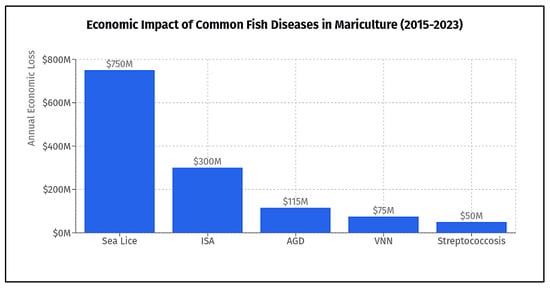
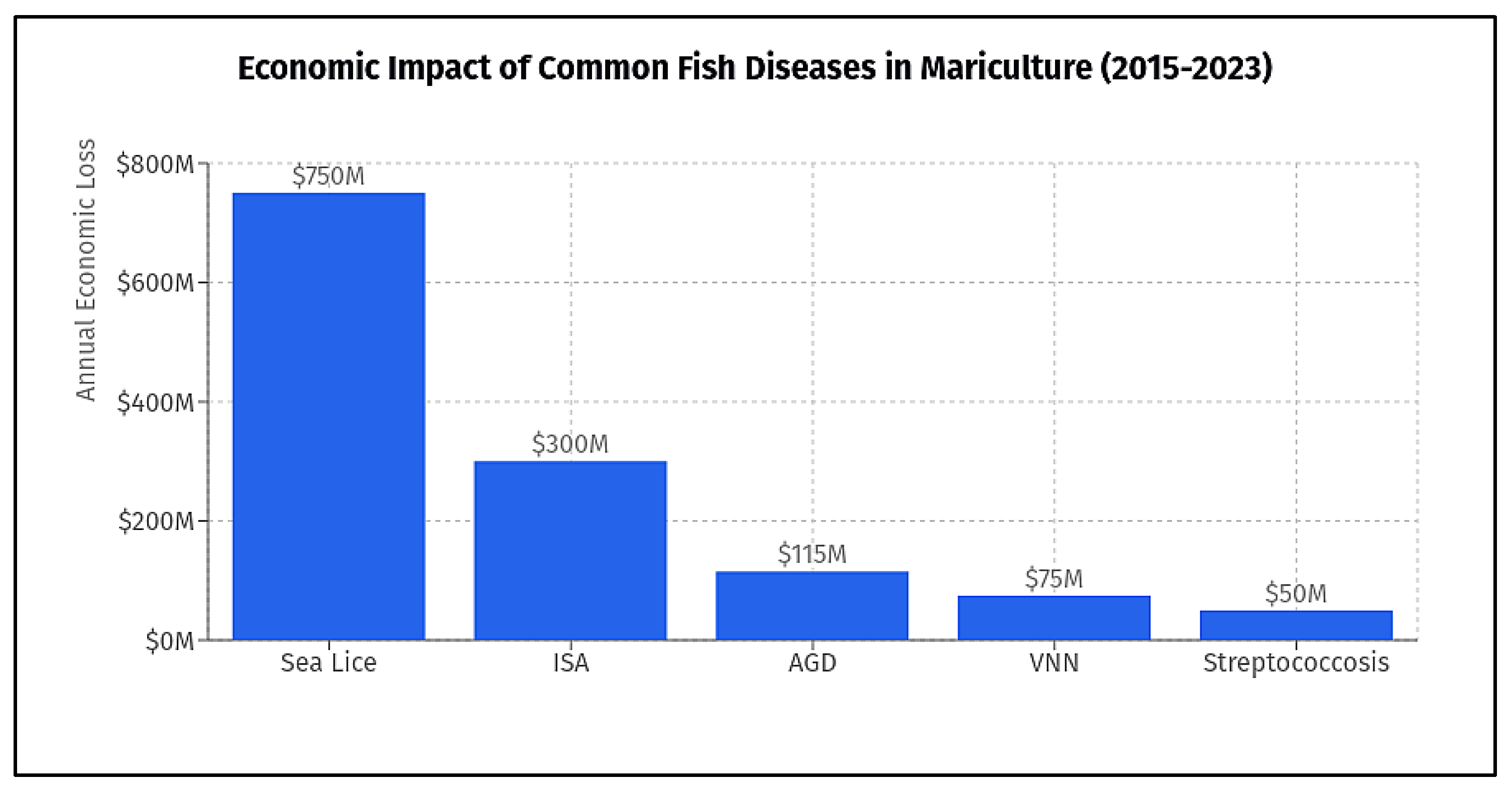
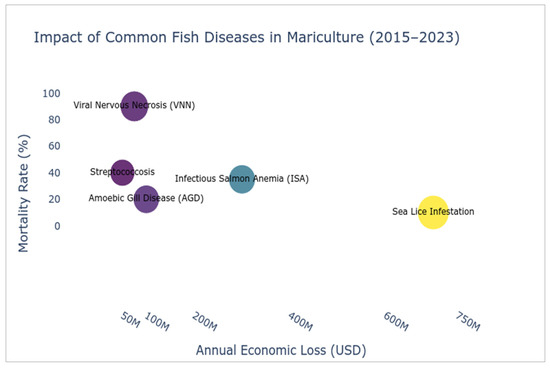
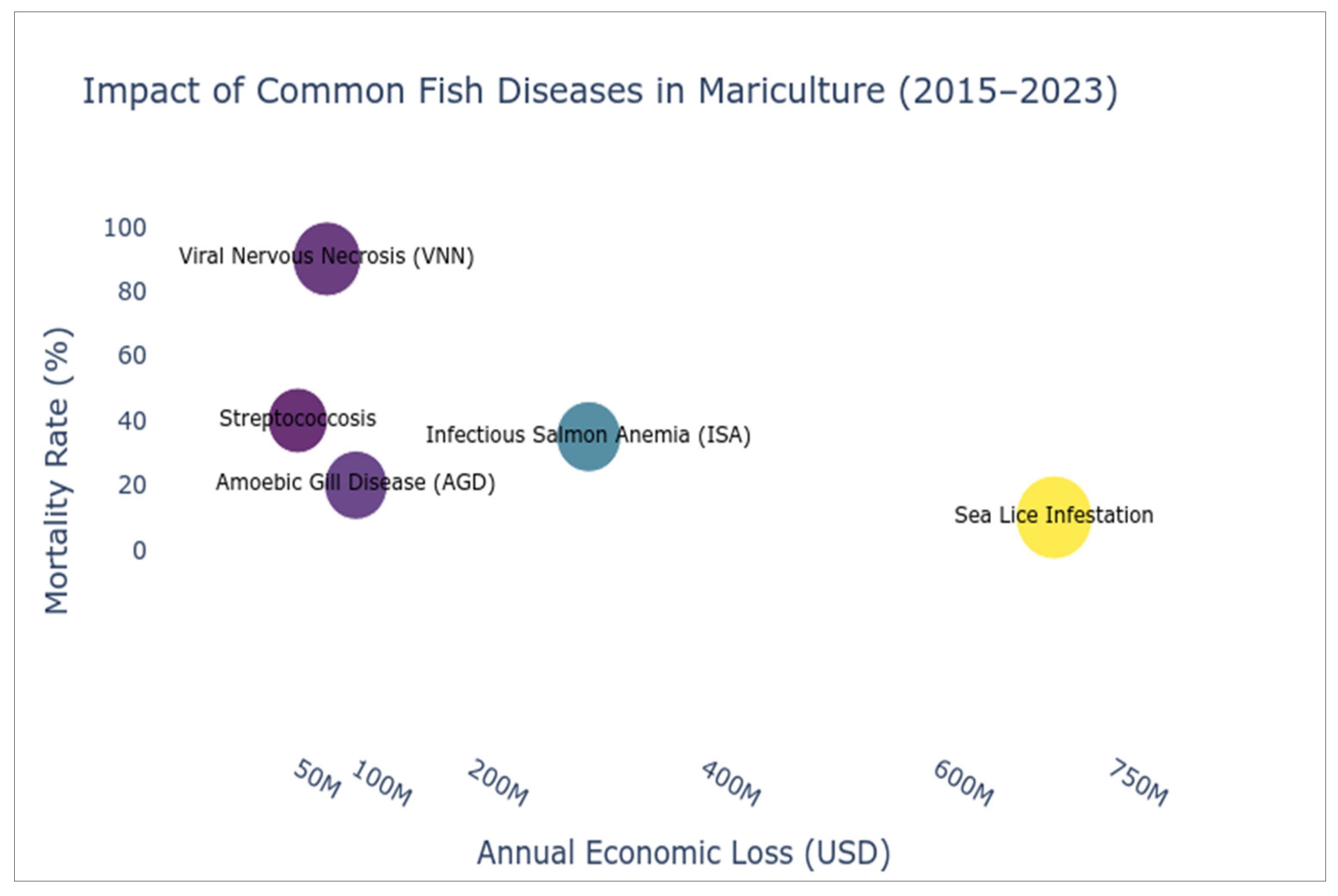
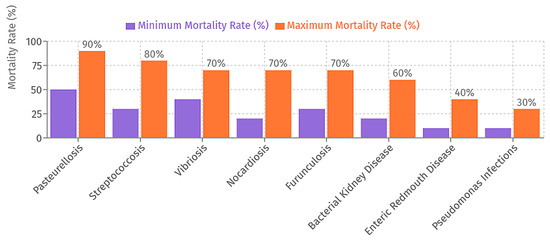
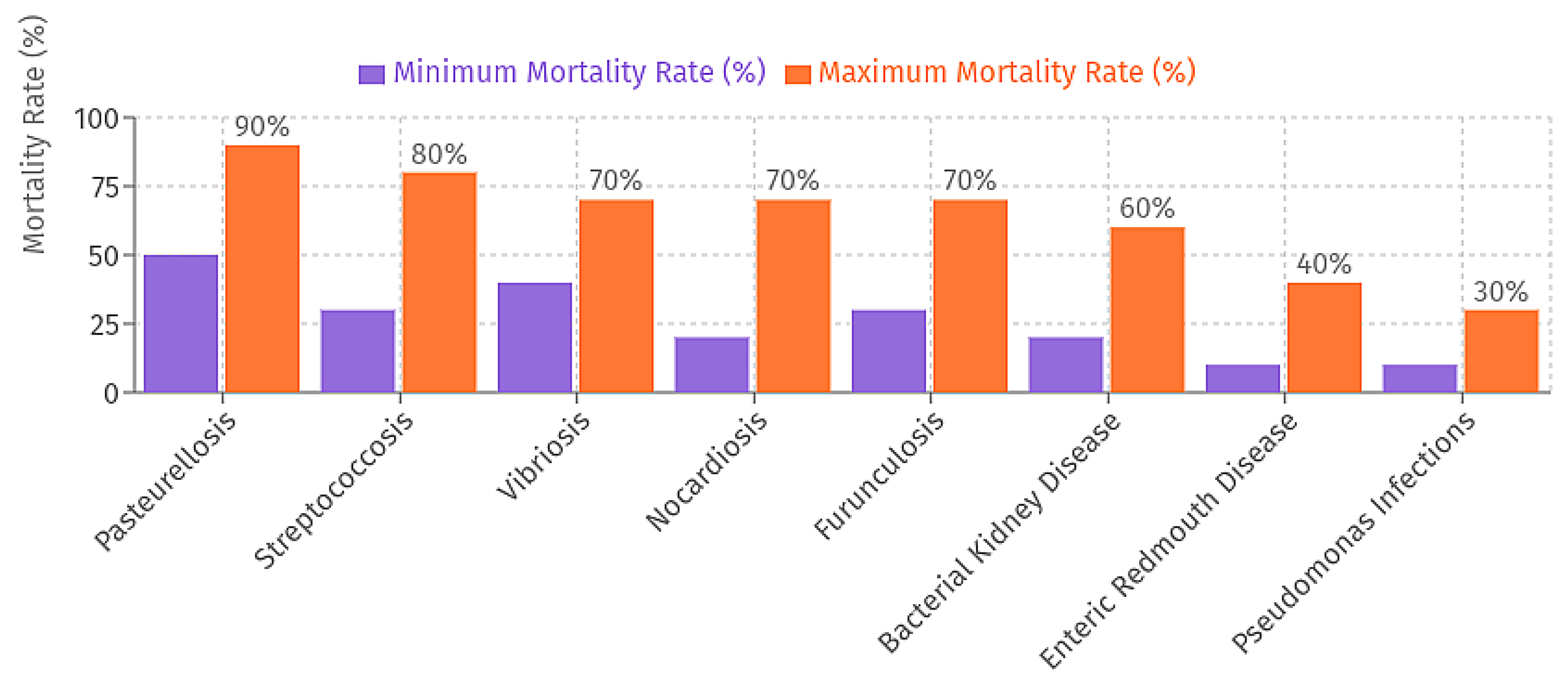
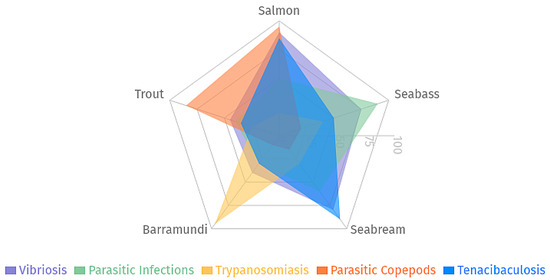
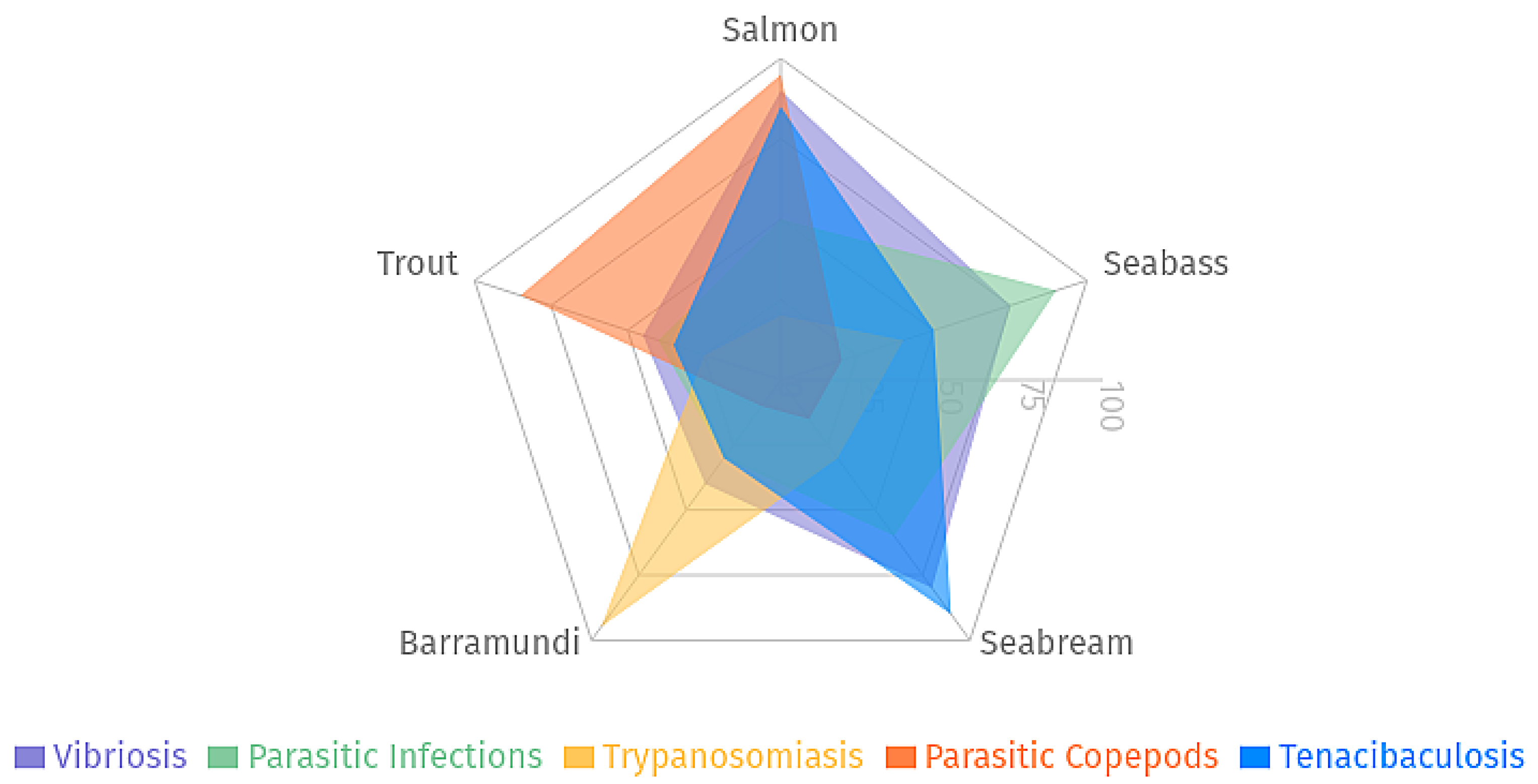
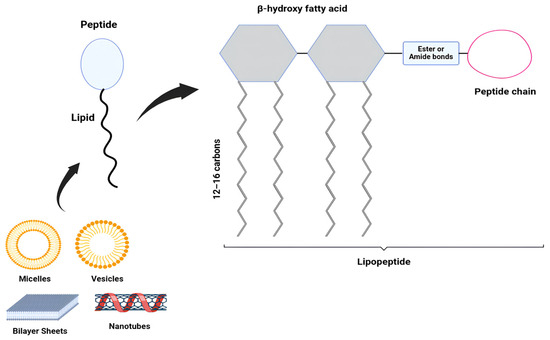
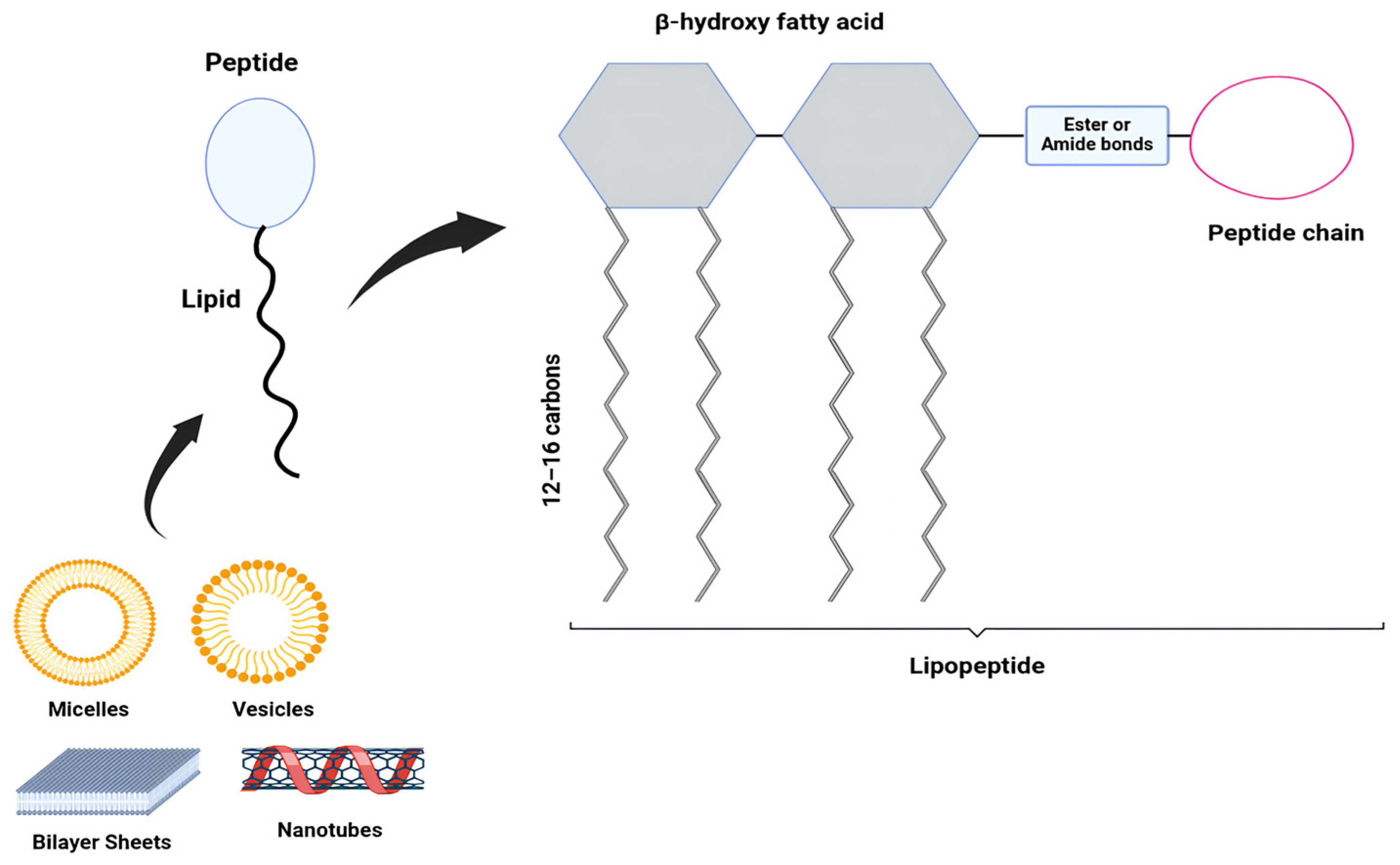
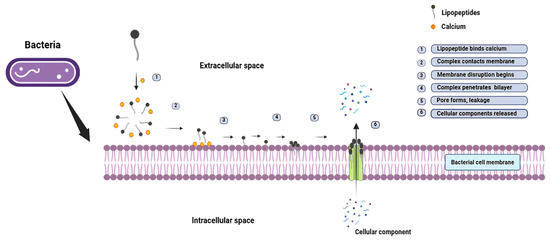
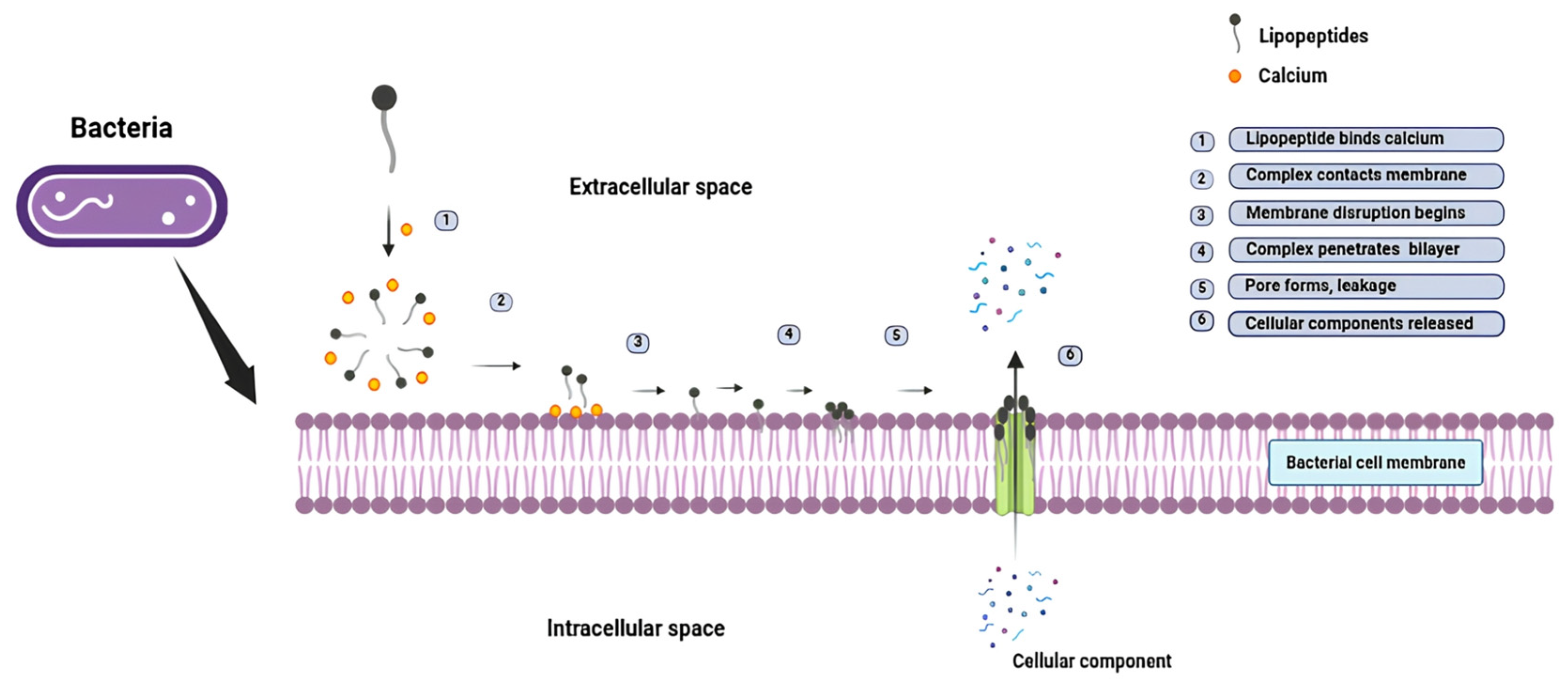

Disclaimer/Publisher’s Note: The statements, opinions and data contained in all publications are solely those of the individual author(s) and contributor(s) and not of MDPI and/or the editor(s). MDPI and/or the editor(s) disclaim responsibility for any injury to people or property resulting from any ideas, methods, instructions or products referred to in the content. |
© 2026 by the authors. Licensee MDPI, Basel, Switzerland. This article is an open access article distributed under the terms and conditions of the Creative Commons Attribution (CC BY) license.