
Tilt-Rotor Tricopter with State-Constrained Controller Design


Highlights
- A state-constrained backstepping control architecture integrated with a barrier Lyapunov function (BLF), a first-order filter, and a linear extended state observer (LESO) is proposed, effectively addressing state constraints, the “complexity explosion′′ issue in backstepping, and internal/external disturbances during tilt-rotor tricopter transition.
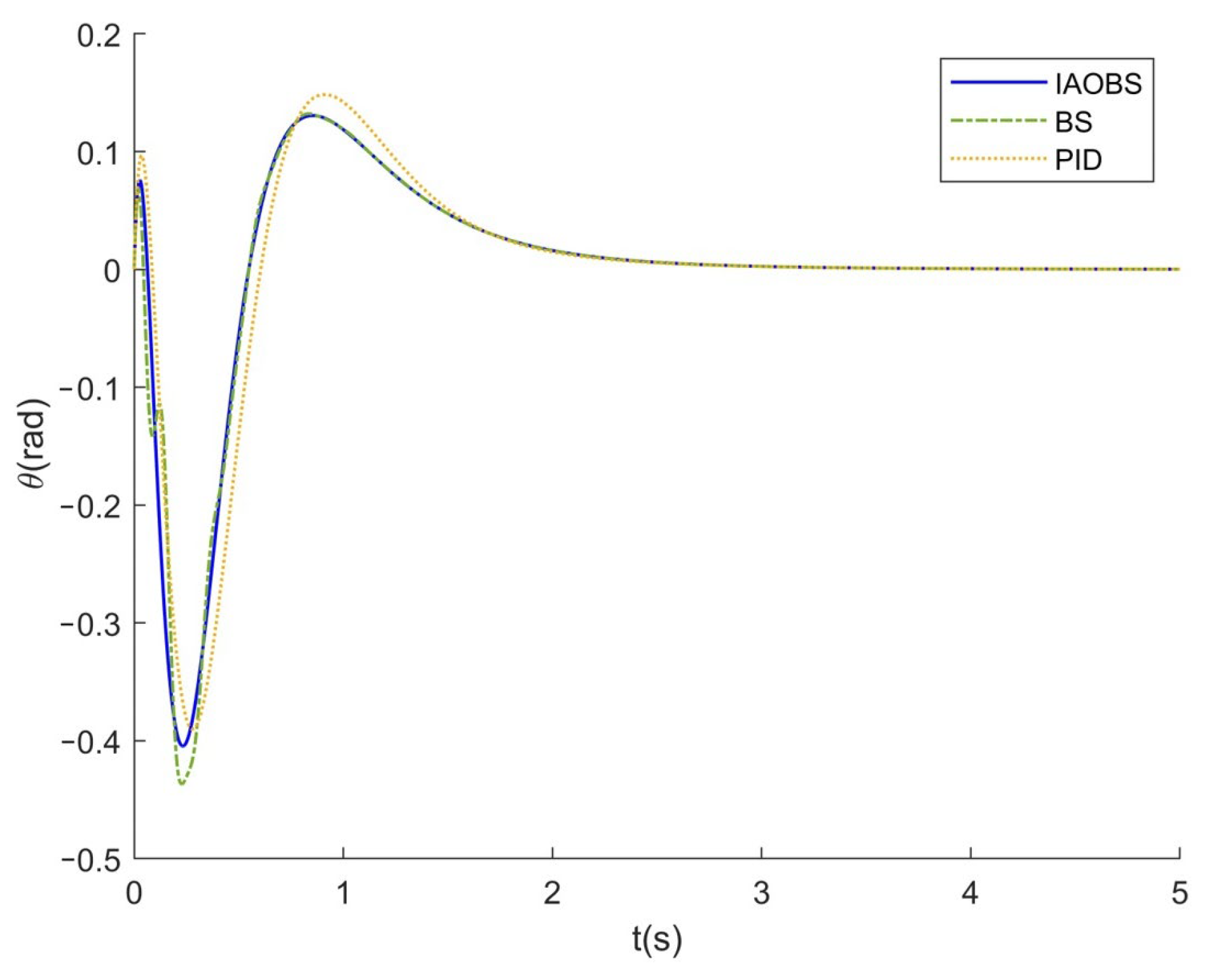
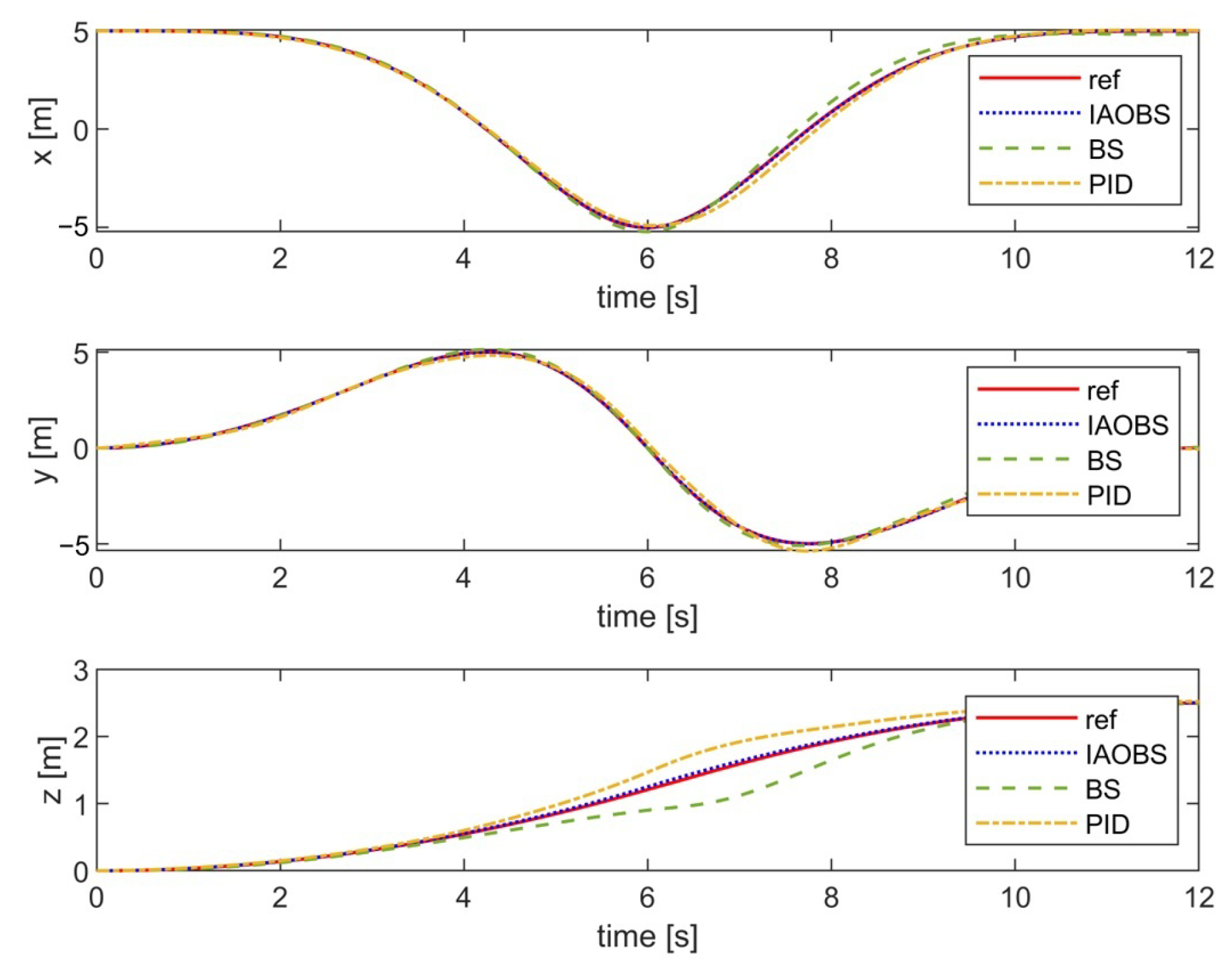
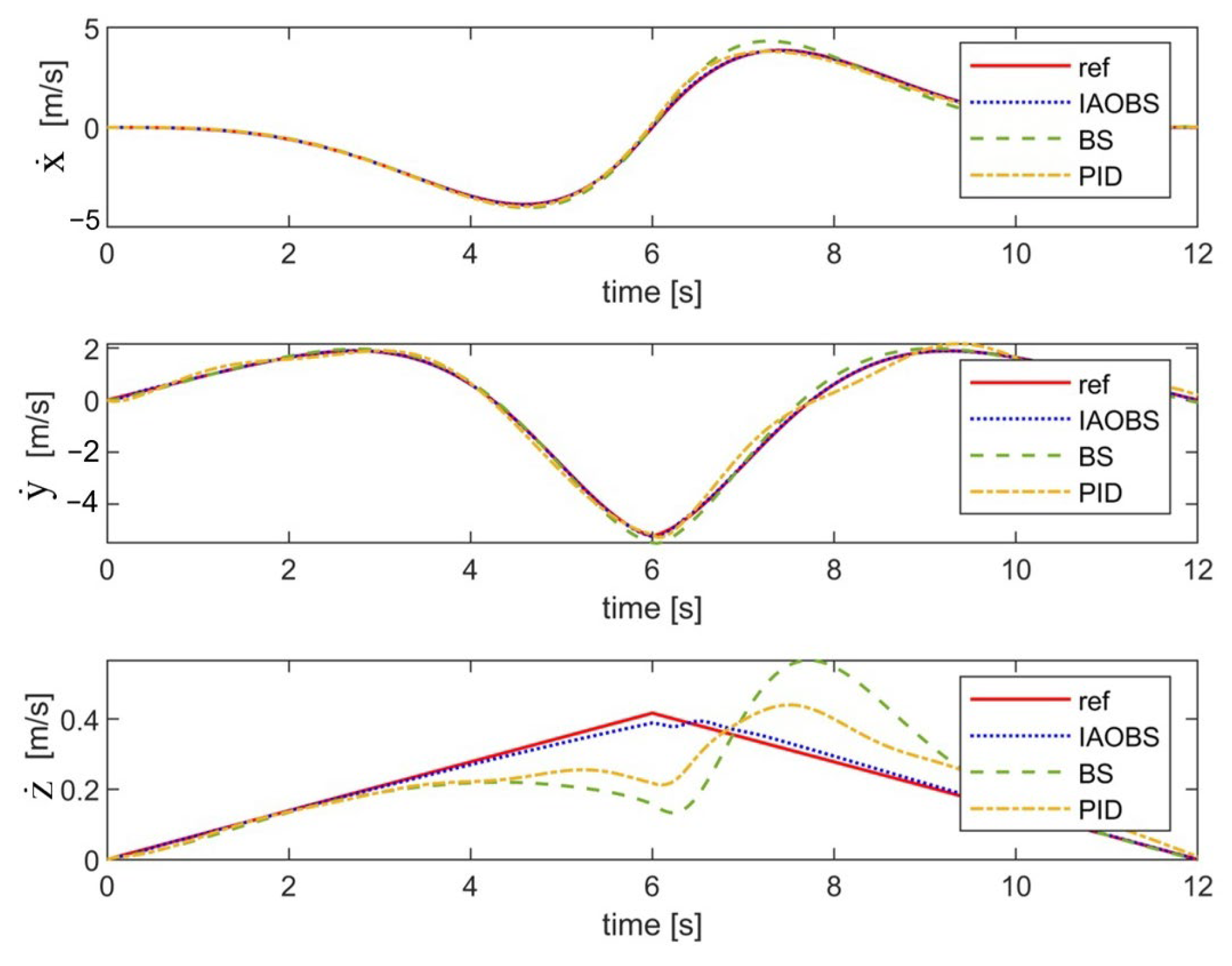
- An improved Aquila Optimizer (AO) with a chaotic elite opposition-based learning initialization strategy is developed to optimize controller hyperparameters, achieving superior steady-state and transient control performance compared to traditional backstepping and PID controllers.
- The proposed control framework provides a systematic and practical solution for state-constrained transition control of tilt-rotor UAVs, offering enhanced robustness and reliability for complex flight scenarios involving mode switching.
- The integration of metaheuristic optimization with state-constrained backstepping control sets a precedent for automated parameter tuning in nonlinear UAV control systems, reducing reliance on manual tuning and promoting broader applicability to other underactuated/overactuated aerial vehicles.
Abstract
1. Introduction
- (1)
- A state-constrained backstepping control architecture is proposed for the transition mode control of tilt-rotor tricopters. To address the limitations of classical PID controllers (e.g., poor robustness against internal/external disturbances), the design integrates three key components: a barrier Lyapunov function (BLF) to ensure state variables remain within predefined bounds, a first-order filter to mitigate the “complexity explosion” issue inherent in backstepping control (by estimating derivatives of virtual control laws), and a linear extended state observer (LESO) to compensate for flight disturbances (including internal perturbations and external environmental interference).
- (2)
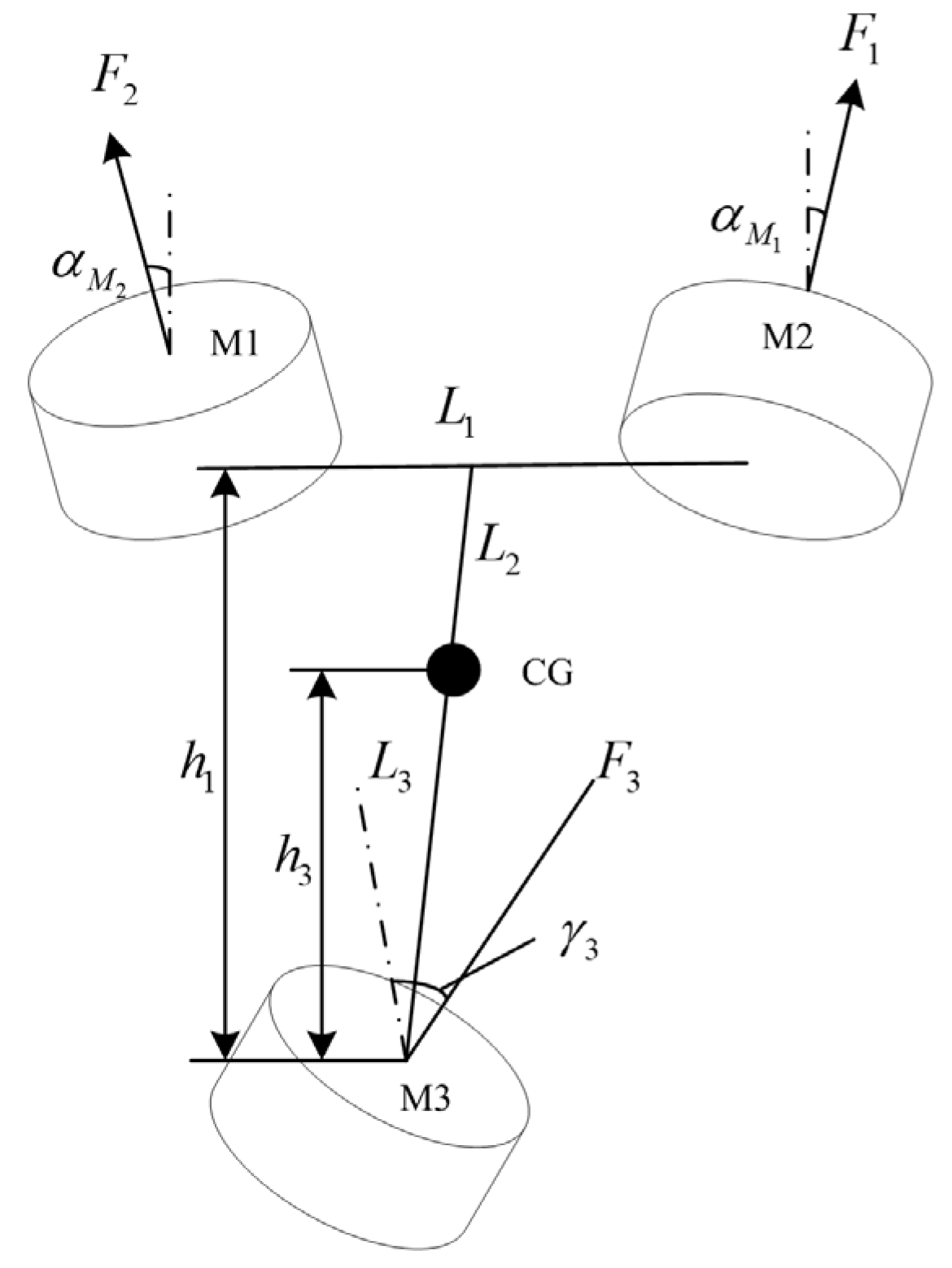
- A control-oriented model simplification strategy is developed. The original nine-dimensional rigid-body dynamic model of the tilt-rotor tricopter is simplified into a three-channel model (considering roll/pitch/yaw angles and 3D position) by introducing reasonable assumptions (e.g., neglecting small inertia products and gyroscopic effects). This simplification balances simulation accuracy and computational complexity, enabling practical controller implementation while retaining core dynamic characteristics.
- (3)
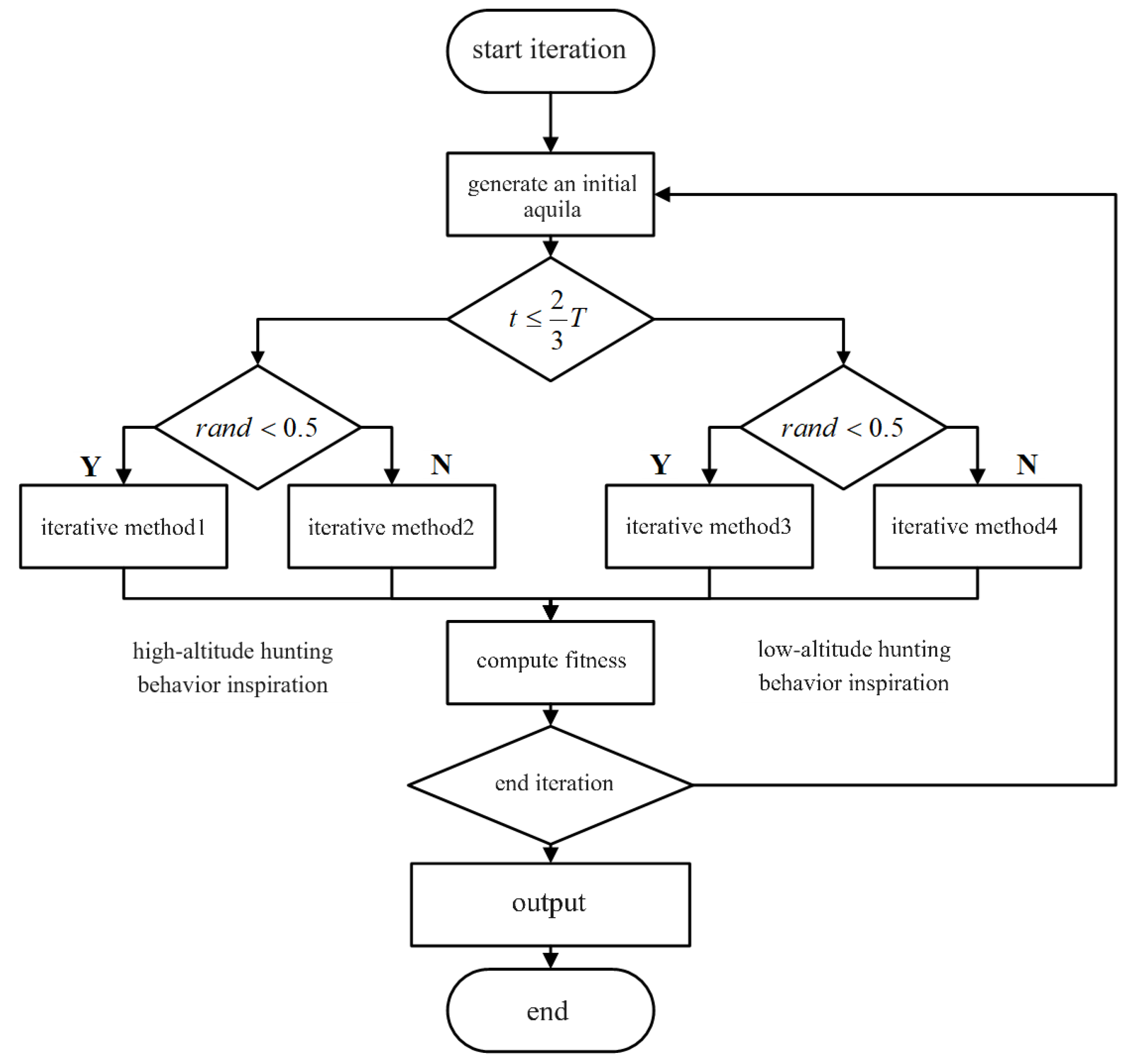
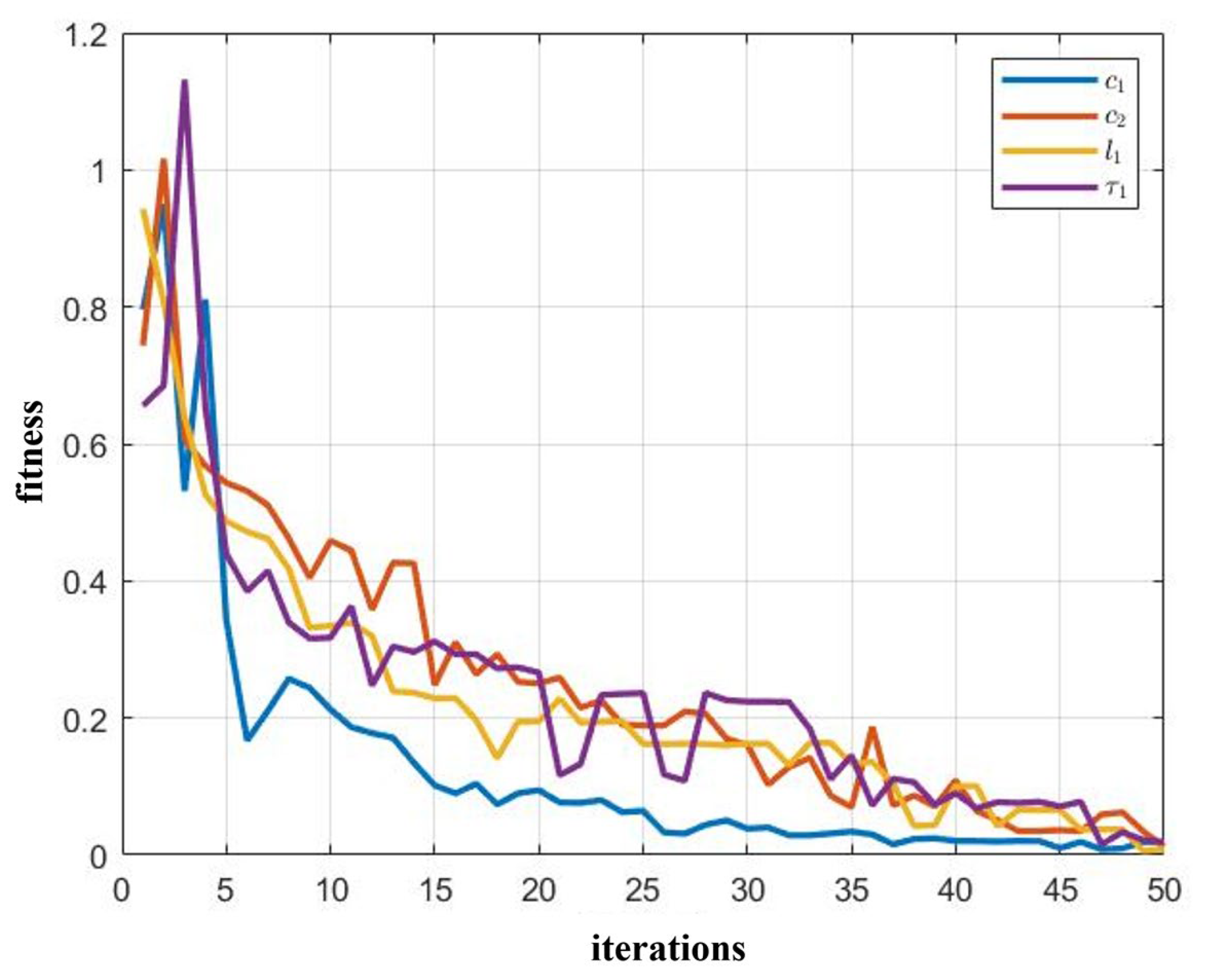
- An improved Aquila Optimizer (AO) algorithm is proposed for controller hyperparameter optimization. To overcome the insufficient diversity of initial populations in the traditional AO, a chaotic elite opposition-based learning initialization strategy is introduced. This strategy enhances the global exploration capability and convergence speed of the algorithm, ensuring the optimized controller achieves superior steady-state and transient performance (e.g., faster response and smaller tracking errors).
- (4)
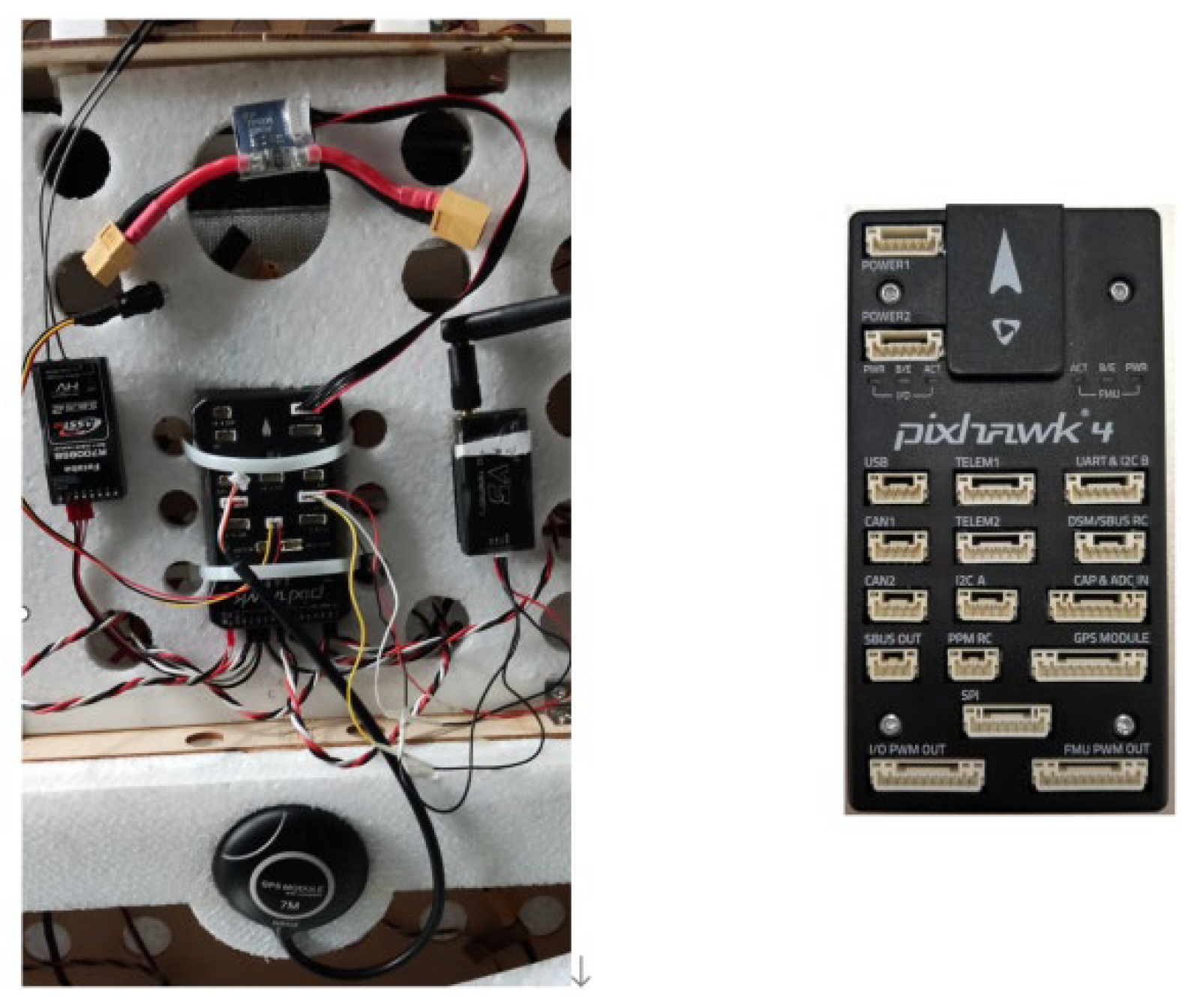
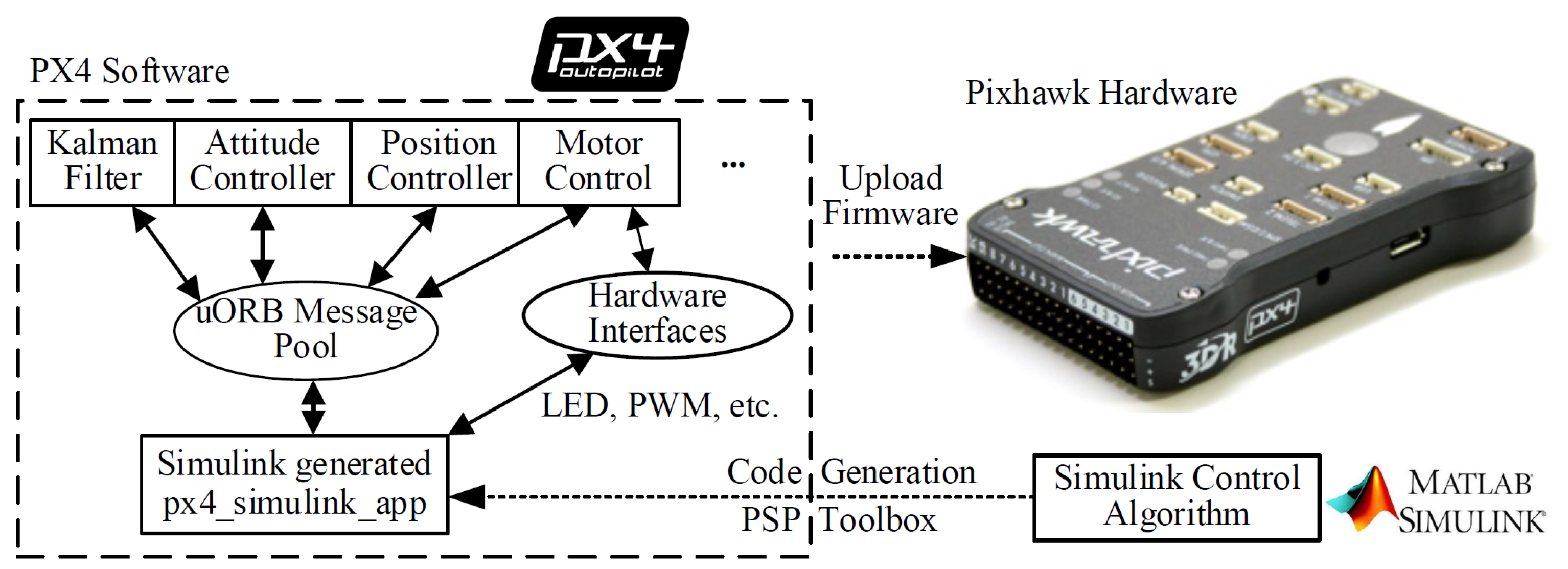
- A dedicated hardware-in-the-loop (HIL) simulation platform is constructed based on Pixhawk4 and MATLAB Simulink. Leveraging the Pixhawk Pilot Support Package (PSP) Toolbox, the platform realizes automatic compilation and deployment of Simulink-based control algorithms to Pixhawk hardware. This platform effectively validates the proposed control strategy under realistic flight conditions, verifying its robustness and applicability for tilt-rotor tricopter transition mode control.
2. Tilt-Rotor Tricopter UAV
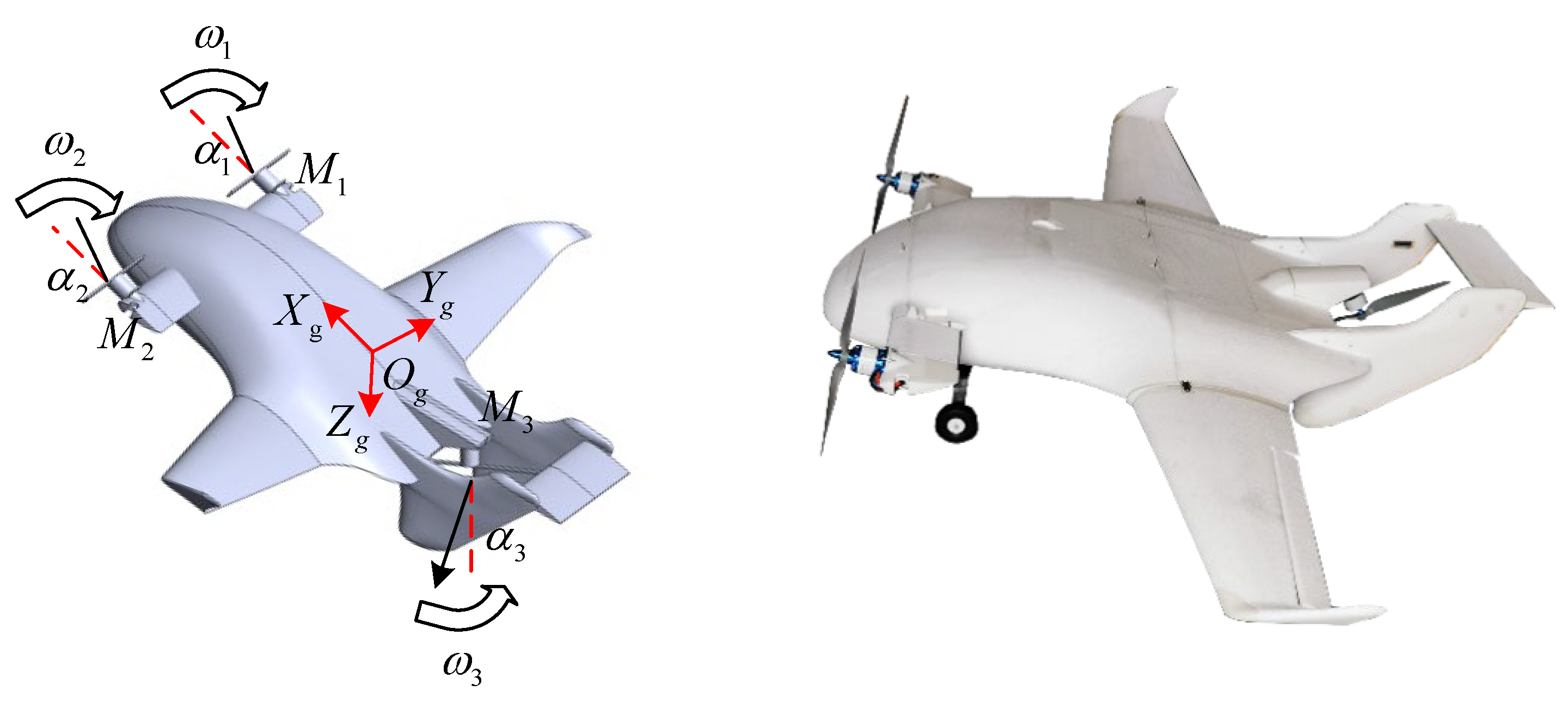
2.1. UAV Configuration
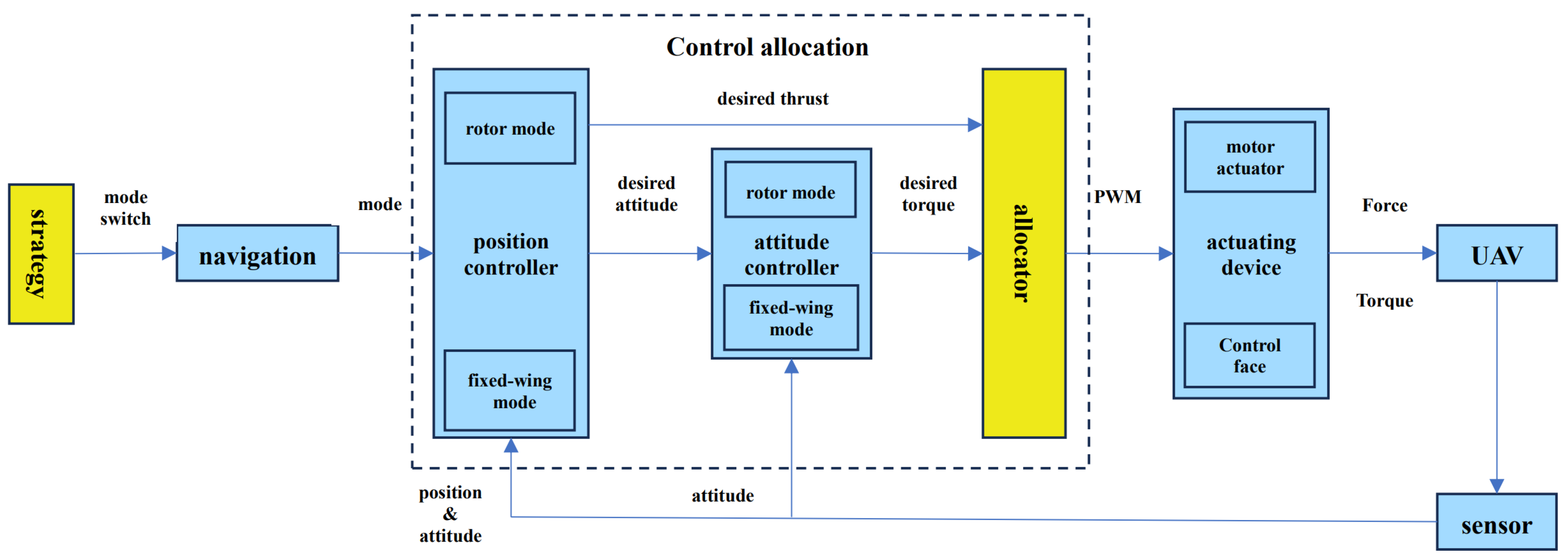
2.2. Flight Control Architecture
- Maintained the original cascaded control framework while preserving the navigation layer.
- Modified the position and attitude loop controllers to accommodate tilt tri-rotor dynamics.
- Redesigned both the strategy layer and the control allocator layer.

3. Dynamic Model Establishment of Tilt-Rotor Tricopter
3.1. Dynamic Model
3.2. Model Simplification
- (1)
- The UAV is treated as a rigid body, and elastic deformation of the airframe is neglected;
- (2)
- The mass and mass distribution of the UAV are fixed and do not change with time;
- (3)
- The effects of the Earth’s revolution and rotation are not considered;
- (4)
- Given the flight altitude and low-speed characteristics, the air is regarded as inviscid and incompressible;
- (5)
- The flapping and lead–lag motions of the rotor blades are not considered;
- (6)
- The anti-rotation gyroscopic torque caused by rotor tilting is neglected;
- (7)
- The aerodynamic interactions between rotors, as well as between wings and rotors, are ignored;
- (8)
- The tilt-rotor UAV is bilaterally symmetric with respect to the airframe axis system. The products of inertia Jxy, Jxz, and Jyz are relatively small compared to the moments of inertia Jx, Jy, and Jz about the x-, y-, and z-axes, and are therefore neglected.
3.3. Model Transformation
3.4. Attitude Subsystem
3.5. Position Subsystem
3.6. Assumptions
4. Backstepping Controller Design with State Constraints
4.1. Attitude Controller Design
4.1.1. Roll Angle Subsystem
4.1.2. Pitch Angle Subsystem
4.1.3. Yaw Angle Subsystem
4.2. Position Controller Design
4.2.1. Altitude Subsystem
4.2.2. X Position Subsystem
4.2.3. Y Position Subsystem
4.3. Stability Analysis
- (1)
- All signals in the closed-loop system, including state-tracking errors, observer errors, and filter errors, are uniformly ultimately bounded.
- (2)
- The tracking errors for roll angle, pitch angle, yaw angle, altitude, x position, and y position remain strictly within their predefined bounds for all t ≥ t0, given proper initial conditions.
5. Controller Parameter Optimization Based on Improved Aquila Optimizer Algorithm
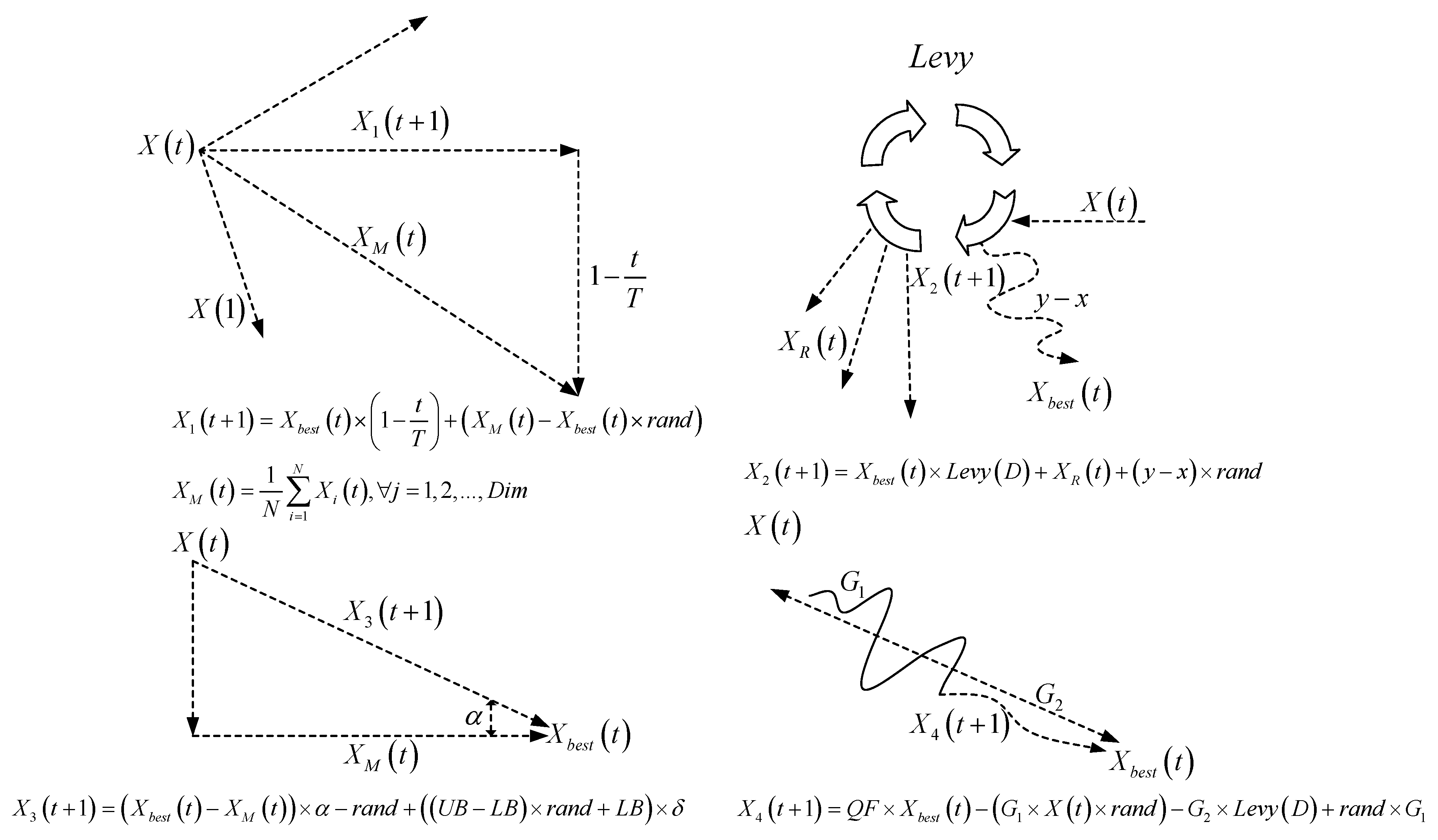
5.1. Algorithm Principle
5.2. Improved Population Initialization Strategy
- (1)
- Generate an initial Aquila population with individuals.
- (2)
- Transform the initial population into a chaotic population using a chaotic map.
- (3)
- Construct an opposition-based population from the initial population.
- (4)
- Evaluate the fitness of individuals in X, Y and Z, then select the best-performing candidates to form an elite chaotic opposition-based population
6. Simulation Analysis
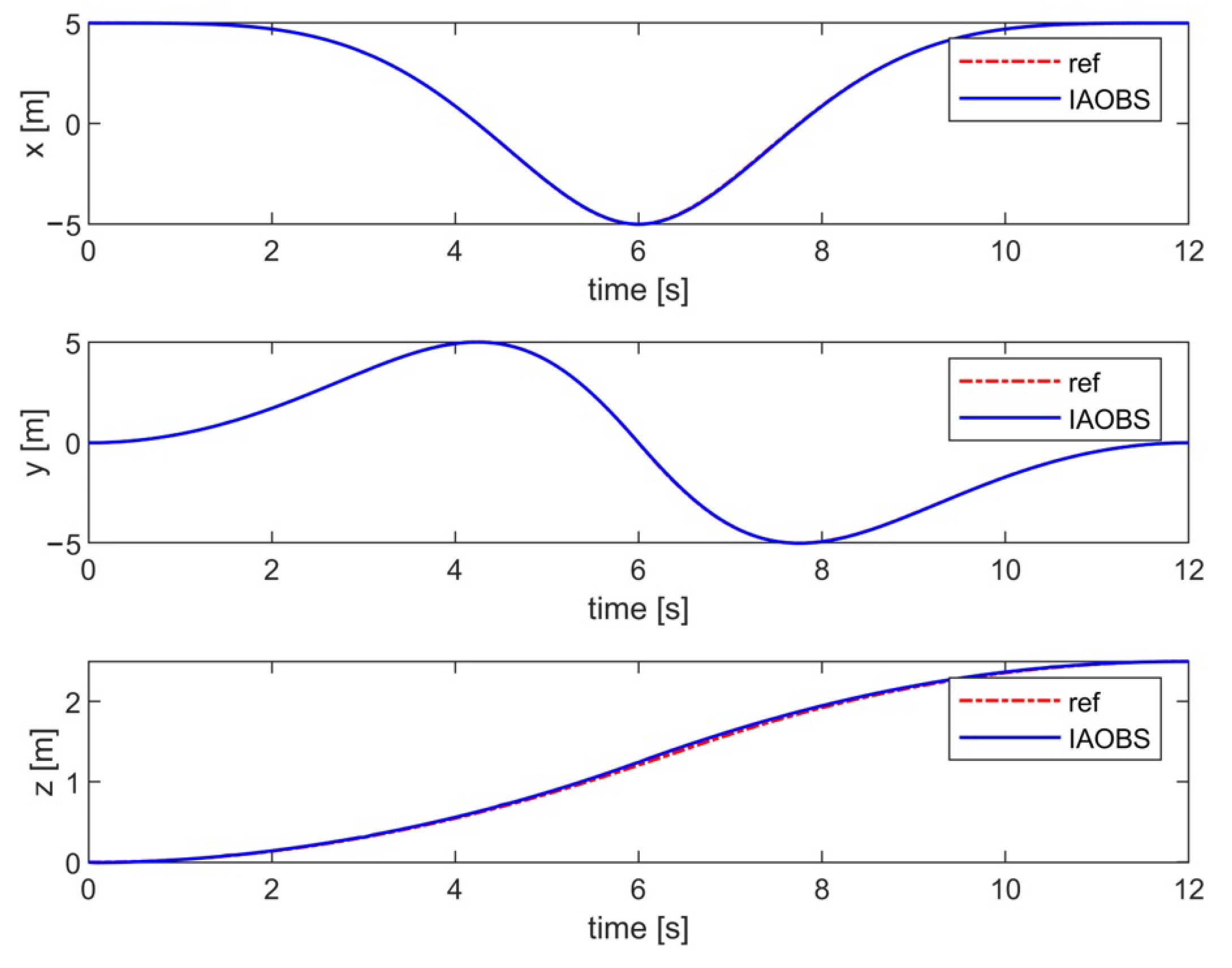
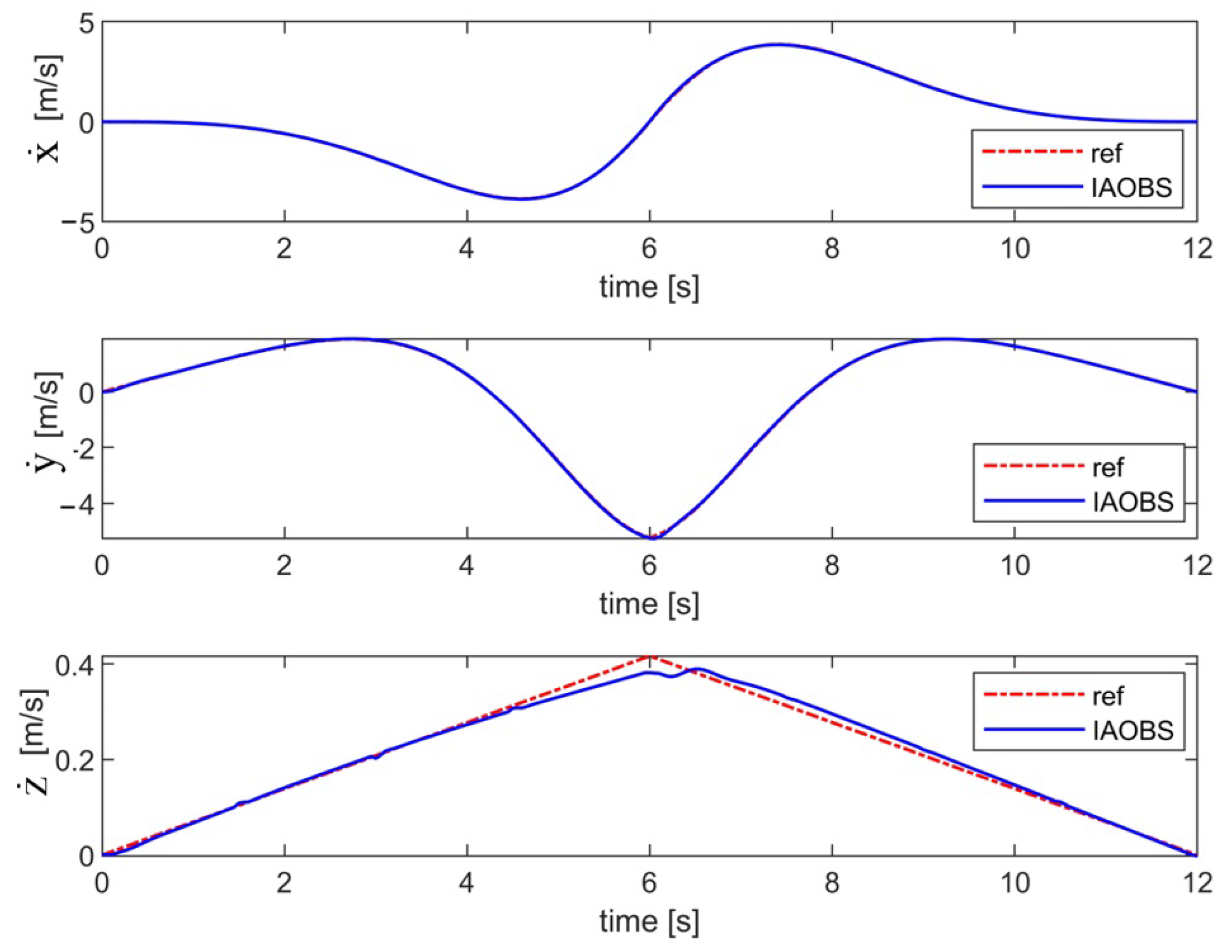
6.1. Case 1
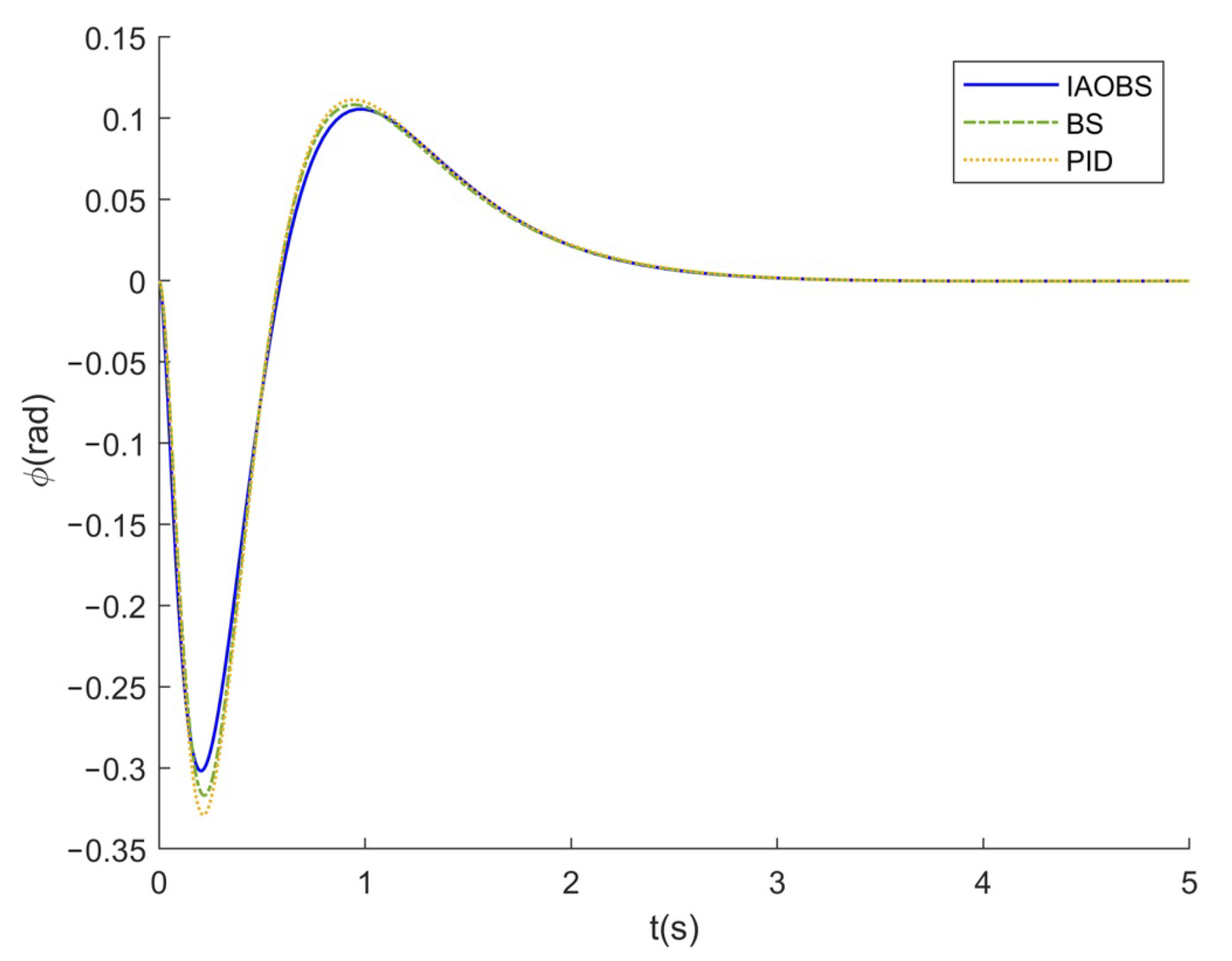
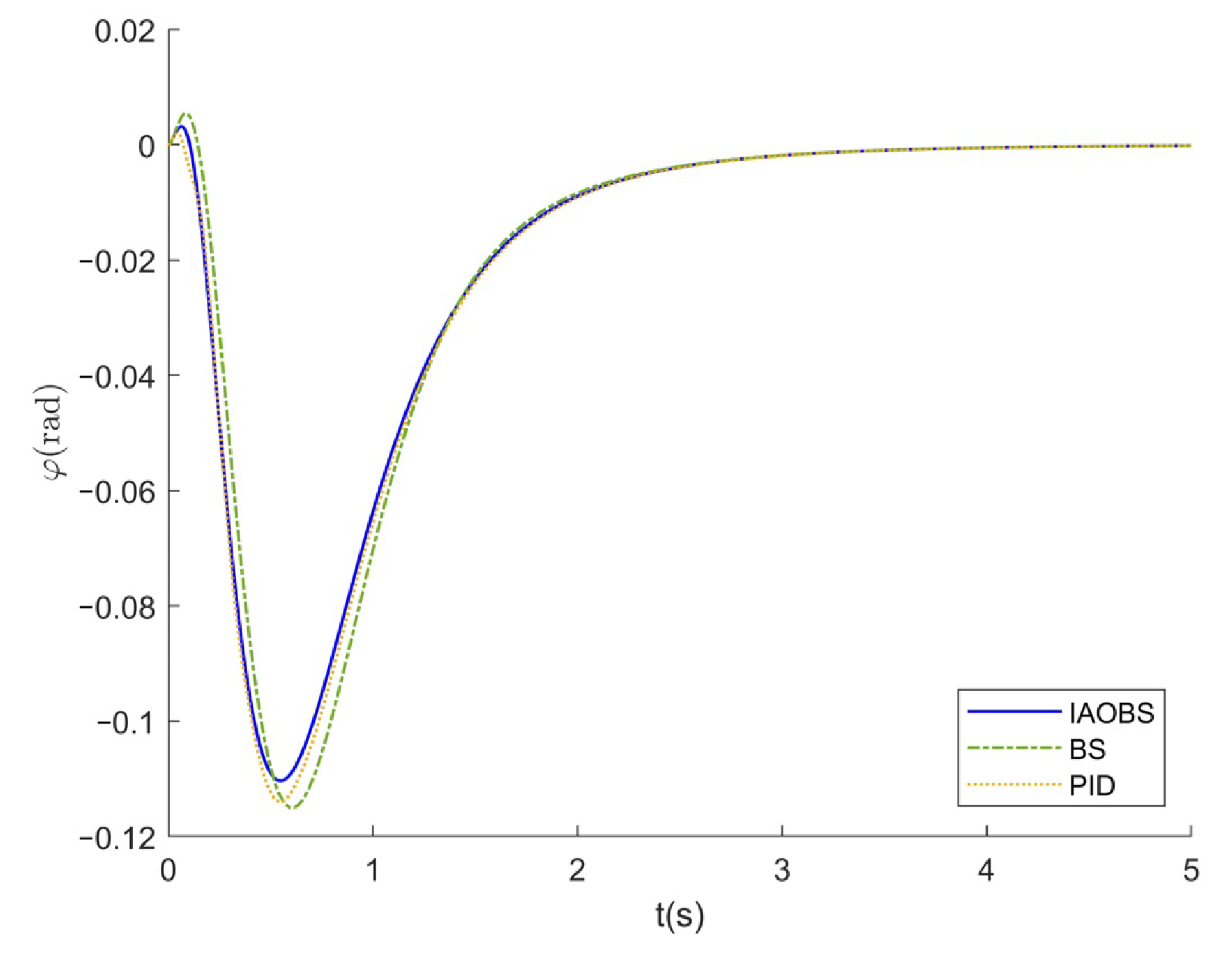
6.2. Case 2
7. Conclusions
- (1)
- Current disturbance observers primarily address general internal/external perturbations but lack targeted modeling of wind field dynamics. Future work can incorporate advanced wind estimation techniques—such as extended Kalman filters (EKF) and unscented Kalman filters (UKF).
- (2)
- To reduce reliance on precise dynamic models and enhance adaptability to parameter variations (e.g., payload changes, rotor wear) or unmodeled nonlinearities, future controllers can fuse backstepping control with learning-based methods.
- (3)
- While the hardware-in-the-loop (HIL) simulation provides a reliable testbed, future research should extend to full-mode physical flight experiments—especially focusing on the entire transition process from rotor mode to fixed-wing mode.
Author Contributions
Funding
Data Availability Statement
Conflicts of Interest
References
- Rugh, W.J.; Shamma, J.S. Research on gain scheduling. Automatica 2000, 36, 1401–1425. [Google Scholar] [CrossRef]
- Holsten, J.; Moormann, D. Flight control law design criteria for the transition phase for a tiltwing aircraft using multi-objective parameter synthesis. CEAS Aeronaut. J. 2015, 6, 17–30. [Google Scholar] [CrossRef]
- Lior, Z.; Wolff, A.; Dekel, G.; Efraty, Y. IAI Mini Panther—An Innovative VTOL UAV Design. In Proceedings of the 54th Israel Annual Conference on Aerospace Sciences, Tel Aviv, Israel, 19–20 February 2014; pp. 1688–1701. [Google Scholar]
- Oznalbant, Z.; Kavsaoglu, M.S. Design and Flight Test Study of a VTOL UAV. In Proceedings of the 53rd AIAA Aerospace Sciences Meeting, Kissimmee, FL, USA, 5–9 January 2015; p. 1093. [Google Scholar]
- Kissoum, S.; Ladaci, S. Robust fractional-order adaptive gain-scheduled control strategy for civil unmanned aerial vehicles with LPV models. Aeronaut. J. 2025, 1–22. [Google Scholar] [CrossRef]
- Astrom, K.J.; Wittenmark, B. Adaptive Control; Courier Corporation: North Chelmsford, MA, USA, 2013. [Google Scholar]
- Yildiz, Y.; Unel, M.; Demirel, A.E. Nonlinear Hierarchical Control of a Quad Tilt-Wing UAV: An Adaptive Control Approach. Int. J. Adapt. Control Signal Process. 2017, 31, 1245–1264. [Google Scholar] [CrossRef]
- Guo, Y.Y.; Liao, L.X.; Zhang, X.Q.; Zhang, Y.; Wang, K. Finite-time fault-tolerant control of compound actuator faults for unmanned aerial vehicles. Acta Aeronaut. Astronaut. Sin. 2025, 46, 32659–32670. [Google Scholar] [CrossRef]
- He, J.; Ren, B.; Du, S.; Xu, Y.; Wang, B. Adaptive Attitude Control for Tilt-Quadrotor UAV Based on ADRC-RBF. Acta Aeronaut. Astronaut. Sin. 2025, 46, 732189. [Google Scholar] [CrossRef]
- Chen, W.H. Nonlinear Disturbance Observer-Enhanced Dynamic Inversion Control of Missiles. J. Guid. Control. Dyn. 2003, 26, 161–166. [Google Scholar] [CrossRef]
- Seo, Y.; Kim, Y. Modeling and Attitude Control of Tri-Tilt Ducted Fan Vehicle. In Proceedings of the AIAA Guidance, Navigation, and Control Conference, San Diego, CA, USA, 4–8 January 2016; p. 0103. [Google Scholar]
- Xia, Q.Y. Design and Verification of Flight Control System for Unmanned Tilt-Rotor Aircraft. Master’s Thesis, Nanjing University of Aeronautics and Astronautics, Nanjing, China, 2013. [Google Scholar]
- Liu, S.X.; Lin, Z.H.; Liu, W.; Yan, B.B.; Huang, W. Transition mode control scheme of tilt rotor UAV based on INDI. Acta Aeronaut. Et Astronaut. Sin. 2024, 45, 229–243. [Google Scholar] [CrossRef]
- Hua, M.D.; Hamel, T.; Morin, P.; Samson, C. Introduction to Feedback Control of Underactuated VTOL Vehicles: A Review of Basic Control Design Ideas and Principles. IEEE Control Syst. Mag. 2013, 33, 61–75. [Google Scholar]
- Kwan, C.; Lewis, F.L. Robust Backstepping Control of Nonlinear Systems Using Neural Networks. IEEE Trans. Syst. Man Cybern. A 2000, 30, 753–766. [Google Scholar] [CrossRef]
- Kulhare, A.; Chowdhury, A.B.; Raina, G. A Back-Stepping Control Strategy for the Tri-Rotor UAV. In Proceedings of the 24th Chinese Control and Decision Conference (CCDC), Taiyuan, China, 23–25 May 2012; pp. 3481–3486. [Google Scholar]
- Chowdhury, A.B.; Kulhare, A.; Raina, G. A Generalized Control Method for a Tilt-Rotor UAV Stabilization. In Proceedings of the 2012 IEEE International Conference on Cyber Technology in Automation, Control, and Intelligent Systems (CYBER), Bangkok, Thailand, 27–31 May 2012; pp. 309–314. [Google Scholar]
- Borja-Jaimes, V.; García-Morales, J.; Escobar-Jiménez, R.F.; Guerrero-Ramírez, G.V.; Adam-Medina, M.A. A Backstepping Sliding Mode Control of a Quadrotor UAV Using a Super-Twisting Observer. Appl. Sci. 2025, 15, 10120. [Google Scholar] [CrossRef]
- Perruquetti, W.; Barbot, J.P. Sliding Mode Control in Engineering; CRC Press: Boca Raton, FL, USA, 2002; pp. 301–305. [Google Scholar]
- Zou, Y. Nonlinear Robust Adaptive Hierarchical Sliding Mode Control Approach for Quadrotors. Int. J. Robust Nonlinear Control 2017, 27, 925–941. [Google Scholar] [CrossRef]
- Liu, H.B.; Wang, H.P.; Shen, L.D. Attitude Control for Quad Tilt Rotor Aircraft Based on Fractional Order Sliding Mode Control Containing ESO. J. Northwestern Polytech. Univ. 2016, 34, 783–789. Available online: https://journals.nwpu.edu.cn/xbgydxxb/article/id/6666 (accessed on 14 January 2026).
- Zhu, X.; Yang, J. Variable Structure Design for Flight Control System of Tilt-Rotor Aircraft. J. Proj. Rocket. Missiles Guid. 2006, 26, 392–398. [Google Scholar]
- Zhang, J.; Jian, K. Design of quadrotor aircraft control system based on adaptive super-twisting sliding mode. J. Chongqing Univ. 2025, 48, 105–116. [Google Scholar] [CrossRef]
- Pan, C.Y. Research on Modeling and Attitude Stabilization Control Technology of Tilt Trirotor UAV. Master’s Thesis, National University of Defense Technology, Changsha, China, 2016. [Google Scholar]






| Parameter | Value |
|---|---|
| Wingspan (mm) | 2600 |
| Fuselage Length (mm) | 1480 |
| Fuselage Airfoil | GOE777 |
| Wing Airfoil | GOE621 |
| Mean Wing Chord (mm) | 221 |
| Wing–Body Area (mm2) | 178,458 |
| Maximum Takeoff Weight (kg) | 15 |
| Payload Capacity (kg) | 6 |
| Cruise Speed (m/s) | 15–25 |
| Mission Altitude (m) | 20–500 |
| Variable | Description | Value |
|---|---|---|
| m | UAV Mass | 9 kg |
| g | Gravitational acceleration | 9.8 |
| L1 | Distance between M1 and M2 (front rotors) thrust application points | 1000 mm |
| L2 | Distance from M1 and M2 to UAV Center of Gravity | 350 mm |
| L3 | Distance from M3 (rear rotor) to UAV Center of Gravity | 532 mm |
| Angle Between M3 thrust line and body coordinate Z-axis | 20° | |
| Ixx | Moment of inertia about x-axis (rotor mode) | 2.1653 |
| Iyy | Moment of inertia about y-axis (rotor mode) | 2.5376 |
| Izz | Moment of inertia about z-axis (rotor mode) | 0.6027 |
| Ixx | Moment of inertia about x-axis (fixed-wing mode) | 2.1879 |
| Iyy | Moment of inertia about y-axis (fixed-wing mode) | 2.7413 |
| Izz | Moment of inertia about z-axis (fixed-wing mode) | 0.6314 |
| kf | Rotor thrust coefficient | 8.017 × 10⁻⁵ |
| km | Rotor anti-torque coefficient | 1.6606 × 10⁻⁶ |
| Tms | Time constant of the first-order inertial element of the servo | 0.03 s |
| Tmr | Time constant of the first-order inertial element of the rotor | 0.0167 s |
| Parameter | Before IAO | After IAO |
|---|---|---|
| 10 | 7.4261 | |
| 5 | 4.2764 | |
| 1 | 1.3285 | |
| 0.5 | 0.2265 |
Disclaimer/Publisher’s Note: The statements, opinions and data contained in all publications are solely those of the individual author(s) and contributor(s) and not of MDPI and/or the editor(s). MDPI and/or the editor(s) disclaim responsibility for any injury to people or property resulting from any ideas, methods, instructions or products referred to in the content. |
© 2026 by the authors. Licensee MDPI, Basel, Switzerland. This article is an open access article distributed under the terms and conditions of the Creative Commons Attribution (CC BY) license.
Share and Cite
Wu, C.; Cheng, H.; Wang, H. Tilt-Rotor Tricopter with State-Constrained Controller Design. Drones 2026, 10, 109. https://doi.org/10.3390/drones10020109
Wu C, Cheng H, Wang H. Tilt-Rotor Tricopter with State-Constrained Controller Design. Drones. 2026; 10(2):109. https://doi.org/10.3390/drones10020109
Chicago/Turabian StyleWu, Chong, Hao Cheng, and Hua Wang. 2026. "Tilt-Rotor Tricopter with State-Constrained Controller Design" Drones 10, no. 2: 109. https://doi.org/10.3390/drones10020109
APA StyleWu, C., Cheng, H., & Wang, H. (2026). Tilt-Rotor Tricopter with State-Constrained Controller Design. Drones, 10(2), 109. https://doi.org/10.3390/drones10020109