Proceeding Paper

Impact of Water Demand Pattern on Calibration Process †

by
Ewelina Bartkiewicz
* and
Izabela Zimoch
Faculty of Energy and Environmental Engineering Institute of Water and Wastewater Engineering,Silesian University of Technology, Konarskiego str.18., 44-100 Gliwice, Poland
*
Author to whom correspondence should be addressed.
Presented at the 2nd International Electronic Conference on Water Sciences, 16–30 November 2017; Available online: http://sciforum.net/conference/ecws-2.
Proceedings 2018, 2(5), 191; https://doi.org/10.3390/ecws-2-04961
Published: 16 November 2017
(This article belongs to the Proceedings of The 2nd International Electronic Conference on Water Sciences)

Abstract

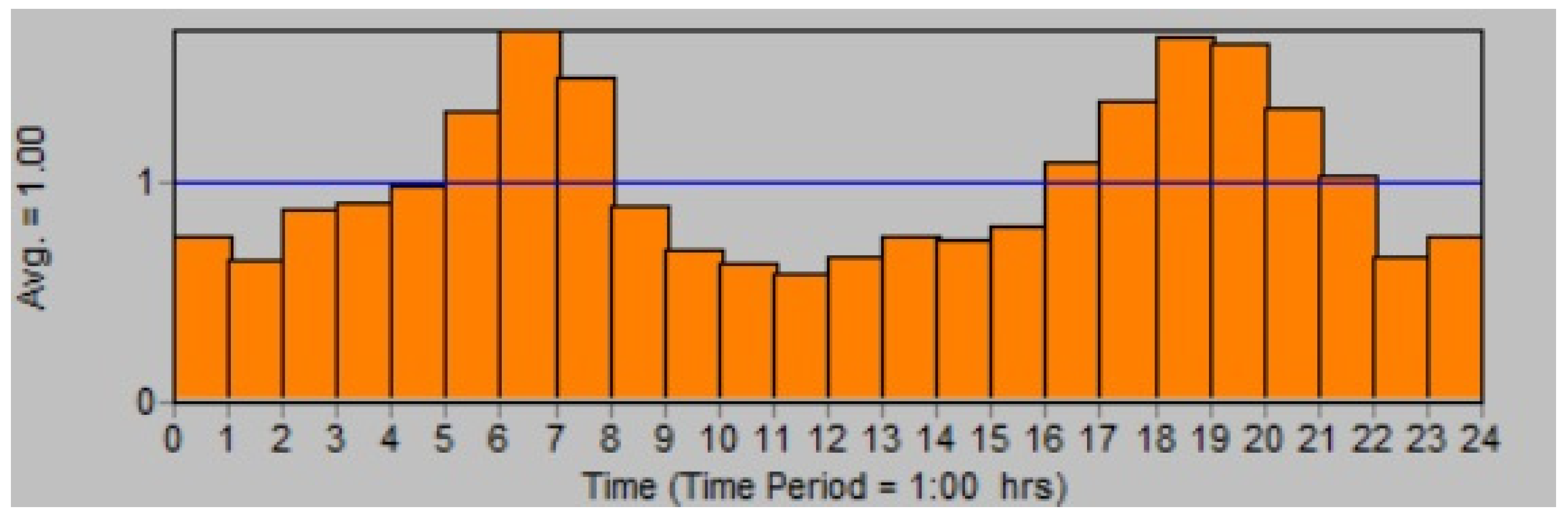
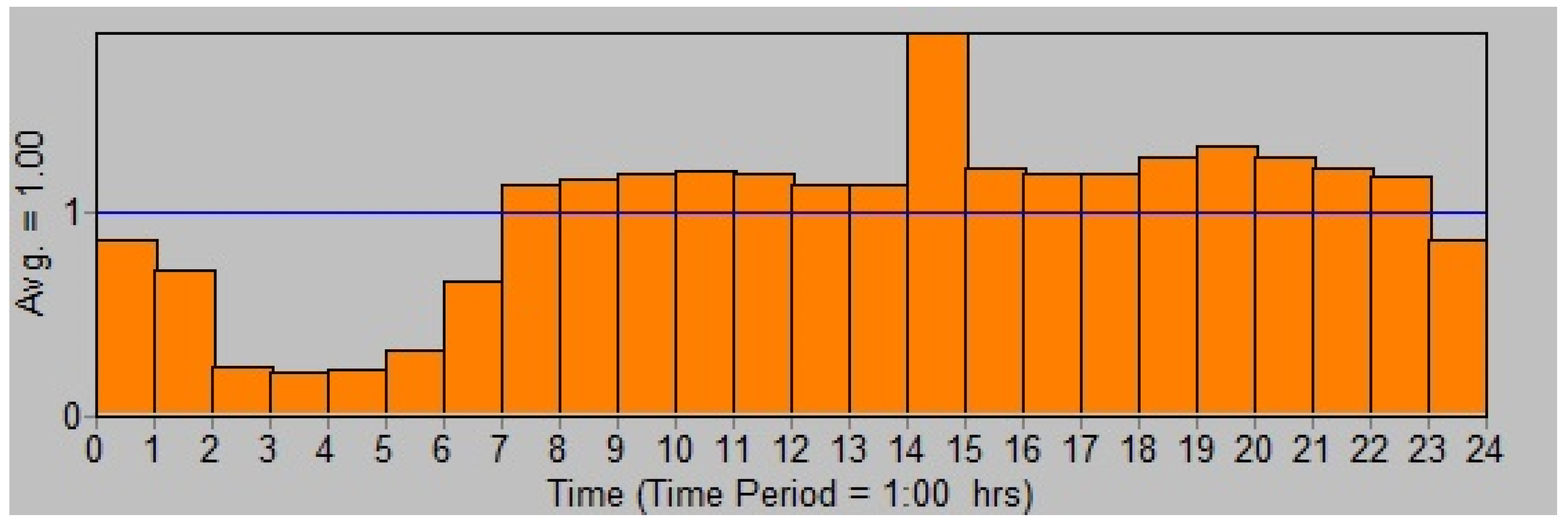
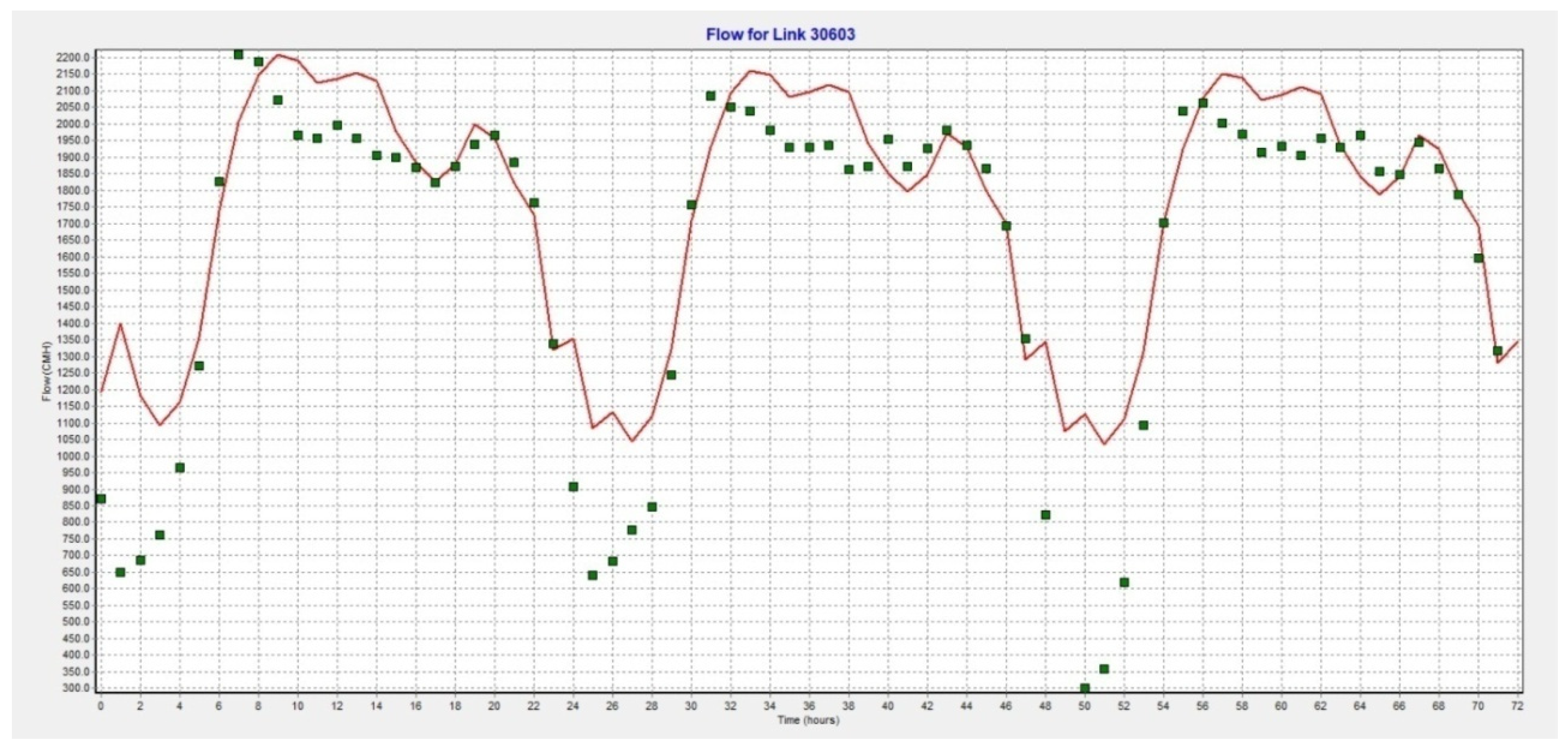
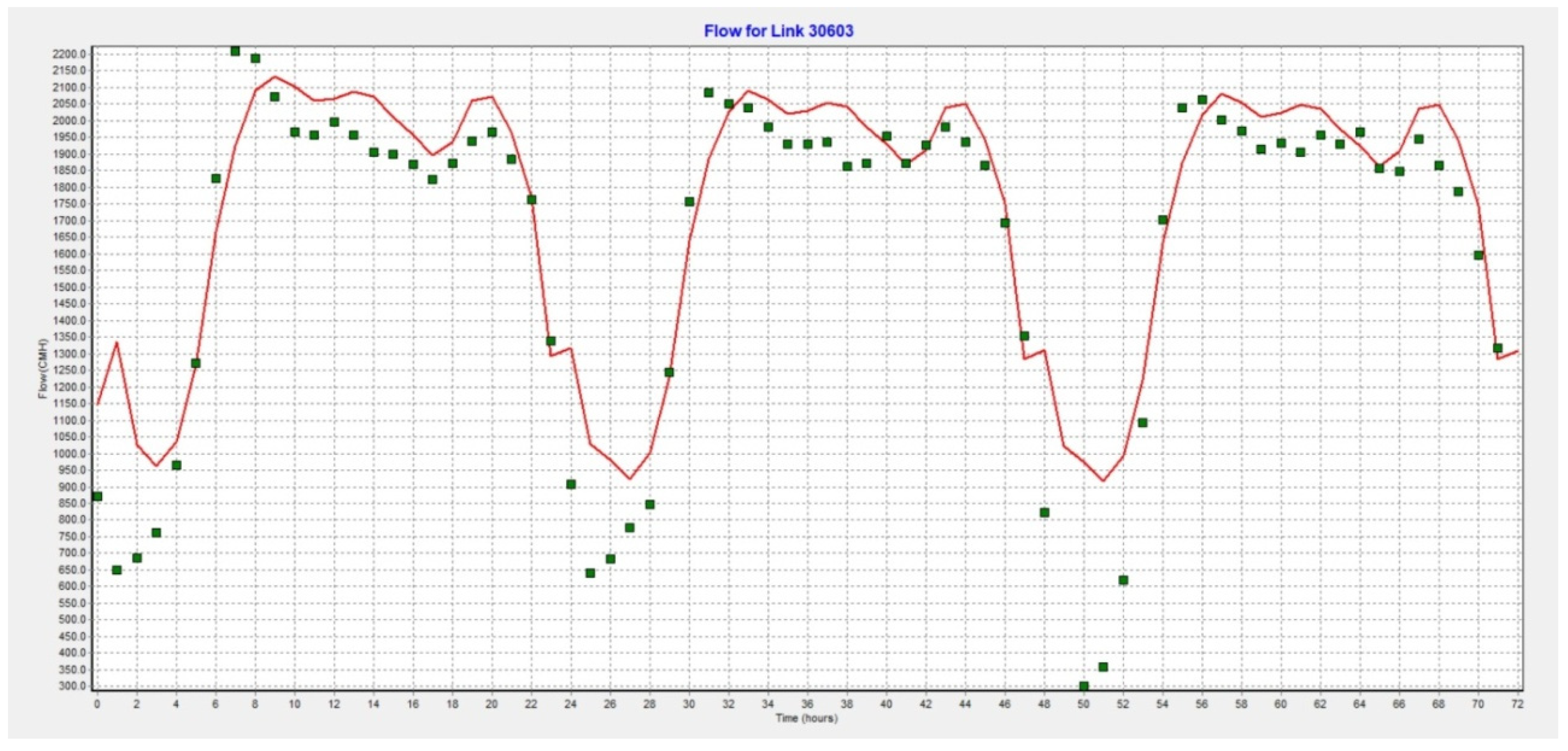
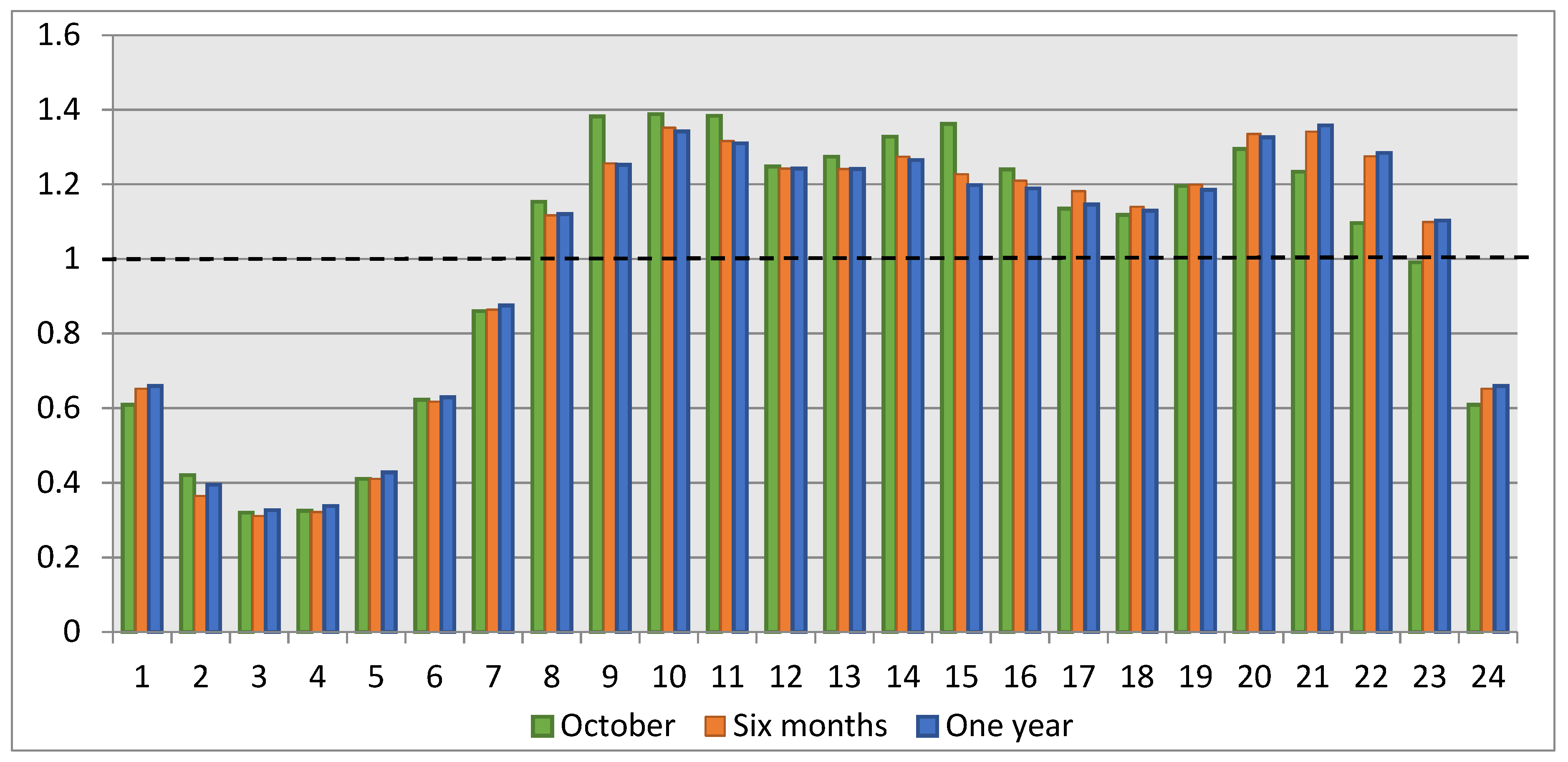
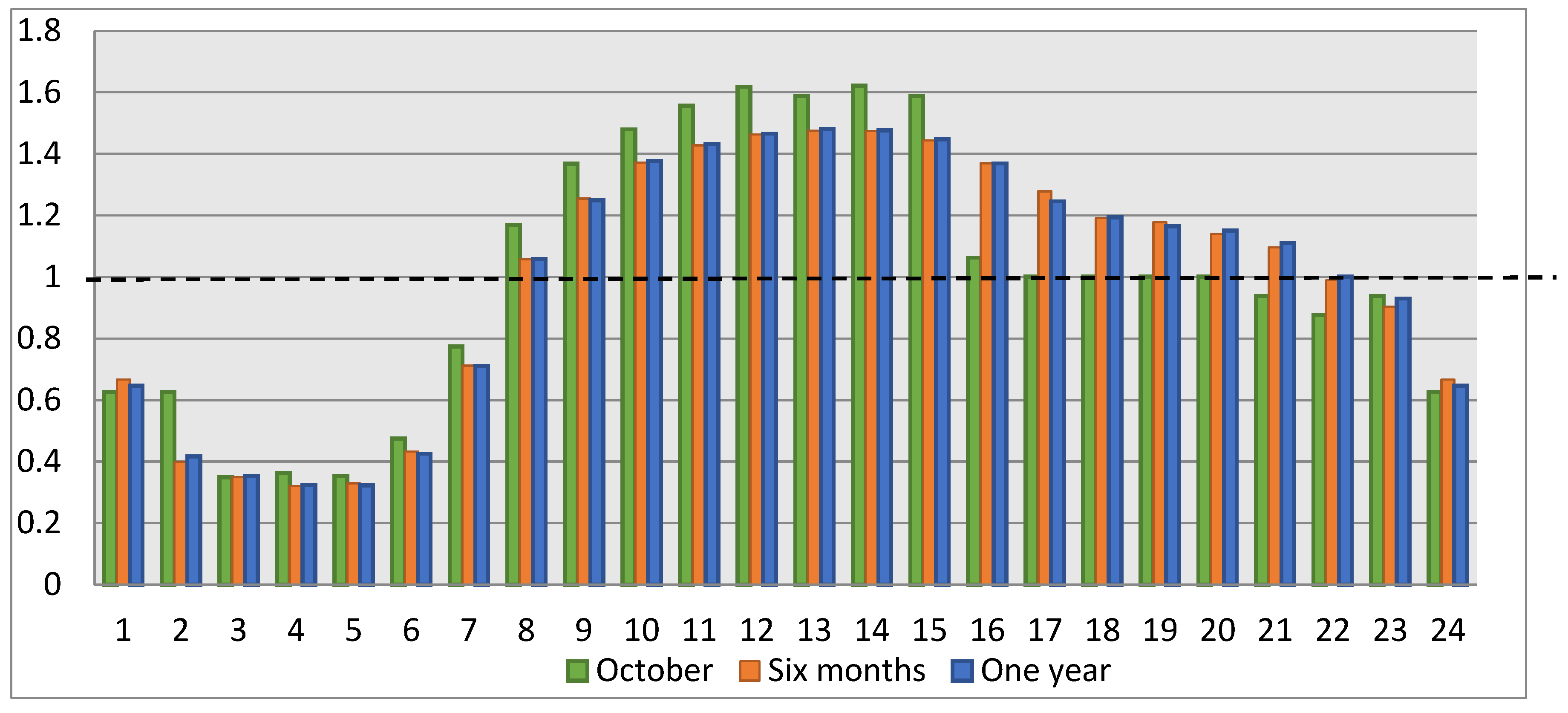
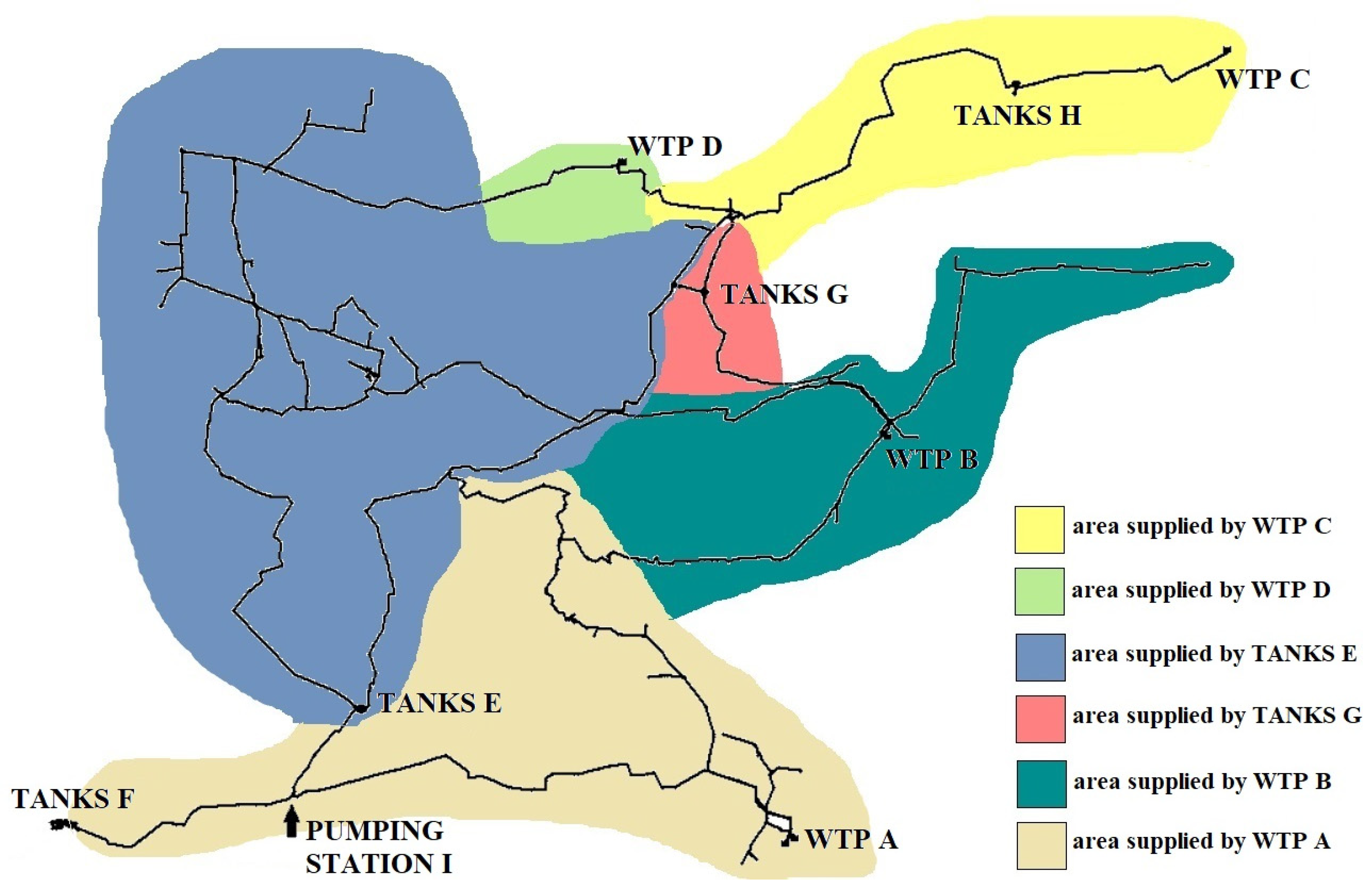
Mathematical models are the basic tool that simulates the operation of the Water Distribution System (WDS). Building such a tool is a complex task that requires as much detail as possible. The information needed to build a model can be divided into two categories: network data and WDS operating data. The first group includes pipe and node attributes, such as pipe length, pipe diameter, pipe roughness, junction elevation, and junction demand. The second category includes data specifying network performance such as pump characteristics, water demand patterns, and controls. The quality of these data will reflect the quality (compatibility) of the model. In WDS modeling—especially dynamic modeling—water demand patterns will have a significant impact on model accuracy. The appearance of each pattern may be different; it depends on the type of consumption (domestic, industrial) or the period analyzed. Consumption patterns define the operational work of the WDSs. Changes in water demand patterns may affect the accuracy of the model calibration. Real WDS models were used in this paper. Three simulations were analyzed, with each corresponding to a different period: one year, six months, and one month. Junction demand and water demand patterns were generated from a GIS (Geographic Information System) and SCADA (Supervisory Control and Data Acquisition) database.
Keywords: hydraulic model; calibration; water demand pattern hydraulic model; calibration; water demand pattern