Protocol

Improved Step-by-Step qPCR Method for Absolute Telomere Length Measurement

by
Ekaterina Sergeevna Arshinova
*,
Nataliia Sergeevna Karpova
,
Olga Leonidovna Terekhina
,
Malik Nurbekov
* and
Maria Ivanovna Burtovskaya
Federal State Budgetary Institution “Research Institute of Pathology and Pathophysiology”, 125315 Moscow, Russia
*
Authors to whom correspondence should be addressed.
Methods Protoc. 2026, 9(1), 22; https://doi.org/10.3390/mps9010022
Submission received: 11 November 2025 / Revised: 13 January 2026 / Accepted: 16 January 2026 / Published: 5 February 2026
(This article belongs to the Section Molecular and Cellular Biology)

Abstract

Telomere length is a crucial marker of cellular aging and genomic stability, with significant implications for age-related diseases and cancers. This study introduces an improved quantitative PCR (qPCR) method for measuring absolute telomere length, addressing the need for accurate and high-throughput assessment in both clinical and research settings. Novel primers were designed for the single-copy gene interferon beta (IFNB1) to serve as an internal control, alongside a series of single-stranded oligonucleotide standards to establish a calibration curve. This approach allows for precise quantification of telomere length in kilobases per single copy gene copy number per chromosome. We validated this method using DNA samples from peripheral blood and buccal swabs from 17 healthy human volunteers, as well as umbilical cord blood from 9 healthy newborn babies, demonstrating its high linearity and reproducibility. Our findings indicate that this improved qPCR technique provides a rapid, cost-effective, and accurate means of measuring absolute telomere length, thereby facilitating large-scale studies and enhancing clinical diagnostics related to telomere biology.

1. Introduction

Telomeres, the short tandem repeats of DNA with DNA–protein structures found at both ends of each chromosome, play a vital role in securing the genome from degradation and interchromosomal fusion [1]. The shortening of telomere length is regarded as a significant and debated biomarker of aging, as it influences the essential biological processes associated with aging, such as cellular senescence and genomic instability [2]. Measuring telomere length is important in biomedical, epidemiological, and public health research to understand the cumulative effects of environmental exposures and life experiences and to assess the risk of major diseases [3]
Although for telomere length measurement a wide range of methods (Supplementary Material S1) have been developed, quantitative or real-time polymerase chain reaction (PCR) protocol is seen as a less time-consuming, more financially affordable and flexible method, which requires a small concentration of DNA samples (~20 ng) and can be performed for large-scale studies to obtain absolute and relative telomere length (rTL) [4]. However, this rTL method offers a relative measurement of the total telomere length in relation to a single-copy gene ratio and does not give insights into the distribution of telomere lengths on a specific single chromosome [5].
To ensure high precision and accuracy, careful methodological analysis is crucial due to inconsistencies in qPCR measurements arising from issues like incorrect single copy gene selection, flawed oligomer and primer design, and variations in raw data calculation and analysis [4]. High-quality DNA, telomere and single-copy gene primers, a master mix, and a well-calibrated qPCR instrument are essential for accurate qPCR-based rTL analysis [6].
rTL and absolute telomere length (aTL) measurements differ significantly in their approach and utility. The rTL, typically assessed via qPCR, provides a T S (where T is Telomere and S is Single Copy Gene) ratio relative to a known housekeeping DNA sample, offering an average telomere length per genome. The aTL quantifies telomere length in base pairs with synthetic oligomer DNA standard calibration curves, enabling more accurate tracking of changes and revealing critical insights into telomere dynamics in aging, cancer, and other diseases [7].
The peripheral blood as a DNA experimental sample is favored for its easy accessibility, high renewability, and standardized methods for DNA extraction. It is also a valuable source for telomere length longitude observation studies as telomere length in peripheral blood changes over time due to genetics, environmental factors, lifestyle choices, and variations among blood cell types. The dynamic nature of telomere length in peripheral blood, including both shortening and elongation, emphasizes the need to account for these variations when using telomere length as a health and aging biomarker [8].
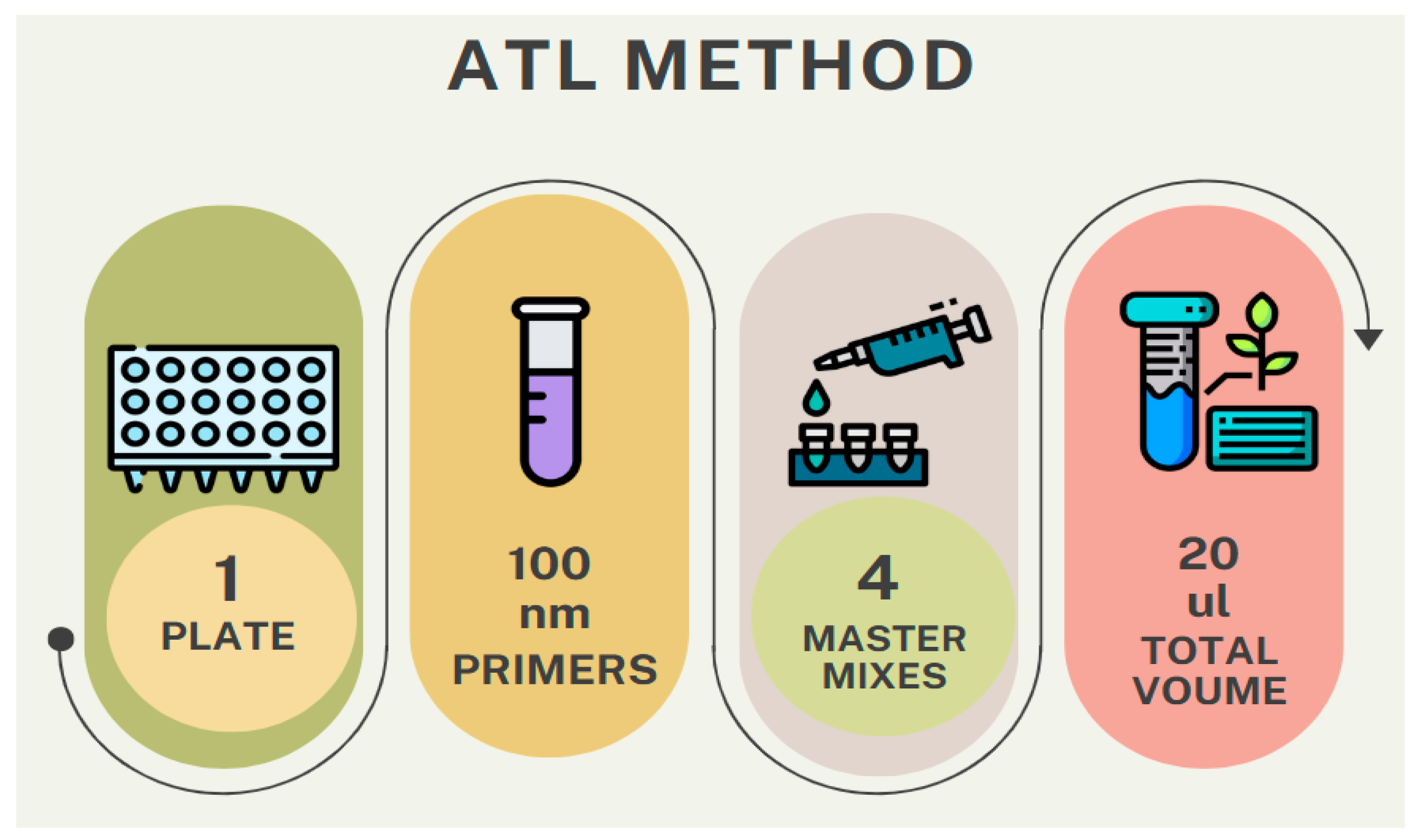
In this study an improved qPCR method is introduced for measuring absolute telomere length. By designing new primers for the single-copy gene interferon beta (IFNB1) and utilizing single-stranded oligonucleotide standards, we establish a precise calibration curve that enables the quantification of telomere length in kilobases per single copy gene copy number per chromosome. Validation of the updated methodological approach will be carried out on an expanded panel of samples, including DNA from peripheral blood and their buccal epithelium of healthy adult volunteers, as well as umbilical cord blood of newborns. The use of two types of tissues—hematopoietic and epithelial—will demonstrate the versatility of the method for DNA analysis of various cellular origins and confirm the absence of tissue-specific artifacts. In turn, a comparative analysis of adult and newborn samples will show the applicability of the method for the correct assessment of age-related variability in telomere length. This improved technique promises to provide a rapid, cost-effective, and accurate means of assessing absolute telomere length, thereby facilitating large-scale studies and enhancing clinical diagnostics related to telomere biology. Overview of the aTL Method for Telomere qPCR is illustrated in Figure 1.
By advancing the precision and efficiency of telomere length measurement, this study seeks to contribute significantly to the understanding and diagnosis of age-related diseases and cancers, ultimately paving the way for improved clinical outcomes.

2. Experimental Design

2.1. DNA Extraction and Storage

All samples of peripheral blood, cord blood, and buccal swabs were collected from healthy volunteers without chronic diseases individually in commercial labs. DNA was extracted from whole blood cells, cord blood, and buccal swab samples and purified with the Extract DNA Blood and Cells (Evrogen, Moscow, Russia, BC111M), in accordance with the instructions of the manufacturer following safety rules working with hazardous materials. Buccal swabs collect epithelial cells from the inner cheek lining, which are relatively accessible but may yield variable DNA quality and quantity. Umbilical cord blood was collected from women immediately after they gave birth to their babies. Informed consent for the collection and use of cord blood samples was obtained from all mothers prior to delivery. For peripheral blood and buccal swabs, consent was obtained directly from the adult volunteers. The high-molecular DNA was stored at −20 °C. The quantity and quality of the isolated DNA and oligonucleotide dilutions were assessed with the NanoDrop 1000 spectrophotometer (Thermo Fisher Scientific, Wilmington, DE, USA.) in dsDNA 50 mode and ssDNA mode accordingly. When extracting DNA from human blood, umbilical cord blood, and buccal swab samples using the Extract DNA Blood and Cells (Evrogen, Moscow, Russia, BC111M), the protocol is specifically designed to isolate and purify genomic DNA, ensuring that the final product contains only DNA and not mRNA or cDNA. The kit utilizes denaturing agents and optimized buffers that lyse cells, denature proteins, and selectively bind DNA to a purification matrix, effectively removing RNA, including mRNA, and preventing the synthesis of cDNA, which would require reverse transcription enzymes not present in the DNA extraction workflow or further in PCR protocol.

2.2. Primers and Oligomers

All primers underwent HPLC purification, while oligomers were purified using PAGE (Evrogen, Moscow, Russia, SP001). Telomere and Exon IFNB1 oligomers were diluted and utilized as single-stranded antisense standards, adapting to laboratories lacking double-chain nucleotide synthesis capabilities (Supplementary Material S2). In previous studies, the plasmids were utilized as uniform templates that help control for variations in PCR efficiency across different plates and experiments [9,10]. In this study, we ran the analysis without plasmid DNA (pBR322) using the comparative IFNB1 aTL no plasmid protocol. Plasmids affect PCR outcomes by altering DNA structure leading to underestimation in qPCR quantification as it can hinder PCR amplification, impacting the accuracy of standard curves and overall quantification results [11]. The sequence for telomere primers (FTM, RTM) and oligomer standards was taken from a previous study [10]. The primers Fexon IFNB1, Rexon IFNB1 (Table 1), and Standard Oligos of IFNB1 were specifically designed to address dimer formation issues.
All stock primers with 100 μM were 10× diluted for the working solution. Their sequences target the exon coding region of the IFNB1 gene (Table 2).
The oligomer stock, initially at 100 μM concentration, underwent serial 10-fold dilutions to form a calibration curve. For the qPCR assay, standards 4–8 were used for telomeres, while standards 5–9 were employed for IFNB1 measurements (Table 3). Telomeres are amplified earlier compared to a single-copy gene during PCR, thus more concentrated standards were used for telomeres and less concentrated ones were utilized for IFNB1.

2.3. qPCR Conditions

Amplification was carried out in the CFX96 Touch Real-Time PCR System (Bio-Rad, Laboratories, Hercules, CA, USA) with the subsequent thermocycling parameters for telomere and single copy gene: preincubation at 95 °C for 3 min; then 40 cycles including denaturation at 95 °C for 15 s, at 60 °C for 20 s, at 72 °C for 10 s (signal acquisition), and 60 °C for 30 s (melt curve) (Figure 2). Protocol step temperatures were set up according to primer design conditions. The obtained data was examined using the Bio-Rad CFX Manager software, version 3.0 (Bio-Rad Laboratories, Hercules, CA, USA).

2.4. qPCR MasterMix and Plate Preparation

This qPCR protocol is designed for a total reaction volume of 20 μL per well. The master mix composition includes 0.2 μL of each primer at 100 μM concentration, 4 μL of Evrogen 5X qPCRmix-HS SYBR (Evrogen, Moscow, Russia, PK147L), and 14.6 μL of nuclease-free water. For standard reactions, 1 μL of template is used, while sample reactions use 4 μL of template with a concentration ranging from 18 ng/μL to 22 ng/μL, as the method is sensitive to variations in template quantity. The purity and concentration of the extracted DNA were assessed, with the molecular weight considered to be approximate, as precise determination was not required for this study. DNA concentration was measured using a spectrofluorometer, and the results were consistent, showing only minor deviations across the replicates. The PCR plate preparation involves two different master mix volumes: 19 μL for standards and 16 μL for samples (Figure 3). All standards for each gene are measured in triplicate to ensure reproducibility. Before running the PCR, the plate is centrifuged at 13,000 rpm for 6 min to ensure all components are at the bottom of the wells.
To maintain the integrity of the primers, it is crucial not to store the prepared plate for more than 30 min before running the PCR. Additionally, all samples should be gently vortexed immediately before the experiment to ensure homogeneity. For accurate results, several controls should be included in the experimental setup. A no-template control (NTC) is essential to detect any contamination, reagents degradation, or primer-dimer formation. Positive controls, both endogenous (e.g., housekeeping genes) and exogenous (known quantities of target sequence), are crucial for final concentration analysis, normalization, and assessing PCR efficiency. Endogenous controls were selected from samples that had been used in previous runs as part of the experiment.

2.5. Data Evaluation

All the final concentration calculations were carried out automatically in the CFX Manager software, version 3.0 (Bio-Rad Laboratories, Hercules, CA, USA). The relative quantification calibration curve result for the gene of IFNB1 and telomeres is normalized towards endogenous control samples. Subsequently, these control values are compared and regulated across experimental plates in order to standardize the raw sample data from a plate-to-plate experiment. The baseline threshold was manually set up based on data of endogenous DNA control samples and regulated each time when the new stock of primers or standard oligomers were introduced to the experiment. Calculation of the absolute length of telomeres was carried out using the formula
a T L = T S     ,
where
aTL is the absolute length of the body of telomeres; T is the length of the body telomeres in the kilobase; and S is the amount of a representative gene.
T and C values were determined for each sample in three repetitions using qPCR standard curve calculations for telomeres and IFNB1. The data analysis was performed by utilizing the CFX Manager software, version 3.0 (Bio-Rad Laboratories, Hercules, CA, USA). The calculated value was divided into 92 in order to obtain telomere length per single chromosome in a diploid set [10].

3. Procedure

3.1. Primer Dilution

  • Find the initial concentration of primers in millimoles. If the concentration of primers in the stock solution is 100 μM, it must be diluted to 10 μM for a working solution.
  • Prepare two Eppendorf tubes for the future diluted primers (forward and reverse)—stick a sticker with the inscription according to the model: “Primer name, concentration, date of dilution”.
  • Mps 09 00022 i001 CRITICAL STEP all the primers should be kept on ice during the whole experiment due to risk of degradation.
  • Add 90 µL of MiQ water and 10 µL of primer stock solution to the prepared Eppendorf tube in order to obtain a 10 μM solution from 100 μM stock. Vortex gently the primers’ stock solution for 2–3 s.
  • If your concentrations differ from the example, you can calculate the volumes using the following formula:
V 1 = V 2 C 2   C 1 ,
where
  • V 1 —stock volume; V 2 —final volume; C 2 —final concentration; and C 1 —stock concentration.
6.
Store primers according to the manufacturer’s recommendations.

3.2. Standard Curve Preparation

  • Determine the initial concentration of oligomer standards in millimoles.
  • Label 20 Eppendorf tubes:
    • 10 tubes for Telomere: Label as “TEL 1” to “TEL 10”
    • 10 tubes for IFNB1: Label as “IFNB1 1” to “IFNB1 10”
  • Prepare the first standard for each oligomer. If stock concentration is 100 μM, dilute to 10 μM.
Mps 09 00022 i002 CRITICAL STEP IFNB1 oligomer stock and dilutions should be kept on ice during the whole experiment due to risk of degradation.
4.
Add 90 µL of MiQ water to tube 1 of each oligomer.
5.
Vortex the stock oligomer gently for 2–3 s.
6.
Add 10 µL of stock oligomer to tube 1 and pipette gently 2–3 times.
7.
Prepare dilution series: Add 90 µL of MiQ water to tubes 2–10 for each oligomer.
8.
Create 10-fold dilution series. Start with tube 1.
9.
Vortex tube 1 gently, pipette 2–3 times, and transfer 10 µL from tube 1 to tube 2.
10.
Repeat this process for tubes 2–10, always transferring 10 µL from the previous tube.
11.
Check concentration of oligomer in each tube utilizing the Nanodrop 1000 spectrophotometer.
12.
Calibrate the NanoDrop spectrophotometer with nuclease-free water.
13.
Measure 1–2 μL of each standard dilution using the NanoDrop 1000 spectrophotometer on ssDNA-33 mode.
14.
Record the concentration in ng and purity (A260/280 ratio) for each dilution (Table 3).
15.
Mps 09 00022 i003 PAUSE STEP Store primers according to the manufacturer’s recommendations.

3.3. Calibration Curve Concentration Calculations

  • For telomere standard, calculate the weight of one molecule:
    • Weight of one molecule = M o l e c u l a r   W e i g h t A v o g a d r o s   n u m b e r ;
    • Molecular Weight (telomere) = 25,030 g m o l ;
    • Weight of one molecule = 25,030 6.022   ×   10 23 =   4.156 × 10 20 g
2.
Calculate molecules in the working stock:
  • Molecules in working stock = C o n c e n t r a t i o n   i n   g W e i g h t   o f   o n e   m o l e c u l e ;
  • Concentration of telomere in grams (standard 3 dilution by 1000× fold) = 3.11 × 10 9 g μ L ;
  • Molecules in working stock =   3.11   ×   10 9 4.156 × 10 20 =   7.482 × 10 10 m o l e c u l e s µ L
3.
Calculate concentration of telomere oligomer in kb:
  • Concentration of telomere oligomer in kb = Molecules in working stock ∗ 84 bp oligomer length;
  • Concentration of telomere oligomer in kb = 7.482 × 10 10 × 84 = 6.285 × 10 12 k b µ L
4.
For the final concentration of the single copy gene IFNB1, repeat steps 1 and 2 using information from Table 2.
5.
Adjust your calculations for other dilutions by multiplying or dividing by 10 accordingly.

3.4. Plate Layout Design

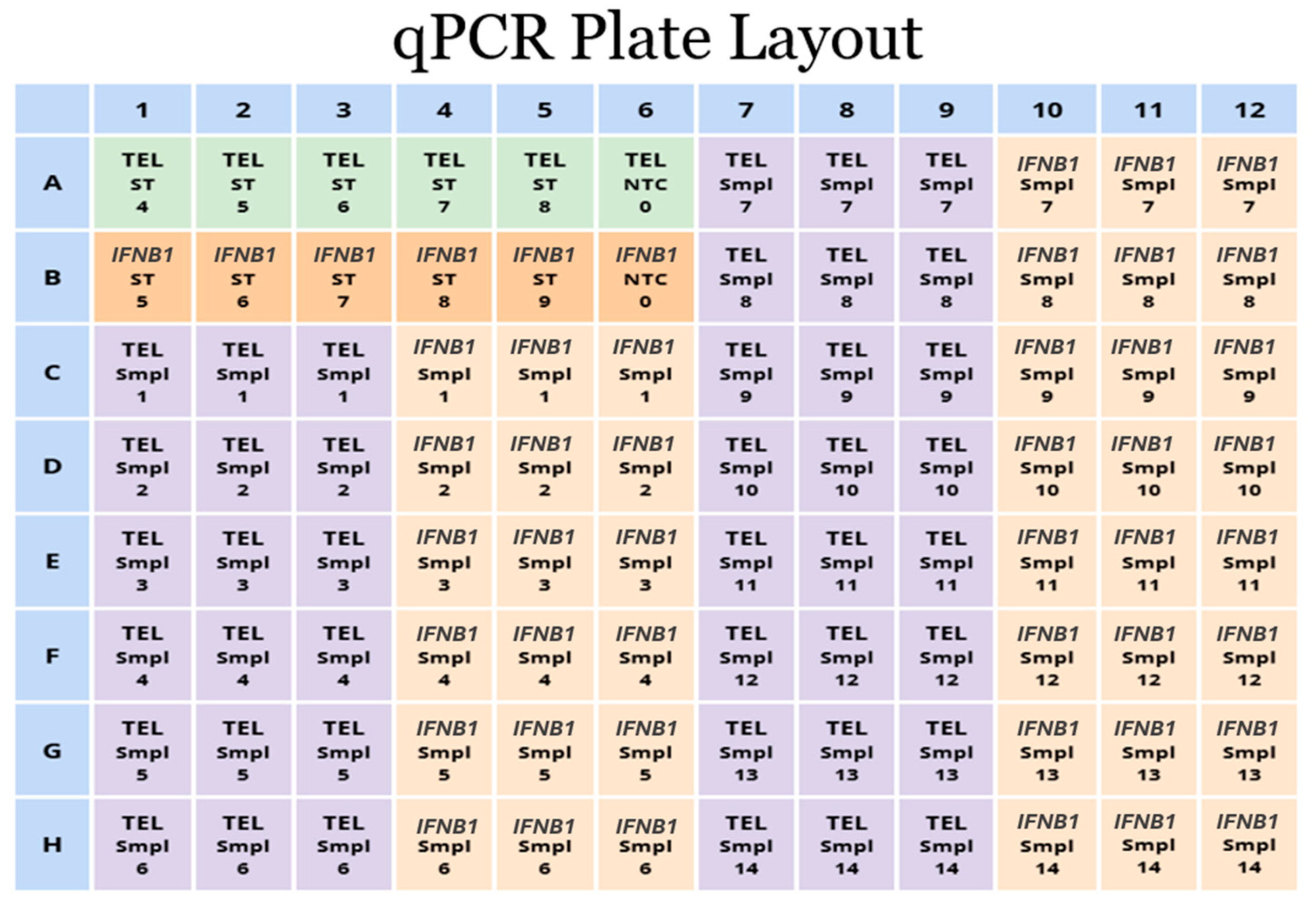
  • Create a new plate layout in the CFX Manager software, version 3.0 (Bio-Rad Laboratories, Hercules, CA, USA). The experimental plate example layout is demonstrated in Figure 4.
2.
Assign wells for standard oligomers for telomere from tube 4 to 8 and for IFNB1 from tube 5 to 9.
3.
Mps 09 00022 i004 CRITICAL STEP: adjust your calibration choice based on your individual concentration measurements for standard oligomers and run each standard in triplicate if necessary.
4.
Add DNA samples in triplicate.
5.
Include no-template controls (NTC) and endogenous control samples using an inhouse DNA template or previously run samples with known results.
6.
Each endogenous control should be tested in triplicate, with at least one included in your experiment. Incorporating more endogenous controls in a single run can improve the precision of your results; at the same time, it will also reduce the number of wells available for your screening samples.
7.
Put calculated concentrations of standard oligomers for telomere in kb and for IFNB1 standard in the copy number.

3.5. Master Mix Calculation

  • Open the Master Mix Calculator in the CFX Manager software, version 3.0 (Bio-Rad Laboratories, Hercules, CA, USA).
  • Enter the following parameters for two MasterMixes for standard oligomer and DNA sample templates for each of the genes (Telomere and IFNB1):
    • Total reaction volume: 20 μL;
    • Template volume (for standard oligomers): 1 μL;
    • Template volume (for samples) 4 μL (20 n g μ L );
    • Final primer concentration in MasterMix: 100 nM;
    • Starting Concentration forward and reverse primer 10 μM;
    • Mix volume without template for sample: 16 μL;
    • Mix volume without template for standard: 19 μL;
    • 5× qPCRmix-HS SYBR (Evrogen, Moscow, Russia, PK147S) with HotStart Polymerase.
  • Calculate separate master mixes for Telomere and IFNB1 standards-4.
  • MasterMixes total—2 for Telomere and 2 for IFNB1 standard.
  • Primers’ concentration calculation in summary:
    • Primer stock: 100 μM;
    • Working solution: 10 μM (prepared by 1:10 dilution of stock);
    • Final concentration in PCR: 100 nM (using 0.2 μL of 10 μM primers in 20 μL total reaction volume).

3.6. qPCR Conditions and Set Up

  • Prepare and label 4 Eppendorf 2 mL tubes as follows: MM TEL Standards, MM TEL Samples, MM IFNB1 Standards, MM IFNB1 Samples.
  • Add reagents to each Master Mix tube in the following order: Fresh MiQ Water, 5× qPCRmix-HS SYBR, Forward primers, Reverse primers.
  • Mps 09 00022 i005 CRITICAL STEP Change pipette tips after adding each component.
  • Place a 96-well plate on an ice tray or an ice box to use as a holder for 0.2 mL thin-walled PCR tubes.
  • Mps 09 00022 i006 CRITICAL STEP Keeping PCR tubes cold helps prevent nuclease activity, primer dimer formation, reagent degradation, and nonspecific priming.
  • Pipette PCR reagents into each 0.2 mL PCR well in the following order: Master Mix (MM Standards 19 μL and MM Samples 16 μL), then standard oligomers (1 μL) and samples (4 μL).
  • Prepare your plate and centrifuge at 13,000 rpm for 6 min.
  • Set up preincubation for 3 min at 95 °C; then 40 cycles including denaturation at 95 °C for 15 s, at 60 °C for 20 s, at 72 °C for 10 s (signal acquisition), and 60 °C for 30 s (melt curve).

3.7. Results Calculations and Analysis

  • Check experimental regression factor: R2 should be bigger than 95% or at least 90%, and efficacy should be ±10% from 100%.
  • Use the CFX Manager software, version 3.0 (Bio-Rad Laboratories, Hercules, CA, USA) to automatically calculate the Cq Mean concentrations of telomeres and IFNB1 based on the calibration curve calculations.
  • Normalize the relative quantification results of telomeres (T) and IFNB1 (S) to endogenous control samples.
  • Standardize these normalized values across experimental plates to account for plate-to-plate variability.
  • Manually set a baseline threshold for each experimental plate based on the data from endogenous DNA control samples.
  • Perform average quantification analysis of sample triplicates.
  • For each sample, determine T (telomere length in kilobases) and S (amount of reference gene IFNB1 in copy number) values in three technical replicates using qPCR standard curve calculations.
  • Calculate aTL use the formula:
a T L = T S ,
where:
T: Telomere length in kilobases, calculated from PCR results.
S: Amount of reference gene IFNB1, calculated from PCR results.
9
OPTIONAL STEP Adjust your calculations for the diploid chromosome set by dividing the calculated aTL by 92 to obtain the telomere length per single chromosome in a diploid set: Telomere Length Per Chromosome =   a T L 92 .
10.
Perform all data analysis using the CFX Manager software, version 3.0 (Bio-Rad Laboratories, Hercules, CA, USA) to ensure consistency and accuracy in calculations.
11.
Report your final telomere length value.
  • Notes
  • This technique is highly susceptible to contamination, particularly from synthesized primers and oligonucleotides;
  • The quality in manufacturing of primers and oligonucleotides is crucial;
  • To prevent degradation, it is advisable to keep all primers and oligonucleotides on ice throughout the experiment;
  • Primers are particularly sensitive to temperature fluctuations. To reduce the frequency of freeze-thaw cycles, creating multiple small volume dilution preparations primers is recommended, which will help avoid degradation and the formation of dimers;
  • Additionally, the quality of PCR is influenced by the concentration of sample DNA; amplification results can vary significantly due to inaccurate measurements and substantial differences in concentration between samples;
  • If your IFNB1 Ct values fluctuate by more than 3–4 cycles, it may indicate unequal sample concentrations, primer dimers, or degradation.
  • For samples with a calculated telomere length or IFNB1 copy number that falls outside the range of the primary standard curve, additional dilutions of the standard curve must be performed to ensure that the sample values are within the calibration range. Measurements taken near the detection limits are recorded taking into account the amplification efficiency and potential variability to avoid misinterpretation.

4. Results

The results presented in Table 4 highlight the measurements of aTL across 17 adult volunteer samples and 9 samples from healthy newborns, alongside related parameters such as telomere length in kilobases, IFNB1 copy number, and age. For adults, the aTL values ranged from 4.29 × 100 kb to 8.31 × 101 kb, with corresponding values for aTL per chromosome varying between 4.67 × 10⁻² kb and 9.03 × 10⁻¹ kb. These results indicate significant variability in telomere length among individuals, with no clear correlation observed between age and telomere length within this dataset. For example, sample 5 (age 27) exhibited the highest aTL (8.31 × 101 kb), while sample 7 (age 27) showed one of the lowest aTL values (4.29 × 100 kb).
Additionally, telomere length (total signal in kilobases) varied significantly across samples, ranging from 9.23 × 10⁵ to 4.46 × 10⁷, suggesting individual differences in genomic stability or telomere dynamics [12]. The IFNB1 copy number also showed variation, spanning from 1.09 × 10⁵ to 1.53 × 10⁶, which may influence telomere maintenance mechanisms or cellular responses.
For newborn babies, the aTL in kb was substantially higher, ranging from 9.94 × 10² to 2.83 × 10³, with aTL per chromosome varying between 1.08 × 101 and 3.07 × 101. Newborn samples exhibited some of the highest telomere lengths in the study (e.g., sample 21 had 1.29 × 10⁸ kb, the highest total signal in the dataset). Their IFNB1 copy numbers were relatively low compared to adult samples, generally ranging from 2.91 × 10⁴ to 8.20 × 10⁴.
The qPCR amplification graphs for the standard dilution calibration curve illustrate the amplification of TEL and IFNB1 sequences over successive cycles. Both graphs demonstrate high efficiency and specificity of the qPCR reactions, as evidenced by the clear separation between curves for different dilutions and consistent exponential amplification phases. These calibration curves are essential for quantifying aTL by comparing unknown samples against known standards (Figure 5).
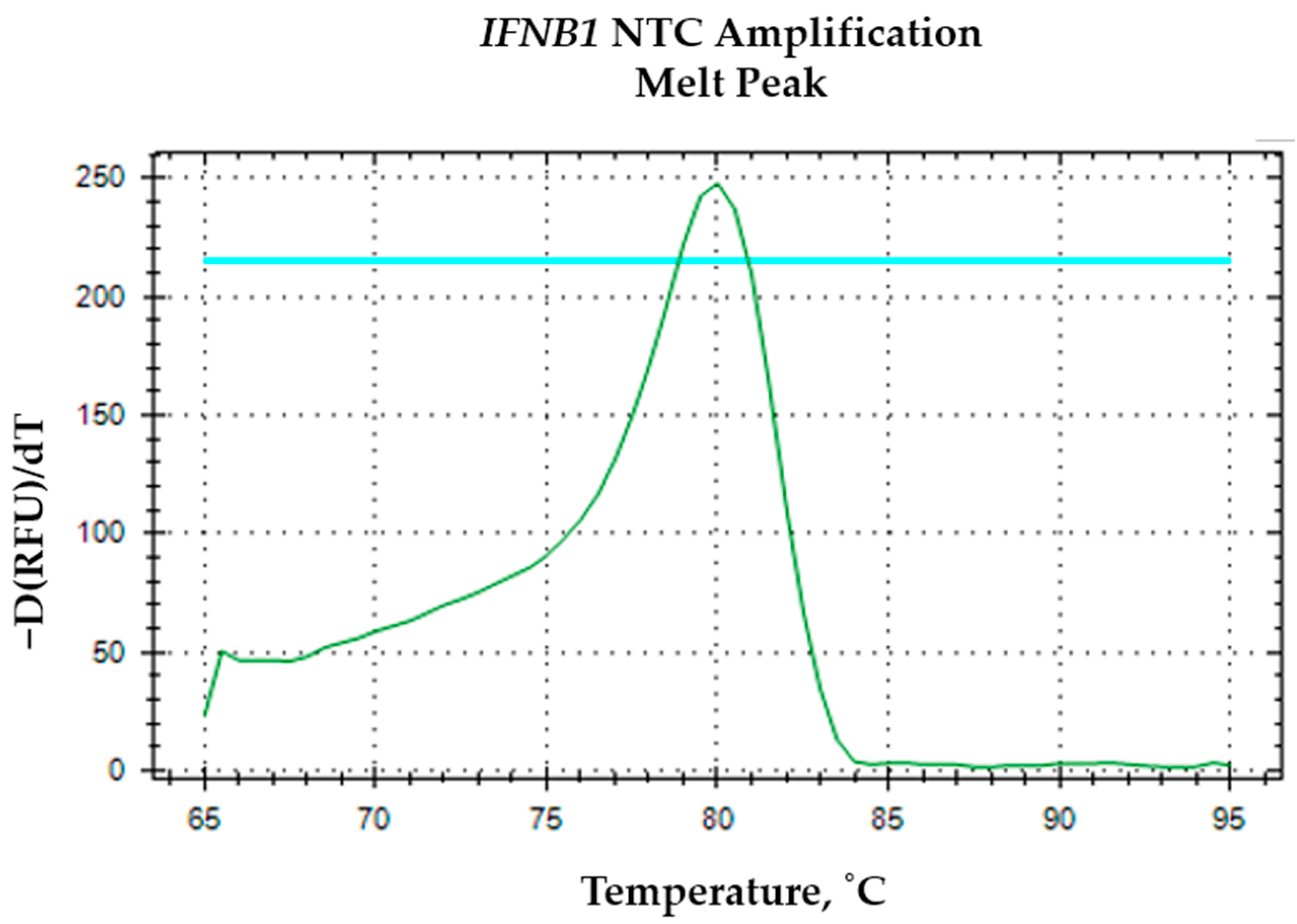
The IFNB1 oligomer curves in Figure 5 do not reach the same maximum fluorescence levels as the first and second telomere repeat oligomers; their amplification does not fully extend to the fluorescence plateau observed with the telomere repeat curves. It can be explained by several factors related to amplification efficiency and molecular biology of the targets. Telomere repeats are highly repetitive sequences, allowing for more efficient and robust amplification during qPCR or similar fluorescence-based assays. This repetitive nature leads to a higher yield of amplicons per cycle, which in turn results in a more rapid and complete increase in fluorescence signal, often reaching the maximum detectable level within fewer cycles [13]. In contrast, IFNB1 amplification efficiency can be inherently lower due to sequence complexity, which can limit the extent of fluorescence amplification. The specificity of the IFNB1 amplification was further verified by melt curve analysis, which displayed a distinct single peak for samples (Figure 6) and no specific signal in the NTC (Figure 7).
The Table 5 presents aTL data measured in kilobases and normalized per chromosome for buccal swab and blood samples from the same individuals. The results show variability between sample types: in Sample 1, buccal cells have longer telomeres (65.7 kb) than blood (34.0 kb), while Sample 2 shows nearly identical aTL values for both tissues (~37.4 kb). For Samples 3 and 4, telomere length is notably longer in blood (61.3 kb and 10.6 kb, respectively) compared to buccal cells (4.63 kb and 3.39 kb). The aTL per chromosome values align with these patterns, reflecting tissue-specific differences. Although ages range from 23 to 38 years, no clear age-related trend in telomere length can be observed from this limited data set.

5. Discussion

This study provides a comprehensive analysis of aTL across 26 DNA samples extracted from whole blood cells, alongside related parameters such as telomere length in kilobases, IFNB1 copy numbers, and age. The results reveal significant variability in telomere length among individuals, with aTL values ranging from 6.43 × 10⁻² kb to 3.07 × 101 kb to corresponding aTL-per-chromosome values. Despite the expectation that age would correlate with telomere shortening, no clear relationship between chronological age and telomere length was observed in this dataset.
This study builds upon the foundational work of O’Callaghan [10], who developed a monoplex one-plate two-reaction tube protocol for simultaneous amplification of telomeres and single-copy genes under identical cycling conditions. While their protocol employed the 36B4 reference gene, which is not a true single-copy gene [14], our approach adopted IFNB1 as a genuine single-copy reference gene to improve reliability.
Additionally, we implemented further modifications to improve standard curve generation. Unlike the Siegel SR et al. method that utilized double-stranded oligomers [11]—which are often challenging to manufacture consistently—we opted for single-strand antisense oligonucleotides as standards due to difficulties in synthesizing double-stranded standards and achieving stable results with in-house annealing protocols. This approach allowed us to bypass these limitations while maintaining reliable quantification.
Buccal swabs collect epithelial cells from the inner cheek, which are easy to obtain but may produce variable DNA quality and quantity due to factors like collection technique, cellular material amount, and saliva contamination [15]. These buccal cells are mostly terminally differentiated with slower turnover, which can lead to DNA degradation or reduced yield, affecting PCR accuracy and potentially causing underestimation of telomere length [16]. In contrast, blood samples primarily contain leukocytes that renew continuously, maintaining more consistent and often longer telomere lengths because of ongoing cell replication. The slower renewal and aging of buccal cells compared to dynamically replenished blood cells contribute to the differences observed in telomere length measurements between the two sample types.
The primers used in this study were specifically designed and validated for Homo sapiens sequences and are not intended for, nor optimized to amplify, DNA from other species.
It is important to note that in this protocol, Ct values for the single copy gene (IFNB1) often appear earlier than Ct values for telomeres in adult human samples. This contrasts with the relative qPCR method described by Cawthon [17], where 36B4 is typically amplified later than telomeres.
This difference in amplification time is not related to non-specific amplification of IFNB1, which is confirmed by a single peak in the melting curves and stable kinetic patterns observed on pure synthetic oligonucleotide standards that do not contain genomic DNA. Instead, this shift is the result of the specific thermodynamic conditions of our analysis. Unlike previous protocols using high primer concentrations (up to 900 nM) and lower annealing temperatures (54 °C for 2 min) to accelerate the hybridization of telomeric primers with mismatches, our method uses harsh conditions (100 nM primers, annealing at 60 °C for 20 s). Under these conditions, fully complementary IFNB1 primers initiate amplification with higher kinetic efficiency than telomeric primers, which naturally leads to an earlier crossing of the threshold for IFNB1.
In addition, the variability of ∆Ct (Ct Tel − Ct (IFNB1)) in our samples reflects natural biological differences: in newborns with long telomeres, telomere amplification may outpace IFNB1 (negative Ct), whereas in adults the opposite pattern is usually observed.
Thus, the earlier yield of IFNB1 reflects the high specificity and effectiveness of the selected primers under harsh reaction conditions. The use of the standard curve method fully compensates for these kinetic features, ensuring measurement accuracy regardless of the order in which the fluorescence signals appear.
In conclusion, this study highlights the heterogeneity of telomere length among individuals and presents an improved qPCR-based protocol for measuring absolute telomere length using IFNB1 as a reference gene and single-strand standards. These findings address key methodological limitations of prior approaches while providing valuable insights into telomere biology. Future studies should focus on refining these methods further and exploring additional genetic and environmental factors influencing telomere maintenance mechanisms to enhance our understanding of their role in health and disease.

Supplementary Materials

The following supporting information can be downloaded at: https://www.mdpi.com/article/10.3390/mps9010022/s1, S1: Short review of other Telomere Length Estimation PCR Methods. S2: Duplex IFNB1 and Telomere oligomere analysis results. Figure S1: The qPCR amplification graphs for the standard dilution calibration curve IFNB1 duplex from standard 5 to standard 9; Figure S2: The Melting Curve amplification graphs for the standard dilution calibration curve IFNB1 duplex amplification from standard 5 to standard 9; Figure S3: The qPCR amplification graphs for the standard dilution calibration curve telomere (TEL) duplex from standard 4 to standard 8 from left to right starting with standard 4; Figure S4: The Melting Curve amplification graphs for the standard dilution calibration curve telomere (TEL) duplex amplification from standard 4 to standard 8.

Author Contributions

Conceptualization, E.S.A. and N.S.K.; methodology, E.S.A.; validation E.S.A., N.S.K. and M.I.B.; formal analysis N.S.K.; investigation, E.S.A.; resources, E.S.A.; data curation, N.S.K.; writing—original draft preparation, E.S.A. and N.S.K.; writing—review and editing, E.S.A., N.S.K. and M.I.B.; visualization, E.S.A. and M.I.B.; supervision, M.I.B. and O.L.T.; project administration, E.S.A. and N.S.K.; funding acquisition, M.N. All authors have read and agreed to the published version of the manuscript.

Funding

This work was carried out within the framework of the state task of the Federal State Budgetary Institution the “Research Institute of Pathology and Pathophysiology”, FGFU-2025-0007: Search for diagnostically significant biochemical, immunological, and other markers of disorders of normal functioning of organs and systems. Study of their role in the development of pathology.

Institutional Review Board Statement

The design of the study and the usage of human material were approved by the Local Ethics Committee of the Research Institute of General Pathology and Pathophysiology assigned № 3 on 7 May 2024 and № 1 on 21 January 2025.

Informed Consent Statement

Informed consent was obtained from all subjects involved in the study. All respondents were Russian native speakers of undetermined ethnicity (in accordance with the ethical standards of the local medical register) and gave signed informed consent forms in accordance with the Helsinki Declaration.

Data Availability Statement

The data that support the findings of this study are available on request from the corresponding author. The data are not publicly available due to privacy or ethical restrictions.

Acknowledgments

We would like to express our gratitude to Tatyana Anatolyevna Masko and Alla Anatolyevna Proshkova for their invaluable technical support throughout the course of this study. Her assistance in experimental set ups and screenings greatly facilitated the progress of our research.

Conflicts of Interest

The authors declare no conflicts of interest. The funders had no role in the design of the study; in the collection, analyses, or interpretation of data; in the writing of the manuscript; or in the decision to publish the results.

Abbreviations

qPCRquantitative Real-Time Polymerase Chain Reaction
rTLrelative telomere length
aTLAbsolute telomere length
IFNB1Interferon beta 1
bpBase pair
kbkilobase
cnCopy number

References

  1. Moyzis, R.K.; Buckingham, J.M.; Cram, L.S.; Dani, M.; Deaven, L.L.; Jones, M.D.; Meyne, J.; RaTLiff, R.L.; Wu, J.R. A highly conserved repetitive DNA sequence, (TTAGGG)n, present at the telomeres of human chromosomes. Proc. Natl. Acad. Sci. USA 1988, 85, 6622–6626. [Google Scholar] [CrossRef] [PubMed]
  2. Shammas, M.A. Telomeres, lifestyle, cancer, and aging. Curr. Opin. Clin. Nutr. Metab. Care 2011, 14, 28–34. [Google Scholar] [CrossRef] [PubMed]
  3. Barrett, J.H.; Iles, M.M.; Dunning, A.M.; Pooley, K.A. Telomere length and common disease: Study design and analytical challenges. Hum. Genet. 2015, 134, 679–689. [Google Scholar] [CrossRef] [PubMed]
  4. Lin, J.; Smith, D.L.; Esteves, K.; Drury, S. Telomere length measurement by qPCR—Summary of critical factors and recommendations for assay design. Psychoneuroendocrinology 2019, 99, 271–278. [Google Scholar] [CrossRef] [PubMed]
  5. Aviv, A.; Hunt, S.C.; Lin, J.; Cao, X.; Kimura, M.; Blackburn, E.H. Impartial comparative analysis of measurement of leukocyte telomere length/DNA content by Southern blots and qPCR. Nucleic Acids Res. 2011, 39, e134. [Google Scholar] [CrossRef] [PubMed]
  6. Joglekar, M.V.; Satoor, S.N.; Wong, W.K.M.; Cheng, F.; Ma, R.C.W.; Hardikar, A.A. An Optimised Step-by-Step Protocol for Measuring Relative Telomere Length. Methods Protoc. 2020, 3, 27. [Google Scholar] [CrossRef] [PubMed]
  7. Rossiello, F.; Jurk, D.; Passos, J.F.; di Fagagna, F.D. Telomere dysfunction in ageing and age-related diseases. Nat. Cell Biol. 2022, 24, 135–147. [Google Scholar] [CrossRef] [PubMed]
  8. Reichert, S.; Froy, H.; Boner, W.; Burg, T.; Daunt, F.; Gillespie, R.; Griffiths, K.; Lewis, S.; Phillips, R.; Nussey, D.; et al. Telomere length measurement by qPCR in birds is affected by storage method of blood samples. Oecologia 2017, 184, 341–350. [Google Scholar] [CrossRef] [PubMed]
  9. O’Callaghan, N.J.; Fenech, M. A quantitative PCR method for measuring absolute telomere length. Biol. Proced. Online 2011, 13, 3. [Google Scholar] [CrossRef] [PubMed] [PubMed Central]
  10. Siegel, S.R.; Ulrich, M.; Logue, S.F. Comparison qPCR study for selecting a valid single copy gene for measuring absolute telomere length. Gene 2023, 860, 147192. [Google Scholar] [CrossRef] [PubMed]
  11. Lin, C.H.; Chen, Y.C.; Pan, T.M. Quantification bias caused by plasmid DNA conformation in quantitative real-time PCR assay. PLoS ONE 2011, 6, e29101. [Google Scholar] [CrossRef] [PubMed] [PubMed Central]
  12. Andreu-Sánchez, S.; Aubert, G.; Ripoll-Cladellas, A.; Henkelman, S.; Zhernakova, D.V.; Sinha, T.; Kurilshikov, A.; Cenit, M.C.; Bonder, M.J.; Franke, L.; et al. Genetic, parental and lifestyle factors influence telomere length. Commun. Biol. 2022, 5, 565. [Google Scholar] [CrossRef] [PubMed]
  13. Hastings, W.J.; Eisenberg, D.T.A.; Shalev, I. Impact of Amplification Efficiency Approaches on Telomere Length Measurement via Quantitative-Polymerase Chain Reaction. Front. Genet. 2021, 12, 728603. [Google Scholar] [CrossRef] [PubMed] [PubMed Central]
  14. RPLP0 Ribosomal Protein Lateral Stalk Subunit P0 [Homo sapiens (Human)]. Available online: https://www.ncbi.nlm.nih.gov/gene/6175 (accessed on 5 January 2024).
  15. McMichael, G.L.; Gibson, C.S.; O’Callaghan, M.E.; Goldwater, P.N.; Dekker, G.A.; Haan, E.A.; MacLennan, A.H. South Australian Cerebral Palsy Research Group. DNA from buccal swabs suitable for high-throughput SNP multiplex analysis. J. Biomol. Tech. 2009, 20, 232–235. [Google Scholar] [PubMed] [PubMed Central]
  16. Xu, L.; Qiu, Z.; Cong, Y.S. Comparison of Telomere Length between Buccal Cells and Blood Cells. Bull Exp. Biol. Med. 2022, 173, 677–679. [Google Scholar] [CrossRef] [PubMed]
  17. Cawthon, R.M. Telomere measurement by quantitative PCR. Nucleic Acids Res. 2002, 30, e47. [Google Scholar] [CrossRef] [PubMed] [PubMed Central]
Figure 1. aTL qPCR Method Step by Step Overview.
Mps 09 00022 g001
Figure 2. aTL Protocol for Telomere qPCR. The dashed line indicates the amplification steps (02–04) repeated for 40 cycles.
Mps 09 00022 g002
Figure 3. Overview of the aTL Method for Telomere PCR.
Mps 09 00022 g003
Figure 4. Experimental plate example layout, where ST—standard oligomer, Smpl—tested sample. Numbers in “Smpl” wells denote sample IDs run in triplicates. Green and dark orange wells indicate Telomere and IFNB1 standards, with numbers representing the dilution step. Purple and light beige wells distinguish samples amplified with Telomere and IFNB1 specific primers, respectively.
Mps 09 00022 g004
Figure 5. qPCR amplification plots for the standard dilution calibration curve. The graphs illustrate the amplification of telomere (TEL) (standards 4 to 8) and IFNB1 sequences (standards 5 to 9), shown as the first five green curves from left to right. The sixth curve represents the NTC. The horizontal blue and red lines indicate the thresholds determined automatically by the software.
Mps 09 00022 g005
Figure 6. The green melting curve for IFNB1 endogenous control sample amplification. The horizontal blue line indicates the threshold determined automatically by the software.
Mps 09 00022 g006
Figure 7. The green melting curve for IFNB1 NTC amplification. The horizontal blue line indicates the thresholds determined automatically by the software.
Mps 09 00022 g007
Table 1. The sequence of primers for Telomere and IFNB1.
PrimerSequenceAmplicon Size
FTMCGG TTT GTT TGG GTT TGG GTT TGG GTT TGG GTT TGG GTT76 bp
RTMGGC TTG CCT TAC CCT TAC CCT TAC CCT TAC CCT TAC CCT
IFNB1 FexonCAACAGGTAGTAGGCGACAC83 bp
IFNB1 Rexon GAGAAGCACAACAGGAGAGC
bp—base pair
Table 2. The sequences, size, and molecular weight of oligomer standards.
Oligomer StandardSequenceSize Molecular Weight
Telomere(TTAGGG)1484 bp25,030
IFNB1 exon
antisense
GAGAAGCACAACAGGAGAGCAATTTGGAGGAGACACTTGTTGGTCATGTTGACAACACGAACAGTGTCGCCTACTACCTGTTG83 bp25,811
Table 3. Analytical sensitivity of the real-time PCR systems for standard curve oligomer dilution.
Dilution of the Standard OligomerCq ValuesStarting QuantityOligomer
10−412.456.140 × 108 kb
10−516.516.140 × 107 kb
10−619.616.140 × 106 kbTelomere
10−724.306.140 × 105 kb
10−828.016.140 × 104 kb
10−54.129.890 × 108 cn
10−68.089.890 × 107 cn
10−712.029.890 × 106 cnIFNB1
10−816.519.890 × 105 cn
10−920.379.890 × 104 cn
kb—kilobase; cn—copy number.
Table 4. Final data aTL analysis based on PCR experimental results of telomere and IFNB1 in blood samples.
Sample NumberTelomere in kbIFNB1 in Copy NumberaTL in kbaTL Per One Chromosome in kbAge
13.86 × 1061.09 × 1053.54 × 1013.85 × 10−129
22.28 × 1061.47 × 1051.55 × 1011.69 × 10−134
31.47 × 1071.53 × 1069.61 × 1001.04 × 10−123
41.31 × 1063.03 × 1054.32 × 1004.70 × 10−224
52.06 × 1072.48 × 1058.31 × 1019.03 × 10−127
69.23 × 1052.09 × 1054.42 × 1004.80 × 10−228
75.84 × 1061.36 × 1064.29 × 1004.67 × 10−227
81.07 × 1061.81 × 1055.91 × 1006.43 × 10−228
96.25 × 1063.94 × 1051.59 × 1011.72 × 10−124
109.51 × 1052.12 × 1054.49 × 1004.88 × 10−223
113.62 × 1062.51 × 1051.44 × 1011.57 × 10−123
122.09 × 1063.57 × 1055.85 × 1006.36 × 10−223
135.89 × 1061.58 × 1053.73 × 1014.05 × 10−129
142.23 × 1061.30 × 1051.72 × 1011.86 × 10−128
154.46 × 1076.19 × 1057.21 × 1017.83 × 10−122
161.77 × 1075.59 × 1053.17 × 1013.44 × 10−142
173.11 × 1075.53 × 1055.62 × 1016.11 × 10−124
183.91 × 1073.86 × 1041.01 × 1031.10 × 1010
198.12 × 1072.96 × 1042.74 × 1032.98 × 1010
209.74 × 1077.29 × 1041.34 × 1031.45 × 1010
211.29 × 1087.54 × 1041.71 × 1031.86 × 1010
228.03 × 1078.08 × 1049.94 × 1021.08 × 1010
238.23 × 1072.91 × 1042.83 × 1033.07 × 1010
241.03 × 1088.20 × 1041.26 × 1031.37 × 1010
258.16 × 1073.24 × 1042.52 × 1032.74 × 1010
267.56 × 1072.91 × 1042.60 × 1032.82 × 1010
Table 5. Data aTL analysis showing buccal swab and blood samples based on PCR experimental results of Telomere and IFNB1. Buccal- buccal swab, blood-peripheral blood sample. A sample with the same number contains the biomaterial from the same person.
Sample NumberTelomere in kbIFNB1 in Copy NumberaTL in kbaTL per One Chromosome in kbAge
1 buccal6.24 × 1059.50 × 1036.57 × 1017.14 × 10−129
1 blood6.12 × 1061.80 × 105 3.40 × 1013.70 × 10−1
2 buccal4.53 × 1061.21 × 1053.74 × 1014.07 × 10−123
2 blood4.67 × 1061.25 × 1053.74 × 1014.06 × 10−1
3 buccal1.82 × 1063.93 × 1054.63 × 1005.03 × 10−227
3 blood1.36 × 1072.22 × 1056.13 × 1016.66 × 10−1
4 buccal5.52 × 1051.63 × 1053.39 × 1003.68 × 10−238
4 blood4.00 × 1063.78 × 1051.06 × 1011.15 × 10−1
Disclaimer/Publisher’s Note: The statements, opinions and data contained in all publications are solely those of the individual author(s) and contributor(s) and not of MDPI and/or the editor(s). MDPI and/or the editor(s) disclaim responsibility for any injury to people or property resulting from any ideas, methods, instructions or products referred to in the content.