


Abstract
The development of lithium-ion batteries (LIBs) capable of extreme fast charging (XFC) while preserving safety, durability, and practical energy density remains a central challenge for next-generation electric transportation and grid-scale storage. Conventional graphite anodes are fundamentally limited at high current densities by sluggish intercalation kinetics, which cause lithium plating, motivating the exploration of alternative insertion materials. This review provides a comprehensive and internally consistent assessment of titanium-based oxide anodes, encompassing TiO2 polymorphs, lithium titanate (Li4Ti5O12), and Wadsley–Roth titanium niobium oxides, through the combined lenses of crystal topology, diffusion pathways, redox chemistry, interfacial behavior, and resource scalability. By systematically comparing structural frameworks and electrochemical mechanisms across these material classes, we demonstrate that fast-charging performance is governed not by nano-structuring alone, but by the intrinsic coupling between operating potential, framework rigidity, and multi-electron redox activity. While Li4Ti5O12 establishes the benchmark for safety and cyclability, and TiO2 polymorphs provide structural versatility, titanium niobium oxides uniquely reconcile high theoretical capacity with minimal lithiation strain and open diffusion channels, positioning them as highly promising candidates for sub-10 min charging without catastrophic degradation. This review highlights the persistent obstacles these materials suffer, such as limited round-trip energy efficiency (RTE), interfacial gas evolution, poor dopant stability, and unsustainable extraction, while simultaneously exploring targeted design strategies to overcome them. Finally, this review provides a materials design and comparison framework for the development of safe, high-power, and commercially viable ultrafast-charging LIBs.
Keywords:
Li4Ti5O12; TiNb2O7; LTO; TNO; TiO2; anode materials; lithium-ion battery; extreme fast charging; nano-structures 1. Introduction
1.1. Ultra-Fast-Charging Imperative: EV Adoption, Grid Integration, and Current Li-Ion Limitations
LIBs are the dominant technology in portable electronic devices, satellites, medical instruments, and EVs. LIBs research started in the 1970s, and Sony introduced the first commercial LIB in 1991, following intensive research initiated in the early 1980s. The significant decrease in lithium-ion cell pricing since their commercialization has been a key driver for their extensive adoption [1,2,3,4]. Since then, the accelerating transition toward cleaner energy has made the electrification of transportation a primary focus [5]. The technology known as LIB, initially referred to as the “rocking-chair” or “shuttle” battery technology, revolves around the principle of Li+ ion movement between two intercalation electrodes with varying potentials, a concept proposed by Armand in the 1970s [6,7]. In recent years, EVs have become the dominant driver of LIB demand, representing up to 90% of LIB consumption, with increasing deployment in grid energy storage systems. Each application requires trade-offs concerning energy, power, cost, cycle life, safety, and sustainability, which pose significant challenges [8,9,10]. To overcome these challenges, extensive research has concentrated on creating advanced electrode materials, with particular emphasis on selecting high-energy-density materials [11,12].
However, improving energy density typically requires a thicker and/or less porous electrode, a design trade-off that reduces Li+ mobility and diminishes fast-charging performance [13]. The growing demand for EVs, portable electronics, and large-scale energy storage has intensified the need to develop LIBs with ultrafast charging capability [14]. For electric vehicles in particular, achieving high capacity and extended cycle life is essential [15], while ensuring fast and safe charging remains a critical requirement for widespread adoption [16]. Currently, the transition toward XFC, aimed at achieving refueling parity with internal combustion engine vehicles, is fundamentally hindered by two interconnected technical bottlenecks. The first being Li plating, and the second being the substantial cooling requirements during XFC conditions, as highlighted by the U.S. Department of Energy (DOE) [17,18]. This disparity between current performance and future XFC objectives is illustrated in Figure 1, which compares the charging times and driving ranges of 10% to 80% for commercially available EVs.
Figure 1.
Comparative analysis of 10–80% fast-charging duration and driving range for battery EVs. Data obtained from ref. [19].
Fast charging is defined by the C-rate, which defines how current relates to the battery’s capacity and indicates how long it takes to charge or discharge the battery fully. A 1 C-rate means the battery will charge in 1 h, while fast charging is initially defined as charging rates of approximately 4 C (theoretically 15 min charge) but not exceeding 6 C (theoretically 10 min charge). Any rate surpassing this 6 C threshold is classified as XFC. Under practical conditions, EVs’ charging does not maintain a constant current. Near full charge, it shifts to a constant-voltage mode to limit side reactions. Typically, fast charging proceeds at ~4 C up to 80% SOC, followed by a slower constant-voltage phase to complete charging [20,21]. This multi-stage protocol is essential to mitigate degradation and support a target battery lifespan of up to 15 years [22]. Thus, the U.S. Advanced Battery Consortium has set an upcoming goal of achieving 80% charge in 15 min, while the U.S. Department of Energy aims for an ultimate goal of achieving full charging in approximately 3–5 min under XFC conditions [23].
Previous studies have highlighted the importance of identifying the key challenges and knowledge gaps that hinder the realization of XFC. Establishing a comprehensive framework will facilitate informed decision-making and coordinated planning for future fast-charging technologies, from materials and electrolytes (including aqueous, non-aqueous, and organic variants) to cells, packs, systems, and fast-charging stations, to accelerate transport electrification [24,25]. The best example illustrating the trade-offs involved in batteries is the trilemma among charge rate, energy density, and cycle life, with battery design needing to balance these three factors, as enhancing one often compromises the others, Figure 2 [26]. In commercial Li-ion cell engineering, this multidimensional balance is practically managed by calibrating the negative-to-positive (N/P) capacity ratio. As a critical design parameter, the N/P ratio dictates the cell’s energy density, cycle life, and overcharge safety, while its effective value depends on operating conditions, particularly at high charging and discharging C-rates (XFC), where polarization alters electrode utilization [27], thereby linking material properties to device architecture. In graphite cells, an N/P ratio > 1 is required to prevent the anode potential from reaching 0 V vs. Li/Li+, which can lead to lithium plating and accelerated degradation. Conversely, LTO’s higher lithiation potential (~1.55 V vs. Li/Li+) naturally suppresses plating, enabling a broader N/P design range without compromising safety or stability [27]. As a result, Ti-oxide-based cells can handle a broader range of N/P ratios without sacrificing safety or durability over time.
Figure 2.
Energy density, charge rate, and cycle life of fast-charging batteries are reported in the literature. Bubble position reflects charge rate and energy density, while bubble color and size represent chemistry and cycle number. Adapted from ref. [26].
Extensive efforts have focused on tailoring electrode chemistry and structure by developing several anode and cathode materials to optimize power density, cyclability, and safety of the battery. Cathodes, including lithium iron phosphate (LiFePO4) and lithium cobalt oxide (LiCoO2), alongside anodes such as lithium, graphite (by generating the intercalation compound LiC6), silicon, lithium titanium oxide (Li4Ti5O12), graphene, and red phosphorus (RP), have been employed in various combinations [28,29,30,31,32].
Among these alternatives, alloying-type anodes such as silicon and red phosphorus offer very high theoretical capacities (3579 and 2596 mAh g−1, respectively), while graphene-based hosts have been explored for their potential high lithium storage capacity (744 mAh g−1). However, these systems often suffer from challenges including severe volume expansion, poor intrinsic conductivity, and unstable lithium adsorption behavior, which can limit their practical implementation in high-rate applications [29,31,32].
Achieving significant energy density involves either a high mass loading of electrodes or the use of non-host materials, such as silicon or lithium metal anodes. The former results in increased resistance to ion diffusion during high-rate charging, while the latter reduces cell cycle life [33,34].
Furthermore, the energy density of conventional LIBs, particularly those with graphite anodes, the most common negative electrode with a theoretical capacity of about 372 mAh g−1, is approaching its maximum potential. [35,36]. However, graphite provides excellent reversibility and affordability. Nonetheless, the risk of short circuits rises due to lithium dendrite formation during fast charging at lower temperatures, which is a result of sluggish reaction kinetics and a low operating potential (0.1 V vs. Li/Li+) at the lithium plating threshold [37]. As a result, it is urgent to develop next-generation technologies with much higher energy densities [35].
Extensive research has therefore focused on developing LIBs that combine very high energy and power densities with strong safety characteristics and long cycle life using advanced Ti-based oxide anodes. Consequently, Ti-based oxides demonstrate outstanding safety performance, making them highly promising candidates for anode materials in next-generation LIBs [38].
1.2. Integrated Comparative Framework
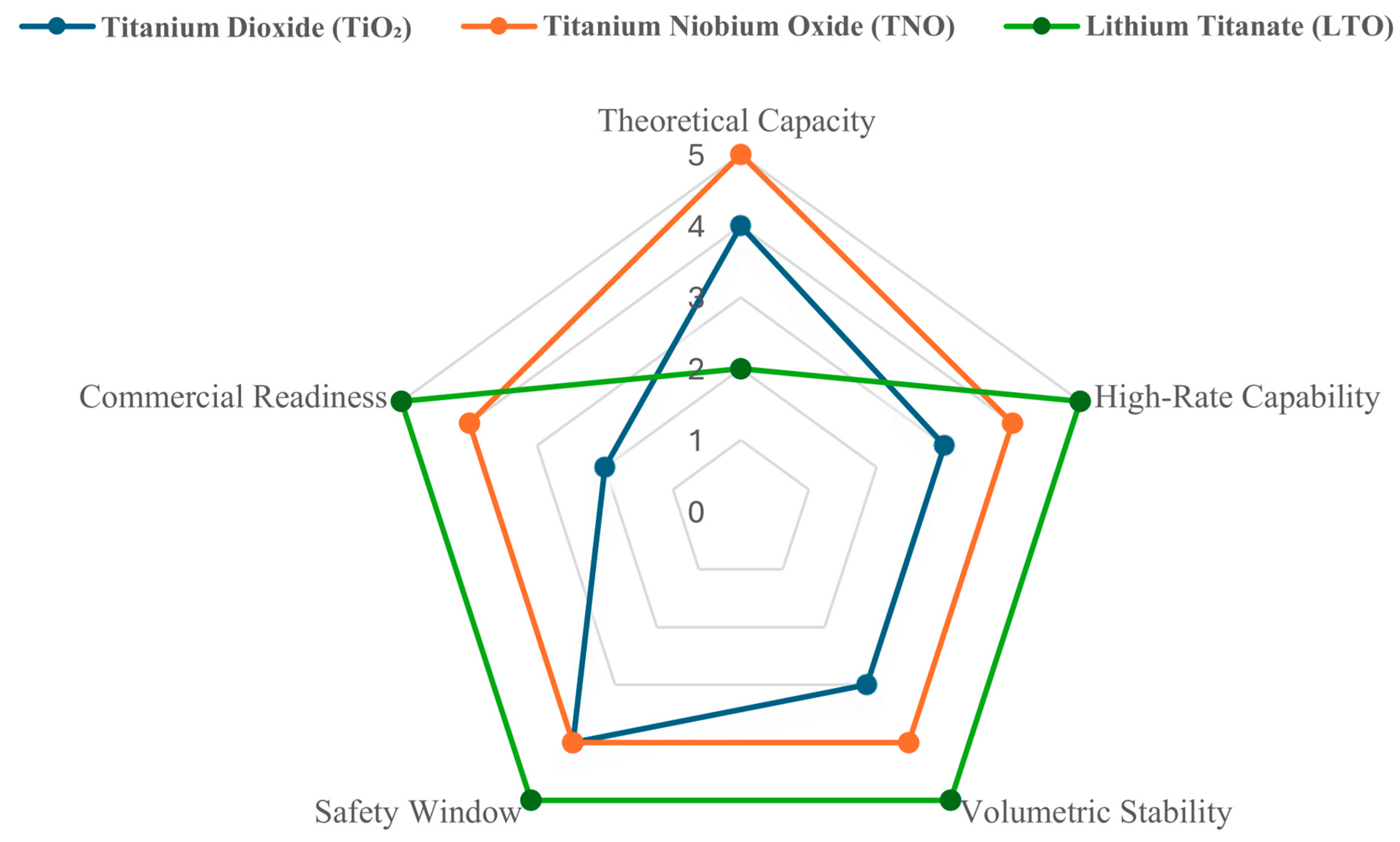
Although there has been significant expansion in the literature concerning ultrafast-charging LIBs, current reviews often concentrate on specific material classes like lithium titanate, titanium niobium oxides, or TiO2 nanostructures separately, or they emphasize general rate capability without providing a cohesive analysis of XFC conditions. A comprehensive comparative framework that encompasses crystal structure, dimensional architecture, chemical doping, interfacial stability, and resource availability throughout the entire spectrum of titanium-based anodes is currently absent. The connections among open-framework topology, operating potential, interfacial gas evolution, and the availability of sustainable dopants have yet to be assessed from a unified viewpoint specifically designed for XFC conditions. Unlike prior reviews that focus on a single material class or isolate electrochemical performance from supply chain considerations, this review proposes a uniquely integrated framework (Figure 3) to address these systemic gaps. By simultaneously evaluating crystallography, dimensional engineering, interfacial stability, and resource scalability across all Ti-based oxides, this approach shifts the focus from isolated laboratory discoveries to system-level commercial viability. To establish a quantitative baseline for this approach, Table 1 summarizes the fundamental electrochemical and structural properties of the primary Ti-based anode families evaluated herein. Guided by this integrated framework, the following sections analyze the lifecycle of titanium-based anodes from their metallurgical origins and structural design to the interfacial hurdles that must be cleared to realize commercial 10 min charging targets.
Table 1.
Comparison of key electrochemical properties and XFC characteristics of TiO2 polymorphs, Wadsley–Roth TNOs, LTO. Data is compiled from representative literature sources discussed in this review.
Note on Terminology: For clarity and consistency, all electrochemical performance refers to half-cell measurements unless explicitly indicated as full-cell configurations.
Note on Graphical Abstract: TiO2, TNO, and LTO structures from the Materials Project database [39,40] are rendered for visualization in Blender.
Figure 3.
Multi-dimensional electrochemical benchmarking of Ti-based anodes, TiO2, TNO, and LTO. Zero (lowest) to five (highest). Data from refs. [41,42,43,44,45,46,47,48].
1.3. Research and Resources of Ti-Based Anodes
Titanium is a strong, lightweight, and corrosion-resistant transition metal (atomic number 22, Group 4) that shares chemical similarities with zirconium and hafnium. William Gregor first identified it in 1791 from ilmenite sands in Cornwall, England. It was then rediscovered in 1795 by Martin Heinrich Klaproth, who named it titanium after the Titans of Greek mythology. Titanium metal was first isolated in 1887 by Sven Otto Pettersson and Lars Fredrik Nilson. Later produced in pure form by Matthew A. Hunter in 1910 [49]. Titanium constitutes about 0.57% of the Earth’s crust, ranking as the ninth most abundant element, and occurs mainly in ilmenite (FeTiO3), Figure 4a, rutile, Figure 4b, anatase, Figure 4c, and brookite, Figure 4d, which are the main industrial sources of titanium [49]. Among these, ilmenite serves as the dominant feedstock, accounting for roughly 90% of the global consumption of titanium minerals [50]. The primary mineral source of titanium ore, ilmenite, derives its name from the Ilmen Mountains located in the Southern Urals. The commercial production of titanium dioxide began in the 1920s, and titanium metal production followed in the 1950s, driven by increasing demand from the aerospace industry [51]. The reserve of titanium feedstock (ilmenite + rutile) ranks among the top 10 nations, as shown in Figure 5, and Table 2 lists the physical and mineralogical characteristics of these major titanium ores.
Figure 4.
(a) Ilmenite ore, (b) rutile, (c) anatase, and (d) brookite. Images obtained from the virtual museum of the University of Huelva. Reproduced from ref. [51].
Figure 5.
Top 10 countries by titanium feedstock (ilmenite + rutile) reserves. Data from ref. [50].
Table 2.
Mineralogical and physical properties of major titanium ores [52,53].
Research on Ti-based anodes began in the 1950s with Jonker’s report of the spinel compound Li4Ti5O12, commonly known as LTO, which represents a stable phase within the Li2O–TiO2 system, also written Li1.33Ti1.67O4, Li4/3Ti5/3O4, or [Li]8a[Li1/3Ti5/3]16d[O]32e, where titanium exists in the Ti+4 oxidation state [54]. Deschanvres et al. [55] in 1971 verified Jonker’s Li4Ti5O12 phase and identified a Li–Ti–O spinel solid solution, Li1+xTi2−xO4, 0 ≤ x ≤ 0.333) with cubic symmetry (Fd3−m). During the late 1980s, Li4Ti5O12 (LTO) was initially examined as a potential cathode material for LIBs but received limited attention because of its low operating voltage and limited specific capacity. LTO was first proposed as an anode material for lithium-ion systems in 1994, which marked the beginning of extensive research interest, especially following the 1997 Lithium Polymer Battery Symposium [56]. However, before 1997, in 1995, Ohzuku et al. [57] identified Li[Li1/3 Ti5/3]O4 as a zero-strain insertion compound exhibiting a flat 1.55 vs. Li/Li+, and about 160 mAh g−1 reversible capacity. In 2001, Amatucci et al. [58] developed a nonaqueous asymmetric hybrid cell using activated carbon as the cathode and Li4Ti5O12 as the anode, which demonstrates 90% capacity at 10 C charge/discharge rates, with only 10–15% capacity loss after 5000 cycles.
2. Titanium-Based Anodes
2.1. TiO2-Based Anodes
TiO2, an inorganic compound that exists in four main crystal forms (space groups): rutile (P42/mnm), brookite (Pbca), anatase (I41/amd) and TiO2(B) (C2/m) [59], has attracted considerable interest as a potential insertion-type anode for LIBs due to its outstanding cycling stability, low price, eco-friendly benefits and higher operating voltage (1.3–1.8 V vs. Li/Li+) which enhances safety and suppresses side reactions at the electrode–electrolyte interface [60,61]. While the lithium intercalation numbers differ across various crystal structures of TiO2, including anatase TiO2, rutile TiO2, and TiO2(B), the electrochemical reactions can be collectively summarized as follows:
TiO2 + xLi+ + xe− ⇌ LixTiO2 (0 < x ≤ 1) At x = 1, TiO2 can theoretically provide a maximum specific capacity of 335 mAh g−1 [60]. This capacity is nearly twice that of Li4Ti5O12 and comparable to that of graphite. In addition, the higher density of TiO2 results in a greater theoretical volumetric energy density relative to graphite, further supporting its relevance as a promising anode material for LIBs [62]. TiO2 also offers a highly stable framework, exhibiting less than 4% volume change during cycling, which supports better cycle retention and contributes to longer battery lifespan [63]. Li-insertion behavior in TiO2 polymorphs is influenced not only by crystal size but also by particle shape and crystallographic orientation. However, its inherently low ionic and electronic conductivity in its bulk state restricts the overall electrochemical performance of TiO2-based electrodes [61].
2.2. Titanium Oxide (TiO2) Polymorphs
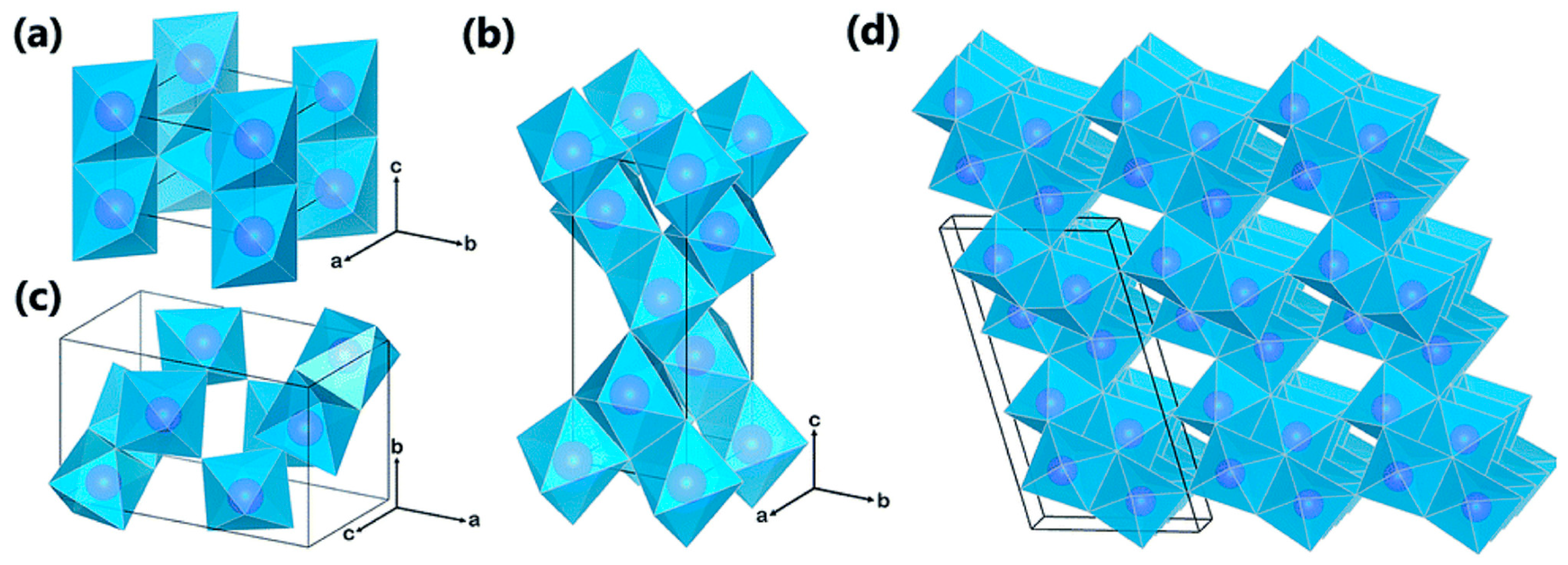
The polymorphs, crystallinity, particle size, morphology, porosity, and composition of TiO2 are all factors that significantly influence its electrochemical performance, which can impact the diffusion of Li+ and the transport of electrons [64]. Consequently, modifying the surface and interfacial structures of TiO2 crystals is crucial for understanding the fundamental interactions between molecules or ions and TiO2, while also holding significant value for practical applications [65]. Among the various polymorphic structures, the four phases: rutile, anatase, brookite, and bronze or TiO2(B) are the most extensively researched regarding their chemical reactivity [63]. The crystal structures of rutile, brookite, anatase, and TiO2(B) are shown in Figure 6a–d, and Table 3 summarizes some of the crystal structure parameters of TiO2. All three polymorphs share the characteristic of being composed of TiO6 octahedra, which are interconnected in various configurations based on the type of polymorph: in rutile, each octahedron links to two others, in brookite to three, and in anatase to four neighboring octahedra through their edges [66].
Rutile (P42/mnm): Rutile exhibits the highest thermodynamic stability [61] and possesses a tetragonal crystal structure and a space group of P42/mnm with a local symmetry of [67]. It undergoes an irreversible transformation from anatase and brookite into rutile when heated [68]. Despite exhibiting high diffusion coefficients of 1 × 10⁻⁸ cm2s−1, rutile accommodates only limited amounts of lithium (1–2 atomic %) [69]. In rutile, Li+ migration is strongly favored along the c-axis channels, but Li–Li repulsion within these pathways quickly limits further lithium insertion [70].
Brookite (Pbca): The brookite crystal structure features orthorhombic symmetry of [71,72]. The metastable brookite is more difficult to synthesize than anatase or rutile because it is stable over a much narrower thermodynamic window than the other TiO2 polymorphs [73,74]. Typically, the brookite phase is found together with rutile and/or anatase, and obtaining it in pure form often requires high-temperature post-treatments. As a result, only a limited number of studies have examined pure brookite TiO2 as an anode material for LIBs [75]. Similar to rutile, it interacts with only trace amounts of lithium [76], while it shares several structural similarities with rutile, including color and luster. Some properties, particularly in terms of hardness and density, are remarkably similar [77].
Anatase (I41/amd): Anatase TiO2 is considered the most widely researched polymorph for battery uses [63]. It has a tetragonal crystal structure, and it has a space group of I41/amd and a local symmetry of [67]. Like brookite, it is also a metastable phase [73]. The anatase phase exhibits varying ratios of lithium incorporation [76]. Compared with the other TiO2 polymorphs, anatase has been shown to have a larger specific surface area, resulting in more active sites being exposed [78].
Titanium dioxide of bronze phase (TiO2(B)) (C2/m): The bronze-type TiO2(B) phase is gaining increasing attention because its low-density crystal framework offers larger channels and pores than the other titania phases [79]. As one of the low-pressure TiO2 polymorphs [67], it is classified within the monoclinic C2/m space group [80]. Its framework is composed of TiO6 octahedra linked at edges and corners, forming channels aligned along the b-axis that are positioned between axial oxygens [81].
Figure 6.
The crystal structure of four TiO2 polymorphs: (a) Rutile, (b) anatase, (c) brookite, and (d) TiO2(B). The dark spheres denote Ti atoms, while the light octahedra represent TiO6 units. (For interpretation of color references in this figure legend, please refer to the online version of this article). Reproduced from ref. [82].
This polymorph can facilitate fast-charging and discharging capabilities of the electrode. In addition, TiO2(B) can contain a greater number of lithium ions than other TiO2 polymorphs, providing a substantial theoretical specific capacity of 335 mAh g−1. Its lithium storage in TiO2(B) arises from a combination of pseudocapacitive faradaic contributions and a diffusion-controlled solid-state insertion process [60]. To distinguish pseudocapacitive and diffusion-controlled storage, cyclic voltammetry (CV) at varying scan rates is commonly applied. Analysis of the scan-rate dependence of the TiO2(B) redox peaks (1.5–1.6 V vs. Li/Li+), often using Dunn’s method, reveals a significant pseudocapacitive Faradaic contribution in addition to diffusion-controlled lithium insertion [83,84,85].
Producing TiO2(B) in sufficiently small nanoscale dimensions remains challenging and limits its practical performance; therefore, TiO2(B) is often combined with carbonaceous materials, metal oxides, and sulfides to address this issue [86]. Nonetheless, it still suffers from slow Li+ diffusion within the solid phase during lithiation and delithiation [87].
Table 3.
Structural, electrochemical, and synthesis parameters of various TiO2 compounds [46,48,62,88,89]. [a] The electrical conductivity of rutile depends on the heat-treatment conditions applied.
2.3. TiO2 Nanostructures (0D–3D)
To mitigate the low electronic conductivity and limited cycling and rate performance of TiO2 materials [48], different types of TiO2 nanostructures have been extensively studied as anodes in LIBs [90]. The characteristics of the synthesized particles are influenced mainly by the chosen synthesis method. Various techniques, including precipitation, sol–gel, emulsion, and hydrothermal processes, have been used to produce TiO2 nanoparticles [76]. These nanostructures can be categorized by dimensionality: 0D (TiO2 nanoparticles), 1D (TiO2 nanowires, TiO2 nanorods, TiO2 nanotubes, etc.), 2D (TiO2 nanosheets), and 3D (TiO2 nanoflowers, TiO2 nanospheres, TiO2 nanotrees, etc.) [48]. Each material has been examined in both pure and composite forms for its potential use in LIBs [90].
0D TiO2 Nanostructures: TiO2 nanoparticles i.e., 0D morpho shown in Figure 7a,b are widely regarded as effective anode materials for LIBs. Their reversible capacity and rate performance depend strongly on particle size. When the particle size is reduced to the nanometer scale, the surface area increases and the Li+ diffusion pathway becomes shorter, which leads to an enhancement in lithium-ion insertion capacity [90]. TiO2 nanoparticles are generally 10–20 nm in size and deliver better electrochemical performance than micron-sized TiO2, but their tendency to agglomerate during cycling causes faster capacity fading and poor stability; since morphology strongly affects electrochemical behavior, nanoparticle synthesis is an effective way to improve LIBs performance [48]. It can be produced through several common chemical routes, including sol–gel, solvothermal, co-precipitation, hydrothermal synthesis [91], evaporation-induced self-assembly (EISA), electrospinning, and environmentally friendly green synthesis [92], template, and microemulsion method [48].
Figure 7.
(a,b) SEM images of TiO2 nanoparticles at different magnifications, (c) rate performance, and (d) cycling behavior of the Li/TiO2 half-cell, reproduced from ref. [92].
However, producing TiO2 nanoparticles at such small sizes in large quantities remains difficult and requires substantial energy [93]. Rai et al. [94] used a scalable urea-assisted auto-combustion route to prepare TiO2 nanoparticles for LIBs anodes. The electrochemical testing showed a strong dependence on crystal size, the sample delivering 151.33 mAh g−1 after 50 cycles with full capacity retention and excellent rate capability. The authors attributed this behavior to the very small particle size and associated nonideal crystal lattices. Pillai et al. [92] prepared anatase TiO2 nanoparticles (~12 nm). When tested as LIB anodes, these nanoparticles showed an initial discharge capacity of 209.7 mAh g−1, demonstrated good rate performance with 149 mAh g−1 at 20 C, and kept 82.2% of their capacity after 100 cycles. Figure 7c presents the rate performance of the Li/TiO2 half-cells at different current rates, while Figure 7d shows the cycling performance of the Li/TiO2 half-cell at 1 C, 2 C, and 5 C over 100 cycles. In addition, porous assemblies of TiO2 nanoparticles can accommodate the structural stress generated during Li+ insertion and provide a large electrolyte-interface area, resulting in shorter Li+ diffusion pathways [95].
1D TiO2 Nanostructures: 1D TiO2 nanostructures have been widely investigated due to their high aspect ratios, which provide a large specific surface area and facilitate efficient carrier transport along their longitudinal direction. These structures are nanowires, nanotubes, nanofibers, nanosheets, Figure 8a, nanobelts, Figure 8b, and nanorods, Figure 8c, typically with diameters between 1 and 100 nm [96]. Nanotubes differ from the first three types which possess a solid structure by having a hollow core [97]. 1D TiO2 structures, including nanotubes, nanowires, nanorods, nanobelts, and nanoneedles are reported to deliver higher capacities than their 2D sheet and 3D bulk TiO2 [78]. A range of techniques has been established for the synthesis of 1D nanostructures, including mechanical milling, precipitation, glycothermal method [98], chemical vapor deposition, vapor–liquid–solid, template-based, sol–gel, and hydrothermal methods, etc., with the hydrothermal process offering precise control over grain size, morphology, structure, and surface chemical properties [99]. These 1D nanostructures are viewed as promising anode materials because they enable rapid Li intercalation and deintercalation. This is due to shorter transport pathways for electrons and Li-ions, a larger contact area between the electrode and electrolyte, and a better ability to handle the strain caused by Li-ion intercalation and deintercalation [100]. The formation of 1D morphologies such as nanowires and nanorods requires establishing a singular, rapid growth direction, which is inherently provided by some crystals due to pronounced anisotropic crystal structures [97]. TiO2 nanotubes provide a large surface area and adequate reactive sites for chemical reactions. Reducing the number of barriers compared to TiO2 nanoparticles and enhancing electrical connections and charge carrier transport [99], the 1D TiO2 nanorods facilitate the movement of electrons and the diffusion of Li+ ions, thereby enhancing the electrochemical performance [93].
Figure 8.
SEM images showing different TiO2 morphologies obtained via the solvothermal method: (a) nanosheets, (b) nanobelts, and (c) nanorods. Reprinted from ref. [101].
The 1D morphology of nanowires ensures stable electronic connections with conductive materials throughout charge and discharge cycles. As a result, various TiO2-based nanowire systems, including hydrogen titanate and TiO2 nanowires, TiO2/CNT hierarchical structures, anatase TiO2 nanowires, TiO2(B) nanowires, and core–shell SnO2@TiO2(B) nanowires have been developed to enhance anode performance [102]. Armstrong et al. [103] demonstrated that TiO2(B) nanowires can intercalate up to Li0.91TiO2(B), corresponding to a specific charge capacity of 305 mAh g−1, highlighting the effectiveness of the nanowire morphology for Li+ intercalation. Park et al. [104] showed that carbon-coated TiO2 nanotubes and nanowires enhanced lithiation capacity and rate capability across different calcination temperatures. The coating suppressed agglomeration and improved conductivity, with the best performance at 400 °C, whereas higher temperatures led to morphology collapse and reduced performance.
2D TiO2 Nanostructures: In contrast to 0D nanoparticles and 1D nanostructures, 2D nanomaterials can store Li+ ions on both surfaces, resulting in greater surface exposure, more accessible transport pathways for the electrolyte, and reduced ion-diffusion distances [105]. TiO2 nanosheets offer greater reversible capacity, better rate performance, and enhanced cycling stability compared to nanoparticles. Relative to mesoporous spheres, it also provides shorter Li+ diffusion pathways [48]. TiO2 nanosheets can be produced by physical routes such as vapor condensation or high-energy milling, as well as by chemical methods including sol–gel processing, liquid deposition, microemulsion, and hydrothermal calcination, etc. Compared with nanorods and nanotubes, TiO2 nanosheets possess a larger specific surface area and expose more active sites [106]. Yu et al. [107] synthesized ultrathin anatase TiO2 nanosheets via a hydrothermal method, achieving a high surface area of 98.8 m2 g−1 that promoted Li+ insertion and enlarged the electrode/electrolyte interface.
The nanosheets delivered a maximum charge capacity of 250 mAh g−1 and retained half of this capacity after 2000 cycles at a current density of 840 mA g−1, demonstrating excellent cycling stability. The structural stability of the nanosheets during long-term cycling was indirectly supported by these results. Similarly, Chen et al. [108] obtained anatase TiO2 nanosheets with exposed (001) facets through a modified route. When evaluated as LIB anodes, the nanosheets exhibited low initial irreversible loss and maintained stable cycling even at 20 C. Their superior reversible capacity was mainly attributed to the ultrathin sheet structure, which provides a large active surface area and short Li+ diffusion paths. Ma et al. [109] Nb-doped TiO2 nanosheet arrays grown on TiNbCTx MXene have shown strong rate capability and long-term stability, with the optimized TiNbC@NTO-500 delivering 261 mAh g−1 after 500 cycles at 1 A g−1, illustrating how 2D TiO2 nanosheets combined with conductive MXene substrates can significantly enhance Li+ transport and structural endurance.
3D TiO2 Nanostructures: TiO2 nanostructures in 3D micro-nanostructures are formed through the assembly of one-dimensional or two-dimensional nanostructures [110]. It has garnered significant interest in the field of LIB research due to several beneficial attributes, including tunable pore sizes, an interconnected structure, a highly exposed surface area, and elevated porosity. The characteristics enhance the electrochemical performance of the material in its role as an anode. Initially, they offer brief diffusion lengths for Li+ ions, enhancing the diffusion kinetics. A large surface area facilitates greater electrolyte penetration into an electrode, leading to increased Li+ storage capacity [111]. A range of techniques has been established for the synthesis of 3D nanostructured materials, including hydrothermal and precipitation [48,112], solvothermal and hydrogenation [113], precipitation-based self-assembly [114], environmentally friendly [115], template-free [116] and sol–gel methods [117]. A wide variety of morphologies are present in the 3D TiO2 materials, including microcones, clusters of nanoneedles, flower-like nanostructures, hollow structures, nanoarrays, microboxes, spherical nanostructures, and porous structures, which have served as LIB/SIB anodes [110].
The mesoporous or porous 3D materials offer additional benefits, including high specific surface area (up to 1000 m2 g−1), significant porosity, and adjustable pore distribution. Such features increase active sites for Li+/Na+ storage and shorten diffusion pathways. The nanometer-thick wall further minimizes the diffusion distance of Li+ (Na+) ions [110]. Cai et al. [64] fabricated porous TiO2 urchins, which exhibited 206.2 mAh g−1 at 0.5 C, 94.4 mAh g−1 at 20 C, and 94.3% retention after 1000 cycles at 10 C. The superior performance was attributed to the enlarged electrode/electrolyte interface, shortened Li+ diffusion paths, and efficient ion transport within the 3D porous structure. Jin et al. [118] reported nanosheet-assembled yolk-shell TiO2 microspheres Figure 9a–f, where SEM/TEM images reveal a hierarchical spherical structure whose dual-mesoporous shell/core design shortens Li+ diffusion and buffers strain during cycling. As shown in Figure 9g, the material delivers 225 mAh g−1 at 1 C and 113 mAh g−1 at 10 C after 100 cycles, with stable long-term performance maintained for >700 cycles. Hao et al. [119] reported flower-like rutile TiO2 spheres assembled from radially oriented nanorods (c-channels) form a 3D architecture that facilitates electrolyte penetration and short Li+ transport pathways. The structure delivers 615 mAh g−1 at 1 C and 386 mAh g−1 at 2 C after 400 cycles and maintains 67 mAh g−1 after 10,000 cycles at 100 C, as illustrated in Figure 9h, with the enhanced performance attributed to combined diffusion-controlled insertion and surface capacitive storage.
Figure 9.
NYTiO2 sample characterization: (a) XRD; (b–d) SEM images; (e) TEM of the microspheres; (f) HRTEM of the nanosheet-based shell with a low-magnification TEM inset. (g) Cycling and rate performance at multiple charge–discharge rates, with dashed lines marking the distinct stages of the discharge process. (h) Long-term cycling performance and coulombic efficiency of the F-TiO2 anode at a rate of 100 C. Reproduced with permission from refs. [118,119].
Structural and dimensional engineering strongly governs the electrochemical performance of TiO2 anodes by tailoring Li+ diffusion, electronic transport, and structural integrity. 0D TiO2 nanoparticles shorten Li+ diffusion paths and enlarge electrode/electrolyte interfaces, improving rate capability and stress tolerance. 1D nanostructures such as nanowires, nanorods, and nanotubes provide continuous electron pathways and accommodate intercalation strain, yielding higher specific capacities. 2D nanosheets expose abundant active facets and ultrathin channels that accelerate Li+ and electron transport, achieving superior capacity and cycle life. 3D hierarchical and porous architectures integrate 0D/1D/2D units into interconnected networks that buffer volume variation and sustain fast ion/electron transfer at high current densities. Together, these multi-dimensional design strategies form the foundation for improving Ti-based anodes and serve as structural platforms for subsequent surface modification and doping approaches.
However, excessive nano-structuring can reduce tap density and volumetric energy density while increasing irreversible capacity loss due to highly reactive surface sites. To address this trade-off, hierarchical assembly of nanostructures into micrometer-scale architectures has been proposed to increase tap density while preserving short diffusion pathways. At the electrode level, integrating these materials into advanced thick-electrode architectures with optimized pore structures and conductive networks enables higher active material loading while maintaining efficient ion and electron transport [81,120].
2.4. Doping and Composite Modification of TiO2
Doping has been regarded as an effective method to modify the structure and characteristics of electrode materials, particularly for improving the performance of TiO2 anodes in LIBs [111]. The addition of small amounts of cations can influence the local environment of the lattice, the strength of the bonds, and the cation’s valence, while their crystal structures remain unchanged [121].
Doping with suitable ions or atoms offers benefits, as this technique can enhance TiO2’s inherent properties by modifying its electronic structure rather than merely adding conductive materials between particles. Conversely, the introduction of alien ions through doping could potentially lead to thermal instability in TiO2 [122]. Bi et al. [123] synthesized Cr and N-co-doped mesoporous TiO2 microspheres Figure 10a–d, where Cr incorporation significantly enhances N-doping and improves electronic conductivity. The co-doped TiO2 delivers 159.6 mAh g−1 at 5 C with <1% capacity loss after 300 cycles, indicating faster Li+ diffusion and improved charge transport arising from the n-p dopant pair, which improves dopant incorporation and enhances both the thermodynamic and kinetic aspects of Li+ storage.
Figure 10.
(a) TEM picture of chromium, nitrogen-co-doped mesoporous microspheres; (b) first and second charge–discharge voltage profiles; and (c) rate capability of N-doped and Cr, N-co-doped mesoporous TiO2 microsphere electrodes; (d) cycling behavior of the Cr, N-co-doped TiO2 electrodes at 5 C. Reproduced from ref. [123] with permission.
Building on this, Xu et al. [124] synthesized Cr-doped TiO2 core–shell nanospheres via a one-pot hydrothermal method. Structural analysis confirmed uniform Cr3+ incorporation into the TiO2 lattice, generating p-type conductivity that facilitates Li+ transport. As an anode, the Cr–TiO2 nanospheres delivered an initial reversible capacity of 229 mAh g−1 and retained 111 mAh g−1 after 50 cycles, considerably higher than undoped TiO2. The performance enhancement arises from the combined effects of Cr doping and the core–shell architecture, which together improve the electrochemical behavior of TiO2.
Although TiO2 polymorphs provide structural versatility and safety, their dependence on extensive nano-structuring to address inherent electronic limitations limits their volumetric energy density. To attain greater practical capacities while maintaining the safety of a high operating potential, the incorporation of multi-electron redox centers like those present in Wadsley–Roth titanium niobium oxides (explored in Section 3) is an essential evolutionary advancement (as quantitatively evaluated in Table 1).
3. Titanium Niobium Oxides (TNO)
3.1. Crystal Structure, Capacity, and Synthesis
Titanium niobium oxides (TNO) with its formula TiNbxO2+2.5x have gained significant attention as alternatives to conventional graphite and Li4Ti5O12 anodes [44]. The Wadsley–Roth family of transition metal oxide phases represents a promising category of anode materials for LIBs, attributed to their open crystal structures and capacity for rapid lithium intercalation [125]. TiNb2O7 represents a highly promising anode material for LIBs [126], offering durability and rapid charging capabilities. Its effectiveness is attributed to the combination of fast lithium diffusion and minimal lithiation strain, which is facilitated by its Wadsley–Roth crystal structure [127]. The rigid block framework of Wadsley–Roth phases, composed of corner-sharing octahedral blocks separated by shear planes, provides open Li+ diffusion pathways while maintaining structural stability. At higher Li concentrations, metal–metal bond formation can occur, and resistance of the framework to bond contraction may generate elastic strain that contributes to voltage hysteresis during lithiation and delithiation [125,128]. Representative crystal structures of TiNb2O7, Ti2Nb10O29, and TiNb24O62 are shown in Figure 11.
Figure 11.
Representative crystal structures of TiNb2O7, Ti2Nb10O29, and TiNb24O62. (For interpretation of color indications in this figure legend, please consult the online version of the article). Reproduced with permission from ref. [129].
The high theoretical capacity of Ti2Nb2xO4+5x results from a two-electron transfer per niobium atom (Nb5+ ↔ Nb3+) and a one-electron transfer per titanium atom (Ti4+ ↔ Ti3+) [129]. Niobium-based oxides, which have redox potentials between 1.0 and 2.0 V, are considered promising anode materials because they can facilitate a two-electron transfer per niobium, which allows for high storage capacity [130]. Representative theoretical capacities are 377 mAh g−1 for Ti2Nb2O9 (x = 1), 388 mAh g−1 for TiNb2O7 (x = 2), 396 mAh g−1 for Ti2Nb10O29 (x = 5), 397 mAh g−1 for TiNb6O17 (x = 6), and 402 mAh g−1 for TiNb24O62 (x = 24) [44]. These capacities exceed those of graphite (372 mAh g−1) and TiO2 (335 mAh g−1), and are over twice that of Li4Ti5O12 (175 mAh g−1) [129], highlighting the potential of TNOs to improve LIB energy density [131].
Beyond capacity, TNOs retain the advantages of LTO, including excellent structural stability and the ability to operate at a higher voltage range (1.0–2.0 V vs. Li/Li+), which suppresses SEI formation [44]. Furthermore, TNO has the remarkable potential to achieve fast-charging applications due to its ability to accommodate lithium insertion with minimal structural distortion. The volume variation during cycling is relatively small, typically within (4–7%) [45,132]. Additionally, TNO demonstrates a very good cycling durability, typically retaining more than 90% of its capacity even after 1000 cycles, outperforming many competing anode materials [127,133,134]. The morphologies and particle structures of the TNOs are shown in Figure 12a–d.
Figure 12.
Morphology and crystal structures of TNOs: SEM images of (a) TiNb2O7, (b) Ti2Nb10O29, (c) Ti2Nb14O39, and (d) TiNb24O62. Reproduced with permission from ref. [135].
Within the titanium niobium oxide family, TiNb2O7 was first proposed as a candidate anode by Han et al. [126], and along with it, Ti2Nb10O29 has emerged as one of the most extensively studied materials for LIB anodes. Both materials possess a monoclinic ReO3-type shear structure, with Ti4+ and Nb5+ distributed across octahedral sites [44]. Structurally, TiNb2O7 consists of corner and edge-sharing 3 × 3 octahedral blocks (space group C2/m), whereas Ti2Nb10O29 is built from 3 × 4 octahedral blocks (space group A2/m). Although Ti2Nb10O29 shows a marginally higher theoretical capacity (397 mAh g−1) and a similar operating potential (1.7 V vs. Li/Li+) compared with TiNb2O7 (388 mAh g−1, 1.64 V vs. Li/Li+), research efforts remain more concentrated on the latter [44,136]. For instance, Jin et al. [45] synthesized Zr-doped TiNb2O7 microspheres via a solvothermal route, where Zr partially substituted Ti in the lattice. The optimally doped sample (5 mol% Zr) showed an initial discharge capacity of 312.2 mAh g−1 at 1 C, 244.8 mAh g−1 at 10 C. The material exhibits a high specific capacity of 171.3 mAh g−1, which is maintained even after 800 cycles at a rate of 10 C. The doping led to refined and homogenized grains, an enlarged lattice volume, improved electrical conductivity, and accelerated Li-ion diffusion, resulting in enhanced rate capability and cycling performance, with the main advantage being enhanced rate performance and long-term cycling stability, rather than an augmentation of theoretical capacity.
Similarly, Hsiao et al. [137] reported that site-selective W6+ doping is an effective strategy to enhance the performance of TiNb2O7 anodes. W6+ ions were incorporated at Ti4+ and Nb5+ sites without significantly altering the lattice parameters. Partial reduction in Ti4+ and Nb5+ via charge compensation improved electronic conductivity, while substitution at Ti sites (W-doped TiNb2O7) provided superior ion transport due to lower effective mass. Consequently, WT-TNO achieved a reversible capacity of 156.2 mAh g−1 at 20 C and retained 85.5% capacity after 500 cycles at 6 C, outperforming Nb-substituted TNO in both conductivity and electrochemical activity, demonstrating that W6+ substitution improves performance mainly through charge compensation-induced electrical conductivity rather than impacts of lattice expansion. Following this approach, Deng et al. [138] prepared Ti2Nb10O29−x mesoporous microspheres through a solvothermal process followed by N2 annealing, which exhibited remarkable electrochemical performance, generating O− vacancies and the partial reduction in Nb5+ to Nb4+, improving both electronic conductivity and Li+ ion diffusivity. The optimized Ti2Nb10O29−x delivered a high reversible capacity of 309 mAh g−1 at 0.1 C, retained 235 mAh g−1 at 40 C, and 92.1% capacity retention after 100 cycles, as seen in Figure 13a,b, thereby satisfying the criteria of high-power density, energy density, safety, and cyclic stability for practical LIB applications.
Overall, the electrochemical performance of titanium niobium oxide anodes is determined by a balance of ionic and electronic transport under the Wadsley–Roth framework. Despite variations in their primary enhancement mechanisms, these techniques uniformly result in enhanced rate capability and cycling stability while preserving the inherent structural integrity of TNOs. Also, these results show that a rational combination of conductivity enhancement and lattice engineering is necessary to make TNO-based anodes work best for fast-charging LIBs.
3.2. Extreme Fast-Charge Performance of Doping/Coating Strategies
Titanium niobium oxides (TNO), including Ti2Nb10O29, TiNb2O4, and TiNb2O7, are regarded as highly promising high-rate anode materials for LIBs in fast-charging applications. Nonetheless, TNO’s widespread implementation is constrained by the slow ion and electron transport rates within the bulk material owing to the substantial band gap (3.20 eV), which restricts its functionality during fast-charging and discharging cycles, adversely affecting the rate performance of the anode electrode, thereby limiting its practical application [139,140].
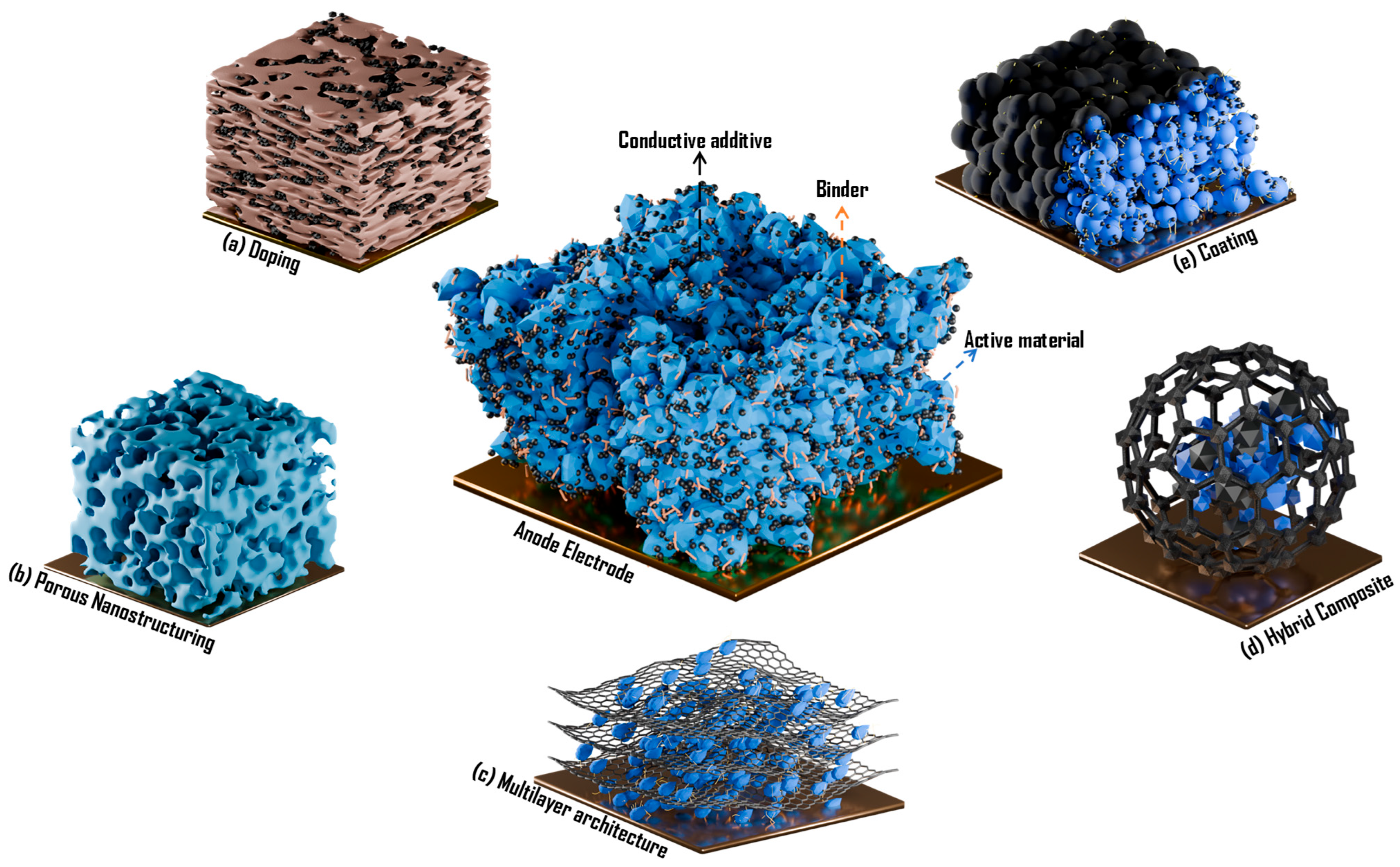
Various strategies have been explored to tackle these challenges, summarized in Figure 14, including elemental doping, which can enhance diffusion pathways, augment structural stability, and adjust the band gap, consequently facilitating fast-charging and cycling performance [15], carbon coating, and nano-structuring [44,141,142]. For example, Yang et al. [141] demonstrated that Cu2+ substitution at Ti4+ sites in TiNb2O7 expands the lattice and lowers the Li+ diffusion barrier. Moreover, when combined with an N-doped carbon coating, it significantly enhances rate capability, capacity, and cycling stability. Similarly, Parikh et al. [143] reported that surface coatings can enhance capacity by 20% under XFC conditions, improving overall electrochemical performance.
Additionally, Shi et al. [144] Ce-doped TiNb2O7 microspheres demonstrate a discharge capacity of 181 mAh g−1 at 20 C after 1000 cycles and 227.2 mAh g−1 at 40 C, this improved performance is due to their crystal structure expansion, oxygen vacancies, and a narrowed band gap, which collectively reduce the Li+ diffusion barrier and improve ion/electron conductivity, demonstrating the effectiveness of doping strategies in boosting rate capability of anode materials for LIBs. Furthermore, Lyu et al. [142] synthesized carbon-coated porous TiNb2O7 as an anode material for XFC. Optimized full-cells pairing anodes with NMC cathodes achieved a specific capacity of 178.9 mAh g−1 and an energy density of 142.8 Wh kg−1 (357 Wh L−1), maintaining over 80% energy retention after 500 XFC cycles with a 10 min charge protocol as seen in Figure 13a–c. The high-voltage anode effectively suppresses lithium plating under extreme conditions, demonstrating its potential to replace graphite in fast-charging LIBs.
Figure 13.
Charge–discharge capacities and Coulombic efficiencies of (a) TNO half-cells as a function of active material loading, and (b) TNO and TNO@C half-cells at a fixed loading of 2.3 mg cm−2 measured at different current rates; (c) optimized NMC/TNO@C full-cell configuration demonstrating XFC performance. Reproduced with permission from ref. [142].
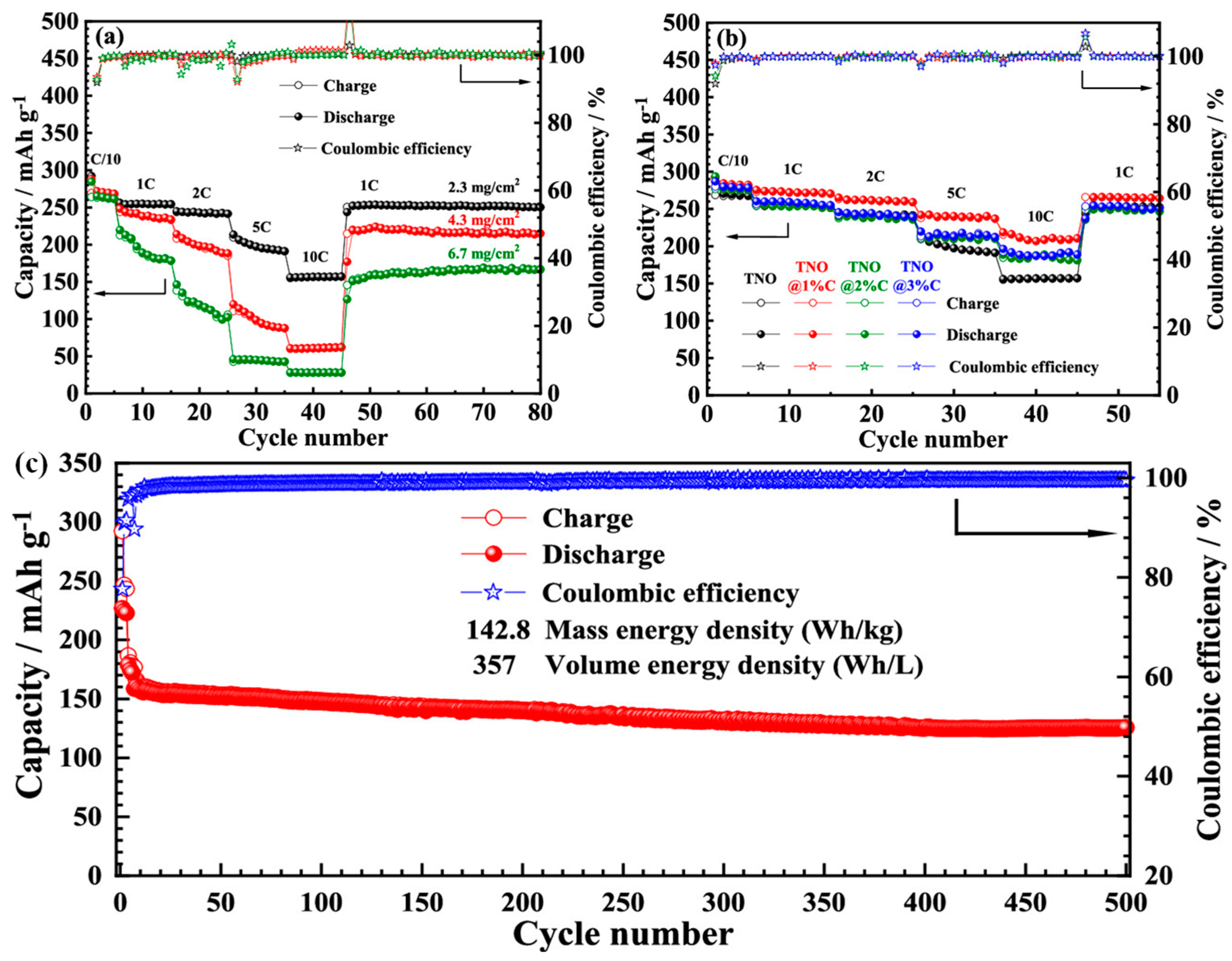
Figure 14.
Schematic illustration of ultrafast-charging (XFC) material design strategies, including (a) atomic-level doping to enhance intrinsic conductivity, (b) porous nanostructures for increased surface area, (c) multilayer electrode architectures, (d) hybrid composites, and (e) surface coating to stabilize the electrode–electrolyte interface.
A commercial demonstration of these advances can be observed in Toshiba’s second-generation SCiB battery, which employs niobium-titanium oxide as the anode material. The cell operates at approximately 2.3 V and achieves around 130 Wh kg−1 and 350 Wh L−1. Although this represents a clear improvement over first-generation Li4Ti5O12-based SCiB batteries, the overall energy density remains moderate. The system is scheduled for commercial release in spring 2025 [42]. Yu et al. [15] further advanced the concept by developing a carbon-coated Fe-doped TiNb2O7 integrated with reduced graphene oxide (rGO) via the electrophoretic deposition (EPD) technique. The uniform carbon-coated Fe-doped TiNb2O7/rGO composite electrode exhibited outstanding ultrafast-charging performance, delivering 210 mAh g−1 at 5 C with 70% capacity retention after 5000 cycles, attributed to the synergistic effects of Fe doping, carbon coating, and rGO-enabled conductivity, which reduced impedance and enhanced Li+ diffusion, demonstrating a scalable and durable pathway for high-rate TiNb2O7 anodes.
3.3. Gassing Issues and Interfacial Stabilization
Similar to the off-gassing behavior of Li4Ti5O12, TNO electrodes exhibit swelling at potentials above 1 V vs. Li/Li+. Although a thin SEI forms, it is often partially unstable, and combined with the intrinsic chemical reactivity of TNO surfaces with carbonate electrolytes, this leads to continuous electrolyte decomposition and gas evolution, primarily CO2. Early cycle Ti dissolution from the surface can also contribute to interfacial instability, which is partially mitigated as the SEI gradually develops over subsequent cycles[145,146]. Literature reports indicate that the most successful approach currently is to significantly diminish gas formation by establishing a structural barrier through protective coating layers, minimizing interface interactions between the electrode and electrolyte [147]. Parikh et al. [143] investigated gas evolution in TiNb2O7 anodes using operando mass spectrometry, detecting CO2, C2H4, and O2 generated from electrolyte decomposition and unstable SEI behavior. Application of a surface coating significantly reduced gas emissions, particularly CO2 and C2H4, confirming the effectiveness of surface modification in stabilizing the electrode interface. Wu et al. [148] examined interfacial evolution and gas emission characteristics in TiNb2O7 anodes functioning within a voltage range of 1.0 to 3.0 V. Notwithstanding the elevated working voltage, a thin solid electrolyte interphase (SEI) layer developed during lithiation and partially dissolved during delithiation, progressively accumulated over extended cycling and resulted in significant gassing in TiNb2O7/LiFePO4 full-cells. The incorporation of a vinylene carbonate (VC) electrolyte addition effectively stabilized the interface and mitigated cell swelling.
The Wadsley–Roth TNOs effectively address the capacity constraints of TiO2 by utilizing multi-electron redox activity and facilitating open diffusion pathways. However, the structural complexity of these materials and the relatively high cost and supply constraints associated with niobium present challenges for large-scale implementation. For applications where absolute cycle life and commercial maturity outweigh maximum capacity, the zero-strain characteristics of Li4Ti5O12 (elaborated in Section 4) continue to set the standard in the industry.
4. Lithium Titanate (Li4Ti5O12, LTO)
4.1. Crystal Structure and Zero-Strain Mechanism
High-power anode materials such as Li4Ti5O12 and TiNb2O7 are promising candidates for fast-charging applications. LTO, in particular, offers a relatively high and safe operating potential (1.55 V vs. Li/Li+) along with excellent rate performance, satisfying key requirements for practical applications [24,149]. It is widely used in LIBs due to its efficient and reversible lithium insertion and de-insertion processes during the charging and discharging cycles [150]. LTO is a prominent member of the solid solution family Li3+xTi6−xO12 (0 ≤ x ≤ 1). Its crystal structure is classified within the Fd3−m space group. In this structure, oxygen anions occupy the 32e sites, while lithium ions reside at the 8a sites, and titanium ions, along with a portion of Li+ occupy the 16d sites, corresponding to a Li:Ti ratio of 1:5. Accordingly, the structure can be represented as Li3(8a)[LiTi54+](16d)O12(32e). The [LiTi5]O12 framework forms a 3D network of face-sharing tetrahedral (8a) and octahedral (16c) interstitial sites, enabling rapid Li+ diffusion [151]. Upon the lithiation of LTO, the Li+ ions that are inserted occupy the initially vacant (octahedral) 16c sites within the cubic structure. At the same time, some of the Li+ ions that were initially located on the 8a sites are partially displaced to the 16c voids [150].
As result, the electrochemical reaction in LTO occurs through a two-phase transformation between Li4Ti5O12, where octahedral (16d) sites are randomly occupied by Li or Ti atoms and tetrahedral (8a) positions are occupied by Li atoms, and Li7Ti5O12, in which octahedral (16c) positions are occupied by Li atoms while the occupancy of the octahedral (16d) sites remains identical to that in Li4Ti5O12 [28] as illustrated in Figure 15a–c.
Figure 15.
Crystal structures of spinel-type Li4Ti5O12 and its lithiated phases: (a) pristine Li4Ti5O12 (space group Fd3−m) with Li occupying 8a and 16d sites; (b) intermediate lithiation showing Li insertion into 16c sites and redistribution of Li ions; (c) fully lithiated Li7Ti5O12 with complete occupation of 16c sites and empty 8a sites. (For interpretation of the color references in this figure legend, the reader is directed to the online version of the article). Reproduced with permission from ref. [150].
The diffusion of Li+ within the solid lattice is influenced by factors such as temperature, pressure, and the availability of migration pathways. The spinel LTO framework features a 3D network of diffusion channels that enables rapid Li+ transport, similar to that observed in halide-based solid electrolytes [152]. Following full lithiation, the extraction of lithium happens at the surface of the LTO-rock-salt particle. As delithiation progresses, the LTO-spinel shell that develops on the surface becomes progressively thicker. The extraction process, involving the expansion of the shell, is regulated by lithium diffusion through the LTO-spinel shell, as evidenced by the gradual increase in potential from 1.55 to 2 V vs. Li/Li+ [153], as explained in Figure 16.
Figure 16.
Depiction of the lithium insertion and extraction process in Li4/3Ti5/3O4 particles utilizing a core–shell model, assessed through galvanostatic charge–discharge testing at a current density of 160 mA g−1. Reproduced with permission from ref. [153].
This zero-strain, a key advantage of LTO, indicates that the variation in the cubic lattice parameter ac is minimal during the charge and discharge operations [154], the ac value is (=8.3538 Å) for the fully lithiated state Li2[Li1/3Ti5/3]O4 which is nearly identical to the starting state measurement of (=8.3595 Å) Li[Li1/3Ti5/3]O4 [154,155], the zero-strain characteristic and highly reversible lithium insertion/extraction of LTO strongly contribute to the long cycle life of LIBs operated at moderate capacities [150]. Despite these advantages, spinel Li4Ti5O12 exhibits poor conductivity (<10−13 S cm−1), resulting in significant polarization during charge and discharge processes at high current densities [121]. Additionally, it has a low ionic diffusion coefficient and theoretical capacity (175 mA h g−1) within the voltage range of 3.0–1.1 V vs. Li/Li+, significantly limiting their rate performance [156,157].
Fast-charging batteries typically rely on electrodes that intercalate lithium continuously via solid-solution mechanisms, minimizing mass transport barriers such as low ionic diffusivity. Under fast and ultrafast charging rates (as defined in Section 1), LTO exhibits exceptional rate capability despite its two-phase reaction between Li4Ti5O12 and Li7Ti5O12, an apparent contradiction given the slow lithium diffusion in both phases [21,158]. Using operando electron energy-loss spectroscopy (EELS) and density functional theory (DFT) calculations, the authors revealed that facile Li+ transport arises from metastable, face-sharing Li polyhedra formed at the two-phase boundaries. Consequently, the safe achievement of XFC requires integrated optimization from the materials, electrolytes, electrodes, cells, battery packs, system-level design, and fast-charging infrastructure [24].
To overcome the limitations of Li+-ion and electron migration kinetics, numerous strategies have been proposed, including the incorporation of conductive phases such as metal or carbonaceous materials, morphology control and microstructure design, and hetero-atom (ion) doping, ultimately enabling the development of high-power LTO anodes [159,160,161]. Among these, nanostructured LTO electrodes significantly improve kinetic behavior, while conductive coatings can enhance both ionic and electronic conductivity at the grain level. Additionally, conductive networks, particularly graphene-based architectures, provide efficient electron pathways, supporting high-rate performance and excellent cycling stability, showcasing their strong potential for fast-charging LTO anodes [162,163].
4.2. Cycle Life and Thermal Stability Performance
LTO possesses several favorable attributes, including zero-strain characteristics, strong adaptability to high temperatures, negligible electrolyte consumption, and a relatively high Li+ diffusion coefficient (10−8 cm2 s−1) in nanosized or engineered particles [164,165,166]. A key factor in its durability is the minimal structural change during cycling; volume variation during lithiation and delithiation remains below 0.3% [21]. This zero-strain characteristic preserves specific capacity and enhances the cycling life of LTO [167]. These features contribute to its impressive cycle life and safety performance as a fast-charging anode material [161]. Moreover, LTO has also demonstrated effective operation in LIBs over a wide temperature range, from sub-zero conditions (−40 °C to 0 °C) to elevated temperatures (50 °C to 80 °C). Nevertheless, continuous operation at elevated temperatures can accelerate aging and, in severe cases, result in thermal runaway if the heat generated is not properly dissipated [168]. Consequently, it is important to assess the aging characteristics of LTO batteries in various settings when developing electric transportation systems. The aging behavior of LIBs is primarily affected by stress factors, including charge/discharge current rate (C-rate), depth of discharge (DOD), cut-off voltage, and ambient temperature. Recent studies have examined how these factors affect the deterioration of LTO cells when subjected to different stress conditions [169]. For example, Bank et al. [170] reported that while the C-rate had a negligible effect on cycle life, depth of discharge (DOD) values above 70% significantly accelerated degradation. Furthermore, cells showed minimal degradation at temperatures below 60 °C.
4.3. Limitations: Low Capacity and Gas Evolution Issues
LTO’s theoretical capacity is limited to 175 mAh g−1 due to its limited lithium-ion storage sites, and it operates at a relatively high operating voltage (1.55 V vs. Li/Li+). As an illustrative case, Toshiba’s first-generation SCiB cell, which employs Li4Ti5O12 as the anode material, operates at about 2.3 V vs. Li/Li+ and delivers 80–110 Wh kg−1 and 170–220 Wh L−1 values considerably lower than those of graphite-LiFePO4 systems (3.2 V, 160–180 Wh kg−1) [42]. Recent research explores composite strategies (e.g., LTO/rGO/SnO2) to enhance capacity and conductivity, and improve Li+ diffusion [151,171,172]. According to Ge et al. [151], improving LTO’s low-temperature performance and high-rate energy density while addressing its limited reversible capacity, rate capabilities can be achieved by increasing pseudocapacitive contributions.
Similar to the off-gassing behavior observed in TNO, LTO has been reported to suffer from excessive gas evolution at elevated temperatures, which can lead to premature cell failure [173,174]. He et al. [175] reported that the gassing behavior of LTO originates primarily from interfacial reactions with alkyl carbonate solvents, generating gases such as H2, CO2, CO, and other hydrocarbons. They showed that using a nanoscale carbon coating combined with a stable SEI layer effectively suppresses these issues, highlighting the significance of interfacial engineering in developing next-generation high-power LIBs.
Daigle et al. [176] proposed an alternative approach using Schiff Base, 1,8-diazabicyclo[5.4.0]undec-7-ene (DBU) as an electrolyte additive to mitigate gas evolution in Li4Ti5O12-based cells. The additive promoted in situ polymerization of cyclic carbonates during initial cycles, forming an ionically conductive SEI layer that reduced gas evolution by 9.7 vol% without increasing internal resistance. This approach effectively stabilized the electrode–electrolyte interface, improving battery safety and long-term durability. Building on these findings, future strategies should focus on clarifying the LTO/electrolyte interface, with approaches such as surface modification, optimized electrolytes or additives, and advanced battery management systems (BMS), which ultimately depend on a clear structure–performance understanding of LTO electrodes [177].
4.4. Strategies for Performance Enhancement
4.4.1. Dimensional Engineering of LTO Nanostructures (0D, 1D, 2D, 3D)
To address the intrinsic kinetic and capacity limitations of bulk LTO, in contrast to conventional bulk Li4Ti5O12 (LTO), is to synthesize nanostructured LTO materials with various nanoarchitectures, such as nanoparticles, nanowires, nanosheets, nanotubes, nanorods, and microspheres. These LTO nanostructures enhance the transport of both electrons and lithium ions by minimizing their transportation pathways within the LTO particles. Additionally, they improve intercalation kinetics by increasing the electrode/electrolyte contact area [41,43].
By tuning dimensionality from zero-dimensional (0D) to three-dimensional (3D) structures, LTO achieves superior rate capability, higher surface reactivity, and improved structural stability.
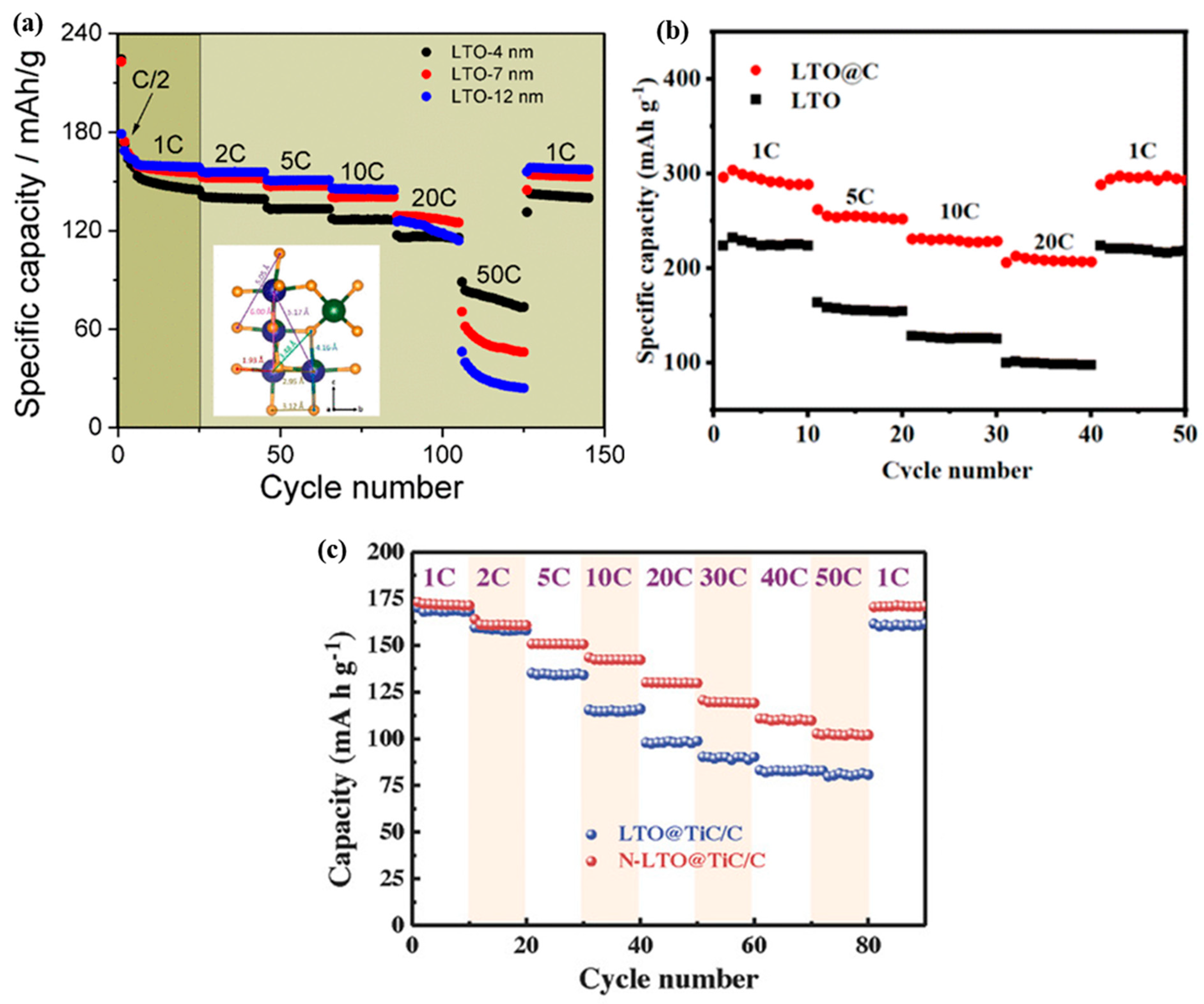
0D LTO Nanoparticles: Hong et al. [178] synthesized spinel Li4Ti5O12 nanoparticles via an ion-exchange process followed by calcination at 600 °C, yielding a crystallite size of 23.9 nm and secondary particles below 1 µm. As an anode for LIBs, the reduced crystallite size and increased specific surface area led to a high initial discharge capacity of 165.3 mAh g−1 at 1 C. They maintained excellent cyclic stability and rate performance over 100 cycles. Yue et al. [179] prepared phase-pure polycrystalline Li4Ti5O12 nanoparticles (4–12 nm) through a solvothermal route, annealed at different temperatures. The 7 nm sample exhibited an optimal balance of reversible capacity and interfacial charge storage, achieving 130 mAh g−1 after 800 cycles at 10 C and >100 mAh g−1 at 50 C, affirming its capability as a high-capacity and durable anode material. The rate capability of nanostructured 0D LTO is illustrated in Figure 17a. Ye et al. [180] prepared carbon nanotubes (CNTs) chained Li4Ti5O12 nanoparticles via a sol–gel method followed by post-calcination. CNTs restricted LTO growth and formed a conductive network, enhancing rate capability and cycle stability. The 11 wt% CNTs/LTO composite anode retained 87.8% capacity after 2200 cycles at 1 A g−1 and delivered a high energy density of 35 Wh kg−1 at a power density of 7434 W kg−1, demonstrating its promise as a high-performance anode for LIBs and capacitors. Recently, Su et al. [181] synthesized yttrium-doped Li4Ti5O12 nanoparticles via a one-step hydrothermal method. Yttrium-doping enlarged crystal plane spacing, increased grain boundaries, and promoted Li+ transport and diffusion. The Y0.2 sample delivered a discharge capacity exceeding 250 mAh g−1 at 0.1 A g−1, 78.8 mAh g−1 at 20 A g−1 and retained 89.3% capacity after 1000 cycles at 1 A g−1, showing enhanced lattice stability and fast charging under deep discharge, promising for high-safety, high-energy storage. Mu et al. [182] synthesized nanosized Li4Ti5O12/C composites (13 nm) via a one-step liquid process. The material exhibited high electronic conductivity (6.56 × 10⁻⁴ S cm−1) and ultrafast charge/discharge performance, delivering 132.8 mAh g−1 at 80 C with stable cycling over 200 cycles, attributed to shortened Li+ transport paths and conductive carbon coating.
1D LTO Nanowires and Nanotubes: Li et al. [183] synthesized Li4Ti5O12 nanowires intertwined with carbon nanotubes (4 wt%) via a hydrothermal ion exchange calcination route. The one-dimensional conductive network enhanced electron/ion transport and accommodated the volume change in active materials, improving electrode stability. As a conductive additive-free anode, the composite delivered 147.6 mAh g−1, with 94% initial Coulombic efficiency, and 133.2 mAh g−1 at 30 C, exhibiting excellent stability over 3000 cycles, demonstrating its potential for a durable, high-rate LIBs. Building on this strategy, Hu et al. [184] prepared surface-fluorinated Li4Ti5O12 nanowires/reduced graphene oxide (F-LTO/rGO) via hydrothermal synthesis. Surface fluorination and graphene coating shortened Li+ diffusion paths and facilitated electronic transmission. The composite achieved high specific capacities of 167.5 mAh g−1 at 1 C, 132.6 mAh g−1 at 10 C, and maintained 95% capacity over 300 cycles at 5 C, demonstrating that surface modification and conductive networks significantly improved electrochemical performance. Zhang et al. [185] synthesized dual-phase Li4Ti5O12-TiO2 nanowires via wet corrosion and ion exchange. Optimized 7:3 TiO2:Li4Ti5O12 nanowires delivered 180 mAh g−1 at 0.5 C, 105 mAh g−1 at 5 C, and 95% capacity retention over 150 cycles, benefiting from 1D morphology and dual-phase interfaces that enhance Li+ diffusion and electron transport. Similarly, Zhu et al. [186] developed core–shell Li4Ti5O12@C nanotube arrays, where the carbon coating enhanced electrical conductivity and structural integrity. The composite achieved 208.7 mAh g−1 at 20 C, as shown in Figure 17b, and maintained 71.7% capacity after 1000 cycles at 10 C, demonstrating outstanding rate capability and cycling stability through the synergy of 1D electron pathways and conductive surface modification.
2D LTO Nanosheets: Chiu et al. [187] reported 2D Li4Ti5O12 nanosheets showing near-surface structural relaxation due to excessive Li intercalation at 8a and 16c sites, which impeded Li+ diffusion and increased polarization. Relaxed LTO nuclei grew isotropically along 3D Li-ion pathways, while Ti4+/Ti3+ reduction partially restored conductivity. After saturation of near-surface relaxation, electrolyte/LTO reactions dominated capacity fade. These findings clarify the mechanisms governing the rate performance and long-term stability of 2D LTO nanosheets. Yao et al. [188] fabricated nitrogen-doped Li4Ti5O12 nanosheets decorated on TiC/C nanowires (N-LTO@TiC/C) via hydrothermal and CVD methods. The conductive TiC/C skeleton and N-doping enhanced electronic and ionic transport, achieving 143 mAh g−1 at 10 C (25 °C), 122 mAh g−1 at 50 C (50 °C) as demonstrated in Figure 17c, and 99.3% capacity retention after 10,000 cycles at 10 C, demonstrating superior rate capability and cycling stability. Hu et al. [189] synthesized carbon-coated Li4Ti5O12 nanosheets (CC-LTO) through a solvothermal–calcination process. The ultrathin nanosheet architecture and uniform carbon coating shortened Li+ diffusion paths and improved electronic conductivity. CC-LTO delivered 153.9 and 137.9 mAh g−1 at 80 C and 160 C, with 125.9 mAh g−1 (77.2%) retained after 10,000 cycles at 10 C, demonstrating ultrafast charge–discharge capability and long-term cycling stability.
Figure 17.
LTO performance enhancements in different dimensions: (a) Rate capability of nanostructured LTO reproduced with permission [179]; (b) rate performance of LTO and LTO@C [186]; (c) high-rate capability of N-LTO@TiC/C core–branch electrodes for LIBs [188].
3D LTO Microspheres/Hierarchical Structures: Liao et al. [190] synthesized carbon-coated Li4Ti5O12-TiO2 hierarchical microspheres via a two-step hydrothermal process. The hierarchical C-LTO-HS structure improved Li+ diffusion and electronic conductivity, delivering 230 mAh g−1 at 0.2 C and 120 mAh g−1 at 10 C, and retaining stability over 100 cycles, confirming that the carbon coating and hierarchical design enhanced rate performance, cycling stability, and safety. Hong et al. [191] prepared 3D Li4Ti5O12 microspheres from TiOSO4 using a TiO2 microsphere scaffold through sequential hydrothermal-calcination processes. The optimized LTO microspheres (LTO-HT3-500) exhibited an initial discharge capacity of 158.7 mAh g−1, small crystal size (17.6 nm), high surface area (44.4 m2 g−1), excellent rate capability (11% capacity loss at 10 C), and stable cycling (<7.3% capacity decay over 100 cycles at 1 C). The results indicate that high-performance LTO microspheres for LIBs can be synthesized from an economical TiOSO4 solution. Similarly, Hu et al. [192] fabricated 3D carbon nanotube-scaffolded Li4Ti5O12@C microspheres via spray drying and thermal treatment process. The uniformly distributed CNT network enhanced electronic conductivity and Li+ diffusion within the LTO microspheres. The CNT@Li4Ti5O12@C electrode delivered 156.2 mAh g−1 at 5 C. It also achieved 137.1 mAh g−1 at 15 C with only 3.4% capacity loss after 500 cycles, confirming the advantages of 3D conductive networks and the excellent high-rate capability of the LIBs. Odziomek et al. [193] synthesized hierarchically structured Li4Ti5O12 via a scalable glycothermal process, forming 4–8 nm nanoparticles self-assembled into porous microspheres. The Li/O-deficient material exhibited a high surface area (220 m2 g−1) and delivered 170 mAh g−1 at 50 C with no capacity fading after 1000 cycles (72 s charge), confirming its ultrafast charge capability and durable cycling performance. Wang et al. [194] synthesized Li4Ti5O12 nanoparticles embedded in a reduced-graphene-oxide network via hydrothermal self-assembly. Ti-O-C covalent bonds linked LTO and rGO into a 3D conductive framework that suppressed LTO agglomeration and shortened Li+/electron pathways. The composite achieved 290 mAh g−1 at 10 C with 98.7% retention after 1000 cycles, and in full cells 146.7 mAh g−1 at 20 C (82% after 500 cycles), exhibiting high electrochemical performance.
4.4.2. Surface and Interface Engineering
In addition to dimensional control, interface modification has been applied to enhance the conductivity and cycling stability of LTO without altering its spinel structure. Wang et al. [195] synthesized Si3N4-coated Li4Ti5O12 composites via a hydrothermal process, maintaining the spinel Fd3m structure. The Si3N4 layer formed a conductive network between LTO particles, enhancing structural and cycling stability. The optimized 2% Si3N4 coating delivered 198.4 mAh g−1 at 1 C with 88.96% capacity retention after 200 cycles, ameliorating electrochemical performance. A similar structure-directing agent combination of carboxyl-grafted nanocarbon and cetylpyridinium bromide was created by Li et al. [196] in their hierarchical porous Ti3+-C-N-Br co-doped Li4Ti5O12 (LTOCPB-CC). The material exhibited high electronic (2.84 × 10⁻⁴ S cm−1) and ionic (3.82 × 10⁻¹² cm2 s−1) conductivities owing to oxygen vacancies and heteroatom dopants that enhanced n-type electronic structure. It delivered 157.7 mAh g−1 at 20 C with only 0.008% capacity fade per cycle over 1000 cycles, demonstrating the strong synergy between defect engineering and hierarchical porosity for high-rate, durable LTO anodes. Moreover, Gangaja et al. [197] synthesized surface-engineered Li4Ti5O12 nanoparticles via an off-stoichiometric solvothermal route followed by aging, forming Li-deficient nanoplates with a disordered surface layer that suppressed TiO2 separation. The optimized structure exhibited ultrahigh rate capability, delivered 156 and 113 mAh g−1 at 50 C and 300 C respectively, and maintained 60 mAh g−1 at 1200 C. And sustained 200 C (12s) charge–discharge with excellent cycling stability over 1000 cycles, demonstrating the strong influence of surface stoichiometry and its potential for high-power LIBs.
5. Extraction of Transition and Alkaline Earth Metals for Ti-Anodes
TiO2, TNO and LTO demonstrate unique electrochemical characteristics. However, a common element in their enhancement for rapid charging is the deliberate addition of dopants, including Mg, Nb, W, and Cr. Their extensive commercial implementation encounters a significant obstacle: the scalability of crucial dopants. The improved conductivity and stability seen in these oxides are significantly dependent on lattice engineering involving transition and alkaline earth metals. This section explores the metallurgical extraction of essential transition and alkaline earth metals, highlighting the necessity of efficient upstream processing for the economical synthesis of defect-engineered Ti-anodes.
5.1. Ti Extraction
Titanium (Ti), though abundant (0.7 by mass% in Earth’s crust), is produced in limited quantities (~0.18 Mt in 2015). It offers exceptional specific strength (203–224 kN·m·kg−1 for Ti-6Al-4V) and excellent corrosion resistance. However, its high production cost, mainly due to the Kroll process developed in the 1940s, restricts large-scale use. Technological advancements could lower costs and enable Ti to replace stainless steel in various applications, positioning it as a promising material for the future [198]. The production of industrial TiO2 mainly relies on the sulfate and chloride processes that convert ilmenite (black) into TiO2 (white) [199]. However, these traditional methods are extremely energy-intensive and result in significant pollution from “three waste” sources: waste gas, wastewater, and solid waste [200]. To tackle these issues, several alternative methods have been developed, including the alkali molten-salt [201], aluminum reduction [202], hydrogen reduction [203] and hydrochloric acid processes [199].
Among these alternatives, the hydrochloric acid process has emerged as a more environmentally friendly and sustainable option, providing wider compatibility with raw materials, reduced pollutant generation, lower energy consumption, and efficient acid recycling [199,204]. Recently, a two-step extraction system utilizing a D005 extractant and isooctanol as a diluent has been created to effectively separate Fe(III) and Ti(IV) from the leaching solution, achieving over 99.78% Ti(IV) purity. The hydrochloric acid method for producing TiO2 from ilmenite is illustrated in the flowchart in Figure 18. The hydrolysis of this purified Ti(IV) solution enabled the successful synthesis of rutile-type TiO2 at a significantly lower calcination temperature of 850 °C, compared to conventional processes [205]. These advancements demonstrate that the hydrochloric acid route not only minimizes environmental impact but also enhances TiO2 production efficiency, making it a promising alternative to the traditional sulfate and chloride methods. Hydrolysis plays a crucial role in TiO2 formation and directly affects its crystal phase evolution [206]. In sulfuric acid media, titanium typically exists as hydrated complexes such as [Ti(H2O)6]4+ or [TiO6] [207], where dehydration and condensation lead to the formation of Ti-O-Ti bridge bonds [208]. The presence of SO42− ions promotes chelating coordination with [TiO6] units, restricting crystal growth to an oblique spiral and favoring anatase nucleation, which requires calcination above 1000 °C to transform into rutile TiO2 [209]. In contrast, Liu et al. [210] investigated Ti(IV) hydrolysis in hydrochloric acid media and proposed a detailed mechanism involving Ti(OH)xCly intermediates that ultimately yield rutile TiO2. Zhang et al. [211] further identified four kinetic stages: incubation, acceleration, near steady-state, and deceleration, describing the complex dynamics of Ti(IV) hydrolysis.
Figure 18.
Process flowchart for the hydrochloric acid processed TiO2, based on ref. [212].
5.2. Mg Extraction
Magnesium (Mg), the eighth most common element in the Earth’s crust, exists in various mineral forms, including oxides, hydroxides, carbonates, silicates, and halides [213]. Traditionally, magnesium production heavily depended on seawater and brines; however, rising global demand has underscored the significance of mineral-based extraction methods [214]. Current magnesium extraction technologies can be categorized into three main types: pyrometallurgical [215], hydrometallurgical [216], and electrometallurgical methods [217], each with distinct operational benefits and challenges. Pyrometallurgical processes primarily involve the thermal reduction of MgO-bearing minerals such as magnesite and dolomite, employing reductants like ferrosilicon, aluminum, or carbon at elevated temperatures that typically range from 900 °C to 1900 °C [215,218,219]. The silicothermic (Pidgeon) process is the most widely adopted pyrometallurgical method, functioning under vacuum conditions at 1200–1400 °C to reduce MgO with ferrosilicon, distilling dicalcium silicate slag and metallic magnesium. Conversely, the aluminothermic (Heggie) process utilizes aluminum scrap in an argon atmosphere at approximately 1500 °C, resulting in high magnesium recovery, albeit at a higher reagent cost [220,221,222].
Hydrometallurgical methods involve leaching Mg-bearing minerals, including magnesite, brucite, dolomite, olivine, and serpentine, using either acid or alkaline solutions, followed by purification and precipitation [213]. Inorganic acid leaching utilizing HCl or H2SO4 proves particularly effective for extracting metals from oxides, hydroxides, and carbonates. The Magnola process exemplifies an HCl leaching system employed on asbestos tailings (~24% Mg), which generates MgCl2 brine that undergoes purification, dehydration, and is then directed to electrolysis cells. This process recycles chlorine gas to regenerate HCl, creating a closed-loop, low-emission operation [223,224,225].
Electrometallurgical techniques involve the molten-salt electrolysis of MgCl2 to produce metallic magnesium. Subsequent vacuum distillation of the Mg alloys at 1300 K for 10 h produced Mg with a purity of 99.9996–99.9998%, demonstrating the feasibility of this process for high-purity Mg production from dolomite [217]. Common feedstocks for magnesium extraction by hydrometallurgical processes include dolomite and magnesite, both of which are carbonate minerals rich in magnesium [226]. The hydro-magnesium process is a common method that uses hydrochloric acid for direct acid leaching (Figure 19). This process involves reacting magnesite or dolomite with HCl to produce magnesium chloride, CO2, and water.
Figure 19.
Leaching of Mg-rich carbonate minerals using HCl. Redrawn from ref. [213].
5.3. Nb Extraction
Columbite, tantalite, and pyrochlore are the main industrial and commercial sources of niobium (Nb) and tantalum (Ta). The extraction and purity of Nb are strongly influenced by the mineral source, beneficiation methods, and separation techniques. Since Nb and Ta belong to Group 5 of the periodic table and share very similar chemical properties, separating them is challenging. Both metals are primarily recovered from low-grade primary ores and secondary sources, occurring mainly as Nb2O5 and Ta2O5 within minerals such as columbite, tantalite/coltan, pyrochlore, microlite, and euxenite [227,228]. Despite its scarcity, Nb remains in high demand. Over 80% of global Nb production is used as an alloying element in iron and steel, while the remainder is employed in superalloys, nuclear applications, and the manufacture of Nb-based compounds and chemicals [229,230].
The Araxa mine, located in Minas Gerais, Brazil, and discovered in 1956, is the largest pyrochlore deposit in the world, accounting for nearly 80% of the global niobium supply with an annual output of approximately 150,000 tonnes of Nb per annum (tpa). The ore benefits from extensive weathering of carbonatites, resulting in high niobium grades up to 8% Nb2O5, with an average of around 1.5%. Using froth flotation on deslimed pyrochlore yields concentrates containing 55–60% Nb2O5, achieving overall recoveries of 60–80% [229,231].
The Niobec mine in Quebec, Canada, discovered in 1961, produces between 5300 and 5500 tons of Nb per year from lower-grade pyrochlore ores containing 0.55–0.71% Nb2O5. Despite the success of the flotation process, the flowsheet experiences significant niobium losses due to gangue entrainment, carbonate flotation mass pull, and slime losses, estimated at 15%. The frequent switching between acidic and alkaline media necessary for the flotation of carbonate, niobium, and sulfide, as well as HCl leaching, adds operational complexity and presents corrosion challenges [227,232]. The Catalão mines in Goias, Brazil, produce approximately 4500 tons of Nb annually from weathered carbonatite profiles containing around 1.2% Nb2O5. The flotation process provides concentrates with 50–60% Nb2O5, though recoveries (approximately 57%) vary based on mineralogical differences between the Catalão 1 and Catalão 2 domes. Catalão 1 requires HCl leaching to eliminate phosphates and NaOH leaching to upgrade to approximately 64% Nb2O5, whereas Catalão 2, with its lower apatite content, does not necessitate additional chemical treatment [233,234,235].
The main minerals of niobium and tantalum are complicated oxide ores that occur naturally, predominantly consisting of low-grade deposits with a chemical composition primarily of Nb2/Ta2O5 and oxides of Fe, Mn, Sn, Ti, and other metal oxides. Researchers have spent decades studying how to recover Nb and Ta from secondary sources and primary mineral resources using different separation techniques and mineral beneficiation methods [236,237,238]. Traditional hydrometallurgical methods for concentrating tantalum and niobium oxides, which employ high concentrations of potent acids such as HF, H2SO4 or HN3, have significant environmental and economic difficulties [239,240]. Ammonium bifluoride (NH4.HF2), sodium fluoride (NaF), and potassium fluoride (KF) are employed as fluoride sources to leach the majority of tantalum-niobium minerals, instead of hydrofluoric acid (HF). The primary benefit of utilizing concentrated fluoride ion solutions (HF, NH4·HF, NaF, or KF) is the exceptional stability of both Nb(V) and Ta(V) in fluoride environments [241].
Hydrometallurgical processing is the primary method for producing high-purity niobium and tantalum, involving acid digestion, solvent extraction, selective precipitation, and calcination [242]. The key stages of the commercial hydrometallurgical procedures are illustrated schematically in Figure 20. Htwe and Lwin [243] demonstrated an effective extraction technique for columbite–tantalite concentrate with 19.29% Nb2O5 and 9.93% Ta2O5, achieving a 74% niobium oxide yield. Their process included sequential acid digestion, solvent extraction (SX) using MIBK in HF-H2SO4, and selective stripping of niobium, with tantalum remaining in the organic phase. This approach ensured efficient purification and effective separation of niobium and tantalum, showcasing the advantages of SX-based hydrometallurgical flowsheets [228]. In general, existing methods have drawbacks, underscoring the need for forthcoming extraction processes that are fluoride-free, operate at lower temperatures, and are more cost-effective, complemented by enhanced pre-concentration techniques.
Figure 20.
A schematic flowsheet for niobium and tantalum production. Content from refs. [244,245].
5.4. W Extraction
Wolframite ((Fe, Mn)WO4) and scheelite (CaWO4) are the primary economic minerals for tungsten extraction. The ores containing these minerals are typically enhanced through gravity, flotation, magnetic, or electrostatic separation methods, resulting in concentrates with a WO3 content of 65–75% [246]. When it comes to recovering tungsten from low-grade concentrates, however, deep eutectic solvents and ionic liquids based on imidazolium work exceptionally well, resulting in tungsten oxide with a purity of 96% and achieving high global yields of 80% [247]. A more effective strategy involves initially pre-concentrating the ore to a WO3 range of 5–40% through physical methods, followed by hydro or pyrometallurgical upgrading, which can yield higher recovery rates and produce value-added intermediate products. These intermediates can subsequently be purified using established techniques, such as solvent extraction or electrowinning, to obtain high-purity tungsten [248]. In traditional industrial processing of scheelite, CaWO4 is treated with NaOH or Na2CO3 to form soluble Na2WO4, after which impurities are removed, and the solution is adjusted to pH 2–3. Tungsten is subsequently extracted using protonated trioctylamine (Alamine 336), then stripped with aqueous ammonia to yield ammonium paratungstate (APT), which is crystallized, calcined to WO3, and ultimately reduced with hydrogen to obtain metallic tungsten [249,250]. Although this method has significantly enhanced recovery and efficiency, it presents considerable drawbacks: the digestion process necessitates autoclave conditions and requires large amounts of reagents, and the solvent extraction process produces approximately 25 tons of saline acidic wastewater for every ton of APT, with limited options for reagent recycling [251]. Autoclave-based alkali leaching is the standard method for wolframite digestion and APT production, performing well with high-grade ores. However, it requires high temperatures, leading to significant energy consumption [252], as well as excess alkali, limited reagent recyclability, and high operational costs [253]. Furthermore, the issue of sodium wastewater discharge remains unresolved: for every ton of ammonium paratungstate (APT) produced, 20–100 tons of sodium salt wastewater are discharged [254].
Research has focused on wet recovery techniques for tungsten by hydrometallurgical processing, primarily using strong acids like HCl, H2SO4, and HNO3 as leaching agents, and it also includes using sodium carbonate (Na2CO3) and sodium hydroxide (NaOH) to leach insoluble calcium salts from scheelite into a sodium tungstate (Na2WO4) solution, coupled with calcium tungstate. Because of their inherent insolubility and complexity, tungsten ores provide a considerable obstacle to hydrometallurgical processing because of the enormous energy required to dissolve them [255].
The process of leaching using hydrochloric acid (HCl) or sulfuric acid (H2SO4) frequently leads to the development of tungstic acid (H2WO4) on the surface of the mineral. This formation hinders additional leaching and results in a reduced extraction rate [255]. The effectiveness of HCl leaching is heavily influenced by temperature, pH, and acid concentration, typically operating at 1.5–3 M HCl and 28–100 °C [256]. However, the recovery process is often impeded by the low solubility of H2WO4, which creates a passivating layer that limits further dissolution of CaWO4 [256]. Moreover, wolframite can be efficiently dissolved in HCl at atmospheric pressure, achieving up to 99.3% extraction under optimal conditions (90 °C, fine particle size, excess HCl, and a 4 h reaction). Tungsten dissolves first, followed by the formation of surface H2WO4 layers, with interference from Fe2+/Mn2+ that can be recovered through oxidative thermal decomposition. The final product has excellent NH3·H2O leachability (>99.5% WO3), yielding (NH4)2WO4 suitable for APT and offering a promising alternative to traditional alkali leaching [252].
Although less frequently studied, nitric acid (HNO3) also shows promise for both scheelite concentrates and secondary tungsten resources, particularly when used with complexing agents such as H3PO4, with leaching behavior largely determined by surface interactions [257]. A method combining pyrometallurgical and hydrometallurgical techniques was used to extract tungsten, vanadium, and titanium from spent selective catalytic reduction catalysts. Figure 21 shows a basic flowsheet for processing a mix of wolframite and scheelite concentrates using pyro-hydrometallurgical methods. In this approach, vanadium was initially isolated into the raffinate during a liquid–liquid extraction process, followed by the extraction of titanium, and ultimately tungsten [258,259].
Figure 21.
Flow chart for the extraction of tungsten. Data from refs. [260,261].
5.5. Chromite Extraction
Chromite ores typically contain 50–70% Cr2O3, and approximately 95.2% of the chromium produced is used in ferrochrome manufacturing, with smaller amounts allocated to foundries, chemicals, and refractories [262]. The leading producers of chromite include South Africa, Kazakhstan, and India. Notably, Kazakhstan’s Kempirsay deposit, which is processed at the Donskoy Mining and Processing Plant (DMPP), boasts the world’s second-largest reserves of chromite [263]. DMPP employs gravity-based separation methods that are effective for coarse ores; however, these techniques are less efficient for fine fractions, resulting in significant quantities of chromite beneficiation tailings (CBTs) [264]. Annually, around 900,000 tons of fine sludge are produced, contributing to a total of 14.5 million tons of waste that contains between 20% and 30% Cr2O3 [262]. Several methods have been proposed for chromium recovery from CBTs. One technique involves pre-activation with sodium bicarbonate, followed by ammonium bisulfate leaching and centrifugal gravity separation, resulting in a chromite concentrate with 59.2% Cr2O3 and an 86.8% recovery rate [264]. Another approach uses mild sulfuric acid leaching with ozonation, achieving a 65–70% recovery [262]. A third method features multi-stage thermal treatment, including activation at 1000 °C and subsequent steps, producing a 49.48% Cr2O3 concentrate with a 93.9% extraction efficiency [263].
The production of chromate begins with the pulverization of chromite ore, which is mixed with soda ash (Na2CO3) and lime (CaO), and then heated to temperatures between 1100 and 1500 °C. This process yields sodium chromate (NaCrO4), a highly water-soluble compound [265,266]. During extraction, soluble chromate phases are leached, while less soluble compounds remain as residual “mud,” which may include calcium chromate (CaCrO4) and other chromate forms [267,268]. The traditional production of hexavalent chromium compounds via 1100 °C oxidation roasting, water leaching, and evaporation exhibits low resource efficiency and generates large volumes of hazardous chromium-bearing waste. A cleaner method developed by the Institute of Process Engineering replaces high-temperature roasting with liquid-phase oxidation in a sub-molten-salt medium at 300 °C, thereby greatly reducing waste generation [269]. To prevent the formation of toxic Cr (VI) during chromite processing, sulfuric acid leaching has been widely explored as an alternative route [270]. In this method, Cr(III) is dissolved from chromite in heated sulfuric acid with the assistance of recovered dichromic acid, producing Cr(III) salts [270]. Studies show that chromite with higher Fe (II) content yields greater chromium extraction, attributed to the oxidation of Fe (II) to Fe (III) within the mineral structure [270,271,272]. However, the effectiveness of this approach for low-Fe (II) chromite and the specific role of dichromic acid remains insufficiently understood. Therefore, the investigators investigated sulfuric acid leaching assisted by dichromic acid to enhance Cr extraction from low-Fe (II) chromite [270]. The flow sheet of the proposed process is shown in Figure 22.
Figure 22.
Flow sheet of the proposed process route for treating low-Fe(II) chromite. Content from ref. [270].
6. Conclusions and Future Perspectives
Titanium-based oxide anodes signify a crucial technological advancement for XFC LIBs, providing an inherent safety benefit by functioning at potentials (>1.0 V vs. Li/Li+) that inhibit dangerous lithium plating. This review demonstrates that the shift from laboratory-scale efficacy to commercial feasibility is dictated by a cohesive materials-structure-interface-resource framework. Our synthesis elucidates a critical performance hierarchy:
- Lithium Titanate (LTO) is the benchmark for intrinsic safety through its “zero-strain” longevity, with volume variations below 0.3% that guarantee exceptional cyclability, even under ultrafast conditions. However, its low capacity and elevated working voltage impose a fundamental ceiling on practical energy density.
- TiO2 polymorphs provide superior theoretical capabilities, structural versatility and cost-effectiveness, with the TiO2 (B) phase providing distinctive pseudocapacitive contributions for enhanced rate capability. But remain intrinsically limited by poor electronic conductivity and moderate lithium mobility despite extensive nano-structuring and defect engineering.
- Wadsley–Roth titanium niobium oxides uniquely integrate open crystallographic channels, multi-electron redox chemistry (Nb5+ + 2e− ⇌ Nb3+), and minimal volume change. Consequently, they emerge as arguably the best balanced Ti-based candidates currently evaluated under rigorous XFC constraints, offering an optimal trade-off between power capability, practical energy density, and intrinsic safety. Nonetheless, the extensive commercialization of Wadsley–Roth TNOs encounters significant challenges, chiefly the elevated raw material costs and the limited availability of niobium in contrast to titanium, as well as the synthesis complexities required to achieve optimal nanostructured architectures at an industrial scale.
Despite this progress, the translation of Ti-based anodes into practical ultrafast-charging cells remains constrained by several unresolved challenges. Interfacial gas evolution (H2, CO2) and electrolyte instability at elevated operating potentials remain poorly quantified under sustained high-rate cycling. The long-term structural and chemical stability of aliovalently doped and defect-rich lattices at extreme current densities is not yet established. Moreover, the intrinsic voltage penalty of Ti-based insertion chemistries necessitates full-cell designs that recover energy density through high-voltage cathode pairing and optimized electrode balancing. Furthermore, while half-cell evaluations effectively isolate intrinsic anode kinetics, applying these metrics to full-cell configurations under XFC conditions demonstrates that system-level polarization considerably reduces the overall round-trip energy efficiency. Equally critical, the environmental and economic burdens associated with Ti, Nb, and W extraction and processing impose scalability limits that have not been systematically integrated into materials screening.
Future advances will require a shift from isolated materials optimization toward co-design strategies that integrate lattice engineering, interface stabilization, and meticulous cell-level engineering. To improve reproducibility and enable meaningful benchmarking, future studies should report standardized parameters. We propose that all future laboratory demonstrations explicitly report the following benchmarking parameters:
- Advanced Electrode Architectures: Areal mass loading (specifically targeting hierarchical and thick-electrode designs capable of commercial mass loadings >3 mAh cm−2), electrode thickness, coated density, and tortuosity/porosity metrics to minimize concentration polarization.
- Testing Protocols: Exact charge/discharge C-rates, precise upper and lower cut-off voltages, and the environmental temperature during continuous XFC cycling.
- System-Level Engineering: Optimization of practical N/P ratios (to balance elevated operating potentials and initial coulombic efficiency), specific cathode pairings, and electrolyte formulations (including the electrolyte to capacity (E/C) ratio).
Additionally, the thermal consequences linked to substantial XFC currents require effective thermal management. Adopting these standardized reporting metrics will explicitly associate anode kinetics with cell-level fast-charging measures, providing a robust framework for reproducible benchmarking and guiding future development of commercially relevant XFC materials. Operando characterization of phase evolution, defect chemistry, and interfacial reactions must be expanded to resolve degradation pathways unique to extreme charging regimes. Sustainable extraction methods and life cycle assessments must be integrated into the early phases of materials research to ensure that improvements in fast-charging performance yield scalable and environmentally sustainable solutions. This work establishes the fundamental trade-offs and emphasizes titanium niobium oxides as a crucial materials platform, offering a robust scientific basis and a strategic framework for the development of safe, durable, and economically viable ultrafast-charging LIBs.
Author Contributions
A.L.: Writing—review and editing, writing—original draft, conceptualization, designing. A.K.M.R.: Writing—review and editing. J.I.G.D.: Review and editing. T.M.G.S.: Review and editing. J.R.: Review and editing. K.Z.: Writing—review and editing, supervision, conceptualization. All authors have read and agreed to the published version of the manuscript.
Funding
This research was funded by Concordia University grant number 001 And The APC was funded by Concordia University.
Data Availability Statement
No new data were created or analyzed in this study. Data sharing is not applicable to this article.
Acknowledgments
We sincerely thank Concordia University Volt-age and CFREF (Canada) for their financial support.
Conflicts of Interest
The authors declare that they have no conflicts of interest.
References
- Mekdour, K.; Reddy, A.K.M.R.; Dawkins, J.I.G.; Selva, T.M.G.; Zaghib, K. Comparative Analysis of Cell Design: Form Factor and Electrode Architectures in Advanced Lithium-Ion Batteries. Batteries 2025, 11, 450. [Google Scholar] [CrossRef] [Scilit]
- Yoshino, A. Development of the Lithium-Ion Battery and Recent Technological Trends. In Lithium-Ion Batteries; Elsevier: Amsterdam, The Netherlands, 2014; pp. 1–20. [Google Scholar]
- Bahaj, I.; Kumar, M.R.A.; Armand, M.B.; Zaghib, K. In memory of Bruno Scrosati: Metal salts for rechargeable Batteries: Past, present, and future. J. Power Sources 2025, 655, 237898. [Google Scholar] [CrossRef] [Scilit]
- Nekahi, A.; Feyzi, E.; Srivastava, M.; Yeganehdoust, F.; Reddy, A.K.M.R.; Zaghib, K. Advanced lithium-ion battery process manufacturing equipment for gigafactories: Past, present, and future perspectives. iScience 2025, 28, 112691. [Google Scholar] [CrossRef] [Scilit]
- Dong, Y.; Chen, Y.; Zeng, Q.; Feng, J.; Fang, M.; Shi, Z.; Liu, J.; Sheng, Y.; Yue, X.; Liang, Z. Challenges and Strategies of Fast-Charging Li-Ion Batteries with a Focus on Li Plating. Energy Mater. Adv. 2024, 5, 0113. [Google Scholar] [CrossRef] [Scilit]
- Feyzi, E.; Rezaei, M.; Nekahi, A.; Kumar, M.R.A.; Armand, M.B.; Zaghib, K. Carbon in lithium-ion battery technology and beyond; Tribute to Kim Kinoshita. Energy Storage Mater. 2025, 79, 104348. [Google Scholar] [CrossRef] [Scilit]
- Armand, M.B. Intercalation Electrodes. In Materials for Advanced Batteries; Murphy, D.W., Broadhead, J., Steele, B.C.H., Eds.; Springer: Boston, MA, USA, 1980; pp. 145–161. [Google Scholar]
- Rezaei, M.; Nekahi, A.; Kumar, M.R.A.; Nizami, A.; Li, X.; Deng, S.; Nanda, J.; Zaghib, K. A review of lithium-ion battery recycling for enabling a circular economy. J. Power Sources 2025, 630, 236157. [Google Scholar] [CrossRef] [Scilit]
- EV Battery Shortage: The Market Gets Hotter|McKinsey. Available online: https://www.mckinsey.com/capabilities/operations/our-insights/power-spike-how-battery-makers-can-respond-to-surging-demand-from-evs (accessed on 23 January 2026).
- Manthiram, A. An Outlook on Lithium Ion Battery Technology. ACS Cent. Sci. 2017, 3, 1063–1069. [Google Scholar] [CrossRef] [Scilit] [PubMed]
- Shen, X.; Zhang, X.-Q.; Ding, F.; Huang, J.-Q.; Xu, R.; Chen, X.; Yan, C.; Su, F.-Y.; Chen, C.-M.; Liu, X.; et al. Advanced Electrode Materials in Lithium Batteries: Retrospect and Prospect. Energy Mater. Adv. 2021, 2021, 1205324. [Google Scholar] [CrossRef] [Scilit]
- Rohan, J.F.; Hasan, M.; Patil, S.; Casey, D.P.; Clancy, T. Energy Storage: Battery Materials and Architectures at the Nanoscale. In ICT-Energy-Concepts Towards Zero-Power Information and Communication Technology; IntechOpen: Vienna, Austria, 2014. [Google Scholar]
- Goel, V.; Masel, K.; Chen, K.-H.; Safdari, A.; Dasgupta, N.P.; Thornton, K. The origin of the superior fast-charging performance of hybrid graphite/hard carbon anodes for Li-ion batteries. Energy Storage Mater. 2025, 76, 104053. [Google Scholar] [CrossRef] [Scilit]
- Aghili Mehrizi, A.; Yeganehdoust, F.; Madikere Raghunatha Reddy, A.K.; Zaghib, K. Challenges and Issues Facing Ultrafast-Charging Lithium-Ion Batteries. Batteries 2025, 11, 209. [Google Scholar] [CrossRef] [Scilit]
- Yu, F.; Wang, Y.; Brodusch, N.; Miglani, B.; Mubarak, N.; Lee, J.; Gauvin, R.; Demopoulos, G.P. An ultra-fast-charging and long-cycling titanium niobate/reduced graphene oxide anode via electrophoretic interfacial engineering. J. Mater. Chem. A 2025, 13, 32207–32219. [Google Scholar] [CrossRef] [Scilit]
- Weng, S.; Yang, G.; Zhang, S.; Liu, X.; Zhang, X.; Liu, Z.; Cao, M.; Ateş, M.N.; Li, Y.; Chen, L.; et al. Kinetic Limits of Graphite Anode for Fast-Charging Lithium-Ion Batteries. Nano-Micro Lett. 2023, 15, 215. [Google Scholar] [CrossRef] [Scilit] [PubMed]
- Liu, Y.; Zhu, Y.; Cui, Y. Challenges and opportunities towards fast-charging battery materials. Nat. Energy 2019, 4, 540–550. [Google Scholar] [CrossRef] [Scilit]
- Yang, X.-G.; Liu, T.; Gao, Y.; Ge, S.; Leng, Y.; Wang, D.; Wang, C.-Y. Asymmetric Temperature Modulation for Extreme Fast Charging of Lithium-Ion Batteries. Joule 2019, 3, 3002–3019. [Google Scholar] [CrossRef] [Scilit]
- EV Database. Available online: https://ev-database.org/compare/fast-charging-electric-vehicle-quickest (accessed on 28 January 2026).
- Li, M.; Feng, M.; Luo, D.; Chen, Z. Fast Charging Li-Ion Batteries for a New Era of Electric Vehicles. Cell Rep. Phys. Sci. 2020, 1, 100212. [Google Scholar] [CrossRef] [Scilit]
- Kazemi, A.; Mostaani, R.; Ravari, M.K.; Ghorbanzadeh, M.; Yavarinasab, M.; Enferadi, J.; Chen, Z.; Iqbal, N.; Xiang, Y.; Liu, W.; et al. Enhancing high rate performance of Lithium Titanium Oxide (LTO) anodes: A comprehensive review. J. Power Sources 2025, 630, 236051. [Google Scholar] [CrossRef] [Scilit]
- Rikka, V.R.; Sahu, S.R.; Chatterjee, A.; Prakash, R.; Sundararajan, G.; Gopalan, R. Enhancing cycle life and usable energy density of fast charging LiFePO4-graphite cell by regulating electrodes’ lithium level. iScience 2022, 25, 104831. [Google Scholar] [CrossRef] [Scilit]
- Han, C.-C.; Bu, L.-Y.; Shi, F.; Wei, D.-Q.; Wang, K.-Y.; Gao, Z.-W.; Su, Z.; Lai, C.; Su, Z. Ultrafast charge/discharge Li4Ti5O12||LiFePO4 full battery via regulating the microstructure of conducting network. Rare Met. 2025, 44, 6026–6039. [Google Scholar] [CrossRef] [Scilit]
- Geng, S.; Zhang, Y.; Xie, B.; Shi, A.; Ning, Y.; Lou, S.; Yin, G. Challenges and Opportunities for Fast-Charging Batteries. J. Phys. Chem. C 2023, 127, 15021–15034. [Google Scholar] [CrossRef] [Scilit]
- Vishweswariah, K.; Reddy, A.K.M.R.; Zaghib, K. Beyond Organic Electrolytes: An Analysis of Ionic Liquids for Advanced Lithium Rechargeable Batteries. Batteries 2024, 10, 436. [Google Scholar] [CrossRef] [Scilit]
- Yao, Y.-X.; Xu, L.; Yan, C.; Zhang, Q. Principles and trends in extreme fast charging lithium-ion batteries. EES Batter. 2025, 1, 9–22. [Google Scholar] [CrossRef] [Scilit]
- Ahmed, S.; Ningaraju, G.N.; Srivastava, M.; Bouguern, M.D.; Kumar, M.R.A.; Selva, T.M.G.; Dawkins, J.I.G.; Reddy, M.V.V.; Brassard, M.; Zaghib, K. Electrode balancing as a key factor in lithium-ion batteries: From fundamentals to ultrafast charging. J. Power Sources 2026, 667, 239188. [Google Scholar] [CrossRef] [Scilit]
- Assefa, T.A.; Suzana, A.F.; Wu, L.; Koch, R.J.; Li, L.; Cha, W.; Harder, R.J.; Bozin, E.S.; Wang, F.; Robinson, I.K. Imaging the Phase Transformation in Single Particles of the Lithium Titanate Anode for Lithium-Ion Batteries. ACS Appl. Energy Mater. 2021, 4, 111–118. [Google Scholar] [CrossRef] [Scilit]
- Sun, L.; Liu, Y.; Wang, L.; Jin, Z. Advances and Future Prospects of Micro-Silicon Anodes for High-Energy-Density Lithium-Ion Batteries: A Comprehensive Review. Adv. Funct. Mater. 2024, 34, 2403032. [Google Scholar] [CrossRef] [Scilit]
- Whittingham, M.S. Lithium Batteries and Cathode Materials. Chem. Rev. 2004, 104, 4271–4302. [Google Scholar] [CrossRef] [Scilit]
- Bi, J.; Du, Z.; Sun, J.; Liu, Y.; Wang, K.; Du, H.; Ai, W.; Huang, W. On the Road to the Frontiers of Lithium-Ion Batteries: A Review and Outlook of Graphene Anodes. Adv. Mater. 2023, 35, 2210734. [Google Scholar] [CrossRef] [Scilit]
- Rabiei Baboukani, A.; Khakpour, I.; Adelowo, E.; Drozd, V.; Shang, W.; Wang, C. High-performance red phosphorus-sulfurized polyacrylonitrile composite by electrostatic spray deposition for lithium-ion batteries. Electrochim. Acta 2020, 345, 136227. [Google Scholar] [CrossRef] [Scilit]
- Feng, K.; Li, M.; Liu, W.; Kashkooli, A.G.; Xiao, X.; Cai, M.; Chen, Z. Silicon-Based Anodes for Lithium-Ion Batteries: From Fundamentals to Practical Applications. Small 2018, 14, 1702737. [Google Scholar] [CrossRef] [Scilit]
- Cheng, X.-B.; Zhang, R.; Zhao, C.-Z.; Zhang, Q. Toward Safe Lithium Metal Anode in Rechargeable Batteries: A Review. Chem. Rev. 2017, 117, 10403–10473. [Google Scholar] [CrossRef] [Scilit]
- Ningappa, N.G.; Vishweswariah, K.; Bouguern, M.D.; Kumar, M.R.A.; Amine, K.; Zaghib, K. Mechanistic insights and materials strategies for dendrite-free metal anodes in alkali and zinc batteries. Nano Energy 2025, 141, 111144. [Google Scholar] [CrossRef] [Scilit]
- Zhang, H.; Yang, Y.; Ren, D.; Wang, L.; He, X. Graphite as anode materials: Fundamental mechanism, recent progress and advances. Energy Storage Mater. 2021, 36, 147–170. [Google Scholar] [CrossRef] [Scilit]
- Huang, J.; Yang, Q.; Hu, A.; Liao, Z.; Zhang, Z.; Zheng, Q.; Ren, Z.; Zheng, S.; Zhang, Y.; Yang, X.; et al. Enhanced specific energy in fast-charging lithium-ion batteries negative electrodes via Ti-O covalency-mediated low potential. Nat. Commun. 2025, 16, 6243. [Google Scholar] [CrossRef] [Scilit] [PubMed]
- Li, R.; Lin, C.; Wang, N.; Luo, L.; Chen, Y.; Li, J.; Guo, Z. Advanced composites of complex Ti-based oxides as anode materials for lithium-ion batteries. Adv. Compos. Hybrid Mater. 2018, 1, 440–459. [Google Scholar] [CrossRef] [Scilit]
- Horton, M.K.; Huck, P.; Yang, R.X.; Munro, J.M.; Dwaraknath, S.; Ganose, A.M.; Kingsbury, R.S.; Wen, M.; Shen, J.X.; Mathis, T.S.; et al. Accelerated data-driven materials science with the Materials Project. Nat. Mater. 2025, 24, 1522–1532. [Google Scholar] [CrossRef] [Scilit]
- Jain, A.; Ong, S.P.; Hautier, G.; Chen, W.; Richards, W.D.; Dacek, S.; Cholia, S.; Gunter, D.; Skinner, D.; Ceder, G.; et al. Commentary: The Materials Project: A materials genome approach to accelerating materials innovation. APL Mater. 2013, 1, 011002. [Google Scholar] [CrossRef] [Scilit]
- Sun, X.; Radovanovic, P.V.; Cui, B. Advances in spinel Li4Ti5O12 anode materials for lithium-ion batteries. New J. Chem. 2014, 39, 38–63. [Google Scholar] [CrossRef] [Scilit]
- Huang, J.; Yang, Q.; Yang, W.; Wei, Z.; Xu, Z.; Zhang, L.; Zhang, Y.; Zhang, Z.; Wang, L.; Zhu, D.; et al. Voltage Regulation via Covalent Bond Strength to Increase Energy Density for Safe Fast-Charging Lithium-Ion Batteries. Adv. Funct. Mater. 2025, 35, 2422105. [Google Scholar] [CrossRef] [Scilit]
- Yi, T.-F.; Yang, S.-Y.; Xie, Y. Recent advances of Li4Ti5O12 as a promising next generation anode material for high power lithium-ion batteries. J. Mater. Chem. A 2015, 3, 5750–5777. [Google Scholar] [CrossRef] [Scilit]
- Aghamohammadi, H.; Hassanzadeh, N.; Eslami-Farsani, R. A review study on titanium niobium oxide-based composite anodes for Li-ion batteries: Synthesis, structure, and performance. Ceram. Int. 2021, 47, 26598–26619. [Google Scholar] [CrossRef] [Scilit]
- Jin, X.; Deng, Y.; Tian, H.; Zhou, M.; Tang, W.; Dong, H.; Zhang, X.; Liu, R. Homovalent doping: An efficient strategy of the enhanced TiNb2O7 anode for lithium-ion batteries. Green Energy Environ. 2024, 9, 1257–1266. [Google Scholar] [CrossRef] [Scilit]
- Aravindan, V.; Lee, Y.-S.; Yazami, R.; Madhavi, S. TiO2 polymorphs in ‘rocking-chair’ Li-ion batteries. Mater. Today 2015, 18, 345–351. [Google Scholar] [CrossRef] [Scilit]
- Liu, Y.; Yang, Y. Recent Progress of TiO2-Based Anodes for Li Ion Batteries. J. Nanomater. 2016, 2016, 8123652. [Google Scholar] [CrossRef] [Scilit]
- Shi, H.; Shi, C.; Jia, Z.; Zhang, L.; Wang, H.; Chen, J. Titanium dioxide-based anode materials for lithium-ion batteries: Structure and synthesis. RSC Adv. 2022, 12, 33641–33652. [Google Scholar] [CrossRef] [Scilit] [PubMed]
- Titanium|Ti (Element)—PubChem. Available online: https://pubchem.ncbi.nlm.nih.gov/element/Titanium#section=History (accessed on 31 October 2025).
- U.S. Geological Survey. Mineral Commodity Summaries 2024; U.S. Geological Survey: Reston, VA, USA, 2024.
- Gázquez, M.J.; Bolívar, J.P.; Garcia-Tenorio, R.; Vaca, F. A Review of the Production Cycle of Titanium Dioxide Pigment. Mater. Sci. Appl. 2014, 5, 441–458. [Google Scholar] [CrossRef]
- Christie, A.B.; Brathwaite, R.L. Mineral commodity report 16-titanium. New Zealand Min. 1998, 23, 15–25. [Google Scholar]
- Ponaryadov, A.; Kotova, O.; Sun, S.; Kurovics, E.; Ibrahim, J.E.F.M.; Gömze, L.A. Comparative Study of Stages of Titanium Minerals Formation in Nature and Experiment for “Smart” Materials Industry. J. Phys. Conf. Ser. 2022, 2315, 012009. [Google Scholar] [CrossRef] [Scilit]
- Julien, C.M.; Mauger, A. Fabrication of Li4Ti5O12 (LTO) as Anode Material for Li-Ion Batteries. Micromachines 2024, 15, 310. [Google Scholar] [CrossRef] [Scilit]
- Deschanvres, A.; Raveau, B.; Sekkal, Z. Mise en evidence et etude cristallographique d’une nouvelle solution solide de type spinelle Li1+xTi2−xO4 0 ≤ x ≤ 0, 333. Mater. Res. Bull. 1971, 6, 699–704. [Google Scholar] [CrossRef] [Scilit]
- Meng, J.; Mu, W.; Huang, Y.; Bi, X.; Lei, X.; Wang, Q.; Luo, S. Li4Ti5O12 spinel anode: Exploring the high-performance strategy from preparation and modification. J. Energy Storage 2025, 130, 117401. [Google Scholar] [CrossRef] [Scilit]
- Ohzuku, T.; Ueda, A.; Yamamoto, N. Zero-Strain Insertion Material of Li [Li1/3Ti5/3] O 4 for Rechargeable Lithium Cells. J. Electrochem. Soc. 1995, 142, 1431. [Google Scholar] [CrossRef] [Scilit]
- Amatucci, G.G.; Badway, F.; Pasquier, A.D.; Zheng, T. An Asymmetric Hybrid Nonaqueous Energy Storage Cell. J. Electrochem. Soc. 2001, 148, A930. [Google Scholar] [CrossRef] [Scilit]
- Rahimi, N.; Pax, R.A.; Gray, E.M. Review of functional titanium oxides. I: TiO2 and its modifications. Prog. Solid State Chem. 2016, 44, 86–105. [Google Scholar] [CrossRef] [Scilit]
- Wang, S.; Yang, Y.; Dong, Y.; Zhang, Z.; Tang, Z. Recent progress in Ti-based nanocomposite anodes for lithium ion batteries. J. Adv. Ceram. 2019, 8, 1–18. [Google Scholar] [CrossRef] [Scilit]
- Yang, Z.; Choi, D.; Kerisit, S.; Rosso, K.M.; Wang, D.; Zhang, J.; Graff, G.; Liu, J. Nanostructures and lithium electrochemical reactivity of lithium titanites and titanium oxides: A review. J. Power Sources 2009, 192, 588–598. [Google Scholar] [CrossRef] [Scilit]
- Liu, Z.; Andreev, Y.G.; Armstrong, A.R.; Brutti, S.; Ren, Y.; Bruce, P.G. Nanostructured TiO2(B): The effect of size and shape on anode properties for Li-ion batteries. Prog. Nat. Sci. Mater. Int. 2013, 23, 235–244. [Google Scholar] [CrossRef] [Scilit]
- Das, S.; Bhowmik, K.C.; Rahman, M.A.; Barua, S. Anatase TiO2 as Anode of Lithium-Ion Batteries: A Comprehensive Review on Sustainable Synthesis and Electrochemical Properties. Adv. Energy Sustain. Res. 2025, 6, 2500190. [Google Scholar] [CrossRef] [Scilit]
- Cai, Y.; Wang, H.-E.; Huang, S.-Z.; Yuen, M.F.; Cai, H.-H.; Wang, C.; Yu, Y.; Li, Y.; Zhang, W.-J.; Su, B.-L. Porous TiO2 urchins for high performance Li-ion battery electrode: Facile synthesis, characterization and structural evolution. Electrochimica Acta 2016, 210, 206–214. [Google Scholar] [CrossRef] [Scilit]
- Wang, X.; Zhao, Y.; Mølhave, K.; Sun, H. Engineering the Surface/Interface Structures of Titanium Dioxide Micro and Nano Architectures towards Environmental and Electrochemical Applications. Nanomaterials 2017, 7, 382. [Google Scholar] [CrossRef] [Scilit]
- Triebold, S.; Luvizotto, G.L.; Tolosana-Delgado, R.; Zack, T.; von Eynatten, H. Discrimination of TiO2 polymorphs in sedimentary and metamorphic rocks. Contrib. Mineral. Petrol. 2011, 161, 581–596. [Google Scholar] [CrossRef] [Scilit]
- Liu, Q.-J.; Ran, Z.; Liu, F.-S.; Liu, Z.-T. Phase transitions and mechanical stability of TiO2 polymorphs under high pressure. J. Alloys Compd. 2015, 631, 192–201. [Google Scholar] [CrossRef] [Scilit]
- Serga, V.; Burve, R.; Krumina, A.; Romanova, M.; Kotomin, E.A.; Popov, A.I. Extraction–Pyrolytic Method for TiO2 Polymorphs Production. Crystals 2021, 11, 431. [Google Scholar] [CrossRef] [Scilit]
- Murphy, D.W.; Cava, R.J.; Zahurak, S.M.; Santoro, A. Ternary LixTiO2 phases from insertion reactions. Solid State Ion. 1983, 9–10, 413–417. [Google Scholar] [CrossRef] [Scilit]
- Curcio, M.; De Bonis, A.; Brutti, S.; Santagata, A.; Teghil, R. Pulsed laser deposition of thin films of TiO2 for Li-ion batteries. Appl. Surf. Sci. Adv. 2021, 4, 100090. [Google Scholar] [CrossRef] [Scilit]
- Li, Z.; Cong, S.; Xu, Y. Brookite vs. Anatase TiO2 in the Photocatalytic Activity for Organic Degradation in Water. ACS Catal. 2014, 4, 3273–3280. [Google Scholar] [CrossRef] [Scilit]
- Lee, D.-H.; Park, J.-G.; Jin Choi, K.; Choi, H.-J.; Kim, D.-W. Preparation of Brookite-Type TiO2/Carbon Nanocomposite Electrodes for Application to Li Ion Batteries. Eur. J. Inorg. Chem. 2008, 2008, 878–882. [Google Scholar] [CrossRef] [Scilit]
- Eddy, D.R.; Permana, M.D.; Sakti, L.K.; Sheha, G.A.N.; Solihudin; Hidayat, S.; Takei, T.; Kumada, N.; Rahayu, I. Heterophase Polymorph of TiO2 (Anatase, Rutile, Brookite, TiO2 (B)) for Efficient Photocatalyst: Fabrication and Activity. Nanomaterials 2023, 13, 704. [Google Scholar] [CrossRef] [Scilit]
- Monai, M.; Montini, T.; Fornasiero, P. Brookite: Nothing New under the Sun? Catalysts 2017, 7, 304. [Google Scholar] [CrossRef] [Scilit]
- Kitchamsetti, N.; Kalubarme, R.S.; Chikate, P.R.; Park, C.-J.; Ma, Y.-R.; Shirage, P.M.; Devan, R.S. An Investigation on the Effect of Li–Ion Cycling on the Vertically Aligned Brookite TiO2 Nanostructure. ChemistrySelect 2019, 4, 6620–6626. [Google Scholar] [CrossRef] [Scilit]
- Subramanian, V.; Karki, A.; Gnanasekar, K.I.; Eddy, F.P.; Rambabu, B. Nanocrystalline TiO2 (anatase) for Li-ion batteries. J. Power Sources 2006, 159, 186–192. [Google Scholar] [CrossRef] [Scilit]
- Lee, B.I.; Wang, X.; Bhave, R.; Hu, M. Synthesis of brookite TiO2 nanoparticles by ambient condition sol process. Mater. Lett. 2006, 60, 1179–1183. [Google Scholar] [CrossRef] [Scilit]
- Munonde, T.S.; Raphulu, M.C. Review on titanium dioxide nanostructured electrode materials for high-performance lithium batteries. J. Energy Storage 2024, 78, 110064. [Google Scholar] [CrossRef] [Scilit]
- Juan, J.; Fernández-Werner, L.; Bechthold, P.; Jiménez, M.J.; Jasen, P.V.; Faccio, R.; Gonzalez, E.A. Thermodynamic functions and vibrational properties of Li intercalation in TiO2(B). Appl. Surf. Sci. 2021, 566, 150679. [Google Scholar] [CrossRef] [Scilit]
- Fernández-Werner, L.; González, E.A.; Faccio, R.; Mombrú, Á.W. TiO2(B) and Anatase Angstrom-Scale Wires: A Theoretical Study. J. Phys. Chem. C 2018, 122, 3363–3370. [Google Scholar] [CrossRef] [Scilit]
- Dylla, A.G.; Henkelman, G.; Stevenson, K.J. Lithium Insertion in Nanostructured TiO2(B) Architectures. Acc. Chem. Res. 2013, 46, 1104–1112. [Google Scholar] [CrossRef] [Scilit]
- Jamil, M.; Wei, S.; Taylor, M.P.; Chen, J.J.J.; Kennedy, J.V. Hybrid anode materials for rechargeable batteries—A review of Sn/TiO2 based nanocomposites. Energy Rep. 2021, 7, 2836–2848. [Google Scholar] [CrossRef] [Scilit]
- Ghasemiahangarani, P.; del Mundo, D.; Chow, R.C.; Farhan, G.; Gordon, L.W.; Schoetz, T. A tutorial for the identification and quantitative disentangling of charge storage mechanisms by variable-rate cyclic voltammetry. Electrochimica Acta 2026, 551, 148127. [Google Scholar] [CrossRef] [Scilit]
- Zukalová, M.; Kalbáč, M.; Kavan, L.; Exnar, I.; Graetzel, M. Pseudocapacitive Lithium Storage in TiO2(B). Chem. Mater. 2005, 17, 1248–1255. [Google Scholar] [CrossRef] [Scilit]
- Harish, S.; Sathyakam, P.U. Dunn’s Method for Distinguishing Charge Storage Mechanisms in Supercapacitors: A Status Quo Review. J. Electron. Mater. 2025, 54, 10858–10872. [Google Scholar] [CrossRef] [Scilit]
- Opra, D.P.; Gnedenkov, S.V.; Sinebryukhov, S.L. Recent efforts in design of TiO2(B) anodes for high-rate lithium-ion batteries: A review. J. Power Sources 2019, 442, 227225. [Google Scholar] [CrossRef] [Scilit]
- Ke, J.; Chen, S.; Xiao, P.; Chen, Y.; Tang, R.; Gao, P.; Hu, A.; Liu, J. Breaking the Lithiation Barrier via Tailored-Design Facile Kinetic Pathways in TiO2(B) Realizing 50C Ultrafast Charging. Adv. Mater. 2024, 36, 2412266. [Google Scholar] [CrossRef] [Scilit]
- Hiroi, Z. Inorganic Structural Chemistry of Titanium Dioxide Polymorphs. Inorg. Chem. 2022, 61, 8393–8401. [Google Scholar] [CrossRef] [Scilit] [PubMed]
- Yan, X.; Wang, Z.; He, M.; Hou, Z.; Xia, T.; Liu, G.; Chen, X. TiO2 Nanomaterials as Anode Materials for Lithium-Ion Rechargeable Batteries. Energy Technol. 2015, 3, 801–814. [Google Scholar] [CrossRef] [Scilit]
- Madian, M.; Eychmüller, A.; Giebeler, L. Current Advances in TiO2-Based Nanostructure Electrodes for High Performance Lithium Ion Batteries. Batteries 2018, 4, 7. [Google Scholar] [CrossRef] [Scilit]
- Irshad, M.A.; Nawaz, R.; Rehman, M.Z.U.; Adrees, M.; Rizwan, M.; Ali, S.; Ahmad, S.; Tasleem, S. Synthesis, characterization and advanced sustainable applications of titanium dioxide nanoparticles: A review. Ecotoxicol. Environ. Saf. 2021, 212, 111978. [Google Scholar] [CrossRef] [Scilit]
- Pillai, A.M.; Gopinadh, S.V.; Phanendra, P.V.R.L.; Salini, P.S.; John, B.; SarojiniAmma, S.; Devassy, M.T. Bio-synthesized TiO2 nanoparticles and the aqueous binder-based anode derived thereof for lithium-ion cells. Discov. Nano 2024, 19, 69. [Google Scholar] [CrossRef] [Scilit]
- Partheeban, T.; Kesavan, T.; Jithin, A.; Dharaneshwar, S.; Sasidharan, M. Melamine-templated TiO2 nanoparticles as anode with high capacity and cycling stability for lithium-ion batteries. J. Solid State Electrochem. 2021, 25, 919–926. [Google Scholar] [CrossRef] [Scilit]
- Rai, A.K.; Anh, L.T.; Gim, J.; Mathew, V.; Kang, J.; Paul, B.J.; Song, J.; Kim, J. Simple synthesis and particle size effects of TiO2 nanoparticle anodes for rechargeable lithium ion batteries. Electrochimica Acta 2013, 90, 112–118. [Google Scholar] [CrossRef] [Scilit]
- Luo, W.; Blanchard, J.; Xue, Y.; Taleb, A. The Influence of TiO2 Nanoparticles Morphologies on the Performance of Lithium-Ion Batteries. Nanomaterials 2023, 13, 2636. [Google Scholar] [CrossRef] [Scilit]
- Ge, M.; Cao, C.; Huang, J.; Li, S.; Chen, Z.; Zhang, K.-Q.; Al-Deyab, S.S.; Lai, Y. A review of one-dimensional TiO2 nanostructured materials for environmental and energy applications. J. Mater. Chem. A 2016, 4, 6772–6801. [Google Scholar] [CrossRef] [Scilit]
- Wang, X.; Li, Z.; Shi, J.; Yu, Y. One-Dimensional Titanium Dioxide Nanomaterials: Nanowires, Nanorods, and Nanobelts. Chem. Rev. 2014, 114, 9346–9384. [Google Scholar] [CrossRef] [Scilit]
- Rodríguez-Reyes, M.; Dorantes-Rosales, H.J. A simple route to obtain TiO2 nanowires by the sol–gel method. J. Sol-Gel Sci. Technol. 2011, 59, 658–661. [Google Scholar] [CrossRef] [Scilit]
- Ranjitha, A.; Muthukumarasamy, N.; Thambidurai, M.; Velauthapillai, D.; Agilan, S.; Balasundaraprabhu, R. Effect of reaction time on the formation of TiO2 nanotubes prepared by hydrothermal method. Optik 2015, 126, 2491–2494. [Google Scholar] [CrossRef] [Scilit]
- Shim, H.-W.; Lee, D.K.; Cho, I.-S.; Hong, K.S.; Kim, D.-W. Facile hydrothermal synthesis of porousTiO2 nanowire electrodes with high-rate capability for Li ion batteries. Nanotechnology 2010, 21, 255706. [Google Scholar] [CrossRef] [Scilit] [PubMed]
- Mohammed, N.M.; Bashiri, R.; Sufian, S.; FaiKait, C.; Majidai, S. One-Dimensional Titanium Dioxide and Its Application for Photovoltaic Devices. In Titanium Dioxide—Material for a Sustainable Environment; IntechOpen: Vienna, Austria, 2018. [Google Scholar]
- Li, K.; Li, B.; Wu, J.; Kang, F.; Kim, J.-K.; Zhang, T.-Y. Ultrafast-Charging and Long-Life Li-Ion Battery Anodes of TiO2-B and Anatase Dual-Phase Nanowires. ACS Appl. Mater. Interfaces 2017, 9, 35917–35926. [Google Scholar] [CrossRef] [Scilit] [PubMed]
- Armstrong, A.R.; Armstrong, G.; Canales, J.; García, R.; Bruce, P.G. Lithium-Ion Intercalation into TiO2-B Nanowires. Adv. Mater. 2005, 17, 862–865. [Google Scholar] [CrossRef] [Scilit]
- Park, S.-J.; Kim, H.; Kim, Y.-J.; Lee, H. Preparation of carbon-coated TiO2 nanostructures for lithium-ion batteries. Electrochimica Acta 2011, 56, 5355–5362. [Google Scholar] [CrossRef] [Scilit]
- Halya, N.E.; Elouardi, K.; Chari, A.; Bouari, A.E.; Alami, J.; Dahbi, M. TiO2 Based Nanomaterials and Their Application as Anode for Rechargeable Lithium-Ion Batteries. In Titanium Dioxide—Advances and Applications; IntechOpen: Vienna, Austria, 2022. [Google Scholar]
- Li, F.; Huang, Y.; Peng, H.; Cao, Y.; Niu, Y. Preparation and Photocatalytic Water Splitting Hydrogen Production of Titanium Dioxide Nanosheets. Int. J. Photoenergy 2020, 2020, 3617312. [Google Scholar] [CrossRef] [Scilit]
- Yu, W.; Liu, Y.; Cheng, N.; Cai, B.; Kondamareddy, K.K.; Kong, S.; Xu, S.; Liu, W.; Zhao, X.-Z. Ultra-thin anatase TiO2 nanosheets with admirable structural stability for advanced reversible lithium storage and cycling performance. Electrochim. Acta 2016, 220, 398–404. [Google Scholar] [CrossRef] [Scilit]
- Chen, J.S.; Lou, X.W. Anatase TiO2 nanosheet: An ideal host structure for fast and efficient lithium insertion/extraction. Electrochem. Commun. 2009, 11, 2332–2335. [Google Scholar] [CrossRef] [Scilit]
- Ma, Q.; Zhang, Z.; Kou, P.; Wang, D.; Wang, Z.; Sun, H.; Zheng, R.; Liu, Y. In-situ synthesis of niobium-doped TiO2 nanosheet arrays on double transition metal MXene (TiNbCTx) as stable anode material for lithium-ion batteries. J. Colloid Interface Sci. 2022, 617, 147–155. [Google Scholar] [CrossRef] [Scilit]
- Wei, T.-T.; Wang, F.-F.; Li, X.-Z.; Zhang, J.-H.; Zhu, Y.-R.; Yi, T.-F. Towards high-performance battery systems by regulating morphology of TiO2 materials. Sustain. Mater. Technol. 2021, 30, e00355. [Google Scholar] [CrossRef] [Scilit]
- Paul, S.; Rahman, M.A.; Sharif, S.B.; Kim, J.-H.; Siddiqui, S.-E.-T.; Hossain, M.A.M. TiO2 as an Anode of High-Performance Lithium-Ion Batteries: A Comprehensive Review towards Practical Application. Nanomaterials 2022, 12, 2034. [Google Scholar] [CrossRef] [Scilit] [PubMed]
- Verma, C.; Berdimurodov, E.; Verma, D.K.; Berdimuradov, K.; Alfantazi, A.; Hussain, C.M. 3D Nanomaterials: The Future of Industrial, Biological, and Environmental Applications. Inorg. Chem. Commun. 2023, 156, 111163. [Google Scholar] [CrossRef] [Scilit]
- Zhang, Z.; Zhou, Z.; Nie, S.; Wang, H.; Peng, H.; Li, G.; Chen, K. Flower-like hydrogenated TiO2(B) nanostructures as anode materials for high-performance lithium ion batteries. J. Power Sources 2014, 267, 388–393. [Google Scholar] [CrossRef] [Scilit]
- Yu, Y.; Fei, X.; Tian, J.; Xu, L.; Wang, X.; Wang, Y. Self-assembled enzyme–inorganic hybrid nanoflowers and their application to enzyme purification. Colloids Surf. B Biointerfaces 2015, 130, 299–304. [Google Scholar] [CrossRef] [Scilit]
- Liu, Y.; Chen, J.; Du, M.; Wang, X.; Ji, X.; He, Z. The preparation of dual-functional hybrid nanoflower and its application in the ultrasensitive detection of disease-related biomarker. Biosens. Bioelectron. 2017, 92, 68–73. [Google Scholar] [CrossRef] [Scilit]
- Zhen, M.; Li, K.; Guo, S.-Q.; Li, H.; Shen, B. Template-free construction of hollow TiO2 microspheres for long-life and high-capacity lithium storage. J. Alloys Compd. 2021, 859, 157761. [Google Scholar] [CrossRef] [Scilit]
- Zhang, Y.X.; Li, G.H.; Wu, Y.C.; Xie, T. Sol–gel synthesis of titania hollow spheres. Mater. Res. Bull. 2005, 40, 1993–1999. [Google Scholar] [CrossRef] [Scilit]
- Jin, J.; Huang, S.-Z.; Li, Y.; Tian, H.; Wang, H.-E.; Yu, Y.; Chen, L.-H.; Hasan, T.; Su, B.-L. Hierarchical nanosheet-constructed yolk–shell TiO2 porous microspheres for lithium batteries with high capacity, superior rate and long cycle capability. Nanoscale 2015, 7, 12979–12989. [Google Scholar] [CrossRef] [Scilit]
- Hao, Z.; Tian, M.; Ren, Y.; Dai, W.; Wang, M.; Chen, W.; Xu, G.Q. 3D-Assembled rutile TiO2 spheres with c-channels for efficient lithium-ion storage. Nanoscale 2021, 13, 11104–11111. [Google Scholar] [CrossRef] [Scilit]
- Yang, Y.; Liu, C.; Su, M.; Jin, K.; Li, L.; Tian, H.; Liu, Y.; Zheng, C.; Gan, J.; She, L.; et al. Kinetic Mechanism and Structural Design of Thick Electrodes in Lithium-Ion Batteries: Challenges and Optimization Strategies. Small 2025, 21, e06931. [Google Scholar] [CrossRef] [Scilit] [PubMed]
- Yi, T.-F.; Wei, T.-T.; Li, Y.; He, Y.-B.; Wang, Z.-B. Efforts on enhancing the Li-ion diffusion coefficient and electronic conductivity of titanate-based anode materials for advanced Li-ion batteries. Energy Storage Mater. 2020, 26, 165–197. [Google Scholar] [CrossRef] [Scilit]
- Ren, Y.; Li, J.; Yu, J. Enhanced electrochemical performance of TiO2 by Ti3+ doping using a facile solvothermal method as anode materials for lithium-ion batteries. Electrochim. Acta 2014, 138, 41–47. [Google Scholar] [CrossRef] [Scilit]
- Bi, Z.; Paranthaman, M.P.; Guo, B.; Unocic, R.R.; Iii, H.M.M.; Bridges, C.A.; Sun, X.-G.; Dai, S. High performance Cr, N-codoped mesoporous TiO2 microspheres for lithium-ion batteries. J. Mater. Chem. A 2014, 2, 1818–1824. [Google Scholar] [CrossRef] [Scilit]
- Xu, H.; Zeng, M.; Li, J.; Li, F. Cr-Doped TiO2 Core–Shell Nanospheres with Enhanced Photocatalytic Activity and Lithium Storage Capacity. Nano 2016, 11, 1650006. [Google Scholar] [CrossRef] [Scilit]
- Saber, M.; Van der Ven, A. Redox Mechanisms upon the Lithiation of Wadsley–Roth Phases. Inorg. Chem. 2024, 63, 11041–11052. [Google Scholar] [CrossRef] [Scilit]
- Han, J.-T.; Huang, Y.-H.; Goodenough, J.B. New Anode Framework for Rechargeable Lithium Batteries. Chem. Mater. 2011, 23, 2027–2029. [Google Scholar] [CrossRef] [Scilit]
- Sturgill, C.; Milisavljevic, I.; Wechsler, S.C.; Muhit, M.A.A.; Loye, H.-C.Z.; Misture, S.; Stefik, M. Tailored TiNb2O7 Particle Size, Defects, and Crystallinity Accelerate Lithiation. Chem. Mater. 2025, 37, 624–635. [Google Scholar] [CrossRef] [Scilit]
- Van der Ven, A.; See, K.A.; Pilon, L. Hysteresis in electrochemical systems. Battery Energy 2022, 1, 20210017. [Google Scholar] [CrossRef] [Scilit]
- Hu, L.; Luo, L.; Tang, L.; Lin, C.; Li, R.; Chen, Y. Ti2Nb2xO4+5x anode materials for lithium-ion batteries: A comprehensive review. J. Mater. Chem. A 2018, 6, 9799–9815. [Google Scholar] [CrossRef] [Scilit]
- Wu, X.; Miao, J.; Han, W.; Hu, Y.-S.; Chen, D.; Lee, J.-S.; Kim, J.; Chen, L. Investigation on Ti2Nb10O29 anode material for lithium-ion batteries. Electrochem. Commun. 2012, 25, 39–42. [Google Scholar] [CrossRef] [Scilit]
- Tian, T.; Lu, L.-L.; Yin, Y.-C.; Li, F.; Zhang, T.-W.; Song, Y.-H.; Tan, Y.-H.; Yao, H.-B. Multiscale Designed Niobium Titanium Oxide Anode for Fast Charging Lithium Ion Batteries. Adv. Funct. Mater. 2021, 31, 2007419. [Google Scholar] [CrossRef] [Scilit]
- Aghamohammadi, H.; Hassanzadeh, N.; Eslami-Farsani, R. A comprehensive review study on pure titanium niobium oxide as the anode material for Li-ion batteries. J. Alloys Compd. 2022, 911, 165117. [Google Scholar] [CrossRef] [Scilit]
- Wu, Y.; Liu, D.; Qu, D.; Li, J.; Xie, Z.; Zhang, X.; Chen, H.; Tang, H. Porous oxygen-deficient TiNb2O7 spheres wrapped by MXene as high-rate and durable anodes for liquid and all-solid-state lithium-ion batteries. Chem. Eng. J. 2022, 438, 135328. [Google Scholar] [CrossRef] [Scilit]
- Griffith, K.J.; Seymour, I.D.; Hope, M.A.; Butala, M.M.; Lamontagne, L.K.; Preefer, M.B.; Koçer, C.P.; Henkelman, G.; Morris, A.J.; Cliffe, M.J.; et al. Ionic and Electronic Conduction in TiNb2O7. J. Am. Chem. Soc. 2019, 141, 16706–16725. [Google Scholar] [CrossRef] [Scilit] [PubMed]
- Son, Y.; Jang, H.; Wen, B.; Jo, C.; Groombridge, A.S.; Boies, A.; Kim, M.G.; Volder, M.D. Compositional study of Ti–Nb oxide (TiNb2O7, Ti2Nb10O29, Ti2Nb14O39, and TiNb24O62) anodes for high power Li ion batteries. J. Mater. Chem. A 2025, 13, 9878–9885. [Google Scholar] [CrossRef] [Scilit]
- Chen, J.; Feng, E.; Zhang, S.; Shang, Z.; Wu, X.; Huang, G.; Xu, S. Design of regenerated TiNb2O7 with engineered local polarization effect for fast-charging applications prepared by waste SCR catalyst carriers. J. Environ. Manag. 2025, 394, 127625. [Google Scholar] [CrossRef] [Scilit]
- Hsiao, Y.-S.; Chang-Jian, C.-W.; Chu Weng, H.; Chiang, H.-H.; Lu, C.-Z.; Kong Pang, W.; Peterson, V.K.; Jiang, X.-C.; Wu, P.-I.; Chen, C.-P.; et al. Doping with W6+ ions enhances the performance of TiNb2O7 as an anode material for lithium-ion batteries. Appl. Surf. Sci. 2022, 573, 151517. [Google Scholar] [CrossRef] [Scilit]
- Deng, S.; Luo, Z.; Liu, Y.; Lou, X.; Lin, C.; Yang, C.; Zhao, H.; Zheng, P.; Sun, Z.; Li, J.; et al. Ti2Nb10O29–x mesoporous microspheres as promising anode materials for high-performance lithium-ion batteries. J. Power Sources 2017, 362, 250–257. [Google Scholar] [CrossRef] [Scilit]
- Yao, W.; Zhou, Y.; Shi, J.; Chen, Z.; Wang, M.; Huang, G.; Yao, Z. Nitrogen-Doped Titanium Niobium Oxides Coated with N/S-Codoped Carbon as an Integrated Electrode for Lithium-Ion Batteries. J. Electron. Mater. 2024, 53, 3482–3489. [Google Scholar] [CrossRef] [Scilit]
- Wang, X.; Xu, Z.; Amzil, S.; Cheng, Y.-J.; Lin, L.; Ji, Q.; Liang, S.; Zhu, J.; Duan, J.; Zheng, T.; et al. Fast, One-Step In Situ Synthesis of a Hierarchical Sn4+-Doped TiNb2O7 Nanosphere as a High-Performance Anode Material. ChemistrySelect 2024, 9, e202402449. [Google Scholar] [CrossRef] [Scilit]
- Yang, C.; Ma, D.; Yang, J.; Manawan, M.; Zhao, T.; Feng, Y.; Li, J.; Liu, Z.; Zhang, Y.-W.; Von Dreele, R.B.; et al. Crystallographic Insight of Reduced Lattice Volume Expansion in Mesoporous Cu2+-Doped TiNb2O7 Microspheres during Li+ Insertion. Adv. Funct. Mater. 2023, 33, 2212854. [Google Scholar] [CrossRef] [Scilit]
- Lyu, H.; Li, J.; Wang, T.; Thapaliya, B.P.; Men, S.; Jafta, C.J.; Tao, R.; Sun, X.-G.; Dai, S. Carbon Coated Porous Titanium Niobium Oxides as Anode Materials of Lithium-Ion Batteries for Extreme Fast Charge Applications. ACS Appl. Energy Mater. 2020, 3, 5657–5665. [Google Scholar] [CrossRef] [Scilit]
- Parikh, D.; Geng, L.; Lyu, H.; Jafta, C.J.; Liu, H.; Meyer, H.M.I.; Chen, J.; Sun, X.-G.; Dai, S.; Li, J. Operando Analysis of Gas Evolution in TiNb2O7 (TNO)-Based Anodes for Advanced High-Energy Lithium-Ion Batteries under Fast Charging. ACS Appl. Mater. Interfaces 2021, 13, 55145–55155. [Google Scholar] [CrossRef] [Scilit]
- Shi, A.; Zhang, Y.; Geng, S.; Song, X.; Yin, G.; Lou, S.; Tan, L. Highly oxidized state dopant induced Nb-O bond distortion of TiNb2O7 for extremely fast-charging batteries. Nano Energy 2024, 123, 109349. [Google Scholar] [CrossRef] [Scilit]
- Yuan, T.; Soule, L.; Zhao, B.; Zou, J.; Yang, J.; Liu, M.; Zheng, S. Recent Advances in Titanium Niobium Oxide Anodes for High-Power Lithium-Ion Batteries. Energy Fuels 2020, 34, 13321–13334. [Google Scholar] [CrossRef] [Scilit]
- Bazylevych, S.; Kondracki, Ł.; Sieffert, J.M.; Hebert, A.; Lee, S.-J.; Ogasawara, H.; Trabesinger, S.; McCalla, E. Mechanistic Insights into the Surface Instabilities of TiNb2O7, a High-Power Li-Ion Anode. Adv. Mater. Interfaces 2025, 12, 2500123. [Google Scholar] [CrossRef] [Scilit]
- Wang, J.-H.; Paul, T.; Chandan, P.; Prakoso, S.P.; Chi, P.-W.; Yeh, K.-W.; Chang, C.-C.; Wu, M.-K.; Chiu, Y.-C. Rate performance enhancement in lithium-ion batteries using TiNb2-xAlxO7 anodes with self-generated protective layers. Chem. Eng. J. 2025, 504, 158464. [Google Scholar] [CrossRef] [Scilit]
- Wu, X.; Lou, S.; Cheng, X.; Lin, C.; Gao, J.; Ma, Y.; Zuo, P.; Du, C.; Gao, Y.; Yin, G. Unravelling the Interface Layer Formation and Gas Evolution/Suppression on a TiNb2O7 Anode for Lithium-Ion Batteries. ACS Appl. Mater. Interfaces 2018, 10, 27056–27062. [Google Scholar] [CrossRef] [Scilit]
- Bouguern, M.D.; Kumar, M.R.A.; Zaghib, K. The critical role of interfaces in advanced Li-ion battery technology: A comprehensive review. J. Power Sources 2024, 623, 235457. [Google Scholar] [CrossRef] [Scilit]
- Schmidt, W.; Bottke, P.; Sternad, M.; Gollob, P.; Hennige, V.; Wilkening, M. Small Change—Great Effect: Steep Increase of Li Ion Dynamics in Li4Ti5O12 at the Early Stages of Chemical Li Insertion. Chem. Mater. 2015, 27, 1740–1750. [Google Scholar] [CrossRef] [Scilit]
- Ge, H.; Xie, L.; Wang, C.; Pan, R.; Huang, B.; Sun, Z.; Cao, X.; Yang, T.; Wu, G. Advanced pseudocapacitive lithium titanate towards next-generation energy storage devices. J. Energy Chem. 2025, 103, 773–792. [Google Scholar] [CrossRef] [Scilit]
- Chen, Y.; Zhang, S.; Ye, J.; Zheng, X.; Zhang, J.-M.; Mangayarkarasi, N.; Niu, Y.; Lu, H.; Zhao, G.; Tao, J.; et al. Nonequilibrium fast-lithiation of Li4Ti5O12 thin film anode for LIBs. Commun. Phys. 2024, 7, 280. [Google Scholar] [CrossRef] [Scilit]
- Takami, N.; Hoshina, K.; Inagaki, H. Lithium Diffusion in Li4/3Ti5/3O4 Particles during Insertion and Extraction. J. Electrochem. Soc. 2011, 158, A725. [Google Scholar] [CrossRef] [Scilit]
- Mukai, K.; Kato, Y.; Nakano, H. Understanding the Zero-Strain Lithium Insertion Scheme of Li[Li1/3Ti5/3]O4: Structural Changes at Atomic Scale Clarified by Raman Spectroscopy. J. Phys. Chem. C 2014, 118, 2992–2999. [Google Scholar] [CrossRef] [Scilit]
- Scharner, S.; Weppner, W.; Schmid-Beurmann, P. Evidence of Two-Phase Formation upon Lithium Insertion into the Li1.33Ti1.67 O 4 Spinel. J. Electrochem. Soc. 1999, 146, 857. [Google Scholar] [CrossRef] [Scilit]
- Hsiao, Y.-S.; Weng, L.-Y.; Cheng, T.-H.; Huang, T.-Y.; Wu, Y.-J.; Huang, J.-H.; Wu, N.-J.; Hsu, S.-C.; Weng, H.C.; Chen, C.-P. Construction of core-shell TiNb2O7/Li4Ti5O12 composites with improved lithium storage for lithium-ion batteries. J. Energy Storage 2024, 77, 109860. [Google Scholar] [CrossRef] [Scilit]
- Chen, Y.; Zhang, S.; Zhao, D.; You, Z.; Niu, Y.; Zeng, L.; Mangayarkarasi, N.; Kolosov, O.V.; Tao, J.; Li, J.; et al. Deciphering the structural and kinetic factors in lithium titanate for enhanced performance in Li+/Na+ dual-cation electrolyte. J. Colloid Interface Sci. 2024, 676, 603–612. [Google Scholar] [CrossRef] [Scilit]
- Zhang, W.; Seo, D.-H.; Chen, T.; Wu, L.; Topsakal, M.; Zhu, Y.; Lu, D.; Ceder, G.; Wang, F. Kinetic pathways of ionic transport in fast-charging lithium titanate. Science 2020, 367, 1030–1034. [Google Scholar] [CrossRef] [Scilit]
- Han, C.; He, Y.-B.; Liu, M.; Li, B.; Yang, Q.-H.; Wong, C.-P.; Kang, F. A review of gassing behavior in Li4Ti5O12 -based lithium ion batteries. J. Mater. Chem. A 2017, 5, 6368–6381. [Google Scholar] [CrossRef] [Scilit]
- Zeng, Q.; Dong, Y.; Chen, Y.; Yue, X.; Liang, Z. Recent advancements and perspectives of fast-charging composite anodes for lithium-ion batteries. Sci. China Chem. 2024, 67, 3952–3963. [Google Scholar] [CrossRef] [Scilit]
- Ding, X.; Zhou, Q.; Li, X.; Xiong, X. Fast-charging anodes for lithium ion batteries: Progress and challenges. Chem. Commun. 2024, 60, 2472–2488. [Google Scholar] [CrossRef] [Scilit] [PubMed]
- Dong, H.-Y.; He, Y.-B.; Li, B.; Zhang, C.; Liu, M.; Su, F.; Lv, W.; Kang, F.; Yang, Q.-H. Lithium titanate hybridized with trace amount of graphene used as an anode for a high rate lithium ion battery. Electrochim. Acta 2014, 142, 247–253. [Google Scholar] [CrossRef] [Scilit]
- Jian, Z.; Zhao, L.; Wang, R.; Hu, Y.-S.; Li, H.; Chen, W.; Chen, L. The low-temperature (400 °C) coating of few-layer graphene on porous Li4Ti5O12viaC28H16Br2 pyrolysis for lithium-ion batteries. RSC Adv. 2012, 2, 1751–1754. [Google Scholar] [CrossRef] [Scilit]
- Xia, Q.; Xu, A.; Du, L.; Yan, Y.; Wu, S. High-rate, long-term performance of LTO-pillared silicon/carbon composites for lithium-ion batteries anode under high temperature. J. Alloys Compd. 2019, 800, 50–57. [Google Scholar] [CrossRef] [Scilit]
- Yao, N.Y.; Liu, H.K.; Liang, X.; Sun, Y.; Feng, X.Y.; Chen, C.H.; Xiang, H.F. Li4Ti5O12 nanosheets embedded in three-dimensional amorphous carbon for superior-rate battery applications. J. Alloys Compd. 2019, 771, 755–761. [Google Scholar] [CrossRef] [Scilit]
- Zheng, S.; Wu, Z.-S.; Zhou, F.; Wang, X.; Ma, J.; Liu, C.; He, Y.-B.; Bao, X. All-solid-state planar integrated lithium ion micro-batteries with extraordinary flexibility and high-temperature performance. Nano Energy 2018, 51, 613–620. [Google Scholar] [CrossRef] [Scilit]
- Zhang, Z.; Zhao, D.; Xu, Y.; Liu, S.; Xu, X.; Zhou, J.; Gao, F.; Tang, H.; Wang, Z.; Wu, Y.; et al. A Review on Electrode Materials of Fast-Charging Lithium-Ion Batteries. Chem. Rec. 2022, 22, e202200127. [Google Scholar] [CrossRef] [Scilit]
- Acharya, T.; Pathak, A.D.; Pati, S. High-Temperature Electrochemical Performance of Lithium Titanate (Li4Ti5O12) Anode Material in Secondary Lithium-ion Batteries. J. Energy Storage 2023, 67, 107529. [Google Scholar] [CrossRef] [Scilit]
- Chen, H.; Chahbaz, A.; Yang, S.; Zhang, W.; Sauer, D.U.; Li, W. Thermodynamic and kinetic degradation of LTO batteries: Impact of different SOC intervals and discharge voltages in electric train applications. eTransportation 2024, 21, 100340. [Google Scholar] [CrossRef] [Scilit]
- Bank, T.; Feldmann, J.; Klamor, S.; Bihn, S.; Sauer, D.U. Extensive aging analysis of high-power lithium titanate oxide batteries: Impact of the passive electrode effect. J. Power Sources 2020, 473, 228566. [Google Scholar] [CrossRef] [Scilit]
- Wang, M.; Fang, P.F.; Chen, Y.; Leng, X.Y.; Yan, Y.; Yang, S.B.; Xu, P.; Yan, C. Synthesis of Highly Stable LTO/rGO/SnO2 Nanocomposite via In Situ Electrostatic Self-Assembly for High-performance Lithium-Ion Batteries. Adv. Funct. Mater. 2023, 33, 2213902. [Google Scholar] [CrossRef] [Scilit]
- Kou, P.; Qian, L.; Cao, S.; Arandiyan, H.; Wang, Y.; Bhargava, S.K.; Wang, Z.; Zheng, R.; Sun, H.; Liu, Y.; et al. Zinc-substituted Li4Ti5O12 as a novel large-capacity and low-voltage titanium-based anode material for Li-ion batteries. Mater. Charact. 2025, 220, 114684. [Google Scholar] [CrossRef] [Scilit]
- Hoffmann, J.; Milien, M.S.; Lucht, B.L.; Payne, M. Investigation of Gas Evolution from Li4Ti5O12 Anode for Lithium Ion Batteries. J. Electrochem. Soc. 2018, 165, A3108. [Google Scholar] [CrossRef] [Scilit]
- He, M.; Castel, E.; Laumann, A.; Nuspl, G.; Novák, P.; Berg, E.J. In Situ Gas Analysis of Li4Ti5O12 Based Electrodes at Elevated Temperatures. J. Electrochem. Soc. 2015, 162, A870. [Google Scholar] [CrossRef] [Scilit]
- He, Y.-B.; Li, B.; Liu, M.; Zhang, C.; Lv, W.; Yang, C.; Li, J.; Du, H.; Zhang, B.; Yang, Q.-H.; et al. Gassing in Li4Ti5O12-based batteries and its remedy. Sci. Rep. 2012, 2, 913. [Google Scholar] [CrossRef] [Scilit]
- Daigle, J.-C.; Asakawa, Y.; Hovington, P.; Zaghib, K. Schiff Base as Additive for Preventing Gas Evolution in Li4Ti5O12-Based Lithium-Ion Battery. ACS Appl. Mater. Interfaces 2017, 9, 41371–41377. [Google Scholar] [CrossRef] [Scilit]
- Zhang, H.; Yang, Y.; Xu, H.; Wang, L.; Lu, X.; He, X. Li4Ti5O12 spinel anode: Fundamentals and advances in rechargeable batteries. InfoMat 2022, 4, e12228. [Google Scholar] [CrossRef] [Scilit]
- Hong, H.-J.; Lee, S.-Y.; Kwon, S.; Kim, B.-S.; Yoon, S.; Park, I.-S. Preparation of lithium titanate nanoparticles assisted by an ion-exchange process and their electrochemical performance as anode materials for Li-ion batteries. J. Alloys Compd. 2021, 886, 161296. [Google Scholar] [CrossRef] [Scilit]
- Yue, J.; Badaczewski, F.M.; Voepel, P.; Leichtweiß, T.; Mollenhauer, D.; Zeier, W.G.; Smarsly, B.M. Critical Role of the Crystallite Size in Nanostructured Li4Ti5O12 Anodes for Lithium-Ion Batteries. ACS Appl. Mater. Interfaces 2018, 10, 22580–22590. [Google Scholar] [CrossRef] [Scilit]
- Ye, Z.; Zhong, F.; Chen, Y.; Zou, Z.; Jiang, C. Unique CNTs-chained Li4Ti5O12 nanoparticles as excellent high rate anode materials for Li-ion capacitors. Ceram. Int. 2022, 48, 20237–20244. [Google Scholar] [CrossRef] [Scilit]
- Su, K.; Tang, C.; Li, C.; Weng, S.; Xiang, Y.; Peng, X. Yttrium-doped Li4Ti5O12 nanoparticles as anode for high-rate and high-energy lithium-ion batteries. Discov. Nano 2024, 19, 213. [Google Scholar] [CrossRef] [Scilit]
- Mu, D.; Chen, Y.; Wu, B.; Huang, R.; Jiang, Y.; Li, L.; Wu, F. Nano-sized Li4Ti5O12/C anode material with ultrafast charge/discharge capability for lithium ion batteries. J. Alloys Compd. 2016, 671, 157–163. [Google Scholar] [CrossRef] [Scilit]
- Li, Y.; Song, J.; Tian, Q. Li4Ti5O12 nanowires intertwined with carbon nanotubes for ultra-long life and conductive additive-free anodes of lithium-ion batteries. Mater. Lett. 2023, 348, 134698. [Google Scholar] [CrossRef] [Scilit]
- Hu, G.; Wu, J.; Du, K.; Peng, Z.; Jia, M.; Yang, H.; Cao, Y. Surface-fluorinated Li4Ti5O12 nanowires/reduced graphene oxide composite as a high-rate anode material for Lithium ion batteries. Appl. Surf. Sci. 2019, 479, 158–166. [Google Scholar] [CrossRef] [Scilit]
- Zhang, J.; Zhou, C.; Naenen, V.; Jang, L.-W.; Locquet, J.-P.; Seo, J.W. Facile synthesis of dual-phase lithium titanate nanowires as anode materials for lithium-ion battery. J. Alloys Compd. 2021, 875, 160038. [Google Scholar] [CrossRef] [Scilit]
- Zhu, B.; Pu, Y.; Tang, W.; Tang, H. Li4Ti5O12@carbon nanotube arrays as high-performance anode for Li-ion batteries. RSC Adv. 2024, 14, 28779–28782. [Google Scholar] [CrossRef] [Scilit]
- Chiu, H.-C.; Lu, X.; Zhou, J.; Gu, L.; Reid, J.; Gauvin, R.; Zaghib, K.; Demopoulos, G.P. Capacity Fade Mechanism of Li4Ti5O12 Nanosheet Anode. Adv. Energy Mater. 2017, 7, 1601825. [Google Scholar] [CrossRef] [Scilit]
- Yao, Z.; Xia, X.; Xie, D.; Wang, Y.; Zhou, C.; Liu, S.; Deng, S.; Wang, X.; Tu, J. Enhancing Ultrafast Lithium Ion Storage of Li4Ti5O12 by Tailored TiC/C Core/Shell Skeleton Plus Nitrogen Doping. Adv. Funct. Mater. 2018, 28, 1802756. [Google Scholar] [CrossRef] [Scilit]
- Hu, Y.; Wang, L.; Zhu, C.; Zhang, L.; Wang, C. Carbon-coated Li4Ti5O12 nanoflakes for ultra-fast charging of lithium-ion batteries. Appl. Surf. Sci. 2024, 656, 159619. [Google Scholar] [CrossRef] [Scilit]
- Liao, J.-Y.; Xiao, X.; Higgins, D.; Lee, D.; Hassan, F.; Chen, Z. Hierarchical Li4Ti5O12-TiO2 composite microsphere consisting of nanocrystals for high power Li-ion batteries. Electrochim. Acta 2013, 108, 104–111. [Google Scholar] [CrossRef] [Scilit]
- Hong, H.-J.; Ban, G.; Lee, S.-M.; Park, I.-S.; Lee, Y.-J. Synthesis of 3D-structured Li4Ti5O12 from titanium(IV) oxysulfate (TiOSO4) solution as a highly sustainable anode material for lithium-ion batteries. J. Alloys Compd. 2020, 844, 156203. [Google Scholar] [CrossRef] [Scilit]
- Hu, Y.; Lin, F.; Liu, Z. Three-dimensional carbon nanotube-scaffolded Li4Ti5O12@C microsphere with enhanced rate property for electrochemical energy storage. Ceram. Int. 2019, 45, 10976–10981. [Google Scholar] [CrossRef] [Scilit]
- Odziomek, M.; Chaput, F.; Rutkowska, A.; Świerczek, K.; Olszewska, D.; Sitarz, M.; Lerouge, F.; Parola, S. Hierarchically structured lithium titanate for ultrafast charging in long-life high capacity batteries. Nat. Commun. 2017, 8, 15636. [Google Scholar] [CrossRef] [Scilit]
- Wang, M.; He, Y.; Hong, W.; Zhang, S.Y.; Yang, C.X.; Shen, D.; Wang, X.L.; Yan, C. Three-Dimensional Network Microstructure Design of the Li4Ti5O12/rGO Nanocomposite as an Anode Material for High-Performance Lithium-Ion Batteries. J. Phys. Chem. C 2023, 127, 10025–10037. [Google Scholar] [CrossRef] [Scilit]
- Wang, Y.; Qiu, Z.; Yan, G.; Zhang, W.; Yuan, F. Preparation and electrochemical properties of Li4Ti5O12/Si3N4 composites as anode materials for high-performance lithium-ion batteries. Ceram. Int. 2022, 48, 1006–1012. [Google Scholar] [CrossRef] [Scilit]
- Li, Y.; Chen, Q.; Meng, Q.; Lei, S.; Song, F.; Ma, J. Synergy of a hierarchical porous morphology and anionic defects of nanosized Li4Ti5O12 toward a high-rate and large-capacity lithium-ion battery. J. Energy Chem. 2021, 54, 699–711. [Google Scholar] [CrossRef] [Scilit]
- Gangaja, B.; Nair, S.; Santhanagopalan, D. Surface-Engineered Li4Ti5O12 Nanostructures for High-Power Li-Ion Batteries. Nano-Micro Lett. 2020, 12, 30. [Google Scholar] [CrossRef] [Scilit]
- Takeda, O.; Ouchi, T.; Okabe, T.H. Recent Progress in Titanium Extraction and Recycling. Metall. Mater. Trans. B 2020, 51, 1315–1328. [Google Scholar] [CrossRef] [Scilit]
- Zhang, W.; Zhu, Z.; Cheng, C.Y. A literature review of titanium metallurgical processes. Hydrometallurgy 2011, 108, 177–188. [Google Scholar] [CrossRef] [Scilit]
- Zhu, K.; Ren, X.; Li, H.; Wei, Q. Simultaneous extraction of Ti(IV) and Fe(III) in HCl solution containing multiple metals and the mechanism research. Sep. Purif. Technol. 2021, 257, 117897. [Google Scholar] [CrossRef] [Scilit]
- Middlemas, S.; Fang, Z.Z.; Fan, P. A new method for production of titanium dioxide pigment. Hydrometallurgy 2013, 131–132, 107–113. [Google Scholar] [CrossRef] [Scilit]
- Zhu, X.; Zheng, S.; Zhang, Y.; Fang, Z.Z.; Zhang, M.; Sun, P.; Li, Q.; Zhang, Y.; Li, P.; Jin, W. Potentially More Ecofriendly Chemical Pathway for Production of High-Purity TiO2 from Titanium Slag. ACS Sustain. Chem. Eng. 2019, 7, 4821–4830. [Google Scholar] [CrossRef] [Scilit]
- Spencer, W.; Ibana, D.; Singh, P.; Nikoloski, A.N. Producing green rutile from secondary ilmenite via hydrogen reduction. Miner. Eng. 2025, 221, 109113. [Google Scholar] [CrossRef] [Scilit]
- Li, H.; Qiu, G.; Lv, X. Research progress on titanium dioxide preparation technology. Inorg. Chem. Ind. 2024, 56, 20–27. [Google Scholar] [CrossRef]
- Dong, S.; Li, T.; Yao, Z.P.; Jiang, J. The ilmenite-to-TiO2: A greener way to prepare titanium dioxide by hydrometallurgical hydrochloric route. J. Environ. Chem. Eng. 2025, 13, 119720. [Google Scholar] [CrossRef] [Scilit]
- Purcell, W.; Sinha, M.K.; Vilakazi, A.Q.; Nete, M. Selective precipitation study for the separation of iron and titanium from ilmenite. Hydrometallurgy 2020, 191, 105242. [Google Scholar] [CrossRef] [Scilit]
- Casino, S.; Di Lupo, F.; Francia, C.; Tuel, A.; Bodoardo, S.; Gerbaldi, C. Surfactant-assisted sol gel preparation of high-surface area mesoporous TiO2 nanocrystalline Li-ion battery anodes. J. Alloys Compd. 2014, 594, 114–121. [Google Scholar] [CrossRef] [Scilit]
- Li, Y.; Lee, N.-H.; Hwang, D.-S.; Song, J.S.; Lee, E.G.; Kim, S.-J. Synthesis and Characterization of Nano Titania Powder with High Photoactivity for Gas-Phase Photo-oxidation of Benzene from TiOCl2 Aqueous Solution at Low Temperatures. Langmuir 2004, 20, 10838–10844. [Google Scholar] [CrossRef] [Scilit]
- Yanagisawa, K.; Ovenstone, J. Crystallization of Anatase from Amorphous Titania Using the Hydrothermal Technique: Effects of Starting Material and Temperature. J. Phys. Chem. B 1999, 103, 7781–7787. [Google Scholar] [CrossRef] [Scilit]
- Liu, Y.; Shao, D.; Wang, W.; Yi, L.; Chen, D.; Zhao, H.; Wu, J.; Qi, T.; Cao, C. Preparation of rutile TiO2 by hydrolysis of TiOCl2 solution: Experiment and theory. RSC Adv. 2016, 6, 59541–59549. [Google Scholar] [CrossRef] [Scilit]
- Zhang, Y.; Fang, Z.Z.; Sun, P.; Huang, Z.; Zheng, S. A study on the synthesis of coarse TiO2 powder with controlled particle sizes and morphology via hydrolysis. Powder Technol. 2021, 393, 650–658. [Google Scholar] [CrossRef] [Scilit]
- Thambiliyagodage, C.; Wijesekera, R.; Bakker, M.G. Leaching of Ilmenite to Produce Titanium Based Materials: A Review. Discov. Mater. 2021, 1, 20. [Google Scholar] [CrossRef] [Scilit]
- Taheri, B.; Larachi, F. Mineral-Based Magnesium Extraction Technologies: Current and Future Practices. Processes 2025, 13, 2945. [Google Scholar] [CrossRef] [Scilit]
- Zhang, D.; Li, Y.; Cao, J. Efficient magnesium recovery from seawater desalination brine via CO2 mineralization to synthesize hydromagnesite for uranium extraction. Desalination 2023, 559, 116629. [Google Scholar] [CrossRef] [Scilit]
- Guo, J.; Li, X.; Zhang, T.; Han, J.; Geng, J.; Wang, Y. Comparison of Extraction Behavior of Magnesium from Magnesite/Magnesia by Aluminothermic Process in Flowing Argon. J. Sustain. Metall. 2022, 8, 1756–1768. [Google Scholar] [CrossRef] [Scilit]
- González, Y.; Navarra, A.; Jeldres, R.I.; Toro, N. Hydrometallurgical processing of magnesium minerals—A review. Hydrometallurgy 2021, 201, 105573. [Google Scholar] [CrossRef] [Scilit]
- Jeoung, H.-J.; Lee, T.-H.; Lee, J.-Y.; Yi, K.-W.; Kang, J. Production of high-purity Mg metal from dolomite through novel molten salt electrolysis and vacuum distillation. J. Magnes. Alloys 2023, 11, 1308–1320. [Google Scholar] [CrossRef] [Scilit]
- Wu, H.; Zhao, P.; Jing, M.; Li, J.; Chen, T. Magnesium production by a coupled electric and thermal field. Vacuum 2021, 183, 109822. [Google Scholar] [CrossRef] [Scilit]
- Friedrich, H.E.; Mordike, B.L. Magnesium Technology; Springer: Berlin/Heidelberg, Germany, 2006. [Google Scholar]
- Ma, H.; Wang, Z.; Wang, Y.; Wang, D. Phase transformation involved in the reduction process of magnesium oxide in calcined dolomite by ferrosilicon with additive of aluminum. Green Process. Synth. 2020, 9, 164–170. [Google Scholar] [CrossRef] [Scilit]
- Hidayat, T.; Siregar, M.Y.; Santoso, I.; Zulhan, Z. The effects of reductant and additive on the magnesium extraction from calcined dolomite via metallothermic reduction under vacuum condition. Vacuum 2022, 202, 111196. [Google Scholar] [CrossRef] [Scilit]
- Buğdayci, M.; Turan, A.; Alkan, M.; Yücel, O. Magnesium Production from Calcined Dolomite via the Pidgeon Process. In Magnesium and Its Alloys; CRC Press: Boca Raton, FL, USA, 2019. [Google Scholar]
- Ficara, P.; Chin, E.; Walker, T.; Laroche, D.; Palumbo, E.; Celik, C.; Avedesian, M. Magnola: A novel commercial process for the primary production of magnesium. Cim Bull. 1998, 91, 75–80. [Google Scholar]
- El-Sayed, D.; Ismail, A.K.; El-Hosiny, F.I. Magnesium Chloride Crystals with Studying Mechanism and Leaching Kinetics of Serpentinite Ore by Hydrochloric Acid. Trans. Indian Inst. Met. 2023, 76, 1439–1446. [Google Scholar] [CrossRef] [Scilit]
- Habashi, F. Principles of Extractive Metallurgy; CRC Press: Boca Raton, FL, USA, 1969. [Google Scholar]
- Fontana, D.; Forte, F.; Pietrantonio, M.; Pucciarmati, S.; Marcoaldi, C. Magnesium recovery from seawater desalination brines: A technical review. Environ. Dev. Sustain. 2023, 25, 13733–13754. [Google Scholar] [CrossRef] [Scilit]
- Nzeh, N.S.; Adeosun, S.; Popoola, A.P.; Adeleke, A.; Okanigbe, D. Process Applications and Challenges in Mineral Beneficiation and Recovery of Niobium from Ore Deposits—A Review. Miner. Process. Extr. Metall. Rev. 2022, 43, 833–864. [Google Scholar] [CrossRef] [Scilit]
- Zhu, Z.; Cheng, C.Y. Solvent extraction technology for the separation and purification of niobium and tantalum: A review. Hydrometallurgy 2011, 107, 1–12. [Google Scholar] [CrossRef] [Scilit]
- Gibson, C.E.; Kelebek, S.; Aghamirian, M. Niobium oxide mineral flotation: A review of relevant literature and the current state of industrial operations. Int. J. Miner. Process. 2015, 137, 82–97. [Google Scholar] [CrossRef] [Scilit]
- Gupta, C.K.; Suri, A.K. Extractive Metallurgy of Niobium; CRC Press: Boca Raton, FL, USA, 1993. [Google Scholar]
- Papp, J.F. Niobium (Columbium) and Tantalum. 2010. Available online: https://d9-wret.s3.us-west-2.amazonaws.com/assets/palladium/production/mineral-pubs/niobium/myb1-2008-niobi.pdf (accessed on 19 January 2026).
- Oliveira, J.F.; Saraiva, S.M.; Pimenta, J.S.; Oliveira, A.P.A. Kinetics of pyrochlore flotation from Araxá mineral deposits. Miner. Eng. 2001, 14, 99–105. [Google Scholar] [CrossRef] [Scilit]
- Guimarães, H.N.; Weiss, R.A. The Complexity of the Niobium Deposits in the Alkaline-Ultramafic Intrusions Catalão I and II—Brazil. 2003. Available online: https://niobium.tech/-/media/niobiumtech/attachments-biblioteca-tecnica/nt_the-complexity-of-the-niobium-deposits-in-the-alkaline-ultramafic-intrusions-catal-o-i-and-ii-bra.pdf (accessed on 19 January 2026).
- Pinkuss, M.; Guimaraes, H. Mining, Ore Preparation and Ferro-Niobium Production at Mineracro Catalao. Available online: https://niobium.tech/-/media/niobiumtech/attachments-biblioteca-tecnica/nt_mining-ore-preparation-and-ferro-niobium-production-at-mineral-catal.pdf (accessed on 19 January 2026).
- Roethe, G. Processing of Tantalum and Niobium Ores. In Lanthanides, Tantalum and Niobium; Möller, P., Černý, P., Saupé, F., Eds.; Springer: Berlin/Heidelberg, Germany, 1989; Volume 7. [Google Scholar]
- Nzeh, N.S.; Popoola, A.P.I.; Adeleke, A.A.; Adeosun, S.O. Factors and challenges in the recovery of niobium and tantalum from mineral deposits, recommendations for future development—A review. Mater. Today Proc. 2022, 65, 2184–2191. [Google Scholar] [CrossRef] [Scilit]
- Gebreyohannes, B.G.; del Rosario Alberto, V.; Yimam, A.; Woldetinsae, G.; Tadesse, B. Alternative beneficiation of tantalite and removal of radioactive oxides from Ethiopian Kenticha pegmatite–spodumene ores. Int. J. Miner. Metall. Mater. 2017, 24, 727–735. [Google Scholar] [CrossRef] [Scilit]
- de Oliveira, T.F.; de Souza, C.P.; Lopes-Moriyama, A.L. Acid leaching and thermal treatments in the obtaining of mixed oxides of Nb and Ta from ferrocolumbite. Miner. Eng. 2020, 147, 106157. [Google Scholar] [CrossRef] [Scilit]
- Allain, E.; Kanari, N.; Diot, F.; Yvon, J. Development of a process for the concentration of the strategic tantalum and niobium oxides from tin slags. Miner. Eng. 2019, 134, 97–103. [Google Scholar] [CrossRef] [Scilit]
- Gao, W.-C.; Wen, J.-K.; Wu, B.; Shang, H. Extraction of niobium, yttrium, and cerium from a low-grade niobium-bearing ore by roasting (NH4)2SO4-Na2SO4-H2SO4 system. Rare Met. 2014, 33, 754–760. [Google Scholar] [CrossRef] [Scilit]
- Nguyen, T.H.; Lee, M.S. A Review on the Separation of Niobium and Tantalum by Solvent Extraction. Miner. Process. Extr. Metall. Rev. 2019, 40, 265–277. [Google Scholar] [CrossRef] [Scilit]
- Shikika, A.; Sethurajan, M.; Muvundja, F.; Mugumaoderha, M.C.; Gaydardzhiev, S. A review on extractive metallurgy of tantalum and niobium. Hydrometallurgy 2020, 198, 105496. [Google Scholar] [CrossRef] [Scilit]
- Htwe, H.H.; Lwin, K.T. Study on Extraction of Niobium Oxide from Columbite–Tantalite Concentrate. World Acad. Sci. Eng. Technol. 2008, 46, 133–135. [Google Scholar] [CrossRef]
- Rodríguez, O.; Alguacil, F.J.; Baquero, E.E.; García-Díaz, I.; Fernández, P.; Sotillo, B.; López, F.A. Recovery of Niobium and Tantalum by Solvent Extraction from Sn–Ta–Nb Mining Tailings. RSC Adv. 2020, 10, 21406–21412. [Google Scholar] [CrossRef] [Scilit]
- Ghambi, S.; Sanchez-Segado, S.; Chipakwe, V.; Jha, A. An Investigation on Hydrofluoric (HF) Acid-Free Extraction for Niobium Oxide (Nb2O5) and Tantalum Oxide (Ta2O5) from Columbite/Tantalite Concentrates Using Alkali Reductive Roasting. Miner. Eng. 2021, 173, 107183. [Google Scholar] [CrossRef] [Scilit]
- Yang, X. Beneficiation studies of tungsten ores—A review. Miner. Eng. 2018, 125, 111–119. [Google Scholar] [CrossRef] [Scilit]
- Nieto, J.; Yurramendi, L.; Antoñanzas, J.; Aldana, J.L. High-Purity Tungsten Oxide Production from Low-Grade Scheelite Concentrates at Pilot Plant Scale. Metals 2025, 15, 1051. [Google Scholar] [CrossRef] [Scilit]
- Srinivas, K.; Sreenivas, T.; Natarajan, R.; Padmanabhan, N.P.H. Studies on the recovery of tungsten from a composite wolframite–scheelite concentrate. Hydrometallurgy 2000, 58, 43–50. [Google Scholar] [CrossRef] [Scilit]
- Orefice, M.; Nguyen, V.T.; Raiguel, S.; Jones, P.T.; Binnemans, K. Solvometallurgical Process for the Recovery of Tungsten from Scheelite. Ind. Eng. Chem. Res. 2022, 61, 754–764. [Google Scholar] [CrossRef] [Scilit]
- Trasorras, J.R.L.; Wolfe, T.A.; Knabl, W.; Venezia, C.; Lemus, R.; Lassner, E.; Schubert, W.-D.; Lüderitz, E.; Wolf, H.-U. Tungsten, Tungsten Alloys, and Tungsten Compounds. In Ullmann’s Encyclopedia of Industrial Chemistry; John Wiley & Sons, Ltd.: Hoboken, NJ, USA, 2016; pp. 1–53. [Google Scholar]
- Shen, L.; Li, X.; Lindberg, D.; Taskinen, P. Tungsten extractive metallurgy: A review of processes and their challenges for sustainability. Miner. Eng. 2019, 142, 105934. [Google Scholar] [CrossRef] [Scilit]
- Chen, Y.; Huo, G.; Guo, X.; Wang, Q. A sustainable process for tungsten extraction from wolframite concentrate. Int. J. Refract. Met. Hard Mater. 2022, 107, 105903. [Google Scholar] [CrossRef] [Scilit]
- Shen, L.; Li, X.; Zhou, Q.; Peng, Z.; Liu, G.; Qi, T.; Taskinen, P. Kinetics of Scheelite Conversion in Sulfuric Acid. JOM 2018, 70, 2499–2504. [Google Scholar] [CrossRef] [Scilit]
- Li, J.; Ma, Z.; Liu, X.; Chen, X.; Zhao, Z. Sustainable and Efficient Recovery of Tungsten from Wolframite in a Sulfuric Acid and Phosphoric Acid Mixed System. ACS Sustain. Chem. Eng. 2020, 8, 13583–13592. [Google Scholar] [CrossRef] [Scilit]
- Li, X.; Jiang, H.; Peng, Z.; Duan, A.; Zhang, T.; Gong, Z. Leaching of Scheelite Concentrate for Tungsten Extraction. Minerals 2025, 15, 475. [Google Scholar] [CrossRef] [Scilit]
- Martins, J.I.; Moreira, A.; Costa, S.C. Leaching of synthetic scheelite by hydrochloric acid without the formation of tungstic acid. Hydrometallurgy 2003, 70, 131–141. [Google Scholar] [CrossRef] [Scilit]
- Zhang, W.; Li, J.; Zhao, Z. Leaching kinetics of scheelite with nitric acid and phosphoric acid. Int. J. Refract. Met. Hard Mater. 2015, 52, 78–84. [Google Scholar] [CrossRef] [Scilit]
- Li, H.; Li, Q.; Zhang, G.; Zeng, L.; Wu, S.; Guan, W.; Wang, M.; Wu, X. A novel pyro-hydrometallurgy process for efficient recovery of tungsten, vanadium, and titanium from spent SCR catalysts. J. Environ. Chem. Eng. 2025, 13, 115253. [Google Scholar] [CrossRef] [Scilit]
- Alguacil, F.J.; Alonso, M.; Lozano, L.J.; Robla, J.I. Strategies for the Recovery of Tungsten from Wolframite, Scheelite, or Wolframite–Scheelite Mixed Concentrates of Spanish Origin. Metals 2025, 15, 819. [Google Scholar] [CrossRef] [Scilit]
- Shedd, K.B. Tungsten Recycling in the United States in 2000; U.S. Geological Survey: Reston, VA, USA, 2005. [CrossRef] [Scilit]
- Zhongwei, Z. Tungsten Metallurgy. In The ECPH Encyclopedia of Mining and Metallurgy; Springer: Singapore, 2024; pp. 2213–2217. [Google Scholar]
- Akhmadiyeva, N.; Abdulvaliyev, R.; Gladyshev, S.; Sukurov, B.; Abikak, Y.; Manapova, A.; Bakhytuly, N. Optimizing Technological Parameters for Chromium Extraction from Chromite Ore Beneficiation Tailings. Minerals 2025, 15, 555. [Google Scholar] [CrossRef] [Scilit]
- Tastanov, Y.; Serzhanova, N.; Ultarakova, A.; Sadykov, N.; Yerzhanova, Z.; Tastanova, A. Recycling of Chrome-Containing Waste from a Mining and Processing Plant to Produce Industrial Products. Processes 2023, 11, 1659. [Google Scholar] [CrossRef] [Scilit]
- Kenzhaliyev, B.; Gladyshev, S.V.; Abdulvaliyev, R.A.; Kuldeyev, E.; Beisembekova, K.O.; Omarova, S.A.; Manapova, A.I. Development of technology for chromite concentrate from the slurry tailings of enrichment. News Natl. Acad. Sci. Repub. Kazakhstan-Ser. Geol. Tech. Sci. 2018, 3, 182–188. [Google Scholar]
- Sreeram, K.J.; Ramasami, T. Speciation and recovery of chromium from chromite ore processing residues. J. Environ. Monit. 2001, 3, 526–530. [Google Scholar] [CrossRef] [Scilit]
- Palmer, C.D.; Wittbrodt, P.R. Processes affecting the remediation of chromium-contaminated sites. Environ. Health Perspect. 1991, 92, 25–40. [Google Scholar] [CrossRef]
- Zhang, B.; Shi, P.; Jiang, M. Advances towards a Clean Hydrometallurgical Process for Chromite. Minerals 2016, 6, 7. [Google Scholar] [CrossRef] [Scilit]
- Burke, T.; Fagliano, J.; Goldoft, M.; Hazen, R.E.; Iglewicz, R.; McKee, T. Chromite ore processing residue in Hudson County, New Jersey. Environ. Health Perspect. 1991, 92, 131–137. [Google Scholar] [CrossRef]
- Xu, H.-B.; Zhang, Y.; Li, Z.-H.; Zheng, S.-L.; Wang, Z.-K.; Qi, T.; Li, H.-Q. Development of a new cleaner production process for producing chromic oxide from chromite ore. J. Clean. Prod. 2006, 14, 211–219. [Google Scholar] [CrossRef] [Scilit]
- Zhao, Q.; Liu, C.; Shi, P.; Sun, L.; Jiang, M.; Saxen, H.; Zevenhoven, R. Cleaner Production of Chromium Oxide from Low Fe(II)-Chromite. Minerals 2020, 10, 460. [Google Scholar] [CrossRef] [Scilit]
- Geveci, A.; Topkaya, Y.; Ayhan, E. Sulfuric acid leaching of Turkish chromite concentrate. Miner. Eng. 2002, 15, 885–888. [Google Scholar] [CrossRef] [Scilit]
- Vardar, E.; Eric, R.H.; Letowski, F.K. Acid leaching of chromite. Miner. Eng. 1994, 7, 605–617. [Google Scholar] [CrossRef] [Scilit]
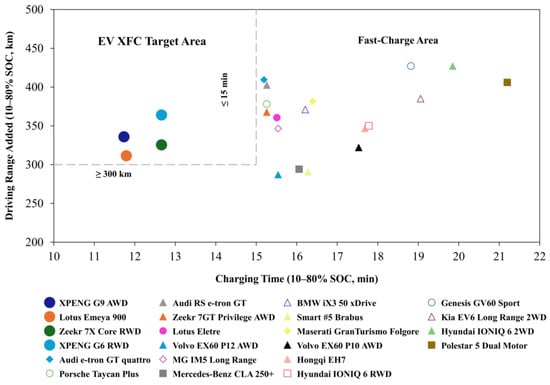
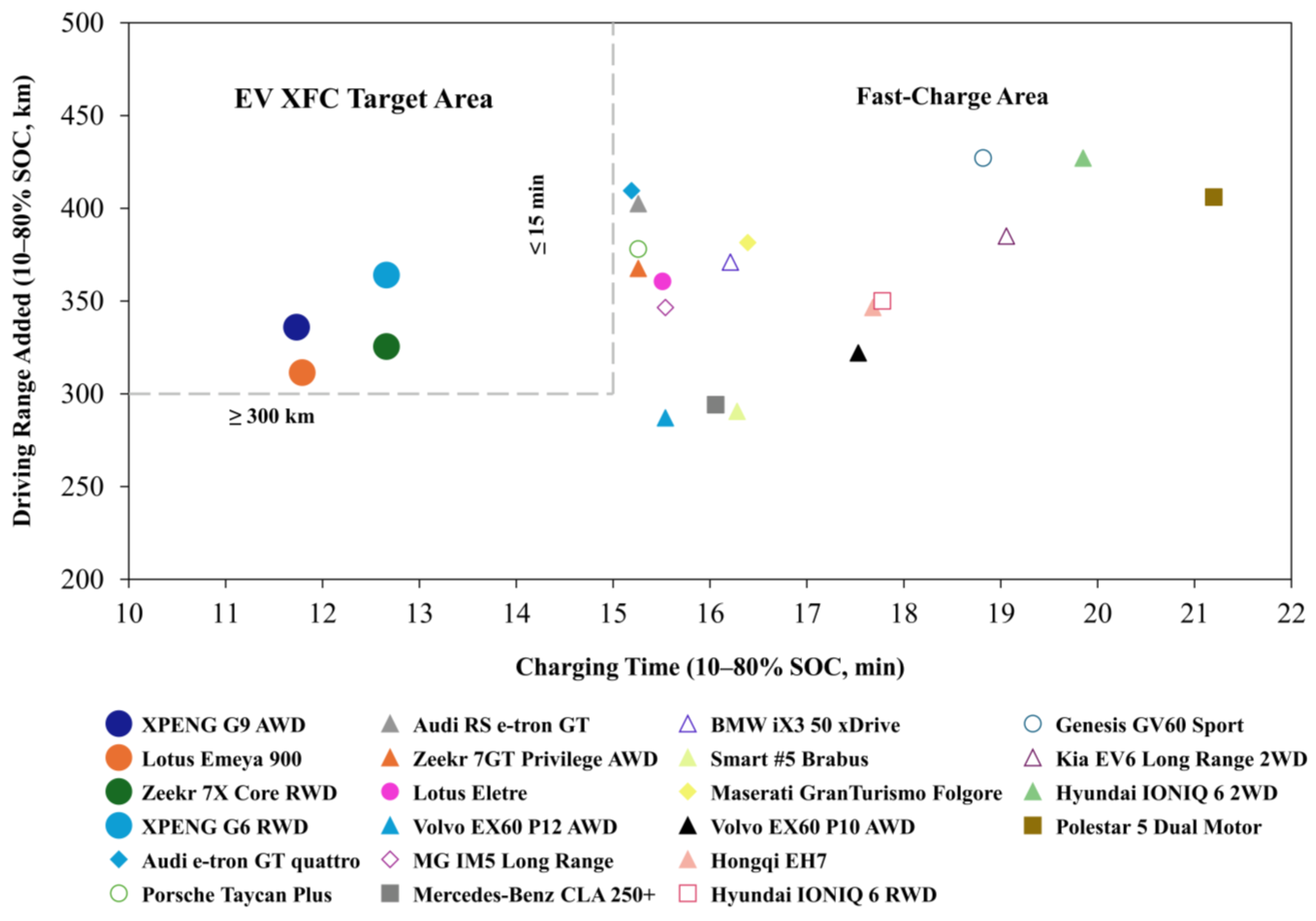
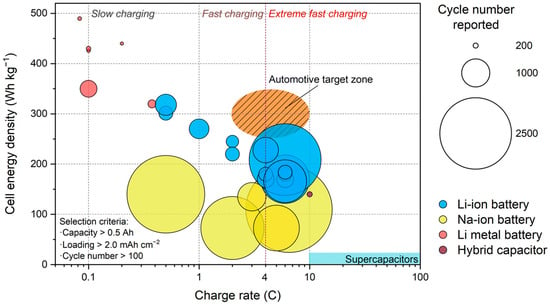
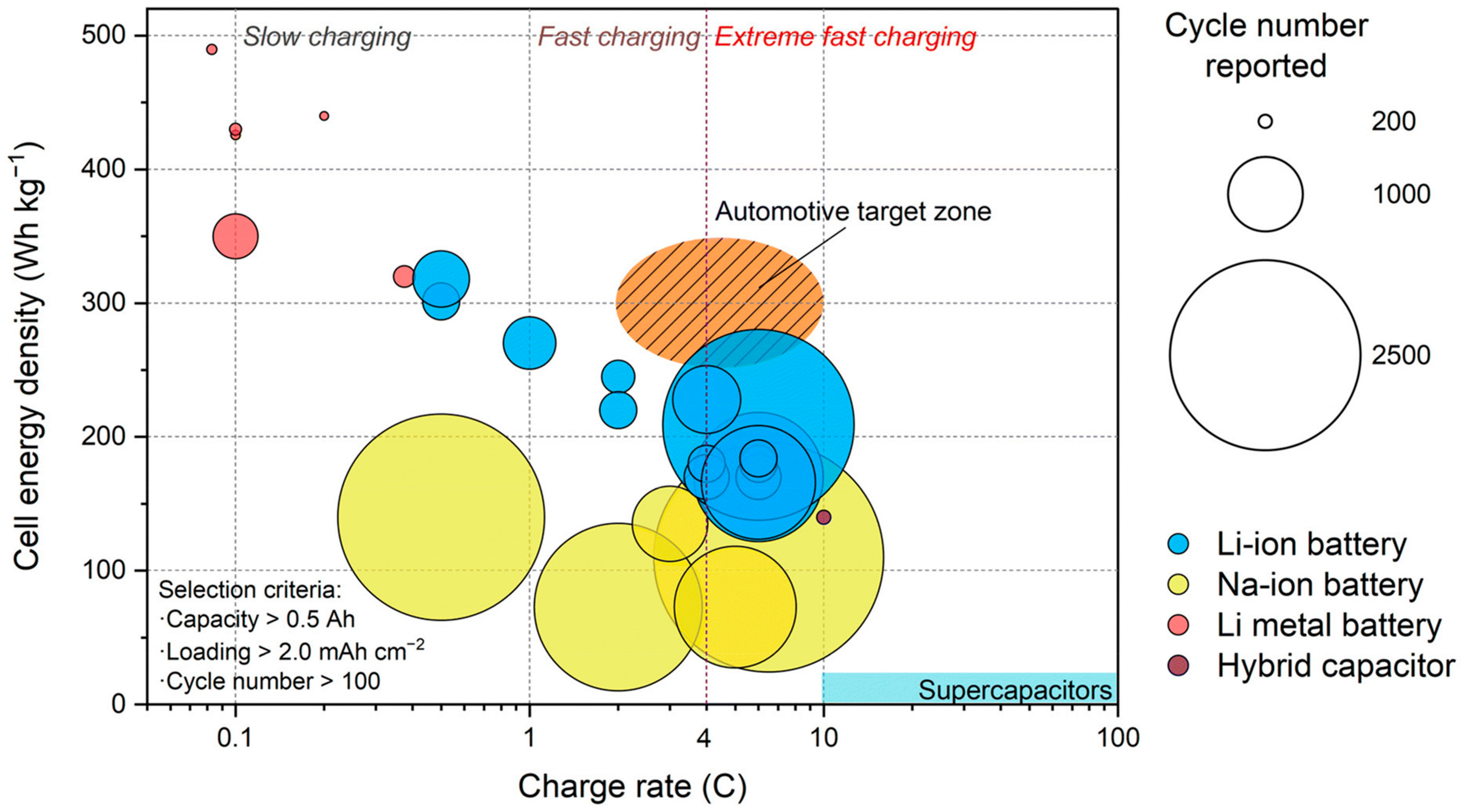
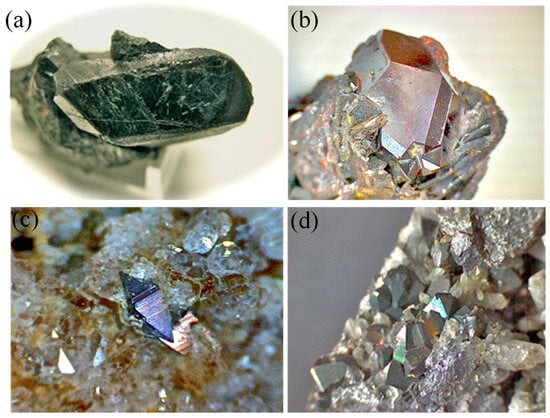
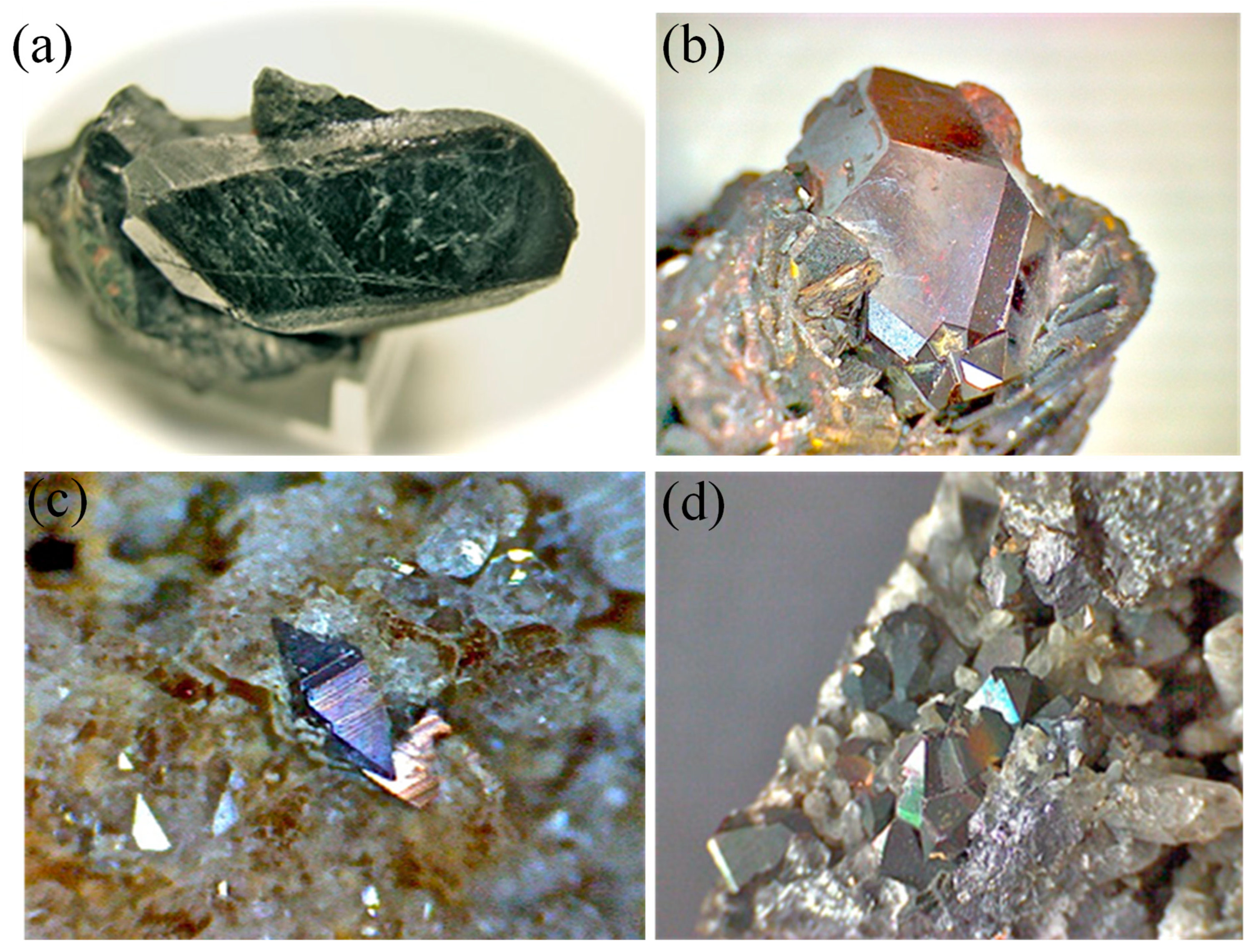
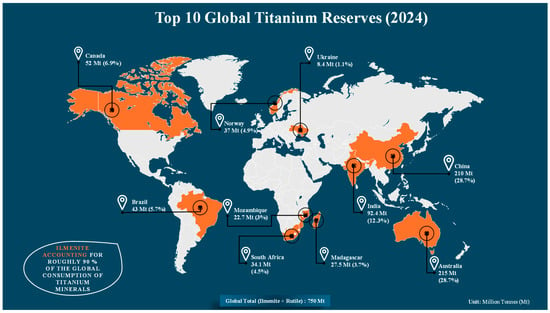
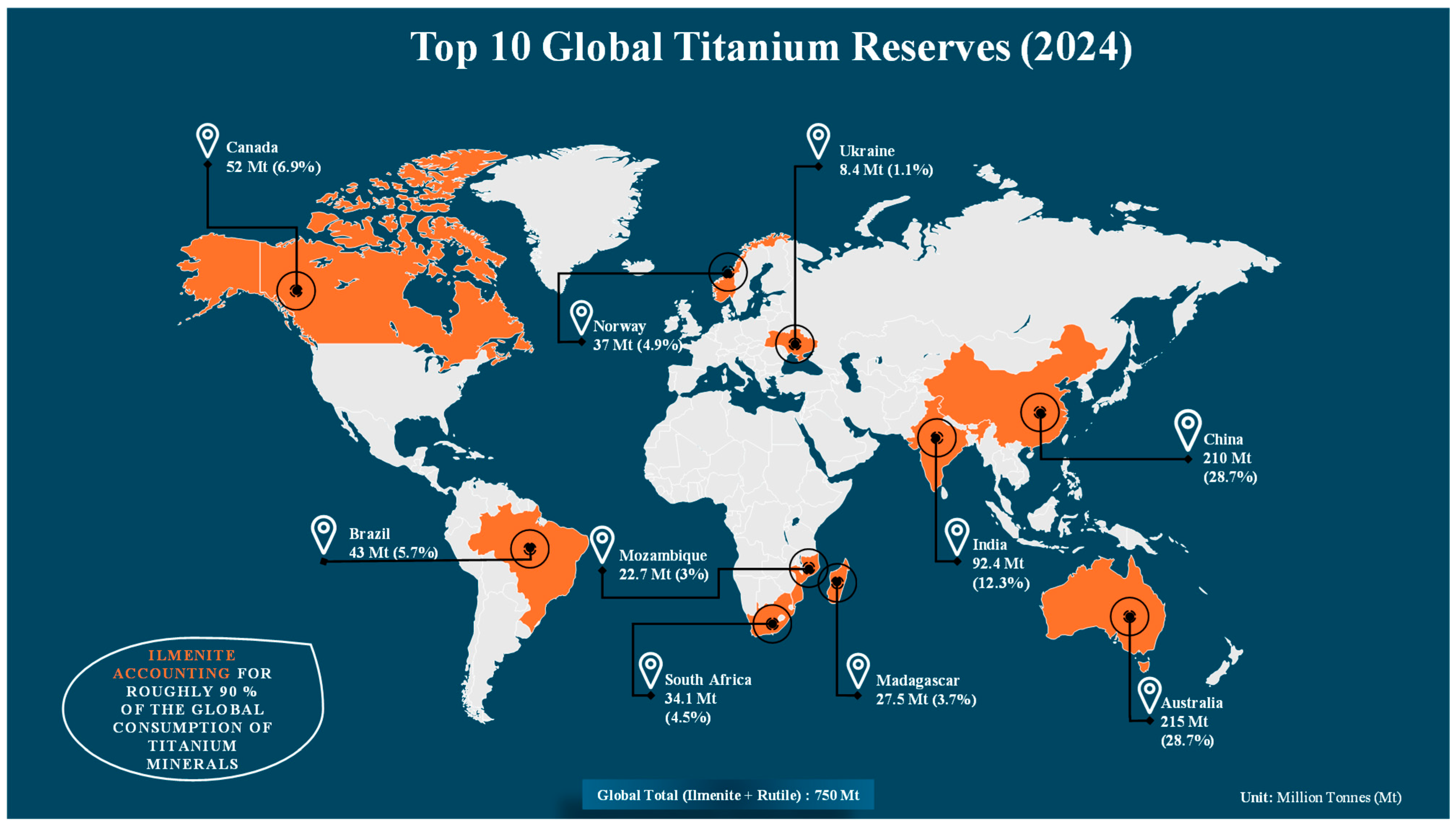
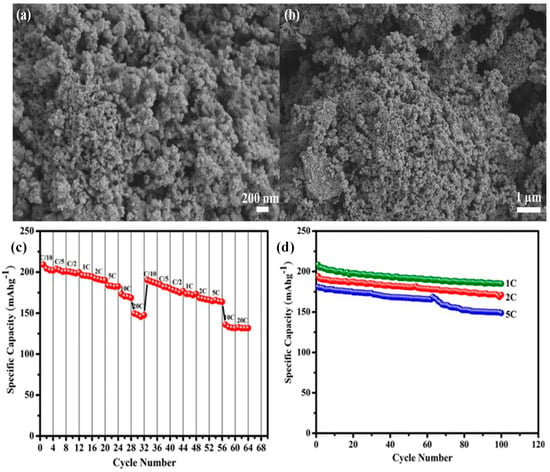
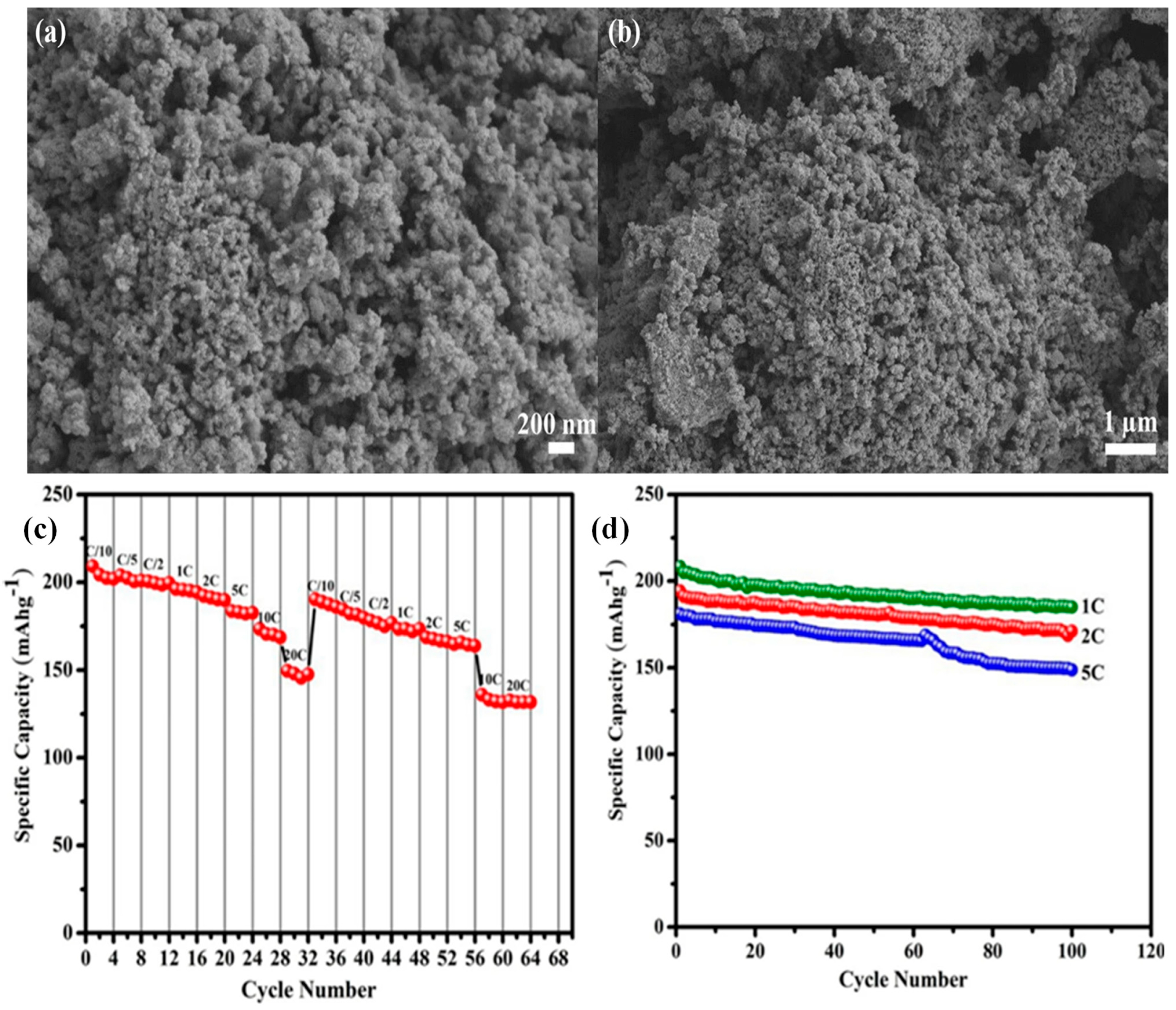
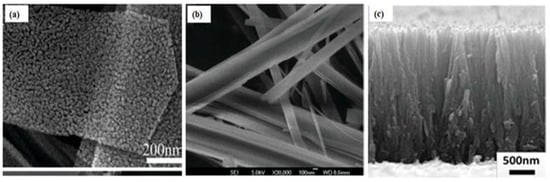
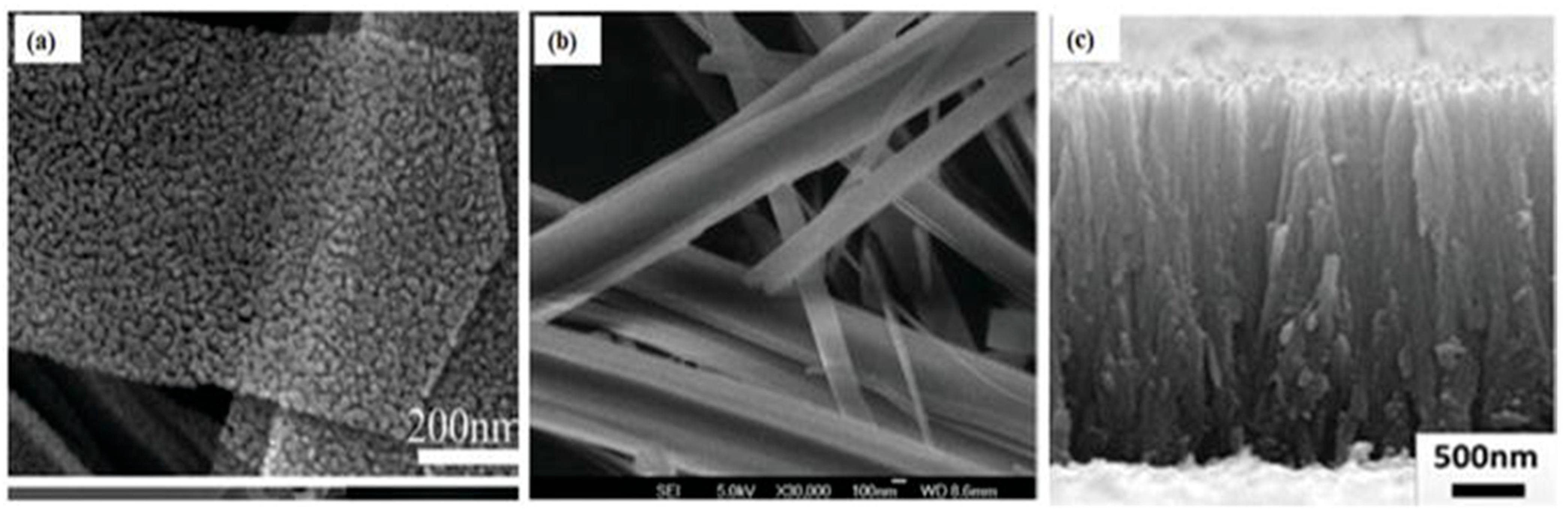
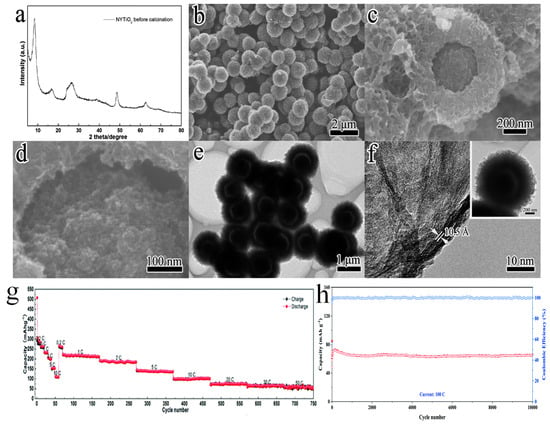
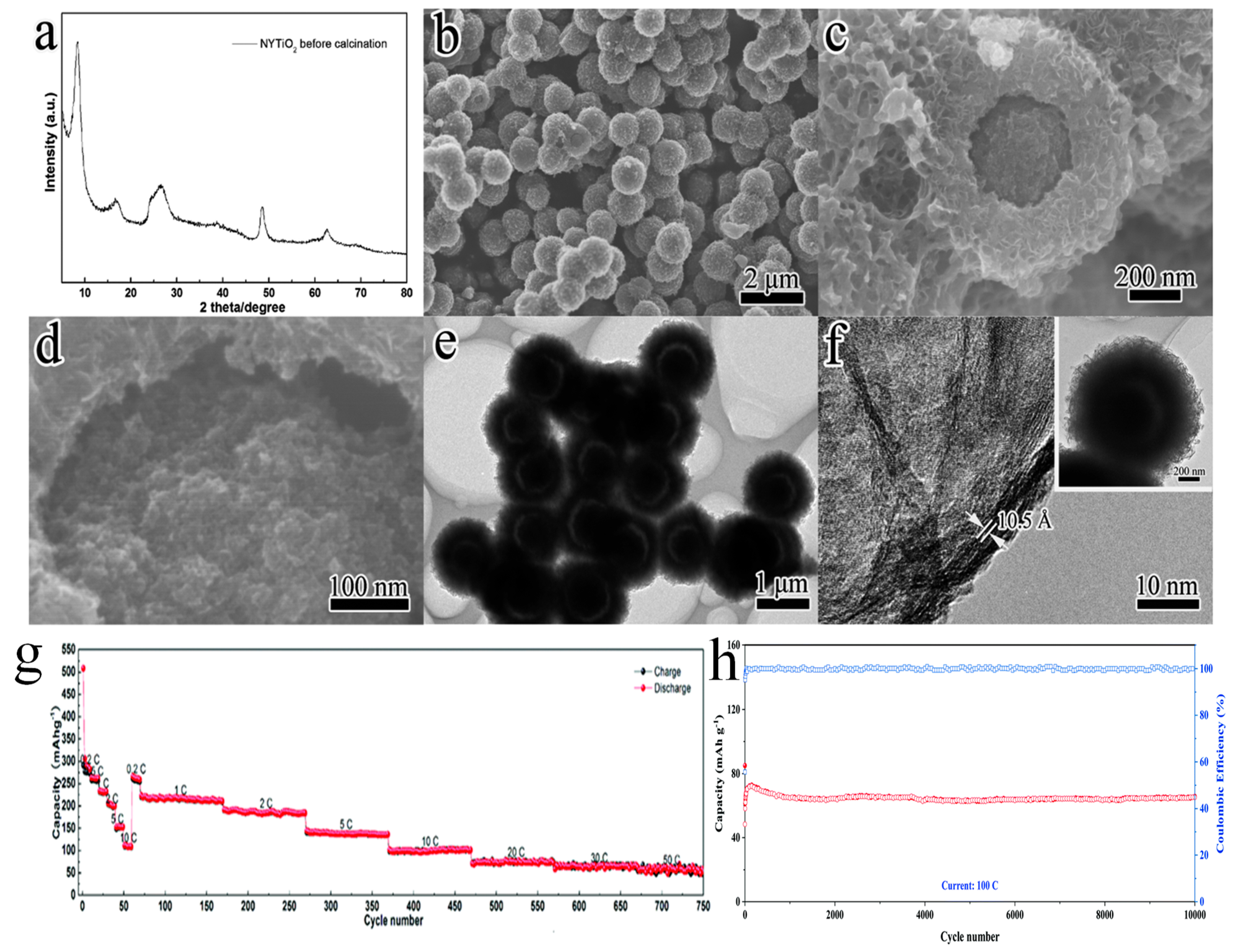
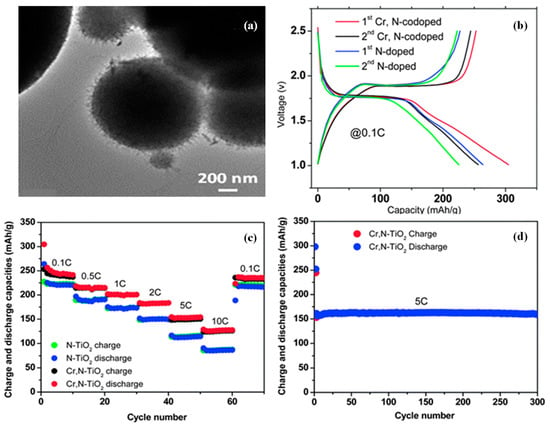
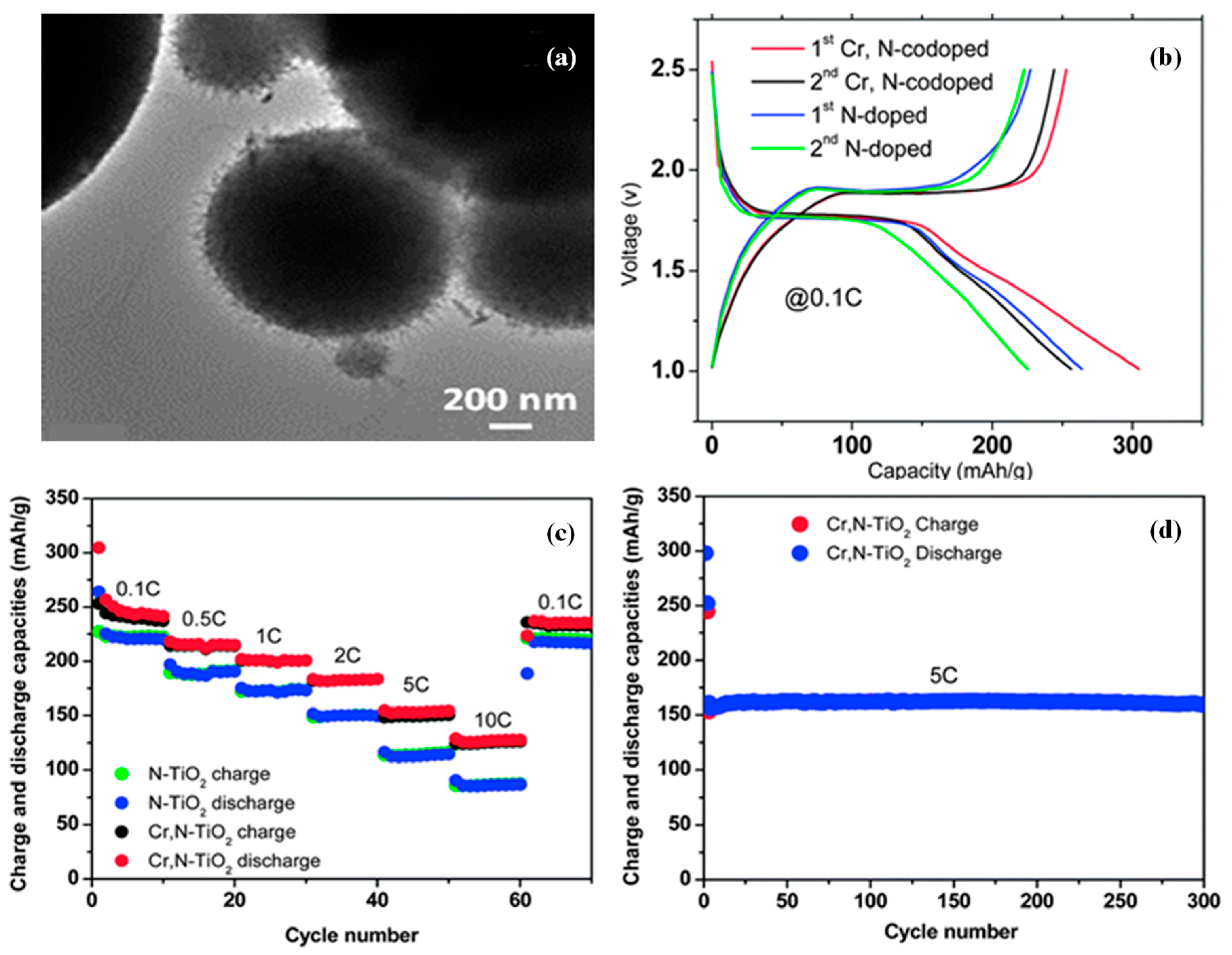
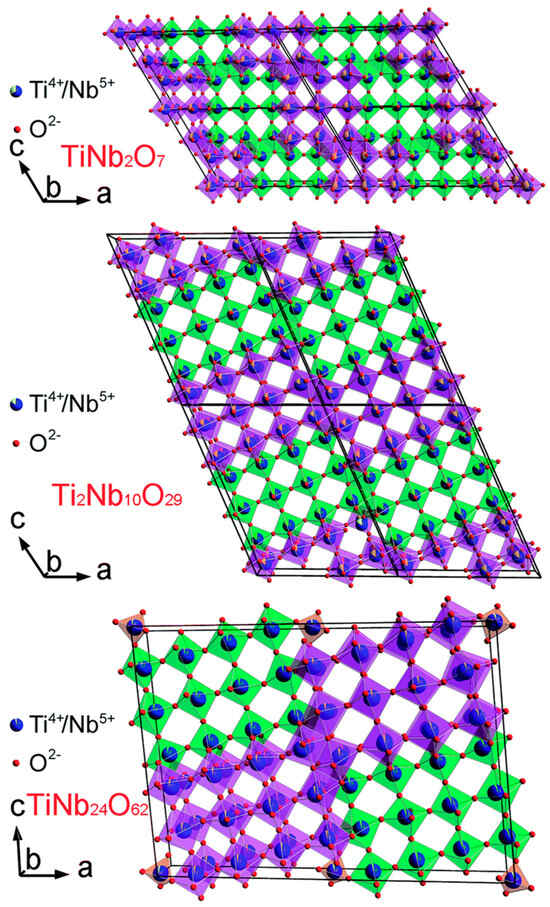
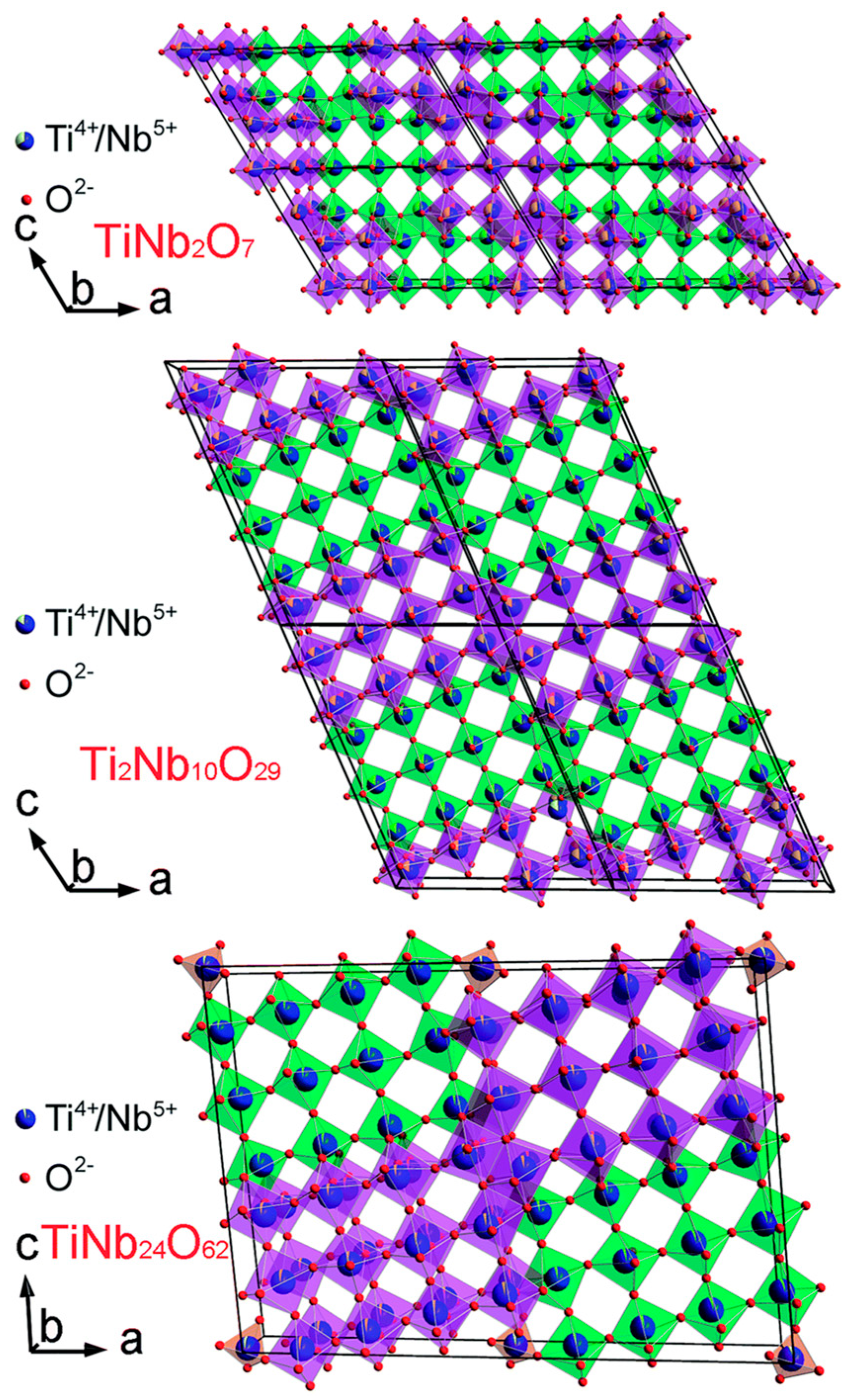
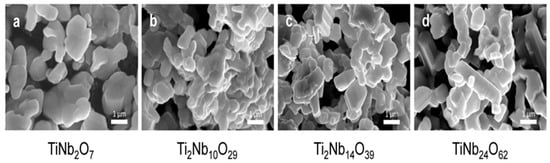
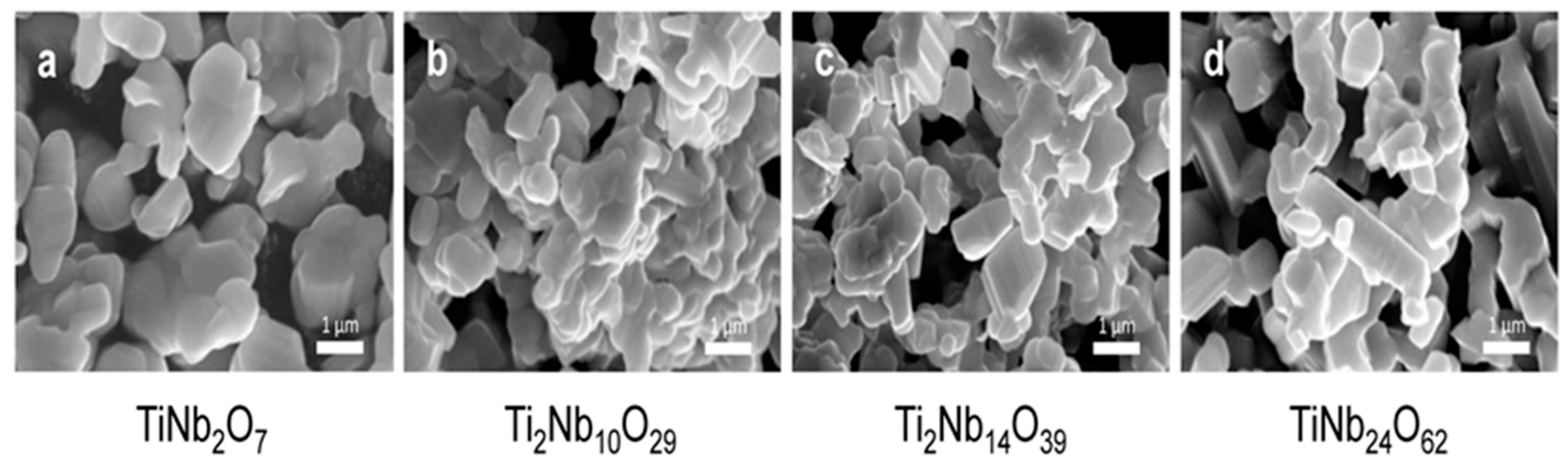
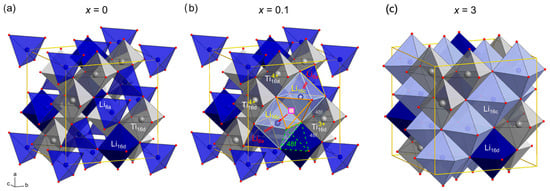
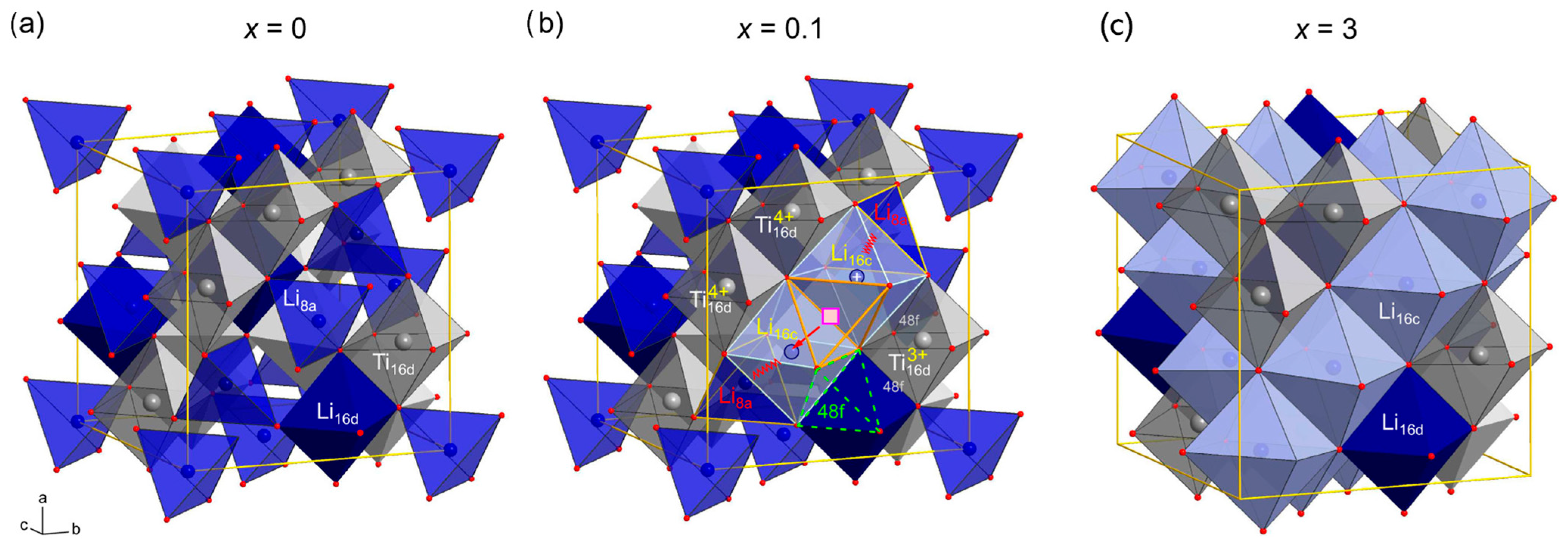
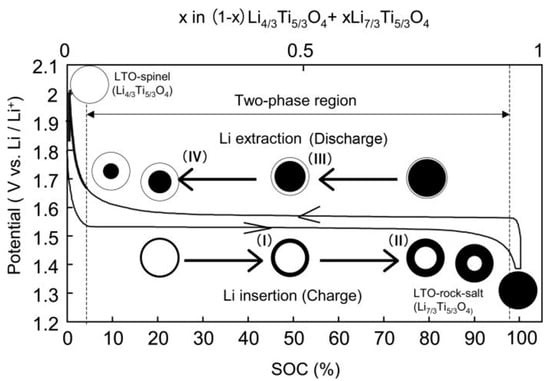
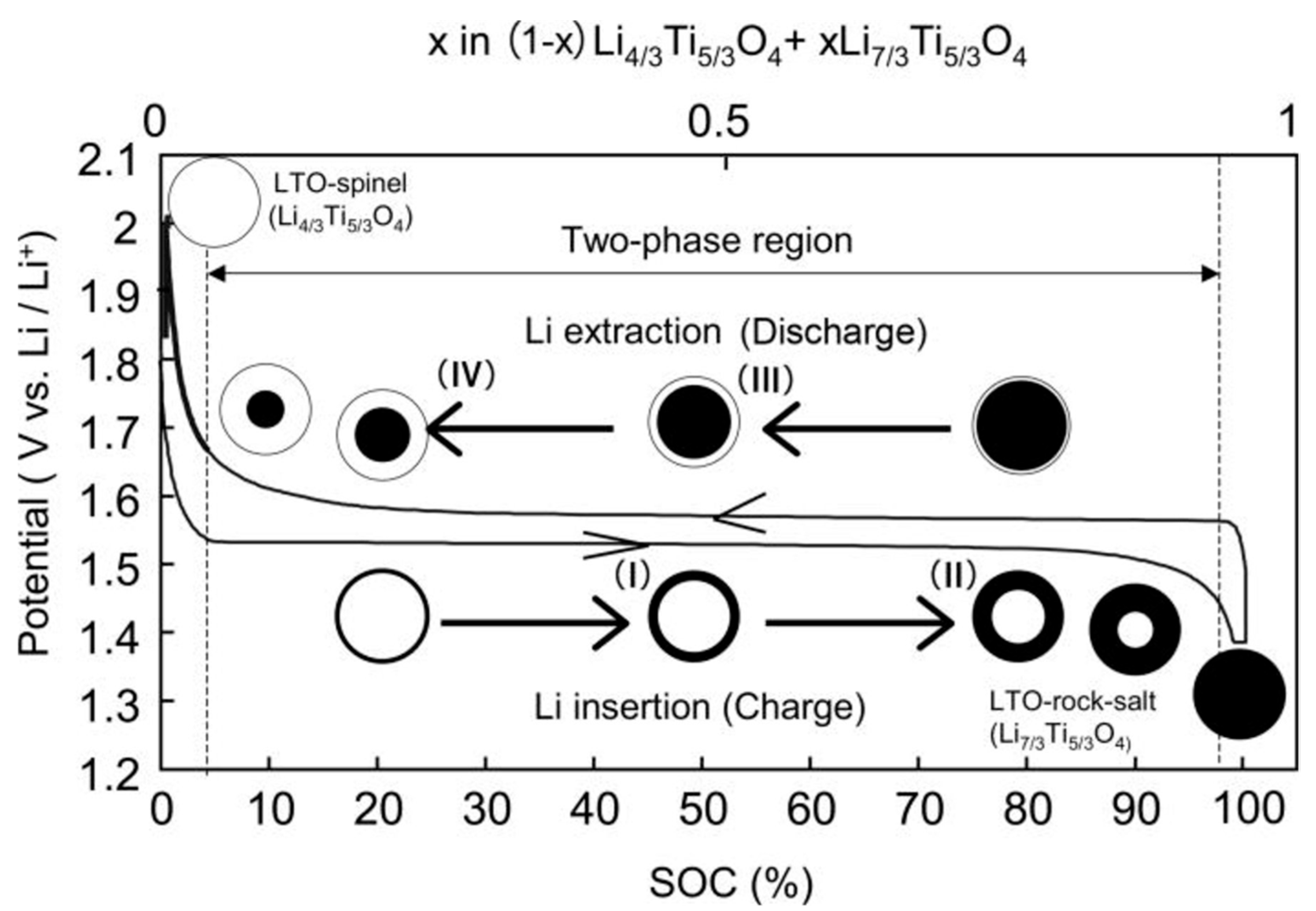
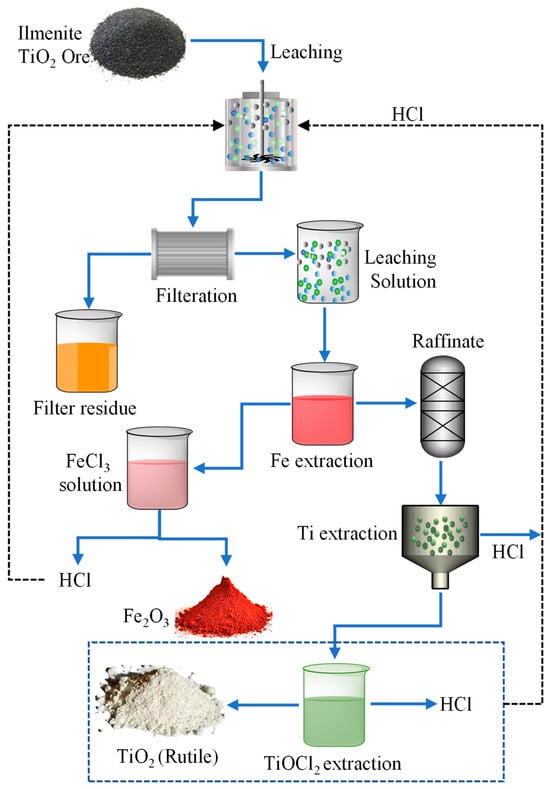
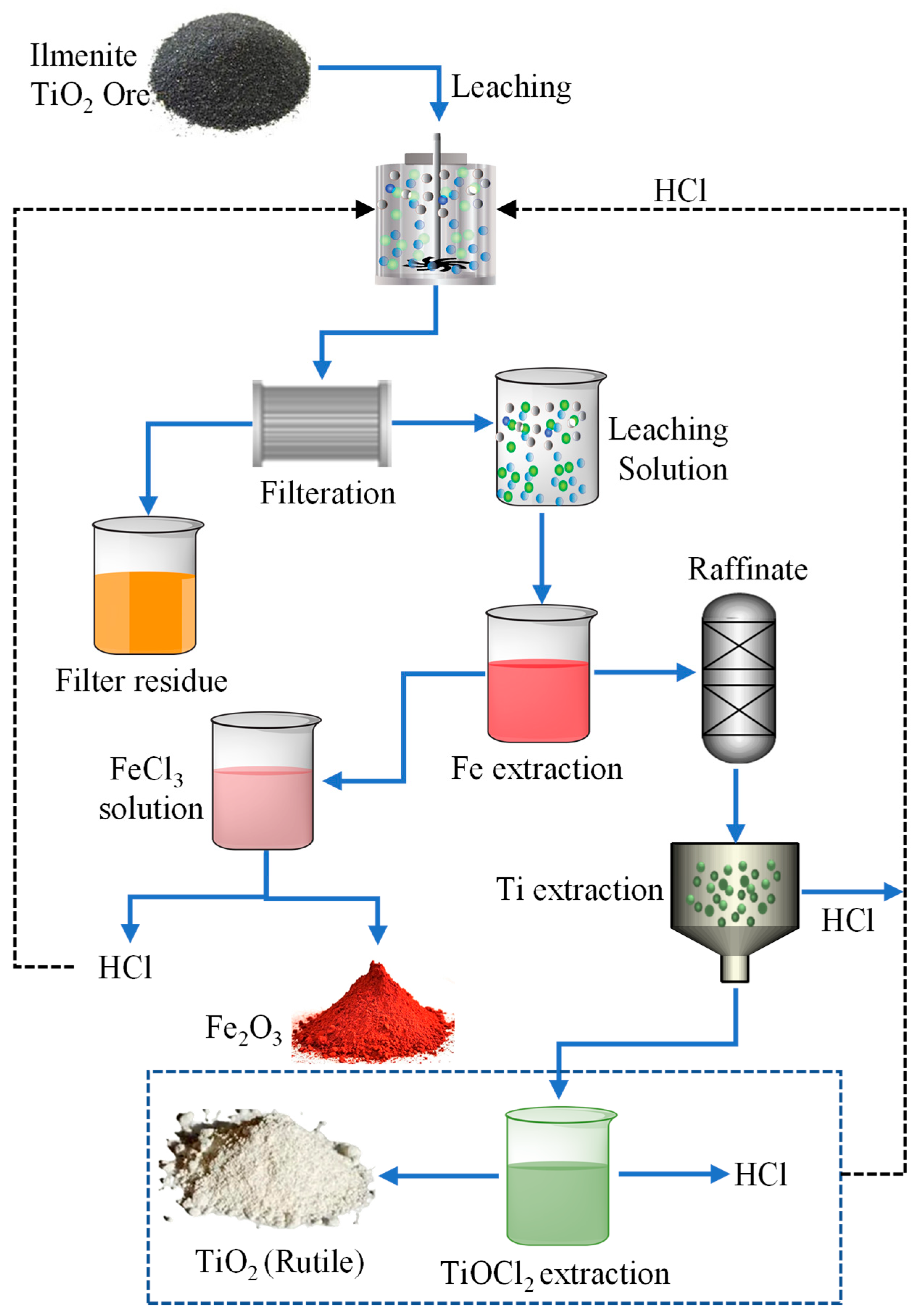
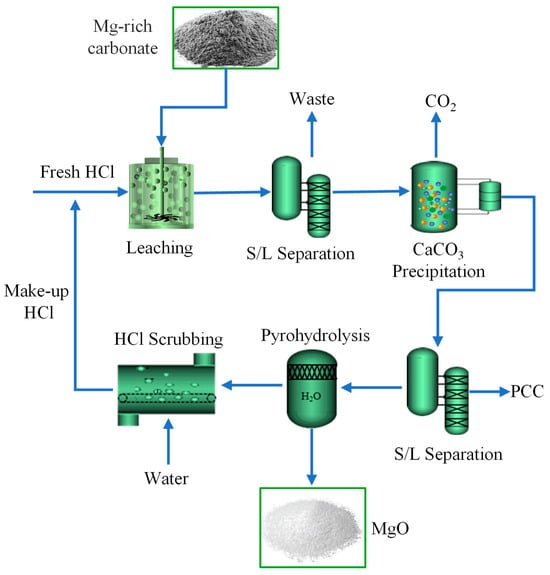
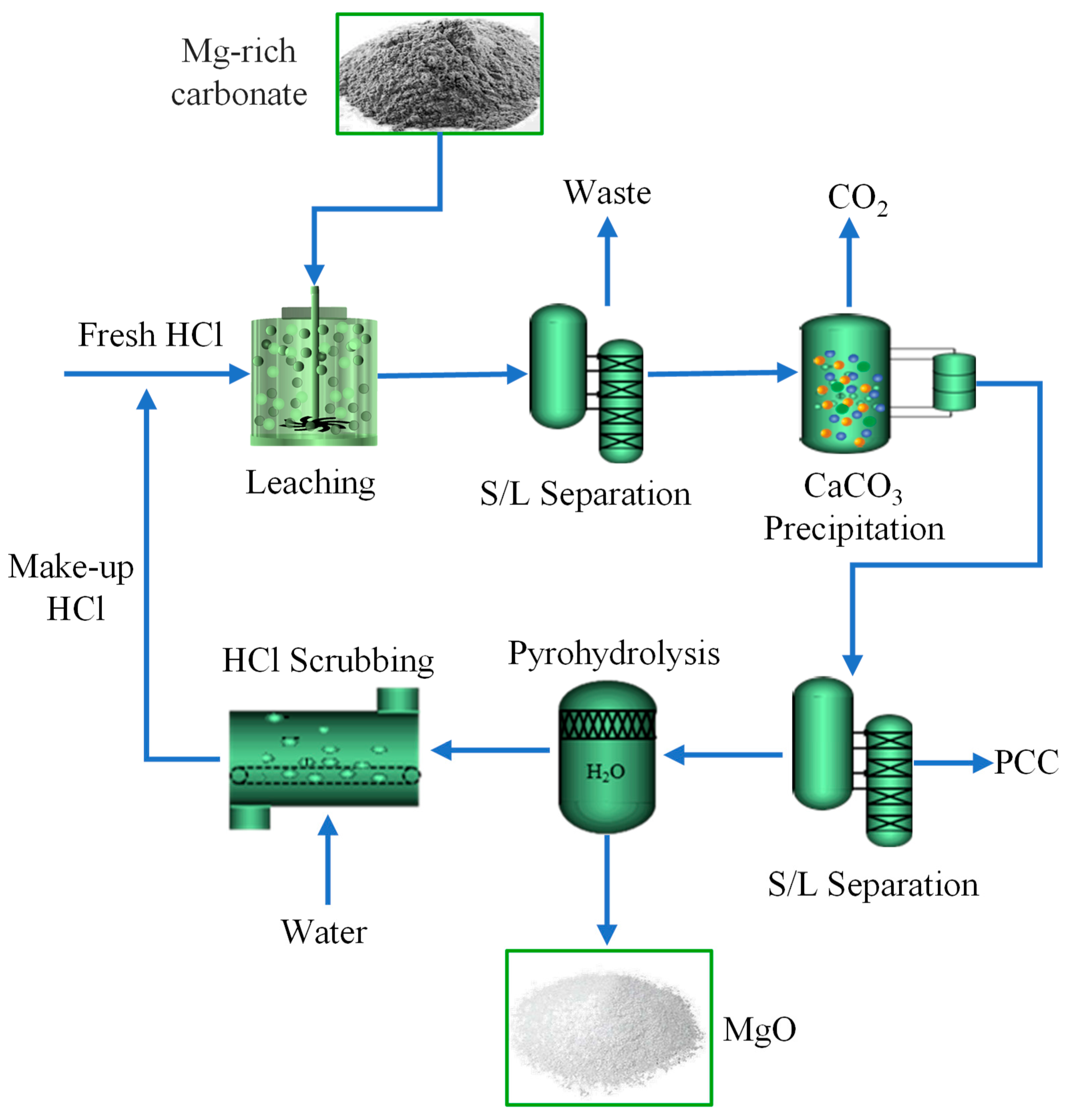
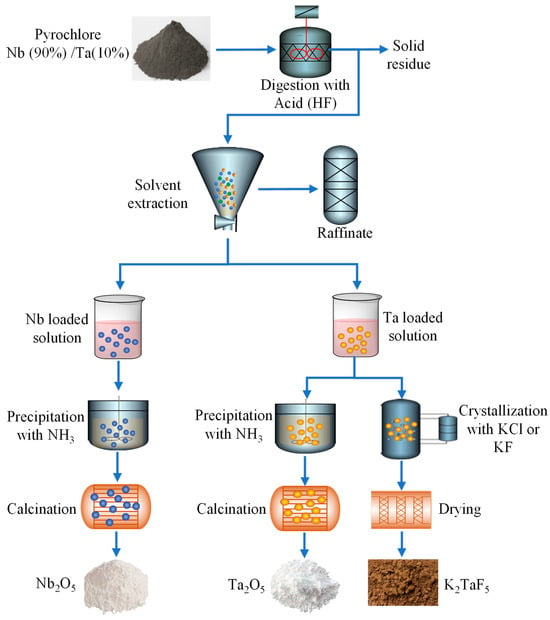
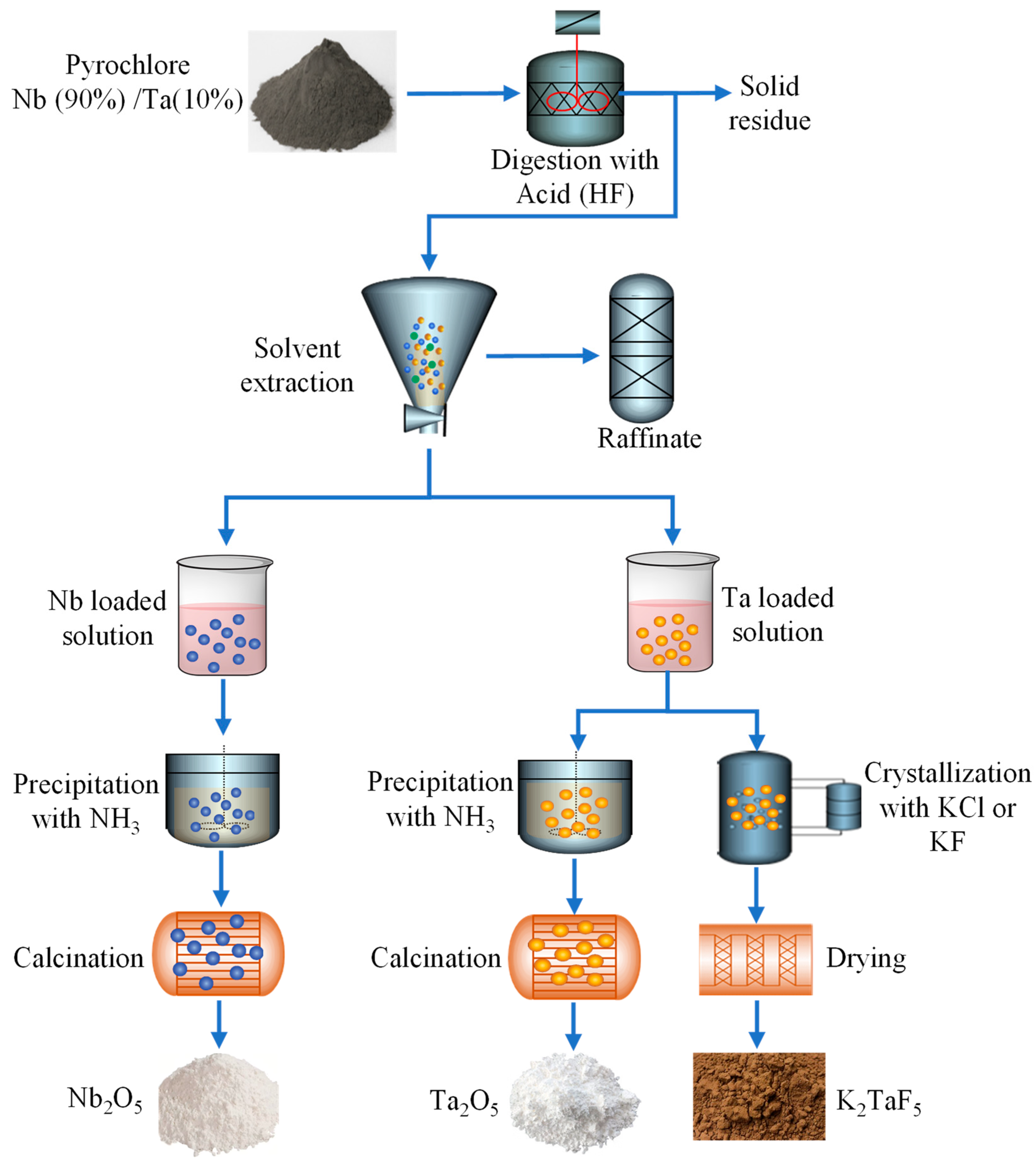
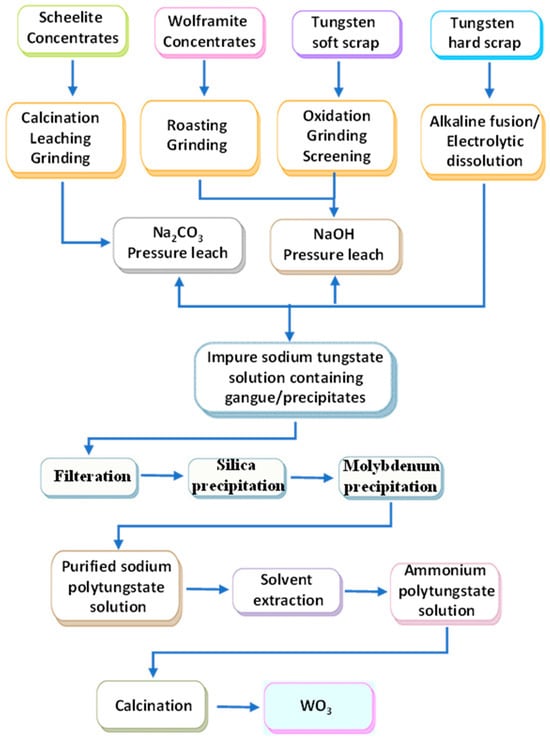
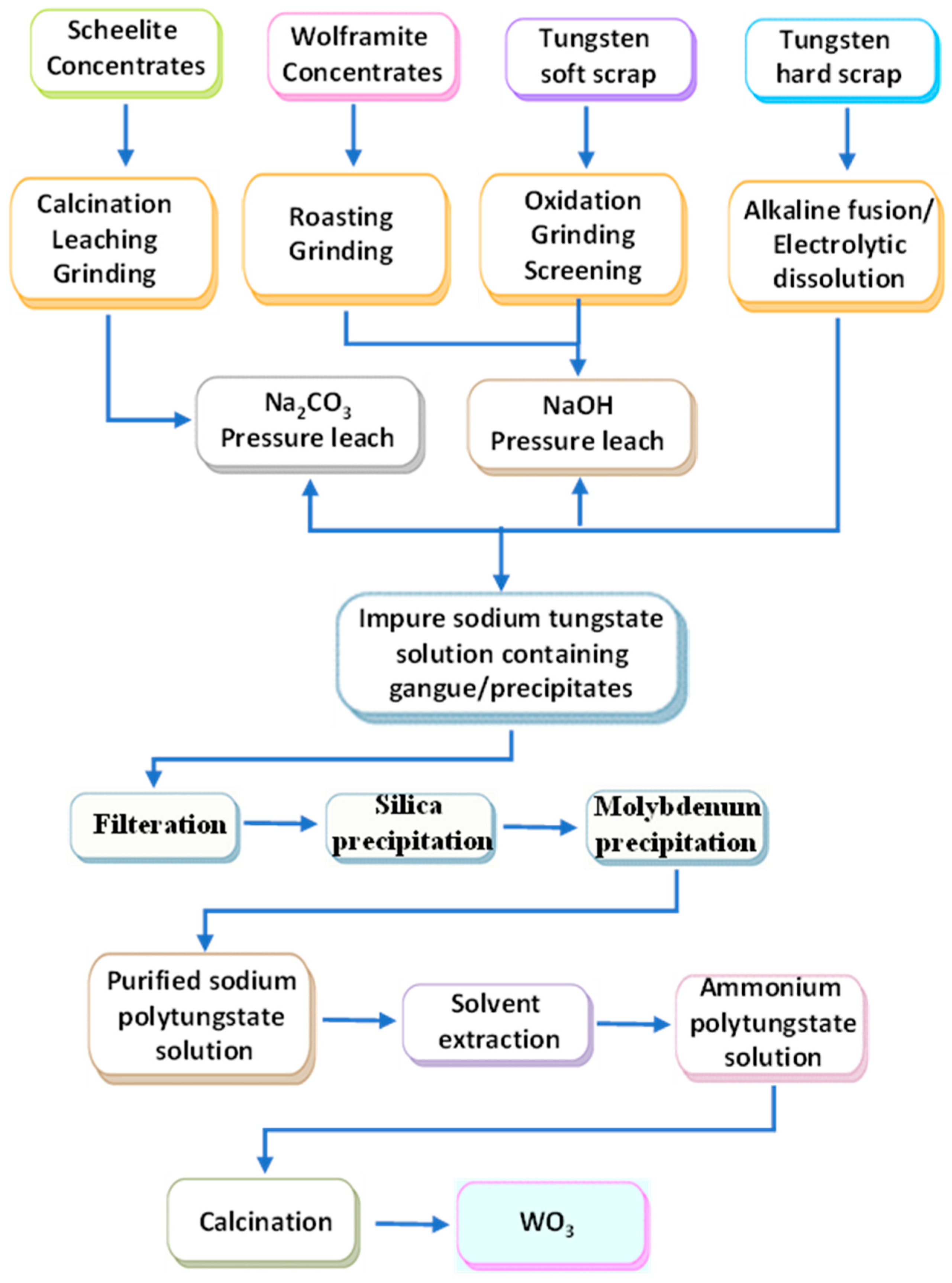
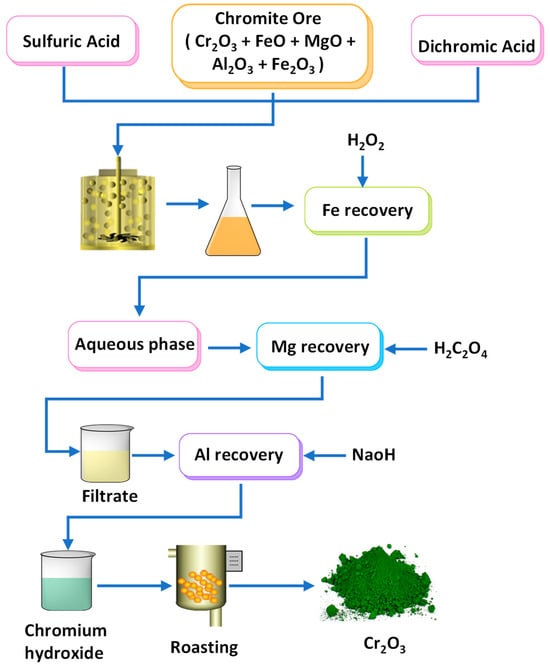
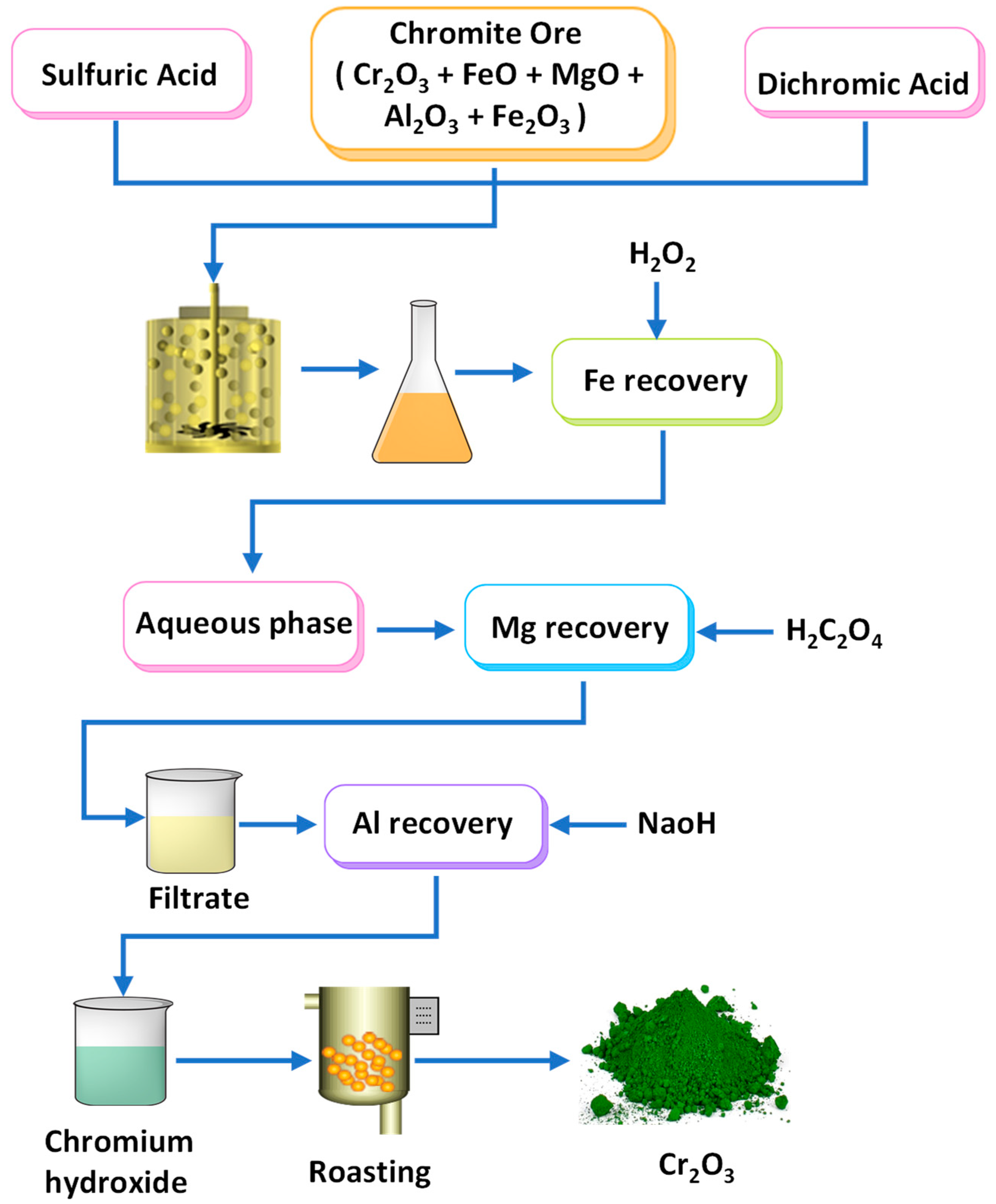

Disclaimer/Publisher’s Note: The statements, opinions and data contained in all publications are solely those of the individual author(s) and contributor(s) and not of MDPI and/or the editor(s). MDPI and/or the editor(s) disclaim responsibility for any injury to people or property resulting from any ideas, methods, instructions or products referred to in the content. |
© 2026 by the authors. Licensee MDPI, Basel, Switzerland. This article is an open access article distributed under the terms and conditions of the Creative Commons Attribution (CC BY) license.