Article

Multi-Omics Analysis of Stress Responses for Industrial Yeast During Beer Post-Fermentation

1
Shandong Provincial Key Laboratory of Food Biological Fermentation (In Preparation), Tsingtao Brewery Co., Ltd., Qingdao 266071, China
2
Science Center for Future Foods, Jiangnan University, 1800 Lihu Road, Wuxi 214122, China
3
Key Laboratory of Industrial Biotechnology, Ministry of Education, School of Biotechnology, Jiangnan University, 1800 Lihu Road, Wuxi 214122, China
4
Jiangsu Province Engineering Research Center of Food Synthetic Biotechnology, Jiangnan University, 1800 Lihu Road, Wuxi 214122, China
5
Engineering Research Center of Ministry of Education on Food Synthetic Biotechnology, Jiangnan University, 1800 Lihu Road, Wuxi 214122, China
*
Authors to whom correspondence should be addressed.
These authors contributed equally to this work.
Fermentation 2026, 12(2), 70; https://doi.org/10.3390/fermentation12020070
Submission received: 3 January 2026 / Revised: 18 January 2026 / Accepted: 21 January 2026 / Published: 26 January 2026
(This article belongs to the Section Fermentation for Food and Beverages)

Abstract

Intracellular metabolites markedly change in yeast during fermentation, especially under various stresses in beer post-fermentation. To address the current limitations in understanding the regulatory mechanisms in this complex environment, industrial brewing yeast was analyzed using integrated transcriptomics and proteomics across the post-fermentation phases, dynamically profiling the transcriptional levels and protein abundances of differentially expressed genes. As a result, 6110 differentially expressed genes (DEGs) and 3533 differentially expressed proteins (DEPs) were identified. Additionally, transcriptomics showed the induced expression of low-pH- and oxidative stress-related genes (HAL1, HAL4, YAP5), gluconeogenesis- and sugar transport-related genes (HXT, MAL, FBP), and mannan synthetic genes (FSK, MNN) during early post-fermentation. Moreover, heat-shock-related genes were upregulated throughout post-fermentation. Furthermore, proteomics revealed the sustained upregulation of glucosidase Scw, mannoprotein Pir, hexose transporter Hxt, and heat-shock proteins (Hsp). These findings indicate that yeast adapts to stress in the wort environment during post-fermentation by enhancing cell wall biosynthesis, activating heat-shock responses, and modulating metabolic pathways. These integrated omics analyses provide guidance for selecting robust, tolerant strains to industrial-scale stresses and improving beer flavor profiles, establishing a theoretical foundation for optimizing brewing and enhancing beer quality.

1. Introduction

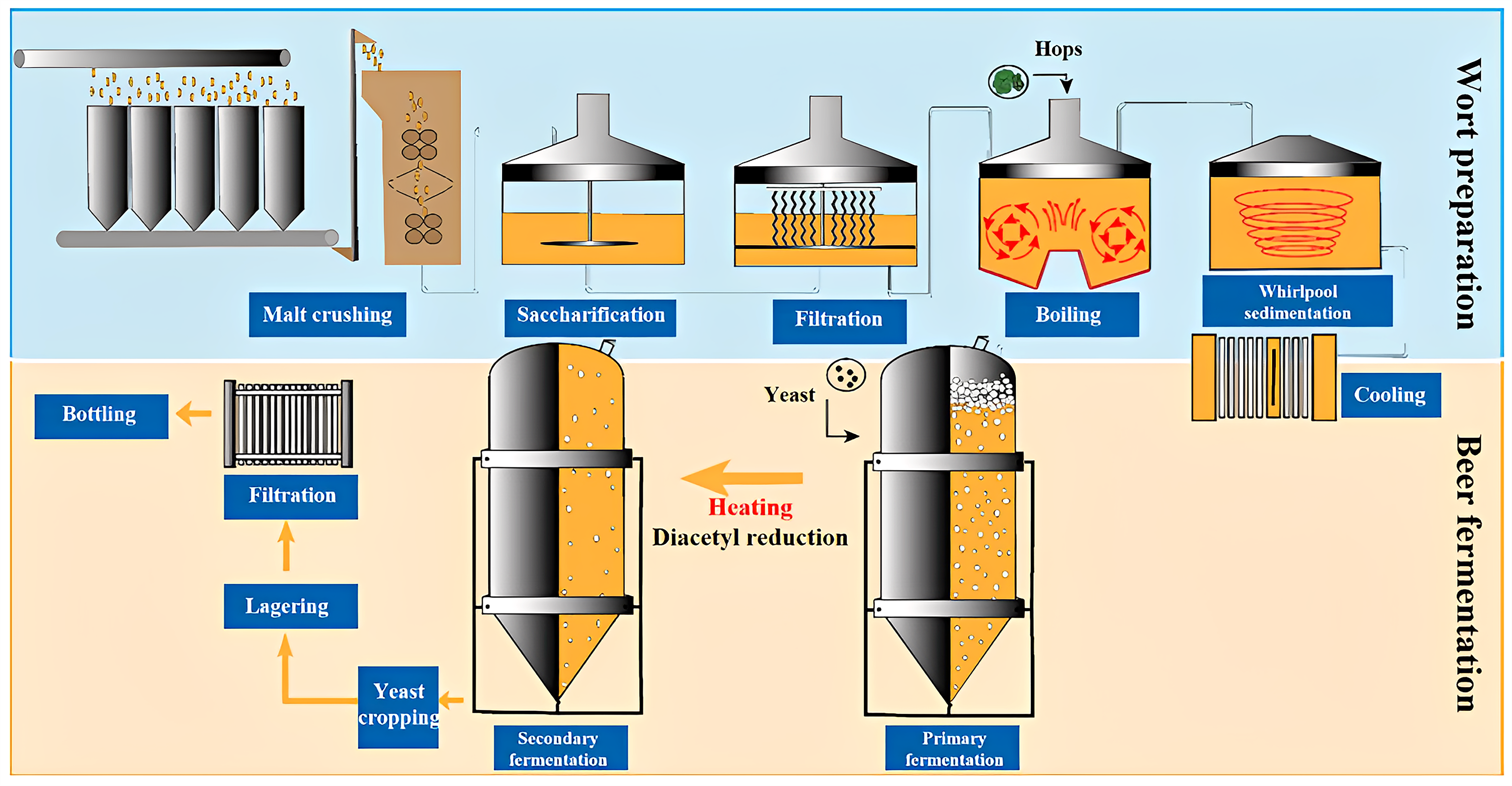
Beer is one of the most widely consumed alcoholic beverages [1], and yeast plays a key role during fermentation by converting sugars into ethanol and carbon dioxide (CO2) [2]. Through its metabolic activities, yeast influences the unique flavors and aromas that define different beer styles. The industrial production of beer typically consists of three main stages: wort preparation, primary fermentation, and post-fermentation (Figure 1). During the post-fermentation phase, the conditions, including temperature and pressure, are often elevated to promote the maturation of beer. In this stage, yeast will encounter various environmental stresses, including low pH values, limited oxygen availability, high osmotic pressure, and fluctuations in ethanol concentration and temperature. These stresses can damage yeast cells, leading to the decreased production efficiency of ethanol and flavor substrates. Consequently, yeast has evolved several strategies to cope with these stresses, which includes many intracellular changes in the transcriptional levels of genes and the expression levels of proteins during beer post-fermentation.
Nowadays, transcriptome sequencing (RNA-seq) has been widely applied in biological and medical studies. Dynamic transcriptomic analysis can monitor the changes in the transcriptional levels of genes by tracking the growth cycle of target strain [3,4,5], which has been applied in the analyses of different stages during alcoholic beverage production (wine, beer, sake, etc.) [6]. James et al. [7] demonstrated that during an 8-day beer brewing process, the genes involved in alcohol metabolism, glycolysis, stress response (except oxidative stress [8]), and protein synthesis were suppressed in the late fermentation phase. The average expressional level of genes in yeast was highly expressed at the beginning of beer fermentation and declined after the sugars were consumed [9]. Gibson et al. [10] used transcriptomics to analyze the utilization of carbohydrates in wort for yeast, finding that the expression of 74% of genes related to the hydrolysis of carbohydrates differentially changes during fermentation. In addition, the sensory quality of beer is closely linked to different compositions of flavor compounds, which are mainly produced during fermentation by yeast [11].
Besides transcriptomic analysis, the technique of proteomics enables the large-scale study of protein characteristics and is also widely applied in research on beer yeast. Caesar et al. [12] used proteomics to discover significant differences in the composition of intracellular proteins between industrial beer yeast and Saccharomyces cerevisiae BY4742. They also found differential regulation of proteins like ARG, STI, and PDC in Saccharomyces and non-Saccharomyces yeasts under stress environments such as low temperature, high pressure, and high concentrations of salt. Brejning et al. [13] identified genes induced during the lag and early exponential growth phases of beer yeast, such as Ade17, Sam1, and Ssa2, suggesting their functions in the initiation of yeast growth. In addition, through the analysis of dynamic proteomics, Kobi et al. [14] found that the main changes in expressed proteins in the early stage of fermentation were associated with the transition from aerobic propagation to anaerobic fermentation, and the changes in stress-related proteins were more pronounced in the post-fermentation period.
In this study, the variation patterns of functional components were delineated during beer production. Based on the integration of transcriptomic and proteomic analyses, we profiled the dynamic changes in differential genes and proteins in industrial Saccharomyces cerevisiae (lager yeast) at four critical time points within post-fermentation wort. This approach enabled comprehensive elucidation of the regulatory mechanisms governing the metabolism of flavor compounds and the pathways in stress response during beer post-fermentation. The findings lay a foundation for later optimization of metabolic pathways in yeast and improvement of beer flavor profiles.

2. Materials and Methods

2.1. Determination of Glutathione (GSH) in Beer

Sample Pretreatment (Beer and Wort): An aliquot of 1 mL from beer or wort samples was degassed. To each aliquot, 1 mL of 10% trichloroacetic acid (TCA) was added and mixed thoroughly. The mixtures were centrifuged at 10,000× g for 8 min, and the supernatants were collected. Aliquots (1 mL) of the supernatant were prepared in parallel with standards prepared identically. To each aliquot, 0.50 mL of 500 μM Tris-HCl (pH 8.0) and 0.50 mL of 0.01 M 5,5′-dithiobis(2-nitrobenzoic acid) (DTNB) were added, followed by vigorous mixing. A total of 200 μL of water was added, and the mixtures were vortexed thoroughly. Reactions were incubated at room temperature in the dark for 5 min and terminated by the addition of 0.10 mL of 7 M phosphoric acid. The samples were centrifuged again at 10,000× g for 8 min; the supernatants were collected and filtered through a 0.45 μm membrane.
Chromatographic Conditions: Analyses were performed on an Agilent HPLC system equipped with a reversed-phase Ai chrome C18 reverse chromatographic column (250 × 4.6 mm, 5 μm), Agilent Technologies Co., Ltd., Beijing, China. Detection was conducted at 327 nm, with the column maintained at 25 °C. The flow rate was 0.80 mL/min, and the injection volume was 10 μL. The mobile phase consisted of solvent A (water with 1% formic acid) and solvent B (acetonitrile with 10% tetrahydrofuran). The gradient program was: 0 min, 10% B; 12 min, 14% B; 22 min, 28% B; 35 min, 80% B; and 40 min, 90% B.

2.2. Determination of β-Glucan in Beer

Congo Red Spectrophotometric Method: 2 mL of degassed beer was mixed with 4 mL of 100 mg/L Congo red and vortexed well. The mixture was incubated in darkness at 20 °C for 10 min. Absorbance was measured at 550 nm against an appropriate blank.

2.3. Determination of Phenolic Acids in Beer

Sample Pretreatment (Beer and Wort): A 25 mL aliquot of beer or wort was degassed. The pH was adjusted to 2.0 with phosphoric acid. Sodium chloride (5 g) was added and the mixture was thoroughly mixed. Three successive extractions were performed with an equal volume of ethyl acetate (25 mL per extraction). The combined organic phases were evaporated to dryness at 40 °C using a rotary evaporator, Genevac Rocket Evaporator, Genevac Ltd., Ipswich, UK. The residue was dissolved in 1 mL methanol and 1 mL water, and filtered through a 0.45 μm organic membrane. The contents of phenolic acids (ferulic acid, catechin, gallic acid, vanillic acid, and protocatechuic acid) were determined.
Chromatographic Conditions: Agilent HPLC, Agilent Technologies Co., Ltd., Beijing, China; column: Ai Chrom C18 (250 mm × 4.6 mm, 5 μm) reversed-phase column; detection wavelength: 280 nm; column temperature: 25 °C; flow rate: 0.70 mL/min; injection volume: 10 μL; mobile phase: A, water with 0.10% glacial acetic acid, and B, methanol with 0.10% glacial acetic acid; gradient program (%B): 0 min 5.0, 15 min 20.0, 30 min 60.0, 34 min 5.0, and 40 min 5.0.

2.4. Determination of Volatile Compounds in Beer

Sample Preparation: Matrix: A 5 mL aliquot of degassed beer or wort was transferred to a 20 mL amber headspace vial. Sodium chloride (2 g) was added, and the mixture was thoroughly mixed. An internal standard solution of 2-octanol (50 mg/L) was added (10 μL). The vial was sealed and prepared for subsequent GC-MS analysis.
Chromatographic Conditions: carrier gas: high-purity helium, 1.20 mL/min; injector temperature: 250 °C; injection mode: split; split ratio: 4.2:1.0; oven program: 40 °C (1 min) → 3 °C/min to 180 °C → 20 °C/min to 230 °C, hold 15 min.
Mass Spectrometry Conditions: ionization: EI; mass analyzer: single quadrupole; transfer line temperature: 230 °C; ion source temperature: 260 °C; scan range: 29–350 amu; scan time: 0.20 s.
Data Analysis: library: NIST; identification criteria: characteristic ions, fragment patterns, and relative abundances; quantification: internal-standard method using characteristic MS responses; output: relative levels of volatile compounds.

2.5. Determination of Non-Volatile Compounds in Beer

Non-volatile compounds were analyzed according to the method previously mentioned by Wang et al. [15].
Sample Preparation (Beer and Wort): An aliquot of 2 mL of degassed beer or wort was subjected to ethanol-induced protein precipitation at a 1:4 (v/v) ratio. The mixture was centrifuged at 12,000 rpm for 10 min at 4 °C, and the supernatant was collected. The supernatant was dried under rotary evaporation to dryness and reconstituted in 400 μL of 70% methanol containing mixed internal standards (3-chloroaniline, phenoxyacetic acid, hippuric acid, L-2-chlorophenylalanine; each at 400 μg/L). A second high-speed, low-temperature centrifugation was performed for 20 min. Six technical replicates were prepared per sample, and the supernatant was injected.
UPLC-Q-TOF-MS Conditions: column: C18 (1.80 μm, 2.10 × 100 mm); column temperature: 40 °C; flow rate: 0.35 mL/min; injection volume: 2 μL; mobile phase: A, water (0.10% formic acid), and B, acetonitrile (0.10% formic acid); gradient program (%B): 0 min, 5; 10 min, 95; 11 min, 95; 11.1 min, 5; and 15 min, 5.
MS Settings: ion source temperature: 500 °C; ion spray voltage (IS): +5500 V (positive), −4500 V (negative); gases: GS I, 344.74 kPa; GS II, 3.69 kPa; and CUR, 172.37 kPa.
Data Processing: library: NIST; identification criteria: characteristic ions, fragment patterns, and relative abundances; quantification: internal-standard method using characteristic MS responses; output: relative levels of analytes.

2.6. Experimental Materials

The industrial brewing yeast TL-1 employed in this study was obtained from a famous Chinese Tsingtao Brewery strain [16]. The beer fermentation broth samples were sourced from Tsingtao Brewery, snap-frozen in liquid nitrogen, and subsequently stored under ultra-low-temperature conditions.

2.7. Reagents and Instruments

Sodium chloride, glucose, tetraethylammonium bromide (TEAB), Sinopharm Chemical Reagent Co., Ltd., Shanghai, China; peptone, yeast extract, OXOID Biotechnology Co., Ltd., Basingstoke, UK; RNA extraction kit, trypsin, Sangon Biotech (Shanghai, China); single-quadrupole gas chromatograph–mass spectrometer (GC-MS; Thermo Fisher Scientific, Waltham, MA, USA); gas chromatograph (GC), Shimadzu Corporation (Kyoto, Japan); constant temperature incubator, Jinghong Equipment Co., Ltd., Zhoushan, China; Luxiangyi TGL-16M high-speed refrigerated centrifuge, Jiangsu Haiaosihui Biotechnology Co., Ltd., Nantong, China; TDZ5-WS benchtop low-speed centrifuge, Xiangyi Centrifuge Instrument Co., Ltd., Shanghai, China.

2.8. Cell Collection

Three replicates were set for each beer fermentation time point sample. Approximately 1 g of yeast cells was collected from the fermentation broth samples by low-temperature high-speed centrifugation. Total RNA was extracted from the samples using an RNA extraction kit. Cell suspensions with qualified RNA quality were flash-frozen in liquid nitrogen for storage. Genomic and transcriptomic sequencing were performed by BGI.

2.9. Genomic Analysis

After extracting the DNA using a DNA extraction kit, rolling circle amplification (RCA) sequencing was performed. The SOAPnuke (v2.3) software was used to filter out uncertain bases and adapter sequences to obtain clean data, which was then assembled using MEGAHIT software (v1.2.9).

2.10. Transcriptomic Analysis

Raw sequencing reads were processed with SOAPnuke to remove low-quality reads, adapter-containing reads, and reads with excessive ambiguous bases (N). Clean reads were then aligned to the TL-1 reference genome using HISAT (v2.2.1) and Bowtie2 (v2.4.5). Subsequently, novel transcript prediction, SNP and InDel calling, and differential splicing analysis were performed. Novel transcripts with protein-coding potential were incorporated into the reference gene set to generate an updated reference. Gene expression levels were quantified using RSEM (v1.3.1). Based on the expression profiles of each sample, differentially expressed genes (DEGs) between comparison groups were identified with DESeq2 [17] and visualized as Venn diagrams. DEGs were functionally classified according to Gene Ontology (GO) and KEGG pathway annotations. Enrichment analyses were conducted using the phyper function in R (v4.3.2), followed by FDR adjustment of p-values; terms with Q-value ≤ 0.05 were considered significantly enriched.

2.11. Proteomic Analysis

Protein hydrolysis: A 100 μg sample was loaded into a 10 kDa ultrafiltration device and centrifuged at 12,000× g and 20 °C for 20 min until the solution was fully collected in the bottom tube. Next, 100 μL of 0.5 M TEAB was added, and centrifugation was repeated at 12,000× g and 20 °C for 20 min; this wash step was performed three times. Trypsin was then added at an enzyme-to-protein ratio of 1:20. After incubation at 37 °C for 4 h, the mixture was centrifuged at 12,000× g and 20 °C for 15 min, and the digested peptide solution was collected from the bottom tube. Subsequently, 100 μL of 0.5 M TEAB was added to the ultrafiltration unit and centrifuged again at 12,000× g and 20 °C for 15 min. The pooled peptide fractions were finally lyophilized.
LC–MS analysis and quantification: Peptides were separated by high-performance liquid chromatography (UltiMate 3000 UHPLC, Thermo Fisher Scientific (China) Co., Ltd., Shanghai, China). Mass spectrometry was performed on a timsTOF Pro in DDA mode. Peak areas were extracted, and protein abundances were calculated. For defined comparison groups, protein fold changes were computed and significance was assessed using a t-test. Proteins with fold change >1.5 and p < 0.05 were designated as significantly differentially expressed proteins (DEPs). Enrichment analysis was then performed on the DEPs.

3. Results and Discussion

3.1. Variation in Functional Compounds in Beer Brewing Stage

To characterize the dynamic changes in the concentrations of selected functional factors during beer production and to investigate the post-stress metabolic capacity of industrial yeast to synthesize these factors during beer post-fermentation, we collected and analyzed samples at six time points in the industrial lager brewing process: pre-boil wort, oxygenated cold wort, fermentation broth at the end of primary fermentation, and the early (day 5), middle (day 10), and late (day 15) stages of post-fermentation. Six sampling points were selected because they cover the key stages of beer production, spanning from the initial baseline state to the state following oxygen exposure, and from the end of primary fermentation to the early, middle, and late stages of post-fermentation; this design enables the capture of the full dynamic trajectory within a single fermentation process.

3.1.1. Changes in Known Functional Compounds

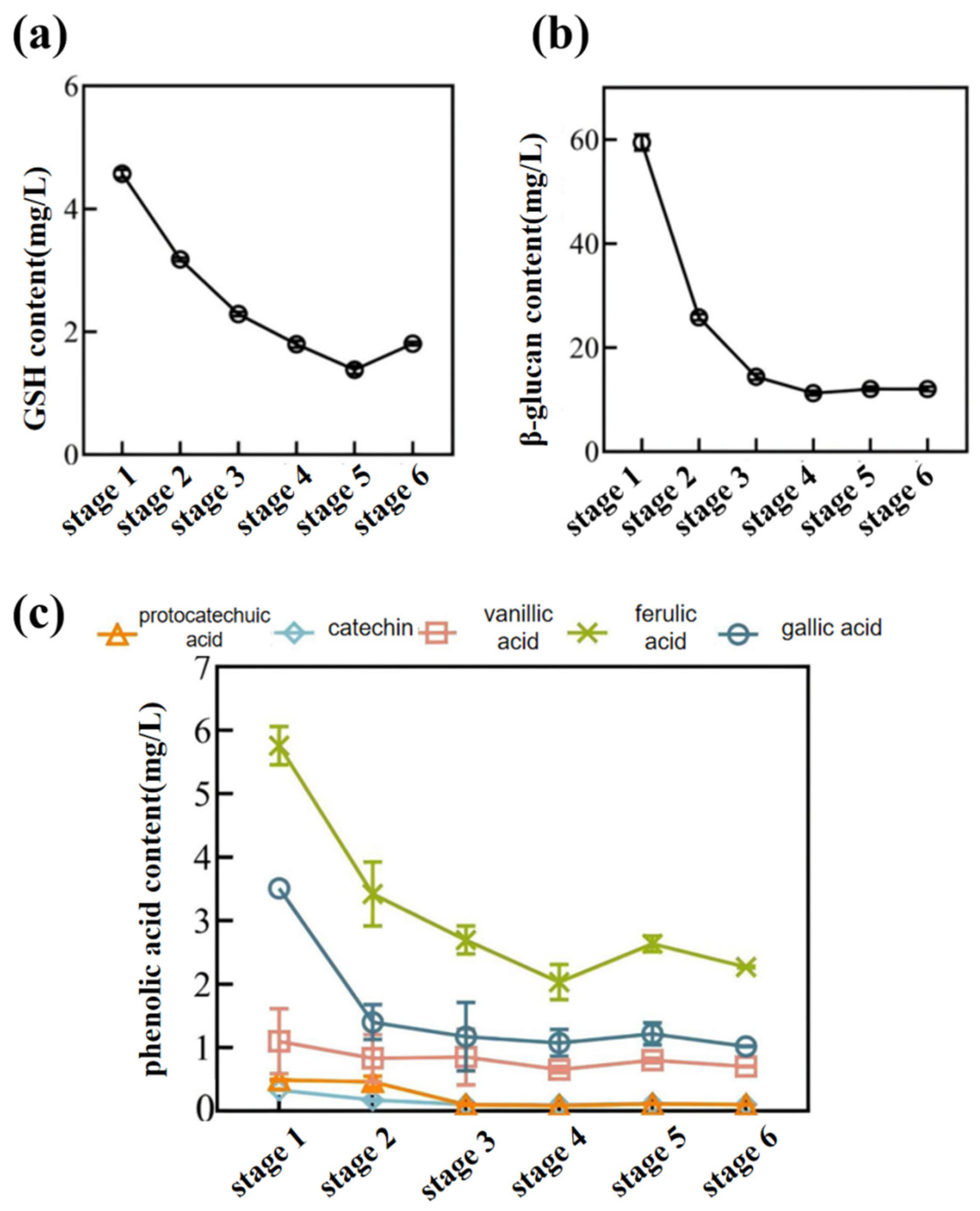
Figure 2a illustrates glutathione (GSH) dynamics during brewing. GSH content declined steadily in early stages, decreasing from 4.57 mg to 3.18 mg/L after boiling and oxygenated cooling. This reduction resulted from GSH oxidation under high-temperature and oxygen-rich conditions [18]. Following primary fermentation, the decreasing trend moderated as levels gradually fell from 2.29 mg/L to 1.38 mg/L. Although yeast synthesizes GSH intracellularly to mitigate oxidative stress and sustain reductive homeostasis, minimal GSH permeates extracellularly due to feedback inhibition that halts synthesis upon reaching critical intracellular concentrations. During late post-fermentation, GSH content rebounded from 1.38 mg/L to 1.81 mg/L. This increase may originate from yeast autolysis, which releases substantial proteins and amino acids into the beer [19], potentially facilitating GSH liberation into the final product.
Figure 2b shows the variation in β-glucan content during brewing. Throughout the brewing process, β-glucan levels initially decreased from 59.48 mg/L in pre-boiling wort to 12.04 mg/L by the end of post-fermentation, subsequently stabilizing from the initial post-fermentation phase onward. During wort boiling, high temperatures promote the binding of β-glucan—owing to its substantial molecular weight—with proteins, polyphenols, and other compounds in the wort, forming hot trub. This complex was partially removed through sedimentation. In the fermentation stage, β-glucan content further declined due to the settling of trub and yeast flocculation. The concentration subsequently remained stable upon maturation of the fermented liquid [20].
Figure 2c illustrates mono-phenolic compound dynamics. Phenolic acids in beer originate mainly from barley and hops, existing predominantly in free forms with potent antioxidant activity that significantly influences flavor stability. Their concentrations are affected by raw materials and processing parameters [21]. Compared to pre-boiling levels, post-cooling oxygenated wort showed decreased concentrations of catechin, vanillic acid, protocatechuic acid, ferulic acid, and gallic acid, largely due to oxidative polymerization of free phenolics during high-temperature boiling. All phenolic acids continued declining during yeast fermentation. By early post-fermentation, ferulic acid decreased from 5.76 mg/L to 2.03 mg/L; gallic acid from 3.51 mg/L to 1.08 mg/L; catechin from 0.33 mg/L to 0.10 mg/L; protocatechuic acid from 0.49 mg/L to 0.09 mg/L; and vanillic acid from 1.10 mg/L to 0.65 mg/L. This reduction likely resulted from phenolic acid decarboxylation during fermentation. During post-fermentation, phenolic compounds displayed an initial increase followed by decline. This pattern may reflect protease-mediated hydrolysis of phenolic-bound complexes by yeast metabolism, temporarily elevating free phenolic levels in mid-post-fermentation [22].

3.1.2. Changes in Potential Functional Compounds

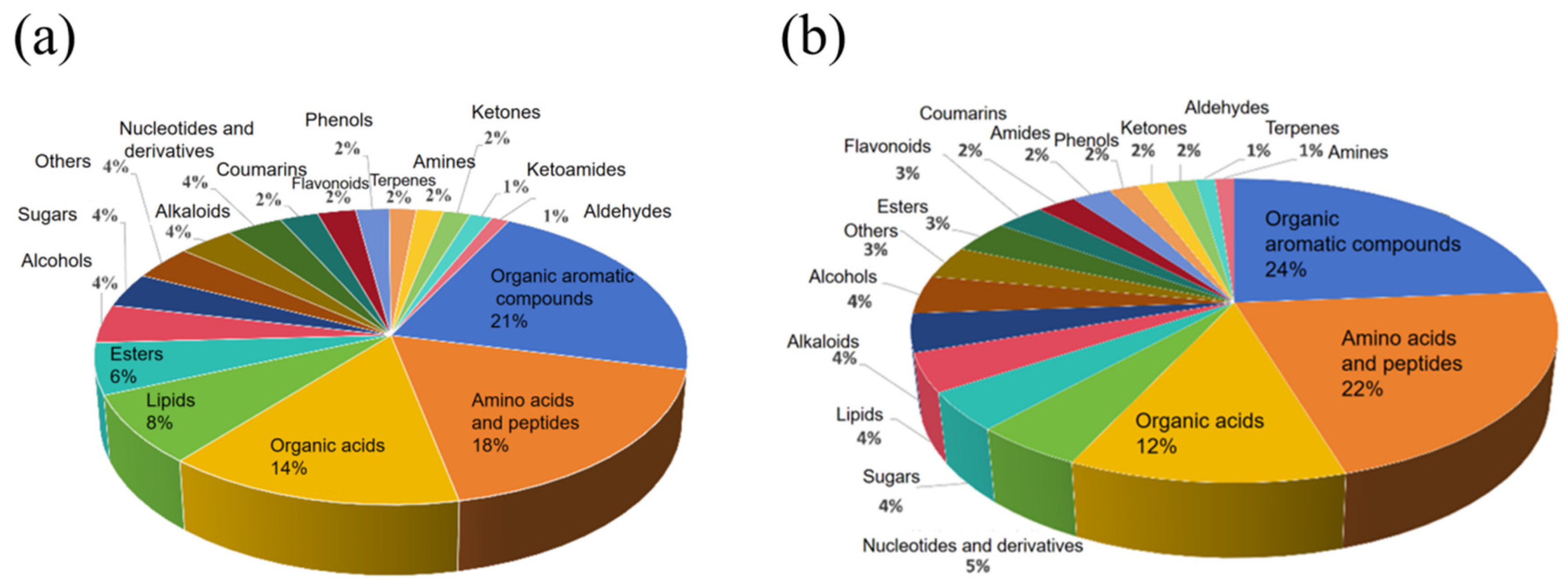
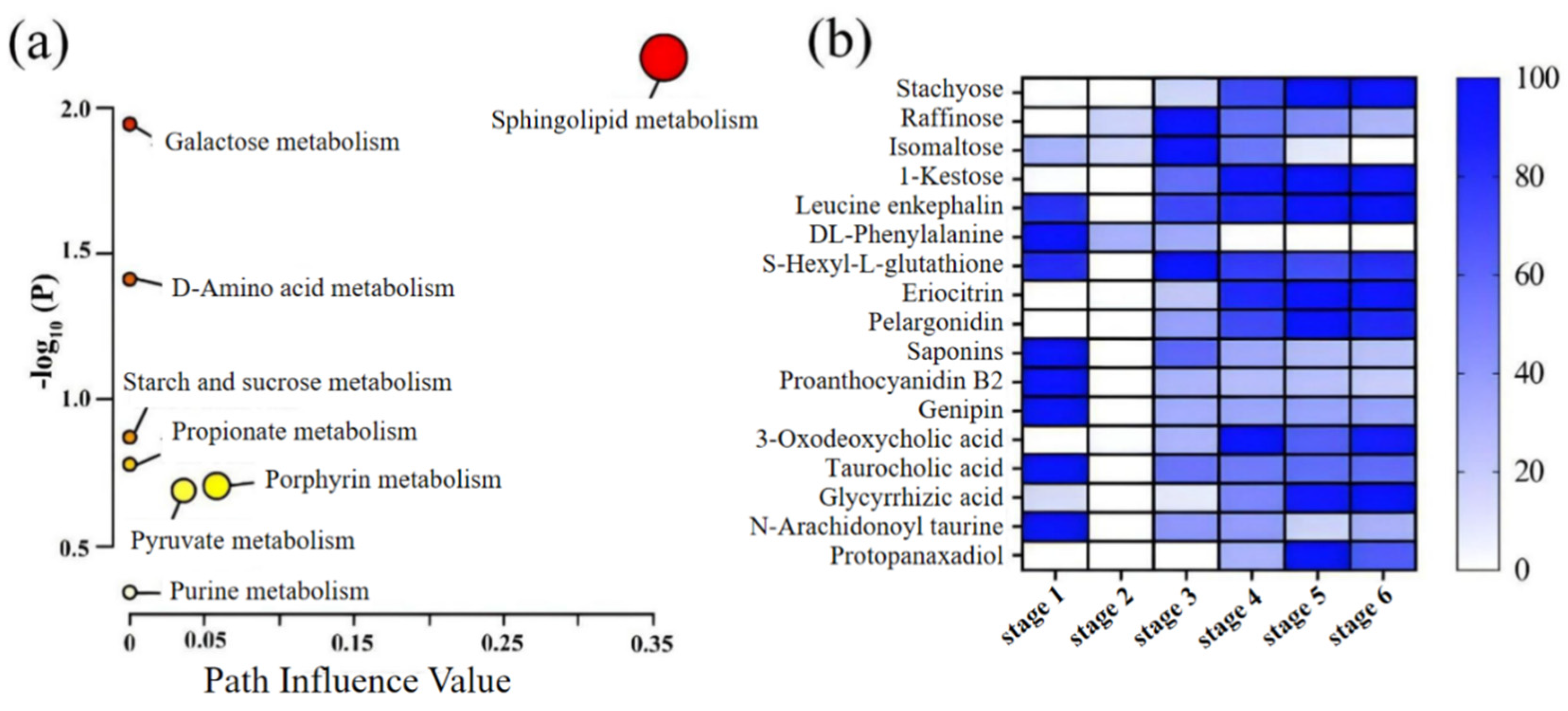
We profiled non-volatile metabolites at six brewing stages using UPLC–Q-TOF-MS (n = 6 per stage), filtered features (VIP > 1, S-plot > 0.65), and annotated them with Progenesis QI, identifying 288 significantly changing metabolites. As in Figure 3a, the largest groups were organic aromatics (61), amino acids/peptides (52), and organic acids (41), followed by lipids (22), esters (16), alcohols (12), carbohydrates and others (11 each), and alkaloids and nucleotides (10 each), with smaller counts of coumarins, flavonoids, phenols, terpenoids, amines, ketones, amides, and aldehydes. Comparing oxygenated cooled wort with the end of primary fermentation (Figure 3b) showed 285 differences (172 up, 113 down), mainly increases in organic aromatics (23.84%), amino acids/peptides (21.51%), and organic acids (11.63%), consistent with yeast metabolism and fermentation-enhanced substrate breakdown. KEGG analysis in Saccharomyces cerevisiae (Figure 4a) highlighted sphingolipid, galactose, D-amino acid, starch/sucrose, propanoate, porphyrin, pyruvate, and purine metabolism, and pointed to 17 candidate functional metabolites (raffinose, stachyose, isomaltose, and DL-phenylalanine). These metabolites peaked at specific stages—pre-boil wort, end of primary fermentation, and early/mid/late secondary fermentation—indicating dynamic remodeling driven by raw-material release and yeast activity. The enriched pathways align with stress-adaptation modules during secondary fermentation (membrane remodeling and ethanol tolerance; carbon-reserve mobilization and sugar transport; cell wall/nitrogen reprogramming; energy and redox balance). Overall, these metabolomic patterns provide testable markers for multi-omics integration and define metabolic stress indicators at critical windows of secondary fermentation.
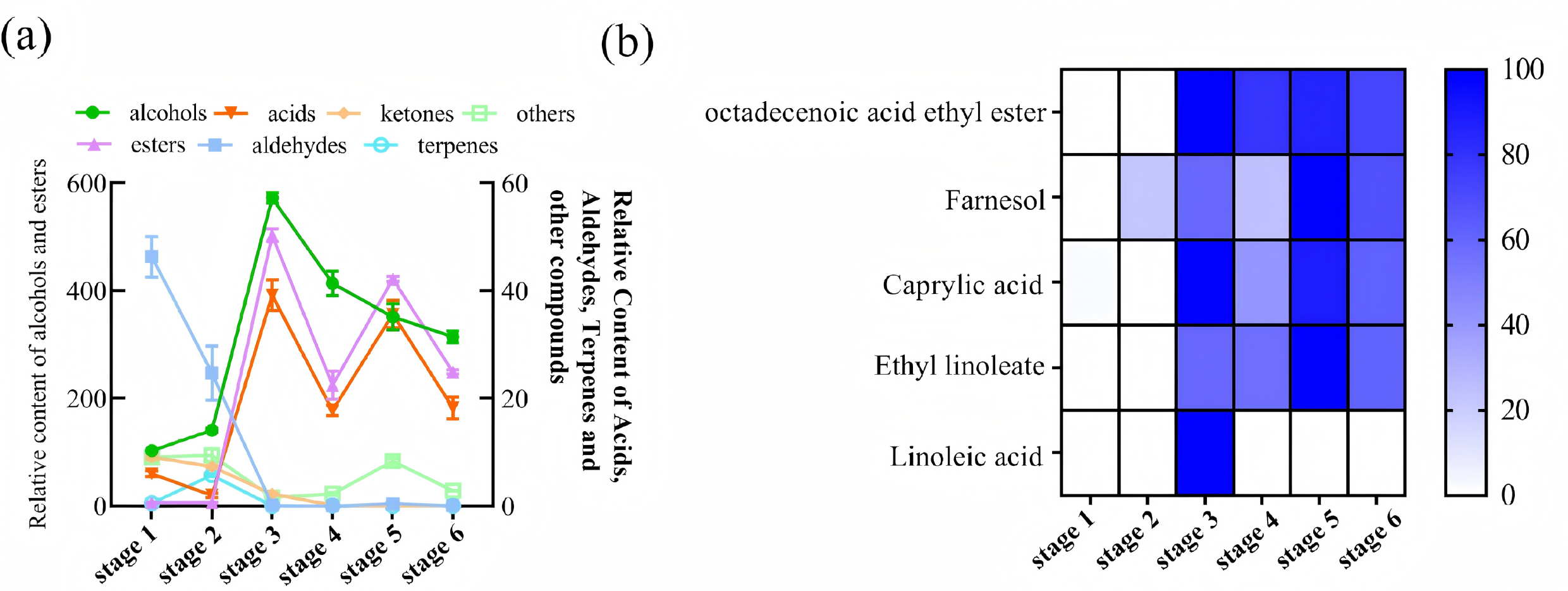
To compare volatile metabolites across brewing stages, we analyzed six process nodes by single-quadrupole GC–MS (ISQ-GC-MS), keeping features with SI/RSI > 800 and excluding alkanes and silicon-/fluorine-containing species. In total, 174 volatiles were identified—46 alcohols, 11 acids, 9 terpenes, 19 ketones, 47 esters, 9 aromatic hydrocarbons, 4 phenols, 16 aldehydes, and 13 others—with relative levels normalized to an internal standard. As shown in Figure 5a, higher alcohols and esters rose sharply after yeast inoculation [23], peaked at the end of primary fermentation, and then stabilized; acids fell after boil/cooling, increased during fermentation, peaked at the end of primary fermentation, and, in secondary fermentation, showed a brief rise, a decline, and stabilization. Terpenes peaked in oxygenated cooled wort due to hop addition. Off-flavor aldehydes and ketones [24] declined throughout, with aldehydes showing a small mid-secondary rebound before further decreasing, consistent with origins in wort, fatty acid oxidation, and Strecker degradation [25].
In Figure 5b, farnesol, octanoic acid, ethyl linoleate, linoleic acid, and ethyl (E)-9-octadecenoate increased after inoculation; octanoic acid followed an up–down–up pattern linked to autolysis-released medium-chain fatty acids [26,27], and monoterpene alcohols reflected yeast glycosidase-driven biotransformation [28]. Peaks occurred at the end of primary fermentation for octanoic acid, linoleic acid, and ethyl (E)-9-octadecenoate and at mid-secondary fermentation for farnesol and ethyl linoleate. These trends match yeast stress-adaptation during secondary fermentation—acetyl-CoA rerouting and NADH reoxidation, ADH/ALDH-mediated detox, membrane-lipid pressure and autolysis, membrane remodeling and ethanol tolerance, and enhanced biotransformation—and provide volatile markers for multi-omics integration with transcriptomic and proteomic pathways controlling membrane homeostasis, alcohol/ester biosynthesis, aldehyde detoxification, glycosidase activity, and redox/osmotic stress responses.

3.2. Transcriptomic Analysis

3.2.1. Sample Grouping and RNA Sequencing Analysis

To investigate the gene expression patterns of industrial beer yeast TL-1during the beer brewing process, this study utilized the DNBSEQ platform to detect four samples corresponding to different stages of brewing: post-fermentation start (B3, 0 days), early post-fermentation (B4, 5 days), mid-post-fermentation (B5, 10 days), and late post-fermentation (B6, 15 days). Three replicates were set for each group. Transcriptomic analysis was performed to assess differences in gene expression levels. As shown in Table S1, the detected samples met the “RNA Sequencing Sample Quality Standards”, and thus, the collected samples were subjected to sequencing.

3.2.2. Reference Gene Sequence Alignment Analysis

Clean reads—obtained after removing low-quality reads, adapter contamination, and reads with excessive ambiguous bases (N)—were aligned to the reference using Bowtie2. The average mapping rate was 45.09% to the gene set and 60.62% to the genome (Table S2), indicating high data quality and annotation completeness. In total, 6818 expressed genes were detected, including 6372 known genes and 446 newly predicted genes, corresponding to 618 novel transcripts. The presence of a substantial number of novel transcripts suggests potential unannotated genes in this system, warranting further validation. Together, these results support robust transcriptional activity throughout the fermentation process and provide a solid basis for downstream analyses of expression dynamics.

3.2.3. Sample Correlation Analysis

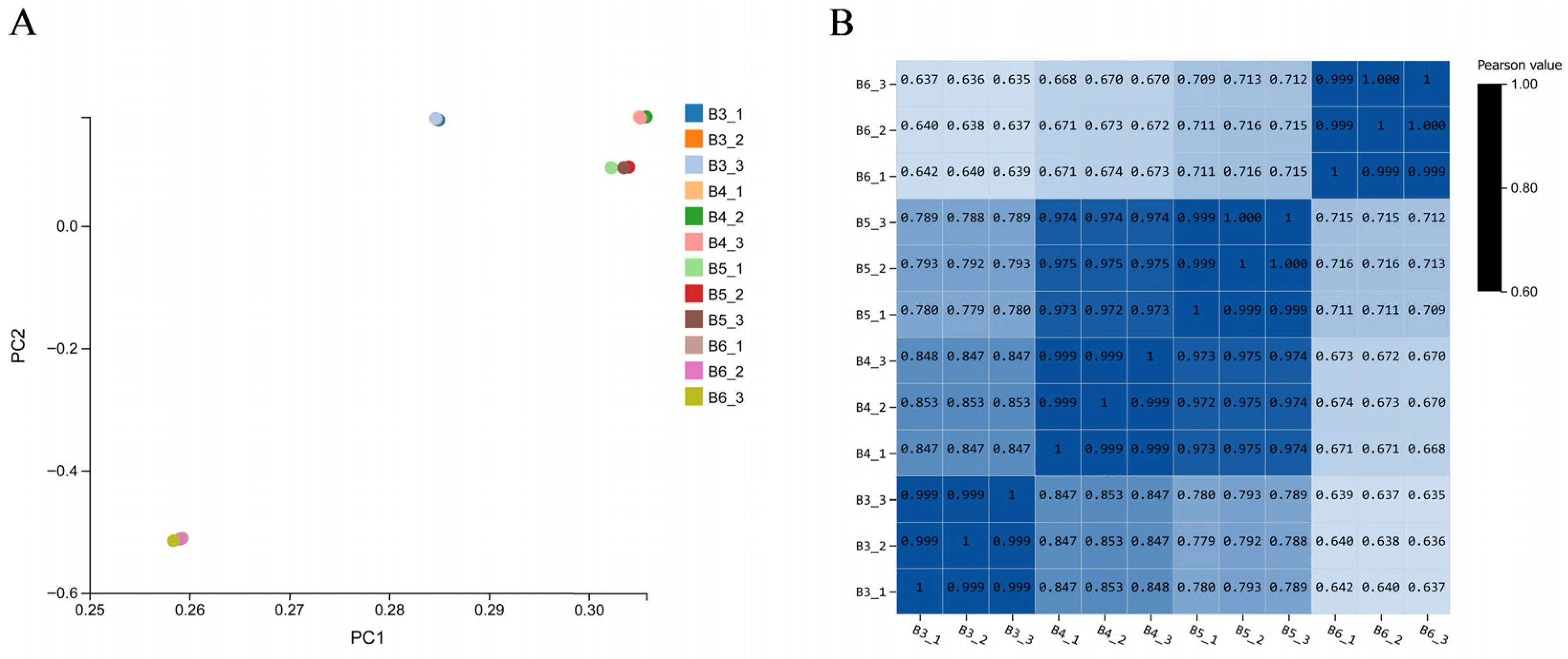
To ensure the reliability of the transcriptomic data, Principal Component Analysis (PCA) was used to assess differences between samples (Figure 6A). Samples B3, B4, B5, and B6 were effectively separated, indicating the reliability of the results in this study. To reflect the correlation of gene expression between samples and the overall gene expression profile across samples, a heatmap was generated using the Pearson correlation coefficient (Figure 6B). Darker colors indicate higher correlation and more similar gene expression patterns. The results showed that samples B4 and B5 had high correlation, exhibiting similar RNA expression patterns.

3.2.4. Quantitative Analysis of Differential Genes

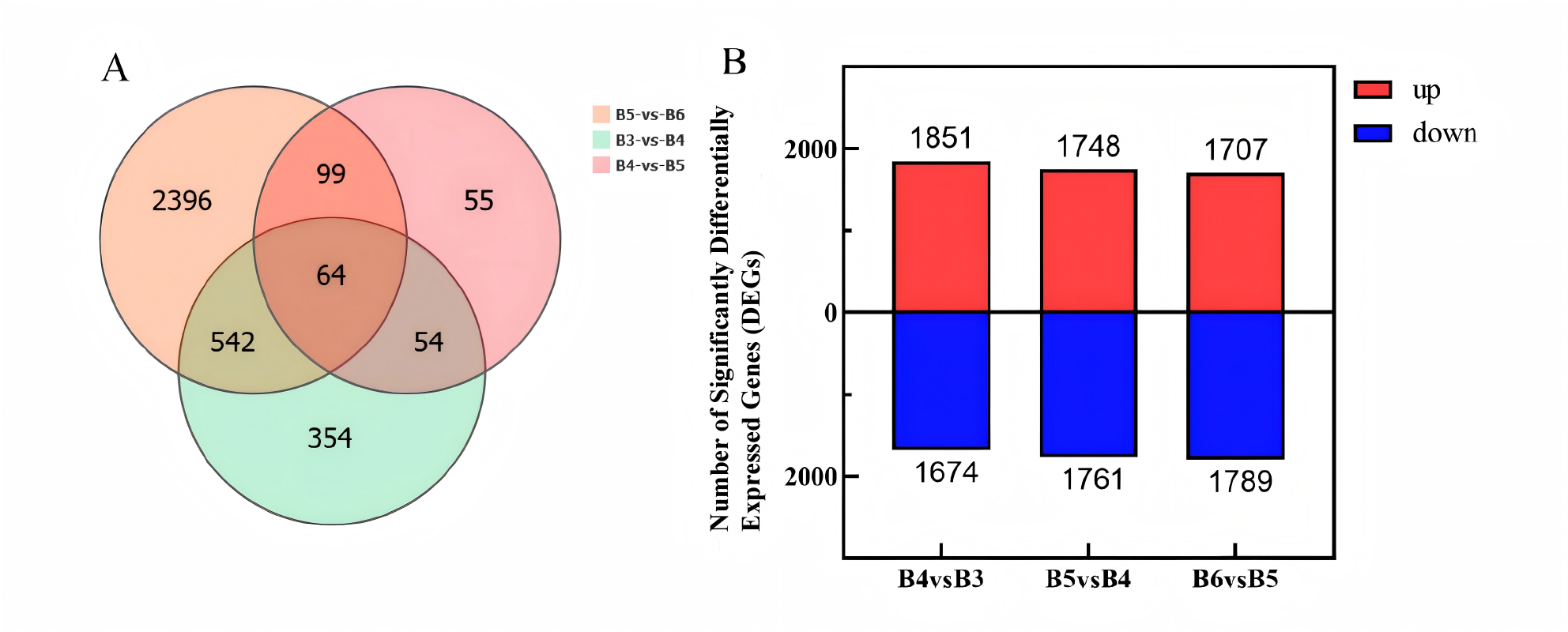
Following the brewing timeline, pairwise comparisons were conducted between adjacent stages—B3 (post-fermentation start) vs. B4 (early), B4 (early) vs. B5 (mid), and B5 (mid) vs. B6 (late). Across all samples, 6110 differentially expressed genes (DEGs) were detected. Using p < 0.05 and log2FC ≥ 1 as thresholds, 3564 DEGs were deemed significant (Figure 7A). The B6 vs. B5 contrast yielded the largest number of significant DEGs, whereas B5 vs. B4 yielded the fewest. Based on expression levels, the counts of up- and down-regulated DEGs were summarized for each contrast (Figure 7B). Overall, down-regulated genes outnumbered up-regulated genes, except in B5 vs. B4, where up-regulated DEGs predominated; similarly, in B4 vs. B3, significantly up-regulated DEGs exceeded down-regulated ones.

3.2.5. Gene Ontology Analysis

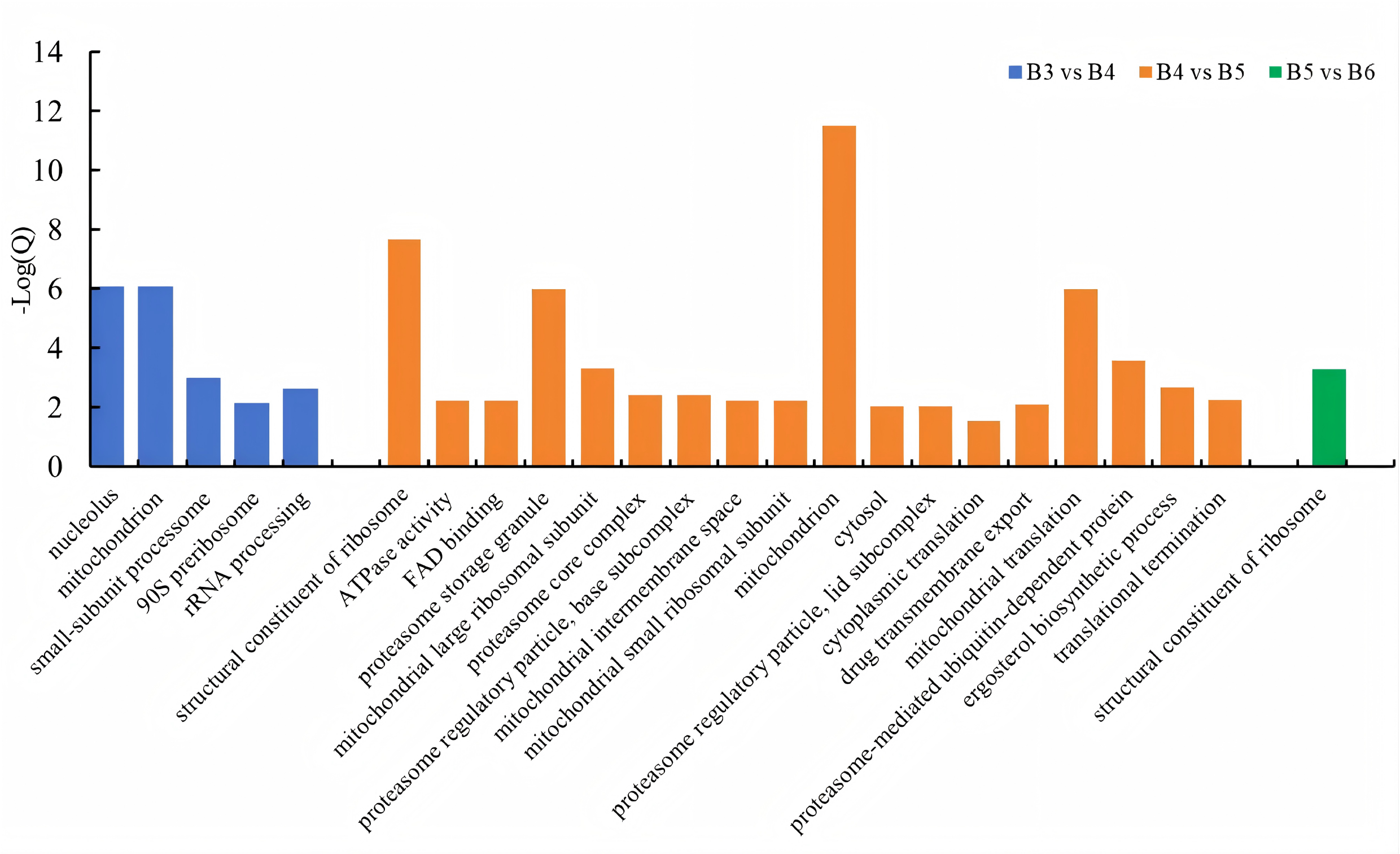
In-depth functional enrichment analysis was performed on the differentially expressed genes. Based on GO annotation results, DEGs were functionally classified. Functions with Q-value ≤ 0.05 were considered significantly enriched. Bar charts were plotted for the significant DEGs (Figure 8). DEGs between early post-fermentation and post-fermentation start (B4 vs. B3) were significantly enriched in cellular components (nucleolus, mitochondrion, small-subunit processome, 90S pre-ribosome) and biological processes (rRNA processing). Between mid-post-fermentation and early post-fermentation (B5 vs. B4), DEGs were significantly enriched for molecular function terms—structural constituent of ribosome, ATPase activity, and FAD binding—and for cellular component terms—proteasome storage granule; proteasome core complex; proteasome regulatory particle and its base subcomplex; mitochondrion and cytosol; mitochondrial intermembrane space; and the mitochondrial large and small ribosomal subunits. Between late and mid-post-fermentation (B6 vs. B5), DEGs were significantly enriched only for the molecular function structural constituent of ribosome. This indicates that transcriptional and translational activities are elevated in the early stage; as fermentation progresses into the mid- to-late stages, the pathways shift toward energy-related processes such as carbohydrate metabolism, carbon-source utilization, and amino acid metabolism, reflecting a re-tuning of substrate utilization and energy production. These findings suggest a coordinated systemic stress response and a redistribution of resources.

3.2.6. KEGG Analysis

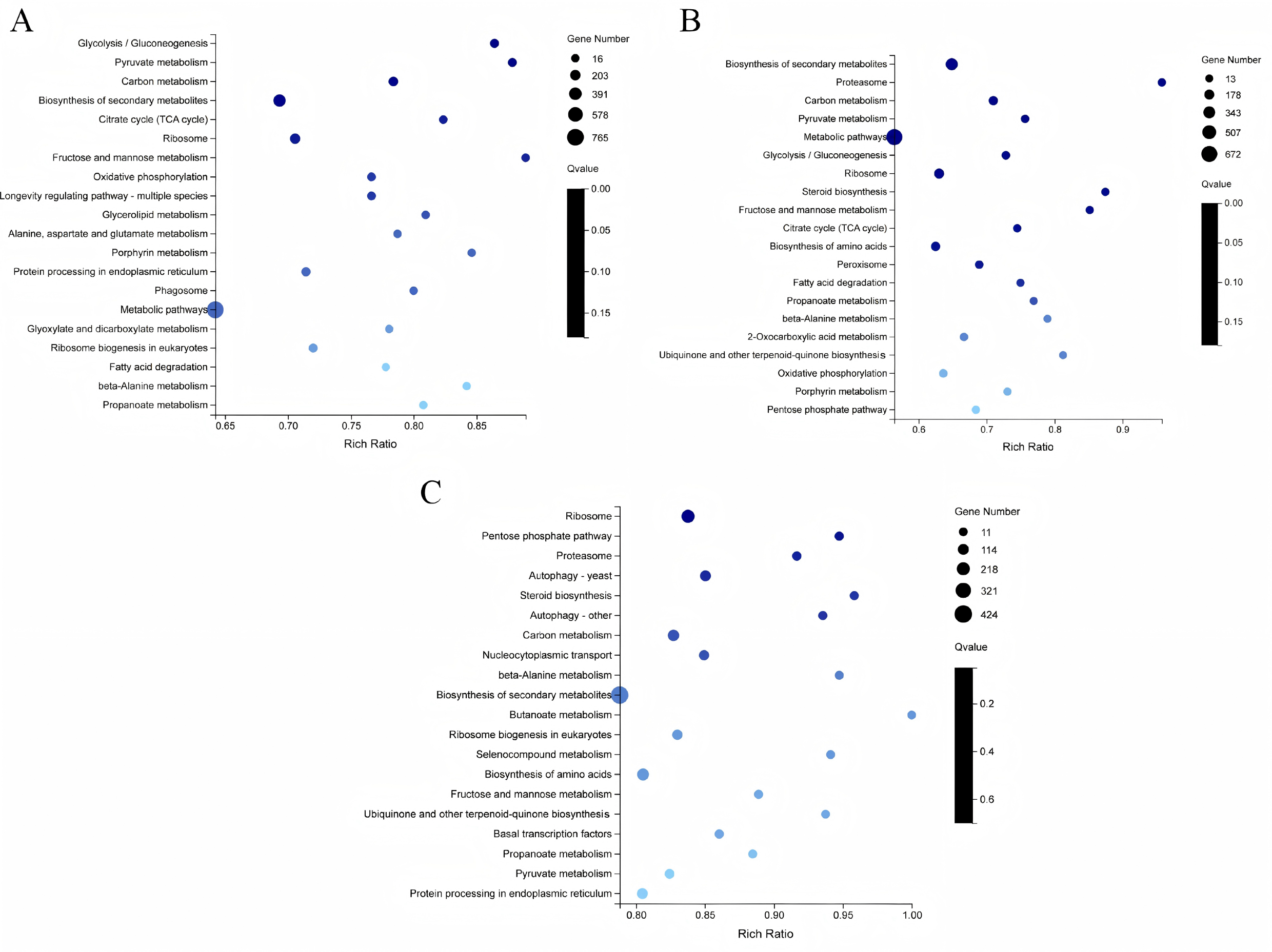
Enrichment bubble plots were generated for the 20 KEGG pathways with the smallest Q-values (Figure 9). For DEGs between early post-fermentation and the start of post-fermentation (B4 vs. B3), the five pathways with the most DEGs were metabolic pathways (765), biosynthesis of secondary metabolites (373), ribosome (187), biosynthesis of amino acids (134), and biosynthesis of cofactors (129). Significant enrichment was observed in metabolism (glycolysis/gluconeogenesis, pyruvate metabolism, carbon metabolism, biosynthesis of secondary metabolites, ctrate cycle (TCA cycle), fructose and mannose metabolism, oxidative phosphorylation), genetic information processing (ribosome), and organismal systems (longevity regulating pathway—multiple species). For DEGs between mid-post-fermentation and early post-fermentation (B5 vs. B4), the top five pathways were metabolic pathways (672), biosynthesis of secondary metabolites (349), ribosome (167), biosynthesis of amino acids (125), and biosynthesis of cofactors (121), with significant enrichment in metabolism (biosynthesis of secondary metabolites, carbon metabolism, pyruvate metabolism, metabolic pathways, glycolysis/gluconeogenesis, steroid biosynthesis, fructose and mannose metabolism, citrate cycle [TCA cycle], biosynthesis of amino acids, fatty acid degradation), genetic information processing (proteasome, ribosome), and cellular processes (peroxisome). For DEGs between late and mid-post-fermentation (B6 vs. B5), the top five pathways were metabolic pathways (888), biosynthesis of secondary metabolites (424), ribosome (222), biosynthesis of cofactors (163), and biosynthesis of amino acids (161), and no KEGG pathway reached statistical significance. This is consistent with the GO results, and further links transcription-level changes to core metabolic events. Overall, pathways that repeatedly showed high DEG counts and significant enrichment across brewing stages included glycolysis/gluconeogenesis, pyruvate metabolism, carbon metabolism, biosynthesis of secondary metabolites, fructose and mannose metabolism, and the citrate cycle (TCA cycle), providing direction for subsequent screening of key DEGs involved in yeast flavor-compound metabolism and stress responses.

3.3. Proteomic Analysis

3.3.1. Quantitative Analysis of Differential Proteins

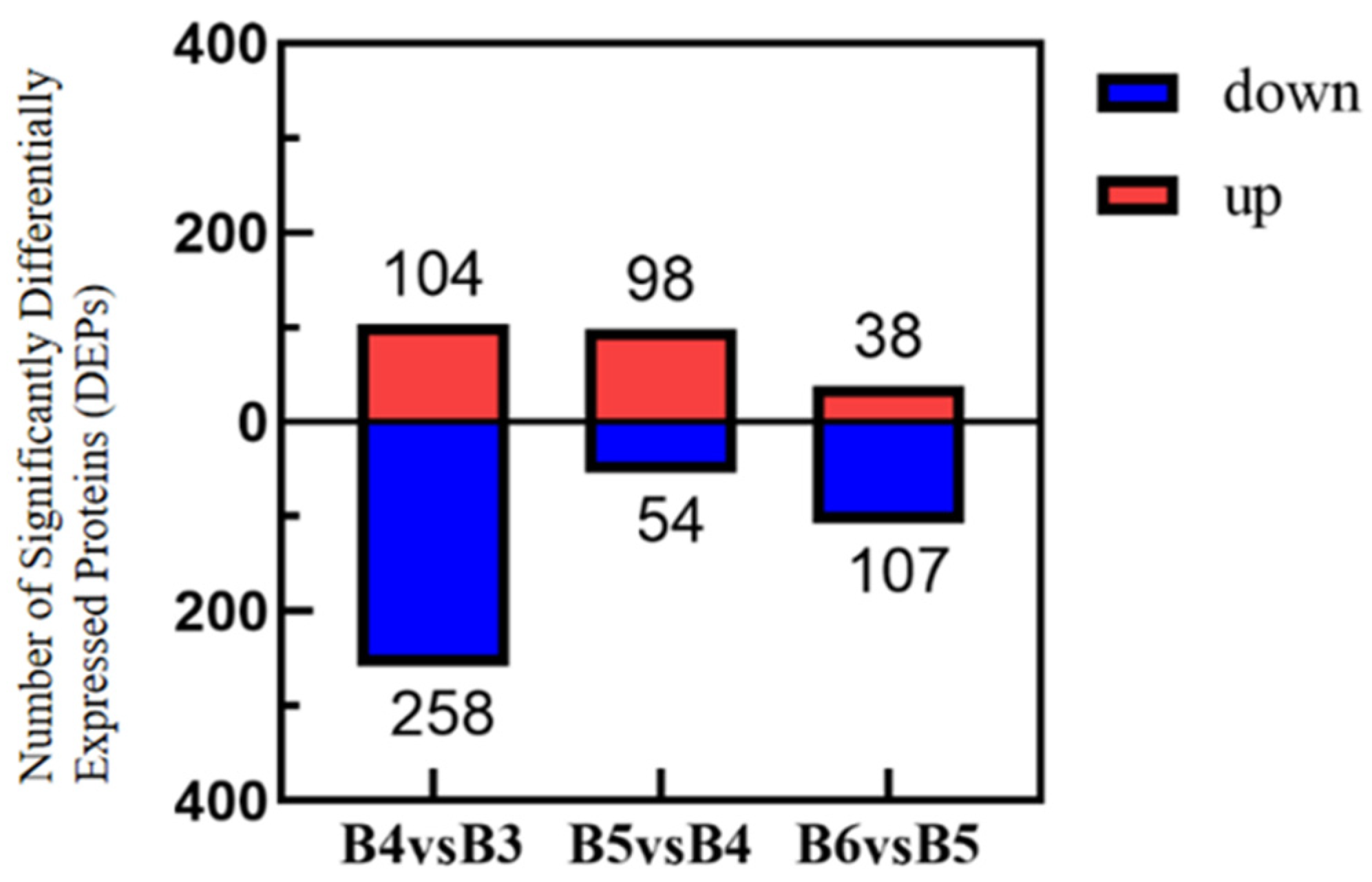
Across all samples, 3533 proteins and 34,062 peptides were identified. Using thresholds of fold change >1.5 and p < 0.05, only the mid-post-fermentation comparison showed more significantly up-regulated differentially expressed proteins (DEPs) than down-regulated. Specifically (Figure 10), compared with the post-fermentation start (B3), early post-fermentation (B4) had 104 significantly up-regulated DEPs and 258 down-regulated DEPs; compared with early post-fermentation (B4), mid-post-fermentation (B5) had 98 up-regulated and 54 down-regulated DEPs; and compared with mid-post-fermentation (B5), late post-fermentation (B6) had 38 up-regulated and 107 down-regulated DEPs.

3.3.2. Gene Ontology and KEGG Analysis

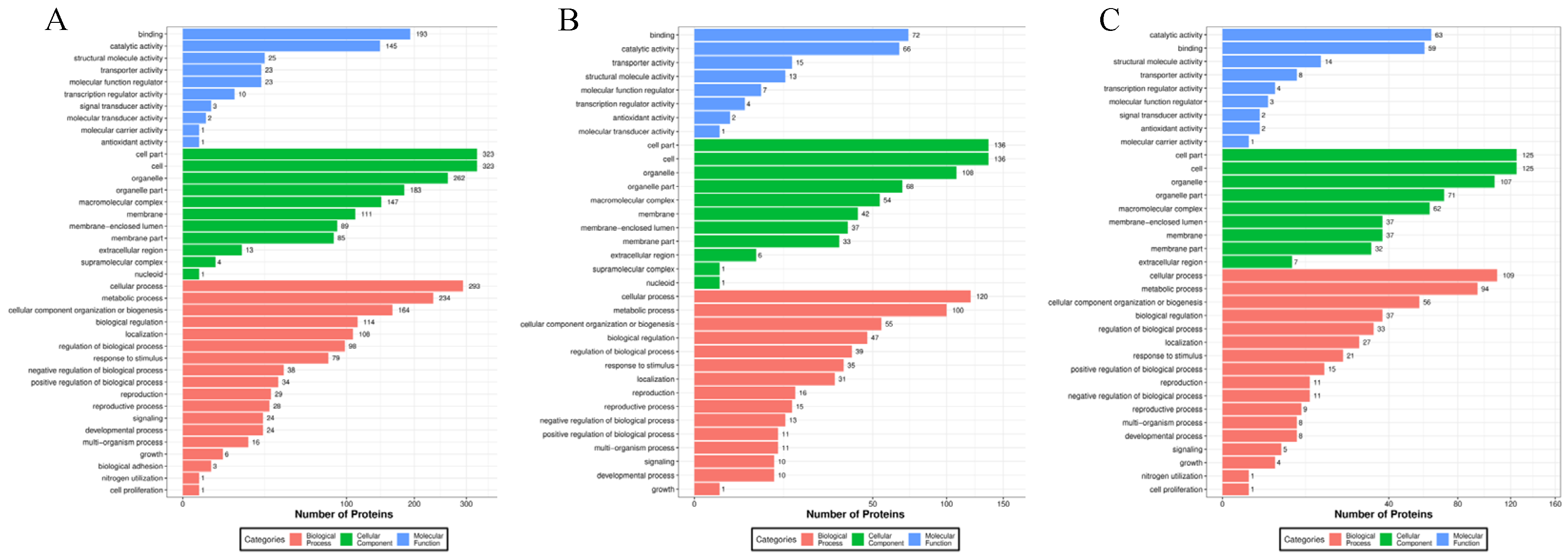
GO enrichment results showed that DEPs between early post-fermentation and post-fermentation start (B4 vs. B3) were associated with molecular functions (425 DEPs, mainly involving protein binding and catalytic activity; enzyme binding was the most significantly enriched), cellular components (1541 DEPs, mainly involving cells and cellular components; cell periphery was the most significantly enriched), and biological processees (1294 DEPs, mainly involving cellular process, metabolic process, and cellular component organization; organic substance transport was the most significantly enriched). DEPs between mid-post-fermentation and early post-fermentation (B5 vs. B4) were associated with molecular functions (180 DEPs, mainly involving protein binding and catalytic activity; transmembrane transporter activity was the most significantly enriched), cellular components (622 DEPs, mainly involving cells and cellular components; mitochondrial ribosome was significantly enriched), and biological processes (514 DEPs, mainly involving cellular processes, metabolic processes; cellular carbohydrate metabolic processes and reproduction were the most significantly enriched). DEPs between late and mid-post-fermentation (B6 vs. B5) were associated with molecular functions (156 DEPs, mainly involving protein binding and catalytic activity; hydrolase activity and hydrolyzing O-glycosyl compounds were the most significantly enriched), cellular components (603 DEPs, mainly involving cells and cellular components; the cell wall was the most significantly enriched), and biological processes (450 DEPs, mainly involving cellular processes and metabolic processes; cell wall organization or biogenesis was the most significantly enriched) (Figure 11).
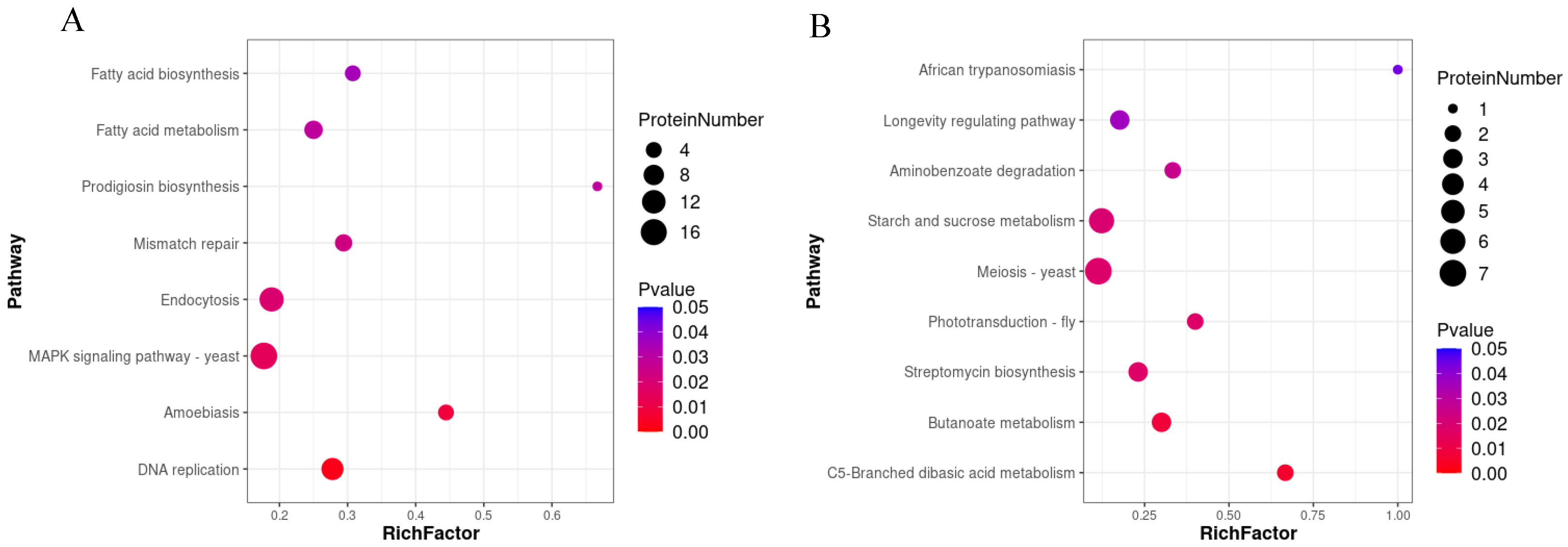
KEGG pathway enrichment results, screened with p-value < 0.05, are presented as enrichment bubble plots for significant metabolic pathways of DEPs. Significant DEPs between early post-fermentation and post-fermentation start (B4 vs. B3) were enriched in pathways such as DNA replication, the yeast MAPK signaling pathway, endocytosis, mismatch repair, fatty acid metabolism, and fatty acid biosynthesis. Significant DEPs between mid-post-fermentation and early post-fermentation (B5 vs. B4) were enriched in pathways such as C5-branched dibasic acid metabolism, butanoate metabolism, streptomycin biosynthesis, phototransduction, meiosis-yeast, starch and sucrose metabolism, aminobenzoate degradation, and longevity regulating pathway. There were no significantly enriched metabolic pathways for DEPs between late and mid-post-fermentation (B6 vs. B5), consistent with the transcriptomic results (Figure 12).

3.4. Screening and Analysis of Significant Differential Proteins and Genes

3.4.1. Analysis of Stress Response-Related Significant Differential Genes

Various environmental stresses during beer post-fermentation (low pH, hypoxia, high osmotic pressure from sugars and ethanol, temperature changes) activate specific stress response genes in yeast to maintain cellular homeostasis and ensure normal fermentation. Under high sugar and hypoxia, high concentrations of sugar and ethanol increase osmotic pressure, affecting cellular water balance. Low-pH stress response genes (HAL1, HAL4) and the oxidative stress response transcription factor gene (YAP5) maintained up-regulated expression levels throughout the post-fermentation stage [29] (Table 1). The superoxide dismutase gene SOD1, trehalose synthase complex regulatory gene Tsl1, trehalose-6-phosphate synthase genes (TPS1, TPS2), and glutathione synthase gene GSH1 were up-regulated in late post-fermentation to enhance tolerance to low pH and oxidative stress and maintain cellular homeostasis. Ethanol dehydrogenase genes ADH1, ADH4, and ADH5 were significantly down-regulated in early and mid-post-fermentation, while ADH6 and acetaldehyde dehydrogenase genes ALD3 and ALD4 were significantly up-regulated, expressed under high ethanol concentration conditions to enhance ethanol tolerance. As temperature increased during post-fermentation, some heat shock protein genes [30] (HSP30, HSP60, HSP82, HSP73) began to be up-regulated in early post-fermentation, and the number of up-regulated genes increased in mid-post-fermentation and late post-fermentation, enhancing cellular tolerance to heat stress. Concurrently, β-1,3-glucan synthase gene (FSK1) and mannan synthase genes (MNN5, MNN10, MNN11) were up-regulated in early post-fermentation, promoting the synthesis of β-glucan and mannan, which can effectively improve yeast’s resistance to osmotic pressure [31].
During post-fermentation, wort nutrients are insufficient, sugars are mostly depleted, and yeast activity decreases. Key differential genes in glycolysis and the TCA cycle, such as phosphofructokinase and isocitrate dehydrogenase (PFK1, PFK2 and IDH1, IDH2), were significantly down-regulated in early and mid-post-fermentation. The pyruvate decarboxylase genes PDC5 and PDC6 showed continuous down-regulation. In contrast, key differential genes for hexose transporters (HXT1, HXT2, HXT4, HXT5, HXT8, HXT11, HXT12, HXT13 and MAL33, MAL13, MAL63) were up-regulated in early post-fermentation. Hexose transporter genes are repressed at high glucose levels and induced when glucose is depleted [10], facilitating the transport of sugars from the wort into yeast cells and promoting sugar uptake. Their expression began to decline in mid-post-fermentation (HXT11, HXT12, MAL13), and the number of down-regulated genes increased further in late post-fermentation. Key gluconeogenesis genes [32] (FBP1, FBP26, PCK1) were significantly up-regulated during post-fermentation, converting non-carbohydrate substances into glucose under nutrient-deficient conditions in late fermentation to sustain normal cellular activities.

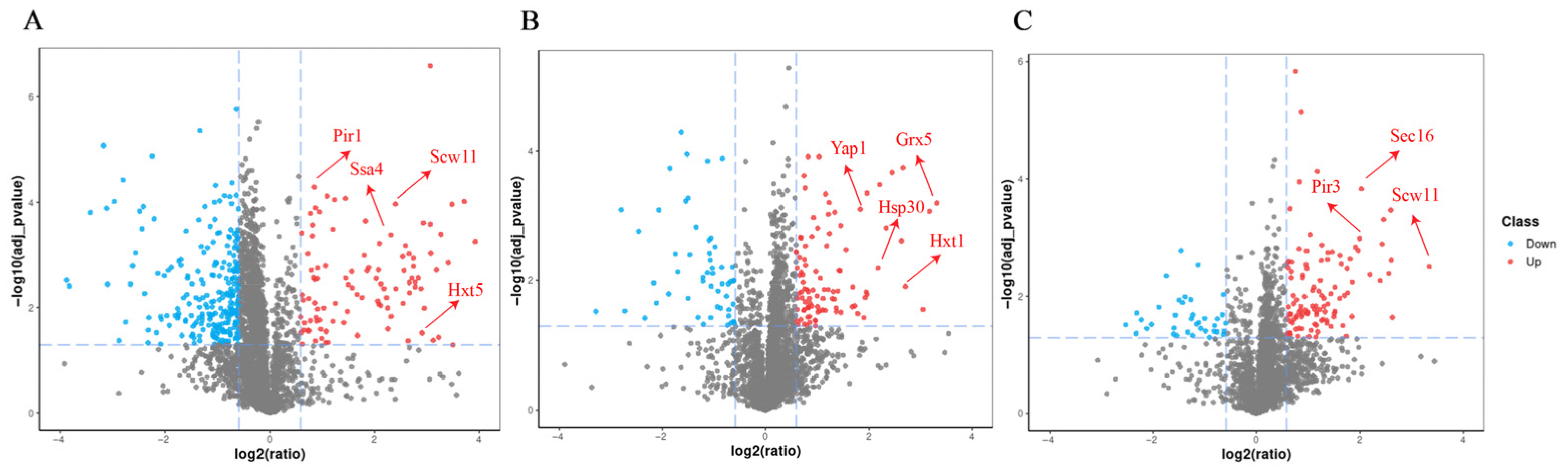
3.4.2. Screening of Differentially Expressed Proteins

Using p-value < 0.05 as the screening criterion, volcano plots of differentially expressed proteins were generated (Figure 13). Compared to post-fermentation start (B3), proteins such as acetyl-CoA synthetase 1, glucosidases Scw10 and Scw11, soluble cell wall protein, heat shock protein Ssa4, cell wall mannoproteins Pir1 and Pir3, 1,3-β-glucanase, hexose transporter Hxt5, isoleucine-tRNA ligase, 6-phosphogluconate dehydrogenase, GTPase-activating protein, and non-specific serine/threonine protein kinase were significantly up-regulated in early post-fermentation (B4). Compared to early post-fermentation (B4), proteins such as low-affinity glucose transporters Hxt3 and Hxt1, transcription factor Yap1, protein kinase C, monothiol glutaredoxin Grx5, autophagy-related protein, heat shock proteins Hsp30 and Hsp74, glutathione S-transferase, mannitol dehydrogenase Dsf1, protein Opy1, catalase, trehalase, and ribosomal proteins were significantly up-regulated in mid-post-fermentation (B5). Compared to mid-post-fermentation (B5), proteins such as glucosidase I/II and SCW11, transporters Sbh1 and Sec16, mannoprotein Pir3, mitochondrial acetyl-CoA carboxylase, triacylglycerol lipase 4, thioredoxin, and flocculin were significantly up-regulated in late post-fermentation (B6). These significant DEPs are involved in yeast metabolic pathways related to heat stress, oxidative stress, carbon source metabolism, and cell wall synthesis, indicating that yeast adapts to the wort environment during post-fermentation through stress responses such as increased cell wall synthesis, activation of the heat shock response, and metabolic adjustments.

4. Conclusions

This study initially detected functional factors at six key stages of beer brewing, revealing a reduction in their concentrations after wort boiling and cooling. Notably, the contents of GABA, vitamin B2, and vitamin B5 exceeded initial wort levels upon completion of yeast fermentation. Through metabolomic analysis of non-volatile and volatile differential compounds across brewing stages, multivariate statistical approaches (PCA and PLS) were applied to process metabolic data. Screening identified seventeen non-volatile potential bioactive components—including isomaltose, stachyose, raffinose, 1-kestose, leucine enkephalin, S-hexyl-L-glutathione, eriocitrin, pelargonidin, saponin, procyanidin B2, and protopanaxadiol—along with five volatile compounds, including ethyl linoleate and ethyl (E)-9-octadecenoate, all of which exhibited up-regulation post yeast inoculation.
Subsequently, transcriptomic and proteomic analyses were employed to investigate dynamic changes in gene and protein expression of industrial beer yeast during brewing. A total of 6110 differentially expressed genes (DEGs) and 3533 differentially expressed proteins (DEPs) were identified. Down-regulated DEGs/DEPs generally outnumbered up-regulated counterparts across most stages. However, significantly up-regulated DEGs surpassed down-regulated DEGs between post-fermentation initiation and early post-fermentation (B4 vs. B3), while significantly up-regulated DEPs exceeded down-regulated DEPs between mid- and early post-fermentation (B5 vs. B4). KEGG pathway analysis revealed significant enrichment of DEGs in glycolysis/gluconeogenesis, pyruvate metabolism, carbon metabolism, biosynthesis of secondary metabolites, fructose and mannose metabolism, and citrate cycle (TCA cycle) during brewing. No significantly enriched metabolic pathways were observed for DEGs or DEPs between late and mid-post-fermentation (B6 vs. B5).
Transcriptomics demonstrated sustained up-regulation of low-pH and oxidative stress response genes (HAL1, HAL4, YAP5) throughout post-fermentation, with heat shock genes progressively increasing in up-regulated counts. Genes associated with gluconeogenesis and sugar transport (HXT, MAL, FBP) and mannan synthesis (FSK, MNN) were significantly up-regulated in early post-fermentation. Proteomics revealed persistent up-regulation of DEPs including glucosidases (Scw), mannoproteins (Pir), hexose transporters (Hxt), and heat shock proteins (Hsp) during post-fermentation. These findings indicate that yeast adapts to the wort environment under post-fermentation stress via enhanced cell wall synthesis, activated heat shock response, and metabolic reprogramming.
These omics analyses have important implications for improving beer quality or beer fermentation processes. In terms of breeding, they suggest that directed breeding or adaptive evolution could yield yeast strains with enhanced heat-stress tolerance, higher expression of cell wall biosynthesis-related proteins (such as Pir and Scw), and improved efficiency of sugar metabolism and carbon source utilization pathways. In terms of process optimization, they indicate that adjusting environmental conditions during the post-fermentation stage—including temperature, oxygen exposure, nutrient supply, and pH control—can fine-tune transcriptomic and proteomic signals, thereby promoting the release of aroma precursors, improving flavor stability, and enhancing foam performance. In terms of flavor and mouthfeel improvement, they suggest that reconfiguring aroma-related metabolic pathways, such as sugar metabolism, energy metabolism, and ethanol tolerance networks, may affect the production and release of aroma compounds. By selecting or screening strains that maintain or strengthen these pathways, beer aroma profiles, refreshment, and overall mouthfeel could be improved.
In summary, the integrated transcriptomic and proteomic profiling in this study provides critical insights for screening superior yeast strains resilient to industrial-scale stress environments and improving beer flavor profiles. It establishes a novel theoretical foundation for optimizing brewing processes and enhancing beer quality.

Supplementary Materials

The following supporting information can be downloaded at: https://www.mdpi.com/article/10.3390/fermentation12020070/s1, Table S1. Sample RNA sequencing results. Table S2. Comparison results between samples and reference genomes.

Author Contributions

Y.F.: methodology, formal analysis, visualization, draft-writing, manuscript-revising; X.H.: resources, and funding acquisition; Z.C.: resources and funding acquisition; J.D.: formal analysis and visualization; J.L.: conceptualization and supervision; X.Z.: Conceptualization, Draft-Writing, Manuscript-Revising, And Supervision; Y.H.: resources and funding acquisition. All authors have read and agreed to the published version of the manuscript.

Funding

This research was funded by the Fundamental Research Funds for the Central Universities (JUSRP202504012) and Taishan Industrial Experts Programme (tscx202408034).

Institutional Review Board Statement

Not applicable.

Informed Consent Statement

Not applicable.

Data Availability Statement

The original contributions presented in this study are included in the article/Supplementary Material. Further inquiries can be directed to the corresponding authors.

Conflicts of Interest

Authors Xiaoping Hou, Zongming Chang, and Yang He were employed by the company Tsingtao Brewery Co., Ltd. The remaining authors declare that the research was conducted in the absence of any commercial or financial relationships that could be construed as a potential conflict of interest.

References

  1. Salanța, L.C.; Coldea, T.E.; Ignat, M.V.; Pop, C.R.; Tofană, M.; Mudura, E.; Borșa, A.; Pasqualone, A.; Zhao, H. Non-alcoholic and craft beer production and challenges. Processes 2020, 8, 1382. [Google Scholar] [CrossRef]
  2. Lei, H.J. Study of the Effects of Nitrogen Composition in High Gravity Wort on the Assimilation of Amino Acids by Lager Yeast and Fermentation Control; South China University of Technology: Guangzhou, China, 2014. [Google Scholar]
  3. Morin, N.; Cescut, J.; Beopoulos, A.; Lelandais, G.; Le Berre, V.; Uribelarrea, J.-L.; Molina-Jouve, C.; Nicaud, J.-M. Transcriptomic analyses during the transition from biomass production to lipid accumulation in the oleaginous yeast Yarrowia lipolytica. PLoS ONE 2011, 6, e27966. [Google Scholar] [CrossRef] [PubMed]
  4. Bendjilali, N.; Macleon, S.; Kalra, G.; Willis, S.D.; Hossian, A.K.M.N.; Avery, E.; Wojtowicz, O.; Hickman, M.J. Time-course analysis of gene expression during the Saccharomyces cerevisiae hypoxic response. G3 Genes Genomes Genet. 2017, 7, 221–231. [Google Scholar] [CrossRef] [PubMed]
  5. Li, T.; Han, X.; Yuan, L.; Yin, X.; Jiang, X.; Wei, Y.; Liu, Q. Time-course transcriptome analysis reveals distinct transcriptional regulatory networks in resistant and susceptible grapevine genotypes in response to white Rot. Int. J. Mol. Sci. 2024, 25, 11536. [Google Scholar] [CrossRef]
  6. Hirasawa, T.; Furusawa, C.; Shimizu, H. Saccharomyces cerevisiae and DNA microarray analyses: What did we learn from it for a better understanding and exploitation of yeast biotechnology? Appl. Microbiol. Biot. 2010, 87, 391–400. [Google Scholar] [CrossRef]
  7. James, T.C.; Campbell, S.; Donnelly, D.; Bond, U. Transcription profile of brewery yeast under fermentation conditions. J. Appl. Microbiol. 2003, 94, 432–448. [Google Scholar] [CrossRef]
  8. Gibson, B.R.; Lawrence, S.J.; Boulton, C.A.; Box, W.G.; Graham, N.S.; Linforth, R.S.; Smart, K.A. The oxidative stress response of a lager brewing yeast strain during industrial propagation and fermentation. FEMS Yeast Res. 2008, 8, 574–585. [Google Scholar] [CrossRef]
  9. Olesen, K.; Felding, T.; Gjermansen, C.; Hansen, J. The dynamics of the Saccharomyces carlsbergensis brewing yeast transcriptome during a production-scale lager beer fermentation. FEMS Yeast Res. 2002, 2, 563–573. [Google Scholar]
  10. Gibson, B.R.; Boulton, C.A.; Box, W.G.; Graham, N.S.; Lawrence, S.J.; Linforth, R.S.T.; Smart, K.A. Carbohydrate utilization and the lager yeast transcriptome during brewery fermentation. Yeast 2008, 25, 549–562. [Google Scholar] [CrossRef]
  11. Pires, E.J.; Teixeira, J.A.; Brányik, T.; Vicente, A. Yeast: The soul of beer’s aroma—A review of flavour-active esters and higher alcohols produced by the brewing yeast. Appl. Microbiol. Biotechnol. 2014, 98, 1937–1949. [Google Scholar] [CrossRef]
  12. Caesar, R.; Palmfeldt, J.; Gustafsson, J.S.; Pettersson, E.; Hashemi, S.H.; Blomberg, A. Comparative proteomics of industrial lager yeast reveals differential expression of the cerevisiae and non-cerevisiae parts of their genomes. Proteomics 2007, 7, 4135–4147. [Google Scholar] [CrossRef] [PubMed]
  13. Brejning, J.; Arneborg, N.; Jespersen, L. Identification of genes and proteins induced during the lag and early exponential phase of lager brewing yeasts. J. Appl. Microbiol. 2005, 98, 261–271. [Google Scholar] [CrossRef] [PubMed]
  14. Kobi, D.; Zugmeyer, S.; Potier, S.; Jaquet-Gutfreund, L. Two-dimensional protein map of an “ale”-brewing yeast strain: Proteome dynamics during fermentation. FEMS Yeast Res. 2004, 5, 213–230. [Google Scholar] [CrossRef] [PubMed]
  15. Wang, J.; Wang, D.; Huang, M.; Sun, B.; Ren, F.; Wu, J.; Meng, N.; Zhang, J. Identification of nonvolatile chemical constituents in Chinese Huangjiu using widely targeted metabolomics. Food Res. Int. 2023, 172, 113226. [Google Scholar] [CrossRef]
  16. Hou, X.; Chen, L.; Yin, H.; Dong, J.; Yu, J.; He, Y.; Yang, M. Quantification of strains in mixed lager yeast cultures using microsatellite PCR and GeXP. J. Inst. Brew. 2020, 126, 155–160. [Google Scholar] [CrossRef]
  17. Love, M.I.; Huber, W.; Anders, S. Moderated estimation of fold change and dispersion for RNA-seq data with DESeq2. Genome Biol. 2014, 15, 550. [Google Scholar] [CrossRef]
  18. Lu, S.; Cui, H.; Zhan, H.; Hayat, K.; Jia, C.; Hussain, S.; Tahir, M.U.; Zhang, X.; Ho, C.-T. Timely addition of glutathione for its interaction with deoxypentosone to inhibit the aqueous maillard reaction and browning of glycylglycine–arabinose system. J. Agric. Food Chem. 2019, 67, 6585–6593. [Google Scholar] [CrossRef]
  19. Gong, J.; Huang, J.; Xiao, G.; You, Y.; Yuan, H.; Chen, F.; Liu, S.; Mao, J.; Li, B. Determination of γ-aminobutyric acid in Chinese rice wines and its evolution during fermentation. J. Inst. Brew. 2017, 123, 417–422. [Google Scholar] [CrossRef]
  20. Jin, Y.-L.; Speers, A.; Paulson, A.T.; Stewart, R.J. Effects of β-glucans and environmental factors on the viscosities of wort and beer. J. Inst. Brew. 2004, 110, 104–116. [Google Scholar] [CrossRef]
  21. Di Matteo, P.; Bortolami, M.; Di Virgilio, L.; Petrucci, R. Targeted phenolic profile of radler beers by HPLC-ESI-MS/MS: The added value of hesperidin to beer antioxidants. J. Food Sci. Technol. 2022, 59, 4553–4562. [Google Scholar] [CrossRef]
  22. Garzón, A.G.; Torres, R.L.; Drago, S.R. Changes in phenolics, γ-aminobutyric acid content and antioxidant, antihypertensive and hypoglycaemic properties during ale white sorghum brewing process. Int. J. Food Sci. Technol. 2019, 54, 1901–1908. [Google Scholar] [CrossRef]
  23. Verstrepen, K.J.; Derdelinckx, G.; Dufour, J.P.; Winderickx, J.; Thevelein, J.M.; Pretorius, I.S.; Delvaux, F.R. Flavor-active esters: Adding fruitiness to beer. J. Biosci. Bioeng. 2003, 96, 110–118. [Google Scholar] [CrossRef]
  24. Marsili, R.T.; Laskonis, L.C.; Kenaan, C. Evaluation of PDMS-based extraction techniques and GC-TOFMS for the analysis of off-flavor chemicals in beer. J. Am. Soc. Brew. Chem. 2018, 65, 129–137. [Google Scholar] [CrossRef]
  25. Ditrych, M.; Filipowska, W.; Rouck, G.D.; Jaskula-Goiris, B.; Aerts, G.; Larsen Andersen, M.; Cooman, L.D. Investigating the evolution of free staling aldehydes throughout the wort production process. Brew. Sci. 2019, 72, 10–17. [Google Scholar]
  26. Kasemets, K.; Kahru, A.; Laht, T.M.; Paalme, T. Study of the toxic effect of short- and medium-chain monocarboxylic acids on the growth of Saccharomyces cerevisiae using the CO2-auxo-accelerostat fermentation system. Int. J. Food Microbiol. 2006, 111, 206–215. [Google Scholar] [CrossRef] [PubMed]
  27. Chen, E.C.H.; Jamieson, A.M.; Van Gheluwe, G. The release of fatty acids as a consequence of yeast autolysis. J. Am. Soc. Brew. Chem. 1980, 38, 13–18. [Google Scholar] [CrossRef]
  28. Takoi, K.; Koie, K.; Itoga, Y.; Katayama, Y.; Shimase, M.; Nakayama, Y.; Watari, J. Biotransformation of hop-derived monoterpene alcohols by lager yeast and their contribution to the flavor of hopped beer. J. Agric. Food Chem. 2010, 58, 5050–5058. [Google Scholar] [CrossRef]
  29. Rodrigues-Pousada, C.; Devaux, F.; Caetano, S.M.; Pimentel, C.; da Silva, S.; Cordeiro, A.C.; Amaral, C. Yeast AP-1 like transcription factors (Yap) and stress response: A current overview. Microb. Cell 2019, 6, 267–285. [Google Scholar] [CrossRef]
  30. Zininga, T.; Ramatsui, L.; Shonhai, A. Heat Shock Proteins as Immunomodulants. Molecules 2018, 23, 2846. [Google Scholar] [CrossRef]
  31. Li, X.-E.; Wang, J.-J.; Phornsanthia, S.; Yin, X.; Li, Q. Strengthening of cell wall structure enhances stress resistance and fermentation performance in Lager yeast. J. Am. Soc. Brew. Chem. 2014, 72, 88–94. [Google Scholar] [CrossRef]
  32. Yu, S.; Meng, S.; Xiang, M.; Ma, H. Phosphoenolpyruvate carboxykinase in cell metabolism: Roles and mechanisms beyond gluconeogenesis. Mol. Metab. 2021, 53, 101257. [Google Scholar] [CrossRef]
Figure 1. The process of beer brewing.
Fermentation 12 00070 g001
Figure 2. Changes in the concentrations of GSH (a), β-glucancontent (b), and phenolic acid (c) during the beer brewing process. Stage 1: wort before boiling; stage 2: oxygenated cold wort; stage 3: end of primary fermentation; stage 4: early stage of secondary fermentation; stage 5: mid stage of secondary fermentation; stage 6: late stage of secondary fermentation.
Fermentation 12 00070 g002
Figure 3. Classification of non-volatile differential metabolites (a) and non-volatile differential metabolites up-regulated by yeast (b) in brewing process.
Fermentation 12 00070 g003
Figure 4. Metabolic pathway (a) and thermogram (b) of 17 kinds of non-volatile potential functional substances in beer brewing. Stage 1: wort before boiling; stage 2: oxygenated cold wort; stage 3: end of primary fermentation; stage 4: early stage of secondary fermentation; stage 5: mid stage of secondary fermentation; stage 6: late stage of secondary fermentation.
Fermentation 12 00070 g004
Figure 5. Relative content of volatile substances in brewing process (a). Thermogram of volatile functional factors (b). Stage 1: wort before boiling; stage 2: oxygenated cold wort; stage 3: end of primary fermentation; stage 4: early stage of secondary fermentation; stage 5: mid stage of secondary fermentation; stage 6: late stage of secondary fermentation.
Fermentation 12 00070 g005
Figure 6. Principal Component Analysis of four samples (A). Heatmap of four samples (B). The use of black legend serves to highlight specific values, whereas differing intensities of blue are employed to enhance visual discrimination.
Fermentation 12 00070 g006
Figure 7. Venn diagram of significant DEGs (A). Bar chart of the number of significantly up/down-regulated DEGs (B).
Fermentation 12 00070 g007
Figure 8. GO enrichment histogram of significant DEGs.
Fermentation 12 00070 g008
Figure 9. KEGG enrichment bubble plot of DEGs for B4 vs. B3 (A). KEGG enrichment bubble plot of DEGs for B5 vs. B4 (B). KEGG enrichment bubble plot of DEGs for B6 vs. B5 (C). The color bar in figure is intentionally designed in black to represent the continuous variable (Q value). The blue hue in the scatter points is used for visual distinction in the color version of the figure.
Fermentation 12 00070 g009
Figure 10. Bar chart of down-regulated number of DEPs.
Fermentation 12 00070 g010
Figure 11. GO enrichment map of DEPs for B4 vs. B3 (A). GO enrichment map of DEPs for B5 vs. B4 (B). GO enrichment map of DEPs for B6 vs. B5 (C).
Fermentation 12 00070 g011
Figure 12. KEGG enrichment bubble plot of significant DEPs for B4 vs. B3 (A). KEGG enrichment bubble plot of significant DEPs for B5 vs. B4 (B).
Fermentation 12 00070 g012
Figure 13. Volcanic diagram of up-regulated and down-regulated DEPs. (A) Volcano plot of DEPs for B4 vs. B3. (B) Volcano plot of DEPs for B5 vs. B4. (C) Volcano plot of DEPs for B6 vs. B5.
Fermentation 12 00070 g013
Table 1. Key significant DEGs of stress response.
GeneLog2(B4/B3)Log2(B5/B4)Log2(B6/B5)Annotation
HSP42−1.190.0123.30Hsp
HSP600.110.241.05
HSP12−2.36−1.050.20
HSP77−0.010.211.95
HSP822.49−1.494.25
HSP78−0.350.743.09
HSP31−0.790.622.31
HSP26−1.83−0.364.96
HSP301.440.597.74
HAL10.270.211.36Hal
HAL40.530.552.22
YAP57.650.952.96Yap, Msn
MSN20.53−0.21−1.10
MSN1−0.020.212.38
FSK11.92−0.23−0.82Fsk
MNN100.0280.181.11Mnn
MNN53.230.34−11.11
MNN111.230.87−5.63
SOD1−1.02−0.190.70Sod
GSH1−0.020.552.17Gsh
GSH2−0.54−0.27−1.22
TPS1−2.37−0.083.54trehalose biosynthesis
Tps
TPS2−2.620.402.54
TSL1−2.710.100.24
FBP10.400.031.32Fbp
FBP260.750.422.26 
PCK110.511.05.10Pck
HXT51.440.123.32Hxt
HXT41.03−0.610.25
HXT21.270.69−0.79
HXT11.760.633.98
HXT111.05−0.75−0.04
HXT81.090.221.05
HXT138.952.30−10.34
HXT40.751.134.41
HXT121.11−0.82−0.13
PDC6−1.12−0.08−2.36Pdc
PDC5−0.57−1.03−0.81
MAL330.820.18−3.60Mal
MAL130.09−0.70−1.20
MAL631.420.55−2.57
PFK2−1.10−0.20−0.52Pfk
PFK1−1.08−0.39−0.20
IDH2−1.30−0.591.84Idh
IDH1−0.82−0.411.23
Disclaimer/Publisher’s Note: The statements, opinions and data contained in all publications are solely those of the individual author(s) and contributor(s) and not of MDPI and/or the editor(s). MDPI and/or the editor(s) disclaim responsibility for any injury to people or property resulting from any ideas, methods, instructions or products referred to in the content.