


Abstract
Considering the challenges associated with implementing emerging technologies and bacterial-derived antimicrobial metabolites at an industrial scale in the meat industry, this comprehensive review investigates the interactions between lactic acid bacteria-producing antimicrobial metabolites and emerging food preservation technologies applied to meat systems. By integrating evidence from microbiology, food engineering, and molecular physiology, the review characterizes how metabolites-derived compounds exert inhibitory activity through pH modulation, membrane permeabilization, disruption of proton motive force, and interference with cell wall biosynthesis. These biochemical actions are evaluated in parallel with the mechanistic effects of high-pressure processing, pulsed electric fields, cold plasma, irradiation, pulsed light, ultrasound, ohmic heating and nanotechnology. Across the literature, consistent patterns of synergy emerge: many emerging technologies induce structural and metabolic vulnerabilities in microbial cells, thereby amplifying the efficacy of antimicrobial metabolites while enabling reductions in process intensity. The review consolidates these findings to elucidate multi-hurdle strategies capable of improving microbial safety, extending shelf life, and preserving the physicochemical integrity of meat products. Remaining challenges include optimizing combinational parameters, ensuring metabolite stability within complex matrices, and aligning integrated preservation strategies with regulatory and industrial constraints.
1. Introduction
Meat is a primary source of high-quality protein in the human diet; however, its availability remains limited for many populations [1]. According to the Food and Agriculture Organization (FAO) of the United Nations, microbial spoilage is a major contributing factor to global protein deficiencies [2]. It is mainly driven by the activity of microorganisms such as Pseudomonas spp., lactic acid bacteria (LAB), Brochothrix thermosphacta, members of the Enterobacteriaceae family, as well as yeasts and molds. Preserving meat by controlling the growth of these microorganisms remains a challenge for the meat-producing industry, making microbial control essential to extend shelf life and ensure meat safety [3].
In recent decades, increasing attention has been given to the role of microorganisms and their metabolites in food preservation [4]. Secondary compounds produced by bacteria, organic acids and bacteriocins, particularly LAB, can act as natural preservatives [5,6]. Such compounds offer an alternative to synthetic additives, meeting consumer demands for clean-label and minimally processed foods [7]. However, the cost of obtaining natural microbial preservatives, particularly the expenses associated with downstream purification, makes these products very expensive, impairing their application on an industrial scale [8].
Additionally, preservative methods have also evolved with the incorporation of emerging technologies. Non-thermal approaches such as high hydrostatic pressure (HPP), pulsed light (PL), cold plasma, irradiation, and ultrasound have shown promising potential to inactivate microorganisms while maintaining the nutritional and sensory quality of meat products. These technologies represent a paradigm shift from traditional preservation approaches toward sustainable and upcycling solutions [9]. Nevertheless, the application of natural preservatives and emerging technologies faces important limitations. Microbial metabolites may present variability in efficacy, spectrum of activity, or stability under processing and storage conditions, while novel technologies often involve high investment costs and regulatory hurdles [10,11]. Addressing these constraints is central to their adoption, and the integration of natural preservatives with innovative technologies provides a pathway to overcome such limitations [12].
HPP is among the most extensively studied approaches, showing strong synergy with bacteria-derived antimicrobial metabolites by increasing contaminant-microbial susceptibility through sublethal cellular damage, enabling effective inactivation at lower pressures that better maintain meat quality [13]. These combinations often outperform either hurdle alone, supporting their application in multi-hurdle systems (Figure 1). Similar benefits are observed when integrating HPP with protective cultures or organic acids, which enhance pressure-induced injury and improve microbial control and physicochemical stability [14]. Beyond pressure-based technologies, additional synergies have been reported with PL, cold plasma, irradiation, nanotechnology-based delivery systems, and ultrasound, all of which increase cell membrane permeability or weaken cell structures, thereby amplifying the activity of bacteria-derived antimicrobial metabolites. These treatments permit lower intensities, reduce quality degradation, and improve the safety of meat products even under extended storage or temperature abuse [15]. Collectively, combinations of LAB-derived antimicrobial metabolites with non-thermal or electro-physical preservation methods represent powerful hurdle strategies capable of improving microbial safety, expanding shelf life, and supporting the development of cleaner-label and higher-quality meat products [16,17].
Figure 1.
Word cloud showing the most frequent lactic acid bacteria (LAB) antimicrobial metabolites and emerging technologies cited in the reviewed studies. The size and frequency of each term is proportional to its recurrence in the literature.
This review provides an updated and comprehensive analysis of bacteria-derived antimicrobial metabolites, with emphasis on bacteriocins and organic acids, together with the emerging technologies most relevant to meat preservation. It evaluates their mechanisms of action, antimicrobial efficacy, and current limitations, and summarizes documented synergistic interactions between biopreservation and novel processing technologies. Particular attention is given to the technological challenges and future opportunities associated with integrating these strategies to improve microbial safety, extend shelf life, and support the development of high-quality and sustainable meat products.
2. Microbial-Derived Natural Preservatives
Unlike conventional chemical preservatives, microbial metabolites such as bacteriocins, antimicrobial peptides, and fermentation-derived organic acids are produced through biotechnological fermentation processes that require strict control of microbial growth conditions, substrate composition, and downstream processing [18]. These factors significantly influence production yield, consistency, and overall cost, particularly when purification or concentration steps are required to achieve food-grade specifications. As a result, the economic feasibility of using microbial secondary compounds in meat products is closely linked to advances in industrial-scale fermentation, process optimization, and cost-reduction strategies, including the use of low-cost substrates and minimally processed metabolite preparations [19].
Current strategies to reduce costs typically target both upstream fermentation and downstream processing. On the downstream perspective, product recovery and purification frequently represent the principal contributors to overall production costs for peptide-based biopreservatives [20]. Conventional multi-step operations such as precipitation and chromatographic separation are associated with increased capital investment, higher consumption of processing materials, and cumulative losses in product yield. These constraints are well documented in the industrial production of bacteriocins, including nisin, where downstream processing often becomes a limiting factor for commercial scalability [21]. Consequently, alternative strategies based on membrane technologies, particularly ultrafiltration and diafiltration, have gained attention as more economical and scalable approaches for concentrating and partially fractionating bioactive compounds while avoiding the complexity of high-resolution purification techniques [22].
On the upstream side, industrial and academic groups increasingly focus on medium rationalization and low-cost substrates to replace expensive components of conventional laboratory media, since raw materials and nutrient inputs strongly influence metabolite yield and batch-to-batch consistency. Recent work has demonstrated that by-product-based or redesigned media can sustain lactic acid bacteria growth and metabolite formation while substantially improving economic feasibility for scale-up [23]. In parallel, process optimization is used to maximize productivity per unit time and per unit substrate, thereby improving volumetric yields and reducing unit costs [24].
In parallel, an additional cost-mitigation strategy of relevance to meat applications involves moving away from fully purified single molecules toward minimally processed fermentation-derived preparations. Approaches such as the use of cell-free supernatants, postbiotic blends, or partially concentrated fermented liquids can preserve antimicrobial functionality while substantially simplifying downstream processing and reducing associated costs [25].
2.1. Organic Acids
Lactic acid is an organic metabolite produced via fermentation by different microorganisms that can use different carbohydrate sources [26]. LAB genera such as Lactobacillus, Lacticaseibacillus, Limosilactobacillus, Ligilactobacillus, Latilactobacillus, Companilactobacillus, Lactococcus, Streptococcus, Enterococcus, Pediococcus, Leuconostoc, Weissella, and Bifidobacterium produce lactic acid as a secondary metabolite of carbohydrate fermentation, making them key contributors to acid-driven microbial inhibition. Its microbial inhibition potential is due to the natural capacity of lactic acid to reduce pH, disrupt microbial cell membranes, and avoid biofilm formation and quorum sensing [27]. This activity makes it effective against various food spoilage bacteria and foodborne pathogens, such as Staphylococcus aureus and Listeria monocytogenes [28]. However, its incorporation may be limited in non-fermented meat products because pH reduction can negatively affect emulsion formation, leading to product defects. However, its indirect incorporation as an additional hurdle at the product–package interface has proven effective in controlling spoilage and pathogenic microorganisms [29,30]. Concentrations above 1.2% of lactic acid were effective to control Salmonella spp. and L. monocytogenes on meat and meat products surface [31,32]
Acetic acid is an organic carboxylic compound commonly formed during the microbial transformation of fermentable substrates under low-oxygen conditions [33]. The group of Gram-negative bacteria capable of oxidizing ethanol to acetic acid is called acetic acid bacteria. The main species producing acetic acid belong to the genera Acetobacter, Gluconacetobacter, Gluconobacter and Komagataeibacter [34]. This acid can be sprayed on the meat conferring a natural hurdle against undesirable microorganisms. For example, spraying beef carcasses with 2% acetic acid after water washing, significantly reduced mesophilic bacteria, total and fecal coliforms under commercial slaughterhouse conditions [35]. Dipping chicken legs in 1–2% acetic acid reduced L. monocytogenes by up to 1.31 log cfu/g during the storage for 8 days at 4 °C [36]. Spraying 2% acetic acid on beef carcasses in a commercial Mexican slaughterhouse significantly reduced mesophilic, total, and fecal coliform counts. Greater reductions occurred with low-pressure, longer sprays (10–30 psi for 60 s), showing that exposure time is crucial for effective microbial control [37]. The action mechanism of antimicrobial effect is both pH reduction and disruption of cell membrane integrity. Major limitation of use acetic acid in meat products is the alteration of sensorial attribute related to the smell of meat products, negatively affecting the consumer’s acceptance [38].
Propionic acid is a short-chain carboxylic compound widely utilized in numerous applications, particularly as a preservative in food and animal feed [39]. It has been extensively used as an antifungal agent. The microbial exposure to propionic acid led to reactive oxygen species (ROS) accumulation, metacaspase activation, and phosphatidylserine externalization, followed by DNA and nuclear fragmentation, all characteristic of programmed cell death. Additional analyses revealed mitochondrial membrane depolarization, calcium accumulation, and cytochrome-c release, confirming the mitochondrial involvement [40]. It exerts a moderate action on target microorganisms as Salmonella spp. and L. monocytogenes [5,41].
The co-application of these acids significantly enhances their antimicrobial performance through synergistic effects, beyond individual effects. Buffalo steaks treated with acetic lactic or acetic propionic acid mixtures showed dose-dependent antibacterial effects, with the 3% acetic–lactic acid combination effectively reducing bacterial counts without altering color or odor, preserving meat quality for up to seven days at refrigeration [42]. Lactic and acetic acids effectively reduce microbial contamination on meat carcasses during slaughter, inhibiting major spoilage and pathogenic groups such as Escherichia coli, Salmonella spp., L. monocytogenes, Campylobacter spp. and S. aureus. Their efficacy depends on concentration and exposure, complementing good hygiene practices without affecting meat quality [43]. Spraying beef with 2–4% lactic or acetic acid significantly reduced microbial counts, extending shelf life from 3 to up to 9 days at 4 °C. Lactic acid was more effective overall, with 2% providing the best balance between microbial inhibition and sensory quality, maintaining color and odor while improving safety [44].
Propionic acid, when applied alone to minced pork, inhibited microbial growth but caused surface bleaching and increased lipid oxidation. However, when combined with ascorbic acid (0.306 mol/L propionic + 0.043 mol/L ascorbic acid), it effectively suppressed pathogenic and spoilage bacteria for up to eight days at 25 ± 1 °C, maintaining color and odor, making the mixture a promising preservative for pork stored under ambient conditions [45]. Recent evidence indicates that propionic acid, when combined with other natural antimicrobials such as nisin, offers a promising strategy for controlling Bacillus subtilis in meat systems. In experimental assays, the synergistic use of nisin (0.002 mg/mL) with propionic acid (0.125% v/v) markedly reduced B. subtilis populations inoculated on meat and potato substrates by approximately 2.3 log cfu/g after a 10-min exposure [46].
2.2. Bacteriocin-Producing Lactic Acid Bacteria (LAB)
Bacteriocins are small, ribosomally synthesized antimicrobial peptides that exhibit activity against spoilage and pathogens microbial agents, including multidrug-resistant strains. Among bacteriocin-producing microorganisms, LAB are the most extensively studied due to their long history of safe use in food fermentation. Several species such as Enterococcus faecalis, L. pentosus, L. fermentum, L. helveticus, L. plantarum, L. paracasei subsp. paracasei, L. rhamnosus, and L. delbrueckii subsp. lactis have been identified as efficient bacteriocin producers, contributing to the preservation and safety of foods [47]. Unlike conventional antibiotics, bacteriocins are typically active over a narrow spectrum, mainly targeting closely related species, although some exhibit broader antimicrobial activity [48]. Bacteriocins are classified into distinct groups based on molecular size, heat stability, and structural modifications: class I (lantibiotics), class II (small non-lantibiotic peptides), and class III (large heat-labile proteins), class IV and class V [49]. Their natural origin, biodegradability, and specificity make them promising biopreservatives and alternatives to synthetic chemical additives in food systems [50]. In recent years, bacteriocin, particularly those produced by LAB, have gained significant attention for their application in meat systems [51]. Bacteriocins generally retain their activity across a wide range of temperatures and pH conditions and remain stable even in the presence of proteolytic enzymes, features that facilitate their incorporation into industrial food processes. Growing research efforts in biopreservation have highlighted their potential contribution to improving food safety and enhancing the overall resilience of food systems [52]. Advances in biotechnology and food processing have further expanded their practical relevance, enabling synergistic combinations with emerging preservation technologies to improve safety, stability, and shelf life in complex food matrices [53].
2.2.1. Class I (Lantibiotics)
Structurally, lantibiotics are divided into Type A and Type B. Type A lantibiotics are elongated, amphiphilic peptides that typically kill target cells by forming pores in their membranes, whereas Type B lantibiotics are more globular and act by inhibiting specific enzymatic processes. Within Type A, two subgroups exist: Type AI, composed of single-peptide systems (e.g., nisin, subtilin), and Type AII, formed by two distinct but complementary peptides that must act synergistically for full antimicrobial activity [54].
Lantibiotics are antimicrobial peptides that undergo extensive post-translational modifications, resulting in the formation of characteristic amino acids such as lanthionine and β-methyllanthionine [55]. These modifications confer high structural stability and resistance to proteolytic degradation, making lantibiotics particularly effective as natural preservatives in food systems [56]. They are characterized by unique (methyl)lanthionine residues formed through enzymatic modification of precursor peptides. Among their various classes, the lacticin 481 group is the largest, containing at least sixteen members such as lacticin 481, streptococcin A-FF22, mutacin II, nukacin ISK-1, and salivaricins [57]. The mode of action typically involves binding to lipid II, a key intermediate in bacterial cell wall biosynthesis, leading to pore formation and membrane depolarization, ultimately causing cell death.
Nisin is the most extensively studied lantibiotic. It is produced by Lactococcus lactis and is approved for use in foods in many countries, where it is widely applied as a natural preservative in meat systems. Its antimicrobial activity primarily targets Gram-positive bacteria, including L. monocytogenes, S. aureus, and Clostridium spp., among other species. Although Gram-negative bacteria are generally less susceptible to nisin because their outer membrane acts as an additional permeability barrier that restricts access of the peptide to its target, synergistic approaches combining bacteriocins with emerging technologies such as HPP, or PL have shown potential to extend their efficacy to a wider microbial spectrum [58]. In meat preservation, nisin has been applied to extend shelf life and enhance safety in various formulations, including cooked ham, sausages, ground beef, dry-fermented meat products, among others meat products [58,59,60]. When incorporated directly into meat batters, surface-applied, or immobilized in active packaging films, nisin can significantly reduce microbial loads and delay sensory deterioration [60]. Its efficiency, however, may vary depending on factors such as pH, temperature, fat content, and interaction with food components (proteins, phospholipids, etc.), which can lead to partial inactivation or adsorption of the peptide [61]. In dynamic temperature conditions typical of meat distribution chains, nisin-based preservation systems have shown potential to delay microbial spoilage and maintain sensory quality [62].
Lacticin 3147 is a heat-stable, broad-spectrum bacteriocin produced by L. lactis subsp. lactis DPC3147 and exhibits structural and functional characteristics like those of nisin. It exhibits strong bactericidal activity against Gram-positive bacteria such as L. monocytogenes and B. subtilis. Its mechanism of action involves the formation of selective pores in the cytoplasmic membrane, particularly in energized cells where the proton motive force enhances bacteriocin interaction. These pores allow the leakage of potassium ions and inorganic phosphate, leading to the loss of membrane potential, ATP hydrolysis, collapse of the pH gradient, and ultimately cell death [63]. Studies evaluating lacticin 3147 in fresh pork sausages demonstrated its efficacy against key spoilage and pathogenic bacteria, including C. perfringens, S. Kentucky, and L. innocua. When incorporated at concentrations around 2500 AU/g, either alone or in combination with organic acid salts such as sodium lactate or sodium citrate, lacticin 3147 significantly reduced microbial counts and inhibited C. perfringens growth throughout storage [63]. Nisin (Nisaplin) and lacticin 3147 were evaluated as antimicrobials in cooked vacuum-packed pork inoculated with L. innocua and S. aureus. Both reduced L. innocua initially, but nisin showed stronger and longer-lasting inhibition. Nisin also limited S. aureus growth, while lacticin 3147 had no significant effect. When L. lactis DPC 303-T4 was used as a starter culture, fermentation proceeded well, but lacticin 3147 production was undetectable after 7 days at 12 °C. Overall, lacticin 3147 showed limited efficacy in cooked meat compared to nisin, highlighting challenges for its in situ application [64].
2.2.2. Class II (Small, Heat-Stable Peptides)
Class II bacteriocins represent a diverse family of ribosomally produced antimicrobial peptides that generally have a small size (below 10 kDa) and exhibit high resistance to heat and moderate pH variation [65]. The genes responsible for Class II bacteriocin synthesis are commonly found in plasmid-borne or chromosomal operons that encode the structural peptide, an immunity protein protecting the producer cell, transport systems (typically ABC transporters), and regulatory components often controlled by quorum-sensing mechanisms [66]. In contrast to Class I bacteriocins, these molecules do not undergo extensive post-translational modifications such as the formation of lanthionine bonds [67]. Their antimicrobial mode of action usually involves permeabilization of the cytoplasmic membrane of susceptible Gram-positive bacteria, leading to ion imbalance, loss of proton motive force, and eventual cell lysis [68].
This class is divided into several functional subgroups. Class IIa, often called pediocin-like bacteriocins, includes peptides with a conserved N-terminal YGNGV motif and strong activity against L. monocytogenes [69]. Typical producers are Pediococcus acidilactici, E. faecium, and Carnobacterium maltaromaticum [70]. Class IIb bacteriocins act cooperatively, requiring two distinct peptides to form an active antimicrobial complex, as seen in lactococcin G and plantaricin EF [71,72]. Class IIc, or circular bacteriocins, possess a covalently linked head-to-tail structure that provides exceptional stability to heat and proteolysis; notable examples include enterocin AS-48 and carnocyclin A [73,74]. Class IId refers to linear, single-peptide bacteriocins that lack the pediocin-like signature sequence, such as lactococcin A, divergicin A, garvicins AG1 and AG2 [75,76,77].
Class II bacteriocins have been used as practical tools to control pathogens and spoilage microorganisms in meat matrices. The pediocin-like (Class IIa) peptides are the most extensively validated. Numerous trials in raw and ready-to-eat (RTE) meats showing that pediocin PA-1/AcH consistently suppresses L. monocytogenes without impairing sensory quality, and can be delivered either as purified peptide, protective culture, or via active packaging films and coatings [78]. Beyond pediocin, sakacins (e.g., sakacin P from L. sakei) have repeatedly inhibited Listeria in pork and poultry products; previous studies in pork models demonstrated significant growth suppression on surfaces prone to contamination, and later studies extended efficacy to chicken cold cuts using both purified peptide and producing cultures. Enterocin AS-48 (Class IIc from Enterococcus spp.) has prolonged shelf life and curtailed spoilage organisms (e.g., B. thermosphacta, L. sakei, S. carnosus) in cooked ham models under vacuum or modified atmospheres. Other Class II producers isolated from meats include Leuconostoc spp. and Carnobacterium maltaromaticum, which yield pediocin-like or circular/linear Class II bacteriocins. Early meat-origin Leuconostoc bacteriocins demonstrated anti-listerial effects at chill and mild-abuse temperatures in model meats and sausages, validating bioprotective-culture strategies [79].
2.2.3. Class III
Class III bacteriocins comprise a group of large, heat-labile antimicrobial proteins produced by various species of LAB and other Gram-positive microorganisms [80]. Unlike Class I (lantibiotics) and Class II (small peptides), Class III bacteriocins are typically enzymatic proteins with molecular weights above 30 kDa and are inactivated by mild heat treatments (50–70 °C), which distinguishes them functionally and structurally [81]. They are often subdivided into two subclasses: Class IIIa (bacteriolysins), which exert their activity through enzymatic degradation of bacterial cell walls, and Class IIIb, which act via non-lytic mechanisms such as pore formation or inhibition of essential cellular processes. Class IIIa bacteriocins, such as enterolysin A and lysostaphin, exhibit strong lytic activity by hydrolyzing peptidoglycan bonds in the cell wall of sensitive bacteria, often resembling phage lysins in their catalytic domains. These proteins generally possess modular architectures, comprising a catalytic domain and a cell-wall-binding domain that confers target specificity. In contrast, Class IIIb bacteriocins, such as helveticin J and acidocin B, disrupt membrane integrity or interfere with cytoplasmic targets without enzymatic lysis [82].
The potential of Class III bacteriocins in meat biopreservation has gained attention in recent years due to their strong lytic efficiency and synergy with other antimicrobial systems. Enterolysin A, produced by E. faecalis, has demonstrated effectiveness in reducing L. monocytogenes counts in cooked ham and dry-fermented sausages when combined with LAB starter cultures or mild thermal treatments [83]. Similarly, lysostaphin has been applied experimentally to control S. aureus in cured meats, showing reductions exceeding 2 log cfu/g during refrigerated storage [84]. Despite their strong antimicrobial action, Class III bacteriocins face technological challenges due to their thermal instability and susceptibility to proteolysis in complex food matrices [85]. Their production by native strains is also generally lower than that of smaller bacteriocins, and purification can be cost-intensive due to the large molecular weight and sensitivity to pH and ionic strength. Recombinant expression systems in L. lactis or E. coli have been explored to improve yields and simplify purification [86].
Recent advances in protein engineering and omics-based discovery have identified several new Class III bacteriocins with distinct structures and functions. Genome mining approaches have revealed gene clusters encoding putative bacteriolysins in Carnobacterium, Lactobacillus, and Leuconostoc species commonly associated with meat ecosystems [87]. These findings suggest that natural meat microbiota could serve as a valuable source of novel Class III peptides. Future studies should aim at elucidating their three-dimensional structures, optimizing recombinant production, and integrating them into multi-hurdle systems for dynamic shelf-life extension and microbial safety assurance in minimally processed meat products.
2.2.4. Class IV
Class IV bacteriocins constitute a heterogeneous group of antimicrobial complexes distinguished by their association with lipid, carbohydrate, or other non-protein moieties that are essential for their biological activity [88]. Unlike the structurally defined Class I or Class II, Class IV bacteriocins are macromolecular assemblies with molecular masses often ranging from 20 to over 100 kDa, and their antimicrobial function depends on the integrity of their composite structure [89]. Because the lipidic or glycosylated components are integral to their mechanism of action, these bacteriocins are typically inactivated by treatments that disrupt hydrophobic or covalent interactions, such as exposure to organic solvents, detergents, or mild proteolytic and lipolytic enzymes, demonstrating their sensitivity in comparison to the more robust Classes I and II [90].
Traditionally, Class IV bacteriocins have been subdivided into lipopeptide bacteriocins, in which lipid residues contribute to membrane binding and insertion, and glycolipid/glycoprotein-associated complexes, where carbohydrate moieties modulate specificity and influence structural stability [88]. Representative molecules such as lactosin A, leuconocin S, and mesentericin complexe produced by Leuconostoc species isolated from meat and fermented food environments exert antimicrobial activity through multistep membrane disruption [91]. Their amphiphilic architecture enables binding to membrane phospholipids, alteration of lipid packing, and localized pore formation [92]. Unlike the enzymatic bacteriolysins of Class IIIa, the mechanism of Class IV bacteriocins does not involve peptidoglycan hydrolysis but rather a physical destabilization of cytoplasmic membranes [71].
Interest in Class IV bacteriocins for meat preservation has increased due to their ability to function at refrigeration temperatures and in matrices with higher lipid content [93]. Latosin A, produced by L. sakei, has shown inhibitory effects against L. monocytogenes and B. thermosphacta in vacuum-packaged cooked meat, although its efficacy is dependent on pH and ionic strength [94]. Similarly, leuconocin S and related complexes have demonstrated potential in dry-fermented sausages and cooked ham, delaying spoilage and reducing pathogenic loads when applied in combination with protective cultures or mild acidification [95]. Despite these promising observations, the application of Class IV bacteriocins in commercial meat systems remains limited due to technological challenges associated with their structural fragility. The presence of lipid or carbohydrate components results in susceptibility to enzymatic degradation in food matrices, while interactions with meat lipids can reduce antimicrobial availability. Moreover, natural production yields are typically low, and purification requires multistep chromatographic processes to preserve the delicate lipid–peptide complexes [96].
These limitations have motivated research into alternative production strategies. Recombinant expression systems using L. lactis or E. coli have been explored to increase yields, but maintaining correct lipidation or glycosylation patterns in heterologous hosts remains a significant challenge [97,98]. Advances in synthetic biology, including cell-free synthesis, metabolic engineering of lipid-transfer pathways, and design of minimal lipopeptide analogs, are emerging as promising to overcome these barriers and enhance the practical use of Class IV bacteriocins in food systems [99,100]
Recent progress in genome mining, comparative genomics, and lipidomics has uncovered genes encoding putative lipopeptide and glycosylated bacteriocin biosynthetic clusters in Carnobacterium, Leuconostoc, Lacticaseibacillus, and other genera commonly present in chilled meat ecosystems [101,102,103]. These discoveries suggest that meat-associated microbiota represent a rich source of structurally diverse and biochemically unique Class IV bacteriocins with potential application in biopreservation [104]. Future research priorities include resolving the three-dimensional architecture of these complexes, establishing efficient recombinant or semi-synthetic production platforms, elucidating interactions with food matrix components such as fat and salt, and integrating these antimicrobials into multi-hurdle preservation strategies. Such integration may include combinations with protective cultures, mild thermal regimes, phage-derived enzymes, and predictive shelf-life methodologies to enhance microbial safety and extend the durability of minimally processed meat products [105].
2.2.5. Class V
Class V bacteriocins represent a recently proposed and structurally complex category of antimicrobial molecules characterized primarily by their non-ribosomal peptide or non-ribosomal peptide synthetase and polyketide synthase hybrid biosynthesis, generating compounds with unusual amino acids, fatty acyl chains, and macrocyclic structures that clearly distinguish them from ribosomally synthesized bacteriocins [106,107]. Unlike Classes I–IV, whose classification depends on peptide size, post-translational modifications, or association with lipid or carbohydrate moieties, Class V encompasses non-ribosomal lipopeptides and peptide–polyketide hybrids produced mainly by Paenibacillus, Bacillus, and related genera. Representative compounds include paenibacterin, an non-ribosomal peptide synthetase-derived antimicrobial from Paenibacillus thiaminolyticus with potent anti-Gram-positive activity, and fusaricidins, cyclic lipopeptides with strong activity against L. monocytogenes and S. aureus through membrane disruption and proton motive force collapse [108]. Additional lipopeptides structurally related to surfactins, fengycins, and iturins, widely described in Bacillus species, also display broad-spectrum antimicrobial function and are increasingly considered under the Class V framework due to their non-ribosomal peptide synthetase origin [109].
Interest in applying these compounds to meat preservation has grown because non-ribosomal peptide synthetase-derived lipopeptides often maintain antimicrobial activity in refrigerated environments, tolerate high lipid contents, and successfully inhibit L. monocytogenes, S. aureus, and B. thermosphacta in beef, pork, and cooked meat models, as demonstrated for Paenibacillus lipopeptides tested in food matrices and Bacillus velezensis surfactin-like molecules used against foodborne pathogens [110]. Despite these promising applications, commercial adoption remains limited because these molecules are structurally complex, occur at low natural yields, and require purification procedures involving organic solvent extraction to preserve their amphiphilic nature [111]. In addition, their structural similarity to clinically important lipopeptide antibiotics raises regulatory concerns that require extensive toxicological and safety assessments. Recombinant expression has been attempted in B. subtilis, L. lactis, and E. coli, yet the correct execution of lipidation, cyclization, and domain-specific tailoring remains challenging, as highlighted in studies on non-ribosomal peptide synthetase engineering and heterologous pathway reconstruction [110].
Recent advances in synthetic biology such as non-ribosomal peptide synthetase modular reprogramming, semi-synthetic lipopeptide design, and cell-free biosynthesis have opened new possibilities for scalable production [112]. Moreover, genome mining and metagenomic analyses have uncovered numerous uncharacterized non-ribosomal peptides or non-ribosomal peptide synthetase and polyketide synthase biosynthetic gene clusters in Carnobacterium, Paenibacillus, Lacticaseibacillus, and Leuconostoc isolates associated with chilled meat ecosystems, suggesting that meat microbiota represent a rich reservoir of new Class V bacteriocins [113]. Future research efforts should prioritize the elucidation of their three-dimensional structures, development of recombinant or semi-synthetic production platforms, characterization of interactions with fat, salt, and protein matrices in meat systems, and integration of Class V bacteriocins into multi-hurdle preservation strategies—such as protective cultures, high-pressure processing, cold plasma, and predictive shelf-life modeling—to enhance microbial safety and extend the durability of minimally processed meat products.
Table 1 summarizes the major groups of antimicrobial metabolites produced by bacteria, integrating key information on their structural features, producing strains, antimicrobial targets, mechanisms of action, and reported applications in meat and meat-derived products. This non-exhaustive catalog serves as a reference framework for understanding the diversity and technological relevance of bacterially derived preservation agents.
Table 1.
A non-exhaustive overview of antimicrobial metabolites synthesized by bacteria.
3. Emerging Technologies
3.1. High Pressure Processing (HPP)
HPP is a non-thermal preservation technology in which pre-packaged foods are subjected to high pressures, typically between 100 and 600 MPa, transmitted uniformly through water acting as the pressure-transfer medium inside specially designed vessels [127,128]. During the process, pressure is transmitted uniformly and instantaneously throughout the entire volume of the food, preserving its shape and preventing temperature or pressure gradients within the product matrix [127]. This behavior follows the isostatic principle, according to which pressure is applied equally in all directions, regardless of the product’s size, shape, or composition [129]. Moreover, because liquids are virtually incompressible, pressure transmission occurs almost instantaneously throughout the system, without the formation of mechanical gradients inside the product [130]. This ensures not only spatial but also temporal uniformity, as every point within the food reaches the target pressure simultaneously [128]. The absence of such gradients also means that only minimal mechanical stress is imparted to the material, preventing structural damage and avoiding the rupture of covalent bonds, further reinforcing the non-destructive nature of HPP [131,132]. Additionally, the efficiency of pressure propagation is influenced by the compressibility differences among solid, liquid, and gaseous phases [133]. Products containing residual air pockets may undergo deformation or local compression, whereas dense foods rich in water, emulsions, and continuous gel matrices transmit pressure more faithfully and with lower energy demand [134]. These physicomechanical characteristics contribute to the high reproducibility, predictability, and batch-size independence of HPP, supporting its suitability for industrial-scale and post-packaging applications [135].
In meat systems, these pressure-driven structural rearrangements particularly affect myofibrillar and sarcoplasmic proteins, leading to modifications in their quaternary organization, hydration patterns, and interaction capacity. Such changes manifest at the technological level as alterations in texture, water-holding capacity, and color stability [136]. Although the magnitude of these effects depends on pressure level, holding time, and intrinsic characteristics of the matrix, they generally occur without compromising the nutritional profile of the product. These molecular and functional responses highlight the unique ability of HPP to modulate protein functionality while preserving the chemical integrity of heat-sensitive food matrices [137].
In industrial applications, HPP systems consist essentially of a pressure vessel, a hydraulic intensifier, and a control system for time and temperature [138]. The food, usually packaged in flexible and hermetically sealed plastic films, is loaded into the pressure vessel and subjected to compression until the desired pressure level is reached, which is then maintained for a defined holding time. After this period, the system is depressurized and the products are unloaded [134]. In practice, most industrial HPP units operate between 400 and 600 MPa, although systems capable of reaching pressures close to 1000 MPa are available for specific applications or research purposes [139]. During the process, a slight adiabatic temperature increase may occur, on the order of 2 to 3 °C per 100 MPa, yet this rise is minimal and does not compromise the non-thermal nature of the treatment [140,141]. In addition, the magnitude of adiabatic heating is not fixed but depends strongly on the physicochemical composition of the food matrix [142]. Products with higher lipid or protein content exhibit slightly greater temperature rises than those rich in water, due to differences in compressibility and specific heat capacity among food constituents. Although modest, these temperature increases can enhance pressure-induced microbial and enzymatic inactivation, particularly when the initial product temperature is elevated, helping explain the well-documented synergistic effects between pressure and moderate heat during cold pasteurization [143].
The effects of HPP on foods are closely linked to their structure and composition [129]. Cellular membranes, bacterial cell walls, and proteins are the primary structures affected by pressure, which explains both microbial inactivation and the modification of technological properties such as texture, juiciness, and water-holding capacity [144,145]. In contrast, smaller molecules associated with color, flavor, and nutritional value tend to be only minimally affected, allowing the sensory profile of the food to be largely preserved, a feature that clearly distinguishes HPP from conventional thermal processing technologies [146,147,148].
Microbiologically, HPP is particularly effective against vegetative cells of pathogenic microorganisms such as L. monocytogenes, Salmonella spp., and E. coli, achieving reductions greater than 4–5 log cfu/g when pressures around 600 MPa are applied for a few minutes, depending on the characteristics of the food matrix and the process parameters [149,150]. However, bacterial spores, such as those of C. botulinum and B. subtilis, exhibit markedly higher resistance and require the combination of HPP with additional hurdles, including thermal processing, pH reduction, or the use of specific preservatives, to ensure product stability and microbiological safety [141,151,152]. Microbial responses vary by species, Gram-negative bacteria are generally more pressure-sensitive than Gram-positive organisms, while spores of Clostridium and Bacillus remain highly resistant and require combined pressure–heat processes for inactivation [153,154]. Sublethal injury and the potential for post-process recovery further highlight the need for additional hurdles, such as antimicrobials [155], pH reduction [156], or modified atmosphere [157], to ensure long-term stability.
Beyond these general inactivation patterns, the mechanisms by which HPP affects microbial cells help clarify both its strengths and its limitations [129,158]. High pressure primarily targets the cytoplasmic membrane, inducing phase transitions in the lipid bilayer and disrupting its fluidity and organization [129,159]. These structural changes increase permeability, promote leakage of ions and metabolites, and ultimately compromise membrane integrity, effects that occur more rapidly in Gram-negative bacteria and require higher pressures or longer holding times in Gram-positive species [129,160]. Pressure also interferes with membrane-associated proteins and transport systems, destabilizing proton gradients and impairing ATP generation, which accelerates the loss of viability [161].
Importantly, not all cells exposed to HPP are immediately inactivated [162,163]. Many enter a sublethal or quiescent state, in which membrane damage, metabolic arrest, and oxidative stress coexist with partial viability [161]. These injured cells may recover during storage if environmental conditions are permissive, particularly in foods with available nutrients [163]. For this reason, post-process monitoring and the use of complementary hurdles are essential to suppress regrowth and maintain microbiological stability throughout shelf life [164].
The limitations of HPP become even more evident when considering bacterial spores. Their multilayered protective structure, low water content, and metabolic dormancy make them remarkably resistant to pressure alone [165]. While intermediate pressures (100–300 MPa) may induce germination, rendering spores temporarily more susceptible [166], complete inactivation typically requires the combined use of pressure and heat, as implemented in pressure-assisted thermal sterilization [167]. In refrigerated meat products and other chilled foods, the most effective strategy is therefore not to attempt spore elimination, but to prevent germination and outgrowth through synergistic hurdles that ensure safety during extended storage [168].
The sensory and technological impacts of HPP vary according to the type of product [169]. In cooked meat products, the technology generally preserves key parameters such as color, pH, and water activity, maintaining characteristics very similar to those of the untreated control [170]. In contrast, fresh meat and non-heated meat products may undergo partial denaturation of myofibrillar proteins and alterations in heme pigments, resulting in a paler appearance, typically reflected by an increase in lightness (L*) values and a decrease in red–green axis (a*) values [139,171]. These changes are associated with greater exposure of the myoglobin iron and with pressure-induced oxidative reactions [172].
In practical terms, the most established applications of HPP in the meat sector are found in cooked and RTE products [173], where post-packaging treatment enables effective inactivation of L. monocytogenes and spoilage lactic acid bacteria while preserving the sensory profile of the final product [170]. Pressures of 400–600 MPa applied for short holding times (3–7 min) are typically sufficient to extend refrigerated shelf life without compromising texture, color or juiciness [173]. Synergistic combinations of HPP with organic acid salts, bacteriocins or other natural biopreservatives have also gained prominence, enhancing antimicrobial efficacy and supporting the development of clean-label formulations [174]. Conversely, the application of HPP to fresh or non-heated meat requires greater caution, as pressures above 300–400 MPa may induce protein denaturation, myoglobin oxidation and increased purge loss [175,176]. Nevertheless, recent studies indicate that moderate pressure levels can provide targeted benefits, such as improving the red color of high-pH dark-cutting beef, suggesting that HPP may also serve as a post-mortem intervention to valorize raw materials with diminished commercial value [177].
Despite its broad applicability, HPP still faces limitations in meat systems. Bacterial spores remain highly resistant to pressure alone, with Clostridium and Bacillus spores surviving even 600 MPa at ambient temperature [178]. Economic factors also influence industrial adoption, as the high capital cost of equipment and its batch-mode operation can limit throughput and favor application in higher-value products [179]. Nevertheless, improvements in energy efficiency, increased equipment availability and growing consumer demand for fresh-tasting, minimally processed and clean-label foods continue to drive the global expansion of HPP within the meat industry [180].
3.2. Pulsed Light (PL)
PL has been recognized as a non-thermal alternative for microbial reduction in foods, especially for surface decontamination of products and contact materials [181,182,183]. Unlike thermal treatments or chemical sanitizers, PL relies on extremely intense and ultrashort pulses of light, usually generated by xenon flash lamps, delivering a broad spectrum ranging from approximately 200 to 1100 nm, including ultraviolet, visible, and near-infrared wavelengths [184,185]. Since its approval by the United States Food and Drug Administration (FDA) for the treatment of foods and surfaces within defined fluence limits [186], the technology has gained increasing attention. This is reflected in the growing number of scientific publications and the development of equipment designed for industrial-scale operation, with the strongest adoption observed in beverage processing and packaging decontamination [187,188]
From a process engineering perspective, PL systems are organized into well-defined modules. The power unit converts electrical energy into high-voltage direct current, which charges a bank of capacitors, and a triggering circuit then releases this stored energy almost instantaneously to generate a high-intensity pulse [181]. This pulse is delivered to xenon-filled flash lamps that emit a broadband burst of light [184]. The combination of pulse energy, pulse width, repetition frequency, and lamp-to-product distance determines the fluence that reaches the surface of the food [183]. Because the penetration of light is very limited, well described by the Lambert Beer law, the technology acts primarily on the superficial layers of foods and packaging materials, with most of the energy absorbed within the first fractions of a millimeter [185].
Microbial inactivation by PL results from the simultaneous action of photochemical, photophysical, and photothermal mechanisms [189]. The ultraviolet (UV) portion of the spectrum, particularly UV-C, plays a central role, as it is strongly absorbed by nucleic acids and induces the formation of thymine dimers and other photoproducts that compromise replication and transcription. In addition to DNA damage, the extremely high peak power of the pulses produces structural alterations in microbial membranes, cell walls, and even spores, including surface deformation, cracking, and leakage of intracellular material [190,191]. A fraction of the incident energy is converted into heat at the surface, generating ultrafast localized heating that contributes to protein denaturation and membrane disruption without significantly elevating the temperature of the food core [192].
The effectiveness of PL is determined by the interplay between process parameters, microbial traits, and the physicochemical characteristics of the food matrix [188,192]. Fluence remains the parameter most directly associated with microbial reduction and can be modulated by adjusting pulse energy, number of pulses, pulse width, and repetition frequency [181,187]. Greater reductions are typically achieved when the lamp is positioned close to the product and when the geometry minimizes shadowing effects that limit UV exposure [183,185]. Sensitivity to PL varies widely among microorganisms: vegetative cells are generally more susceptible than bacterial or fungal spores, and protective structures such as pigments or biofilms can markedly reduce UV penetration [190,193]. The food matrix itself exerts a major influence, as smooth and light-colored surfaces tend to allow more effective treatment, whereas opaque, greasy, highly pigmented, or rough substrates exhibit more limited reductions even when higher fluence levels are applied [193,194,195].
In meat systems, PL is particularly relevant because it primarily targets the surface layer, where microbiological risks are greatest in RTE items following cooking, slicing, and packaging operations [196]. Fresh meat, seafood, cured products, and sliced RTE items have been evaluated in several studies, typically showing 1–3 log cfu/g reductions of pathogens such as L. monocytogenes, Salmonella spp., and E. coli under fluence levels compatible with sensory acceptance [188,192,195]. For cooked ham, reported reductions around 1.5–2 log cfu/g are often accompanied by noticeable improvements in shelf life when products are stored under vacuum. In emulsified matrices such as mortadella, the greater surface complexity and internal microstructure increase shadowing effects, resulting in lower reductions and limited shelf-life extension when fluence levels are constrained to maintain acceptable sensory properties [196].
Quality effects are strongly dependent on the food matrix and on the intensity of the PL treatment [191,192]. At fluence levels compatible with regulatory limits, cooked ham generally exhibits only minor increases in luminosity and slight reductions in redness, while odor, flavor, and texture remain within commercially acceptable ranges [196]. In emulsified products, however, higher fluences often lead to darker surfaces, enhanced yellow tones, and the development of off-odors, which limits the extent to which the process can be intensified without compromising product quality [194]. Lipid oxidation, typically a concern in continuous UV treatments, is not strongly promoted under moderate PL fluences due to the extremely short duration of each pulse [181,182]. Nonetheless, in high-fat products exposed to elevated doses, superficial rancidity may occur if processing conditions are not carefully optimized [194].
When advantages and limitations are considered together, pulsed light occupies a distinct niche among emerging decontamination technologies [188]. Its key benefits include extremely rapid processing times, with meaningful microbial reductions achieved within seconds, and the absence of significant heating in the interior of the food matrix [191]. As a physical process, PL leaves no chemical residues, and xenon flash lamps eliminate the need for mercury, which is still used in certain continuous UV systems, an advantage that aligns well with clean-label strategies and consumer expectations [192]. However, the technology’s inherently superficial mode of action, its strong dependence on surface characteristics, and the risk of color or aroma changes at higher fluence levels pose relevant constraints [196]. Additionally, equipment cost and the challenges associated with treating products that present irregular geometries continue to limit broader adoption in meat processing environments [182,188].
3.3. Irradiation
The process relies on ionizing radiation, typically γ-rays (from cobalt-60 or cesium-137), electron beams (e-beam), or X-rays, to induce oxidative and structural damage to microbial DNA, proteins, and membrane components [197]. These molecular disruptions inhibit cellular repair mechanisms and ultimately cause microbial death, enabling significant reductions in pathogens such as Salmonella spp., L. monocytogenes, E. coli O157:H7, C. jejuni, and S. aureus [198]. Because irradiation operates independently of temperature, it mitigates microbial hazards without inducing the heat-related changes associated with thermal processing.
In meat systems, the primary advantage of irradiation lies in its ability to achieve substantial microbial inactivation at relatively low doses, thereby extending shelf life and improving safety. Low-dose treatments (1–3 kGy) effectively control spoilage bacteria in refrigerated fresh meat, while medium doses (3–7 kGy) are employed for pathogen reduction in RTE products. High-dose applications (above 10 kGy), although less common in commercial meat processing, can achieve sterilization for long-term storage and military or space food applications [199,200]. Importantly, the use of appropriate dose ranges allows processors to modulate microbial control while minimizing adverse effects on texture, color, lipid oxidation, and flavor. Advances in packaging materials, especially vacuum systems and oxygen-barrier films, have significantly improved the compatibility of irradiation with high-value meat products by reducing oxidative deterioration during and after treatment [201].
Research across several decades has shown that irradiation can substantially improve both the safety and durability of meat products. In fresh poultry, Mantilla et al. (2011) demonstrated that applying a dose near 3 kGy to vacuum-packaged chicken fillets slowed microbial growth and noticeably prolonged refrigerated shelf life when compared with untreated samples [202]. Broader evaluations summarized by Hashim et al. (2024) indicate that gamma irradiation can reliably suppress spoilage organisms and pathogens in meat and poultry while maintaining acceptable sensory and nutritional quality, provided that dose levels are selected appropriately [203]. Earlier foundational work by Thayer (1993) also confirmed that ionizing radiation effectively extends the storage life of poultry, pork, and beef by controlling both spoilage bacteria and common foodborne pathogens, offering early validation of the technology’s potential [204]. More recently, Uazhanova et al. (2025) found that e-beam doses in the 2–4 kGy range markedly reduced aerobic and facultative anaerobic microorganisms in chilled meat and eliminated detectable Salmonella and Listeria, further supporting the role of irradiation as a practical tool for enhancing shelf life and safety in modern meat processing [205].
Overall, irradiation represents a powerful preservation tool capable of delivering safe, stable, and high-quality meat products when integrated into modern multi-hurdle strategies. Ongoing innovations in low-dose protocols, combination treatments, reactive-species-controlled packaging, and advanced irradiation sources are further strengthening its applicability. As the demand for minimally processed, clean-label, and microbiologically safe meat products continues to grow, irradiation is poised to play an increasingly prominent role in contemporary meat preservation systems [206,207].
Although ionizing irradiation is an effective technology for microbial inactivation and shelf-life extension in meat products, its application may also induce oxidative processes that extend beyond sensory quality deterioration [208]. The interaction of ionizing radiation with water molecules in the meat matrix generates highly reactive species, including free radicals, which can initiate and propagate lipid oxidation reactions, particularly in unsaturated fatty acids. Therefore, the lipid fraction undergoes chemical modification, characterized by the accumulation of primary and secondary oxidation products such as lipid hydroperoxides and volatile compounds, including aldehydes and ketones, which are associated with the development of off-flavors, off-odors, and adverse textural changes in irradiated meats [209]. In addition to these sensory effects, irradiation-induced oxidation may compromise nutritional quality through the degradation of polyunsaturated fatty acids and lipid-soluble vitamins, thereby reducing the nutritional value of the product. Furthermore, certain secondary lipid oxidation products, notably malondialdehyde and other reactive aldehydes, exhibit biological reactivity and have been linked to cytotoxic and potentially genotoxic effects, raising concerns regarding the toxicological implications of excessive lipid oxidation in irradiated foods [210]. Collectively, these considerations highlight the importance of optimizing irradiation dose, incorporating antioxidant strategies, and conducting thorough risk assessments to balance microbial safety with chemical stability and nutritional integrity in irradiated meat products.
3.4. Ohmic Heating
Ohmic heating is a modern thermal processing method in which an electrical current passes directly through the food, generating heat internally as the product’s natural electrical resistance converts electrical energy into thermal energy [211]. Because heating occurs uniformly throughout the material rather than from an external heat source, the process achieves very rapid and even temperature increases. This characteristic minimizes cold spots and reduces the overall time that foods are exposed to heat, which helps maintain desirable sensory and nutritional attributes [212].
In food systems, ohmic heating has shown strong potential for controlling microbial hazards. The combination of rapid temperature rise and the electric field’s effects on cell membranes can inactivate a broad range of vegetative pathogens, including Salmonella spp., E. coli, and L. monocytogenes. The technology is especially well suited to liquid and semi-solid foods, where its uniform heating profile improves process reliability and product safety [213]. Meat systems also benefit from ohmic heating, particularly those involving ground, comminuted, or emulsified products where uniform heat penetration is essential. By reaching target temperatures faster than conventional thermal methods, ohmic heating can limit protein denaturation, reduce moisture loss, and slow the development of heat-induced defects such as excessive toughness or discoloration [214]. These advantages make it attractive for producing RTE meat items and for stabilizing meat batters, sauces, and mixed formulations. Because the heating load is lower overall, quality traits such as texture, juiciness, and flavor are better preserved [215].
Applications in RTE and cured products further illustrate ohmic heating’s benefits for both safety and quality. Jafarpour et al. (2022) reported that ohmic post-pasteurization of vacuum-packaged sausages achieved substantial reductions in L. monocytogenes with minimal changes in color, texture, or water-holding capacity, and without inducing detectable sensory differences [216]. These results support the suitability of ohmic heating for products requiring high microbial safety while retaining delicate structural and sensory characteristics. Recent reviews emphasize that the combination of fast, homogeneous heating and shorter processing times allows ohmic heating to improve technological and structural attributes in meat products. These advantages align closely with industry demands for high-quality, minimally damaged, and microbiologically safe meat items [217,218].
Although ohmic heating offers clear advantages for rapid and uniform heating, several scientific and engineering challenges currently limit its widespread use in large-scale meat production. One of the most fundamental constraints arises from the physical heterogeneity of meat. Muscle tissue, fat, connective tissue, and any entrapped air differ significantly in electrical conductivity, which makes it difficult to establish a consistent current pathway through large or irregular meat cuts. This variability can lead to uneven heating, particularly in products with mixed composition, and restricts the technology’s reliable application mainly to ground, finely comminuted, or emulsified meat systems where conductivity is more uniform [219].
Another barrier involves interactions between the electrodes and the product. Because ohmic heating requires direct contact between electrodes and the food matrix, unwanted electrochemical reactions may occur during processing [220]. These include electrode corrosion, deposition of materials on the electrode surface, and potential migration of metal ions into the product when high voltages or conductive brines are used. Such reactions can alter product quality, impair equipment performance, and raise maintenance demands. Protein-rich meat systems also tend to cause fouling on electrode surfaces, which changes local conductivity and complicates precise process control [221].
Scaling the technology to industrial production introduces additional complexity. Commercial meat processing lines require continuous, high-throughput operations, yet ohmic heating equipment must accommodate changes in product viscosity, composition, and conductivity that occur during heating. Designing systems capable of maintaining stable voltage gradients under these fluctuating conditions remains technically challenging. The need for specialized power supplies, robust electrode designs, and advanced control systems increases capital and operational costs relative to established thermal methods such as steam or immersion heating [222].
3.5. Ultrasound
Ultrasound has emerged as a versatile tool in food processing because it employs acoustic waves above 20 kHz and can be applied to both monitor and modify product properties [223,224]. Two operating regimes are typically distinguished in the literature. Low-power ultrasound, characterized by high frequencies and low intensities, is used as a non-destructive analytical method for tracking changes in texture, composition and microstructure during processing and storage [225,226,227]. High-power ultrasound (HPU), operating at lower frequencies and higher intensities, is applied to actively alter physical, chemical and microbiological attributes of foods through cavitation-driven mechanical and chemical effects [228,229,230].
This profile aligns well with the growing demand for minimally processed, clean-label products [231]. Texture, water retention and structural integrity are increasingly recognized not only as sensory attributes but also as indicators of process performance, authenticity and shelf life [232,233,234]. Ultrasound contributes to this scenario by enabling in-line, non-destructive monitoring of structural changes and by promoting process intensification with minimal thermal damage and without generating chemical residues [235]. These benefits depend, however, on appropriate equipment design and careful adjustment of frequency, amplitude and power to the specific food matrix [236,237].
The core physical mechanism of ultrasound in foods is acoustic cavitation [223,224]. When subjected to an appropriate acoustic field, microbubbles form, expand and collapse violently, generating microjets, shock waves and localized hot spots with high instantaneous temperatures and pressures. These events create intense shear forces and microturbulence capable of disrupting cells, weakening fibrous structures, fragmenting particles and accelerating mass transfer. In meat systems, cavitation can weaken muscle fibers and connective tissue, promoting tenderness and enhancing water and brine uptake [232]. High-intensity, low-frequency systems in the 20–100 kHz range are typically responsible for the main structural and microbiological effects, whereas high-frequency systems in the MHz range are better suited for non-destructive measurements and imaging [225,227].
The same cavitation phenomena can also contribute to microbial inactivation [230]. Rapid pressure fluctuations, intense shear forces and localized overheating generated during bubble collapse can damage cell envelopes, increase membrane permeability and disrupt intracellular structures [224]. In parallel, the extreme conditions surrounding collapsing bubbles favor the formation of ROS, promoting oxidative stress and causing enzyme and DNA damage [228]. In general, vegetative cells are more sensitive than bacterial spores, and microbial response depends on cell morphology, food composition and processing conditions [230]. Conventional single-frequency systems often achieve only modest reductions because they produce non-uniform cavitation fields, whereas multifrequency systems tend to generate denser and more homogeneous cavitation, improving lethality and enhancing synergy with mild heat, pressure or antimicrobials [237]. Accordingly, ultrasound is best used as part of a hurdle strategy rather than as an isolated kill step [230].
High-intensity ultrasound has been investigated as a complementary approach to reduce surface contamination by pathogens and spoilage organisms in meat, poultry, fish and RTE products. Reductions in Salmonella spp., Campylobacter, L. monocytogenes and coliforms have been reported, particularly when ultrasound is combined with mild heat, oxidative solutions, organic acids or other emerging technologies [224,228,230]. However, several studies indicate that ultrasound alone may not ensure microbiological stability during storage, and surviving cells may recover under suboptimal conditions [235]. Therefore, within the context of this article, ultrasound should be regarded as a supporting technology that enhances the effect of biopreservatives and other hurdles rather than as a stand-alone preservation step [238].
At industrial scale, ultrasound can be applied through probes, baths or flow-through reactors, which can be integrated into marination tanks, dryers, pasteurization systems or freezing units [229]. Modern systems increasingly incorporate multifrequency transducers, real-time sensors and automated control of power and duty cycles to maintain cavitation within a beneficial operating window and to avoid excessive oxidation or structural damage [237].
However, several limitations remain. The heterogeneous nature of most food matrices makes it difficult to generate uniform acoustic fields, and dense, viscous or highly porous products tend to attenuate ultrasound, restricting effective treatment to superficial layers [225,226,227,228]. High-power and multifrequency systems still require considerable capital investment, and scaling up from laboratory to industrial volumes often involves multiple transducers and complex reactor configurations [237]. Moreover, there is no consensus on standardized protocols for frequency, intensity and treatment time across different product categories, which complicates comparison between studies and slows industrial adoption [238].
3.6. Cold Plasma
Cold plasma, also referred to as non-thermal plasma, is a partially ionized gas composed of electrons, ions, ROS and nitrogen species (RONS), ultraviolet photons, and metastable molecules [239]. Unlike thermal plasmas, where all particles are in thermal equilibrium, cold plasma maintains a high electron temperature while the overall gas remains close to ambient temperature. This distinction allows cold plasma to inactivate microorganisms without significantly heating the treated surface [240]. When applied to foods, plasma-generated radicals, charged species, and UV emissions interact with microbial cell membranes, nucleic acids, and essential enzymes, producing oxidative and structural damage that leads to rapid microbial reduction [241].
In recent years, cold plasma has gained considerable attention as an emerging preservation technology for meat and meat products, particularly because it enables microbial inactivation while minimizing thermal damage. Research has shown that cold plasma treatment can significantly reduce L. monocytogenes, Salmonella spp., E. coli O157:H7, and S. aureus on fresh meat surfaces, sliced RTE meats, and poultry cuts [242,243]. Plasma exposure has also been explored for enhancing the safety of minced or comminuted meats by reducing surface-associated pathogens prior to grinding. Because the technology is primarily surface-acting, it is especially suited to products with large surface-to-volume ratios, such as beef slices, jerky, ham, sausages, and poultry fillets [243]. Additionally, the process has been shown to slow lipid oxidation and discoloration when optimized, and recent work using modified-atmosphere or vacuum packaging integrated with plasma generation demonstrates potential for extending shelf life while maintaining desirable sensory attributes [244].
Despite its advantages, several limitations hinder large-scale industrial adoption. A major challenge is the surface-limited action of cold plasma. While it is highly effective at inactivating organisms on exposed surfaces, it has limited penetration depth in solid foods, making it less suitable for thick or highly heterogeneous meat cuts where pathogens may be embedded within internal structures. Another limitation involves oxidative side effects. Plasma-generated radicals can accelerate lipid oxidation or cause pigment changes when treatment parameters are not properly controlled, especially in high-fat meats. Achieving a balance between microbial lethality and quality preservation therefore requires highly precise process optimization [245].
From an engineering standpoint, scaling cold plasma to continuous, high-throughput meat production lines is not trivial. Different plasma systems, such as dielectric barrier discharge, atmospheric-pressure plasma jets, or in-package plasma, produce distinct chemistries, making standardization challenging. Uniform treatment over irregular meat surfaces remain difficult, and equipment capable of generating stable plasma across large areas must meet strict safety, sanitation, and energy-efficiency criteria. Industrial processors also face uncertainties regarding regulatory frameworks, which are still evolving in many regions, requiring additional validation work for specific product types [246,247,248].
Collectively, while cold plasma holds strong promise as a non-thermal method to enhance the microbial safety and shelf life of meat products, its industrial application will depend on overcoming limitations related to surface-restricted action, oxidative side effects, engineering scalability, and regulatory clarity. Ongoing research and technological refinements are expected to address many of these barriers, positioning cold plasma as a potentially valuable component of future meat preservation systems [249].
As a key limitation, lipid oxidation represents a major limitation in the application of cold plasma to food systems, particularly with respect to product quality and safety. The oxidative environment created during plasma treatment results in the formation of highly reactive oxygen species, including ozone, singlet oxygen, hydroxyl radicals, and superoxide anions [250]. These species can trigger oxidative reactions by initiating hydrogen abstraction from unsaturated fatty acids, thereby generating lipid-derived radicals and primary oxidation products such as hydroperoxides. Subsequent degradation of these intermediates yields secondary oxidation compounds, notably aldehydes, ketones, and alcohols, which are closely linked to the development of rancid flavors, discoloration, and undesirable textural changes that negatively affect consumer perception [251].
In meat matrices, susceptibility to cold plasma-induced oxidation is amplified by intrinsic pro-oxidant conditions, including the presence of heme-associated iron, residual molecular oxygen, and structural damage to muscle cells [252]. Exposure to plasma may facilitate the liberation of iron from heme pigments, thereby accelerating oxidative reactions through iron-catalyzed pathways and promoting the rapid decomposition of lipid hydroperoxides [253]. In addition, plasma-related alterations in muscle ultrastructure can enhance oxygen penetration and increase the accessibility of membrane phospholipids, which are particularly vulnerable to oxidative attack due to their high unsaturation levels [254].
Lipid oxidation induced by cold plasma treatment is not limited to sensory deterioration but may also raise nutritional and toxicological concerns. Oxidative degradation of polyunsaturated fatty acids and lipid-soluble vitamins diminishes nutritional quality, while the formation of reactive aldehydes, such as malondialdehyde and 4-hydroxynonenal, has been associated with adverse biological effects, including cytotoxicity and genotoxicity [255]. Although these compounds are generally produced at low levels during cold plasma processing, their potential accumulation during subsequent storage warrants consideration, especially under oxygen-rich packaging environments [256].
3.7. Nanotechnology
Nanotechnology has increasingly been recognized as a cross-cutting platform in the food sector because its nanoscale structures, typically within the 1–100 nm range, exhibit physicochemical and interfacial properties that differ substantially from their bulk counterparts [257,258]. Across the food chain, these nanostructures appear both within the product, as nanoemulsions, liposomes, solid-lipid and polymeric nanoparticles designed to stabilize or deliver bioactive compounds, and around the product, in the form of nano-enabled packaging materials, active coatings and nanosensors [259,260]. The literature consistently reports a broad toolkit of nanomaterials already used in foods and packaging, including nanoemulsions, liposomes, polymeric and solid-lipid nanoparticles, nanocapsules, nanoclays, nanocomposites, nanofibers and metal or metal-oxide nanoparticles [258,261]. These systems can be engineered to enhance solubility, stability, color, texture and bioavailability, extend shelf life and improve product quality, while also enabling antimicrobial action or rapid contaminant detection in smart and active packaging [260].
From a mechanistic standpoint, the behavior of nanomaterials in food matrices is primarily governed by their size, morphology, composition and surface chemistry, parameters that strongly influence interfacial interactions and functional performance [257,261]. As particle dimensions shrink into the nanoscale, the surface-to-volume ratio increases sharply and leads to altered electronic, optical and catalytic properties, which consequently modify how these structures interact with water, lipids, proteins, membranes and other biopolymers in complex food systems [257]. Organic nanomaterials, including lipid-based carriers, nanoemulsions, liposomes and protein- or polysaccharide-based nanoparticles, are widely described as biocompatible and biodegradable delivery systems capable of protecting sensitive bioactive compounds and releasing them in response to gastrointestinal cues such as pH, ionic strength or enzymatic activity [259]. In contrast, inorganic nanomaterials such as SiO2, TiO2, ZnO, Ag and other metal or metal-oxide nanoparticles are mainly employed for their mechanical reinforcement, barrier enhancement, optical activity and antimicrobial properties in food packaging and preservation [258,260]. Their antimicrobial action is typically associated with mechanisms such as the generation of ROS, disruption of cell membranes and interference with intracellular components and DNA, which explains the strong antibacterial and antibiofilm effects observed when these nanomaterials are incorporated into active surfaces or packaging films [260].
Applications specifically directed to meat and meat products follow the same logic but must address challenges intrinsic to this category, including high perishability, susceptibility to lipid oxidation and microbial contamination, and the complex microstructure of protein-rich matrices [258,262]. Nanoencapsulation of antioxidants, antimicrobials and natural extracts has been proposed to stabilize these compounds during thermal processing and to enable their gradual release on the surface or within the matrix of fresh and processed meats, potentially reducing the need for higher doses of conventional additives [263,264,265]. Nano-enabled active packaging containing metallic or metal-oxide nanoparticles has been shown to delay color deterioration, limit lipid oxidation and suppress microbial growth in chilled meat, whereas smart labels and nanosensors can be used to monitor cold-chain integrity, detect spoilage gases or indicate pathogen growth in RTE emulsified products [266,267]. In this context, nano-based strategies represent complementary hurdles to technologies such as HPP, acting either on the product surface or through controlled delivery of protective agents [268].
Despite this wide range of potential applications, the incorporation of nanotechnology into food and meat systems faces important limitations and unresolved questions. Safety remains a central concern, as the same nanoscale features that provide functional advantages, small size, high surface area and elevated reactivity, also increase interaction with biological barriers, facilitate gastrointestinal absorption, and may lead to bioaccumulation and adverse effects such as oxidative stress, inflammation or genotoxicity [258,261,262]. The migration of nanoparticles from packaging materials into foods, as well as the fate of nano-structured ingredients during digestion, is difficult to measure and predict, particularly at low concentrations and in complex matrices [269]. Regulatory frameworks continue to evolve, with notable differences between jurisdictions and a lack of harmonized protocols for characterization, toxicological evaluation and labelling of nano-enabled food products [269,270]. Technical limitations also persist, since nanoencapsulation processes and nano-sized carriers often require sophisticated manufacturing routes, stringent control of particle size and long-term stability, which can constrain industrial scalability and increase production costs [263]. Finally, consumer perception and acceptance represent a significant barrier, as public concerns are frequently heightened by the notion of invisible nanoparticles being introduced into foods [270].
3.8. Modified Atmosphere Packaging (MAP)
Modified atmosphere packaging (MAP) is a preservation technology employed to extend the shelf life of meat products through the deliberate modification of the gaseous environment inside the package. By substituting ambient air with controlled proportions of gases, most commonly carbon dioxide (CO2), oxygen (O2), and nitrogen (N2), MAP influences microbial ecology, oxidative stability, and physicochemical reactions, thereby slowing deterioration processes and preserving product quality during storage [271].
The preservative effect of MAP is largely associated with CO2, which exerts a bacteriostatic action on many spoilage microorganisms. Carbon dioxide dissolves readily in the aqueous phase of meat, where it forms carbonic acid, leading to a reduction in intracellular pH and interference with enzymatic systems essential for microbial metabolism. In addition, CO2 can alter membrane functionality and permeability, effects that are particularly pronounced in Gram-negative bacteria. Therefore, CO2-rich atmospheres effectively suppress aerobic spoilage populations such as Pseudomonas spp., which typically dominate fresh meat stored under air, while promoting a shift toward facultative or obligate anaerobic microorganisms, including lactic acid bacteria [272]. Oxygen concentration represents a critical variable in MAP systems, as it directly affects both microbial growth and meat quality attributes. High-oxygen atmospheres are commonly applied to fresh red meats to maintain the desirable bright red color through stabilization of oxymyoglobin. Despite this benefit, elevated O2 levels accelerate lipid and protein oxidation, which may result in flavor deterioration, discoloration over time, and loss of nutritional quality. Furthermore, oxygen-rich environments may support the proliferation of aerobic spoilage organisms, limiting the overall microbial shelf-life extension. Conversely, reducing or eliminating oxygen can effectively delay oxidative reactions but may compromise color stability and create conditions favorable for anaerobic or microaerophilic microorganisms [273]. Nitrogen is typically included in MAP formulations as an inert gas to compensate for CO2 absorption by the meat matrix and to prevent package collapse. Although N2 does not possess antimicrobial activity, it plays an important structural role by stabilizing package volume and maintaining the intended gas composition throughout storage [274].
The effectiveness of MAP is influenced by multiple intrinsic and extrinsic factors, including meat pH, water activity, fat content, initial microbial load, storage temperature, and the specific gas mixture used [275]. Importantly, MAP should not be regarded as a lethal preservation method; rather, it selectively alters the microbial ecosystem by inhibiting certain populations while allowing others to persist or dominate [276]. This ecological shift underscores the need for strict temperature control, as inappropriate storage conditions may permit the growth of psychotropic pathogens such as Listeria monocytogenes or anaerobic spore-formers under reduced-oxygen environments [277].
Although MAP effectively delays spoilage by suppressing the growth of many aerobic spoilage microorganisms, it can lead to complex shifts in the microbial community over time that may favor facultative anaerobes or other taxa capable of growing under altered gas conditions, potentially complicating predictability of spoilage outcomes in meat systems [278]. Additionally, the effectiveness of modified atmosphere packaging is strongly dependent on rigorous temperature control throughout the cold chain. Deviations from recommended refrigeration conditions can substantially reduce or negate the bacteriostatic effects of MAP, thereby enabling the growth of psychotropic pathogens and anaerobic spoilage microorganisms. In this context, food safety guidelines for vacuum- and modified-atmosphere-packaged chilled foods consistently emphasize the potential risk associated with anaerobic spore-forming bacteria, particularly Clostridium botulinum, under reduced-oxygen environments [279].
Table 2 provides an overview of the principal emerging technologies evaluated in the context of meat preservation, detailing their operating conditions, application domains, antimicrobial targets, and mechanistic bases as reported in the literature.
Table 2.
Principal emerging technologies evaluated in the context of meat preservation.
4. Synergistic Integration of Bacterial Antimicrobial Metabolites and Emerging Technologies
Ensuring the safety and quality of food products remains a central challenge for the food industry, traditionally addressed through processing interventions and the application of chemical preservatives. Growing consumer concern regarding synthetic additives, however, has intensified interest in natural antimicrobial alternatives, including bacteriocins [280]. Among all emerging preservation strategies, HPP provides the most consistent and well-documented synergy with bacteriocins in meat systems. Synergistic applications involving bacteriocins and additional antimicrobials often result in higher inactivation rates, largely due to the increased sensitivity of cells that have sustained sublethal damage [281]. Pressures exceeding 100 MPa have been shown to inactivate a wide range of microorganisms in foods, and HPP is already applied commercially to various meat products. However, in raw meats, pressures above approximately 400 MPa can induce undesirable quality changes, particularly alterations in color and texture. The synergistic interaction between HPP and bacteriocins enables effective microbial inactivation at lower pressure intensities, thereby minimizing pressure-induced quality degradation [282].
The combined application of HPP and secondary microbial compounds results in enhanced microbial inactivation through complementary and synergistic mechanisms. HPP primarily affects microbial cells by disrupting non-covalent interactions that stabilize cellular structures, leading to membrane permeabilization, protein denaturation, ribosomal dissociation, and impairment of essential metabolic pathways. These pressure-induced alterations increase cellular vulnerability and reduce the capacity of microorganisms to maintain homeostasis [283]. Secondary microbial compounds further potentiate these effects by targeting specific cellular components. Bacteriocins interact with cytoplasmic membranes, forming pores or disrupting membrane potential, while organic acids interfere with intracellular pH regulation and enzyme activity [284]. When applied in conjunction with HPP, pressure-induced membrane damage facilitates the diffusion and access of these compounds to their intracellular or membrane-associated targets, thereby amplifying their antimicrobial efficacy [285,286].
Mild HPP (300 MPa, 5 min, 10 °C) combined with P. acidilactici HA-6111-2 or its bacteriocin was effective to control L. innocua in Chouriço de Carne and Portuguese traditional sausage. While pressure did not affect P. acidilactici growth, it enhanced the natural inactivation of L. innocua. Co-inoculation with the bacterium offered no additional effect, but the bacteriocin, especially when paired with pressure, produced immediate and pronounced reductions during refrigerated storage. These results demonstrate that bacteriocins effectively reinforce hurdle-based preservation, improving microbial safety in RTE meat products [287,288]. The integration of HPP with bacteriocins has emerged as a promising multi-hurdle strategy to enhance the microbial safety and quality of meat products. Although HPP is an established nonthermal pasteurization technology, achieving effective inactivation of pathogenic and spoilage microorganisms in meat often requires pressures above 400 MPa, levels that may negatively impact texture, color, and oxidative stability. Bacteriocins such as nisin, enterocins, and pediocin can destabilize bacterial cell membranes or interfere with cell wall biosynthesis, rendering microorganisms more susceptible to pressure-induced damage. This synergy may allow for the use of lower pressure–time combinations, reducing quality degradation while still achieving significant pathogen reduction [289].
In a meat model inoculated with different foodborne bacteria and supplemented with bacteriocins (enterocins A and B, sakacin K, pediocin AcH, or nisin), HPP at 400 MPa for 10 min at 17 °C produced distinct inactivation responses during chilled storage. Nisin achieved the greatest reduction of E. coli, exceeding 6 log cfu/g and maintaining this effect throughout 61 days at 4 °C. It was also the only bacteriocin capable of suppressing slime-forming LAB. Counts of L. monocytogenes in samples treated with sakacin, enterocins, or pediocin remained below 2 log cfu/g until the end of storage. For S. enterica ser. London and ser. Schwarzengrund, bacterial concentrations remained similar to those measured immediately after pressurization, with no significant changes among treatments over refrigerated storage [290].
The integration of HPP and enterocin LM-2 represents an effective multi-hurdle strategy to enhance the microbial safety and refrigerated shelf life of sliced cooked ham. While moderate pressure (200 MPa) combined with enterocin showed limited improvements, the application of 400 MPa together with higher enterocin levels (2560 AU/g) produced a markedly synergistic effect, significantly inhibiting native spoilage microbiota and achieving strong inactivation of L. monocytogenes and S. enteritidis. This treatment extended product durability to over 90 days without compromising physicochemical quality. Only minor initial lipid oxidation was observed immediately after pressurization [291].
Recent research therefore focuses on understanding how pressure affects raw and processed meat quality and on developing strategies to optimize HPP efficacy while minimizing quality degradation. These advances highlight two complementary approaches: enhancing microbial inactivation through tailored formulations and process parameters and leveraging pressure-induced modifications to improve texture or create novel meat products. Ultimately, HPP is increasingly integrated into multi-hurdle preservation schemes, including combinations with temperature control, to achieve safe, stable, and high-quality meat products [292,293]. Moderate high-pressure processing can induce germination of Clostridium spores, making them vulnerable to bacteriocin-based biopreservatives. In roast beef, treatment at 345 MPa combined with pediocin–nisin systems (with or without lysozyme and ethylenediaminetetraacetic acid (EDTA)) greatly improved control of spore-forming spoilage organisms compared with pressure alone. While HPP by itself provided limited shelf-life extension, its combination with bacteriocins enabled stability even at 25 °C and prolonged refrigerated shelf life up to 84 days. This demonstrates a strong synergistic potential between pressure-induced spore germination and bacteriocin inactivation for extending the safety and durability of meat products [294].
HPP (300–600 MPa) has been widely studied as a non-thermal technology for meat, but its combination with microbial organic acids is only beginning to be explored. Uncooked beef patties treated with HPP (300–500 MPa) combined with L. acidophilus as a protective culture showed markedly reduced total aerobic counts (from 6.74 to 3.35 log cfu/g on day 10), delayed yeast and mold growth and improved color and lipid stability, indicating a clear synergy between pressure-induced sublethal injury and acidification by LAB metabolism [295]. In cooked ham, the combination of HPP with potassium lactate from natural sources significantly reduced total microbial counts during refrigerated storage, extending shelf-life beyond that achieved by either hurdle alone [296]. Beyond direct combinations, several reviews highlight that HPP is particularly attractive for reformulated meats where salt, nitrite, and synthetic preservatives are reduced and replaced by natural acidulants or LAB cultures [297].
Vegetative cells of Bacillus cereus exposed to a low concentration of nisin (0.06 μg/mL) and a mild pulsed-electric-field treatment (16.7 kV/cm; 50 pulses of 2 μs) exhibited a markedly enhanced inactivation when the two hurdles were applied together. The combined treatment produced an additional 1.8 log cfu/g reduction beyond the expected additive effect, demonstrating a clear synergistic interaction [298]. Recent investigations have examined how pulsed-electric-field can modulate the activity of natural antimicrobials, particularly nisin, against pathogenic bacteria [299]. The combined application of nisin and pulsed electric field treatments enhances microbial inactivation through complementary modes of action targeting the cytoplasmic membrane of vegetative cells. Exposure to pulsed electric field generates electric-field-induced permeabilization of the membrane, resulting in the formation of transient or permanent pores that compromise membrane integrity. This structural disturbance promotes the interaction of nisin with lipid II and other membrane-associated components. Following binding, nisin intensifies membrane destabilization by promoting pore formation, leading to leakage of ions, collapse of the membrane potential, and disruption of essential physiological processes. By weakening the membrane barrier, pulsed electric field reduces cellular resistance to nisin, allowing effective antimicrobial activity at lower peptide concentrations and reinforcing the overall inhibitory effect against vegetative microorganisms [300].
Atmospheric-pressure cold plasma markedly enhances the activity of nisin against E. coli O157:H7 on beef jerky and sliced ham. Cold plasma alone generated oxidative stress and membrane injury, but when followed by nisin application, the damage to the Gram-negative outer membrane increased peptide penetration to the cytoplasmic membrane, resulting in significantly higher log reductions and improved antimicrobial persistence during storage. The synergy was attributed to plasma-induced permeabilization, which expands nisin’s access to lipid II and facilitates pore formation [301]. Similarly, plasma-activated lactic acid improved the microbial quality of poultry meat by enriching the matrix with long-lived reactive oxygen and nitrogen species. Although bacteriocins were not directly tested, the study highlighted that cold plasma interacts favorably with LAB-derived metabolites, supporting the feasibility of integrating bacteriocins into plasma-based multi-hurdle preservation strategies in meat products [302].
Classical studies on plasma-activated water have been followed by more recent work on plasma-activated lactic acid, where lactic acid solutions—chemically identical to those produced by LAB—are exposed to plasma to generate a low-pH liquid rich in ROS and RONS [303]. Qian et al. (2019) showed that plasma-activated lactic acid was more effective in inactivating Salmonella Enteritidis on beef slices, achieving greater log reductions while maintaining acceptable color, pH and lipid oxidation parameters during storage [304]. Wang et al. (2023) elucidated the antibacterial mechanism of plasma-activated lactic acid against Pseudomonas lundensis isolated from spoilage beef, demonstrating severe membrane damage, leakage of intracellular components and oxidative stress as combined effects of low pH and plasma-generated species [305].
Irradiation, whether delivered through γ-rays or e-beam, is one of the most extensively studied technologies showing true synergy with bacteriocins in meat preservation systems. In a foundational study applying nisin prior to γ-irradiation markedly enhanced the inactivation of L. monocytogenes in raw meat. The presence of nisin caused sublethal membrane destabilization, which increased microbial susceptibility to irradiation-induced DNA damage and oxidative stress. This allowed researchers to achieve the same level of pathogen reduction using significantly lower irradiation doses, a critical advantage for maintaining sensory properties and minimizing quality losses [306]. This emphasized that irradiation not only inactivates vegetative cells but also weakens cellular repair mechanisms, making surviving bacteria far more susceptible to bacteriocin activity throughout storage. This extended antimicrobial action is particularly useful for Listeria control in RTE meat [307]. The sublethal doses of irradiation injuries key cellular repair and stress-response pathways, including DNA repair systems, membrane homeostasis, and protein turnover mechanisms. In this weakened physiological state, surviving bacteria exhibit a reduced capacity to counteract the action of bacteriocins, whose efficacy relies on intact membrane function and active energy metabolism. As a result, bacteriocins can exert prolonged inhibitory effects during storage, suppressing recovery and outgrowth of injured Listeria cells under refrigerated conditions. This sustained antimicrobial pressure is particularly advantageous in RTE meat products, where post-process contamination and temperature fluctuations pose significant safety risks [308].
Incorporating nisin into edible coatings applied to refrigerated meat prior to irradiation produced greater shelf-life extension than either hurdle alone, due to controlled release of nisin from the coating matrix and the enhanced permeability of irradiated cells. Importantly, the authors reported that sensory attributes—color, odor, and texture—were better preserved when lower irradiation doses were used in tandem with bacteriocins, reaffirming the multi-hurdle advantage [309]. The principle extends beyond bacteriocins to other LAB-derived antimicrobial metabolites. Combining lactic acid with e-beam irradiation significantly improved reductions of Salmonella and E. coli on beef trimmings. Lactic acid lowered cell pH and weakened the outer membrane of Gram-negative bacteria, while irradiation delivered irreversible DNA damage and oxidative lesions, leading to enhanced killing efficacy [310]. These findings collectively support the broader concept that irradiation interacts favorably with LAB metabolites, allowing lower doses, better sensory outcomes, and more robust microbial control compared with single-hurdle treatments.
Nanotechnology has rapidly become one of the most innovative and functional platforms for delivering bacteriocins in meat preservation. Nanostructures protect bacteriocins from enzymatic degradation, immobilization, and interactions with protein matrices, while enabling controlled release. Nisin-loaded alginate nanoparticles improved stability and reduced peptide–protein interactions [311]. Nisin bound to bacterial cellulose nanocrystals inhibited spoilage LAB associated with meat [312]. Nisin nanoparticles were more effective than free nisin in controlling L. monocytogenes and E. coli O157:H7 in minced beef [313]. Nanonisin antimicrobial efficacy in foods is often compromised by rapid diffusion, enzymatic degradation, nonspecific adsorption to proteins and lipids, and reduced stability under variable pH, ionic strength, and processing conditions. From a mechanistic perspective, nanonisin improves the interaction between nisin and bacterial cell envelopes by increasing local concentration at the microbial surface and prolonging membrane contact time [314]. Nisin and ε-polylysine nanoparticles into alginate films to enhance the quality of beef sausages [315].
Interactions between bacteriocins and electric-field-based heating technologies, such as ohmic heating and moderate electric fields are less explored. Nisin remains thermally stable under ohmic heating conditions, indicating that bacteriocin functionality may be preserved in electrically driven thermal processes [316]. Despite these early findings, no direct applications combining bacteriocins and ohmic heating in meat products currently exist, marking a clear gap in the literature.
Ultrasound, particularly high-intensity ultrasound and thermosonication, also demonstrates notable synergy with bacteriocins. Ultrasound considerably improved the ability of nisin to inactivate L. innocua and E. coli, an effect attributed to ultrasound-induced membrane destabilization that amplifies peptide-mediated pore formation [317]. While direct applications of ultrasound plus bacteriocins in meat matrices are lacking, ultrasound studies involving LAB-derived organic acids. Lactic-acid-assisted ultrasound improved beef microbial quality and tenderization [318]. Recent reviews on ultrasound in poultry and red meat processing note that combining ultrasound with lactic acid sprays or dips improves microbial inactivation on carcass skin and cut surfaces compared with either hurdle alone, particularly for Salmonella and mesophilic microbiota [319]. Ultrasound combined with lactic acid is an effective method for decontaminating poultry carcass skin, highlighting cavitation-induced membrane damage that enhances penetration of the weak acid into bacterial cells [320]. A broader review on ultrasound-based decontamination confirms that organic acids (lactic, acetic, citric) are among the most frequently combined chemical hurdles with ultrasound to control pathogens and spoilage organisms in animal-derived foods, though only a subset of these studies specifically target freshoi and hynuol (meat cuts) [321].
Ultrasound-induced physical disturbances significantly potentiate the antimicrobial action of organic acids by increasing cell envelope permeability and accelerating their transport into the microbial cell. Following entry, organic acids dissociate within the cytosol, causing a reduction in intracellular pH, dissipation of the proton motive force, and inhibition of key enzymatic reactions involved in central metabolism. Under these conditions, microbial cells are unable to efficiently regulate proton gradients or reestablish pH homeostasis, which leads to depletion of cellular energy reserves and compromises repair and recovery processes. As a result, ultrasound functions as a facilitating agent that enhances the effectiveness of organic acids, allowing microbial inactivation to be achieved at lower acid concentrations [322]. In parallel, acoustic cavitation promotes the formation of reactive oxygen species, including hydroxyl radicals and hydrogen peroxide, which induce oxidative damage to cellular membranes, proteins, and genetic material. In the presence of organic acids, this oxidative burden exacerbates membrane destabilization and functional impairment of essential cellular systems, exceeding the capacity of microbial stress-response pathways. The convergence of mechanical stress, intracellular acidification, and oxidative damage establishes a multifactorial inactivation mechanism that restricts microbial adaptation and suppresses post-treatment recovery [323].
In recent years, MAP has evolved from a standalone packaging technology into an integral component of multi-hurdle preservation systems that strategically combine controlled gaseous environments with microbial-derived metabolites and complementary processing technologies [324]. The incorporation of natural antimicrobials such as bacteriocins, organic acids, and other bioactive metabolites produced during fermentation has gained relevance, as these compounds exert targeted inhibitory effects while aligning with clean-label and sustainability demands. When applied in conjunction with MAP, these metabolites operate within an altered physicochemical and ecological context that enhances their functional performance [325].
CO2-enriched and oxygen-reduced atmospheres characteristic of MAP selectively suppress fast-growing aerobic spoilage microorganisms and induce sublethal stress in surviving populations [326]. This stress response is associated with changes in membrane fluidity, intracellular pH regulation, and energy metabolism, which collectively increase microbial sensitivity to antimicrobial metabolites. Under such conditions, bacteriocins exhibit improved access to target sites at the cell membrane, while organic acids display enhanced efficacy due to facilitated diffusion and reduced capacity of microorganisms to restore intracellular pH homeostasis [327]. In addition, MAP can slow metabolic turnover and delay the onset of exponential growth, thereby extending the bacteriostatic window during which microbial metabolites remain effective at low concentrations [328].
Within these integrated preservation frameworks, MAP functions primarily as an ecological regulator rather than a lethal intervention. By reshaping the microbial community structure and influencing interspecies competition, MAP promotes dominance of more sensitive or slower-growing populations, while limiting the proliferation of highly competitive aerobic spoilers. This ecological shift not only supports the activity of microbial metabolites but also reduces the selective pressure for resistance development, as microbial control is achieved through multiple, non-redundant stresses. When further combined with non-thermal technologies such as high-pressure processing, cold plasma, or ultrasound, MAP contributes to the stabilization of sublethally injured cells in a vulnerable state, enabling microbial metabolites to exert prolonged inhibitory effects [329].
Consequently, the integration of MAP with microbial-derived metabolites represents a rational and synergistic preservation strategy in meat systems, where shelf-life extension and safety enhancement are achieved through modulation of microbial behavior, metabolic activity, and community dynamics, rather than through indiscriminate microbial destruction. This systems-based approach aligns with contemporary hurdle technology concepts and provides a flexible framework for optimizing product stability while preserving sensory and nutritional quality [330].
Table 3 summarizes the main synergistic associations between emerging processing technologies and microbial-derived antimicrobials applied to meat systems, highlighting their mechanisms of interaction and impacts on microbial inactivation.
Table 3.
Synergistic associations between emerging processing technologies and microbial-derived antimicrobials in meat systems.
Figure 2 presents a network visualization illustrating the reported synergistic interactions between LAB-derived antimicrobial metabolites and emerging technologies used in meat preservation.
Figure 2.
Fruchterman–Reingold network visualization mapping the reported synergistic interactions between LAB antimicrobial metabolites and emerging meat preservation technologies. Connections indicate combined or complementary applications described in the literature. Nodes represent individual technologies or antimicrobial agents, while edges indicate reported synergistic or combined effects. Filled nodes correspond to central technologies with high connectivity within the network, whereas hollow nodes represent antimicrobial compounds or metabolites exhibiting more specific, technology-dependent interactions.
5. Conclusions
This review demonstrates that bacteria-derived antimicrobial metabolites—particularly LAB-organic acids and bacteriocins—exhibit strong synergistic effects when combined with emerging preservation technologies. Among these, HPP consistently shows the most robust and well-documented enhancement of antimicrobial efficacy, largely due to its ability to induce sublethal membrane damage that increases microbial susceptibility to LAB metabolites. Similar, although less extensively studied, synergistic interactions are observed with pulsed-electric-field, cold plasma, irradiation, ultrasound, and ohmic heating.
Overall, these combined approaches enable lower processing intensities while improving the control of major pathogens and spoilage organisms in meat systems. Remaining challenges include matrix-dependent variability, process standardization, and industrial-scale implementation. Continued research integrating mechanistic insights, predictive modeling, and validation under real processing conditions will be essential for advancing multi-hurdle strategies. In summary, the convergence of bacteria-derived antimicrobial metabolites with emerging technologies, especially HPP, offers a promising and sustainable pathway for clean-label meat preservation.
Future work should (i) quantitatively differentiate true synergistic effects from simple additive log-reductions; (ii) clearly distinguish antimicrobial contributions from microbial versus synthetic acid sources; (iii) develop dynamic models capable of predicting acid–technology interactions under realistic processing and storage conditions; and (iv) assess sensory and nutritional impacts to ensure that combined hurdle strategies can be scaled to industrial meat chains while maintaining consumer acceptance and regulatory compliance.
Author Contributions
Conceptualization, C.A.G. and A.F.G.; methodology, C.A.G.; validation, M.C.; data curation, A.F.G.; writing—original draft preparation, C.A.G.; writing—review and editing, A.F.G.; visualization, A.F.G. and M.C.; supervision, M.C.; project administration, M.C. All authors have read and agreed to the published version of the manuscript.
Funding
This research received no external funding.
Institutional Review Board Statement
Not applicable.
Informed Consent Statement
Not applicable.
Data Availability Statement
No new data were created or analyzed in this study. Data sharing is not applicable to this article.
Acknowledgments
The authors acknowledge the academic support provided by the Graduate Program in Food Technology at the University of Campinas (UNICAMP). The authors also recognize the Coordenação de Aperfeiçoamento de Pessoal de Nível Superior (CAPES), Brazil, for institutional support to the graduate program. During the preparation of this manuscript, the authors used OpenAI (2025)—ChatGPT (version GPT-5.1) exclusively for language refinement and editorial polishing. The authors reviewed and edited all outputs and take full responsibility for the content of this publication.
Conflicts of Interest
The authors declare no conflicts of interest.
References
- Leroy, F.; Smith, N.W.; Adesogan, A.T.; Beal, T.; Iannotti, L.; Moughan, P.J.; Mann, N. The role of meat in the human diet: Evolutionary aspects and nutritional value. Anim. Front. 2023, 13, 11–18. [Google Scholar] [CrossRef] [Scilit]
- FAO—Food and Agriculture Organization of the United Nations. Meat Market Review, Overview of Global Meat Market Developments in 2020; FAO: Rome, Italy, 2021; Volume 15, Available online: https://openknowledge.fao.org/items/d6ae59bc-08fd-40ec-a33f-c9ee32bdc7d0 (accessed on 19 November 2025).
- Cocolin, L. Microbial bioprotection: An opportunity to improve safety and quality of meat products in a sustainable way. Meat Sci. 2025, 219, 109576. [Google Scholar] [CrossRef] [Scilit]
- Cedillo-Olivos, A.E.; Juárez-Chairez, M.F.; Cid-Gallegos, M.S.; Sánchez-Chino, X.; Jiménez-Martínez, C. Natural preservatives used in foods: A review. Crit. Rev. Food Sci. Nutr. 2024, 65, 5049–5065. [Google Scholar] [CrossRef] [Scilit]
- Gómez-García, M.; Sol, C.; de Nova, P.J.G.; Puyalto, M.; Mesas, L.; Puente, H.; Mencía-Ares, Ó.; Miranda, R.; Argüello, H.; Rubio, P.; et al. Antimicrobial activity of a selection of organic acids, their salts and essential oils against swine enteropathogenic bacteria. Porc. Health Manag. 2019, 5, 32. [Google Scholar] [CrossRef] [Scilit]
- Molloy, E.M.; Hill, C.; Cotter, P.D.; Ross, R.P. Bacteriocins: Structure and Function. In Encyclopedia of Dairy Sciences, 3rd ed.; McSweeney, P.L.H., McNamara, J.P.B., Eds.; Academic Press: Oxford, MS, USA, 2022; pp. 55–64. ISBN 978-0-12-818767-8. [Google Scholar]
- Chauhan, K.; Rao, A. Clean-label alternatives for food preservation: An emerging trend. Heliyon 2024, 10, e35815. [Google Scholar] [CrossRef] [Scilit] [PubMed]
- Parada Fabián, J.C.; Álvarez Contreras, A.K.; Natividad Bonifacio, I.; Hernández Robles, M.F.; Vázquez Quiñones, C.R.; Quiñones Ramírez, E.I.; Vázquez Salinas, C. Toward safer and sustainable food preservation: A comprehensive review of bacteriocins in the food industry. Biosci. Rep. 2025, 45, 277–302. [Google Scholar] [CrossRef] [Scilit] [PubMed]
- Ağagündüz, D.; Ayakdaş, G.; Katırcıoğlu, B.; Ozogul, F. Advances in Non-Thermal Food Processing: A comprehensive approach to nutrient retention, food quality, and safety. Sustain. Food Technol. 2025, 3, 1284–1308. [Google Scholar] [CrossRef] [Scilit]
- Elbehiry, A.; Marzouk, E.; Alzaben, F.; Almuaither, A.; Abead, B.; Alamri, M.; Almuzaini, A.M.; Abu-Okail, A. Emerging technologies and integrated strategies for microbial detection and control in fresh produce. Microorganisms 2025, 13, 1447. [Google Scholar] [CrossRef] [Scilit] [PubMed]
- Kumar, A.; Das, S.; Ali, S.; Jaiswal, S.G.; Rabbani, A.; Rahman, S.M.E.; Chelliah, R.; Oh, D.-H.; Liu, S.; Wei, S. Mechanisms, applications and challenges of natural antimicrobials in food system. Food Biosci. 2025, 74, 107864. [Google Scholar] [CrossRef] [Scilit]
- Obafemi, Y.D.; Obiukwu, A.C.; Oranusi, S.U. Revisiting the application, current trends, and prospect of bacteriocins in food preservation. Discov. Food 2025, 5, 165. [Google Scholar] [CrossRef] [Scilit]
- Garriga, M.; Aymerich, M.T.; Costa, S.; Monfort, J.M.; Hugas, M. Bactericidal synergism through bacteriocins and high pressure in a meat model system during storage. Food Microbiol. 2002, 19, 509–518. [Google Scholar] [CrossRef] [Scilit]
- Adamcova, M.; van Andel, V.; Strohalm, J.; Houska, M.; Sevcik, R. Effect of high-pressure processing and natural antimicrobials on the shelf-life of cooked ham. Czech J. Food Sci. 2019, 37, 57–61. [Google Scholar] [CrossRef] [Scilit]
- Zhang, Q.; Zhuang, J.; von Woedtke, T.; Kolb, J.; Zhang, J.; Fang, J.; Weltmann, K.-D. Synergistic antibacterial effects of treatments with low temperature plasma jet and pulsed electric fields. Appl. Phys. Lett. 2014, 105, 104103. [Google Scholar] [CrossRef] [Scilit]
- Eghbal, N.; Viton, C.; Gharsallaoui, A. Nano and microencapsulation of bacteriocins for food applications: A review. Food Biosci. 2022, 50, 102173. [Google Scholar] [CrossRef] [Scilit]
- Yuan, H.; Chen, F.; Zhang, J.; Guo, X.; Zhang, J.; Yan, W. Investigating the synergistic bactericidal effects of cold plasma and ultraviolet radiation on Pseudomonas fragi. Foods 2025, 14, 550. [Google Scholar] [CrossRef] [Scilit]
- Abbasiliasi, S.; Tan, J.S.; Tengku Ibrahim, T.A.; Bashokouh, F.; Ramakrishnan, N.R.; Mustafa, S.; Ariff, A.B. Fermentation factors influencing the production of bacteriocins by lactic acid bacteria: A review. RSC Adv. 2017, 7, 29395–29420. [Google Scholar] [CrossRef] [Scilit]
- Vermelho, A.B.; Cardoso, V.S.; Domingos, L.T.S.; Akamine, I.T.; Amenu, B.; Osei, B.K.; Neves Junior, A. Advancements in microbial applications for sustainable food production. Foods 2025, 14, 3427. [Google Scholar] [CrossRef] [Scilit]
- Mesa-Pereira, B.; Rea, M.C.; Cotter, P.D.; Hill, C.; Ross, R.P. Heterologous expression of biopreservative bacteriocins with a view to low cost production. Front. Microbiol. 2018, 9, 1654. [Google Scholar] [CrossRef] [Scilit]
- Schwaminger, S.P.; Zimmermann, I.; Berensmeier, S. Current Research Approaches in downstream processing of pharmaceutically relevant proteins. Curr. Opin. Biotechnol. 2022, 77, 102768. [Google Scholar] [CrossRef] [Scilit]
- Forestier, A.; Belguesmia, Y.; Krier, F.; Drider, D.; Dhulster, P.; Firdaous, L. Recovery of nisin from culture supernatants of Lactococcus lactis by ultrafiltration: Flux properties and separation efficiency. Food Bioprod. Process. 2022, 136, 196–210. [Google Scholar] [CrossRef] [Scilit]
- Tchabou Tientcheu, M.L.; Kaktcham, P.M.; Foko Kouam, E.M.; Tchamani Piame, L.; Djodjeu Kamega, L.C.; Aarzoo; Shekhar, A.; Pratap, S.B.; Zambou Ngoufack, F. Development of a low-cost culture medium from industrial and environmental by-products for sustainable cultivation of lactic acid bacteria. PLoS ONE 2025, 20, e0337684. [Google Scholar] [CrossRef] [Scilit]
- Guerra, A.F.; Paula, B.P.; Gomes, E.L.S.; Guerra, C.A.; Costa, L.M.; Coelho, M.A.Z.; Luchese, R.H.; Giacomini, A.; Corich, V. Optimization of culture medium for Lacticaseibacillus paracasei DTA-83 to produce biopreservatives enhancing meat product durability. Biocatal. Agric. Biotechnol. 2025, 67, 103684. [Google Scholar] [CrossRef] [Scilit]
- Guerra, C.A.; Barboza Júnior, E.P.; Alves, L.G.O.; Guerra, A.F. Biosafe control of staphylococcal enterotoxins production in shelf-stable bacon. Fermentation 2025, 11, 566. [Google Scholar] [CrossRef] [Scilit]
- Abedi, E.; Hashemi, S.M.B. Lactic acid production—Producing microorganisms and substrates sources-state of art. Heliyon 2020, 6, e04974. [Google Scholar] [CrossRef] [Scilit]
- Almohammadi, A.-R.; Abdel-Shafi, S.; Tartour, E.; Enan, G. Inhibitory action of three lactic acid bacteria cultures on some food-borne pathogens during pickling of green olive fruits. Heliyon 2022, 8, e11693. [Google Scholar] [CrossRef] [Scilit] [PubMed]
- Gao, Z.; Daliri, E.B.-M.; Wang, J.; Liu, D.; Chen, S.; Ye, X.; Ding, T. Inhibitory effect of lactic acid bacteria on foodborne pathogens: A review. J. Food Prot. 2019, 82, 441–453. [Google Scholar] [CrossRef] [Scilit]
- Godoy, C.A.L.; Costa, L.M.; Guerra, C.A.; Oliveira, V.S.; de Paula, B.P.; Lemos Junior, W.J.; Silva Duarte, V.; Luchese, R.H.; Bautitz, I.R.; Guerra, A.F. Potentially postbiotic-containing preservative to extend the use-by date of raw chicken sausages and semifinished chicken products. Sustainability 2022, 14, 2646. [Google Scholar] [CrossRef] [Scilit]
- Lima, A.L.; Guerra, C.A.; Costa, L.M.; Oliveira, V.S.; Lemos Junior, W.J.; Luchese, R.H.; Guerra, A.F. A natural technology for vacuum-packaged cooked sausage preservation with potentially postbiotic-containing preservative. Fermentation 2022, 8, 106. [Google Scholar] [CrossRef] [Scilit]
- Özdemir, H.; Yıldırım, Y.; Küplülü, Ö.; Koluman, A.; Göncüoğlu, M.; İnat, G. Effects of lactic acid and hot water treatments on Salmonella Typhimurium and Listeria monocytogenes on beef. Food Control 2006, 17, 299–303. [Google Scholar] [CrossRef] [Scilit]
- Hwang, C.-A.; Huang, L.; Sheen, S.; Juneja, V. Effects of lactic acid on the growth characteristics of Listeria monocytogenes on cooked ham surfaces. J. Food Prot. 2012, 75, 1404–1410. [Google Scholar] [CrossRef] [Scilit]
- Haldar, D.; Shabbirahmed, A.M.; Singhania, R.R.; Chen, C.-W.; Dong, C.-D.; Ponnusamy, V.K.; Patel, A.K. Understanding the management of household food waste and its engineering for sustainable valorization—A state-of-the-art review. Bioresour. Technol. 2022, 358, 127390. [Google Scholar] [CrossRef] [Scilit]
- Andrés-Barrao, C.; Benagli, C.; Chappuis, M.; Ortega Pérez, R.; Tonolla, M.; Barja, F. Rapid identification of acetic acid bacteria using MALDI-TOF mass spectrometry fingerprinting. Syst. Appl. Microbiol. 2013, 36, 75–81. [Google Scholar] [CrossRef] [Scilit] [PubMed]
- Reyes Carranza, L.; Rubio Lozano, M.S.; Méndez Medina, R.D.; Rodarte, M.D.C.W.; Núñez Espinosa, J.F.; Velázquez Camacho, B.L.; Macedo, R.E.F. Acetic acid as an intervention strategy to decontaminate beef carcasses in mexican commercial slaughterhouse. Food Sci. Technol. 2013, 33, 446–450. [Google Scholar] [CrossRef] [Scilit]
- Gonzalez-Fandos, E.; Herrera, B. Efficacy of acetic acid against Listeria monocytogenes attached to poultry skin during refrigerated storage. Foods 2014, 3, 527–540. [Google Scholar] [CrossRef] [Scilit]
- Hardin, M.D.; Acuff, G.R.; Lucia, L.M.; Oman, J.S.; Savell, J.W. Comparison of methods for decontamination from beef carcass surfaces. J. Food Prot. 1995, 58, 368–374. [Google Scholar] [CrossRef] [Scilit] [PubMed]
- Guan, N.; Liu, L. Microbial response to acid stress: Mechanisms and applications. Appl. Microbiol. Biotechnol. 2020, 104, 51–65. [Google Scholar] [CrossRef] [Scilit]
- Collograi, K.C.; da Costa, A.C.; Ienczak, J.L. Fermentation strategies to improve propionic acid production with Propionibacterium ssp.: A review. Crit. Rev. Biotechnol. 2022, 42, 1157–1179. [Google Scholar] [CrossRef] [Scilit]
- Yun, J.; Lee, D.G. A novel fungal killing mechanism of propionic acid. FEMS Yeast Res. 2016, 16, fow089. [Google Scholar] [CrossRef] [Scilit]
- Glass, K.A.; Mcdonnell, L.M.; Vontayson, R.; Wanless, B.; Badvela, M. Inhibition of Listeria monocytogenes by propionic acid–based ingredients in cured deli-style turkey. J. Food Prot. 2013, 76, 2074–2078. [Google Scholar] [CrossRef] [Scilit]
- Surve, A.N.; Sherikar, A.T.; Bhilegaonkar, K.N.; Karkare, U.D. Preservative effect of combinations of acetic acid with lactic or propionic acid on buffalo meat stored at refrigeration temperature. Meat Sci. 1991, 29, 309–322. [Google Scholar] [CrossRef] [Scilit]
- Nkosi, D.V.; Bekker, J.L.; Hoffman, L.C. The Use of organic acids (lactic and acetic) as a microbial decontaminant during the slaughter of meat animal species: A review. Foods 2021, 10, 2293. [Google Scholar] [CrossRef] [Scilit] [PubMed]
- Jensen, J.M.; Robbins, K.L.; Ryan, K.J.; Homco-Ryan, C.; McKeith, F.K.; Brewer, M.S. Effects of lactic and acetic acid salts on quality characteristics of enhanced pork during retail display. Meat Sci. 2003, 63, 501–508. [Google Scholar] [CrossRef] [Scilit]
- Ogden, S.K.; Taylor, A.J.; Dodd, C.E.R.; Guerrero, I.; Buendia, H.; Gallardo, F. Preservative effect of combined propionic and ascorbic acids on pork meat stored at 25 °C. J. Food Prot. 1997, 60, 935–942. [Google Scholar] [CrossRef] [Scilit]
- Ajingi, Y.S.; Rodpan, S.; Usman, J.N.; Koga, Y.; Jongruja, N. Synergistic effect of nisin with acetic and propionic acids inactivates Bacillus subtilis on meat and potato. Biocatal. Agric. Biotechnol. 2022, 41, 102317. [Google Scholar] [CrossRef] [Scilit]
- Aljohani, A.B.; AL-Hejin, A.M.; Shori, A.B. Bacteriocins as promising antimicrobial peptides, definition, classification, and their potential applications in cheeses. Food Sci. Technol. 2023, 43, e118021. [Google Scholar] [CrossRef] [Scilit]
- Chen, X.; Bai, H.; Mo, W.; Zheng, X.; Chen, H.; Yin, Y.; Liao, Y.; Chen, Z.; Shi, Q.; Zuo, Z.; et al. Lactic acid bacteria bacteriocins: Safe and effective antimicrobial agents. Int. J. Mol. Sci. 2025, 26, 4124. [Google Scholar] [CrossRef] [Scilit]
- Bahrami, S.; Andishmand, H.; Pilevar, Z.; Hashempour-Baltork, F.; Torbati, M.; Dadgarnejad, M.; Azadmard-Damirchi, S. Bacteriocins: A review of their sources, structures, mechanisms, and applications in food systems. J. Appl. Microbiol. 2024, 135, lxae274. [Google Scholar] [CrossRef] [Scilit]
- Cleveland, J.; Montville, T.J.; Nes, I.F.; Chikindas, M.L. Bacteriocins: Safe, natural antimicrobials for food preservation. Int. J. Food Microbiol. 2001, 71, 1–20. [Google Scholar] [CrossRef] [Scilit]
- Woraprayote, W.; Malila, Y.; Sorapukdee, S.; Swetwiwathana, A.; Benjakul, S.; Visessanguan, W. Bacteriocins from lactic acid bacteria and their applications in meat and meat products. Meat Sci. 2016, 120, 118–132. [Google Scholar] [CrossRef] [Scilit]
- Lahiri, D.; Nag, M.; Dutta, B.; Sarkar, T.; Pati, S.; Basu, D.; Abdul Kari, Z.; Wei, L.S.; Smaoui, S.; Wen Goh, K.; et al. Bacteriocin: A natural approach for food safety and food security. Front. Bioeng. Biotechnol. 2022, 10, 1005918. [Google Scholar] [CrossRef] [Scilit]
- Liang, Q.; Liu, Z.; Liang, Z.; Fu, X.; Li, D.; Zhu, C.; Kong, Q.; Mou, H. Current challenges and development strategies of bacteriocins produced by lactic acid bacteria applied in the food industry. Compr. Rev. Food Sci. Food Saf. 2025, 24, e70038. [Google Scholar] [CrossRef] [Scilit]
- Todorov, S.D. Bacteriocins from Lactobacillus plantarum production, genetic organization and mode of action. Braz. J. Microbiol. 2009, 40, 209–221. [Google Scholar] [CrossRef] [Scilit]
- Settanni, L.; Corsetti, A. Application of bacteriocins in vegetable food biopreservation. Int. J. Food Microbiol. 2008, 121, 123–138. [Google Scholar] [CrossRef] [Scilit] [PubMed]
- McAuliffe, O.; Ross, R.P.; Hill, C. Lantibiotics: Structure, biosynthesis and mode of action. FEMS Microbiol. Rev. 2001, 25, 285–308. [Google Scholar] [CrossRef] [Scilit] [PubMed]
- Dufour, A.; Hindré, T.; Haras, D.; Le Pennec, J.-P. The Biology of lantibiotics from the lacticin 481 group is coming of age. FEMS Microbiol. Rev. 2007, 31, 134–167. [Google Scholar] [CrossRef] [Scilit] [PubMed]
- Sidhu, P.K.; Nehra, K. Bacteriocin-nanoconjugates as emerging compounds for enhancing antimicrobial activity of bacteriocins. J. King Saud. Univ. Sci. 2017, 31, 758–767. [Google Scholar] [CrossRef] [Scilit]
- Fell, E.L.; Brum, L.M.; Nicoletti, E.; Sartoreto, L.; Hoelscher, H.; Colet, R.; Steffens, J.; Zeni, J.; Valduga, E.; Cansian, R.L.; et al. Nisin or organic acid salt mixtures for the calabrese-type sausages in industrial-scale production. Braz. J. Food Technol. 2024, 27, e2023061. [Google Scholar] [CrossRef] [Scilit]
- Yu, H.H.; Chin, Y.-W.; Paik, H.-D. Application of natural preservatives for meat and meat products against food-borne pathogens and spoilage bacteria: A review. Foods 2021, 10, 2418. [Google Scholar] [CrossRef] [Scilit]
- Kapolos, J.; Giannopoulou, D.; Papadimitriou, K.; Koliadima, A. A comprehensive review of emulsion-based nisin delivery systems for food safety. Foods 2025, 14, 1338. [Google Scholar] [CrossRef] [Scilit]
- Elbanna, A.M.; Sabala, R.F.; Abd-Elghany, S.M.; Imre, K.; Morar, A.; Herman, V.; Sallam, K.I. Nisin and organic acid salts improved the microbial quality, extended the shelf life, and maintained the sensory attributes of semidry beef luncheon marketed at adverse (35–40 °C) ambient summer temperatures. Foods 2023, 12, 4283. [Google Scholar] [CrossRef] [Scilit]
- McAuliffe, O.; Ryan, M.P.; Ross, R.P.; Hill, C.; Breeuwer, P.; Abee, T. Lacticin 3147, a broad-spectrum bacteriocin which selectively dissipates the membrane potential. Appl. Environ. Microbiol. 1998, 64, 439–445. [Google Scholar] [CrossRef] [Scilit]
- Soriano, A.; Ulmer, H.M.; Scannell, A.G.M.; Ross, R.P.; Hill, C.; García-Ruiz, A.; Arendt, E.K. Control of food spoiling bacteria in cooked meat products with nisin, lacticin 3147, and a lacticin 3147-producing starter culture. Eur. Food Res. Technol. 2004, 219, 6–13. [Google Scholar] [CrossRef] [Scilit]
- Darbandi, A.; Asadi, A.; Mahdizade Ari, M.; Ohadi, E.; Talebi, M.; Halaj Zadeh, M.; Darb Emamie, A.; Ghanavati, R.; Kakanj, M. Bacteriocins: Properties and potential use as antimicrobials. J. Clin. Lab. Anal. 2022, 36, e24093. [Google Scholar] [CrossRef] [Scilit] [PubMed]
- Drider, D.; Fimland, G.; HécHard, Y.; McMullen, L.M.; PrévOst, H. The Continuing story of class IIa bacteriocins. Microbiol. Mol. Biol. Rev. 2006, 70, 564–582. [Google Scholar] [CrossRef] [Scilit]
- Zhang, T.; Zhang, Y.; Li, L.; Jiang, X.; Chen, Z.; Zhao, F.; Yi, Y. Biosynthesis and production of class II bacteriocins of food-associated lactic acid bacteria. Fermentation 2022, 8, 217. [Google Scholar] [CrossRef] [Scilit]
- Yi, Y.; Li, P.; Zhao, F.; Zhang, T.; Shan, Y.; Wang, X.; Liu, B.; Chen, Y.; Zhao, X.; Lü, X. Current status and potentiality of class II bacteriocins from lactic acid bacteria: Structure, mode of action and applications in the food industry. Trends Food Sci. Technol. 2022, 120, 387–401. [Google Scholar] [CrossRef] [Scilit]
- Alvarez-Sieiro, P.; Montalbán-López, M.; Mu, D.; Kuipers, O.P. Bacteriocins of lactic acid bacteria: Extending the family. Appl. Microbiol. Biotechnol. 2016, 100, 2939–2951. [Google Scholar] [CrossRef] [Scilit]
- Hammi, I.; Delalande, F.; Belkhou, R.; Marchioni, E.; Cianferani, S.; Ennahar, S. Maltaricin CPN a new class IIa bacteriocin produced by Carnobacterium maltaromaticum CPN isolated from mould-ripened cheese. J. Appl. Microbiol. 2016, 121, 1268–1274. [Google Scholar] [CrossRef] [Scilit]
- Simons, A.; Alhanout, K.; Duval, R.E. Bacteriocins, antimicrobial peptides from bacterial origin: Overview of their biology and their impact against multidrug-resistant bacteria. Microorganisms 2020, 8, 639. [Google Scholar] [CrossRef] [Scilit]
- Nissen-Meyer, J.; Oppegård, C.; Rogne, P.; Haugen, H.S.; Kristiansen, P.E. Structure and mode-of-action of the two-peptide (class-IIb) bacteriocins. Probiotics Antimicrob. Proteins 2010, 2, 52–60. [Google Scholar] [CrossRef] [Scilit]
- Grande Burgos, M.J.; Pulido, R.P.; Del Carmen López Aguayo, M.; Gálvez, A.; Lucas, R. The cyclic antibacterial peptide enterocin AS-48: Isolation, mode of action, and possible food applications. Int. J. Mol. Sci. 2014, 15, 22706–22727. [Google Scholar] [CrossRef] [Scilit]
- Solis-Balandra, M.A.; Sanchez-Salas, J.L. Classification and multi-functional use of bacteriocins in health, biotechnology, and food industry. Antibiotics 2024, 13, 666. [Google Scholar] [CrossRef] [Scilit] [PubMed]
- Ruilian, L.; Jinsong, D.; Yicheng, Z.; Jiawei, W. Structural basis of the mechanisms of action and immunity of lactococcin a, a class IId bacteriocin. Appl. Environ. Microbiol. 2023, 89, e00066-23. [Google Scholar] [CrossRef] [Scilit]
- Wang, Y.; Shang, N.; Huang, Y.; Gao, B.; Li, P. The progress of the biotechnological production of class IIa bacteriocins in various cell factories and its future challenges. Int. J. Mol. Sci. 2024, 25, 5791. [Google Scholar] [CrossRef] [Scilit]
- Maldonado-Barragán, A.; Alegría-Carrasco, E.; Blanco, M.d.M.; Vela, A.I.; Fernández-Garayzábal, J.F.; Rodríguez, J.M.; Gibello, A. Garvicins AG1 and AG2: Two novel class IId bacteriocins of Lactococcus garvieae LG-granada. Int. J. Mol. Sci. 2022, 23, 4685. [Google Scholar] [CrossRef] [Scilit]
- Khorshidian, N.; Khanniri, E.; Mohammadi, M.; Mortazavian, A.M.; Yousefi, M. Antibacterial activity of pediocin and pediocin-producing bacteria against Listeria monocytogenes in meat products. Front. Microbiol. 2021, 12, 709959. [Google Scholar] [CrossRef] [Scilit]
- De Martinis, E.C.P.; Franco, B.D.G.M. Inhibition of Listeria monocytogenes in a pork product by a Lactobacillus sake strain. Int. J. Food Microbiol. 1998, 42, 119–126. [Google Scholar] [CrossRef] [Scilit]
- Hastings, J.W.; Stiles, M.E.; von Holy, A. Bacteriocins of Leuconostocs isolated from meat. Int. J. Food Microbiol. 1994, 24, 75–81. [Google Scholar] [CrossRef] [Scilit]
- Abriouel, H.; Franz, C.M.A.P.; Omar, N.B.; Gálvez, A. Diversity and applications of Bacillus bacteriocins. FEMS Microbiol. Rev. 2011, 35, 201–232. [Google Scholar] [CrossRef] [Scilit] [PubMed]
- Trine, N.; Nes, I.F.; Helge, H. Enterolysin A, a cell wall-degrading bacteriocin from Enterococcus faecalis LMG 2333. Appl. Environ. Microbiol. 2003, 69, 2975–2984. [Google Scholar] [CrossRef] [Scilit] [PubMed]
- Montiel, R.; Quesille-Villalobos, A.; Alessandria, V.; Medina, M.; Cocolin, L.S.; Rantsiou, K. Antilisterial effect and influence on Listeria monocytogenes gene expression of enterocin or Enterococcus faecalis in sliced dry-cured ham stored at 7 °C. J. Food Prot. 2019, 82, 1598–1606. [Google Scholar] [CrossRef] [Scilit]
- Cavadini, C.; Hertel, C.; Hammes, W.P. Application of lysostaphin-producing lactobacilli to control staphylococcal food poisoning in meat products. J. Food Prot. 1998, 61, 419–424. [Google Scholar] [CrossRef] [Scilit]
- Negash, A.W.; Tsehai, B.A. Current applications of bacteriocin. Int. J. Microbiol. 2020, 2020, 4374891. [Google Scholar] [CrossRef] [Scilit]
- Mierau, I.; Olieman, K.; Mond, J.; Smid, E.J. Optimization of the Lactococcus lactis nisin-controlled gene expression system NICE for industrial applications. Microb. Cell Factories 2005, 4, 16. [Google Scholar] [CrossRef] [Scilit]
- Collins, F.W.J.; O’Connor, P.M.; O’Sullivan, O.; Gómez-Sala, B.; Rea, M.C.; Hill, C.; Ross, R.P. Bacteriocin gene-trait matching across the complete Lactobacillus pan-genome. Sci. Rep. 2017, 7, 3481. [Google Scholar] [CrossRef] [Scilit] [PubMed]
- Kumariya, R.; Garsa, A.K.; Rajput, Y.S.; Sood, S.K.; Akhtar, N.; Patel, S. Bacteriocins: Classification, synthesis, mechanism of action and resistance development in food spoilage causing microorganisms. Microb. Pathog. 2019, 128, 171–177. [Google Scholar] [CrossRef] [Scilit] [PubMed]
- Cotter, P.D.; Hill, C.; Ross, R.P. Bacteriocins: Developing innate immunity for food. Nat. Rev. Microbiol. 2005, 3, 777–788. [Google Scholar] [CrossRef] [Scilit]
- Reuben, R.C.; Torres, C. Bacteriocins: Potentials and prospects in food preservation and antimicrobial therapy. Arch. Microbiol. 2024, 206, 3948. [Google Scholar] [CrossRef] [Scilit]
- Xiraphi, N.; Georgalaki, M.; Rantsiou, K.; Cocolin, L.; Tsakalidou, E.; Drosinos, E.H. Purification and characterization of a bacteriocin produced by Leuconostoc mesenteroides E131 isolated from fermented sausage. Meat Sci. 2008, 80, 194–203. [Google Scholar] [CrossRef] [Scilit]
- Malanovic, N.; Lohner, K. Antimicrobial peptides targeting gram-positive bacteria. Pharmaceuticals 2016, 9, 59. [Google Scholar] [CrossRef] [Scilit]
- Bhattacharya, D.; Nanda, P.K.; Pateiro, M.; Lorenzo, J.M.; Dhar, P.; Das, A.K. Lactic acid bacteria and bacteriocins: Novel biotechnological approach for biopreservation of meat and meat products. Microorganisms 2022, 10, 2058. [Google Scholar] [CrossRef] [Scilit]
- Grau, F.H. Inhibition of the anaerobic growth of Brochothrix thermosphacta by lactic acid. Appl. Environ. Microbiol. 1980, 40, 433–436. [Google Scholar] [CrossRef] [Scilit]
- Costa, R.J.; Voloski, F.L.S.; Mondadori, R.G.; Duval, E.H.; Fiorentini, Â.M. Preservation of meat products with bacteriocins produced by lactic acid bacteria isolated from meat. J. Food Qual. 2019, 2019, 4726510. [Google Scholar] [CrossRef] [Scilit]
- Demirgül, F.; Kaya, H.İ.; Ucar, R.A.; Mitaf, N.A.; Şimşek, Ö. Expanding layers of bacteriocin applications: From food preservation to human health interventions. Fermentation 2025, 11, 142. [Google Scholar] [CrossRef] [Scilit]
- Jensen, D.B.; Struck, L.T.; Pauli, M.; Nissen-Meyer, J. Optimized genetic tools allow the biosynthesis of glycocin F and analogues designed to test the roles of gcc cluster genes in bacteriocin production. J. Bacteriol. 2021, 203, e00529-20. [Google Scholar] [CrossRef] [Scilit]
- Ren, H.; Biswas, S.; Ho, S.; van der Donk, W.A.; Zhao, H. Rapid discovery of glycocins through pathway refactoring in Escherichia coli. ACS Chem. Biol. 2018, 13, 2966–2972. [Google Scholar] [CrossRef] [Scilit] [PubMed]
- Liu, W.-Q.; Ji, X.; Ba, F.; Zhang, Y.; Xu, H.; Huang, S.; Zheng, X.; Liu, Y.; Ling, S.; Jewett, M.C.; et al. Cell-free biosynthesis and engineering of ribosomally synthesized lanthipeptides. Nat. Commun. 2024, 15, 4336. [Google Scholar] [CrossRef] [Scilit] [PubMed]
- Park, H.; Jin, H.; Kim, D.; Lee, J. Cell-free systems: Ideal platforms for accelerating the discovery and production of peptide-based antibiotics. Int. J. Mol. Sci. 2024, 25, 9109. [Google Scholar] [CrossRef] [Scilit] [PubMed]
- Borges, F.; Briandet, R.; Callon, C.; Champomier-Vergès, M.-C.; Christieans, S.; Chuzeville, S.; Denis, C.; Desmasures, N.; Desmonts, M.-H.; Feurer, C.; et al. Contribution of omics to biopreservation: Toward food microbiome engineering. Front. Microbiol. 2022, 13. [Google Scholar] [CrossRef] [Scilit]
- Kiousi, D.E.; Efstathiou, C.; Tegopoulos, K.; Mantzourani, I.; Alexopoulos, A.; Plessas, S.; Kolovos, P.; Koffa, M.; Galanis, A. Genomic insight into Lacticaseibacillus paracasei SP5 reveals genes and gene clusters of probiotic interest and biotechnological potential. Front. Microbiol. 2022, 13. [Google Scholar] [CrossRef] [Scilit]
- Gumustop, I.; Ortakci, F. Comparative genomics of Leuconostoc lactis strains isolated from human gastrointestinal system and fermented foods microbiomes. BMC Genom. Data 2022, 23, 61. [Google Scholar] [CrossRef] [Scilit]
- Liang, Q.; Zhou, W.; Peng, S.; Liang, Z.; Liu, Z.; Zhu, C.; Mou, H. Current status and potential of bacteriocin-producing lactic acid bacteria applied in the food industry. Curr. Res. Food Sci. 2025, 10, 100997. [Google Scholar] [CrossRef] [Scilit]
- Fan, Y.; Zhang, K.; Liu, Q.; Chen, Q.; Xia, X.; Sun, F.; Kong, B. Mechanism, application, and prospect of bioprotective cultures in meat and meat products. Food Chem. 2025, 476, 143474. [Google Scholar] [CrossRef] [Scilit]
- Zhao, X.; Kuipers, O.P. Identification and classification of known and putative antimicrobial compounds produced by a wide variety of Bacillales Species. BMC Genom. 2016, 17, 882. [Google Scholar] [CrossRef] [Scilit]
- Theobald, S.; Vesth, T.C.; Andersen, M.R. Genus level analysis of PKS-NRPS and NRPS-PKS hybrids reveals their origin in Aspergilli. BMC Genom. 2019, 20, 847. [Google Scholar] [CrossRef] [Scilit] [PubMed]
- Huang, E.; Yousef, A.E. The lipopeptide antibiotic Paenibacterin binds to the bacterial outer membrane and exerts bactericidal activity through cytoplasmic membrane damage. Appl. Environ. Microbiol. 2014, 80, 2700–2704. [Google Scholar] [CrossRef] [Scilit]
- Markelova, N.; Chumak, A. Antimicrobial activity of Bacillus cyclic lipopeptides and their role in the host adaptive response to changes in environmental conditions. Int. J. Mol. Sci. 2025, 26, 336. [Google Scholar] [CrossRef] [Scilit] [PubMed]
- Chen, S.; Chen, S.; Yu, X.; Wan, C.; Wang, Y.; Peng, L.; Li, Q. Sources of lipopeptides and their applications in food and human health: A review. Foods 2025, 14, 207. [Google Scholar] [CrossRef] [Scilit] [PubMed]
- Wahab, Z.H.A.; Al-Sahlany, S.T.G. Bacterial biosurfactants as bioactive ingredients: Surfactin’s role in food preservation, functional foods, and human health. Bacteria 2025, 4, 49. [Google Scholar] [CrossRef] [Scilit]
- Sword, T.T.; Abbas, G.S.K.; Bailey, C.B. Cell-free protein synthesis for nonribosomal peptide synthetic biology. Front. Nat. Prod. 2024, 3. [Google Scholar] [CrossRef] [Scilit]
- Folger, I.B.; Frota, N.F.; Pistofidis, A.; Niquille, D.L.; Hansen, D.A.; Schmeing, T.M.; Hilvert, D. High-throughput reprogramming of an nrps condensation domain. Nat. Chem. Biol. 2024, 20, 761–769. [Google Scholar] [CrossRef] [Scilit]
- Götz, F.; Perconti, S.; Popella, P.; Werner, R.; Schlag, M. Epidermin and gallidermin: Staphylococcal lantibiotics. Int. J. Med. Microbiol. 2014, 304, 63–71. [Google Scholar] [CrossRef] [Scilit]
- Jerome, E.; Byron, S.; Jacob, B.; Monica, B.; Leif, S. Biosynthesis and transport of the lantibiotic mutacin 1140 produced by Streptococcus mutans. J. Bacteriol. 2015, 197, 1173–1184. [Google Scholar] [CrossRef] [Scilit] [PubMed]
- Oman, T.J.; van der Donk, W.A. Insights into the mode of action of the two-peptide lantibiotic haloduracin. ACS Chem. Biol. 2009, 4, 865–874. [Google Scholar] [CrossRef] [Scilit]
- Brötz, H.; Bierbaum, G.; Markus, A.; Molitor, E.; Sahl, H.G. Mode of action of the lantibiotic mersacidin: Inhibition of peptidoglycan biosynthesis via a novel mechanism? Antimicrob. Agents Chemother. 1995, 39, 714–719. [Google Scholar] [CrossRef] [Scilit] [PubMed]
- Willey, J.M.; van der Donk, W.A. Lantibiotics: Peptides of diverse structure and function. Annu. Rev. Microbiol. 2007, 61, 477–501. [Google Scholar] [CrossRef] [Scilit] [PubMed]
- Fuminori, Y.; Yuichi, I.; Kanako, O.; Takeshi, Z.; Jiro, N.; Katsumi, M.; Kenji, S. Peptide-lipid huge toroidal pore, a new antimicrobial mechanism mediated by a lactococcal bacteriocin, lacticin Q. Antimicrob. Agents Chemother. 2009, 53, 3211–3217. [Google Scholar] [CrossRef] [Scilit]
- Iwatani, S.; Zendo, T.; Yoneyama, F.; Nakayama, J.; Sonomoto, K. Characterization and structure analysis of a novel bacteriocin, lacticin Z, produced by Lactococcus lactis QU 14. Biosci. Biotechnol. Biochem. 2007, 71, 1984–1992. [Google Scholar] [CrossRef] [Scilit]
- Jack, R.W.; Wan, J.; Gordon, J.; Harmark, K.; Davidson, B.E.; Hillier, A.J.; Wettenhall, R.E.; Hickey, M.W.; Coventry, M.J. Characterization of the chemical and antimicrobial properties of piscicolin 126, a bacteriocin produced by Carnobacterium piscicola JG126. Appl. Environ. Microbiol. 1996, 62, 2897–2903. [Google Scholar] [CrossRef] [Scilit]
- Powell, J.E.; Witthuhn, R.C.; Todorov, S.D.; Dicks, L.M.T. Characterization of bacteriocin st8kf produced by a kefir isolate Lactobacillus plantarum ST8KF. Int. Dairy. J. 2007, 17, 190–198. [Google Scholar] [CrossRef] [Scilit]
- Heath, L.S.; Heath, H.E.; LeBlanc, P.A.; Smithberg, S.R.; Dufour, M.; Simmonds, R.S.; Sloan, G.L. The streptococcolytic enzyme zoocin A Is a Penicillin-binding protein. FEMS Microbiol. Lett. 2004, 236, 205–211. [Google Scholar] [CrossRef]
- Joerger, M.C.; Klaenhammer, T.R. Characterization and purification of helveticin j and evidence for a chromosomally determined bacteriocin produced by Lactobacillus helveticus 481. J. Bacteriol. 1986, 167, 439–446. [Google Scholar] [CrossRef] [Scilit]
- Leer, R.J.; van der Vossen, J.M.B.M.; van Giezen, M.; van Noort Johannes, M.; Pouwels, P.H. Genetic analysis of acidocin b, a novel bacteriocin produced by Lactobacillus acidophilus. Microbiology 1995, 141, 1629–1635. [Google Scholar] [CrossRef] [Scilit]
- Héchard, Y.; Dérijard, B.; Letellier, F.; Cenatiempo, Y. Characterization and purification of mesentericin Y105, an anti-listeria bacteriocin from Leuconostoc mesenteroides. Microbiology 1992, 138, 2725–2731. [Google Scholar] [CrossRef] [Scilit] [PubMed]
- Huang, H.-W.; Wu, S.-J.; Lu, J.-K.; Shyu, Y.-T.; Wang, C.-Y. Current status and future trends of high-pressure processing in food industry. Food Control 2017, 72, 1–8. [Google Scholar] [CrossRef] [Scilit]
- Abera W/giorgis, G. Review on high-pressure processing of foods. Cogent Food Agric. 2019, 5, 1568725. [Google Scholar] [CrossRef] [Scilit]
- Sehrawat, R.; Kaur, B.P.; Nema, P.K.; Tewari, S.; Kumar, L. Microbial inactivation by high pressure processing: Principle, mechanism and factors responsible. Food Sci. Biotechnol. 2021, 30, 19–35. [Google Scholar] [CrossRef] [Scilit] [PubMed]
- Balasubramaniam, V.M.; Martínez-Monteagudo, S.I.; Gupta, R. Principles and application of high pressure–based technologies in the food industry. Annu. Rev. Food Sci. Technol. 2015, 6, 435–462. [Google Scholar] [CrossRef] [Scilit]
- Siddiqui, S.; Khan, S.; Bahmid, N.; Nagdalian, A.; Jafari, S.; Castro-Muñoz, R. Impact of high-pressure processing on the bioactive compounds of milk—A comprehensive review. J. Food Sci. Technol. 2024, 61, 1632–1651. [Google Scholar] [CrossRef] [Scilit]
- Aubourg, S.P. Impact of high-pressure processing on chemical constituents and nutritional properties in aquatic foods: A review. Int. J. Food Sci. Technol. 2018, 53, 873–891. [Google Scholar] [CrossRef] [Scilit]
- Fauzi, N.; Farid, M.; Silva, F. An insight on the relationship between food compressibility and microbial inactivation during high pressure processing. J. Food Sci. Technol. 2017, 54, 802–809. [Google Scholar] [CrossRef] [Scilit]
- EFSA Panel on Biological Hazards (BIOHAZ); Koutsoumanis, K.; Alvarez-Ordóñez, A.; Bolton, D.; Bover-Cid, S.; Chemaly, M.; Davies, R.; De Cesare, A.; Herman, L.; Hilbert, F.; et al. The efficacy and safety of high-pressure processing of food. EFSA J. 2022, 20, e07128. [Google Scholar] [CrossRef] [Scilit] [PubMed]
- Rovere, P. Industrial-Scale High Pressure Processing of Foods. In Ultra High Pressure Treatments of Foods; Hendrickx, M.E.G., Knorr, D., Ludikhuyze, L., Van Loey, A., Heinz, V., Eds.; Springer: Boston, MA, USA, 2001; pp. 251–268. [Google Scholar] [CrossRef] [Scilit]
- Majzinger, K.; Kovács-Bányász, B.; Horváth-Mezőfi, Z.; Pósa, E.; Csehi, B.; Hitka, G.; Alpár, B.; Nyulas-Zeke, I.C. The Effects of high hydrostatic pressure treatment on the quality characteristics and the protein structure of vacuum-packed fresh pork and wild boar meats. Appl. Sci. 2025, 15, 1766. [Google Scholar] [CrossRef] [Scilit]
- Wang, Y.; Ma, C.; Yang, Y.; Wang, B.; Liu, X.; Wang, Y.; Bian, X.; Zhang, G.; Zhang, N. Effect of high hydrostatic pressure treatment on food composition and applications in food industry: A review. Food Res. Int. 2024, 195, 114991. [Google Scholar] [CrossRef] [Scilit]
- Nabi, B.G.; Mukhtar, K.; Arshad, R.N.; Radicetti, E.; Tedeschi, P.; Shahbaz, M.U.; Walayat, N.; Nawaz, A.; Inam-Ur-Raheem, M.; Aadil, R.M. High-pressure processing for sustainable food supply. Sustainability 2021, 13, 13908. [Google Scholar] [CrossRef] [Scilit]
- Bolumar, T.; Orlien, V.; Sikes, A.; Aganovic, K.; Bak, K.H.; Guyon, C.; Stübler, A.-S.; de Lamballerie, M.; Hertel, C.; Brüggemann, D.A. High-pressure processing of meat: Molecular impacts and industrial applications. Compr. Rev. Food Sci. Food Saf. 2021, 20, 332–368. [Google Scholar] [CrossRef] [Scilit] [PubMed]
- Dennis, R.H.; Frank, F.B. Kinetics of microbial inactivation for alternative food processing technologies. J. Food Sci. Suppl. 2000, 1–108. Available online: https://www.fda.gov/files/food/published/Kinetics-of-Microbial-Inactivation-for-Alternative-Food-Processing-Technologies.pdf?utm_source=chatgpt.com (accessed on 19 December 2025).
- Knoerzer, K.; Sevenich, R. From concept to commercialization: Unlocking the potential of high-pressure thermal processing. Food Eng. Rev. 2025, 17, 627–644. [Google Scholar] [CrossRef] [Scilit]
- Patazca, E.; Koutchma, T.; Balasubramaniam, V.M. Quasi-adiabatic temperature increase during high pressure processing of selected foods. J. Food Eng. 2007, 80, 199–205. [Google Scholar] [CrossRef] [Scilit]
- Houška, M.; Silva, F.V.M.; Evelyn; Buckow, R.; Terefe, N.S.; Tonello, C. High pressure processing applications in plant foods. Foods 2022, 11, 223. [Google Scholar] [CrossRef] [Scilit]
- Braspaiboon, S.; Laokuldilok, T. High Hydrostatic pressure: Influences on allergenicity, bioactivities, and structural and functional properties of proteins from diverse food sources. Foods 2024, 13, 922. [Google Scholar] [CrossRef] [Scilit]
- Sun, X.D.; Holley, R.A. High Hydrostatic pressure effects on the texture of meat and meat products. J. Food Sci. 2010, 75, R17–R23. [Google Scholar] [CrossRef] [Scilit]
- Janowicz, M.; Lenart, A. The Impact of high pressure and drying processing on internal structure and quality of fruit. Eur. Food Res. Technol. 2018, 244, 1329–1340. [Google Scholar] [CrossRef] [Scilit]
- Gómez, I.; Janardhanan, R.; Ibañez, F.C.; Beriain, M.J. The effects of processing and preservation technologies on meat quality: Sensory and nutritional aspects. Foods 2020, 9, 1416. [Google Scholar] [CrossRef] [Scilit] [PubMed]
- Adisurya, I.P.K.; Sari, A.R. Effects of high-pressure processing on milk, meat, fruit, and vegetable: A review. In Proceedings of the 2nd International Conference on Smart and Innovative Agriculture (ICoSIA 2021), Yogyakarta, Indonesia, 3–4 November 2021; Atlantis Press: Dordrecht, The Netherlands, 2022; pp. 302–308. [Google Scholar]
- Oliveira, T.L.C.; Junior, B.R.C.L.; Ramos, A.L.S.; Ramos, E.M.; Piccoli, R.H.; Cristianini, M. Phenolic carvacrol as a natural additive to improve the preservative effects of high pressure processing of low-sodium sliced vacuum-packed turkey breast ham. LWT—Food Sci. Technol. 2015, 64, 1297–1308. [Google Scholar] [CrossRef] [Scilit]
- Meloni, D. High-hydrostatic-pressure (HHP) processing technology as a novel control method for Listeria monocytogenes occurrence in mediterranean-style dry-fermented sausages. Foods 2019, 8, 672. [Google Scholar] [CrossRef] [Scilit]
- Bull, M.K.; Olivier, S.A.; van Diepenbeek, R.J.; Kormelink, F.; Chapman, B. Synergistic inactivation of spores of proteolytic Clostridium botulinum strains by high pressure and heat is strain and product dependent. Appl. Environ. Microbiol. 2009, 75, 434–445. [Google Scholar] [CrossRef] [Scilit]
- Ribeiro, L.R.; Cristianini, M. Effect of high pressure processing combined with temperature on the inactivation and germination of Alicyclobacillus acidoterrestris spores: Influence of heat-shock on the counting of survivors. LWT—Food Sci. Technol. 2020, 118, 108781. [Google Scholar] [CrossRef] [Scilit]
- Kateh, S.; Purnomo, E.H.; Hasanah, U. Meta-analysis: Microbial inactivation in milk using high-pressure processing (HPP). Int. J. Food Sci. Technol. 2024, 59, 4185–4193. [Google Scholar] [CrossRef] [Scilit]
- Doona, C.J.; Feeherry, F.E.; Setlow, B.; Wang, S.; Li, W.; Nichols, F.C.; Talukdar, P.K.; Sarker, M.R.; Li, Y.; Shen, A.; et al. Effects of high-pressure treatment on spores of Clostridium species. Appl. Environ. Microbiol. 2016, 82, 5287–5297. [Google Scholar] [CrossRef] [Scilit]
- Yang, P.; Rao, L.; Zhao, L.; Wu, X.; Wang, Y.; Liao, X. High pressure processing combined with selected hurdles: Enhancement in the inactivation of vegetative microorganisms. Compr. Rev. Food Sci. Food Saf. 2021, 20, 1800–1828. [Google Scholar] [CrossRef] [Scilit]
- Roobab, U.; Afzal, R.; Ranjha, M.M.A.N.; Zeng, X.-A.; Ahmed, Z.; Aadil, R.M. High pressure-based hurdle interventions for raw and processed meat: A clean-label prospective. Int. J. Food Sci. Technol. 2022, 57, 816–826. [Google Scholar] [CrossRef] [Scilit]
- Serra-Castelló, C.; Jofré, A.; Bover-Cid, S. Enhancing high-pressure bacterial inactivation by modified atmosphere packaging: Effect of exposure time and cooked ham formulation. Food Bioprocess Technol. 2025, 18, 1273–1282. [Google Scholar] [CrossRef] [Scilit]
- Zhang, S.; Meenu, M.; Hu, L.; Ren, J.; Ramaswamy, H.S.; Yu, Y. Recent progress in the synergistic bactericidal effect of high pressure and temperature processing in fruits and vegetables and related kinetics. Foods 2022, 11, 3698. [Google Scholar] [CrossRef] [Scilit] [PubMed]
- Brooks, N.J. Pressure effects on lipids and bio-membrane assemblies. IUCrJ 2014, 1, 470–477. [Google Scholar] [CrossRef] [Scilit] [PubMed]
- Dao, U.H.; Lamphun, J.N.; Tongdonyod, S.; Taya, S.; Phongthai, S.; Klangpetch, W. Optimization of high-pressure processing for microbial inactivation in pigmented rice grass juice and quality impact assessment during refrigerated storage. Foods 2024, 13, 2995. [Google Scholar] [CrossRef] [Scilit]
- Wouters, P.C.; Glaasker, E.; Smelt, J.P.P.M. Effects of high pressure on inactivation kinetics and events related to proton efflux in Lactobacillus plantarum. Appl. Environ. Microbiol. 1998, 64, 509–514. [Google Scholar] [CrossRef] [Scilit] [PubMed]
- Aertsen, A.; Meersman, F.; Hendrickx, M.E.G.; Vogel, R.F.; Michiels, C.W. Biotechnology under high pressure: Applications and implications. Trends Biotechnol. 2009, 27, 434–441. [Google Scholar] [CrossRef] [Scilit]
- Ritz, M.; Pilet, M.F.; Jugiau, F.; Rama, F.; Federighi, M. Inactivation of Salmonella Typhimurium and Listeria monocytogenes using high-pressure treatments: Destruction or sublethal stress? Lett. Appl. Microbiol. 2006, 42, 357–362. [Google Scholar] [CrossRef] [Scilit]
- Considine, K.M.; Kelly, A.L.; Fitzgerald, G.F.; Hill, C.; Sleator, R.D. High-pressure processing—Effects on microbial food safety and food quality. FEMS Microbiol. Lett. 2008, 281, 1–9. [Google Scholar] [CrossRef] [Scilit]
- Liang, D.; Zhang, L.; Wang, X.; Wang, P.; Liao, X.; Wu, X.; Chen, F.; Hu, X. Building of pressure-assisted ultra-high temperature system and its inactivation of bacterial spores. Front. Microbiol. 2019, 10, 1275. [Google Scholar] [CrossRef] [Scilit]
- Scepankova, H.; Pinto, C.A.; Estevinho, L.M.; Saraiva, J.A. High-pressure-based strategies for the inactivation of Bacillus subtilis endospores in honey. Molecules 2022, 27, 5918. [Google Scholar] [CrossRef] [Scilit] [PubMed]
- Al-Ghamdi, S.; Sonar, C.R.; Patel, J.; Albahr, Z.; Sablani, S.S. High pressure-assisted thermal sterilization of low-acid fruit and vegetable purees: Microbial safety, nutrient, quality, and packaging evaluation. Food Control 2020, 114, 107233. [Google Scholar] [CrossRef] [Scilit]
- Osaili, T.; Waseem, Z.; Hasan, F.; Al-Nabulsi, A.A.; Olaimat, A.N.; Al-Momani, M.; Hornikova, T.; Ayyash, M.; Obaid, R.; Holley, R. Unleashing the antimicrobial potential of high-pressure processing on beverages, sauces, purées, and milk: A predictive modelling approach. Appl. Food Res. 2025, 5, 100676. [Google Scholar] [CrossRef] [Scilit]
- Han, Y.; Jiang, Y.; Xu, X.; Sun, X.; Xu, B.; Zhou, G. Effect of high pressure treatment on microbial populations of sliced vacuum-packed cooked ham. Meat Sci. 2011, 88, 682–688. [Google Scholar] [CrossRef] [Scilit]
- Balamurugan, S.; Inmanee, P.; Souza, J.D.; Strange, P.; Pirak, T.; Barbut, S. Effects of high pressure processing and hot water pasteurization of cooked sausages on inactivation of inoculated Listeria monocytogenes, natural populations of lactic acid bacteria, Pseudomonas spp., and coliforms and their recovery during storage at 4 and 10 °C. J. Food Prot. 2018, 81, 1245–1251. [Google Scholar] [CrossRef] [Scilit]
- Tintchev, F.; Wackerbarth, H.; Kuhlmann, U.; Toepfl, S.; Knorr, D.; Hildebrandt, P.; Heinz, V. Molecular effects of high-pressure processing on food studied by Resonance Raman. Ann. N. Y. Acad. Sci. 2010, 1189, 34–42. [Google Scholar] [CrossRef] [Scilit]
- Bak, K.H.; Bolumar, T.; Karlsson, A.H.; Lindahl, G.; Orlien, V. Effect of high pressure treatment on the color of fresh and processed meats: A review. Crit. Rev. Food Sci. Nutr. 2019, 59, 228–252. [Google Scholar] [CrossRef] [Scilit] [PubMed]
- Campus, M. High Pressure processing of meat, meat products and seafood. Food Eng. Rev. 2010, 2, 256–273. [Google Scholar] [CrossRef] [Scilit]
- Guerra, A.F. Update on the use and abuse of preservatives in meat products. Food Control 2024, 166, 110775. [Google Scholar] [CrossRef] [Scilit]
- Liu, H.; Xu, Y.; Zu, S.; Wu, X.; Shi, A.; Zhang, J.; Wang, Q.; He, N. Effects of high hydrostatic pressure on the conformational structure and gel properties of myofibrillar protein and meat quality: A review. Foods 2021, 10, 1872. [Google Scholar] [CrossRef] [Scilit]
- Zhao, S.; Li, Z.; Liu, Y.; Zhao, Y.; Yuan, X.; Kang, Z.; Zhu, M.; Ma, H. High-pressure processing influences the conformation, water distribution, and gel properties of pork myofibrillar proteins containing Artemisia sphaerocephala Krasch gum. Food Chem. X 2022, 14, 100320. [Google Scholar] [CrossRef] [Scilit] [PubMed]
- Reesman, C.; Sullivan, G.; Danao, M.-G.; Mafi, G.G.; Pfeiffer, M.; Ramanathan, R. Effects of high-pressure processing on cooked color and eating qualities of dark-cutting beef. Appl. Food Res. 2023, 3, 100260. [Google Scholar] [CrossRef] [Scilit]
- Pinto, C.A.; Moreira, S.A.; Fidalgo, L.G.; Inácio, R.S.; Barba, F.J.; Saraiva, J.A. Effects of high-pressure processing on fungi spores: Factors affecting spore germination and inactivation and impact on ultrastructure. Compr. Rev. Food Sci. Food Saf. 2020, 19, 553–573. [Google Scholar] [CrossRef] [Scilit]
- Nielsen, H.B.; Sonne, A.-M.; Grunert, K.G.; Banati, D.; Pollák-Tóth, A.; Lakner, Z.; Olsen, N.V.; Žontar, T.P.; Peterman, M. Consumer perception of the use of high-pressure processing and pulsed electric field technologies in food production. Appetite 2009, 52, 115–126. [Google Scholar] [CrossRef] [Scilit]
- Aganovic, K.; Hertel, C.; Vogel, R.F.; Johne, R.; Schlüter, O.; Schwarzenbolz, U.; Jäger, H.; Holzhauser, T.; Bergmair, J.; Roth, A.; et al. Aspects of high hydrostatic pressure food processing: Perspectives on technology and food safety. Compr. Rev. Food Sci. Food Saf. 2021, 20, 3225–3266. [Google Scholar] [CrossRef] [Scilit]
- Mandal, R.; Mohammadi, X.; Wiktor, A.; Singh, A.; Pratap Singh, A. Applications of pulsed light decontamination technology in food processing: An overview. Appl. Sci. 2020, 10, 3606. [Google Scholar] [CrossRef] [Scilit]
- Rowan, N.J. Pulsed light as an emerging technology to cause disruption for food and adjacent industries—Quo vadis? Trends Food Sci. Technol. 2019, 88, 316–332. [Google Scholar] [CrossRef] [Scilit]
- Mahendran, R.; Ramanan, K.R.; Barba, F.J.; Lorenzo, J.M.; López-Fernández, O.; Munekata, P.E.S.; Roohinejad, S.; Sant’Ana, A.S.; Tiwari, B.K. Recent advances in the application of pulsed light processing for improving food safety and increasing shelf life. Trends Food Sci. Technol. 2019, 88, 67–79. [Google Scholar] [CrossRef] [Scilit]
- John, D.; Ramaswamy, H.S. Pulsed light technology to enhance food safety and quality: A mini-review. Curr. Opin. Food Sci. 2018, 23, 70–79. [Google Scholar] [CrossRef] [Scilit]
- Santamera, A.; Escott, C.; Loira, I.; del Fresno, J.M.; González, C.; Morata, A. Pulsed Light: Challenges of a non-thermal sanitation technology in the winemaking industry. Beverages 2020, 6, 45. [Google Scholar] [CrossRef] [Scilit]
- U.S. Food and Drug Administration (FDA). Title 21—Food and Drugs, Code of Federal Regulations, Part 179.41: Radiation Sources for Use in Processing Food; updated 1 October 2025; U.S. Government Publishing Office: Washington, DC, USA, 2025. [Google Scholar]
- Armagan, H.S.; Demirci, A. Current status of pulsed uv light technology for food, water, and food processing surface decontamination. Food Eng. Rev. 2025, 17, 966–993. [Google Scholar] [CrossRef] [Scilit]
- Obileke, K.; Onyeaka, H.; Miri, T.; Nwabor, O.F.; Hart, A.; Al-Sharify, Z.T.; Al-Najjar, S.; Anumudu, C. Recent advances in radio frequency, pulsed light, and cold plasma technologies for food safety. J. Food Process Eng. 2022, 45, e14138. [Google Scholar] [CrossRef] [Scilit]
- Filaire, E.; Georgeault, A.; Riedel, C.; Poinsot, C. Everything you need to know before trying pulsed light treatment for your applications. Preprints 2024. [Google Scholar]
- Heinrich, V.; Zunabovic, M.; Varzakas, T.; Bergmair, J.; Kneifel, W. Pulsed light treatment of different food types with a special focus on meat: A critical review. Crit. Rev. Food Sci. Nutr. 2016, 56, 591–613. [Google Scholar] [CrossRef] [Scilit]
- Duma-Kocan, P.; Rudy, M.; Gil, M.; Stanisławczyk, R.; Żurek, J.; Zaguła, G. The impact of a pulsed light stream on the quality and durability of the cold-stored Longissimus dorsal muscle of pigs. Int. J. Environ. Res. Public Health 2023, 20, 4063. [Google Scholar] [CrossRef] [Scilit]
- White, S.; Jackson-Davis, A.; Gordon, K.; Morris, K.; Dudley, A.; Abdallah-Ruiz, A.; Allgaier, K.; Sharpe, K.; Yenduri, A.K.; Green, K.; et al. A review of non-thermal interventions in food processing technologies. J. Food Prot. 2025, 88, 100508. [Google Scholar] [CrossRef] [Scilit] [PubMed]
- Ganan, M.; Hierro, E.; Hospital, X.F.; Barroso, E.; Fernández, M. Use of pulsed light to increase the safety of ready-to-eat cured meat products. Food Control 2013, 32, 512–517. [Google Scholar] [CrossRef] [Scilit]
- Fracari, P.R.; Massia, A.G.; Laroque, D.A.; dos Santos, B.A.; Cichoski, A.J.; Carciofi, B.A.M.; Campagnol, P.C.B. Pulsed light treatment effect on color, oxidative stability, and Listeria monocytogenes population of sliced mortadella. Foods 2024, 13, 2976. [Google Scholar] [CrossRef] [Scilit]
- Borges, A.; Baptista, E.; Aymerich, T.; Alves, S.P.; Gama, L.T.; Fraqueza, M.J. Inactivation of Listeria monocytogenes by pulsed light in packaged and sliced salpicão, a ready-to-eat traditional cured smoked meat sausage. LWT—Food Sci. Technol. 2023, 179, 114641. [Google Scholar] [CrossRef] [Scilit]
- Hierro, E.; Barroso, E.; de la Hoz, L.; Ordóñez, J.A.; Manzano, S.; Fernández, M. Efficacy of pulsed light for shelf-life extension and inactivation of Listeria monocytogenes on ready-to-eat cooked meat products. Innov. Food Sci. Emerg. Technol. 2011, 12, 275–281. [Google Scholar] [CrossRef] [Scilit]
- Indiarto, R.; Irawan, A.N.; Subroto, E. Meat Irradiation: A Comprehensive review of its impact on food quality and safety. Foods 2023, 12, 1845. [Google Scholar] [CrossRef] [Scilit]
- Orynbekov, D.; Amirkhanov, K.; Kalibekkyzy, Z.; Muslimova, N.; Nurymkhan, G.; Nurgazezova, A.; Kassymov, S.; Kassenov, A.; Maizhanova, A.; Kulushtayeva, B.; et al. Effect of electron-beam irradiation on microbiological safety, nutritional quality, and structural characteristics of meat. Foods 2025, 14, 1460. [Google Scholar] [CrossRef] [Scilit]
- Farkas, J. Irradiation for better foods. Trends Food Sci. Technol. 2006, 17, 148–152. [Google Scholar] [CrossRef] [Scilit]
- Jan, K.; Bashir, K.; Jan, S.; Khan, A.L. Principles and sources of gamma irradiation. In Innovative Food Processing Technologies; Knoerzer, K., Muthukumarappan, K., Eds.; Elsevier: Oxford, UK, 2021; pp. 61–70. ISBN 978-0-12-815782-4. [Google Scholar]
- Kim, Y.-J.; Cha, J.Y.; Kim, T.-K.; Lee, J.H.; Jung, S.; Choi, Y.-S. The Effect of irradiation on meat products. Food Sci. Anim. Resour. 2024, 44, 779–789. [Google Scholar] [CrossRef] [Scilit] [PubMed]
- Mantilla, S.P.S.; Santos, É.B.; Vital, H.d.C.; Mano, S.B.; Freitas, M.Q.d.; Franco, R.M. Microbiology, sensory evaluation and shelf life of irradiated chicken breast fillets stored in air or vacuum. Braz. Arch. Biol. Technol. 2011, 54, 569–576. [Google Scholar] [CrossRef] [Scilit]
- Hashim, M.S.; Yusop, S.M.; Rahman, I.A. The impact of gamma irradiation on the quality of meat and poultry: A review on its immediate and storage effects. Appl. Food Res. 2024, 4, 100444. [Google Scholar] [CrossRef] [Scilit]
- Thayer, D.W. Extending shelf life of poultry and red meat by irradiation processing. J. Food Prot. 1993, 56, 831–834. [Google Scholar] [CrossRef] [Scilit] [PubMed]
- Uazhanova, R.; Tungyshbayeva, U.; Nurdaulet, S.; Zhanbolat, A.; Yusof, Y.A.; Seksenbay, S.; Danko, I.; Moldakhmetova, Z. Effect of electron beam irradiation on microbiological safety and quality of chilled poultry meat from Kazakhstan. Processes 2025, 13, 2267. [Google Scholar] [CrossRef] [Scilit]
- Kizhekkedath, J.; Sultana, K. Irradiation preservation of meat and meat products and its effect—A review. J. Meat Sci. 2018, 13, 1–17. [Google Scholar] [CrossRef] [Scilit]
- Kaur, R.; Kaur, L.; Gupta, T.B.; Singh, J.; Bronlund, J. Multitarget preservation technologies for chemical-free sustainable meat processing. J. Food Sci. 2022, 87, 4312–4328. [Google Scholar] [CrossRef] [Scilit]
- Asmarani, R.R.; Wahyono, T.; Dewi, P.S.; Prasetyo, L.B. Meta-analysis of the effects of gamma irradiation on chicken meat and meat product quality. Vet. World 2024, 17, 1084–1097. [Google Scholar] [CrossRef] [Scilit]
- Salari, M.; Khatami, M. Simultaneous application of electron beam irradiation and freezing for microbial safety and quality of minced turkey meat. Food Sci. Nutr. 2025, 13, 4752. [Google Scholar] [CrossRef] [Scilit] [PubMed]
- Farkas, J.; Mohácsi-Farkas, C. History and future of food irradiation. Trends Food Sci. Technol. 2011, 22, 121–126. [Google Scholar] [CrossRef] [Scilit]
- Astráin-Redín, L.; Ospina, S.; Cebrián, G.; Álvarez-Lanzarote, I. Ohmic heating technology for food applications, from ohmic systems to moderate electric fields and pulsed electric fields. Food Eng. Rev. 2024, 16, 225–251. [Google Scholar] [CrossRef] [Scilit]
- Alkanan, Z.T.; Altemimi, A.B.; Al-Hilphy, A.R.S.; Watson, D.G.; Pratap-Singh, A. Ohmic heating in the food industry: Developments in concepts and applications during 2013–2020. Appl. Sci. 2021, 11, 2507. [Google Scholar] [CrossRef] [Scilit]
- Il-Kyu, P.; Dong-Hyun, K. Effect of electropermeabilization by ohmic heating for inactivation of Escherichia coli O157:H7, Salmonella enterica serovar Typhimurium, and Listeria monocytogenes in buffered peptone water and apple juice. Appl. Environ. Microbiol. 2013, 79, 7122–7129. [Google Scholar] [CrossRef] [Scilit]
- Bozkurt, H.; Icier, F. Ohmic cooking of ground beef: Effects on quality. J. Food Eng. 2010, 96, 481–490. [Google Scholar] [CrossRef] [Scilit]
- Yildiz-Turp, G.; Sengun, I.Y.; Kendirci, P.; Icier, F. Effect of ohmic treatment on quality characteristic of meat: A review. Meat Sci. 2013, 93, 441–448. [Google Scholar] [CrossRef] [Scilit]
- Jafarpour, D.; Hashemi, S. Ohmic heating application in food processing: Recent achievements and perspectives. Foods Raw Mater. 2022, 10, 216–223. [Google Scholar] [CrossRef] [Scilit]
- Silva Rocha, R.; Barros, C.P.; Pimentel, T.C.; Mutti, P.; Cigarini, M.; Di Rocco, M.; Brutti, A.; Alamprese, C.; Silva, M.C.; Esmerino, E.A.; et al. Ohmic Heating. In Novel Technologies in Food Science; John Wiley & Sons: Hoboken, NJ, USA, 2023; pp. 551–609. ISBN 9781119776376. [Google Scholar]
- Balthazar, C.F.; Pimentel, T.C.; Silva, R.; Prudencio, E.S.; Cruz, A.G.; Mársico, E.T. Recent findings on the ohmic heating application in meat products. Curr. Opin. Food Sci. 2024, 58, 101180. [Google Scholar] [CrossRef] [Scilit]
- Knirsch, M.C.; Santos, C.A.; Vicente, M.O.S.A.; Vessoni Penna, T.C. Ohmic heating—A review. Trends Food Sci. Technol. 2010, 21, 436–441. [Google Scholar] [CrossRef] [Scilit]
- Darvishi, H.; Ghiasi, F.; Rostami, N.; Fadavi, A. Effect of ohmic heating on electrochemical-thermal parameters and inactivation of Escherichia coli of well water drinkable. Innov. Food Sci. Emerg. Technol. 2021, 73, 102786. [Google Scholar] [CrossRef] [Scilit]
- Varghese, K.S.; Pandey, M.C.; Radhakrishna, K.; Bawa, A.S. Technology, applications and modelling of ohmic heating: A review. J. Food Sci. Technol. 2014, 51, 2304–2317. [Google Scholar] [CrossRef] [Scilit]
- Silva, R.; Rocha, R.S.; Ramos, G.L.P.A.; Xavier-Santos, D.; Pimentel, T.C.; Lorenzo, J.M.; Henrique Campelo, P.; Cristina Silva, M.; Esmerino, E.A.; Freitas, M.Q.; et al. What are the challenges for ohmic heating in the food industry? Insights of a bibliometric analysis. Food Res. Int. 2022, 157, 111272. [Google Scholar] [CrossRef] [Scilit] [PubMed]
- Chemat, F.; Zill-e-Huma; Khan, M.K. Applications of ultrasound in food technology: Processing, preservation and extraction. Ultrason. Sonochem. 2011, 18, 813–835. [Google Scholar] [CrossRef] [Scilit]
- Taha, A.; Mehany, T.; Pandiselvam, R.; Anusha Siddiqui, S.; Mir, N.A.; Malik, M.A.; Sujayasree, O.J.; Alamuru, K.C.; Khanashyam, A.C.; Casanova, F.; et al. Sonoprocessing: Mechanisms and recent applications of power ultrasound in Food. Crit. Rev. Food Sci. Nutr. 2024, 64, 6016–6054. [Google Scholar] [CrossRef] [Scilit]
- Awad, T.S.; Moharram, H.A.; Shaltout, O.E.; Asker, D.; Youssef, M.M. Applications of ultrasound in analysis, processing and quality control of food: A review. Food Res. Int. 2012, 48, 410–427. [Google Scholar] [CrossRef] [Scilit]
- Majid, I.; Nayik, G.A.; Nanda, V. Ultrasonication and food technology: A review. Cogent Food Agric. 2015, 1, 1071022. [Google Scholar] [CrossRef] [Scilit]
- Prempeh, N.Y.A.; Nunekpeku, X.; Murugesan, A.; Li, H. Ultrasound in the food industry: Mechanisms and applications for non-invasive texture and quality analysis. Foods 2025, 14, 2057. [Google Scholar] [CrossRef] [Scilit]
- Bhargava, N.; Mor, R.S.; Kumar, K.; Sharanagat, V.S. Advances in application of ultrasound in food processing: A review. Ultrason. Sonochem. 2021, 70, 105293. [Google Scholar] [CrossRef] [Scilit]
- Alarcon-Rojo, A.D.; Carrillo-Lopez, L.M.; Reyes-Villagrana, R.; Huerta-Jiménez, M.; Garcia-Galicia, I.A. Ultrasound and meat quality: A review. Ultrason. Sonochem. 2019, 55, 369–382. [Google Scholar] [CrossRef] [Scilit]
- Chavan, P.; Sharma, P.; Sharma, S.R.; Mittal, T.C.; Jaiswal, A.K. Application of high-intensity ultrasound to improve food processing efficiency: A review. Foods 2022, 11, 122. [Google Scholar] [CrossRef] [Scilit]
- Toy, J.Y.H.; Chin, F.W.L.; Zhang, L.; Jing, L.; Yang, X.; Huang, D. Novel food processing technologies for retaining nutrition of horticultural food products. Future Postharvest Food 2024, 1, 198–212. [Google Scholar] [CrossRef] [Scilit]
- Jayasooriya, S.D.; Bhandari, B.R.; Torley, P.; D’Arcy, B.R. Effect of high power ultrasound waves on properties of meat: A review. Int. J. Food Prop. 2004, 7, 301–319. [Google Scholar] [CrossRef] [Scilit]
- Bariya, A.R.; Rathod, N.B.; Patel, A.S.; Nayak, J.K.B.; Ranveer, R.C.; Hashem, A.; Abd_Allah, E.F.; Ozogul, F.; Jambrak, A.R.; Rocha, J.M. Recent developments in ultrasound approach for preservation of animal origin foods. Ultrason. Sonochem. 2023, 101, 106676. [Google Scholar] [CrossRef] [Scilit] [PubMed]
- Al-Hilphy, A.R.; Al-Temimi, A.B.; Al Rubaiy, H.H.M.; Anand, U.; Delgado-Pando, G.; Lakhssassi, N. Ultrasound applications in poultry meat processing: A systematic review. J. Food Sci. 2020, 85, 1386–1396. [Google Scholar] [CrossRef] [Scilit]
- Alshehhi, M.; Wu, G.; Kangsadan, T.; Chew, K.W.; Show, P.L. Ultrasound-assisted food processing: A mini review of mechanisms, applications, and challenges. E3S Web Conf. 2023, 428, 02011. [Google Scholar] [CrossRef] [Scilit]
- Mason, T.J.; Chemat, F.; Ashokkumar, M. 27—Power Ultrasonics for Food Processing. In Power Ultrasonics; Gallego-Juárez, J.A., Graff, K.F., Eds.; Woodhead Publishing: Oxford, UK, 2015; pp. 815–843. ISBN 978-1-78242-028-6. [Google Scholar]
- Mustapha, A.T.; Wahia, H.; Ji, Q.; Fakayode, O.A.; Zhang, L.; Zhou, C. Multiple-frequency ultrasound for the inactivation of microorganisms on food: A review. J. Food Process Eng. 2024, 47, e14587. [Google Scholar] [CrossRef] [Scilit]
- Guerrero, S.N.; Ferrario, M.; Schenk, M.; Carrillo, M.G. Chapter 3—Hurdle Technology Using Ultrasound for Food Preservation. In Ultrasound: Advances for Food Processing and Preservation; Bermudez-Aguirre, D., Ed.; Academic Press: Cambridge, MA, USA, 2017; pp. 39–99. ISBN 978-0-12-804581-7. [Google Scholar]
- Dharini, M.; Jaspin, S.; Mahendran, R. Cold plasma reactive species: Generation, properties, and interaction with food biomolecules. Food Chem. 2023, 405, 134746. [Google Scholar] [CrossRef] [Scilit]
- Sasikumar, R.; Kumar, S.T.; Mangang, I.B.; Kaviarasu, G.; Kaushik, R.; Mansingh, P.; Tomer, V.; Jaiswal, A.K. A comprehensive review on cold plasma applications in the food industry. Sustain. Food Technol. 2025, 3, 1251–1274. [Google Scholar] [CrossRef] [Scilit]
- Radhakrishnan, M.; Abirami, C.V.K.; Alagusundaram, K. Cold Plasma Technology: An Emerging Non-Thermal Processing of Foods-a Review. In Engineering Interventions in Agricultural Processing; Apple Academic Press: Palm Bay, FL, USA, 2017; pp. 33–56. ISBN 9781315207377. [Google Scholar]
- Niemira, B.A. Cold plasma decontamination of foods. Annu. Rev. Food Sci. Technol. 2012, 3, 125–142. [Google Scholar] [CrossRef] [Scilit]
- Jayasena, D.D.; Kang, T.; Wijayasekara, K.N.; Jo, C. Innovative application of cold plasma technology in meat and its products. Food Sci. Anim. Resour. 2023, 43, 1087–1110. [Google Scholar] [CrossRef] [Scilit]
- Ghazali, M.H.; Saleem, F.; Bashir, L. Cold plasma and high-pressure processing in sustainable meat preservation: A review. Food Nutr. Health 2025, 2, 22. [Google Scholar] [CrossRef] [Scilit]
- Wang, X.; Wang, J.; Wang, Z.; Yan, W.; Zhuang, H.; Zhang, J. Impact of dielectric barrier discharge cold plasma on the lipid oxidation, color stability, and protein structures of myoglobin-added washed pork muscle. Front. Nutr. 2023, 10. [Google Scholar] [CrossRef] [Scilit]
- Thirumdas, R.; Sarangapani, C.; Annapure, U.S. Cold plasma: A novel nonthermal technology for food processing. Food Biophys. 2015, 10, 1–11. [Google Scholar] [CrossRef] [Scilit]
- Figueroa-Pinochet, M.F.; Castro-Alija, M.J.; Tiwari, B.K.; Jiménez, J.M.; López-Vallecillo, M.; Cao, M.J.; Albertos, I. Dielectric barrier discharge for solid food applications. Nutrients 2022, 14, 4653. [Google Scholar] [CrossRef] [Scilit]
- Akhtar, J.; Abrha, M.G.; Teklehaimanot, K.; Gebrekirstos, G. Cold plasma technology: Fundamentals and effect on quality of meat and its products. Food Agric. Immunol. 2022, 33, 451–478. [Google Scholar] [CrossRef] [Scilit]
- Pankaj, S.K.; Wan, Z.; Keener, K.M. Effects of cold plasma on food quality: A review. Foods 2018, 7, 4. [Google Scholar] [CrossRef] [Scilit] [PubMed]
- Mahmoud, Y.A.-G.; Elkaliny, N.E.; Elshikh, F.M.; Ashraf, Y.; Metwally, K.; Yahya, G.; Sherif, S. Cold plasma as a revolutionary antimicrobial modality: A multifaceted weapon against antibiotic resistance. Antibiotics 2025, 14, 930. [Google Scholar] [CrossRef] [Scilit] [PubMed]
- Dragoev, S.G. Lipid peroxidation in muscle foods: Impact on quality, safety and human health. Foods 2024, 13, 797. [Google Scholar] [CrossRef] [Scilit]
- Oliinychenko, Y.K.; Saad, S.; Zymvrakaki, E.; Mourtzinos, I.; Tiwari, B.; Stratakos, A.C. Effects of cold atmospheric plasma on oxidative stability, microstructure, and volatile profile of pork meat. J. Agric. Food Res. 2025, 21, 101893. [Google Scholar] [CrossRef] [Scilit]
- Ke, Z.; Bai, Y.; Zhu, H.; Xiang, X.; Liu, S.; Zhou, X.; Ding, Y. Characteristics of myoglobin degradation by cold plasma and its pro-oxidative activity on lipid in washed fish muscle. Food Chem. 2022, 389, 132972. [Google Scholar] [CrossRef] [Scilit] [PubMed]
- Baron, C.P.; Andersen, H.J. Myoglobin-Induced Lipid Oxidation: A Review. J. Agric. Food Chem. 2002, 50, 3887–3897. [Google Scholar] [CrossRef] [Scilit] [PubMed]
- Vedaei, S.; Dara, A. Surveying the utilization of cold plasma and plasma-activated water on food pigments, bioactive compounds, enzymes, vitamins, fatty acid, and essential oils: Considerations, mechanisms, and future trends. Food Chem. X 2025, 28, 102509. [Google Scholar] [CrossRef] [Scilit]
- Rout, S.; Panda, P.K.; Dash, P.; Srivastav, P.P.; Hsieh, C.-T. Cold plasma-induced modulation of protein and lipid macromolecules: A review. Int. J. Mol. Sci. 2025, 26, 1564. [Google Scholar] [CrossRef] [Scilit]
- Yan, Z.; Lin, S.; Li, F.; Qiang, J.; Zhang, S. Food nanotechnology: Opportunities and challenges. Food Funct. 2024, 15, 9690–9706. [Google Scholar] [CrossRef] [Scilit]
- Biswas, R.; Alam, M.; Sarkar, A.; Haque, M.I.; Hasan, M.d.M.; Hoque, M. Application of nanotechnology in food: Processing, preservation, packaging and safety assessment. Heliyon 2022, 8, e11795. [Google Scholar] [CrossRef] [Scilit]
- Han, K.; Yang, H.; Fan, D.; Deng, J. Advances in nanotechnology research in food production, nutrition, and health. Nutrients 2025, 17, 2443. [Google Scholar] [CrossRef] [Scilit]
- Zhou, Y.-H.; Mujumdar, A.S.; Vidyarthi, S.K.; Zielinska, M.; Liu, H.; Deng, L.-Z.; Xiao, H.-W. Nanotechnology for food safety and security: A comprehensive review. Food Rev. Int. 2023, 39, 3858–3878. [Google Scholar] [CrossRef] [Scilit]
- Mohammad, Z.H.; Ahmad, F.; Ibrahim, S.A.; Zaidi, S. Application of nanotechnology in different aspects of the food industry. Discov. Food 2022, 2, 12. [Google Scholar] [CrossRef] [Scilit]
- Islam, F.; Imran, A.; Afzaal, M.; Zahoor, T.; Amjad, N.; Wei, C.R.; Biswas, S.; Fatima, M.; Arshad, M.U.; Azmat, F.; et al. Nanotechnology for the improvement of the quality, properties, and safety of food and agriculture: Recent and future trends. Cogent Food Agric. 2024, 10, 2398857. [Google Scholar] [CrossRef] [Scilit]
- Mahato, D.K.; Mishra, A.K.; Kumar, P. Nanoencapsulation for agri-food applications and associated health and environmental concerns. Front. Nutr. 2021, 8, 663229. [Google Scholar] [CrossRef] [Scilit]
- Pugazhendhi, A.; Alshehri, M.A.; Kandasamy, S.; Sarangi, P.K.; Sharma, A. Deciphering the importance of nanoencapsulation to improve the availability of bioactive molecules in food sources to the human body. Food Chem. 2025, 464, 141762. [Google Scholar] [CrossRef] [Scilit]
- Kamble, M.G.; Singh, A.; Singh, S.V.; Kamble, M.G.; Sagar, N.A.; Rani, N. Nanotechnology for encapsulation of bioactive components: A review. Discov. Food 2025, 5, 116. [Google Scholar] [CrossRef] [Scilit]
- Ahmad, K.; Ahmad, R.; Faizan, M.; Farah; Ali, F.; Yousaf, M.M.; Ali, F.; Niaz, W.; Khan, T.U.; Khan, S.; et al. A review of nanotechnology in food industry with implication for viable outlook and safety issues. Hybrid. Adv. 2025, 10, 100487. [Google Scholar] [CrossRef] [Scilit]
- Joshi, N.C.; Negi, P.B.; Gururani, P. A review on metal/metal oxide nanoparticles in food processing and packaging. Food Sci. Biotechnol. 2024, 33, 1307–1322. [Google Scholar] [CrossRef] [Scilit]
- Cacciatore, F.A.; Brandelli, A.; Malheiros, P.d.S. Combining natural antimicrobials and nanotechnology for disinfecting food surfaces and control microbial biofilm formation. Crit. Rev. Food Sci. Nutr. 2021, 61, 3771–3782. [Google Scholar] [CrossRef] [Scilit]
- Wyser, Y.; Adams, M.; Avella, M.; Carlander, D.; Garcia, L.; Pieper, G.; Rennen, M.; Schuermans, J.; Weiss, J. Outlook and challenges of nanotechnologies for food packaging. Packag. Technol. Sci. 2016, 29, 615–648. [Google Scholar] [CrossRef] [Scilit]
- Weiss, J.; Takhistov, P.; McClements, D.J. Functional materials in food nanotechnology. J. Food Sci. 2006, 71, R107–R116. [Google Scholar] [CrossRef] [Scilit]
- Gurunathan, K.; Tahseen, A. Modified atmosphere packaging (MAP) of meat and meat products: A review. J. Packag. Technol. Res. 2022, 6, 137–148. [Google Scholar] [CrossRef] [Scilit]
- Ameer, A.; Seleshe, S.; Kang, S.N. Effect of modified atmosphere packaging varying in CO2 and N2 composition on quality characteristics of dry fermented sausage during refrigeration storage. Food Sci. Anim. Resour. 2022, 42, 639–654. [Google Scholar] [CrossRef] [Scilit]
- Sai-Ut, S.; Indriani, S.; Srisakultiew, N.; Kingwascharapong, P.; Suriyarak, S.; Issara, U.; Phongthai, S.; Rawdkuen, S.; Pongsetkul, J. The role of CO2 levels in high-oxygen modified atmosphere packaging on microbial communities of chilled goat meat during storage and their relationship with quality attributes. Foods 2025, 14, 1837. [Google Scholar] [CrossRef] [Scilit] [PubMed]
- McMillin, K.W. Where Is MAP Going? A review and future potential of modified atmosphere packaging for meat. Meat Sci. 2008, 80, 43–65. [Google Scholar] [CrossRef] [Scilit]
- Nethra, P.V.; Sunooj, K.V.; Aaliya, B.; Navaf, M.; Akhila, P.P.; Sudheesh, C.; Mir, S.A.; Shijin, A.; George, J. Critical factors affecting the shelf life of packaged fresh red meat—A review. Meas. Food 2023, 10, 100086. [Google Scholar] [CrossRef] [Scilit]
- Yan, Y.; Zhang, Y.; Fang, Z.; Wang, Z.-C.; Nan, Y.; Shi, H.; Zhang, H.; Song, W.; Gu, H. Modified atmosphere packaging and plant extracts synergistically enhance the preservation of meat: A review. Food Control 2024, 164, 110622. [Google Scholar] [CrossRef] [Scilit]
- Vasileiadi, N.; Tsironi, T.; Mandilara, G.D. Survival of Listeria monocytogenes in light and full-fat, modified atmosphere-packaged, sliced greek cheese over shelf life: Implications for ready-to-eat food safety. Appl. Sci. 2025, 15, 6109. [Google Scholar] [CrossRef] [Scilit]
- Cha, H.; Liang, S.; Shi, K.; Xu, Z.; Ge, C.; Zhao, P.; Xiao, Z. Effect of modified atmosphere packaging on the quality characteristics and bacterial community succession of super-chilled chicken meat in biopreservation. LWT—Food Sci. Technol. 2023, 189, 115547. [Google Scholar] [CrossRef] [Scilit]
- Onyeaka, H.N.; Nwabor, O.F. Chapter 8—Green Technology in Food Processing and Preservation. In Food Preservation and Safety of Natural Products; Onyeaka, H.N., Nwabor, O.F., Eds.; Academic Press: Cambridge, MA, USA, 2022; pp. 87–118. ISBN 978-0-323-85700-0. [Google Scholar]
- Grigore-Gurgu, L.; Bucur, F.I.; Mihalache, O.A.; Nicolau, A.I. Comprehensive review on the biocontrol of Listeria monocytogenes in food products. Foods 2024, 13, 734. [Google Scholar] [CrossRef] [Scilit]
- Hugas, M.; Garriga, M.; Monfort, J.M. New mild technologies in meat processing: High pressure as a model technology. Meat Sci. 2002, 62, 359–371. [Google Scholar] [CrossRef] [Scilit]
- Rajendran, S.; Mallikarjunan, P.K.; O’Neill, E. High Pressure processing for raw meat in combination with other treatments: A review. J. Food Process. Preserv. 2022, 46, e16049. [Google Scholar] [CrossRef] [Scilit]
- Patterson, M.F. Microbiology of pressure-treated foods. J. Appl. Microbiol. 2005, 98, 1400–1409. [Google Scholar] [CrossRef] [Scilit] [PubMed]
- de Arauz, L.J.; Jozala, A.F.; Mazzola, P.G.; Penna, T.C.V. Nisin Biotechnological production and application: A review. Trends Food Sci. Technol. 2009, 20, 146–154. [Google Scholar] [CrossRef] [Scilit]
- Melhem, L.C.d.M.; Do Rosario, D.K.A.; Monteiro, M.L.G.; Conte-Junior, C.A. High-pressure processing and natural antimicrobials combined treatments on bacterial inactivation in cured meat. Sustainability 2022, 14, 10503. [Google Scholar] [CrossRef] [Scilit]
- Chung, H.-J.; Yousef, A.E. Synergistic effect of high pressure processing and Lactobacillus casei antimicrobial activity against pressure resistant Listeria monocytogenes. New Biotechnol. 2010, 27, 403–408. [Google Scholar] [CrossRef] [Scilit]
- Castro, S.M.; Kolomeytseva, M.; Casquete, R.; Silva, J.; Queirós, R.; Saraiva, J.A.; Teixeira, P. Biopreservation strategies in combination with mild high pressure treatments in traditional portuguese ready-to-eat meat sausage. Food Biosci. 2017, 19, 65–72. [Google Scholar] [CrossRef] [Scilit]
- Castro, S.M.; Silva, J.; Casquete, R.; Queirós, R.; Saraiva, J.; Teixeira, P. Combined effect of pediocin BacHA-6111-2 and high hydrostatic pressure to control Listeria innocua in fermented meat sausage. Int. Food Res. J. 2018, 25, 553–560. Available online: http://hdl.handle.net/10400.14/26477 (accessed on 19 November 2025).
- Li, H.; Sun, X.; Liao, X.; Gänzle, M. Control of pathogenic and spoilage bacteria in meat and meat products by high pressure: Challenges and future perspectives. Compr. Rev. Food Sci. Food Saf. 2020, 19, 3476–3500. [Google Scholar] [CrossRef] [Scilit]
- Kalchayanand, N.; Dunne, C.P.; Sikes, A.; Ray, B. Inactivation of bacterial spores by combined action of hydrostatic pressure and bacteriocins in roast beef. J. Food Saf. 2003, 23, 219–231. [Google Scholar] [CrossRef] [Scilit]
- Liu, G.; Wang, Y.; Gui, M.; Zheng, H.; Dai, R.; Li, P. Combined effect of high hydrostatic pressure and enterocin LM-2 on the refrigerated shelf life of ready-to-eat sliced vacuum-packed cooked ham. Food Control 2012, 24, 64–71. [Google Scholar] [CrossRef] [Scilit]
- Simonin, H.; Duranton, F.; de Lamballerie, M. New insights into the high-pressure processing of meat and meat products. Compr. Rev. Food Sci. Food Saf. 2012, 11, 285–306. [Google Scholar] [CrossRef] [Scilit]
- Ananou, S.; Garriga, M.; Jofré, A.; Aymerich, T.; Gálvez, A.; Maqueda, M.; Martínez-Bueno, M.; Valdivia, E. Combined effect of enterocin AS-48 and high hydrostatic pressure to control food-borne pathogens inoculated in low acid fermented sausages. Meat Sci. 2010, 84, 594–600. [Google Scholar] [CrossRef] [Scilit]
- Gálvez, A.; López, R.L.; Abriouel, H.; Valdivia, E.; Omar, N.B. Application of bacteriocins in the control of foodborne pathogenic and spoilage bacteria. Crit. Rev. Biotechnol. 2008, 28, 125–152. [Google Scholar] [CrossRef] [Scilit]
- Lee, H.; Shahbaz, H.M.; Yang, J.; Jo, M.H.; Kim, J.U.; Yoo, S.; Kim, S.H.; Lee, D.-U.; Park, J. Effect of high pressure processing combined with lactic acid bacteria on the microbial counts and physicochemical properties of uncooked beef patties during refrigerated storage. J. Food Process. Preserv. 2021, 45, e15345. [Google Scholar] [CrossRef] [Scilit]
- Bover-Cid, S.; Belletti, N.; Garriga, M.; Aymerich, T. Modeling the protective effect of high pressure processing on the growth of Listeria monocytogenes in ready-to-eat meat products. Food Microbiol. 2011, 28, 653–660. [Google Scholar] [CrossRef] [Scilit]
- Cheftel, J.-C.; Culioli, J. Effects of high pressure on meat: A review. Meat Sci. 1997, 46, 211–236. [Google Scholar] [CrossRef] [Scilit]
- Pol, I.E.; Mastwijk, H.C.; Bartels, P.V.; Smid, E.J. Pulsed-electric field treatment enhances the bactericidal action of nisin against Bacillus cereus. Appl. Environ. Microbiol. 2000, 66, 428–430. [Google Scholar] [CrossRef] [Scilit]
- Terebiznik, M.R.; Jagus, R.J.; Cerrutti, P.; De Huergo, M.S.; Pilosof, A.M.R. Combined effect of nisin and pulsed electric fields on the inactivation of Escherichia coli. J. Food Prot. 2000, 63, 741–746. [Google Scholar] [CrossRef] [Scilit] [PubMed]
- Novickij, V.; Deveikyte, I.; Naujokaityte, I.; Ruzgys, P.; Lukosevicius, S.; Novickij, J. Sub-microsecond pulsed electric field treatment enhances Escherichia coli inactivation in combination with nisin nanoparticles. Front. Microbiol. 2018, 9, 3006. [Google Scholar] [CrossRef] [Scilit] [PubMed]
- Lee, H.J.; Heo, Y.; Kim, H.-J.; Baek, K.H.; Yim, D.-G.; Sethukali, A.K.; Park, D.; Jo, C. Bactericidal effect of combination of atmospheric pressure plasma and nisin on meat products inoculated with Escherichia coli O157:H7. Food Sci. Anim. Resour. 2023, 43, 402–411. [Google Scholar] [CrossRef]
- Ismail, A.; Lee, H.J.; Hong, S.-J.; Kim, G.; Choi, M.; Jo, C. Evaluation of plasma-activated lactic-gallic acid treated chicken meats on the freshness, volatile changes, and metabolites through multi-analytical techniques. Innov. Food Sci. Emerg. Technol. 2024, 91, 103544. [Google Scholar] [CrossRef] [Scilit]
- Misra, N.N.; Jo, C. Applications of cold plasma technology for microbiological safety in meat industry. Trends Food Sci. Technol. 2017, 64, 74–86. [Google Scholar] [CrossRef] [Scilit]
- Qian, J.; Zhuang, H.; Nasiru, M.M.; Muhammad, U.; Zhang, J.; Yan, W. Action of plasma-activated lactic acid on the inactivation of inoculated Salmonella Enteritidis and quality of beef. Innov. Food Sci. Emerg. Technol. 2019, 57, 102196. [Google Scholar] [CrossRef] [Scilit]
- Wang, Z.; Wang, X.; Sheng, X.; Zhao, L.; Qian, J.; Zhang, J.; Wang, J. Unraveling the antibacterial mechanism of plasma-activated lactic acid against Pseudomonas ludensis by untargeted metabolomics. Foods 2023, 12, 1605. [Google Scholar] [CrossRef] [Scilit]
- Mohamed, H.M.H.; Elnawawi, F.A.; Yousef, A.E. Nisin treatment to enhance the efficacy of gamma radiation against Listeria monocytogenes on meat. J. Food Prot. 2011, 74, 193–199. [Google Scholar] [CrossRef] [Scilit] [PubMed]
- Li, C.; Zhang, R.; Sogore, T.; Feng, J.; Liao, X.; Wang, X.; Zhang, Z.; Ding, T. Electron beam irradiation in food processing: Current applications and strategies for commercial scale implementation. Sustain. Food Technol. 2025, 3, 875–893. [Google Scholar] [CrossRef] [Scilit]
- Yang, J.; Pan, M.; Han, R.; Yang, X.; Liu, X.; Yuan, S.; Wang, S. Food irradiation: An emerging processing technology to improve the quality and safety of foods. Food Rev. Int. 2024, 40, 2321–2343. [Google Scholar] [CrossRef] [Scilit]
- Anwar, M.M.; Aboul-Anean, H.E.; Elbaz, A.M. Effect of gamma irradiation and edible coating on microbiological and physicochemical of beef patties. Isot. Radiat. Res. 2025, 44, 981–987. [Google Scholar] [CrossRef] [Scilit]
- Li, S.; Kundu, D.; Holley, R.A. Use of lactic acid with electron beam irradiation for control of Escherichia coli O157:H7, non-O157 VTEC E. Coli, and Salmonella serovars on fresh and frozen beef. Food Microbiol. 2015, 46, 34–39. [Google Scholar] [CrossRef] [Scilit] [PubMed]
- Zimet, P.; Mombrú, Á.W.; Faccio, R.; Brugnini, G.; Miraballes, I.; Rufo, C.; Pardo, H. Optimization and characterization of nisin-loaded alginate-chitosan nanoparticles with antimicrobial activity in lean beef. LWT—Food Sci. Technol. 2018, 91, 107–116. [Google Scholar] [CrossRef] [Scilit]
- Gedarawatte, S.T.G.; Ravensdale, J.T.; Al-Salami, H.; Dykes, G.A.; Coorey, R. Antimicrobial efficacy of nisin-loaded bacterial cellulose nanocrystals against selected meat spoilage lactic acid bacteria. Carbohydr. Polym. 2021, 251, 117096. [Google Scholar] [CrossRef] [Scilit]
- Tolba, A.; Hamdi, A.; Youssef, H.; Elsherif, W. Challenge of nisin and its nanoparticles in eliminating Listeria monocytogenes inoculated in chilled minced meat. J. Adv. Vet. Res. 2024, 14, 1136–1142. Available online: https://advetresearch.com/index.php/AVR/article/view/1985 (accessed on 19 November 2025).
- Elsherif, W.M.; Hassanien, A.A.; Zayed, G.M.; Kamal, S.M. Natural approach of using nisin and its nanoform as food bio-preservatives against methicillin resistant Staphylococcus aureus and E. coli O157:H7 in yoghurt. BMC Vet. Res. 2024, 20, 192. [Google Scholar] [CrossRef] [Scilit]
- Yaghoubi, M.; Alirezalu, K.; Mazloomi, S.M.; Marcinkowska-Lesiak, M.; Azadmard-Damirchi, S.; Peighambardoust, S.H.; Hesari, J.; Rastgoo, A.; Phimolsiripol, Y.; Mousavi Khaneghah, A. Enhancing beef sausage packaging with calcium alginate active film infused with nisin and ε-polylysine nanoparticles and beetroot extract. LWT—Food Sci. Technol. 2024, 191, 115665. [Google Scholar] [CrossRef] [Scilit]
- Kohli, D.; Mishra, R.; Kumar, S.; Bhatiya, S. Ohmic heating of foods: An emerging technology. Int. J. Agric. Sci. 2016, 8, 1877–1880. Available online: http://www.bioinfopublication.org/jouarchive.php?opt=&jouid=BPJ0000217 (accessed on 19 November 2025).
- Costello, K.M.; Velliou, E.; Gutierrez-Merino, J.; Smet, C.; Kadri, H.E.; Van Impe, J.F.; Bussemaker, M. The effect of ultrasound treatment in combination with nisin on the inactivation of Listeria innocua and Escherichia coli. Ultrason. Sonochem. 2021, 79, 105776. [Google Scholar] [CrossRef] [Scilit]
- Zhang, X.; Zhu, L.; Song, L.; Song, L.; Shi, S.; Liu, H.; Wu, J.; Si, K.; Gong, T.; Liu, H. Combined treatment of lactic acid-ultrasound-papain on yak meat and its tenderization mechanism. Meat Sci. 2023, 196, 109043. [Google Scholar] [CrossRef] [Scilit]
- Soria, A.C.; Villamiel, M. Effect of ultrasound on the technological properties and bioactivity of food: A review. Trends Food Sci. Technol. 2010, 21, 323–331. [Google Scholar] [CrossRef] [Scilit]
- Rathnayake, P.Y.; Yu, R.; Yeo, S.E.; Choi, Y.-S.; Hwangbo, S.; Yong, H.I. Application of ultrasound to animal-based food to improve microbial safety and processing efficiency. Food Sci. Anim. Resour. 2025, 45, 199–222. [Google Scholar] [CrossRef] [Scilit]
- Beitia, E.; Gkogka, E.; Chanos, P.; Hertel, C.; Heinz, V.; Valdramidis, V.; Aganovic, K. Microbial decontamination assisted by ultrasound-based processing technologies in food and model systems: A review. Compr. Rev. Food Sci. Food Saf. 2023, 22, 2802–2849. [Google Scholar] [CrossRef] [Scilit] [PubMed]
- Silva, E.K.; Arruda, H.S.; Pastore, G.M.; Meireles, M.A.A.; Saldaña, M.D.A. Xylooligosaccharides Chemical stability after high-intensity ultrasound processing of prebiotic orange juice. Ultrason. Sonochem. 2020, 63, 104942. [Google Scholar] [CrossRef] [Scilit] [PubMed]
- Xie, M.; Koch, E.H.W.; van Walree, C.A.; Sobota, A.; Sonnen, A.F.P.; Killian, J.A.; Breukink, E.; Lorent, J.H. Synergistic effects of oxidative and acid stress on bacterial membranes of Escherichia coli and Staphylococcus simulans. Commun. Biol. 2024, 7, 1161. [Google Scholar] [CrossRef] [Scilit]
- Kamau, P.; Cruz-Romero, M.; Alzate, P.; Morris, M.; Kerry, J. Active packaging containing natural antimicrobials as a potential and innovative technology to extend shelf-life of fish products—A review. Food Packag. Shelf Life 2025, 49, 101500. [Google Scholar] [CrossRef] [Scilit]
- Cotter, P.D.; Ross, R.P.; Hill, C. Bacteriocins—A viable alternative to antibiotics? Nat. Rev. Microbiol. 2013, 11, 95–105. [Google Scholar] [CrossRef] [Scilit] [PubMed]
- Li, X.; Sui, Y.; Zhang, B.; Dong, Z.; Kong, B.; Liu, Q.; Chen, Q. The impact of O2 and CO2 concentrations of modified atmosphere packaging on the storage quality of the conditioned raw cut steak. Food Control 2026, 179, 111601. [Google Scholar] [CrossRef] [Scilit]
- Sorathiya, K.B.; Melo, A.; Hogg, M.C.; Pintado, M. Organic acids in food preservation: Exploring synergies, molecular insights, and sustainable applications. Sustainability 2025, 17, 3434. [Google Scholar] [CrossRef] [Scilit]
- Qian, Y.-F.; Shi, C.-J.; Liu, C.-C.; Zhang, J.-J.; Yang, S.-P. Effects of CO2 and O2 in modified atmosphere packaging on water retention, protein stability, and microbial growth in atlantic salmon fillets. Fishes 2025, 10, 141. [Google Scholar] [CrossRef] [Scilit]
- Sivertsvik, M.; Jeksrud, W.K.; Rosnes, J.T. A review of modified atmosphere packaging of fish and fishery products—Significance of microbial growth, activities and safety. Int. J. Food Sci. Technol. 2002, 37, 107–127. [Google Scholar] [CrossRef] [Scilit]
- Nychas, G.-J.E.; Skandamis, P.N.; Tassou, C.C.; Koutsoumanis, K.P. Meat spoilage during distribution. Meat Sci. 2008, 78, 77–89. [Google Scholar] [CrossRef] [Scilit]
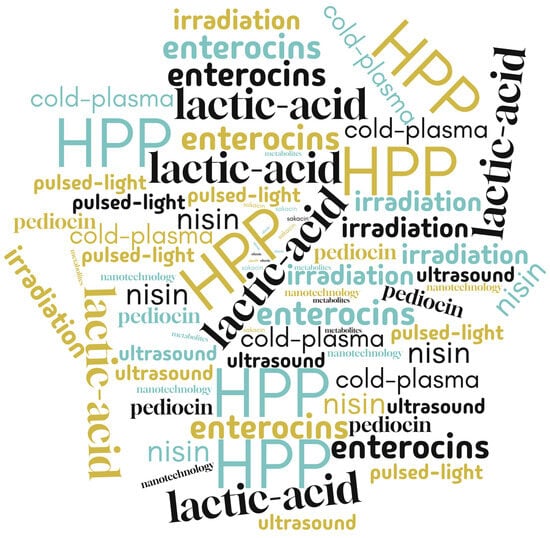
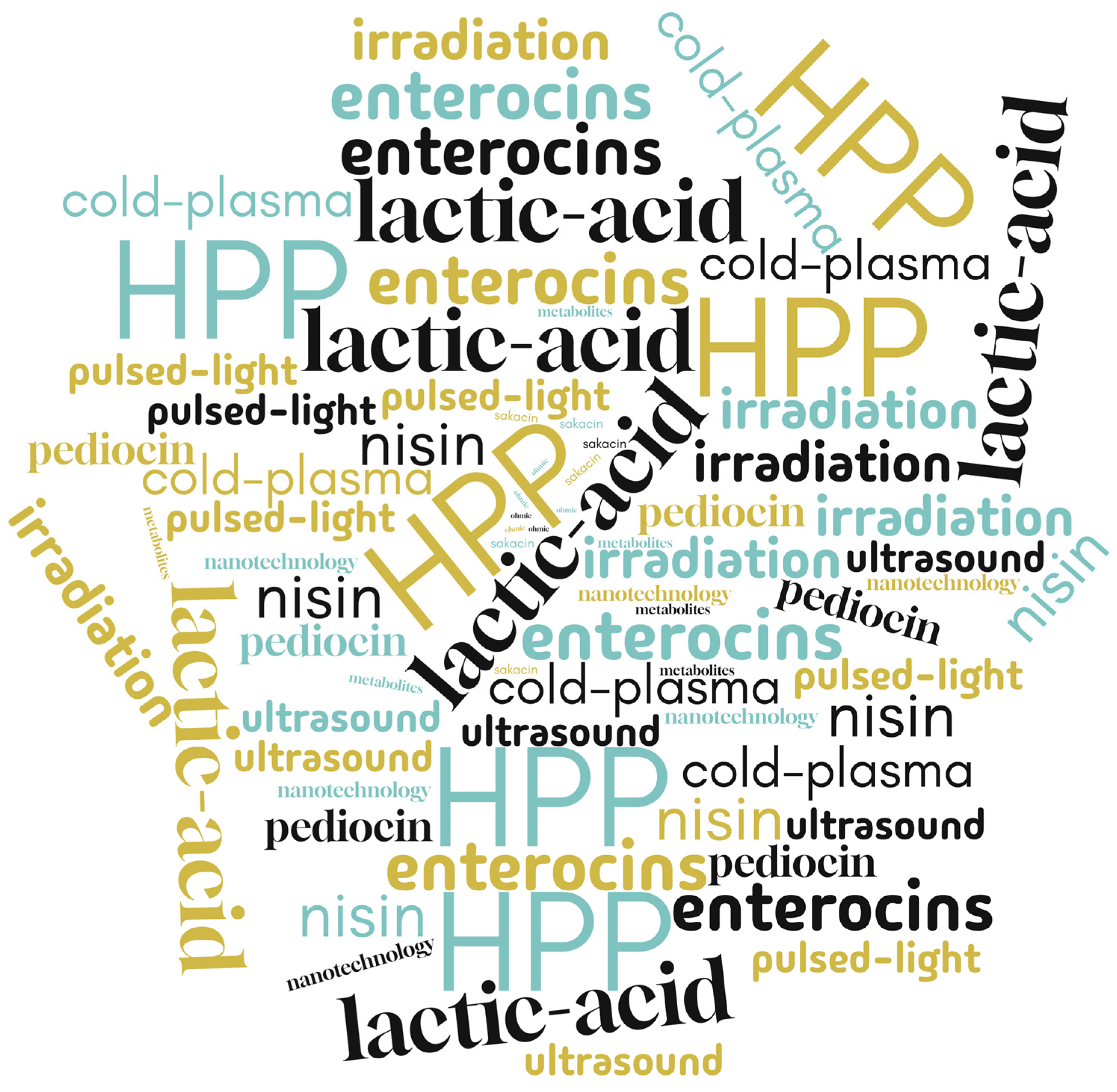
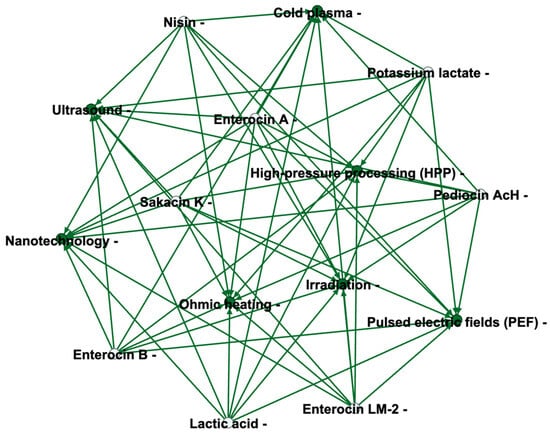
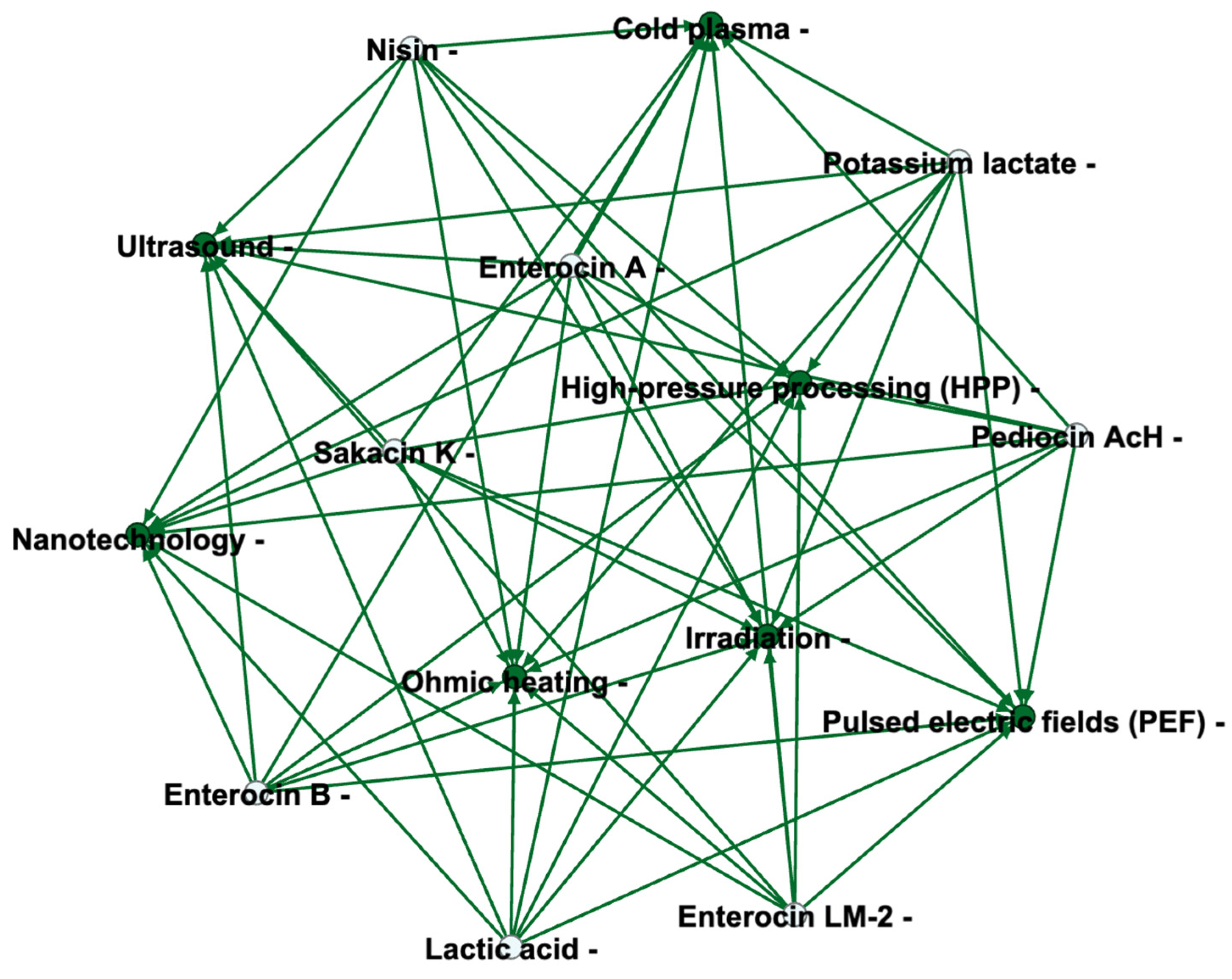

Disclaimer/Publisher’s Note: The statements, opinions and data contained in all publications are solely those of the individual author(s) and contributor(s) and not of MDPI and/or the editor(s). MDPI and/or the editor(s) disclaim responsibility for any injury to people or property resulting from any ideas, methods, instructions or products referred to in the content. |
© 2026 by the authors. Licensee MDPI, Basel, Switzerland. This article is an open access article distributed under the terms and conditions of the Creative Commons Attribution (CC BY) license.