


Abstract
A growing body of research has begun to link exposure to environmental contaminants, such as heavy metals, with a variety of negative health outcomes. In this paper, we sought to review the current research describing the impact of certain common contaminant metals on cardiovascular (CV) health. We reviewed ten metals: lead, barium, nickel, chromium, cadmium, arsenic, mercury, selenium, zinc, and copper. After a literature review, we briefly summarized the routes of environmental exposure, pathophysiological mechanisms, CV health impacts, and exposure prevention and/or mitigation strategies for each metal. The resulting article discloses a broad spectrum of pathological significance, from relatively benign substances with little to no described effects on CV health, such as chromium and selenium, to substances with a wide-ranging and relatively severe spectrum of CV pathologies, such as arsenic, cadmium, and lead. It is our hope that this article will provide clinicians with a practical overview of the impact of these common environmental contaminants on CV health as well as highlight areas that require further investigation to better understand how these metals impact the incidence and progression of CV diseases.
Keywords:
cardiovascular disease; metal toxicity; metals and cardiovascular disease; cardiovascular toxicity; cardiovascular metal toxicity; heart and metal toxicity; environmental contaminants and cardiovascular toxicity; heart toxicity; cardiac toxicity; environmental heart toxins; environmental cardiac toxins; cardiology and metals; cardiology and environmental science; cardiology and metal toxins; heart toxins; cardiac toxins 1. Introduction
Cardiovascular health, defined as the health or optimal functioning of the heart and blood vessels, is an essential aspect of human health, contributing significantly to both quality of life and lifespan. A growing body of research has begun to demonstrate the impact of environmental pollutants on cardiovascular health, with many environmental pollutants showing associations with the development of cardiovascular disease (CVD) and mortality. For example, particulate matter (PM) 2.5 exposure has been associated with an increased risk of CVD, CVD-related mortality, and all-cause mortality [1]. Modernization has brought human beings into increased contact with materials in forms and concentrations that were previously impossible. Among these, many contaminant metals brought into the human environment by new mining, manufacturing, and agricultural processes have been linked to a variety of negative health outcomes. There is growing evidence that exposure to contaminant metals may result in increased cardiovascular morbidity and mortality. In this review, we sought to examine 10 metals ubiquitous in the modern environment with wide-reaching and durable exposure to human populations across the globe. These metals are present in industrial processes, household products, or other novel routes of exposure that were not widespread before the modern era [see Table 1]. Our goal is to summarize which metals are most robustly implicated in CVD, explain the mechanisms by which they may cause CVD to arise, and engage in a brief discussion regarding public health measures needed to mitigate the negative impact of these metals.
Table 1.
Metal sources and prevention strategies.
2. Lead
Lead (Pb) is a natural part of our environment. In urban areas, lead is predominantly found in housepaint but is also found in the air due to the burning of gasoline with lead additives [2]. Lead exposure routes vary widely based on location; for example, lead exposure due to cosmetics and medications is common in India, whilst lead exposure through glazed ceramics and lead-contaminated utensils or water is more common in Mexico [3].
Multiple mechanisms have been proposed whereby lead may impact the cardiovascular system. For example, lead is implicated in the development of reactive oxygen species (ROS). In times of great oxidative stress, the production of excess ROS results in tissue damage and is thought to play a critical part in the development of CVD [4,5]. Gonick and colleagues showed that rats with lead-induced hypertension accumulated lipid peroxidation products and had increased amounts of inducible NO synthase enzymes [6]. Lead exposure also appears to have a role in causing vascular constriction through effects on protein kinase C (PKC). Protein Kinase C is involved in many cellular functions, including cell growth, vascular contraction, blood flow, permeability, and overall cell survival [7]. In an animal model, Watts and colleagues showed that lead caused the contraction of mesenteric arteries and further found that lead-induced contraction of those arteries was enhanced by a PKC agonist and reduced by a PKC inhibitor [8]. In addition, lead exposure activates the nuclear factor-kB (NF-kB) family of transcription factors, which has downstream effects including inflammation, apoptosis, and fibrosis [9]. Rodriguez-Itarbe and colleagues showed marked NF-kB activation, tubulointerstitial accumulation of T cells, macrophages, and angiotensin II-expressing cells, increased number of apoptotic cells, and heavy tyrosine nitration in kidneys of rats with lead-induced hypertension (HTN) [10]. Bravo and colleagues sought to suppress the inflammatory response in rats with lead-induced hypertension. They found that immunosuppression (via mycophenolate mofetil) prevented HTN, oxidative stress, and NF-κB activation, attenuated tubulointerstitial lymphocyte and macrophage infiltration, and reduced the number of angiotensin II-expressing cells in the lead-exposed animals [11].
Lead exposure is also implicated in hormonal alterations that may be harmful to cardiovascular health. Chang and colleagues found that in workers exposed to lead, there were higher levels of circulating plasma norepinephrine levels [12]. Likewise, Khalil-Manesh and colleagues found that rats exposed to low levels of lead had increased blood pressure and plasma endothelin-3 concentrations [13]. Endothelins are potent vasoconstrictors and have been implicated in CVD [14]. Lead exposure may impact the renin–angiotensinogen–aldosterone (RAAS) pathway as well, as evidenced by an animal model conducted by Vander and colleagues [15].
Studies conducted by Lustber and Schober linked increasing exposure to lead to an increased risk of CVD-related mortality [16,17]. Lustber and colleagues used the mortality follow-up data for participants of the Second National Health and Nutrition Examination Survey (NHANES), a national cross-sectional survey of the general population, conducted from 1976 to 1980. They followed 4292 participants aged 30 to 74 years with blood lead measurements through 31 December 1992. After adjustment for potential confounders, individuals with baseline blood lead levels of 20 to 29 microg/dL (1.0–1.4 micromol/L) had a 46% increase in all-cause mortality (rate ratio [RR], 1.46; 95% confidence interval [CI], 1.14–1.86), 39% increase in circulatory mortality (RR, 1.39; 95% CI, 1.01–1.91), and 68% increase in cancer mortality (RR, 1.68; 95% CI, 1.02–2.78) compared with those with blood lead levels of less than 10 microg/dL (<0.5 micromol/L). Muntner and Navas-Acien showed an association between blood lead and peripheral artery disease (PAD) [18,19]. Munter’s study utilized data from two nationally representative cross-sectional surveys, the Third National Health and Nutrition Examination Survey conducted in 1988–1994 (n = 16,609), and the National Health and Nutrition Examination Survey conducted in 1999–2002 (n = 9961). After multivariable adjustment, persons in the highest quartile (> or = 2.47 microg/dL [> or = 0.12 micromol/L]) compared with those in the lowest quartile (<1.06 microg/dL [<0.05 micromol/L]) of blood lead levels were 1.92 (95% CI, 1.02–3.61) times more likely to have peripheral arterial disease. Some studies show a positive association between higher blood lead levels and increased incidence of coronary artery disease (CAD) or stroke [20,21,22], though this may be attributable to confounding factors, such as cigarette exposure [20]. Also, lead may have a role in affecting the electrical conduction system of the heart [23]. As shown in a robust meta-analysis conducted by Nacas Acien and colleagues, the underlying basis for lead exposure and CVD seems to be its role in promoting hypertension, one of the strongest risk factors for development of CVD [24].
Given the wide-ranging and extensive associations between lead and CVD, it is imperative that prevention strategies are implemented to reduce the general population’s exposure to lead. The United States Environmental Protection Agency (EPA) has guidelines for regulating the amount of lead in air and water, but enforcing these levels has failed at times (as evidenced in the Flint, MI water crisis). Updating housing in areas that use lead-based paint will also serve to decrease exposure to lead.
3. Barium
Barium (Ba) is ubiquitous in nature in a water-insoluble state as either barium sulfate or barium carbonate [25]. Common exposures include ingestion of barium-containing materials and barium-contaminated water [26].
Barium toxicity was associated with gastrointestinal side effects as well as hypokalemia, ST changes, and ventricular extrasystoles in one series of case reports involving 39 cases and 226 human subjects [27]. Unfortunately, there have not been many studies investigating the role of Barium on CVD. One study conducted by Wones and colleagues investigated the role increasing levels of barium in water had on an individual’s risk factors for cardiovascular disease. They enrolled 11 men in a 10-week study where they increased the Barium in drinking water from 0 ppm to 5 ppm to 10 ppm. They found that there was no change in systolic or diastolic blood pressure, cholesterol, potassium, glucose, or urine catecholamine levels. There was a borderline statistically significant increase in serum calcium levels, but this was of uncertain clinical significance. Thus, at least from this study, barium did not seem to have much of an effect on the development of CVD risk factors [28]. However, in an animal model, exposure to increased concentrations of barium resulted in an increase in blood pressure and a decrease in cardiac contractility and electrical excitability in the heart [29]. A retrospective study conducted by Brenniman and colleagues investigated the differences between Illinois communities with high barium levels in water (2–10 mg/liter) compared to Illinois communities with low barium levels in the water. Results of this mortality study revealed that the high barium communities had significantly higher (p < 0.05) death rates for “all cardiovascular diseases” and “heart disease” compared to the low barium communities [30].
The EPA has recommended that barium concentrations not exceed 2 mg/liter of water [31]. We have not been able to locate studies showing that 2 mg/liter of water is a specific threshold for barium toxicity, but there is some evidence to suggest that higher levels of barium are detrimental. More studies are needed to determine the safe level of exposure to barium and guide the formation of public health measures to reduce exposure to toxic levels of this metal.
4. Nickel
Human exposure to nickel (Ni) occurs primarily via contamination of drinking water and food; nickel is highly mobile in soil and is, therefore, able to readily contaminate water and food supplies [32]. Environmental pollution from nickel can also occur secondary to industrial processes, fuel burning, and inappropriate disposal of waste products [33].
Nickel seems to exert cardiotoxic effects through the generation of free radicals. Novelli and colleagues discovered that increased nickel exposure increased the lipoperoxide and lipid concentrations in the cardiac tissue of male Wistar rats, with the superoxide radical (O2−) being central to the cardiac damage [34].
A study conducted by Zhang and colleagues in China provided some evidence of an association between nickel exposure and congenital heart disease. Based on 490 controls and almost 400 cases, they were able to conclude that there seemed to be an association between nickel exposure and the development of congenital heart disease [35]. One proposed explanation is that nickel causes mutations in the mitotic apparatus, precipitating premature cell death during fetal development [36]. Nickel may also cause epigenetic alterations and/or produce reactive oxygen species [37,38]. A recent study published by Cheek and colleagues sought to address the impact of nickel exposure on cardiovascular disease. Using the National Health and Nutrition Examination Survey from 2017–2020, urinary nickel concentration was measured in individuals with a diagnosis of CVD. They found that independent of traditional CVD risk factors, nickel exposure was associated with CVD [39]. Nickel exposure was also shown to be related to the number of carotid arteries with plaques in a Swedish cross-sectional study [40]. Finally, a dose-dependent association between nickel exposure and hypertension was observed by Shi and colleagues in a study conducted in China [41]. In this study, they recruited 940 participants from six factories in northeastern China and measured the urinary concentrations of 19 metals. They then used Bayesian kernel machine regression (BKMR) to explore associations between metal co-exposure and hypertension. The BKMR model indicated a hermetic dose-response relationship between eight urinary metals (Cobalt (Co), Chromium (Cr), Ni, Cadmium (Cd), Arsenic (As), Iron (Fe), Zinc (Zn), and Pb) and hypertension risk.
The Occupational Safety and Health Administration (OSHA) has set a guideline of 1 mg/m3 of nickel compounds in work-room air during an 8 h shift to protect workers. In addition, the EPA has set a guideline of 0.1 mg per liter of nickel in drinking water for the general public [42]. More robust data may be needed to validate these guidelines and determine the exact nickel levels associated with an increased risk of CVD.
5. Chromium
Chromium is a transition metal that naturally exists in small amounts in plants, animals, and the environment. It is used in a wide number of industries, including leather tanning, textile dying, paint pigmentation, wood preservation, and metal plating. The waste from these industries is often used for filling material for dikes, marshland reclamation, and backfilling sites after demolition, allowing chromium to seep into water sources and contaminate the soil and food supply [43]. Nontoxic but elevated levels of airborne exposure have also been reported from those who frequently work in or travel via the New York City subway system, and respiratory toxicity due to occupational inhalation is well described [44,45].
Though chromium can exist in multiple oxidation states from Cr(-II) to Cr(+VI), Cr(III) and Cr (VI) are the most stable, prevalent, and biochemically relevant. Cr(III) is an essential nutrient required for the glucose tolerance factor (GTF), which is a cofactor that binds insulin to receptor sites on membranes. The exact mechanism is poorly understood, but Cr(III) has been shown to both increase insulin phosphokinase activity and decrease insulin phosphatase activity, thereby increasing insulin sensitivity [46,47]. Studies have demonstrated chromium deficiency’s association with increased risk of metabolic syndrome [48], diabetes and cardiovascular disease [49,50,51], and myocardial infarction [52], and chromium supplementation conversely has been shown to improve lipid profiles in human [53] and animal [53] studies. Some studies have even shown Cr(III) administration causes regression of atheromatous plaques in animal models [53,54].
However, Cr(VI) is a potent carcinogen, though any cardiovascular toxicities are not well reported [55,56]. Cr(VI) is able to easily enter cells through sulfate channels due to its structural similarity to sulfate. Once inside the cell, Cr(VI) is either rapidly reduced, a process which can generate free radical byproducts and increase oxidative stress, or it may bind to deoxyribonucleic acid (DNA) to form Cr-DNA adducts with high mutagenic potential. Gastrointestinal and respiratory cancers are the primary illnesses linked to Cr(VI) [56,57]. One study did describe some alterations in echocardiography, ballistocardiography, kinetocardiography, and rheocardiography in 230 workers with symptomatic occupation chromium exposure compared to 70 healthy controls [57], and a case report of toxic chromate–copper–arsenate ingestion described cardiovascular complications though any inferences are difficult to draw due to the presence of several other toxic compounds in the ingestion [58]. One recent study has shown Cr(VI) induces apoptosis and autophagy of cardiomyocytes from broiler chickens in a dose-dependent manner via oxidative stress and the induction of mitochondrial dysfunction [59].
Diagnostic studies used to measure chromium levels include serum [49,51] and levels in toenail clippings [52]. Improved occupational safety standards and reduction in dumping of chromium-tainted waste are the primary avenues to reduce exposure. Novel techniques, such as using a “soil-plant” barrier, where plants that reduce highly toxic Cr(VI) into the safer Cr (III) are planted near dumping sites, have also been proposed [43].
6. Cadmium
Cadmium is a naturally occurring metal found in zinc and lead ores, as well as phosphate fertilizers [60], and is often ingested in contaminated food and water [61] or through occupational exposures related to the smelting, battery, or pigment production industries [62,63]. Cigarette smoke is also a significant source of cadmium exposure, partly due to the tobacco plant’s high affinity for this metal [60,61,62,63]. Cadmium exposure often varies greatly by region; for example, exposure levels in certain polluted areas of Thailand have been recorded at roughly 20 times higher than exposure levels in some areas of Sweden [60,61].
Cadmium is thought to exert damaging effects on both myocardial and vascular endothelial cells through a variety of mechanisms, as well as contributing to the development of comorbidities often implicated in the onset and exacerbation of CVD (e.g., hypertension) [64]. The exact mechanism for cadmium entry into cardiac myocytes and endothelial cells is still under investigation; there is evidence implicating both the divalent metal transporter (DMT) and endocytosis as the mechanisms responsible for the entry of the cadmium into other types of cells in its ionized and protein-bound forms respectively [65,66]. Cadmium may also enter endothelium via infiltrating immune cells, which have been shown to accumulate cadmium [67].
Cadmium appears to have a particular affinity for endothelial cells [68,69], where it accumulates and exerts many deleterious effects. At low doses, cadmium has been shown to alter endothelial gene expression through alterations in the levels of multiple transcription factors, though the ultimate effect of these alterations is indeterminate [70,71]. At higher concentrations, cadmium has been shown to disrupt the cadherin–cadherin bonds between endothelial cells, resulting in cell contraction, endothelial disruption, and increased endothelial permeability [72]. Cadmium also seems to induce endothelial disruption through a variety of mechanisms, including p53 and DNA damage-dependent necroptosis [73], as well as p38 mitogen-activated protein kinase (MAPK38) dependent apoptosis [74,75]. Cadmium has also been shown to disrupt endothelial proliferation and angiogenesis [72,73]. It has been proposed that cadmium also exposes the endothelium to oxidative stress, though studies attempting to establish cadmium as a source of oxidative stress in this cell type have been inconsistent at best. Cadmium-induced damage to the vascular endothelium is then thought to contribute to CVD by increased permeability to immune cells and lipids, as well as the release of inflammatory cytokines, which all aid in the formation of atheromatous plaques and atherosclerosis. Cadmium has been associated with peripheral artery disease in some studies [19]. Cadmium is also associated with hypertension [72,76,77] and more atherogenic (higher low-density lipoprotein (LDL) and very-low-density lipoprotein (VLDL)) lipid profiles [78], which are known CVD risk factors. Recent animal studies have also indicated that cadmium may be prothrombotic [79].
A body of research is also growing that explores cadmium’s capacity for direct cardiotoxicity. Cadmium has been shown to increase oxidative stress by disruption cytochrome p450 (CYP450) and nuclear factor erythroid 2-related factor (2Nrf2) signaling in the hearts of chickens [80], decrease sarcoplasmic/endoplasmic reticulum Ca-ATPase 2 (SERCA2) expression and phosphorylated phospholamban levels resulting decreased left ventricular systolic function in male (but not female) mice [81], and cause lipid accumulation in rat cardiac myocytes, decreasing their efficiency [82,83]. Increased endoplasmic reticulum stress in cardiomyocytes has also been reported due to cadmium exposure [84], as well as cardiac ultrastructural and microstructural changes in developing and full-grown animal models [85,86]. Cadmium has also been shown to affect the cardiac conduction system via interference with the cardiac L-type calcium current, the delayed rectifier potassium current, and the sodium current in rainbow trout hearts [87]; similar effects have been observed in the L-type calcium channels of guinea pigs [88] and the delayed potassium rectifier current of cat cardiac myocytes [89].
Cadmium is a toxin with numerous, highly variegated toxic effects on the cardiovascular and many other organ systems. A characteristic pattern of low molecular weight proteinuria has been one long-standing method of detection of possible sub-clinical cadmium poisoning [90]. Tests also exist to detect cadmium in blood and urine.
With significant toxicity affecting many major organ systems and a half-life that can last decades, cadmium accumulation and toxicity are serious threats to public health. Aggressive management to limit cadmium release and exposure in associated industries is required, as well as close monitoring of cadmium levels in food, water, and individuals in environments at high risk of contamination.
7. Arsenic
Arsenic is the 20th most common element in the earth’s crust, and though infamous as a poison, it is necessary in small amounts for the proper functioning of the human nervous system. Arsenic exposure occurs primarily through contaminated drinking water; this contamination can occur either naturally through processes of weathering or volcanic mobilization of natural sources of arsenic or via human activity, such as in smelting, mining, or the use of pesticides and herbicides. Cigarettes and tobacco consumption are also very common routes of arsenic exposure [91]. Arsenic poisoning via groundwater is estimated to affect more than 137 million people in more than 70 countries, with certain regions, such as the Southwestern United States and large portions of Argentina and Chile, considered “hot spots” with especially high population level exposure [55].
Arsenic is primarily absorbed via the GI tract in either a trivalent form, arsenite, or a pentavalent form, arsenate. The pentavalent form primarily enters cells through phosphate transporters, while trivalent arsenic uptake is mediated by aquaglyceroporins or sugar permeases [92]. Arsenic has been shown to cause both vascular endothelial dysfunction and direct cardiac toxicity. In endothelial cells, it mediates pro-inflammatory cytokine responses via dysregulation of tumor necrosis factor-α (TNF-α) mediated vascular cell adhesion protein 1 (VCAM-1) expression by causing arsenic-related changes in the activity of activator protein 1 (AP-1) and NF-κB [93]. Arsenic is also believed to dysregulate vascular tone by activating and upregulating nicotinamide adenine dinucleotide phosphate oxidase 2 (Nox2), reducing nitric oxide (NO) bioavailability, suppressing nitric oxide synthase (NOS) activity and expression, and promoting oxidative stress [94,95]. Additional mechanisms elucidated include induction of endothelial apoptosis through activation of epidermal growth factor (EGF), c-Jun N-terminal kinase (JNK), and MAPK38 signaling cascades, vascular injury through the neurogenic release of substance P and activation of neurokinin 1 (NK-1) receptors [95,96], and direct cytotoxicity via inactivation of protein kinase B/Akt [97]. Arsenic exposure has been shown to correlate with an increased risk of atherosclerosis in a dose-dependent fashion [98,99]. Arsenic-induced oxidative stress is thought to enhance the accumulation of oxidized lipids [100] via increased expression of Oxidized low-density lipoprotein receptor 1 (LOX-1) [101]. Arsenic exposure is also associated with hypertension [102], with proposed mechanisms including increased calcium sensitization and enhanced myosin light chain mediated vasoconstriction [79], arsenic-induced sympathetic hypersensitivity and beta-adrenoceptor stimulation [103], and enhanced expression of endothelin 1 (ET-1) messenger ribonucleic acid (mRNA) [104]. Chronic exposure to arsenic in rats and rabbits has been associated with increased peripheral vascular resistance [105].
Arsenic has also been implicated in direct cardiotoxicity, including QT prolongation and subsequent arrhythmia, ischemic heart disease, and possible apoptotic changes, though evidence for the latter remains mixed [102]. Evidence indicates that QT prolongation is potentiated by an arsenic-mediated increase in the L-type calcium current and a decrease in the inward rectifier potassium current [106]. This effect has been demonstrated in both acute [107] and chronic exposures, with chronic exposure also showing a dose-dependent relationship between arsenic poisoning and QT prolongation [108]. The association between arsenic exposure and ischemic arterial disease has been long established, with one of the first noted examples of mass arsenic poisoning presenting as the Taiwanese “blackfoot disease” caused by arsenic-induced PAD and thromboangiitis obliterans [55]; this population has also been found to have an increased incidence of ischemic heart disease [109], with a dose-response relationship also being demonstrated [110]. Studies have also implicated arsenic in ultrastructural changes [111] and developmental abnormalities in the heart [112]. Arsenic exposure has also been associated with diabetes mellitus [113] and the development of chronic kidney disease [114], both of which are known CVD risk factors.
Urine tests can be used to diagnose acute arsenic poisoning, whilst blood, hair, and nail measurements can be useful in evaluating chronic exposure [115]. Methods to remove arsenic from groundwater or provide access to arsenic-free groundwater will likely have the greatest impact in preventing arsenic-related illnesses. Several novel methods, such as the removal of arsenic from groundwater by adsorption or precipitation of biologically generated iron and manganese oxides, are currently under development. Microfiltration and the use of aquatic plants to accumulate the toxin have also been investigated [116]. Increasing awareness and limiting occupational exposures, as well as decreasing cigarette use, may also decrease arsenic exposure in the population.
8. Mercury
Mercury (Hg) is a ubiquitous element released into the environment through both natural and anthropogenic processes. Naturally, mercury is released via volcanic activity, geothermal activity, volatilization of oceanic mercury, and emissions from soil substrates with naturally elevated Mercury. Anthropogenic sources of environmental mercury include fossil fuel combustion, production of metals (especially gold), cement production, and waste incineration. Globally, anthropogenic mercury production is highest in Asia; natural processes tend to release mercury into the air, whilst anthropogenic processes can contaminate air, water, and soil [117]. Human exposure can occur through direct contact with sources but more commonly comes from ingesting plants or animals where prolonged mercury exposure has allowed the toxin to accumulate to higher-than-normal concentrations [118]. Aquatic exposure and accumulation of mercury in certain species of fish is an especially prominent and concerning source of mercury exposure in humans [119].
Methylmercury (MeHg) is thought to be the most toxic form of this element, as it is more readily absorbed, accumulated, and distributed throughout the body by an amino acid carrier protein after forming a methylmercury-cysteine complex [119]. The overall impact of mercury on cardiovascular health is still debated, with some studies supporting [120] or refuting [121,122] the notion that mercury is linked to CVD. Potentially harmful effects of mercury exposure may be offset by the fact that such exposure in humans is often linked to fish consumption, which has other cardiovascular benefits [119,122]. Mercury has been shown to inhibit mitochondrial function [123,124] and is thought to increase oxidative stress by inhibiting the formation of the antioxidant glutathione and increasing the production of reactive oxygen species [124,125]. This, in turn, contributes to lipid peroxidation, which may help explain the association between mercury exposure and atherosclerosis [125,126,127,128]. While some association between mercury poisoning and a prothrombotic state has been observed in animal models [129], recent research has shown no direct effect of toxic levels of mercury on coagulation in human plasma [130], indicating that prothrombotic effects may be diminished in humans or due to systemic inflammation. Mercury has been shown to decrease cardiac contractility in rat heart muscles [131] and has been associated with hypertension [132,133] and autonomic dysfunction in some populations [132,134], though this link has not been well established in other, larger studies [135]. A link between mercury and increased risk of myocardial infarction has been shown by some studies [136,137] but rejected by others [122]. No link has been established between mercury consumption and stroke, even in a large systematic review and meta-analysis that found associations between Mercury and CVD mortality and ischemic heart disease [120]. Similarly, a meta-analysis of five studies showed no distinct association between mercury and coronary artery disease [138]. Through inactivation of a necessary cofactor for catecholamine-O-methyltransferase (COMT), mercury can also inhibit the breakdown of catecholamines, leading to a clinical syndrome of catecholamine excess similar to pheochromocytoma [139,140].
Mercury is a ubiquitous toxin with wide-ranging effects both in terms of pathology and severity. Patients with hypertension and a history concerning increased exposure may be tested using specimens from hair, urine, toenails, and blood; some experts recommend obtaining all four tests to better characterize the exposure (e.g., acute vs. chronic) [137]. Improved industrial processes, better waste handling, and burning regulations and standards, and close monitoring of dietary mercury intake with increased public awareness may prove the best avenues for prevention.
9. Selenium
Selenium (Se) is an essential trace element that frequently contaminates sulfur-containing minerals. It is released into human environments naturally via volcanic activity and the forces of weathering. Anthropogenic sources of selenium include mining, fossil fuel refinement, and agricultural irrigation in regions of selenium-rich soil. Se is widely used in electronics, chemicals, ceramics, pharmaceuticals, and a wide variety of other industries [141].
No known cardiac toxicity to selenium has been reported [55]. Selenium deficiency may be associated with coronary artery disease, possibly due to its role as an essential trace element in many antioxidants [142]. Deficiency has also been associated with a higher mortality rate, decreased exercise tolerance, and impaired mitochondrial function in cardiac myocytes in vivo [143]. High selenium levels have also been associated with reduced risk of new-onset CHF in nonsmokers [144]. Certain selenium preparations have even been shown to mitigate cadmium-associated inflammation in the heart via the NF-kB/IkappaB kinase pathway [145]. Some studies have implicated high selenium levels in an increased incidence of metabolic syndrome and diabetes [146], but other studies find the data to be inconclusive [147]. One study has also shown some association between selenium and hypertension [148].
Selenium is most often measured in whole blood or serum. Though not known to be cardiotoxic, selenium has been shown to be toxic to livestock, aquatic wildlife, and humans in other ways. Strategies to mitigate overexposure include improved mining and agricultural runoff management techniques [141,149].
10. Zinc
Zinc is one of the most common elements in the earth’s crust and is widely dispersed in food, water, and the air. It is commonly used to coat other metals to prevent corrosion and make dry cell batteries and is present in pennies in the United States. Zinc most commonly enters the environment through mining and refining various metals, coal burning, and the burning of waste products [150].
Zinc balance is important for heart health: deficiency of zinc has been associated with heart failure [151,152], and some evidence has shown zinc may help decrease oxidative stress and neurohormonal remodeling in the stressed myocardium [153]. Increased Zinc seems to be protective against atherosclerosis as well [154,155]. Studies have implicated both zinc excess [156] and deficiency [157] in hypertension. Zinc may also be implicated in metabolic syndrome and insulin resistance, though the exact relationship appears to be an area of ongoing research [158,159]. Maternal zinc deficiency has also been implicated in increased risk for congenital heart disease (CHD) in infants [157]. Overall, rather than a matter of toxicity, dysregulation of zinc balance seems to be the primary factor in zinc-related pathology. The body removes excess zinc by producing extra metallothionein, which binds zinc for excretion. However, metallothionein has a higher affinity for copper than zinc, and therefore, increased metallothionein production in the state of elevated zinc levels will cause relative copper deficiency [160]. This relative copper deficiency may be the actual cause of most zinc excess-related cardiovascular pathology [55].
Zinc can be detected readily in serum. Occupational safety standards, monitoring of water and food supplies for zinc excess, and enhanced recycling efforts are prominent strategies for toxicity prevention [150].
11. Copper
Copper (Cu) is a well-known and widely used essential trace element found in rock and mineral deposits, as well as a wide range of manufactured goods such as coins, wiring, pipes, ceramics, glaze, glass works, and electronics. It can be found in water and soil, with concentrations of copper due to human activities most prominently found near smelters, incinerators, foundries, and power plants. Copper compounds are also widely used in agriculture as fungicides, in water treatment to remove algae, and in the preservation of lumber, textiles, and tanned goods. Most toxic exposures to copper are due to anthropogenic activities such as mining, smelting, incineration of waste, or water treatment [150]. Copper exposure can also occur through medical treatments, such as prolonged total parenteral nutrition or the use of copper tubing in hemodialysis machines; certain congenital or acquired causes of hepatobiliary dysfunction, such as Wilson’s Disease, can also lead to copper accumulation and eventual toxicity [161].
Copper can exist in a cupric (2+) or Cuprous (+) state, though the former is the primary form absorbed dietarily. Once ingested, copper can bind to a number of amino acids and utilize amino acid transport proteins to disperse throughout the body. Copper functions as a cofactor for many enzymes, including cytochrome c oxidase, tyrosinase, and the important antioxidant enzyme copper–zinc–superoxide dismutase [161]. Copper excess and deficiency have both been linked to increased mortality, suggesting a U-shaped relationship between copper levels and excess morbidity/mortality [162]. Multiple observational studies have shown an association between increased levels of copper and/or the copper-binding protein ceruloplasmin and cardiovascular mortality [162,163,164], myocardial infarction, coronary artery disease, and stroke [165,166,167]. The mechanism is unclear; increases in inflammatory indices have been noted to accompany high copper levels in at least one study of patients with complex CAD [168]. Studies have associated increased copper levels with dyslipidemia, an effect thought to be secondary to the generation of free radicals by elevated copper concentrations [162,165,169]. In patients with diabetic cardiomyopathy, higher copper levels have been associated with hypertension and microvascular disease, possibly due to hyperglycemic interference with Cu-ceruloplasmin binding, which leads to increased free copper levels and greater oxidative stress through the production of free radicals [170]; at least one animal study has shown improved cardiac function in diabetic rats with cardiac dysfunction after copper chelation therapy [171]. Higher levels of copper have been reported in patients with heart failure [172,173,174], though Huang et al. found a regional variation in this phenomenon [175]. Some have speculated that ceruloplasmin may have both pro and antioxidant effects in these patients [176]. Tachycardia, as well as unifocal bigeminy and multiple ventricular extrasystoles, have been reported in patients with severe acute copper sulfate solution ingestion in at least one case report [177].
Copper levels can be assessed directly in blood/serum or via ceruloplasmin levels. As with many other metals, improved filtration and recycling techniques, more judicious use of fungicide/algaecide/pesticide chemicals, and improved techniques for the management of runoff are mainstays of prevention [150]. In addition, monitoring of copper levels in dialysis patients and patients on total parenteral nutrition (TPN), especially young infants, has proven beneficial [161].
12. Conclusions
A large body of evidence seems to support the link between exposure to certain environmental contaminant metals and worsened cardiovascular health. In this study, we sought to summarize the evidence surrounding 10 metals humans are commonly exposed to in the modern environment. Our findings are summarized in Figure 1 and detailed in Table 2. Some of these metals have broad and profound negative impacts on the cardiovascular system, while others appear to be largely benign or even essential for the proper functioning of the cardiovascular or other organ systems. We hope this review has provided a useful summary of the current evidence for clinicians and will inspire more much-needed research, especially clinical studies, to assess the rates and routes of contaminant metal exposure and the relationship between these metals and CVD.
Figure 1.
Central Image: Summary of Metal Routes of Exposure and Effects on Cardiovascular Health. ↑: “increased”; * seen at extremely high levels of exposure; † few studies or conflicting studies describing these findings.
Table 2.
Select studies on contaminant metals and CVD, sorted by metal.
Author Contributions
C.K., M.S., R.L. and C.J.L. conceived the manuscript. K.K.L. and Y.K.Q. drafted the manuscript, K.K.L. constructed tables, K.K.L. constructed figures, C.K., K.K.L., M.S. and Y.K.Q. conducted literature searches. K.K.L., Y.K.Q., Z.W., S.V., C.K. and M.S. edited the manuscript. All authors contributed substantially to manuscript revision. All authors have read and agreed to the published version of the manuscript.
Funding
We acknowledge support from the Open Access Publication Fund of the University of Muenster.
Conflicts of Interest
The authors declare no conflict of interest.
Abbreviations
| Ap-1 | activator protein 1 |
| As | Arsenic |
| AV | atrioventricular |
| Ba | Barium |
| BFD | Blackfoot disease |
| BKMR | Bayesian Kernel Machine Regression |
| CAD | coronary artery disease |
| Cd | Cadmium |
| CHD | congenital heart disease |
| CI | confidence interval |
| Co | Cobalt |
| Cr | Chromium |
| Cu | Copper |
| CVD | cardiovascular disease |
| COMT | catecholamine-O-methyltransferase |
| CYP450 | cytochrome p450 |
| DM | diabetes mellitus |
| DMT | divalent metal transporter |
| DNA | deoxyribonucleic acid |
| ECG | electrocardiogram |
| EGF | epidermal growth factor |
| EPA | United States Environmental Protection Agency |
| ET-1 | endothelin 1 |
| Fe | Iron |
| GTF | glucose tolerance factor |
| HDL | high-density lipoprotein |
| HF | heart failure |
| Hg | Mercury |
| HOMA-IR | homeostatic model assessment insulin resistance |
| HTN | hypertension |
| ICM | ischemic cardiomyopathy |
| IDCM | idiopathic dilated cardiomyopathy |
| IHD | ischemic heart disease |
| JNK | c-Jun N-terminal kinase |
| LDL | low-density lipoprotein |
| LF | low frequency |
| LOX-1 | Oxidized low-density lipoprotein receptor 1 |
| MACE | major adverse cardiovascular event |
| MAPK38 | p38 mitogen-activated protein kinase |
| MeHg | methylmercury |
| mRNA | messenger ribonucleic acid |
| NF-kB | nuclear factor-kB |
| NHANES | National Health and Nutrition Examination Survey |
| Ni | Nickel |
| NK-1 | neurokinin 1 |
| NO | nitric oxide |
| NOS | nitric oxide synthase |
| Nox2 | nicotinamide adenine dinucleotide phosphate oxidase 2 |
| OR | Odds Ratio |
| OSHA | Occupational Safety and Health Administration |
| PAD | peripheral artery disease |
| Pb | Lead |
| PKC | protein kinase C |
| PM | particular matter |
| RAAS | renin–angiotensinogen–aldosterone |
| ROS | reactive oxygen species |
| SDNN | standard deviation of RR intervals |
| Se | Selenium |
| SERCA2 | sarcoplasmic/endoplasmic reticulum Ca-ATPase 2 |
| SES | socioeconomic status |
| SMD | standard mean difference |
| TNF-α | tumor necrosis factor-α |
| TPN | total parenteral nutrition |
| VCAM-1 | vascular cell adhesion protein 1 |
| VLDL | very-low-density lipoprotein |
| Zn | zinc |
References
- Krittanawong, C.; Qadeer, Y.K.; Hayes, R.B.; Wang, Z.; Virani, S.; Thurston, G.D.; Lavie, C.J. PM2.5 and Cardiovascular Health Risks. Curr. Probl. Cardiol. 2023, 48, 101670. [Google Scholar] [CrossRef] [Scilit] [PubMed]
- Haar, G.T. Lead in the Environment—Origins, Pathways and Sinks. Environ. Qual. Safety. Suppl. 1975, 2, 76–94. [Google Scholar]
- Obeng-Gyasi, E. Sources of Lead Exposure in Various Countries. Rev. Environ. Health 2019, 34, 25–34. [Google Scholar] [CrossRef] [Scilit] [PubMed]
- Cai, H.; Harrison, D.G. Endothelial Dysfunction in Cardiovascular Diseases: The Role of Oxidant Stress. Circ. Res. 2000, 87, 840–844. [Google Scholar] [CrossRef] [Scilit]
- Vaziri, N.D.; Rodríguez-Iturbe, B. Mechanisms of Disease: Oxidative Stress and Inflammation in the Pathogenesis of Hypertension. Nat. Clin. Pract. Nephrol. 2006, 2, 582–593. [Google Scholar] [CrossRef] [Scilit]
- Gonick, H.C.; Ding, Y.; Bondy, S.C.; Ni, Z.; Vaziri, N.D. Lead-Induced Hypertension: Interplay of Nitric Oxide and Reactive Oxygen Species. Hypertension 1997, 30, 1487–1492. [Google Scholar] [CrossRef] [Scilit]
- Gould, C.M.; Newton, A.C. The Life and Death of Protein Kinase C. Curr. Drug Targets 2008, 9, 614–625. [Google Scholar] [CrossRef] [Scilit]
- Watts, S.W.; Chai, S.; Webb, R.C. Lead Acetate-Induced Contraction in Rabbit Mesenteric Artery: Interaction with Calcium and Protein Kinase C. Toxicology 1995, 99, 55–65. [Google Scholar] [CrossRef] [Scilit]
- Park, M.H.; Hong, J.T. Roles of NF-κB in Cancer and Inflammatory Diseases and Their Therapeutic Approaches. Cells 2016, 5, 15. [Google Scholar] [CrossRef] [Scilit]
- Rodríguez-Iturbe, B.; Sindhu, R.K.; Quiroz, Y.; Vaziri, N.D. Chronic Exposure to Low Doses of Lead Results in Renal Infiltration of Immune Cells, NF-kappaB Activation, and Overexpression of Tubulointerstitial Angiotensin II. Antioxid Redox Signal 2005, 7, 1269–1274. [Google Scholar] [CrossRef] [Scilit]
- Bravo, Y.; Quiroz, Y.; Ferrebuz, A.; Vaziri, N.D.; Rodríguez-Iturbe, B. Mycophenolate Mofetil Administration Reduces Renal Inflammation, Oxidative Stress, and Arterial Pressure in Rats with Lead-Induced Hypertension. Am. J. Physiol. Renal Physiol. 2007, 293, F616–F623. [Google Scholar] [CrossRef] [Scilit] [PubMed]
- Chang, H.R.; Chen, S.S.; Chen, T.J.; Ho, C.H.; Chiang, H.C.; Yu, H.S. Lymphocyte Beta2-Adrenergic Receptors and Plasma Catecholamine Levels in Lead-Exposed Workers. Toxicol. Appl. Pharmacol. 1996, 139, 1–5. [Google Scholar] [CrossRef] [Scilit] [PubMed]
- Khalil-Manesh, F.; Gonick, H.C.; Weiler, E.W.; Prins, B.; Weber, M.A.; Purdy, R.E. Lead-Induced Hypertension: Possible Role of Endothelial Factors. Am. J. Hypertens 1993, 6, 723–729. [Google Scholar] [CrossRef] [Scilit] [PubMed]
- Schiffrin, E.L. Role of Endothelin-1 in Hypertension and Vascular Disease. Am. J. Hypertens 2001, 14 Pt 2, 83S–89S. [Google Scholar] [CrossRef] [Scilit]
- Vander, A.J. Chronic Effects of Lead on the Renin-Angiotensin System. Environ. Health Perspect. 1988, 78, 77–83. [Google Scholar] [CrossRef] [PubMed]
- Lustberg, M.; Silbergeld, E. Blood Lead Levels and Mortality. Arch. Intern. Med. 2002, 162, 2443–2449. [Google Scholar] [CrossRef] [Scilit]
- Schober, S.E.; Mirel, L.B.; Graubard, B.I.; Brody, D.J.; Flegal, K.M. Blood Lead Levels and Death from All Causes, Cardiovascular Disease, and Cancer: Results from the NHANES III Mortality Study. Environ. Health Perspect. 2006, 114, 1538–1541. [Google Scholar] [CrossRef] [Scilit]
- Muntner, P.; Menke, A.; DeSalvo, K.B.; Rabito, F.A.; Batuman, V. Continued Decline in Blood Lead Levels among Adults in the United States: The National Health and Nutrition Examination Surveys. Arch. Intern. Med. 2005, 165, 2155–2161. [Google Scholar] [CrossRef] [Scilit]
- Navas-Acien, A.; Selvin, E.; Sharrett, A.R.; Calderon-Aranda, E.; Silbergeld, E.; Guallar, E. Lead, Cadmium, Smoking, and Increased Risk of Peripheral Arterial Disease. Circulation 2004, 109, 3196–3201. [Google Scholar] [CrossRef] [Scilit]
- Pocock, S.J.; Shaper, A.G.; Ashby, D.; Delves, H.T.; Clayton, B.E. The Relationship between Blood Lead, Blood Pressure, Stroke, and Heart Attacks in Middle-Aged British Men. Environ. Health Perspect. 1988, 78, 23–30. [Google Scholar] [CrossRef]
- Kromhout, D. Blood Lead and Coronary Heart Disease Risk among Elderly Men in Zutphen, The Netherlands. Environ. Health Perspect. 1988, 78, 43–46. [Google Scholar] [CrossRef] [PubMed]
- Møller, L.; Kristensen, T.S. Blood Lead as a Cardiovascular Risk Factor. Am. J. Epidemiol. 1992, 136, 1091–1100. [Google Scholar] [CrossRef] [Scilit] [PubMed]
- Cheng, Y.; Schwartz, J.; Vokonas, P.S.; Weiss, S.T.; Aro, A.; Hu, H. Electrocardiographic Conduction Disturbances in Association with Low-Level Lead Exposure (the Normative Aging Study). Am. J. Cardiol. 1998, 82, 594–599. [Google Scholar] [CrossRef] [Scilit] [PubMed]
- Navas-Acien, A.; Guallar, E.; Silbergeld, E.K.; Rothenberg, S.J. Lead Exposure and Cardiovascular Disease—A Systematic Review. Environ. Health Perspect. 2007, 115, 472–482. [Google Scholar] [CrossRef] [Scilit]
- Liguori, B.T.P.; Almeida, M.G.D.; Rezende, C.E.D. Barium and Its Importance as an Indicator of (Paleo)Productivity. An. Acad. Bras. Cienc. 2016, 88, 2093–2103. [Google Scholar] [CrossRef] [Scilit]
- Peana, M.; Medici, S.; Dadar, M.; Zoroddu, M.A.; Pelucelli, A.; Chasapis, C.T.; Bjørklund, G. Environmental Barium: Potential Exposure and Health-Hazards. Arch. Toxicol. 2021, 95, 2605–2612. [Google Scholar] [CrossRef] [Scilit]
- Bhoelan, B.S.; Stevering, C.H.; van der Boog, A.T.J.; van der Heyden, M.a.G. Barium Toxicity and the Role of the Potassium Inward Rectifier Current. Clin. Toxicol. 2014, 52, 584–593. [Google Scholar] [CrossRef] [Scilit]
- Wones, R.G.; Stadler, B.L.; Frohman, L.A. Lack of Effect of Drinking Water Barium on Cardiovascular Risk Factors. Environ. Health Perspect. 1990, 85, 355–359. [Google Scholar] [CrossRef] [Scilit]
- Perry, H.M.; Kopp, S.J.; Perry, E.F.; Erlanger, M.W. Hypertension and Associated Cardiovascular Abnormalities Induced by Chronic Barium Feeding. J. Toxicol. Environ. Health 1989, 28, 373–388. [Google Scholar] [CrossRef] [Scilit]
- Brenniman, G.R.; Namekata, T.; Kojola, W.H.; Carnow, B.W.; Levy, P.S. Cardiovascular Disease Death Rates in Communities with Elevated Levels of Barium in Drinking Water. Environ. Res. 1979, 20, 318–324. [Google Scholar] [CrossRef] [Scilit]
- Barium|Public Health Statement|ATSDR. Available online: https://wwwn.cdc.gov/TSP/PHS/PHS.aspx?phsid=325&toxid=57 (accessed on 25 July 2023).
- Barceloux, D.G. Nickel. J. Toxicol. Clin. Toxicol. 1999, 37, 239–258. [Google Scholar] [CrossRef] [Scilit] [PubMed]
- Genchi, G.; Carocci, A.; Lauria, G.; Sinicropi, M.S.; Catalano, A. Nickel: Human Health and Environmental Toxicology. Int. J. Environ. Res. Public Health 2020, 17, 679. [Google Scholar] [CrossRef] [Scilit]
- Novelli, E.L.B.; Diniz, Y.S.; Machado, T.; ProenÇa, V.; TibiriÇÁ, T.; Faine, L.; Ribas, B.O.; Almeida, J.A. Toxic Mechanism of Nickel Exposure on Cardiac Tissue. Toxic Subst. Mech. 2000, 19, 177–187. [Google Scholar] [CrossRef] [Scilit]
- Zhang, N.; Chen, M.; Li, J.; Deng, Y.; Li, S.-L.; Guo, Y.-X.; Li, N.; Lin, Y.; Yu, P.; Liu, Z.; et al. Metal Nickel Exposure Increase the Risk of Congenital Heart Defects Occurrence in Offspring: A Case-Control Study in China. Medicine 2019, 98, e15352. [Google Scholar] [CrossRef] [Scilit]
- Cameron, K.S.; Buchner, V.; Tchounwou, P.B. Exploring the Molecular Mechanisms of Nickel-Induced Genotoxicity and Carcinogenicity: A Literature Review. Rev. Environ. Health 2011, 26, 81–92. [Google Scholar] [CrossRef] [Scilit] [PubMed]
- Sutherland, J.E.; Costa, M. Epigenetics and the Environment. Ann. N. Y. Acad. Sci. 2003, 983, 151–160. [Google Scholar] [CrossRef] [Scilit] [PubMed]
- Ouyang, W.; Zhang, D.; Li, J.; Verma, U.N.; Costa, M.; Huang, C. Soluble and Insoluble Nickel Compounds Exert a Differential Inhibitory Effect on Cell Growth through IKKalpha-Dependent Cyclin D1 down-Regulation. J. Cell. Physiol. 2009, 218, 205–214. [Google Scholar] [CrossRef] [Scilit] [PubMed]
- Cheek, J.; Fox, S.S.; Lehmler, H.-J.; Titcomb, T.J. Environmental Nickel Exposure and Cardiovascular Disease in a Nationally Representative Sample of U.S. Adults. Expo. Health 2023, 1–9. [Google Scholar] [CrossRef] [Scilit] [PubMed]
- Lind, P.M.; Olsén, L.; Lind, L. Circulating Levels of Metals Are Related to Carotid Atherosclerosis in Elderly. Sci. Total Environ. 2012, 416, 80–88. [Google Scholar] [CrossRef] [Scilit]
- Shi, P.; Liu, S.; Xia, X.; Qian, J.; Jing, H.; Yuan, J.; Zhao, H.; Wang, F.; Wang, Y.; Wang, X.; et al. Identification of the Hormetic Dose-Response and Regulatory Network of Multiple Metals Co-Exposure-Related Hypertension via Integration of Metallomics and Adverse Outcome Pathways. Sci. Total Environ. 2022, 817, 153039. [Google Scholar] [CrossRef] [Scilit]
- US EPA. Ambient Water Quality Criteria for Nickel. US EPA. Available online: https://19january2021snapshot.epa.gov/wqc/ambient-water-quality-criteria-nickel (accessed on 25 July 2023).
- Zayed, A.M.; Terry, N. Chromium in the Environment: Factors Affecting Biological Remediation. Plant Soil 2003, 249, 139–156. [Google Scholar] [CrossRef] [Scilit]
- Chillrud, S.N.; Epstein, D.; Ross, J.M.; Sax, S.N.; Pederson, D.; Spengler, J.D.; Kinney, P.L. Elevated Airborne Exposures of Teenagers to Manganese, Chromium, and Iron from Steel Dust and New York City’s Subway System. Environ. Sci. Technol. 2004, 38, 732–737. [Google Scholar] [CrossRef] [Scilit] [PubMed]
- Chillrud, S.N.; Grass, D.; Ross, J.M.; Coulibaly, D.; Slavkovich, V.; Epstein, D.; Sax, S.N.; Pederson, D.; Johnson, D.; Spengler, J.D.; et al. Steel Dust in the New York City Subway System as a Source of Manganese, Chromium, and Iron Exposures for Transit Workers. J. Urban Health 2005, 82, 33–42. [Google Scholar] [CrossRef] [Scilit] [PubMed]
- Hummel, M.; Standl, E.; Schnell, O. Chromium in Metabolic and Cardiovascular Disease. Horm. Metab. Res. 2007, 39, 743–751. [Google Scholar] [CrossRef] [Scilit] [PubMed]
- Simonoff, M. Chromium Deficiency and Cardiovascular Risk. Cardiovasc. Res. 1984, 18, 591–596. [Google Scholar] [CrossRef] [Scilit] [PubMed]
- Bai, J.; Xun, P.; Morris, S.; Jacobs, D.R.; Liu, K.; He, K. Chromium Exposure and Incidence of Metabolic Syndrome among American Young Adults over a 23-Year Follow-up: The CARDIA Trace Element Study. Sci. Rep. 2015, 5, 15606. [Google Scholar] [CrossRef] [Scilit]
- Chen, J.; Kan, M.; Ratnasekera, P.; Deol, L.K.; Thakkar, V.; Davison, K.M. Blood Chromium Levels and Their Association with Cardiovascular Diseases, Diabetes, and Depression: National Health and Nutrition Examination Survey (NHANES) 2015–2016. Nutrients 2022, 14, 2687. [Google Scholar] [CrossRef] [Scilit]
- Gutiérrez-Bedmar, M.; Martínez-González, M.Á.; Muñoz-Bravo, C.; Ruiz-Canela, M.; Mariscal, A.; Salas-Salvadó, J.; Estruch, R.; Corella, D.; Arós, F.; Fito, M.; et al. Chromium Exposure and Risk of Cardiovascular Disease in High Cardiovascular Risk Subjects—Nested Case-Control Study in the Prevention With Mediterranean Diet (PREDIMED) Study. Circ. J. 2017, 81, 1183–1190. [Google Scholar] [CrossRef] [Scilit]
- Newman, H.A.; Leighton, R.F.; Lanese, R.R.; Freedland, N.A. Serum Chromium and Angiographically Determined Coronary Artery Disease. Clin. Chem. 1978, 24, 541–544. [Google Scholar] [CrossRef] [Scilit]
- Guallar, E.; Jiménez, F.J.; van ’t Veer, P.; Bode, P.; Riemersma, R.A.; Gómez-Aracena, J.; Kark, J.D.; Arab, L.; Kok, F.J.; Martín-Moreno, J.M.; et al. Low Toenail Chromium Concentration and Increased Risk of Nonfatal Myocardial Infarction. Am. J. Epidemiol. 2005, 162, 157–164. [Google Scholar] [CrossRef] [Scilit]
- Roeback, J.R.; Hla, K.M.; Chambless, L.E.; Fletcher, R.H. Effects of Chromium Supplementation on Serum High-Density Lipoprotein Cholesterol Levels in Men Taking Beta-Blockers. A Randomized, Controlled Trial. Ann. Intern. Med. 1991, 115, 917–924. [Google Scholar] [CrossRef] [Scilit] [PubMed]
- Price Evans, D.A.; Tariq, M.; Dafterdar, R.; Al Hussaini, H.; Sobki, S.H. Chromium Chloride Administration Causes a Substantial Reduction of Coronary Lipid Deposits, Aortic Lipid Deposits, and Serum Cholesterol Concentration in Rabbits. Biol Trace Elem. Res. 2009, 130, 262–272. [Google Scholar] [CrossRef] [Scilit] [PubMed]
- Schroeder, H.A.; balassa, J.J. Influence of chromium, cadmium, and lead on rat aortic lipids and circulating cholesterol. Am. J. Physiol. 1965, 209, 433–437. [Google Scholar] [CrossRef] [Scilit] [PubMed]
- Rahnama-Moghadam, S.; Hillis, L.D.; Lange, R.A. Chapter 3—Environmental Toxins and the Heart. In The Heart and Toxins; Elsevier Inc.: Amsterdam, The Netherlands, 2015. [Google Scholar] [CrossRef] [Scilit]
- Zhitkovich, A. Chromium in Drinking Water: Sources, Metabolism, and Cancer Risks. Chem. Res. Toxicol. 2011, 24, 1617–1629. [Google Scholar] [CrossRef] [Scilit] [PubMed]
- Mishra, S.; Bharagava, R.N. Toxic and Genotoxic Effects of Hexavalent Chromium in Environment and Its Bioremediation Strategies. J. Environ. Sci. Health C Environ. Carcinog. Ecotoxicol. Rev. 2016, 34, 1–32. [Google Scholar] [CrossRef] [Scilit]
- Hay, E.; Derazon, H.; Eisenberg, Y.; Natalia, B. Suicide by Ingestion of a CCA Wood Preservative. J. Emerg. Med. 2000, 19, 159–163. [Google Scholar] [CrossRef] [Scilit]
- Li, H.; Shi, J.; Gao, H.; Yang, X.; Fu, Y.; Peng, Y.; Xia, Y.; Zhou, D. Hexavalent Chromium Causes Apoptosis and Autophagy by Inducing Mitochondrial Dysfunction and Oxidative Stress in Broiler Cardiomyocytes. Biol. Trace Elem. Res. 2022, 200, 2866–2875. [Google Scholar] [CrossRef] [Scilit]
- Satarug, S.; Baker, J.R.; Urbenjapol, S.; Haswell-Elkins, M.; Reilly, P.E.B.; Williams, D.J.; Moore, M.R. A Global Perspective on Cadmium Pollution and Toxicity in Non-Occupationally Exposed Population. Toxicol. Lett. 2003, 137, 65–83. [Google Scholar] [CrossRef] [Scilit]
- Mezynska, M.; Brzóska, M.M. Environmental Exposure to Cadmium-a Risk for Health of the General Population in Industrialized Countries and Preventive Strategies. Environ. Sci. Pollut. Res. Int. 2018, 25, 3211–3232. [Google Scholar] [CrossRef] [Scilit]
- Verougstraete, V.; Lison, D.; Hotz, P. Cadmium, Lung and Prostate Cancer: A Systematic Review of Recent Epidemiological Data. J. Toxicol. Environ. Health B Crit. Rev. 2003, 6, 227–255. [Google Scholar] [CrossRef] [Scilit]
- Menke, A.; Muntner, P.; Silbergeld, E.K.; Platz, E.A.; Guallar, E. Cadmium Levels in Urine and Mortality among U.S. Adults. Environ. Health Perspect. 2009, 117, 190–196. [Google Scholar] [CrossRef] [Scilit] [PubMed]
- Messner, B.; Bernhard, D. Cadmium and Cardiovascular Diseases: Cell Biology, Pathophysiology, and Epidemiological Relevance. Biometals 2010, 23, 811–822. [Google Scholar] [CrossRef] [Scilit] [PubMed]
- Abouhamed, M.; Wolff, N.A.; Lee, W.-K.; Smith, C.P.; Thévenod, F. Knockdown of Endosomal/Lysosomal Divalent Metal Transporter 1 by RNA Interference Prevents Cadmium-Metallothionein-1 Cytotoxicity in Renal Proximal Tubule Cells. Am. J. Physiol. Renal Physiol. 2007, 293, F705–F712. [Google Scholar] [CrossRef] [Scilit] [PubMed]
- Wolff, N.A.; Lee, W.-K.; Abouhamed, M.; Thévenod, F. Role of ARF6 in Internalization of Metal-Binding Proteins, Metallothionein and Transferrin, and Cadmium-Metallothionein Toxicity in Kidney Proximal Tubule Cells. Toxicol. Appl. Pharmacol. 2008, 230, 78–85. [Google Scholar] [CrossRef] [Scilit] [PubMed]
- Steffensen, I.L.; Mesna, O.J.; Andruchow, E.; Namork, E.; Hylland, K.; Andersen, R.A. Cytotoxicity and Accumulation of Hg, Ag, Cd, Cu, Pb and Zn in Human Peripheral T and B Lymphocytes and Monocytes in Vitro. Gen. Pharmacol. 1994, 25, 1621–1633. [Google Scholar] [CrossRef] [Scilit]
- Prozialeck, W.C.; Edwards, J.R.; Woods, J.M. The Vascular Endothelium as a Target of Cadmium Toxicity. Life Sci. 2006, 79, 1493–1506. [Google Scholar] [CrossRef] [Scilit]
- Abu-Hayyeh, S.; Sian, M.; Jones, K.G.; Manuel, A.; Powell, J.T. Cadmium Accumulation in Aortas of Smokers. Arterioscler. Thromb. Vasc. Biol. 2001, 21, 863–867. [Google Scholar] [CrossRef] [Scilit]
- Kaji, T.; Yamamoto, C.; Tsubaki, S.; Ohkawara, S.; Sakamoto, M.; Sato, M.; Kozuka, H. Metallothionein Induction by Cadmium, Cytokines, Thrombin and Endothelin-1 in Cultured Vascular Endothelial Cells. Life Sci. 1993, 53, 1185–1191. [Google Scholar] [CrossRef] [Scilit]
- Bernhard, D.; Rossmann, A.; Henderson, B.; Kind, M.; Seubert, A.; Wick, G. Increased Serum Cadmium and Strontium Levels in Young Smokers: Effects on Arterial Endothelial Cell Gene Transcription. Arterioscler. Thromb. Vasc. Biol. 2006, 26, 833–838. [Google Scholar] [CrossRef] [Scilit]
- Woods, J.M.; Leone, M.; Klosowska, K.; Lamar, P.C.; Shaknovsky, T.J.; Prozialeck, W.C. Direct Antiangiogenic Actions of Cadmium on Human Vascular Endothelial Cells. Toxicol. In Vitro 2008, 22, 643–651. [Google Scholar] [CrossRef] [Scilit]
- Messner, B.; Knoflach, M.; Seubert, A.; Ritsch, A.; Pfaller, K.; Henderson, B.; Shen, Y.H.; Zeller, I.; Willeit, J.; Laufer, G.; et al. Cadmium Is a Novel and Independent Risk Factor for Early Atherosclerosis Mechanisms and in Vivo Relevance. Arterioscler. Thromb. Vasc. Biol. 2009, 29, 1392–1398. [Google Scholar] [CrossRef] [Scilit] [PubMed]
- Jung, Y.-S.; Jeong, E.-M.; Park, E.K.; Kim, Y.-M.; Sohn, S.; Lee, S.H.; Baik, E.J.; Moon, C.-H. Cadmium Induces Apoptotic Cell Death through P38 MAPK in Brain Microvessel Endothelial Cells. Eur. J. Pharmacol. 2008, 578, 11–18. [Google Scholar] [CrossRef] [Scilit] [PubMed]
- Nakagawa, H.; Nishijo, M. Environmental Cadmium Exposure, Hypertension and Cardiovascular Risk. J. Cardiovasc. Risk 1996, 3, 11–17. [Google Scholar] [CrossRef] [Scilit] [PubMed]
- Eum, K.-D.; Lee, M.-S.; Paek, D. Cadmium in Blood and Hypertension. Sci. Total Environ. 2008, 407, 147–153. [Google Scholar] [CrossRef] [Scilit] [PubMed]
- Tellez-Plaza, M.; Navas-Acien, A.; Crainiceanu, C.M.; Guallar, E. Cadmium Exposure and Hypertension in the 1999–2004 National Health and Nutrition Examination Survey (NHANES). Environ. Health Perspect. 2008, 116, 51–56. [Google Scholar] [CrossRef] [Scilit]
- Lee, M.-Y.; Lee, Y.-H.; Lim, K.-M.; Chung, S.-M.; Bae, O.-N.; Kim, H.; Lee, C.-R.; Park, J.-D.; Chung, J.-H. Inorganic Arsenite Potentiates Vasoconstriction through Calcium Sensitization in Vascular Smooth Muscle. Environ. Health Perspect. 2005, 113, 1330–1335. [Google Scholar] [CrossRef] [Scilit]
- Guo, K.; Ge, J.; Zhang, C.; Lv, M.-W.; Zhang, Q.; Talukder, M.; Li, J.-L. `Cadmium Induced Cardiac Inflammation in Chicken (Gallus gallus) via Modulating Cytochrome P450 Systems and Nrf2 Mediated Antioxidant Defense. Chemosphere 2020, 249, 125858. [Google Scholar] [CrossRef] [Scilit]
- Fitch, M.L.; Kabir, R.; Ebenebe, O.V.; Taube, N.; Garbus, H.; Sinha, P.; Wang, N.; Mishra, S.; Lin, B.L.; Muller, G.K.; et al. Cadmium Exposure Induces a Sex-Dependent Decline in Left Ventricular Cardiac Function. Life Sci. 2023, 324, 121712. [Google Scholar] [CrossRef] [Scilit]
- Rogalska, J.; Brzóska, M.M.; Roszczenko, A.; Moniuszko-Jakoniuk, J. Enhanced Zinc Consumption Prevents Cadmium-Induced Alterations in Lipid Metabolism in Male Rats. Chem. Biol. Interact. 2009, 177, 142–152. [Google Scholar] [CrossRef] [Scilit]
- Oluranti, O.I.; Agboola, E.A.; Fubara, N.E.; Ajayi, M.O.; Michael, O.S. Cadmium Exposure Induces Cardiac Glucometabolic Dysregulation and Lipid Accumulation Independent of Pyruvate Dehydrogenase Activity. Ann. Med. 2021, 53, 1108–1117. [Google Scholar] [CrossRef] [Scilit]
- Chen, C.-Y.; Zhang, S.-L.; Liu, Z.-Y.; Tian, Y.; Sun, Q. Cadmium Toxicity Induces ER Stress and Apoptosis via Impairing Energy Homoeostasis in Cardiomyocytes. Biosci. Rep. 2015, 35, e00214. [Google Scholar] [CrossRef] [Scilit] [PubMed]
- Li, X.; Zheng, Y.; Zhang, G.; Wang, R.; Jiang, J.; Zhao, H. Cadmium Induced Cardiac Toxicology in Developing Japanese Quail (Coturnix japonica): Histopathological Damages, Oxidative Stress and Myocardial Muscle Fiber Formation Disorder. Comp. Biochem. Physiol. C Toxicol. Pharmacol. 2021, 250, 109168. [Google Scholar] [CrossRef] [Scilit] [PubMed]
- Ozturk, I.M.; Buyukakilli, B.; Balli, E.; Cimen, B.; Gunes, S.; Erdogan, S. Determination of Acute and Chronic Effects of Cadmium on the Cardiovascular System of Rats. Toxicol. Mech. Methods 2009, 19, 308–317. [Google Scholar] [CrossRef] [Scilit] [PubMed]
- Haverinen, J.; Badr, A.; Vornanen, M. Cardiac Toxicity of Cadmium Involves Complex Interactions Among Multiple Ion Currents in Rainbow Trout (Oncorhynchus mykiss) Ventricular Myocytes. Environ. Toxicol. Chem. 2021, 40, 2874–2885. [Google Scholar] [CrossRef] [Scilit] [PubMed]
- Shen, J.B.; Jiang, B.; Pappano, A.J. Comparison of L-Type Calcium Channel Blockade by Nifedipine and/or Cadmium in Guinea Pig Ventricular Myocytes. J. Pharmacol. Exp. Ther. 2000, 294, 562–570. [Google Scholar]
- Follmer, C.H.; Lodge, N.J.; Cullinan, C.A.; Colatsky, T.J. Modulation of the Delayed Rectifier, IK, by Cadmium in Cat Ventricular Myocytes. Am. J. Physiol. 1992, 262 Pt 1, C75–C83. [Google Scholar] [CrossRef] [Scilit]
- Fowler, B.A. Monitoring of Human Populations for Early Markers of Cadmium Toxicity: A Review. Toxicol. Appl. Pharmacol. 2009, 238, 294–300. [Google Scholar] [CrossRef] [Scilit]
- Hassan, M.M. Arsenic Poisoning through Ages: Victims of Venom. In Arsenic in Groundwater; CRC Press: Boca Raton, FL, USA, 2017. [Google Scholar]
- Garbinski, L.D.; Rosen, B.P.; Chen, J. Pathways of Arsenic Uptake and Efflux. Environ. Int. 2019, 126, 585–597. [Google Scholar] [CrossRef] [Scilit]
- Tsou, T.-C.; Yeh, S.C.; Tsai, E.-M.; Tsai, F.-Y.; Chao, H.-R.; Chang, L.W. Arsenite Enhances Tumor Necrosis Factor-Alpha-Induced Expression of Vascular Cell Adhesion Molecule-1. Toxicol. Appl. Pharmacol. 2005, 209, 10–18. [Google Scholar] [CrossRef] [Scilit]
- Ellinsworth, D.C. Arsenic, Reactive Oxygen, and Endothelial Dysfunction. J. Pharmacol. Exp. Ther. 2015, 353, 458–464. [Google Scholar] [CrossRef] [Scilit]
- Nuntharatanapong, N.; Chen, K.; Sinhaseni, P.; Keaney, J.F. EGF Receptor-Dependent JNK Activation Is Involved in Arsenite-Induced p21Cip1/Waf1 Upregulation and Endothelial Apoptosis. Am. J. Physiol. Heart Circ. Physiol. 2005, 289, H99–H107. [Google Scholar] [CrossRef] [Scilit]
- Chen, S.-C.; Tsai, M.-H.; Wang, H.-J.; Yu, H.-S.; Chang, L.W. Involvement of Substance P and Neurogenic Inflammation in Arsenic-Induced Early Vascular Dysfunction. Toxicol. Sci. 2007, 95, 82–88. [Google Scholar] [CrossRef] [Scilit] [PubMed]
- Balakumar, P.; Kaur, J. Arsenic Exposure and Cardiovascular Disorders: An Overview. Cardiovasc. Toxicol. 2009, 9, 169–176. [Google Scholar] [CrossRef] [Scilit] [PubMed]
- Hsieh, Y.-C.; Hsieh, F.-I.; Lien, L.-M.; Chou, Y.-L.; Chiou, H.-Y.; Chen, C.-J. Risk of Carotid Atherosclerosis Associated with Genetic Polymorphisms of Apolipoprotein E and Inflammatory Genes among Arsenic Exposed Residents in Taiwan. Toxicol. Appl. Pharmacol. 2008, 227, 1–7. [Google Scholar] [CrossRef] [Scilit] [PubMed]
- Wang, Y.-H.; Wu, M.-M.; Hong, C.-T.; Lien, L.-M.; Hsieh, Y.-C.; Tseng, H.-P.; Chang, S.-F.; Su, C.-L.; Chiou, H.-Y.; Chen, C.-J. Effects of Arsenic Exposure and Genetic Polymorphisms of P53, Glutathione S-Transferase M1, T1, and P1 on the Risk of Carotid Atherosclerosis in Taiwan. Atherosclerosis 2007, 192, 305–312. [Google Scholar] [CrossRef] [Scilit]
- Pi, J.; Yamauchi, H.; Kumagai, Y.; Sun, G.; Yoshida, T.; Aikawa, H.; Hopenhayn-Rich, C.; Shimojo, N. Evidence for Induction of Oxidative Stress Caused by Chronic Exposure of Chinese Residents to Arsenic Contained in Drinking Water. Environ. Health Perspect. 2002, 110, 331–336. [Google Scholar] [CrossRef] [Scilit]
- Hossain, E.; Ota, A.; Karnan, S.; Damdindorj, L.; Takahashi, M.; Konishi, Y.; Konishi, H.; Hosokawa, Y. Arsenic Augments the Uptake of Oxidized LDL by Upregulating the Expression of Lectin-like Oxidized LDL Receptor in Mouse Aortic Endothelial Cells. Toxicol. Appl. Pharmacol. 2013, 273, 651–658. [Google Scholar] [CrossRef] [Scilit]
- Mehta, A.; Ramachandra, C.J. 20—Arsenic and Cardiovascular System. In Handbook of Arsenic Toxicology; Elsevier Inc.: Amsterdam, The Netherlands, 2023; pp. 517–550. [Google Scholar] [CrossRef] [Scilit]
- Carmignani, M.; Boscolo, P.; Castellino, N. Metabolic Fate and Cardiovascular Effects of Arsenic in Rats and Rabbits Chronically Exposed to Trivalent and Pentavalent Arsenic. Arch. Toxicol. Suppl. 1985, 8, 452–455. [Google Scholar] [CrossRef] [Scilit]
- Soucy, N.V.; Mayka, D.; Klei, L.R.; Nemec, A.A.; Bauer, J.A.; Barchowsky, A. Neovascularization and Angiogenic Gene Expression Following Chronic Arsenic Exposure in Mice. Cardiovasc. Toxicol. 2005, 5, 29–41. [Google Scholar] [CrossRef] [Scilit]
- Carmignani, M.; Boscolo, P.; Iannaccone, A. Effects of Chronic Exposure to Arsenate on the Cardiovascular Function of Rats. Br. J. Ind. Med. 1983, 40, 280–284. [Google Scholar] [CrossRef] [Scilit]
- Chen, X.; Shan, H.; Zhao, J.; Hong, Y.; Bai, Y.; Sun, I.; Pan, Z.; Zhang, Y.; Yang, B.; Du, Z. L-Type Calcium Current (ICa,L) and Inward Rectifier Potassium Current (IK1) Are Involved in QT Prolongation Induced by Arsenic Trioxide in Rat. Cell. Physiol. Biochem. 2010, 26, 967–974. [Google Scholar] [CrossRef] [Scilit] [PubMed]
- Barbey, J.T.; Pezzullo, J.C.; Soignet, S.L. Effect of Arsenic Trioxide on QT Interval in Patients with Advanced Malignancies. J. Clin. Oncol. 2003, 21, 3609–3615. [Google Scholar] [CrossRef] [Scilit] [PubMed]
- Mumford, J.L.; Wu, K.; Xia, Y.; Kwok, R.; Yang, Z.; Foster, J.; Sanders, W.E. Chronic Arsenic Exposure and Cardiac Repolarization Abnormalities with QT Interval Prolongation in a Population-Based Study. Environ. Health Perspect. 2007, 115, 690–694. [Google Scholar] [CrossRef] [Scilit] [PubMed]
- Tseng, C.-H.; Chong, C.-K.; Tseng, C.-P.; Hsueh, Y.-M.; Chiou, H.-Y.; Tseng, C.-C.; Chen, C.-J. Long-Term Arsenic Exposure and Ischemic Heart Disease in Arseniasis-Hyperendemic Villages in Taiwan. Toxicol. Lett. 2003, 137, 15–21. [Google Scholar] [CrossRef] [Scilit] [PubMed]
- Chen, C.J.; Chiou, H.Y.; Chiang, M.H.; Lin, L.J.; Tai, T.Y. Dose-Response Relationship between Ischemic Heart Disease Mortality and Long-Term Arsenic Exposure. Arterioscler. Thromb. Vasc. Biol. 1996, 16, 504–510. [Google Scholar] [CrossRef] [Scilit]
- Manna, P.; Sinha, M.; Sil, P.C. Arsenic-Induced Oxidative Myocardial Injury: Protective Role of Arjunolic Acid. Arch. Toxicol. 2008, 82, 137–149. [Google Scholar] [CrossRef] [Scilit]
- Bao, Z.; Han, Z.; Zhang, B.; Yu, Y.; Xu, Z.; Ma, W.; Ding, F.; Zhang, L.; Yu, M.; Liu, S.; et al. Arsenic Trioxide Blocked Proliferation and Cardiomyocyte Differentiation of Human Induced Pluripotent Stem Cells: Implication in Cardiac Developmental Toxicity. Toxicol. Lett. 2019, 309, 51–58. [Google Scholar] [CrossRef] [Scilit]
- Chen, C.-J.; Wang, S.-L.; Chiou, J.-M.; Tseng, C.-H.; Chiou, H.-Y.; Hsueh, Y.-M.; Chen, S.-Y.; Wu, M.-M.; Lai, M.-S. Arsenic and Diabetes and Hypertension in Human Populations: A Review. Toxicol. Appl. Pharmacol. 2007, 222, 298–304. [Google Scholar] [CrossRef] [Scilit]
- Zheng, L.Y.; Umans, J.G.; Yeh, F.; Francesconi, K.A.; Goessler, W.; Silbergeld, E.K.; Bandeen-Roche, K.; Guallar, E.; Howard, B.V.; Weaver, V.M.; et al. The Association of Urine Arsenic with Prevalent and Incident Chronic Kidney Disease: Evidence from the Strong Heart Study. Epidemiology 2015, 26, 601–612. [Google Scholar] [CrossRef] [Scilit]
- Baker, B.A.; Cassano, V.A.; Murray, C.; ACOEM Task Force on Arsenic Exposure. Arsenic Exposure, Assessment, Toxicity, Diagnosis, and Management: Guidance for Occupational and Environmental Physicians. J. Occup. Environ. Med. 2018, 60, e634–e639. [Google Scholar] [CrossRef] [Scilit]
- Chakrabarty, N. (Ed.) Introduction to Remediation of Arsenic Toxicity: Application of Biological Treatment Methods for Remediation of Arsenic Toxicity from Groundwaters. In Arsenic Toxicity; CRC Press: Boca Raton, FL, USA, 2015. [Google Scholar]
- Liu, G.; Cai, Y.; O’Driscoll, N.; Liu, G.; Cai, Y.; O’Driscoll, N. Overview of Mercury in the Environment. In Environmental Chemistry and Toxicology of Mercury; Wiley: Hoboken, NJ, USA, 2011; pp. 1–12. [Google Scholar] [CrossRef] [Scilit]
- Du, B.; Feng, X.; Li, P.; Yin, R.; Yu, B.; Sonke, J.E.; Guinot, B.; Anderson, C.W.N.; Maurice, L. Use of Mercury Isotopes to Quantify Mercury Exposure Sources in Inland Populations, China. Environ. Sci. Technol. 2018, 52, 5407–5416. [Google Scholar] [CrossRef] [Scilit] [PubMed]
- Mozaffarian, D. Fish, Mercury, Selenium and Cardiovascular Risk: Current Evidence and Unanswered Questions. Int. J. Environ. Res. Public Health 2009, 6, 1894–1916. [Google Scholar] [CrossRef] [Scilit]
- Hu, X.F.; Lowe, M.; Chan, H.M. Mercury Exposure, Cardiovascular Disease, and Mortality: A Systematic Review and Dose-Response Meta-Analysis. Environ. Res. 2021, 193, 110538. [Google Scholar] [CrossRef] [Scilit] [PubMed]
- Downer, M.K.; Martínez-González, M.A.; Gea, A.; Stampfer, M.; Warnberg, J.; Ruiz-Canela, M.; Salas-Salvadó, J.; Corella, D.; Ros, E.; Fitó, M.; et al. Mercury Exposure and Risk of Cardiovascular Disease: A Nested Case-Control Study in the PREDIMED (PREvention with MEDiterranean Diet) Study. BMC Cardiovasc. Disord. 2017, 17, 9. [Google Scholar] [CrossRef] [Scilit] [PubMed]
- Mozaffarian, D.; Shi, P.; Morris, J.S.; Spiegelman, D.; Grandjean, P.; Siscovick, D.S.; Willett, W.C.; Rimm, E.B. Mercury Exposure and Risk of Cardiovascular Disease in Two U.S. Cohorts. N. Engl. J. Med. 2011, 364, 1116–1125. [Google Scholar] [CrossRef] [Scilit]
- Houston, M.C. Role of Mercury Toxicity in Hypertension, Cardiovascular Disease, and Stroke. J. Clin. Hypertens. 2011, 13, 621–627. [Google Scholar] [CrossRef] [Scilit]
- Ma, L.; Bi, K.-D.; Fan, Y.-M.; Jiang, Z.-Y.; Zhang, X.-Y.; Zhang, J.-W.; Zhao, J.; Jiang, F.-L.; Dong, J.-X. In Vitro Modulation of Mercury-Induced Rat Liver Mitochondria Dysfunction. Toxicol. Res. 2018, 7, 1135–1143. [Google Scholar] [CrossRef] [Scilit]
- Kobal, A.B.; Horvat, M.; Prezelj, M.; Briski, A.S.; Krsnik, M.; Dizdarevic, T.; Mazej, D.; Falnoga, I.; Stibilj, V.; Arneric, N.; et al. The Impact of Long-Term Past Exposure to Elemental Mercury on Antioxidative Capacity and Lipid Peroxidation in Mercury Miners. J. Trace Elem. Med. Biol. 2004, 17, 261–274. [Google Scholar] [CrossRef] [Scilit]
- Seppänen, K.; Soininen, P.; Salonen, J.T.; Lötjönen, S.; Laatikainen, R. Does Mercury Promote Lipid Peroxidation? An In Vitro Study Concerning Mercury, Copper, and Iron in Peroxidation of Low-Density Lipoprotein. Biol. Trace Elem. Res. 2004, 101, 117–132. [Google Scholar] [CrossRef] [Scilit]
- Farkhondeh, T.; Afshari, R.; Mehrpour, O.; Samarghandian, S. Mercury and Atherosclerosis: Cell Biology, Pathophysiology, and Epidemiological Studies. Biol. Trace Elem. Res. 2020, 196, 27–36. [Google Scholar] [CrossRef] [Scilit]
- Salonen, J.T.; Seppänen, K.; Lakka, T.A.; Salonen, R.; Kaplan, G.A. Mercury Accumulation and Accelerated Progression of Carotid Atherosclerosis: A Population-Based Prospective 4-Year Follow-up Study in Men in Eastern Finland. Atherosclerosis 2000, 148, 265–273. [Google Scholar] [CrossRef] [Scilit] [PubMed]
- Arbi, S.; Oberholzer, H.M.; Van Rooy, M.J.; Venter, C.; Bester, M.J. Effects of Chronic Exposure to Mercury and Cadmium Alone and in Combination on the Coagulation System of Sprague-Dawley Rats. Ultrastruct. Pathol. 2017, 41, 275–283. [Google Scholar] [CrossRef] [Scilit] [PubMed]
- Nielsen, V.G. Lethal Concentrations of Mercury or Lead Do Not Affect Coagulation Kinetics in Human Plasma. J. Thromb. Thrombolysis 2019, 48, 697–698. [Google Scholar] [CrossRef] [Scilit] [PubMed]
- Oliveira, E.M.; Vassallo, D.V. Effects of Mercury on the Contractility of Isolated Rat Cardiac Muscle. Braz. J. Med. Biol. Res. 1992, 25, 1037–1040. [Google Scholar]
- Valera, B.; Dewailly, E.; Poirier, P.; Counil, E.; Suhas, E. Influence of Mercury Exposure on Blood Pressure, Resting Heart Rate and Heart Rate Variability in French Polynesians: A Cross-Sectional Study. Environ. Health 2011, 10, 99. [Google Scholar] [CrossRef] [Scilit]
- Fillion, M.; Mergler, D.; Sousa Passos, C.J.; Larribe, F.; Lemire, M.; Guimarães, J.R.D. A Preliminary Study of Mercury Exposure and Blood Pressure in the Brazilian Amazon. Environ. Health 2006, 5, 29. [Google Scholar] [CrossRef] [Scilit]
- Valera, B.; Dewailly, E.; Poirier, P. Cardiac Autonomic Activity and Blood Pressure among Nunavik Inuit Adults Exposed to Environmental Mercury: A Cross-Sectional Study. Environ. Health 2008, 7, 29. [Google Scholar] [CrossRef] [Scilit]
- Park, S.K.; Lee, S.; Basu, N.; Franzblau, A. Associations of Blood and Urinary Mercury with Hypertension in U.S. Adults: The NHANES 2003–2006. Environ. Res. 2013, 123, 25–32. [Google Scholar] [CrossRef] [Scilit]
- Wennberg, M.; Strömberg, U.; Bergdahl, I.A.; Jansson, J.-H.; Kauhanen, J.; Norberg, M.; Salonen, J.T.; Skerfving, S.; Tuomainen, T.-P.; Vessby, B.; et al. Myocardial Infarction in Relation to Mercury and Fatty Acids from Fish: A Risk-Benefit Analysis Based on Pooled Finnish and Swedish Data in Men. Am. J. Clin. Nutr. 2012, 96, 706–713. [Google Scholar] [CrossRef] [Scilit]
- Guallar, E.; Sanz-Gallardo, M.I.; van’t Veer, P.; Bode, P.; Aro, A.; Gómez-Aracena, J.; Kark, J.D.; Riemersma, R.A.; Martín-Moreno, J.M.; Kok, F.J.; et al. Mercury, Fish Oils, and the Risk of Myocardial Infarction. N. Engl. J. Med. 2002, 347, 1747–1754. [Google Scholar] [CrossRef] [Scilit]
- Mozaffarian, D.; Rimm, E.B. Fish Intake, Contaminants, and Human Health: Evaluating the Risks and the Benefits. JAMA 2006, 296, 1885–1899. [Google Scholar] [CrossRef] [Scilit]
- Houston, M.C. The Role of Mercury and Cadmium in Cardiovascular Disease, Hypertension, and Stroke. In Metal Ion in Stroke; Springer Series in Translational Stroke Research; Springer: New York, NY, USA, 2007. [Google Scholar] [CrossRef] [Scilit]
- Torres, A.D.; Rai, A.N.; Hardiek, M.L. Mercury Intoxication and Arterial Hypertension: Report of Two Patients and Review of the Literature. Pediatrics 2000, 105, E34. [Google Scholar] [CrossRef] [Scilit]
- Etteieb, S.; Magdouli, S.; Zolfaghari, M.; Brar, S. Monitoring and Analysis of Selenium as an Emerging Contaminant in Mining Industry: A Critical Review. Sci. Total Environ. 2020, 698, 134339. [Google Scholar] [CrossRef] [Scilit]
- Flores-Mateo, G.; Navas-Acien, A.; Pastor-Barriuso, R.; Guallar, E. Selenium and Coronary Heart Disease: A Meta-Analysis. Am. J. Clin. Nutr. 2006, 84, 762–773. [Google Scholar] [CrossRef] [Scilit]
- Bomer, N.; Grote Beverborg, N.; Hoes, M.F.; Streng, K.W.; Vermeer, M.; Dokter, M.M.; IJmker, J.; Anker, S.D.; Cleland, J.G.F.; Hillege, H.L.; et al. Selenium and Outcome in Heart Failure. Eur. J. Heart Fail. 2020, 22, 1415–1423. [Google Scholar] [CrossRef] [Scilit]
- Al-Mubarak, A.A.; Grote Beverborg, N.; Suthahar, N.; Gansevoort, R.T.; Bakker, S.J.L.; Touw, D.J.; de Boer, R.A.; van der Meer, P.; Bomer, N. High Selenium Levels Associate with Reduced Risk of Mortality and New-Onset Heart Failure: Data from PREVEND. Eur. J. Heart Fail. 2022, 24, 299–307. [Google Scholar] [CrossRef] [Scilit]
- Ge, J.; Guo, K.; Zhang, C.; Talukder, M.; Lv, M.-W.; Li, J.-Y.; Li, J.-L. Comparison of Nanoparticle-Selenium, Selenium-Enriched Yeast and Sodium Selenite on the Alleviation of Cadmium-Induced Inflammation via NF-kB/IκB Pathway in Heart. Sci. Total Environ. 2021, 773, 145442. [Google Scholar] [CrossRef] [Scilit]
- Lu, C.-W.; Chang, H.-H.; Yang, K.-C.; Chiang, C.-H.; Yao, C.-A.; Huang, K.-C. Gender Differences with Dose− Response Relationship between Serum Selenium Levels and Metabolic Syndrome-A Case-Control Study. Nutrients 2019, 11, 477. [Google Scholar] [CrossRef] [Scilit]
- Retondario, A.; Fernandes, R.; Rockenbach, G.; Alves, M. de A.; Bricarello, L.P.; de Moraes Trindade, E.B.S.; de Assis Guedes de Vasconcelos, F. Selenium Intake and Metabolic Syndrome: A Systematic Review. Clin. Nutr. 2019, 38, 603–614. [Google Scholar] [CrossRef] [Scilit]
- Bastola, M.M.; Locatis, C.; Maisiak, R.; Fontelo, P. Selenium, Copper, Zinc and Hypertension: An Analysis of the National Health and Nutrition Examination Survey (2011–2016). BMC Cardiovasc. Disord. 2020, 20, 45. [Google Scholar] [CrossRef] [Scilit]
- Chapman, P.M.; Adams, W.J.; Brooks, M. Ecological Assessment of Selenium in the Aquatic Environment; Taylor & Francis: Boca Raton, FL, USA, 2010. [Google Scholar] [CrossRef] [Scilit]
- Sarafadeen Amuda, O.; Olanrewaju Alade, A.; Hung, Y.-T.; Wang, L.K.; Sung Wang, M.-H. Toxicity, Sources, and Control of Copper (Cu), Zinc (Zn), Molybdenum (Mo), Silver (Ag), and Rare Earth Elements in the Environment. In Handbook of Advanced Industrial and Hazardous Wastes Management; CRC Press: Boca Raton, FL, USA, 2018; Volume 1, pp. 1–26. [Google Scholar] [CrossRef] [Scilit]
- Rosenblum, H.; Wessler, J.D.; Gupta, A.; Maurer, M.S.; Bikdeli, B. Zinc Deficiency and Heart Failure: A Systematic Review of the Current Literature. J. Card. Fail. 2020, 26, 180–189. [Google Scholar] [CrossRef] [Scilit]
- Yu, X.; Huang, L.; Zhao, J.; Wang, Z.; Yao, W.; Wu, X.; Huang, J.; Bian, B. The Relationship between Serum Zinc Level and Heart Failure: A Meta-Analysis. Biomed. Res. Int. 2018, 2018, 2739014. [Google Scholar] [CrossRef] [Scilit]
- Efeovbokhan, N.; Bhattacharya, S.K.; Ahokas, R.A.; Sun, Y.; Guntaka, R.V.; Gerling, I.C.; Weber, K.T. Zinc and the Prooxidant Heart Failure Phenotype. J. Cardiovasc. Pharmacol. 2014, 64, 393–400. [Google Scholar] [CrossRef] [Scilit]
- Ghannam, M.; Abdelhalim, M.; Moussa, S.; AL-Mohy, Y.; Al-Ayed, M. Ultraviolet-Visible and Fluorescence Spectroscopy Techniques Are Important Diagnostic Tools during the Progression of Atherosclerosis: Diet Zinc Supplementation Retarded or Delayed Atherosclerosis. Atherosclerosis 2015, 241, e121–e122. [Google Scholar] [CrossRef] [Scilit]
- Shen, T.; Zhao, Q.; Luo, Y.; Wang, T. Investigating the Role of Zinc in Atherosclerosis: A Review. Biomolecules 2022, 12, 1358. [Google Scholar] [CrossRef] [Scilit]
- Kunutsor, S.K.; Laukkanen, J.A. Serum Zinc Concentrations and Incident Hypertension: New Findings from a Population-Based Cohort Study. J. Hypertens. 2016, 34, 1055–1061. [Google Scholar] [CrossRef] [Scilit]
- Williams, C.R.; Mistry, M.; Cheriyan, A.M.; Williams, J.M.; Naraine, M.K.; Ellis, C.L.; Mallick, R.; Mistry, A.C.; Gooch, J.L.; Ko, B.; et al. Zinc Deficiency Induces Hypertension by Promoting Renal Na+ Reabsorption. Am. J. Physiol. Renal Physiol. 2019, 316, F646–F653. [Google Scholar] [CrossRef] [Scilit]
- Zhang, H.; Man, Q.; Song, P.; Li, S.; Liu, X.; Wang, L.; Li, Y.; Hu, Y.; Yang, L. Association of Whole Blood Copper, Magnesium and Zinc Levels with Metabolic Syndrome Components in 6-12-Year-Old Rural Chinese Children: 2010-2012 China National Nutrition and Health Survey. Nutr. Metab. 2021, 18, 67. [Google Scholar] [CrossRef] [Scilit]
- Ruz, M.; Carrasco, F.; Rojas, P.; Basfi-Fer, K.; Hernández, M.C.; Pérez, A. Nutritional Effects of Zinc on Metabolic Syndrome and Type 2 Diabetes: Mechanisms and Main Findings in Human Studies. Biol. Trace Elem. Res. 2019, 188, 177–188. [Google Scholar] [CrossRef] [Scilit]
- Ruttkay-Nedecky, B.; Nejdl, L.; Gumulec, J.; Zitka, O.; Masarik, M.; Eckschlager, T.; Stiborova, M.; Adam, V.; Kizek, R. The Role of Metallothionein in Oxidative Stress. Int. J. Mol. Sci. 2013, 14, 6044–6066. [Google Scholar] [CrossRef] [Scilit]
- Gaetke, L.M.; Chow, C.K. Copper Toxicity, Oxidative Stress, and Antioxidant Nutrients. Toxicology 2003, 189, 147–163. [Google Scholar] [CrossRef] [Scilit]
- Kok, F.J.; van Duijn, C.M.; Hofman, a.; van Der Voet, G.B.; de Wolff, F.A.; Paays, C.H.C.; Valkenburg, H.A. Serum copper and zinc and the risk of death from cancer and cardiovascular disease. Am. J. Epidemiol. 1988, 128, 352–359. [Google Scholar] [CrossRef] [Scilit]
- Tang, W.H.W.; Wu, Y.; Hartiala, J.; Fan, Y.; Stewart, A.F.R.; Roberts, R.; McPherson, R.; Fox, P.L.; Allayee, H.; Hazen, S.L. Clinical and Genetic Association of Serum Ceruloplasmin with Cardiovascular Risk. Arterioscler. Thromb Vasc. Biol. 2012, 32, 516–522. [Google Scholar] [CrossRef] [Scilit]
- Leone, N.; Courbon, D.; Ducimetiere, P.; Zureik, M. Zinc, Copper, and Magnesium and Risks for All-Cause, Cancer, and Cardiovascular Mortality. Epidemiology 2006, 17, 308–314. [Google Scholar] [CrossRef] [Scilit]
- Ford, E.S. Serum Copper Concentration and Coronary Heart Disease among US Adults. Am. J. Epidemiol. 2000, 151, 1182–1188. [Google Scholar] [CrossRef] [Scilit]
- Sharma, R.K.; Sarkar, P.D.; Paneri, S.; Lohokare, R.; Agrawal, T.; Manyal, R. Elevated Serum Ceruloplasmin Level in Patients of Acute Myocardial Infarction. Indian J. Clin. Biochem. 2022, 32 (Suppl. S1), S115. [Google Scholar]
- Reunanen, A.; Knekt, P.; Aaran, R.K. Serum Ceruloplasmin Level and the Risk of Myocardial Infarction and Stroke. Am. J. Epidemiol. 1992, 136, 1082–1090. [Google Scholar] [CrossRef] [Scilit]
- Urbanowicz, T.; Hanć, A.; Olasińska-Wiśniewska, A.; Rodzki, M.; Witkowska, A.; Michalak, M.; Perek, B.; Haneya, A.; Jemielity, M. Serum Copper Concentration Reflect Inflammatory Activation in the Complex Coronary Artery Disease—A Pilot Study. J. Trace Elem. Med. Biol. 2022, 74, 127064. [Google Scholar] [CrossRef] [Scilit]
- Adam, B.; Aslan, S.; Bedir, A.; Alvur, M. The Interaction between Copper and Coronary Risk Indicators. Jpn. Heart J. 2001, 42, 281–286. [Google Scholar] [CrossRef] [Scilit]
- Aneja, A.; Tang, W.H.W.; Bansilal, S.; Garcia, M.J.; Farkouh, M.E. Diabetic Cardiomyopathy: Insights into Pathogenesis, Diagnostic Challenges, and Therapeutic Options. Am. J. Med. 2008, 121, 748–757. [Google Scholar] [CrossRef] [Scilit]
- Lu, J.; Pontré, B.; Pickup, S.; Choong, S.Y.; Li, M.; Xu, H.; Gamble, G.D.; Phillips, A.R.J.; Cowan, B.R.; Young, A.A.; et al. Treatment with a Copper-Selective Chelator Causes Substantive Improvement in Cardiac Function of Diabetic Rats with Left-Ventricular Impairment. Cardiovasc. Diabetol. 2013, 12, 28. [Google Scholar] [CrossRef] [Scilit]
- Koşar, F.; Sahin, I.; Taşkapan, C.; Küçükbay, Z.; Güllü, H.; Taşkapan, H.; Cehreli, S. Trace Element Status (Se, Zn, Cu) in Heart Failure. Anadolu Kardiyol. Derg. 2006, 6, 216–220. [Google Scholar]
- Shokrzadeh, M.; Ghaemian, A.; Salehifar, E.; Aliakbari, S.; Saravi, S.S.S.; Ebrahimi, P. Serum Zinc and Copper Levels in Ischemic Cardiomyopathy. Biol Trace Elem Res 2009, 127, 116–123. [Google Scholar] [CrossRef] [Scilit]
- Málek, F.; Dvorák, J.; Jiresová, E.; Spacek, R. Difference of Baseline Serum Copper Levels between Groups of Patients with Different One Year Mortality and Morbidity and Chronic Heart Failure. Cent. Eur. J. Public Health 2003, 11, 198–201. [Google Scholar]
- Huang, L.; Shen, R.; Huang, L.; Yu, J.; Rong, H. Association between Serum Copper and Heart Failure: A Meta-Analysis. Asia Pac. J. Clin. Nutr. 2019, 28, 761–769. [Google Scholar] [CrossRef] [Scilit]
- Cao, D.J.; Hill, J.A. Copper Futures: Ceruloplasmin and Heart Failure. Circ. Res. 2014, 114, 1678–1680. [Google Scholar] [CrossRef] [Scilit]
- Nastoulis, E.; Karakasi, M.V.; Couvaris, C.M.; Kapetanakis, S.; Fiska, A.; Pavlidis, P. Greenish-Blue Gastric Content: Literature Review and Case Report on Acute Copper Sulphate Poisoning. Forensic Sci. Rev. 2017, 29, 77–91. [Google Scholar]
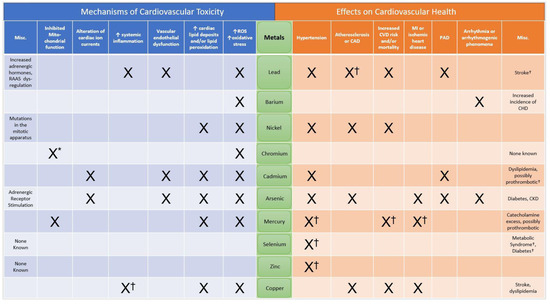
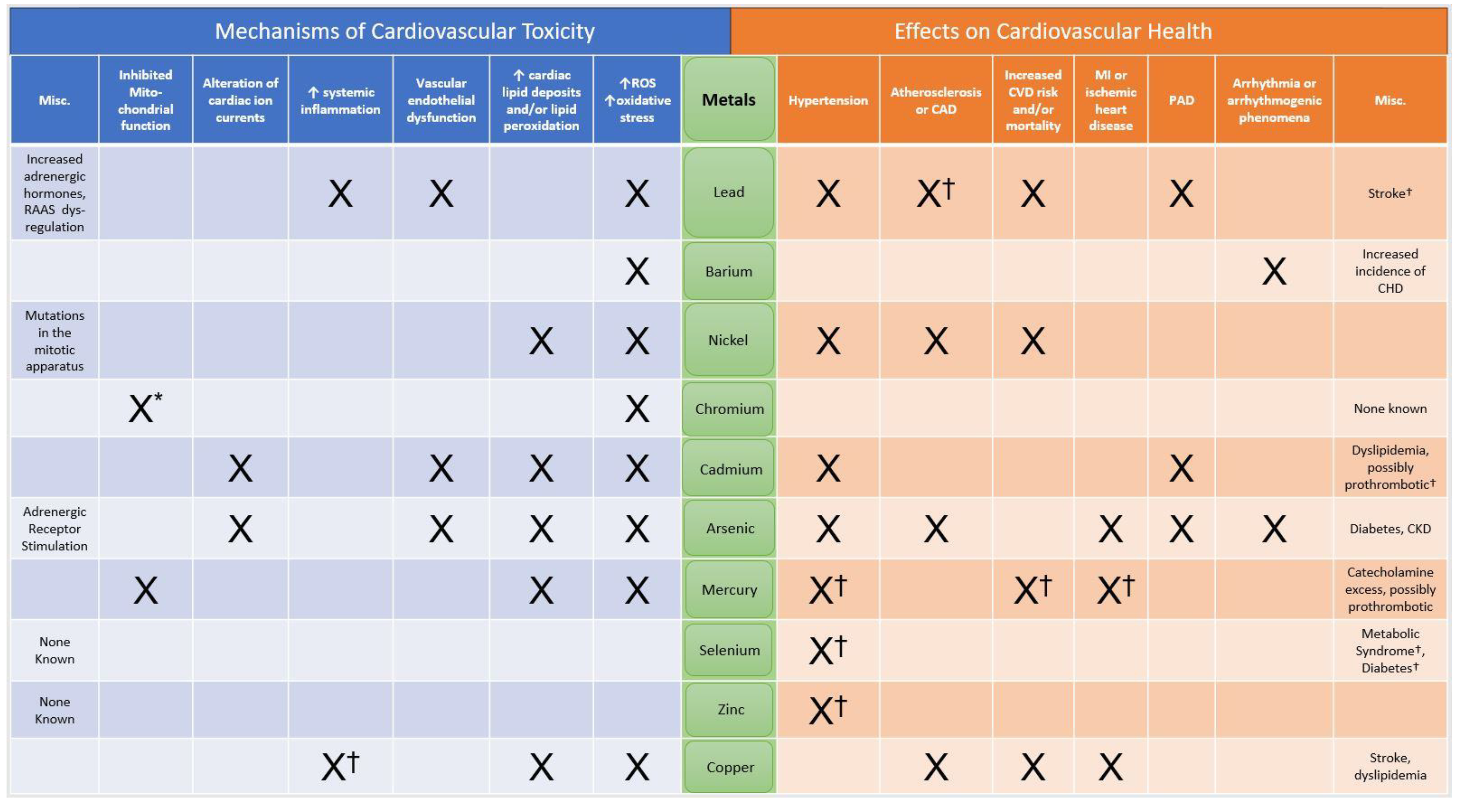

Disclaimer/Publisher’s Note: The statements, opinions and data contained in all publications are solely those of the individual author(s) and contributor(s) and not of MDPI and/or the editor(s). MDPI and/or the editor(s) disclaim responsibility for any injury to people or property resulting from any ideas, methods, instructions or products referred to in the content. |
© 2023 by the authors. Licensee MDPI, Basel, Switzerland. This article is an open access article distributed under the terms and conditions of the Creative Commons Attribution (CC BY) license (https://creativecommons.org/licenses/by/4.0/).