


Abstract
Background: The integration of artificial intelligence (AI) into mobile health (mHealth) applications has been accelerated by the widespread adoption of smartphones and recent technological advances, particularly in the wake of the COVID-19 pandemic. This experience has expanded the role of AI-powered apps in real-time health monitoring, early detection, and personalized treatment pathways. Aim: This review aims to summarize recent evidence on the use of AI in healthcare-related mobile applications, with a focus on clinical trends, practical implications, and future directions. Methods: Studies were prioritized based on methodological rigor, with systematic reviews forming the core of the analysis. Additional literature was considered to capture emerging trends and applications where a relevant rigorous screening and scoring procedure was applied to ensure methodological quality and relevance. Only studies addressing healthcare applications, rather than computational or computer science frameworks, were included to reflect the journal’s clinical scope. Results and Discussion: Fifty-six secondary studies were analyzed in detail. Thematic synthesis revealed a post-pandemic shift toward applications targeting mental health, chronic care management, and preventive services. Additional screening showed that, despite their increasing use in clinical contexts, few AI-based apps were formally classified as medical devices. This highlights a gap between technological innovation and regulatory oversight. Ethical concerns—including algorithm transparency, clinical responsibility, and data protection—were frequently reported across studies. Conclusions: This review underscores the growing impact of AI in mobile health, while drawing attention to unresolved challenges related to regulation, safety, and clinical accountability. A more robust integration into health systems will require clearer governance frameworks, validation standards, and interdisciplinary dialogue between developers, clinicians, and regulators.
1. Introduction
The introduction is structured to guide the reader from the historical roots of mobile health to the current challenges and opportunities of AI integration. Section 1.1, “Brief story of mHealth”, provides the necessary context by tracing the development of health monitoring from early space programs and wearable sensors to the advent of smartphones, which enabled app-based healthcare. This historical perspective highlights how technological evolution set the stage for AI-driven applications. Section 1.2, “Current State of AI in mHealth”, then focuses on the rapid adoption of AI, particularly accelerated during the COVID-19 pandemic. It reviews applications in telemedicine, chronic disease management, and real-time monitoring, while also identifying critical gaps in evidence, regulatory challenges, and ethical concerns. These observations naturally lead to the key questions that guide the review, highlighting where knowledge is sufficient and where further investigation is needed. Finally, Section 1.3, “Purpose of the narrative review,” explains why synthesizing high-quality secondary studies is timely and necessary. It clarifies the aims of the study, connecting the historical evolution and current state of AI in mHealth to the need for a structured, comprehensive analysis of trends, intervention categories, and implementation challenges.
1.1. Brief Story of Mhealth
The integration of artificial intelligence with mobile apps is linked to several key factors. First, the concept of mobile health (mHealth) has deep historical roots. Second, mobile phones evolved into smartphones with operating systems allowing app installation via platforms like app stores. Third, technological advancement and miniaturization enabled increasingly sophisticated features in smaller devices. Finally, the COVID-19 pandemic accelerated AI adoption in healthcare, emphasizing the need for innovative tools.
Mobile health began to take shape as early as the 1950s–1960s during space programs involving animals. For example, Laika, the first living creature in space, was monitored with wearable sensors transmitting data to Earth [1,2], analyzed by rudimentary software. As human space missions developed, these systems improved [2,3], laying a foundation for health applications. Before smartphones, physiological monitoring relied on wearable devices, with data analyzed on remote systems using specialized software [4]. The launch of modern smartphones in 2007/2008 [5]—enabling app downloads—marked a turning point. Initially aimed at consumers, apps soon extended to healthcare, transforming health monitoring and management [6].
A 2013 systematic review analyzed 117 studies produced from 2002 to 2012 [6] on mHealth, highlighting key trends: early mHealth relied on basic mobile features like SMS and calls for medication reminders, behavior support, and health education; smartphones’ potential remained largely unexplored; most studies focused on chronic disease management (e.g., diabetes, cardiovascular disease); early research had limited scope with small pilot trials; and studies gradually shifted from feasibility to evaluating real health impacts. This review showed the gradual transition to smartphone-based mHealth, exploring advanced technologies such as apps, sensors, and real-time data collection [6].
A 2019 review on mHealth interventions for First Nations populations examined mental health and suicide prevention [7]. Interventions used SMS and apps to deliver content. While culturally appropriate and acceptable, clinical outcomes were mixed, and evidence for effectiveness remained limited, highlighting the need for further research with stronger designs and larger samples. The COVID-19 pandemic acted as a catalyst for mHealth development. An umbrella review [8], covering publications from January 2020 to April 2022, highlighted the rapid increase in COVID-19 mobile apps, mostly from the USA, UK, and India. Studies were grouped into four clusters: app overview, privacy and security, MARS, and miscellaneous. The review noted gaps in evidence and called for further research on effectiveness and factors contributing to app success.
A scoping review [9] specifically examined mobile health applications released and used between March 2020 and February 2022. It categorized apps into primary prevention (public education and infection prevention) and secondary prevention (symptom monitoring, remote consultations, and data exchange). These mHealth tools proved effective in supporting remote care, patient monitoring, and healthcare coordination. During the pandemic [10], a “gray zone” of apps emerged, where non-medical apps (e.g., fitness or wellness apps) could resemble medical devices without regulation, creating potential risks for patient safety.
1.2. Current State of AI in mHealth
The integration of artificial intelligence (AI) in mobile health (mHealth) has accelerated sharply after 2020 in coincidence with the COVID-19 pandemic [11]. The urgent need for rapid, scalable solutions drove AI adoption across multiple areas of healthcare, including patient management, remote diagnosis, and disease monitoring. During the pandemic, AI applications were used to track virus spread, analyze data from mobile apps, wearable devices, and sensors [12], and employ machine learning algorithms to predict case trends, personalize treatment plans, and analyze patient-reported symptoms [13].
AI also enhanced telemedicine, automating diagnostic processes and improving the accuracy of remote assessments. It supported chronic disease management through real-time monitoring and dynamic treatment adjustments [14]. These applications illustrate significant benefits in accessibility, efficiency, and patient engagement, particularly in resource-limited or remote settings.
Despite these advances, important gaps remain in the literature. Many studies focus on technical feasibility or short-term outcomes, leaving long-term clinical effectiveness largely unaddressed. Research is often fragmented across disease areas, and there is limited consensus on the standards for evaluating AI interventions in mHealth. Critical issues regarding ethics, regulation, and patient safety remain inconsistently explored. Concerns include patient autonomy in AI-driven decisions, algorithmic bias, and the risk of dehumanizing care [15,16], as well as data privacy, transparency, and ownership. The phenomenon of the “gray zone” of apps, where non-medical apps can resemble regulated medical devices, further complicates the regulatory landscape and raises potential safety risks. The emerging field of algor-ethics has begun to address these challenges, focusing on the ethical and societal implications of algorithmic decision-making, particularly when AI assists or substitutes for healthcare professionals [17].
The COVID-19 experience also demonstrated that AI-driven mHealth can expand healthcare capacity beyond acute crises. Today, AI supports chronic disease management [18] and telemedicine interventions [19], integrating real-time monitoring, personalized treatment, and improved healthcare workflows. These tools make healthcare more accessible and efficient, especially in remote or underserved areas, and illustrate the transformative potential of AI in modern healthcare systems [12,13,14].
Given these developments and the remaining uncertainties, several key questions naturally emerge from the literature and the observed gaps:
- Current trends: What are the main trends in AI use across different mHealth domains, and how rapidly is the technology being integrated into everyday healthcare practices?
- Categorization and impact: How can AI applications in mHealth be categorized, and which types show the greatest promise for improving patient outcomes and enhancing healthcare efficiency?
- Opportunities and challenges: What are the main opportunities offered by AI, and what challenges—including regulatory, ethical, and implementation-related barriers—need to be addressed to ensure safe, equitable, and effective deployment?
These questions reflect both the progress achieved and the critical gaps in current knowledge. By focusing on trends, categories, and barriers, they provide a clear framework for understanding where AI in mHealth is most effective, where further research is needed, and what factors are crucial for its responsible integration into healthcare.
1.3. Purpose of the Narrative Review
Based on the rapid integration of artificial intelligence (AI) in mobile health (mHealth) during and after the COVID-19 pandemic, there is a clear need to take stock of the current state of AI utilization in this field.
This study aims to analyze and synthesize high-quality secondary studies on AI applications in mHealth, providing an overarching view of how AI is being integrated, what trends have emerged, and where knowledge gaps remain.
The specific objectives are to
- Trends: Examine the evolution and current trends in AI use in mHealth, including key areas of application such as chronic disease management, telemedicine, and mental health.
- Categorization: Classify AI-based mobile health tools and interventions, identifying those that are most effective and those that are emerging.
- Opportunities and Challenges: Evaluate the opportunities AI offers for improving healthcare delivery and accessibility, and address key challenges, including data privacy, regulatory frameworks, and healthcare system integration.
By summarizing current evidence, this review provides a comprehensive resource for understanding the landscape of AI in mHealth and offers insights into its potential future directions.
2. Methods
2.1. Narrative Review Approach, Search Strategy, and Quality Assessment
This narrative review was conducted following the principles of transparency and methodological consistency outlined in the Narrative Review Checklist ANDJ CL and a structured quality control procedure [20]. The aim was to synthesize high-quality evidence on the integration of AI in mHealth applications, with a primary focus on clinical relevance and healthcare impact rather than purely computational aspects.
2.1.1. Search Strategy, Study Selection, and Scope
The literature search targeted studies at the intersection of mHealth technologies and AI, prioritizing applications with tangible clinical or translational value. Searches were conducted in PubMed and Scopus, covering publications in English up to 31 July 2025. Multiple combinations of search terms were employed, organized by specific focus areas as summarized in Table 1. This approach ensured coverage of both general AI trends and domain-specific applications while maintaining focus on real-world healthcare impact.
Table 1.
Search terms and focus areas for AI in mHealth.
The review primarily relies on high-quality evidence identified through a structured search strategy. Although database filters for systematic reviews were applied, some retrieved records were not formally systematic reviews, but were included because the system recognized them as following some type of systematic approach. These were nevertheless included when they provided relevant conceptual, clinical, or methodological elements capable of adding value to the study.
It is important to clarify that the objective of this narrative synthesis is not to count primary studies or generate quantitative estimates. Therefore, potential overlap of primary studies across the included reviews was not treated as a limitation. Instead, the focus is on identifying key themes, clinical patterns, and practical insights, emphasizing the differential contribution of systematic versus non-systematic evidence.
By combining well-established topics from secondary studies this approach allows for a comprehensive thematic evaluation and provides a clinically meaningful, forward-looking synthesis of AI applications in mHealth.
The categorization presented in Table 1 represents a deliberate effort to organize the diverse applications of artificial intelligence in mobile health into coherent focus areas. This work is part of a broader institutional research initiative, which extends beyond the scope of this single study and is being pursued across multiple complementary fronts. These efforts aim to map the evolving landscape of AI in mHealth, support strategic decision-making, and provide insights for clinical practice, policy development, and future research directions.
The table distinguishes five key focus areas—General AI in mHealth, Machine Learning applications, Deep Learning & Neural Networks, Telemedicine & Remote Monitoring, and Specific Clinical Domains—each defined by a set of Mobile Health terms and AI-related terms. Some overlap exists between categories, reflecting the interconnected and interdisciplinary nature of AI applications in mHealth. Terms such as “wearable devices” or “telemedicine” are included selectively where contextually relevant, ensuring that both general and specialized applications are captured.
By structuring the literature in this way, the table serves multiple purposes: it provides a clear snapshot of the current research landscape, facilitates comparative analyses between domains, and establishes a reusable framework for future updates and institutional data collection initiatives. In this context, the categorization supports not only the narrative synthesis presented here but also broader ongoing investigations across diverse research fronts, highlighting emerging trends and opportunities in AI-driven mobile health.
2.1.2. Selection and Qualification of Reviews
Once the database of potential studies was assembled, a multi-step selection and quality assessment process was applied. This approach was adapted from established methods previously used for narrative reviews in related fields, and tailored to the clinical and translational focus of AI in mHealth.
Algorithm 1: Selection and Qualification Process
- 1.
- Define inclusion criteria
- ∘
- Primarily systematic reviews and meta-analyses were considered to ensure a high level of methodological rigor and robustness of evidence.
- ∘
- In addition, a limited number of non-systematic (narrative or scoping) reviews were included to capture emerging applications, innovative trends, and areas where systematic evidence is still limited.
- ∘
- Studies had to focus on clinical or healthcare applications of AI in mHealth, excluding purely technical or algorithmic works without tangible clinical outcomes.
- ∘
- Detailed inclusion/exclusion criteria are reported in Table 2.Table 2. Inclusion and Exclusion Criteria.
- 2.
- Initial screening
- ∘
- Titles and abstracts were screened independently by two reviewers.
- ∘
- Studies irrelevant to clinical mHealth applications, such as purely computational benchmarks or software architecture reports, were excluded.
- 3.
- Evaluation parametersEach study was assessed using six core parameters:
- ∘
- N1: Clear rationale—The study clearly explains the background, objectives, and significance.
- ∘
- N2: Adequate research design—Methodology is appropriate to answer the research question.
- ∘
- N3: Clearly described methodology—Data collection, analysis, and interpretation are transparent and replicable.
- ∘
- N4: Well-presented results—Results are clearly described, with tables, figures, or statistical analysis supporting conclusions.
- ∘
- N5: Conclusions justified by results—Conclusions are evidence-based and logically derived.
- ∘
- N6: Disclosure of conflicts of interest—Conflicts of interest are explicitly reported.
- 4.
- Scoring system
- ∘
- N1–N5 were scored on a 1–5 scale (1 = poor, 5 = excellent).
- ∘
- N6 was assessed as Yes/No (Yes = disclosed; No = not disclosed).
- 5.
- Preselection of studies
- ∘
- Only studies with N1–N5 > 3 and N6 = Yes were preselected.
- ∘
- This ensured inclusion of methodologically robust studies with transparency in conflicts of interest.
- 6.
- Final synthesis
- ∘
- Preselected studies were included in the narrative synthesis, providing a clinically focused overview of trends, categories, and challenges in AI-driven mHealth.
- ∘
- The synthesis emphasized post-pandemic developments, highlighting how technological innovation intersects with practical healthcare applications.
2.2. Screening Team and Reliability Assessment
The screening and selection of studies for this narrative review were conducted with a focus on methodological rigor, clinical relevance, and transparency. The process emphasized bioengineering and translational applications of AI in mobile health, rather than purely computational or technical studies.
Screening Team:
The review was conducted by two reviewers, the authors of this study (S.M. and D.G.), each with over 25 years of experience in bioengineering, telemedicine, data science, and regulatory aspects of digital medical technologies. The two authors screened the identified papers for titles and abstracts independently and in a blind manner (using the Rayyan tool) and extracted data from the full texts of the selected papers. Disagreements were resolved through discussion and consensus.
Screening Protocol:
All records were initially imported into Rayyan (https://www.rayyan.ai, access on 14 November 2025), a web-based tool designed for systematic and scoping reviews. Rayyan facilitated deduplication, independent screening of titles and abstracts, and the application of inclusion/exclusion criteria. Table 2 reports the screening inclusion/exclusion protocol.
Quality Assessment Procedure:
Each study passing the initial screening underwent a quality assessment using the algorithm described in Algorithm 1. The two reviewers independently scored studies across six domains: rationale clarity (N1), research design (N2), methodology (N3), presentation of results (N4), validity of conclusions (N5), and disclosure of conflicts of interest (N6).
- For N1–N5, a 5-point scale was applied: 1 = Poor, 2 = Fair, 3 = Good, 4 = Very Good, 5 = Excellent.
- N6 was assessed binary (Yes/No), depending on whether conflicts of interest were explicitly disclosed.
All full-text studies were independently assessed by two reviewers using the six-parameter scale (N1–N6). Only studies meeting all thresholds for both reviewers were included in the narrative synthesis. Detailed scoring for the included studies is provided in anonymized form in Supplementary Table S1. Additional information on the assessment process is described in the Supplementary Materials.
This structured, yet flexible, approach ensures that the narrative synthesis is based on high-quality, clinically relevant evidence, highlighting both the strengths and limitations of current AI applications in mobile health.
3. Results
The rationale of the results is organized to offer a comprehensive, clinically oriented overview of how AI and mHealth applications are transforming healthcare. The structure follows a logical progression: from research trends to clinical insights, and finally to thematic categorization and opportunities for further investigation. This organization allows readers to appreciate both the breadth of the field and the specific contributions of AI-driven mHealth technologies across diverse healthcare domains.
Section 3.1 Study Selection Flow outlines the approach that guided the identification of studies for this narrative review. The process focused on high-quality, clinically relevant review studies in AI-driven mHealth applications, prioritizing studies that provide insights into patient care, clinical decision-making, and healthcare delivery. This approach establishes a solid foundation for presenting results that are directly meaningful and applicable to healthcare practice, rather than centered on technical or algorithmic development.
Section 3.2 highlights the temporal and quantitative trends in AI-driven mHealth research, illustrating the growing attention to these technologies and their progressive integration into healthcare systems. This perspective provides context for understanding how innovations have evolved and how the evidence base has expanded over time.
Section 3.3 synthesizes the selected studies, emphasizing common clinical messages and emerging themes. The review identifies how AI and mHealth platforms contribute to disease prevention, early detection, personalized treatment, and real-time patient monitoring. The categorization into macro-areas allows a structured understanding of the diverse applications, spanning mental health, chronic disease management, diagnostics, public health, and medical informatics. By integrating historical and recent insights, this synthesis highlights recurring patterns, areas of strong evidence, and domains where AI and mHealth are already impacting patient care.
Section 3.4 explores opportunities and areas needing further investigation, highlighting gaps in the current evidence base and potential directions for future research. This forward-looking perspective emphasizes the transformative potential of AI-powered mHealth platforms in enhancing clinical decision-making, expanding access to care, supporting underserved populations, and improving health outcomes.
Overall, the results provide a clinically grounded, evidence-based synthesis, showing the current scope of AI and mHealth applications and guiding interpretation of how these technologies are reshaping healthcare practices and informing future innovation. By combining research trends, thematic insights, and structured categorization, the review offers a comprehensive roadmap for understanding the evolving role of AI in digital health.
3.1. Study Selection Flow
Although a structured selection process is not strictly required for narrative syntheses, we nonetheless adopted one to ensure transparency and reproducibility. Specifically, we considered relevant elements extracted from the literature that provided conceptual, clinical, or methodological insights pertinent to AI-based mobile health applications.
We conducted a targeted literature search in PubMed and Scopus, chosen for their broad and complementary coverage of biomedical, bioengineering, and digital health research. The combined search retrieved 661 records in total, including overlapping entries across databases. After removing 103 duplicates, 558 unique records were retained for subsequent screening.
These records underwent a screening focused on clinical relevance, bioengineering applicability, and the substantive value of the extracted elements, rather than on publication type. The aim was to prioritize contributions capable of informing the design, evaluation, and implementation of AI-driven mobile health tools, rather than studies focused solely on algorithmic development or technical optimization. During this phase, 402 records were excluded, resulting in 156 records eligible for full-text evaluation. Discrepancies between the two reviewers were resolved through discussion, and consensus was always reached.
In the full-text assessment, the remaining records were evaluated for quality, recency, and clinical contribution. During the full-text assessment, all 156 records were subjected to the six-parameter quality evaluation (N1–N6). Of these, 100 records did not meet the inclusion thresholds. During this evaluation, it also emerged that 30 had findings largely incorporated into more recent contributions, and 70 were superseded by newer elements providing more comprehensive, clinically and translationally oriented evidence.
Ultimately, 56 key elements [21,22,23,24,25,26,27,28,29,30,31,32,33,34,35,36,37,38,39,40,41,42,43,44,45,46,47,48,49,50,51,52,53,54,55,56,57,58,59,60,61,62,63,64,65,66,67,68,69,70,71,72,73,74,75,76] were included in the narrative synthesis. These elements provide both breadth and depth, encompassing AI-driven mobile health applications relevant to clinical practice, patient management, evaluation metrics, and evidence-based interventions. By integrating historical and recent evidence, this synthesis highlights emerging trends, consolidates findings across healthcare settings, and informs future research, clinical decision-making, and digital health policy.
3.2. Research Trends in Mobile Apps and Their Use of Artificial Intelligence
To provide a contextual overview of research trends in AI-driven mobile health applications, we conducted a broad search in the PubMed database, focusing exclusively on biomedical literature. This search illustrates the overall growth of publications in the field, highlighting the increasing contribution of AI-enabled interventions over time. These trends serve to contextualize the focused analysis of the 56 studies selected through targeted inclusion criteria reported in Section 2, which ensure relevance, methodological rigor, and clinical applicability.
The search was conducted in the PubMed using the search composite keys in Table S2 (in the Supplementary Materials), position 1, resulting in a total of 3957 studies published since 2002. Figure 1 shows the types of studies: 486 reviews and systematic reviews articles published since 2011 (12%), and 3471 studies of other types. Figure 2 and Figure 3 depict the numerical temporal trend of all studies and review studies respectively.
Figure 1.
Types of studies found on mobile health apps including AI, since 2002. The number of all studies is 3957, with 12% of reviews and systematic reviews articles published since 2011.
Figure 2.
Numerical time trend of all studies published on the use of AI in mobile health apps, since 2002 (number of all studies 3957). The figure shows that the production of such studies was very modest (only 1%) from 2002 to ten years ago, then increased significantly over the last ten years (14% of studies published between 10 and 5 years ago), and has grown impressively in the last five years (85%).
Figure 3.
Numerical time trend of review studies on the use of AI in mobile health apps, since 2011 (number of all reviews 486). It should be noted that the number of such studies was very irrelevant (only 1%) from 2011 to ten years ago, then increased meaningfully over the last ten years (15% of studies published between 10 and 5 years ago), and has increased extraordinarily in the last five years (84%).
We also wanted to examine the development of health apps for smartphones, so we searched for published studies on this topic using the search term in Table S2, Position 2. This search yielded 30,632 results from 2000 onwards. Of these, 2982 were review articles or systematic reviews (10%), while the remaining 27,650 (90%) were articles from other types of studies (see Figure 4). Figure 5 and Figure 6 represent the numerical temporal trend of all studies and review studies respectively.
Figure 4.
Types of studies published on mobile health apps, since 2000 (number of all studies 30,632).
Figure 5.
Numerical time trend of all studies published on mobile health apps, since 2000 (number of all studies 30,632). The trend shows that, from 2000 to ten years ago, very few studies were conducted (only 6%). Then, between 10 and 5 years ago, this figure increased to 29%. Finally, in the last five years, the number of studies has become very considerable (65%).
Figure 6.
Numerical time trend of review studies on mobile health apps, since 2000 (number of all reviews 2982). As you can see, the number of these studies was negligible (only 6%) between 2000 and ten years ago, then increased over the last ten years (29% of studies published between 10 and 5 years ago), and has risen further in the last five years (65%).
Finally, we compared the temporal trend of studies on apps only with those on apps with AI over the last decade, from 2015 to 2024 (Figure 7). The number of both types of studies has been increasing year by year, but the number of studies on apps with AI has increased more rapidly (mean increment per year of 45%) than the number of studies on apps without AI (mean increment per year of 16%). This difference clearly shows that AI-based mobile health apps are developing rapidly thanks to the massive development of this technology.
Figure 7.
Temporal trend of studies on mobile health apps, without (AppNOAI) and with (APP&AI) AI in the last 10 years (from 2015 to 2024).
It must be remarked that while the temporal trends depicted in Figure 1, Figure 2, Figure 3, Figure 4, Figure 5, Figure 6 and Figure 7 reflect the general expansion of AI-related mobile health research, the subsequent analysis concentrates on the 56 studies identified through predefined selection criteria. By focusing on this curated dataset, we provide a detailed and comparable assessment of current applications, methodological approaches, and emerging gaps, complementing the broader bibliographic overview.
3.3. Output from the Overview: Common Message, Themes and Categorization
Fifty-six studies were selected using the proposed methodology.
When we analyzed the countries of authors of selected studies (Figure 8), we found that China, United States and Canada produced the largest number of studies (seven, six, and four respectively), while all other countries produced a maximum of three publications during the analyzed period. For studies conducted by authors from different countries, we have considered the country of the corresponding author.
Figure 8.
Number of selected studies by country (56 studies from 26 counties).
Table 3 provides an outline of the themes, the contributions of mHealth and AI, the focus, and a brief description of the study. Table 4 presents the emerging categorization into macro-areas.
Table 3.
Sketch of the selected studies.
Table 4.
Main macro-areas identified in AI-driven mHealth research.
Common message
A clear and recurrent clinical message emerges from the literature on mHealth platforms and artificial intelligence (AI) in healthcare: these technologies are reshaping clinical practice by enhancing disease prevention, diagnostic accuracy, personalized treatment, and real-time patient monitoring.
AI-driven tools enable precise, real-time tracking in mental health, supporting early interventions in vulnerable populations such as youth [21]. In neurology, smartphone-based assessments provide objective evaluations for Parkinson’s disease [26], while digital phenotyping facilitates personalized stress and anxiety management [31].
In disease prevention and early detection, AI applications are proving transformative. Examples include smartphone-assisted oral health screening [25], mobile apps for managing neglected tropical diseases [22], and deep learning algorithms for early oral cancer detection [23]. Telehealth and remote monitoring extend care beyond traditional settings, bridging accessibility gaps, while AI-driven personalized care initiatives face commercialization challenges [53]. Digital health apps support orthopedic diagnoses [56] and ICT-based solutions facilitate COVID-19 remote management [44], illustrating AI-IoT synergy in pandemic response.
Lifestyle and chronic disease management also benefit from AI-enabled interventions, including nutrition support [34] and type 2 diabetes prevention programs [35]. Workplace health promotion leverages AI to target behavioral risks [28], while sensitive health issues are addressed through domestic violence prevention apps [52], fall detection for seniors [55], and surgical site infection prevention tools [54].
Diagnostic and therapeutic innovations are reaching clinical maturity. AI-powered smartphone systems achieve high accuracy in diabetic retinopathy detection [43], tools for obstructive sleep apnea diagnosis are emerging [47], and markerless motion capture enhances rehabilitation [51]. AI-integrated pain management apps optimize patient experience and outcomes [46].
AI also supports knowledge translation and research efficiency, with frameworks for evaluating digital health apps [32], generative AI for systematic reviews [33], and AI-crafted plain language summaries [37], improving dissemination to broader audiences. Recent evidence demonstrates the growing clinical integration of AI-mHealth solutions, including improved cardiovascular risk prediction [60], perioperative support [70], and digitally structured oncology and chronic care pathways [66,72].
Collectively, these studies convey a powerful clinical message: AI-powered mHealth technologies are now essential drivers of a predictive, personalized, participatory, and transformative healthcare paradigm. Their integration promises to revolutionize prevention, diagnosis, treatment, and patient empowerment, advancing equitable and effective care across diverse populations.
Emerging themes
The studies summarized in Table 3 demonstrate the wide-ranging contributions of AI and mHealth platforms across multiple healthcare domains. They encompass predictive AI for mental health, smartphone-based tools for chronic disease management, diagnostic aids, and preventive interventions, all aimed at improving outcomes, enhancing disease prevention, and enabling real-time monitoring.
For mental health, predictive AI supports early interventions in youth [21], while digital phenotyping and wearable devices allow continuous monitoring of stress, anxiety, and depression [31]. In neurology, smartphone-based assessments provide objective evaluations for Parkinson’s disease [26], and markerless motion capture enhances rehabilitation [51]. Chronic disease management benefits from personalized AI interventions, including nutrition support [34], type 2 diabetes prevention [35], home-based care for chronic low back pain and COPD [58,59,60,61,62,63,64], and supportive apps for inflammatory bowel disease and spinal cord injury [74,75].
In preventive care, AI-enabled mobile tools improve oral health screening [25], early oral cancer detection [23], diabetic retinopathy [43], and sleep apnea diagnosis [47]. Workplace health initiatives leverage AI to reduce behavioral and mental health risks [28], while domestic violence prevention apps integrate AI for safety and monitoring [52]. Telehealth and ICT-based solutions, including COVID-19 remote management [44] and orthopedic diagnosis [56], highlight the extension of care beyond traditional clinical settings.
Several studies illustrate AI’s role in knowledge translation and system efficiency, such as frameworks for evaluating digital health apps [32], generative AI to streamline systematic reviews [33], and AI-generated plain language summaries [37]. Mobile and AI tools also support public health, addressing gender-based violence [57], promoting vaccination and preventive interventions, and enhancing access in low-resource settings [60,62].
The literature highlights an emerging convergence of AI and mHealth, moving from isolated applications to integrated, adaptive systems capable of predictive, personalized, and participatory care. Across diagnostic, therapeutic, preventive, and rehabilitative domains, these tools are reshaping clinical practice, improving outcomes, and addressing health inequities. Ethical considerations, usability, and contextual fit are increasingly recognized as critical dimensions in the deployment of AI-driven digital health solutions [65,66,67,68,69,70,71,72,73,74,75,76].
Taken together, these studies reinforce the transformative potential of AI-powered mHealth platforms in supporting patient-centered, evidence-based, and accessible healthcare across diverse populations and clinical domains.
Categorization
Table 4 is structured to provide a comprehensive overview of the main macro-areas arisen in AI-driven mHealth research. Each row represents a distinct macro-area, reflecting the dominant healthcare domain addressed in the included studies. Studies were grouped based on their primary focus or application, so that, for example, research primarily on mental health falls under “Mental Health & Well-being,” whereas studies on chronic disease management are categorized under “Chronic Diseases & Diagnostics.”
We acknowledge that some conceptual overlap exists—for instance, between “Disease Prevention & Management” and “Public Health,” or across interventions addressing domestic versus workplace violence. This overlap is intentional and reflects the inherently multi-dimensional nature of AI-driven mHealth applications, where a single study may contribute to multiple healthcare objectives. Rather than imposing artificially exclusive boundaries, the categorization prioritizes the dominant theme or clinical focus of each study. The classification is designed to highlight dominant application areas without enforcing strict exclusivity, enable thematic synthesis to identify key patterns and gaps, and provide a structured yet flexible framework that accommodates both established and emerging research areas.
The columns are organized as follows:
- Macro Area: The broad healthcare category where AI and mHealth applications have been applied.
- Number of Included Studies: Total studies contributing to each macro-area, allowing a quick assessment of research volume.
- Evidence Maturity Level: Qualitative assessment of research maturity (e.g., emerging, developing, mature) based on the number and quality of studies.
- Typical Interventions/Focus: Provides a brief summary (1–2 sentences) of the typical interventions, aims, or contributions of the studies in that macro-area.
- Notes/Research Gaps: Highlights areas with limited evidence or underexplored topics, guiding directions for future investigation.
- Key Studies [ ]: Lists the included studies for each macro-area using numerical references corresponding to the reference list.
This organization enables readers to quickly understand both the breadth of research across healthcare domains and the dominant application focus in each area. By integrating study counts, maturity levels, and research gaps as core components, the table facilitates identification of patterns, trends, and priority areas for future AI-mHealth research.
Key macro-areas include:
- Mental Health & Well-being: AI and mobile platforms for monitoring and improving mental health, including stress, anxiety, depression, behavioral addictions, suicide risk prediction, and personalized interventions [21,31,41,48,61,63,64,65,66,67,68,69,70].
- Disease Prevention & Management: Digital tools for preventing, diagnosing, and managing diseases such as type 2 diabetes, neglected tropical diseases, domestic violence, Alzheimer’s disease, and physical rehabilitation [22,35,40,50,52].
- AI & Mobile Health Technologies: Methodological frameworks for AI integration in mHealth, chatbots, and diagnostic tools for infectious diseases [32,33,36,37,38,39].
- Cancer & Oral Health: Early detection and self-monitoring of oral health conditions, including oral cancer and dental caries, often leveraging smartphone-based imaging [23,25,27,45,49].
- Chronic Diseases & Diagnostics: AI-supported diagnosis and management of chronic diseases, including diabetes, COPD, cardiovascular conditions, sleep apnea, falls, and pediatric eye screening [30,43,47,54,55,58,60,64,72,74,76].
- Health Data & Outcome Measurement: Patient-generated data for real-world outcome measurement, cognitive assistance, and caregiver support [38,42,50,71].
- Workplace Health: AI-based interventions to promote employee health and prevent disease [28].
- Health Technologies & Innovations: Innovative tools for rehabilitation, forecasting patient arrivals, pain management, and spinal cord injury support [24,46,51,59,75].
- Healthcare Technology Integration: Digital solutions for remote diagnostics, telehealth, ICT-based monitoring, and AI-driven translation in clinical settings [44,53,56,73].
- Technology for Medication Adherence: mHealth apps improving adherence to treatments, particularly in oncology [29].
- Nutrition & Health: Mobile apps supporting nutrition management and healthier behaviors [34].
- Public Health: Smartphone-based interventions addressing public health challenges, such as domestic violence and universal health coverage in low-income settings [52,57,62].
- Surgical Care & Infections: Data-driven technologies preventing surgical site infections [54].
- Medical Informatics: Telehealth startups enhancing healthcare delivery and access [53].
Early research [21,22,23,24,25,26,27,28,29,30,31,32,33,34,35,36,37,38,39,40,41,42,43,44,45,46,47,48,49,50,51,52,53,54,55,56] covered multiple domains including chronic disease management, cancer detection, rehabilitation, telehealth, and initial AI-based mental health tools. More recent studies ([57,58,59,60,61,62,63,64,65,66,67,68,69,70,71,72,73,74,75,76], 2024–2025) show a shift toward mental health, emphasizing AI-powered personalized interventions, real-time monitoring, and integration with chronic disease management.
Overall, the table demonstrates the evolution of AI-driven mHealth research from a broadly distributed landscape to a more focused attention on mental health and well-being, while maintaining substantial contributions in chronic disease care, public health, and innovative technologies. By presenting this structured categorization, Table 4 clarifies the breadth of research, highlights emerging trends, and identifies areas for future investigation.
3.4. Opportunities and Areas Needing Broader Investigation
The integration of Artificial Intelligence (AI) and mobile health (mHealth) technologies represents a rapidly evolving frontier in healthcare, offering significant opportunities to enhance disease management, improve patient outcomes, and streamline healthcare delivery. These innovations span predictive tools for mental health, real-time monitoring of chronic conditions, and early detection of infectious diseases. AI-powered mHealth platforms, in particular, have the potential to transform healthcare access and delivery, especially for underserved and remote populations, by identifying risks and patterns in real-time and enabling personalized, timely interventions that can reduce costs and improve outcomes.
For instance, AI can support the prediction and management of mental health conditions such as anxiety and depression in young populations, with mobile apps enabling immediate interventions to promote well-being [21]. In chronic disease management, AI-powered tools enhance monitoring and control of conditions like diabetes, hypertension, and cardiovascular diseases, providing individuals with actionable insights and personalized recommendations [24,28]. Furthermore, AI has a key role in expanding healthcare access in low-resource settings, such as for neglected tropical diseases, which are often underdiagnosed in resource-limited regions [22].
Despite these advantages, integrating AI and mHealth into routine care faces significant challenges. Data privacy and security are critical, particularly when handling sensitive health information [31]. Resistance from healthcare providers, concerns about reliability, integration with existing systems, and implementation costs further limit adoption [25,29]. Accessibility remains a concern in rural and marginalized communities with limited infrastructure.
Ethical and regulatory issues are also central. Clear frameworks are needed to ensure AI tools are effective, equitable, and transparent, addressing potential biases and establishing governance for their use in healthcare [33]. Achieving regulatory approval for AI-driven technologies, particularly in mental health and chronic disease management, remains a complex and ongoing challenge.
Recent studies from late 2024 through 2025 [57,58,59,60,61,62,63,64,65,66,67,68,69,70,71,72,73,74,75,76] highlight the rapid growth of research in this area, illustrating how AI and mHealth are reshaping healthcare delivery across clinical and public health domains. AI applications have improved diagnostic accuracy for pediatric ocular diseases [60] and obstructive sleep apnea [76], and mobile apps for chronic disease self-management, including type 2 diabetes [58] and COPD [64], enable home-based monitoring and personalized interventions. Wearable biosensors combined with AI support real-time mental health monitoring [66], and AI-enhanced ecological momentary assessment offers promising tools for suicide prevention [67].
However, challenges persist. Data privacy, equitable access, algorithmic bias, and the digital divide remain key barriers [62,69,72]. Rigorous validation and standardization are essential to ensure clinical reliability and utility [61,70].
Overall, these studies depict a dynamic digital health landscape where AI and mHealth technologies offer transformative potential for patient-centered care. Table 5 summarizes the opportunities and challenges identified, highlighting areas for impactful implementation and barriers that must be addressed for safe, ethical, and effective adoption.
Table 5.
Emerging opportunities and areas needing a broader investigation.
4. Discussion
Logical progression and integration of the discussion
To provide a coherent and comprehensive analysis, the discussion follows a logical progression that both complements and extends the results presented in Section 3. The findings derived from the overview of secondary studies inform evidence-based insights, highlight recurring clinical and technological themes, and identify gaps and areas for improvement in AI-powered mHealth applications. The discussion is structured to address multiple interconnected dimensions, including clinical added value, comparison with prior literature, real-world impact on practice and policy, regulatory and governance issues, quality and usability aspects, technical standards and norms, regulatory gray zones, study limitations, and future research priorities. This structure ensures a clear link between the results and their practical, clinical, technical, and regulatory implications. In this way, the discussion not only synthesizes the evidence but also integrates it with standards, norms, and best practices, offering a holistic perspective to guide future research, implementation, and governance of AI-driven digital health tools.
Organization of the discussion
The discussion is organized into the following sections to provide a comprehensive analysis of the findings and their implications within the field:
Section 4.1 “Summary of key findings” presents the main insights from the included studies, highlighting AI’s transformative role in mHealth across disease prevention, diagnosis, and management. It emphasizes emerging categorizations, thematic trends, and the balance between opportunities and challenges, including clinical impact, personalization, and accessibility improvements.
Section 4.2 “Comparison with prior evidence” compares the finding with previous literature, demonstrating how the narrative review integrates fragmented prior evidence, emphasizes cross-cutting themes, and identifies translational insights. It discusses how AI-enabled apps advance beyond traditional mHealth tools, highlighting gaps in prior secondary studies.
Section 4.3 “Exploring clinical and policy implications” examines the real-world impact of AI-powered mobile health applications on clinical practice and healthcare policy. It highlights how these tools support continuous patient monitoring, early detection, and personalized interventions across chronic diseases, mental health, and preventive care. The discussion emphasizes the importance of integrating apps into clinical workflows, ensuring usability, and promoting patient engagement. Policy considerations focus on data privacy, equitable access, and addressing algorithmic bias. Overall, the subsection underscores that while AI-mHealth applications hold transformative potential, their benefits depend on careful implementation, governance, and alignment with healthcare priorities.
Section 4.4 “Exploring the regulatory landscape surrounding AI-powered mobile health apps” explores the evolving regulatory environment governing AI-powered mobile health applications, highlighting various thematics in the found studies. This section provides an overview of relevant medical device regulations, including classification, approval processes, and post-market surveillance requirements. Additionally, it examines emerging AI-specific regulatory frameworks and guidelines that address algorithmic transparency, bias mitigation, and ethical considerations. By discussing the convergence and gaps between traditional medical device regulation and AI governance, this subsection highlights the regulatory challenges and opportunities critical for ensuring patient safety and fostering innovation.
Section 4.5 “Quality Aspects in AI & Apps” focuses on quality aspects of AI-powered health apps. It synthesizes evidence on usability, clinical validity, reliability, and user experience, emphasizing how structured evaluation frameworks and evidence-based design principles contribute to app effectiveness and adoption. Key considerations include interoperability with clinical workflows, robustness of AI algorithms, adherence to clinical guidelines, and patient-centered design, all of which influence both user trust and regulatory acceptance.
Section 4.6 “Technical Standards and Norms for AI-Powered Health Apps” addresses technical standards and norms applicable to AI-powered health apps. Compliance with ISO, IEC, and other relevant frameworks ensures that AI applications are safe, reliable, interoperable, and privacy-conscious. This subsection elaborates on standards covering software lifecycle management, risk mitigation, usability, data protection, AI governance, and post-market surveillance. By following these norms, developers and healthcare organizations can enhance algorithm transparency, mitigate bias, ensure continuous monitoring, and foster trust among clinicians, patients, and payers.
Section 4.7 “The Regulatory Gray Zone and AI-Specific Advantages in mHealth” highlights the regulatory “gray zone” in mobile health, where many applications perform medical-like functions without formal classification or oversight, creating gaps in patient safety, liability, and governance. Examples include fitness or wellness apps versus regulated cardiac or mental health screening tools. At the same time, AI-specific advantages are discussed, such as real-time pattern recognition, personalized interventions, predictive modeling, and natural language processing for symptom assessment. The subsection underscores the need to balance innovation with safety, addressing both the regulatory ambiguities and the unique benefits AI brings to mHealth.
Section 4.8 “Limitations” outline the study’s limitations. It addresses methodological constraints inherent in narrative reviews, such as potential selection bias and the lack of quantitative synthesis. The subsection also considers limitations related to the rapidly evolving nature of AI and mHealth technologies, which may impact the generalizability and timeliness of the findings.
Section 4.9 “Recommendations for Future Research” addresses emerging recommendations and future research priorities for AI-powered mHealth applications. It focuses on rigorous evaluation of long-term clinical effectiveness, algorithm transparency and explainability, bias mitigation, adaptation of regulations for apps in the “gray zone,” integration with clinical workflows, healthcare system interoperability, and ethical considerations such as privacy, informed consent, and user engagement. The aim is to guide the safe, equitable, and sustainable development of AI in mobile health.
4.1. Summary of Key Findings
The overview of secondary studies reveals three major insights regarding the integration of AI in mHealth applications, encompassing growing contributions, emerging categorizations, and the balance of opportunities and challenges, thereby offering a comprehensive understanding of AI’s role in transforming healthcare delivery.
First, the integration of AI in mHealth apps has proven transformative across multiple healthcare domains, particularly in disease prevention, diagnosis, and management. AI technologies, including predictive algorithms for mental health management and machine learning models for chronic disease care, enhance healthcare quality by enabling real-time monitoring and tailored interventions. For instance, predictive AI tools in mental health care can anticipate symptom onset and provide early interventions, potentially preventing crises and improving long-term outcomes, especially among youth [21]. Similarly, AI applications in ophthalmology, such as the diagnosis of retinal diseases and diabetic retinopathy, demonstrate the potential for early detection and precise diagnostics, which are critical in preventive healthcare [30,43].
Second, several thematic patterns and emerging categorizations are evident across the literature. mHealth apps can be classified by functionality, including disease monitoring, diagnostic support, and behavior modification. AI’s impact is increasingly visible in personalized healthcare, with apps tailored to meet the specific needs of individuals with chronic conditions such as diabetes, hypertension, and cardiovascular diseases [24,35]. Preventive health remains a significant trend, with AI supporting early detection and risk assessment for conditions like cancer, cardiovascular disease, and sleep disorders. Tools for early disease detection, including oral cancer [23] and sleep apnea [47], illustrate the clinical relevance of AI in enabling timely interventions. Additionally, AI-driven behavioral health interventions, such as chatbots for smoking cessation and mental health support, showcase AI’s potential in addressing lifestyle-related health issues [28].
Finally, while AI integration offers substantial opportunities, it also presents notable challenges. AI-powered mHealth apps can improve healthcare accessibility, particularly for underserved or remote populations, and facilitate remote monitoring and diagnosis, reducing the need for in-person visits—a role that proved crucial during the COVID-19 pandemic [53,56]. Personalized interventions further enable tailored management of chronic conditions, potentially reshaping patient care [29,40]. However, challenges persist, including data privacy and security, technological accessibility in low-resource settings, regulatory complexities, and the risk of algorithmic bias that could produce inequitable outcomes [33].
Overall, the growing presence of AI in mHealth is reshaping healthcare by improving diagnostic accuracy, enabling personalized care, and supporting disease management. While opportunities are vast, addressing challenges such as data security, accessibility, and regulation is essential for equitable and effective integration. Continued efforts to overcome these barriers will determine whether AI can fully realize its potential to make healthcare more accessible, efficient, and personalized across diverse populations.
4.2. Comparison with Prior Evidence
This narrative review complements and extends prior work in mHealth research by focusing on emerging themes and clinical implications of AI integration, rather than following the strict inclusion criteria of secondary studies.
Earlier studies, such as Fiordelli et al. (2013) [6], mapped a decade of mHealth evolution, providing a broad overview of mobile health research but offering limited insight into the integration of AI in clinical practice. Hobson et al. (2019) [7] examined mHealth for First Nations populations, emphasizing accessibility and engagement, yet without detailing AI functionalities or clinical impact.
During the COVID-19 pandemic, the overviewed studies addressed mobile apps for pandemic management. Holl et al. (2024) [8] reviewed COVID-19 apps, focusing mainly on adoption and usage patterns. Mansouri & Darvishpour (2023) [9] provided a scoping review of reviews, again emphasizing usage and deployment rather than clinical outcomes or translational relevance.
Other studies specifically considered AI integration. Maccioni & Giansanti (2021) [10] discussed the “gray zone” of medical apps and the need for cybersecurity expansion. Dabla et al. (2021) [11] highlighted the emerging role of AI in mobile health and digital laboratory medicine. Alkasassbeh et al. (2023) [12] explored COVID-19 detection apps, emphasizing diagnostic potential. Shahroz et al. (2021) [13] examined digital contact tracing applications. Huang et al. (2022) [14] discussed telemedicine and AI to support self-isolation. Solimini et al. (2021) [15] analyzed ethical and legal challenges of telemedicine during COVID-19. Kritikos (2022) [16] addressed ethical governance of AI applications in pandemics. Lastrucci et al. (2024) [17] proposed algoretics frameworks for balancing innovation and integrity in healthcare AI. Singareddy et al. (2023) [18] reviewed AI for chronic condition management. Zhang et al. (2024) [19] offered a global perspective on AI in telemedicine.
While these works provide valuable insights, many remain fragmented, emphasizing either technical aspects, pandemic-specific applications, or ethical and regulatory considerations in isolation. They often do not systematically connect technological innovations to clinical relevance and cross-cutting themes in mHealth.
In contrast, this narrative review synthesizes a wide spectrum of evidence to identify recurring themes and emerging trends across healthcare domains. AI-driven mHealth tools are increasingly applied to personalized care, chronic disease management, mental health interventions, and preventive diagnostics [21,24,28,30,35,43,47]. This approach highlights patterns that transcend individual studies or populations, capturing innovation trends that systematic reviews with narrower scopes might overlook.
Moreover, this review incorporates insights on regulatory, ethical, and implementation aspects, including medical device classification, data standardization, privacy, and cybersecurity [26,31,33,39,57,64,69,70,71,72,73,74,75,76]. By maintaining a narrative perspective, the review captures the breadth of the field, linking technological advances to patient care and highlighting opportunities and challenges for both research and policy.
In summary, while systematic reviews provide rigorous but narrowly defined evidence, this narrative synthesis identifies cross-cutting themes, translational insights, and areas of emerging innovation, reflecting the dynamic and evolving landscape of AI-powered mHealth.
4.3. Exploring Clinical and Policy Implications
The integration of Artificial Intelligence (AI) into mHealth apps carries profound implications for both clinical practice and healthcare policy. Successful implementation requires careful consideration of several interconnected domains to ensure that AI technologies are safe, effective, and equitable.
Medical Device Classification and Integration
AI-driven mHealth apps frequently perform functions akin to medical devices, including diagnostic support for chronic diseases such as diabetes and hypertension, or conditions like diabetic retinopathy [30,35]. To ensure safe clinical use, these tools must comply with stringent medical device regulations, including validation through clinical trials that assess accuracy, safety, and efficacy. Establishing reliability through evidence-based validation helps address concerns regarding AI performance [26,32]. Recent studies emphasize the urgency for adaptive regulatory frameworks that keep pace with rapidly evolving AI technologies [57,63].
Standardization of Data and Tools
AI implementation depends heavily on data quality and interoperability. Variability in data collection and platform standards can compromise the performance of AI algorithms, especially in multi-center or multi-region settings. Standardized data protocols, unified AI models, and platform interoperability are critical for consistent, reliable, and scalable deployment. Several studies highlight that achieving standardization is essential for effective chronic disease management, diagnostics, and other AI applications [24,28,64,69].
Ethical Considerations
The ethical dimension of AI in healthcare encompasses transparency, explainability, bias mitigation, and patient autonomy [31,33]. Patients must be informed about AI-driven interventions and consent to their use, particularly in mental health or chronic disease management, where algorithmic bias could exacerbate inequities. Developers must prioritize fairness and patient-centered design to prevent disparities and promote trust in AI technologies. Emerging evidence underscores the importance of robust ethical frameworks to ensure equitable AI deployment [70,71,72,73].
Cybersecurity and Data Privacy
Protecting sensitive health data is essential when deploying AI-powered mHealth apps [21,39]. Robust cybersecurity measures—including encryption, secure storage, and regular security audits—are necessary to safeguard patient information. Privacy-preserving approaches, such as federated learning, allow AI models to be trained without centralized data sharing. Compliance with privacy regulations, including GDPR and HIPAA, is critical to maintain patient trust and avoid breaches [74,75,76].
Regulation and Approval Processes
Regulatory oversight ensures that AI tools are safe, effective, and clinically appropriate. Current approval pathways vary across regions, creating challenges for widespread adoption [57,61,68]. Streamlined processes that retain rigorous evaluation standards are needed to accelerate clinical integration [59,65]. Thorough validation through clinical trials and quality assessment is essential before AI-powered tools can be widely implemented [26,50,72].
In summary, these domains—device classification, data standardization, ethics, cybersecurity, and regulatory processes—are deeply interconnected [63,67,74]. Holistic attention to all areas is crucial to ensure that AI in mHealth applications is safe, equitable, and effective. Robust cybersecurity protects patient data, regulatory oversight ensures safety and fairness, ethical frameworks guide transparency and consent, and standardized data protocols enhance reliability and interoperability [58,60,62,64,66,69,70,71,73,75,76]. Addressing these interconnected challenges lays the foundation for AI-driven transformations in patient care, clinical workflows, and healthcare system efficiency. As AI technologies mature, the demand for comprehensive and adaptive regulatory frameworks becomes increasingly urgent.
4.4. Exploring the Regulatory Landscape Surrounding AI-Powered Mobile Health Apps
4.4.1. Characteristics of the AI-Based App Concerning Medical Device Regulation
Mobile health apps marketed as medical devices fall under the definition of a software medical device (SaMD), as first introduced by the International Medical Device Regulators Forum in 2013 [77]. Currently, there are several standards for managing SaMDs [78,79,80,81,82], but there are still no fully harmonized, AI-specific regulations exclusively dedicated to AI-based SaMDs. However, guidelines can be found on the FDA site [83], and some standards are under development [84]. SaMDs including AI (Machine Learning and/or Deep Learning) offer huge potential, but they also come with significant risks that regulators, developers, and healthcare providers must manage carefully. The greatest risks relate to
- -
- Transparency of algorithms (known as ‘black boxes’), which do not allow clinicians to understand or verify the decisions made by the algorithm;
- -
- Effectiveness, since unlike traditional software, artificial intelligence systems can change their behaviour over time, which can lead to unnecessary treatments or missed diagnoses;
- -
- Depending on the input data, there is a risk of bias if the training data has not been diversified;
- -
- Data security and privacy, as there is a risk of accidental data loss and cyberattacks;
- -
- Regulatory and legal uncertainty, as the regulatory frameworks of various countries are still evolving.
We searched, with the string in Table S3, position 1, for artificial intelligence-powered mobile health apps marked as a medical device (e.g., CE-marked (Conformitè Europeenne) or FDA-approved). Studies that referred to the keywords were included and analysed: 30 studies were found from this search, but only 3 studies presented certified medical devices, and all three devices found were CE-marked. The regulation for CE-marked medical devices is the Regulation (EU) 2017/745 (MDR) [85]. Medical devices are classified based on the risk they pose to patients and users. Different countries and regulatory authorities use these classification systems to determine the level of control necessary to ensure safety and effectiveness. Risk classes are denoted by increasing numbers that correspond to the level of risk. Low risk implies less regulatory control, while high risk implies more rigorous oversight. In the European Union (CE mark) medical devices are classified into four main classes: Class I (low risk; non-invasive products self-certified by manufacturers); Class IIa (low to medium risk; requires notified body involvement); Class IIb (medium to high risk; more scrutiny by notified bodies); Class III (high risk; requires comprehensive review and clinical evaluation).
To analyze some characteristics of the devices reported in the three selected studies [86,87,88], we searched for them in the European Database on Medical Devices, named Eudamed (https://ec.europa.eu/tools/eudamed/#/screen/home, accessed on 28 July 2025) and in the Italian Database of medical devices (https://www.salute.gov.it/interrogazioneDispositivi/RicercaDispositiviServlet?action=ACTION_MASCHERA, accessed on 28 July 2025). Registration in the European database is currently not compulsory, whereas it is compulsory for devices marketed in Italy. For the European market, manufacturers register medical devices in the EUDAMED database with a code according to the European Nomenclature of Medical Devices. This nomenclature derived from the Italian National Classification of Medical Devices (Classificazione Nazionale dei Dispositivi Medici-CND: https://www.salute.gov.it/new/it/tema/dispositivi-medici/la-classificazione-nazionale-dei-dispositivi-medici-cnd/, accessed on 28 July 2025), which groups medical devices into homogeneous categories of products intended to perform a similar diagnostic and/or therapeutic intervention. Table 6 below summarizes the characteristics of the studies [86,87,88] and medical devices presented.
Table 6.
Description of the found mobile health apps declared as medical device.
4.4.2. Characteristics of the AI-Based App Concerning AI Regulation
Many countries do not yet have comprehensive AI regulations, but there are numerous regulatory frameworks and guidelines that define basic principles for developing AI solutions. The AI regulatory frameworks in the Western world (including most of Europe, UK, US and Canada, and Australia and New Zealand) [89,90,91,92,93] are based on basic principles derived from the OECD AI principles (OECD: Organisation for Economic Co-operation and Development), designed to help ensure that AI is trustworthy and ethically sound (https://www.oecd.org/en/topics/ai-principles.html, accessed on 28 July 2025). These principles can be summarized as follows:
- Robustness and safety: AI systems must operate reliably and safely.
- Privacy and security: AI systems must respect privacy (mandatory information on how data are collected, used, and stored.) and must be secure (system access and data encryption to ensure data quality and integrity).
- Transparency and explainability: AI operations must be understandable to users and stakeholders, from training on the data and algorithms to generating the final model.
- Fairness and inclusiveness: AI outcomes must avoid bias and discrimination toward or against certain groups of people.
- Accountability: There must be clear responsibilities for the results of the AI system, such as to the developers who design and deploy the AI system.
We searched for studies on AI-powered mobile health apps that also dealt with regulatory issues regarding artificial intelligence (see the string in the Table S3, position 2). We found 52 studies including app studies and review studies. Nine studies [94,95,96,97,98,99,100,101,102] were relevant to our research and are summarized in Table 5.
The AI regulatory issues discussed in the analyzed studies are shown in the middle column of Table 7, “Regulatory Issue”. According to the schematization of the basic principles of AI described above, these issues were considered to belong to one or more of the basic principles.
Table 7.
Description of the relevant studies dealing with regulatory issues regarding artificial intelligence.
Most of the comments on the use of AI concerned the need for regulation in the areas of reliability (of clinical decisions), accountability of the clinical act (especially in the case of incorrect decisions), quality assurance and data security.
Although there is still no comprehensive and harmonized regulatory framework specifically tailored to AI-based medical devices, and only a few guidelines exist [83,84], many devices have already been authorized between 2015 and 2023, as reported in a recent review [103]. The review provides data on AI-based software as a medical device (also defined as AI-SaMD) approved by the FDA [104]. It should be noted that in Europe, a recent FAQ document [105] links the regulation of medical devices with the European CE mark to the AI Act. This document applies to SaMD with a CE mark, such as those identified in the studies reviewed here. This guidance has been endorsed by the Artificial Intelligence Board (Article 65 of the AI Act Regulation (EU) 2024/1689 [91]), which is a coordinating and advisory body responsible for the implementation of AI, and the Medical Device Coordination Group (MDCG; Article 103 of Regulation (EU) 2017/745 [85]), which is an expert committee assisting the European Commission and the Member States in ensuring harmonised implementation of medical device regulations. This guidance uses the acronym MDSW to define medical device software and proposes a new definition for AI systems intended for medical use: “Medical Device Artificial Intelligence” (MDAI). Although it is not binding, the guidance can serve as a reference for medical device software manufacturers, consultants, and notified bodies, helping them to bring safe, effective and robust AI-based medical device software to market.
4.5. Quality Aspects in AI & Apps
Ensuring high-quality AI-powered mHealth applications requires a multidimensional and integrative approach, encompassing policy alignment, clinical efficacy, economic impact, usability, and structured assessment frameworks. Quality is not a single attribute but a composite of safety, effectiveness, reliability, data integrity, privacy, transparency, and user trust, which together determine the value, acceptability, and adoption of digital health technologies.
High-quality apps are expected to support clinical decision-making, enhance patient self-management, facilitate care coordination, and provide actionable insights while minimizing risks such as misdiagnosis, data breaches, or low adherence. Achieving these objectives requires a holistic view, integrating technological robustness with human factors, regulatory compliance, and alignment with healthcare system priorities.
4.5.1. Policy and Global Strategies
Global strategies provide the foundation for the development, deployment, and evaluation of AI-driven health apps. The World Health Organization’s Global Strategy on Digital Health 2020–2025 emphasizes evidence-based innovation, equitable access, interoperability, and alignment with health system priorities [106]. These principles aim to guide policymakers, developers, and healthcare organizations toward technologies that enhance health outcomes, reduce disparities, and foster sustainable digital ecosystems. Importantly, global strategies highlight the need to monitor real-world impact, ensuring that interventions translate into measurable health improvements.
Similarly, Butcher and Hussain [107] emphasize the transformative potential of digital health solutions to redefine care delivery, with AI-enabled apps supporting earlier diagnosis, remote patient monitoring, predictive risk stratification, and preventive interventions. Deloitte’s 2019 report [108] and IQVIA’s 2021 trends report [109] further contextualize these developments, identifying emerging technologies, regulatory considerations, and adoption drivers that shape the global digital health landscape. Collectively, these frameworks provide guidance on ethical development, alignment with clinical pathways, and prioritization of user-centered design, helping to ensure that AI solutions are not only innovative but socially and clinically responsible.
4.5.2. Clinical Evidence and Effectiveness
Clinical effectiveness is central to app quality. AI-powered apps can offer personalized interventions, continuous monitoring, and predictive analytics, potentially transforming both preventive and chronic care. Evidence from randomized controlled trials (RCTs) and secondary studies supports measurable benefits across multiple domains:
- Mental health interventions: Apps delivering mindfulness, cognitive behavioral therapy (CBT), or stress reduction programs improve well-being, reduce anxiety and depressive symptoms, and enhance coping skills [110,111]. Integration of AI-driven personalization allows dynamic adaptation of content, reminders, and exercises based on individual user progress, engagement patterns, and risk profiles.
- Chronic disease management: Diabetes, hypertension, and cardiovascular apps facilitate lifestyle modification, medication adherence, and biometric monitoring, demonstrating improvements in glycemic control, blood pressure, and symptom management [112,113,114]. AI models can identify early deviations from expected health parameters, alert patients and clinicians, and recommend timely interventions.
- Oncology care: Mobile apps support cancer survivors in self-management, symptom tracking, and psychological support, improving quality of life and reducing stress [115,116]. Predictive analytics enable anticipation of side effects or disease progression, allowing personalized follow-up schedules and care adjustments.
- Respiratory disease support: Asthma and COPD apps enhance adherence, track inhaler usage, and provide environmental alerts [117]. AI personalization can optimize medication timing, offer actionable recommendations, and support behavior change interventions to reduce exacerbations.
Effectiveness depends not only on algorithmic accuracy but also on user engagement, clinical integration, and contextual appropriateness, highlighting the need for iterative testing and real-world validation.
4.5.3. Economic Evidence and System-Level Impact
The quality of AI-powered apps is also assessed in economic terms, including cost-effectiveness, system efficiency, and scalability. Digital health interventions can reduce hospital admissions, optimize resource allocation, and improve adherence, particularly in chronic care pathways [118,119].
Socio-economic analyses demonstrate that mHealth solutions can reduce healthcare inequalities by increasing access to underserved populations, improving self-management capabilities, and mitigating geographic or socioeconomic barriers to care [120]. Economic evaluation supports informed reimbursement and funding decisions, ensuring that high-quality apps are both clinically beneficial and financially sustainable.
Integration of economic evidence into quality frameworks allows policymakers and healthcare organizations to prioritize interventions with high health impact per cost, aligning innovation with system-level goals and population health priorities.
4.5.4. Adoption and Usability
Even clinically effective and cost-efficient apps fail if they are not adopted by patients and healthcare professionals. Adoption depends on a complex interplay of technical usability, trust, workflow integration, and perceived value:
- Clinician adoption: Healthcare providers consider usability, evidence of clinical effectiveness, integration with electronic health records, and compatibility with existing workflows [121]. AI recommendations must be transparent, interpretable, and explainable to gain trust and support clinical decision-making.
- Patient uptake: Sociotechnical factors—such as digital literacy, engagement strategies, trust in data handling, and behavioral design—affect sustained use [122]. Personalized notifications, gamification, and interactive feedback can improve adherence.
- Quality perception vs. popularity: App store ratings, downloads, or user reviews often do not correlate with clinical quality or safety, underscoring the need for structured assessment [123,124].
- Quality labeling: Certification schemes and evidence-based quality labels can enhance user trust, professional recommendation, and uptake, providing an objective signal of safety, effectiveness, and reliability [125,126].
Fostering adoption requires a user-centered design approach, continuous feedback loops, and ongoing support for both clinicians and patients.
4.5.5. App Assessment Frameworks and Standardization
Standardized assessment frameworks provide objective criteria for evaluating app quality, including functionality, reliability, clinical evidence, data privacy, interoperability, and user experience.
- European mHealth Hub: Offers comprehensive guidelines to assess app features, clinical validation, usability, and cybersecurity [127].
- CEN ISO/TS 82304-2: Internationally recognized criteria cover safety, effectiveness, interoperability, engagement, and transparency, supporting consistent and reproducible evaluation [128].
- Iterative testing and reliability: Pilot studies validate frameworks, ensuring robustness and applicability across diverse healthcare contexts [129,130].
Standardization enables comparisons across apps, informs regulatory and reimbursement decisions, guides continuous improvement, and ultimately strengthens user confidence in digital health solutions. The integration of policy, clinical evidence, economic assessment, and usability creates a holistic framework for defining and ensuring quality in AI-powered mHealth applications.
4.6. Technical Standards and Norms for AI-Powered Health Apps
AI-powered health applications operate at the intersection of digital medicine, software engineering, and clinical care. Ensuring their safety, effectiveness, interoperability, and data integrity requires adherence to technical standards and norms. Given the vast number of ISO, IEC, and other guidelines, this section focuses on a selection of standards considered most relevant for AI-powered health apps. Readers are referred to specialized texts for a more comprehensive overview.
4.6.1. ISO and IEC Standards
ISO and IEC standards provide internationally recognized guidance for software quality, safety, and risk management, with specific relevance to health applications. Compliance with these standards helps developers ensure that apps are robust, safe for patients, and aligned with regulatory expectations. For AI-powered health apps, they also support governance of algorithmic decision-making and lifecycle management. The following Table 8 summarizes the selected ISO and IEC standards applicable in this context.
Table 8.
Selected ISO/IEC applicable to this context.
4.6.2. Health IT and Interoperability Standards
Interoperability and information security are critical when AI-powered apps exchange data with healthcare IT systems or medical devices. Standards in this area define technical and organizational requirements for secure communication, device integration, and data protection, which are essential for ensuring safe clinical workflows and patient privacy. Table 9 below lists the most relevant interoperability and IT standards.
Table 9.
Selected applicable IT standards.
4.6.3. AI-Specific Guidelines and Regulatory Alignment
AI introduces unique challenges in healthcare, including algorithm transparency, bias, model validation, and adaptive learning. Dedicated AI guidelines provide frameworks for responsible design, clinical validation, and ethical deployment, complementing general software and medical device standards. Table 10 below presents the most relevant AI-specific guidance for health apps.
Table 10.
Specific selected document.
4.6.4. Quality Assessment, Certification, and Continuous Monitoring
Continuous monitoring and quality assessment are essential to maintain clinical reliability, regulatory compliance, and user trust over time. Standards in this domain define evaluation frameworks, certification criteria, and mechanisms for iterative improvement of apps and AI models. The following Table 11 summarizes the key standards supporting quality assessment and continuous monitoring.
Table 11.
Specific selected document.
4.7. The Regulatory Gray Zone and AI-Specific Advantages in mHealth
4.7.1. The Regulatory Gray Zone in mHealth Applications
A recurring challenge in the digital health landscape is the regulatory gray zone, referring to applications that perform functions resembling medical devices but lack formal classification or regulatory oversight [10,77,78]. These are apps that, while capable of influencing health outcomes, are not clearly regulated under existing frameworks such as the FDA guidance on Software as a Medical Device (SaMD) [78] or the European Union Medical Device Regulation (MDR 2017/745) [82,85].
This gray zone can be illustrated with several examples. On one end of the spectrum, fitness apps track steps, heart rate during exercise, or general activity levels. These tools are typically unregulated, as they provide general wellness information and do not claim to diagnose or treat diseases. Similarly, wellness or mindfulness apps offer guided meditation, stress tracking, or breathing exercises without formal clinical validation [110,111].
In contrast, cardiac monitoring apps that analyze electrocardiogram (ECG) data to detect arrhythmias are often regulated as Class II medical devices in the United States, requiring clinical validation and regulatory clearance [77,79]. Likewise, apps designed for clinical depression screening or mental health diagnostics can fall under SaMD regulations, depending on the claims made about diagnosis or treatment recommendations [98,102].
The implications of this gray zone are significant. First, patient safety risks may arise when apps provide diagnostic insights without validated accuracy, potentially delaying proper care or causing mismanagement of conditions. Second, liability gaps exist because the legal responsibility for unregulated app outputs is often unclear—neither developers nor healthcare providers may be fully accountable. Third, this situation emphasizes the urgent need for governance and guidance frameworks that clarify classification criteria, encourage voluntary certification, and support safe integration of AI-based mHealth tools into clinical practice [82,91,105].
Efforts to address the gray zone are underway. The FDA has issued guidance on SaMD, clarifying when software requires regulatory oversight [78,79], and the MDCG guidance in the EU provides frameworks for qualifying software under MDR/IVDR [82,105]. Additionally, the EU Artificial Intelligence Act (2024/1689) introduces risk-based categorization for AI-driven health applications, further shaping the regulatory landscape [91]. Despite these initiatives, many consumer-facing apps remain in the gray zone, highlighting a critical need for continuous monitoring, standardized quality labeling, and public awareness.
4.7.2. AI-Specific Advantages vs. Traditional mHealth Tools
While traditional mHealth applications provide tracking, reminders, and basic educational content, AI integration introduces distinct advantages that can substantially enhance healthcare delivery. These AI-specific capabilities extend beyond simple monitoring and enable personalized, predictive, and adaptive interventions.
- Real-time Pattern Recognition and Anomaly DetectionAI algorithms can analyze continuous streams of patient data to detect subtle anomalies that human observers or traditional apps may miss. For example, in diabetes management, AI-enabled apps can monitor glucose trends and detect patterns predicting hyperglycemia or hypoglycemia, allowing for early interventions [112,114]. Similarly, AI can identify early signs of cardiac arrhythmias from wearable ECG data, outperforming rule-based alerts provided by standard apps.
- Personalization Based on Individual DataUnlike conventional mHealth tools, AI can tailor interventions to each user’s unique physiology, behavior, and health history. In oncology, AI-driven apps can provide individualized medication reminders and lifestyle recommendations for breast cancer survivors [115,116]. In mental health, AI chatbots can adapt counseling content based on real-time mood assessments, optimizing engagement and efficacy [96,98].
- Predictive Modeling and Risk StratificationAI supports predictive analytics, allowing clinicians and patients to anticipate future health events. For example, AI tools can stratify cardiovascular risk by integrating patient demographics, lab results, and lifestyle data, guiding preventive interventions [115,117]. Predictive modeling can also prioritize high-risk patients for early monitoring, reducing hospitalizations and healthcare costs.
- Natural Language Processing for Symptom AssessmentAI-powered natural language processing (NLP) enables apps to interpret unstructured patient-reported information. Chatbots and digital symptom checkers can understand patient inputs in free text, detect critical symptoms, and triage patients appropriately [96,98]. This functionality is particularly valuable in mental health, where subjective symptom reporting is crucial.
However, AI is not universally superior. Traditional mHealth approaches remain advantageous in scenarios where simplicity, interpretability, and cost-effectiveness are critical. For instance, basic reminder apps, lifestyle trackers, or educational platforms are easier to implement, require minimal technical infrastructure, and are more transparent to users. Therefore, the integration of AI should be strategic, complementing rather than replacing conventional tools, particularly in resource-limited settings.
4.7.3. Implications for Practice and Policy
Understanding both the regulatory gray zone and AI-specific advantages is essential for clinicians, developers, and policymakers. Clinicians must critically evaluate app claims, considering whether AI features are evidence-based and whether the app is regulated. Developers should aim for transparency, validation, and alignment with regulatory standards. Policymakers should clarify classification criteria, incentivize certification, and support frameworks that enable safe and equitable access to AI-driven mHealth tools [10,77,83,91,105].
Taken together, addressing the gray zone while leveraging AI-specific advantages can ensure that mHealth innovations are safe, effective, and impactful, transforming patient care while minimizing risks. This approach highlights the need for integrated regulatory, technical, and ethical strategies as AI continues to expand its role in digital health.
4.8. Limitations
This narrative review was chosen to provide a broad and flexible synthesis of a fast-evolving field, where rigid systematic reviews may inadvertently exclude emerging insights due to strict inclusion criteria. While systematic reviews offer rigorous evidence synthesis, they often impose tight constraints that can limit the scope of rapidly developing research areas like AI in mobile health.
Focusing on secondary studies allowed us to capture the latest developments and critical reflections shaped by recent technological and clinical advances. Importantly, these recent secondary studies generally build upon, update, and integrate findings from earlier studies, ensuring that no significant foundational evidence is overlooked. In this way, the narrative review benefits from a comprehensive evidence base while emphasizing current trends and practical applications.
We acknowledge that by restricting the analysis to peer-reviewed English-language literature and higher-level secondary studies, some evidence from non-English-language sources and emerging primary studies may have been excluded, introducing potential language and structural bias. However, we have corroborated and contextualized these findings in a differential and complementative manner in the discussion, incorporating additional scientific products, articles, and documents.
Furthermore, the fast-paced evolution of AI and mobile health technologies poses inherent challenges to the generalizability and long-term applicability of our findings, as new innovations may quickly outdate current evidence.
Despite these constraints, this narrative review offers a valuable, timely overview that balances methodological rigor and interpretative flexibility, making it particularly suitable for monitoring innovation and guiding clinical practice in a swiftly changing domain.
4.9. Recommendations for Future Research
The landscape of AI-driven mHealth applications is rapidly evolving, yet our review underscores persistent gaps in evidence, regulatory clarity, and practical implementation that must guide future research. A particularly pressing issue is the regulatory “gray zone,” where many AI-enabled apps perform functions closely resembling medical devices but lack formal classification or oversight [10,77,83,91,105]. For instance, fitness apps that track activity levels or wellness apps offering mindfulness exercises are often unregulated, whereas cardiac monitoring or clinical depression screening applications are subject to rigorous classification as Class II or higher devices under FDA or European MDR frameworks [77,78,82,83]. This regulatory ambiguity creates risks for patient safety, clinician liability, and public trust, and may slow the adoption of potentially beneficial technologies. Comparative research across jurisdictions and regulatory frameworks could clarify best practices and inform guidelines for safe, responsible, and equitable deployment.
In addition, as shown in Figure 8, the 56 selected reviews reveal a strong concentration of research in China, the United States, and Canada, with limited contributions from other regions. This geographical skew highlights a critical need to expand the scope of studies to include low- and middle-income countries, under-resourced settings, and areas with diverse healthcare infrastructures and regulatory environments. Incorporating broader geographical representation will improve the generalizability of findings, enable context-sensitive implementation strategies, and ensure equitable access to AI-driven mHealth solutions globally. International collaboration, capacity-building, and knowledge-sharing initiatives should be prioritized to support responsible development and deployment in diverse contexts.
Another priority is empirically evaluating the unique advantages of AI compared to traditional mHealth tools. While AI can offer real-time pattern recognition, predictive modeling, personalized recommendations, and natural language processing for symptom assessment [21,24,28,30,35,43,47], the evidence for tangible improvements in patient outcomes or healthcare efficiency is still limited. Future studies should implement comparative designs, directly contrasting AI-driven interventions with standard apps. For example, predictive AI tools in mental health management, such as mood forecasting apps, could be systematically compared to conventional symptom trackers or self-report diaries to assess the added value in early intervention and crisis prevention [21,28,110,111]. Similarly, in chronic disease management, AI-based diabetes or cardiovascular monitoring platforms should be evaluated against traditional self-management apps to quantify improvements in adherence, clinical outcomes, and patient engagement [24,35,112,114,119].
Data quality and standardization emerge as central determinants of AI performance. Variability in data sources, measurement methods, and interoperability across platforms can undermine the accuracy and generalizability of AI models [83,105]. Future research should explore strategies for harmonizing datasets, improving representativeness, and enabling cross-platform integration, particularly in multicenter or multinational studies. For instance, studies on AI-assisted pulmonary rehabilitation in COPD or mobile self-management interventions for cancer survivors demonstrate that data heterogeneity can limit the transferability of predictive models and affect the reliability of clinical decision support [115,116,117].
Ethical considerations and equity issues also demand systematic investigation. Algorithmic bias arising from unrepresentative datasets, design flaws, or unintended demographic skew can lead to inequitable outcomes, particularly for vulnerable populations [31,33,83,94,95,96,98]. Future research should rigorously evaluate bias mitigation strategies, transparency mechanisms, and patient-centered consent processes. Integrating privacy-preserving technologies, such as federated learning, could enable large-scale AI training without compromising sensitive health information, a concern highlighted in recent studies on dermatology and mental health apps [95,97,98]. Ensuring that AI tools are inclusive, transparent, and accountable will be essential for ethical deployment at scale.
The implementation and integration of AI-mHealth apps in real-world clinical workflows remain underexplored. Evidence from controlled trials often fails to capture barriers such as usability, adherence, workflow disruption, and long-term patient engagement [114,117,118,119]. Implementation science frameworks should guide future studies to identify factors that promote sustainable adoption, evaluate cost-effectiveness, and assess health system impacts. Multidisciplinary collaboration involving clinicians, data scientists, ethicists, and regulatory bodies will be crucial to co-design interventions that are both effective and contextually appropriate [10,91].
An additional research recommendation concerns the development of explainable AI within web-based and app-delivered mHealth environments. Recent studies have shown that AI systems deployed through user-facing software platforms can combine high diagnostic or predictive performance with interpretable outputs by integrating explainable machine learning techniques [141,142]. Although these approaches are often grounded in image- or sensor-based data streams, their web-based implementation highlights a transferable model for mHealth applications approaching diagnostic or decision-support functions. Future research should therefore explore how explainability, transparency, and clinician-facing interpretability can be systematically embedded into AI-powered mHealth apps, particularly to support trust, regulatory alignment, and responsible adoption when clinical risk increases.
Finally, continuous monitoring and post-market evaluation are vital. AI algorithms and mobile platforms evolve quickly, and long-term evidence on safety, efficacy, and user outcomes is sparse [77,83,86,91,105]. Studies should track real-world performance, patient-reported outcomes, and potential adverse events to ensure ongoing reliability and effectiveness. This will not only strengthen the evidence base for AI-mHealth interventions but also inform iterative improvements, regulatory updates, and evidence-based policymaking.
Overall, future research should adopt a comprehensive, multi-level approach, encompassing regulatory clarification, comparative effectiveness studies, data standardization, ethical oversight, real-world implementation, and continuous monitoring. By addressing these interconnected priorities, researchers can ensure that AI-driven mHealth tools achieve their potential to improve healthcare delivery, patient outcomes, and health equity, while mitigating risks associated with unregulated innovation.
5. Conclusions
AI-powered mHealth technologies hold transformative promise for enhancing healthcare delivery through improved diagnostics, personalized interventions, and expanded access to care, especially in underserved and remote populations. These technologies enable real-time monitoring, early detection of disease exacerbations, and tailored treatment plans, which collectively improve patient outcomes and healthcare system efficiency. Moreover, by empowering patients with tools for self-management and continuous health tracking, AI-driven mHealth solutions foster greater patient engagement and autonomy.
However, harnessing this potential requires a concerted and multidisciplinary focus on overcoming key challenges related to data quality, ethical considerations, privacy protection, and regulatory oversight. Ensuring the accuracy and reliability of AI algorithms demands rigorous validation on diverse and representative datasets to prevent biases and inaccuracies that could compromise patient safety. Ethical transparency, explainability, and fairness must be embedded throughout the development and deployment of AI tools to maintain trust among patients and clinicians alike.
Privacy and cybersecurity are equally critical, given the sensitive nature of health data handled by these technologies. Robust measures including encryption, secure data storage, and adherence to data protection regulations such as GDPR and HIPAA are essential to safeguard patient information and maintain user confidence.
As AI solutions become increasingly integrated into clinical practice, the imperative for harmonized, stringent, yet flexible regulatory frameworks has never been greater. Current regulatory approaches must evolve to accommodate the adaptive and continuously learning nature of AI algorithms without compromising safety or efficacy. Global coordination among regulatory bodies is necessary to streamline approval processes, reduce fragmentation, and facilitate equitable access to these innovations worldwide.
Only through such coordinated efforts—encompassing technological innovation, rigorous validation, ethical governance, and regulatory harmonization—can we ensure that AI-powered mHealth technologies translate into safe, effective, and equitable healthcare for all. The future of healthcare depends on our collective ability to responsibly harness AI’s potential, balancing innovation with patient-centric values and societal needs.
Supplementary Materials
The following supporting information can be downloaded at https://www.mdpi.com/article/10.3390/bioengineering13010054/s1, Section S1: Independent Quality Assessment of Included Studies; Table S1: mean scores assigned to ecah study (the study is anonymyzed); Table S2: The proposed search strings used for PubMed database saeraches in Section 3.2; Table S3: The proposed search strings for exploring the regulatory landscape surrounding AI-powered mobile health apps, in relation to both medical device and AI regulations in Section 4.
Author Contributions
Conceptualization, D.G.; methodology, D.G. and S.M.; software, S.M.; validation, D.G. and S.M.; formal analysis, D.G.; investigation, S.M.; resources, S.M.; data curation, D.G. and S.M.; writing—original draft preparation, D.G. and S.M.; writing—review and editing, D.G. and S.M.; visualization, S.M.; supervision, D.G.; project administration, D.G.; funding acquisition, D.G. All authors have read and agreed to the published version of the manuscript.
Funding
This research received no external funding; APC was funded by Daniele Giansanti.
Data Availability Statement
No new data was created.
Conflicts of Interest
Authors declare no conflict of interest.
References
- Giansanti, D.; Maccioni, G.; Grigioni, M. Biotelemetry for monitoring the quality of life of pets: What has changed since Laika? Not. Ist. Super. Sanità 2017, 30, 3–8. (In Italian) [Google Scholar]
- Available online: https://biotelemetry.yolasite.com/history.php (accessed on 28 July 2025).
- Available online: https://airandspace.si.edu/stories/editorial/inventing-apollo-spaceflight-biomedical-sensors (accessed on 28 July 2025).
- Bonato, P. Wearable sensors/systems and their impact on biomedical engineering. IEEE Eng. Med. Boil. Mag. 2003, 22, 18–20. [Google Scholar] [CrossRef] [Scilit]
- Available online: https://www.arrow.com/en/research-and-events/articles/smartphone-history-from-the-first-smartphone-to-today (accessed on 28 July 2025).
- Fiordelli, M.; Diviani, N.; Schulz, P.J. Mapping mHealth research: A decade of evolution. J. Med. Internet Res. 2013, 15, e95. [Google Scholar] [CrossRef] [Scilit] [PubMed] [PubMed Central]
- Hobson, G.R.; Caffery, L.J.; Neuhaus, M.; Langbecker, D.H. Mobile Health for First Nations Populations: Systematic Review. JMIR Mhealth Uhealth 2019, 7, e14877. [Google Scholar] [CrossRef] [Scilit] [PubMed] [PubMed Central]
- Holl, F.; Schobel, J.; Swoboda, W.J. Mobile Apps for COVID-19: A Systematic Review of Reviews. Healthcare 2024, 12, 139. [Google Scholar] [CrossRef] [Scilit]
- Mansouri, F.; Darvishpour, A. Mobile Health Applications in the COVID-19 Pandemic: A Scoping Review of the Reviews. Med. J. Islam. Repub. Iran 2023, 37, 8. [Google Scholar] [CrossRef] [Scilit] [PubMed] [PubMed Central]
- Maccioni, G.; Giansanti, D. Medical Apps and the Gray Zone in the COVID-19 Era: Between Evidence and New Needs for Cybersecurity Expansion. Healthcare 2021, 9, 430. [Google Scholar] [CrossRef] [Scilit] [PubMed]
- Dabla, P.K.; Gruson, D.; Gouget, B.; Bernardini, S.; Homsak, E. Lessons Learned from the COVID-19 Pandemic: Emphasizing the Emerging Role and Perspectives from Artificial Intelligence, Mobile Health, and Digital Laboratory Medicine. eJIFCC 2021, 32, 224–243. [Google Scholar] [PubMed] [PubMed Central]
- Alkasassbeh, J.S.; Alawneh, T.A.; Al-Qaisi, A.; Altarawneh, M.; alja’fari, M. The Role of AI in Mobile Apps to Combat Future Pandemics: A COVID-19 Case Study. In Proceedings of the 2023 2nd International Engineering Conference on Electrical, Energy, and Artificial Intelligence (EICEEAI), Zarqa, Jordan, 27–28 December 2023; pp. 1–8. [Google Scholar] [CrossRef] [Scilit]
- Shahroz, M.; Ahmad, F.; Younis, M.S.; Ahmad, N.; Kamel Boulos, M.N.; Vinuesa, R.; Qadir, J. COVID-19 digital contact tracing applications and techniques: A review post initial deployments. Transp. Eng. 2021, 5, 100072. [Google Scholar] [CrossRef] [Scilit]
- Huang, J.A.; Hartanti, I.R.; Colin, M.N.; Pitaloka, D.A. Telemedicine and artificial intelligence to support self-isolation of COVID-19 patients: Recent updates and challenges. Digit. Health 2022, 8, 20552076221100634. [Google Scholar] [CrossRef] [Scilit] [PubMed] [PubMed Central]
- Solimini, R.; Busardò, F.P.; Gibelli, F.; Sirignano, A.; Ricci, G. Ethical and Legal Challenges of Telemedicine in the Era of the COVID-19 Pandemic. Medicina 2021, 57, 1314. [Google Scholar] [CrossRef] [Scilit]
- Kritikos, M. Artificial Intelligence (AI) in a Time of Pandemics: Developing Options for the Ethical Governance of COVID-19 AI Applications. In Ethics, Integrity and Policymaking: The Value of the Case Study; Chapter 13; O’Mathúna, D., Iphofen, R., Eds.; Springer: Cham, Switzerland, 2022. [Google Scholar] [CrossRef] [Scilit]
- Lastrucci, A.; Pirrera, A.; Lepri, G.; Giansanti, D. Algorethics in Healthcare: Balancing Innovation and Integrity in AI Development. Algorithms 2024, 17, 432. [Google Scholar] [CrossRef] [Scilit]
- Singareddy, S.; Sn, V.P.; Jaramillo, A.P.; Yasir, M.; Iyer, N.; Hussein, S.; Nath, T.S. Artificial Intelligence and Its Role in the Management of Chronic Medical Conditions: A Systematic Review. Cureus 2023, 15, e46066. [Google Scholar] [CrossRef] [Scilit] [PubMed] [PubMed Central]
- Zhang, X.; Ma, L.; Sun, D.; Yi, M.; Wang, Z. Artificial Intelligence in Telemedicine: A Global Perspective Visualization Analysis. Telemed. e Health 2024, 30, e1909–e1922. [Google Scholar] [CrossRef] [Scilit] [PubMed]
- Giansanti, D.; Morelli, S. Exploring the Potential of Digital Twins in Cancer Treatment: A Narrative Review of Reviews. J. Clin. Med. 2025, 14, 3574. [Google Scholar] [CrossRef] [Scilit] [PubMed]
- Patel, J.; Hung, C.; Katapally, T.R. Evaluating predictive artificial intelligence approaches used in mobile health platforms to forecast mental health symptoms among youth: A systematic review. Psychiatry Res. 2024, 343, 116277. [Google Scholar] [CrossRef] [Scilit] [PubMed]
- Manyazewal, T.; Davey, G.; Hanlon, C.; Newport, M.J.; Hopkins, M.; Wilburn, J.; Bakhiet, S.; Mutesa, L.; Semahegn, A.; Assefa, E.; et al. Innovative technologies to address neglected tropical diseases in African settings with persistent sociopolitical instability. Nat. Commun. 2024, 15, 10274. [Google Scholar] [CrossRef] [Scilit] [PubMed] [PubMed Central]
- Thakuria, T.; Rahman, T.; Mahanta, D.R.; Khataniar, S.K.; Goswami, R.D.; Rahman, T.; Mahanta, L.B. Deep learning for early diagnosis of oral cancer via smartphone and DSLR image analysis: A systematic review. Expert Rev. Med. Dev. 2024, 21, 1189–1204. [Google Scholar] [CrossRef] [Scilit] [PubMed]
- Förstel, M.; Haas, O.; Förstel, S.; Maier, A.; Rothgang, E. A Systematic Review of Features Forecasting Patient Arrival Numbers. Comput. Inform. Nurs. 2024, 43, e01197. [Google Scholar] [CrossRef] [Scilit] [PubMed]
- Chau, R.C.; Thu, K.M.; Hsung, R.T.; McGrath, C.; Lam, W.Y. Self-monitoring of Oral Health Using Smartphone Selfie Powered by Artificial Intelligence: Implications for Preventive Dentistry. Oral Health Prev. Dent. 2024, 22, 327–340. [Google Scholar] [CrossRef] [PubMed]
- Fu, Y.; Zhang, Y.; Ye, B.; Babineau, J.; Zhao, Y.; Gao, Z.; Mihailidis, A. Smartphone-Based Hand Function Assessment: Systematic Review. J. Med. Internet Res. 2024, 26, e51564. [Google Scholar] [CrossRef] [Scilit] [PubMed] [PubMed Central]
- Negi, S.; Mathur, A.; Tripathy, S.; Mehta, V.; Snigdha, N.T.; Adil, A.H.; Karobari, M.I. Artificial Intelligence in Dental Caries Diagnosis and Detection: An Umbrella Review. Clin. Exp. Dent. Res. 2024, 10, e70004. [Google Scholar] [CrossRef] [Scilit] [PubMed] [PubMed Central]
- Lange, M.; Löwe, A.; Kayser, I.; Schaller, A. Approaches for the Use of AI in Workplace Health Promotion and Prevention: Systematic Scoping Review. JMIR AI 2024, 3, e53506. [Google Scholar] [CrossRef] [Scilit] [PubMed] [PubMed Central]
- Chow, S.M.; Tan, B.K. Effectiveness of mHealth apps on adherence and symptoms to oral anticancer medications: A systematic review and meta-analysis. Support Care Cancer 2024, 32, 426. [Google Scholar] [CrossRef] [Scilit] [PubMed]
- Jin, K.; Li, Y.; Wu, H.; Tham, Y.C.; Koh, V.; Zhao, Y.; Kawasaki, R.; Grzybowski, A.; Ye, J. Integration of smartphone technology and artificial intelligence for advanced ophthalmic care: A systematic review. Adv. Ophthalmol. Pract. Res. 2024, 4, 120–127. [Google Scholar] [CrossRef] [Scilit] [PubMed] [PubMed Central]
- Choi, A.; Ooi, A.; Lottridge, D. Digital Phenotyping for Stress, Anxiety, and Mild Depression: Systematic Literature Review. JMIR Mhealth Uhealth 2024, 12, e40689. [Google Scholar] [CrossRef] [Scilit] [PubMed] [PubMed Central]
- Segur-Ferrer, J.; Moltó-Puigmartí, C.; Pastells-Peiró, R.; Vivanco-Hidalgo, R.M. Methodological Frameworks and Dimensions to Be Considered in Digital Health Technology Assessment: Scoping Review and Thematic Analysis. J. Med. Internet Res. 2024, 26, e48694. [Google Scholar] [CrossRef] [Scilit] [PubMed] [PubMed Central]
- Giunti, G.; Doherty, C.P. Cocreating an Automated mHealth Apps Systematic Review Process with Generative AI: Design Science Research Approach. JMIR Med. Educ. 2024, 10, e48949. [Google Scholar] [CrossRef] [Scilit] [PubMed] [PubMed Central]
- Pala, D.; Petrini, G.; Bosoni, P.; Larizza, C.; Quaglini, S.; Lanzola, G. Smartphone applications for nutrition Support: A systematic review of the target outcomes and main functionalities. Int. J. Med. Inform. 2024, 184, 105351. [Google Scholar] [CrossRef] [Scilit] [PubMed]
- Jahan, E.; Almansour, R.; Ijaz, K.; Baptista, S.; Giordan, L.B.; Ronto, R.; Zaman, S.; O’Hagan, E.; Laranjo, L. Smartphone Applications to Prevent Type 2 Diabetes: A Systematic Review and Meta-Analysis. Am. J. Prev. Med. 2024, 66, 1060–1070. [Google Scholar] [CrossRef] [Scilit] [PubMed]
- Gheisari, M.; Ghaderzadeh, M.; Li, H.; Taami, T.; Fernández-Campusano, C.; Sadeghsalehi, H.; Afzaal Abbasi, A. Mobile Apps for COVID-19 Detection and Diagnosis for Future Pandemic Control: Multidimensional Systematic Review. JMIR Mhealth Uhealth 2024, 12, e44406, Erratum in JMIR Mhealth Uhealth 2024, 12, e58810. https://doi.org/10.2196/58810. [Google Scholar] [CrossRef] [Scilit] [PubMed] [PubMed Central]
- Tomlin, H.R.; Wissing, M.; Tanikella, S.; Kaur, P.; Tabas, L. Challenges and Opportunities for Professional Medical Publications Writers to Contribute to Plain Language Summaries (PLS) in an AI/ML Environment—A Consumer Health Informatics Systematic Review. AMIA Annu. Symp. Proc. 2024, 2023, 709–717. [Google Scholar] [PubMed] [PubMed Central]
- Xue, J.; Zhang, B.; Zhao, Y.; Zhang, Q.; Zheng, C.; Jiang, J.; Li, H.; Liu, N.; Li, Z.; Fu, W.; et al. Evaluation of the Current State of Chatbots for Digital Health: Scoping Review. J. Med. Internet Res. 2023, 25, e47217. [Google Scholar] [CrossRef] [Scilit] [PubMed] [PubMed Central]
- He, X.; Zheng, X.; Ding, H. Existing Barriers Faced by and Future Design Recommendations for Direct-to-Consumer Health Care Artificial Intelligence Apps: Scoping Review. J. Med. Internet Res. 2023, 25, e50342. [Google Scholar] [CrossRef] [Scilit] [PubMed] [PubMed Central]
- Sumner, J.; Lim, H.W.; Chong, L.S.; Bundele, A.; Mukhopadhyay, A.; Kayambu, G. Artificial intelligence in physical rehabilitation: A systematic review. Artif. Intell. Med. 2023, 146, 102693. [Google Scholar] [CrossRef] [Scilit] [PubMed]
- Bendotti, H.; Lawler, S.; Chan, G.C.K.; Gartner, C.; Ireland, D.; Marshall, H.M. Conversational artificial intelligence interventions to support smoking cessation: A systematic review and meta-analysis. Digit. Health 2023, 9, 20552076231211634. [Google Scholar] [CrossRef] [Scilit] [PubMed] [PubMed Central]
- Pyper, E.; McKeown, S.; Hartmann-Boyce, J.; Powell, J. Digital Health Technology for Real-World Clinical Outcome Measurement Using Patient-Generated Data: Systematic Scoping Review. J. Med. Internet Res. 2023, 25, e46992. [Google Scholar] [CrossRef] [Scilit] [PubMed] [PubMed Central]
- Hasan, S.U.; Siddiqui, M.A.R. Diagnostic accuracy of smartphone-based artificial intelligence systems for detecting diabetic retinopathy: A systematic review and meta-analysis. Diabetes Res. Clin. Pract. 2023, 205, 110943. [Google Scholar] [CrossRef] [Scilit] [PubMed]
- Chatterjee, A.; Prinz, A.; Riegler, M.A.; Das, J. A systematic review and knowledge mapping on ICT-based remote and automatic COVID-19 patient monitoring and care. BMC Health Serv. Res. 2023, 23, 1047. [Google Scholar] [CrossRef] [Scilit] [PubMed] [PubMed Central]
- Fegan, H.; Hutchinson, R. Is the answer to reducing early childhood caries in your pocket? Evid. Based Dent. 2023, 24, 134–135. [Google Scholar] [CrossRef] [Scilit] [PubMed]
- Koumpouros, Y.; Georgoulas, A. Pain Management Mobile Applications: A Systematic Review of Commercial and Research Efforts. Sensors 2023, 23, 6965. [Google Scholar] [CrossRef] [Scilit] [PubMed] [PubMed Central]
- Duarte, M.; Pereira-Rodrigues, P.; Ferreira-Santos, D. The Role of Novel Digital Clinical Tools in the Screening or Diagnosis of Obstructive Sleep Apnea: Systematic Review. J. Med. Internet Res. 2023, 25, e47735. [Google Scholar] [CrossRef] [Scilit] [PubMed] [PubMed Central]
- Lin, X.; Martinengo, L.; Jabir, A.I.; Ho, A.H.Y.; Car, J.; Atun, R.; Tudor Car, L. Scope, Characteristics, Behavior Change Techniques, and Quality of Conversational Agents for Mental Health and Well-Being: Systematic Assessment of Apps. J. Med. Internet Res. 2023, 25, e45984. [Google Scholar] [CrossRef] [Scilit] [PubMed] [PubMed Central]
- Moharrami, M.; Farmer, J.; Singhal, S.; Watson, E.; Glogauer, M.; Johnson, A.E.W.; Schwendicke, F.; Quinonez, C. Detecting dental caries on oral photographs using artificial intelligence: A systematic review. Oral Dis. 2024, 30, 1765–1783. [Google Scholar] [CrossRef] [Scilit] [PubMed]
- Piendel, L.; Vališ, M.; Hort, J. An update on mobile applications collecting data among subjects with or at risk of Alzheimer’s disease. Front. Aging Neurosci. 2023, 15, 1134096. [Google Scholar] [CrossRef] [Scilit] [PubMed] [PubMed Central]
- Lam, W.W.T.; Tang, Y.M.; Fong, K.N.K. A systematic review of the applications of markerless motion capture (MMC) technology for clinical measurement in rehabilitation. J. Neuroeng. Rehabil. 2023, 20, 57. [Google Scholar] [CrossRef] [Scilit] [PubMed] [PubMed Central]
- Sumra, M.; Asghar, S.; Khan, K.S.; Fernández-Luna, J.M.; Huete, J.F.; Bueno-Cavanillas, A. Smartphone Apps for Domestic Violence Prevention: A Systematic Review. Int. J. Environ. Res. Public Health 2023, 20, 5246. [Google Scholar] [CrossRef] [Scilit] [PubMed] [PubMed Central]
- Chakraborty, I.; Edirippulige, S.; Vigneswara Ilavarasan, P. The role of telehealth startups in healthcare service delivery: A systematic review. Int. J. Med. Inform. 2023, 174, 105048. [Google Scholar] [CrossRef] [Scilit] [PubMed]
- Irgang, L.; Barth, H.; Holmén, M. Data-Driven Technologies as Enablers for Value Creation in the Prevention of Surgical Site Infections: A Systematic Review. J. Healthc. Inform. Res. 2023, 7, 1–41. [Google Scholar] [CrossRef] [Scilit] [PubMed] [PubMed Central]
- Torres-Guzman, R.A.; Paulson, M.R.; Avila, F.R.; Maita, K.; Garcia, J.P.; Forte, A.J.; Maniaci, M.J. Smartphones and Threshold-Based Monitoring Methods Effectively Detect Falls Remotely: A Systematic Review. Sensors 2023, 23, 1323. [Google Scholar] [CrossRef] [Scilit] [PubMed] [PubMed Central]
- van Eijck, S.C.; Janssen, D.M.; van der Steen, M.C.; Delvaux, E.J.L.G.; Hendriks, J.G.E.; Janssen, R.P.A. Digital Health Applications to Establish a Remote Diagnosis of Orthopedic Knee Disorders: Scoping Review. J. Med. Internet Res. 2023, 25, e40504. [Google Scholar] [CrossRef] [Scilit] [PubMed] [PubMed Central]
- Rahman, M.H.; Usmani, N.G.; Chandra, P.; Manna, R.M.; Ahmed, A.; Shomik, M.S.; Arifeen, S.E.; Hossain, A.T.; Rahman, A.E. Mobile Apps to Prevent Violence Against Women and Girls (VAWG): Systematic App Research and Content Analysis. JMIR Form. Res. 2025, 9, e66247. [Google Scholar] [CrossRef] [Scilit] [PubMed] [PubMed Central]
- Abdul Latif El Ejel, B.; Sattar, S.; Fatima, S.B.; Khan, H.N.; Ali, H.; Iftikhar, A.; Sarwer, M.A.; Mushtaq, M. Digital Diabetes Management Technologies for Type 2 Diabetes: A Systematic Review of Home-Based Care Interventions. Cureus 2025, 17, e84177. [Google Scholar] [CrossRef] [Scilit] [PubMed] [PubMed Central]
- Jafari, B.; Amiri, M.R.; Labecka, M.K.; Rajabi, R. The effect of home-based and remote exercises on low back pain during the COVID-19 pandemic: A systemic review. J. Bodyw. Mov. Ther. 2025, 43, 143–151. [Google Scholar] [CrossRef] [Scilit] [PubMed]
- Vijendran, S.; Alok, Y.; Kuzhuppilly, N.I.R.; Bhat, J.R.; Kamath, Y.S. Effectiveness of smartphone technology for detection of paediatric ocular diseases-a systematic review. BMC Ophthalmol. 2025, 25, 323. [Google Scholar] [CrossRef] [Scilit] [PubMed] [PubMed Central]
- Andrade, L.I.; Viñán-Ludeña, M.S. Mapping research on ICT addiction: A comprehensive review of Internet, smartphone, social media, and gaming addictions. Front. Psychol. 2025, 16, 1578457. [Google Scholar] [CrossRef] [Scilit] [PubMed] [PubMed Central]
- Sylla, B.; Ismaila, O.; Diallo, G. 25 Years of Digital Health Toward Universal Health Coverage in Low- and Middle-Income Countries: Rapid Systematic Review. J. Med. Internet Res. 2025, 27, e59042. [Google Scholar] [CrossRef] [Scilit] [PubMed] [PubMed Central]
- Schaap, G.; Butt, B.; Bode, C. Suitability of just-in-time adaptive intervention in post-COVID-19-related symptoms: A systematic scoping review. PLoS Digit. Health 2025, 4, e0000832. [Google Scholar] [CrossRef] [Scilit] [PubMed] [PubMed Central]
- Zhuang, M.; Hassan, I.I.; WAhmad, W.M.A.; Abdul Kadir, A.; Liu, X.; Li, F.; Gao, Y.; Guan, Y.; Song, S. Effectiveness of Digital Health Interventions for Chronic Obstructive Pulmonary Disease: Systematic Review and Meta-Analysis. J. Med. Internet Res. 2025, 27, e76323. [Google Scholar] [CrossRef] [Scilit] [PubMed] [PubMed Central]
- Zhong, R.; Wu, X.; Chen, J.; Fang, Y. Using Digital Phenotyping to Discriminate Unipolar Depression and Bipolar Disorder: Systematic Review. J. Med. Internet Res. 2025, 27, e72229. [Google Scholar] [CrossRef] [Scilit] [PubMed] [PubMed Central]
- Kargarandehkordi, A.; Li, S.; Lin, K.; Phillips, K.T.; Benzo, R.M.; Washington, P. Fusing Wearable Biosensors with Artificial Intelligence for Mental Health Monitoring: A Systematic Review. Biosensors 2025, 15, 202. [Google Scholar] [CrossRef] [Scilit] [PubMed] [PubMed Central]
- Melia, R.; Musacchio Schafer, K.; Rogers, M.L.; Wilson-Lemoine, E.; Joiner, T.E. The Application of AI to Ecological Momentary Assessment Data in Suicide Research: Systematic Review. J. Med. Internet Res. 2025, 27, e63192. [Google Scholar] [CrossRef] [Scilit] [PubMed] [PubMed Central]
- Woll, S.; Birkenmaier, D.; Biri, G.; Nissen, R.; Lutz, L.; Schroth, M.; Ebner-Priemer, U.W.; Giurgiu, M. Applying AI in the Context of the Association Between Device-Based Assessment of Physical Activity and Mental Health: Systematic Review. JMIR Mhealth Uhealth 2025, 13, e59660. [Google Scholar] [CrossRef] [Scilit] [PubMed] [PubMed Central]
- Dehbozorgi, R.; Zangeneh, S.; Khooshab, E.; Nia, D.H.; Hanif, H.R.; Samian, P.; Yousefi, M.; Hashemi, F.H.; Vakili, M.; Jamalimoghadam, N.; et al. The application of artificial intelligence in the field of mental health: A systematic review. BMC Psychiatry 2025, 25, 132. [Google Scholar] [CrossRef] [Scilit] [PubMed] [PubMed Central]
- van Genugten, C.R.; Thong, M.S.Y.; van Ballegooijen, W.; Kleiboer, A.M.; Spruijt-Metz, D.; Smit, A.C.; Sprangers, M.A.G.; Terhorst, Y.; Riper, H. Beyond the current state of just-in-time adaptive interventions in mental health: A qualitative systematic review. Front. Digit. Health 2025, 7, 1460167. [Google Scholar] [CrossRef] [Scilit] [PubMed] [PubMed Central]
- Abdulazeem, H.; Borges do Nascimento, I.J.; Weerasekara, I.; Sharifan, A.; Grandi Bianco, V.; Cunningham, C.; Kularathne, I.; Deeken, G.; de Barros, J.; Sathian, B.; et al. Use of Digital Health Technologies for Dementia Care: Bibliometric Analysis and Report. JMIR Ment. Health 2025, 12, e64445. [Google Scholar] [CrossRef] [Scilit] [PubMed] [PubMed Central]
- Pan, M.; Li, R.; Wei, J.; Peng, H.; Hu, Z.; Xiong, Y.; Li, N.; Guo, Y.; Gu, W.; Liu, H. Application of artificial intelligence in the health management of chronic disease: Bibliometric analysis. Front. Med. 2025, 11, 1506641. [Google Scholar] [CrossRef] [Scilit] [PubMed] [PubMed Central]
- Genovese, A.; Borna, S.; Gomez-Cabello, C.A.; Haider, S.A.; Prabha, S.; Forte, A.J.; Veenstra, B.R. Artificial intelligence in clinical settings: A systematic review of its role in language translation and interpretation. Ann. Transl. Med. 2024, 12, 117. [Google Scholar] [CrossRef] [Scilit] [PubMed] [PubMed Central]
- Akbarian, P.; Asadi, F.; Sabahi, A. Developing Mobile Health Applications for Inflammatory Bowel Disease: A Systematic Review of Features and Technologies. Middle East J. Dig. Dis. 2024, 16, 211–220. [Google Scholar] [CrossRef] [Scilit] [PubMed] [PubMed Central]
- Bernard, R.M.; Seijas, V.; Davis, M.; Volkova, A.; Diviani, N.; Lüscher, J.; Sabariego, C. Self-Management Support Apps for Spinal Cord Injury: Results of a Systematic Search in App Stores and Mobile App Rating Scale Evaluation. JMIR Mhealth Uhealth 2024, 12, e53677. [Google Scholar] [CrossRef] [Scilit] [PubMed] [PubMed Central]
- Gao, E.Y.; Tan, B.K.J.; Tan, N.K.W.; Ng, A.C.W.; Leong, Z.H.; Phua, C.Q.; Loh, S.R.H.; Uataya, M.; Goh, L.C.; Ong, T.H.; et al. Artificial intelligence facial recognition of obstructive sleep apnea: A Bayesian meta-analysis. Sleep Breath. 2024, 29, 36. [Google Scholar] [CrossRef] [Scilit] [PubMed]
- IMDRF SaMD Working Group. Software as a Medical Device (SaMD): Key Definitions. International Medical Device Regulators Forum (IMDRF), December 2013. Available online: https://www.imdrf.org/sites/default/files/docs/imdrf/final/technical/imdrf-tech-131209-samd-key-definitions-140901.pdf (accessed on 28 July 2025).
- US Food and Drug Administration (FDA). Software as a Medical Device (SaMD). Available online: https://www.fda.gov/medical-devices/digital-health-center-excellence/software-medical-device-samd (accessed on 28 July 2025).
- U.S. Food & Drug Administration. Device Software Functions Including Mobile Medical Applications. Available online: https://www.fda.gov/medical-devices/digital-health-center-excellence/device-software-functions-including-mobile-medical-applications (accessed on 28 July 2025).
- Health Canada. Guidance Document: Software as a Medical Device (SaMD): Definition and Classification. Available online: https://www.canada.ca/en/health-canada/services/drugs-health-products/medical-devices/application-information/guidance-documents/software-medical-device-guidance-document.html (accessed on 28 July 2025).
- Therapeutic Goods Administration (TGA), Australian Government. Understanding Regulation of Software-Based Medical Devices. Available online: https://www.tga.gov.au/resources/guidance/understanding-regulation-software-based-medical-devices (accessed on 28 July 2025).
- Medical Device Coordination Group Document. MDCG2019-11 Rev1. Guidance on Qualification Classification of Software in Regulation (EU) 2017/745–MDR and Regulation (EU) 2017/746–IVDR. Available online: https://health.ec.europa.eu/document/download/b45335c5-1679-4c71-a91c-fc7a4d37f12b_en?filename=mdcg_2019_11_en.pdf (accessed on 28 July 2025).
- US Food and Drug Administration (FDA). Artificial Intelligence and Machine Learning in Software as a Medical Device. Available online: https://www.fda.gov/medical-devices/software-medical-device-samd/artificial-intelligence-and-machine-learning-software-medical-device (accessed on 28 July 2025).
- ISO/DTS 24971-2; Medical Devices—Guidance on the Application of ISO 14971. Part 2: Machine Learning in Artificial Intelligence—Under Development, a Draft Is Being Reviewed by the Committee. Available online: https://www.iso.org/standard/87600.html (accessed on 28 July 2025).
- Regulation (EU) 2017/745 of the European Parliament and of the Council of 5 April 2017 on Medical Devices, Amending Directive 2001/83/EC, Regulation (EC) No 178/2002 and Regulation (EC) No 1223/2009 and Repealing Council Directives 90/385/EEC and 93/42/EEC. Available online: https://eur-lex.europa.eu/eli/reg/2017/745/oj/eng (accessed on 28 July 2025).
- Veyron, J.H.; Deparis, F.; Al Zayat, M.N.; Belmin, J.; Havreng-Théry, C. Postimplementation Evaluation in Assisted Living Facilities of an eHealth Medical Device Developed to Predict and Avoid Unplanned Hospitalizations: Pragmatic Trial. J. Med. Internet Res. 2024, 26, e55460. [Google Scholar] [CrossRef] [Scilit] [PubMed] [PubMed Central]
- Karakoyun, T.; Podhaisky, H.P.; Frenz, A.K.; Schuhmann-Giampieri, G.; Ushikusa, T.; Schröder, D.; Zvolanek, M.; Lopes Da Silva Filho, A. Digital Medical Device Companion (MyIUS) for New Users of Intrauterine Systems: App Development Study. JMIR Med. Inform. 2021, 9, e24633. [Google Scholar] [CrossRef] [Scilit] [PubMed] [PubMed Central]
- Atee, M.; Hoti, K.; Hughes, J.D. A Technical Note on the PainChek™ System: A Web Portal and Mobile Medical Device for Assessing Pain in People with Dementia. Front. Aging Neurosci. 2018, 10, 117. [Google Scholar] [CrossRef] [Scilit] [PubMed] [PubMed Central]
- The White House. US GOV. Removing Barriers to American Leadership in Artificial Intelligence. 23 January 2025. Available online: https://www.whitehouse.gov/presidential-actions/2025/01/removing-barriers-to-american-leadership-in-artificial-intelligence/ (accessed on 28 July 2025).
- Government of Canada. Artificial Intelligence and Data Act (Pending Bill C-27). 2022. Available online: https://ised-isde.canada.ca/site/innovation-better-canada/en/artificial-intelligence-and-data-act (accessed on 28 July 2025).
- Regulation (EU) 2024/1689 of the European Parliament and of the Council of 13 June 2024 Laying Down Harmonised Rules on Artificial Intelligence and Amending Regulations (EC) No 300/2008, (EU) No 167/2013, (EU) No 168/2013, (EU) 2018/858, (EU) 2018/1139 and (EU) 2019/2144 and Directives 2014/90/EU, (EU) 2016/797 and (EU) 2020/1828 (Artificial Intelligence Act). Available online: https://eur-lex.europa.eu/eli/reg/2024/1689/oj/eng (accessed on 28 July 2025).
- Government of, UK, Department for Science, Innovation and Technology. AI Regulation: A Pro-Innovation Approach. 3 August 2023. Available online: https://www.gov.uk/government/publications/ai-regulation-a-pro-innovation-approach (accessed on 28 July 2025).
- Australia Government, National Artificial Intelligence Centre. Voluntary AI Safety Standard. Guiding Safe and Responsible Use of Artificial Intelligence in Australia. 5 September 2024. Available online: https://www.industry.gov.au/publications/voluntary-ai-safety-standard (accessed on 28 July 2025).
- Shah, S.F.H.; Arecco, D.; Draper, H.; Tiribelli, S.; Harriss, E.; Matin, R.N. Ethical implications of artificial intelligence in skin cancer diagnostics: Use-case analyses. Br. J. Dermatol. 2025, 192, 520–529. [Google Scholar] [CrossRef] [Scilit] [PubMed]
- Späth, J.; Sewald, Z.; Probul, N.; Berland, M.; Almeida, M.; Pons, N.; Le Chatelier, E.; Ginès, P.; Solé, C.; Juanola, A.; et al. Privacy-Preserving Federated Survival Support Vector Machines for Cross-Institutional Time-To-Event Analysis: Algorithm Development and Validation. JMIR AI 2024, 3, e47652. [Google Scholar] [CrossRef] [Scilit] [PubMed] [PubMed Central]
- Zawati, M.H.; Lang, M. Does an App a Day Keep the Doctor Away? AI Symptom Checker Applications, Entrenched Bias, and Professional Responsibility. J. Med. Internet Res. 2024, 26, e50344. [Google Scholar] [CrossRef] [Scilit] [PubMed] [PubMed Central]
- Wongvibulsin, S.; Yan, M.J.; Pahalyants, V.; Murphy, W.; Daneshjou, R.; Rotemberg, V. Current State of Dermatology Mobile Applications with Artificial Intelligence Features. JAMA Dermatol. 2024, 160, 646–650, Erratum in JAMA Dermatol. 2024, 160, 688. https://doi.org/10.1001/jamadermatol.2024.1011. Erratum in JAMA Dermatol. 2024, 160, 688. https://doi.org/10.1001/jamadermatol.2024.1342. [Google Scholar] [CrossRef] [Scilit] [PubMed] [PubMed Central]
- Alfano, L.; Malcotti, I.; Ciliberti, R. Psychotherapy, artificial intelligence and adolescents: Ethical aspects. J. Prev. Med. Hyg. 2024, 64, E438–E442. [Google Scholar] [CrossRef] [Scilit] [PubMed] [PubMed Central]
- Ouellette, S.; Rao, B.K. Usefulness of Smartphones in Dermatology: A US-Based Review. Int. J. Environ. Res. Public Health 2022, 19, 3553. [Google Scholar] [CrossRef] [Scilit] [PubMed] [PubMed Central]
- Matin, R.N.; Dinnes, J. AI-based smartphone apps for risk assessment of skin cancer need more evaluation and better regulation. Br. J. Cancer 2021, 124, 1749–1750. [Google Scholar] [CrossRef] [Scilit] [PubMed] [PubMed Central]
- Pashkov, V.M.; Harkusha, A.O.; Harkusha, Y.O. Artificial Intelligence in Medical Practice: Regulative Issues and Perspectives. Wiad. Lek. 2020, 73, 2722–2727. [Google Scholar] [CrossRef] [Scilit] [PubMed]
- Martinez-Martin, N.; Kreitmair, K. Ethical Issues for Direct-to-Consumer Digital Psychotherapy Apps: Addressing Accountability, Data Protection, and Consent. JMIR Ment. Health 2018, 5, e32. [Google Scholar] [CrossRef] [Scilit] [PubMed] [PubMed Central]
- Ebad, S.A.; Alhashmi, A.; Amara, M.; Miled, A.B.; Saqib, M. Artificial Intelligence-Based Software as a Medical Device (AI-SaMD): A Systematic Review. Healthcare 2025, 13, 817. [Google Scholar] [CrossRef] [Scilit] [PubMed]
- Joshi, G.; Jain, A.; Araveeti, S.R.; Adhikari, S.; Garg, H.; Bhandari, M. FDA-Approved Artificial Intelligence and Machine Learning (AI/ML)-Enabled Medical Devices: An Updated Landscape. Electronics 2024, 13, 498. [Google Scholar] [CrossRef] [Scilit]
- MDCG 2025-6—Interplay Between the Medical Devices Regulation & In Vitro Diagnostic Medical Devices Regulation and the Artificial Intelligence Act (June 2025). Available online: https://health.ec.europa.eu/latest-updates/mdcg-2025-6-faq-interplay-between-medical-devices-regulation-vitro-diagnostic-medical-devices-2025-06-19_en (accessed on 28 July 2025).
- World Health Organization. Global Strategy on Digital Health 2020–2025. Available online: https://www.who.int/docs/default-source/documents/gs4dhdaa2a9f352b0445bafbc79ca799dce4d.pdf (accessed on 4 November 2023).
- Butcher, C.J.; Hussain, W. Digital healthcare: The future. Future Healthc. J. 2022, 9, 113–117. [Google Scholar] [CrossRef] [Scilit]
- Deloitte. 2019 Global Health Care Outlook Shaping the Future. Available online: https://www.deloitte.com/gr/en/Industries/life-sciences-health-care/perspectives/2019-global-life-sciences-health-care-outlook.html (accessed on 19 October 2023).
- IQVIA. Digital Health Trends 2021: Innovation Evidence Regulation Adoption. Available online: https://www.iqvia.com/insights/the-iqvia-institute/reports-and-publications/reports/digital-health-trends-2021 (accessed on 4 November 2023).
- Gál, É.; Ștefan, S.; Cristea, I.A. The efficacy of mindfulness meditation apps in enhancing users’ well-being and mental health related outcomes: A meta-analysis of randomized controlled trials. J. Affect. Disord. 2021, 279, 131–142. [Google Scholar] [CrossRef] [Scilit] [PubMed]
- Linardon, J.; Cuijpers, P.; Carlbring, P.; Messer, M.; Fuller-Tyszkiewicz, M. The efficacy of app-supported smartphone interventions for mental health problems: A meta-analysis of randomized controlled trials. World Psychiatry 2019, 18, 325–336. [Google Scholar] [CrossRef] [Scilit]
- Mao, Y.; Lin, W.; Wen, J.; Chen, G. Impact and efficacy of mobile health intervention in the management of diabetes and hypertension: A systematic review and meta-analysis. BMJ Open Diabetes Res. Care 2020, 8, 69. [Google Scholar] [CrossRef] [Scilit]
- Stevens, S.; Gallagher, S.; Andrews, T.; Ashall-Payne, L.; Humphreys, L.; Leigh, S. The effectiveness of digital health technologies for patients with diabetes mellitus: A systematic review. Front. Clin. Diabetes Healthc. 2022, 3, 936752. [Google Scholar] [CrossRef] [Scilit]
- Bretschneider, M.P.; Kolasińska, A.B.; Šomvárska, L.; Klásek, J.; Mareš, J.; Schwarz, P.E. Evaluation of the Impact of Mobile Health App Vitadio in Patients with Type 2 Diabetes: Randomized Controlled Trial. J. Med. Internet Res. 2025, 27, e68648. [Google Scholar] [CrossRef] [Scilit] [PubMed] [PubMed Central]
- Qin, M.; Chen, B.; Sun, S.; Liu, X. Effect of mobile phone app-based interventions on quality of life and psychological symptoms among adult cancer survivors: Systematic review and meta-analysis of randomized controlled trials. J. Med. Internet Res. 2022, 24, e39799. [Google Scholar] [CrossRef] [Scilit] [PubMed]
- Luo, X.; Chen, Y.; Chen, J.; Zhang, Y.; Li, M.; Xiong, C.; Yan, J. Effectiveness of mobile health-based self-management interventions in breast cancer patients: A meta-analysis. Support Care Cancer 2022, 30, 2853–2876. [Google Scholar] [CrossRef] [Scilit]
- Gloeckl, R.; Spielmanns, M.; Stankeviciene, A.; Plidschun, A.; Kroll, D.; Jarosch, I.; Schneeberger, T.; Ulm, B.; Vogelmeier, C.F.; Koczulla, A.R. Smartphone application-based pulmonary rehabilitation in COPD: A multicentre randomised controlled trial. Thorax 2025, 80, 209–217. [Google Scholar] [CrossRef] [Scilit] [PubMed] [PubMed Central]
- Iribarren, S.J.; Cato, K.; Falzon, L.; Stone, P.W. What is the economic evidence for mHealth? A systematic review of economic evaluations of mHealth solutions. PLoS ONE 2017, 12, e0170581. [Google Scholar] [CrossRef] [Scilit]
- Jiang, X.; Ming, W.K.; You, J.H. The cost-effectiveness of digital health interventions on the management of cardiovascular diseases: Systematic review. J. Med. Internet Res. 2019, 21, e13166. [Google Scholar] [CrossRef] [Scilit]
- PwC. Socio-Economic Impact of mHealth: An Assessment Report for the European Union. 2013. Available online: https://www.gsma.com/iot/wp-content/uploads/2013/06/Socio-economic_impact-of-mHealth_EU_14062013V2.pdf (accessed on 20 October 2023).
- Jacob, C.; Sanchez-Vazquez, A.; Ivory, C. Understanding clinicians’ adoption of mobile health tools: A qualitative review of the most used frameworks. JMIR Mhealth Uhealth 2020, 8, e18072. [Google Scholar] [CrossRef] [Scilit]
- Jacob, C.; Sezgin, E.; Sanchez-Vazquez, A.; Ivory, C. Sociotechnical factors affecting patients’ adoption of mobile health tools: Systematic literature review and narrative synthesis. JMIR Mhealth Uhealth 2022, 10, e36284. [Google Scholar] [CrossRef] [Scilit] [PubMed]
- Grundy, Q. A review of the quality and impact of mobile health apps. Annu. Rev. Public Health 2022, 43, 117–134. [Google Scholar] [CrossRef] [Scilit]
- Hyzy, M.; Bond, R.; Mulvenna, M.; Bai, L.; Frey, A.L.; Carracedo, J.M.; Daly, R.; Leigh, S. Don’t judge a book or health app by its cover: User ratings and downloads are not linked to quality. PLoS ONE 2024, 19, e0298977. [Google Scholar] [CrossRef] [Scilit]
- Biliunaite, I.; van Gestel, L.; Hoogendoorn, P.; Adriaanse, M. Value of a quality label and European healthcare professionals’ willingness to recommend health apps: An experimental vignette study. J. Health Psychol. 2025, 30, 1278–1290. [Google Scholar] [CrossRef] [Scilit]
- Dahlhausen, F.; Zinner, M.; Bieske, L.; Ehlers, J.P.; Boehme, P.; Fehring, L. Physicians’ attitudes toward prescribable mHealth apps and implications for adoption in Germany: Mixed methods study. JMIR Mhealth Uhealth 2021, 9, e33012. [Google Scholar] [CrossRef] [Scilit] [PubMed]
- European mHealth Hub. D2.1 Knowledge Tool 1: Health Apps Assessment Frameworks. Available online: https://promisalute.it/wp-content/uploads/2023/02/D2.1-KT1-Health-Apps-Assessment-Frameworks.pdf (accessed on 20 October 2023).
- Hoogendoorn, P.; Versluis, A.; van Kampen, S.; McCay, C.; Leahy, M.; Bijlsma, M.; Bonacina, S.; Bonten, T.; Bonthuis, M.J.; Butterlin, A.; et al. What makes a quality health app-developing a global research-based health app quality assessment framework for CEN-ISO/TS 82304-2: Delphi study. JMIR Form. Res. 2023, 7, e43905. [Google Scholar] [CrossRef] [Scilit] [PubMed]
- Frey, A.L.; Phillips, B.; Baines, R.; McCabe, A.; Elmes, E.; Yeardsley-Pierce, E.; Wall, R.; Parry, J.; Vose, A.; Hewitt, J.; et al. Domain coverage and criteria overlap across digital health technology quality assessments: A systematic review. Health Technol. 2024, 15, 15–27. [Google Scholar] [CrossRef] [Scilit]
- Llebot, C.B.; Hoogendoorn, P.; Villalobos-Quesada, M.; Pratdepàdua, B.C. Integration of CEN ISO/TS 82304-2 for existing health authorities? App assessment frameworks: A comparative case study in Catalonia. JMIR mHealth uHealth Forthcom. 2024. Available online: https://www.iso.org/standard/78182.html (accessed on 14 November 2025).
- ISO/TS 82304-2:2021; Health and Wellness Apps—Quality and Reliability. International Organization for Standardization: Geneva, Switzerland, 2021.
- IEC 82304-1:2016; Health Software—General Requirements for Product Safety. IEC Webstore: Geneva, Switzerland, 2016.
- ISO/IEC 42001:2023; Information Technology—Artificial Intelligence—Management Systems. JTC 1: Geneva, Switzerland, 2023.
- ISO 13485:2016; Medical Devices—Quality Management Systems—Requirements for Regulatory Purposes. International Organization for Standardization: Geneva, Switzerland, 2016.
- ISO 14971:2019; Medical Devices—Application of Risk Management to Medical Devices. International Organization for Standardization: Geneva, Switzerland, 2019.
- ISO/IEC 27001:2022; Information Security Management Systems—Requirements. JTC 1: Geneva, Switzerland, 2022.
- ISO/IEEE 11073-40101:2022; Health Informatics—Device Interoperability—Cybersecurity—Vulnerability Assessment Processes. JTC 1: Geneva, Switzerland, 2022.
- IEC/TR 80002-1:2009; Medical Device Software—Guidance on Applying ISO 14971 to Software. IEC Webstore: Geneva, Switzerland, 2009.
- AAMI TIR 34971:2023; Application of ISO 14971 to Machine Learning in AI. Available online: https://webstore.ansi.org/standards/aami/aamitir349712023?srsltid=AfmBOopTNvxB0WFMnuVoZnYyQImwvUeP6X6X0fyZXAdQBC0cDL_BuG72 (accessed on 14 November 2025).
- FG-AI4H DEL2.2:2022; Good Practices for Health Applications of AI. Available online: https://www.itu.int/dms_pub/itu-t/opb/fg/T-FG-AI4H-2022-2-PDF-E.pdf (accessed on 14 November 2025).
- Hasan, M.M.; Phu, J.; Wang, H.; Sowmya, A.; Kalloniatis, M.; Meijering, E. OCT-based diagnosis of glaucoma and glaucoma stages using explainable machine learning. Sci. Rep. 2025, 15, 3592. [Google Scholar] [CrossRef] [Scilit]
- Hasan, M.M.; Phu, J.; Wang, H.; Sowmya, A.; Meijering, E.; Kalloniatis, M. Predicting visual field global and local parameters from OCT measurements using explainable machine learning. Sci. Rep. 2025, 15, 5685. [Google Scholar] [CrossRef] [Scilit] [PubMed]
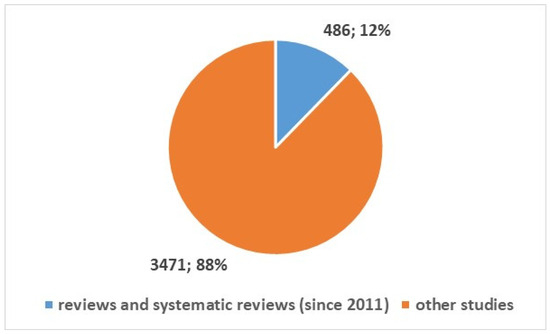
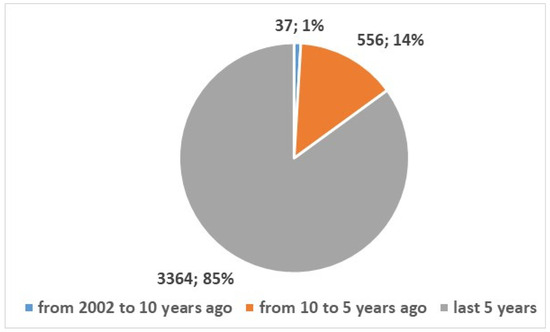
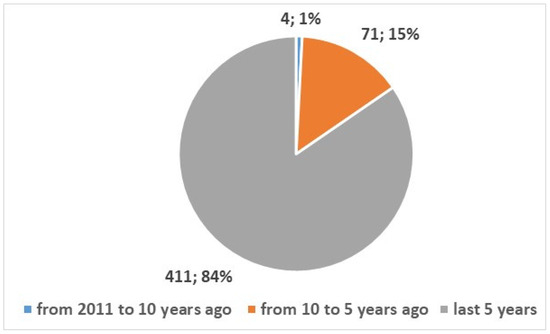
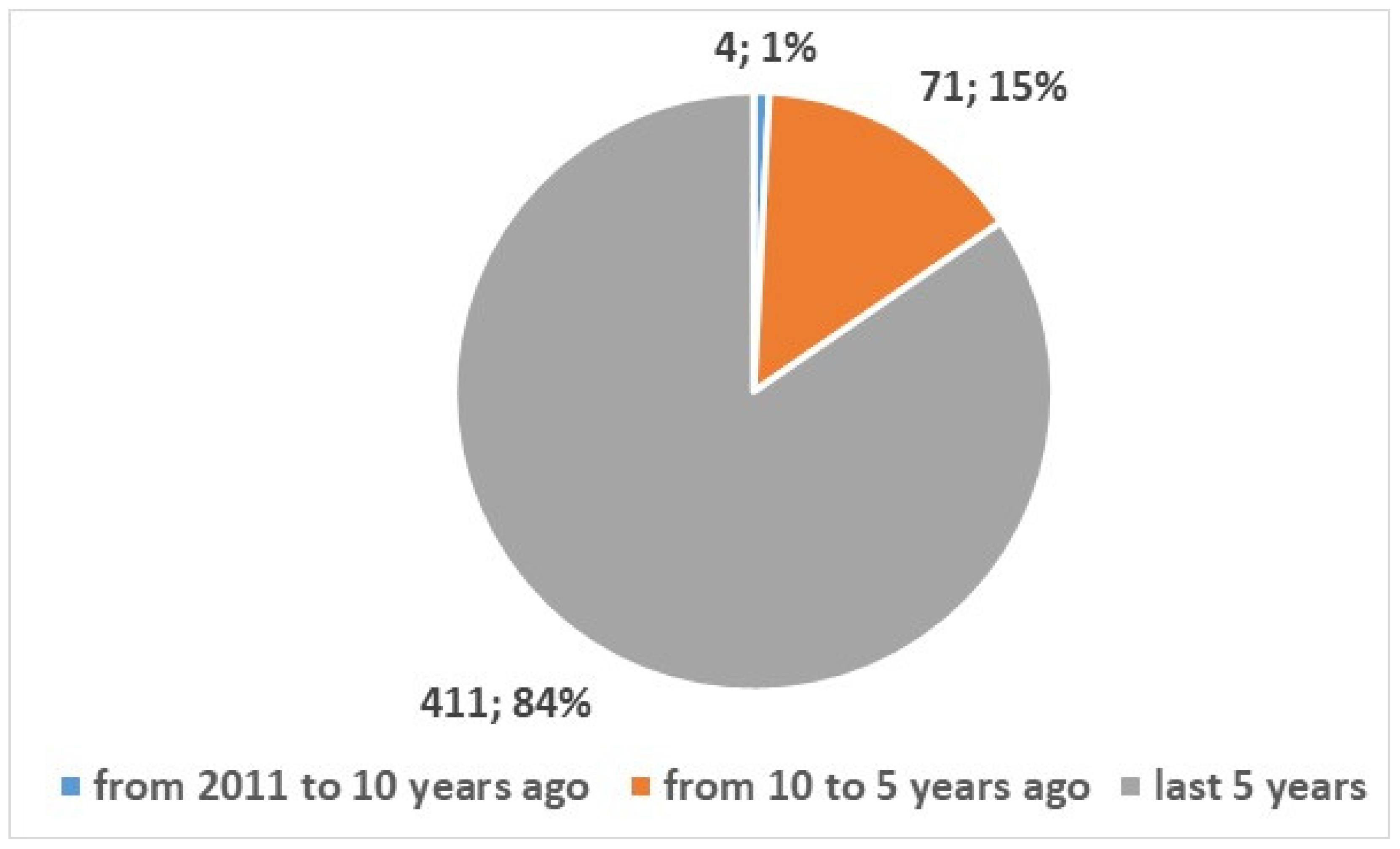
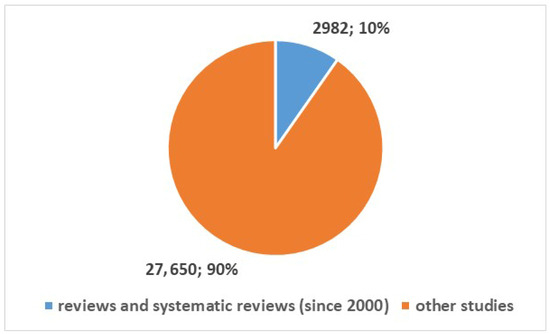
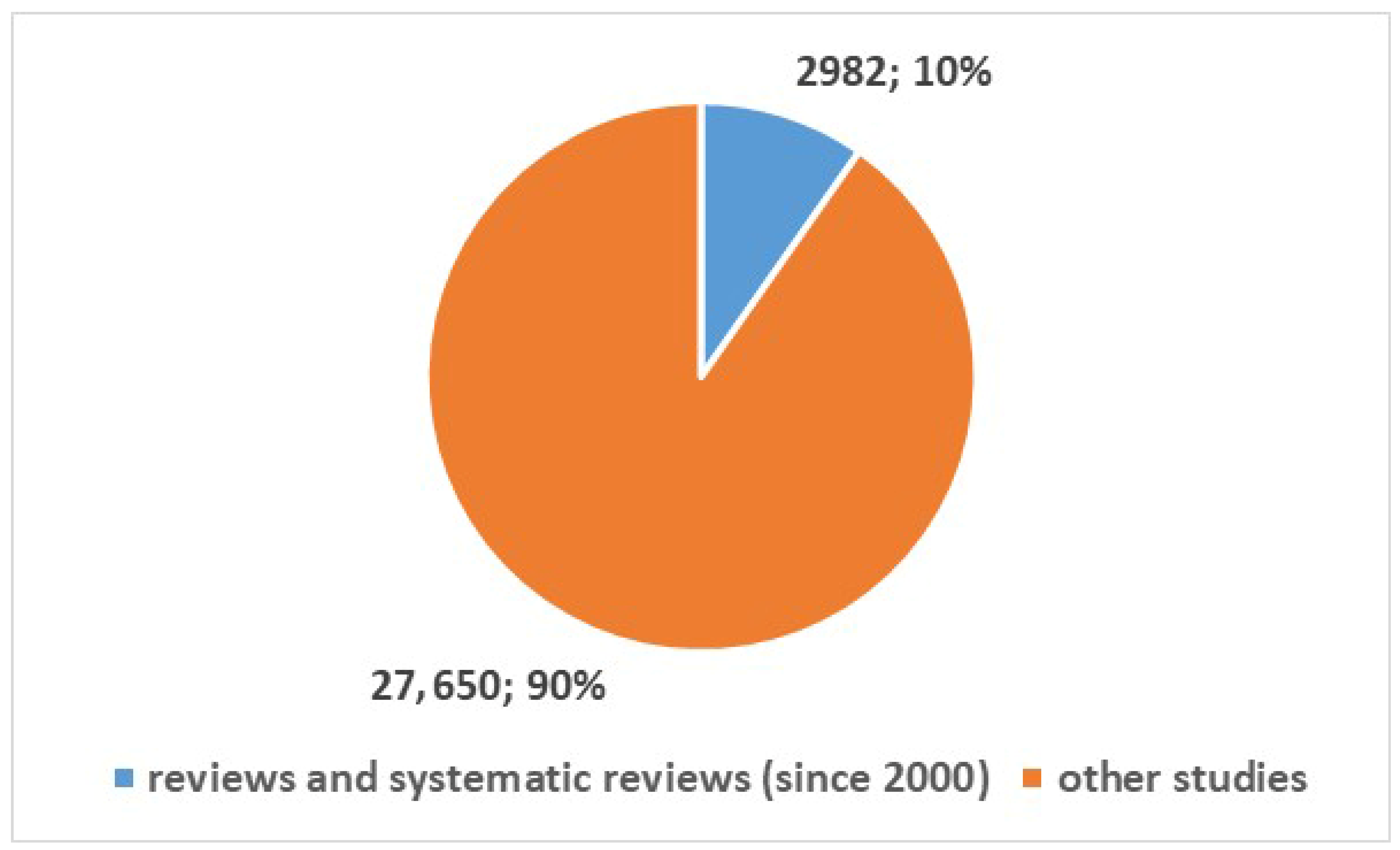
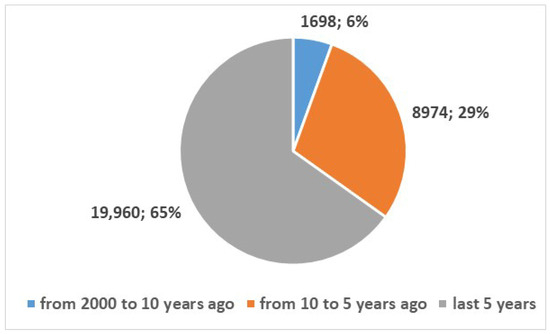
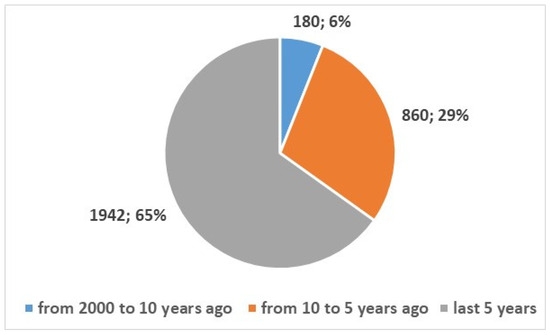
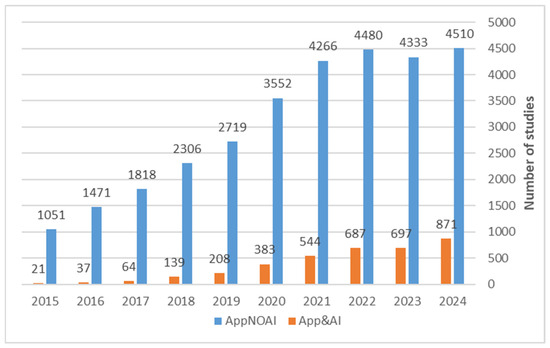
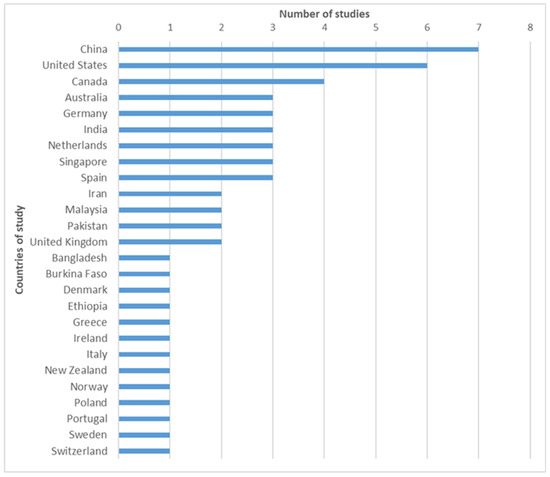

Disclaimer/Publisher’s Note: The statements, opinions and data contained in all publications are solely those of the individual author(s) and contributor(s) and not of MDPI and/or the editor(s). MDPI and/or the editor(s) disclaim responsibility for any injury to people or property resulting from any ideas, methods, instructions or products referred to in the content. |
© 2025 by the authors. Licensee MDPI, Basel, Switzerland. This article is an open access article distributed under the terms and conditions of the Creative Commons Attribution (CC BY) license.