1. Introduction
Logistics is a critical component of modern business, influencing both operational efficiency and regional economic performance [
1,
2]. While traditionally associated with the transportation and storage of goods, logistics has evolved into a strategic function that coordinates materials, services, and information to meet rising consumer demands and enhance the value of products and services [
3,
4]. Effective logistics management not only reduces costs and improves product and service quality but also strengthens market competitiveness [
5,
6,
7]. Therefore, logistics should be understood as an interconnected set of processes, in which planning and optimization at each stage are essential to the overall efficiency of both organizations and regional supply chain. To address these challenges, organizations are increasingly turning to information technology and data-driven tools to optimize logistics operations and enhance regional competitiveness.
In recent years, the integration of information technology has fundamentally transformed logistics management, enabling more timely, accurate, and strategic decision-making. Business intelligence (BI) tools, in particular, empower organizations to monitor processes, evaluate key performance indicators, and respond dynamically to operational challenges. By providing a data-driven foundation for decisions, BI enhances not only organizational efficiency but also the resilience and competitiveness of regional supply chains [
8,
9,
10]. However, despite these theoretical insights and technological advancements, empirical evidence on the practical application of BI in regional logistics remains scarce, which motivates the present case study.
This study addresses this gap by analyzing how Power BI can support process management within a Brazilian logistics company, referred to here as Company X. Through a qualitative approach combining literature review and case study, the research investigates the evolution of logistics processes before and after the implementation of Power BI. Special attention is given to how the tool improves operational efficiency, decision-making, and integration across the company’s supply chain, and how logistics processes and these improvements can influence broader regional logistics performance. Building on this case study, the research situates its findings within the wider literature, demonstrating that similar BI implementations have improved logistics performance and regional supply chain efficiency [
9,
11,
12].
Investments in BI are not only valuable for internal organizational improvements but also play a crucial role in supporting local economic development by fostering more efficient and responsive supply chains [
13,
14]. These findings are particularly relevant in emerging economies, where technological adoption can help overcome operational inefficiencies and enhance the resilience of regional logistics networks. By examining the practical adoption of BI in a regional context, this study contributes to a broader understanding of how digital tools can strengthen logistics systems, improve organizational decision-making, and promote regional competitiveness.
The general objective of this research is to demonstrate the influence of information technology, specifically business intelligence, on organizational management within the logistics sector. More specifically, it seeks to evaluate how Power BI affects the monitoring, control, and optimization of logistics processes, and to identify its potential contributions to regional competitiveness. Furthermore, the study provides both theoretical and practical insights, thereby bridging the gap between academic research on BI applications and the operational realities of logistics management. Overall, the research underscores the growing importance of integrating digital tools into logistics operations, highlighting how data-driven approaches can improve efficiency, support informed decision-making, and contribute to regional economic development. By providing a detailed analysis of BI adoption in logistics, the study offers valuable lessons for practitioners, policymakers, and researchers seeking to enhance supply chain performance and regional competitiveness through technology-driven strategies.
Furthermore, this study contributes to the field of standardization and performance metrics by demonstrating how business intelligence tools can establish standardized monitoring procedures and quality control mechanisms in logistics operations. Through Power BI dashboards, the company implemented consistent performance indicators and real-time verification processes, thereby aligning logistics management with contemporary standards of data quality, transparency, and efficiency.
The use of business intelligence tools can support process standardization by enabling consistent monitoring of operational indicators and performance metrics. Standardized data visualization and reporting procedures contribute to greater transparency and control in logistics operations, aligning with broader quality management principles such as those found in ISO 9001 [
15], which emphasizes standardized processes, performance monitoring, and continuous improvement. In logistics systems, the use of digital dashboards facilitates the application of standardized indicators for monitoring cargo flows, delivery performance, and operational efficiency.
The relationship between business intelligence and regional development can be understood through its impact on logistics efficiency. BI tools improve the monitoring, integration, and analysis of operational data, allowing managers to make faster and more informed decisions regarding cargo monitoring, route planning, and delivery management. These improvements enhance operational efficiency at the firm level by reducing delays, improving coordination between departments, and optimizing logistics processes. In turn, more efficient logistics operations contribute to stronger regional supply chain performance by facilitating the circulation of goods, supporting commercial activities, and improving the reliability of transport services within regional economic systems.
Despite the growing body of research on business intelligence and data analytics in supply chain management, empirical studies examining the application of BI tools in regional logistics systems in emerging economies remain limited. Most studies focus on large-scale corporate supply chains or theoretical models of data-driven management, with relatively few investigations addressing how BI platforms are implemented in regional transportation companies operating in developing logistical environments. This gap is particularly relevant in the Brazilian context, where logistics networks often face infrastructural and operational challenges that require improved data-driven decision-making. Therefore, analyzing the implementation of BI tools in regional logistics companies can provide important insights into how digital technologies contribute to operational efficiency and regional supply chain performance.
Based on these considerations, this study is guided by the hypothesis that the implementation of Business Intelligence tools can significantly improve logistics process monitoring and decision-making in transportation companies, thereby enhancing operational efficiency and contributing to the performance of regional logistics systems.
3. Results and Discussion: Case Study
Building on the theoretical background acquired through the literature review, this study applied the acquired knowledge in a case study to analyze the delimited problem comprehensively, presenting the conducted analyses and obtained results. In 2017, Company X underwent a significant transformation with a change in management. The founder handed over leadership to his children, assuming an advisory role. Under the new direction, innovative management approaches emerged, impacting not only the organizational structure but also employee behavior, particularly among staff accustomed to the previous administration style.
The introduction of new procedures and the adoption of innovative technologies became central to enhancing operational efficiency. These changes aimed to streamline workflows and align the company with contemporary logistics practices. During the COVID-19 pandemic, Company X experienced growth, unlike many other sectors. As physical shopping decreased and online purchases surged, transport and logistics companies played a crucial role in maintaining supply chains. To handle the increased workload, the company recognized the need for a tool that could provide accurate data to support decision-making and strategic planning of operational processes.
The company required software capable of identifying received goods and displaying which items had been at the terminal the longest, prioritizing deliveries to prevent delays. In logistics, unlike warehousing, goods cannot remain at the company’s base for extended periods due to risks such as damage, theft, diversion, or unauthorized exchanges. After nationwide surveys and consultations with partner transport companies, particularly in the Southern region, the ideal system functionality was identified. Consequently, a contract was signed with a local IT company from Imperatriz specializing in developing systems for the service and commerce sectors. The collaboration with a local IT company focused primarily on data integration and system customization, enabling the transformation of operational reports from the SSW system into structured datasets compatible with Power BI dashboards.
This initial phase was crucial, as it enabled information filtering and the implementation of necessary corrections, including data standardizing, removal of irrelevant material, and revision of the content to be modeled. Given its significant role in the process, this stage required careful attention, since errors at this could compromise the entire analysis, affecting both perceptions’ interpretations and outcomes. Moreover, the accuracy and consistency achieved during this phase laid a solid foundation for reliable decision-making throughout the logistics process, ensuring that subsequent analyses and operational strategies were based on accurate and trustworthy data.
The system’s core consists of a CSV-format Excel spreadsheet, extracted from the company’s SSW system used to manage goods. The SSW system is fully online and generates comprehensive reports on incoming goods. The Excel report maintains a consistent format with fixed columns and positions. Key preprocessing steps included removing irrelevant columns and applying data validation. Crucial columns for modeling and management analysis were identified: (1) Last occurrence—the latest recorded information for each delivery; (2) Sender—manufacturer or supplier sending the goods; (3) Invoice number—goods’ invoice number; (4) Delivery deadline—the date by which goods must be delivered to avoid penalties or delays.
Although the documentary dataset analyzed in this study covers the period from 2022 to early 2023, the Power BI system has remained operational within the company and continues to support logistics decision-making processes, with periodic updates to dashboards and visualization models. The system operates through a website, accessible from any device with internet access. After generating the report, information is distributed to the upper part of the visualization panel for structuring and formatting. Fields and layouts are automatically updated based on the selected visualization model, ensuring that changes are reflect in real time. Ultimately, the system enables decision-making regarding route loading. A delivery route may have sufficient goods for a full vehicle; however, it may be advantageous to wait a few additional days if deliveries remain within the deadline. The system also identifies which routes may yield higher profits or losses. In industry terms, a trip is considered cost-effective when the vehicle is fully loaded and completes the route efficiently without incurring additional costs.
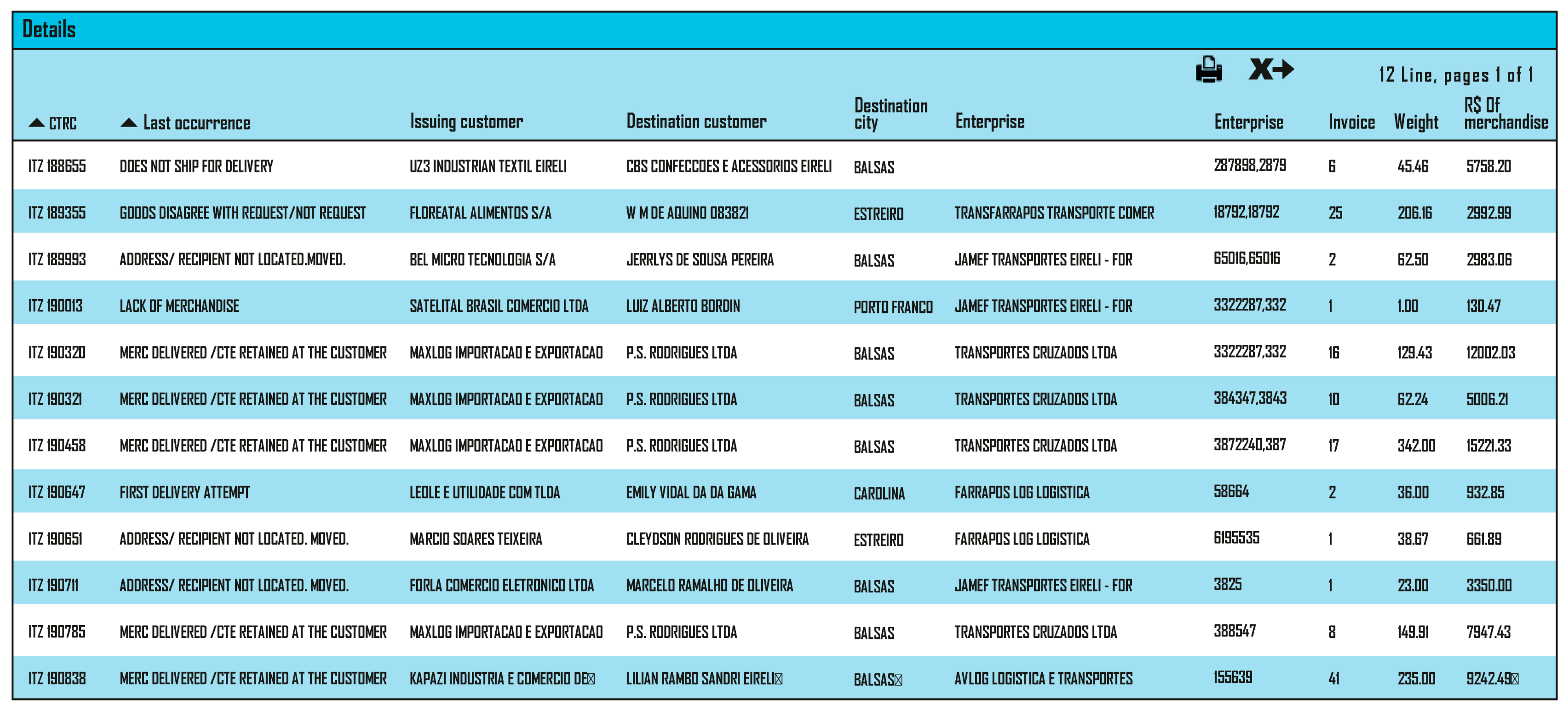
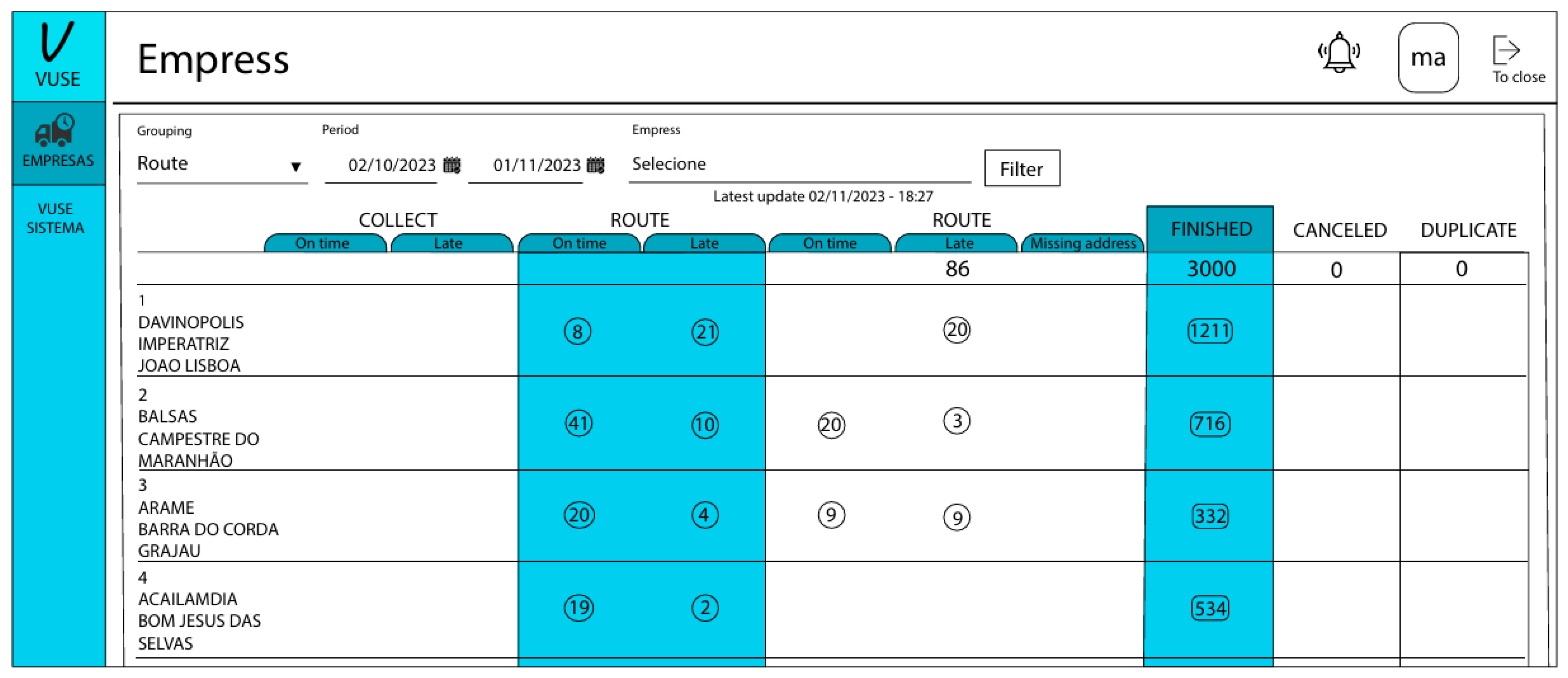
It provides quick, accessible, and interpretable presentations of relevant information, empowering users to make data-driven decisions. Power BI offers a wide range of visualization options, allowing users to select those best suited to their projects. Its implementation enabled the company to monitor cargo flows in real time, identify bottlenecks, and make informed decisions to optimize logistics operations. In this case study, the visualizations highlighted incidents related to cargo destinations on Route 2 (Balsas) (
Figure 1,
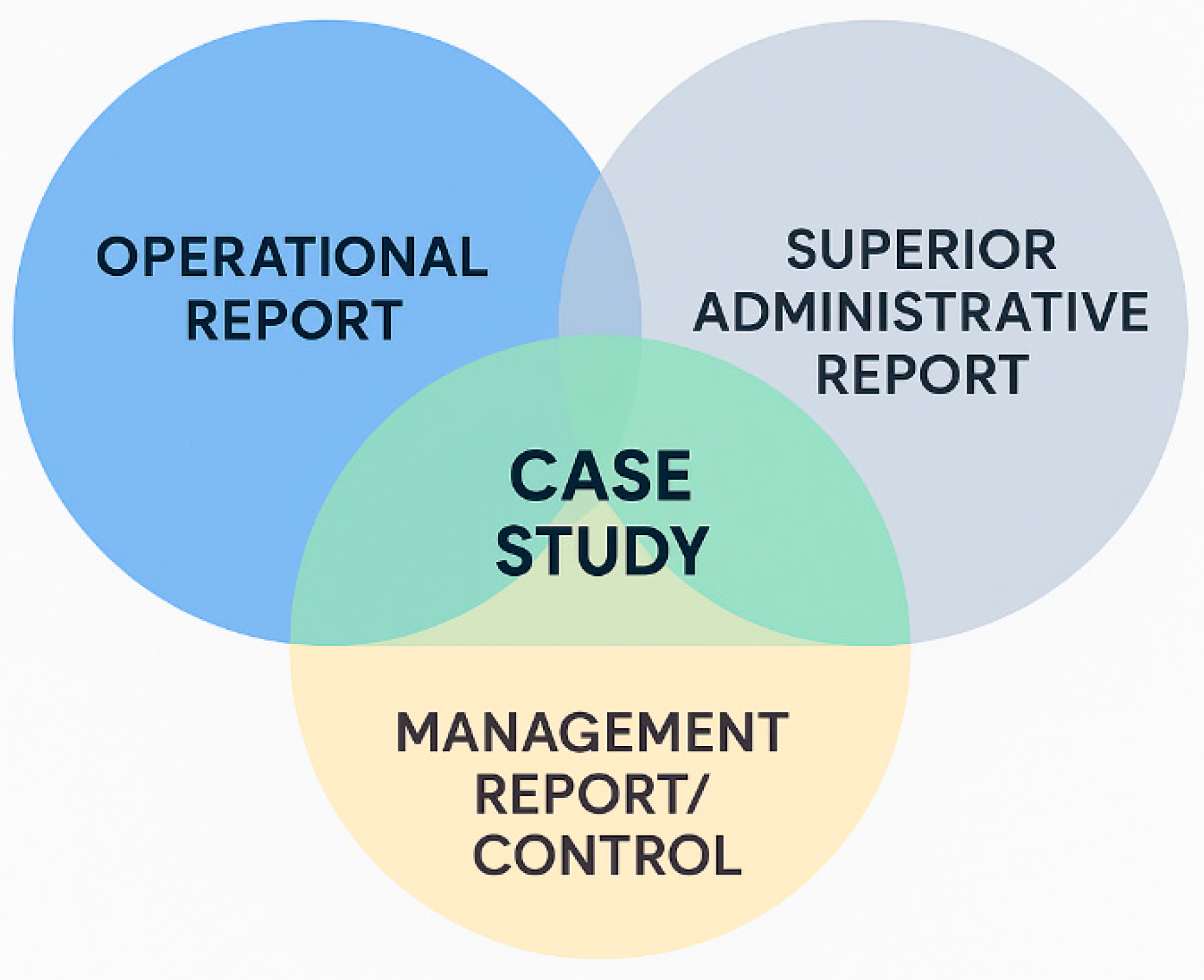
Figure 2 and
Figure 3).
The Power BI dashboards are used for monitoring logistics operations. The indicators presented in the dashboards are derived from standardized operational data extracted from the company’s logistics management system (SSW). These metrics include delivery status, shipment occurrences, and delivery deadlines. The system processes CSV-format reports generated by the operational platform, which are integrated into Power BI to create visual indicators that allow managers to monitor cargo flows, identify delayed deliveries, and prioritize routes based on delivery deadlines (
Figure 2 and
Figure 3).
The visualizations were created using Microsoft Power BI software, which significantly improved the company’s management processes and its ability to make timely decisions. As a comprehensive analytical tool, Power BI is particularly suitable for developing dashboards that present key performance indicators and essential information relevant to the managed area. All data are consolidated on a single screen, making the process dynamic, automated, and accurate. Users can easily explore and interpret the presented information in a simplified and intuitive manner. To further illustrate the research process,
Figure 2 presents a graphical representation of these concepts.
Through these visualizations, it is possible to support decisions related to route loading forecasts, vehicle allocation requirements, and the monitoring of high-value goods such as electronics. Additionally, the system enables the identification, for each route, city, or originating carrier (i.e., transport company that dispatched the goods), of deliveries that are on schedule and those are overdue. This system shows which of these deliveries are in transit having departed from the terminal and which remain at the terminal awaiting dispatch. By providing such detailed insights, the system not only supports immediate operational decision-making but also enhances managers’ analytical capacity to anticipate and respond to future scenarios [
32,
33,
34].
The agility and clarity provided by BI in identifying patterns and trends in delivery operations are essential for optimizing processes, improving efficiency, and ultimately strengthening the company’s supply capability [
12,
35,
36]. Beyond identification, the system enables practical operational decisions, such as determining optimal loading times and evaluation route efficiency [
37]. Furthermore, it allows managers to assess whether loading for a specific route is necessary. Often, a delivery route may have enough goods for a full truck, but it may be beneficial to wait a few more days if deliveries are within schedule. Additionally, it identifies which delivery routes may yield more profits or losses. In industry terms, a trip is considered profitable when the vehicle is fully loaded and completes the route efficiently without incurring additional costs. Moreover, the tool supports real-time monitoring across departments, ensuring that all relevant stakeholders have immediate access to critical operational information.
As the company has different departments, managers do not need to be physically present to understand ongoing operations, as the tool provides real-time visibility of goods movement and the reasons for any delays or non-movement. Managers can directly contact the responsible department through their operational supervisor, administrative fleet and external team supervisors. The flexibility of Power BI’s visualization options ensures that dashboards are tailored to specific operational needs, facilitating rapid interpretation and informed decision-making. In regions with infrastructural limitations, such as road conditions typical of many areas in Maranhão, BI dashboards support adaptive logistics management by enabling real-time monitoring, route prioritization, and proactive responses to operational delays.
It is important to note that Power BI offers various visualization models that can be customized and modified as required. This study presented screens designed to support clear analysis and intuitive visualization, enabling faster decision-making and improved business understanding. Financial data was not disclosed due to confidentiality concerns. Prior to the implementation of Power BI, no structured analytical methods were in place, making it impossible to establish comparable performance metrics. Previous management practices were largely ad hoc and lacked documented records for comparative purposes. Although quantitative validation against prior methods was not feasible, qualitative feedback from management provides valuable insights into the perceived benefits of the system.
Due to the inability to validate with the previous model, quantifying perceived improvements in the management process was not feasible, relying only on subjective evaluations of the improvements made. Informal means (unrecorded conversations and interviews) confirmed management’s approval regarding the enhancements and conveniences the process brought to the company. Previously, analyses were manually conducted in Excel, which was less intuitive with limited visualization options. Implementing BI allowed for standardizing processes and creating models easily fed with the necessary data for analysis. Overall, the implementation of BI highlights the critical role of data-driven decision-making in logistics, where timely and accurate choices directly impact operational performance and strategic outcomes. At the outset of this research, it was evident that decision-making within organizations is a complex process, particularly crucial in the logistics sector, where uncertain decisions can impact subsequent processes.
The present documentary study aimed to analyze the implementation of Power BI in process management at Company X, using documents and records from the period covering 2017 to the first semester of 2023. This approach allowed valuable insights into the company’s evolution and the impacts of introducing the business intelligence tool. During the COVID-19 pandemic, Company X experienced increased activity due to the growth of online purchases. This situation emphasized the importance of logistics and transportation companies, challenging them to effectively manage the increased volume of services. It was in this context that the need for a tool to provide data and assist in decision-making and strategic planning became evident.
Power BI, a comprehensive tool from Microsoft, provided the company with significant improvements in management and quick decision-making. The tool’s flexibility enabled the creation of customized dashboards, presenting crucial indicators for the logistics area.
Figure 1 and
Figure 3 highlight the Power BI interface, showcasing the control panels and data visualization. The visualizations generated by Power BI enabled a more detailed analysis of logistics processes. For instance,
Figure 3 presents a cargo report for analysis by delivery routes, highlighting incidents in cargo destinations on a specific route (Route 2—Balsas). The tool facilitated more informed decision-making, such as route loading forecasts, monitoring high-value goods, and identifying on-time deliveries and those on delivery routes, among other critical aspects for the company’s logistics.
The observed results, visualizations generated by the tool, and approval from the management team validate the positive impact on the company’s operational efficiency. The lack of comparative data before implementation was recognized as a limitation, but it did not compromise the clear identification of improvements provided by the tool. Beyond operational gains, the implementation of Power BI at Company X also supports regional development by enhancing the efficiency and competitiveness of local logistics networks. Optimized delivery routes, reduced delays, and better resource allocation promote economic resilience and facilitate the sustainable growth of regional commerce and transportation sectors.
To better contextualize the relationship between firm-level technological adoption and regional development, the improvements observed in Company X can be interpreted within the framework of regional supply chain efficiency. Logistics companies act as critical nodes in regional economic systems, facilitating the circulation of goods between producers, distributors, and markets. By improving cargo monitoring, route optimization, and delivery coordination through Power BI dashboards, the company enhanced operational transparency and reduced logistical inefficiencies. These improvements contribute indirectly to regional competitiveness by increasing reliability in freight services, supporting local trade flows, and strengthening the logistical infrastructure that connects businesses across Maranhão. In this sense, although the present case study focuses on a single firm, it illustrates how digital management tools in logistics can generate broader systemic benefits within regional economic networks.
In the analyzed case, the implementation of Power BI contributed to operational improvements that indirectly support sustainability-related objectives in logistics management. For example, the use of dashboards enabled managers to prioritize deliveries approaching deadline limits, reducing the likelihood of repeated trips or inefficient route allocation. The system also improved cargo monitoring and route planning, allowing better coordination of vehicle loading and delivery schedules. These improvements contribute to more efficient resource utilization in logistics operations and support data-driven decision-making among operational staff, who adapted their routines to interpret dashboard indicators and monitor logistics performance more systematically.
It is important to note that the alignment between the implementation of Power BI and the Sustainable Development Goals (SDGs) in this study should be interpreted as conceptual rather than as a direct empirical measurement of sustainability indicators. The case study demonstrates how improvements in logistics monitoring, route planning, and operational coordination can support more efficient resource utilization and decision-making processes. These operational improvements conceptually align with broader sustainability objectives related to economic productivity (SDG 8), technological innovation (SDG 9), efficient urban logistics systems (SDG 11), and responsible resource management in logistics operations (SDG 12).
This study relates to the case study design and the nature of the available data. The analysis was based primarily on documentary records and operational reports generated by the logistics management system and visualized through Power BI dashboards. As a result, the study did not employ a formal qualitative coding procedure or a structured data collection protocol typically used in interview-based case studies. Future research could expand this approach by incorporating interviews with managers, systematic coding procedures, and additional data sources to provide a deeper understanding of the organizational and decision-making processes associated with business intelligence adoption.
The results of the case study support the initial hypothesis that the adoption of business intelligence tools can significantly improve logistics monitoring and managerial decision-making. The implementation of Power BI dashboards enabled better visibility of operational processes, more efficient route prioritization, and improved coordination between departments. These findings are consistent with the theoretical background that highlights the role of digital analytics tools in strengthening logistics management and supply chain performance.
4. Conclusions
The research began with the hypothesis that emerging technological resources, increasingly relevant in today’s business context, could significantly enhance logistics processes. Specifically, the study focused on understanding the potential impact of implementing Power BI within the operational workflows of a transportation and logistics company. Throughout the analysis, it was found that the adoption of Microsoft Power BI led to marked improvements in decision-making, addressing previous inefficiencies and thereby confirming the initial hypothesis. Therefore, the results should be interpreted as exploratory insights into the practical use of business intelligence in logistics management rather than as a quantitative measurement of performance impacts.
The case study highlighted challenges associated with rapid decision-making due to limited access to essential information. The implementation of Power BI effectively addressed these challenges by integrating data from various sources and presenting it through intuitive, interactive visualizations. The tool’s flexibility allowed for the creation of customized dashboards, delivering critical information in an accessible and simplified format for managers. Detailed analyses of delivery routes and identification of optimization opportunities further demonstrated the positive impact of Power BI on logistics management and operational efficiency.
Moreover, the adoption of Power BI is not merely a technological upgrade but a strategic initiative that enhances company performance and sustains competitiveness in dynamic markets. The agility, clarity, and efficiency offered by the tool in logistics management underscore its pivotal role in supporting informed decision-making, continuous operational improvement, and strategic planning. By enabling better resource allocation and process optimization, Power BI contributes not only to organizational performance but also to the resilience and competitiveness of regional logistics networks.
Finally, the study highlights the broader significance of integrating technological tools like Power BI in promoting sustainable and inclusive development. By improving efficiency, reducing waste, and supporting timely decision-making, such implementations align with several United Nations Sustainable Development Goals (SDGs), including SDG 8 (Decent Work and Economic Growth), SDG 9 (Industry, Innovation and Infrastructure), and SDG 11 (Sustainable Cities and Communities). This approach demonstrates how business intelligence applications can generate regional development benefits while fostering sustainability, innovation, and socio-economic resilience.
As a descriptive exploratory case study, the research is limited by the absence of historical operational datasets and quantitative performance indicators prior to the implementation of the BI system. Consequently, the analysis focuses on qualitative observations derived from system reports and managerial interpretations. Future studies could expand this approach by incorporating longitudinal datasets and quantitative evaluation methods to measure the operational impact of business intelligence tools more precisely.




 ,
,