
Four-Year Outcomes of Anterior Pressed Lithium Disilicate Veneers Fabricated from 3D-Printed Burn-Out Patterns: A Clinical Case Report
 ,
,
Abstract
1. Introduction
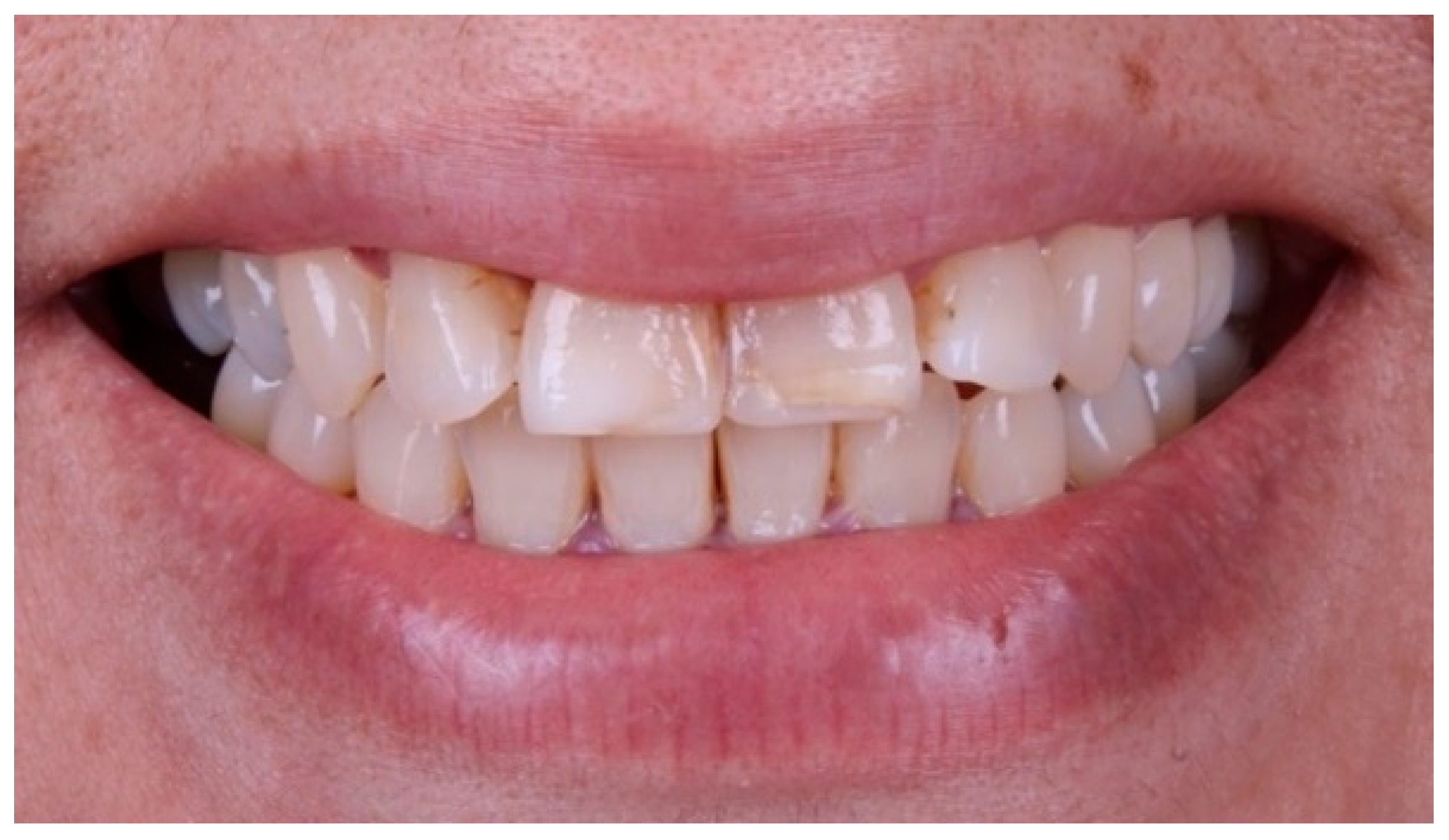
2. Case Presentation
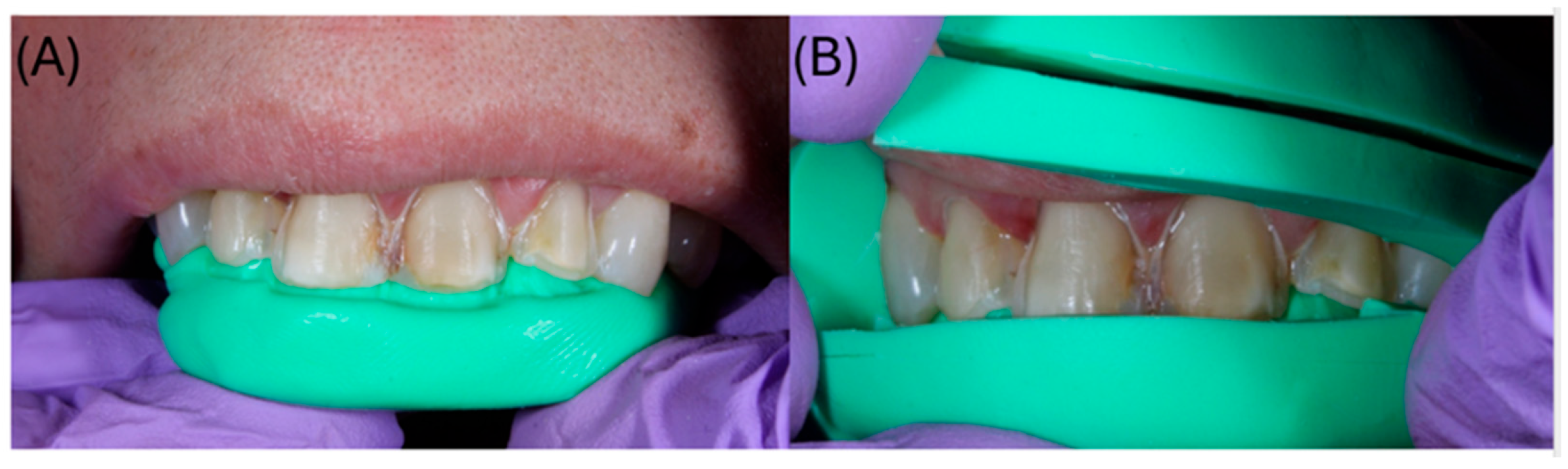
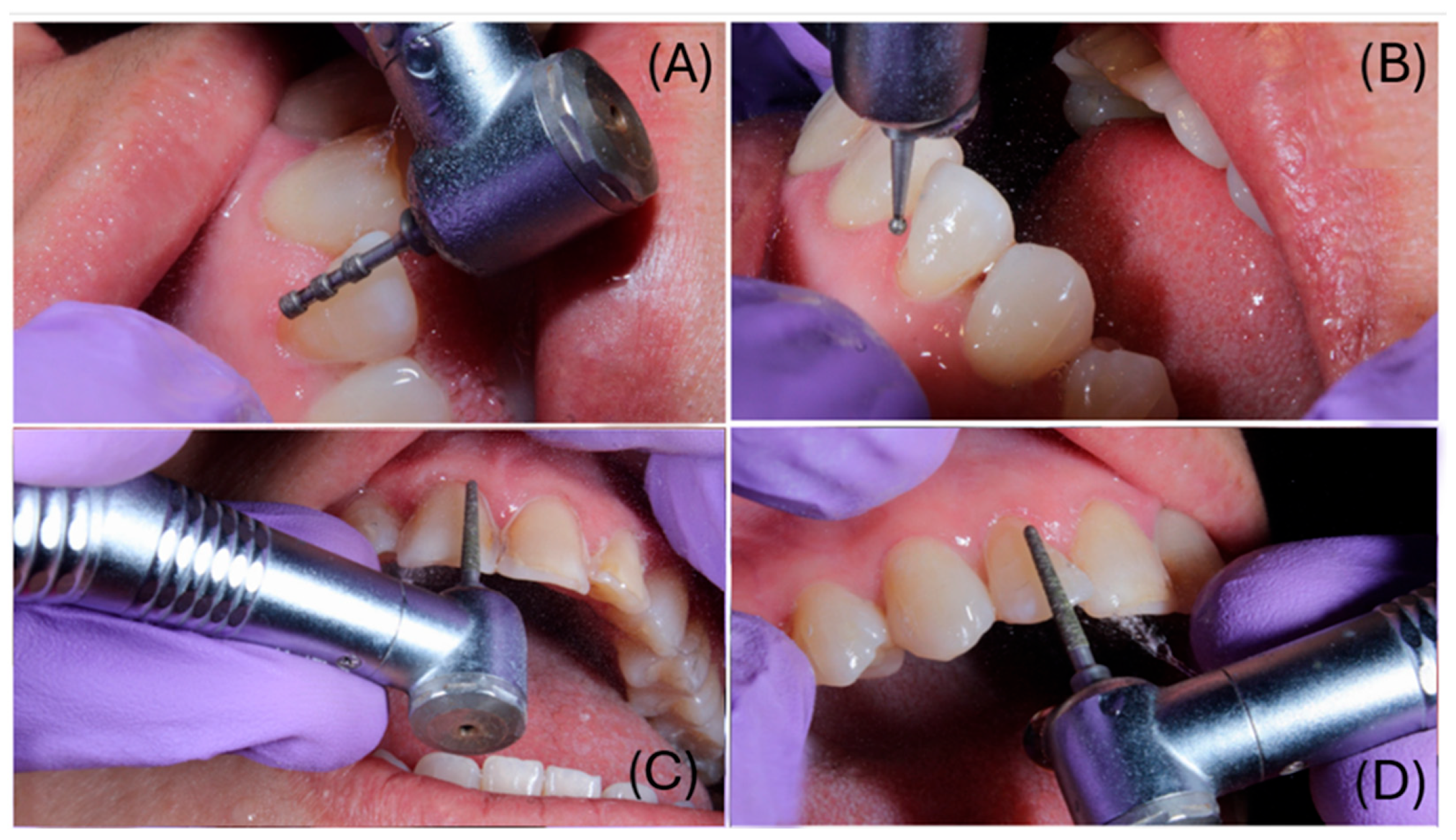
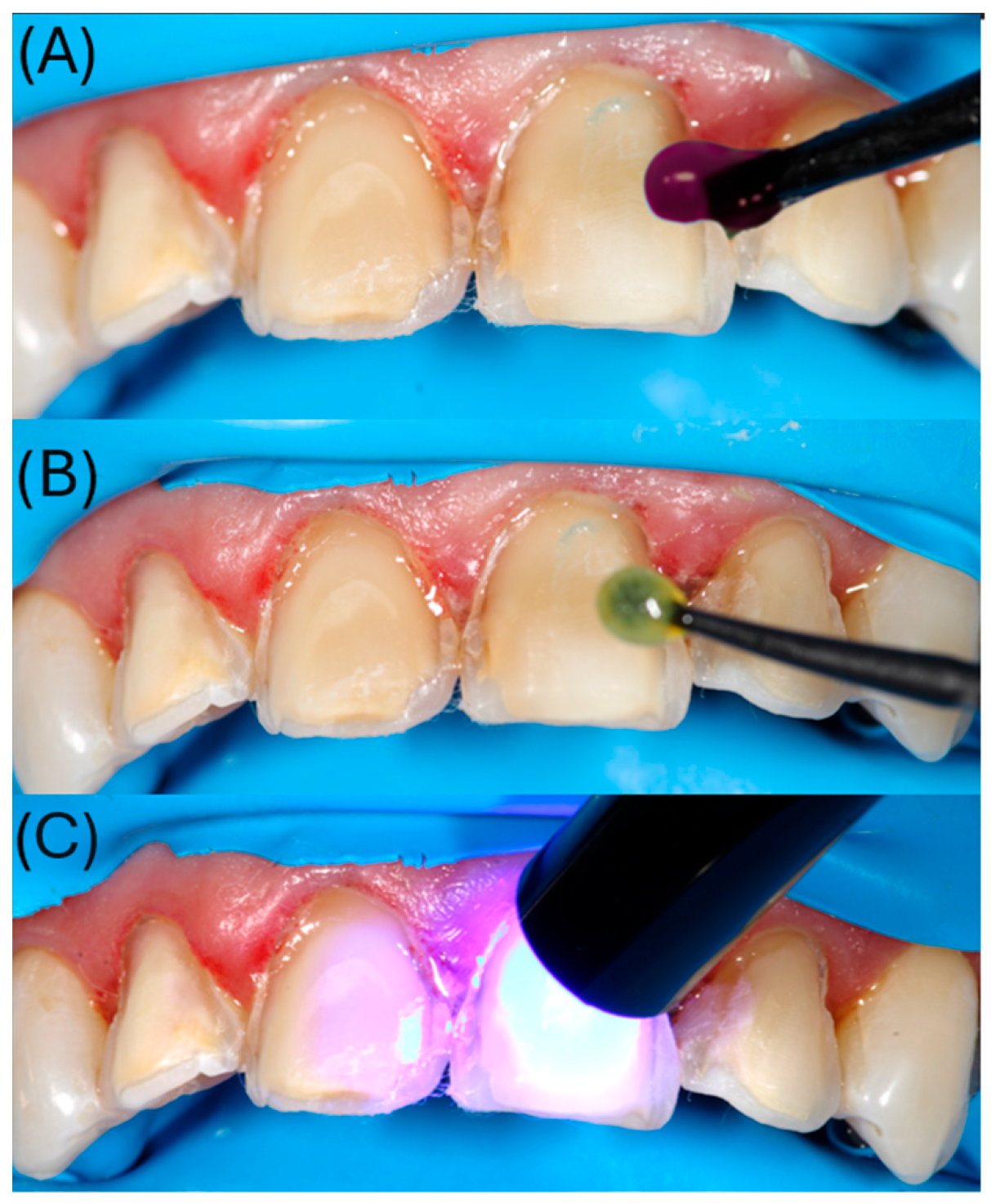
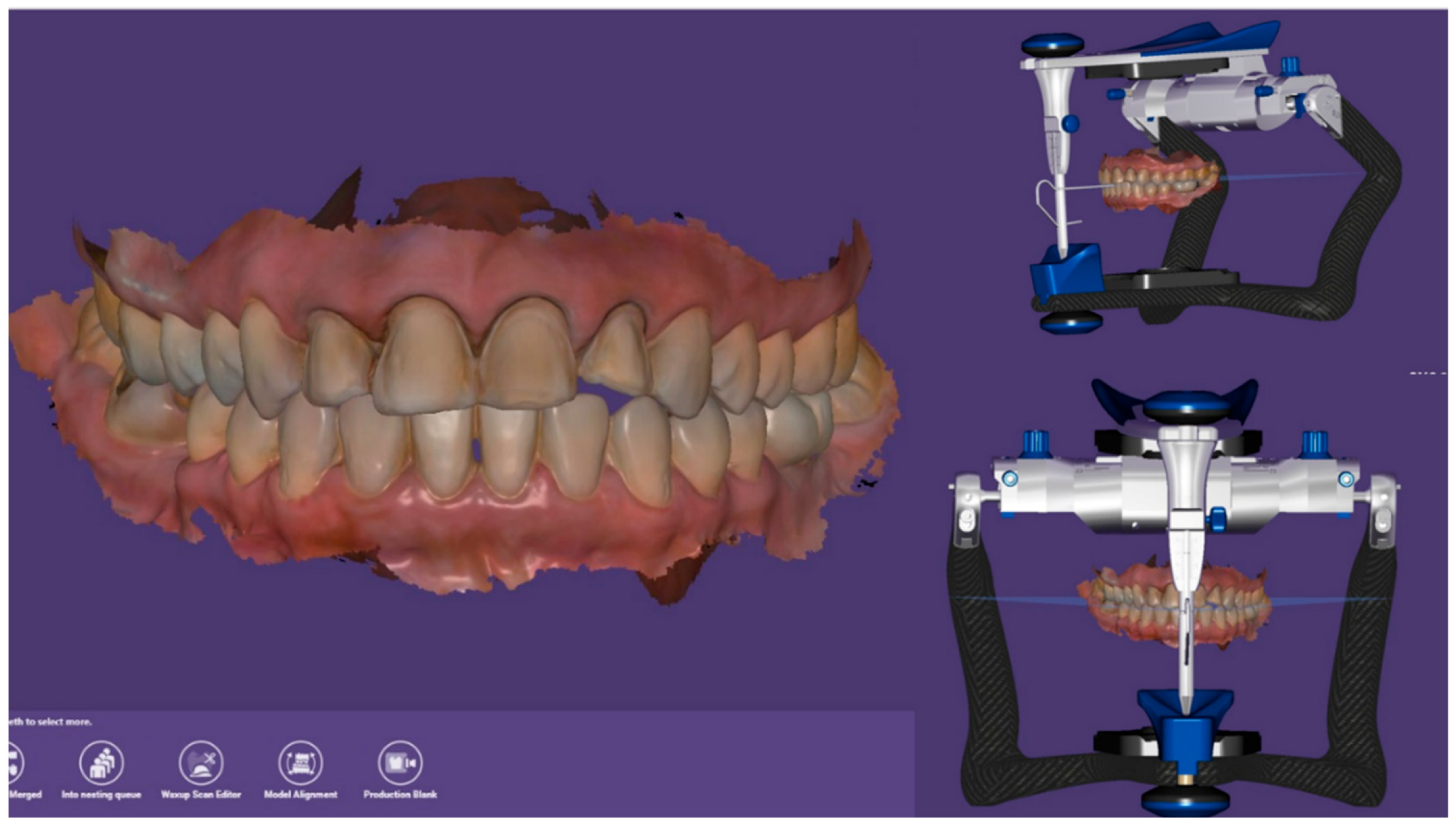
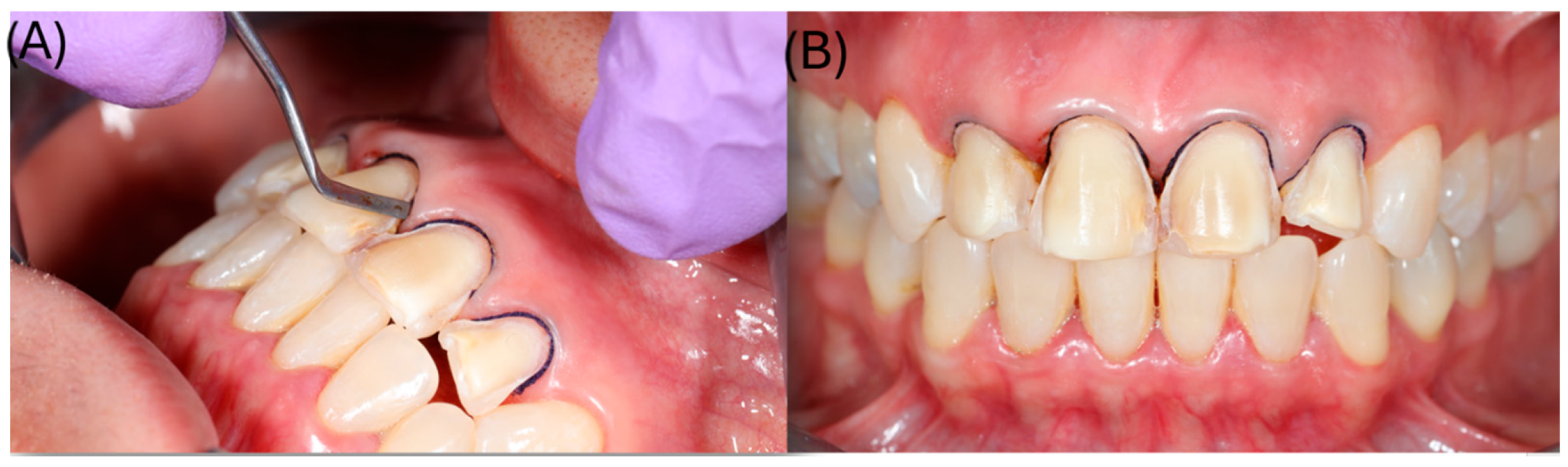
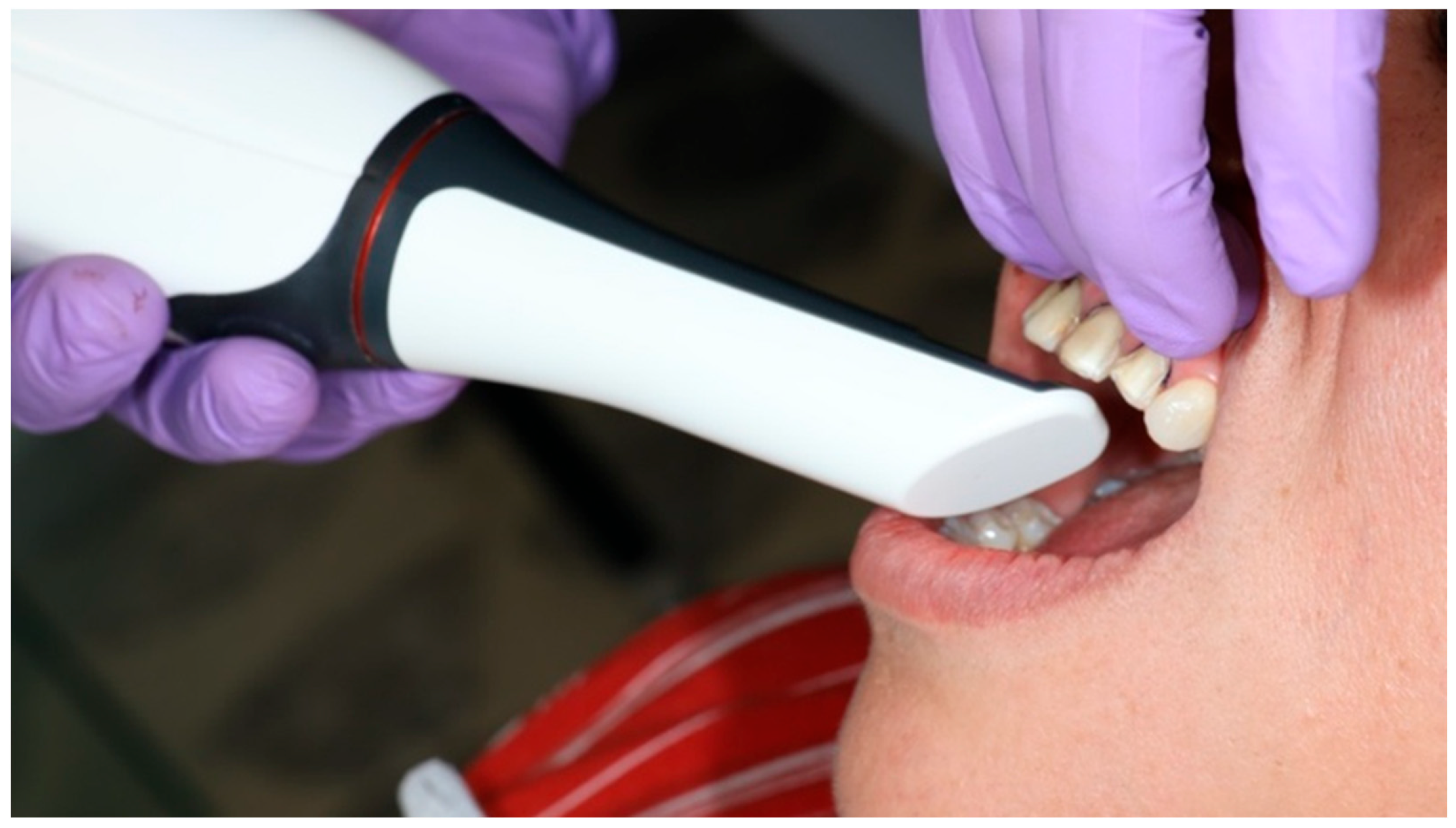
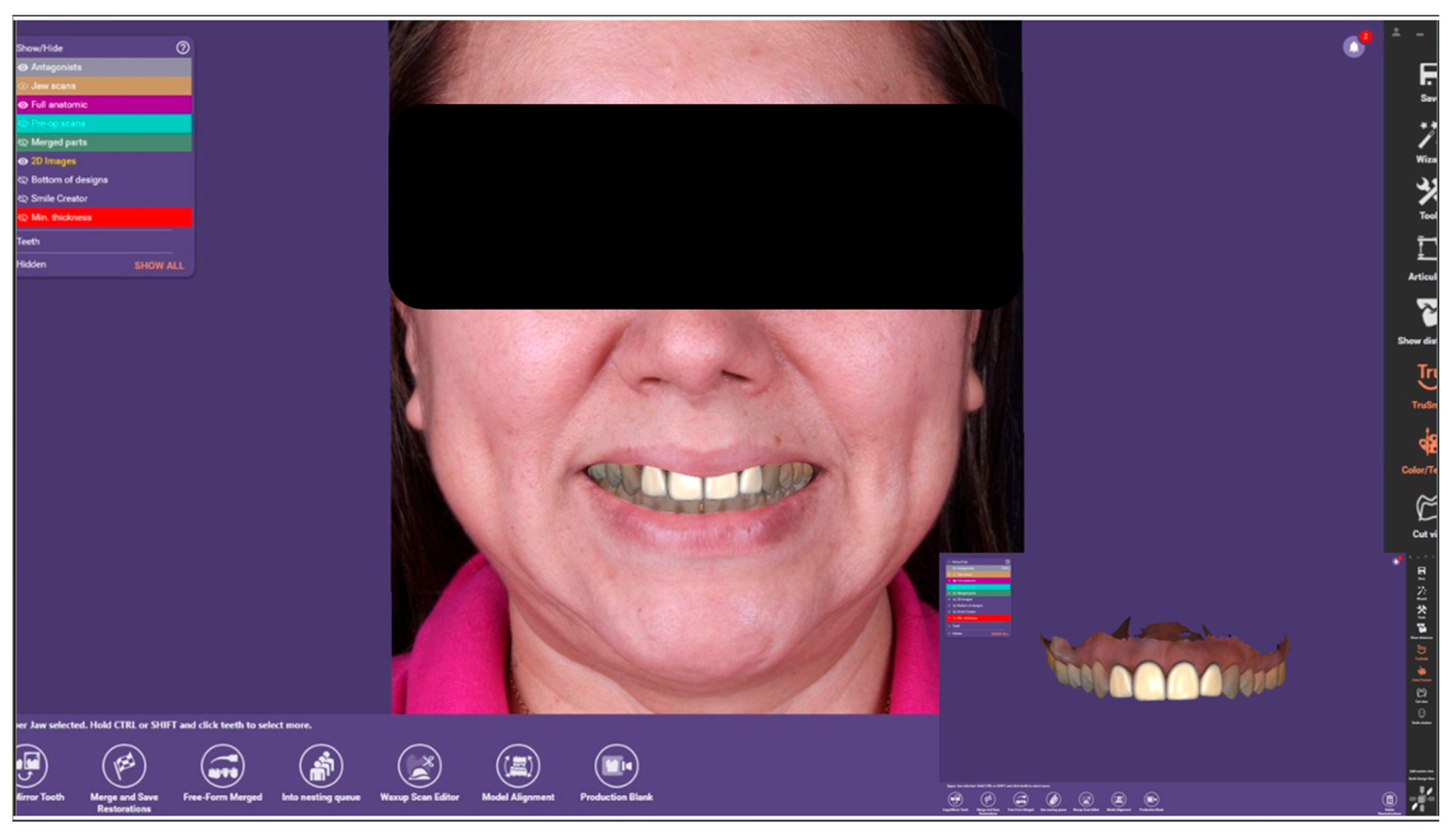
2.1. Tooth Preparation, Immediate Dentin Sealing, and Digital Impression
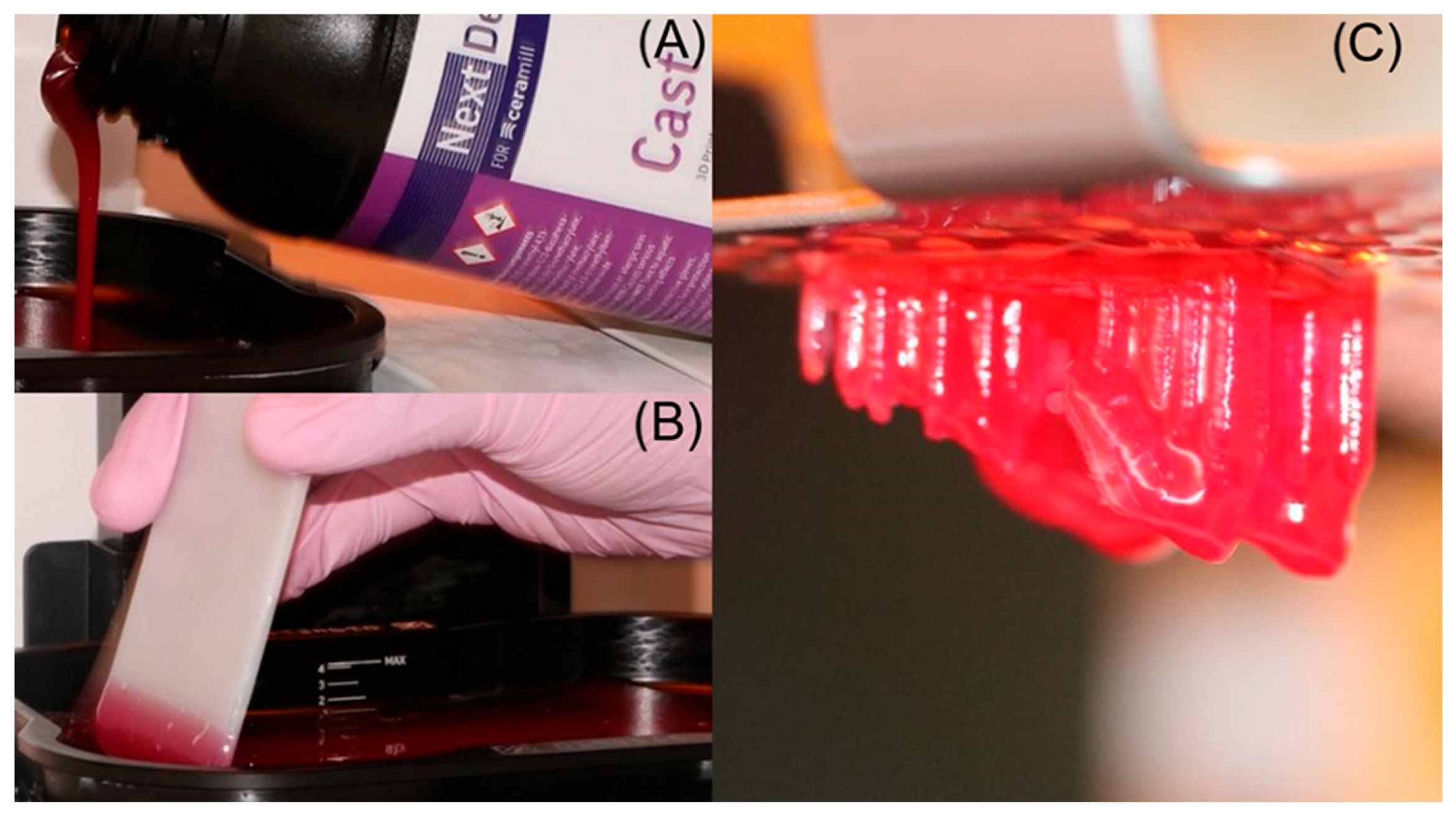
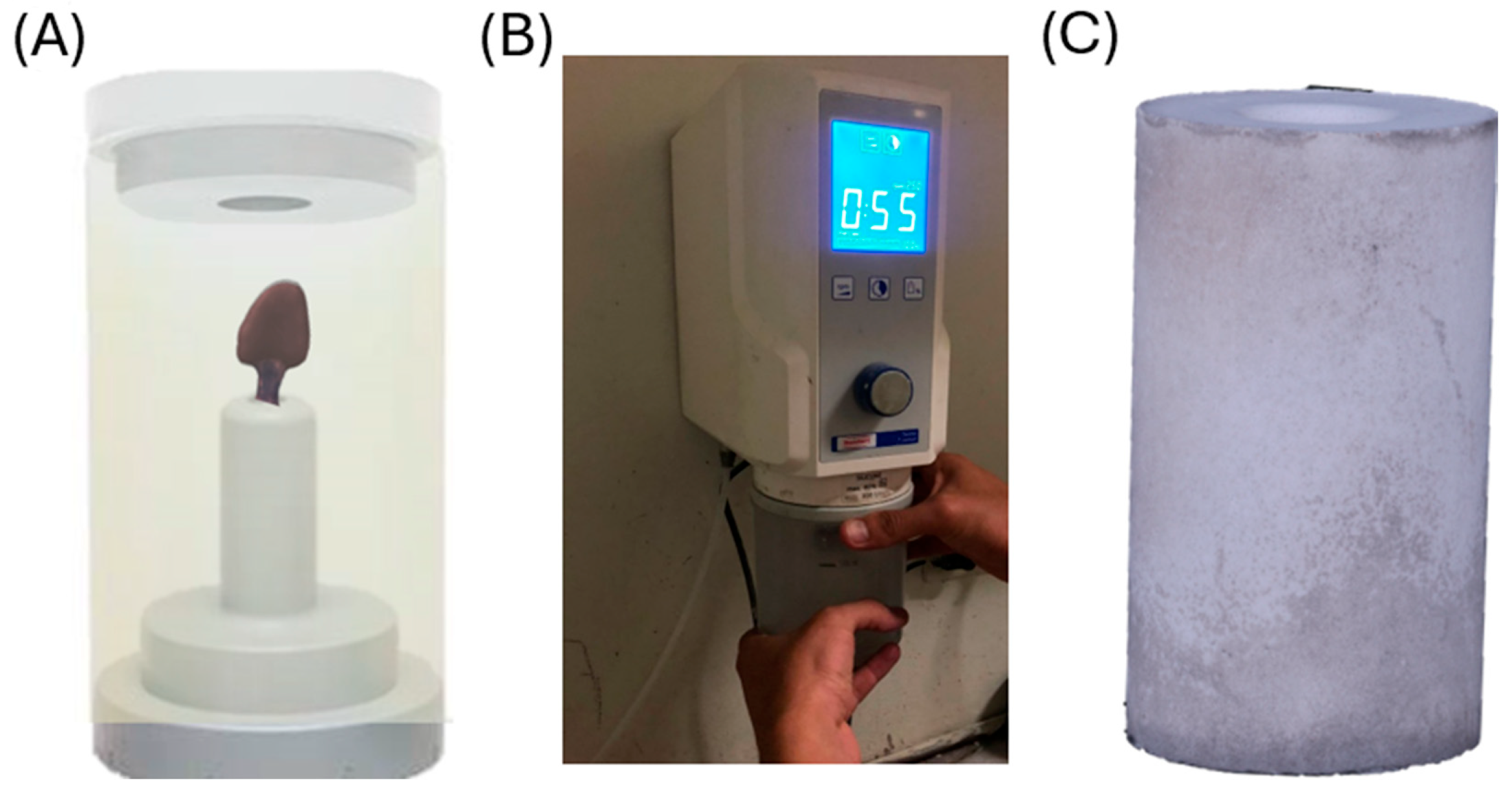
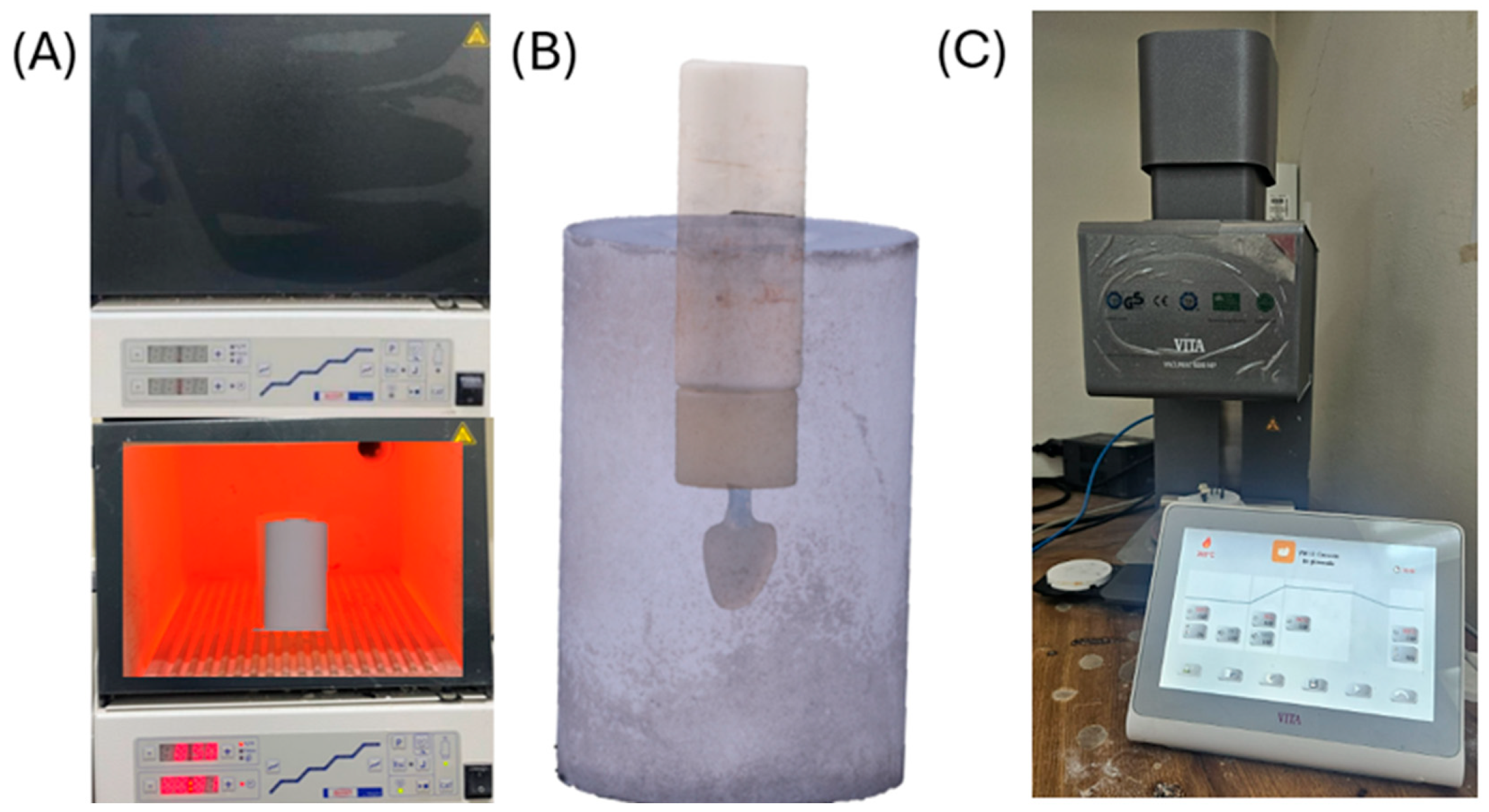
2.2. Additive Pattern Fabrication and Heat-Pressing of Lithium Disilicate Veneers
2.3. Finishing and Glazing
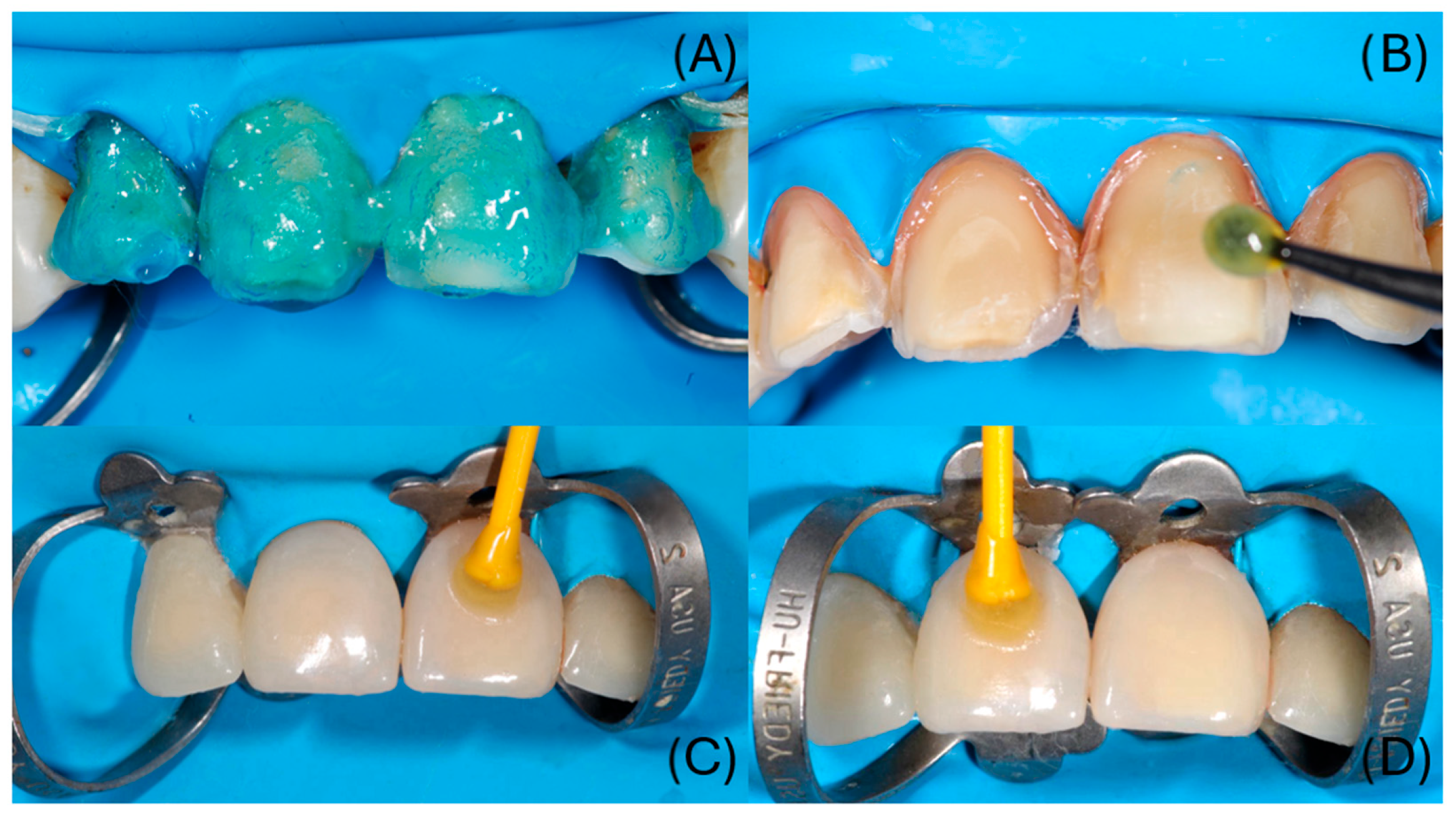
2.4. Veneer Try-In and Adhesive Cementation
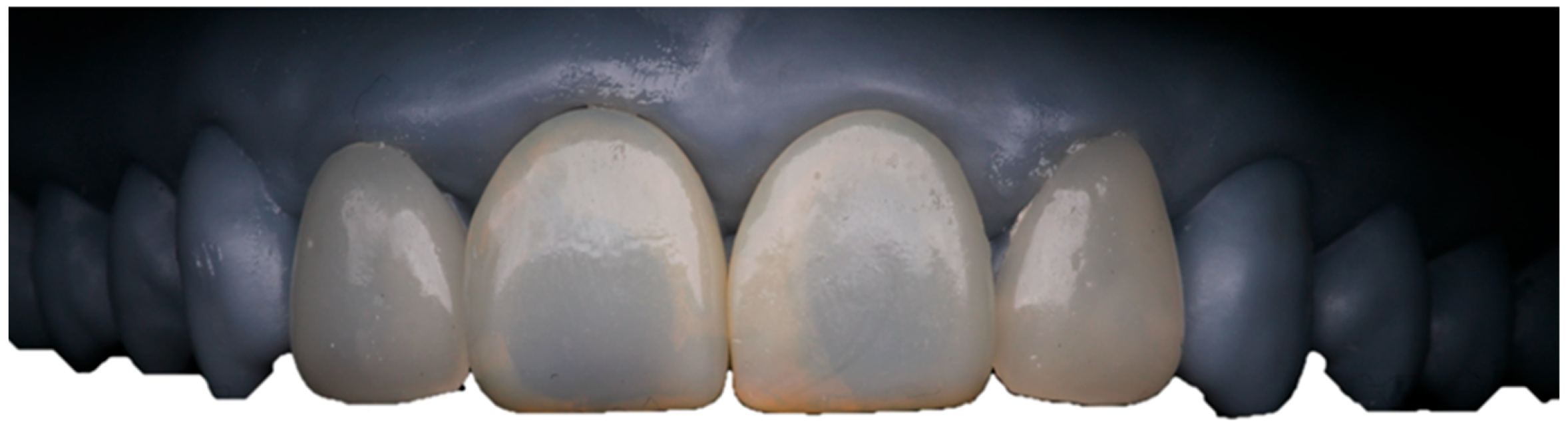
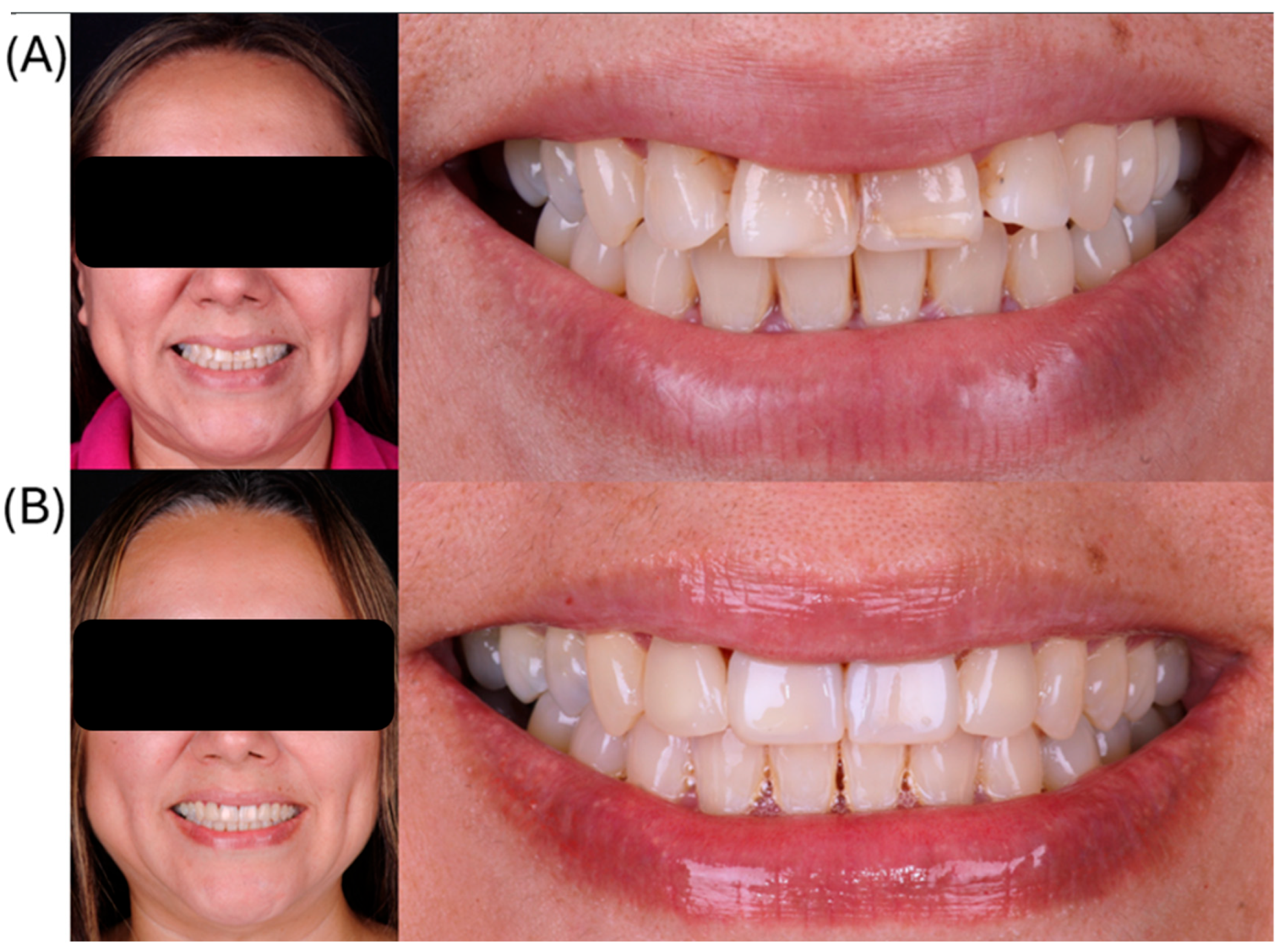
3. Results
4. Discussion
5. Conclusions
Author Contributions
Funding
Institutional Review Board Statement
Informed Consent Statement
Data Availability Statement
Conflicts of Interest
References
- Bernauer, S.A.; Müller, J.; Zitzmann, N.U.; Joda, T. Influence of preparation design, marginal gingiva location, and tooth morphology on the accuracy of digital impressions for full-crown restorations: An in vitro investigation. J. Clin. Med. 2020, 9, 3984. [Google Scholar] [CrossRef]
- Segundo, Â.R.T.C.; Saraiva, S.; de Castro, C.; Sesma, N.; Bohner, L.; Andretti, F.L.; Coachman, C. CAD-CAM natural restorations-Reproducing nature using a digital workflow. J. Esthet. Restor. Dent. 2023, 35, 993–1000. [Google Scholar] [CrossRef]
- Turkyilmaz, I.; Wilkins, G.N.; Varvara, G. Tooth preparation, digital design and milling process considerations for CAD/CAM crowns: Understanding the transition from analog to digital workflow. J. Dent. Sci. 2021, 16, 1312–1314. [Google Scholar] [CrossRef]
- Yu, H.; Zhao, Y.; Li, J.; Luo, T.; Gao, J.; Liu, H.; Liu, W.; Liu, F.; Zhao, K.; Liu, F.; et al. Minimal invasive microscopic tooth preparation in esthetic restoration: A specialist consensus. Int. J. Oral Sci. 2019, 11, 31. [Google Scholar] [CrossRef]
- Zhang, Y.; Vardhaman, S.; Rodrigues, C.S.; Lawn, B.R. A critical review of dental lithia-based glass-ceramics. J. Dent. Res. 2023, 102, 245–253. [Google Scholar] [CrossRef] [PubMed]
- Ghodsi, S.; Shekarian, M.; Aghamohseni, M.M.; Rasaeipour, S.; Arzani, S. Resin cement selection for different types of fixed partial coverage restorations: A narrative systematic review. Clin. Exp. Dent. Res. 2023, 9, 1096–1111. [Google Scholar] [CrossRef]
- Hussain Alhamoudi, F.; Vyas, R.; Vaddamannu, S.K.; Aldosari, L.I.N.; Alshadidi, A.A.F.; Kaur Aulakh, S.; Badiyani, B.K.; Kumar, A. A comparative evaluation of the bonding strength, marginal adaptation, and microleakage of dental cements in prosthodontics: An in vitro comparative study. Cureus 2024, 16, e65534. [Google Scholar] [CrossRef]
- Malament, K.A.; Natto, Z.S.; Thompson, V.; Rekow, D.; Eckert, S.; Weber, H.-P. Ten-year survival of pressed, acid-etched e.max lithium disilicate monolithic and bilayered complete-coverage restorations: Performance and outcomes as a function of tooth position and age. J. Prosthet. Dent. 2019, 121, 782–790. [Google Scholar] [CrossRef] [PubMed]
- Lindner, S.; Frasheri, I.; Hickel, R.; Crispin, A.; Kessler, A. Retrospective clinical study on the performance and aesthetic outcome of pressed lithium disilicate restorations in posterior teeth up to 8.3 years. Clin. Oral Investig. 2023, 27, 7383–7393. [Google Scholar] [CrossRef] [PubMed]
- Ispas, A.; Moldovan, M.; Cuc, S.; Prodan, D.; Bacali, C.; Petean, I.; Buduru, S.; Manziuc, M.; Iosif, L. SEM evaluation of marginal adaptation E-Max crowns manufactured by printing-pressed and milling. Diagnostics 2023, 13, 3518. [Google Scholar] [CrossRef]
- Patel, T.; Nathwani, N.; Fine, P.; Leung, A. A scoping review of marginal and internal fit accuracy of lithium disilicate restorations. Dent. J. 2022, 10, 236. [Google Scholar] [CrossRef]
- Acuña-Silva, F.; Parra-Gatica, E.; Luengo, L.; Sanhueza, V.; Contreras-Ferrada, O.; Wendler, M. Effect of laboratory workflow on the internal fit of pressed lithium disilicate restorations. J. Oral Res. 2024, 13, 420–430. [Google Scholar] [CrossRef]
- Ottoni, R.; Salazar Marocho, S.M.; Griggs, J.A.; Borba, M. CAD/CAM versus 3D-printing/pressed lithium disilicate monolithic crowns: Adaptation and fatigue behavior. J. Dent. 2022, 123, 104181. [Google Scholar] [CrossRef]
- Hasanzade, M.; Aminikhah, M.; Afrashtehfar, K.I.; Alikhasi, M. Marginal and internal adaptation of single crowns and fixed dental prostheses by using digital and conventional workflows: A systematic review and meta-analysis. J. Prosthet. Dent. 2021, 126, 360–368. [Google Scholar] [CrossRef]
- Cantó-Navés, O.; Michels, K.; Figueras-Álvarez, O.; Fernández-Villar, S.; Cabratosa-Termes, J.; Roig, M. In vitro comparison of internal and marginal adaptation between printed and milled onlays. Materials 2023, 16, 6962. [Google Scholar] [CrossRef]
- Mancuso, E.; Forte, A.; Maravic, T.; Mazzitelli, C.; Comba, A.; Baldi, A.; Fehmer, V.; Sailer, I.; Scotti, N.; Mazzoni, A.; et al. Effects of preparation design on the marginal and internal fit of CAD-CAM overlay restorations: A µCT evaluation. J. Prosthet. Dent. 2025, 133, 1055.e1–1055.e10. [Google Scholar] [CrossRef]
- Schweiger, J.; Edelhoff, D.; Schubert, O. 3D printing of ultra-thin veneers made of lithium disilicate using the LCM method in a digital workflow: A feasibility study. J. Esthet. Restor. Dent. 2024, 36, 588–594. [Google Scholar] [CrossRef]
- Verniani, G.; Ferrari, M.; Manfredini, D.; Ferrari Cagidiaco, E. A randomized controlled clinical trial on lithium disilicate veneers manufactured by the CAD-CAM method: Digital versus hybrid workflow. Prosthesis 2024, 6, 329–340. [Google Scholar] [CrossRef]
- Imburgia, M.; Lerner, H.; Mangano, F. A retrospective clinical study on 1075 lithium disilicate CAD/CAM veneers with feather-edge margins cemented on 105 patients. Eur. J. Prosthodont. Restor. Dent. 2021, 29, 54–63. [Google Scholar] [PubMed]
- Măroiu, A.-C.; Sinescu, C.; Duma, V.-F.; Topală, F.; Jivănescu, A.; Popovici, P.M.; Tudor, A.; Romînu, M. Micro-CT and microscopy study of internal and marginal gap to tooth surface of crenelated versus conventional dental indirect veneers. Medicina 2021, 57, 772. [Google Scholar] [CrossRef] [PubMed]
- Hardan, L.; Devoto, W.; Bourgi, R.; Cuevas-Suárez, C.E.; Lukomska-Szymanska, M.; Fernández-Barrera, M.Á.; Cornejo-Ríos, E.; Monteiro, P.; Zarow, M.; Jakubowicz, N. Immediate dentin sealing for adhesive cementation of indirect restorations: A systematic review and meta-analysis. Gels 2022, 8, 175. [Google Scholar] [CrossRef]
- Alghauli, M.A.; Alqutaibi, A.Y.; Borzangy, S. Clinical benefits of immediate dentin sealing: A systematic review and meta-analysis. J. Prosthet. Dent. 2025, 134, 996–1004. [Google Scholar] [CrossRef] [PubMed]
- Saadeddin, N.; Al-Khalil, M.A.; Al-Adel, O. Effect of immediate dentin sealing on the fracture strength of lithium disilicate ceramic onlays. Swiss Dent. J. 2022, 132, 482–489. [Google Scholar] [CrossRef] [PubMed]






| Criterion (Modified USPHS/Ryge) | Delivery (Baseline) | 48-Month Follow-Up | Clinical Basis (as Documented in This Report) |
|---|---|---|---|
| Color match | Alpha | Alpha | Shade match (A2) achieved at delivery; instrumental verification (Easyshade V) confirmed stability (A2) at 48 months. |
| Marginal discoloration | Alpha | Alpha | No marginal staining/discoloration observed clinically during follow-up. |
| Surface texture/luster | Alpha | Alpha | Glazed surfaces at delivery; smooth and glossy appearance maintained clinically at 48 months. |
| Marginal integrity/adaptation | Alpha | Alpha | Clinically acceptable marginal adaptation with no detectable overhangs or gaps; radiographs showed no interfacial discrepancies. |
| Anatomic form/contour | Alpha | Alpha | No clinically relevant overcontouring noted; patient reported easy hygiene and no plaque-retentive areas related to veneer contours. |
| Retention | Alpha | Alpha | No debonding events recorded over 48 months. |
| Fracture/chipping | Alpha | Alpha | No veneer fractures or incisal chipping recorded during follow-up. |
| Secondary caries | Alpha | Alpha | No secondary caries detected clinically or radiographically during follow-up. |
Disclaimer/Publisher’s Note: The statements, opinions and data contained in all publications are solely those of the individual author(s) and contributor(s) and not of MDPI and/or the editor(s). MDPI and/or the editor(s) disclaim responsibility for any injury to people or property resulting from any ideas, methods, instructions or products referred to in the content. |
© 2026 by the authors. Licensee MDPI, Basel, Switzerland. This article is an open access article distributed under the terms and conditions of the Creative Commons Attribution (CC BY) license.
Share and Cite
Oliver-Rivas, S.S.; Luna-Domínguez, C.R.; Oliver-Parra, R.; Figueroa-López, R.D.J.; Gomez Lara, G.A.S.; Luna-Domínguez, J.H. Four-Year Outcomes of Anterior Pressed Lithium Disilicate Veneers Fabricated from 3D-Printed Burn-Out Patterns: A Clinical Case Report. Dent. J. 2026, 14, 175. https://doi.org/10.3390/dj14030175
Oliver-Rivas SS, Luna-Domínguez CR, Oliver-Parra R, Figueroa-López RDJ, Gomez Lara GAS, Luna-Domínguez JH. Four-Year Outcomes of Anterior Pressed Lithium Disilicate Veneers Fabricated from 3D-Printed Burn-Out Patterns: A Clinical Case Report. Dentistry Journal. 2026; 14(3):175. https://doi.org/10.3390/dj14030175
Chicago/Turabian StyleOliver-Rivas, Suria Sarahi, Carlos Roberto Luna-Domínguez, Rogelio Oliver-Parra, Ricardo De Jesus Figueroa-López, Gerardo Alberto Salvador Gomez Lara, and Jorge Humberto Luna-Domínguez. 2026. "Four-Year Outcomes of Anterior Pressed Lithium Disilicate Veneers Fabricated from 3D-Printed Burn-Out Patterns: A Clinical Case Report" Dentistry Journal 14, no. 3: 175. https://doi.org/10.3390/dj14030175
APA StyleOliver-Rivas, S. S., Luna-Domínguez, C. R., Oliver-Parra, R., Figueroa-López, R. D. J., Gomez Lara, G. A. S., & Luna-Domínguez, J. H. (2026). Four-Year Outcomes of Anterior Pressed Lithium Disilicate Veneers Fabricated from 3D-Printed Burn-Out Patterns: A Clinical Case Report. Dentistry Journal, 14(3), 175. https://doi.org/10.3390/dj14030175