


Summary
Until recently gait has been considered as an automated motor activity independent from cognitive function. However, recent arguments suggest a strong link between gait and cognition, in particular in neurodegenerative disorders such as Alzheimer’s disease and related disorders. Executive functions seem to play a central role in these gait disorders due to deficits in cognition. The purpose of this article is to discuss the relationship between gait and cognition and the specific impact of executive function by reviewing the type of gait disorders observed in some frequent neurodegenerative and non degenerative disorders mainly affecting cognitive function. The potential contribution of some rehabilitation techniques and pharmacological treatments in improving gait disorders related to impaired cognitive function is discussed. The clinical implications of the relationship between gait and cognition are that gait assessment should be considered as a part of the routine assessment of cognitive function and conversely, cognitive function and specifically executive function should be assessed in patients with gait disorders.
Introduction
Gait has traditionally been considered as a simple automatic motor activity that was independent of cognition. Spinal neuronal networks that include motoneurons and interneurons called “central pattern generators” allow the generation of automatic and rhythmic motor activity patterns [1]. These spinal networks are under the influence of basal ganglia and the brainstem nuclei, including the pedunculopontine nucleus, which play a role in the initiation and modulation of the pattern generators [2]. Basal ganglia and their connection with cortical regions through the cortico-subcortical loops play a central role in both movement initiation and cognitive aspects, such as executive functioning. However, evidence also points to a control of these subcortical structures by cortical regions [3]. This becomes clear, for example, from the observation that older adults display a certain modification of their gait. Some authors considered gait apraxia as a sign of a frontal dysfunction [4]. Historically, the precise cortical location of gait apraxia has remained undefined although the greatest interest has focused on frontal regions including the bilateral medial areas of the frontal cortex [5]. Changes in this region, usually considered as a consequence of aging, have recently been identified as a risk factor for dementia [6], illustrating the relationship between gait and cognition.
The influence of cognitive function on gait can be effectively assessed using a dual task paradigm, which requires the subject to perform a cognitive, attention-demanding task while walking [7]. The ability to dual-task reflects the capacity to appropriately allocate attention between two tasks performed simultaneously, an ability related to executive function. Interference in this paradigm is defined as a modification of performance on one or both tasks, as compared to performance under a single-task condition [8]. Interference of a cognitive task with gait has been demonstrated in healthy older adults [9], as well as in subjects with cognitive dysfunction, such as Alzheimer’s disease (AD) [10], vascular dementia, mixed dementia [8] or Parkinson’s disease [11]. This interference of the attention-demanding task with walking suggests that both tasks rely on the same functional subsystem and that gait also requires attention [7]. This link between gait and attention becomes even more evident as the secondary task becomes more complex. For example, in subjects with impaired executive function, counting backwards while walking results in larger changes in gait parameters than does walking while counting forwards [12]. In fact, what previously described pathologies with gait modifications and normal aging have in common is a deficit in executive function. Furthermore, previous studies have shown that patients with psychoaffective disorders such as anxiety and depression, which also encompass some degree of executive dysfunction, also show specific gait disorders [13]. These different observations in healthy subjects and patients with neurodegenerative or psychoaffective disorders converge to suggest a strong link between gait and cognition.
Recently, an increasing number of studies have examined gait in neurodegenerative disorders. This area of research represents the central core of this article, in which we will review the type of gait disturbances in some frequent neurodegenerative and non degenerative disorders that principally affect cognition.
Alzheimer’s disease
In the field of gait, AD is the pathology most studied, and the most diverse analytical approaches have been used. In this condition, motor dysfunction is already present in the earliest stage of the disease, before the presence of clinically confirmed extrapyramidal dysfunction [14]. A “cautious gait” has repeatedly been described in mild AD patients [15]. In the O’Keffe study, using the classification of Nutt [16], the authors showed that subjects with moderate dementia present with a cautious gait, whereas subjects with a severe dementia present with a “frontal gait”. Many other clinical observations have been reported with regard to different gait parameters in AD, such as a decrease in gait speed, a decrease in step length and an increase in step width. As early as 1983, Visser et al. showed that patients with AD presented with a decrease in gait speed and step length and an increase in step variability [17]. The authors suggested that “the findings are consistent with the view that transcortical pathways participating in the integration of gait are damaged in senile dementia of the Alzheimer type”. More recently, these modifications of gait parameters in AD have been related to a reduced frontal cerebral blood flow, measured using single photon emission computed tomography (SPECT) [18]. The presence of motor signs including gait disorders in AD has been associated with a bad prognosis in terms of institutionalisation and mortality [14], and the presence of gait disorders at the time of diagnosis has been associated with reduced survival duration [19]. In a prospective observational study in elderly persons without dementia, it was demonstrated that the presence of gait abnormalities at baseline was a significant predictor of the risk to develop of a non-AD dementia [6].
Falls, related to gait instability and irregularity [20], are one of the consequences of gait disorders as the disease evolves. In a prospective study assessing falls and gait disorders in subjects with AD, there was a correlation between step length variability, number of falls and the severity of dementia [21]. This step length variability reflects an alteration of gait automaticity, which is related to the activity of associative cortical areas. For example in AD, different types of apraxia and alteration of executive function may appear during the course of the disease, causing a deficit in motor programming. This deficit affects different aspects of gait and induces a loss of gait automaticity, with as a consequence increased risk of falling [22].
Dual-task related gait changes have also been studied in AD. For example, in a cross-sectional study, twenty-eight AD patients with impaired executive function presented increased gait variability during dual-task conditions [12]. The authors suggested that this susceptibility to distraction and its effect on gait variability could explain the higher risk of falls observed in patient with AD.
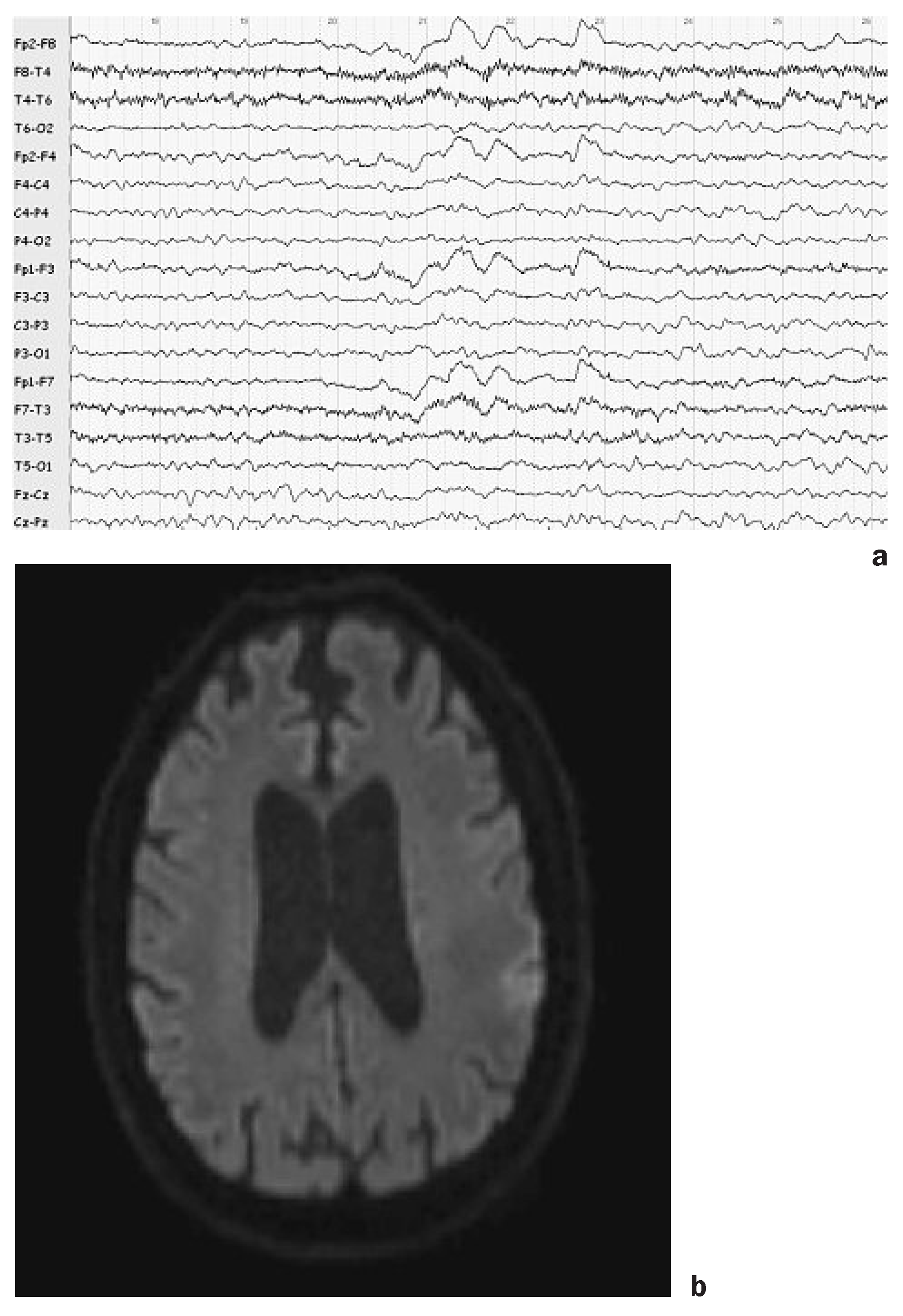
Figure 1.
A 63-year-old man hospitalized for a 3-year history of isolated progressive gait apraxia. His EEG showed an isolated slowing in the prefrontal regions (a) and he presented a focal mediofrontal atrophy on MRI (b). The progressive gait apraxia was related to a focal dysfunction of the prefrontal frontal lobe.
Subcortical ischaemic vascular dementia
Subcortical ischaemic vascular dementia (SIVD), a subtype of vascular dementia, refers to ischaemic lesions involving basal ganglia, cerebral white matter and brainstem [23]. Gait disorders are very common in SIVD and a wide range of gait disturbances has been described in this pathology, including wide-based gait, decreased step length, bradykinesia, rigidity, disturbance in initiation of gait, static and dynamic instability, freezing gait and gait apraxia [20]. Walking speed is even slower in SIVD than in AD [24]. Furthermore, a modification of the gait pattern, namely an increased variability of spatio-temporal gait parameters, has been shown in presymptomatic patients, and a greater variability of step length was specifically associated with a greater burden of cerebral vascular abnormalities [25]. In another study, white matter lesions have been shown to be associated with a decreased walking speed and longer double support time [26]. In the larger field of vascular dementia, some authors have defined a “high-risk neurological gait” syndrome, involving the presence of a hemiparetic, frontal or unsteady gait. These latter gait disorders are associated with a high risk of developing vascular dementia and this risk is increased if patients also present with a dysexecutive syndrome [27]. Recently, a French longitudinal study demonstrated that, in a sample of 1086 subjects, the volume of periventricular white matter lesions correlated with a slower walking speed at baseline and at follow-up eight years later [28]. In the same cohort, a cross-sectional association was demonstrated between walking speed and homocysteine, a marker of the risk of cardiovascular disease, again illustrating the role of vascular factors in motor function [29]. In a prospective cohort study with 422 subjects without dementia, the presence of gait abnormalities at baseline was a significant predictor of the risk of developing a non-Alzheimer’s dementia, in particular vascular dementia [6]. These findings raise the interesting possibility of considering gait disorders as possible markers of incipient SIVD.
Frontotemporal lobar degeneration
Frontotemporal lobar degeneration represents a large spectrum of pathologies, including those that involve the motor system. One certain subtype of frontotemporal dementia with parkinsonism has been associated with mutations in the tau gene linked to chromosome 17 [30]. Another link between frontotemporal lobar degeneration and motor dysfunction is illustrated by the relatively high association (around 5%) of amyotrophic lateral sclerosis and frontotemporal dementia. Furthermore, some subtypes of frontotemporal lobar degeneration share certain neuropathological characteristics with corticobasal degeneration and progressive supranuclear palsy [31], two conditions mainly affecting motor functions.
Gait disorders are not part of the clinical definition of the temporal or the frontal form of frontotemporal lobar degeneration. However, in a recent comparative study with sixty subjects with the behavioural variant of frontotemporal lobar degeneration (bvFTD), AD patients and healthy control subjects, we showed an increased gait instability—defined as stride time variability—in the bvFTD group, both during walking alone and during dual tasking such as walking while counting backwards [32]. Given the specific pattern of bilateral atrophy of the frontal and anterior temporal lobes in bvFTD, this study emphasised the role of these regions in gait control. Beside gait disorders, bvFTD patients also displayed more stereotypical movements and compulsive-like behaviours than AD patients [33]. Interestingly, these stereotypical movements decreased when a serotoninselective inhibitor was administered.
Dementia with Lewy bodies and Parkinson’s disease with dementia
Apart from being associated with a different age of onset, temporal course and levodopa-responsiveness, dementia with Lewy bodies (DLB) and Parkinson’s disease with dementia (PDD) are two very similar conditions [34]. Both motor features and neuropsychiatric symptoms in both pathologies are most likely caused by the neurodegeneration within the cholinergic system and Lewy body accumulation in the cortex [35].
Few studies have investigated gait parameters in DLB and PDD in detail. Gait disorders appear to be more common in PDD and DLB than in Parkinson’s disease [35]. In a two-year follow-up study, it was demonstrated that postural instability and gait disorders in Parkinson’s disease were associated with a faster rate of cognitive decline and could be considered as risk factors for developing PDD [36]. In a comparative study assessing quantitative gait parameters in DLB and AD subjects, it was demonstrated that there were no differences between both pathologies in terms of any of the measured gait variables. An explanation for this surprising result may be that only a simple gait task (walking in a straight line), not involving phases of acceleration and deceleration was used [37].
Normal pressure hydrocephalus
The diagnosis of normal pressure hydrocephalus (NPH) is suggested when the clinical triad of gait disorder, cognitive dysfunction and urinary incontinence is combined with a magnetic resonance image showing a disproportionate ventricular enlargement and aqueductal signal loss [38]. Gait deficits usually appear first and are characterised by a reduced speed and stride length, a reduced step height during the swing phase and a wide-based gait with a relatively preserved arm swing [39]. One hypothetical reason for this early gait involvement in the disease is that the fibres of the corticospinal tract responsible for motor function in the legs run close to the lateral ventricles in the corona radiata [40]. In a study comparing gait patterns in NPH and Parkinson’s disease, wide-based gait and a diminished step height during the swing phase were the features specific to NPH [41]. After cerebrospinal fluid tapping, only gait velocity and stride length were abnormal in the NPH group in the same study [41]. These results confirmed those of a previous study showing that spinal tapping only improved stride length in NPH patients [39]. In a recent cross-sectional study with 858 subjects, in which the correlation between ventricular volume and gait impairment, cognitive disorders and urinary incontinence was assessed, the prevalence and severity of gait and cognitive impairment increased with ventricular dilation, independent of bladder dysfunction [42].
Treatment
While many studies have now established the relationship between gait disorders and cognition in neurodegenerative diseases, few studies have investigated treatment of these gait disturbances. Possibilities for treatment are rehabilitation techniques, such as those used in Parkinson’s disease, or pharmacological therapies.
A recent review looked at the positive effects of treadmill walking in the treatment of gait disturbance [43]. The putative mechanism of this therapy is that it stimulates neuronal circuits which include central pattern generators. The effect of treadmill training has also been assessed in others pathologies, such as stroke and spinal cord injury. In Parkinson’s disease, another treatment strategy that has been evaluated is that of cueing. Auditory, visual, tactile and cognitive cues from the environment or generated by the patient are thought to facilitate automatic movements. The hypothesis is that cues provide an external rhythm that can compensate for the deficient internal rhythm of the basal ganglia in Parkinson’s disease. Investigating the effects of regular longterm practice of a multi-tasking activity, we have demonstrated that elderly subjects displayed a more stable gait than age-matched healthy control subjects who did not engage in any particular routine exercise [44]. Likewise, a recent study showed positive effects of Tango lessons on mobility in patients with Parkinson’s disease [45].
With respect to pharmacological treatment, a promising therapeutic approach is to modulate the norepinephrine system with an amphetamine-like psychomotor stimulant, such as methylphenidate. A first report in twenty-one patients with Parkinson’s disease demonstrated a benefit of methylphenidate on gait two hours after the administration of a single dose [46]. These positive results were confirmed in another cohort of patients with Parkinson’s disease [47]. In a study with older adults without dementia, it was demonstrated that methylphenidate improves certain aspects of gait stability, suggesting an interesting remedy for reducing fall risk in older adults [48]. The effect of the NMDA antagonist amantadine on gait was assessed in forty patients with subcortical vascular encephalopathy, in an attempt to reduce the overactive glutamatergic transmission in this population. Encouraging results have been reported for the amantadine group with respect to certain gait parameters [49]. The effect of this molecule was also evaluated in some case reports of patients with Parkinson’s disease and freezing of gait [50]. Several other molecules, such as antidepressive drugs, methylphenidate and acetylcholinesterase inhibitors, have been evaluated in small groups of patients with freezing of gait [50].
Given that dual-task related gait changes in patients with dementia are strongly related to impaired executive function [3] and acetylcholinesterase inhibitors are known to improve executive function in AD [51], we recently tested the effect of acetylcholinesterase inhibitors on gait in patients with AD. In a small sample of nine AD subjects, we demonstrated an improvement of dual-task related gait performance after 24 weeks of galantamine treatment [52]. In general, however, the potential benefits of pharmacological treatment on gait disorders related to impaired cognitive function have only been studied in few and small-scale studies. There is thus a great need for prospective studies to investigate the working of these substances and their precise effect on the different types of gait disturbances.
Conclusion
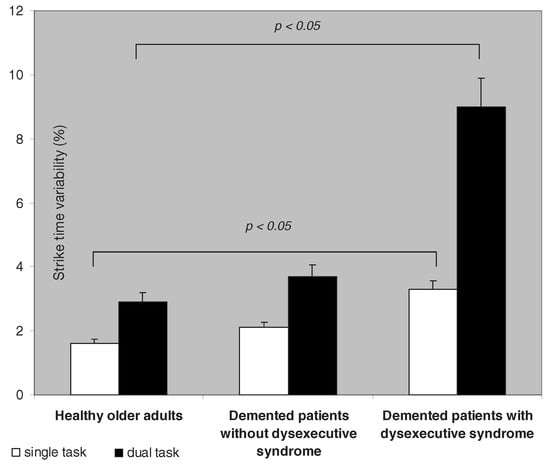
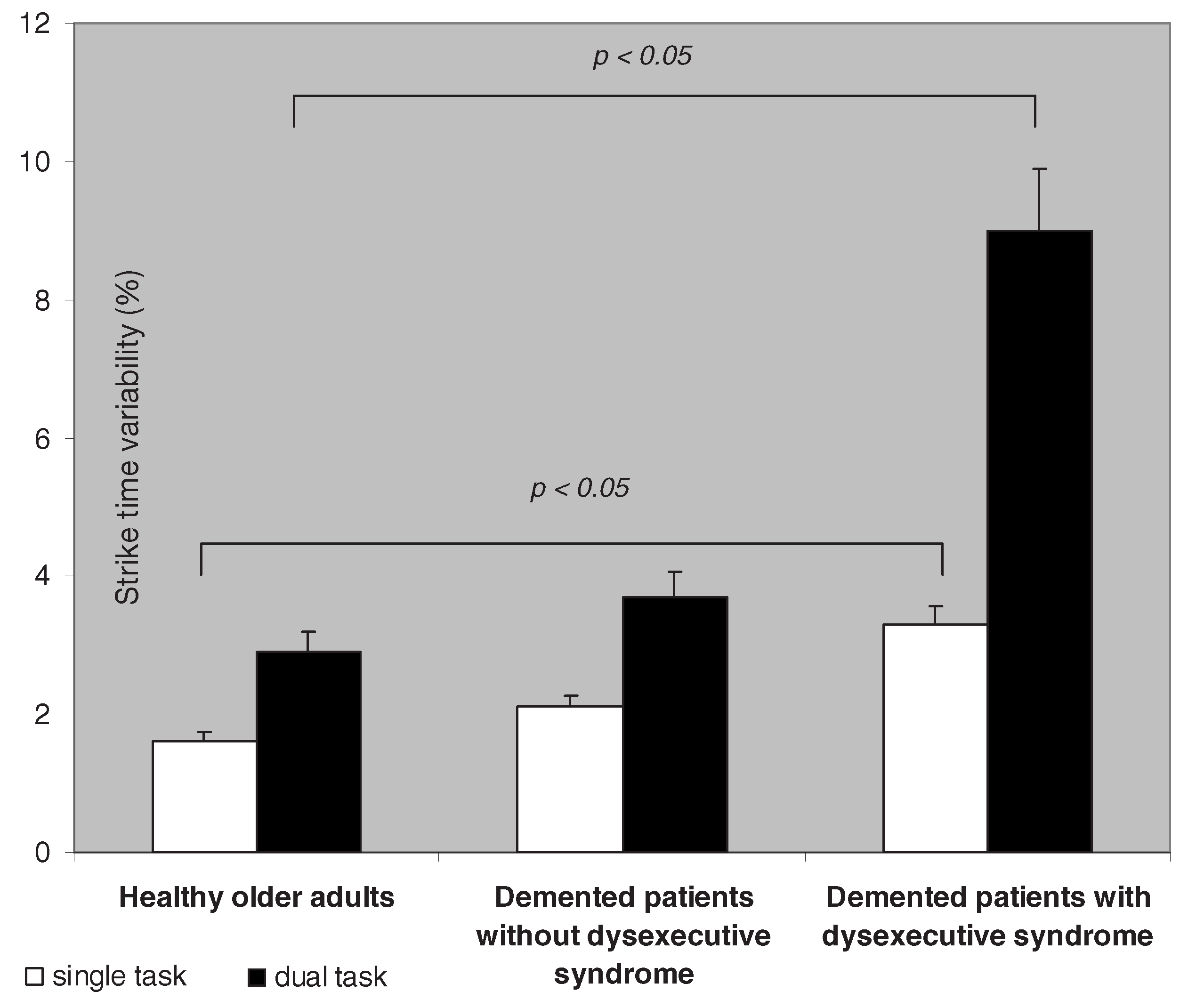
In this review on the relationship between gait and cognition and the impact of executive function, we have highlighted the frequent co-occurrence of disturbances of motor and cognitive functions in the most prevalent subtypes of dementia. Several converging sources of research support the theory that cognitive-related gait changes are not only a direct result of motor disorders with a subcortical origin,but are also associated with the processing of information in cortical regions. Executive dysfunctions appear to contribute strongly to these gait modifications with a cortical origin (Figure 2). One important clinical implication of the reviewed findings is that gait assessment should become part of the routine screening of cognitive function and, conversely, cognitive function (above all executive function) should be carefully followed up in patients with gait disorders. Moreover, certain methods of gait assessment, such as walking while performing a cognitive task, may be useful in the early diagnosis of dementia. Finally, there are some promising therapeutic options that could be advantageous for patients, not only to improve cognitive aspects of their disease, but also their specific gait disturbances.
Figure 2.
Comparisons showing the impact of impaired executive function on gait during single walking task (in white) and walking while backward counting (dual tasking) (in black) among 59 older adults (20 subjects with dementia and impaired executive function, 19 subjects with dementia and intact executive function and 20 non-demented controls). The three groups presented a significant difference between single tasking and dual tasking (adapted from personal data).
References
- Dietz, V. Spinal cord pattern generators for locomotion. Clin Neurophysiol. 2003, 114(8), 1379–89. [Google Scholar] [CrossRef]
- Pahapill, PA; Lozano, AM. The pedunculopontine nucleus and Parkinson’s disease. Brain 2000, 123 Pt 9, 1767–83. [Google Scholar] [CrossRef]
- Yogev-Seligmann, G; Hausdorff, JM; Giladi, N. The role of executive function and attention in gait. Mov Disord. 2008, 23(3), 329–42; quiz 472. [Google Scholar] [CrossRef]
- de Ajuriaguerra, J; Hecaen, H; Angelergues, R. Les apraxies. Variétés cliniques et latéralisation lésionnelle. Rev Neurol. 1960, 102, 28–57. [Google Scholar]
- Mayer, YS; Barron, DW. Apraxia of gait: clinico-physiological study. Brain 1960, 83, 261–84. [Google Scholar] [CrossRef]
- Verghese, J; Lipton, RB; Hall, CB; Kuslansky, G; Katz, MJ; Buschke, H. Abnormality of gait as a predictor of non-Alzheimer’s dementia. N Engl J Med. 2002, 347(22), 1761–8. [Google Scholar] [CrossRef] [PubMed]
- Woollacott, M; Shumway-Cook, A. Attention and the control of posture and gait: a review of an emerging area of research. Gait Posture 2002, 16(1), 1–14. [Google Scholar] [CrossRef]
- Allali, G; Assal, F; Kressig, RW; Dubost, V; Herrmann, FR; Beauchet, O. Impact of impaired executive function on gait stability. Dement Geriatr Cogn Disord. 2008, 26(4), 364–9. [Google Scholar] [CrossRef]
- Beauchet, O; Kressig, RW; Najafi, B; Aminian, K; Dubost, V; Mourey, F. Age-related decline of gait control under a dual-task condition. J Am Geriatr Soc. 2003, 51(8), 1187–8. [Google Scholar] [CrossRef] [PubMed]
- Sheridan, PL; Solomont, J; Kowall, N; Hausdorff, JM. Influence of executive function on locomotor function: divided attention increases gait variability in Alzheimer’s disease. J Am Geriatr Soc. 2003, 51(11), 1633–7. [Google Scholar] [CrossRef] [PubMed]
- Yogev, G; Plotnik, M; Peretz, C; Giladi, N; Hausdorff, JM. Gait asymmetry in patients with Parkinson’s disease and elderly fallers: when does the bilateral coordination of gait require attention? Exp Brain Res. 2007, 177(3), 336–46. [Google Scholar] [CrossRef]
- Allali, G; Kressig, RW; Assal, F; Herrmann, FR; Dubost, V; Beauchet, O. Changes in gait while backward counting in demented older adults with frontal lobe dysfunction. Gait Posture 2007, 26(4), 572–6. [Google Scholar] [CrossRef]
- Hausdorff, JM; Peng, CK; Goldberger, AL; Stoll, AL. Gait unsteadiness and fall risk in two affective disorders: a preliminary study. BMC Psychiatry 2004, 4, 39. [Google Scholar] [CrossRef]
- Scarmeas, N; Albert, M; Brandt, J; Blacker, D; Hadjigeorgiou, G; Papadimitriou, A; et al. Motor signs predict poor outcomes in Alzheimer disease. Neurology 2005, 64(10), 1696–703. [Google Scholar] [CrossRef]
- O’Keeffe, ST; Kazeem, H; Philpott, RM; Playfer, JR; Gosney, M; Lye, M. Gait disturbance in Alzheimer’s disease: a clinical study. Age Ageing 1996, 25(4), 313–6. [Google Scholar] [CrossRef] [PubMed]
- Nutt, JG; Marsden, CD; Thompson, PD. Human walking and higher-level gait disorders, particularly in the elderly. Neurology 1993, 43(2), 268–79. [Google Scholar] [CrossRef]
- Visser, H. Gait and balance in senile dementia of Alzheimer’s type. Age Ageing 1983, 12(4), 296–301. [Google Scholar] [CrossRef] [PubMed]
- Nakamura, T; Meguro, K; Yamazaki, H; Okuzumi, H; Tanaka, A; Horikawa, A; et al. Postural and gait disturbance correlated with decreased frontal cerebral blood flow in Alzheimer disease. Alzheimer Dis Assoc Disord. 1997, 11(3), 132–9. [Google Scholar] [CrossRef] [PubMed]
- Larson, EB; Shadlen, MF; Wang, L; McCormick, WC; Bowen, JD; Teri, L; et al. Survival after initial diagnosis of Alzheimer disease. Ann Intern Med. 2004, 140(7), 501–9. [Google Scholar] [CrossRef]
- Scherder, E; Eggermont, L; Swaab, D; van Heuvelen, M; Kamsma, Y; de Greef, M; et al. Gait in ageing and associated dementias; its relationship with cognition. Neurosci Biobehav Rev. 2007, 31(4), 485–97. [Google Scholar] [CrossRef]
- Nakamura, T; Meguro, K; Sasaki, H. Relationship between falls and stride length variability in senile dementia of the Alzheimer type. Gerontology 1996, 42(2), 108–13. [Google Scholar] [CrossRef]
- Hausdorff, JM; Rios, DA; Edelberg, HK. Gait variability and fall risk in community-living older adults: a 1-year prospective study. Arch Phys Med Rehabil. 2001, 82(8), 1050–6. [Google Scholar] [CrossRef]
- Román, GC; Erkinjuntti, T; Wallin, A; Pantoni, L; Chui, HC. Subcortical ischaemic vascular dementia. Lancet Neurol. 2002, 1(7), 426–36. [Google Scholar] [CrossRef]
- Tanaka, A; Okuzumi, H; Kobayashi, I; Murai, N; Meguro, K; Nakamura, T. Gait disturbance of patients with vascular and Alzheimer-type dementias. Percept Mot Skills 1995, 80 3 Pt 1, 735–8. [Google Scholar] [CrossRef] [PubMed]
- Rosano, C; Brach, J; Studenski, S; Longstreth, WT, Jr.; Newman, AB. Gait variability is associated with subclinical brain vascular abnormalities in high-functioning older adults. Neuroepidemiology 2007, 29(3-4), 193–200. [Google Scholar] [CrossRef]
- Rosano, C; Brach, J; Longstreth, WT, Jr.; Newman, AB. Quantitative measures of gait characteristics indicate prevalence of underlying subclinical structural brain abnormalities in high-functioning older adults. Neuroepidemiology 2006, 26(1), 52–60. [Google Scholar] [CrossRef] [PubMed]
- Verghese, J; Derby, C; Katz, MJ; Lipton, RB. High risk neurological gait syndrome and vascular dementia. J Neural Transm. 2007, 114(10), 1249–52. [Google Scholar] [CrossRef]
- Soumare, A; Elbaz, A; Zhu, Y; Maillard, P; Crivello, F; Tavernier, B; et al. White matter lesions volume and motor performances in the elderly. Ann Neurol. 2009, 65(6), 706–15. [Google Scholar] [CrossRef]
- Soumare, A; Elbaz, A; Ducros, V; Tavernier, B; Alperovitch, A; Tzourio, C. Cross-sectional association between homocysteine and motor function in the elderly. Neurology 2006, 67(6), 985–90. [Google Scholar] [CrossRef] [PubMed]
- Foster, NL; Wilhelmsen, K; Sima, AA; Jones, MZ; D’Amato, CJ; Gilman, S. Frontotemporal dementia and parkinsonism linked to chromosome 17: a consensus conference. Conference Participants. Ann Neurol. 1997, 41(6), 706–15. [Google Scholar] [CrossRef]
- Sha, S; Hou, C; Viskontas, IV; Miller, BL. Are frontotemporal lobar degeneration, progressive supranuclear palsy and corticobasal degeneration distinct diseases? Nat Clin Pract Neurol. 2006, 2(12), 658–65. [Google Scholar] [CrossRef] [PubMed]
- Allali, G; Dubois, B; Assal, F; et al. Frontotemporal dementia: pathology of gait? Mov Disord 2010, 25(6), 723–9. [Google Scholar] [CrossRef] [PubMed]
- Mendez, MF; Shapira, JS; Miller, BL. Stereotypical movements and frontotemporal dementia. Mov Disord. 2005, 20(6), 742–5. [Google Scholar] [CrossRef]
- McKeith, I. Dementia with Lewy bodies and Parkinson’s disease with dementia: where two worlds collide. Pract Neurol. 2007, 7(6), 374–82. [Google Scholar] [CrossRef]
- Burn, DJ; Rowan, EN; Minett, T; Sanders, J; Myint, P; Richardson, J; et al. Extrapyramidal features in Parkinson’s disease with and without dementia and dementia with Lewy bodies: A cross-sectional comparative study. Mov Disord. 2003, 18(8), 884–9. [Google Scholar] [CrossRef]
- Burn, DJ; Rowan, EN; Allan, LM; Molloy, S; O’Brien, JT; McKeith, IG. Motor subtype and cognitive decline in Parkinson’s disease, Parkinson’s disease with dementia, and dementia with Lewy bodies. J Neurol Neurosurg Psychiatry 2006, 77(5), 585–9. [Google Scholar] [CrossRef]
- Merory, JR; Wittwer, JE; Rowe, CC; Webster, KE. Quantitative gait analysis in patients with dementia with Lewy bodies and Alzheimer’s disease. Gait Posture 2007, 26(3), 414–9. [Google Scholar] [CrossRef]
- Fisher, CM. Hydrocephalus as a cause of disturbances of gait in the elderly. Neurology 1982, 32(12), 1358–63. [Google Scholar] [CrossRef]
- Stolze, H; Kuhtz-Buschbeck, JP; Drucke, H; Johnk, K; Diercks, C; Palmie, S; et al. Gait analysis in idiopathic normal pressure hydrocephalus—which parameters respond to the CSF tap test? Clin Neurophysiol. 2000, 111(9), 1678–86. [Google Scholar] [CrossRef]
- Graff-Radford, NR; Godersky, JC. Normal-pressure hydrocephalus. Onset of gait abnormality before dementia predicts good surgical outcome. Arch Neurol. 1986, 43(9), 940–2. [Google Scholar] [CrossRef] [PubMed]
- Stolze, H; Kuhtz-Buschbeck, JP; Drucke, H; Johnk, K; Illert, M; Deuschl, G. Comparative analysis of the gait disorder of normal pressure hydrocephalus and Parkinson’s disease. J Neurol Neurosurg Psychiatry 2001, 70(3), 289–97. [Google Scholar] [CrossRef]
- Palm, WM; Saczynski, JS; van der Grond, J; Sigurdsson, S; Kjartansson, O; Jonsson, PV; et al. Ventricular dilation: Association with gait and cognition. Ann Neurol. 2009, 66(4), 485–93. [Google Scholar] [CrossRef] [PubMed]
- Herman, T; Giladi, N; Hausdorff, JM. Treadmill training for the treatment of gait disturbances in people with Parkinson’s disease: a mini-review. J Neural Transm. 2009, 116(3), 307–18. [Google Scholar] [CrossRef] [PubMed]
- Kressig, RW; Allali, G; Beauchet, O. Long-term practice of Jaques-Dalcroze eurhythmics prevents age-related increase of gait variability under a dual task. J Am Geriatr Soc. 2005, 53(4), 728–9. [Google Scholar] [CrossRef] [PubMed]
- Hackney, ME; Earhart, GM. Health-related quality of life and alternative forms of exercise in Parkinson disease. Parkinsonism Relat Disord. 2009, 15(9), 644–8. [Google Scholar] [CrossRef]
- Auriel, E; Hausdorff, JM; Herman, T; Simon, ES; Giladi, N. Effects of methylphenidate on cognitive function and gait in patients with Parkinson’s disease: a pilot study. Clin Neuropharmacol. 2006, 29(1), 15–7. [Google Scholar] [CrossRef]
- Devos, D; Krystkowiak, P; Clement, F; Dujardin, K; Cottencin, O; Waucquier, N; et al. Improvement of gait by chronic, high doses of methylphenidate in patients with advanced Parkinson’s disease. J Neurol Neurosurg Psychiatry 2007, 78(5), 470–5. [Google Scholar] [CrossRef]
- Ben-Itzhak, R; Giladi, N; Gruendlinger, L; Hausdorff, JM. Can methylphenidate reduce fall risk in community-living older adults? A double-blind, singledose cross-over study. J Am Geriatr Soc. 2008, 56(4), 695–700. [Google Scholar] [CrossRef]
- Baezner, H; Oster, M; Henning, O; Cohen, S; Hennerici, MG. Amantadine increases gait steadiness in frontal gait disorder due to subcortical vascular encephalopathy: a double-blind randomized placebo-controlled trial based on quantitative gait analysis. Cerebrovasc Dis. 2001, 11(3), 235–44. [Google Scholar] [CrossRef]
- Giladi, N. Medical treatment of freezing of gait. Mov Disord. 2008, 23 (Suppl 2), S482–8. [Google Scholar] [CrossRef]
- Vellas, B; Cunha, L; Gertz, HJ; De Deyn, PP; Wesnes, K; Hammond, G; et al. Early onset effects of galantamine treatment on attention in patients with Alzheimer’s disease. Curr Med Res Opin. 2005, 21(9), 1423–9. [Google Scholar] [CrossRef] [PubMed]
- Assal, F; Allali, G; Kressig, RW; Herrmann, FR; Beauchet, O. Galantamine improves gait performance in patients with Alzheimer’s disease. J Am Geriatr Soc. 2008, 56(5), 946–7. [Google Scholar] [CrossRef] [PubMed]
This is an open-access article distributed under the terms of the Creative Commons Attribution Non-Commercial No Derivatives (CC BY-NC-ND) 4.0 License.