Article

The Study of a Multicriteria Decision Making Model for Wave Power Plant Location Selection in Vietnam

1
Department of Industrial Engineering and Management, National Kaohsiung University of Science and Technology, Kaohsiung 80778, Taiwan
2
Hi-P International Limited, Singapore 609926, Singapore
3
Department of Logistics and Supply Chain Management, Hong Bang International University, Ho Chi Minh City 72320, Vietnam
4
Metal Industries and Research Centre, Kaohsiung 83158, Taiwan
*
Authors to whom correspondence should be addressed.
Processes 2019, 7(10), 650; https://doi.org/10.3390/pr7100650
Submission received: 22 August 2019 / Revised: 14 September 2019 / Accepted: 18 September 2019 / Published: 23 September 2019
(This article belongs to the Section AI-Enabled Process Engineering)

Abstract

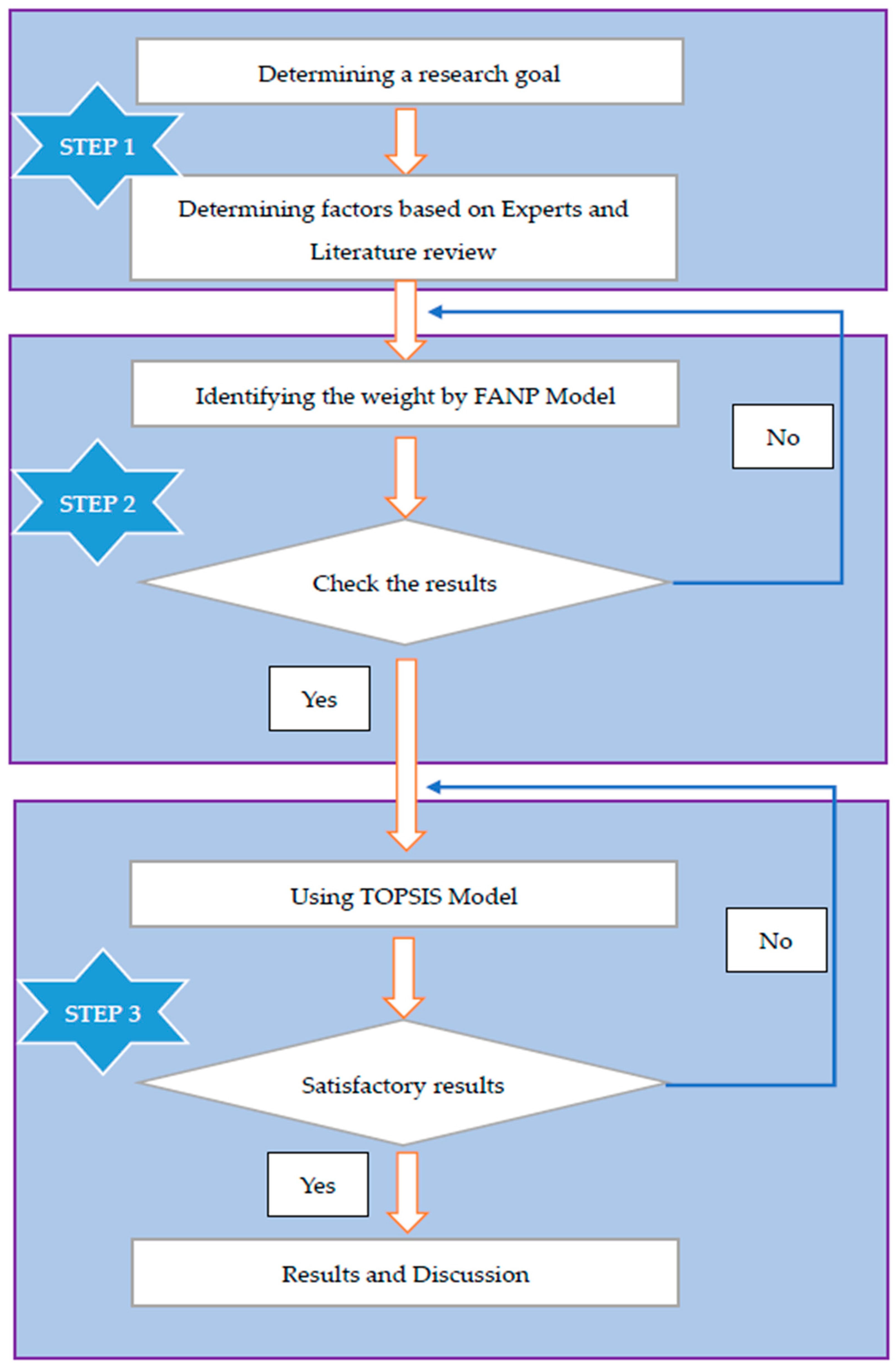
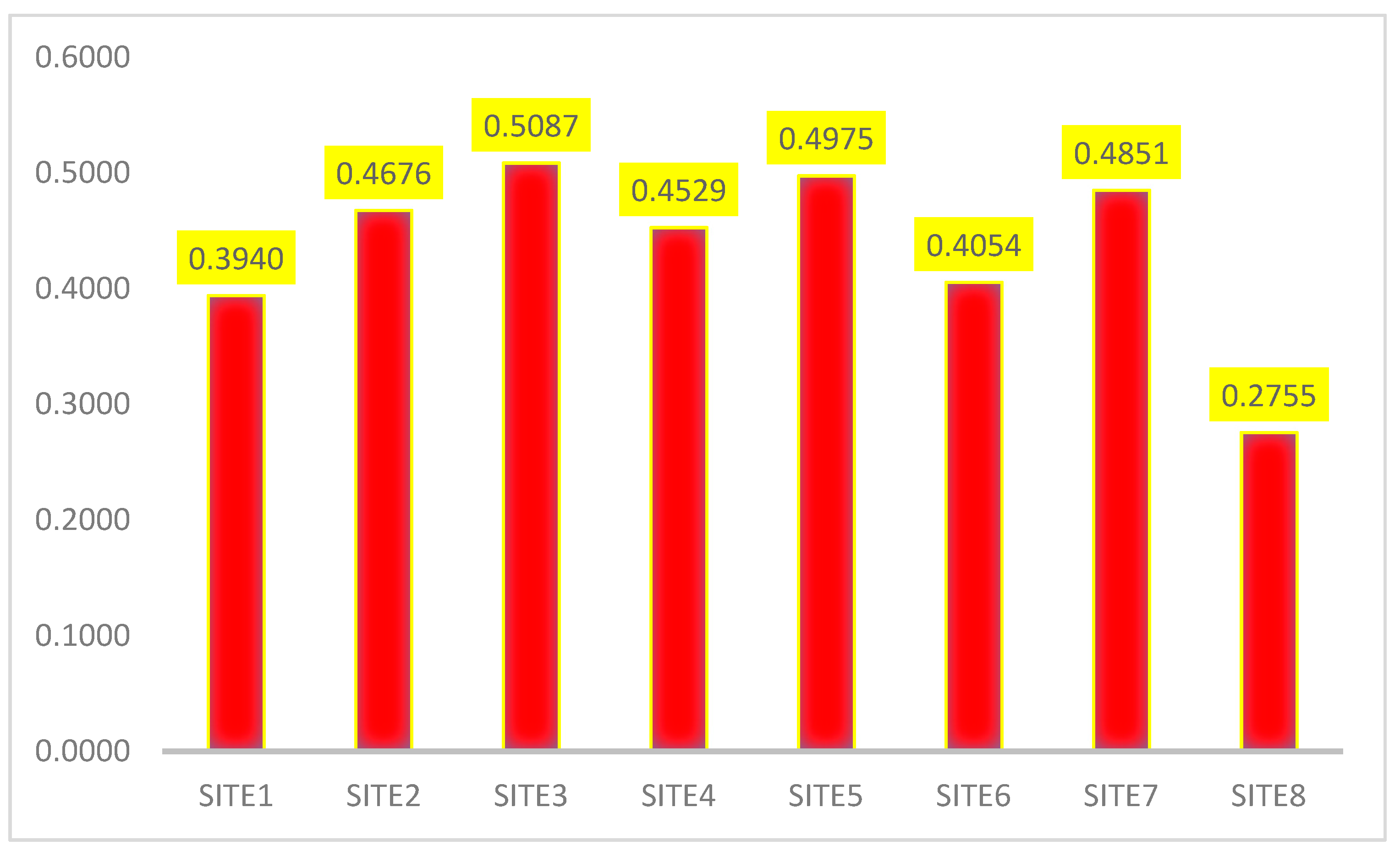
With about a 7% average annual economic growth rate in Vietnam, the demand for electricity production is increasing, and, with more than 3000 km of coastline, the country has great potential for developing wave energy sources to meet such electricity production. This energy source, also known as renewable energy, comes from tides, wind, heat differences, flows, and waves. Both wind and wave energy are considered to have the most potential for energy sources in Vietnam. Just as hydropower projects are controversial due to depleting water resources and regulating floods, nuclear power projects cause safety concerns. To overcome this problem, Vietnamese scientists are considering using abundant wave energy resources for electricity. Nowadays, the ocean energy sector offers many new technologies to help minimize carbon dioxide emissions (CO2) in the living environment. Further, many countries already have wave power plants. In this research, an integrated model, combining the fuzzy analytical network process (FANP) and the technique for order of preference by similarity to ideal solution (TOPSIS), is proposed for wave energy plant location selection. As a result, Con Co (SITE3) is determined the best site for wave energy production. The primary aim of this study is to provide insight into site selection problems for renewable energy investments of Vietnam. The contribution of this research is to propose a fuzzy multiple-criteria decision-making (MCDM) model for site selection in the renewable energy sector. The proposed model also can address different complex problems in location selection; it is also a flexible design model for considering the evaluation criteria; further, it is applicable to site selection of other renewable energies in the world.
Keywords: renewable energy; wave energy; fuzzy logics; MCDM; FANP; TOPSIS renewable energy; wave energy; fuzzy logics; MCDM; FANP; TOPSIS