Next Article in Journal
Recovery Potential of Critical Rare Earth Elements from Coal Preparation Tailings: A Case Study of the Abayskaya Mine
Previous Article in Journal
The Process of Pressure, Temperature, and Phase State Changes Within Supercritical CO2 Buried Pipelines During Micro-Leakage
 
 
Due to scheduled maintenance work on our servers, there may be short service disruptions on this website between 11:00 and 12:00 CEST on March 28th.
Article

Research on Digital Simulation and Design Methods of Vertical-Wheel PDC Drill Bits

1
State Key Laboratory of Oil and Gas Reservoir Geology and Exploitation, Southwest Petroleum University, Chengdu 610500, China
2
School of Mechanical and Electrical Engineering, Yibin University, Yibin 644000, China
3
School of Mechanical and Electrical Engineering, Southwest Petroleum University, Chengdu 610500, China
4
School of Electronic Information Engineering, Yibin University, Yibin 644000, China
*
Author to whom correspondence should be addressed.
Processes 2026, 14(7), 1041; https://doi.org/10.3390/pr14071041 (registering DOI)
Submission received: 20 February 2026 / Revised: 5 March 2026 / Accepted: 19 March 2026 / Published: 25 March 2026
(This article belongs to the Section Petroleum and Low-Carbon Energy Process Engineering)

Abstract

The vertical-wheel PDC bit adds a rotatable wheel cutter to conventional fixed PDC blades, creating a dual-structure cooperative rock-breaking system. A synergistic design theory is established through the following consecutive steps. Firstly, a fully coupled digital model of the wheel cutters, fixed blades and rock was built; load-calculation methods for each cutter type were derived, enabling the WOB distribution to be predicted by simulation. Secondly, for complex drilling modes, such as mixed-mode rotary steering, the wheel must be located at the instantaneous resultant force point of the bit to maximize buffering and torque mitigation; the locus of this point was traced while drilling. Thirdly, a proportional relationship between relative cutter exposure and weight on bit share was validated and used to synchronize the cutting trajectories of the two structures. Finally, systematic design criteria for wheel diameter, shaft inclination, normal offset, offset distance, cutter shape and wheel count were formulated. The results provide a theoretical basis and a technical roadmap for high-efficiency, long-life VW-PDC bit design.

1. Introduction

With the gradual increase in the number of deep and ultra-deep wells, the drilling conditions of deep rock layers are becoming more complex and harsh, and the problem of the slow drilling speed of drill bits in deep well sections is becoming more prominent [1]. PDC drill bits have a simple structure with no moving parts, and they have an absolute advantage when drilling in soft-to-medium-hard formations [2,3]. However, they are often limited in hard formations, conglomerate formations, high-abrasion formations, and other complex and difficult-to-drill formations [4]. By introducing vertical wheels into PDC drill bits to form vertical-wheel PDC (VW-PDC) bits [5], as shown in Figure 1, we expect to address the issues of slow drilling speed and short drill bit life in difficult-to-drill formations. The core advantage of the vertical-wheel PDC (VW-PDC) bit lies in its unique and highly efficient bottom-hole rock-breaking pattern, generated by a synergistic “dynamic–static” mechanism [6,7]. Acting as the leading rolling cutting unit, the vertical wheel features multiple rows of carbide teeth that, under the combined effects of the weight on bit (WOB) and torque, perform complex motions including rolling, sliding, and indenting. This action carves irregular, discontinuous pre-damage groove patterns, such as V-shaped, cycloid-shaped, or hook-shaped tracks, into the rock surface. These tracks not only directly weaken local rock strength but, more importantly, intersect and overlap spatially with the continuous, smooth shear paths planned by the subsequent fixed PDC cutting teeth.
This network of intersecting trajectories fundamentally optimizes the rock-breaking process. The pre-damage tracks created by the vertical wheel serve as pre-formed weak planes or initiation lines for the PDC teeth, significantly reducing the force required to penetrate intact rock. This enables the PDC teeth to achieve deeper penetration with lower energy consumption, directly enhancing the rate of penetration (ROP). Meanwhile, the efficient shearing action of the PDC teeth, following and traversing these pre-damaged zones, effectively and thoroughly removes the micro-cracks and fractured areas generated by the vertical wheel, producing large volumes of cuttings [8]. This addresses the limitation of wheel teeth, which primarily cause fracturing without efficiently clearing rock. Simultaneously, the rolling contact of the vertical wheel and the resulting uneven bottom-hole profile provide excellent dynamic cushioning and torque stabilization. They absorb shocks caused by formation heterogeneity and smooth out torque fluctuations, thereby protecting the PDC teeth from brittle fractures induced by impact loads and significantly improving toolface stability in directional drilling.
The intersecting and complementary rock-breaking trajectories formed by the vertical wheel and PDC structures constitute not merely a simple superposition but rather a closed-loop synergistic system characterized by pre-damage weakening, efficient shearing and removal, and dynamic cushioning and protection. This system enables the bit to simultaneously achieve increased ROP, enhanced drilling stability, and extended bit life under challenging conditions such as hard formations and gravel interbeds [9,10]. It represents a breakthrough design that expands the application range of PDC bits and addresses the severe drilling challenges encountered in deep and ultra-deep wells [11].
The “dynamic–static synergy” rock-breaking mechanism of the vertical-wheel PDC bit has been preliminarily revealed through experiments [12], demonstrating how the vertical wheel weakens rock via pre-damage and mitigates dynamic loads, while PDC cutting teeth subsequently perform efficient shearing. However, its design principles still lack systematic and quantitative articulation. This is reflected in unclear coupling relationships among the geometric parameters, kinematic parameters, and mechanical properties of the dual cutting structures (vertical wheel and PDC teeth). Additionally, the sensitivity of overall bit performance to design variables remains undefined, and differentiated design criteria tailored to varying formation lithologies are absent. This ambiguity in design principles confines current bit development to the traditional model of trial-and-error based on experience followed by experimental validation, thereby hindering the advancement of the technology toward higher efficiency, precision, and customization. In this context, the introduction of digital design methodologies has become an inevitable pathway to overcome these bottlenecks.

1.1. Design Principles of VW-PDC Bits

As a novel drill bit type, the VW-PDC bit is primarily designed for challenging applications, including complex and difficult-to-drill formations, small-diameter drilling, and directional drilling in deep and ultra-deep wells [13,14]. Its design follows two core principles, both centred on ensuring safety and reliability. First, during directional drilling, the bit is designed to reduce and stabilize torque, while simultaneously increasing the WOB borne by the PDC cutters to enhance the ROP. Second, when drilling through hard formations, interbedded layers, or highly abrasive rocks, the design fully leverages the vertical wheel’s dual functions: its buffering effect and its ability to induce localized rock strength reduction. This ensures the bit maintains efficient and continuous drilling capability under such demanding conditions.

1.2. Design Content and Design Process of VW-PDC Bits

The design of VW-PDC bits should first carry out the overall structural design according to the formation and drilling method of the drill bit’s use, such as the shape of the crown contour, the number of fixed wings, the size and tooth density of PDC cutting teeth, the coordinated design of the vertical wheel cutting structure and the PDC cutting structure, the spatial position and structural parameters of the vertical wheel, the hydraulic structure design of the drill bit, etc. Faced with complex and difficult-to-drill drilling conditions, the challenges faced by the drill bit are increasing, and the requirements for designers are also getting higher. For different formation conditions and drilling conditions, personalized design of VW-PDC bits should be carried out. For example, how to improve the stability of the drill bit under compound drilling conditions; how to reduce the impact and vibration of the drill bit in complex drilling conditions such as hard formations and interlayer rocks; how to use the local strength-weakening ability of the vertical wheel on rocks; and how to improve the mechanical drilling speed and service life of the drill bit in directional drilling of deep and ultra-deep wells; all these issues are well worth studying.

2. Methods

A high-fidelity digital simulation of the vertical-wheel PDC bit was developed to accelerate the design cycle [15,16]. Cutting loads on each PDC and wheel cutter were computed with a mechanistic model that accounts for the continuously changing engagement angle induced by wheel rotation; the force integration domain was limited to the kinematic envelope swept by the wheel during one bit revolution. This load-calculation module supplies the boundary conditions for the coupled bit–rock simulator and furnishes the technical means for subsequent performance evaluation of the VW-PDC bit.

2.1. Simulation Strategy and Workflow

“Digital PDC bit drilling simulation” has recently emerged as an effective means of reproducing the bit–rock interaction under complex kinematics, mapping cutter load distribution and evaluating bit performance; it offers unique advantages for personalized bit design and benchmarking.
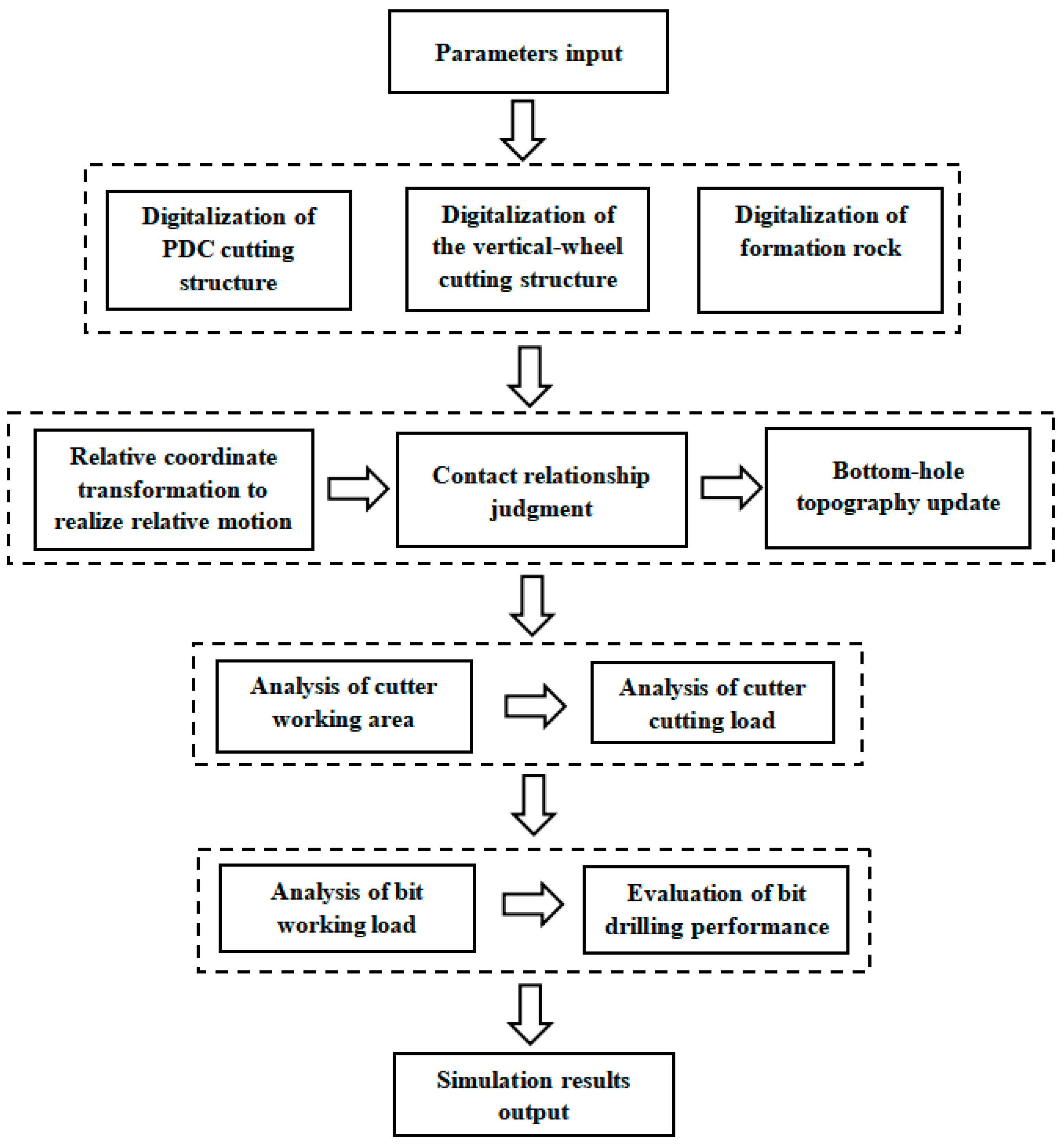
In this study, a MATLAB-based (version R2020b) interaction model between a VW-PDC bit and rock was built. A process-oriented “WOB balance” strategy is adopted: the peripheral drilling motion is imposed at constant rotary speed, and the dynamic bit–rock engagement is decomposed—within each incremental step—into a quasi-static force equilibrium problem. This approach minimizes computational effort while still delivering, step-by-step, the bit trajectory, the time history of bit loads and the evolving bottom-hole geometry. Figure 2 illustrates the simulation architecture.

2.2. Constitutive Models for VW-PDC Bit–Rock Interaction

During drilling, both wheel-mounted and fixed PDC cutters continuously engage the bottom-hole rock; accurate calculation of the resulting contact forces is therefore essential for predicting bit behaviour.
(1) Workload computation for the wheel structure
Based on single-cutter scratch tests performed with the vertical wheel [5,17,18], a simplified interaction model is established. The test data show that, for a wheel cutter, the volume of rock removed, V, varies linearly with the axial (normal) force Fcn:
F c n = k V + b
where k and b are constants dependent on rock properties and cutter geometry. For the specific case of the yellow sandstone and conical cutter used in this simulation, k and b are taken as 11.37 and 214.33, respectively.
(2) Tangential load on wheel cutter
Based on the single-cutter scratch tests, the tangential (drag) force F c t acting on a wheel cutter is proportional to the axial force F c n and decreases logarithmically with the normal offset angle Δγ.
F c t = f F c n f = 0.051 ln ( Δ γ ) + 0.2031
where f is the equivalent friction coefficient and Δγ is the normal offset angle of the vertical wheel (°).
It should be noted that the equation is valid for the yellow sandstone used in the single-cutter tests; for rocks of different properties, the value of f will change, but for a given rock–cutter pair, f remains constant. Experimental results indicate that the normal offset angle should lie in the range 10–20°; in the present design, Δγ = 15° is adopted.
In typical vertical-wheel designs, only one row of cutters is placed on the wheel, providing a point contact with the rock. Multi-row arrangements are also possible. Assuming one cutter per row (the number of cutters in contact depends on Δγ), the tests show that at Δγ = 5°, three cutters touch the rock, while at Δγ = 15°, only one cutter remains in contact. A larger contact number hinders wheel rotation and accelerates cutter wear; therefore, Δγ = 15° is selected, where a single cutter engages.
During operation, the wheel may contain several rows; the total load is the vector sum of the forces acting on all cutters that actually penetrate the rock. Let F C N be the axial force along the bit axis, F C R the radial force perpendicular to the axis, and M C T the torque about the bit axis. With N rows on the wheel, the resultant loads on the vertical-wheel cutting structure are as follows:
F C N = i = 1 N F c n i cos ( Δ γ + α ) F C N = i = 1 N F c n i cos ( Δ γ + α ) M C T = i = 1 N F c t i r i
where r i is the radial distance (mm) from the crest of the cutter in the i row to the bit axis.

2.3. Digital Representation of the VV-PDC Bit–Rock System

Cutters are the only bodies that physically touch the rock; hence, the quality of their discretization significantly influences both the computational efficiency and accuracy of the simulation [19,20]. A VW-PDC bit comprises two distinct cutting structures—PDC cutters and vertical-wheel cutters—each requiring a dedicated digital representation. All dimensions in the digital model are defined in millimetres (mm).
(1) Geometric discretization of the cutters
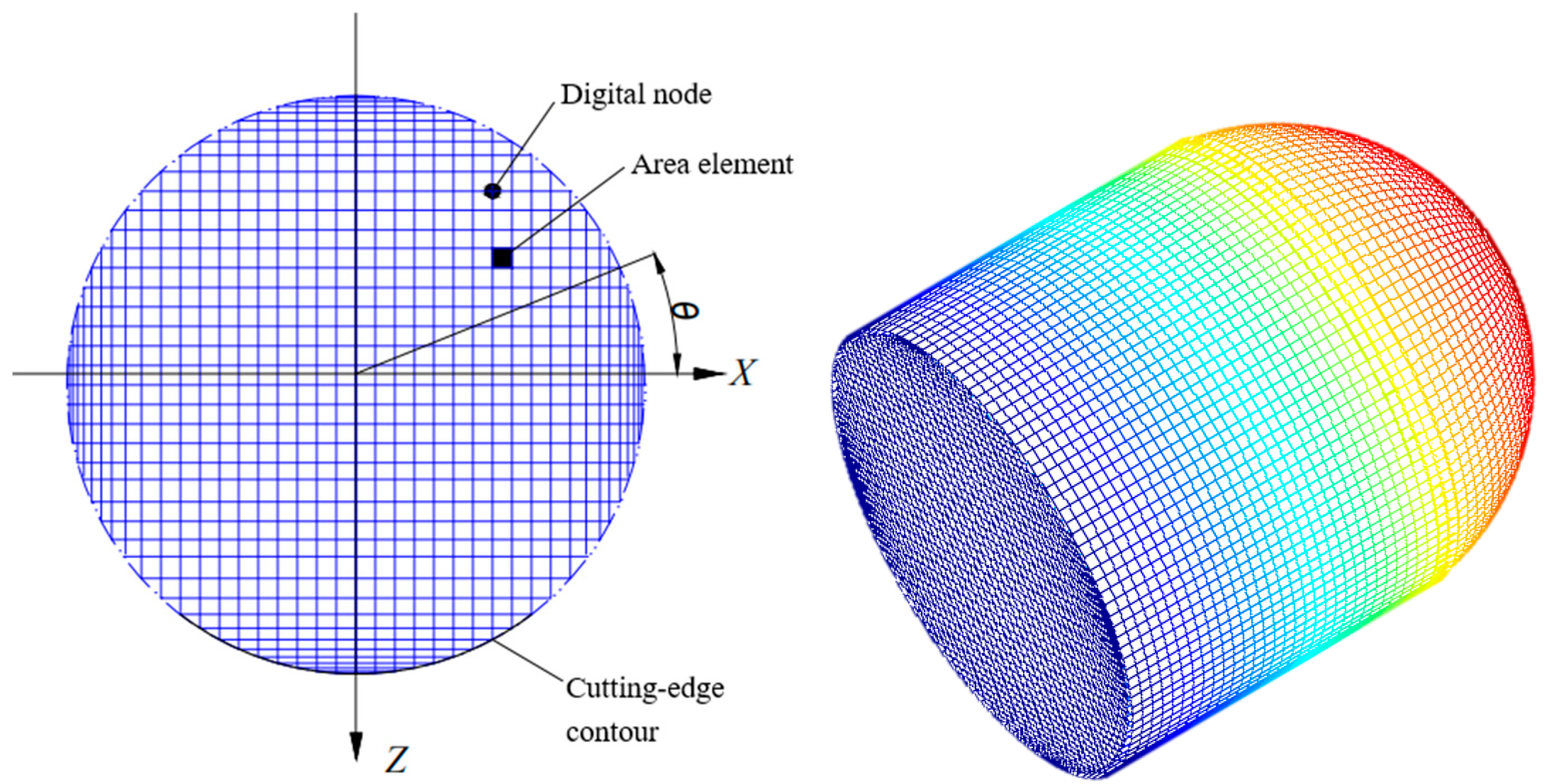
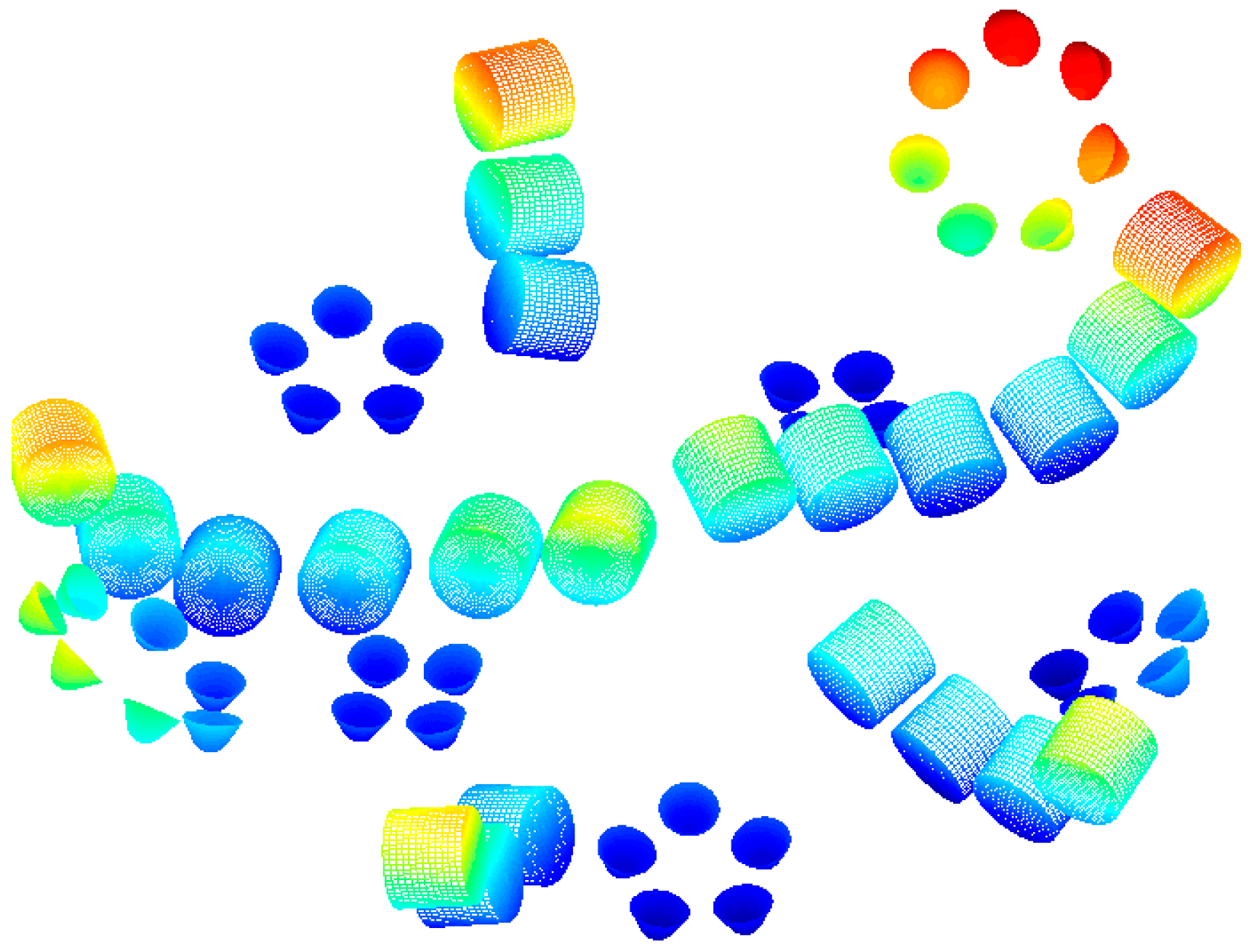
The face of each PDC cutter is discretized using a uniform Cartesian grid, while the cylindrical flank is meshed by equal divisions along the circumferential and axial directions (Figure 3). This approach yields a mesh that is finer at the periphery and coarser toward the centre, thereby providing higher resolution in regions where rock contact predominantly occurs.
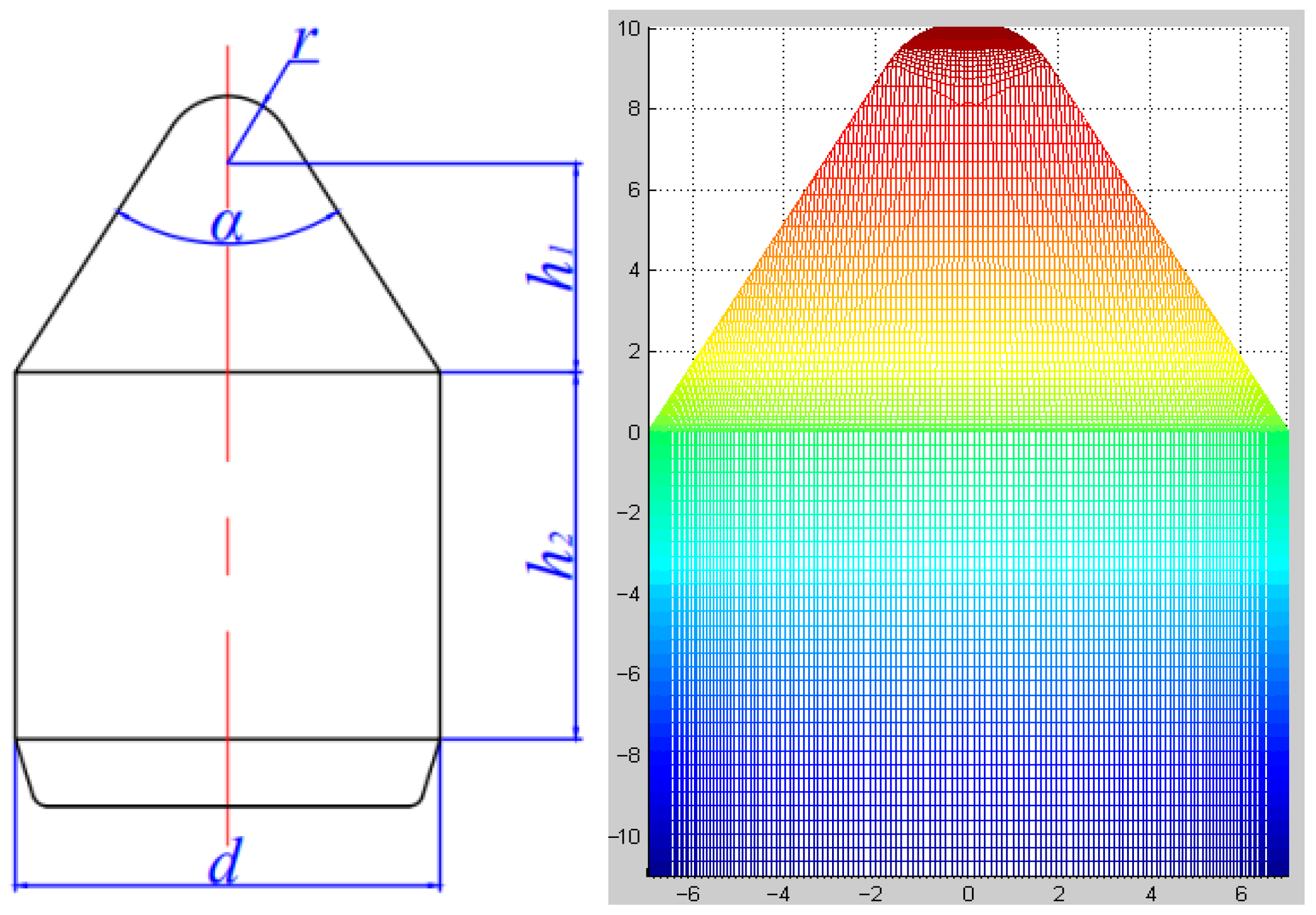
Vertical-wheel cutters (here, conical inserts) are composed of several complex 3-D surfaces; four geometric features—apex arc, conical flank, root fillet and base cylinder—are combined through Boolean operations on primitive cylinders. The geometric parameters and the corresponding MATLAB-generated solid model are shown in Figure 4, where r represents the radius of the apex arc (mm), α is the apex angle (degree), h1 is the apex height (mm), h2 is the cylinder height (mm), and d is the tooth diameter (mm).
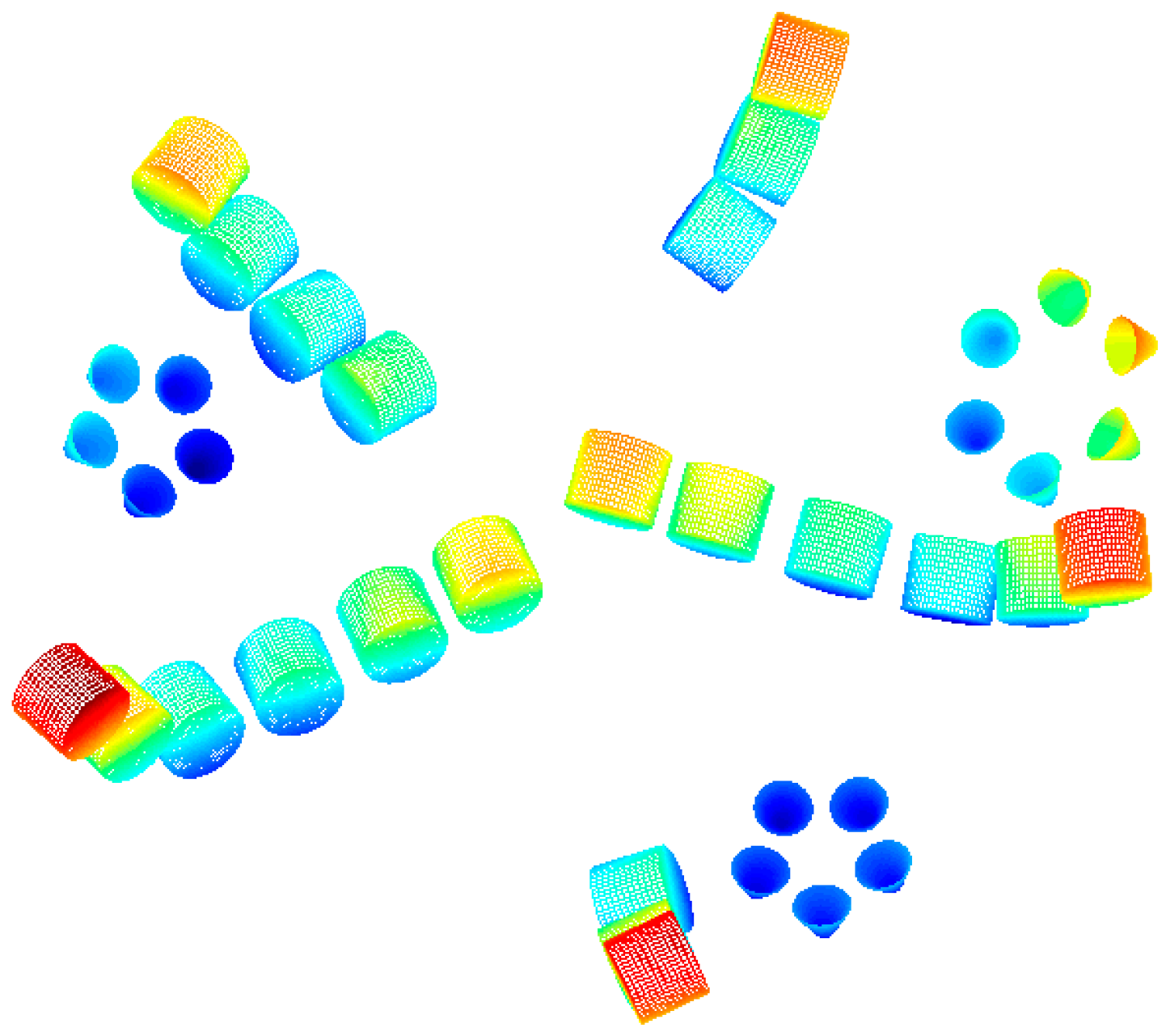
Once the above cutter discretization is completed, the structural parameters of the vertical-wheel cutters and the PDC cutters are assembled into a global coordinate system through translation and rotation operations based on the bit geometry and kinematics. The resulting digital model of the VW-PDC bit is shown in Figure 5.
(2) Digital representation of the rock
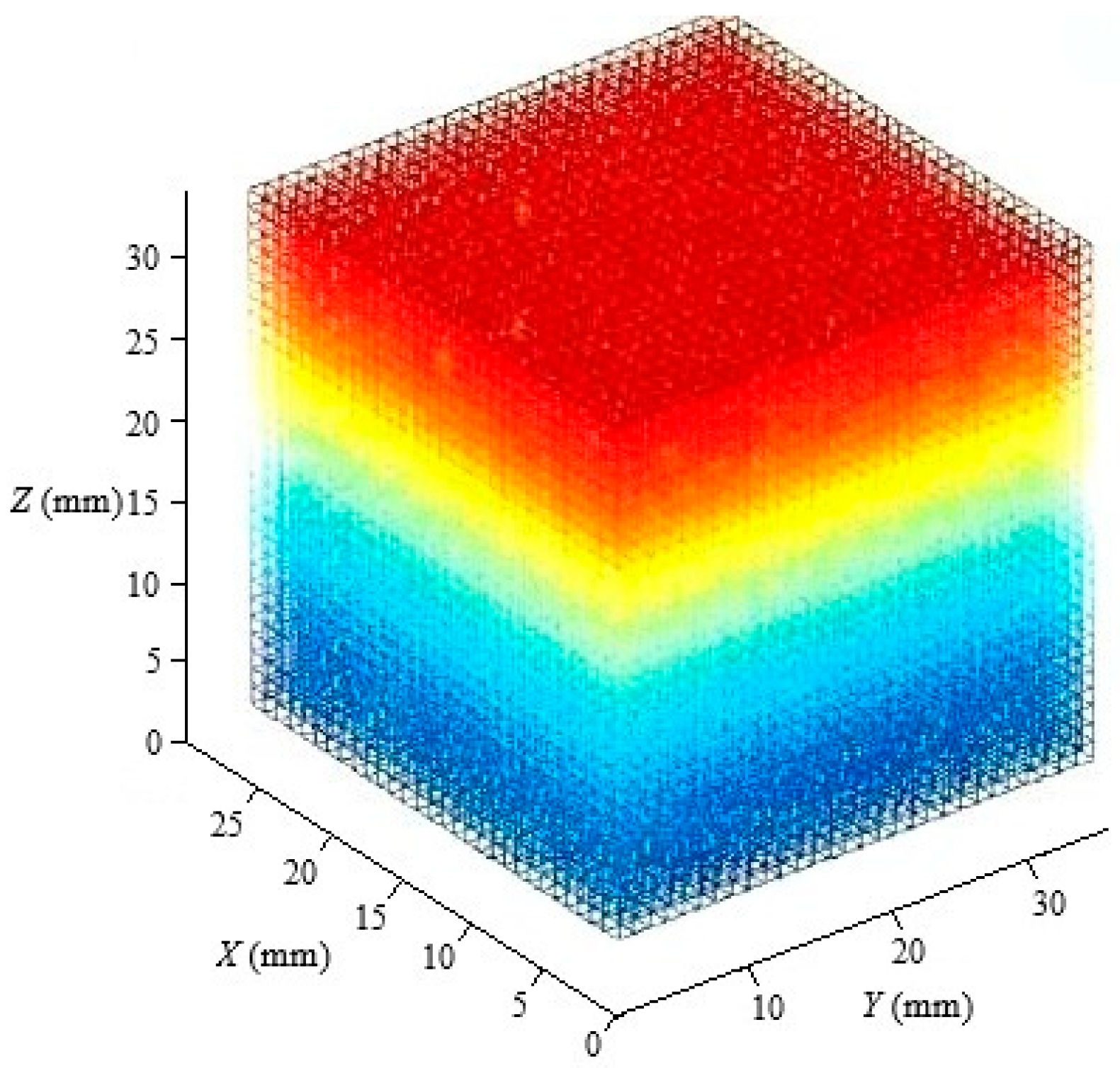
The rock specimen is discretized by an orthogonal grid. Taking the centroid of the top face as the origin O, the axes X, Y and Z are aligned with the rock block’s length, width and height, respectively. Equidistant plane sets parallel to each coordinate plane subdivide the volume, and every triplet of mutually orthogonal planes defines a digital node (Figure 6).
(3) Contact-mode algorithm for bit–rock interaction
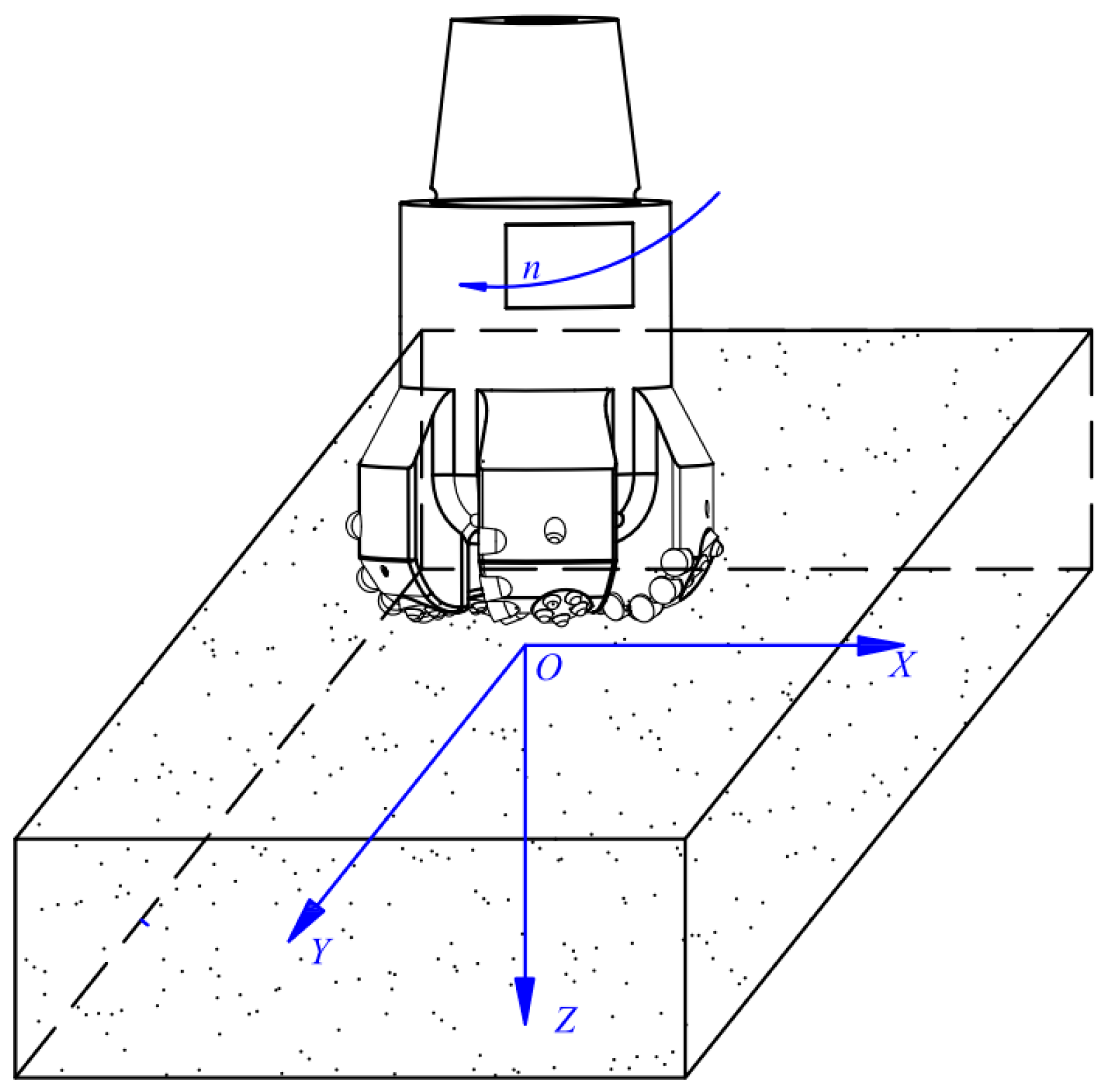
The digital drilling simulator was implemented in MATLAB. Both the bit and the rock are represented by ordered point clouds. Before drilling starts, an initialization routine establishes the spatial relationships among cutter nodes, bit nodes and rock nodes. As illustrated in Figure 7, the VW-PDC bit is positioned on the rock surface; the bit is then given a global rotation about the OZ axis, each wheel rotates about its own axis (self-rotation), and the downward direction parallel to OZ is defined as the drilling feed.
The working plane of a cutter—its face and cutting edge—is the primary interface with the rock. Face nodes are used to flag and remove the rock volume that has been cut, while edge nodes generate a digital trace of the kerf; the superposition of all such traces produced by every cutter on the bit builds the final bottom-hole pattern.

3. Drilling Simulation and Analysis

The in-house simulator was employed to evaluate the new bit concept. Outputs include the volume of rock removed and the cutting forces generated by both the wheel and the PDC structures, thereby complementing our laboratory tests. Sensitivity studies can be run for small adjustments in the normal offset angle, wheel radial position, etc., and the WOB sharing between the two cutting structures can be quantified [21,22].
Once the bit and rock geometries are automatically discretized, the system is initialized by assigning geometric, kinematic and rock mechanics parameters, after which the drilling simulation is executed. In the present study, bits with the wheel placed at positions 4#, 5# and 6#—selected from bench tests—were modelled (Figure 8) to investigate their respective WOB allocations.
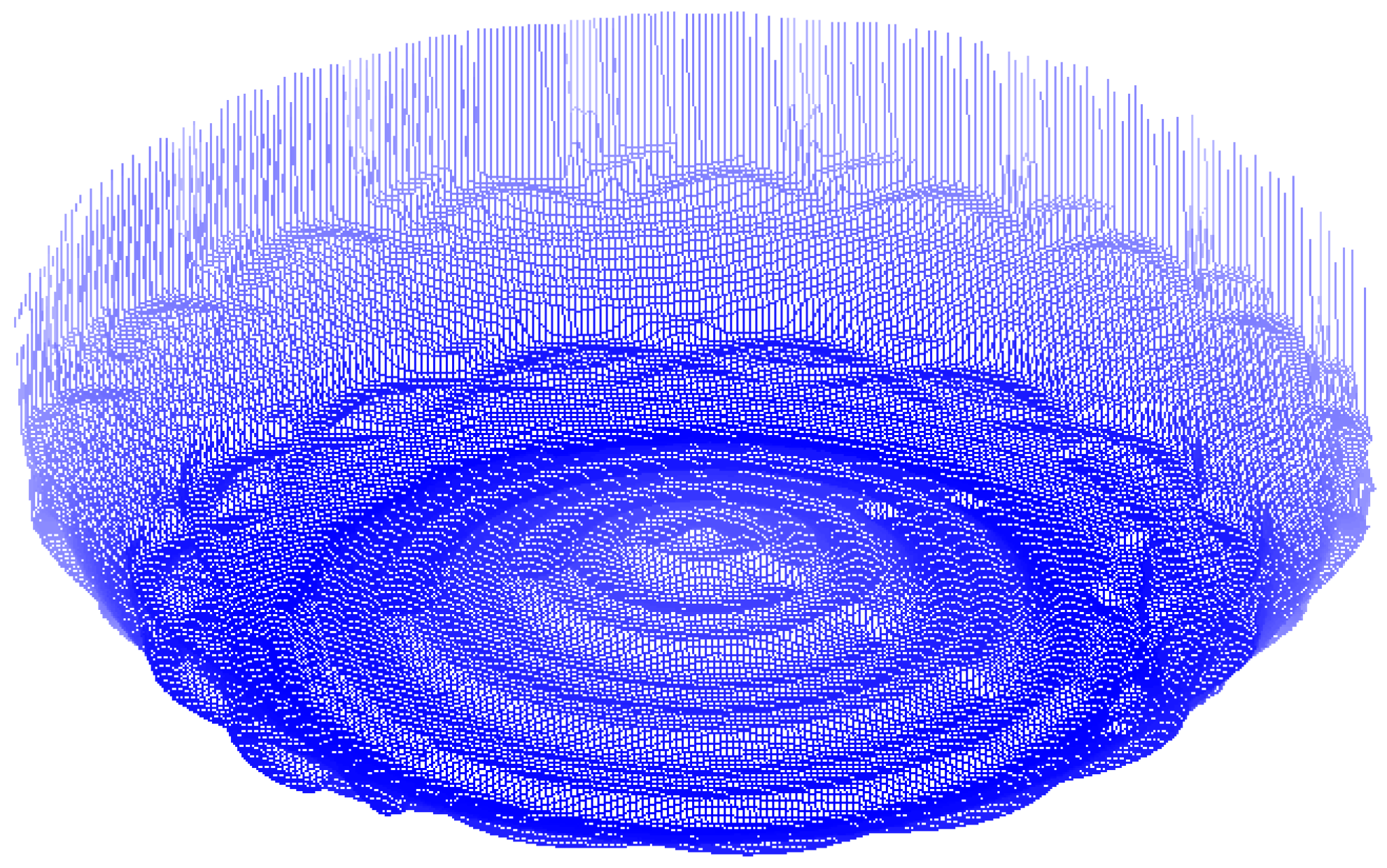
Figure 9 shows the bottom-hole pattern generated by the bit in the digital drilling system. The spiral grooves produced by the vertical wheels and the concentric circular scratches left by the PDC cutters are clearly visible. The intersecting, non-parallel traces of the two cutting systems improve PDC cutter penetration into the rock and thus enhance the overall rock-breaking efficiency.
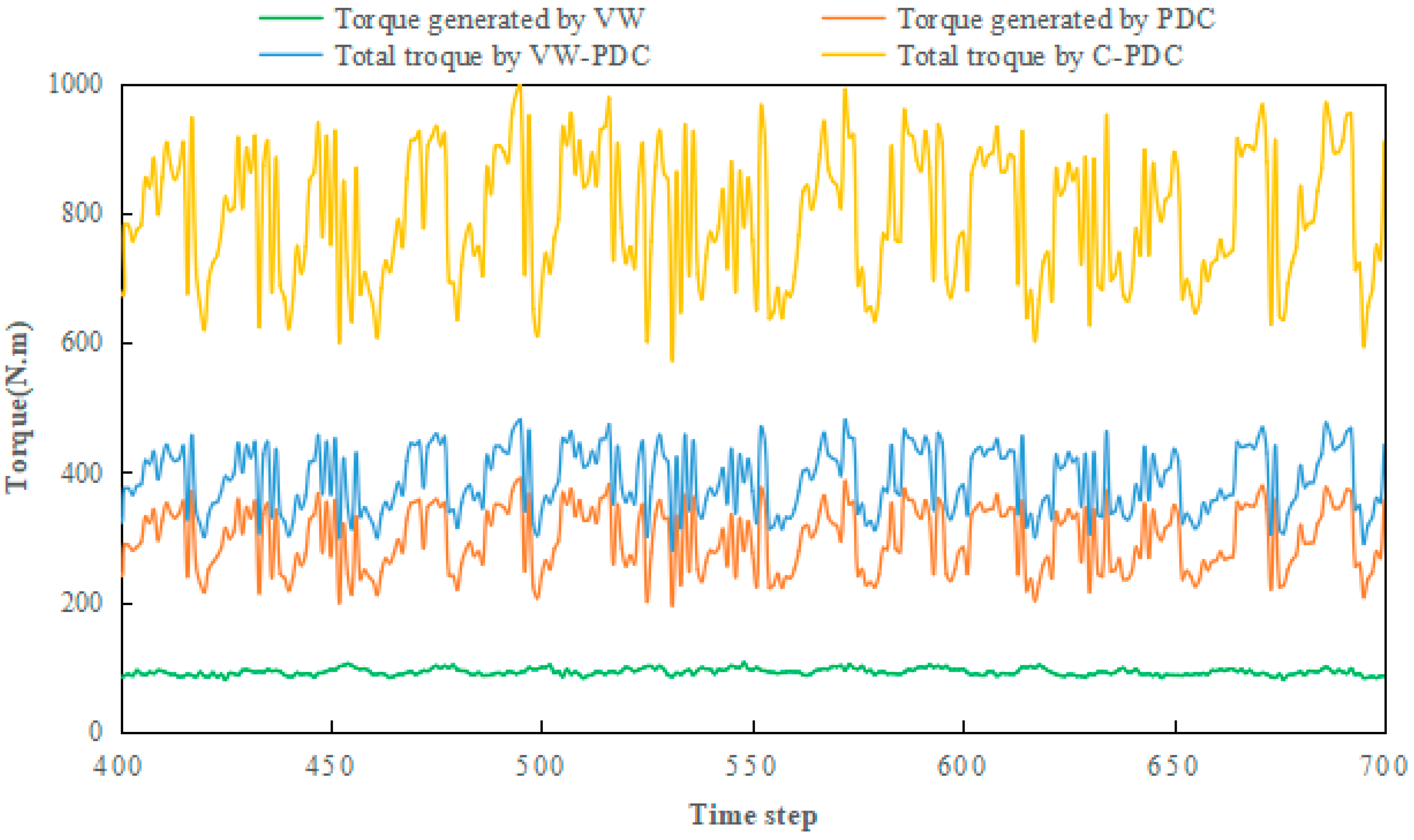
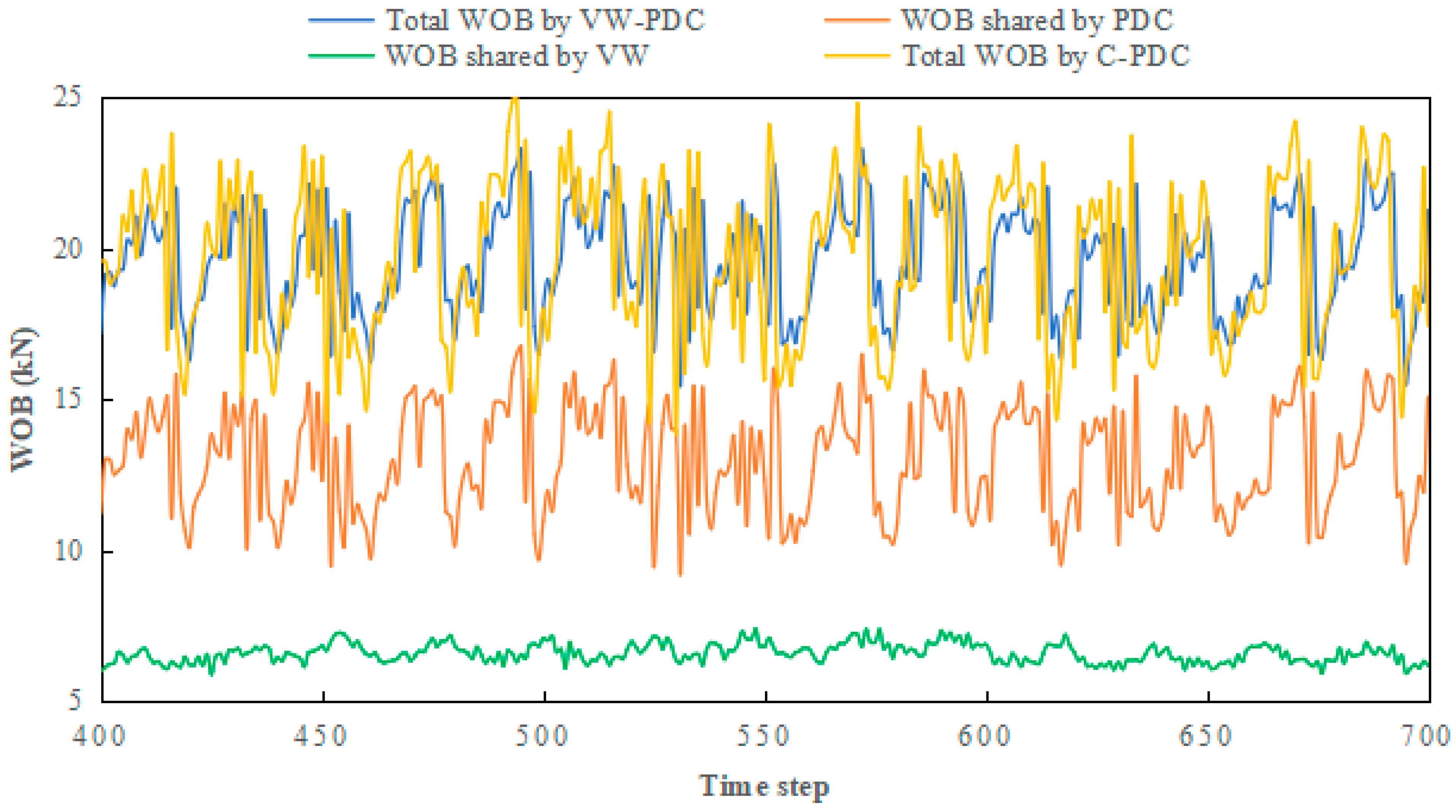
Based on the digital simulation, a comparative analysis of the drilling performance between the VW-PDC and a conventional PDC bit (C-PDC) of the same size was conducted, with the results illustrated in Figure 10 and Figure 11. The simulation results indicate that, under an applied weight of bit (WOB) of 19.60 kN, the C-PDC exhibits higher WOB fluctuations, with a root mean square (RMS) of 19.79 kN and a standard deviation of 2.70 kN, compared to 19.68 kN and 1.80 kN for the VW-PDC (Figure 10). Similarly, the torque response of the C-PDC is significantly more pronounced, with a mean value of 796.20 N·m, an RMS of 802.93 N·m, and a standard deviation of 103.87 N·m, whereas the VW-PDC yields considerably lower values of 388.70 N·m, 391.97 N·m, and 50.63 N·m, respectively (Figure 11). Furthermore, the load distribution within the VW-PDC reveals that the fixed cutting structure bears approximately 1.98 times the WOB and 3.23 times the torque compared to the wheel cutting structure.

4. Discussion on Personalized Design Method for VW-PDC Bits

4.1. Crown Profile Design for VW-PDC Bits

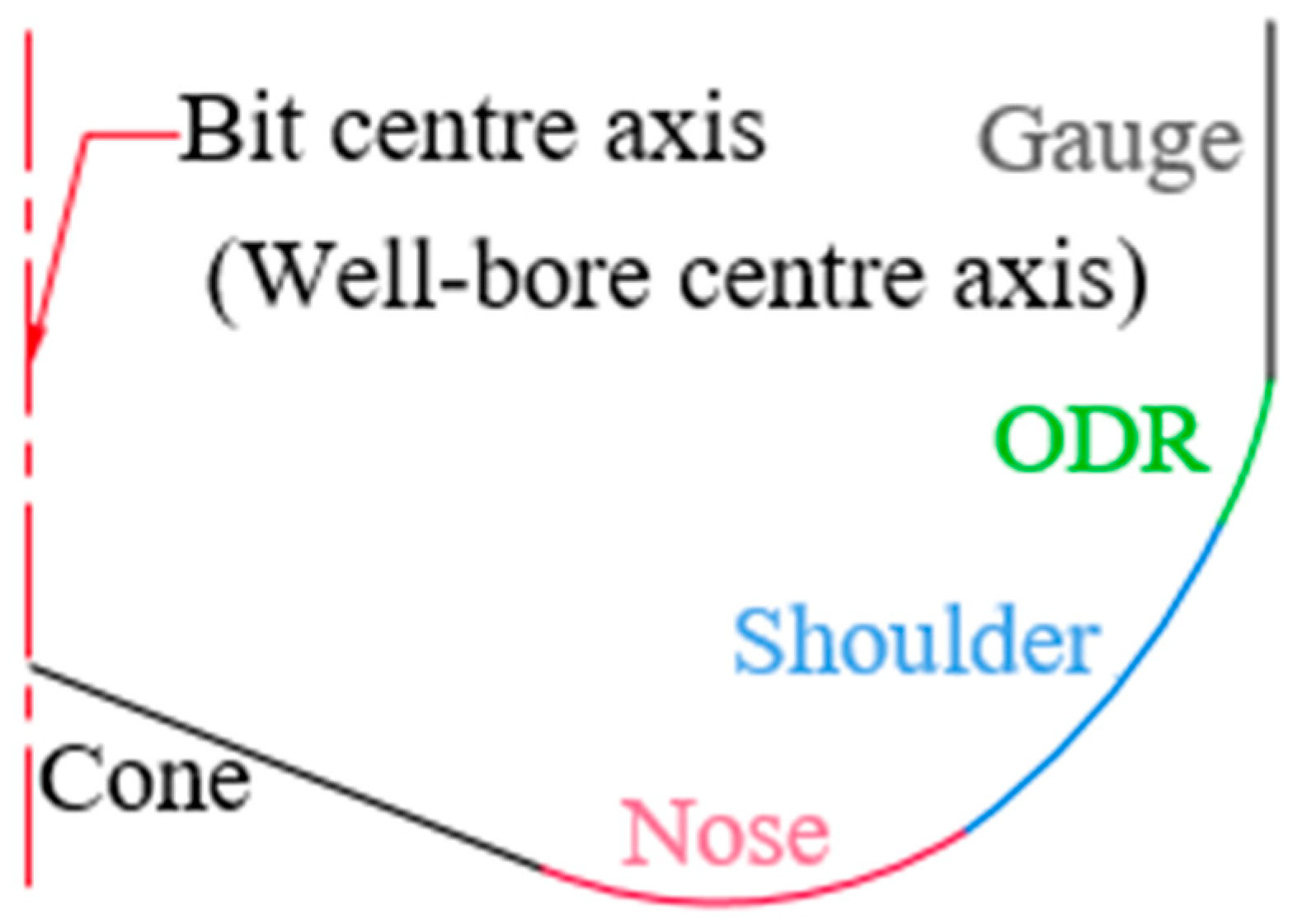
The crown of a VW-PDC bit consists of an inner cone, nose, shoulder, gauge and gage pad regions (Figure 12). The crown profile governs the engagement of the fixed PDC cutters with the bottom-hole rock, dictating bit aggressiveness and the load acting on each cutter [23]. Consequently, the profile should first satisfy the requirements of the fixed cutting structure and then be reconciled with the cutting envelope of the vertical wheels.
The structure and working principle of the vertical-wheel PDC bit require both the fixed PDC cutting structure and the vertical-wheel cutting structure to work together. Therefore, the overall cutting profile of the bit must be designed based on the position and shape of the wheel cutting envelope, ensuring coordination between the two systems. The crown profile design involves two key aspects: selecting the working position of the wheel cutters, including their radial placement and attack angle, to achieve proper overlap with the PDC cutting profile; and determining the relative height difference between the wheel cutters and the PDC cutters to optimize load sharing and rock removal.

4.2. Setting of Vertical Wheel Cutter Working Positions

The working position of the wheel cutters—namely the overlap zone between the wheel and PDC cutting structures—is directly linked to the function assigned to the wheels on the bit body. From an auxiliary cutting perspective, wheel cutters should mainly be located in the outer one-third region of the crown profile; here, PDC cutters have the highest linear speed and are most prone to wear and breakage, so adding wheel cutters in this zone can prolong PDC life. For torque reduction and stabilization, the wheels only need to rotate steadily during drilling to improve bit stability. For buffering protection, the wheels should be placed where the bit is most susceptible to impact failure, thereby increasing PDC cutter life.
The spot on a PDC bit most prone to impact breakage is the resultant force point of all the PDC cutter working loads. Placing vertical-wheel cutters at this point minimizes the amplitude and fluctuation range of impact loads, shields the PDC cutters and extends their life. To locate this resultant point, the load on each individual PDC cutter is first calculated; the global resultant force and its point of application are then found. After the axial component is obtained, its action point (XN, YN) is determined by requiring that the moment of the axial component about the X- and Y-axes of the bit coordinate system equals the sum of the moments produced by the axial force of every PDC cutter about the same axes:
X N = i = 1 N F n i x i F N Y N = i = 1 N F n i y i F N
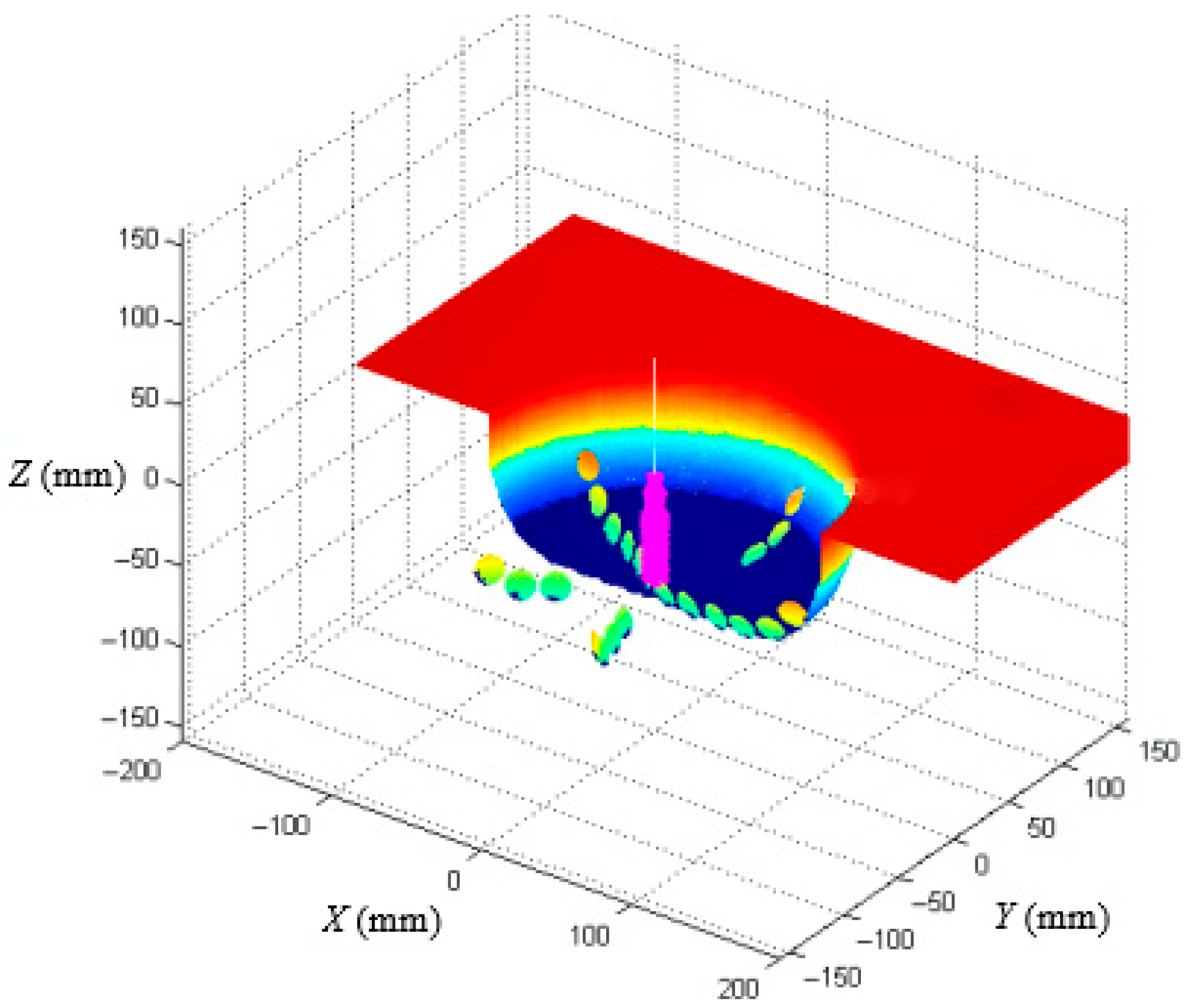
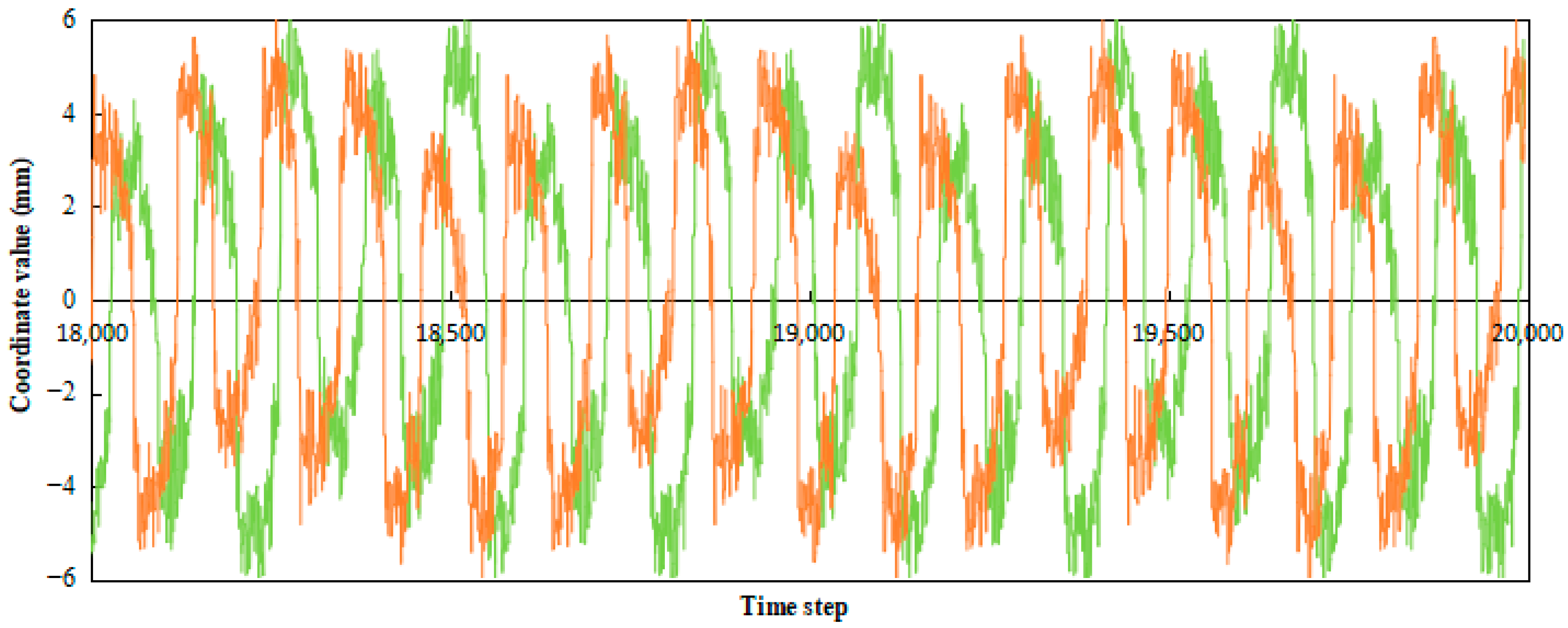
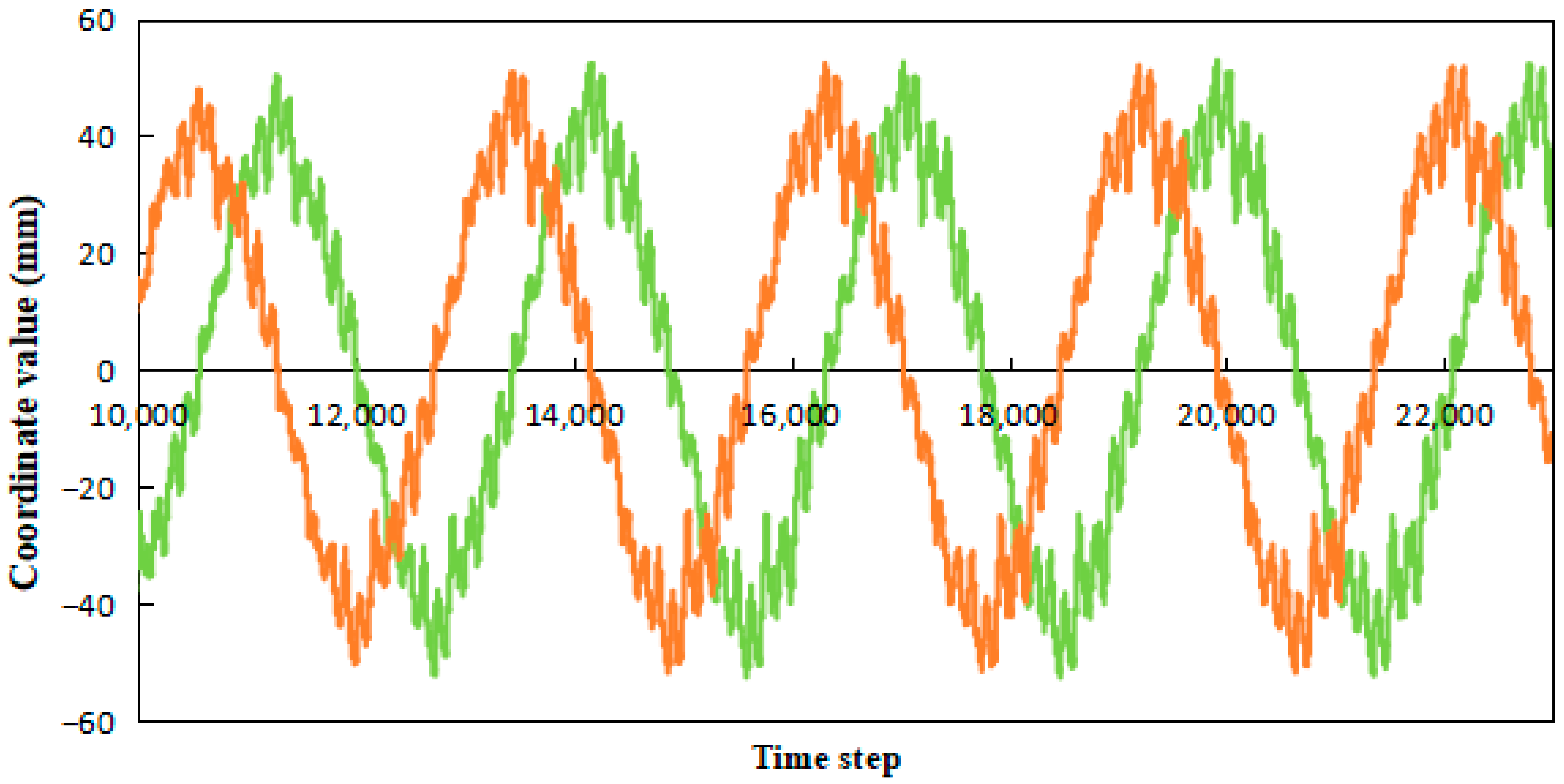
The resultant point of all axial forces acting on the PDC cutters defines the overlap location for vertical-wheel and PDC cutters. Using the digital simulator, this resultant point was evaluated for the bit employed in laboratory tests. Under ideal drilling conditions the axial force centroid oscillates about the bit centre; its trajectory and (x, y) coordinates are shown in Figure 13 and Figure 14, remaining within ±6.12 mm, where the green line represents the x-coordinate, and the orange line represents the y-coordinate. Thus, the centroid never drifts far from the geometric centre, but the wheel cannot practically be placed at this moving point. Instead, under ideal conditions, the wheel should be positioned in the outer one-third of the bit crown, where PDC cutters have large radii, high cutting speeds and rapid wear; introducing the wheel there reduces the wear rate of the PDC cutters.
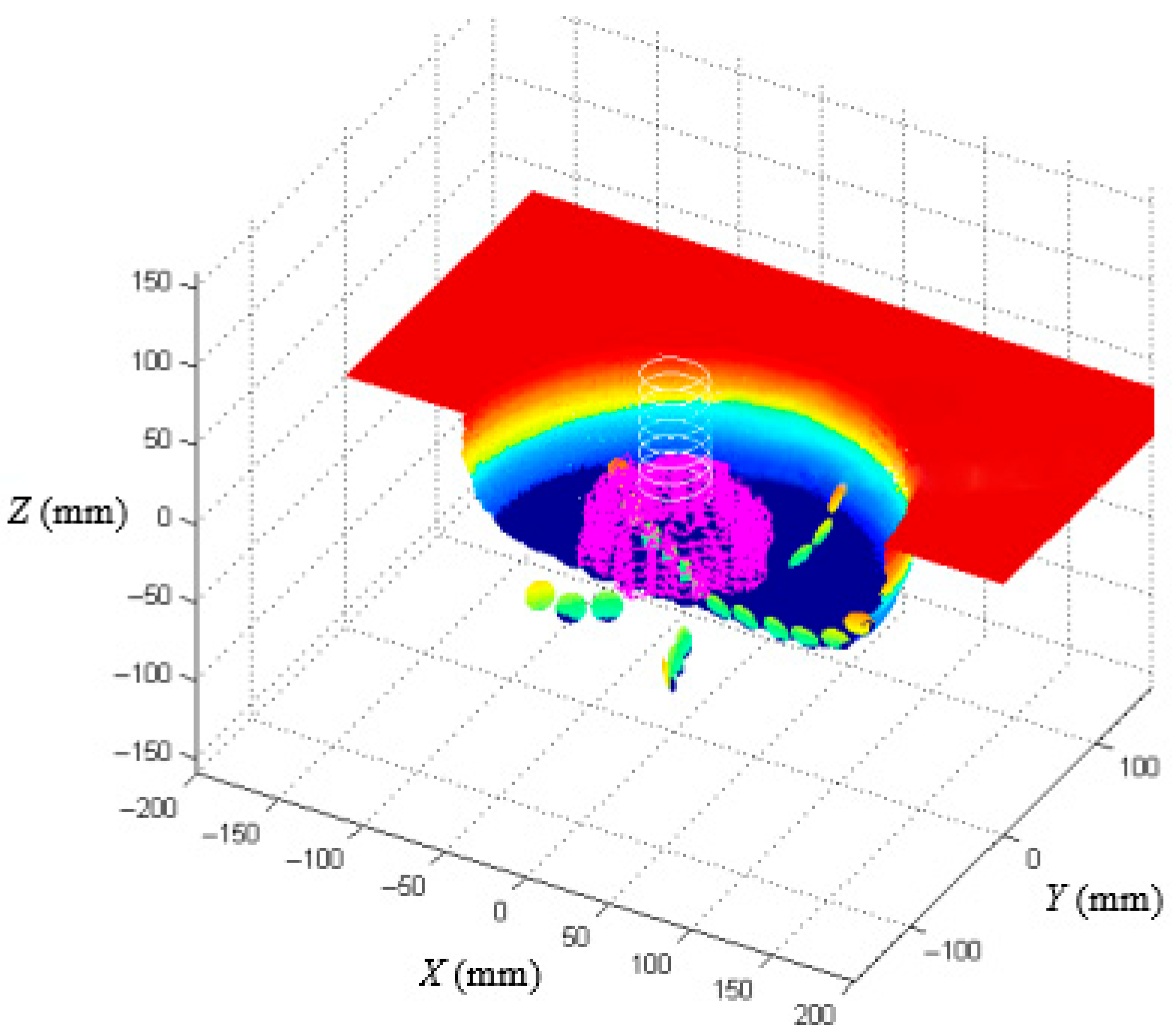
In reality, the bit frequently experiences lateral vibrations, whirl, and compound drilling. Under compound conditions—e.g., 1° bent sub, 1500 mm bend length, 30 rpm rotary table and 120 rpm motor—the bit contacts the hole bottom asymmetrically: one side takes a deeper cut than the other, driving the resultant force point toward the outer region. Figure 15 and Figure 16 show the computed trajectories of the bit centre and of the axial force centroid for this scenario. The bit centre follows a spiral rather than a straight line, while the centroid fluctuates periodically within x ∈ (−50.10 mm, 46.91 mm) and y ∈ (−52.23 mm, 49.46 mm). For compound drilling, the cutting envelope of the vertical wheel should therefore be designed at the statistical centre of the resultant force point’s fluctuation trajectory under steering drilling conditions (i.e., the resultant force point itself), and the cutting envelope of the vertical wheel should be designed to cover the primary fluctuation range of the resultant force point, thereby ensuring that the wheel continuously performs its stabilizing and load-bearing functions.

4.3. Design of Vertical-Wheel Working Angles

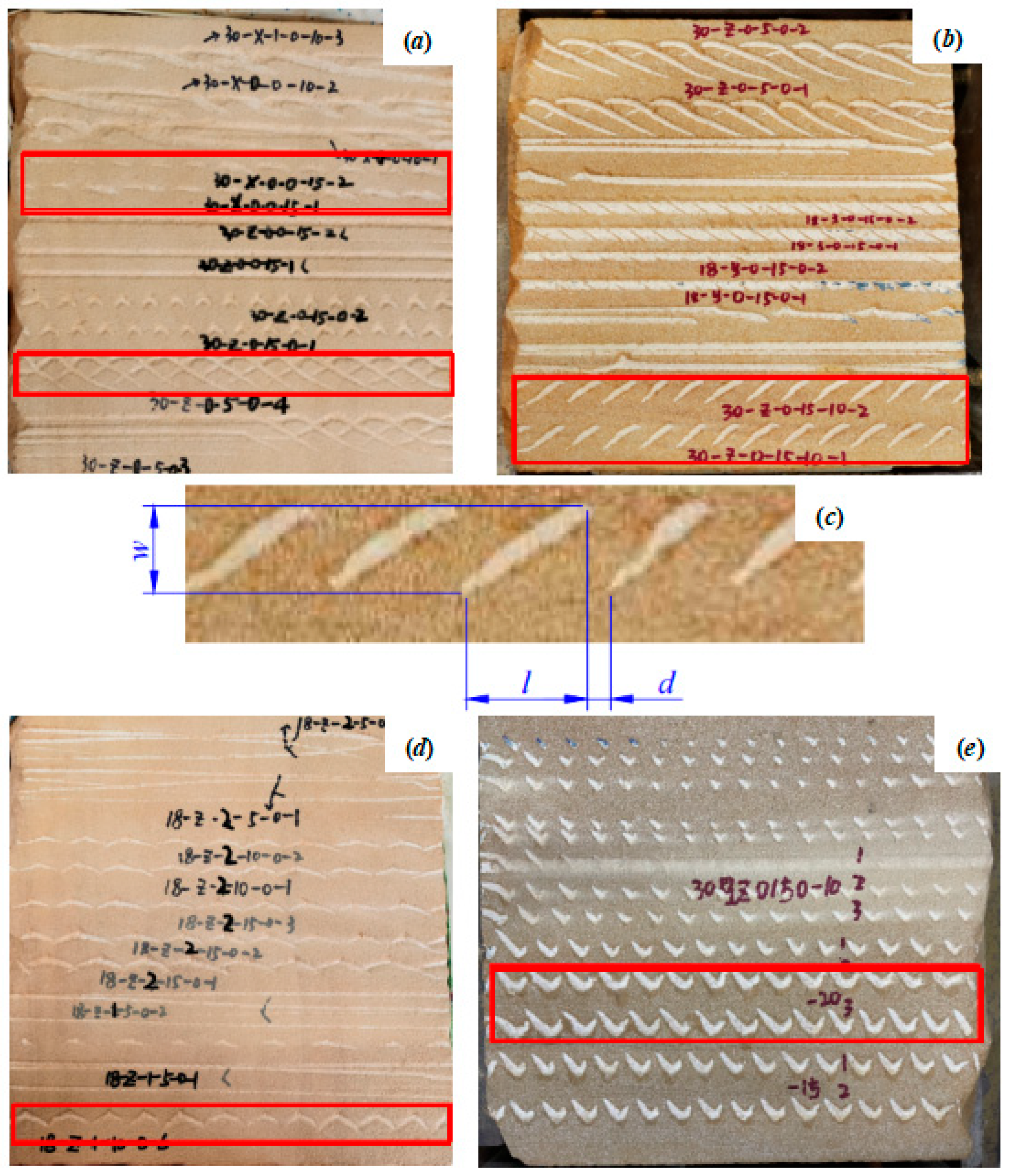
Unit cutter tests [5] show that a vertical wheel produces markedly different rock traces depending on its settings: with a 30 mm-diameter wheel carrying a conical cutter at Δγ = 5°, the groove is V-shaped; at Δγ = 10° (18 mm shank and second-gear depth), the trace becomes cycloidal; at Δγ = 15° and 2 mm depth, the same conical insert gives a hook-shaped groove; a chisel insert at Δγ = 15° leaves a straight line; and adding 10° forward rake (Δδ) to the Δγ = 15° conical case yields an oblique line. Analysis shows that the trace pattern is most sensitive to the normal offset angle Δγ, followed by the forward rake Δδ, then by the number of cutters, and finally by cutter shape. To quantify the traces, three parameters are introduced: trace length l, trace width w, and trace spacing d (see Figure 17).
Reducing the normal offset angle Δγ lengthens the trace (l), widens its width (w) and narrows the spacing (d) to the point that the traces can overlap: at Δγ = 5°, a “V” pattern is produced because the following cutter enters the rock before the previous one has left it. Introducing a forward rake Δδ changes the pattern from “V-shaped” to “oblique-line”; the additional sliding motion increases both l and w while decreasing d. Fewer teeth give larger circumferential spacing, stronger impact on indexing and wider trace spacing, whereas an infinite number of teeth (a continuous disc) would leave an uninterrupted groove. Under the same value of Δγ = 15°, a chisel insert gives the longest and widest straight trace, a conical insert gives a “V-shaped” and a steel tooth gives an “oblique” line with the smallest d. Thus, for maximum auxiliary cutting, conical inserts with Δγ = 5° are preferred; for optimum buffering, load sharing and torque stabilization, continuous steel teeth with a circular cross-section and Δγ = 15° are recommended because they reduce vibration and improve trace continuity. This Δγ also keeps the equivalent friction coefficient low and slows cutter wear; if extra cutting action is still needed, the forward rake Δδ can be increased.

4.4. Relative Exposure Between the Vertical-Wheel Cutting Structure and the Fixed PDC Cutting Structure

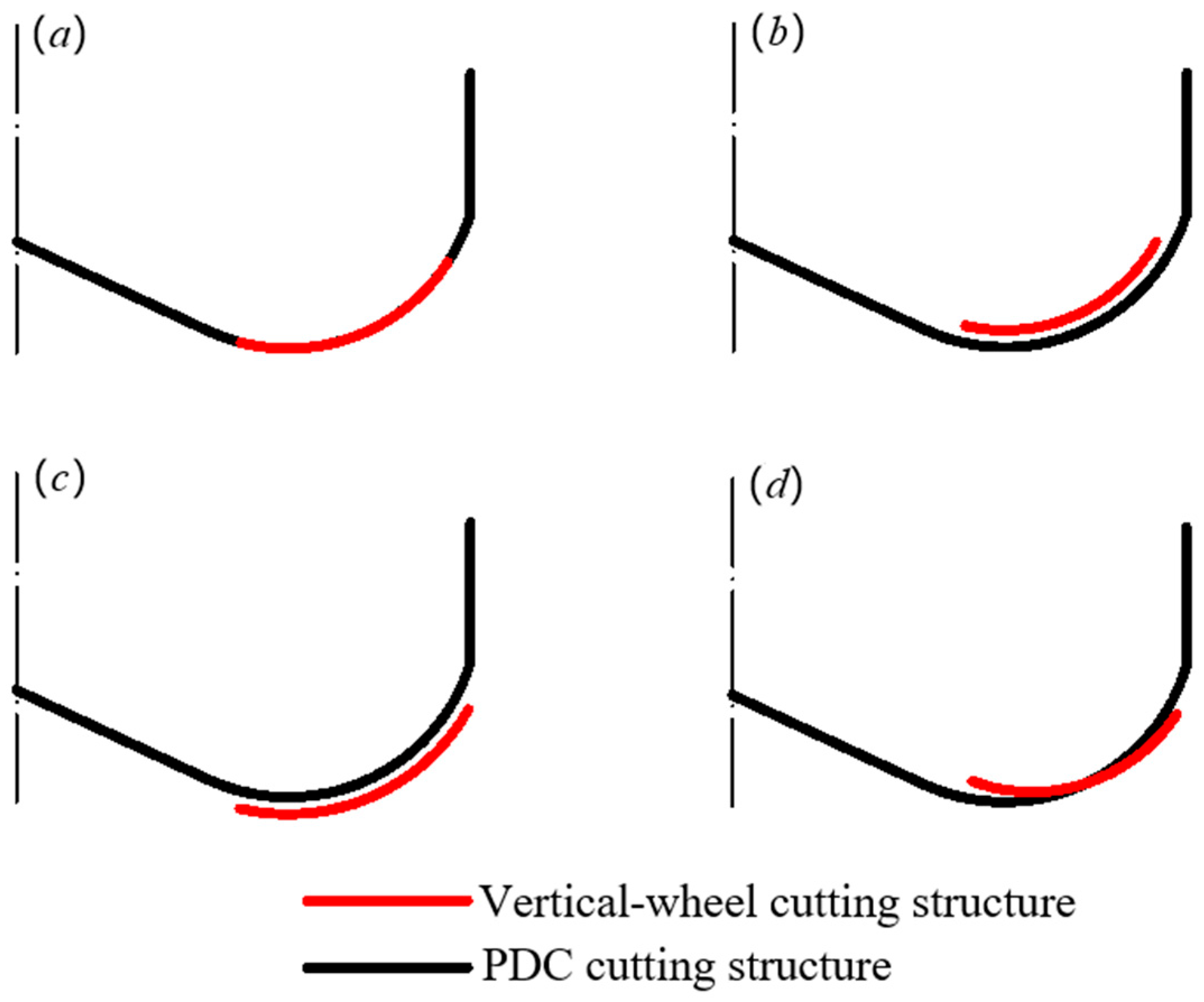
The wheel-generated cutting profile is usually designed to coincide with the PDC profile [24]; however, formation-specific requirements may dictate a deliberate mismatch in which portions of the wheel contour either lead or lag the PDC line (Figure 18). In all cases, the relative step must be kept small (<1 mm) to ensure that the two profiles act as a single cutting system. Because the vertical wheel is expected to operate in harder or more abrasive rock, the wheel’s profile is almost always maintained flush with, or slightly protruding from, the PDC profile; a recessed position would prevent the wheel from engaging the formation and negate its protective function. Experimental and analytical optimization yields the following exposure guidelines: for hard, boulder-bearing or otherwise demanding formations, where the wheel serves as a buffer and pre-cracking element, the wheel cutters should protrude 0.5–1 mm above the PDC cutters; for directional or rotary-steerable applications, where torque damping is the primary objective and the rate of penetration must not be sacrificed, the wheel cutters are set flush to 0.5 mm above the PDC cutters.

5. Conclusions

The vertical-wheel PDC bit represents a new dual-structure concept in which a set of rotatable wheel cutters cooperates with conventional fixed PDC blades. The present study has established a coherent design methodology for this bit through the following contributions:
(1) A high-fidelity digital simulator was developed in MATLAB, embedding constitutive models for PDC and wheel cutters calibrated by single-cutter tests. The simulator enables rapid evaluation of WOB sharing, torque response and bottom-hole pattern evolution for bit optimization.
(2) Digital simulations validate the effectiveness of the vertical-wheel configuration. Comparative results demonstrate that the VW-PDC significantly reduces torque response compared to a conventional PDC bit of the same size, confirming the wheel’s role in torque stabilization and load sharing.
(3) The optimum radial position of the vertical wheels is determined by the instantaneous resultant force point of all PDC cutter loads. Under compound drilling conditions, this centroid migrates up to ±50 mm from the bit axis: positioning the wheels at this locus maximizes buffering capacity and minimizes PDC impact damage.
(4) A relative exposure design rule is established: the protrusion difference between PDC and wheel cutters is proportional to the desired WOB fraction carried by each structure. Exposure guidelines recommend 0–0.5 mm for steerable applications and 0.5–1 mm for hard/abrasive formations.
(5) Systematic design criteria were formulated for wheel diameter, shaft inclination, normal offset (Δγ), offset distance, cutter count and cutter shape (conical, chisel or steel tooth). Trace pattern analysis showed that Δγ dominates kinematics: Δγ = 5° yields intersecting “V” grooves for aggressive auxiliary cutting, whereas Δγ = 15° with steel teeth produces continuous “oblique” traces ideal for torque damping and wear reduction.

Author Contributions

Y.Y. (Yan Yang): Writing—Review and Editing, Writing—Original Draft, Methodology, Investigation, and Formal Analysis. Y.Y. (Yingxin Yang) and S.Q.: Writing—Review and Editing, Writing—Original Draft, Visualization, Validation, Methodology, Investigation, and Formal Analysis. H.R. and L.C.: Writing—Review and Editing, Writing—Original Draft, Visualization, Methodology, and Formal Analysis. Z.H.: Writing—Review and Editing, Supervision, Methodology, and Formal Analysis. All authors have read and agreed to the published version of the manuscript.

Funding

The authors disclosed receipt of the following financial support for the research, authorship, and/or publication of this article. This study was supported by the National Natural Science Foundation of China (Grant No. 52574011), the Open Fund (Grant No. PLN202426) of State Key Laboratory of Oil and Gas Reservoir Geology and Exploitation (Southwest Petroleum University), and the Open Fund (Grant No. CS-SMT2025-15) of Sichuan SMT printing engineering technology research center.

Data Availability Statement

The original contributions presented in this study are included in the article. Further inquiries can be directed to the corresponding author.

Conflicts of Interest

The authors declare that they have no known competing financial interests or personal relationships that could have appeared to influence the work reported in this paper.

References

  1. Gao, D.L. Research progress on unconventional oil and gas well engineering technology. Nat. Gas Ind. 2021, 41, 153–162. [Google Scholar] [CrossRef]
  2. Huang, K.L. Study on Rock Breaking Mechanism and Design Method of Ring-Groove PDC Bit. Ph.D. Thesis, Southwest Petroleum University, Chengdu, China, 2019. [Google Scholar] [CrossRef]
  3. Shankar, V.K.; Kunar, B.M.; Murthy, C.S.; Ramesh, M.R. Measurement of bit-rock interface temperature and wear rate of the tungsten carbide drill bit during rotary drilling. Friction 2020, 8, 1073–1082. [Google Scholar] [CrossRef]
  4. Tian, K.X.; Detournay, E. Influence of PDC bit cutter layout on stick–slip vibrations of deep drilling systems. J. Pet. Sci. Eng. 2021, 206, 109005. [Google Scholar] [CrossRef]
  5. Yang, Y.; Yang, Y.X.; Song, D.D.; Ren, H.T.; Qiu, S.Z.; Xie, X.Y.; Huang, Z.Q. Study on rock-breaking mechanism of the vertical wheel PDC bits. Geoenergy Sci. Eng. 2025, 244, 213428. [Google Scholar] [CrossRef]
  6. Wang, L.Q.; Shao, M.J.; Zhang, W.; Xiao, Z.P.; Yang, S.; Yang, M.H. Prediction and Analysis of PDC Bit Wear in Conglomerate Layer with Machine Learning and Finite-Element Method. Geofluids 2022, 2022, 4324202. [Google Scholar] [CrossRef]
  7. Niu, S.W.; Li, Y.T.; Xie, B.; Yang, Y.X.; Li, G.; Huang, K.L. Unit experimental and numerical simulation study on rock breaking mechanism of disc-like hybrid bit. Geoenergy Sci. Eng. 2023, 228, 212006. [Google Scholar] [CrossRef]
  8. Xin, Q.Q. Optimization Design of PDC Bit for Conglomerate Formation in Mahu Area. Master’s Thesis, China University of Petroleum, Beijing, China, 2020. [Google Scholar] [CrossRef]
  9. Xiao, S.; Ren, Q.; Cheng, Y.; Zhao, H.; Cao, S.; Zhang, L.; Chen, B.; Meng, X. Damage and fracture characteristics of rocks with different structures under high-velocity water jet impact. Eng. Fract. Mech. 2021, 256, 107961. [Google Scholar] [CrossRef]
  10. Wu, Z.B.; Pan, Y.J.; Zhang, S.; Lv, L.T.; Wang, Y.Y. Modeling and simulation of bottom hole pattern of hybrid bit and cutter layout optimization. China Pet. Mach. 2020, 48, 31–36. [Google Scholar] [CrossRef]
  11. Lin, Z.H. Research and Design of New Non Planar PDC Cutter. Master’s Thesis, Southwest Petroleum University, Chengdu, China, 2019. [Google Scholar] [CrossRef]
  12. Yang, Y.; Yang, Y.X.; Ren, H.T.; Qi, Q.L.; Zhou, C.X. Experimental study on motion and mechanical characteristics of the vertical wheel in the rock-breaking process. Pet. Sci. 2023, 20, 495–506. [Google Scholar] [CrossRef]
  13. Gokhan, A.; Izzet, K.; Mohammad, R.A.; Serkan, K. Improvement of rock cutting performance through two-pass abrasive waterjet cutting. Sustainability 2022, 14, 12704. [Google Scholar] [CrossRef]
  14. Kaya, S.; Aydin, G.; Karakurt, I. An experimental study on the cutting depth produced by abrasive waterjet: How do abrasive and rock properties affect the cutting process? Int. J. Adv. Manuf. Technol. 2023, 125, 4811–4823. [Google Scholar] [CrossRef]
  15. Mazen, A.Z.; Mujtaba, I.M.; Hassanpour, A.; Rahmanian, N. Mathematical modelling of performance and wear prediction of PDC drill bits: Impact of bit profile, bit hydraulic, and rock strength. J. Pet. Sci. Eng. 2020, 188, 106849. [Google Scholar] [CrossRef]
  16. Houshmand, N.; Mortazavi, A.; Hassani, F. Modeling drill bit wear mechanisms during rock drilling. Arab. J. Geosci. 2021, 14, 1970. [Google Scholar] [CrossRef]
  17. Basmaci, G.; Yoruk, A.S.; Koklu, U.; Morkavuk, S. Impact of Cryogenic Condition and Drill Diameter on Drilling Performance of CFRP. Appl. Sci. 2017, 7, 667. [Google Scholar] [CrossRef]
  18. Basmaci, G.; Kayacan, M.Y.; Ay, M.; Etyemez, A. Optimization of cutting forces and surface roughness via ANOVA and grey relational analysis in machining of In718. Open Chem. 2023, 21, 20220273. [Google Scholar] [CrossRef]
  19. Hu, H.G.; Huang, H.C.; Wang, H.G.; Li, Z.M.; Xi, C.M.; Wu, Q.; Liu, L. New progress and development trends of PDC bits in China and abroad. China Pet. Mach. 2024, 52, 1–10. [Google Scholar] [CrossRef]
  20. Huang, K.L.; Yang, Y.X.; Li, G.; Ren, H.T.; Niu, S.W. Torsion and vibration reduction mechanism of vertical wheel PDC hybrid bit. J. Pet. Sci. Eng. 2022, 208, 109491. [Google Scholar] [CrossRef]
  21. Huang, K.L.; Li, H.; Song, D.D.; Wang, Y.T.; Niu, S.W. Experimental study on the working mechanism of roller PDC drill bit. Chin. J. Undergr. Space Eng. 2024, 20, 527–534+555. [Google Scholar] [CrossRef]
  22. Niu, S.W.; Zheng, H.L.; Yang, Y.X.; Chen, L. Experimental study on the rock-breaking mechanism of disc-like hybrid bit. J. Pet. Sci. Eng. 2018, 161, 541–550. [Google Scholar] [CrossRef]
  23. Panayirci, H.M. An experimental study on steering response of PDC drill bits. J. Pet. Sci. Eng. 2022, 208, 109440. [Google Scholar] [CrossRef]
  24. Rui, F.X.; Zhao, G.F. Experimental and numerical investigation of laser-induced rock damage and the implications for laser-assisted rock cutting. Int. J. Rock Mech. Min. Sci. 2021, 139, 104653. [Google Scholar] [CrossRef]
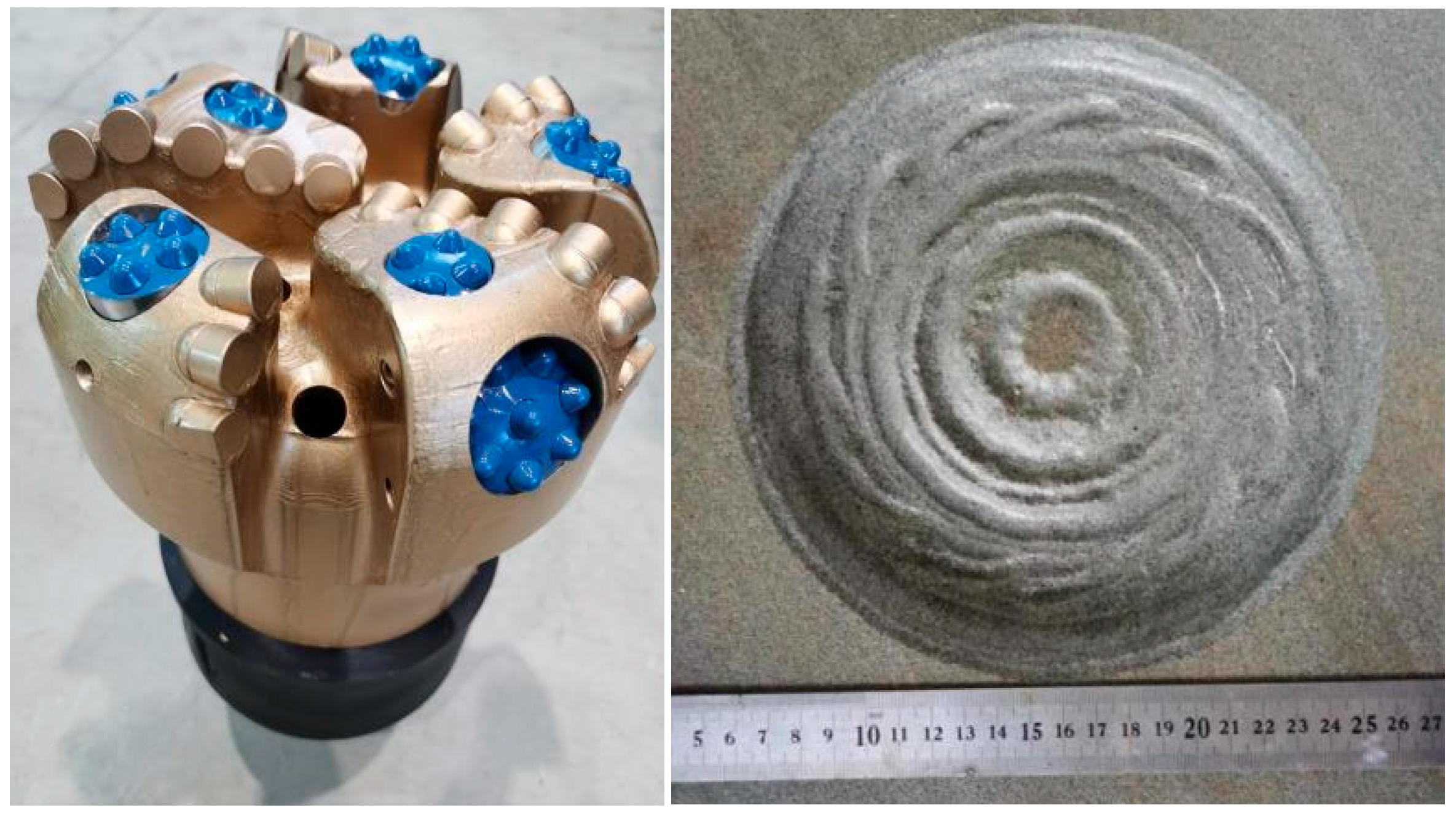
Figure 1. VW-PDC bit and the resulting borehole bottom morphology from rock drilling.
Processes 14 01041 g001
Figure 2. Digital simulation workflow for vertical-wheel PDC bit/rock interaction.
Processes 14 01041 g002
Figure 3. Digital discretization of the PDC cutter.
Processes 14 01041 g003
Figure 4. Geometric parameters and 3-D solid model of the vertical-wheel cutter.
Processes 14 01041 g004
Figure 5. Digital model of the vertical-wheel PDC bit.
Processes 14 01041 g005
Figure 6. Schematic discretization of the rock block.
Processes 14 01041 g006
Figure 7. Bit initialization.
Processes 14 01041 g007
Figure 8. Digital model of the vertical-wheel PDC bit used in the simulation.
Processes 14 01041 g008
Figure 9. Bottom-hole pattern produced by the vertical-wheel PDC bit.
Processes 14 01041 g009
Figure 10. WOB distribution of the vertical-wheel PDC bit.
Processes 14 01041 g010
Figure 11. Torque response of the vertical-wheel PDC bit.
Processes 14 01041 g011
Figure 12. Schematic crown profile of a vertical-wheel PDC bit.
Processes 14 01041 g012
Figure 13. Trajectory of the bit centre and axial resultant force point under ideal drilling conditions.
Processes 14 01041 g013
Figure 14. Variation in axial resultant force point coordinates with time steps under ideal conditions.
Processes 14 01041 g014
Figure 15. Trajectory of the bit centre and axial resultant force point under compound drilling conditions.
Processes 14 01041 g015
Figure 16. Variation in axial resultant force point coordinates with time steps under compound drilling conditions.
Processes 14 01041 g016
Figure 17. Various cutting traces produced by a vertical-wheel cutter scraping rock. (a) “Straight” trace (upper) and “V-shaped” trace (lower); (b) “oblique-line” trace. (c) “Cycloid” trace (d) cutting path parameters; (e) “Hook” trace.
Processes 14 01041 g017
Figure 18. Matching relationship between the vertical-wheel cutting structure and the PDC cutting structure. (a) Complete overlap; (b) Parallel with wheel inside; (c) Parallel with PDC inside; (d) Intersecting.
Processes 14 01041 g018
Disclaimer/Publisher’s Note: The statements, opinions and data contained in all publications are solely those of the individual author(s) and contributor(s) and not of MDPI and/or the editor(s). MDPI and/or the editor(s) disclaim responsibility for any injury to people or property resulting from any ideas, methods, instructions or products referred to in the content.