Review

Methanotrophic Technologies for Low-Concentration Methane: Reactor Designs and Performance

Department of Chemical Engineering, Howard University, Washington, DC 20059, USA
*
Author to whom correspondence should be addressed.
Processes 2026, 14(6), 969; https://doi.org/10.3390/pr14060969
Submission received: 12 February 2026 / Revised: 5 March 2026 / Accepted: 16 March 2026 / Published: 18 March 2026

Abstract

Low-concentration methane emissions from landfills, manure management, wastewater treatment, and ventilation streams are difficult to mitigate using conventional capture and oxidation because of high air-to-fuel ratios, variable flows, and unfavorable economics. Methanotrophic bioreactors provide an aerobic biological route to oxidize methane at ambient conditions and, in selected cases, enable valorization into biomass and bioproducts. This review synthesizes methanotrophic reactor technologies for dilute methane, emphasizing the design and operational constraints that control performance. We classify systems into (i) fixed-film gas–solid configurations (biofilters, biocovers, biotrickling filters, and bioscrubbers), (ii) suspended-growth gas–liquid reactors (stirred tanks, bubble columns, and loop/airlift designs), (iii) membrane-based and intensified contactors that decouple methane and oxygen delivery and enhance mass transfer, and (iv) hybrid and in situ approaches for diffuse sources. This review presents key metrics and discusses how mass transfer, moisture and temperature control, nutrient supply, and microbial ecology interact to define achievable removal. We further summarize recent techno-economic and life-cycle studies to identify dominant cost drivers, particularly air handling and gas–liquid transfer, and the concentration regimes where biological oxidation is competitive with catalytic or thermal alternatives.

1. Introduction

Methane (CH4) is a short-lived climate pollutant whose high near-term radiative impact makes it a priority target for mitigation. This urgency is reflected in international efforts such as the Global Methane Pledge, which calls for a collective 30% reduction in anthropogenic methane emissions by 2030 relative to 2020 levels [1]. However, many of the remaining emissions are diffuse or occur at low concentrations, where conventional thermal or catalytic oxidation becomes energetically and economically unfavorable because the dominant penalty is moving and conditioning large volumes of air rather than the oxidation chemistry itself.
Aerobic methanotrophic bacteria offer a biologically based alternative to purely thermochemical abatement. Methanotrophs oxidize CH4 to CO2 under ambient temperature and moderate pressure, using either the particulate or soluble forms of methane monooxygenase (pMMO or sMMO) to catalyze the initial activation step [2,3]. Beyond their ecological role in natural methane sinks, methanotrophs have been explored for (i) mitigation of CH4 emissions via biofilters, biocovers, and biotrickling filters, and (ii) biological valorization of methane into single-cell protein (SCP), organic acids, biopolymers (e.g., polyhydroxyalkanoates), and lipids [4,5]. These dual roles naturally lead to the concept of methanotrophic bioreactors as engineered systems that combine mass-transfer strategies for gas–liquid contacting with tailored microbial communities to either convert methane into valuable products or oxidize it to CO2 as a climate service.
Over the past decades, substantial literature has emerged on methanotroph-based biofiltration and related bioprocesses. Early work focused on landfill covers and engineered biofilters for biogas polishing and fugitive landfill gas control, emphasizing the microbiology of methanotrophs, the influence of nutrients and environmental factors, and the performance of different packing materials and cover designs [4,6]. Subsequent studies expanded to include specialized materials such as biochar-amended media and hybrid mixtures of biochar, lava rock, and compost to enhance elimination capacity, moisture retention, and long-term stability [7]. Parallel lines of work examined biofilters and biocovers for coal mine ventilation air, identifying critical challenges such as low methane partial pressure, large volumetric flow rates, and stringent safety constraints [8]. More recently, applications in wastewater treatment plants and other industrial settings have been reviewed, with a focus on low-concentration methane streams (typically <1 v/v%) and the operational constraints imposed by co-contaminants, humidity, and temperature [9]. In dilute streams, reactor feasibility is governed by system-level transport and operability constraints, in which low partial pressure reduces driving force for transfer and large volumetric flows amplify blower and pressure-drop energy. Furthermore, safety limits constrain methane and oxygen handling (e.g., the lower flammability limit of methane is ~5% v/v in air) [10]. As a result, the core engineering question becomes which contacting strategy can deliver sufficient methane uptake with acceptable footprint, stability, and energy intensity for the concentration regime of interest.
In parallel to these application-focused reviews, several broader syntheses have attempted to summarize the state of methane biofiltration as a process. Ahmadi et al. [5] provided a comprehensive overview of biotic and abiotic factors controlling methane biofiltration performance, including biofilm development, mass transfer, packing materials, nutrient regimes, and environmental conditions. Samanta and Sani [11] discussed methane oxidation via chemical and biological methods, highlighting the complementary roles of thermochemical and biologically based technologies and identifying key challenges and opportunities for each. Wang and He [12] broadened the perspective further by reviewing methane removal from air across multiple technologies, including thermocatalytic, photocatalytic, adsorption-based, and biological, with an emphasis on the fundamental limitations posed by low methane concentrations and the energy costs of treating dilute gas streams. Together, these works establish that (i) biological oxidation is technically feasible across a range of methane concentrations and source types, and (ii) the major performance bottlenecks are intimately tied to gas–liquid mass transfer, reactor hydrodynamics, and system-level energy and resource demands rather than intrinsic microbial kinetics alone.
Despite this rich literature, existing reviews are largely organized by application domain (e.g., landfills, coal mines, wastewater treatment plants) or by process type (e.g., general methane biofiltration). For instance, methane biofiltration summaries synthesize operational factors but typically concentrate on fixed-film gas–solid systems and do not comprehensively compare these with suspended-growth gas–liquid reactors, membrane-based contactors, or intensified microbubble and loop configurations used in methanotrophic SCP or bioproduct processes [5,7]. Moreover, while techno-economic analysis (TEA) and life-cycle assessment (LCA) have recently been applied to specific configurations, notably a methanotroph-based biotrickling filter treating 500 ppmv methane [13], a potential methane-to-single-cell-protein application [14] and a thermophilic methanotrophic poly-3-hydroxybutyrate production [15], such evaluations are rarely integrated into cross-reactor comparisons or used to derive generalized design principles.
This gap is timely considering that methanotrophic bioreactors are now being considered for a continuum of functions: (i) mitigation and polishing of relatively concentrated streams (e.g., biogas upgrading, enclosed flares, industrial exhausts), (ii) treatment of sub-LEL but still elevated methane in localized hotspots (e.g., ventilation air, leaky infrastructure, confined agricultural emissions), and (iii) negative-emissions concepts such as direct methane removal from ambient air, potentially coupled to biomass valorization. These use cases span methane concentrations from tens of percent down to a few hundred ppmv or even ambient (~2 ppmv), and they impose very different constraints on reactor design, footprint, energy intensity, control strategies, and the feasibility of recovering value from the biomass or co-products [12,13]. A reactor configuration that is optimal for high-rate SCP production at 5–20 v/v% CH4, for example, may be entirely unsuitable for passive oxidation of diffuse emissions in a landfill biocover, or for engineered capture of 500 ppmv methane from a semi-open environment.
Because methanotrophic systems span fixed beds, suspended-growth reactors, and membrane and intensified contactors, performance cannot be interpreted without reactor-design context. For low-concentration methane, the limiting regime often shifts between kinetic affinity, i.e., ability to sustain activity at low mixing ratios, mass transfer of gas–liquid and solid transport, with effects of interfacial area, thermal and moisture management, especially in organic packed beds where oxidation can generate thermophilic hot spots, and multiphase separation and safety, avoiding explosive headspaces and minimizing methane stripping losses [16,17,18,19]. This review therefore emphasizes reactor architecture and operating windows as the organizing framework for comparing methanotrophic technologies across concentration regimes.
Given these emerging needs, there is a strong rationale for a reactor-centric review that organizes the field around gas–liquid contacting strategies, hydrodynamics, and concentration windows, rather than around specific industries or sites. The objective of this review is therefore to synthesize the state of knowledge on methanotrophic bioreactors across all major configurations and methane concentration regimes, spanning applications from conventional emission control to emerging direct methane removal concepts. This review seeks to complement and extend existing application-specific and process-focused reviews and to clarify where different methanotrophic bioreactor architectures are most likely to contribute to cost-effective and climate-relevant methane mitigation and utilization.

2. Methanotroph Physiology and Kinetics Relevant to Reactor Design

From an engineering perspective, methanotrophic reactor design is defined by four coupled constraints. (i) Kinetics: methanotroph taxa differ substantially in their ability to oxidize methane at low mixing ratios, which sets the minimum practical inlet concentration and the achievable removal at short contact times [16]. (ii) Mass transfer: methane low solubility and the need to co-deliver oxygen frequently place systems in a transfer-limited regime, motivating strategies that increase interfacial area (kLa), decouple gas delivery (e.g., membranes), or use transfer vectors and micro-dispersion devices [17]. (iii) Heat and moisture: in fixed-film beds, biological oxidation can generate sustained thermophilic conditions and accelerate drying, requiring moisture monitoring/control and, in some cases, heat management to maintain stable activity [18]. (iv) Multiphase separation and safety: because methane–air mixtures approach flammability thresholds near 5% v/v, designs that isolate oxygen delivery (e.g., membrane biofilm reactors) can improve safety while limiting methane stripping and enabling integration with other treatment functions [10].
Designing methanotrophic bioreactors, particularly for low-concentration methane, requires that key physiological traits of methanotrophs be translated into engineering design criteria. Aerobic methanotrophs are a diverse group of Gram-negative bacteria that use methane as their sole source of carbon and energy and are phylogenetically affiliated mainly with the Alpha- and Gammaproteobacteria. They are traditionally divided into Type I, Type II, and Type X methanotrophs based on 16S rRNA phylogeny, ultrastructure, and central carbon assimilation pathways [20]. Type I methanotrophs, such as species of Methylomicrobium, Methylomonas, Methylobacter, and Methylotuvimicrobium, use the ribulose monophosphate (RuMP) cycle to assimilate formaldehyde, typically grow relatively rapidly, and exhibit characteristic vesicular stacks of intracytoplasmic membranes. Type X methanotrophs, typified by Methylococcus capsulatus, are closely related to Type I but possess the Calvin Benson Bassham (CBB) cycle in addition to the RuMP pathway, allowing partial CO2 fixation alongside methane-derived carbon [20]. Type II methanotrophs, including Methylosinus and Methylocystis spp., belong to the Alphaproteobacteria; they assimilate carbon via the serine cycle, often coupled to the ethylmalonyl-CoA (EMC) pathway, and tend to have slower growth but a high capacity for storage polymer synthesis such as polyhydroxyalkanoates (PHAs) [21].
These metabolic distinctions have direct consequences for reactor operation. Type I and X methanotrophs, with higher maximum specific growth rates and biomass yields on methane, are generally preferred for applications that require high volumetric methane consumption and biomass productivity, such as single-cell protein production or rapid oxidation in well-mixed stirred-tank and airlift reactors [20]. Type II methanotrophs, by contrast, are often favored when the aim is to accumulate PHAs or to tolerate wider environmental fluctuations, albeit at the cost of lower maximum growth rates and typically longer hydraulic residence times. From a reactor-design perspective, these trade-offs imply that the choice of methanotroph group should be matched to the desired function, considering high-rate oxidation versus storage-product accumulation, and to the methane concentration regime in which the reactor will operate [15].
The initial activation of methane in all known aerobic methanotrophs is catalyzed by methane monooxygenase (MMO), which exists in two functionally distinct forms, i.e., Membrane-bound particulate MMO (pMMO) and cytosolic soluble MMO (sMMO). pMMO is a copper-dependent enzyme that is expressed under copper-replete conditions and is ubiquitous among methanotrophs, whereas sMMO is a di-iron enzyme expressed only in a subset of strains under copper-limited conditions [22]. The relative expression of pMMO and sMMO is controlled by the so-called “copper switch”: at low copper-to-biomass ratios, sMMO is preferentially expressed, whereas higher copper availability induces pMMO and represses sMMO [23]. This switch alters not only methane oxidation kinetics but also substrate specificity and susceptibility to co-contaminants, because sMMO can co-oxidize a wider range of substrates, including chlorinated solvents, while pMMO tends to be more specific for methane and certain short-chain alkanes.
For engineered systems, managing the copper status of the culture therefore becomes an important control lever. In reactors where co-oxidation of contaminants is desired, or where broad substrate range is beneficial, operating under copper-limited conditions to favor sMMO may be advantageous, provided that potential toxicity and by-product formation can be managed. Conversely, for applications focusing on high-rate methane oxidation or single-cell protein production, maintaining stable pMMO expression under moderate copper supply can enhance catalytic efficiency and reduce off-target reactions [22]. In both cases, reactor design must consider copper dosing strategies, binding and sequestration by ligands such as methanobactin, and possible interactions between copper and other metals present in the feed gas or liquid phase [24].
Beyond enzyme form, the kinetic response of methanotrophs to methane concentration is central to low-concentration applications. Classic kinetic descriptions focus on maximum specific growth rate (μmax) and the half-saturation constant for methane (Ks), but for dilute conditions these parameters are often better summarized by the specific affinity, defined as the ratio of Vmax to Km and representing the initial slope of the Michaelis-Menten curve at low substrate concentrations. Low-affinity methanotrophs, which constitute most well-studied strains, typically have Km values in the micromolar range and perform optimally at elevated methane concentrations (often 0.5–10% v/v in the gas phase). Their growth and oxidation rates decline sharply as methane approaches atmospheric levels. High-affinity methanotrophs, often referred to as atmospheric methane oxidizing bacteria, can oxidize methane at near-ambient concentrations (~2 ppm) with high specific affinity but very low μmax, making them ecologically important yet challenging to deploy in engineered systems that target large fluxes through compact reactors [21].
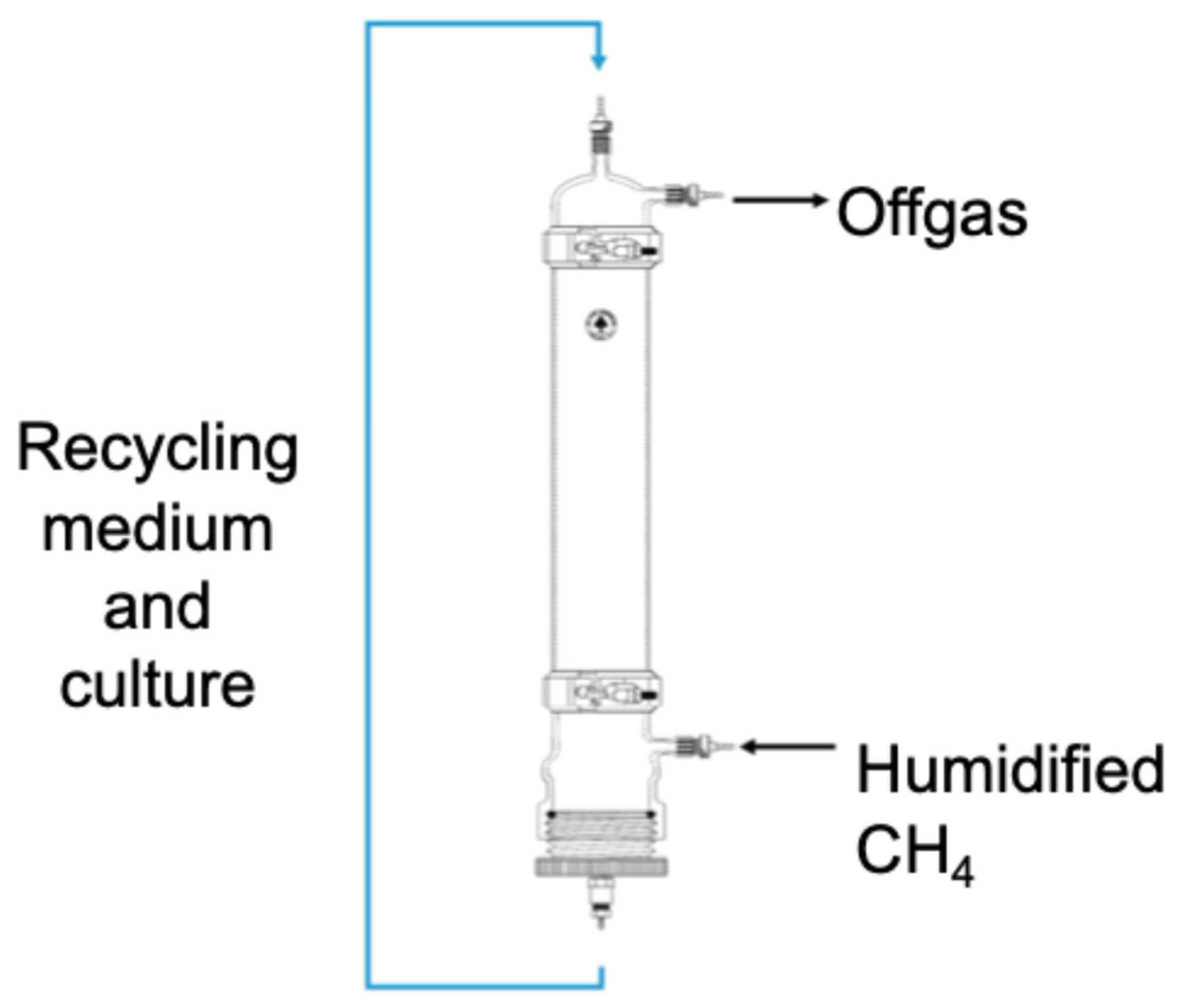
Recent work has identified intermediate phenotypes that are particularly relevant for engineered low- to mid-concentration methane treatment. He and co-authors demonstrated that Methylotuvimicrobium buryatense 5GB1C, a Type I gammaproteobacterial methanotroph, grows robustly at 200–1000 ppm CH4 and possesses a methane specific affinity several-fold higher than previously reported strains, combined with unusually low non-growth-associated maintenance energy [3,25]. These traits enable appreciable methane uptake at sub-percent concentrations without the extremely slow growth typical of high-affinity methanotrophs, and they have already been demonstrated in packed-bed column reactors treating 500 ppm CH4 [25]. For reactor design, this means that specific affinity and maintenance energy may be more informative than μmax alone when selecting strains for dilute methane treatment, since they dictate performance under mass-transfer-limited, low-substrate conditions. The design used by He et al. [25] is found as Figure 1.
Aerobic methane oxidation also imposes specific requirements on oxygen supply, redox balance, and safety. Stoichiometrically, complete oxidation of methane to CO2 and water requires two moles of O2 per mole of CH4, with additional oxygen consumed for biomass synthesis and cofactor regeneration. In practice, air is used as the oxygen source, and the O2:CH4 ratio in the gas feed affects both microbial activity and explosion risk. At high methane concentrations, gas mixtures in the flammable range (∼5–15% v/v CH4 in air) must be strictly avoided, which constrains operating conditions in conventional bubble columns or stirred-tank reactors. In low-concentration systems, methane streams are inherently safer from a flammability standpoint, but the energy required to move and aerate large gas volumes can dominate operating costs, especially when pressure drops across packed beds or biofilters are significant [12]. These considerations have motivated the development of membrane-aerated biofilm reactors and bubble-free membrane contactors that physically separate gas streams, deliver methane and oxygen through different sides of hydrophobic membranes, and minimize the presence of flammable gas mixtures in the bulk liquid.
In addition to carbon and oxygen, methanotrophs depend on adequate supply of nitrogen, phosphorus, and trace metals such as copper, iron, and certain rare earth elements. Nitrogen source and concentration influence growth rate, biomass yield, and, in some cases, storage polymer accumulation; for example, nitrogen limitation is a common strategy to induce PHA production in Type II methanotrophs [20]. Copper availability, as already noted, controls MMO expression and can also affect the expression of methanobactin and other copper-binding molecules, which in turn influence metal speciation and potential interactions with other transition metals [23]. Lanthanides have been shown to modulate methanol dehydrogenase activity in some methanotrophs, shifting the balance between energy generation and carbon assimilation and thereby affecting growth yields and product formation [22].
Finally, long-term reactor operation, particularly in non-sterile environments typical of biofilters, biocovers, and some fluidized-bed systems, requires that methanotroph communities withstand fluctuations in temperature, moisture, pH, and the presence of competing microorganisms. Mixed communities enriched from soils, sludge, or compost often exhibit broad environmental tolerance and resilience but may include a complex assemblage of methanotrophic and non-methanotrophic taxa, making it harder to predict yields and selectivity. Pure or defined co-cultures of industrial strains such as M. buryatense 5GB1C or M. capsulatus Bath can deliver higher and more reproducible volumetric productivities in controlled suspension reactors but generally demand more stringent sterility, nutrient control, and process monitoring [13,25].
Taken together, these physiological and kinetic features suggest a set of implicit design rules for matching methanotroph traits to reactor architecture and methane concentration regime. At moderate-to-high methane concentrations (around 0.5–20% v/v), low-affinity, fast-growing Type I/X strains in stirred-tank, bubble-column, airlift, or fluidized-bed reactors are well suited for high-rate methane conversion to biomass or bioproducts, with gas–liquid mass transfer as the principal engineering constraint. At intermediate concentrations in the hundreds to a few thousand ppm, typical of mine ventilation air, landfill off-gas, or industrial exhaust dilution, strains such as M. buryatense 5GB1C, which combine elevated specific affinity with reasonable growth rates, are attractive options, especially in packed-bed, biotrickling filter, or membrane-based reactors that maintain high gas-biofilm contact at low partial pressure. At near-atmospheric methane levels (~2 ppm), high-affinity atmospheric methanotrophs and soil consortia remain the only known biological sinks; however, their slow growth and sensitivity to disturbance currently limit their deployment to large-area, low-footprint systems rather than compact engineered reactors [26].

3. Methanotrophic Bioreactor Configurations and Gas–Liquid Contacting Strategies

Methanotrophic bioreactors differ primarily in how they bring methane, oxygen, and nutrients into contact with the microbial community. The choice of contacting strategy dictates the attainable gas–liquid mass transfer coefficient (kLa), the usable methane concentration window, pressure drop and energy demand, biomass retention mode, and the ease of scale-up or passive operation. We present methanotrophic systems organized into four broad families: (i) fixed-film gas–solid systems (biofilters, biocovers, biotrickling filters, bioscrubbers), (ii) suspended-growth gas–liquid reactors (stirred-tank, bubble column, airlift, and loop reactors), (iii) membrane-based and other intensified contactors (hollow-fiber systems, membrane-aerated biofilms, gas-delivery membrane bioreactors, microbubble/venturi contactors), and (iv) hybrid and non-conventional configurations such as moving-bed biofilm reactors, fluidized beds, and in situ subsurface systems.

3.1. Fixed-Film Gas–Solid Systems: Biofilters, Biocovers, Biotrickling Filters and Bioscrubbers

Fixed-film gas–solid systems are among the most mature methanotrophic bioreactors for emission control. In these reactors, methane-bearing gas passes through a porous packing colonized by biofilms of methanotrophs and associated heterotrophs. Moisture and nutrients are supplied either by occasional irrigation (biofilters, biocovers) or by continuous liquid recirculation (biotrickling filters, bioscrubbers). Methane must diffuse from the bulk gas into the water films within the packing and then into the biofilm, while oxygen is supplied either from the same gas stream or from a separate air feed. The overall elimination capacity is therefore strongly controlled by gas–solid interfacial area, water content and distribution, and the thickness and morphology of the biofilm, rather than by intrinsic methanotroph kinetics alone.
Biofilters and biocovers typically employ low-cost organic or mixed media, usually compost, soil, wood chips, peat, or mixtures with inert additives such as perlite or lava rock. These systems have been widely deployed or tested for mitigation of landfill emissions, manure and livestock exhaust, and other relatively diffuse sources with methane concentrations below a few percent by volume. Early and highly cited work demonstrated that landfill cover soils and engineered biofilters can achieve substantial methane oxidation, but with performance that is very sensitive to temperature, moisture, and nutrient status [4].
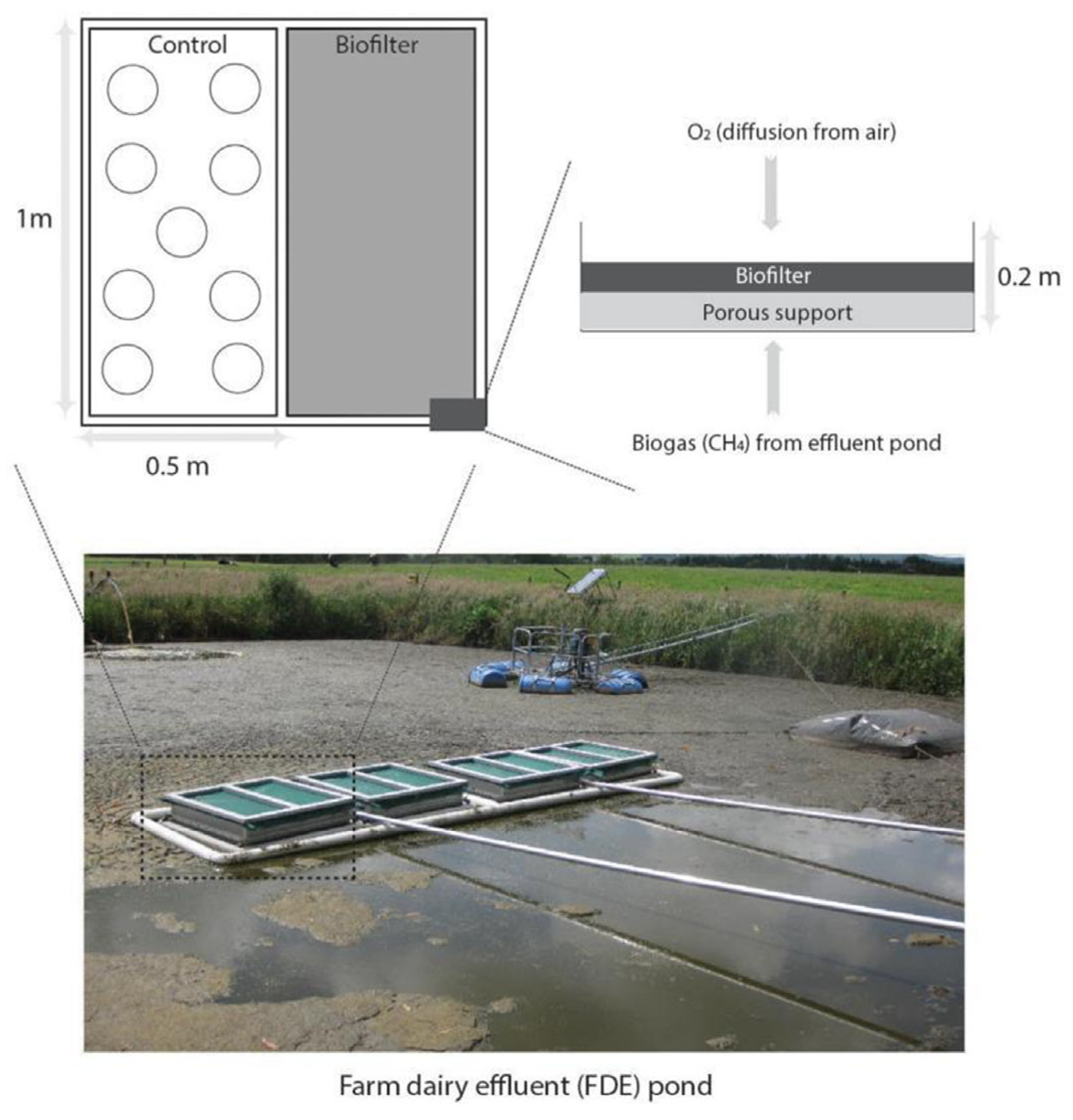
Floating biofilters have also been evaluated for methane mitigation from open manure and dairy effluent ponds, where methane diffuses upward from the pond surface into a compost-based biofilter layer while oxygen is supplied by diffusion from air. In this configuration, the biofilter functions as a passive, low-pressure fixed-film reactor deployed directly at the emission interface, highlighting both the scalability advantages (modular surface units) and the design constraints, such as moisture management, diffusion limits, and variable fluxes of gas–solid systems. A representative field layout and conceptual cross-section are shown in Figure 2.
Biocovers extend the biofilter concept to semi-passive configurations in which a landfill cover or engineered soil cap is amended with compost, biochar, or other organic materials to enhance methanotrophic activity. These systems are designed primarily for low-pressure and low-flow boundary conditions, with mass transfer driven by diffusion and weak advection rather than forced convection. La et al. [7] and Ahmadi et al. [5] note that biocovers can be effective for legacy landfills and small or remote sites, but performance is highly heterogeneous in space and time, reflecting variations in gas flux, moisture, and temperature across the cover. Biochar- and lava rock-amended media have been proposed to improve water-holding capacity, aeration, and long-term stability, with several studies demonstrating improved methane oxidation and resilience to drying-rewetting cycles in column and lysimeter experiments.
Biotrickling filters and bioscrubbers introduce an explicit liquid recirculation loop and are particularly attractive for low but more controlled methane emissions such as those from wastewater treatment plants, digester off-gas polishing, and enclosed manure storage or ventilation air. In a biotrickling filter, the packing is irrigated with a recirculating nutrient solution; methane and oxygen are transferred from the gas phase into thin liquid films and then to attached biofilms. Bioscrubbers decouple absorption and biodegradation by first scrubbing methane (and often co-pollutants) into a liquid phase, which is then treated in a suspended-growth reactor. Khabiri et al. [9] review these and related systems for wastewater treatment plant emissions and conclude that biotrickling filters and bioscrubbers can achieve higher and more stable elimination capacities than simple biofilters when gas composition is variable or when co-contaminants (e.g., sulfide, VOCs) must be managed simultaneously. Landgren et al. [13] further show that methanotroph-based biotrickling filters treating 500 ppmv methane can be engineered for high gas throughput while maintaining sufficient mass transfer, albeit with significant energy penalties associated with recirculation pumping and ventilation when scaled to ambient-air treatment.
Fixed-film systems are especially well suited to streams with relatively low methane concentrations (<5% v/v), moderate-to-large volumetric flow rates, and limited tolerance for added pressure drop or complexity at the emission source. They are also the default option when passive or low-maintenance operation is required, as in remote landfills, agricultural applications, and some wastewater treatment facilities. However, the same attributes that make them robust in these settings, as lower specific biomass concentrations, diffusion-limited biofilms, and reliance on natural convection or low-pressure fans, render them less attractive for high-rate bioproduct formation or for negative-emissions applications involving near-ambient methane, where gas volumes become enormous and pressure-drop constraints become severe. These limitations motivate suspended-growth and intensified-contact alternatives that can operate at higher volumetric and areal mass-transfer rates. Table 1 summarizes some of the key studies with biofilters, biocovers, biotrickling filters and bioscrubbers.

3.2. Suspended-Growth Gas–Liquid Reactors: Stirred-Tank, Bubble Column, Airlift and Loop Reactors

Suspended-growth reactors are associated of methanotroph-based bioproduct processes, particularly for single-cell protein (SCP), biopolymers such as poly(3-hydroxybutyrate) (PHB), and specialty metabolites (e.g., ectoine). In these systems, methanotrophs grow as free cells or flocs in a well-mixed liquid phase, while methane and oxygen are supplied through gas sparging and mechanical or pneumatic agitation. The design emphasis shifts from controlling moisture and biofilm distribution to maximizing gas–liquid interfacial area, kLa, and mixing, subject to constraints on shear stress, foaming, and safety (especially at higher methane concentrations).
Stirred-tank reactors (STRs) are the most common configuration in early-stage process development for methanotrophic SCP and PHB, as detailed in Table 2. High agitation and fine-bubble sparging can deliver kLa values sufficient to support growth at methane concentrations of several percent up to the lower explosive limit, particularly when enriched or engineered strains are used.
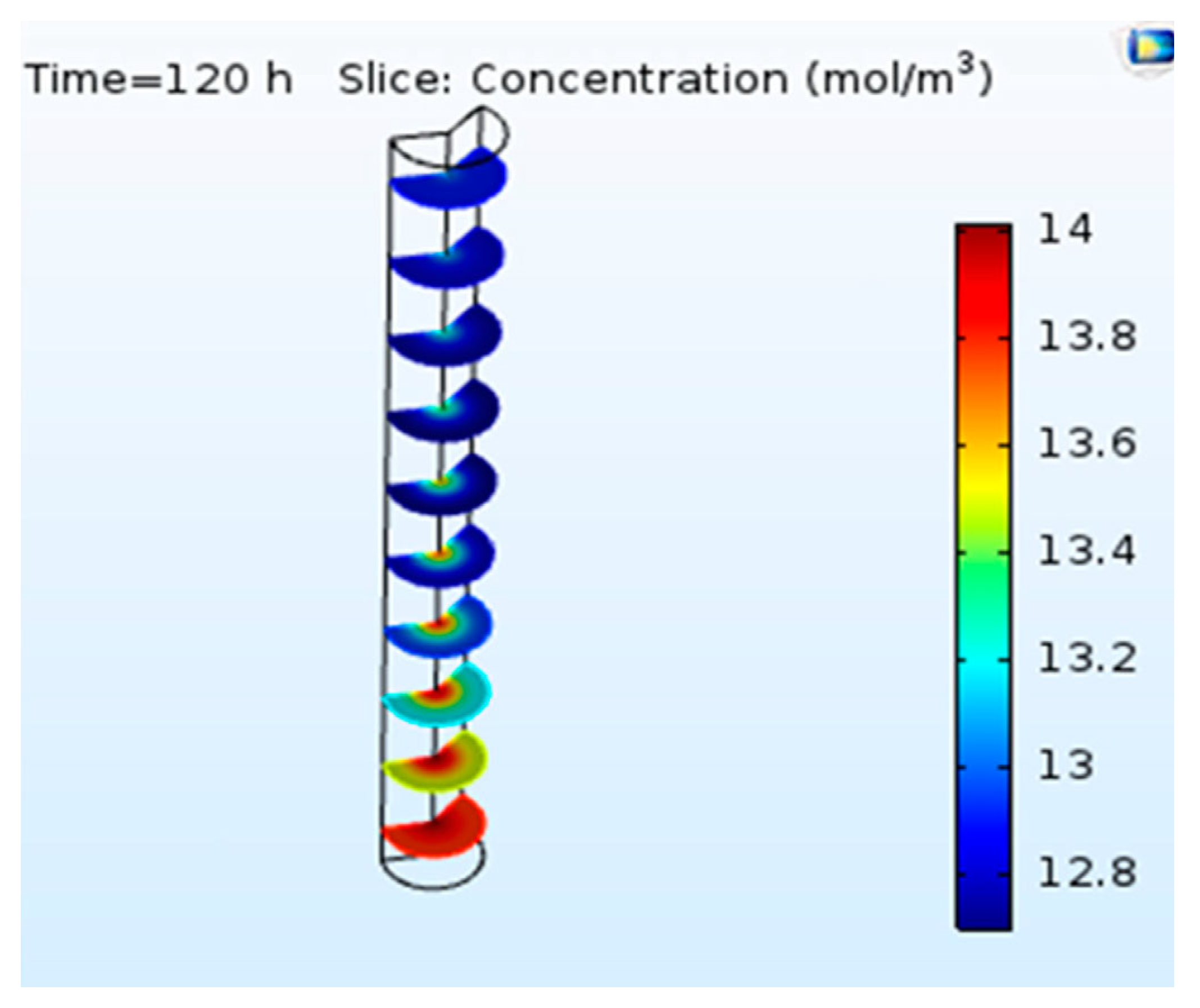
Bubble column and airlift reactors replace mechanical agitation with gas-induced circulation, reducing mechanical complexity and potentially lowering shear while maintaining high gas–liquid contact area. In bubble columns, gas is sparged at the bottom of a vertically oriented cylinder, generating a dispersion of bubbles that both supply substrates and drive mixing. Airlift and loop reactors introduce riser-downcomer geometries or external loops that enhance circulation and residence time control. These pneumatic reactors are particularly attractive for large-scale methanotrophic processes where simplicity, robustness, and energy efficiency are critical. Studies on bubble columns and loop reactors for PHB production from methane and natural gas show that appropriate selection of gas distributor, superficial gas velocity, and reactor geometry can deliver elimination capacities and productivities comparable to STRs, with lower mechanical energy input [34,35]. More recent work by Rodero Raya et al. [36] optimized gas–liquid mass transfer for ectoine production from biogas-based methane in bubble columns, highlighting the importance of diffuser pore size and empty bed residence time in balancing kLa against bubble coalescence and gas hold-up. For instance, Moradi et al. [35] used a 2D axisymmetric COMSOL (Version 5.2) model of a bubble column (30 cm length, 1.5 cm diameter) to examine how gas delivery and reactor geometry shape mixing and spatial biomass distributions during methane-based PHB production, highlighting the importance of CFD as a design tool [37]. A representative concentration slice is shown in Figure 3.
Airlift and gas-lift reactors are also promising for methanotrophic systems that must accommodate foam formation, high cell densities, or two-phase operation. By separating riser and downcomer zones, airlift reactors can support more uniform hydrodynamics and reduce backmixing, which is advantageous when sequential feeding strategies (e.g., nitrogen-limited PHB accumulation) are used. Experimental and modeling work on loop and airlift systems indicates that they can achieve favorable mixing and mass-transfer characteristics at lower energy consumption than comparable STRs, although they are more sensitive to scale-dependent flow instabilities and gas–liquid maldistribution [34,35].
Overall, suspended-growth gas–liquid reactors are best suited to relatively concentrated methane feeds (from a few percent up to ~20% v/v) where the primary objective is product formation or biomass production rather than dilute emission control. Under such conditions, high gas throughput and intensive aeration can be justified economically, and methane utilization efficiency can be optimized through careful control of gas feed composition, recycle, and pressure. However, for low-concentration methane streams and direct methane removal concepts, the very high volumetric gas flows required make traditional STR, bubble column, and airlift configurations energetically unattractive unless they are coupled to upstream methane enrichment or capture technologies. Table 2 summarizes some key studies with suspended-growth systems.
Table 2. Suspended-Growth Methanotrophic CH4 Oxidation Reactors-Selected Case Studies.
Case StudyReactor and Operating ModeFeed ConditionsPerformance MetricsRef.
CH4 abatement + PHB co-production (demonstration of internal gas recirculation as intensification)Lab-scale bubble column bioreactor (BCB), working volume 2.5 L, with internal gas-recycling; continuous CH4 removal testing + PHB accumulation tested under nutrient limitation and in sequential starvation cycles.Polluted air with 4% (v/v) CH4 sparged; evaluated EBRT and recycling ratios (optimum stated at EBRT 30 min with internal recycling 0.50 m3 gas m−3 reactor min−1).Removal Efficiency of 72.9 ± 0.5% (EC 35.2 ± 0.4 g m−3 h−1) at EBRT 30 min and stated recycling rate. Under sequential N starvation cycles (continuous mode), achieved PHB content up to 34.6 ± 2.5% with PHB productivity 1.4 ± 0.4 kg m−3 d−1, alongside CH4 EC (during PHB operation) 16.2 ± 9.5 g m−3 h−1. [38]
Continuous PHB from biogas via two-stage growth–accumulation configurationTwo turbulent reactors in series: CSTR (growth; N-balanced) + BCB with internal gas recirculation (PHB accumulation; N-limitation); continuous operation compared under different dilution and N regimes.Biogas context described; study reports operating results at D = 0.3 d−1 (balanced N loading) and D = 0.2 d−1 (N excess case).Most stable operation at balanced N loading and D = 0.3 d−1: PHB productivity ~53 g PHB m−3 d−1. Higher productivities ~127 g PHB m−3 d−1 under N excess at D = 0.2 d−1. PHB contents reported up to 48% (w/w) (noted as occurring even under “theoretically nutrient balanced” conditions in the CSTR).[39]
Biogas-to-ectoine/hydroxyectoine by a mixed methanotrophic culture10 L bubble column bioreactors; optimization study varying EBRT and membrane diffuser pore size to tune CH4 transfer and product accumulation.EBRTs of 27, 54, 104 min; diffuser pore sizes 0.3 vs. 0.6 mm.At EBRT 54 min: CH4-EC 21–24 g m−3 h−1, biomass growth up to 0.17 g L−1 d−1, and max accumulation 79 mg ectoine gVSS−1 and 13 mg hydroxyectoine gVSS−1. EBRT 104 min gave CH4-EC 10–12 g m−3 h−1 with negligible growth; EBRT 27 min caused inhibition with reduced growth and ectoine content.[36]
Methanol production from CH4 by a Type II methanotroph (process-parameter optimized batch biocatalysis)Batch bioconversion study with multiple methanotrophs screened; reported best performer and inhibitor strategy for methanol accumulation.Best-performing setup reported with 50% CH4 and MgCl2 (50 mM) as MDH inhibitor; additional parameters (pH, T, mixing, etc.) specified by authors.Methanol titer improved to 4.63 mM under the stated optimized conditions (including MDH inhibition and formate supplementation).[40]

3.3. Membrane-Based and Other Intensified Gas–Liquid Contactors

Membrane-based bioreactors and related intensified contactors seek to decouple gas–liquid mass transfer from bulk gas–liquid dispersion, often by delivering methane and/or oxygen across gas-permeable membranes directly to attached or adjacent biofilms. This counter-diffusional architecture can alleviate oxygen limitation, reduce off-gas methane slip, and enable operation at very low bulk methane concentrations by maintaining high interfacial driving forces. It also allows independent control of gas-side and liquid-side pressures and compositions, which is attractive for safety and for integrating methanotrophic bioprocesses with other treatment functions such as nitrification or denitrification.
Membrane-aerated biofilm reactors (MABRs) are the most extensively studied membrane configuration for methanotrophic systems. In a typical methanotrophic MABR, oxygen is supplied through the lumen of hollow fibers or flat-sheet membranes, diffusing outward into a biofilm that is simultaneously exposed to methane from the bulk liquid or gas phase. Early work by Rishell et al. [41] demonstrated that methanotrophic biofilms in MABRs can achieve very high oxygen uptake rates and biofilm growth rates, with dual-substrate (methane and oxygen) limitation occurring only beyond a critical biofilm thickness. MABRs can maintain high metabolic activity and oxygen utilization efficiency across a range of operating conditions.
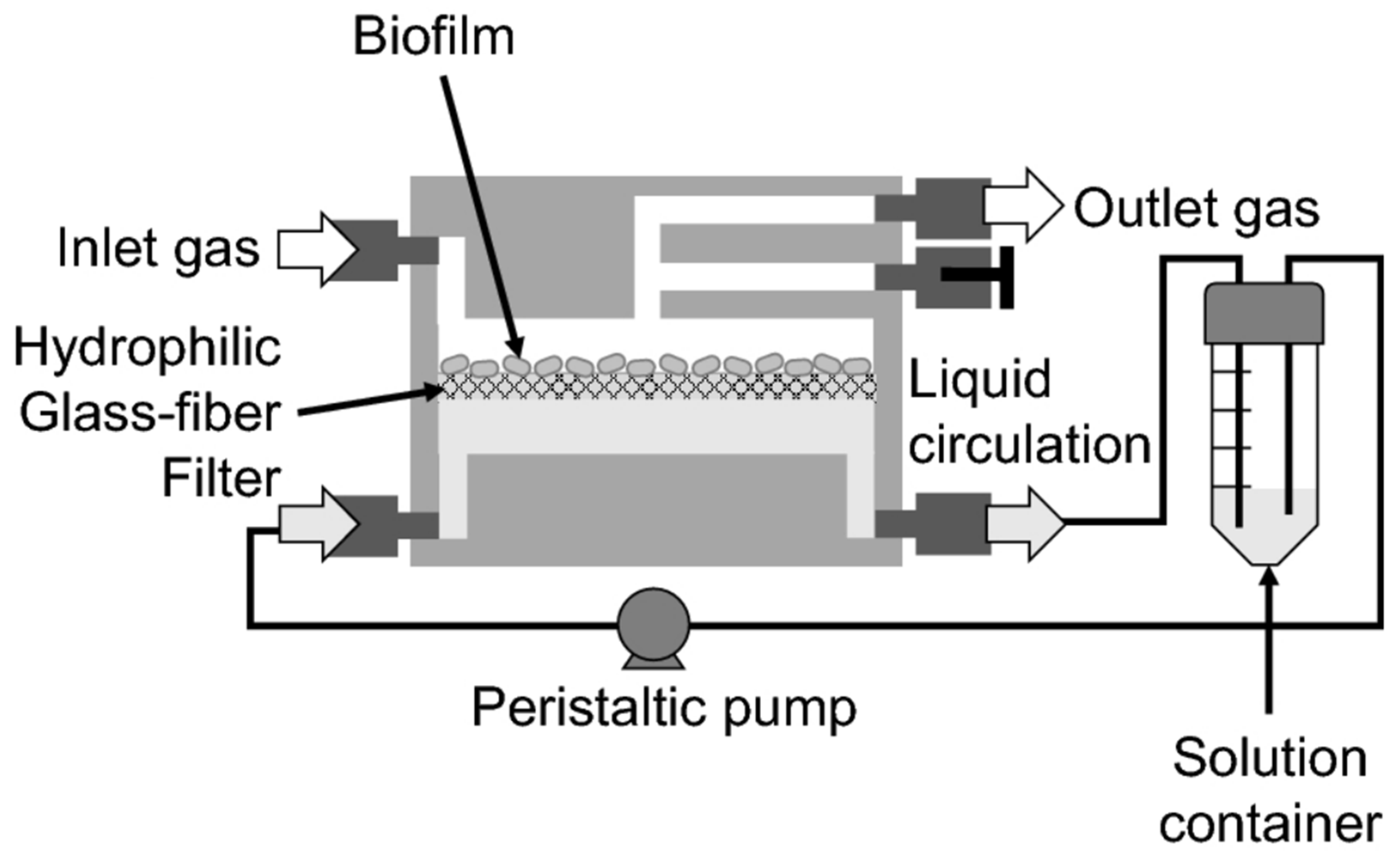
Beyond pure oxygen delivery, membrane-based contactors have been used to supply methane itself to methanotrophic cultures. Gas-delivery hollow-fiber membrane reactors can feed methane into the shell side where biofilms or suspended cells reside, thereby reducing bubble formation, mitigating stripping of volatile co-substrates, and enabling higher methane transfer efficiencies at lower gas-phase residence times. Ma et al. [42] recently reported a gas-delivery membrane biofilm reactor for single-cell protein production from methane, in which hollow-fiber membranes were used to deliver methane efficiently to a mixed methanotrophic culture. The authors showed that membrane-based gas feeding reduced mass transfer limitations and static electricity issues associated with high-gas-flow STRs, and enabled higher cell densities at lower overall gas consumption. A related membrane-contacting strategy is the inverse membrane bioreactor (IMBR), in which cells are retained on a hydrophilic filter at the gas–liquid interface while the liquid loop delivers inhibitors/electron donors and removes soluble products, as represented in Figure 4.
Other intensified contactors attempt to increase effective interfacial area and kLa by manipulating bubble size and hydrodynamics without relying on membranes. Microbubble diffusers, venturi injectors, and jet-loop contactors can generate very fine bubbles and high shear zones that promote rapid gas dissolution and mixing. Rodero Raya et al. [36] show that smaller diffuser pore sizes in bubble columns increase methane elimination capacity for ectoine-producing methanotrophic cultures, albeit with trade-offs in gas hold-up and potential coalescence. Similar strategies have been proposed for methanotrophic SCP and PHB reactors, where the challenge is to deliver methane at high rates without excessive foaming, shear damage, or safety risks. These intensified gas delivery approaches are conceptually attractive for low-concentration methane treatment and direct methane removal from air, but they must contend with the same “dilute methane penalty” identified for thermocatalytic systems: the energy required to move and condition very large volumes of gas often dominates overall costs unless the process can be tightly integrated with existing air-handling or ventilation infrastructure. Table 3 summarizes the key characteristics and performance metrics of these systems, highlighting the operational diversity and potential of membrane-based approaches across application domains.

3.4. Hybrid, Moving-Bed and Fluidized Systems, and In Situ Configurations

A variety of hybrid and non-conventional bioreactors have been explored to combine the advantages of fixed films and suspended growth, to improve hydrodynamic control, or to exploit in situ environments as functional bioreactors. These include moving-bed biofilm reactors (MBBRs), fluidized-bed bioreactors, rotating biological contactors (RBCs), and in situ subsurface systems such as engineered landfill covers or subsurface barrier zones. While methanotrophic applications of these reactor types remain less common than classic biofilters or STRs, they offer intriguing possibilities for both emission control and resource recovery.
MBBRs and related carrier-based systems use freely moving plastic carriers in an aerated tank, allowing biofilms to grow on protected surfaces while the bulk liquid remains well mixed. This architecture can improve resilience to hydraulic shocks and fouling compared with fixed packed beds, and it can decouple biofilm surface area from the structural constraints of a column. Although most MBBR applications have focused on wastewater treatment and nutrient removal, the same principles can be applied to methanotrophic processes where stable biofilms are desired but operating conditions (e.g., solids accumulation, variable gas flow) challenge fixed-packings. Mixed methanogenic-methanotrophic MBBR systems have also been proposed to couple anaerobic methane production with aerobic or microaerobic oxidation zones, although these are still largely conceptual or at early experimental stages.
Gas–solid fluidized-bed bioreactors represent another route to intensification. In these systems, inert or coated particles are fluidized by an upward gas flow, creating a pseudo-homogeneous suspension with high interphase contact and good heat and mass transfer. At smaller scales, miniaturized and micro fluidized beds offer high specific surface areas and controllable hydrodynamics, though they pose challenges in terms of scale-up, particle attrition, and gas–solid separation. While fluidized-bed reactors are widely used in thermocatalytic methane conversion and other gas-phase processes [46], their application to methanotrophic systems remains at the proof-of-concept stage and will require careful consideration of particle design, biofilm stability, and biocatalyst replacement strategies.
Hybrid and in situ configurations blur the boundaries between engineered reactors and environmental systems. Some landfill and manure management strategies treat the cover soil, gravel layers, or even subsurface permeable reactive barriers as extended bioreactors, with gas-phase methane diffusing into methanotroph-enriched zones over large footprints and long residence time, as described in Table 4. Other concepts involve coupling methanotrophic biofilms with electrochemical or photochemical processes, or integrating methanotroph-bearing materials into building materials or coatings, though most of these remain at the conceptual or very early experimental stage. As summarized in recent methane biofiltration and low-concentration treatment reviews, the main advantages of such hybrid systems are their potential for very low operating energy and their compatibility with diffuse emission sources, but they suffer from limited controllability, strong dependence on local environmental conditions, and challenges in quantifying and verifying performance at scale [5,9].
Across these diverse configurations, the unifying question is not merely whether methanotrophs can oxidize methane, but how reactor architecture and contacting strategy govern the achievable methane flux, energy intensity, and robustness across the full concentration spectrum from concentrated biogas to near-ambient air. Table 4 presents a comparative summary of documented hybrid, moving-bed, fluidized, and in situ configurations applied to methanotrophic CH4 oxidation, including key reactor features, microbial communities, performance metrics, and engineering characteristics.

4. Techno-Economic and Life-Cycle Assessment of Methanotrophic Bioreactors

Given the wide variability in reactor architectures, contacting modes, inlet methane regimes, and reporting bases (e.g., areal flux, volumetric elimination capacity, yield, productivity), no single metric can be used to rank all methanotrophic reactor types. Table 5 summarizes representative reporting and normalization bases across reactor families and application contexts to support transparent comparison among different designs.
Techno-economic analysis (TEA) and life-cycle assessment (LCA) are essential to move methanotrophic bioreactors from promising unit operations to climate-relevant mitigation or valorization options. Existing studies are still sparse, but together they provide order-of-magnitude benchmarks for product costs, levelized methane removal costs, and life-cycle greenhouse gas (GHG) performance that can be used to compare reactor configurations and concentration regimes. Although Table 5 highlights why cross-reactor comparisons cannot be reduced to a single performance metric, TEA and LCA provide a common decision framework by translating heterogeneous designs into comparable economic and environmental indicators. To date, however, TEA/LCA studies for methanotrophic reactors remain limited and uneven across reactor families, so comparisons should be interpreted as screening-level benchmarks rather than definitive rankings.

4.1. Product-Oriented Methanotrophic Biorefineries (PHAs and SCP)

The most mature TEA work for methane-fed bioproducts focuses on polyhydroxyalkanoates (PHAs). Levett et al. [15] modeled a thermophilic methanotrophic process for poly(3-hydroxybutyrate) (PHB), finding that at a small capacity of 500 t·yr−1 the minimum product selling price is about 8.5 USD·kg−1 PHB, decreasing to 4.1–6.8 USD·kg−1 at 100,000 t·yr−1 as capital and downstream processing costs are spread over larger volumes. At these scales, substrate CH4 constitutes a minor fraction of operating costs; instead, aeration, heat management, and solvent-intensive downstream recovery dominate capital expenditure (CAPEX) and operating expenditure (OPEX), with drying alone contributing on the order of 10% of total production costs in some scenarios.
For single-cell protein (SCP), most detailed economic numbers come from broader gas-fermentation and alternative-protein analyses, rather than methanotroph-specific TEAs. A recent integrative review of SCP TEA/LCA indicates that stranded methane–based SCP can reach levelized costs below 1600 USD·t−1 protein under optimistic assumptions, provided that large-scale fermenters (>50–100 kt·yr−1 protein) and low-cost renewable electricity are available for aeration and utilities [14]. These values are competitive with high-quality animal feed proteins but still above the price of bulk soymeal, implying that early markets are more likely to be aquaculture feed or specialized applications rather than commodity feed.

4.2. Methanotrophic Bioreactors for Dilute CH4 Mitigation

For mitigation-oriented systems, the most detailed TEA/LCA to date is the methanotroph-based biotrickling filter designed for 500 ppmv CH4 reported by Landgren et al. [13]. Using bench-scale performance data for Methylotuvimicrobium buryatense 5GB1C and a packed-bed configuration sized to remove 1 Mt CH4·yr−1 via many distributed units, they estimate a levelized methane removal cost of 3992–5224 USD·t−1 CH4 at 500 ppmv, depending on climate, packing medium, and operating strategy [13]. Each 120 m3 reactor module yields a net climate benefit of 276–311 t CO2-equivalent per year (20-year GWP basis), after accounting for all energy, materials, and logistics.
The same study uses published TEA for alternative technologies to benchmark the biotrickling filter. Thermocatalytic oxidation at 500 ppmv is estimated to cost ~10,000 EUR·t−1 CH4, photocatalytic oxidation ~6500 EUR·t−1 CH4, and biofiltration of cold air ~13,000–24,000 EUR·t−1 CH4 depending on whether the influent air must be heated [12,13]. These comparisons highlight that, even though methanotrophic biotrickling filters are still expensive at 500 ppmv, they can already perform substantially better than thermocatalytic and photocatalytic options on a cost-per-tonne basis, and have clearer pathways for improvement via reduced pressure drop, better packing logistics, and higher elimination capacities.
At higher CH4 concentrations typical of landfills and biogas polishing, LCA studies indicate that microbial oxidation systems can be environmentally favorable relative to conventional flaring or engine-based energy recovery, especially in the long after-care phase when gas calorific value becomes too low for stable combustion. In a site-specific LCA comparing internal combustion engines, flares, biofilters, and biocovers for landfill gas management, Bacchi et al. [51] found that biofilters and biocovers reduced the global warming impact of landfill gas management by about 10.8–11.6% relative to a purely combustion-based reference scenario, and similarly improved photochemical smog indicators (−8% relative change) when CH4 concentrations were below ~20 v/v%.
More detailed GHG accounting for optimized biocovers shows that, if cover design and oxidation capacity are adequate, net CH4 emissions (in CO2-equivalent terms) can be reduced by tens of percent relative to standard covers, even when accounting for CO2 produced by oxidation and cover construction impacts [5,52]. In all cases, the key determinants of climate performance are the fraction of CH4 oxidized in the cover/bioreactor, the energy inputs for gas handling (fans, heating), and the life-cycle impacts of construction and media replacement.
From a system perspective, TEA and LCA across technologies converge on two robust points: (i) at high CH4 concentrations (>1–2 v/v%), combustion-based options are overwhelmingly favored on both cost and climate grounds; (ii) at sub-LEL concentrations (hundreds of ppmv), all options become expensive in absolute terms, but biological systems can be competitive or superior on a levelized cost basis and clearly superior in terms of co-benefits and scalability.
The atmospheric methane removal and co-removal literature reinforces this picture. Process studies of catalytic and adsorption-based co-removal of CH4 and CO2 from air [53] show that energy demands remain very high when treating sub-ppmv CH4, leading to capture costs in the thousands to tens of thousands of USD·t−1 CH4 and making such systems highly sensitive to electricity carbon intensity [54]. The broader research agenda on atmospheric methane removal estimates that removing 0.3–1.0 Gt CH4 by 2050 could avoid roughly 0.2 °C of warming [54], but also emphasizes that no currently available technology meets the combination of cost, scalability, and environmental safety needed for deployment at that scale.
Within this context, methanotrophic systems occupy an intermediate niche. They are unlikely to be used for truly atmospheric background CH4 (~2 ppmv), where the air volumes and pressure-drop penalties are prohibitive, but appear promising for “semi-ambient” hotspots in the 0.05–1 v/v% CH4 range (e.g., leaky infrastructure, mine ventilation air, localized industrial plumes) where pure catalytic options are too energy-intensive. Landgren et al. [13] explicitly note that for 500 ppmv CH4, the methanotrophic biotrickling filter can achieve lower levelized capture costs and higher net CO2-equivalent benefits than state-of-the-art catalytic options, while also generating a biomass co-product that can partially offset costs [13].
In parallel, LCA comparisons between microbial oxidation (biofilters/biocovers) and combustion-based management of low-quality landfill gas show that bio-based options often provide net GHG benefits even when no energy is recovered, primarily because they avoid venting low-calorific CH4 and reduce the need for extended active gas collection [51]. In other words, for low-concentration or declining CH4 sources, the LCA optimum shifts away from energy recovery toward oxidation-focused solutions, and methanotrophic bioreactors are one of the few technologies that can operate effectively under these conditions.

5. Conclusions and Outlook

Methanotrophic bioreactors can mitigate dilute methane under mild conditions and, where methane is more concentrated, enable conversion to biomass or bioproducts. Across reactor families, practical viability is driven primarily by reactor design, i.e., how effectively it manages gas–liquid and solid contacting, safety limits, and the energy cost of moving large gas volumes as methane becomes increasingly dilute. Fixed-film systems (biofilters and biocovers) are the most readily deployable for diffuse streams but are sensitive to moisture, temperature, media aging, and flow distribution. Suspended-growth reactors (e.g., STRs, bubble columns, airlift) are better suited to valorization settings where higher transfer rates can be justified, with performance governed by kLa, foaming and shear, and flammability management. Membrane-based and other intensified contactors can improve transfer efficiency and safety by decoupling methane and/or oxygen delivery from bulk sparging, but scale-up remains limited by module complexity, fouling and biofilm control, and cost. In many low-concentration applications, air handling and pressure drop ultimately dominate energy and economics unless the system is tightly integrated with existing ventilation or gas-collection infrastructure.
Comparisons across studies remain difficult because performance is reported on different bases (areal flux, volumetric elimination capacity, yield/productivity) and key design/operability parameters are inconsistently reported. TEA/LCA provides a common decision framework, but published analyses are still sparse and uneven across reactor types, so most results should be treated as screening-level benchmarks.
Near-term opportunities lie in semi-ambient hotspots (hundreds of ppmv to ~1% v/v) and declining sources where combustion becomes impractical. Priority needs are standardized reporting and benchmark datasets, long-term durability studies under realistic field variability and co-contaminants, and design innovations that reduce energy per methane removed through improved contacting and infrastructure integration.

Author Contributions

Conceptualization, C.E.R.R. and J.T. investigation, A.A.M., I.T. and C.E.R.R.; writing—original draft preparation, A.A.M., I.T., J.T. and C.E.R.R.; writing—review and editing, C.E.R.R.; supervision, C.E.R.R.; project administration, C.E.R.R. All authors have read and agreed to the published version of the manuscript.

Funding

This research received no external funding.

Data Availability Statement

No new data were created or analyzed in this study.

Acknowledgments

Ajani A. Moss and Isaiah Thompson are thankful for their Dow-SURE Fellowship.

Conflicts of Interest

The authors declare no conflicts of interest.

References

  1. Predybaylo, E.; Lelieveld, J.; Pozzer, A.; Gromov, S.; Zimmermann, P.; Osipov, S.; Klingmüller, K.; Steil, B.; Stenchikov, G.; McCabe, M. Surface Temperature and Ozone Responses to the 2030 Global Methane Pledge. Clim. Change 2025, 178, 78. [Google Scholar] [CrossRef]
  2. Guerrero-Cruz, S.; Vaksmaa, A.; Horn, M.A.; Niemann, H.; Pijuan, M.; Ho, A. Methanotrophs: Discoveries, Environmental Relevance, and a Perspective on Current and Future Applications. Front. Microbiol. 2021, 12, 678057. [Google Scholar] [CrossRef] [PubMed]
  3. He, L.; Groom, J.D.; Wilson, E.H.; Fernandez, J.; Konopka, M.C.; Beck, D.A.C.; Lidstrom, M.E. A Methanotrophic Bacterium to Enable Methane Removal for Climate Mitigation. Proc. Natl. Acad. Sci. USA 2023, 120, e2310046120. [Google Scholar] [CrossRef] [PubMed]
  4. Nikiema, J.; Brzezinski, R.; Heitz, M. Elimination of Methane Generated from Landfills by Biofiltration: A Review. Rev. Environ. Sci. Biotechnol. 2007, 6, 261–284. [Google Scholar] [CrossRef]
  5. Ahmadi, F.; Bodraya, T.; Lackner, M. Methane Biofiltration Processes: A Summary of Biotic and Abiotic Factors. Methane 2024, 3, 122–148. [Google Scholar] [CrossRef]
  6. Ménard, C.; Ramirez, A.A.; Nikiema, J.; Heitz, M. Biofiltration of Methane and Trace Gases from Landfills: A Review. Environ. Rev. 2012, 20, 40–53. [Google Scholar] [CrossRef]
  7. La, H.; Hettiaratchi, J.P.A.; Achari, G.; Verbeke, T.J.; Dunfield, P.F. Biofiltration of Methane Using Hybrid Mixtures of Biochar, Lava Rock and Compost. Environ. Pollut. 2018, 241, 45–54. [Google Scholar] [CrossRef]
  8. Limbri, H.; Gunawan, C.; Rosche, B.; Scott, J. Challenges to Developing Methane Biofiltration for Coal Mine Ventilation Air: A Review. Water Air Soil Pollut. 2013, 224, 1566. [Google Scholar] [CrossRef]
  9. Khabiri, B.; Ferdowsi, M.; Buelna, G.; Jones, J.P.; Heitz, M. Bioelimination of Low Methane Concentrations Emitted from Wastewater Treatment Plants: A Review. Crit. Rev. Biotechnol. 2022, 42, 450–467. [Google Scholar] [CrossRef]
  10. Wang, T.; Zhou, Y.; Luo, Z.; Wen, H.; Zhao, J.; Su, B.; Cheng, F.; Deng, J. Flammability Limit Behavior of Methane with the Addition of Gaseous Fuel at Various Relative Humidities. Process Saf. Environ. Prot. 2020, 140, 178–189. [Google Scholar] [CrossRef]
  11. Samanta, D.; Sani, R.K. Methane Oxidation via Chemical and Biological Methods: Challenges and Solutions. Methane 2023, 2, 279–303. [Google Scholar] [CrossRef]
  12. Wang, J.; He, Q.P. Methane Removal from Air: Challenges and Opportunities. Methane 2023, 2, 404–414. [Google Scholar] [CrossRef]
  13. Landgren, W.; Handler, R.M.; Shonnard, D.R.; Lidstrom, M.E. Treating Low-Concentration Methane Emissions via a Methanotroph-Based Biotrickling Filter: Techno-Economic and Life Cycle Assessment. Methane 2025, 4, 23. [Google Scholar] [CrossRef]
  14. El Abbadi, S.H.; Sherwin, E.D.; Brandt, A.R.; Luby, S.P.; Criddle, C.S. Displacing Fishmeal with Protein Derived from Stranded Methane. Nat. Sustain. 2022, 5, 47–56. [Google Scholar] [CrossRef]
  15. Levett, I.; Birkett, G.; Davies, N.; Bell, A.; Langford, A.; Laycock, B.; Lant, P.; Pratt, S. Techno-Economic Assessment of Poly-3-Hydroxybutyrate (PHB) Production from Methane—The Case for Thermophilic Bioprocessing. J. Environ. Chem. Eng. 2016, 4, 3724–3733. [Google Scholar] [CrossRef]
  16. Knief, C.; Dunfield, P.F. Response and Adaptation of Different Methanotrophic Bacteria to Low Methane Mixing Ratios. Environ. Microbiol. 2005, 7, 1307–1317. [Google Scholar] [CrossRef]
  17. La, H.; Hettiaratchi, J.P.A.; Achari, G.; Dunfield, P.F. Biofiltration of Methane. Bioresour. Technol. 2018, 268, 759–772. [Google Scholar] [CrossRef]
  18. Gómez-Borraz, T.L.; Torres-Arévalo, Y.V.; Cuetero-Martínez, Y.; González-Sánchez, A.; Noyola, A. Assessment of Temperature Dynamics during Methane Oxidation in a Pilot Scale Compost Biofilter. Bioresour. Technol. 2025, 419, 132097. [Google Scholar] [CrossRef]
  19. Chen, X.; Liu, Y.; Peng, L.; Yuan, Z.; Ni, B.-J. Model-Based Feasibility Assessment of Membrane Biofilm Reactor to Achieve Simultaneous Ammonium, Dissolved Methane, and Sulfide Removal from Anaerobic Digestion Liquor. Sci. Rep. 2016, 6, 25114. [Google Scholar] [CrossRef]
  20. Hanson, R.S.; Hanson, T.E. Methanotrophic Bacteria. Microbiol. Rev. 1996, 60, 439–471. [Google Scholar] [CrossRef]
  21. Nauer, P.A.; Dam, B.; Liesack, W.; Zeyer, J.; Schroth, M.H. Activity and Diversity of Methane-Oxidizing Bacteria in Glacier Forefields on Siliceous and Calcareous Bedrock. Biogeosciences 2012, 9, 2259–2274. [Google Scholar] [CrossRef]
  22. Semrau, J.D.; DiSpirito, A.A.; Yoon, S. Methanotrophs and Copper. FEMS Microbiol. Rev. 2010, 34, 496–531. [Google Scholar] [CrossRef] [PubMed]
  23. Semrau, J.D.; Jagadevan, S.; DiSpirito, A.A.; Khalifa, A.; Scanlan, J.; Bergman, B.H.; Freemeier, B.C.; Baral, B.S.; Bandow, N.L.; Vorobev, A.; et al. Methanobactin and MmoD Work in Concert to Act as the ‘Copper-Switch’ in Methanotrophs. Environ. Microbiol. 2013, 15, 3077–3086. [Google Scholar] [CrossRef] [PubMed]
  24. Kalidass, B.; Ul-Haque, M.F.; Baral, B.S.; DiSpirito, A.A.; Semrau, J.D. Competition between Metals for Binding to Methanobactin Enables Expression of Soluble Methane Monooxygenase in the Presence of Copper. Appl. Environ. Microbiol. 2015, 81, 1024–1031. [Google Scholar] [CrossRef]
  25. He, L.; Kern, N.E.; Stolyar, S.; Lidstrom, M.E. Growth Analysis of Methylotuvimicrobium buryatense 5GB1C and Its Utilization for Treating Low Methane Concentrations in a Packed-Bed Column Reactor. Methane 2025, 4, 22. [Google Scholar] [CrossRef]
  26. Tveit, A.T.; Dumont, M.G.; Schmider, T. Physiology of Atmospheric Methane-Oxidizing Bacteria. Curr. Opin. Microbiol. 2025, 88, 102656. [Google Scholar] [CrossRef]
  27. Syed, R.; Saggar, S.; Tate, K.; Rehm, B.H.A.; Berben, P. Assessing the Performance of Floating Biofilters for Oxidation of Methane from Dairy Effluent Ponds. J. Environ. Qual. 2017, 46, 272–280. [Google Scholar] [CrossRef]
  28. Falk, J.M.; Kjeldsen, P.; Buck, C.; Scheutz, C. Treatment of Manure Methane Emissions in a Full-Scale Biofilter by Microbial Oxidation. Waste Manag. 2026, 209, 115214. [Google Scholar] [CrossRef]
  29. Duan, Z.; Scheutz, C.; Kjeldsen, P. Mitigation of Methane Emissions from Three Danish Landfills Using Different Biocover Systems. Waste Manag. 2022, 149, 156–167. [Google Scholar] [CrossRef]
  30. Girard, M.; Ramirez, A.A.; Buelna, G.; Heitz, M. Biofiltration of Methane at Low Concentrations Representative of the Piggery Industry—Influence of the Methane and Nitrogen Concentrations. Chem. Eng. J. 2011, 168, 151–158. [Google Scholar] [CrossRef]
  31. Streese, J.; Stegmann, R. Microbial Oxidation of Methane from Old Landfills in Biofilters. Waste Manag. 2003, 23, 573–580. [Google Scholar] [CrossRef] [PubMed]
  32. Sly, L.I.; Bryant, L.J.; Cox, J.M.; Anderson, J.M. Development of a Biofilter for the Removal of Methane from Coal Mine Ventilation Atmospheres. Appl. Microbiol. Biotechnol. 1993, 39, 400–404. [Google Scholar] [CrossRef]
  33. Valenzuela-Heredia, D.; Aroca, G. Methane Biofiltration for the Treatment of a Simulated Diluted Biogas Emission Containing Ammonia and Hydrogen Sulfide. Chem. Eng. J. 2023, 469, 143704. [Google Scholar] [CrossRef]
  34. Kosravi-Darani, K.; Yazdian, F.; Babapour, F.; Amirsadeghi, A.R. Poly(3-Hydroxybutyrate) Production from Natural Gas by a Methanotroph Native Bacterium in a Bubble Column Bioreactor. Chem. Biochem. Eng. Q. 2019, 33, 69–77. [Google Scholar] [CrossRef]
  35. Moradi, M.; Rashedi, H.; Mofradnia, S.R.; Khosravi-Darani, K.; Ashouri, R.; Yazdian, F. Polyhydroxybutyrate Production from Natural Gas in a Bubble Column Bioreactor: Simulation Using COMSOL. Bioengineering 2019, 6, 84. [Google Scholar] [CrossRef]
  36. del Rosario Rodero, M.; Pérez, V.; Muñoz, R. Optimization of Methane Gas-Liquid Mass Transfer during Biogas-Based Ectoine Production in Bubble Column Bioreactors. J. Environ. Manag. 2024, 366, 121811. [Google Scholar] [CrossRef]
  37. Jia, B.; Song, Z.; Li, X.; Hu, Z.; Li, Q. Enhancing Thermal Performance: The Evolution and Future of Solar Air Heaters with Baffles. Case Stud. Therm. Eng. 2025, 75, 107163. [Google Scholar] [CrossRef]
  38. García-Pérez, T.; López, J.C.; Passos, F.; Lebrero, R.; Revah, S.; Muñoz, R. Simultaneous Methane Abatement and PHB Production by Methylocystis hirsuta in a Novel Gas-Recycling Bubble Column Bioreactor. Chem. Eng. J. 2018, 334, 691–697. [Google Scholar] [CrossRef]
  39. Rodríguez, Y.; García, S.; Lebrero, R.; Muñoz, R. Continuous Polyhydroxybutyrate Production from Biogas in an Innovative Two-Stage Bioreactor Configuration. Biotechnol. Bioeng. 2023, 120, 3224–3233. [Google Scholar] [CrossRef]
  40. Patel, S.K.S.; Mardina, P.; Kim, S.-Y.; Lee, J.-K. Biological Methanol Production by a Type II Methanotroph Methylocystis bryophila. J. Microbiol. Biotechnol. 2016, 26, 717–724. [Google Scholar] [CrossRef]
  41. Rishell, S.; Casey, E.; Glennon, B.; Hamer, G. Characteristics of a Methanotrophic Culture in a Membrane-Aerated Biofilm Reactor. Biotechnol. Prog. 2004, 20, 1082–1090. [Google Scholar] [CrossRef]
  42. Ma, Y.; Liu, T.; Yuan, Z.; Guo, J. Microbial Conversion of Methane into Single Cell Protein in a Dual-Membrane Biofilm Reactor. Water Res. 2025, 283, 123838. [Google Scholar] [CrossRef]
  43. Chen, Y.-Y.; Ishikawa, M.; Hori, K. A Novel Inverse Membrane Bioreactor for Efficient Bioconversion from Methane Gas to Liquid Methanol Using a Microbial Gas-Phase Reaction. Biotechnol. Biofuels Bioprod. 2023, 16, 16. [Google Scholar] [CrossRef] [PubMed]
  44. Valverde-Pérez, B.; Xing, W.; Zachariae, A.A.; Skadborg, M.M.; Kjeldgaard, A.F.; Palomo, A.; Smets, B.F. Cultivation of Methanotrophic Bacteria in a Novel Bubble-Free Membrane Bioreactor for Microbial Protein Production. Bioresour. Technol. 2020, 310, 123388. [Google Scholar] [CrossRef] [PubMed]
  45. Kraakman, N.J.R.; Villarreal-Heras, L.; González-Martín, J.; Cantera, S.; Muñoz, R.; Lebrero, R. Enhancing Dilute Methane Treatment through Liquid Phase Alteration in a Capillary Bioreactor. Chem. Eng. J. 2025, 510, 161383. [Google Scholar] [CrossRef]
  46. Keipi, T.; Tolvanen, K.E.S.; Tolvanen, H.; Konttinen, J. Thermo-Catalytic Decomposition of Methane: The Effect of Reaction Parameters on Process Design and the Utilization Possibilities of the Produced Carbon. Energy Convers. Manag. 2016, 126, 923–934. [Google Scholar] [CrossRef]
  47. Xie, T.; Liu, X.; Xu, Y.; Bryson, S.; Zhao, L.; Huang, K.; Huang, S.; Li, X.; Yang, Q.; Dong, H.; et al. Coupling Methanotrophic Denitrification to Anammox in a Moving Bed Biofilm Reactor for Nitrogen Removal under Hypoxic Conditions. Sci. Total Environ. 2023, 856, 158795. [Google Scholar] [CrossRef]
  48. Choi, H.; Ryu, H.W.; Cho, K.-S. Biocomplex Textile as an Alternative Daily Cover for the Simultaneous Mitigation of Methane and Malodorous Compounds. Waste Manag. 2018, 72, 339–348. [Google Scholar] [CrossRef]
  49. Pfluger, A.R.; Wu, W.-M.; Pieja, A.J.; Wan, J.; Rostkowski, K.H.; Criddle, C.S. Selection of Type I and Type II Methanotrophic Proteobacteria in a Fluidized Bed Reactor under Non-Sterile Conditions. Bioresour. Technol. 2011, 102, 9919–9926. [Google Scholar] [CrossRef]
  50. Brandstätter, C.; Prantl, R.; Fellner, J. Performance Assessment of Landfill In-Situ Aeration—A Case Study. Waste Manag. 2020, 101, 231–240. [Google Scholar] [CrossRef]
  51. Bacchi, D.; Bacci, R.; Ferrara, G.; Lombardi, L.; Pecorini, I.; Rossi, E. Life Cycle Assessment (LCA) of Landfill Gas Management: Comparison between Conventional Technologies and Microbial Oxidation Systems. Energy Procedia 2018, 148, 1066–1073. [Google Scholar] [CrossRef]
  52. Scheutz, C.; Duan, Z.; Møller, J.; Kjeldsen, P. Environmental Assessment of Landfill Gas Mitigation Using Biocover and Gas Collection with Energy Utilisation at Aging Landfills. Waste Manag. 2023, 165, 40–50. [Google Scholar] [CrossRef]
  53. Sirigina, D.S.S.S.; Goel, A.; Nazir, S.M. Process Concepts and Analysis for Co-Removing Methane and Carbon Dioxide from the Atmosphere. Sci. Rep. 2023, 13, 17290. [Google Scholar] [CrossRef]
  54. Jackson, R.B.; Abernethy, S.; Canadell, J.G.; Cargnello, M.; Davis, S.J.; Féron, S.; Fuss, S.; Heyer, A.J.; Hong, C.; Jones, C.D.; et al. Atmospheric Methane Removal: A Research Agenda. Philos. Trans. R. Soc. A 2021, 379, 20200454. [Google Scholar] [CrossRef]
Figure 1. Packed-bed column reactor configuration for treating low-concentration methane (500 ppm CH4) using Methylotuvimicrobium buryatense 5GB1C. Adapted from He et al. [25] under CC BY.
Processes 14 00969 g001
Figure 2. Floating biofilter concept for methane mitigation from a farm dairy effluent pond: (top left) layout of control and floating biofilter units; (top right) conceptual cross-section showing methane flux from pond and oxygen diffusion from air into the biofilter layer; (bottom) photograph of field deployment. Reproduced with permission from Syed et al. [27].
Processes 14 00969 g002
Figure 3. Example of a bubble-column modeling output used to evaluate spatial gradients in methane-based bioconversion. Reproduced from Moradi et al. [35] under CC BY 4.0.
Processes 14 00969 g003
Figure 4. Inverse membrane bioreactor (IMBR) configuration used for methane-to-methanol bioconversion: cells are retained on a hydrophilic filter at the gas–liquid interface, with a recirculating liquid loop for reagent delivery and product collection. Reproduced from Chen et al. [43] under CC BY.
Processes 14 00969 g004
Table 1. Fixed-Film Gas–Solid Methanotrophic Systems (Biofilters, Biocovers, Biotrickling Filters, Bioscrubbers) for CH4 Oxidation.
Study ConditionsTechnology & ScaleFeed ConditionsPerformance MetricsReference
Pig manure storage (tent-covered tank headspace; point-source capture)Full-scale biofilter (400 m2) with gas distribution layer + compost-based oxidation layer.CH4 load ranged from 0.5 kg h−1 (early spring) to 12.9 kg h−1 (summer).Average CH4 removal: 93 ± 6.5%, equivalent to ~39 tons CH4 yr−1 mitigated.[28]
Landfills (three Danish sites; fugitive CH4 mitigation via engineered covers)Biocover systems with different designs (biowindow, passively loaded biofilters, actively loaded biofilters); field-tested pre/post implementation.Inlet gas to biofilters included O2 fed at 3.7–18% in some configurations; reported system loads 0.48–70.7 g CH4 m−2 d−1.Local surface flux screening showed emissions mostly <5 g CH4 m−2 d−1 (with hotspots on some actively loaded units). Oxidation efficiencies >95% in all systems except one overloaded biofilter (55%). Whole-site emission reductions 29–72% after implementation.[29]
Piggery-industry exhaust (low CH4 concentrations representative of swine slurry emissions; engineered lab biofilter study)Biofilter packed with inorganic material; nutrient solution nitrate varied to quantify N effects on kinetics and stability.CH4 concentrations tested: 0.16–2.8 g m−3. Nitrate in nutrient solution tested 0–0.5 g N L−1.Max elimination capacity (EC): 14.5 ± 0.6 g m−3 h−1 at inlet load 38 ± 1 g m−3 h−1; apparent first-order kinetics constant 7.5 h−1. At inlet load 14 g m−3 h−1, 0.1 g N L−1 nitrate sufficient; without inorganic N, removal efficiency 18 ± 0.7% (consistent with N-fixation capability).[30]
Old landfills (bench + pilot plants; long-duration operation)Two experimental plants: bench-scale 51 L and pilot plant 4 m3; multiple filter media tested (compost vs. compost/peat/wood).Mean CH4 concentrations during reported high-rate phase: 2.5% v/v (bench); stable-media tests at ~3% v/v.Bench-scale reached up to 63 g CH4 (m−3 h−1) after 3 months at ~2.5% v/v CH4 (fine compost), but rates declined around month 5 (EPS suspected). A compost/peat/wood fiber mix sustained ~20 g (m−3 h−1) at ~3% v/v CH4 for ~1 year, with wood fibers helping prevent clogging.[31]
Coal mine ventilation air (MVA) analogue; low CH4 (lab biofilters using coal as packing)Two acrylic biofilters packed with unsterilized coal (bed height 22 cm; empty bed volume 3.89 L).1% (v/v) CH4 in air; tested multiple flow rates (EBRT down to 2.4 min at 1.6 L min−1).Peak EC: 27.2 ± 0.66 g CH4 m−3 h−1 at inlet load 139 g m−3 h−1; corresponding to ~19.7 ± 0.8% removal at that condition (reported as removal efficiency).[8]
Coal mine ventilation air (biofilter development using a methanotrophic isolate)Laboratory biofilter development with methanotroph strain (reported as Methylomonas fodinarum).CH4 in air reported in range 0.25–1.0% (typical for coal mine ventilation atmospheres).Reported removal depended strongly on residence time: >70% removal at 15 min, ~90% at 20 min, and ~20% at 5 min.[32]
Dilute waste methane streams with co-contaminants (NH3, H2S)Methane biofiltration system evaluated under NH3 and H2S co-feeds to quantify inhibition/interaction effects.Baseline CH4 load 10 g CH4 m−3 h−1; tested NH3 and H2S at (examples) 100 ppmv each and higher regimes.At the tested load, elimination capacity reported 5.5 g CH4 m−3 h−1 with 55% efficiency; combined NH3/H2S at 100 ppmv each reduced capacity relative to unexposed, while NH3 alone could enhance or inhibit depending on level.[33]
Table 3. Comparative Performance of Membrane-Based and Intensified Gas–Liquid Contactors for Methanotrophic CH4 Oxidation and Bioconversion.
Case StudyReactor SystemFeed ConditionsPerformance MetricsReference
Microbial protein (SCP) with explosion-risk avoidance (bubble-free gas delivery)Bubble-free membrane bioreactor, 2.7 L chamber, gas supplied via hydrophobic hollow-fiber membranes; operated 91 days; no explosive headspace formed during operation.Methane and oxygen supplied via membranes (including periods with air vs. pure O2 supply described by authors).Growth yields reported 0.26–0.43 g-VSS g-CH4−1; ammonia yields 5.2–6.9 g-VSS g-NH3−1; protein content increased to up to 51% of dry weight. Reported methane leakage in effluent on the order of ~0.003–0.004% of fed methane (period-specific).[44]
Dual-membrane biofilm reactor for SCP (separate CH4 and O2 delivery)Dual-membrane biofilm reactor (dMBfR) with hollow-fiber membranes delivering CH4 and O2 separately; long-duration operation (240 days).Methane- and oxygen-delivery via hollow fibers; performance compared for open-end vs. dead-end aeration modes and different harvest ratios.Methane utilization efficiency 100%; SCP yield up to 0.49 g SCP g−1 CH4; protein content 50.2%; biomass productivity 506 mg L−1 d−1. Open-end mode delivered 1.5× higher SCP production rates than dead-end mode.[42]
Methane-to-methanol via inverse membrane bioreactor (gas-phase microbial reaction)Inverse membrane bioreactor (IMBR) configuration: cells retained on a filter facing the gas phase, with aqueous phase used to deliver inhibitor/electron donor and collect methanol.Example condition described: 20% (v/v) CH4 in air, gas flow 3 mL min−1, MDH inhibitor cyclopropanol (10 μM) and electron donor sodium formate (10 mM), liquid circulation 10 mL min−1.In IMBR, methanol accumulated to 3.7 mM in 6 h and overall methanol productivity reported 0.62 mmol L−1 h−1 (batch aqueous phase). Reported CH4 consumption rate increased vs. conventional MBR (example values: 25.3 μmol h−1 IMBR vs. 7.1 μmol h−1 conventional under stated conditions).[43]
Capillary bioreactor for very fast-contact dilute methane treatment (<5% v/v)Capillary bioreactor (CBR); liquid phase altered using silicone oil + surfactant (BRIJ 58); long run reported (300 days) and claimed mitigation of biomass accumulation in channels by high shear.Dilute methane example reported at ~4500 ppmv CH4; optimized liquid: nutrients + silicone oil 20% (v/v, 20 cSt) + BRIJ 58 at 160 mg L−1 (1.8 CMC); empty channel gas contact time 23 s.Reported performance: EC 231 ± 30 g CH4 m−3 (internal capillary channel) h−1 at 51 ± 2% efficiency and 23 s gas contact time. Reported resistance to a 6-day methane supply interruption with no deterioration (buffering effect attributed to silicone oil).[45]
Membrane-aerated biofilm reactor (MABR) methanotrophic biofilm characterization (foundational data)Single-tube silicone membrane MABR; methanotrophic biofilm immobilized on oxygen-permeable membrane; study targeted oxidation efficiency and biofilm behavior.Conditions summarized in abstract; focus on oxygen delivery and biofilm response.Abstract-reported maxima: oxygen uptake rate 16 g m−2 d−1; biofilm growth rate 300 μm d−1 under the tested conditions.[41]
Table 4. Comparative Performance of Hybrid, Moving-Bed, Fluidized, and In Situ Methanotrophic Bioreactor Configurations.
Case StudySystem ConfigurationFeed/Operating ConditionsPerformance MetricsRef.
Wastewater N removal using CH4 as electron donor (methanotrophic denitrification + anammox)Methane-fed moving bed biofilm reactor (MBBR) under hypoxic conditions; methanotrophs supply reducing equivalents (likely via partial oxidation intermediates) to denitrifiers; anammox removes NH4+.Continuous operation; methane-fed; hypoxic management described by authors.Removal rates: 72.09 ± 5.81 mg NH4+-N L−1 d−1 and 62.61 ± 4.17 mg NO3-N L−1 d−1. Batch test: CH4/NO3 molar removal ratio 1.15.[47]
Mitigation of CH4 from dairy effluent ponds (field floating treatment)Floating biofilters using volcanic pumice soil–perlite media; field monitoring plus laboratory comparison.Field monitored 11 months; pond vs. lab floating systems compared.Pond-floating biofilters removed 66.7 ± 5.7% CH4 “irrespective of season” over the study period; laboratory floating biofilters averaged 58% with larger variability (disturbances).[27]
Operational landfill surface cover (portable/“roll-up” bioactive cover concept)Biocomplex textile (inorganic biocarriers inserted between nonwoven fabrics) evaluated as an alternative daily cover; targeted simultaneous CH4 + odor compound (e.g., DMS) mitigation.Tested on perlite, tobermolite, and mixture (P/T); storage and starvation/recovery behaviors reported.Reported maximum elimination capacities for best textile (P/T): 11.5 g-CH4 m−2-fabric d−1 and 0.5 g-DMS m−2-fabric d−1.[48]
Aerobic fluidized-bed methanotroph enrichment for PHB-capable communities (carrier biofilms)Aerobic fluidized bed reactor (FBR), 15.2 L total volume, granular activated carbon (GAC) carrier; operated under non-sterile conditions to select Type I vs. Type II methanotroph biofilms; PHB potential assessed.Selection conditions contrasted: pH 6.2–6.5, high DO ~9 mg L−1 with nitrate favored Type I; shifting to low influent DO ~2.0 mg L−1 plus dissolved N2 as N source favored Type II dominance/PHB potential.Quantified dynamics include CH4 consumption rates reported (examples during Type II dominated phase: DCH4 consumption rising to ~72 mg h−1 in the plotted period). Observed yield reported as 0.30 ± 0.12 g VSS g−1 CH4 (as COD). PHB accumulation under N-limitation: 17–26% (w/w) for samples grown with N2, while nitrate-grown samples had <0.05% (w/w) detectable PHB in the cited section.[49]
Landfill stabilization/aftercare via in situ aeration (long-term case assessment)Landfill in situ aeration case study with horizontal aeration pipes; monitoring fields (10 m × 10 m), multi-year solid + gas sampling, plus online gas data across landfill sections; MBT material addition evaluated.Sampling over five years (as described); total air introduced ~46 Mm3 (0.27 m3 kg−1 waste).Eight sections’ reactivity: reported overall C-discharge 8 g C kg−1 (dry weight) (range 4.5–11). Reported ammonium in solids reduced to 14.7% of initial, and average reduction in initial TOC ~11% (with stronger effect for introduced MBT material).[50]
Table 5. Representative normalization bases and reported performance metrics across methanotrophic reactor families.
Reactor TypeApplicationCH4 RegimeContact BasisPerformance MetricScaleReference
Biocover systems (biowindow, passive/active biofilters)Landfill fugitive mitigationLocal flux mostly <5 g CH4 m−2 d−1Field flux/oxidation efficiencyOxidation efficiency >95% (except one 55%); whole-site reduction 29–72%Full-scale[29]
Full-scale compost biofilterPig manure tank methaneLoad 0.5–12.9 kg h−1Areal oxidation rateRemoval 93 ± 6.5% (~39 t/yr); oxidation 32–650 g CH4 m−2 d−1, max 774; <90% when load >9 kg/hFull-scale, 400 m2[28]
Biofiltration with co-contaminantsDiluted emissions (<5% CH4) + NH3/H2S<5% CH4 (general)Volumetric load basisAt 10 g CH4 m−3 h−1 load: EC 5.5 g CH4 m−3 h−1, 55% efficiency; NH3/H2S inhibition rangesLab biofilter system[33]
Bubble column (gas recycling)CH4 abatement + PHB co-production4% (v/v) CH4EBRTRE 72.9 ± 0.5%, EC 35.2 ± 0.4 g m−3 h−1 at EBRT 30 minLab, 2.5 L[38]
Bubble-free membrane bioreactorMicrobial protein (SCP)Methane via membrane diffusion Yield basisYield 0.26–0.43 g-VSS g-CH4−1; protein up to 51%; no explosive atmosphereMembrane bioreactor[44]
Dual-membrane biofilm reactor (dMBfR)SCPMethane + oxygen via separate hollow fibersYield + productivity100% methane utilization; yield 0.49 g SCP/g CH4; protein 50.2%; productivity 506 mg/L/d; 240 dLab[42]
IMBRMethane to methanol20% (v/v) CH4 in air Batch aqueous phase + continuousBatch: CH3OH to 3.7 mM in 6 h; productivity 0.62 mmol L−1 h−1; CH4 consumption 25.3 μmol h−1; Lab[43]
Capillary bioreactor (CBR) + silicone oil + surfactantDilute methane abatement~4500 ppmvGas contact timeEC > 200 g m−3 h−1 at 23 s gas contact; 20% silicone oil Lab; 300 d study[45]
EBRT = empty-bed residence time; EC = elimination capacity (volumetric methane removal rate); RE = removal efficiency (%); IMBR = inverse membrane bioreactor; dMBfR = dual-membrane biofilm reactor; CBR = capillary bioreactor; VSS = volatile suspended solids.
Disclaimer/Publisher’s Note: The statements, opinions and data contained in all publications are solely those of the individual author(s) and contributor(s) and not of MDPI and/or the editor(s). MDPI and/or the editor(s) disclaim responsibility for any injury to people or property resulting from any ideas, methods, instructions or products referred to in the content.