


Abstract
Mesoporous silica nanoparticles (MSNs) have gained significant attention due to their unique properties, including high surface area, tunable pore size, and excellent thermal and chemical stability. These properties arise from well-established synthesis routes, precise structural control, and versatile surface functionalization strategies, which make MSNs highly suitable for applications in oil and gas engineering as well as biomedical engineering/biomedicine. In the oil and gas sector, MSNs have been utilized for enhanced oil recovery, gas separation, and corrosion inhibition, offering improved efficiency and environmental benefits. In biomedical engineering, MSNs are extensively researched for drug delivery, bioimaging, and tissue engineering, providing controlled and targeted therapeutic applications. Their ability to be functionalized with a variety of chemical groups for direct use in polymer nanocomposites enhances their versatility across industries. However, challenges remain in large-scale production, safety assessments, and regulatory compliance, necessitating further research and development. This paper explores the diverse applications of MSNs polymer nanocomposite in the aforementioned fields, supported by well-researched examples, and discusses future directions to maximize their potential impact. Focus is given on the MSNs structure, synthesis techniques and their postproduction surface functionalization that render them appropriate for use in the discussed applications.
1. Introduction
Mesoporous silica nanoparticles (MSNs) have become a versatile class of nanomaterials used across multiple engineering and biomedical fields. Their development has been driven by the ability to precisely control pore size, internal architecture, and particle morphology, features that distinguish MSNs from other inorganic carriers, such as metal oxides and layered double hydroxide nanoparticles, and enable high surface area loading and predictable diffusion behavior [1,2,3]. In this context, “predictable” diffusion refers to transport that can be reliably modeled within a given environment rather than a universal diffusion regime. In non-Newtonian fluids such as drilling muds, diffusion and mobility are governed by shear-thinning behavior, yield stress, and particle–polymer network interactions, whereas in biological fluids diffusion is dominated by Brownian motion, convective transport, and surface modification effects such as protein corona formation [1,2]. Early work on mesoporous silica and hybrid organic–inorganic frameworks established the foundational synthesis approaches and structure–property relationships that now guide application-specific MSN design [1,3].
Control of mesostructure, surface chemistry, and particle geometry plays a significant role in determining how MSNs interact with their surrounding environment (Figure 1). Surfactant-templated synthesis routes enable tuning of pore diameter, channel order, and connectivity, while parameters such as solvent composition and silica precursor chemistry regulate nucleation and particle growth [2,3]. Post-synthetic modification through organosilanes, polymers, ligands, and responsive chemical groups further adjusts interfacial charge, wettability, biomolecule affinity, and release behavior [4,5,6]. These design variables allow MSNs to be adapted for complex environments where factors such as salinity, pH, mechanical load, or biological components influence performance [7,8,9].
Figure 1.
Representation of the tunable properties of MSNs [4].
The adaptability of MSNs has supported growing use across oil and gas engineering, anticorrosion coatings, drug delivery, imaging, and regenerative medicine. In subsurface and industrial systems, silica nanoparticles assist in enhanced oil recovery, drilling fluid stabilization, gas-migration control, and corrosion-inhibitor delivery [8,9,10,11]. Their porous networks facilitate controlled release of chemical additives and improve rheological behavior under elevated temperature and salinity conditions [8,10]. In biomedical applications, MSNs are used to encapsulate therapeutic agents, imaging probes, and biologics, taking advantage of large loading capacity and the ability to engineer specific interactions with cells and tissues [4,9,12]. Integration into hydrogels and scaffolds has extended their use to bone regeneration, soft tissue repair, and combined diagnostic–therapeutic platforms [13,14,15].
Increasing interest has also been directed toward polymer-modified MSNs and stimuli-responsive delivery systems. Polymeric coatings, brushes, and hybrid matrices improve colloidal stability and mechanical robustness while enabling controlled responses to pH, temperature, redox state, enzymes, or magnetic fields [5,6,16]. These systems provide improved cargo retention, programmable release, and compatibility with biological or industrial interfaces. In coatings, polymer-based MSN containers release corrosion inhibitors in response to environmental triggers, while in biomedical systems the same principles are utilized to regulate therapeutic delivery and imaging performance [6,7,12,17].
Despite wide applicability, several challenges influence the future development of MSNs. Studies have shown that MSN toxicity depends on particle size, surface charge, and local biological exposure, with organ-specific and dose-dependent effects that require continued evaluation [9,18,19]. Environmental persistence and long-term accumulation also remain concerns in high-volume industrial applications [8,19,20]. Manufacturing challenges include achieving reproducible synthesis at large scale, maintaining narrow particle and pore size distributions, and standardizing characterization protocols across research groups [2,19,21]. These considerations highlight the need for safety-by-design strategies, validated testing methods, and integration of MSNs into regulatory frameworks.
This review provides a detailed evaluation of mesoporous silica nanoparticles across industrial and biomedical applications, emphasizing the link between synthesis strategies, interfacial chemistry, and functional performance. The following sections examine MSN synthesis, structure–property relationships, polymer integration and stimuli-responsive mechanisms, applications in energy and subsurface systems, and biomedical uses including drug delivery and regenerative platforms. The review then concludes with key challenges related to safety, scale-up, and regulatory readiness that shape ongoing development of MSN-based technologies.
2. MSNs Synthesis, Structure, and Functionalization
2.1. Synthetic Strategies
Mesoporous silica nanoparticles are synthesized primarily through templated routes that regulate pore formation using surfactants, co-solvents, and silica precursors (Figure 2) [7]. Surfactant-templated condensation remains the most widely adopted method, where cationic or nonionic surfactants serve as structure-directing agents to define pore geometry, ordering, and connectivity [1,2]. The assembly of micelles or liquid crystalline domains forms the template around which silica condenses, creating tunable mesostructures such as hexagonal, cubic, or worm-like arrangements. Reaction conditions including pH, ionic strength, and temperature directly influence micelle packing and silicate polymerization, enabling control over mesopore size and framework thickness [2,19]. Although broadly scalable, these routes require subsequent template elimination steps, typically involving high-temperature calcination or solvent-based extraction, which introduce energy demands and solvent waste streams that become increasingly significant at industrial scale and are discussed further in Section 7.
Figure 2.
Schematic Representation of MSN Synthesis [7].
Stöber-based processes represent another major route for generating monodisperse spherical particles with adjustable diameters. These methods rely on ammonia-catalyzed hydrolysis and condensation of tetraethyl orthosilicate in alcohol–water mixtures and can be adapted to mesoporous structures by adding surfactants or co-templates [2,3]. Compared to classical surfactant-templated routes, Stöber derivatives offer narrower particle size distributions and improved reproducibility but yield simpler mesostructures. While advantageous for laboratory-scale studies requiring tight size control, Stöber-based routes are generally less cost-efficient when extrapolated to ton-scale production, whereas surfactant-templated methods are more commonly favored for large-volume industrial synthesis despite broader particle size distributions. The underlying mechanism is strongly dependent on nucleation–growth balance, allowing systematic control of final particle size through precursor concentration and catalyst level [3,21].
Co-solvents and swelling agents, such as alkanes and aromatic molecules, provide additional mechanisms for morphology control by expanding micelle interiors or modifying their packing behavior. This approach enables synthesis of larger pore diameters, hierarchical structures, and thin-walled morphologies that improve loading capacity and mass transfer [1,19]. In more specialized applications, metal incorporation or catalytic templating is employed to form mesostructured silica with embedded catalytic centers, as demonstrated in CO2 methanation catalysts [22]. While metal incorporation expands catalytic functionality, it may also modify degradation behavior and toxicity profiles, necessitating clear separation between catalytic MSNs designed for industrial processes and metal-free or biocompatibly modified MSNs intended for biomedical use. These methods illustrate how templating, solvent control, and reaction chemistry together regulate the final mesostructure, enabling targeted synthesis for biomedical, catalytic, and industrial applications [1,2,21].
2.2. Structural and Physicochemical Tailoring
Structural tailoring of MSNs is central to achieving application-specific performance. Control of particle size is often achieved through modulation of precursor concentration, catalyst level, and reaction pH, with sizes from 30 nm to several hundred nanometers accessible through Stöber-type modifications [2,3]. Smaller nanoparticles are commonly preferred for biomedical applications due to improved cellular uptake and biodistribution, whereas larger sizes provide enhanced mechanical stability in industrial coatings or membrane applications [23]. Surface area and pore volume can be tuned by adjusting surfactant concentration or using small molecule swelling agents, which modify micelle packing density and porosity [1,2].
Several engineered MSN morphologies have been developed to expand functionality beyond conventional spherical forms. Hollow MSNs are generated through selective core removal or polymer–silica double templating, resulting in high void-volume structures suitable for large cargo loading or multiphase encapsulation [19,21]. Dendritic MSNs feature radially oriented mesopores and open pore entrances, improving diffusion and loading for macromolecules and biological agents [21]. Core–shell structures combine different silica densities or incorporate secondary materials such as metal oxides, enabling multifunctional behavior including enhanced mechanical strength, catalytic activity, or imaging contrast [1,22]. These structural variants broaden the utility of MSNs across energy, catalytic, and biomedical applications.
Physicochemical customization also extends to modulation of pore architecture. Pore diameter affects not only loading capacity but also the rate of mass transport and release behavior. Wider pores facilitate encapsulation of enzymes, proteins, or polymers, while tighter pores restrict diffusion and reduce premature release, thus creating more robust targeted delivery systems [1,23]. Surface area directly influences adsorption-driven loading, and frameworks with thin walls and interconnected mesopores provide more accessible internal surfaces for guest molecule interactions either for subsequent delivery or for efficient separation from a mixture [2,19]. Together, these structural and physicochemical parameters determine mechanical robustness, diffusion kinetics, interfacial interactions, and transport behavior, linking microscale architecture to macroscopic performance in coatings, membranes, and biomedical formulations [1,3,23].
2.3. Surface Functionalization and Polymer Integration
Surface functionalization offers a means to regulate interfacial chemistry and compatibility with surrounding environments, such as polymer matrices. Silanol groups on MSN surfaces enable straightforward grafting of organosilanes and polymers, allowing introduction of charge, hydrophobicity, ligands, or targeting groups [5,24]. PEGylation improves colloidal stability in physiological media and reduces protein adsorption, which supports extended circulation in biomedical applications [5]. Chitosan coatings introduce pH-responsive behavior and enhance mucoadhesion, while polydopamine layers promote strong substrate binding and improve integration within polymeric coatings and composite systems [25,26]. These strategies are commonly used to adapt MSNs for corrosion protection, drug delivery, and imaging [5,7,25].
Polymer integration is also employed to strengthen dispersibility and mechanical stability in demanding environments such as drilling fluids, anticorrosive coatings, and reservoir formulations. Zwitterionic polymer brushes stabilize MSNs under high salinity and promote controlled rheological behavior in drilling fluids [27]. Natural biopolymers such as alginate, gelatin, and cellulose derivatives introduce biocompatibility and tunable degradation profiles for biomedical uses [26,28]. In anticorrosive coatings, polymer-modified MSNs serve as nanocontainers that release inhibitors in response to changes in pH or ionic strength, enhancing long-term durability [7,25]. These examples highlight how polymer chemistry and MSN surface design are used to match performance requirements in both industrial and biomedical systems.
Polymer–MSN hybrid systems also support the development of stimuli-responsive nanomaterials. Polymers that respond to pH, temperature, redox conditions, or light enable controlled access to pore openings and reversible gate-like behavior [16,29]. Coatings composed of polydopamine or micelle-forming polymers introduce reversible swelling or softening that regulates mass transport [30]. Targeting ligands or antibodies can be incorporated into polymer layers to improve cellular specificity or tissue localization [24,31]. These functionalization strategies expand the tunability of MSNs and increase their versatility across fields that require precise control of interfacial interactions and dynamic response.
2.4. Loading, Encapsulation, and Release Control
Loading strategies for MSNs are designed to maximize uptake of active molecules while maintaining structural stability and predictable release. Adsorptive loading is used for small molecules, relying on interactions between guest molecules and the silica pore surface [10,32]. Solvent-assisted loading improves penetration of hydrophobic or bulky molecules by altering solvent polarity or swelling pore interiors [33,34]. Encapsulation approaches, including formation of hollow MSNs or double-walled structures, provide high-capacity storage for drugs, inhibitors, and other functional agents [21,34,35]. The choice of loading method directly influences release kinetics, leakage, and thermal or chemical stability of the encapsulated molecules [32].
Controlled release behavior is strongly influenced by surface chemistry and polymer coatings. Functional groups such as sulfonates, amines, and thiols regulate electrostatic interactions with cargo molecules, enabling ion-sensitive release profiles [10,36]. Polymers provide additional control by acting as diffusion barriers or stimuli-responsive gates. Chitosan, alginate, and other polysaccharides introduce pH-dependent swelling that modulates pore accessibility [28,35]. Polydopamine and hybrid organic–inorganic shells provide redox- or glutathione-responsive behavior relevant for intracellular release [37]. These design strategies are used both in industrial applications such as corrosion protection and in biomedical contexts including chemotherapy and immunomodulation [36,38,39].
More advanced designs incorporate gated nanocontainer systems that open in response to specific triggers. Molecular gates based on supramolecular assemblies, polymer transitions, or disulfide cleavage allow on-demand release of therapeutic agents or corrosion inhibitors [21,40]. Stimuli such as pH, temperature, magnetic fields, or enzymatic activity can be used to achieve spatially and temporally controlled release [6,29,41]. These systems enable precise tuning of dose profiles and reduce premature leakage, improving performance in applications ranging from targeted cancer therapy to self-healing anticorrosive coatings [12,36,38]. Overall, loading and release strategies play a critical role in linking MSN structure and functionalization to their ultimate performance in engineered systems.
3. Intelligent and Stimuli-Responsive Systems
3.1. pH-Responsive Platforms
While the stimuli-responsiveness of MSNs is enabled by underlying synthesis strategies and surface functionalization, this section focuses specifically on response mechanisms and release behavior rather than preparative chemistry. The pH-responsive MSNs exploit well-established pH gradients between blood, tumor microenvironments, intracellular compartments, and gastrointestinal segments. In cancer therapy, many systems are designed to remain stable at physiological pH and to accelerate drug release under the mildly acidic conditions of tumor tissue or endo/lysosomal compartments [39,41]. Typical architectures combine MSNs with acid-sensitive linkers, protonatable surface groups, or pH-responsive polymer shells that modulate pore accessibility. These designs seek to increase local drug concentration at the diseased site while limiting systemic exposure, which is critical for anthracyclines and other cytotoxic chemotherapeutics [9,33,38,39,41]. While tumor-associated acidity typically spans pH = 6.5–6.8, similar pH-triggered release principles are relevant in non-biological environments such as localized corrosion pits, where pH values can decrease below 4, indicating mechanistic similarity despite differing operating windows and time scales.
Several studies have demonstrated pH-responsive MSN systems for targeted doxorubicin release and subcellular localization. Qu et al. anchored doxorubicin within MSNs and directed them to mitochondria, leveraging intracellular pH and organelle-targeting ligands to enhance apoptosis in cancer cells [33]. Chen et al. reported MSNs with pH-tuned surface chemistries that released drugs preferentially under acidic tumor-like conditions, providing more selective killing compared to non-responsive carriers [37]. More recent platforms couple pH-responsive shells with tumor microenvironment triggers such as low pH and elevated enzyme levels, which further refine release profiles and enable multi-stage delivery [21,38,39].
Polymer-modified MSNs offer additional routes to tune pH sensitivity. Reviews of polymer-modified MSNs highlight the use of weak polyelectrolytes, ionizable brushes, and block copolymers that swell or collapse in response to pH changes, thereby opening or blocking the mesopores [9,16,21]. Alginate-functionalized magnetic–silica composites demonstrate combined pH-responsive release and magnetic hyperthermia, which allows concurrent control over drug release and local heating [28]. Polymeric micelle-coated MSNs likewise provide pH-responsive drug release while enhancing colloidal stability and imaging contrast [30]. These examples illustrate how pH-responsive polymers convert MSNs into dynamic platforms that respond to local chemistry rather than acting as passive reservoirs [16,28,30].
Beyond chemotherapy, pH-responsive MSNs are being explored for gastrointestinal targeting and diagnostic imaging. In GI applications, coatings stable in the stomach but labile in the intestine or colon are used to shield acid-labile cargos or to achieve site-specific release [16,39]. For imaging, Lu et al. designed a pH-responsive T1–T2 dual-modal MRI contrast agent where MSN-based structures modify relaxivity as a function of protonation state, enabling signal modulation in acidic tumor microenvironments [42]. Broad overviews of stimuli-responsive MSNs emphasize that pH-triggered architectures are among the most mature classes of intelligent nanocarriers, and they are frequently combined with other triggers such as temperature or redox environment to achieve multi-stimuli control [6,9,16,21].
3.2. Redox- and Enzyme-Responsive Nanocarriers
Redox-responsive MSN systems are designed around intracellular gradients in redox potential, particularly elevated glutathione concentrations in cytosol and tumor tissues relative to blood and extracellular spaces. Many platforms incorporate disulfide bonds or redox-labile linkers that bridge drugs to the MSN surface or connect gate-keeping polymers to the pore openings [5,16,37]. Under reducing conditions, these bonds are cleaved, releasing the cargo selectively within cells rather than in circulation [6,9]. Polydopamine-coated hollow MSNs with dual response to acidity and glutathione represent a typical architecture, where acidic and reducing intracellular conditions jointly accelerate shell degradation and drug liberation [37]. Although these systems are developed for biological environments, analogous reducing conditions also exist in H2S-rich or anoxic subsurface reservoirs, suggesting conceptual parallels in how redox-sensitive linkers respond to local chemistry, even though direct deployment of biomedical redox triggers in reservoirs is not implied.
Functionalized MSNs have been used to boost the cytotoxicity of chemotherapeutics through redox-mediated release M. Li et al. employed functionalized MSNs as doxorubicin carriers and showed enhanced cytotoxic effects relative to free drug, aided by controlled intracellular release and improved cell uptake [35]. X. Li et al. combined drug delivery and immunopotentiation in a single MSN platform, enabling synergistic chemotherapy and cancer immunotherapy with redox-sensitive components contributing to intracellular drug release [12]. Reviews of polymeric functionalization highlight that redox-responsive blocks, such as disulfide-containing segments or thiol-bearing ligands, are central to these designs and can be integrated with PEG, polysaccharides, or other biocompatible polymers [5,16,21].
Enzyme-responsive nanocarriers introduce a second layer of biological specificity by coupling release to local enzymatic activity. Biopolymers such as chitosan, hyaluronic acid, gelatin, and other naturally derived macromolecules are frequently used as coatings or gate materials because they can be selectively degraded by enzymes overexpressed in tumors or inflamed tissues [9,26]. Dumontel et al. discussed natural biopolymers as smart coating materials for MSNs, emphasizing that enzyme-mediated degradation can expose mesopores, break crosslinks, or disassemble capping structures, all of which accelerate cargo release under pathological conditions [26]. In situ forming gels loaded with gated MSNs further link enzymatic or environmental triggers to local sustained release, enabling spatially confined dosing in tissues or cavities [43].
Hydrogel–MSN constructs provide an additional framework for redox and enzyme control. Chen et al. described mesoporous materials embedded in hydrogels as a way to introduce hierarchical responsiveness, where the bulk gel responds to enzymatic or oxidative cues while MSNs provide a second level of release control [44]. Comprehensive reviews of stimuli-responsive MSNs emphasize that combining redox and enzyme sensitivity with pH or thermal triggers can improve selectivity and allow multi-stage release profiles that follow the sequence of barriers encountered in vivo [6,9,21]. These hybrid systems are well suited for local therapy, implantable devices, and complex disease microenvironments where multiple biochemical gradients coexist [9,43,44].
3.3. Temperature and Light-Activated Systems
Temperature-responsive MSNs are based on polymers that undergo phase transitions or conformational changes near physiological temperatures. Polymers exhibiting lower critical solution temperature behavior, such as certain poly(N-isopropylacrylamide) derivatives, are commonly grafted onto MSN surfaces to form shells that contract or expand with temperature [16,45]. Thirupathi et al. reported thermosensitive polymer-modified MSNs that exhibit dual pH and temperature responsiveness, improving the flexibility to adjust release profiles by local heating or environmental acidity [45]. In these systems, raising temperature above a transition point can collapse polymer chains, expel solvent, and promote drug release, whereas cooler conditions help retain cargo in the mesopores [16,45].
Magnetic MSNs and magnetic–silica composites enable localized hyperthermia when exposed to alternating magnetic fields. Alginate-functionalized magnetic–silica composites provide pH-responsive drug release combined with magnetic hyperthermia, which allows simultaneous control of temperature and pH-dependent swelling of the alginate shell [46]. Such platforms can concentrate heat within tumors or specific tissue regions and use that thermal increase to trigger drug release, potentially reducing systemic side effects compared to whole-body heating [6,28]. In contrast to biomedical hyperthermia-triggered release, oilfield applications often require the inverse design logic, where MSN–polymer systems must remain stable under sustained high reservoir temperatures and only activate or release cargo under cooling, pressure changes, or localized chemical triggers, highlighting the fundamentally different thermal operating windows across domains. Thermoresponsive hydrogel–MSN constructs extend this concept to soft materials, where embedded MSNs release drugs in response to local warming, while the hydrogel matrix supports tissue integration and mechanical stability [44,47].
Light-activated systems exploit the ability of photo-responsive groups or chromophores to undergo structural changes or generate heat upon irradiation. Wang et al. developed visible light and pH-responsive polymer-coated MSN nanohybrids, where illumination modifies polymer conformation and encourages drug diffusion from the mesopores [29]. Photo-responsive platforms often use chromophores or photo-cleavable linkers that open gates, trigger bond cleavage, or alter polymer solubility in response to specific wavelengths [48]. These designs support externally guided release with spatial and temporal precision, which can be beneficial for superficial tumors, accessible wounds, or device-associated infections [29,44].
Hydrogel–MSN hybrids further expand the range of thermal and optical responses. Gerstenberg et al. described modular hydrogel–MSN constructs for therapy and diagnostics, where MSNs provide controlled drug release and imaging functions while the hydrogel framework can be tuned to respond to temperature and other environmental cues [47]. Zhang et al. demonstrated a hybrid hydrogel dressing for diabetic foot ulcers using drug-loaded MSNs and a multiresponsive copolymer, enabling intelligent drug release in response to local conditions relevant to wound healing [49]. Reviews of stimuli-responsive MSNs highlight that combinations of temperature, light, and pH triggers are particularly attractive for precision medicine, as they allow clinicians to actively modulate release with external fields while still leveraging endogenous gradients [44,45,50].
3.4. On-Command Gating and Smart Nanocontainers
Gated MSN systems introduce physical or chemical “valves” at pore entrances that can be opened or closed in response to defined stimuli. In anticorrosive coatings, MSNs often act as nanocontainers that hold corrosion inhibitors and release them only when triggered by local changes in pH, ion concentration, or redox environment at defect sites [7,36]. Early work on mesoporous silica nanocontainers demonstrated that inhibitors can be retained within pores under neutral conditions and released under corrosive conditions, leading to self-healing effects and extended coating lifetime [36]. Reviews of active anticorrosive coatings emphasize that MSN-based carriers contribute to both barrier protection and responsive inhibitor delivery, particularly when embedded in polymer matrices [7]. While short-term responsiveness is well demonstrated, long-term leakage behavior and shelf-life stability of gated MSNs under prolonged storage or service conditions remain less systematically explored and represent an important area for future validation.
Recent coatings integrate MSNs with additional functional phases to improve both barrier properties and gating performance. Liu et al. reported an epoxy coating that combines graphene oxide with functionalized MSNs to achieve controlled release of corrosion inhibitors, improving both mechanical integrity and active protection [48]. Ma et al. demonstrated polydopamine-modified MSN/graphene oxide composites that enhance self-healing behavior, where polydopamine contributes to adhesion and redox responsiveness, and the MSN framework stores and releases inhibitors [25]. Other designs use chitosan-encapsulated hollow MSNs to provide dual functions of targeted corrosion inhibition and controlled emulsification, illustrating how nanocontainers can be tailored for complex interfacial environments in oil and gas systems [35].
On-command gating concepts extend beyond corrosion to agrochemicals and industrial chemical release. Sulfonate-functionalized MSNs have been used as carriers for herbicides, where electrostatic interactions and environmental conditions govern the release of diquat dibromide [13]. These carriers allow gradual release into soil or water, improving persistence at the target site while reducing initial burst and potential runoff [13]. Smart epoxy coatings that incorporate MSNs loaded with calcium phosphate corrosion inhibitors represent another example, where release is activated at coating defects or under aggressive electrolytes, leading to localized passivation of the substrate [51]. Such systems demonstrate how nanocontainers can be engineered to respond to specific chemical signatures of damage or degradation [7,36,52].
At the molecular level, gated MSNs often employ supramolecular or polymeric caps that behave as controllable valves. Aznar et al. provided a comprehensive overview of gated materials for on-command release, detailing designs based on rotaxanes, pseudorotaxanes, polyelectrolyte multilayers, and stimuli-cleavable linkers that obstruct pore entrances until a trigger is applied [40]. These designs have been translated into biomedical contexts through in situ forming gels loaded with gated MSNs, where the gel provides macroscopic localization and the MSN gates regulate microscopic release [43]. Drug loading techniques reviewed by Seljak et al. underline the importance of matching gate chemistry to both cargo and environment, so that on-command release is achieved without compromising stability during storage and processing [32,40]. Overall, smart nanocontainer architectures connect MSNs porosity with responsive interfacial chemistries, enabling targeted and condition-dependent release in coatings, agriculture, and localized drug delivery [7,25,36,40,43]. Although the specific triggers and operating environments differ, the underlying design logic governing gated release, namely the coupling of pore accessibility to local chemical or physical cues, provides a common framework that links biomedical delivery systems with industrial and subsurface applications discussed in the following section.
4. Applications in Oil and Gas Engineering
4.1. Enhanced Oil Recovery (EOR)
MSNs and related silica nanostructures are increasingly integrated into enhanced oil recovery (EOR) workflows as additives in surfactants, polymer, and nanofluid formulations. Their high specific surface area, tunable surface chemistry, and colloidal stability allow them to modulate rock–fluid interactions, alter wettability, and stabilize displacement fronts beyond the capability of conventional surfactants and polymers alone [8,20,53,54,55]. In the broader context of EOR, these nano-enabled systems complement established gas, chemical, and thermal methods summarized by the U.S. Department of Energy, which highlights the need for additives that are effective under challenging reservoir conditions and compatible with existing infrastructure [56].
A key role of silica-based nanofluids is to assist surfactant and polymer flooding by improving sweep efficiency and mitigating viscous fingering. Fakoya and Shah reviewed the emergence of nanotechnology in oil and gas and reported that silica nanoparticles can lower interfacial tension, adjust viscosity, and reduce capillary forces when dispersed in injected phases [8]. Critical analyses indicate that there is no universal consensus on whether wettability alteration or interfacial tension reduction is the dominant mechanism for MSN-assisted EOR; rather, the relative contribution of each effect is formulation dependent and influenced by nanoparticle concentration, surface functionalization, brine chemistry, and crude composition [54,57]. For example, silica nanoparticle assisted surfactant–polymer systems have been shown experimentally to increase incremental oil recovery through combined interfacial tension reduction and rock surface modification, supporting a multi-mechanistic contribution to EOR [53]. This dual functionality is visually represented in Figure 3, adapted from Zhang and An [20], which depicts silica nanoparticles accumulating at the oil–water interface. The schematic illustrates how these particles stabilize emulsions and modify interfacial behavior, reinforcing their utilization in enhancing displacement efficiency within porous reservoirs.
Figure 3.
Simplified diagram of silica nanoparticles at an oil–water interface, illustrating how MSNs localize at the boundary between oil (orange phase) and water (blue phase) [20].
Reservoirs with high temperature and high salinity remain a primary challenge for conventional surfactant floods. Tailored surfactants for heavy oil recovery in high-salinity carbonate reservoirs have demonstrated that molecular architecture can be engineered to withstand harsh ionic strengths and temperatures while still lowering interfacial tension [58]. When such surfactants are co-formulated with silica nanoparticles, the particles can improve thermal stability, help maintain micellar structures, and reduce adsorption losses on rock surfaces, thereby extending the operational envelope of chemical EOR [8,58,59]. Adsorption behavior of MSNs is strongly dependent on reservoir mineralogy, with studies reporting different affinities and isotherms characteristics on sandstone versus carbonate substrates; Langmuir- and Freundlich-type adsorption models have both been applied, although reported parameters remain highly system-specific [54,57]. Dendritic MSNs have also been incorporated into polymer flooding systems, where they reinforce polymer networks, enhance viscosity retention, and serve as carriers for additional functional agents [60].
Recent reviews emphasize that nanoparticle-enabled EOR has reached a stage where laboratory results are compelling, but upscaling, cost, and long-term formation integrity must be addressed for widespread deployment [54,55]. Nanotechnology overviews in oil and gas outline case studies where silica and metal-oxide-based nanofluids improved displacement efficiency in corefloods and pilot trials but also note the need for robust monitoring of formation damage, injectivity, and environmental footprint [20,55]. Within this landscape, MSNs stand out because their surface can be tailored to reservoir brines and crude compositions, and their porosity can be used, in principle, to co-deliver surfactants, polymers, or corrosion inhibitors in integrated EOR packages [8,53,54,60].
4.2. Gas Capture, Separation, and Catalytic Conversion
MSN-based materials also play an emerging role in subsurface-relevant gas management, including CO2 capture, gas separation, and catalytic conversion. Amine-functionalized mesoporous silica sorbents exemplify how high surface area and accessible pore networks can be combined with chemisorptive sites for post-combustion CO2 capture [61]. Bae et al. reported that such materials can provide high CO2 uptake and cycling stability when properly designed, and examined issues of amine leaching, oxidative degradation, and process compatibility that are critical for industrial feasibility [61]. Compared to conventional liquid amine scrubbers, solid MSN-based sorbents offer advantages in reduced corrosion, lower solvent loss, and simplified handling, although the net regeneration energy demand relative to liquid systems remains an active area of investigation and is highly process dependent [61]. These trends align with broader efforts in adsorption-based gas storage and separation, where nanoporous sorbents are evaluated at moderate pressures and temperatures to facilitate integration with existing process equipment [62].
Mixed-matrix membranes that incorporate mesoporous silica into polymer matrices illustrate another avenue for gas separation. Wang et al. showed that particle size and pore structure strongly influence permeability and selectivity in polymer–MSN mixed-matrix membranes, as well as their mechanical integrity and resistance to plasticization [23]. In parallel, membrane-focused studies on H2/CH4 separation highlight the challenge of achieving high selectivity without sacrificing flux and point to advanced microporous and mesoporous fillers as a pathway to tailor transport channels and sorption sites [63]. These findings suggest that MSNs can be tuned for specific gas pairs relevant to hydrogen-enriched natural gas, syngas conditioning, or associated gas processing [23,63].
Catalytic conversion of CO2 to methane or other value-added products offers a complementary route to managing emissions. Metal-promoted mesostructured silica nanoparticles have been used as support for CO2 methanation, taking advantage of ordered mesopores that facilitate dispersion of active metal sites and mass transport of reactants [22]. The mechanistic interplay between pore architecture, metal loading, and reaction conditions governs activity and selectivity, reinforcing the importance of precise control over MSN synthesis and functionalization [1,2,22]. While mesoporous silica frameworks exhibit good thermal stability, the long-term resistance of pore structures to collapse, metal sintering, or loss of surface area under sustained exothermic methanation conditions remains an open question that warrants extended cycling studies. Similar mechanistic reasoning applies to MSN-based adsorbents used for dye and contaminant removal, where precursor chemistry, surface modifiers, and pore topology jointly determine selectivity and capacity [64].
Comprehensive reviews of MSNs highlight that the same design parameters exploited in biomedical applications, such as pore size distribution, surface functionalization, and hybrid organic–inorganic architectures, are directly transferable to gas capture and catalytic systems [1,2,3,19,21]. For CO2 capture and H2/CH4 separation, amine or other functional groups can be introduced to create specific binding sites, while the mesoporous framework provides pathways for rapid sorption–desorption cycles [19,23,61,62]. In catalytic applications, MSNs offer thermally stable scaffolds that resist sintering, while enabling fine control over the local environment of active phases [22,64]. This flexibility positions MSN-based materials as candidates for integrated oil and gas workflows that couple EOR, gas treatment, and emission control.
4.3. Corrosion Protection and Inhibitor Delivery
In oil and gas infrastructure, corrosion of steel assets is a persistent reliability and safety concern, particularly under sour, high-salinity, or CO2-rich conditions. MSNs have been widely investigated as nanocontainers for corrosion inhibitors in organic and polymeric coatings, where they can provide both barrier enhancement and responsive release of active species [7,36]. Borisova et al. demonstrated that mesoporous silica nanocontainers loaded with inhibitors can improve active corrosion protection compared to conventional pigment-based systems, as the inhibitors are stored within pores and released when local pH or electrolyte conditions at defect sites indicate coating damage [36].
Critical reviews of MSN-based anticorrosive coatings summarize a wide range of inhibitors, silane treatments, and coating matrices, and emphasize the importance of matching MSN functionalization to both inhibitor chemistry and coating formulation [7]. Self-healing epoxy systems that integrate functionalized MSNs have shown delayed onset of corrosion and partial restoration of protective properties after mechanical damage, especially when combined with additional reinforcing phases such as graphene oxide [25,47]. Polydopamine-modified MSN/graphene oxide composites, for example, leverage polydopamine for adhesion and redox activity, MSN porosity for inhibitor storage, and graphene-based components for barrier enhancement, yielding coatings with improved durability and self-healing capacity [25].
The design of smart nanocapsules has further expanded the functionality of MSN-based systems. Cross-linked chitosan encapsulated hollow MSNs have been proposed as dual-functional nanocapsules that provide targeted corrosion inhibition and controlled emulsification, relevant to multiphase environments encountered in pipelines and production facilities [35]. Other work on sulfonate-functionalized MSNs for controlled release of herbicides illustrates broader principles of charge-controlled loading and release, which can be adapted for ionic corrosion inhibitors and scale inhibitors [10]. In these systems, premature leaching of inhibitors into the bulk fluid is mitigated by polymer encapsulation and gated pore architectures that remain closed under normal service conditions and only open in response to localized chemical triggers associated with coating defects, consistent with the on-command gating logic discussed earlier [10,36,40].
Evaluation methods for smart coatings are also evolving. Traditional reliance on low-frequency impedance modulus in electrochemical impedance spectroscopy has been questioned, with recent work highlighting limitations of this single descriptor for assessing protection and self-healing performance under accelerated aging [33]. Reviews of MSN-based coatings argue for a combination of electrochemical, microscopic, and mechanical tests to fully quantify how nanocontainer loading, release kinetics, and coating microstructure interact [7,17,19]. Within this framework, MSNs function as modular carriers that can be filled with corrosion inhibitors, biocides, or other functional molecules and integrated into epoxy, polyurethane, or hybrid sol–gel coatings tailored to specific oil and gas assets [7,25,36,40].
4.4. Drilling Fluid and Wellbore Stability Additives
Drilling operations in high-pressure, high-temperature formations and mechanically fragile shales require fluids that balance rheology, filtration control, and rock stability. MSN-based additives emerge as tools to tune these properties while reducing environmental impact. As summarized in recent reviews, nanoparticles can reduce fluid loss, plug microfractures, and improve filter cake quality by occupying pore throats and forming dense, low-permeability layers at the wellbore wall [65,66,67]. The effectiveness of this “bridging” mechanism depends strongly on particle size distribution relative to formation pore throat diameter, consistent with classical filtration and bridging theory, where optimal sealing is achieved when particle sizes span a fraction of the pore-scale openings rather than relying on a single size class [65,66,67]. Amorphous MSNs incorporated into water-based drilling fluids have been shown to enhance rheological stability and fluid-loss control, in part because their mesoporous structure and surface area contribute to structured particle networks within the fluid [68].
Wellbore stability is also strongly influenced by mechanical and physicochemical interactions between drilling fluids and shales. Studies on wellbore stability highlight the roles of in situ stresses, pore pressure, and rock strength, as well as shale–fluid interactions such as swelling and dispersion [51,69]. Hydrophobic nanocomposite-modified silica has been developed as an efficient shale inhibitor, where surface modification reduces water uptake into clay-rich shales and therefore mitigates swelling and disintegration [70]. When these modified silica particles are tailored with appropriate surface chemistry and size distribution, they can penetrate into shale microstructures and form a hydrophobic barrier that limits fluid invasion [67,70].
Polymer–silica composites address the need for additives that remain effective under ultra-high temperatures and high salinity. Mao et al. reported hydrophobic associated polymer–silica nanoparticle composites with core–shell structure that function as filtrate reducers at elevated temperatures, maintaining fluid properties where conventional polymers would degrade [50]. Similarly, salt-responsive zwitterionic polymer brushes grafted onto silica nanoparticles have been used as fluid-loss additives in water-based drilling fluids, where electrolyte concentration modulates polymer conformation and, consequently, plugging efficiency and rheology [69]. These systems illustrate how polymer-modified MSNs can be engineered to respond to downhole salinity while preserving stability in the circulating fluid [27,50,66].
From a broader perspective, reviews of nano-additives in drilling fluids emphasize performance gains but also highlight the need to balance technical benefits with cost, health, and environmental considerations [65,66,67]. Fakoya and Shah note that silica-based nanomaterials are attractive because of their thermal stability and favorable environmental profile compared with metallic or carbonaceous nanomaterials, especially when surface treatments are carefully chosen [8,65]. Asad et al. and others discuss sustainable drilling fluids that leverage nano-additives, including MSNs, to reduce overall chemical loading while achieving comparable or superior performance in fluid loss, lubrication, and cuttings transport [66,67]. In this context, MSNs serve as a versatile platform where porosity, surface chemistry, and polymer integration can be adjusted to match specific drilling environments and regulatory constraints. While these oil and gas applications prioritize durability, thermal stability, and long-term environmental compatibility, many of the same structural and interfacial design principles reappear in biomedical systems, where MSNs are instead optimized for biocompatibility, controlled degradation, and interaction with complex physiological environments.
5. Biomedical Applications: Drug Delivery and Theranostics
5.1. Targeted and Controlled Drug Delivery
While previous sections pertained to industrial functions, this section transitions to biomedical implementations, where MSNs are subject to different biological constraints but rely on similar principles of pore control, surface chemistry, and stimuli-responsiveness. MSNs are widely used as carriers for small-molecule chemotherapeutics because they can be engineered to load high drug quantities, protect cargos in circulation, and release them in response to local triggers such as pH or redox gradients. Early and recent reviews on MSN-based nanomedicine emphasize that pore size, surface chemistry, and particle morphology can all be tuned to balance loading capacity with release control and biocompatibility [4,9,21,39]. In practice, uncontrolled “burst release” upon systemic administration is mitigated through a combination of pore confinement, electrostatic or hydrophobic drug–pore interactions, and polymeric or molecular gatekeepers that restrict diffusion under physiological conditions [4,9,21]. Doxorubicin (DOX) is one of the most common model drugs in this field, and multiple groups have shown that functionalized MSNs can increase intracellular accumulation and cytotoxicity relative to free DOX, in some cases by preferentially targeting tumor cells or specific subcellular organelles [33,34].
Surface functionalization is central to controlling DOX and epirubicin release profiles. Racles et al. demonstrated that functionalized MSNs can function as “cytotoxicity boosters,” where tailored organic groups on the pore walls modulate electrostatic interactions with DOX, leading to tunable loading and sustained release while preserving drug activity [34]. Xu et al. designed surface-functionalized MSNs for epirubicin delivery, showing that appropriate functional groups can enhance uptake in cancer cells and improve therapeutic index compared with non-targeted formulations [30]. Such electrostatic binding and interfacial interactions slow initial desorption of drug molecules, thereby suppressing rapid release in circulation and shifting release toward intracellular or pathological environments [24,30,34]. These studies support a broader design principle in which hydrophilic–hydrophobic balance, charge, and ligand density are adjusted to match the physicochemical properties of the payload and the target tissue [24,30,34].
Subcellular targeting strategies extend these concepts to the organelle level. Qu et al. reported mitochondrial-targeted DOX delivery using MSNs modified with triphenylphosphonium moieties, which exploit the mitochondrial membrane potential to concentrate the drug at its site of action [33]. Similar strategies have been applied to target lysosomes or nuclei by attaching peptides or small-molecule ligands to the MSN surface [4,9,39]. To reach these intracellular targets, many MSN systems incorporate endosomal escape mechanisms, such as proton sponge effects from amine-rich coatings or membrane-disruptive polymer layers, which facilitate release of particles from endo/lysosomal compartments into the cytosol [4,9,39]. When combined with pH-responsive linkers, these systems can remain stable at physiological pH and release cargo in the acidic endosomal or tumor microenvironment, improving selectivity for malignant cells while limiting systemic exposure [37,38,41]. These sequential processes are schematically illustrated in Figure 4.
Figure 4.
Drug delivery mechanism using MSNs [38].
Dual- and multi-stimuli control further refines drug delivery performance. Chen et al. designed polydopamine-coated hollow MSNs that respond to both acidity and glutathione, enabling sequential or synergistic responses to the tumor microenvironment and intracellular redox state [37]. Polymeric micelle-coated MSNs combine the stealth and circulation benefits of micelles with the structural stability and loading capacity of mesoporous cores, providing pH-responsive release and enhanced fluorescent imaging in a single platform [41]. Recent reviews emphasize that such architectures, which couple responsive coatings with tailored MSN frameworks, are key to translating high drug loading and controlled release into meaningful therapeutic benefits in vivo [4,9,21,39].
5.2. Multifunctional Theranostic Platforms
Theranostics aims to combine diagnostics and therapy in one system, and MSNs are well suited to this role because their internal pores can store drugs while their external surface and framework can host imaging agents or contrast-generating components [6,9,71]. Kelkar and Reineke outlined fundamental principles of theranostic design, including coordinated pharmacokinetics of imaging and therapeutic components and the need for quantitative readouts that correlate with delivered dose [71]. MSN-based theranostics build on these ideas by integrating fluorescent dyes, MRI contrast agents, radionuclides, or magnetic cores into or onto the silica framework while retaining accessible pore volume for drug loading [42,71,72,73]. In practice, incorporation of imaging agents, particularly inorganic cores or dense contrast phases, inevitably reduces available pore volume, requiring careful balancing between imaging contrast strength and therapeutic payload capacity during design [6,9,71].
Antibody-conjugated and radiolabeled MSNs represent one route to image-guided delivery. Chen et al. developed antibody-conjugated, radiolabeled MSNs that target tumors in vivo, enabling simultaneous SPECT/PET imaging and localized drug delivery [72]. The antibody provides molecular recognition, the radiolabel supports noninvasive imaging, and the mesoporous framework carries chemotherapeutic agents, illustrating how multiple functions can be combined in a single construct [72]. Lu et al. reported a pH-responsive T1–T2 dual-modal MRI contrast agent based on MSN-like architectures, showing that careful design of the inorganic core and responsive shell can yield contrast changes that report on the local microenvironment [42]. These examples illustrate that theranostic MSN performance depends on optimizing spatial allocation between imaging components and pore-accessible regions, rather than maximizing any single function in isolation [42,71].
Hybrid theranostic systems often add a polymer or hydrogel component to improve retention, mechanical compatibility with tissue, and spatiotemporal control. Modular hydrogel–MSN constructs have been proposed as platforms for combined therapy and diagnostics, where MSNs provide imaging and controlled release and the hydrogel defines the local depot geometry and mechanical properties [47]. Chen et al. reviewed how mesoporous materials, including MSNs, embedded in hydrogels can concentrate contrast agents or drugs at a target site, and still permit remote monitoring via imaging modalities [44]. Polymeric micelle-coated MSNs can also function as theranostic agents by co-loading imaging probes and drugs and providing pH-responsive or enzyme-responsive release within tumors or inflamed tissues [6,30].
Extensions into regenerative medicine highlight that theranostic MSNs are not limited to oncology. MSN@Ce@PEG nanoplatforms, for example, have been used to enhance regenerative capacity of stem cells in periodontitis by scavenging reactive oxygen species while providing imaging and potentially therapeutic functions [73]. In such systems, PEGylation improves biocompatibility and circulation, cerium components confer antioxidant capabilities, and the MSN core offers structural support and potential drug loading [9,73]. Overall, multifunctional theranostic platforms based on MSNs seek to link diagnostic signals with therapeutic action, enabling feedback-guided treatment and better control over dose distribution in complex biological environments [9,42,44,47,70,71,73].
5.3. Combination Therapy and Immune Modulation
MSNs are increasingly used to implement combination therapy strategies that combine chemotherapy with immunotherapy, microenvironment modulation, or metabolic intervention. In these designs, the high internal volume and flexible surface chemistry of MSNs allow co-loading of multiple drugs or bioactive molecules with distinct mechanisms of action [9,12,21,38,39]. Ahmadi et al. reviewed MSN-based systems for cancer therapy and highlighted that co-delivery platforms can overcome some limitations of single-agent chemotherapy by synchronizing drug exposure, improving intracellular co-localization, and modulating resistance pathways [39].
Fatima et al. proposed MSN-based systems that deliver both chemotherapeutic agents and immunopotentiating components to achieve synergistic chemo-immunotherapy [21]. In such platforms, one set of cargos directly kills tumor cells, while another set stimulates immune cells or alters the tumor microenvironment to support antigen presentation and immune activation [21]. Smart MSN–drug-delivery systems that respond to the tumor microenvironment, for example via pH- or redox-sensitive linkers, can further concentrate both therapeutic and immunomodulatory agents at the disease site, reducing off-target toxicity and improving synergy [38,42]. Reviews emphasize that coupling release triggers to tumor-associated cues is particularly important in immune-related applications, where systemic immune stimulation must be tightly controlled [9,21,39].
Beyond oncology, MSN-based carriers are also used to modulate cellular senescence, stem cell fate, and tissue-specific immune responses. Metformin-loaded MSNs have been deployed to delay senescence and preserve stemness of adipose-derived stem cells, where prolonged low-level delivery helps maintain cell function over extended culture periods [46]. Curcumin-loaded MSN/nanofiber composites provide sustained release of an anti-inflammatory and antioxidant agent, supporting long-term proliferation and stemness preservation in similar stem cell systems [74]. In bone and cartilage tissue engineering, nanomaterial-based delivery of immunomodulatory factors aims to balance inflammation, regeneration, and remodeling, with MSNs serving as possible nanocarrier platforms [75].
MSN-based ROS-scavenging platforms connect immune modulation with local oxidative stress control. Fang et al. showed that an MSN@Ce@PEG nanoplatform can reduce oxidative stress in periodontitis, thereby improving the regenerative capability of stem cells in an inflamed microenvironment [73]. While the catalytic redox activity of cerium oxide is largely preserved after incorporation into MSN-based architectures, overall ROS-scavenging efficiency can become diffusion limited by pore accessibility, polymer coatings, or local transport constraints, highlighting an important design optimization rather than a fundamental limitation [9,73]. Together, these examples illustrate how MSN-based nanocarriers can be configured for combination therapy and microenvironment engineering, where chemotherapy, immunotherapy, and metabolic or redox modulation are coordinated in a single nanoscale system [9,12,21,38,39,46,73,74,75,76,77].
5.4. MSN-Polymer Hybrid Delivery Systems
Polymer–MSN hybrid systems extend the capabilities of MSNs by integrating them into hydrogels, micelles, and in situ-forming gels that provide mechanical support, local retention, and additional stimuli-responsiveness. Nair et al. and Santhamoorthy et al. reviewed polymeric functionalization of MSNs and underscored how polymer shells or networks can improve colloidal stability, reduce protein adsorption, and introduce tailored responses to pH, temperature, or enzymes [5,16]. In many designs, MSNs serve as high-capacity reservoirs for drugs, while the polymer component controls macroscopic properties such as injectability, swelling, and adhesion to tissue by physically immobilizing the nanoparticles within a continuous matrix rather than allowing free dispersion [15,26,44,78,79].
Hydrogel–MSN composites are particularly attractive for localized drug delivery and regenerative medicine. Pablos et al. described hydrogels combined with MSNs for regenerative applications, where the hydrogel defines a three-dimensional matrix for cell growth, and MSNs provide controlled release of growth factors or drugs [78]. Similar strategies have been applied in bone and complex bone disease treatment, where MSNs embedded in polymeric scaffolds deliver therapeutic agents to sites of bone cancer, infection, or osteoporosis while supporting osteoconductive or osteoinductive properties [15,79]. Reviews on mesoporous materials in hydrogels indicate that incorporating MSNs can significantly increase loading capacity and enable more precise control over release kinetics than hydrogels alone, while simultaneously preventing nanoparticle washout under dynamic fluid exposure [44].
In wound healing, MSN–polymer hybrids act as intelligent dressings that coordinate antimicrobial action, pro-regenerative cues, and moisture management. Yang et al. developed a hybrid hydrogel composed of drug-loaded MSNs and a multiresponsive copolymer, yielding an intelligent dressing for diabetic foot ulcers that responds to local pH or other cues to modulate release [58]. Heidari et al. summarized advances in MSN formulations for wound healing and highlighted that combinations with natural or synthetic polymers can deliver growth factors, antibiotics, or anti-inflammatory agents in a sustained and site-specific manner [80]. In these systems, MSNs are retained within crosslinked or physically entangled polymer networks, ensuring that therapeutic function is preserved even under high-exudate conditions characteristic of chronic wounds [44,49,80].
Thermoresponsive, pH-responsive, and dual-stimuli polymer coatings add further control to MSN-based delivery. Natural biopolymers such as chitosan, alginate, and other polysaccharides have been used as smart coatings on MSNs, providing biodegradability, mucoadhesion, and environmental responsiveness [26,28]. Alginate-functionalized magnetic–silica composites enable pH-responsive drug release and magnetic hyperthermia, linking local heating with controlled drug diffusion [28]. In situ-forming gels loaded with gated MSNs can be injected in liquid form and then solidify in situ, creating localized depots that release drugs in response to stimuli such as pH, temperature, or enzymatic activity [43]. Thermosensitive polymer-modified MSNs and polymer-coated MSNs that respond to visible light and pH demonstrate how thermal or optical triggers can be combined with conventional pH responsiveness to refine spatiotemporal control of drug delivery [29,45,47].
Overall, MSN–polymer hybrid systems leverage the structural robustness and high loading capacity of MSNs together with the adaptability of polymer chemistry to produce delivery platforms that are injectable, locally retained, and capable of multi-stimuli response. Design efforts increasingly focus on aligning polymer degradation, MSN release profiles, and therapeutic windows, with the goal of building clinically relevant systems for oncology, wound repair, and regenerative medicine [5,15,16,26,28,29,30,43,44,45,47,49,78,79,80]. In contrast to industrial deployments that demand long-term structural persistence, biomedical implementations of MSNs emphasize predictable degradation, biological clearance, and tightly regulated release kinetics, underscoring how a shared materials platform can be rationally tuned to satisfy fundamentally different performance requirements across domains. Collectively, biomedical applications reveal how the same foundational MSN features, porosity, tunable surfaces, and nanoscopic modularity, can be adapted to meet the distinct challenges of physiological compatibility and therapeutic precision. This stands in contrast to oilfield and coating contexts, where long-term durability, high-temperature resilience, and environmental persistence dominate design priorities.
6. Tissue Engineering and Regenerative Medicine
6.1. Bone Regeneration and Mineralization Enhancement
Mesoporous silica nanoparticles play a central role in bone regeneration due to their high surface area, tailorable pore architecture, and ability to carry osteoinductive molecules. Their silanol-rich surfaces support biomineralization and promote nucleation of hydroxyapatite, which aligns well with native bone remodeling processes [14,81]. Studies using MSN–polymer composites demonstrate that these scaffolds support osteoblast adhesion, enhance alkaline phosphatase activity, and improve mineral deposition, indicating that MSNs function as both structural and biochemical contributors to osteogenesis [79,82]. This dual role has positioned MSNs as reliable platforms for bone repair in load-bearing and non-load-bearing environments.
Composite scaffolds incorporating chitosan, alginate, or collagen further improve mechanical stability and cellular compatibility. These biopolymer–MSN systems allow programmable degradation rates and sustained release of osteogenic factors such as BMPs or calcium phosphates, enabling controlled stimulation of early-stage and late-stage bone formation [15,82]. The distribution of MSNs within these polymer networks also enhances porosity and promotes nutrient transport, which is essential for successful in vivo bone regeneration [44]. As a result, engineered MSN–biopolymer scaffolds have shown improved outcomes in defect healing and bone integration compared to polymer-only materials. A representative illustration is shown in Figure 5, adapted from Chen et al. [79], featuring an MSN-based bone regeneration strategy using mesoporous carriers to deliver pro-regenerative agents such as DMOG. The schematic highlights how MSNs can stimulate both osteogenesis and angiogenesis by releasing therapeutic molecules into the local environment, reinforcing the dual-function role described in this section.
Figure 5.
Schematic illustration of an MSN-based bone tissue regeneration strategy, showing mesoporous silica nanoparticles delivering a therapeutic agent (e.g., DMOG, a stabilizer of HIF-1α) to human bone marrow stem cells. (A) Conceptual diagram showing MSN uptake by human bone marrow stem cells, followed by particle degradation and therapeutic release. The released DMOG and silica ions synergistically promote osteogenic and angiogenic gene expression. (B) Western blot results demonstrating upregulation of key osteogenic (OCN, Runx2) and angiogenic (HIF-1α, VEGF) markers after treatment with MSN-based formulations, indicating enhanced differentiation and vascular support. (C) Mechanistic overview illustrating how released silica ions and DMOG act on endothelial cells through HIF-1α stabilization and growth factor signaling, collectively stimulating angiogenesis via VEGF and FGF-mediated pathways [79].
More advanced approaches have adopted dual-delivery or multi-delivery methods to accelerate bone healing. Electrospun nanofibers containing both MSNs and secondary growth factors provide spatial and temporal control over release kinetics, supporting sequential delivery of osteogenic and angiogenic cues [83]. These dual-delivery systems mimic the coordinated signaling events in natural bone remodeling and have been shown to promote rapid mineralization and improved structural organization of regenerated tissue. MSNs enable the development of bone-mimetic scaffolds with tunable biochemical and mechanical profiles, offering a robust foundation for next-generation regenerative constructs [16].
6.2. Cartilage Repair and Growth Factor Release
Cartilage tissue engineering benefits from MSN-based delivery systems due to the ability of MSNs to encapsulate and protect growth factors that drive chondrocyte proliferation and extracellular matrix synthesis. MSN-loaded hydrogels provide sustained release of bioactive molecules such as TGF-β, enabling consistent stimulation of chondrogenic pathways during early differentiation and matrix deposition [47,84]. Their uniform pore networks and adjustable surface chemistry support high loading efficiency and prevent premature degradation of sensitive proteins, improving therapeutic stability in vivo [44,78].
Microribbon hydrogels incorporating MSNs offer an additional advantage by replicating the fibrous architecture of native cartilage. This structure provides mechanical support while allowing controlled presentation of growth factors, resulting in better cell infiltration and improved cartilage-like matrix formation [84]. MSN-containing composites also allow orthogonal tuning of mechanical properties and diffusion characteristics, enabling gel systems that remain stable under compressive loading yet still promote sustained release profiles [26,43]. These characteristics are critical for engineering constructs suitable for joint environments.
Immunomodulatory factors delivered through MSN platforms further support cartilage regeneration by reducing local inflammation and preventing matrix degradation. MSN-mediated delivery of cytokines and regulatory molecules has demonstrated improved outcomes in animal models, where reduced inflammatory signaling correlated with enhanced chondral tissue quality and integration [75]. With their ability to stabilize proteins, release multiple factors, and adapt to hydrogel matrices, MSNs are increasingly incorporated into cartilage-targeted therapeutic strategies that demand controlled, long-term release within mechanically dynamic environments [4,9].
6.3. Wound Healing and Soft-Tissue Repair
MSNs improve soft tissue repair through controlled delivery of growth factors, anti-inflammatory agents, and antioxidants that support rapid wound closure and tissue remodeling. Hybrid hydrogels embedding MSNs have been shown to promote re-epithelialization, stimulate fibroblast proliferation, and regulate local oxidative stress, factors that are especially important in chronic wounds such as diabetic ulcers [75,79]. Because MSNs are physically immobilized within hydrogel or polymer matrices, therapeutic delivery is maintained even in the presence of high wound exudate, allowing sustained release across multiple phases of wound healing [79].
Polymer–MSN composite dressings introduce responsive behavior that tailors release to microenvironmental changes. pH-responsive or glucose-responsive systems are particularly relevant for diabetic wounds, where fluctuations in local biochemistry can be used to trigger therapeutic release [28,29,45]. These dressings maintain moisture balance and adhere well to irregular wound surfaces, while MSNs provide structural reinforcement and controlled release channels without being washed away as free particles [16,44]. The combination yields advanced dressings that support both antibacterial activity and accelerated tissue regeneration.
Additional strategies integrate MSNs with nanofibers or collagen matrices to provide 3D support for cell migration and angiogenesis. Curcumin- and growth factor-loaded MSNs incorporated into nanofiber mats have demonstrated extended antioxidant activity and improved vascularization in wound beds [74]. MSN-enabled nerve growth factor delivery within collagen gels similarly supports neural tissue repair by maintaining bioactivity and enabling localized presentation of therapeutic cues [13]. In all such soft tissue applications, MSNs function as matrix-bound reservoirs rather than mobile nanoparticles, ensuring spatial retention and sustained therapeutic action.
6.4. Stem Cell Preservation and Regeneration Support
MSNs contribute to stem cell preservation by enabling sustained release of agents that counteract senescence and oxidative stress. Anti-senescence strategies using MSNs loaded with metformin or antioxidant molecules have demonstrated enhanced viability and long-term proliferation of adipose-derived stem cells, with reduced markers of aging and improved metabolic stability [46,74]. The high loading capacity and tunable surface charge of MSNs allow efficient coupling of protective molecules that support stem cell maintenance during expansion or transplantation procedures [85].
ROS-scavenging MSN platforms further improve regenerative potential by providing continuous neutralization of reactive oxygen species in inflammatory microenvironments. MSN@Ce@PEG constructs have been shown to protect stem cells against oxidative injury and enhance their regenerative performance in periodontal and musculoskeletal tissues [73]. In these systems, cerium-mediated redox cycling remains active following encapsulation, although reaction rates may be influenced by diffusion through the mesoporous network or surrounding polymer layers, emphasizing the need to balance antioxidant accessibility with structural stability during platform design [9,73,75].
Hydrogel–MSN hybrid systems support stem cell engraftment by improving local mechanical stability and allowing cell–matrix interactions similar to native extracellular environments. The incorporation of MSNs can modulate stiffness, regulate nutrient transport, and enable co-delivery of immunomodulatory cues that enhance tissue integration and regenerative outcomes [16]. As research expands, MSN-based platforms are increasingly viewed as multifunctional tools that address both the biological and physicochemical challenges of stem cell–based therapies, supporting their use in regenerative medicine applications requiring prolonged viability and controlled microenvironmental conditioning [4,21,86].
7. Challenges, Safety Considerations, and Future Directions
7.1. Safety and Toxicology
Understanding the challenges associated with MSNs is essential for their responsible progression toward clinical and industrial deployment. A primary concern remains the incomplete characterization of organ-specific toxicology. Although several studies demonstrate favorable biocompatibility under controlled conditions, emerging evidence indicates that biodistribution, degradation rate, and accumulated dosage strongly influence toxicity profiles [4]. Differences in pore size, surface charge, and functionalization can significantly alter interactions with hepatic, renal, or intestinal tissues, raising uncertainties when extrapolating from in vitro findings to in vivo outcomes [78,87,88]. In biological systems, MSN circulation and clearance typically occur on timescales of days to weeks, whereas in subsurface reservoir environments comparable particles may persist for years or longer, underscoring the context-specific nature of material fate and risk assessment. These variations underscore the need for systematic, standardized toxicological frameworks that capture material-dependent and dose-dependent behavior across biological environments [5].
Organ-specific responses add further complexity. Investigations into intestinal exposure show that MSNs may disrupt mucosal integrity or induce localized inflammation depending on particle concentration and surface chemistry [18]. Similar concerns extend to hepatic systems, where metabolomic and transcriptomic studies reveal perturbations in lipid metabolism and oxidative stress pathways following exposure to certain MSN compositions [88]. Pablos et al. [78] additionally highlight variability in immune activation, oxidative stress, and tissue remodeling depending on MSN surface chemistry and degradation rate, further supporting the need for in vivo models tailored to different biological contexts. While these effects often diminish as particles degrade or clear, the variability across studies highlights the importance of tailoring MSN structure and surface chemistry to minimize off-target interactions. Standardized protocols for long-term exposure testing remain limited, particularly across diverse animal models and exposure routes. Robust in vivo models capable of evaluating chronic, repeated dosing are needed to better define long-term safety limits.
Environmental persistence presents a parallel challenge. As MSNs enter wastewater streams or subsurface formations, their interactions with natural organic matter, minerals, and microbial systems may influence degradation kinetics or lead to prolonged environmental residence [64]. In oilfield contexts, nanomaterials injected into reservoirs may remain entrained within formations for extended periods, raising concerns regarding transport, accumulation, and potential impacts on reservoir ecosystems [20,69]. Determining how particle morphology, silica condensation degree, and functional groups affect environmental fate is key to establishing safe usage thresholds for large-scale operations [8].
7.2. Scale-Up and Manufacturing
Scaling MSNs synthesis remains another barrier. While laboratory-scale methods reliably produce monodisperse particles with tailored structures, reproducing these characteristics at industrial scales is more difficult. Factors such as precursor purity, mixing uniformity, and reaction kinetics influence batch-to-batch consistency, potentially leading to variability in pore size, surface properties, or loading capacity [1,2]. Reported batch sizes that maintain tight particle size distributions are generally limited to kilogram-scale or smaller, with ton-scale production often favoring broader distributions and simplified architectures. Equivalent challenges extend to polymer-modified and hybrid MSNs, where the reaction reproducibility and uniformity of grafting degrees directly affect performance in both therapeutic and industrial settings [80,81]. Recent analyses also highlight difficulties in maintaining functional group integrity and MSN morphology during upscaling, with small deviations in process parameters leading to significant impacts on product quality [78,88]. Addressing these limitations requires scalable synthetic routes that maintain structural fidelity while reducing cost.
Cost-effective production is central to broader adoption. Energy-intensive calcination steps, expensive surfactants, and multistage purification all contribute to high manufacturing costs for MSNs relative to other nanomaterials. Industrial applications, including enhanced oil recovery and drilling fluids, require materials that can be produced in large quantities without compromising function under harsh conditions [67]. Identifying lower-cost templating agents, solvent recycling strategies, and continuous-flow synthesis reactors will be crucial to support commercial feasibility [61]. In biomedical contexts, regulatory-compliant synthesis at scale is further constrained by material purity, reproducibility, and GMP compatibility, making it difficult to bridge laboratory and production environments without process redesign [88]. Parallel efforts to simplify functionalization processes could further reduce per-unit production costs, improving competitiveness in industrial sectors.
7.3. Regulatory and Standardization Gaps
Regulatory uncertainty remains one of the most significant obstacles to translation. In the biomedical arena, multifunctional MSNs that combine imaging, therapy, or targeting capabilities encounter complex approval pathways, as each functional component must meet stringent safety and performance criteria [70]. At present, no MSN-based therapeutics have received full regulatory approval, although multiple platforms are advancing through preclinical development and early-stage clinical evaluation. Regulatory guidance for nanomedicines is still evolving, with questions related to degradation products, immune interactions, and long-term retention influencing approval timelines [39,71]. Establishing standardized characterization protocols and validated testing batteries, particularly those addressing size distribution, surface chemistry, and release behavior, will be essential for accelerating clinical translation [9].
Similar challenges arise across industrial sectors. MSNs integrated into corrosion-resistant coatings, cement systems, or drilling fluids must satisfy existing performance standards while addressing new concerns about nanoparticle leaching, durability, and environmental exposure [11,25,65]. Efforts to harmonize testing protocols—such as those evaluating corrosion resistance, inhibitor release kinetics, or coating impedance—demonstrate the need for cross-industry agreement on material descriptors and performance metrics [17]. While several ASTM and ISO standards address porous materials, coatings, or nanomaterials individually, gaps remain in standards that explicitly account for mesoporosity, gated release, and hybrid polymer–silica architectures. Consistent reporting practices and third-party verification will help confirm reliability and promote industry acceptance.
7.4. Cross-Domain Collaboration
Cross-industry validation plays a critical role in establishing confidence in MSN technologies. Applications ranging from EOR formulations to regenerative medicine rely on common principles of loading, release, and interfacial stability, yet differences in environmental conditions require rigorous, domain-specific testing. Studies demonstrating MSN stability under reservoir temperatures, saline conditions, or mechanical stress highlight the feasibility of deploying MSNs in demanding environments [54,60]. Likewise, evaluations of MSNs in hydrogels and tissue scaffolds show that systematic mechanical, biochemical, and degradation testing can guide material optimization for clinical use [16,44]. These cross-domain comparisons help refine general design rules while ensuring context-appropriate functionality.
Future development also depends on achieving predictable degradation and clearance profiles. Because MSN degradation pathways depend on pore connectivity, surface modifications, and local ionic conditions, establishing universal degradation models remains challenging [19]. Biodegradable organosilica variants, stimuli-triggered shell designs, and hybrid polymer–silica systems provide potential means to tune degradation behavior without sacrificing performance [21]. Controlled dissolution could minimize accumulation in tissues and reduce environmental persistence, supporting both biomedical and industrial sustainability goals.
Interfacial adsorption phenomena represent another shared challenge across applications. In biological fluids, MSNs rapidly acquire a protein corona that alters surface charge, pore accessibility, and cellular interactions, while in crude oil or produced fluids, analogous adsorption of asphaltenes and resins can coat MSN surfaces and partially occlude pores. In both cases, these surface layers modify transport behavior and effective functionality, emphasizing the need to design MSN surfaces that account for competitive adsorption rather than assuming idealized pore accessibility.
Integrating MSNs into large-scale workflows requires attention not only to materials performance but also to supply chain dynamics, production consistency, and regulatory alignment. In industrial settings, MSNs must integrate seamlessly with existing infrastructure such as cement blends, polymer coatings, or reservoir fluids, requiring careful evaluation of compatibility and long-term stability [11,55]. In biomedical translation, MSNs must satisfy quality-by-design principles, meet pharmaceutical-grade manufacturing standards, and demonstrate reproducibility across human-relevant models [89,90]. Coordinated efforts among material scientists, clinicians, engineers, and regulatory bodies will be essential to ensure successful transition from laboratory innovation to deployed technology.
Looking ahead, the potential of MSNs lies in convergence across multiple fields, where lessons learned in one domain can accelerate progress in another. Principles derived from gas separation or catalysis may support improvements in drug-loading efficiency, while insights from bone regeneration or hydrogels may inform design rules for corrosion protection or fluid additives. Establishing platforms for interdisciplinary knowledge exchange and shared evaluation standards will help unify the field and support coherent development strategies [21]. Continued refinement of synthesis, safety testing, and functional integration will position MSNs as reliable, adaptable materials across medical, environmental, and industrial applications.
8. Conclusions
Mesoporous silica nanoparticles continue to demonstrate broad versatility across biomedical, energy, and environmental technologies. Their tunable pore structures, controllable surface chemistries, and stable inorganic frameworks enable a wide spectrum of functions ranging from drug delivery and imaging to fluid stabilization, gas capture, and corrosion protection. Across these domains, MSNs offer a platform capable of integrating structural robustness with precise control over molecular transport, making them uniquely suited for tasks that require both mechanical stability and dynamic response.
Recent advances increasingly highlight the value of polymer–MSN hybrids, which introduce improved biocompatibility, responsive behavior, and process adaptability. By incorporating stimuli-responsive polymers, bioactive coatings, or hybrid organic–inorganic architectures, these systems can regulate release in response to pH, temperature, redox gradients, or external triggers. This capability has broadened their adoption in areas such as precision oncology, regenerative medicine, and intelligent industrial coatings, where spatiotemporal control over delivery or inhibition is essential.
Opportunities for transformative applications continue to expand. In medicine, MSNs support multimodal theranostic platforms, controlled release systems, and scaffolds capable of guiding tissue regeneration or protecting stem-cell viability. In the oil and gas sector, MSNs improve reservoir behavior, enhance drilling fluid performance, and contribute to durable anticorrosion strategies. Environmental uses, including pollutant capture, gas purification, and water treatment, benefit from the high surface area, chemical stability, and modifiable adsorption characteristics of MSN frameworks, positioning them as assets in sustainability-focused technologies.
Continued innovation will rely on addressing challenges in safety, reproducibility, and scale-up while harmonizing material characterization across research and industry. Achieving reproducible synthesis, predictable degradation, and standardized evaluation will be essential for regulatory approval and large-scale deployment. Collaboration across disciplines—materials science, engineering, medicine, and environmental science—will further accelerate translation by aligning performance metrics with real-world constraints and operational requirements.
With ongoing refinements in polymer integration, intelligent gating, and hybrid functionalization, MSNs are well positioned to transition from promising laboratory constructs to reliable components of next-generation medical, industrial, and environmental solutions. Their adaptability, performance tunability, and compatibility with diverse operational environments continue to support their emerging role as foundational materials in future applied technologies.
Author Contributions
R.S.: Conceptualization, Data Curation, Project Administration, Investigation, Methodology, Writing-original draft, Writing-review & editing, Validation. M.L.: Investigation, Writing-original draft, Resources, Validation. S.N.: Conceptualization, Data Curation, Project Administration, Supervision, Writing-review & editing, Methodology. All authors have read and agreed to the published version of the manuscript.
Funding
This research received no external funding.
Data Availability Statement
No new data were created or analyzed in this study.
Conflicts of Interest
Authors Raj Shah and Michael Lotwin were employed by the company Koehler Instrument Company Inc. The remaining authors declare that the research was conducted in the absence of any commercial or financial relationships that could be construed as a potential conflict of interest.
References
- Hoffmann, F.; Cornelius, M.; Morell, J.; Fröba, M. Silica-Based mesoporous Organic–Inorganic hybrid materials. Angew. Chem. Int. Ed. 2006, 45, 3216–3251. [Google Scholar] [CrossRef] [Scilit]
- Wu, S.; Mou, C.; Lin, H. Synthesis of mesoporous silica nanoparticles. Chem. Soc. Rev. 2013, 42, 3862. [Google Scholar] [CrossRef] [Scilit]
- Narayan, R.; Nayak, U.Y.; Raichur, A.M.; Garg, S. Mesoporous silica nanoparticles: A Comprehensive review on synthesis and recent advances. Pharmaceutics 2018, 10, 118. [Google Scholar] [CrossRef] [Scilit] [PubMed]
- Rastegari, E.; Hsiao, Y.; Lai, W.; Lai, Y.; Yang, T.; Chen, S.; Huang, P.; Chiou, S.; Mou, C.; Chien, Y. An update on mesoporous silica nanoparticle applications in nanomedicine. Pharmaceutics 2021, 13, 1067. [Google Scholar] [CrossRef] [Scilit]
- Nair, A.H.R.C.; Day, C.M.; Garg, S.; Nayak, Y.; Shenoy, P.A.; Nayak, U.Y. Polymeric functionalization of mesoporous silica nanoparticles: Biomedical insights. Int. J. Pharm. 2024, 660, 124314. [Google Scholar] [CrossRef] [Scilit]
- Salve, R.; Kumar, P.; Ngamcherdtrakul, W.; Gajbhiye, V.; Yantasee, W. Stimuli-responsive mesoporous silica nanoparticles: A custom-tailored next generation approach in cargo delivery. Mater. Sci. Eng. C 2021, 124, 112084. [Google Scholar] [CrossRef] [Scilit]
- Olivieri, F.; Castaldo, R.; Cocca, M.; Gentile, G.; Lavorgna, M. Mesoporous silica nanoparticles as carriers of active agents for smart anticorrosive organic coatings: A critical review. Nanoscale 2021, 13, 9091–9111. [Google Scholar] [CrossRef] [Scilit]
- Fakoya, M.F.; Shah, S.N. Emergence of nanotechnology in the oil and gas industry: Emphasis on the application of silica nanoparticles. Petroleum 2017, 3, 391–405. [Google Scholar] [CrossRef] [Scilit]
- Xu, B.; Li, S.; Shi, R.; Liu, H. Multifunctional mesoporous silica nanoparticles for biomedical applications. Signal Transduct. Target. Ther. 2023, 8, 435. [Google Scholar] [CrossRef] [Scilit] [PubMed]
- Shan, Y.; Cao, L.; Xu, C.; Zhao, P.; Cao, C.; Li, F.; Xu, B.; Huang, Q. Sulfonate-Functionalized Mesoporous Silica Nanoparticles as Carriers for Controlled Herbicide Diquat Dibromide Release through Electrostatic Interaction. Int. J. Mol. Sci. 2019, 20, 1330. [Google Scholar] [CrossRef] [Scilit]
- Khalil, M.; Amanda, A.; Yunarti, R.T.; Jan, B.M.; Irawan, S. Synthesis and application of mesoporous silica nanoparticles as gas migration control additive in oil and gas cement. J. Pet. Sci. Eng. 2020, 195, 107660. [Google Scholar] [CrossRef] [Scilit]
- Li, X.; Wang, X.; Qian, G.; Ito, A. Synergistical chemotherapy and cancer immunotherapy using dual drug-delivering and immunopotentiating mesoporous silica. Appl. Mater. Today 2019, 16, 102–111. [Google Scholar] [CrossRef] [Scilit]
- Lee, J.H.; Park, J.; Eltohamy, M.; Perez, R.; Lee, E.; Kim, H. Collagen gel combined with mesoporous nanoparticles loading nerve growth factor as a feasible therapeutic three-dimensional depot for neural tissue engineering. RSC Adv. 2013, 3, 24202. [Google Scholar] [CrossRef] [Scilit]
- Shadjou, N.; Hasanzadeh, M. Bone tissue engineering using silica-based mesoporous nanobiomaterials: Recent progress. Mater. Sci. Eng. C 2015, 55, 401–409. [Google Scholar] [CrossRef] [Scilit] [PubMed]
- Gisbert-Garzarán, M.; Manzano, M.; Vallet-Regí, M. Mesoporous silica nanoparticles for the treatment of complex bone diseases: Bone cancer, bone infection and osteoporosis. Pharmaceutics 2020, 12, 83. [Google Scholar] [CrossRef] [Scilit]
- Santhamoorthy, M.; Asaithambi, P.; Ramkumar, V.; Elangovan, N.; Perumal, I.; Kim, S.C. A review on the recent advancements of Polymer-Modified mesoporous silica nanoparticles for drug delivery under Stimuli-Trigger. Polymers 2025, 17, 1640. [Google Scholar] [CrossRef] [Scilit]
- Cristoforetti, A.; Rossi, S.; Deflorian, F.; Fedel, M. On the Limits of the EIS Low-Frequency Impedance Modulus as a Tool to Describe the Protection Properties of Organic Coatings Exposed to Accelerated Aging Tests. Coatings 2023, 13, 598. [Google Scholar] [CrossRef] [Scilit]
- Deng, Y.; Zhang, X.; Yang, X.; Huang, Z.; Wei, X.; Yang, X.; Liao, W. Subacute toxicity of mesoporous silica nanoparticles to the intestinal tract and the underlying mechanism. J. Hazard. Mater. 2020, 409, 124502. [Google Scholar] [CrossRef] [Scilit]
- Porrang, S.; Davaran, S.; Rahemi, N.; Allahyari, S.; Mostafavi, E. How Advancing are Mesoporous Silica Nanoparticles? A Comprehensive Review of the Literature. Int. J. Nanomed. 2022, 17, 1803–1827. [Google Scholar] [CrossRef] [Scilit]
- Zhe, Z.; Yuxiu, A. Nanotechnology for the oil and gas industry—An overview of recent progress. Nanotechnol. Rev. 2018, 7, 341–353. [Google Scholar] [CrossRef] [Scilit]
- Fatima, R.; Katiyar, P.; Kushwaha, K. Recent advances in mesoporous silica nanoparticle: Synthesis, drug loading, release mechanisms, and diverse applications. Front. Nanotechnol. 2025, 7, 1564188. [Google Scholar] [CrossRef] [Scilit]
- Aziz, M.; Jalil, A.; Triwahyono, S.; Sidik, S. Methanation of carbon dioxide on metal-promoted mesostructured silica nanoparticles. Appl. Catal. A Gen. 2014, 486, 115–122. [Google Scholar] [CrossRef] [Scilit]
- Wang, J.; Wang, G.; Zhang, Z.; Ouyang, G.; Hao, Z. Effects of mesoporous silica particle size and pore structure on the performance of polymer-mesoporous silica mixed matrix membranes. RSC Adv. 2021, 11, 36577–36586. [Google Scholar] [CrossRef] [Scilit]
- Kovtareva, S.; Kusepova, L.; Tazhkenova, G.; Mashan, T.; Bazarbaeva, K.; Kopishev, E. Surface modification of mesoporous silica nanoparticles for application in targeted delivery systems of antitumour drugs. Polymers 2024, 16, 1105. [Google Scholar] [CrossRef] [Scilit]
- Ma, Y.; Huang, H.; Zhou, H.; Graham, M.; Smith, J.; Sheng, X.; Chen, Y.; Zhang, L.; Zhang, X.; Shchukina, E.; et al. Superior anti-corrosion and self-healing bi-functional polymer composite coatings with polydopamine modified mesoporous silica/graphene oxide. J. Mater. Sci. Technol. 2021, 95, 95–104. [Google Scholar] [CrossRef] [Scilit]
- Dumontel, B.; Conejo-Rodríguez, V.; Vallet-Regí, M.; Manzano, M. Natural biopolymers as smart coating materials of mesoporous silica nanoparticles for drug delivery. Pharmaceutics 2023, 15, 447. [Google Scholar] [CrossRef] [Scilit]
- Sun, J.; Chang, X.; Zhang, F.; Bai, Y.; Lv, K.; Wang, J.; Zhou, X.; Wang, B. Salt-Responsive zwitterionic polymer brush based on modified silica nanoparticles as a Fluid-Loss additive in Water-Based drilling fluids. Energy Fuels 2020, 34, 1669–1679. [Google Scholar] [CrossRef] [Scilit]
- Mohan, A.; Suresh, R.; Ashwini, M.; Periyasami, G.; Guganathan, L.; Lin, M.; Kumarasamy, K.; Kim, S.; Santhamoorthy, M. Alginate functionalized magnetic-silica composites for pH-responsive drug delivery and magnetic hyperthermia applications. Mater. Lett. 2024, 361, 136088. [Google Scholar] [CrossRef] [Scilit]
- Wang, G.; Dong, J.; Yuan, T.; Zhang, J.; Wang, L.; Wang, H. Visible light and pH responsive Polymer-Coated mesoporous silica nanohybrids for controlled release. Macromol. Biosci. 2016, 16, 990–994. [Google Scholar] [CrossRef] [Scilit] [PubMed]
- Xu, X.; Lü, S.; Gao, C.; Wang, X.; Bai, X.; Duan, H.; Gao, N.; Feng, C.; Liu, M. Polymeric micelle-coated mesoporous silica nanoparticle for enhanced fluorescent imaging and pH-responsive drug delivery. Chem. Eng. J. 2015, 279, 851–860. [Google Scholar] [CrossRef] [Scilit]
- Hanafi-Bojd, M.Y.; Jaafari, M.R.; Ramezanian, N.; Xue, M.; Amin, M.; Shahtahmassebi, N.; Malaekeh-Nikouei, B. Surface functionalized mesoporous silica nanoparticles as an effective carrier for epirubicin delivery to cancer cells. Eur. J. Pharm. Biopharm. 2014, 89, 248–258. [Google Scholar] [CrossRef] [Scilit]
- Seljak, K.B.; Kocbek, P.; Gašperlin, M. Mesoporous silica nanoparticles as delivery carriers: An overview of drug loading techniques. J. Drug Deliv. Sci. Technol. 2020, 59, 101906. [Google Scholar] [CrossRef] [Scilit]
- Qu, Q.; Ma, X.; Zhao, Y. Targeted delivery of doxorubicin to mitochondria using mesoporous silica nanoparticle nanocarriers. Nanoscale 2015, 7, 16677–16686. [Google Scholar] [CrossRef] [Scilit] [PubMed]
- Racles, C.; Zaltariov, M.; Peptanariu, D.; Vasiliu, T.; Cazacu, M. Functionalized mesoporous silica as doxorubicin carriers and cytotoxicity boosters. Nanomaterials 2022, 12, 1823. [Google Scholar] [CrossRef] [Scilit] [PubMed]
- Li, M.; Su, H.; Peng, Q.; Cui, N.; Li, F.; Qu, W.; Cao, Y.; Feng, J.; Li, X.; Wang, Z.; et al. Cross-linked chitosan encapsulated hollow mesoporous silica nanoparticle: A dual-functional smart nanocapsule design for targeted corrosion inhibition and controlled emulsification. Carbohydr. Polym. 2024, 351, 123092. [Google Scholar] [CrossRef] [Scilit]
- Borisova, D.; Möhwald, H.; Shchukin, D.G. Mesoporous silica nanoparticles for active corrosion protection. ACS Nano 2011, 5, 1939–1946. [Google Scholar] [CrossRef] [Scilit]
- Chen, Q.; Chen, Y.; Zhang, W.; Huang, Q.; Hu, M.; Peng, D.; Peng, C.; Wang, L.; Chen, W. Acidity and glutathione Dual-Responsive Polydopamine-Coated Organic-Inorganic hybrid hollow mesoporous silica nanoparticles for controlled drug delivery. ChemMedChem 2020, 15, 1940–1946. [Google Scholar] [CrossRef] [Scilit] [PubMed]
- Dong, J.; Ma, Y.; Li, R.; Zhang, W.; Zhang, M.; Meng, F.; Ding, K.; Jiang, H.; Gong, Y. Smart MSN-Drug-Delivery system for tumor cell targeting and tumor microenvironment release. ACS Appl. Mater. Interfaces 2021, 13, 42522–42532. [Google Scholar] [CrossRef] [Scilit]
- Ahmadi, F.; Sodagar-Taleghani, A.; Ebrahimnejad, P.; Moghaddam, S.P.H.; Ebrahimnejad, F.; Asare-Addo, K.; Nokhodchi, A. A review on the latest developments of mesoporous silica nanoparticles as a promising platform for diagnosis and treatment of cancer. Int. J. Pharm. 2022, 625, 122099. [Google Scholar] [CrossRef] [Scilit]
- Aznar, E.; Oroval, M.; Pascual, L.; Murguía, J.R.; Martínez-Máñez, R.; Sancenón, F. Gated materials for On-Command release of guest molecules. Chem. Rev. 2016, 116, 561–718. [Google Scholar] [CrossRef] [Scilit]
- Yang, K.; Zhang, C.; Wang, W.; Wang, P.C.; Zhou, J.; Liang, X. pH-Responsive Mesoporous Silica Nanoparticles Employed in Controlled Drug Delivery Systems for Cancer Treatment. 2014. Available online: https://pmc.ncbi.nlm.nih.gov/articles/PMC3969802 (accessed on 10 January 2026).
- Lu, H.; Chen, A.; Zhang, X.; Wei, Z.; Cao, R.; Zhu, Y.; Lu, J.; Wang, Z.; Tian, L. A pH-responsive T1-T2 dual-modal MRI contrast agent for cancer imaging. Nat. Commun. 2022, 13, 7948. [Google Scholar] [CrossRef] [Scilit] [PubMed]
- De La Torre, C.; Coll, C.; Ultimo, A.; Sancenón, F.; Martínez-Máñez, R.; Ruiz-Hernández, E. In Situ-Forming Gels Loaded with Stimuli-Responsive Gated Mesoporous Silica Nanoparticles for Local Sustained Drug Delivery. Pharmaceutics 2023, 15, 1071. [Google Scholar] [CrossRef] [Scilit] [PubMed]
- Chen, H.; Qiu, X.; Xia, T.; Li, Q.; Wen, Z.; Huang, B.; Li, Y. Mesoporous materials make hydrogels more powerful in biomedicine. Gels 2023, 9, 207. [Google Scholar] [CrossRef] [Scilit]
- Thirupathi, K.; Santhamoorthy, M.; Radhakrishnan, S.; Ulagesan, S.; Nam, T.; Phan, T.T.V.; Kim, S. Thermosensitive Polymer-Modified mesoporous silica for pH and Temperature-Responsive drug delivery. Pharmaceutics 2023, 15, 795. [Google Scholar] [CrossRef] [Scilit] [PubMed]
- Ren, S.; Zhou, Y.; Fan, R.; Peng, W.; Xu, X.; Li, L.; Xu, Y. Constructing biocompatible MSN@Ce@PEG nanoplatform for enhancing regenerative capability of stem cell via ROS-scavenging in periodontitis. Chem. Eng. J. 2021, 423, 130207. [Google Scholar] [CrossRef] [Scilit]
- Gerstenberg, M.; Stürzel, C.M.; Weil, T.; Kirchhoff, F.; Lindén, M. Modular Hydrogel−Mesoporous silica nanoparticle constructs for therapy and diagnostics. Adv. NanoBiomed Res. 2021, 2, 2100125. [Google Scholar] [CrossRef] [Scilit]
- Liu, Z.; Zhang, B.; Yu, H.; Zhang, Z.; Jiang, W.; Ma, Z. A smart anticorrosive epoxy coating based on graphene Oxide/Functional mesoporous silica nanoparticles for controlled release of corrosion inhibitors. Coatings 2022, 12, 1749. [Google Scholar] [CrossRef] [Scilit]
- Zhang, W.; Yang, Z.; Zhang, M.; He, J.; Li, S.; Sun, X.; Ni, P. A hybrid hydrogel constructed using drug loaded mesoporous silica and multiple response copolymer as an intelligent dressing for wound healing of diabetic foot ulcers. J. Mater. Chem. B 2023, 11, 4922–4933. [Google Scholar] [CrossRef] [Scilit]
- Mao, H.; Qiu, Z.; Shen, Z.; Huang, W. Hydrophobic associated polymer-based silica nanoparticles composite with core–shell structure as a filtrate reducer for drilling fluid at utra-high temperature. J. Pet. Sci. Eng. 2015, 129, 1–14. [Google Scholar] [CrossRef] [Scilit]
- Zeynali, M.E. Mechanical and physico-chemical aspects of wellbore stability during drilling operations. J. Pet. Sci. Eng. 2012, 82–83, 120–124. [Google Scholar] [CrossRef] [Scilit]
- Lamprakou, Z.; Bi, H.; Weinell, C.E.; Tortajada, S.; Dam-Johansen, K. Smart epoxy coating with mesoporous silica nanoparticles loaded with calcium phosphate for corrosion protection. Prog. Org. Coat. 2022, 165, 106740. [Google Scholar] [CrossRef] [Scilit]
- Joshi, D.; Maurya, N.K.; Kumar, N.; Mandal, A. Experimental investigation of silica nanoparticle assisted Surfactant and polymer systems for enhanced oil recovery. J. Pet. Sci. Eng. 2022, 216, 110791. [Google Scholar] [CrossRef] [Scilit]
- Kandiel, Y.E.; Attia, G.M.; Metwalli, F.I.; Khalaf, R.E.; Mahmoud, O. Nanoparticles in enhanced oil recovery: State-of-the-art review. J. Pet. Explor. Prod. Technol. 2025, 15, 66. [Google Scholar] [CrossRef] [Scilit]
- El-Masry, J.F.; Bou-Hamdan, K.F.; Abbas, A.H.; Martyushev, D.A. A comprehensive review on utilizing nanomaterials in enhanced oil recovery applications. Energies 2023, 16, 691. [Google Scholar] [CrossRef] [Scilit]
- Enhanced Oil Recovery. Available online: https://www.energy.gov/fecm/enhanced-oil-recovery (accessed on 10 January 2026).
- Deng, X.; Tariq, Z.; Murtaza, M.; Patil, S.; Mahmoud, M.; Kamal, M.S. Relative contribution of wettability Alteration and interfacial tension reduction in EOR: A critical review. J. Mol. Liq. 2020, 325, 115175. [Google Scholar] [CrossRef] [Scilit]
- Yang, Y.; Li, L.; Wang, X.; Fu, Y.; He, X.; Zhang, S.; Guo, J. A surfactant for enhanced heavy oil recovery in carbonate reservoirs in High-Salinity and High-Temperature conditions. Energies 2020, 13, 4525. [Google Scholar] [CrossRef] [Scilit]
- Isaac, O.T.; Pu, H.; Oni, B.A.; Samson, F.A. Surfactants employed in conventional and unconventional reservoirs for enhanced oil recovery—A review. Energy Rep. 2022, 8, 2806–2830. [Google Scholar] [CrossRef] [Scilit]
- Li, D.; Wang, Y.; Bai, B.; Xu, N.; Shi, W.; Zhang, Y.; Ding, W.; Ma, P.; Gao, Z. Reinforcing Polymer Flooding System with Dendritic Mesoporous Silica Nanoparticles for Improved Oil Recovery. Energy Fuels 2025, 39, 1889–1902. [Google Scholar] [CrossRef] [Scilit]
- Bae, J.Y.; Jang, S.G.; Cho, J.; Kang, M. Amine-Functionalized mesoporous silica for efficient CO2 capture: Stability, performance, and industrial feasibility. Int. J. Mol. Sci. 2025, 26, 4313. [Google Scholar] [CrossRef] [Scilit]
- Chen, L.; Ting, V.P.; Zhang, Y.; Deng, S.; Li, S.; Yin, Z.; Wang, F.; Wang, X. Modeling adsorption-based hydrogen storage in nanoporous activated carbon beds at moderate temperature and pressure. Int. J. Hydrog. Energy 2025, 122, 159–179. [Google Scholar] [CrossRef] [Scilit]
- Zhou, R.; Pan, Y.; Xing, W.; Xu, N. Advanced microporous membranes for H2/CH4 separation: Challenges and perspectives. Adv. Membr. 2021, 1, 100011. [Google Scholar] [CrossRef] [Scilit]
- Shen, T.; Mao, S.; Ding, F.; Han, T.; Gao, M. Selective adsorption of cationic/anionic tritoluene dyes on functionalized amorphous silica: A mechanistic correlation between the precursor, modifier and adsorbate. Colloids Surf. A Physicochem. Eng. Asp. 2021, 618, 126435. [Google Scholar] [CrossRef] [Scilit]
- Al-Shargabi, M.; Davoodi, S.; Wood, D.A.; Al-Musai, A.; Rukavishnikov, V.S.; Minaev, K.M. Nanoparticle applications as beneficial oil and gas drilling fluid additives: A review. J. Mol. Liq. 2022, 352, 118725. [Google Scholar] [CrossRef] [Scilit]
- Asad, M.S.; Jaafar, M.T.; Rashid, F.L.; Togun, H.; Rasheed, M.K.; Al-Obaidi, M.A.; Al-Amir, Q.R.; Mohammed, H.I.; Sarris, I.E. Sustainable Drilling Fluids: A Review of Nano-Additives for Improved Performance and Reduced Environmental impact. Processes 2024, 12, 2180. [Google Scholar] [CrossRef] [Scilit]
- Gokapai, V.; Pothana, P.; Ling, K. Nanoparticles in Drilling Fluids: A review of types, mechanisms, applications, and future prospects. Eng.—Adv. Eng. 2024, 5, 2462–2495. [Google Scholar] [CrossRef] [Scilit]
- Zarei, V.; Yavari, H.; Nasiri, A.; Mirzaasadi, M.; Davarpanah, A. Implementation of Amorphous Mesoporous Silica Nanoparticles to formulate a novel water-based drilling fluid. Arab. J. Chem. 2023, 16, 104818. [Google Scholar] [CrossRef] [Scilit]
- Liu, H.; Cui, S.; Meng, Y.; Li, Z.; Yu, X.; Sun, H.; Zhou, Y.; Luo, Y. Rock mechanics and wellbore stability of deep shale during drilling and completion processes. J. Pet. Sci. Eng. 2021, 205, 108882. [Google Scholar] [CrossRef] [Scilit]
- Saleh, T.A.; Nur, M.M.; Satria, M.; Al-Arfaj, A.A. Synthesis of novel hydrophobic nanocomposite-modified silica as efficient shale inhibitor in fuel industry. Surf. Interfaces 2023, 38, 102837. [Google Scholar] [CrossRef] [Scilit]
- Kelkar, S.S.; Reineke, T.M. Theranostics: Combining imaging and therapy. Bioconjugate Chem. 2011, 22, 1879–1903. [Google Scholar] [CrossRef] [Scilit] [PubMed]
- Chen, F.; Hong, H.; Zhang, Y.; Valdovinos, H.F.; Shi, S.; Kwon, G.S.; Theuer, C.P.; Barnhart, T.E.; Cai, W. In Vivo Tumor Targeting and Image-Guided Drug Delivery with Antibody-Conjugated, Radiolabeled Mesoporous Silica Nanoparticles. ACS Nano 2013, 7, 9027–9039. [Google Scholar] [CrossRef] [Scilit]
- Fang, Z.; Li, X.; Xu, Z.; Du, F.; Wang, W.; Shi, R.; Gao, D. Hyaluronic acid-modified mesoporous silica-coated superparamagnetic Fe3O4 nanoparticles for targeted drug delivery. Int. J. Nanomed. 2019, 14, 5785–5797. [Google Scholar] [CrossRef] [Scilit]
- Dadashpour, M.; Mahmoudi, H.; Rahimi, Z.; Poodeh, R.J.; Mousazadeh, H.; Firouzi-Amandi, A.; Yazdani, Y.; Asl, A.N.; Akbarzadeh, A. Sustained in vitro delivery of metformin-loaded mesoporous silica nanoparticles for delayed senescence and stemness preservation of adipose-derived stem cells. J. Drug Deliv. Sci. Technol. 2023, 87, 104769. [Google Scholar] [CrossRef] [Scilit]
- Mashayekhi, S.; Rasoulpoor, S.; Shabani, S.; Esmaeilizadeh, N.; Serati-Nouri, H.; Sheervalilou, R.; Pilehvar-Soltanahmadi, Y. Curcumin-loaded mesoporous silica nanoparticles/nanofiber composites for supporting long-term proliferation and stemness preservation of adipose-derived stem cells. Int. J. Pharm. 2020, 587, 119656. [Google Scholar] [CrossRef] [Scilit]
- Lukin, I.; Erezuma, I.; Desimone, M.F.; Zhang, Y.S.; Dolatshahi-Pirouz, A.; Orive, G. Nanomaterial-based drug delivery of immunomodulatory factors for bone and cartilage tissue engineering. Biomater. Adv. 2023, 154, 213637. [Google Scholar] [CrossRef] [Scilit]
- Sun, L.; Liu, H.; Ye, Y.; Lei, Y.; Islam, R.; Tan, S.; Tong, R.; Miao, Y.B. Smart nanoparticles for cancer therapy. Sig. Transduct. Target. Ther. 2023, 8, 418. [Google Scholar] [CrossRef] [Scilit]
- Pablos, J.L.; Lozano, D.; Manzano, M.; Vallet-Regí, M. Regenerative medicine: Hydrogels and mesoporous silica nanoparticles. Mater. Today Bio 2024, 29, 101342. [Google Scholar] [CrossRef] [Scilit] [PubMed]
- Chen, L.; Zhou, X.; He, C. Mesoporous silica nanoparticles for tissue-engineering applications. Wiley Interdiscip. Rev. Nanomed. Nanobiotech. 2019, 11, e1573. [Google Scholar] [CrossRef] [Scilit] [PubMed]
- Heidari, R.; Assadollahi, V.; Manesh, M.H.S.; Mirzaei, S.A.; Elahian, F. Recent advances in mesoporous silica nanoparticles formulations and drug delivery for wound healing. Int. J. Pharm. 2024, 665, 124654. [Google Scholar] [CrossRef] [Scilit]
- Ghosh, S.; Webster, T.J. Mesoporous silica based nanostructures for bone tissue regeneration. Front. Mater. 2021, 8, 692309. [Google Scholar] [CrossRef] [Scilit]
- Eivazzadeh-Keihan, R.; Chenab, K.K.; Taheri-Ledari, R.; Mosafer, J.; Hashemi, S.M.; Mokhtarzadeh, A.; Maleki, A.; Hamblin, M.R. Recent advances in the application of mesoporous silica-based nanomaterials for bone tissue engineering. Mater. Sci. Eng. C 2019, 107, 110267. [Google Scholar] [CrossRef] [Scilit]
- Yousefiasl, S.; Manoochehri, H.; Makvandi, P.; Afshar, S.; Salahinejad, E.; Khosraviyan, P.; Saidijam, M.; Asl, S.S.; Sharifi, E. Chitosan/alginate bionanocomposites adorned with mesoporous silica nanoparticles for bone tissue engineering. J. Nanostruct. Chem. 2022, 13, 389–403. [Google Scholar] [CrossRef] [Scilit]
- Wang, Y.; Cui, W.; Zhao, X.; Wen, S.; Sun, Y.; Han, J.; Zhang, H. Bone remodeling-inspired dual delivery electrospun nanofibers for promoting bone regeneration. Nanoscale 2018, 11, 60–71. [Google Scholar] [CrossRef] [Scilit]
- Barati, D.; Gegg, C.; Yang, F. Nanoparticle-Mediated TGF-β Release from Microribbon-Based Hydrogels Accelerates Stem Cell-Based Cartilage Formation In Vivo. Ann. Biomed. Eng. 2020, 48, 1971–1981. [Google Scholar] [CrossRef] [Scilit] [PubMed]
- Airuddin, S.S.; Halim, A.S.; Sulaiman, W.A.W.; Kadir, R.; Nasir, N.A.M. Adipose-Derived Stem Cell: “Treat or Trick”. Biomedicines 2021, 9, 1624. [Google Scholar] [CrossRef] [Scilit]
- Niroumand, U.; Firouzabadi, N.; Goshtasbi, G.; Hassani, B.; Ghasemiyeh, P.; Mohammadi-Samani, S. The effect of size, morphology and surface properties of mesoporous silica nanoparticles on pharmacokinetic aspects and potential toxicity concerns. Front. Mater. 2023, 10, 1189463. [Google Scholar] [CrossRef] [Scilit]
- Li, J.; Sun, R.; Xu, H.; Wang, G. Integrative metabolomics, Proteomics and transcriptomics analysis reveals liver toxicity of mesoporous silica nanoparticles. Front. Pharmacol. 2022, 13, 835359. [Google Scholar] [CrossRef] [Scilit]
- Lérida-Viso, A.; Estepa-Fernández, A.; García-Fernández, A.; Martí-Centelles, V.; Martínez-Máñez, R. Biosafety of mesoporous silica nanoparticles; towards clinical translation. Adv. Drug Deliv. Rev. 2023, 201, 115049. [Google Scholar] [CrossRef] [Scilit]
- Bukara, K.; Schueller, L.; Rosier, J.; Martens, M.A.; Daems, T.; Verheyden, L.; Eelen, S.; Van Speybroeck, M.; Libanati, C.; Martens, J.A.; et al. Ordered mesoporous silica to enhance the bioavailability of poorly water-soluble drugs: Proof of concept in man. Eur. J. Pharm. Biopharm. 2016, 108, 220–225. [Google Scholar] [CrossRef] [Scilit] [PubMed]
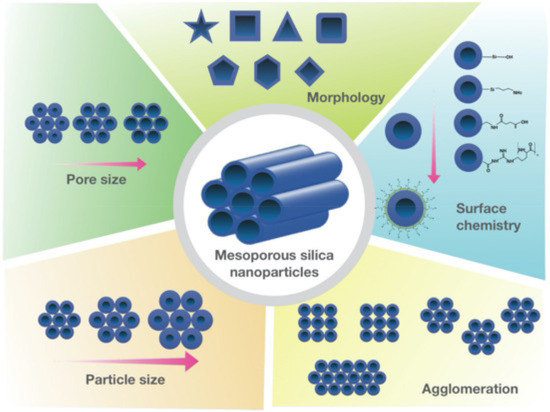
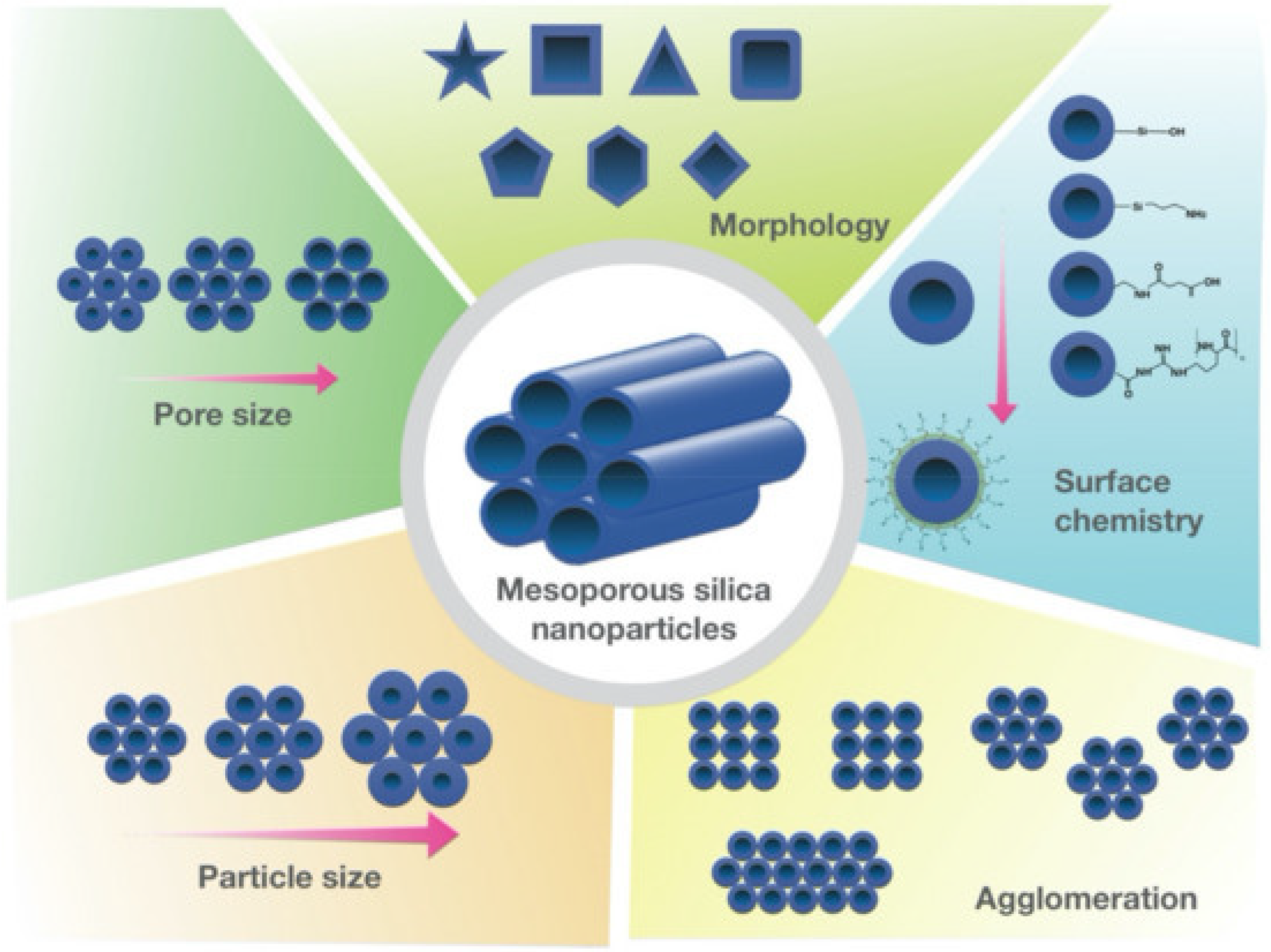
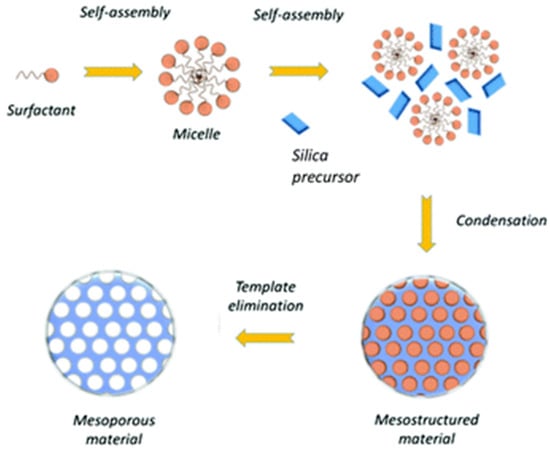
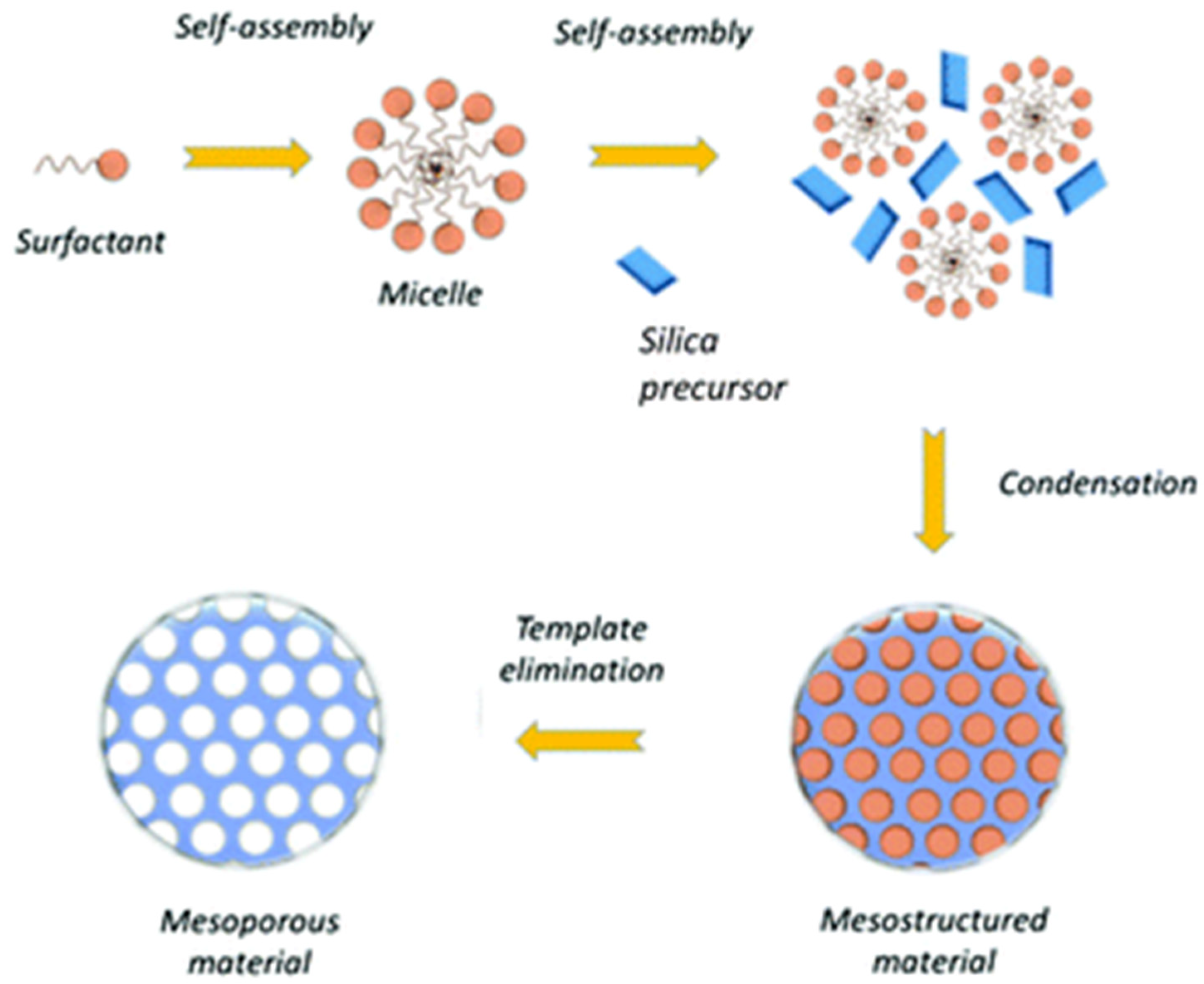
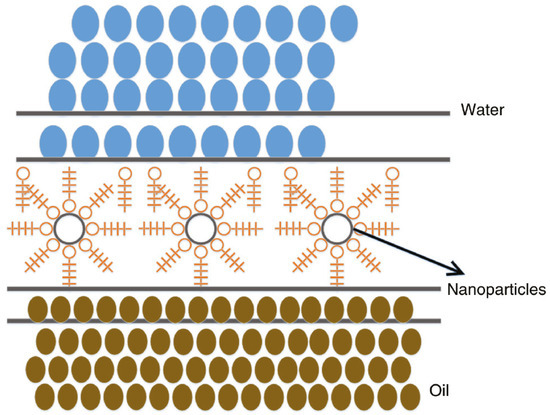
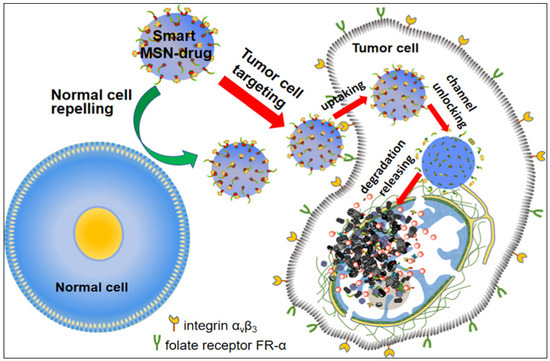
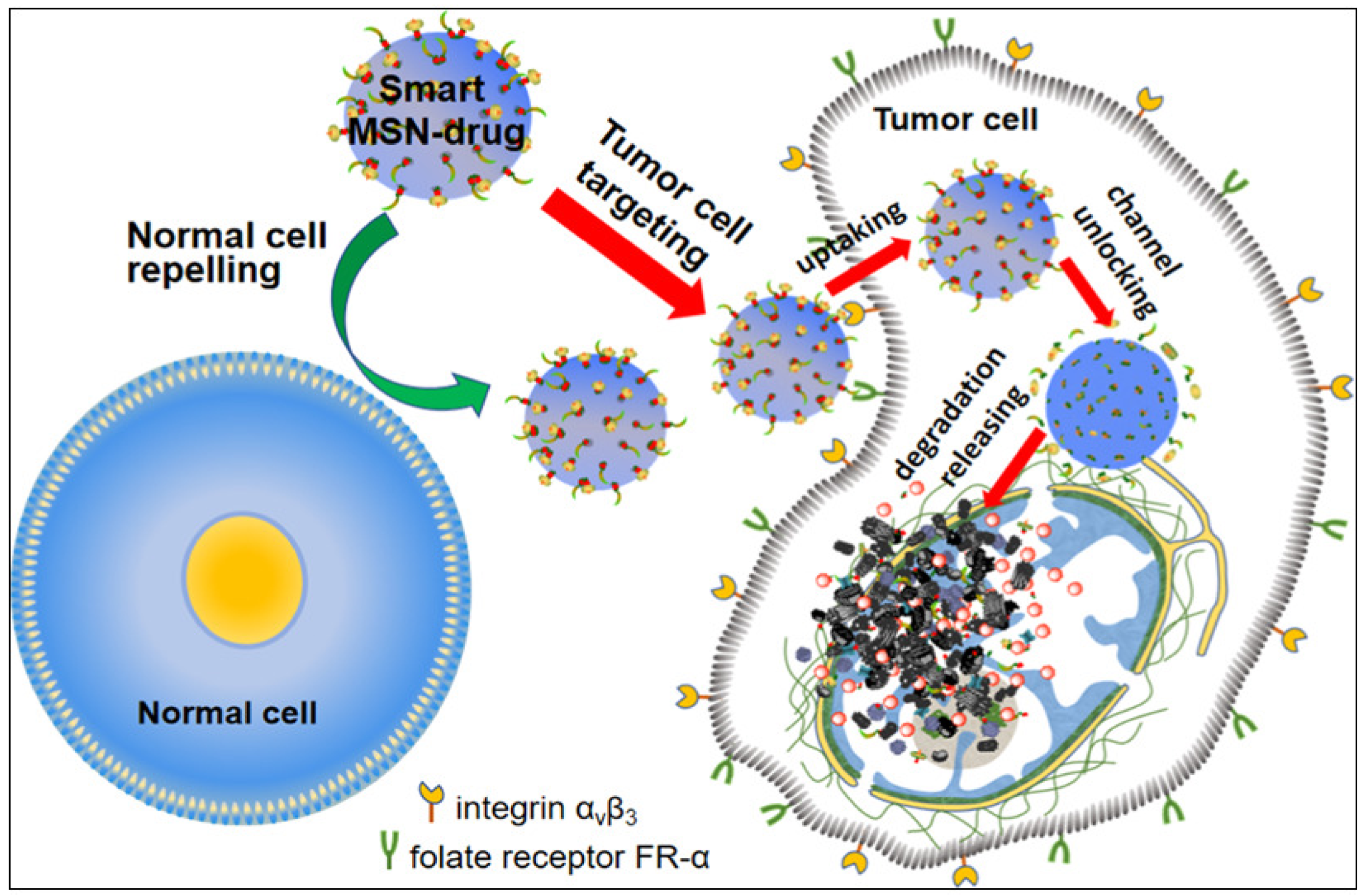
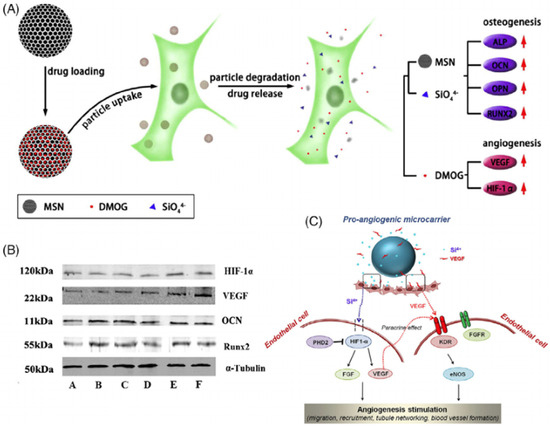
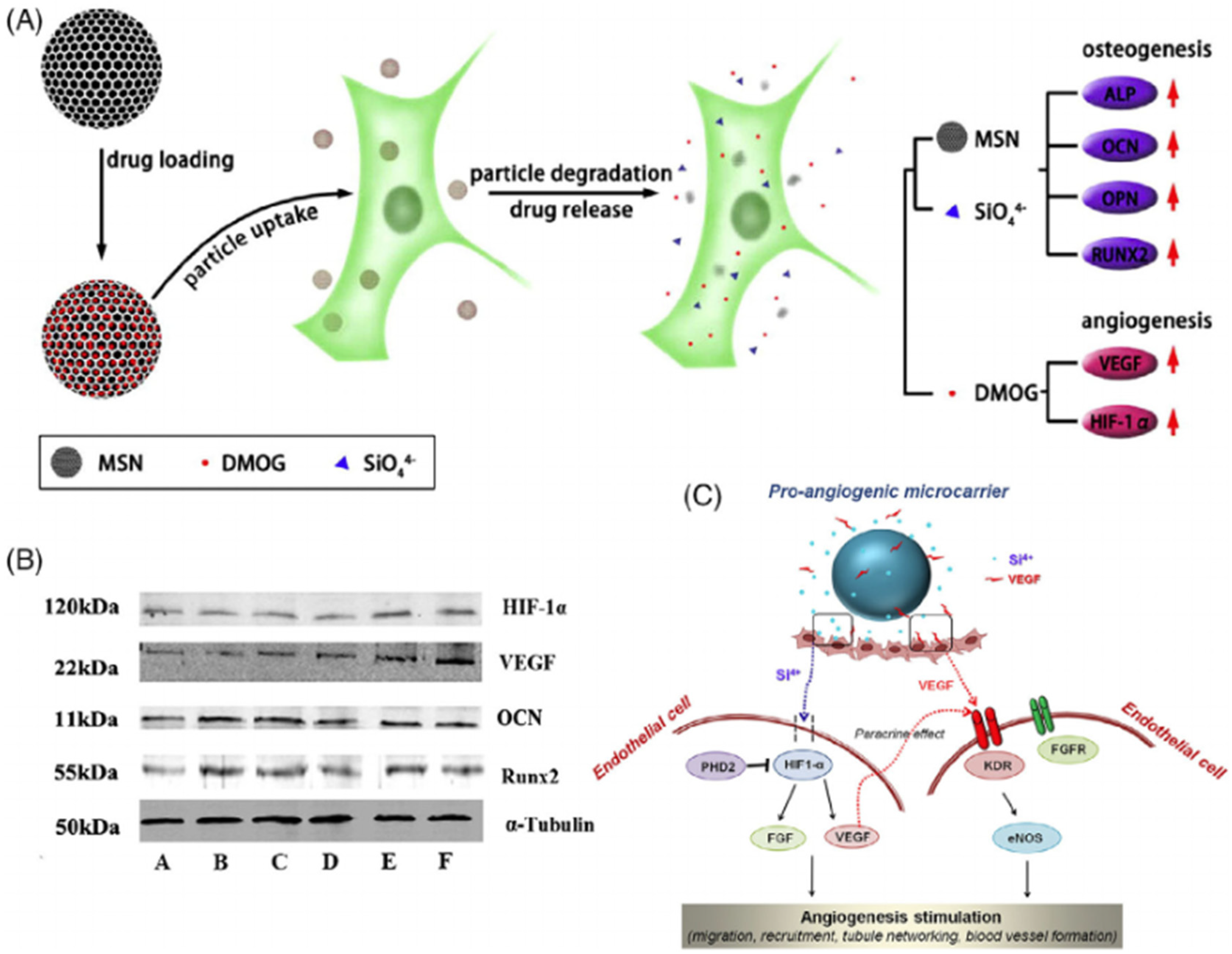
Disclaimer/Publisher’s Note: The statements, opinions and data contained in all publications are solely those of the individual author(s) and contributor(s) and not of MDPI and/or the editor(s). MDPI and/or the editor(s) disclaim responsibility for any injury to people or property resulting from any ideas, methods, instructions or products referred to in the content. |
© 2026 by the authors. Licensee MDPI, Basel, Switzerland. This article is an open access article distributed under the terms and conditions of the Creative Commons Attribution (CC BY) license.