


Abstract
Rare earth elements (REE) are vital for renewable energy, electronics, and advanced technologies; however, the process-related evolution of REE research has not been systematically quantified. This study conducts the first large-scale bibliometric analysis of 76,768 REE-related publications (1975–2024) from Web of Science, using the Cross-Disciplinary Publication Index (CDPI) and Technology–Economic Linkage Model (TELM). Results reveal three development phases: publication growth from <300 (1975–1990) to >5000 after 2008, driven by China’s export restrictions and the global clean energy transition; China leads with 24.1% of publications, followed by the U.S. (11.7%) and Germany (6.4%). Interdisciplinary mapping identifies materials science as the central field (CDPI = 0.81) linked to nanotechnology (0.75) and environmental science (0.66). Four thematic clusters dominate: (i) deposit geology, (ii) material applications, (iii) green extraction technologies, and (iv) circular economy strategies. Recent emphasis on sustainable practices and unconventional sources—such as phosphorites, bauxite, coal fly ash, and urban mining—reflects a shift toward green innovation. The findings guide policies to diversify REE supply through unconventional deposits (~50 Mt coal-hosted REE), eco-friendly extraction, and recycling. Future priorities include AI-driven exploration, lifecycle assessment of secondary sources, and stronger global collaboration to secure resilient, sustainable REE supply chains.
1. Introduction
Rare earth elements (REE) are essential to the advancement of modern technology, playing a key role in sectors such as electronics, renewable energy, and high-performance materials due to their distinct magnetic, optical, and catalytic features [1,2,3,4]. As traditional REE sources like carbonatites and alkaline rocks decline in ore quality, interest is shifting toward alternative deposits such as ion-adsorption clays and coal-based formations to meet the growing global demand [5,6,7,8]. This rising demand has significantly impacted the global market, which is projected to grow from USD 9 billion in 2019 to USD 20 billion by 2024 [8].
REE comprise a group of 15 lanthanides, along with scandium (Sc) and yttrium (Y), which share similar chemical behavior. The first identification of REE traces back to 1787 in Sweden, with cerium (Ce) being isolated in 1803. Since then, over 250 REE-containing minerals have been found in diverse geological settings around the world [9]. According to the International Union for Pure and Applied Chemistry, REE are split into light (La to Eu) and heavy (Gd to Lu plus Y) categories based on their electron structures [10,11]. Scandium is excluded from these subgroups due to its distinct geochemical occurrence [12]. Although referred to as “rare,” these elements are not scarce in Earth’s crust—averaging about 220 ppm, a higher abundance than elements like carbon and some base metals such as copper and lead [13]. Among them, lanthanum, cerium, yttrium, and neodymium are relatively abundant, while praseodymium is rarer.
There are two types of REE deposits: conventional and unconventional. Conventional REE deposits are typically associated with hard-rock formations such as carbonatites, alkaline igneous rocks, and pegmatites, where minerals like bastnäsite, monazite, and xenotime serve as the primary REE carriers [1,14]. In contrast, unconventional REE resources include ion-adsorption clays, coal and coal ash, bauxite residue (red mud), phosphorites, black shales, deep-sea polymetallic nodules, and electronic waste [10,15,16,17]. REE concentrations vary widely: they are typically high in carbonatite and alkaline rock deposits (0.5–10 wt% and 0.5–2 wt%, respectively), moderate in ion-adsorption clays (0.05–0.3 wt%), and low in coal-related deposits, which often contain less than 0.1 wt% REE [10,18,19,20]. The global reserve of REE is estimated at approximately 120 million tons. Among these, unconventional REE deposits, particularly coal-hosted resources, are believed to account for around 50 million tons, a volume comparable to that of conventional hard-rock ore bodies [20]. Coal-hosted REE deposits, where REE are bound to mineral or organic matter, are typically classified into detrital, tuffaceous, and hydrothermal types [10,21,22,23]. These deposits were first identified in the Russian Far East, several decades after the recognition of ion-adsorption clays. Ion-adsorption clay deposits, first discovered in 1969 in the granitic weathering crusts of Jiangxi Province, China, are characterized by their high clay content (typically 40–70%) and the predominance of REE in exchangeable form (50–90%) [11,24,25]. These deposits, primarily located in southern China, represent one of the most important sources of heavy REE, containing an estimated 2.6 million tons of rare earth oxides—about 2% of the total known global reserves. Similar ion-adsorption clay-type REE deposits have also been reported in Myanmar, Thailand, Brazil, Madagascar, Malawi, and Kazakhstan [8,17,26,27]. While phosphorites—widely distributed, phosphate-rich sedimentary rocks—contain elevated light REE concentrations typically hosted in apatite, making them one of the most significant unconventional REE resources, bauxite residue (red mud), a reddish-brown by-product of aluminum (oxy)hydroxide production, contains notable REE-bearing metal oxides. In addition, various mining wastes from different ore-processing activities have been identified as promising unconventional REE sources due to their residual REE content [12,17,22,23,28].
Rising geopolitical and environmental concerns, increasing REE demand across high-tech sectors, and the need for diversified and sustainable sources are driving interest in conventional and unconventional deposits and innovative, low-impact extraction technologies. Recent research trends are increasingly shaped by advances in analytical instrumentation (e.g., LA-ICP-MS, synchrotron spectroscopy, and SEM-EDS), the growing application of machine learning techniques for predicting REE concentrations in various geological materials and for mineral prospectivity modeling, and green extraction methods such as bioleaching and ionic liquid-based separation [17,28,29,30]. To assess the evolution and integration of REE research trends, this study employs bibliometric analysis to uncover key knowledge clusters and persistent gaps—from crustal processes (resource formation and exploration) to circularity (reuse, recycling, and lifecycle extension)—that must be addressed to ensure resilient supply systems and to inform a more coordinated, interdisciplinary agenda for advancing efficient and sustainable REE strategies. Bibliometric analysis has become a widely adopted method for handling large volumes of scientific data, facilitated by the accessibility of databases and analytical software. Databases such as Web of Science (WoS), Scopus, and Elsevier [31,32,33] offer researchers the ability to assess significant research topics, track emerging trends, and explore the distribution of scientific output across disciplines, institutions, and countries using quantitative methods [34]. A variety of software tools support such analyses, including Bibexcel, NetDraw, SATI, CiteSpace, Pajek, Thomson Data Analyzer (TDA), and VOSviewer [32,35,36].
This study aims to conduct a bibliometric analysis of REE research spanning the period from 1975 to 2024, utilizing 76,768 records sourced from the WoS database. The evaluation incorporates both the Cross-Disciplinary Publication Index (CDPI) and the Technology–Economic Linkage Model (TELM) to offer a more integrated analytical approach. VOSviewer software is employed to explore patterns in publication output, key researchers and institutions, and commonly used keywords—allowing for the identification of leading contributors and dominant research themes. The findings provide a detailed overview of the field’s progression, emphasizing the advancement of analytical methodologies, the growing significance of sustainable extraction technologies, and the broader industrial and economic implications, ultimately offering direction for future research and resource development efforts.
2. Materials and Methods
2.1. Data Source
This study used all available databases within the Web of Science platform as data sources. An advanced search was conducted using three core keywords (“rare earth elements”, “rare-earth elements”, “rare earth oxides”), combined with Boolean “OR” operators applied to all fields. The search spanned 1975–2024, yielding an initial dataset of 79,116 publications (pre-filtered). After applying filters, 76,768 publications were retained for analysis. Keyword selection was guided by their established relevance and frequent use in influential studies, particularly those focusing on rare earth elements (REE) across the entire value chain—from crustal processes to circularity (see Appendix A). These terms are widely used across multiple disciplines, including materials science, geochemistry, environmental science, mining engineering, metallurgy, economic geology, mineralogy, analytical chemistry, energy technology, and industrial ecology.
To ensure data reliability and analytical rigor, the dataset was filtered to include only highly cited works published in reputable sources, specifically JCR Q1 or Q2 journals or those with an impact factor greater than 2.0. Publisher reputation was inherently ensured by including only publications indexed in the Web of Science database, which covers journals recognized for their quality and scientific impact, thereby enhancing the validity and comprehensiveness of the dataset. A PRISMA-style flow diagram (Figure 1) illustrates the stepwise inclusion and exclusion process from the initial to the final filtered dataset. All subsequent analyses were conducted on this final corpus to ensure consistency, transparency, and reproducibility.
Figure 1.
PRISMA-style workflow for REE publications (1975–2024), illustrating data search, filtering, and subsequent metadata collection.
The final dataset incorporated a wide range of publication types—peer-reviewed journal articles, books, and conference proceedings—capturing the scholarly discourse over five decades, beginning with the earliest record in 1975. Each selected publication was downloaded along with its complete metadata (author, title, publication year, institutional affiliation, author keywords, country/region, journal, citation count, and subject category) from the Web of Science platform and stored in full-text format for further analysis.
2.2. Methodological Considerations and Data Source Justification
To ensure methodological rigor, normalization procedures were applied where appropriate, including relative publication shares and entropy-based indices, to reduce scale effects and allow meaningful comparisons across countries and time periods. Full counting was adopted for country attribution to maintain consistency with prior domain-level bibliometric studies, while acknowledging that fractional counting may yield different absolute values but generally preserves relative trends. Field normalization was addressed by restricting the analysis to a well-defined REE-specific corpus using consistent search criteria, thereby minimizing cross-disciplinary citation bias.
2.3. Data Method
The Web of Science (WoS) database was selected due to its reliability and extensive coverage of the peer-reviewed scientific literature, making it highly suitable for bibliometric investigations. While alternative databases such as Scopus provide broader journal coverage, differences in indexing policies and historical coverage may introduce inconsistencies in long-term trend analyses; this limitation is acknowledged, and future studies could benefit from cross-database validation. To support the analysis of REE-related research, several analytical models were employed. The Cross-Disciplinary Publication Index (CDPI) was applied to quantify the extent to which REE studies are cited across different WoS subject categories, thereby evaluating their interdisciplinary reach and influence. Additionally, the Technology–Economic Linkage Model (TELM) was used to assess the contribution of REE research to industrial innovation and economic value creation by tracing linkages between scholarly outputs, patents, and R&D outcomes.
We quantified interdisciplinarity using the CDPI, defined as the normalized Shannon entropy of discipline distribution (1) and normalization (2):
where pij is the proportion of references in discipline j among N total disciplines. The CDPI is based on Shannon entropy, a standard measure of diversity in scientometrics, and the normalized form ensures comparability across disciplines. CDPI values were aggregated by authors or institutions, analyzed statistically, and validated against co-authorship networks, journal diversity, and disciplinary distribution to ensure robustness and reproducibility.
The TELM captures links between patents and economic outputs and was implemented to assess the contribution of REE research to industrial innovation. Patent data were sourced from PATSTAT and Derwent, and relevant taxonomies included CPC and IPC classifications, with particular attention to Y02/Y04S codes for green and sustainable technologies. Linkages were established using paper–patent citations, co-authorship networks, and assignee–affiliation matching, allowing robust mapping of research outputs to technological and economic impact. The TELM was calculated as:
where Ltp, k represents linkages between patents in technology class t and economic indicator p for region or sector k and Wtp quantifies linkage strength. Statistical treatment included regression- and network-based metrics, and validation was performed through comparison with historical economic trends and sensitivity analyses, ensuring analytical rigor and reproducibility.
WoS’s rigorous journal selection protocols, broad subject coverage, and robust citation tracking provides a credible and consistent foundation for bibliometric assessments [37]. By indexing high-impact, peer-reviewed journals, the database ensures data reliability for in-depth analysis [38]. Its historical depth, dating back to the 1960s, further allows for comprehensive temporal analysis of citation trends and research impact [39]. The database’s compatibility with analytical tools such as VOSviewer enhances its utility in visualizing and interpreting bibliometric patterns, while ensuring transparency and reproducibility of the analyses [40].
In this study, bibliographic records were extracted from WoS and organized using Microsoft Excel 2019. VOSviewer (version 1.6.20), developed by Nees Jan van Eck and Ludo Waltman, was employed for the bibliometric analysis. This software was selected to enable reproducible bibliometric network visualizations and clustering, facilitating effective mapping of co-authorship networks, co-citation structures, and keyword co-occurrences, which supports the identification of emerging research trends and thematic developments [40].
The analysis code and anonymized dataset supporting this study, including author disambiguation rules, de-duplication procedures, and category mapping, are available from the corresponding author upon reasonable request to ensure reproducibility.
3. Results
3.1. Publication Types and Their Annual Distribution
Figure 2 illustrates the distribution of 76,768 REE-related publications indexed in the Web of Science database from 1975 to 2024, categorized by document type. Original research articles dominate the dataset, comprising 82.6% of the total, indicating that peer-reviewed journal publications are the primary medium for disseminating REE research. Proceedings papers account for 10.9%, reflecting the significant role of conference presentations in the field. Review articles make up 4.8%, offering synthesized insights and evaluations of existing knowledge. Book chapters contribute 0.9%, while meeting abstracts represent 0.5%, typically summarizing research presented at conferences. The remaining 0.3% is categorized as “Others” and includes editorial materials, notes, letters, and similar formats. This distribution emphasizes the central importance of journal articles in REE research, supplemented by various secondary publication types.
Figure 2.
Distribution of publication types on REE.
The annual number of REE publications from 1975 to 2024 exhibits three distinct growth phases, reflecting shifts driven by geopolitical, technological, and economic factors. Polynomial trend analysis of the document counts over this period (Figure 3) confirms a strong upward trajectory, with a high coefficient of determination (R2 = 0.95) indicating an excellent fit to the increasing trend. Figure 3 shows that in Period I (1975–1990), publication output remained relatively low (96–286 per year), reflecting limited global interest in REE outside of niche scientific or defense applications. In Period II (1991–2007), annual publications increased steadily from 755 to 1700, influenced by the end of the Cold War, China’s emergence as a dominant REE producer, and the increasing use of REE in electronic technologies. Period III (2008–2024) witnessed an exponential rise in publications—from 1840 to 5472 per year—driven by global concern over REE supply security (especially after China’s 2010 export restrictions), the rapid expansion of green energy and digital technologies, and increased research funding worldwide. Price data for total REE as a unified basket are unavailable prior to 2019 because REE are typically traded as individual oxides or metals rather than as a single commodity. Since 2019, estimated composite prices of mixed REE oxide equivalents have been reported by the USGS and other sources [41,42], calculated as weighted averages of key REE (Nd, Pr, Dy, and Tb) to approximate a representative basket. Reported values indicate a rising trend—from around USD 13/kg in 2019 to USD 38/kg in 2024—reflecting increasing global demand and supply chain pressures. These estimates provide a general overview of market trends but may differ from actual transaction prices due to variations in composition, purity, and regional pricing.
Figure 3.
Annual number of REE-related publications indexed in the Web of Science (1975–2024). (Red dotted line shows trendline and correlation coefficient).
3.2. Author Co-Occurrence and Co-Citation Network Analysis
Table 1 ranks the 20 most productive authors in the field of REE research based on the number of publications in Web of Science (1975–2024), revealing a concentration of scholarly output among a select group of influential researchers. Leading the list is Poettgen, Rainer with 249 publications, followed by Santosh, M (213); Jiang, Shao-Yong (124); Qu, Xiaogang (120); and Wu, Fu-Yuan (118), all of whom have made significant contributions to REE mineralogy, geochemistry, and materials science. Notably, Huang, Fuqiang (113); Sun, Lingdong (111); and Ren, Jinsong (110) represent prominent Chinese researchers whose work reflects the country’s sustained interest and investment in REE-related technologies and resource development. Hower, James (109) and Bau, Michael (108) are internationally recognized for their contributions to coal-related REE studies and marine geochemistry, respectively. Other notable contributors include Wang, Limin (106); Song, Shuyan (101); and Dai, Shifeng (98), the latter being a key figure in REE-enriched coal research. Scholars such as Binnemans, Koen (93) and Liu, Xiaojuan (92) have advanced REE separation and recycling processes, while Shi, Yanqi (91); Xue, Dongfeng (85); and Zhou, Mei-Fu (82) have extensively investigated REE-bearing mineral systems. Pioneering work by Sobolev, B. P. (80) and Griffin, W.L. (73) further underscores the multidisciplinary breadth of REE research, spanning from petrogenesis to advanced materials. This author-based analysis highlights the global distribution and thematic diversity of REE research, evidencing both academic leadership and emerging research frontiers.
Table 1.
Top 20 authors in REE research based on the number of publications in WoS (1975 to 2024), listed in order of increasing number of published papers.
The top 20 most cited publications in REE-related research (Table 2) represent key intellectual figures whose foundational contributions have shaped the development of the field across geochemistry, mineralogy, and materials science. Leading the list is Troullier, N. with 15,063 citations, widely recognized for pioneering work in density functional theory and pseudopotential methods, which are extensively applied in REE-bearing materials. Hoskin, P.W.O. (4410 citations) is known for his influential studies on zircon geochronology and trace element partitioning, particularly relevant to REE behavior in accessory minerals. Taylor, S.R. (3819 citations) made seminal contributions to crustal geochemistry and REE distribution models, while Catalan, G. (3711 citations) has advanced the understanding of ferroelectric and multiferroic materials incorporating REE.
Table 2.
Top 20 most cited publications based on the co-citation analysis of authors.
Liu, Y.S. (3490 citations) and Belousova, E.A. (2491 citations) have notably influenced analytical geochemistry through LA-ICP-MS zircon analyses, providing crucial insights into REE partitioning and crustal evolution. Trovarelli, A. (3246 citations) and Subramanian, M.A. (1943 citations) significantly contributed to REE applications in catalysis and functional materials, including perovskites and pyrochlores. Nan, C.W. (3193 citations) and Ran, J.R. (2217 citations) have emphasized REE-enabled nanotechnology and photocatalysis, showcasing REE’ interdisciplinary importance. Plank, T. (3042 citations) and McLennan, S.M. (2814 citations) provided key models for sedimentary REE behavior and source tracing, including McLennan’s 1989 [43] work on provenance and sedimentary processes.
Authors such as Coey, J.M.D. (2412 citations); Pearce, N.J.G. (2476); and Martin, H. (2481) have each anchored mineralogical and petrological studies involving REE, while Huang, Y.Y. (2565 citations) and Wang, X. (2454) have made notable advances in REE-doped luminescent materials. Stevens, W.J. (2200 citations) is renowned for quantum chemistry methods relevant to REE bonding environments in materials. These authors collectively represent the core of REE research and are consistently co-cited across disciplinary boundaries, reflecting the field’s multidimensional growth—from analytical geochemistry and crustal processes to materials science and photonics.
3.3. Distribution of Publications by Countries/Regions, Universities, and Departments/Laboratories
Results demonstrate the distribution of publications by country/region in REE research, highlighting national contributions based on publication counts (see Figure 4). Country and institutional outputs were conducted using full counting, whereby each publication was fully attributed to all contributing countries and institutions. For clarity, the country-level analysis focuses on the top 20 most productive countries in REE research (1975–2024), ranked by publication output using the full-counting method; all other countries were aggregated to improve visualization clarity. Over this period, China emerged as the leading contributor, with 18,456 publications—more than double that of the second-ranked United States (8971). Germany (4926), Russia (4438), Japan (4022), and France (3587) also show strong engagement, reflecting their long-standing involvement in materials science and critical raw materials research. Other significant contributors include Canada (3261), Australia (3054), India (2840), and England (2816), indicating a globally distributed research effort across Asia, North America, and Europe. Countries such as Italy (1797), Poland (1371), Brazil (1350), and Spain (1240) also demonstrate consistent involvement. In East and Southeast Asia, South Korea (1101) has played a notable role, alongside Iran (921) and Turkey (826) from the Middle East. European nations like Switzerland (911), Sweden (830), and Austria (not listed) maintain moderate contributions, while African countries such as Egypt (784) and South Africa (not listed here) also participate. This distribution underscores the global strategic significance of REE and the wide-reaching international collaboration addressing technological, environmental, and economic challenges associated with these critical elements.
Figure 4.
Geographical distribution of the top 20 countries contributing to publications on REE.
Additionally, Figure 5 illustrates the collaborative relationships among the most productive countries in REE research. The collaboration networks were generated in VOSviewer using association-strength normalization, with a minimum threshold of publication numbers per country to ensure network clarity and robustness. The visualization reveals a well-structured international collaboration landscape comprising several distinct clusters, where node size reflects the number of publications and link thickness indicates the strength of collaborative ties.
Figure 5.
Cooperation network of leading countries in REE research, based on publication data, showing five distinct collaboration clusters: purple (dominant contributor), red and orange (Anglosphere and Europe-Oriented), green (Asian Collaborators), blue and cyan (Emerging Economies and Middle East and Africa), and yellow (Eastern Europe and Peripheral Collaborators).
The central cluster, prominently featuring China, USA, and Germany, represents the core of global REE research collaboration. China, with the largest node and highest centrality, is clearly the dominant contributor and a central hub, extensively collaborating with both Western and Asian countries. The USA, though slightly peripheral in the cluster, maintains strong ties with countries such as Canada, Australia, and Germany, demonstrating its significant but regionally differentiated influence.
To assess the sensitivity of these findings to the counting approach, the analyses were repeated using fractional counting, in which publication and collaboration weights are proportionally distributed among co-authoring countries. While fractional counting reduces the absolute publication counts and link strengths of highly collaborative countries—most notably China and the USA—the overall country rankings, cluster composition, and core–periphery structure of the collaboration network remain largely unchanged.
Five major regional collaboration clusters can be distinguished by color: Cluster 1 (purple—dominant contributor) is dominated by the largest and most central nodes—China, the USA, Canada, and Australia—indicating their leadership in REE research output and international collaboration. These countries serve as key hubs within the global cooperation network, reflecting their substantial investments in critical mineral research, technological development, and resource security. Their central positioning and strong linkages underscore their pivotal role in shaping the global REE research landscape across both academic and industrial domains.
Cluster 2 (red—Anglosphere and Europe-Oriented): This cluster is centered around England, Australia, the Netherlands, and Belgium, showing strong internal cooperation, especially between Commonwealth countries and European partners. Kazakhstan and Malaysia also appear here, indicating active participation in research partnerships with these nations.
Cluster 3 (green—Asian Collaborators): Comprising India, Japan, South Korea, and Spain, this cluster highlights robust intra-Asian research networks. India and Japan are particularly well-integrated, with significant connections to China and to each other, suggesting coordinated regional research efforts.
Cluster 4 (blue—Emerging Economies and Middle East and Africa): This group includes Brazil, South Africa, Saudi Arabia, Nigeria, and Turkey. These countries show growing involvement in REE research, frequently cooperating with both core (China and USA) and regional partners. Their position between clusters indicates their bridging role in expanding the global REE research network.
Cluster 5 (yellow—Eastern Europe and Peripheral Collaborators): This less dense group features Russia, Romania, Ukraine, and Bulgaria. These countries exhibit modest collaboration levels, mostly linking to central players like China and Germany, reflecting emerging participation in global REE research.
Figure 6 displays the Collaborative network of leading academies/universities in REE research, highlighting the major academic institutions involved and their collaborative linkages. Four prominent clusters can be distinguished: Cluster 1 (red and purple: China–Russia–International Nexus): At the core of the network lies the Chinese Academy of Sciences (CAS), the largest and most central node, signifying its dominant role in REE research collaboration. Closely connected are institutions like the Russian Academy of Sciences, University of Science and Technology Beijing, Zhengzhou University, University of Toronto, and University of Witwatersrand, among others. This cluster underscores the strong research collaboration between China, Russia, and a selection of global institutions. The dense interlinkages within this group suggest coordinated multi-institutional projects and joint authorship on REE-focused studies, indicating a hub-and-spoke model centered on CAS.
Figure 6.
Collaborative network of leading academies/universities in REE research, with node size proportional to citation frequency and color-coding identifying four thematic clusters: red and purple (China–Russia–International Nexus), orange (Elite Chinese Institutions), blue and yellow (Engineering and Metallurgical Research), and green and cyan (Geoscience-Oriented Universities).
Cluster 2 (orange—Elite Chinese Institutions): Institutions such as Lanzhou University and Peking University form a distinct cluster, indicating a sub-network of elite Chinese universities with strong internal collaboration. This group is positioned at the top of the graph and maintains connections with the core CAS cluster, indicating its significant—though more specialized—role in REE research. These institutions may be more focused on theoretical or applied materials science within the broader REE domain.
Cluster 3 (blue and yellow—Engineering and Metallurgical Research): To the right of the network, a blue-colored cluster includes institutions such as the General Research Institute for Nonferrous Metals, Jiangxi University of Science and Technology, Wuhan Institute of Technology, and University of Science and Technology of China. These are more technically oriented institutions, likely involved in applied mineral processing, metallurgy, and industrial-scale REE extraction research. The slightly peripheral positioning suggests specialized but collaborative research trajectories in contrast to the central academic hubs.
Clusters 4 (green and cyan—Geoscience-Oriented Universities): At the lower section of the network, universities such as the China University of Geosciences, Nagoya University, Chinese Academy of Geological Sciences, and Ocean University of China form two geoscience-driven clusters. These institutions contribute critical work in mineral exploration, sedimentology, and environmental aspects of REE. Their cluster boundaries reflect thematic rather than geographic alignment, emphasizing discipline-specific collaboration over national groupings.
Additionally, Figure 7 and Figure 8 present the total publication count of the top 10 academies/universities/institutions and departments/laboratories involved in REE research. Between 1975 and 2024, the global landscape of REE research has been dominated by a set of leading institutions and departments, as recorded in Web of Science. The Chinese Academy of Sciences leads with 5047 publications, followed by the Russian Academy of Sciences (3327), the Centre National de la Recherche Scientifique (CNRS) (2489), and major Chinese institutions such as the China University of Geosciences (2334), the China Geological Survey (1551), and the University of Chinese Academy of Sciences (1507). Other notable contributors include Germany’s Helmholtz Association (1251), the United States Department of Energy (DOE) (1185), and specialized research arms such as the Institute of Geology and Geophysics, CAS (1057), and the Chinese Academy of Geological Sciences (997). At the departmental and laboratory level, the Faculty of Earth Resources at the China University of Geosciences stands out with 478 publications, followed by the State Key Laboratory of Geological Processes and Mineral Resources (470) and the School of Earth Sciences and Engineering at Nanjing University (468). These are followed by the State Key Laboratory for Mineral Deposits Research (400), departments at Jilin University (386), the Australian National University (381 from the College of Science and 363 from the Research School of Earth Sciences), Northwest University (346), the University of Chinese Academy of Sciences (315), and Germany’s University of Münster (272). This distribution reflects a strong Chinese research emphasis on REE exploration and mineralization, alongside significant contributions from European, North American, and Australian institutions—highlighting the global strategic importance of REE in energy, technology, and critical raw materials.
Figure 7.
The total publication count of the top 10 academies/universities/institutions in REE research.
Figure 8.
The total publication count of the top 10 laboratories/departments in REE research.
3.4. Distribution of WoS Categories and Discipline Pair Co-Occurrences
The distribution of publications across Web of Science (WoS) categories highlights the inherently multidisciplinary nature of REE research (see Figure 9). The leading fields—geochemistry (17.4%), materials science (15.8%), and geosciences (13.6%)—demonstrate sustained scientific engagement with REE behavior in natural systems, resource development, and the engineering of advanced materials. Notable representation in mineralogy (10.9%) and metallurgy (9.9%) underscores the importance of mineralogical characterization and metallurgical innovation in REE extraction and processing. Contributions from chemistry (physical: 8.2%; general: 5.3%) reflect ongoing efforts to understand bonding, separation mechanisms, and thermodynamics. The presence of geology (6.7%) and environmental science (6.1%) signals a growing focus on exploration strategies and environmental sustainability. The inclusion of applied physics (5.8%) points to the expanding role of REE in high-tech applications such as magnetics, photonics, and electronics. Collectively, these patterns indicate that REE research is foundational to earth and material sciences, while being increasingly oriented toward technological innovation and sustainable development.
Figure 9.
WOS categories contributing to the publication count on REE.
The CDPI quantifies the extent to which a discipline engages with other fields through citations, providing a measure of interdisciplinarity in research. For a primary discipline (D), the CDPI is defined as a normalized citation entropy (4):
where pi is the proportion of citations from D to discipline i; values range from 0 (no cross-disciplinary engagement) to 1 (maximal engagement). To ensure comparability across fields, the CDPI is field-normalized to account for differences in publication and citation volumes, and bootstrapped confidence intervals are used to indicate variability and statistical reliability. Applying this metric to REE-related research over three periods (1985–1999, 2000–2014, and 2015–2024) reveals increasing cross-disciplinary engagement: for example, the geochemistry CDPI rose from 0.45 to 0.74, with strongest links to mineralogy (0.68), while materials science showed high engagement with nanotechnology (0.75) and mineralogy (0.62). Similar trends are observed across geosciences, metallurgy, chemistry, and environmental sciences, reflecting the growing interdisciplinarity of the field.
CDPID = −∑i pi log(pi)
The CDPI matrix in Table 3 presents the evolution of cross-disciplinary integration in REE-related research from 1975 to 2024, based on the CDPI across major WoS categories. The three time intervals—1975–1990, 1991–2006, and 2007–2024—highlight how research has progressively integrated diverse scientific domains. Notably, disciplines such as “Geochemistry”, “Mineralogy”, and “Materials Science” demonstrate consistently rising CDPI values, indicating stronger interdisciplinary linkages over time. Geochemistry shows an increase from 0.45 in the early period to 0.74 in the most recent interval, often paired with mineralogy (CDPI: 0.68). Materials science, which emerged prominently after 1990, now exhibits the highest CDPI (0.81), frequently intersecting with “Nanotechnology” and “Mineralogy”. The table also highlights discipline pairings with high co-occurrence, such as “Metallurgy × Chemistry Physical” (0.66) and “Geology × Materials Science” (0.56), emphasizing the collaborative nature of REE research spanning from resource exploration to materials engineering. The increasing involvement of “Environmental Sciences” and “Physics Applied Physics” underscores the growing relevance of REE in sustainable technologies and advanced functional materials. These patterns suggest that the future of REE research will increasingly depend on integrated, cross-disciplinary approaches to address both technological innovation and critical resource sustainability.
Table 3.
Integrated CDPI matrix and discipline pair co-occurrence in REE research (1975–2024).
3.5. Core Fields Behind REE Research Growth
As revealed by the CDPI matrix, REE research (1975–2024) has evolved toward deep interdisciplinarity, with materials science emerging as the primary driver (CDPI = 0.81). Its frequent co-occurrence with nanotechnology (0.75) and mineralogy (0.68) highlights the focus on nanoscale characterization, functional materials, and REE-based devices in the 2008–2024 period [17,44]. Geochemistry, essential for REE exploration, rose from a 0.45 to 0.74 CDPI, often paired with mineralogy (0.68) and metallurgy × physical chemistry (0.66), reflecting the shift from descriptive petrogenesis to integrative, solution-oriented research [43,45]. The growing roles of environmental sciences and applied physics signal the field’s alignment with sustainable extraction, tailings valorization, and green technology applications [41,46]. Together, these trends confirm that REE research has matured into a strategically interdisciplinary domain linking resource geology, materials science, and sustainability.
The journal co-citation network (Figure 10) provides strong evidence supporting the CDPI-based interpretation of REE research as an increasingly interdisciplinary field. Five distinct clusters of journals emerge, reflecting the same disciplinary integration trends captured by the CDPI matrix. Cluster 1 (blue) encompasses core geology and geochemistry journals such as “Earth and Planetary Science Letters”, “International Journal of Coal Geology”, and “Fuel”, representing foundational resource-focused studies. Cluster 2 (red) highlights environmental chemistry and analytical science, including “Chemical Geology”, “Plant and Soil”, “Science of the Total Environment”, and “Analytica Chimica Acta”, aligning with the rising CDPI scores of environmental sciences. Cluster 3 (green) and Cluster 4 (purple) illustrate the integration of materials science, metallurgy, and chemical engineering, hosting journals like “Journal of Alloys and Compounds”, “Separation and Purification Technology”, “Metals”, and “Rare Metals”, which reflect the dominant role of materials science (CDPI = 0.81) and its frequent co-occurrence with metallurgy and applied chemistry (0.66). Cluster 5 (light blue), anchored by the “Journal of Rare Earths”, serves as the intellectual nexus that bridges all other clusters, confirming the CDPI finding that REE research is no longer siloed but strategically interdisciplinary. This co-citation evidence reinforces the CDPI concept by demonstrating that knowledge production in REE is organized into interconnected thematic communities that reflect both disciplinary specialization and cross-domain integration [17,43,44].
Figure 10.
Journal co-citation network of publications related to REE, with node size representing citation frequency and color-coding identifying five thematic clusters: blue (geology and earth sciences), red (environmental chemistry and analytical studies), green and yellow (materials science and metallurgy), purple and orange (chemical engineering and industrial applications), and light blue (core rare earth research).
Table 4 provides clear evidence that geoscience and materials science are the foundational disciplines driving the advancement of REE research. This is demonstrated by the prominence of leading authors whose work centers on mineralogy, geochemistry, and material applications, as well as by the most cited papers that integrate analytical geochemistry techniques and computational materials science approaches. Furthermore, the data highlights a strong global leadership structure, where prolific researchers and high-impact publications form the intellectual backbone of the field. This leadership is further reinforced by the concentration of research activity within top institutions, notably the Chinese Academy of Sciences, Russian Academy of Sciences, and CNRS, which serve as interdisciplinary hubs bridging geology, environmental science, and material innovation. National contributions reveal a dominant role of China in publication volume and international collaboration, supported by substantial input from the USA and European countries, which contribute significantly through technological expertise and interdisciplinary research efforts. The primary journals where these findings are published reflect the integrative nature of REE research, combining domains such as earth sciences, chemistry, and materials engineering. Altogether, this evidence underscores a highly collaborative, multidisciplinary, and geographically diverse research ecosystem, with geoscience and materials science at its core, fueling both fundamental understanding and technological applications of REE globally.
Table 4.
Integrated evidence of geoscience and materials science dominance in REE research.
The keyword co-occurrence network (Figure 11) provides strong supporting evidence for the disciplinary integration and thematic diversity of REE research, directly illustrating how geoscience and materials science intersect with environmental and technological studies. The network is organized into four distinct color-coded clusters, each representing a core research focus: Cluster 1—green (extraction and recovery technologies): Focused on keywords like rare earth, lanthanides, acid, extraction, recovery, adsorption, separation, removal, and recycling, this cluster demonstrates the central role of physicochemical processes and industrial techniques for REE recovery from ores, wastes, and secondary resources. Terms like neodymium, enrichment, and waste emphasize the relevance of recycling and circular economy strategies in modern REE research. Cluster 2—red (environmental geochemistry and speciation): Dominated by keywords such as rare earth elements, fractionation, heavy metals, trace elements, speciation, accumulation, geochemistry, complexation, and soil, this cluster reflects the environmental behavior, distribution, and risk assessment of REE in natural systems. It supports the growing importance of mobility, bioavailability, and ecotoxicology in geoscience-led REE research. Cluster 3—blue (mineralogical and geological aspects): Featuring terms such as monazite, uranium, solubility, leaching, precipitation, and resources, this cluster captures the fundamental mineralogical and geochemical basis of REE exploration. Keywords like sorption and minerals highlight studies on primary REE sources, mineral–host interactions, and experimental geochemistry, underpinning resource identification and extraction strategies. Cluster 4—yellow (materials science and coal research): Although smaller, this cluster—centered on keywords like microstructure, coal, and behavior—illustrates the emerging integration of materials science and unconventional REE sources. It reflects rising interest in REE in coal and coal by-products, along with structural and physicochemical analyses using advanced material characterization techniques. Collectively, these clusters provide a conceptual framework confirming that REE research is inherently multidisciplinary, with geoscience and materials science forming its core. They demonstrate how the field encompasses resource recovery, environmental geochemistry, mineralogical fundamentals, and innovative material applications—together driving the strategic development of REE in both scientific and industrial contexts.
Figure 11.
Keyword co-occurrence network analysis on REE, with node size indicating keyword citation frequency, while colors highlight four main thematic clusters: green (extraction and recovery technologies), red (environmental geochemistry and speciation), blue (mineralogical and geological aspects), and yellow (materials science and coal research).
3.6. Global Distribution and Funding Trends in REE Research
The global distribution of REE research between 1975 and 2024 has been shaped by a highly concentrated linguistic distribution and a small number of dominant publishers.
According to the WoS database (see Table 5), English overwhelmingly dominates scientific publishing, accounting for 73,372 publications, far surpassing all other languages. The next most common languages are Chinese (1729), Russian (968), German (206), and Japanese (189), followed by French (103), Spanish (43), Ukrainian (29), Korean (26), and Polish (26). This distribution underscores the global role of English as the primary language of scientific communication and reveals the limited visibility of non-English publications in international citation databases. The dominance of English in WoS highlights the need for greater multilingual inclusivity and improved representation of regional research outputs in global science.
Table 5.
The top 10 languages used in REE-related publications in Web of Science (1975–2024).
Academic publishers, shown in Table 6, reveal a highly concentrated distribution of REE-related publications. Elsevier leads by a wide margin with 22,556 publications, reflecting its strong portfolio in materials science, geochemistry, environmental science, and engineering. Springer Nature follows with 5718 publications, and Wiley with 2977, both contributing significantly through interdisciplinary and chemistry-focused journals. MDPI, with 2222 publications, stands out as a key open-access platform supporting rapid dissemination of REE research. Other notable contributors include the American Chemical Society (ACS) with 1655 publications, focusing on REE-related chemical synthesis and analysis, and Taylor & Francis (1549), which supports environmental and industrial research. The Royal Society of Chemistry (RSC) adds 1225 publications, particularly in inorganic and materials chemistry. Science Press (China) contributes 1035 publications, reflecting China’s strategic investment in REE research. IOP Publishing Ltd. (827) and IEEE (775) highlight the role of REE in physics and electronic applications. This concentration of output among a few major publishers underscores their central role in shaping global visibility and access to REE research.
Table 6.
Top 10 publishers with publication numbers.
Table 7 highlights the top ten funding agencies supporting REE-related research globally. The National Natural Science Foundation of China (NSFC) is the dominant contributor, funding 9971 publications, reflecting China’s strategic emphasis on rare earth elements for technological and economic development. The U.S. National Science Foundation (NSF) ranks second with 1639 publications, supporting fundamental research across geosciences, materials, and environmental science. China’s National Key Research and Development Program follows with 1207 publications, focusing on innovation and industrial applications. The U.S. Department of Energy (DOE), with 1072 publications, emphasizes REE in energy-critical technologies, including batteries, magnets, and clean energy systems. Similarly, China’s Fundamental Research Funds for the Central Universities support institutional research, contributing 1067 publications. Japan’s Ministry of Education, Culture, Sports, Science and Technology (MEXT) funds 1052 publications, promoting interdisciplinary studies in materials and energy. China’s National Basic Research Program (973 Program) follows with 1027 publications, underscoring its role in foundational research. The Spanish Government (970 publications), Canada’s NSERC (951), and the Japan Society for the Promotion of Science (JSPS) (928) round out the list, each playing a significant role in advancing REE science within their national priorities. This funding landscape highlights the leadership of China, followed by the U.S., Japan, and several Western agencies, reflecting both strategic priorities and global competition in REE innovation.
Table 7.
Top 10 funding sources by publication count.
Additionally, Table 8 presents the top ten conferences contributing to REE-related scientific output. The International Conference on f-Elements (ICFE) dominates the list, with its 6th edition (167 records), 2nd edition (138), 5th edition (101), 3rd edition (80), and 4th edition (42) all ranking among the highest. These conferences are central platforms for discussing the chemistry, physics, and applications of rare earth and actinide elements. The 3rd International Winter Workshop on Spectroscopy and Structure of Rare Earth Systems ranks fifth (78 records), emphasizing the structural and spectroscopic properties of REE-bearing compounds. Other notable events include the RARE EARTHS 2004 Conference (53 records) and the 2nd International Symposium on Fundamental Aspects of Rare Earth Elements Mining and Separation and Modern Materials Engineering (45 records), both reflecting industrial and applied aspects of REE extraction and processing. Finally, the 13th and 15th SGA Biennial Meetings (27 and 35 records, respectively) highlight REE in the broader context of economic geology and sustainable mineral resource development. These conferences collectively demonstrate the vibrant global community engaged in REE research, spanning fundamental science, applied technology, and resource sustainability.
Table 8.
The top ten conferences contributing to REE-related scientific output between 1975 and 2024.
3.7. Process Evolution of REE Deposit Discoveries and Their Bibliometric Reflections
The evolution of REE deposit discoveries from 1975 to 2024 mirrors the dynamic interplay between geological understanding, industrial demand, and strategic resource planning. As summarized in Table 9, five decades of exploration and research have progressively diversified the recognized types of REE-bearing deposits, moving from classical carbonatite and placer systems to highly specialized and unconventional resources. These transitions are also mirrored in the thematic and temporal patterns observed through bibliometric analyses, indicating a clear correlation between real-world resource challenges and academic research focus.
Table 9.
Decadal discovery and recognition of major REE deposit types with references (1975–2024).
In the earliest phase (1975–1984), REE exploration was dominated by classical deposits, particularly carbonatite-hosted systems and placer monazite. This period saw the sustained exploitation of Mountain Pass (USA) and the emergence of Bayan Obo (China) as the world’s principal REE supplier [47,48]. These deposits were rich in light REE, particularly La, Ce, Nd, and Pr. Concurrently, traditional monazite-bearing placer deposits in India, Brazil, and Australia supported industrial supply chains. Bibliometric data for this period reveals dominant keywords such as “monazite,” “bastnäsite,” and “carbonatite,” confirming a focus on high-grade, established mineral systems.
By the late 1980s and early 1990s (1985–1994), attention began to shift toward more complex and less conventional systems. Research on peralkaline igneous complexes such as Ilímaussaq (Greenland) and Lovozero (Russia) advanced the understanding of REE mineralization associated with eudialyte and other exotic minerals [8,49]. Simultaneously, geoscientists in China recognized a new class of heavy REE-enriched ion-adsorption clay deposits in the weathering crusts over granitic rocks in Jiangxi Province [50]. These deposits, though low-grade, offered exceptional economic potential due to their easy leachability and high content of critical heavy REE like Dy and Y. The emergence of keywords such as “adsorption,” “weathering,” and “granite” in co-occurrence networks from this period corroborates the geoscientific pivot toward these alternative sources.
During 1995–2004, research on REE expanded into new geological environments. This included investigations into iron oxide–copper–gold (IOCG) deposits, such as at Olympic Dam in Australia, where REE are hosted in monazite and apatite alongside Cu, Au, and U [51,52]. This period marked the rise of multi-commodity exploration strategies that linked REE with hydrothermal systems. Additionally, renewed attention was given to secondary monazite-rich placer systems in Madagascar and Southeast Asia [53]. While bibliometric evidence shows that “IOCG” remained a niche research theme, this decade laid important groundwork for understanding polymetallic REE occurrences and integrating REE into broader critical metals frameworks.
The 2005–2014 period marked a turning point driven by geopolitical pressures, particularly the 2010 Chinese export quota crisis. This decade witnessed a surge in REE publications, aligning with heightened global concern over supply security. Geologically, this period emphasized three key trends: expanded mapping and extraction of ion-adsorption clays in South China and parts of Africa [26,56], reevaluation of African carbonatite systems such as Kangankunde (Malawi) and Mabounié (Gabon) [1], and growing interest in the REE potential of deeply weathered granitic systems. Bibliometric overlays from this decade show a burst of keywords such as “critical metals,” “rare earth supply,” and “heavy REE,” reflecting a sharp policy-driven redirection of REE research.
In the most recent decade (2015–2024), the REE research frontier has expanded significantly into unconventional and sustainable sources. Notably, deep-sea muds in the Japanese exclusive economic zone (EEZ) have been identified as promising sources of Y, Tb, and other heavy REE [55]. At the same time, coal- and black shale-hosted REE, especially from fly ash and associated by-products, have gained increasing attention in the United States, China, and Kazakhstan [10,22,23]. Alkaline complexes such as Norra Kärr (Sweden) and Kipawa (Canada) have also emerged as exploration targets for REE hosted in eudialyte, britholite, and other accessory minerals [8]. Sedimentary phosphorites, with global reserves of about 69 billion metric tons and average ∑REE contents of 0.046 wt%, are of growing interest as unconventional REE resources, particularly in North African countries such as Tunisia, Algeria, and Morocco, where extensive deposits offer both phosphate production and significant REE potential [28,54]. Thematic bibliometric clusters from this era are characterized by “urban mining”, “sedimentary phosphorites”, “circular economy”, “seafloor sediments”, and “coal ash”, confirming a strong interdisciplinary shift linking geoscience with sustainability and materials engineering.
Collectively, these findings demonstrate how REE research has transitioned from a narrow focus on high-grade deposits to a diverse array of geological and anthropogenic sources. Each decade reflects a new layer of scientific inquiry, technological innovation, or strategic urgency. Bibliometric co-occurrence networks and citation bursts mirror this transition, confirming that global research attention closely follows economic trends, resource scarcity, and technological innovation.
From a resource development perspective, the implications are clear: future REE supply will increasingly depend on unconventional deposits (e.g., ion-adsorption clays, marine sediments, and coal ash), the integration of secondary sources (e.g., urban mining and recycling), and the advancement of processing technologies for low-grade ores. These trends underscore the need for continued interdisciplinary collaboration in REE research—spanning geology, metallurgy, materials science, and environmental engineering—to secure long-term, sustainable access to these critical elements.
3.8. Five Decades of REE Research Process Evolution: From Analytical Methods to Green Extraction
Across five decades of publications, REE research demonstrates a clear evolution in analytical techniques, marked by significant gains in precision and capability. In Table 10, the development of REE research from 1975 to 2024 reflects continuous analytical innovation, moving from descriptive geochemistry to highly integrated, application-driven science. Over five decades, methodological advances have enabled deeper understanding of REE behavior in natural systems, improved resource exploration, and supported high-tech and sustainable extraction technologies. This progression aligns with the temporal patterns shown by the TELM and the interdisciplinary growth captured by CDPI.
- 1975–1984 (Foundational Era)—Research primarily employed optical microscopy, X-ray diffraction (XRD), and wet chemical analysis to characterize REE in rocks and sediments [57].
- 1985–1994 (Instrumental Modernization)—Adoption of inductively coupled plasma mass spectrometry (ICP-MS) and electron microprobe analysis (EMPA) enabled precise trace element studies and mineral-scale geochemistry [43].
- 1995–2004 (High-Resolution Geochemistry)—Laser ablation ICP-MS (LA-ICP-MS), TIMS, and synchrotron X-ray spectroscopy allowed isotopic studies and detailed partitioning in accessory minerals [58].
- 2005–2014 (Integration and Multidisciplinarity)—Emergence of multi-collector ICP-MS, atom probe tomography (APT), and computational modeling supported geoscience–materials linkages and ore-to-material workflows [59].
- 2015–2024 (Sustainability and Application-Driven Era)—Advanced in situ microanalytical platforms, nano-scale characterization, and AI-assisted modeling drive innovation in recycling, environmental geochemistry, and high-tech applications [60].
The continuous advancement of analytical technologies in REE research has significantly enhanced precision, fostered interdisciplinary collaboration, accelerated discovery, supported sustainable extraction, and strengthened strategic resource management to meet growing technological and environmental demands.
Table 10.
Five decades of technological development in REE investigations (1975–2024).
The industrial value of environmentally friendly extraction technologies for REE has grown substantially over the last five decades, driven by increasing demand for critical raw materials, rising environmental regulations, and the need to minimize the ecological footprint of mining activities. Conventional REE extraction methods, which often rely on strong acids, high-temperature processing, and large-scale tailings generation, have raised significant environmental and social concerns [63,64,65]. As a result, the industry is transitioning toward sustainable practices that enable efficient recovery of REE from both primary deposits and secondary sources, including mine tailings and industrial residues.
Table 11 presents the five-decade progression (1975–2024) of environmentally friendly REE extraction technologies, summarized in 10-year intervals. The evolution reflects a shift from conventional acid leaching and solvent extraction in the 1970s and 1980s toward bioleaching, membrane separation, ionic liquids, and ultimately AI-optimized, nano-enabled, and hybrid biohydrometallurgy techniques in recent years. The early decades were characterized by high waste generation and minimal environmental consideration, while the 1995–2014 period marked the introduction of transitional green technologies, emphasizing selective recovery and reduced chemical usage. By 2015–2024, the field reached a mature stage of sustainability, incorporating circular economy principles and strategic tailings recovery, demonstrating the growing industrial and environmental significance of eco-friendly REE extraction [63,66].
Table 11.
Five-decade process evolution of green REE extraction technologies (1975–2024).
Environmentally friendly REE extraction technologies provide four major industrial advantages. First, resource maximization and circular economy benefits arise from recovering REE from low-grade ores and tailings using bioleaching, ionic liquids, and selective adsorption materials, which enhance resource efficiency and reduce waste [66,67]. Second, reduced environmental impact is achieved through techniques such as phytomining, membrane separation, and low-acid leaching, which limit chemical use and tailings toxicity, aligning with stricter global regulations [3,63,68]. Third, these methods improve cost and energy efficiency by reducing reliance on energy-intensive roasting and high-volume solvent extraction; for instance, biohydrometallurgy and electrochemical processes can recover REE with lower energy and reagent consumption [64,69,70]. Finally, strategic supply security is enhanced through secondary recovery from tailings, providing domestic REE sources and reducing vulnerability to geopolitical supply risks, as highlighted after China’s 2010 export restrictions [13].
From an industrial perspective, these eco-friendly technologies not only ensure environmental compliance but also transform legacy mine waste into economic assets. Pilot projects in China, Australia, and the United States demonstrate that integrating green REE recovery into existing mining operations can generate new revenue streams while reducing environmental impacts [61,66,71]. Recent techno-economic and lifecycle assessment (TEA/LCA) studies on REE [62] provide insights into environmentally sustainable extraction, processing, and recovery pathways. These studies highlight the potential environmental benefits and trade-offs of different REE technologies, but also identify which process classes are emerging, where environmental and economic burdens are concentrated, and how these findings correlate with bibliometric trends. Incorporating this evidence strengthens the evaluation of green innovation and circularity in the field by linking observed research trends to real-world TEA/LCA outcomes. Looking forward, the combination of AI-driven process optimization with advanced sustainable extraction methods is expected to accelerate commercialization and strengthen the global REE supply chain in a sustainable manner.
Considering the time evolution and research trends, it can be noted that over the last five years, REE-related research has grown rapidly, reflecting shifting technological, environmental, and policy priorities. The most pronounced expansion is observed in REE recycling and recovery, particularly from end-of-life NdFeB magnets and electronic waste, alongside the increased adoption of greener hydrometallurgical and bioleaching methods. Research on unconventional and secondary resources has also intensified, including bauxite and bauxite residue (red mud), phosphorites, coal and coal by-products, and various mining and processing wastes, which are increasingly considered viable alternative REE sources. In parallel, the current research landscape is increasingly shaped by AI- and data-driven approaches, integrating natural language processing (NLP) and machine learning (ML) with geochemistry, materials science, and process engineering. Emerging studies illustrate applications of NLP and ML for mineral prospectivity mapping, process optimization, recycling efficiency, and supply chain analysis, often using geochemical datasets to identify promising REE deposits—including unconventional resources such as bauxite residues and phosphorites. AI also supports optimization of leaching and separation processes, prediction of recovery from end-of-life magnets and electronic waste, and forecasting of critical REE demand. Despite these advances, applications remain emerging and are limited by data quality and model interpretability, highlighting the need for further development and closer integration with domain knowledge. Overall, focusing on the last five years better captures these fast-evolving, geochemistry-intensive and AI-driven research themes, emphasizing new directions that are less visible in longer-term analyses.
3.9. Sectoral Process Impacts of REE: Geoscience, Materials Science, and Their Industrial Applications
REE research over the past five decades has evolved from a geoscience-centered field into a strategic industrial domain, driving green technologies, advanced materials, and sustainable resource development [63,64]. Analysis of Web of Science data (1975–2024), supported by VOSviewer visualizations and the CDPI/TELM frameworks, highlights the sectoral interplay between geoscience, materials science, and industry.
Geoscience provides the foundation for REE exploration and environmental assessment. Key disciplines—geochemistry (17.4%), mineralogy (10.9%), and geology (6.7%)—enable ore characterization, predictive exploration, and metallogenic mapping, which are crucial for identifying strategic deposits and mitigating environmental risks [43,64]. TELM trends indicate that research surges align with commodity price peaks and geopolitical events, emphasizing the economic sensitivity of REE geoscience.
Materials science is the fastest-growing sector, now comprising 15.8% of WoS publications, with applications in magnets, batteries, phosphors, and catalysts. CDPI analysis reveals strong interdisciplinary links with physical chemistry and applied physics, reflecting REE’ role in clean energy technologies such as wind turbines and EV motors [63,66]. Nanotechnology and computational modeling increasingly enhance material performance and energy efficiency.
Industrial applications demonstrate REE’ centrality to the green and digital economy, including renewables, defense, and electronics. The TELM framework shows that investments are increasingly aligned with supply chain security and ESG goals. Modern focus on eco-friendly extraction—bioleaching, ionic liquids, and tailings recovery—reflects the shift toward circular economy principles [63,66,72]. Pilot projects in China, the U.S., and Australia prove that industrial–academic collaborations can turn mine waste into economic assets while lowering environmental impact [64,66,72].
Future REE research and industrial strategies hinge on interdisciplinary integration, analytical innovation, and sustainable processing. Coordinated efforts across academia, government, and industry will be vital to secure supply chains and meet ESG-compliant demand for critical materials.
3.10. REE Research in the Context of Sustainable Process Development
The TELM was extended by including patent classifications aligned with green technology taxonomies, such as CPC Y02 (climate change mitigation technologies) and Y04S (sustainable development technologies). This allows the linking of scientific publications to environmentally relevant patents, enabling a more robust analysis of research impact on green technology development. The Sustainable Development Goals (SDGs), as tracked in WoS (see Figure 12), reflect the global distribution of scientific research aligned with the United Nations’ agenda to address key environmental, social, and economic challenges. WoS categorizes publications by their relevance to each SDG, providing a measurable overview of research activity and thematic focus. Among the ten most represented SDGs in WoS, Climate Action leads with 18,840 publications, reflecting the highest research engagement in areas related to climate change, mitigation, and adaptation. Responsible Consumption and Production (5230) focuses on sustainable resource management and circular economy approaches. Affordable and Clean Energy (4950) includes studies on renewable energy technologies and energy efficiency. Life Below Water (3694) addresses marine biodiversity, pollution, and ocean health, while Good Health and Well-Being (2985) covers public health, disease prevention, and healthcare systems. Clean Water and Sanitation (2094) includes research on water quality, treatment, and sanitation infrastructure. Life on Land (981) is centered on biodiversity conservation and sustainable land use. Sustainable Cities and Communities (936) focuses on urban sustainability, infrastructure, and resilience. Industry, Innovation and Infrastructure (634) promotes sustainable industrial development and technological advancement. Zero Hunger (361) addresses food security, agricultural practices, and nutrition. This categorization supports a clearer understanding of global research trends, enabling the identification of thematic strengths and gaps across SDGs.
Figure 12.
Publication counts on REE across the top 10 selected Sustainable Development Goals from WoS, highlighting global sustainability research trends.
4. Conclusions
This study presents a comprehensive bibliometric analysis of 76,768 REE-related publications (1975–2024), revealing three major trends in the field’s evolution: (1) Exponential growth in research output, particularly after 2008, driven by China’s export restrictions and clean energy demands. China now leads the field with 24.1% of publications, reflecting an integrated approach from fundamental geochemistry to industrial applications, while the U.S. and EU maintain strengths in materials science and environmental sustainability. (2) Increasing interdisciplinarity, with materials science emerging as the most integrative discipline (CDPI = 0.81). Strong linkages include geochemistry–mineralogy (0.68) for deposit characterization and materials science–nanotechnology (0.75) for advanced applications. The journal co-citation network confirms this integration, with the Journal of Rare Earths bridging traditional geoscience and modern materials research. (3) A shift toward sustainable practices, focusing on unconventional resources (ion-adsorption clays and coal fly ash) and circular economy approaches (recycling and urban mining), aligning with global sustainability goals and supply chain security concerns.
This approach reveals a clear transition from fundamental geochemistry (deposit characterization) to applied sciences (green extraction technologies and high-tech materials). Key insights include (i) the rising significance of unconventional REE sources (phosphorites, bauxite, coal deposits, and deep-sea muds) complementing declining carbonatite reserves; (ii) China’s dual leadership in research and industrial applications; and (iii) the key role of analytical advances (e.g., LA-ICP-MS and synchrotron spectroscopy) in enabling nanoscale characterization of REE, while AI-driven resource modeling integrates natural language analysis (NLA) and machine learning (ML) to enhance prediction and decision-making. Linking bibliometric trends to real-world discoveries (e.g., Jiangxi clays and coal-hosted REE) provided empirical validation of research priorities. These findings have direct implications for sustainable REE supply chains. For policymakers, the emphasis on unconventional deposits (e.g., ~50 Mt coal-hosted REE) and eco-friendly extraction (bioleaching and membrane separation) supports diversification strategies to reduce geopolitical risks. Industries can leverage these insights to advance circular economy practices, such as recycling electronic waste (0.1–0.3 wt% REE) and adopting low-impact metallurgical processes.
Future research should prioritize (1) AI-driven predictive mineral exploration, (2) lifecycle assessment of secondary REE sources (red mud and phosphorites), and (3) international collaboration to address resource access and technology transfer gaps. By integrating geoscience, materials engineering, and sustainability, this study provides a roadmap for resilient REE supply systems essential to the green energy transition and high-tech industries.
Author Contributions
M.J.—Data curation, Investigation, Methodology, Resources, Software, Supervision, Validation, Visualization, Writing—original draft, and Writing—review and editing; M.K.K.—Project administration, Validation, Visualization, and Funding acquisition; S.E.R.—Validation and Visualization; A.A.—Validation and Visualization; Y.B.—Validation and Visualization; E.A.—Validation and Visualization; G.M.—Validation and Visualization; M.K.—Validation and Visualization; A.B.—Investigation, Validation, and Visualization; J.P.—Conceptualization, Data curation, Investigation, and Writing—review and editing. All authors have read and agreed to the published version of the manuscript.
Funding
This research has been funded by the Science Committee of the Ministry of Science and Higher Education of the Republic of Kazakhstan of AP27511149 “Geological and mineralogical studies of granitoids of Kazakhstan as sources of rare metals to replenish their resource”.
Data Availability Statement
Not applicable.
Conflicts of Interest
The authors of this article declare that they have no financial, professional, or personal conflicts of interest that could have inappropriately influenced this work.
Appendix A. Search Protocol and Data Collection Details
This appendix provides an overview of the data collection strategy used in the study, including the following:
- Keyword strategy: An advanced search was conducted in the Web of Science Core Collection using the keywords “rare earth elements”, “rare-earth elements”, and “rare earth oxides”, combined with the Boolean operator OR applied to all searchable fields
- Publication period: Records were collected from 1975 to 2024.
- Journal selection criteria: Publications were limited to those in reputable journals, defined as JCR Q1/Q2, or with an impact factor above 2.0.
- Data screening and extraction: Metadata (author, year, journal, country, institution, citations, and discipline) was extracted, screened for relevance, and downloaded in full-text format when available.
References
- Wall, F. Rare earth elements. In Critical Metals Handbook; Wiley: Hoboken, NJ, USA, 2014; pp. 312–339. [Google Scholar]
- Humphries, M. Rare Earth Elements: The Global Supply Chain; Congressional Research Service Report 2013, R41347; Congressional Research Service: Washington, DC, USA, 2013. [Google Scholar]
- Jowitt, S.M.; Werner, T.T.; Weng, Z.; Mudd, G.M. Recycling of the rare earth elements. Curr. Opin. Green Sustain. Chem. 2018, 13, 1–7. [Google Scholar] [CrossRef] [Scilit]
- Harrar, H.; Eterigho-Ikelegbe, O.; Modiga, A.; Bada, S. Mineralogy and distribution of rare earth elements in the Waterberg coalfield high ash coals. Miner. Eng. 2022, 183, 107611. [Google Scholar] [CrossRef] [Scilit]
- Jordens, A.; Cheng, Y.P.; Waters, K.E. Waters A review of the beneficiation of rare earth element bearing minerals. Miner. Eng. 2013, 41, 97–114. [Google Scholar] [CrossRef] [Scilit]
- Borst, A.M.; Smith, M.P.; Finch, A.A.; Estrade, G.; Villanova-de-Benavent, C.; Nason, P.; Marquis, E.; Horsburgh, N.J.; Goodenough, K.M.; Xu, C.; et al. Adsorption of rare earth elements in regolith-hosted clay deposits. Nat. Commun. 2020, 11, 4386. [Google Scholar] [CrossRef] [Scilit]
- Pan, J.; Zhang, L.; Wen, Z.; Nie, T.; Zhang, N.; Zhou, C. The mechanism study on the integrated process of NaOH treatment and citric acid leaching for rare earth elements recovery from coal fly ash. J. Environ. Chem. Eng. 2023, 11, 109921. [Google Scholar] [CrossRef] [Scilit]
- Goodenough, K.M.; Wall, F.; Merriman, D. The rare earth elements: Demand, global resources, and challenges for resourcing future generations. Nat. Resour. Res. 2018, 27, 201–216. [Google Scholar] [CrossRef] [Scilit]
- Pecharsky, V.K.; Gschneidner, K.A., Jr. Magnetocaloric effect and magnetic refrigeration. J. Magn. Magn. Mater. 1999, 200, 44–56. [Google Scholar] [CrossRef] [Scilit]
- Seredin, V.V.; Dai, S. Coal deposits as potential alternative sources for lanthanides and yttrium. Int. J. Coal Geol. 2012, 94, 67–93. [Google Scholar] [CrossRef] [Scilit]
- Sanematsu, K.; Kon, Y. Geochemical characteristics determinedby multiple extraction from ion-adsorption type REE ores in Dingnan County of Jiangxi Province, South China. Bull. Geol. Surv. Jpn. 2013, 64, 313–330. [Google Scholar] [CrossRef] [Scilit]
- Van Gosen, B.S.; Verplanck, P.L.; Long, K.R.; Gambogi, J.; Seal, R.R., II. The Rare-Earth Elements: Vital to Modern Technologies and Lifestyles; Geological Survey: Reston, VA, USA, 2014. [Google Scholar]
- Gupta, C.K.; Krishnamurthy, N. Extractive Metallurgy of Rare Earths; CRC Press: Boca Raton, FL, USA, 2005. [Google Scholar]
- Mariano, A.N.; Mariano, A. Rare earth mining and exploration in North America. Elements 2012, 8, 369–376. [Google Scholar] [CrossRef] [Scilit]
- Zhou, B.; Li, Z.; Chen, C. Global potential of rare earth resources and rare earth demand from clean technologies. Minerals 2017, 7, 203. [Google Scholar] [CrossRef] [Scilit]
- Balaram, V. Rare earth elements: A review of applications, occurrence, exploration, analysis, recycling, and environmental impact. Geosci. Front. 2019, 10, 1285–1303. [Google Scholar] [CrossRef] [Scilit]
- USGS. Mineral Commodity Summaries: Rare Earths; United States Geological Survey: Reston, VA, USA, 2023. Available online: https://pubs.usgs.gov/periodicals/mcs2023/mcs2023.pdf (accessed on 16 December 2025).
- Wilson, J. Weathering of the primary rock-forming minerals: Processes, products and rates. Clay Min. 2004, 39, 233–266. [Google Scholar] [CrossRef] [Scilit]
- Moldoveanu, G.A.; Papangelakis, V.G. An overview of rare-earth recovery by ion-exchange leaching from ion-adsorption clays of various origins. Mineral. Mag. 2016, 80, 63–76. [Google Scholar] [CrossRef] [Scilit]
- Zhang, W.; Rezaee, M.; Bhagavatula, A.; Li, Y.; Groppo, J.; Honaker, R. A Review of the Occurrence and Promising Recovery Methods of Rare Earth Elements from Coal and Coal By-Products. Int. J. Coal Prep. Util. 2015, 35, 295–330. [Google Scholar] [CrossRef] [Scilit]
- Dai, S.; Xie, P.; Jia, S.; Ward, C.R.; Hower, J.C.; Yan, X.; French, D. Enrichment of U-Re-V-Cr-Se and rare earth elements in the Late Permian coals of the Moxinpo Coalfield, Chongqing, China: Genetic implications from geochemical and mineralogical data. Ore Geol. Rev. 2017, 80, 1–17. [Google Scholar] [CrossRef] [Scilit]
- Junussov, M.; Tarikhov, F.; Abildakhanov, A.; Zhanaidar, D.; Mekenbek, G.; Assambayeva, A. Mineralogical and elemental analysis of Kazakh coals from three mines: Preliminary insights from mode of occurrence to environmental impacts. Open Geosci. 2024, 16, 20220721. [Google Scholar] [CrossRef] [Scilit]
- Junussov, M.; Mustapayeva, S. Preliminary XRF Analysis of Coal Ash from Jurassic and Carboniferous Coals at Five Kazakh Mines: Industrial and Environmental Comparisons. Appl. Sci. 2024, 14, 10586. [Google Scholar] [CrossRef] [Scilit]
- Sababa, E.; EssombaOwona, L.G.; Temga, J.P.; Ndjigui, P.D. Petrology of weathering materials developed on granites in Biou area, North-Cameroon: Implication for rare-earth elements (REE) exploration in semi-arid regions. Heliyon 2021, 7, e08581. [Google Scholar] [CrossRef] [Scilit]
- Wang, Z.; Chen, Z.Y.; Zhao, Z.; Chen, B.F.; Zou, X.Y. REE mineral and geochemical characteristics of Neoproterozoic metamorphic rocks in South Jiangxi Province. Miner. Depos. 2019, 38, 837–850, (In Chinese with English abstract). [Google Scholar]
- Sanematsu, K.; Watanabe, Y. Characteristics and genesis of ion adsorption-type rare earth element deposits. Rev. Econ. Geol. 2016, 18, 55–79. [Google Scholar]
- Junussov, M.; Mádai, F.; Földessy, J.; Hámor-Vidó, M. The role of organic matter in gold occurrence: Insights from Western Mecsek uranium ore deposit. Econ. Environ. Geol. 2024, 57, 371–386. [Google Scholar] [CrossRef] [Scilit]
- Borra, C.R.; Blanpain, B.; Pontikes, Y.; Van Gerven, T.; Binnemans, K. Recovery of rare earths and other valuable metals from bauxite residue (red mud): A review. J. Sustain. Metall. 2016, 2, 365–386. [Google Scholar] [CrossRef] [Scilit]
- Junussov, M. Characteristics, distribution and morphogenesis of gold-bearing sulfide minerals in the gold black shale deposit of Bakyrchik. In Proceedings of the 2018 International Multidisciplinary Scientific GeoConference Surveying Geology and Mining Ecology Management, SGEM 18, Albena, Bulgaria, 2–8 July 2018; pp. 643–650. [Google Scholar] [CrossRef] [Scilit]
- Junussov, M.; Kembayev, M.; Mukhamediyarova, N.; Rustembekov, M.M.; Abirov, A. Trace element geochemistry of dispersed organic matter in Western Mecsek uranium ore deposit, Southern Hungary. Acta Geochimica 2025, 1–21. [Google Scholar] [CrossRef] [Scilit]
- Donthu, N.; Kumar, S.; Mukherjee, D.; Pandey, N.; Lim, W.M. How to conduct a bibliometric analysis: An overview and guidelines. J. Bus. Res. 2021, 133, 285–296. [Google Scholar] [CrossRef] [Scilit]
- Kamagurova, S. Gold deposits and mineralization studies: A 2018-2022 Scopus-based bibliometric analysis. Bull. Min. Res. Exp. 2024, 175, 65–82. [Google Scholar] [CrossRef] [Scilit]
- Junussov, M.; Regmi, K.; Klimova, E.V.; Reznik, A. Prospects for ore-bearing in weathering crusts of granite-gneisses of the Souktal plutonic complex (Northern Kazakhstan) for rare earth elements. J. Min. Inst. 2025, 2–25. [Google Scholar]
- Peng, B.; Guo, D.; Qiao, H.; Yang, Q.; Zhang, B.; Hayat, T.; Alsaedi, A.; Ahmad, B. Bibliometric and visualized analysis of China’s coal research 2000–2015. J. Clean. Prod. 2018, 197, 1177–1189. [Google Scholar] [CrossRef] [Scilit]
- Yang, L.; Wang, Q.; Bai, X.; Deng, J.; Hu, Y. Mapping of Trace Elements in Coal and Ash Research Based on a Bibliometric Analysis Method Spanning 1971–2017. Minerals 2018, 8, 89. [Google Scholar] [CrossRef] [Scilit]
- Karadirek, S. Future Prospects of Rare Earth Elements in Coal and Coal Ash: Based on Mapping of Global Research (1973–2023). J. Eng. Sci. Des. 2024, 12, 430–442. [Google Scholar] [CrossRef] [Scilit]
- Garfield, E. The history and meaning of the journal impact factor. JAMA 2006, 295, 90–93. [Google Scholar] [CrossRef] [Scilit] [PubMed]
- Mongeon, P.; Paul-Hus, A. The journal coverage of Web of Science and Scopus: A comparative analysis. Scientometrics 2016, 106, 213–228. [Google Scholar] [CrossRef] [Scilit]
- Pranckutė, R. Web of Science (WoS) and Scopus: The titans of bibliographic information in today’s academic world. Publications 2021, 9, 12. [Google Scholar] [CrossRef] [Scilit]
- Van Eck, N.J.; Waltman, L. Software survey: VOSviewer, a computer program for bibliometric mapping. Scientometrics 2010, 84, 523–538. [Google Scholar] [CrossRef] [Scilit]
- Schüler, D.; Buchert, M.; Liu, R.; Dittrich, S.; Merz, C. Study on Rare Earths and Their Recycling; Öko-Institut e.V.: Darmstadt, Germany, 2011. [Google Scholar]
- U.S. Geological Survey. (2022, 2023, 2024). Mineral Commodity Summaries 2022: Rare Earths. U.S. Department of the Interior; pp. 132–133. Available online: https://pubs.usgs.gov/periodicals/mcs2022/mcs2022-rare-earths.pdf (accessed on 16 December 2025).
- McLennan, S.M. Rare earth elements in sedimentary rocks: Influence of provenance and sedimentary processes. In Rare Earth Element Geochemistry; Henderson, P., Ed.; Elsevier: Amsterdam, The Netherlands, 1989; pp. 169–200. [Google Scholar]
- Asif, M.; Junussov, M.; Longinos, S.; Hazlett, R.; Satibekova, S. CO2 storage capacity of coal seams: A screening and geological review of carboniferous coal formations of Kazakhstan. Int. J. Coal Sci. Technol. 2025, 12, 18. [Google Scholar] [CrossRef] [Scilit]
- Hoskin, P.W.O.; Schaltegger, U. The composition of zircon and igneous and metamorphic petrogenesis. Rev. Mineral. Geochem. 2003, 53, 27–62. [Google Scholar] [CrossRef] [Scilit]
- Jyothi, R.K.; Thenepalli, T.; Ahn, J.W.; Parhi, P.K.; Chung, K.W.; Lee, J.Y. Review of rare earth elements recovery from secondary resources for clean energy technologies: Grand opportunities to create wealth from waste. J. Clean. Prod. 2020, 267, 122048. [Google Scholar] [CrossRef] [Scilit]
- Castor, S.B. Rare earth deposits of North America. Resour. Geol. 2008, 58, 337–347. [Google Scholar] [CrossRef] [Scilit]
- Mariano, A.N. Economic geology of rare earth minerals. In Geochemistry and Mineralogy of Rare Earth Elements; Lipin, B.R., McKay, G.A., Eds.; Mineralogical Society of America: Washington, DC, USA, 1989. [Google Scholar]
- Sørensen, H. Agpaitic nepheline syenites: A potential source of rare elements. Lithos 1992, 29, 291–301. [Google Scholar] [CrossRef] [Scilit]
- Bao, Z.; Zhao, Z. Geochemistry of mineralization with exchangeable REY in the weathering crusts of granitic rocks in South China. Ore Geol. Rev. 2008, 33, 519–535. [Google Scholar] [CrossRef] [Scilit]
- Hitzman, M.W.; Oreskes, N.; Einaudi, M.T. Geologic characteristics and tectonic setting of Proterozoic IOCG deposits. Econ. Geol. 1992, 87, 1937–1964. [Google Scholar]
- Lottermoser, B. Rare earth element mineralisation within the Olympic Dam deposit, South Australia. Lithos 1990, 24, 151–167. [Google Scholar] [CrossRef] [Scilit]
- Kanazawa, Y.; Kamitani, M. Rare earth minerals and resources in the world. J. Alloys Compd. 2006, 408–412, 1339–1343. [Google Scholar] [CrossRef] [Scilit]
- Buccione, R.; Kechiched, R.; Mongelli, G.; Sinisi, R. REE in the North Africa P-bearing deposits, paleoenvironments, and economic perspectives: A review. Minerals 2021, 11, 214. [Google Scholar] [CrossRef] [Scilit]
- Kato, Y.; Fujinaga, K.; Nakamura, K.; Takaya, Y.; Kitamura, K.; Ohta, J.; Toda, R.; Nakashima, T.; Iwamori, H. Deep-sea mud in the Pacific Ocean as a potential resource for rare-earth elements. Nat. Geosci. 2011, 4, 535–539. [Google Scholar] [CrossRef] [Scilit]
- Wu, X.; Delbove, F. Hydrothermal synthesis of gold-bearing arsenopyrite. Econ. Geol. 1989, 84, 2029–2032. [Google Scholar] [CrossRef] [Scilit]
- Taylor, S.R.; McLennan, S.M. The Continental Crust: Its Composition and Evolution; Blackwell Scientific Publications: Oxford, UK, 1985; p. 312 + XV. [Google Scholar]
- Hoskin, P.W.O. Zircon U-Pb chemical abrasion (“CA-TIMS”) geochronology: Techniques, applications, and implications for rare earth element studies. Chem. Geol. 2000, 172, 5–24. [Google Scholar]
- Troullier, N.; Martins, J.L. Efficient pseudopotentials for plane-wave calculations. Phys. Rev. B 1991, 43, 1993–2006. [Google Scholar] [CrossRef] [Scilit]
- Trovarelli, A. Catalytic properties of ceria and CeO2-containing materials. Catal. Rev. 2002, 38, 439–520. [Google Scholar] [CrossRef] [Scilit]
- Junussov, M.; Kembayev, M.K.; Mekenbek, G.; Mukhamediyarova, N.; Kokkuzova, M.; Assambayeva, A.; Abirov, R. Four decades of trends in invisible gold research: A web of science-based bibliometric analysis (1985–2024). Earth Sci. Inform. 2025, 18, 484. [Google Scholar] [CrossRef] [Scilit]
- Smerigan, A.; Shi, R. Toward Sustainable Rare Earth Element Production: Key Challenges in Techno-Economic, Life Cycle, and Social Impact Assessment. arXiv 2025, arXiv:2506.22569. [Google Scholar] [CrossRef] [Scilit]
- Binnemans, K.; Jones, P.T.; Blanpain, B.; Van Gerven, T.; Yang, Y.; Walton, A.; Buchert, M. Recycling of rare earths: A critical review. J. Clean. Prod. 2013, 51, 1–22. [Google Scholar] [CrossRef] [Scilit]
- Schreiber, A.; Marx, J.; Zapp, P.; Hake, J.F.; Voßenkaul, D.; Friedrich, B. Environmental impacts of rare earth mining and separation based on eudialyte: A new European way. Resources 2016, 5, 32. [Google Scholar] [CrossRef] [Scilit]
- Junussov, M.; Mohammad, A.; Longinos, S. Geochemical analysis of organic matter associated with gold in ore deposits: A study of Kazakhstan and Hungary. Acta Geochim. 2025, 44, 23–35. [Google Scholar] [CrossRef] [Scilit]
- Dutta, T.; Kim, K.H.; Uchimiya, M.; Kwon, E.E.; Jeon, B.H.; Deep, A.; Yun, S.T. Global demand for rare earth resources and strategies for green mining. Environ. Res. 2016, 150, 182–190. [Google Scholar] [CrossRef] [Scilit]
- Peterson, R.; Heinrichs, M.; Argumedo, D.; Taha, R.; Winecki, S.; Johnson, K.; Riordan, D. Recovery of Rare Earth Elements from Coal and Coal Byproducts via a Closed Loop Leaching Process (No. DOE-BATTELLE-27012); Battelle Memorial Inst.: Columbus, OH, USA, 2017. [Google Scholar]
- Junussov, M.; Abirov, R.; Mekenbek, G.; Assambayeva, A.; Mukhamediyarova, N. New insights into pyrite in the Western Mecsek uranium ore deposit: Its morphology, invisible gold and trace element composition. Bull. Min. Res. Exp. 2025, 177, 2957. [Google Scholar] [CrossRef] [Scilit]
- Gkika, D.A.; Chalaris, M.; Kyzas, G.Z. Review of methods for obtaining rare earth elements from recycling and their impact on the environment and human health. Processes 2024, 12, 1235. [Google Scholar] [CrossRef] [Scilit]
- Junussov, M.; Madai, F.; Kristály, F.; Tóth, T.; Fintor, K.; Muránszky, G.; Prekob, Á.; Hámor-Vidó, M. Preliminary analysis on roles of metal–organic compounds in the formation of invisible gold. Acta Geochim. 2021, 40, 1050–1072. [Google Scholar] [CrossRef] [Scilit]
- Junussov, M.; Kembayev, K.M.; Kokkuzova, M.; Baisalova, A.; Umarbekova, T.Z.; Abirov, R.; Rais, E.S.; Amantayev, A. Exploring rare earth elements in Northern Kazakhstan: The potential of ion-adsorption clays and coals as unconventional sources. Acta Geochim. 2025; in press. [CrossRef] [Scilit]
- Tuncay, G.; Yuksekdag, A.; Mutlu, B.K.; Koyuncu, I. A review of greener approaches for rare earth elements recovery from mineral wastes. Environ. Pollut. 2024, 357, 124379. [Google Scholar] [CrossRef] [Scilit]
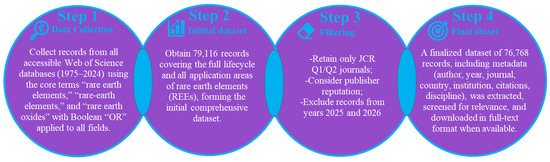
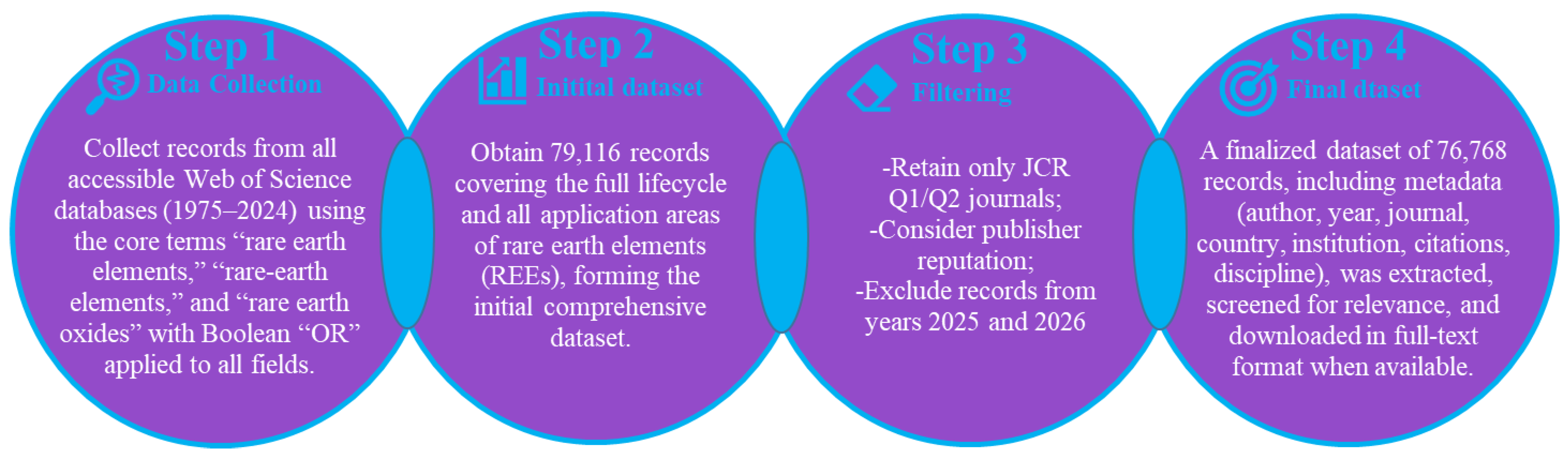
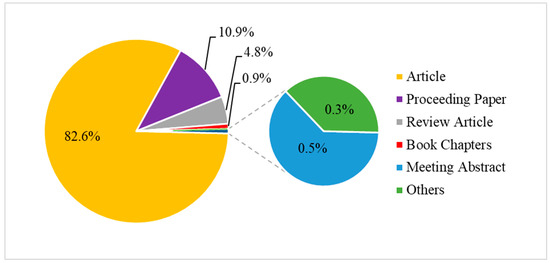
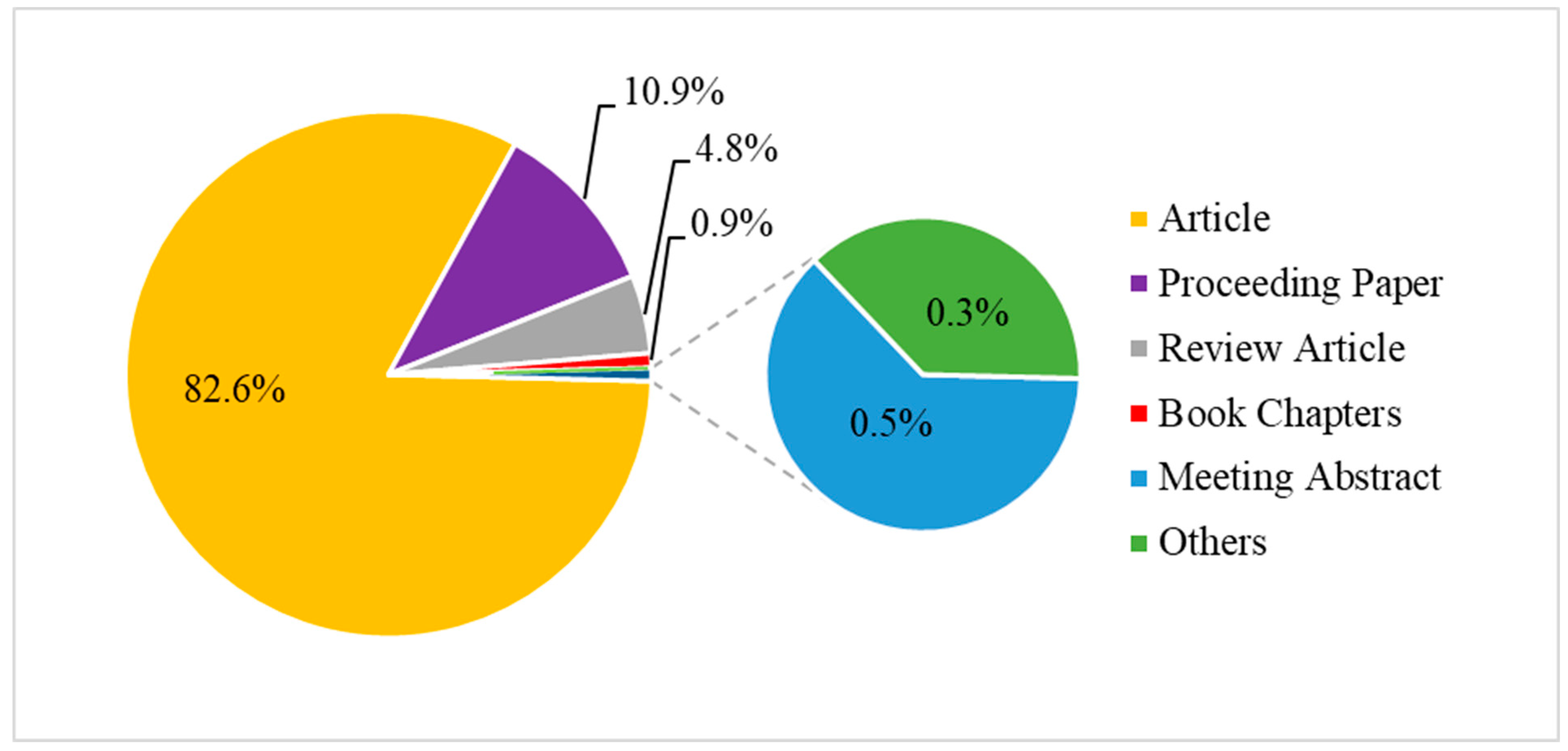
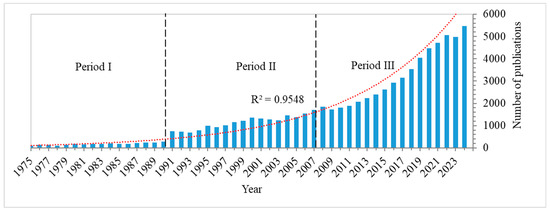
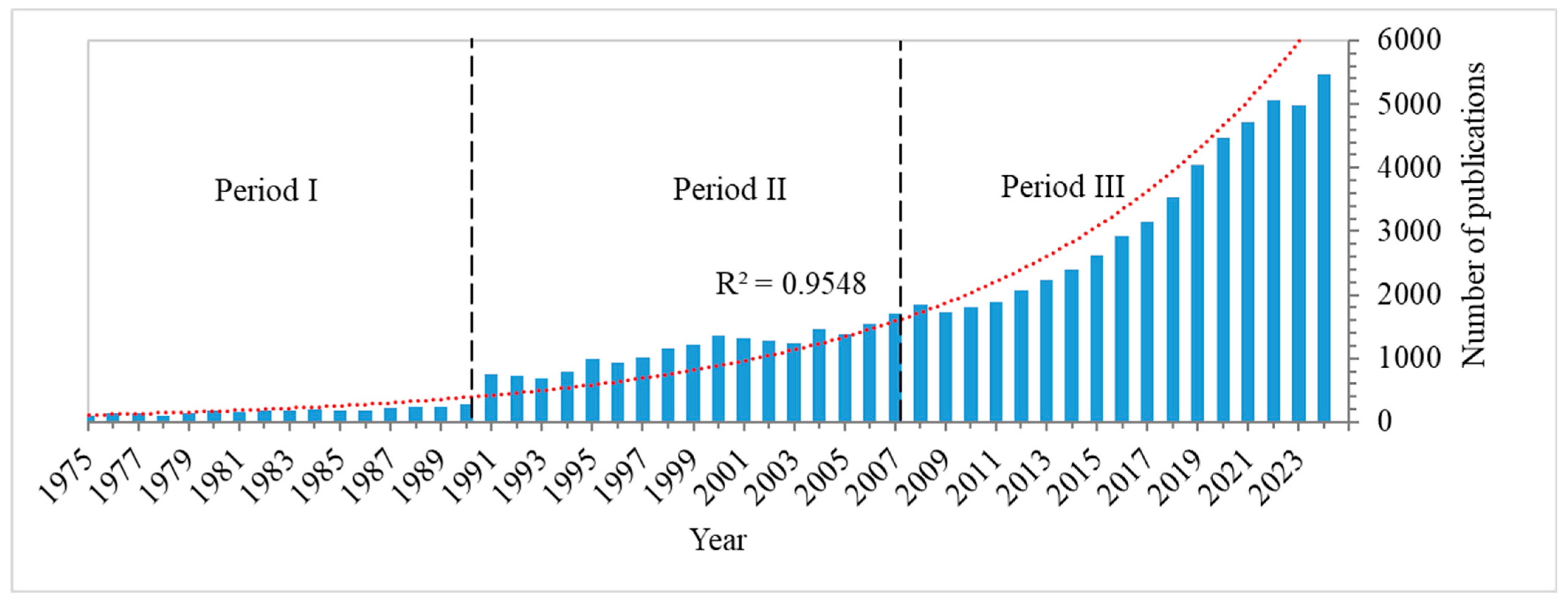
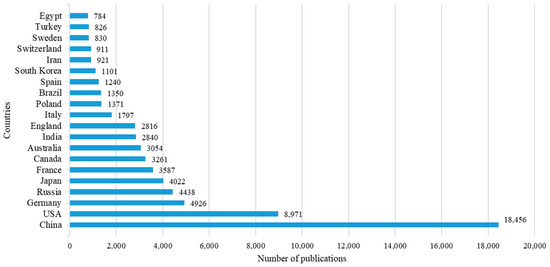
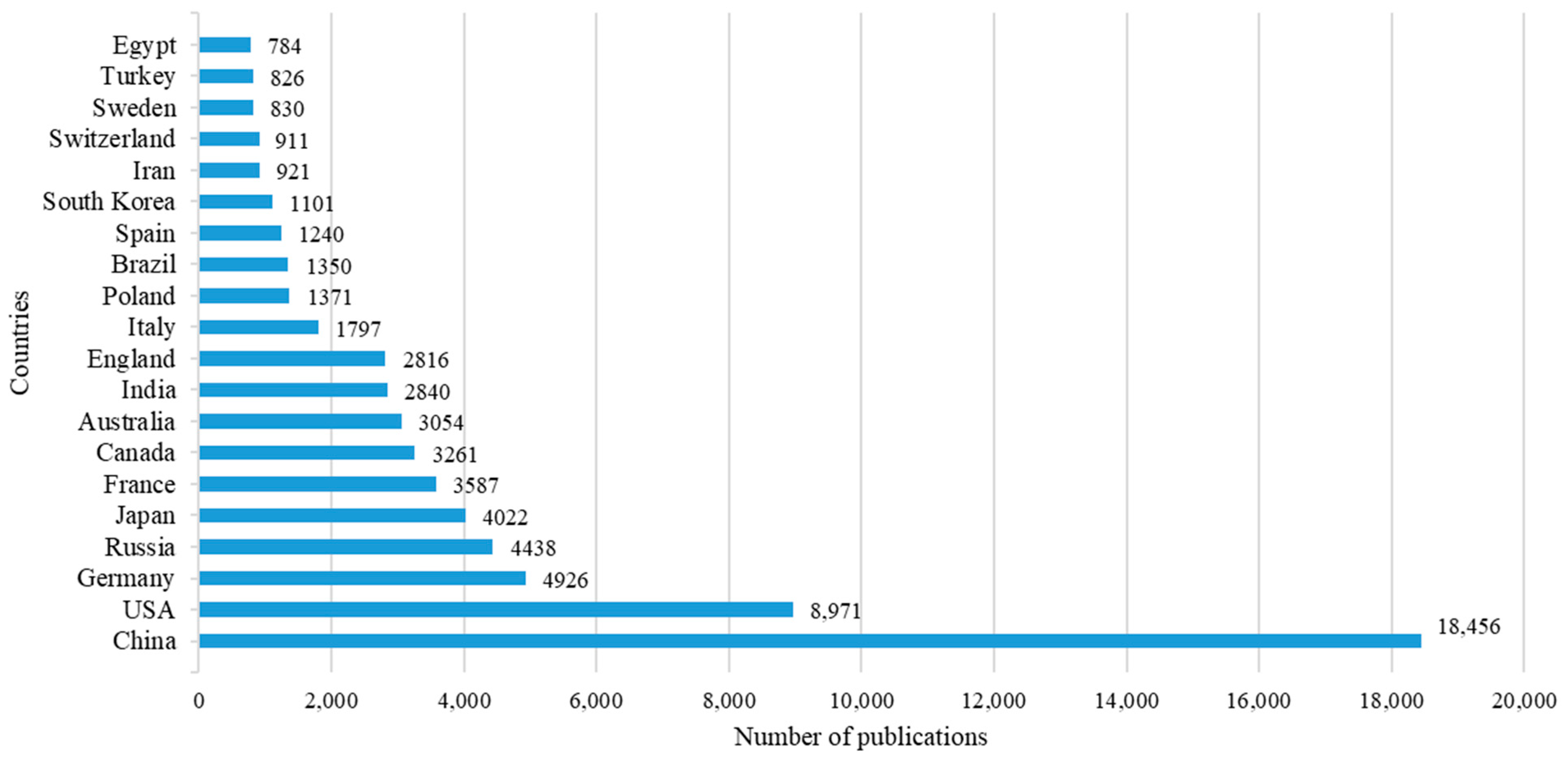
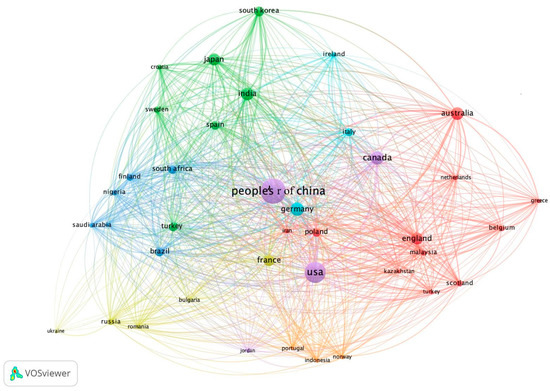
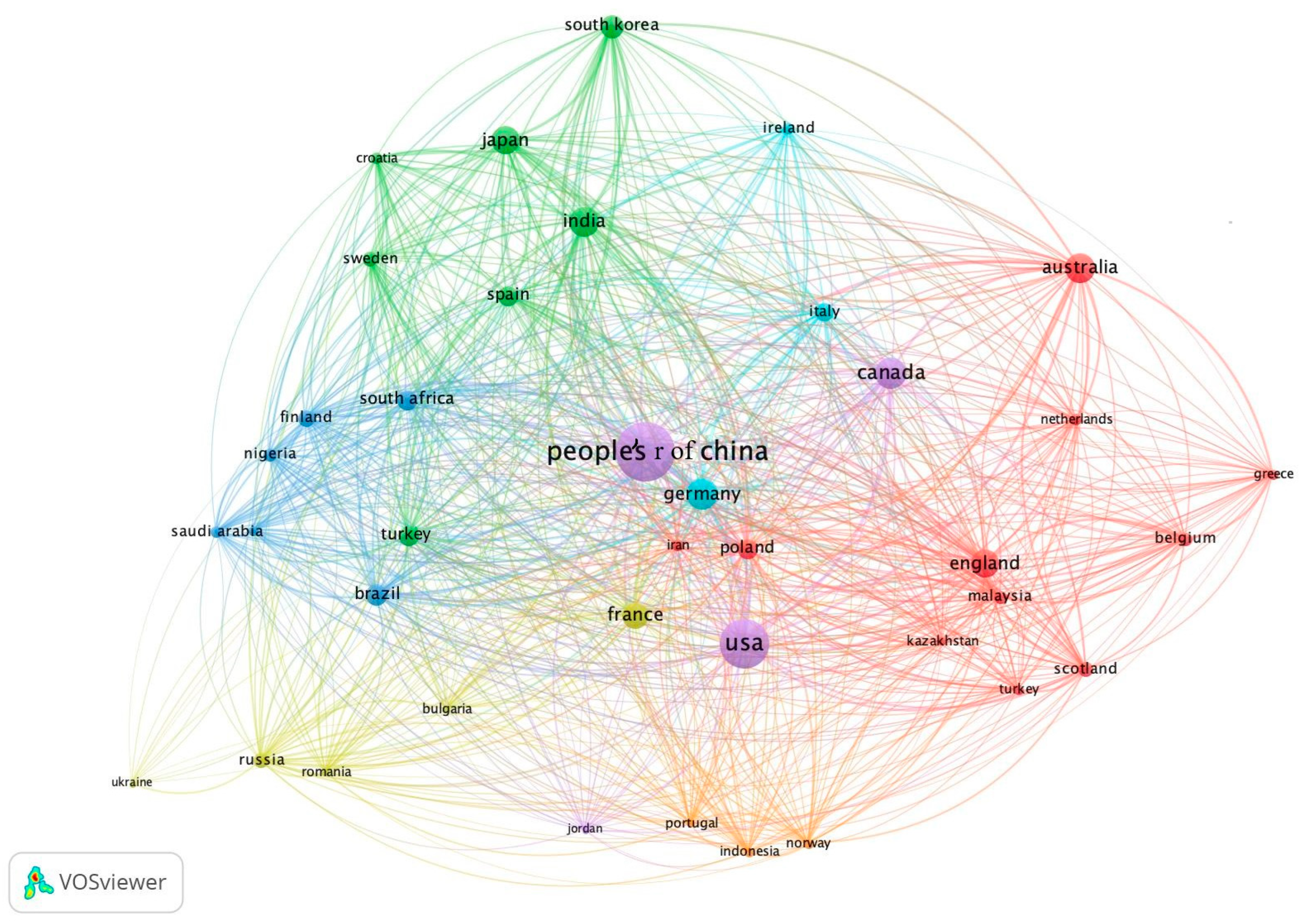
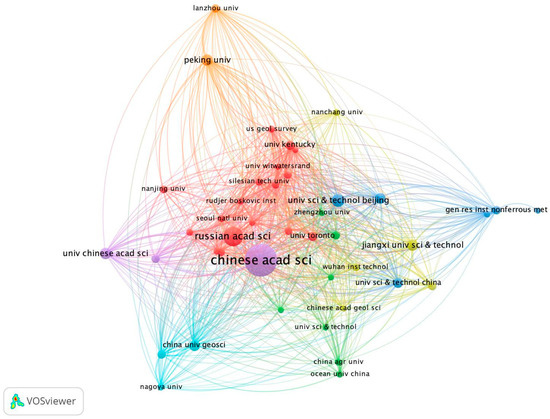
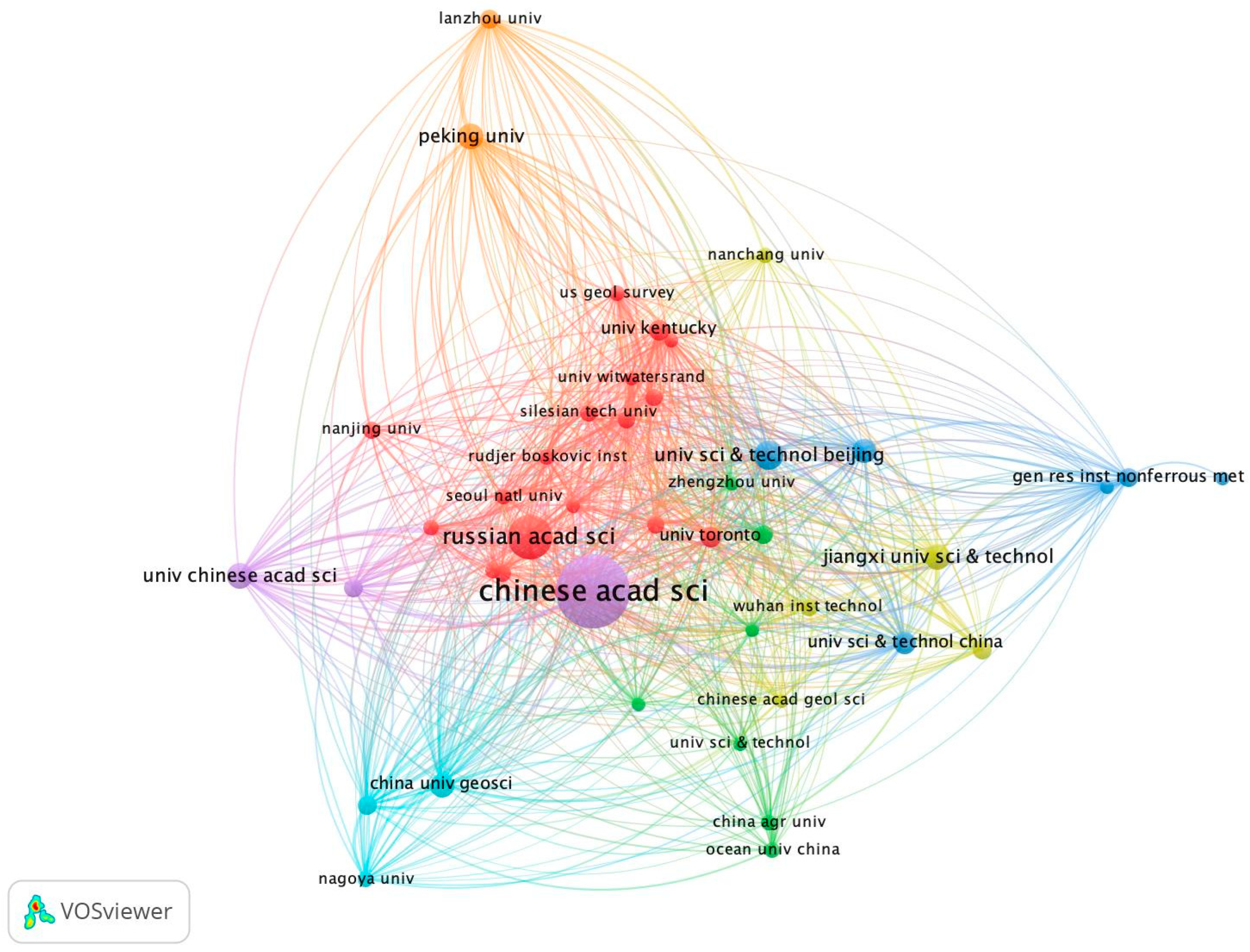
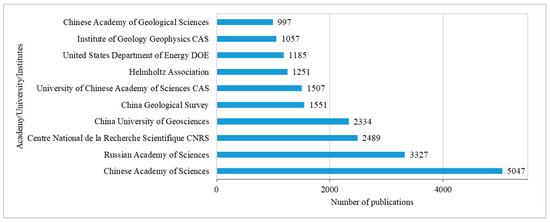
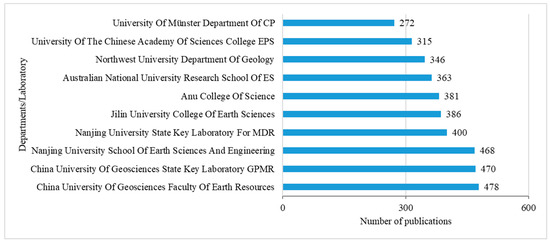
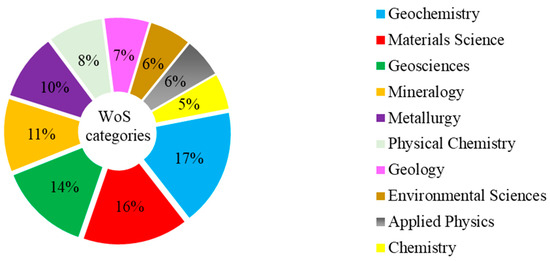
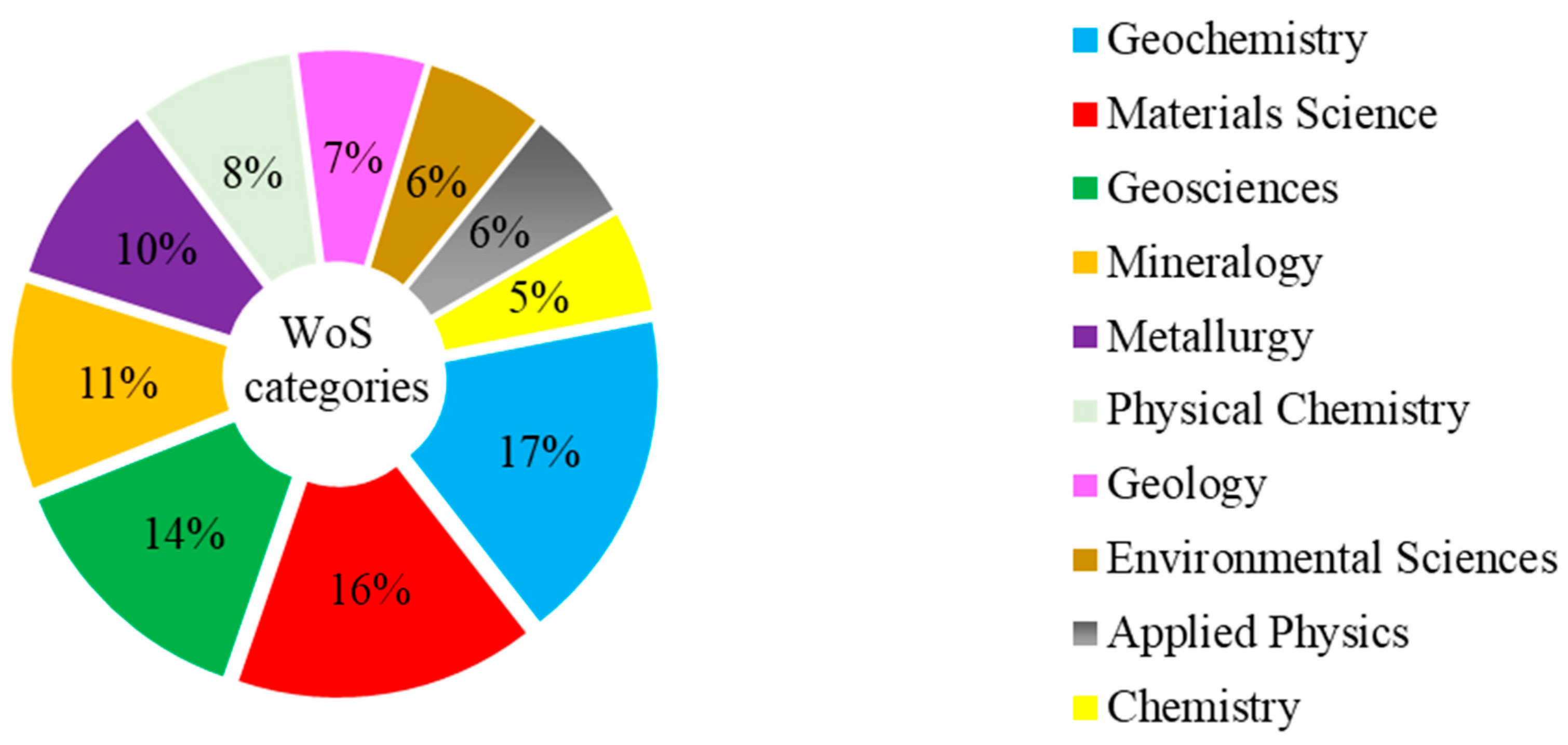
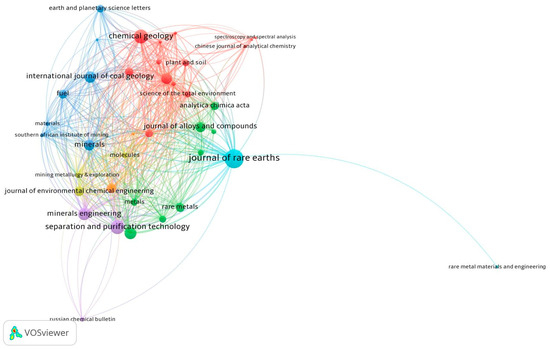
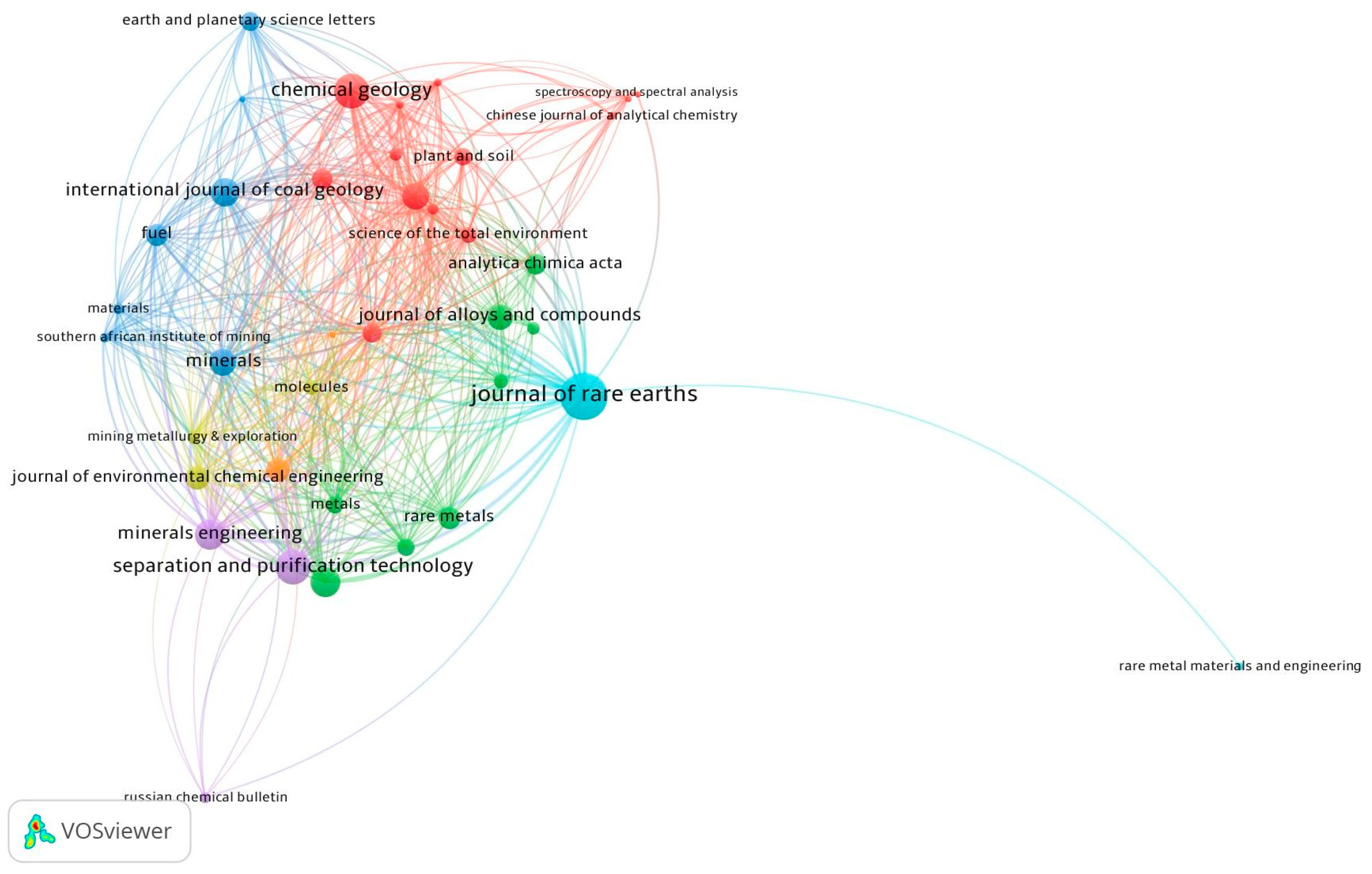
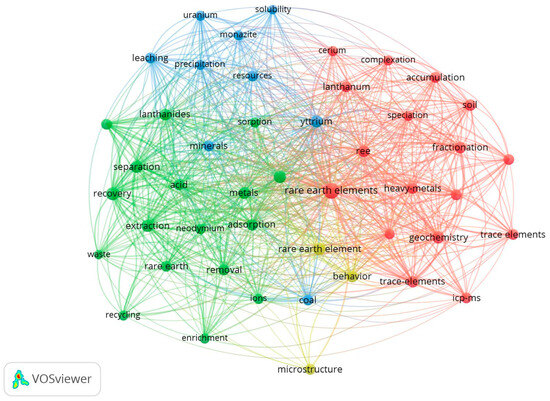
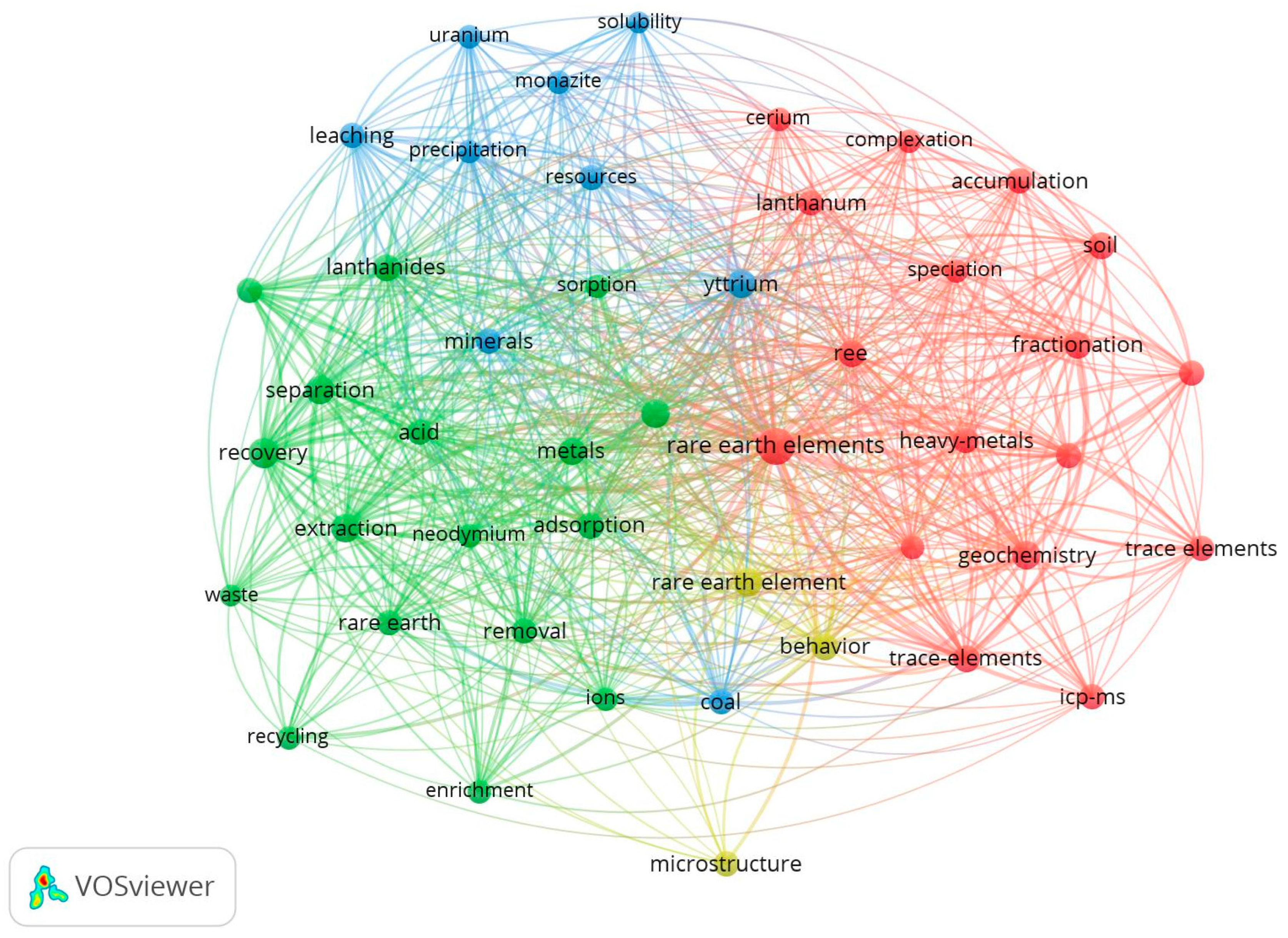
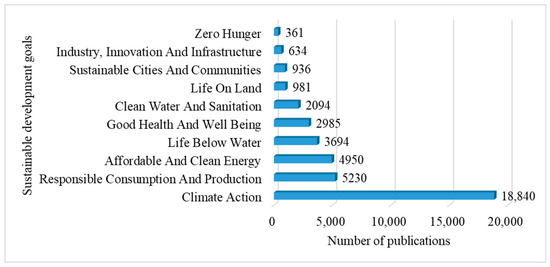
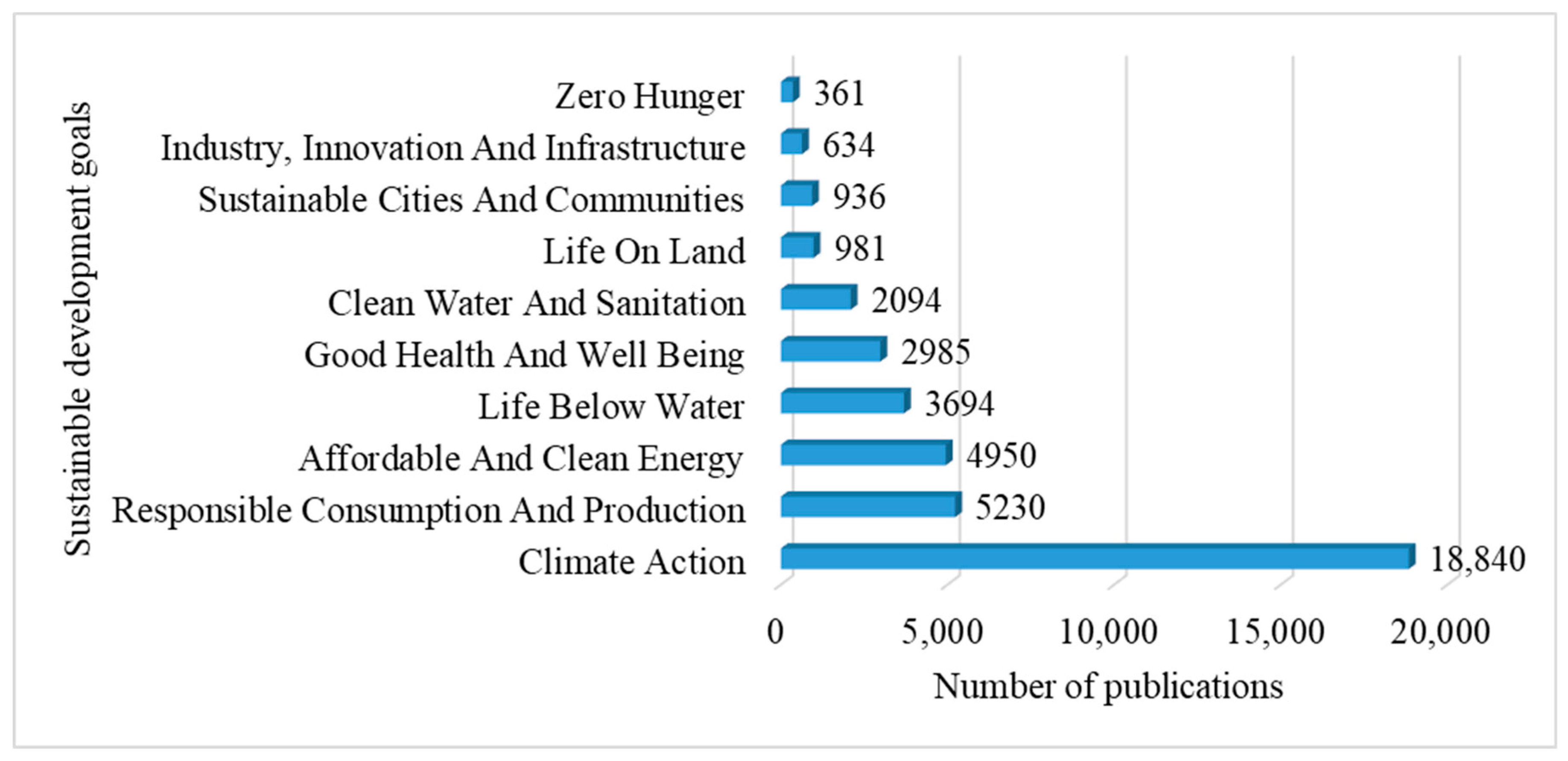

Disclaimer/Publisher’s Note: The statements, opinions and data contained in all publications are solely those of the individual author(s) and contributor(s) and not of MDPI and/or the editor(s). MDPI and/or the editor(s) disclaim responsibility for any injury to people or property resulting from any ideas, methods, instructions or products referred to in the content. |
© 2025 by the authors. Licensee MDPI, Basel, Switzerland. This article is an open access article distributed under the terms and conditions of the Creative Commons Attribution (CC BY) license.