1. Introduction
Deep and ultra-deep drilling operations commonly encounter fractured and fracture-vuggy formations. The wellbore’s pressure-bearing capacity is weak, and fractures develop at multiple scales, so drilling fluid loss occurs frequently and in diverse forms. This has become one of the key challenges restricting safe and efficient drilling. Fracture channels exhibit differences in aperture, roughness, and stress sensitivity over multiple spatial scales, which makes the loss behaviour highly nonlinear; thus, single empirical charts can no longer support accurate diagnosis and loss-control design [
1,
2,
3]. In field practice, bridging and plugging with specially formulated slurries remains the most widely used and economical technology for controlling lost circulation in fractured formations. The material systems have evolved from early single-size solid particles to blended systems of fibres, flaky materials, gels, and adaptive particles, and the plugging mechanism has developed from simple bridging to a multi-stage cooperative process of bridging, filling, and cementing. Previous studies have shown that whether a bridging and plugging slurry can form a stable sealing layer inside the target fractures depends strongly on the understanding and inversion accuracy of fracture geometric parameters, in situ stress conditions, and fluid-dynamic processes [
4,
5,
6]. Therefore, improving the diagnostic accuracy of drilling fluid loss and achieving reliable identification of fracture geometry have become prerequisites for successful bridging and plugging operations and are one of the current research hotspots in both domestic and international communities.
For the quantitative characterisation of drilling fluid loss in fractured formations, many studies have developed drilling fluid loss dynamic models under different assumptions. The cubic law for non-parallel fractures and a yield–power-law rheological equation were used, and a transient drilling fluid loss model for a single fracture was built, which revealed the combined effects of pressure differential, fracture width, and rheological parameters on the loss-rate evolution curves, providing a basis for inverting fracture aperture from these curves [
7,
8]. CFD was applied to solve the three-dimensional flow field of a non-Newtonian fluid in rough fractures, achieving coupled analysis of the instantaneous loss rate and pressure drop under a prescribed inlet flow-rate boundary [
9]. A drilling fluid loss model for fracture-porous reservoirs in a dual-media flow framework was proposed, which considered wall filtration and fracture closure and could invert both fracture permeability and matrix permeability [
10]. A transient analytical solution for mud loss in a fracture set was further derived and used to evaluate the segmental mechanism of complex loss curves in long-reach wells [
11]. For deep shale and carbonate formations, the effects of fracture deformation and yield stress on the loss-termination mechanism in polymer drilling fluid systems were studied, and a dynamic model suitable for high-temperature and high-pressure conditions was developed [
12]. In recent years, some studies started to couple axial wellbore flow with lateral fracture flow. They built three-dimensional coupled drillstring–wellbore–fracture models and combined these with Spearman correlation analysis or sensitivity analysis. They used the quantitative relationships between instantaneous loss rate, steady-state loss rate and cumulative loss and fracture geometrical parameters for integrated diagnosis of lost-circulation zone location and fracture scale [
13,
14,
15,
16,
17,
18]. These contributions have significantly improved the physical understanding of the loss process and have provided a computable dynamic basis for subsequent intelligent diagnosis and lost-circulation control optimisation.
On the basis of abundant dynamic models and field data, artificial intelligence methods have gradually become an important tool for diagnosing lost-circulation zone information. Artificial neural networks (ANNs) have been used to learn from historical lost-circulation cases, achieving early prediction of the risk level of lost circulation and the volume of loss and providing data support for wellbore design and lost-circulation material pre-planning [
19]. Seismic attributes and engineering parameters were input into a gradient boosting tree model, establishing a seismic-engineering integrated framework for lost-circulation probability prediction and significantly improving the identification accuracy of loss-prone intervals at the block scale [
20]. XGBoost (Extreme Gradient Boosting) combined with statistical feature selection was applied, 29 loss-related features were mined from 105 wells, and an intelligent prediction model for lost-circulation zones in deep complex formations was built, achieving high-accuracy estimates of lost-circulation depth and loss severity [
21]. A Mixture Density Network (MDN) was proposed, in which the loss volume is treated as a probabilistic output, effectively addressing the difficulty of describing multi-modal uncertainty with conventional regression models [
22]. CTGAN (Conditional Tabular Generative Adversarial Network) was used to augment imbalanced loss samples, the performance of ANN, LSTM (Long Short-Term Memory), and TCN (Temporal Convolutional Network) time-series networks for loss-state recognition was compared, and an intelligent monitoring workflow suitable for imbalanced samples was proposed [
23]. Ensemble learning and multi-model fusion were adopted, enabling lost-circulation severity classification and continuous loss prediction based on well logs and real-time drilling data [
24,
25]. A hybrid “physical model & deep network” framework was constructed for inverting thief-zone depth and equivalent permeability in fractured reservoirs [
26]. XGBoost was used for operating-condition recognition and Particle Swarm Optimisation (PSO)-LSTM to predict bottomhole pressure evolution, achieving joint early warning of kicks and lost-circulation events [
27]. Cepstral features of transient pressure waves and the Short-Time-Average/Long-Time-Average (STA/LTA) algorithm were employed, enabling automatic detection of the onset time of lost circulation [
28,
29]. A machine learning framework for carbonate drilling was developed, in which an MDN is coupled with a physical model to simultaneously predict loss volume and complex downhole conditions, providing a representative example for intelligent diagnosis of lost circulation in deep carbonate wells [
30].
Existing studies have developed various drilling fluid loss dynamic models that simultaneously consider fracture deformation, wall filtration, and solid bridging. These models provide a basis for quantitatively describing loss-rate evolution and inverting fracture geometrical parameters. However, most of them still focus on a single fracture or simplified discrete fractures. Consequently, they cannot realistically represent loss behaviour within complex fracture networks that exhibit multi-scale and multi-topology features. At the same time, a wide range of machine-learning and deep-learning methods have achieved significant progress in predicting lost-circulation zone location, loss severity, and plugging risk, yet these models usually take field drilling and logging parameters as inputs, which are jointly affected by mud density, flow rate, well deviation, hole size, and other factors, and are easily masked by strong signals and noise, leading to missed detections, misclassifications, and poor interpretability under complex conditions. To address these two limitations, this study develops a wellbore–fracture network coupled loss dynamic model that incorporates solid–liquid two-phase flow and Herschel–Bulkley rheology. Based on graph theory, fracture networks are reconstructed with realistic geological statistical characteristics. Through parametric numerical experiments, the study systematically reveals the controlling mechanisms of the shortest flow path and bottleneck width on loss behaviour. Furthermore, an intelligent diagnosis framework combining hydraulic deviation fingerprints with deep learning is proposed, aiming to achieve reliable mapping between complex fracture-network geometrical parameters and field mud-logging responses.
2. CFD Modelling
The flow of drilling fluid in the wellbore–fracture coupled system is a typical solid–liquid two-phase flow. In the drilling fluid loss model for fractures coupled with the wellbore, no mass transfer occurs between the solid and liquid phases in the drilling fluid, and the mass of each phase remains constant [
31]. The mass conservation equation for the solid phase is
where
is the volume fraction of the solid phase, %;
is the density of the solid phase, g/cm
3; and
is the velocity of the solid phase in the drilling fluid, m/s.
In practical applications, drilling fluids typically exhibit good suspension stability and dispersion, which means that solid particles generally do not experience a significant relative slip with the liquid phase during flow. Therefore, based on these practical conditions, it is assumed that the relative velocity between the solid and liquid phases is zero, particularly under the multiphase flow conditions considered in this study. Therefore, the mass conservation equation for the solid phase can be simplified as follows:
Given that the study focuses on deep formations with low porosity, poor permeability, and high density, the contribution of fracture wall fluid loss is relatively minor under these geological conditions. It is unlikely to significantly alter the primary controlling factors of lost circulation behaviour. Therefore, this effect was neglected in the present model. The mass conservation equation for the liquid phase is given by
where
is the volume fraction of the liquid phase, %;
is the density of the liquid phase, g/cm
3; and
is the velocity of the liquid phase, m/s.
The volume fractions of the solid and liquid phases in the drilling fluid satisfy the following condition:
The momentum conservation equations describe the governing equations for the interaction between the solid and liquid phases. For the solid phase, the momentum conservation equation is given by
where
denotes the stress tensor of the solid phase, Pa, and
denotes the interphase momentum exchange acting on the solid phase.
For the liquid phase, the momentum conservation equation is given by
where
is the pressure of the liquid phase, Pa;
is the gravitational acceleration, m/s
2;
is the stress tensor of the liquid phase, Pa; and
is the interphase momentum exchange term acting on the liquid phase.
The stress tensor of the liquid phase is calculated as follows:
where
is the viscosity of the fluid phase, given as the sum of the laminar viscosity
and the turbulent viscosity
, mPa·s.
The flow of drilling fluid in the wellbore and fractures may be laminar or low-Reynolds-number turbulent. Therefore, for the selection of the turbulence model, this study adopts a low-Reynolds-number corrected
turbulence model that best reflects the flow behaviour of drilling fluid in the annulus [
32]. In this model, the turbulent viscosity
is given by
where
= 0.09, and
and
are the turbulent kinetic energy and the turbulent dissipation rate of the drilling fluid, respectively. The transport equations for the turbulence quantities are expressed as
where
,
,
, and
are empirical constants in the model.
The rheology of drilling fluid is a fundamental indicator for evaluating its performance, and selecting an appropriate rheological behaviour under different field conditions is very important for improving drilling efficiency. In calculations related to drilling fluid loss, the rheology of the drilling fluid needs to be represented by mathematical constitutive equations. At present, three rheological models are widely used in drilling practice, namely the Bingham plastic model, the power-law model, and the Herschel–Bulkley model [
33]. A rheological equation is a physical constitutive equation that describes the relationship between shear stress and shear rate. For one-dimensional shear flow, the three rheological equations are expressed as follows:
where
is the flow behaviour index of the drilling fluid, dimensionless;
and
are the plastic viscosity and the consistency index of the drilling fluid, Pa·s
n;
is the yield stress of the drilling fluid, Pa;
is the shear rate of the fluid, s
−1; and
is the shear stress, Pa.
For convenience in field applications, drilling fluid engineers usually select the two-parameter Bingham and power-law models to represent drilling fluid behaviour. In most drilling operations, the Bingham model is commonly used, and the plastic viscosity and yield point are obtained by simple linear processing of the data measured with a six-speed rotational viscometer. However, laboratory studies have shown that, compared with the Bingham and power-law models, the three-parameter Herschel–Bulkley model matches the rheological behaviour of drilling fluids more accurately at low, medium, and high shear rates. To perform hydraulic calculations of drilling fluid flow in the wellbore–fracture coupled system more accurately, the rheological model of the drilling fluid in this study is therefore specified as the Herschel–Bulkley model.
The stress tensor of the solid phase is expressed as
where the pressure
, shear viscosity
, and bulk viscosity
of the solid phase are defined, and their expressions are given as follows:
In the above model, the concept of a solid-phase “pseudo-temperature” is introduced. This approach yields hydrodynamic equations that are consistent with experimental observations and is used to describe the relevant transport coefficients of the solid phase [
34].
Momentum transfer between the solid and liquid phases in the drilling fluid is realised through interphase interaction forces, including drag force, lift force, virtual mass force, buoyancy, Brownian force, Basset force, Saffman force, and so on, among which the drag force is the most important. In this model, when defining the interphase interaction forces, other forces that have only a minor influence on the solid phase are neglected, and only the drag force and the virtual mass force are considered, with their expressions given as follows [
35]:
where
is the interphase drag force, and
is the virtual mass force.
For the drag-force model, the Huilin–Gidaspow model, which combines the Wen–Yu model and the Ergun model, is adopted and can more accurately describe the interaction between the two phases in the drilling fluid within the wellbore–fracture coupled system under different flow regimes. The specific expressions are as follows:
where the drag coefficient
is given by
The Reynolds number of the solid phase is expressed as
At this point, a mathematical model describing drilling fluid flow in the wellbore–fracture coupled system has been fully established. It is explicitly clarified that the proposed model is principally applicable to non-Newtonian fluids exhibiting good suspension stability and to deep tight formations where lost circulation is dominated by fractures. Conversely, for high-permeability formations or slurries containing ultra-large settling particles, such as plugging slurry, the relative slip between solid and liquid phases, as well as the early bridging effect of large particles, must be considered, and ignoring fracture wall leak-off may lead to an underestimation of the drilling fluid loss volume. In the next section, a physical model of drilling fluid flow in the wellbore–fracture coupled system will be constructed, and a computational study will be carried out.
5. Future Direction in Drilling Fluid Loss Diagnosis Using Artificial Intelligence
Field logging curves and numerical simulations indicate that drilling fluid loss dynamics in complex fracture networks are highly consistent with the actual lost-circulation process.
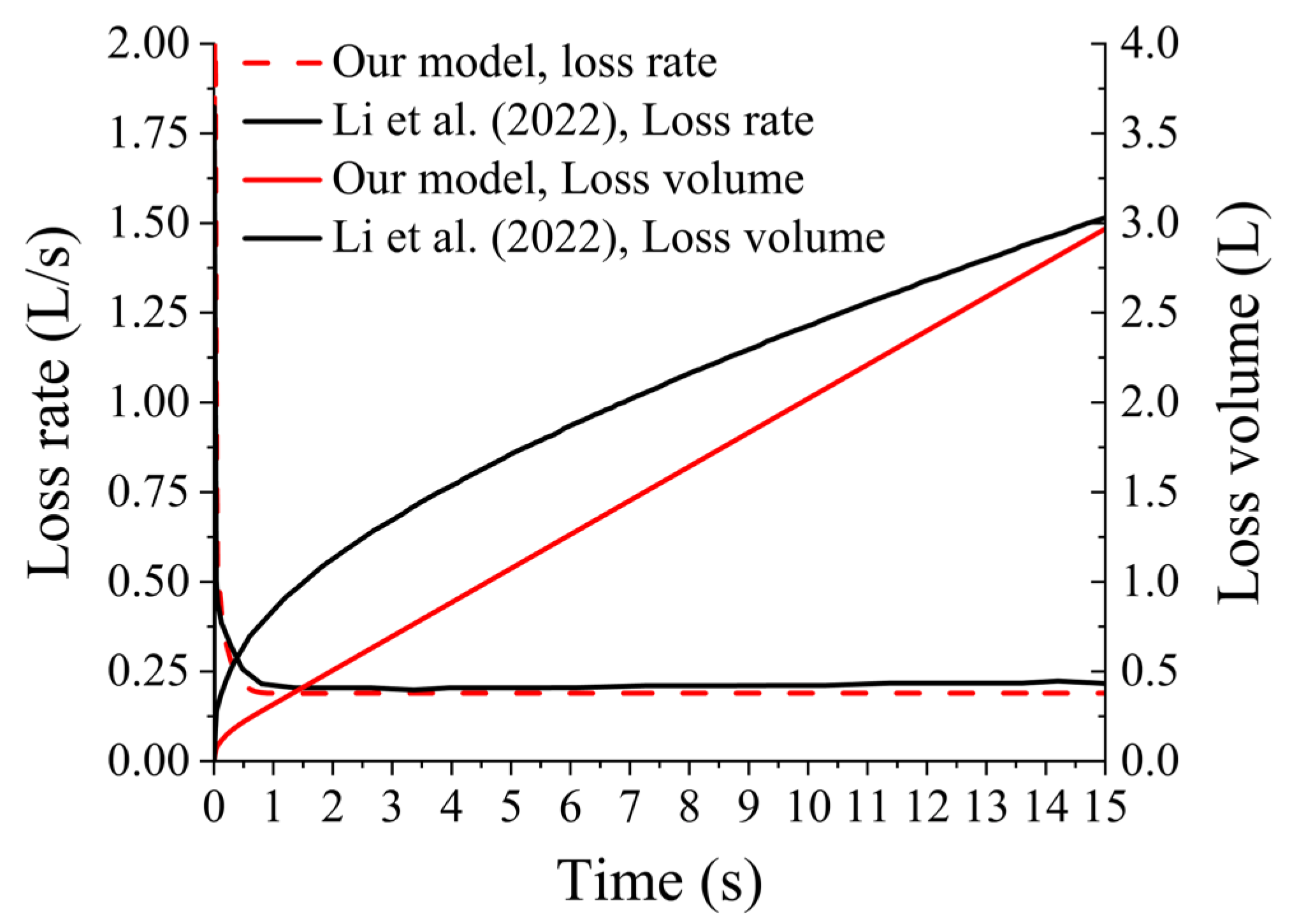
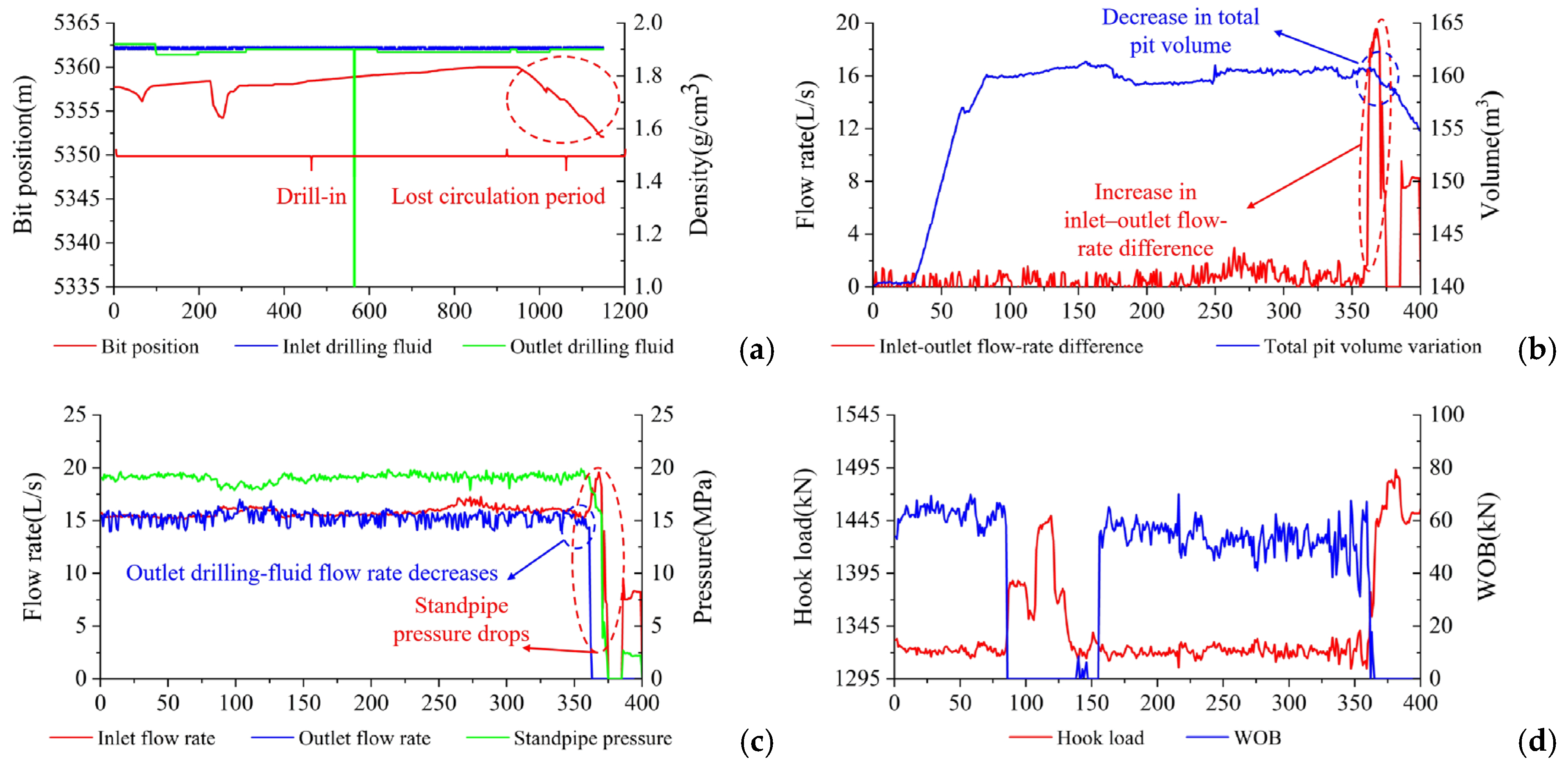
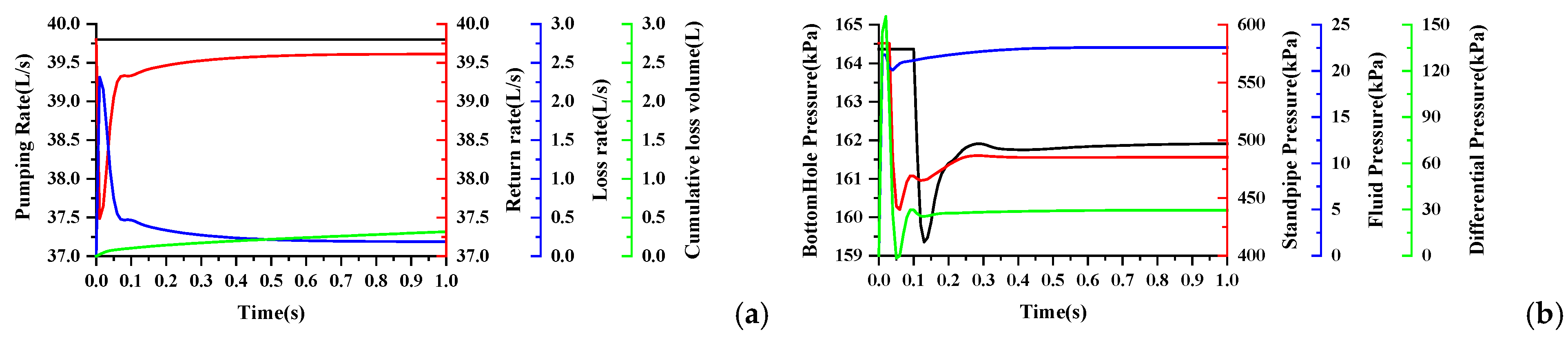
Figure 23 shows the variations in bit position, inlet-outlet flow-rate difference, total pit volume, standpipe pressure, and hook load during drilling and circulation. When lost circulation occurs, the flow-rate difference jumps abruptly from zero, the total pit volume changes from a steady trend to a linear decline, and the standpipe pressure drops rapidly and then forms a new low-level plateau. The simulated drilling fluid loss dynamics in the complex fracture network (
Figure 24) match the field curves well in terms of the time scale of loss-rate jump, the level of stable loss rate, and the coupled response of bottomhole pressure and standpipe pressure, indicating that the proposed wellbore–fracture network dynamic model can reasonably reproduce the field lost-circulation process.
Bridging plugging is the most frequently used method for lost circulation control in drilling operations. Effective plugging requires the optimal selection of plugging materials and the reasonable design of the plugging slurry. Therefore, precise knowledge of the geometric parameters of drilling fluid loss channels, such as fracture width, is essential. However, underground loss channels are both invisible and uncertain. Conventional drilling fluid loss diagnostic processes can only provide early warnings or identify the types of complex situations occurring underground. The response mechanism of the geometric characteristics of the loss channels to variations in real-time drilling parameters remains unclear, making it difficult to accurately obtain the geometric parameters of the drilling fluid loss channels. Additionally, comprehensive well logging methods require a large number of loss data samples, and the recognition accuracy of field monitoring instruments for different real-time drilling parameters may lead to delayed underground information responses, resulting in untimely diagnostics.
From an engineering perspective, field drilling-fluid loss logging parameters are the combined result of many coupled factors, including formation fracture geometry, wellbore hydraulic conditions, drilling schedule, and equipment operating state. The recorded curves contain information about the loss zone, but are also superposed with operational disturbances such as pump start-stop, tripping, and density adjustment, together with instrument noise. Given that field mud-logging data are typically subject to the coupled effects of drilling operational fluctuations and instrument noise, which makes the direct inversion of complex subsurface fracture networks prone to non-uniqueness, the core value of the standardised lost-circulation case library constructed in this study through large-scale numerical simulations lies in providing a computational benchmark based on clear physical mechanisms rather than serving as the final completed form of intelligent diagnosis.
Meanwhile, based on large-scale drilling fluid loss simulations for the coupled wellbore-fracture system, the loss results of drilling fluid through different geometrically characterised loss channels can be obtained at various drilling moments (such as a specific trip or depth) under certain drilling conditions. These results are coupled with the response characteristics of real-time well logging parameters. In the simulation process, the monitored drill string inlet pressure can be equivalently considered the riser pressure, the real-time drilling fluid loss rate can be treated as the difference in the in-and-out well flow rate, and the cumulative drilling fluid loss is numerically equivalent to the total change in wellbore fluid volume. Therefore, based on the large-scale drilling fluid loss simulation for the coupled wellbore-fracture system, the previously ambiguous response mechanism of real-time well logging parameters to the geometric characteristics of the loss channels is revealed.
On this basis, a large number of parameterized simulations of drilling-fluid loss in fracture networks can be used for comparative learning with field logging curves to identify and remove high-frequency disturbances and random noise that are irrelevant to fracture geometry and to pair logging segments representing typical operating conditions with the corresponding idealized dynamic responses. In this way, a lost-circulation case library or database can be constructed that focuses on loss mechanisms, has greatly reduced noise, and possesses unified data formats and clear physical meaning. Under a unified CFD framework, such data enable standardised characterization of different well types, intervals, and loss grades, make cross-well and cross-block comparisons possible, and can be continuously expanded with new simulation scenarios and field cases in subsequent studies. By precisely matching idealized hydraulic responses with specific fracture-network geometrical characteristics, this case library essentially provides indispensable high-quality training data and prior physical constraints for future artificial intelligence algorithms. Underpinned by this cleaned, standardised, and physically meaningful database, subsequent deep learning models are enabled to effectively filter out irrelevant disturbances from field data and achieve a reliable mapping from hydraulic deviation fingerprints to fracture geometrical parameters, thereby establishing the library as a key cornerstone in the technical roadmap towards future high-precision intelligent diagnosis.
After building a clean case library or database in which dynamic simulation provides prior information and logging data serve as supplementary constraints, artificial intelligence can be further introduced to diagnose the geometry and position of the loss zone. The abrupt changes in flow-rate difference and standpipe pressure at the onset of lost circulation require the model to capture short-term local anomalies, whereas the evolution of total pit volume and pressure deviation over the drilling period requires the model to describe long time series behaviour. Therefore, deep learning frameworks that combine local feature extraction and sequence memory, such as convolution-sequence hybrid networks or attention-based sequence models, are suitable for learning the mapping between the “hydraulic deviation code” and geometric parameters such as fracture width, fracture height, and shortest path length from the case library. With a trained model, the depth of the loss zone, fracture geometry, and loss intensity can be identified when lost circulation occurs, providing support for real-time lost-circulation control and plugging design.
6. Conclusions
Targeting the challenge of wellbore-fracture coupled flow in fractured formations, this study establishes a CFD governing-equation framework that accounts for solid-liquid two-phase flow, Herschel–Bulkley rheology, and low-Reynolds-number turbulence, and, on this basis, systematically simulates the instantaneous and steady loss behaviour under different fracture-network geometries, providing a unified and reliable numerical analysis platform for investigating lost circulation in complex fractured formations.
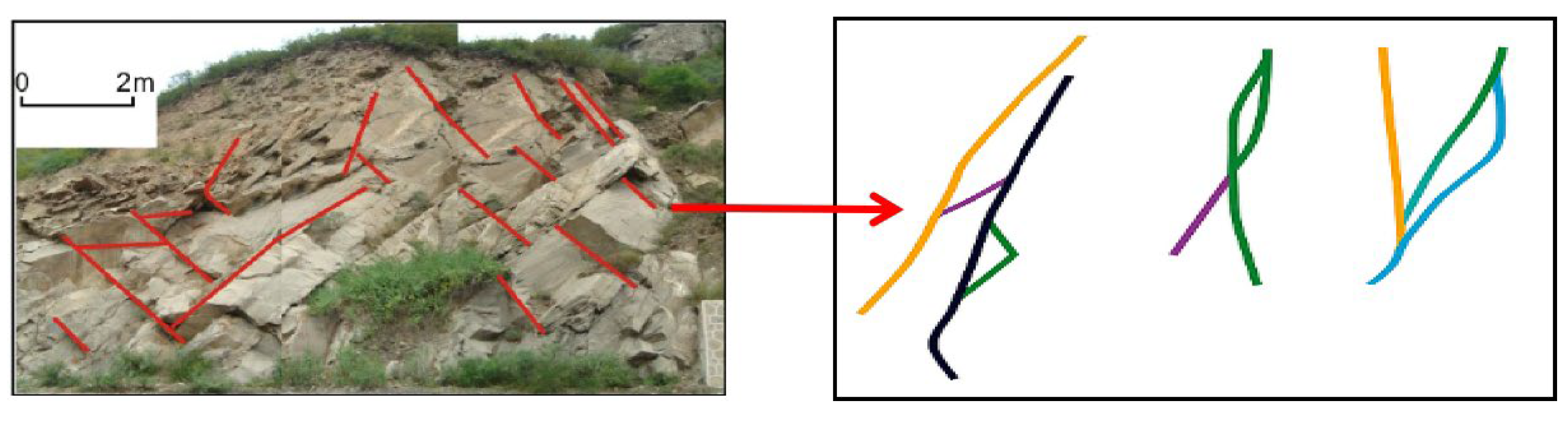
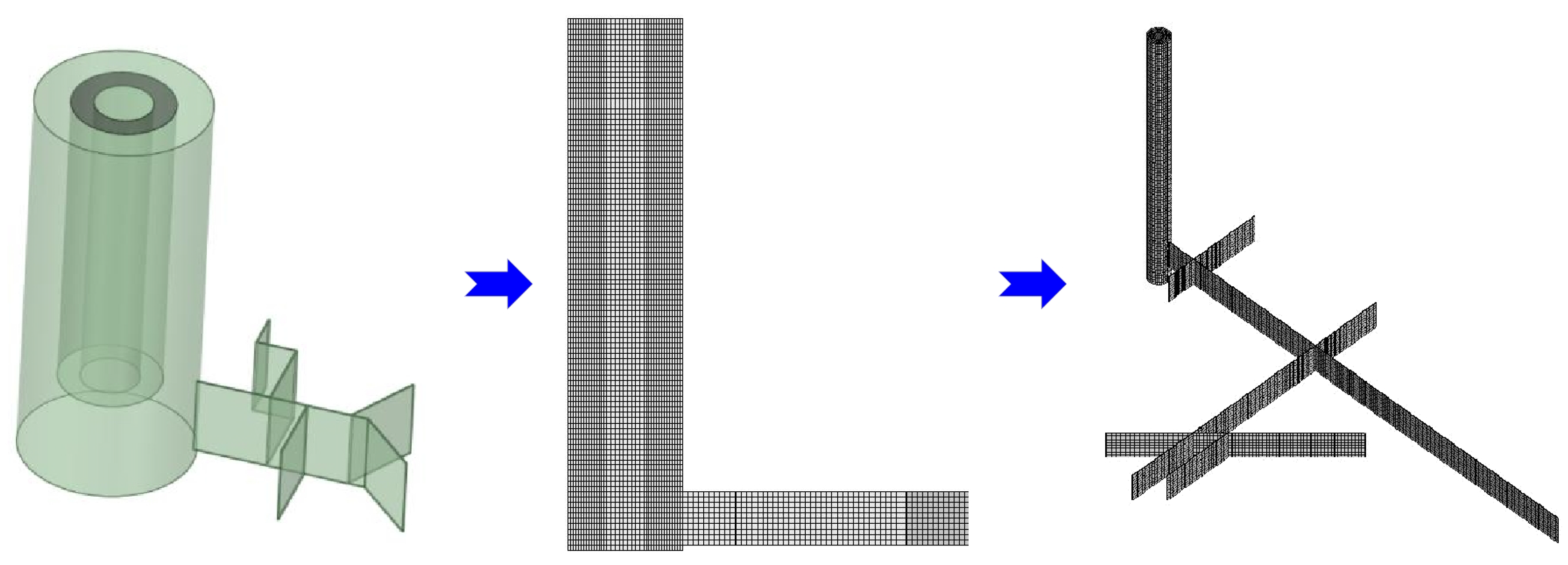
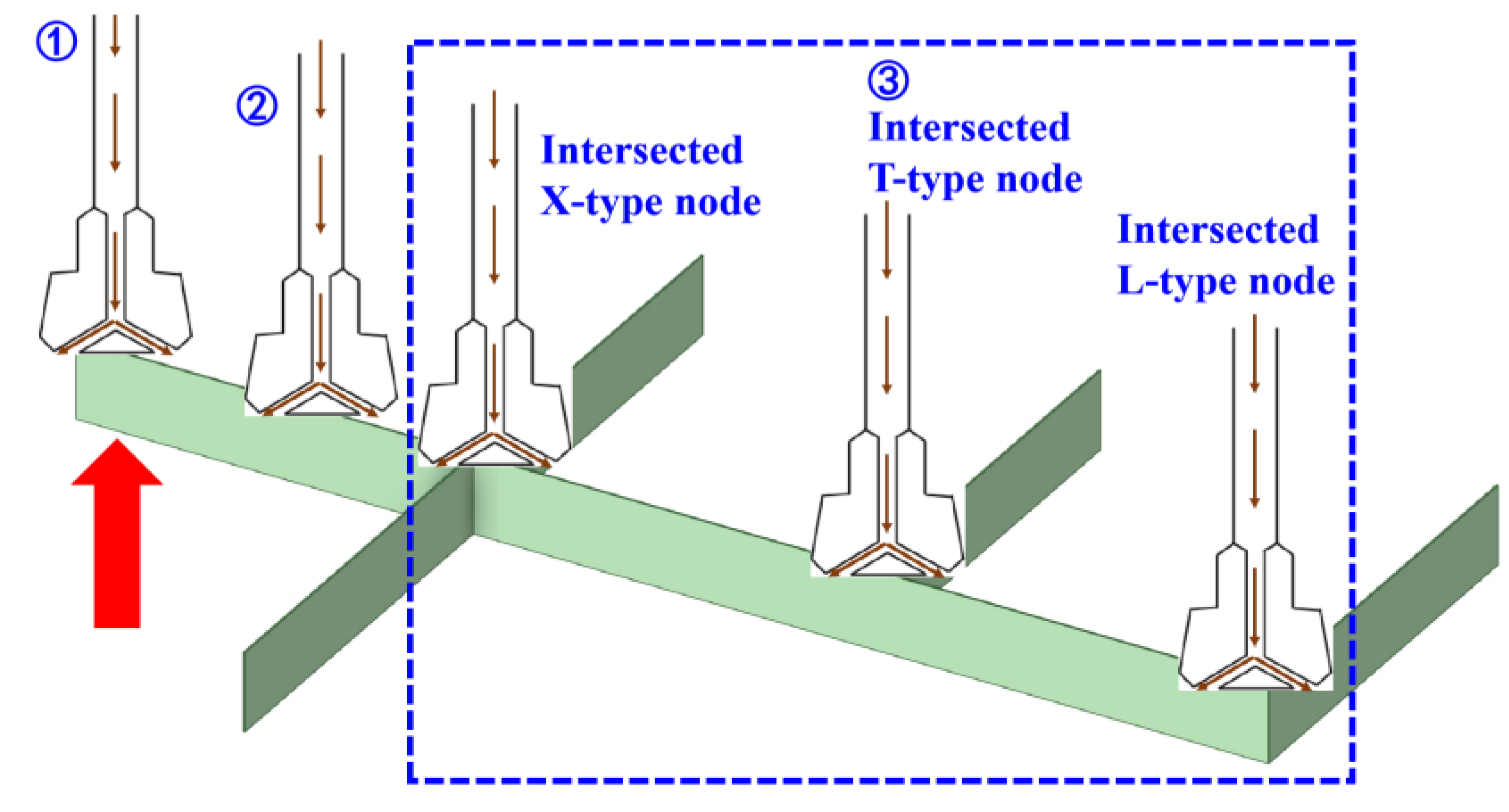
(1) To address the limitation that fractures in conventional loss dynamic models cannot well represent actual geological characteristics, this study uses core and outcrop data from the Sichuan Basin and adopts a graph-theory-driven discrete fracture-network modelling approach. The three connection patterns, namely L-type, T-type, and X-type, are abstracted as nodes and edges in a weighted undirected graph, and the probability distributions of fracture length, width, intersection angle, and node type are systematically compiled. On this basis, nine typical fracture-network models are generated and coupled with the wellbore-fracture two-phase flow numerical model, achieving an integrated representation from geological fracture structure to drilling fluid loss dynamics.
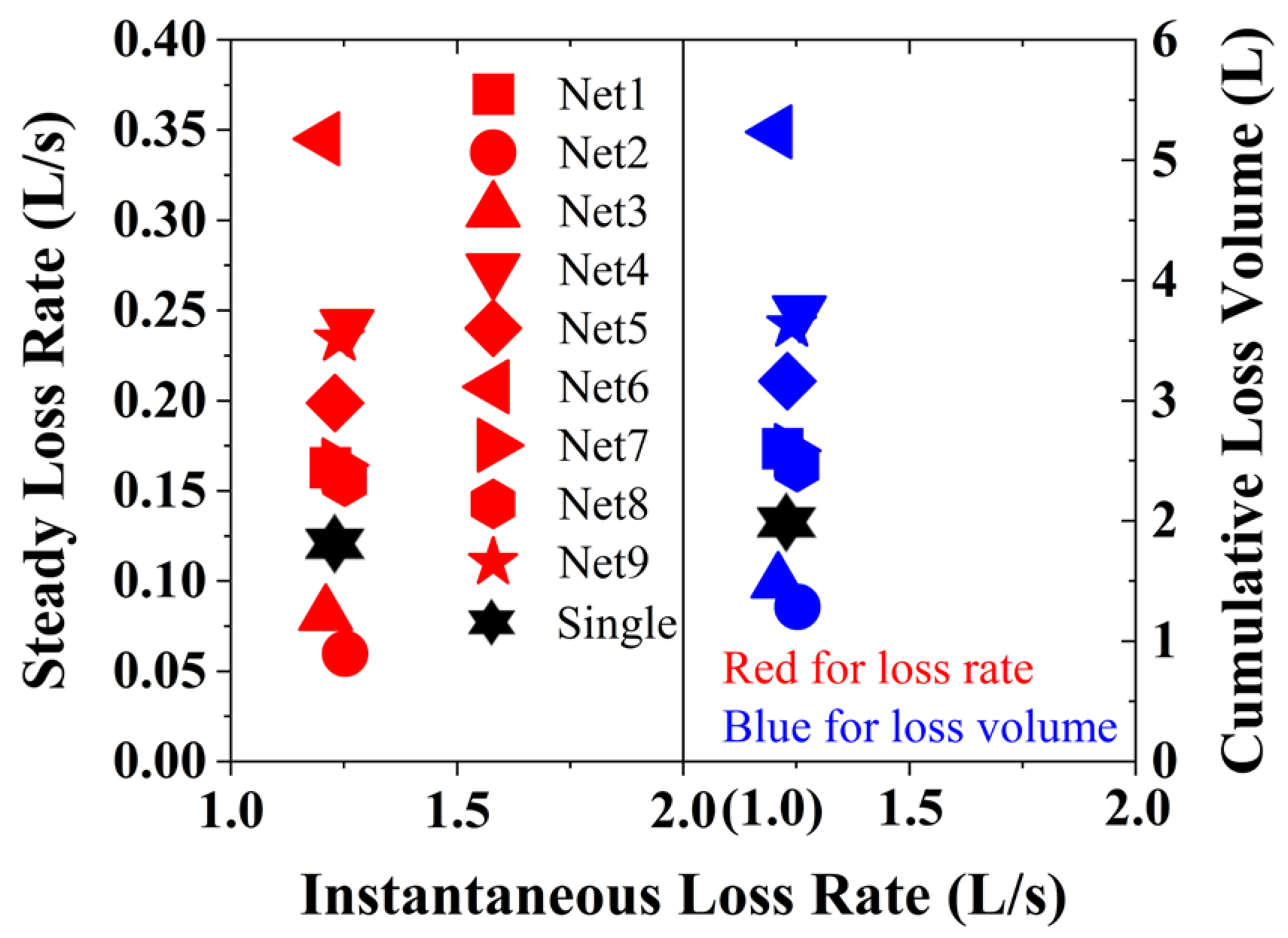
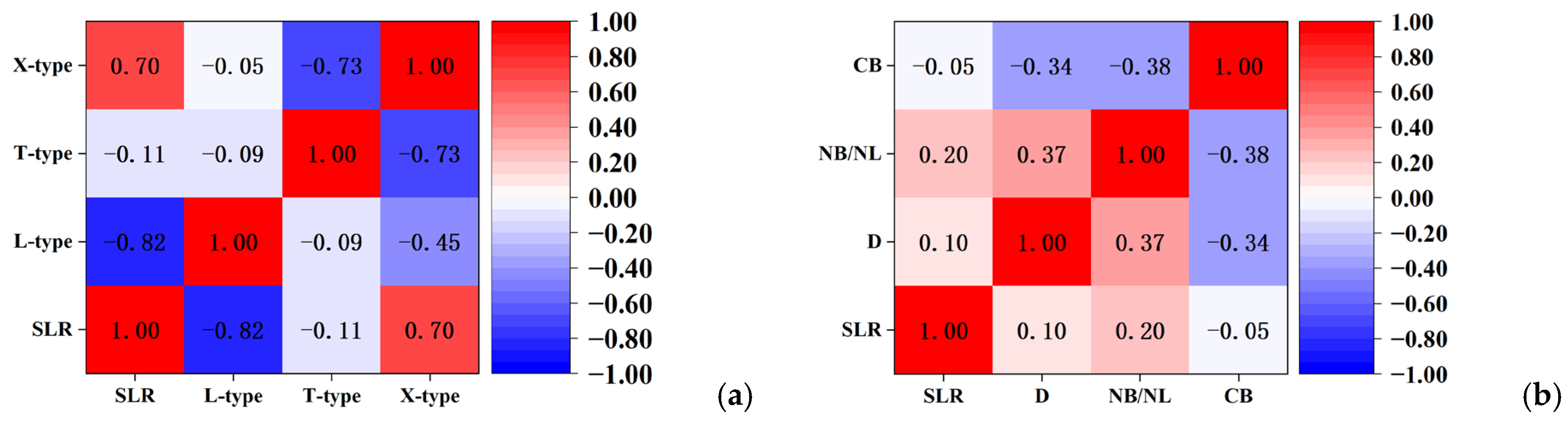
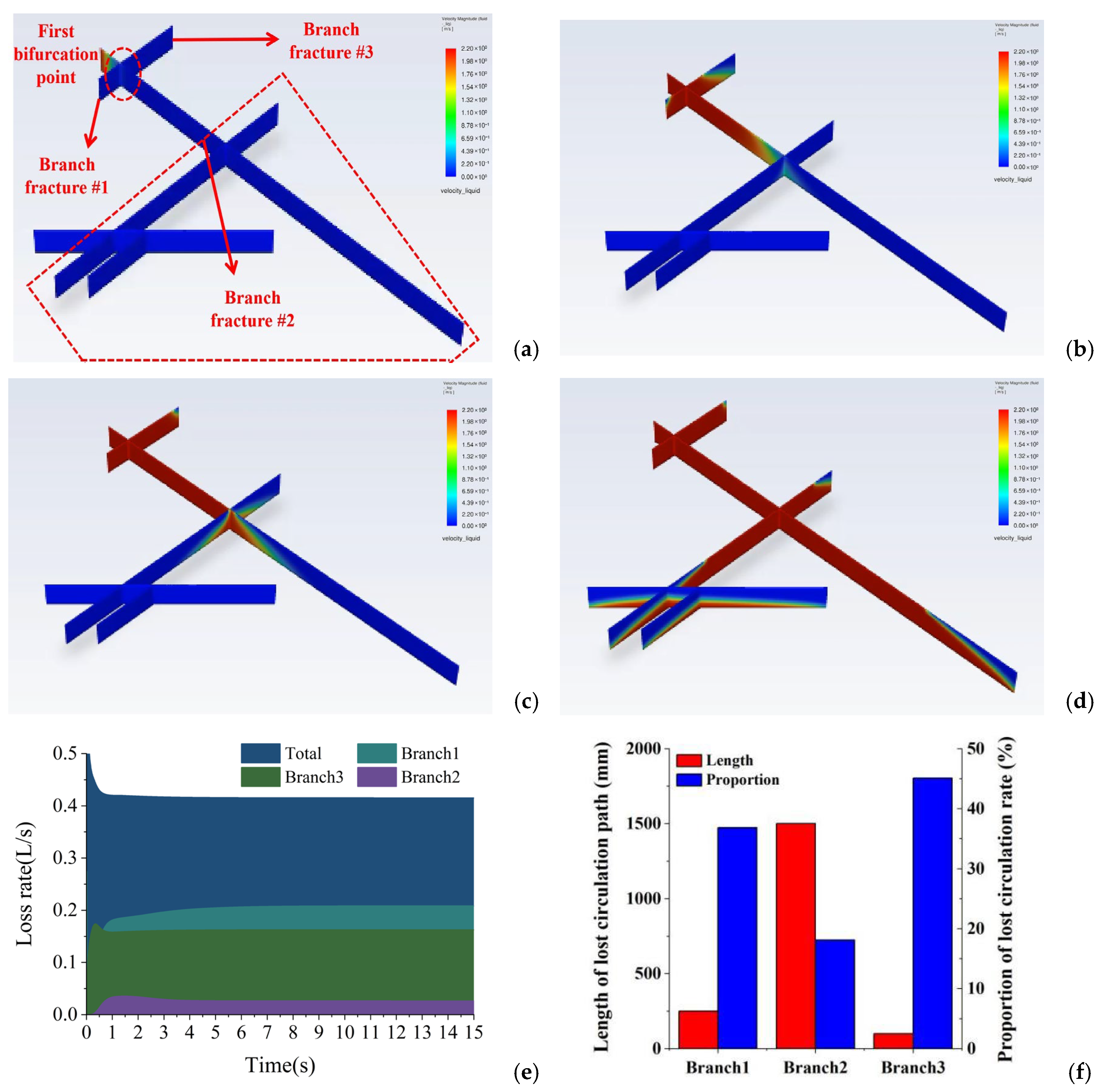
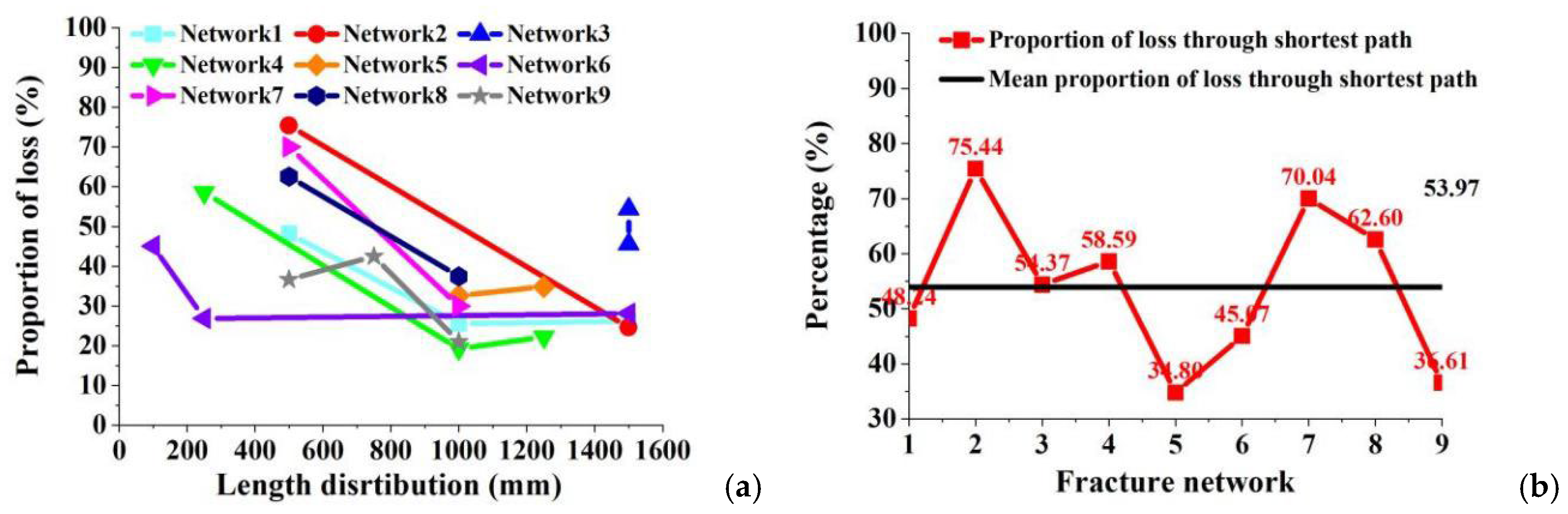
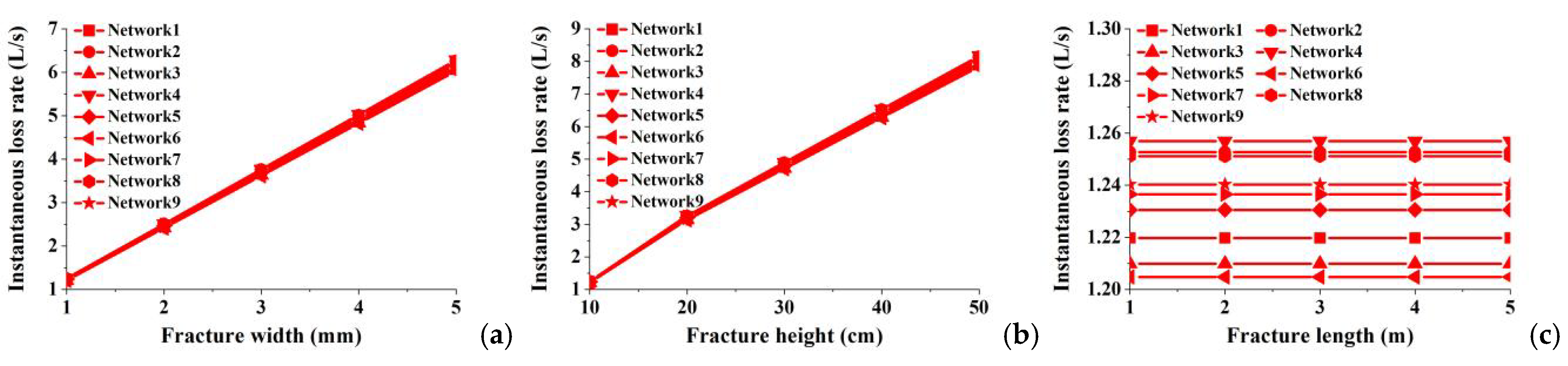
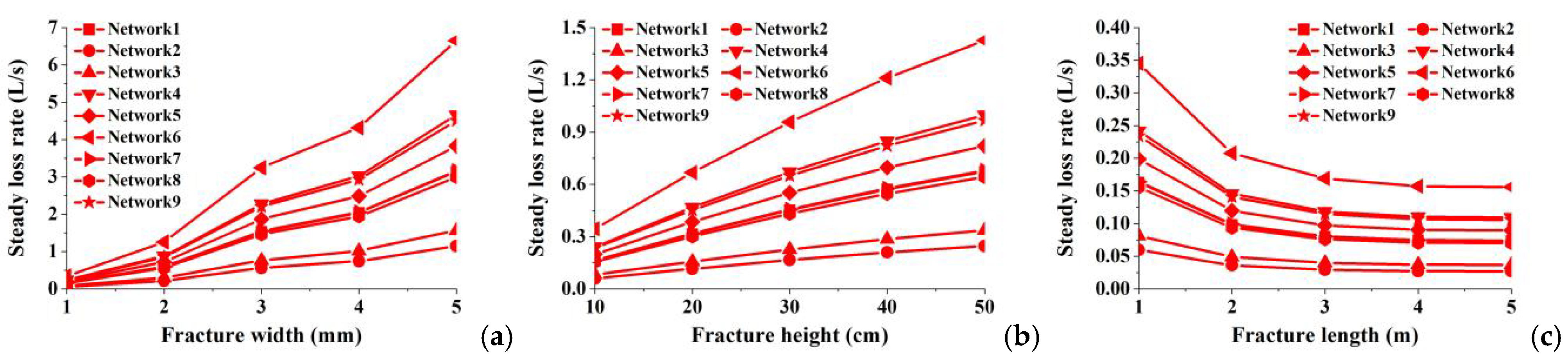
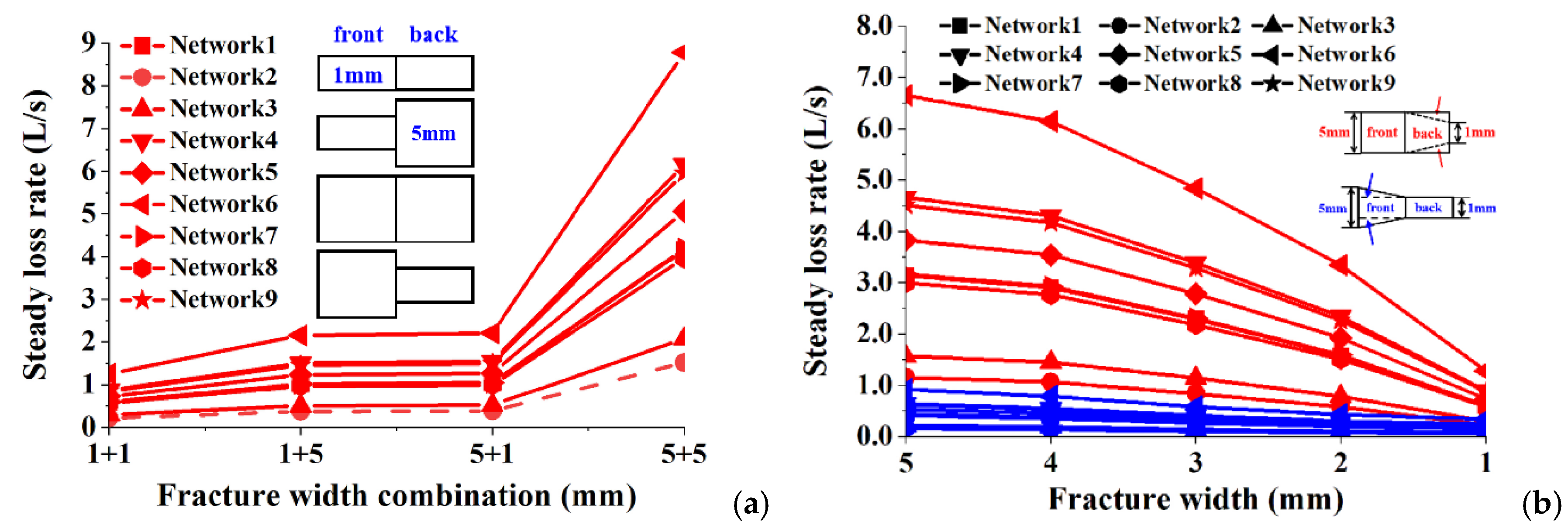
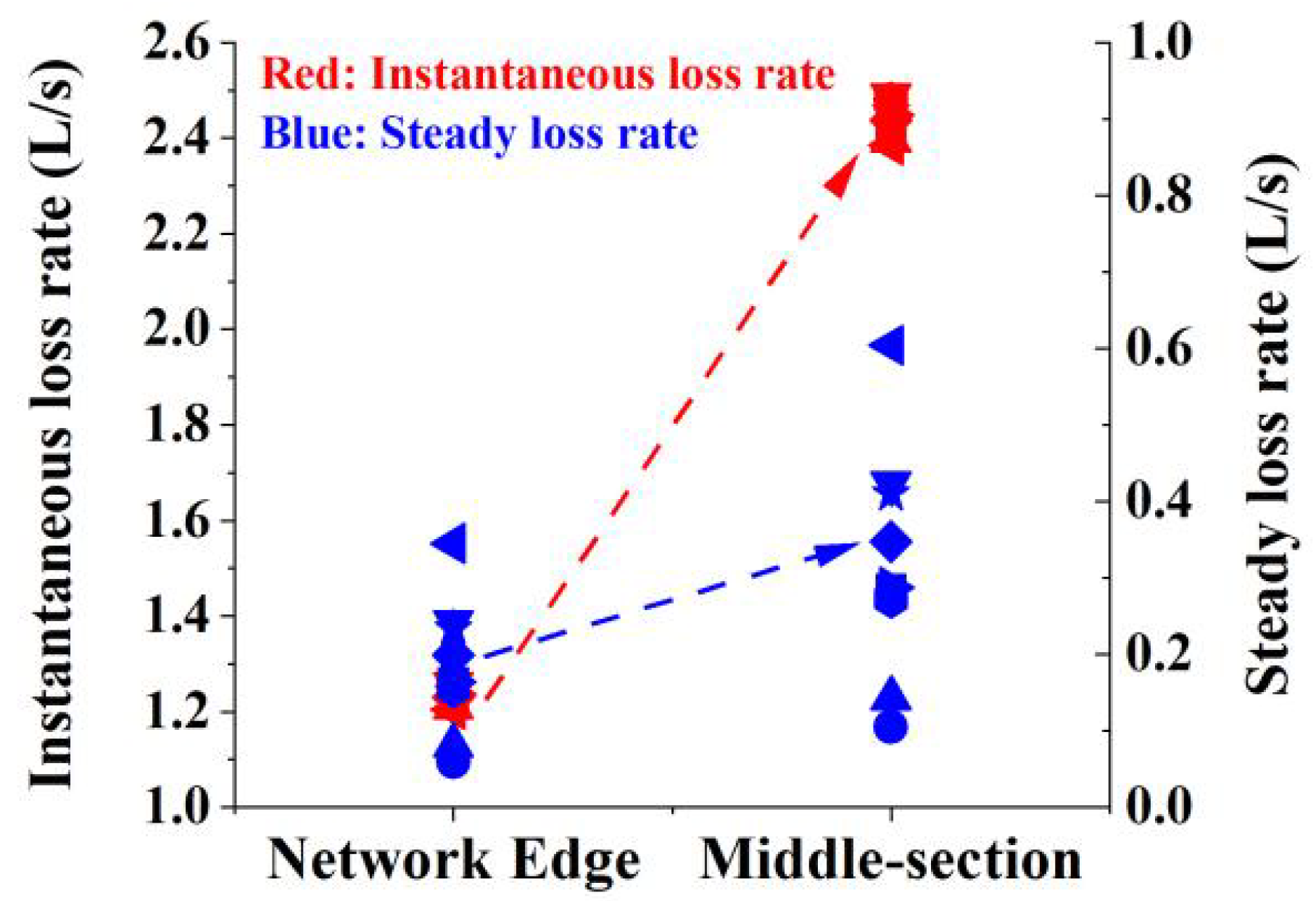
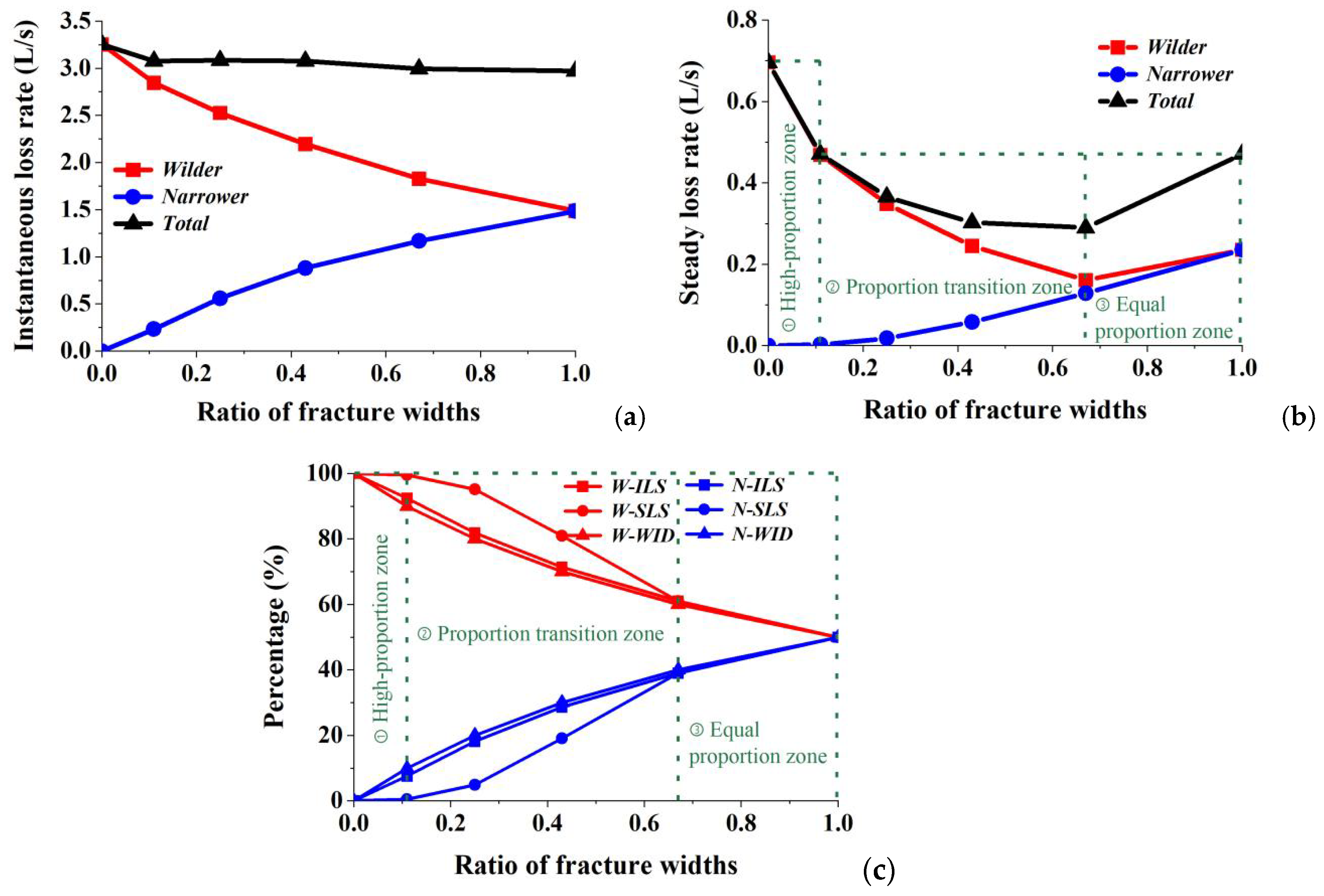
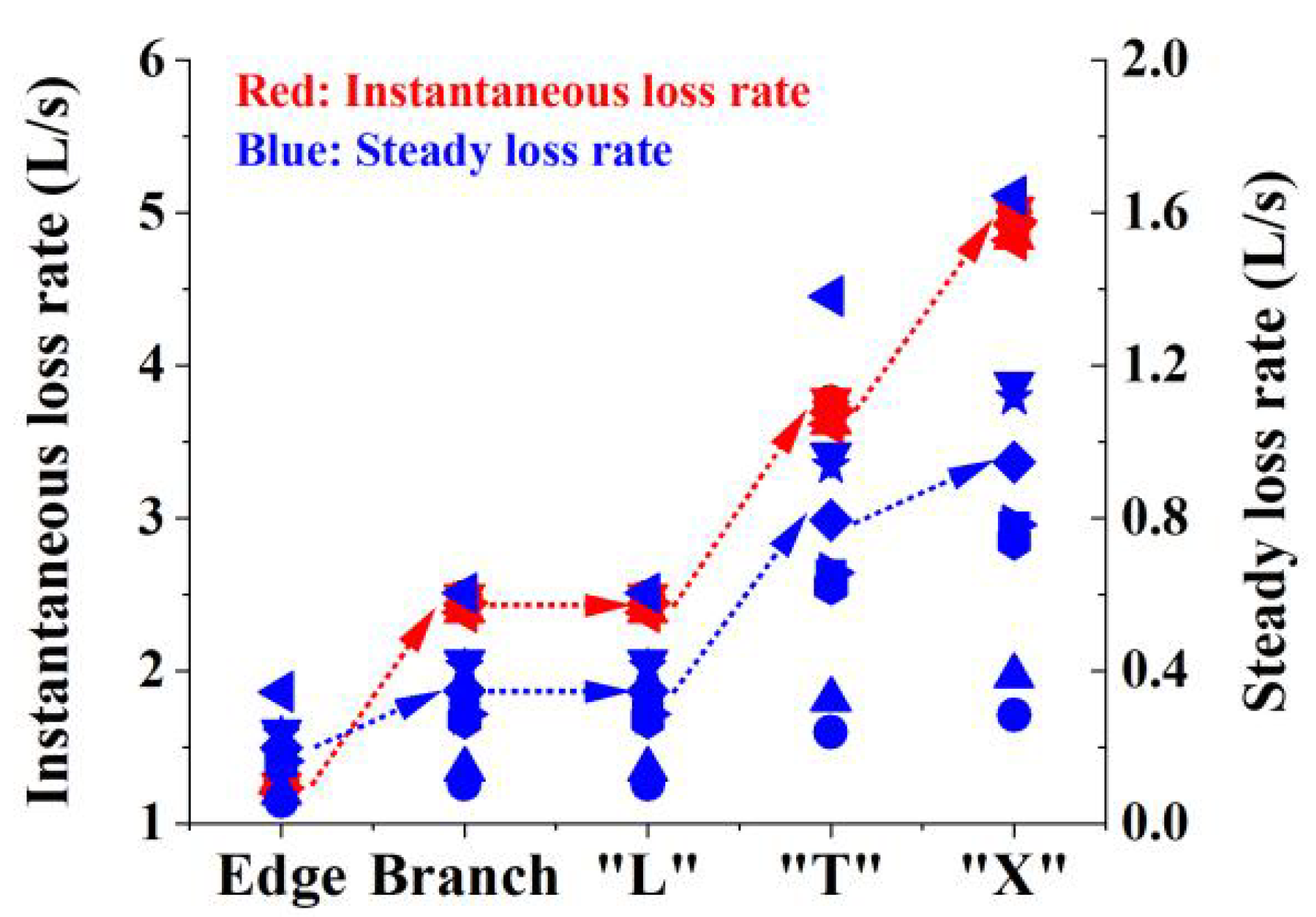
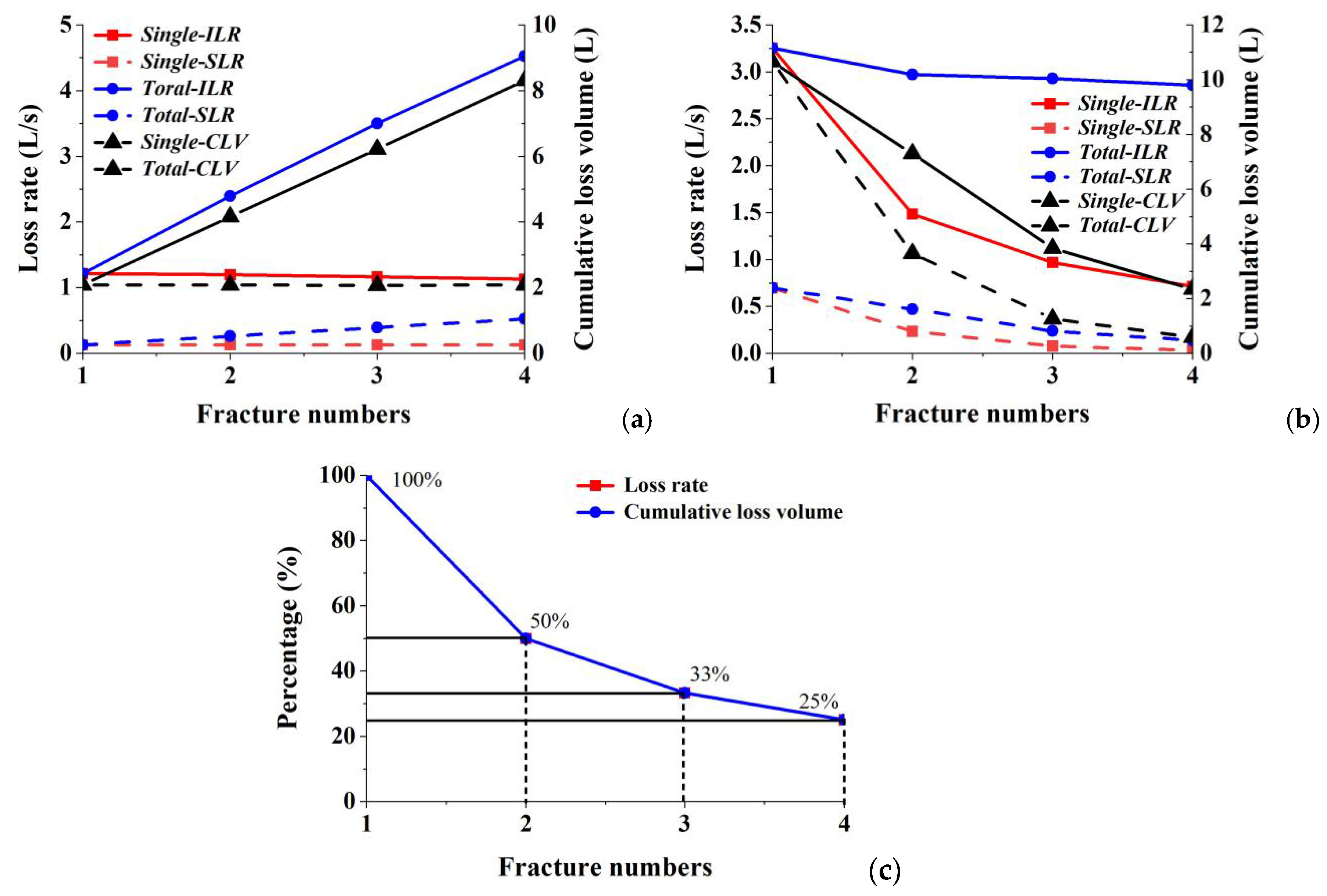
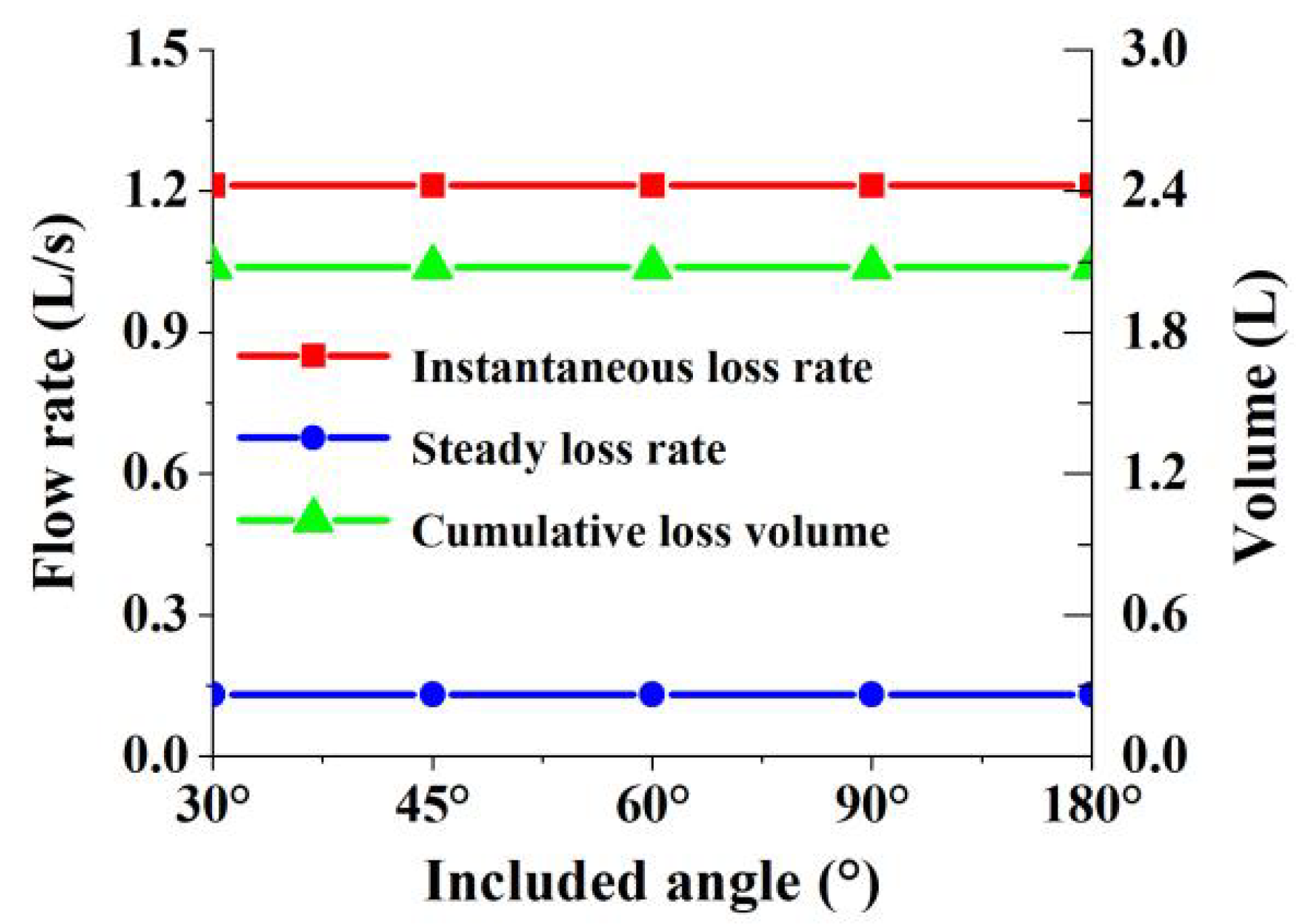
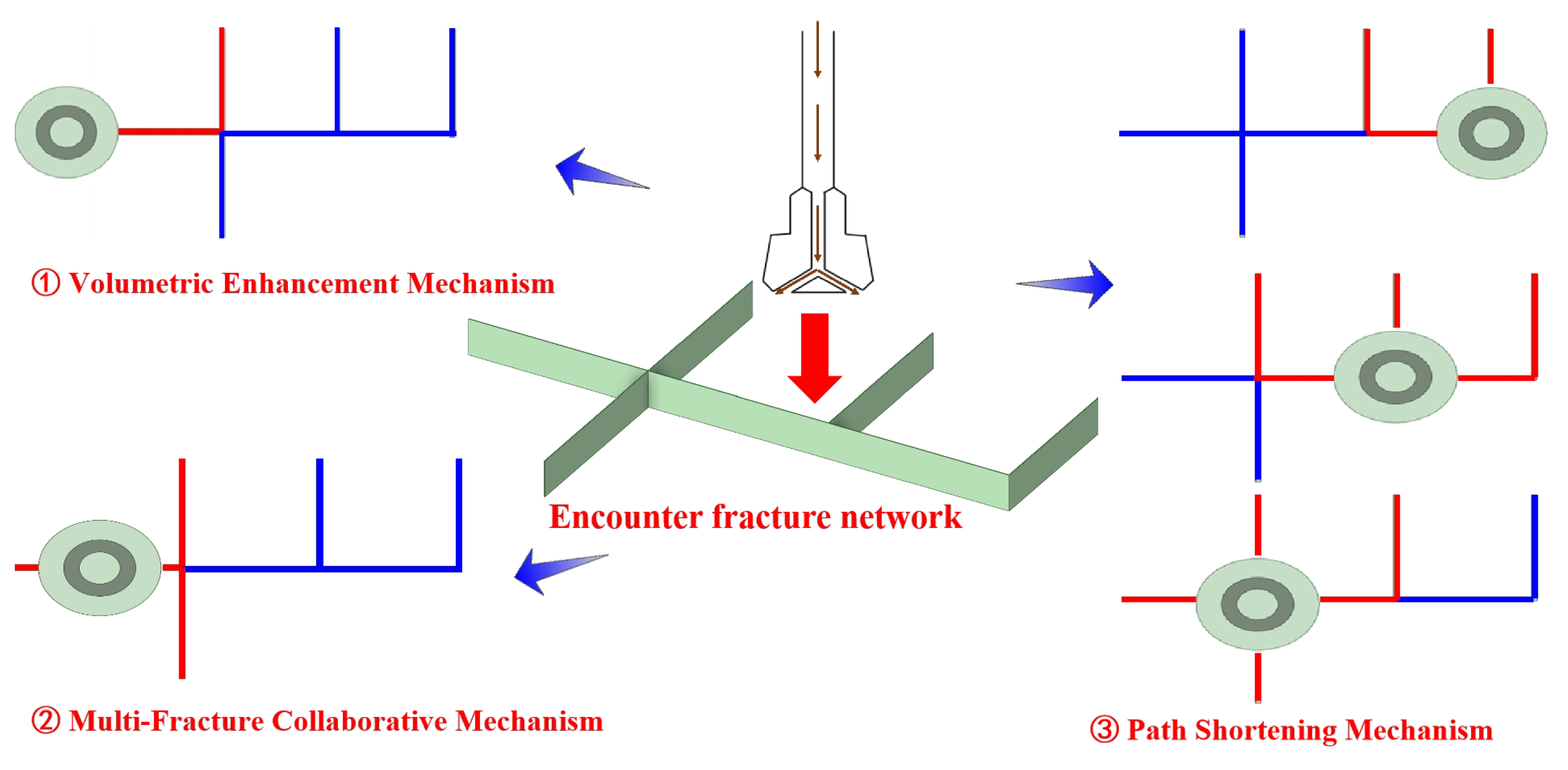
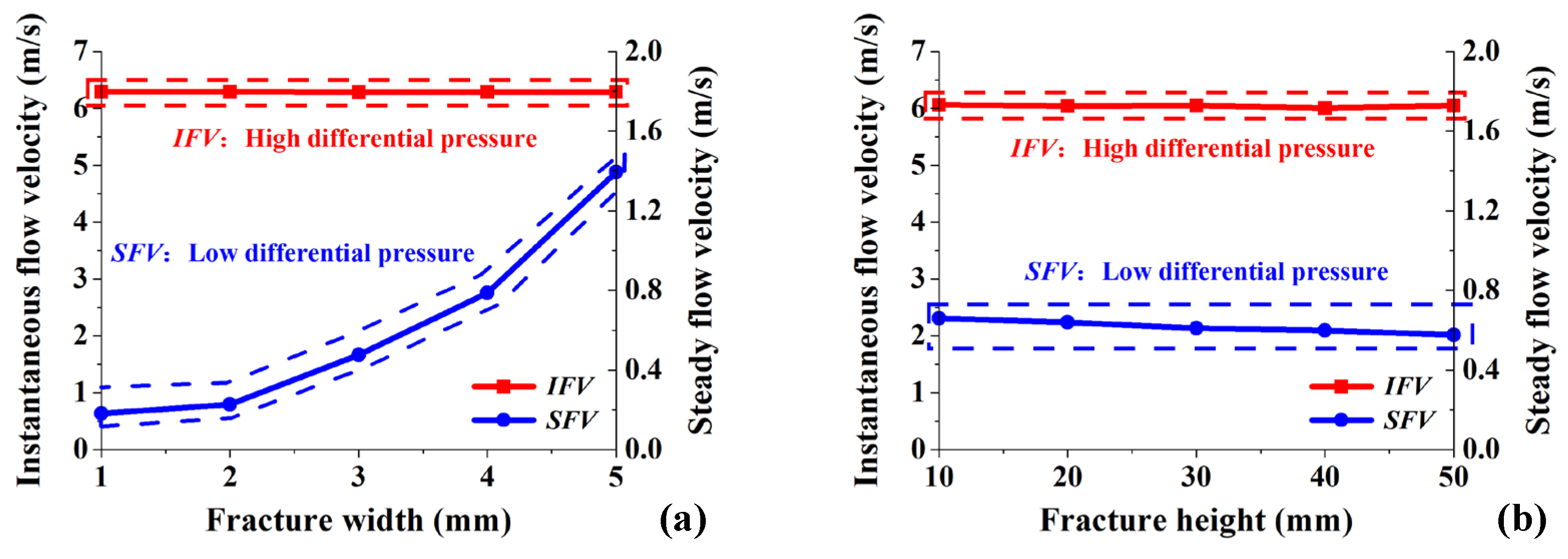
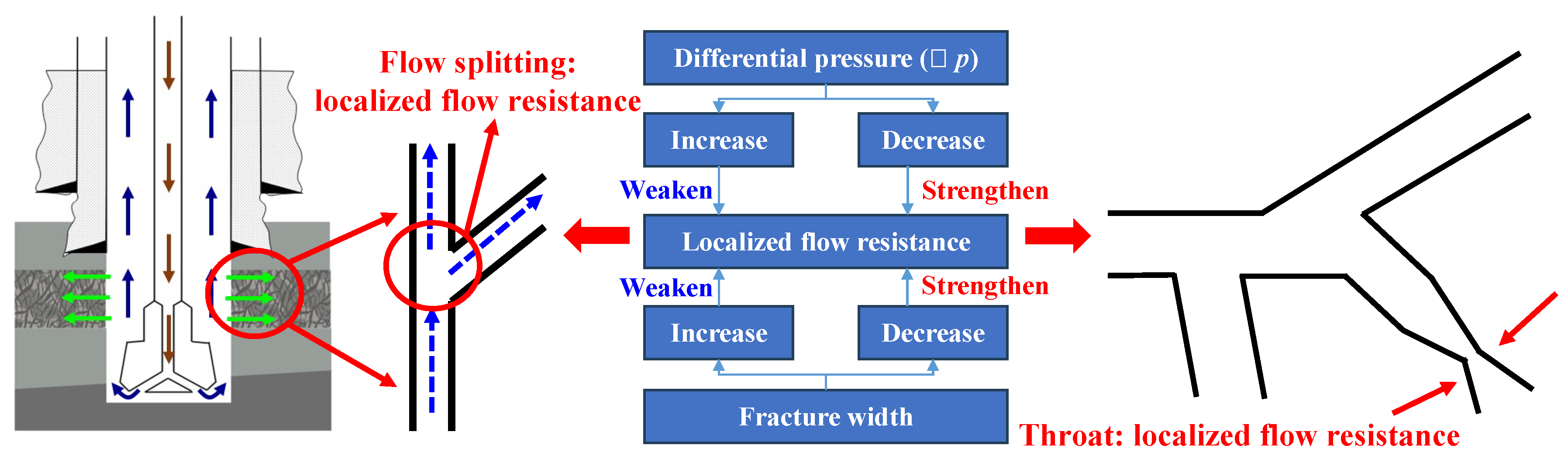
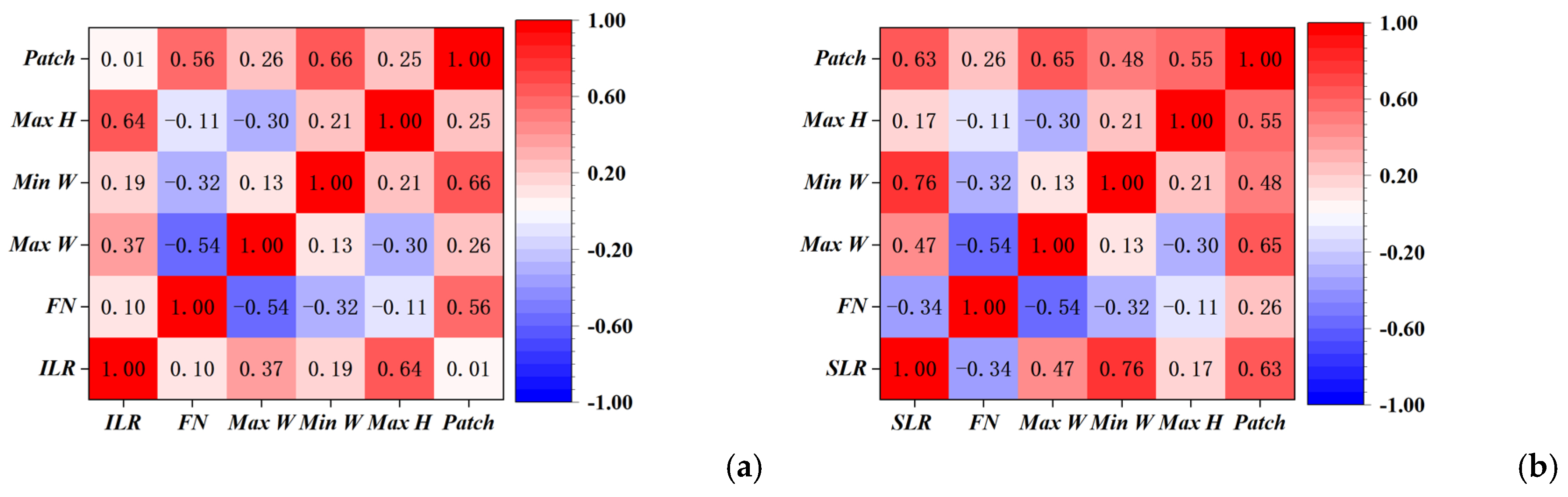
(2) To address the unclear mechanism of drilling fluid loss within fracture networks, this study demonstrates that compared with a single fracture, a fracture network can markedly amplify loss intensity through branch-induced capacity enhancement, superposition of shortest loss paths, and shortening of effective loss paths. The instantaneous loss rate is mainly controlled by the maximum width and height of the fractures connected to the wellbore, whereas the steady-state loss rate is jointly governed by the minimum width and the effective path length and, under a fixed total width, decreases as the number of connected fractures increases. The shortest flow channel and its bottleneck width determine the pattern of pressure-drop dissipation and are the key geometrical factors controlling long-term drilling fluid loss.
(3) To address the challenge that lost-circulation logging curves are strongly affected by multi-factor coupling and are difficult to use for the quantitative inversion of loss-zone geometry, this study builds on the wellbore-complex fracture-network loss dynamics and introduces the concept of a “hydraulic deviation code”. Parameterized CFD simulations are coupled with field logging curves in a comparative manner, and a clean lost-circulation case library is constructed in which dynamic responses provide the prior information, and logging data serve as supplementary constraints. Within this framework, strong mappings are established between multi-channel time series of flow-rate difference, standpipe pressure, and total pit volume variation and key geometrical parameters such as fracture width, fracture height, and shortest path length, providing high-quality training data and physical constraints for subsequent AI-based refined diagnosis of loss zones and optimisation of bridge-plugging treatments.